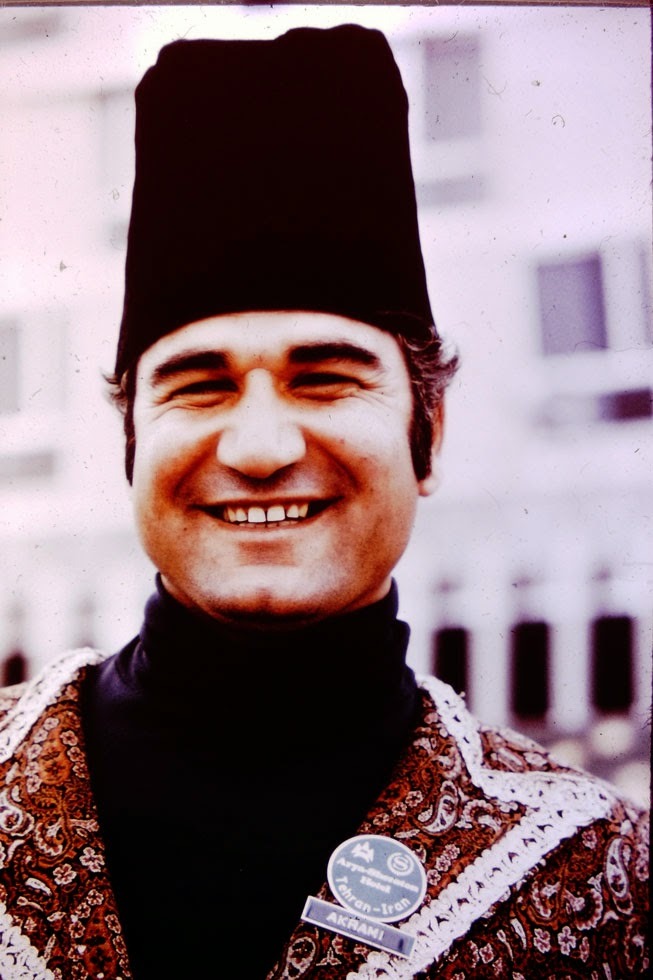
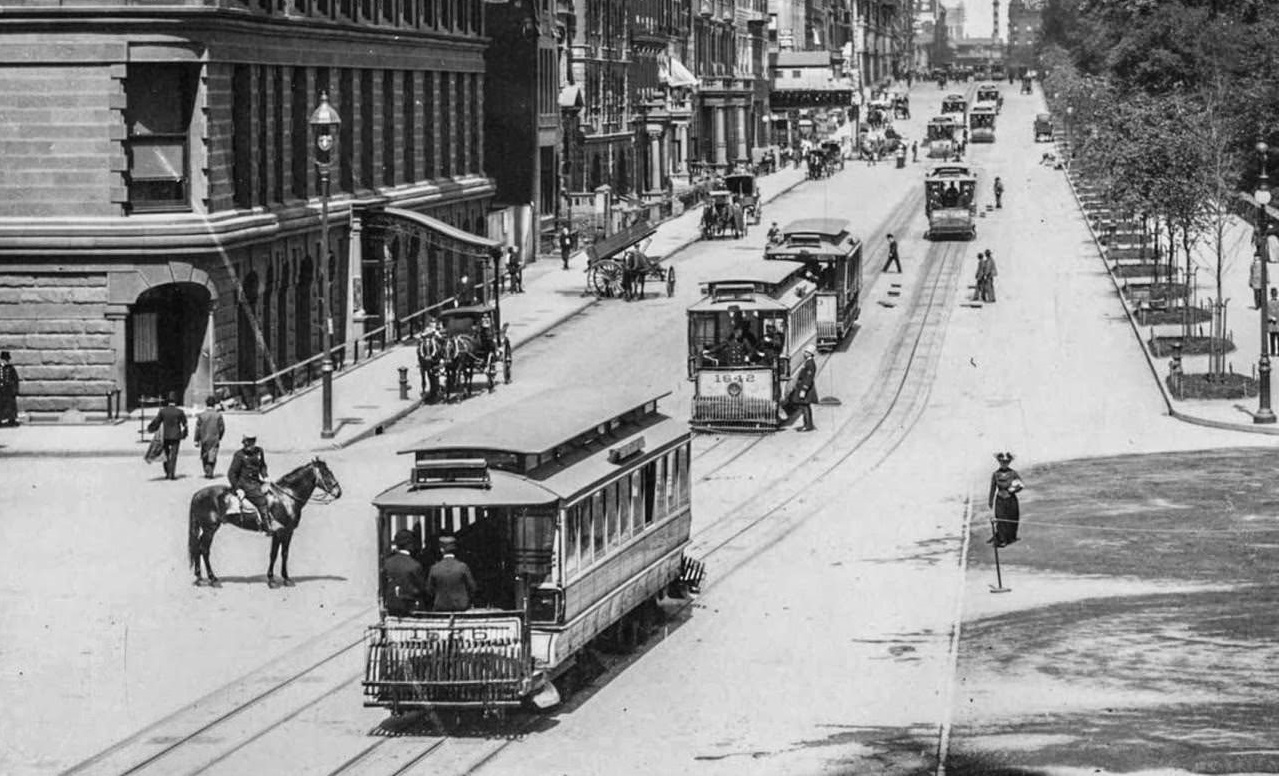
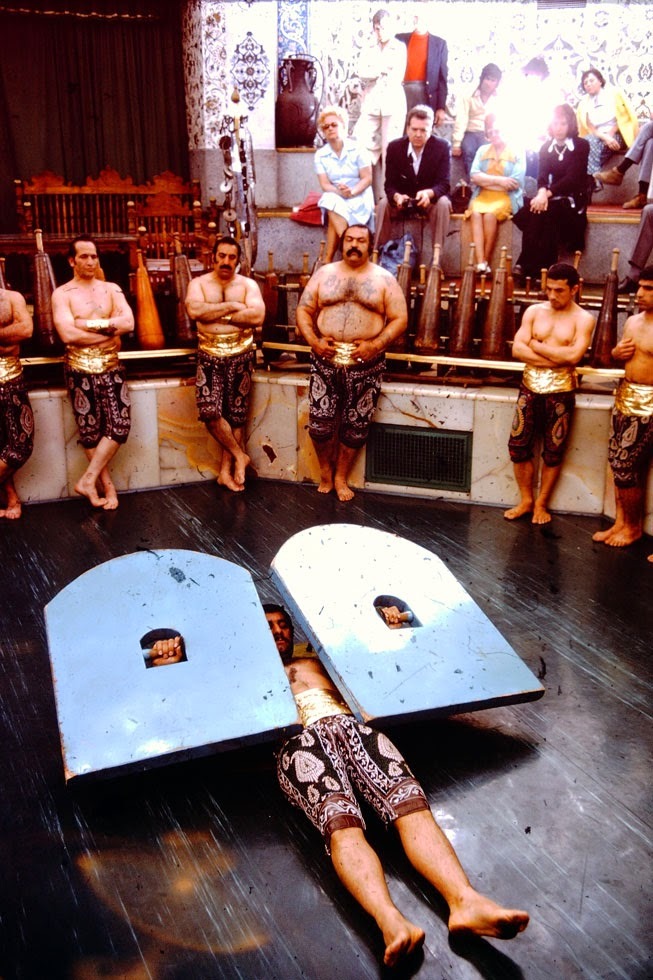
In January 1963, Shah Mohammad Reza Pahlavi launched the White Revolution, an ambitious modernization program funded by oil revenues. Tehran transformed into a city of concrete high-rises and wide avenues, yet traditional customs guided daily routines across the country. In residential neighborhoods, men gathered at local zurkhanehs, or houses of strength. Inside octagonal, sunken pits, athletes swung thirty-pound wooden clubs and spun across the tile floor while an instructor beat a goblet drum and chanted verse from the eleventh-century epic Shahnameh.
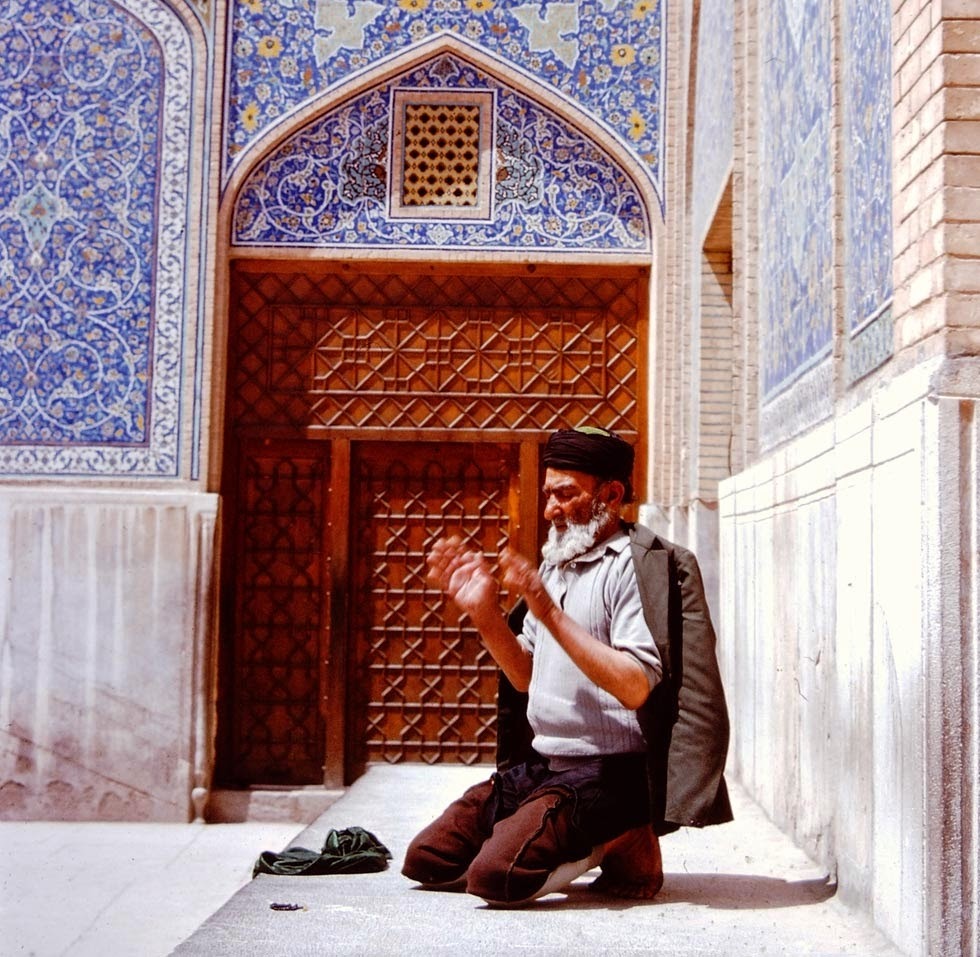
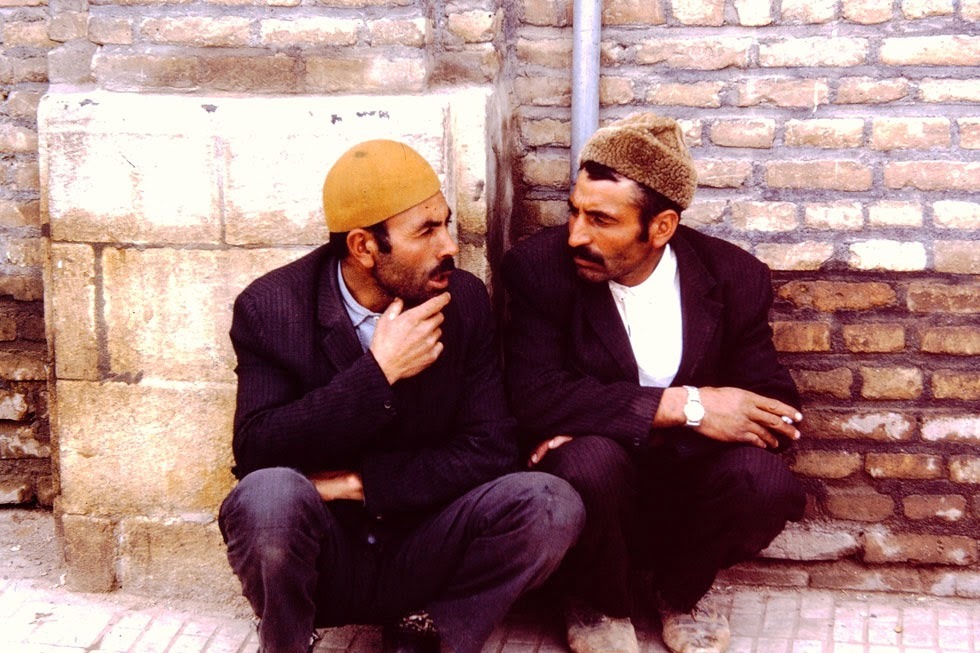
Religious practice remained personal and unhurried. Shopkeepers rolled out small rugs in quiet corners to pray. Older men sat outside neighborhood tea shops wearing rounded caps made of sheared lamb's wool, talking over crop yields and family news.
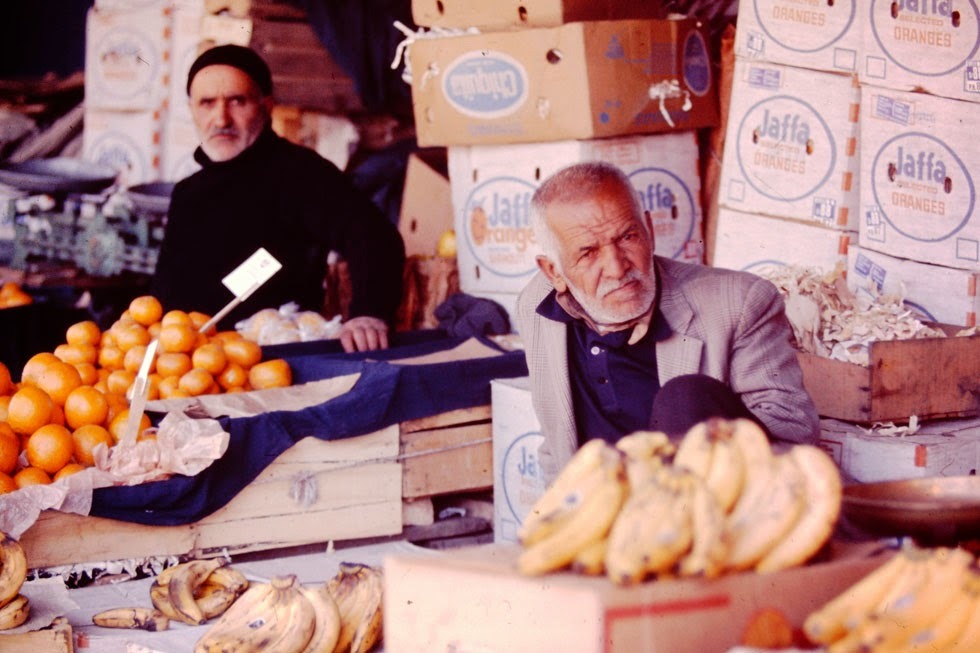
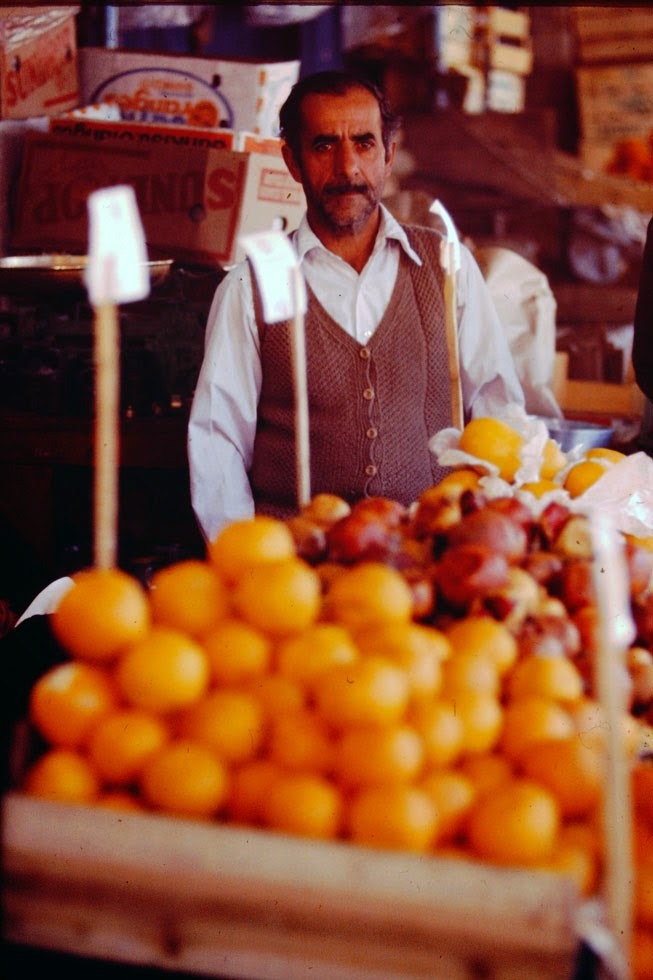
Wholesale produce stalls in Tehran displayed crates of fresh fruit alongside imports. Wooden boxes held pomegranates from Saveh next to Jaffa oranges shipped from Israel. The Shah maintained commercial and diplomatic relations with Israel during this period, allowing Israeli agronomists to help develop Iranian irrigation systems while fruit crossed trade borders freely.
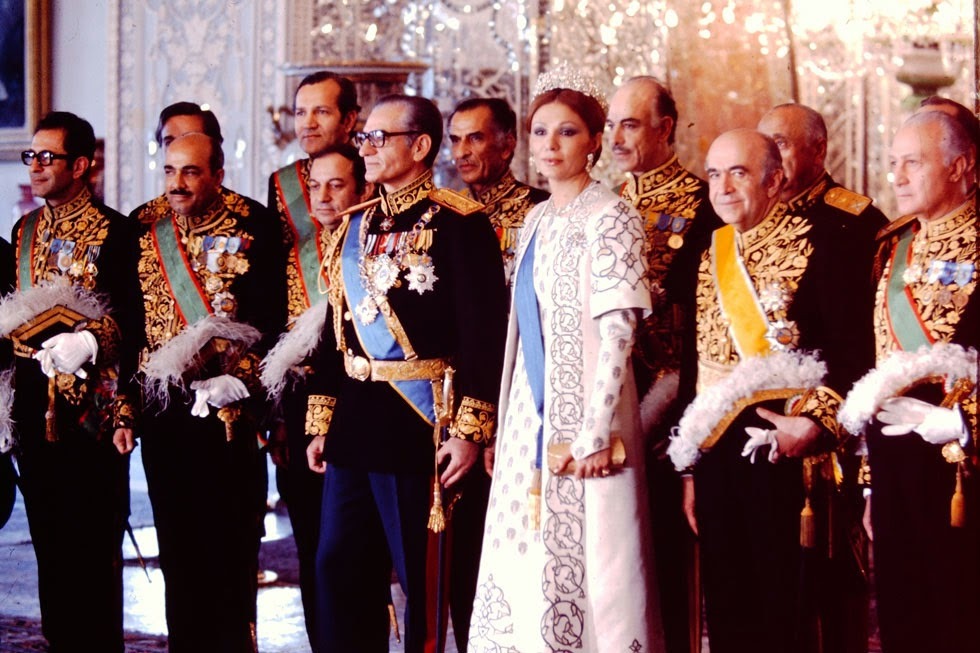
At court receptions inside Niavaran and Sadabad palaces, the atmosphere followed rigid western court etiquette. The Shah and Empress Farah hosted foreign diplomats, cabinet ministers, and military generals dressed in French tailored gowns and medal-heavy service jackets.
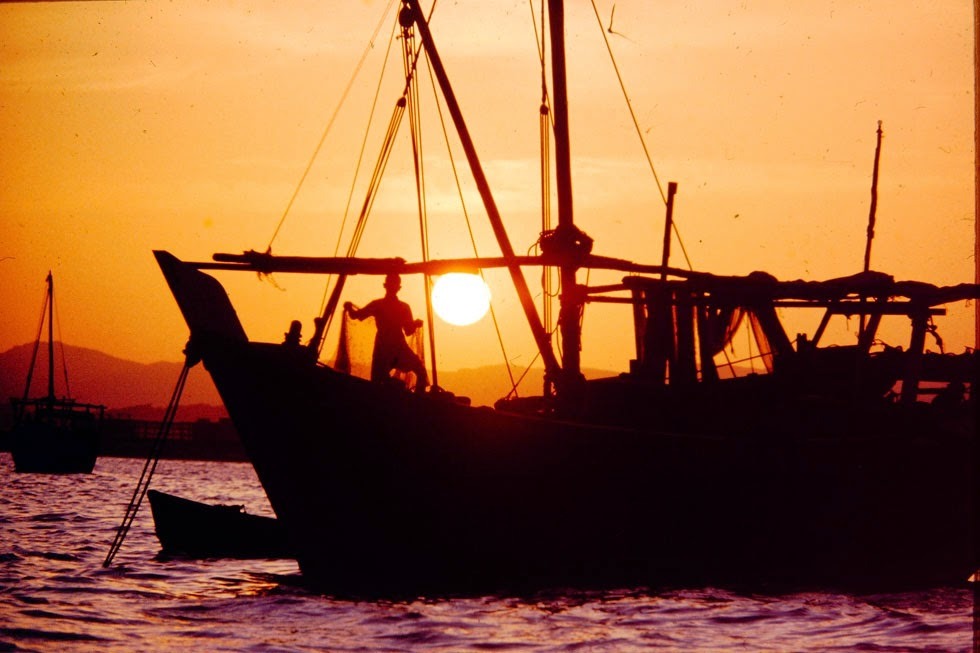
Seven hundred miles north, on the southern shore of the Caspian Sea, the rhythms of life depended on wind and water. Fishermen in wooden dinghies pushed off into the chop at dawn, working small drag nets off the coast of Mazandaran and Gilan.
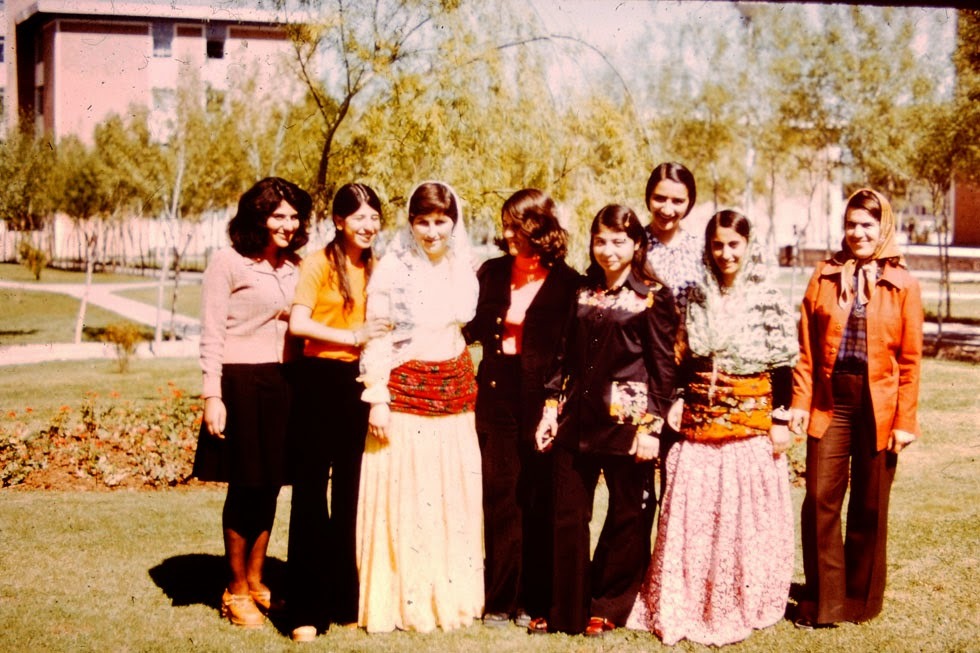
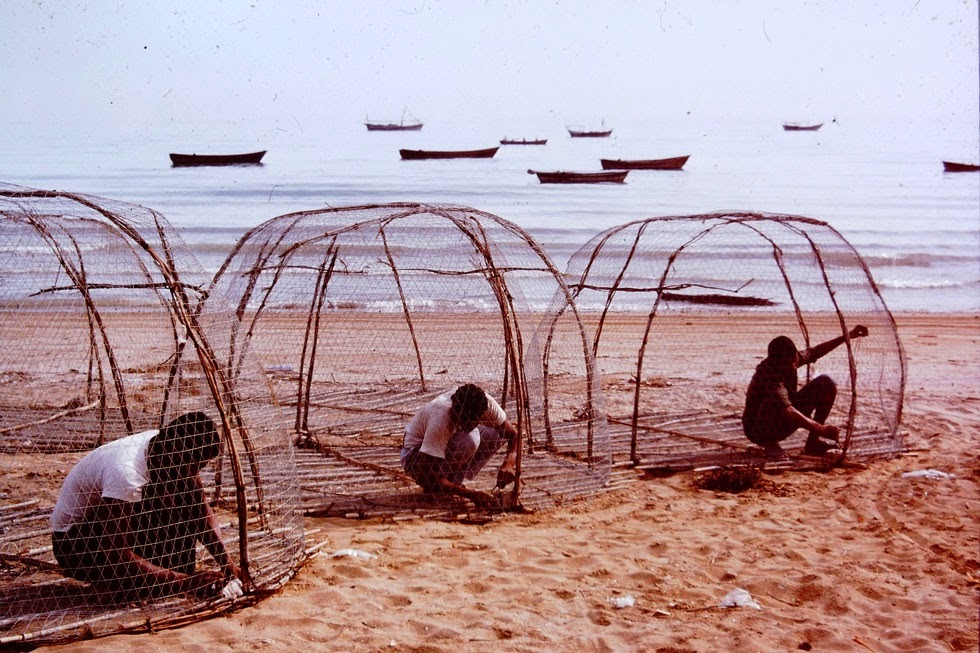
Modern middle-class families held large wedding celebrations in downtown halls, where brides wore white lace gowns and veil headpieces influenced by European fashion magazines. Further down the coast, commercial sturgeon crews dragged heavy seine nets through surf near Bandar Pahlavi. The state fish monopoly, Iran Shilat, oversaw the sorting of beluga and sevruga eggs, packing high-grade caviar into metal tins destined for luxury export markets in Geneva and Paris.
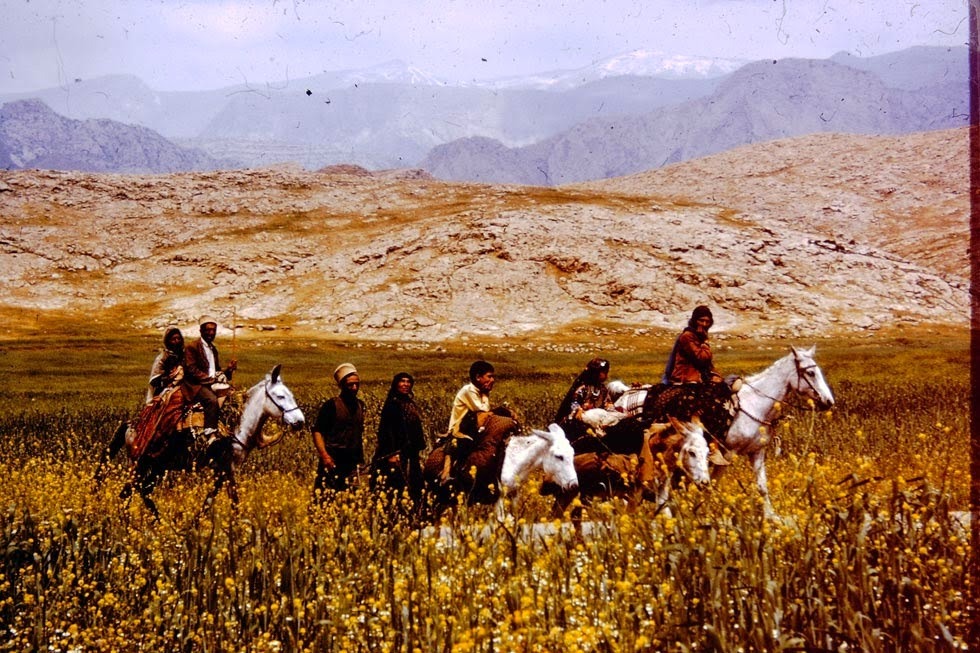
In the central Zagros mountains, roughly two million pastoral nomads ignored urban trends entirely. Every spring, Bakhtiari, Qashqai, and Lur clans packed heavy woven saddlebags, wool tents, and copper kettles onto the backs of horses and mules. They moved along ancient trails called ilrah, guiding sheep and goats toward green summer pastures above eight thousand feet.
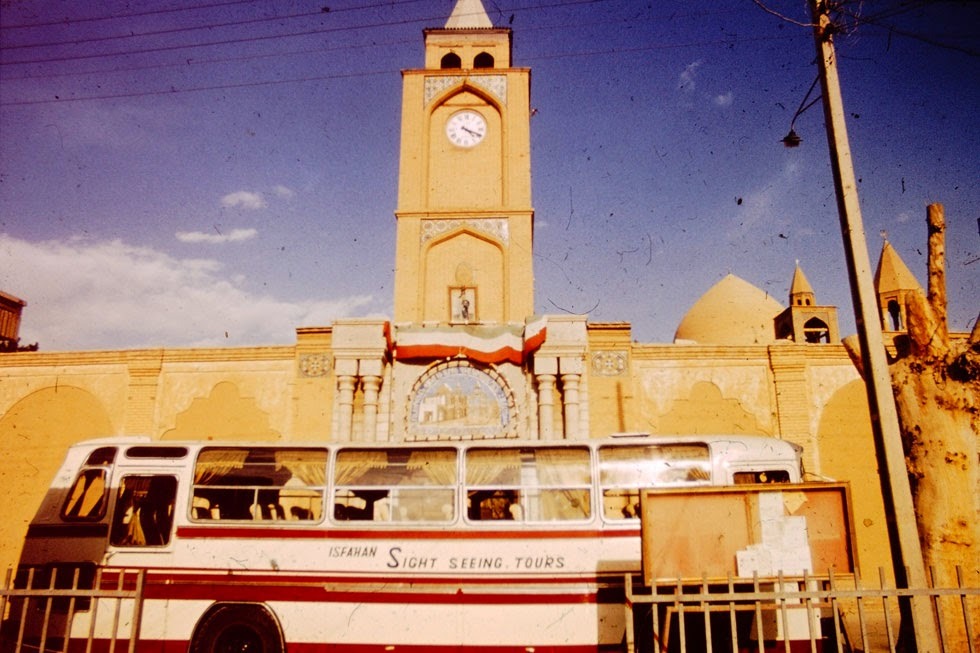
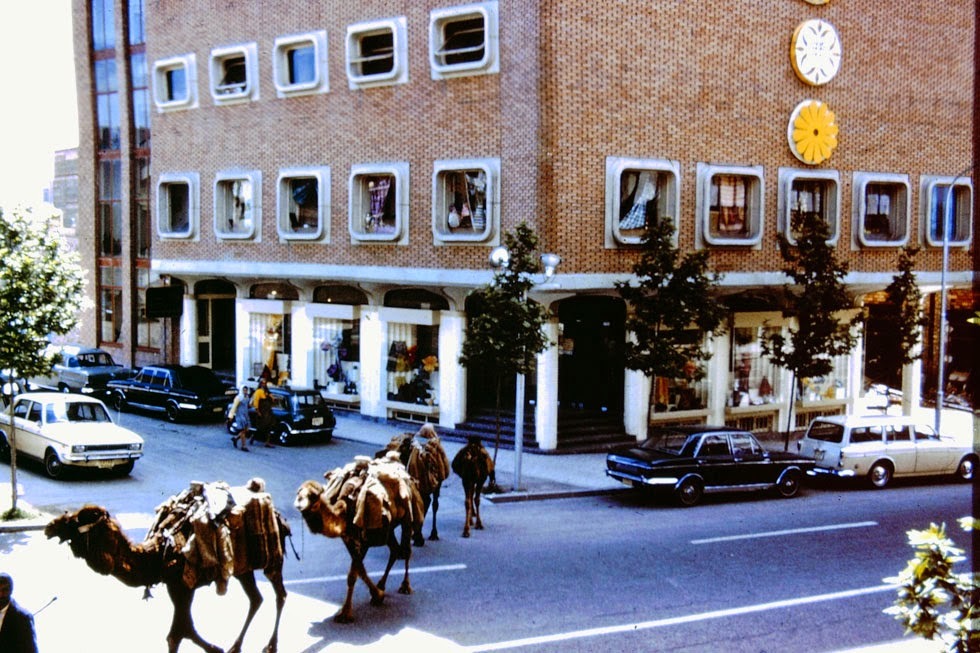
Modern paved roads cut across these migration routes. Blue Mercedes-Benz buses built in Tehran by the Iran National company carried travelers between regional capitals. The buses regularly pulled into desert rest stops so drivers could refill water jugs and passengers could wash road dust from their faces. At the edges of the capital, camel caravans still delivered agricultural produce and wool goods from rural villages directly to urban bazaars.
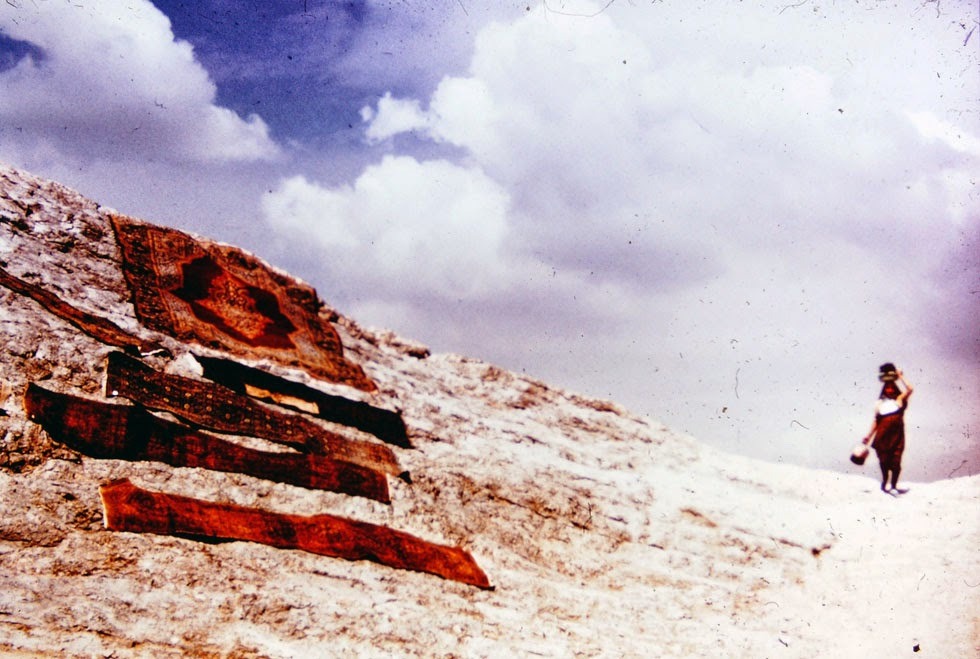
Just south of Tehran, the ancient town of Rey served as a washing ground for the carpet trade. Merchants brought hand-knotted wool rugs to the mineral spring at Cheshmeh Ali. After scrubbing the dirt out with wooden paddles, workers carried wet runners up the limestone cliffs and spread them flat in the desert sun to dry.
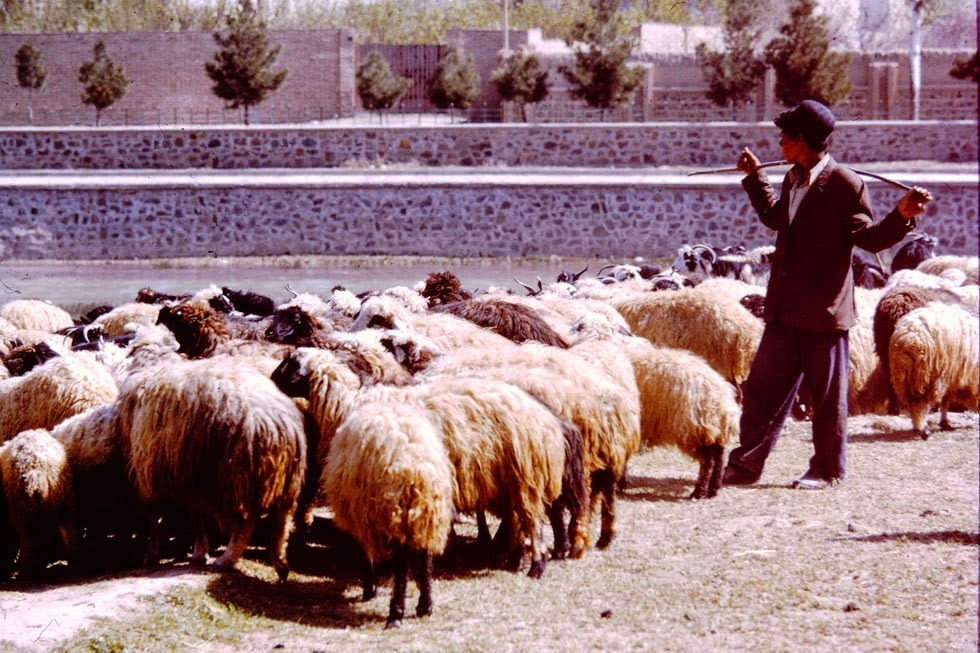
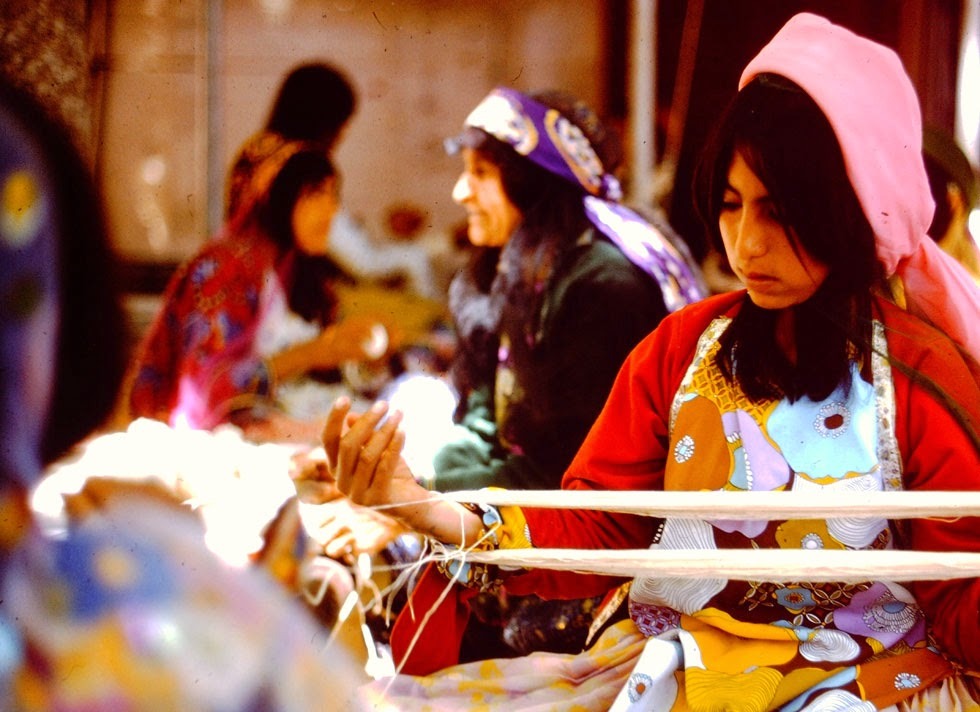
The carpet business depended on native fat-tailed sheep. The animals stored heavy reserves of fat in their broad tails, making their meat lean and their wool thick and tough. In roadside camps and mountain villages, nomad women twisted the wool onto hand spindles, spinning thread that weavers later soaked in natural dyes made from madder root, pomegranate rinds, and walnut shells.
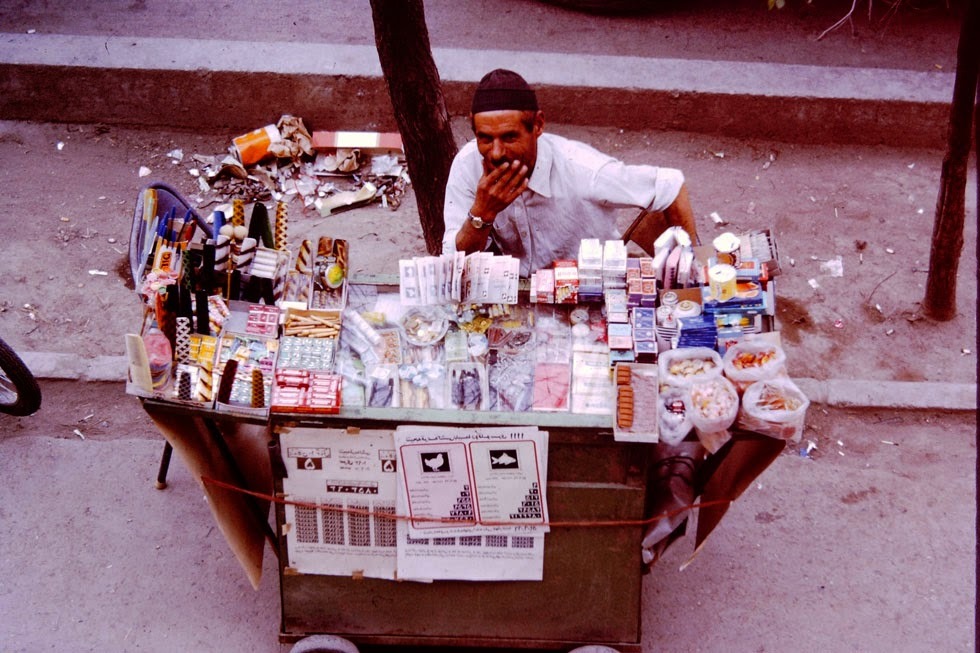
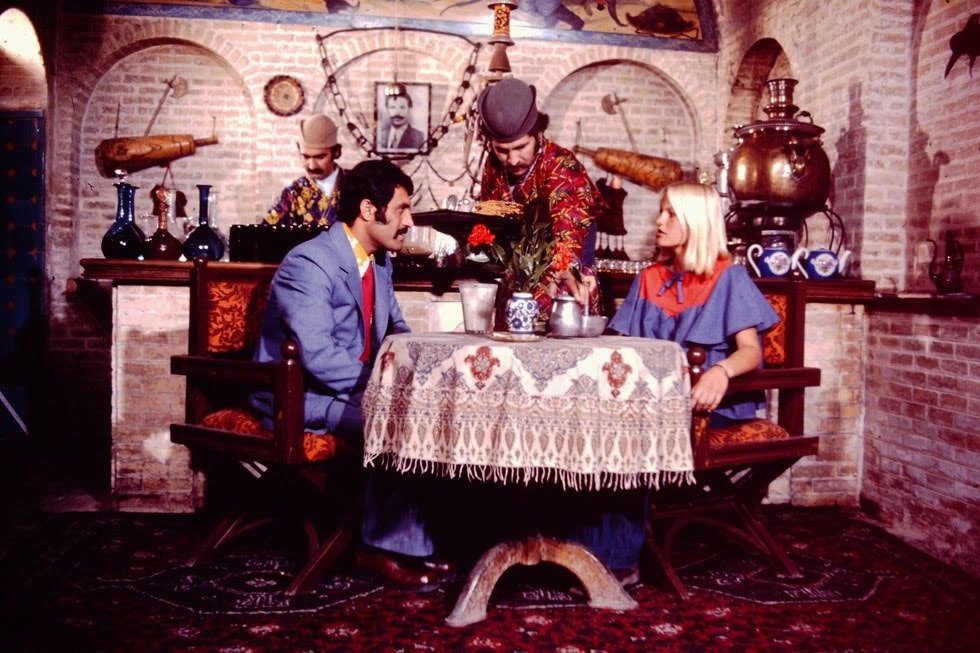
City sidewalks offered cheap conveniences. Street vendors parked wooden carts on pedestrian corners to sell Oshno cigarettes, Chicklets, mint candy, and government lottery tickets. Inside traditional teahouses, men rested on carpeted wooden benches, drinking cups of amber Ceylon tea with hard sugar cubes and smoking fruit-flavored tobacco from water pipes.
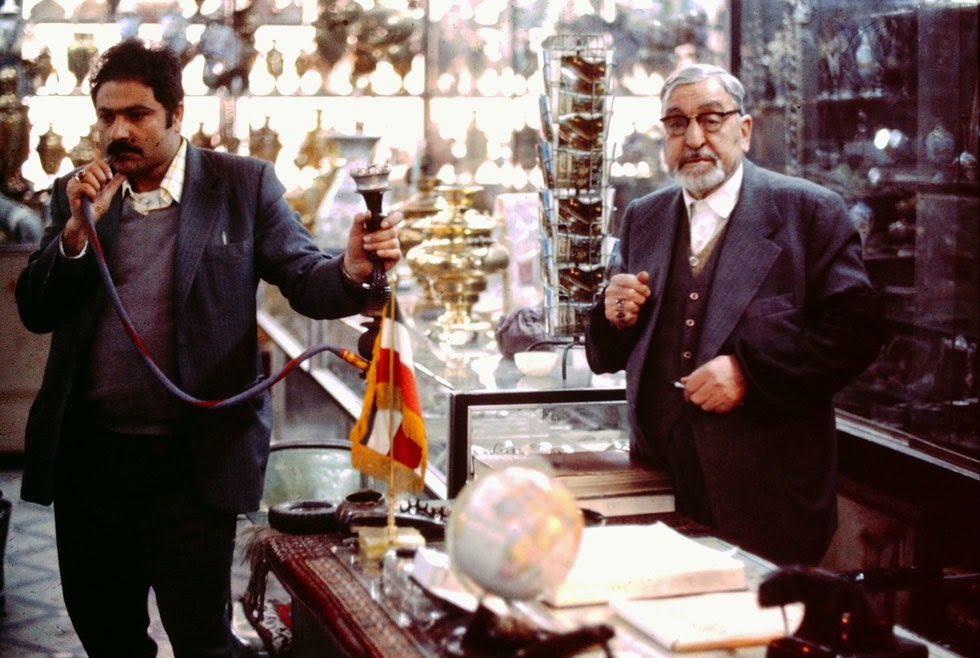
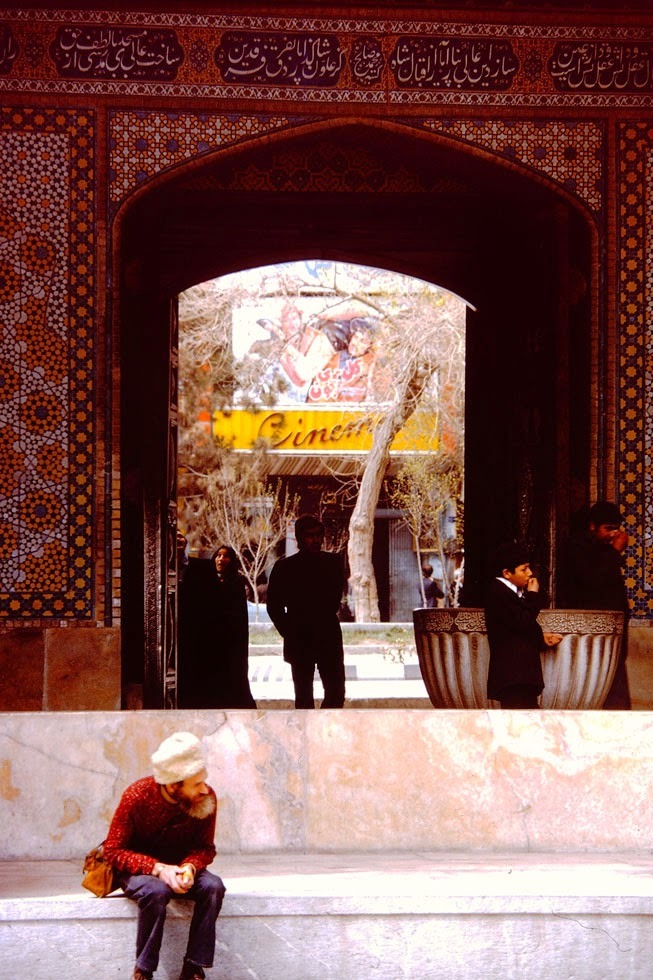
Boutiques along Ferdowsi Street catered to foreign tourists with rows of brass hookahs, painted bone boxes, and silver jewelry. Down on Lalehzar Street, neon theater signs advertised double features. Moviegoers lined the sidewalk to buy paper tickets for Hollywood westerns, Bollywood song-and-dance titles, and homegrown melodramas.
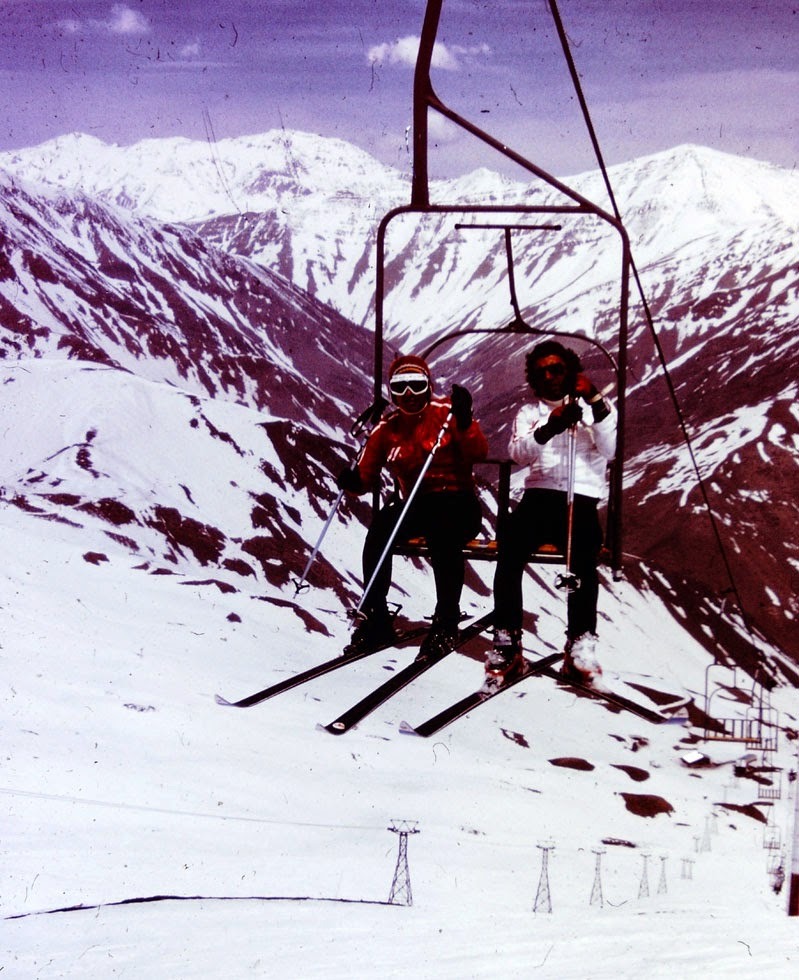
Upper-class residents spent weekends outdoors. When winter snow hit the Alborz range, skiers drove north on the twisty Chalous road to Dizin and Shemshak, riding modern chairlifts installed by European engineers.
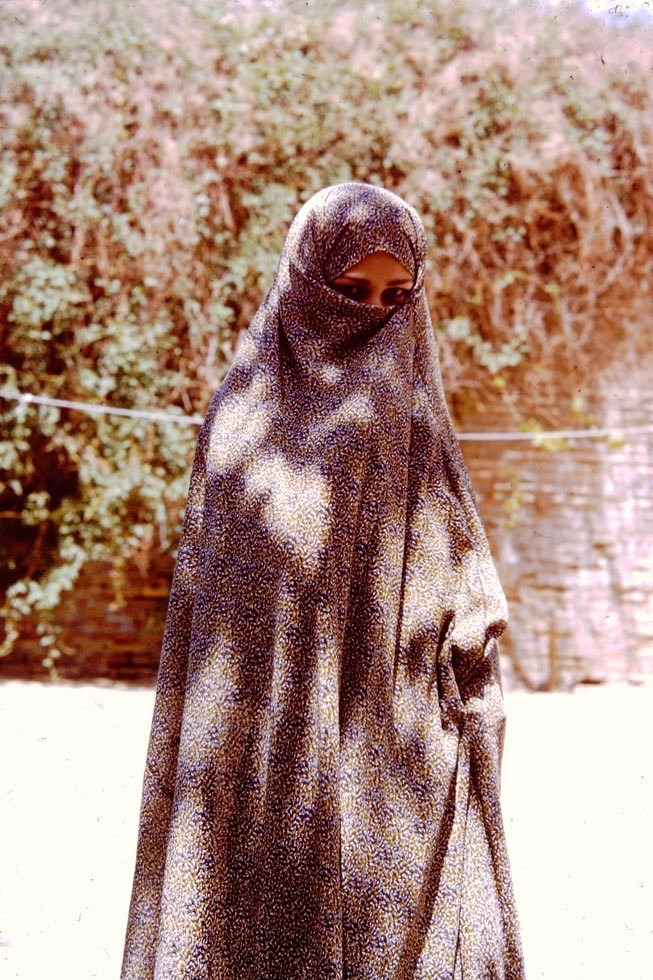
Despite modern sports and western cinema, deep-seated social habits persisted. Young girls and mothers pulled printed cotton chadors tight across their chins when walking between family homes and neighborhood grocers.
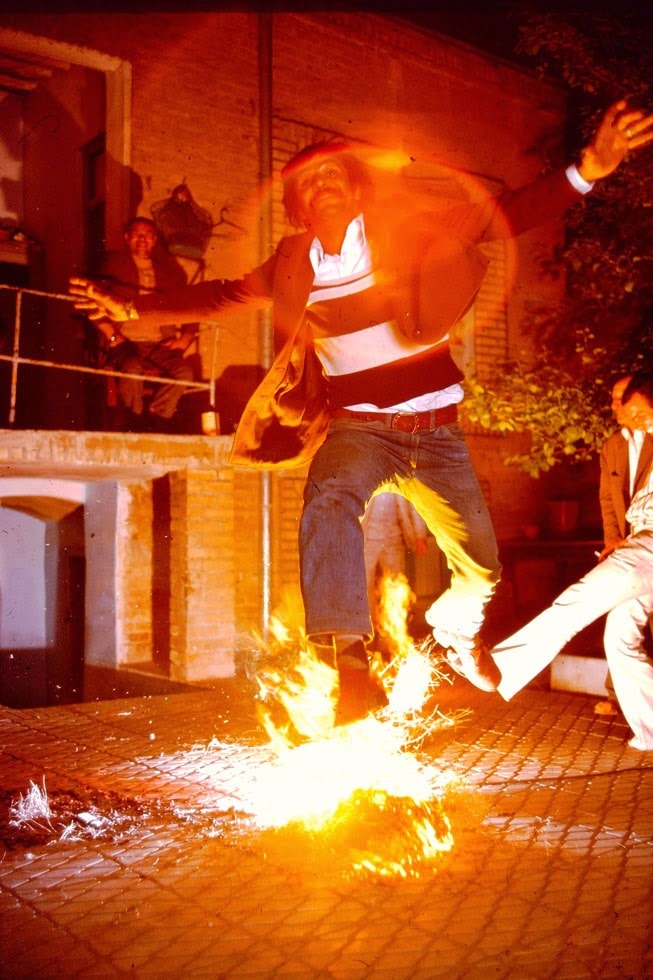
On the final Tuesday night before the Persian New Year, the streets filled with smoke during Chahar Shanbeh Suri. Families gathered brushwood into rows of small bonfires. Children and parents jumped across the embers, reciting an ancient Zoroastrian charm asking the fire for health and strength in the coming year.
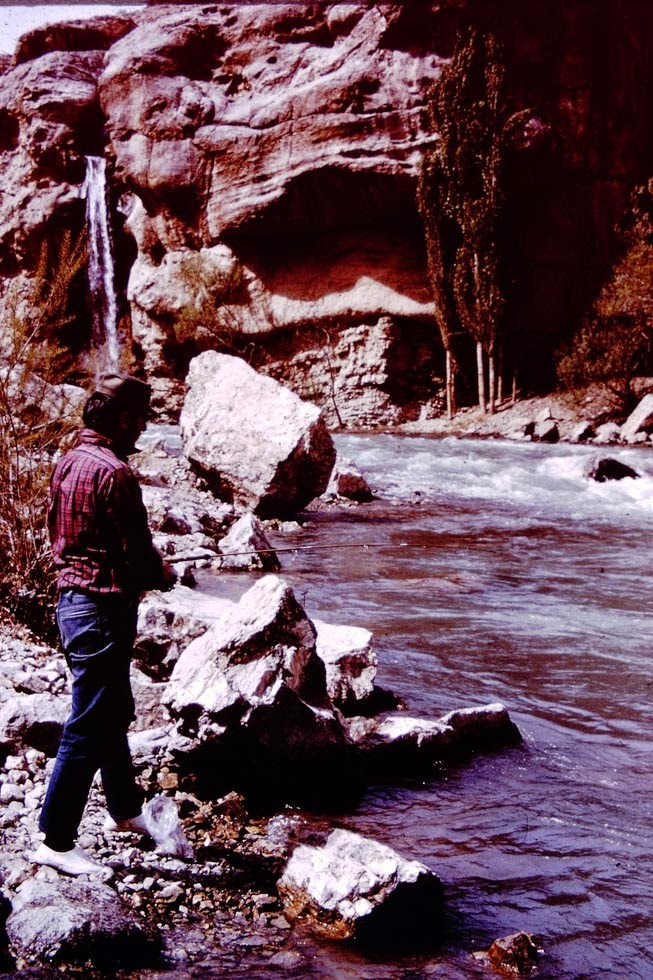
Spring also brought city anglers up into the Alborz foothills, casting line for wild brown trout along the Karaj and Lar rivers. Down in central Tehran, wealth collected at the new Hilton Hotel, which opened on Pahlavi Avenue in 1962. Uniformed doormen guarded the lobby doors day and night, turning away beggars and greeting oil executives until the monarchy fell in February 1979.