
India in the 19th century was a land of enormous diversity under enormous pressure. Hundreds of millions of people lived across a subcontinent where empires were falling, foreign rule was tightening, and everyday life — farming, trading, worshipping, soldiering — continued against a backdrop of dramatic change. The photographs collected here capture that world in rare detail, from the aftermath of rebellion to the rhythms of village life, from royal courts to busy market streets.
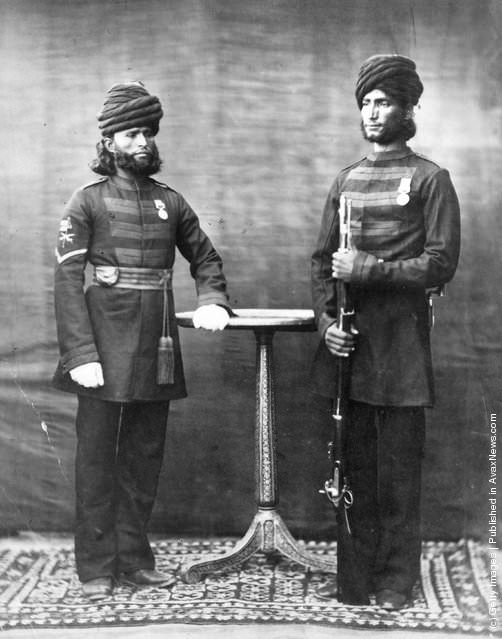
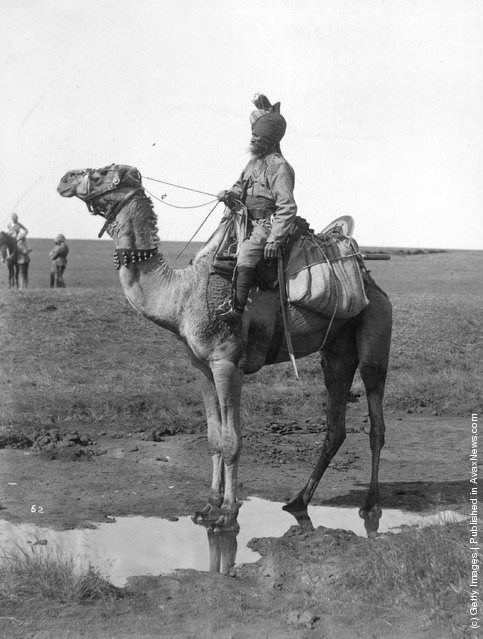
At the start of the century, the British East India Company had already moved well beyond being a trading operation. It was a military and political force steadily absorbing Indian territory through warfare and treaties. The Mughal Empire, once a dominant power centered in Delhi, was in sharp decline. Regional powers like the Maratha Confederacy and the Sikh Empire were being challenged and ultimately defeated. By the mid-1800s, the Company controlled most of the subcontinent. Indian soldiers — sepoys — served in its armies alongside officers from a wide range of backgrounds.
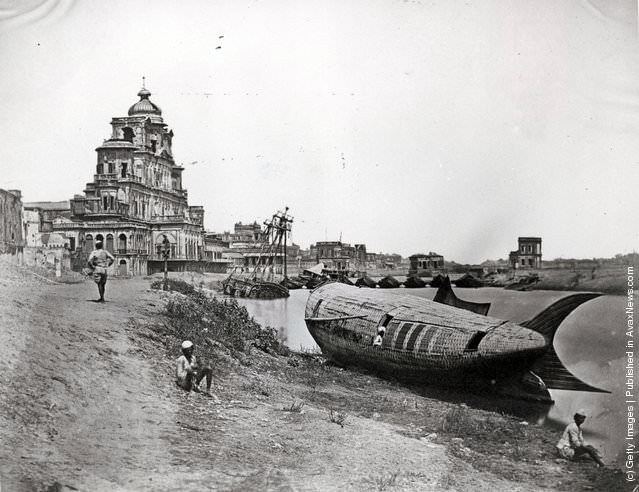
The tensions of Company rule exploded in 1857. Discontent over annexation policies, cultural interference, and poor treatment of Indian soldiers ignited a large-scale uprising that began with sepoys and spread to civilians across many regions. The rebellion shook British control to its core. Lucknow became one of the most intense battlegrounds — its buildings shelled and stormed over months of fierce fighting.
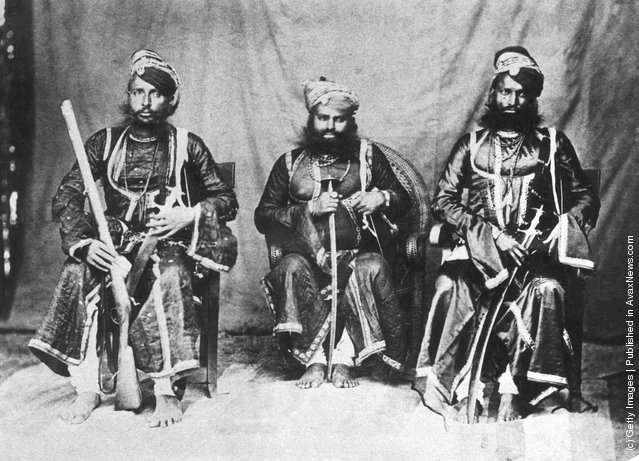
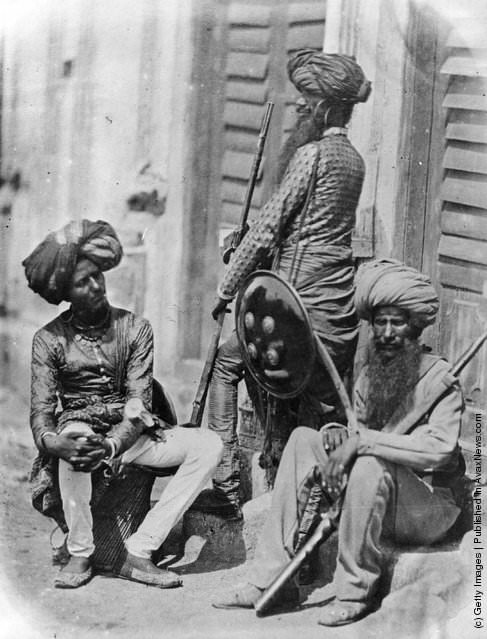
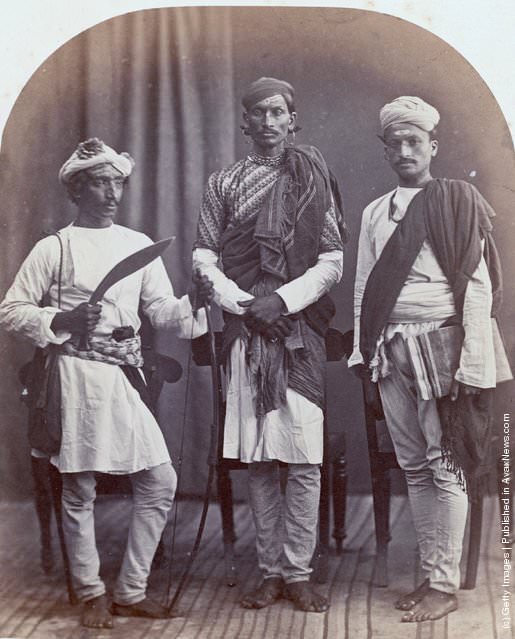
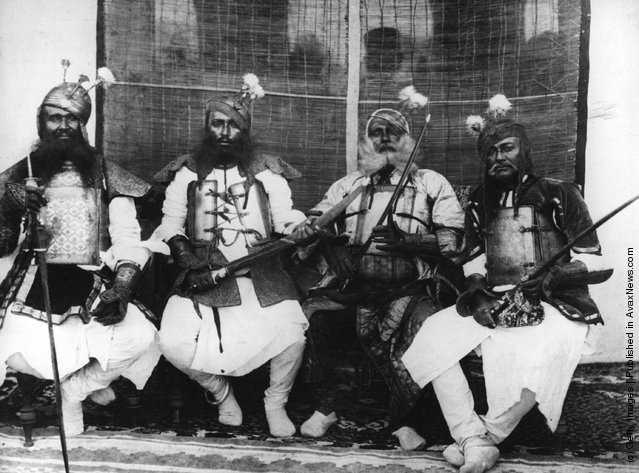
Many Indians fought on both sides of the rebellion. Some princely rulers, like the Raja of Kapurthala, supported the British. Others resisted. Hindu Rajput warriors, Sikh regiments, and soldiers of various allegiances all played roles in the conflict. When the uprising was suppressed, the British government dissolved the East India Company entirely and assumed direct rule over India in 1858 — the start of the British Raj.
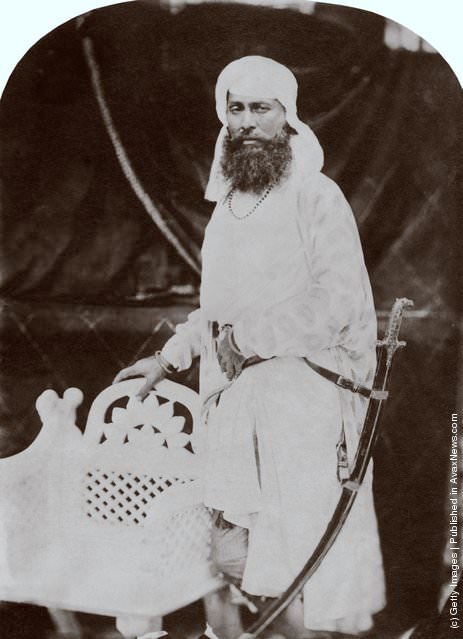
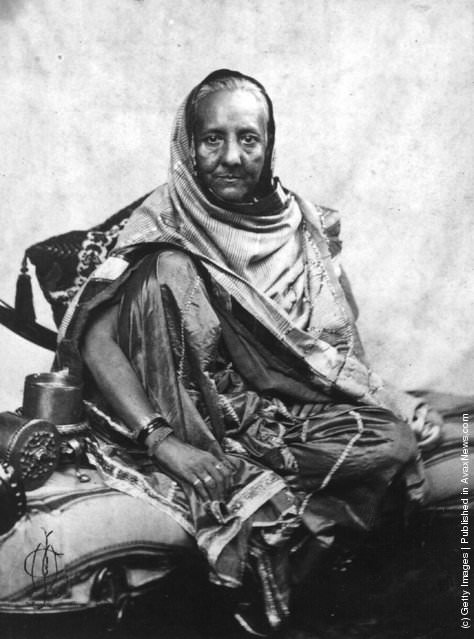
Among those who paid the heaviest personal price after the rebellion was the family of the last Mughal emperor, Bahadur Shah II. His wife, Begum Zenat Mahal, was exiled to Rangoon in Burma. The photograph of her taken in 1857 is one of the most striking surviving portraits from this period — a woman of royal standing, displaced and stripped of her world.
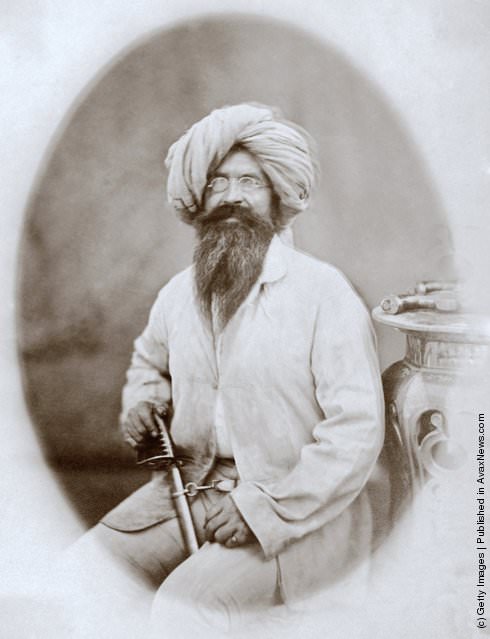
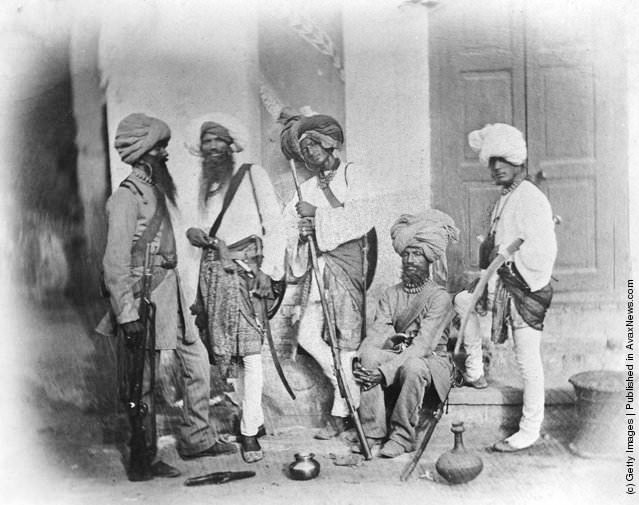
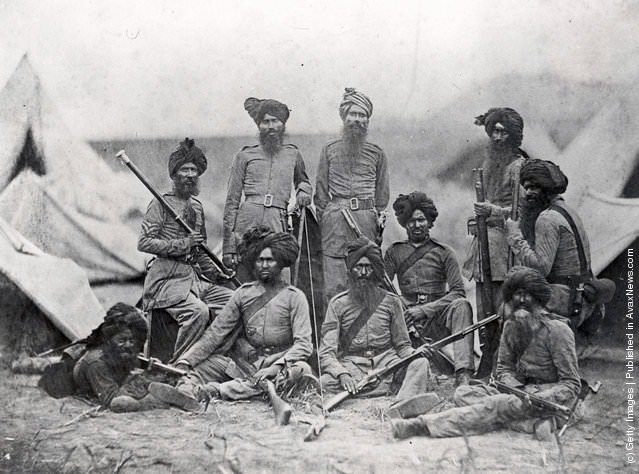
In the immediate aftermath of the rebellion, British photographers documented soldiers, officers, and the devastated landscape. Sikh regiments, which had largely fought on the British side, were prominently photographed. Units like Hodson’s Horse and the 15th Punjab Infantry included Afghan Sikh officers who had served through some of the conflict’s most intense campaigns.
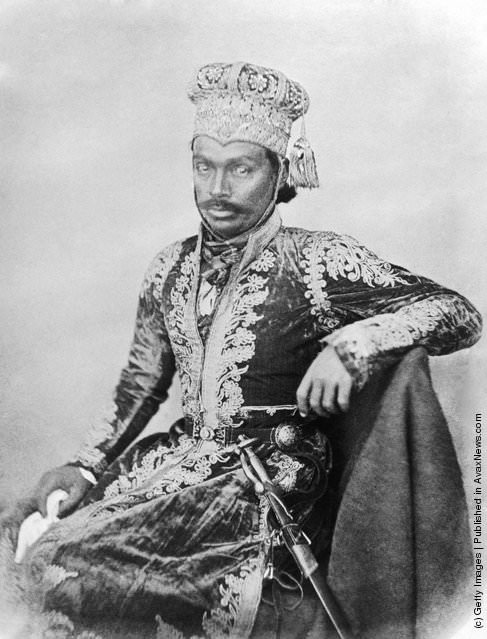
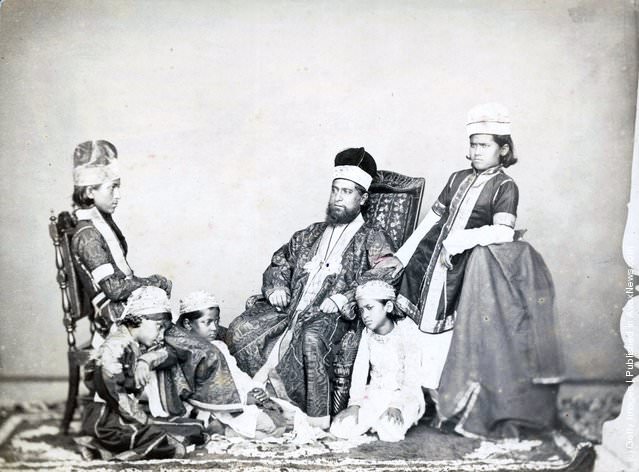
Not all power in India rested with the British. Across the subcontinent, hundreds of princely states remained under the rule of hereditary Indian monarchs — maharajas, nawabs, and nizams — who accepted British authority while maintaining their own courts. Sir Drigbijai Singh, the Maharajah of Balrampur, was photographed in 1858, the same year direct Crown rule began. These rulers occupied a complex position: nominally sovereign, practically subordinate.
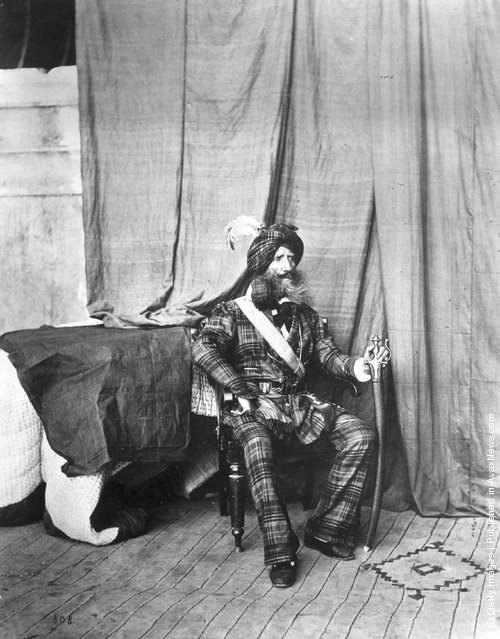
Foreign-born commanders also carved out roles in India’s military landscape. Colonel Alexander Gardner, an American adventurer, rose to command the Maharajah of Kashmir’s troops and was known for wearing a tartan uniform he designed himself. He was photographed in 1864, by which point he had spent decades in the region — a singular figure in the complicated web of Indian military history.
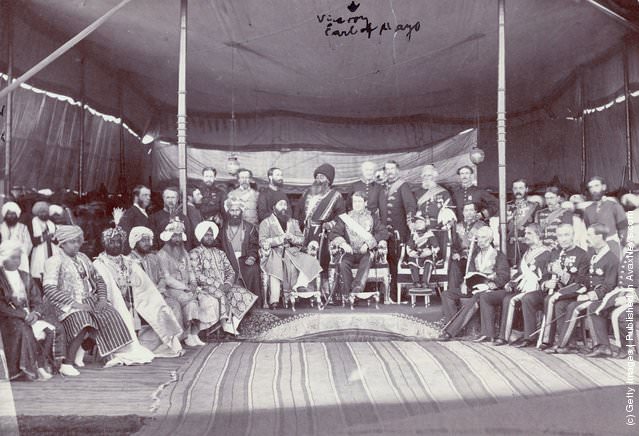
British diplomatic engagement with neighboring powers was a constant feature of the Raj. In 1869, the Viceroy of India met with Sher Ali Khan, the Amir of Afghanistan, at Ambala. The meeting was part of Britain’s broader strategy to manage the northwestern frontier — a region of perpetual concern given Russian expansion into Central Asia.
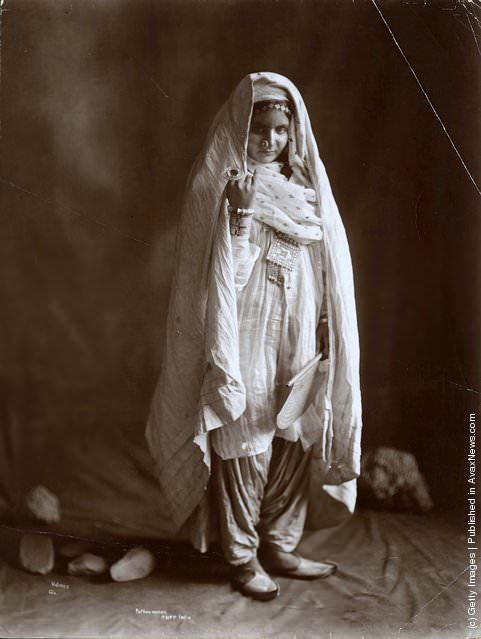
India’s population was vast and strikingly diverse. The photographs from the 1860s and 1870s captured people from communities spread across the subcontinent — Pathan women from the northwest, Muslim women from Surat, Lepcha men from Sikkim in the far northeast, Rengma tribesmen from the Naga hills of Assam. Each photograph documents a community with its own language, customs, and way of life, many of them largely untouched by the political shifts playing out in Delhi or Calcutta.
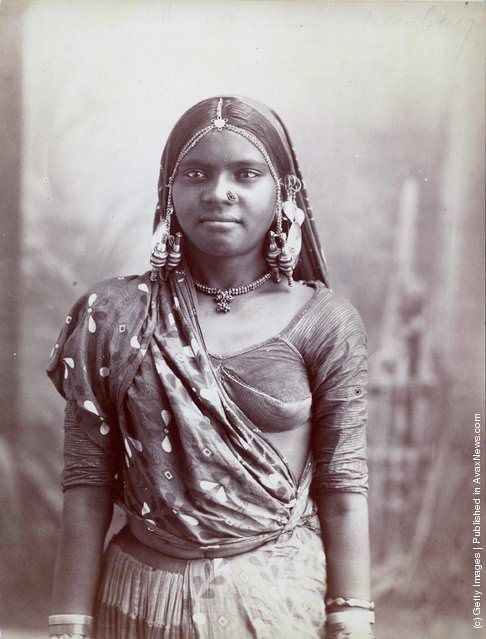
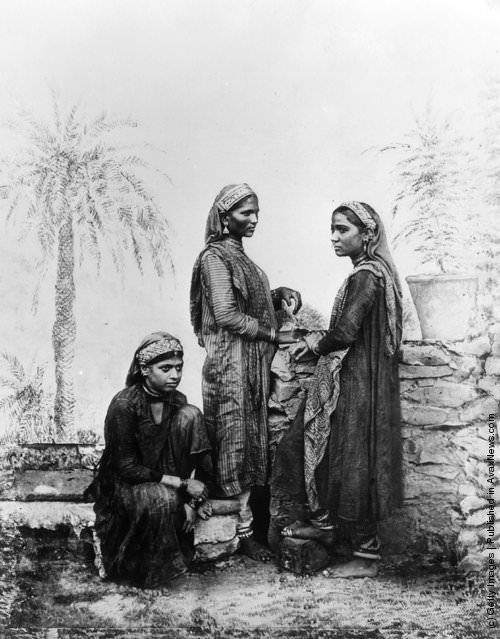
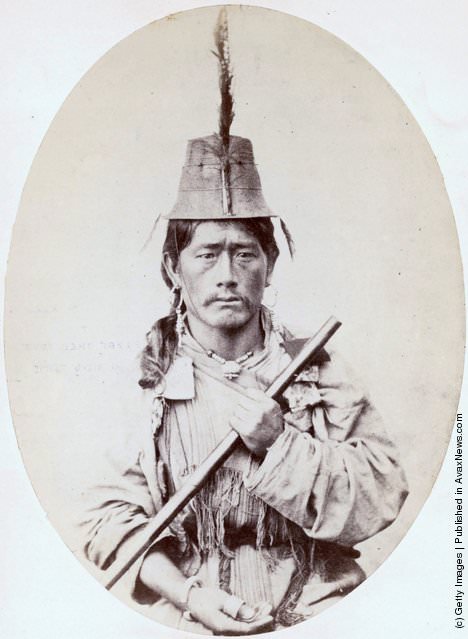
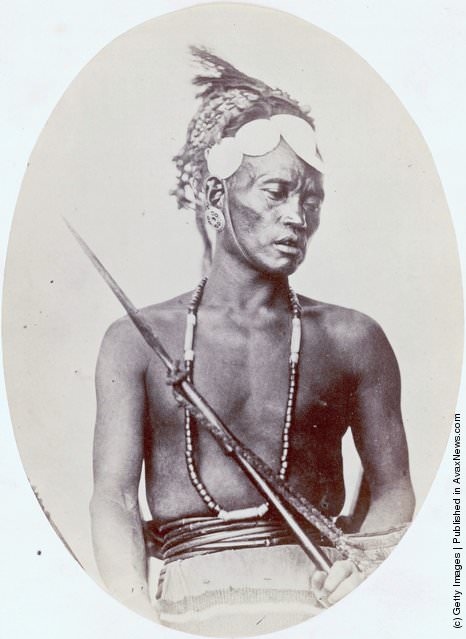
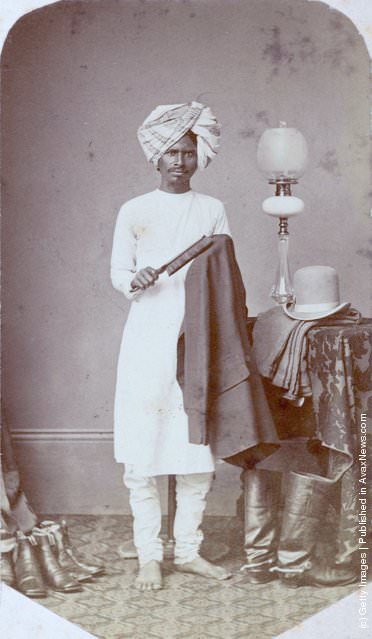
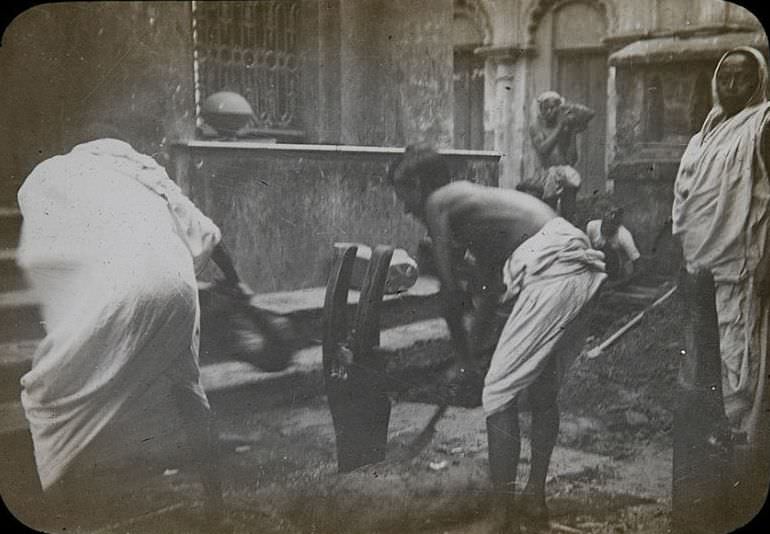
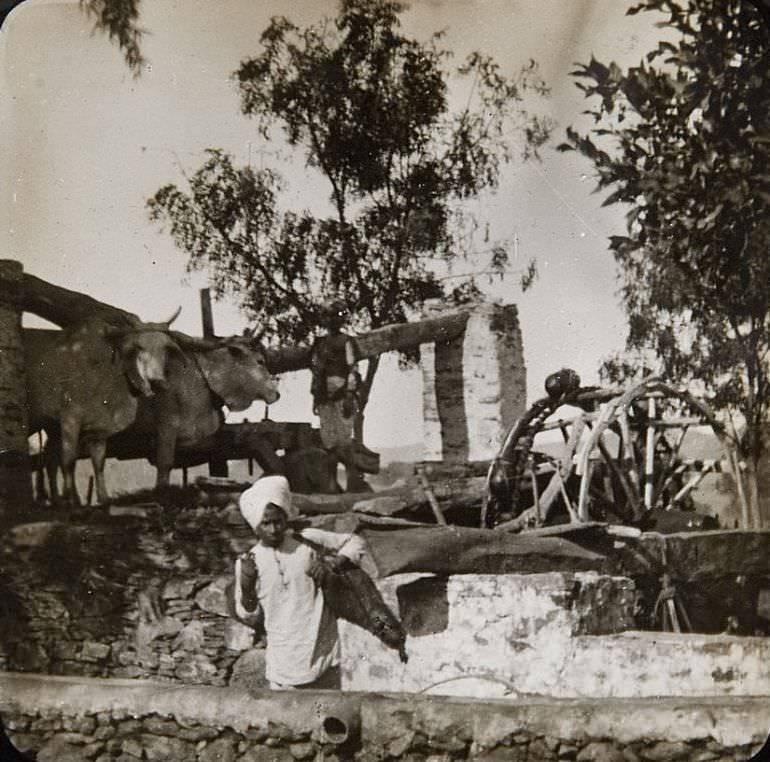
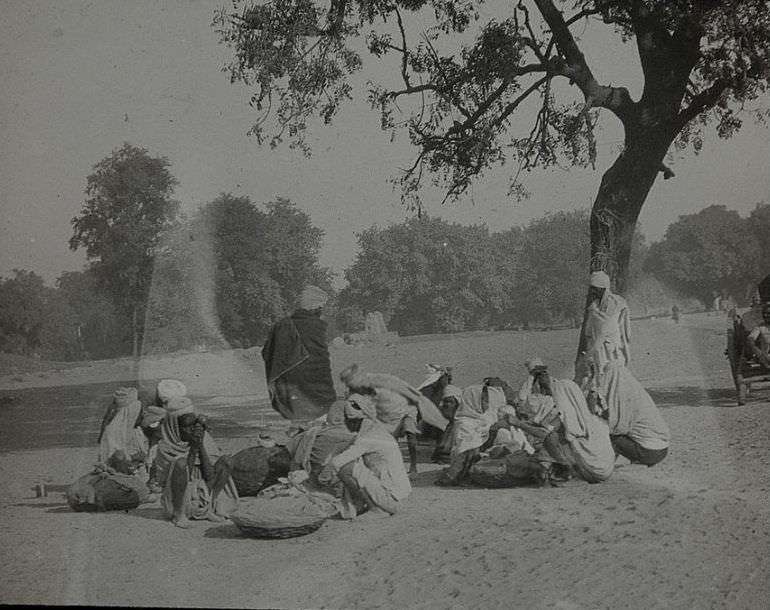
Daily life for most Indians revolved around agriculture, trade, and religious practice. Village economies were largely self-sustaining, and occupational roles were often determined by caste. Photographers documented valets, water carriers, rope merchants, and bankers — a cross-section of the working world that rarely appeared in official records but formed the backbone of Indian society.
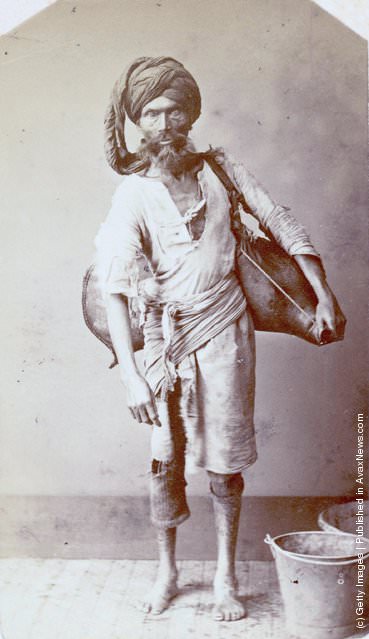
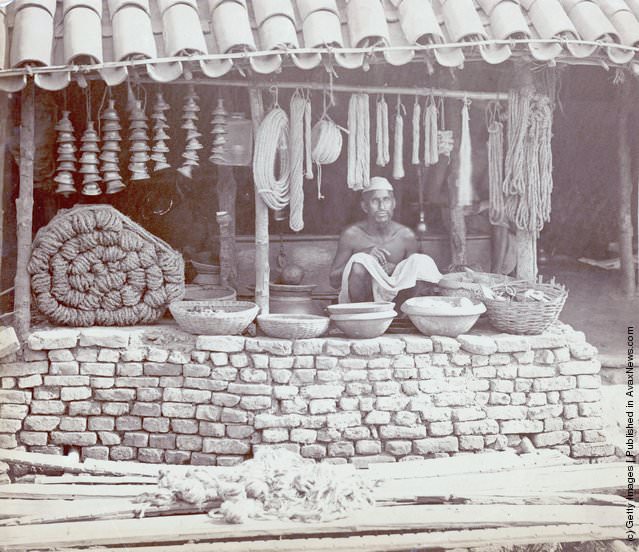
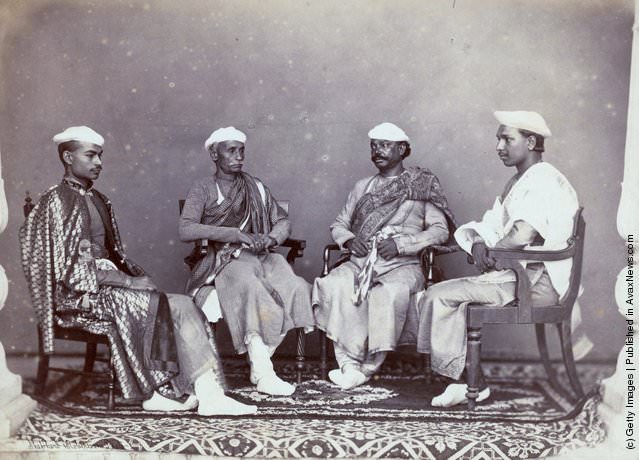
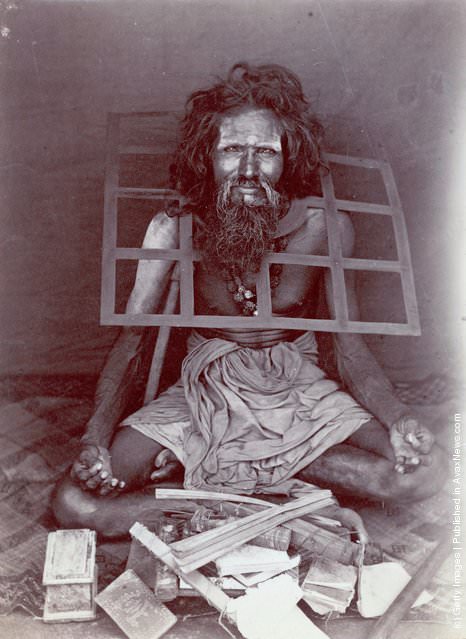
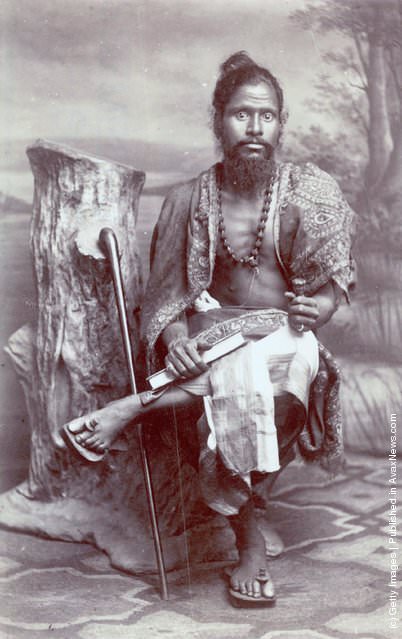
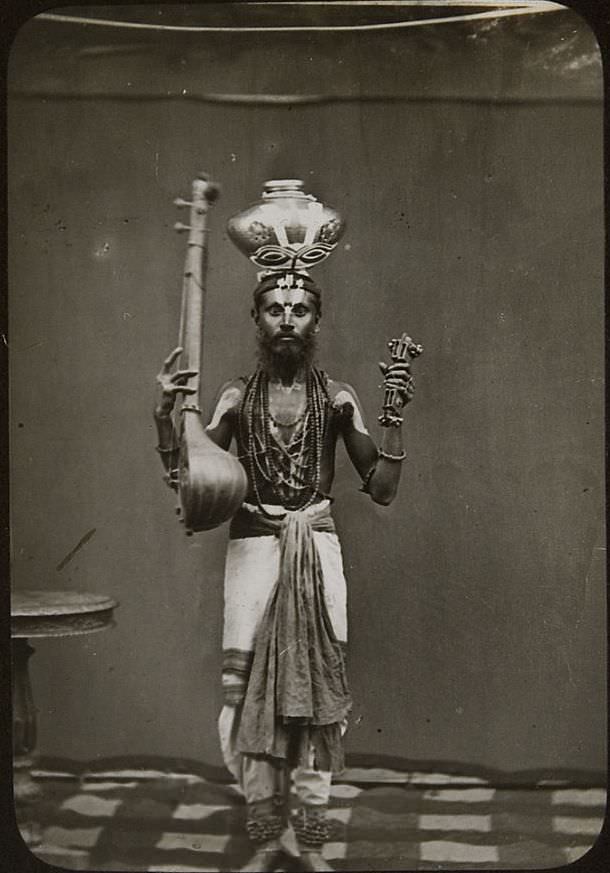
Religious life was woven into every aspect of Indian society. Hindu ascetics, Brahmin priests, and wandering holy men were familiar figures across the country. An ascetic photographed in 1870 wore an iron collar as a form of spiritual discipline — a practice that shocked Western observers but was part of a long tradition of physical austerity in Indian religious life.
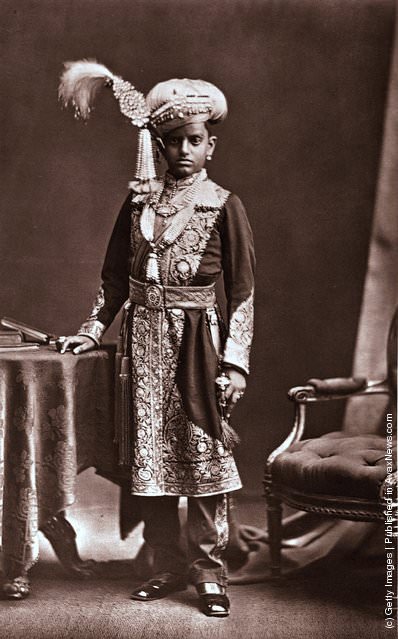
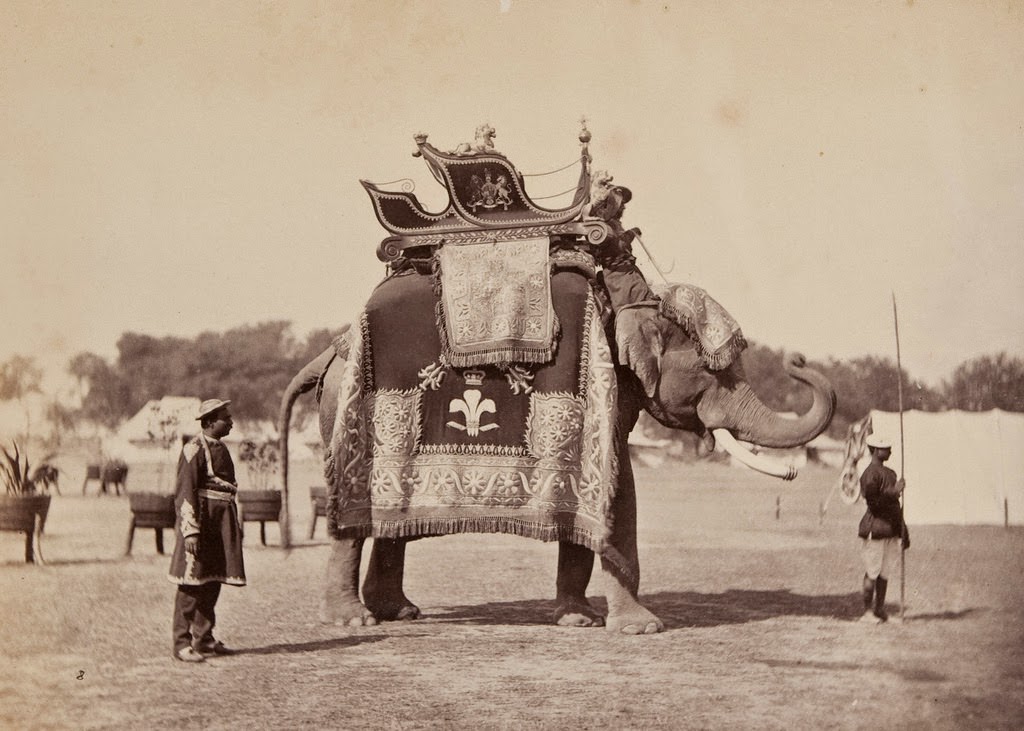
Princely India maintained its grandeur even under British paramountcy. Chama Rasendra Wadiar Bahadur, the Maharajah of Mysore, was photographed in 1870 — a ruler of one of the wealthiest and best-administered princely states in the country. Elaborate court ceremonies, caparisoned elephants, and formal durbars remained central to the display of royal power.
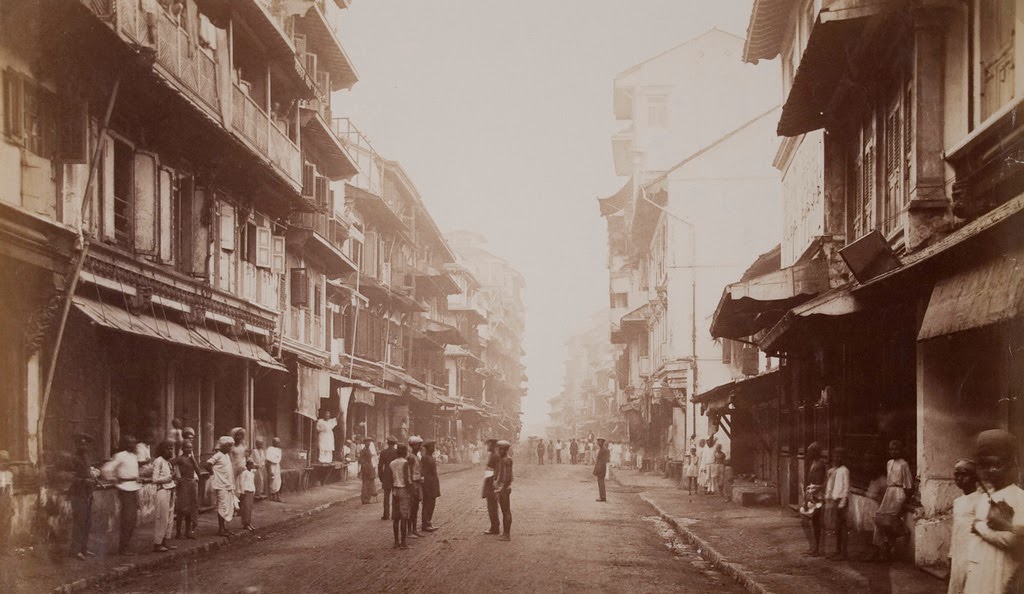
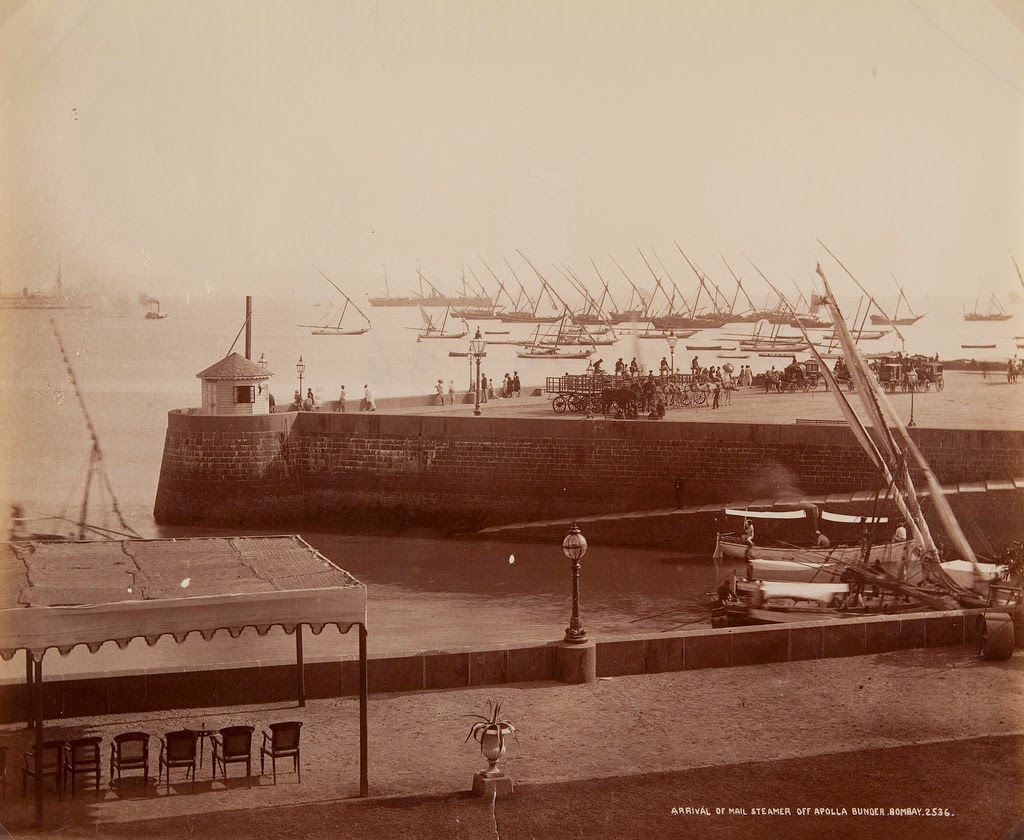
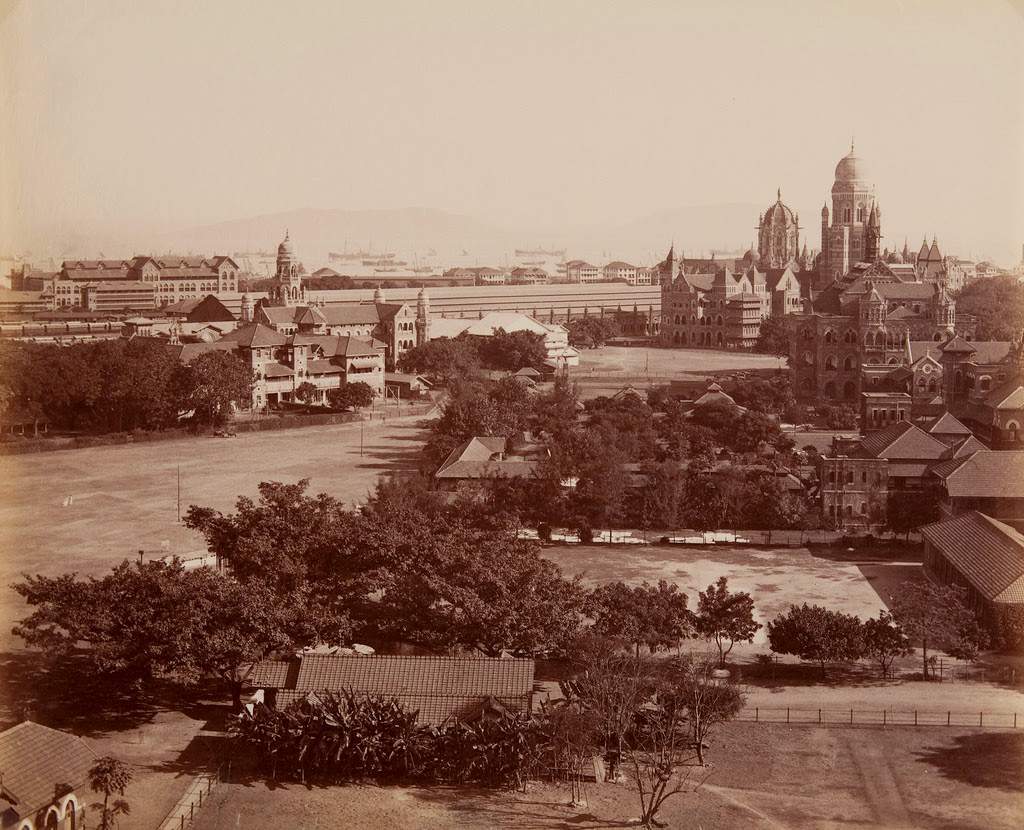
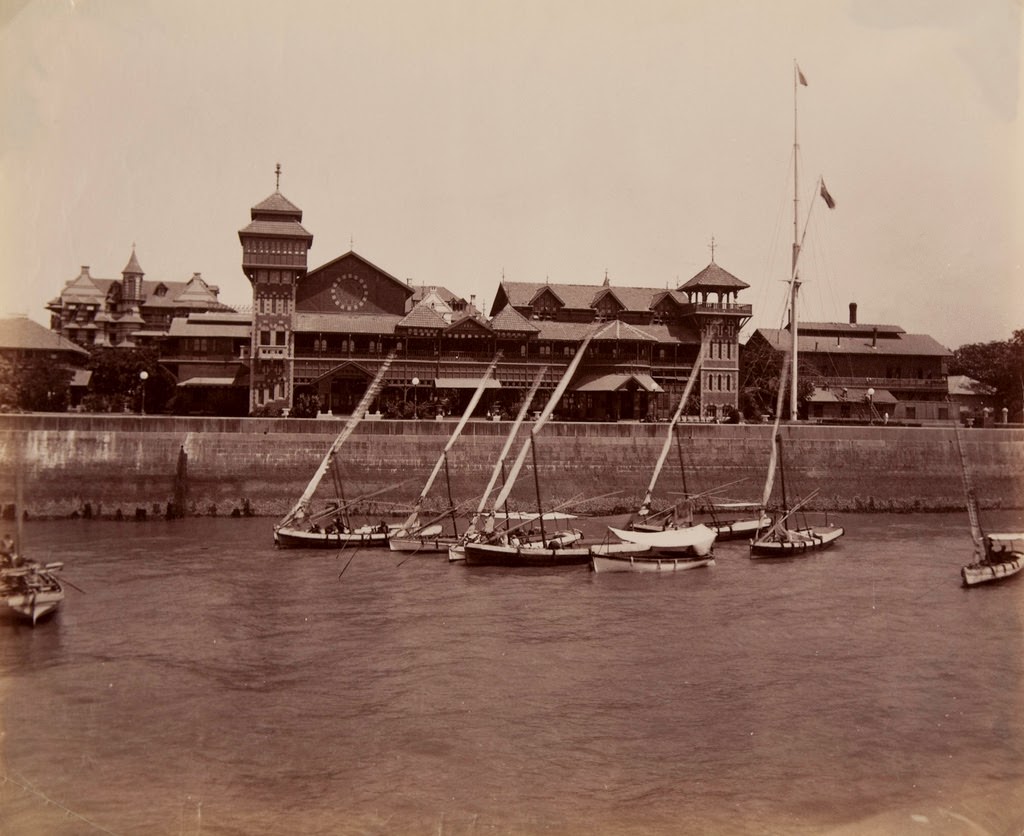
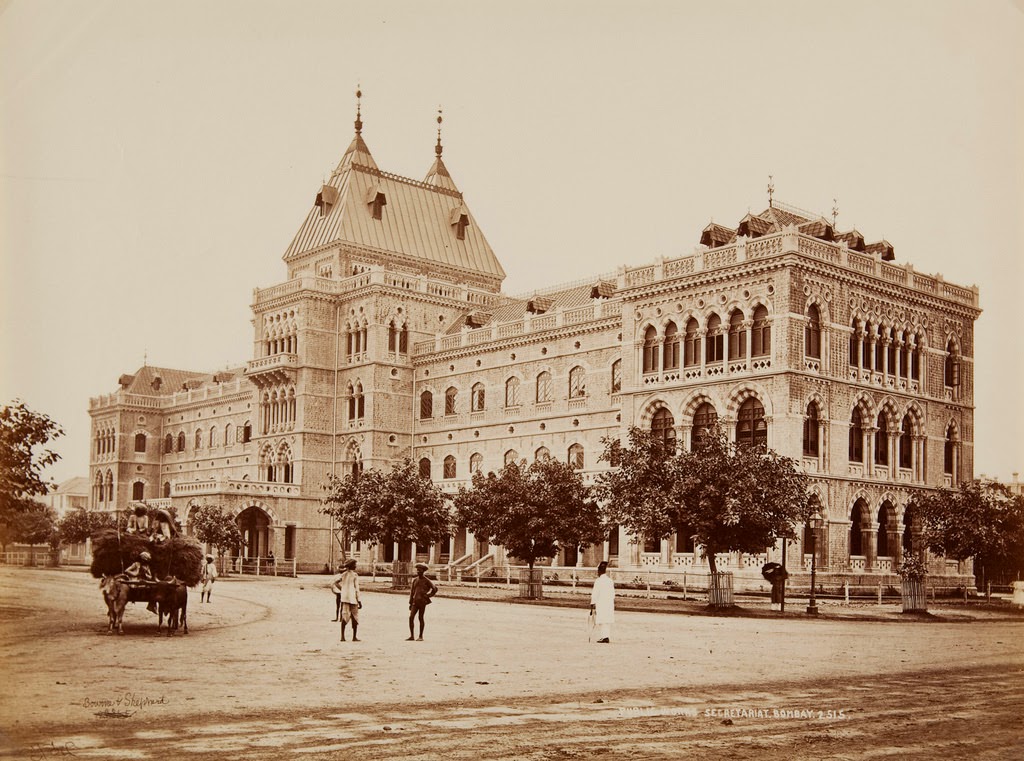
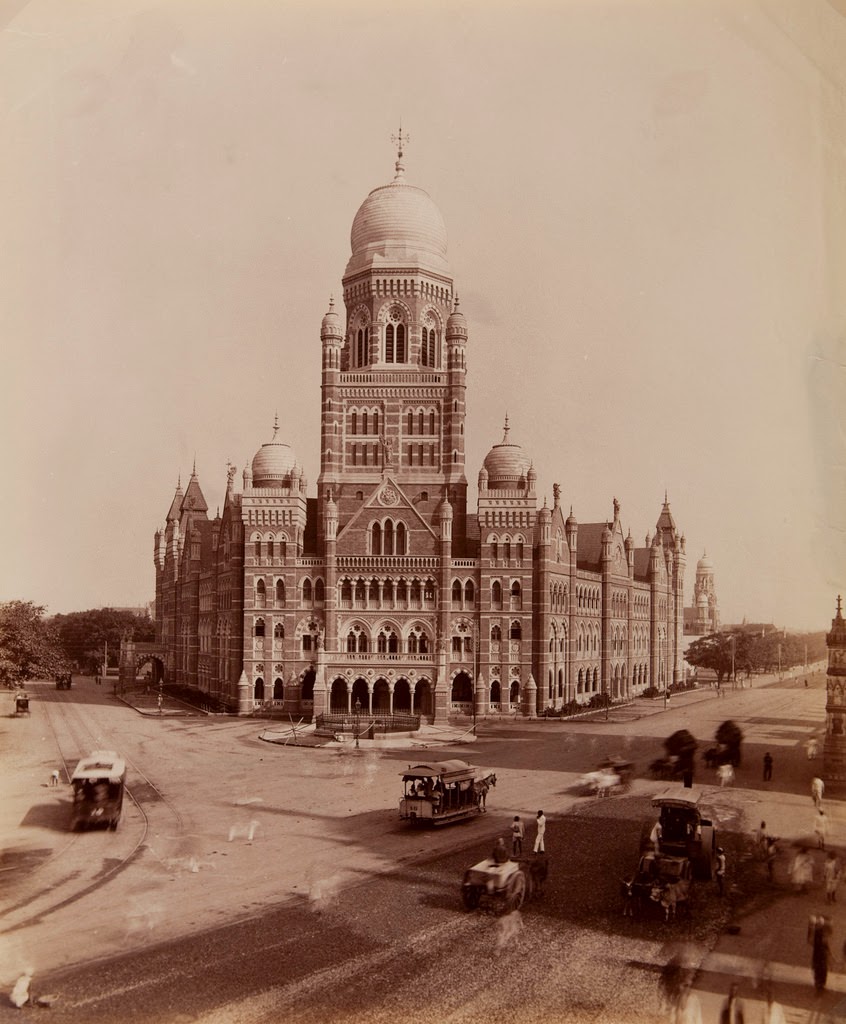
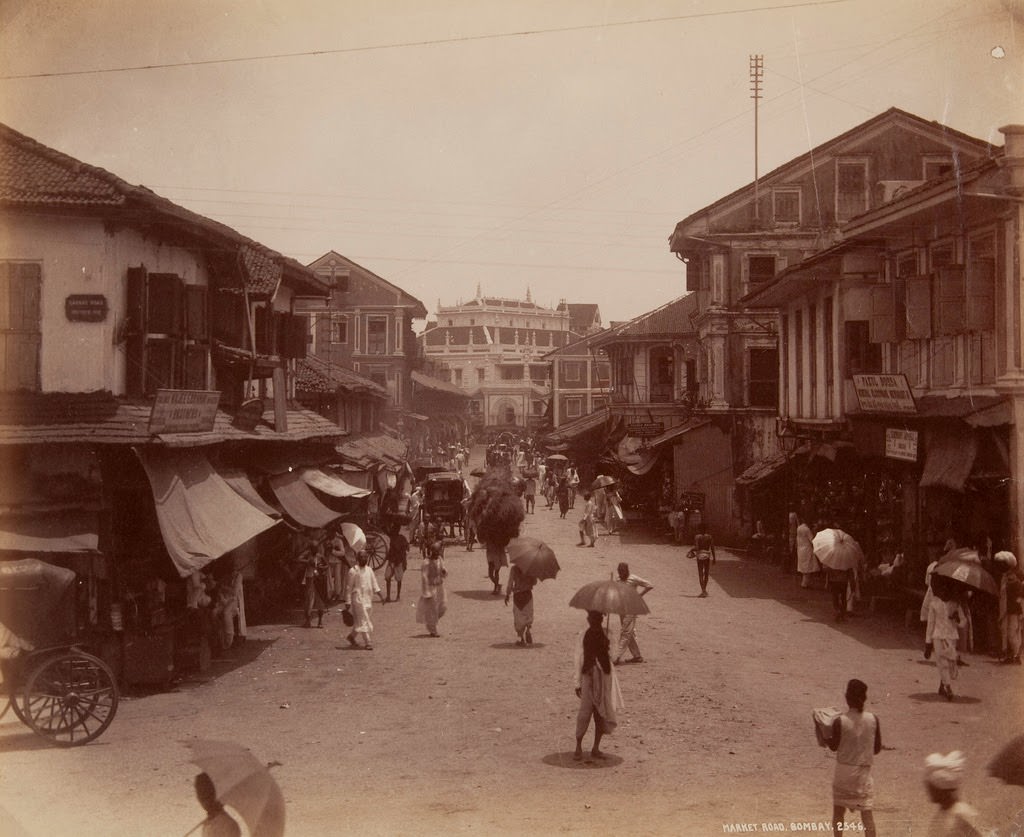
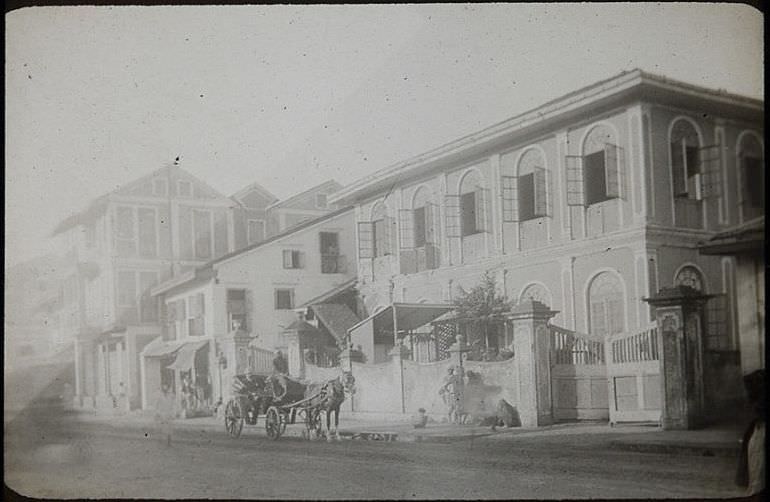
The 1870s saw photographers documenting India’s cities, monuments, and public life in greater detail than ever before. Bombay was growing rapidly as a colonial port city. Its harbor received mail steamers, its streets were lined with bazaars, and grand civic buildings were rising across the waterfront. The Borah Bazaar district captured in the 1870s shows a densely packed urban commercial world.
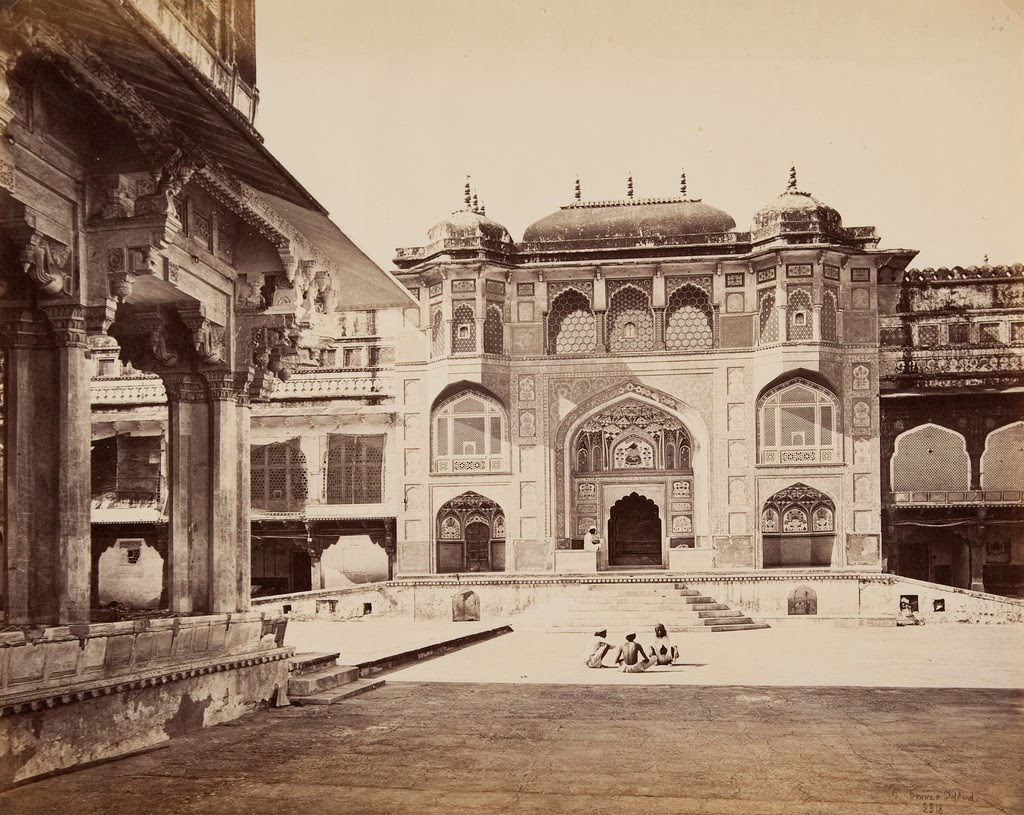
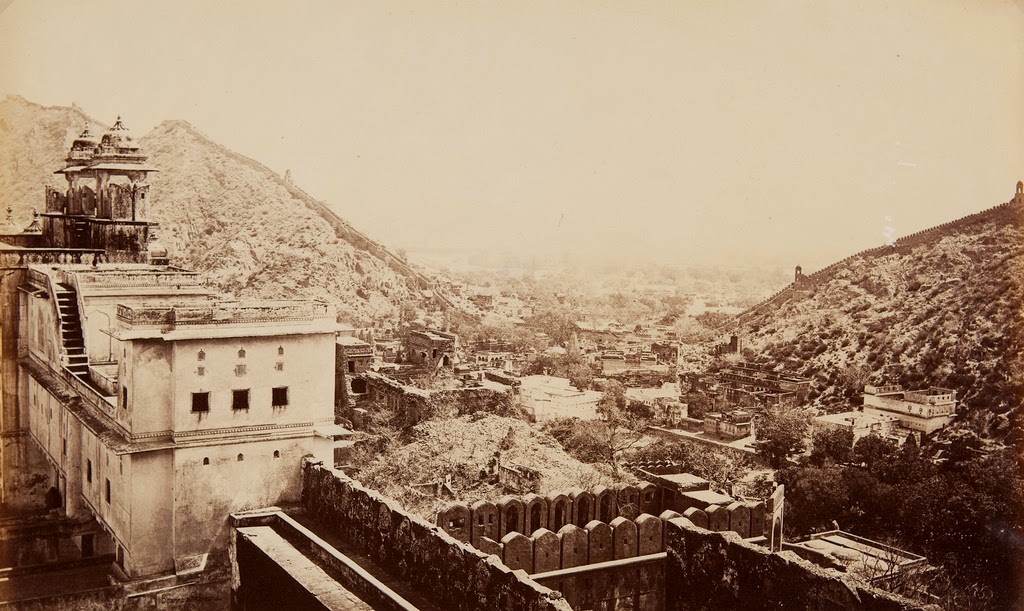
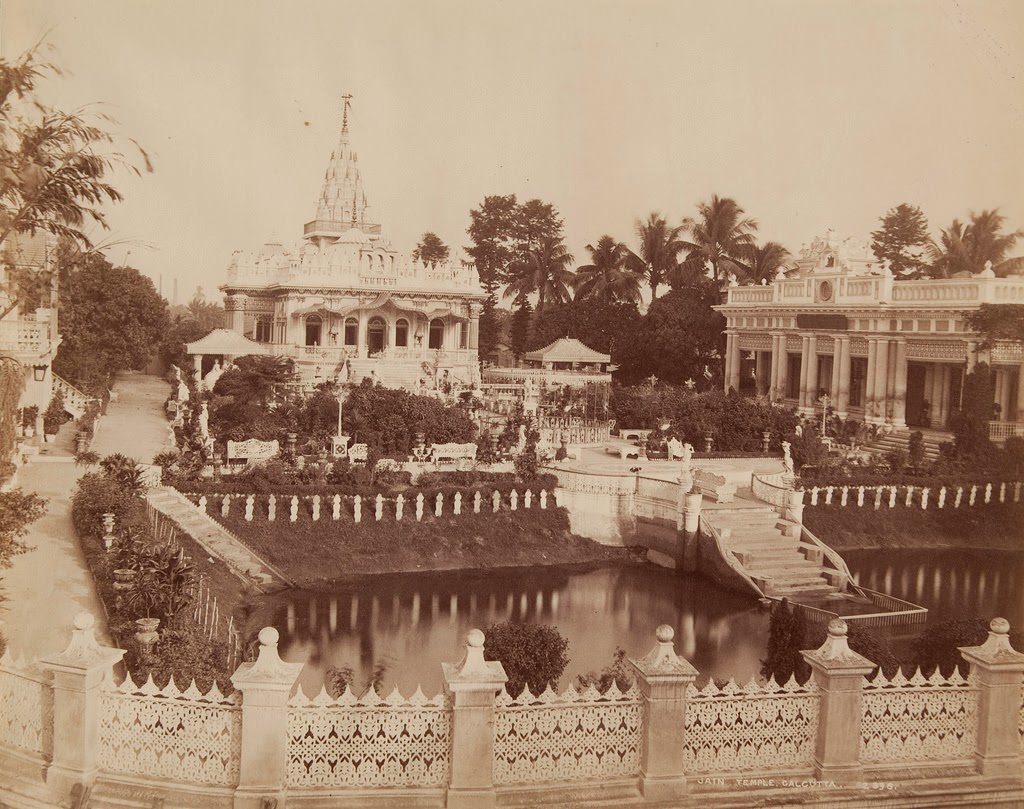
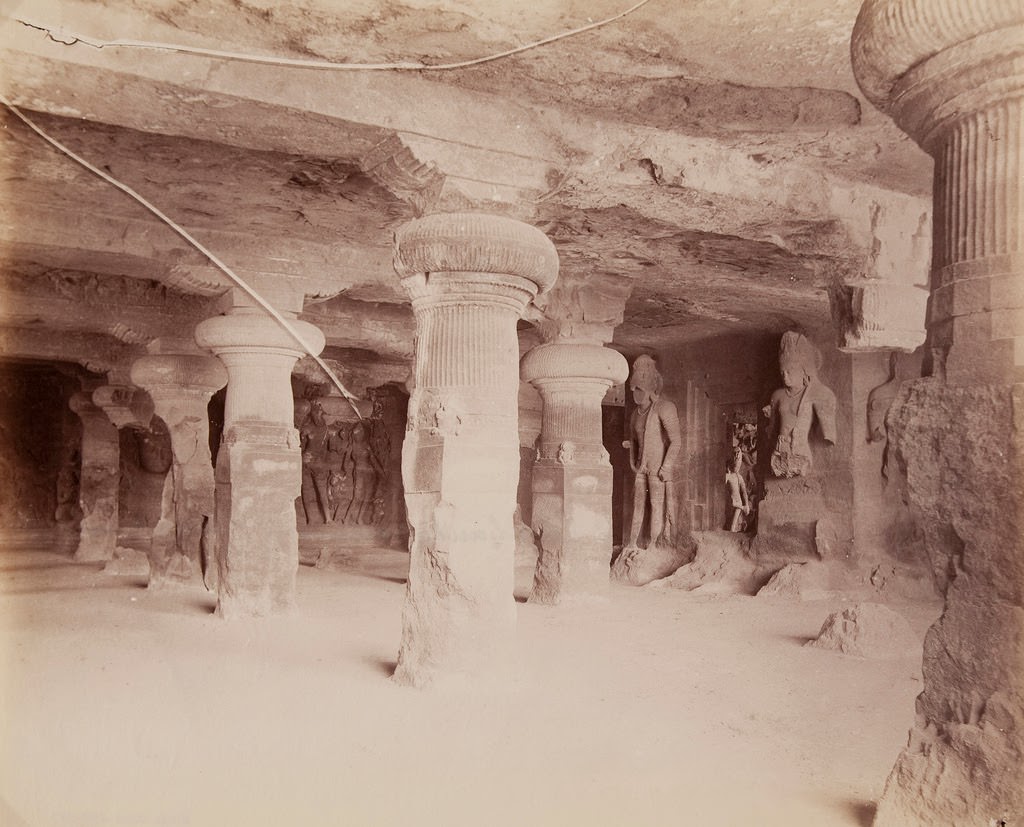
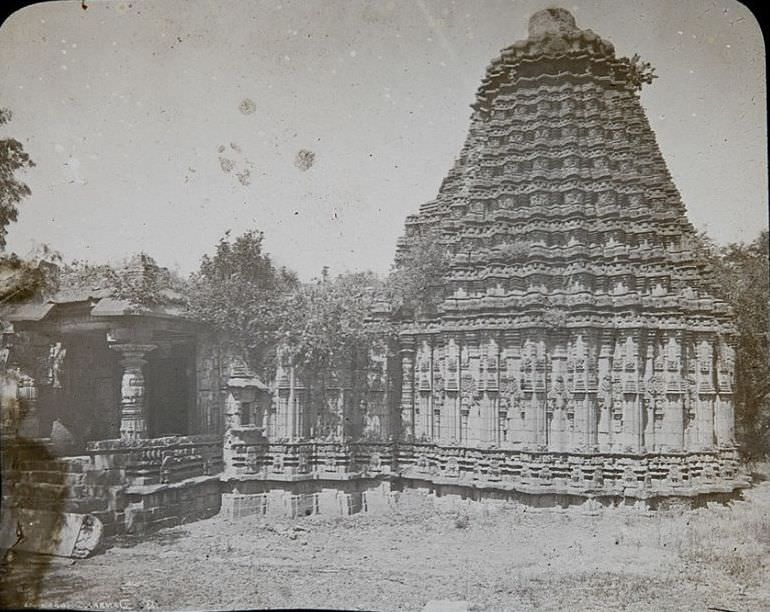
Beyond the colonial administration buildings, India’s own architectural heritage was immense. Fort Amber in Rajasthan, the Jain temples, the cave sculptures at Elephanta Island near Bombay, and the mosques of Ahmedabad all drew photographers seeking to document the subcontinent’s centuries-old built environment. The Elephanta caves, carved between the 5th and 8th centuries, featured enormous rock-cut sculptures of Hindu deities that stunned European visitors.
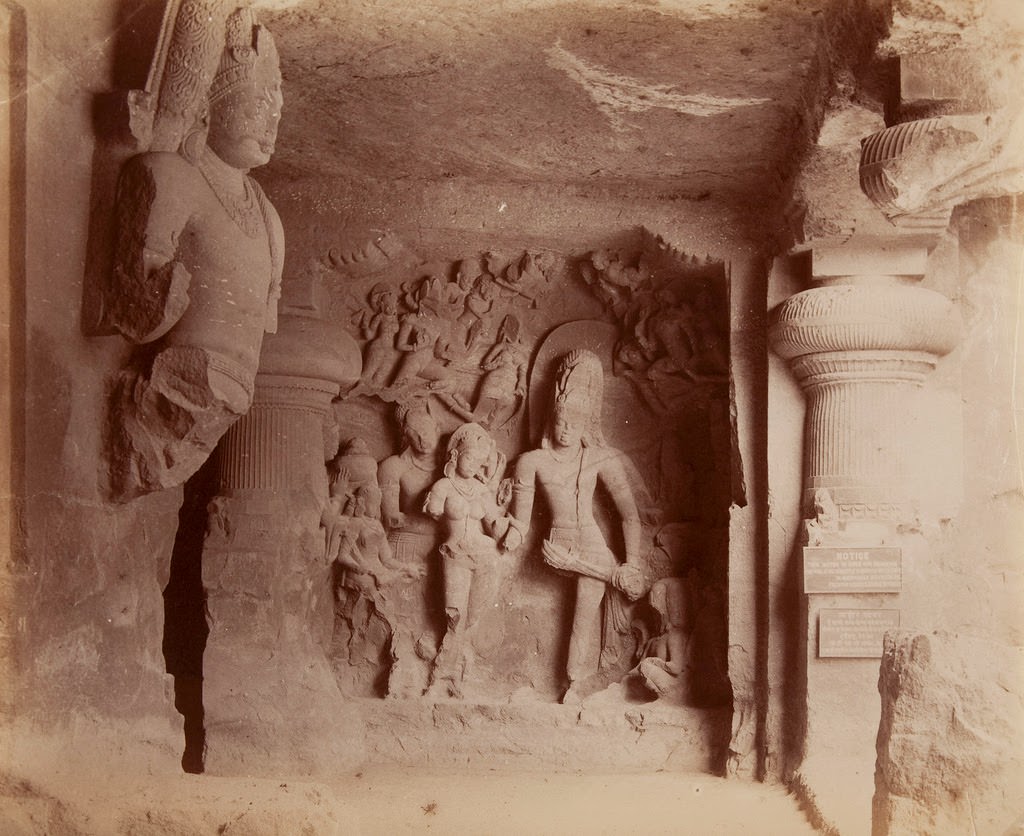
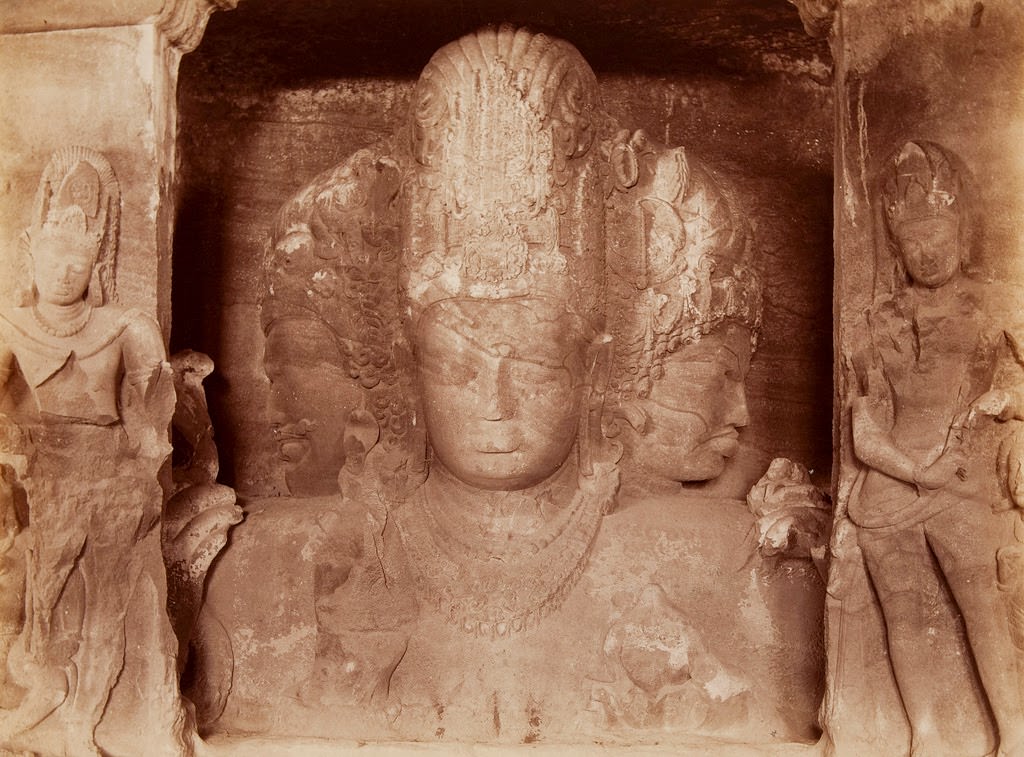
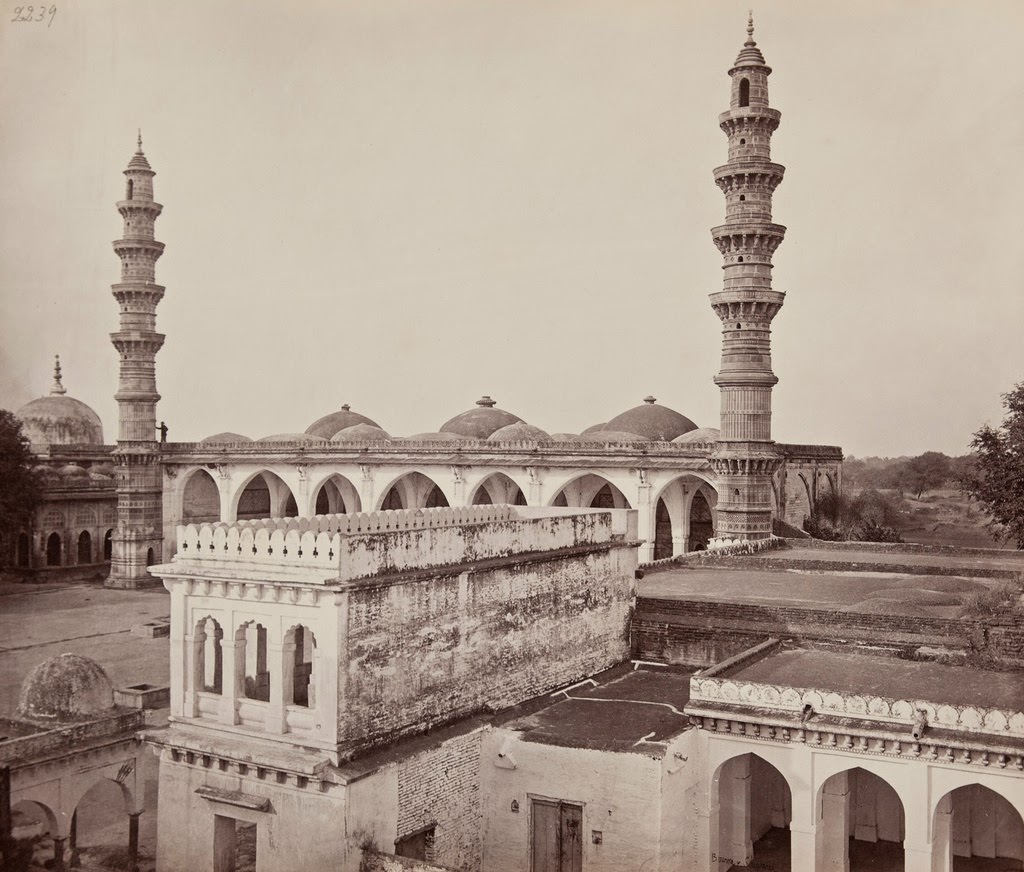
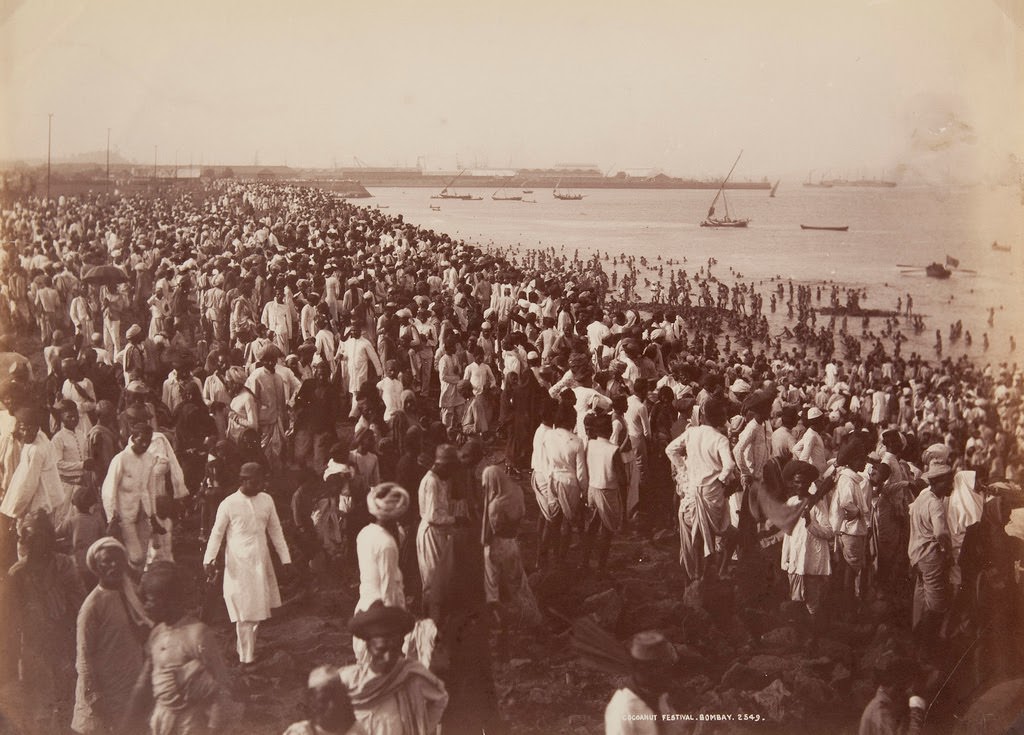
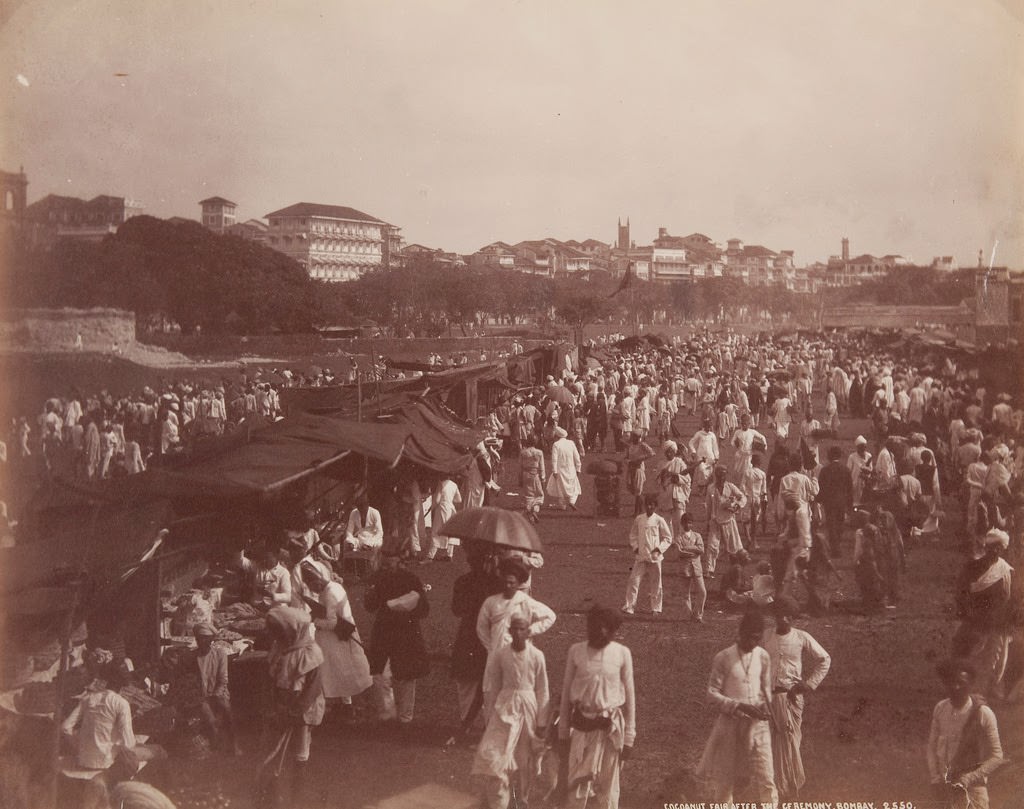
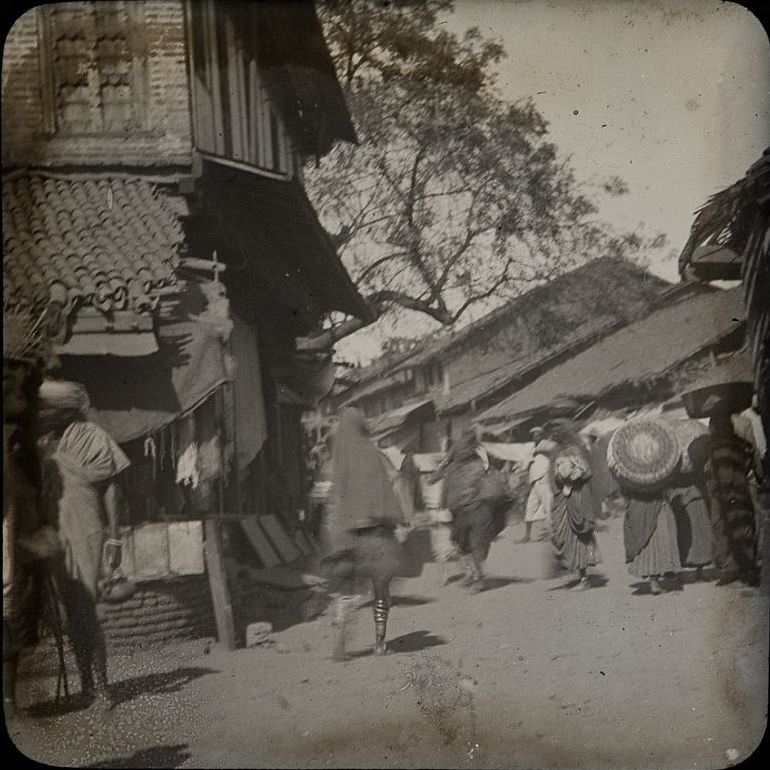
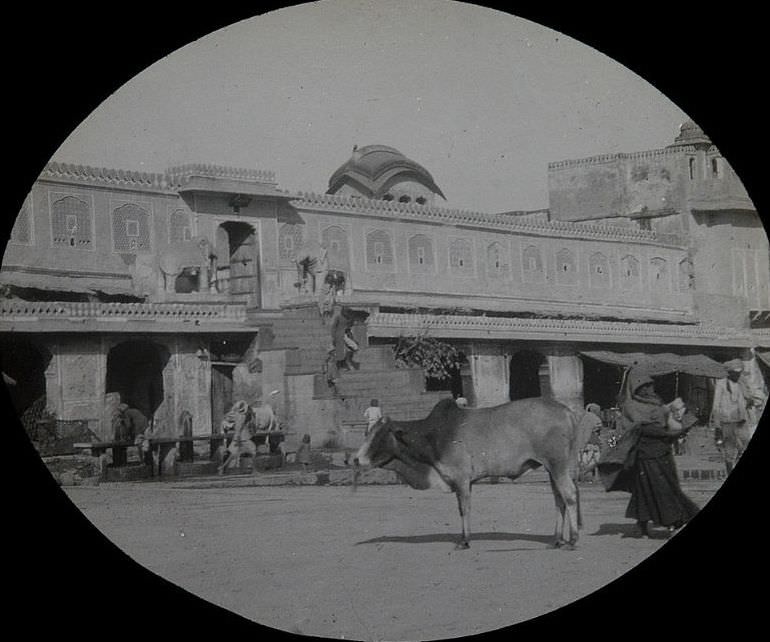
Public life in the 1870s extended to markets, festivals, and waterways. The Coconut Festival in Bombay drew large crowds to the harbor each year, marking the end of the monsoon season when fishermen performed rituals and offered coconuts to the sea. Market roads bustled with vendors, animals, and carts — a scene repeated in towns across the country.
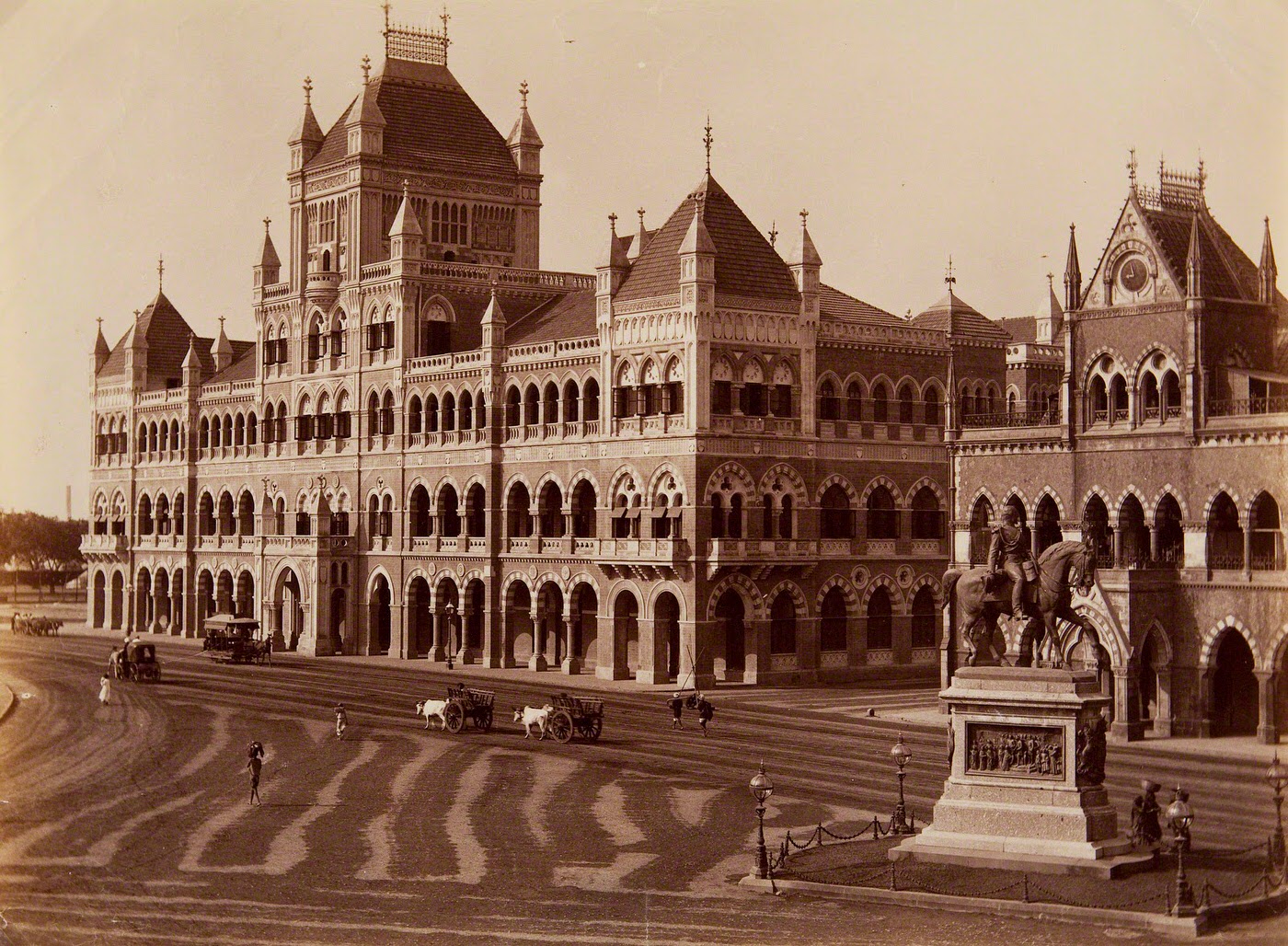
Western education, introduced by the British to train Indians for administrative roles, produced a generation exposed to European ideas of liberalism and social reform. Institutions like Elphinstone College in Bombay became centers of this new intellectual life. Alongside British-built schools, social reformers from within Indian society challenged practices like the immolation of widows and the exclusion of lower castes and women from education.
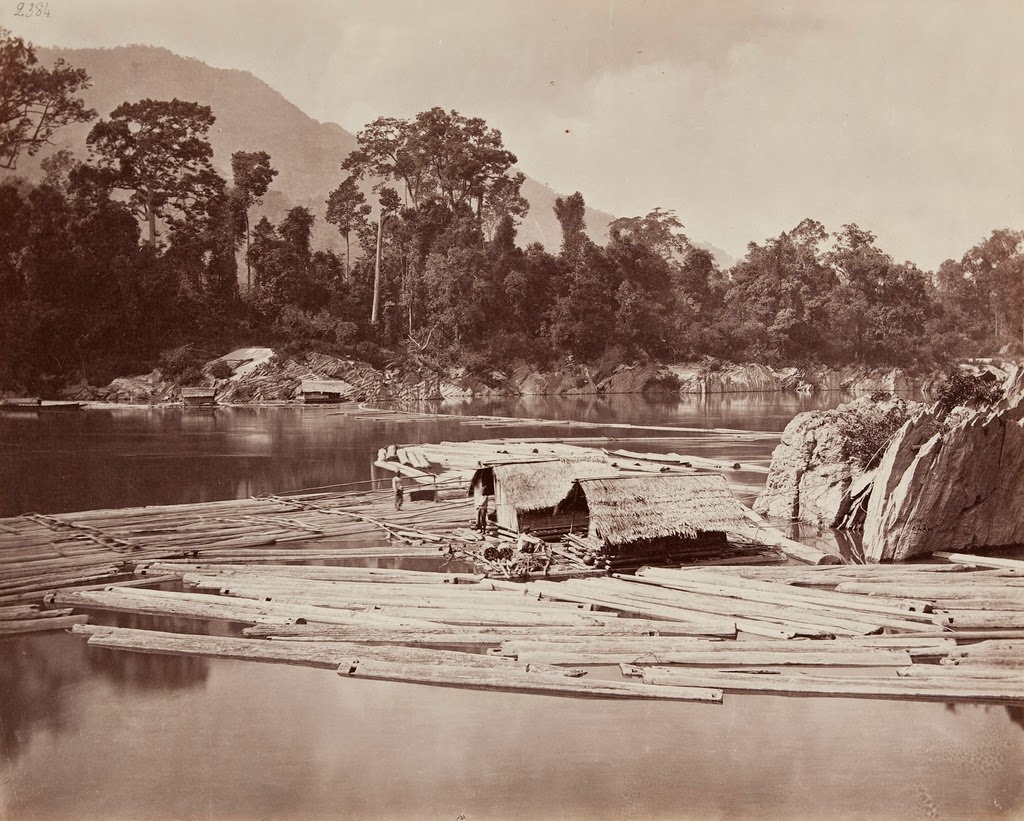
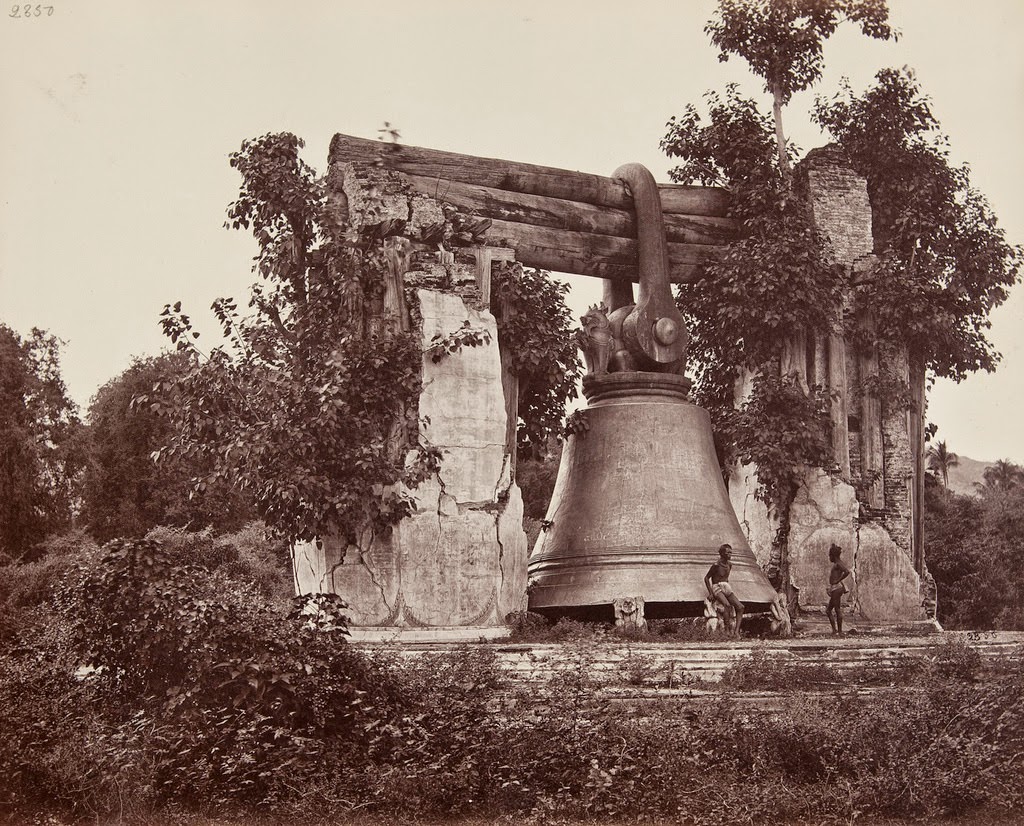
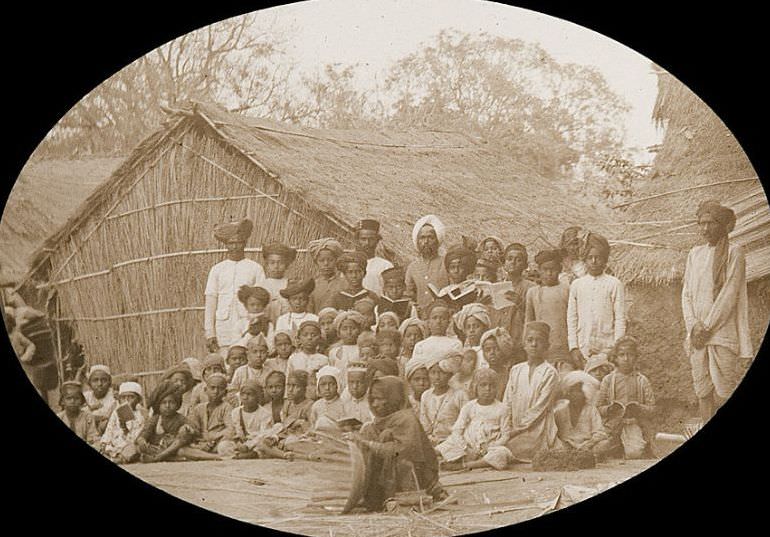
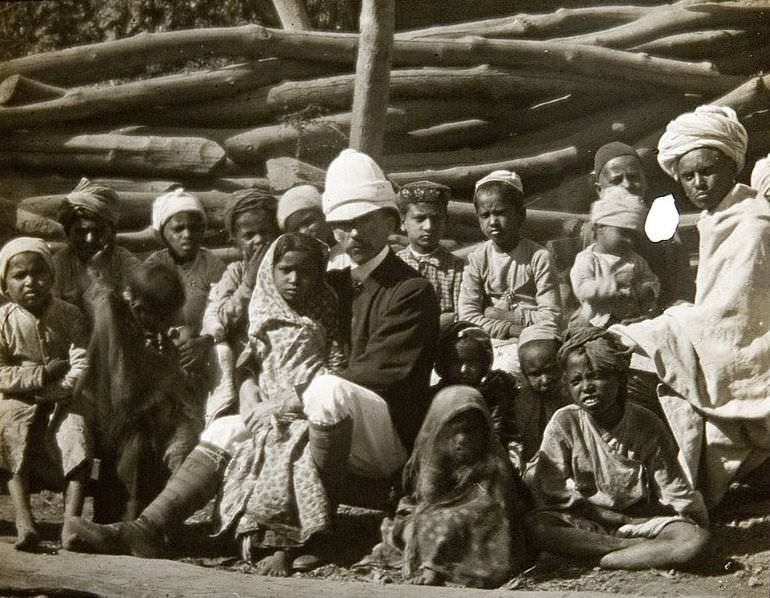
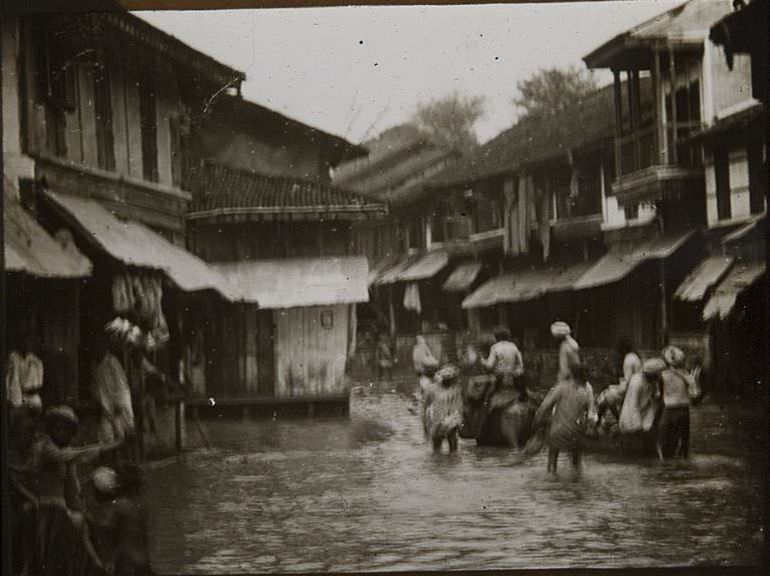
By the 1890s, the camera had become far more portable and photographers were moving deeper into Indian life. Tea plantations in Darjeeling, Bhil tribal communities in central India, flooded streets, open-air schools, and busy city scenes all made it into the archive. The Bhils, an indigenous people spread across several central Indian states, were photographed in their villages, at Christian missions, and carrying out daily tasks like postal delivery.
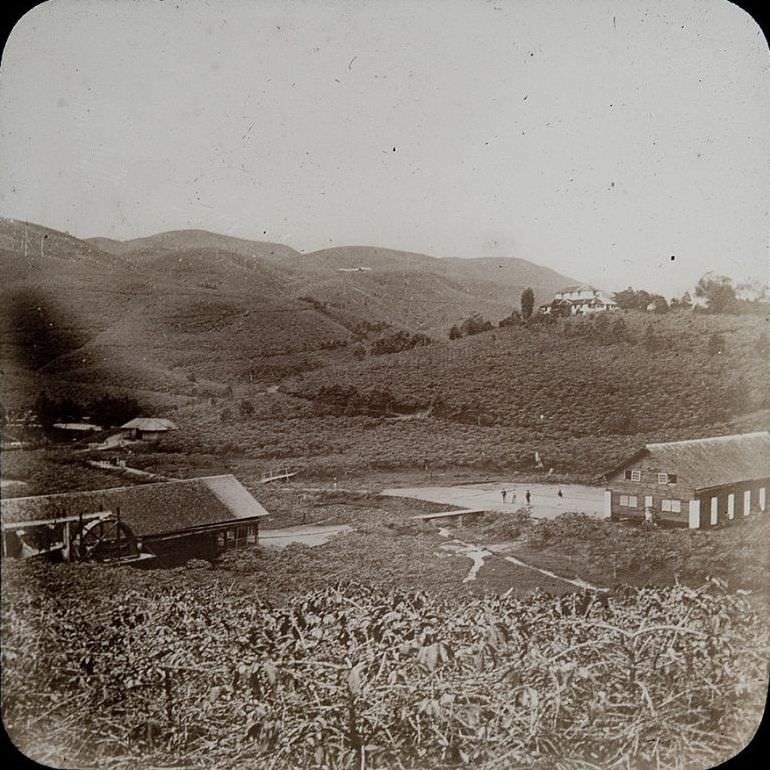
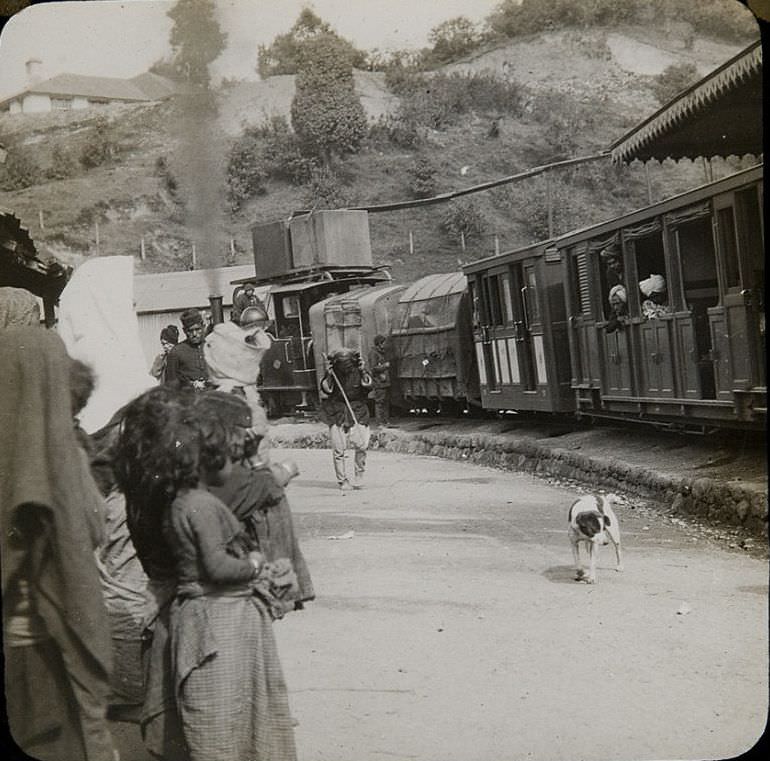
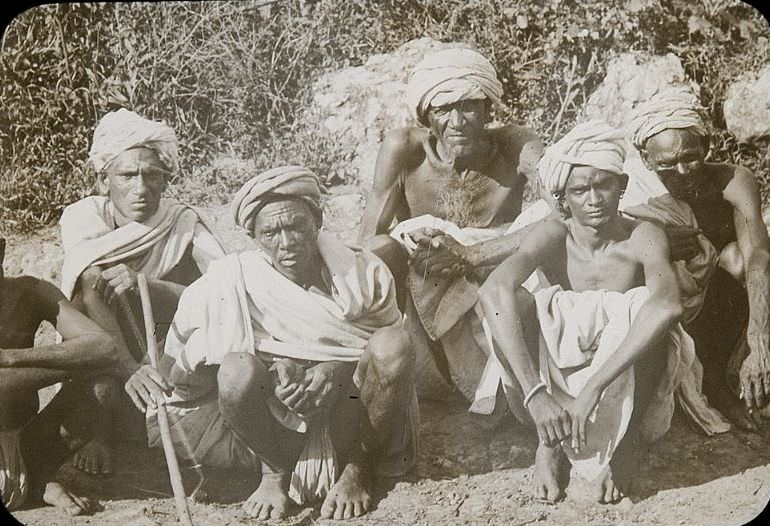
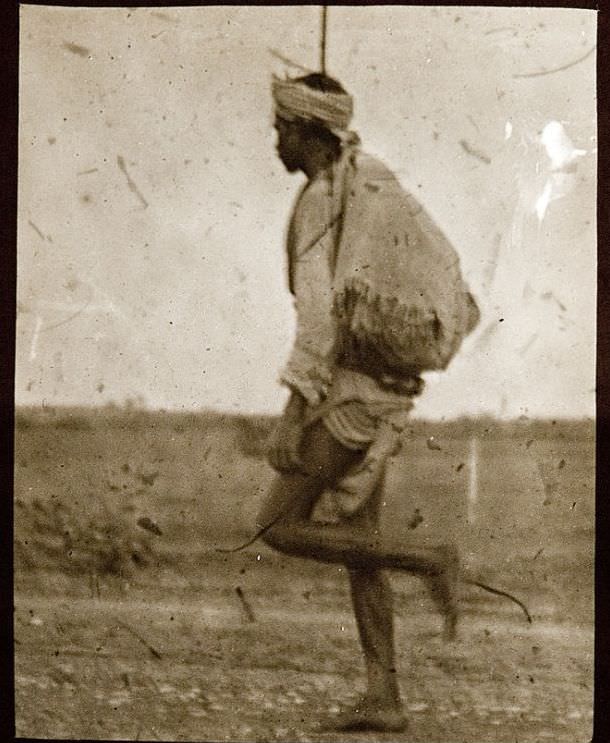
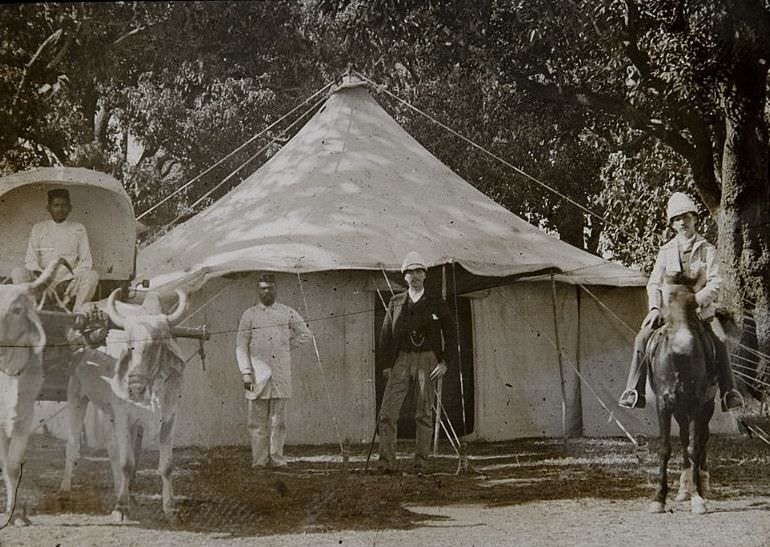
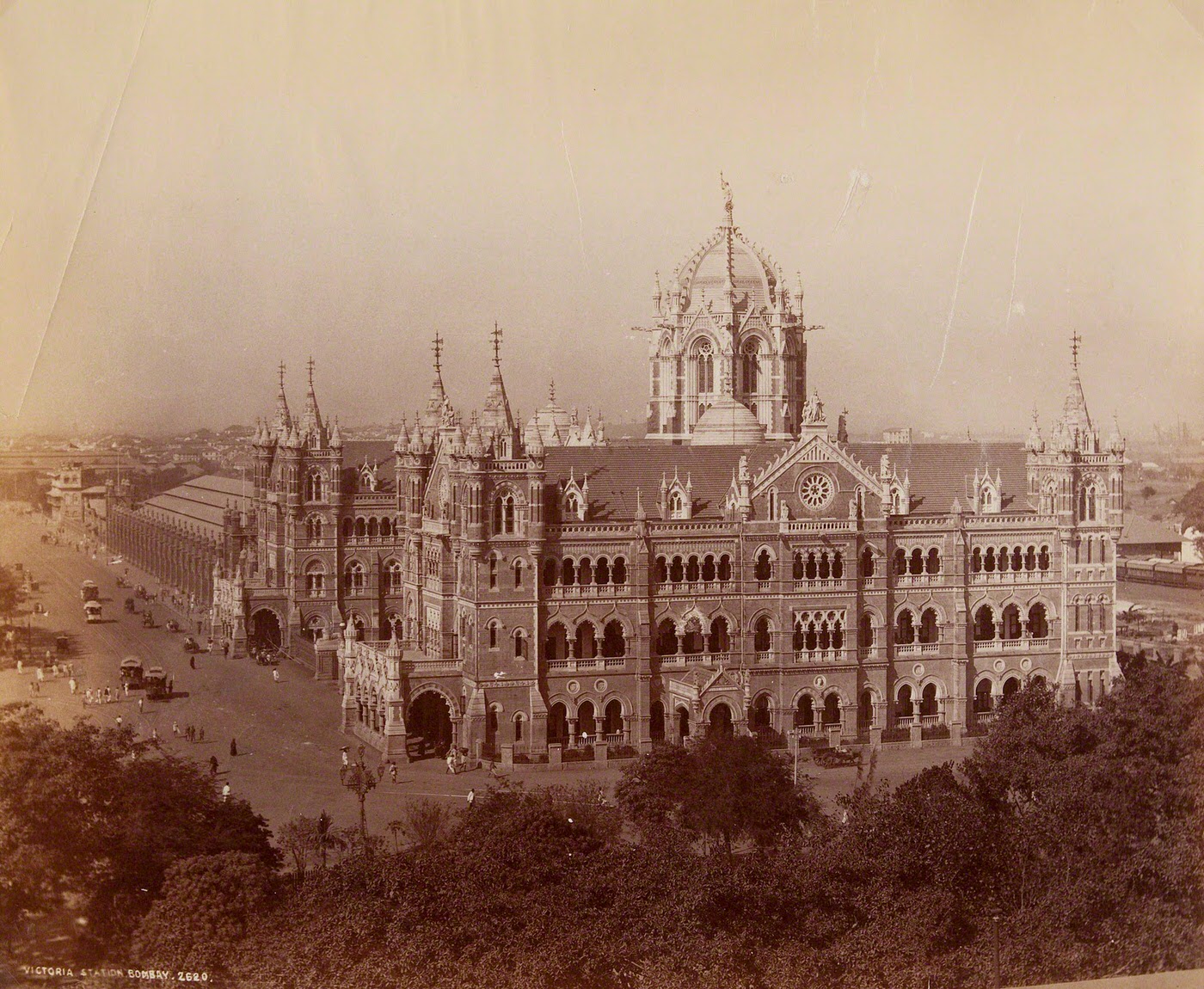
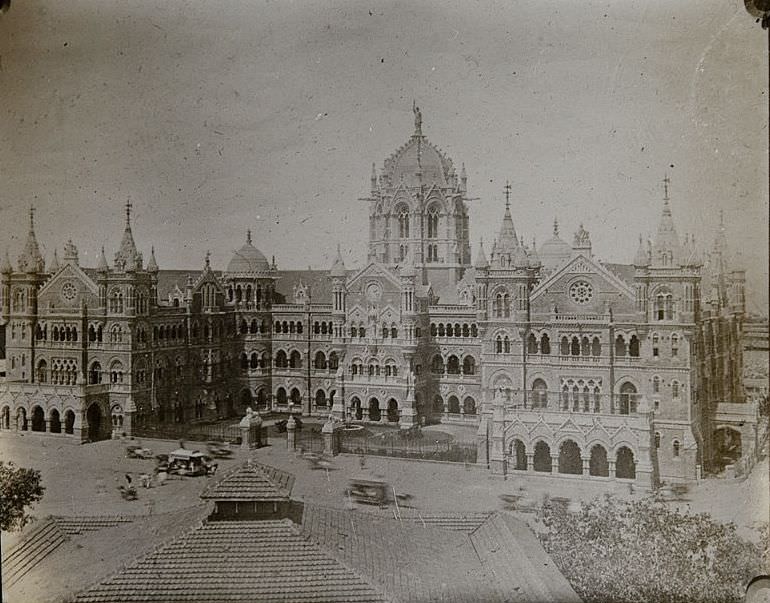
Cities like Bombay and Madras had grown into major urban centers by the 1890s. The Great Indian Peninsula Railway terminus in Bombay — now known as Chhatrapati Shivaji Terminus — was completed in 1888 and stood as one of the most elaborate Victorian Gothic buildings in Asia. Street scenes from the era show a city teeming with vendors, pedestrians, and animals sharing the same roads.
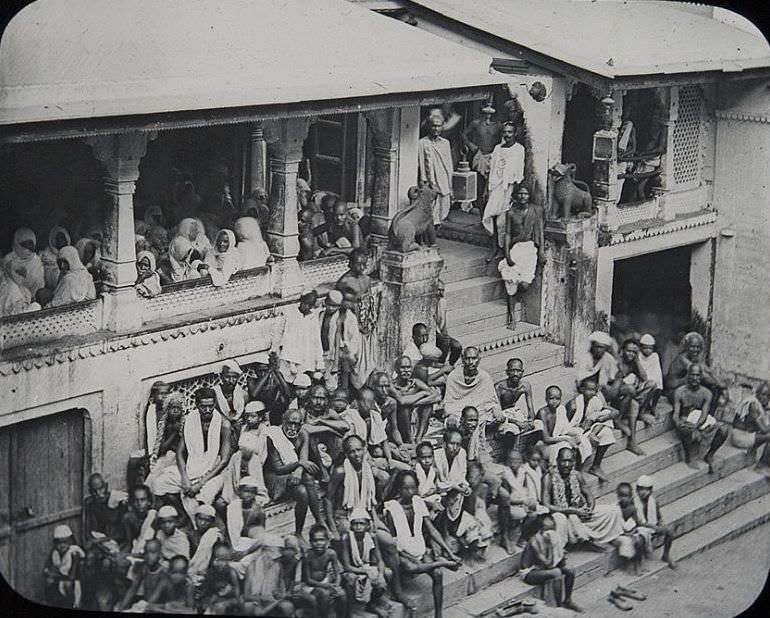
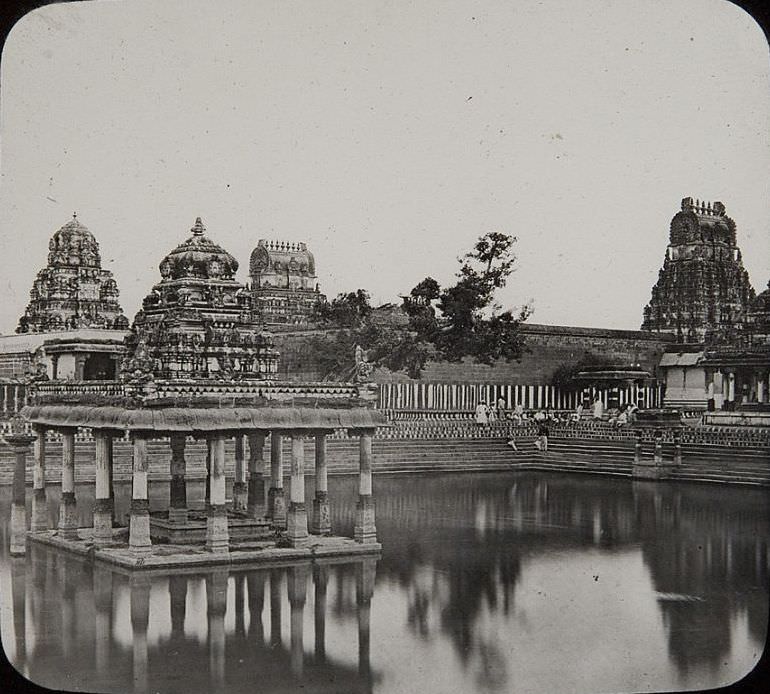
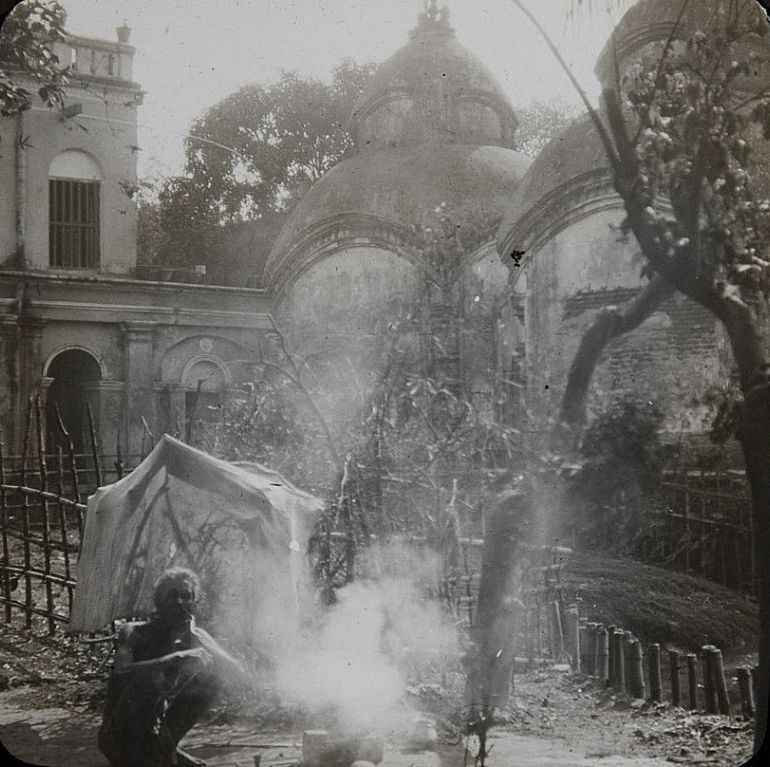
Religious life in the 1890s was captured across a wide spectrum. Priests at the sacred city of Benares, temples in the south, holy men, sacred bulls, and ritual preparations were all photographed. The Kanchipuram temple in Tamil Nadu, one of India’s oldest and most important Hindu pilgrimage sites, appears in the archive as a massive, towering structure surrounded by worshippers.
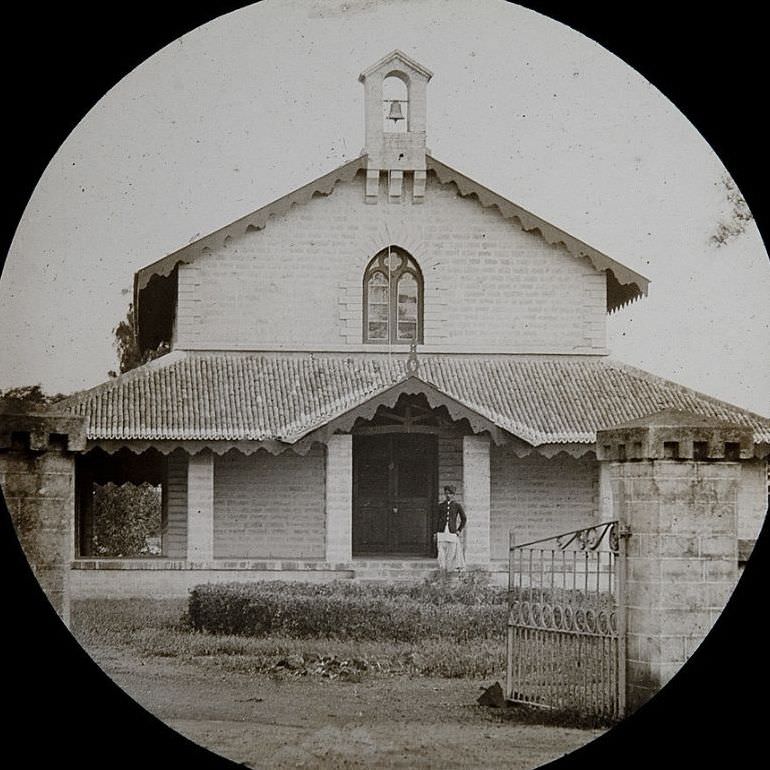
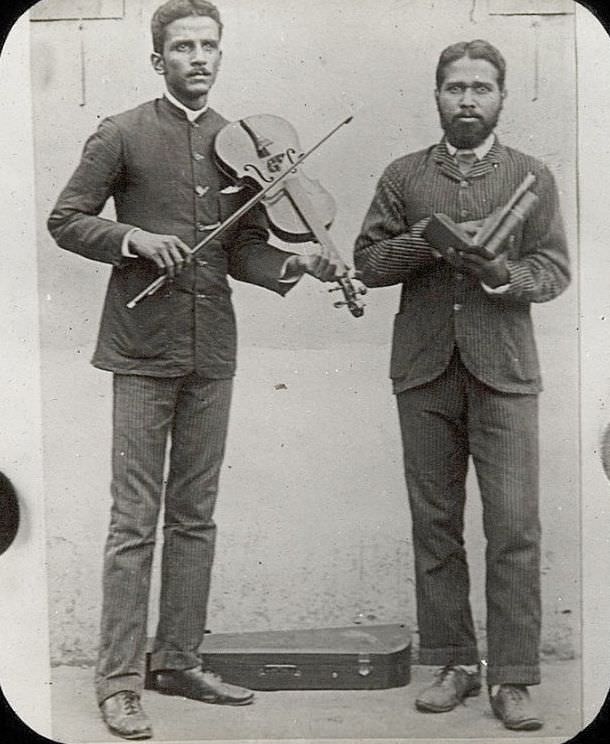
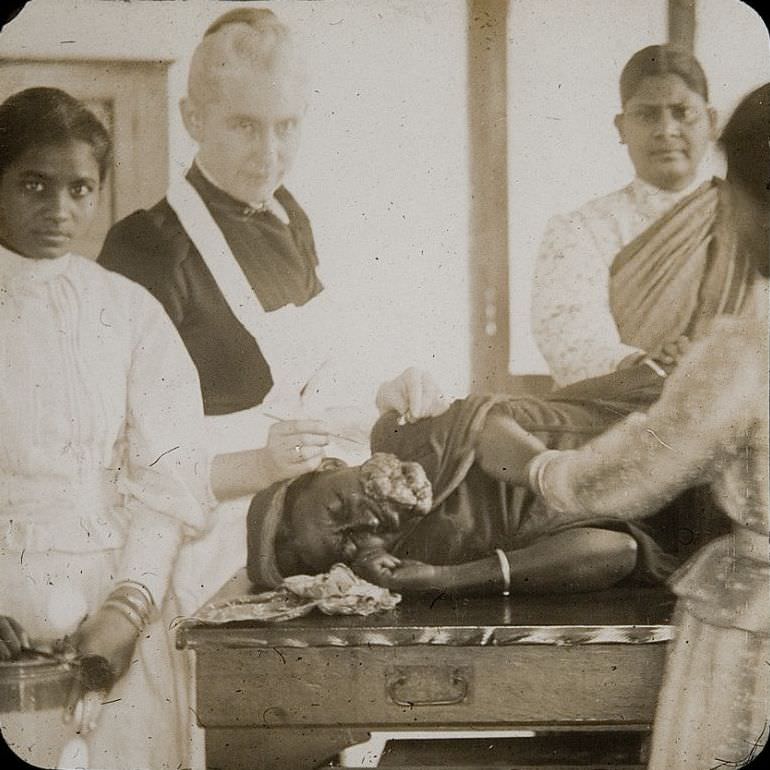
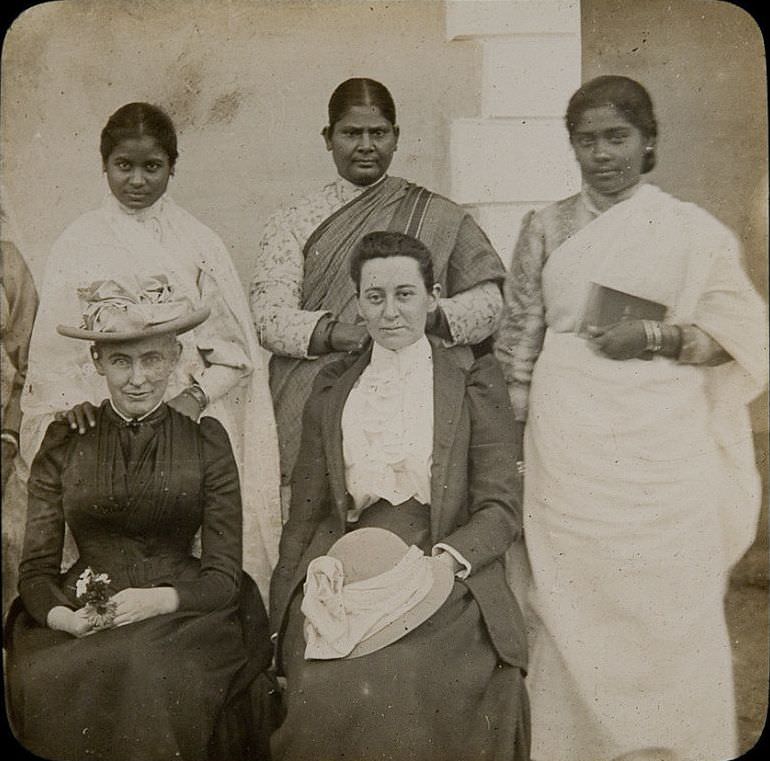
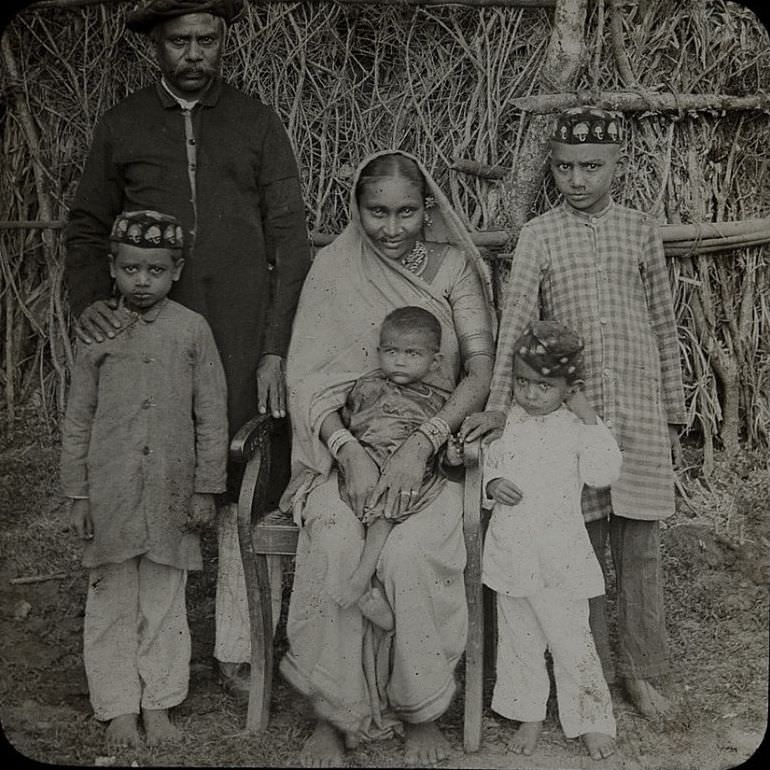
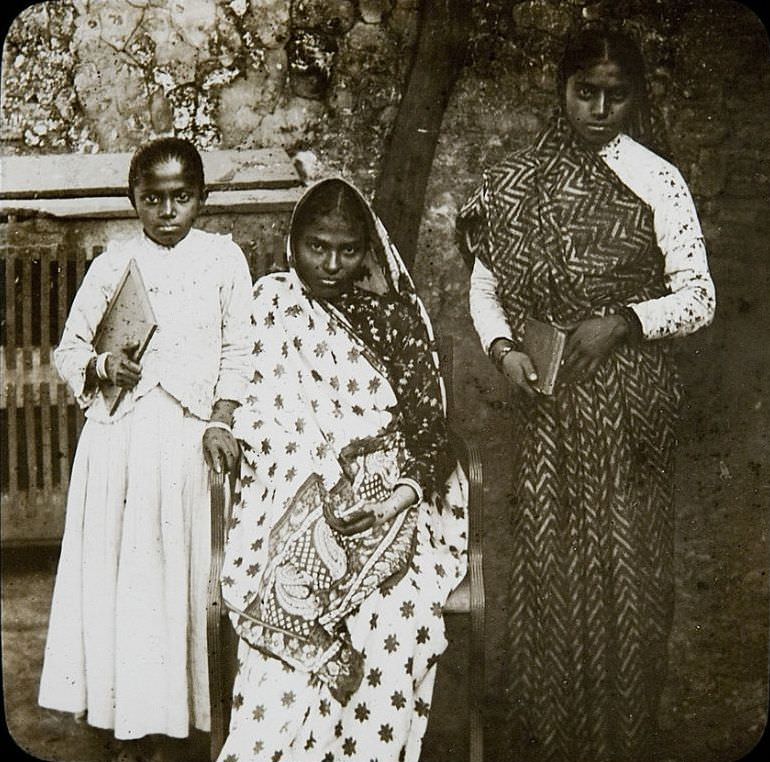
Christian missionary activity was extensive in 1890s India. Churches, open-air schools, and preaching sessions were photographed across the country. Canadian and British medical missionaries operated alongside their religious work, with images of surgeries and clinical settings appearing alongside portraits of convert families and Christian girls at mission schools.
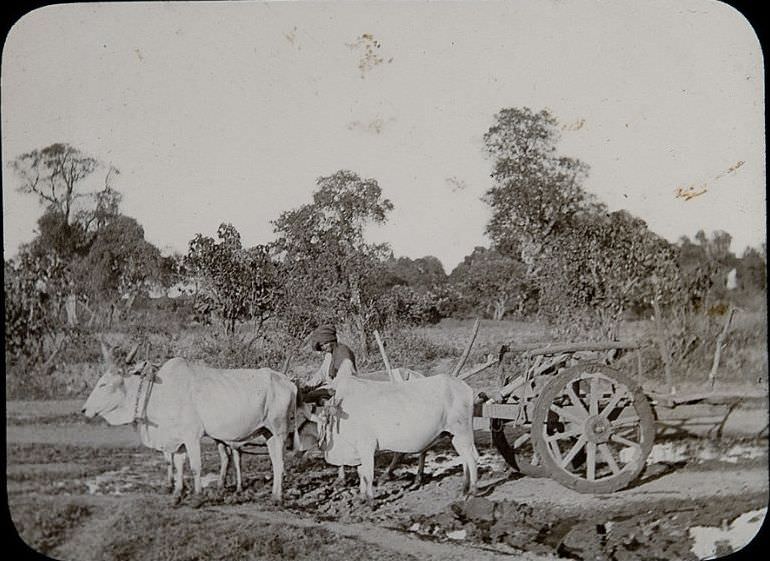
India’s economy rested heavily on agriculture, and the cash crop economy expanded dramatically under British rule. Cotton, jute, tea, and indigo were grown for export, and the railway network built to move these goods from field to port transformed the physical landscape. At the same time, traditional handloom weavers faced devastating competition from cheaper British factory-made textiles. The 1890s also brought severe flooding to parts of India — a recurring catastrophe that wiped out harvests and triggered famine conditions.
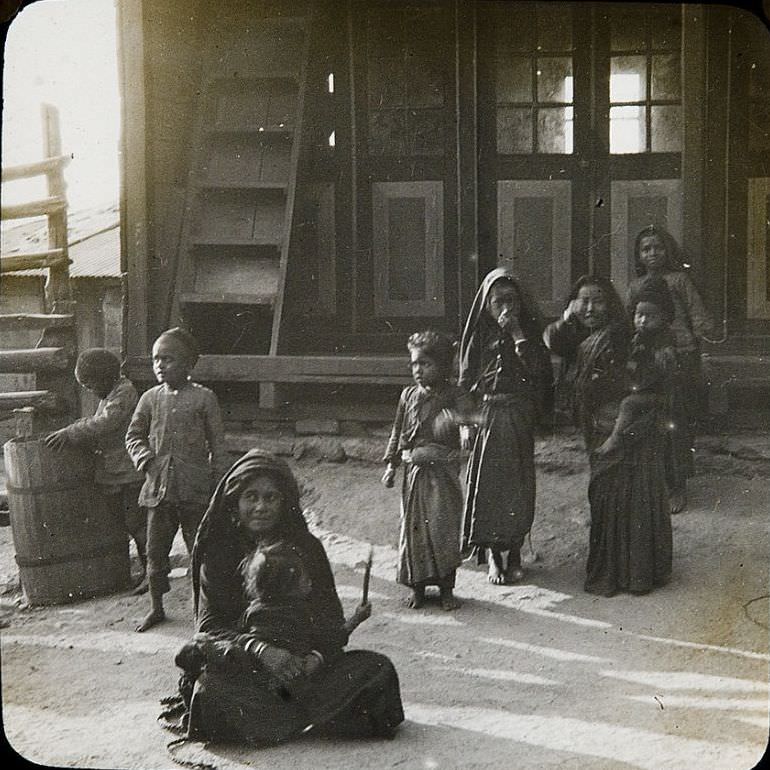
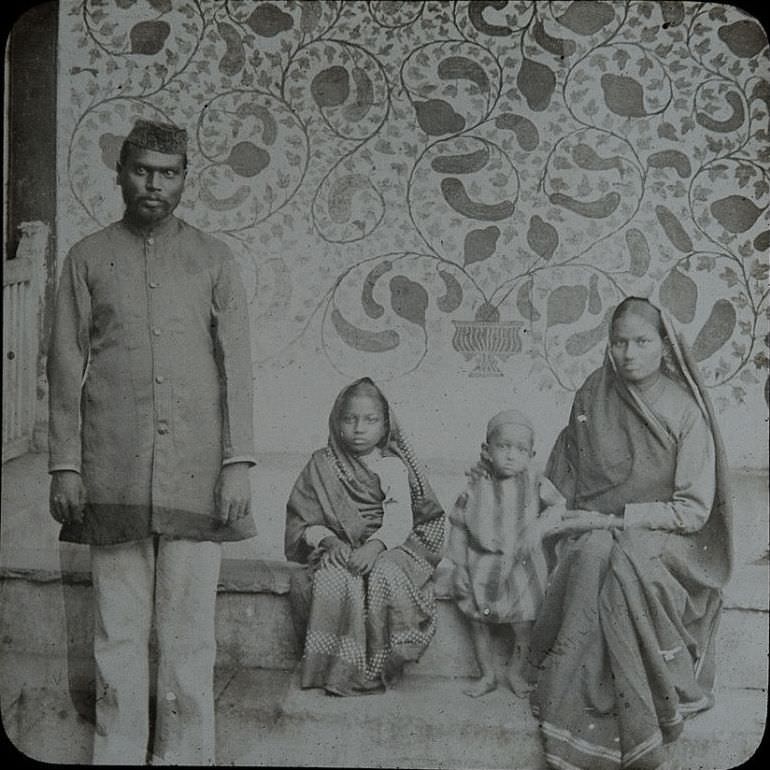
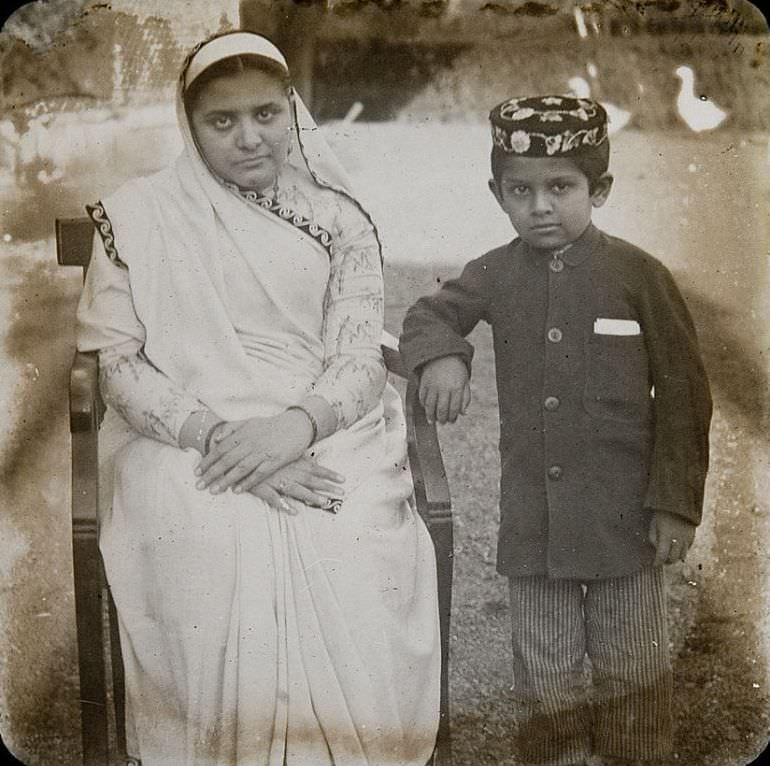
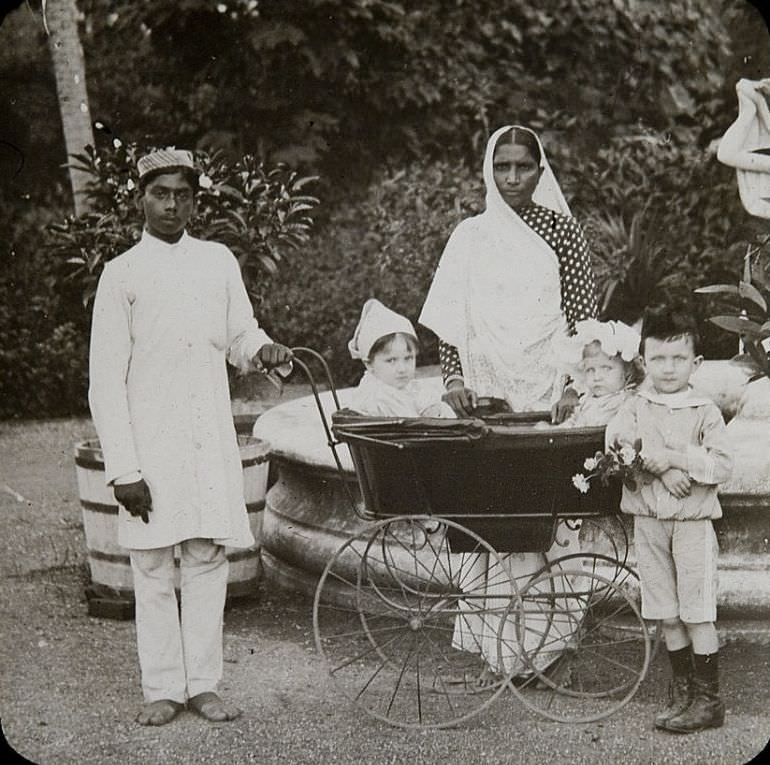
The diversity of India’s people was captured in intimate detail by photographers of the period. Parsee families in Bombay, individuals named in photographs only by first name — Daniel, Hari Dasu — families gathered for portraits, women carrying children on hillsides near Kurseong. These images represent people whose names and stories were rarely written into official histories but whose lives made up the fabric of the country.
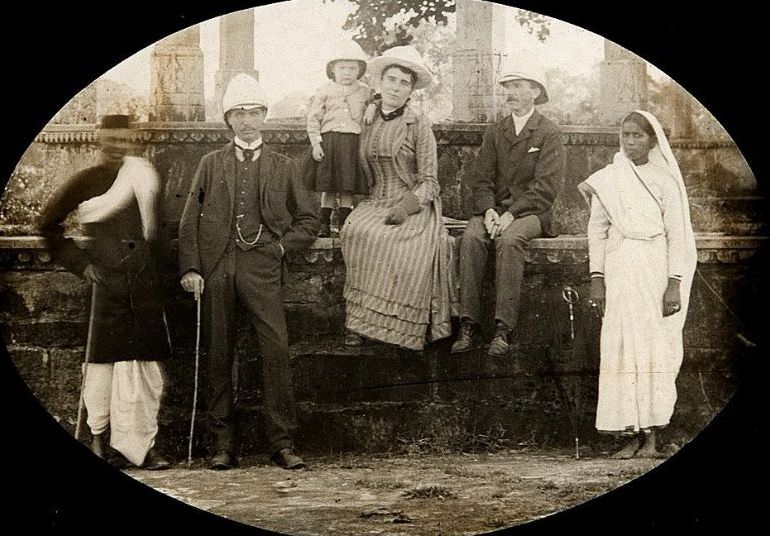
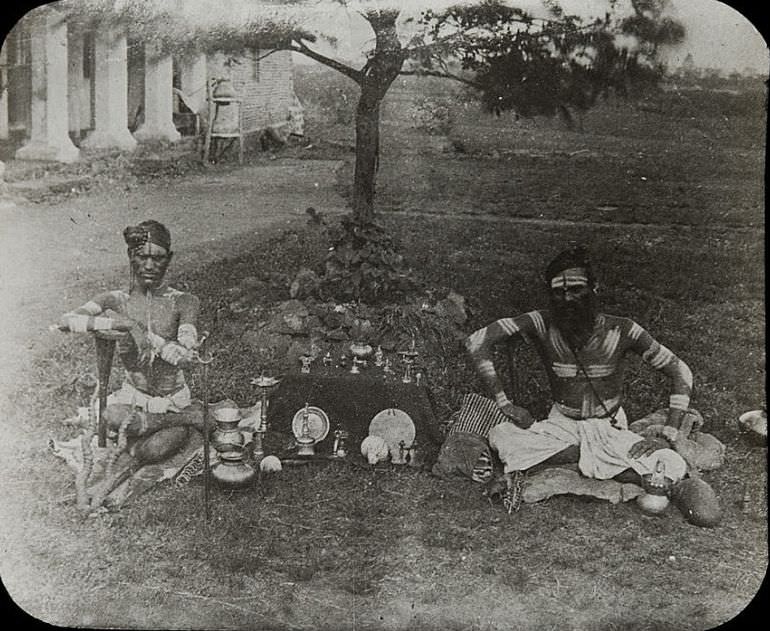
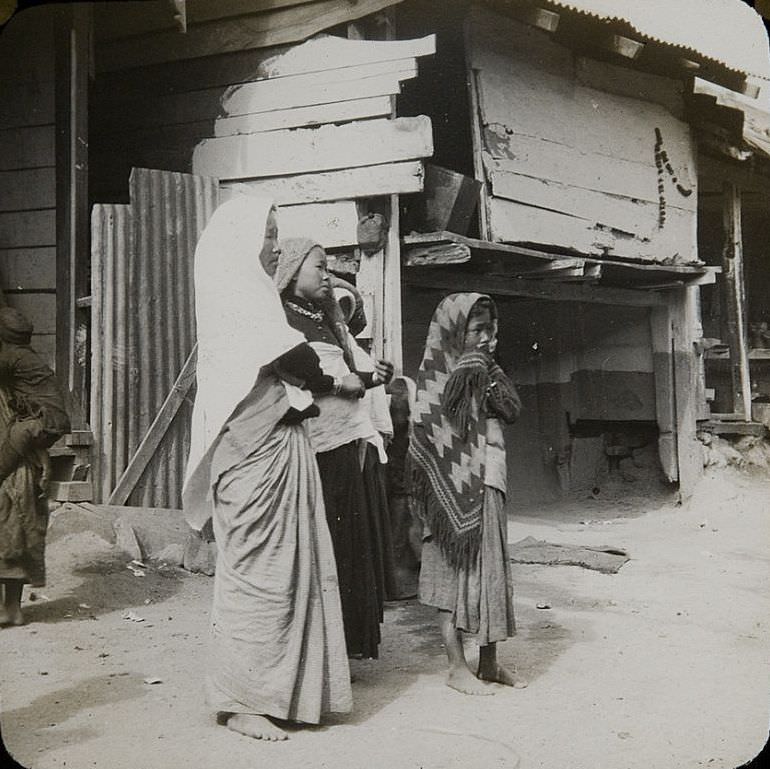
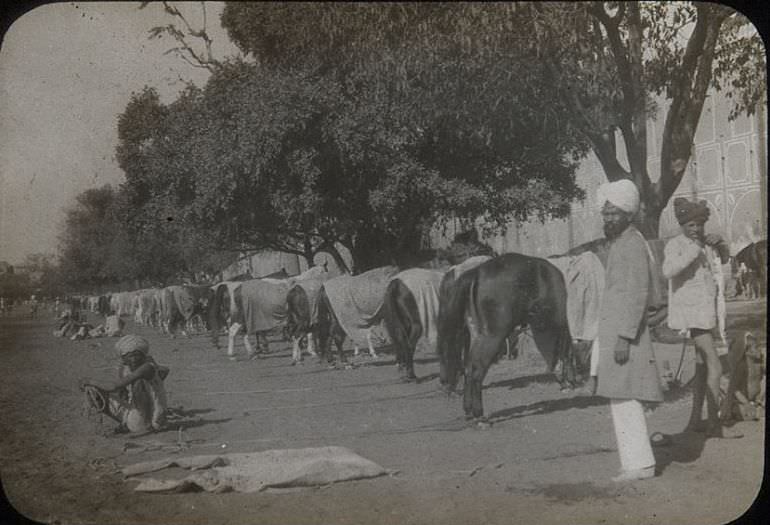
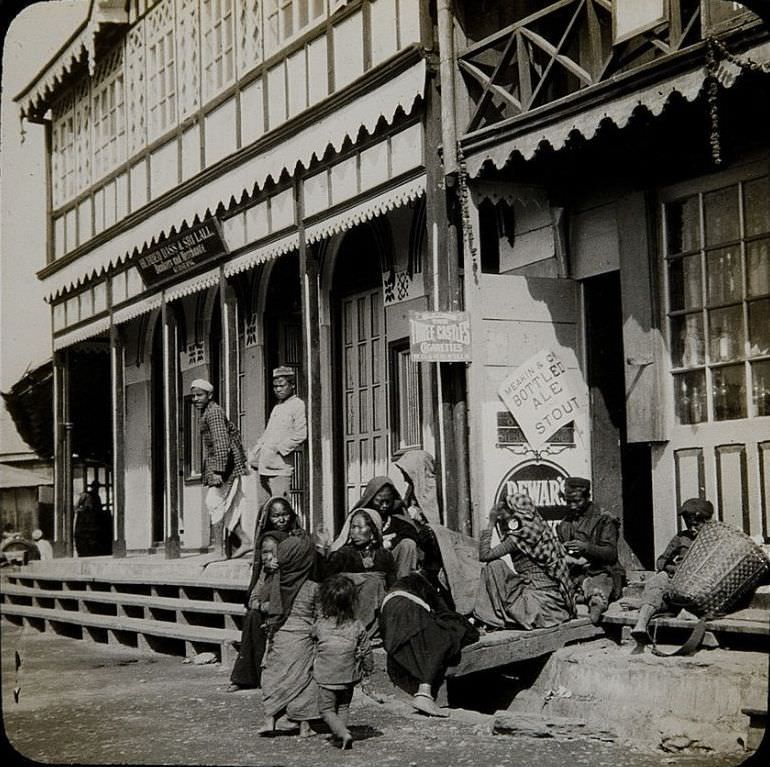
Public gatherings of all kinds were documented in the 1890s. Fairs in Ahmedabad drew huge crowds. Bathers gathered at sacred rivers. Horses were photographed in Rajasthan. Small drink shops operated along mountain roads in Kurseong. Each photograph adds another layer to a picture of a country whose internal life was rich and active regardless of who held political power in Delhi or London.
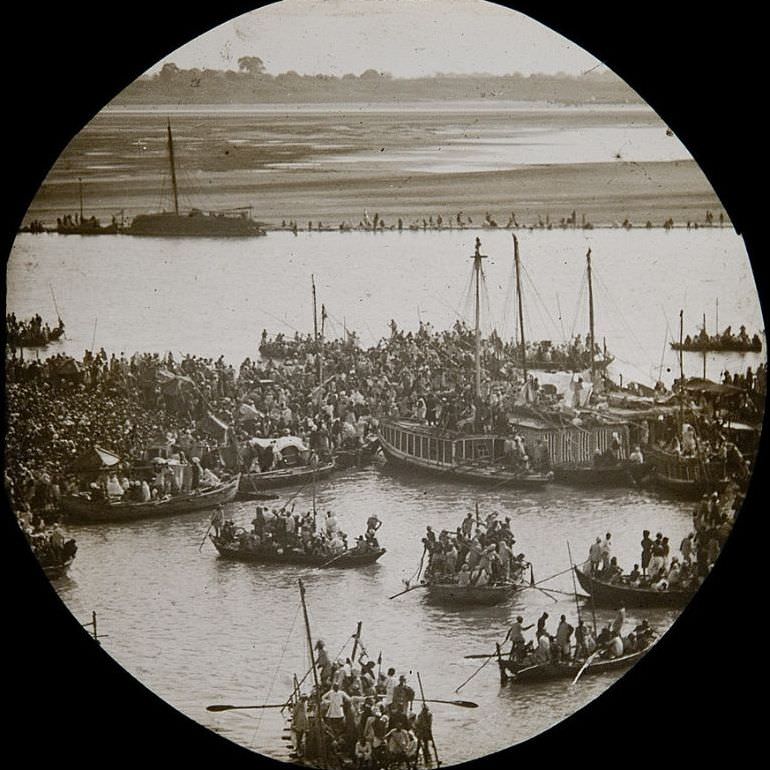
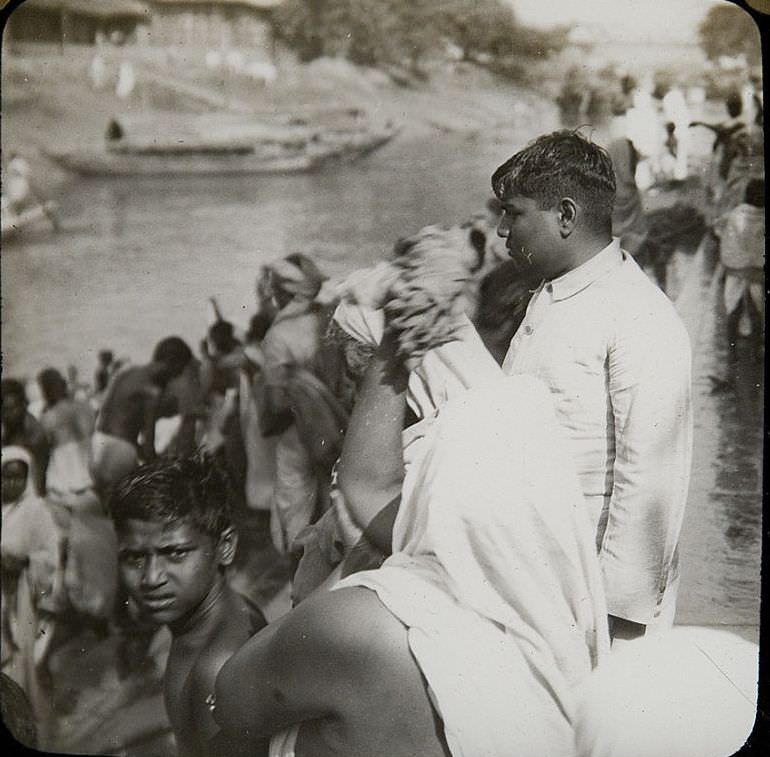
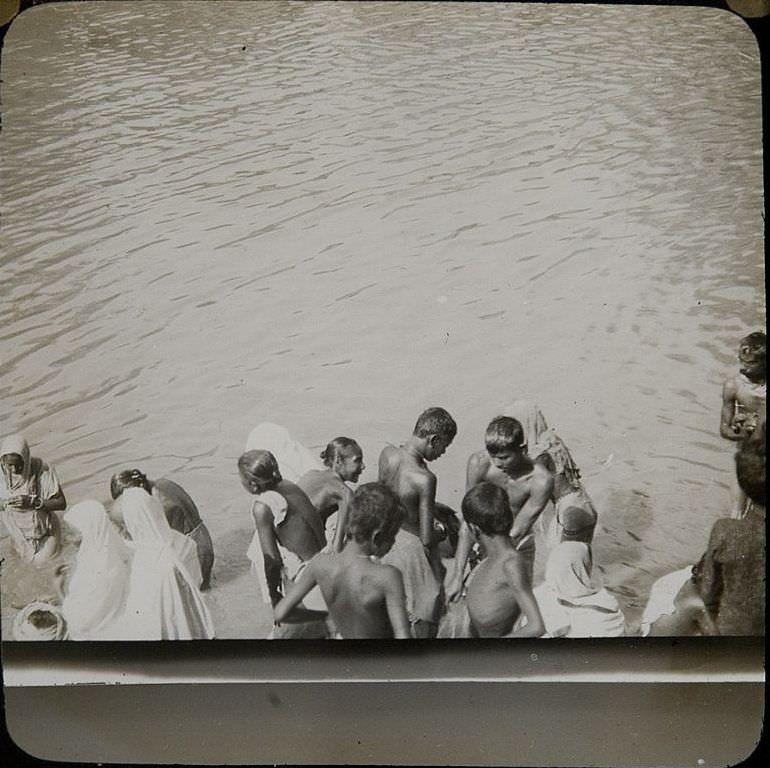
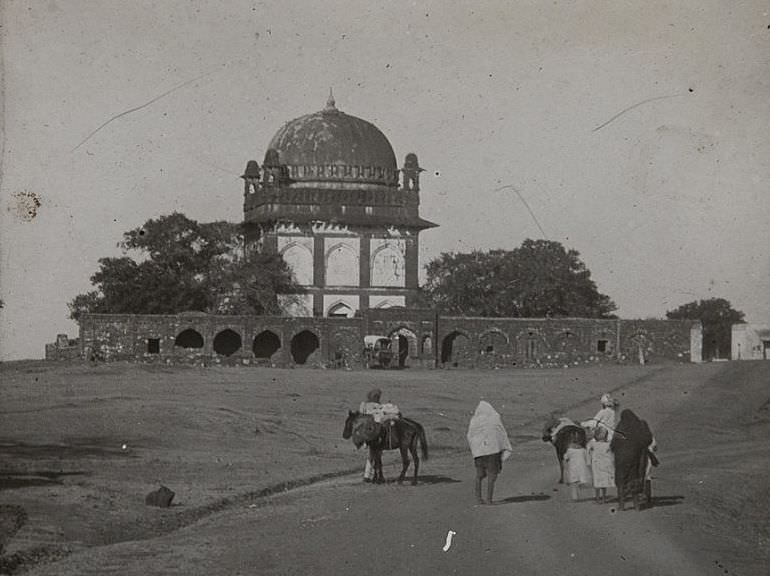
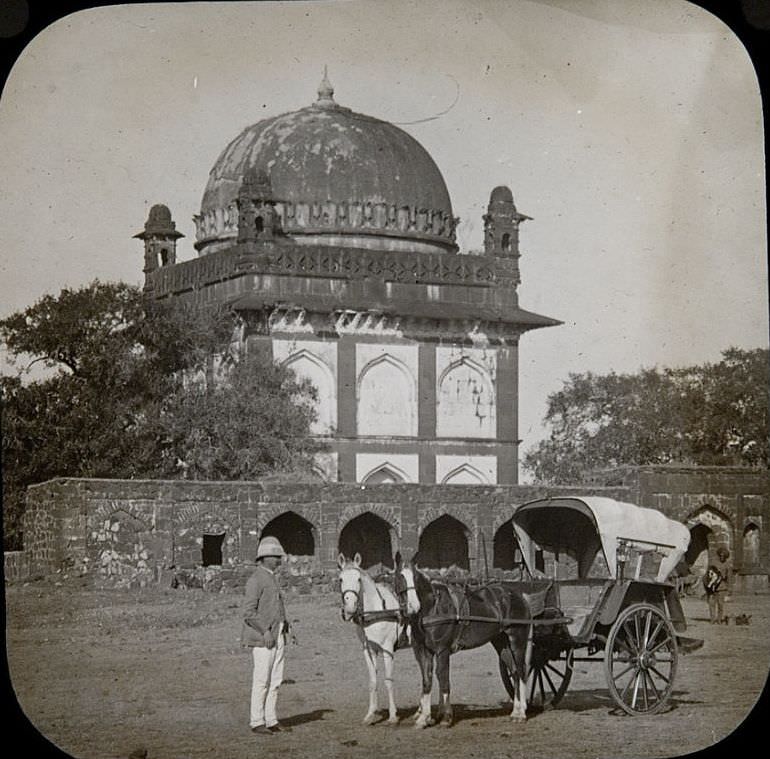
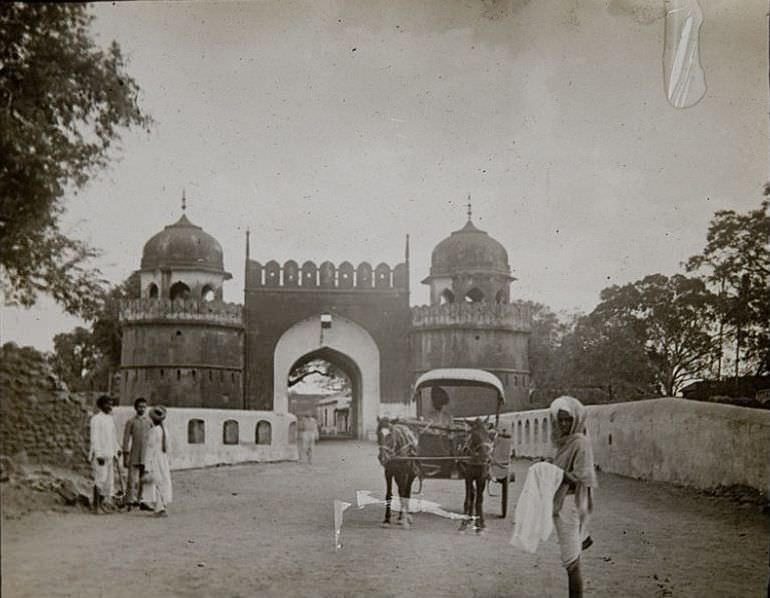
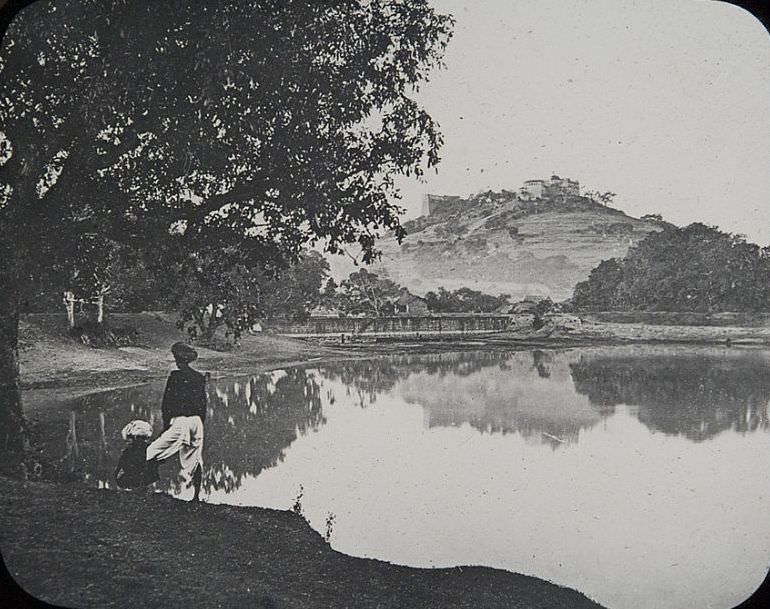
The ancient and the modern existed side by side across the subcontinent. Tombs at Khuldabad near the Ellora caves, the Mecca Gate in Aurangabad, and the Parvati Hill temple complex in Pune stood as physical reminders of centuries of history. The hill site at Pune, overlooking the Mula-Mutha River, had been a place of worship for generations long before the British arrived.





These photos honestly makes me sad. These were all real people who could’ve become something — playwright, scientist, engineer, writer, architect, craftsmen, etc. Some of them may have even become great at it, enriching humanity for all times and people. The world was moving forward on to exciting discoveries, more modern and egalitarian societies, and sophisticated arts and culture.
But it didn’t happen. They all lived shackled and wasted lives, living in poverty while the elites had all the privilege.
Even the pictures demonstrate this, just note the contrast between the princes in their royal garb and the ordinary people who appear to be malnourished in their tattered clothes.
Alexander Gardner had some drip
Amazing collection, thanks for posting 🙂
Incredible pics – thank you so, so much for this! My family came from Shimla and most of the pics could be from one of our albums lol What a beautiful and wonderful place it must have been.