In the 1860s, Rome was not yet part of Italy. It was the capital of the Papal States, a stretch of central Italian territory governed directly by Pope Pius IX. While King Victor Emmanuel II had already unified most of the Italian peninsula under his rule, Rome stood apart — a city-state held together by religious authority and foreign military muscle. French soldiers, sent by Napoleon III, were stationed inside the city walls to protect the Pope from outside threats. Without them, the Italian army would have marched in years earlier.
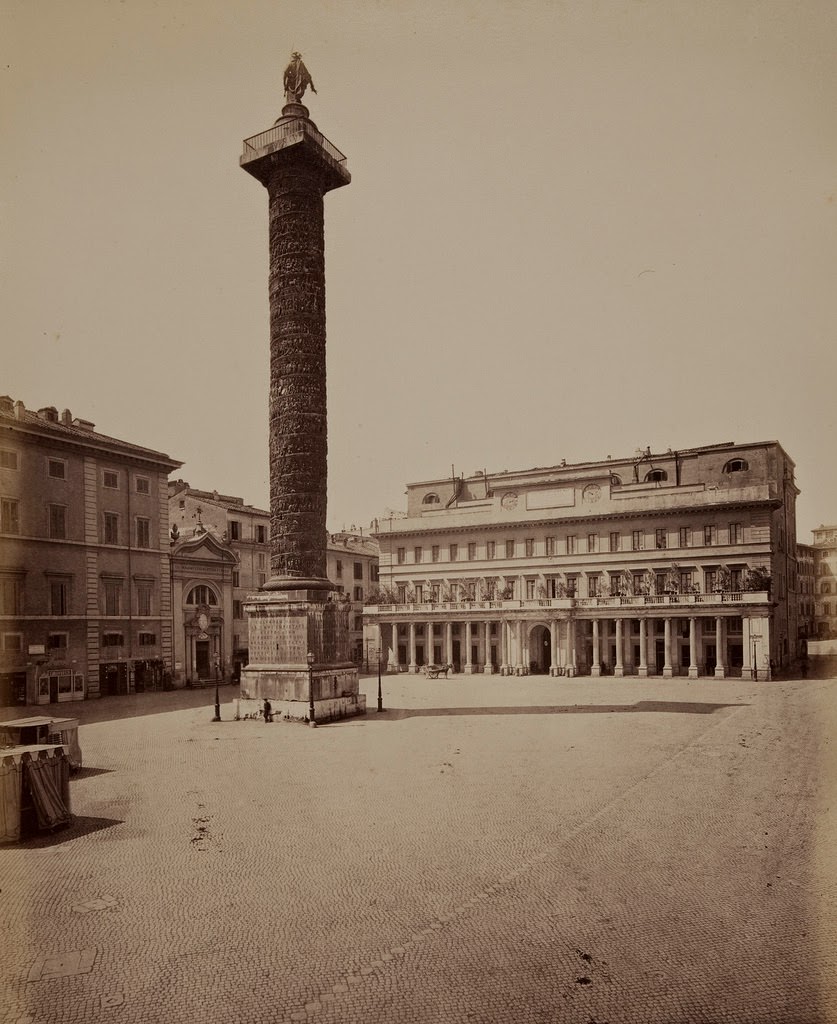
The streets of Rome in this era were far from the polished city tourists visit today. Most roads were unpaved. Winter rains turned them into stretches of thick mud. The Tiber River flooded the lower districts almost every year, damaging homes and disrupting daily life. Residents lived in stone buildings that had stood for centuries, often without major repairs. The city walls still marked the edge of urban life, and the gates were shut every evening at sunset.
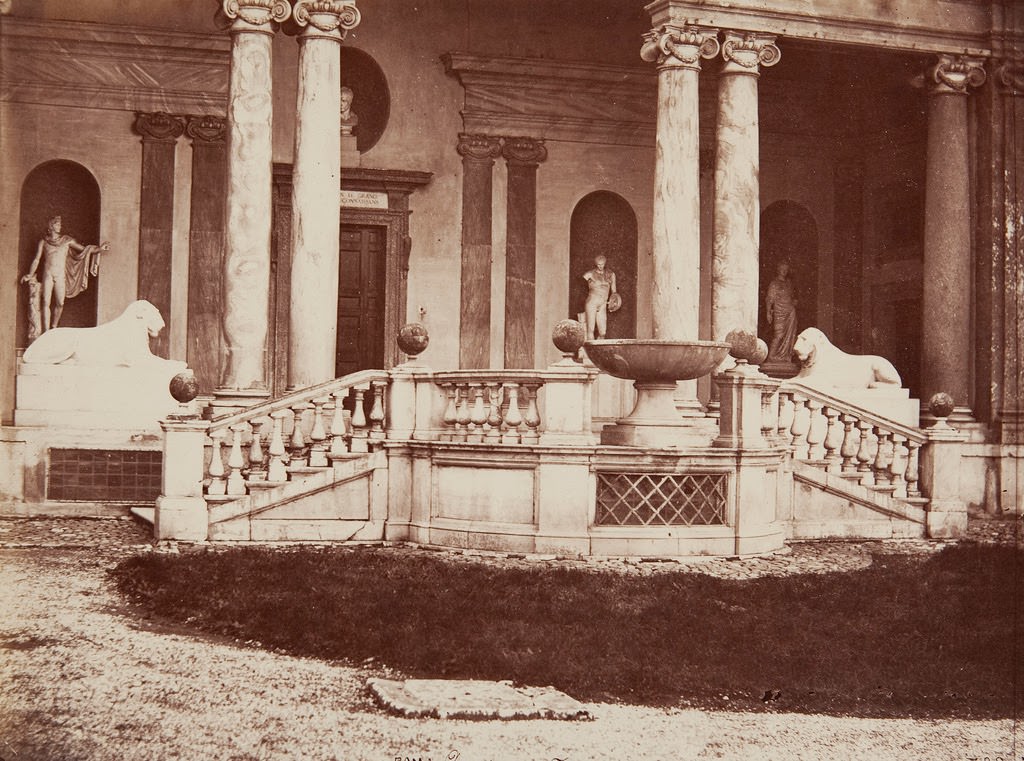
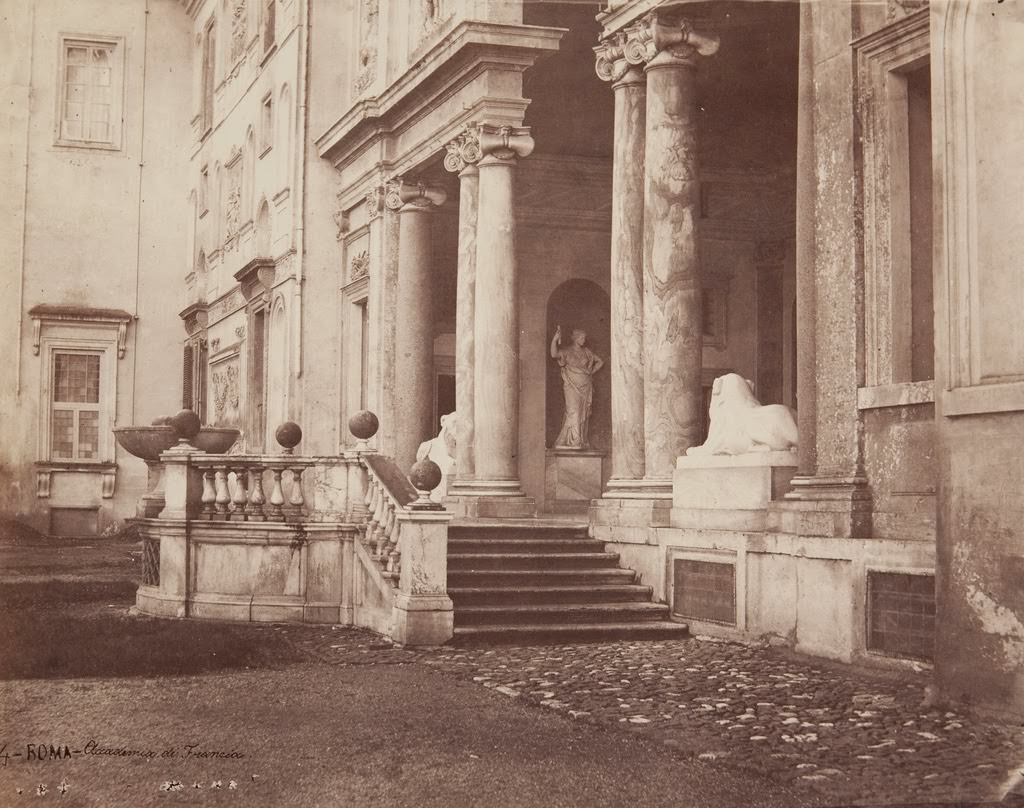
Despite the rough conditions, Rome drew artists from across Europe and the United States. They came to study the city’s classical sculptures and Renaissance paintings firsthand. Studios filled the Trastevere neighborhood and the area around the Spanish Steps. The Académie de France, which maintained a prestigious presence in Rome, gave French artists a formal base for this kind of study. For painters and sculptors, Rome was still the greatest classroom in the world.
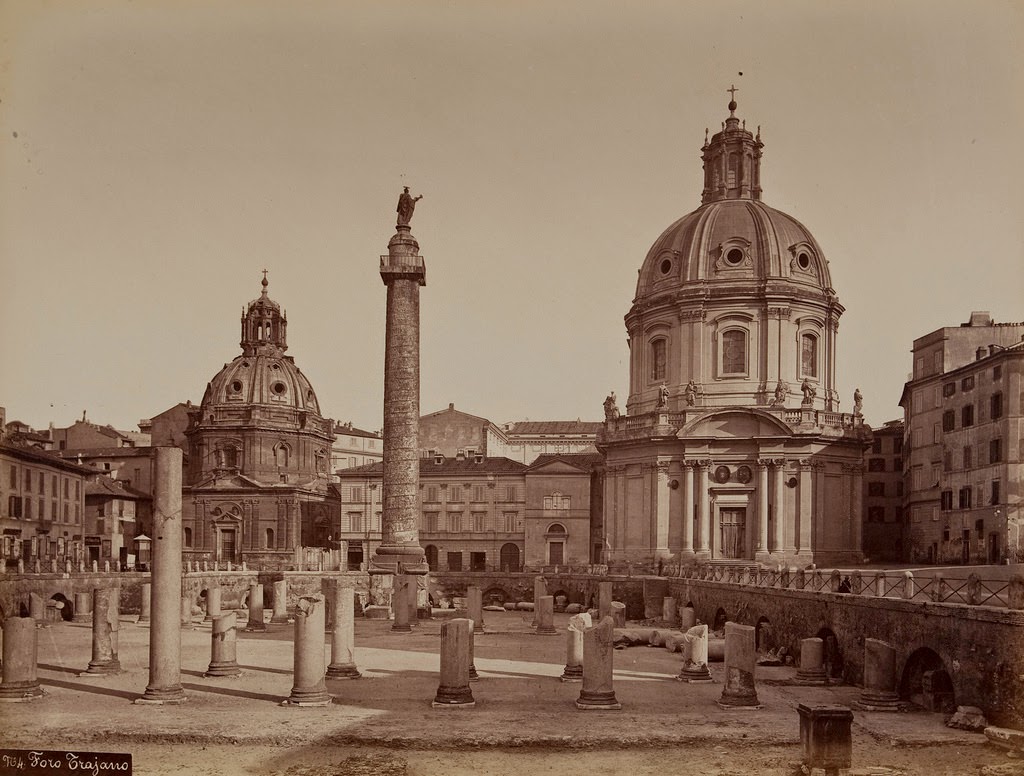
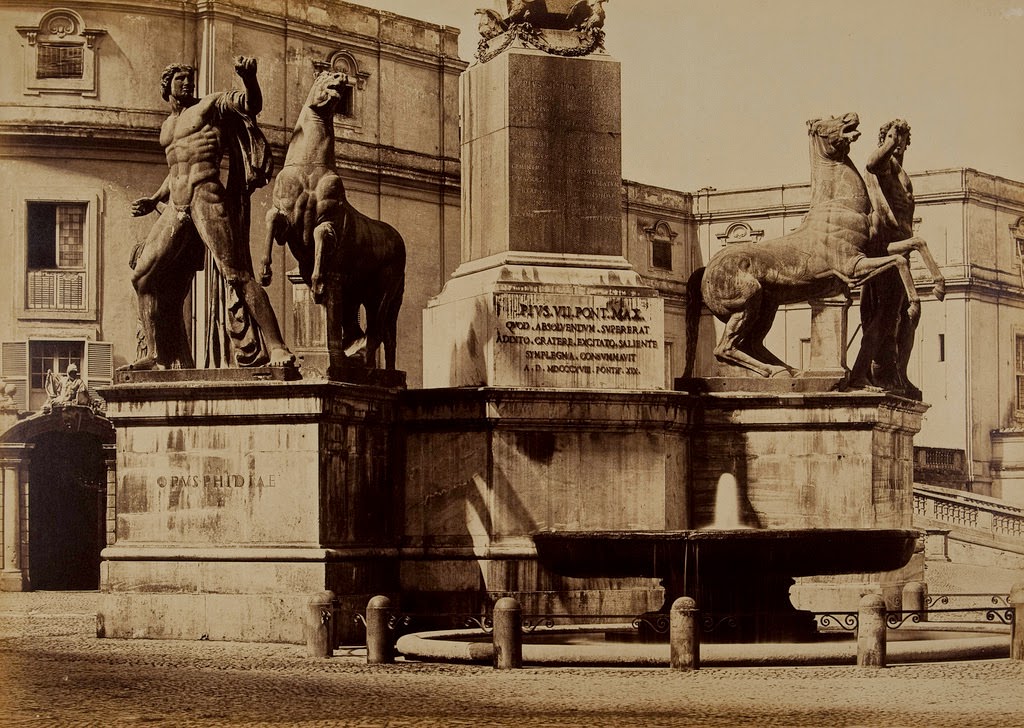
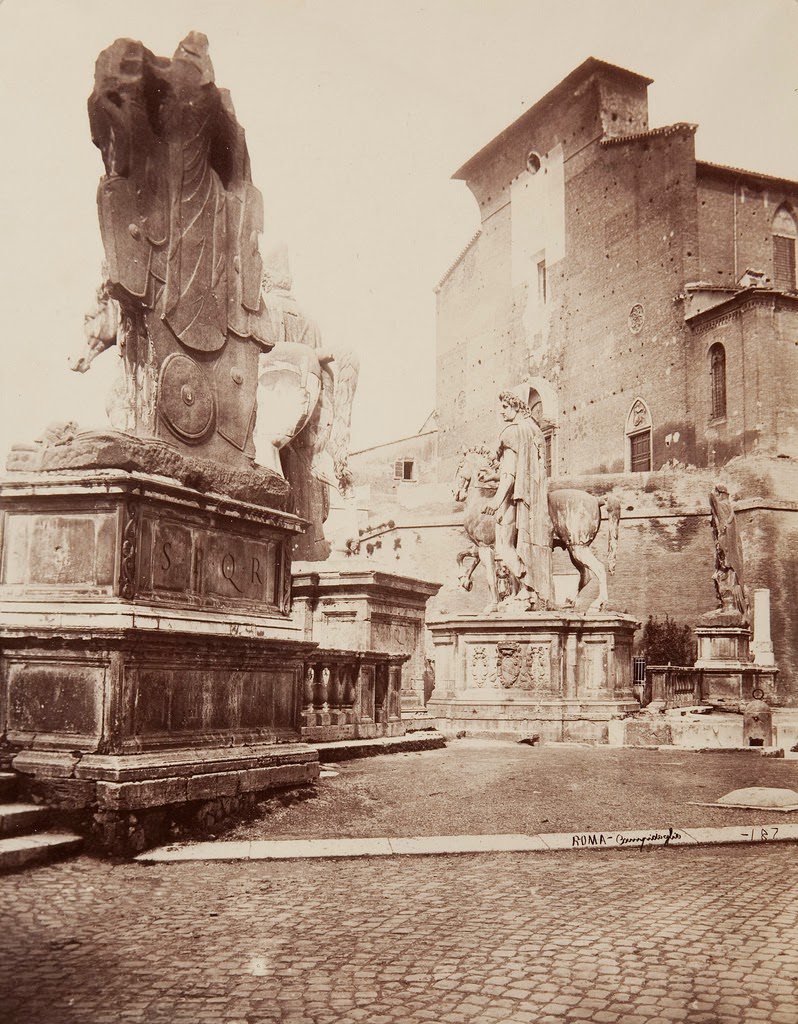
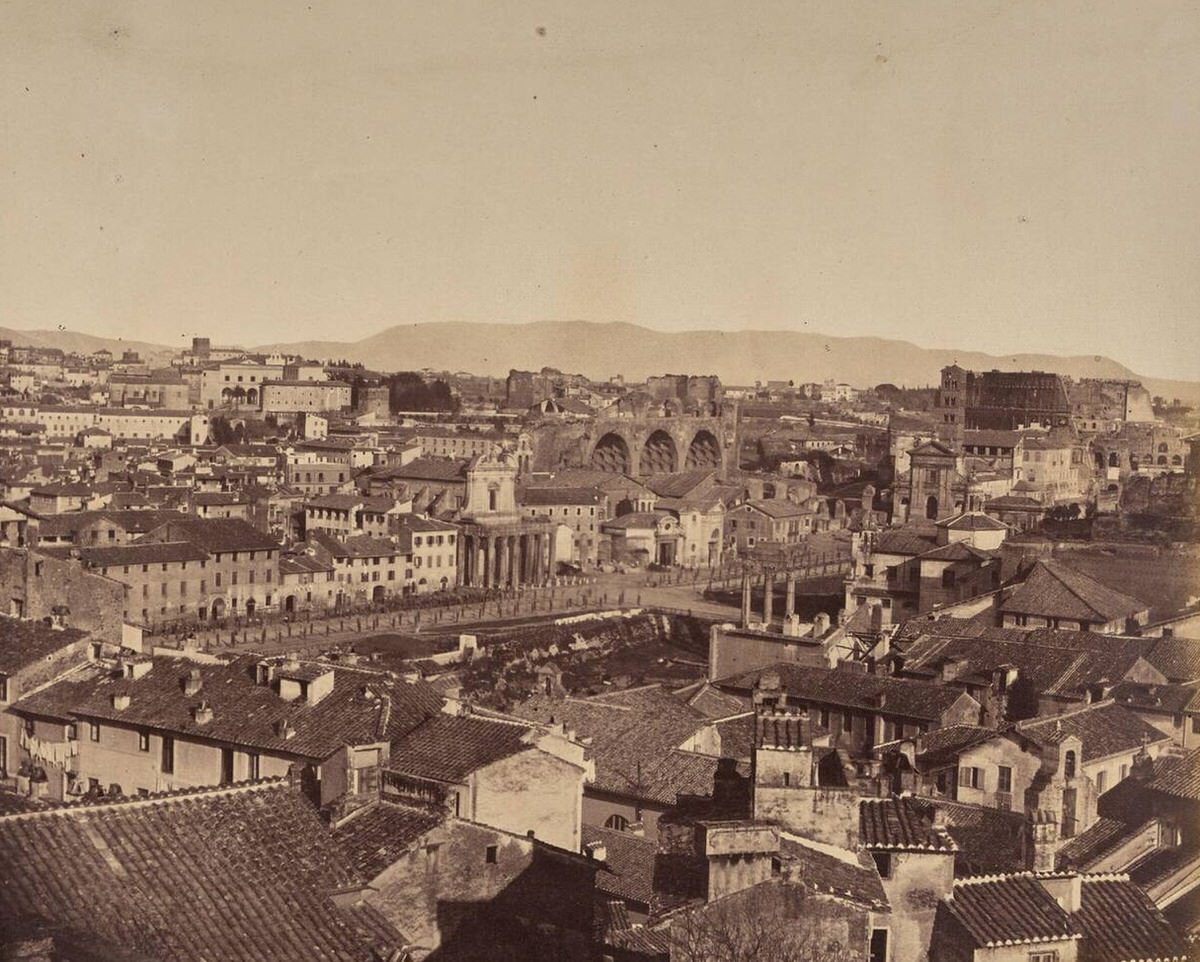
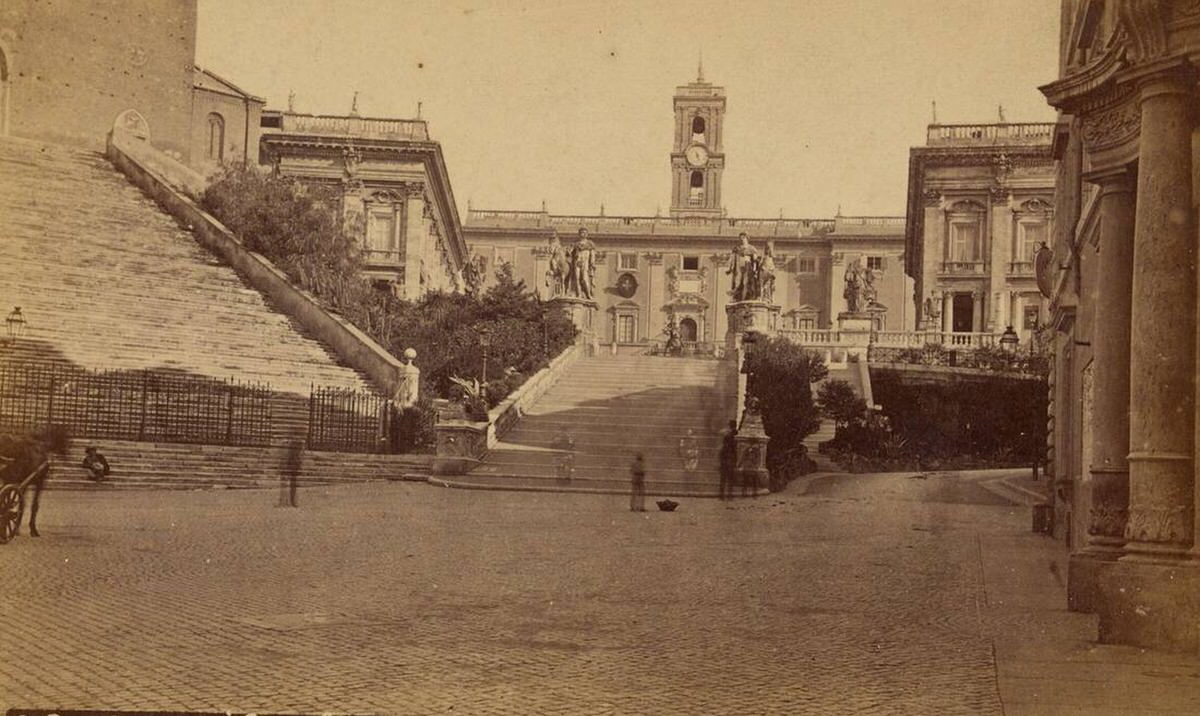
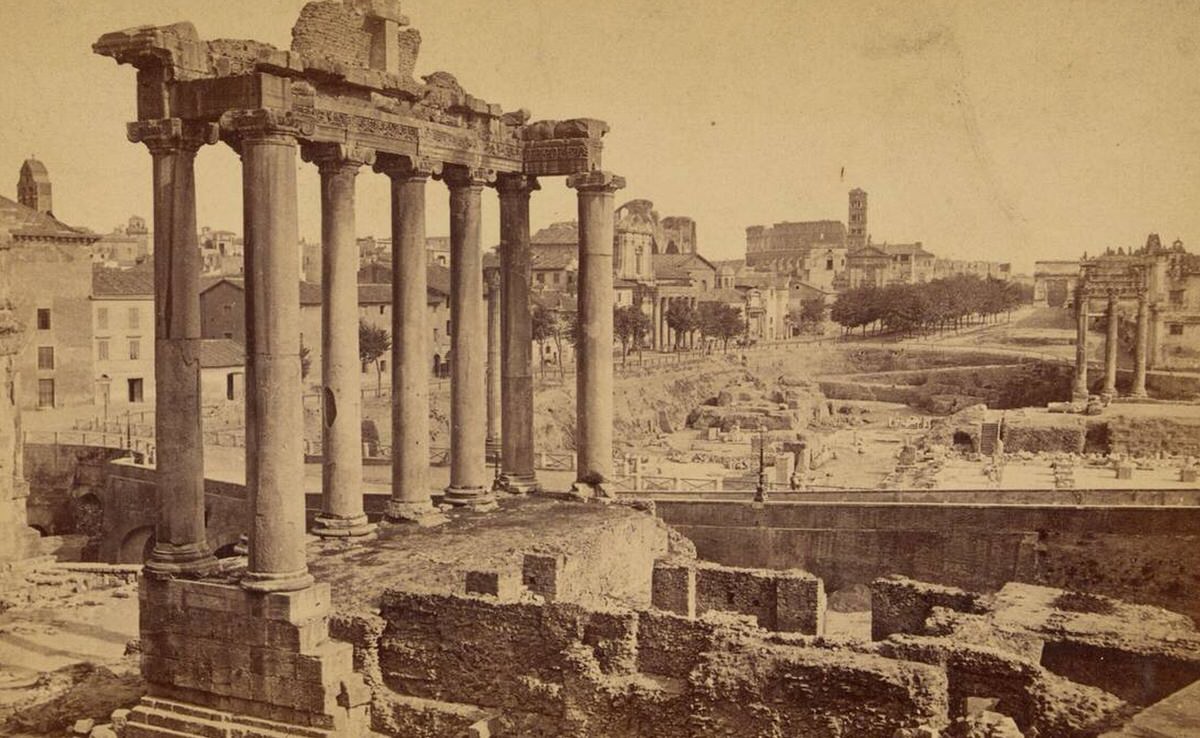
The ancient city sat alongside a living, working one. The Roman Forum and the Campidoglio — the historic civic hilltop designed by Michelangelo — were not yet the tourist landmarks they are today. They were part of the city’s everyday landscape, surrounded by neighborhoods where people worked, traded, and worshipped.
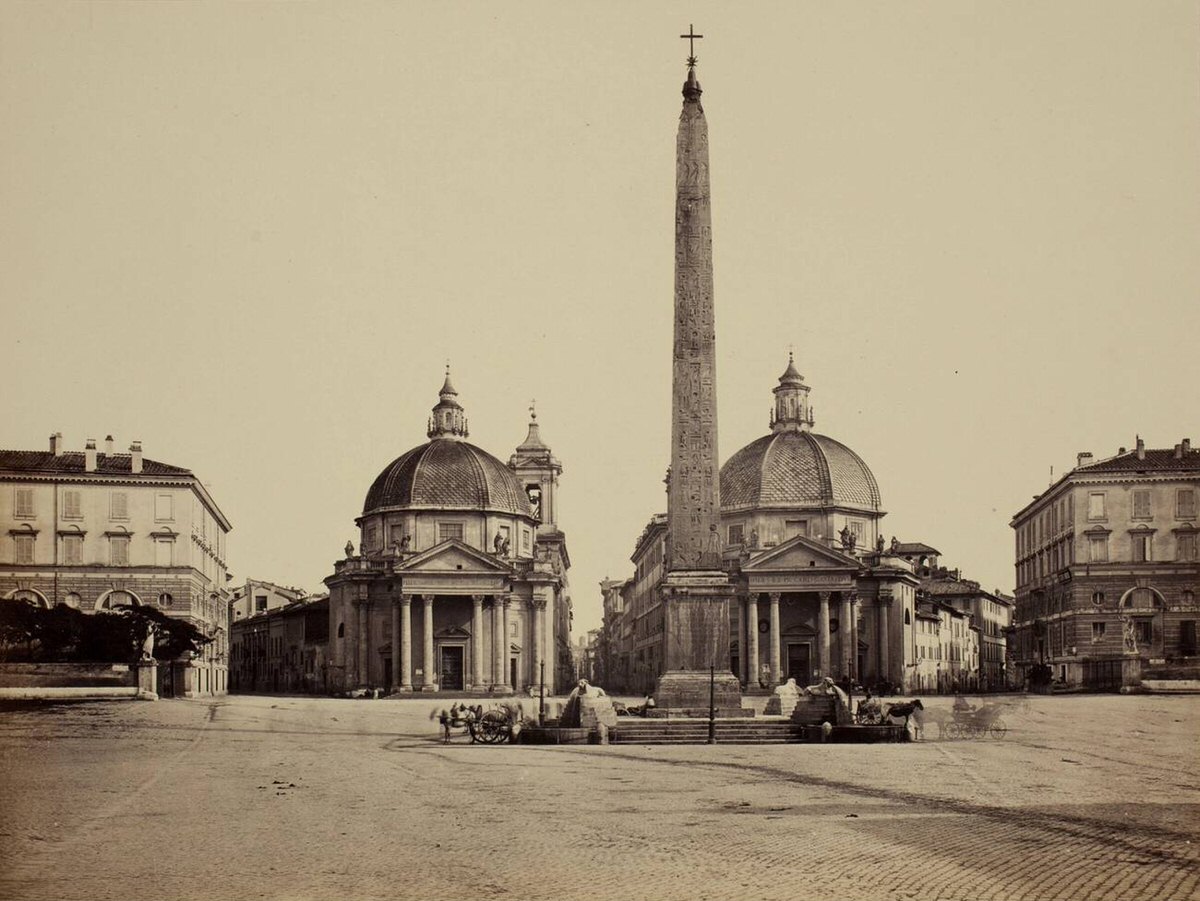
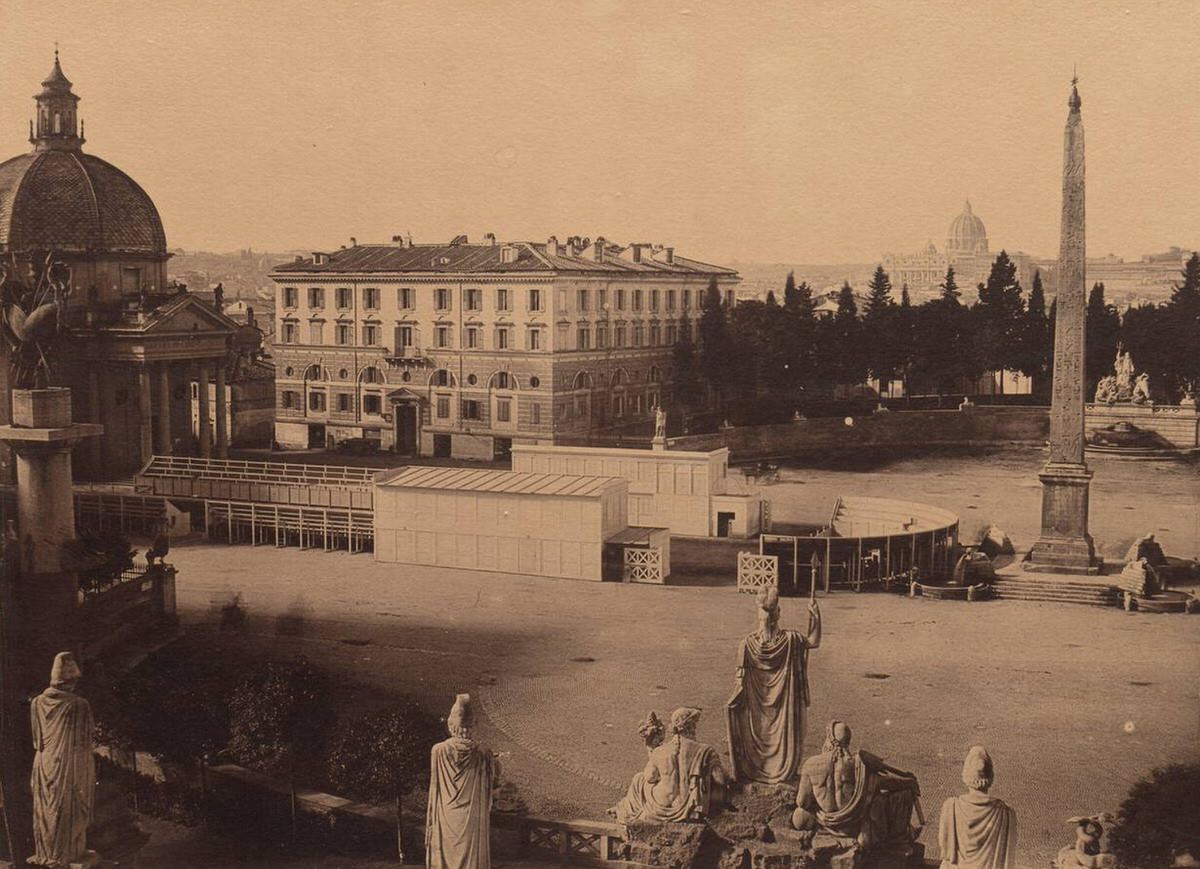
Social life revolved around Rome’s piazzas and open-air markets. The Piazza Navona drew crowds of street vendors selling food. The Campo de’ Fiori market offered fresh produce and household goods. Wealthy families made a ritual of riding through the Pincian Hill in horse-drawn carriages, displaying their fashions to one another. At the same time, poor residents worked as day laborers or sold religious souvenirs to the steady stream of pilgrims passing through the city.
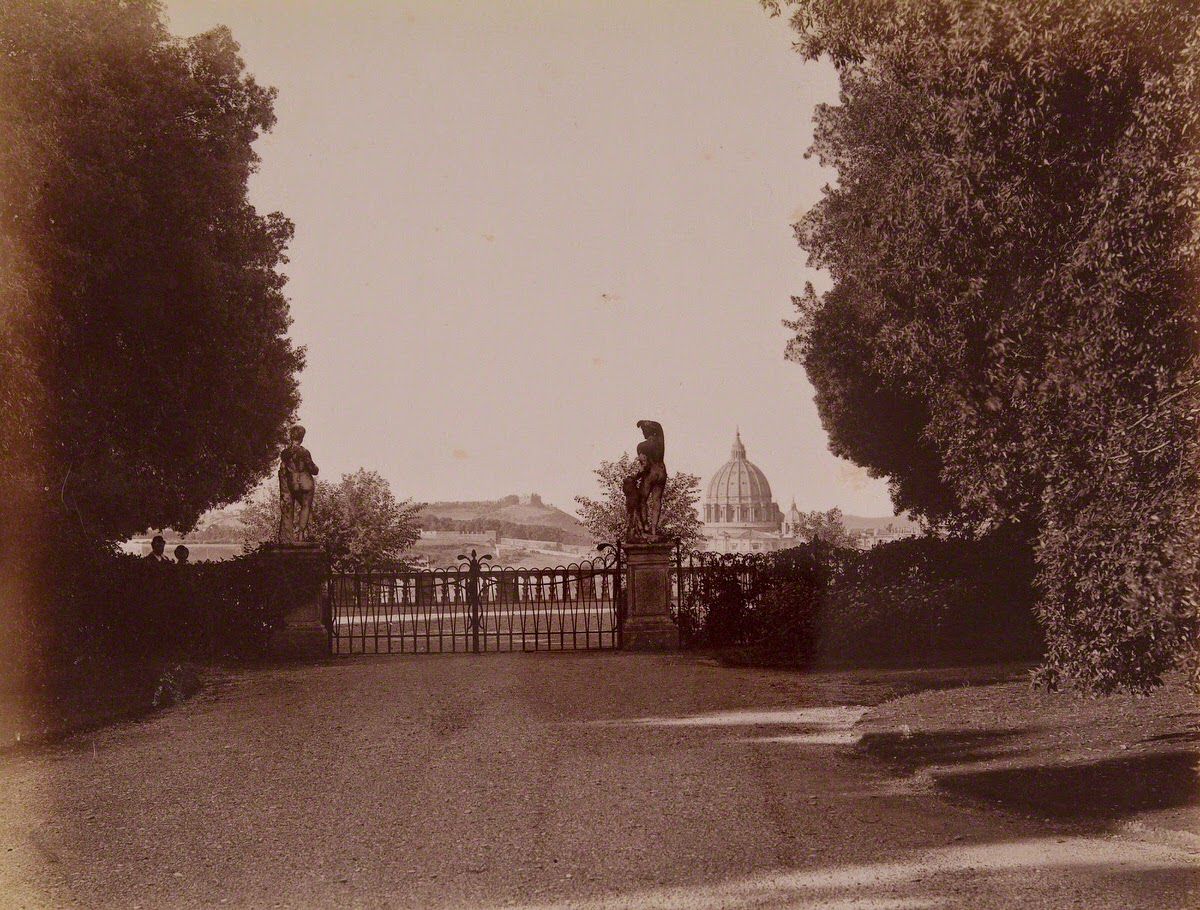
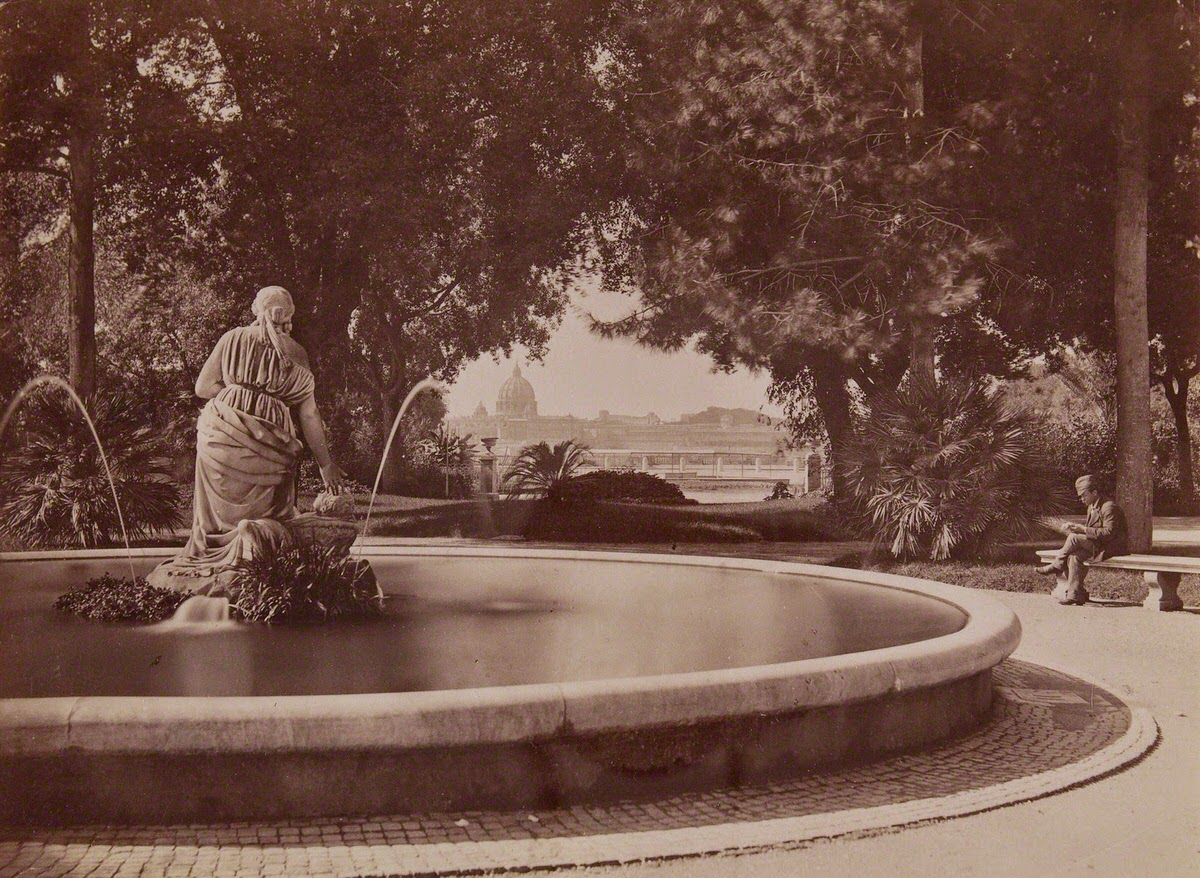
The Pincian Hill was one of the city’s most fashionable spots, and the public walk there featured one of Rome’s recognizable landmarks — the Fountain of Moses, fed by the ancient Acqua Felice aqueduct. Gas lamps were being installed on several major streets during this decade, a sign that the modern world was slowly making its way into the papal capital, even if the government moved cautiously when it came to industrial change.
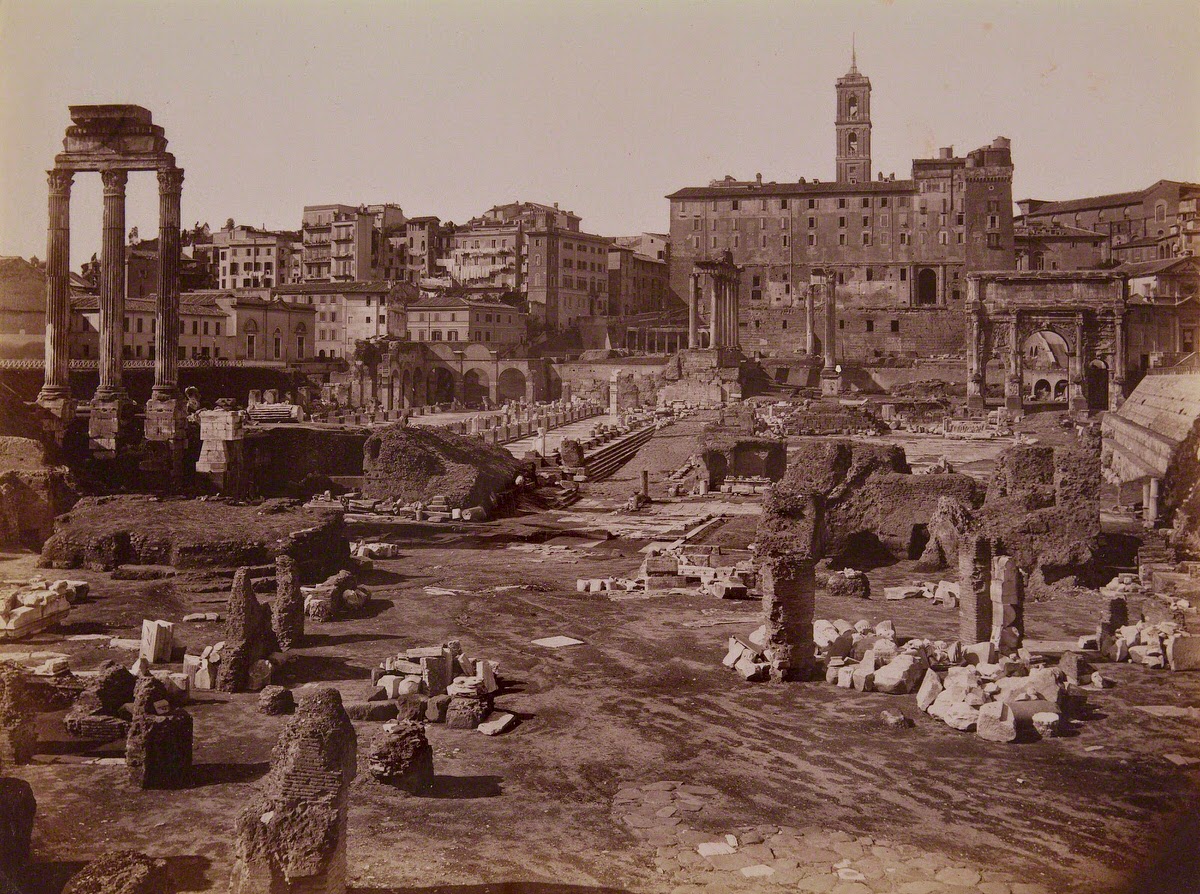
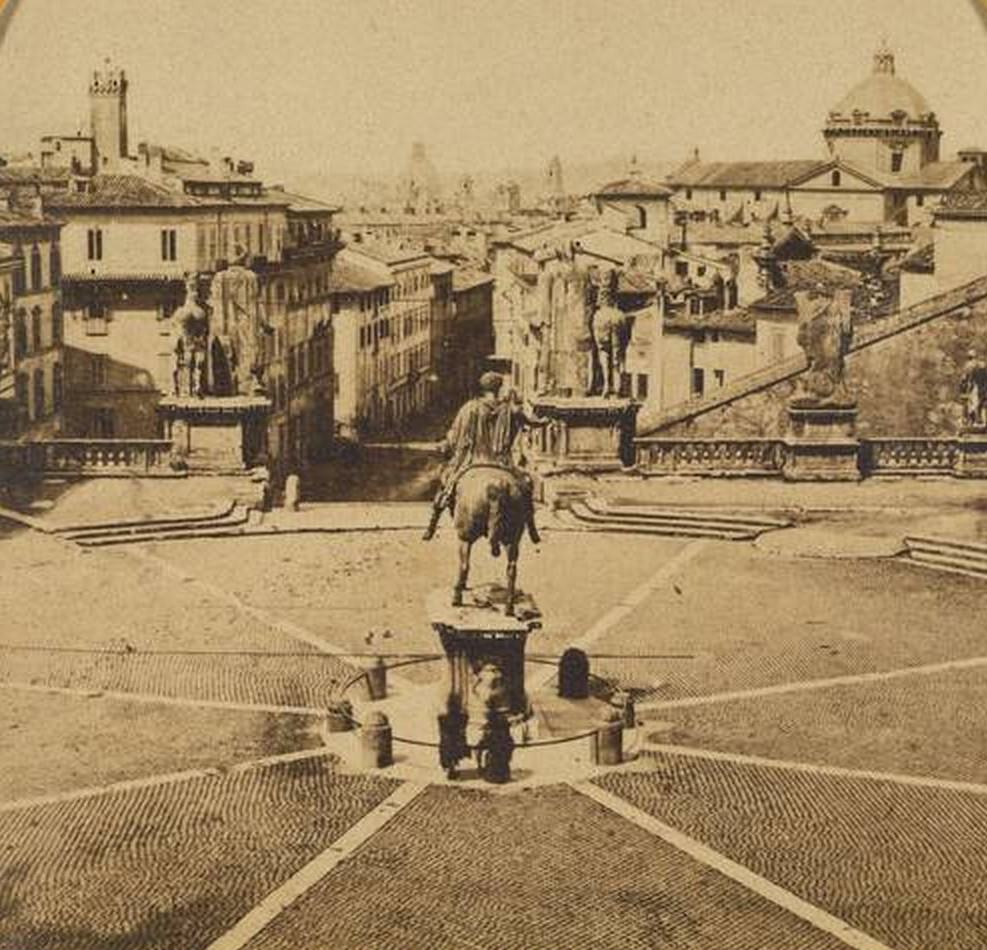
The Piazza del Campidoglio, sitting atop the Capitoline Hill, had been one of Rome’s symbolic civic centers since antiquity. By the 1860s, it retained that weight. The surrounding ruins — including the Forum below — served as a constant reminder of the empire that had once ruled from this city. For many Italian nationalists, those ruins made Rome’s continued exclusion from unified Italy all the more frustrating.
That frustration boiled over in 1867. The Italian revolutionary Giuseppe Garibaldi assembled an army of volunteers and marched on Rome, aiming to end the Pope’s political rule once and for all and make the city the capital of a unified Italy. The confrontation came on November 3, 1867, at the Battle of Mentana. Papal troops, reinforced by French soldiers armed with new breech-loading Chassepot rifles, routed Garibaldi’s forces. The Pope’s hold on Rome survived — for now.
Two years later, in 1869, Rome became the center of global Catholic attention. Pope Pius IX summoned hundreds of bishops from around the world to the First Vatican Council, held inside St. Peter’s Basilica. The Council formally declared the doctrine of papal infallibility — the teaching that the Pope cannot err when speaking on matters of faith and morals. The influx of international clergy and dignitaries filled the city’s hotels and restaurants and brought Rome an extraordinary level of worldwide visibility.
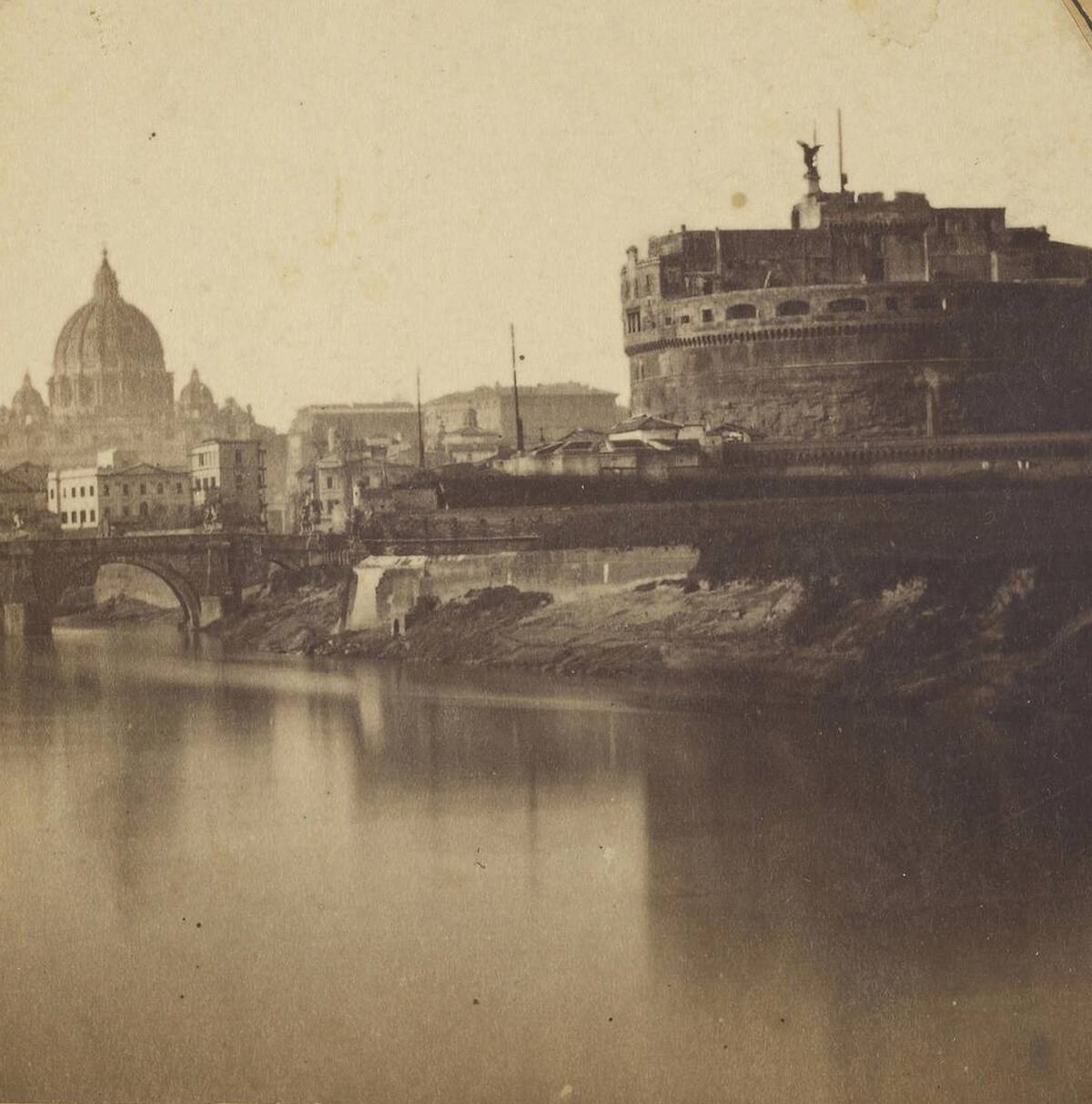
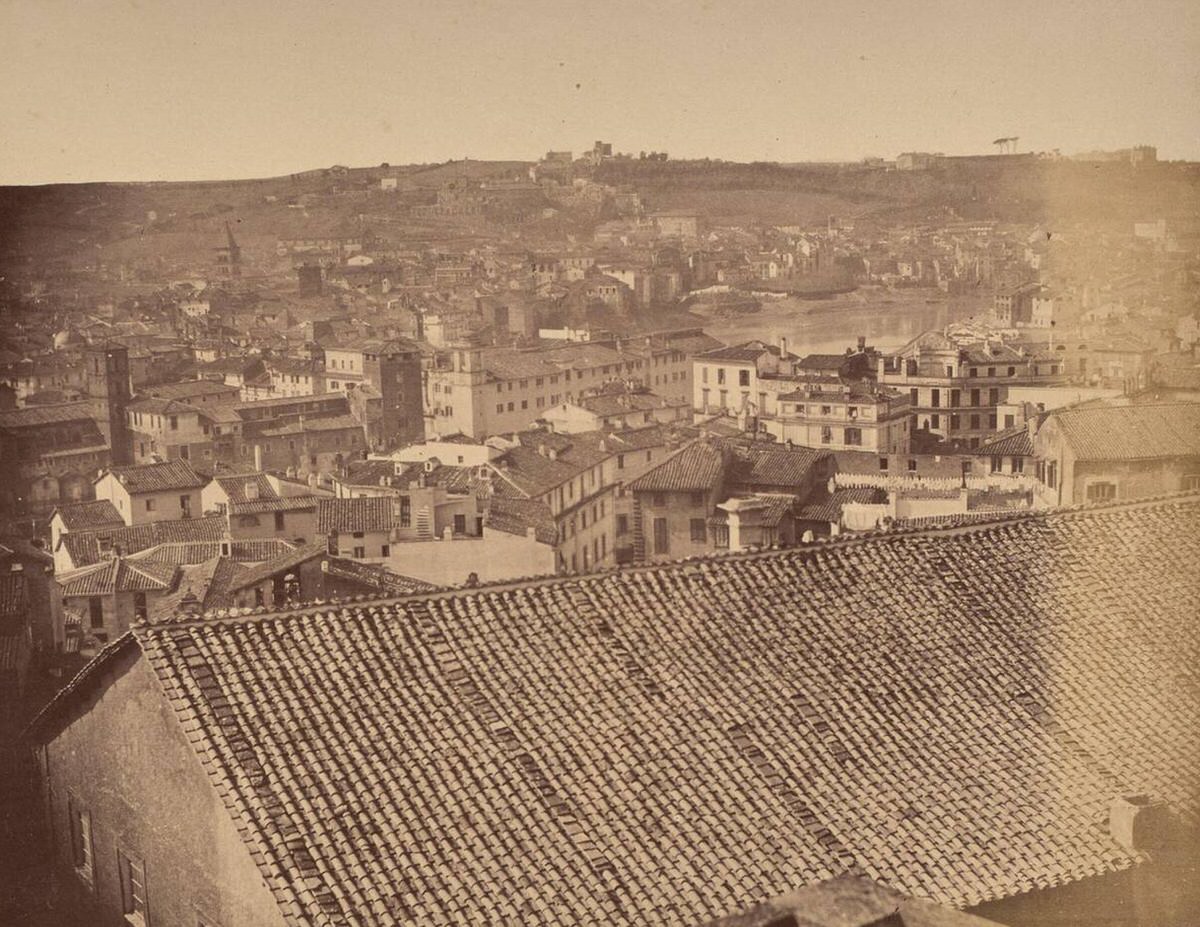
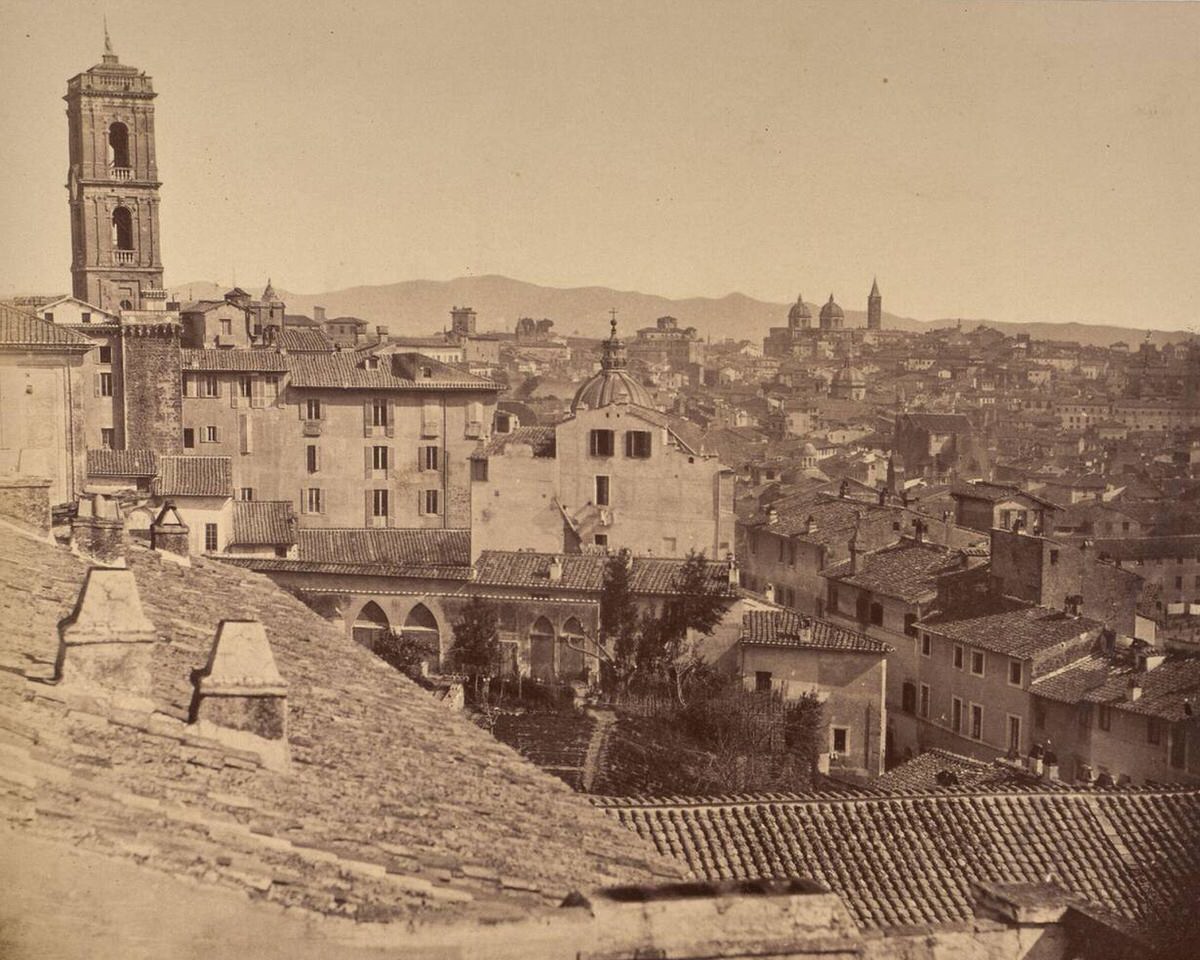
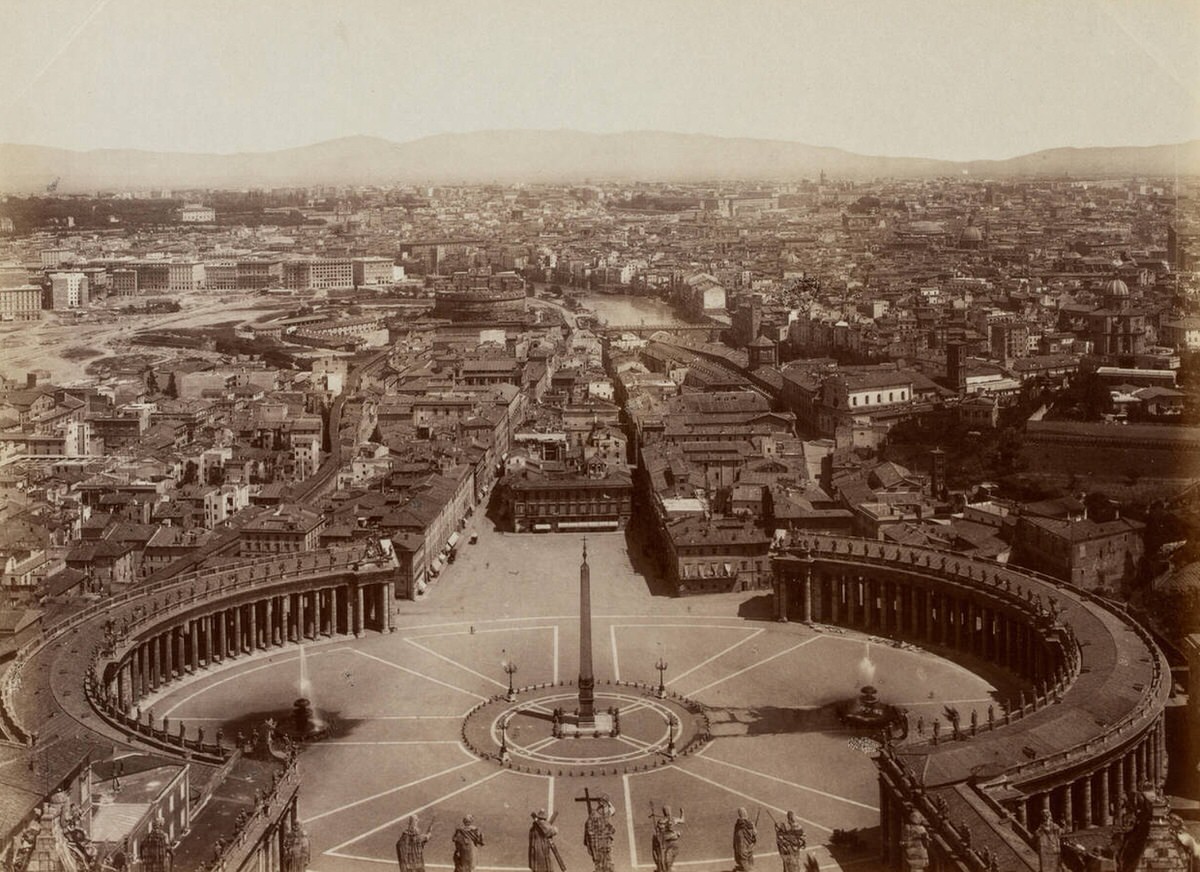
From above, Rome in this period showed a skyline dominated by church domes and ancient structures. The city had not yet expanded beyond its historic walls in any meaningful way. The view from the dome of St. Peter’s Basilica offered a dramatic panorama of rooftops, ruins, and the winding Tiber below — a city that had changed very little in its basic shape for hundreds of years.
The Roman Forum, still largely unexcavated in the 1860s, was a field of scattered columns and buried foundations. Cattle grazed among the ruins. Systematic archaeological work had barely begun, and much of what is visible today was still hidden under centuries of accumulated earth and debris.
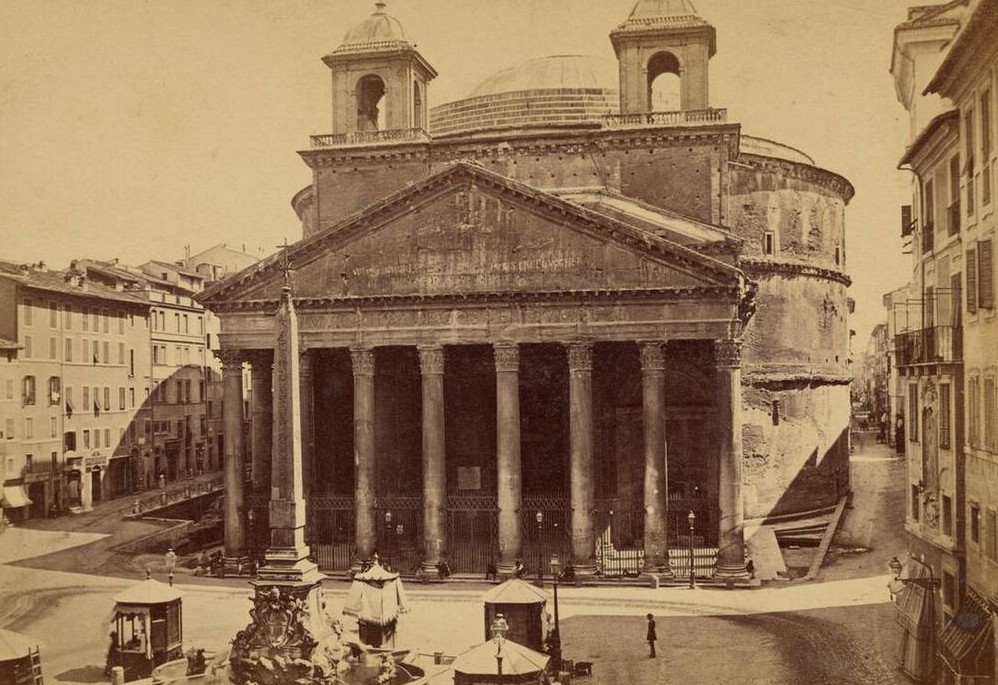
The Pantheon, one of the best-preserved ancient buildings in the world, anchored its own neighborhood in the heart of the city. By the 1860s, it had served as a Catholic church for over a thousand years, following its conversion in 609 AD. The piazza in front of it was a busy, lived-in space — not a monument behind barriers, but a part of the city’s daily rhythm.
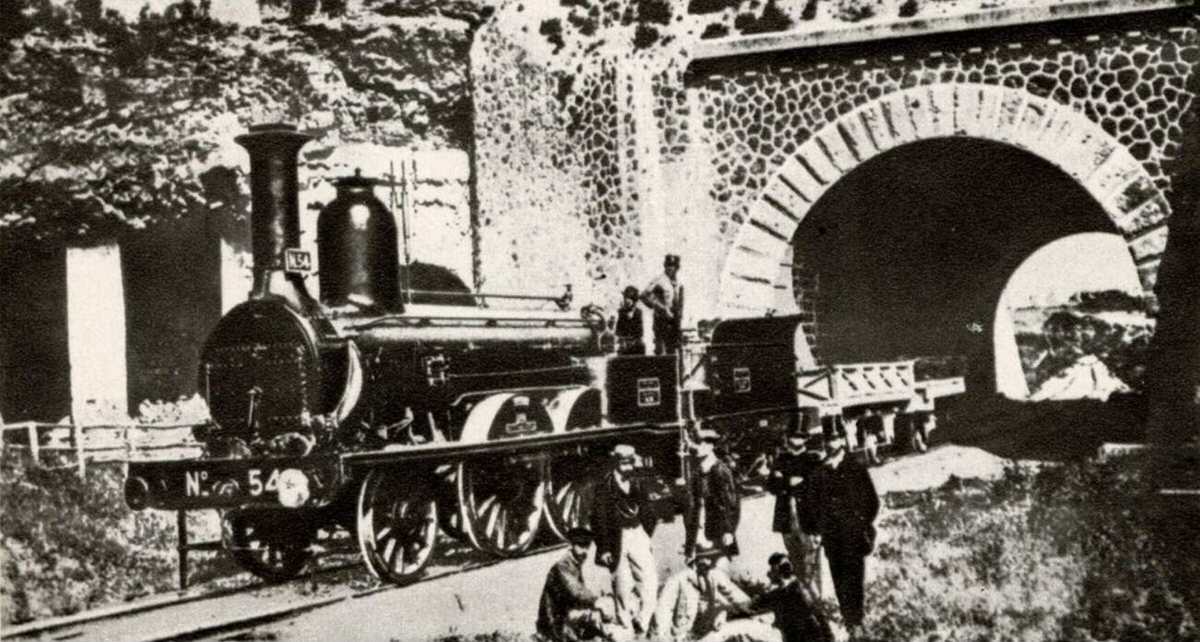
Modern infrastructure was beginning to reach Rome during this decade. Pope Pius IX oversaw the construction of the original Termini Station, which connected Rome by rail to other Italian cities. The station was a significant project for a government that generally favored tradition over rapid modernization. Rail links brought in goods, visitors, and — inevitably — new ideas.
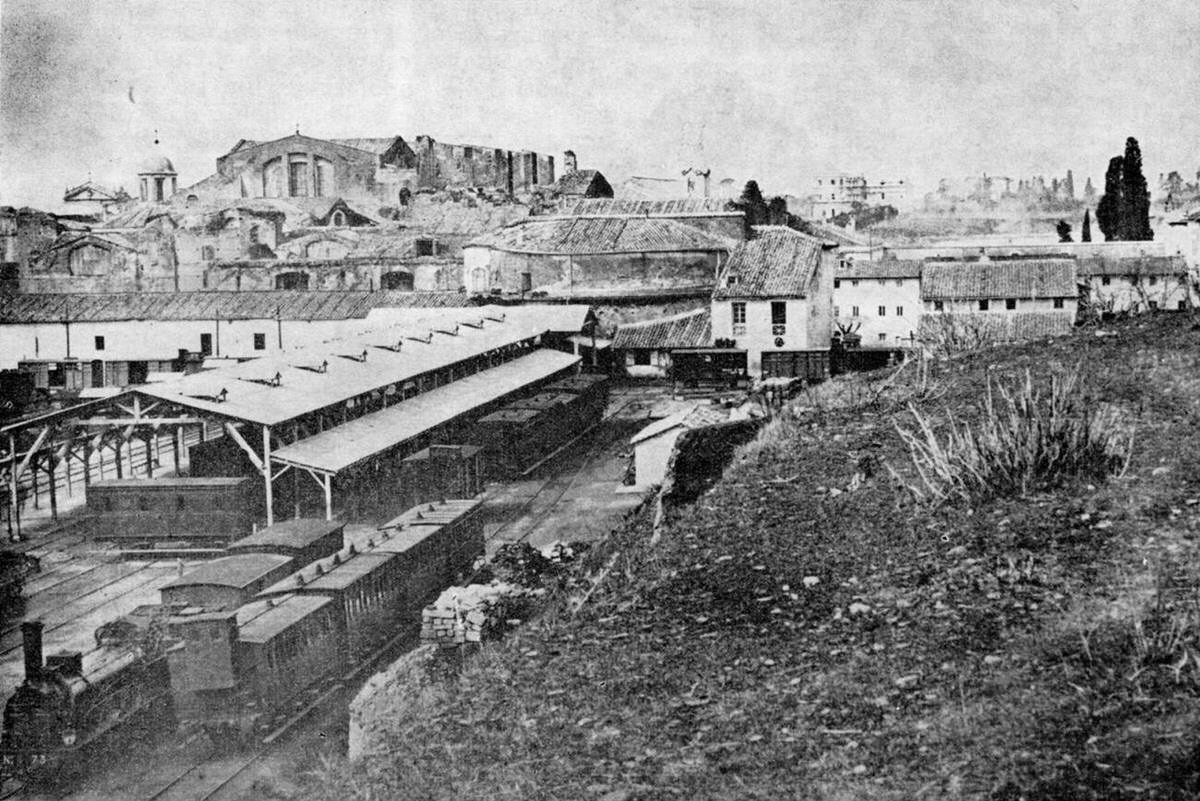
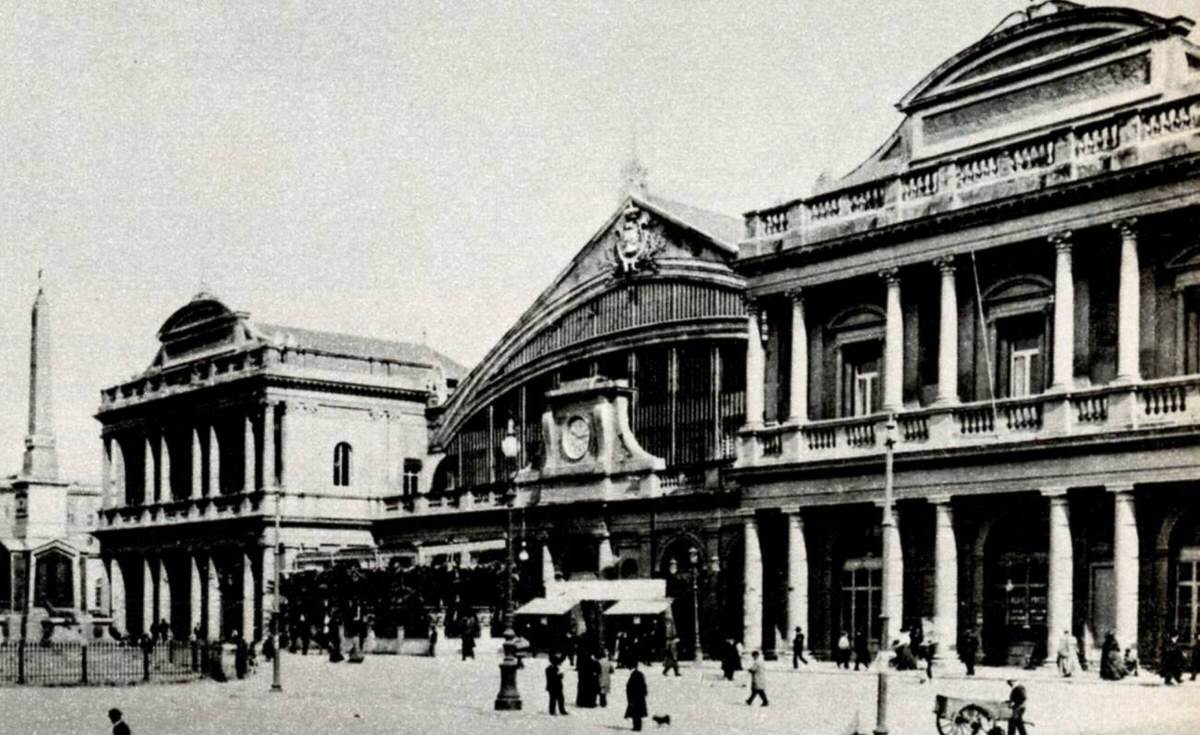
The railway infrastructure extended beyond the station itself. Underpasses and new road cuts were built to accommodate the expanding rail network. The Via Nomentana, one of the old roads leading out of the city, gained a railway underpass as the tracks pushed outward — a physical sign of the tension between Rome’s ancient layout and the demands of 19th-century engineering.
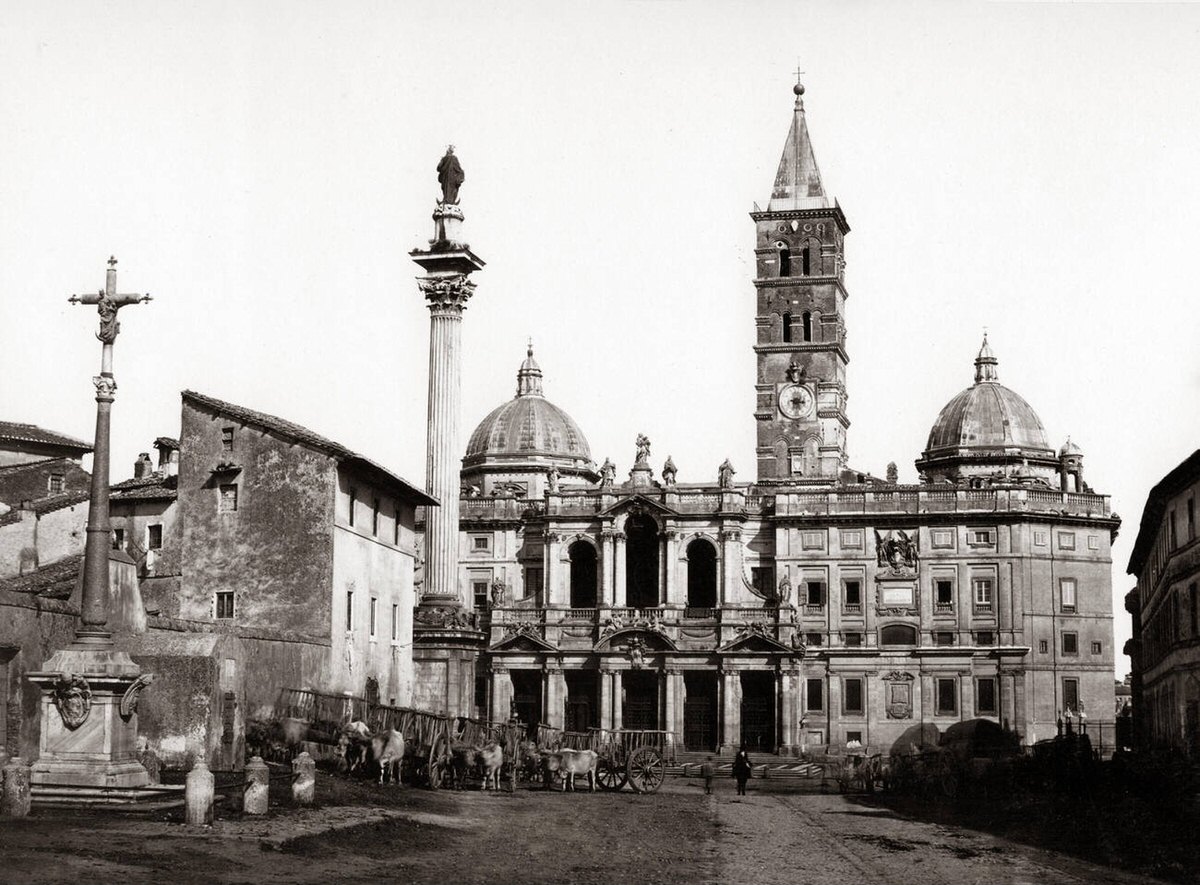
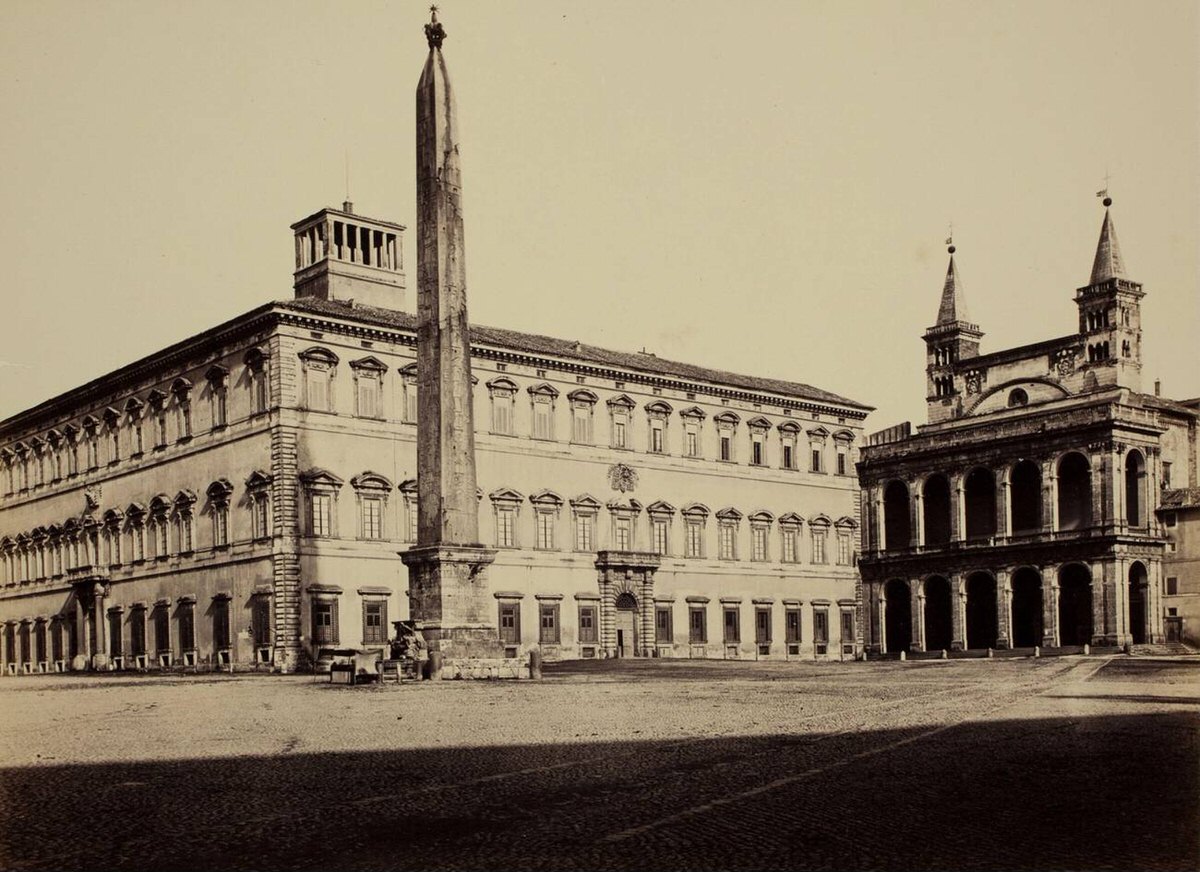
Across the city, churches like Santa Maria Maggiore remained central to everyday life. Bullock carts moved through the streets nearby, carrying goods the same way they had for generations. The gap between the old world and the new was visible in every neighborhood — ancient basilicas next to muddy roads, gas lamps flickering above medieval storefronts. Rome in the 1860s was a city suspended between two eras, held in place by the will of one man and the bayonets of French soldiers.