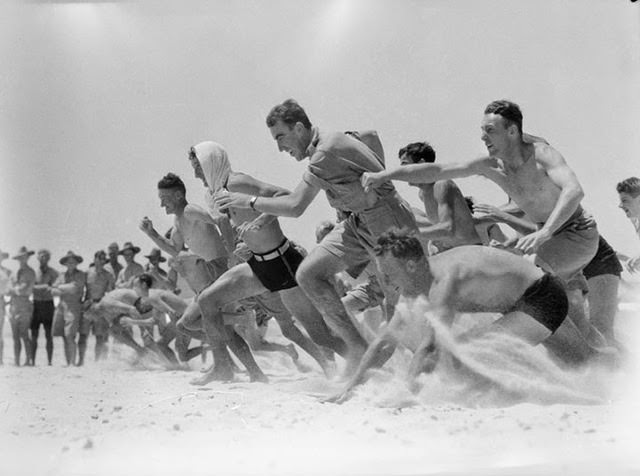
In the 1940s, Australian summers meant one thing: the beach. Families packed onto trains and buses from hot inland suburbs, heading for the coasts of Sydney and the Gold Coast. The beach was a true public space — crowded, loud, and alive under the bright southern sun.
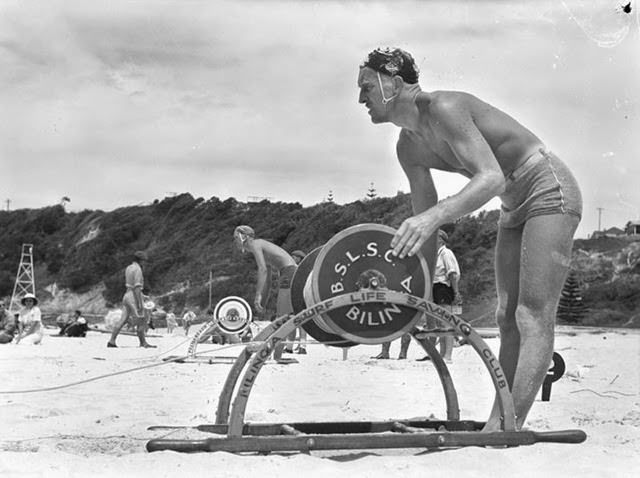
Life-saving clubs were the social backbone of every coastal community. Members drilled rescue techniques in heavy surf using wooden reels and long ropes. Their uniforms were thick, woolen swimsuits with bold striped patterns — built for function, not comfort.
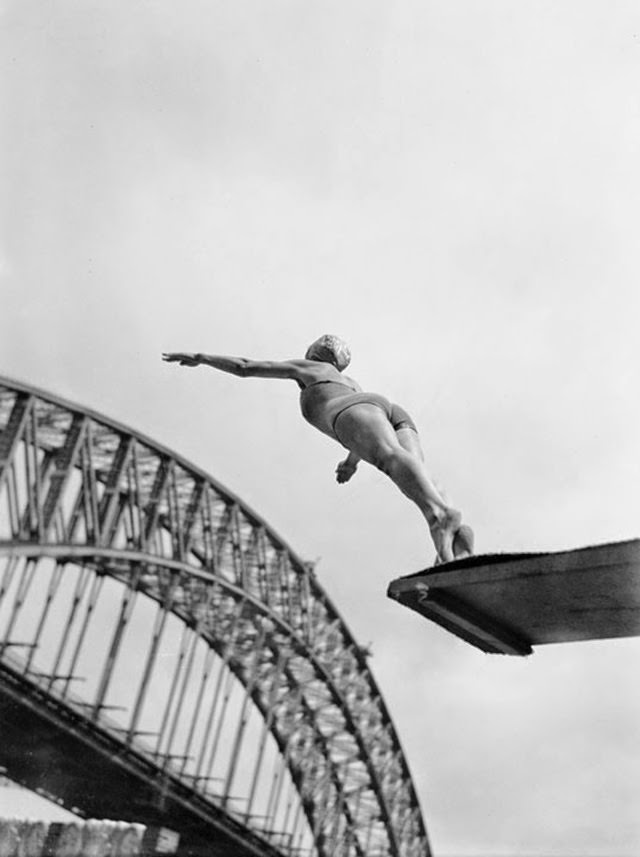
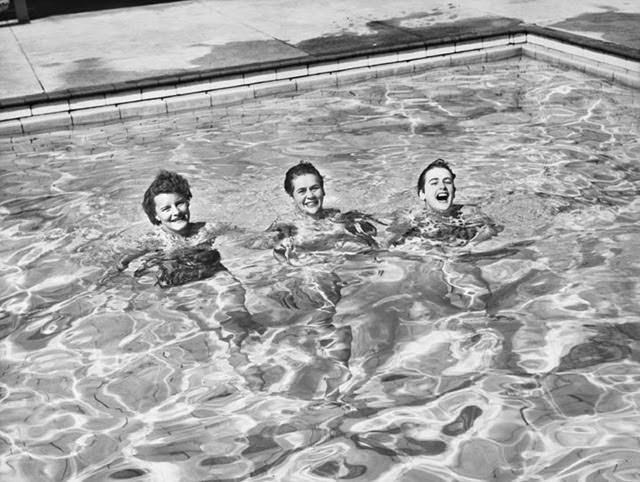
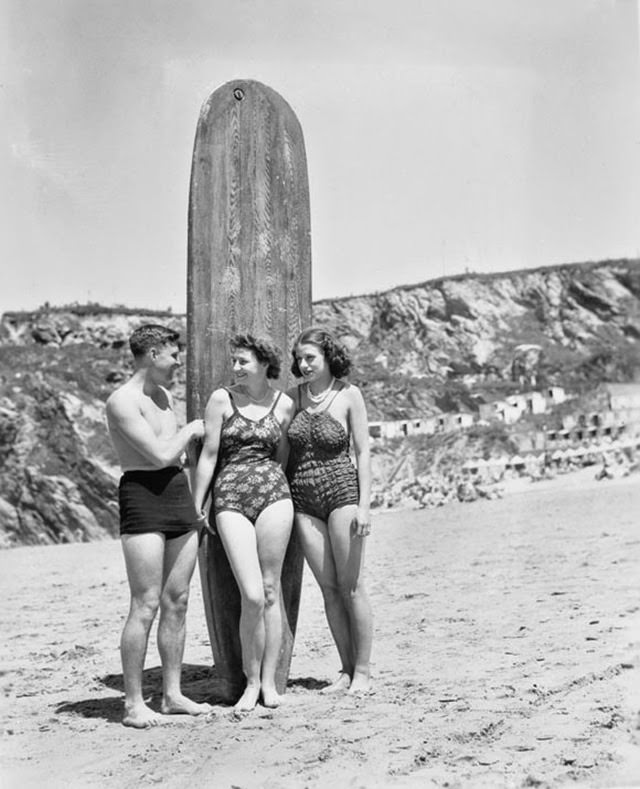
Swimwear for everyone was modest and heavy. Men wore high-waisted trunks, while women wore knitted one-piece suits that took ages to dry. Large canvas umbrellas were the only shade on the open sand.
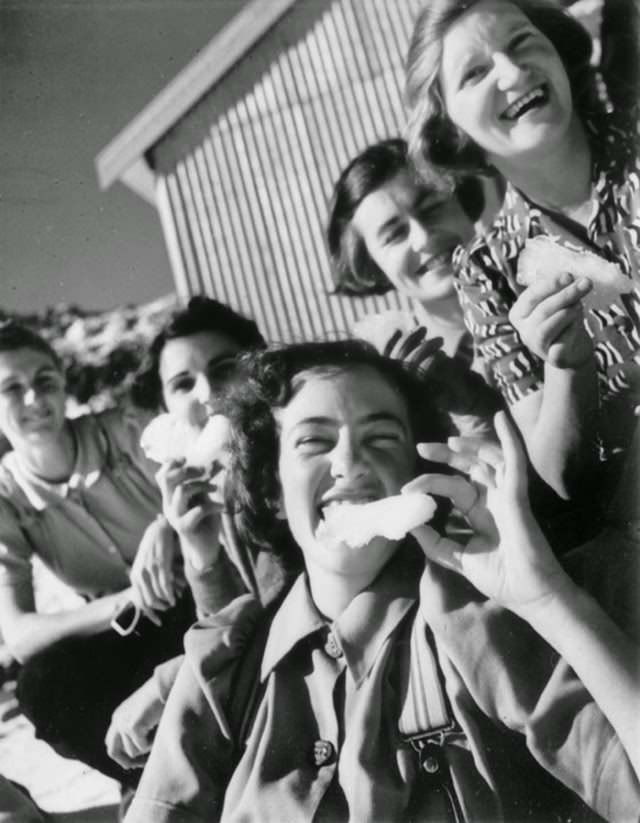
At midday, families gathered around portable battery-operated radios to follow cricket matches. Food was simple — metal tins packed with sandwiches and fruit kept costs down. Ice cream vendors pushed wooden carts through the crowds, selling vanilla blocks wrapped in paper.
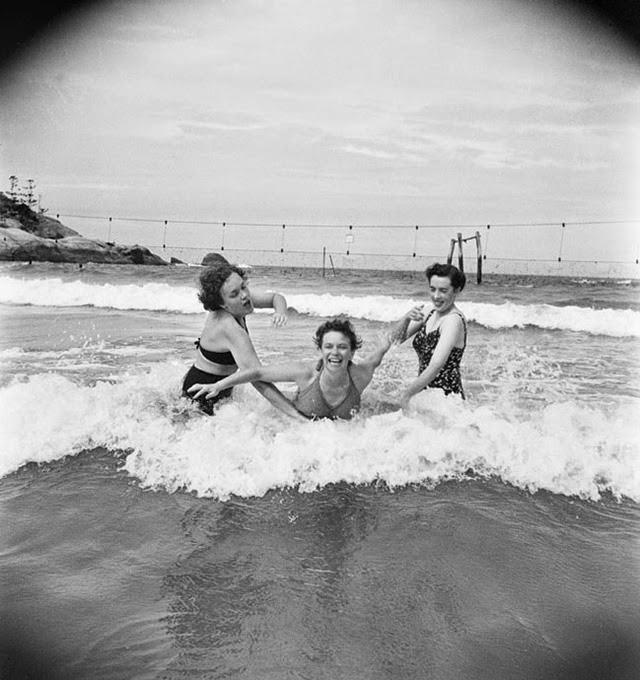
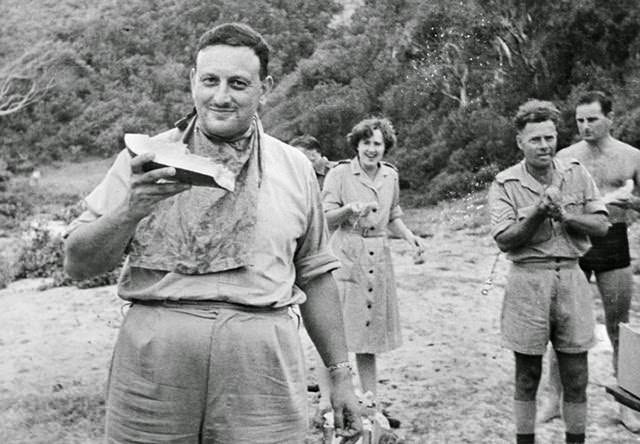
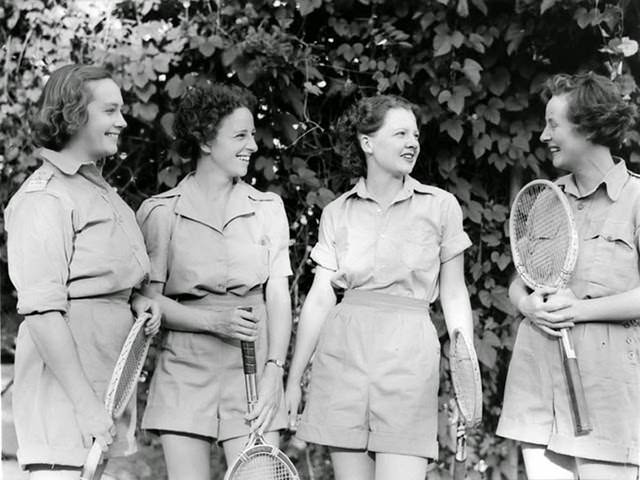
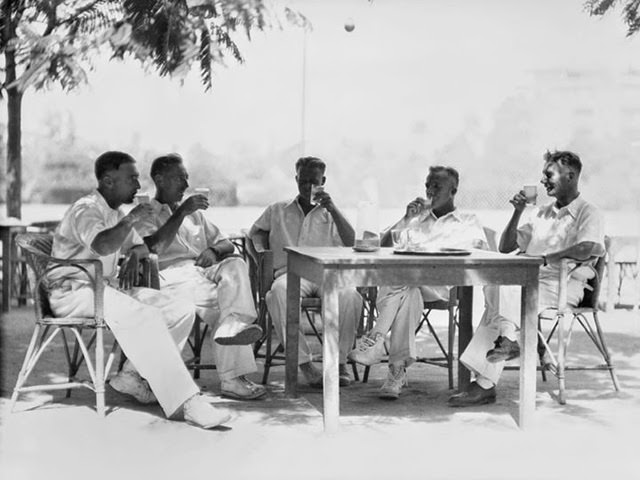
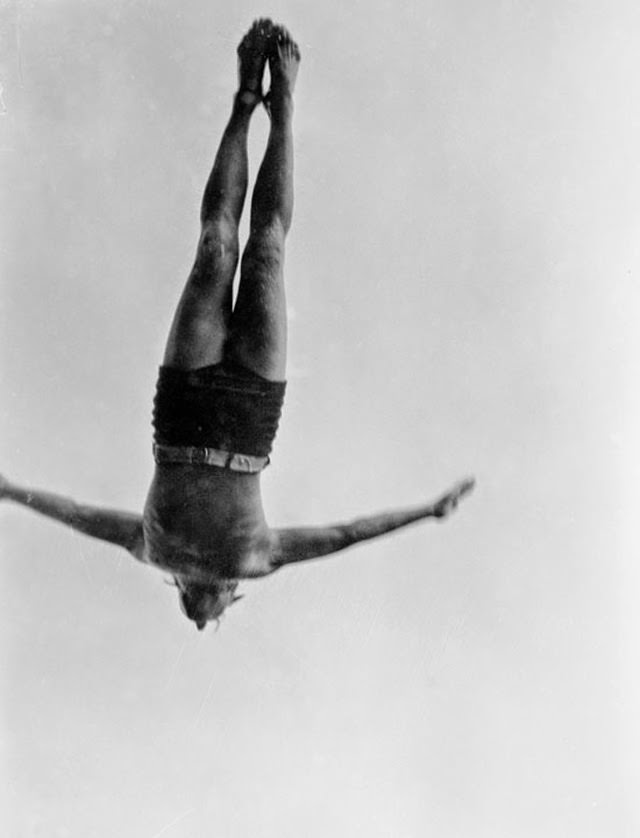
Summer days weren’t limited to the water. Beach sports, tennis, and casual games filled the hours between swims.
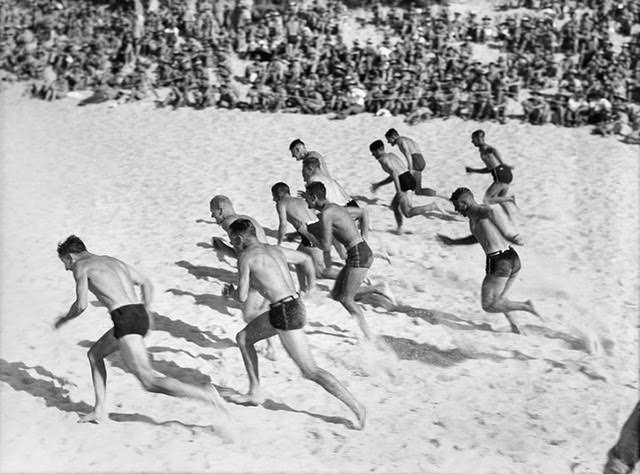
By late afternoon, the “Southerly Buster” rolled in — a sharp sea breeze that dropped the temperature fast. It was the day’s natural signal to pack up and begin the long trip home.