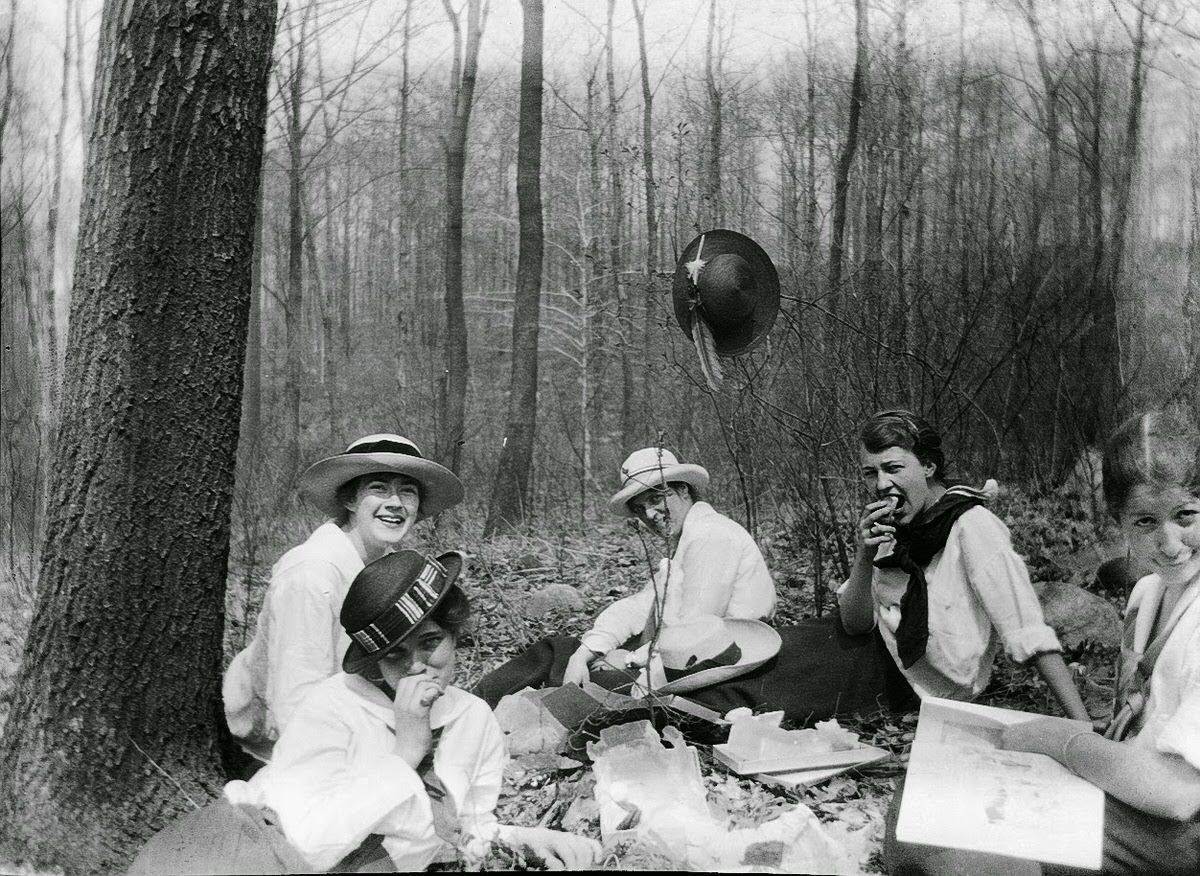
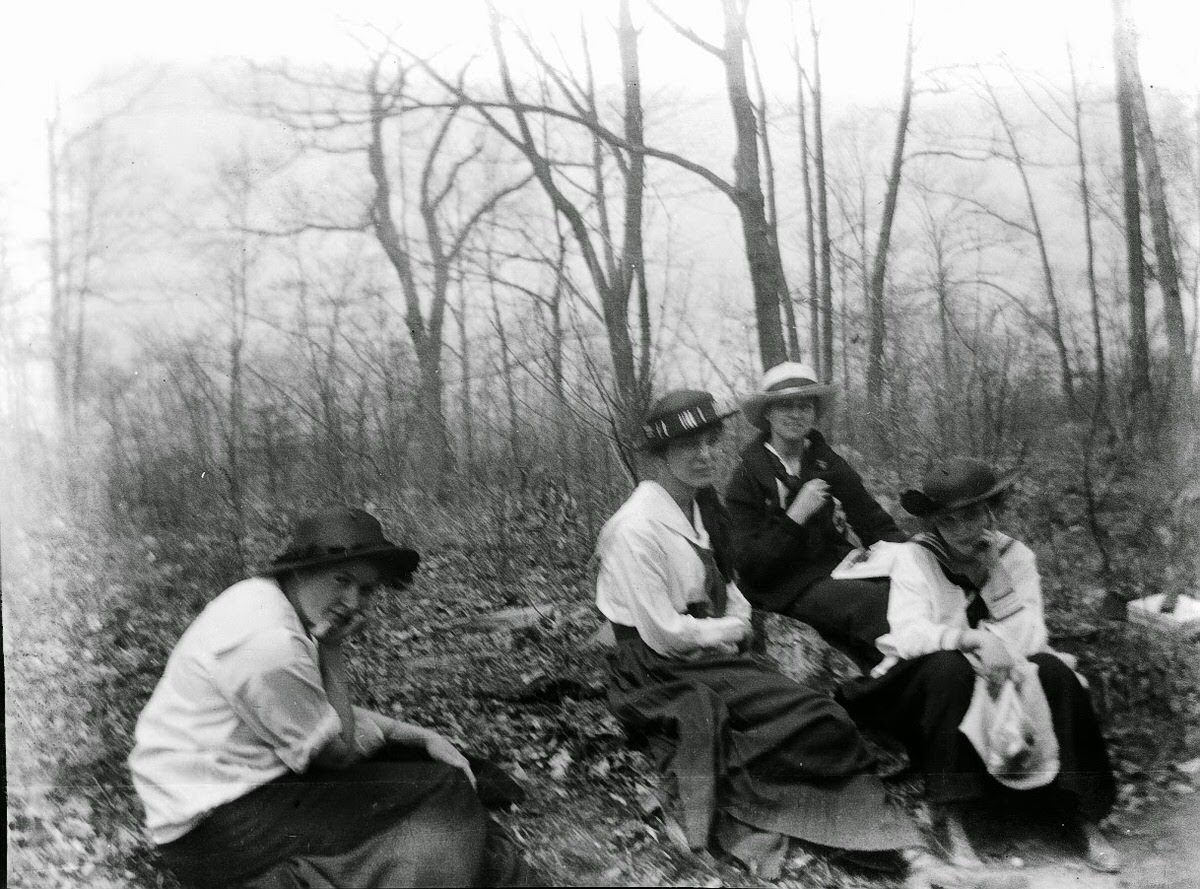
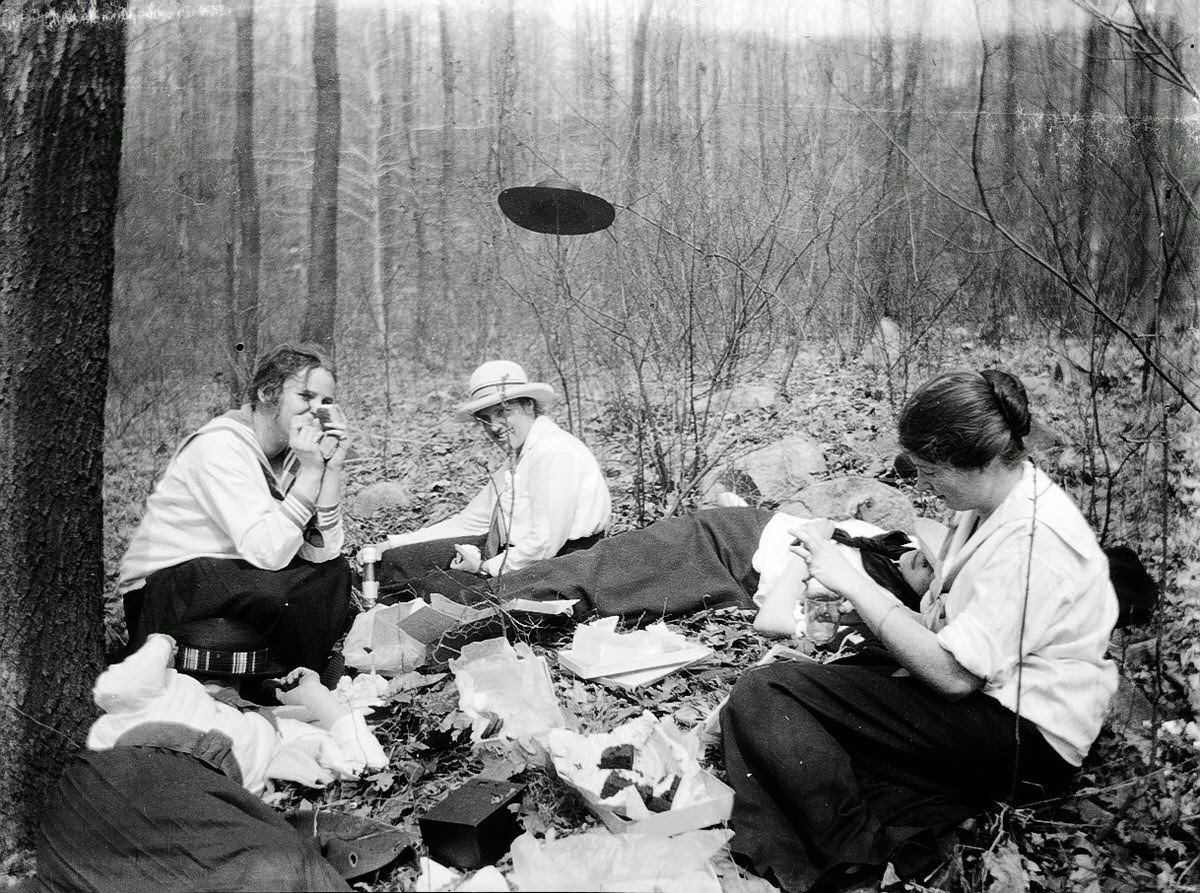
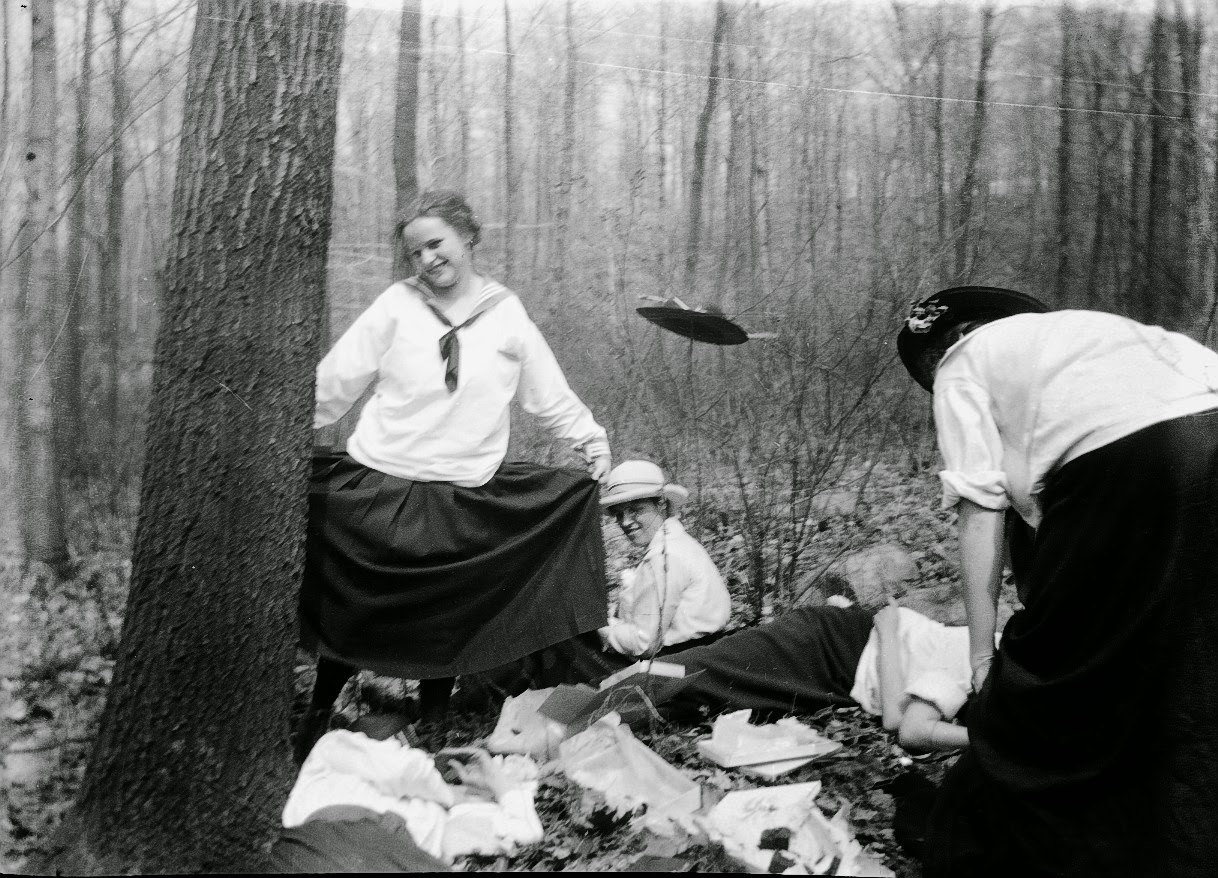
Between 1914 and 1918, young women attending college near Lakewood, New Jersey lived through one of the most turbulent periods in modern history. World War One was reshaping society across the globe, and these students felt its reach even on their quiet, tree-lined campuses.
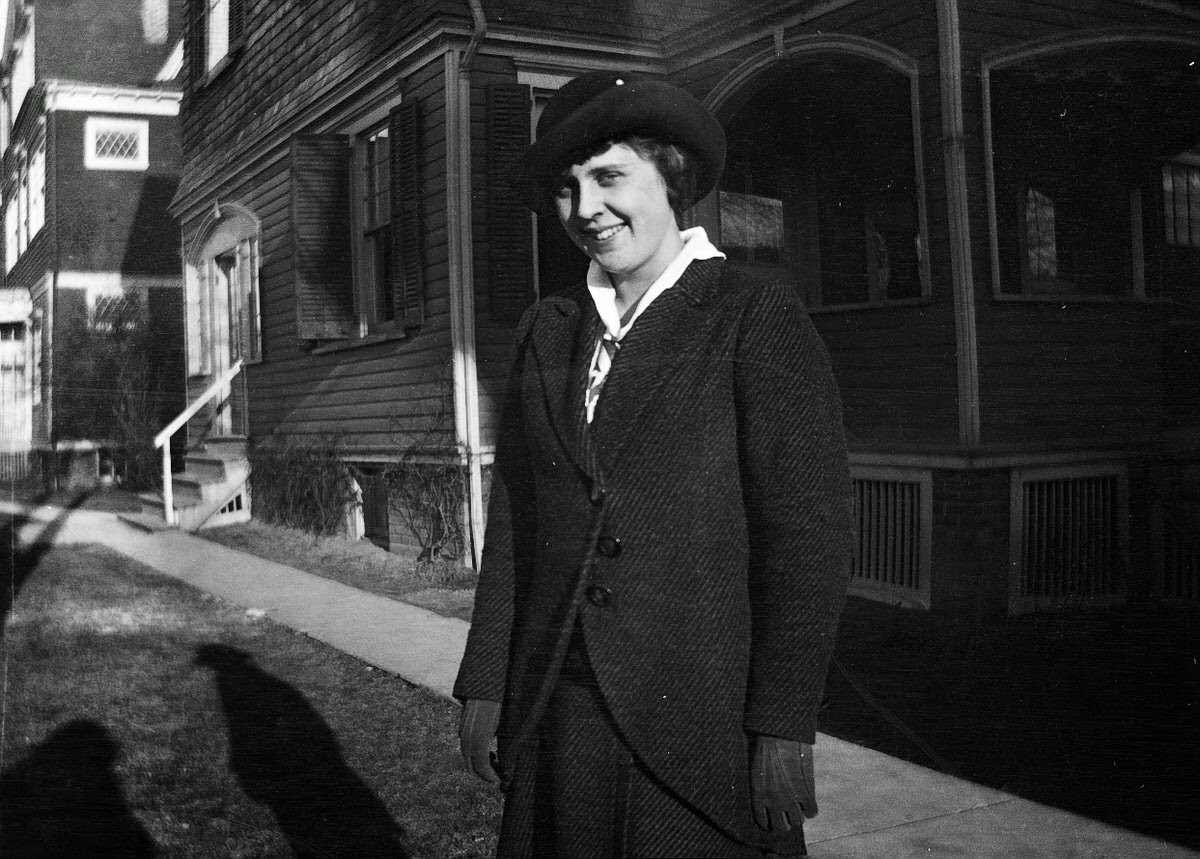
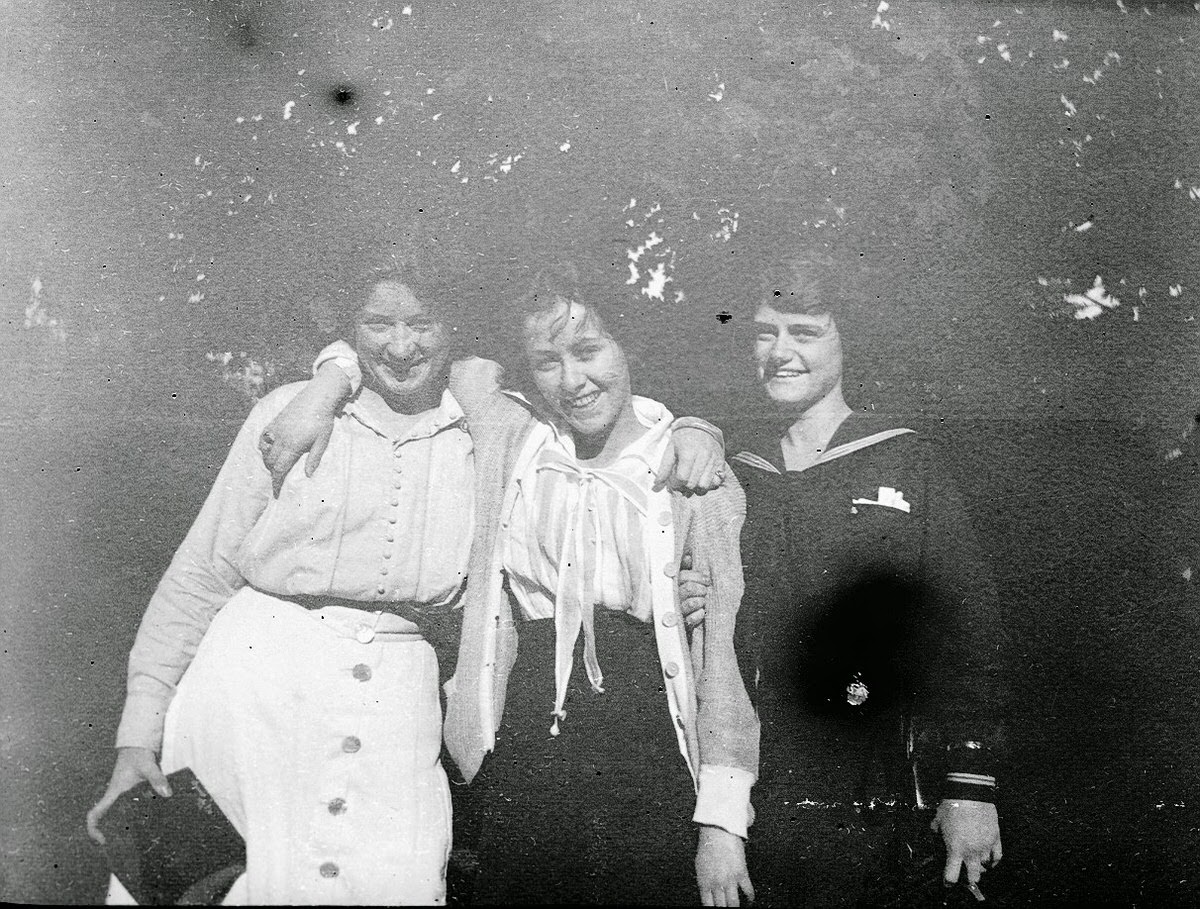
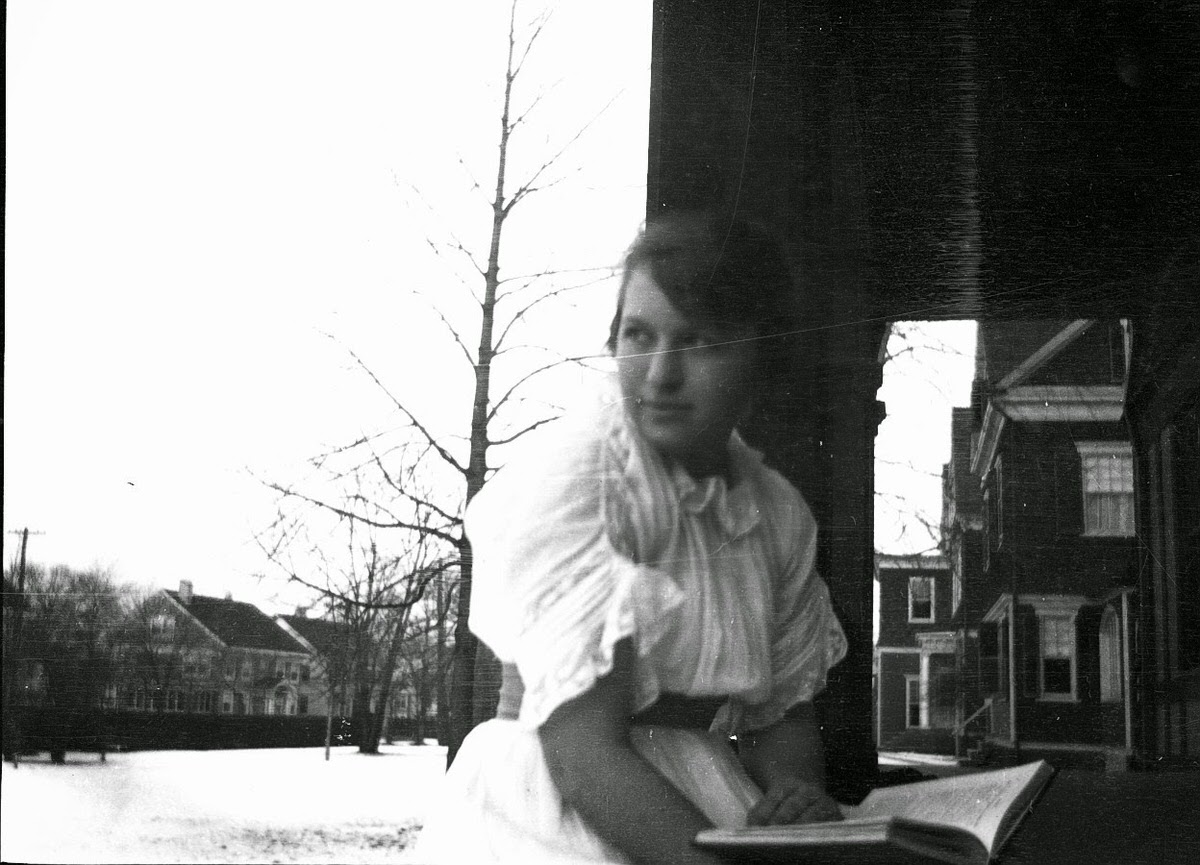
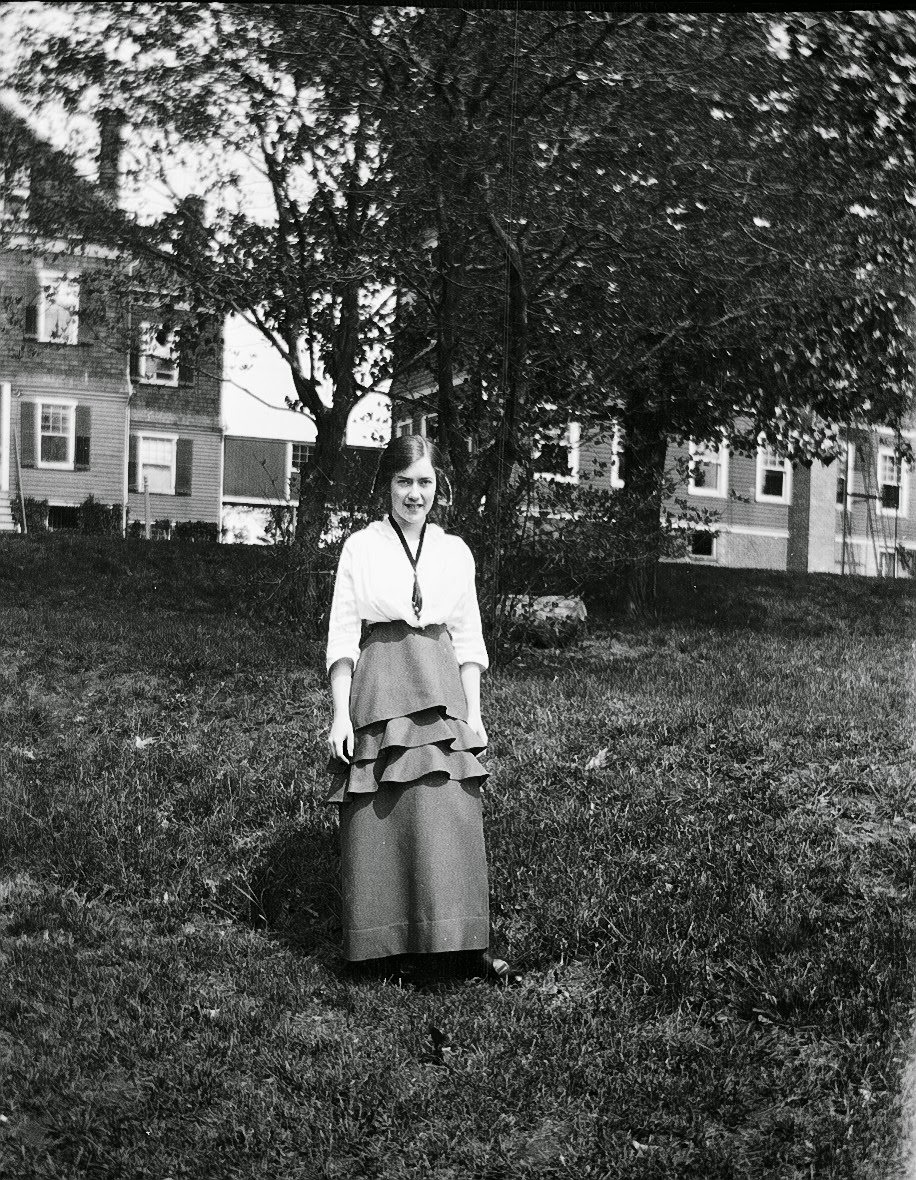
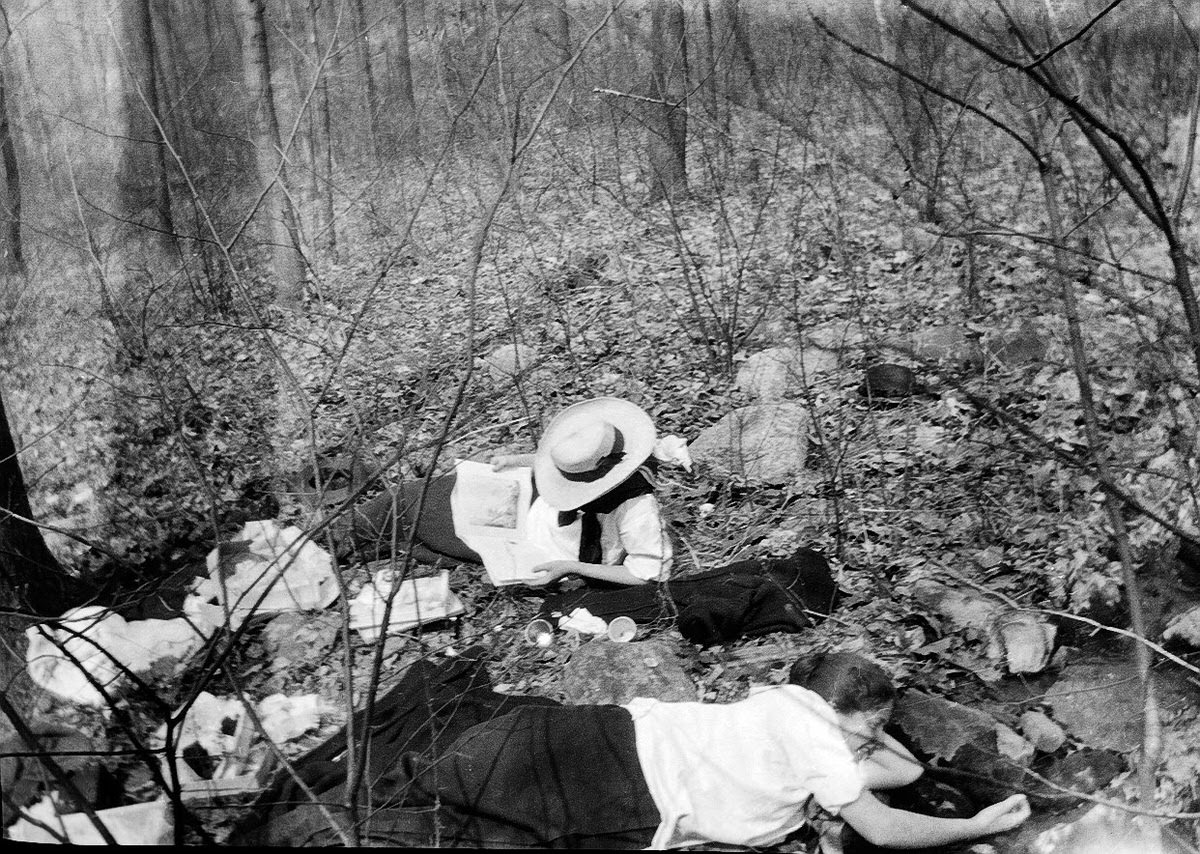
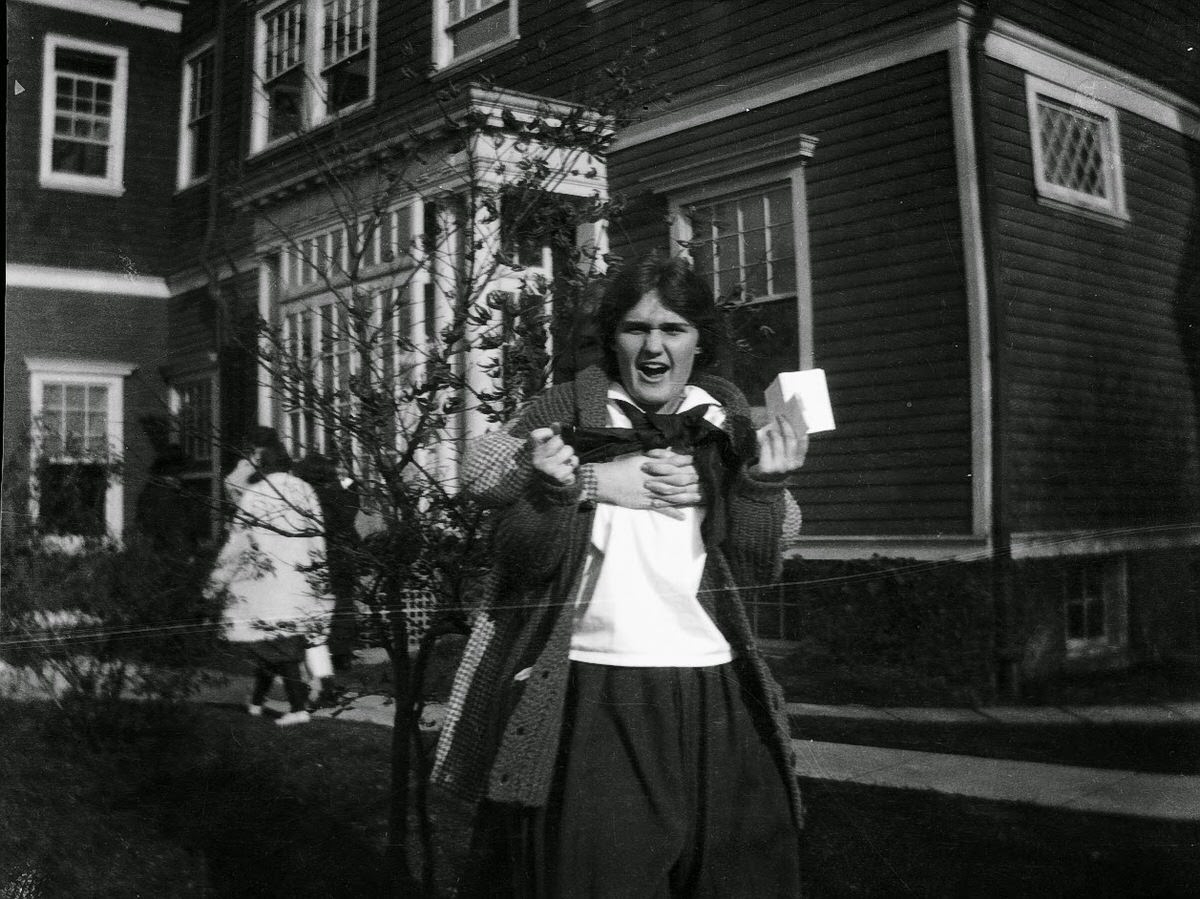
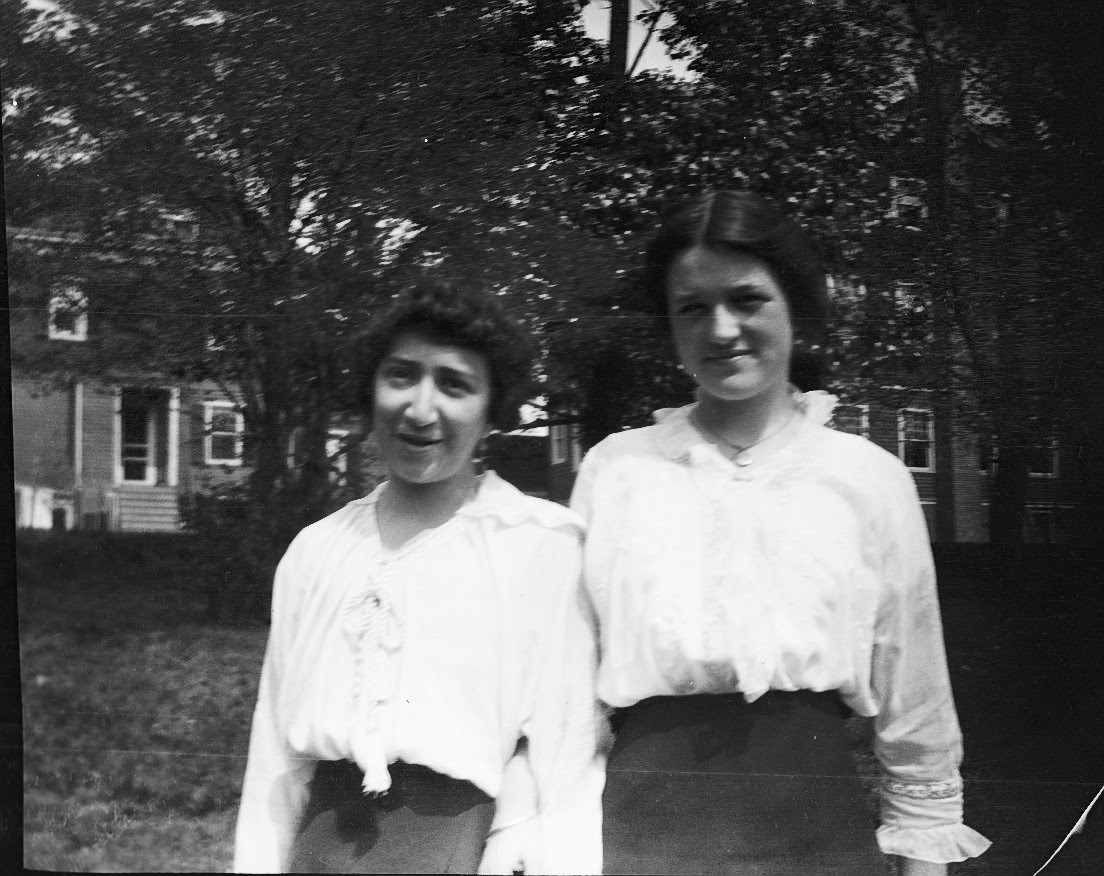
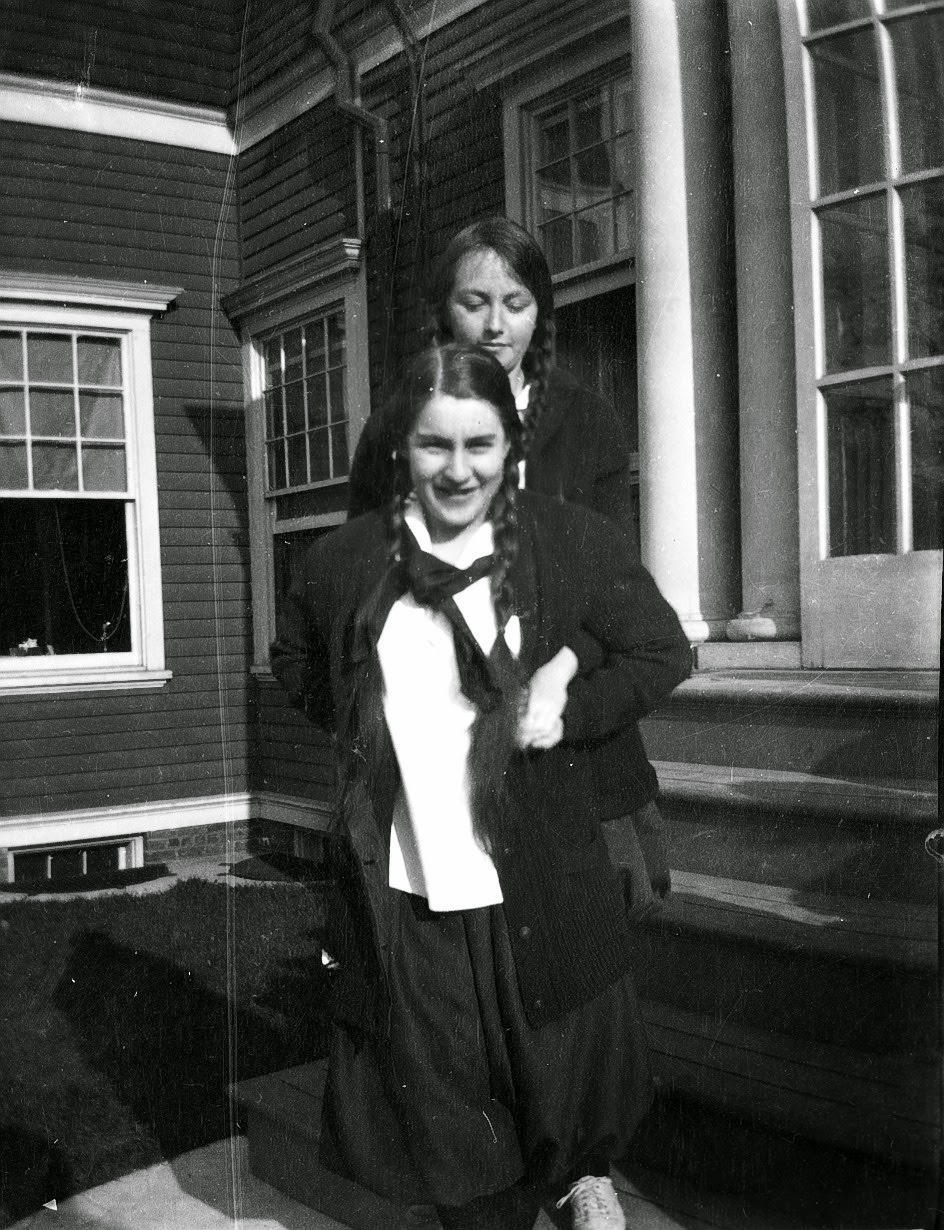
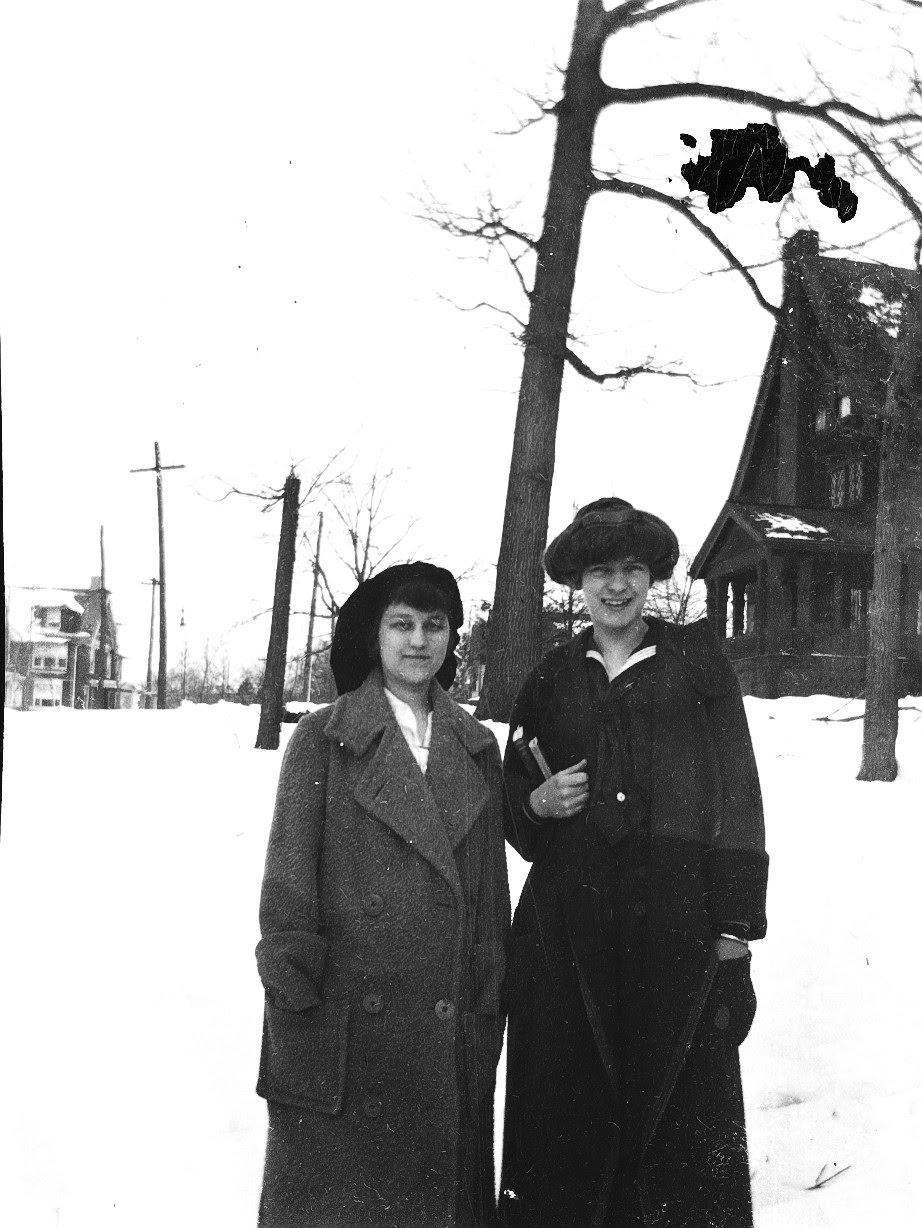
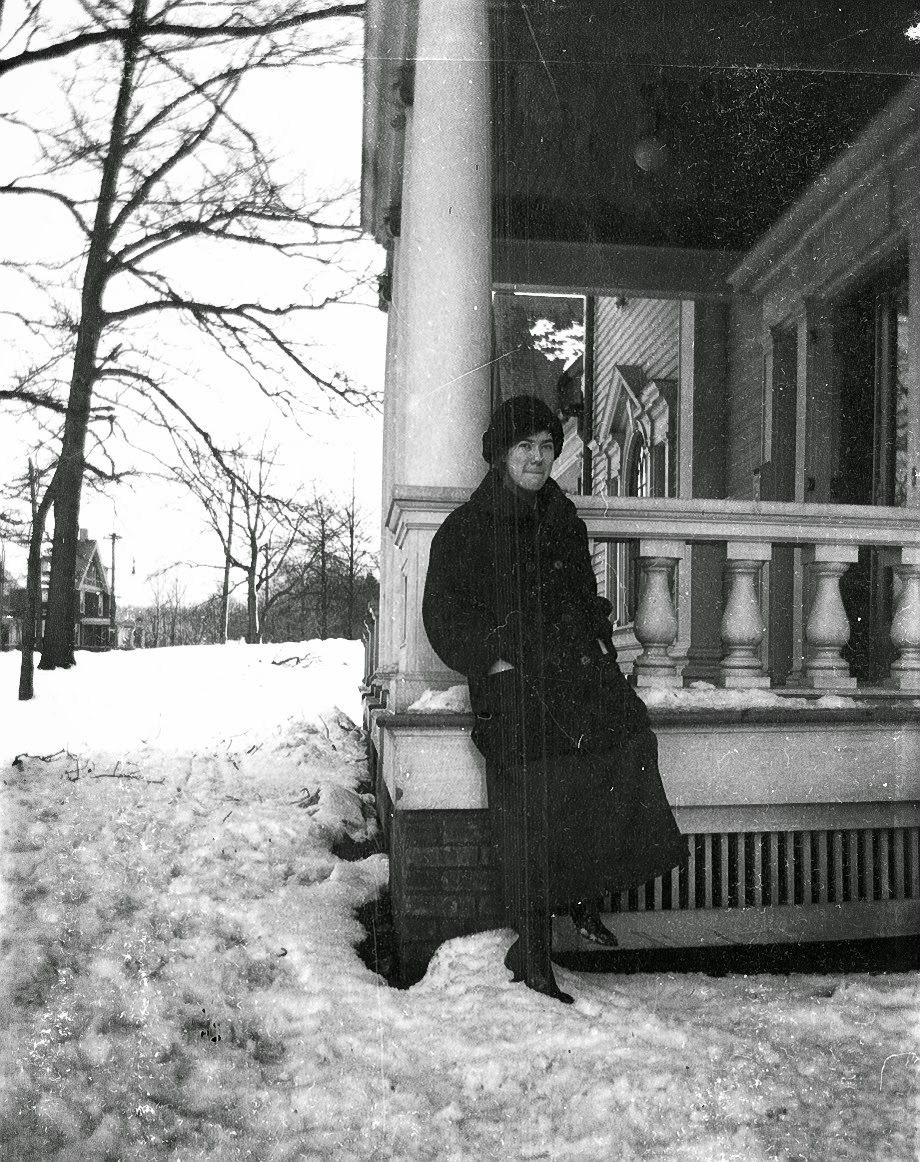
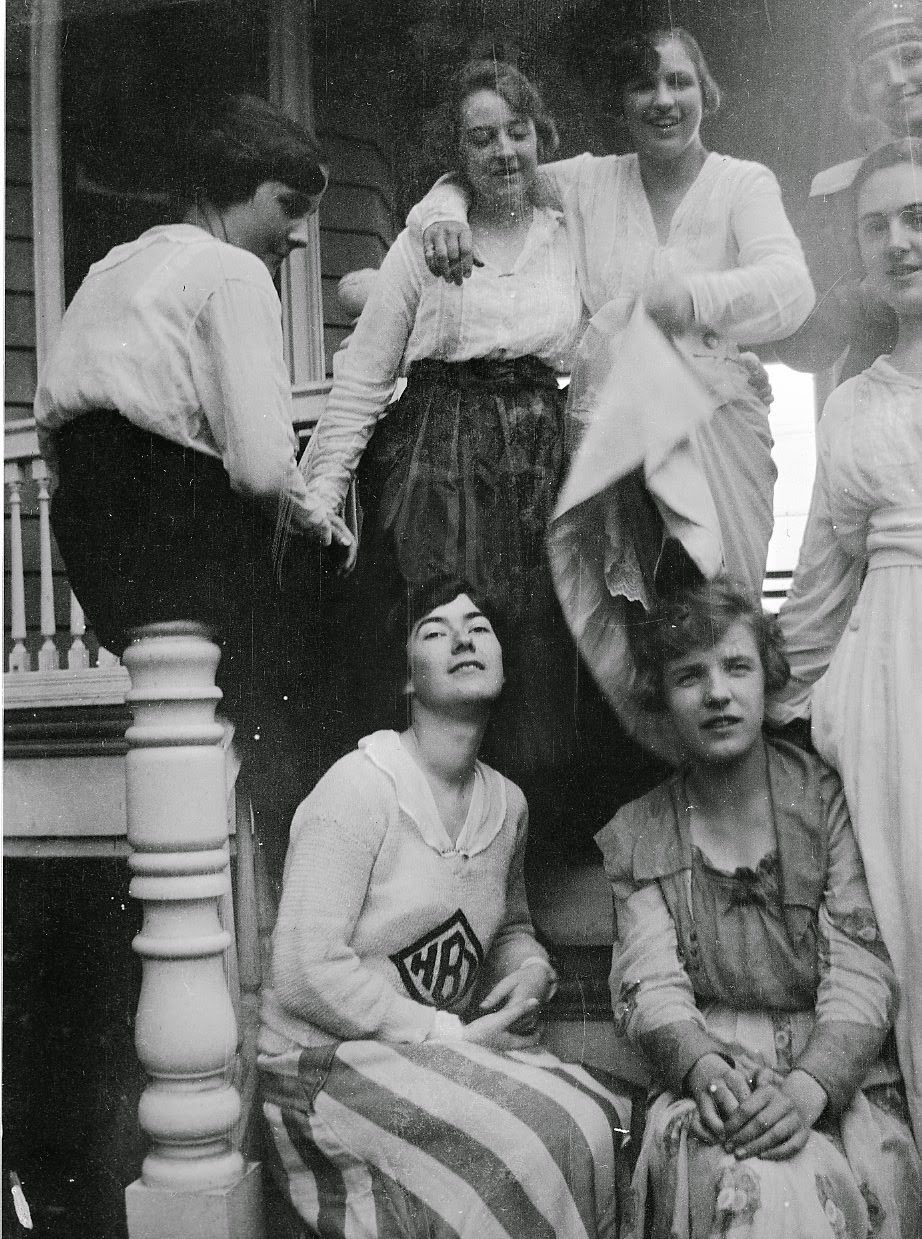
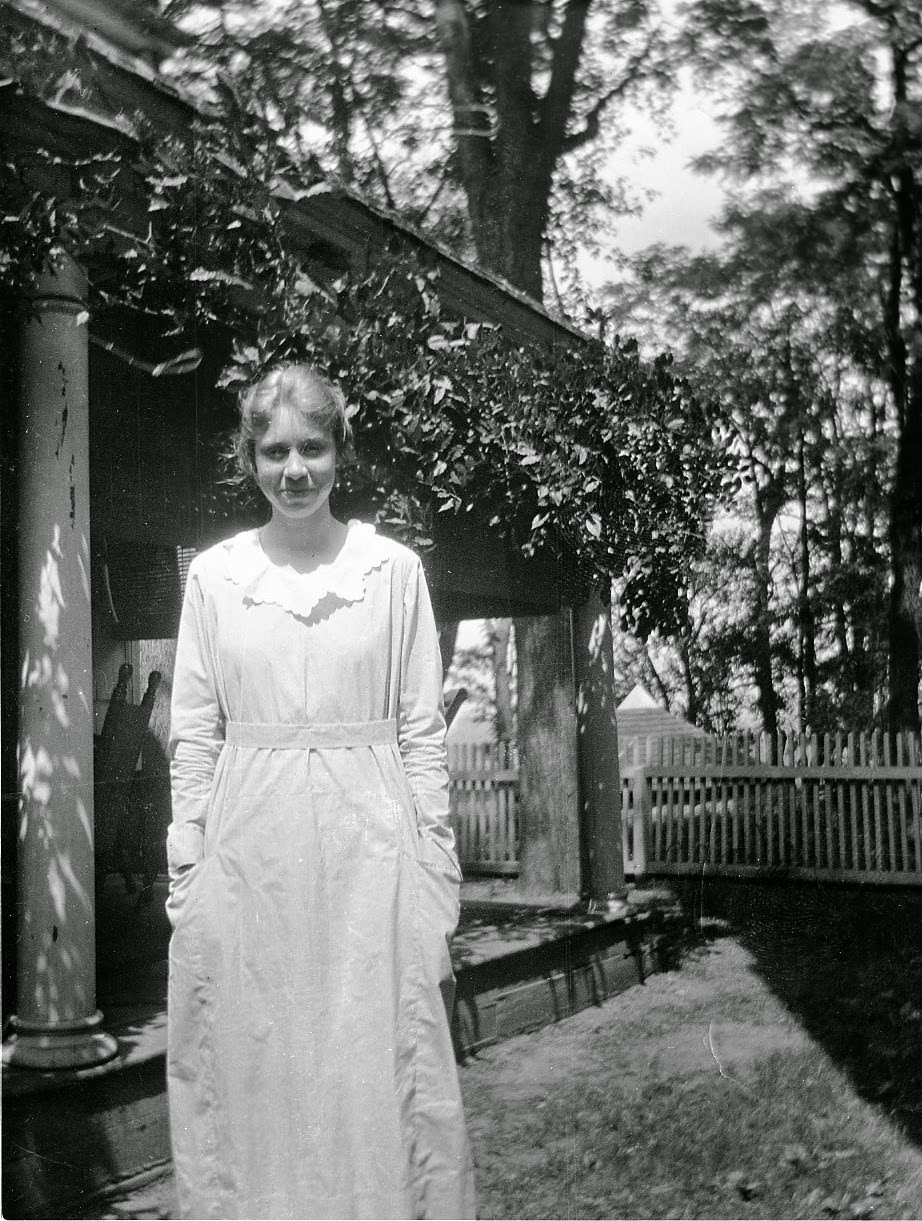
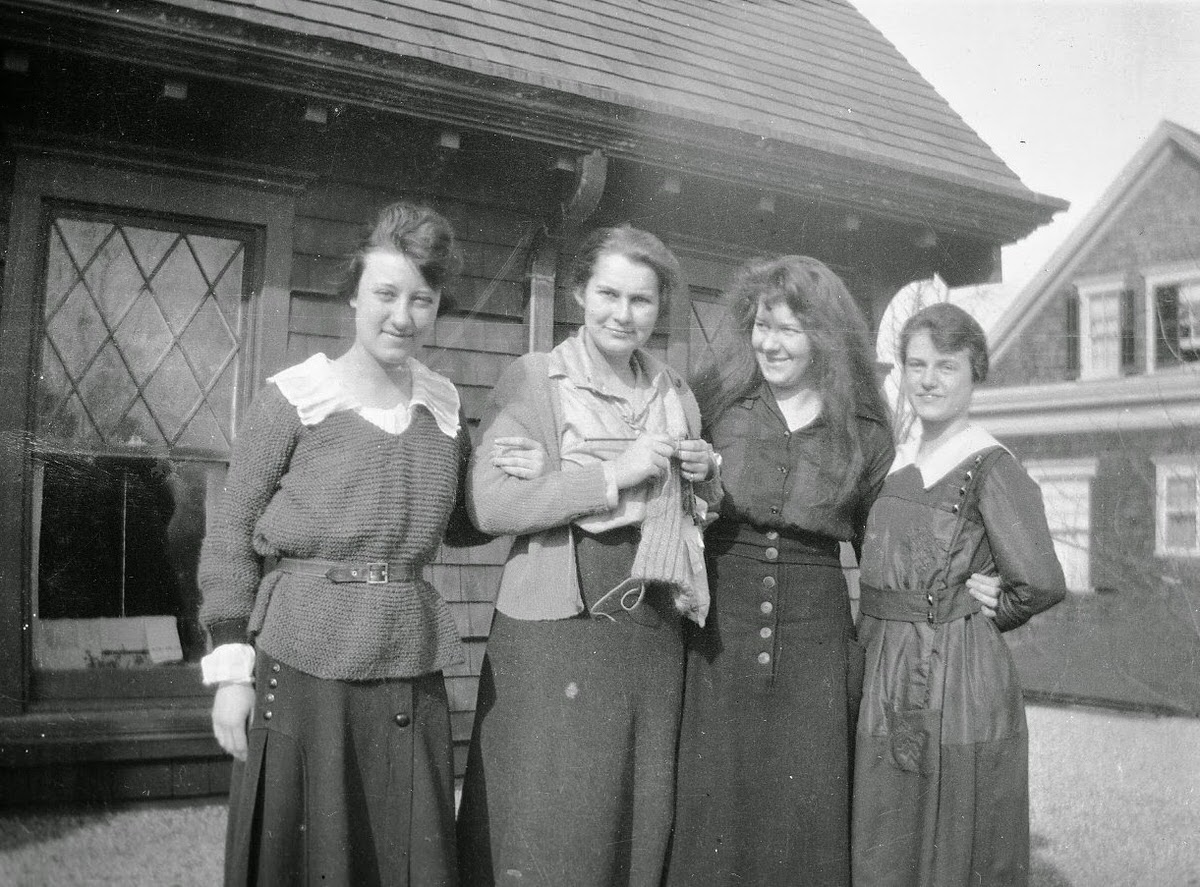
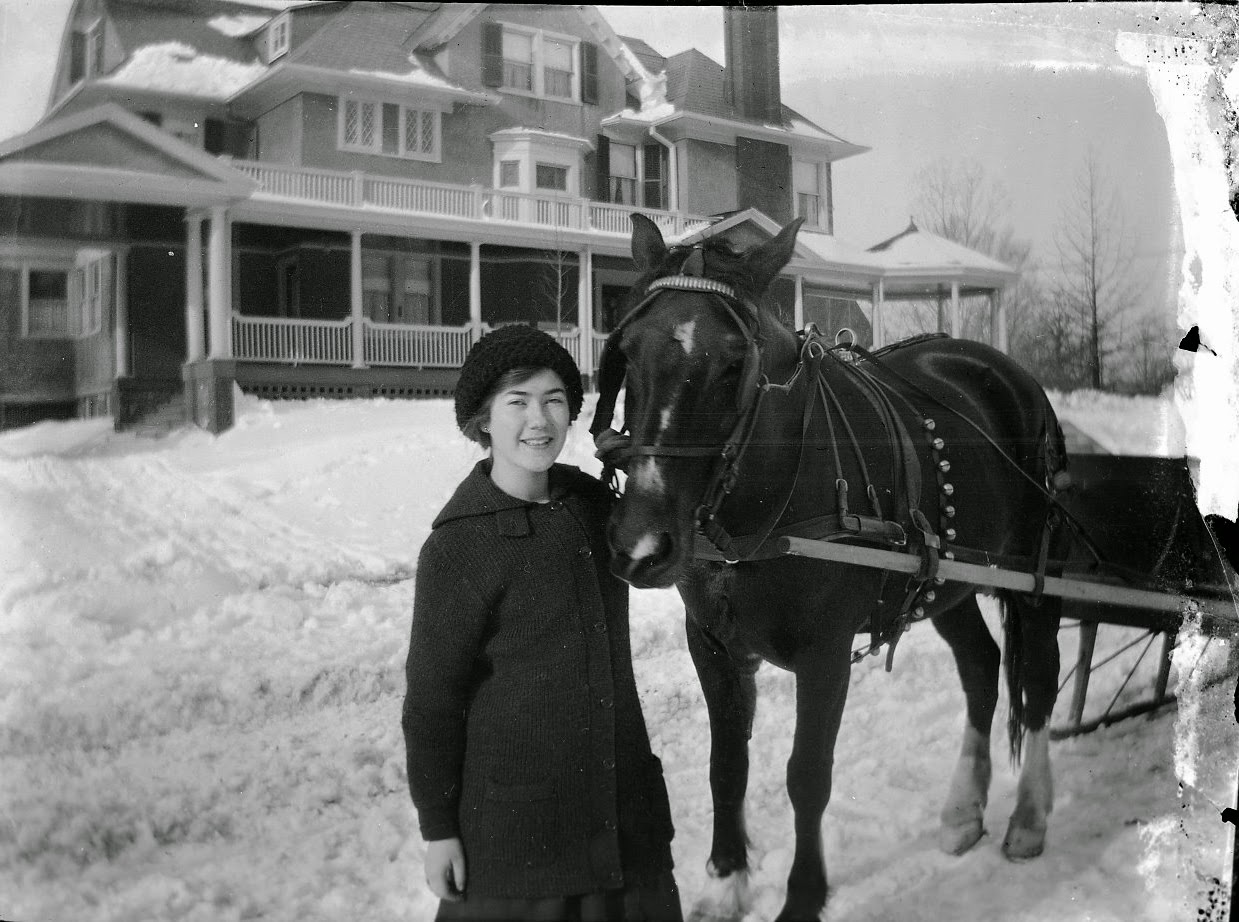
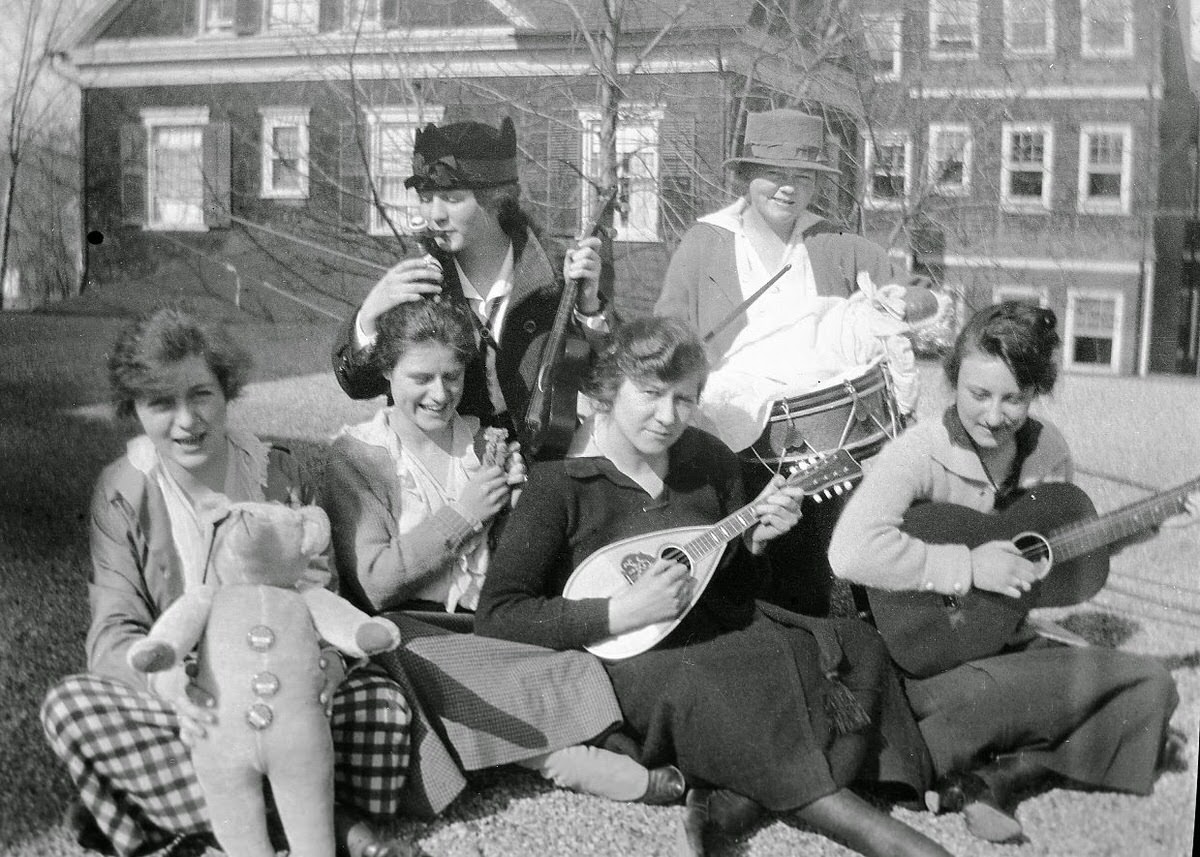
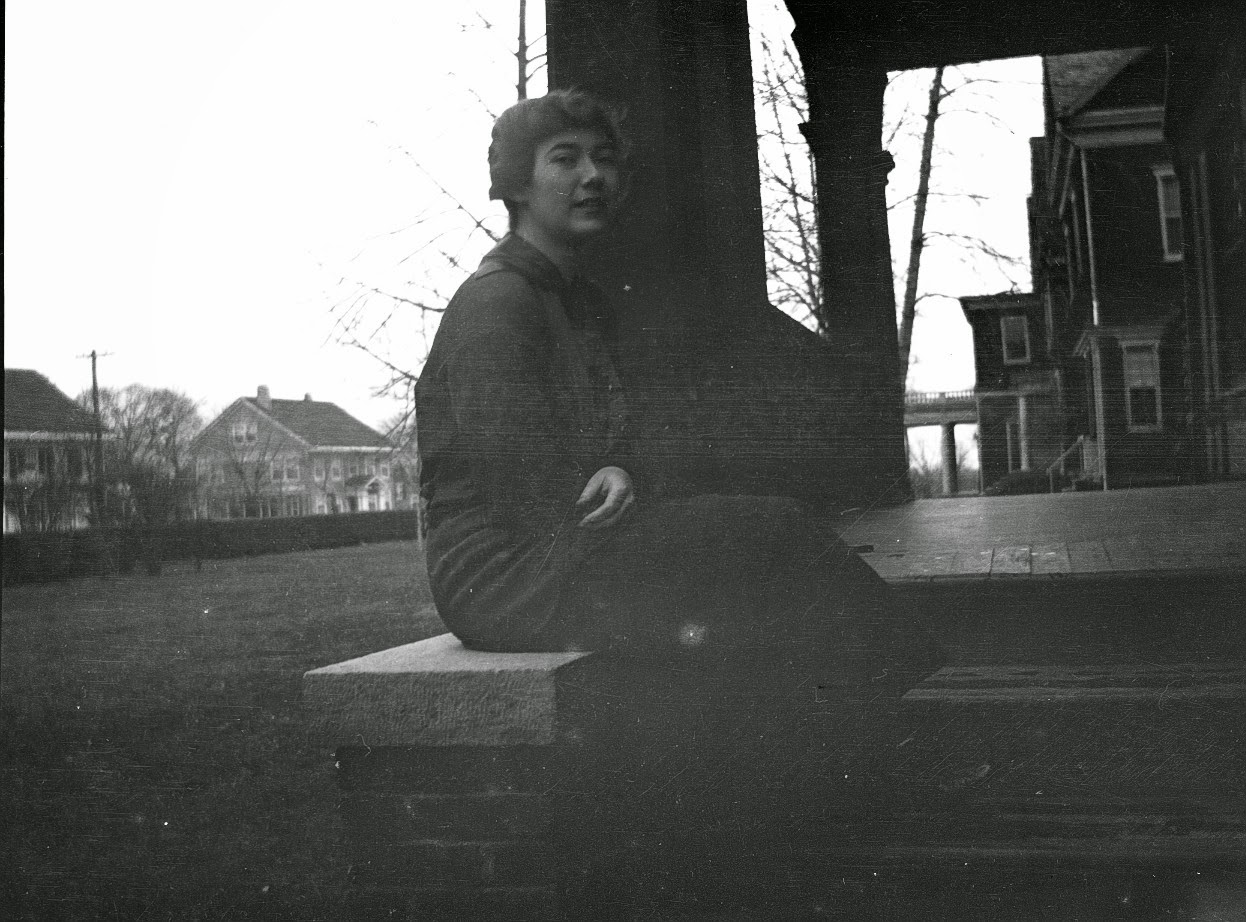
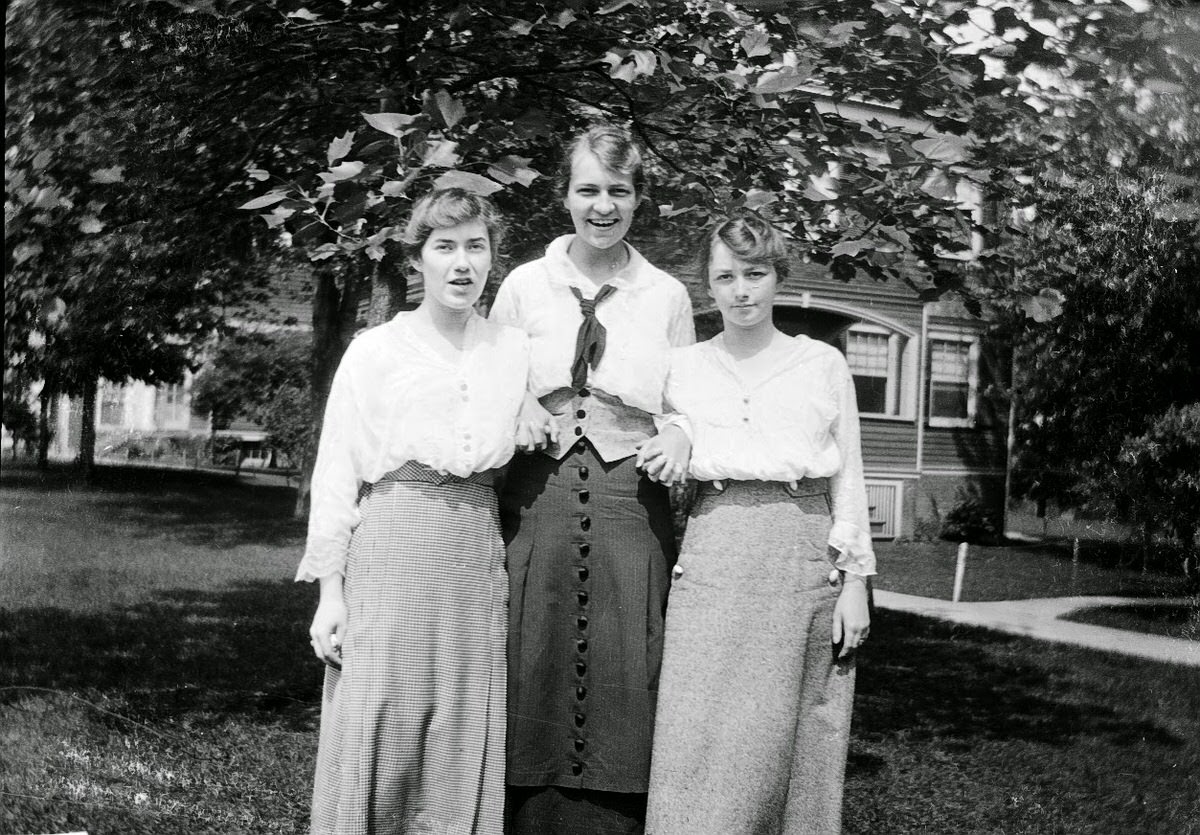
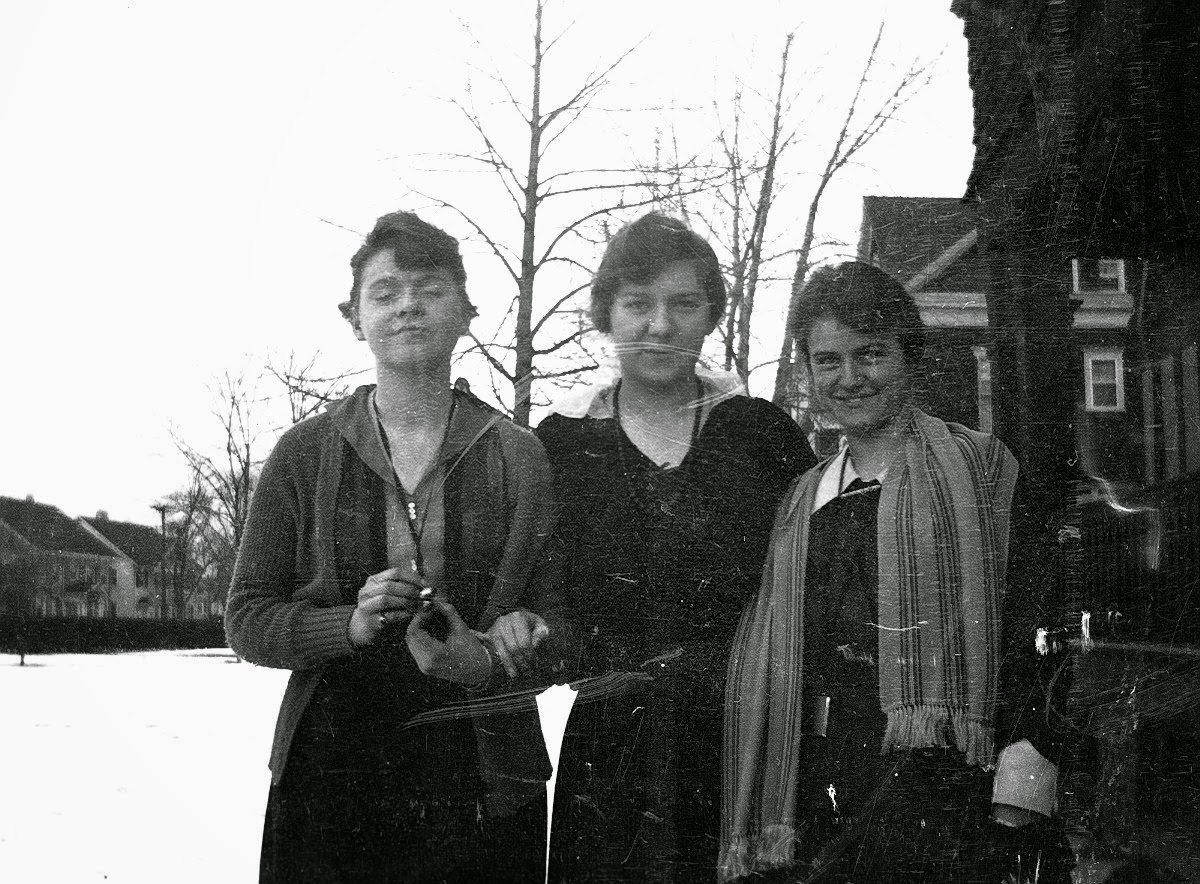
Their campuses featured grand brick buildings, wide stone porches, and manicured lawns — settings that local photographers frequently used to capture student life. Small groups of women posed together, often linking arms or leaning on one another.
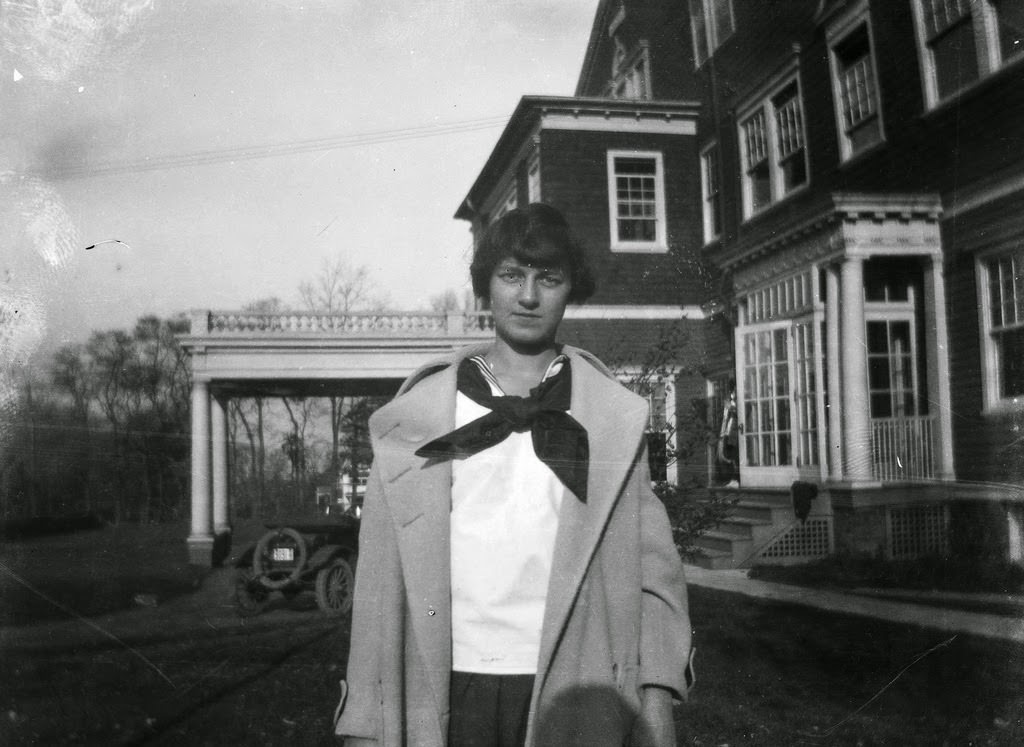
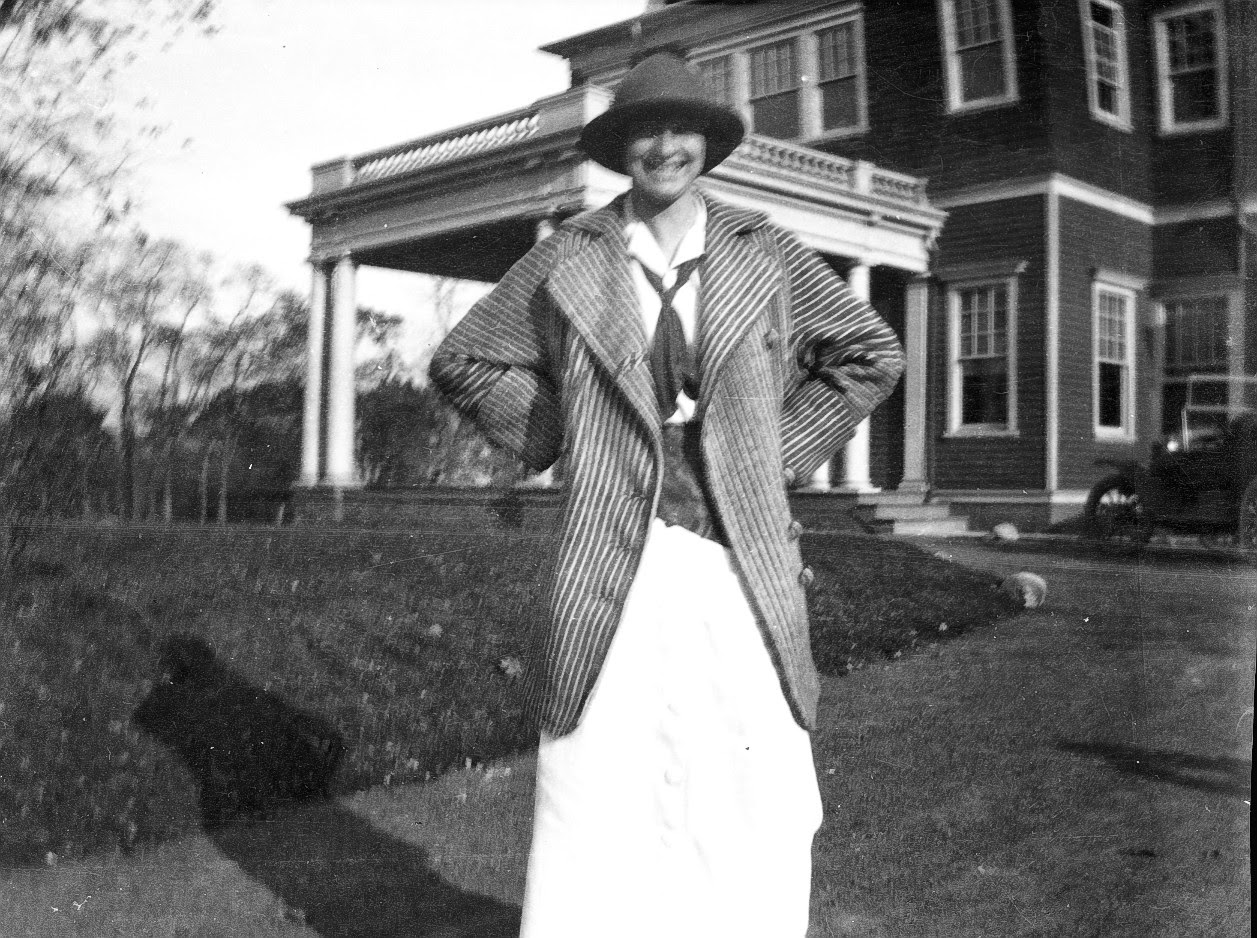
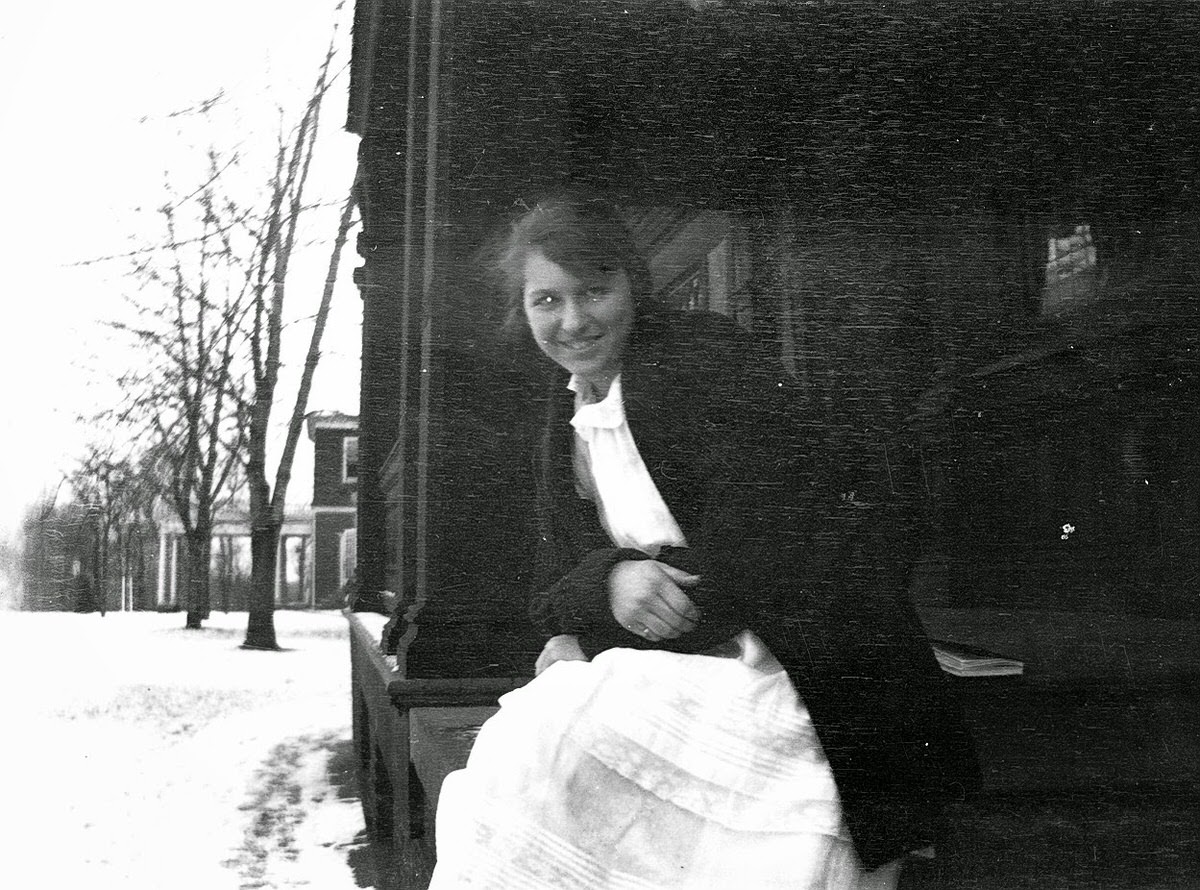
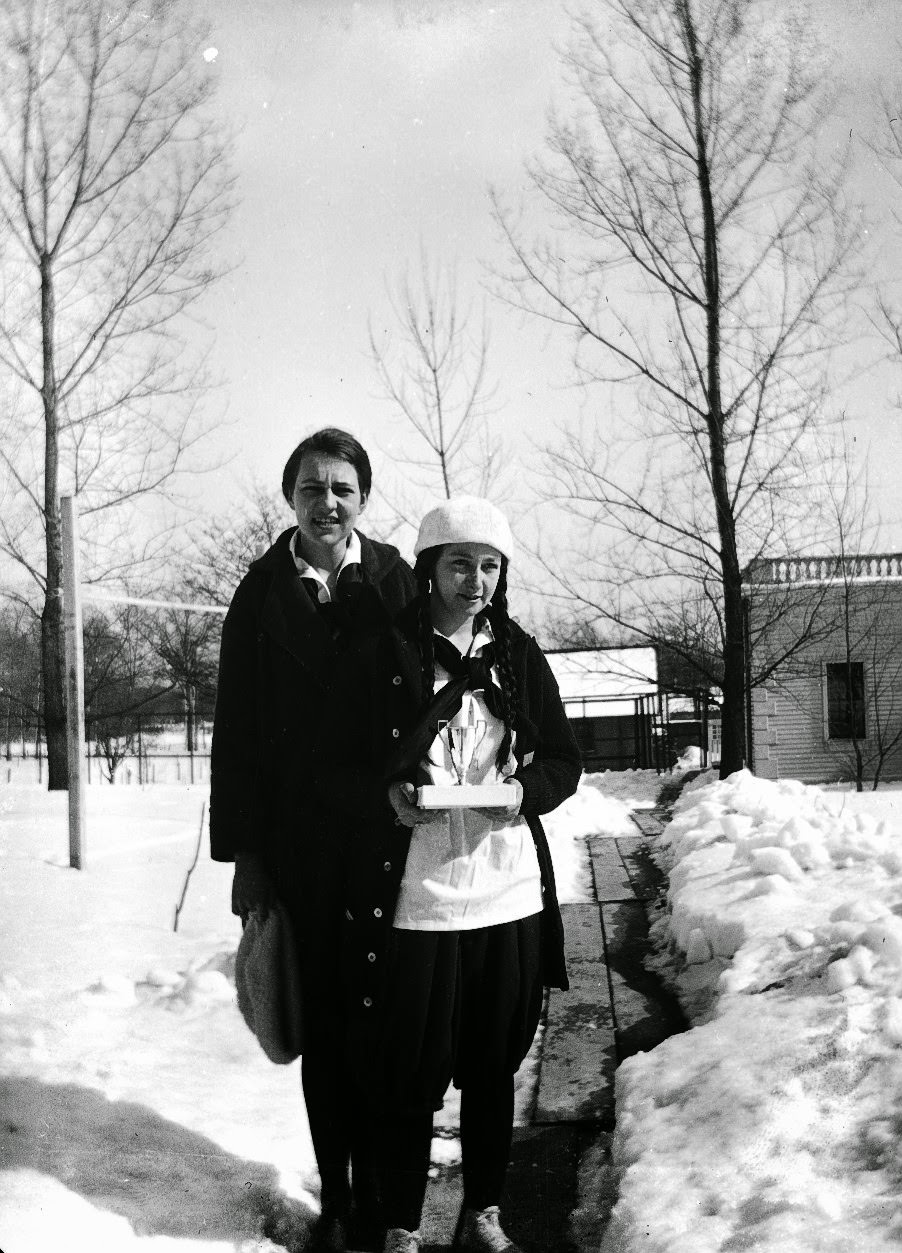
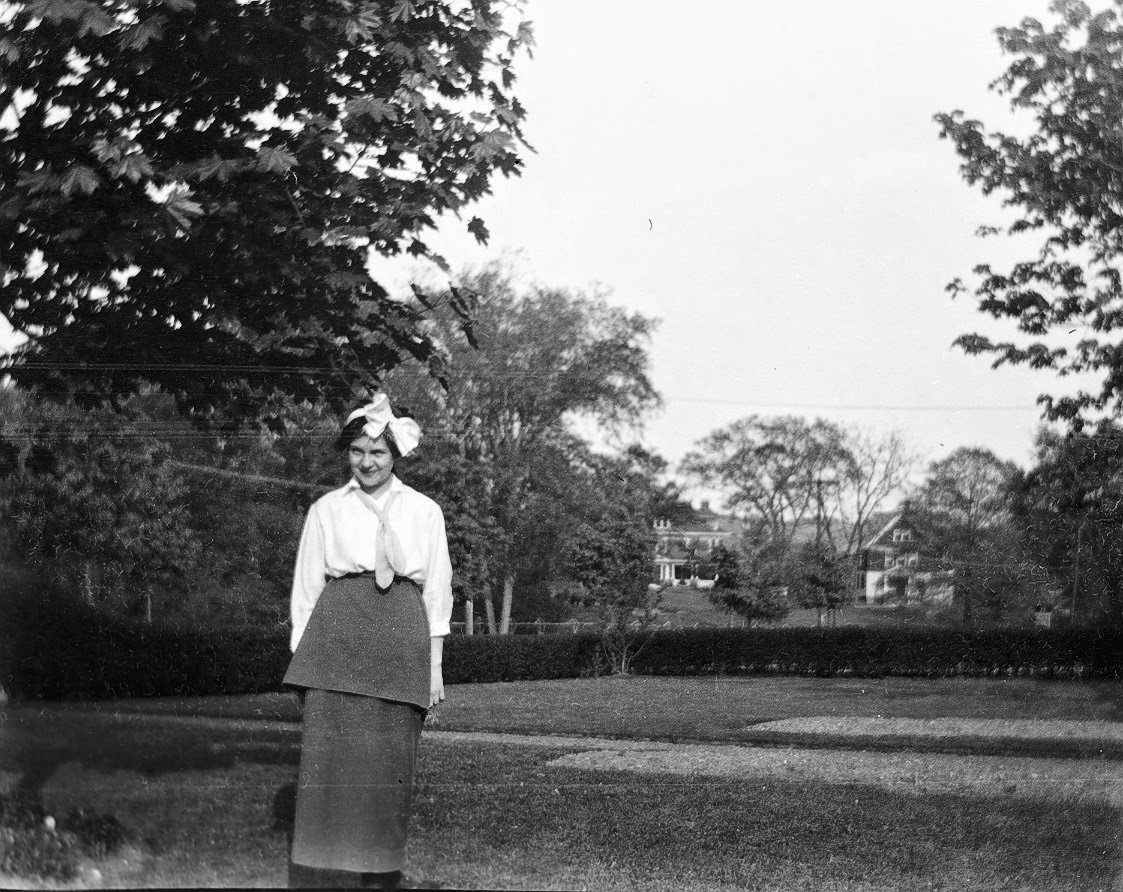
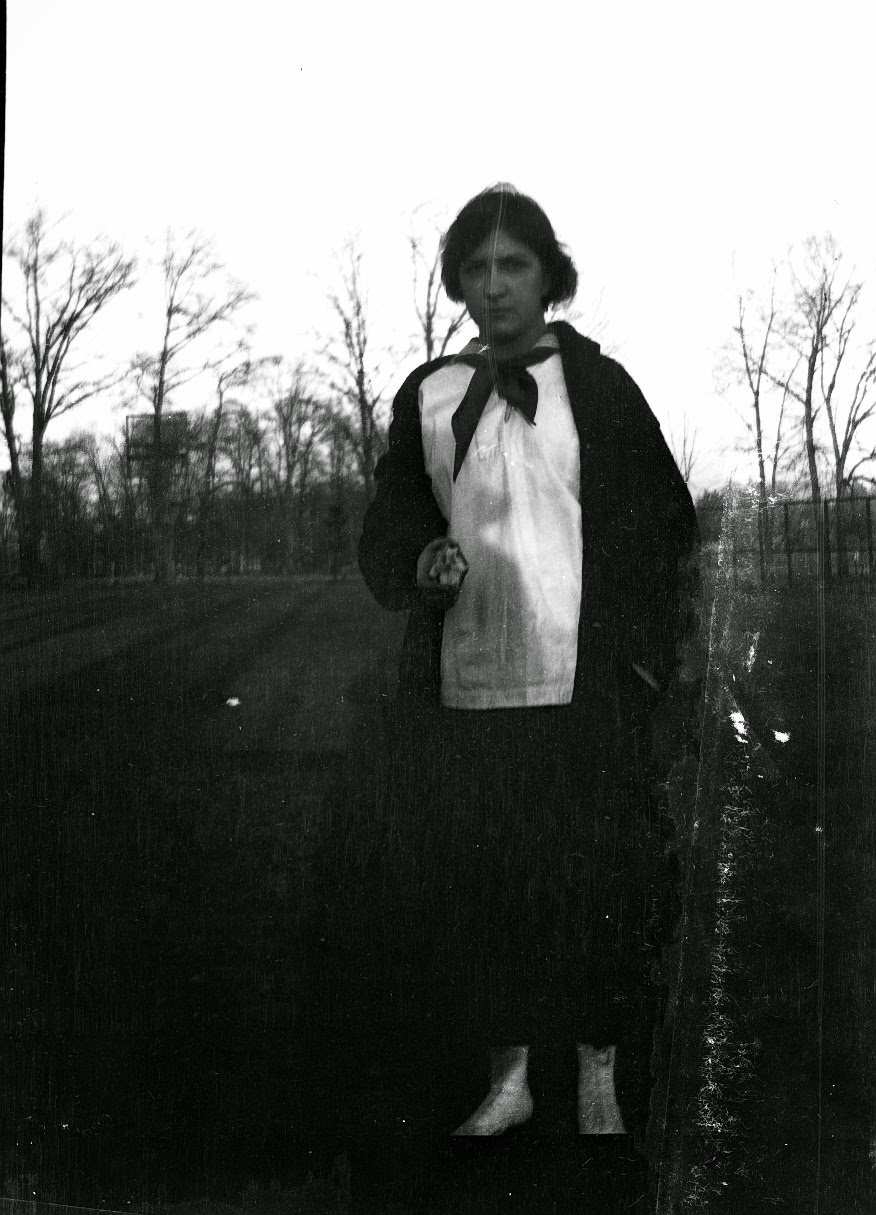
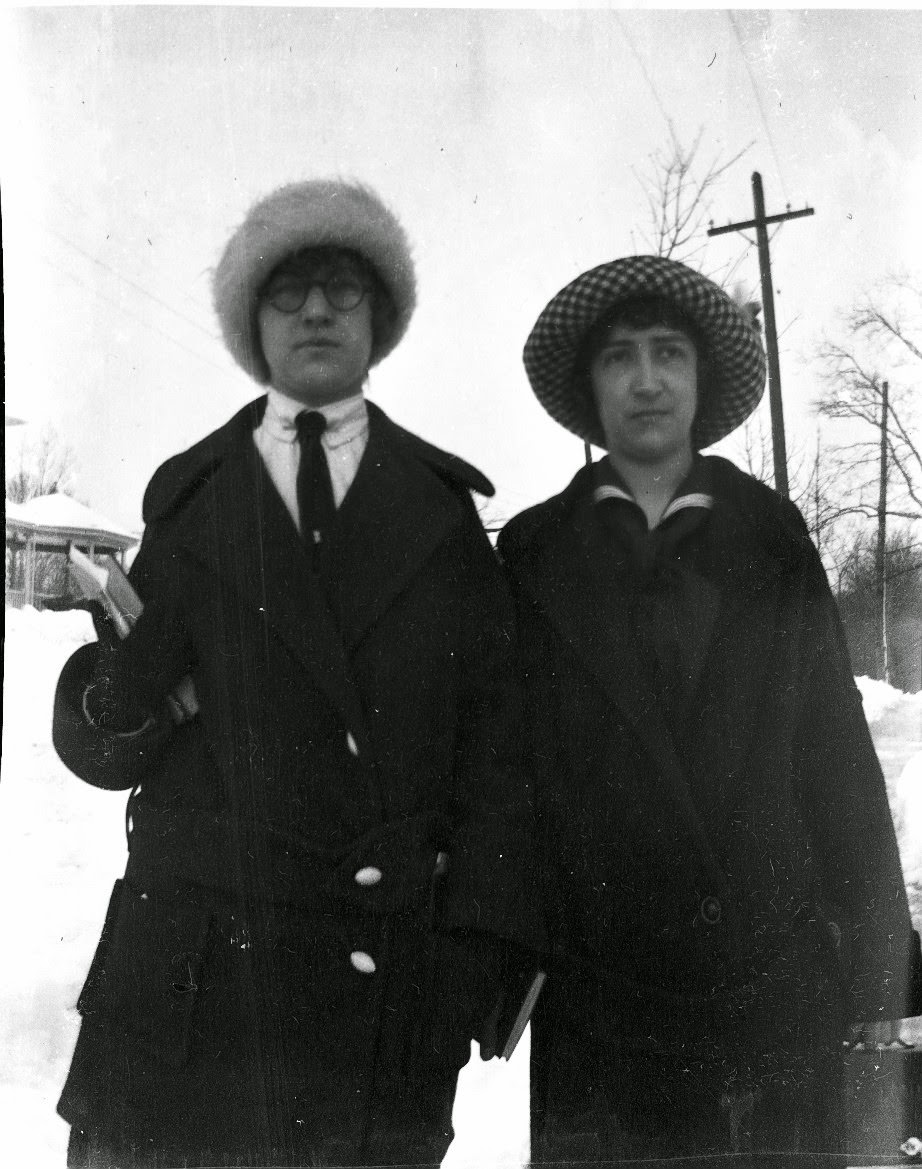
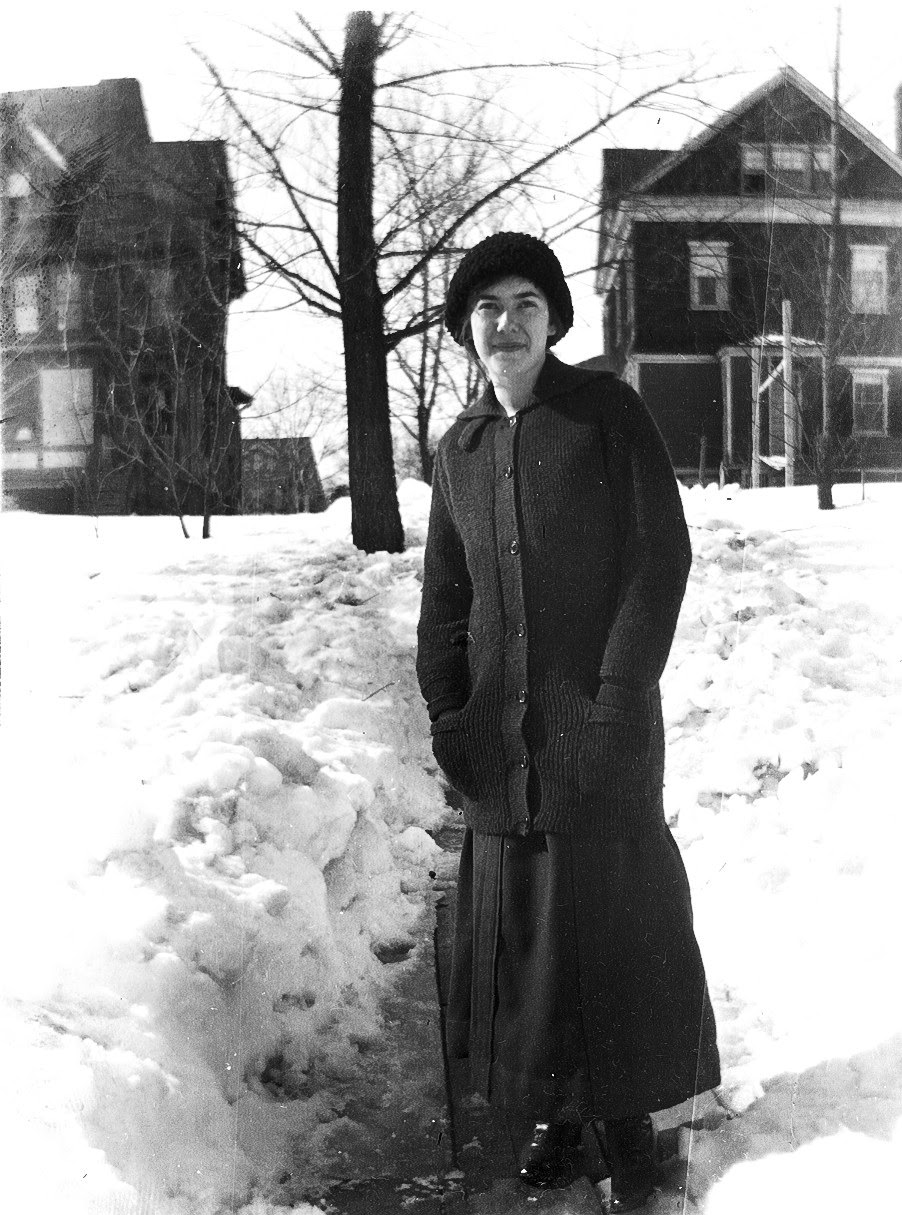
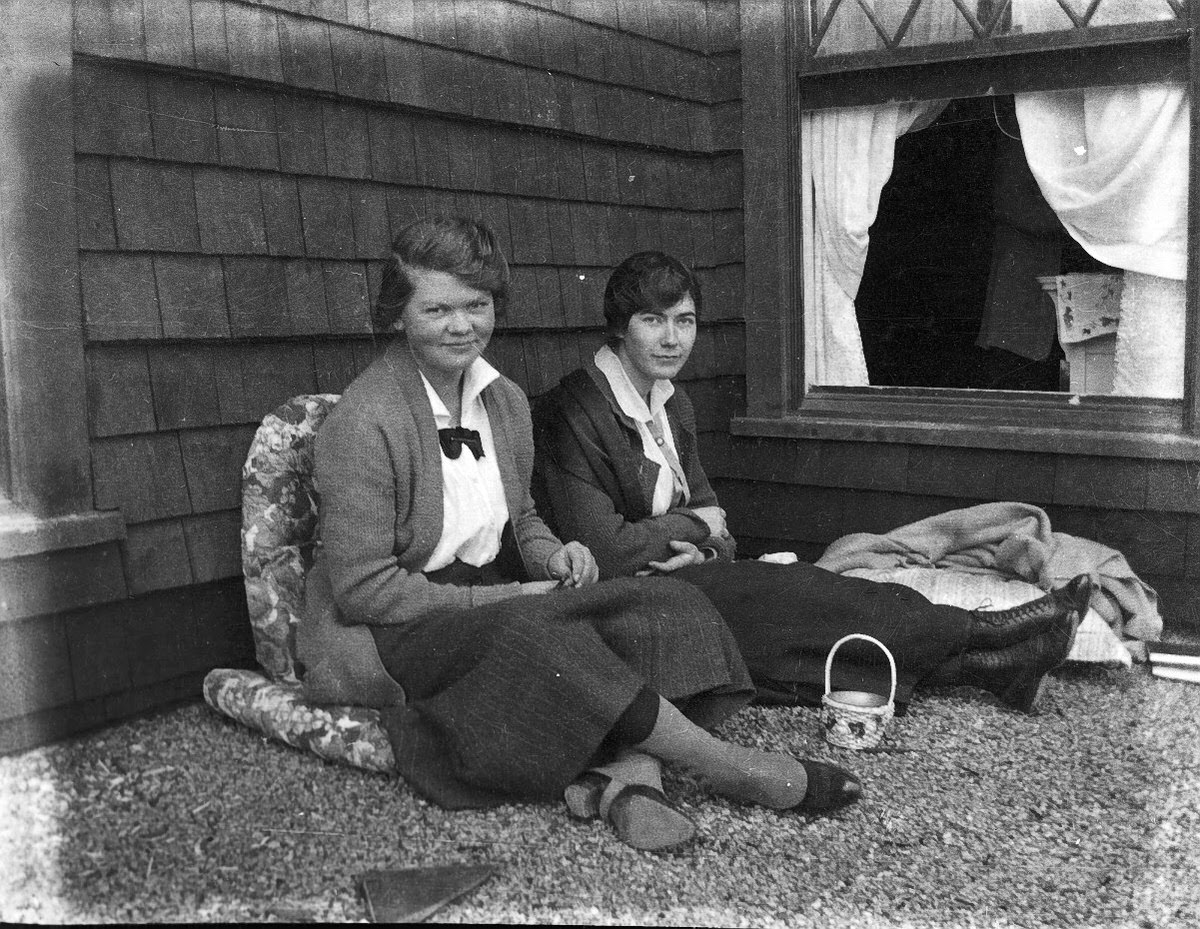
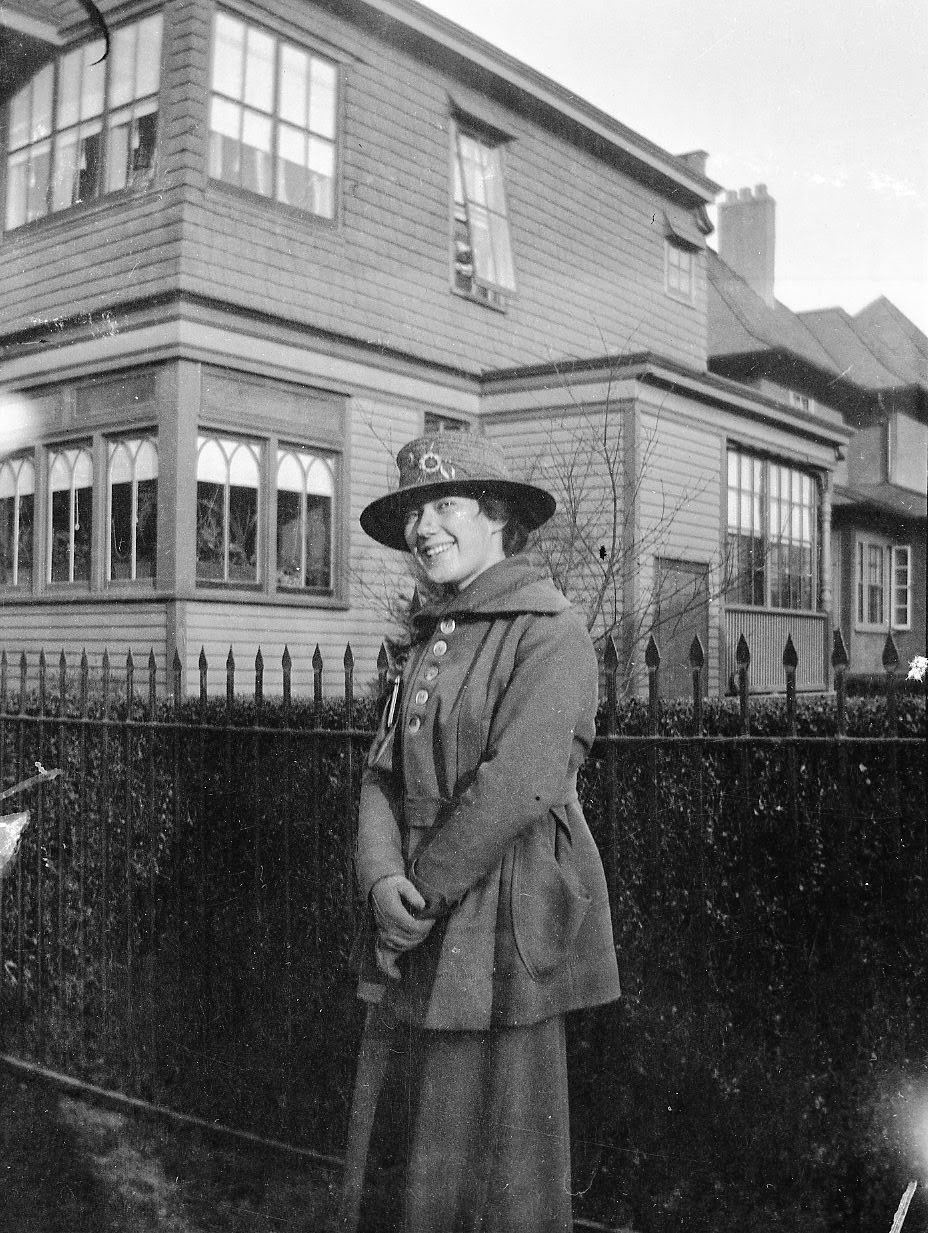
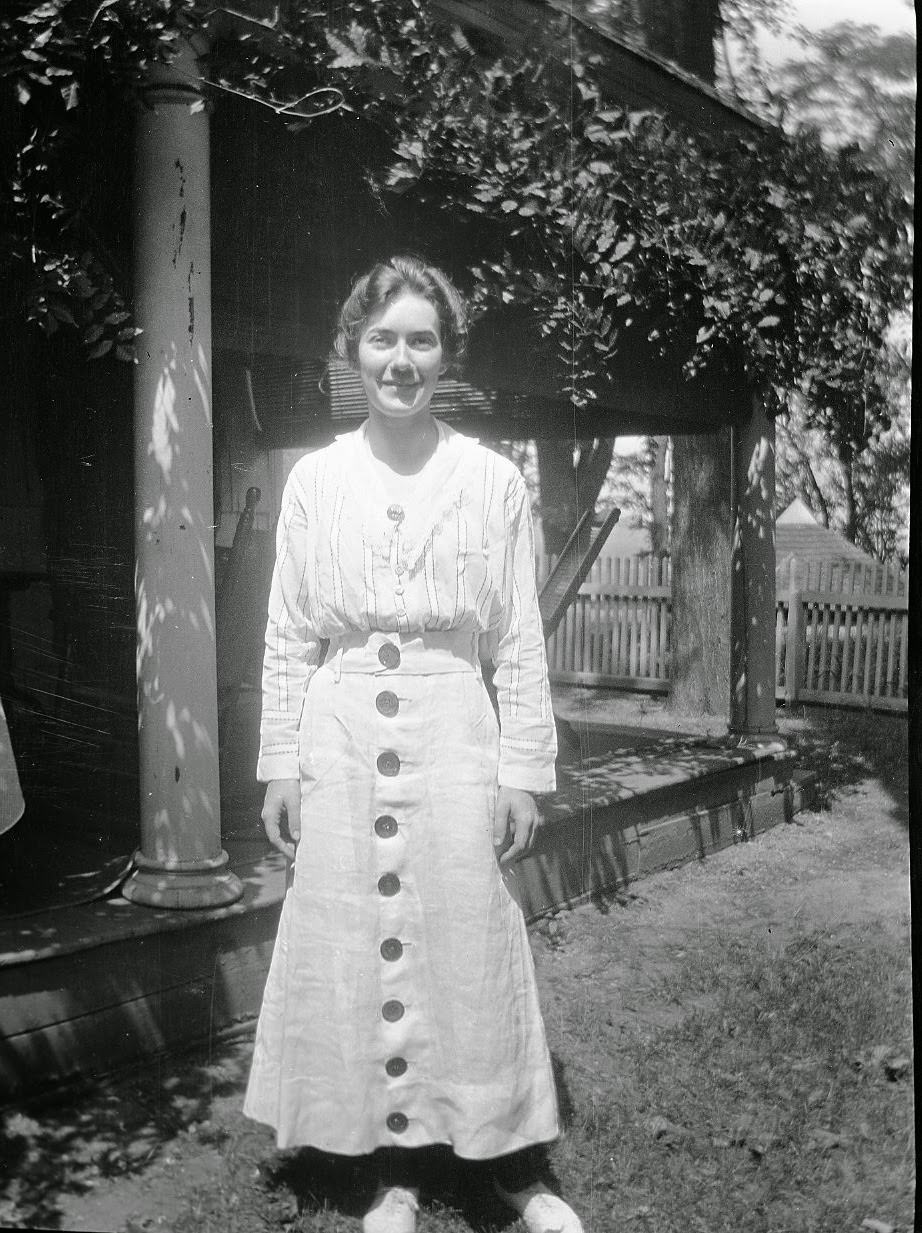
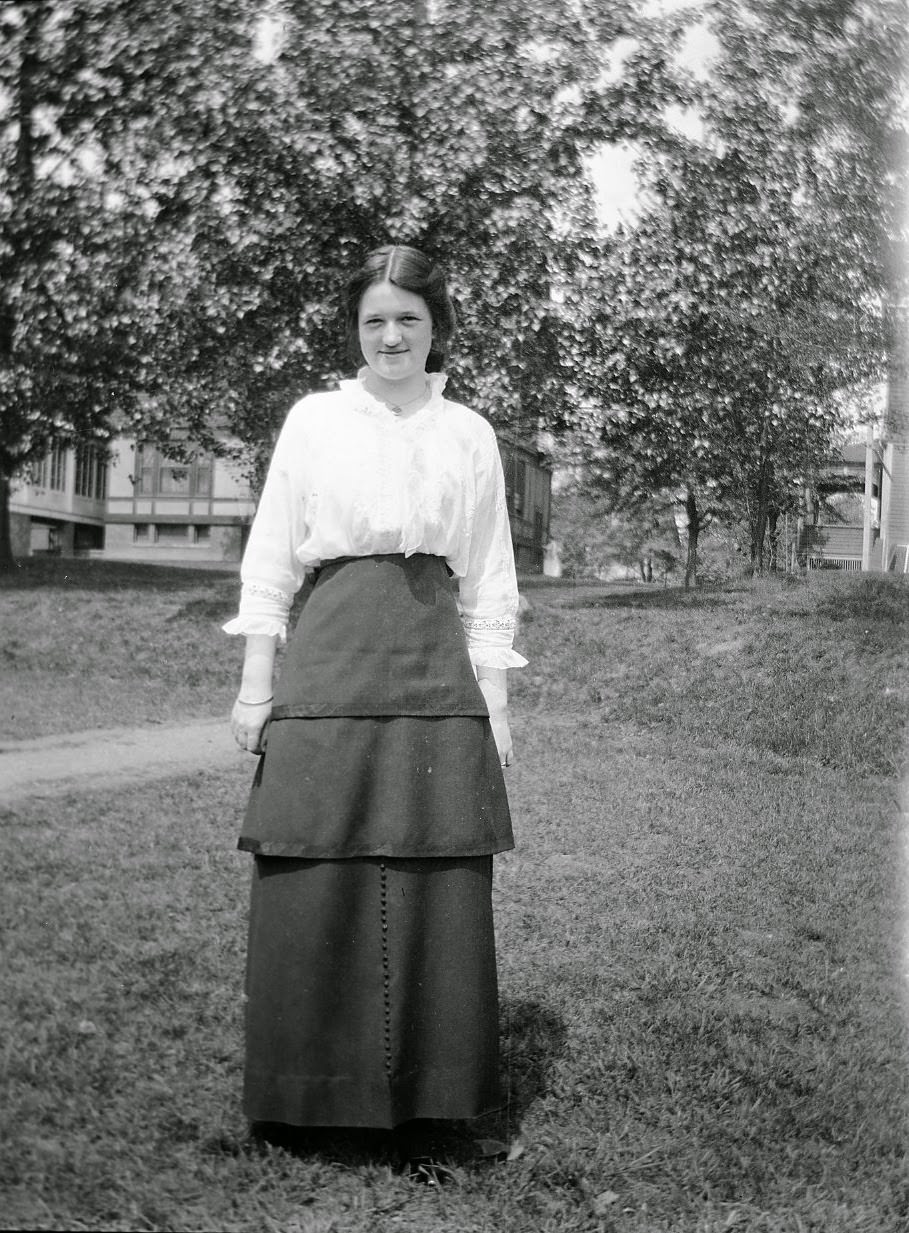
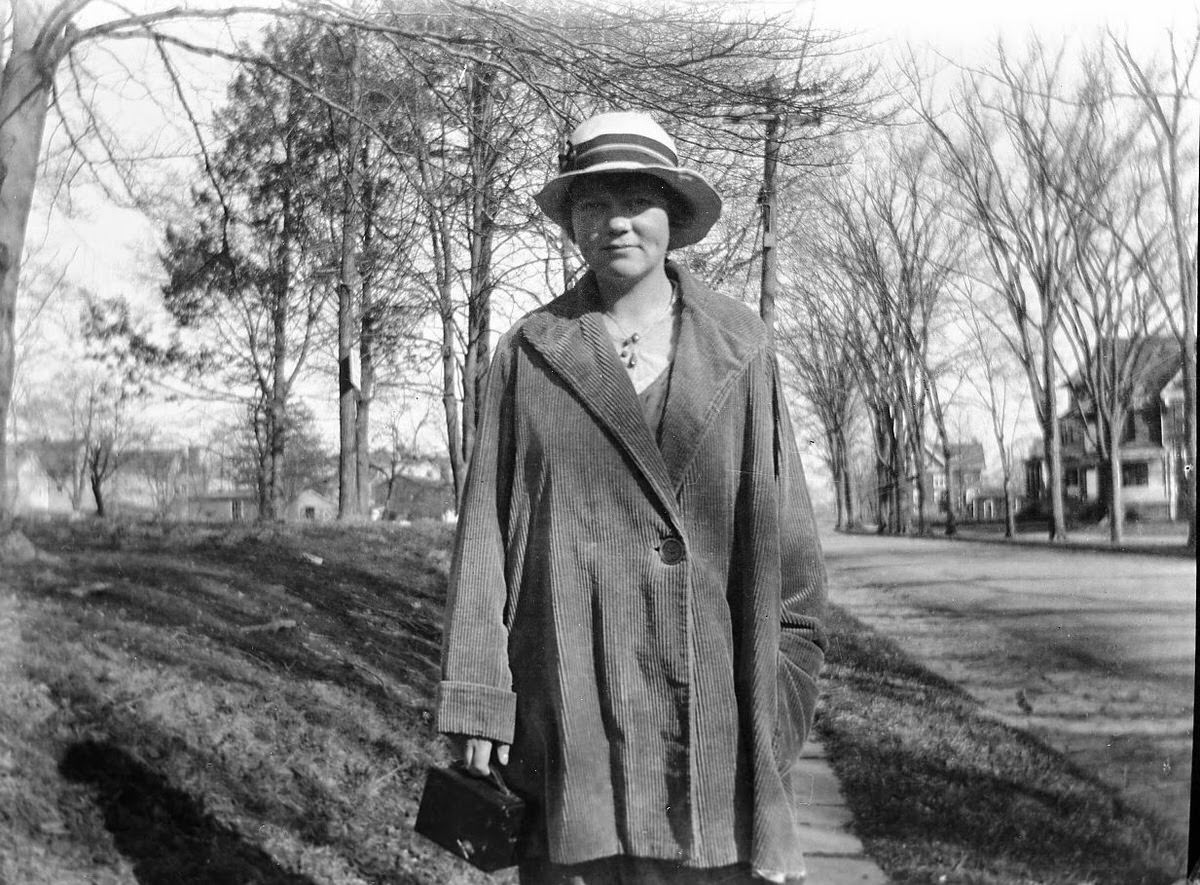
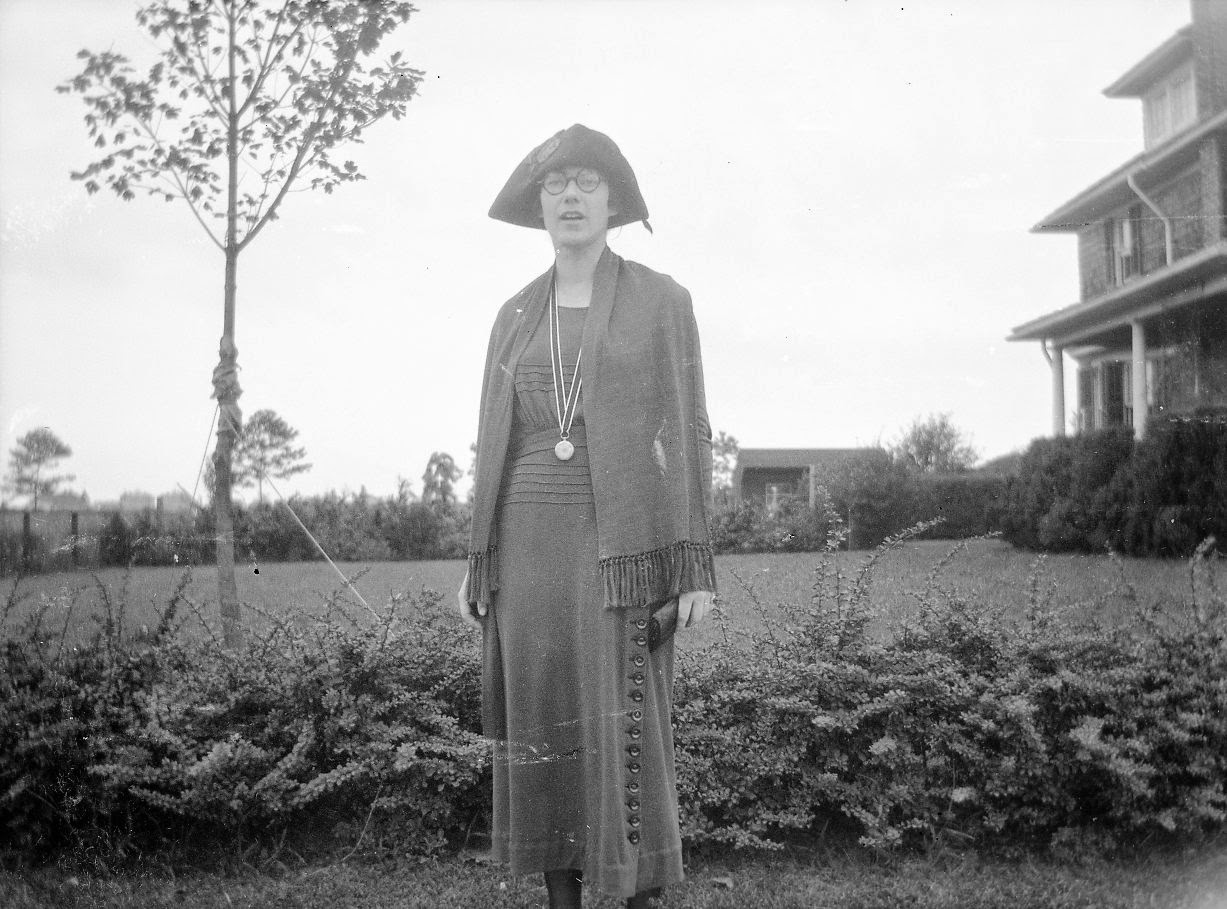
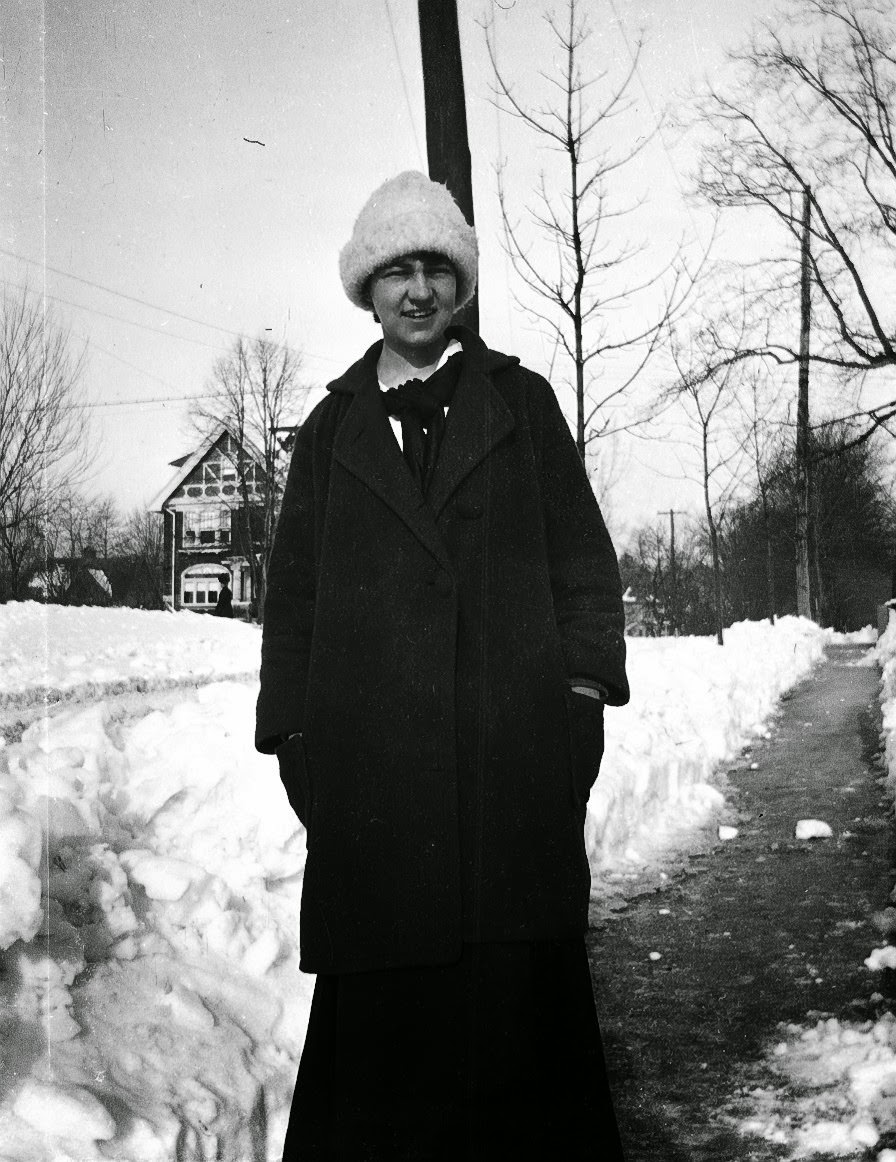
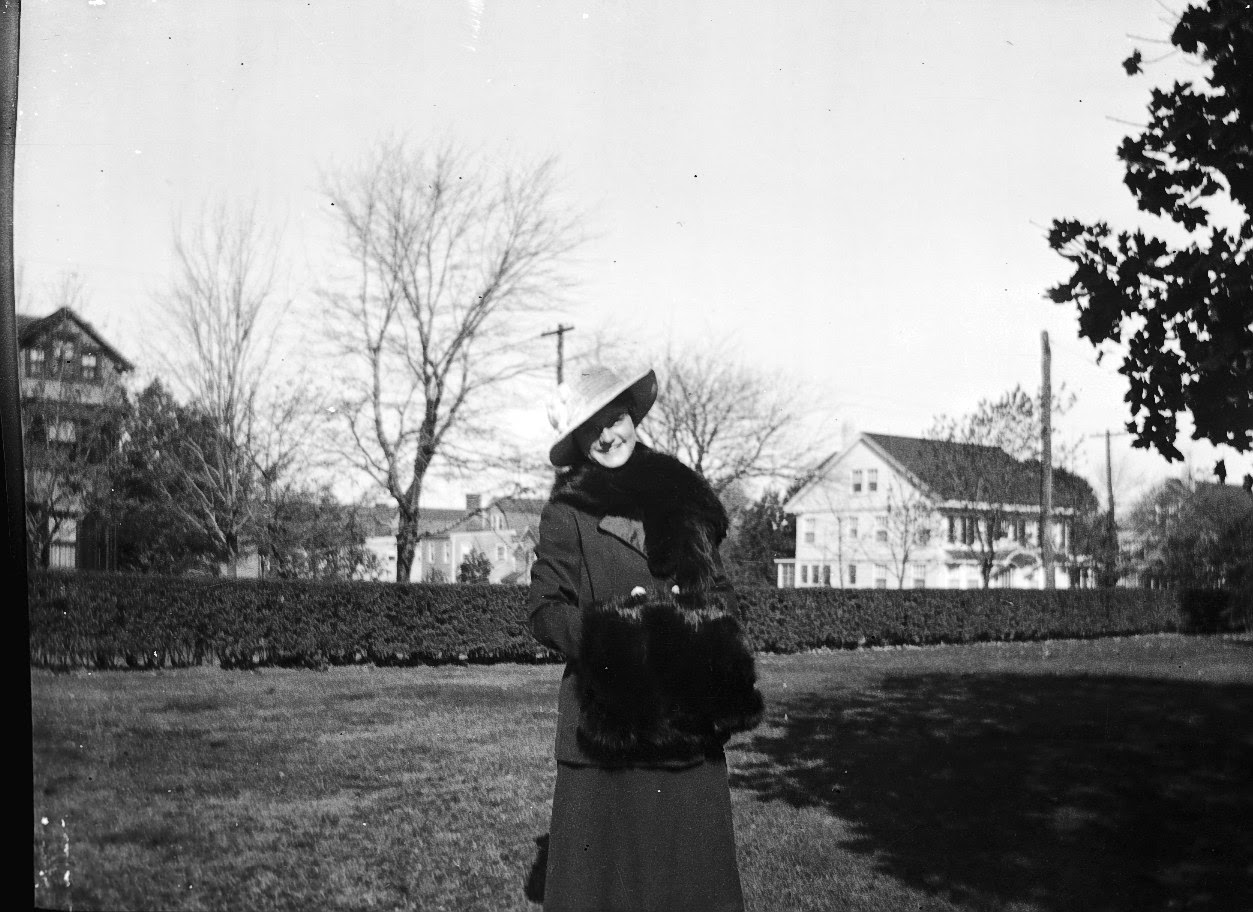
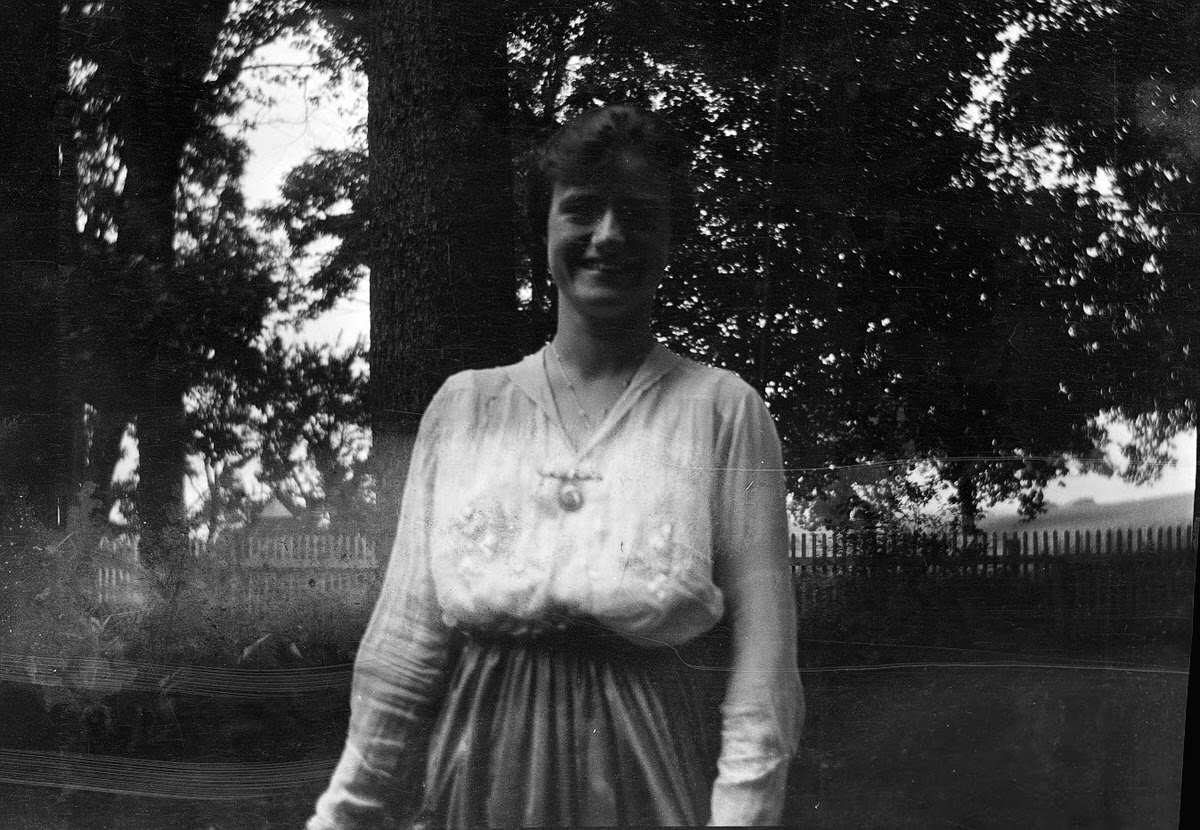
Fashion was formal and strictly regulated. Women wore ankle-length dark skirts paired with crisp white shirtwaist blouses. In colder months, heavy wool coats with wide collars and large buttons completed the look.
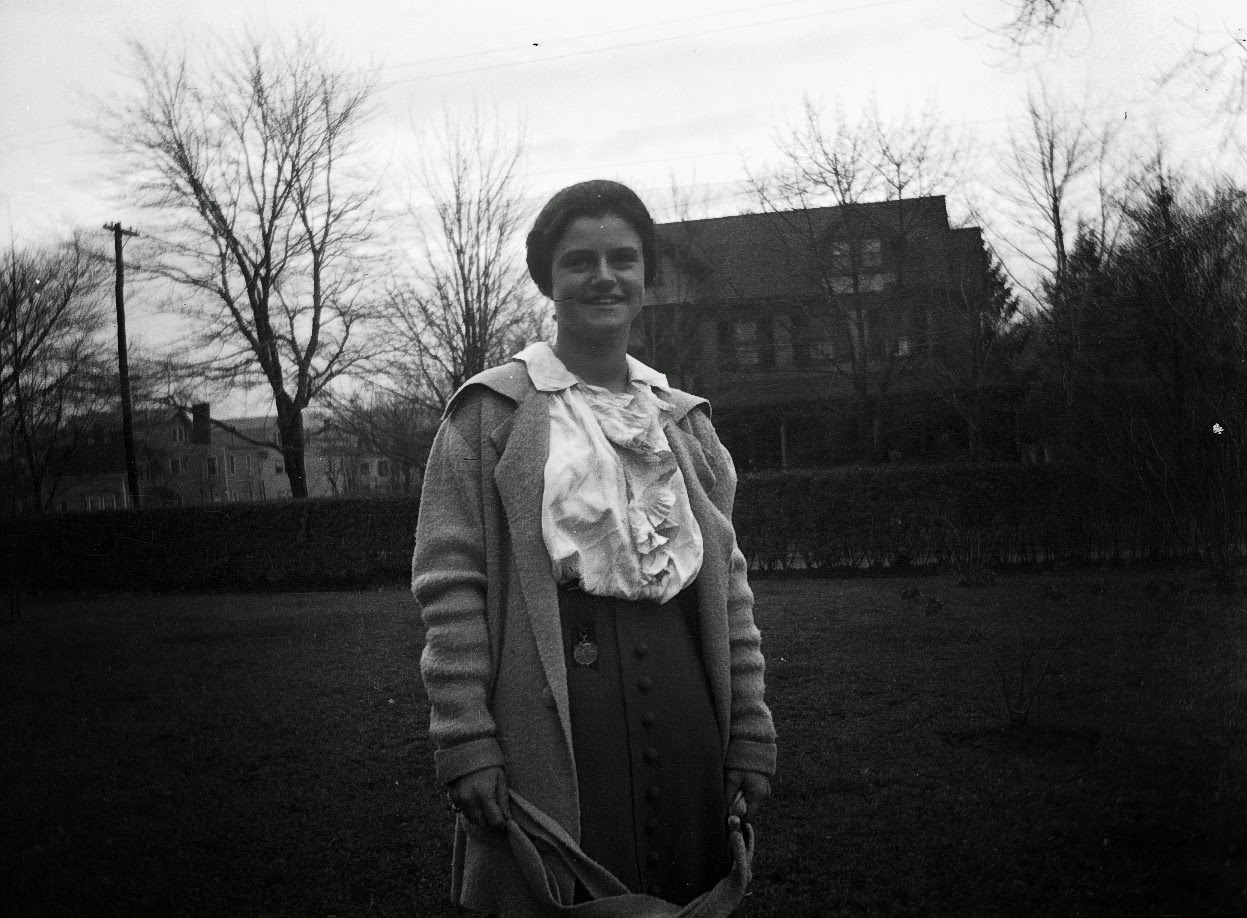
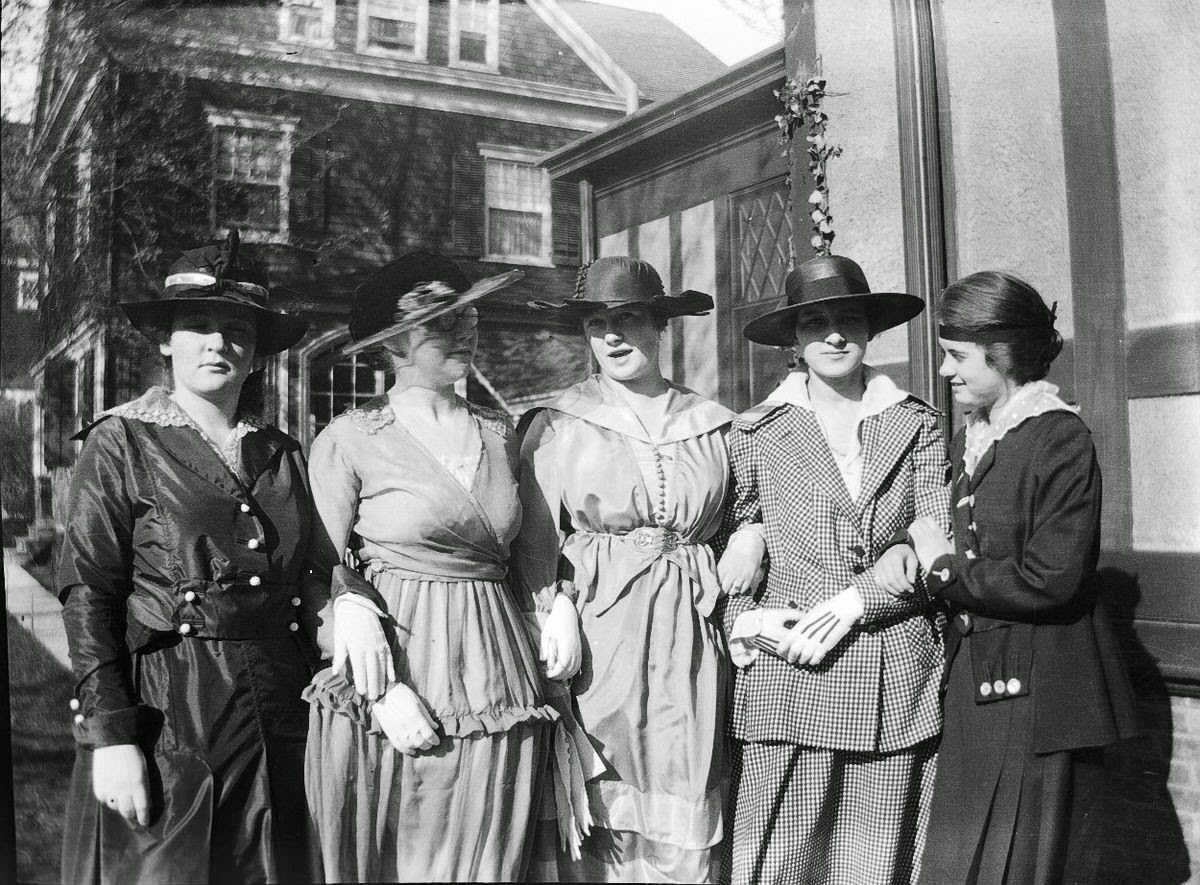
Hair was grown long, pinned up into full, voluminous styles, and topped with wide-brimmed hats decorated with ribbons. Dressing this way was a clear signal of the social status that came with attending college in the Lakewood region.
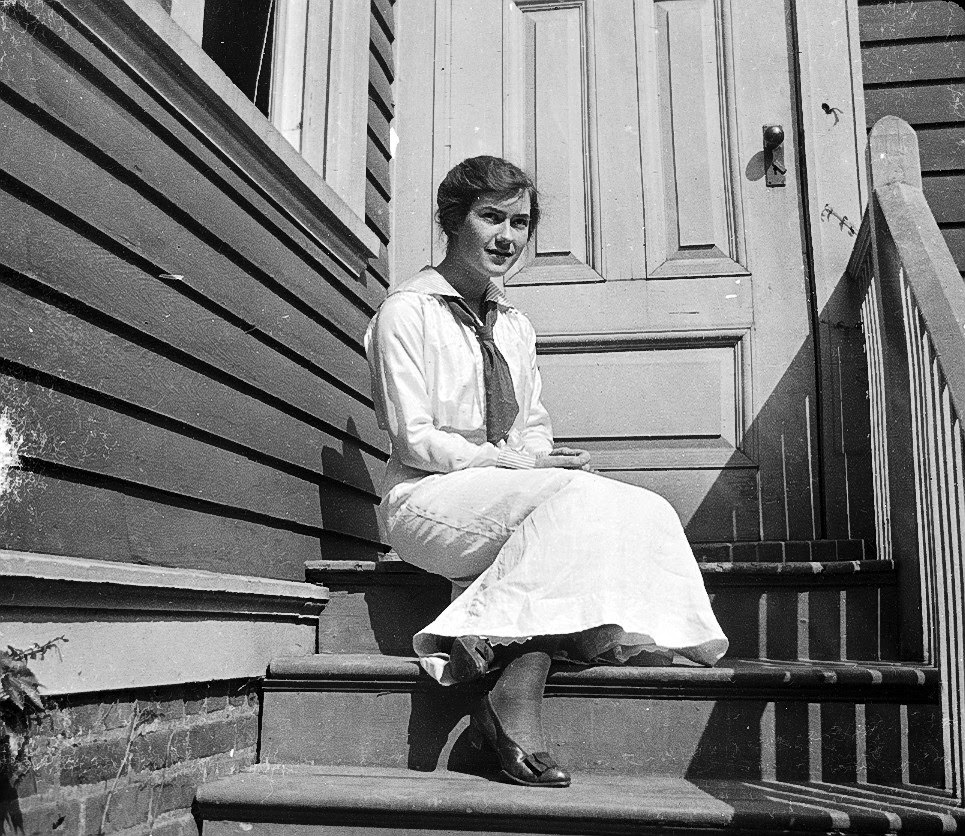
Mornings were spent in wood-paneled classrooms studying literature, history, and science. The academic workload was rigorous, and expectations were high.
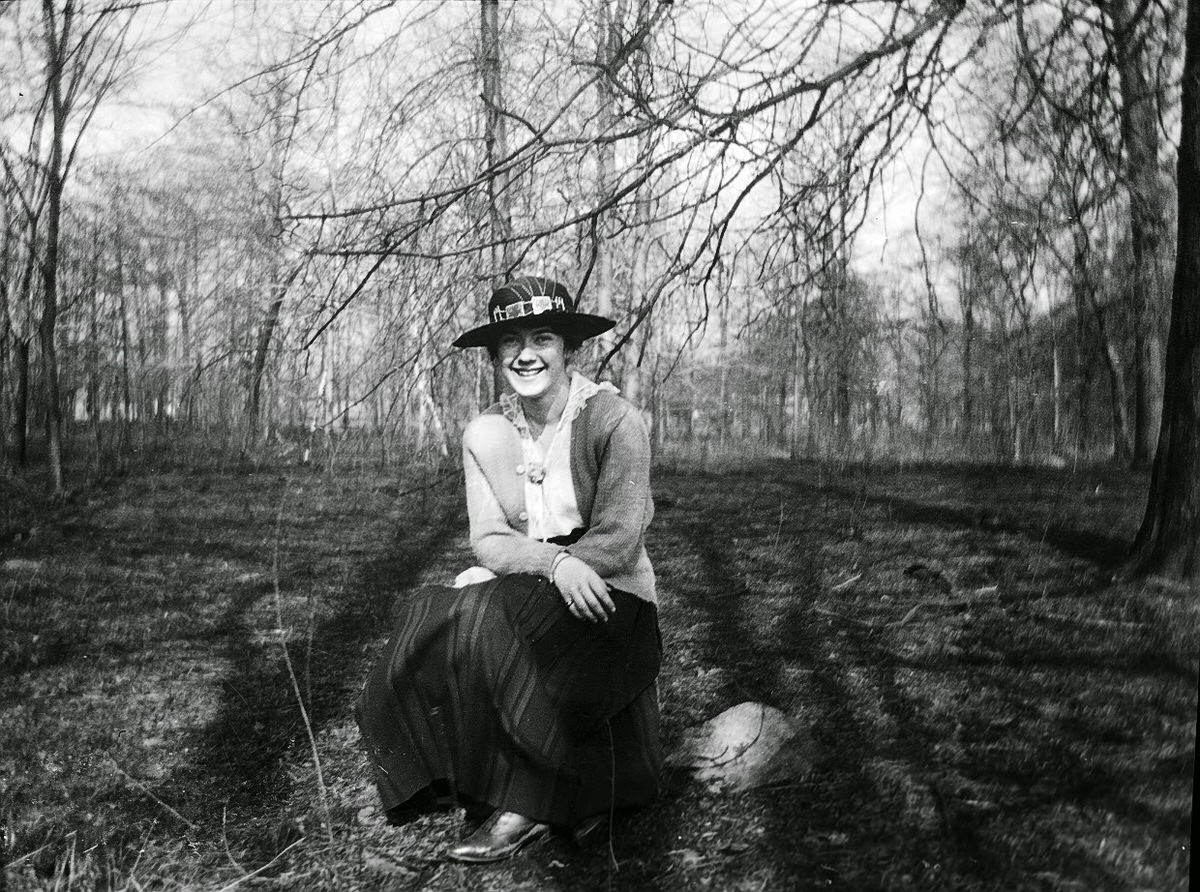
Afternoons opened up for outdoor sports. Field hockey and tennis were growing in popularity for women, and students took to the flat, grassy fields of the surrounding Lakewood estates. They played in athletic versions of their long skirts and used heavy wooden rackets.
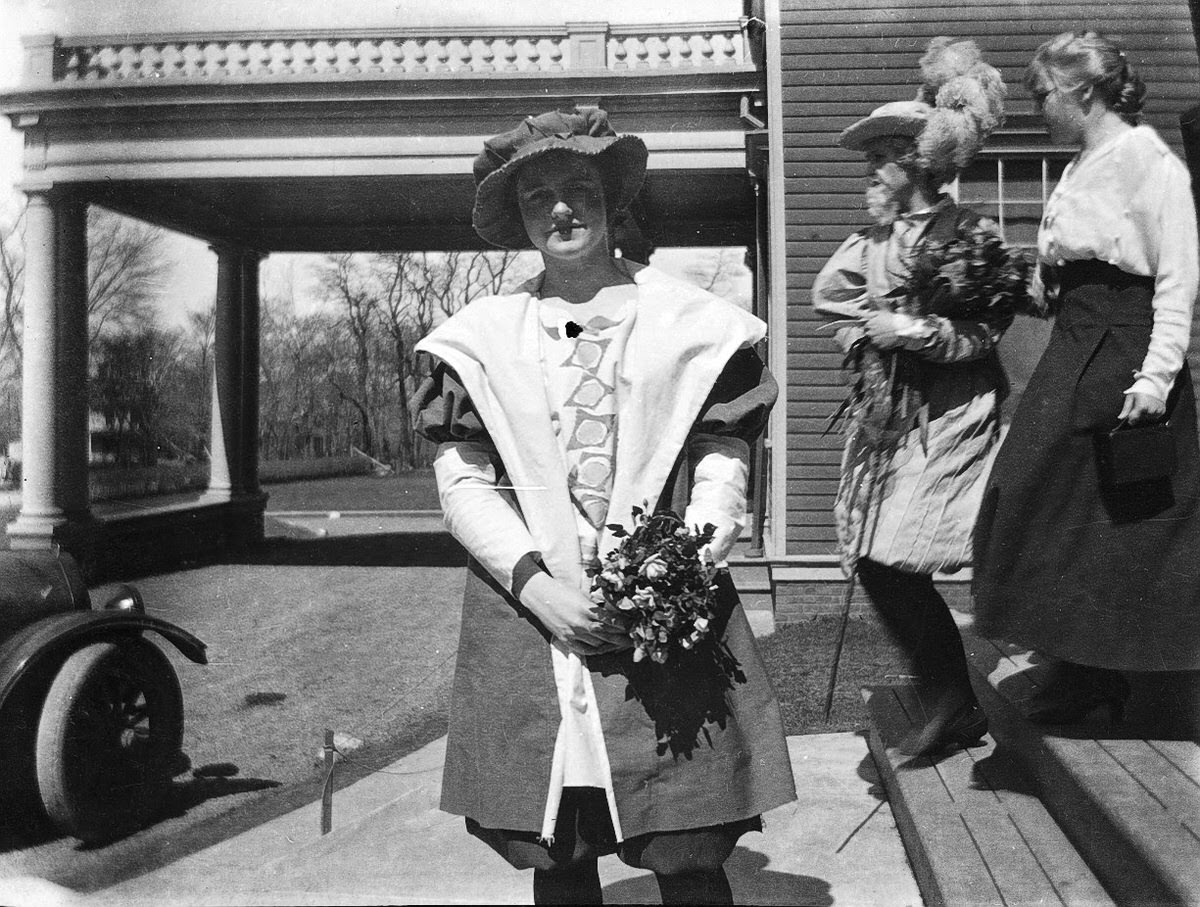
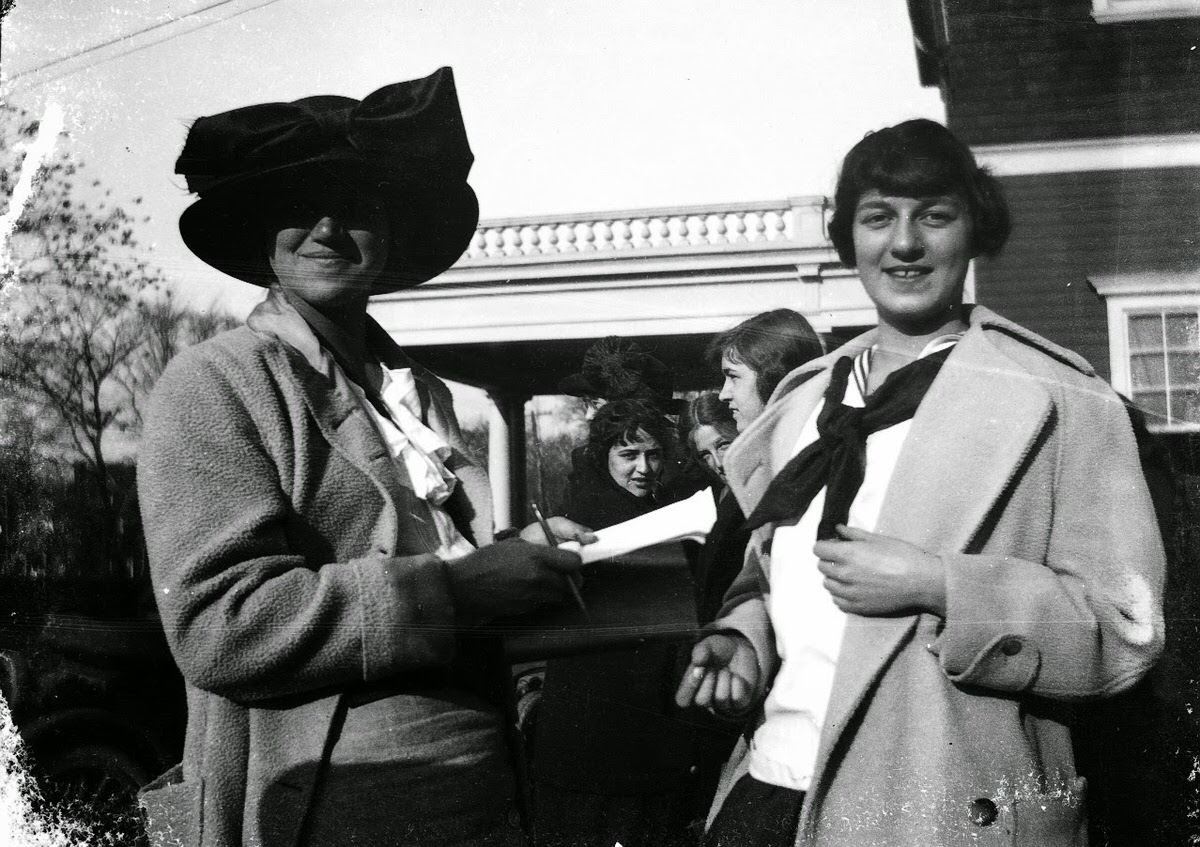
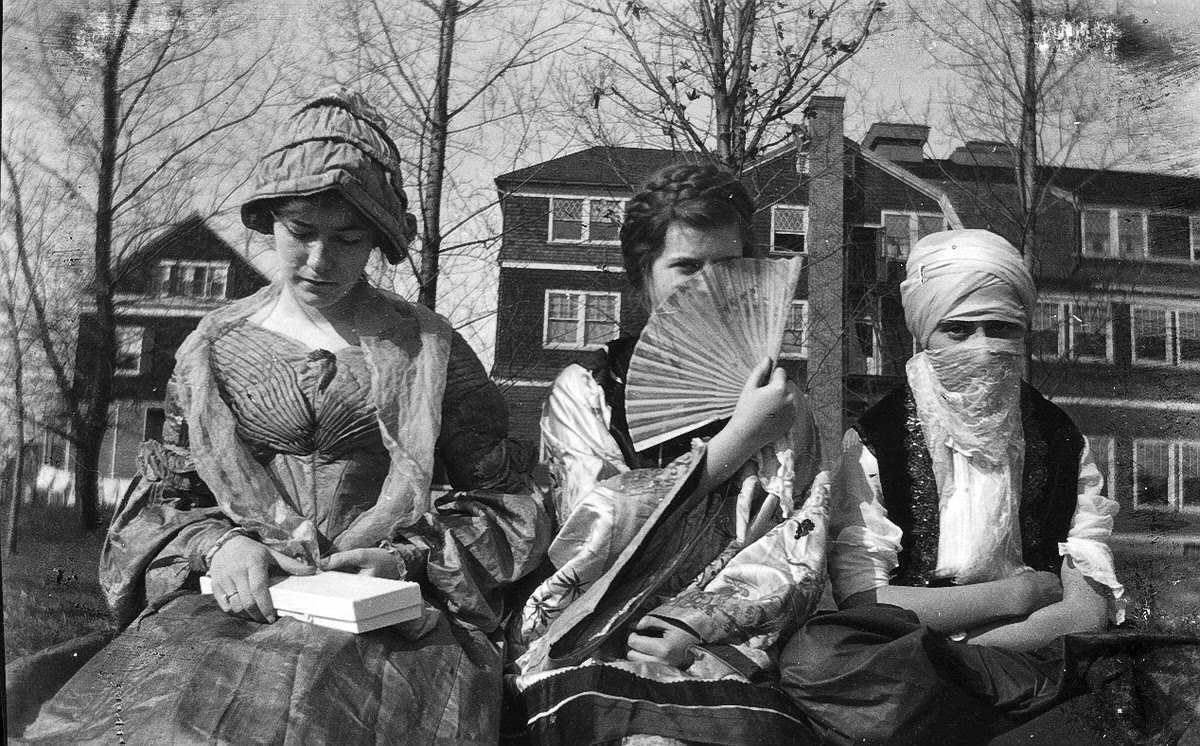
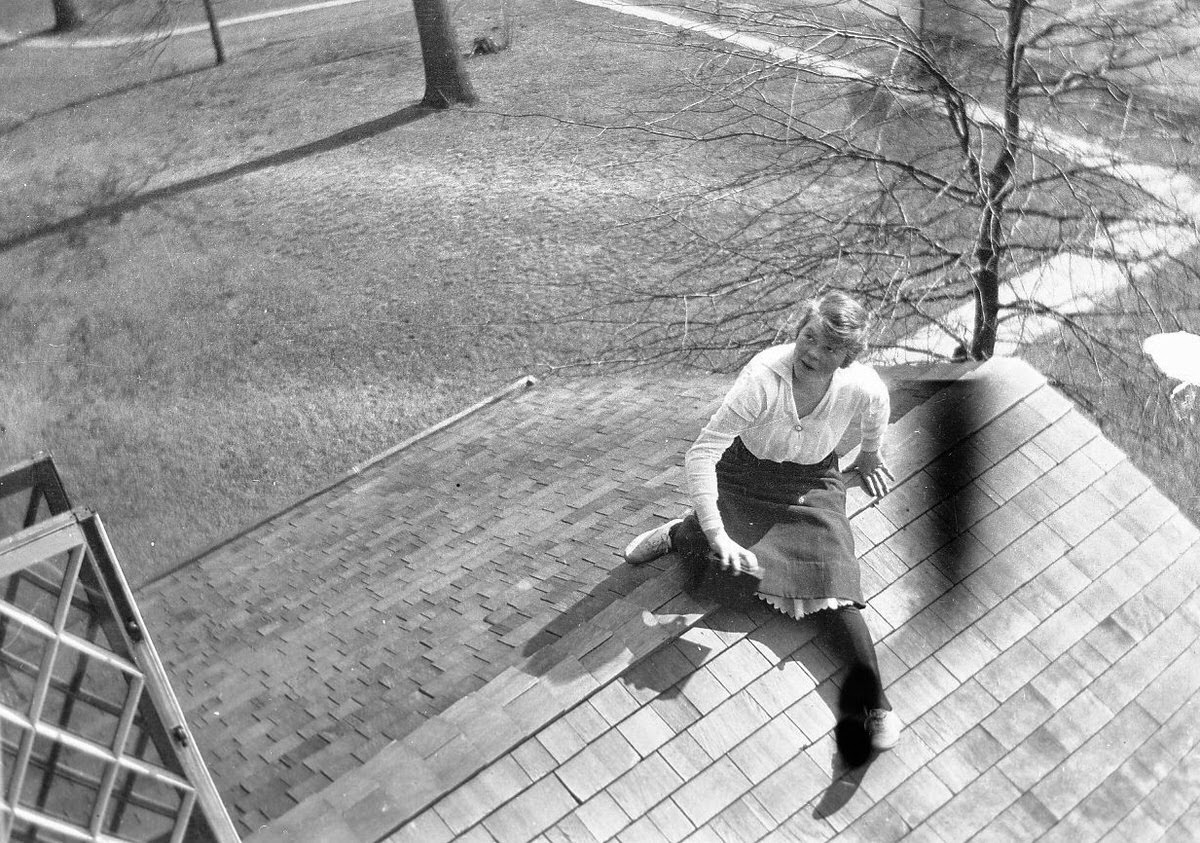
Social gatherings were a regular part of campus rhythm. Women sat together on porch swings, posed for formal class portraits, and spent leisure time in close companionship.
As the war in Europe dragged on, many of these students joined volunteer efforts at home. Knitting wool socks and rolling bandages for the Red Cross became common after-hours activities.