In 1963, German photographer Thomas Hoepker packed his camera into a car and drove across the United States for three months. He was working for the German magazine ‘Kristall,’ and his assignment was not to shoot monuments or skylines. He and a writer friend were sent to document the parts of America that tourists never saw — the small towns, the back roads, and the everyday people living quietly in between.
Their route started in New York City and ended in Los Angeles, cutting through the vast middle of the country. Hoepker pointed his lens at gas stations, lunch counters, sidewalks, and storefronts. The resulting photographs form one of the sharpest street-level records of American daily life from that era.
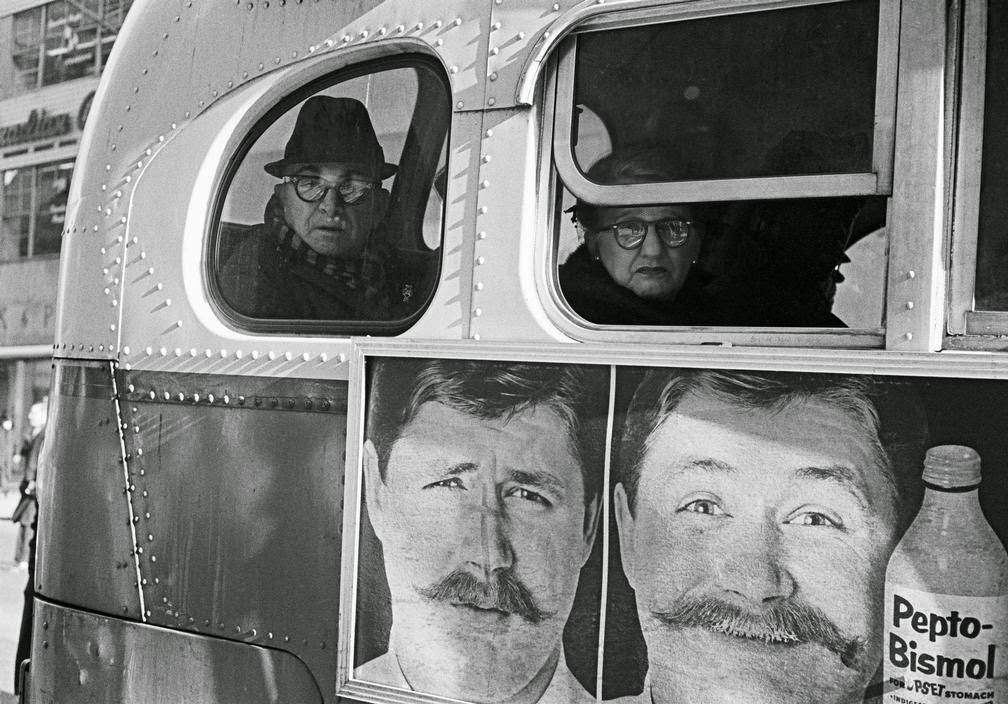
New York was the starting point. The city’s streets were dense with people and signage, its buses packed with riders passing beneath giant advertisements. Hoepker documented the energy of the sidewalks in different neighborhoods across the city.
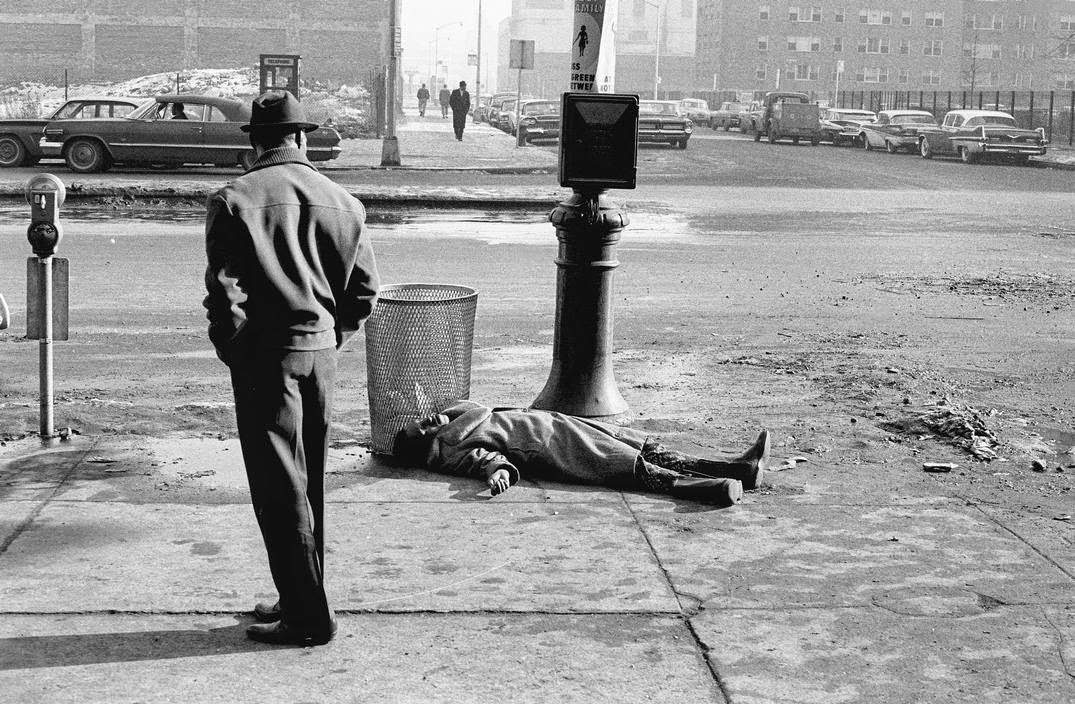
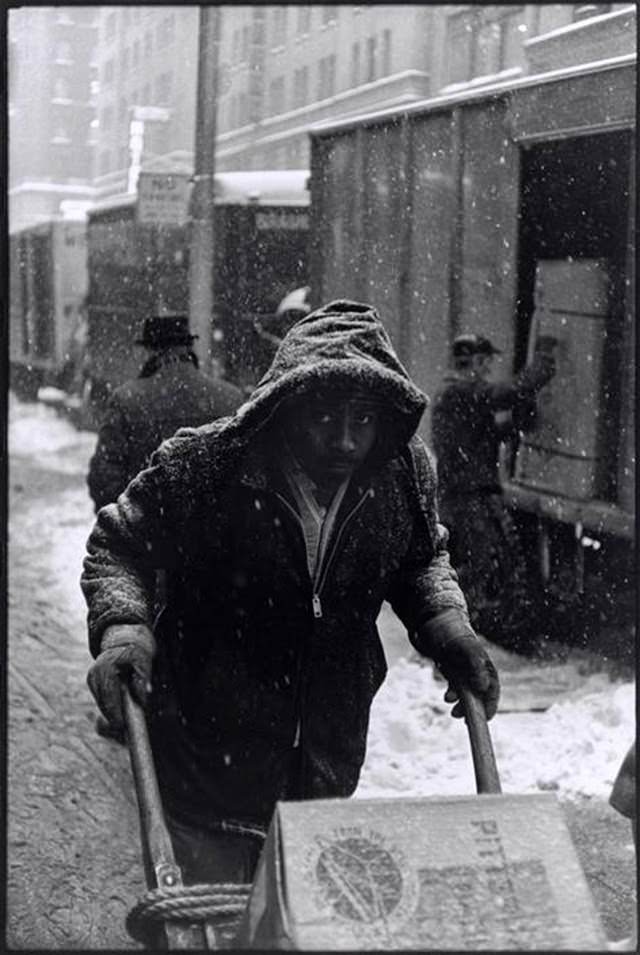
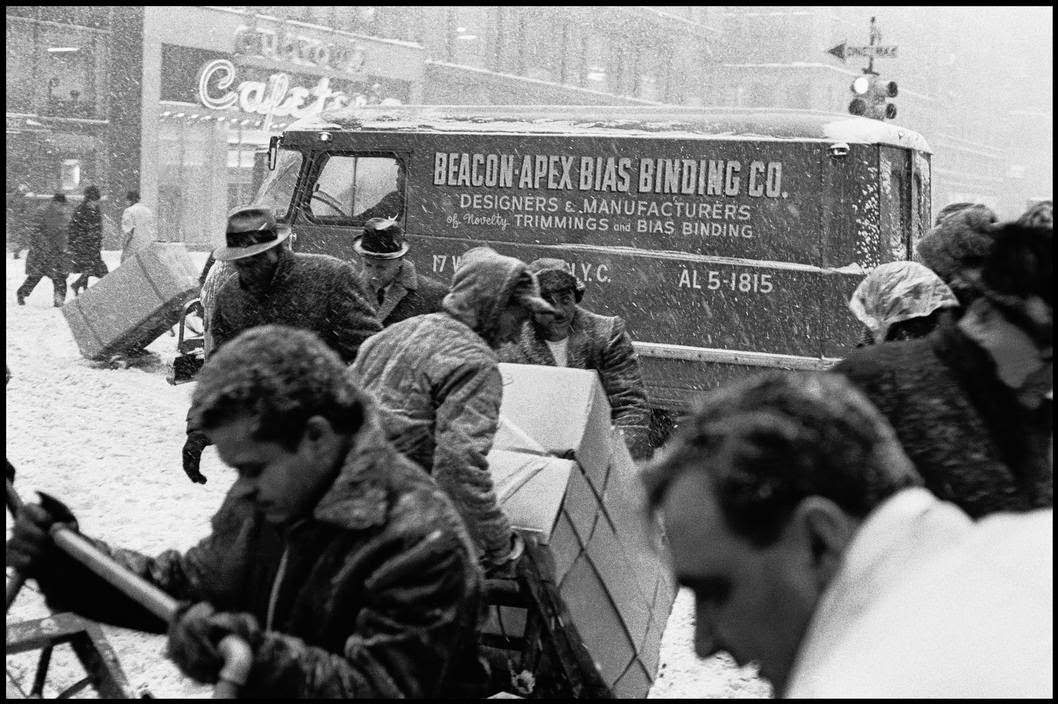
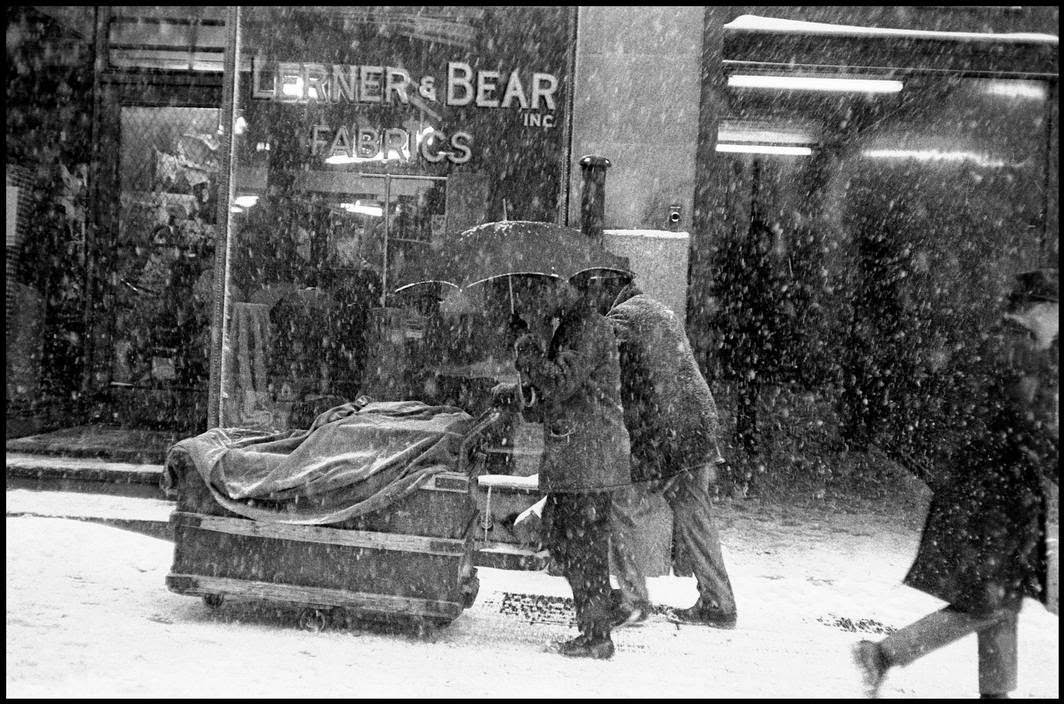
In Manhattan’s Garment District, workers pushed racks of clothing through streets that hummed with commercial activity. Hoepker returned to that same neighborhood during a snowstorm, capturing how the familiar scene transformed under a heavy winter sky.
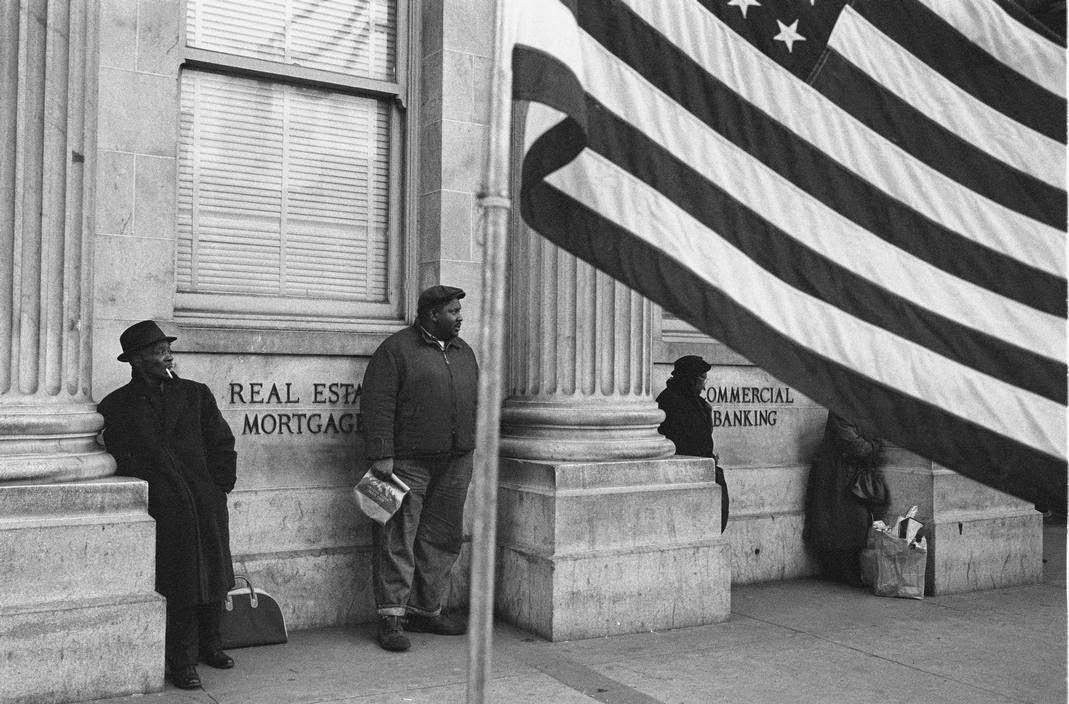
Heading south, the trip passed through communities that carried the visible weight of racial segregation. Montgomery, Alabama showed two entirely different realities within the same city limits — a polished main street and, just blocks away, neighborhoods of extreme poverty.
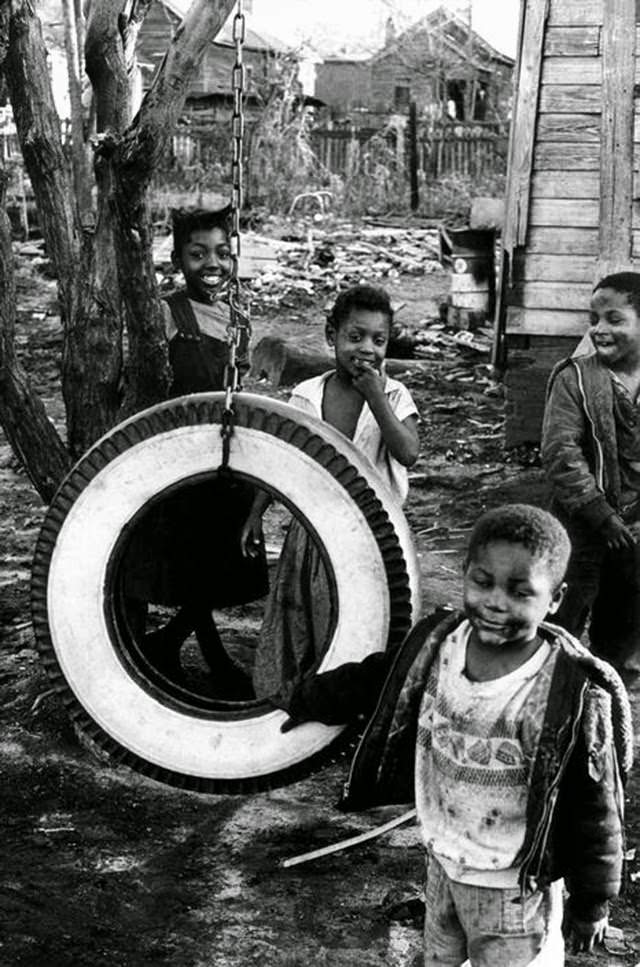
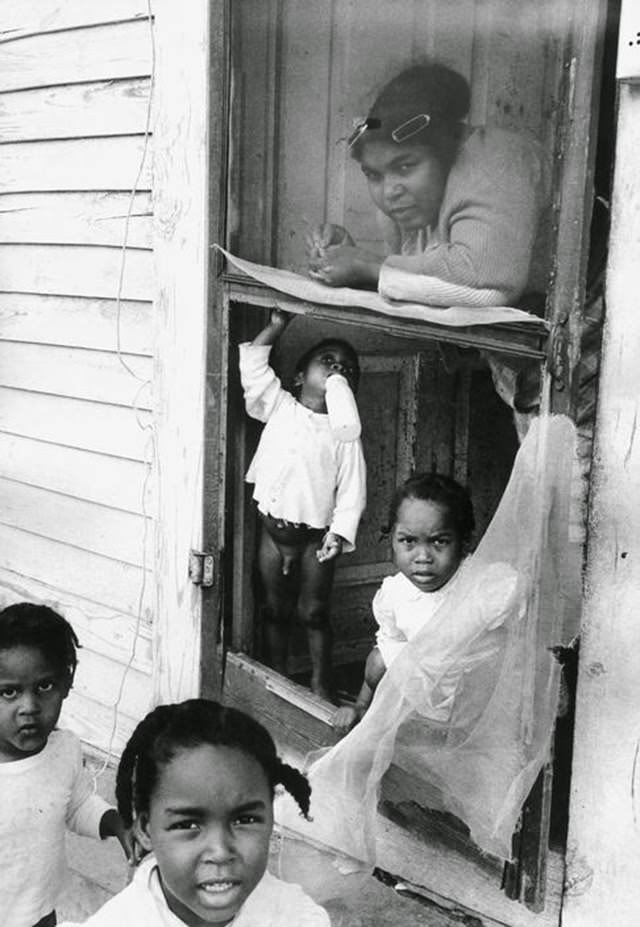
Across the Deep South, Hoepker photographed African American settlements that existed largely apart from the wider American economy. Near San Antonio and in the Mississippi Delta, he documented communities living with few resources and little infrastructure — a direct consequence of decades of enforced segregation.
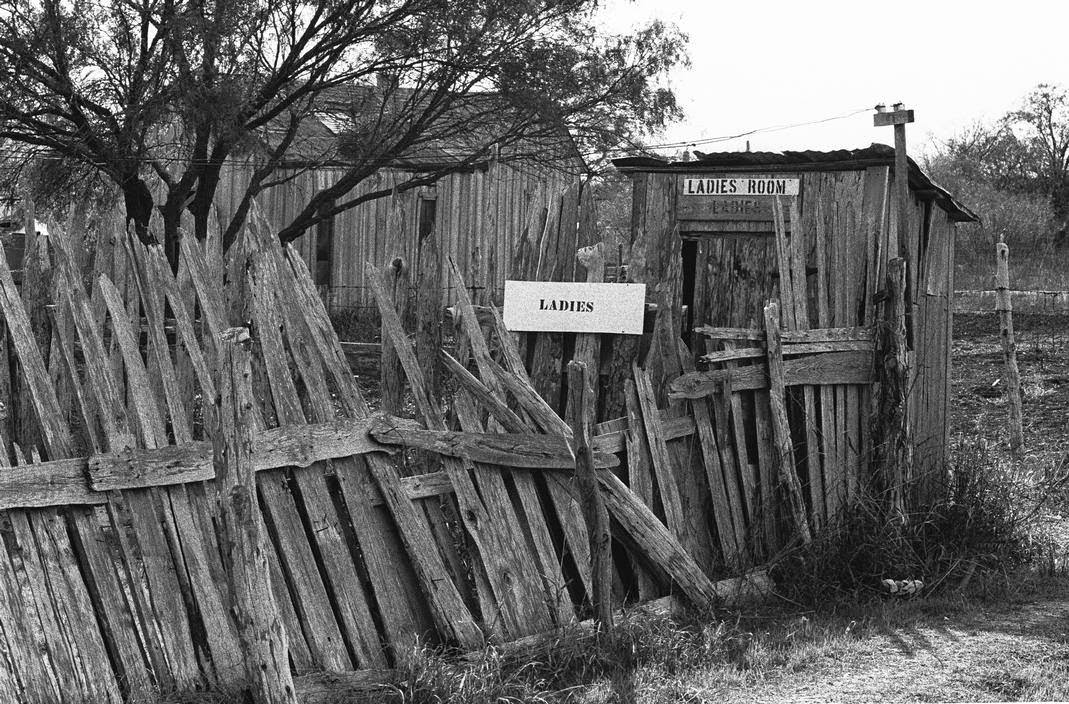
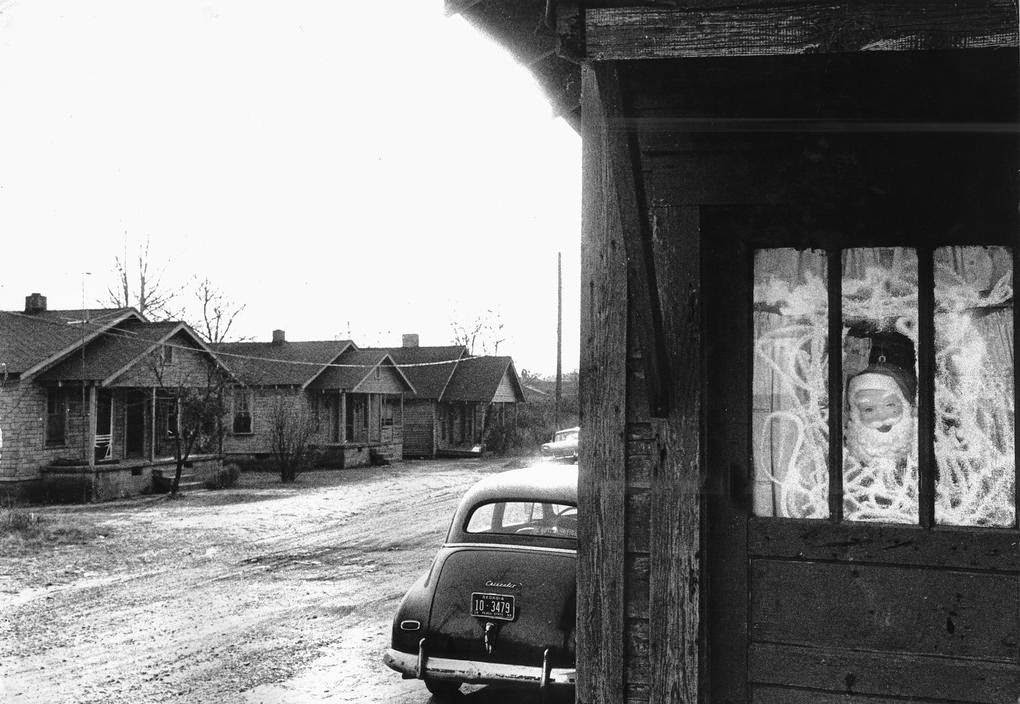
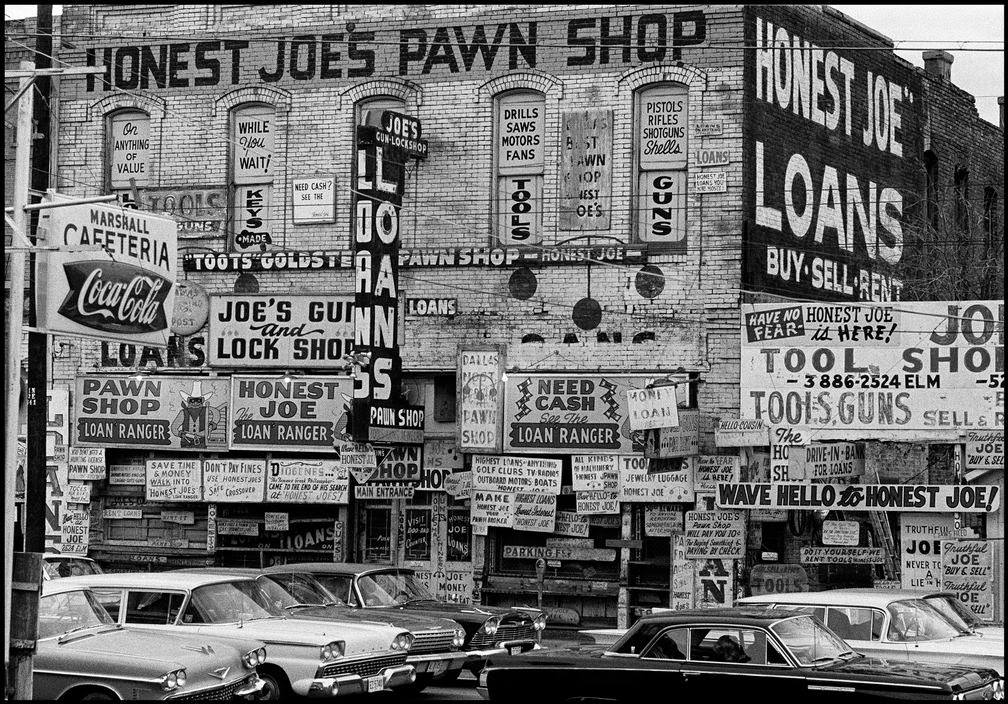
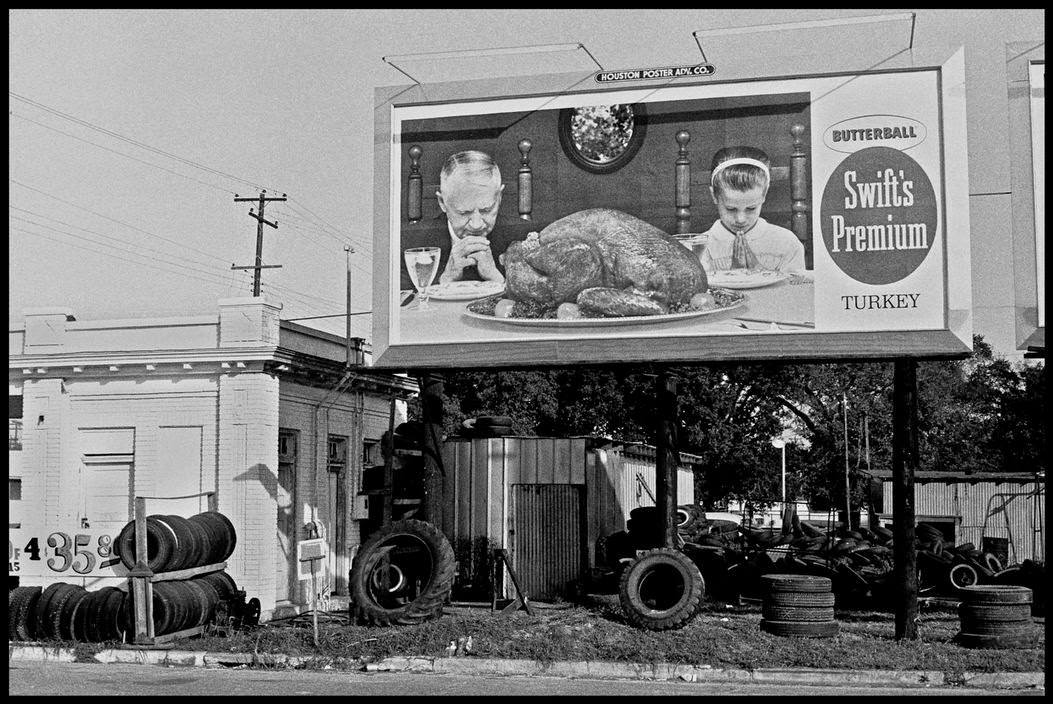
New Orleans offered a different mood — atmospheric streets and layered culture that Hoepker absorbed through his lens. Further into Texas, the roadside economy revealed itself through its signs and storefronts.
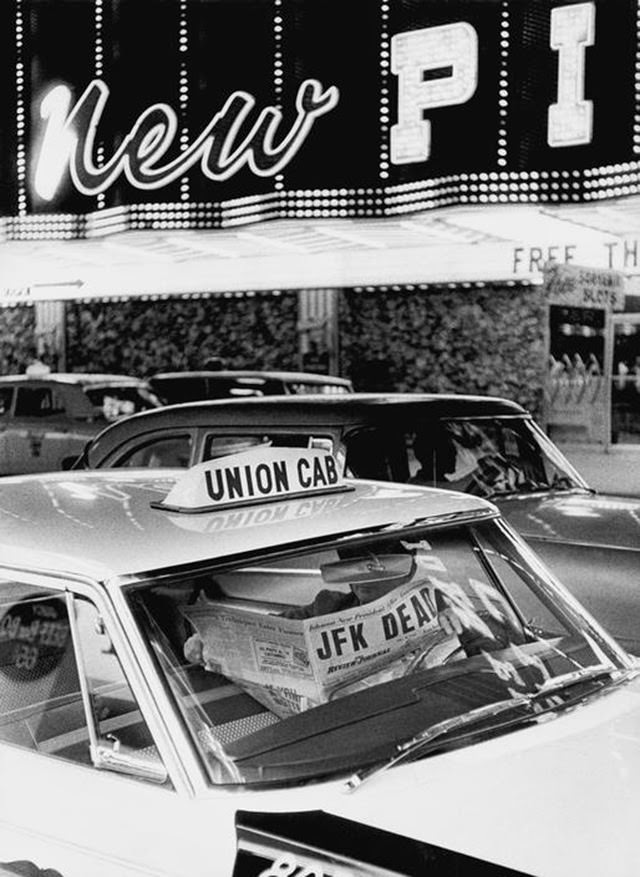
The trip took place during one of the most turbulent years in American history. On November 22, 1963, President John F. Kennedy was assassinated in Dallas. The news tore through the country instantly. Hoepker captured a taxi driver in Las Vegas holding a newspaper with the headline — a single image that froze the moment an entire nation stopped.
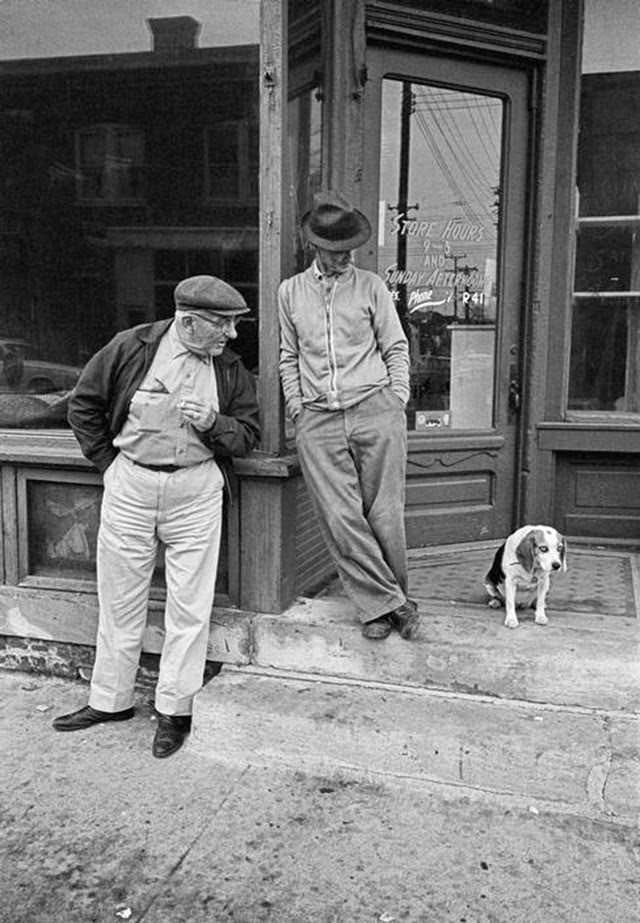
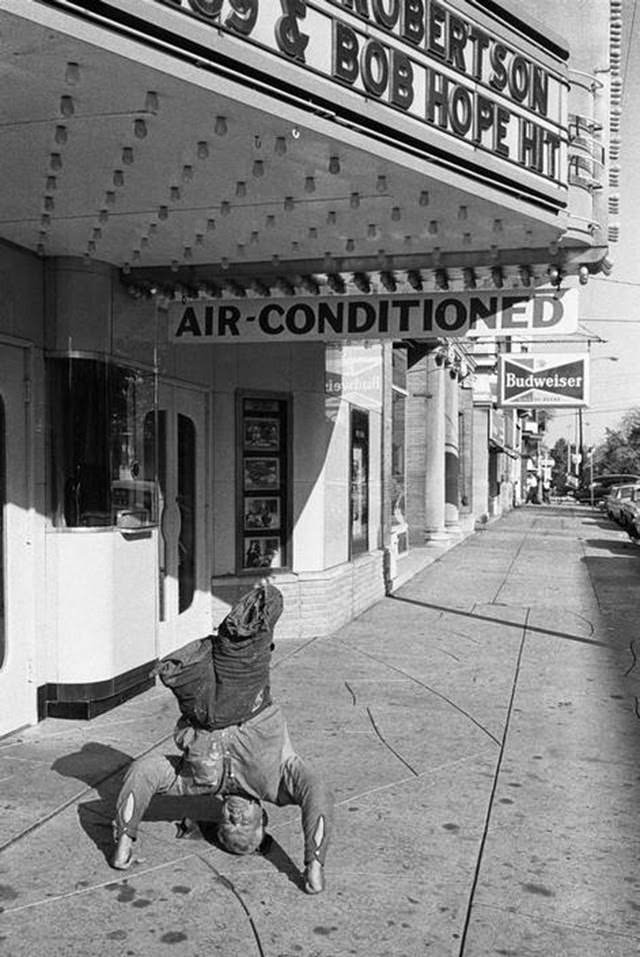
Across the Midwest, the pace slowed. In Iowa, two men and a dog stood outside a small-town storefront with the ease of people who had nowhere urgent to be. In Quincy, Illinois, an amputee beggar performed a headstand in front of a movie house to earn money from passing crowds.
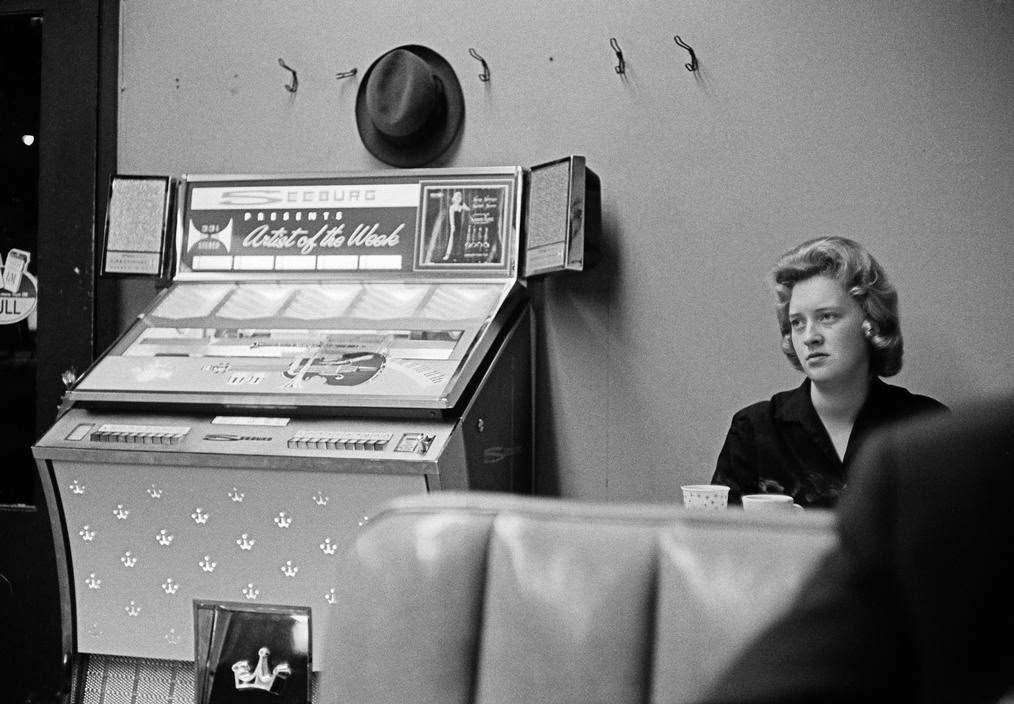
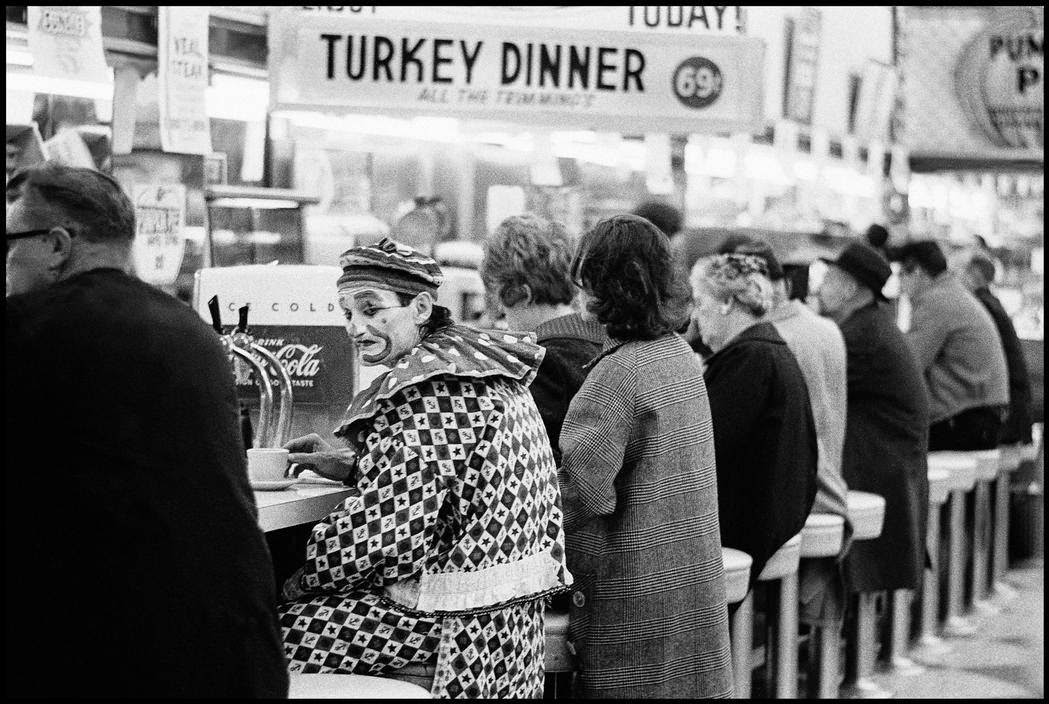
Diners were a constant feature along the route. Inside them, Hoepker found moments of stillness — a woman sitting near a jukebox, a clown eating at a lunch counter in Reno. These were ordinary scenes, but the camera gave them weight.
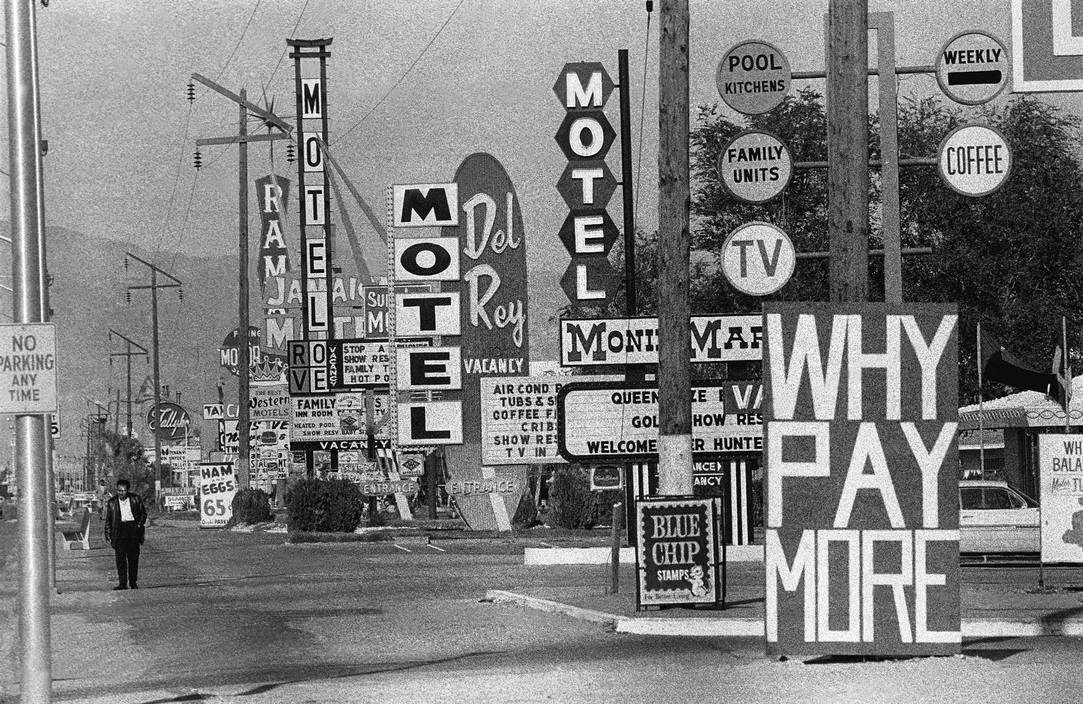
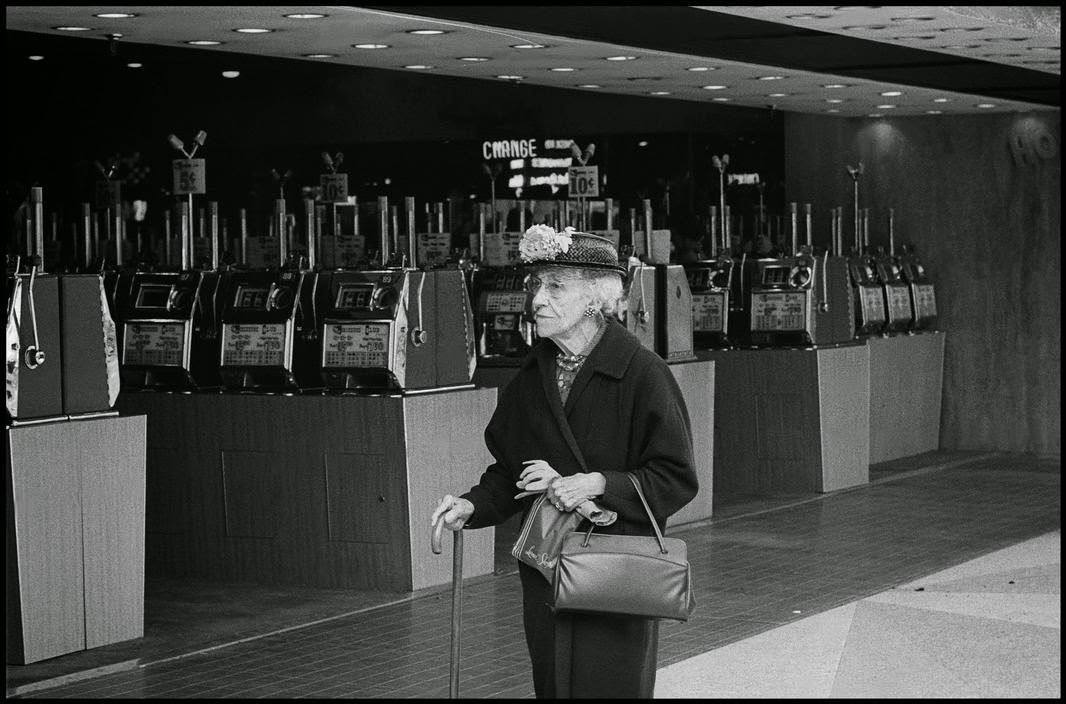
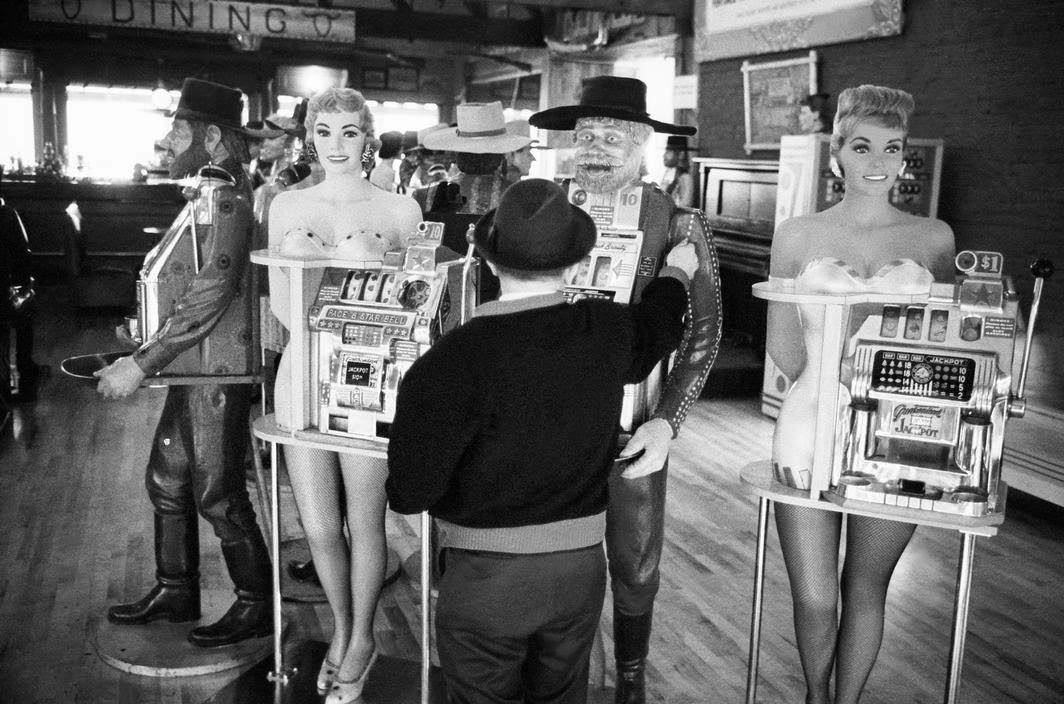
Nevada brought neon and gambling. In Reno, highways were lined with competing advertising signs, and casinos spilled slot machines onto their floors in full view of anyone walking past. In nearby Virginia City, a man stood alone in a gaming saloon — the old West setting now filled with modern machines.
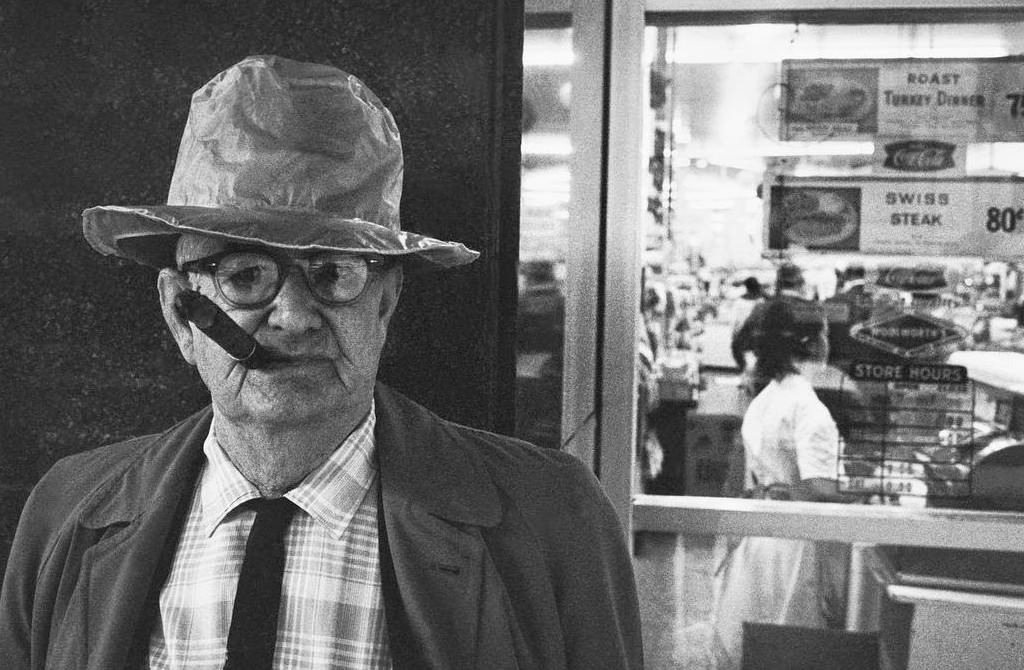
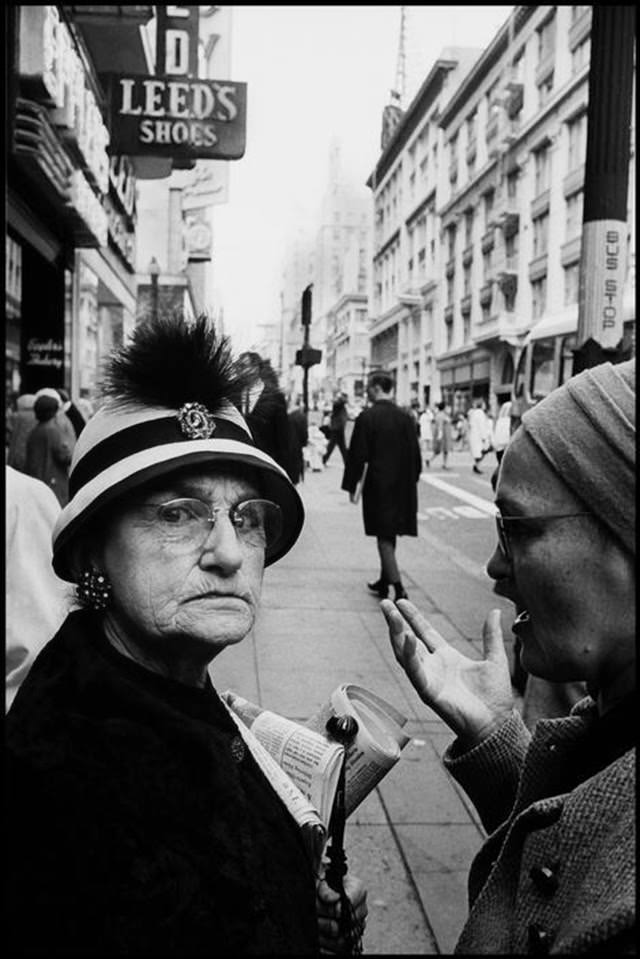
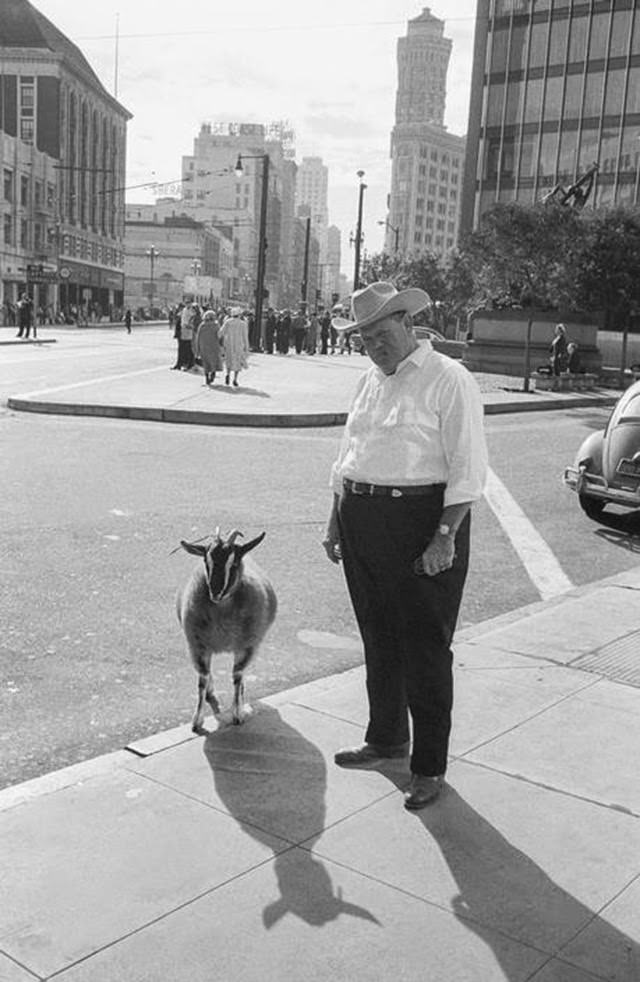
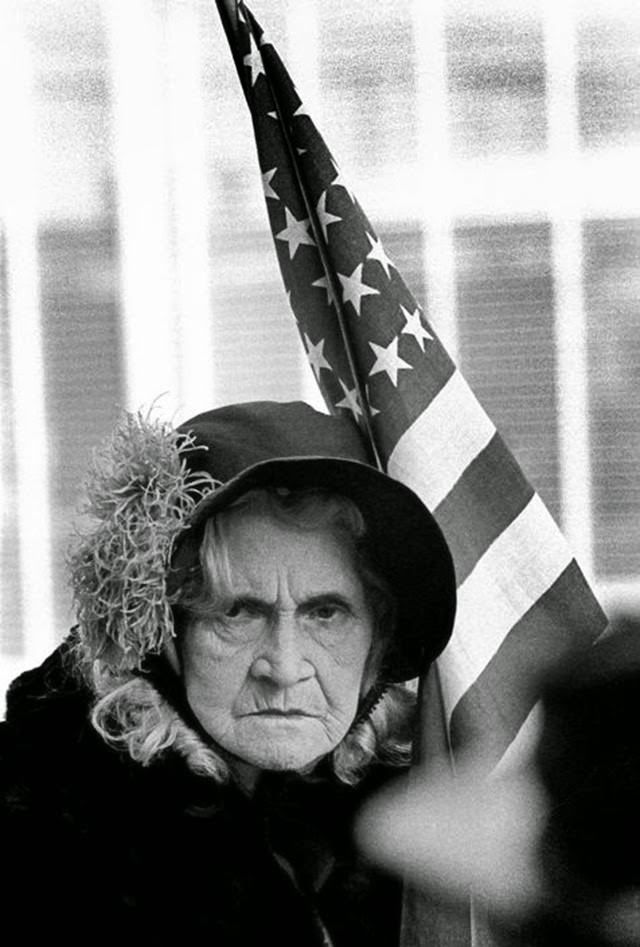
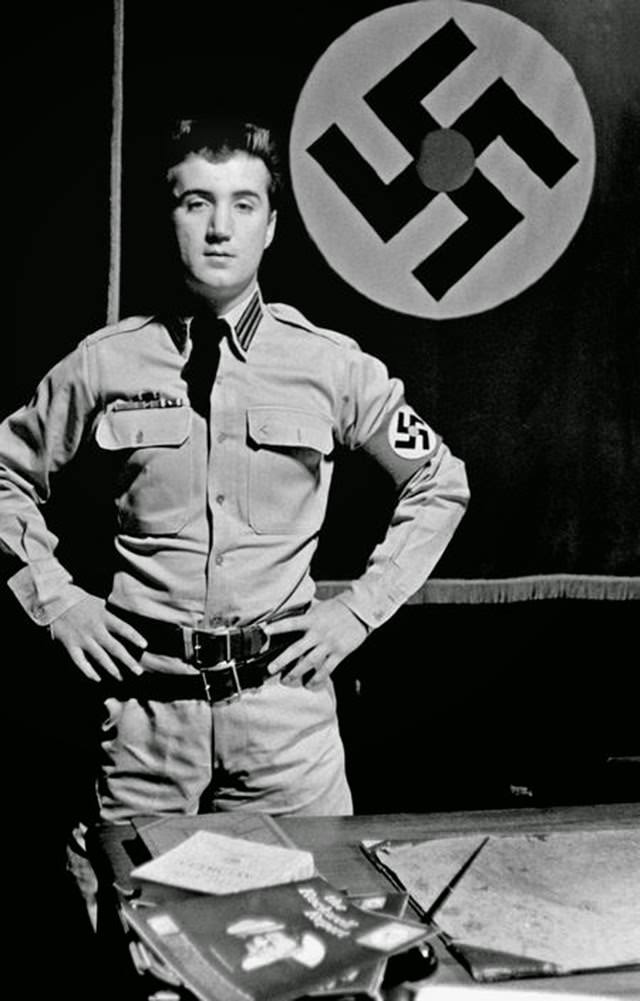
San Francisco gave Hoepker a range of street life that few other cities could match. He photographed women talking on a downtown corner, a man smoking a cigar at night, a Fourth of July parade with a woman holding the American flag on a float, and a man leading a goat through the same parade route. He also turned his camera on a young member of the American Nazi Party — a reminder that extremism had a visible street presence even in 1963.
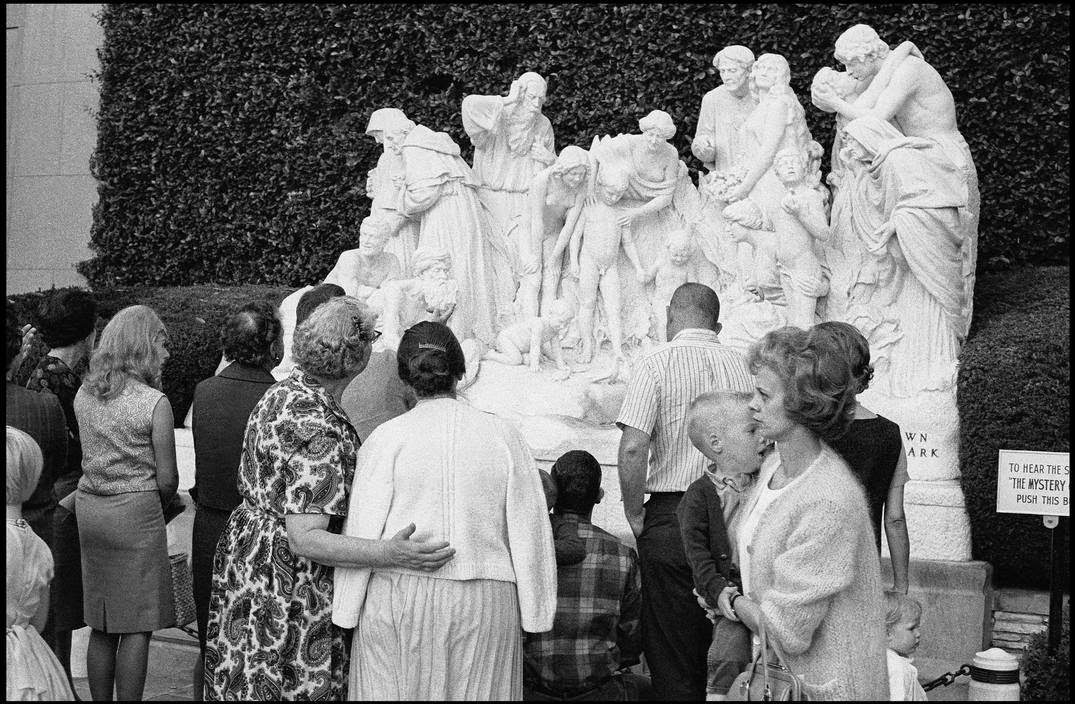
The journey ended in Los Angeles, where Hoepker photographed tourists walking through a sculpture exhibition at Forest Lawn Cemetery — a site that doubled as both a burial ground and a tourist attraction, which said something distinctly American about the way the country blended commerce and culture.