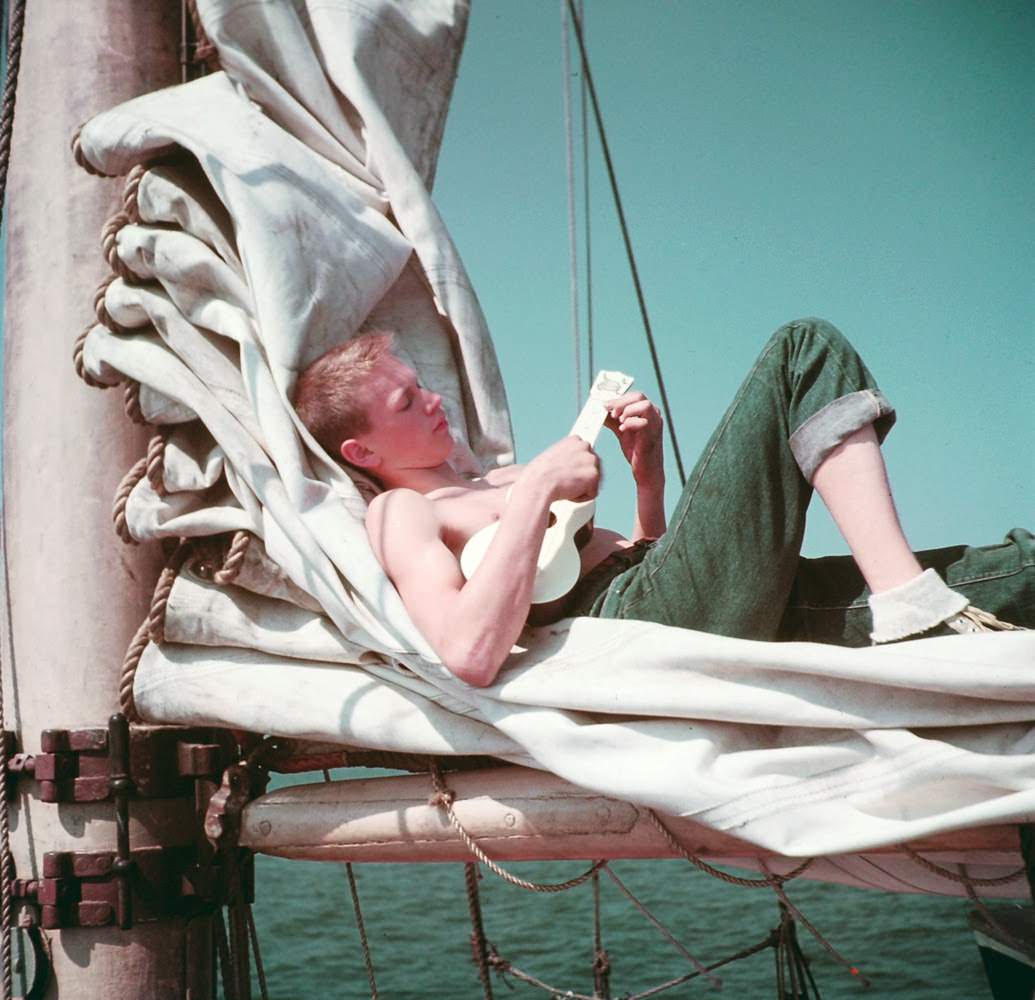
From the sun-baked beaches of Southern California to the misty inlets of Puget Sound, the 1950s produced a generation of young people unlike any before them. About three million strong in West Coast school systems alone, these kids shared one defining trait: a deep, constant pull toward the outdoors. The Pacific edge wasn’t a vacation spot — it was their everyday world.
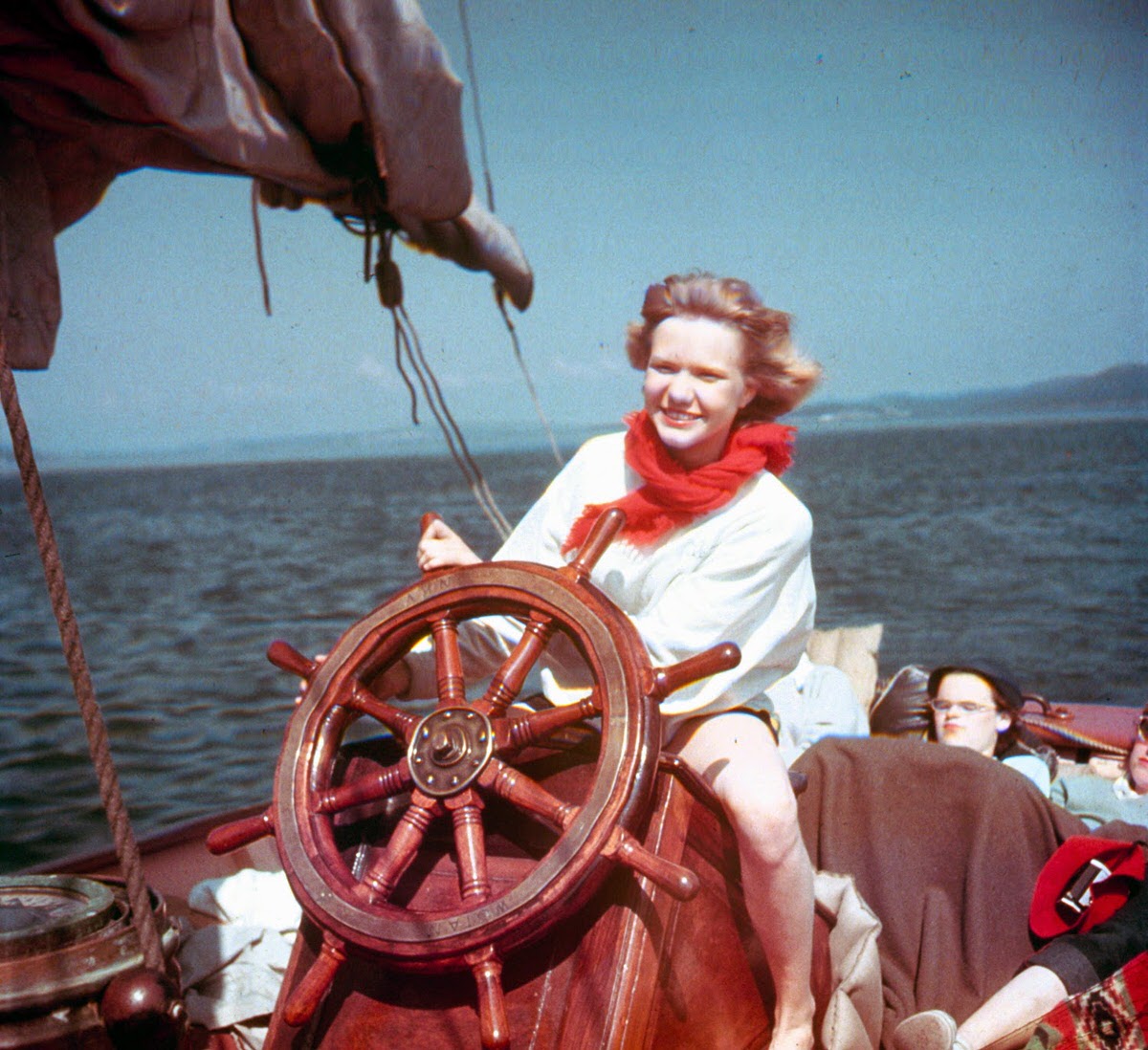
LIFE Magazine photographers followed these teenagers into their natural habitat. What they found were young people who were physically strong, restless, and wholly at home in wide-open spaces. Whether they were riding waves at Malibu, scrambling up Cascade trails, or tearing across the desert floor of the Coachella Valley, the landscape shaped who they were. The environment didn’t just surround them — it defined them.
Post-war prosperity gave this generation something rare: free time and the means to use it. Better highways stretched across the region, and the family station wagon put the wilderness within reach of any kid in the suburbs. A teenager in Seattle could be on a ski slope by midday. A student in Los Angeles could be in the surf before school. The distance between city life and wild spaces had never been shorter.

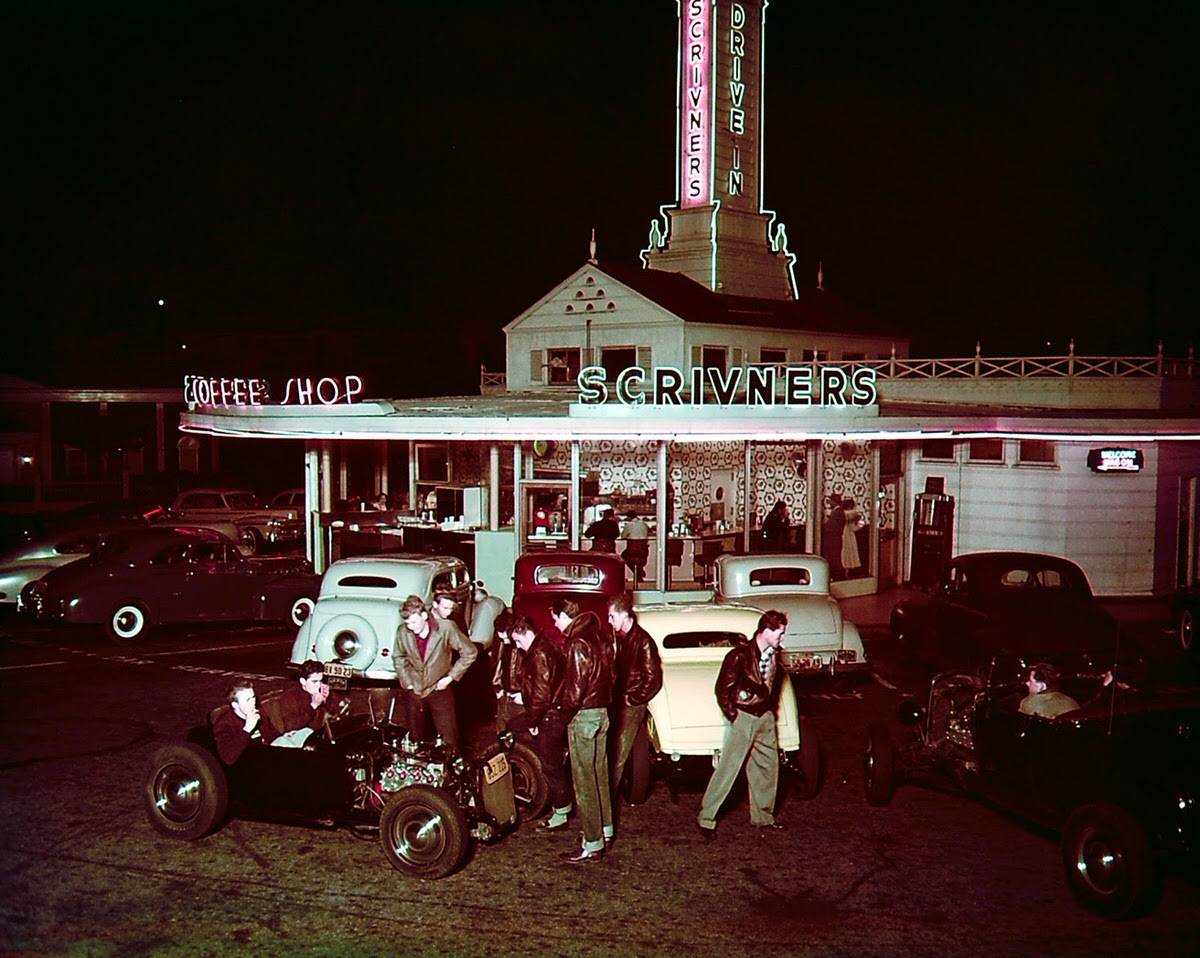
The car was central to all of it. With a set of keys and a tank of gas, a teenager could disappear into the mountains, the desert, or the coast for an entire weekend. The automobile wasn’t just transportation — it was the engine of independence. It made the vastness of California, Oregon, and Washington feel personally owned by anyone young enough to want to explore it.
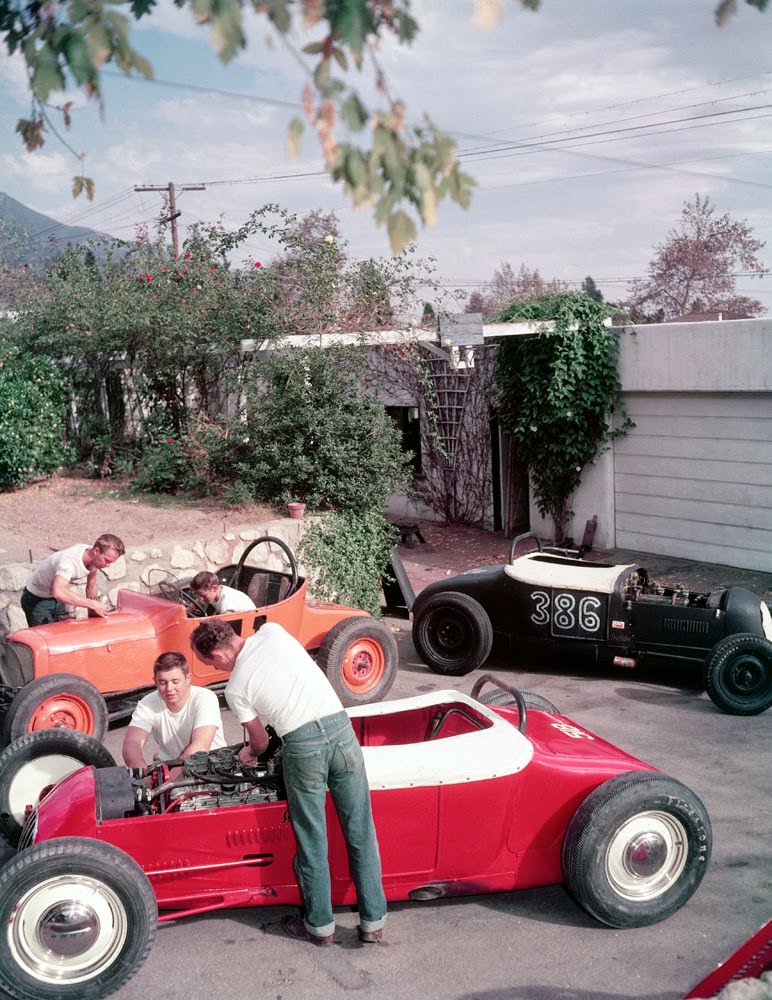
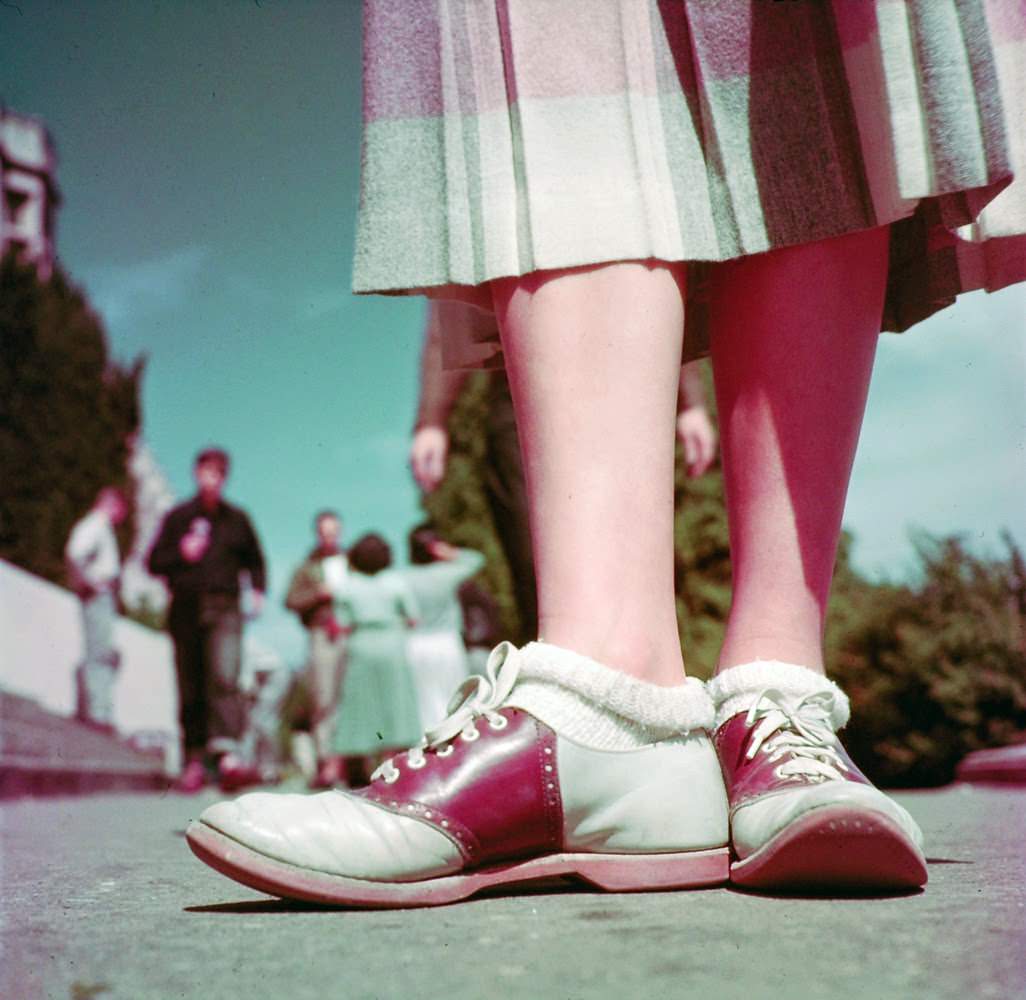
Fashion followed the lifestyle. Denim, plain t-shirts, and canvas sneakers replaced the more formal clothing styles common in other parts of the country. These weren’t fashion statements so much as practical choices — clothes that could handle a climb, a swim, or a day in the dirt. The relaxed look that later became synonymous with American youth culture was born right here, on the West Coast, in these years.
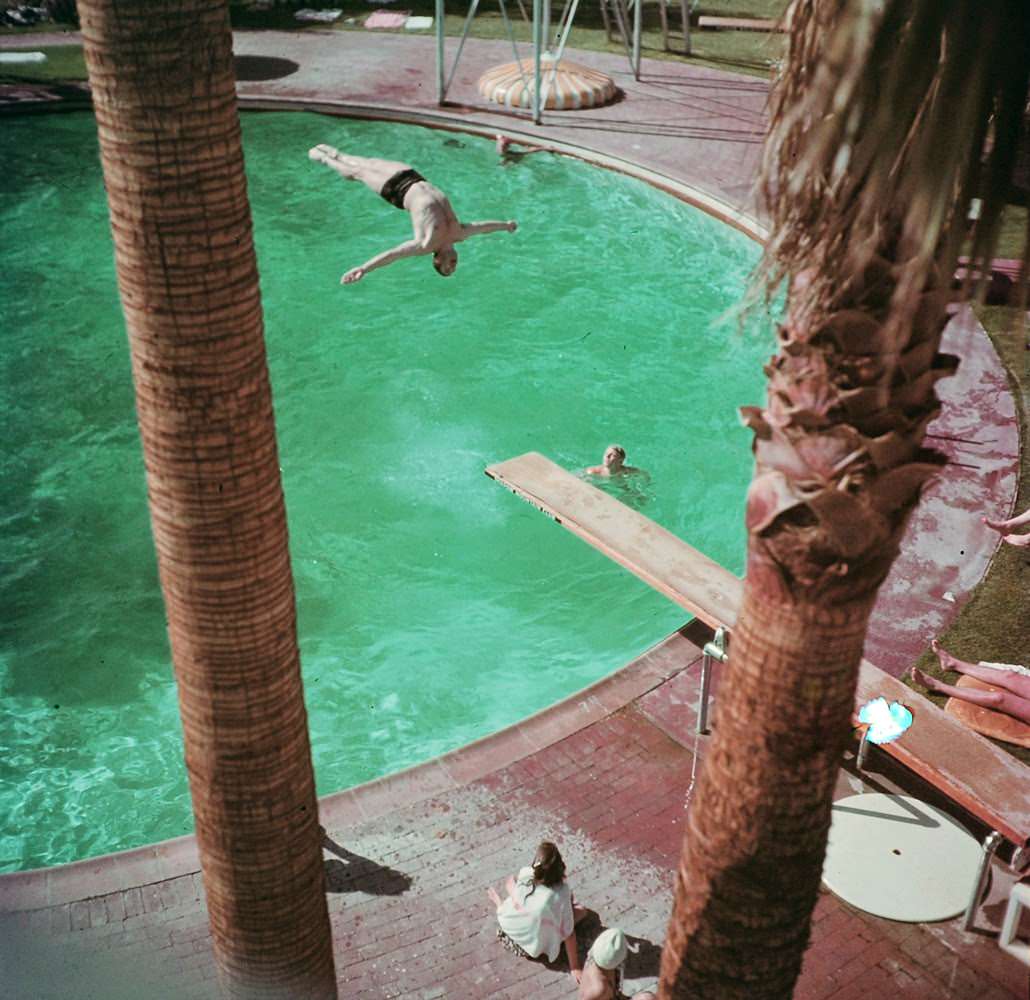
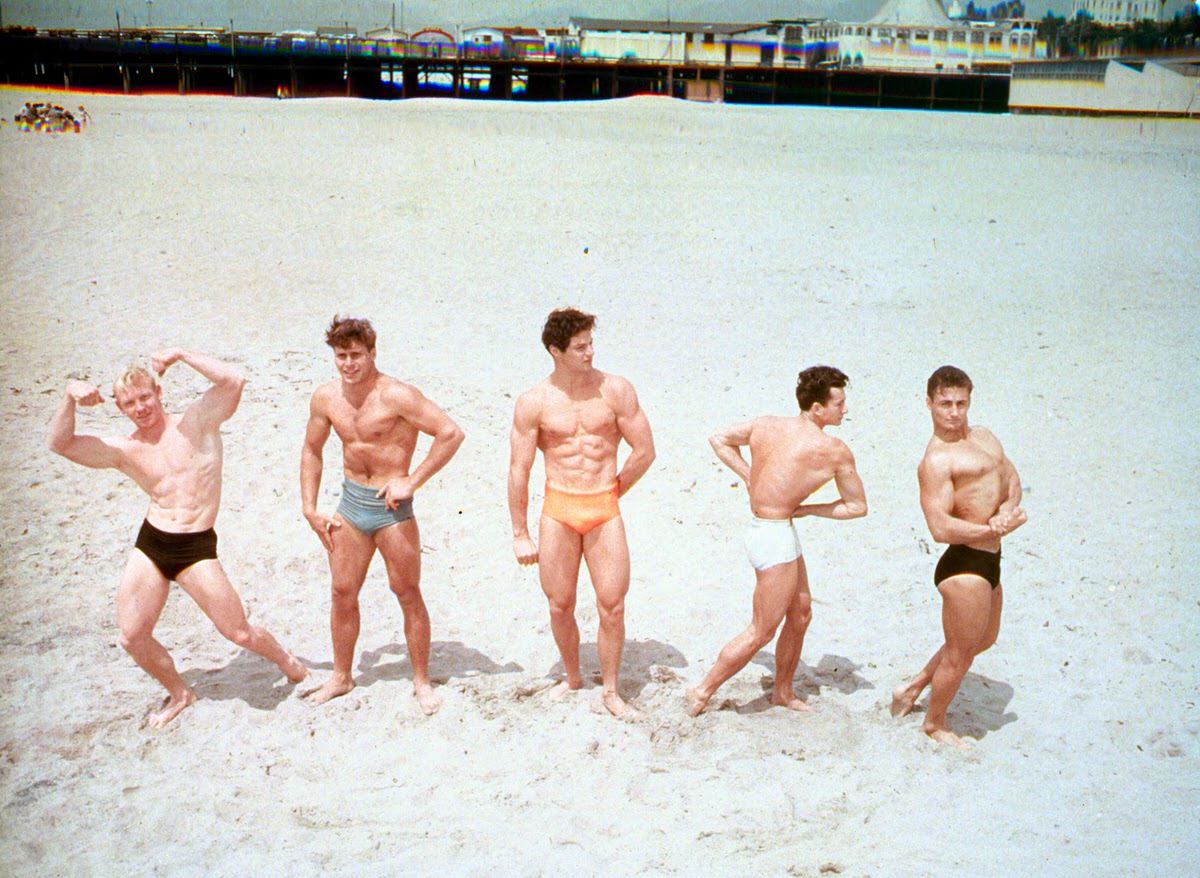
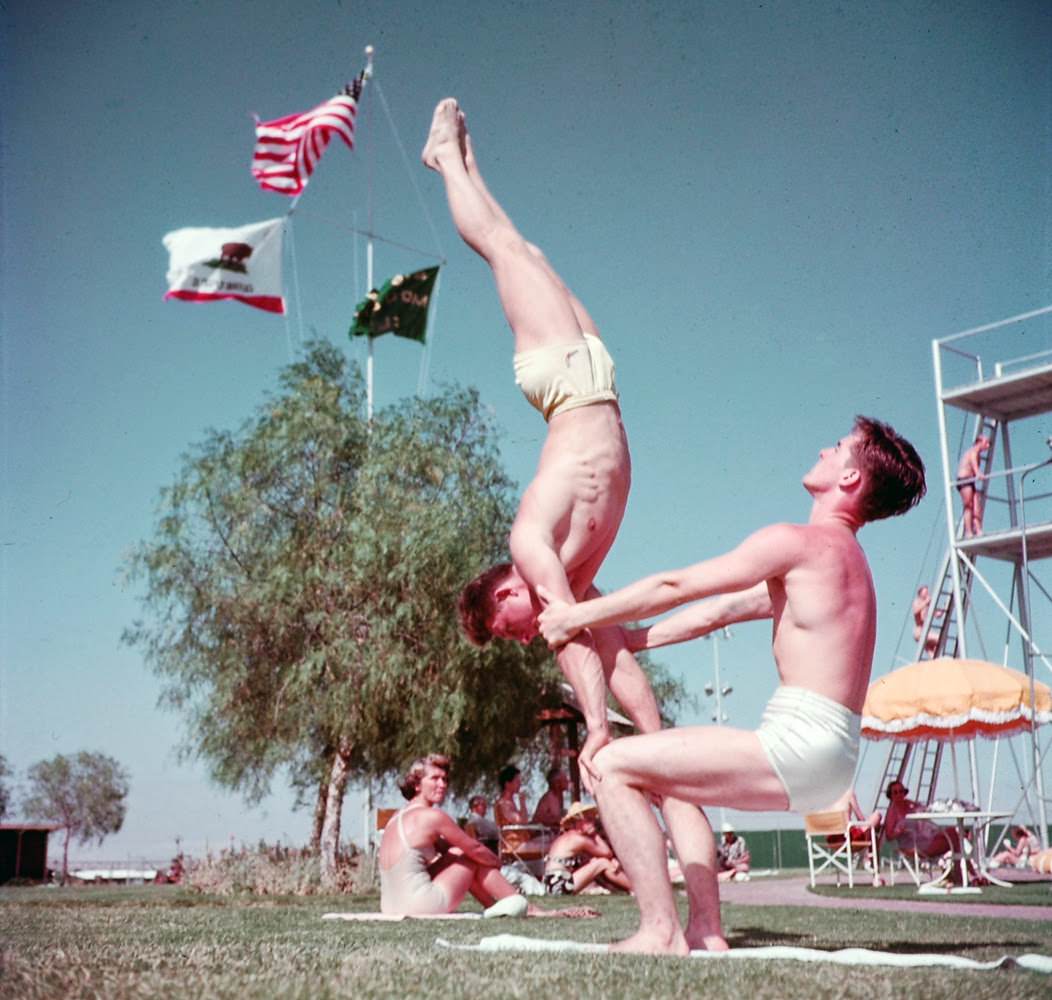
Observers at the time took note of the sheer physical energy these young people carried. Writers and journalists remarked on it openly, sometimes with a sense of wonder and even mild unease. There was so much raw vigor in this generation that commentators genuinely asked what would happen when it was finally put to use. The question hung in the air like a promise waiting to be kept.
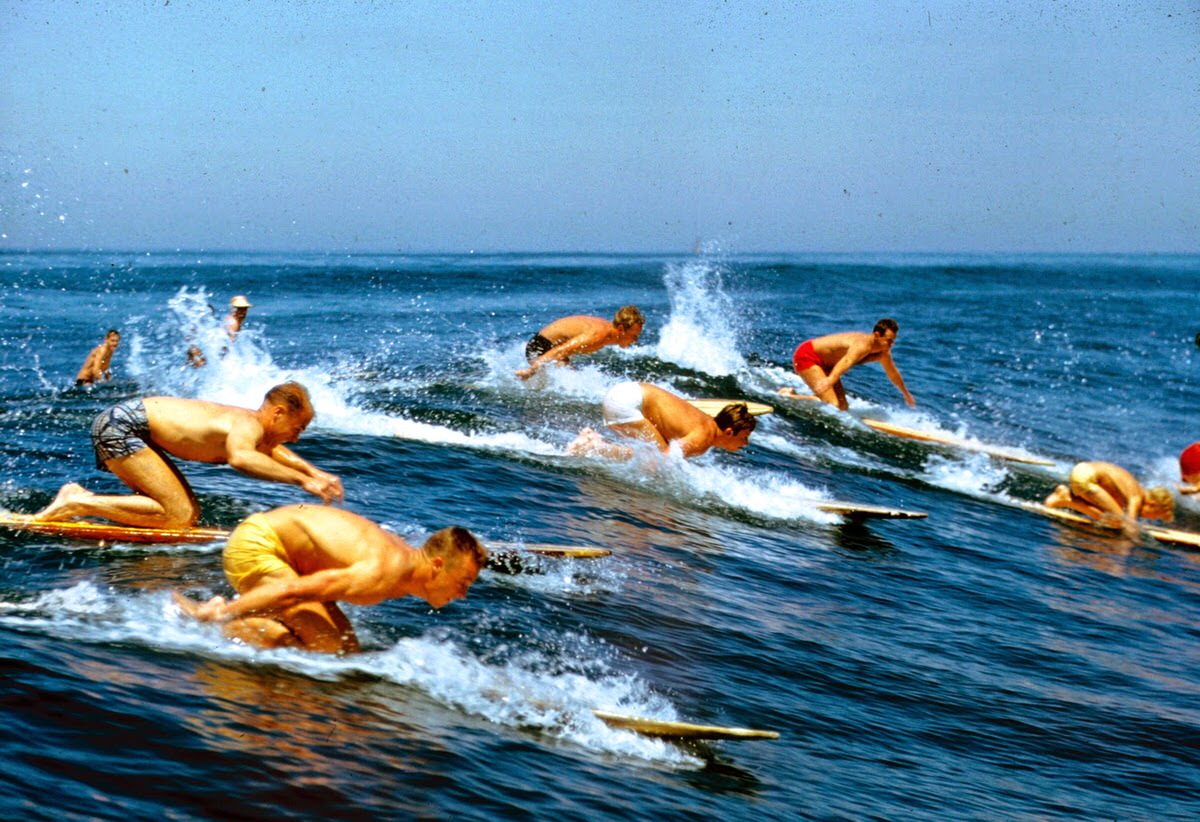
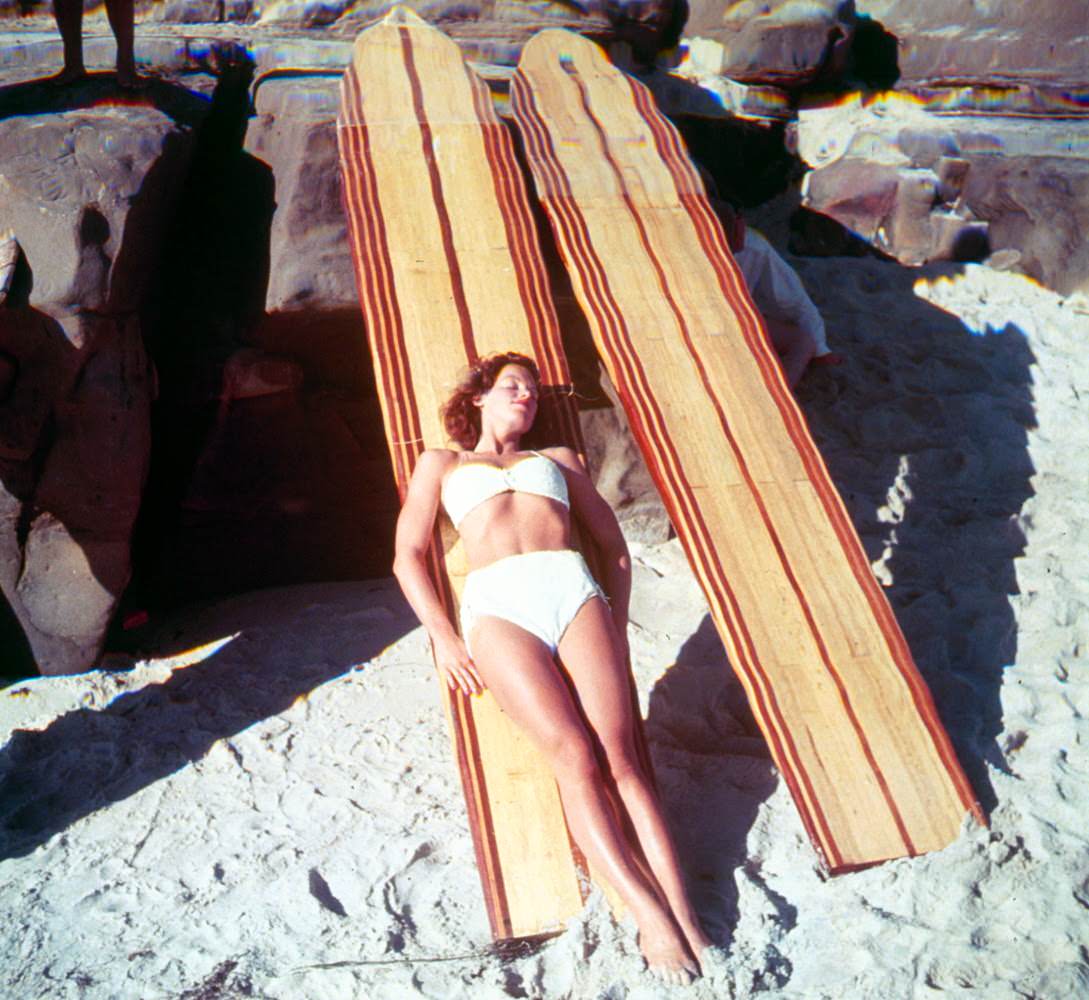
The surf culture forming along the Southern California coastline was its own world. Teenagers organized their entire lives around the tide schedule. Early mornings, long summer days, and the social life that clustered around the beach created a tight community bonded by the water. The “beach bum” label, often used as a mild insult by outsiders, was worn as a badge of honor by those who lived it.
Further north, in Oregon and Washington, the draw was different but equally strong. Dense forests, glacier-fed rivers, and volcanic mountain ranges offered a wilder, less sun-soaked version of the same freedom. Young people there hiked, fished, camped, and climbed. The rain didn’t stop them — if anything, it filtered out those who weren’t serious about being there.
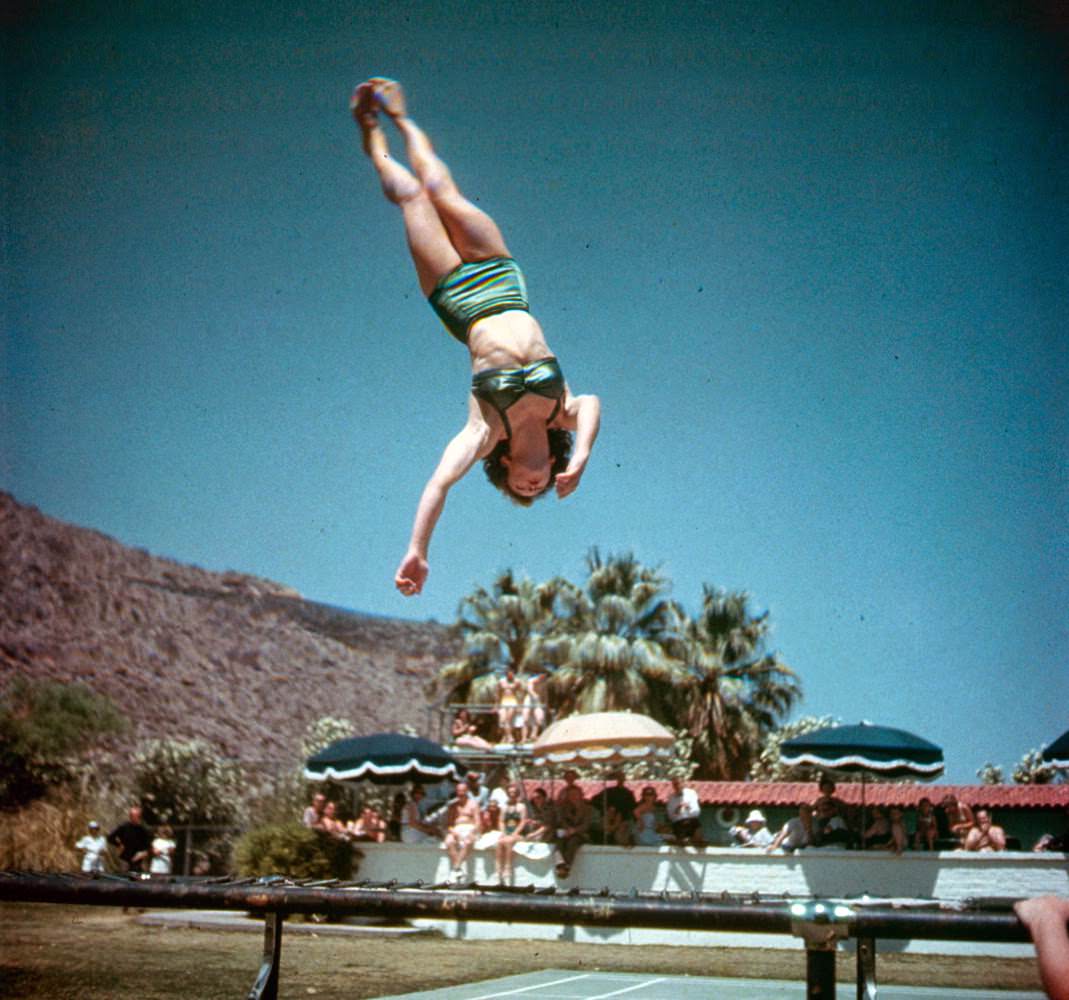
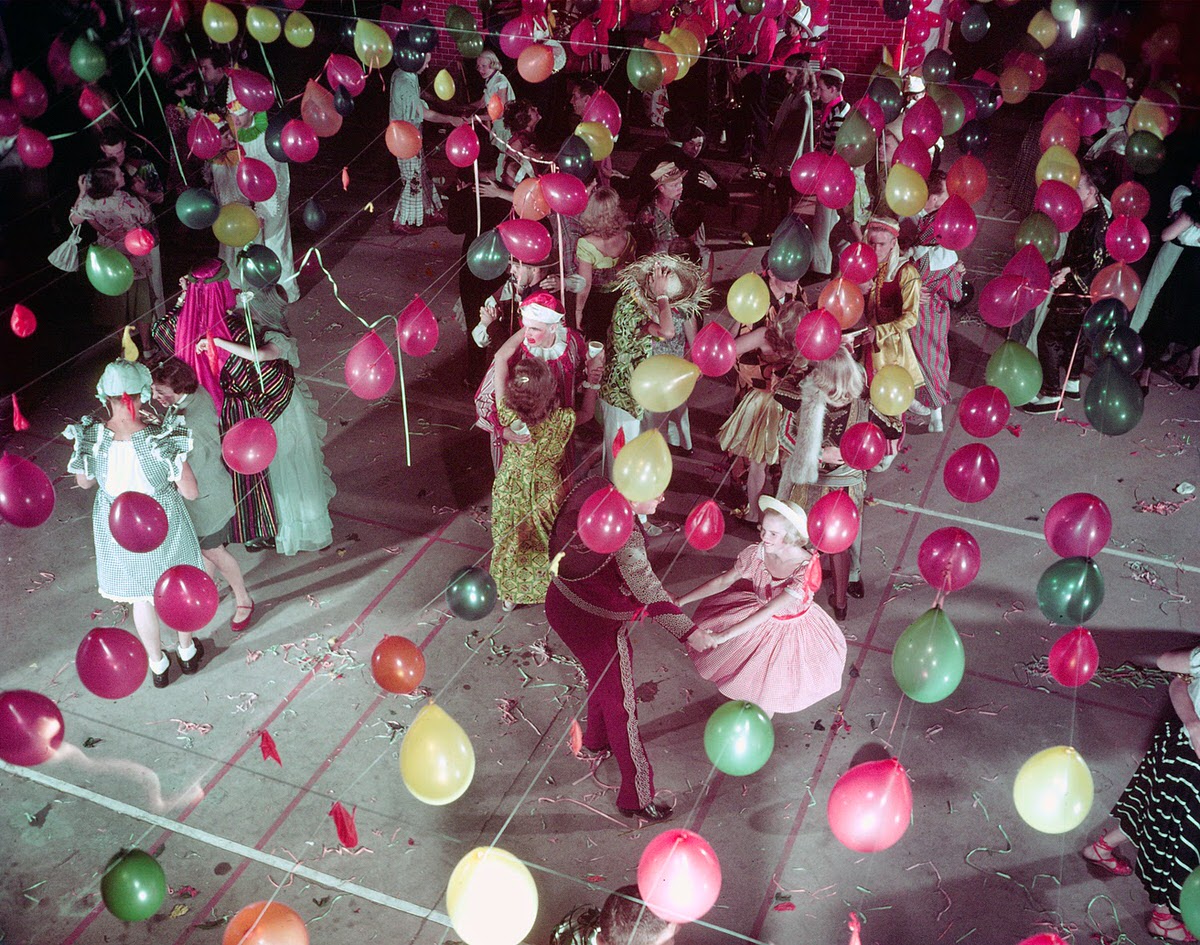
Social life on the West Coast looked different from the rest of the country in the 1950s. While many American communities held tightly to formal traditions and structured social roles, West Coast youth operated with a looseness that struck outsiders as unusual. Groups were mixed in age, interests, and background. What mattered was whether you could keep up — on the trail, in the water, or behind the wheel.

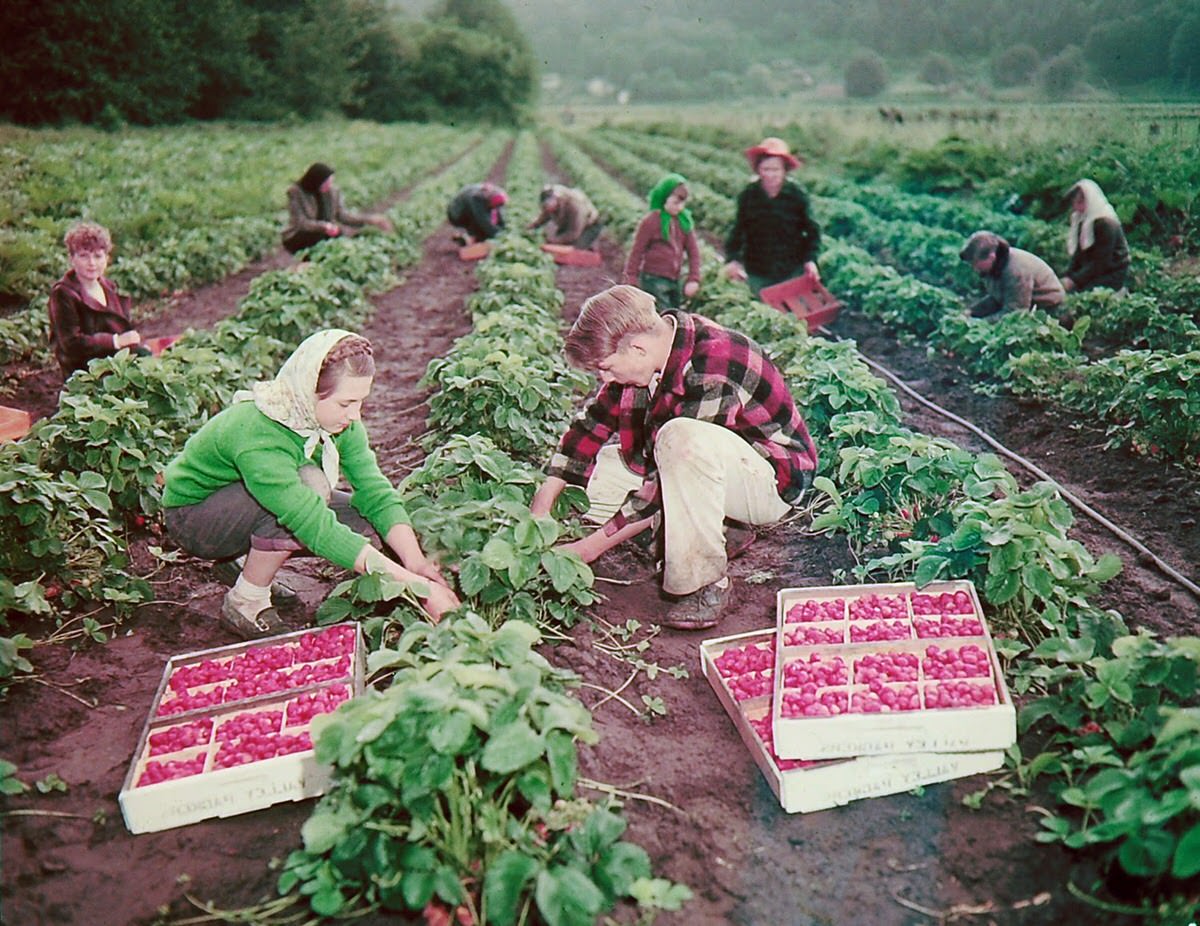
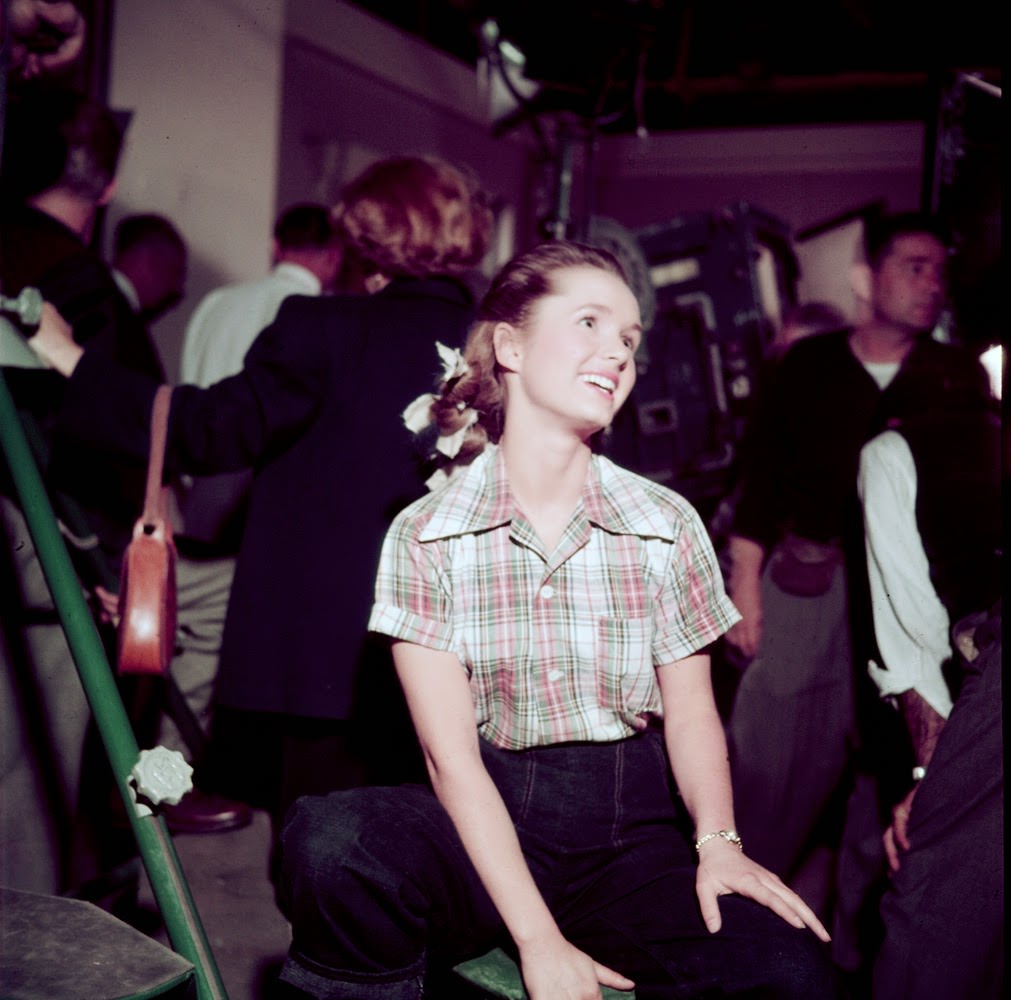
The photos LIFE captured during these years show teenagers completely at ease in their surroundings. There is no stiffness in these images, no sense of performance for the camera. These are young people doing exactly what they would be doing whether or not anyone was watching — swimming, climbing, laughing, racing, resting in the grass after burning through every ounce of energy they had.
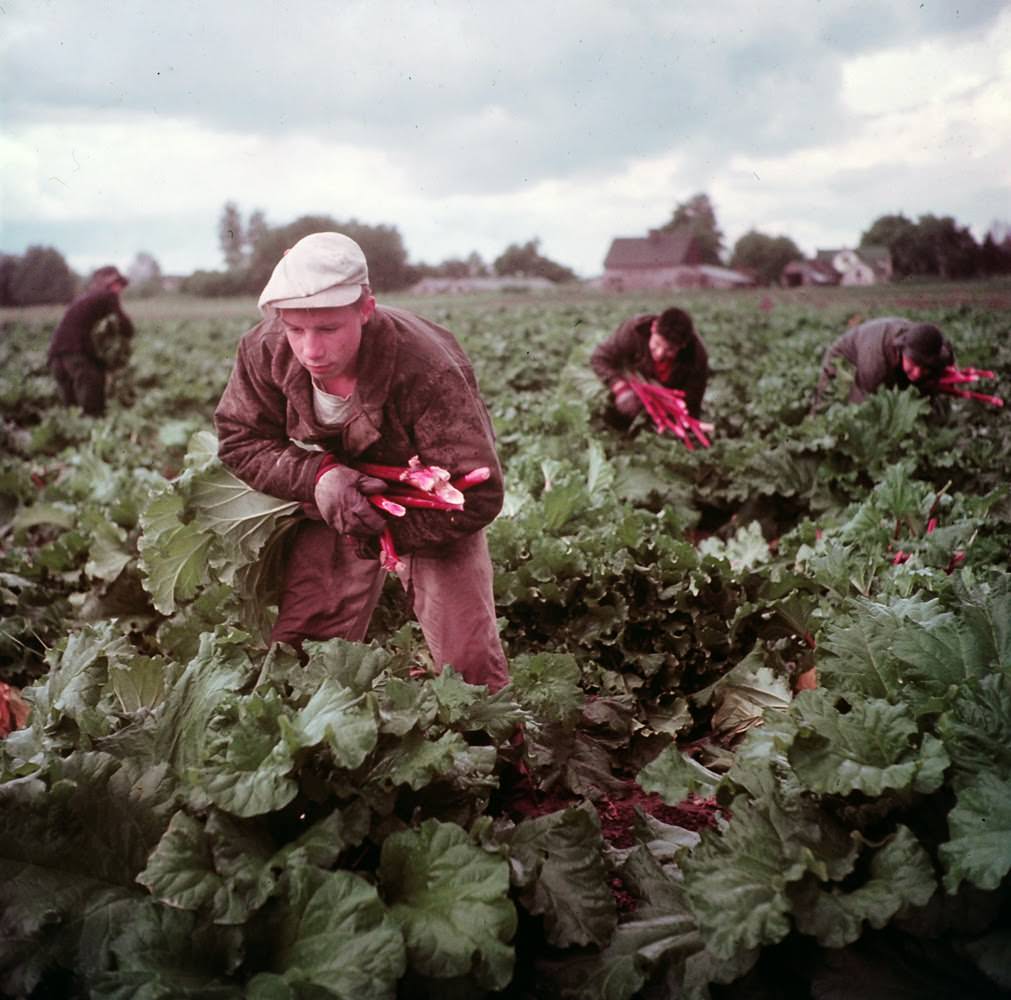
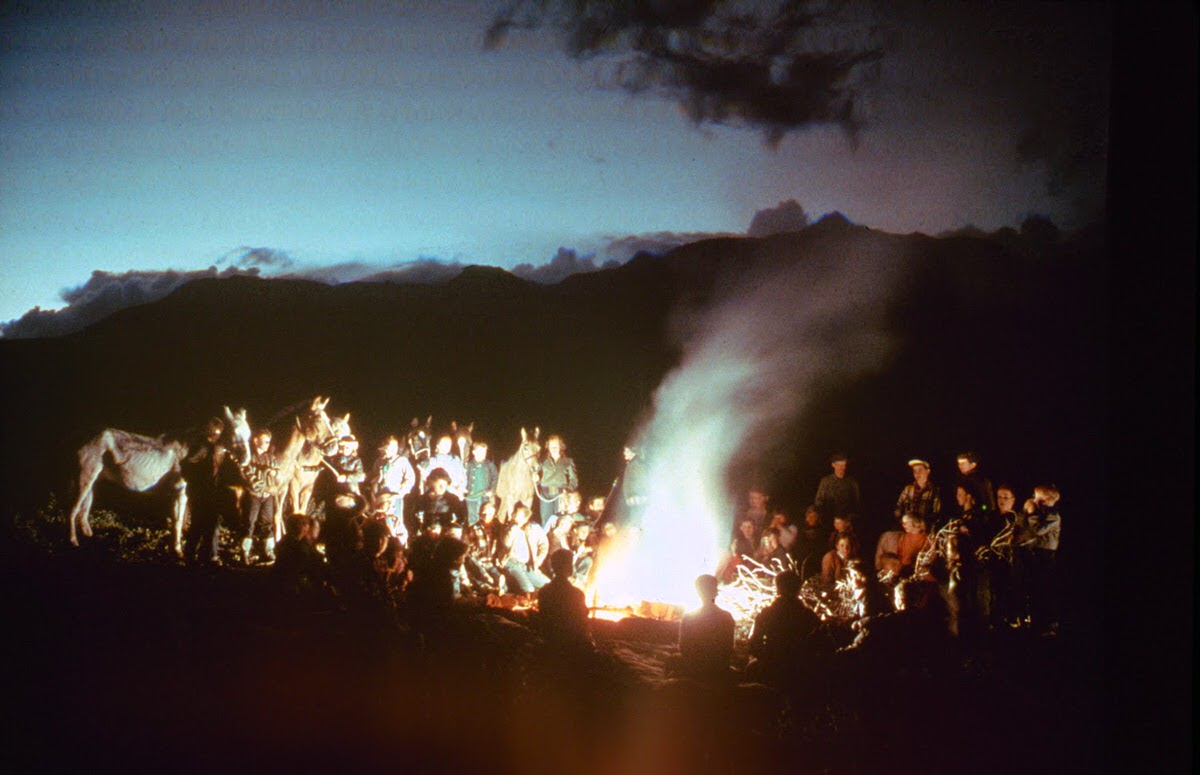
The physical openness of the West Coast landscape fed something real in this generation. Wide skies, long coastlines, and mountain ranges that seemed to go on forever gave young people a concrete sense that space — and possibility — was unlimited. That feeling wasn’t abstract. It was something you could stand on top of, swim through, or drive toward at full speed.
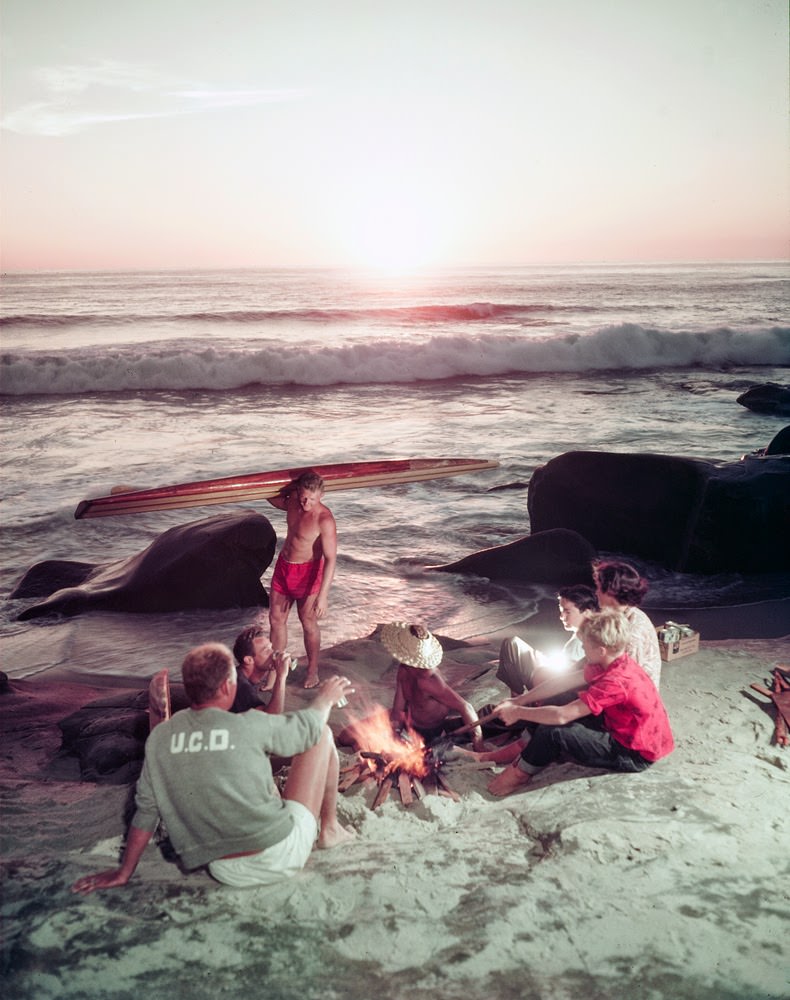
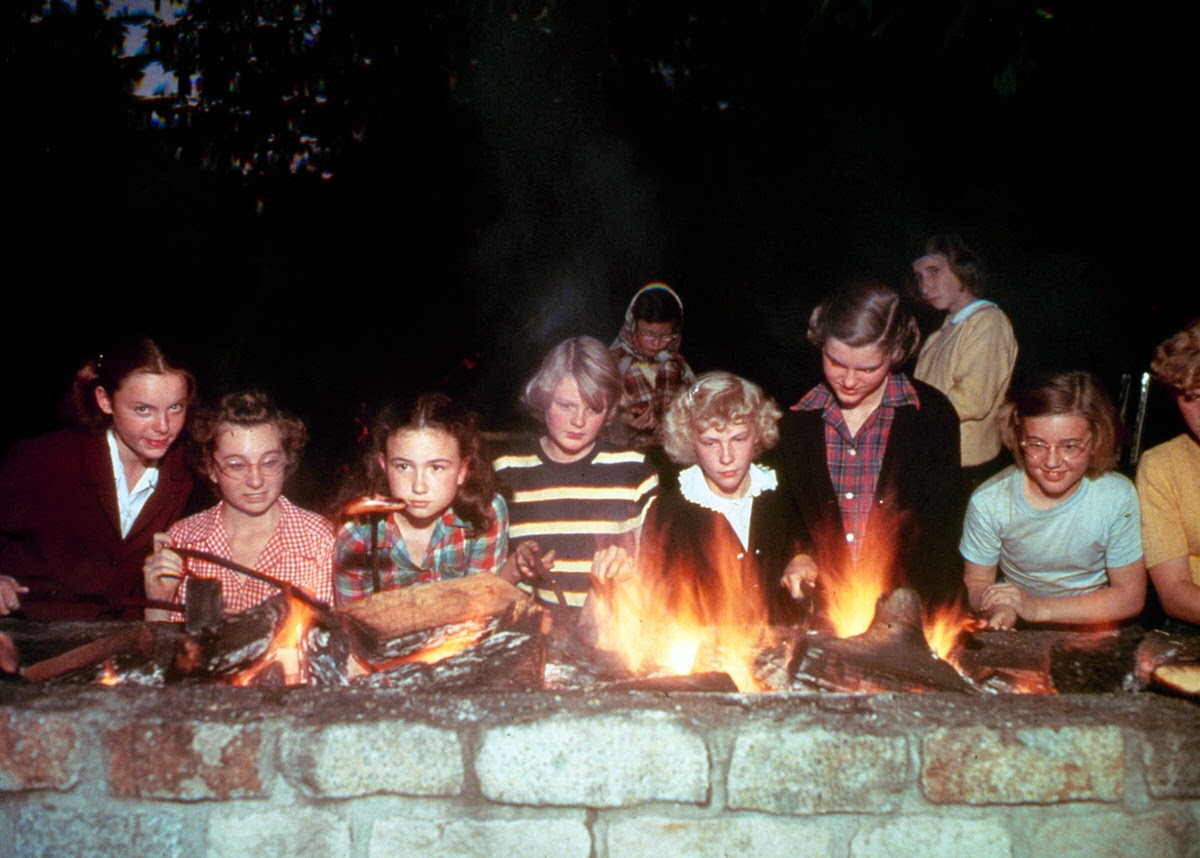
These vintage photographs are a direct window into a specific time and place. The faces in them belong to real people who grew up between the Pacific and the peaks, shaped daily by sun, salt, and open ground. The energy in every frame is unmistakable — a generation moving fast, living loud, and taking up every inch of space the West had to offer.