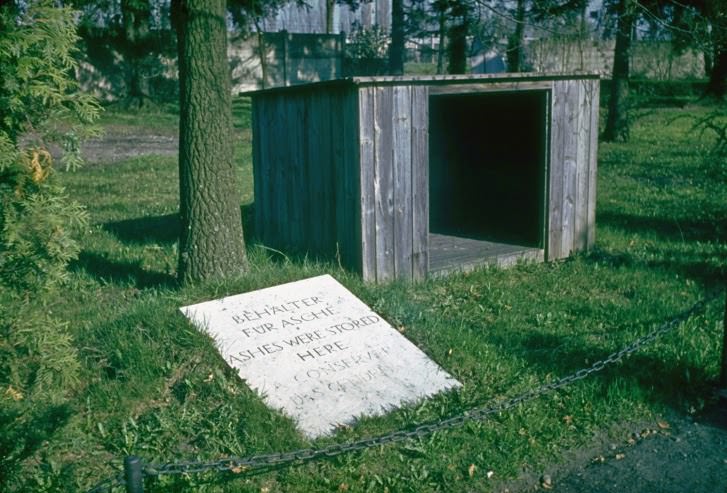
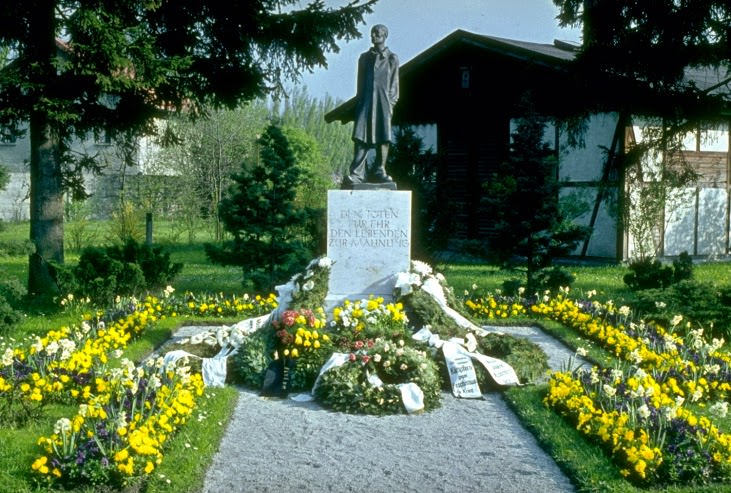
In 1950, Hugo Jaeger walked through the grounds of Dachau concentration camp with a camera. Jaeger had spent the war years as Adolf Hitler’s personal photographer, documenting Nazi rallies, military victories, and the machinery of power at its peak. Now, five years after Germany’s defeat, he stood in near-total silence at the site of the first concentration camp the Nazi party ever opened.
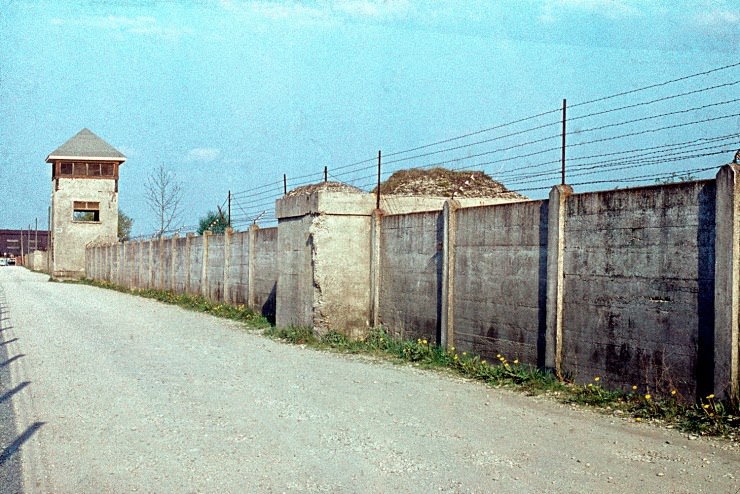
The camp was deserted. No prisoners, no guards, no visitors — just the structures themselves, quietly rotting under an open sky. Tall grass had pushed up between building foundations. Weeds wrapped around rusted wire fences. Wooden barracks walls had begun to bow and splinter from years of rain and frost. Cracked concrete walkways ran between empty huts that no longer held anyone inside.
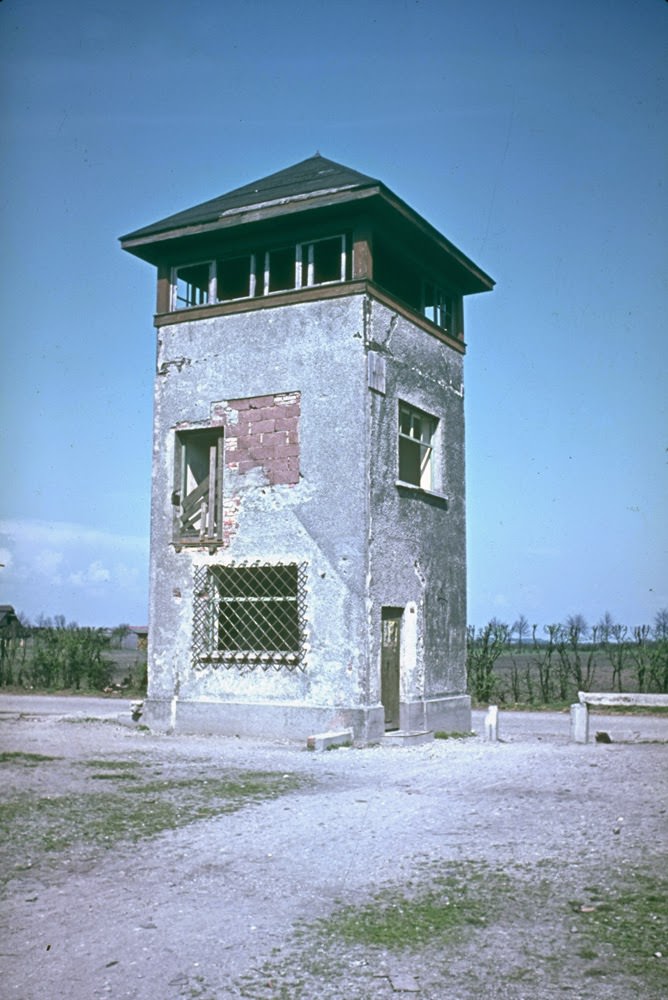
What made Jaeger’s photographs technically unusual for 1950 was his use of high-quality color film. Color photography was rare at the time, and the results were striking. The grass appeared an intense, vivid green. The sky ran a deep, clear blue. Rust on the gate hinges burned a sharp red against the grey of weathered wood. Every surface was rendered in precise detail under the midday sun.
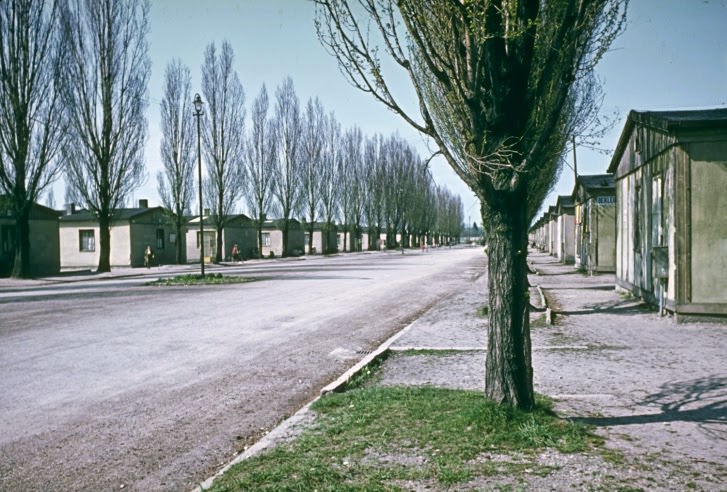
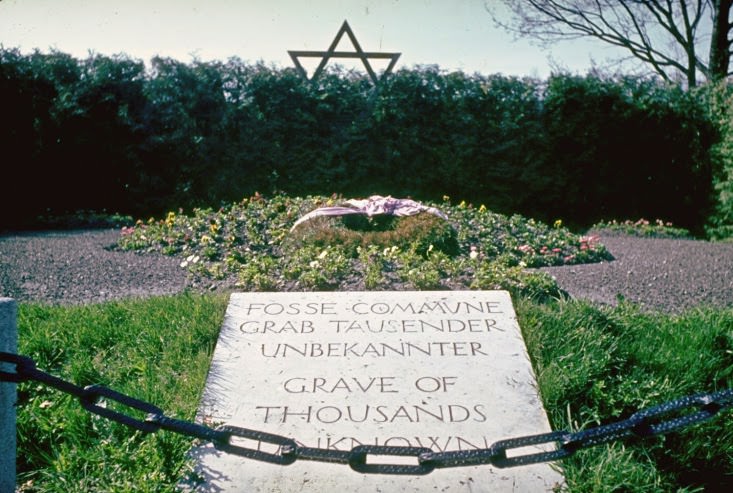
That vividness made the emptiness harder to absorb. A sunlit path or a patch of overgrown grass reads as peaceful in almost any other setting. At Dachau, the same scene carries an entirely different weight. Thousands of prisoners had lived and died on these grounds. The color film made the decay feel immediate rather than distant — not a black-and-white remnant of history, but something close and present.
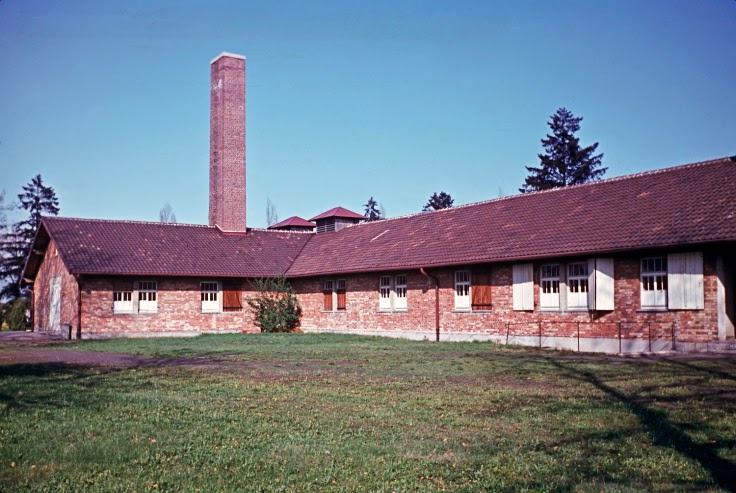
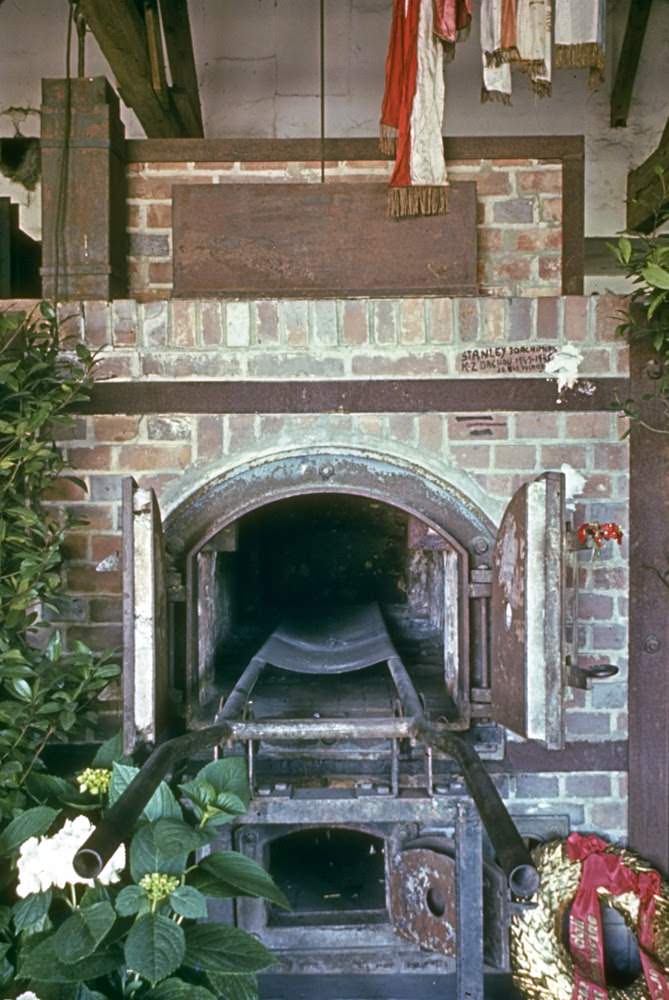
Jaeger moved through the site with the same professional composure he had used while photographing Hitler. He framed the guard towers, the long fence lines, and the collapsed barracks with a steady, practiced eye. That technical distance is part of what makes the images so unsettling. There is no visible emotion in the composition — only careful framing and sharp focus.
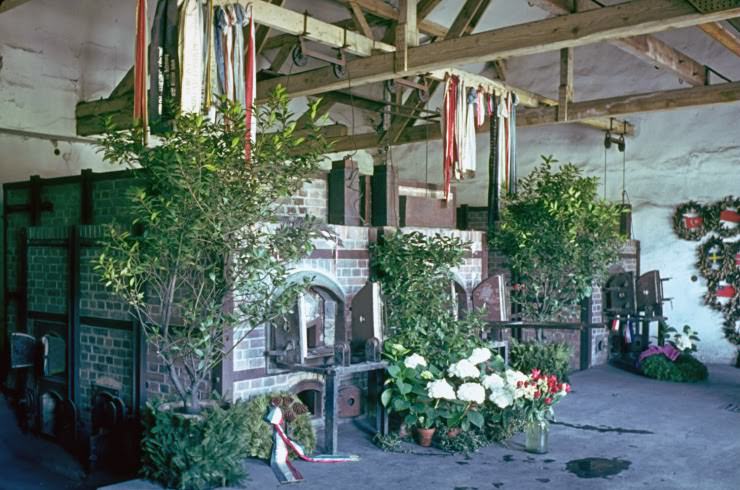
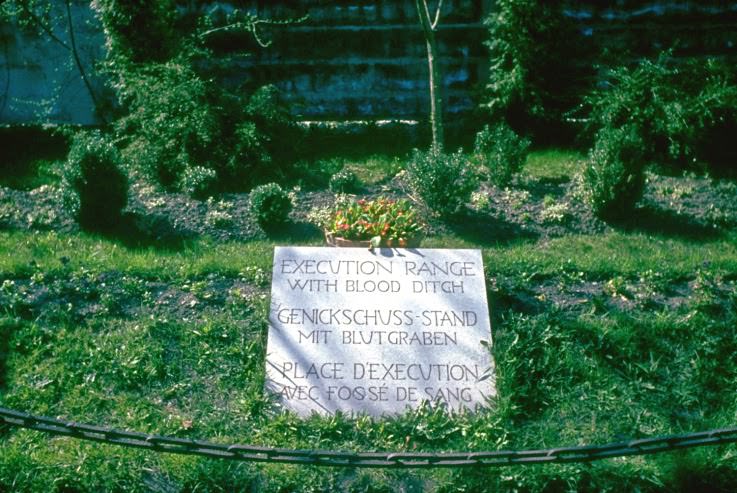
The fact that Hitler’s own photographer stood behind the lens at Dachau in 1950 shifts how the images read. Jaeger recorded the rise of the Nazi regime in color. He was now recording its most infamous site as it slowly disappeared back into the earth. The same camera that once captured celebration and spectacle now documented rot, rust, and silence.
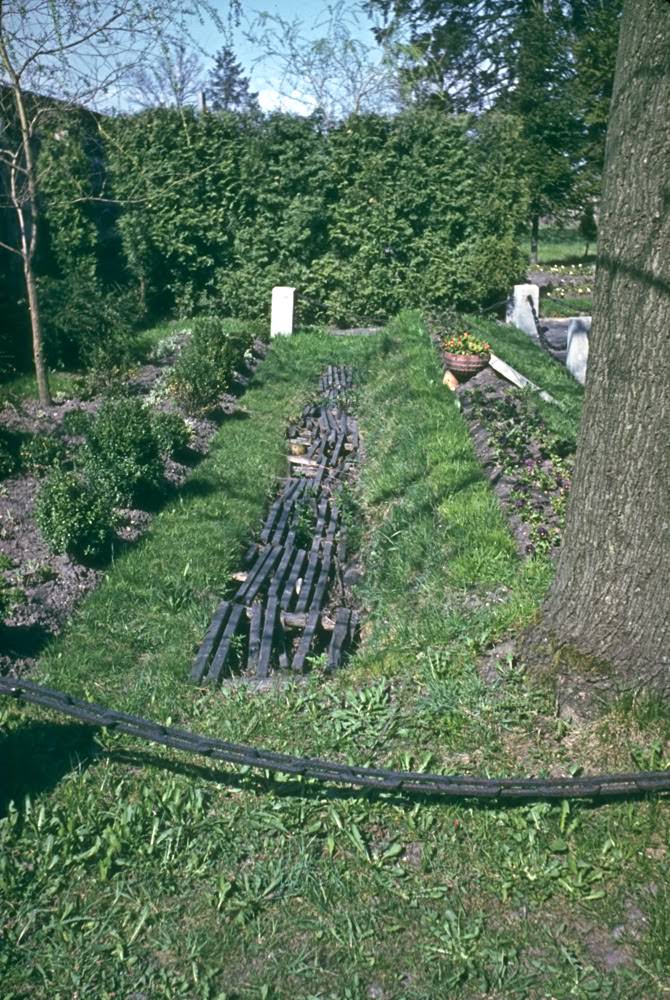
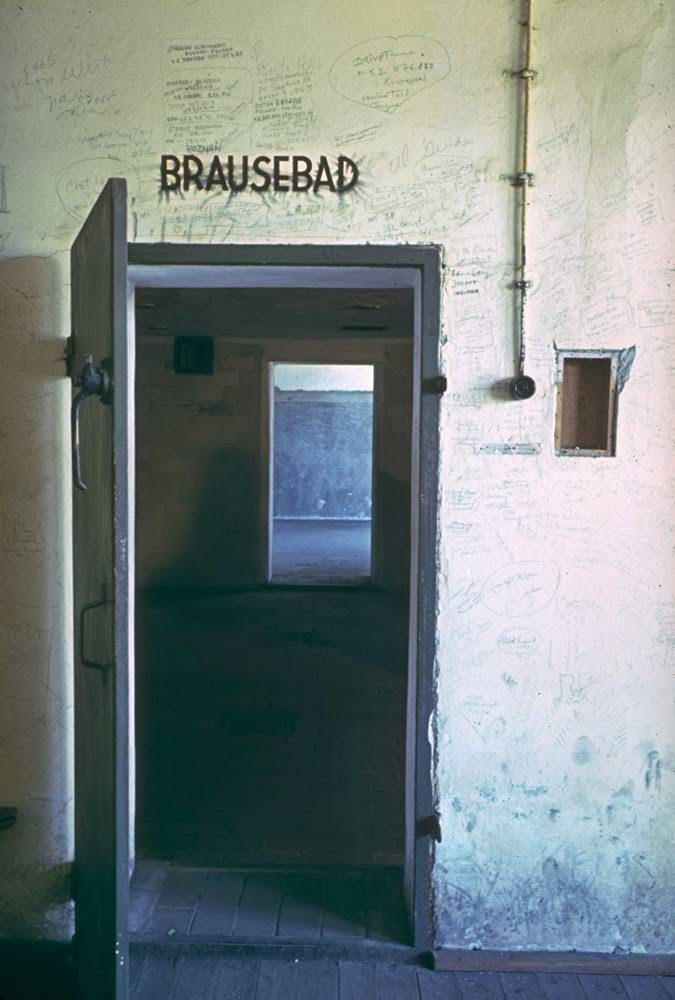
Dust settled on windows that looked out over empty yards. Peeling paint curled away from doorframes. The physical evidence of the camp was eroding, season by season. Jaeger’s photographs captured that process at a specific moment — five years in, well past the shock of liberation, but long before any formal memorial effort had taken hold.
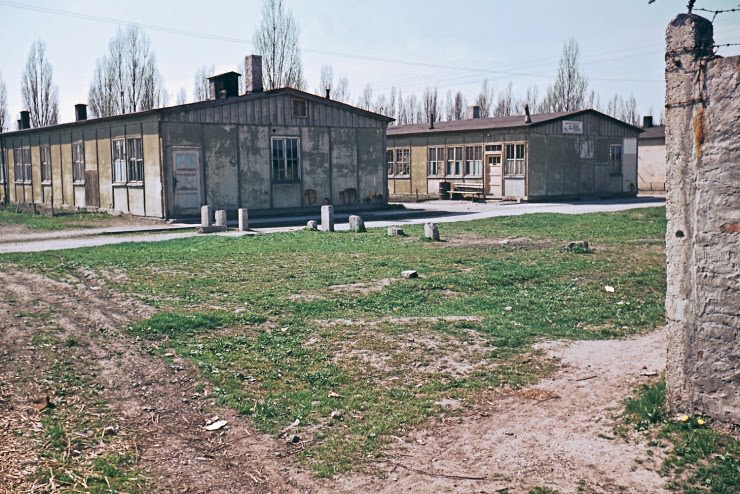
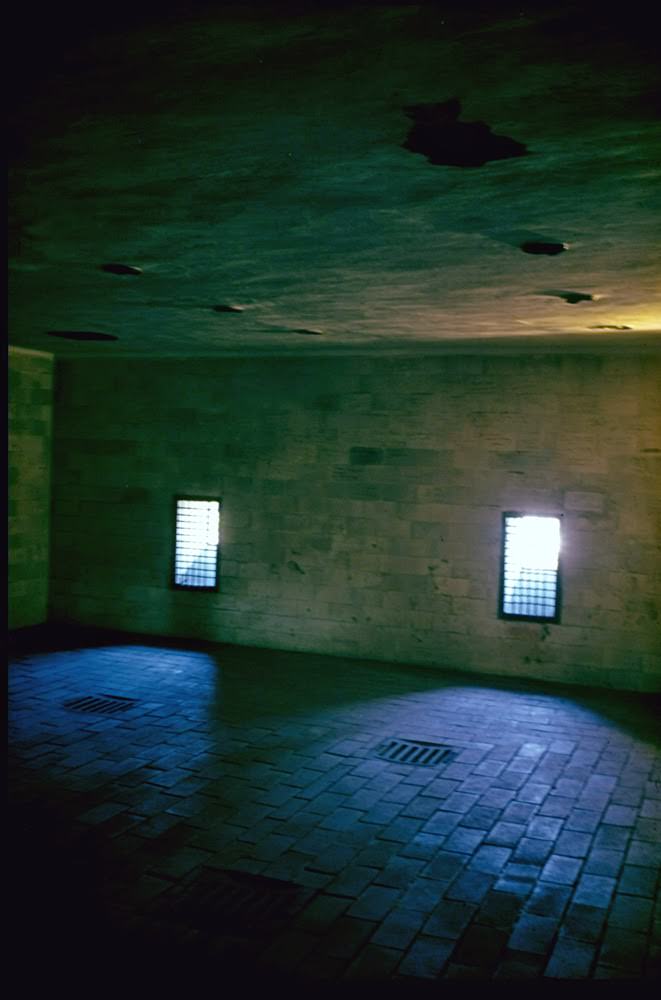
These were not images of violence. There were no bodies, no crowds, no visible atrocities. Instead, they showed what comes after — a place stripped of its function and its people, left to weather and weeds. The brightness of the color film stripped away any atmospheric moodiness and replaced it with a flat, clear, unflinching record of what remained.