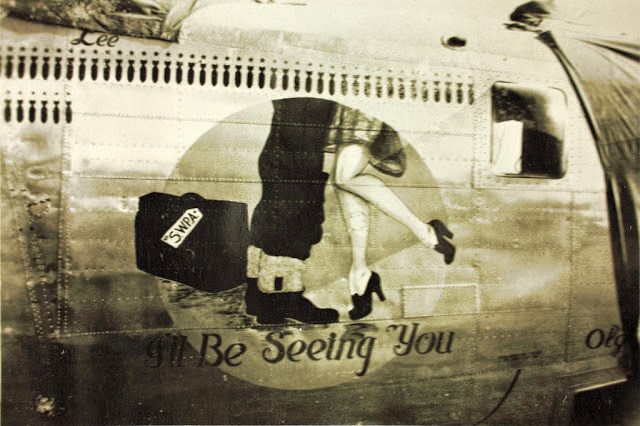
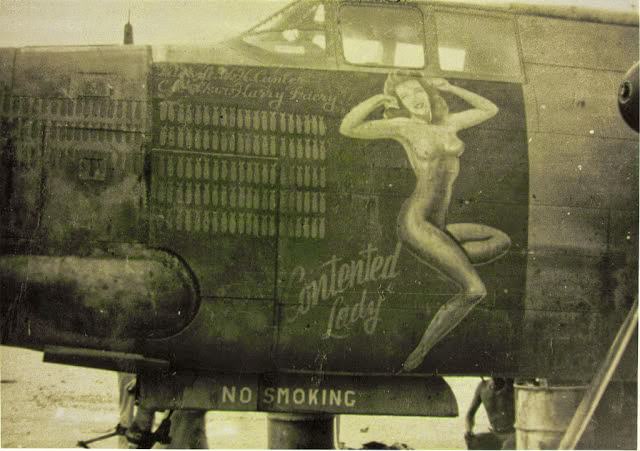
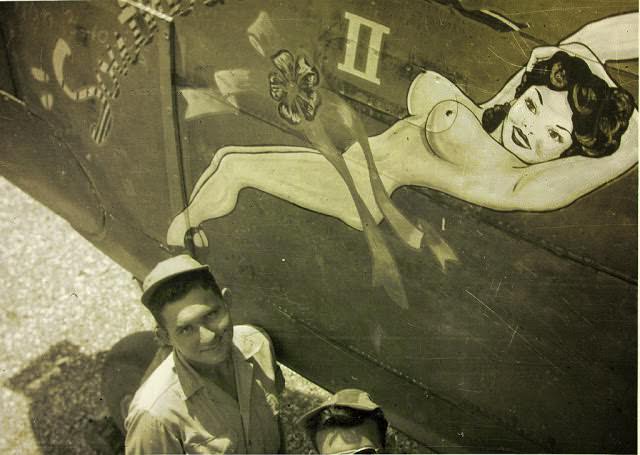
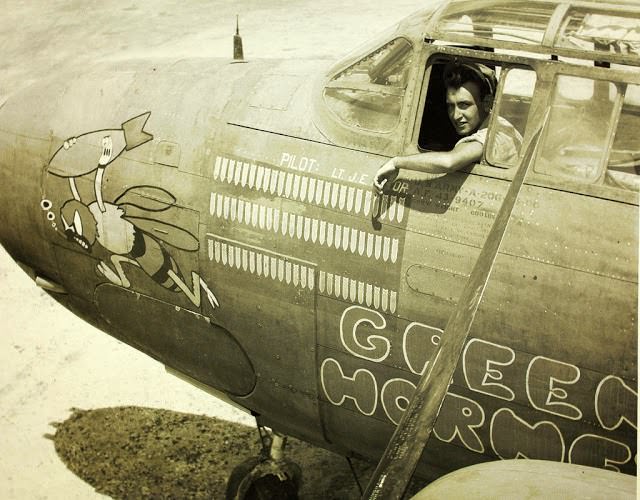
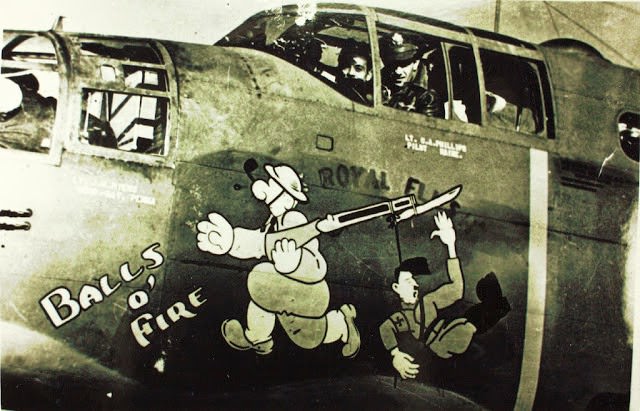
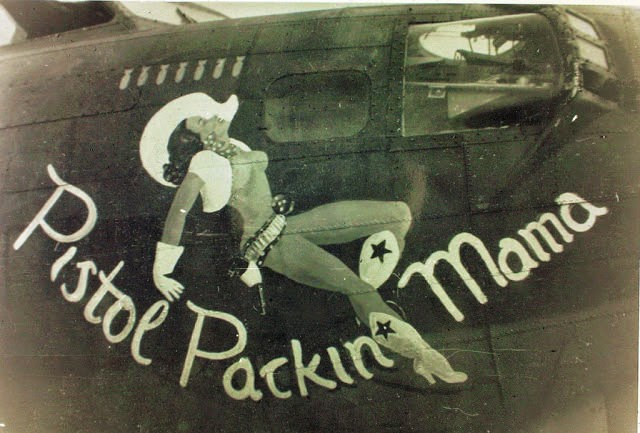
When the U.S. entered World War II, the military controlled nearly every aspect of a soldier’s daily life. But one area slipped through the cracks: the appearance of aircraft. Commanding officers often looked the other way when pilots and ground crews began painting custom designs on their planes. That informal freedom gave birth to one of the most creative folk art traditions in military history.
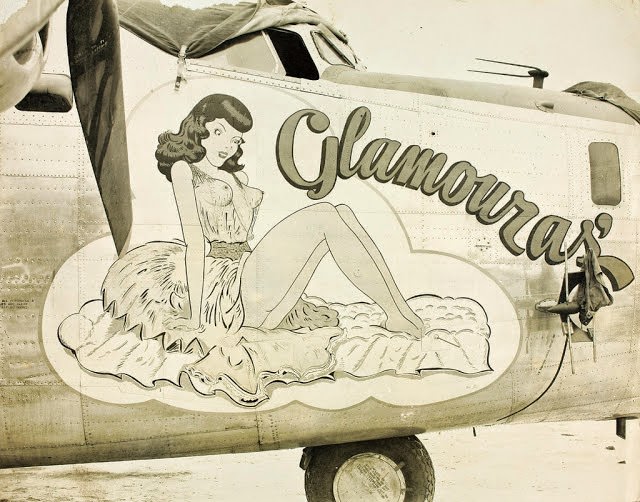
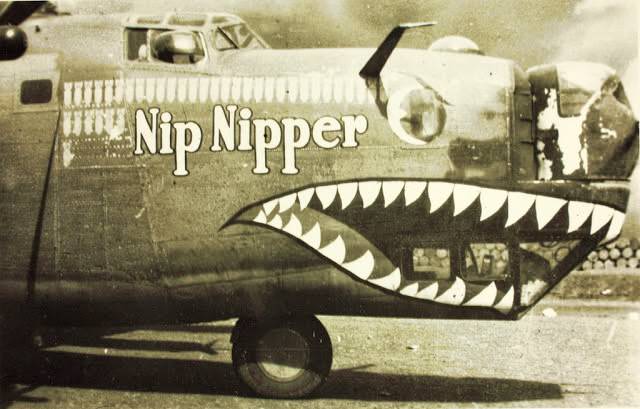
The paintings were placed on the fuselage near the cockpit or engine — a section known as the nose — and the practice became called “nose art.” Military leadership tolerated it because it served a real purpose. Bomber crews in Europe faced extremely high casualty rates. Letting men personalize their planes gave them a sense of ownership, pride, and identity among thousands of identical aircraft.
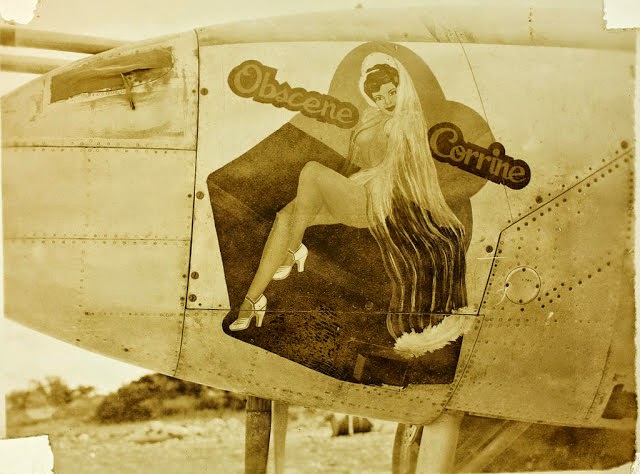
The artists behind these designs were usually ground crew members with a natural talent for drawing. Some had worked as professional artists before being drafted. They worked outdoors on open airfields, using the same military paints meant for camouflage — Olive Drab, Neutral Gray, and Insignia Red. Brighter colors like yellow or white were rare enough that men traded cigarettes and chocolate to get them.
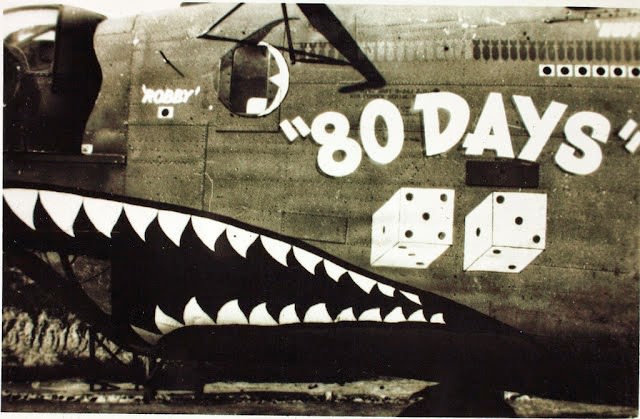
Sergeant Tony Starcer of the 91st Bomb Group painted some of the war’s most recognized designs. Don Allen of the 4th Fighter Group completed hundreds more. These men worked with simple brushes in cold or sweltering conditions, with paint that dried too slowly or faded too fast.
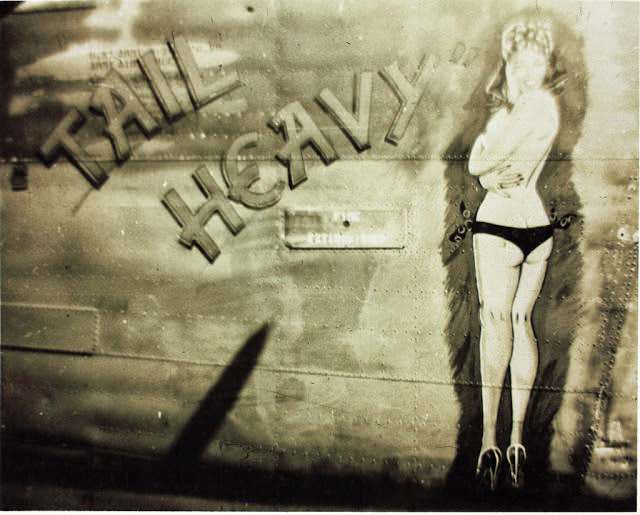
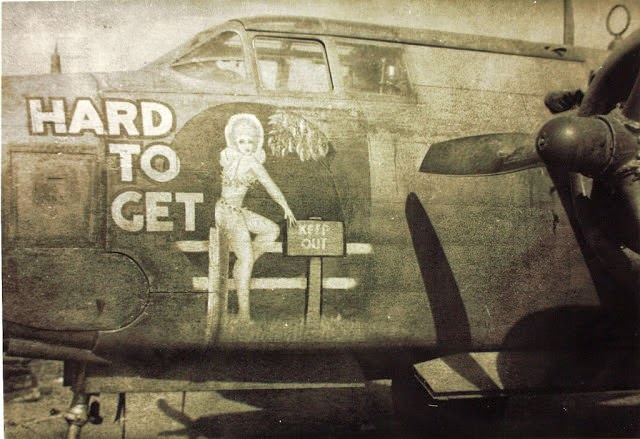
The most common subject was the female figure. Pilots drew inspiration from pin-up illustrators like Alberto Vargas and Gil Elvgren, painting actresses, models, and wives left behind at home. Rita Hayworth and Betty Grable appeared on countless aircraft. Many crews treated these images with near-superstitious respect, believing a well-painted figure brought good luck on missions.
Not every design featured a woman. Cartoon characters from Disney and Warner Bros. were extremely popular. Walt Disney personally supported the effort — his studio produced over 1,200 unique insignias for U.S. forces during the war. Heavy bombers might sport Donald Duck carrying a bomb, while fighter pilots favored faster, more aggressive characters like Bugs Bunny or the Road Runner.
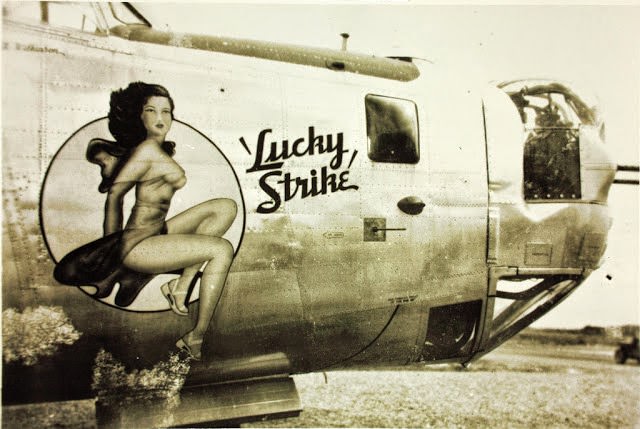
Crews often chose characters that matched their plane’s nickname through puns or wordplay. A plane called “The Eager Beaver” would show a beaver working on a bomb. These small jokes gave each aircraft a personality of its own.
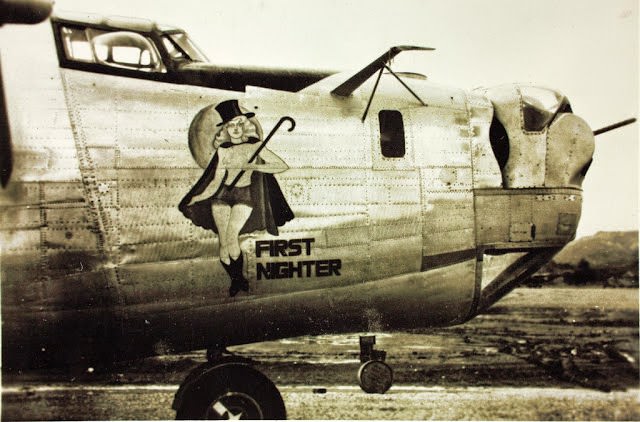
Alongside the main painting, crews tracked their history through “mission marks” — small symbols stenciled near the nose. A bomb symbol marked each completed combat mission. A small enemy flag marked a confirmed kill. Cargo planes used parachutes or crates. Some aircraft accumulated fifty to one hundred bomb symbols, a point of enormous pride for the ground crews who kept those planes flying.
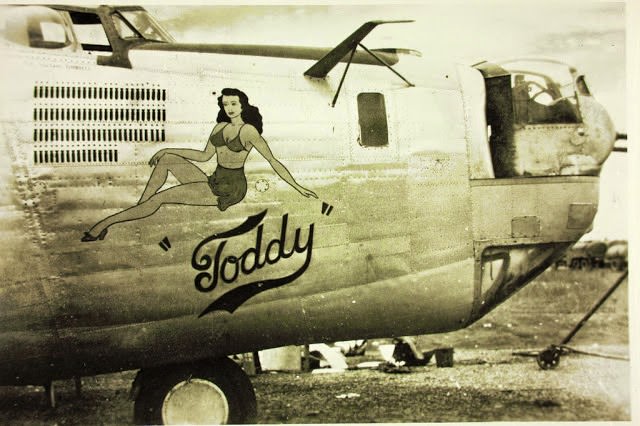
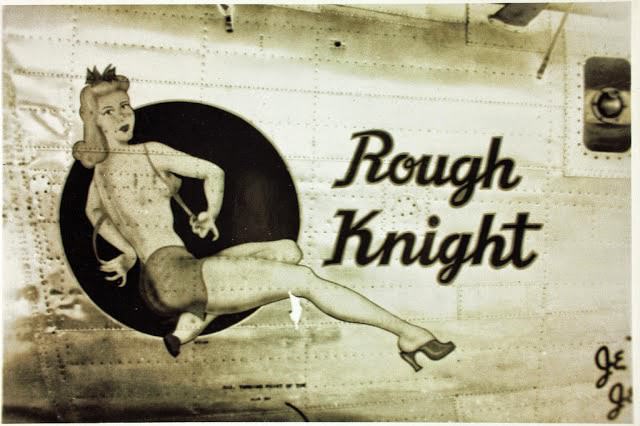
Style varied by theater. In England, the cold and damp weather required careful paint mixing, and designs tended to be more detailed and formal. In the Pacific, the tropical sun demanded thicker paint and bolder colors. Remote Pacific bases had less military oversight, so artists pushed their creativity further. The B-29 Superfortress, with its large nose area, gave artists enough space to paint entire scenes.
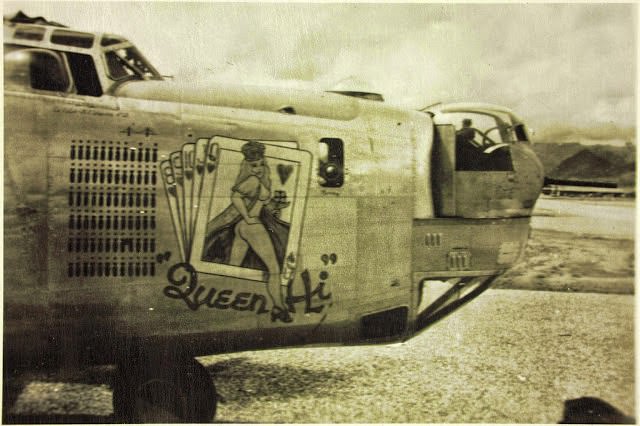
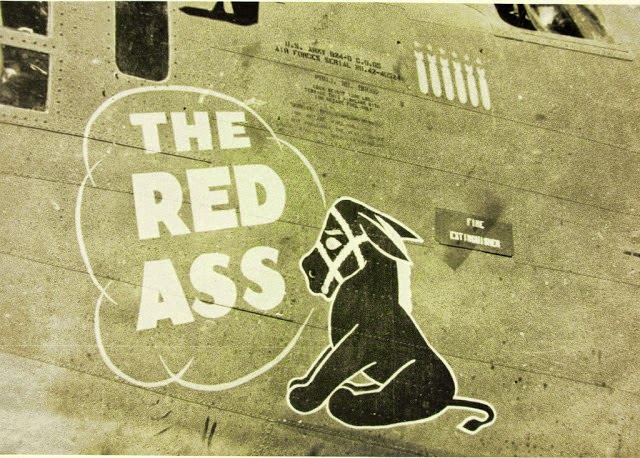
The Memphis Belle — a B-17 Flying Fortress — became one of the most famous examples of nose art. Its design showed a woman in a blue suit, based on artwork by illustrator George Petty. Pilot Robert Morgan named the plane after his girlfriend, Margaret Polk of Memphis, Tennessee. The aircraft earned its fame by completing 25 combat missions and returning to the United States — one of the first bombers to do so.
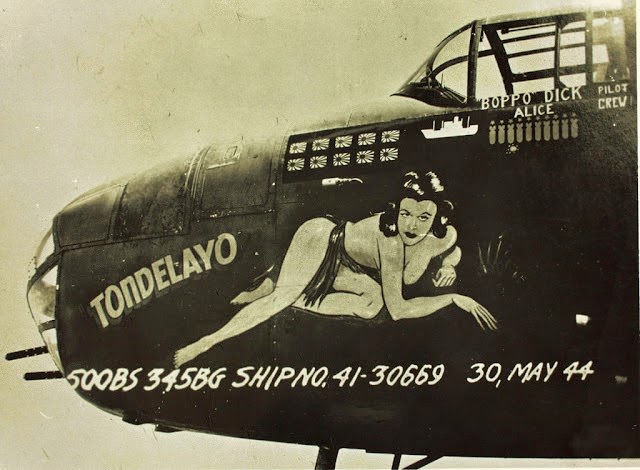
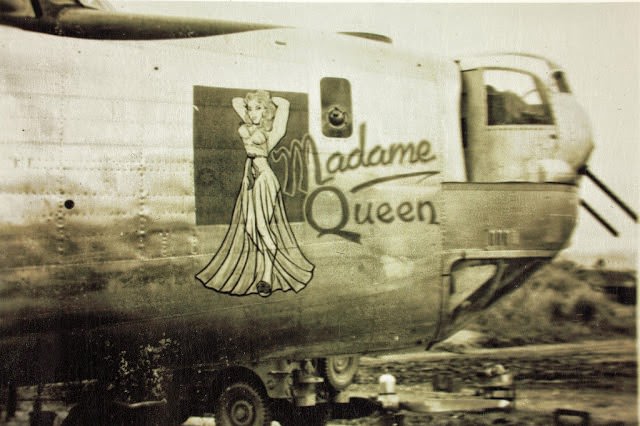
The Enola Gay, a B-29 Superfortress, took a different approach. Colonel Paul Tibbets named the plane after his mother and had her name painted in plain block letters on the nose. There was no character or figure — just bold, simple lettering that became one of the most recognized images of the war’s final chapter.