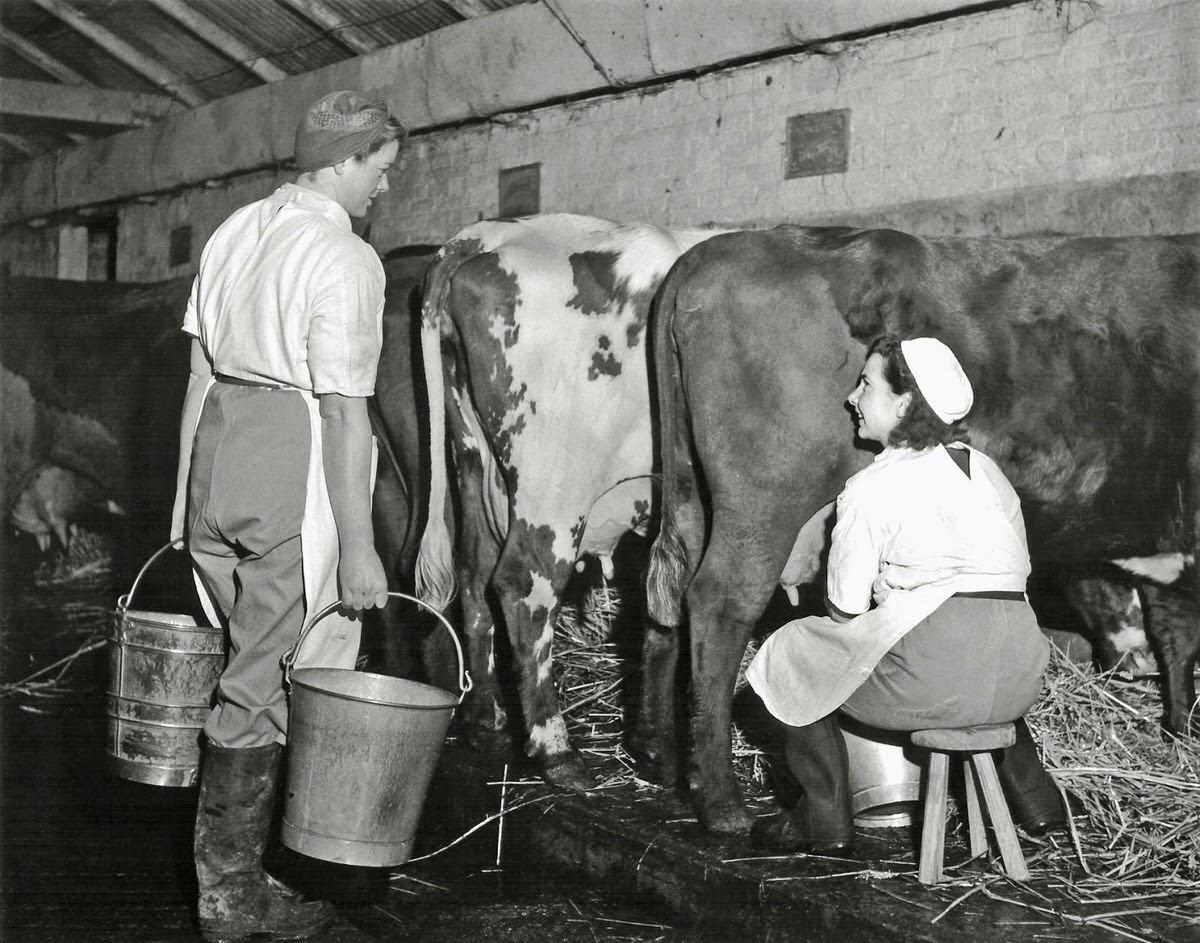
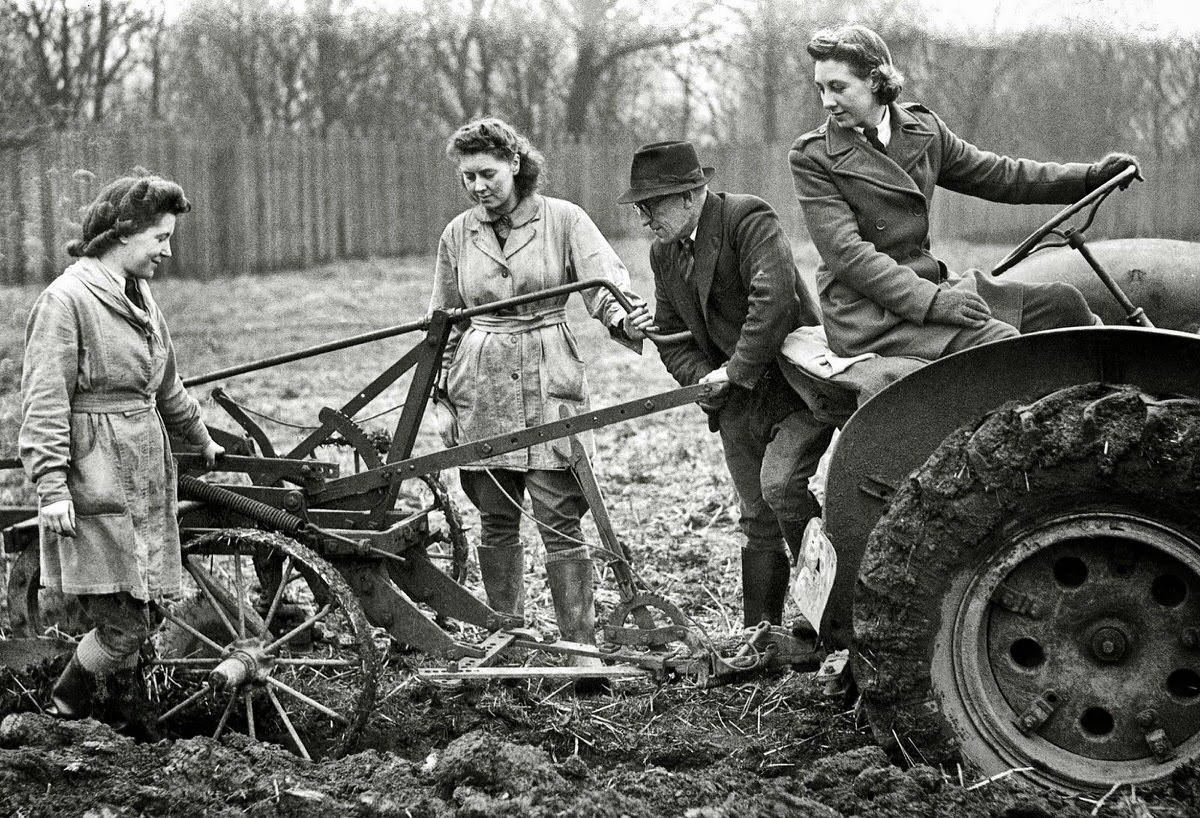
When men across Britain left their farms to enlist in World War II, the fields didn’t sit empty. Thousands of women stepped in to fill the gap, joining the Women’s Land Army (WLA) and taking on some of the hardest physical work of the war effort. They became known as Land Girls.
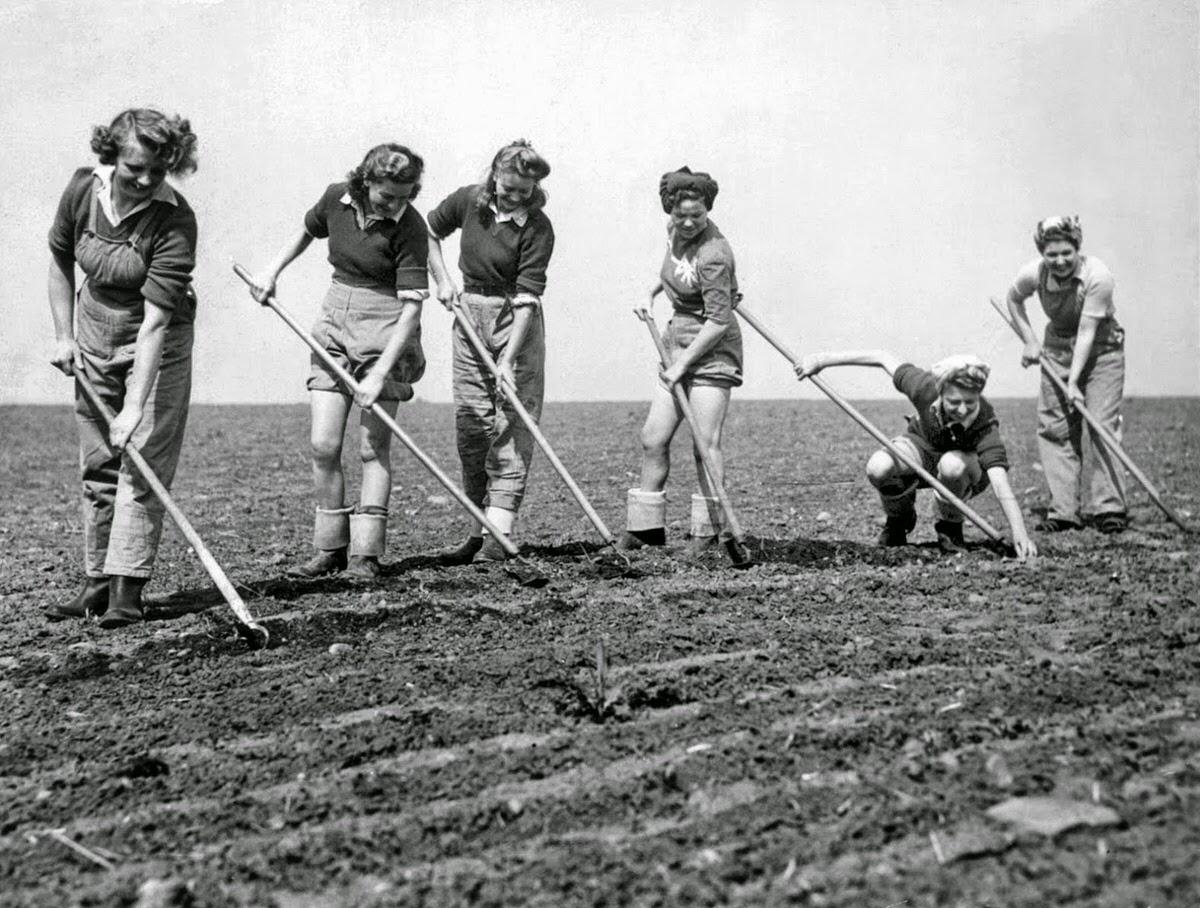
Most Land Girls came from cities and had never set foot on a working farm. They were quickly trained and sent to rural areas across Britain and Australia, where they lived in communal hostels or spare farmhouse rooms, often rising before sunrise to start the day’s work.
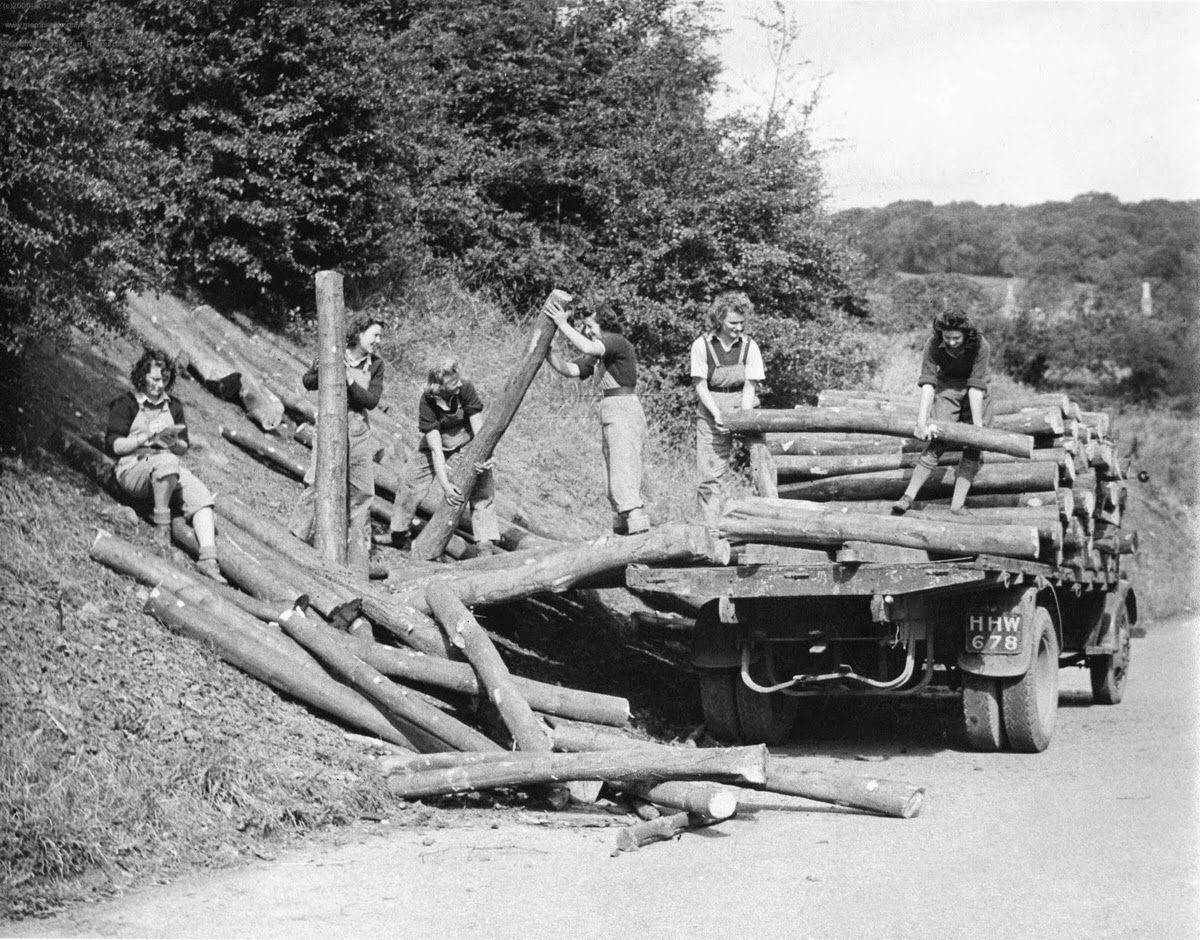
Their uniform was built for hard labor — thick corduroy breeches, green sweaters, and heavy leather boots. Felt hats or headscarves kept hair away from moving machinery. The clothing was practical above all else.
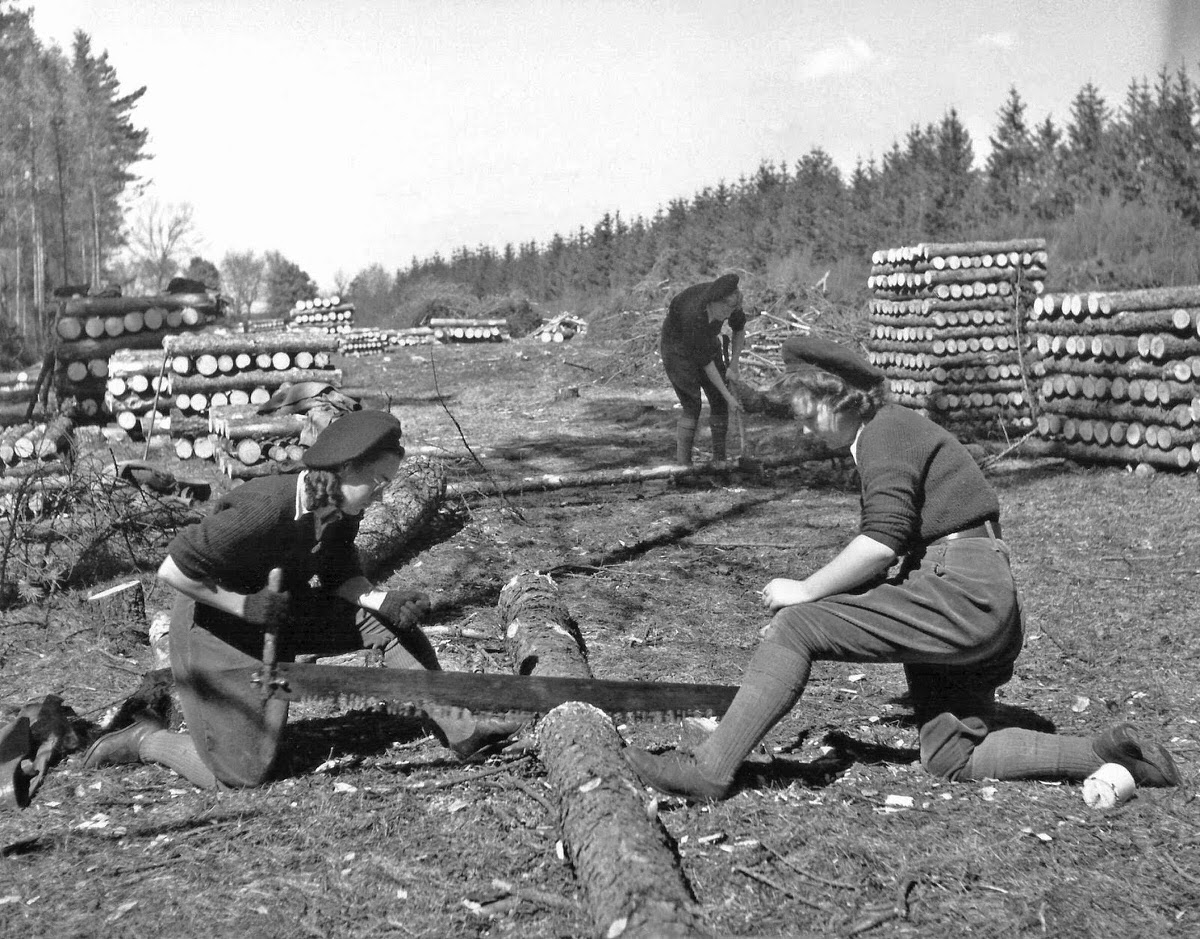
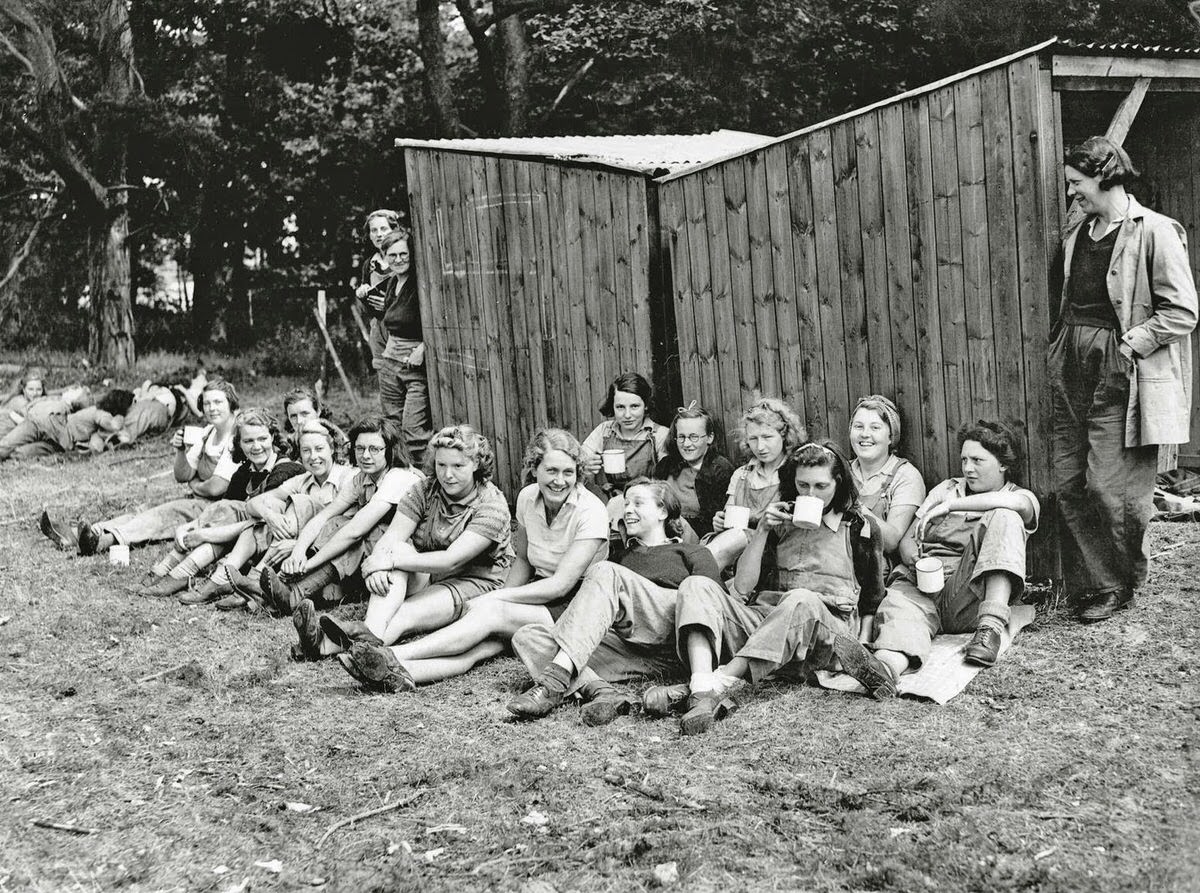
The work covered every season. In spring, they planted potatoes and sowed grain across thousands of acres. Summer meant long hours harvesting hay and gathering fruit. Autumn brought heavy lifting during the main harvest, and winter required clearing snow and maintaining farm equipment.
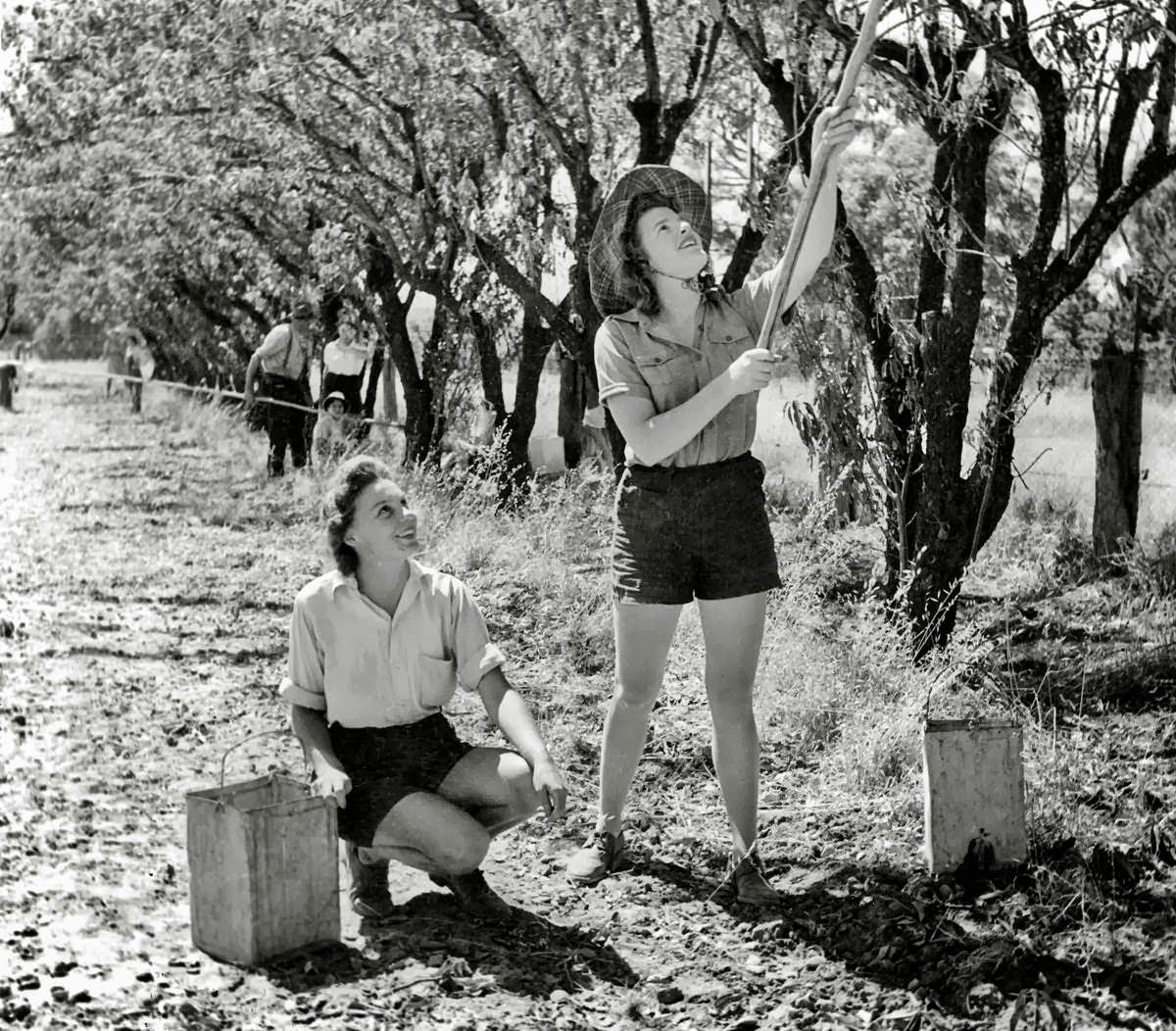
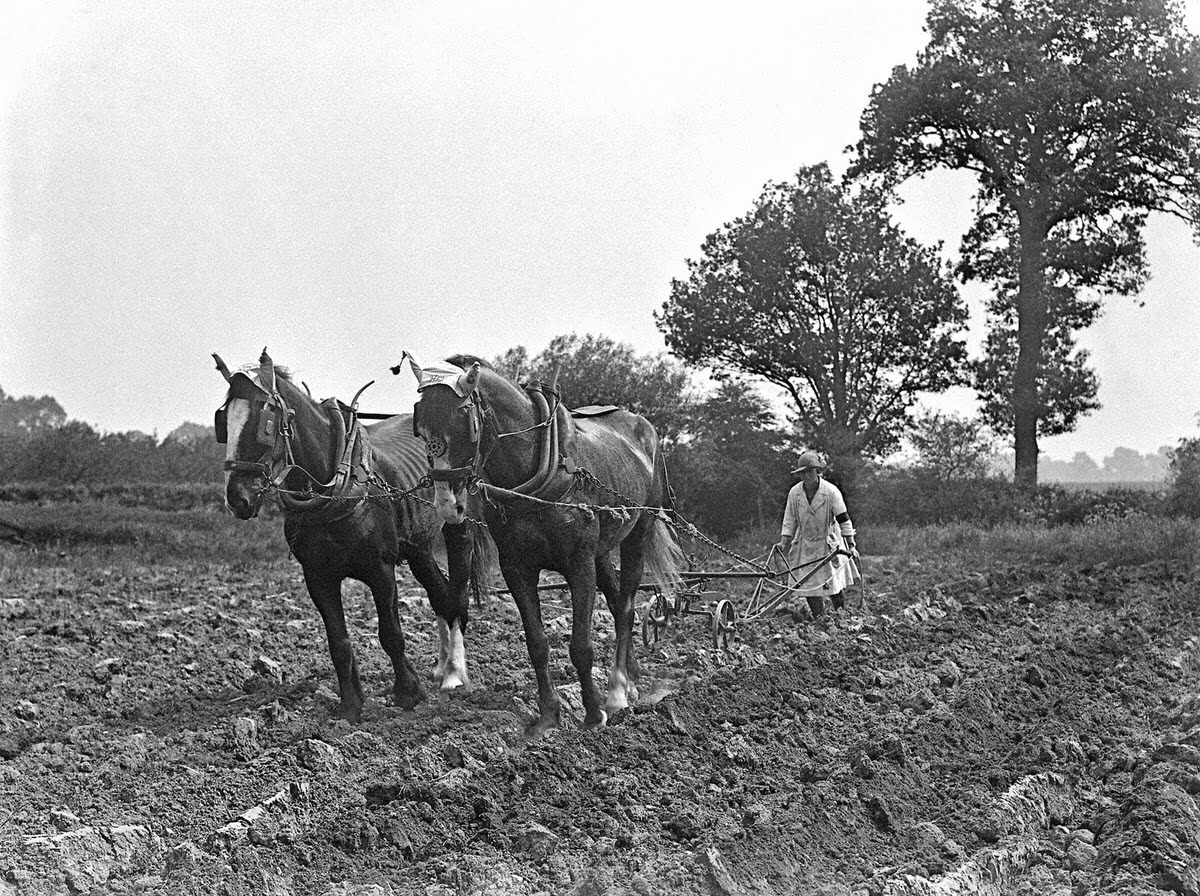
Land Girls plowed fields with heavy tractors, dug drainage ditches in waterlogged earth, and managed livestock. Milking cows by hand and shearing sheep were routine tasks. They also learned pest control and crop rotation — skills that took seasoned farmers years to master.
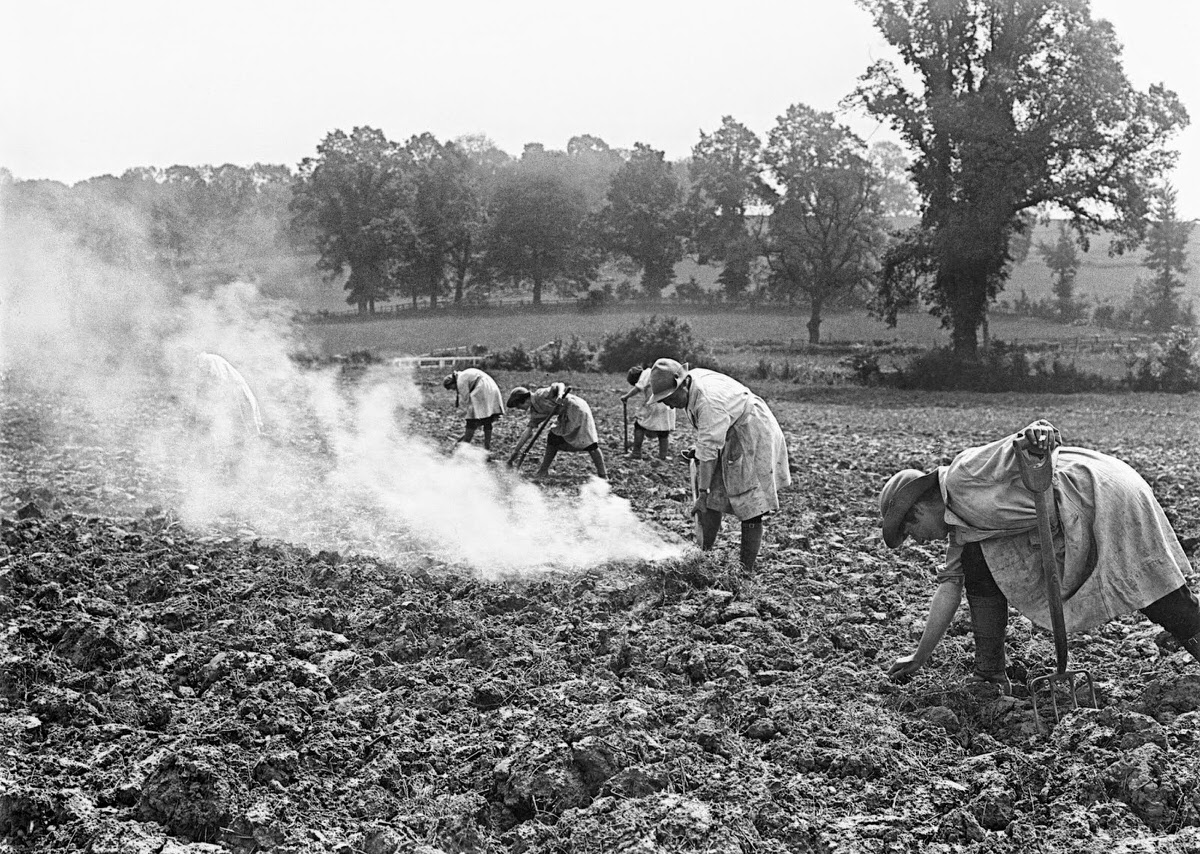
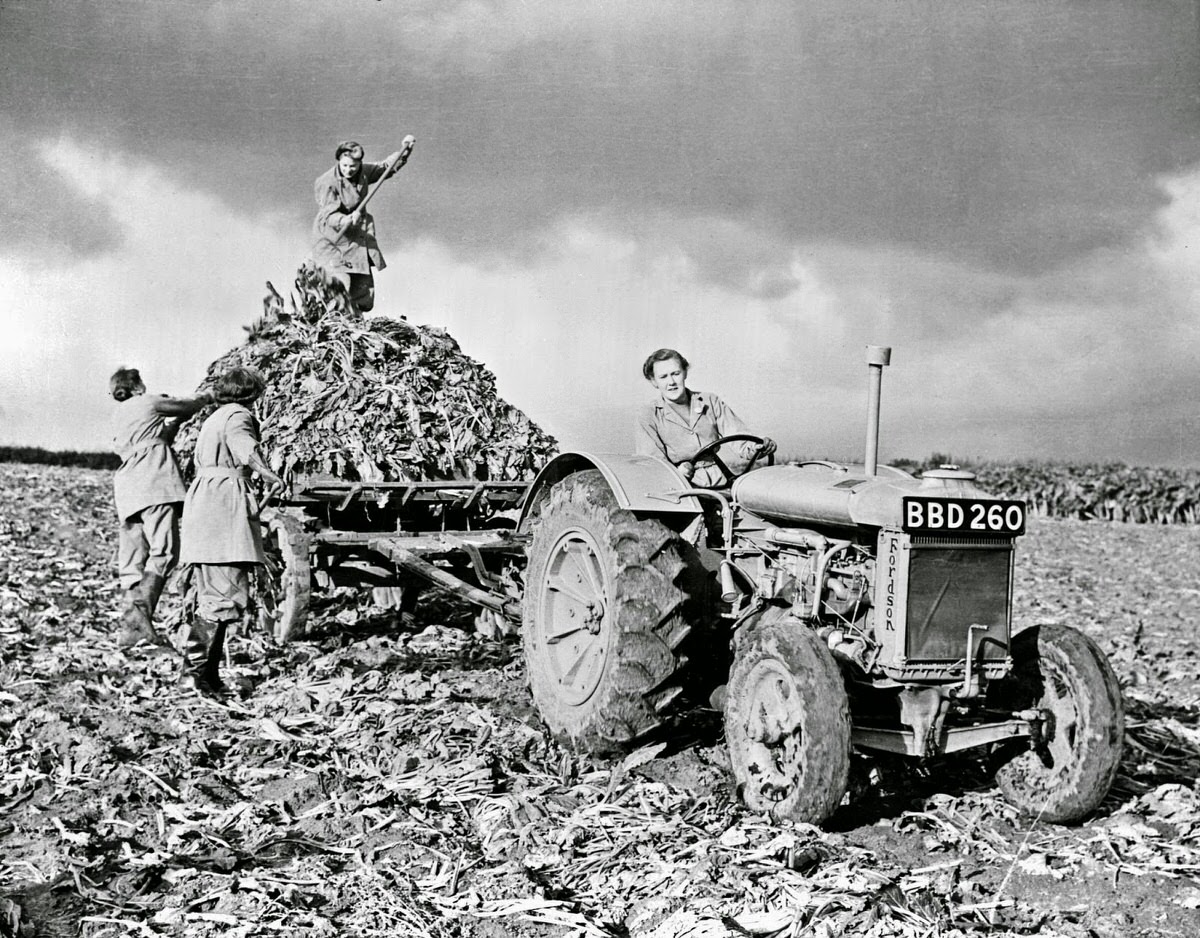
The physical toll was real. Blistered hands, aching backs, and months away from family were part of daily life. Yet the women of the WLA formed tight-knit bonds working side by side in the fields.
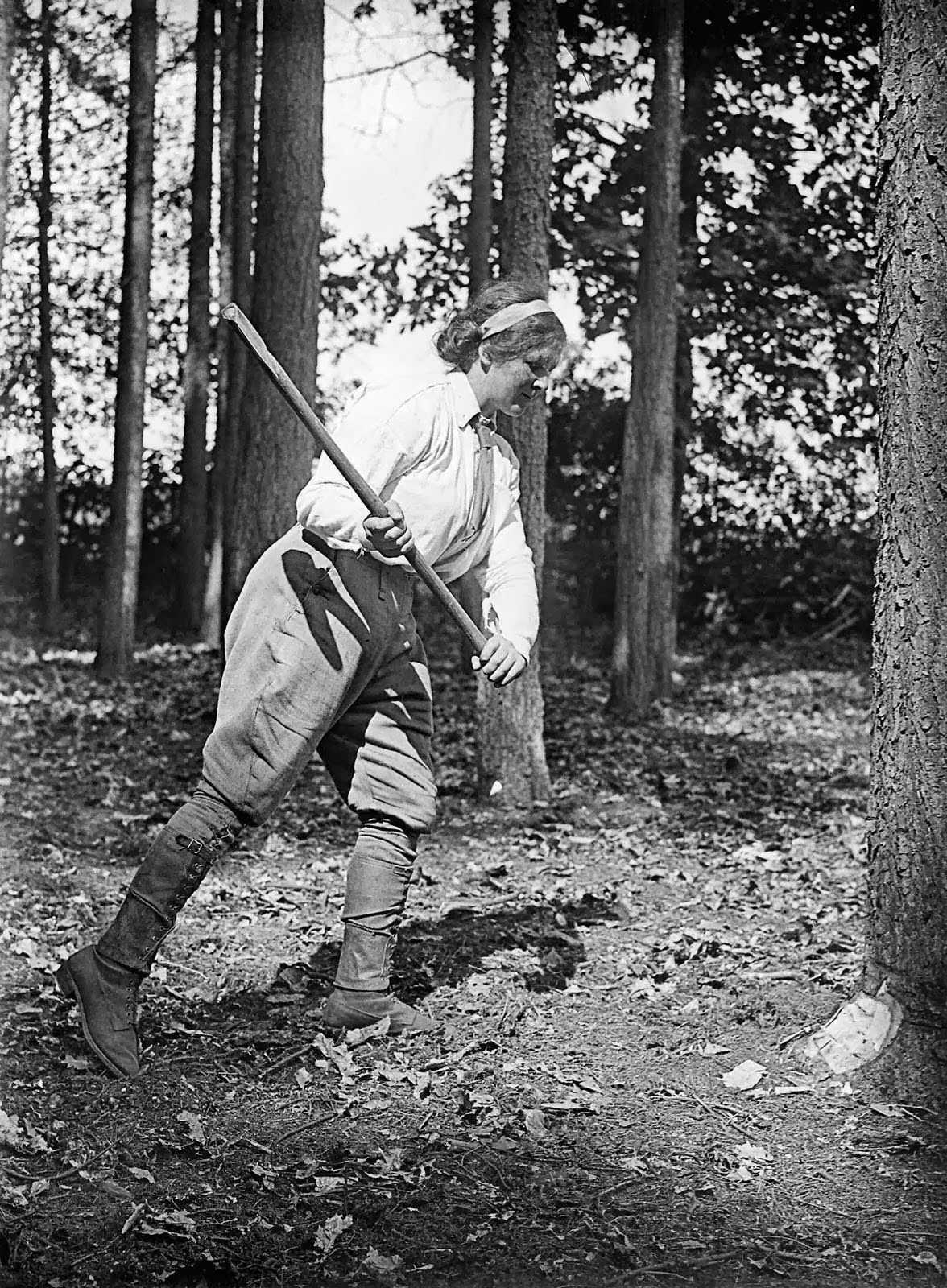
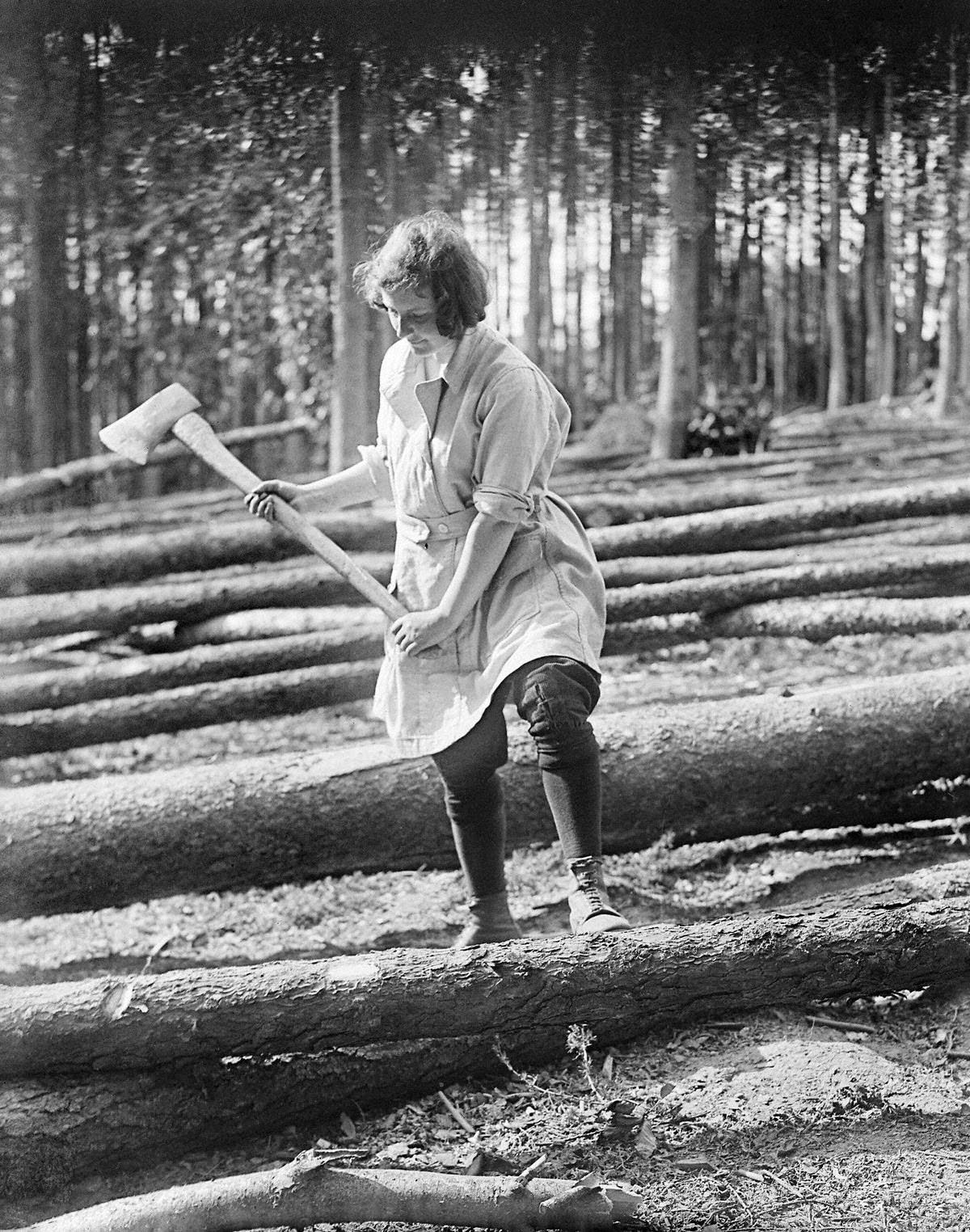
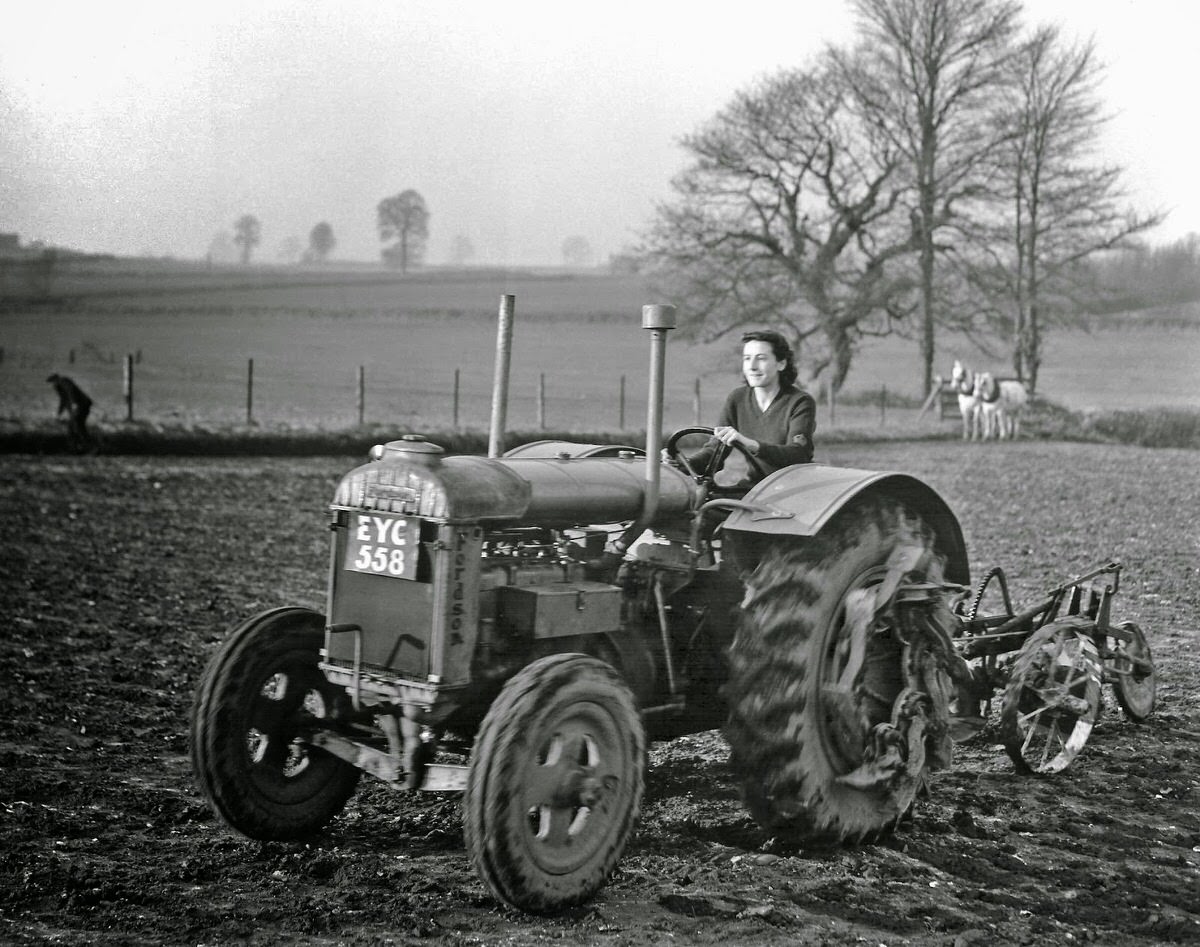
Without their labor, Britain faced the real threat of food shortages while supply lines were cut off by German naval blockades. The Land Girls kept crops growing and animals fed throughout the entire conflict.
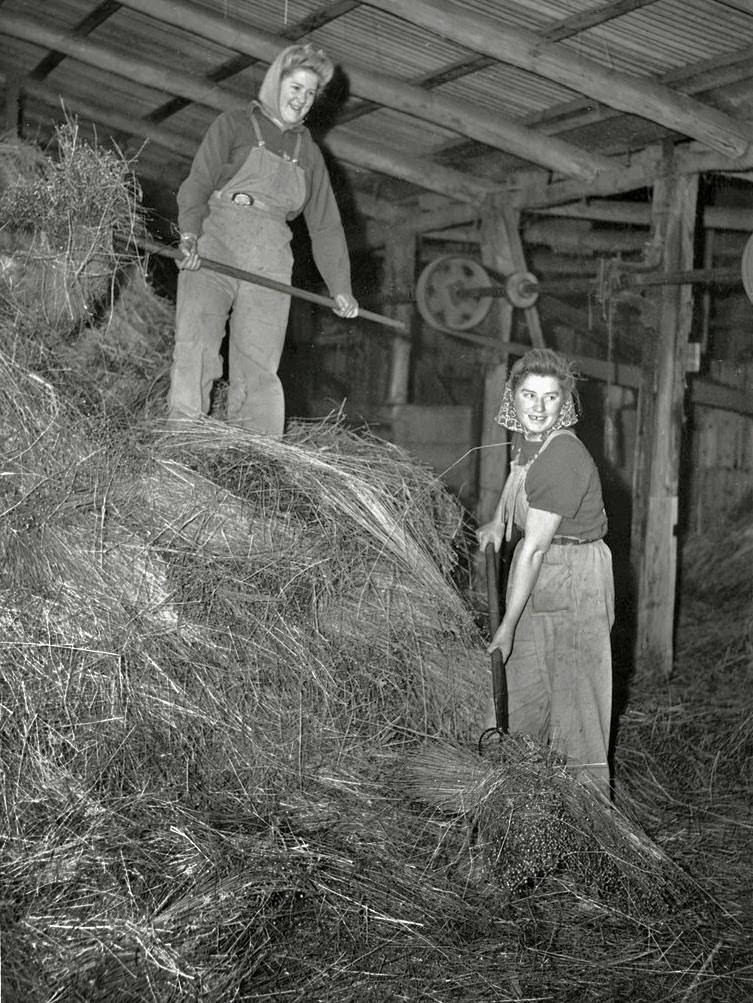
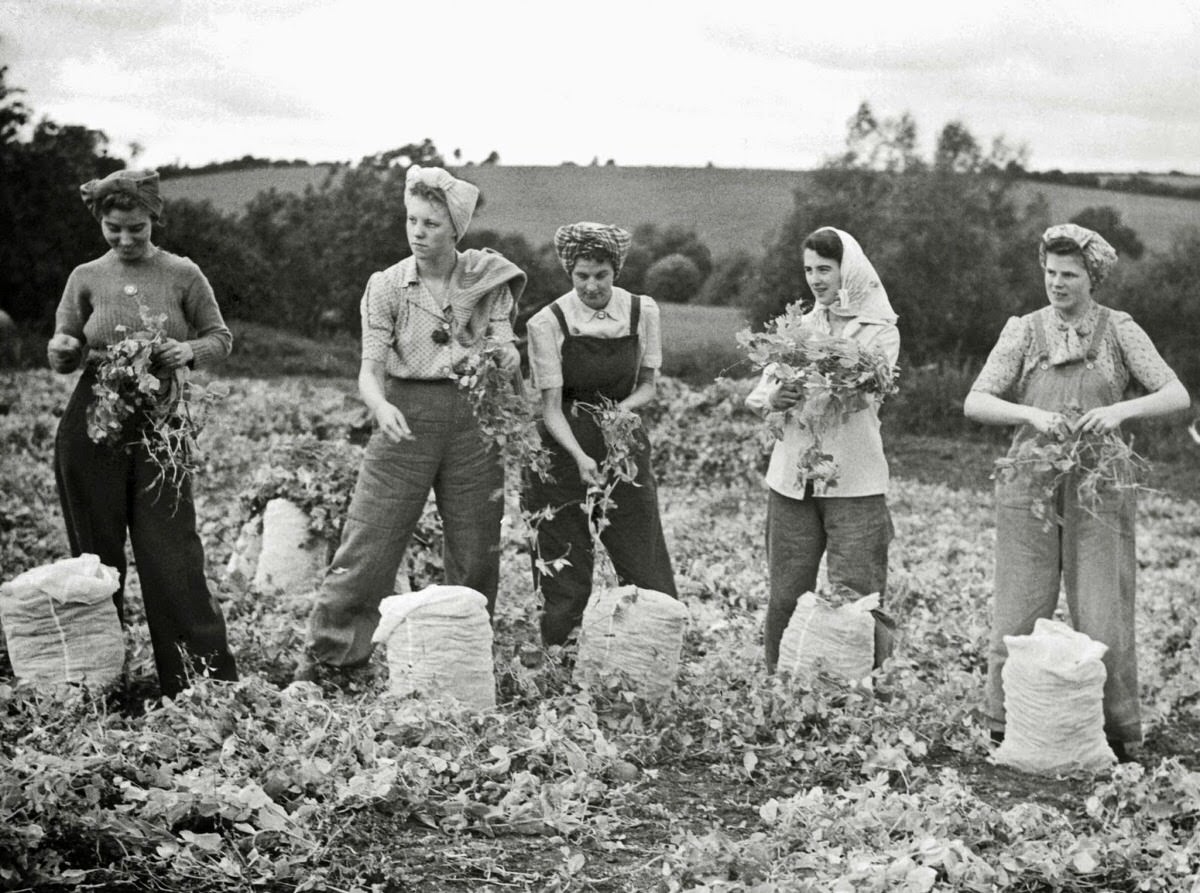
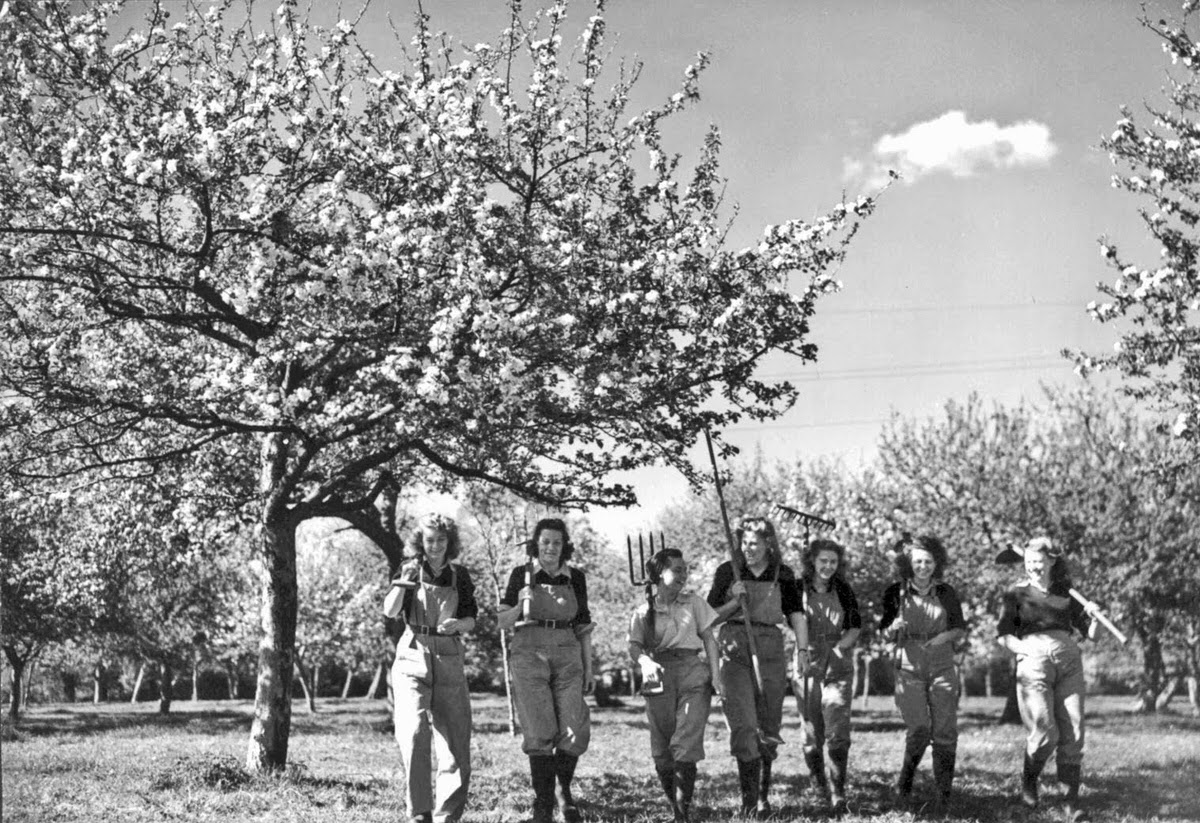
These vintage photographs capture women at work in the fields, on tractors, and alongside livestock — a visual record of the agricultural backbone that supported the home front through six years of war.