
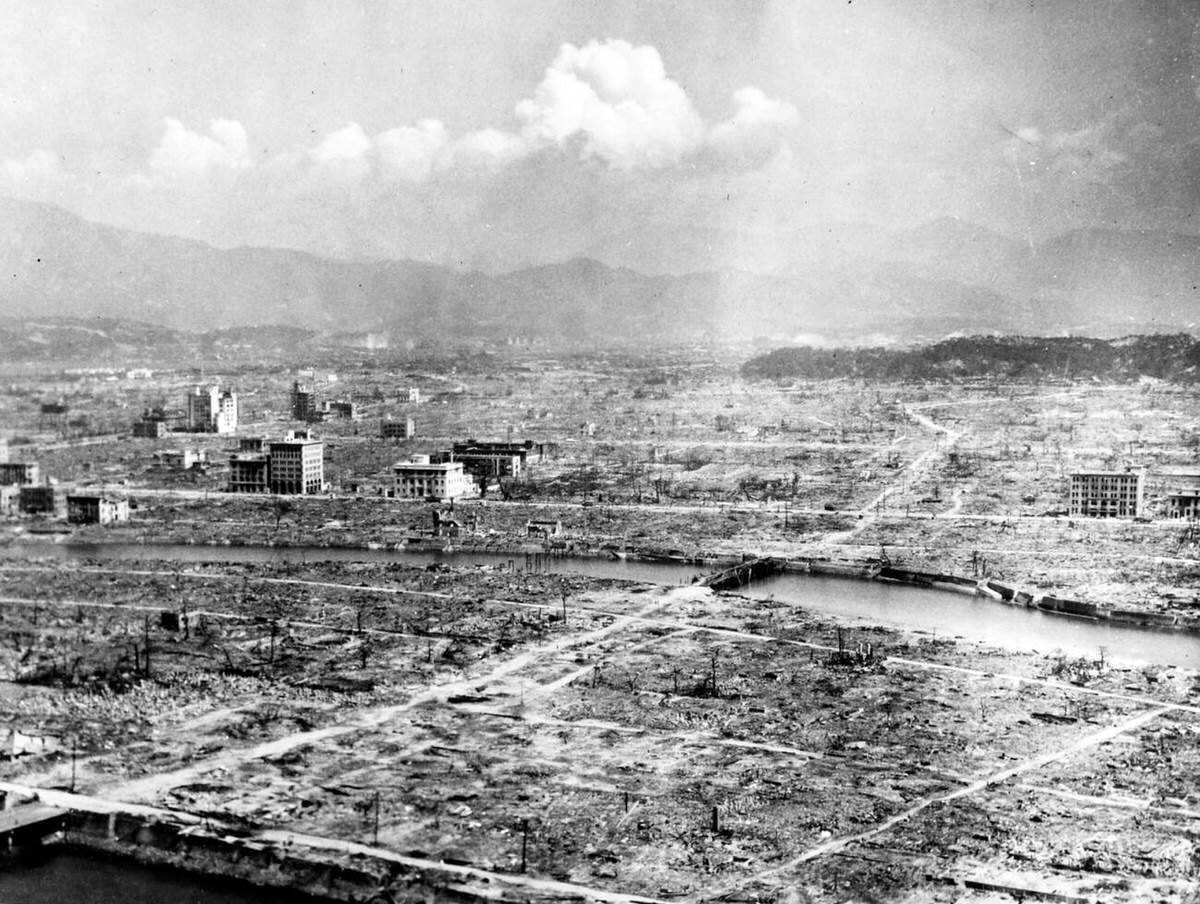
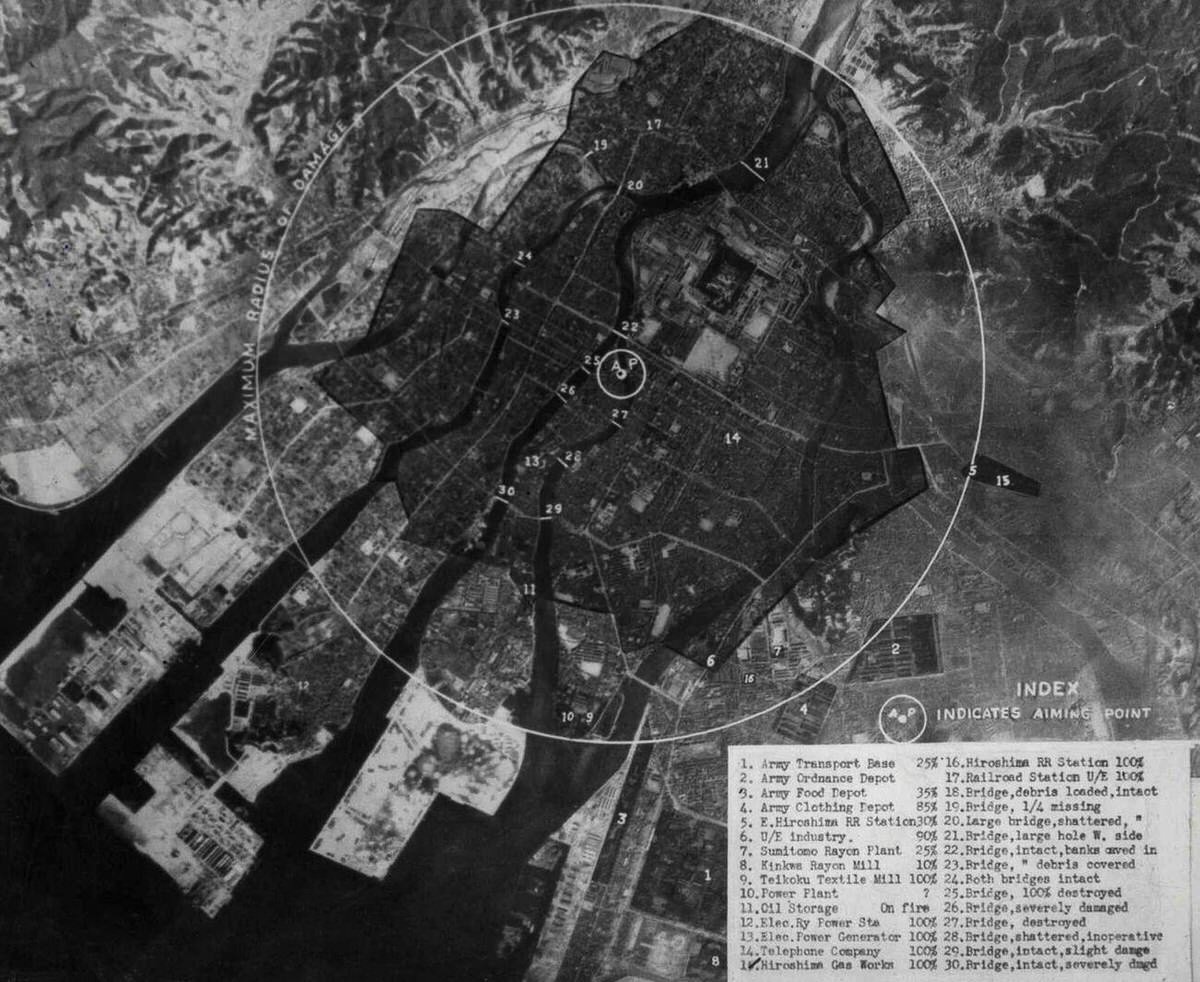
At 8:15 a.m. on August 6, 1945, a B-29 bomber called the Enola Gay released a uranium-core atomic bomb named “Little Boy” over the city of Hiroshima. The weapon fell from 31,000 feet and detonated 1,900 feet above the city center. The explosion produced a force equal to 15,000 tons of TNT. At its core, the fireball reached 6,000 degrees Celsius. Within one second, anyone near the hypocenter — the point on the ground directly below the blast — was vaporized. The pressure wave that followed traveled at 440 meters per second, faster than the speed of sound, and flattened 4.7 square miles of the city in an instant.
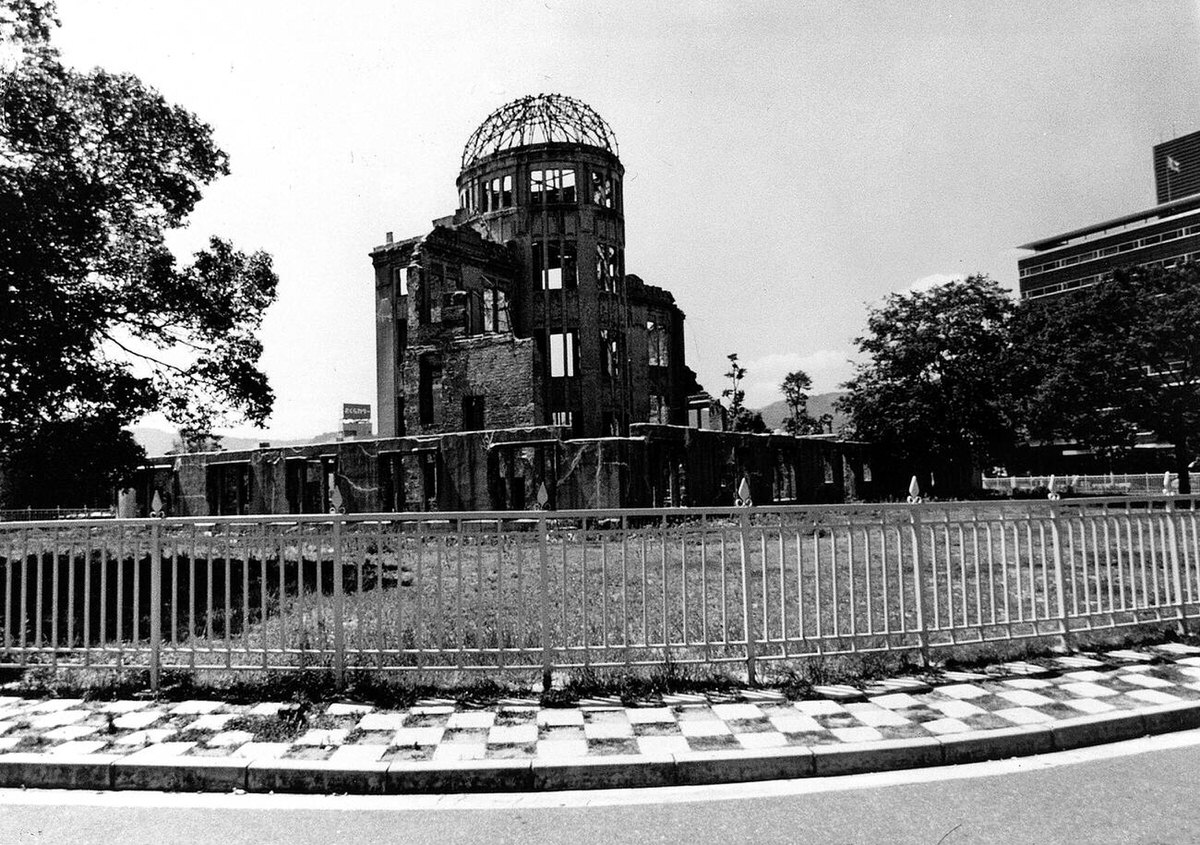
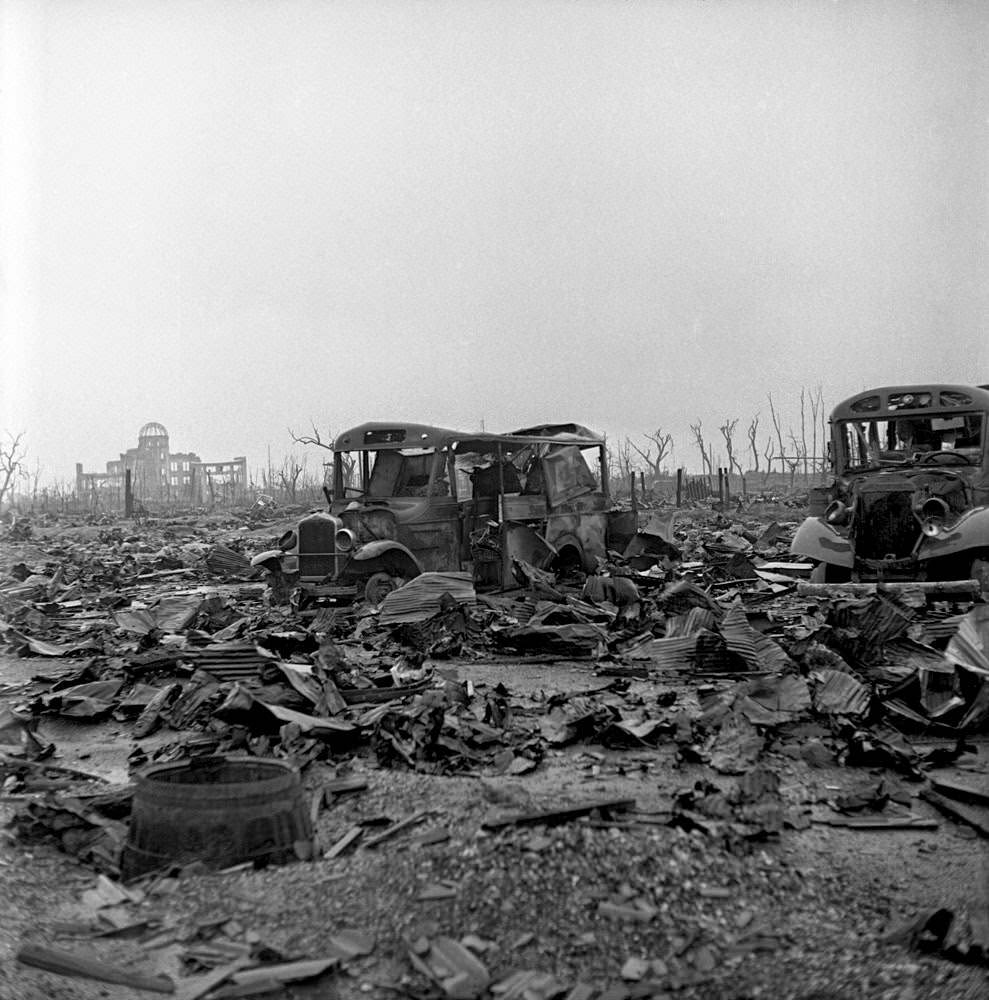
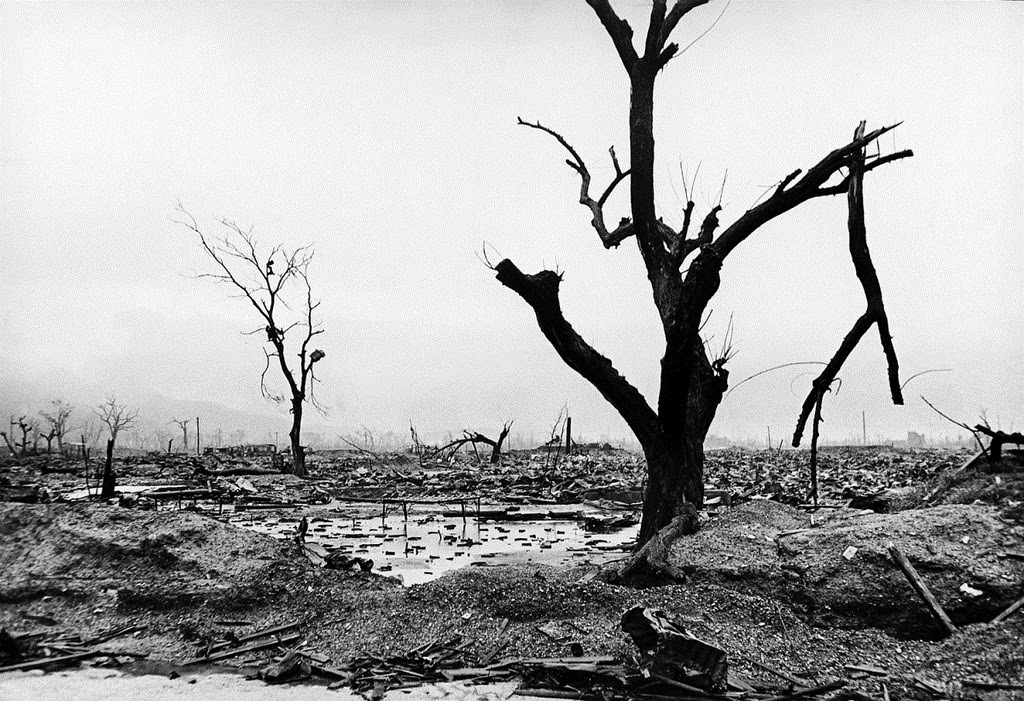
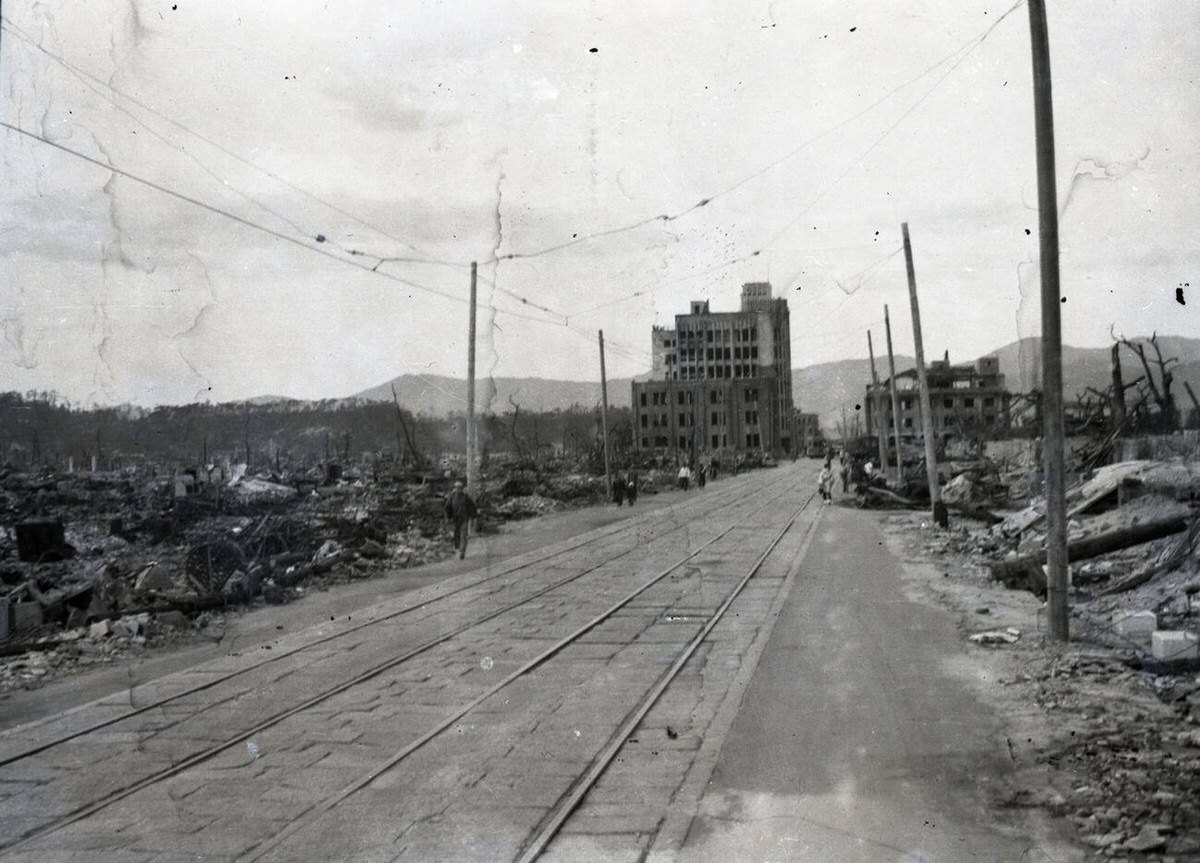
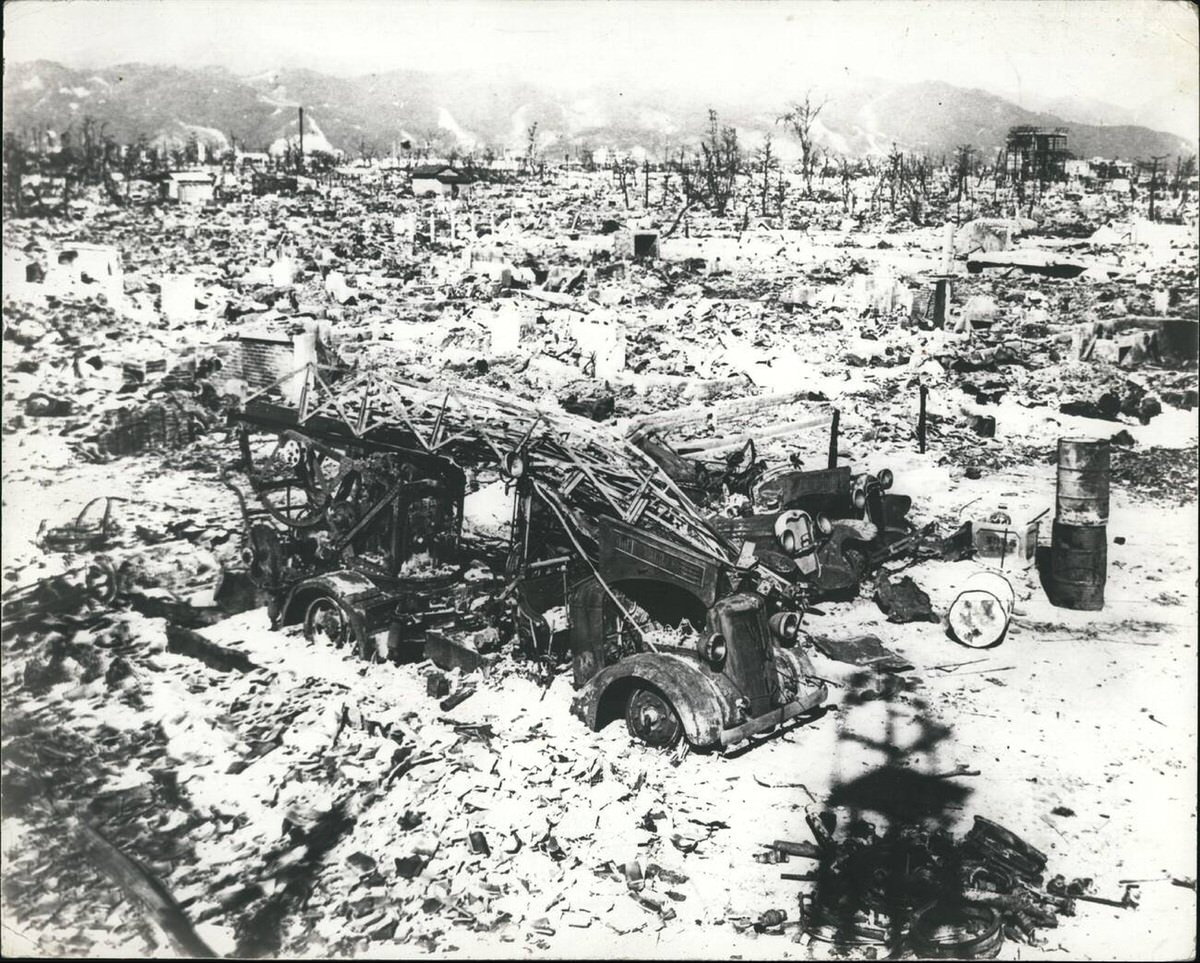
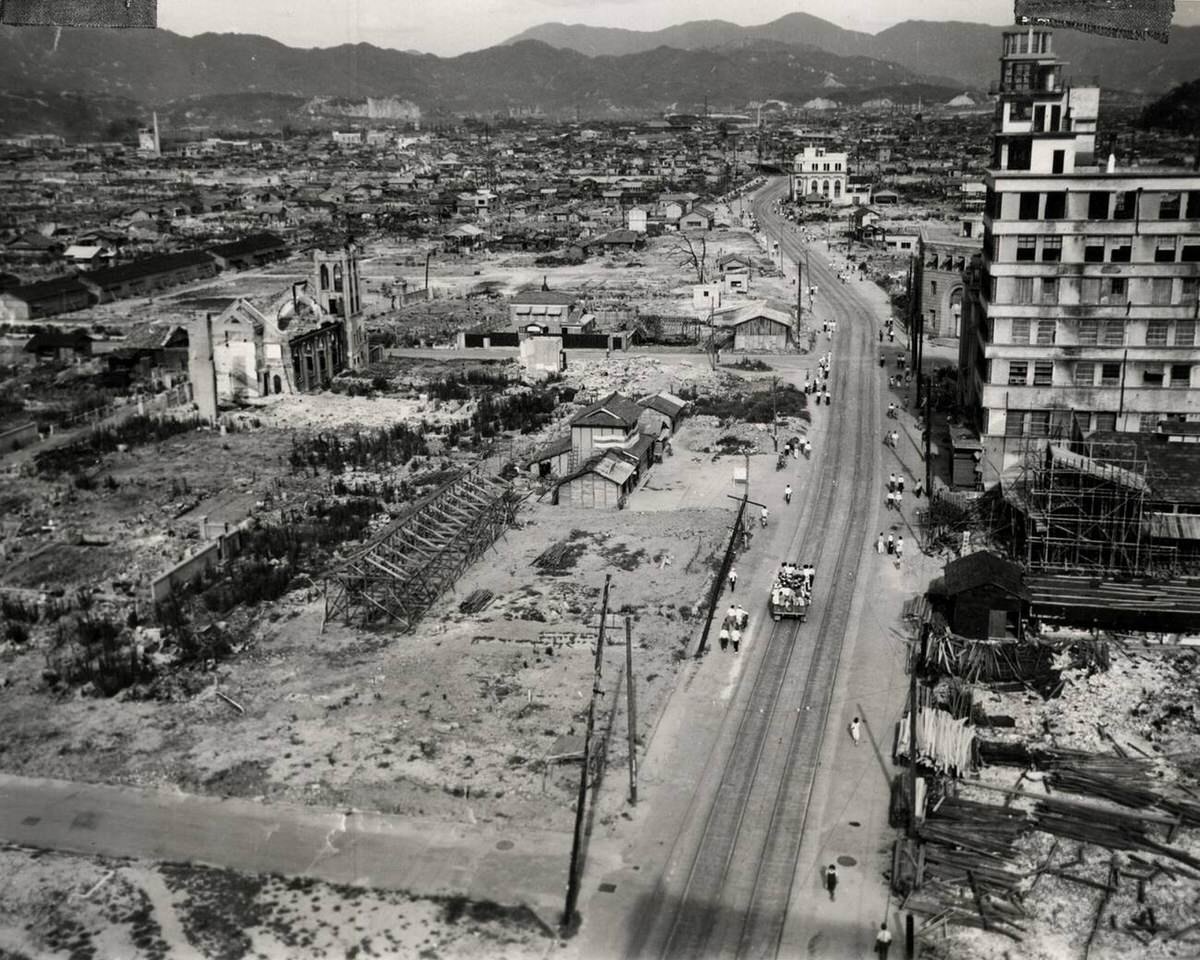
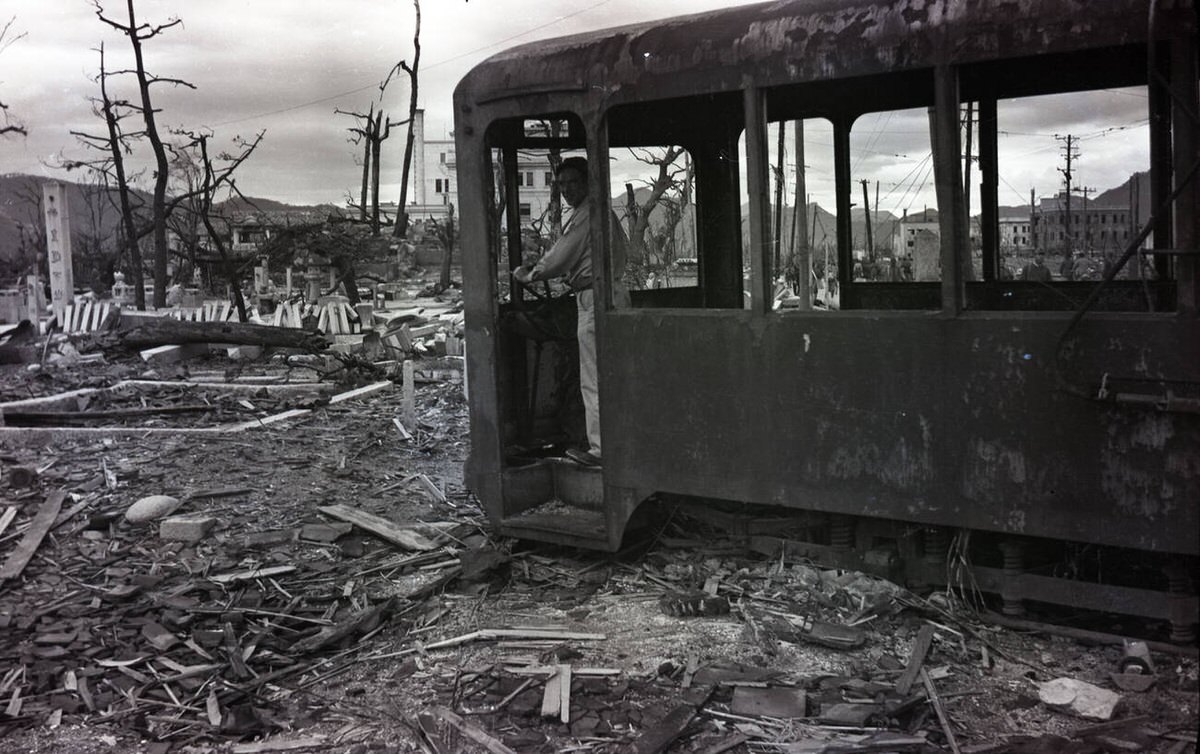
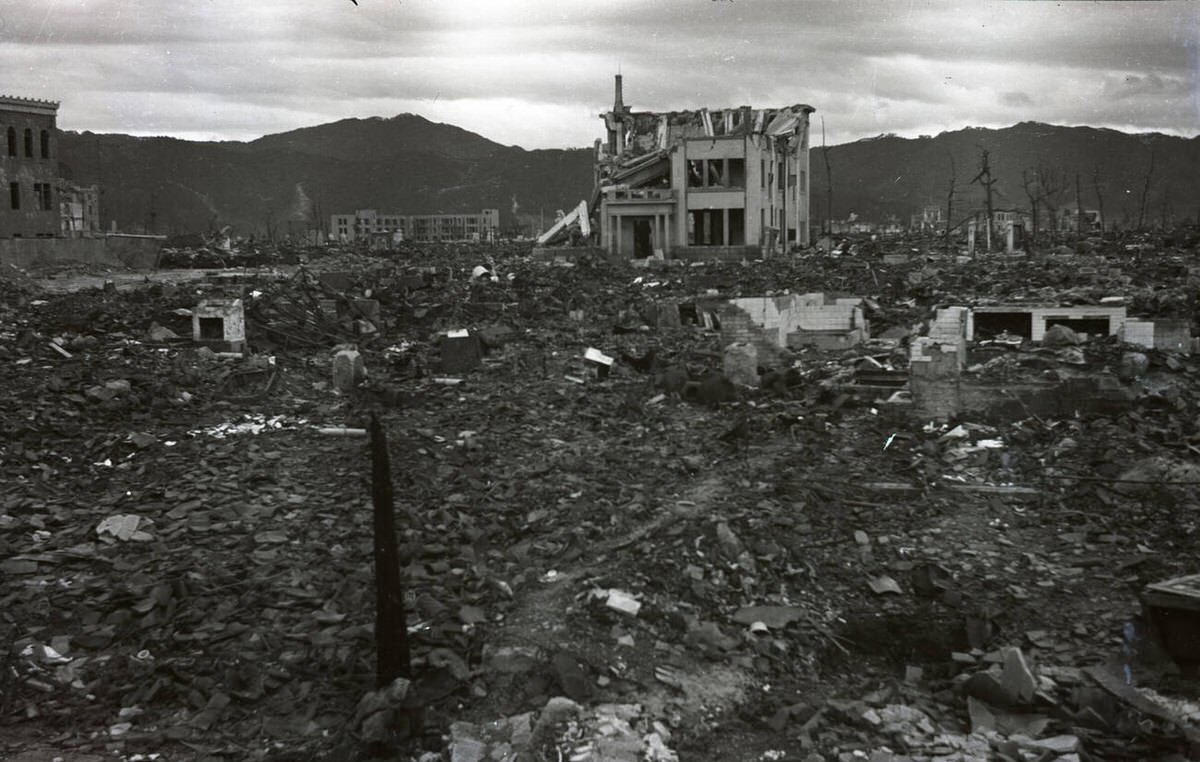
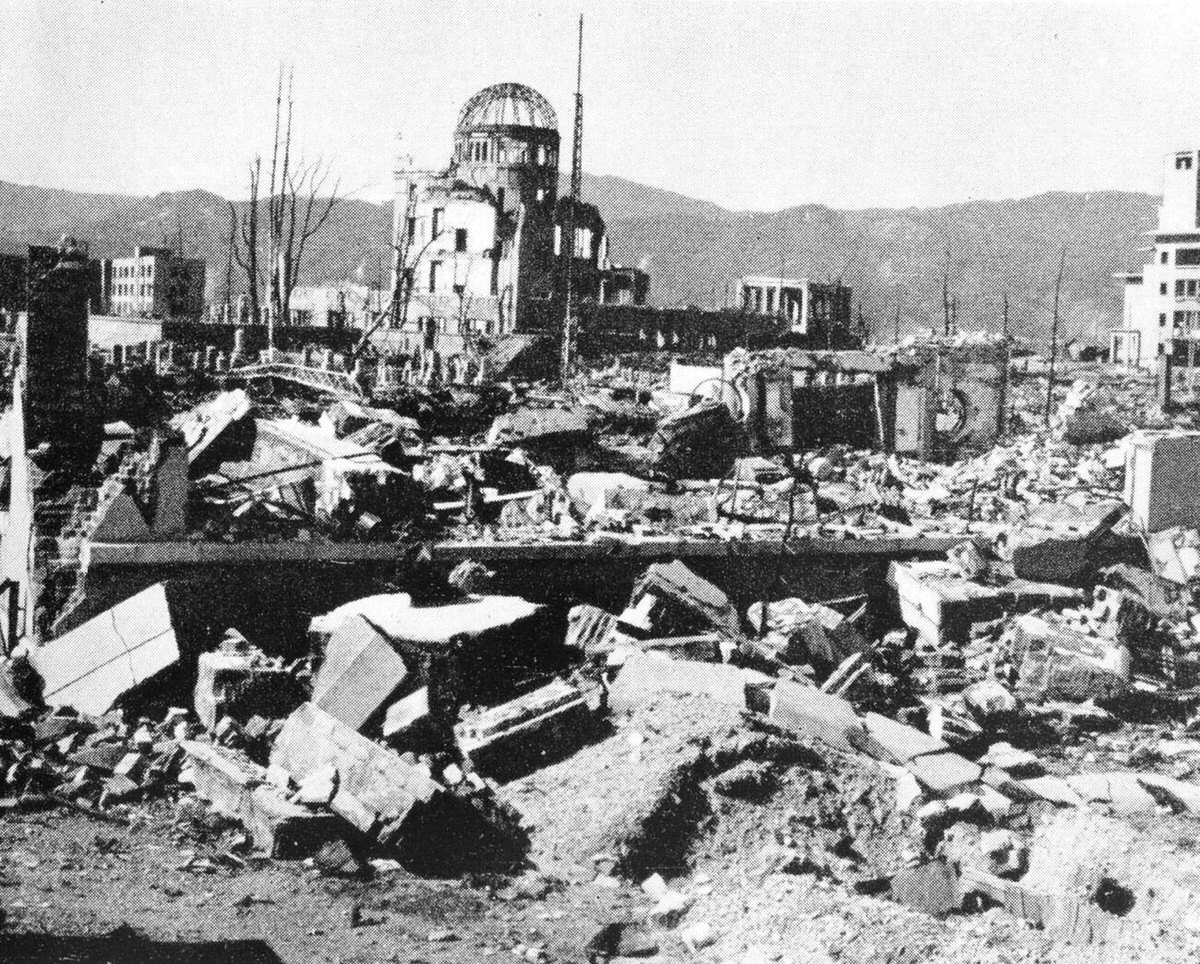
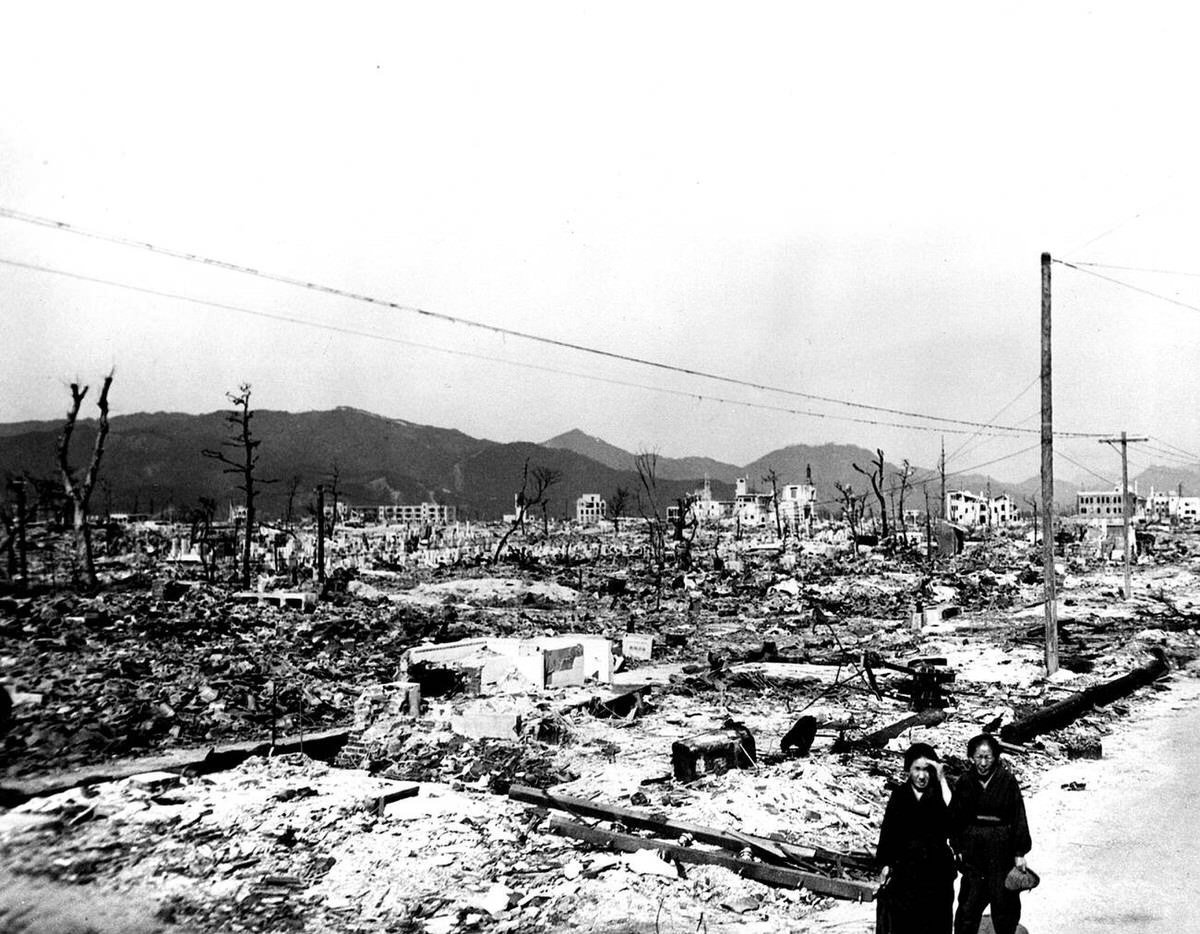
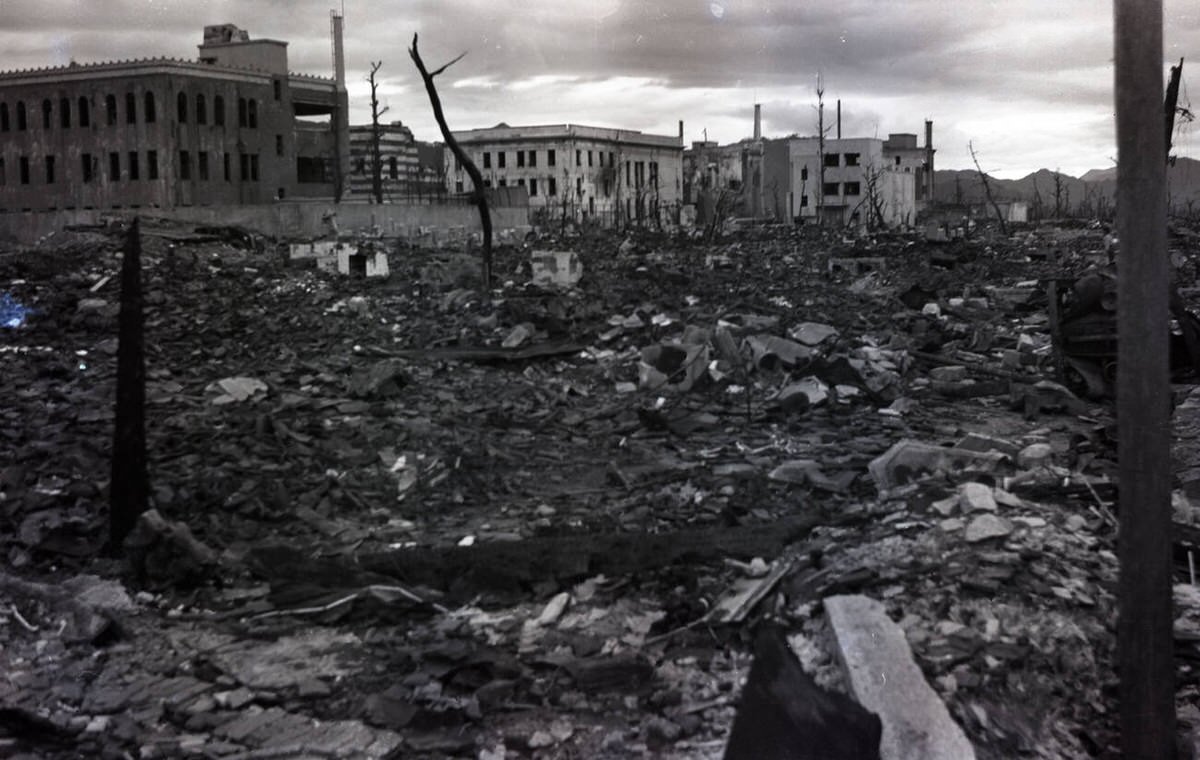
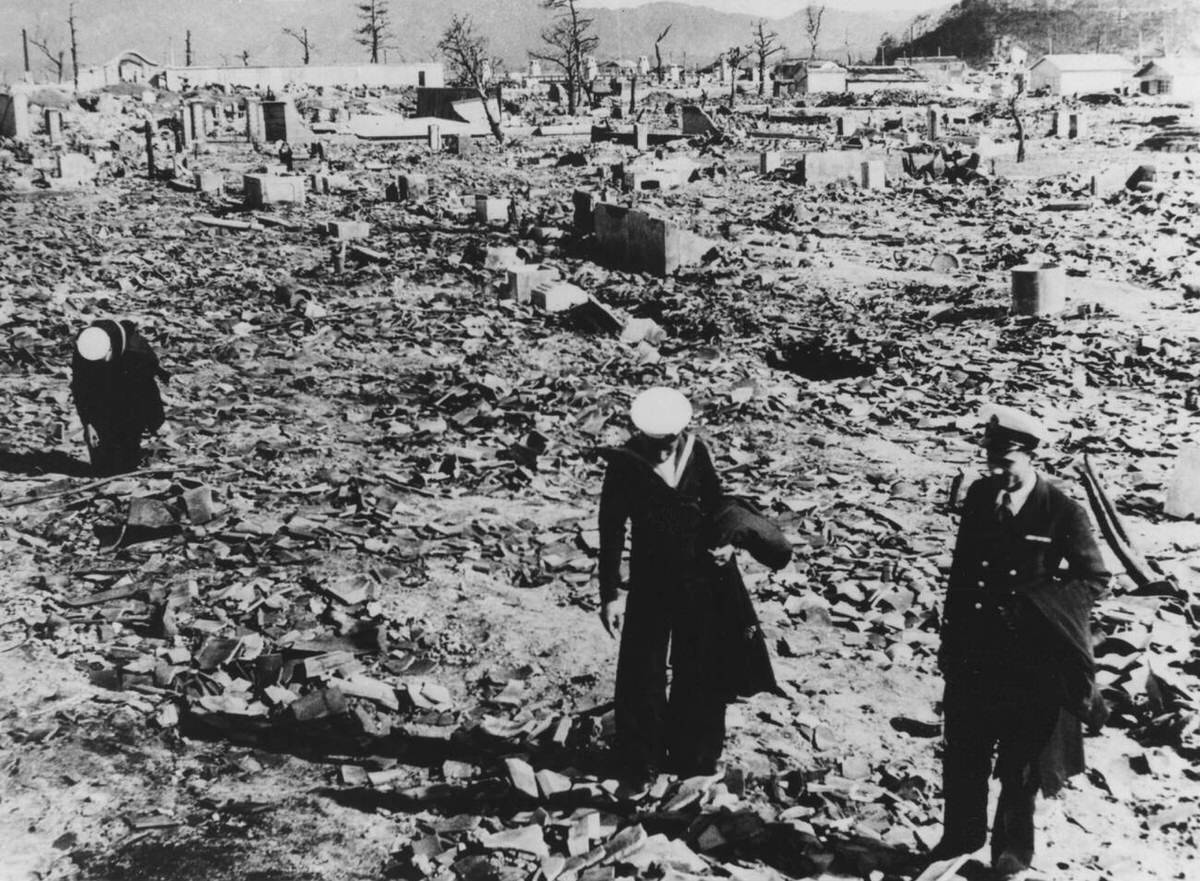
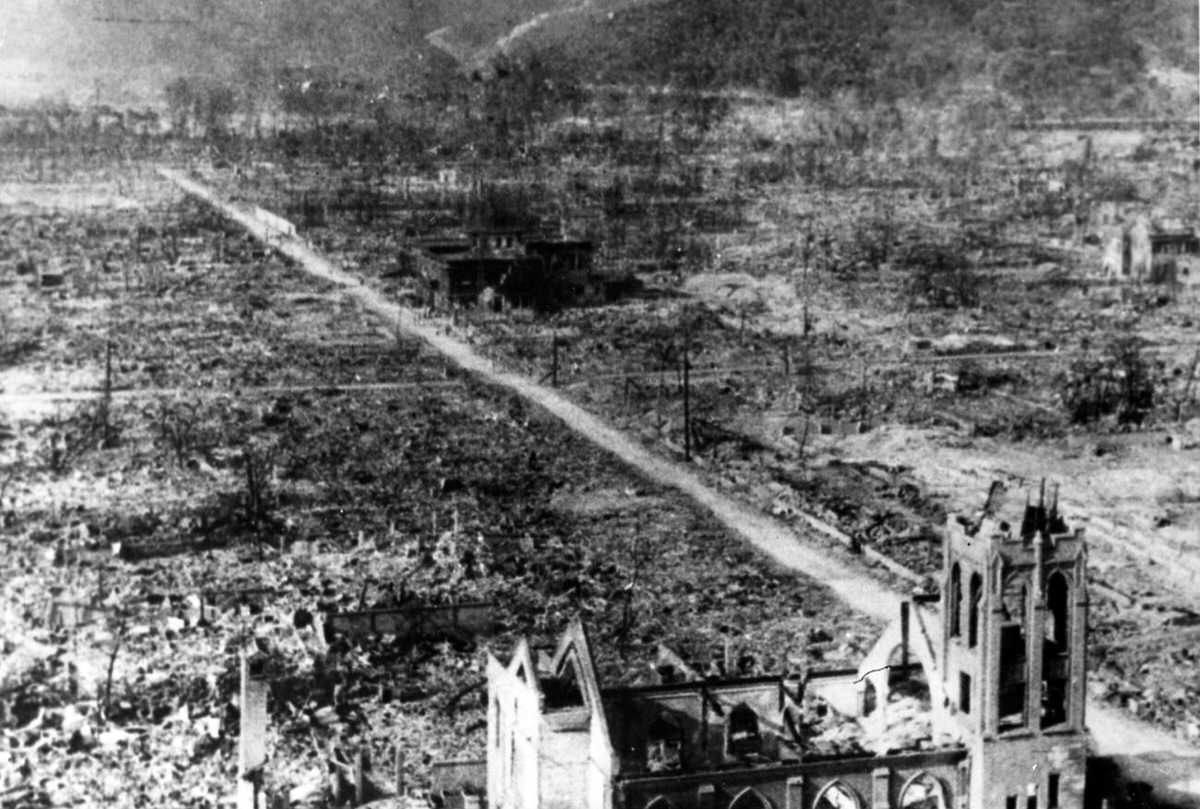
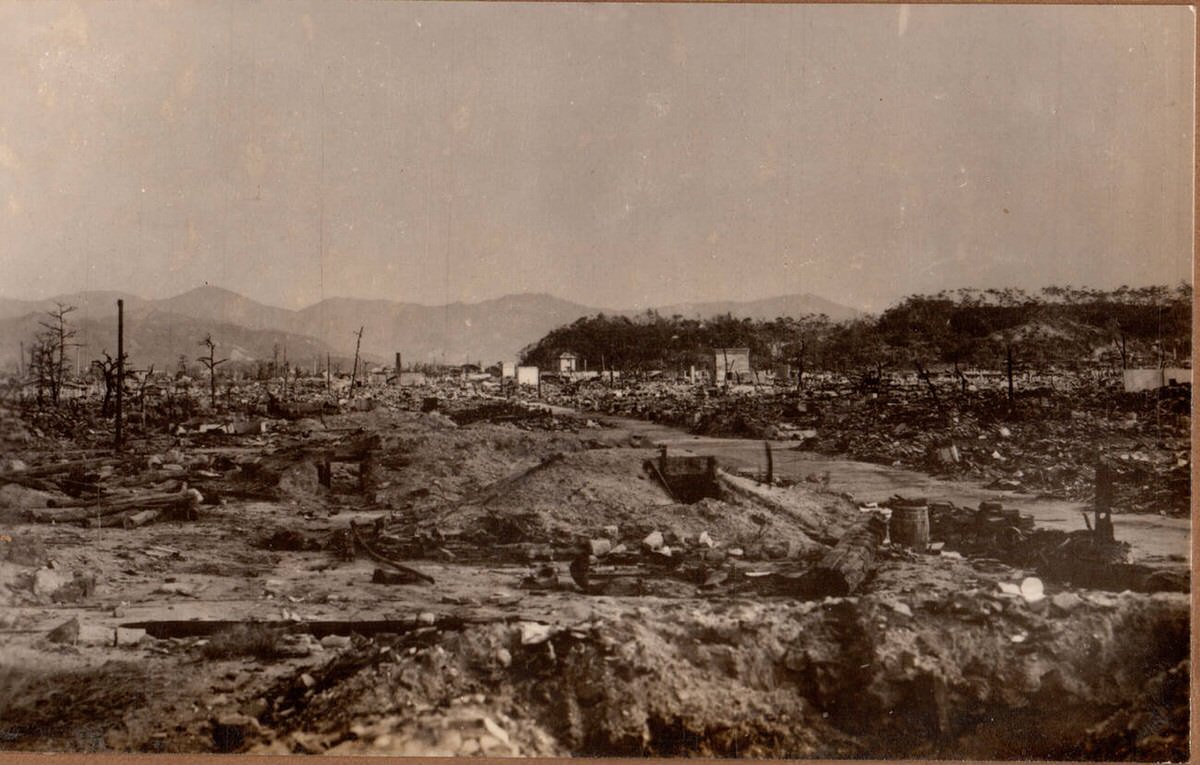
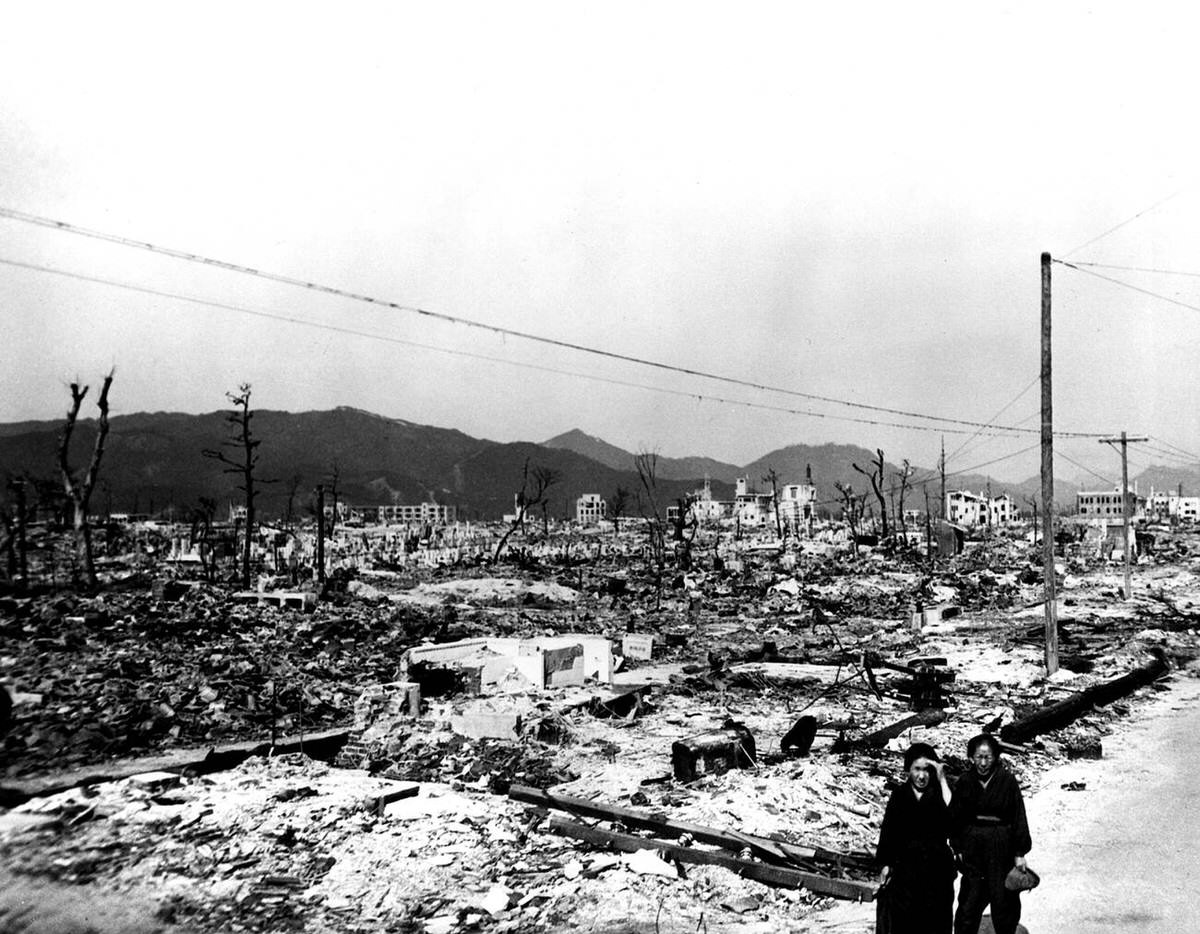
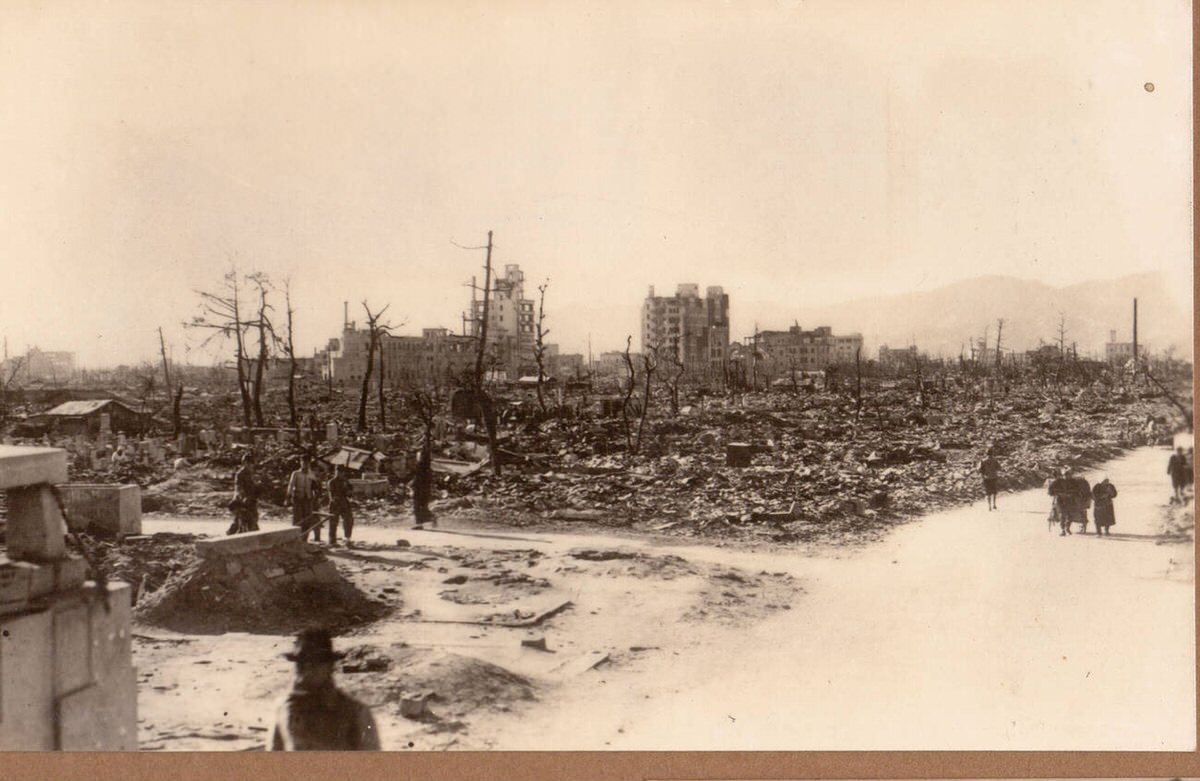
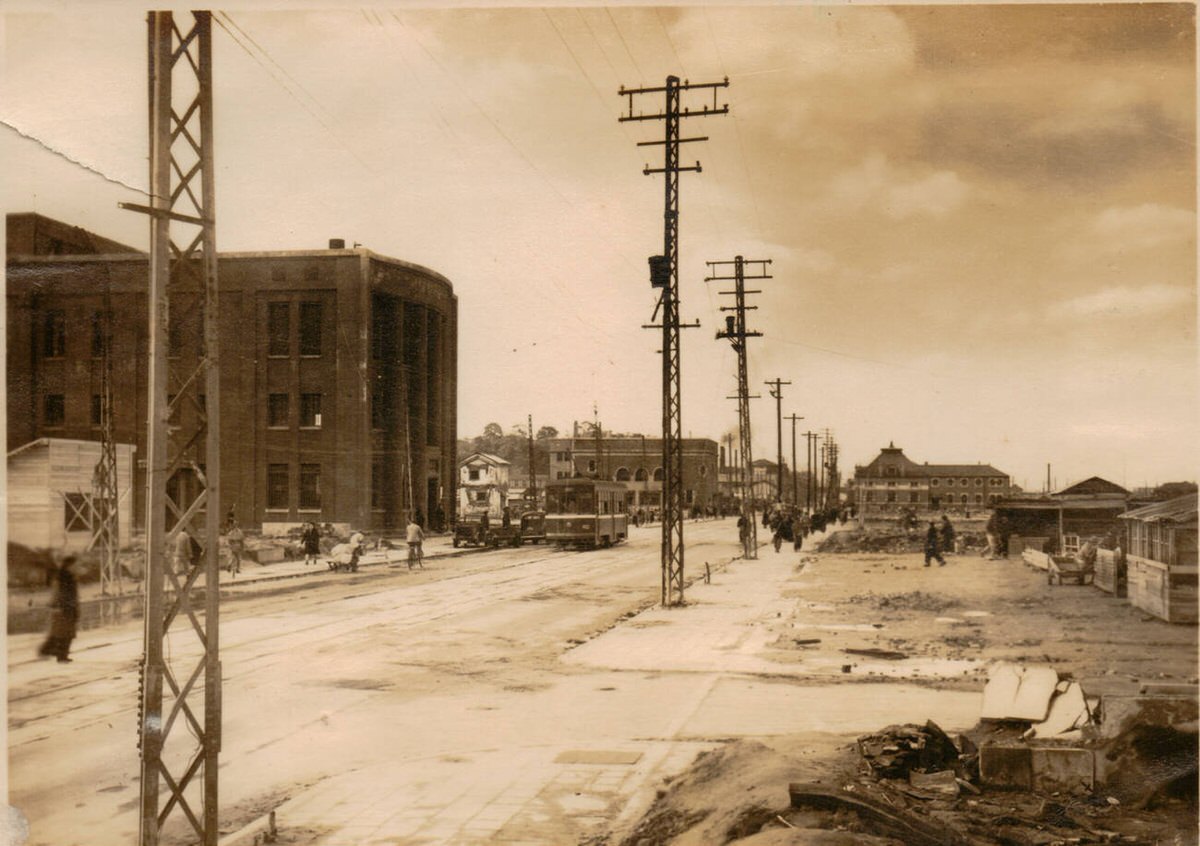
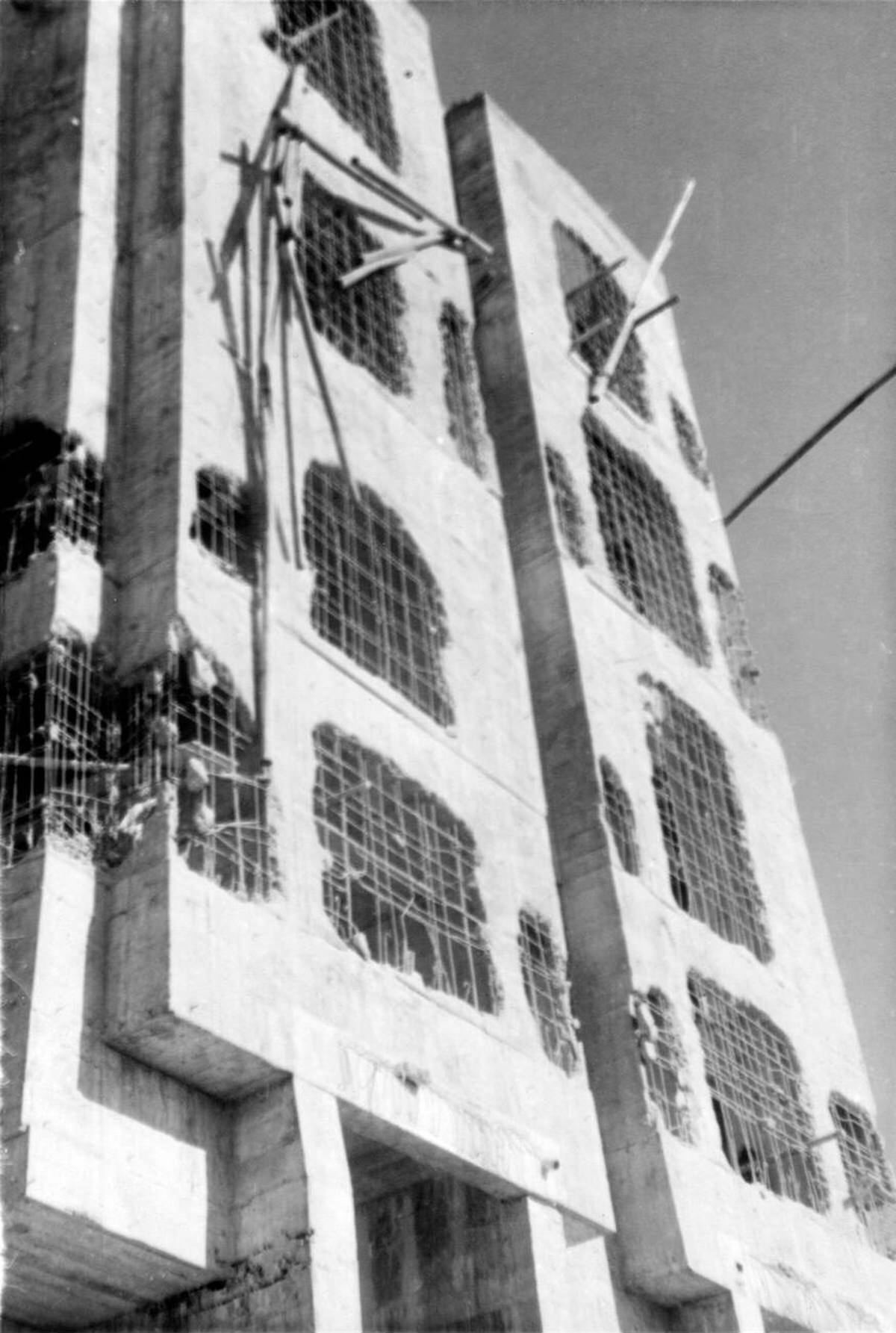
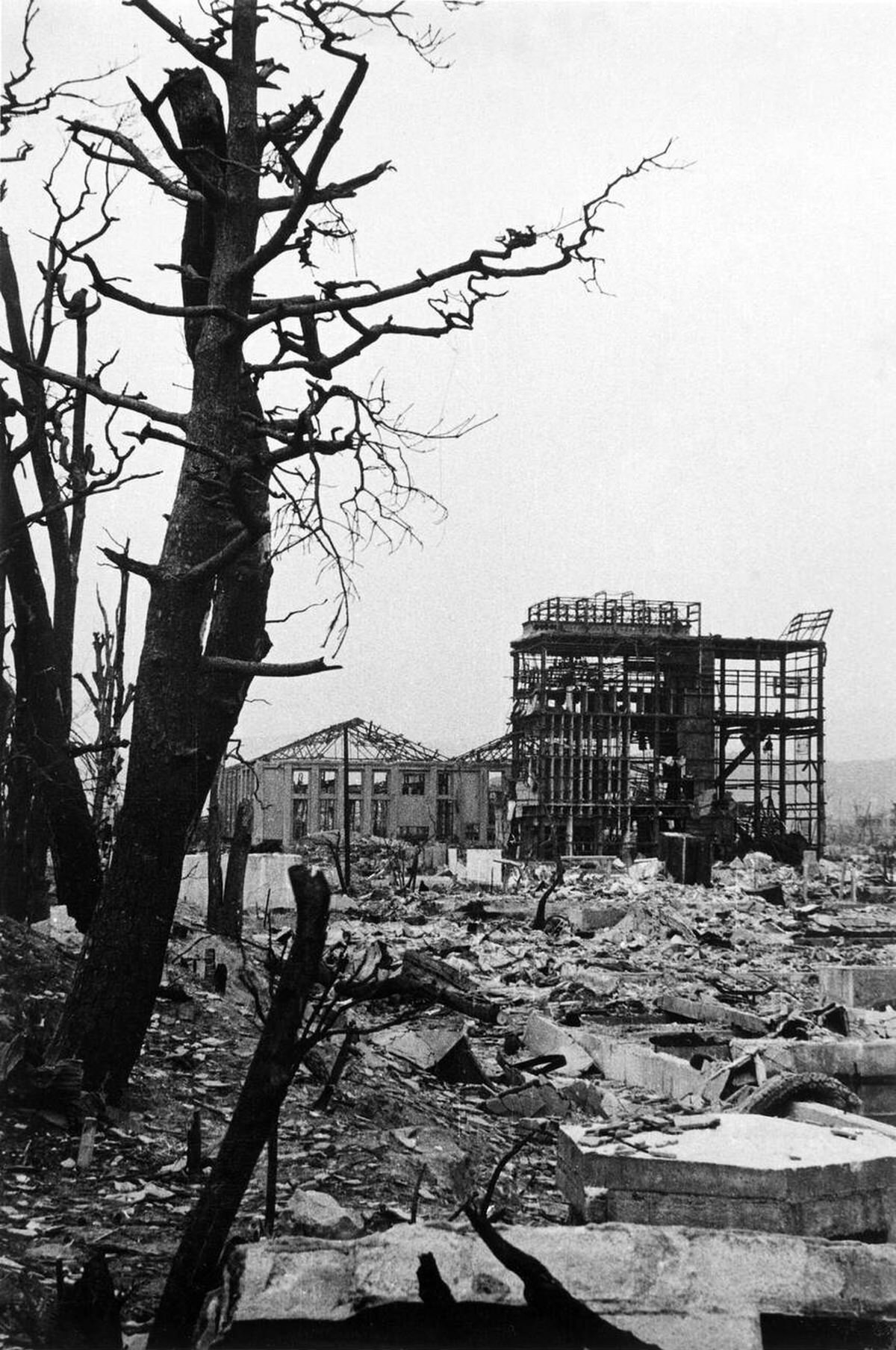
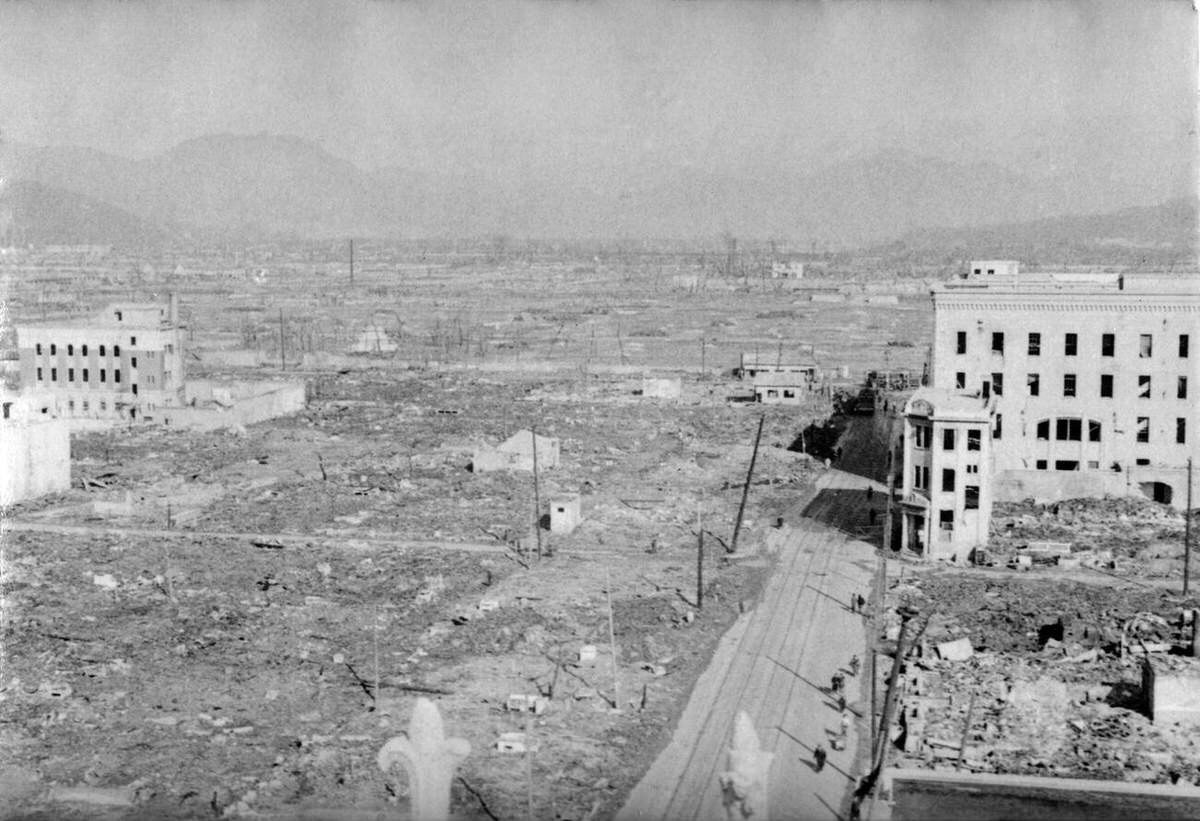
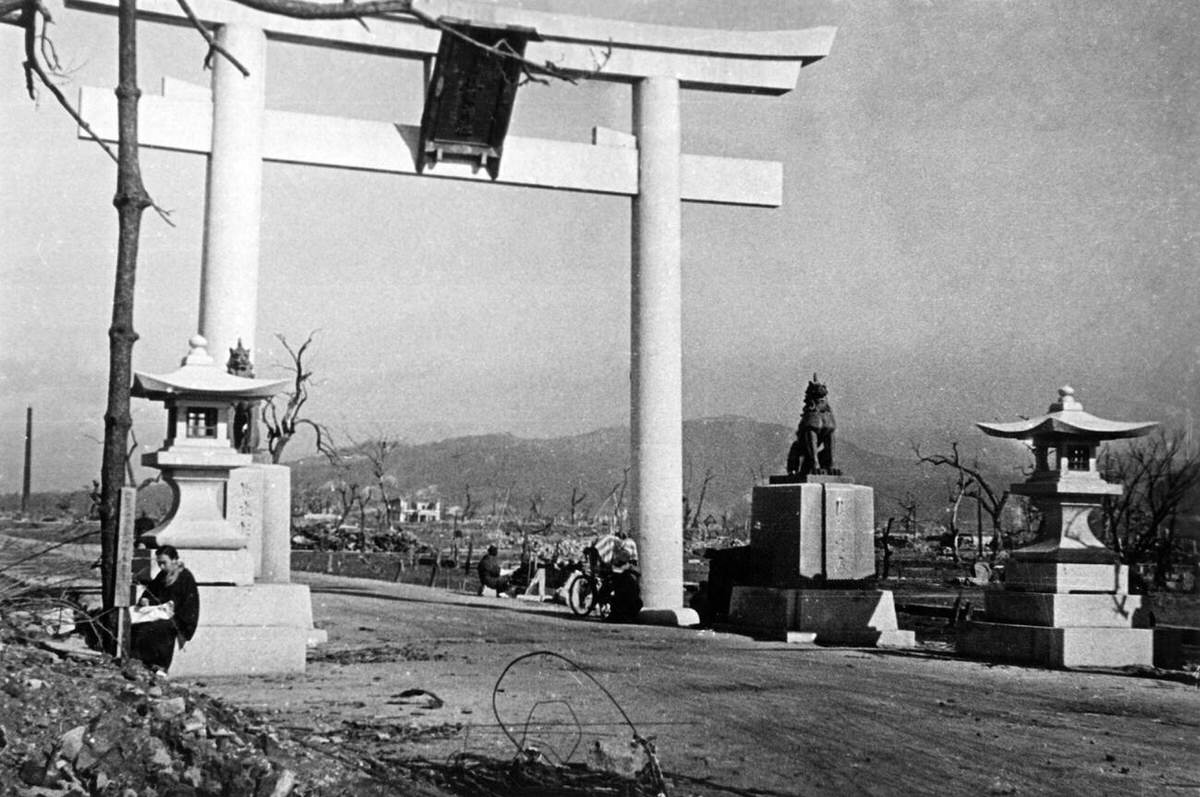
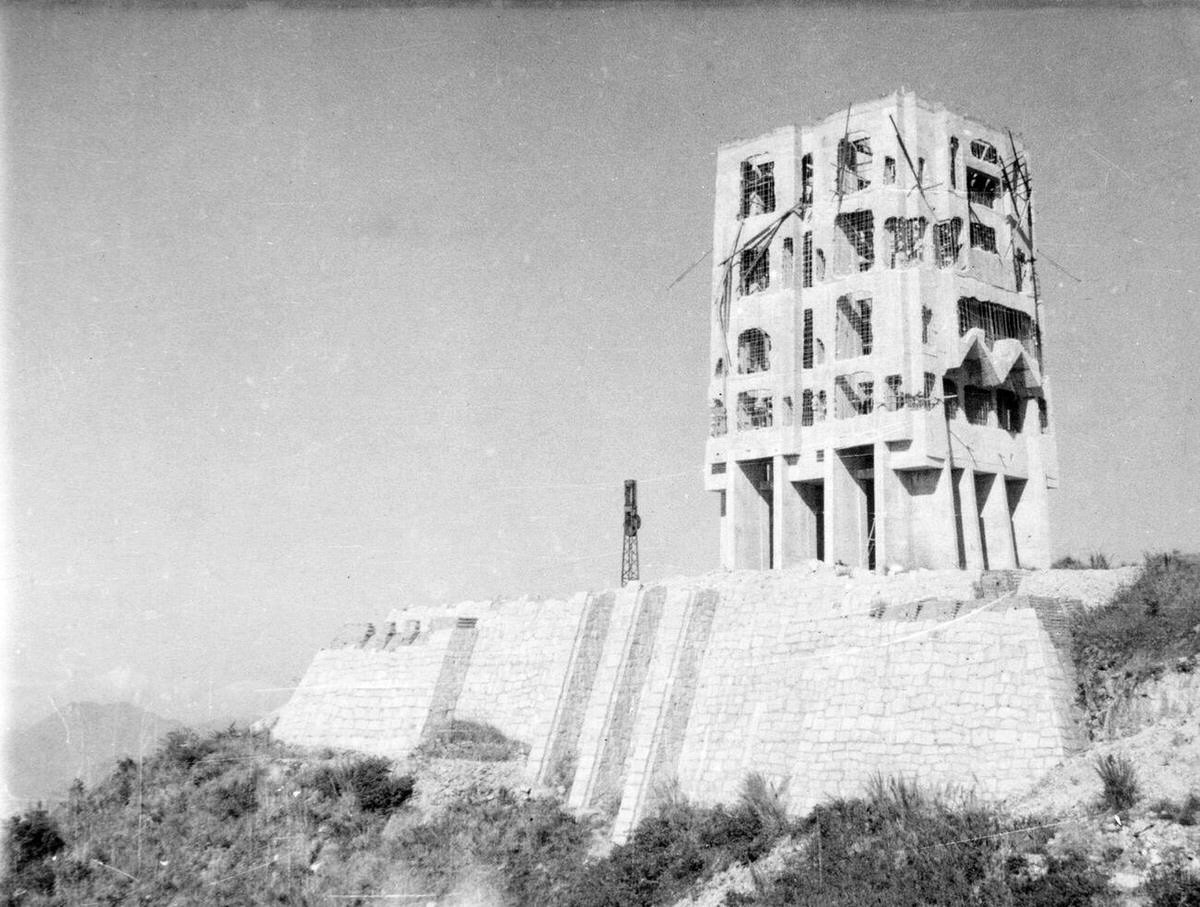
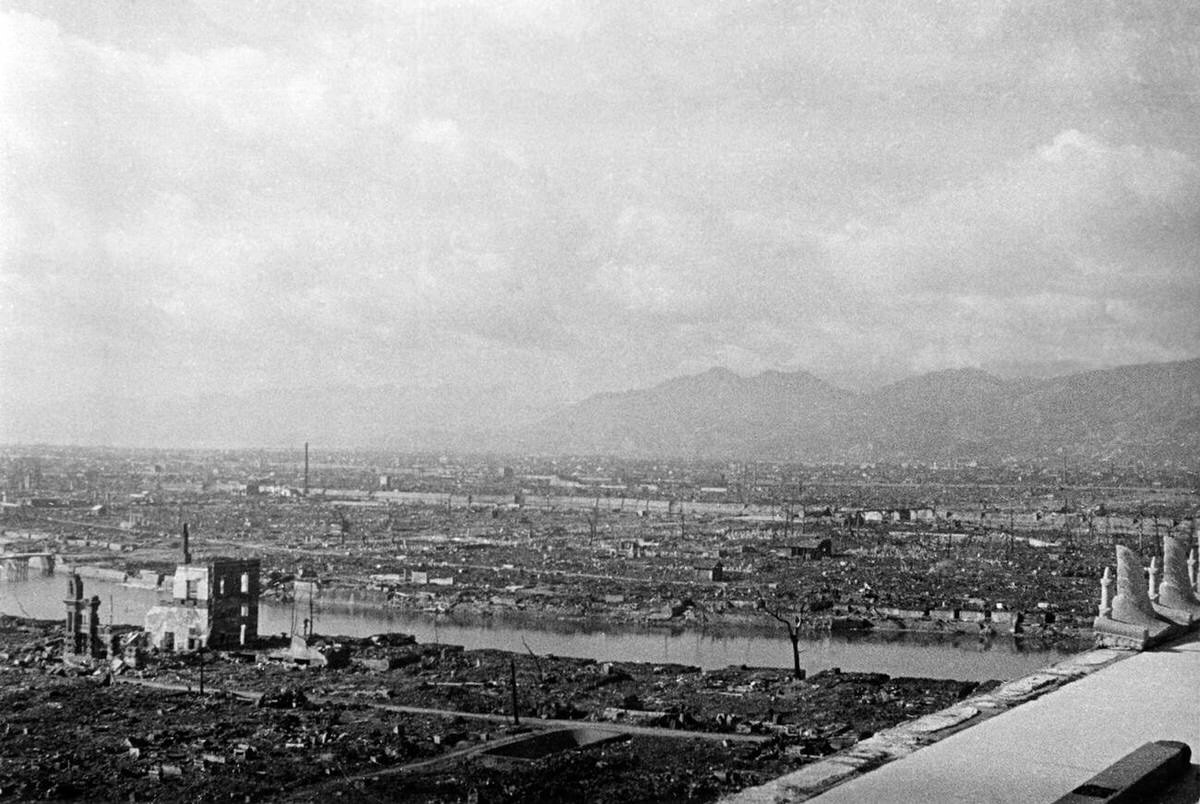
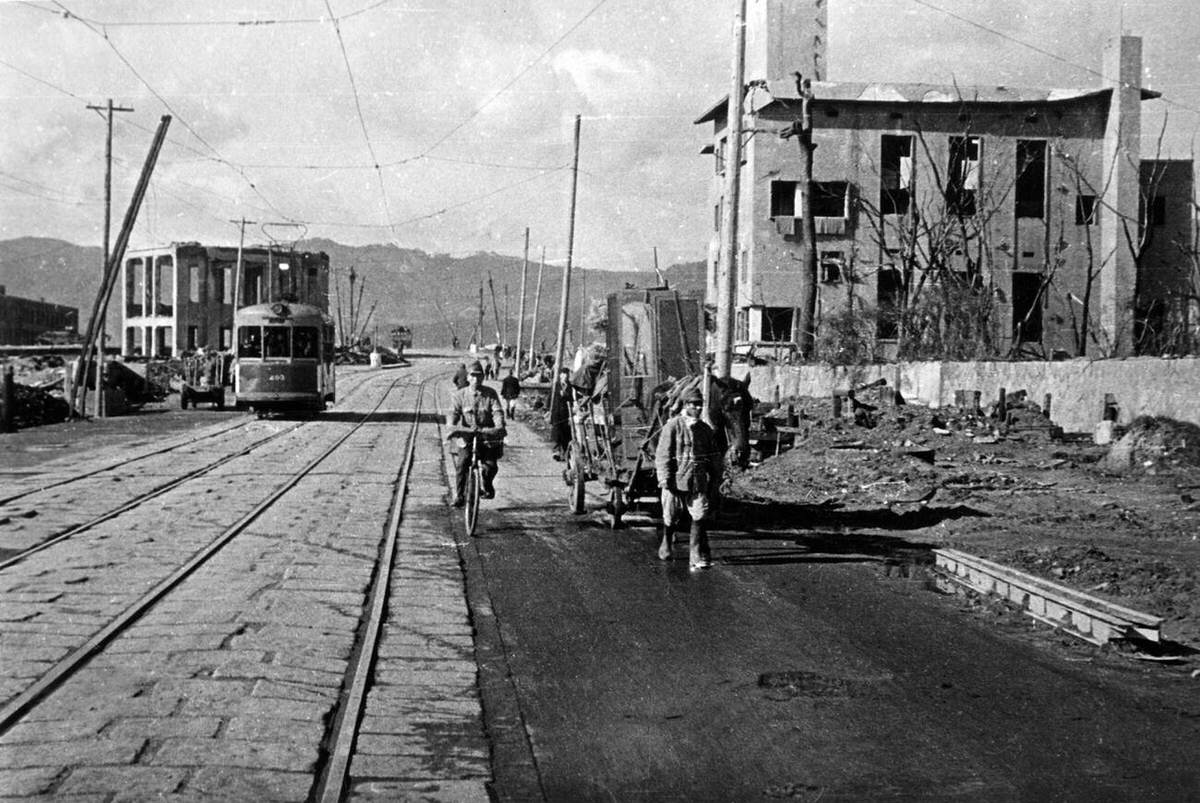
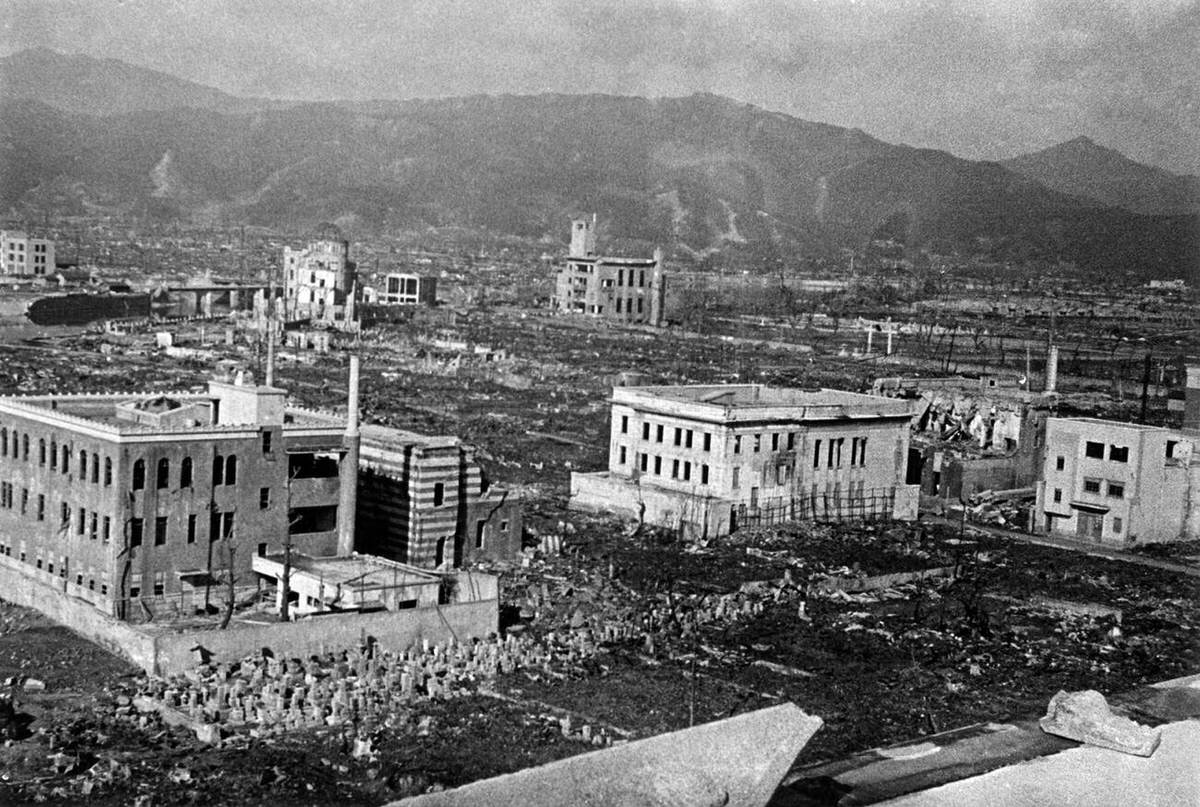
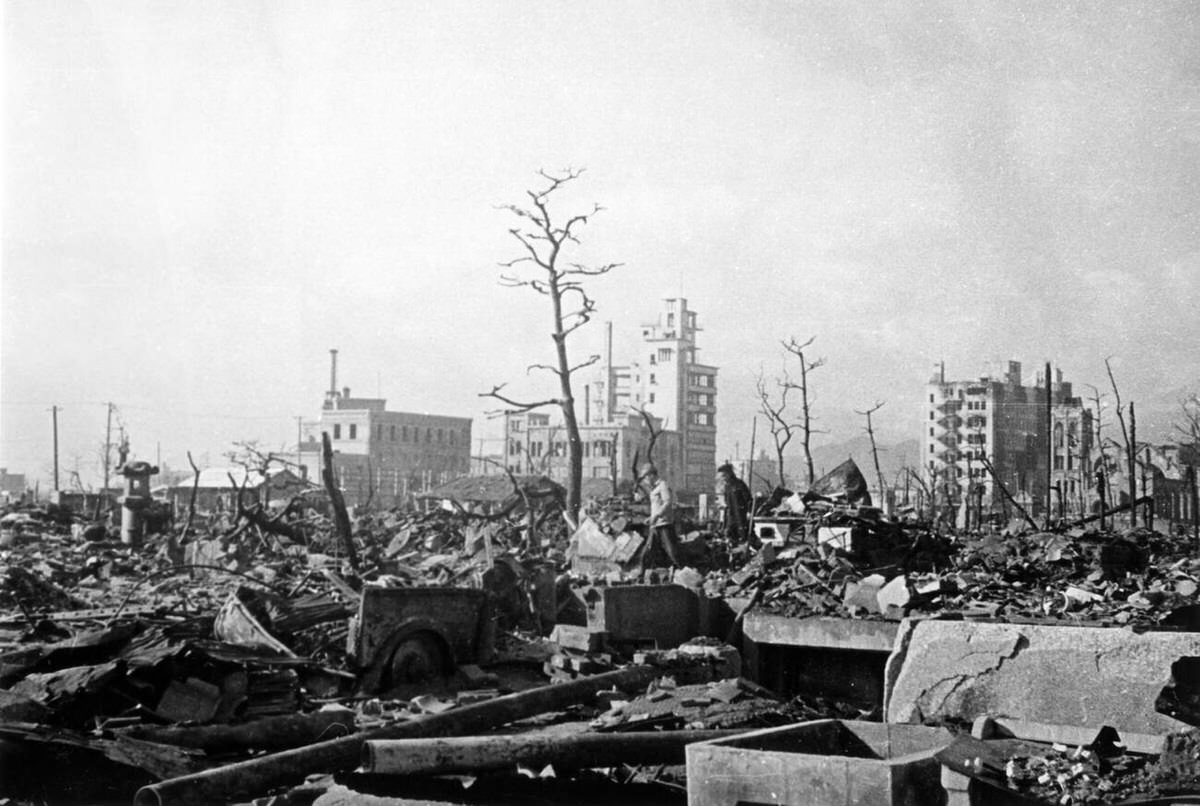
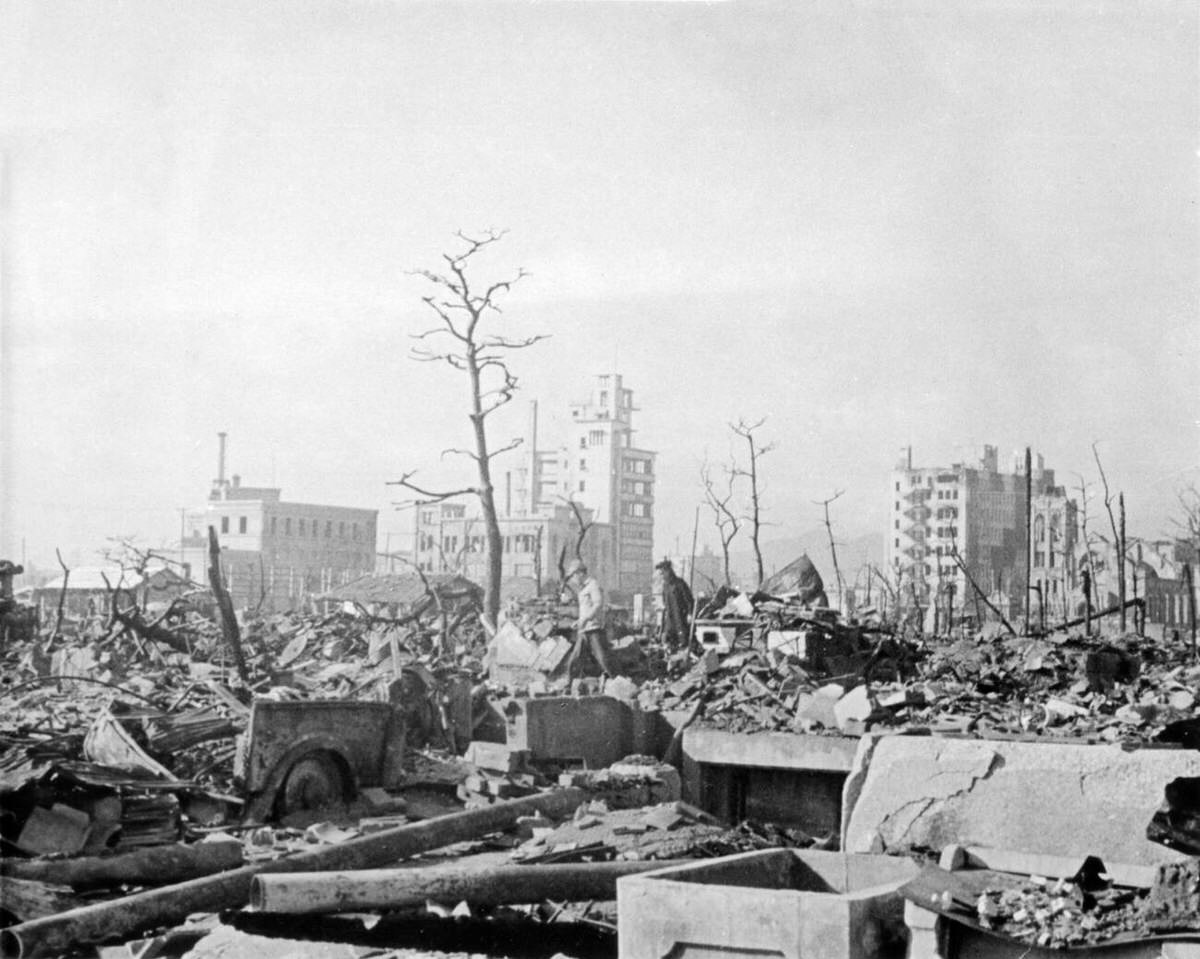
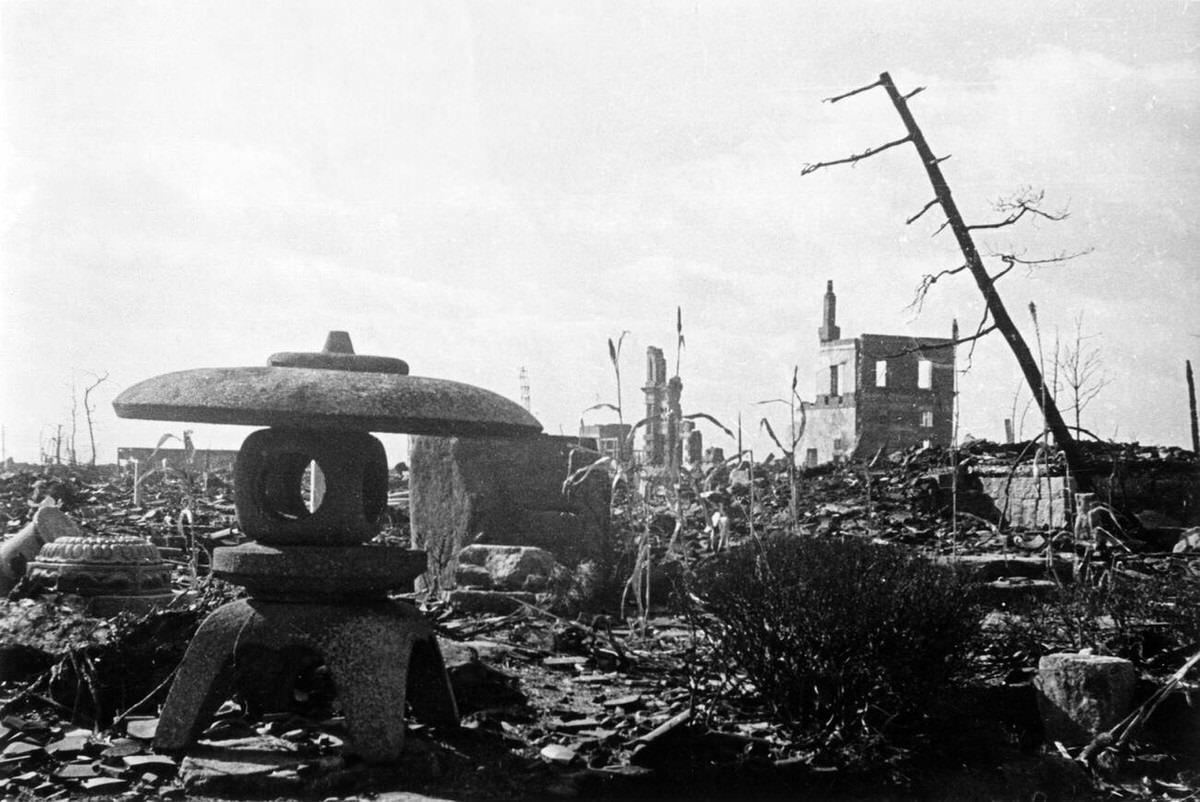
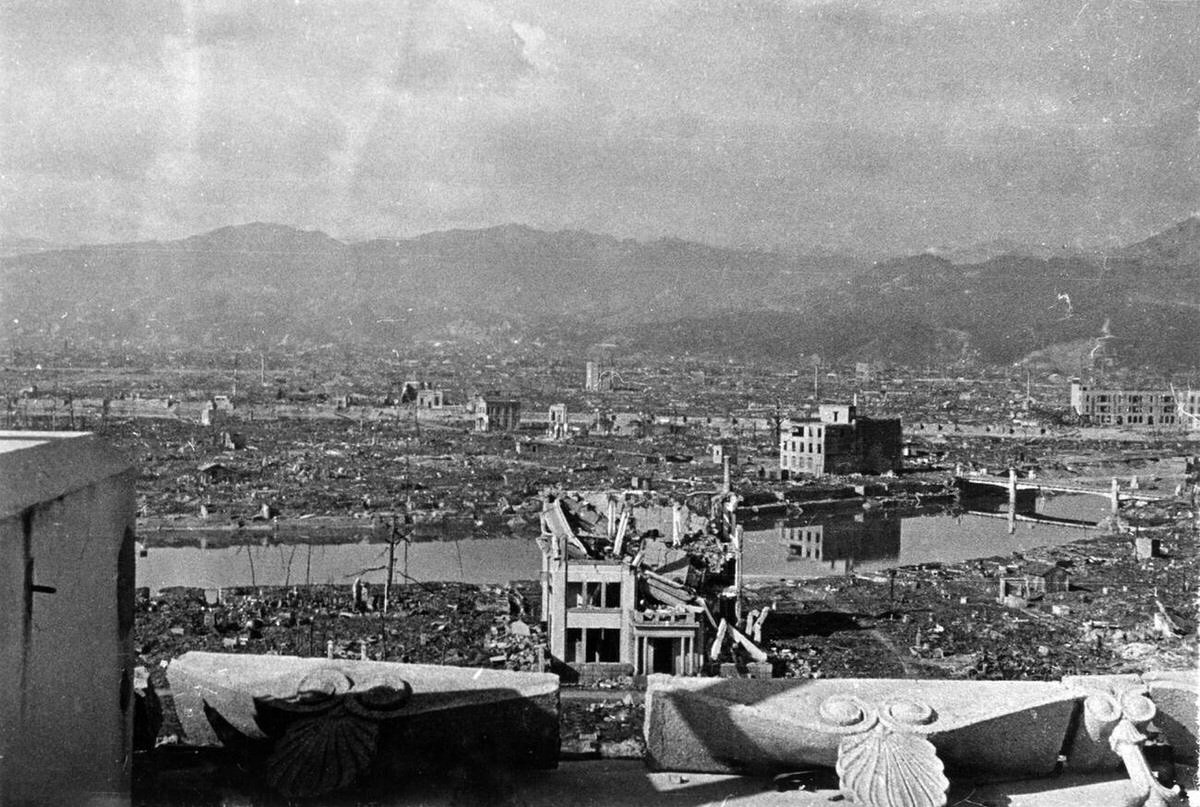
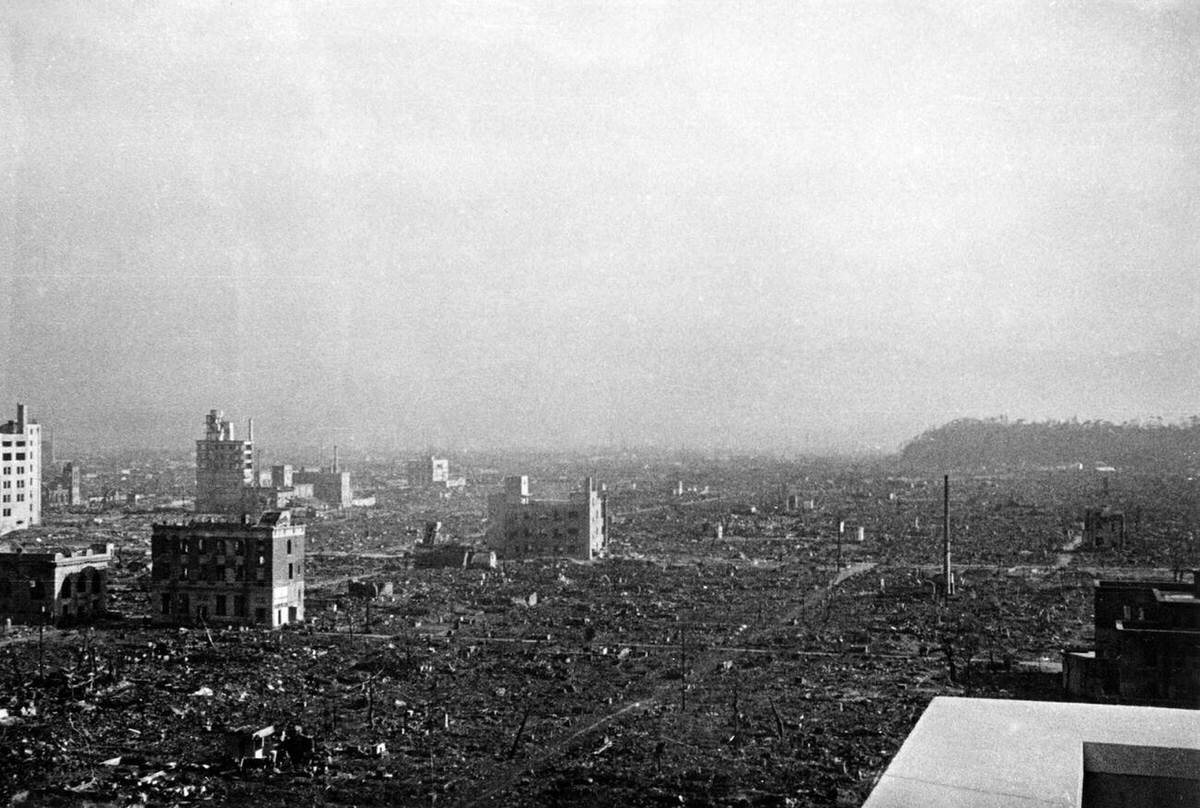
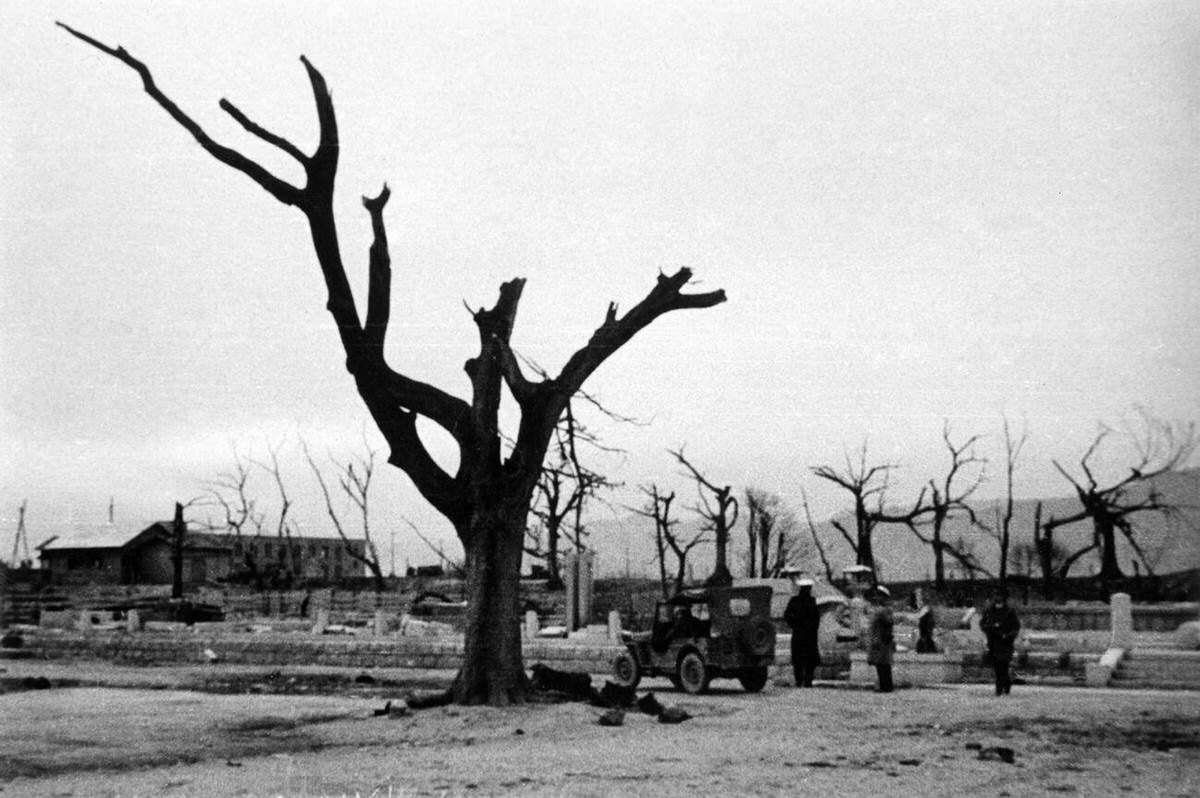
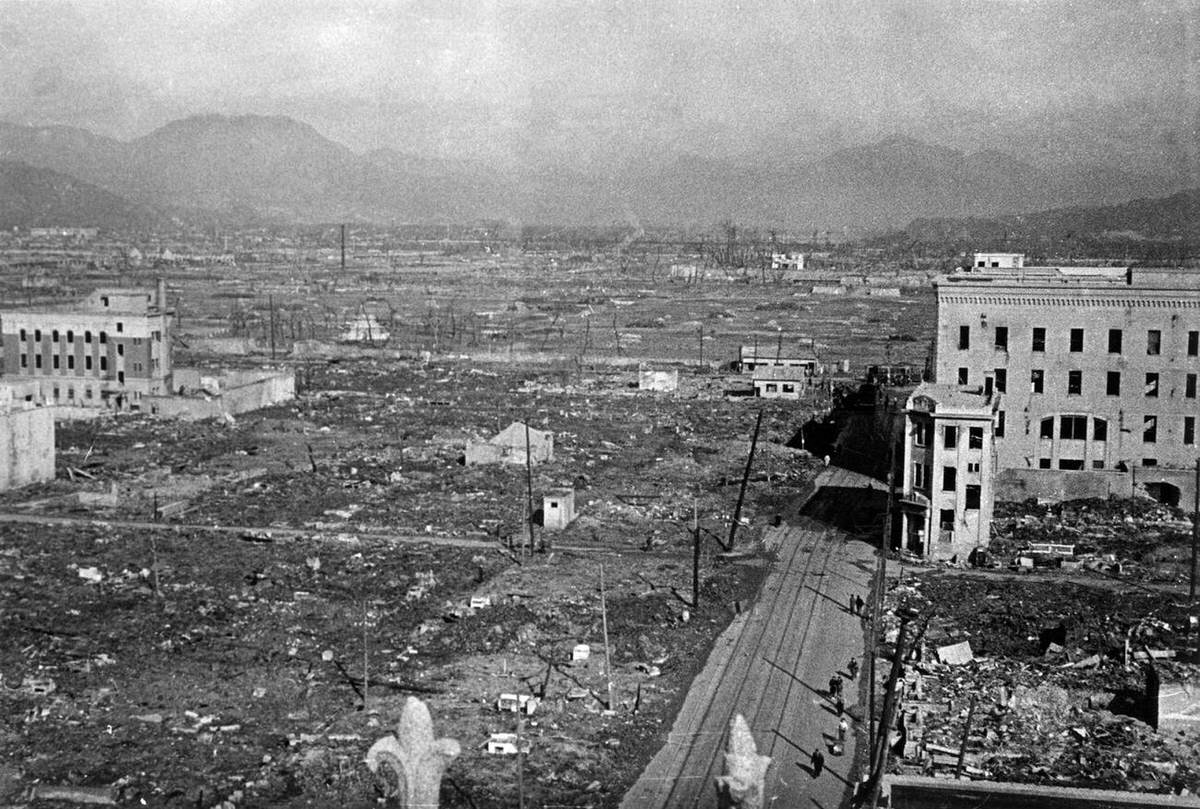
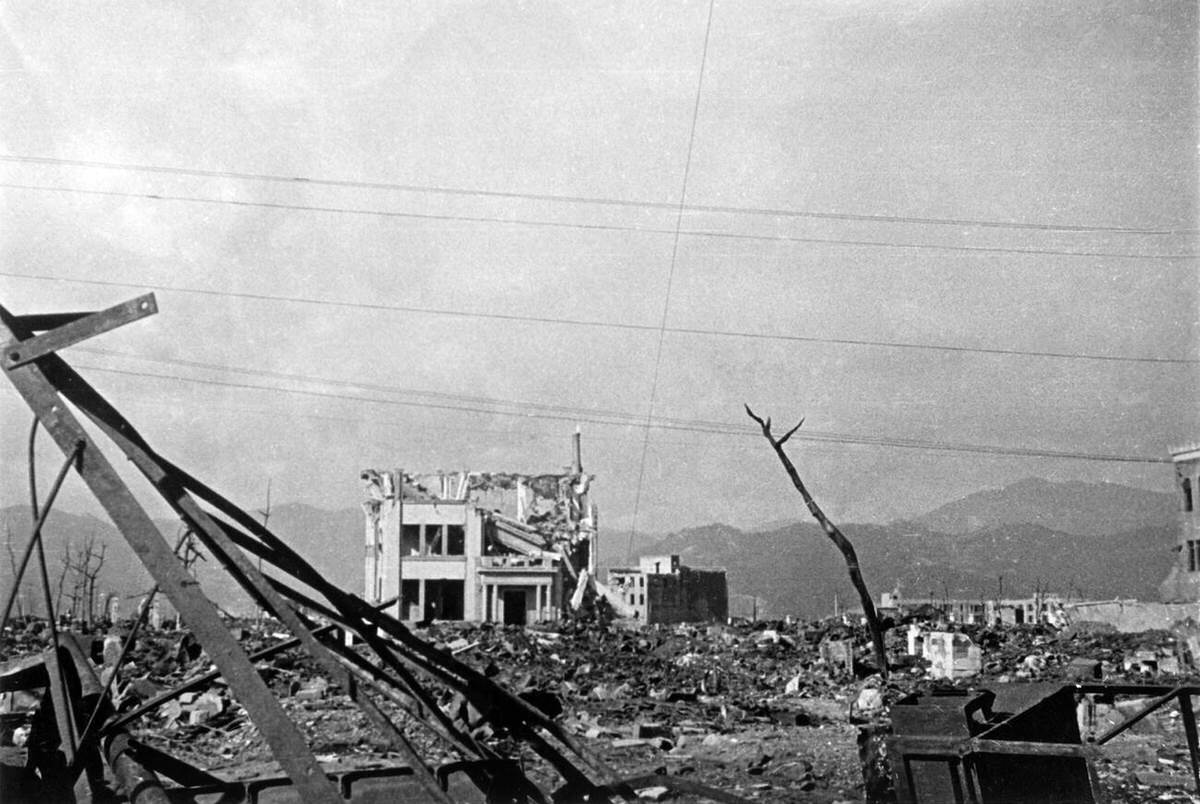
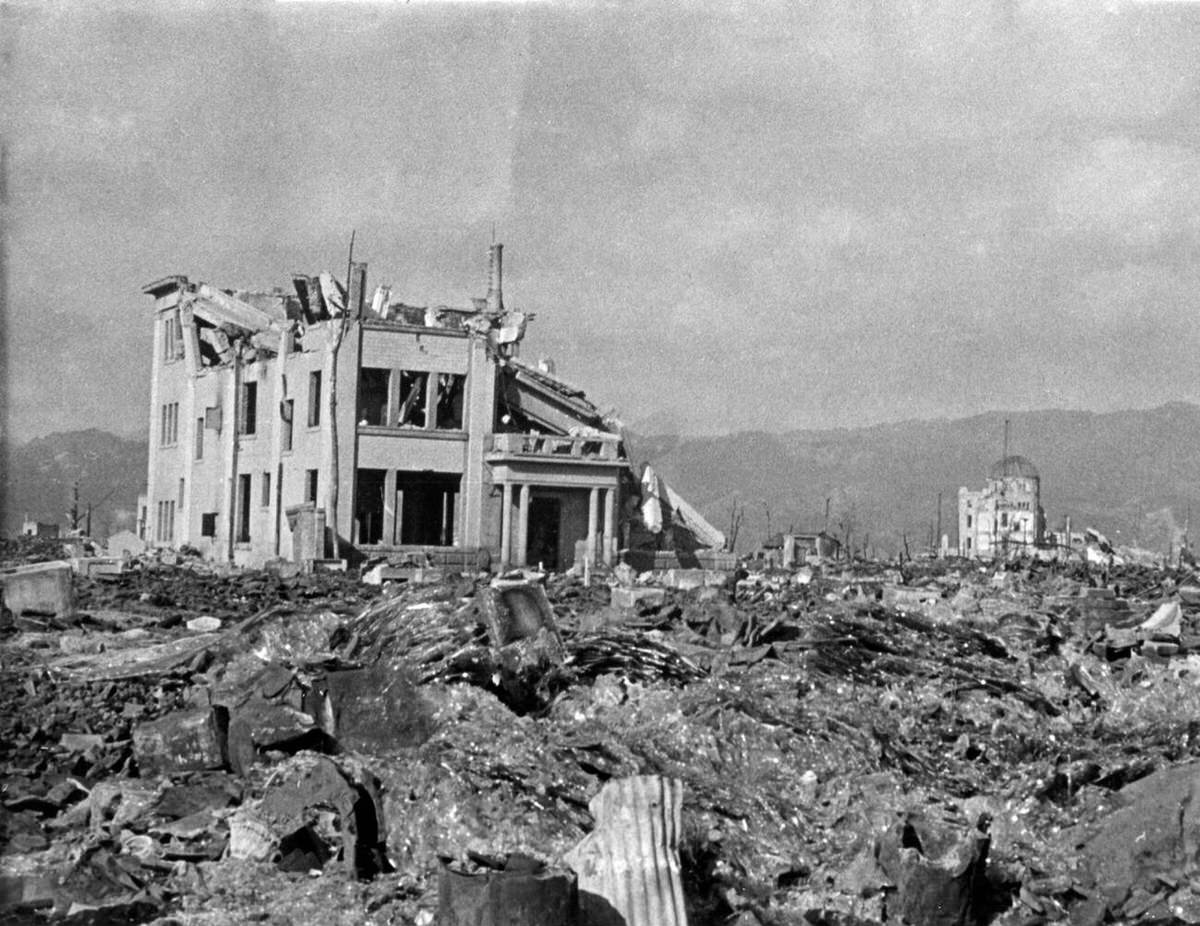
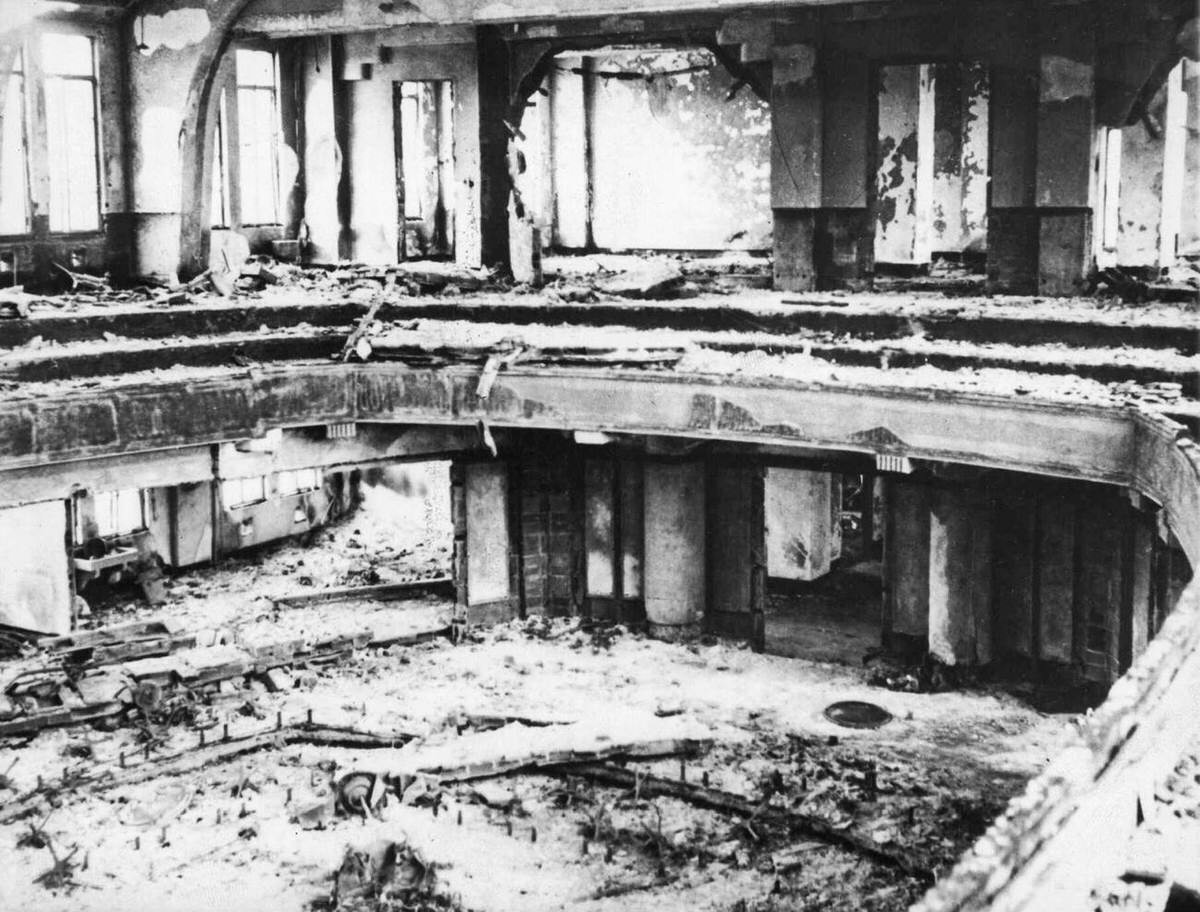
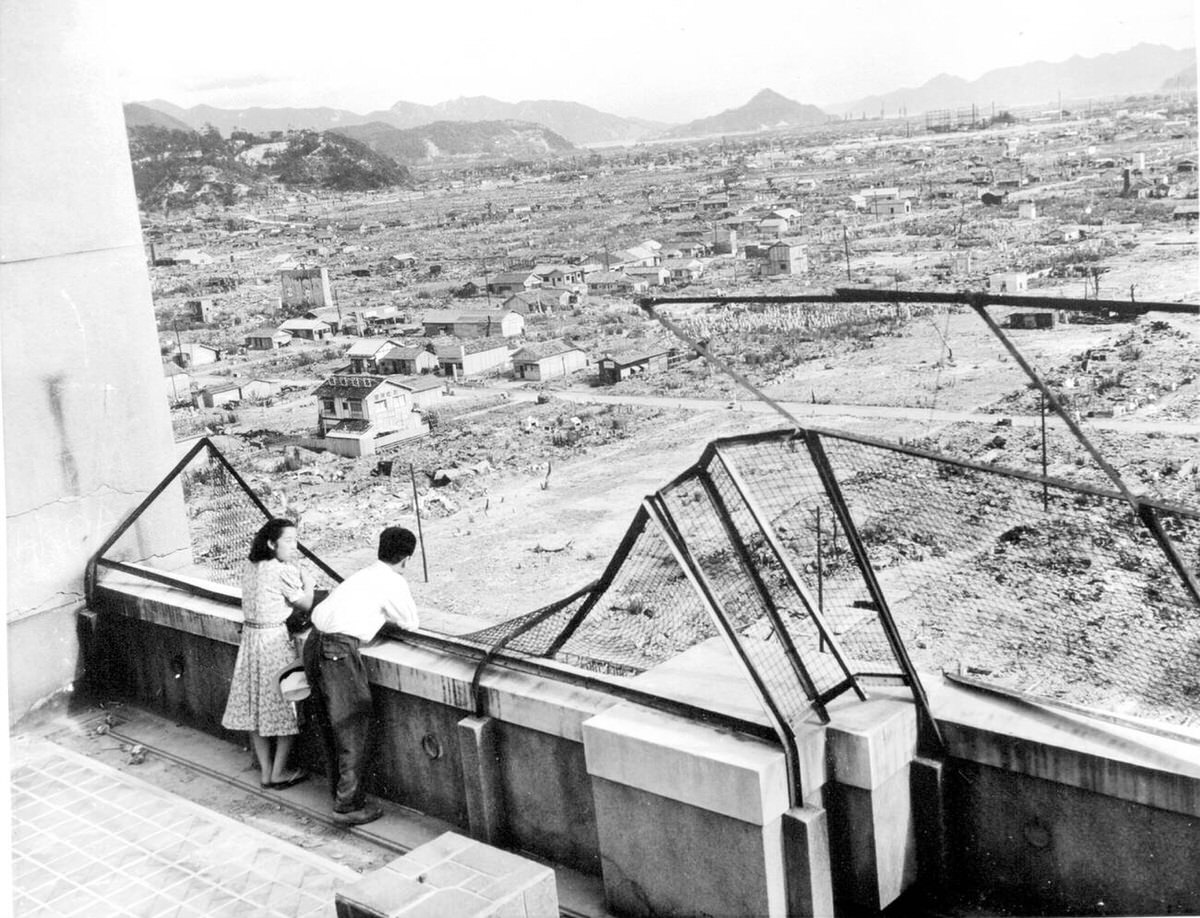
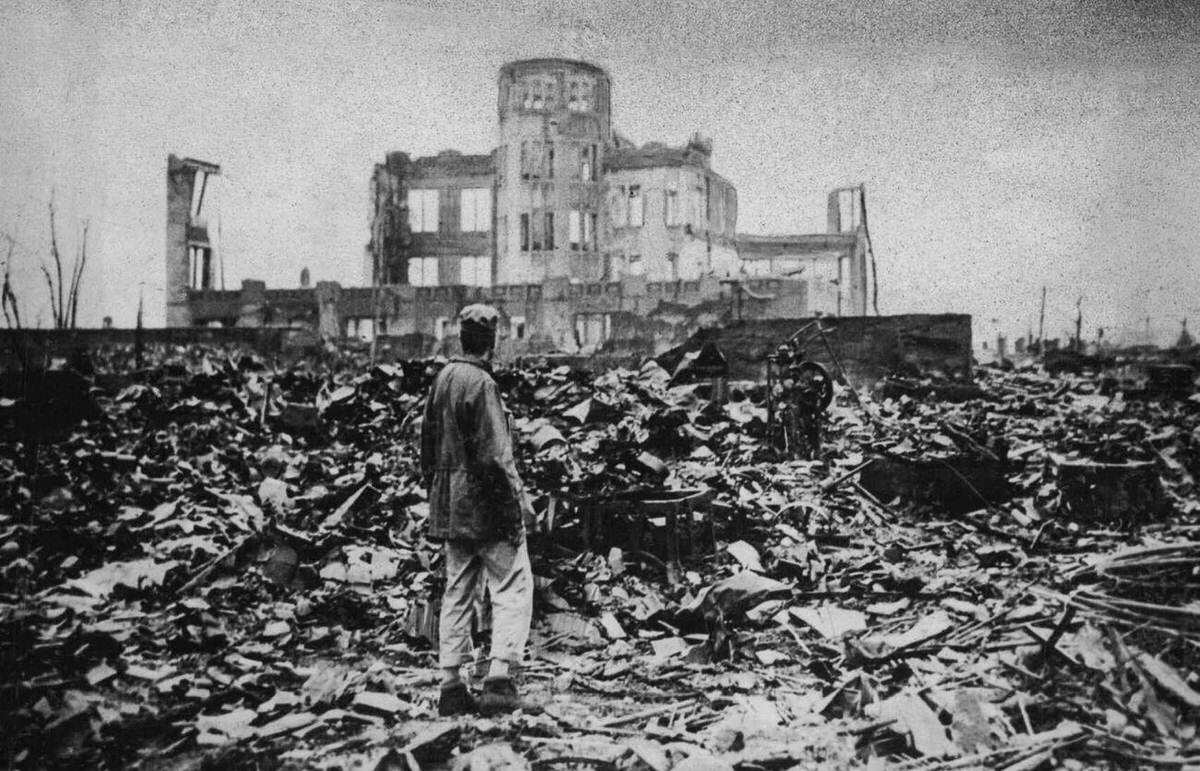
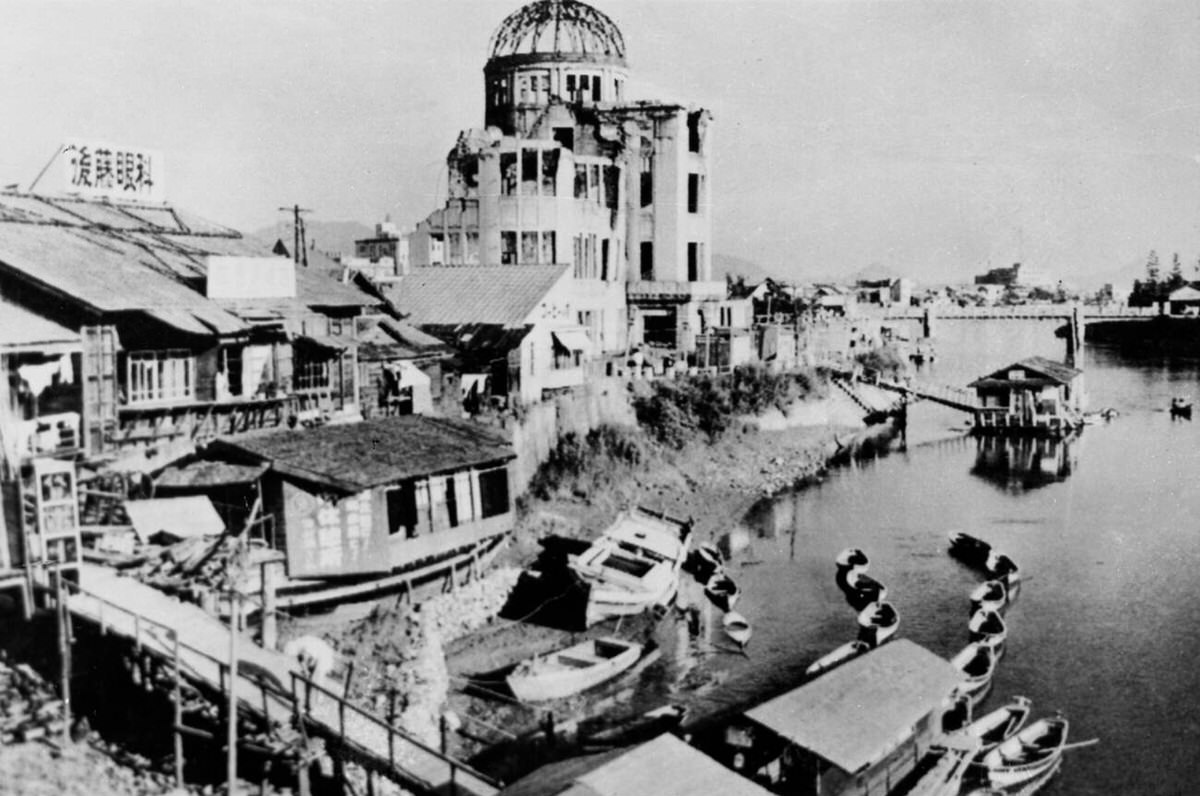
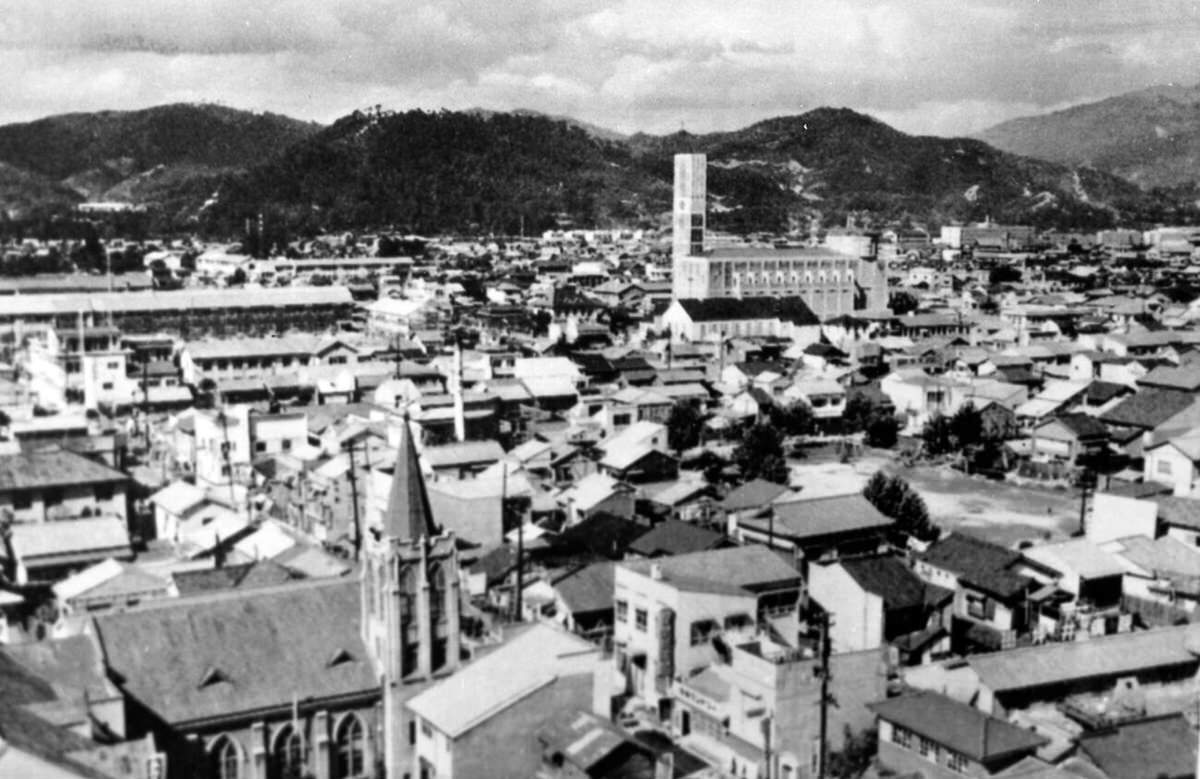
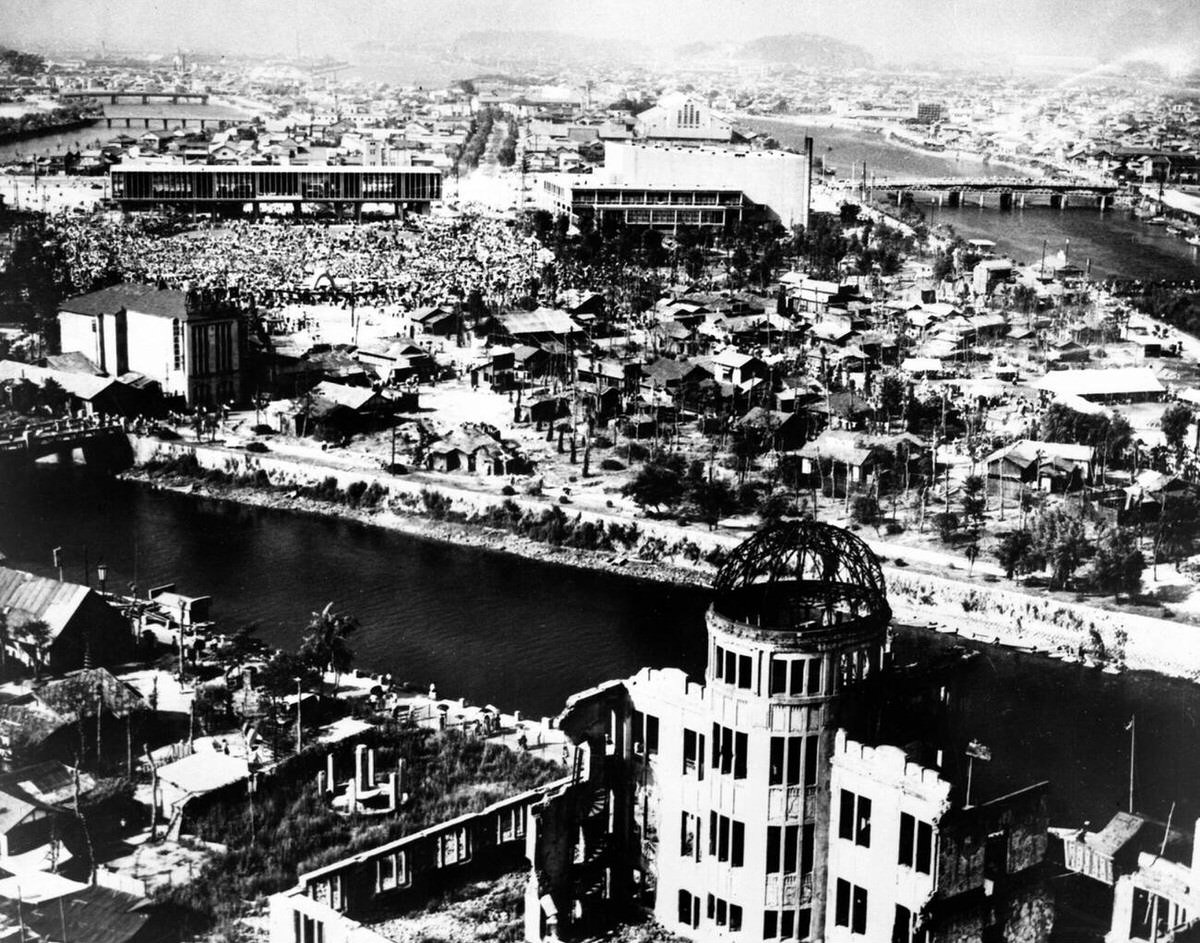
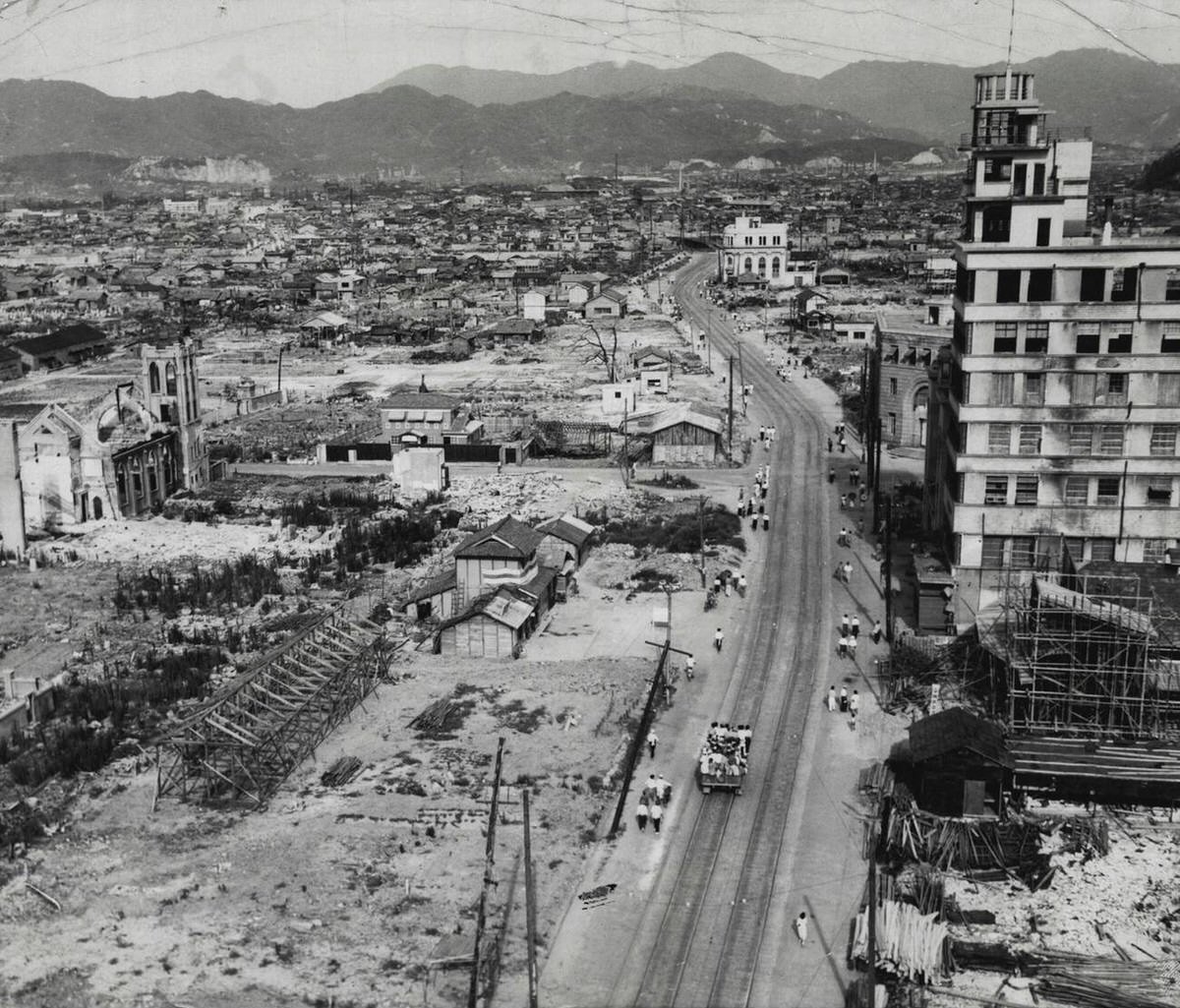
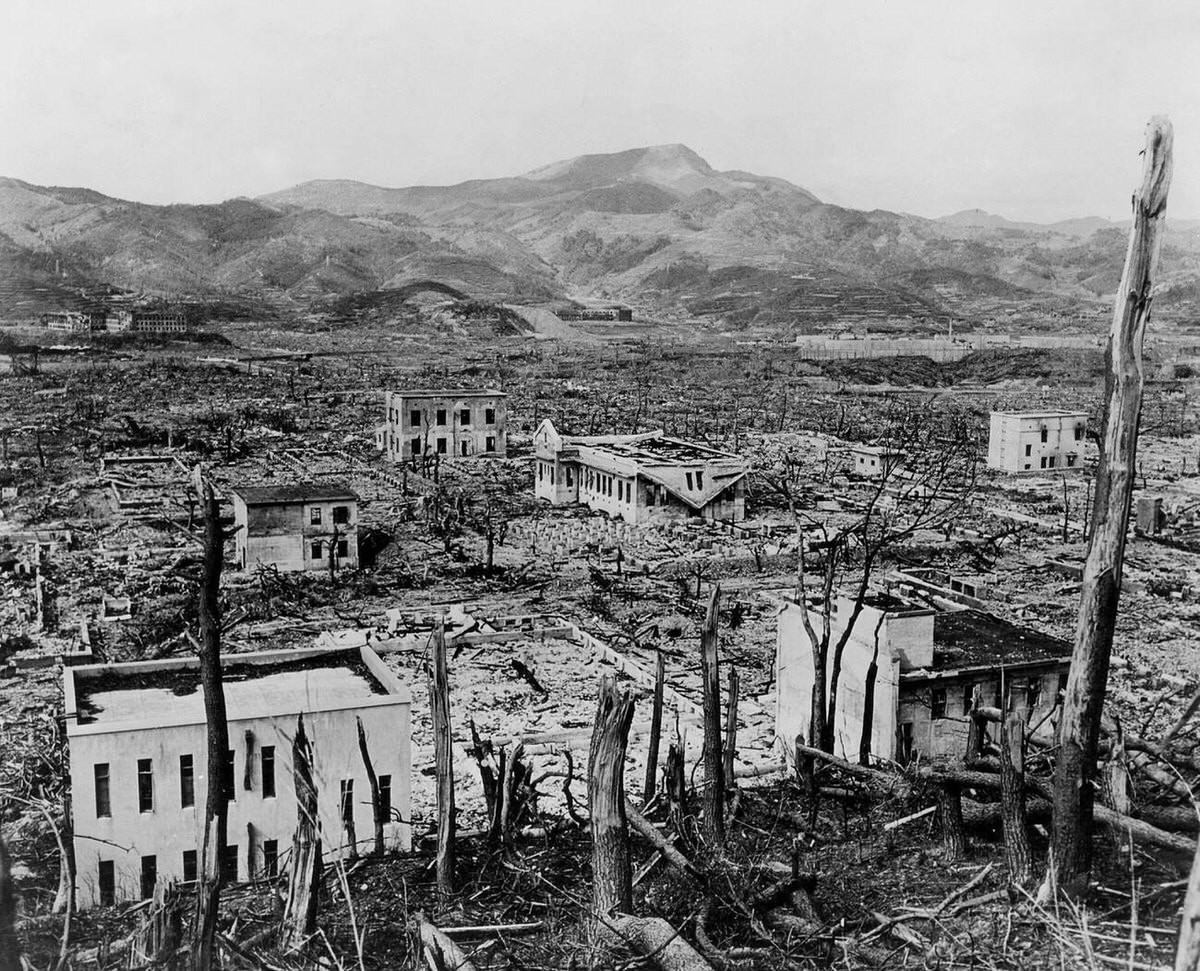
Hiroshima had roughly 90,000 buildings before the attack. The blast and the fires that followed destroyed 60,000 of them completely. Only the strongest reinforced concrete structures remained standing, and even those had their interiors gutted by fire and their windows blown out. One of the most recognized survivors was the Hiroshima Prefectural Industrial Promotion Hall, now called the A-Bomb Dome. It stood almost directly beneath the explosion. Because the blast came from directly above, the downward pressure actually helped the steel frame and brick walls hold their shape, even as the copper covering of the dome was stripped away entirely. Nearly every other building within a one-mile radius was reduced to broken timber and scattered roof tiles.
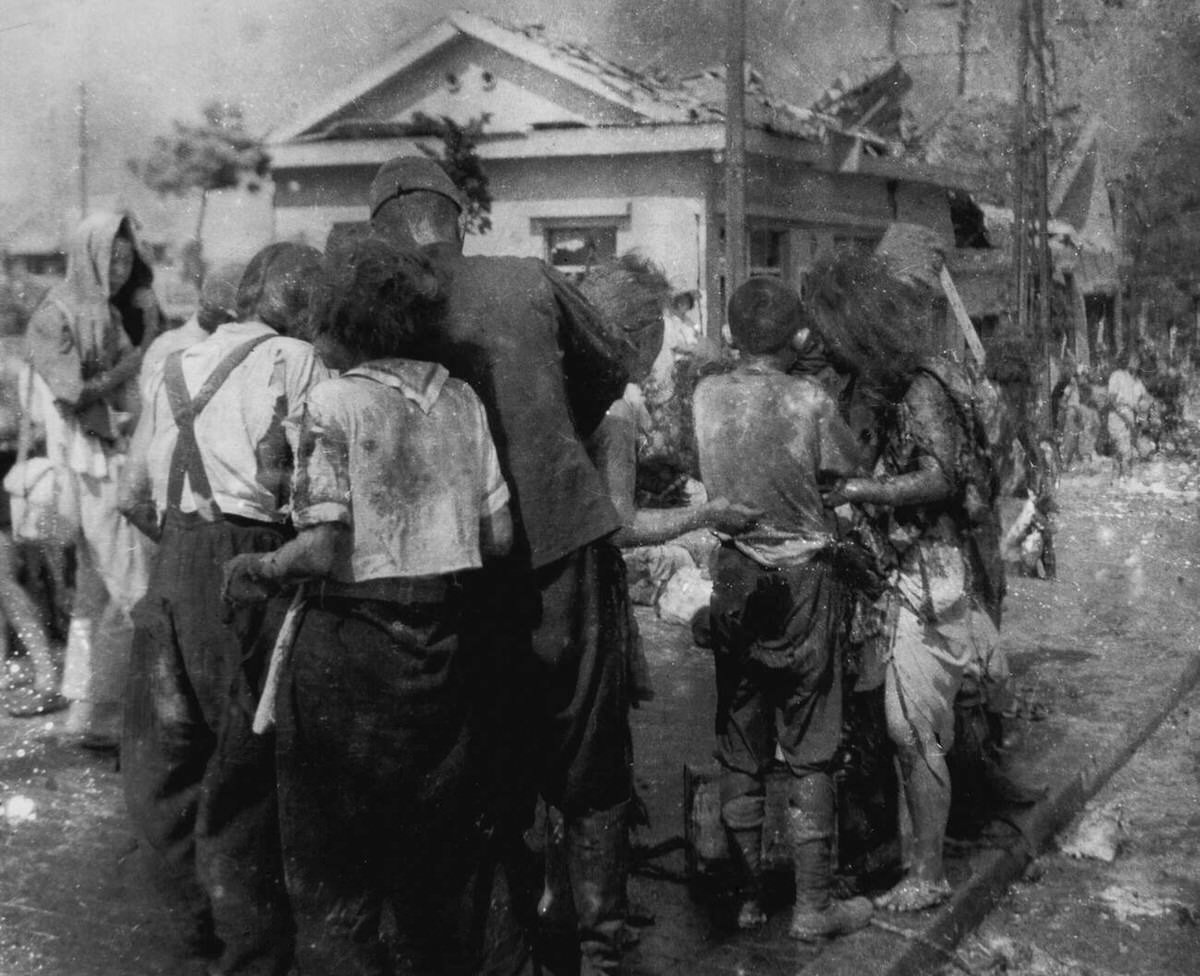
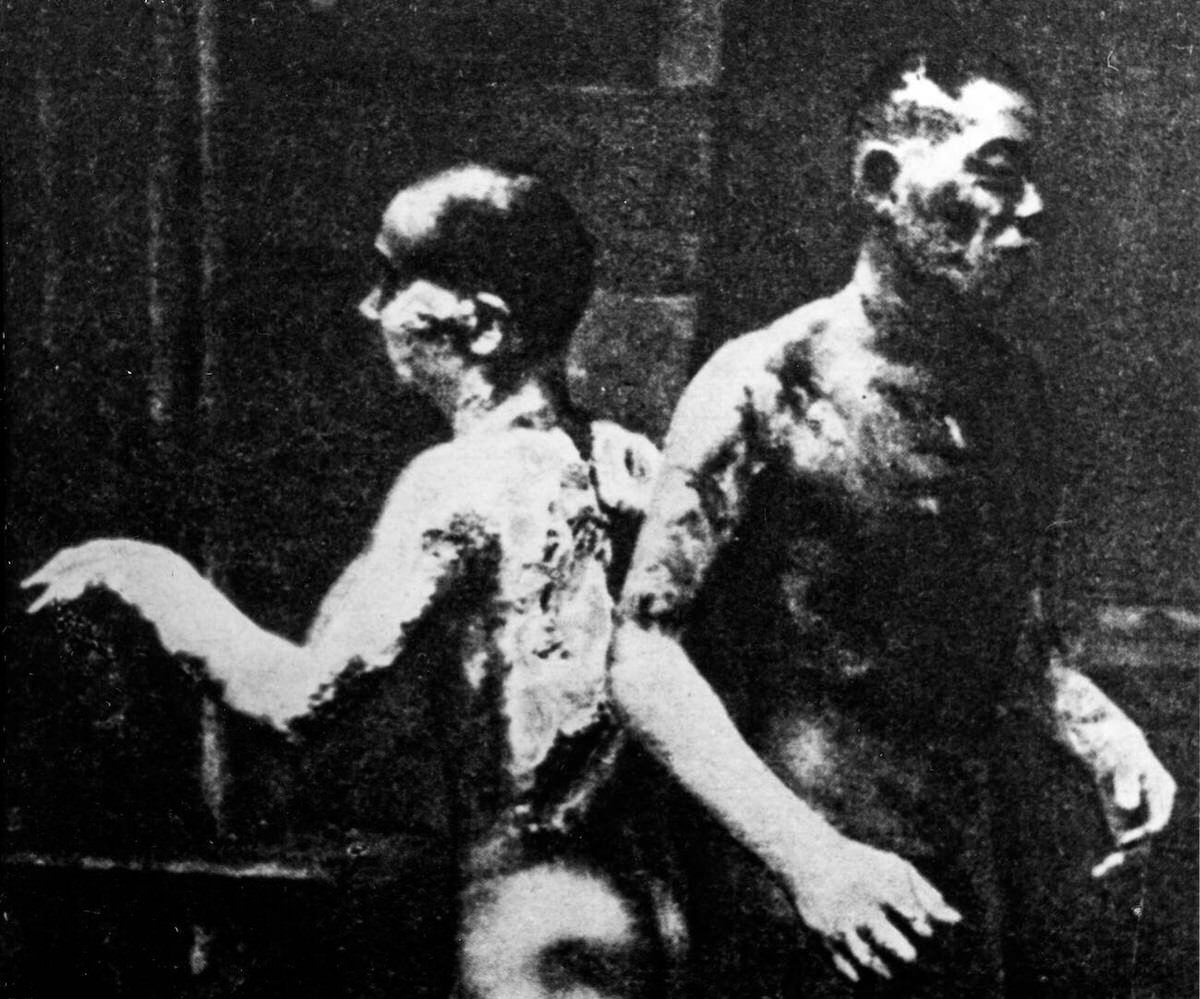
Between 70,000 and 80,000 people died in the first seconds of the explosion. By the end of 1945, the death toll climbed to 140,000, as survivors died from severe burns and radiation poisoning. The city’s medical system was almost entirely gone. Of Hiroshima’s 150 doctors, 65 died instantly and most of the others were badly wounded. Of 1,780 nurses, 1,654 were dead or too injured to work. The Red Cross Hospital, located one mile from the hypocenter, was still standing but had lost most of its staff and equipment. Survivors wandered the ruins with skin hanging from their bodies, searching for water in a city where every water main had burst.
Approximately 176,987 people lost their homes in the Hiroshima attack. The city burned for three days. The fires were so intense they created a firestorm, a self-sustaining blaze that sucked oxygen out of the surrounding air. Those who escaped the flames faced another threat: “black rain.” Radioactive soot and dust mixed with water vapor in the atmosphere and fell back to earth as thick, oily droplets. Desperate survivors drank it because of overwhelming thirst, ingesting lethal doses of radiation without knowing it.
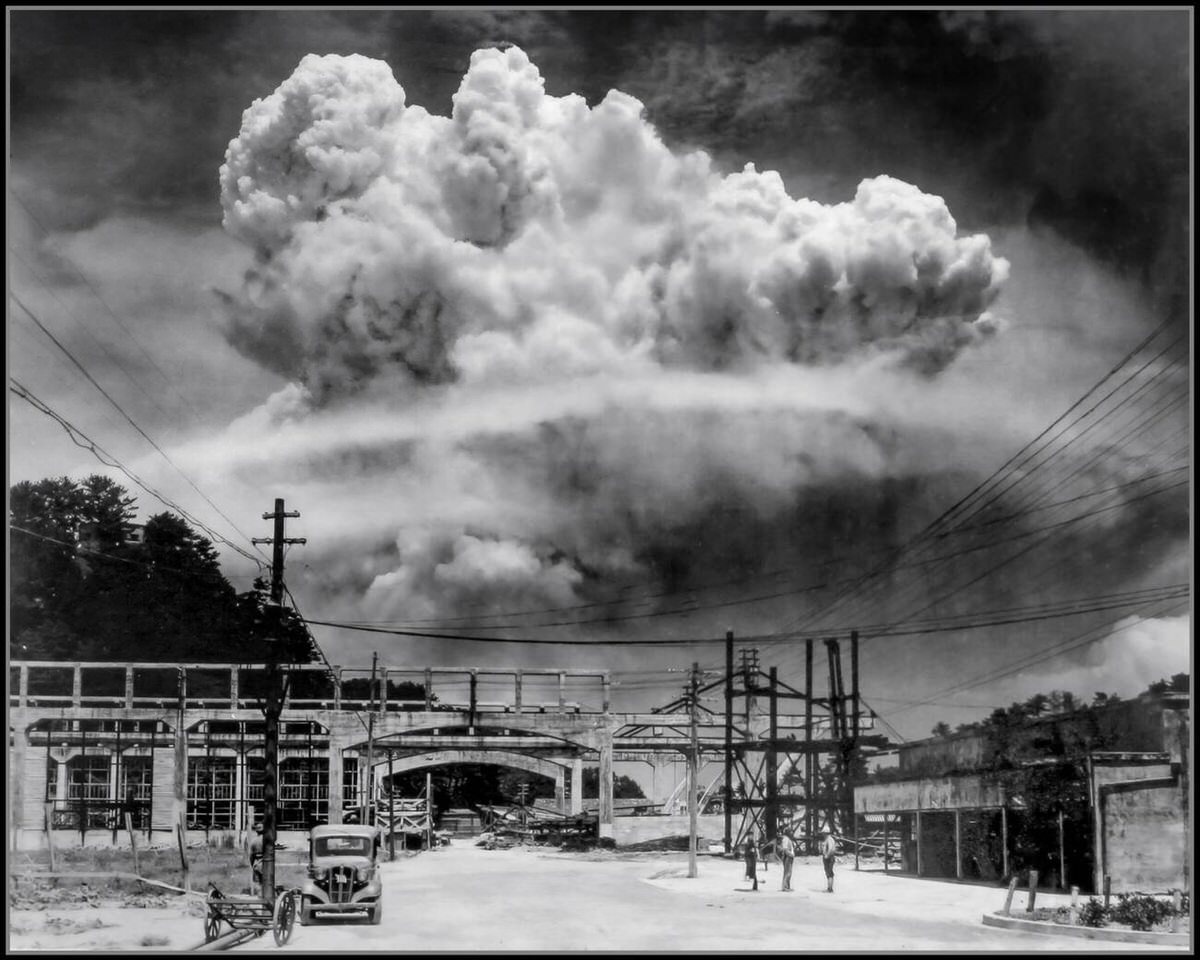
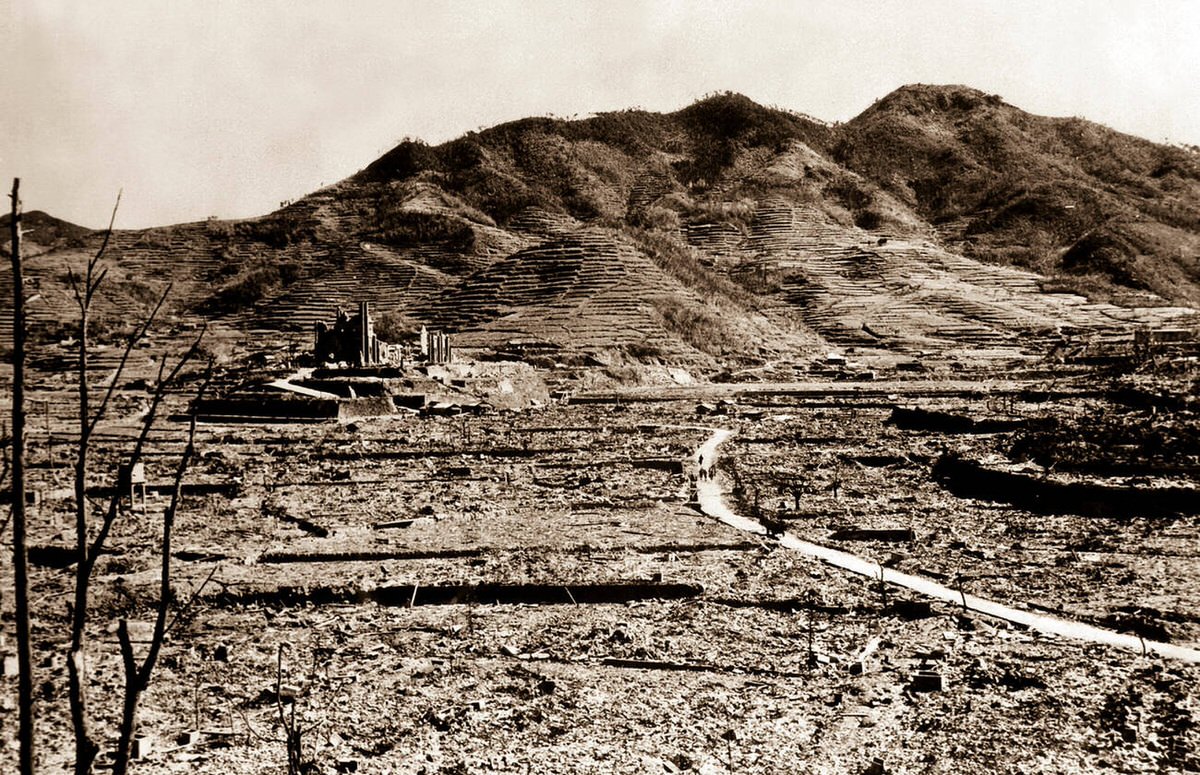
Three days after Hiroshima, on August 9, 1945, a second bomb fell. At 11:02 a.m., the B-29 known as Bockscar dropped “Fat Man” — a plutonium-core bomb with a yield of 21,000 tons of TNT — over Nagasaki. The original target had been Kokura, but heavy cloud cover forced the crew to divert to their secondary target. The bomb detonated over the Urakami Valley, an industrial zone. The surrounding hills shielded some neighborhoods but also concentrated the blast energy within the valley, destroying everything across a 2.6-square-mile area.
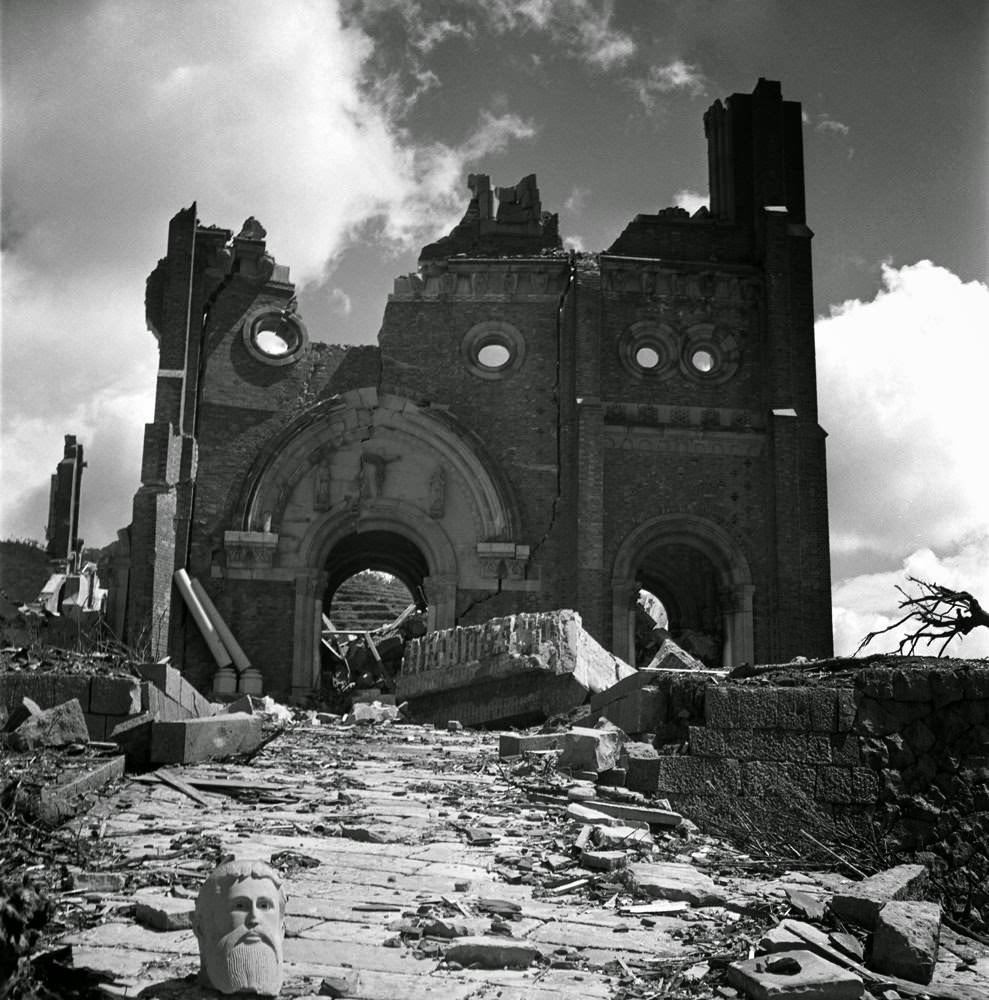
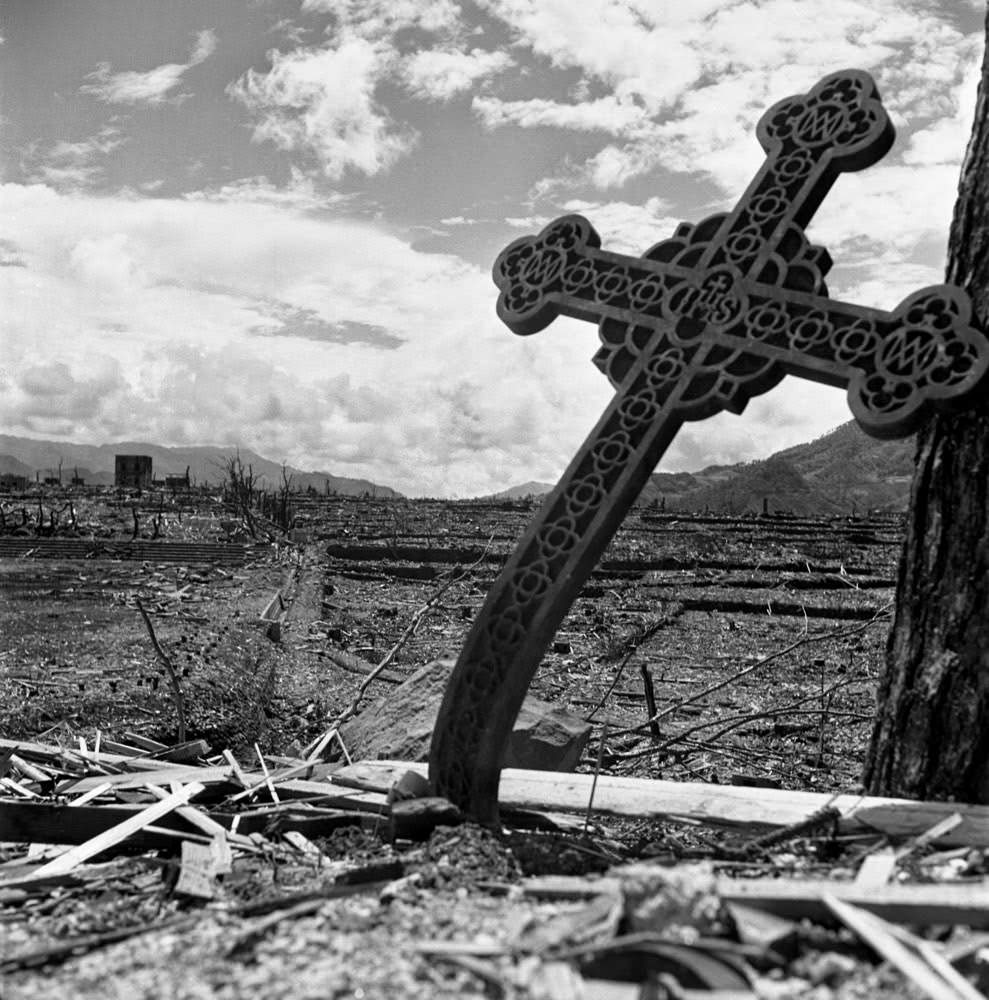
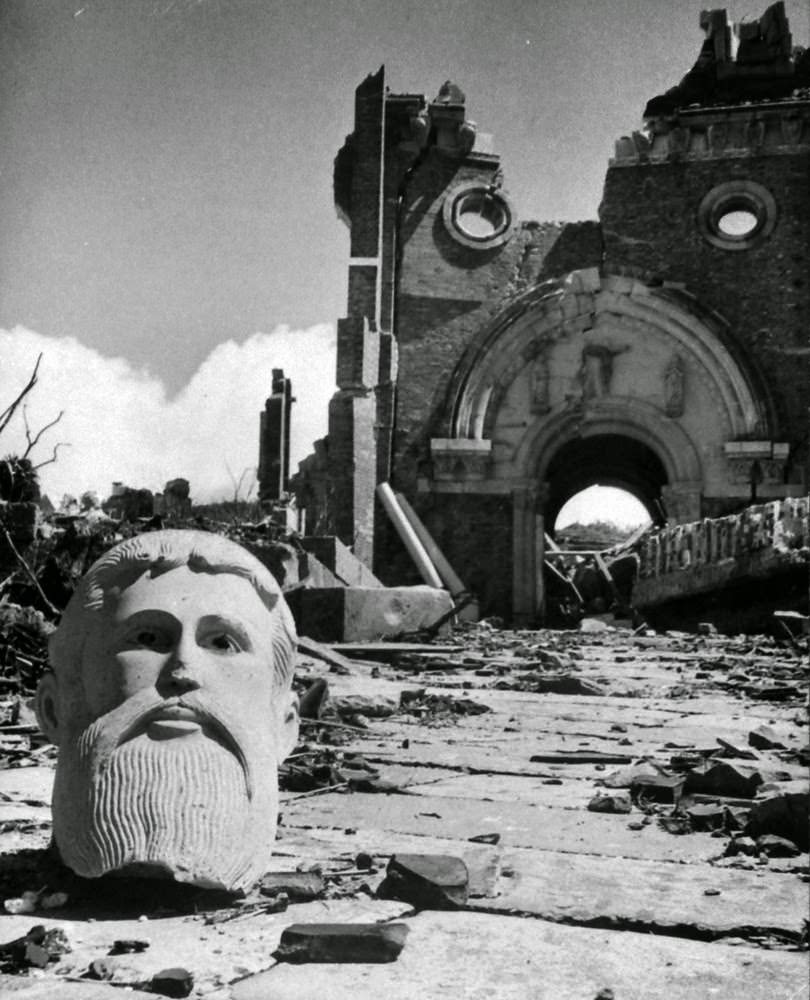
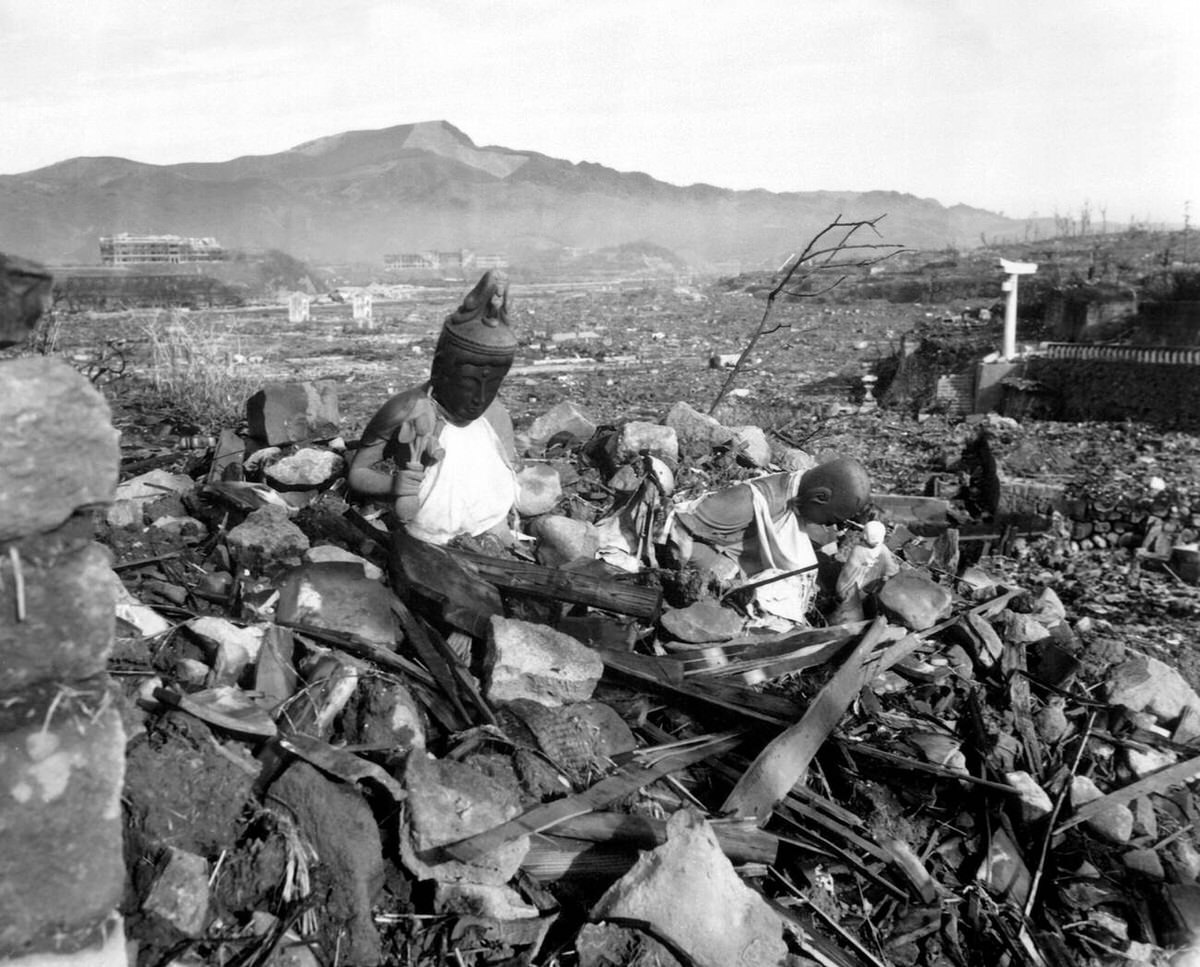
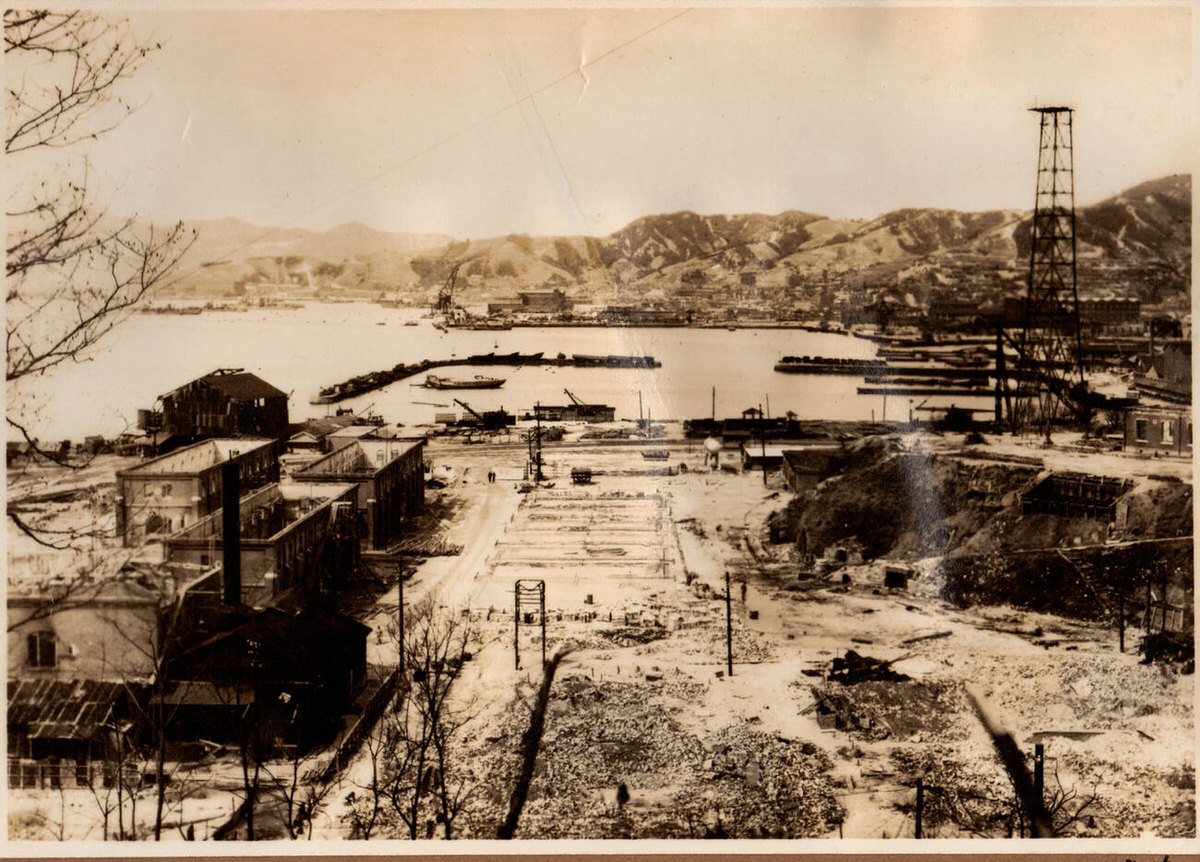
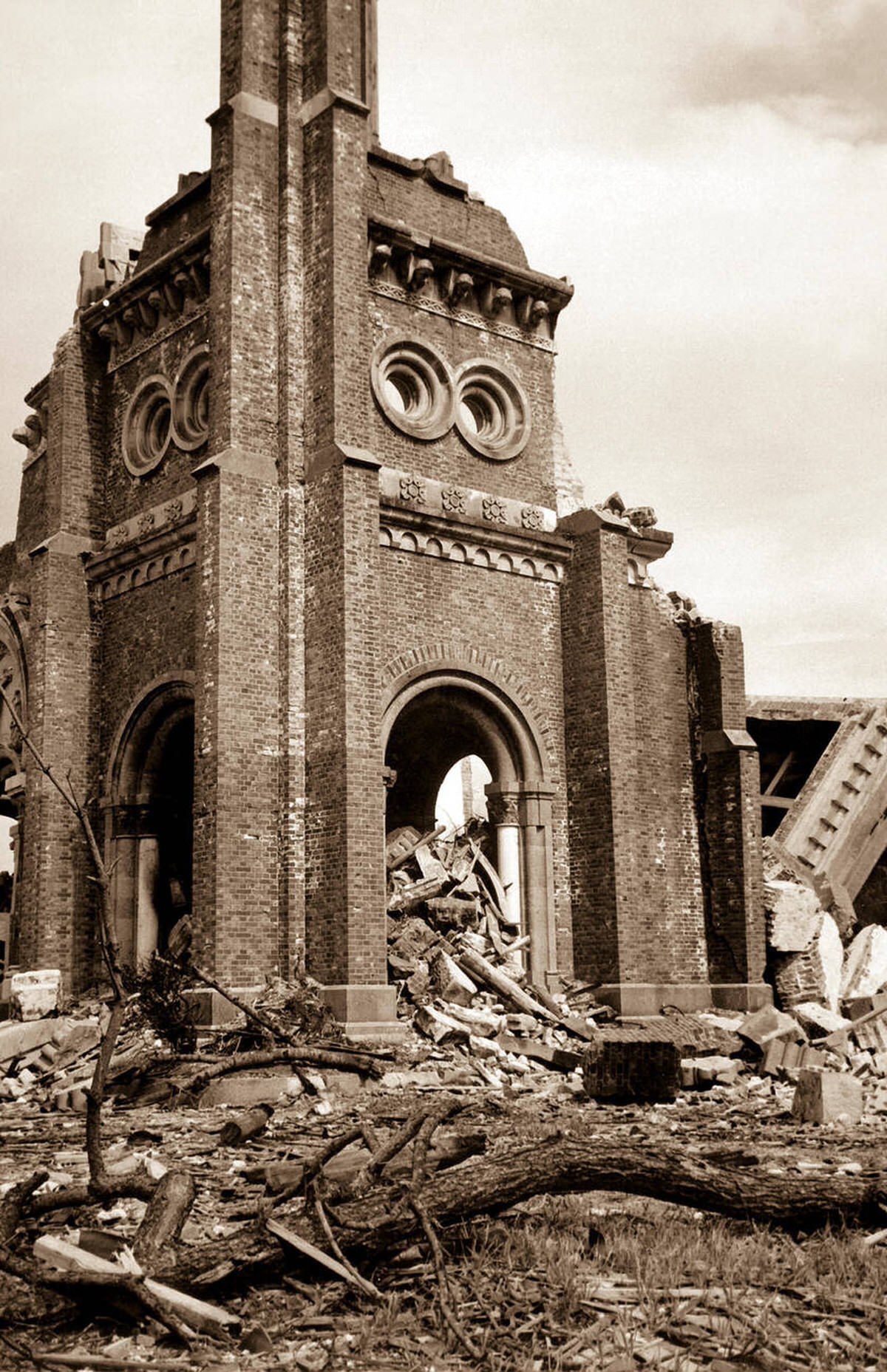
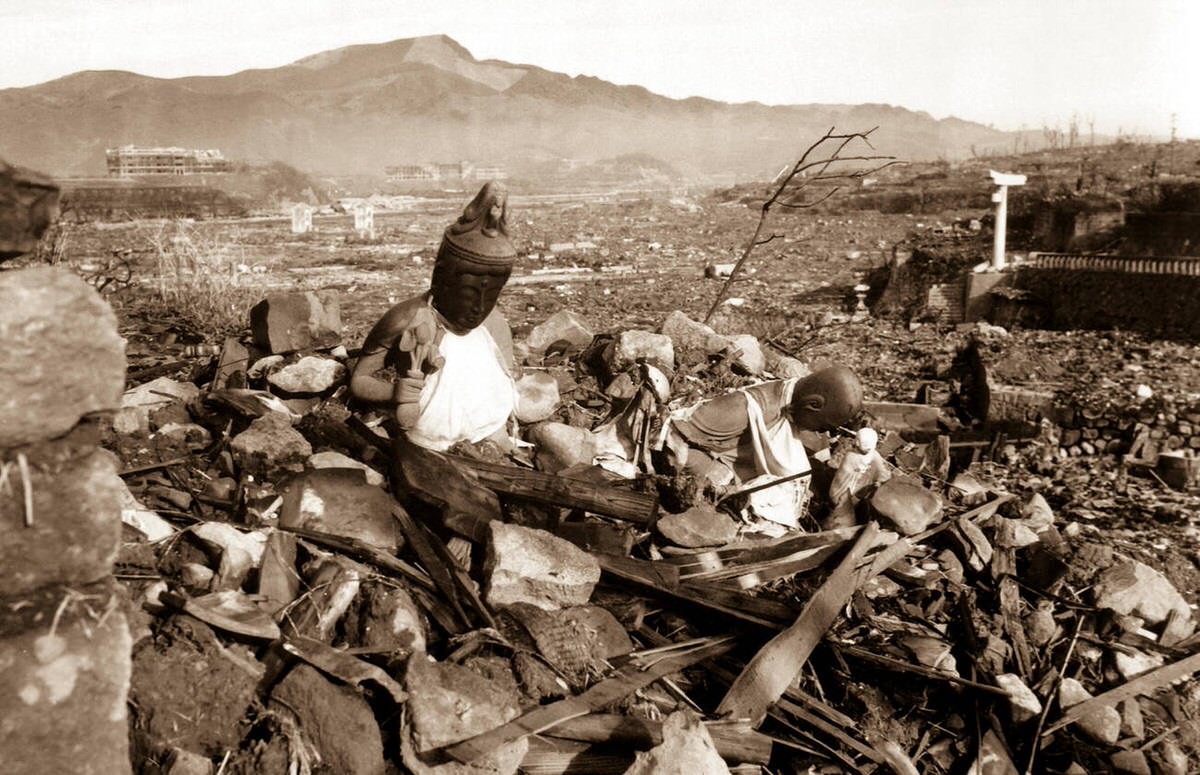
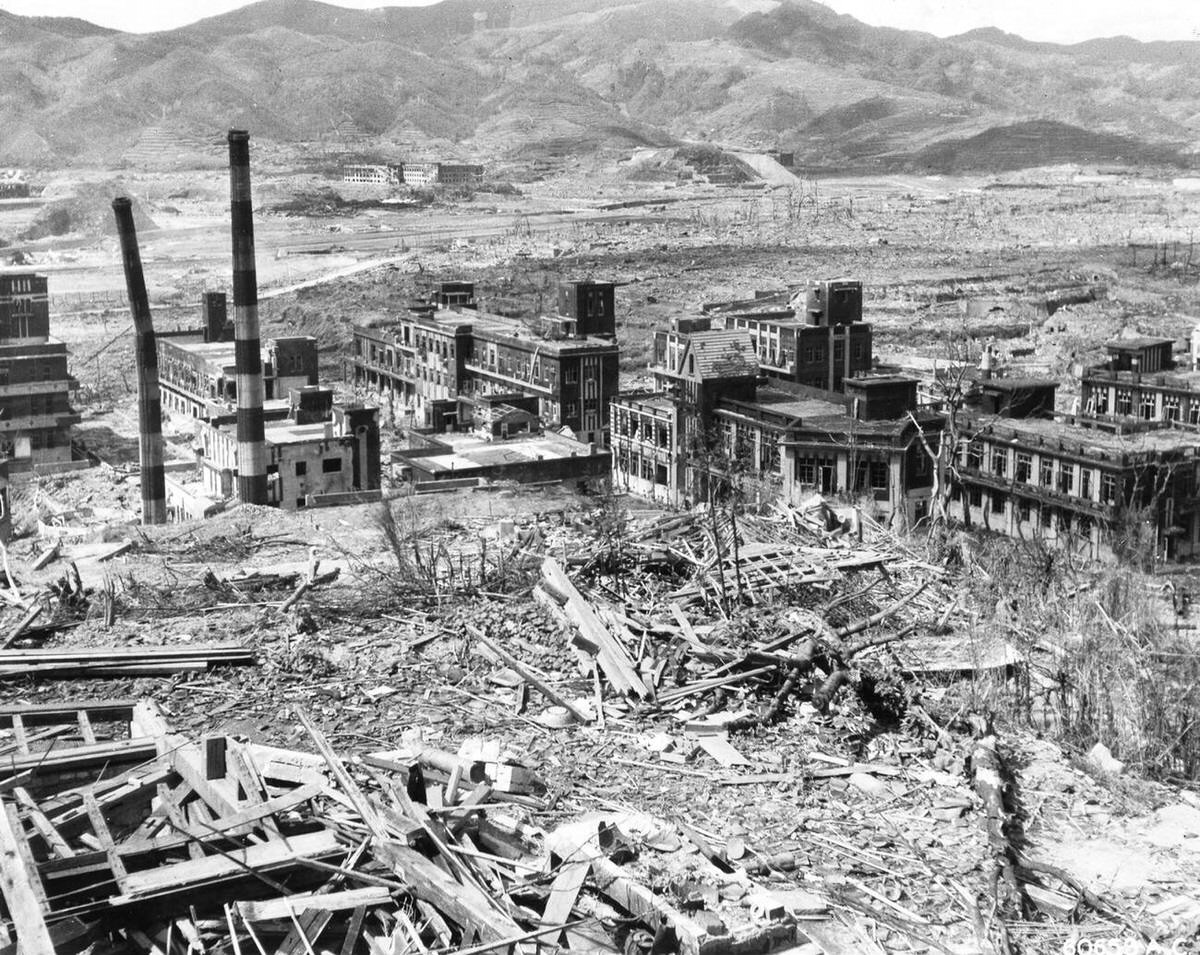
The industrial damage in Nagasaki was total. The Mitsubishi Steel and Arms Works and the Mitsubishi-Urakami Torpedo Works — both massive steel-framed facilities — were twisted apart and crushed. The Urakami Cathedral, the largest Christian church in East Asia at the time, stood near the hypocenter. Its stone walls collapsed, leaving only a few isolated pillars among the rubble. The heat from the plutonium bomb was severe enough to melt stone and cause the surface of granite to bubble.
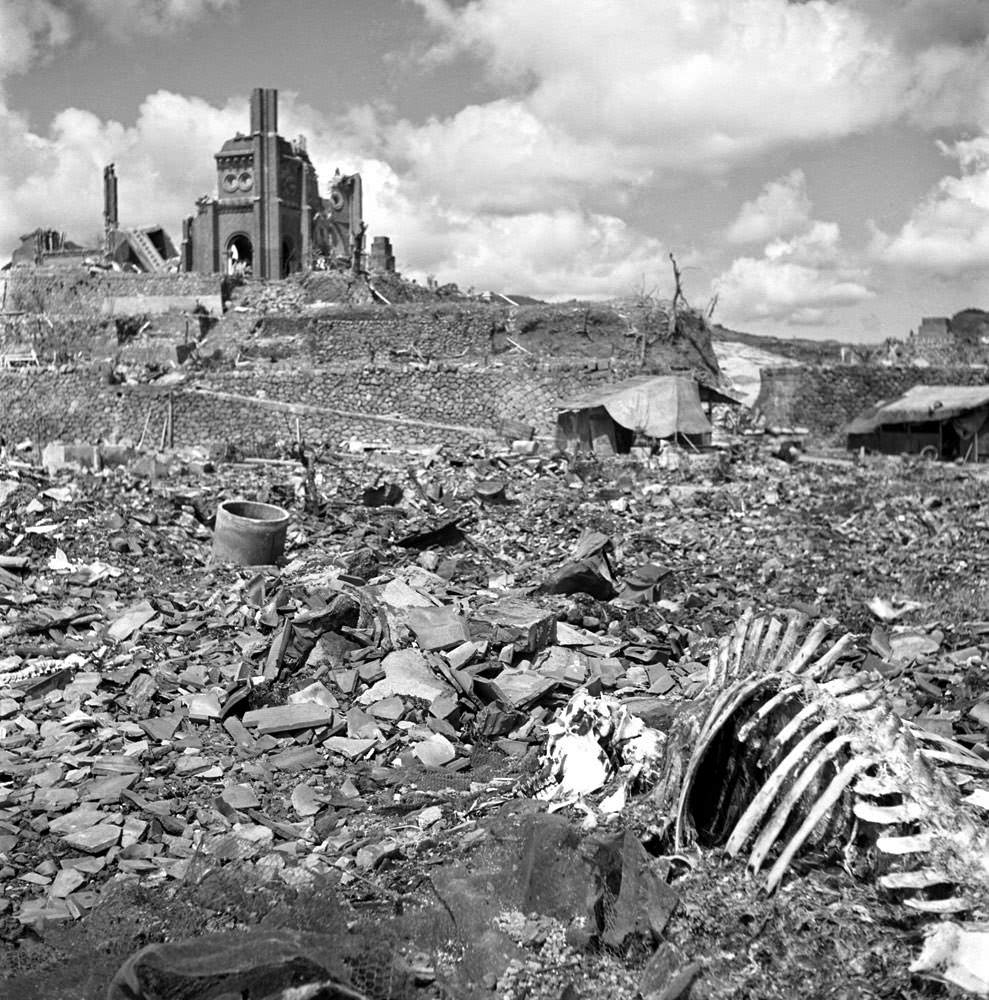
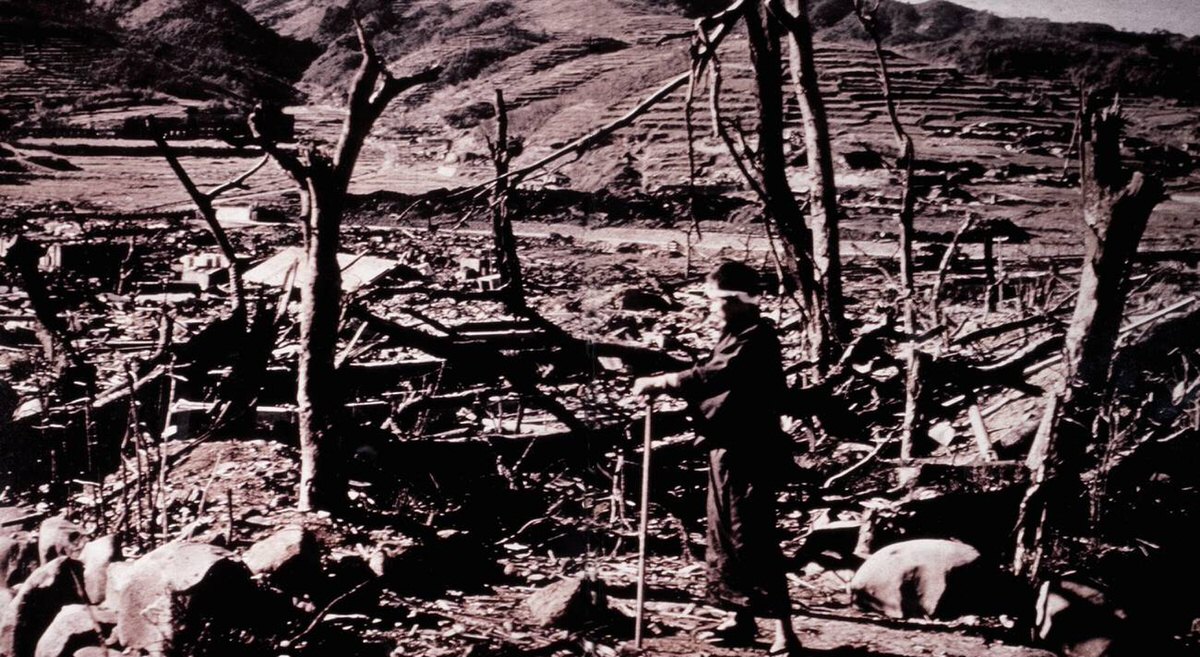
The immediate death toll in Nagasaki was approximately 40,000 people. By the end of 1945, that number exceeded 70,000. In the Urakami district, 65 percent of the population died. The blast destroyed 14,000 homes and damaged another 5,400, leaving roughly 95,000 people without shelter. Because Nagasaki is built on hilly terrain, many survivors took refuge in caves or built makeshift shacks from corrugated metal sheets scavenged from the ruins of the factories. The smell of death hung over the valley for weeks because there were not enough survivors to bury the dead.
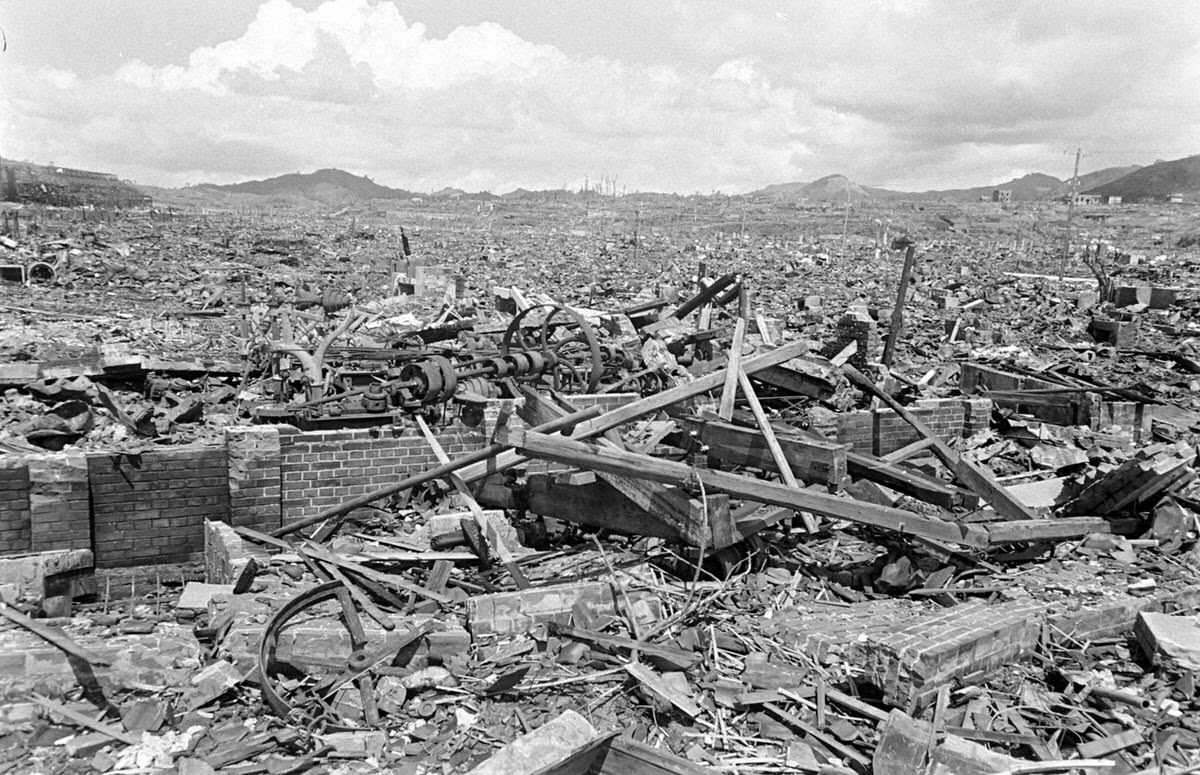
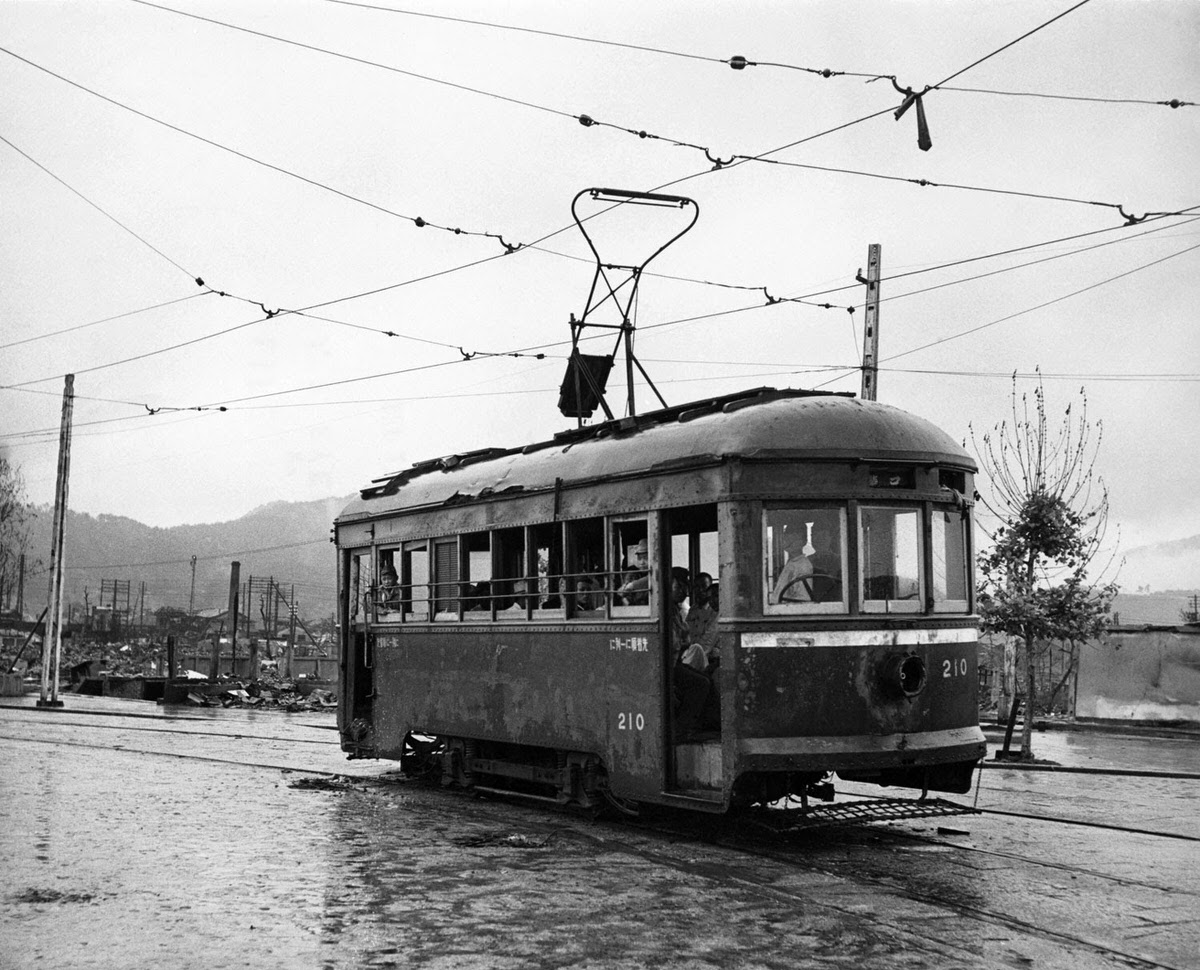
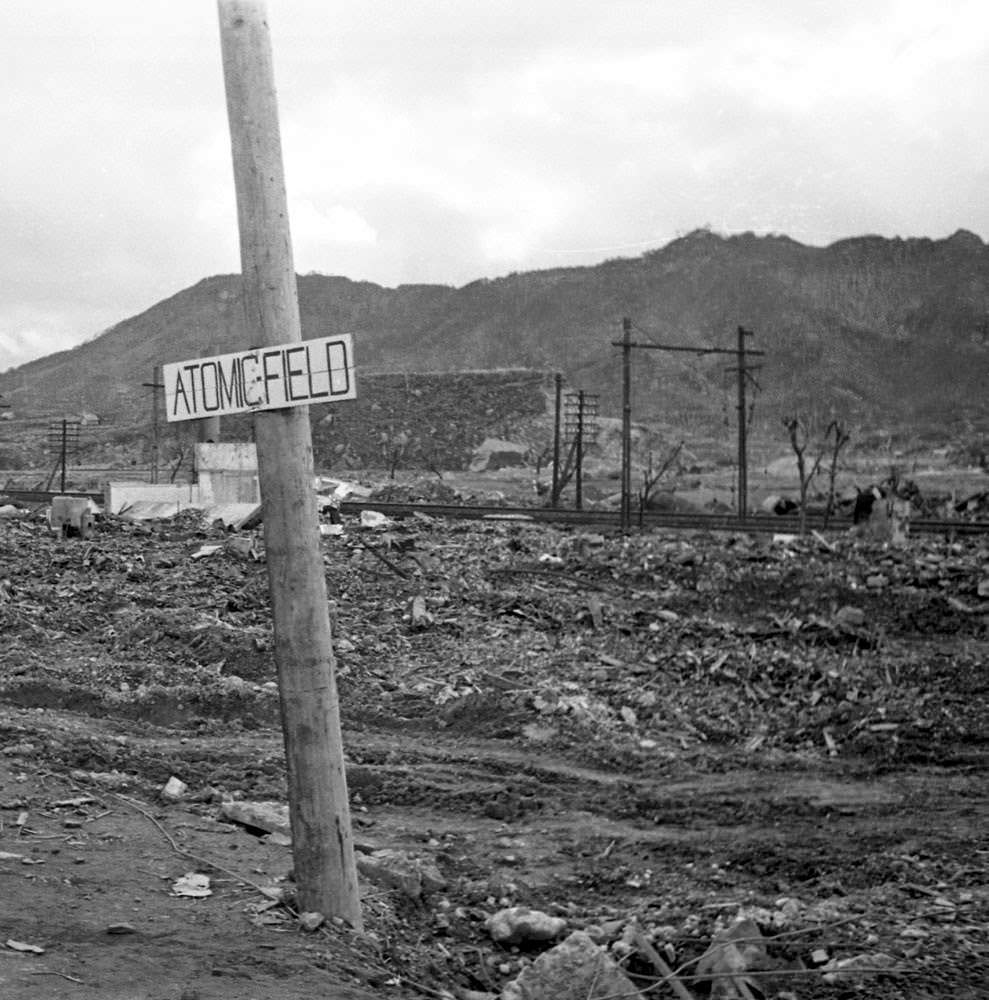
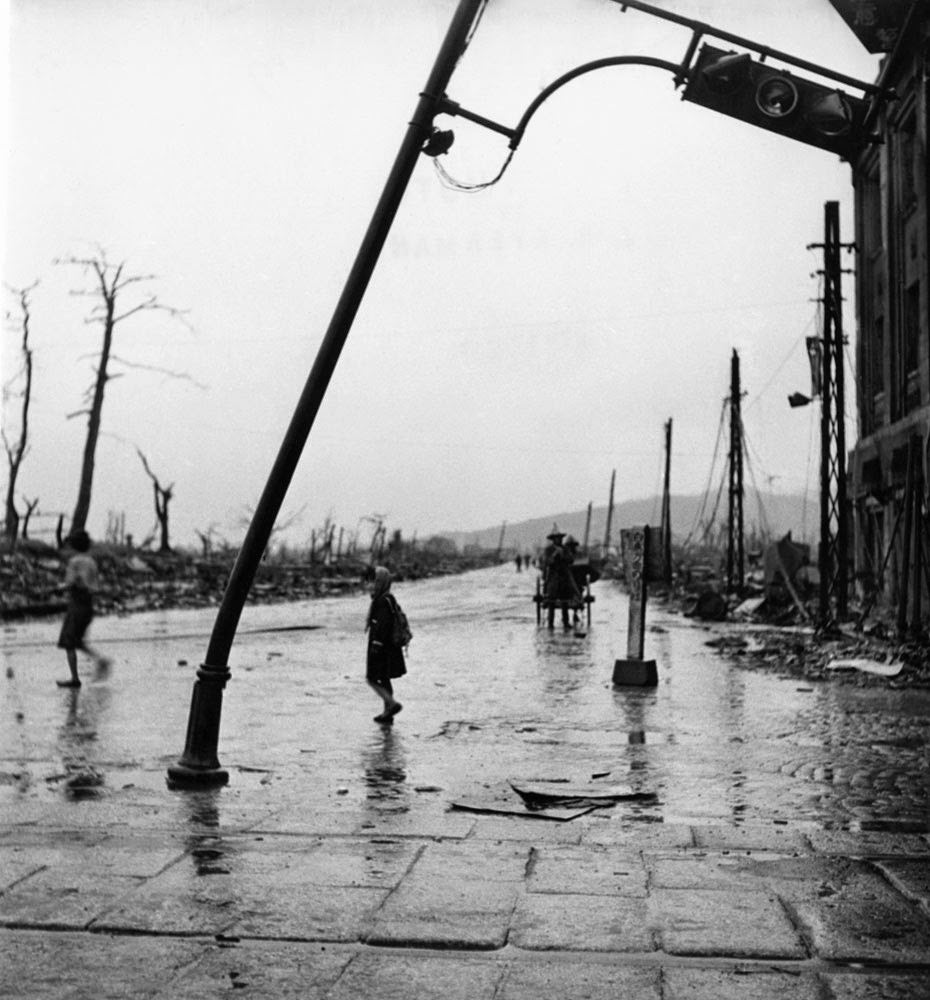
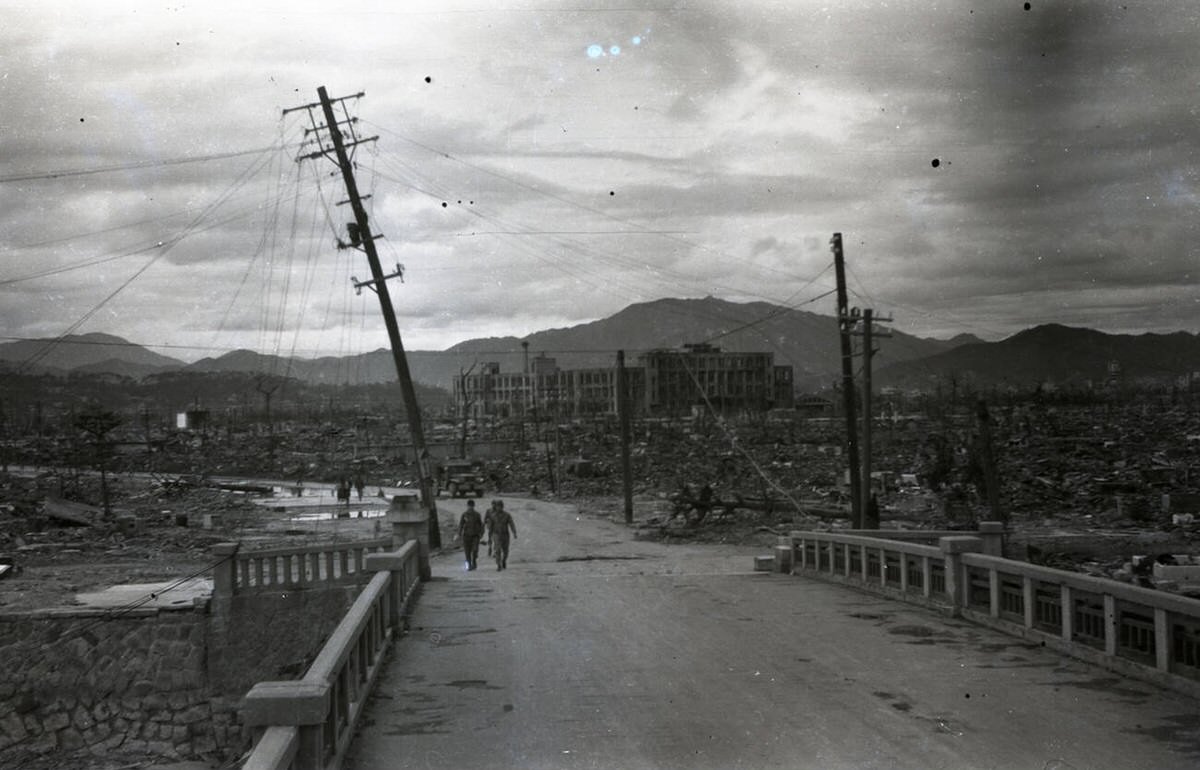
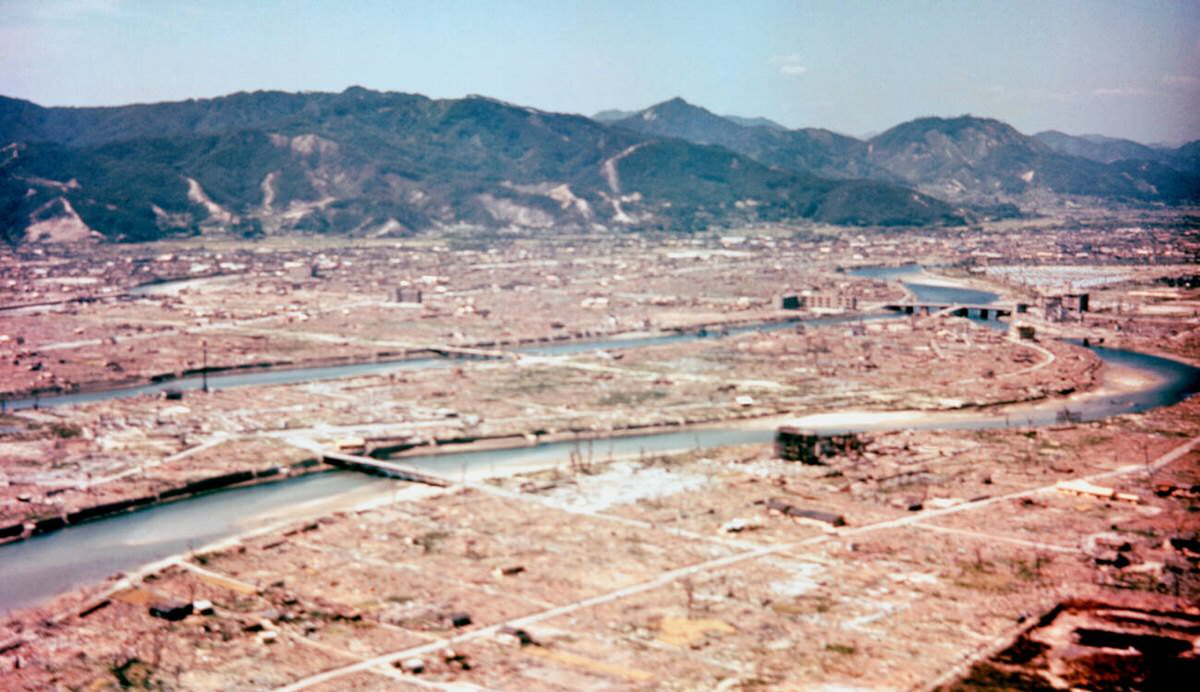
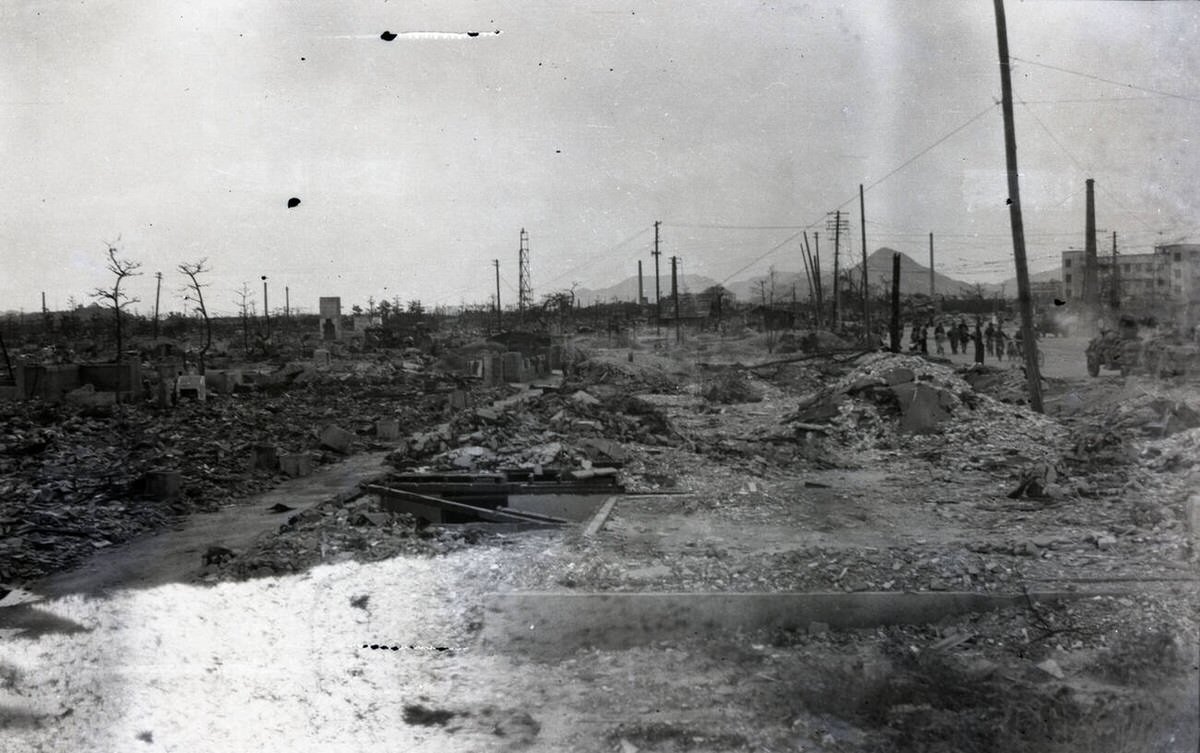
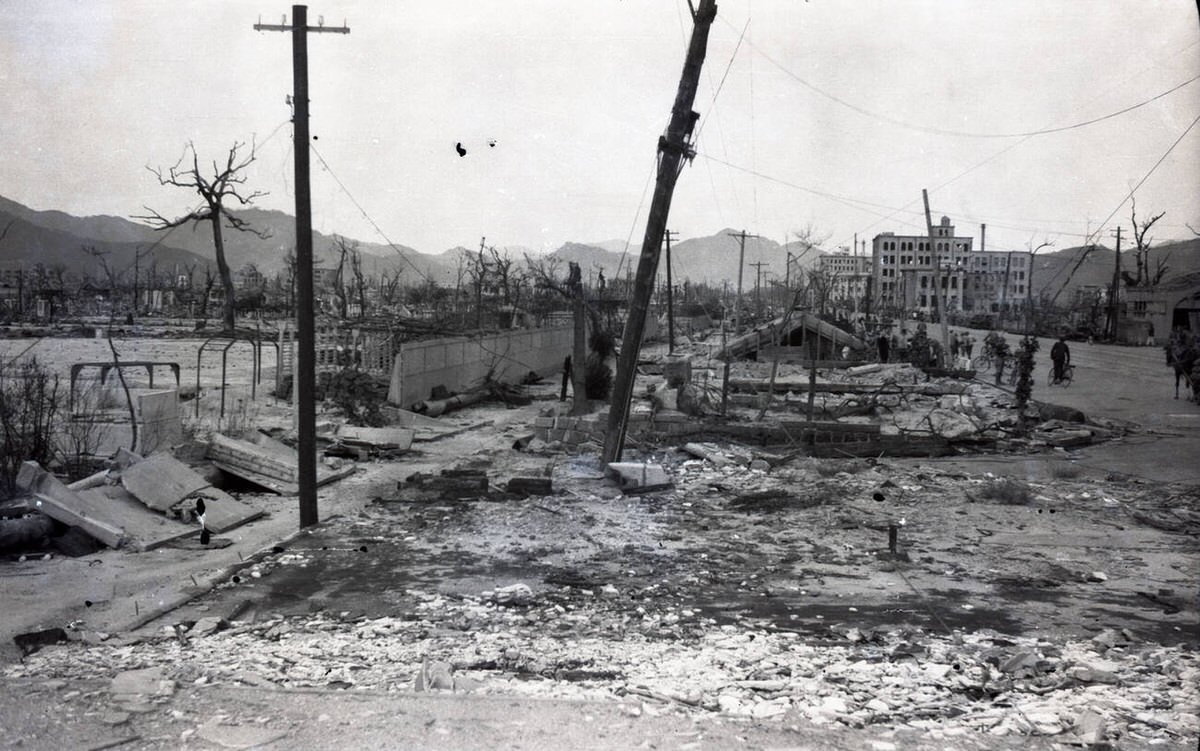
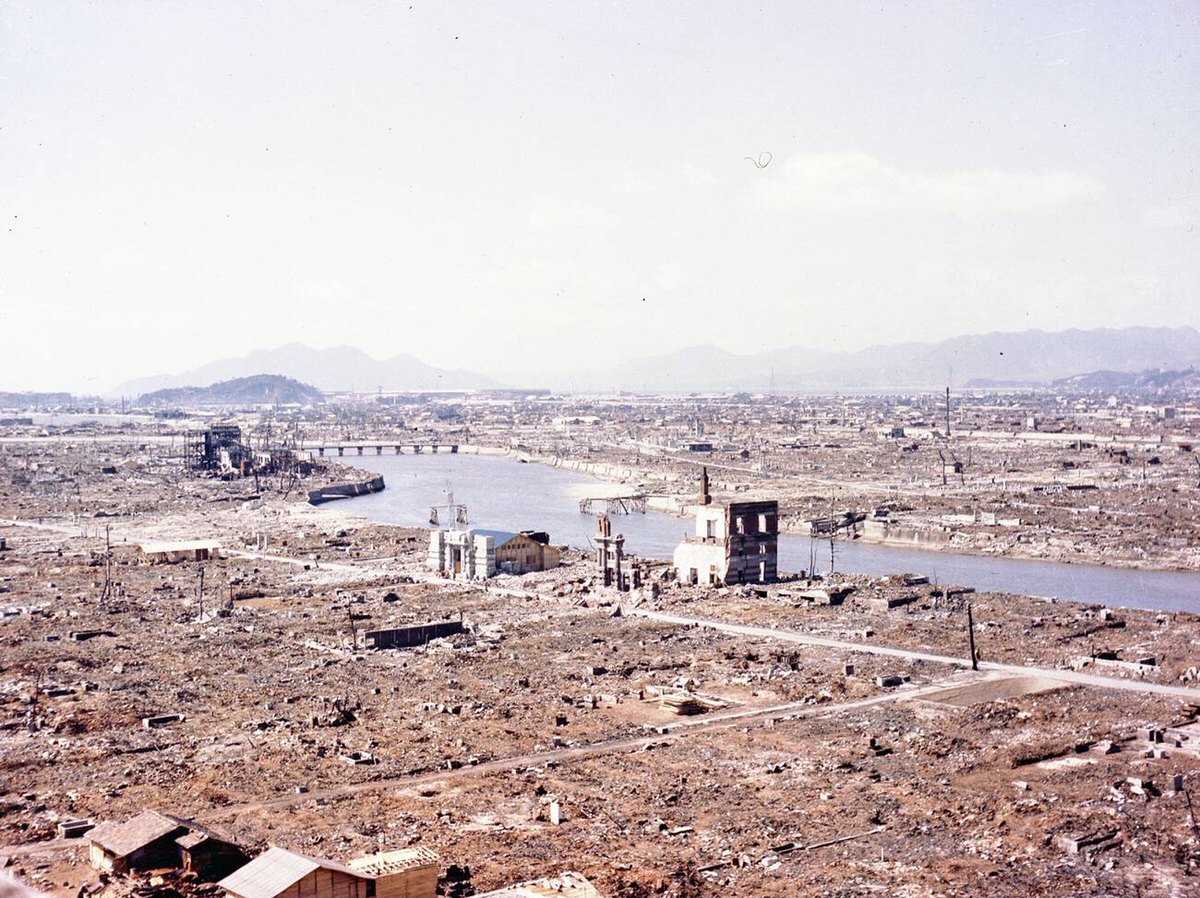
Both cities lost their basic infrastructure entirely. Telegraph and telephone lines were severed. Power plants were destroyed, leaving the ruins in complete darkness after sunset. Railway tracks were twisted and lifted off the ground, making it impossible to bring in relief by train. Bridges over the Ota River in Hiroshima and the Urakami River in Nagasaki either collapsed or became too unsafe for vehicles. Survivors had to clear paths through the debris by hand just to search for food and missing family members.
Weeks after the blasts, people who had walked away with no visible injuries began losing their hair, developing purple spots under their skin, and bleeding uncontrollably. These were the effects of gamma radiation released at the moment of the explosion. Anyone who entered the city centers in the days following the bombing to search for loved ones was also exposed to residual radiation in the ruins. On top of this, the lack of clean food and water caused widespread dysentery, which killed more of the already weakened homeless population.
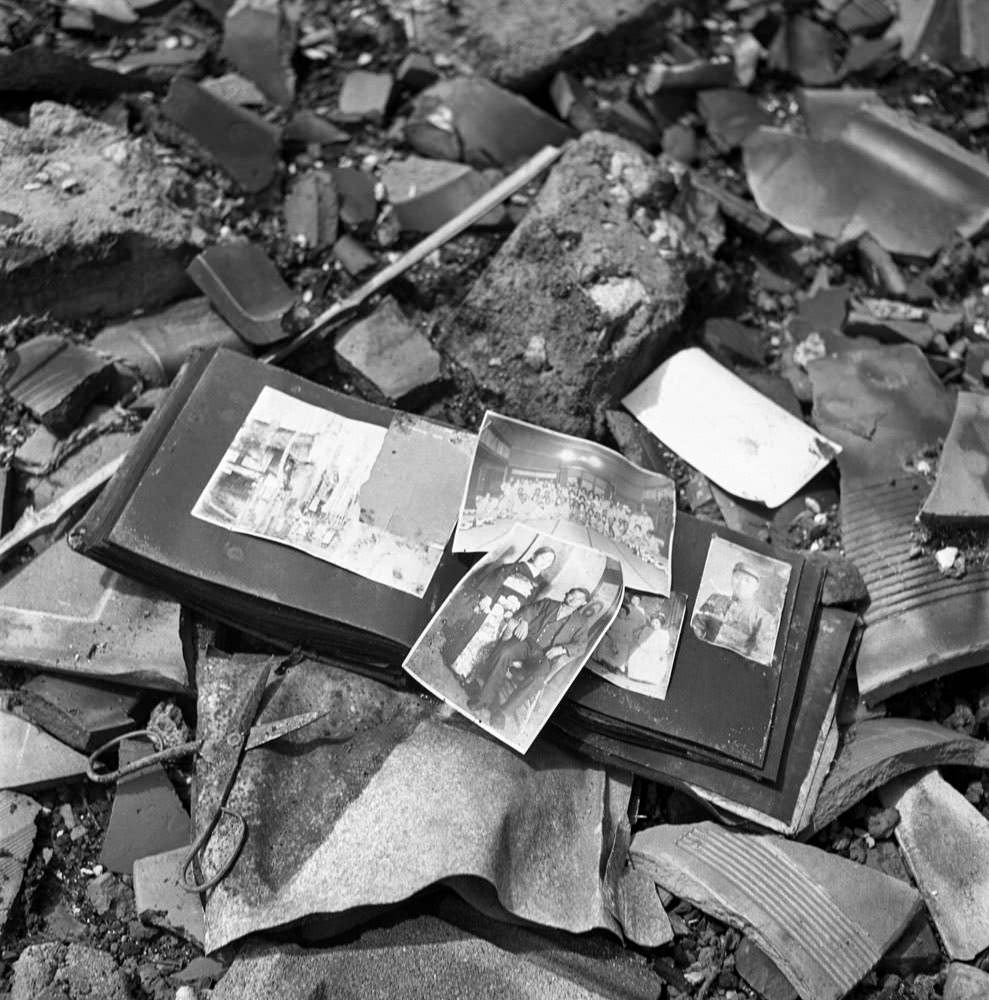
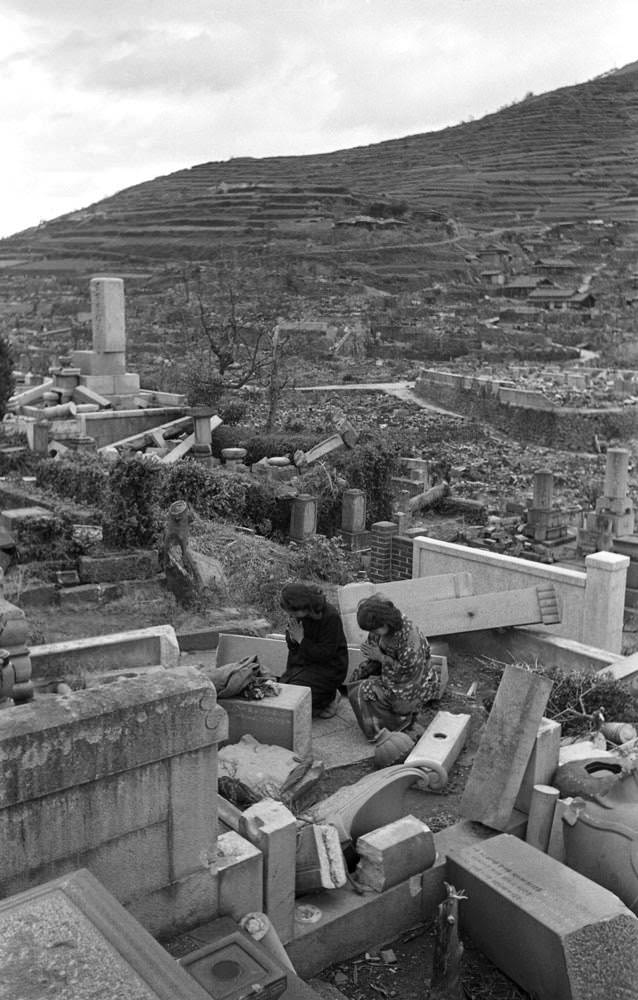
The heat from both bombs left permanent marks on the surfaces of the cities. On bridges and stone walls, the intense thermal radiation bleached or scorched exposed surfaces. Wherever a person or object had been standing, the blocked radiation left a darker silhouette — a shadow burned into the stone or pavement. These outlines marked the exact spots where human beings had stood at the moment the bombs went off. In Hiroshima, the ground was covered in a layer of fine gray ash. In Nagasaki’s valley, charred timber and the twisted skeletons of industrial machines stretched as far as the eye could see.
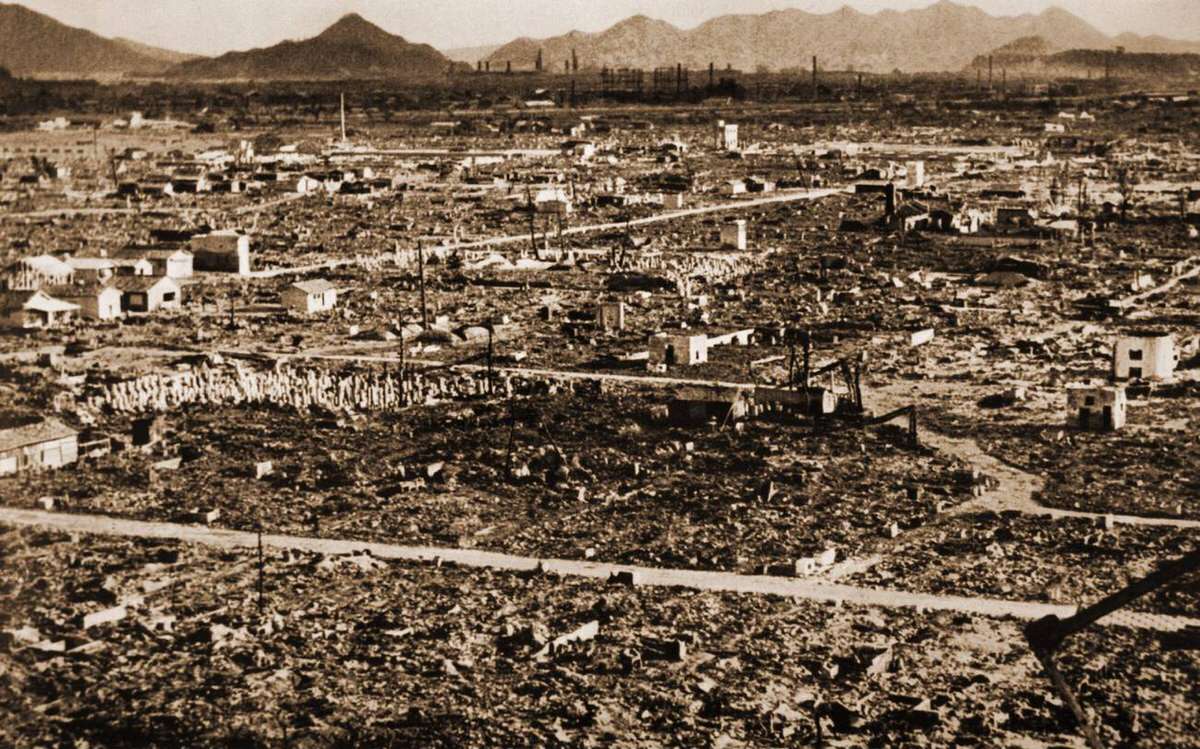
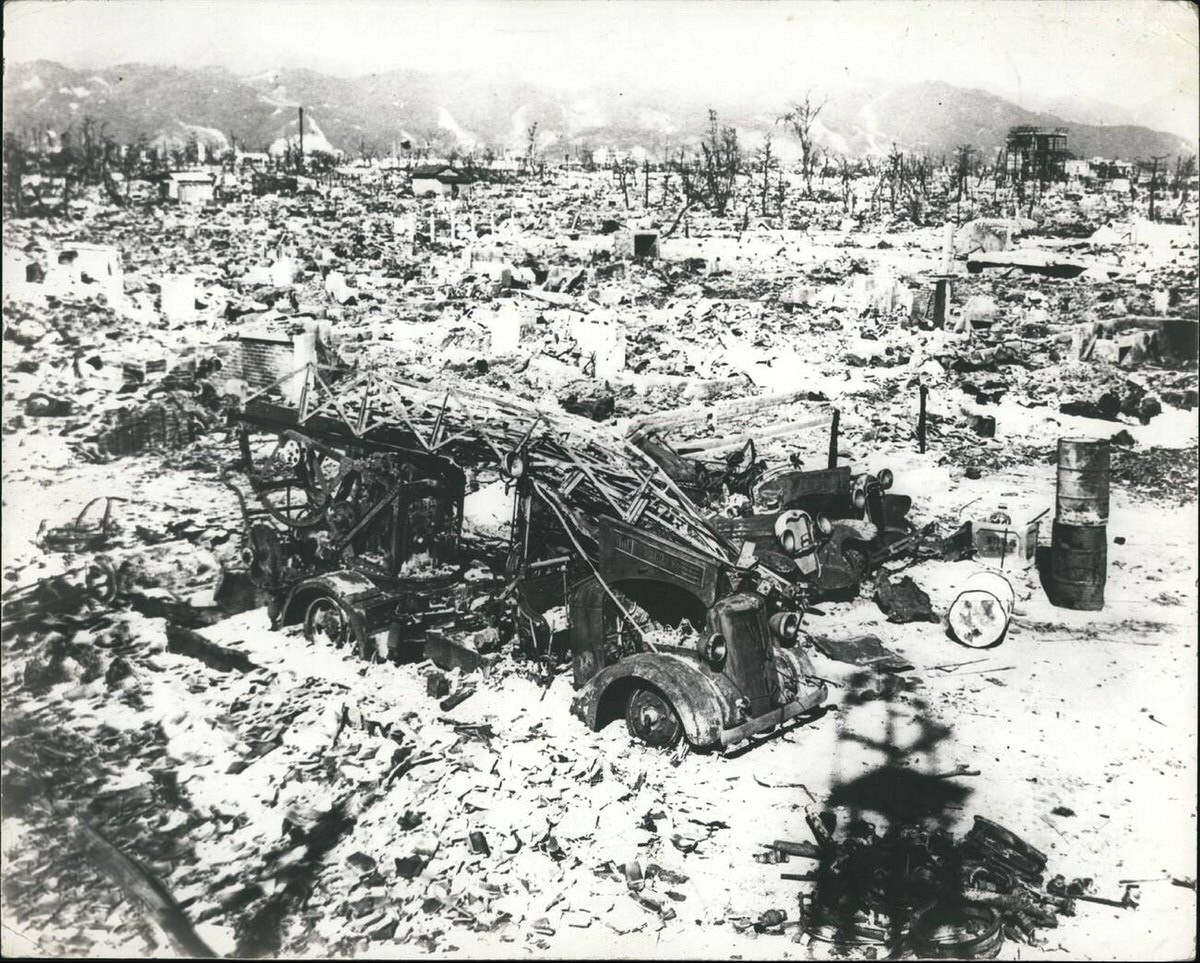
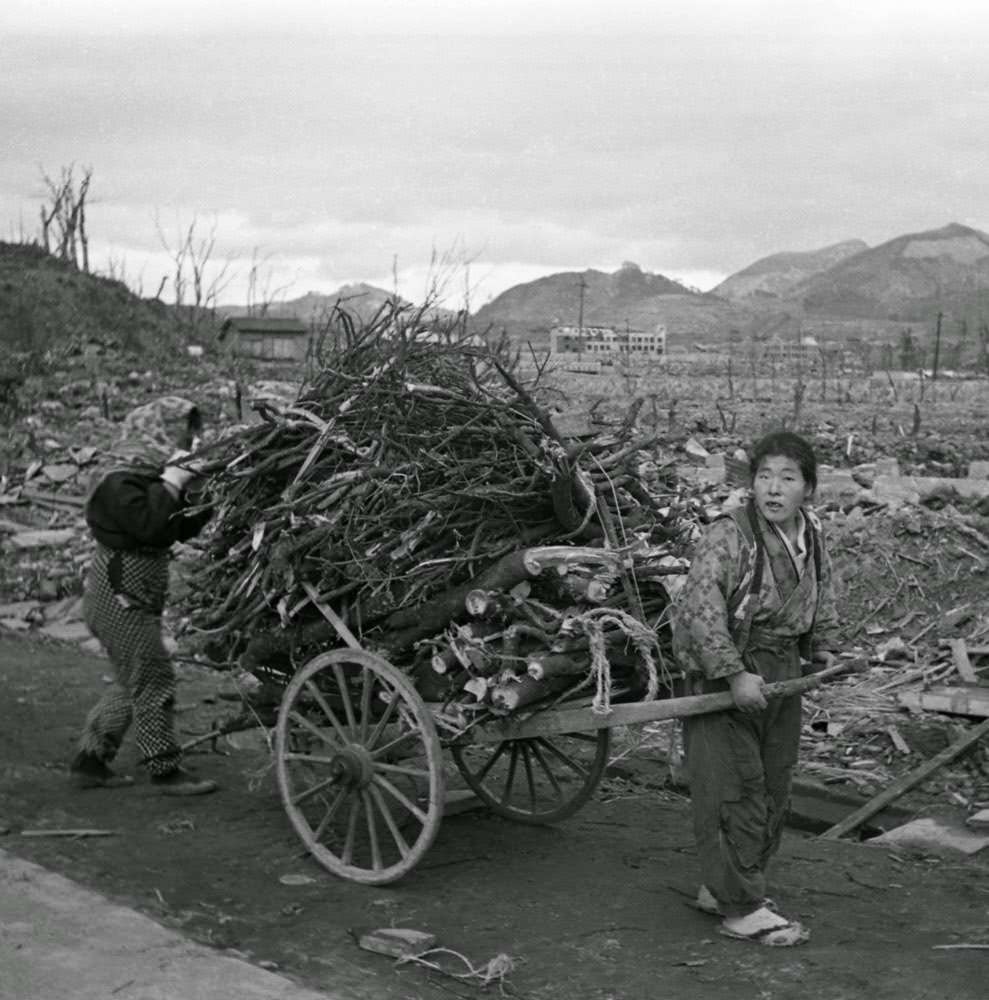
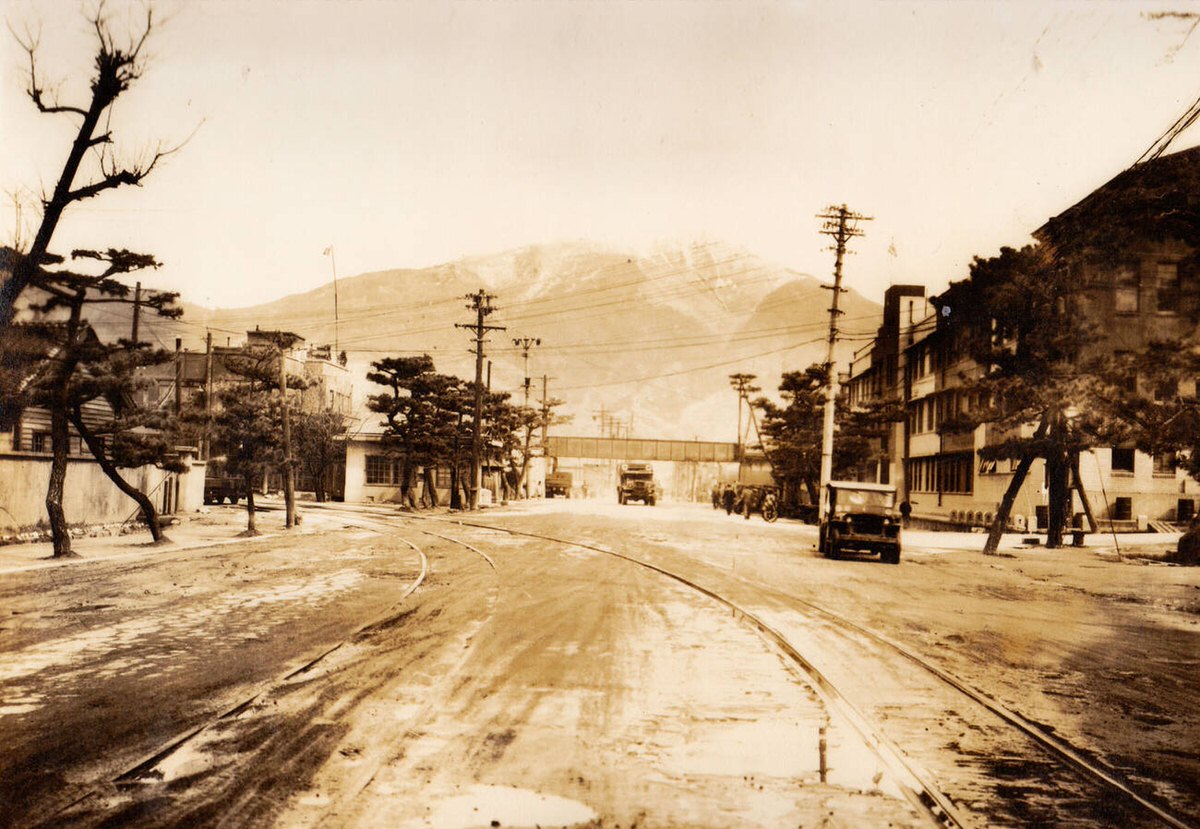
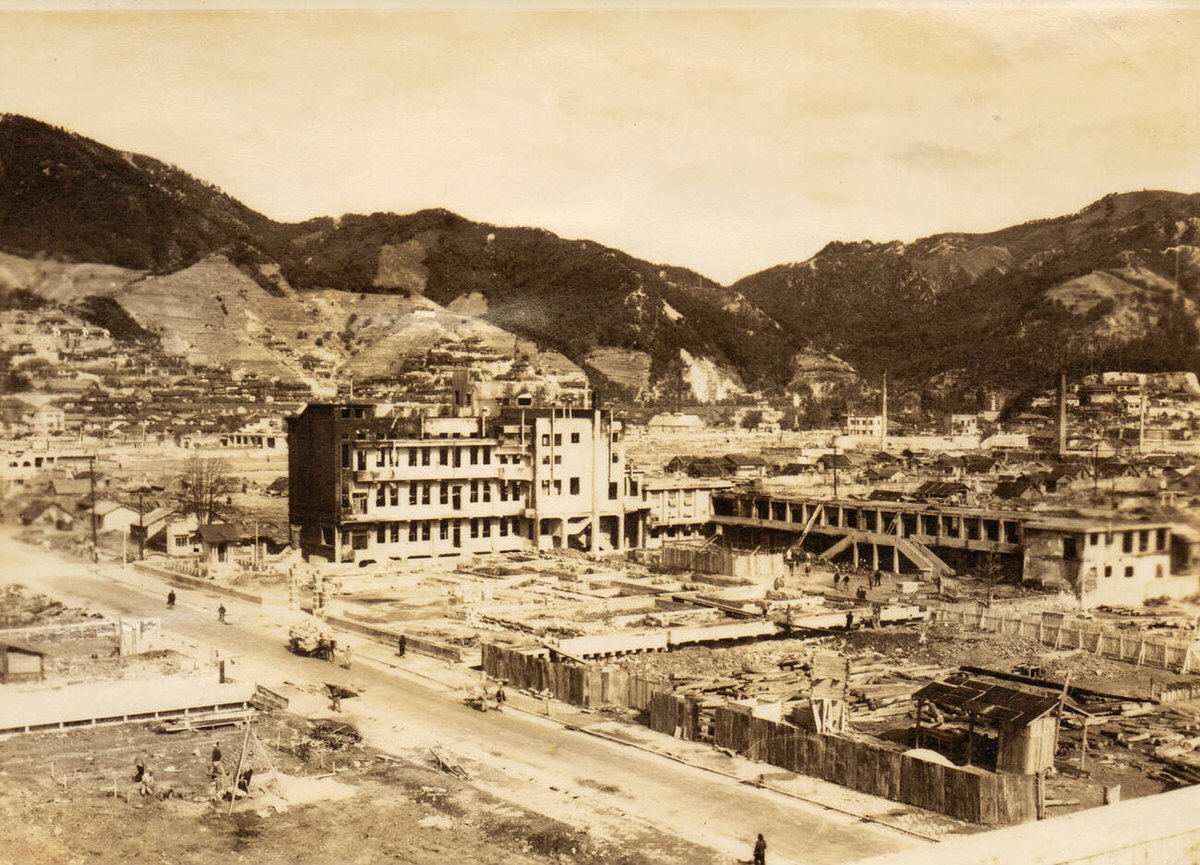
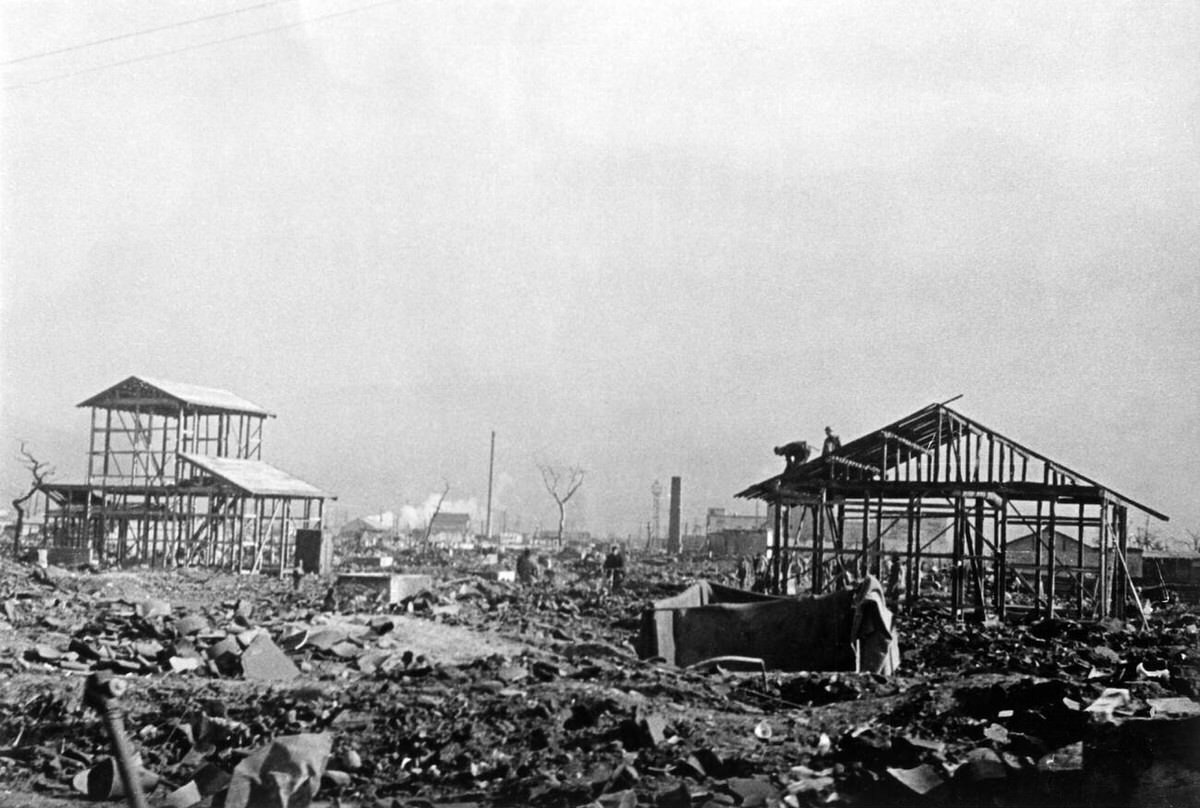
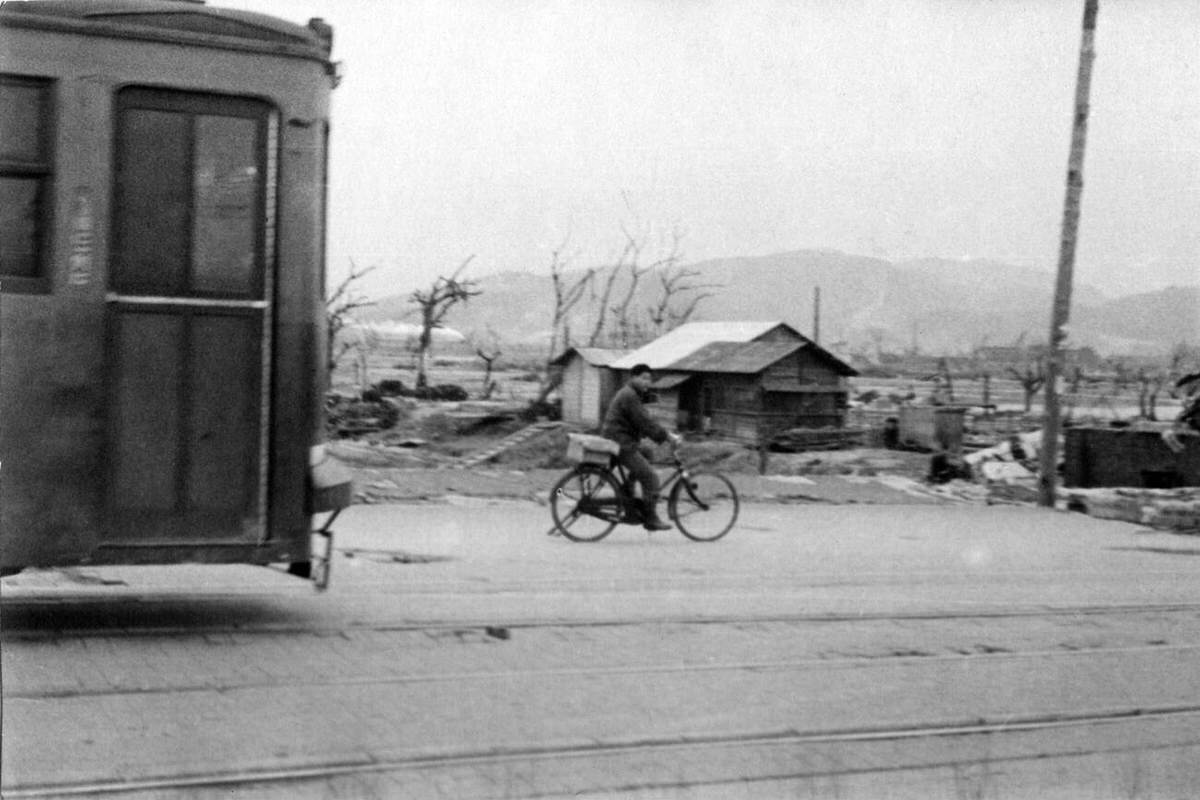
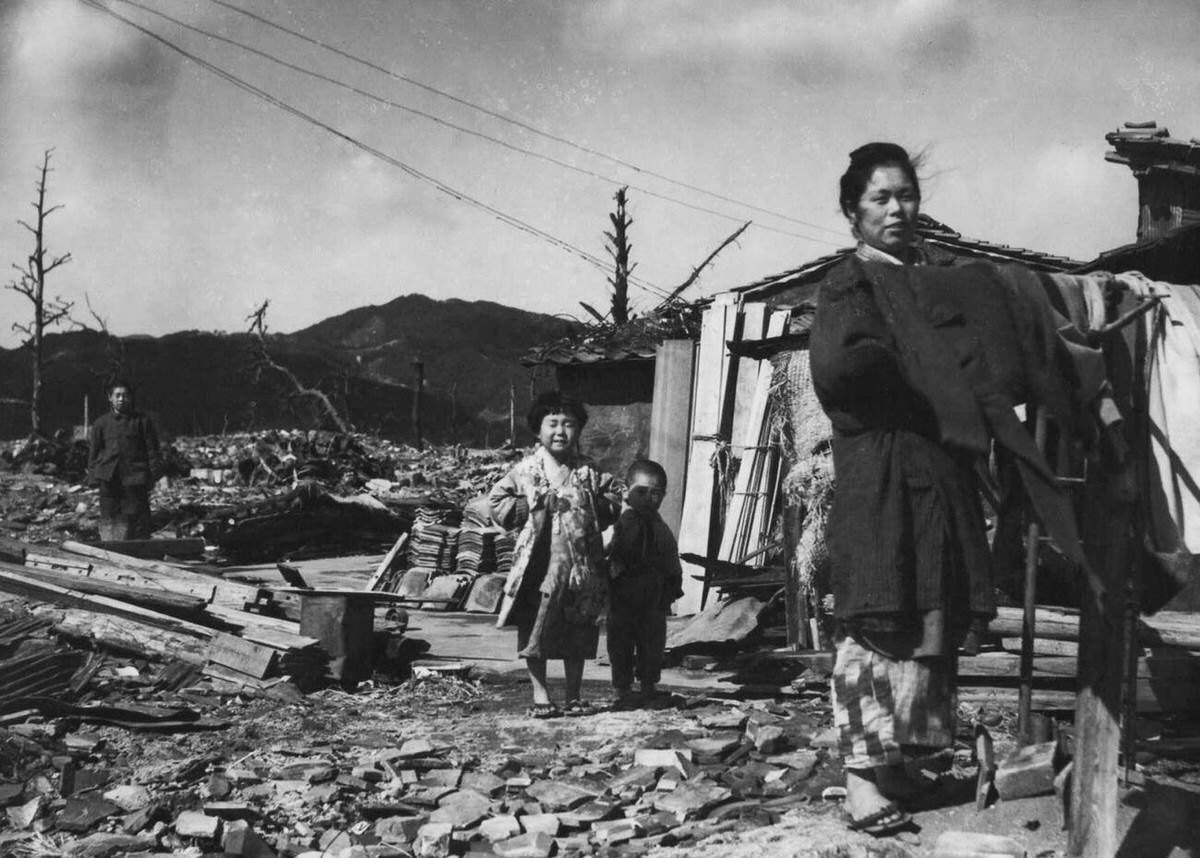
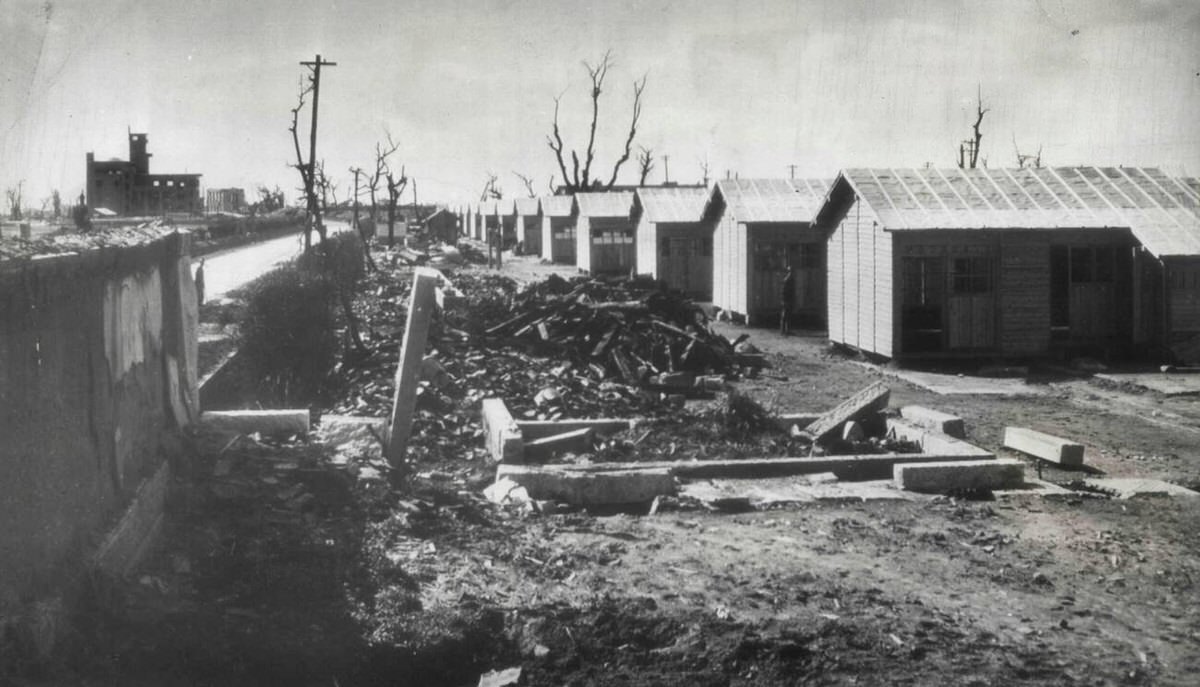
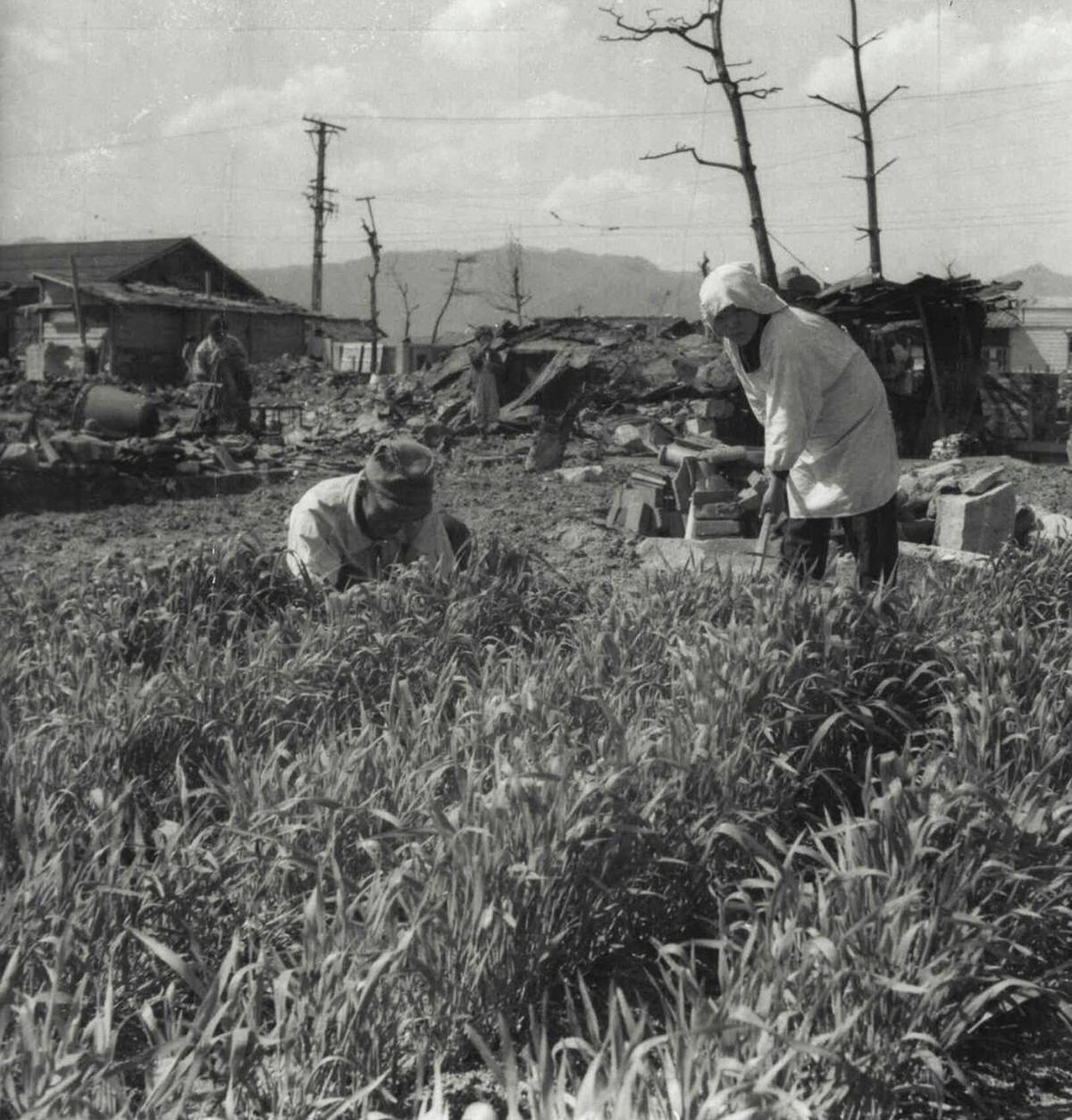
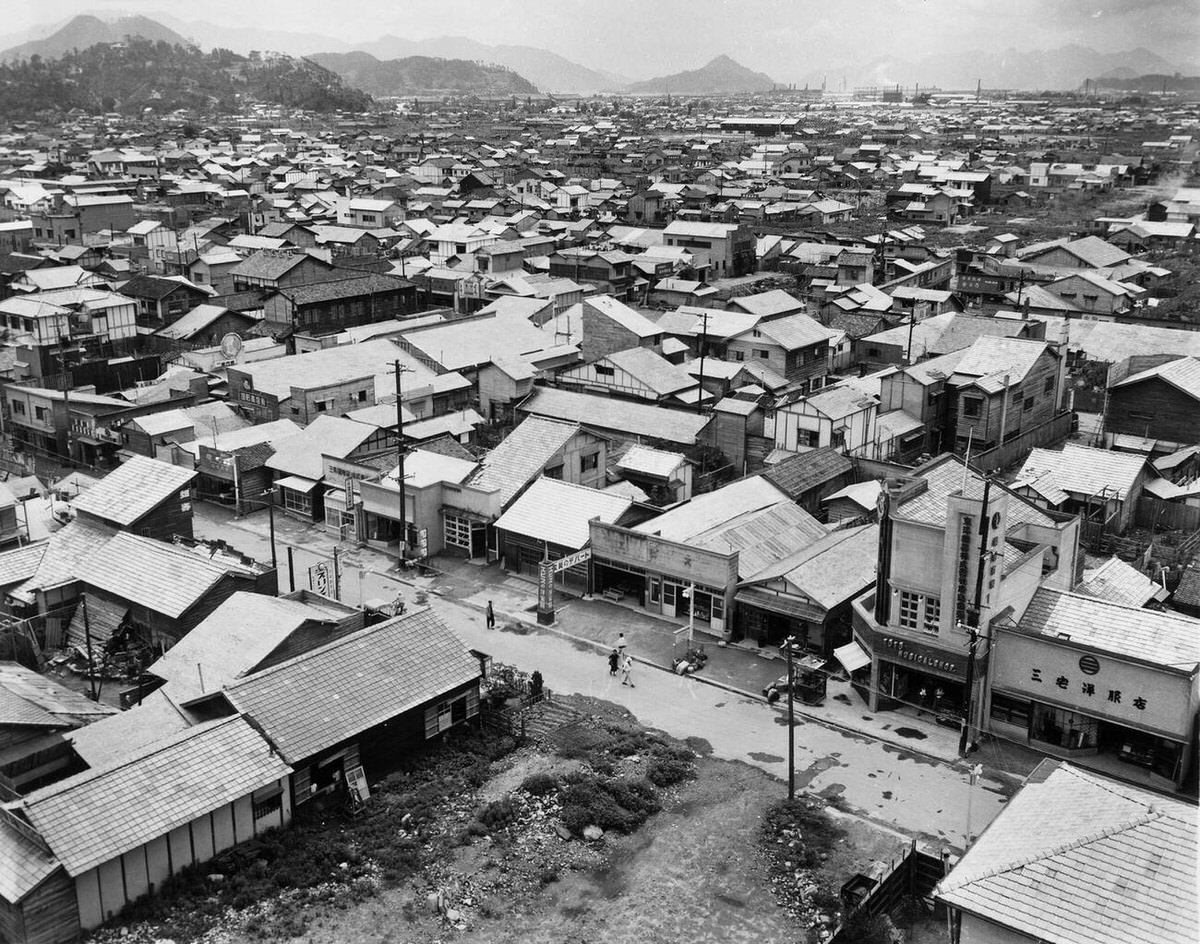
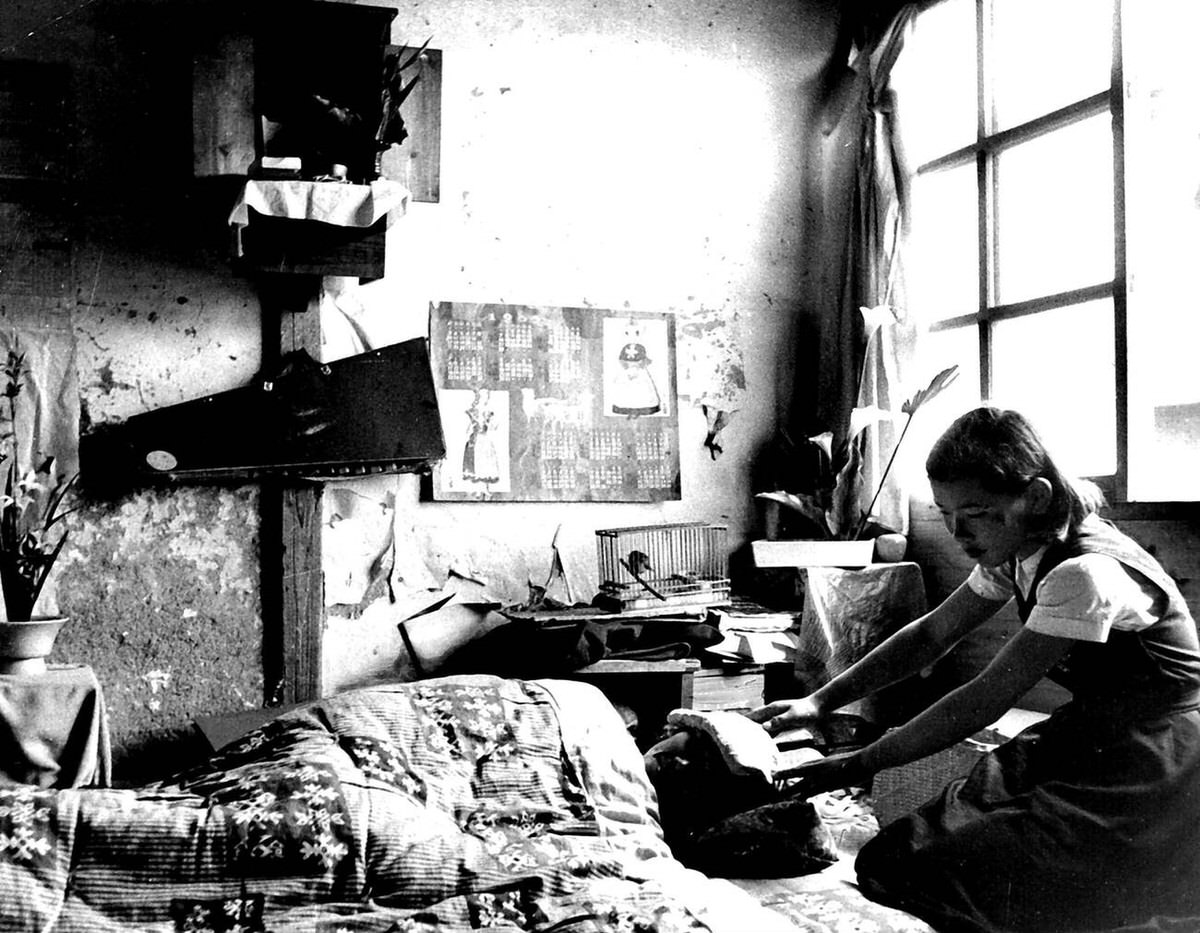
Rebuilding was painfully slow. Most survivors were too sick or physically broken to do heavy labor. Japan’s central government was collapsing as the war ended days after the second bombing. For months, life in the ruins meant daily fights for fuel, food, and shelter. People built crude “barracks” from scorched wood and rusted scrap metal and lived in them through the winter. It took years for the rubble to be fully cleared and for permanent housing to reach the hundreds of thousands who had lost everything in the span of two mornings.
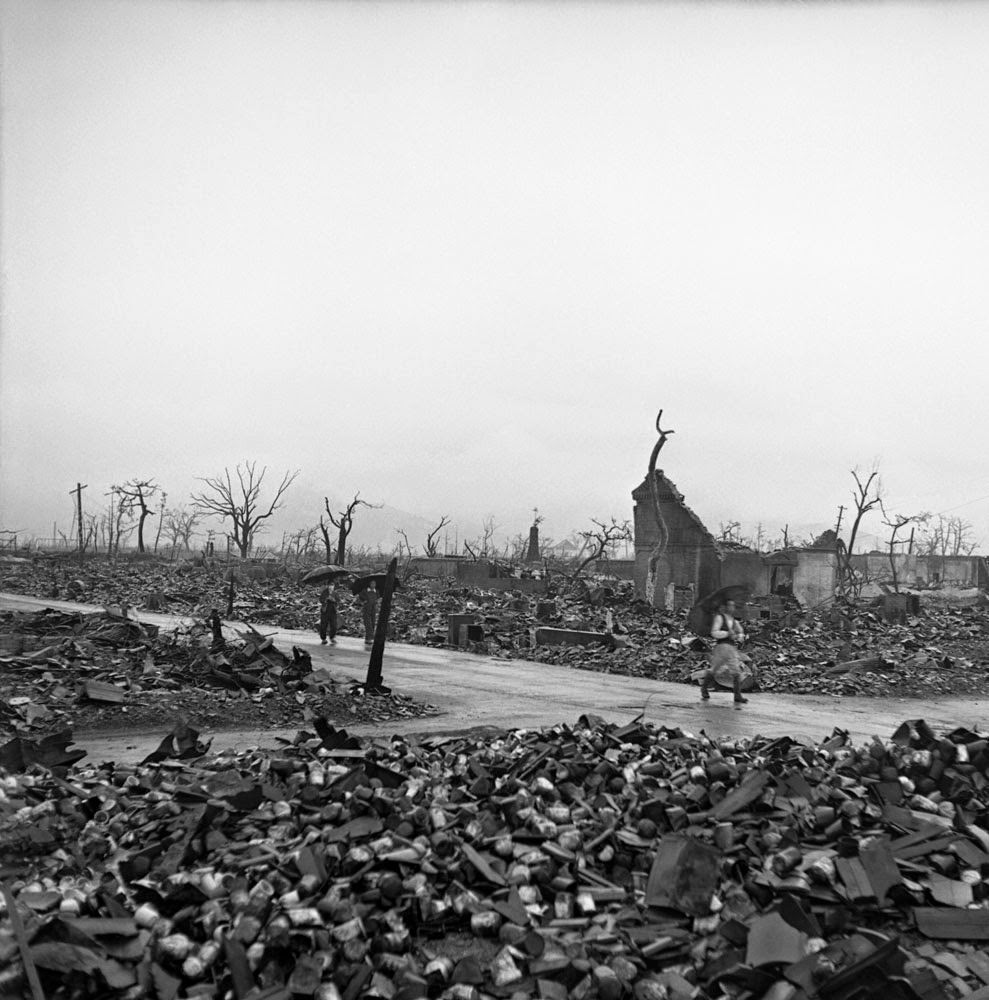
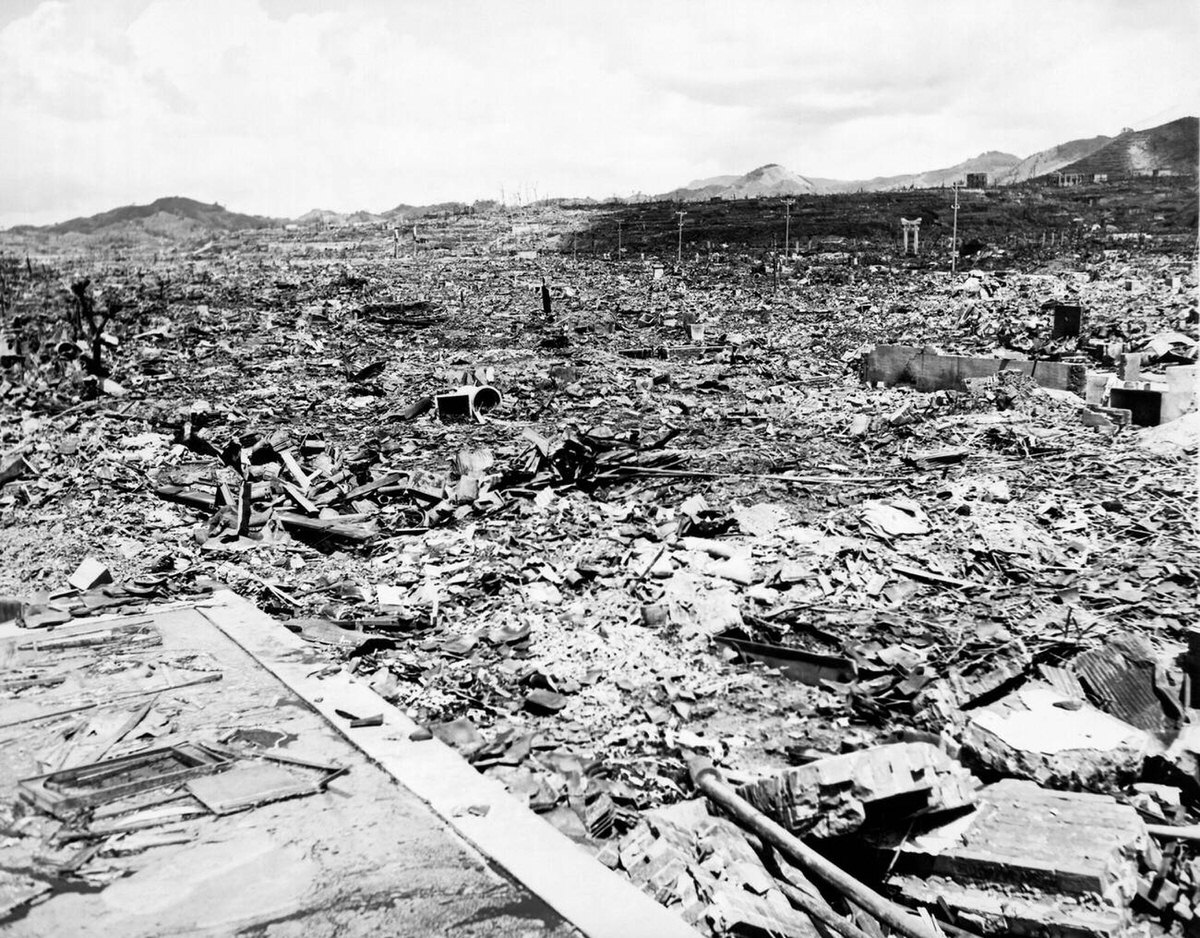



Absolute devastation. It’s crazy that Oppenheimer only recalled the line from the Hindu Scripture “Now I am become Death, the destroyer of worlds” upon seeing the successful detonation of the bomb, not from seeing these pictures. I refuse to believe there was not another way.