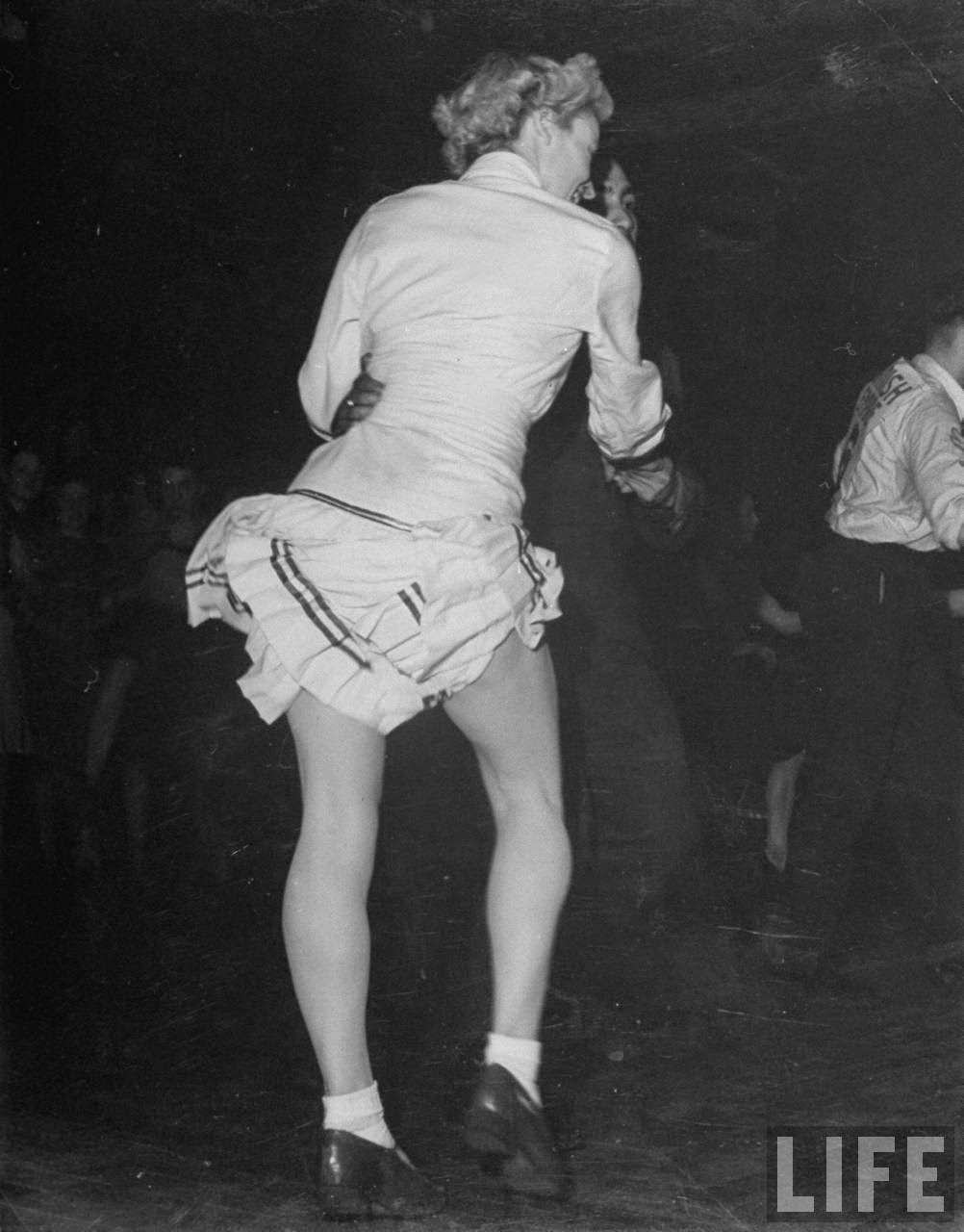
Two days before Britain declared war on Germany in September 1939, London went dark. The government ordered a complete blackout across the city to deny German bombers a navigational target from the air. Every household and business was required to cover windows with thick black fabric or heavy wooden shutters — not a single sliver of light could escape into the night sky. Streetlights were switched off. Vehicle headlights were fitted with metal shields that allowed only a tiny slit of light through. People carried small torches with bulbs dimmed by layers of tissue paper just to find their footing on the pavement.
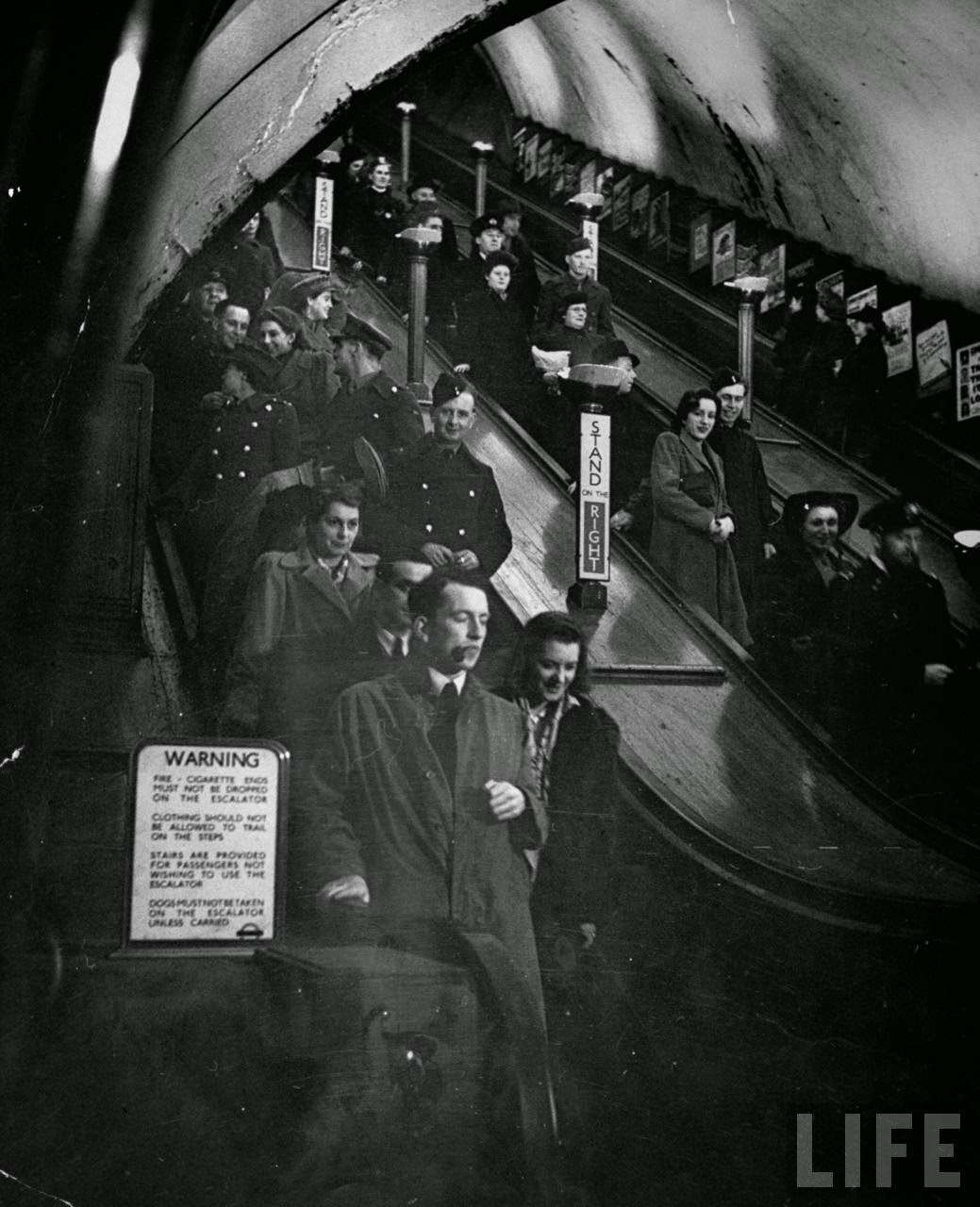
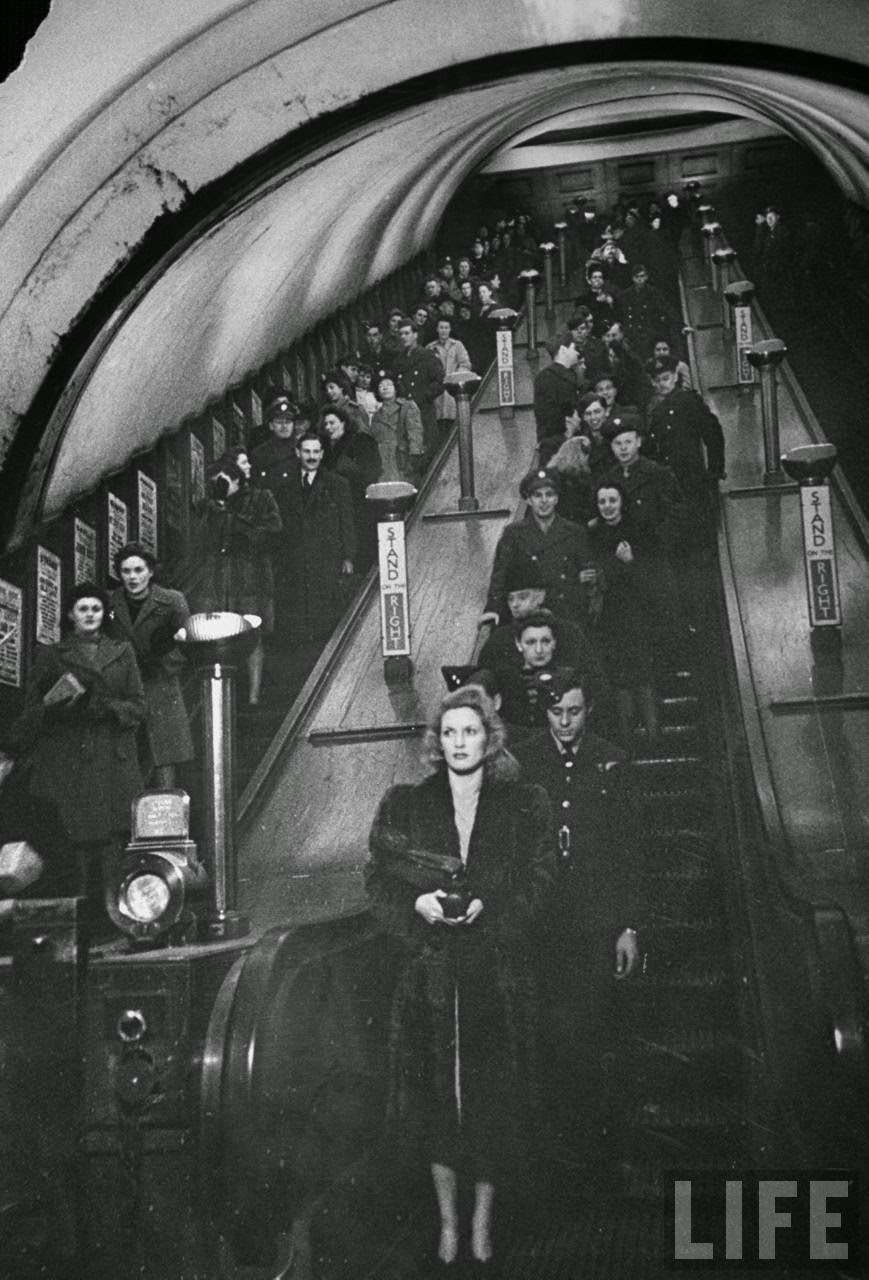
Despite the dangers above ground — air raids from German bombers and, by 1944, the constant threat of V-1 rockets — London’s nightlife refused to stop. Thousands of people poured into basement clubs, converted theatres, and underground dance halls each evening. The underground stations themselves became thoroughfares for a city still determined to socialize, with servicemen, war workers, and civilians moving through them at all hours.
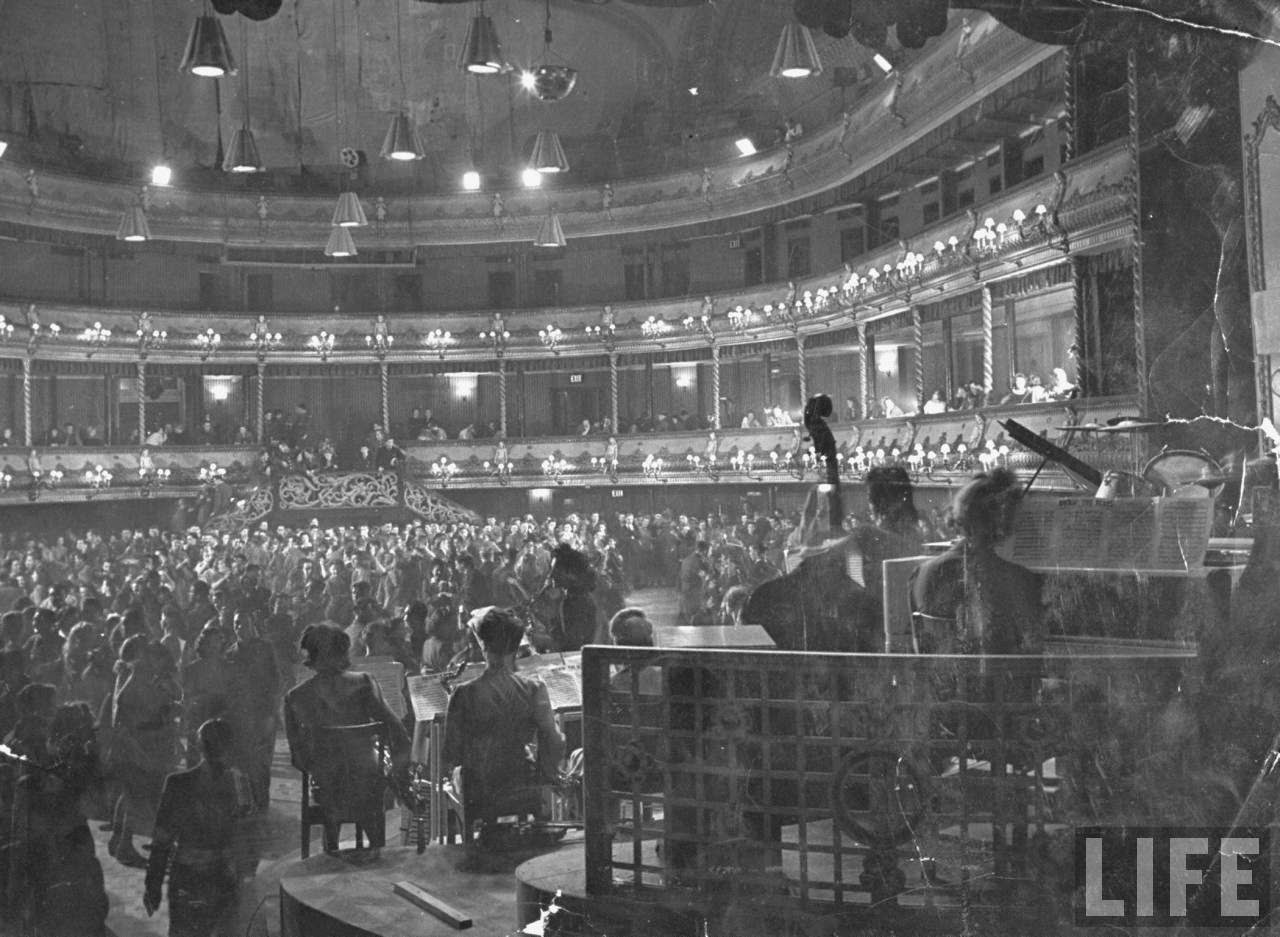
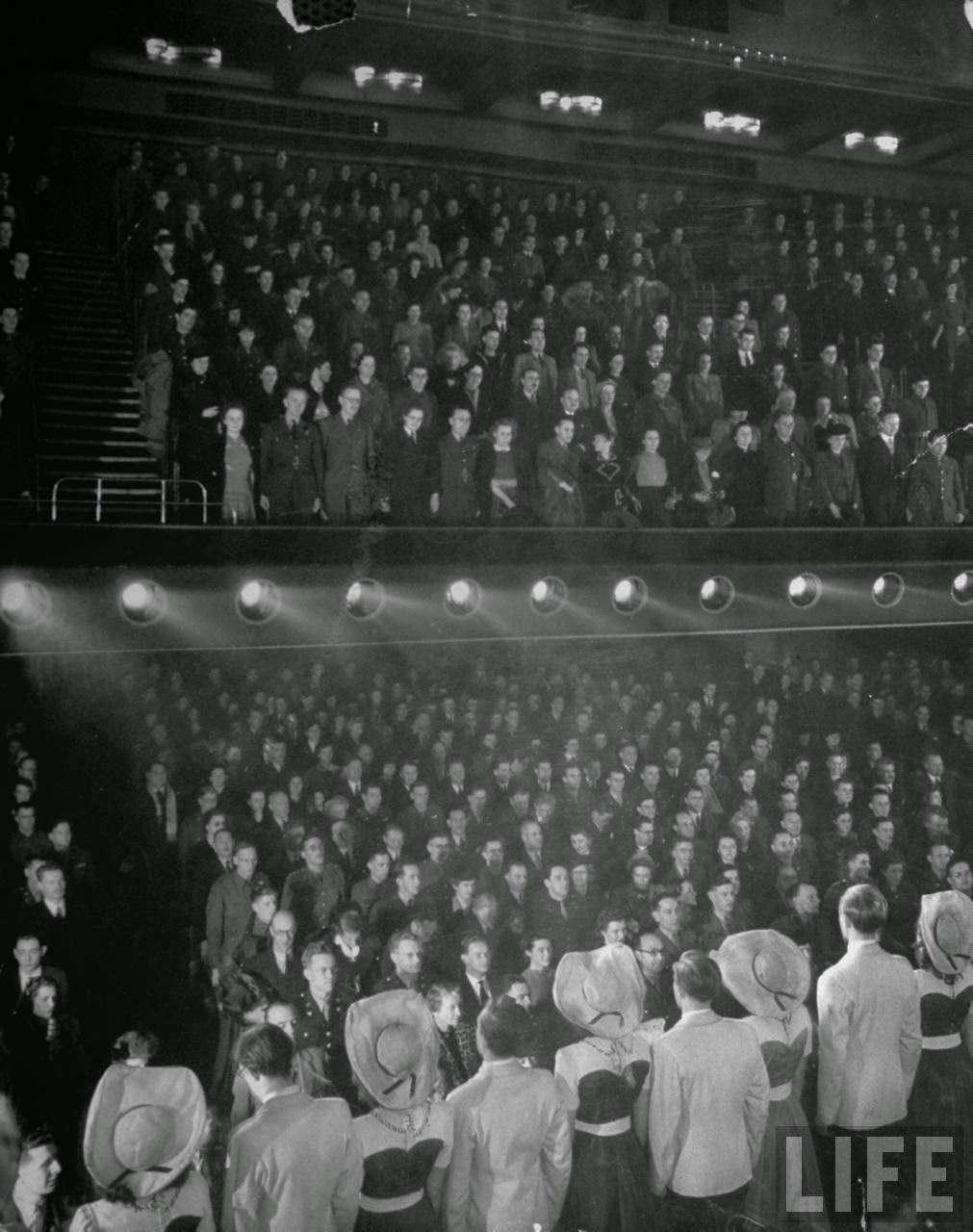
Some of London’s most prestigious venues reinvented themselves for the war years. The Covent Garden Opera House was converted into a dance hall, filling its grand interior with swing music and soldiers on leave. Theatrical productions continued across the West End, offering audiences a few hours of relief from the tension of wartime life.
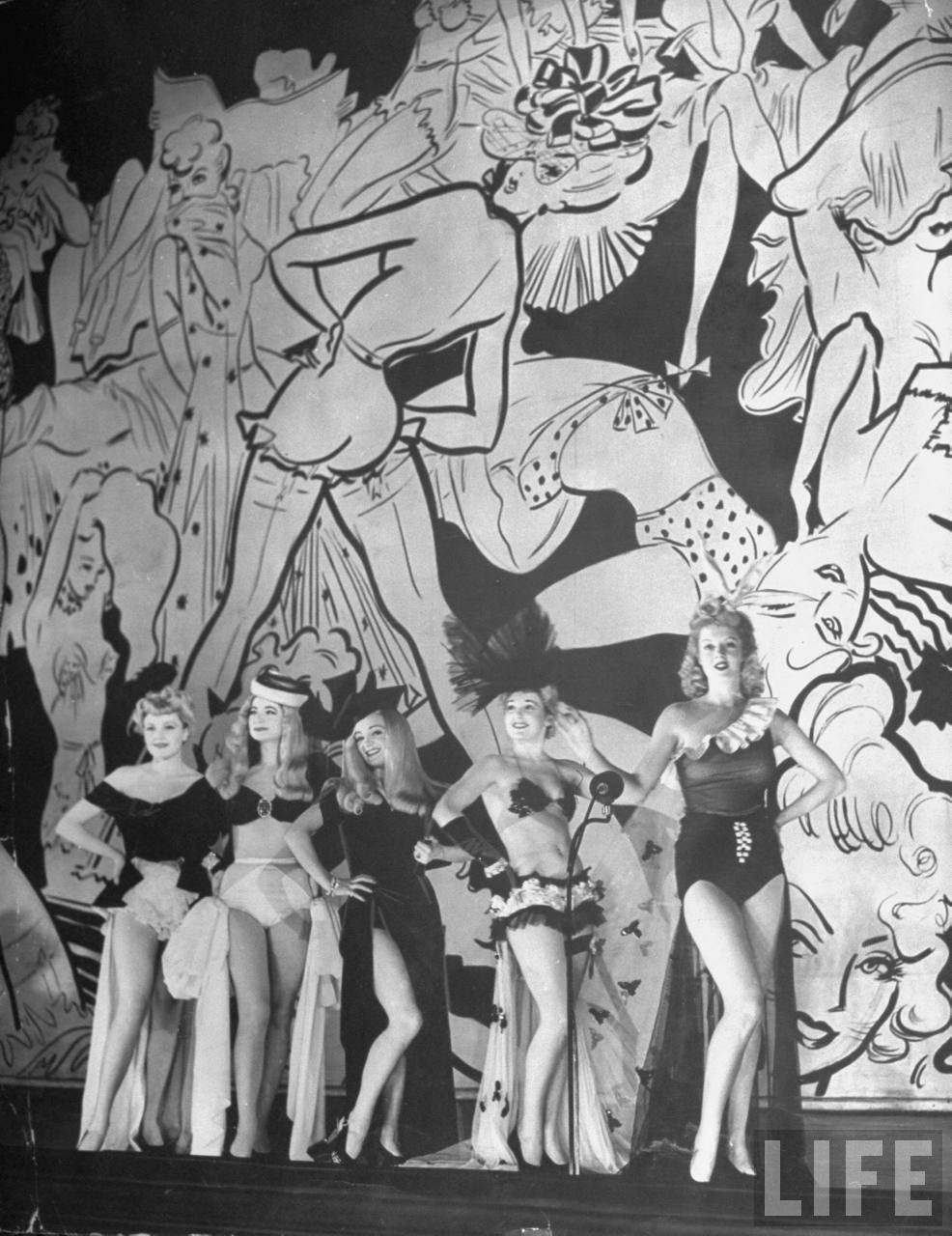
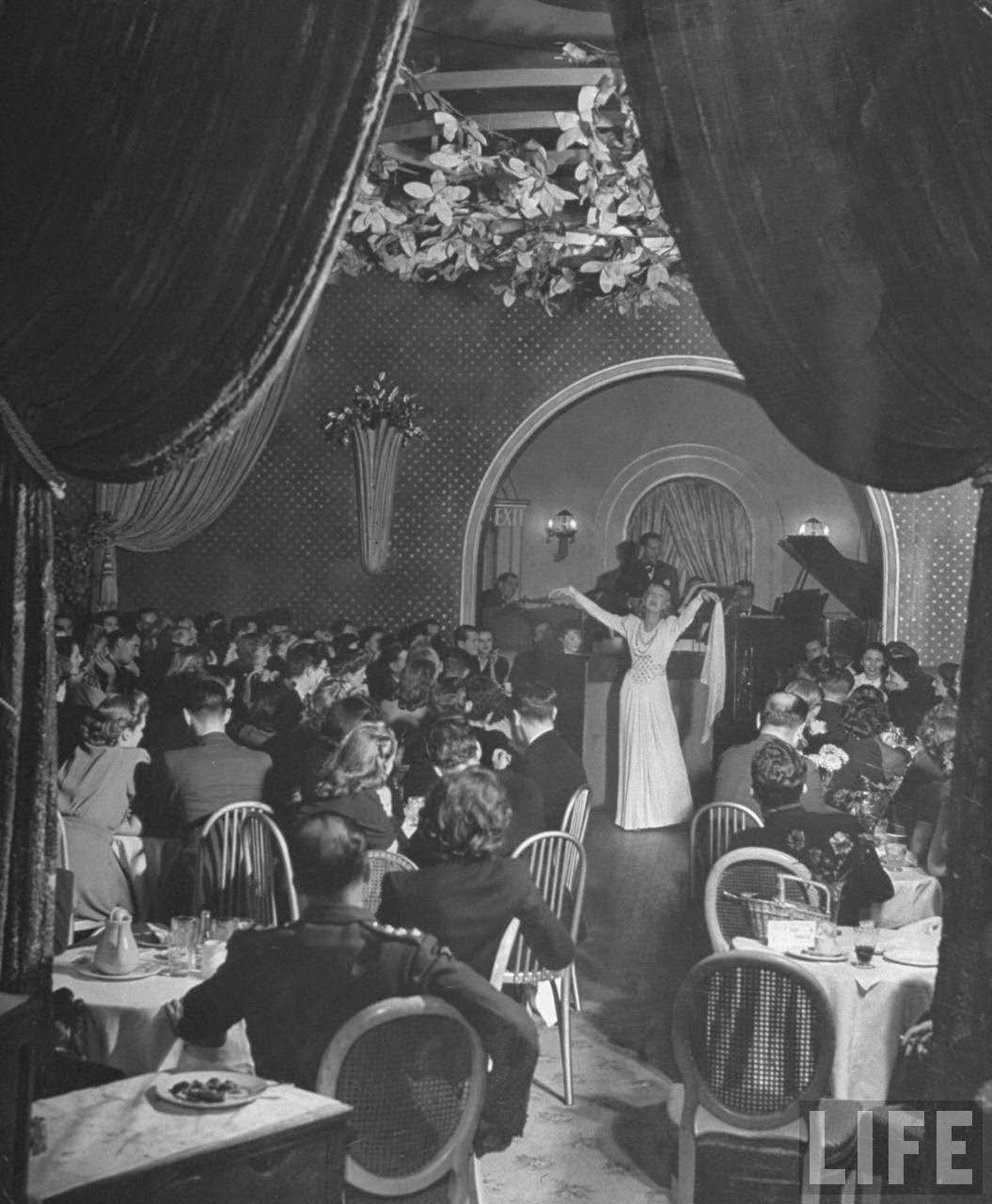
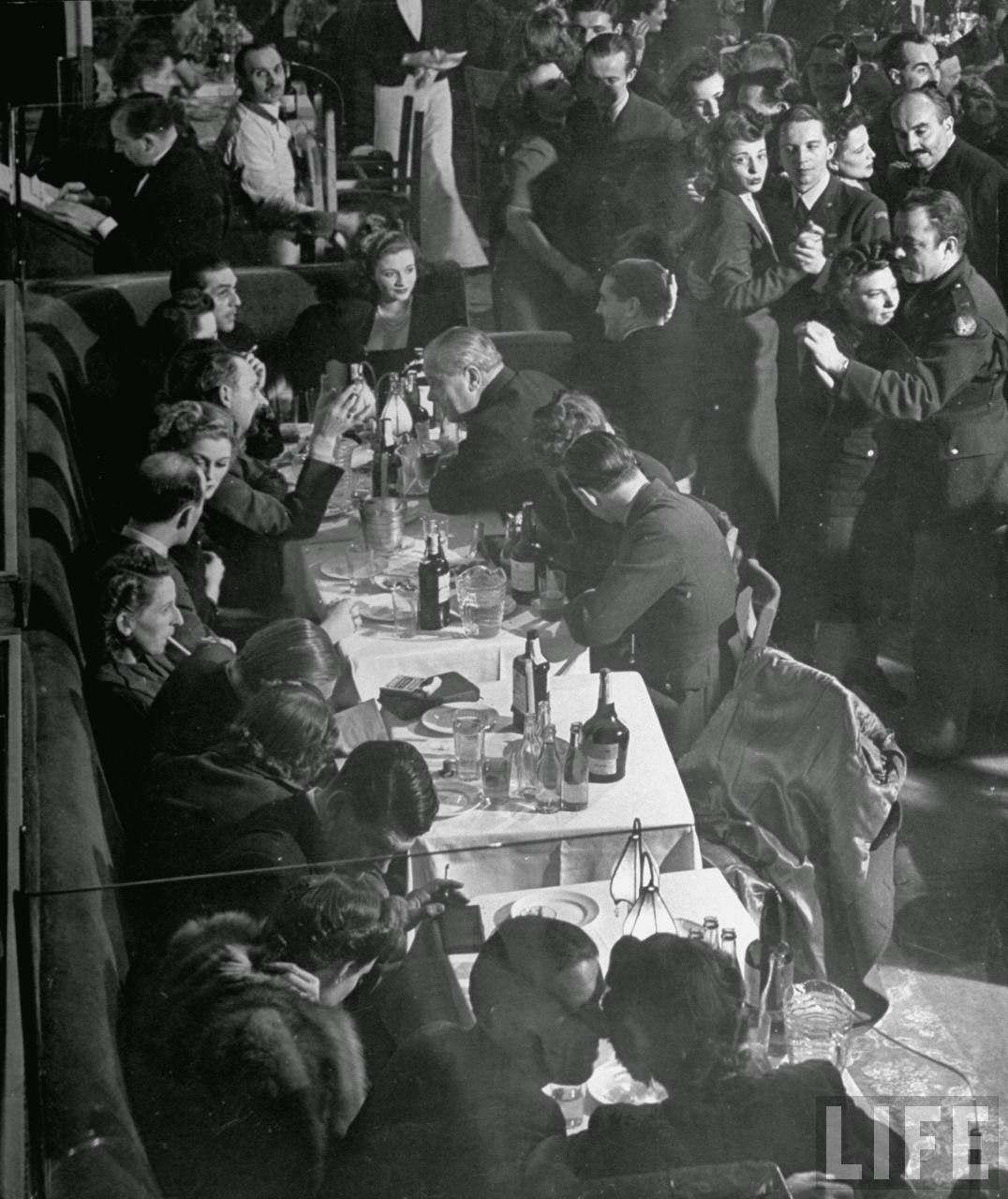
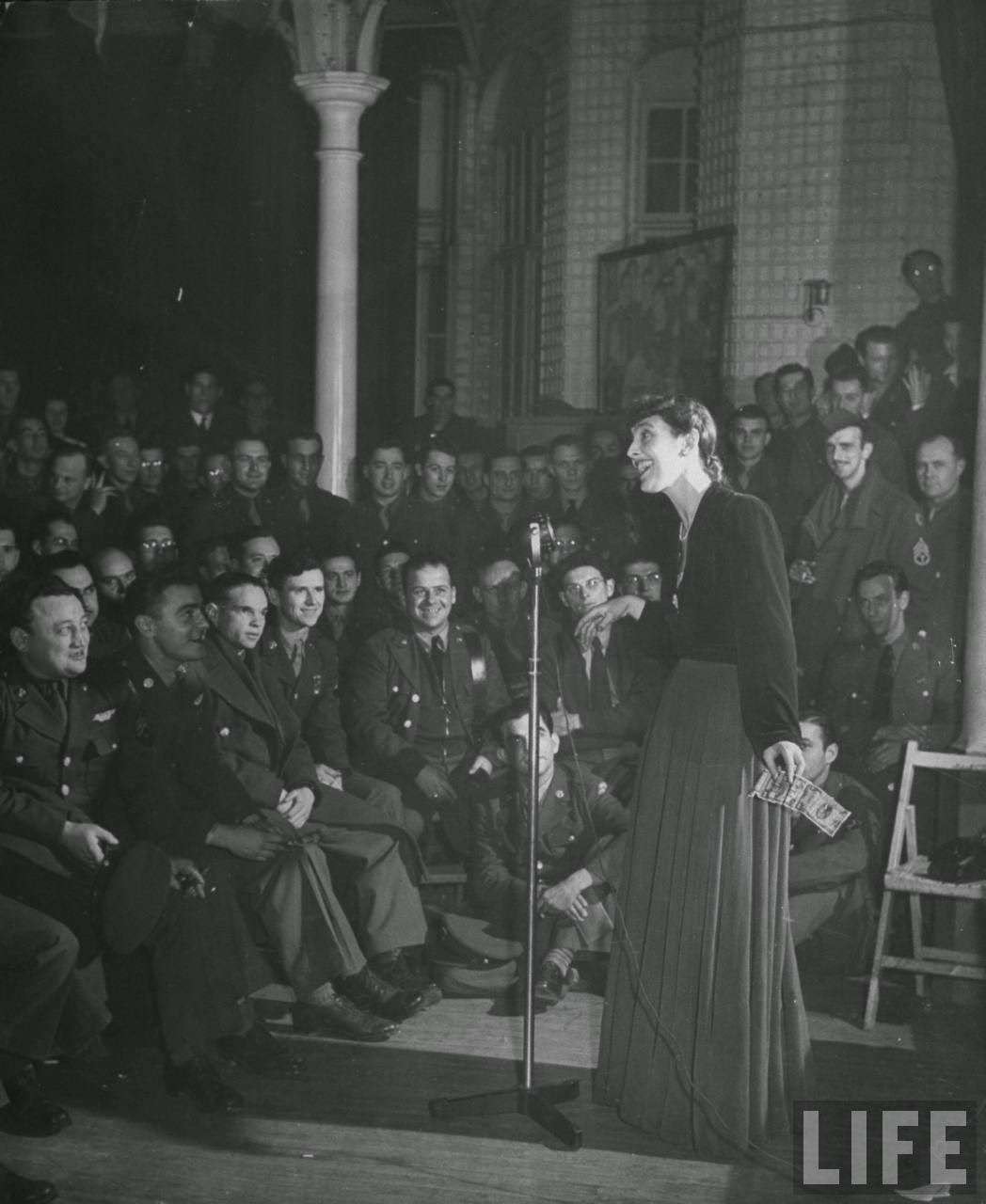
Restaurants and supper clubs kept their own entertainment running. Singers performed to packed rooms where tobacco smoke hung thick in the air and patrons made the most of their limited rations. The atmosphere inside these venues was deliberately loud and bright — a sharp contrast to the silent, pitch-black streets waiting outside the door.
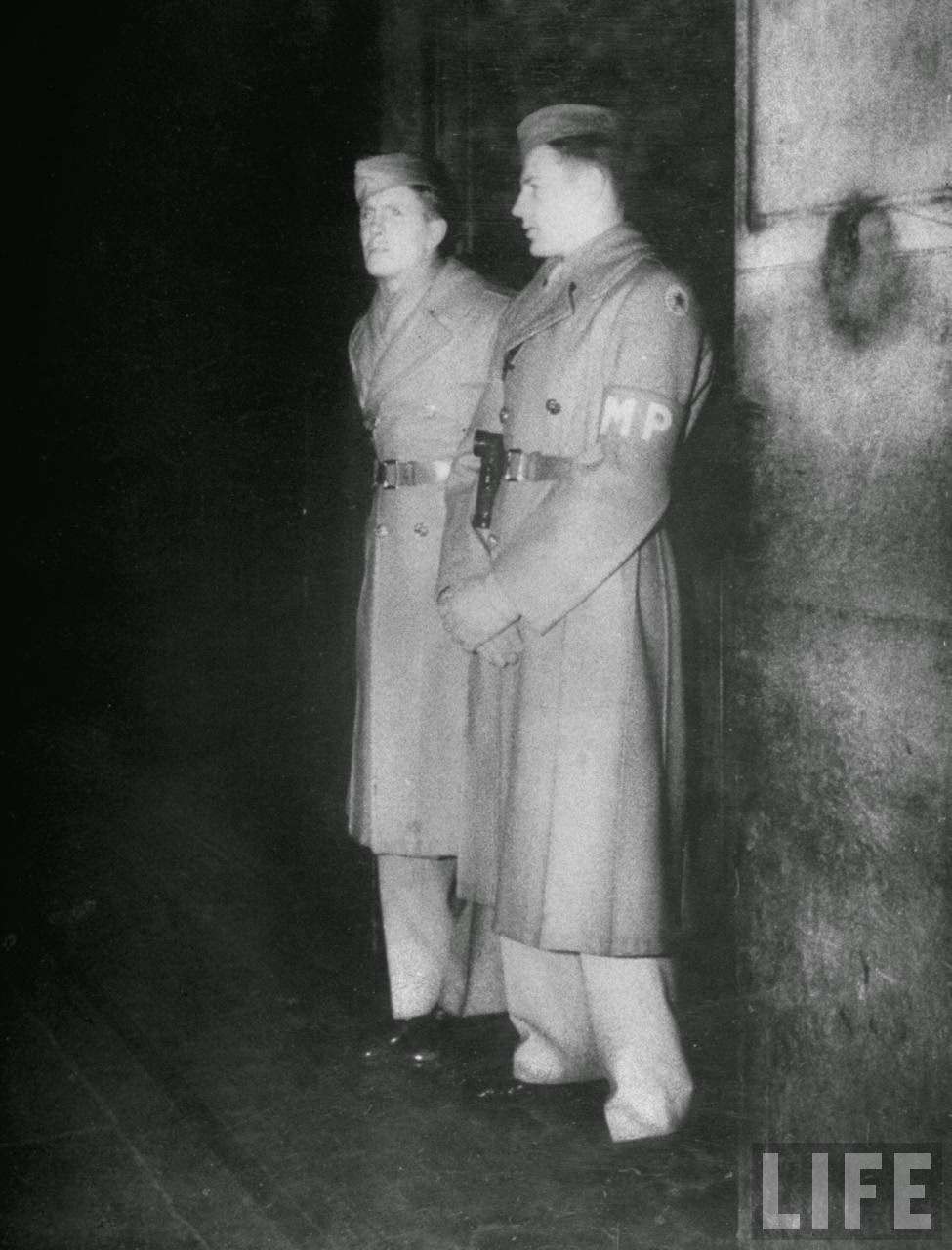
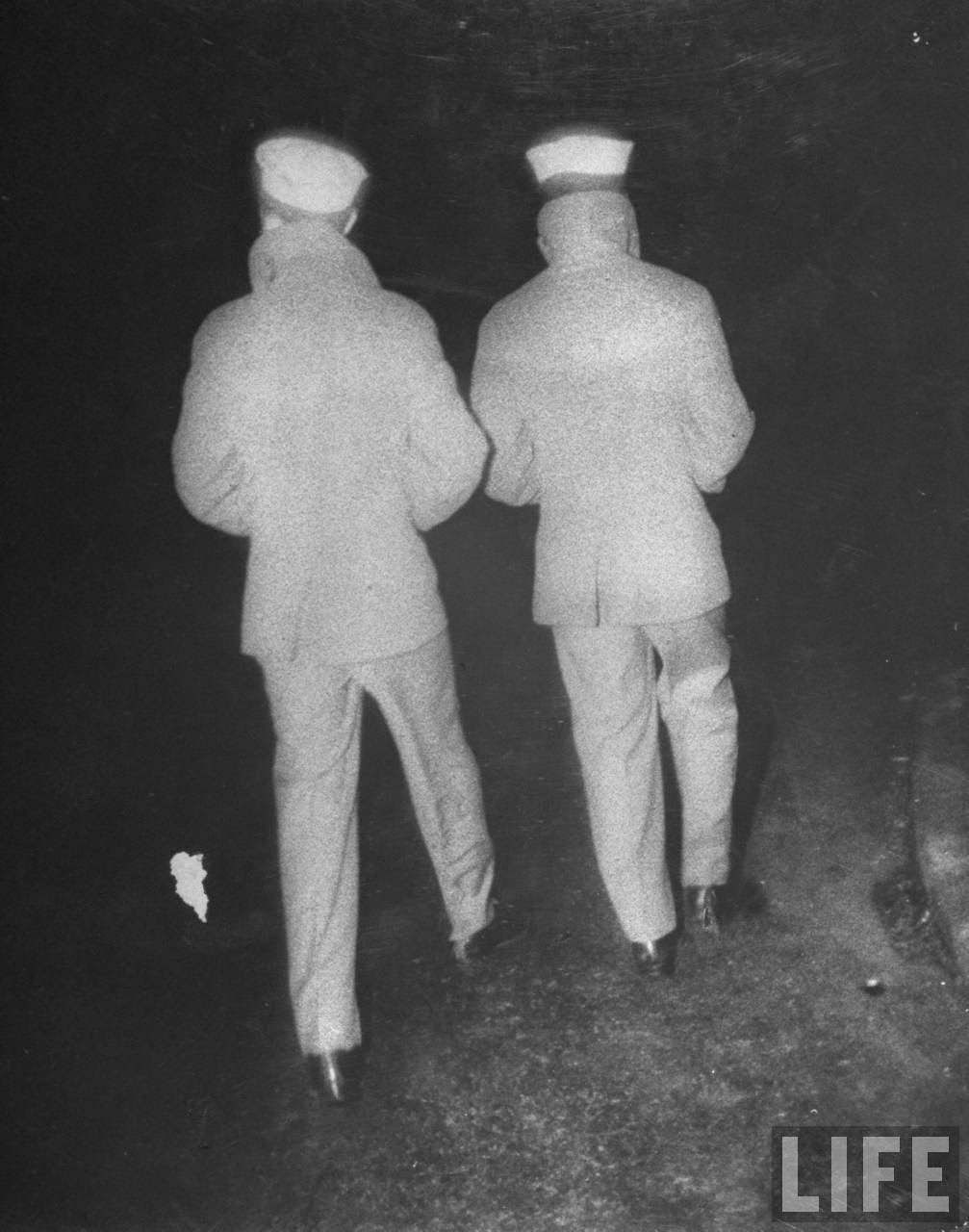
American servicemen were a constant presence in wartime London. The U.S. military maintained a visible authority on the streets, with Military Police checking leave passes to keep order among the large numbers of soldiers passing through the city on leave.
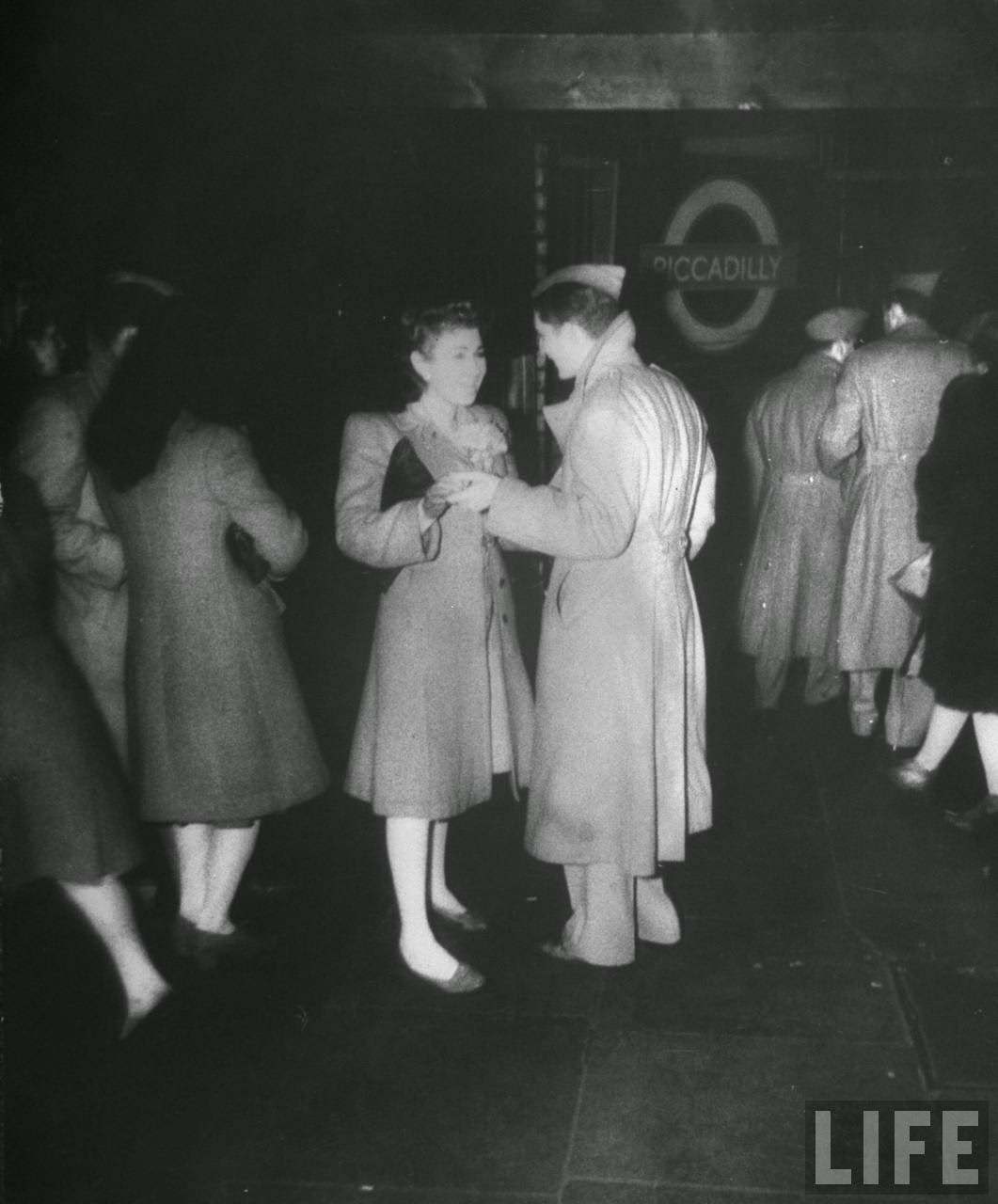
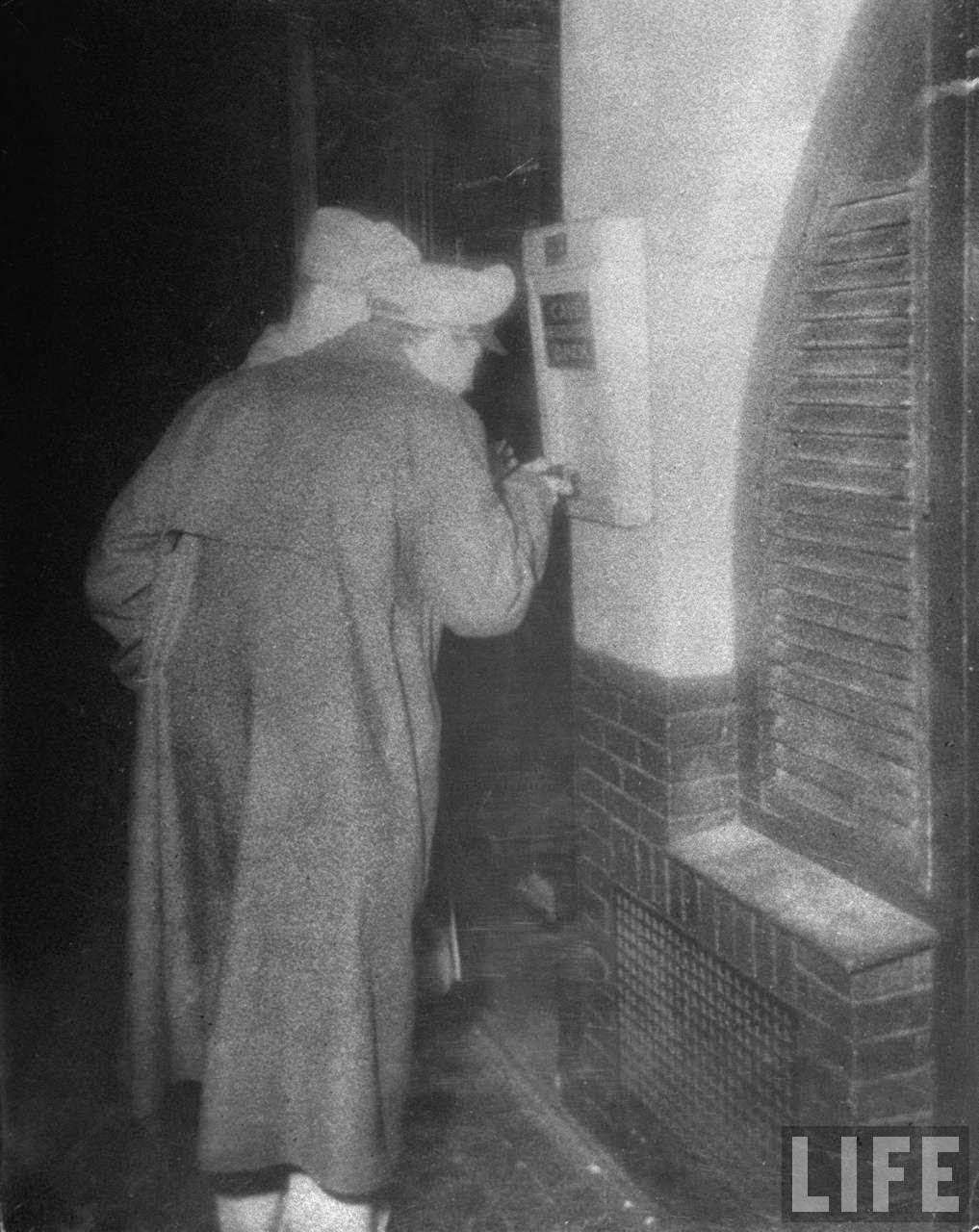
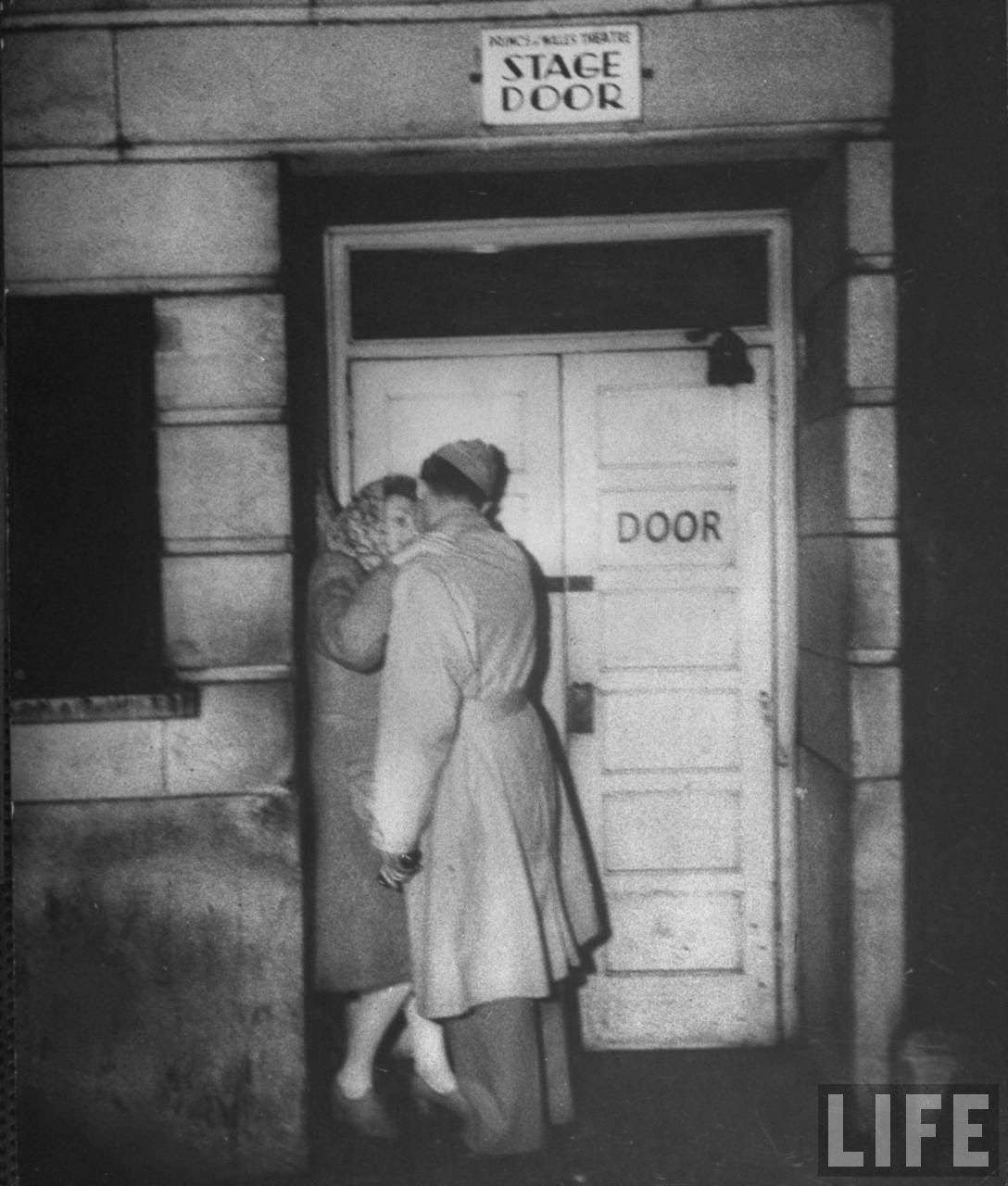
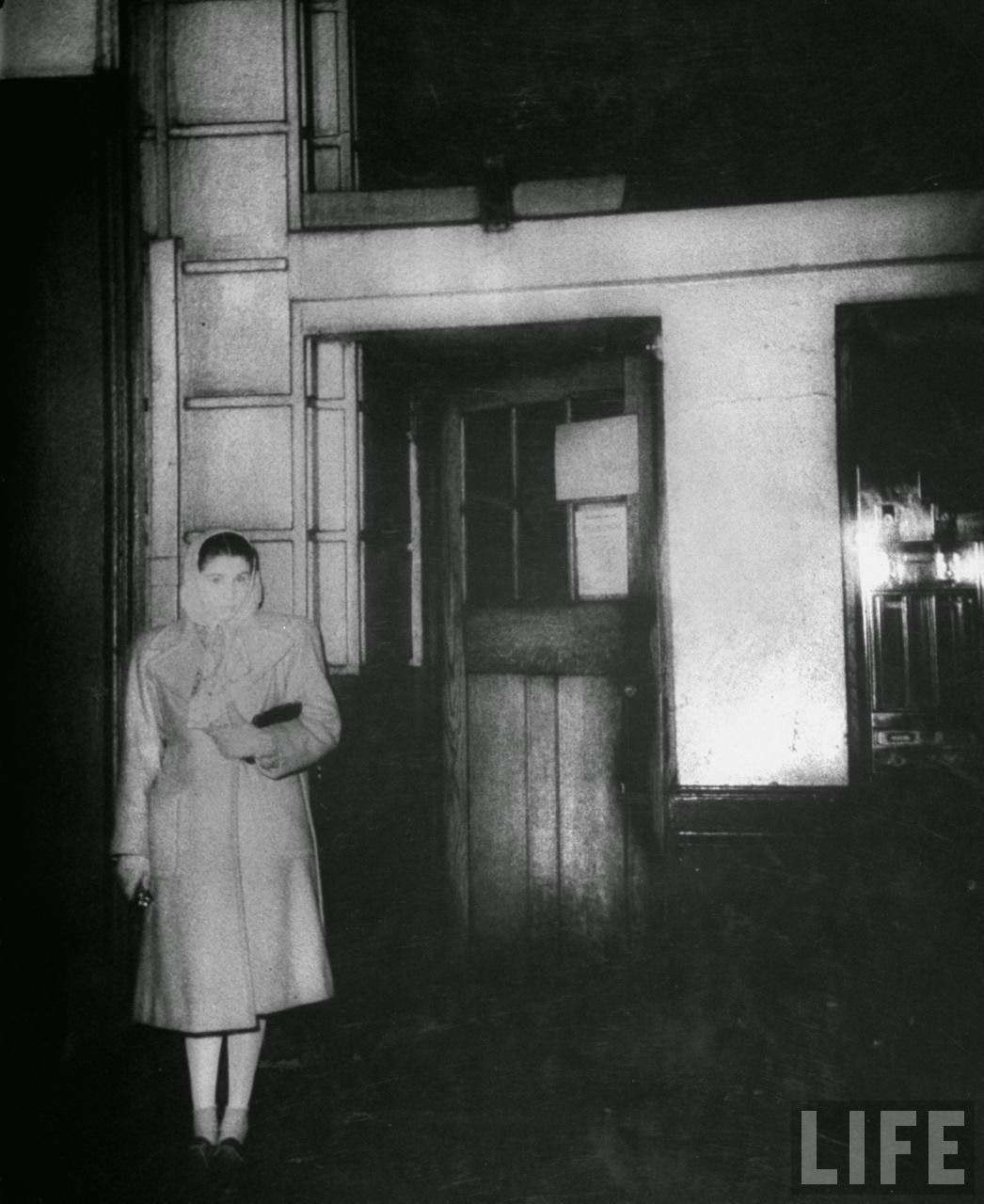
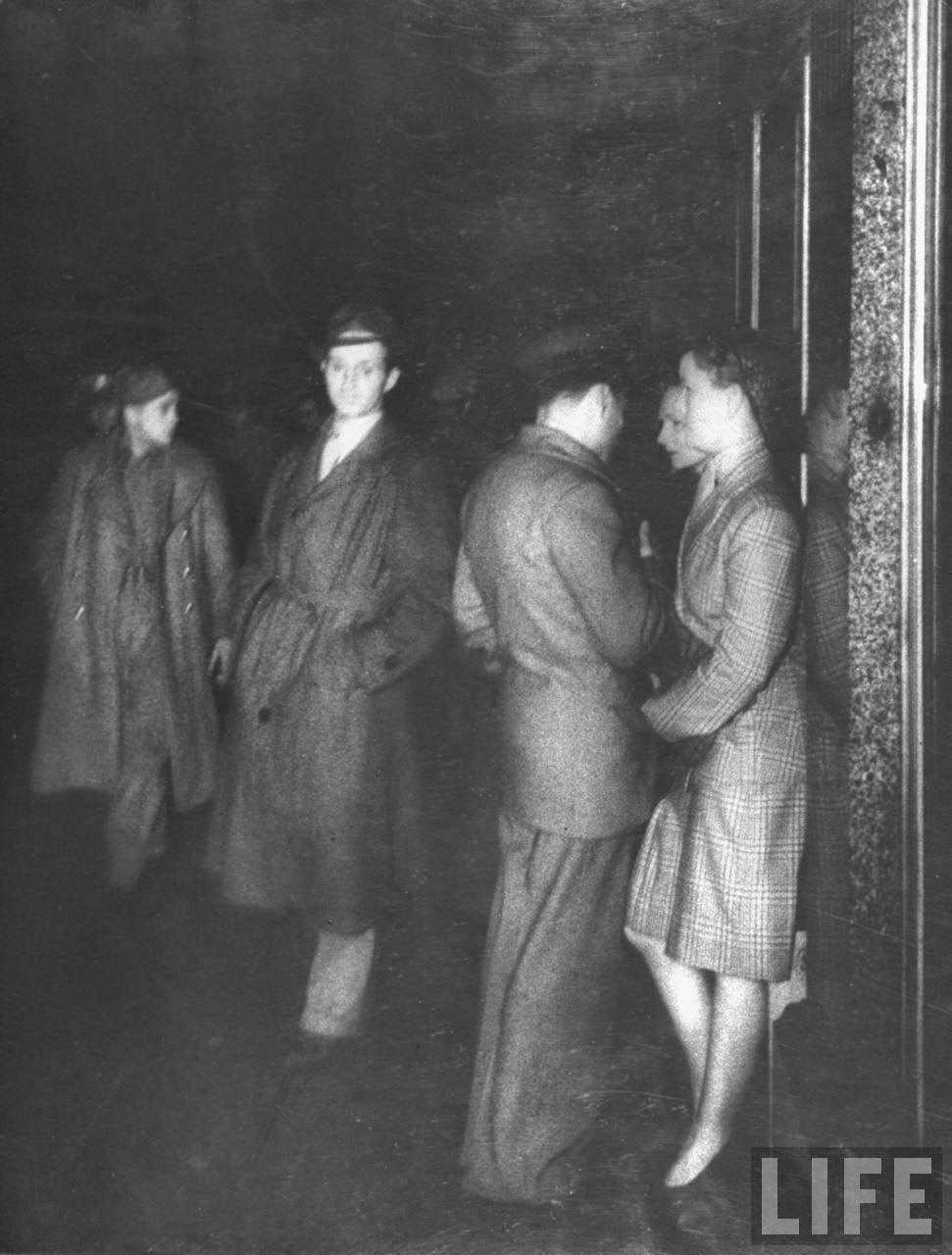
For many soldiers, a night out in London ended at a tube station entrance — the last point of light before heading back into the blackout. These doorways became brief meeting points, where couples said their goodbyes not knowing when, or whether, they would see each other again.
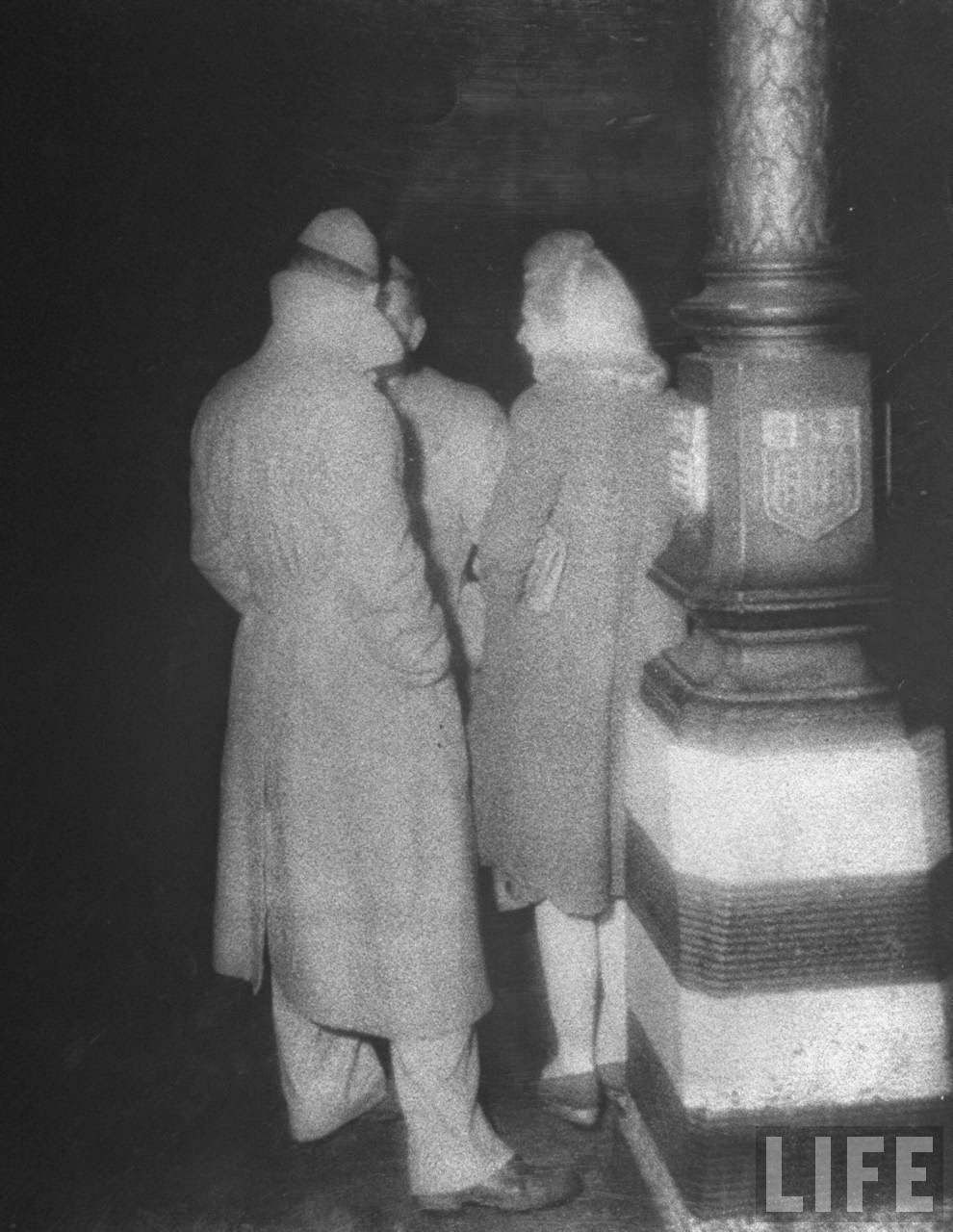
Out on the streets, the darkness created practical problems that required constant adaptation. Kerbs and lamp posts were painted with white stripes so pedestrians could avoid tripping or walking into them. Even reading a restaurant menu required a torch. Photographer David E. Scherman documented these everyday adjustments, capturing the small rituals people developed to function in near-total darkness.
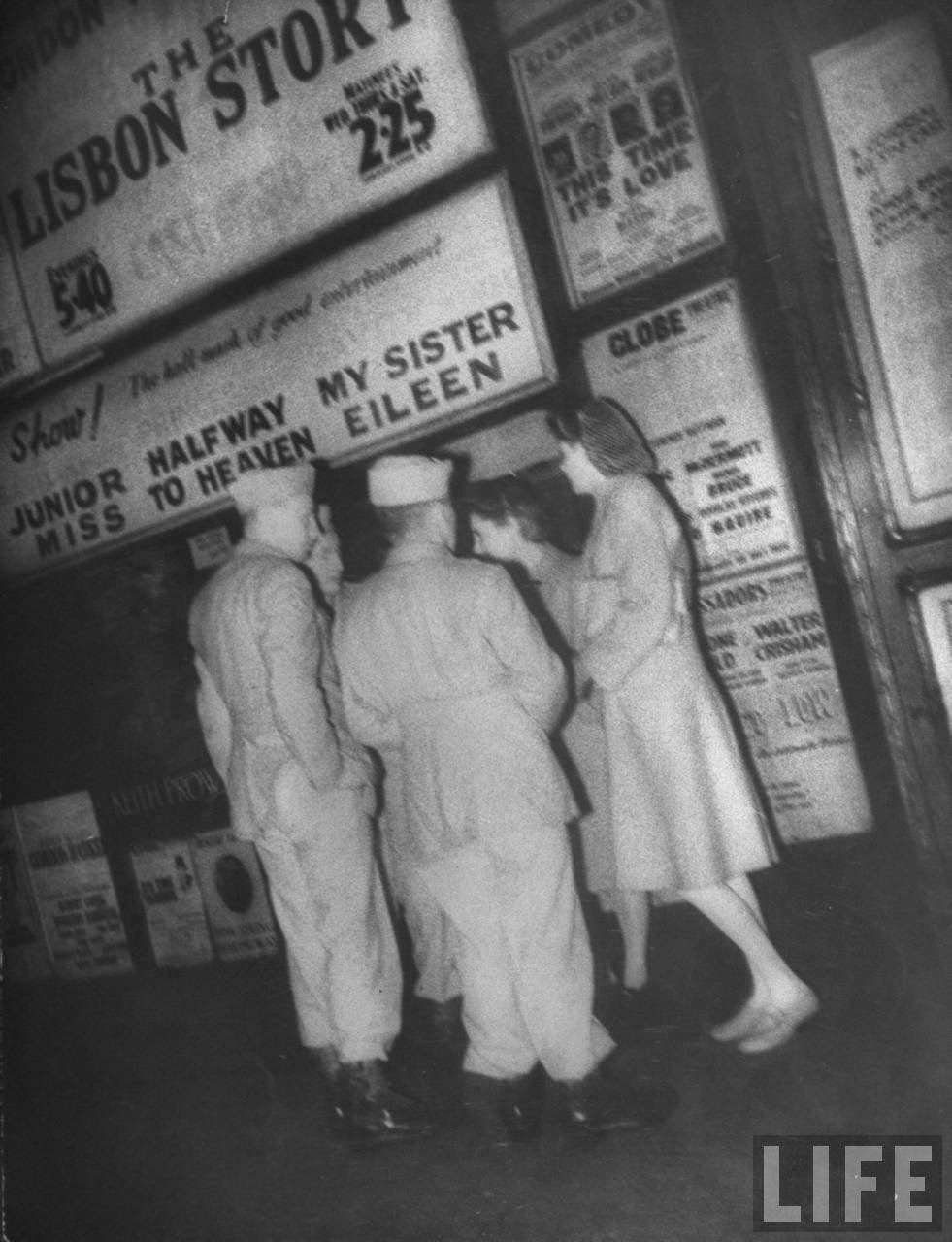
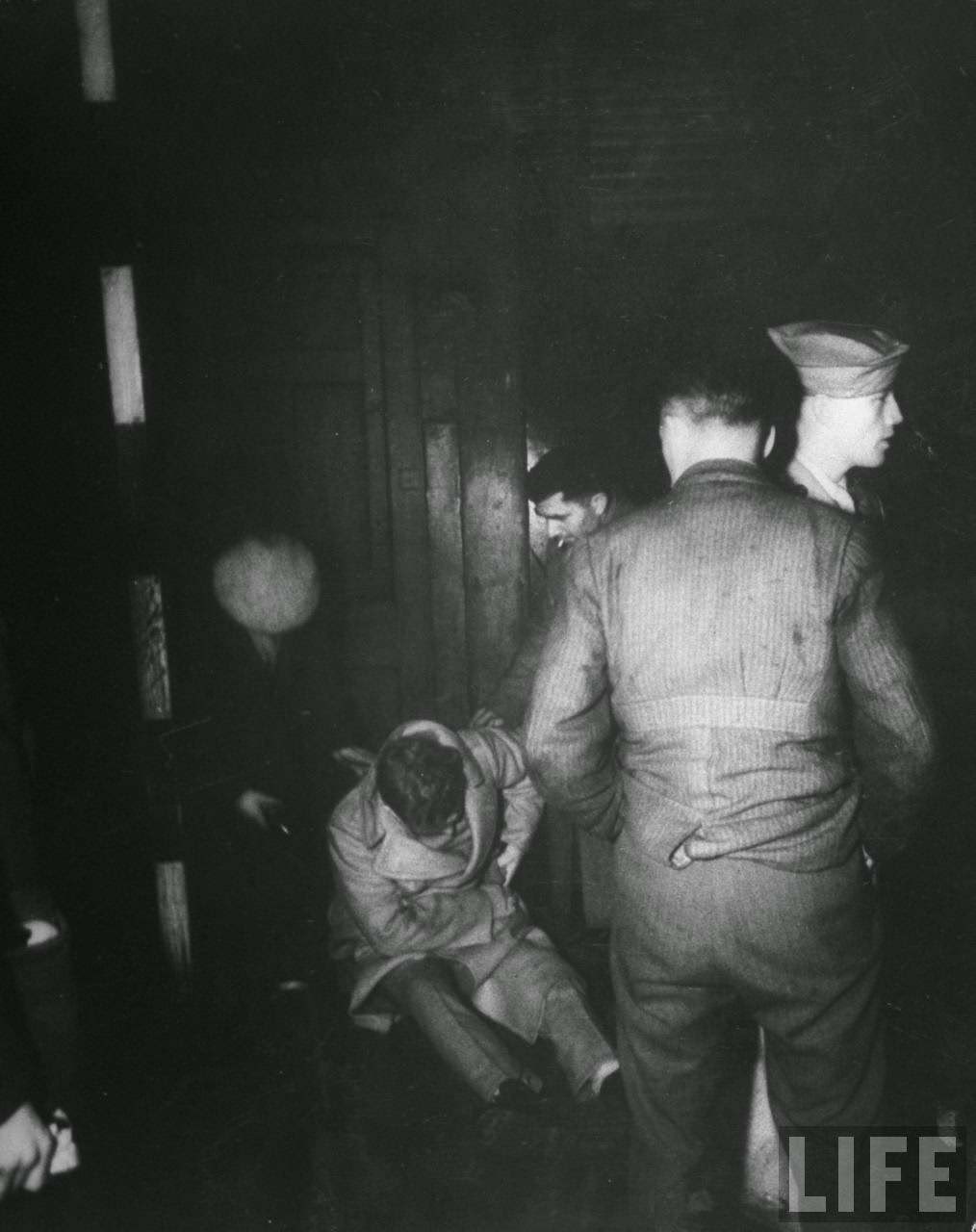
Not every night out ended safely. The combination of total darkness, uneven streets, and heavy drinking led to accidents and casualties that had nothing to do with enemy action. Wounded soldiers and civilians were found collapsed in darkened streets, unseen by passersby until morning.
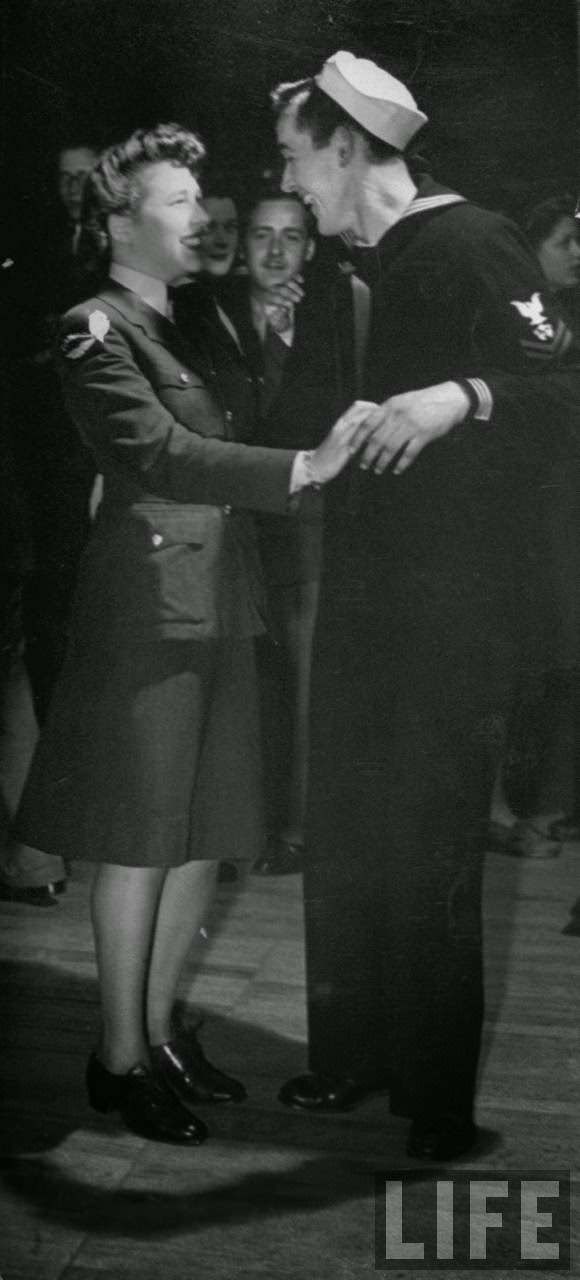
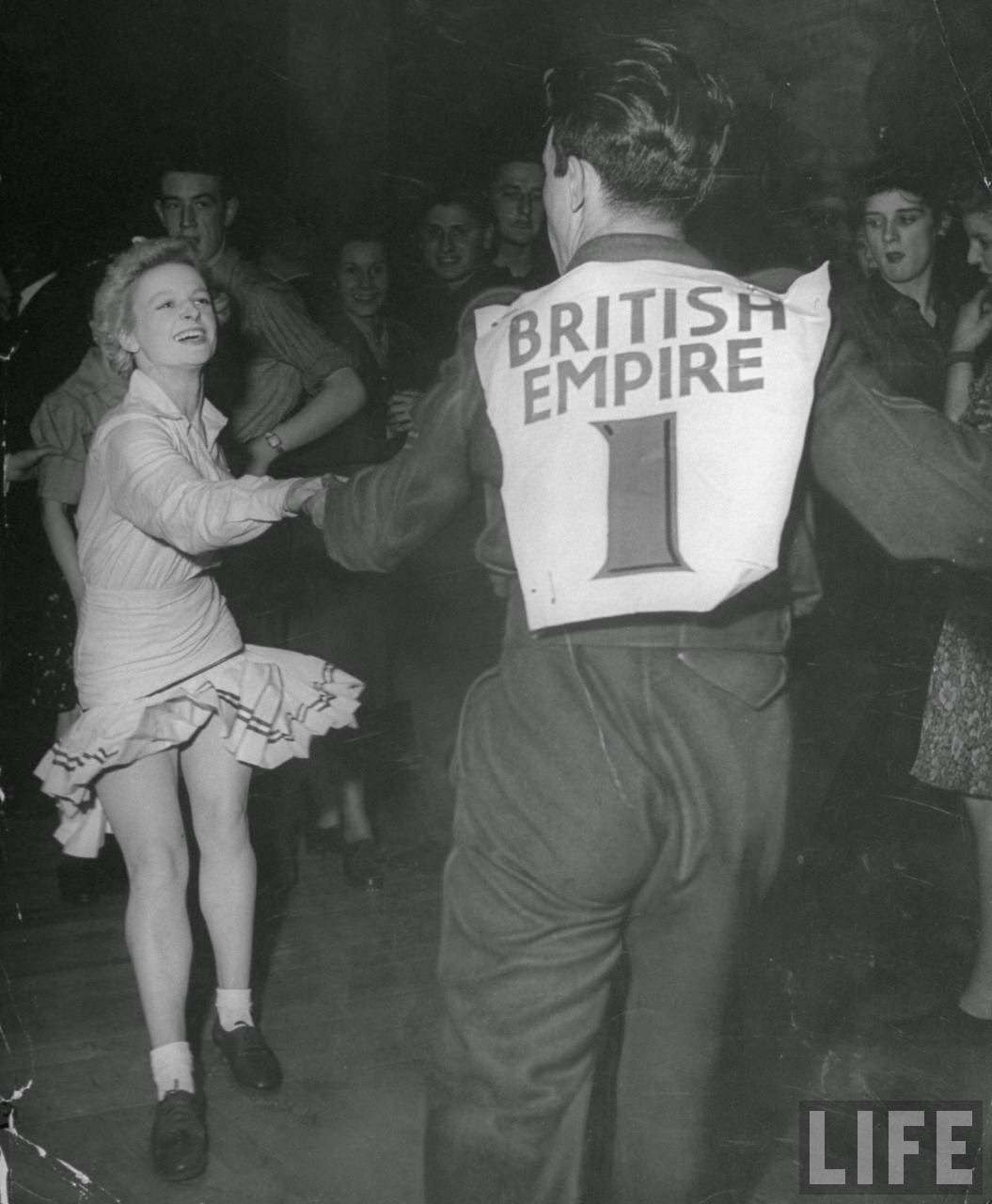
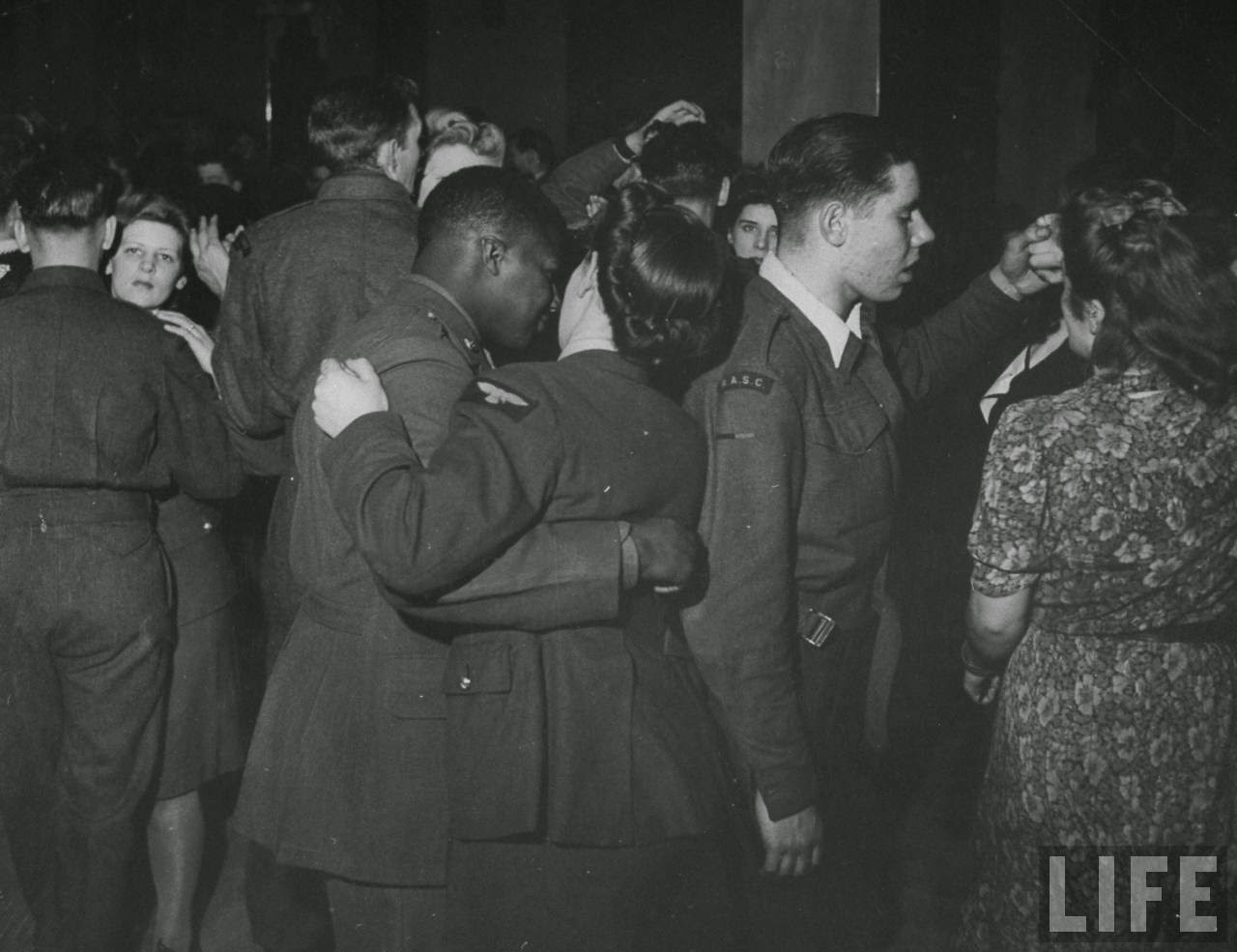
Inside the dance halls, the energy was electric. The jitterbug — a fast, acrobatic American swing dance — became enormously popular in London during the war years, fueled by the presence of American GIs who brought the style with them. Dance halls like the Paramount on Tottenham Court Road were packed every night.
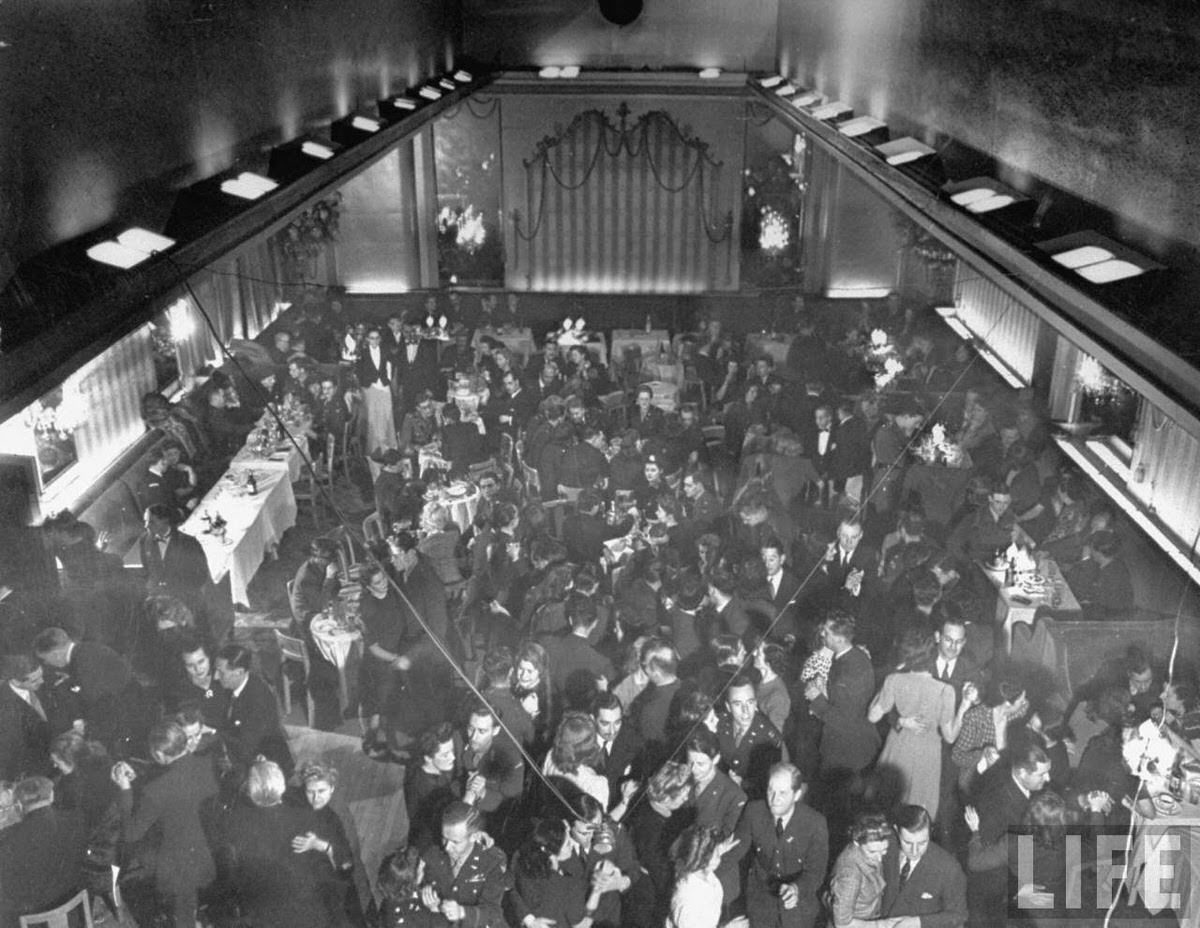
Beyond the dance floors, the blackout created intimate corners throughout the city. Doorways, alleyways, and theatre stage doors became places where people lingered — soldiers sharing a moment with someone they had just met, or meeting someone they had known before the war changed everything.
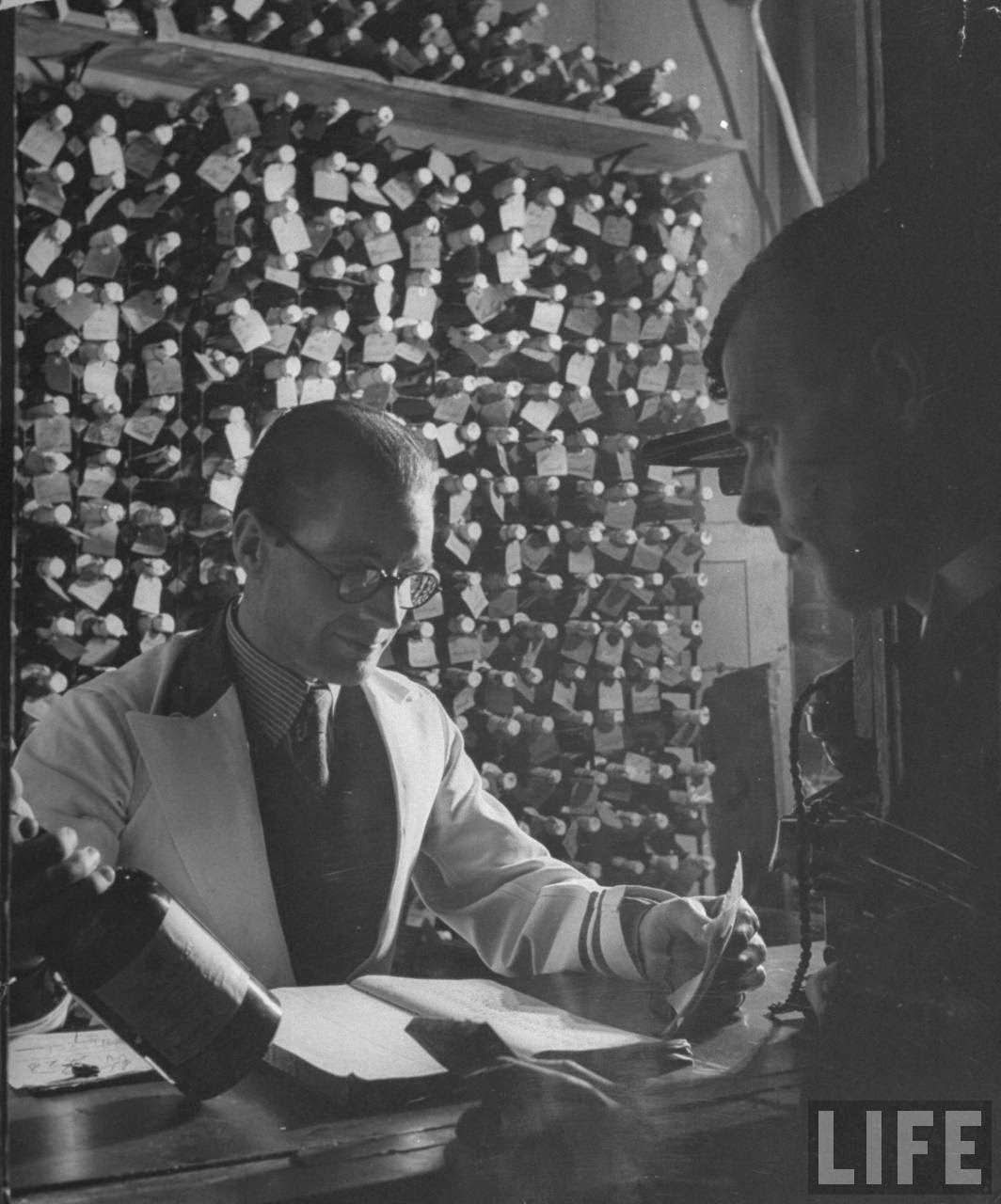
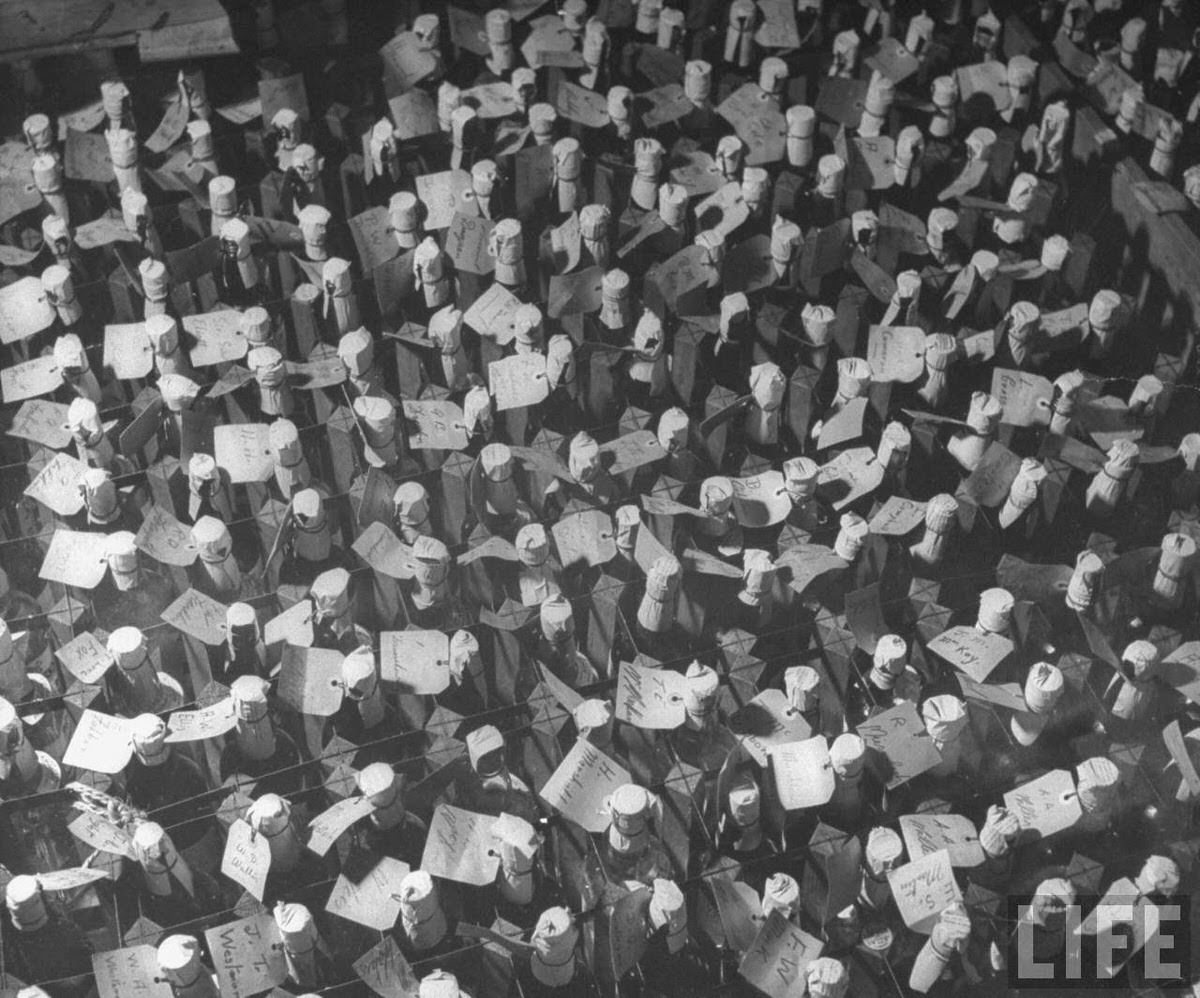
Private members’ clubs operated under their own strict systems. Because alcohol was tightly rationed, many clubs allowed members to store their own labeled bottles behind the bar, retrieved only for them when they visited. Barmens carefully tracked each bottle to ensure nothing went missing.
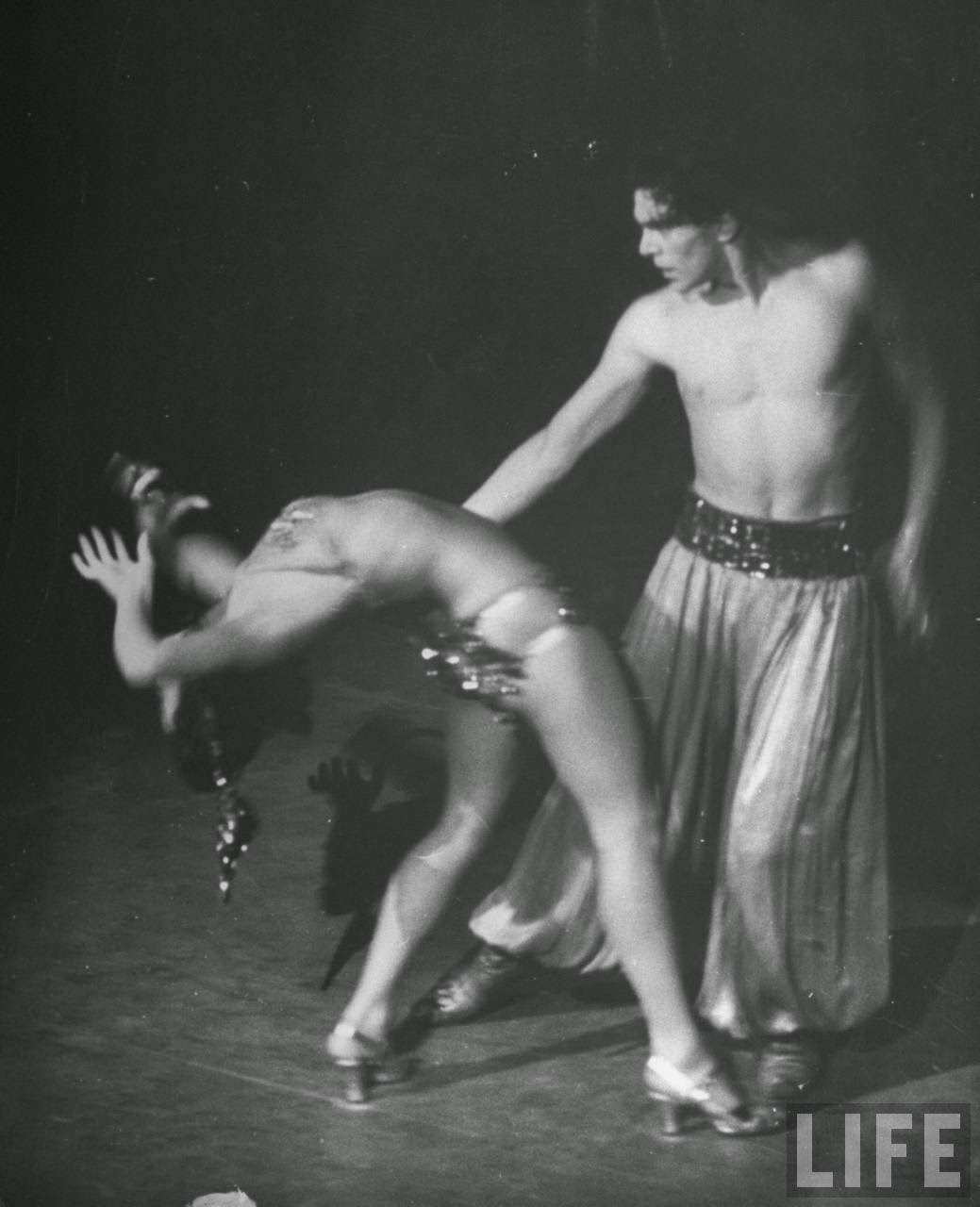
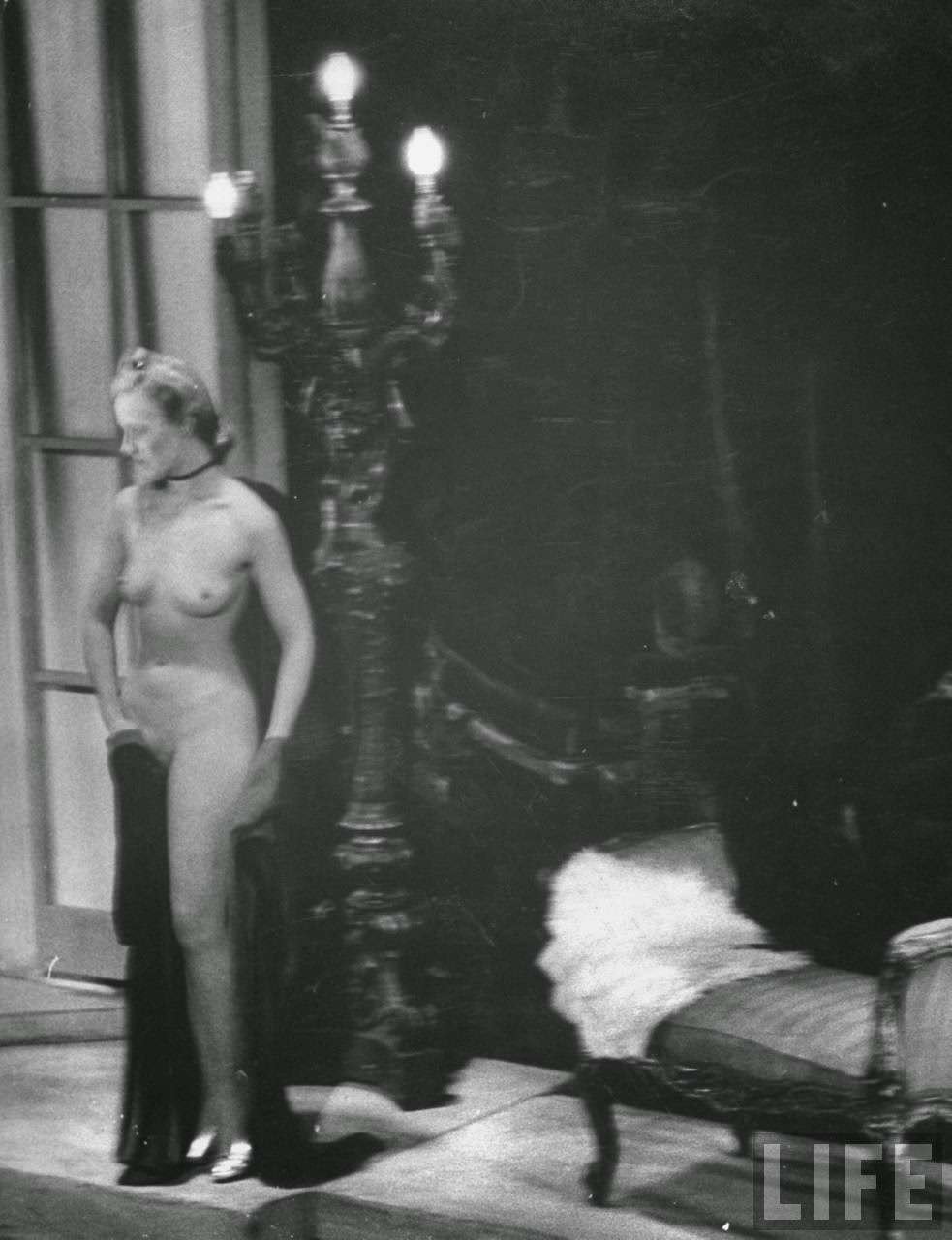
The theatrical scene remained alive across the West End. Shows like Phyllis Dixey’s Goodnight Ladies drew audiences throughout the war, offering dance, comedy, and variety acts that kept theatres profitable and crowds entertained.
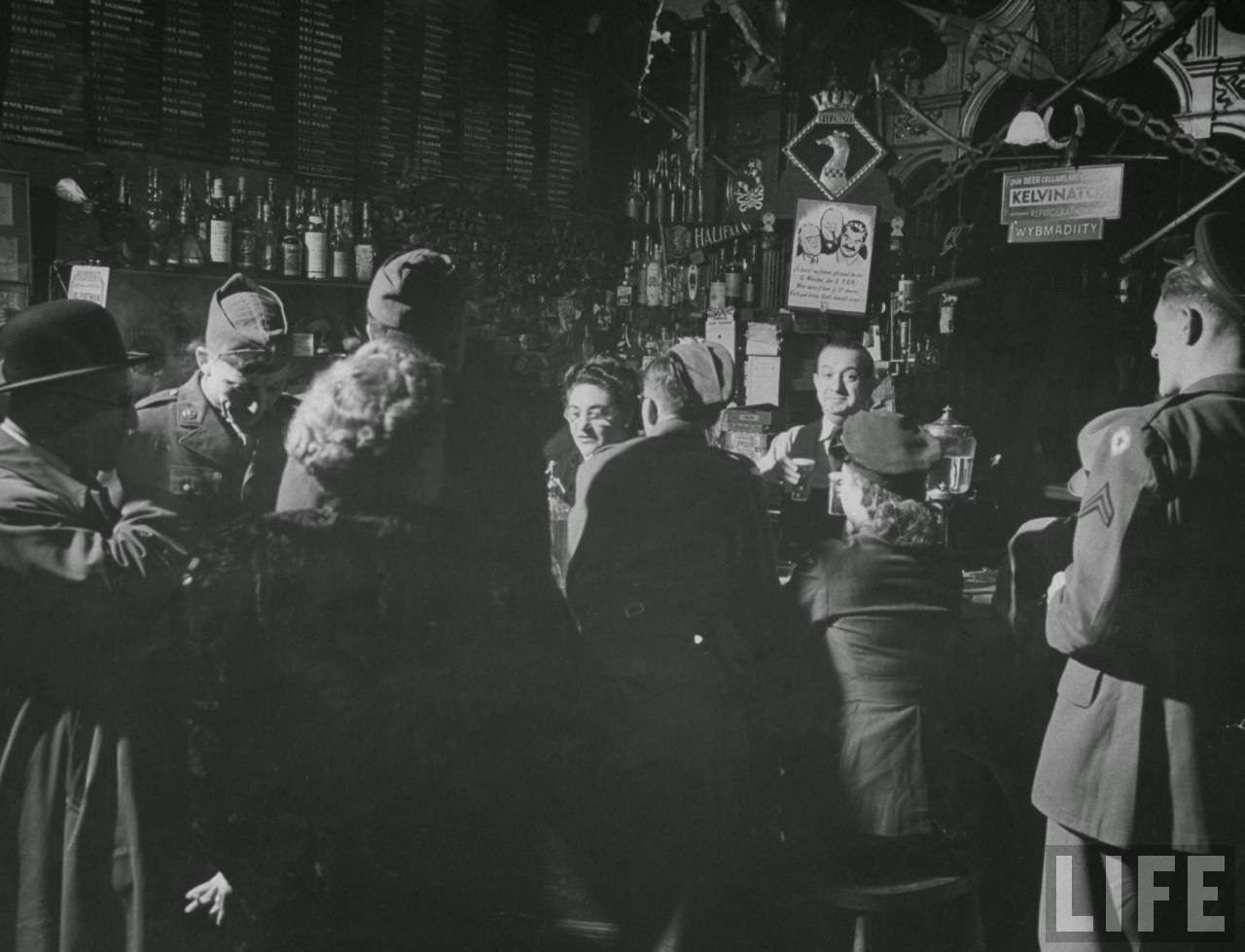
Bars and pubs filled every evening with soldiers from Britain, the Commonwealth, and the United States. Drinking was one of the most reliable social outlets available, and the bars near the West End entertainment district rarely closed early.
Not every venue catered to the upscale crowd. The so-called Poor Man’s Club embraced a deliberately bohemian pub atmosphere, welcoming a more mixed clientele of artists, workers, and servicemen who didn’t fit the mold of the private members’ clubs on Bond Street.
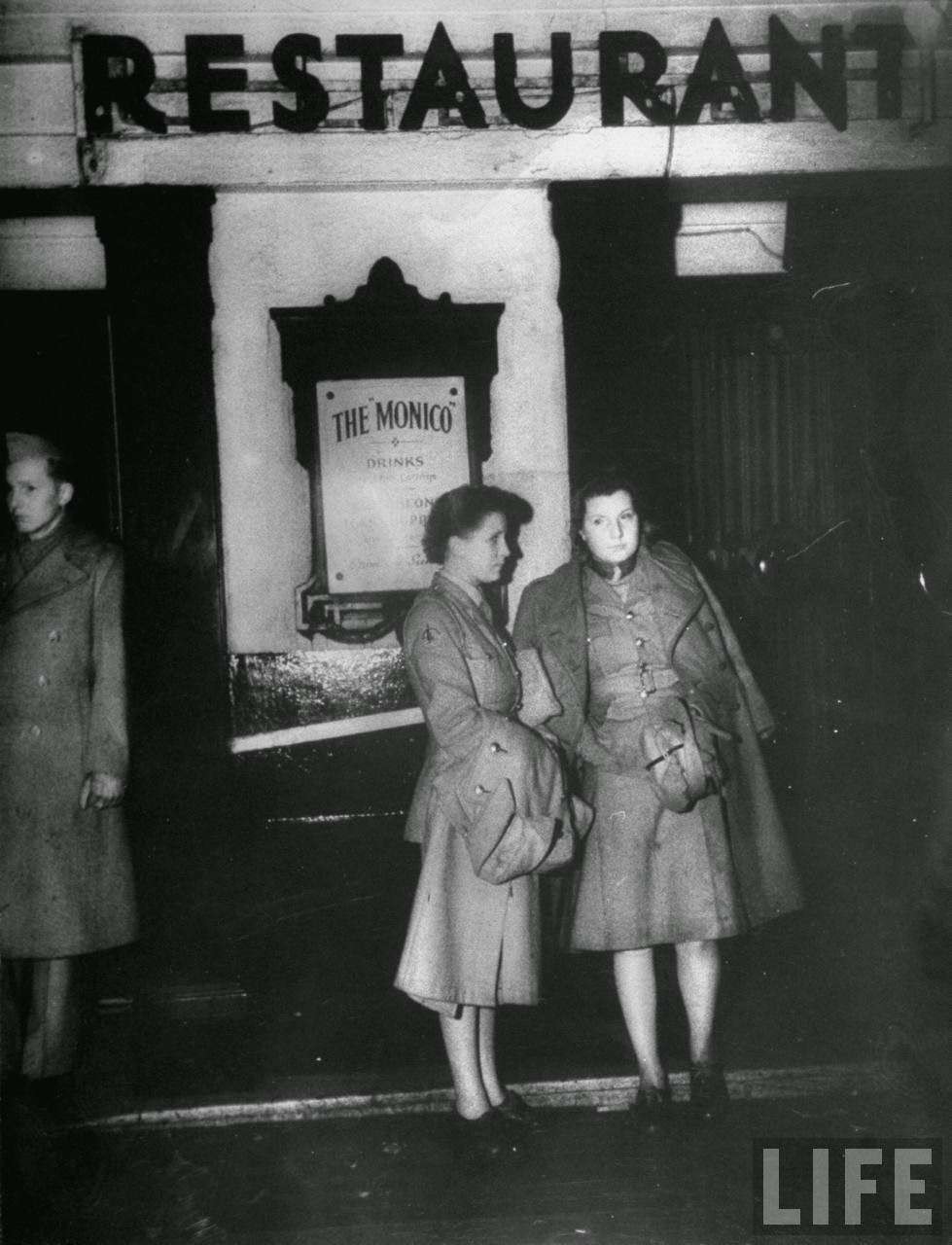
Piccadilly and the surrounding streets were central gathering points, even in the dark. Women gathered outside venues like Monico’s, a well-known Piccadilly restaurant and meeting point that remained busy throughout the war years.
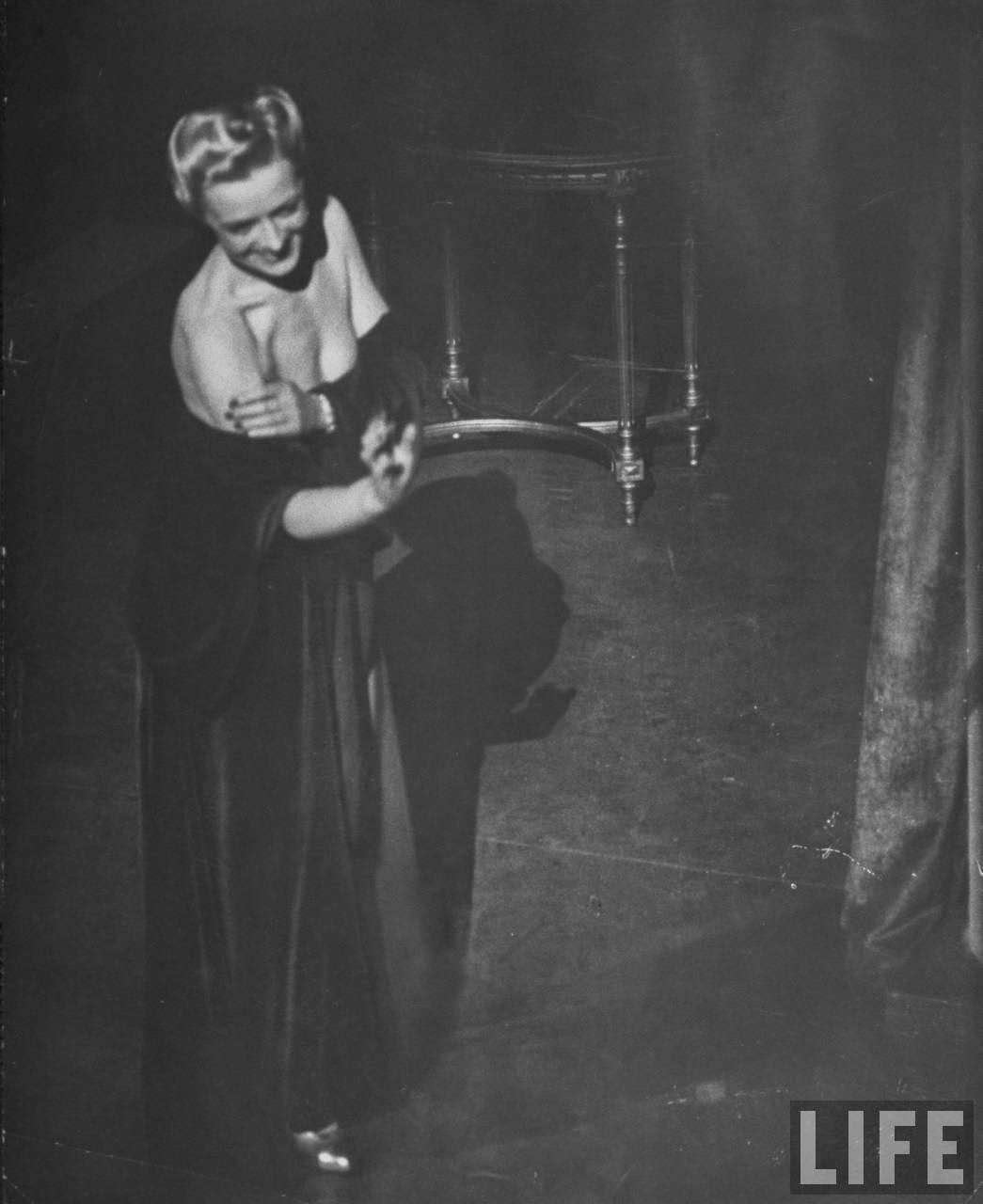
The Windmill Theatre was one of wartime London’s most famous venues — it famously never closed during the entire war. Performer Phyllis Dixey was among the most talked-about entertainers of the era, drawing large crowds to her stage shows at the Whitehall Theatre, where her nude performances were presented within the legal framework of static tableaux that bypassed censorship laws.
African American soldiers stationed in Britain occupied a complicated position. The U.S. Army was still segregated, but in London’s clubs and dance halls — particularly spaces like the Paramount Dance Hall — Black American GIs mixed with British civilians and servicewomen in ways that were not possible back home.
Rainbow Corner, the American Red Cross club just off Piccadilly Circus, was one of the busiest social spots in wartime London. It served as a home base for American servicemen, offering food, entertainment, and a place to meet people — both fellow soldiers and the local civilian population.
Alcohol was carefully managed across the city’s private clubs. The Coconut Grove, like other members-only venues, used a personal bottle system — each member’s supply was stored, labeled, and locked away until their next visit, a practical solution to wartime rationing that kept regulars supplied without running afoul of distribution limits.
On September 17, 1944, the British government replaced the total blackout with a partial dim-out — allowing a small amount of light back onto London’s streets for the first time in five years. The dance halls that had operated in the shadow of total darkness continued to fill each night, with the jitterbug remaining the defining dance of the era right up to the war’s end.