Between September 1940 and May 1941, the German Luftwaffe carried out a relentless bombing campaign against London and other British cities. Known as the Blitz, the campaign targeted residential areas, factories, and dockyards. More than 40,000 civilians were killed across England, nearly half of them in London alone. Over a million houses were destroyed. Night after night, Londoners of every class faced the same terrifying reality: bombers overhead and nowhere safe to go — except underground.
Sheltering in the Underground, Nov 1940
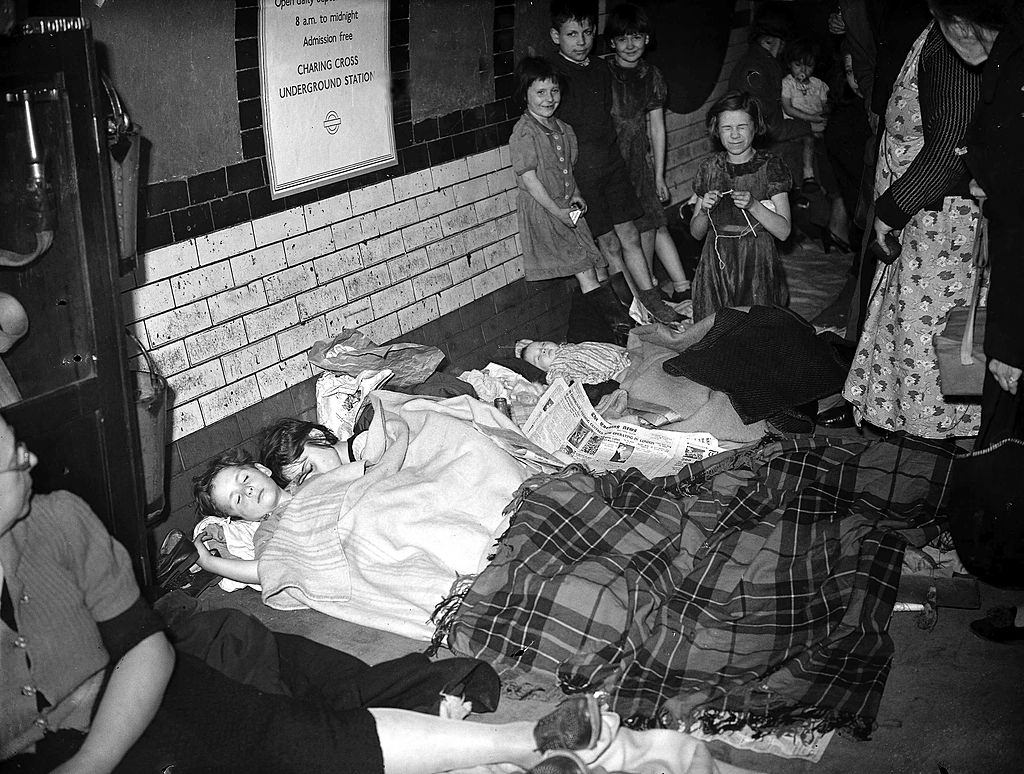
The London Underground stations became the most vital communal shelters the city had. Londoners had used them for the same purpose during the First World War, but in 1939 the government banned sheltering in the Tube. Officials feared the crowds would disrupt commuter and troop movement, and that people might simply refuse to leave. When the bombing intensified in early September 1940, those concerns gave way to reality. Station entrances had been locked during raids, but within two weeks of sustained bombing, the government reversed course and ordered them opened.
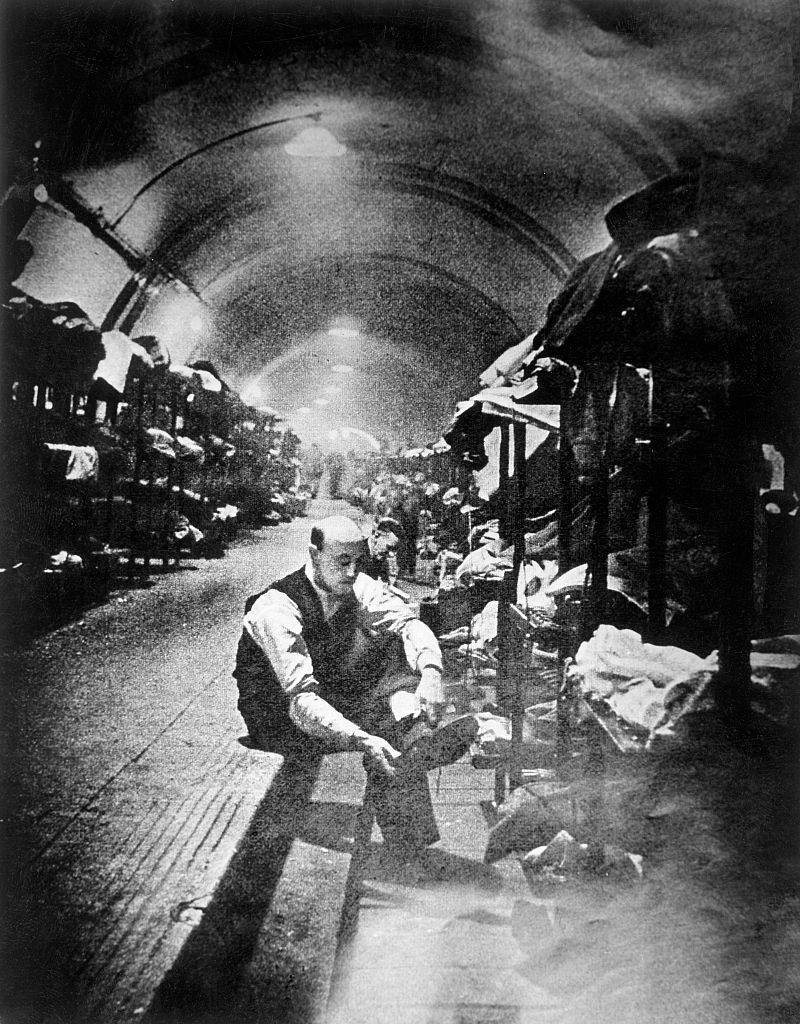
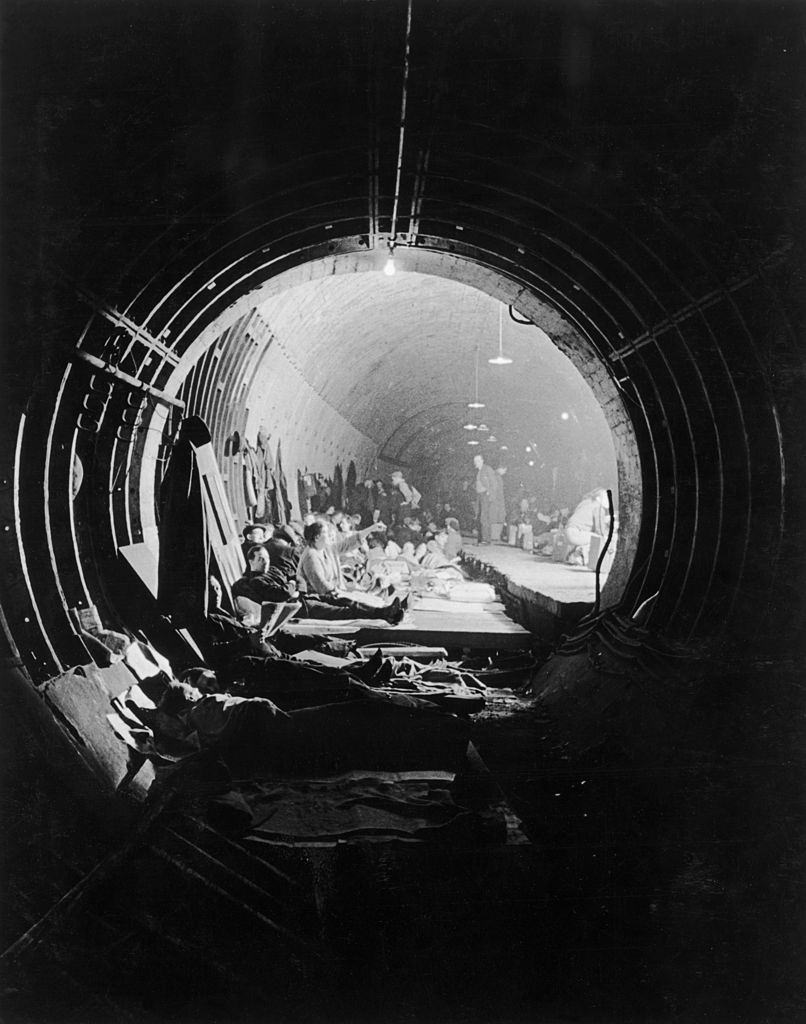
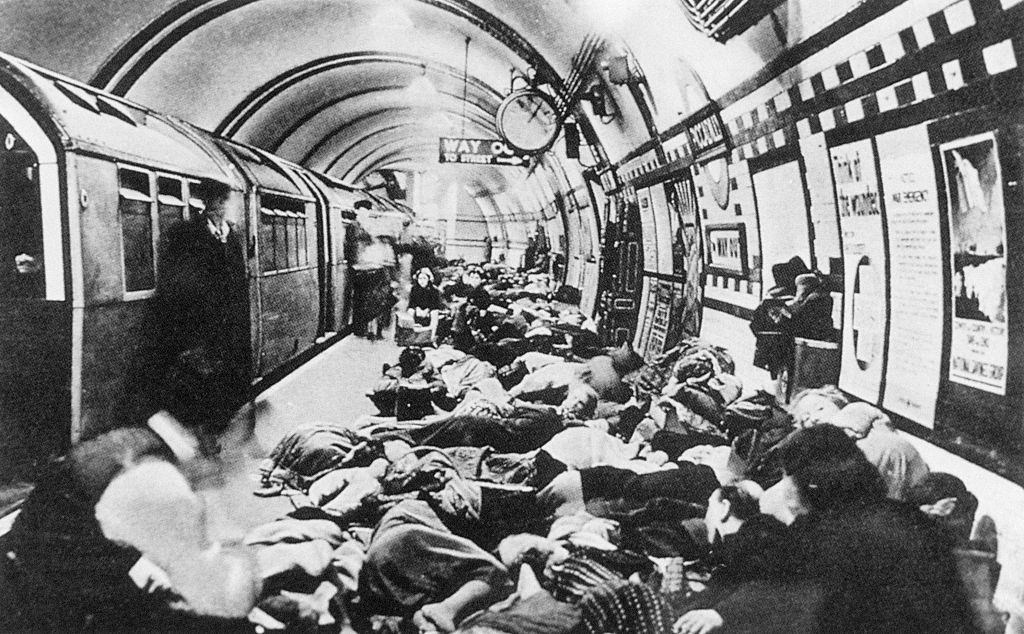
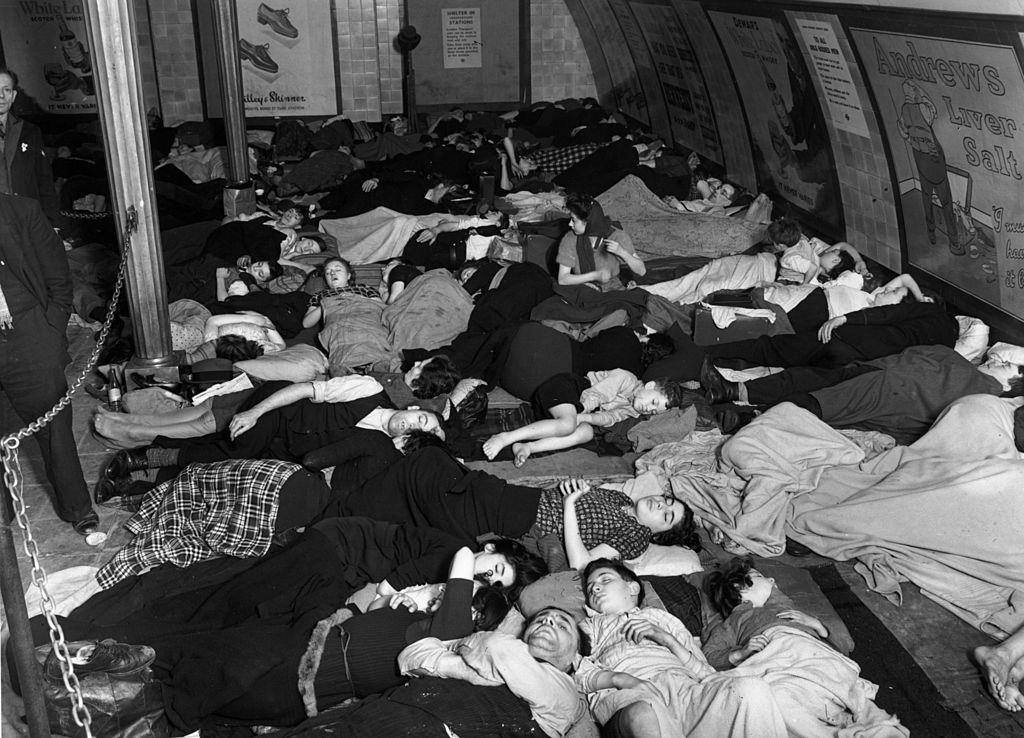
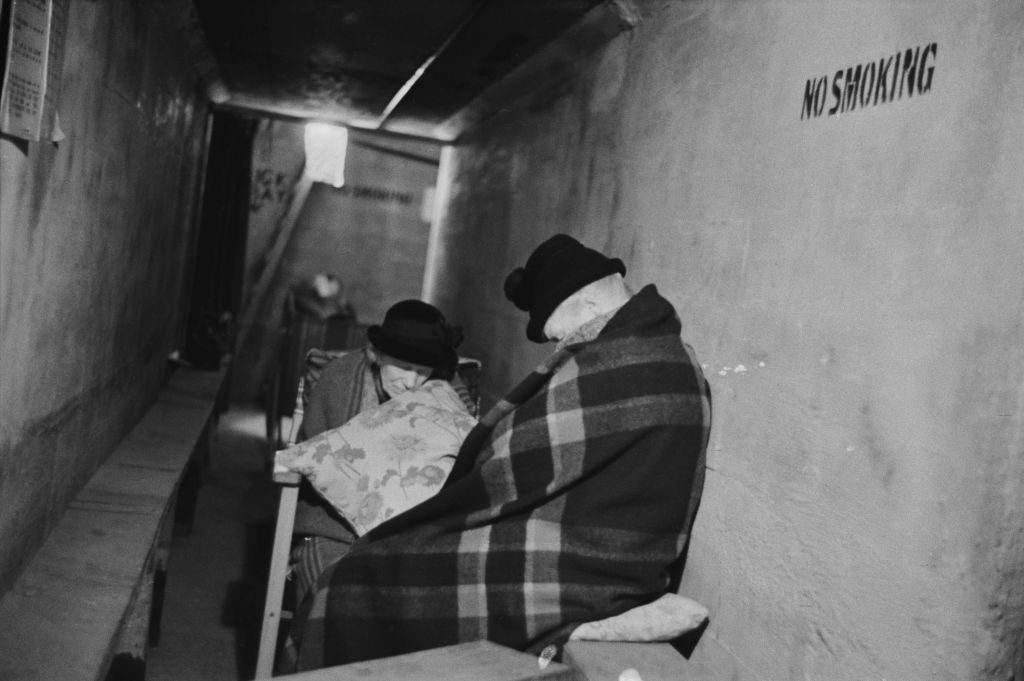
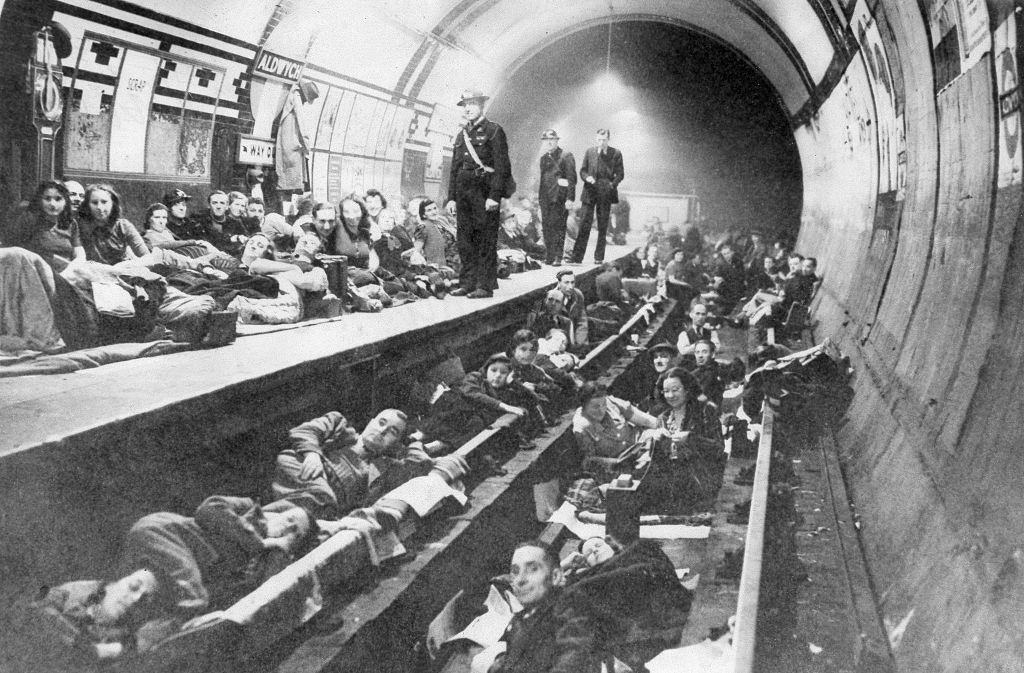
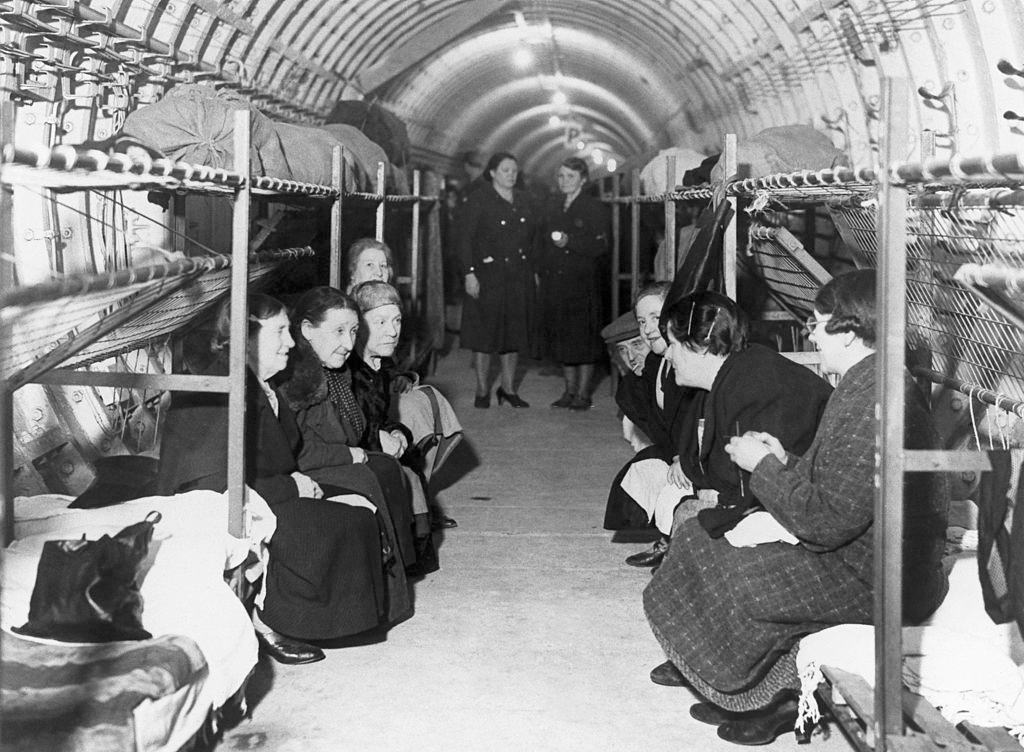
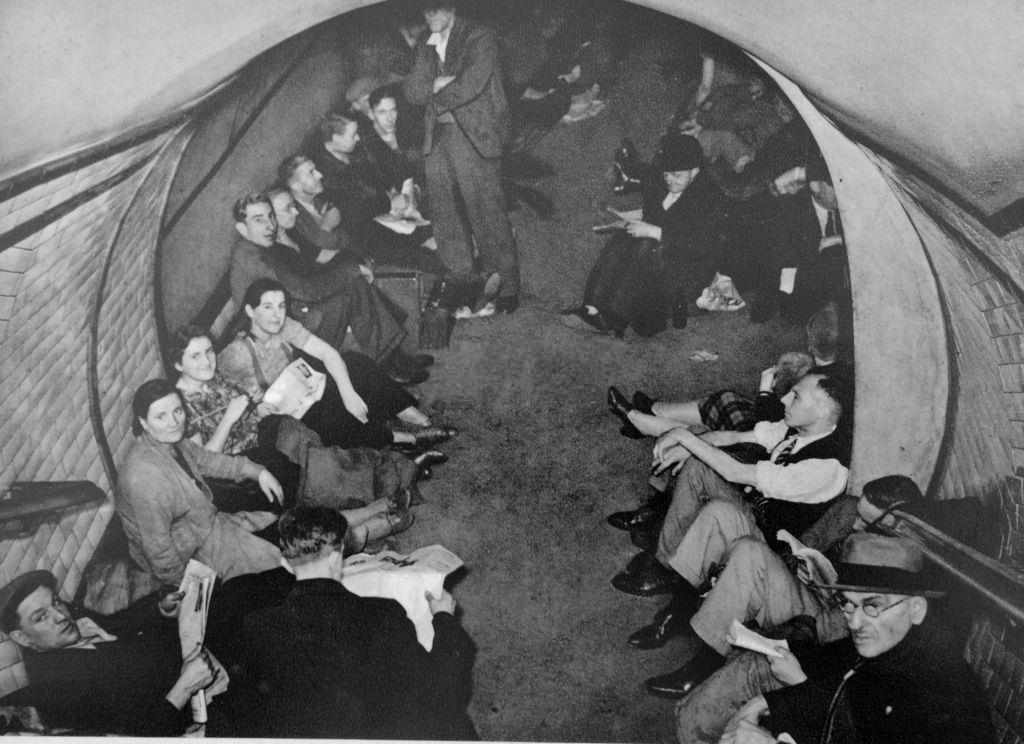
Underground tunnels serving as shelters during the german bomb attacks on London, 1940
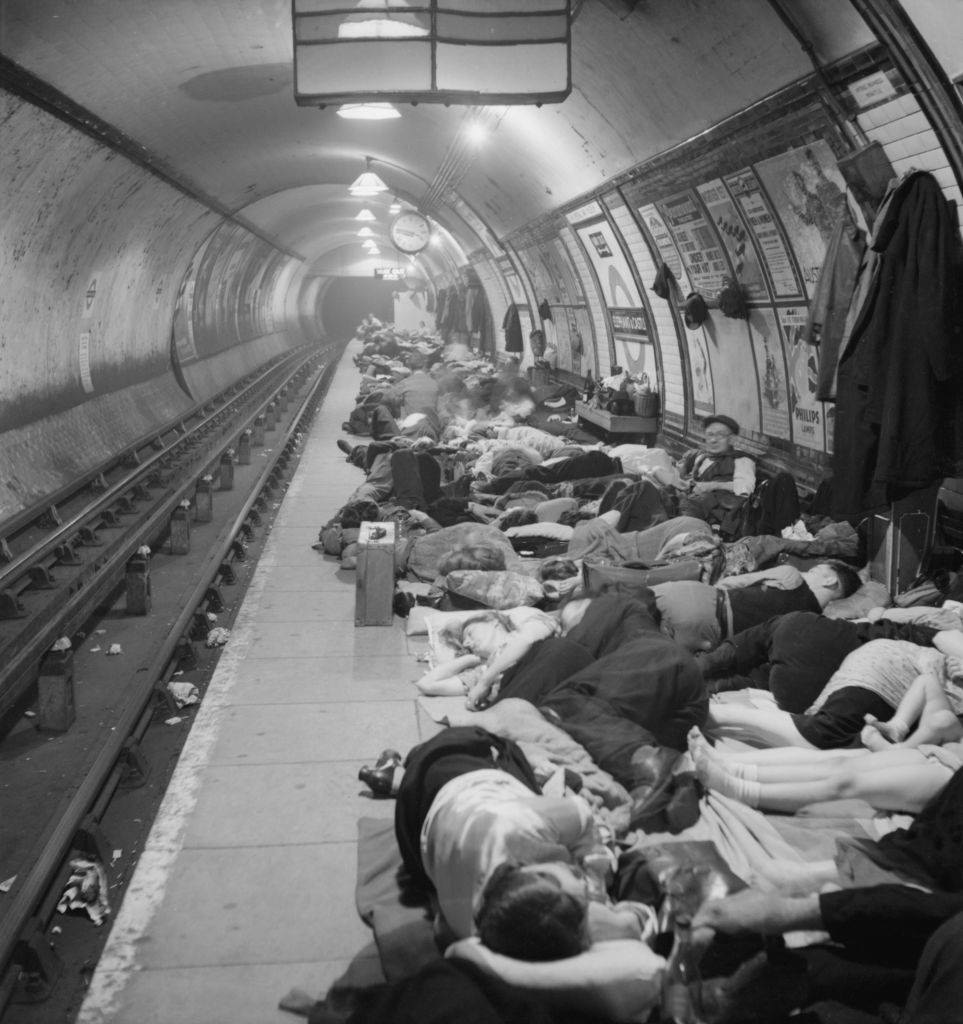
Stations opened to sheltering civilians at 4:00 p.m. each day, and people formed orderly queues to get in. By mid-September 1940, around 150,000 people were sleeping in the Underground each night. On September 27 alone, the count reached 177,000. A census conducted in London in November 1940 found that 4% of residents were using the Tube and other large shelters, 9% used public surface shelters, and 27% sheltered in private homes. The remaining 60% stayed in their own houses, despite the bombing.
British citizens take shelter in an underground tube station during the Blitz phase of the Battle of Britain, 1940
The deeper stations were the most sought-after. Their depth muffled the sounds of explosions above, making it easier to sleep. But no station was entirely safe. In October 1940, a direct hit on a shelter in Stoke Newington killed 160 civilians in a single strike. In March 1943, a deadly crowd surge at Bethnal Green tube station killed 173 men, women, and children after a woman fell on the steps and the crowd behind her collapsed forward.
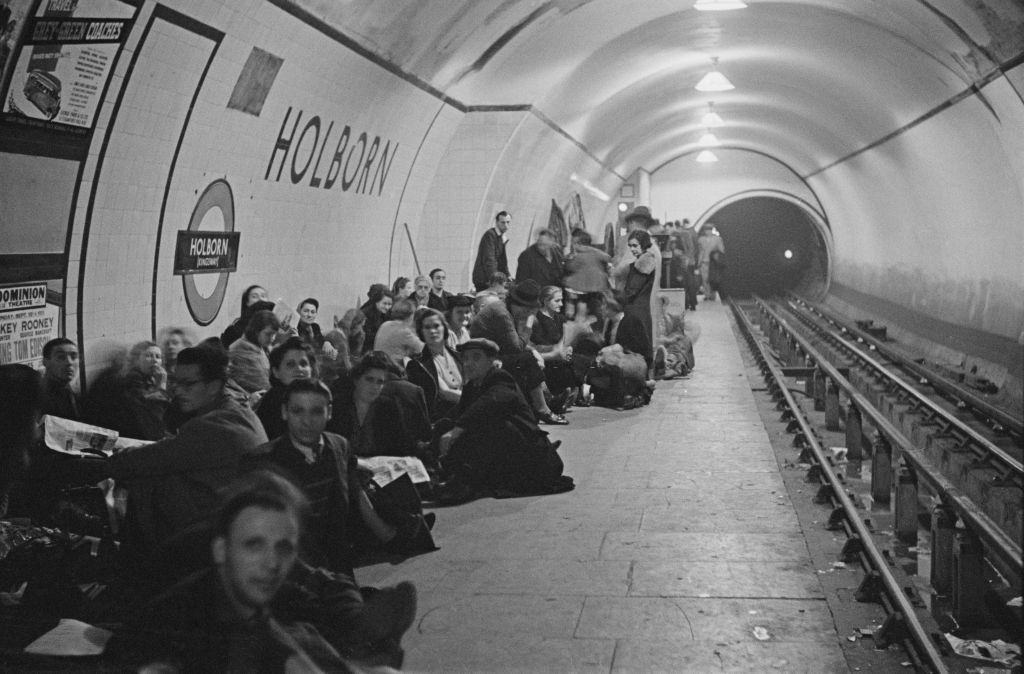
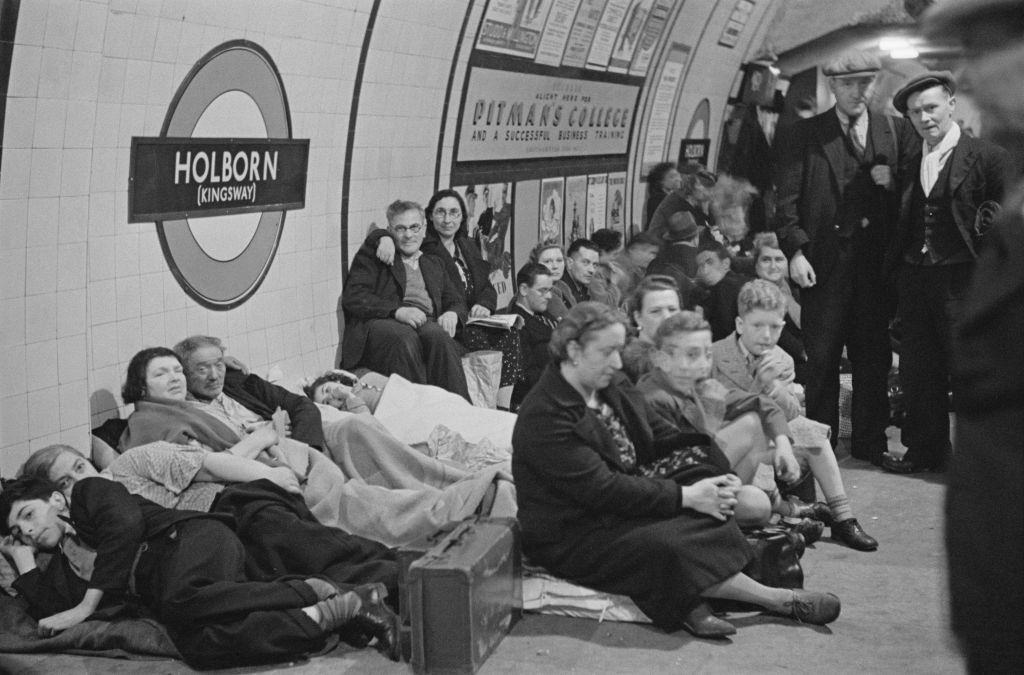
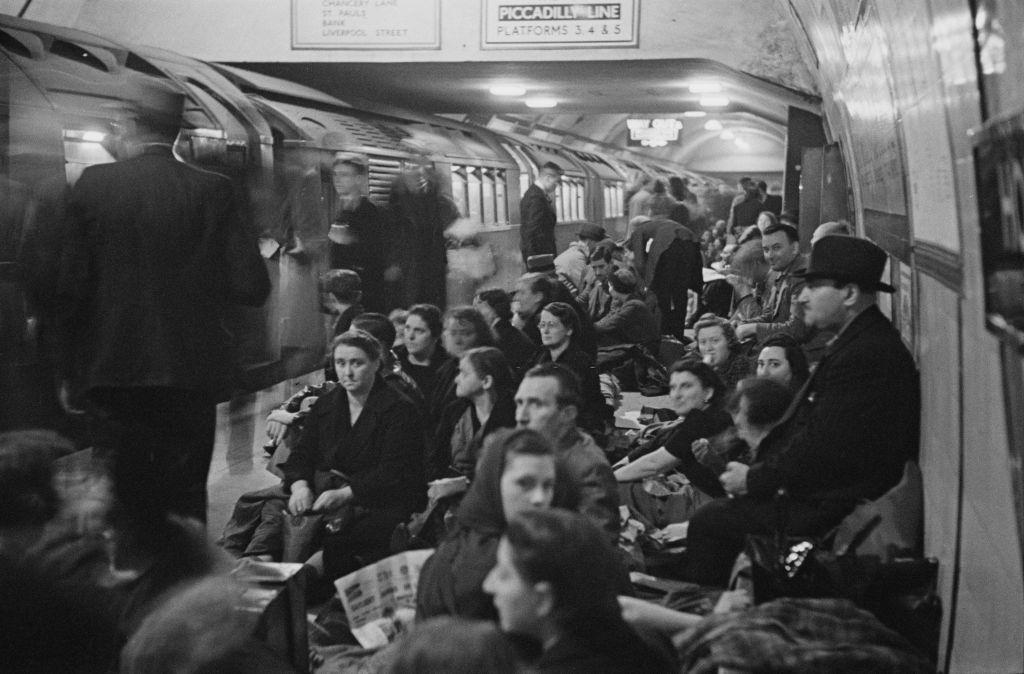
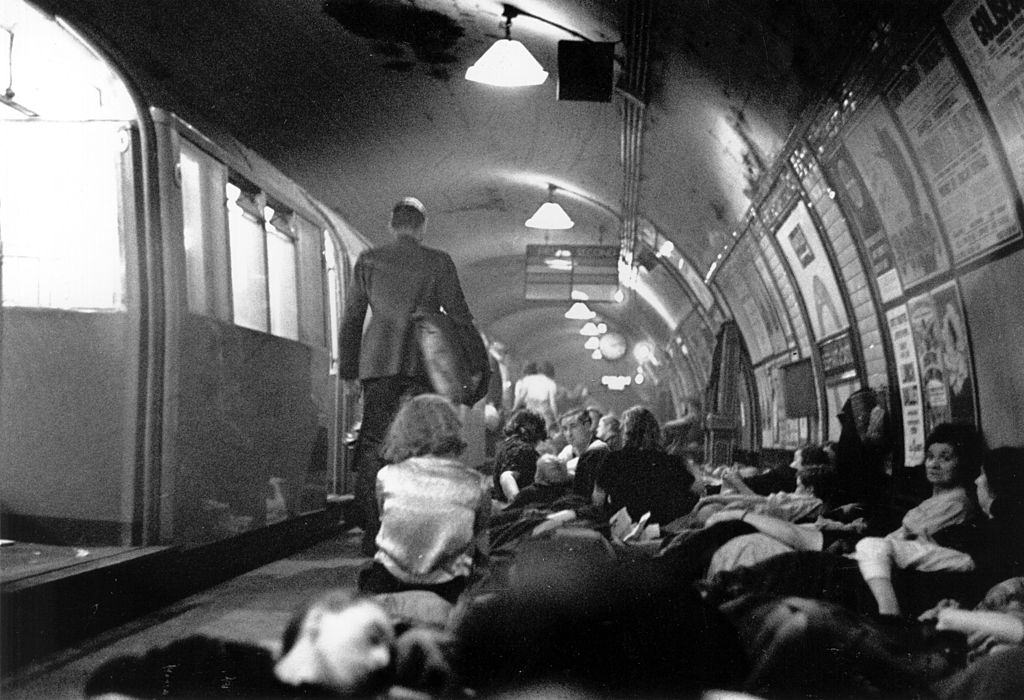
Wartime view of Londoners seeking shelter and bedding down on the platform at Holborn underground station to escape from German Luftwaffe air raids.Wartime scene as Londoners seek shelter and bed down on the platform at Holborn underground station.Wartime view as a train arrives of Londoners seeking shelter and waiting to bed down on the platform at Holborn underground station.
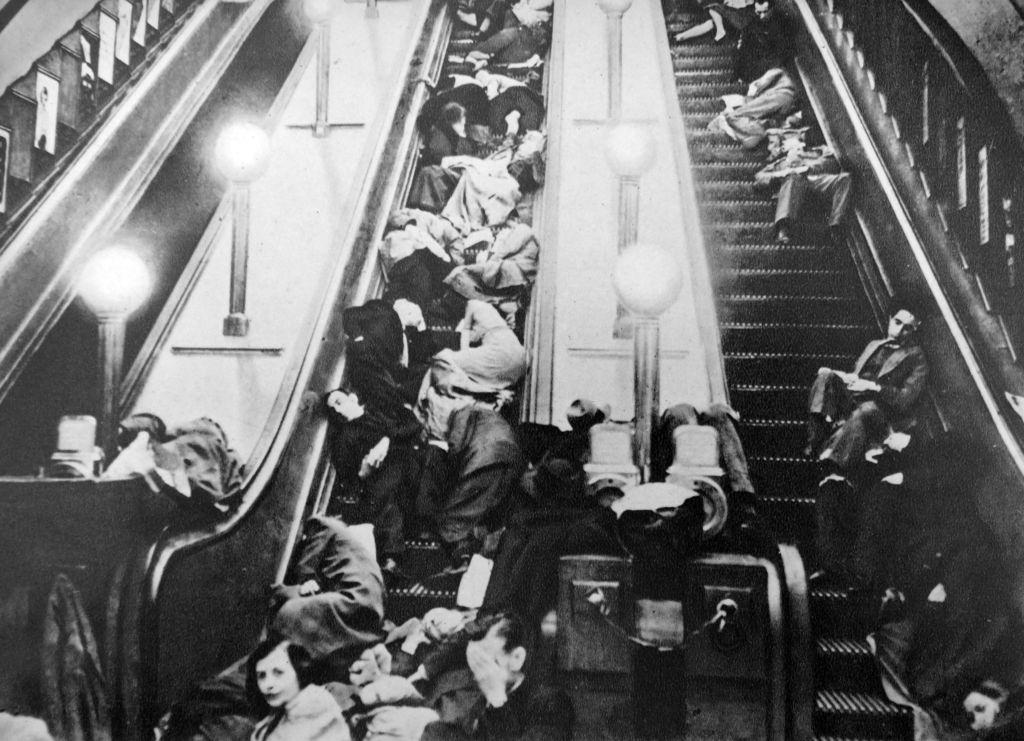
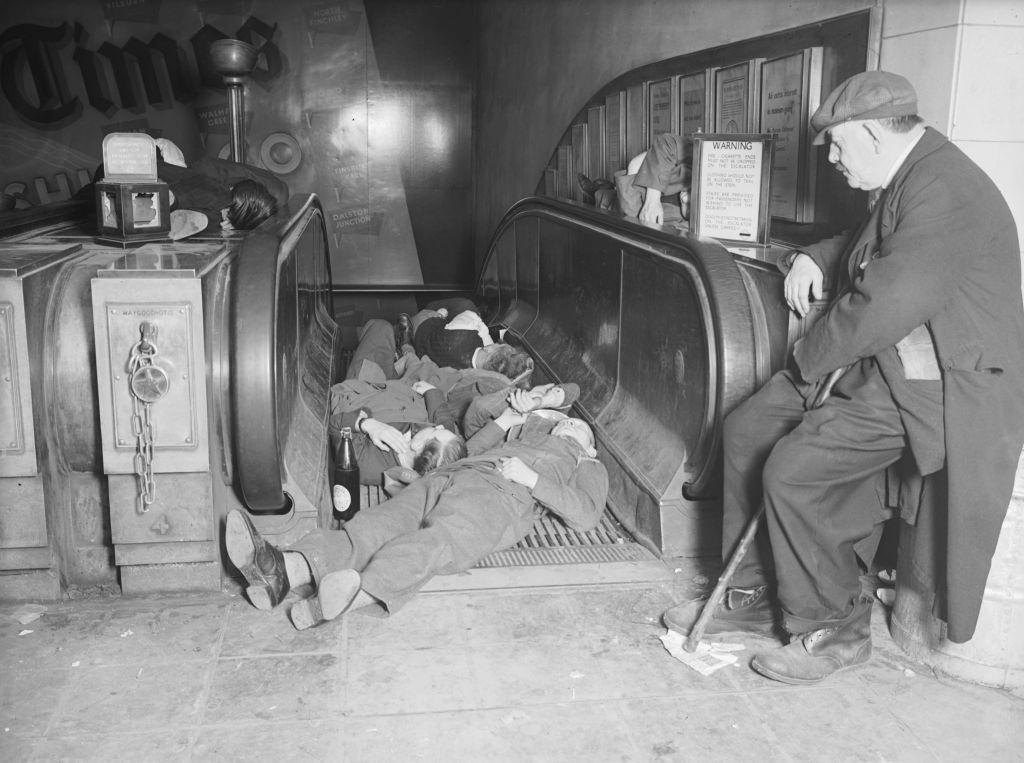
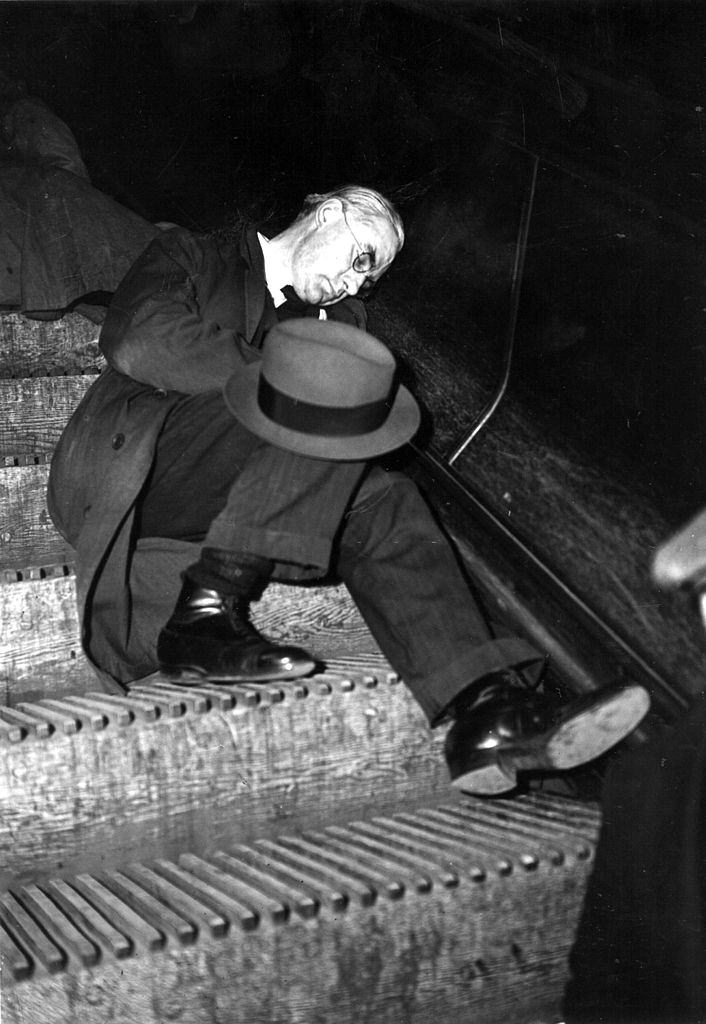
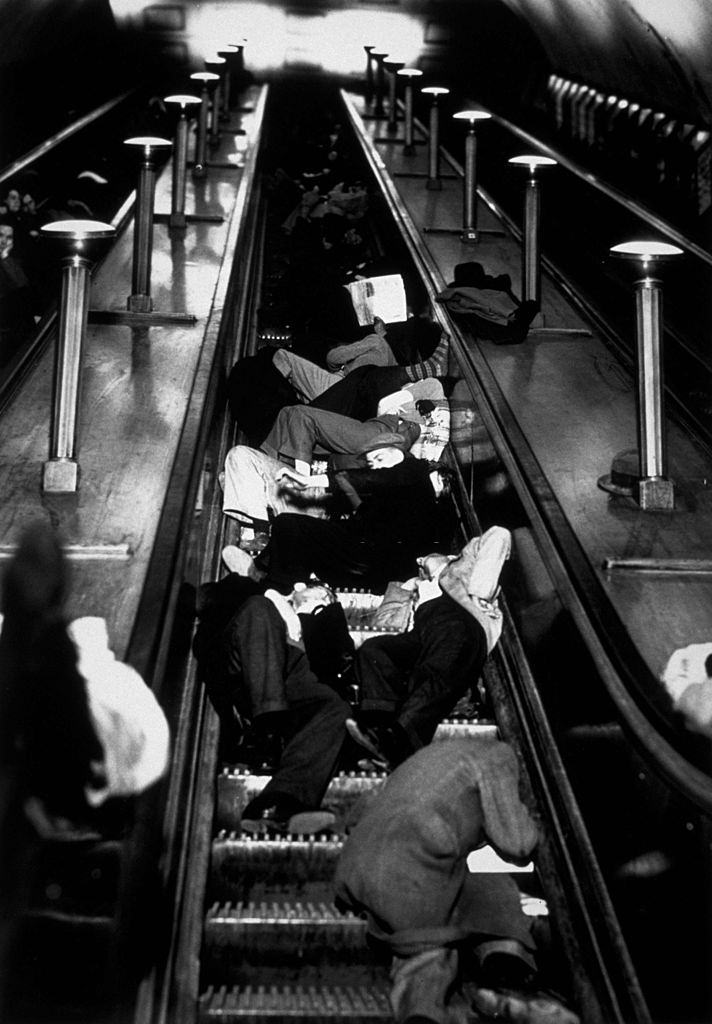
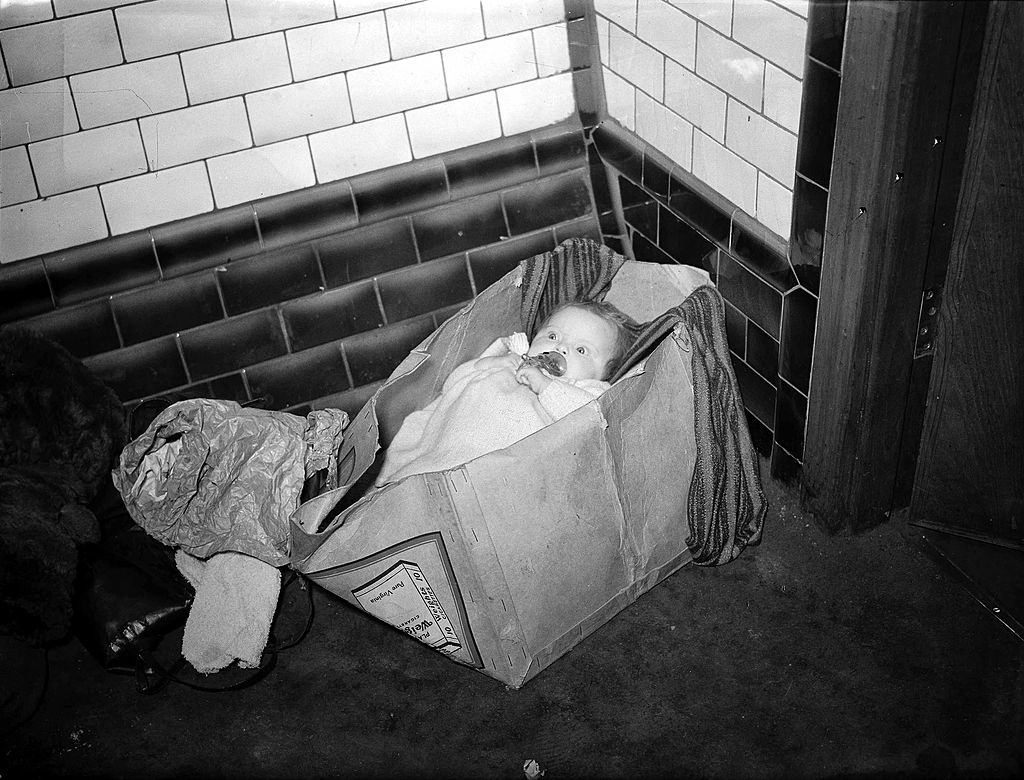
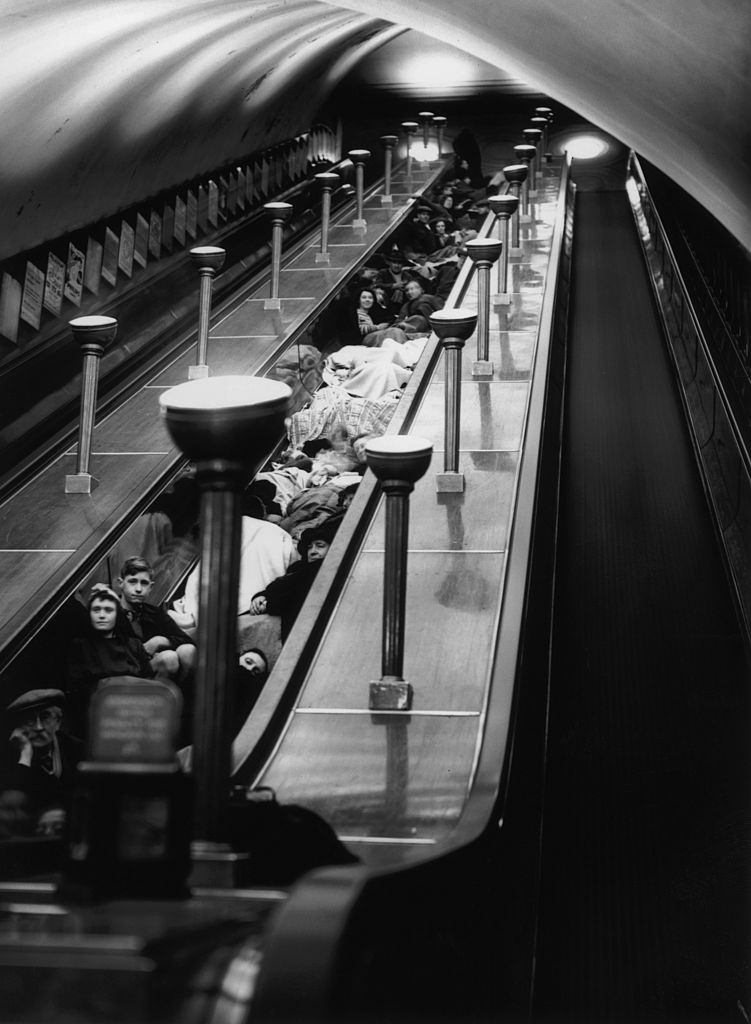
The platforms and tunnels filled with people lying on blankets, coats, and whatever else they could carry. Escalators became makeshift sleeping areas when the platforms ran out of room. The scenes were densely packed — entire families side by side, elderly women propped against walls, children curled up in corners. A baby tucked into a packing case at Piccadilly Underground station was not an unusual sight.
London underground escalators packed with people sheltering from an air raid in world war two 1941.A group of men sleeping on an escalator as they shelter from an air raid, in a London Underground Station during the Blitz, 1940.
A man sleeping on an escalator in an underground station in London during an air raid.
People asleep on the escalators at Piccadilly Tube Station, London, during an air raid.
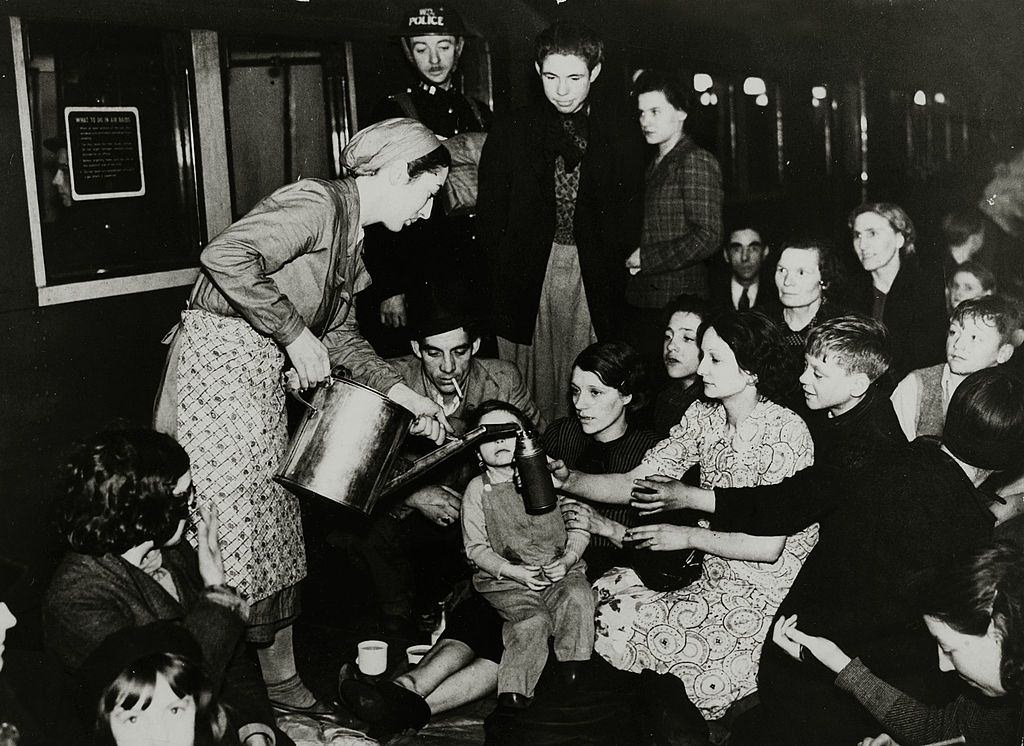
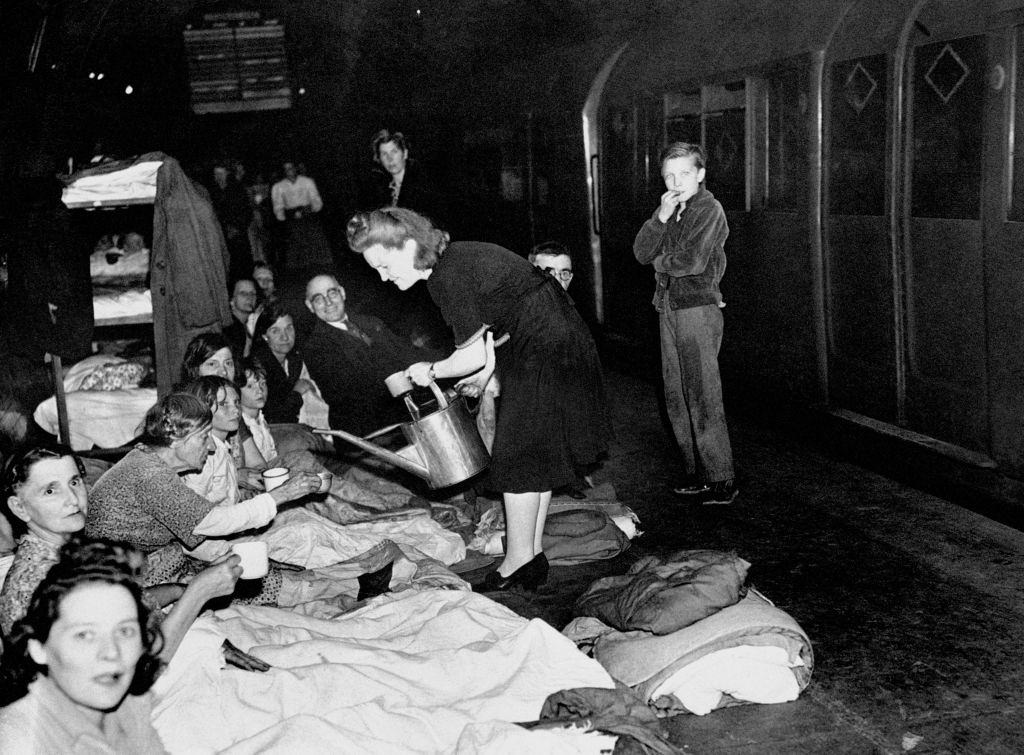
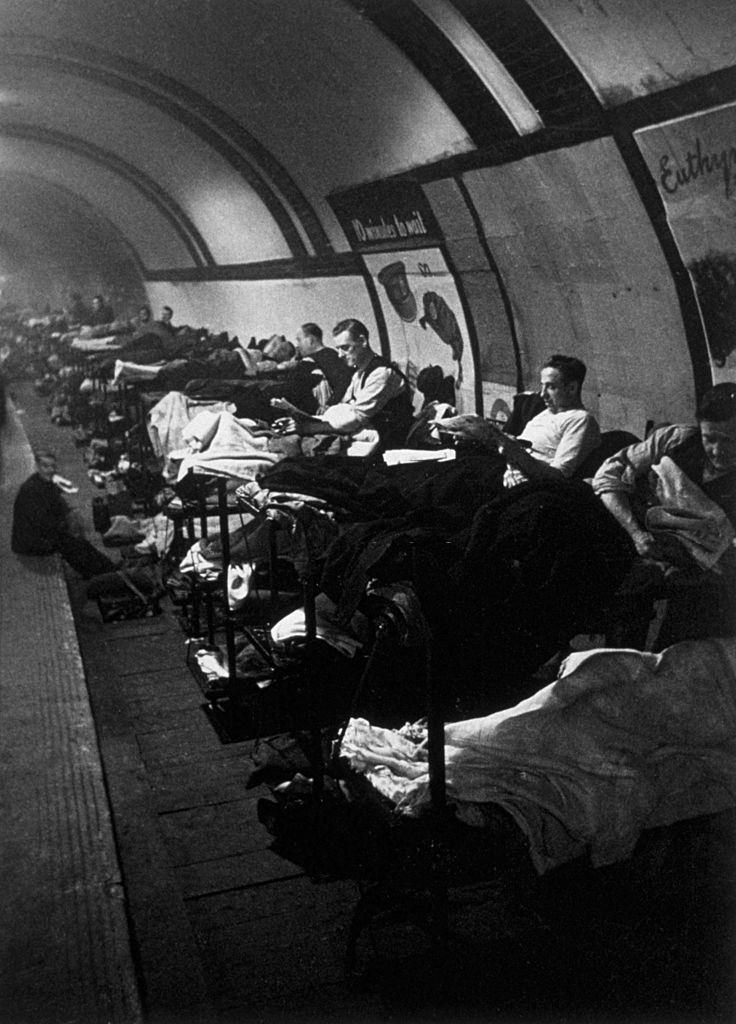
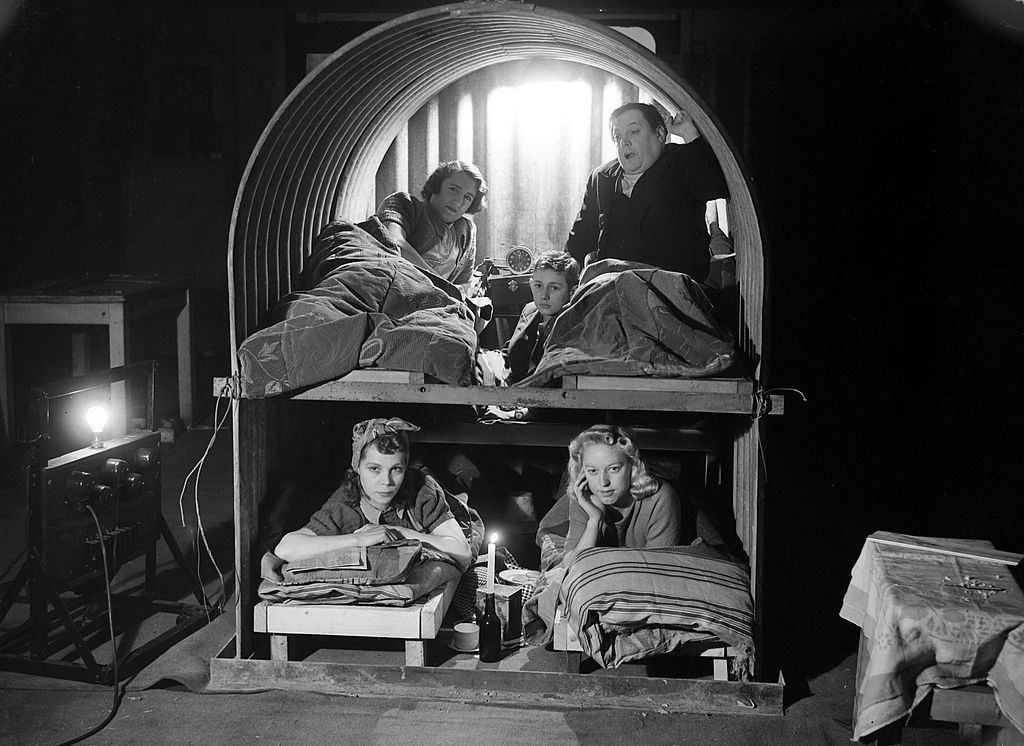
By October 1940, the government had constructed new deep shelters inside the Underground with capacity for 80,000 people. The heaviest period of bombing had already peaked before those shelters were finished, but upgrades to existing stations continued through the end of 1940. Authorities installed stoves and bathroom facilities. Canteen trains ran through the tunnels, delivering food to shelterers. Tickets were issued for bunks in larger shelters to cut down on the long queues that formed each afternoon.
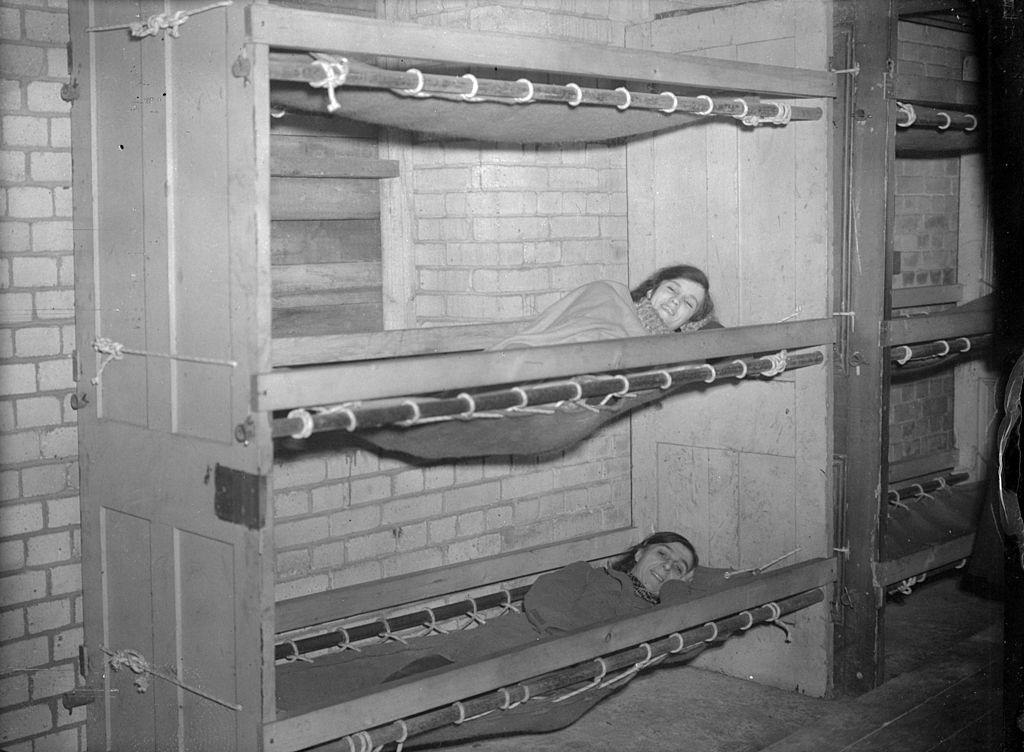
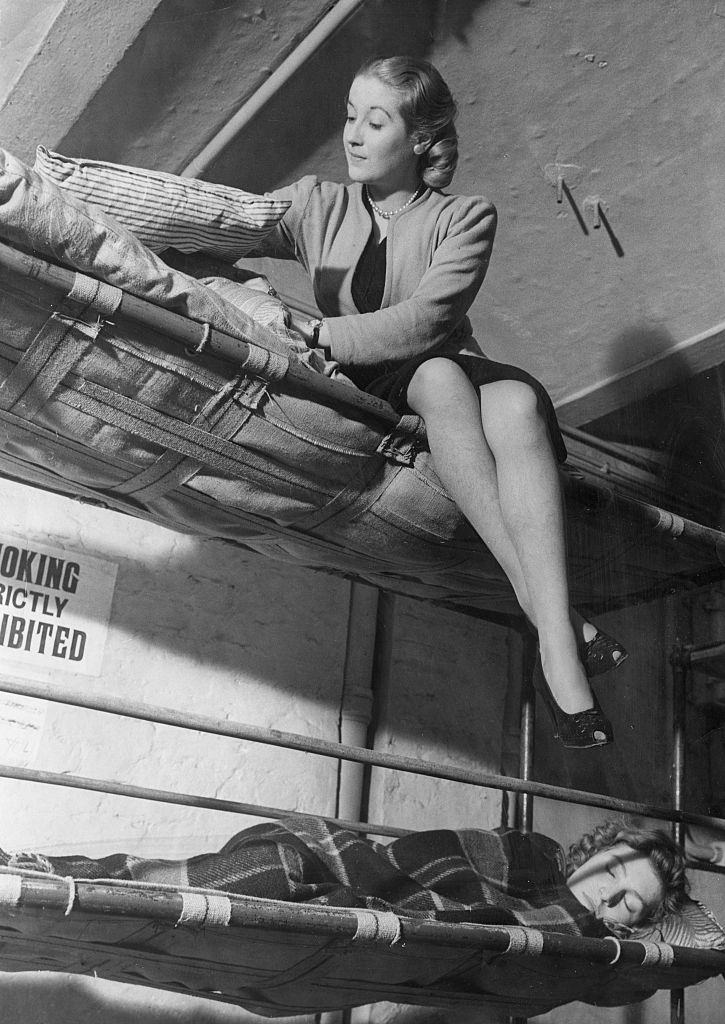
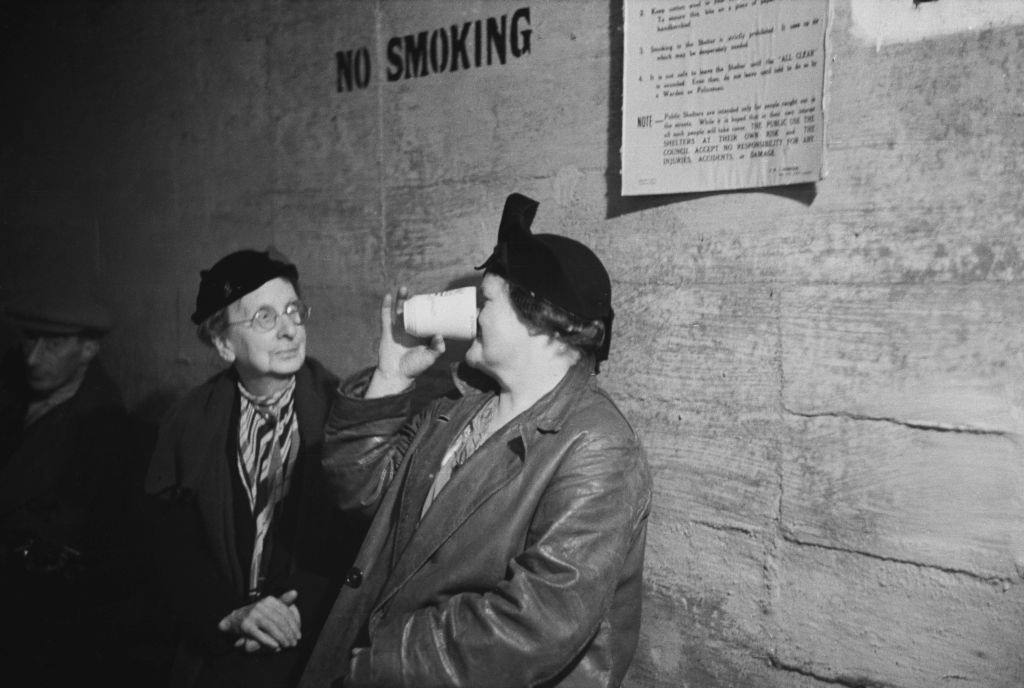
Old doors are used as bed-heads, steel tubing is the framework and canvas the matress for bunk beds in a London shelter during WW II.A woman fixes her matress and pillows on the top bunk of her bed as she prepares for a nights sleep in an air raid sheltAn underground canteen at work serving tea to people sheltering at Holland Park Station.A woman dispenses water from a watering can as Londoners take shelter in the London Underground during the Blitz.
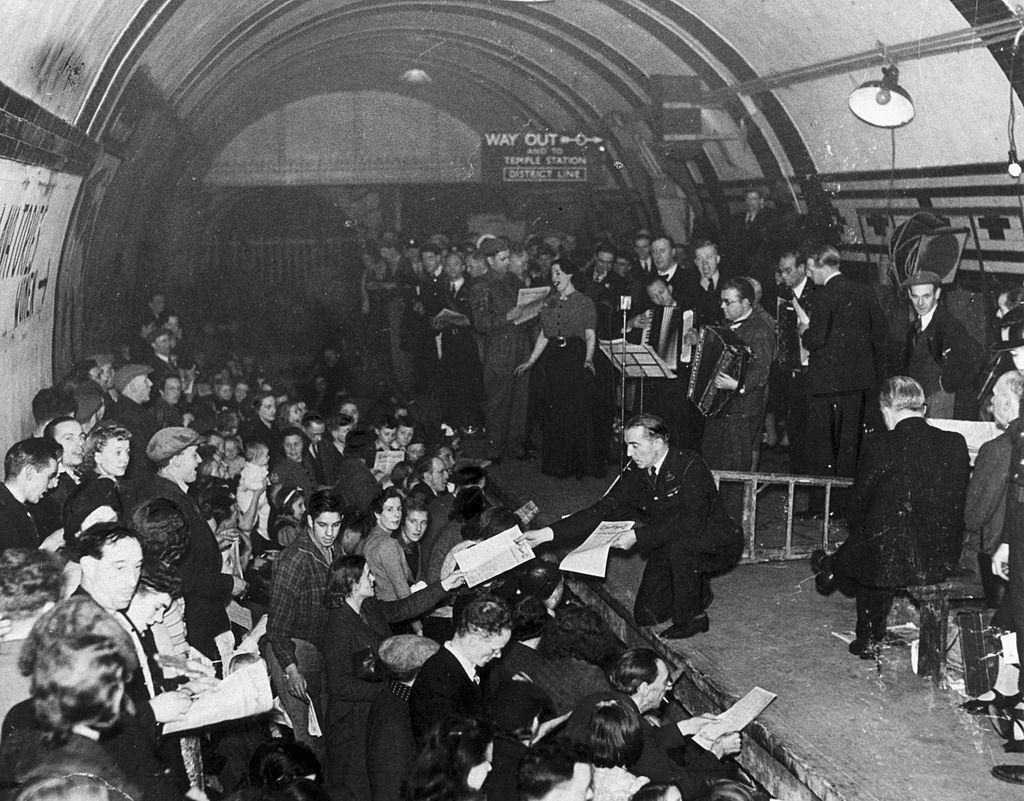
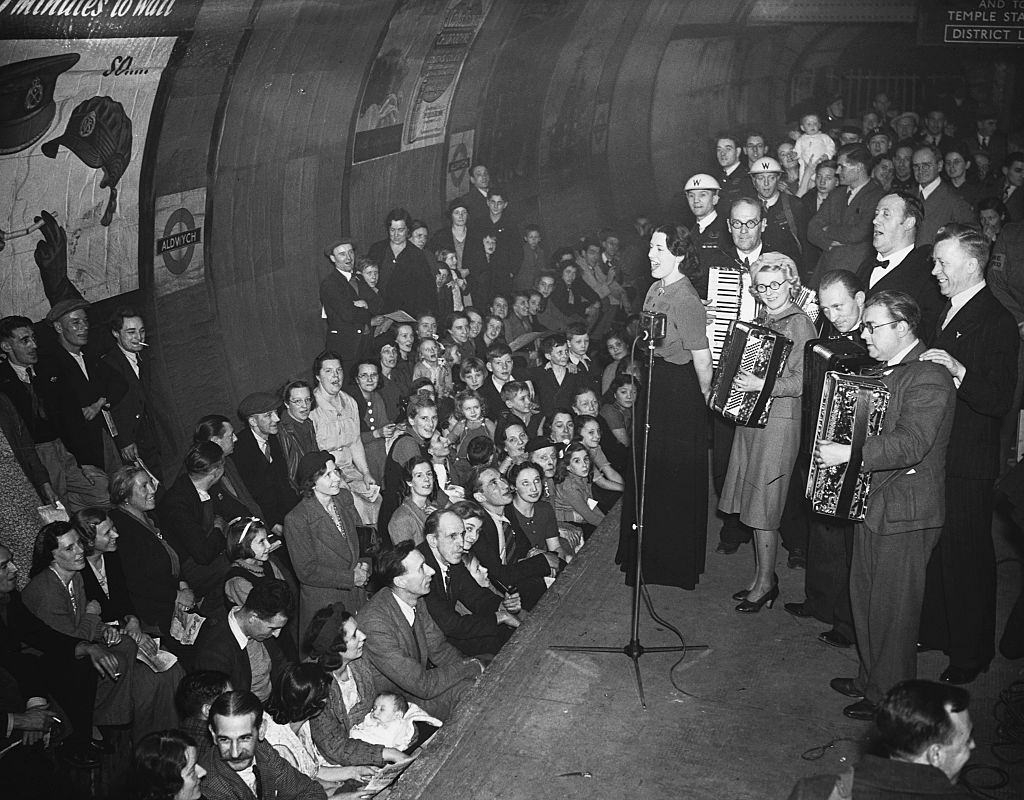
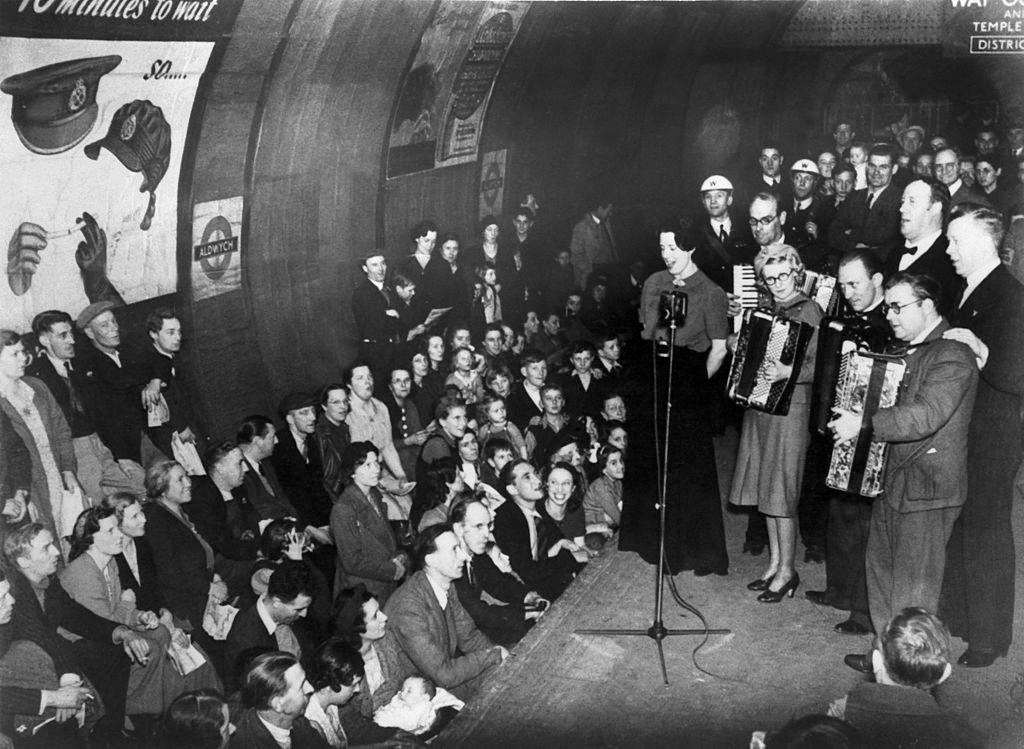
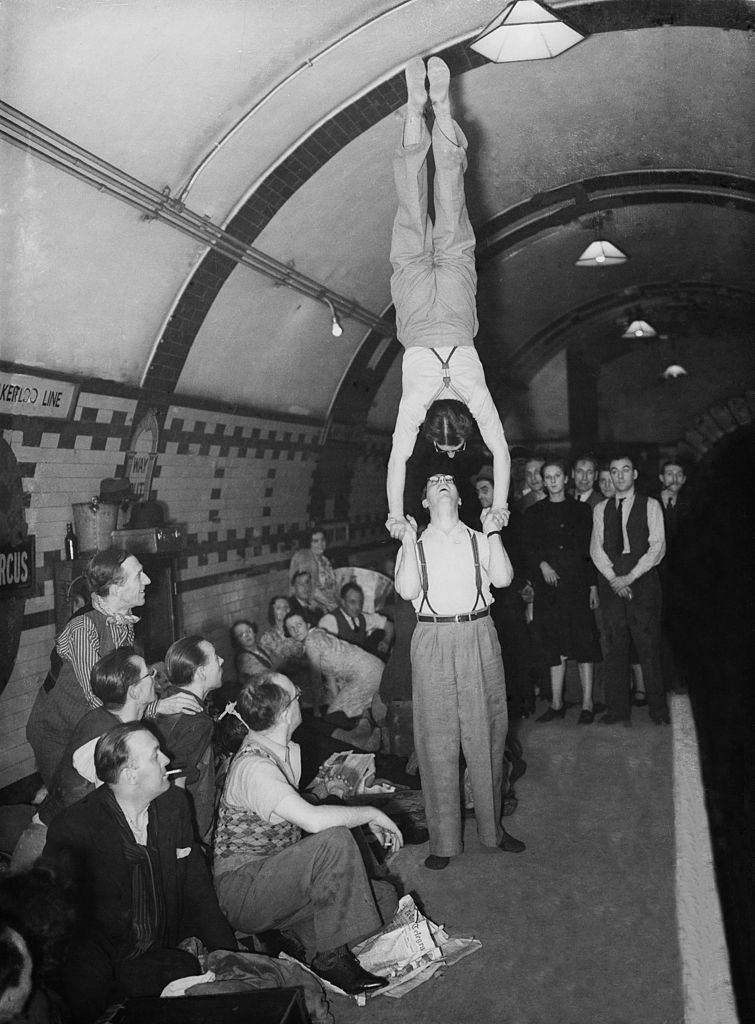
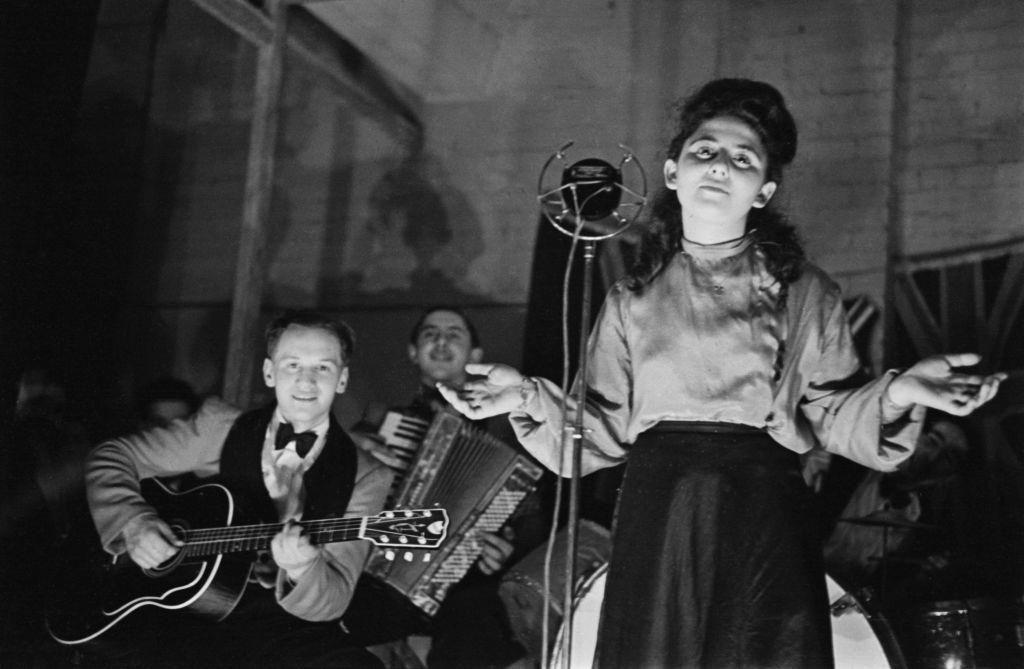
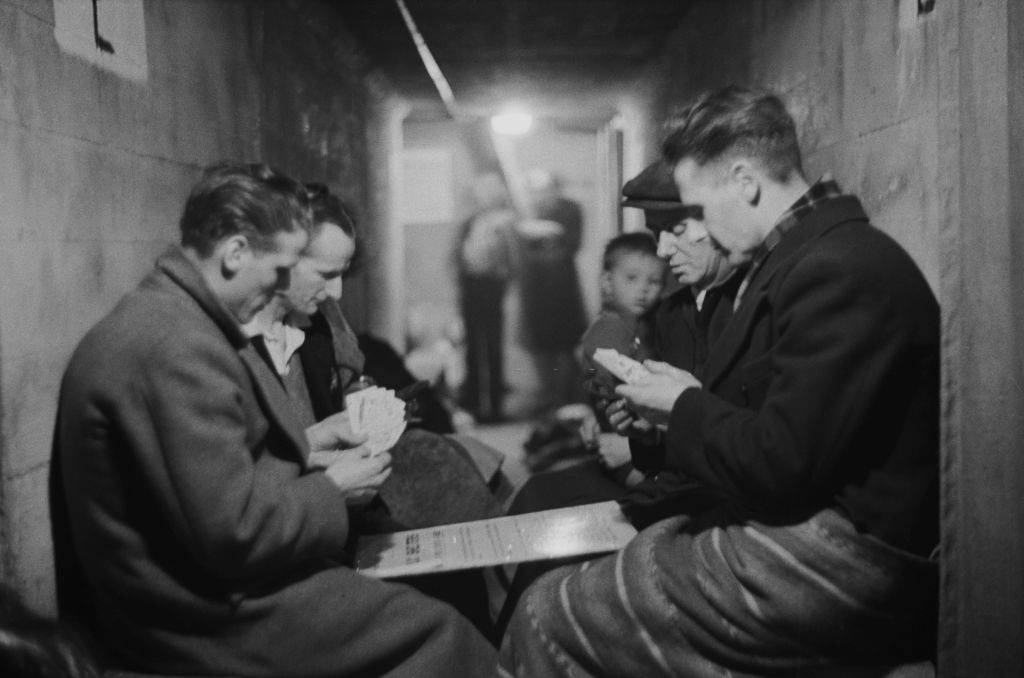
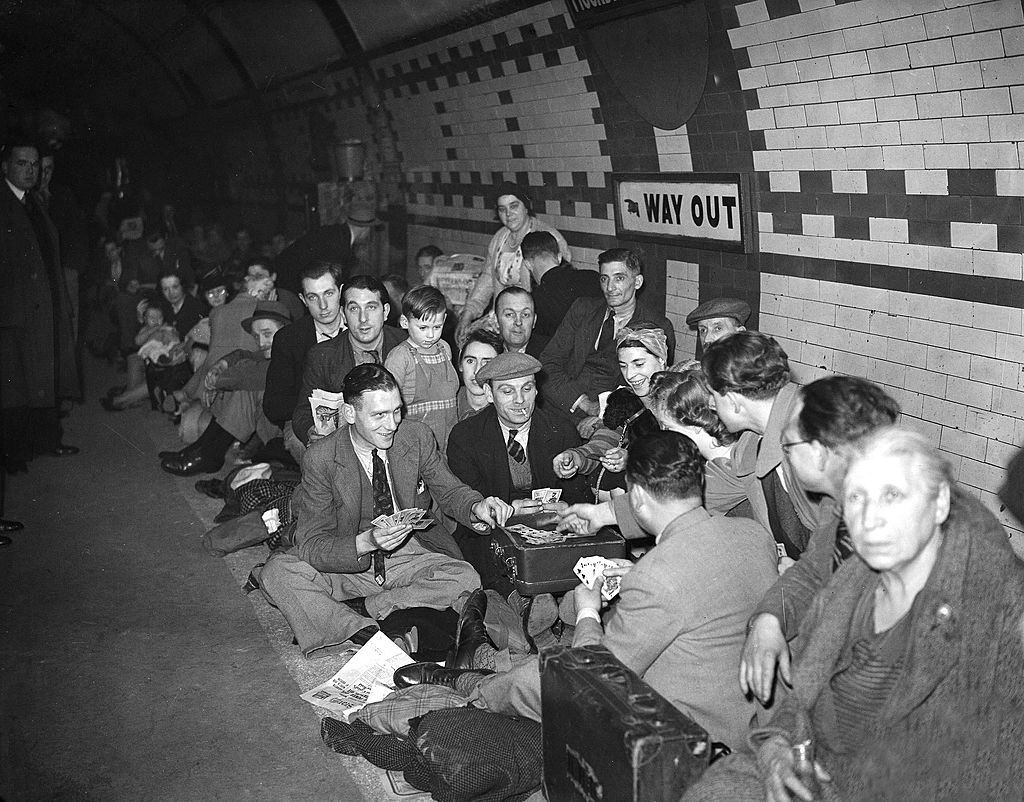
The Salvation Army and the Red Cross established committees inside the shelters to manage conditions and support those in need. The shelters also became social spaces. Concerts, plays, and film screenings were organized. Local libraries sent books. People read, played cards, sewed, drew, and sang — activities that filled the hours between sirens and the all-clear signal.
Concert in Aldwych Underground Station, 1940Performance in Aldwych Tube Station, 1940Musicians entertaining Londoners as they shelter from German air raids at Aldwych tube station in central London, 1940Acrobats in Tube during Air Raid in London, 1940
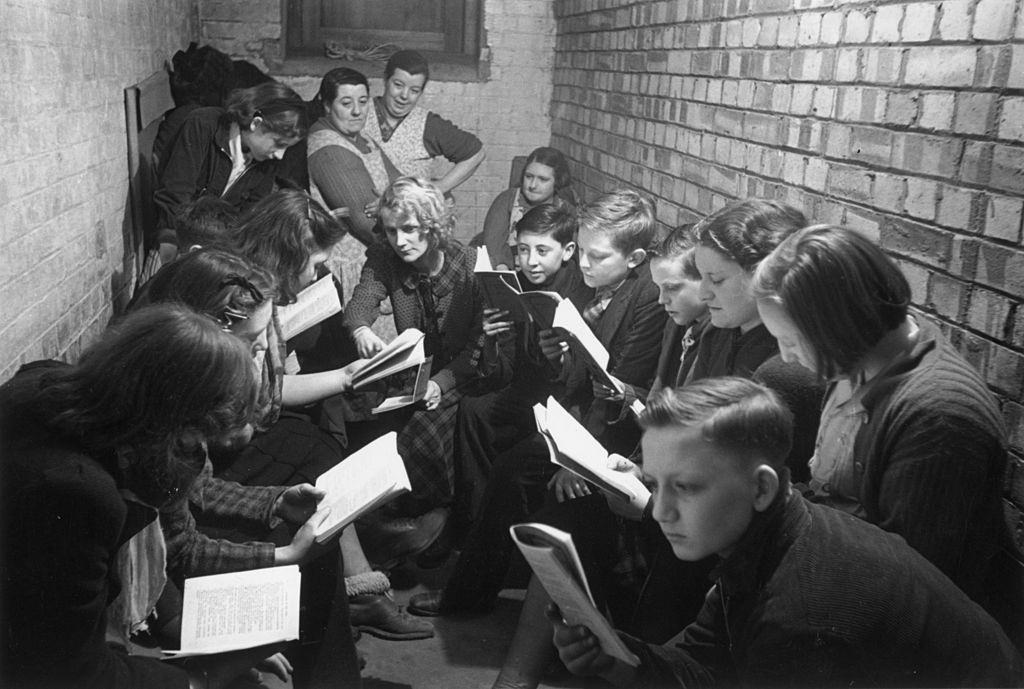
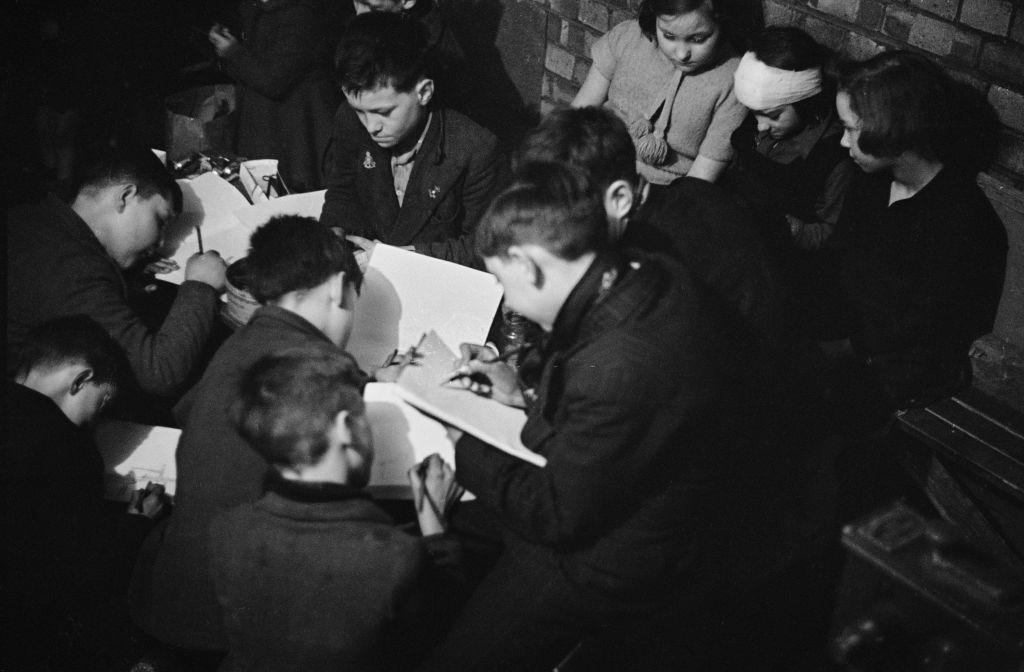
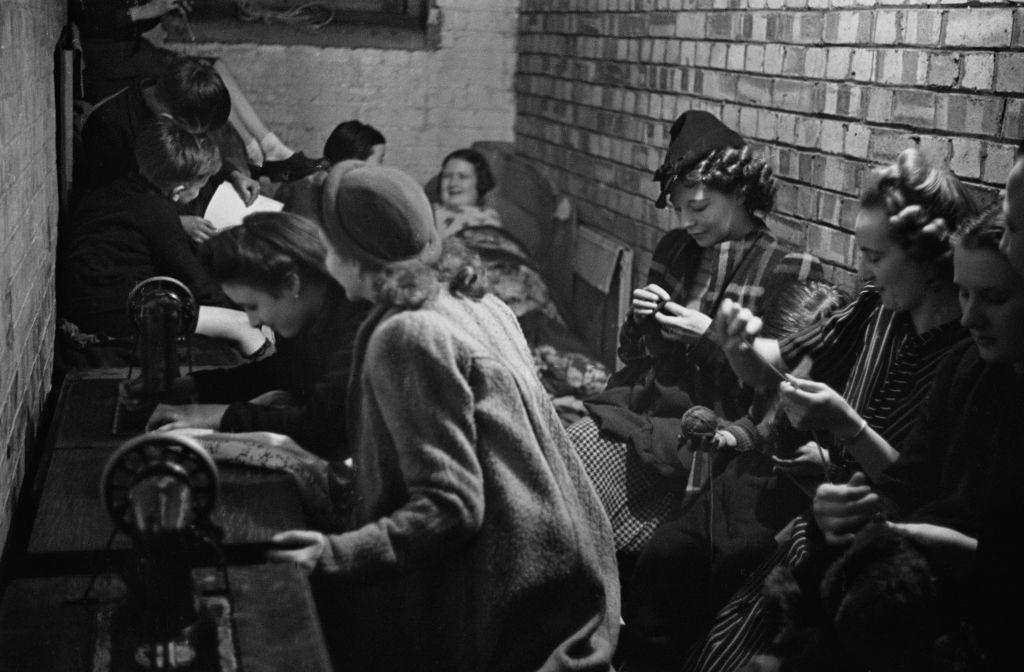
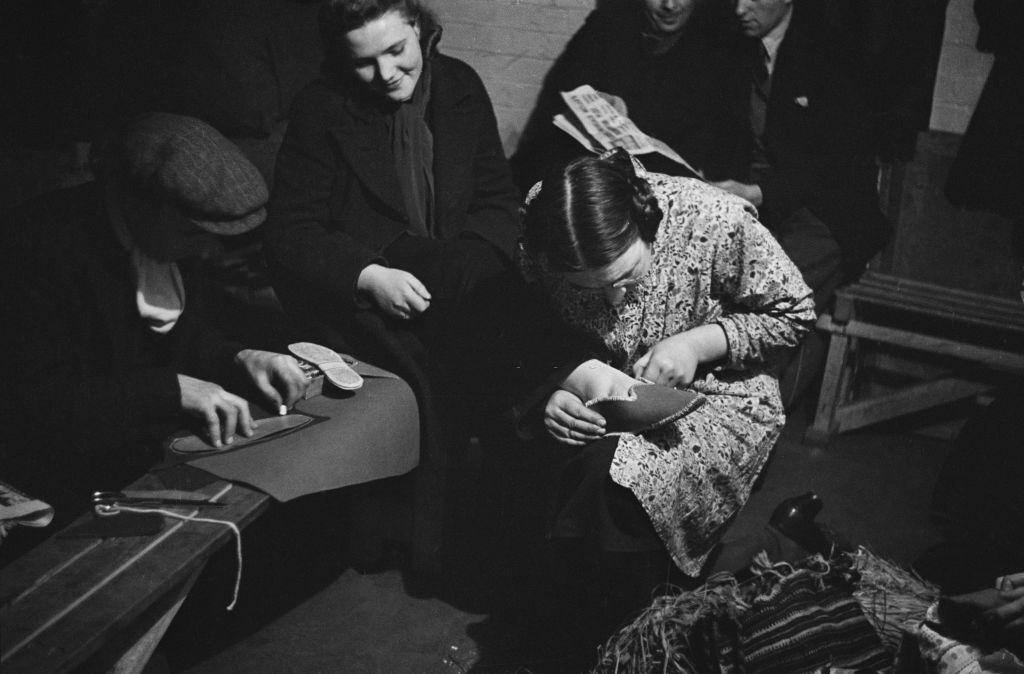
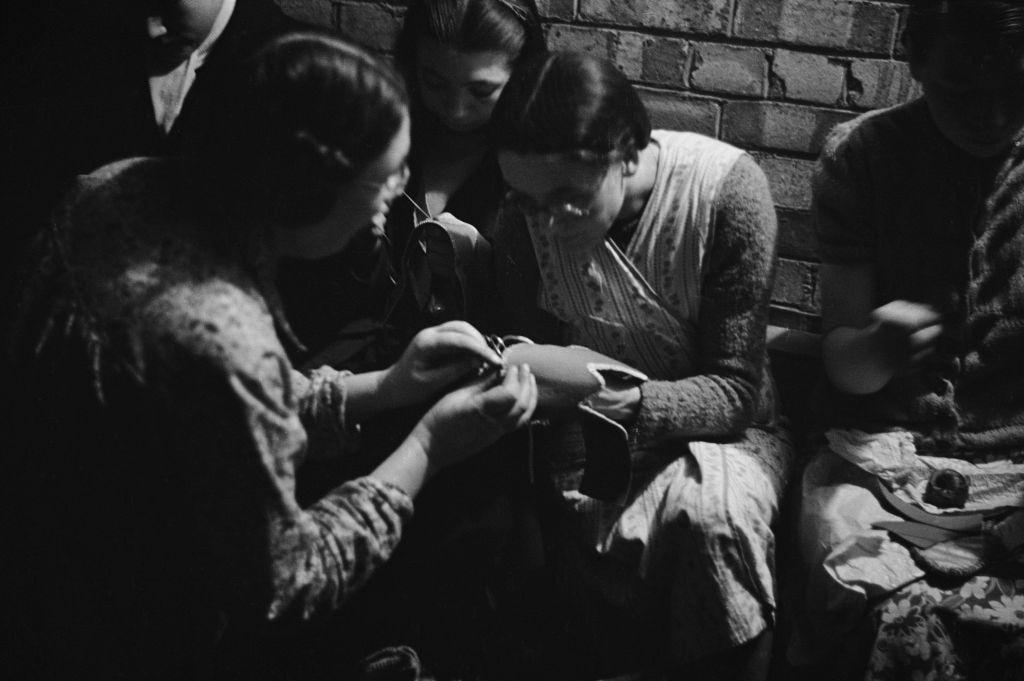
London County Council teachers ran classes inside shelters in Bermondsey and other boroughs. Children attended art lessons, drawing pictures while bombs fell above ground. Adults joined craft sessions — sewing and making slippers — as part of organized programs meant to keep shelter life structured and purposeful.
A reading and discussion session in an air raid shelter in Bermondsey, south London, during the Blitz, March 1941.Children drawing in an art class given by London County Council (LCC) teachers at an air raid shelter in Bermondsey, London during the Blitz, March 1941.Londoners sewing in a craft lesson given by London County Council (LCC) teachers at an air raid shelter in Bermondsey, London during the Blitz, March 1941.Londoners making slippers in a craft lesson given by London County Council (LCC) teachers at an air raid shelter in Bermondsey, London during the Blitz, March 1941.Londoners making slippers in a craft lesson given by London County Council (LCC) teachers at an air raid shelter in Bermondsey, London during the Blitz, March 1941.
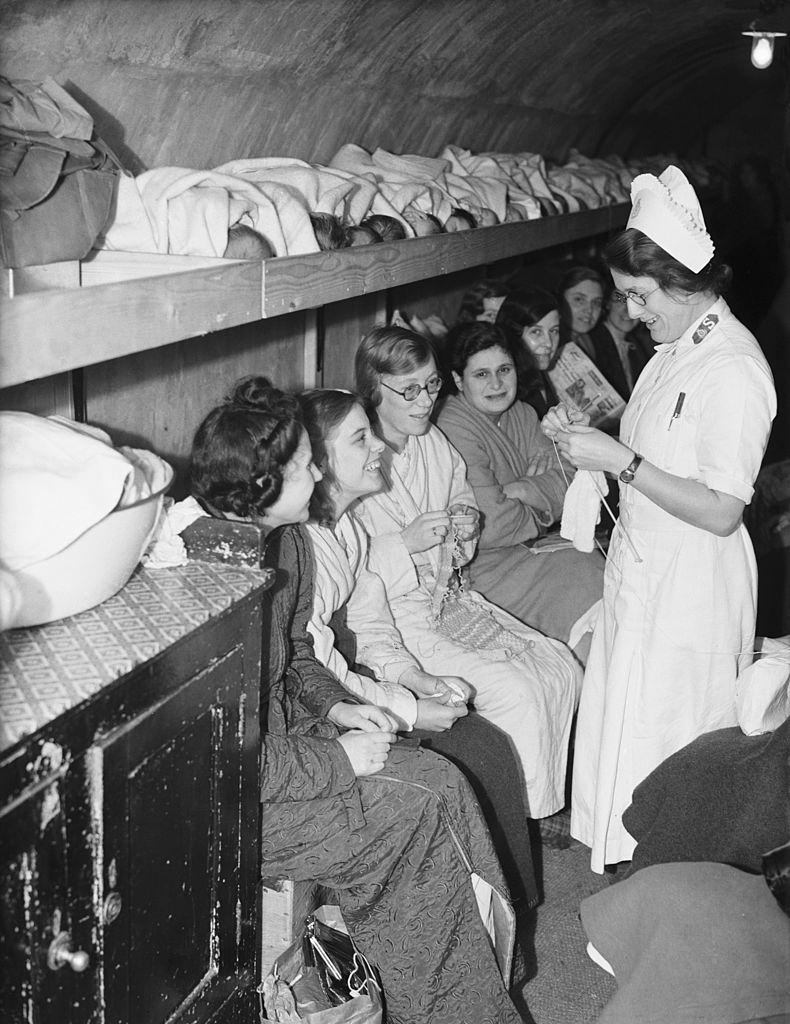
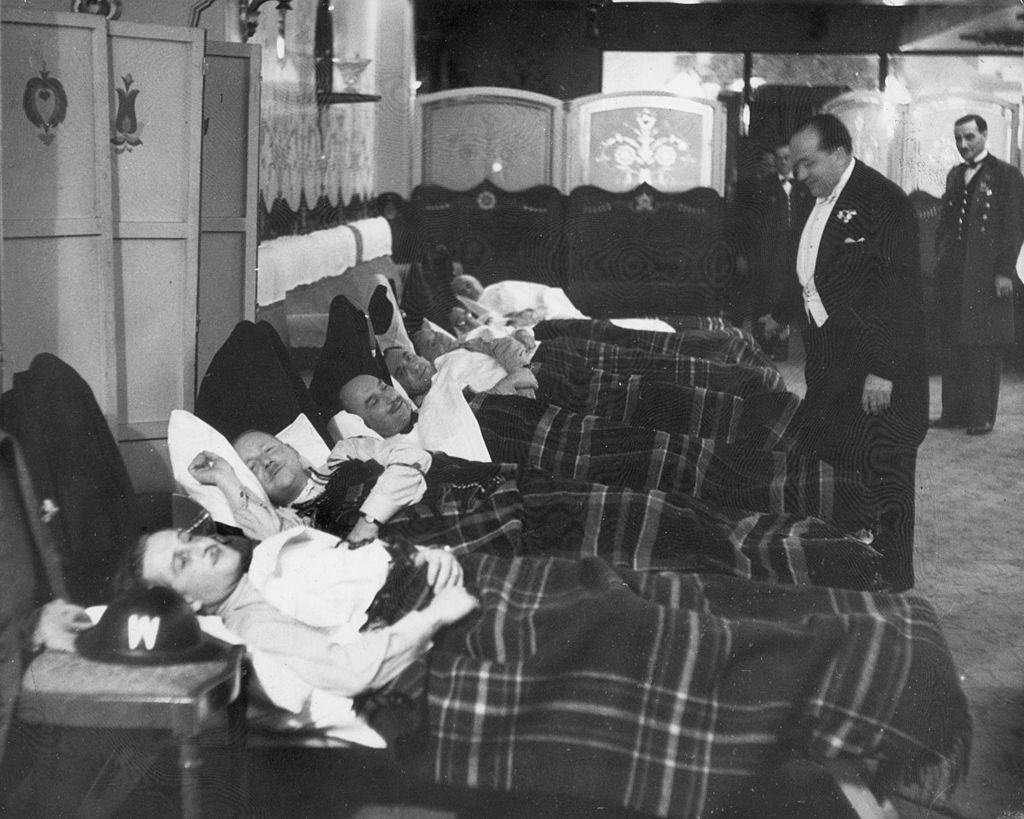
Shelters also appeared above ground, in the basements of department stores, restaurants, and other buildings. Diners at the Hungaria restaurant on Lower Regent Street simply bedded down on the floor when raids began. Workers at Dickens & Jones on Regent Street sheltered in the store’s basement, where one employee, Sadie Davis, sang to keep spirits up. The Salvation Army ran its own shelters in areas like Clapton in east London, where women, girls, and babies crowded into organized spaces.
Shop worker Sadie Davis entertains her fellow employees with a song at the Dickens & Jones bomb shelter in the basement of the department store in Regent Street, London during the Blitz in World War II in March 1941.Women, girls and babies (lying on a shelf, top) in an air raid shelter run by the Salvation Army in Clapton, east London, during the London Blitz, 5th October 1940.Diners at the Hungaria, a Hungarian restaurant on Lower Regent Street in London, bed down for the night.
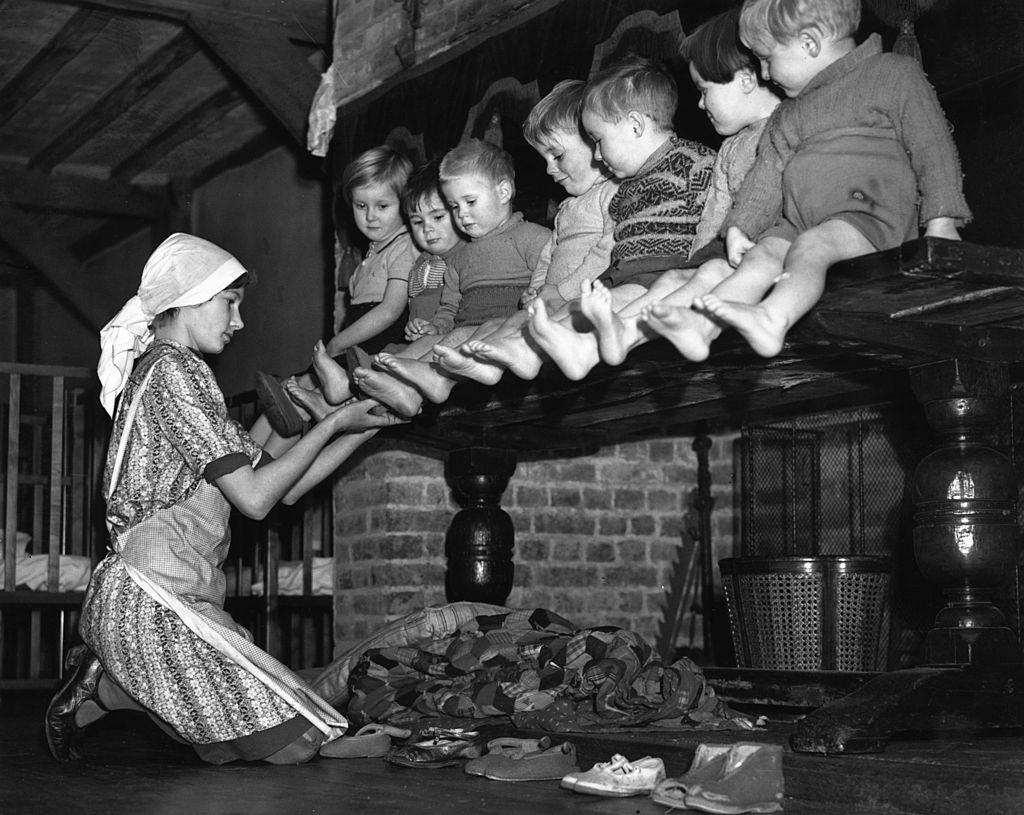
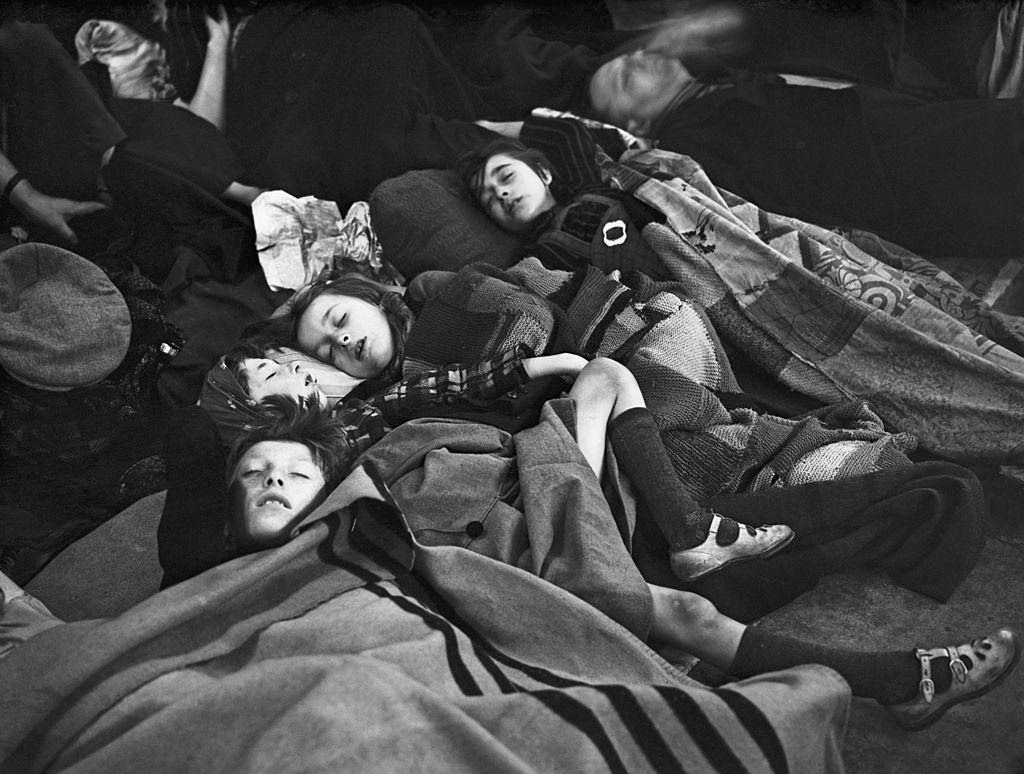
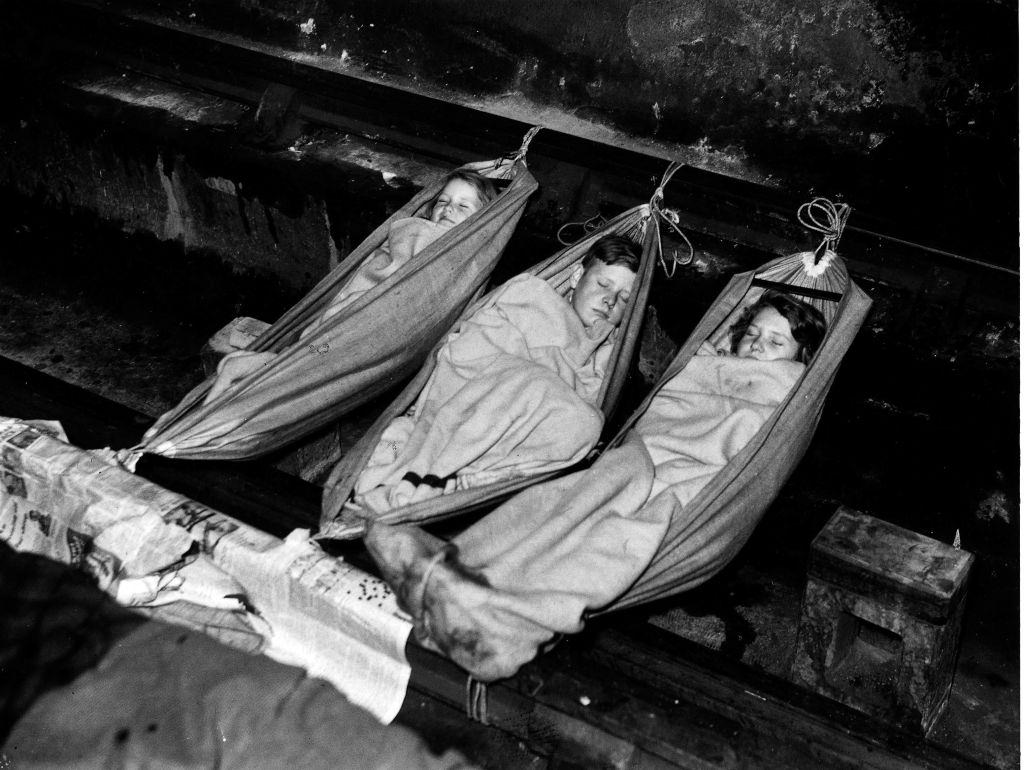
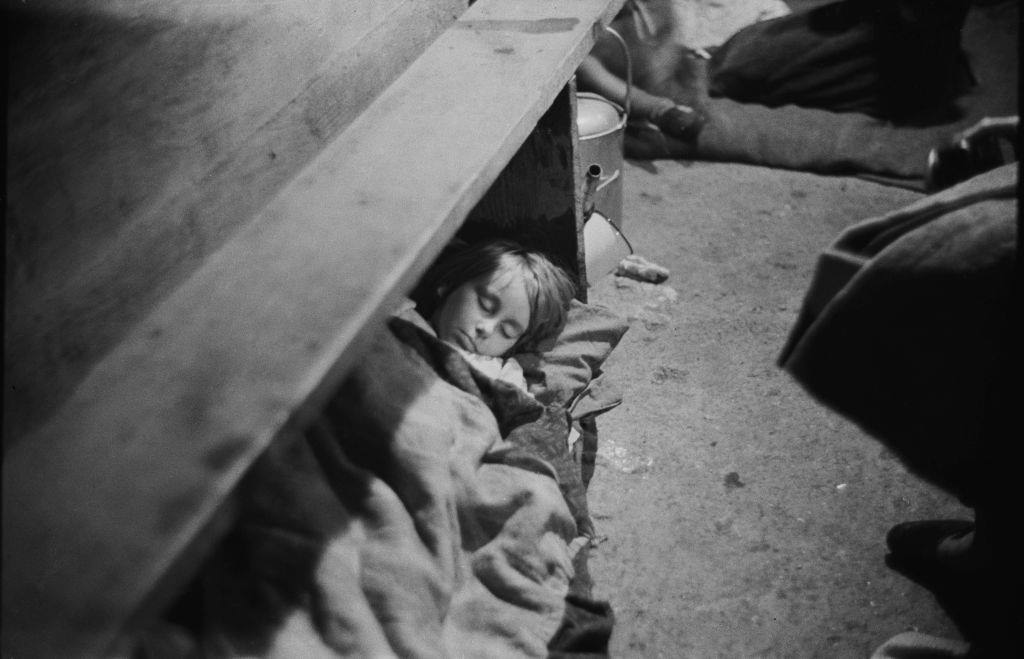
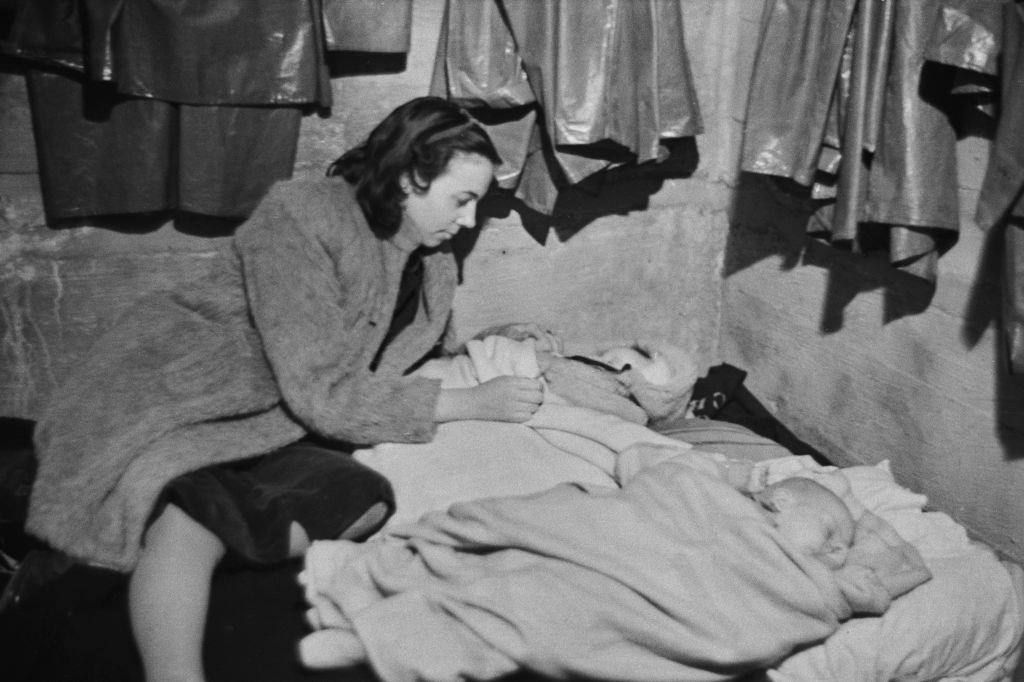
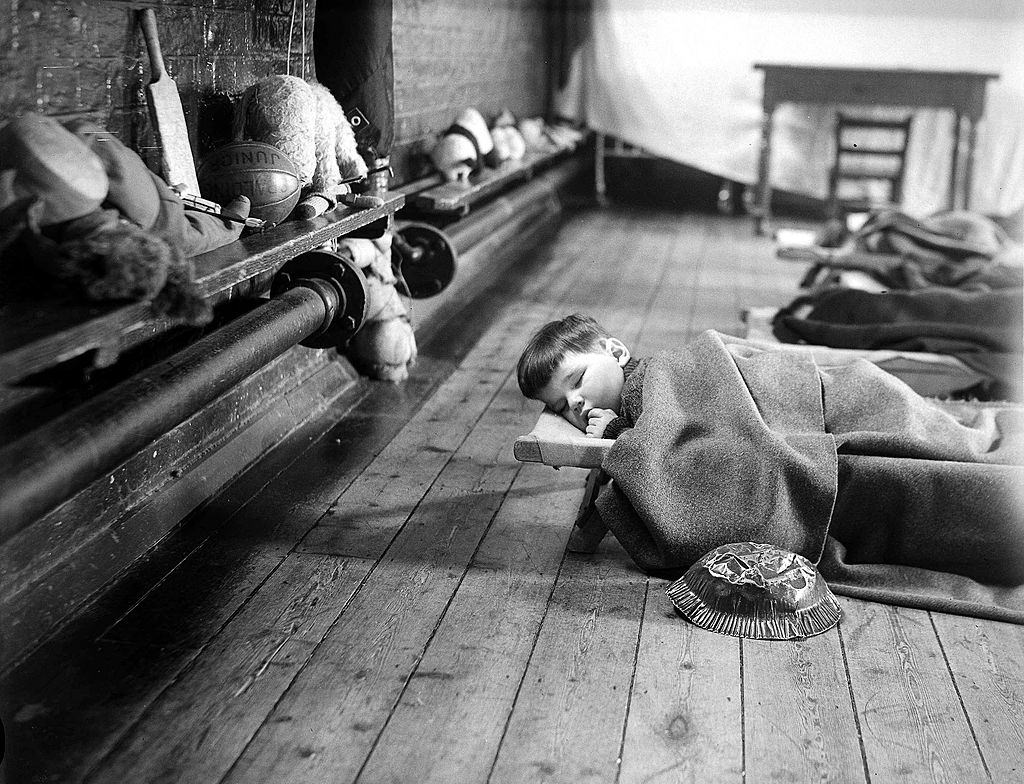
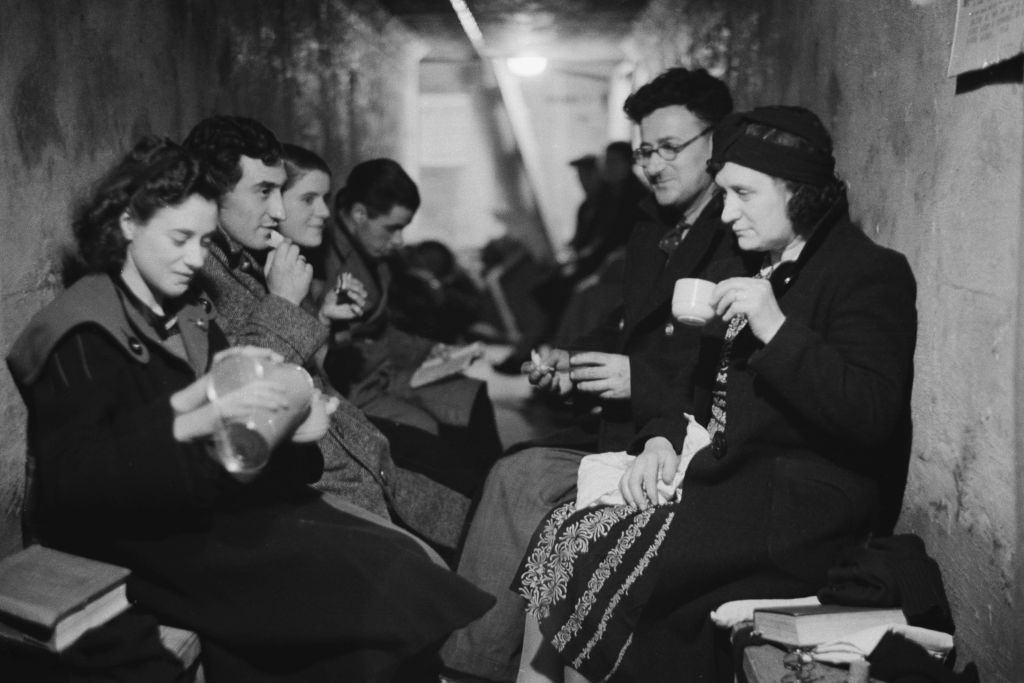
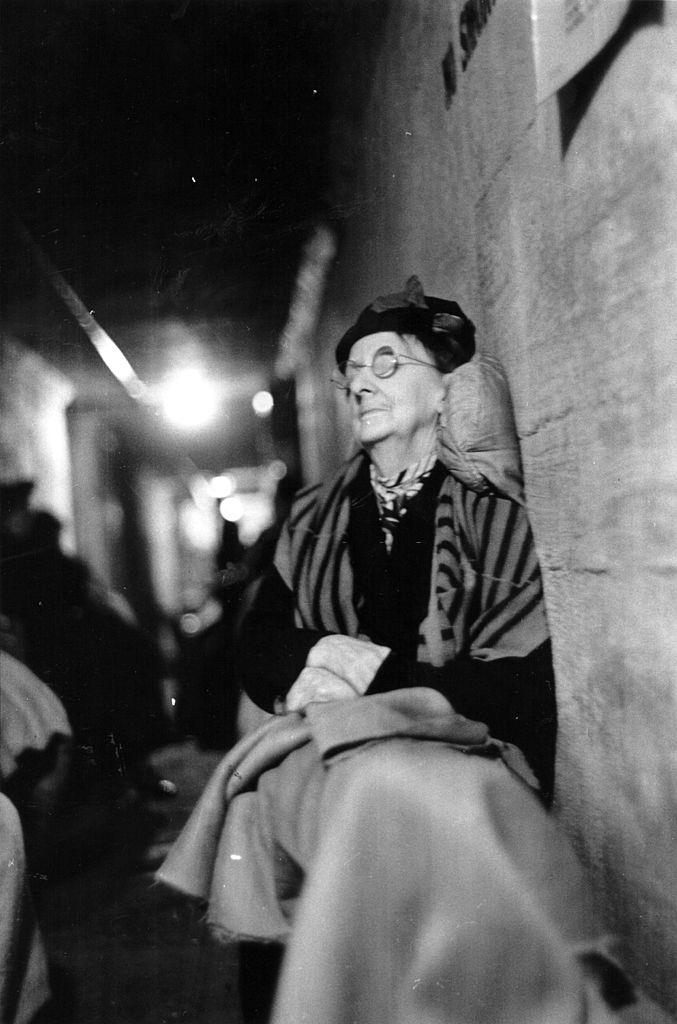
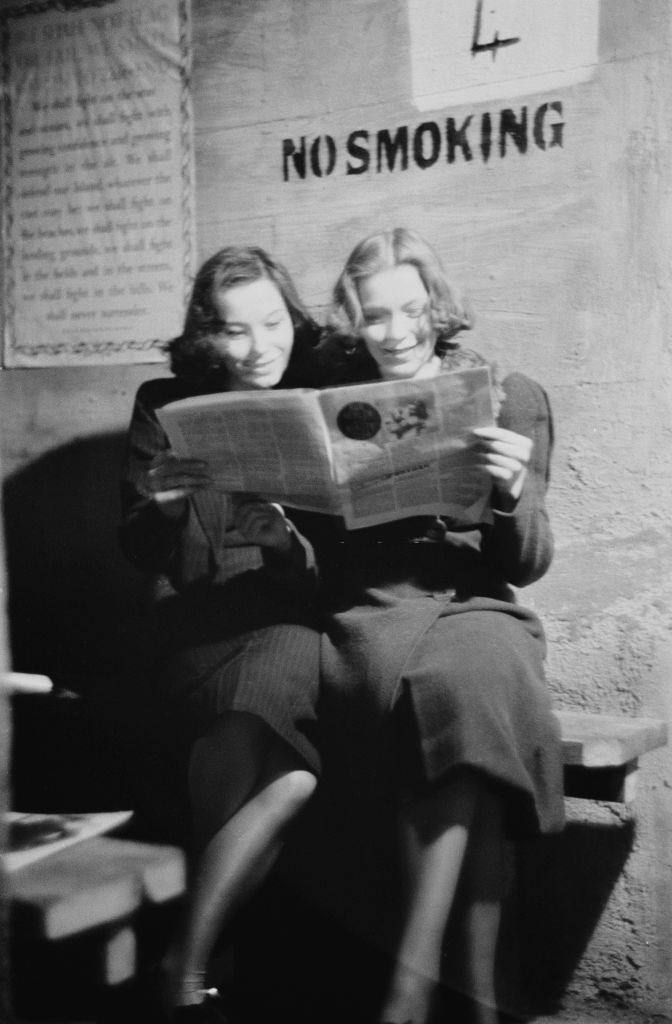
Some children were evacuated out of London entirely. Toddlers were sent to the countryside, including to a 15th-century mansion in Kent, where their health was checked upon arrival. Those who remained in the city shared shelter space with strangers. Photographs from October 1940 show the full range of shelter life: elderly women asleep against walls, young women reading magazines, men playing cards, mothers tending to infants, and children sleeping in hammocks strung up in shelter corners.
A row of toddlers, evacuated from London during the Blitz, have their feet inspected at their new home in a 15th century mansion house in Kent.Children sleeping on a platform at a London Underground station, where they have taken shelter during one of the nightly bombing raids of the London Blitz,18th October 1940.Three children sleeping in hammocks in a London shelter during The Blitz, 1940A child sleeping in an air raid shelter during the Blitz, London, October 1940.A woman tending to two babies in an air raid shelter during the Blitz, London, October 1940.A baby tucked up in a packing case shelters from German daylight bombing deep in a corner of the Piccadilly Underground station.
Despite the scale of the bombing, the Blitz produced no psychiatric crisis among Londoners, even during its most intense weeks in September 1940. The bombing was devastating, but the psychological toll, which pre-war planners had expected to be catastrophic, did not materialize as feared. People adapted — sleeping on platforms, sharing food from canteen trains, and going through nightly routines as the city shook above them.
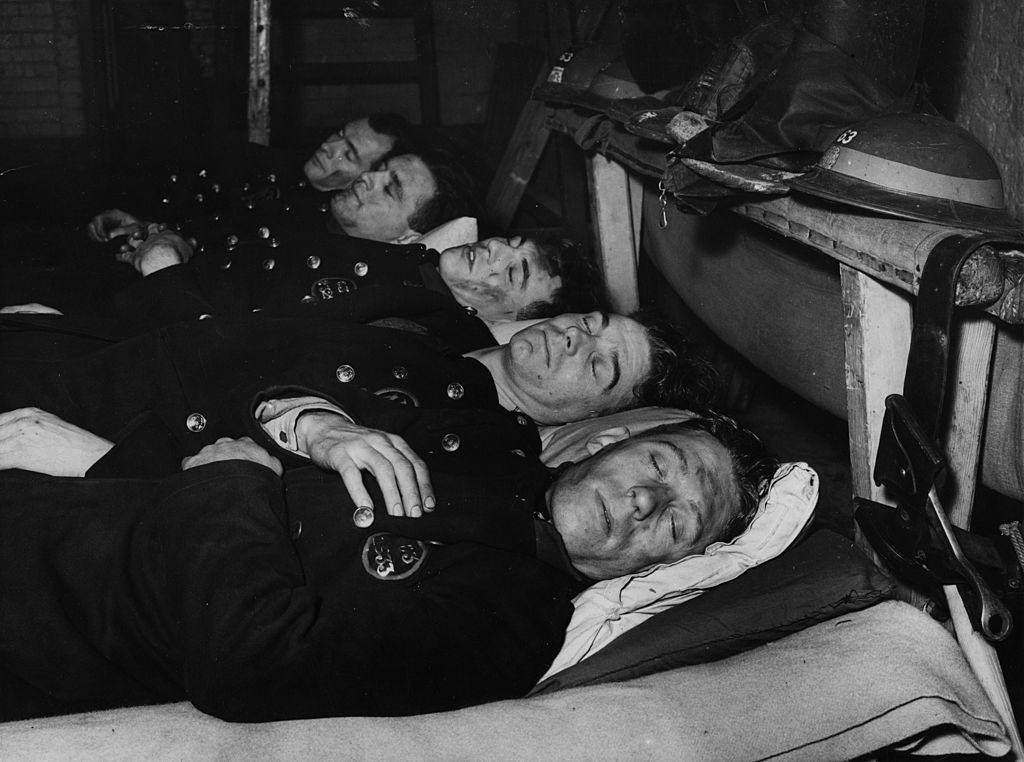
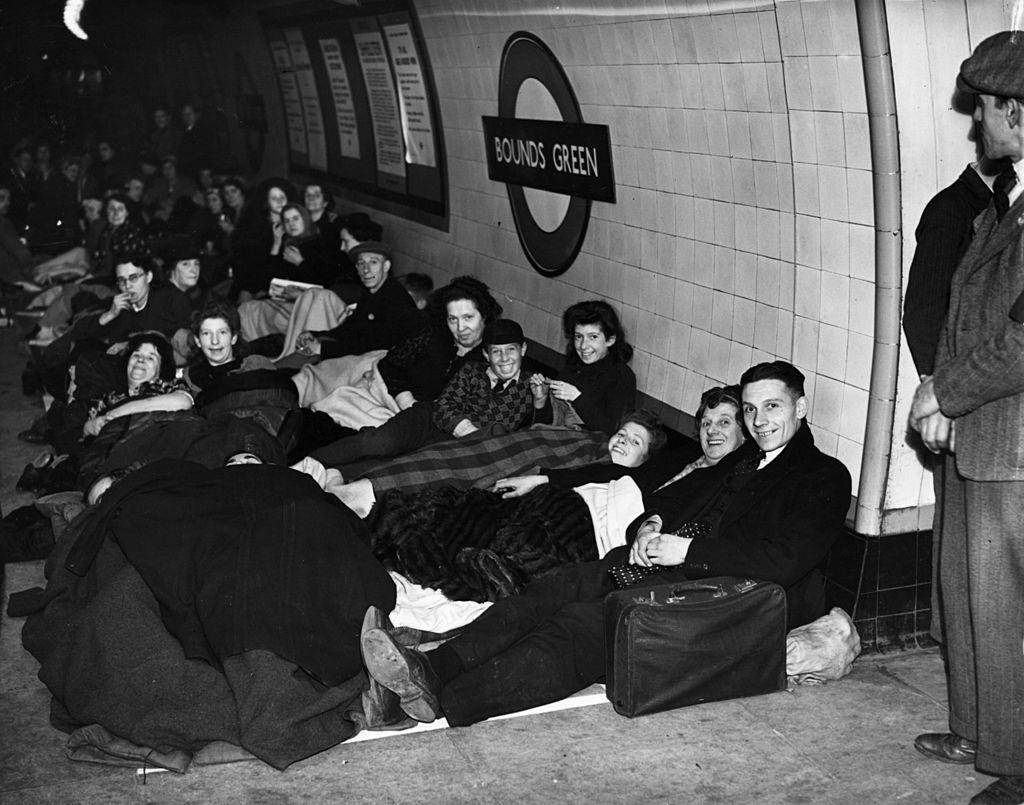
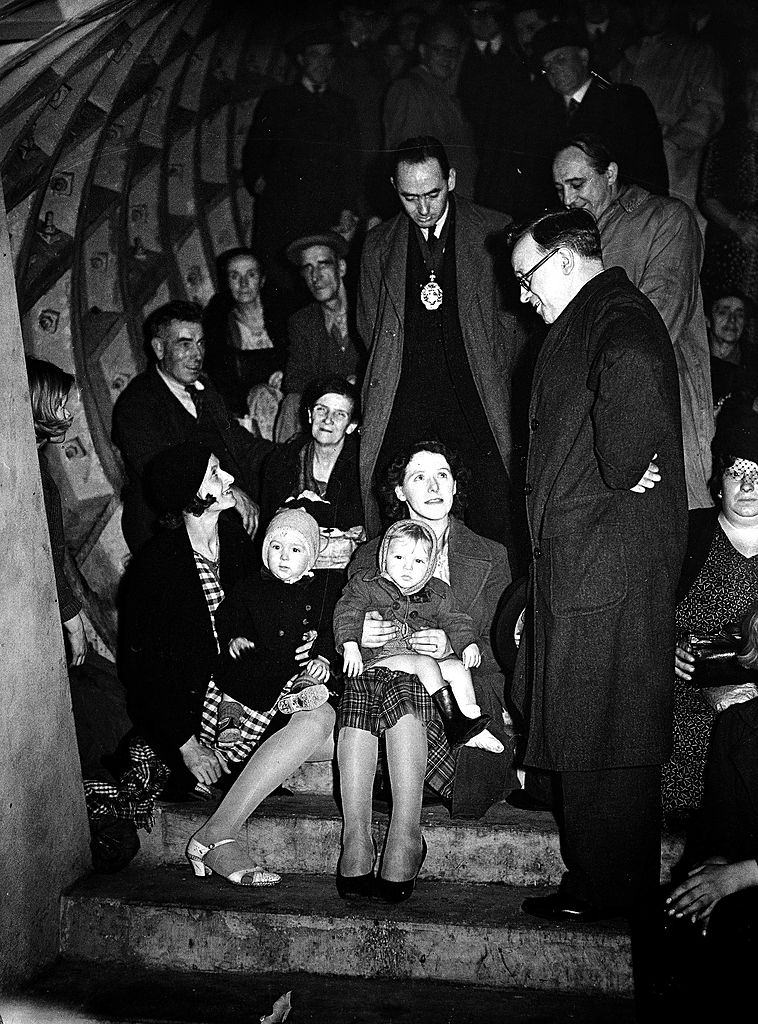
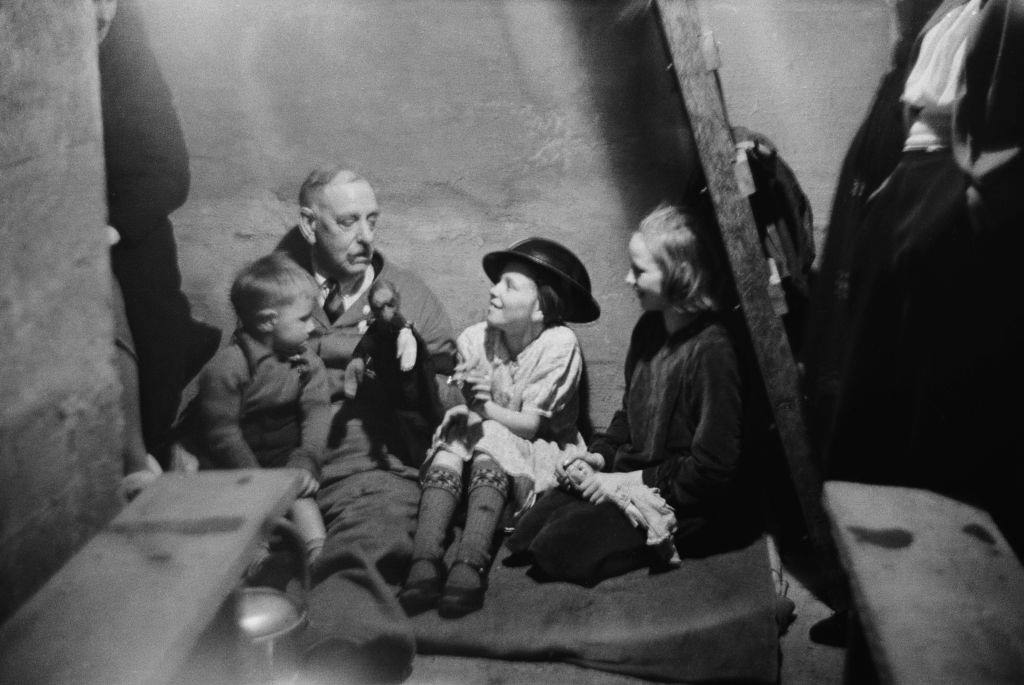
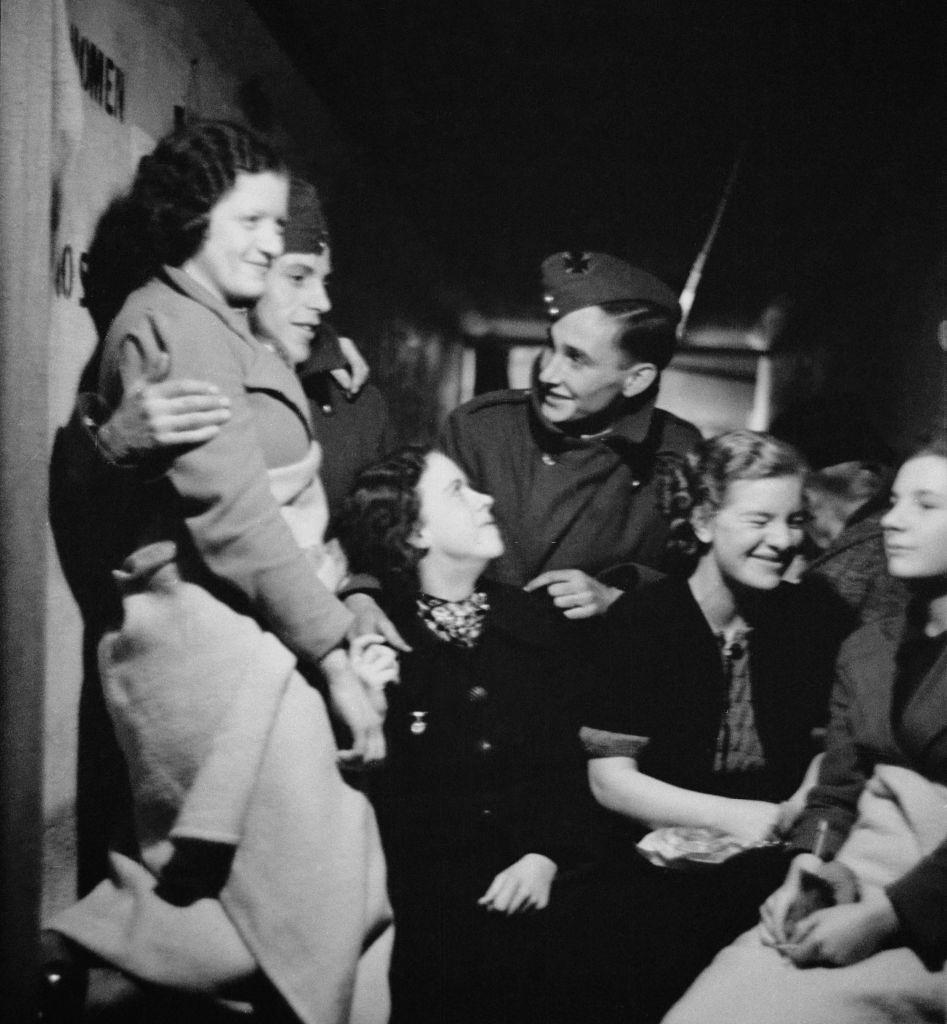
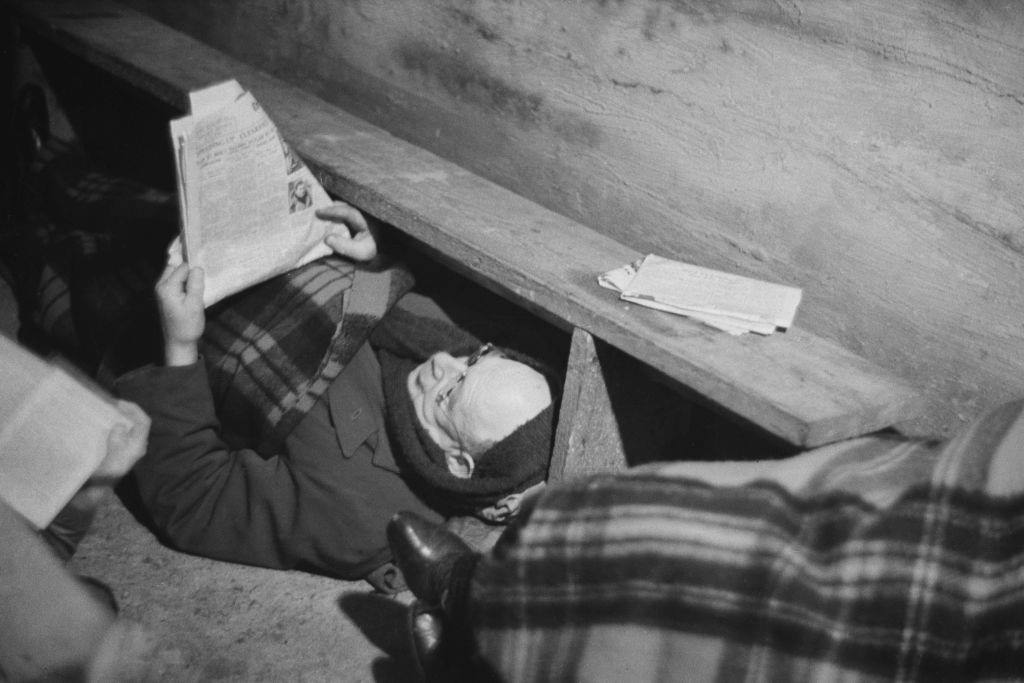
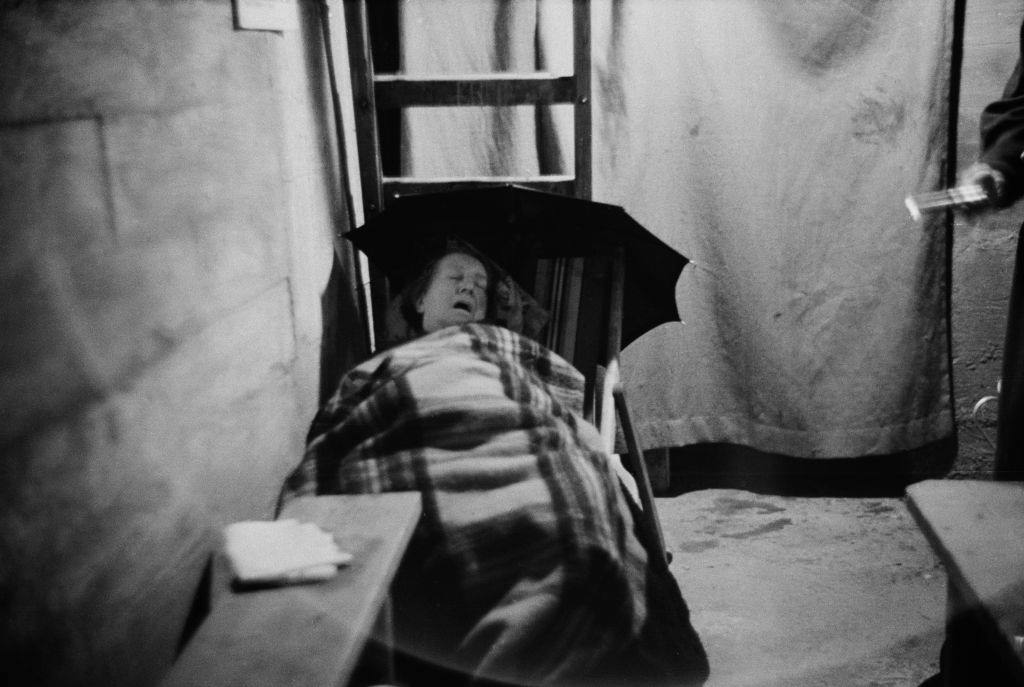
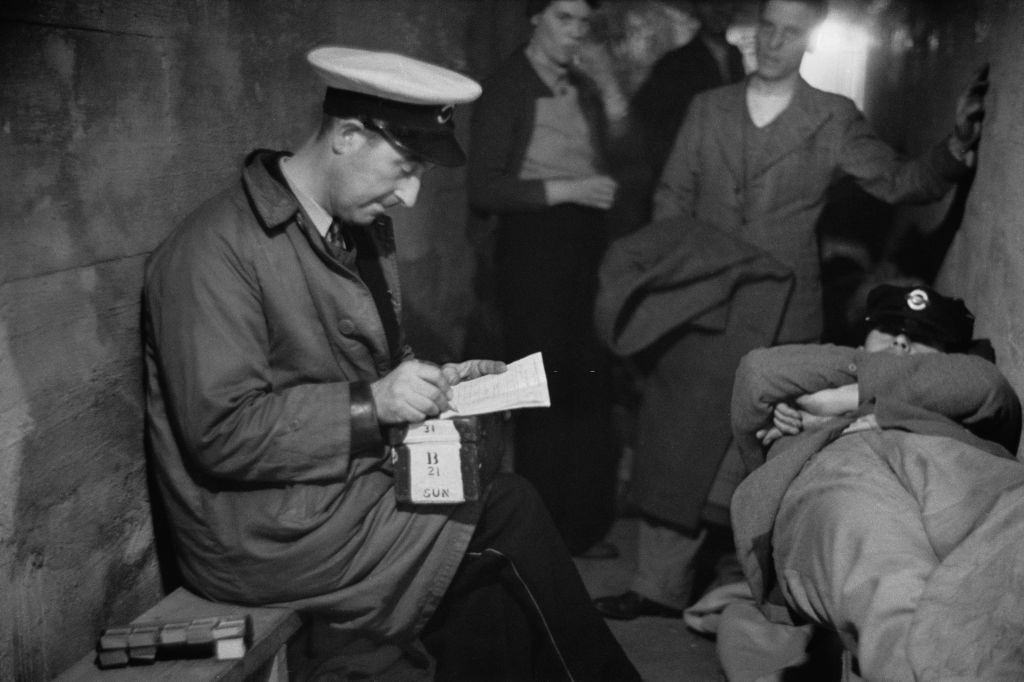
World War II, 16th February 1941.After 12 hours fire fighting during the London blitz firemen enjoy a sleep but keep on their uniform.Underground tunnels and stations serving as shelters during the german bomb attacks on London. End of 1940Londoners sheltering on a platform at Bounds Green tube station during an air raid in The Blitz.Because of the nightly bombing raids, many people from the more densely populated parts of London sleep in underground stations for safety.Getting to sleep on the Underground, 1940Londoners sheltering in an underground station during an air raid, 1940Cabinet Minister Herbert Morrison chatting to women and children on the stairs of a London tube station where they are sheltering from air raids, 1940A group of people in an air raid shelter during the Blitz, London, October 1940.A group of men playing cards in an air raid shelter during the Blitz, London, October 1940.An elderly lady propped up to sleep in an air raid shelter during the Blitz, London, October 1940.A man entertaining three children with a toy in an air raid shelter during the Blitz, London, October 1940.A group of people in an air raid shelter during the Blitz, London, October 1940.A man reading a newspaper in an air raid shelter during the Blitz, London, October 1940.Two elderly women sleeping in an air raid shelter during the Blitz, London, October 1940.A woman sleeping in an air raid shelter during the Blitz, London, October 1940.Two women in an air raid shelter during the Blitz, London, October 1940.A group of people in an air raid shelter during the Blitz, London, October 1940.Two young women reading a magazine in an air raid shelter during the Blitz, London, October 1940.Underground stations serving as shelters during the german bomb attacks on London, 1940
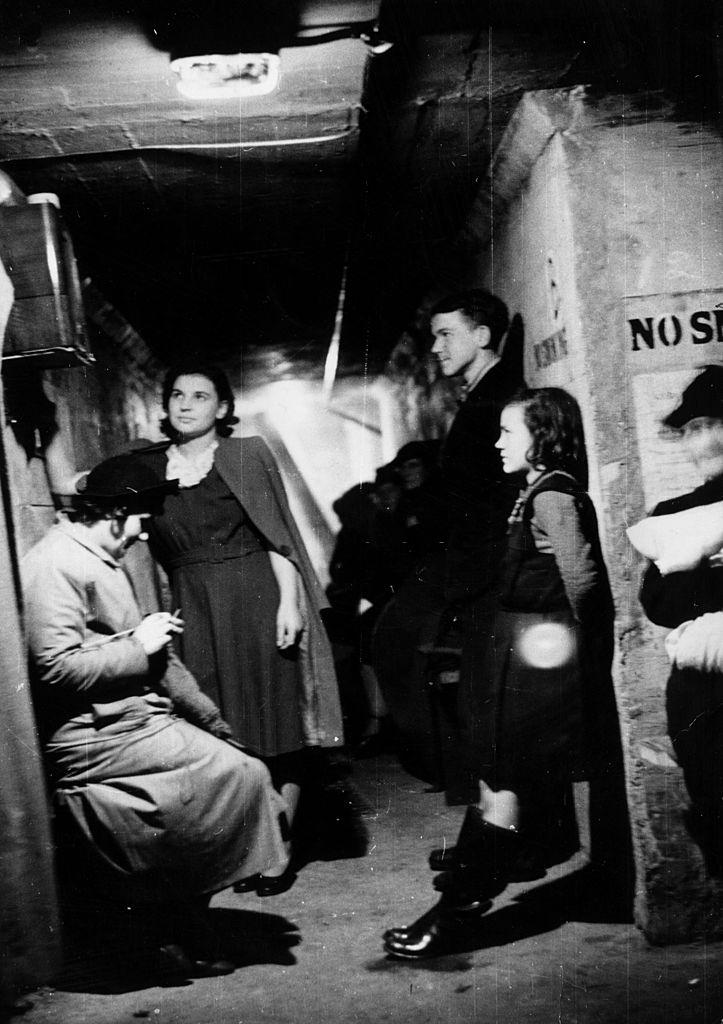
A group of people in an air raid shelter during the Blitz, London, October 1940.
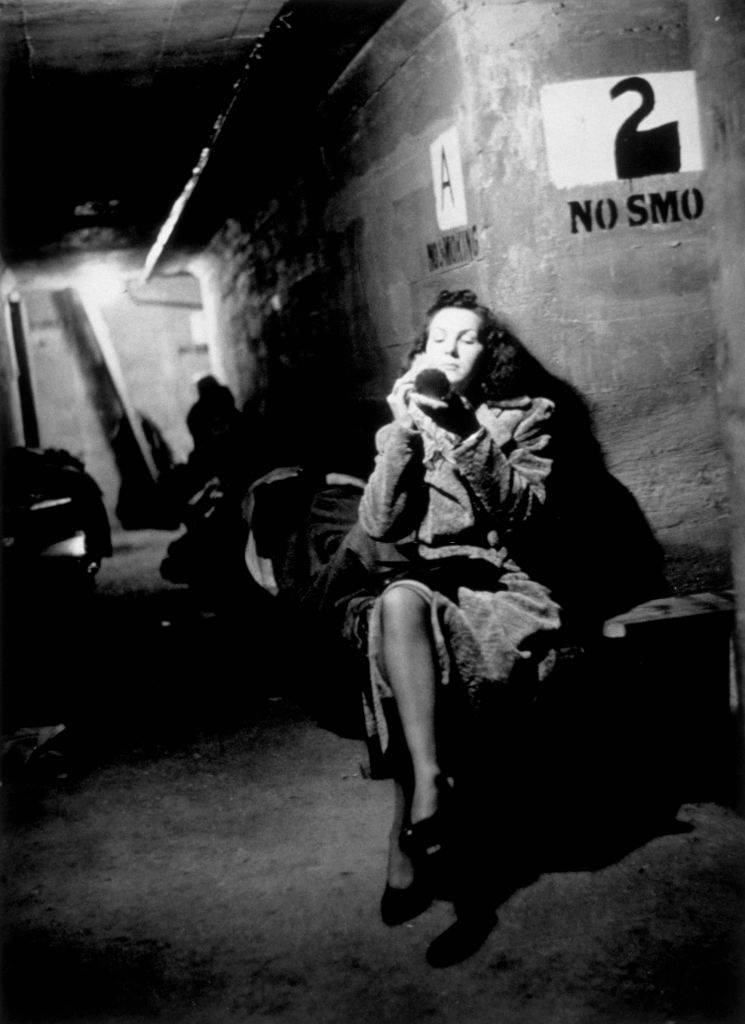
A woman applies make-up while waiting in a shelter during the Blitz, London, October 1940.
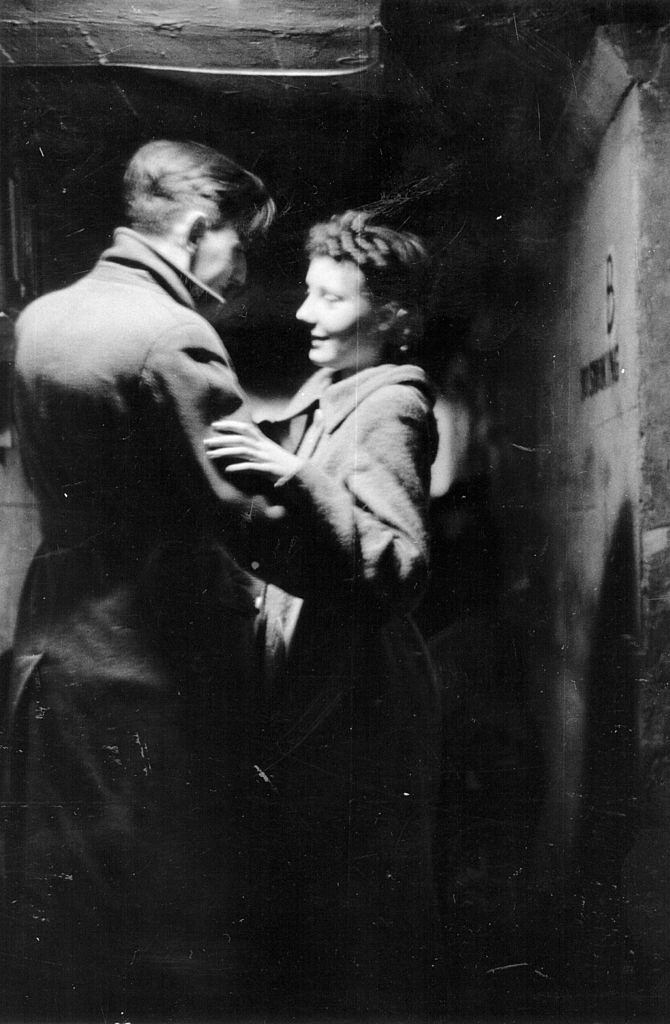
A couple in an air raid shelter during the Blitz, London, October 1940.
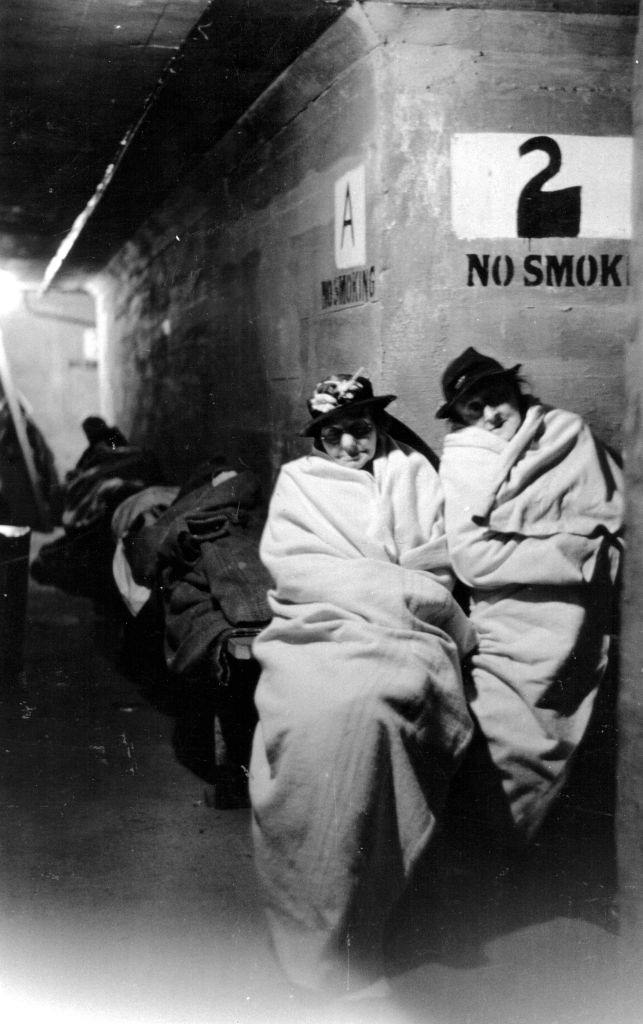
Two women wrapped up in blankets in an air raid shelter during the Blitz, London, October 1940.
Members of the public huddle together in a London underground station, 1940English Women in the Shelters of London during The Blitz 1940-1945Londoners shelter from air raids in an underground station during World War II, 1940.Members of the public huddle together in a London underground station, possibly the Bakerloo line platform at Piccadilly Circus, to avoid German bombs during the Blitz.Londoners settle down for the night in an underground shelter, 1940Civilians take shelter in a London Undergroud rail station during the air raids of the German Blitz, 1940