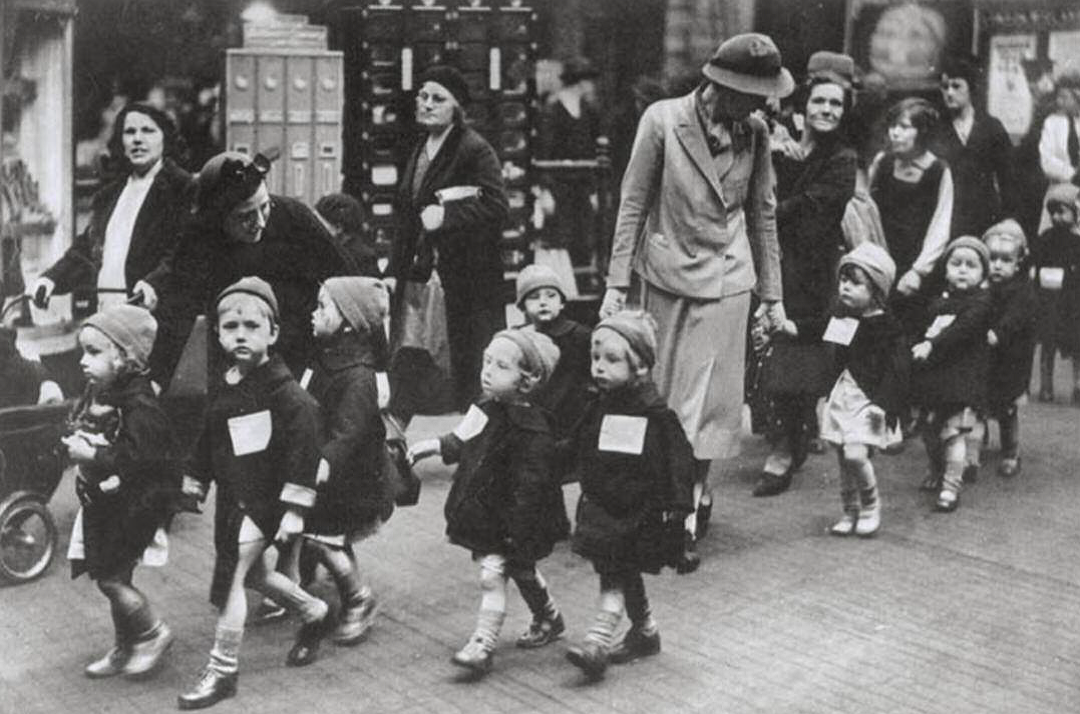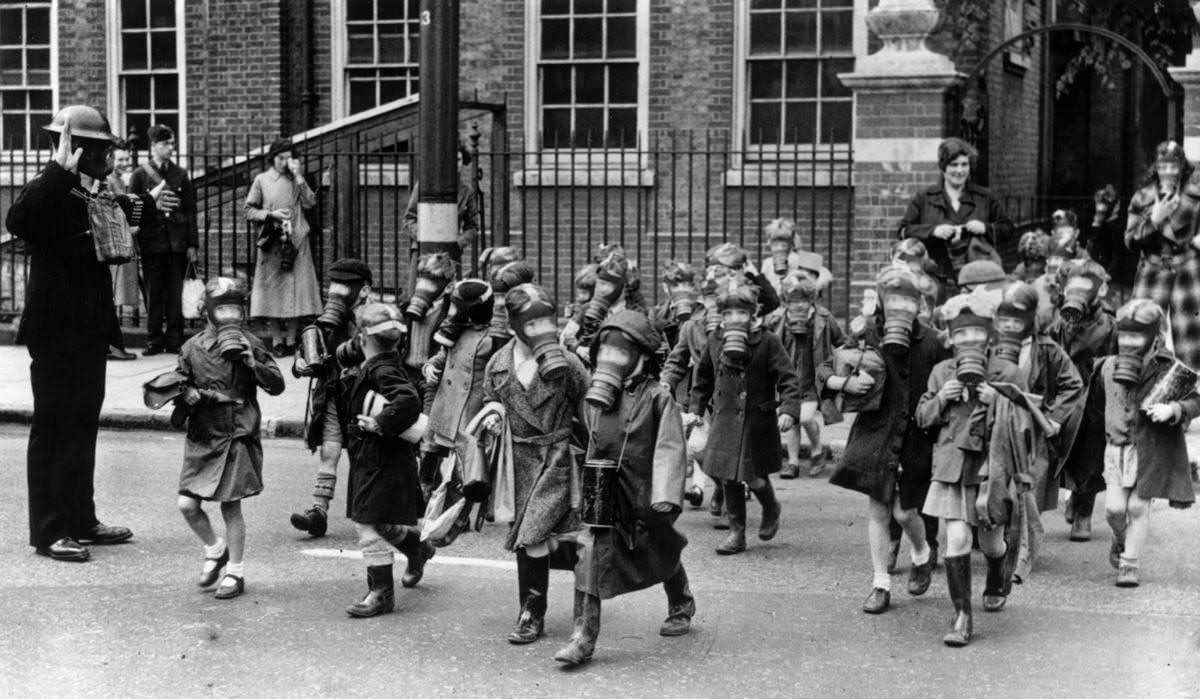

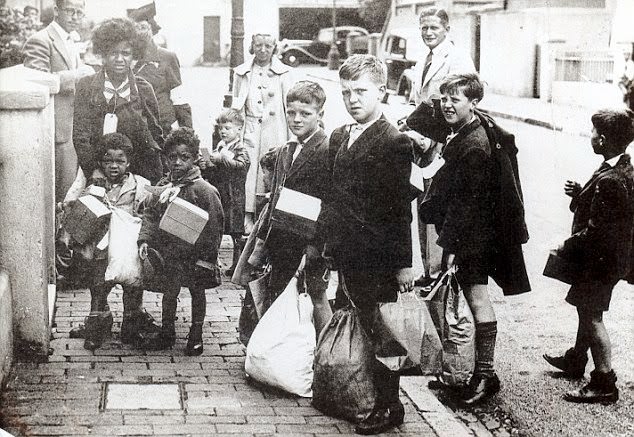
Operation Pied Piper began on September 1, 1939. This government plan moved millions of people, mostly children, away from cities like London, Manchester, and Liverpool. The British government feared that German planes would bomb these urban centers once the war started. Schoolchildren gathered at local train stations carrying small suitcases and gas masks in square cardboard boxes. Each child wore a brown paper tag pinned to their coat. This tag listed their name, school, and home address to ensure they were not lost during the journey.
Teachers led their classes onto trains heading toward rural areas like Wales, Devon, and East Anglia. The children did not know exactly where they were going or how long they would be away from their parents. Many city children had never seen the countryside or farm animals before this trip. Upon arrival in small villages, children gathered in local halls or churches. Foster parents, known as “billet-parents,” walked through the rows to choose the children who would live in their homes. Farmers often chose older boys to help with farm work, while younger children and siblings were sometimes harder to place.
Read more..
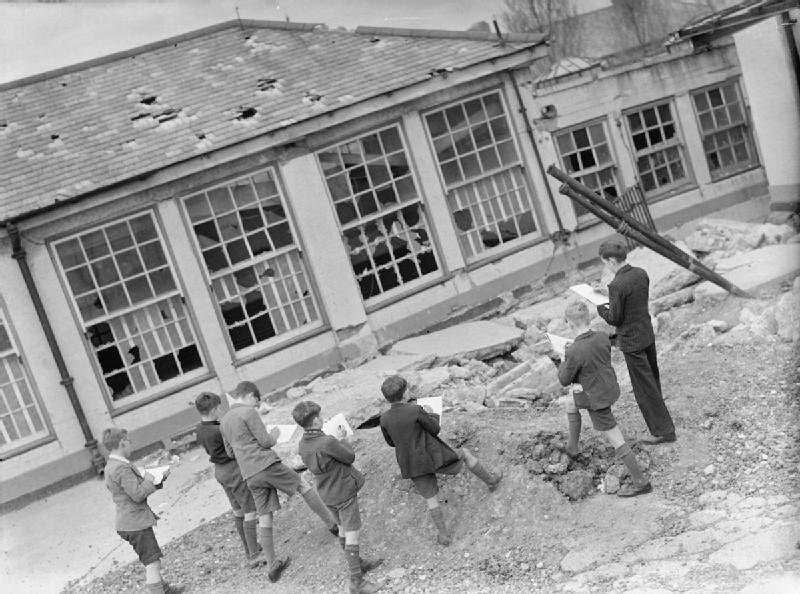
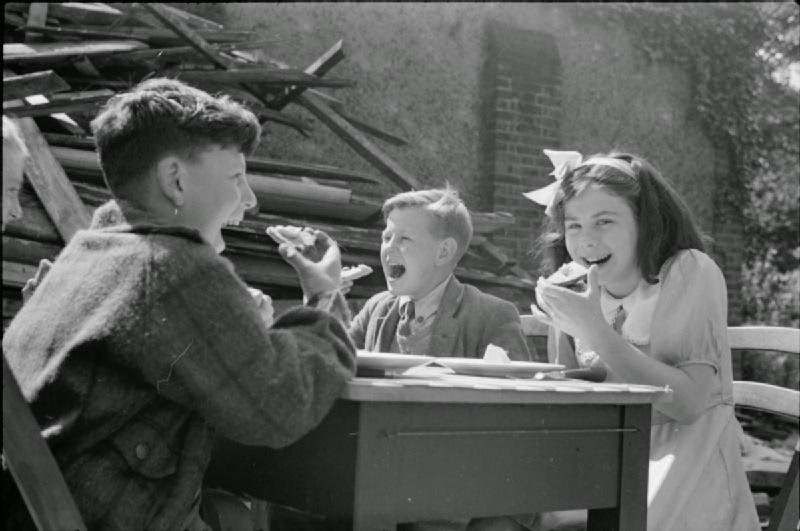
Life in the rural villages differed greatly from city life. Some children lived in large manor houses, while others stayed in tiny cottages without indoor plumbing. They learned how to grow vegetables as part of the “Dig for Victory” campaign. Schools in the host villages became very crowded. To solve this, local children attended school in the morning, and the city children used the building in the afternoon. When classroom space ran out, lessons took place in church basements or private living rooms.
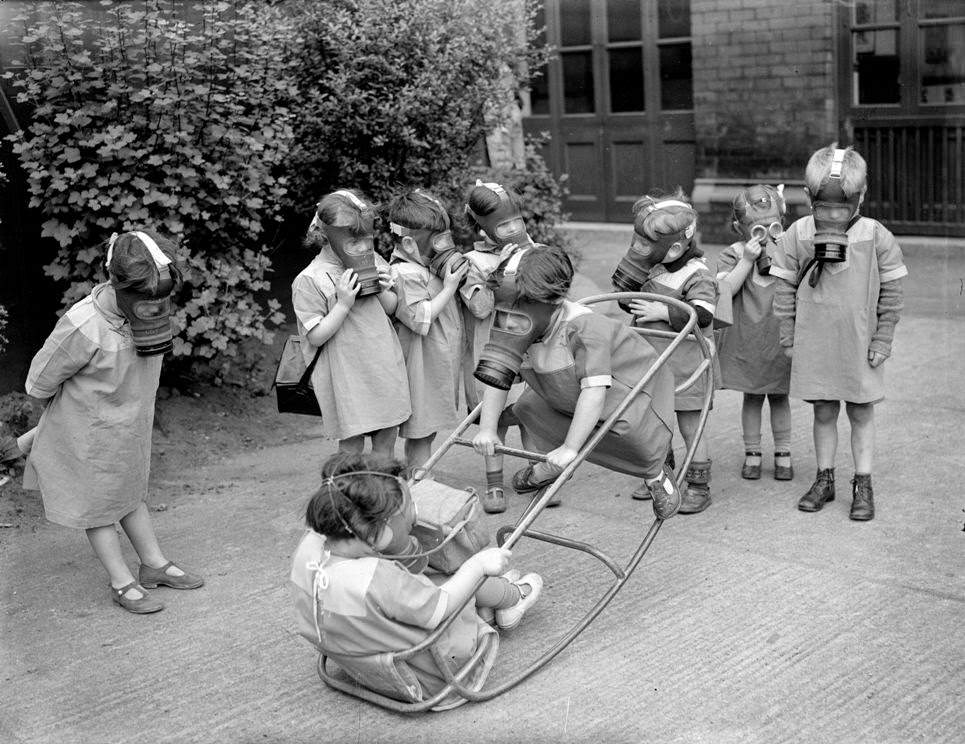
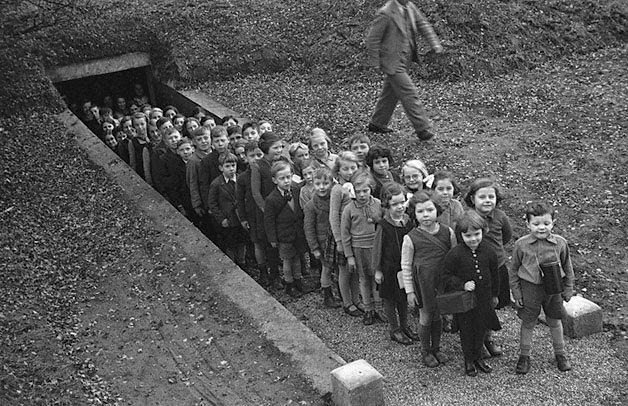
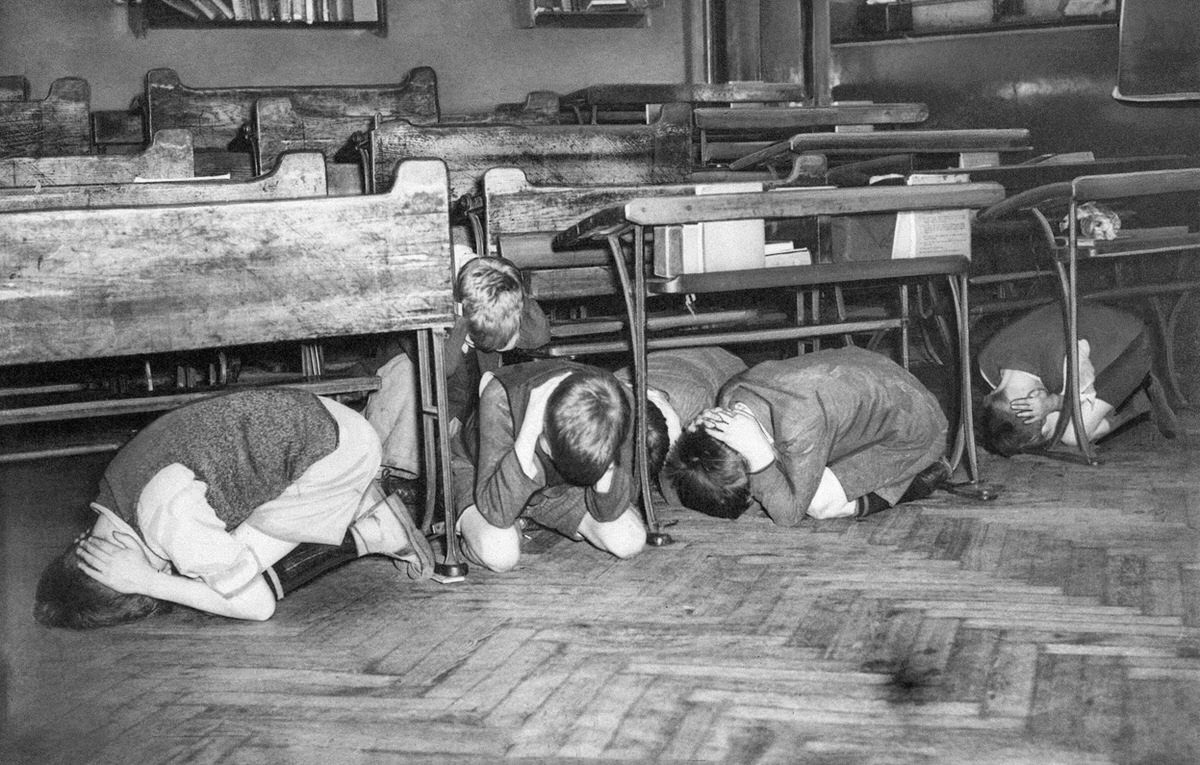
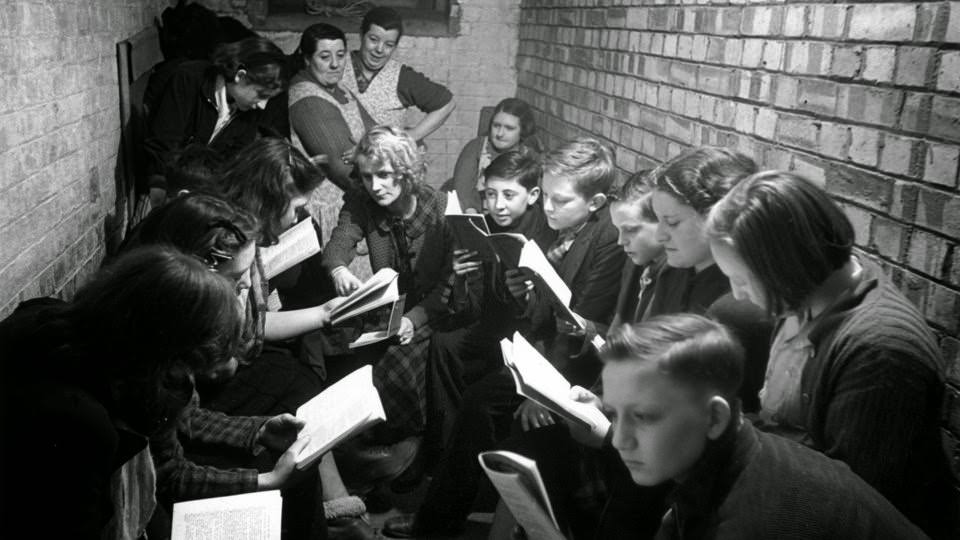
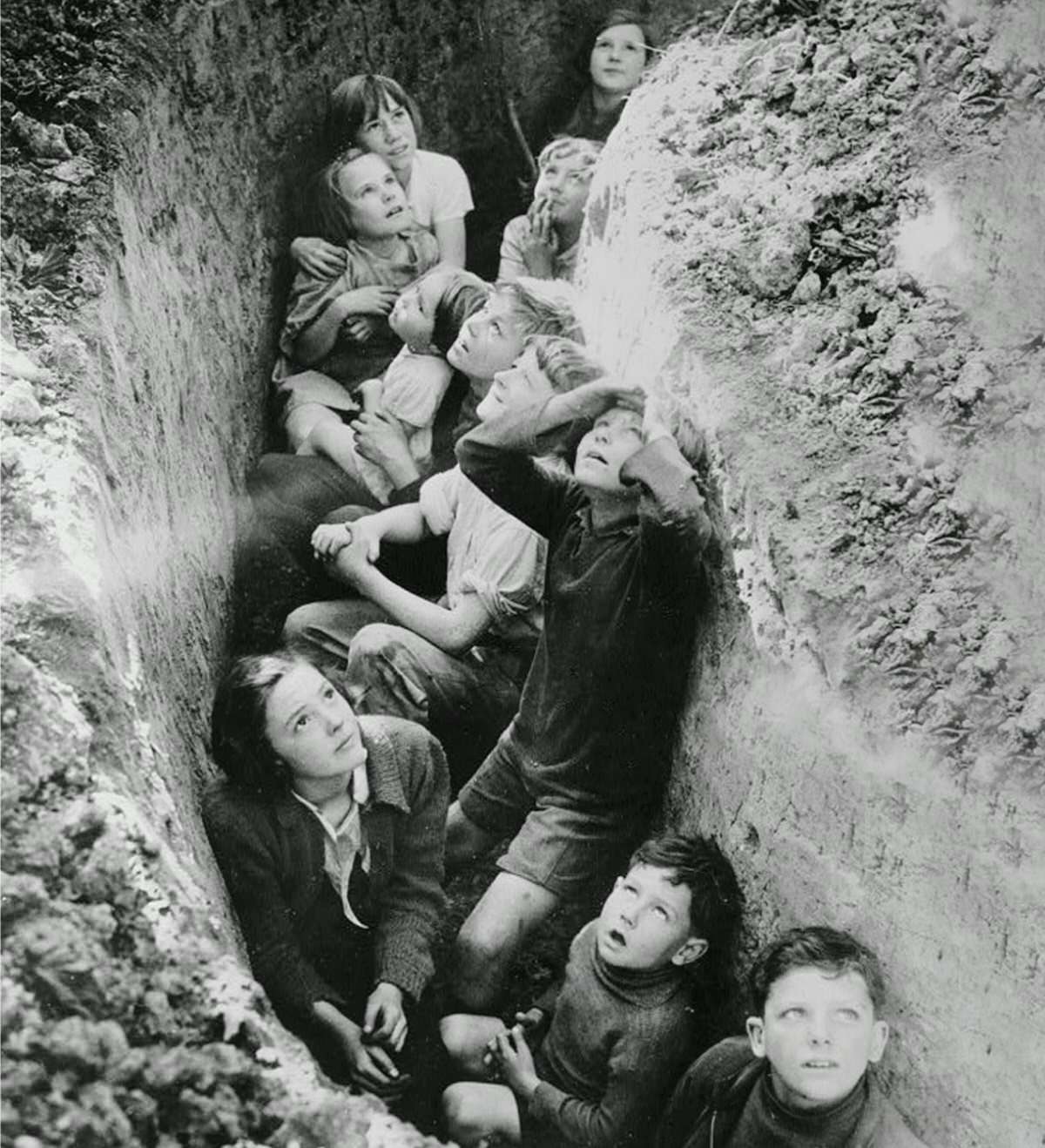
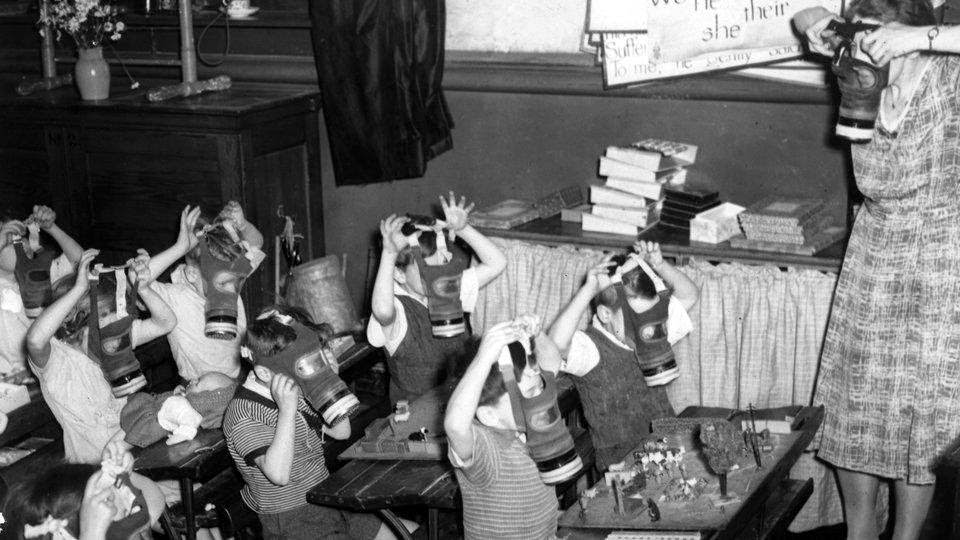
Safety remained a priority throughout the school day. Every student carried a gas mask at all times, including during lunch and play. Teachers held regular drills to make sure every child could put on their mask in less than thirty seconds. If an air raid siren sounded, children moved quickly into trenches or brick shelters built on the school grounds. They sat in these shelters and sang songs or played games until the “all clear” signal sounded.
Schoolchildren also helped the war effort by joining salvage drives. They collected scrap metal, old newspapers, and animal bones. These materials were recycled to build fighter planes and create explosives. During their free time, children gathered rosehips from hedges. The government used these to make rosehip syrup, which provided essential Vitamin C when fresh fruit was unavailable due to shipping blocks. These children lived as refugees within their own country for several years.
#1 Schoolchildren learned how to operate gas masks and were schooled huddled together in underground air raid shelters. Understandably, education sometimes took a backseat to simple survival.
#2 Approximately three million British children were evacuated from their city homes and sent to the countryside during World War II. The first of these mass evacuations took place in early September 1939 and saw children carrying boxes containing their gas masks. A paper label attached to each child identified who they were and their journey details. While in the country, the children continued their education in settings ranging from church halls to pubs – basically, wherever there was room.
Children from well-off families who attended private schools had slightly better luck, as the entire school often moved to the countryside to take up residence and continue classes in a manor house. Some of the evacuated children viewed the experience as a kind of grand adventure, yet others found the separation from their families a great deal more taxing, fearing that they would never get to return home.