
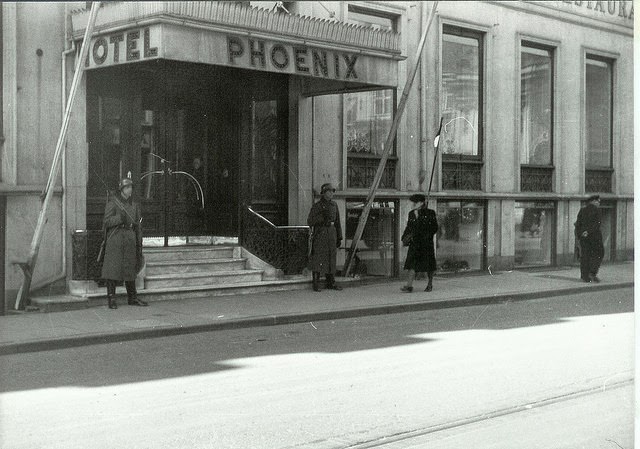
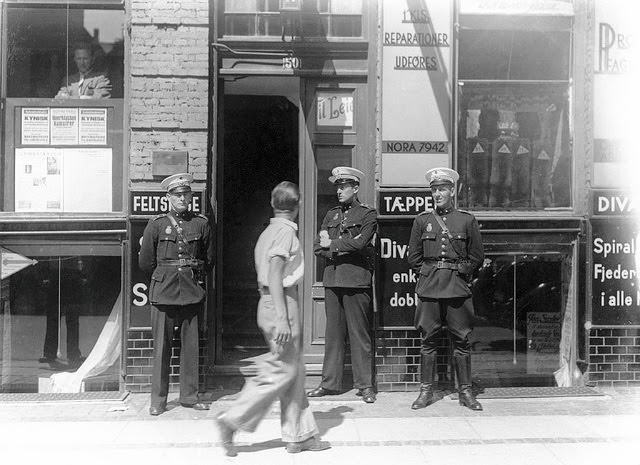
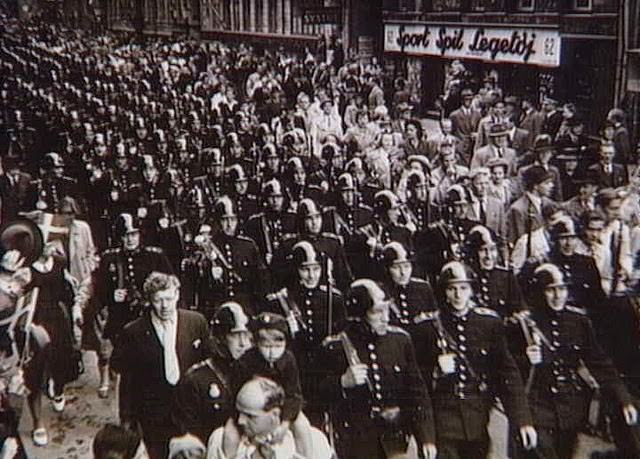
When German forces occupied Denmark on April 9, 1940, they did not immediately dismantle the country’s existing structures. Unlike most occupied nations, Denmark kept its own government, parliament, and king for the first three years of the war. German soldiers patrolled Copenhagen’s streets alongside Danish police officers — an uneasy arrangement that gave the occupation an almost ordinary surface while tension ran underneath everything.
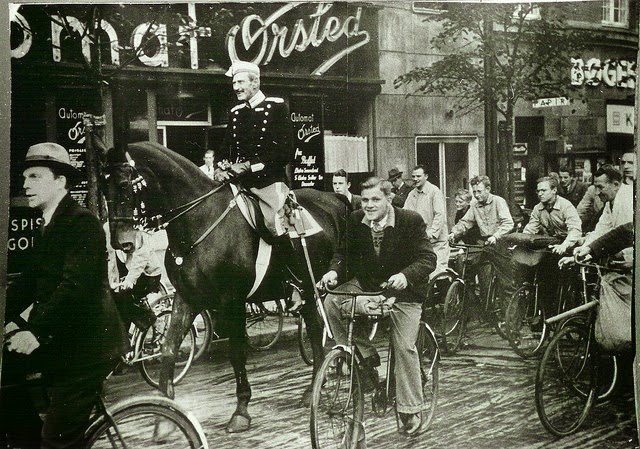
King Christian X became the most visible symbol of resistance to that arrangement. Every morning, he rode his horse, Jubilee, through the capital without a single bodyguard. Citizens lined the sidewalks to tip their hats as he passed. The daily ride was a deliberate, wordless statement: this country still belongs to its people, regardless of the foreign flags hanging over government buildings.
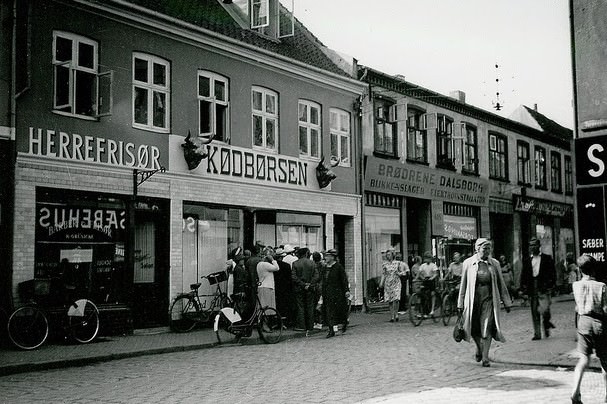
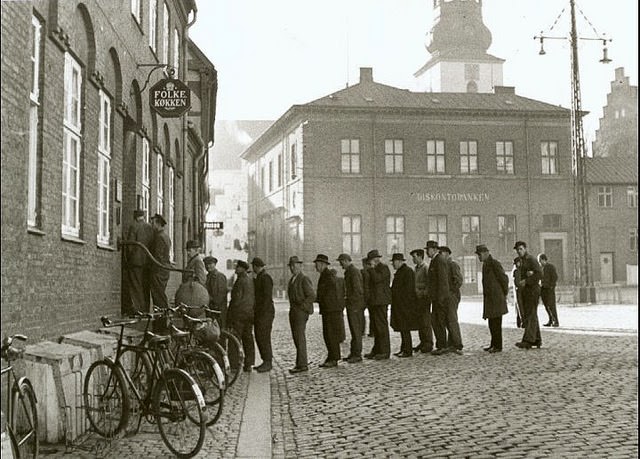
Daily life under occupation meant constant shortages. Real coffee disappeared from shelves almost immediately, replaced by a substitute brewed from roasted grain and chicory root. Rationing cards controlled how much butter, sugar, and bread each family could purchase each week. Heating was the hardest problem to solve. With coal imports cut off, Danes burned peat dug from local bogs — a poor fuel that burned slowly, smelled foul, and left apartments damp and cold through the freezing winters. Long queues outside butchers, soup kitchens, and food shops became part of the weekly routine.
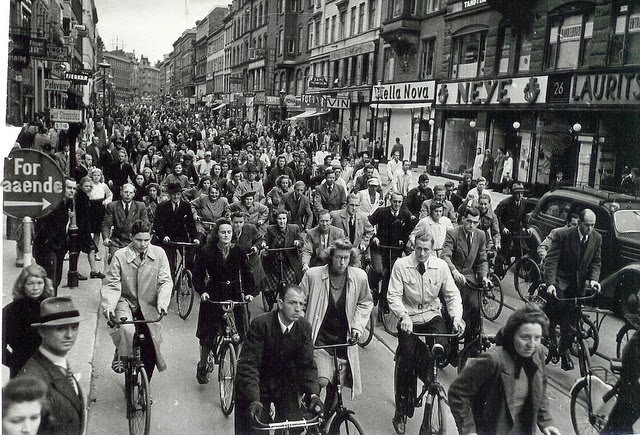
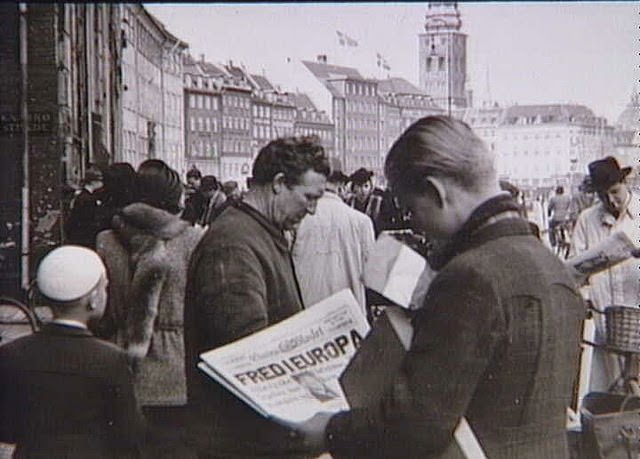
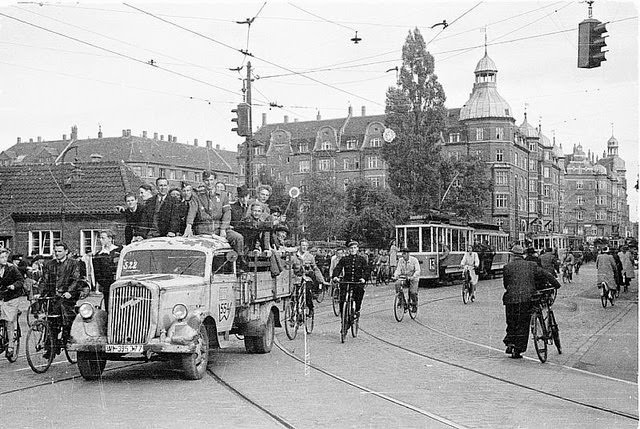
Getting around the city still happened, but under new and difficult conditions. Fuel shortages pushed most Danes onto bicycles. Nørrebrogade and other major Copenhagen streets filled with cyclists rather than cars, giving the occupation-era city a distinctive look that photographers captured throughout the war years.
At night, a full blackout was enforced across the country. Every window had to be covered with heavy black paper or thick curtains so that no light was visible from above. Streetlamps were painted dark blue or switched off entirely, making travel after dark genuinely dangerous. In response, a tradition called Alsang — community singing — spread across the country. Thousands gathered in parks and public squares to sing traditional Danish songs. Because singing was not illegal, the gatherings gave people a way to express defiance without risking arrest.
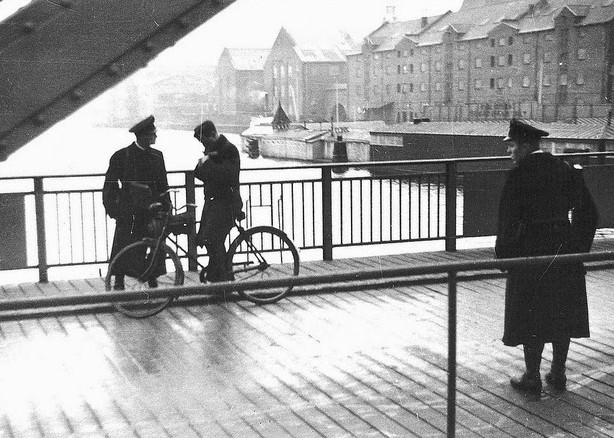
The HIPO Corps — Danish collaborators who worked with the German police — enforced occupation rules on the ground. They stopped civilians on bridges and at checkpoints to inspect identity papers, adding an ever-present threat of detention to ordinary errands.
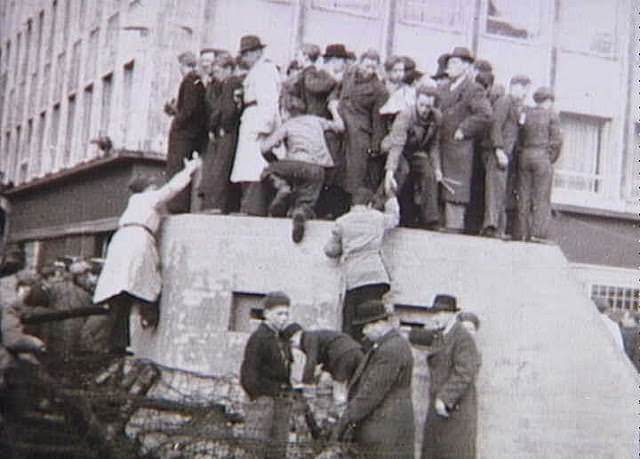
As the war dragged on, resistance grew bolder and more organized. Saboteurs targeted railway lines used by German forces to move troops and supplies to Norway. Young men placed explosives on the tracks, derailing trains and disrupting military shipments. Bridges were also targeted. In March 1945, Langebro in Copenhagen was hit, drawing crowds who gathered to look at the damage.
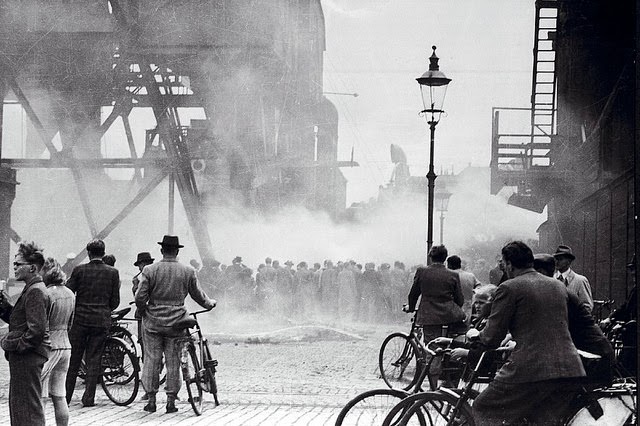
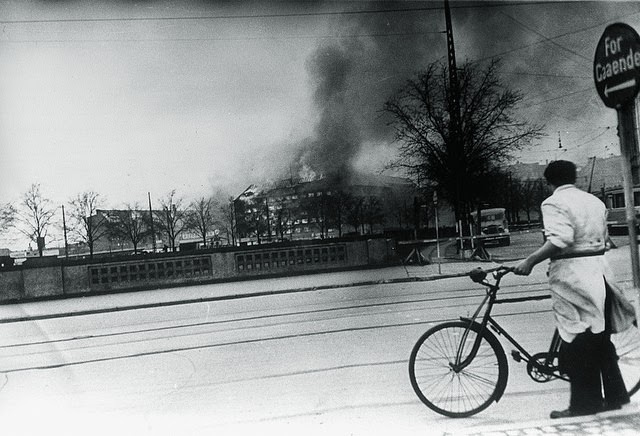
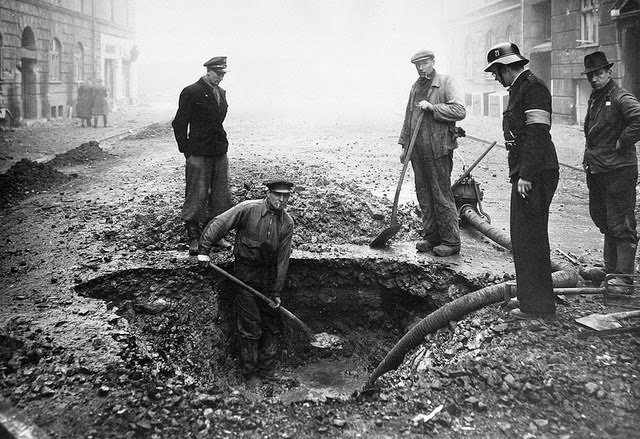
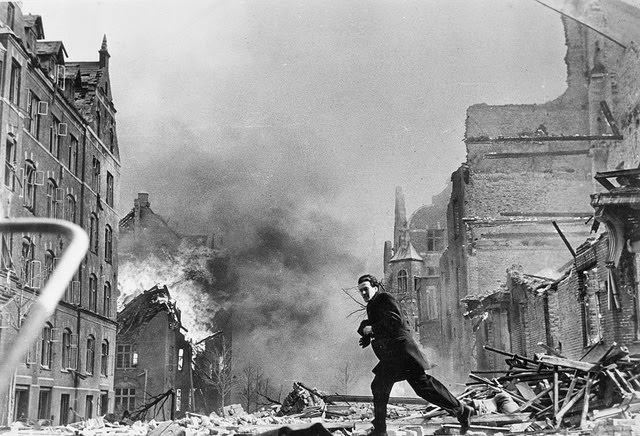
The RAF also struck German targets inside Denmark. On April 18, 1944, British aircraft bombed the Shellhouse in Copenhagen — the Gestapo’s headquarters — setting it ablaze. A bomb crater left at Njalsgade stood as physical evidence of another RAF raid. The Jeanne d’Arc School in Frederiksberg caught fire on March 21, 1945, during a raid targeting the Gestapo’s Shellhouse in a separate operation, with tragic civilian consequences.
In autumn 1943, one of the war’s most remarkable rescue operations unfolded. When news leaked that the German police planned to arrest and deport Denmark’s Jewish population, ordinary citizens acted fast. Neighbors hid Jewish families in attics, hospitals, and churches. Fishermen then used small boats to ferry over 7,000 people across the dark waters of Øresund to neutral Sweden, concealing them under canvas tarps that smelled of fish — an attempt to throw off German patrol dogs. Meanwhile, Danish police who had been arrested and sent to concentration camps in Germany began making their way home in 1945.
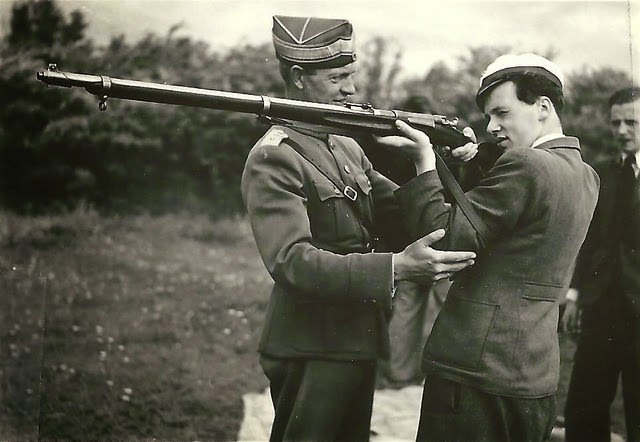
Resistance members also organized into structured units. The Academic Rifle Club trained fighters in small arms use, with instructors like Captain Hingel preparing men like Harald Heering for armed conflict. Mobile units with bicycles, such as Kompagni Vest, were deployed during the final days of the occupation at key locations including the Slotsholm area of Copenhagen.
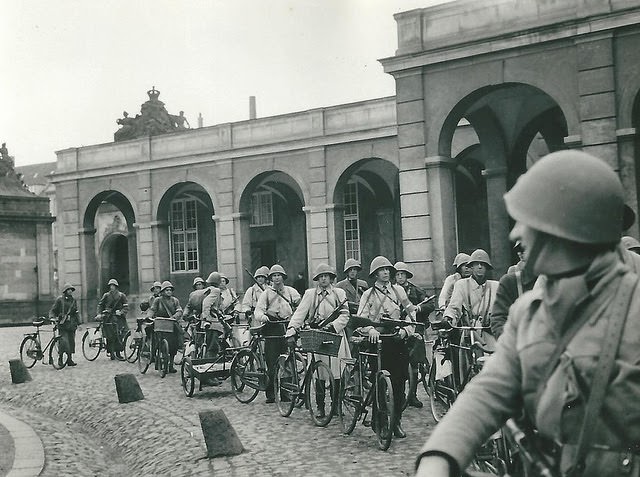
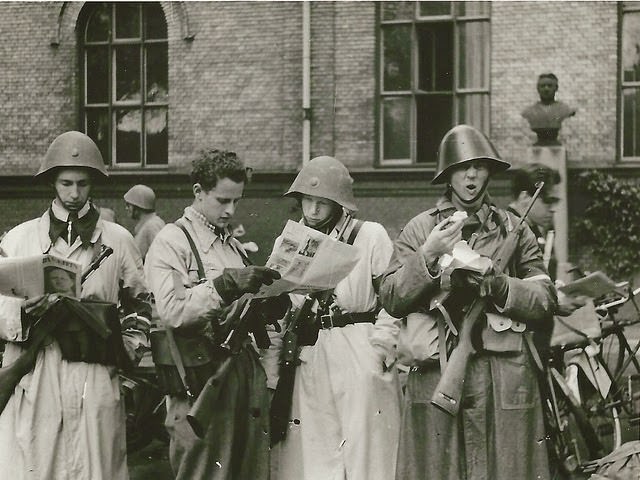
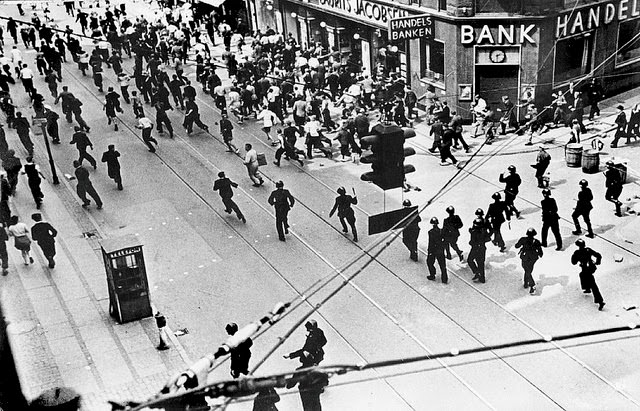
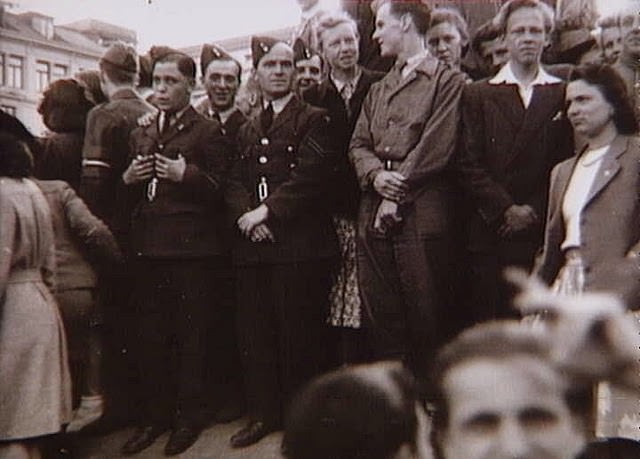
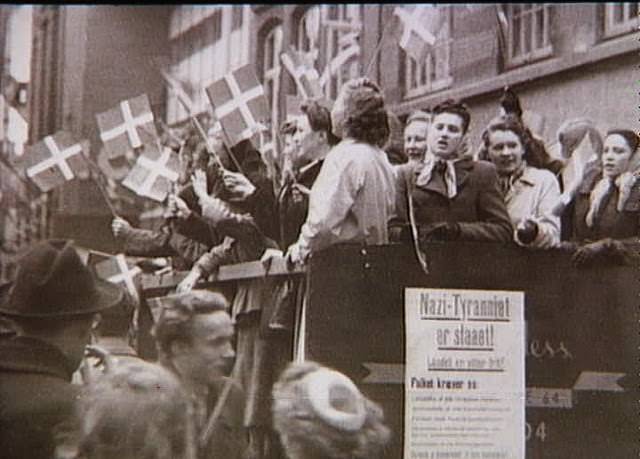
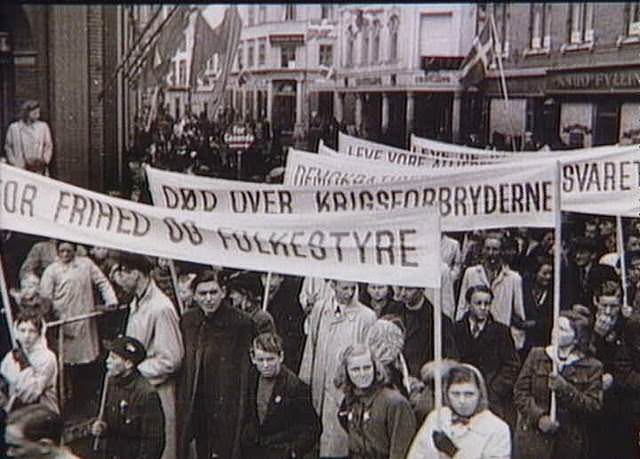
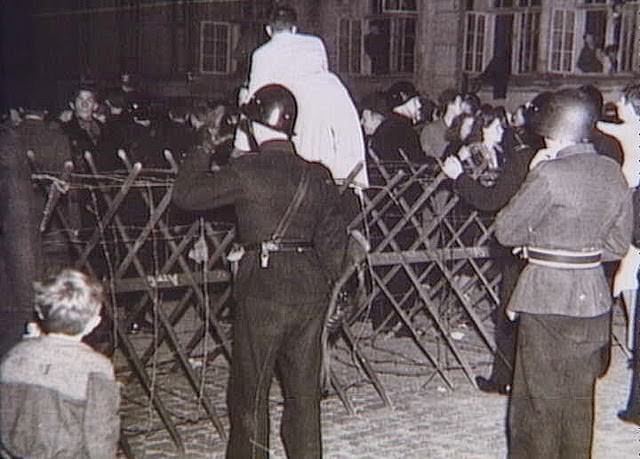
On May 5, 1945, Germany’s surrender in Denmark was announced. Fighting between freedom fighters and HIPO collaborators broke out in the streets as the occupation collapsed. At Flakhaven in Odense, resistance members engaged German soldiers directly. In Copenhagen, freedom fighters seized German vehicles and set up checkpoints on major roads, inspecting cars at Nørrebrogade and gathering at Rådhuspladsen in the captured German cars.
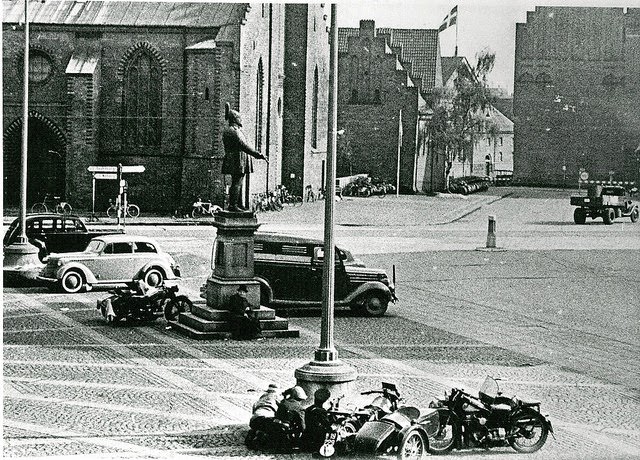
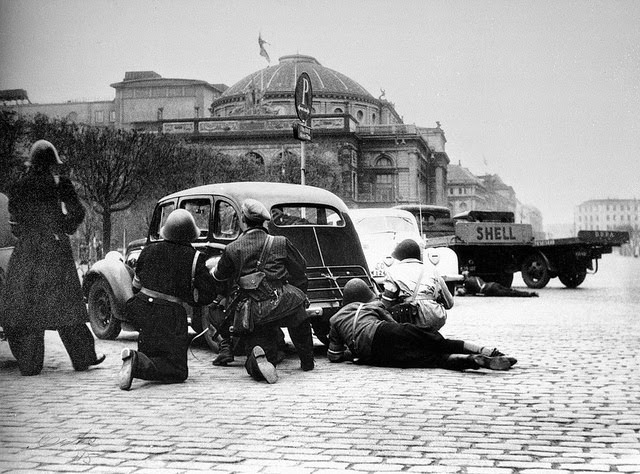
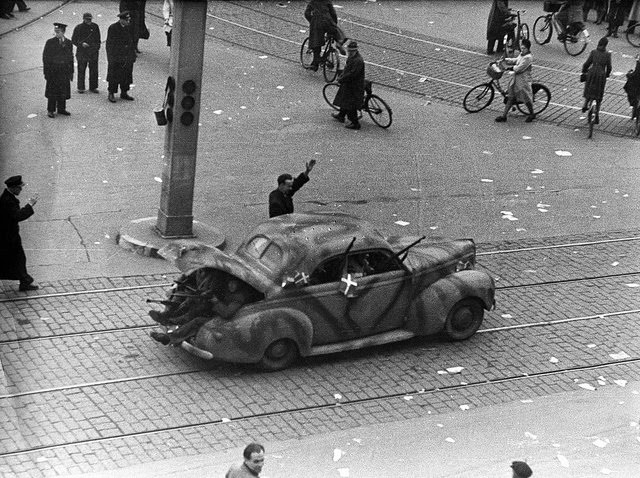
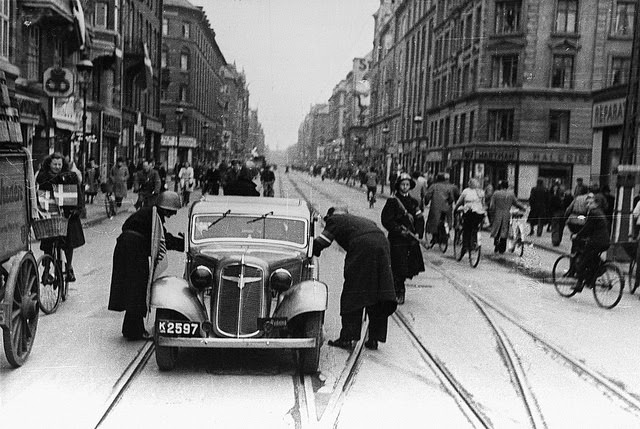
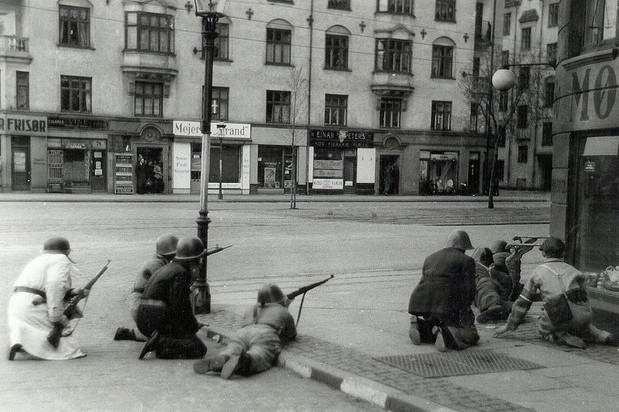
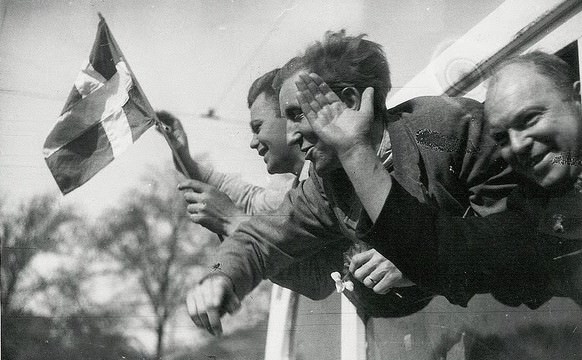
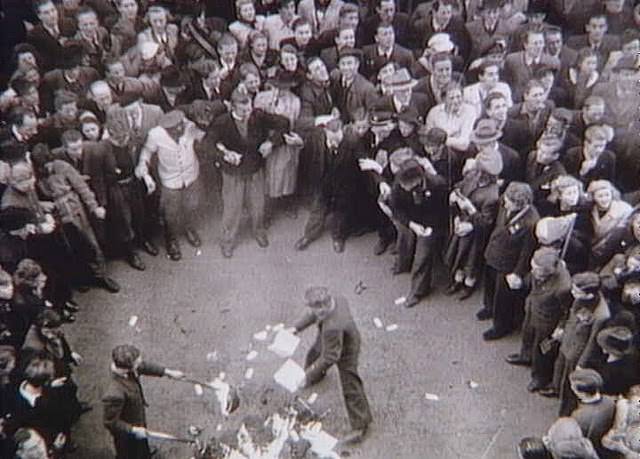
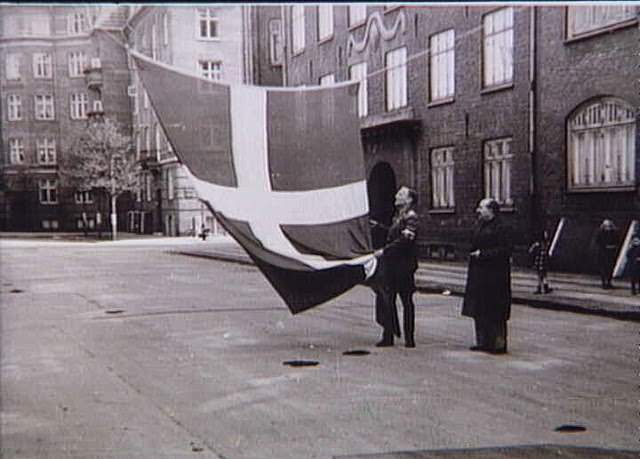
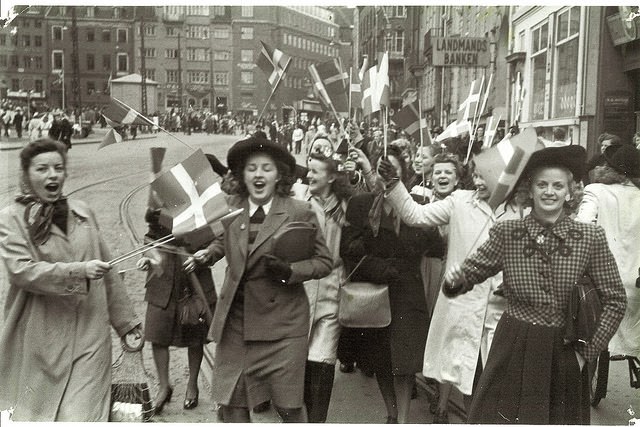
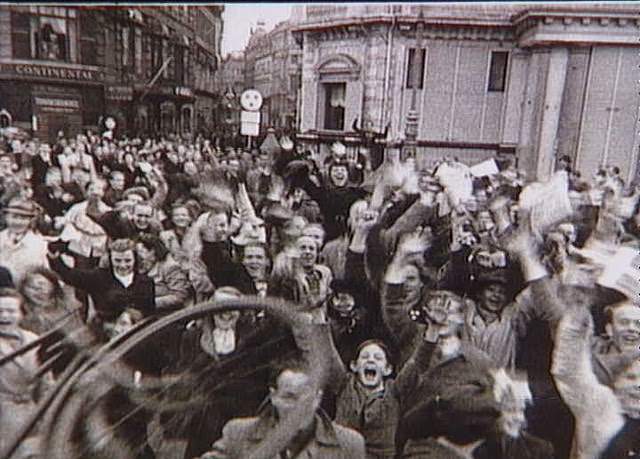
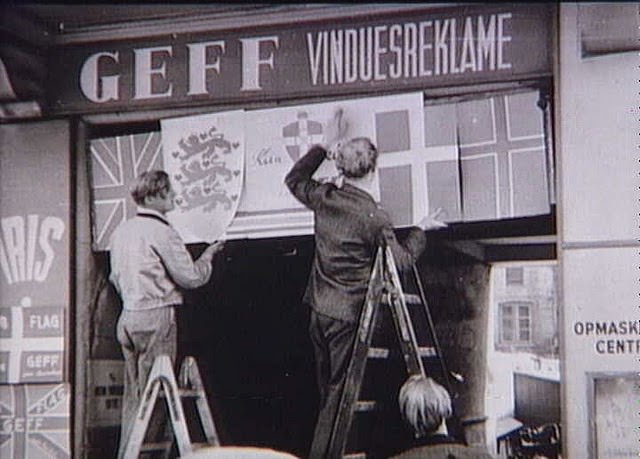
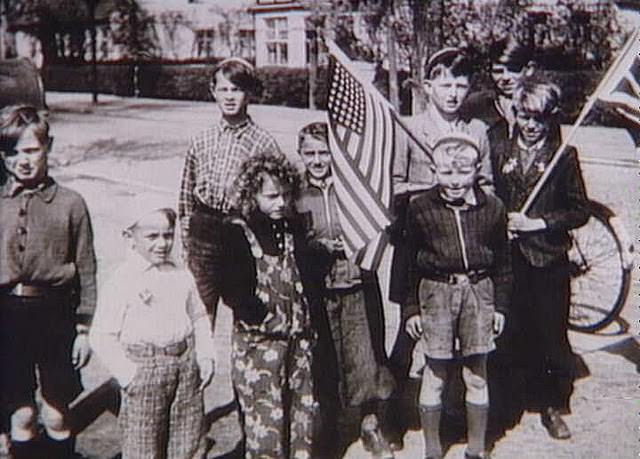
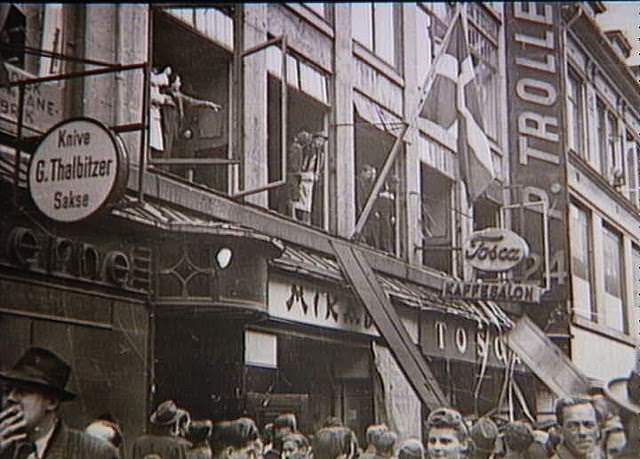
As the German grip on the country broke, crowds took to the streets. People at the central squares waved Danish flags. At Dagmarhus — the German headquarters during the occupation — Danes burned papers left behind by the retreating forces. The Dannebrog, the Danish flag, flew openly again for the first time in five years.
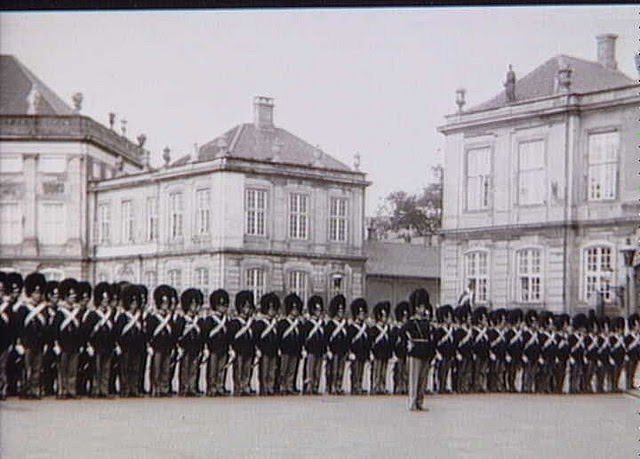
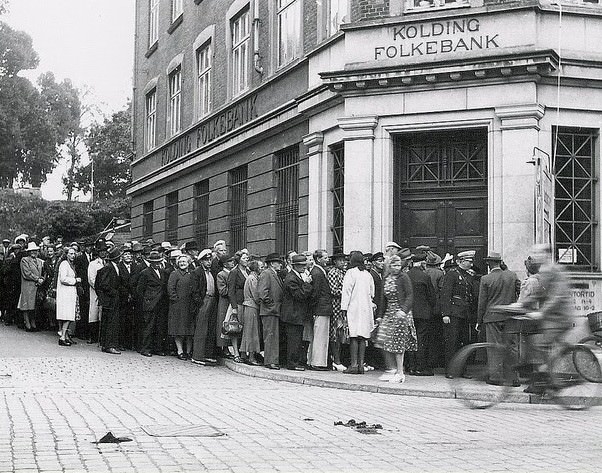
On June 10, 1945, the Royal Guard returned to Amalienborg Palace, replacing the wartime police presence and restoring the formal ceremonial order that had been disrupted by the occupation. Practical matters followed quickly — a currency reform in July 1945 sent long queues snaking outside banks in cities like Kolding, as Danes exchanged old occupation-era money.
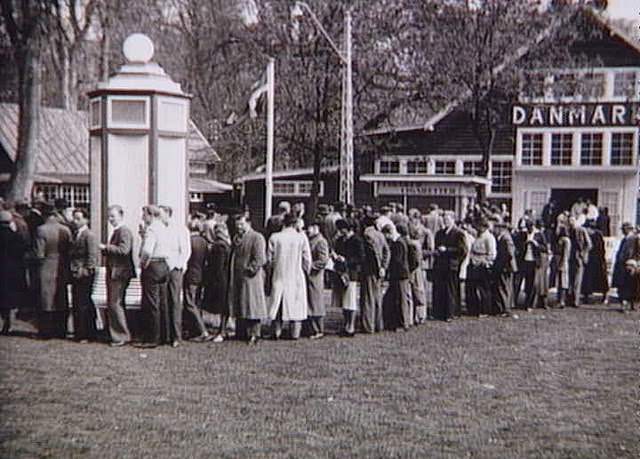
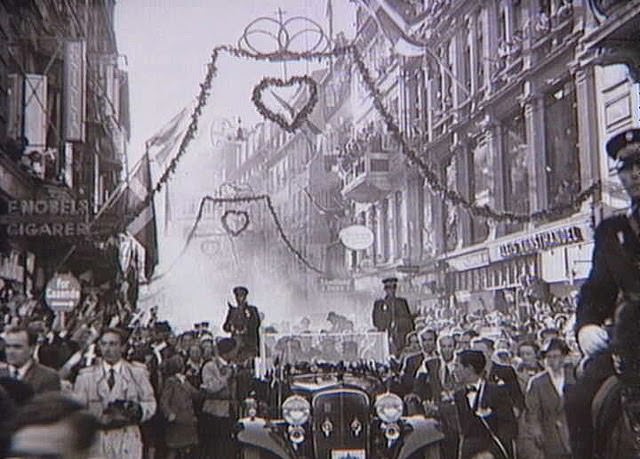
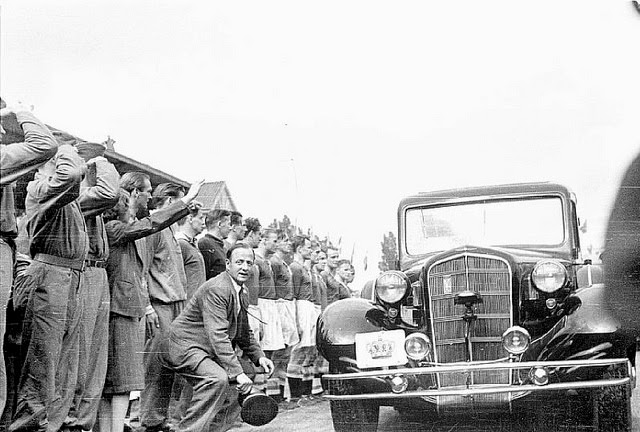
The return of normal life brought small but significant moments. By summer 1945, crowds gathered at Bakken amusement park. King Christian X rode through Copenhagen’s Strøget in September 1945, and later attended the first football match against Sweden after the liberation alongside the queen — gestures that signaled an attempt to reconnect with peacetime rhythms after five years of occupation.
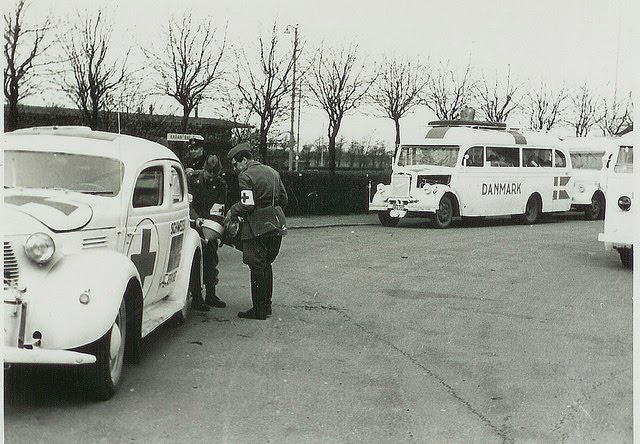
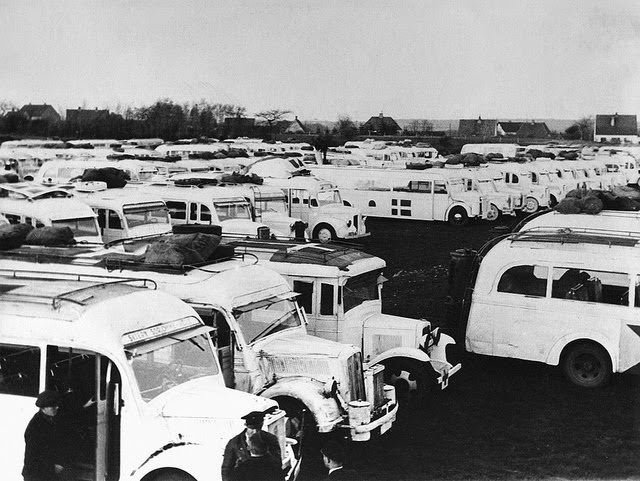




I believe the White buses were Red Cross buses used to move DP or Displaced Persons. One famous episode involving Red Cross buses was – at the end of the war Himmler was trying to curry favor with the Allies. His contact with the Allies was Swedish diplomat Count Bernadotte. Himmler promised to release thousands of Jews in return for a role in the post war period ( as if – what a joke ).
A quote from Berndottes Wiki:
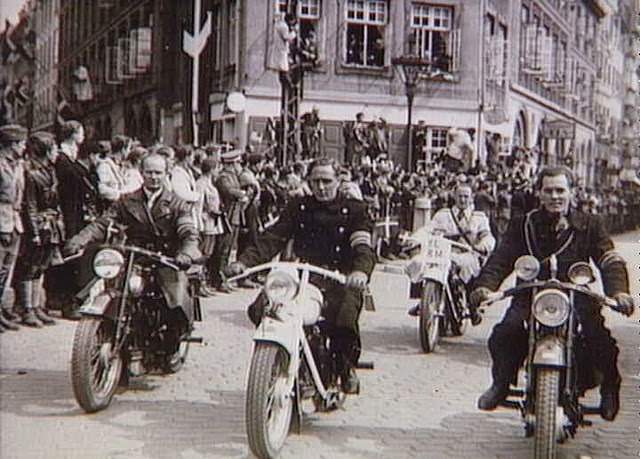
“The mission became known for its buses, painted entirely white except for the Red Cross emblem on the side, so that they would not be mistaken for military targets. In total it included 308 personnel (about 20 medics and the rest volunteer soldiers), 36 hospital buses, 19 trucks, seven passenger cars, seven motorcycles, a tow truck, a field kitchen, and full supplies for the entire trip, including food and gasoline, none of which was permitted to be obtained in Germany. A count of 21,000 people rescued included 8,000 Danes and Norwegians, 5,911 Poles, 2,629 French, 1,615 Jews, and 1,124 Germans.
After Germany’s surrender, the White Buses mission continued in May and June and about 10,000 additional liberated prisoners were thus evacuated.
Bernadotte recounted the White Buses mission in his book The End. My Humanitarian Negotiations in Germany in 1945 and Their Political Consequences, published on June 15, 1945 in Swedish.”
Really interesting stuff.