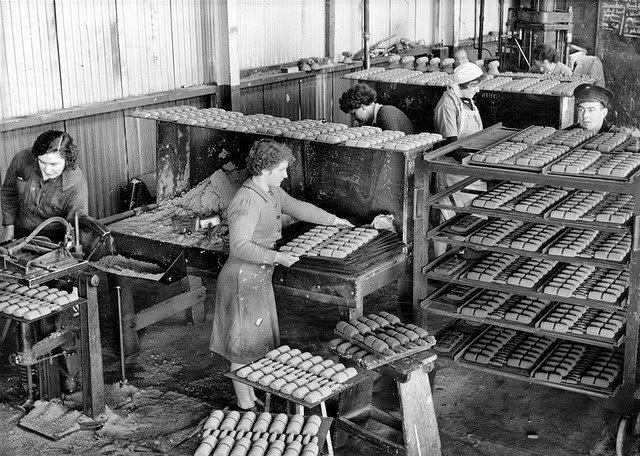
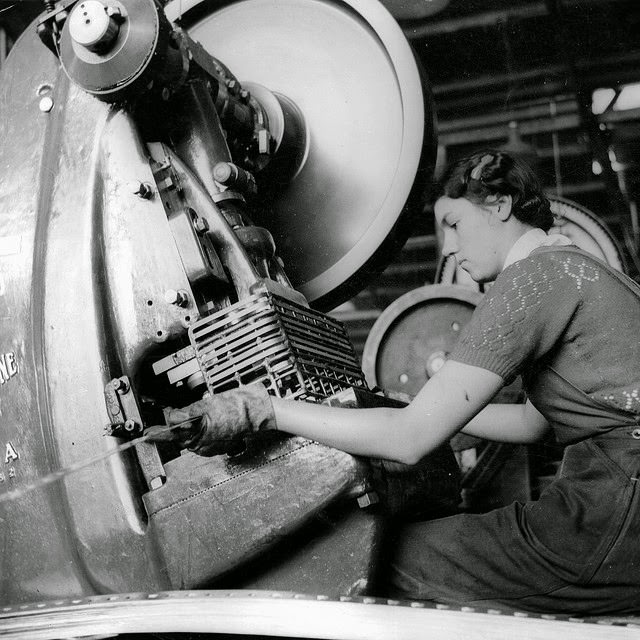
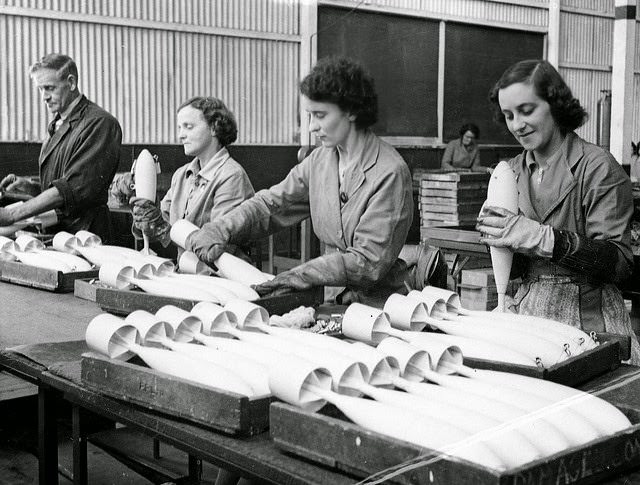
By April 1941, Australian factories were running short of workers. Thousands of men had enlisted, leaving industrial jobs empty across the country. The government’s Directorate of Manpower responded by pulling workers out of non-essential industries and pushing them toward military production. Luxury goods and everyday items were cut from factory output entirely. That shift opened factory doors to a workforce that had never been allowed inside them before — women.
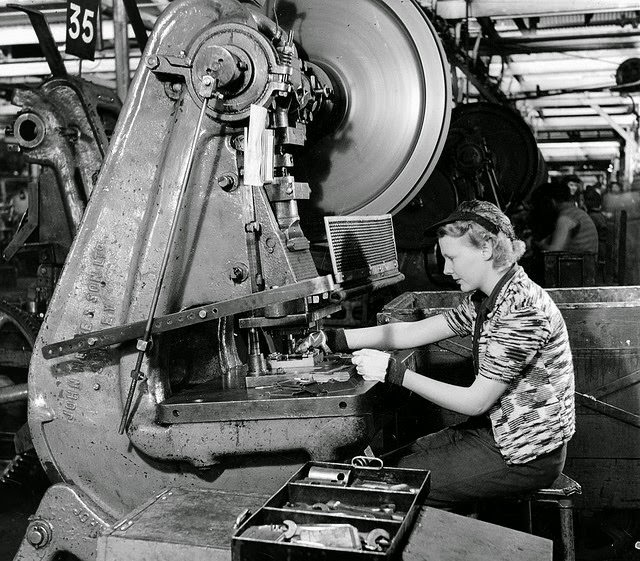
South Australia became one of the country’s most important centres for munitions production. The government built large facilities at Hendon, Finsbury, and Salisbury to keep up with the demand for weapons and aircraft parts. The Hendon Small Arms Ammunition Factory concentrated on producing .303 rifle bullets and 9mm ammunition. Machines ran constantly, churning out millions of rounds and cooling them with lubricating fluid that foamed up like white fairy floss. At its peak, the Hendon site alone employed thousands of workers, with women making up a large share of the production line.
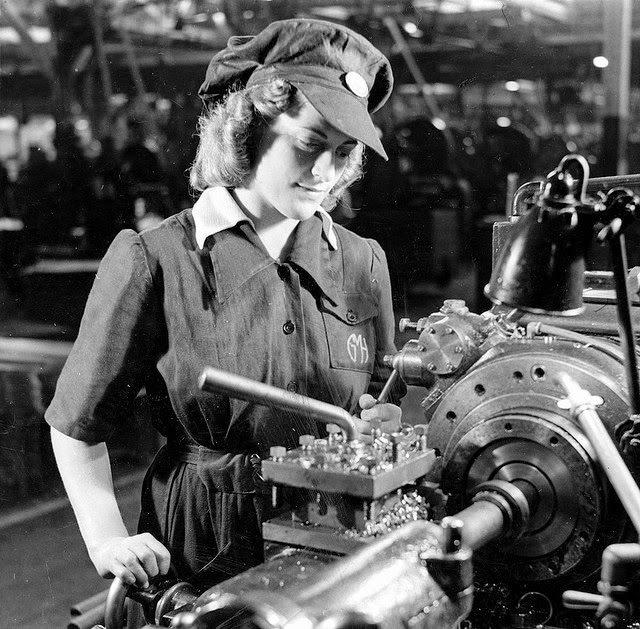
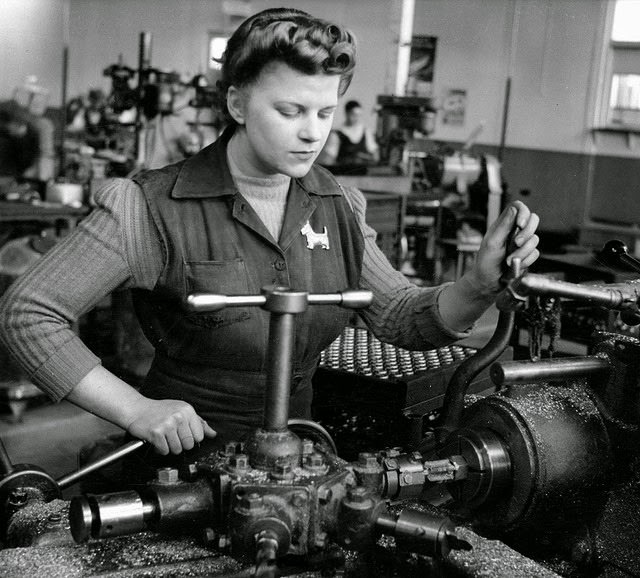
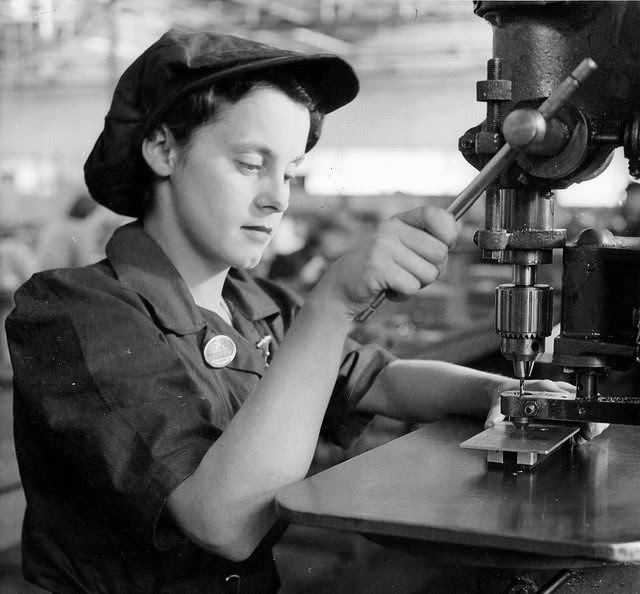
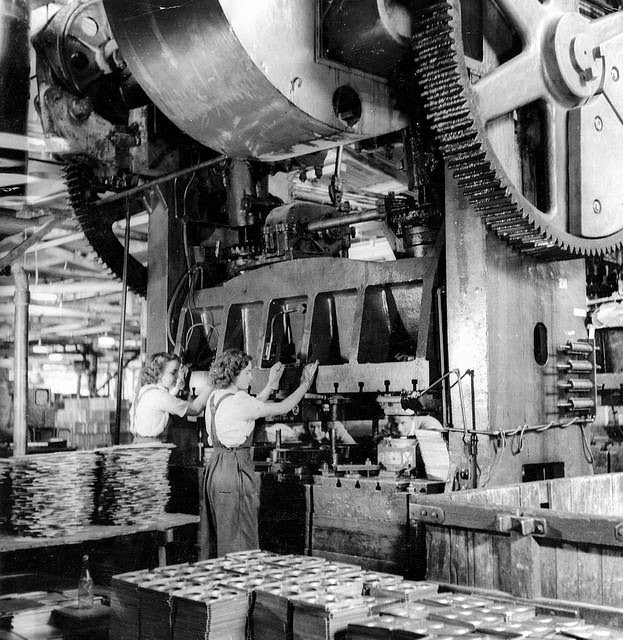
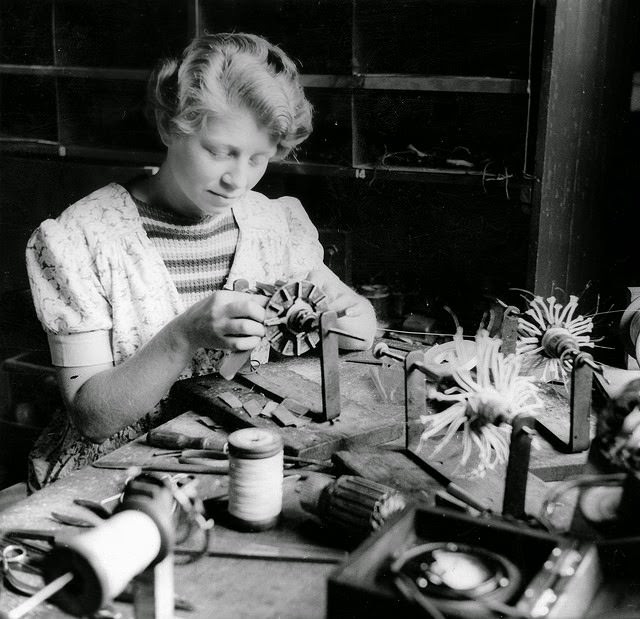
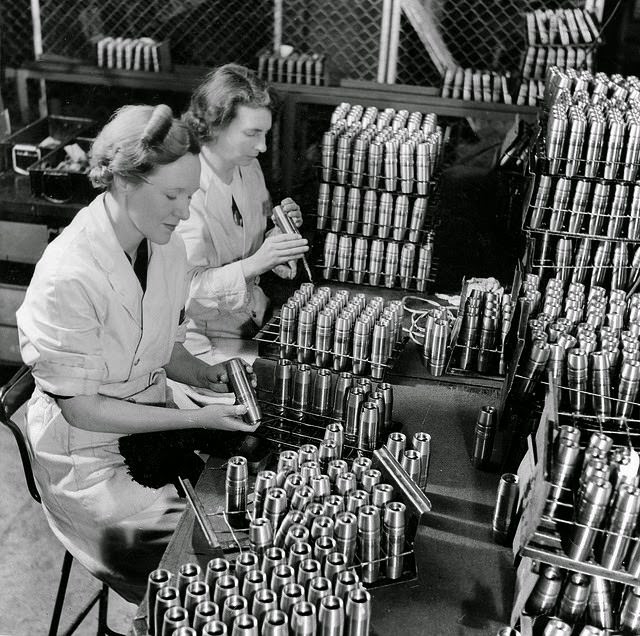
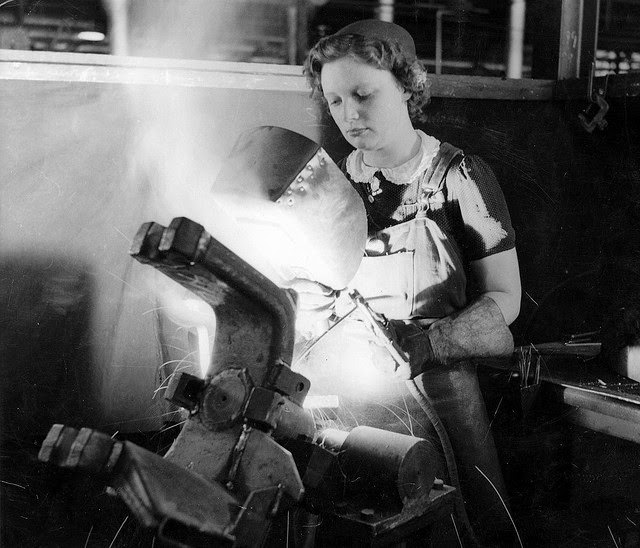
The work these women took on was far from simple. Across the factories, they operated heavy presses, ran drilling machines, welded aircraft components, and assembled intricate fuse parts for anti-aircraft shells.
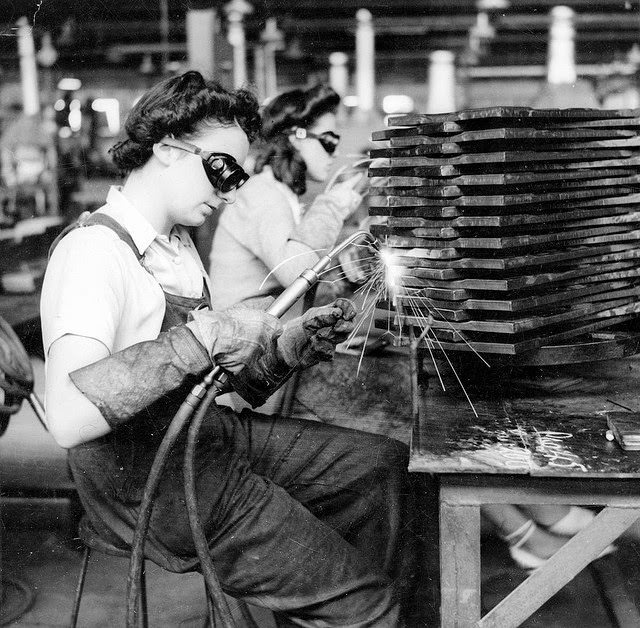
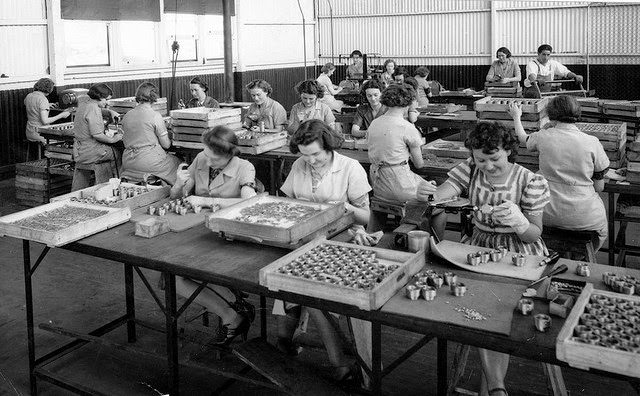
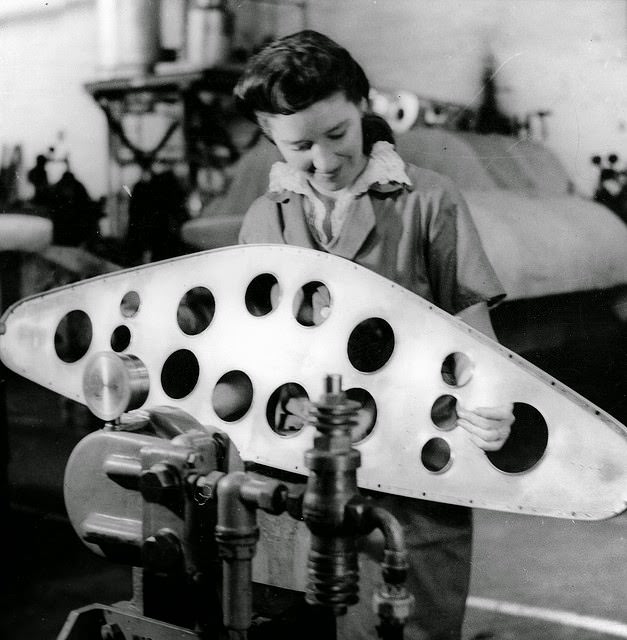
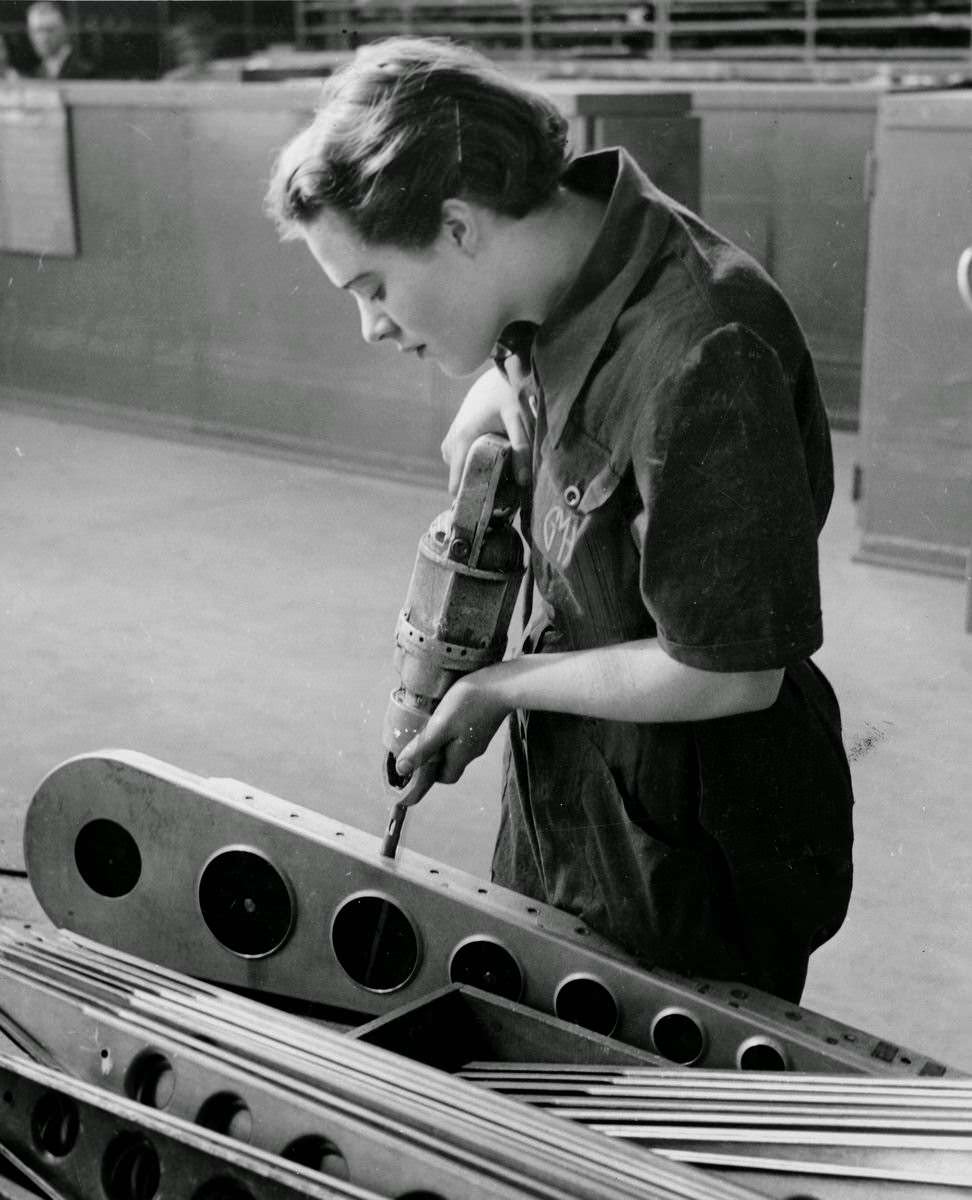
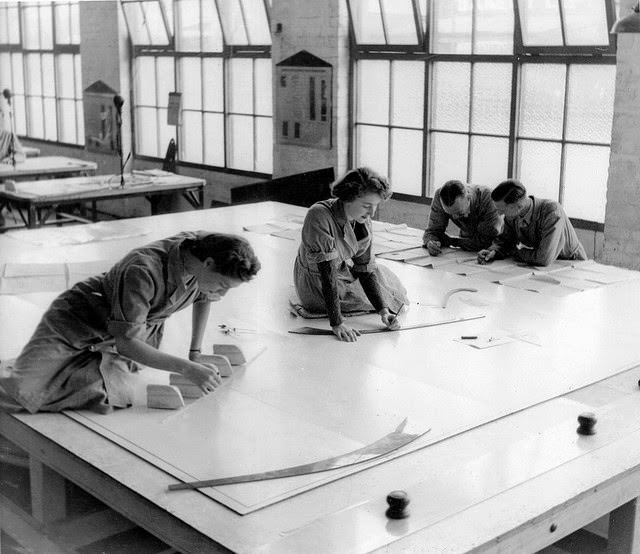
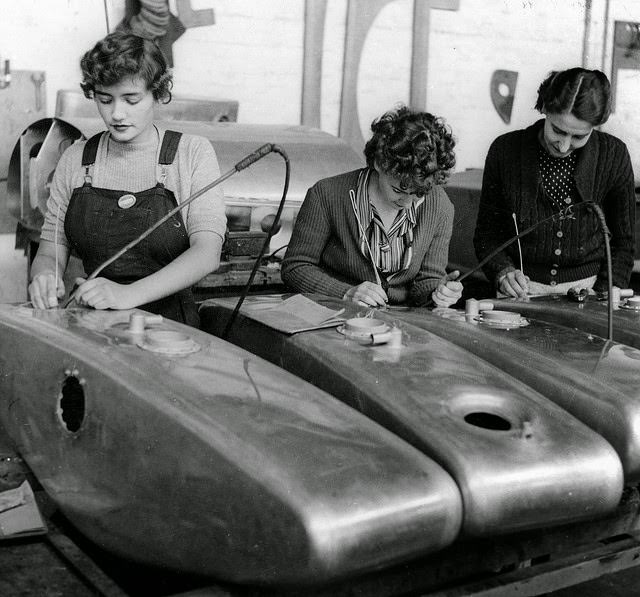
Beaufort bomber production was a major part of the workload. Women assembled oil tanks, riveted bomber ribs, drilled aircraft parts with portable tools, and worked alongside military engineers reviewing technical plans. These were skilled, precise jobs that required training and concentration under pressure.
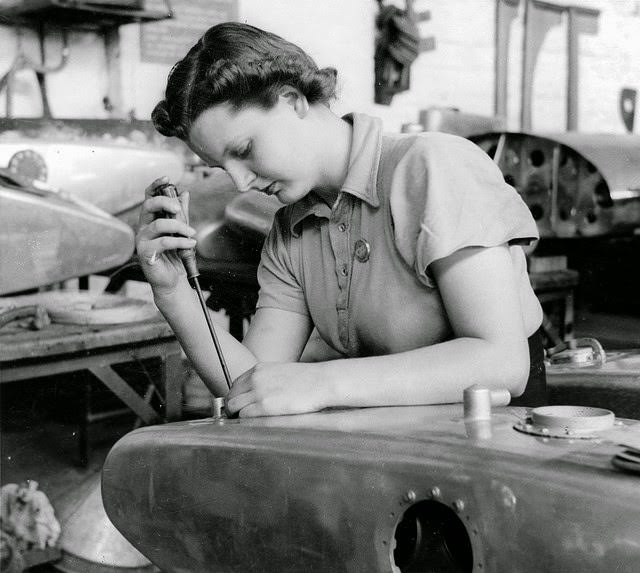
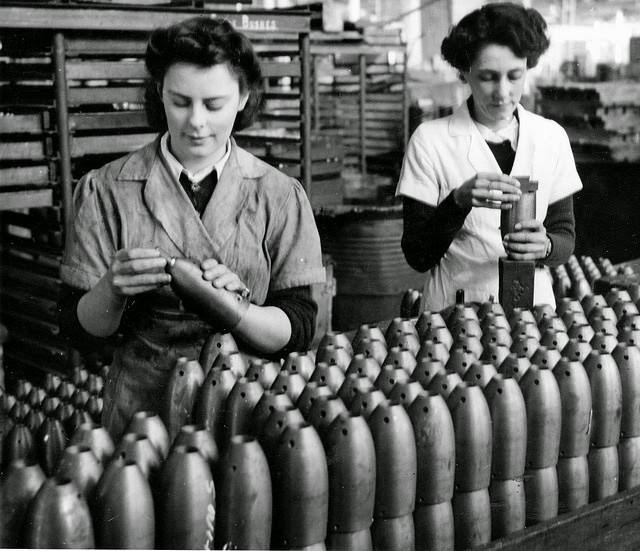
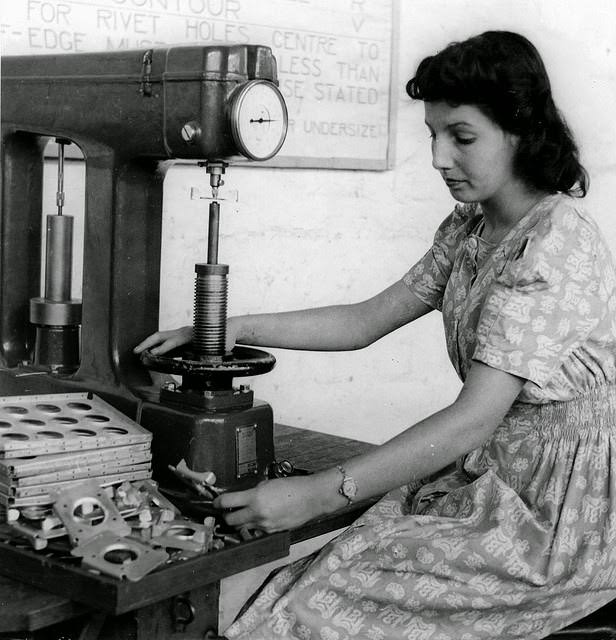
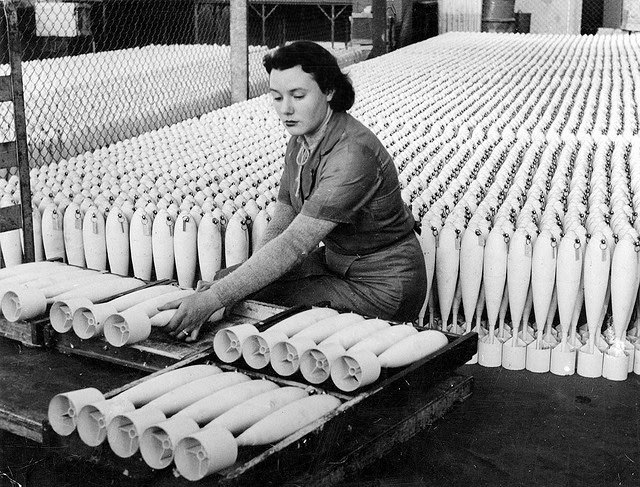
Quality control was taken seriously throughout every stage of production. Workers tested components for hardness, inspected shell cases, and checked bomb bodies before anything moved forward in the manufacturing process.
The most dangerous assignments were at the Salisbury Explosives Factory, also known as Penfield. There, women filled 25-pound artillery shells and anti-tank mines with high explosives including TNT and cordite. The site was so large it had its own internal tramway system to move materials between buildings safely. Workers handled toxic chemical dust daily, which caused skin rashes and discolouration. Strict rules banned matches and any metal objects that could produce a spark. A single mistake risked a catastrophic explosion.
Factories ran 24 hours a day, six days a week. Women worked rotating shifts, including overnight schedules. Special trains ran from Adelaide to the Salisbury site, with some services arriving as late as 12:43 AM to drop off night shift workers. For those who lived too far to travel, the government built accommodation near the factories. At Finsbury, hundreds of women lived in fibro huts, forming a close-knit community shaped entirely by the demands of war production.
Despite doing the same dangerous work as men, female munitions workers were paid far less. Early in the war, women earned only a fraction of the male wage for identical tasks. The Directorate of Manpower and industrial unions both resisted calls for equal pay, arguing it would unsettle the labour market once the war was over. After sustained lobbying, some wages were raised to around 75 percent of the male rate — but the gap never closed. The government was open about its position: these jobs were temporary, and women were expected to return to domestic life after the war.
Outside the factory, life was governed by rationing. Meat, sugar, butter, and tea were all restricted. Women used ration coupons to buy these basics, often standing in queues after completing a 12-hour shift. Clothing was tightly regulated too, pushing workers to mend old garments rather than replace them. Safety overalls and caps became standard daily wear, replacing what people had worn before the war changed everything.