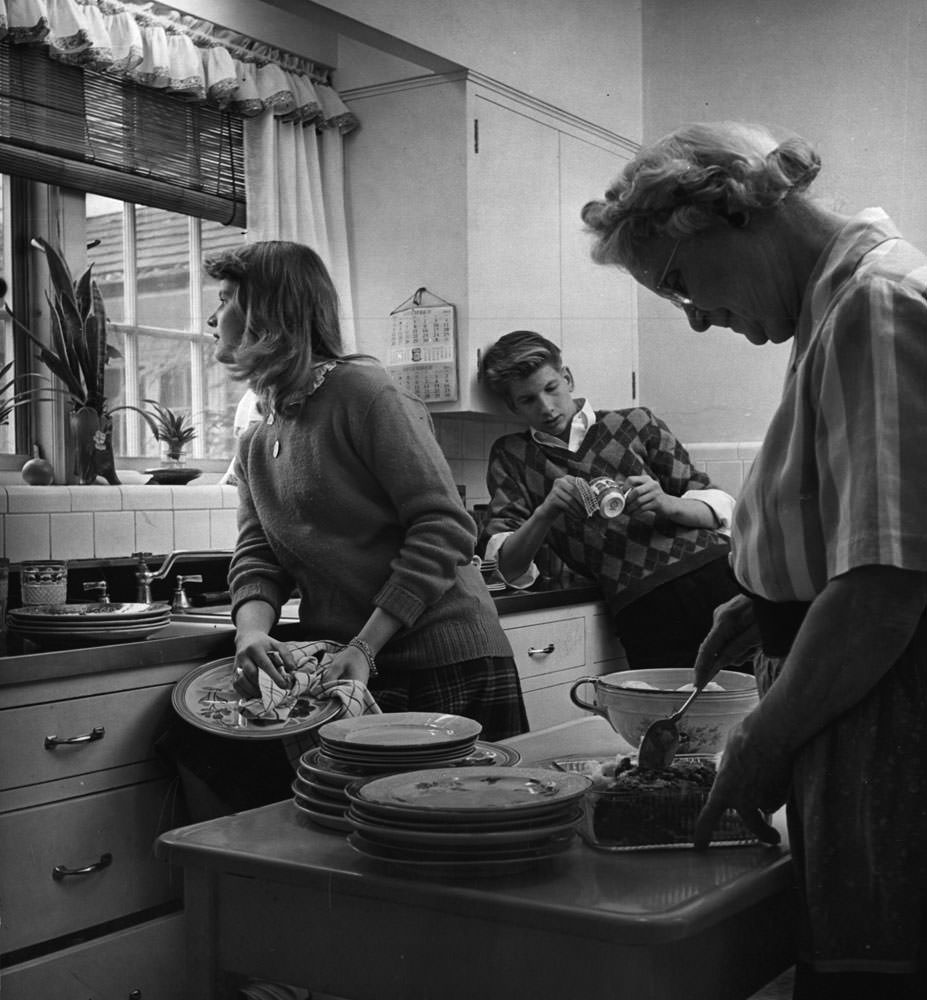
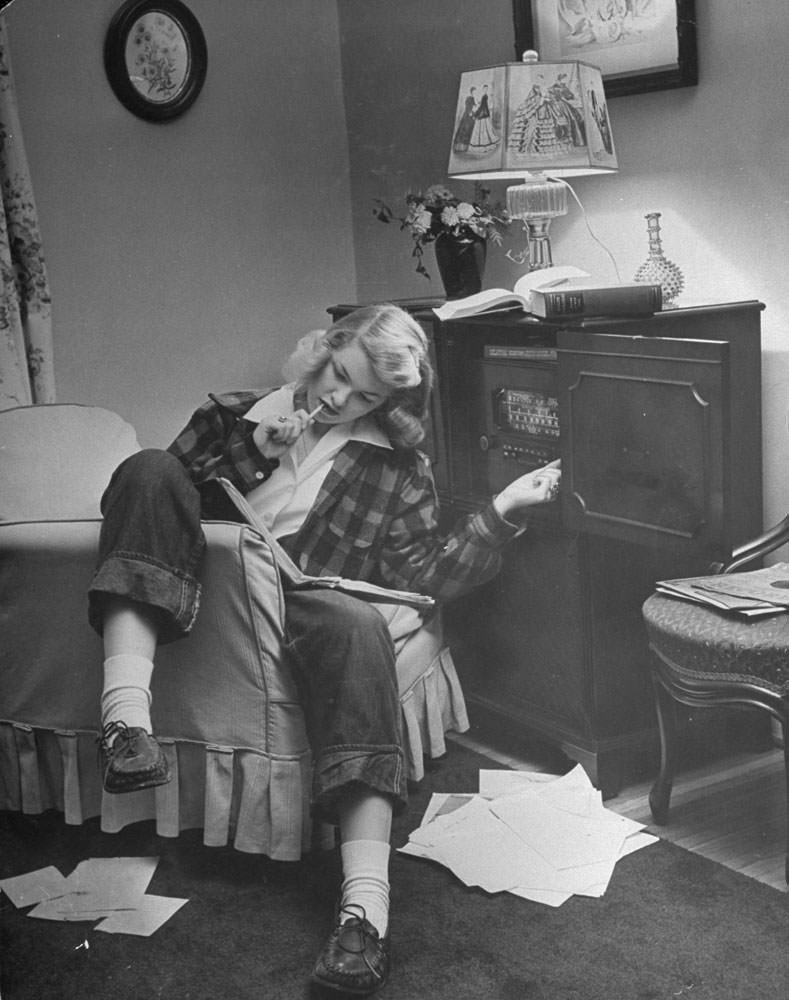
In 1944, LIFE photographer Nina Leen traveled to Webster Groves, Missouri, and spent time with twelve girls between the ages of fifteen and seventeen. The photographs she took offered a rare, close-up look at a world most adults only observed from the outside — the daily lives of American teenage girls during World War II.
The war touched these girls in real but indirect ways. Fathers, brothers, and older boyfriends were away in military service. Rationing limited food, clothing, and gasoline. Yet for many teens, the conflict felt like a distant backdrop. School, friends, and weekend plans filled the foreground of their lives.
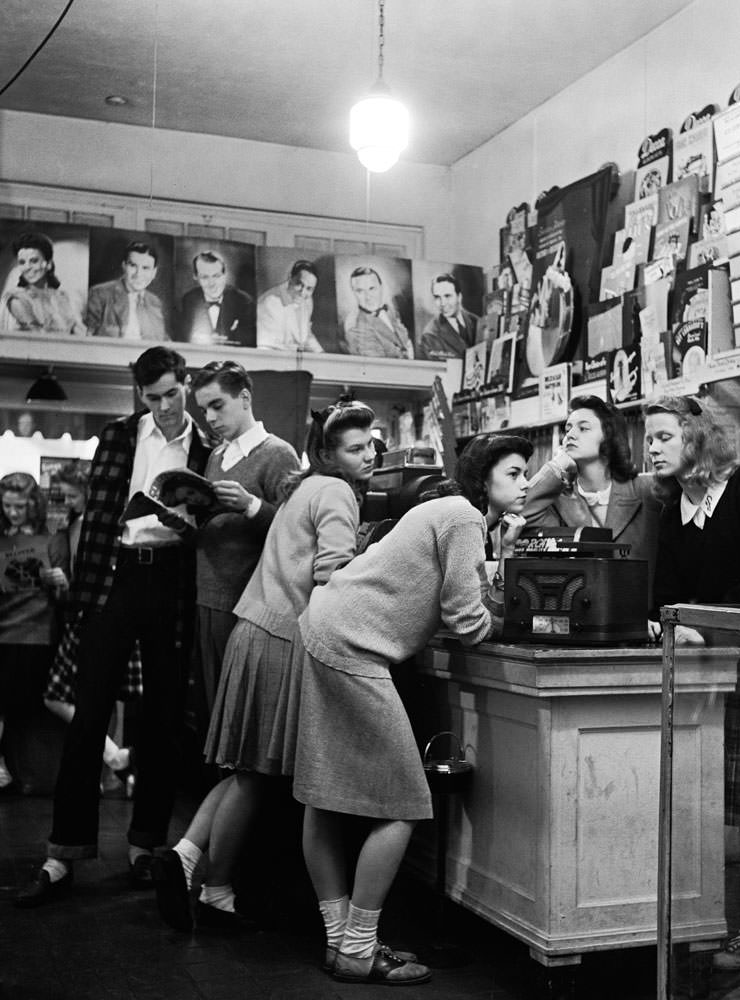
High school attendance grew significantly during this decade, particularly among white, middle-class girls. Alongside standard academic subjects, girls took home economics — learning cooking, sewing, and household management. These classes were not electives. They reflected a firm social expectation: most girls would become wives and mothers.
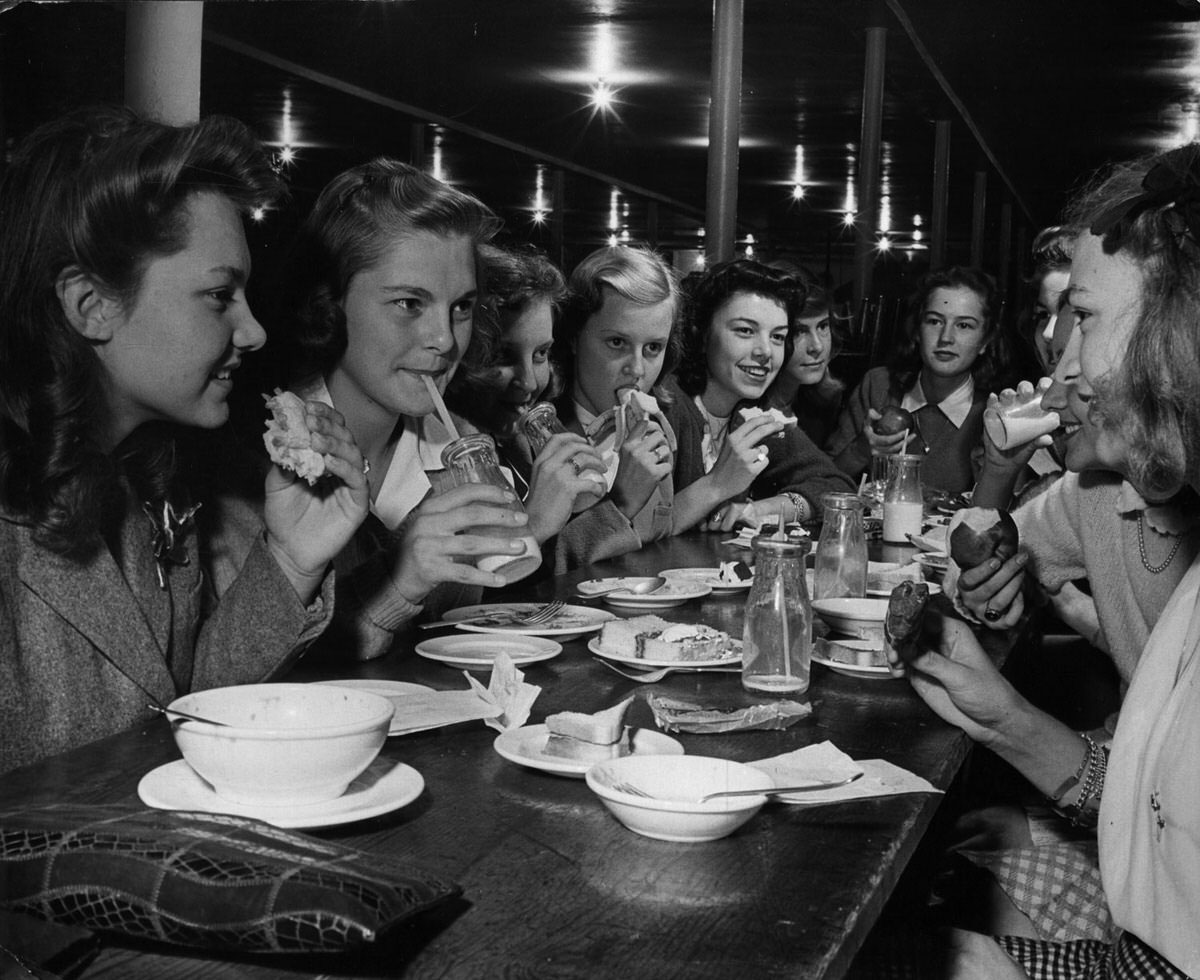
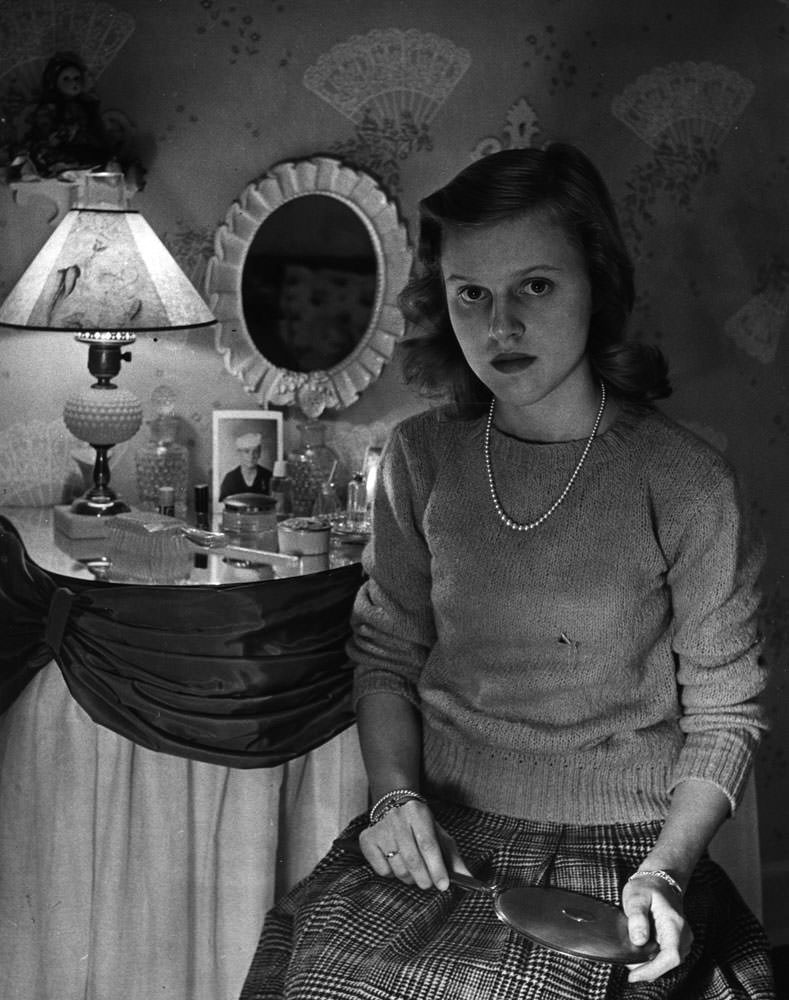
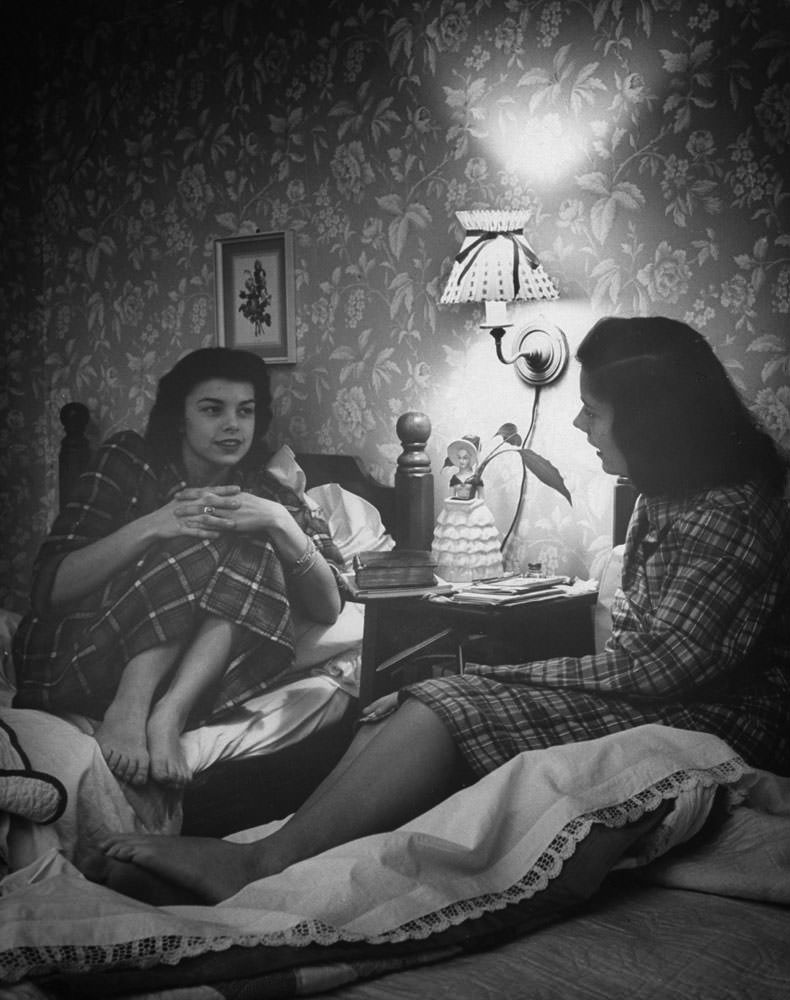
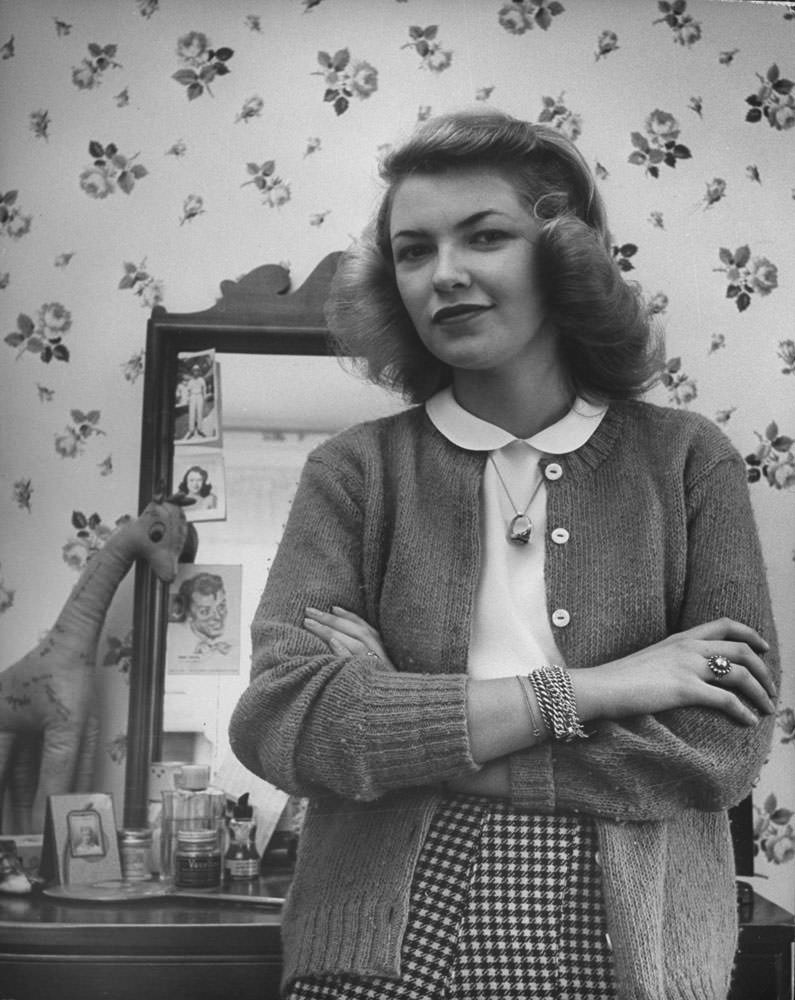
Friendships were the center of social life. Girls formed tight, emotionally close circles where secrets, anxieties, and future plans were freely shared. These groups set the tone for opinions on fashion, dating, and popularity. Sleepovers — called hen parties — were a regular fixture, and one girl often stayed the night after the others went home.
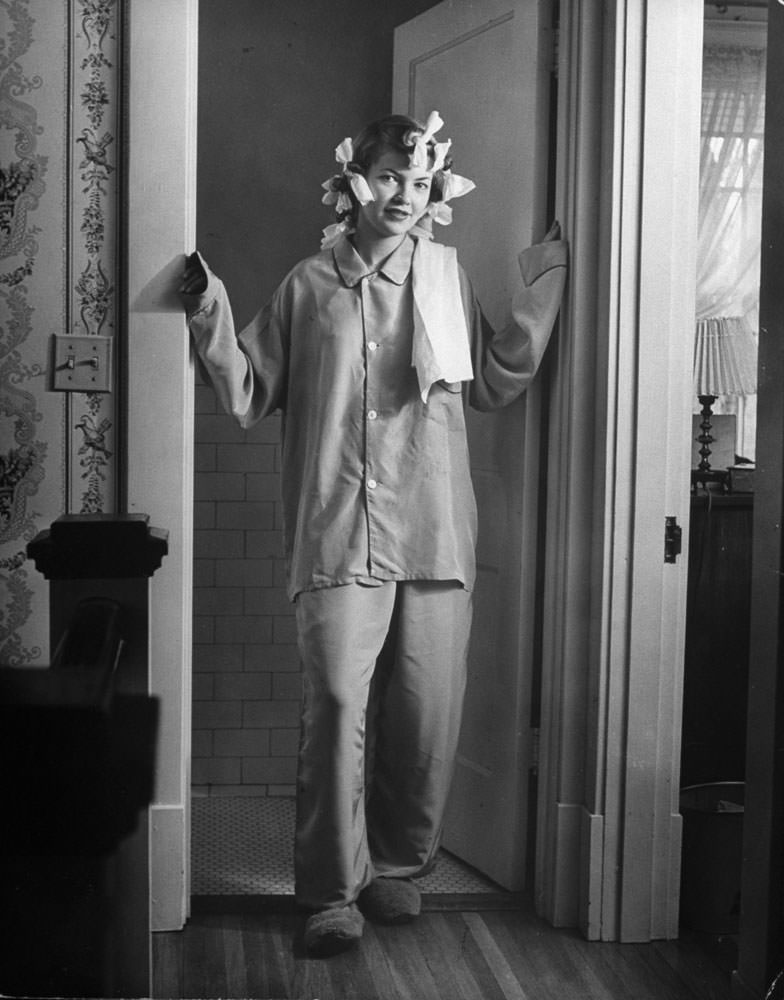
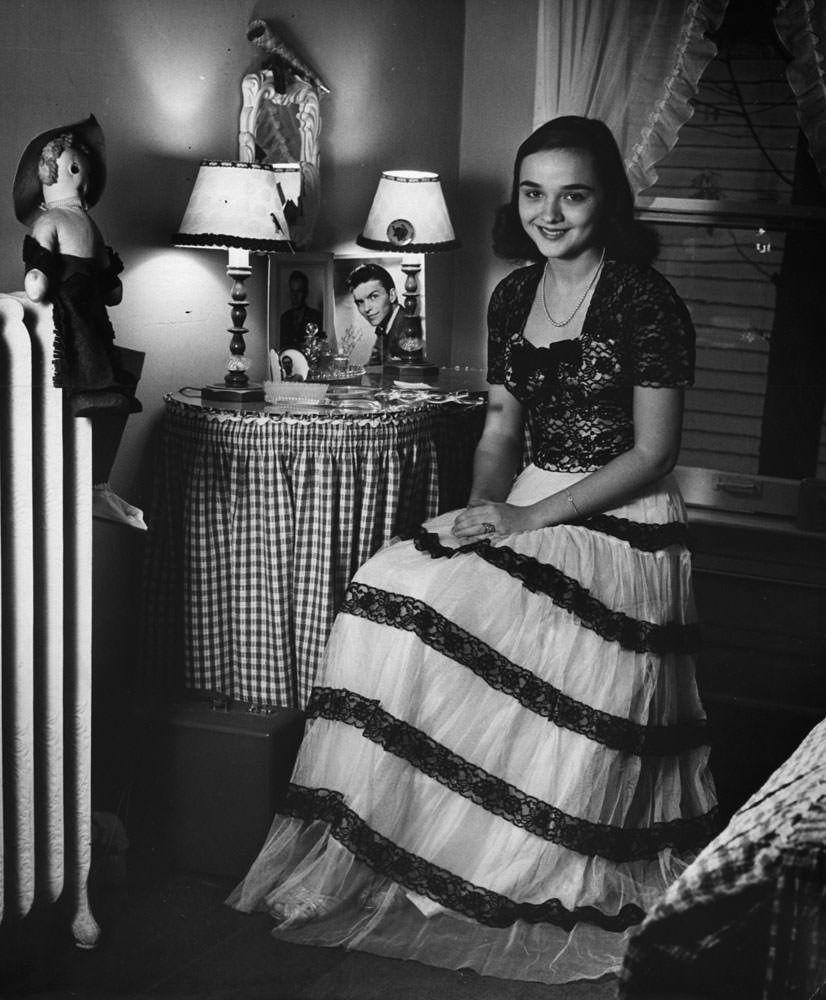
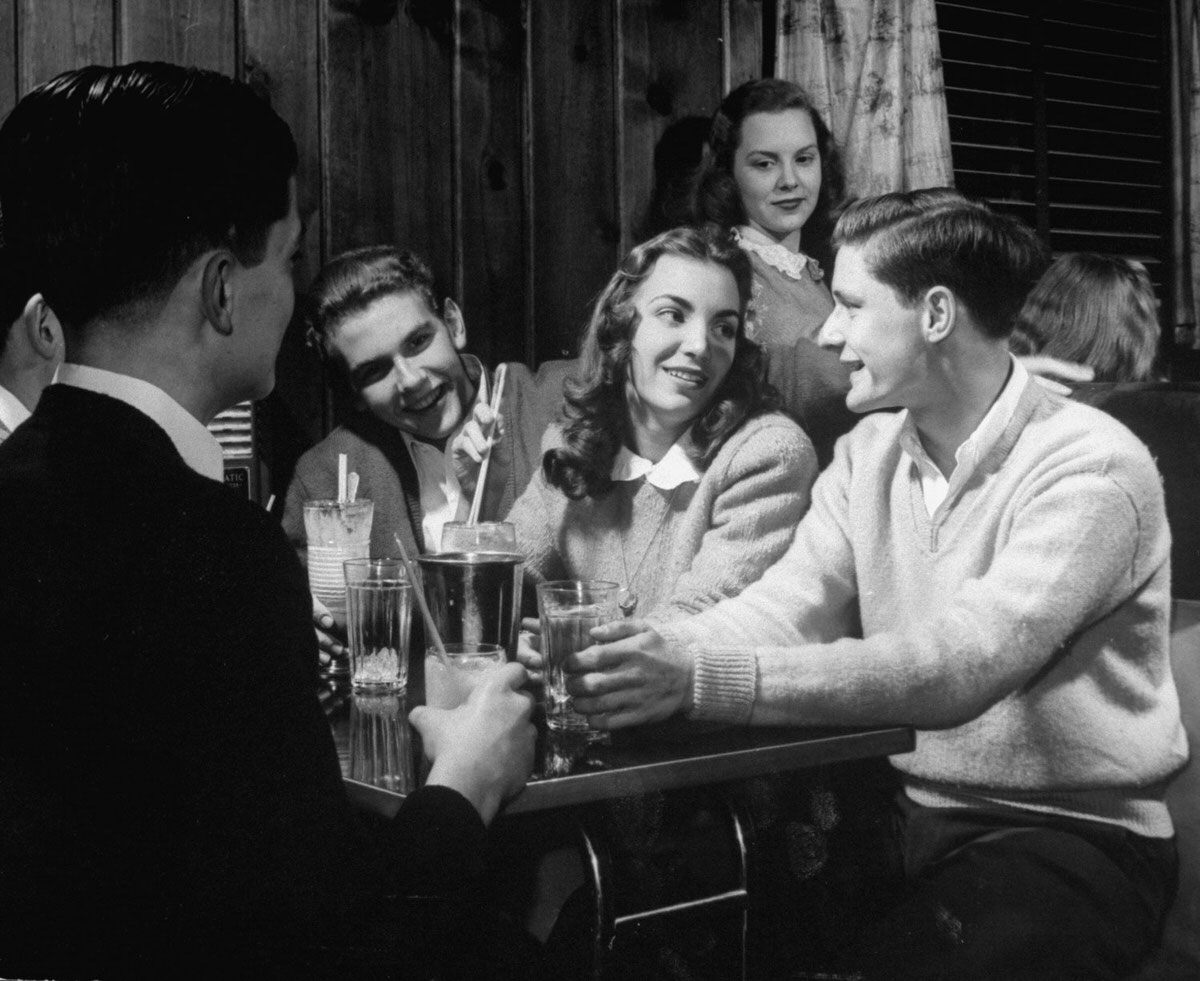
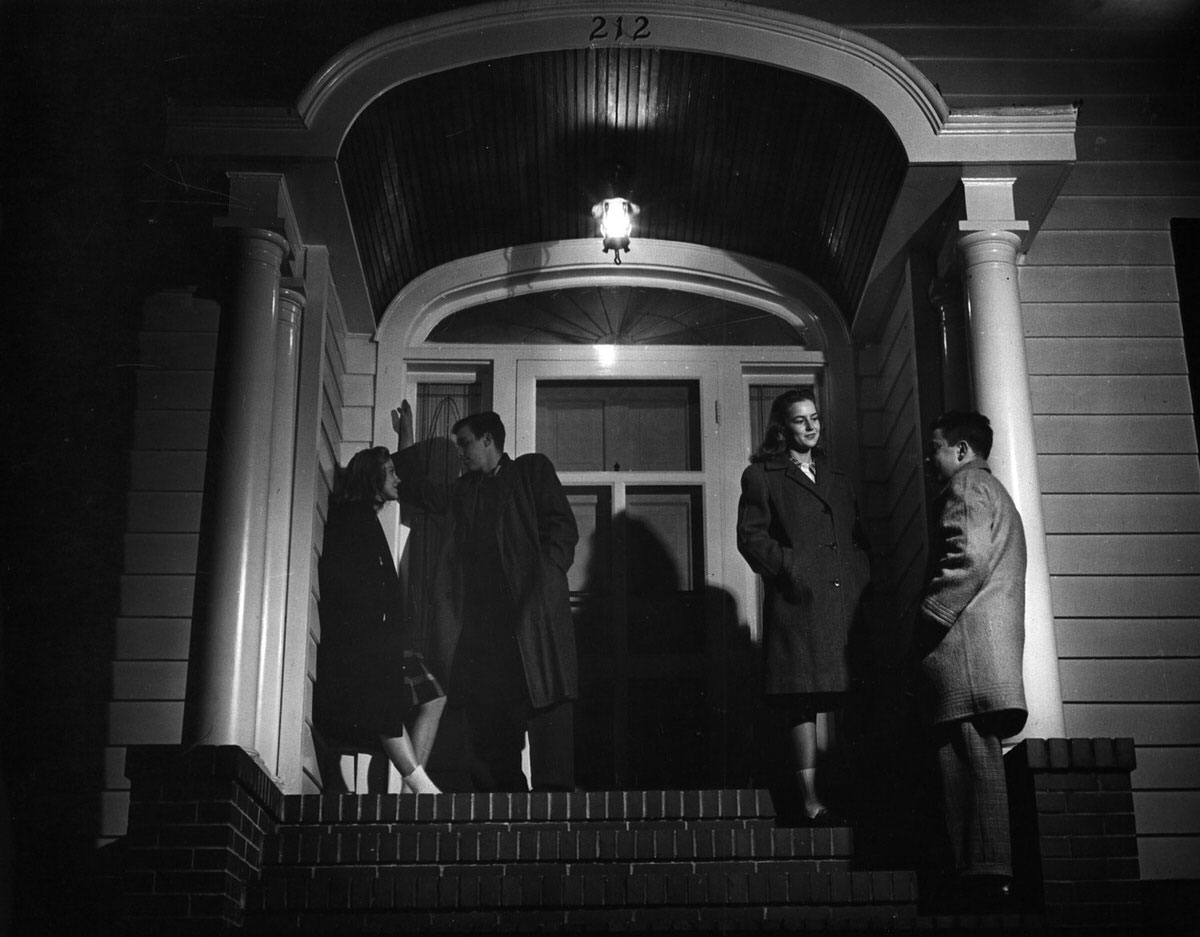
Dating followed well-understood rules. Boys were expected to ask girls out and cover the cost of any outing. Group dates were the norm, especially for younger teens. Popular destinations included movie theaters, soda fountains, and school dances. Reputation was taken seriously — gossip moved fast in close-knit communities, and social standing could shift quickly.
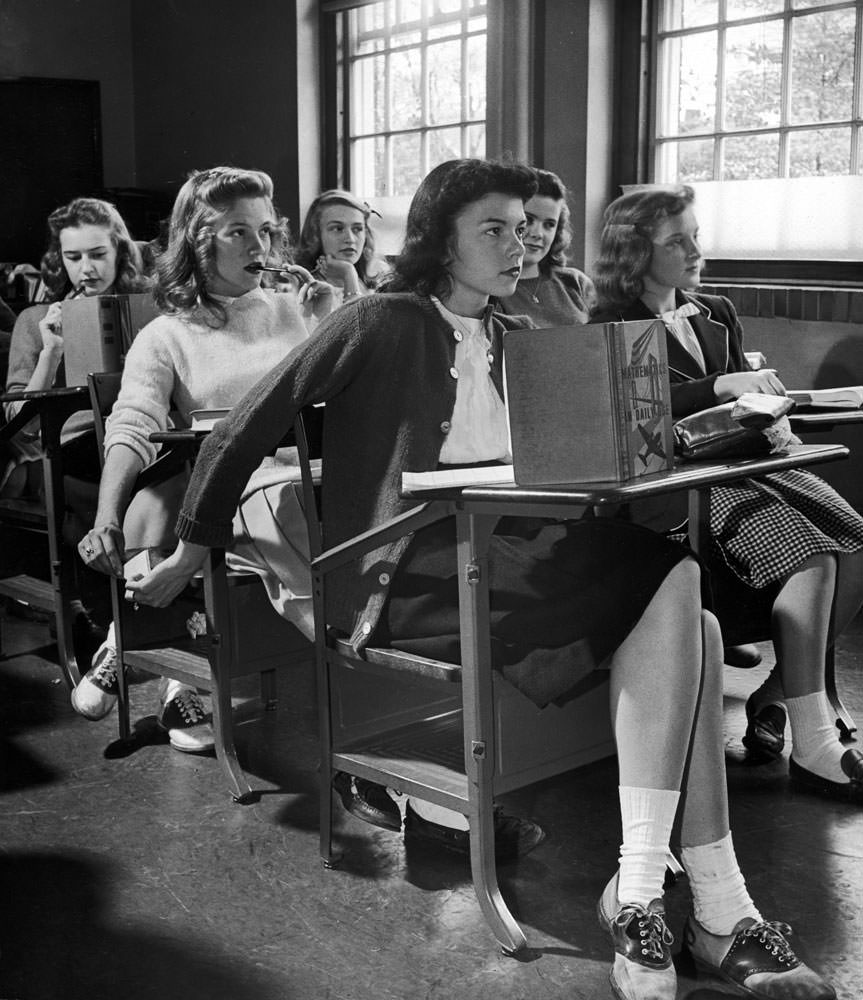
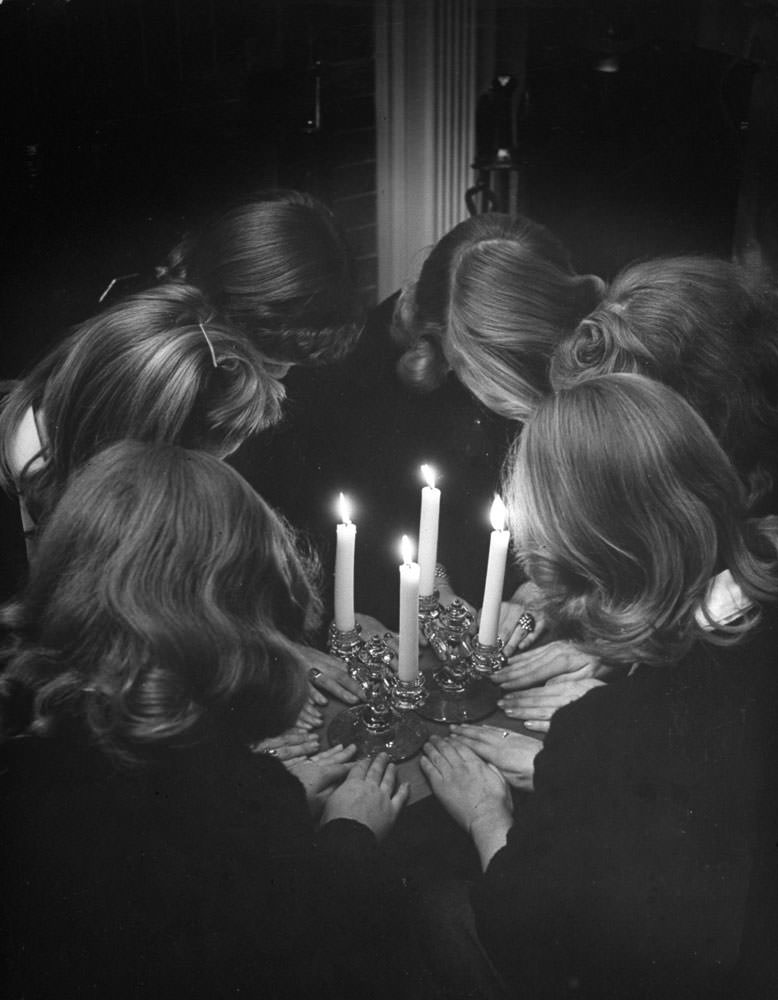
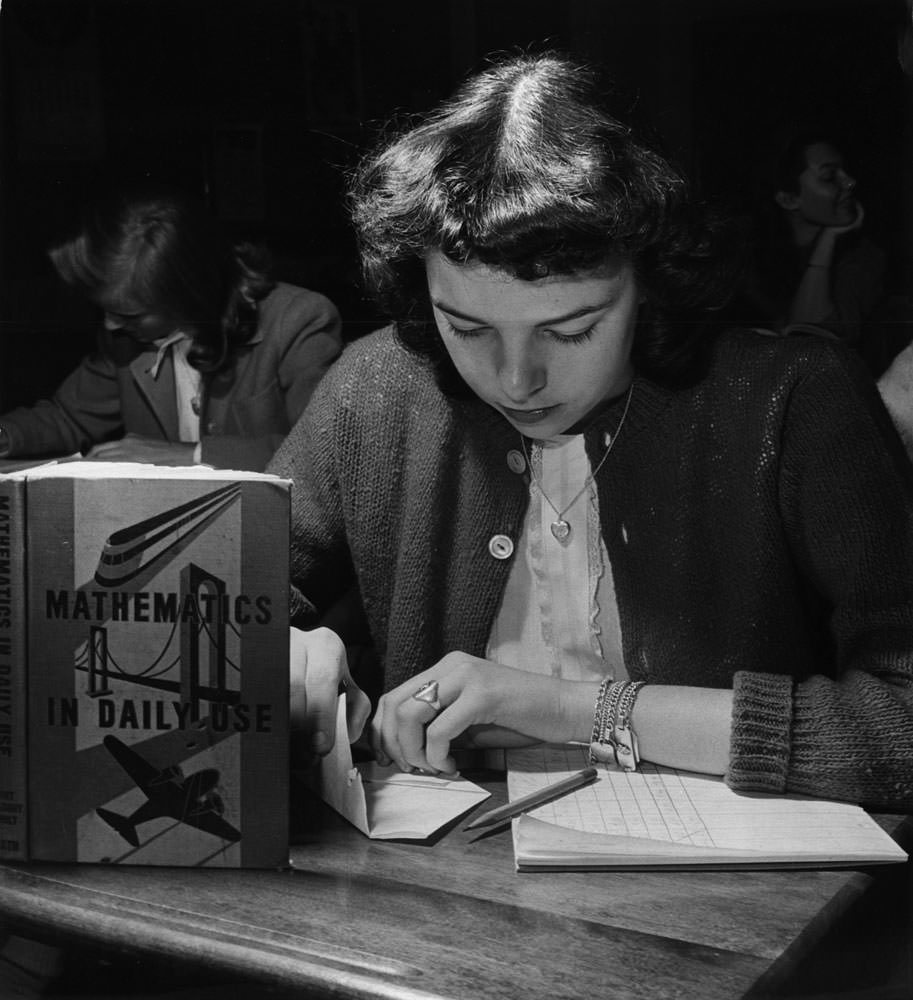
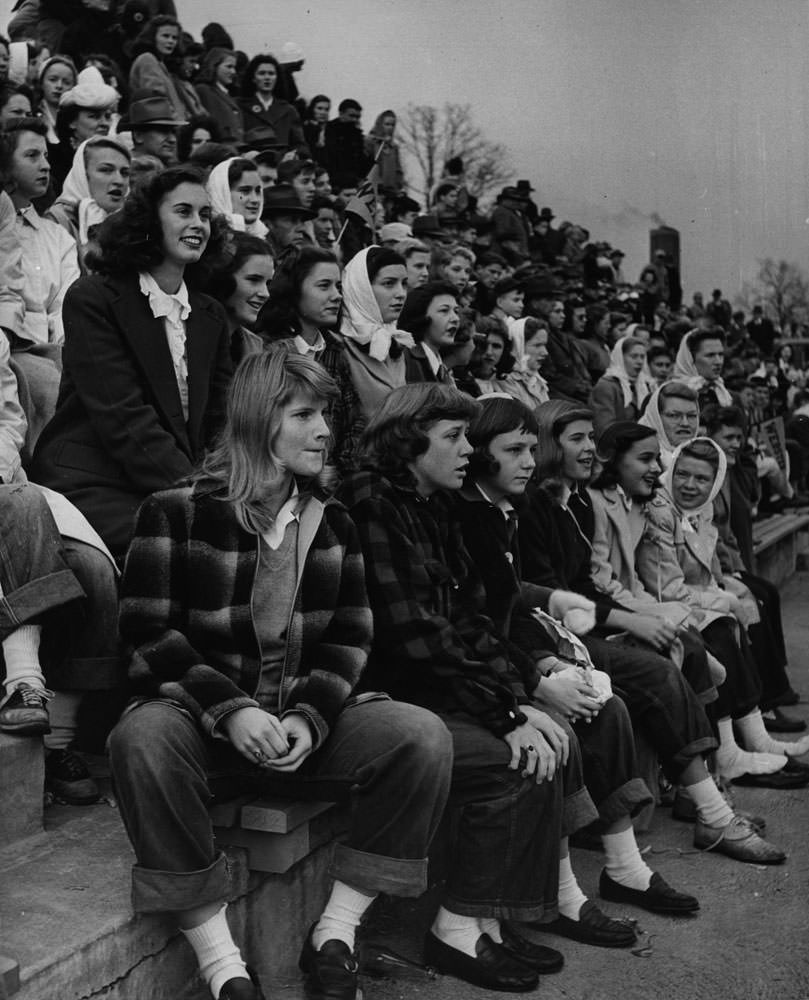
Inside the classroom, teenage girls navigated social hierarchies alongside their schoolwork. Sorority initiations marked entry into exclusive peer groups, adding another layer of social pressure to high school life.
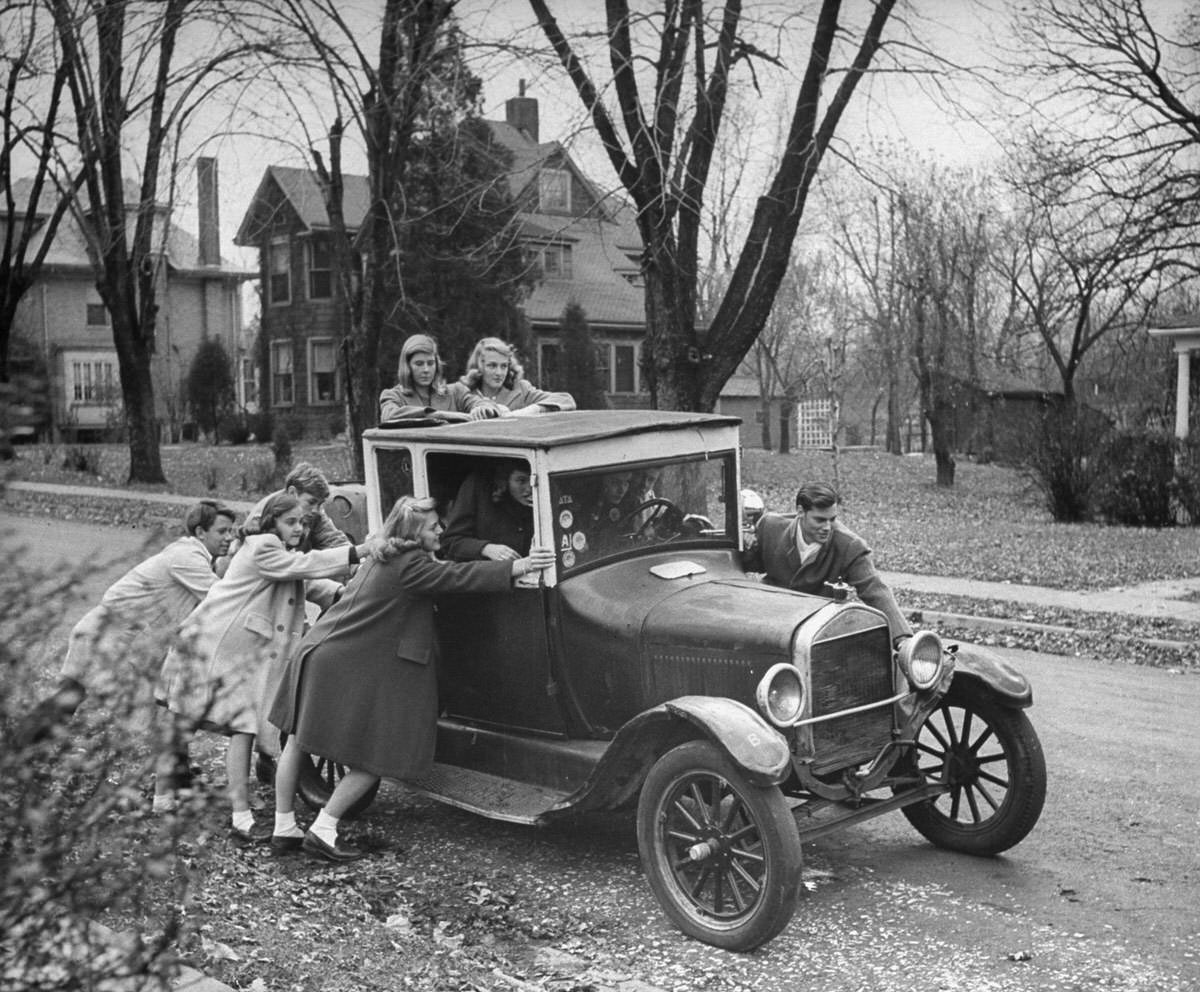
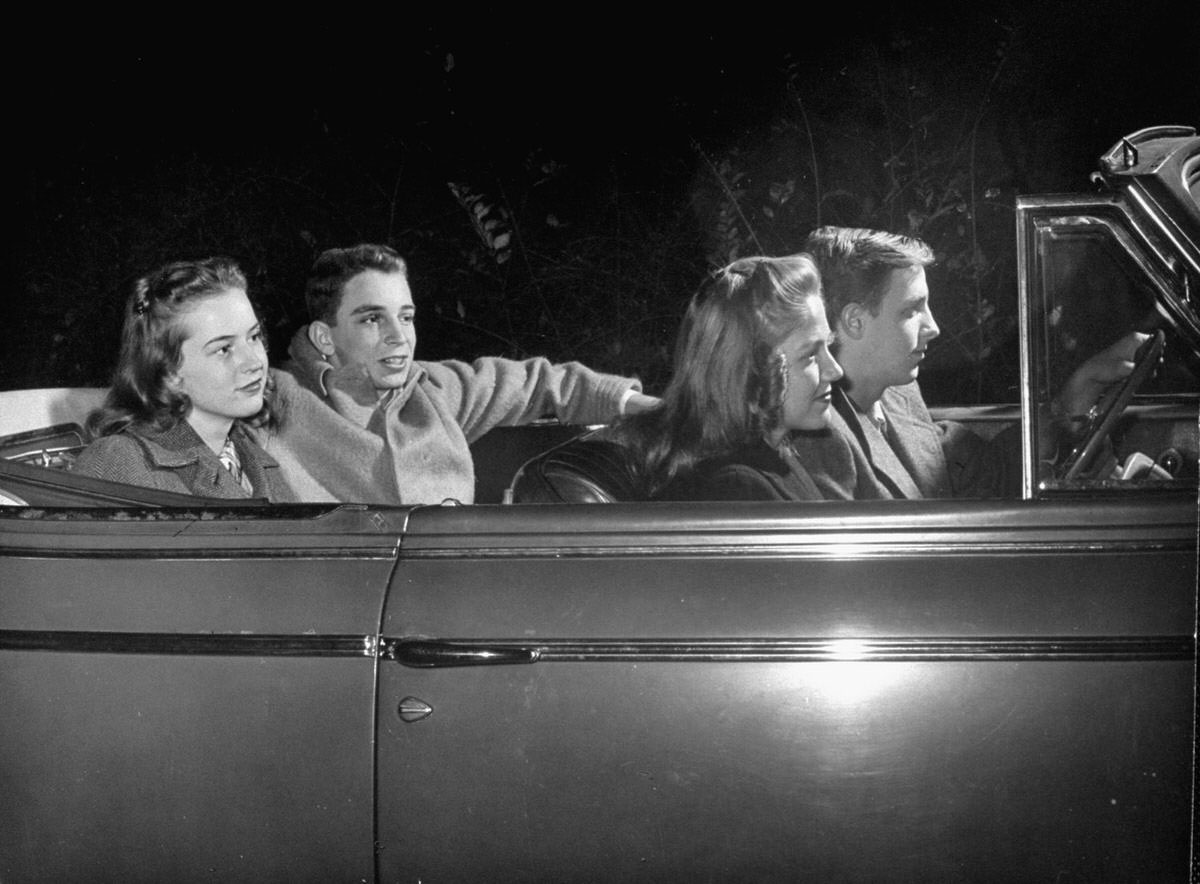
Gasoline rationing — handled through a coupon system — made car travel a limited luxury. An ‘A’ coupon, the most basic ration booklet, allowed only a small amount of fuel each week. Getting one freed up just enough for a casual date night out.
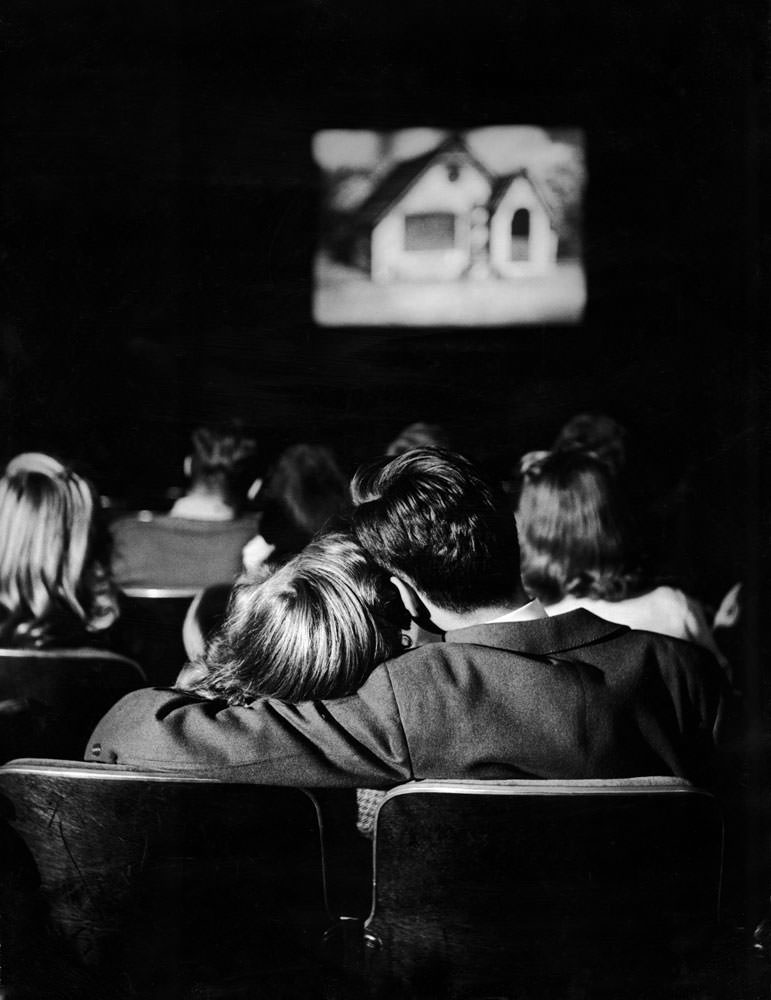
Social codes at the movies were strict. Physical intimacy in a public theater was firmly off-limits and considered deeply inappropriate by teen standards. Girls who broke these unspoken rules risked their standing in the group.
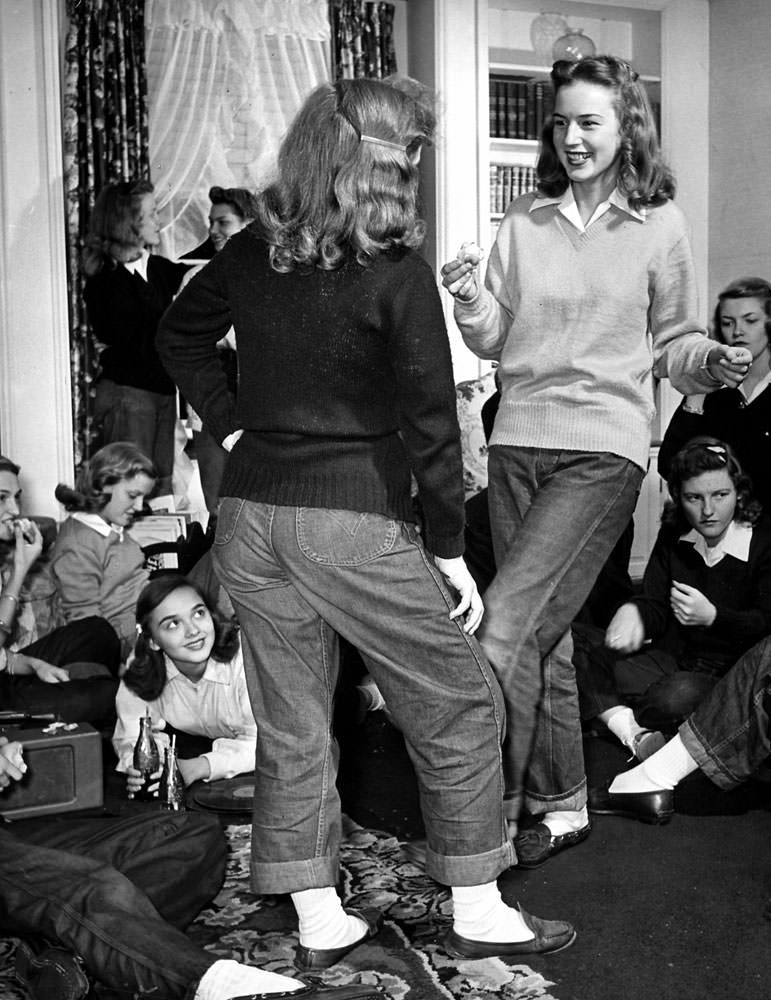
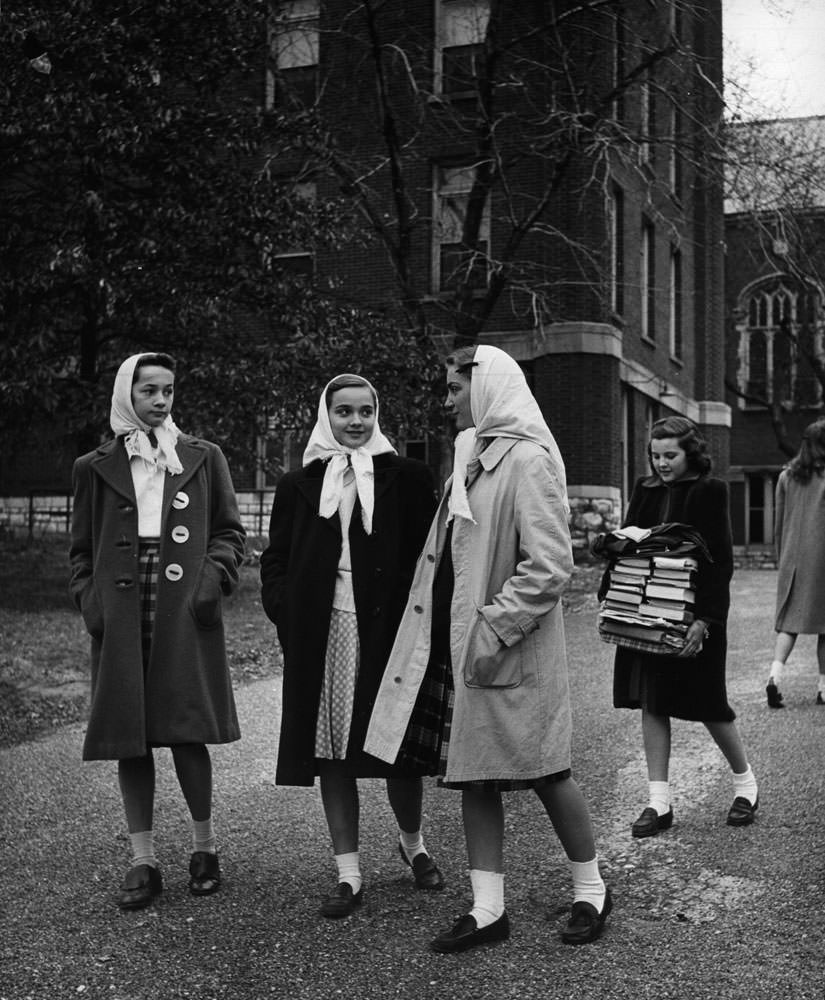
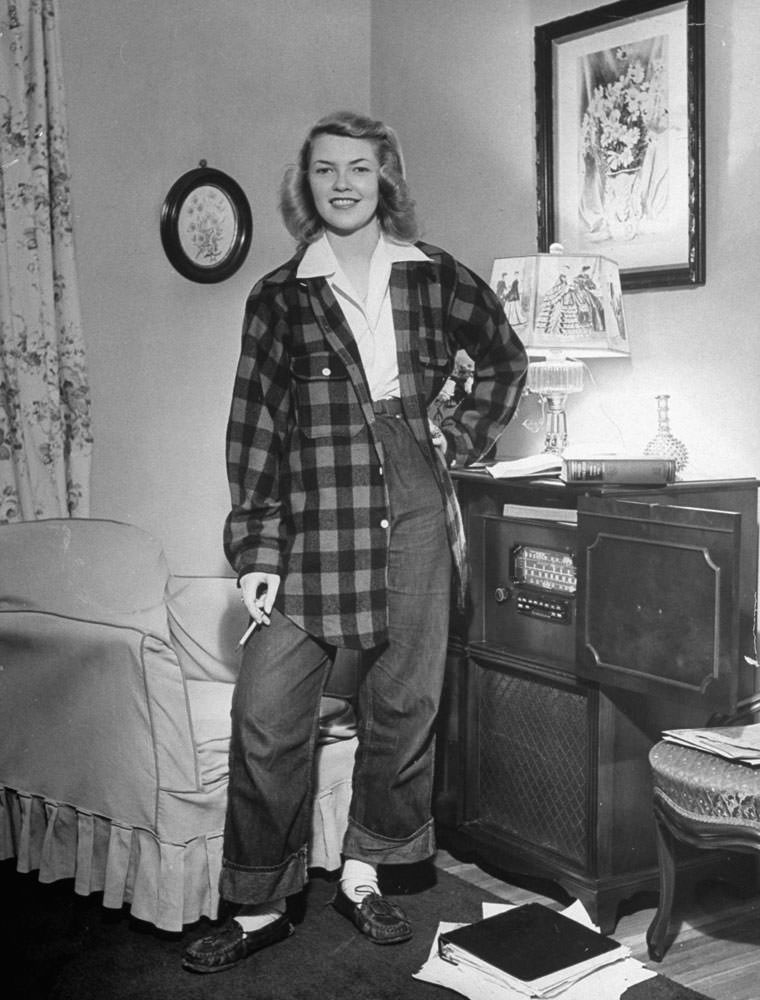
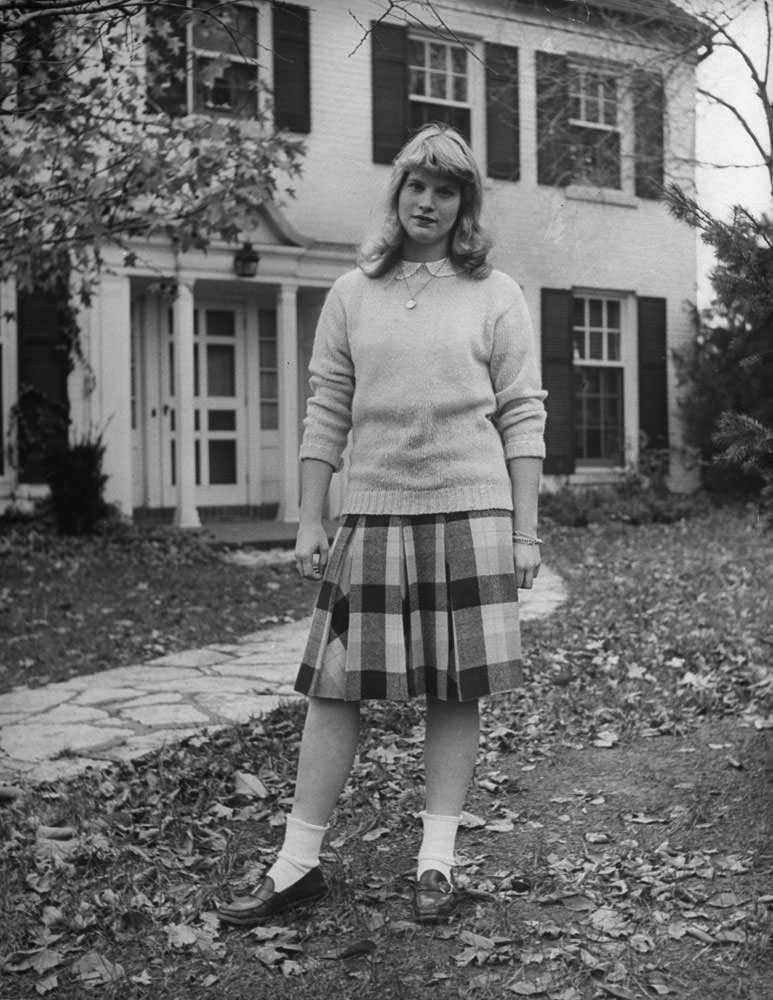
Fashion was practical and shaped by wartime fabric limits. The standard school look was a plain Shetland sweater and a woolen skirt. Clothing was often homemade or altered. Trends spread through hallways and friend groups, not magazine ads.
Family life set the boundaries of everything. Parents approved friendships, enforced curfews, and shaped future expectations. Most girls anticipated marrying young after finishing high school. College was available to some, but careers — when pursued — typically meant teaching, nursing, or clerical work.
To earn spending money, many girls babysat for neighbors. Allowances were small, and babysitting provided a reliable, socially acceptable way to build some financial independence.
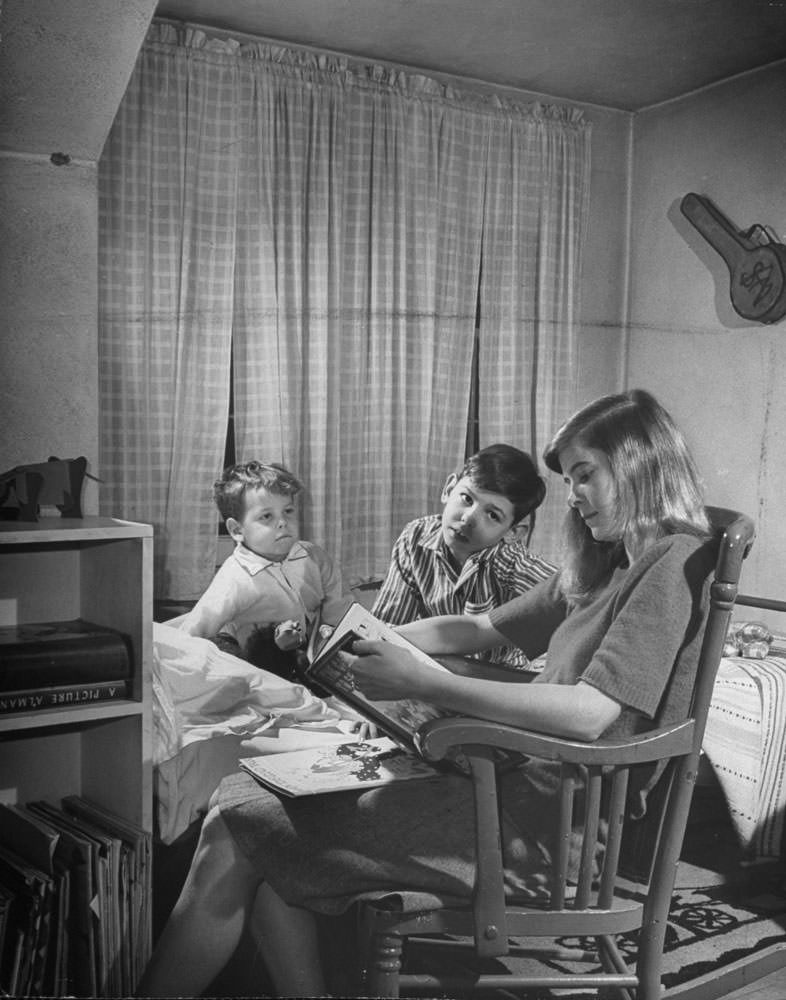
Leen’s photographs captured sleepovers, shopping trips, school hallways, and quiet home moments. The girls in her images appear relaxed and deeply bonded. LIFE magazine published the work with an upbeat, carefree framing — one that centered on white, middle-class teens and left out the very different realities faced by working-class and minority girls of the same era.