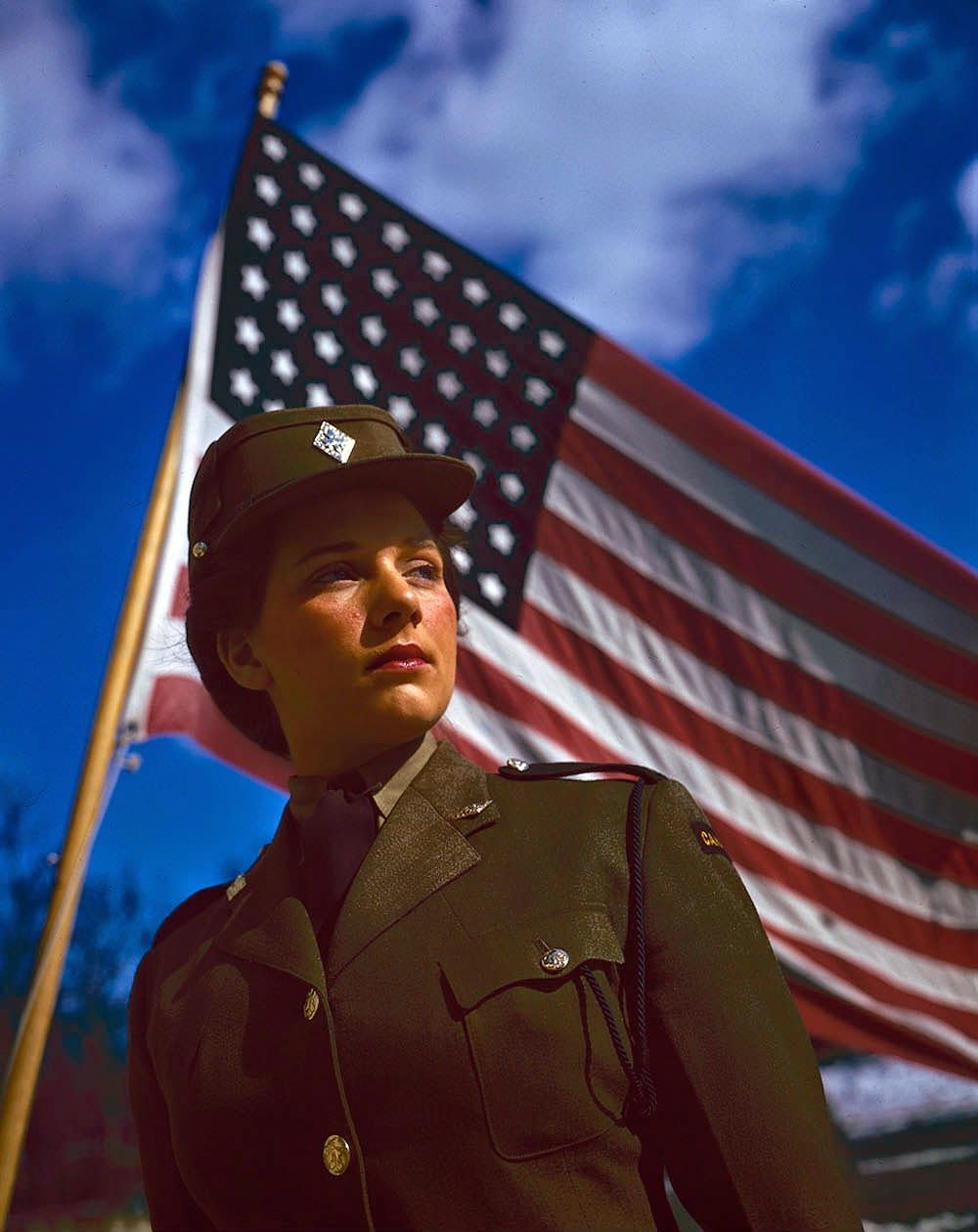
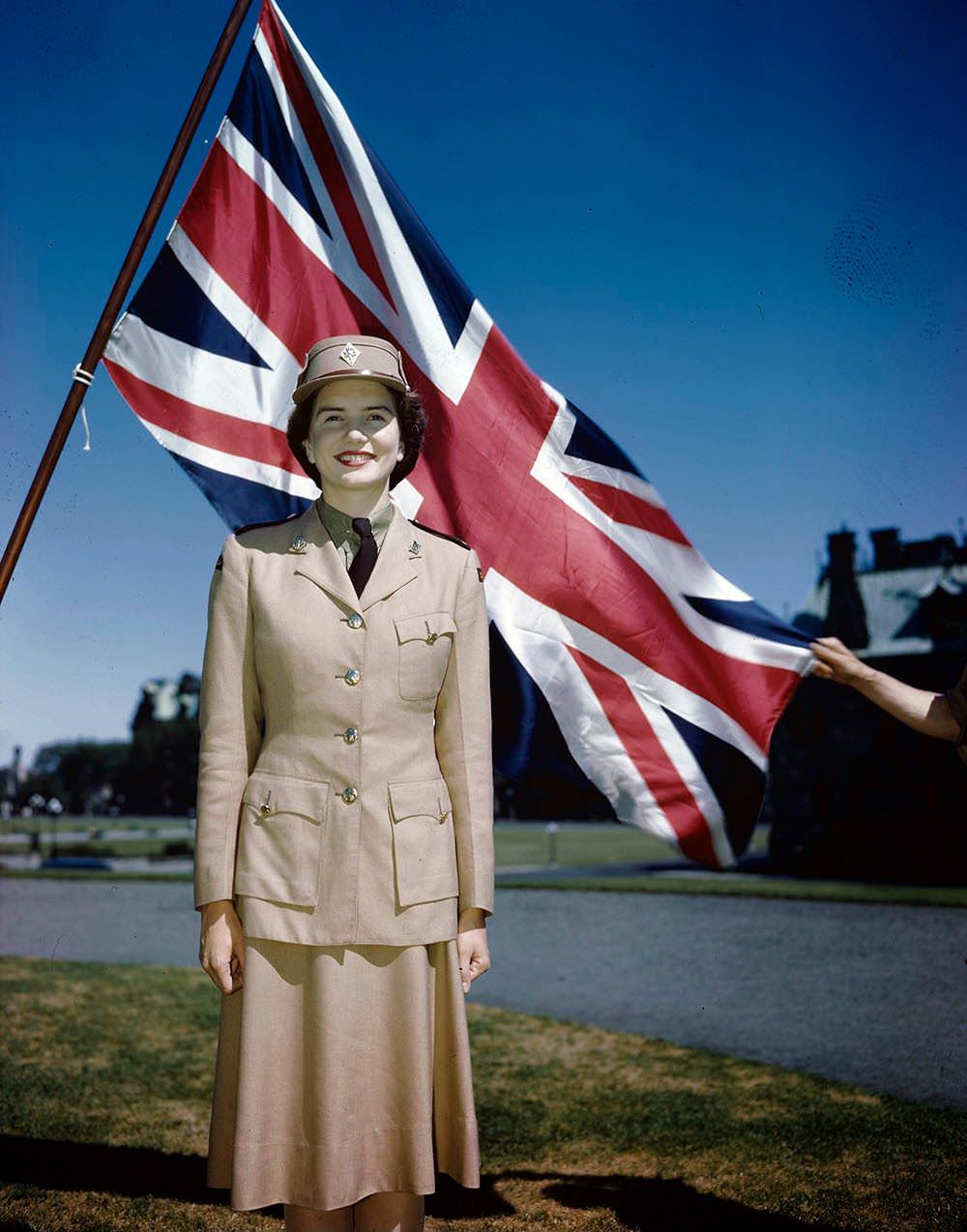
In August 1941, the Canadian Army officially established the Canadian Women’s Army Corps — known as the CWAC. The decision came from a straightforward reality: the war effort needed more people than the existing pool of men could provide. By bringing women into non-combatant roles, the army could move physically fit men out of desk jobs and support positions and send them to the front lines instead. The recruiting slogan said it plainly: “We Serve That Men May Fight.” Women across Canada answered the call, driven by patriotism and a desire to be part of something larger than themselves. By the time the war ended, more than 21,000 women had served in the corps.
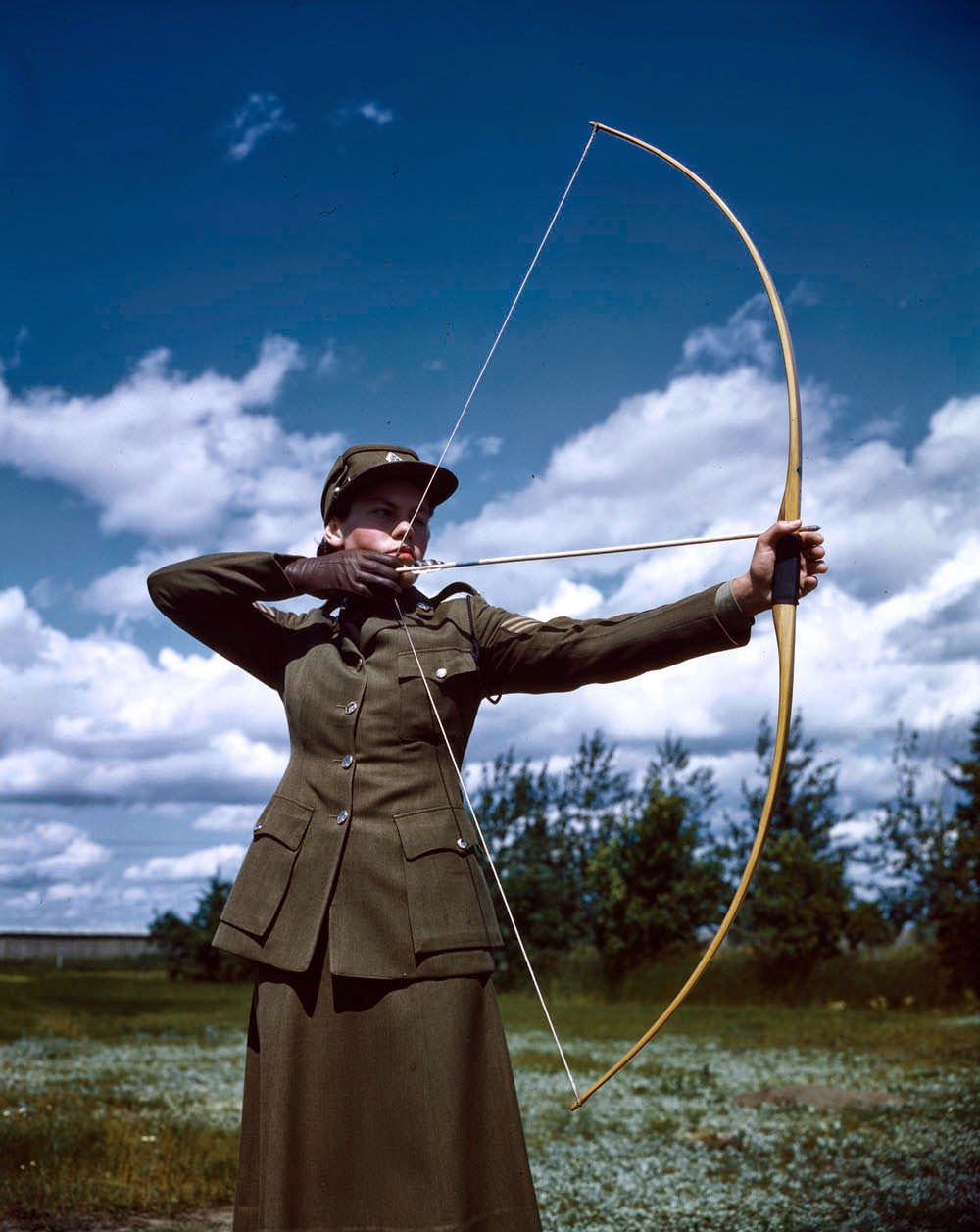
New recruits reported to basic training centers in places like Kitchener, Ontario, and Vermilion, Alberta. The training lasted four weeks and left no room for a slow adjustment. From day one, women learned military drill, saluting protocols, and army regulations. Physical fitness was central — days were packed with marching and calisthenics. Instructors also taught recruits how to use gas masks and identify enemy aircraft by silhouette.
Life in the barracks was strictly regulated. Beds had to be made to a precise military standard, and every button on a uniform had to be polished. Inspections were routine and unforgiving. This level of discipline was not just about appearances — it built the habits and mindset that military service demanded.
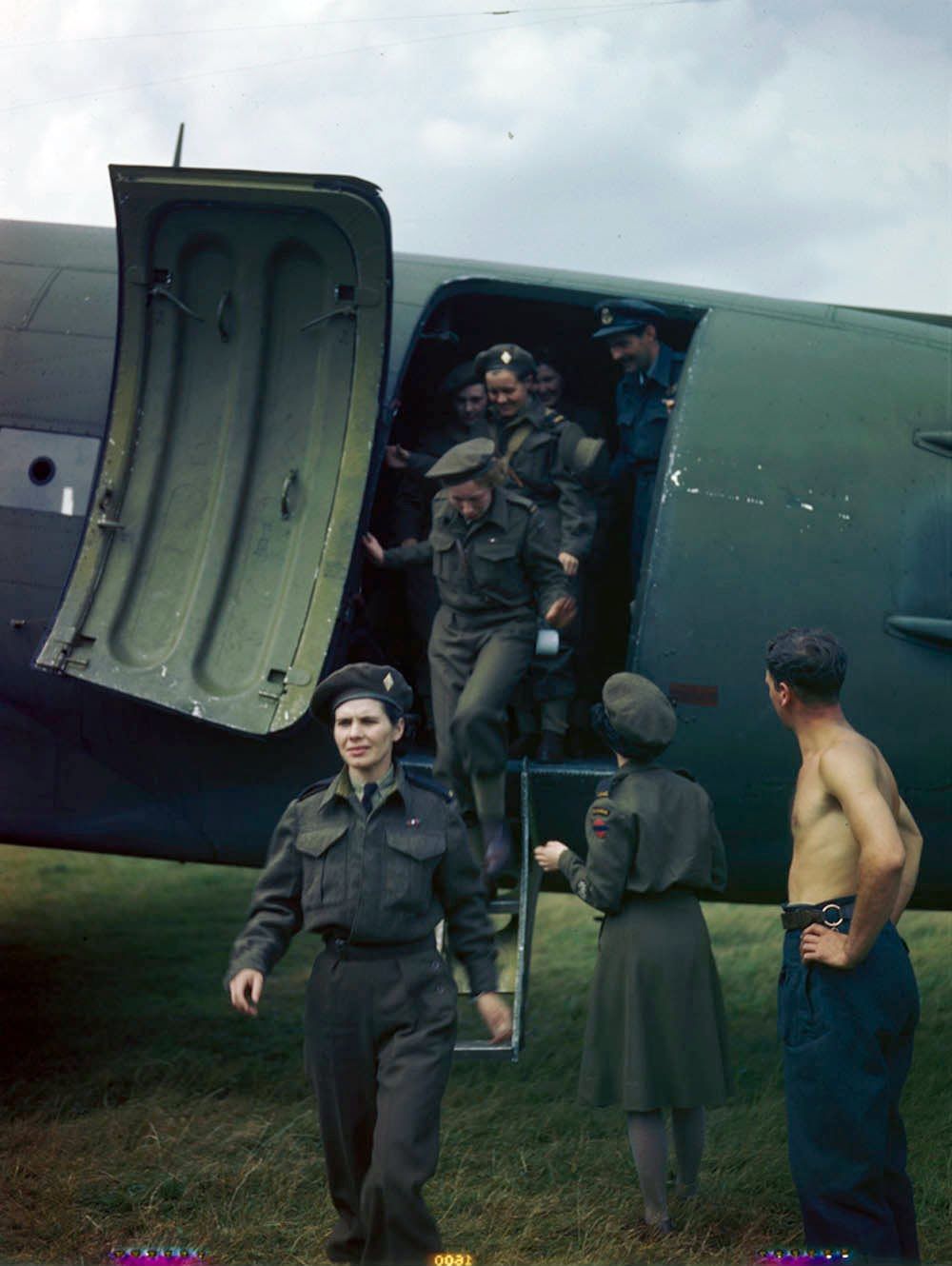
Once trained, CWAC members took on a wider range of jobs than many people expected. Some wore grease-stained coveralls and worked as mechanics, repairing trucks and maintaining engines. Others drove heavy military convoys, ambulances, and staff cars through difficult terrain in all weather. Women in the signals branch operated switchboards and decoded messages — work that required both technical skill and sharp attention to detail.
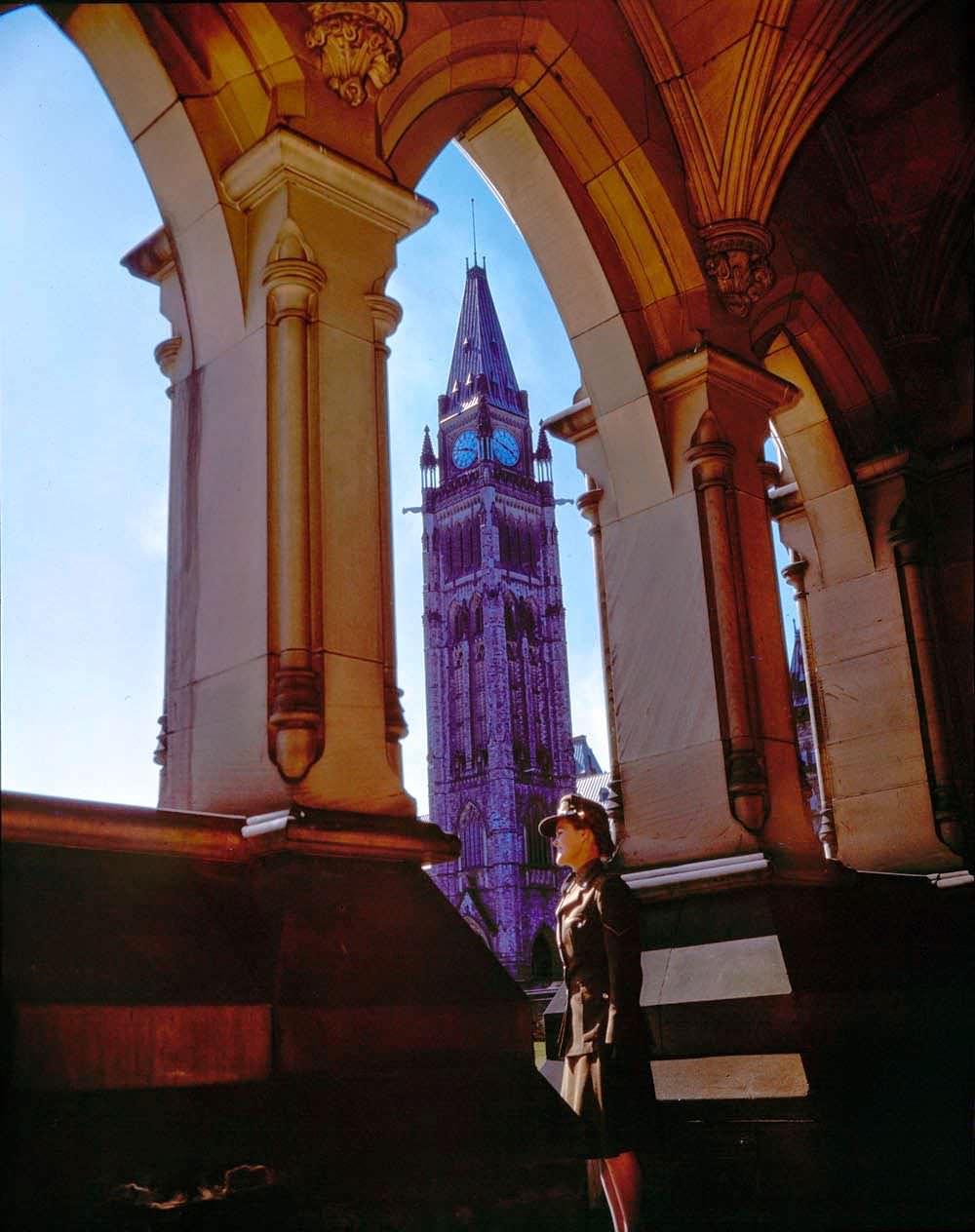
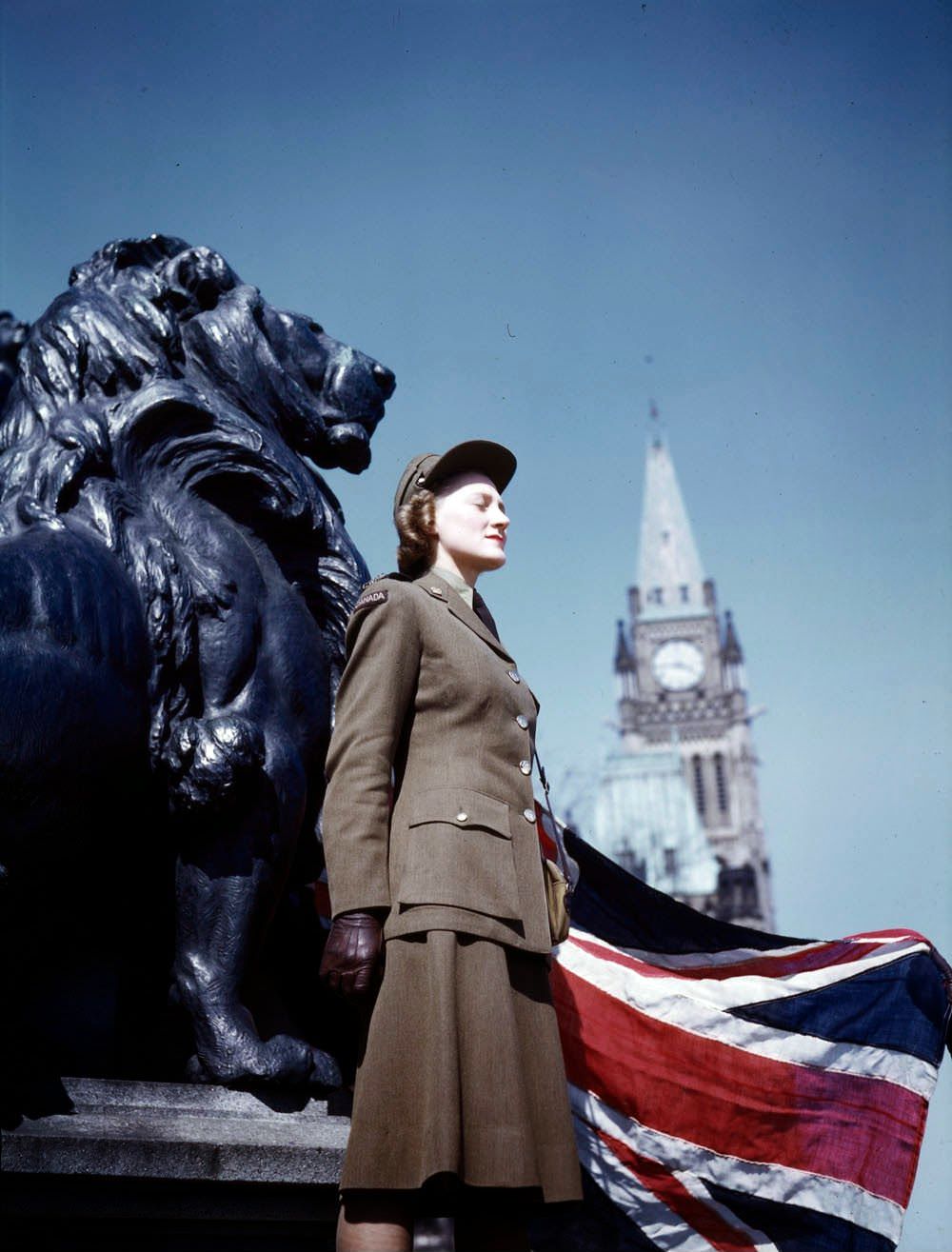
Administrative work formed the backbone of CWAC service. Clerks managed the enormous volume of paperwork needed to run an army — pay records, supply requisitions, and personnel files all passed through their hands. Without this work, the logistics of keeping thousands of soldiers equipped, paid, and accounted for would have broken down. CWAC members also staffed laundry units and camp canteens, keeping the daily operations of bases running without interruption.
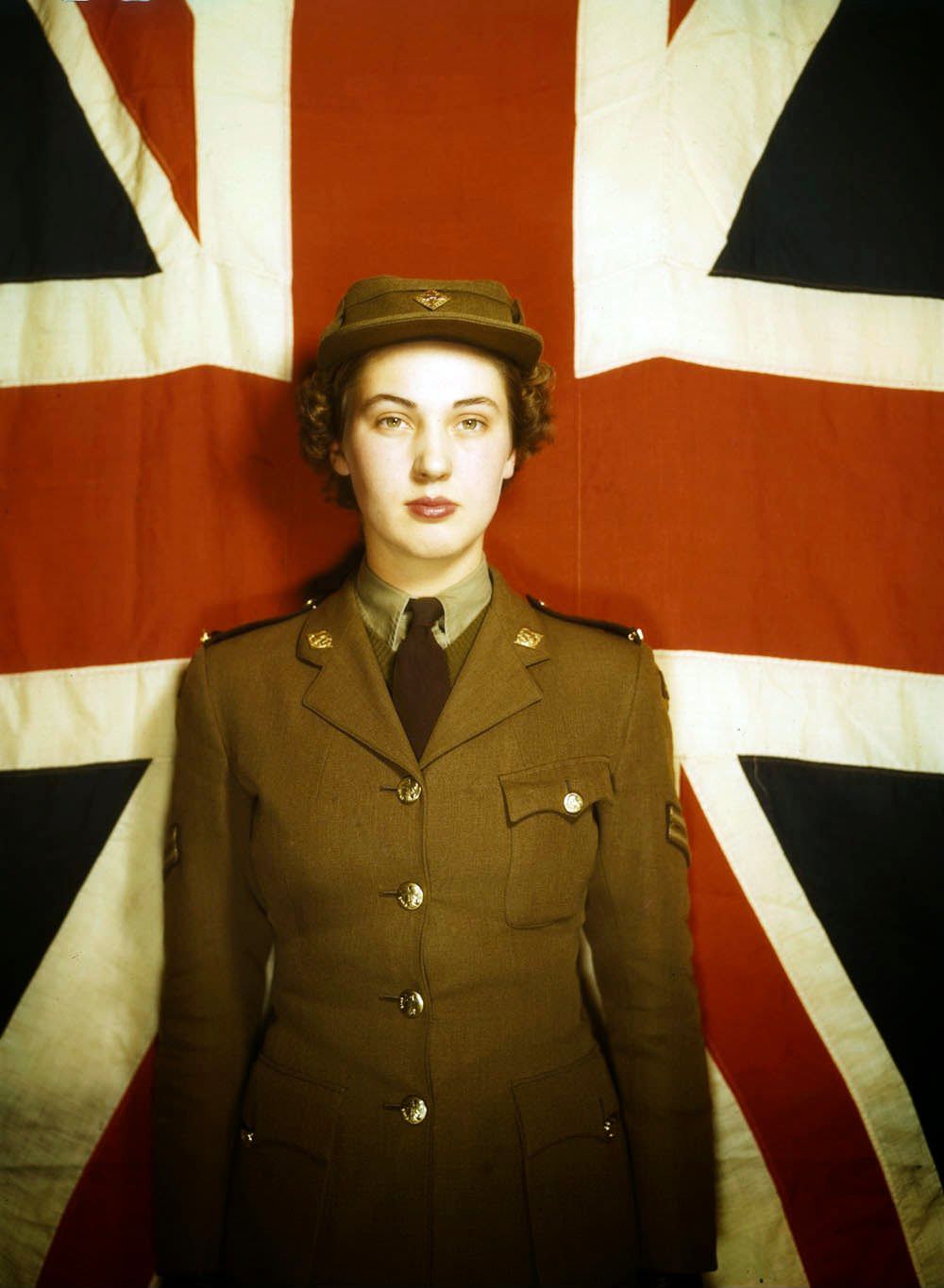
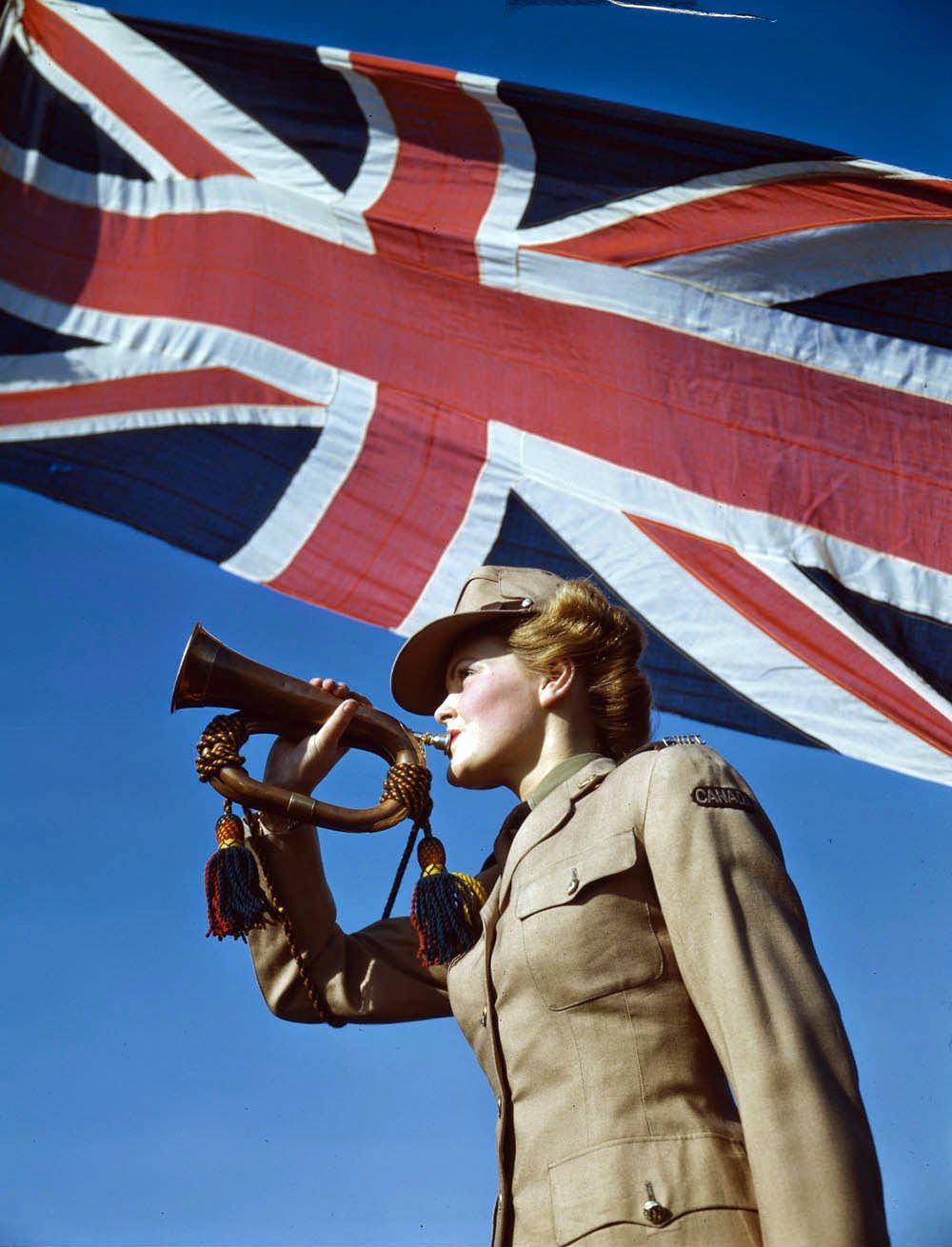
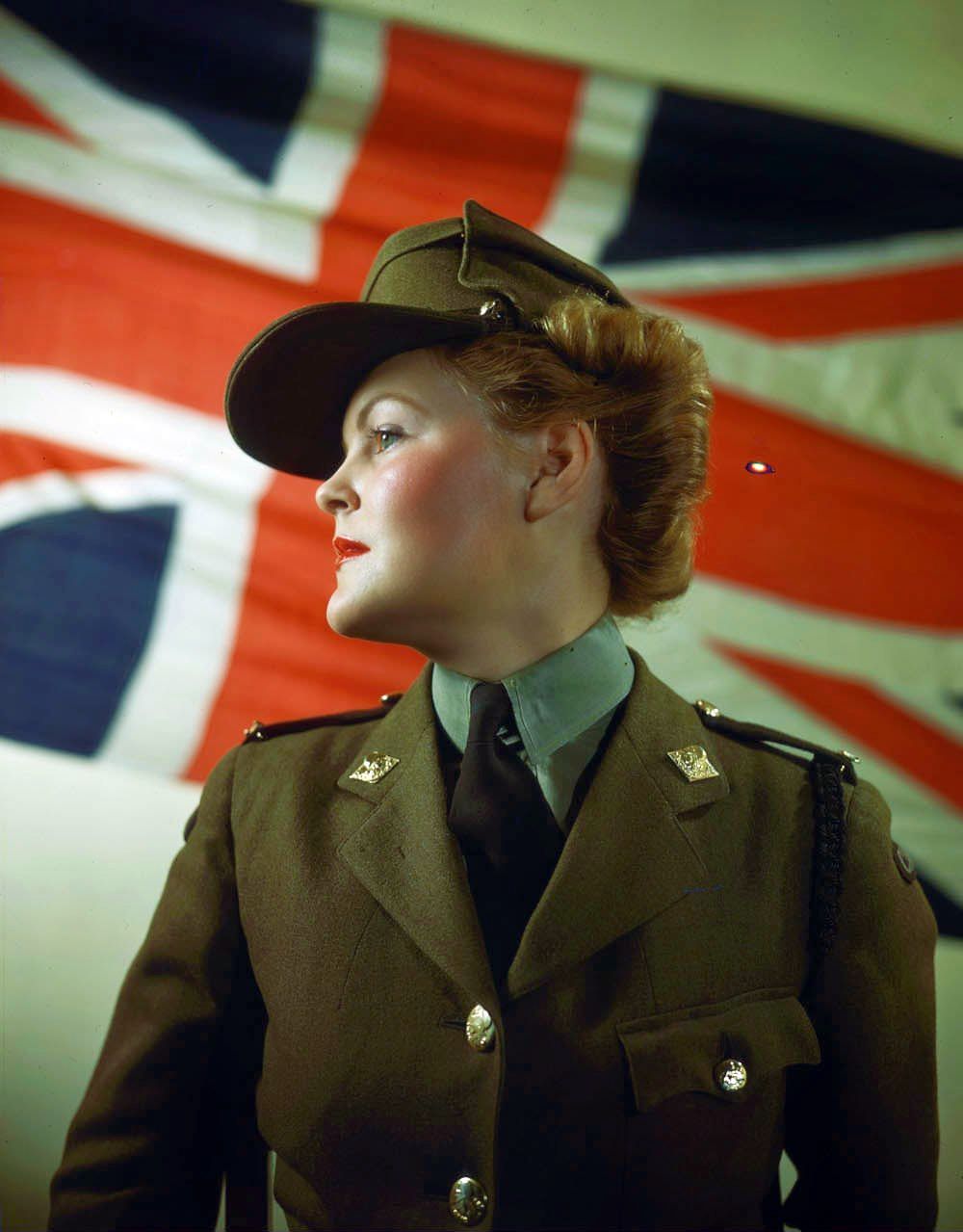
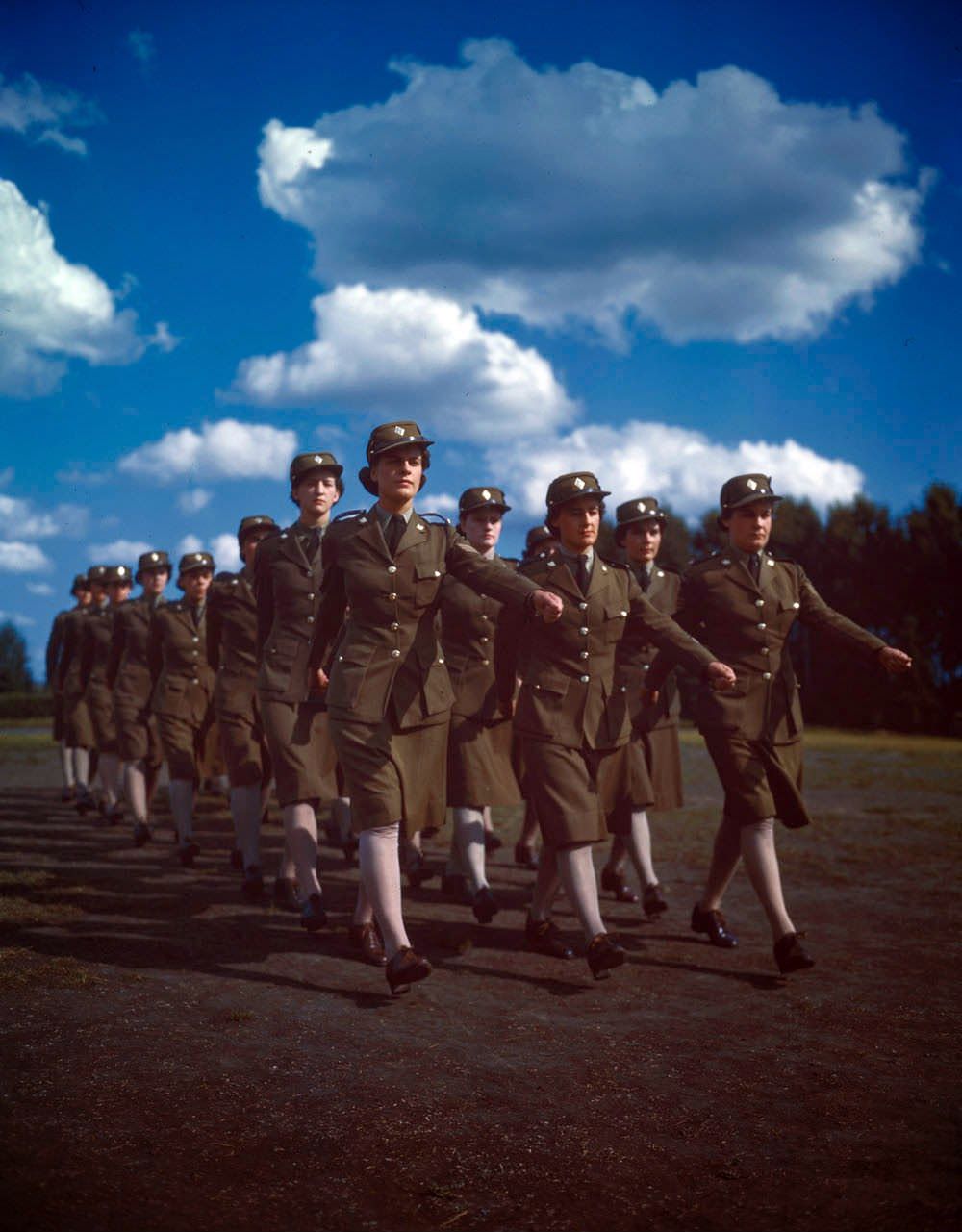
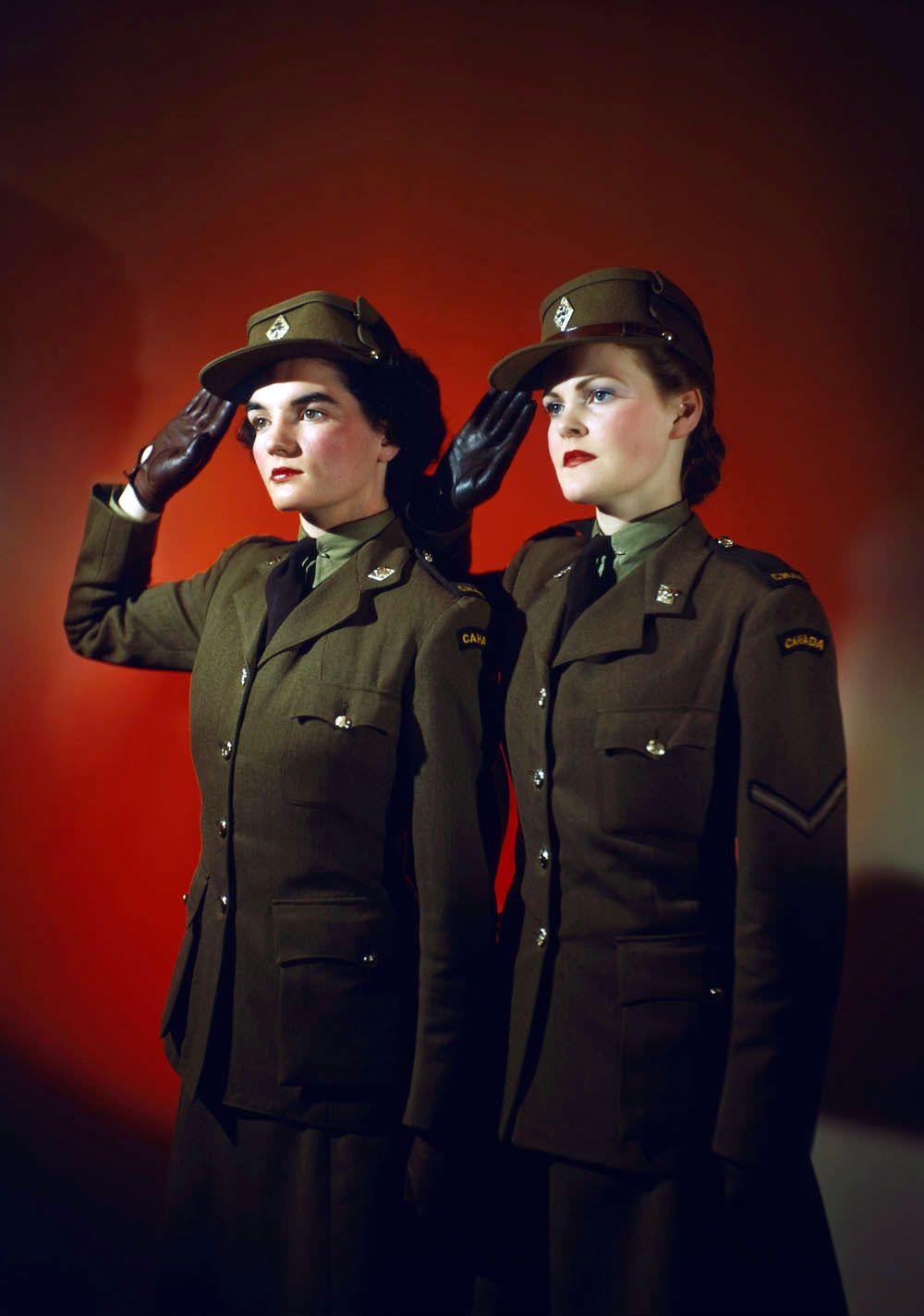
On parade grounds across Canada and overseas, CWAC platoons marched with the same precision expected of any military unit. Drill was not just ceremonial — it reinforced the shared identity and standards that held the corps together as a functioning military organization.
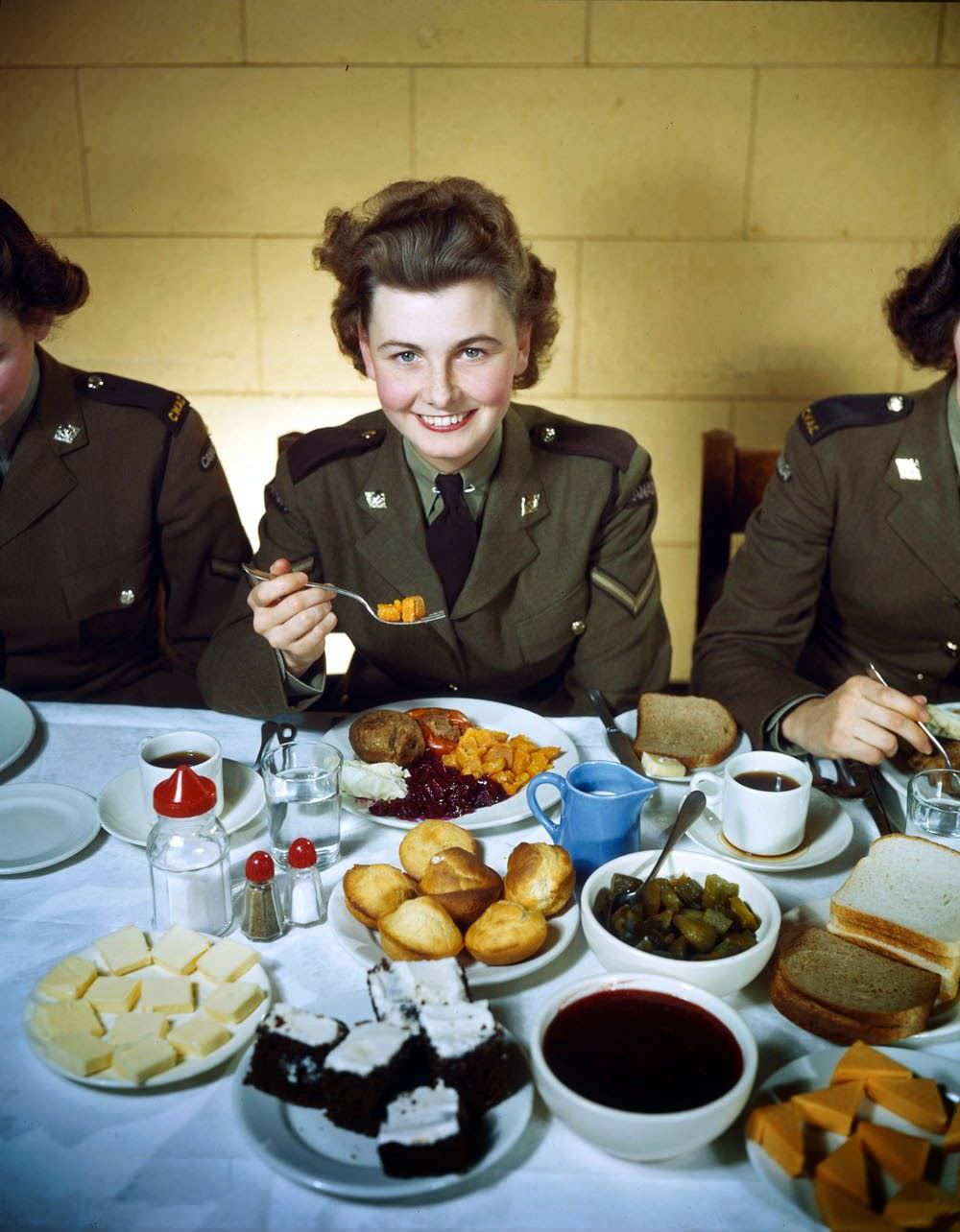
Meals in the mess hall were a daily constant, bringing together women from different backgrounds and postings. The shared routines of eating, working, and training forged a strong sense of unit identity among CWAC members.
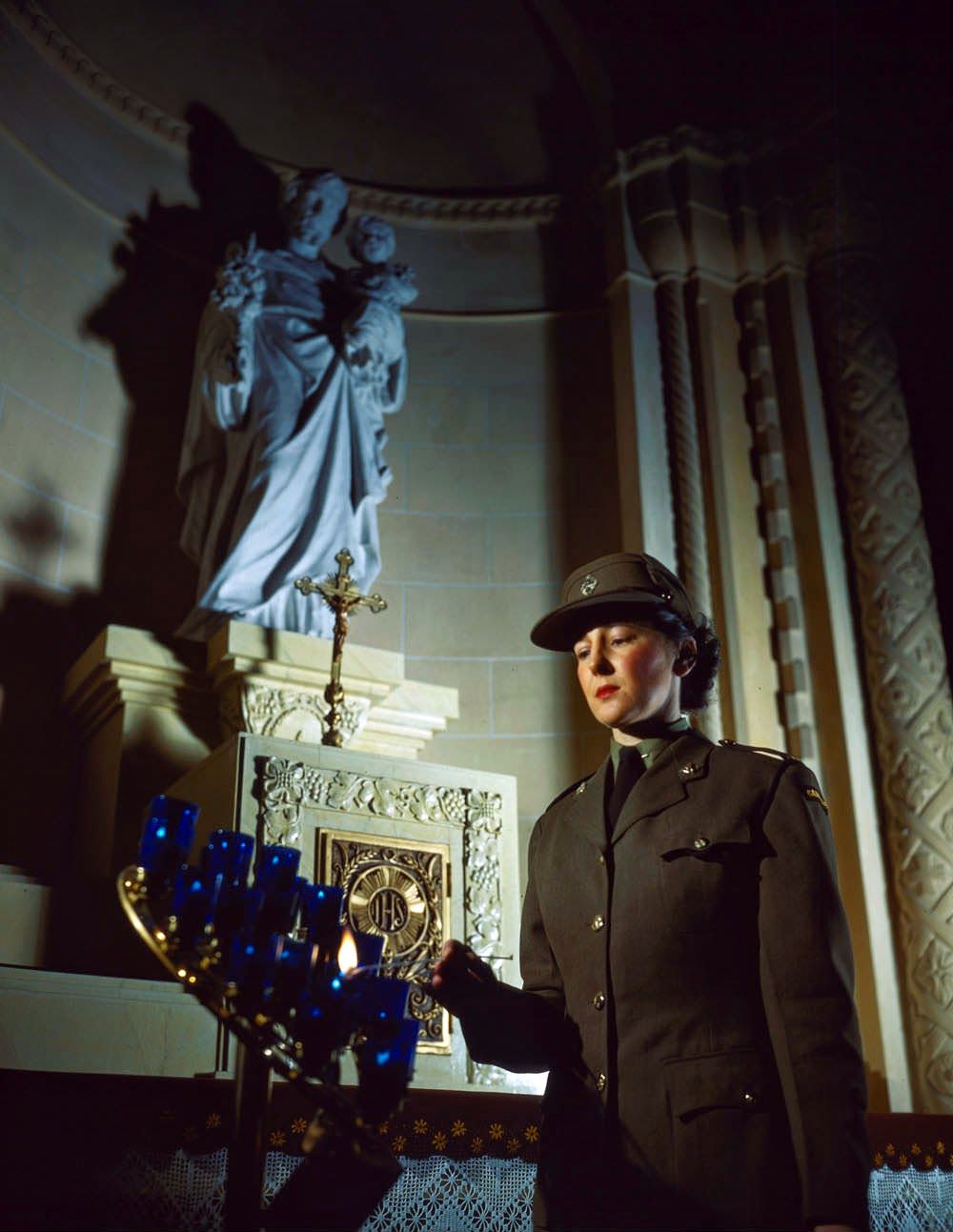
Faith and community remained part of life for many CWAC members. Women attended religious services both in Canada and abroad, including at Roman Catholic churches and chapels wherever they were stationed.
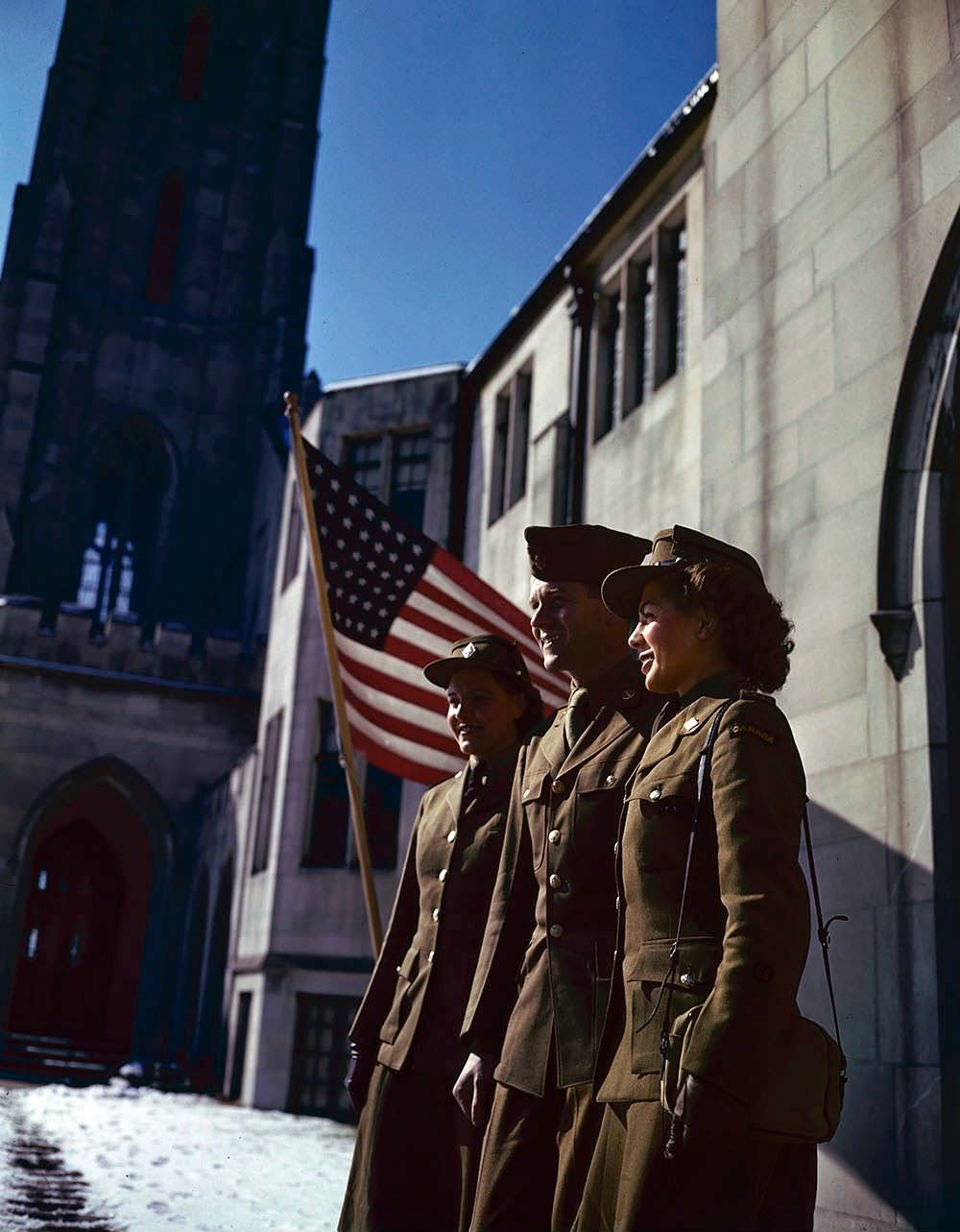
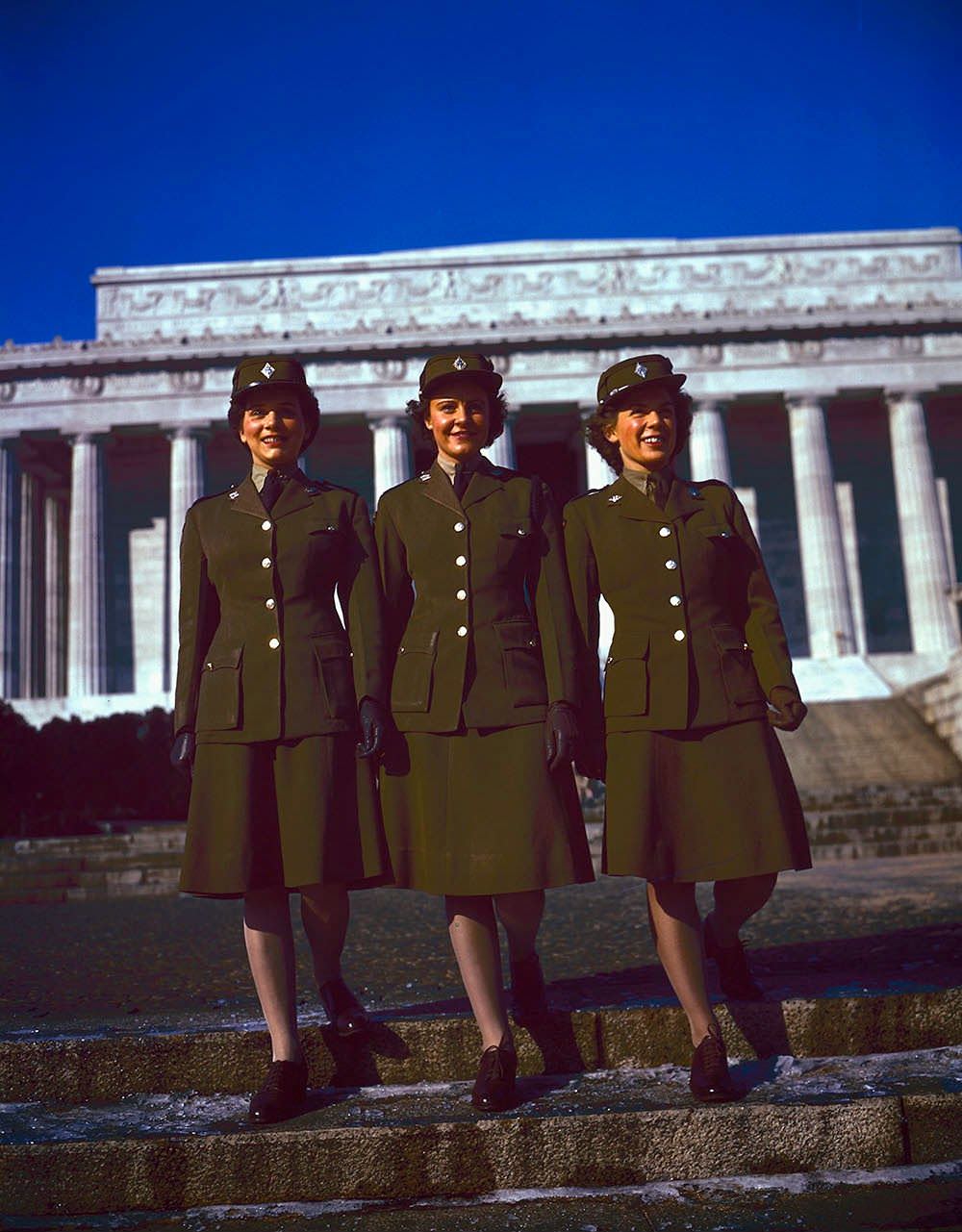
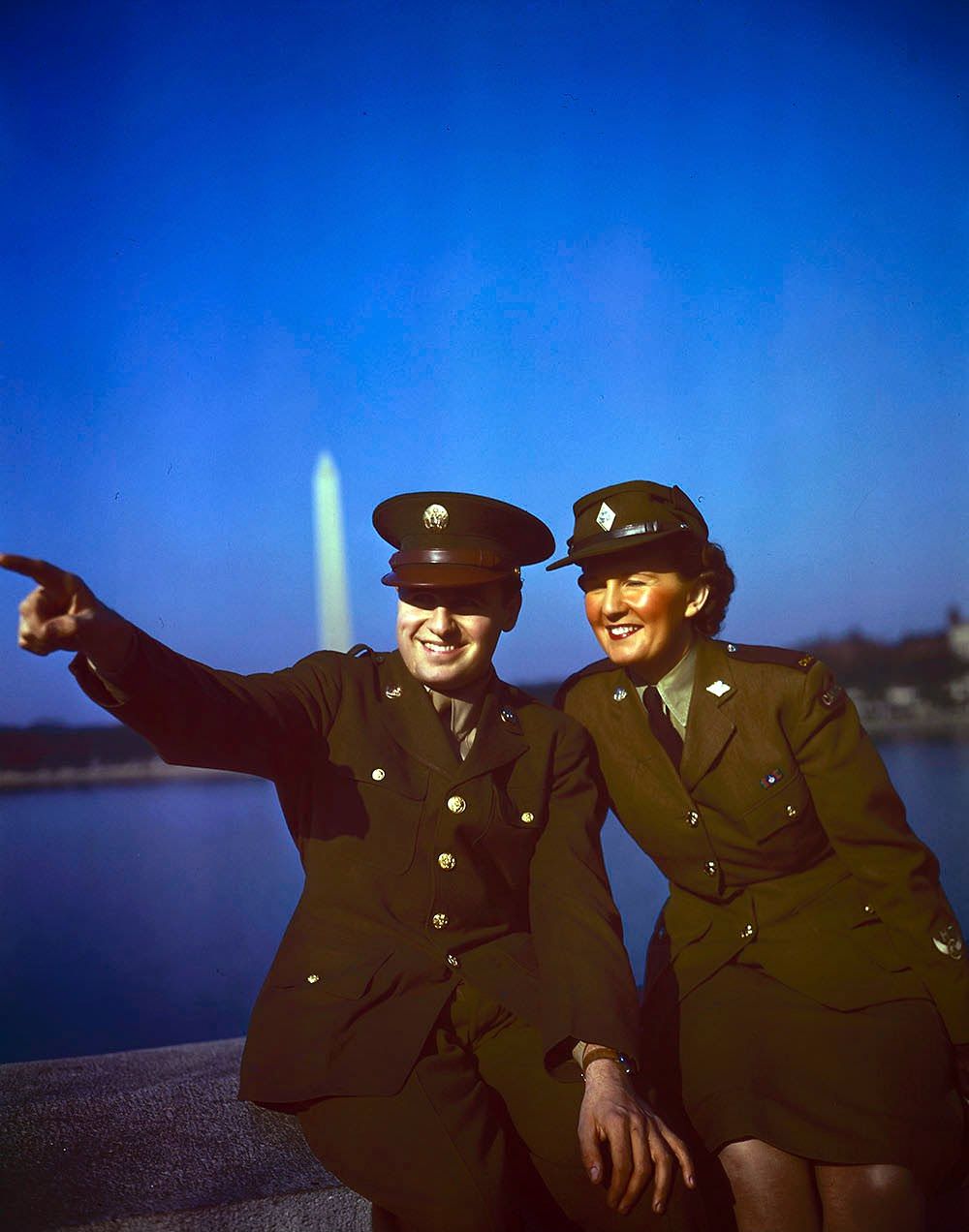
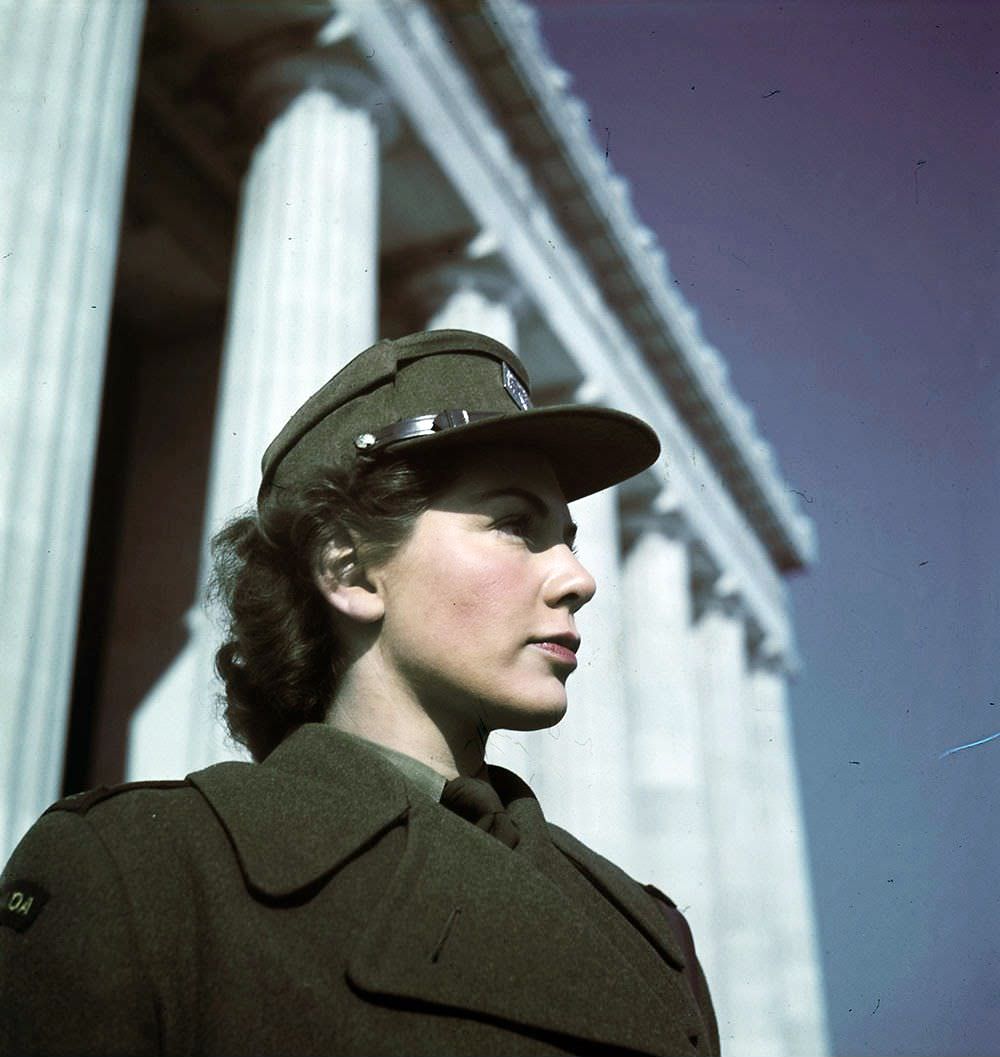
The CWAC’s reach extended beyond Canadian borders. Members traveled to Washington, D.C., where they interacted with American service personnel and visited allied institutions. These exchanges reinforced the broader Allied cooperation that defined the war effort.
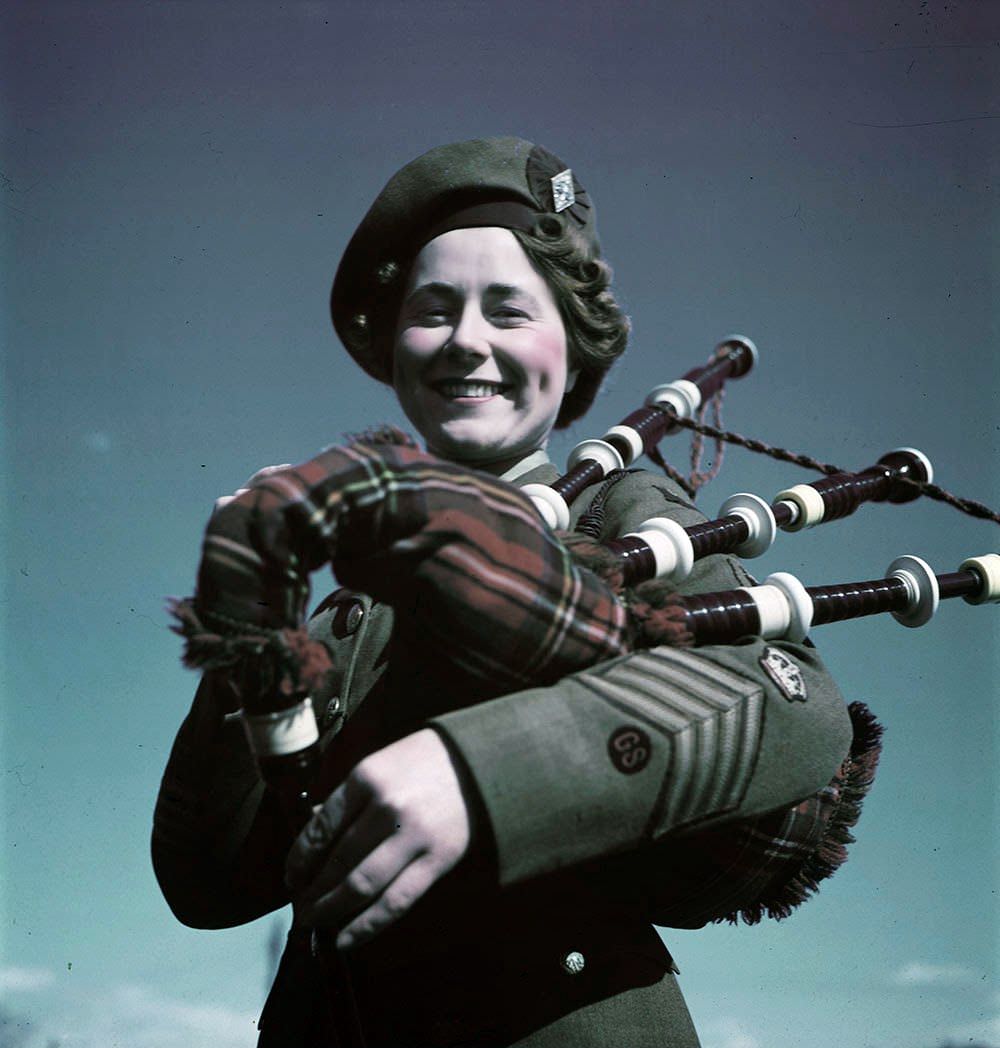
Music was also part of CWAC life. Pipe Maj. Lillian Grant led the CWAC Pipe Band, a group that performed publicly and raised the profile of the corps both at home and abroad. Pipe bands carried deep military tradition, and having women lead and staff one was a visible statement about the role the CWAC had carved out for itself within the Canadian Army.
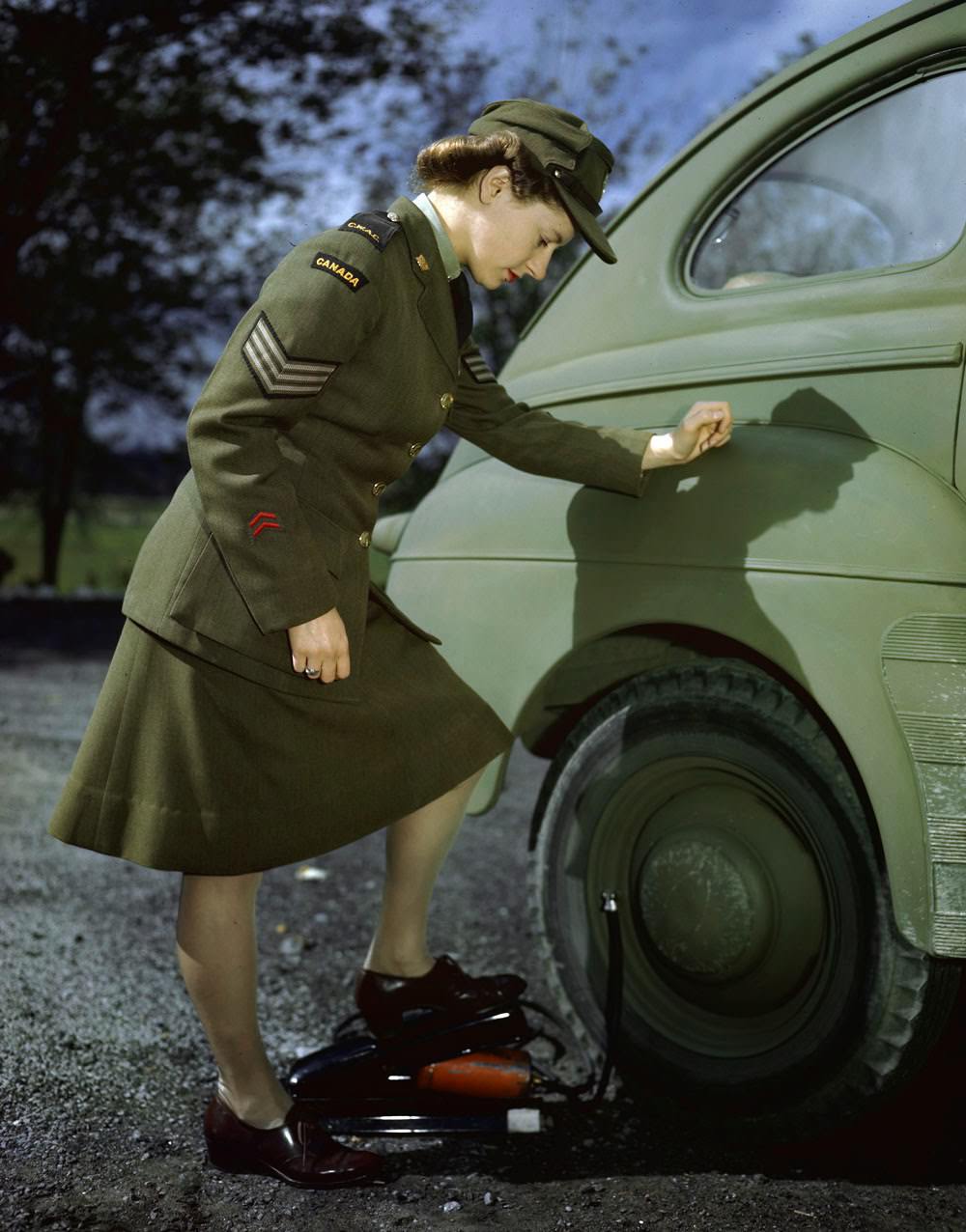
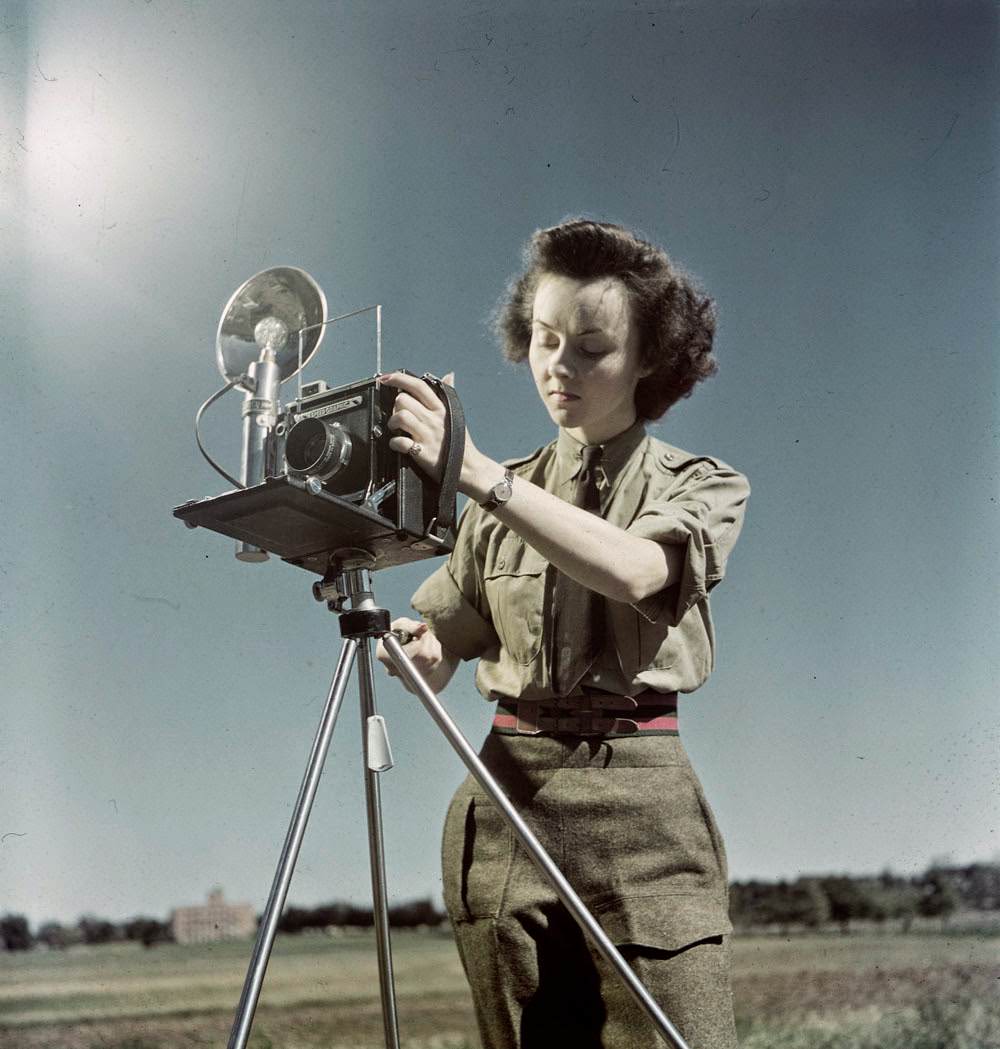
Specialized technical roles appeared throughout the corps. Sgt. Shirley McNeill worked with a foot pump, one of many CWAC members assigned to hands-on mechanical and equipment tasks. Sgt. Karen Hermiston served as a photographer, documenting the corps with a Speed Graphic camera — the standard press and military camera of the era. Her work preserved a visual record of CWAC service during the war.
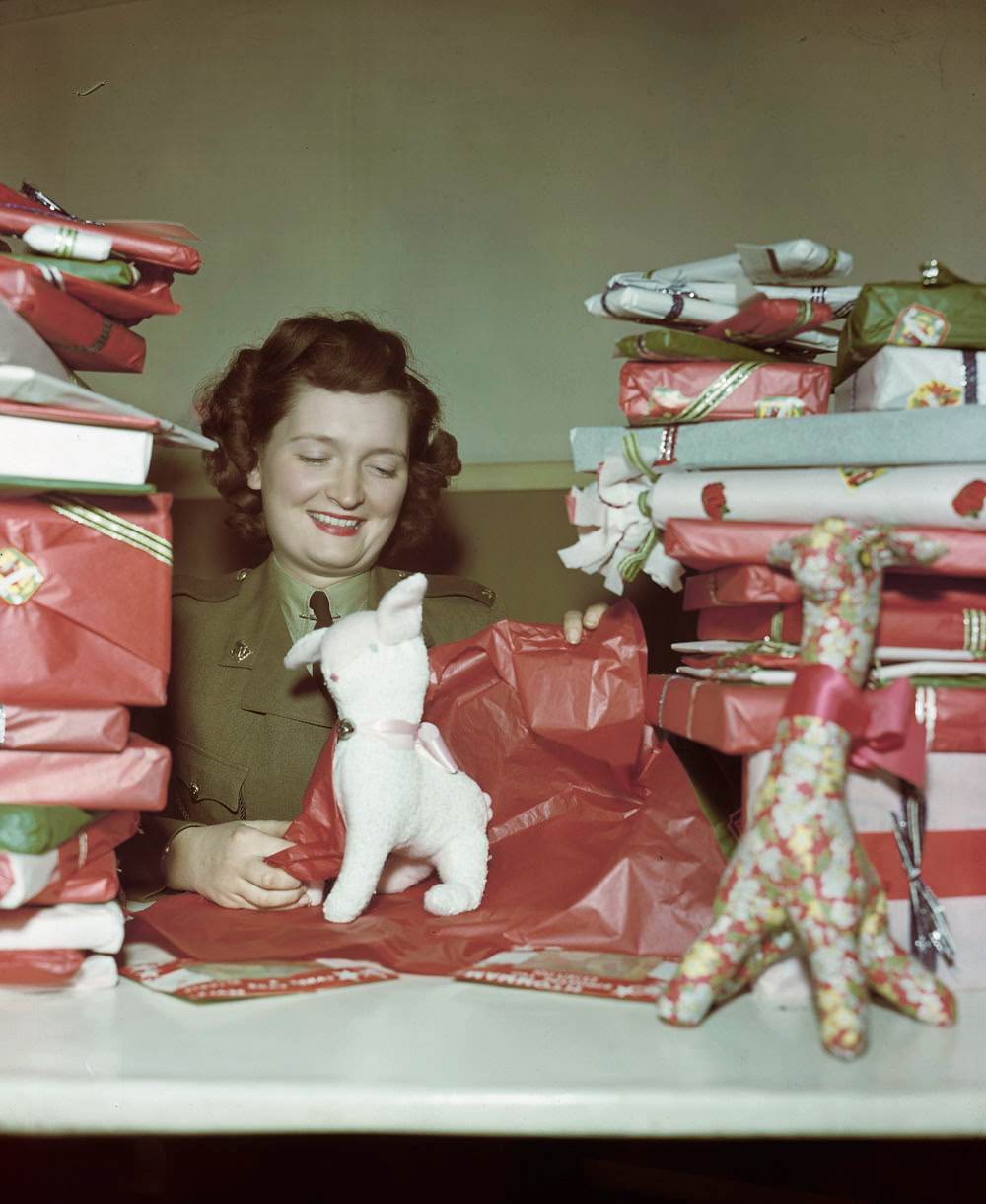
Even at Christmas, CWAC members remained on duty, keeping the army’s operations moving through the holiday season. The wrapping of gifts and seasonal observances offered brief moments of normalcy within the structure of military life.