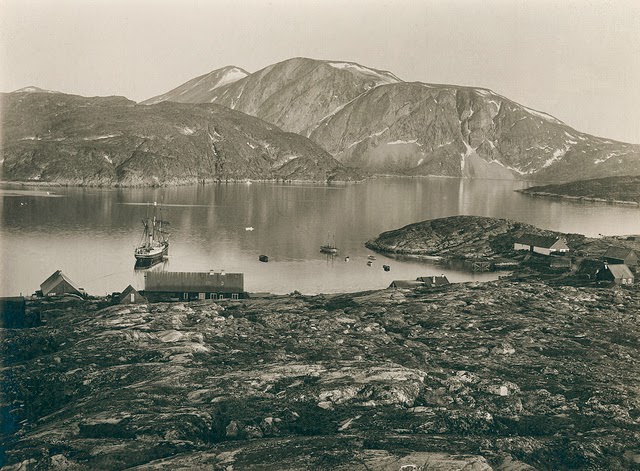
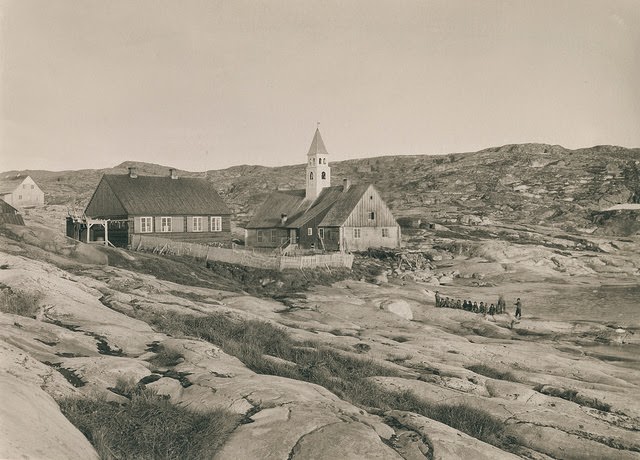
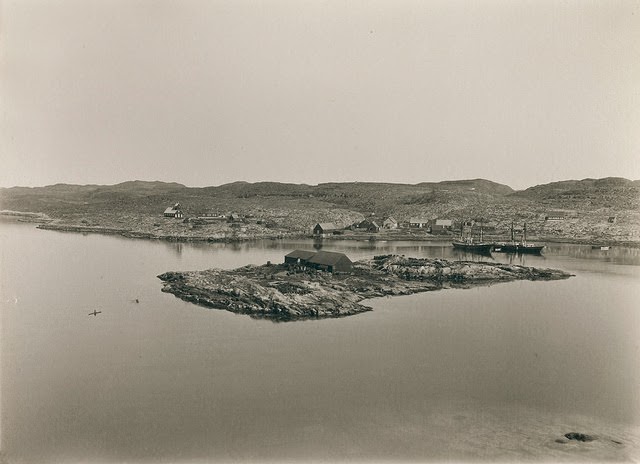
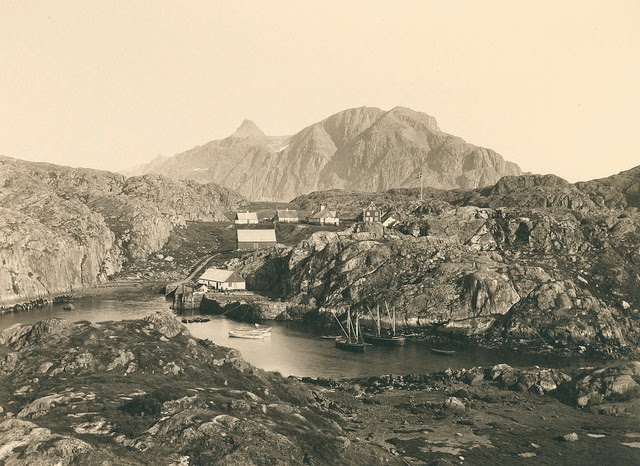
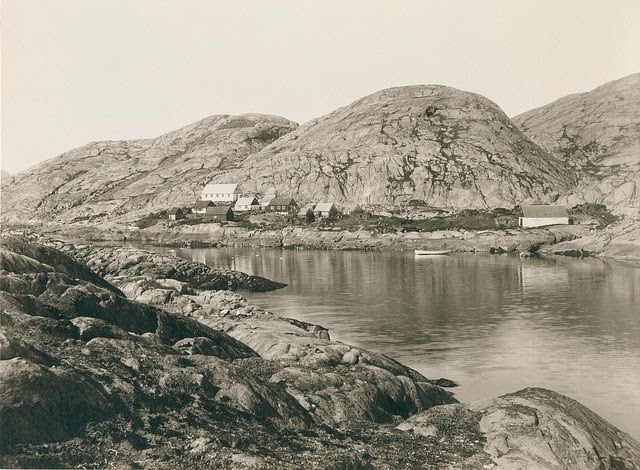
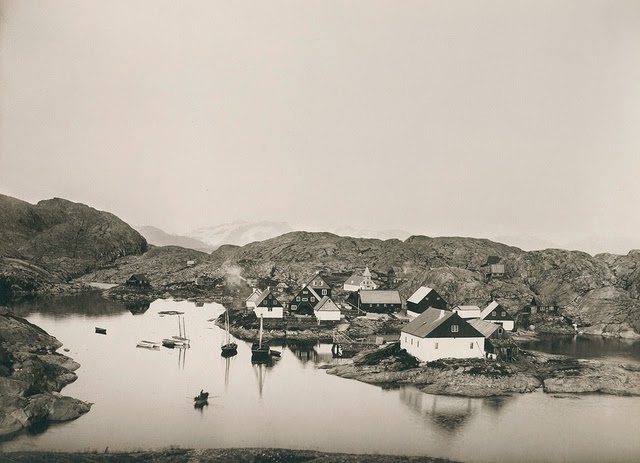
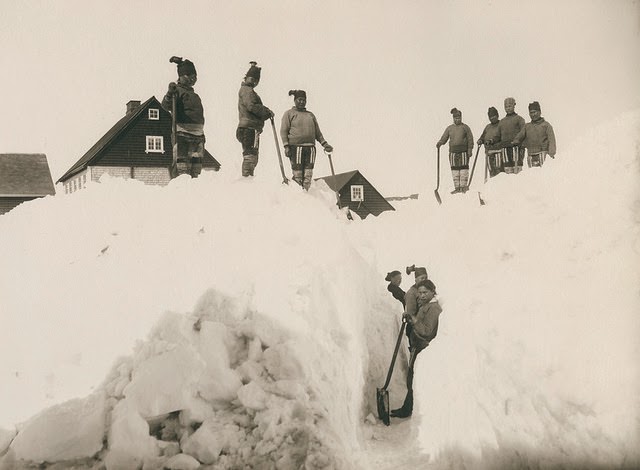
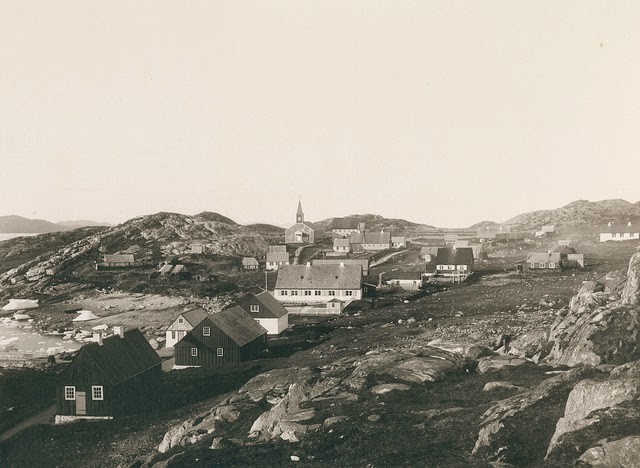
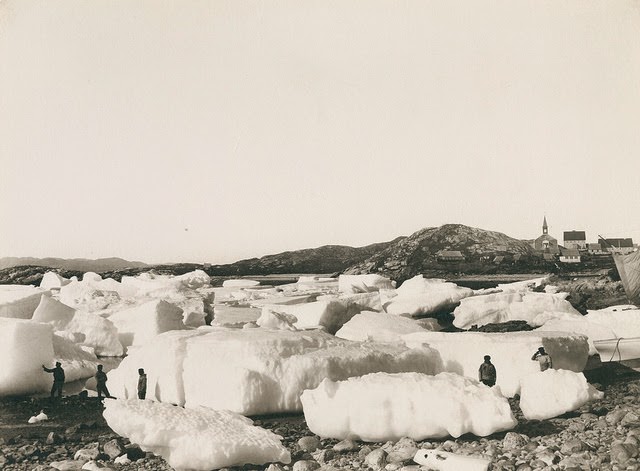
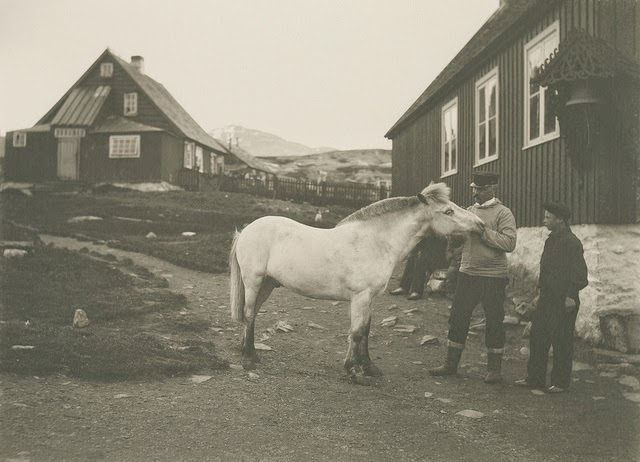
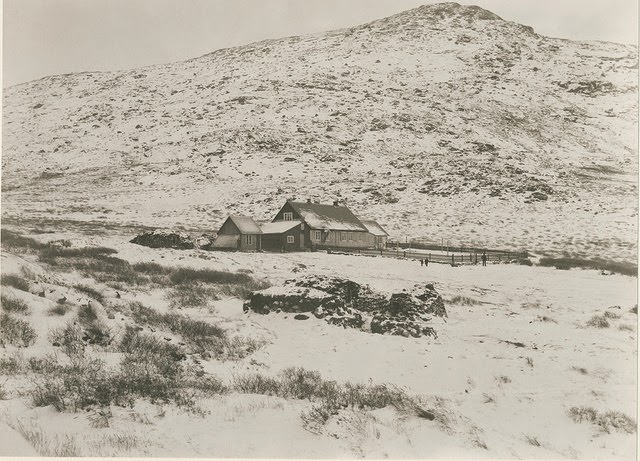
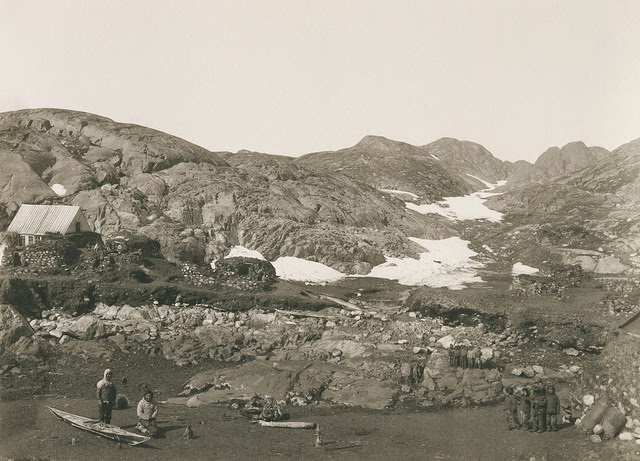
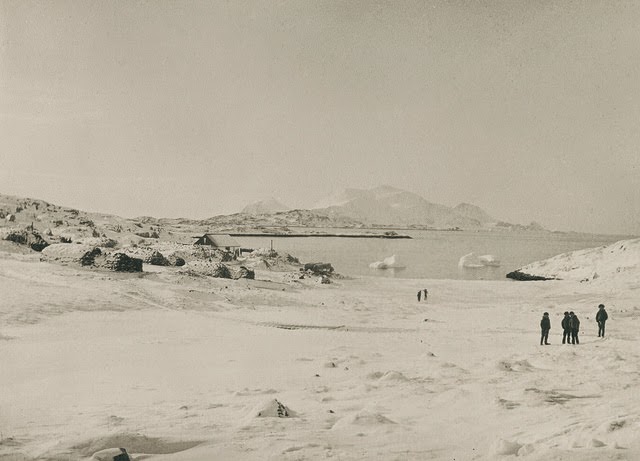
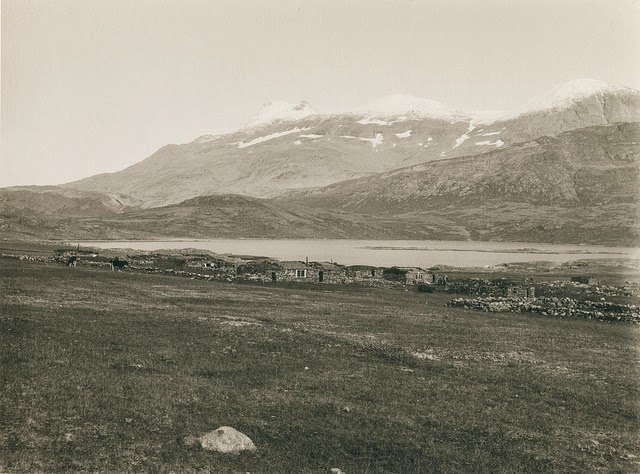
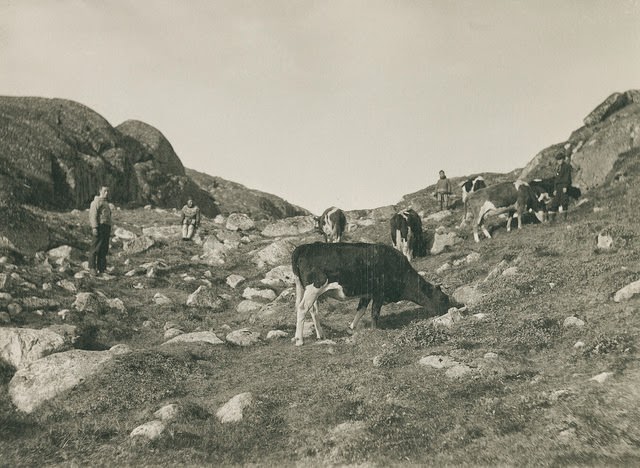
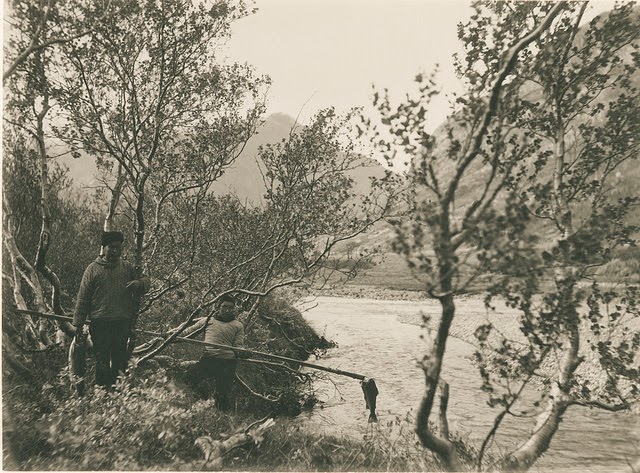
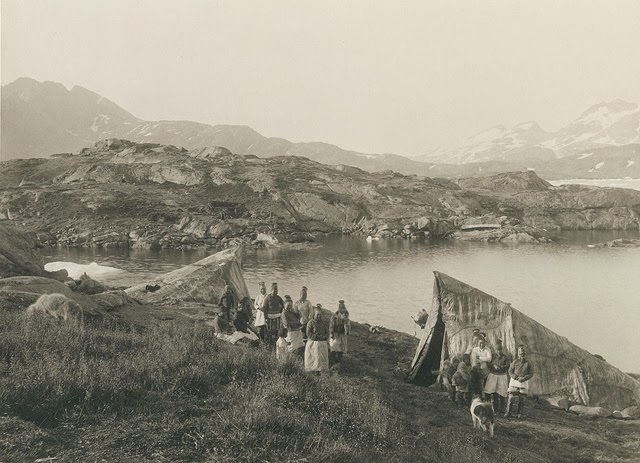
In the late 19th century, Greenland’s people lived in small communities scattered along a rocky, wind-battered coastline. Winter homes were built partly underground, framed with stone and packed turf. That design trapped heat well against brutal Arctic temperatures. Inside, a soapstone lamp called a qulliq burned seal blubber for both warmth and light. When summer arrived, families left those fixed structures behind and moved into portable skin tents as they followed hunting and fishing grounds.
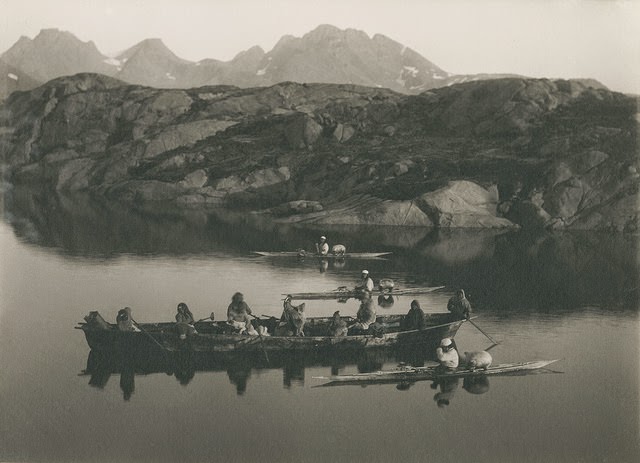
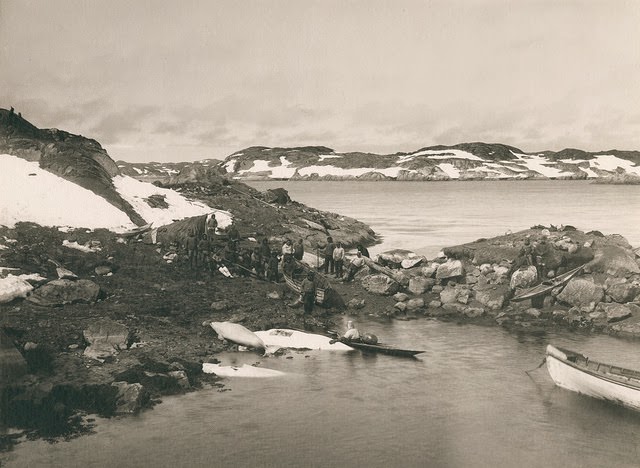
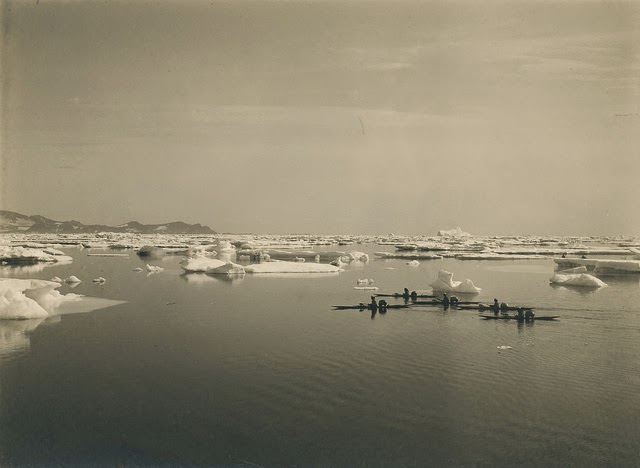
The ocean was the center of survival. Men built kayaks from driftwood frames covered in stretched sealskin. A hunter wore a waterproof jacket made from seal intestines, laced tightly around the cockpit rim to seal out water. From these narrow vessels, hunters pursued seals, narwhals, and walruses using harpoons. Women rowed larger, open boats called umiaks to move families and heavy cargo between camps.
Clothing was highly engineered for the cold. Women prepared hides by scraping off fat and chewing the leather until it was soft. They stitched together layered parkas — fur facing inward on the inner layer, outward on the outer — using bone or steel needles. Boots called kamiks, made from depilated sealskin, kept feet dry through snow and slush.
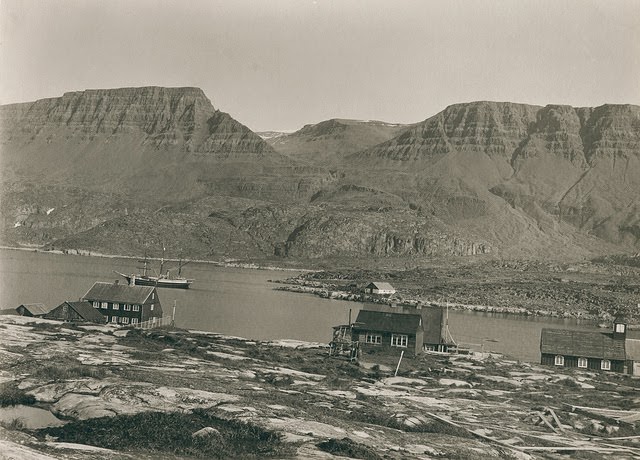
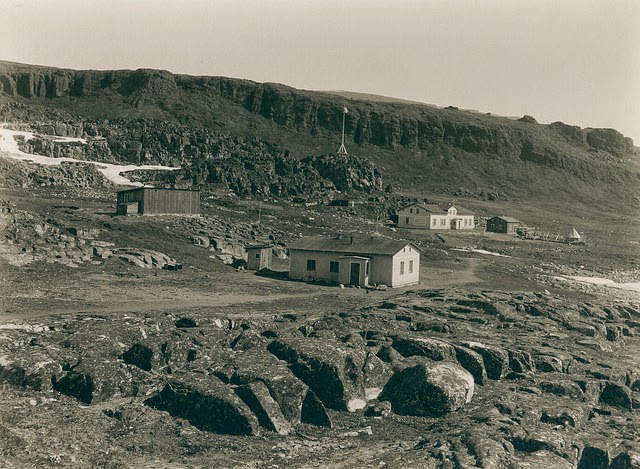
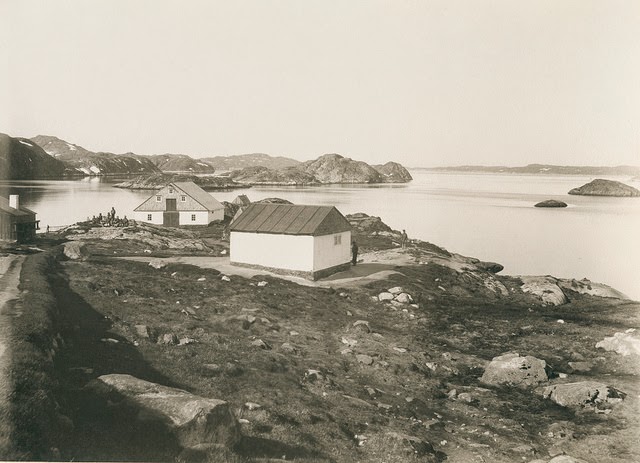
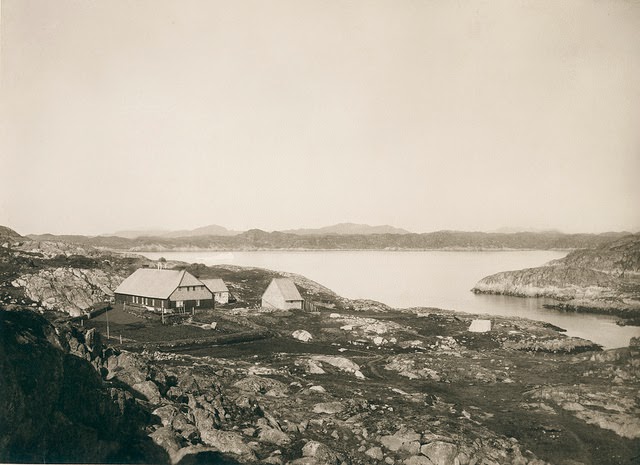
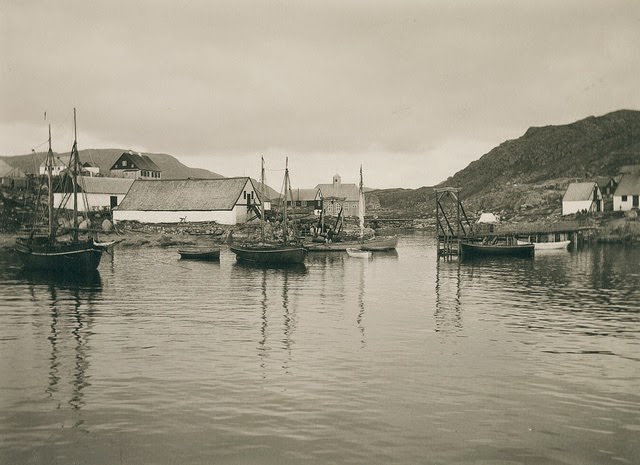
Denmark controlled the island through the Royal Greenland Trading Department, a government monopoly that managed all trade and limited outside contact. Trading posts in colonies like Godthåb (Nuuk) and Jakobshavn (Ilulissat) served as exchange hubs. Hunters brought surplus seal blubber, fox skins, and ivory to these depots and received European goods — coffee, tobacco, flour, and firearms — in return.
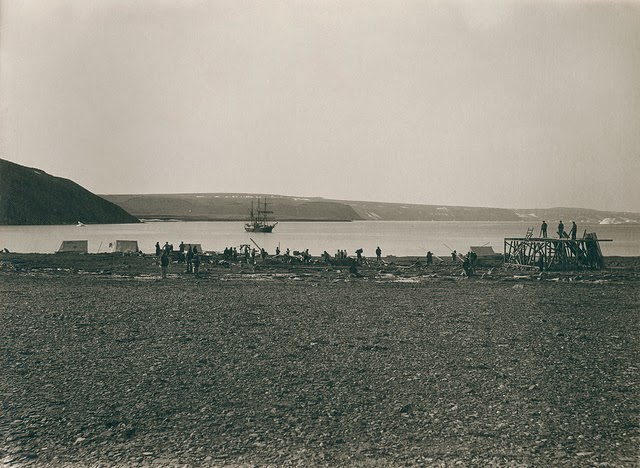
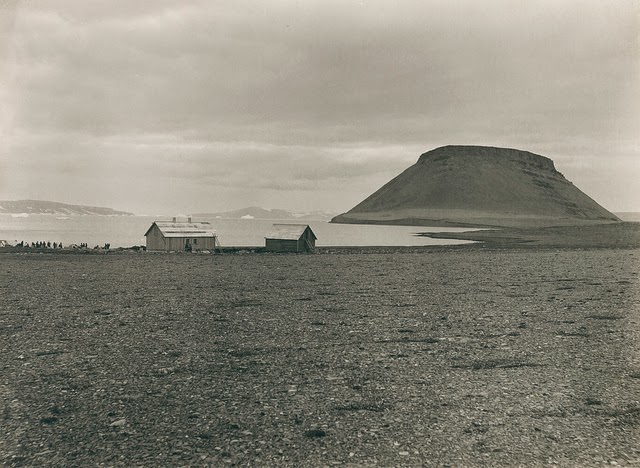
Greenland’s vast interior was unknown to the outside world until 1888, when Norwegian explorer Fridtjof Nansen led the first crossing of the ice sheet. His team of six men traveled on skis and sledges from the east coast to the west, enduring violent snowstorms and temperatures far below freezing. The expedition confirmed that the interior was a continuous continental glacier, not the green, ice-free landscape some had theorized.
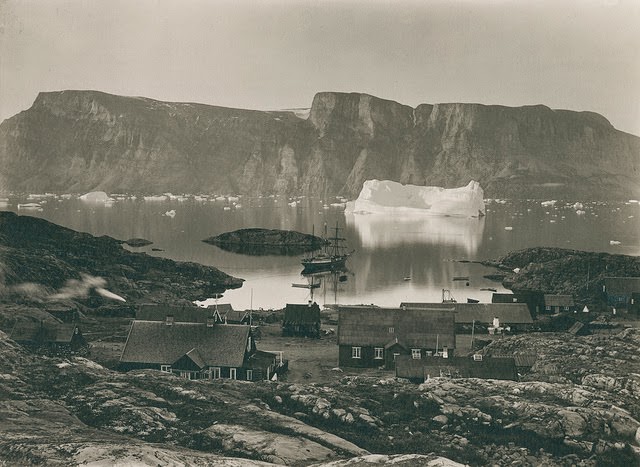
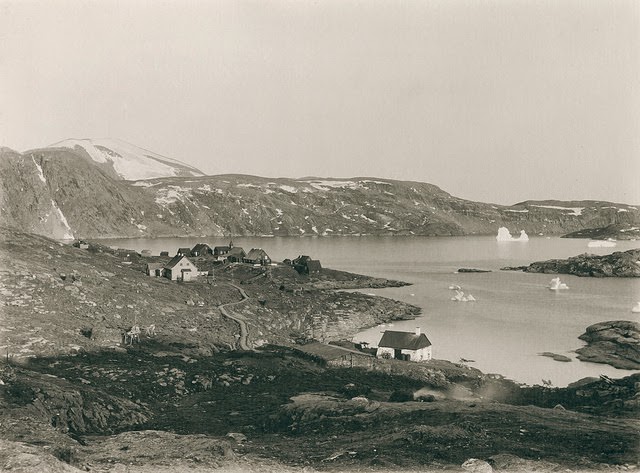
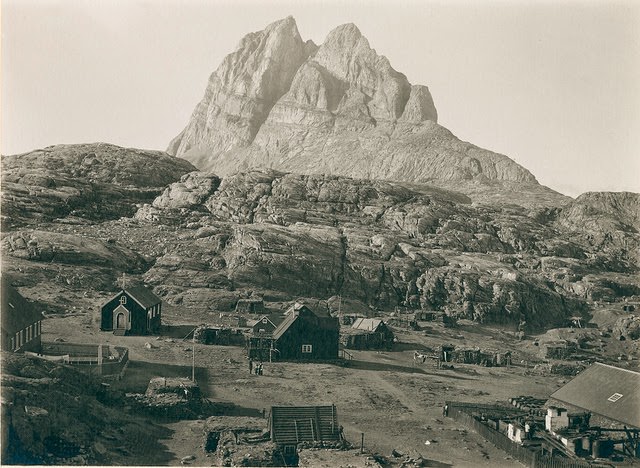
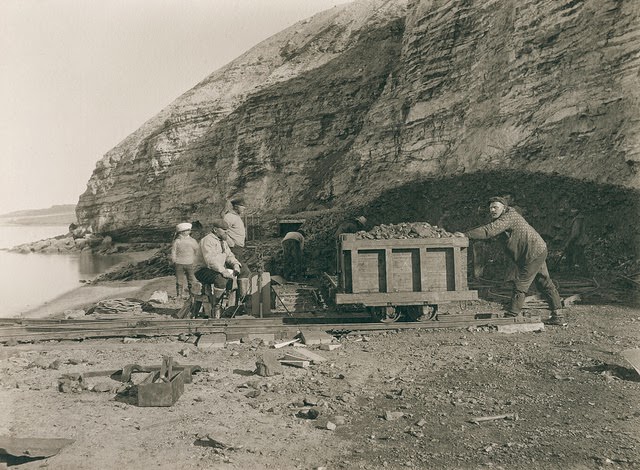
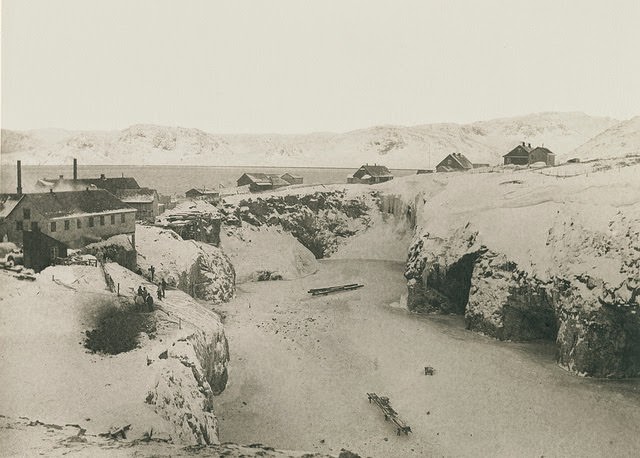
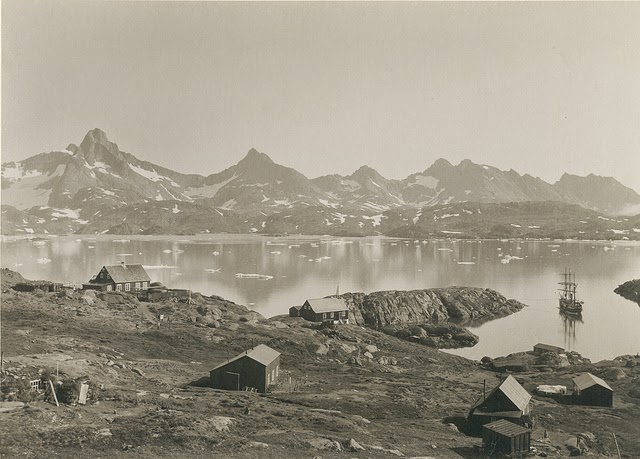
In the south, at Ivittuut, an entirely different world existed. Miners extracted cryolite, a rare white mineral critical to aluminum production and glass processing. This was the only commercially viable cryolite mine in the world at the time. Ships docked regularly to haul the ore to factories in Pennsylvania and Copenhagen, bringing steam engines and heavy machinery to fjords that were otherwise quiet and remote.