In 1939, children’s clothing was governed by firm social expectations. What a child wore told the world about their family’s values, discipline, and standing. Getting it wrong was not just a fashion mistake—it was a reflection on the parents. Age, gender, and setting all determined what was correct.
Girls wore dresses nearly everywhere. At home, at school, and at social events, a dress was the expected choice. Hemlines fell below the knee, sleeves were common even in warm weather, and soft pastel colors were preferred over bold shades. Pressed fabric, clean collars, and a proper fit mattered far more than decoration. Clothing that appeared flashy or too grown-up was considered wrong.
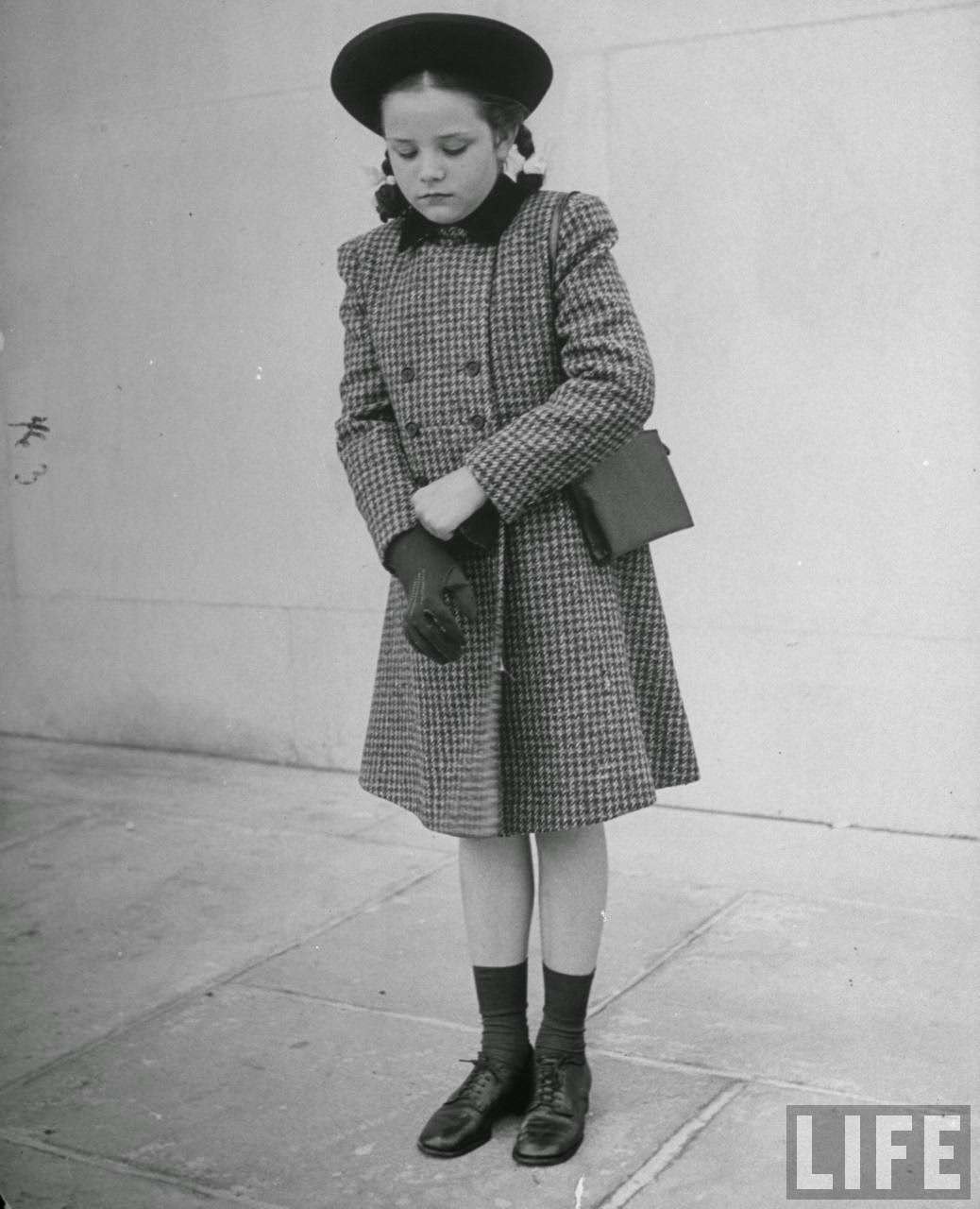
For outings and cooler weather, a well-cut coat completed a girl’s look. Style details like back fullness and shoulder bags were acceptable when kept age-appropriate.
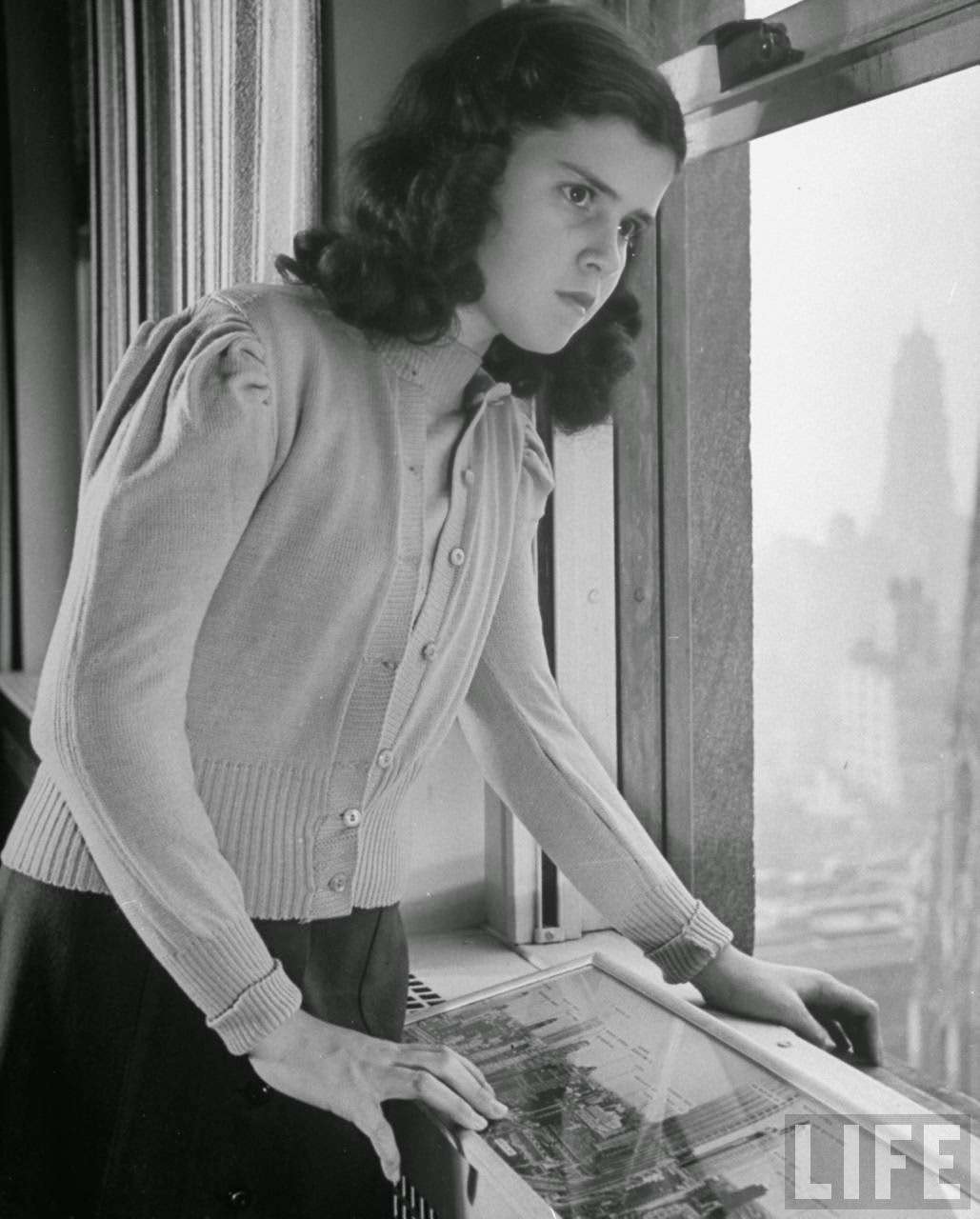
Teenagers had slightly more flexibility. Twin sweater sets, popular on college campuses, were considered appropriate for teenage girls as well. They struck the right balance between youthful and neat.
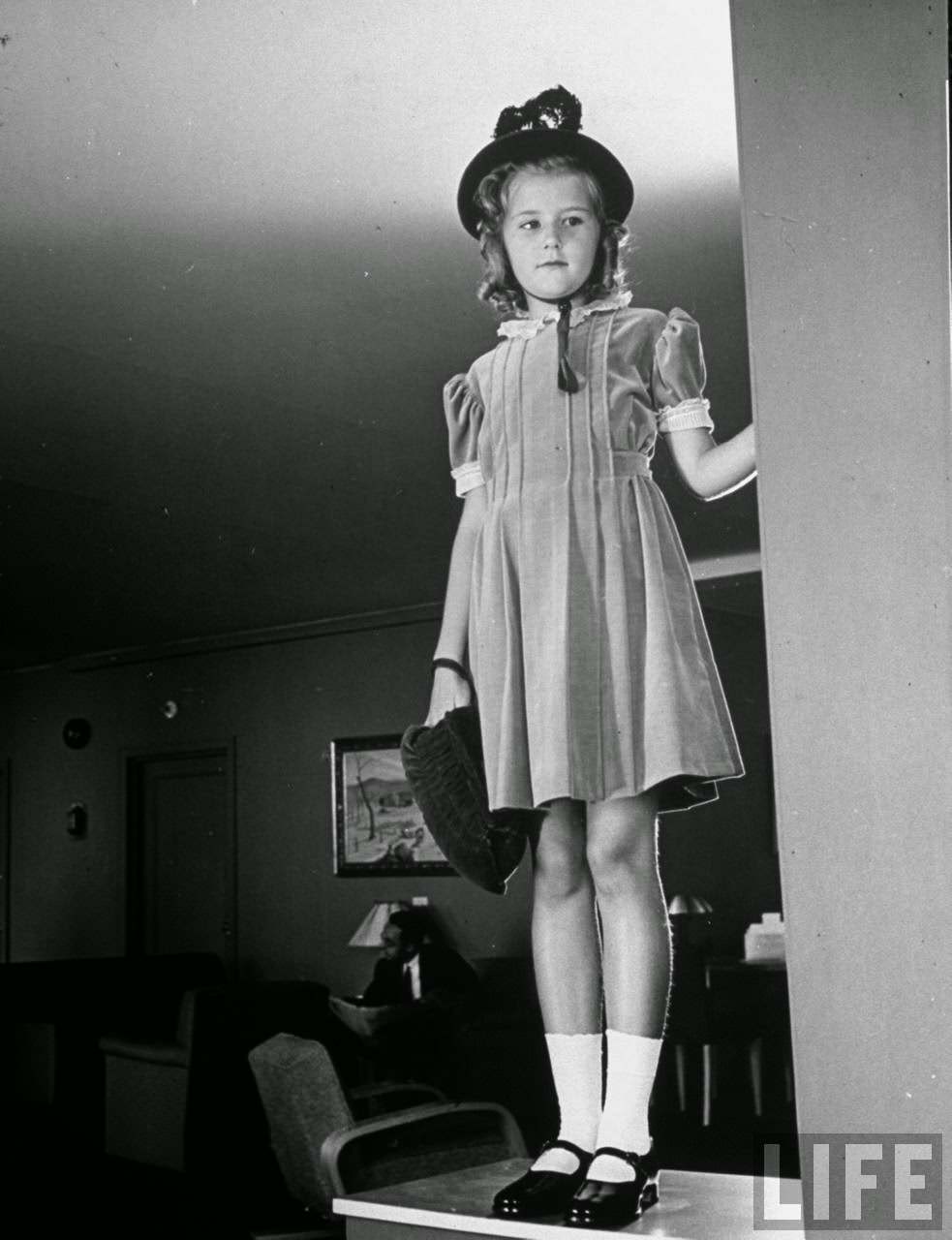
Party wear for girls followed the same rules of modesty. A velveteen dress in a soft color, paired with matching accessories, was the ideal look for a young girl attending a social event.
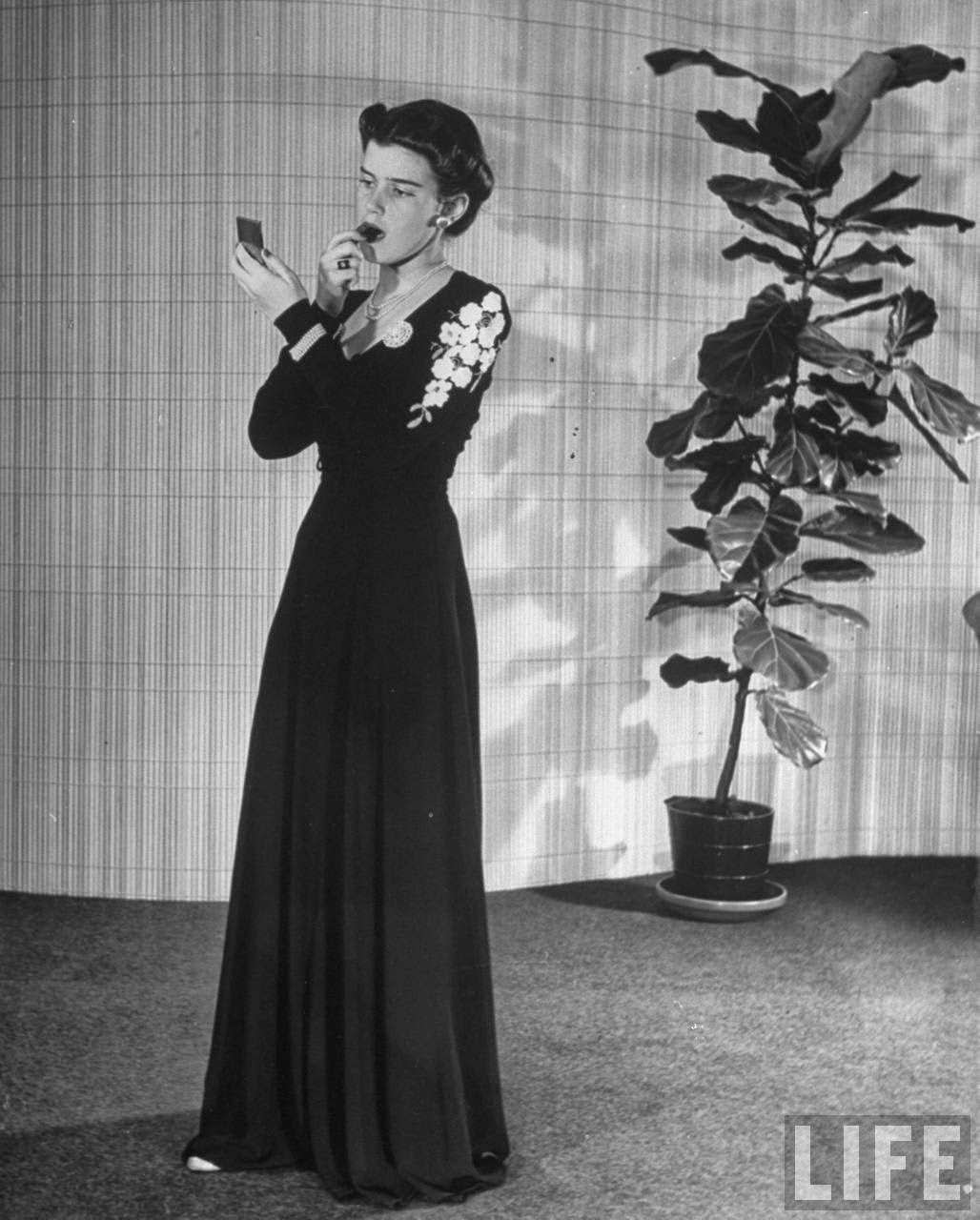
On the other end, a slinky black dress with an adult updo hairstyle was seen as entirely wrong for a young girl. Clothing that created a grown woman’s silhouette on a child was considered inappropriate, not daring.
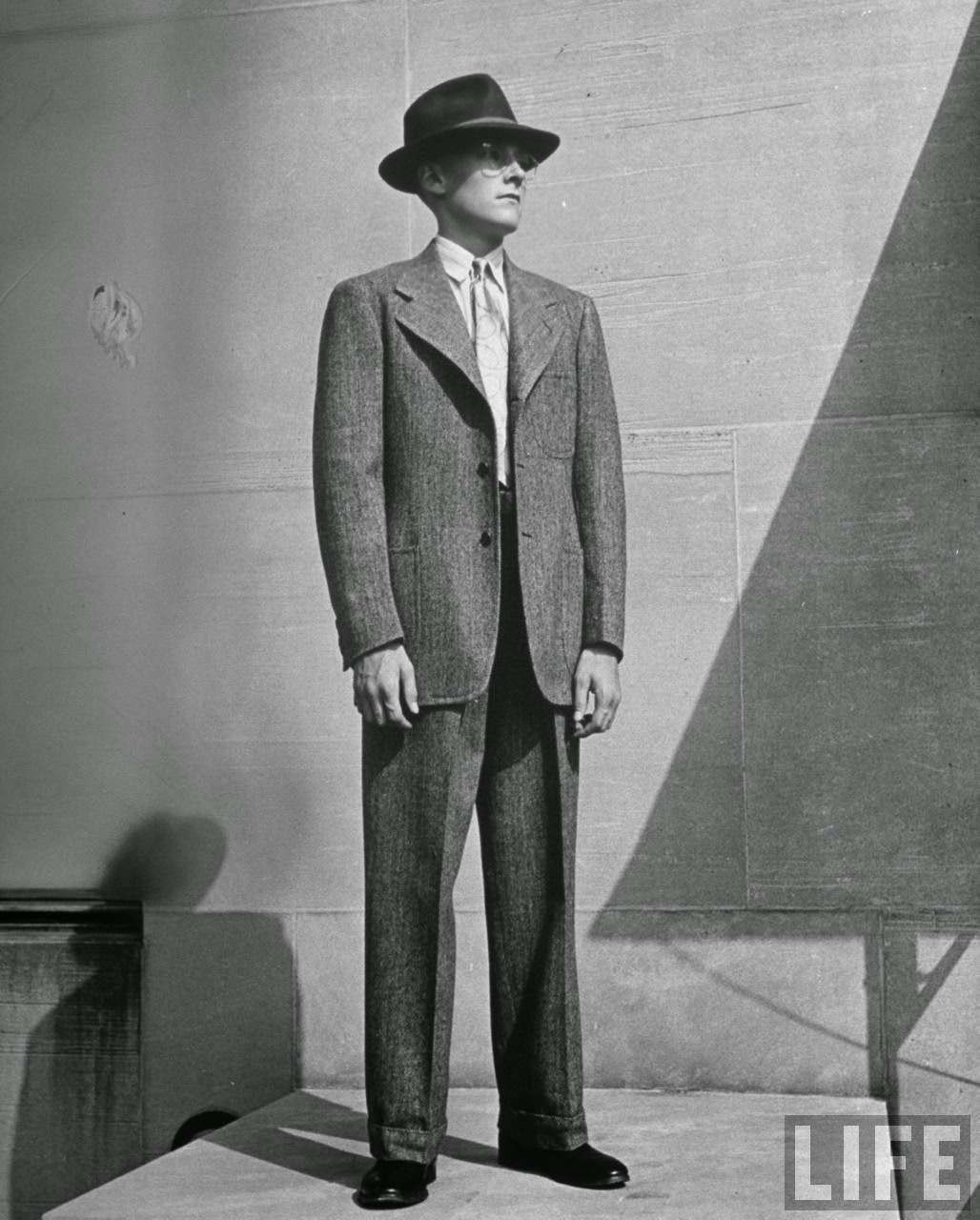
For boys, neat and structured clothing was the standard. A single-breasted fitted jacket, a prep-style hat, and understated glasses represented the correct look for a young boy in public.
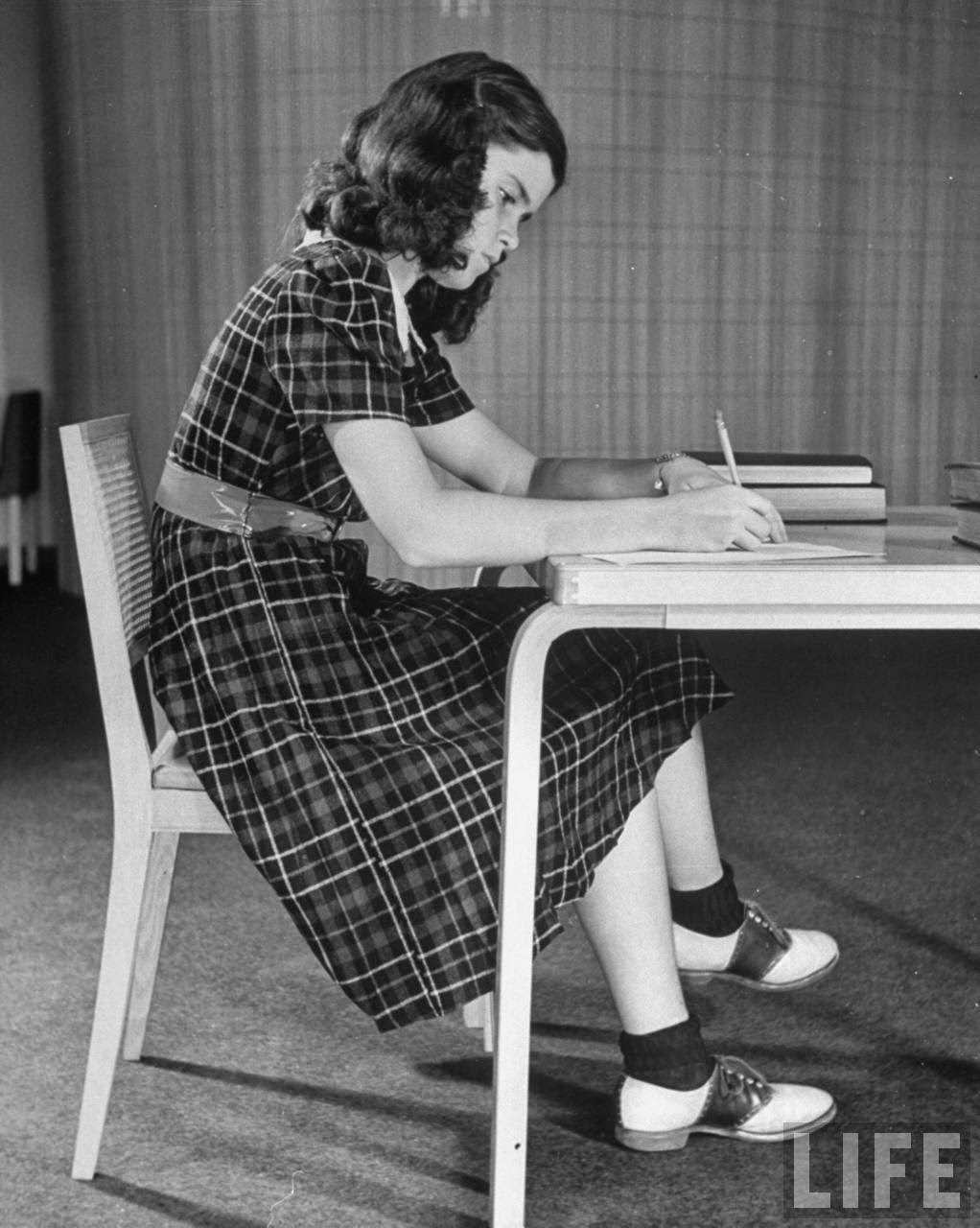
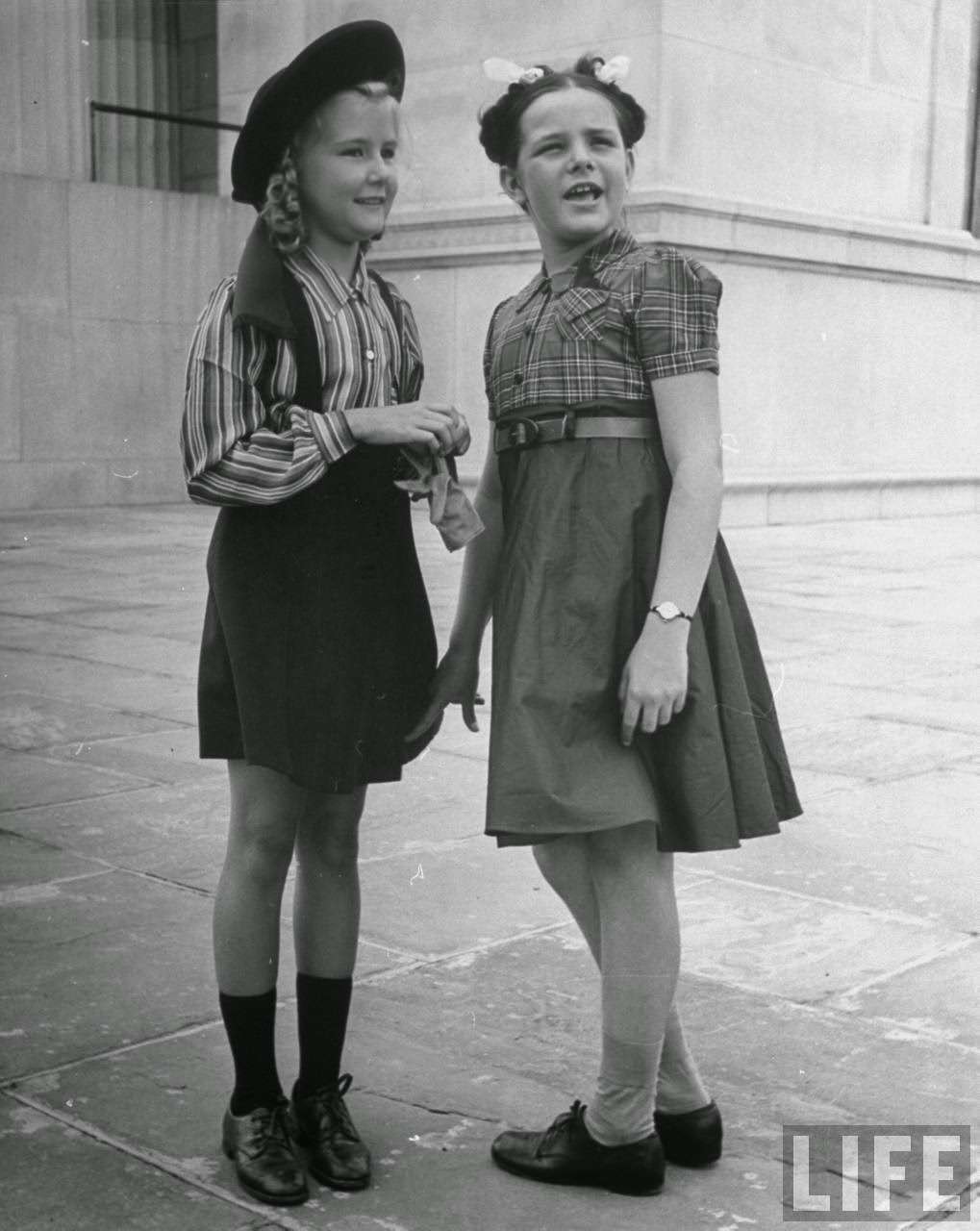
Jumper skirts and shirtwaist dresses stood out as reliable everyday choices for girls. These styles were widely accepted and easy to keep tidy, making them a practical default for school and casual wear alike.
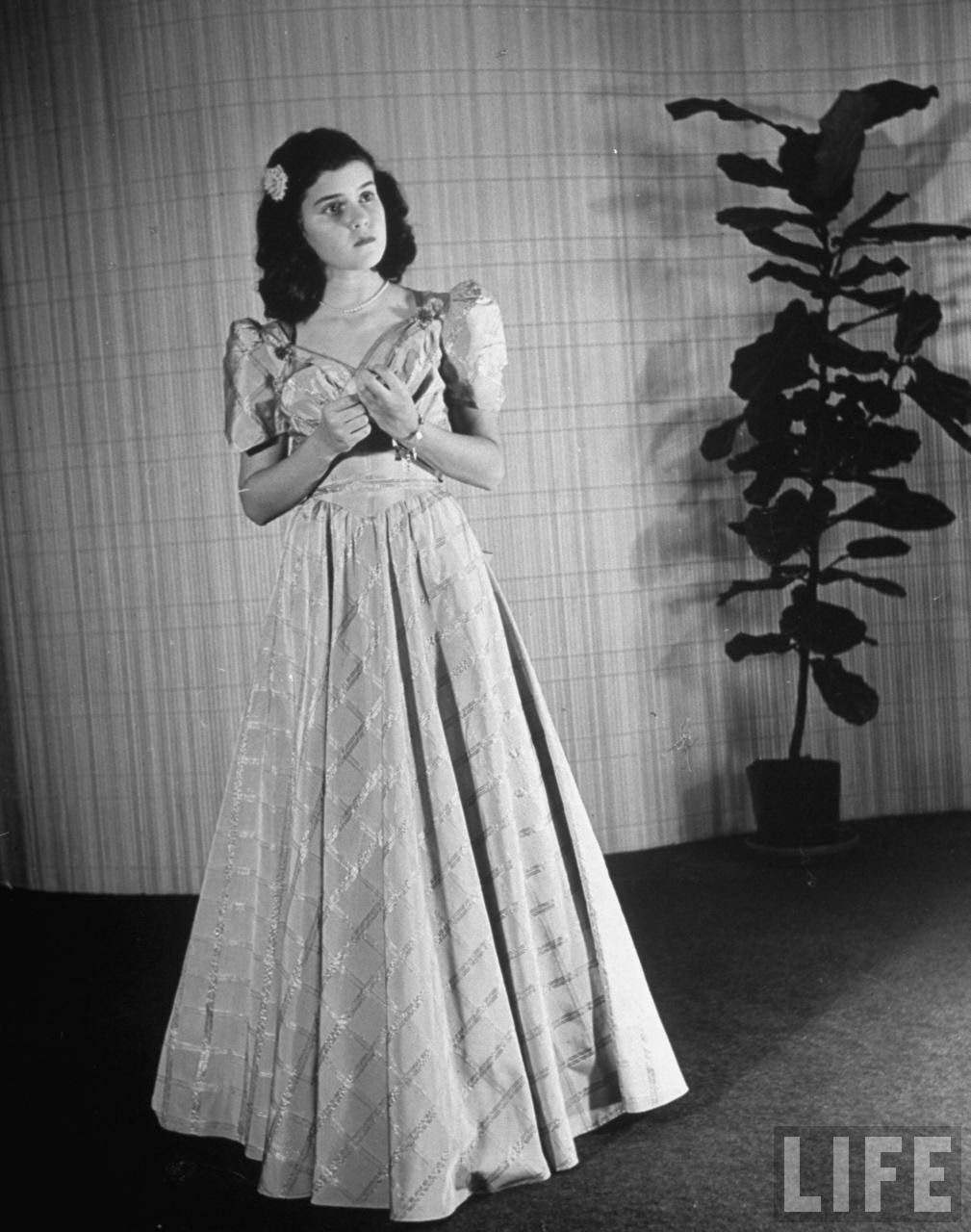
For teenage girls attending parties, a modest and age-appropriate dress was the correct choice. Anything too short, too tight, or too mature crossed a clear social line.
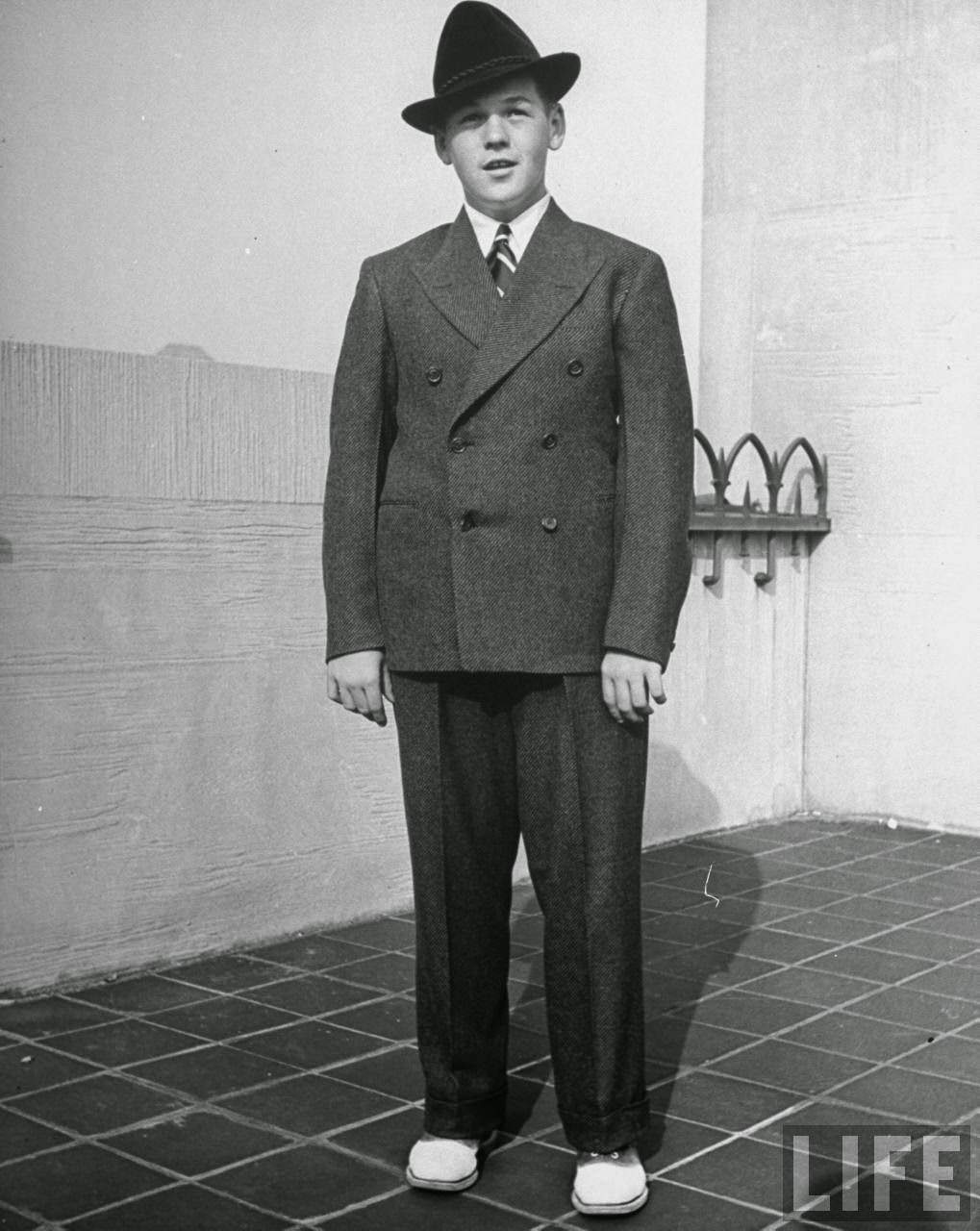
Boys who dressed like miniature adult men were also seen as wrongly outfitted. A double-breasted jacket with exaggerated shoulders, broad lapels, and a man’s hat made a boy look like he was playing dress-up in his father’s wardrobe—and that was not a compliment.
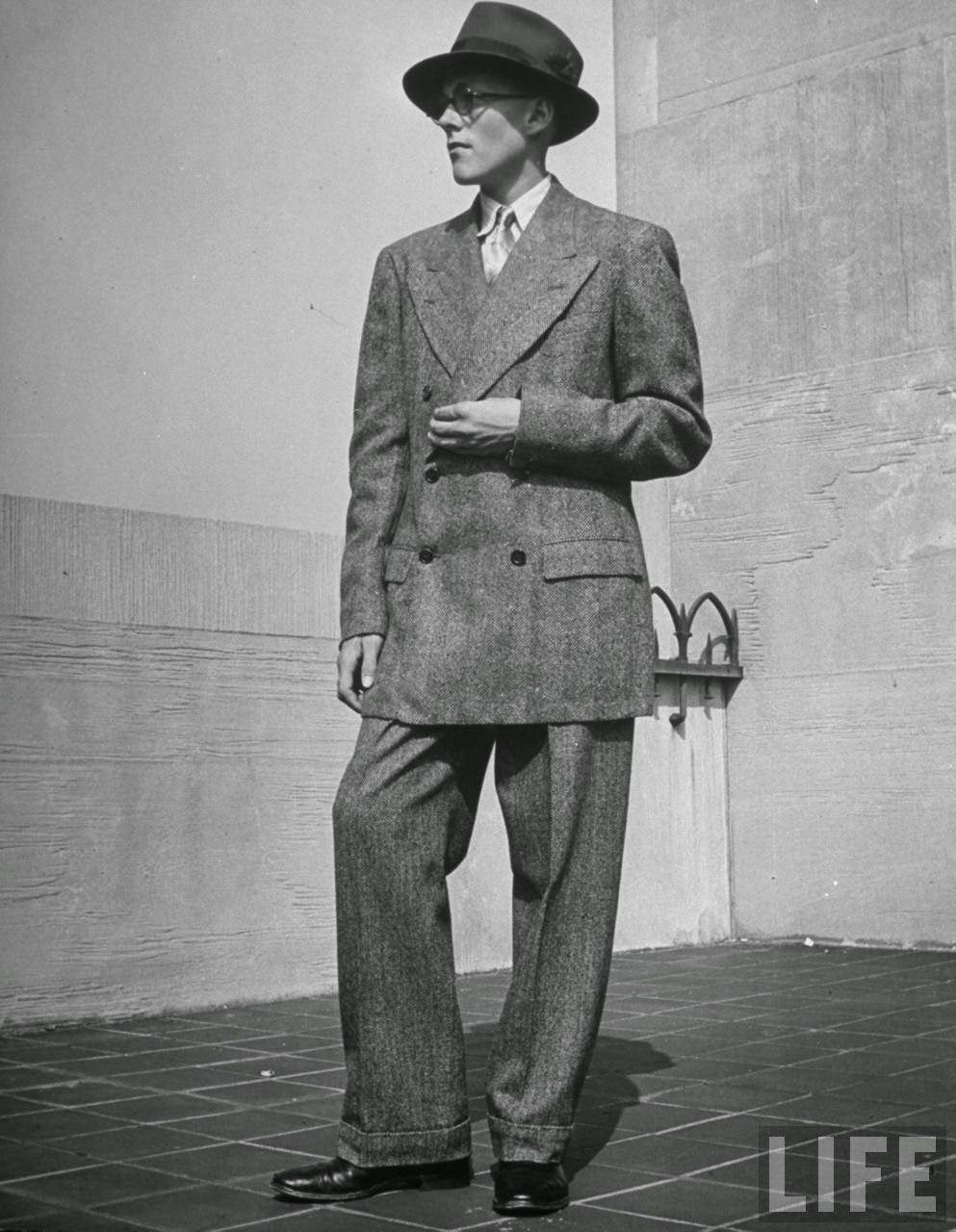
Fit was a major concern, especially for heavier-set boys. A coat that was too snug in the wrong places created an unflattering silhouette that stood out for the wrong reasons.
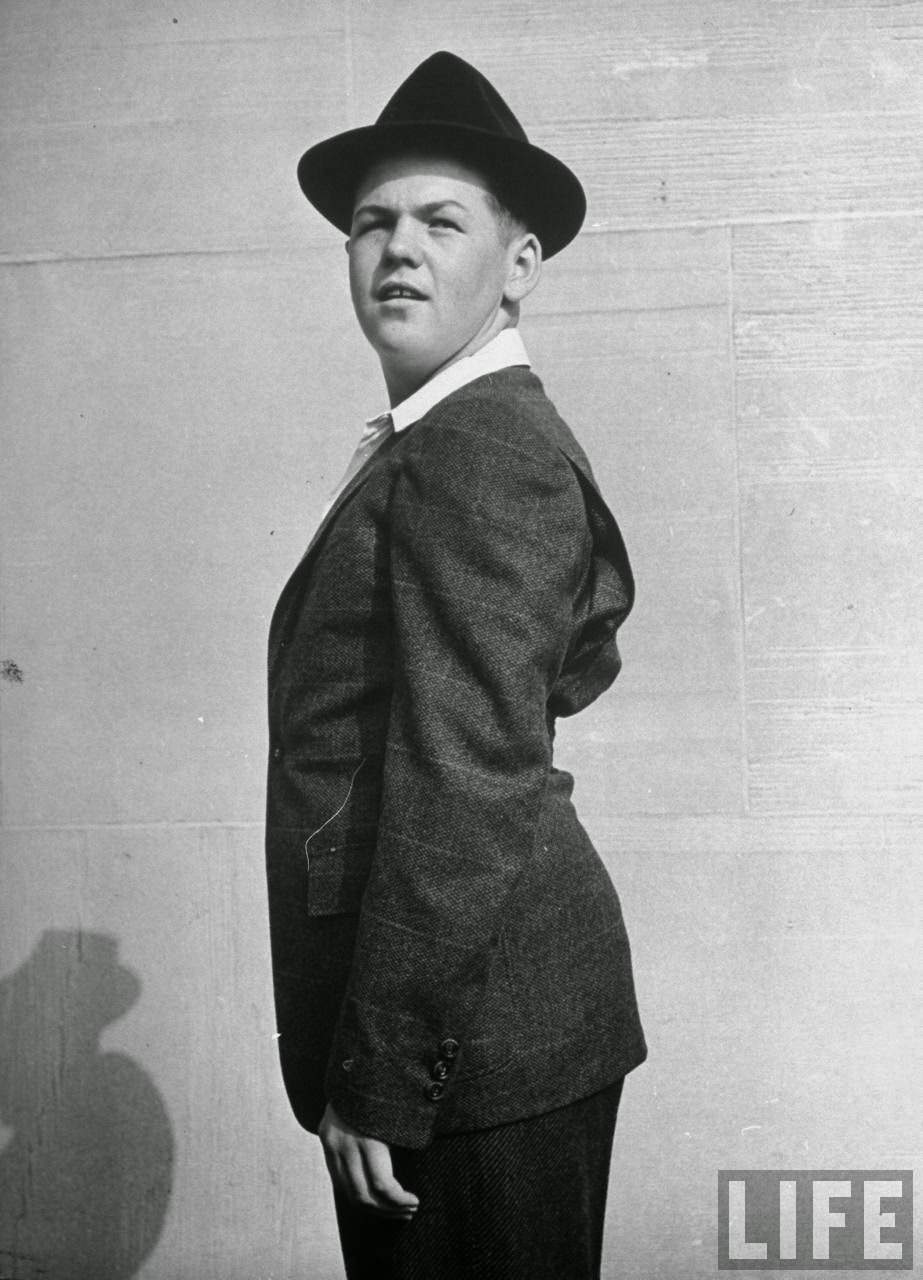
Seasonal outerwear for girls also followed specific guidelines. A plaid coat paired with a visored suede hat—a style linked to Marlene Dietrich—was considered an acceptable and fashionable spring choice for a young girl.
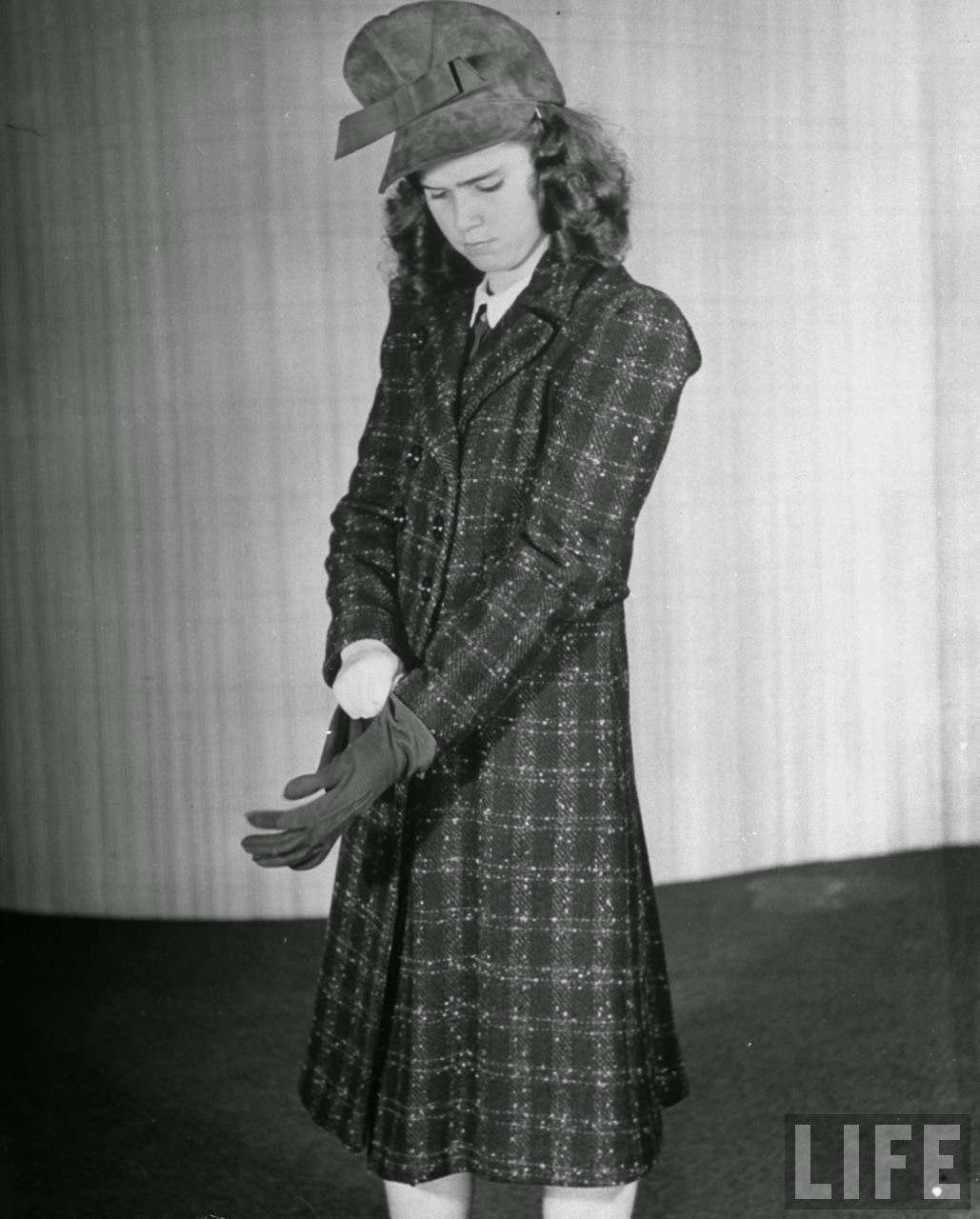
Even small details in girls’ dresses could tip a look from correct to wrong. A dress that was too short or had a neckline that sat too high broke the expected proportions and drew criticism.
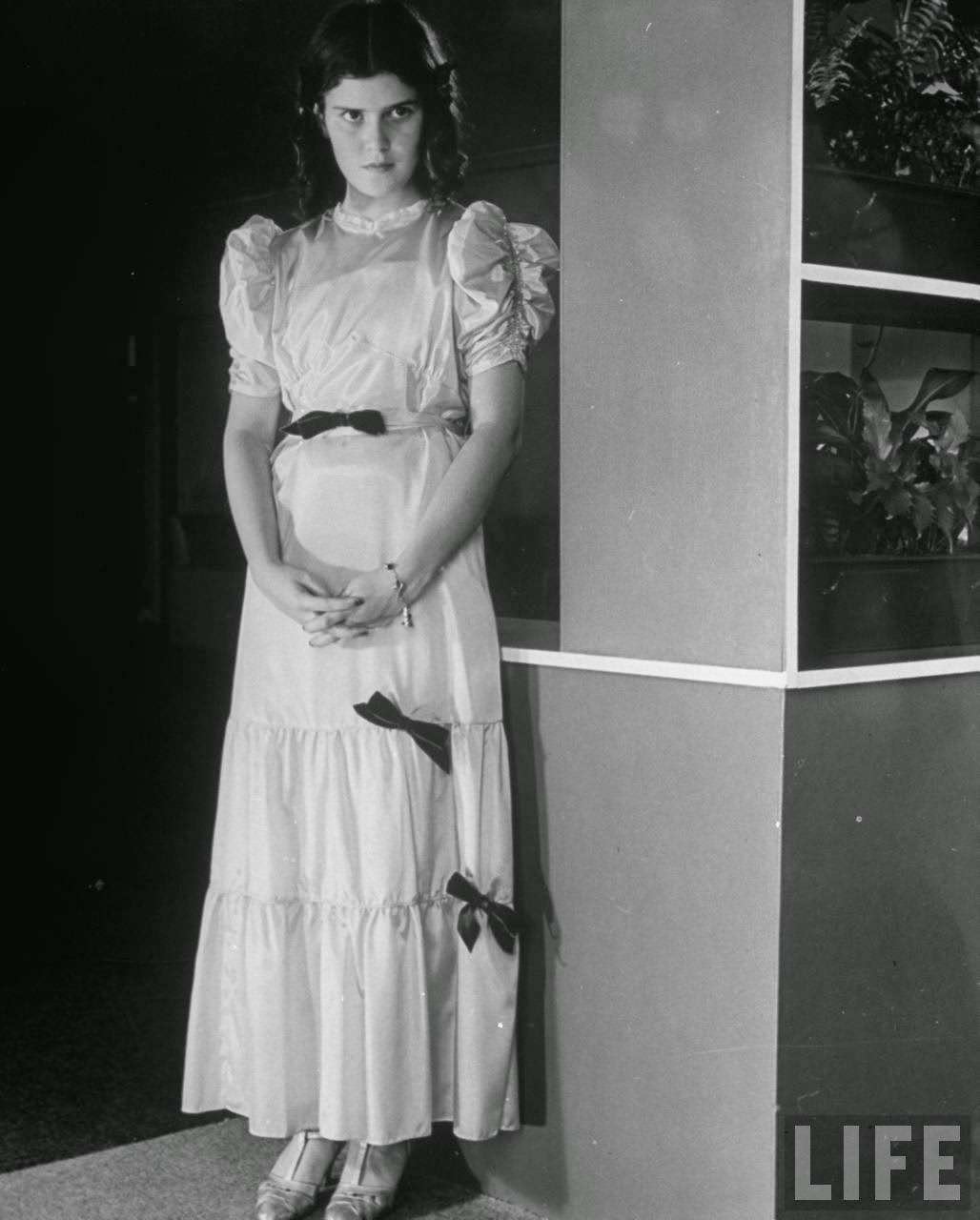
For heavier boys, a poorly fitted suit created obvious problems. A snug jacket that pulled at the middle and puffed at the back was considered sloppy and unflattering—exactly the kind of result proper dressing was meant to avoid.
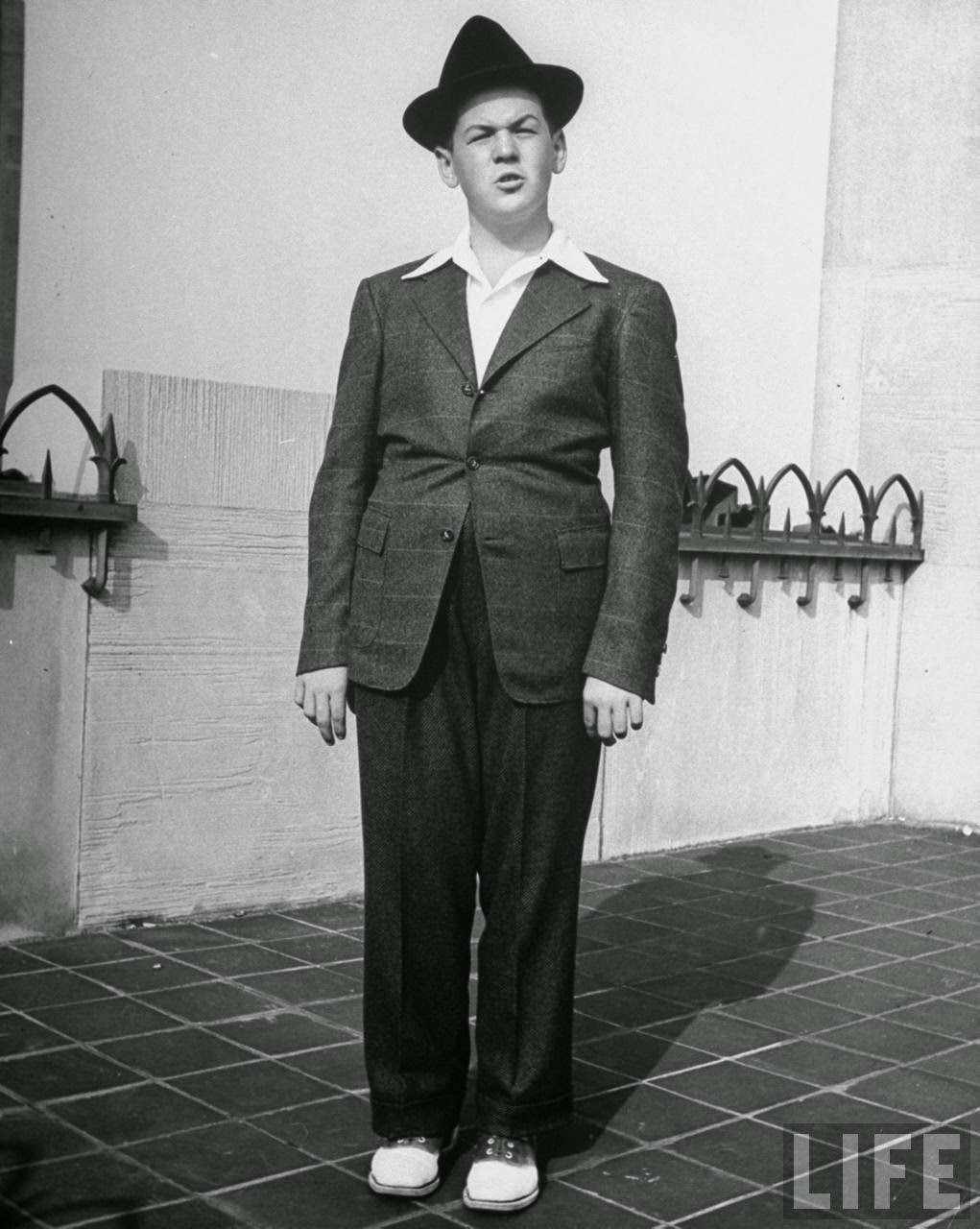
The solution for heavier boys was a looser, double-breasted suit cut to produce a clean, square line. A hat with a turned-down brim completed the look and helped balance the face. Wartime fabric shortages pushed many families toward homemade clothing, but the standards for what looked right remained firmly in place.