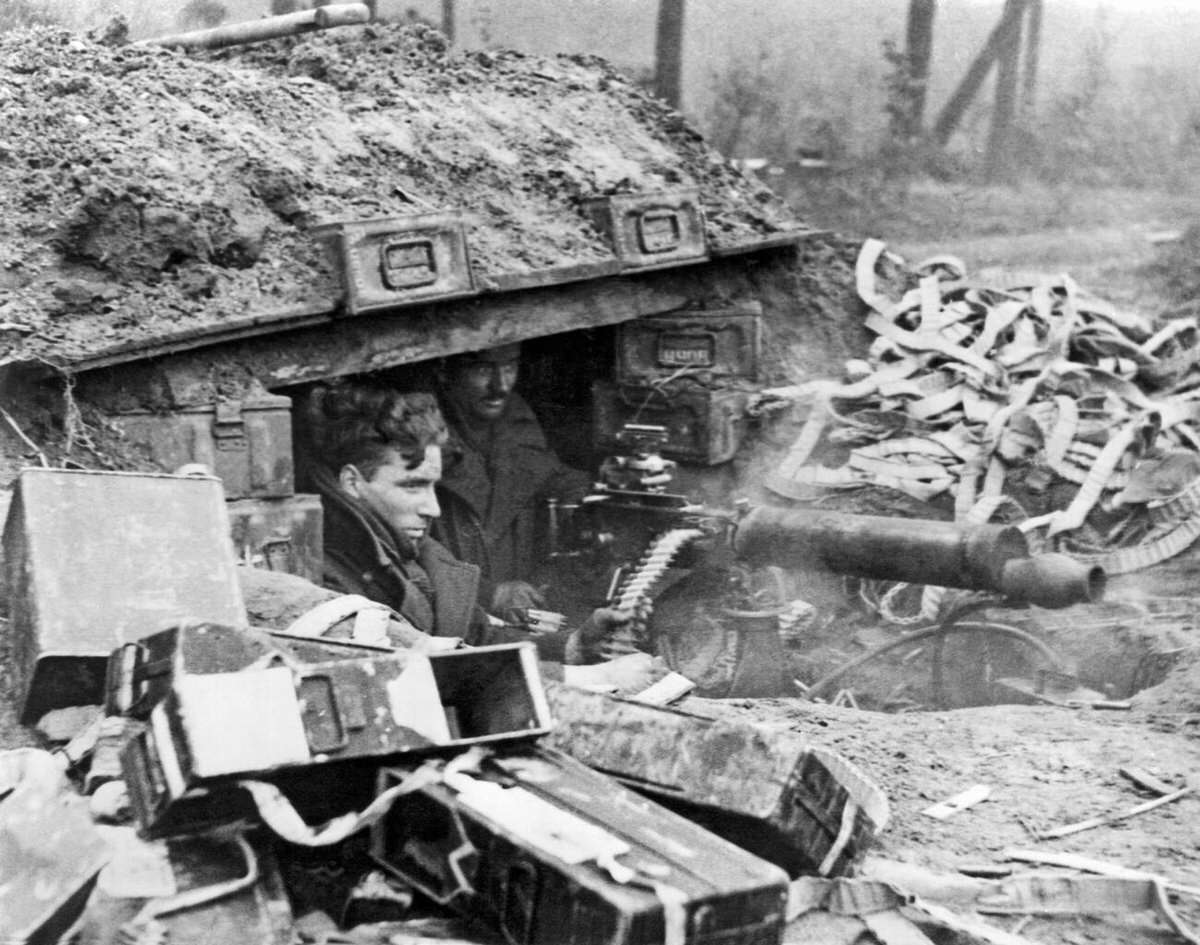
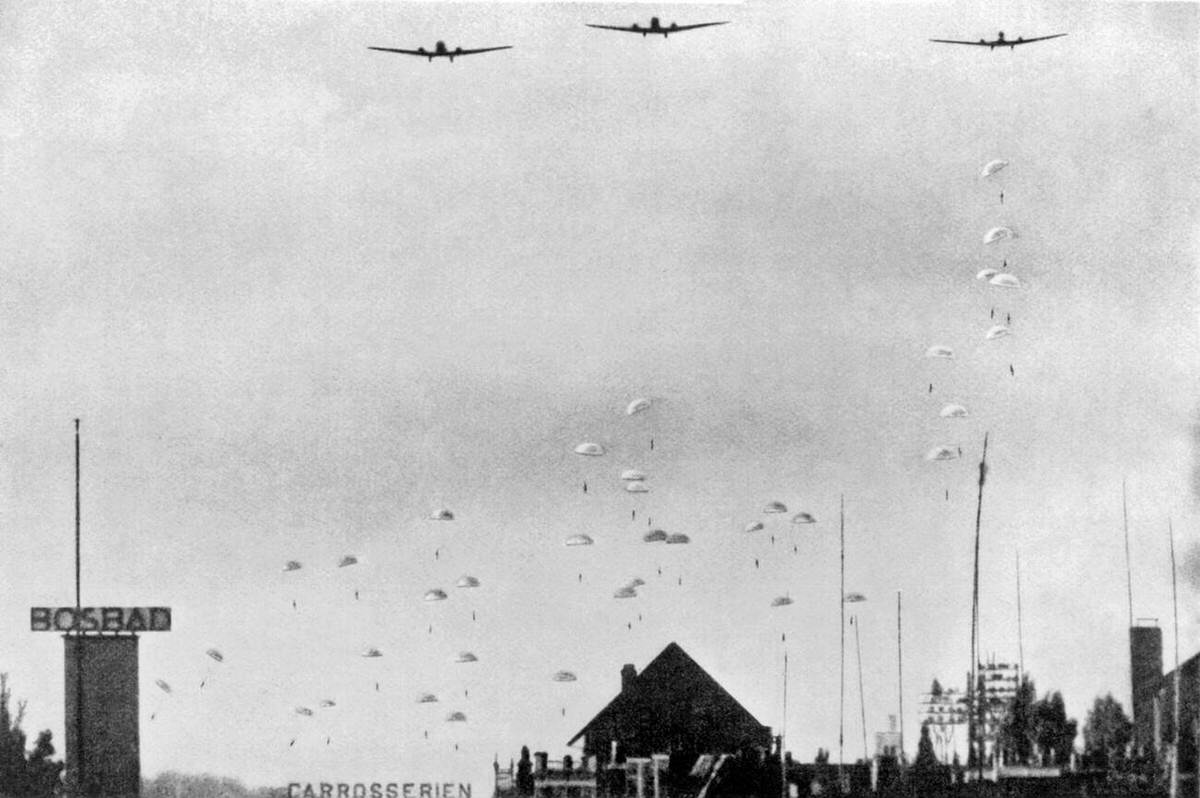
On May 10, 1940, Germany invaded the Netherlands, ending more than a century of Dutch neutrality. The attack was fast and coordinated. German paratroopers dropped from the sky to seize key bridges and airfields before the Dutch army could respond. Despite being vastly outnumbered, Dutch soldiers held their ground for five days.
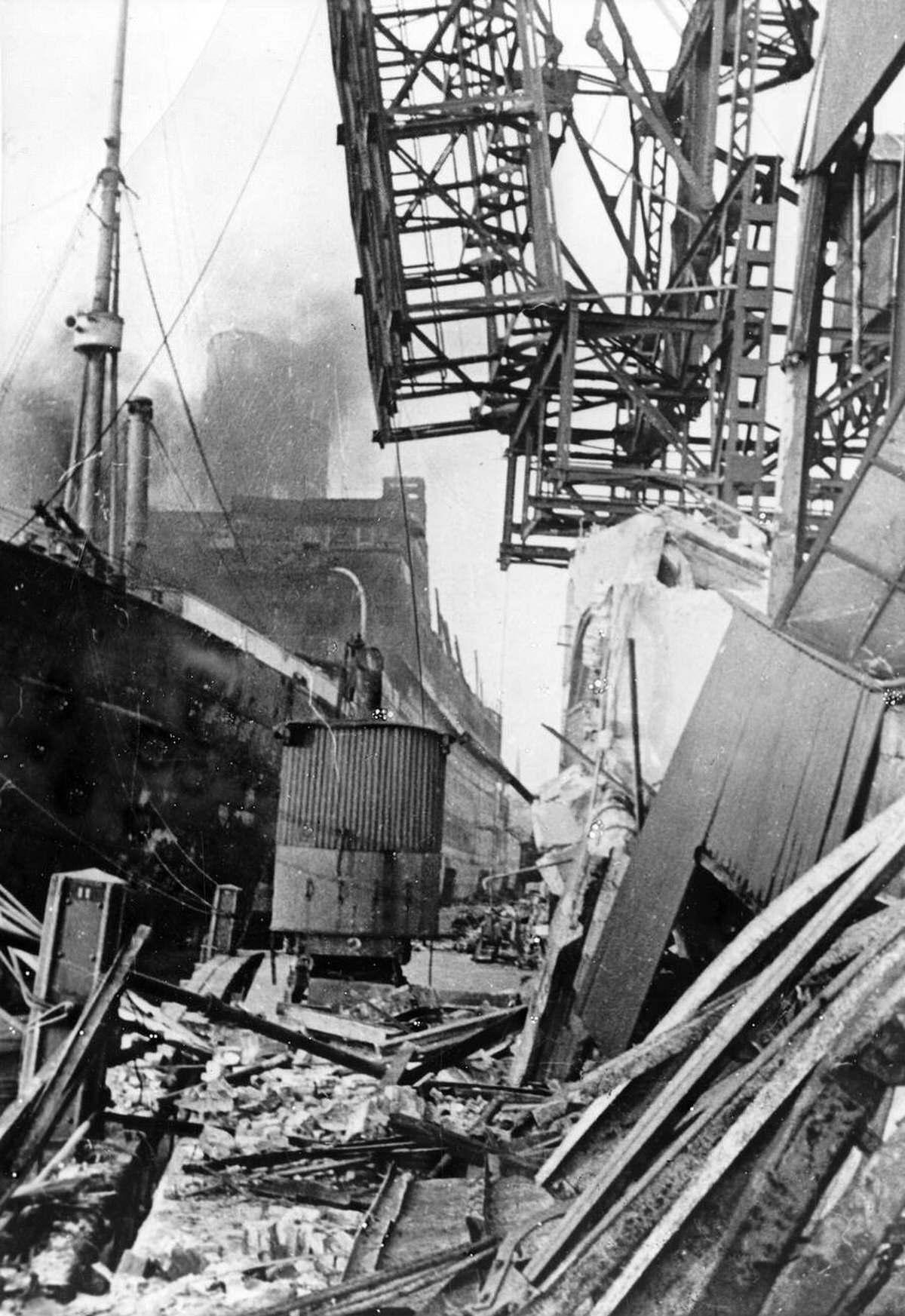
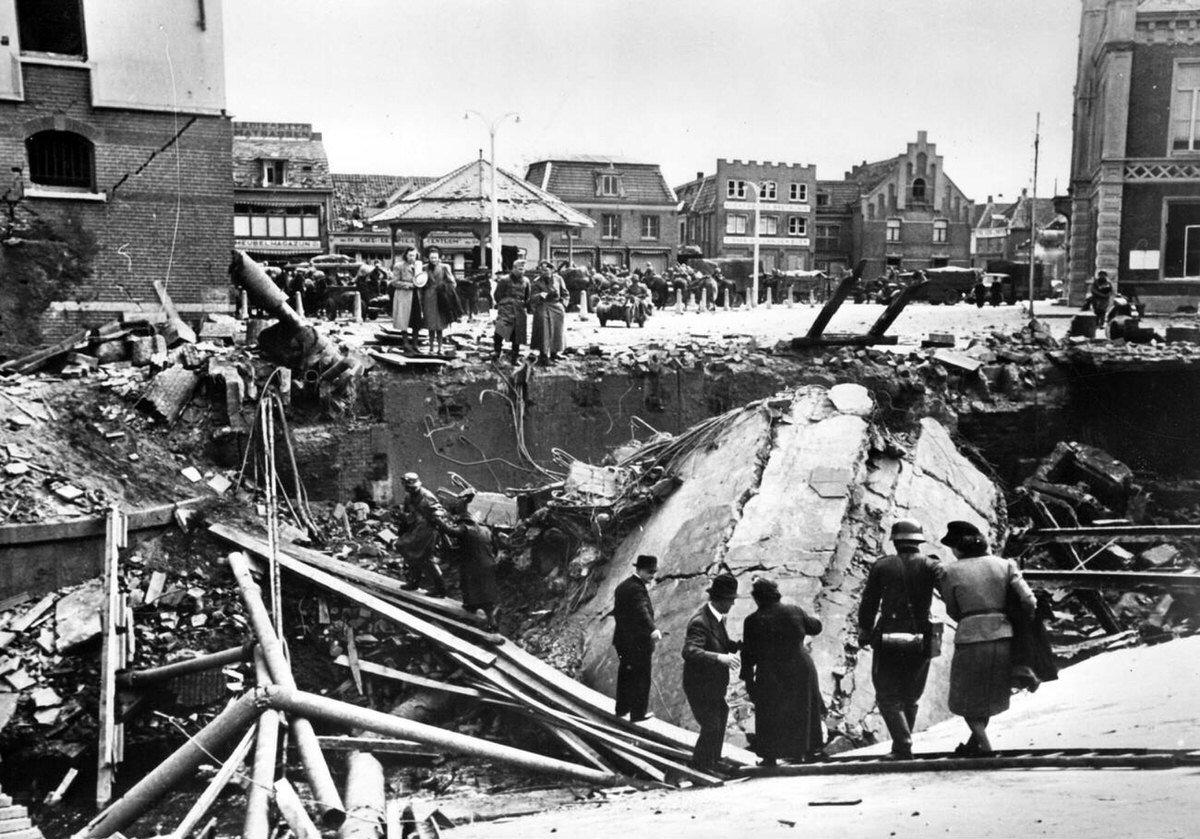
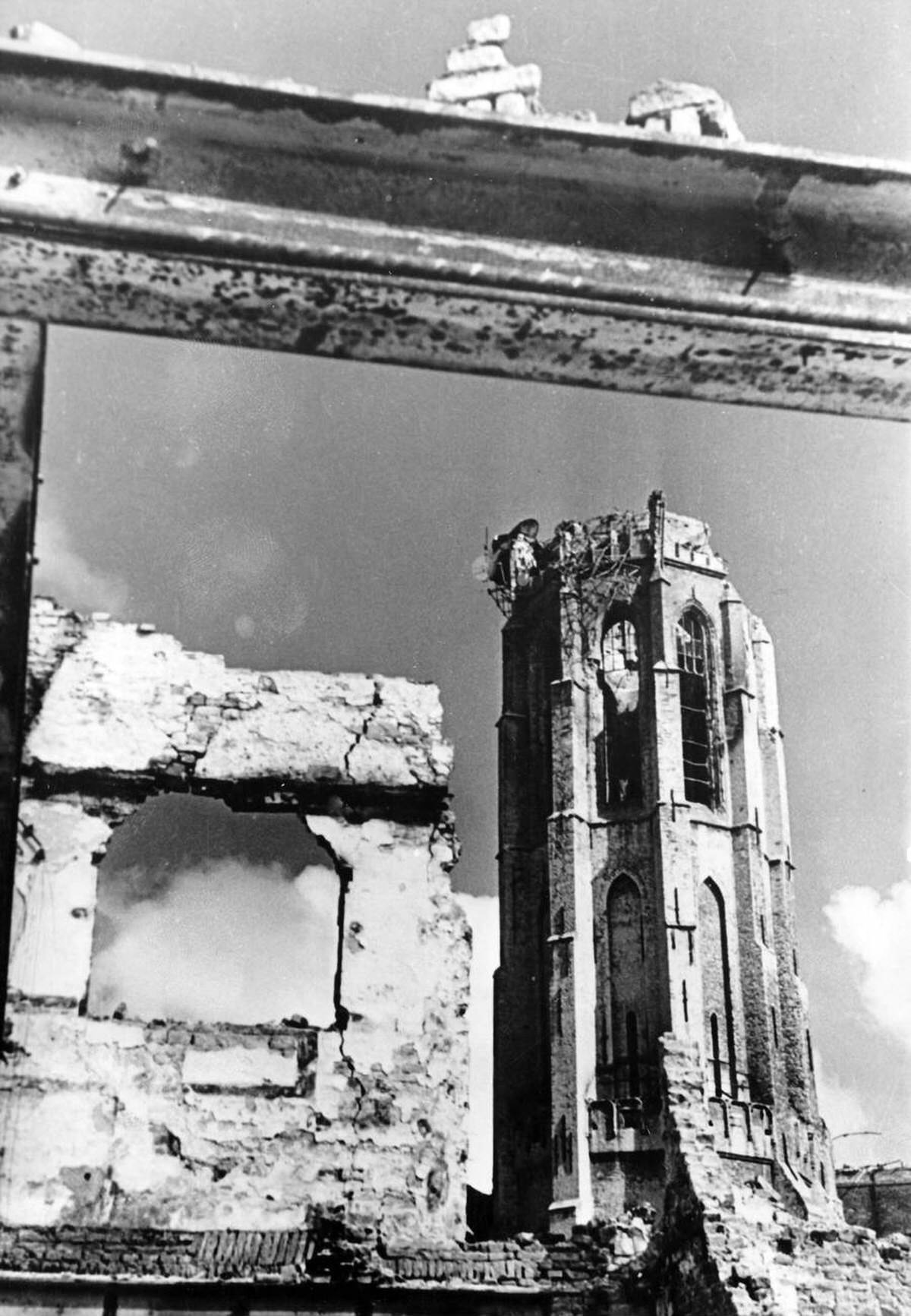
The decisive blow came on May 14, 1940. The German Air Force bombed the center of Rotterdam, destroying nearly the entire historic city and killing close to 900 people. Facing the threat of more cities being leveled, Dutch military commanders surrendered the next day. Queen Wilhelmina and her government escaped to London, where they formed a government-in-exile.
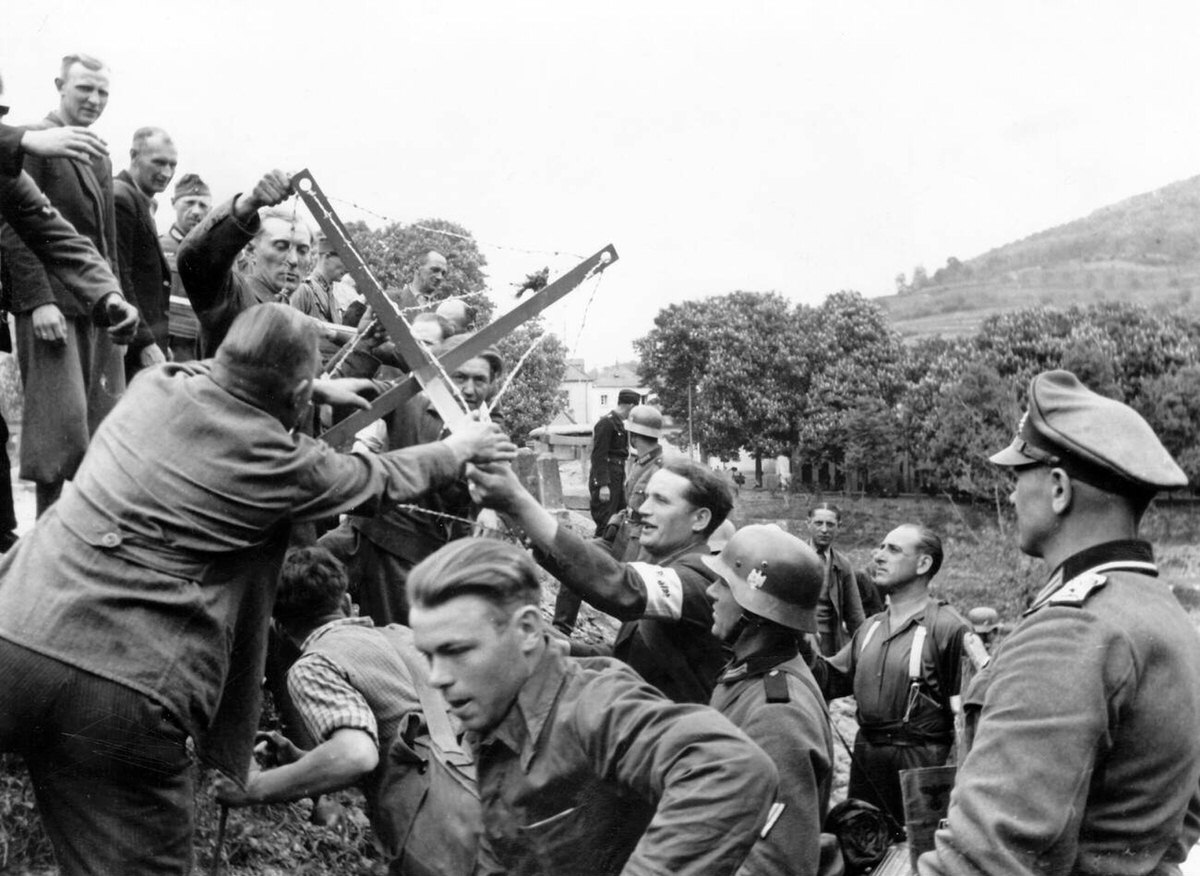
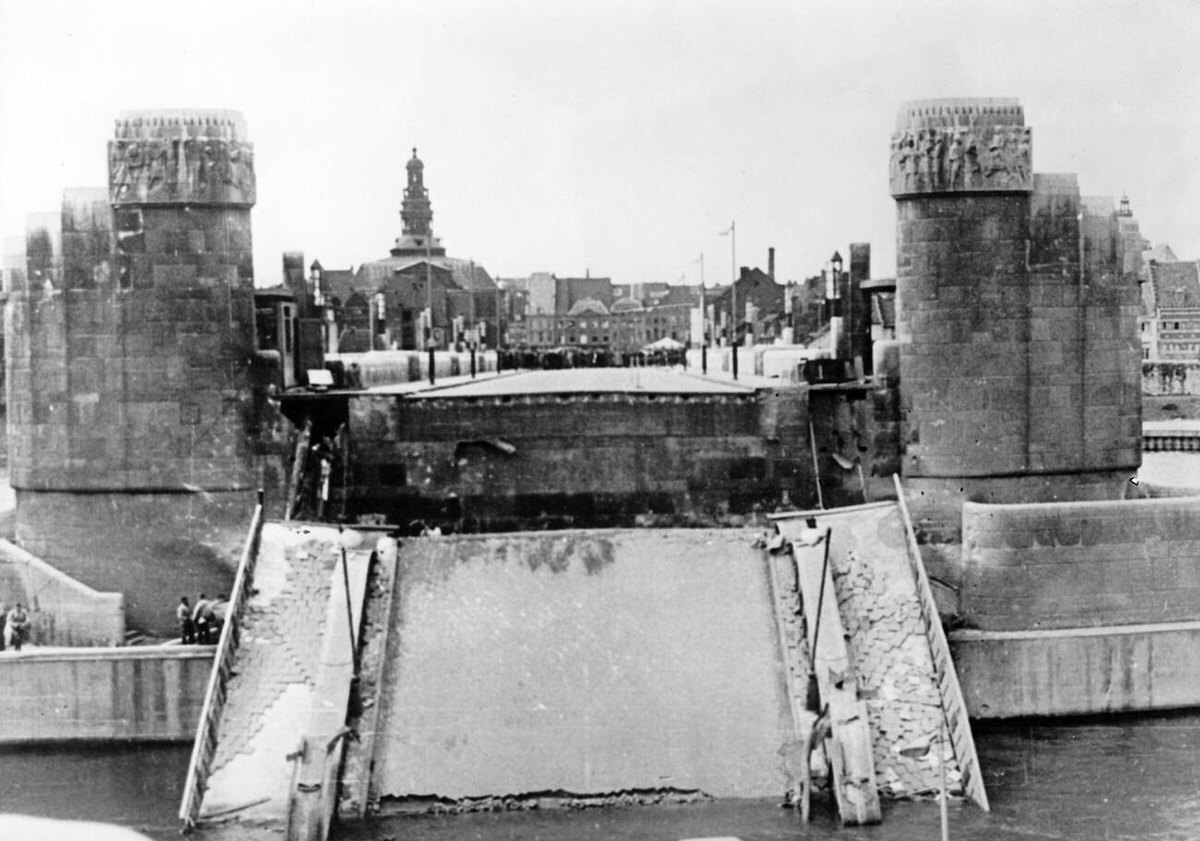
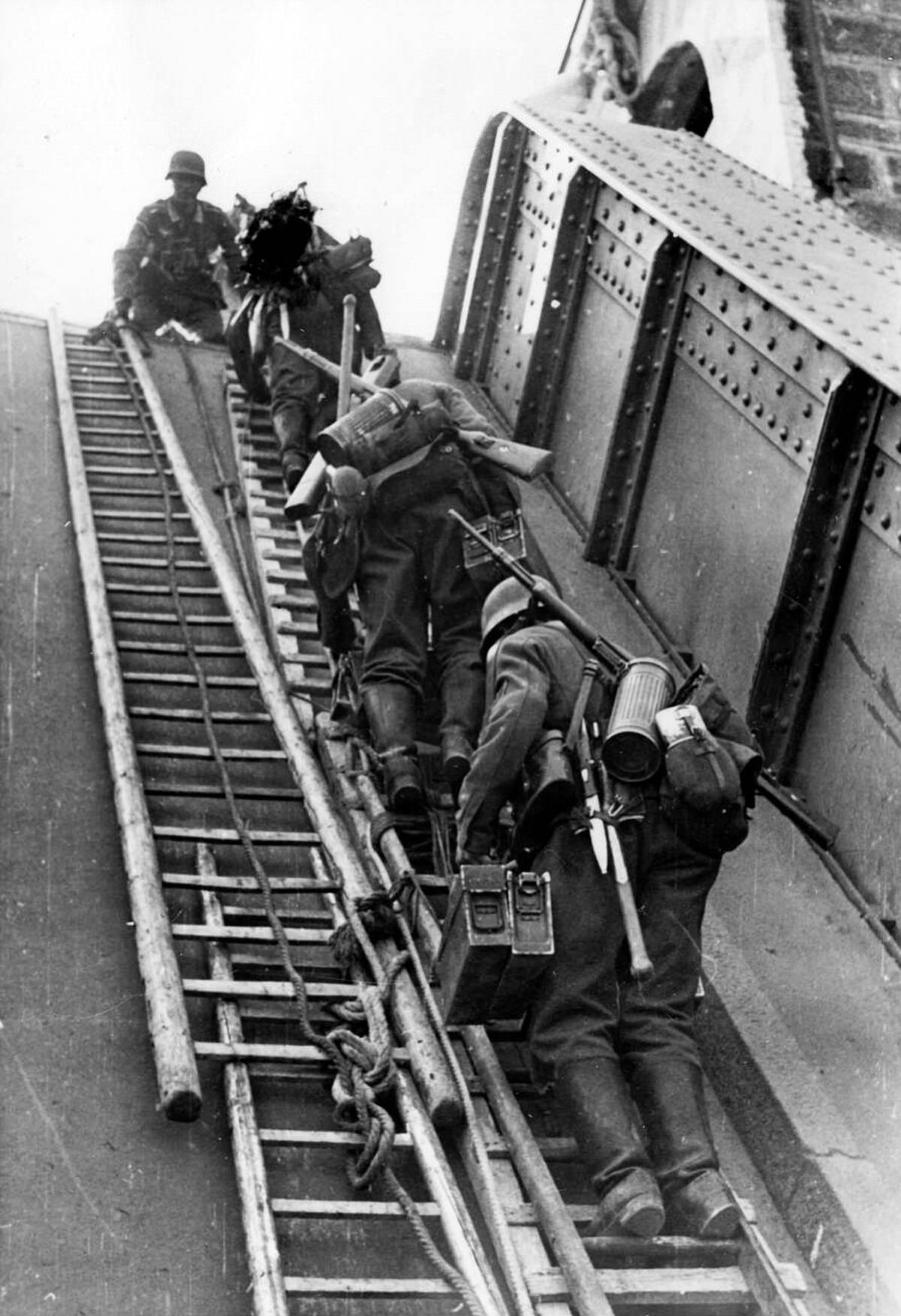
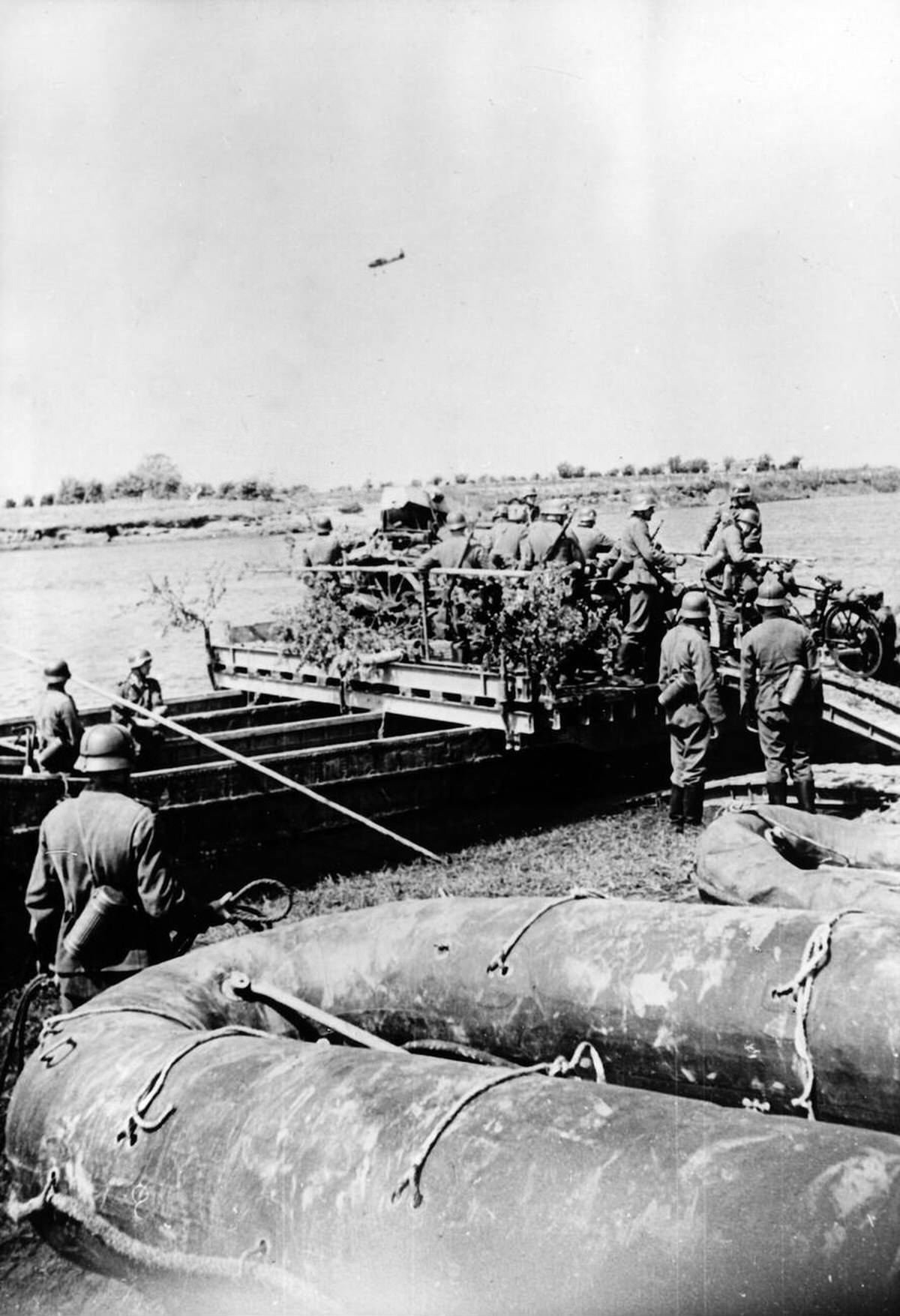
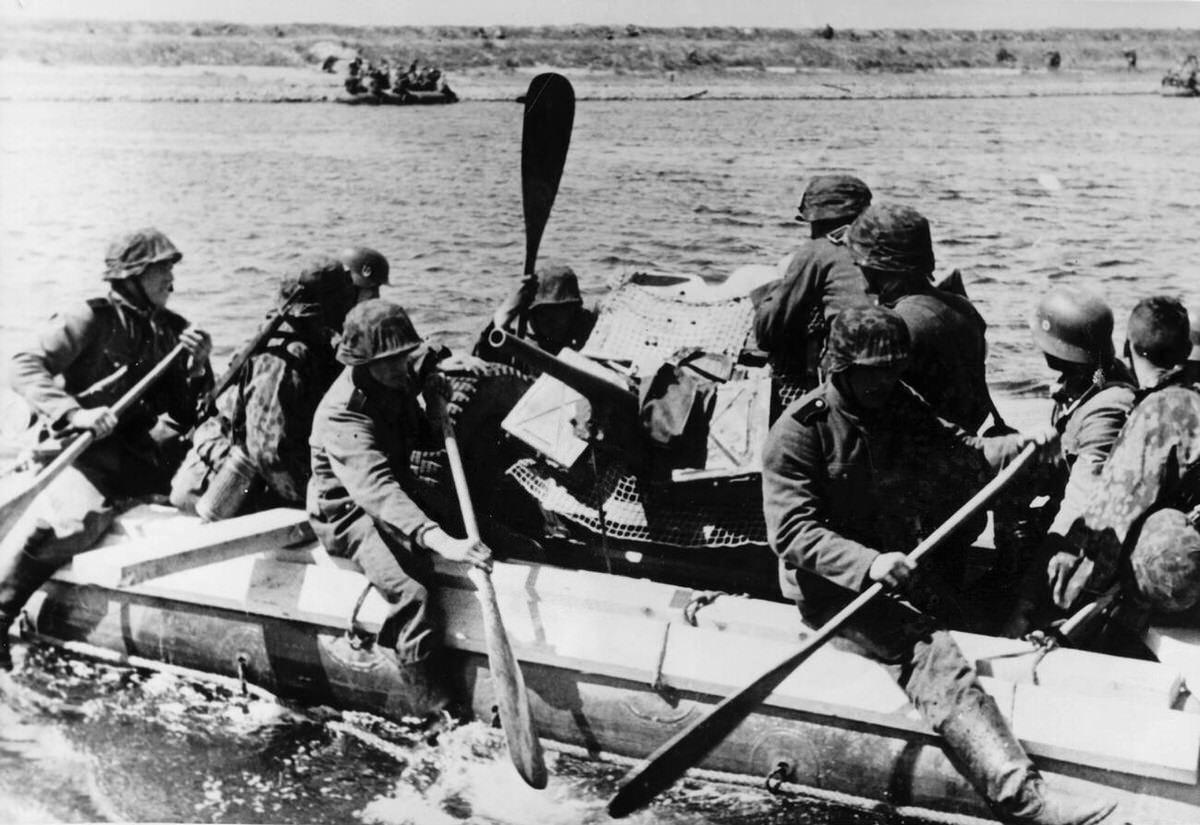
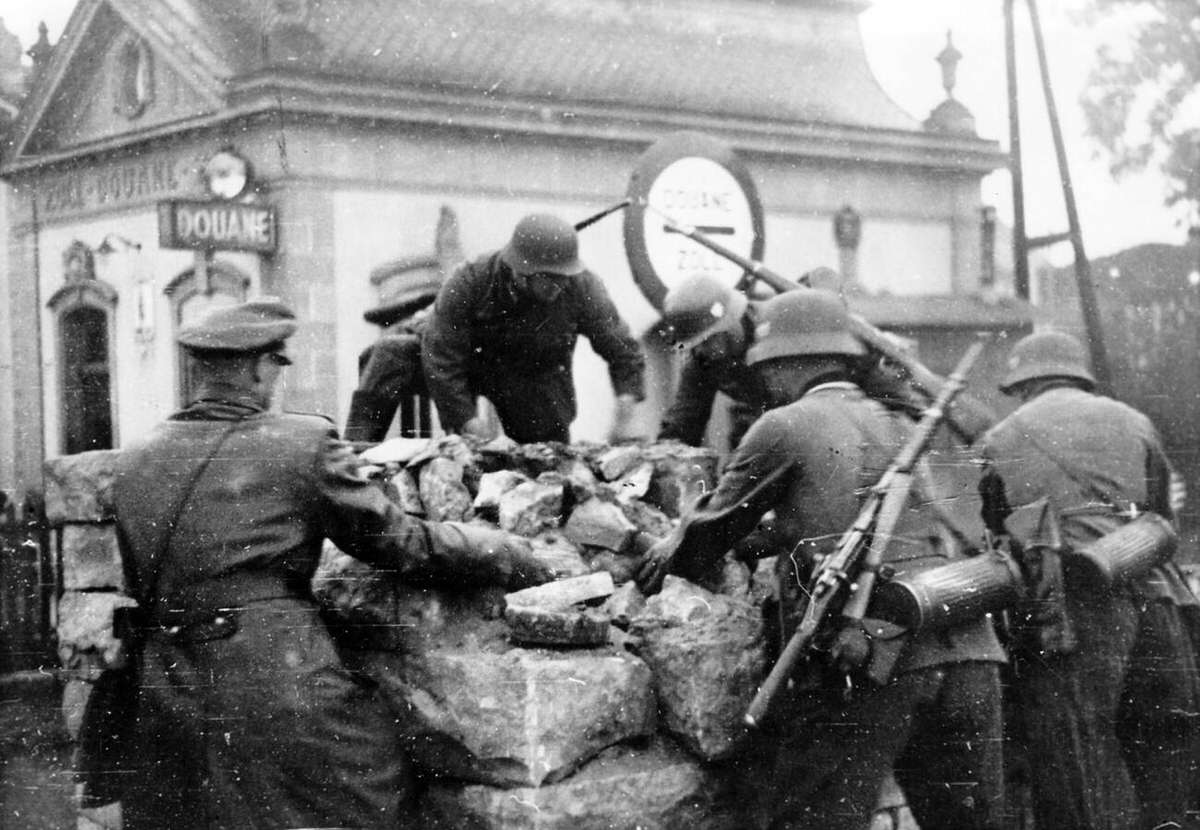
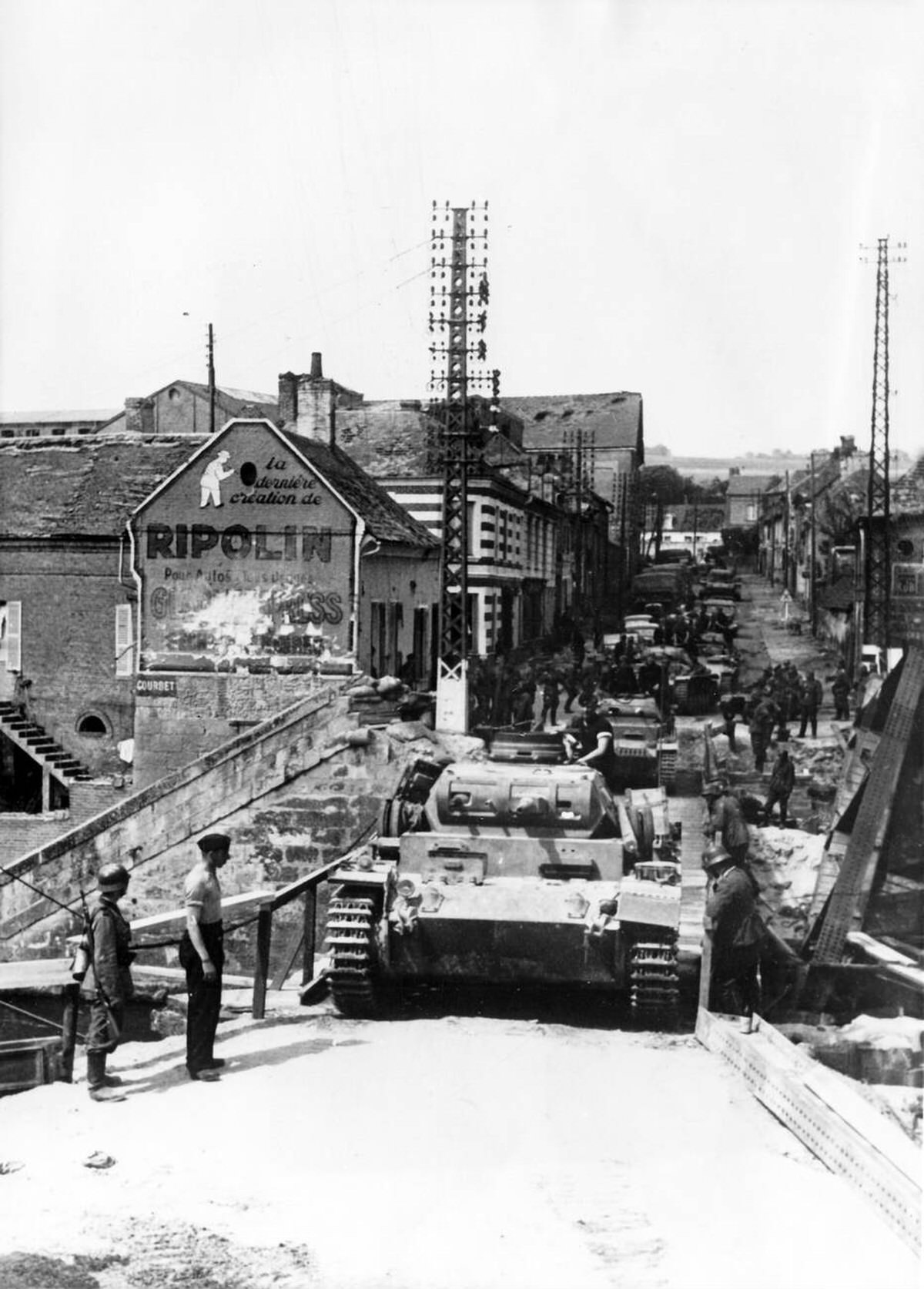
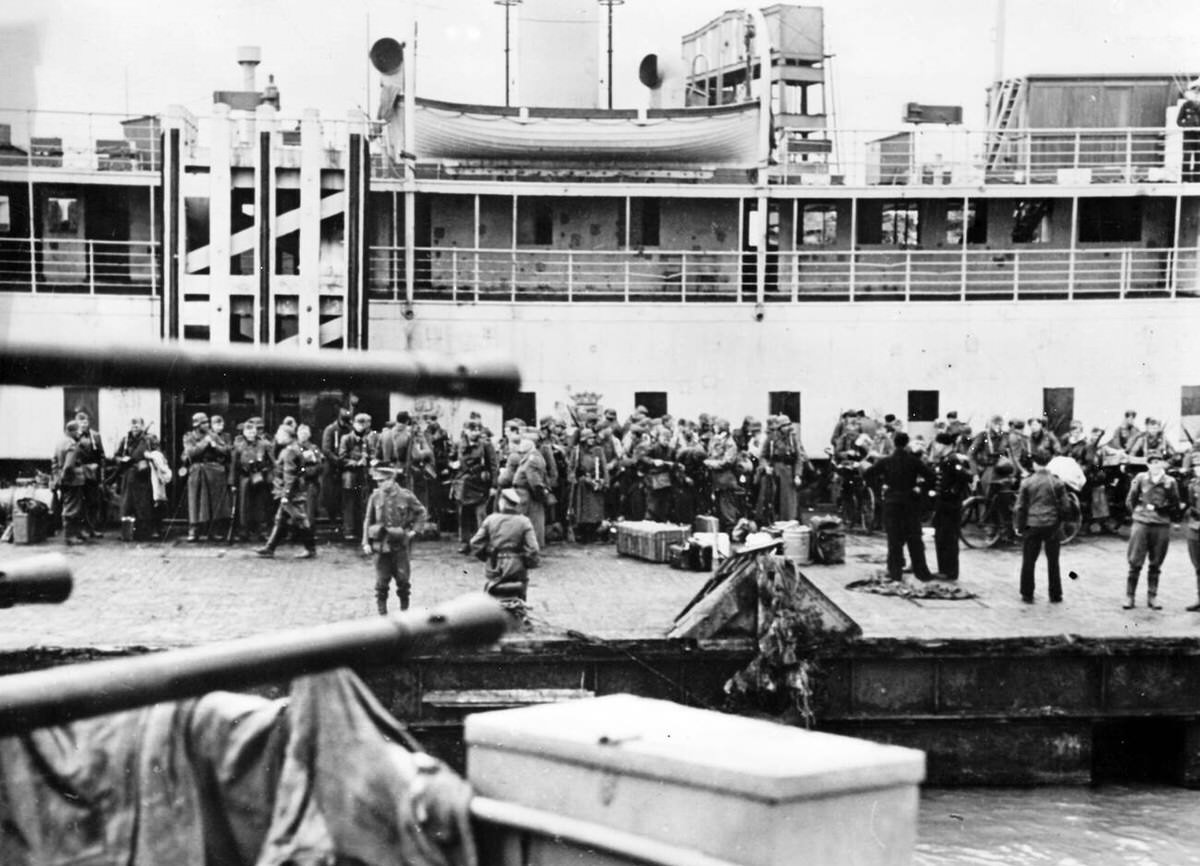
The German advance swept across the country with remarkable speed. Soldiers forced river crossings at multiple points, often using rubber dinghies, ferries, and pontoon bridges to bypass structures blown up by retreating Dutch forces.
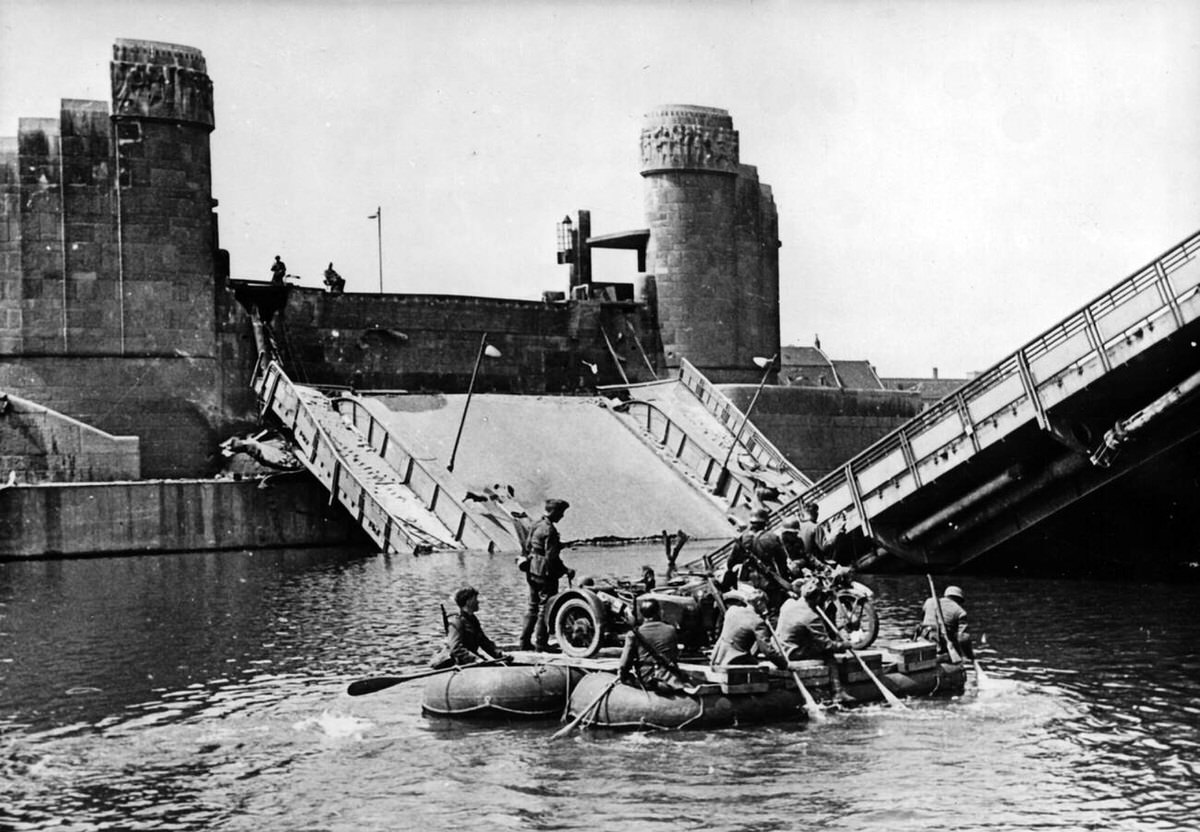
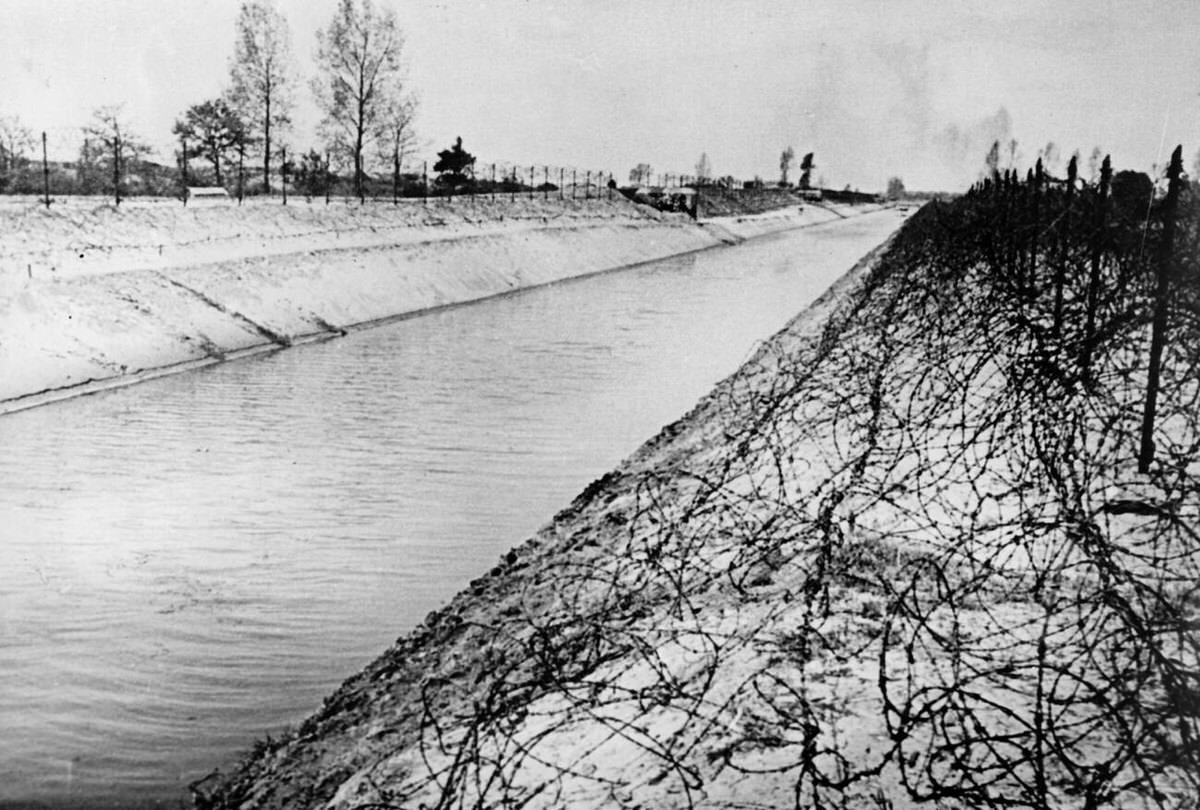
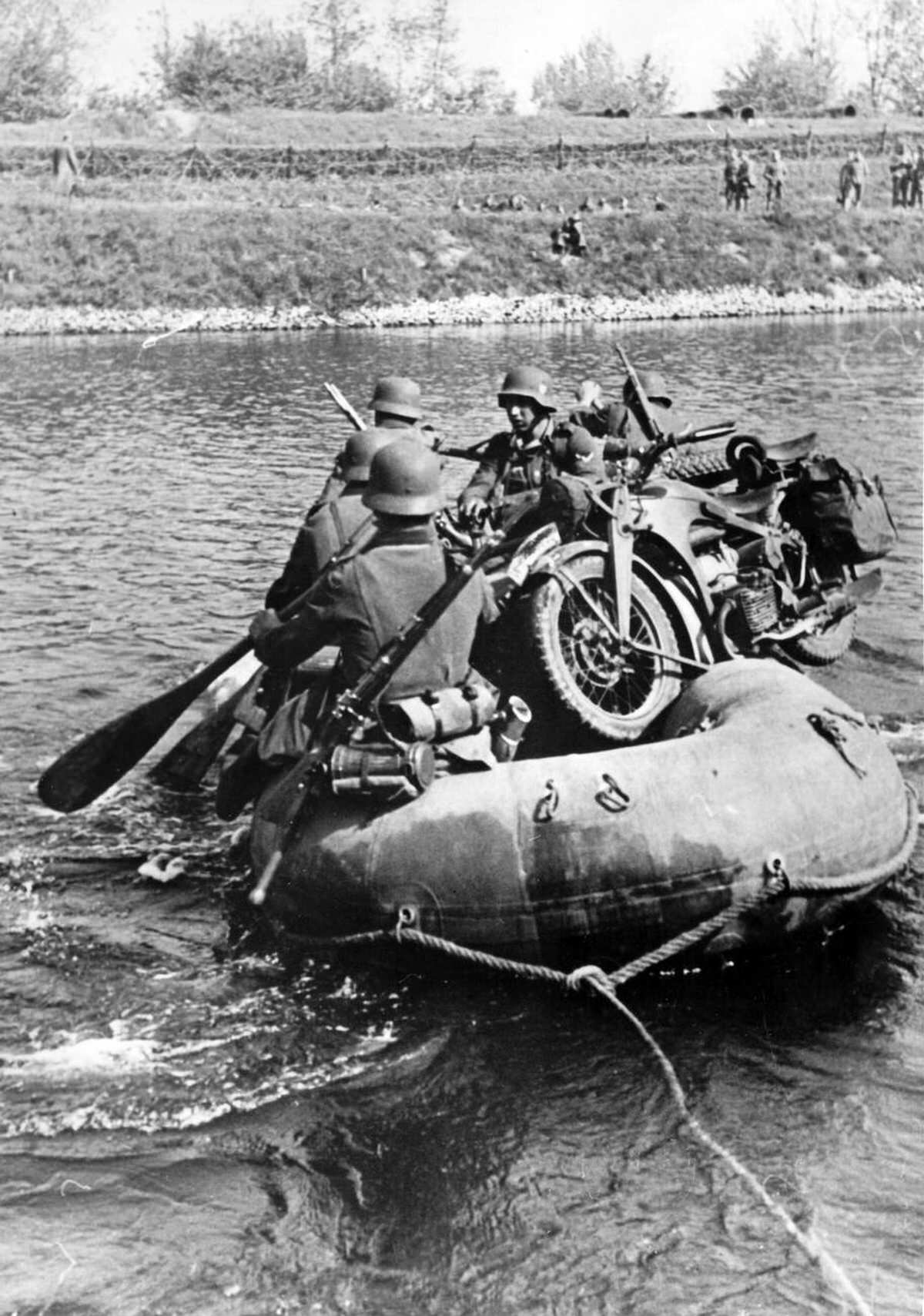
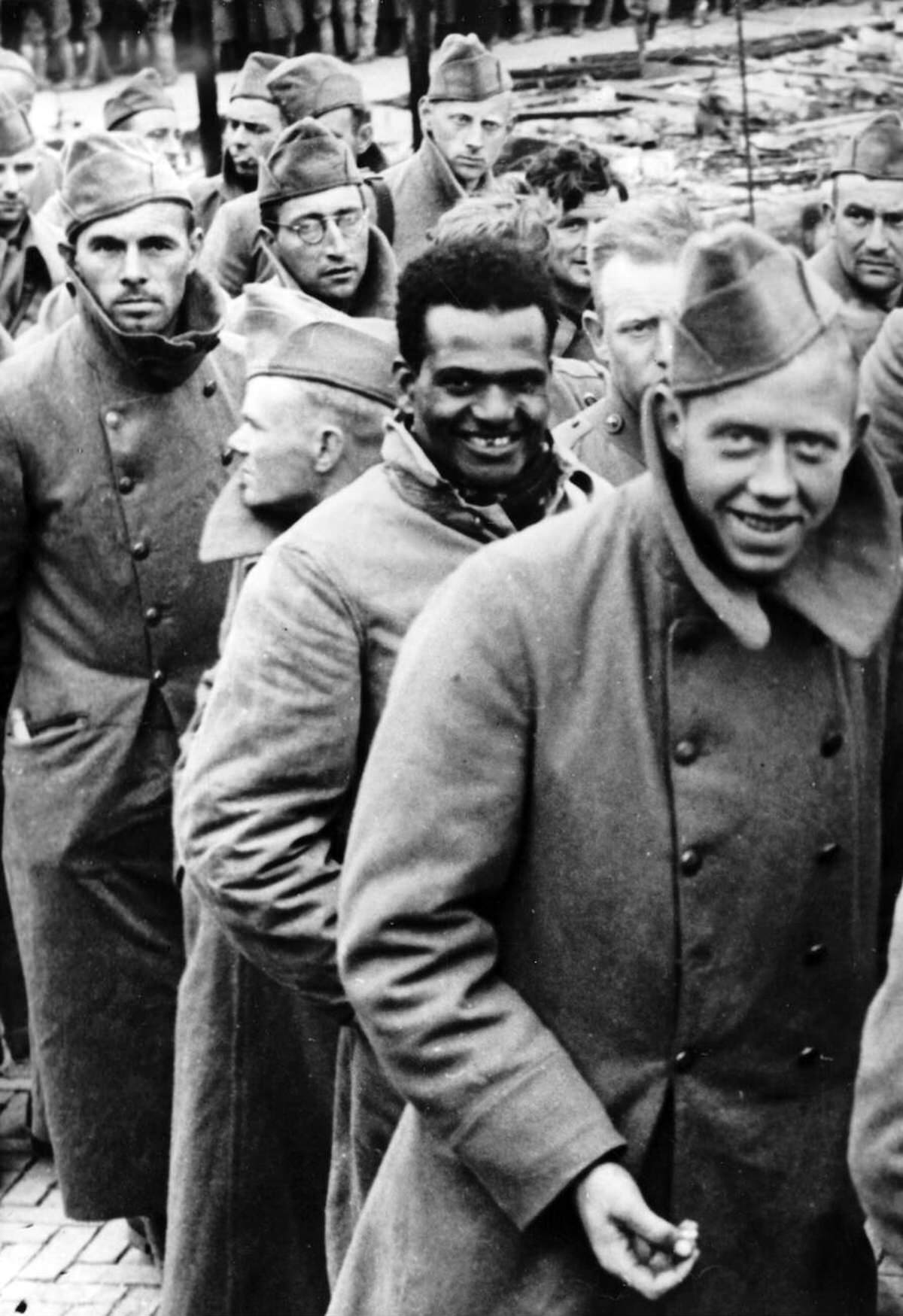
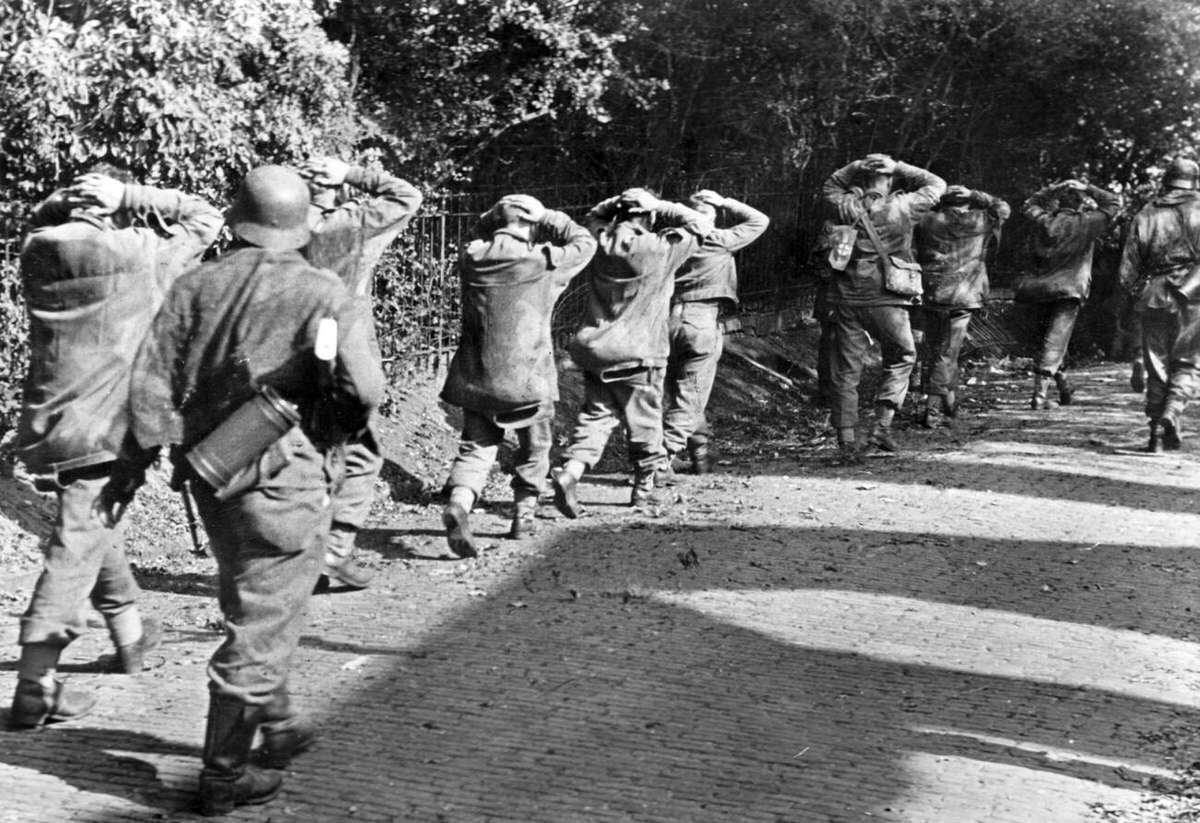
Dutch defensive lines along the rivers and canals were overrun one by one. Thousands of Dutch soldiers were taken prisoner within the first week of fighting. The images from those days capture a country in shock — soldiers disarmed, bridges shattered, fortifications abandoned.
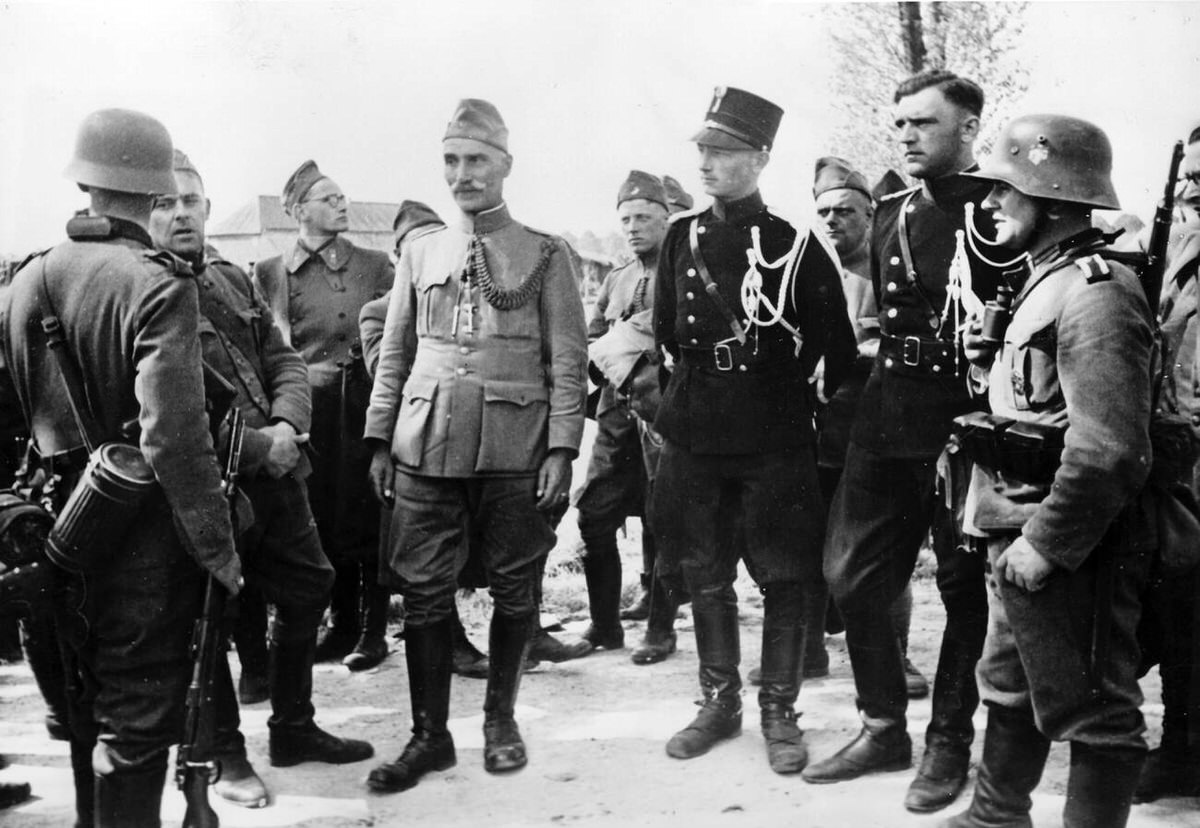
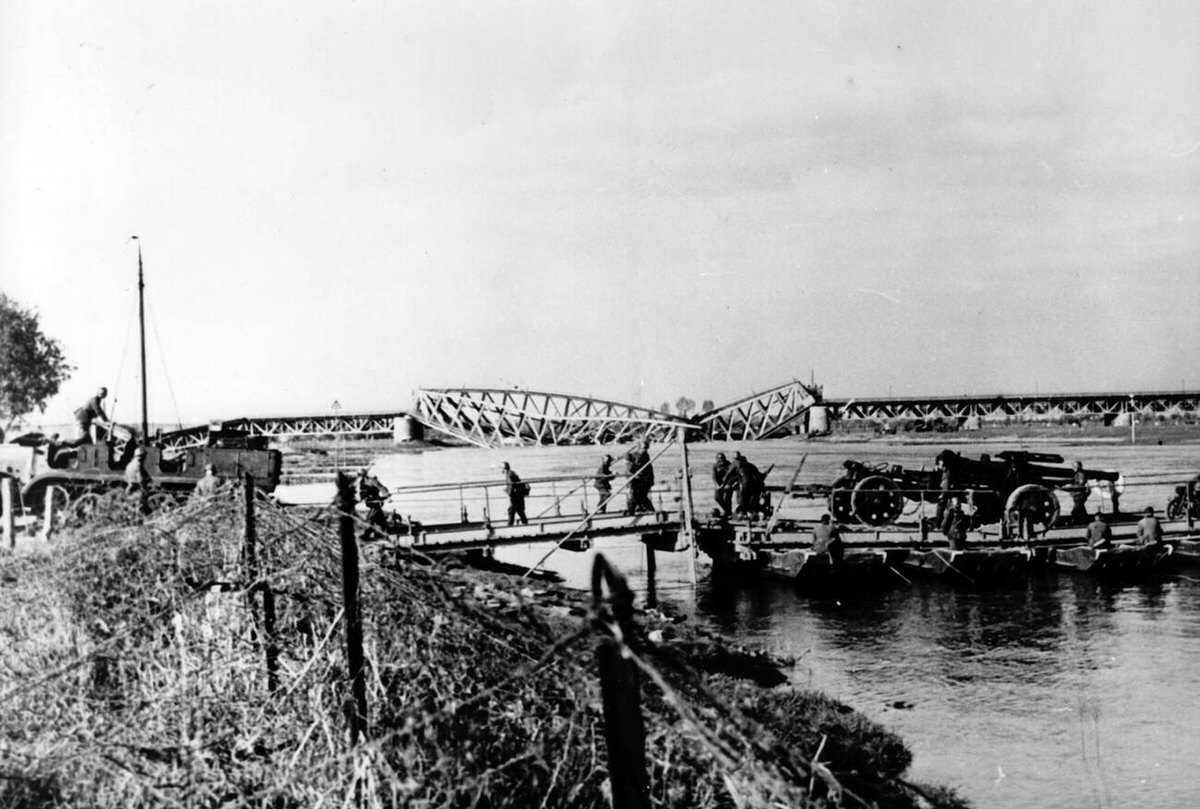
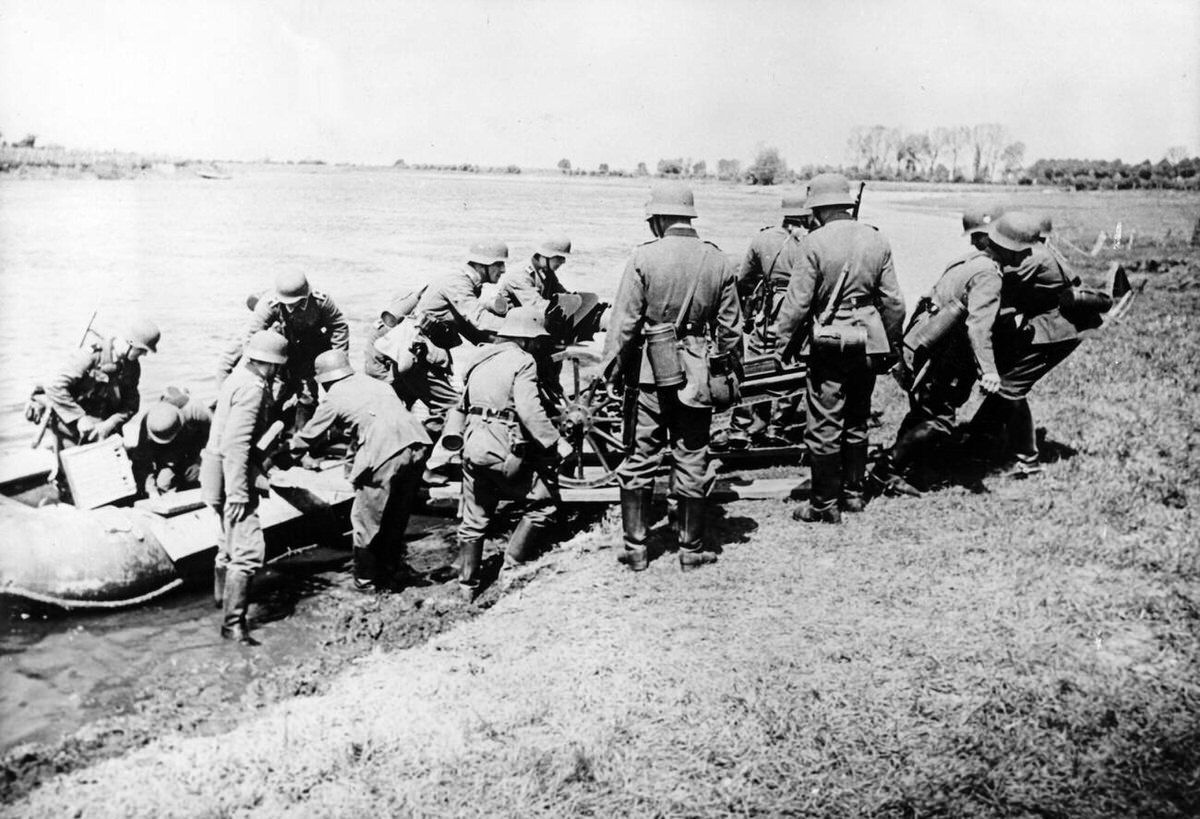
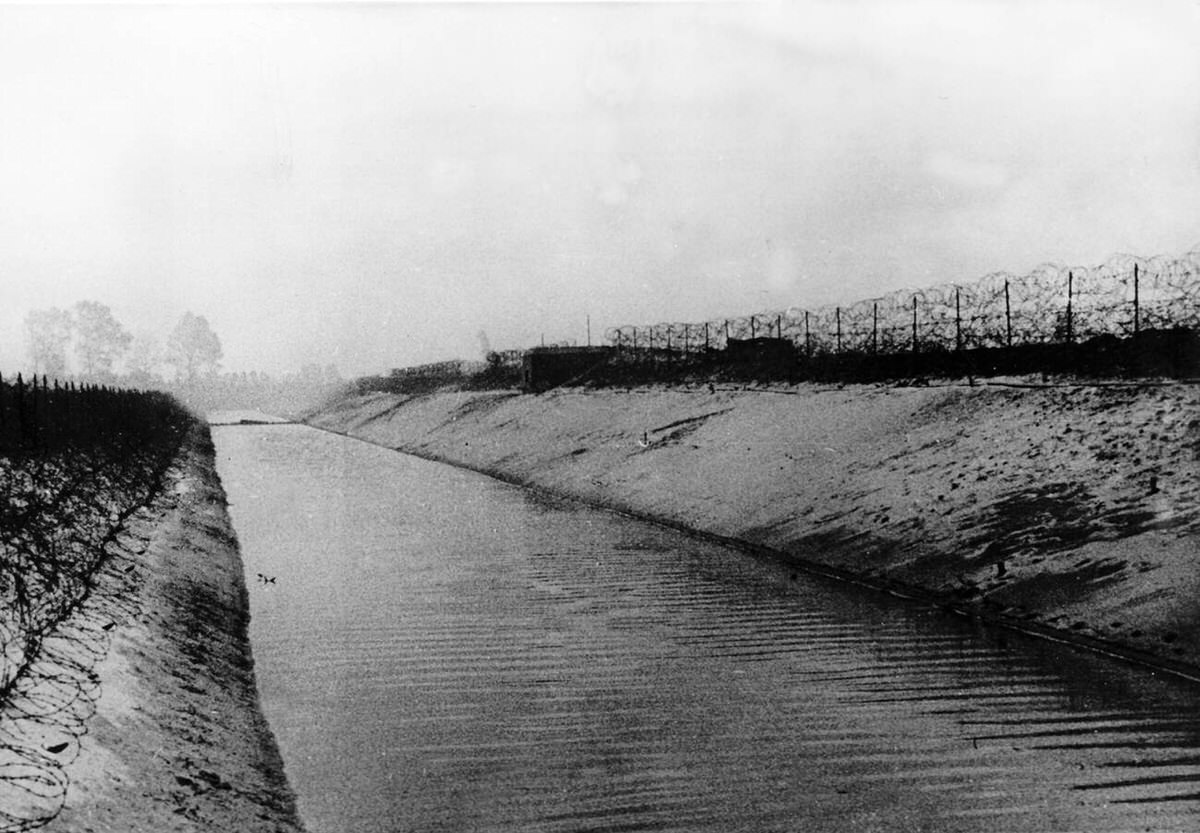
The bombing of Rotterdam left a scar that defined the occupation from its very first days. The port, one of Europe’s most important, was left in ruins. The destruction was not just physical — it was meant to break Dutch resolve before the fight could continue.
Once the fighting stopped, Arthur Seyss-Inquart was appointed Reichskommissar — the German official governing the occupied Netherlands. Early on, the Germans promoted a message of kinship, calling the Dutch a “brother nation.” That framing quickly collapsed. Political parties were banned, the press was censored, and all Dutch organizations were forced to operate under Nazi rules. The Dutch economy was redirected entirely to serve Germany’s war machine. Factories made equipment for the military, and food was shipped east to Germany. Rationing was introduced, and Dutch citizens used coupons to buy basic items like bread, milk, and meat.
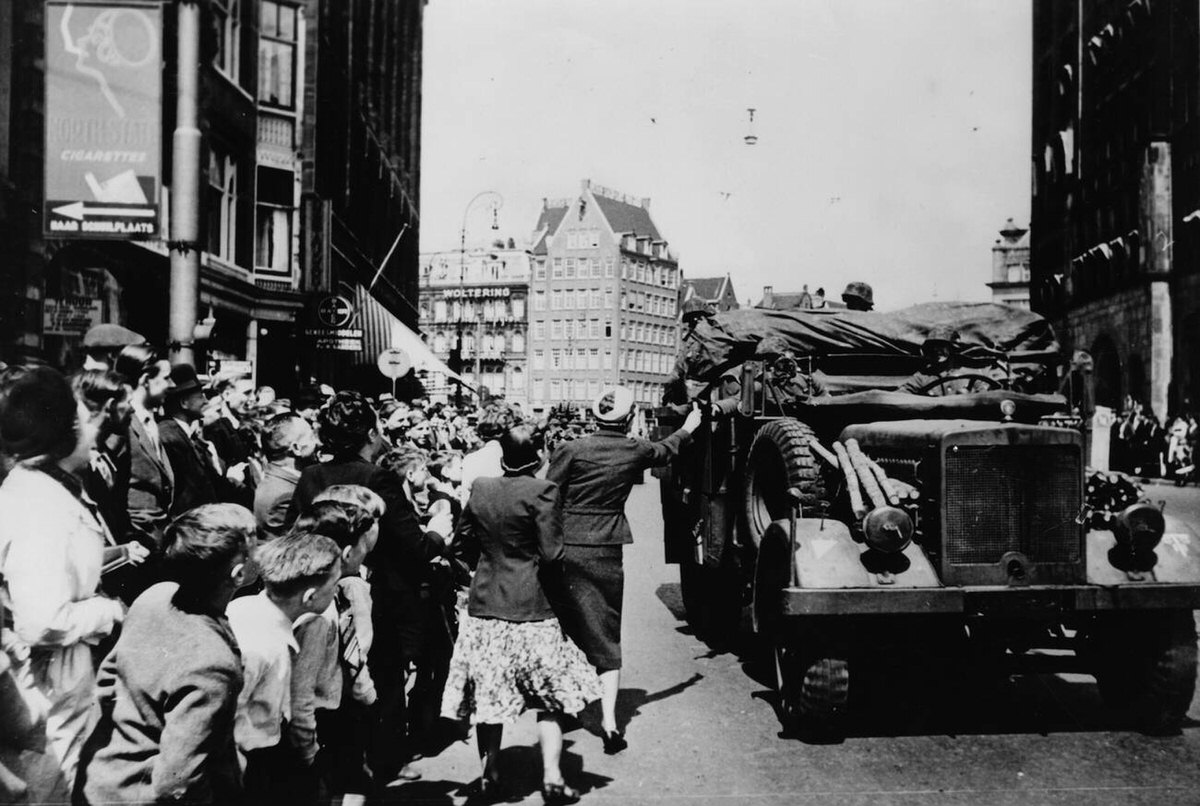
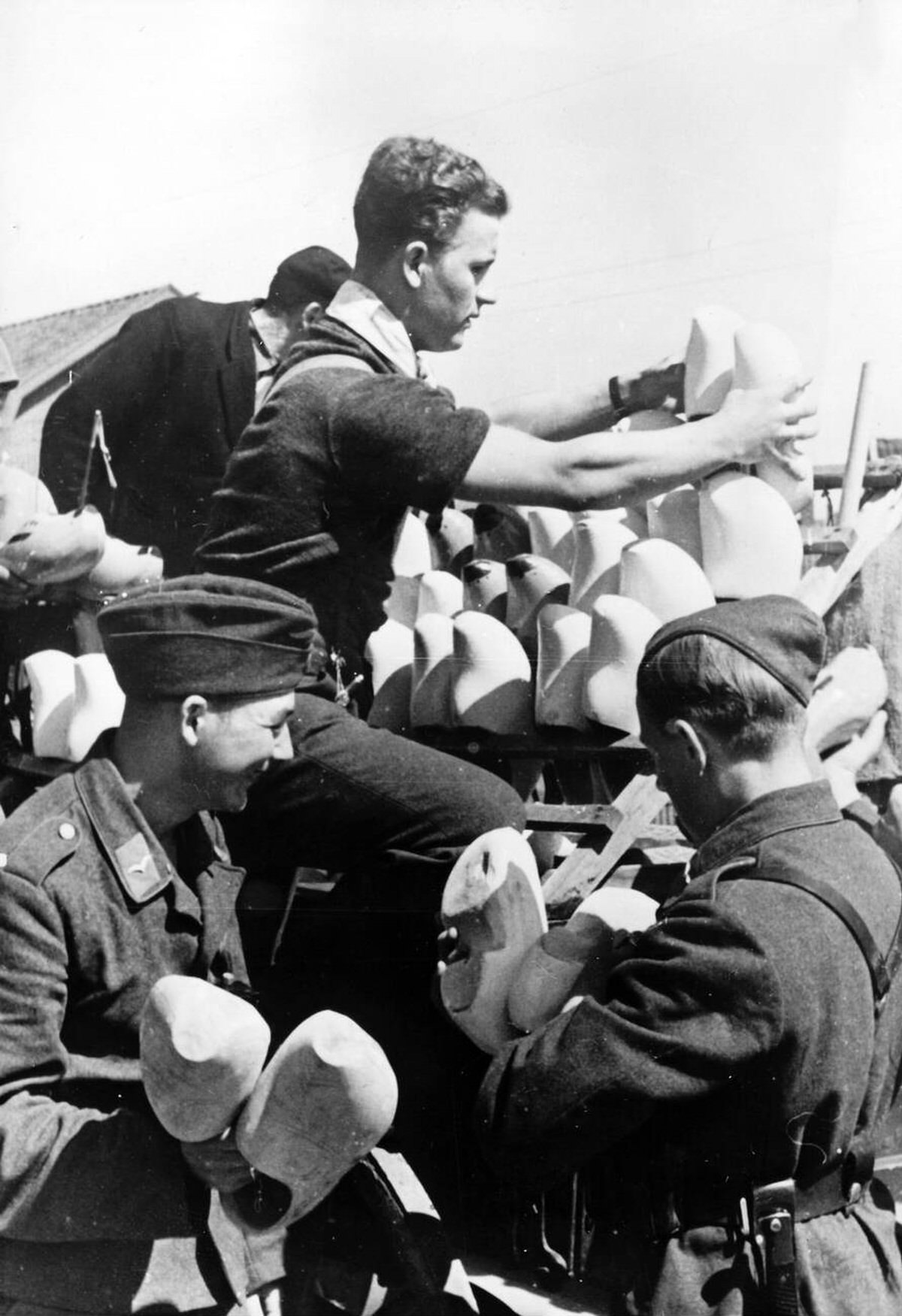
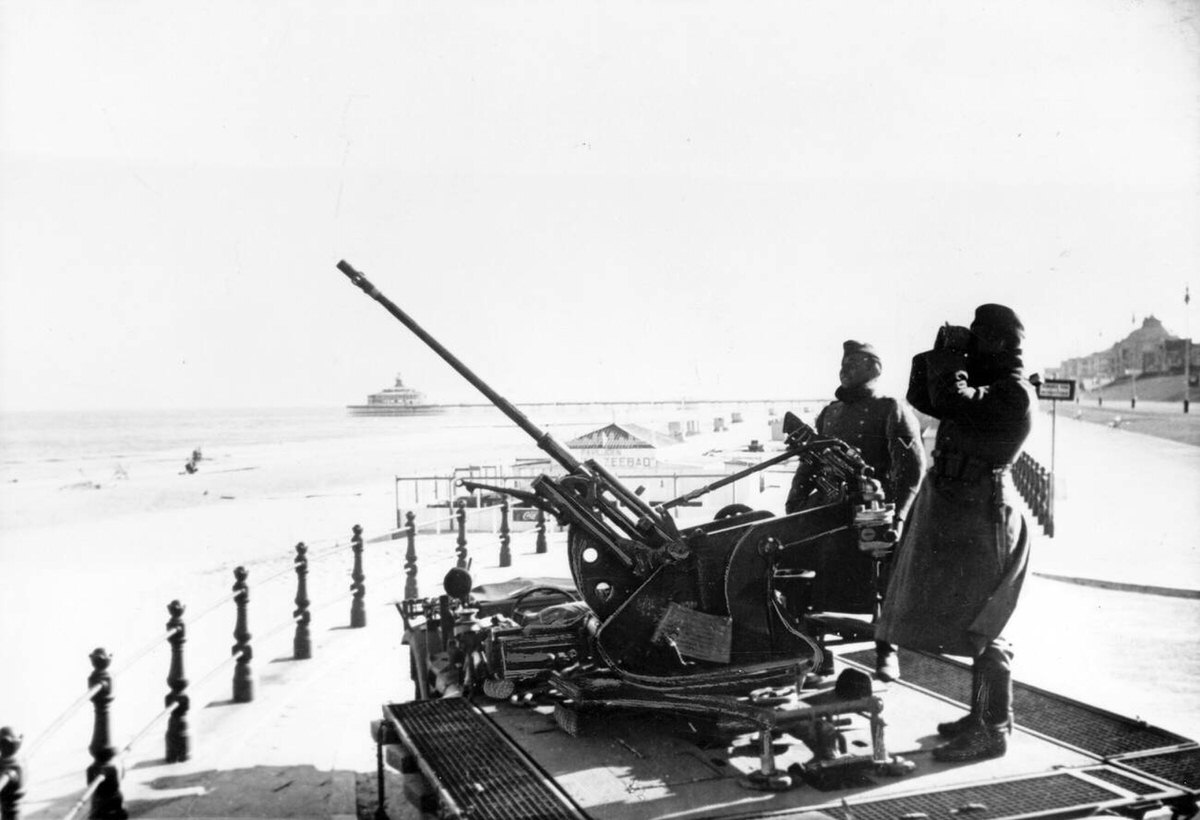
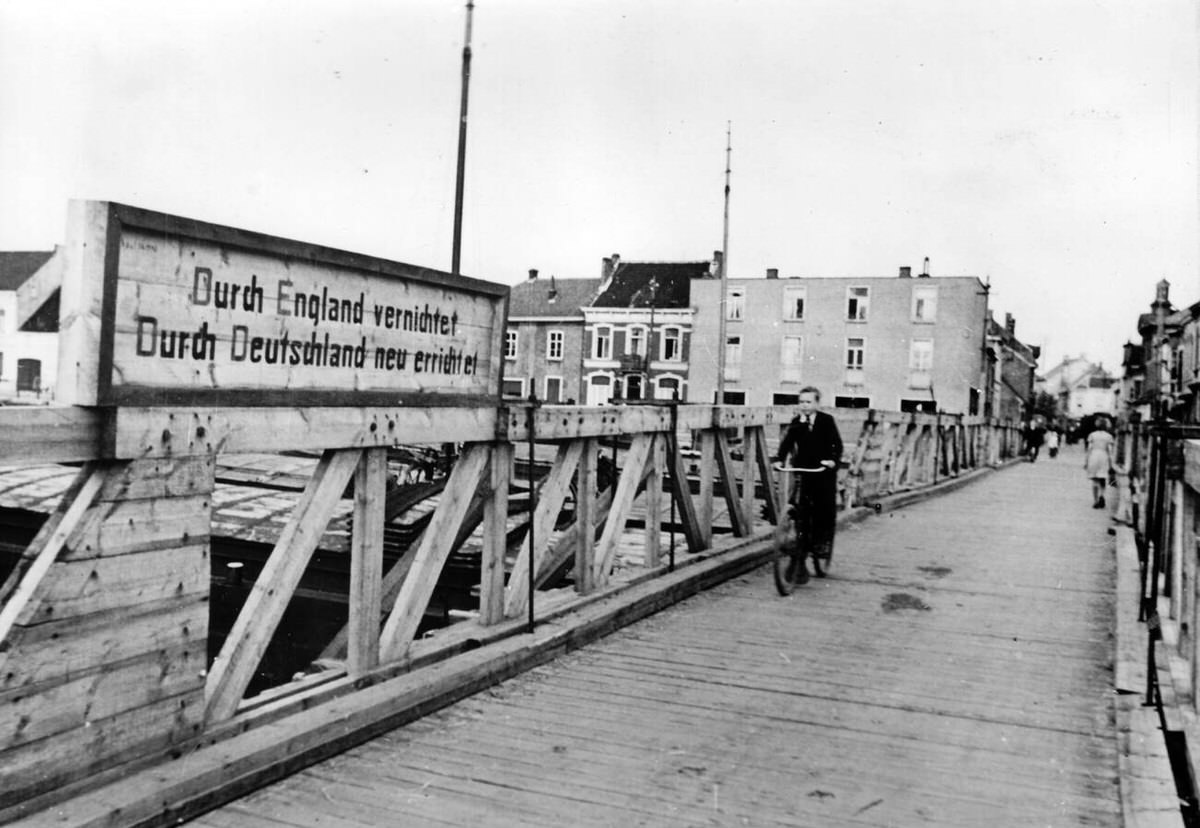
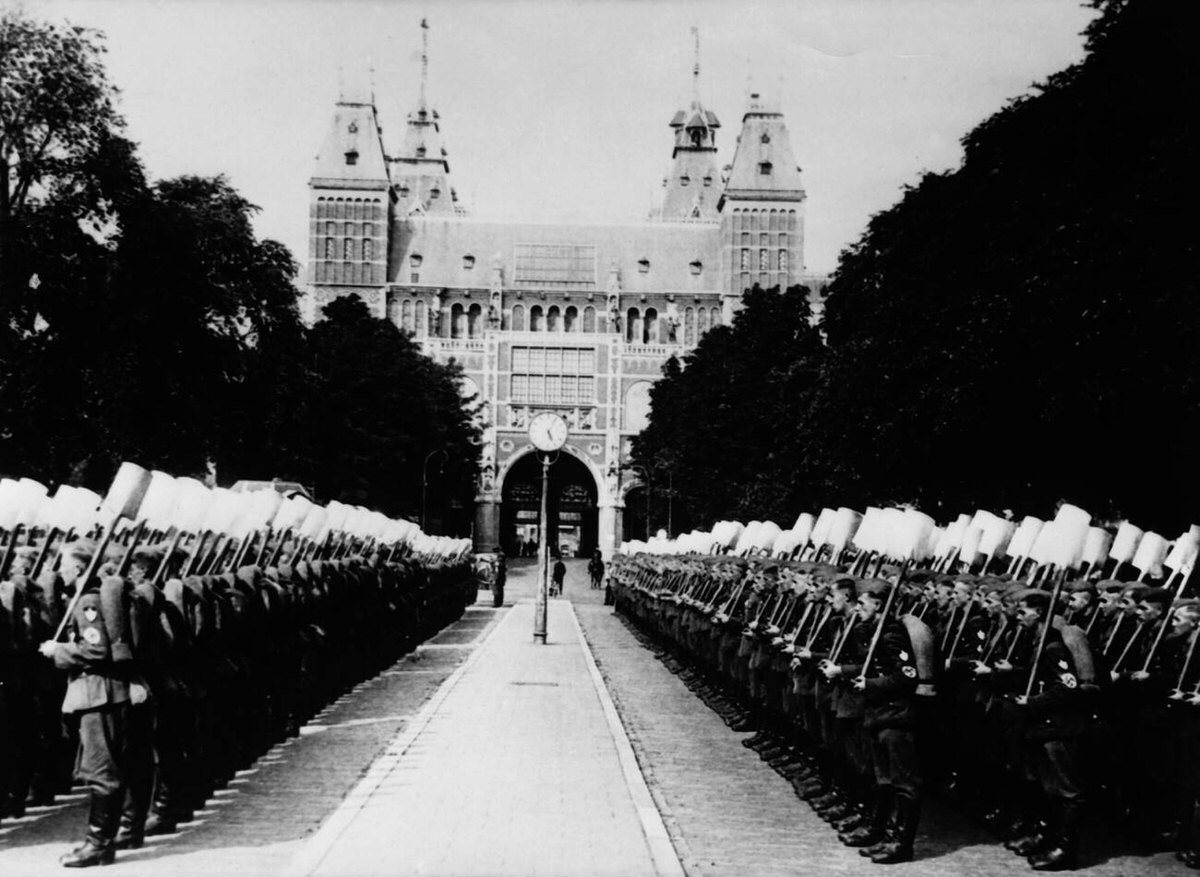
The German military didn’t just occupy Dutch territory — it put its mark on public spaces. Parades and displays of Nazi power were staged in cities across the country, including directly in front of some of the Netherlands’ most recognized landmarks.
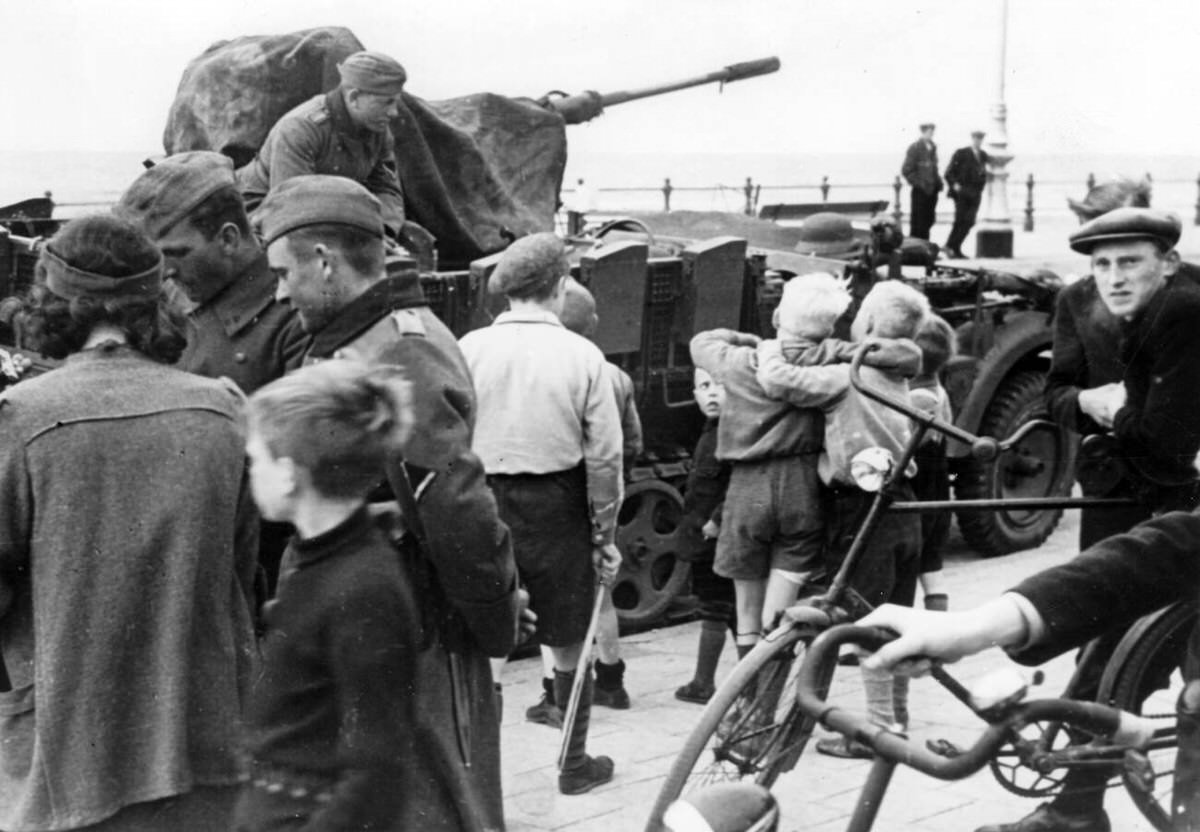
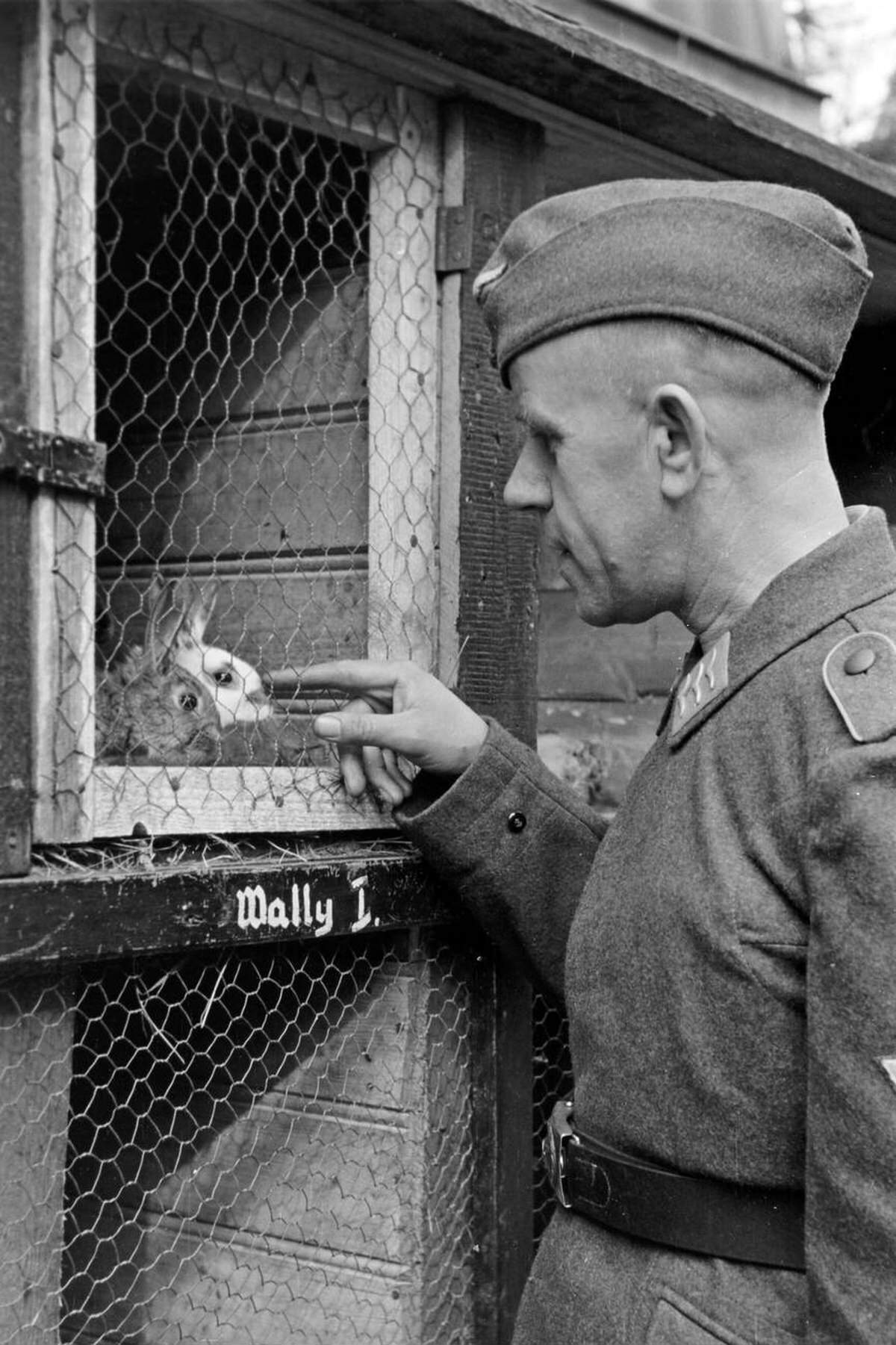
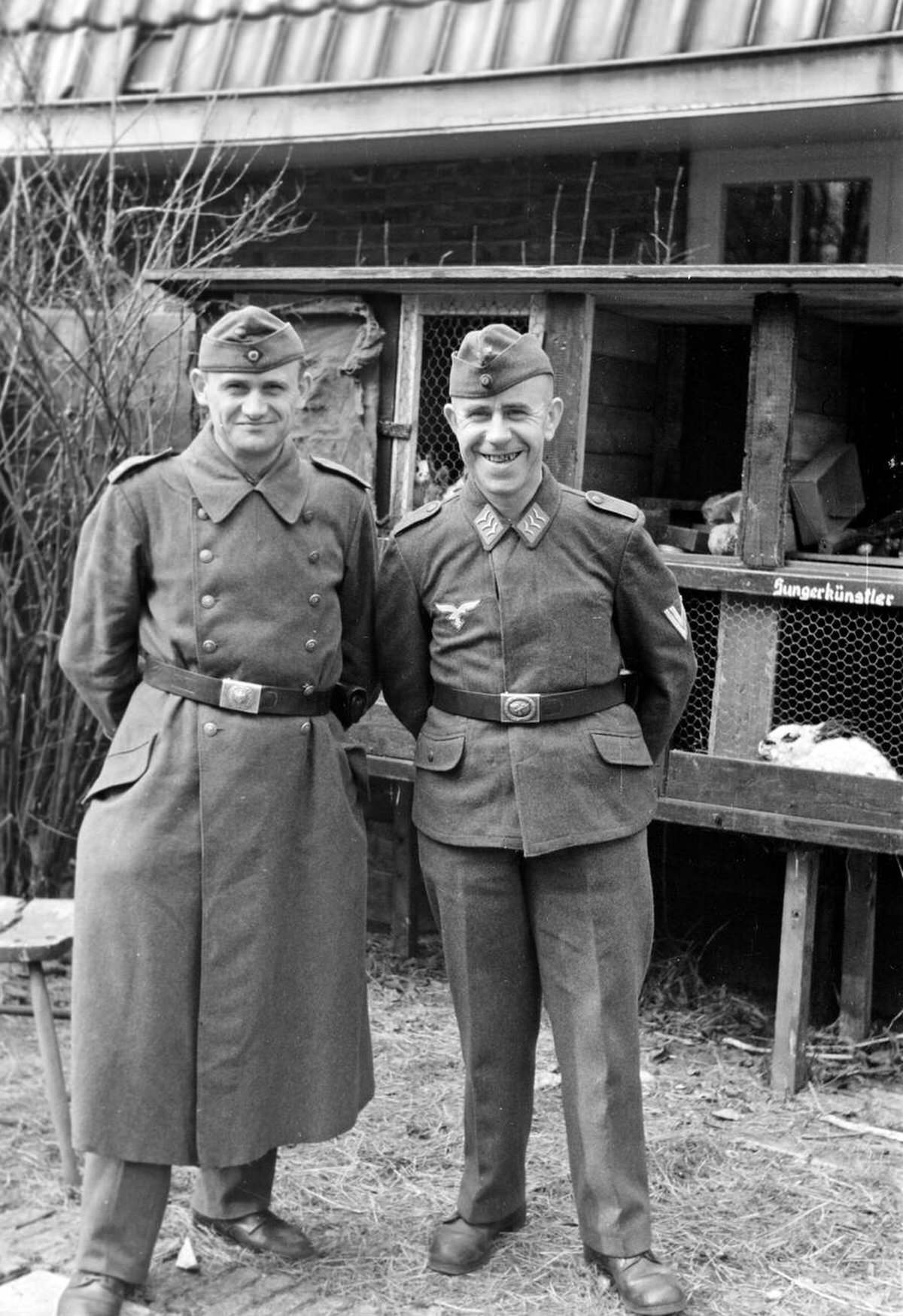
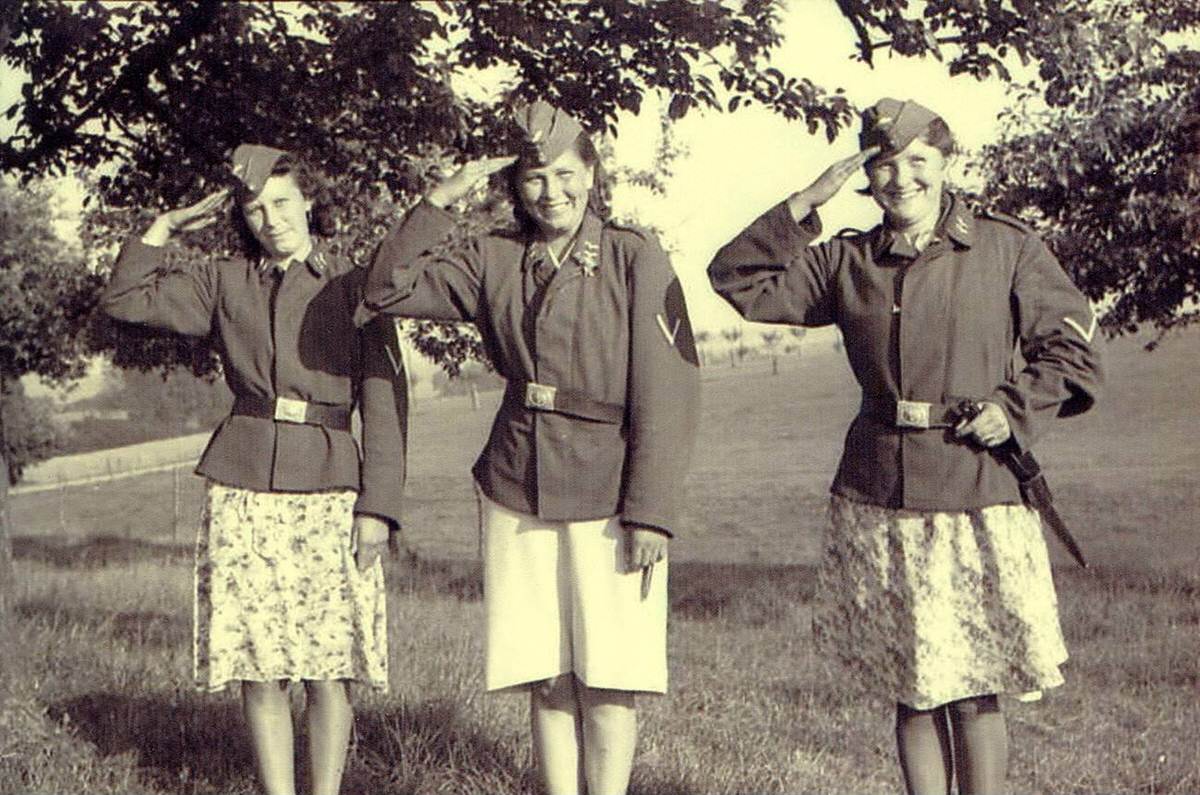
Some photographs from the occupation show German soldiers in staged, ordinary moments — feeding deer in a park or chatting with locals. These images were often taken for propaganda purposes, presenting the occupation as calm and even friendly. The reality on the ground was something very different.
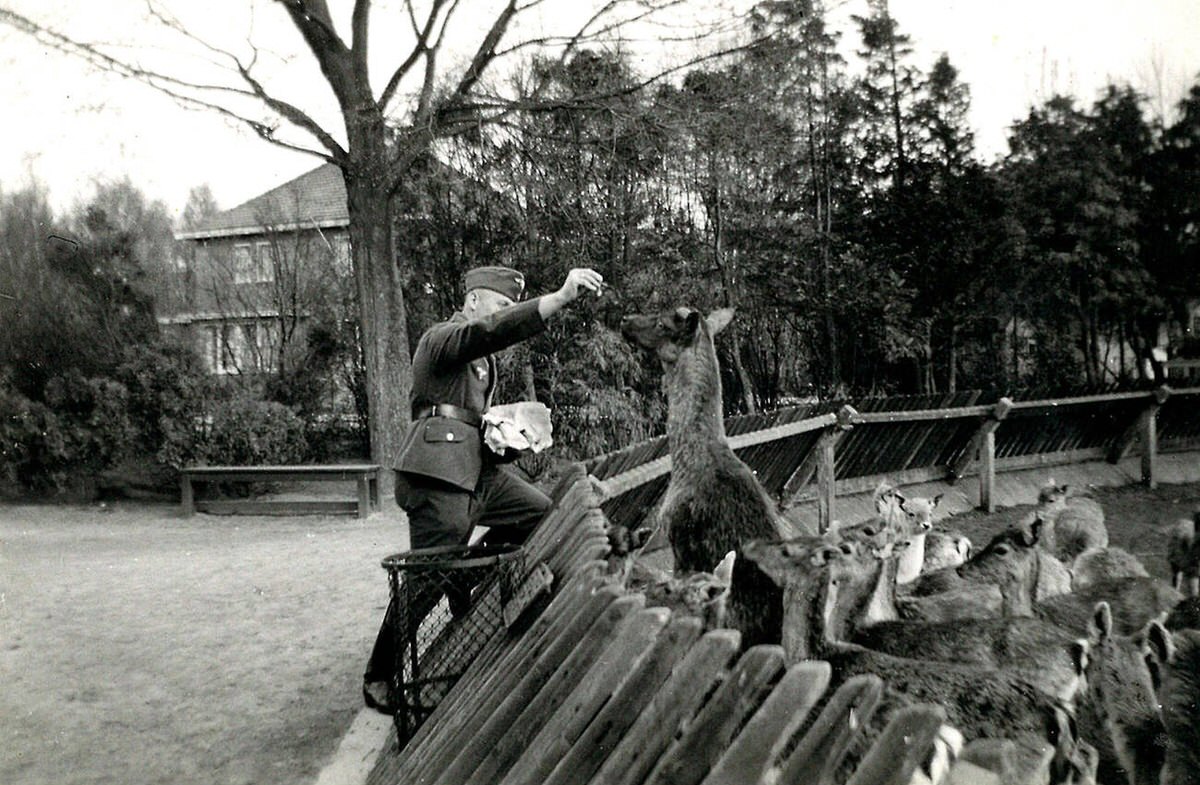
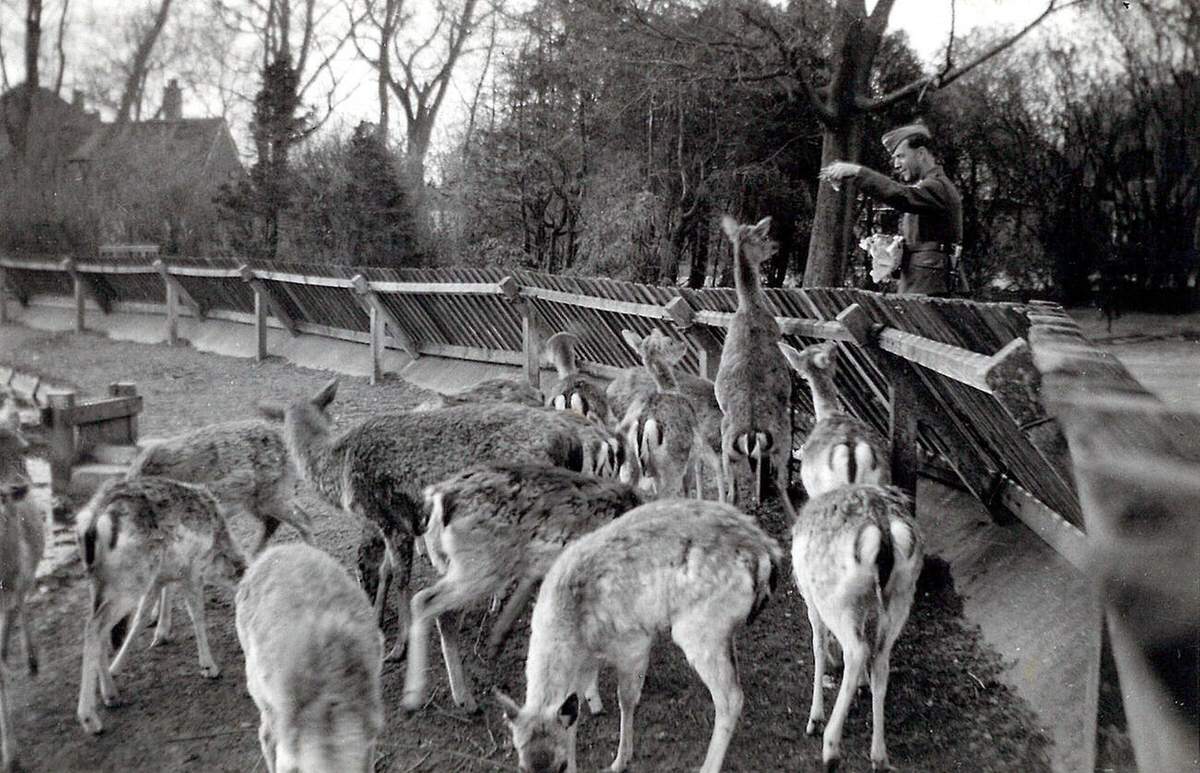
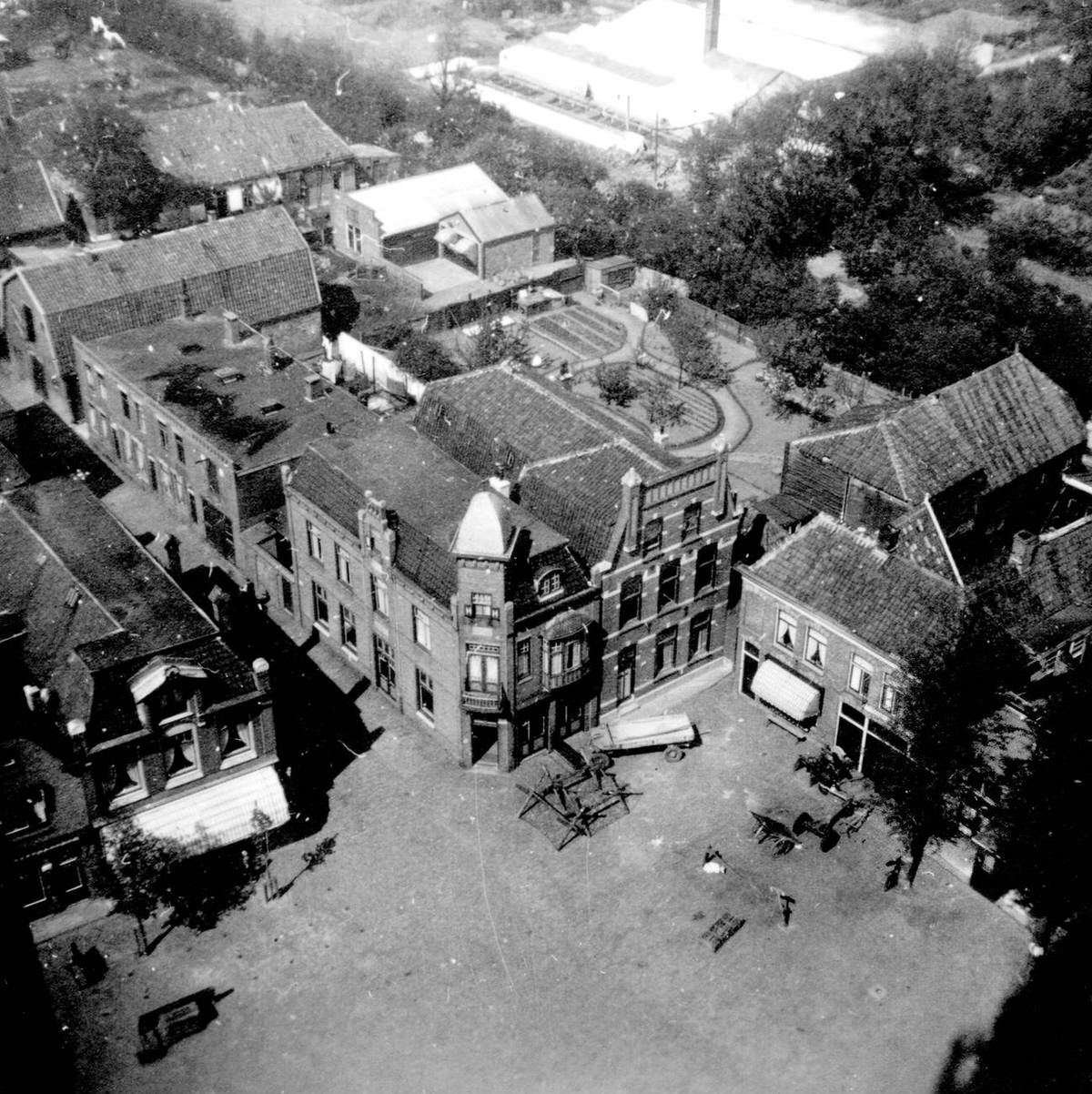
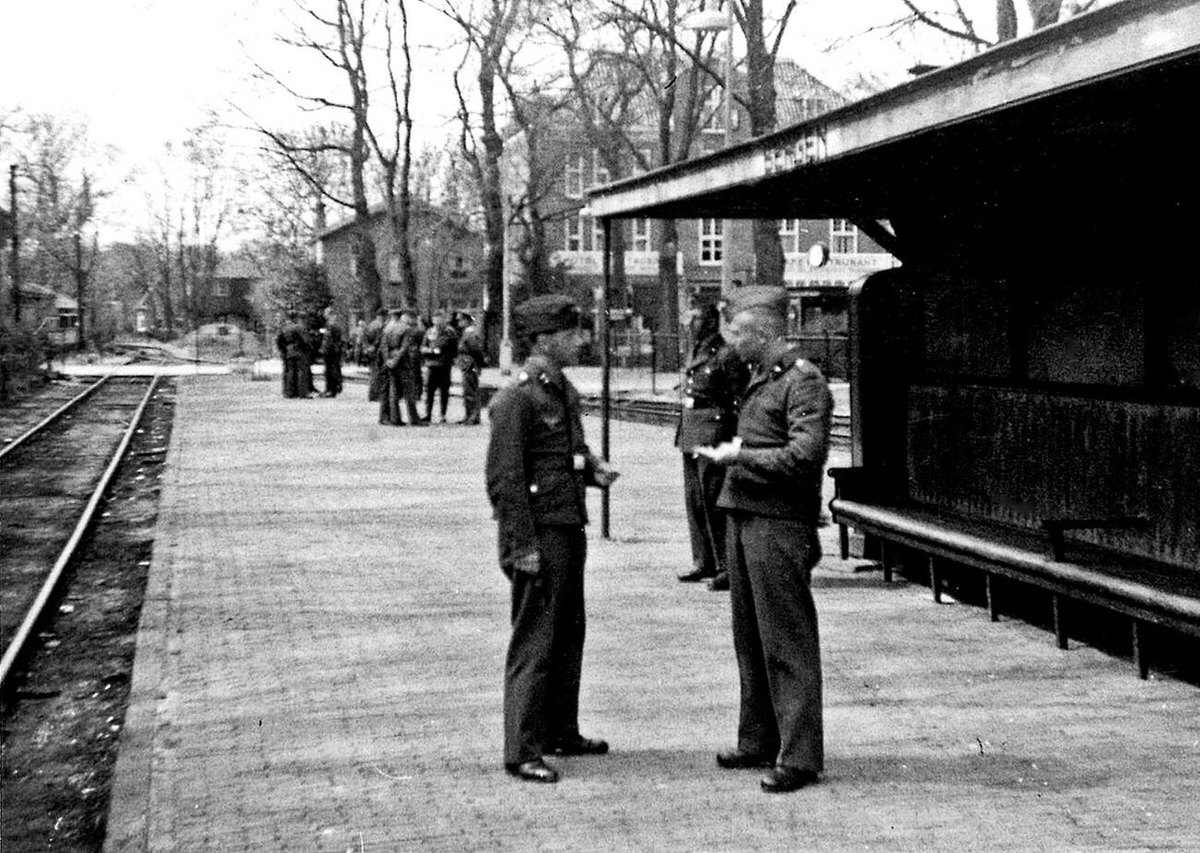
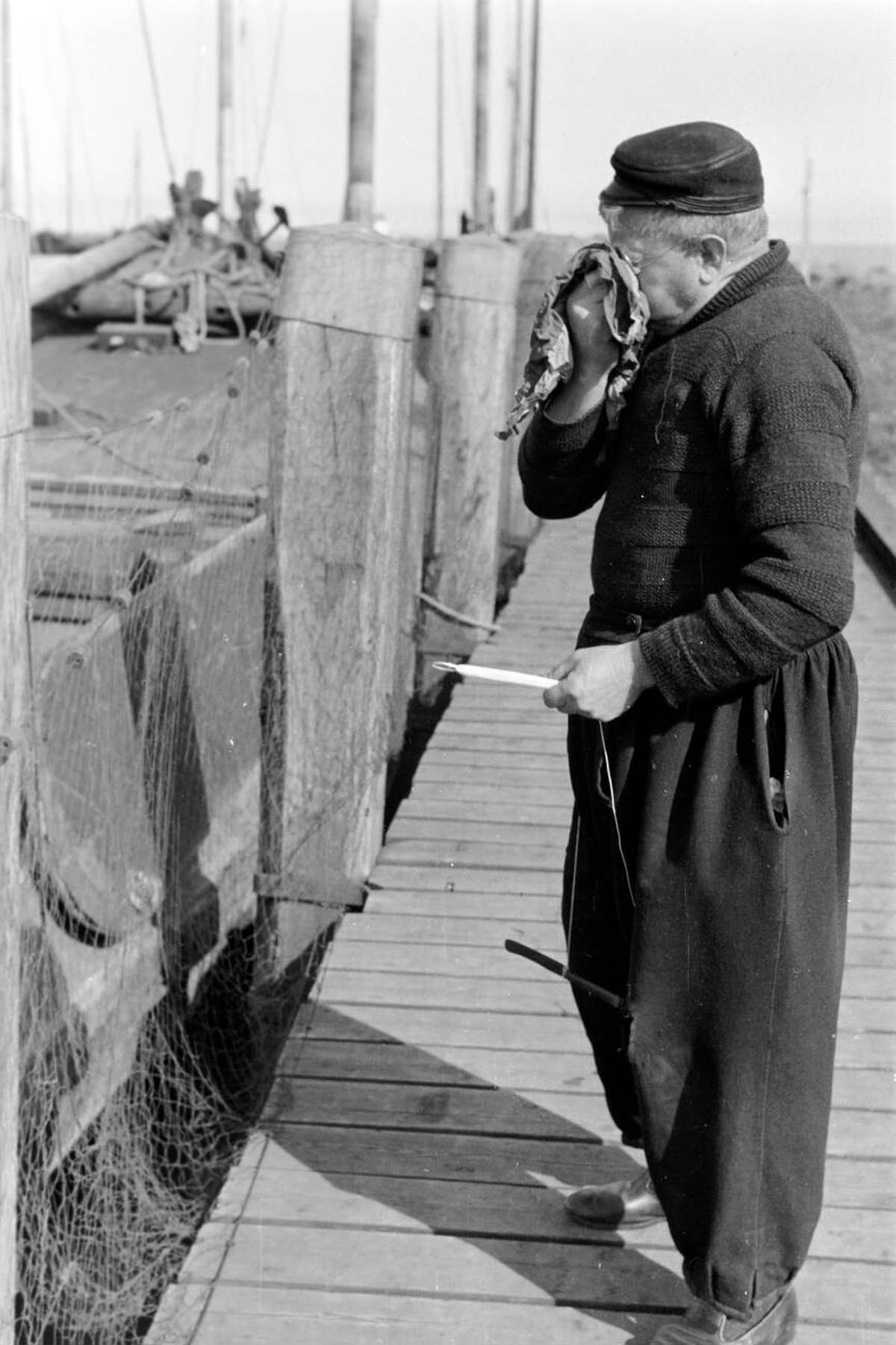
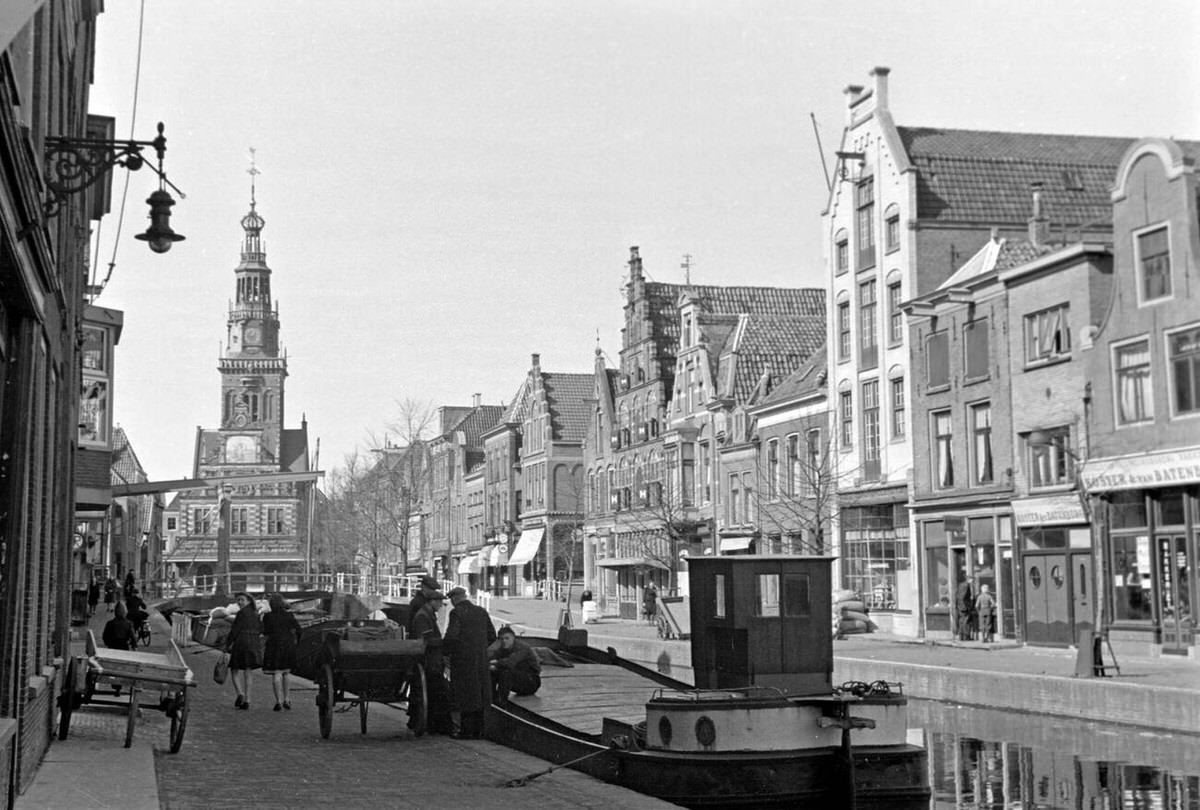
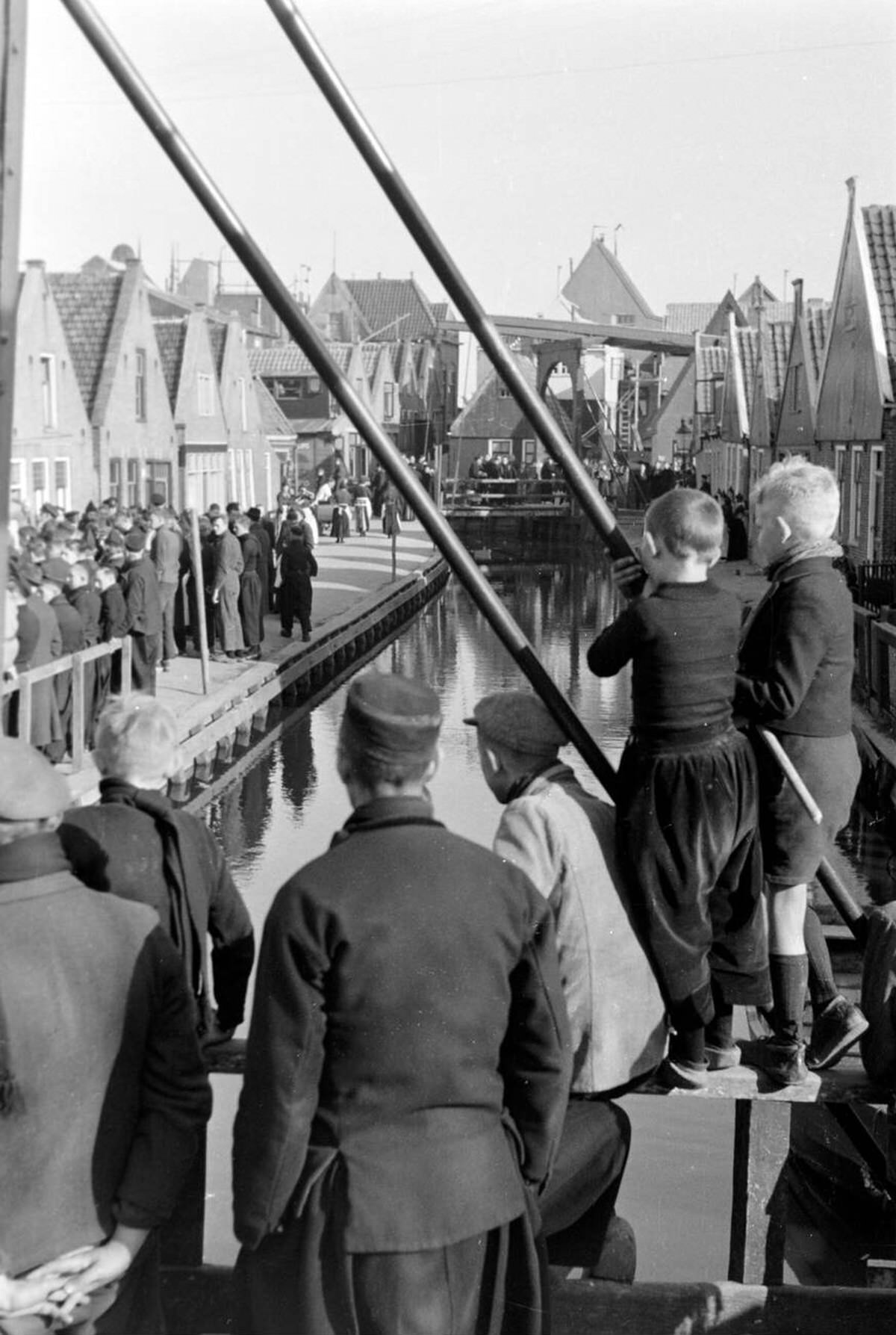
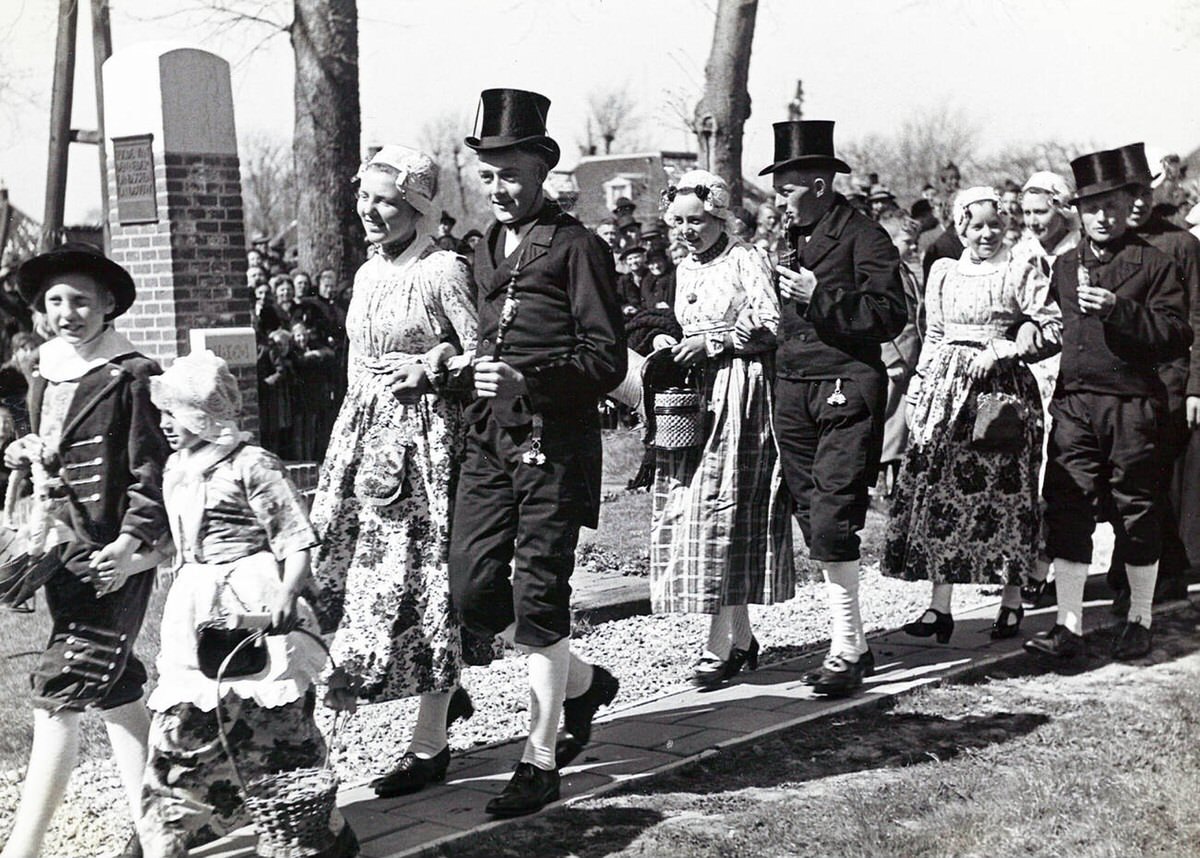
While German soldiers moved freely across the country, Dutch civilians tried to hold on to normal life. Fishing villages like Volendam continued their daily routines. Cheese markets in Alkmaar still drew crowds. These scenes sat alongside a reality of arrests, deportations, and growing terror — two worlds existing at the same time in the same country.
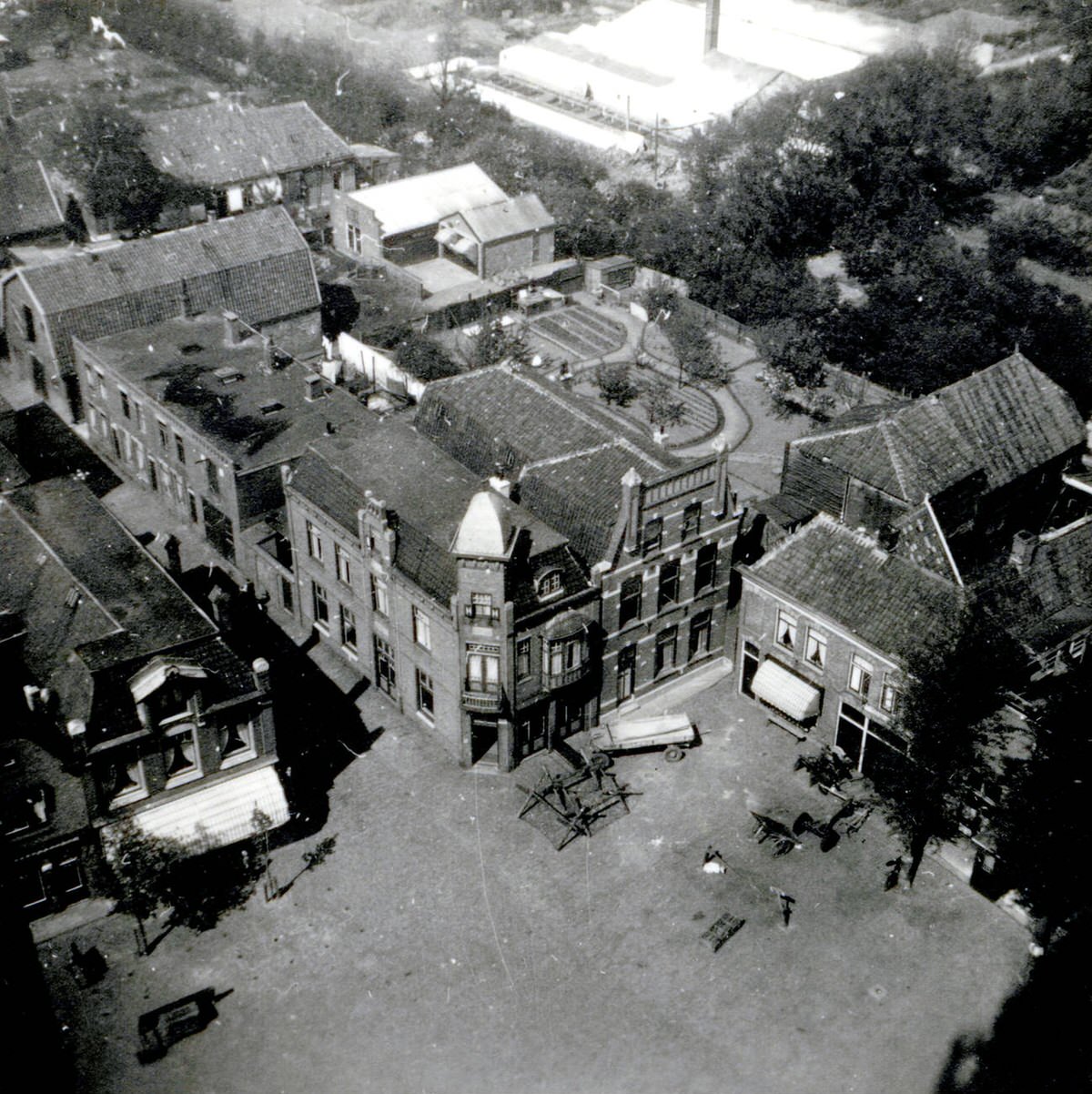
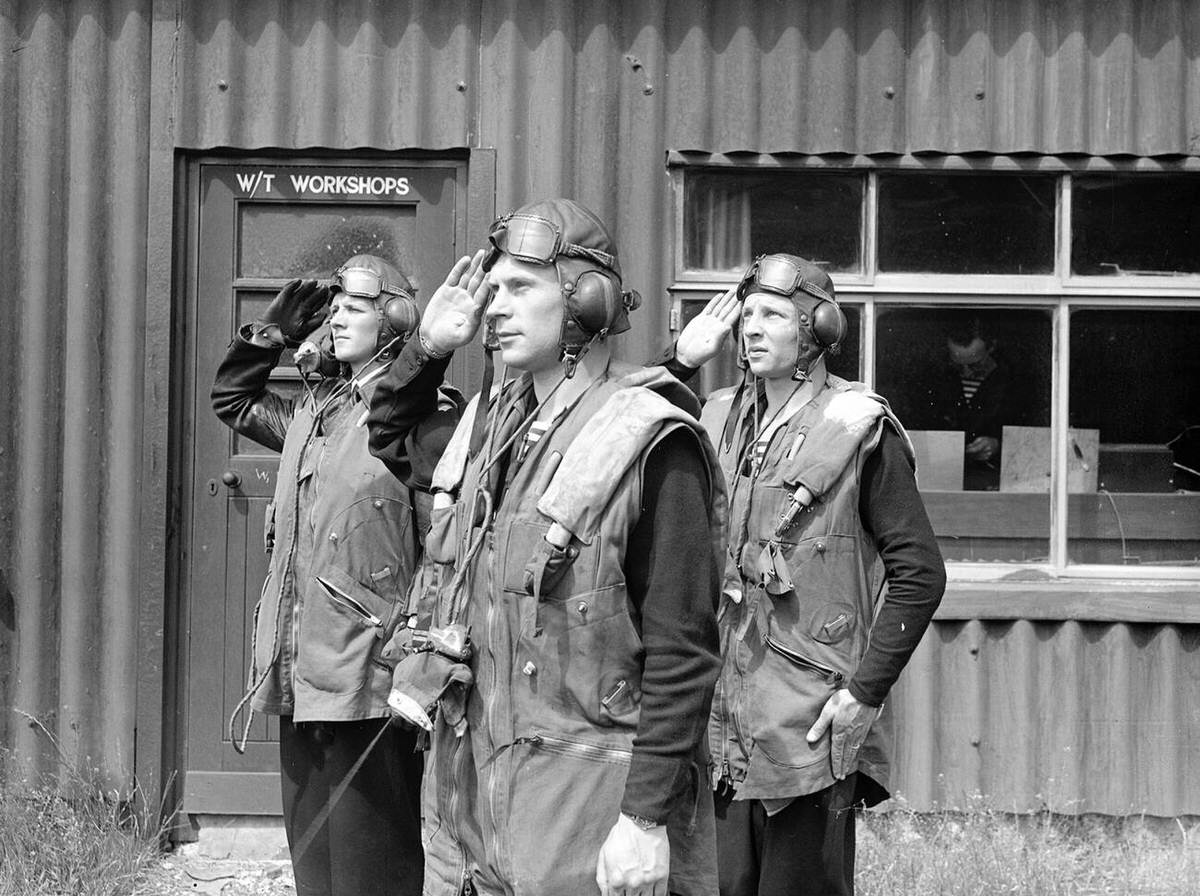
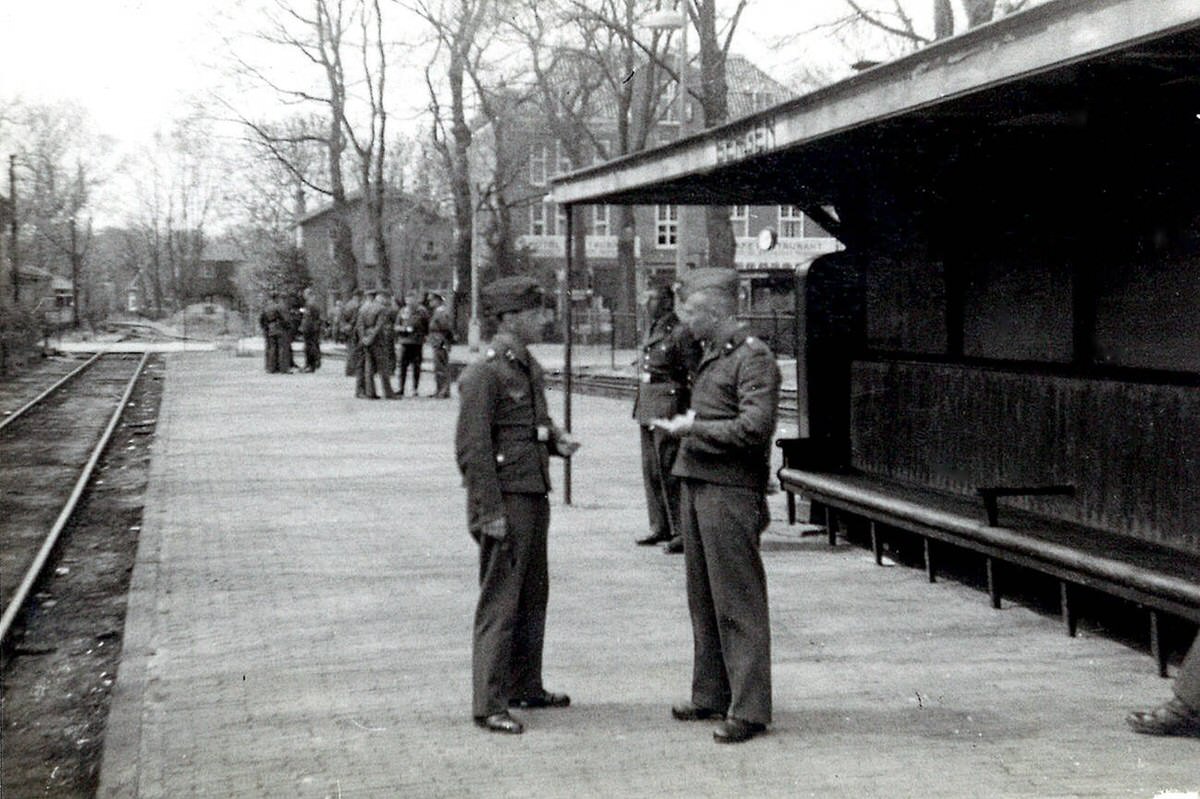
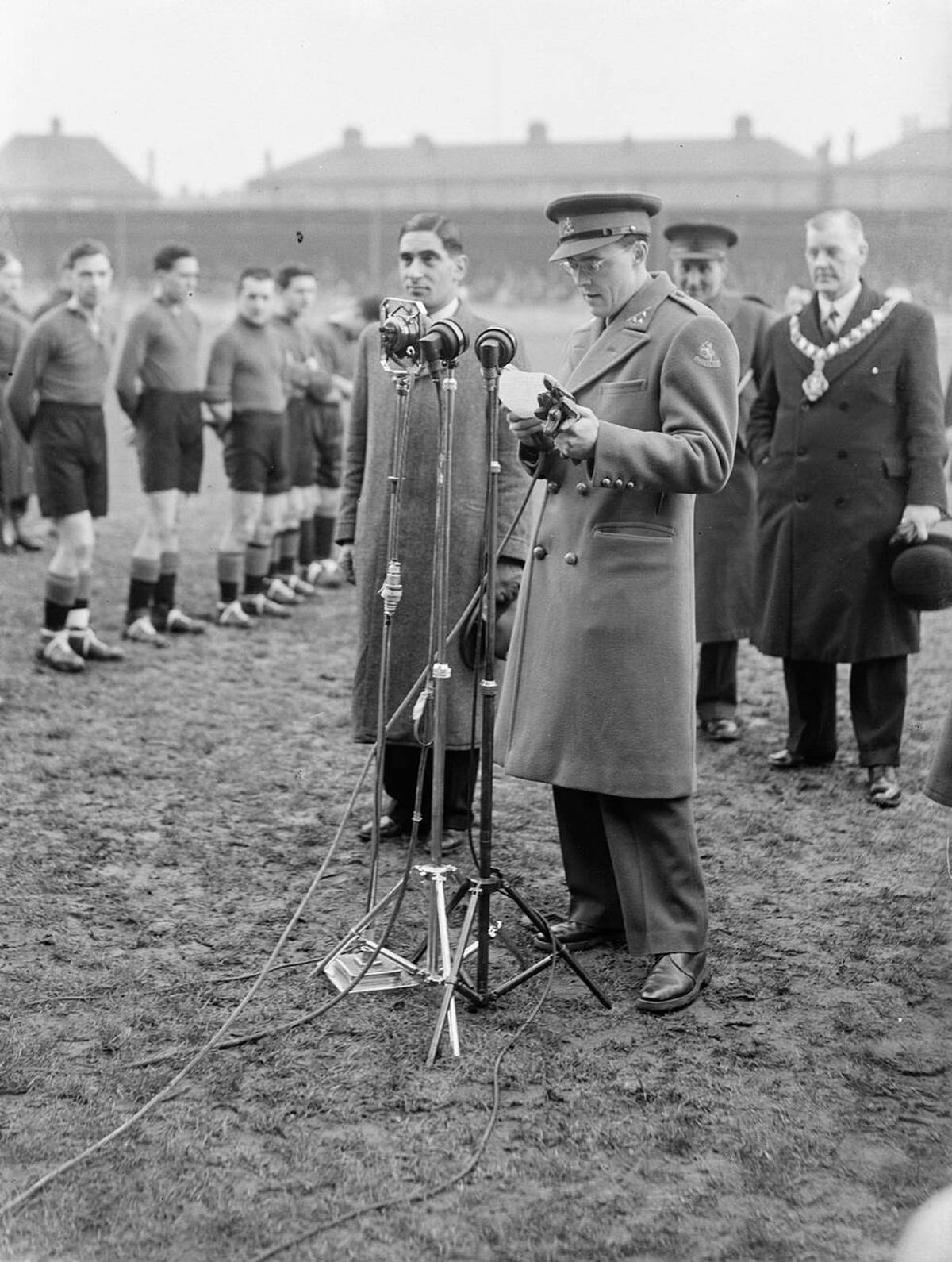
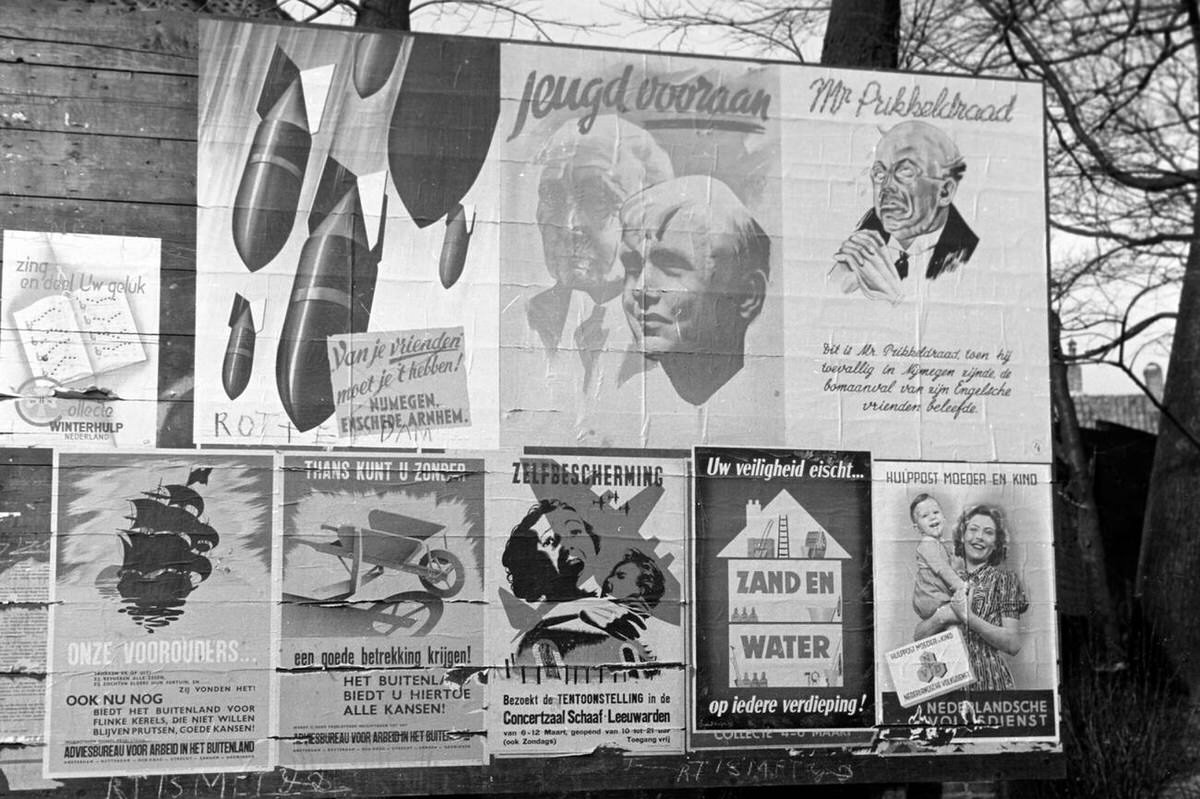
German propaganda was visible everywhere. Posters and displays pushed Nazi messaging across Dutch cities, even as resistance members worked underground to print and distribute real news. The contrast between the occupier’s manufactured image and the truth of the occupation was stark.
In February 1941, Amsterdam workers launched the February Strike — a mass walkout to protest the arrest and brutal treatment of Jewish citizens. It was the only large-scale public protest against Jewish persecution in any German-occupied country. The Germans crushed it with arrests and military force. Anti-Jewish laws had already stripped Jewish civil servants of their jobs in late 1940. By 1941, Jews were banned from parks, theaters, and public swimming pools and forced to wear a yellow Star of David. The Westerbork transit camp in Drenthe became the staging point for deportations to concentration camps in Eastern Europe. Of the 140,000 Jews living in the Netherlands before the war, more than 100,000 were murdered. Thousands of families went into hiding — known as “onderduikers” — including Anne Frank and her family, who hid in a secret annex in Amsterdam for two years before being discovered in August 1944.
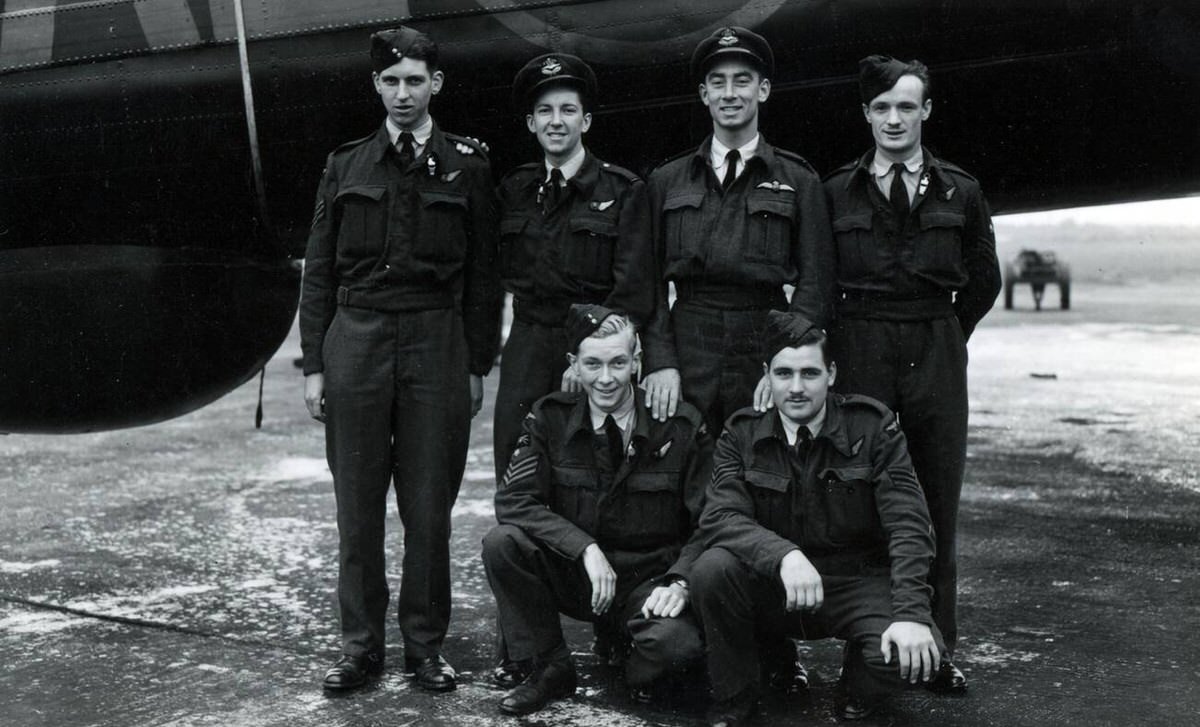
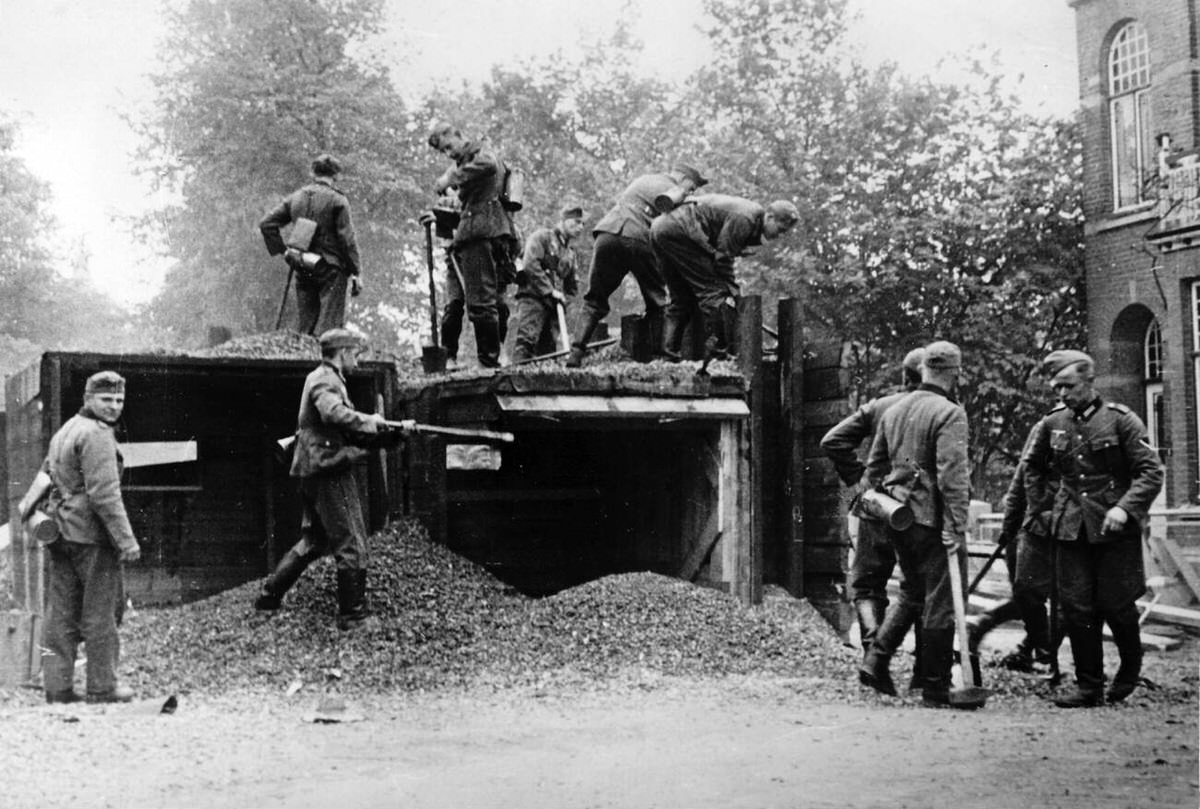
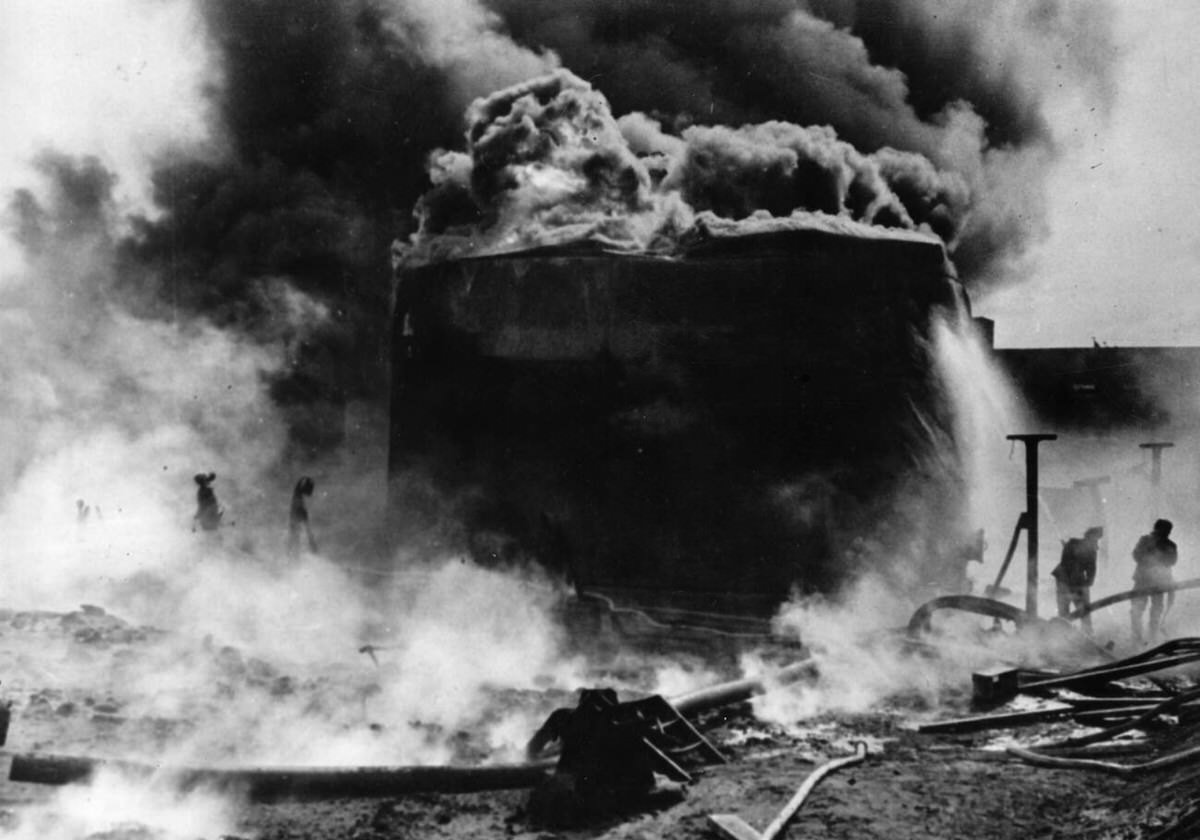
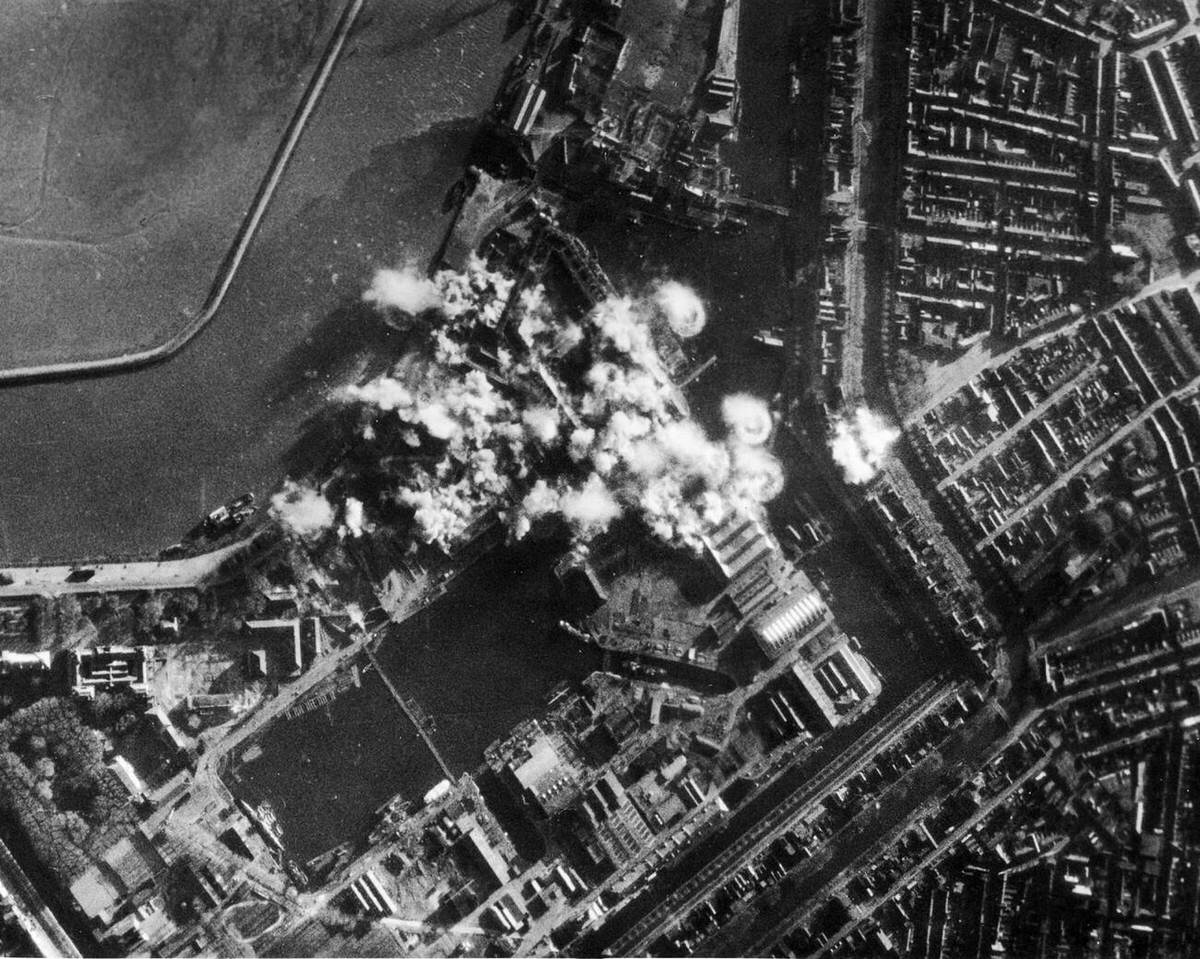
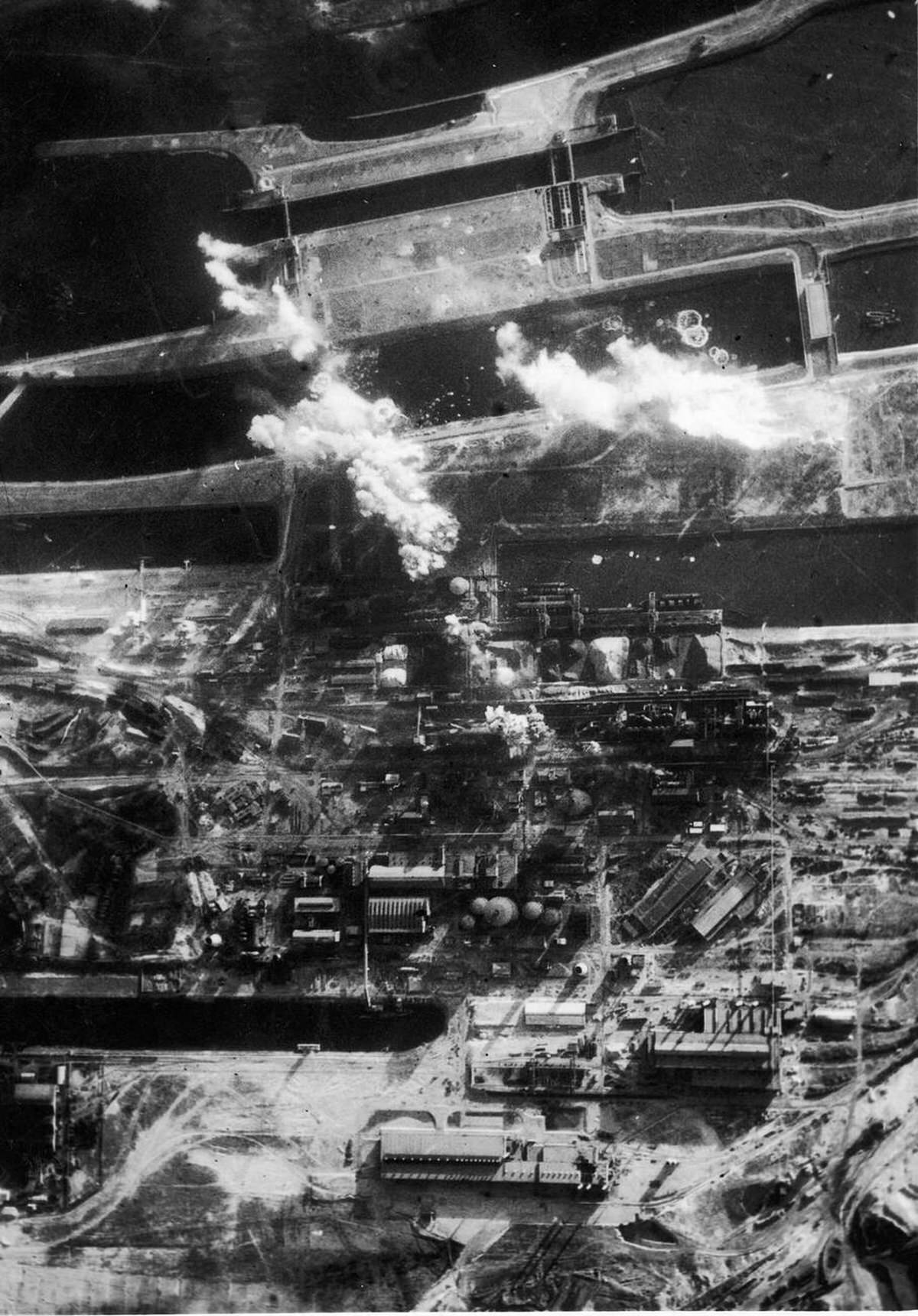
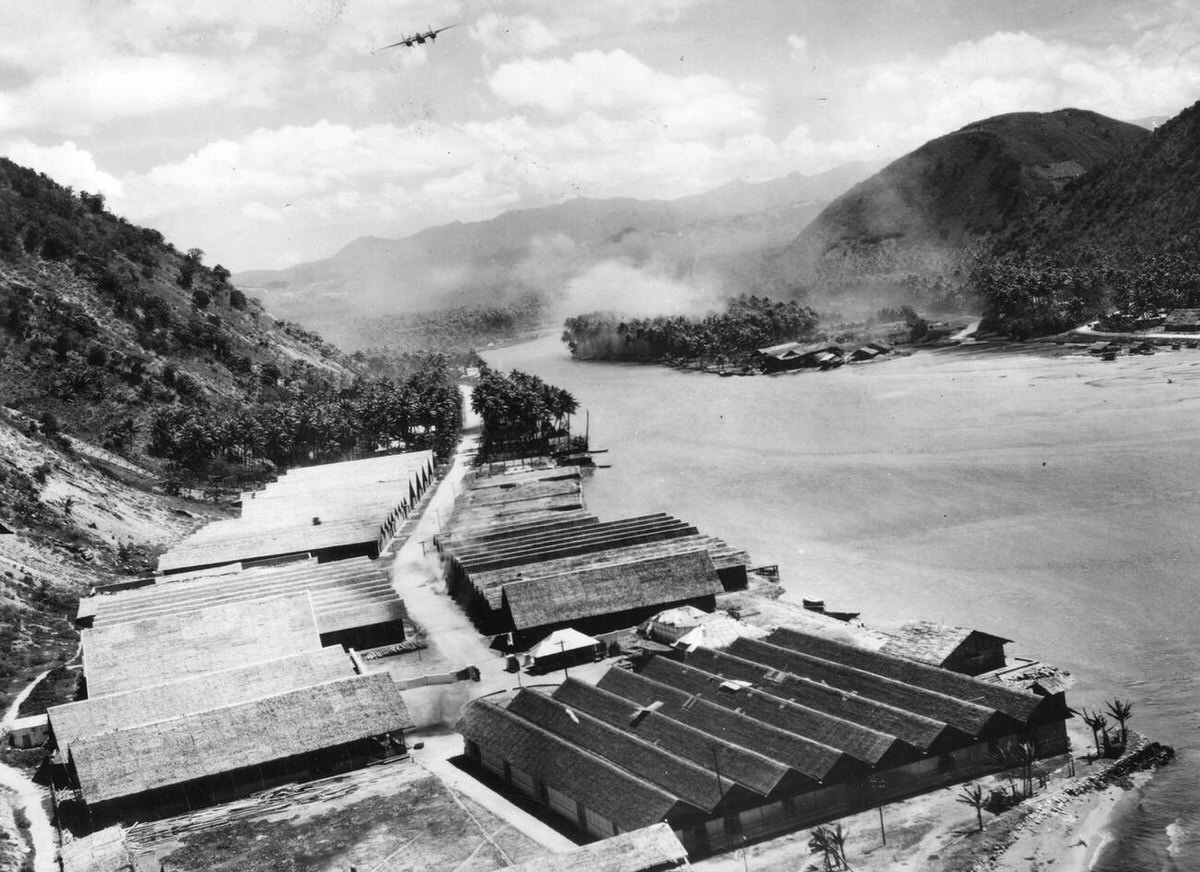
As the war progressed, the Allies began striking back at German positions inside the Netherlands. RAF bombers hit industrial targets and harbor installations, bringing the war directly to Dutch soil from the air. Meanwhile, the German military reinforced coastal defenses and tightened its grip across the country.
Germany also enforced the Arbeitseinsatz — a forced labor program that ordered hundreds of thousands of Dutch men to work in German factories. Many refused and went into hiding, creating enormous demand for safe houses and forged identity papers. German police conducted regular raids called “razzias” to find men evading the order. Fear and secrecy became part of everyday life. The Dutch resistance organized networks to shelter those hiding and sabotaged railway lines to slow the German military’s operations.
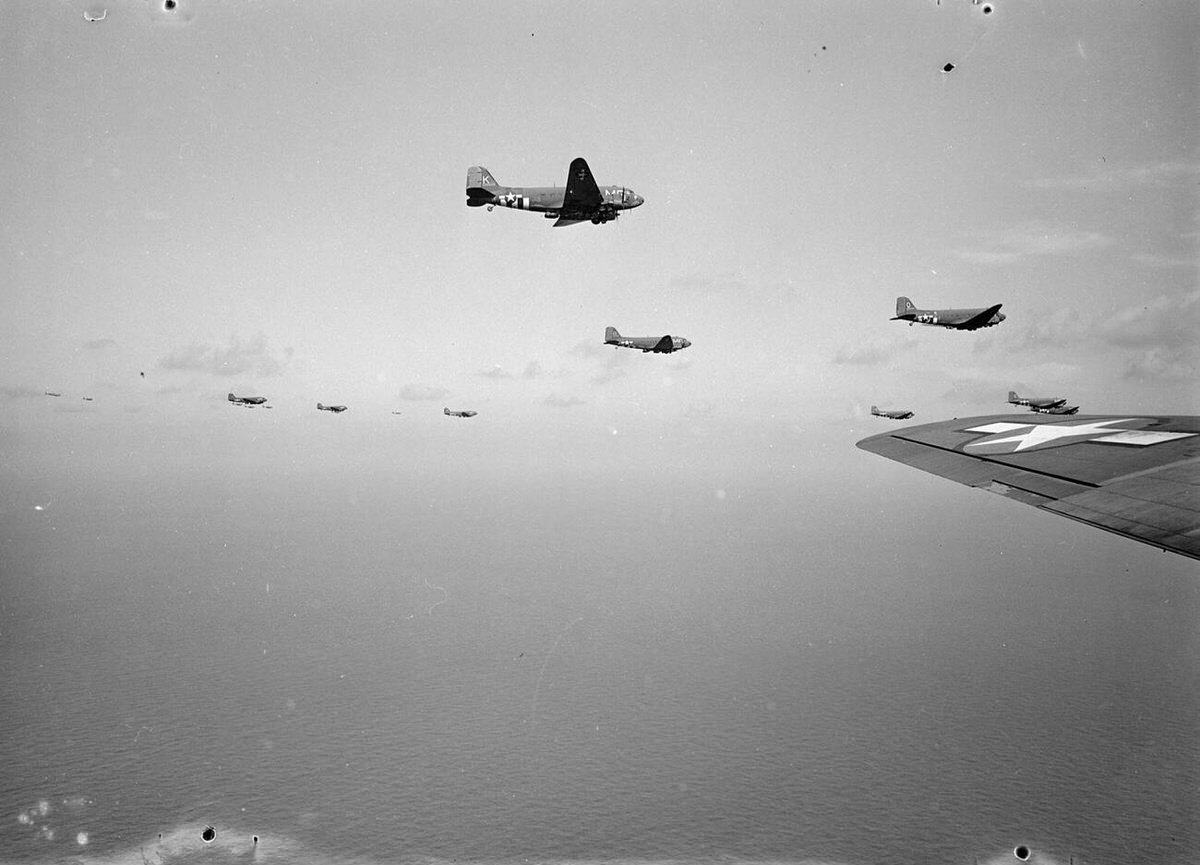
In September 1944, the Allies launched Operation Market Garden — a massive airborne assault intended to capture key river bridges and drive straight into Germany. Paratroopers landed near Eindhoven, Nijmegen, and Arnhem. The operation succeeded at the first two locations but failed at Arnhem, where British paratroopers could not hold the bridge over the Rhine. The failure left the Netherlands split. The south was liberated while the north and west remained under German control through the entire winter.
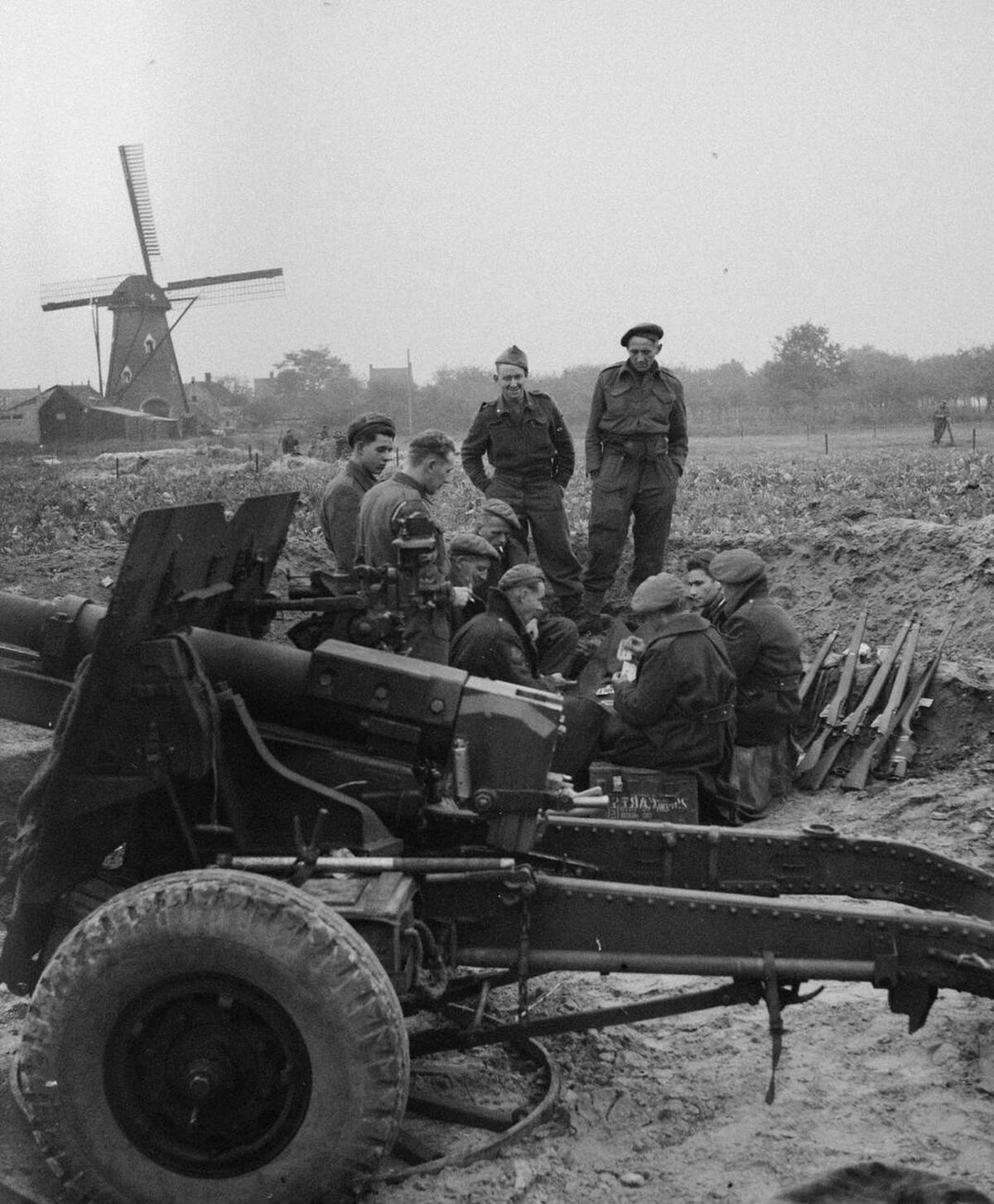
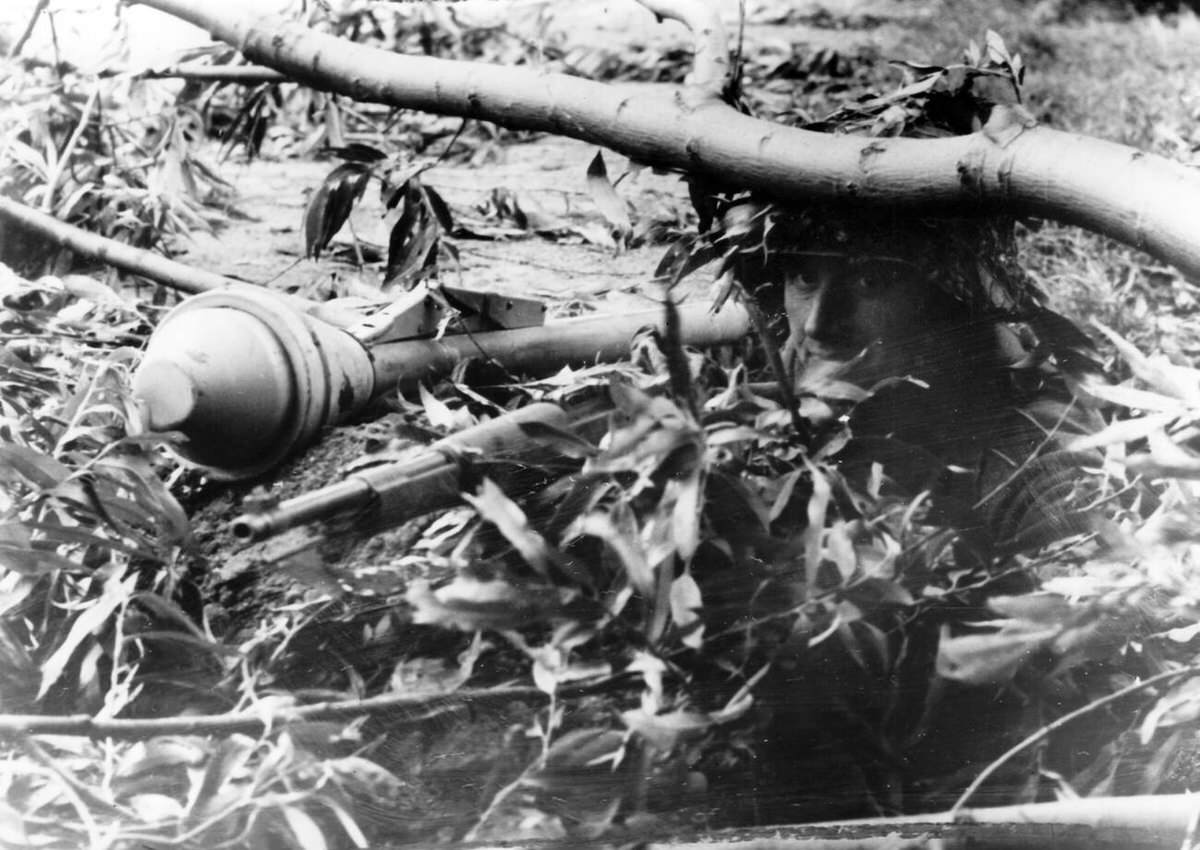
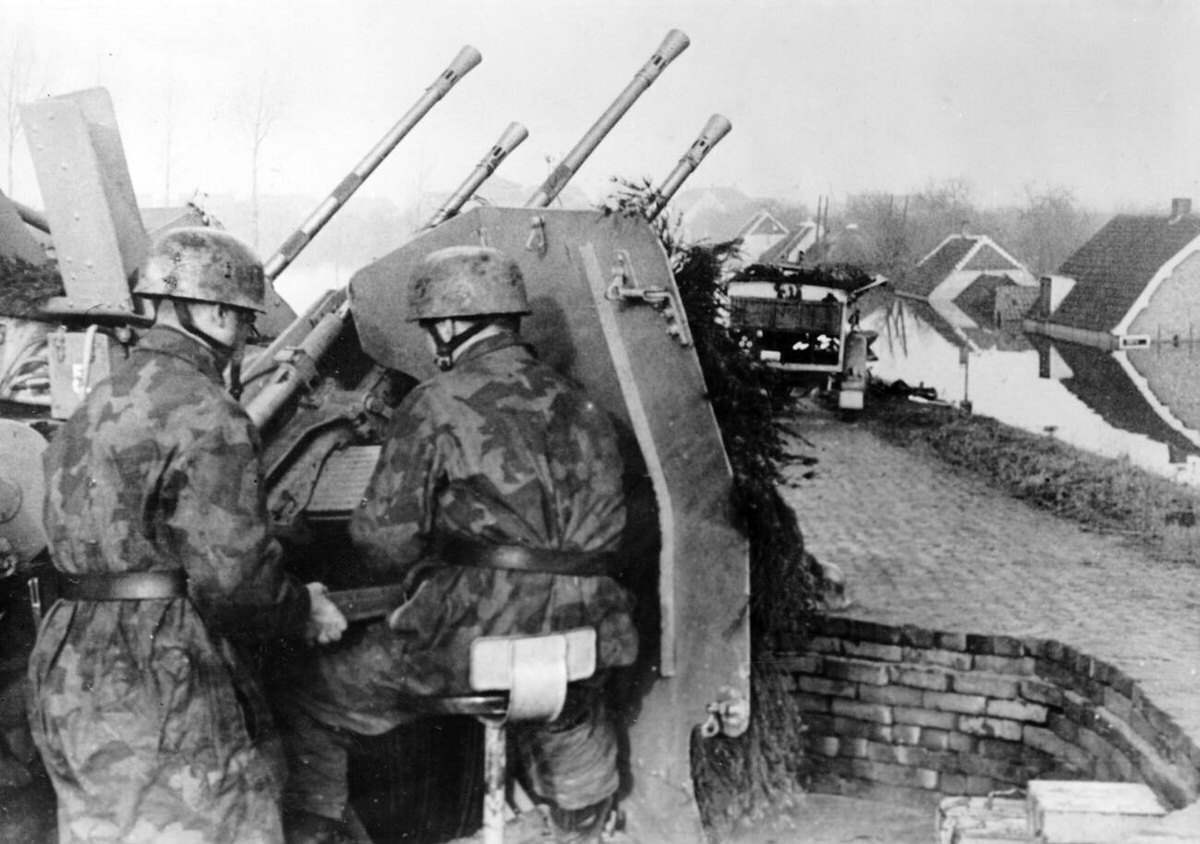
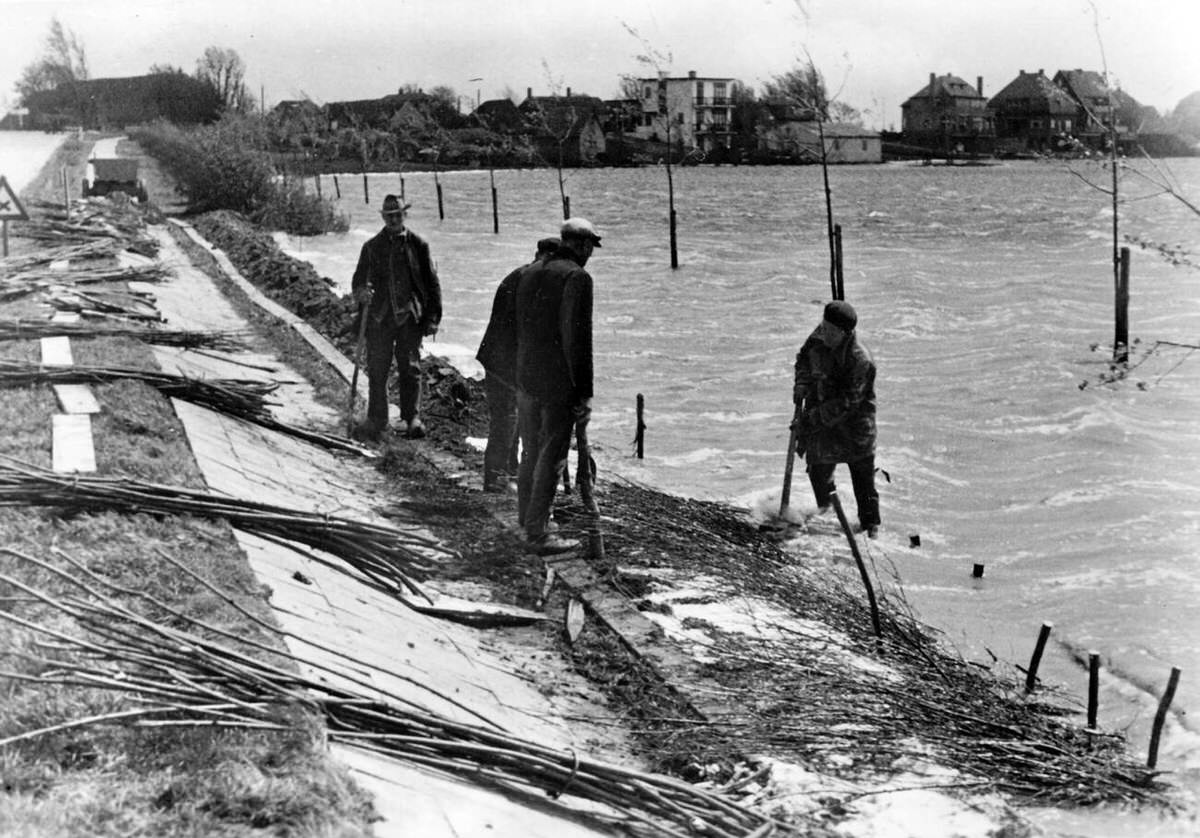
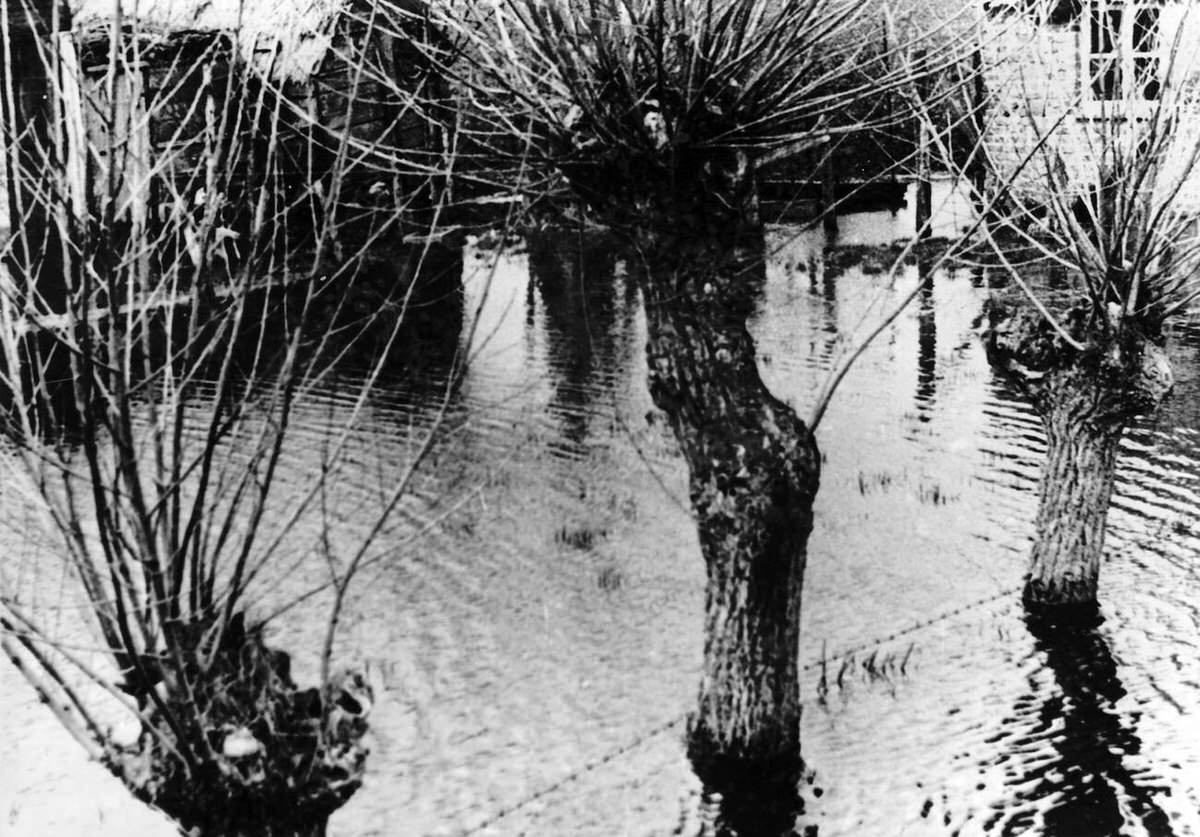
The Walcheren peninsula saw some of the war’s most destructive flooding. Allied forces deliberately breached the dykes to flush out German defenders, inundating towns and farmland. Local people were left to navigate their own streets by boat while soldiers fought in the ruins around them.
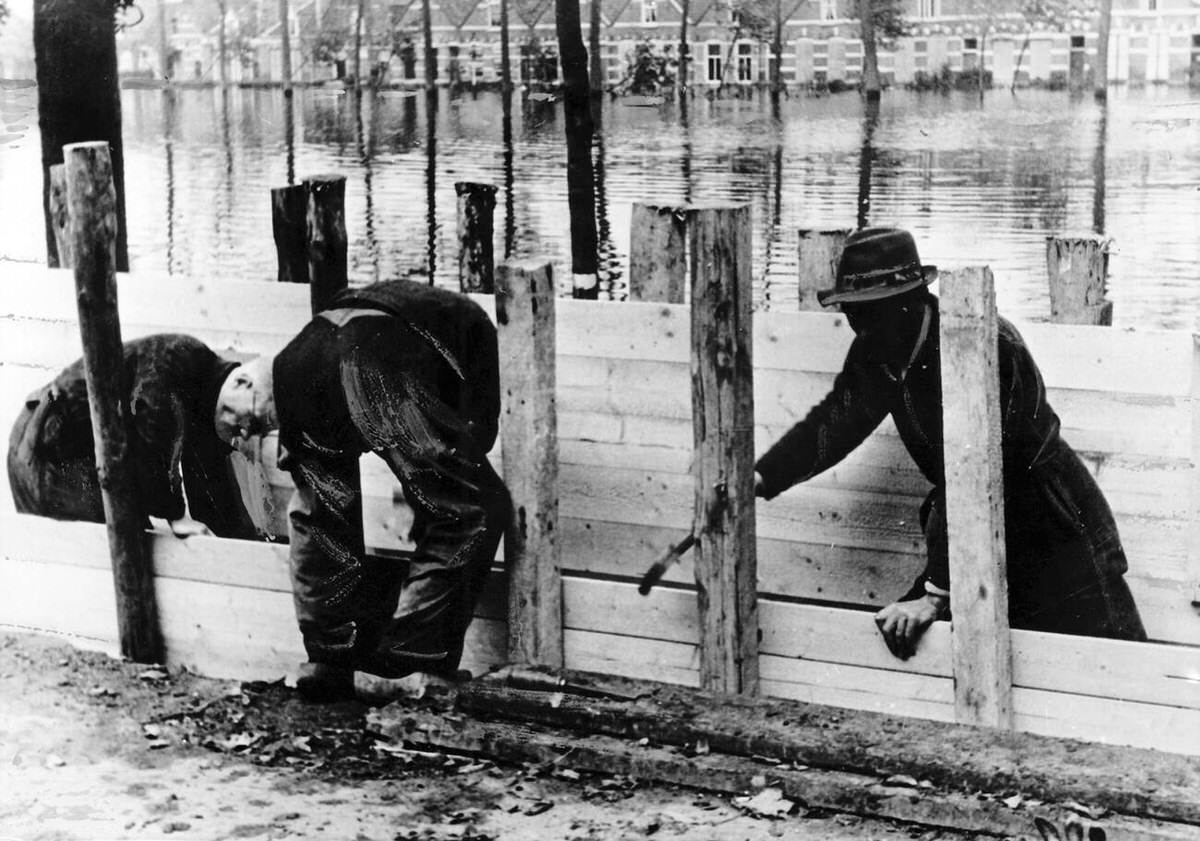
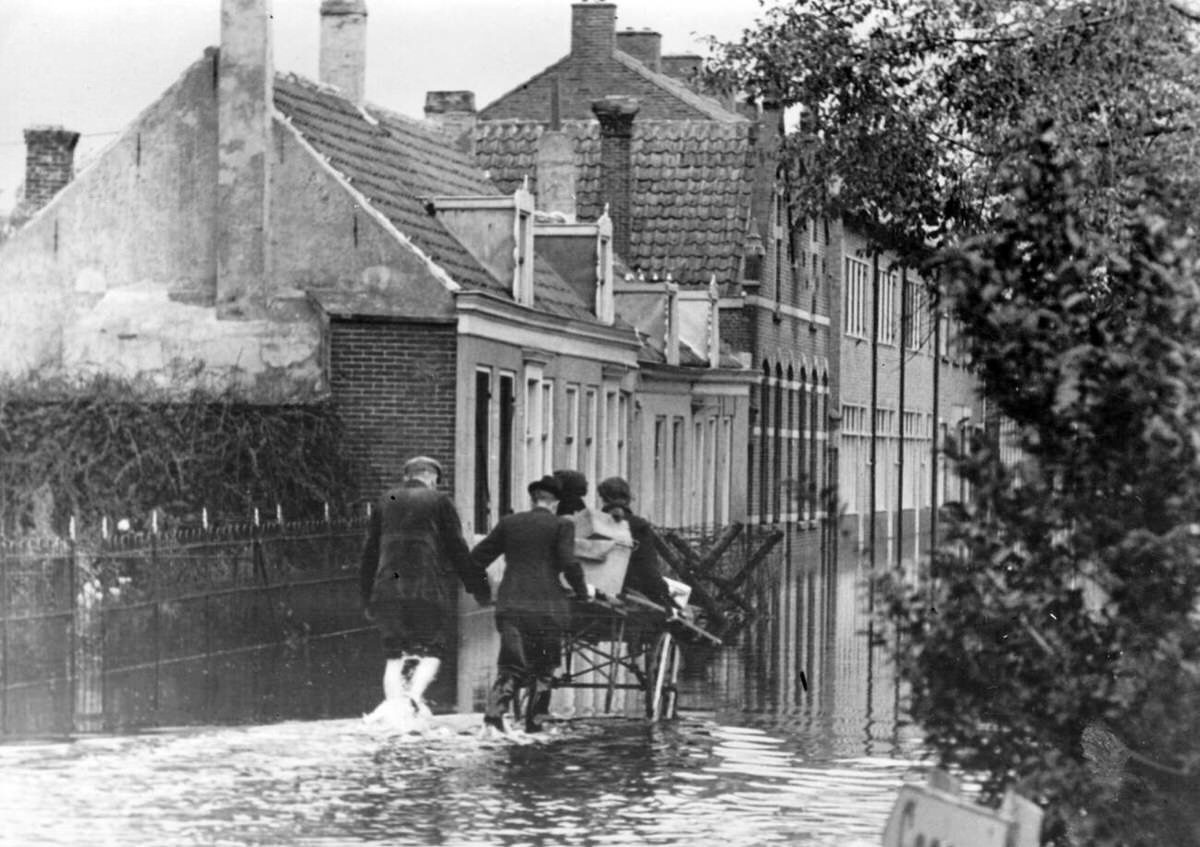
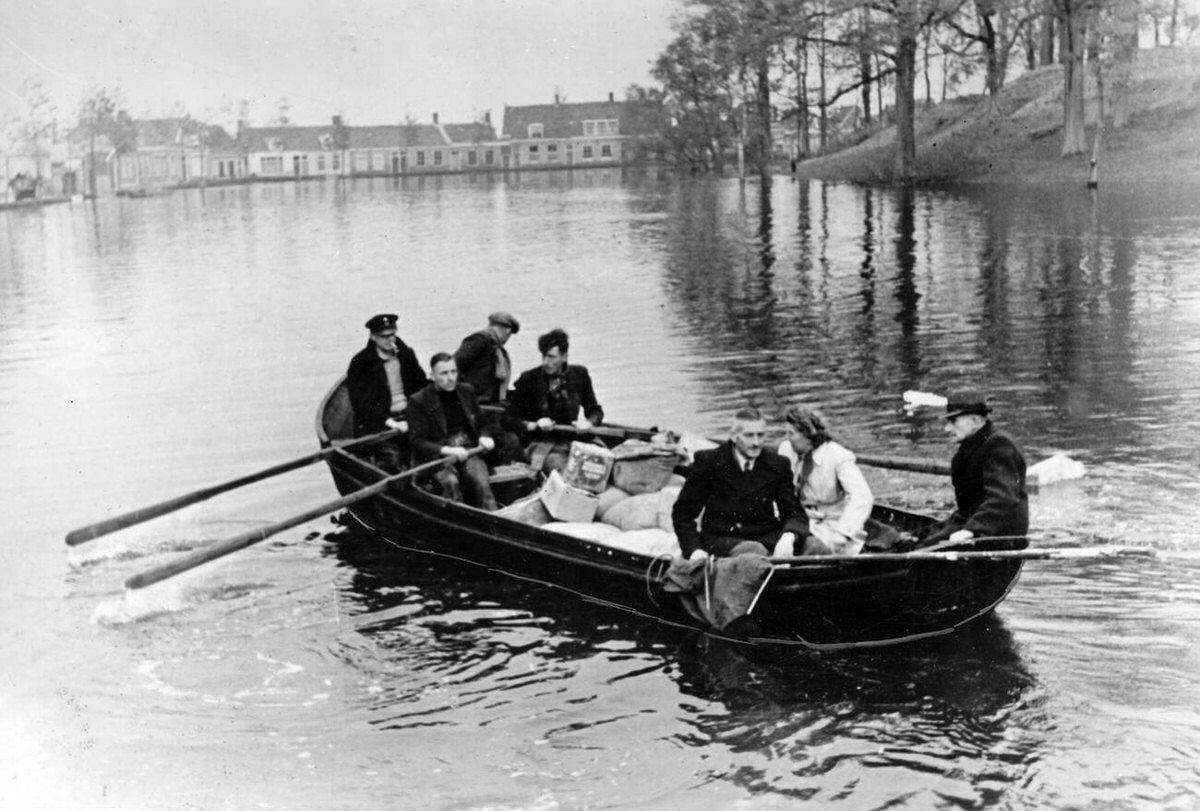
The winter of 1944–1945 — the Hongerwinter, or Hunger Winter — became the darkest chapter of the occupation. In retaliation for a Dutch railway strike, the Germans blocked all food and fuel shipments to the western Netherlands. The winter was bitterly cold. Canals froze, cutting off supply routes by water. People in Amsterdam and Rotterdam ate tulip bulbs and sugar beets. They stripped trees from parks to burn for heat. Families walked for days into the countryside to trade jewelry for potatoes. Approximately 20,000 Dutch people died from starvation and cold during those six months.
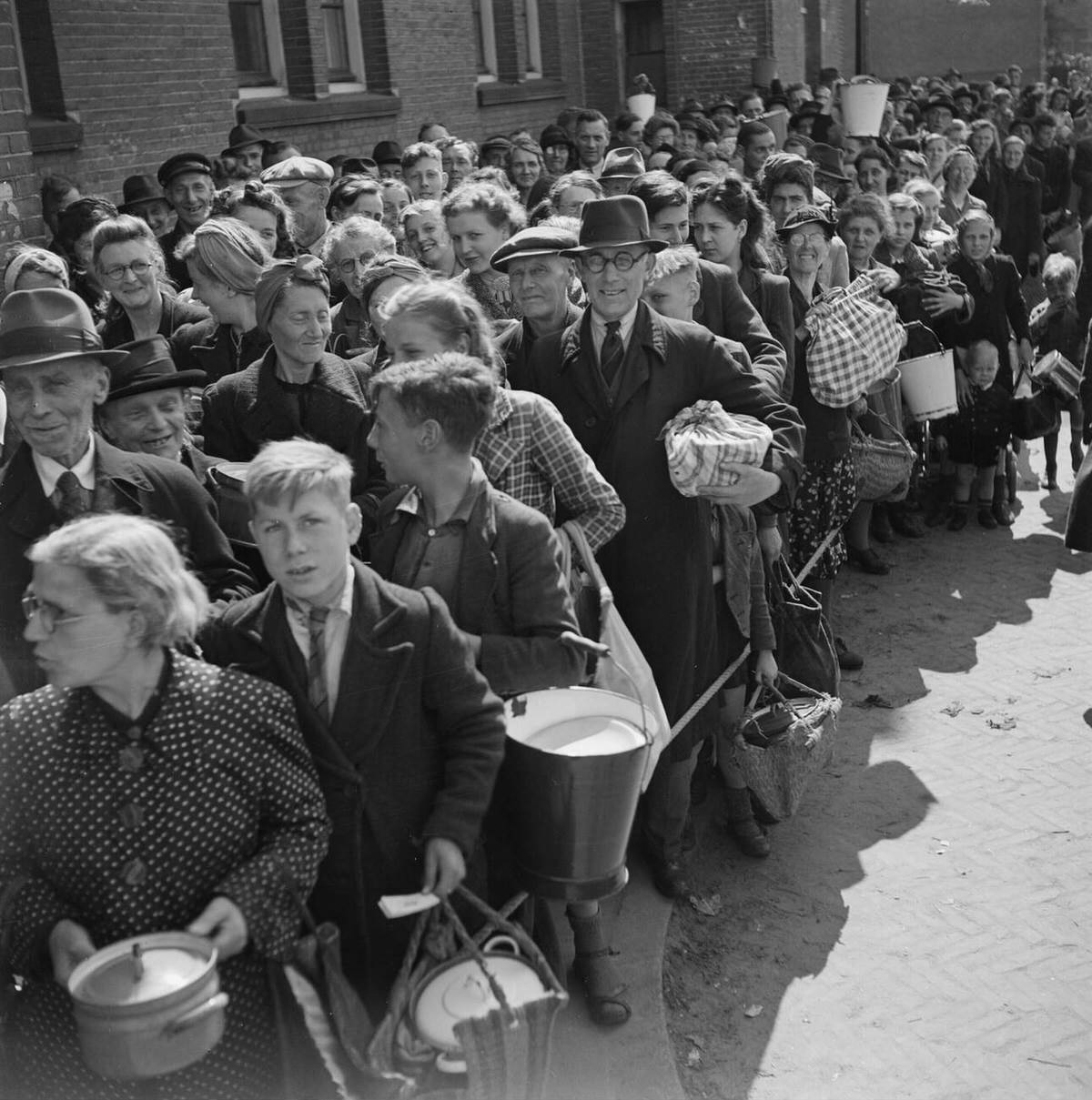
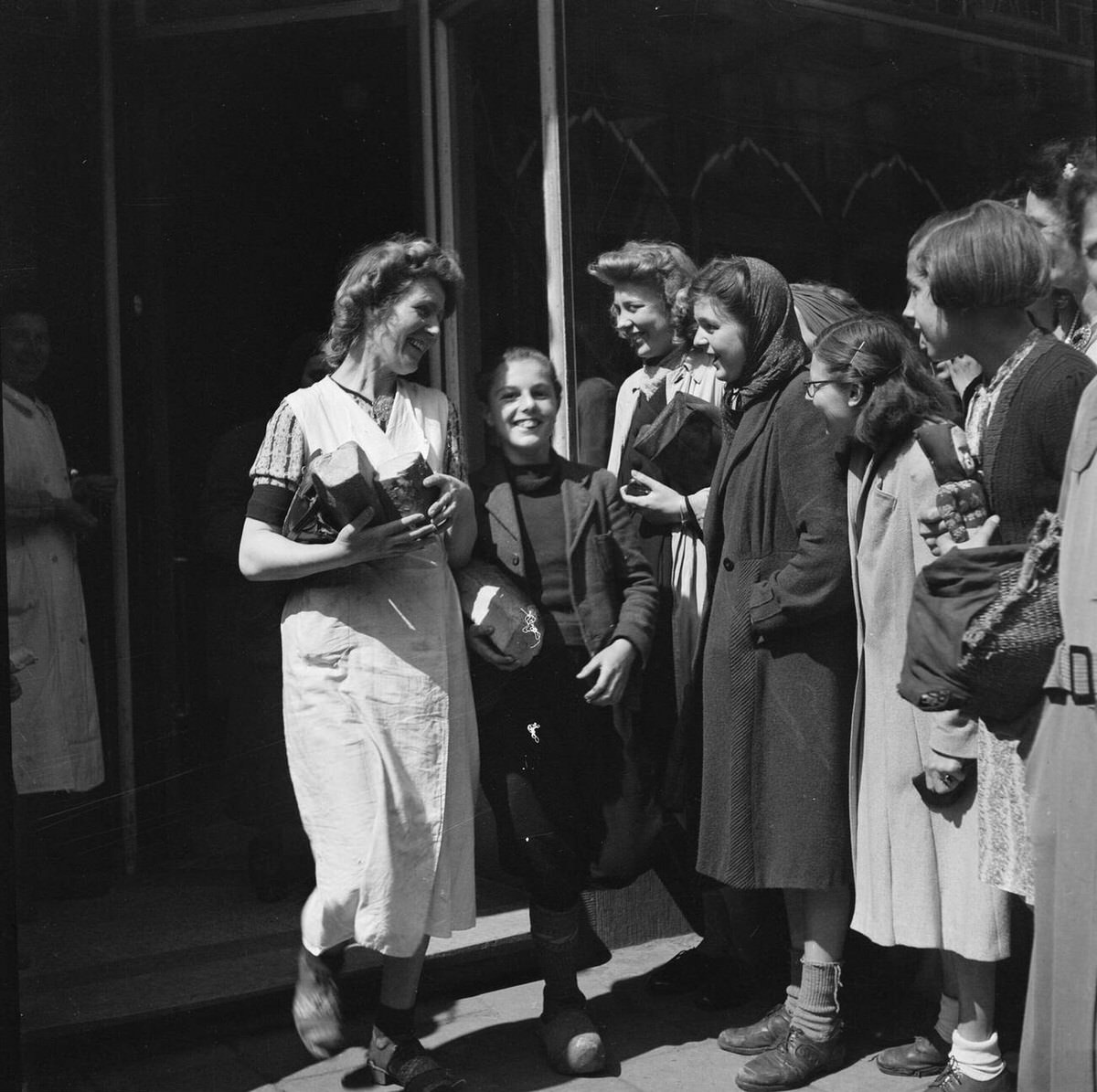
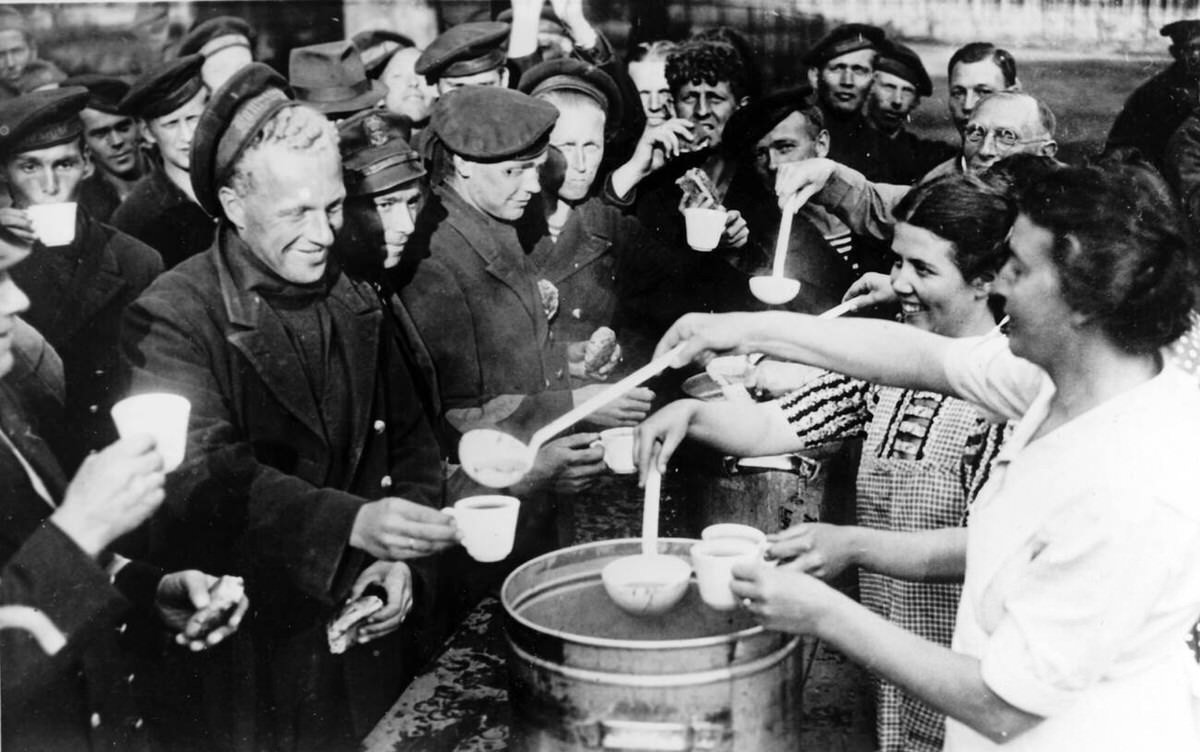
To save the starving population before Allied ground troops could reach them, the Allies launched Operation Manna in late April 1945. British and American aircraft flew low over Dutch fields and dropped thousands of tons of food. Canadian ground troops pushed through the eastern and northern provinces, and on May 5, 1945, the German military in the Netherlands officially surrendered. The agreement was signed in Wageningen. The queues that formed outside Amsterdam’s food shops in the days that followed showed how desperate the situation had been — and how total the relief was.