
In 1948, the continent of Europe was a landscape of ruins and rebuilding. The Second World War had ended three years prior, but the scars remained visible in every major city. Millions of families were displaced, and the most vulnerable members of society were the children. These children had spent their formative years hiding in basements, fleeing across borders, or surviving in concentration camps. They lived in a world where the primary sounds were sirens and explosions. By 1948, the physical fighting had stopped, but a new crisis of hunger, disease, and psychological trauma had taken its place. This was the environment that David Seymour entered when he began his most famous assignment.
David Seymour was born in Poland in 1911 to a wealthy Jewish family. He was often called “Chim,” a name derived from his original Polish surname, Szymin. He began his professional journey by studying graphic arts in Warsaw during the late 1920s. In 1931, he moved to Paris to continue his education at the Sorbonne. It was during his time in France that he developed a deep interest in photography. He realized that the camera was a powerful tool for social commentary and storytelling. Unlike many of his contemporaries who focused on the grand movements of armies, Chim was interested in the quiet, personal experiences of individuals. His early work in the Spanish Civil War established his reputation as a photographer who could capture the human cost of conflict with great empathy.
Read more..
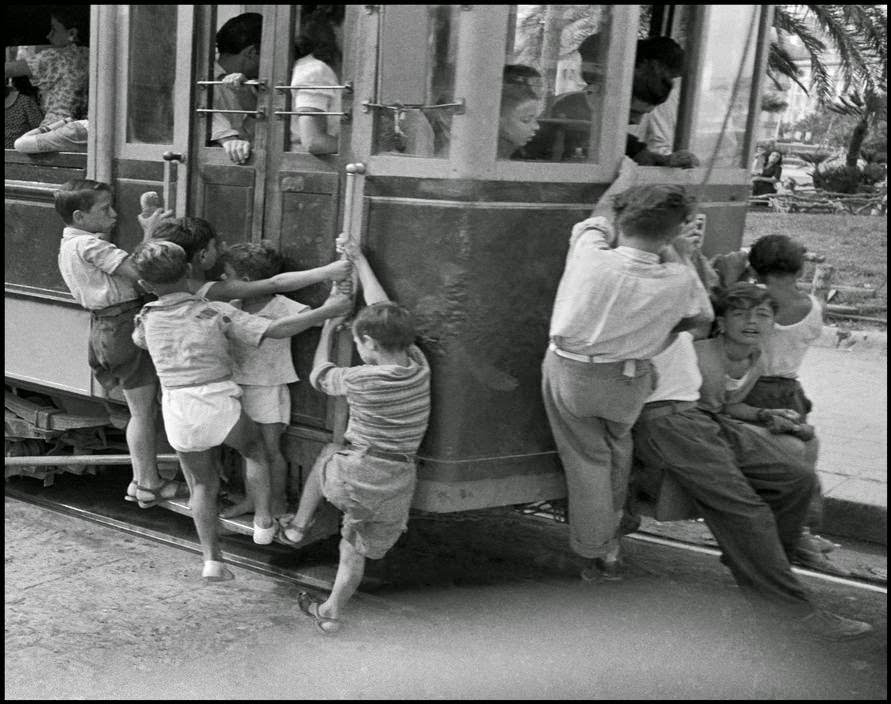
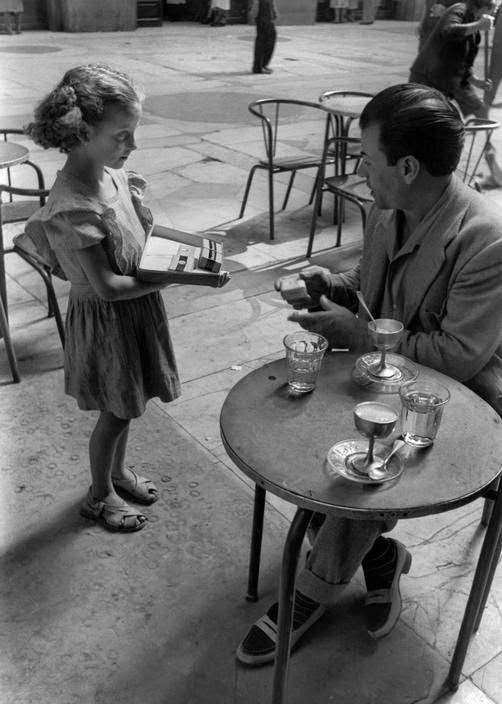
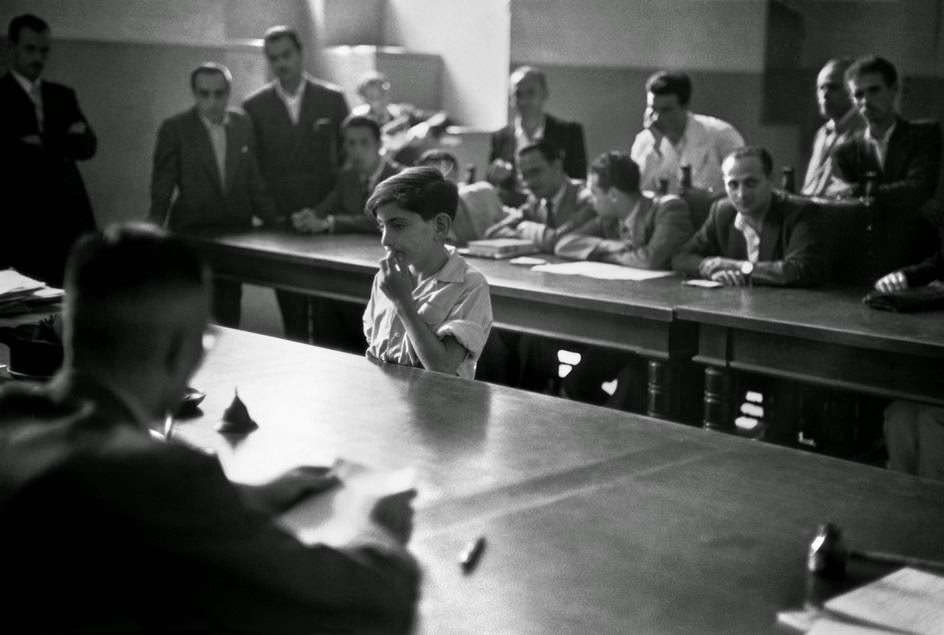
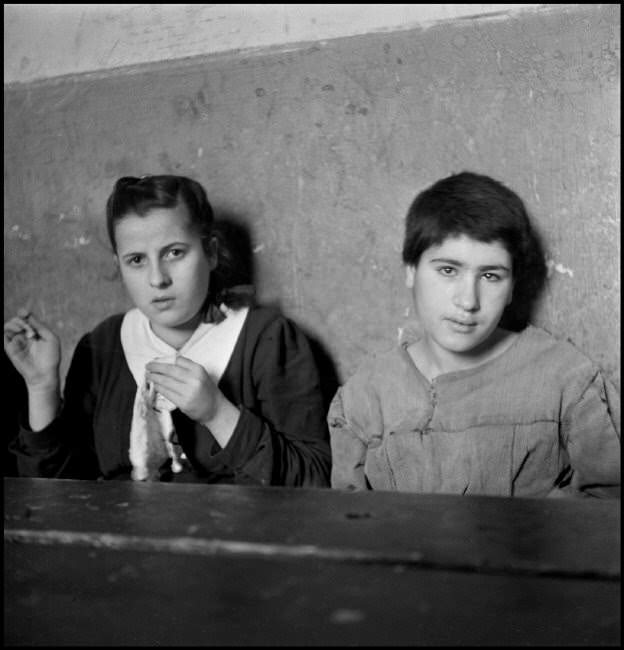
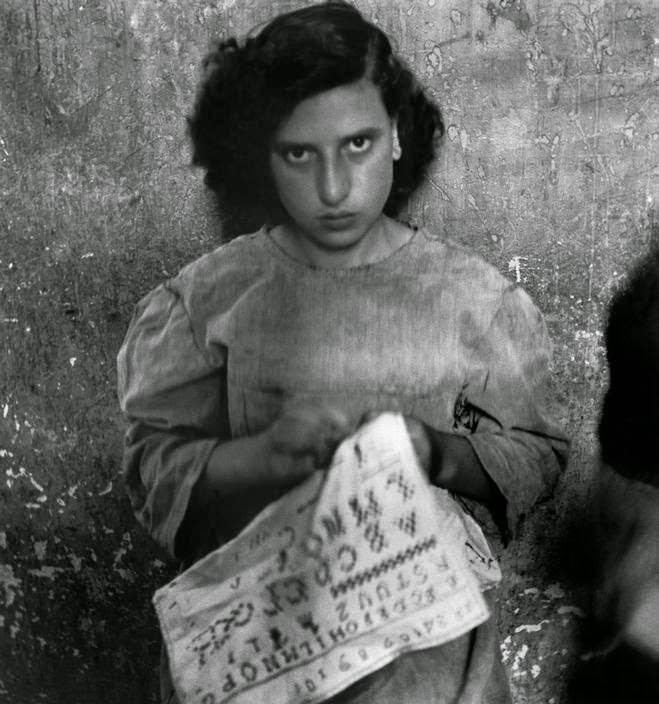
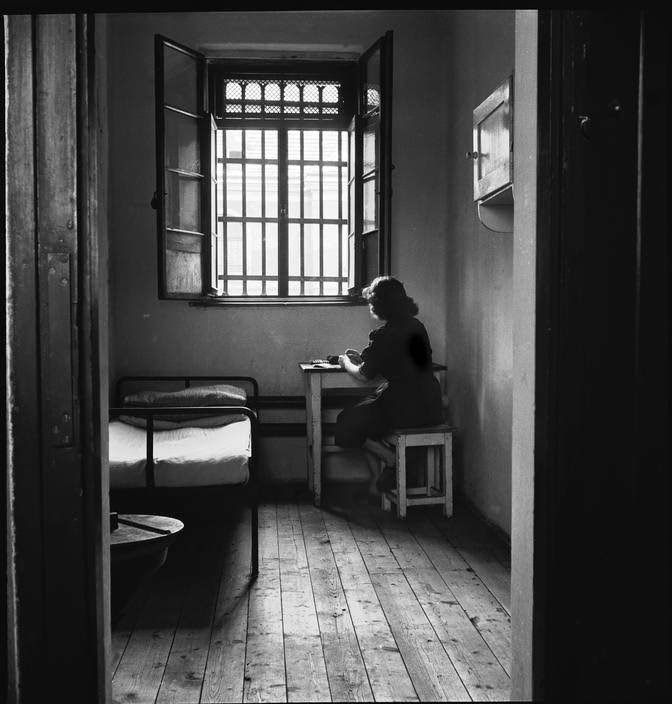
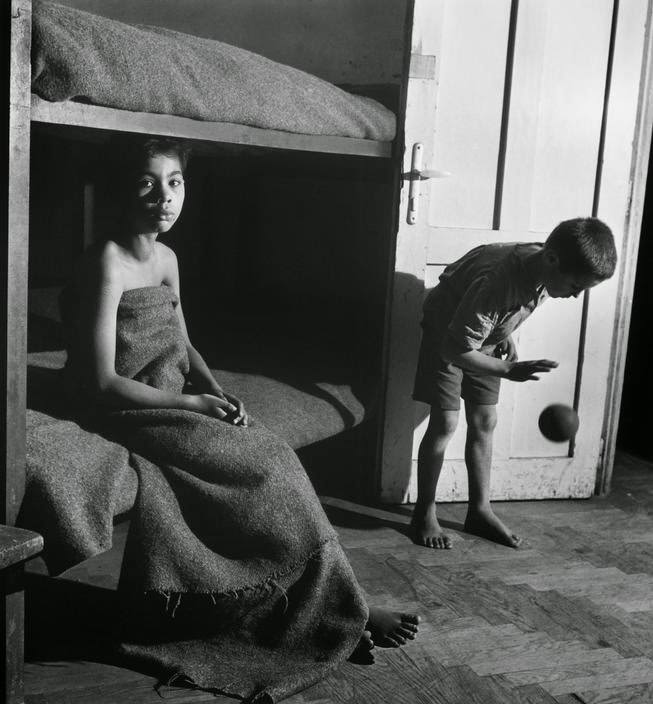
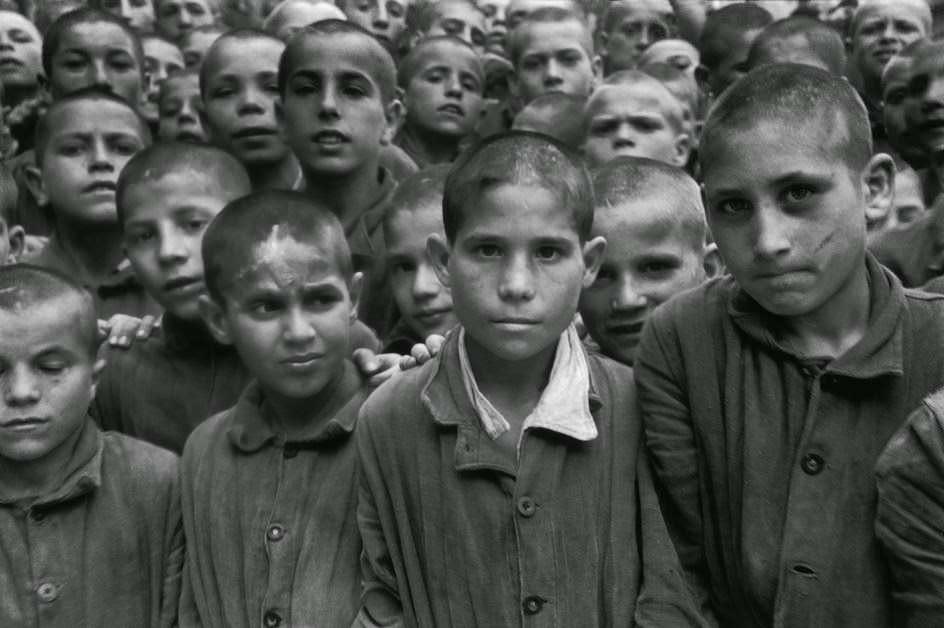
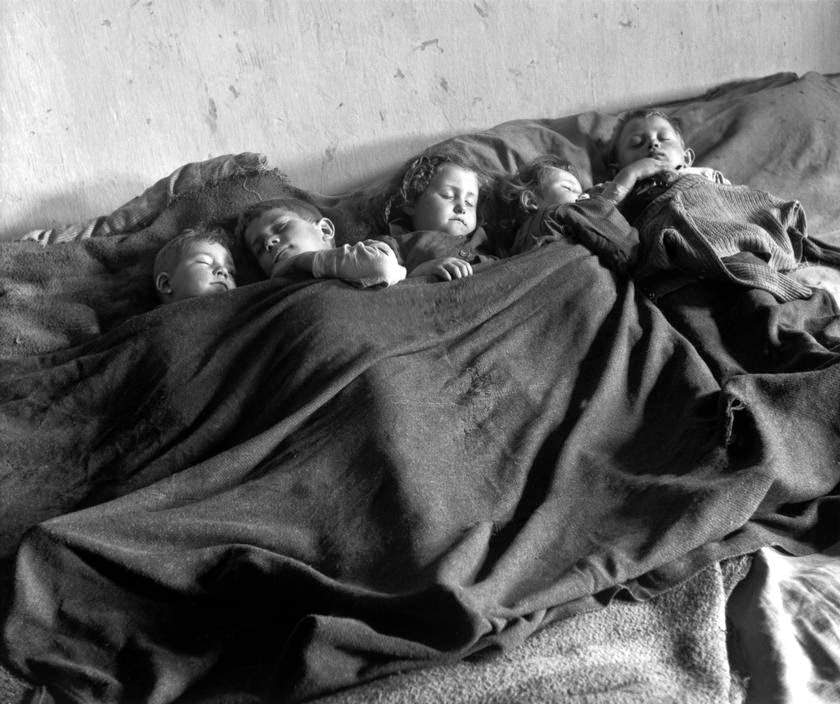
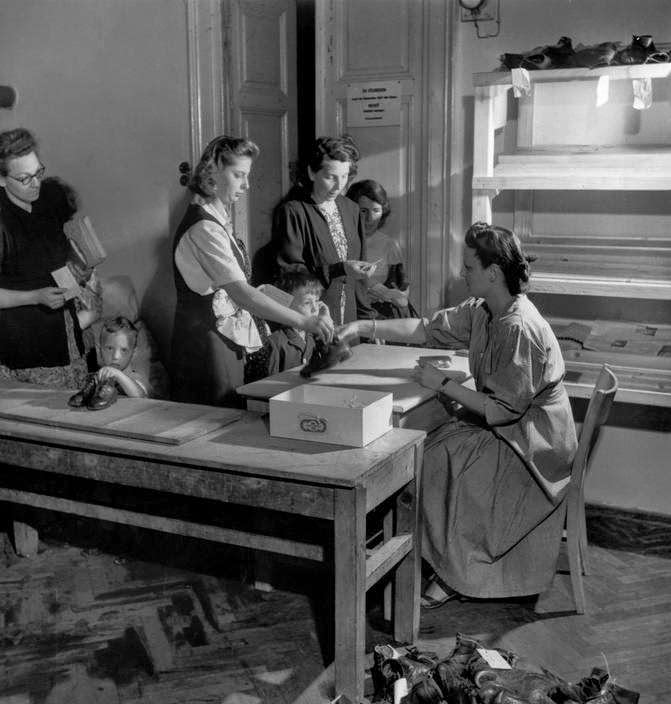
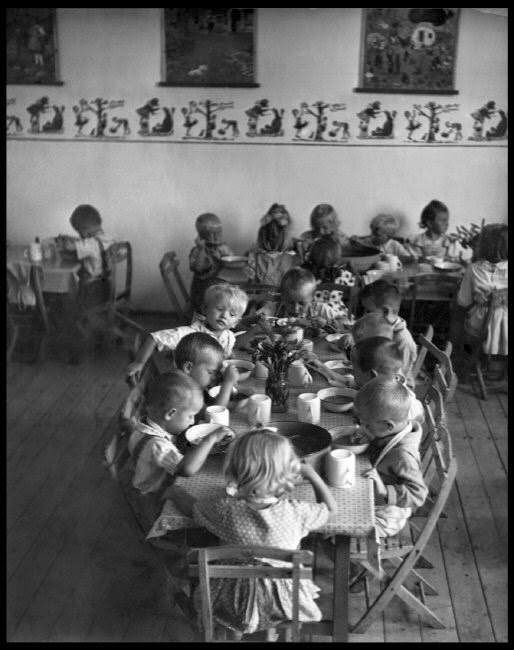
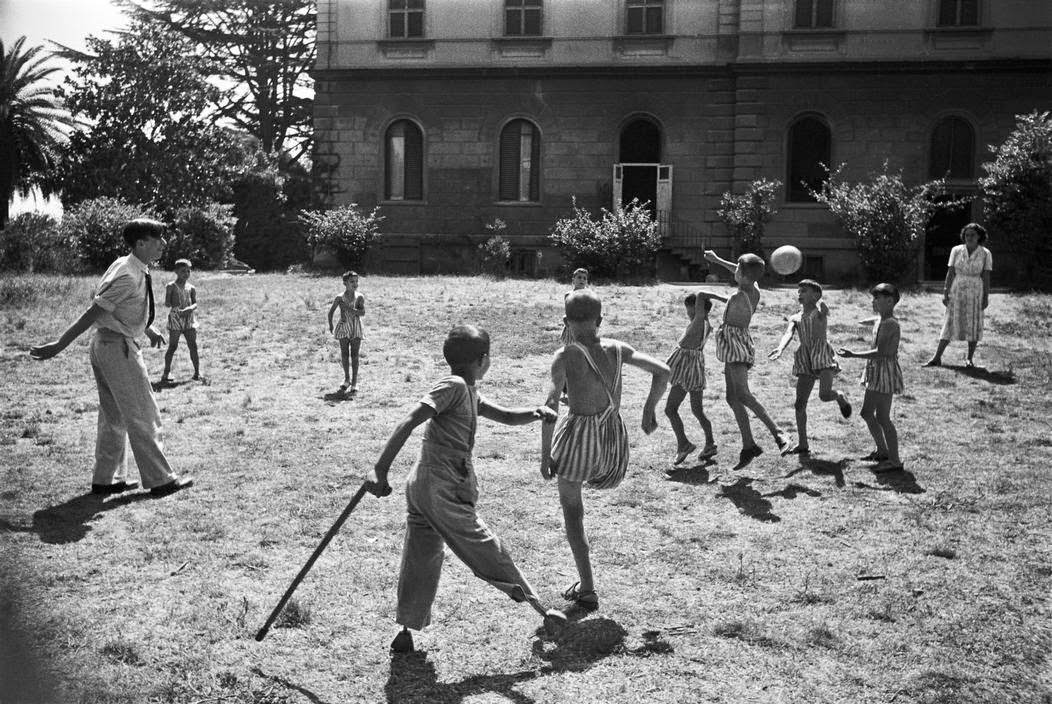
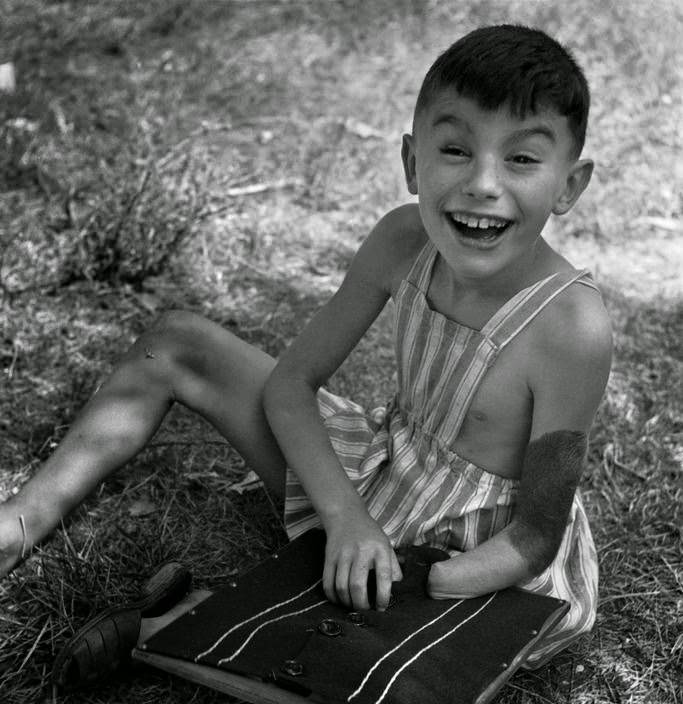
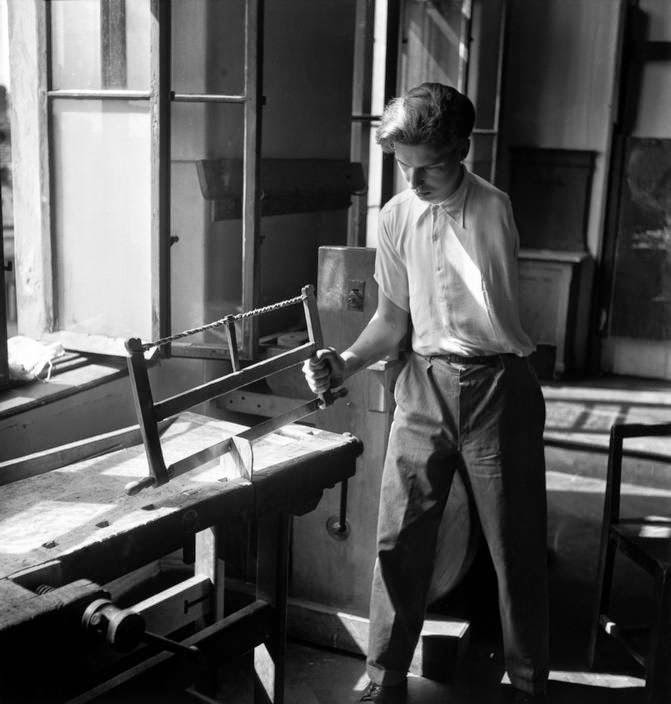
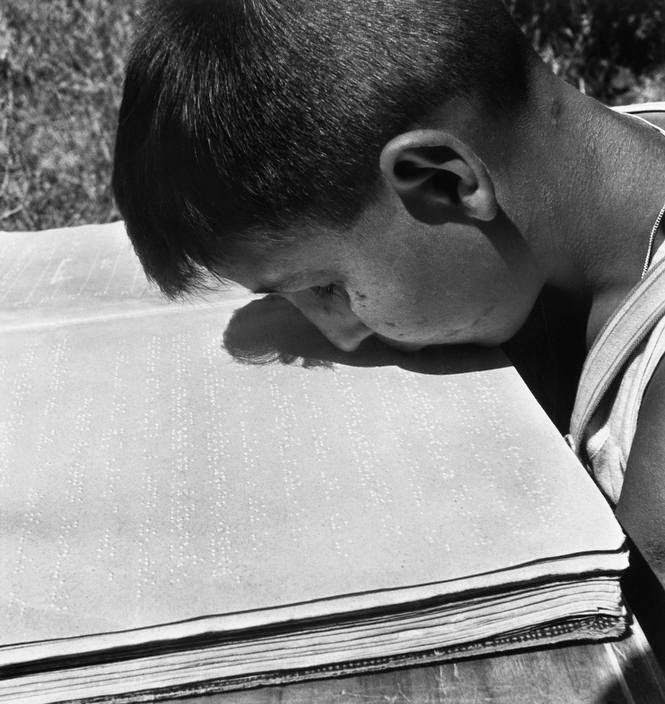
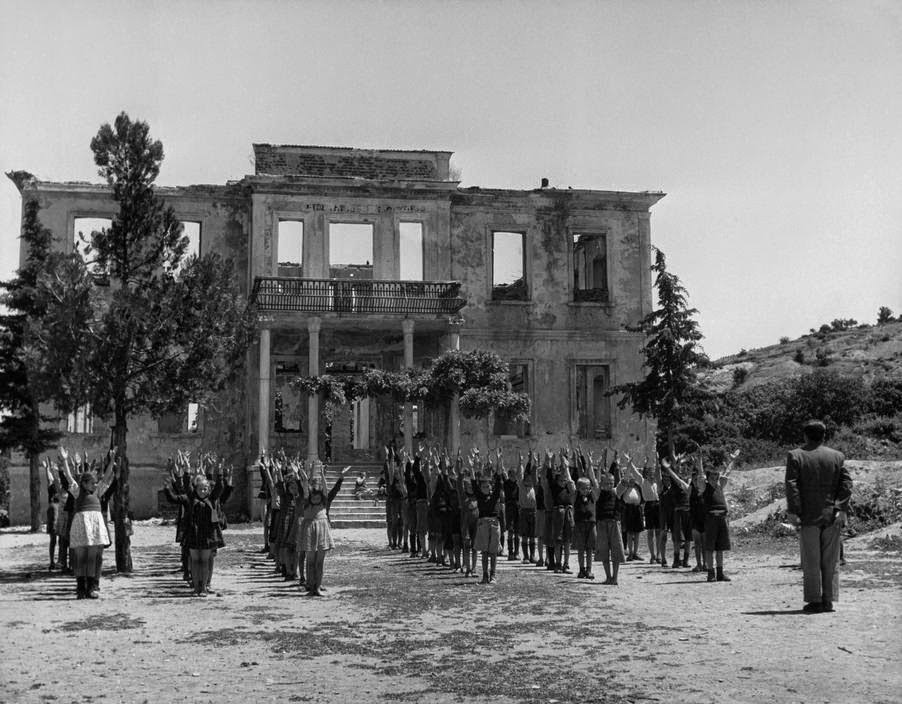
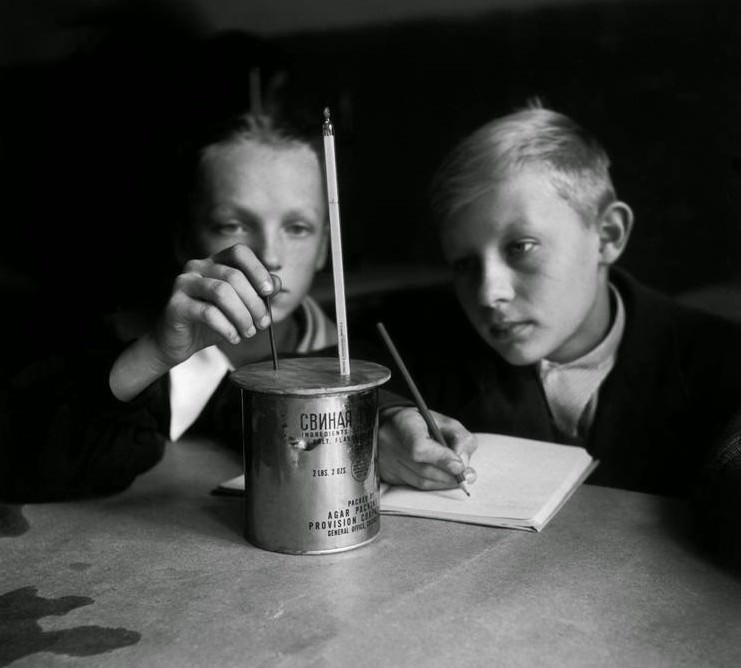
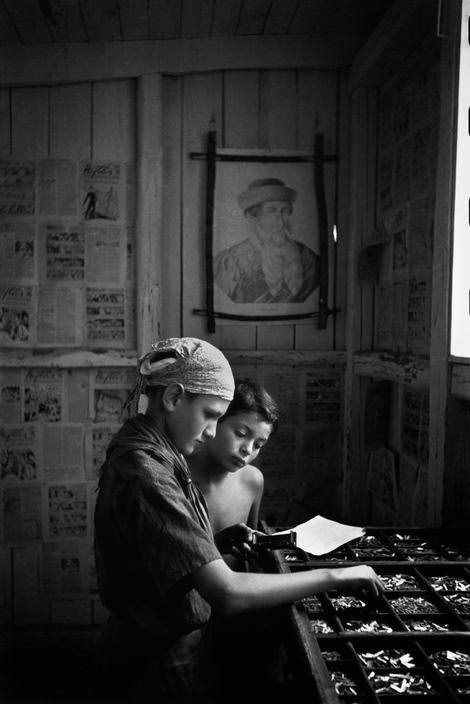
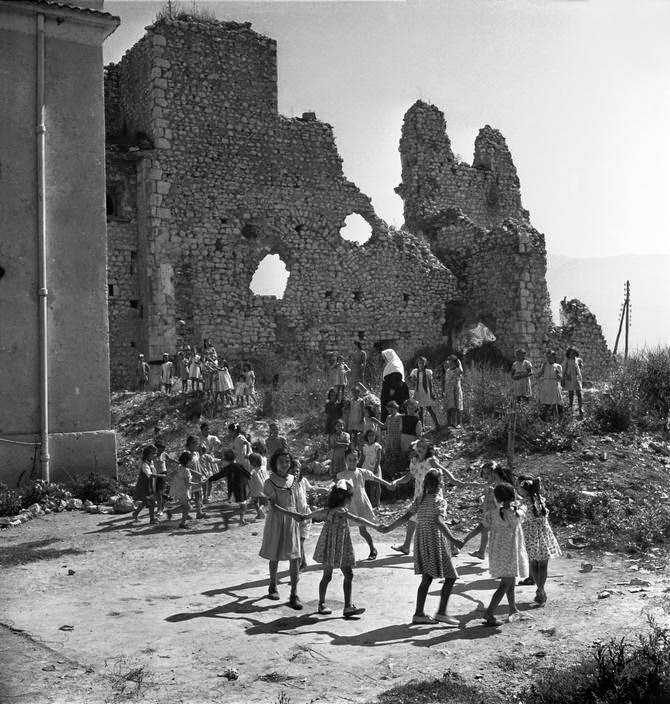
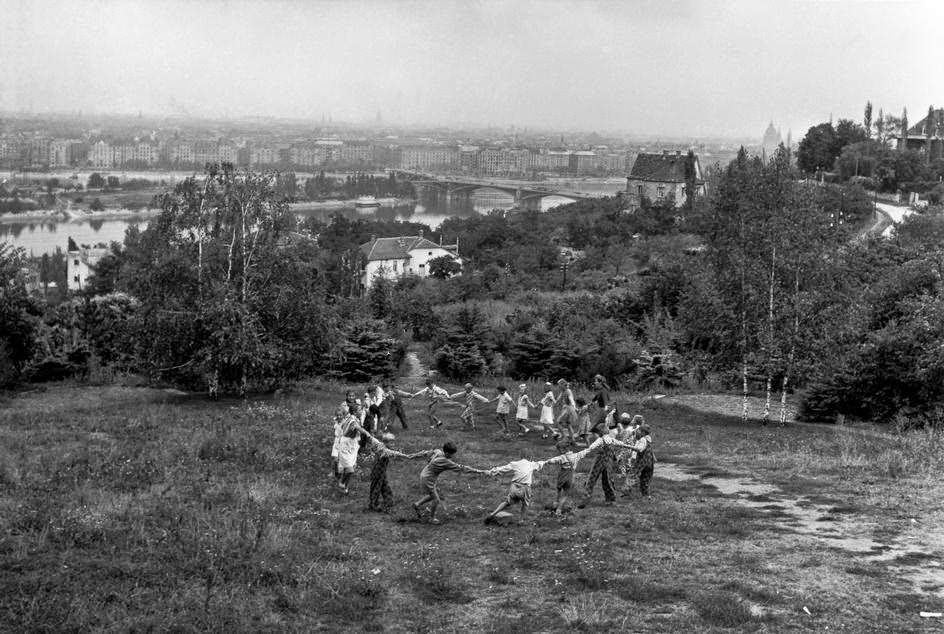
In 1948, the newly formed United Nations International Children’s Emergency Fund, known as UNICEF, hired Seymour for a specific mission. They wanted him to travel across five European countries to document the state of children after the war. Seymour visited Poland, Greece, Italy, Hungary, and Austria. He carried his camera through orphanages, crowded schools, and temporary clinics. His goal was to show the world that millions of children were still in desperate need of food, clothing, and medical care. The photographs he produced during this trip were not just news images. They were intimate portraits that forced viewers to look directly into the eyes of the war’s youngest survivors.
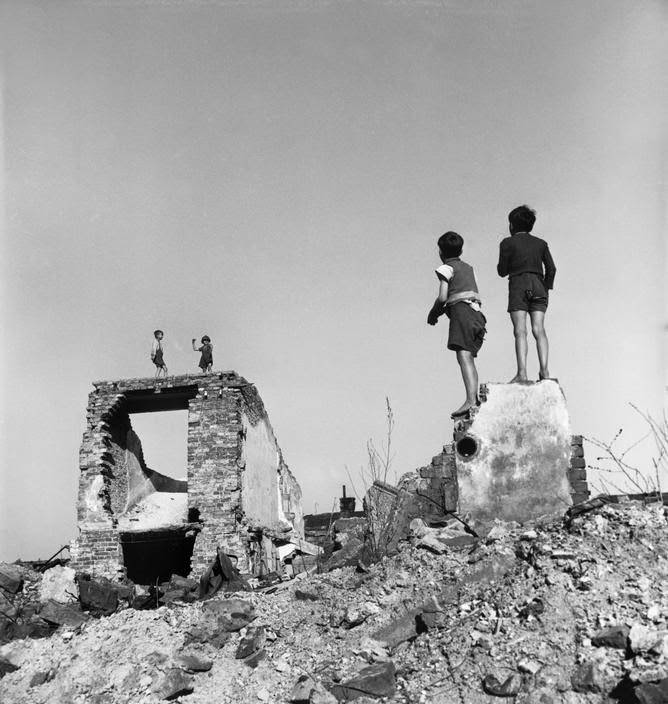
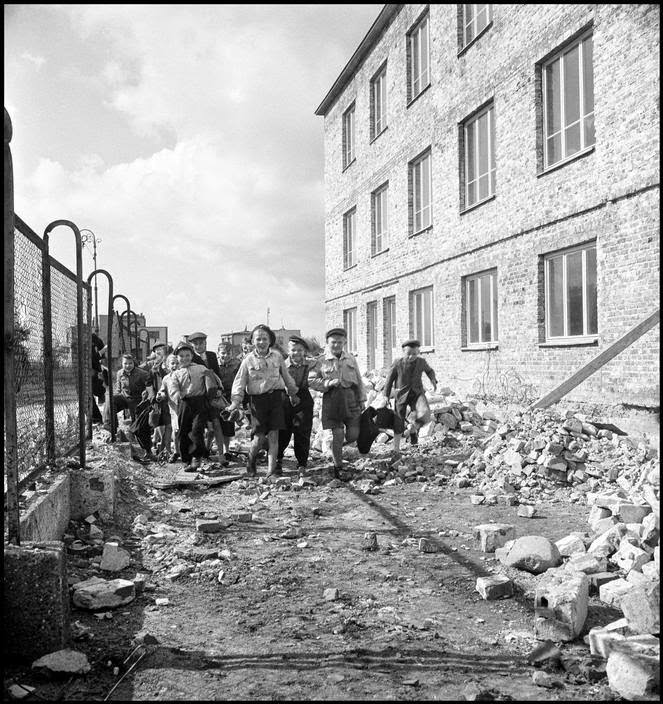
The children Seymour encountered in Poland lived among the rubble of their former homes. In Warsaw, the city was almost completely leveled during the 1944 uprising. Seymour photographed children playing in the skeletons of bombed-out buildings. They wore oversized coats made from old army blankets and shoes that were falling apart at the seams. Despite the destruction surrounding them, these children tried to maintain some sense of normal life. They attended classes in roofless rooms and shared small portions of soup provided by international aid groups. Seymour’s lens captured the contrast between the innocence of childhood and the harsh, grey reality of a destroyed city.
One of the most haunting images from this series features a young girl named Tereska. She lived in a home for disturbed children in Poland. When asked to draw a picture of “home” on a blackboard, she did not draw a house or a family. Instead, she scrawled a chaotic mess of jagged, circling lines. Her eyes were wide and filled with a look of intense fear that belonged to someone much older. This single photograph became a symbol of the deep psychological damage caused by the war. It showed that even if a child was fed and clothed, the memories of violence remained trapped inside their minds. Seymour’s work emphasized that the reconstruction of Europe required more than just bricks and mortar; it required healing for an entire generation.
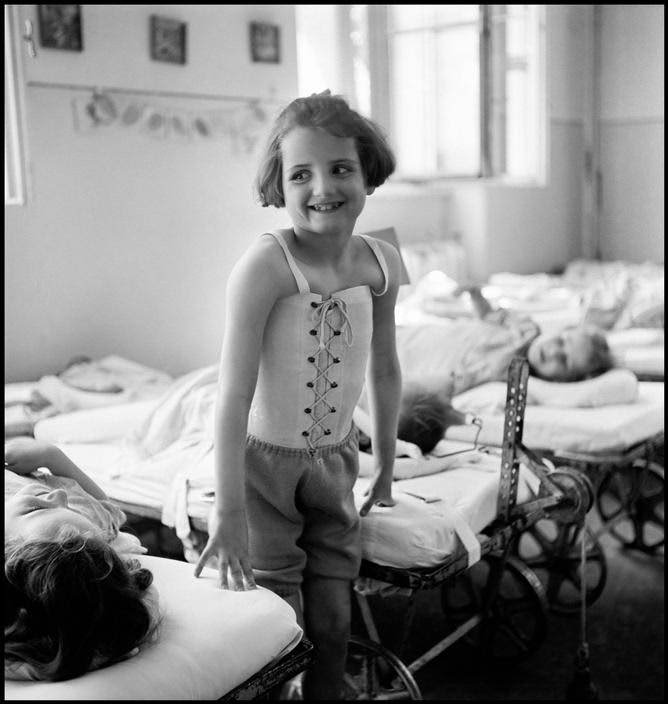
In Italy and Greece, Seymour documented children suffering from the effects of malnutrition and disease. He visited sanatoriums where young patients were treated for tuberculosis. Many of these children had lost their parents and had no one to care for them. They lived in communal wards where they spent their days waiting for visits from aid workers. Seymour recorded the precise details of their lives, from the metal cots they slept on to the small religious medals they wore around their necks. He also captured the work of the doctors and nurses who struggled to provide care with very few supplies. These images helped convince people in the United States and other wealthy nations to support the Marshall Plan and other relief efforts.
The situation in Hungary and Austria was equally dire. Seymour photographed children who spent their days scavenging for scraps of coal or wood to keep their families warm. The winters in Central Europe were brutal, and many homes had no windows or heating systems. Children often stood in line for hours at “feeding centers” to receive a single cup of milk. Seymour focused on the expressions of these children as they waited. He showed their patience and their resilience, but also their deep exhaustion. His photographs proved that the war had stolen the joy of childhood from millions of people across the continent.
Seymour’s commitment to documenting human struggles extended beyond Europe. Throughout the late 1940s and early 1950s, he traveled extensively in the Middle East. He was present to document the emergence of the Israeli state in 1948. He photographed the arrival of Jewish refugees from all over the world, many of whom were survivors of the Holocaust. Just as he had in Europe, he focused on the faces of the individuals trying to build a new life in a strange land. He captured the construction of new kibbutzim and the first elections in the new nation. His work provided a bridge between the old world of Europe and the new developments in the Middle East.
In 1947, Seymour became a founding member of Magnum Photos alongside his friends Robert Capa and Henri Cartier-Bresson. This agency was created to give photographers more control over their work and their stories. It allowed Chim to continue his focus on humanitarian issues without the pressure of commercial interests. He spent the next decade traveling the globe, always looking for stories that emphasized the shared experiences of humanity. He was known among his colleagues as a gentle and intellectual man who spoke several languages and understood the complex politics of the regions he visited.
The final chapter of David Seymour’s life took place in Egypt. In 1956, he traveled there with his colleague Jean Roy to photograph the Suez Crisis. This was a dangerous assignment involving a conflict between Egypt and the combined forces of Israel, France, and the United Kingdom. On November 10, 1956, while driving near the Suez Canal to cover a prisoner exchange, Seymour and Roy were struck by machine-gun fire. Both men were killed instantly. Seymour was only forty-five years old at the time of his death. He died while on assignment, still dedicated to the mission of showing the world the truth about war and its victims.