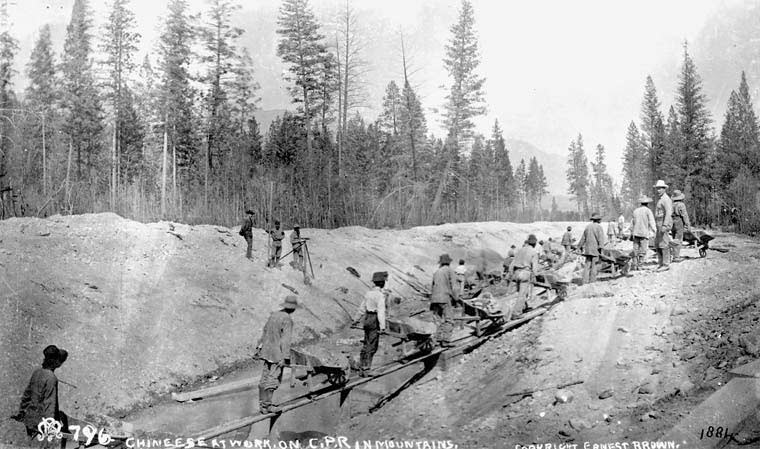
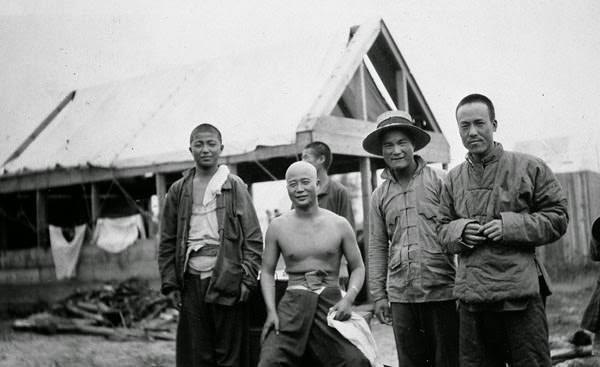
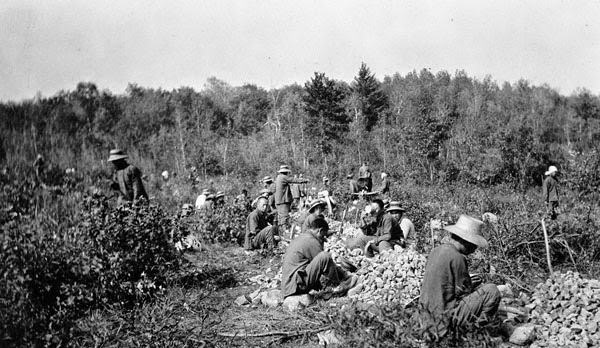
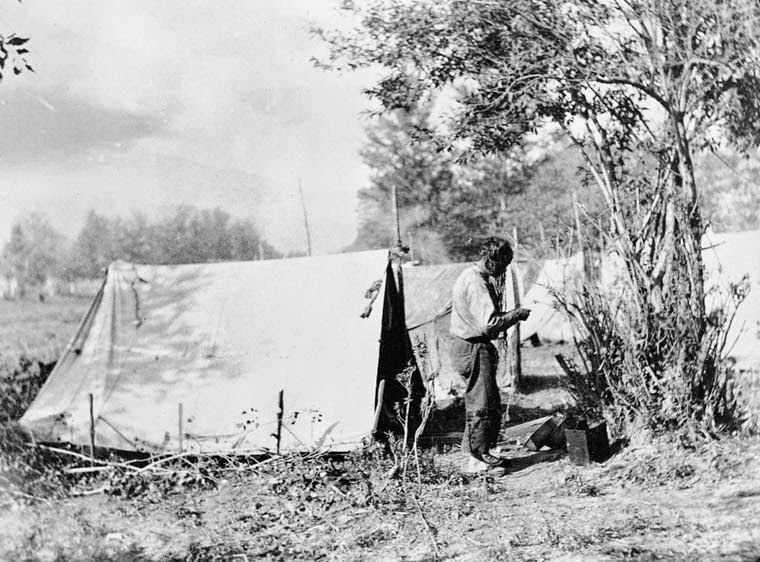
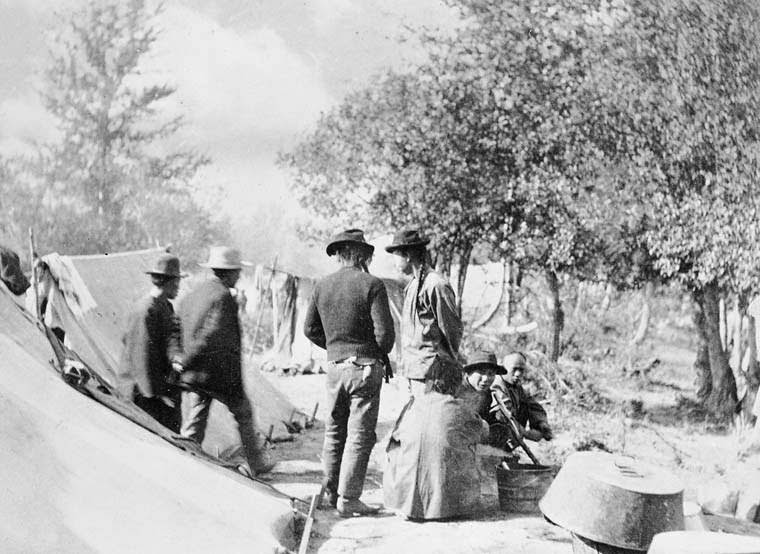
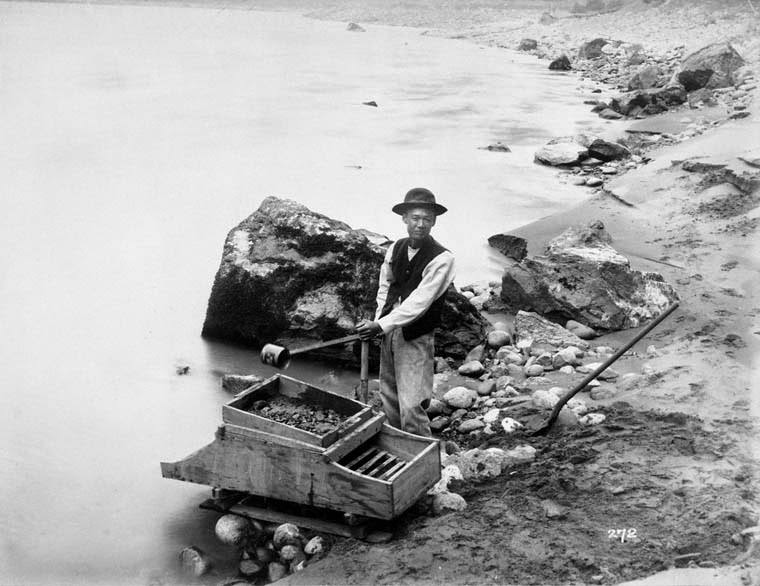
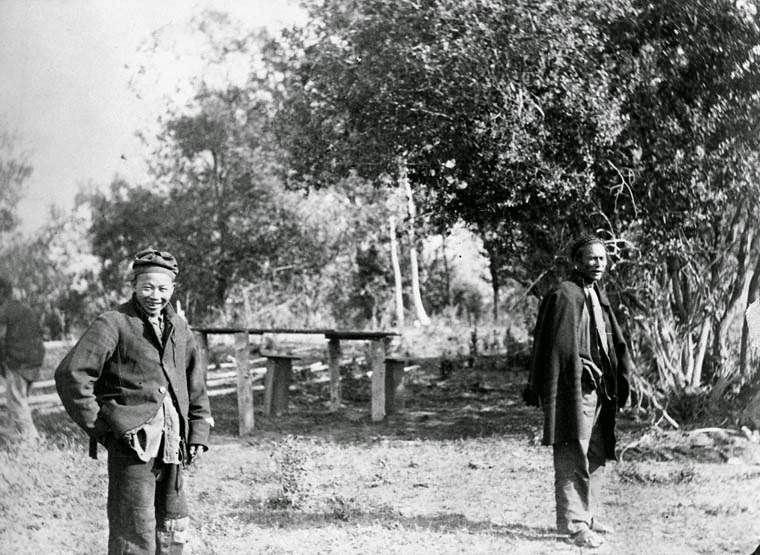
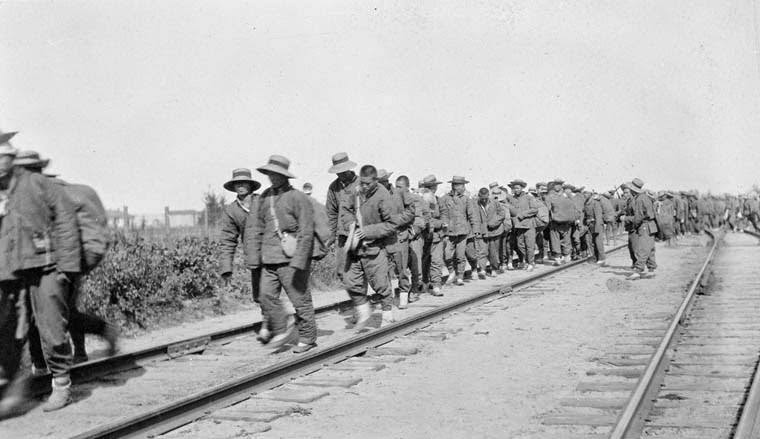
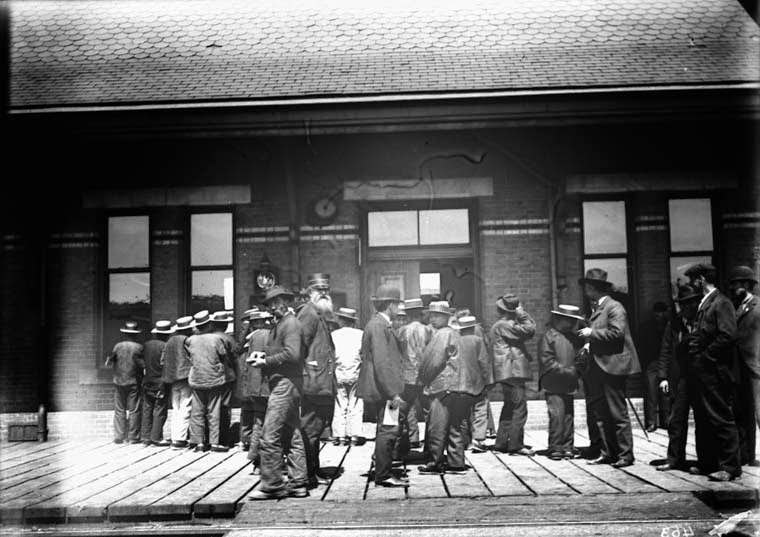
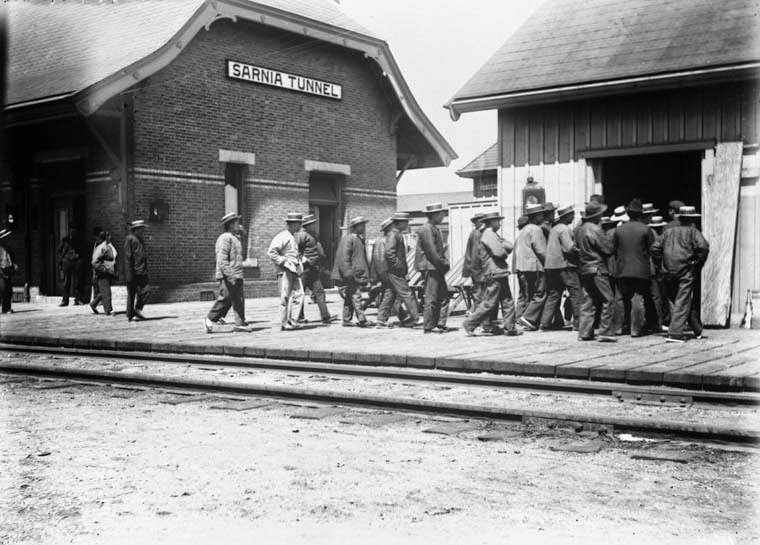
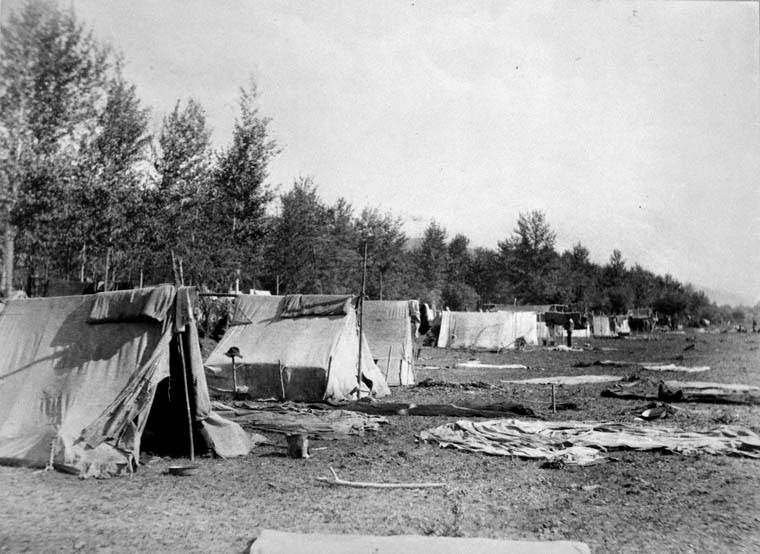
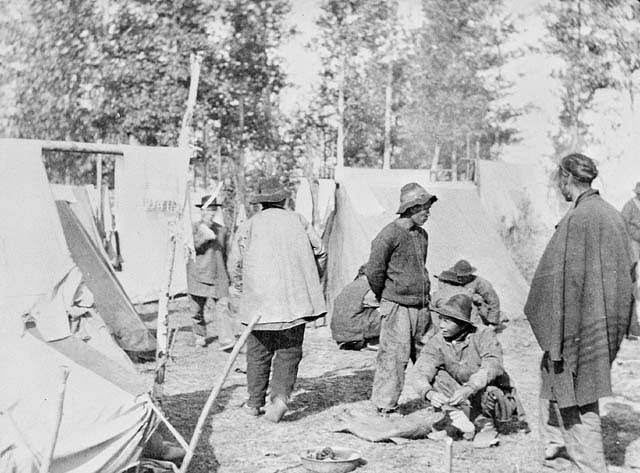
In 1881, the construction of the Canadian Pacific Railway (CPR) brought thousands of Chinese men to British Columbia. Over 15,000 laborers arrived from the Guangdong province of China between 1881 and 1885. They worked on the most difficult sections of the track through the Fraser Canyon. These workers handled nitroglycerin and dynamite to blast tunnels through mountains. They faced constant danger from rock slides and collapsing bridges. A Chinese worker earned one dollar per day, while white workers earned twice that amount for the same labor. Thousands lived in temporary camps along the tracks and moved as the railway progressed.
Once the railway finished in 1885, the Canadian government took steps to limit Chinese immigration. The Chinese Immigration Act of 1885 created a “head tax” of $50. This was a fee that every Chinese person had to pay to enter the country. No other ethnic group faced this specific tax. The government increased the fee to $100 in 1900. In 1903, the tax rose to $500. This amount was equal to two years of salary for a laborer. The tax made it impossible for most men to bring their wives and children from China.
Read more..
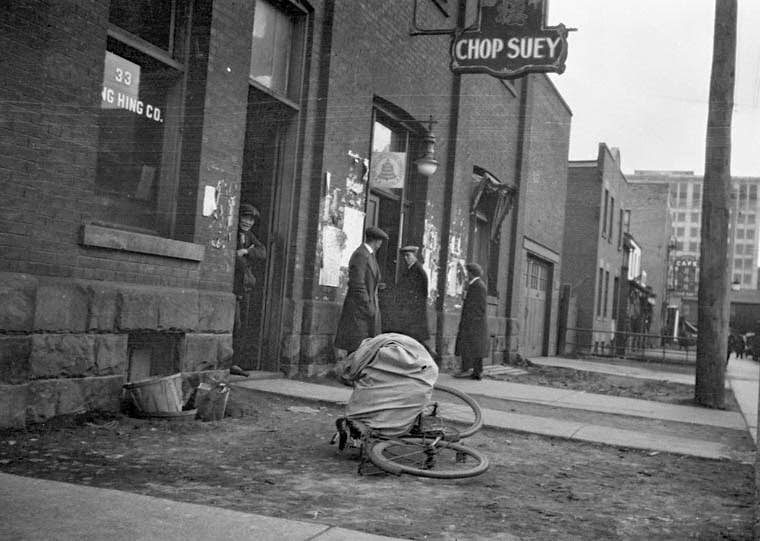
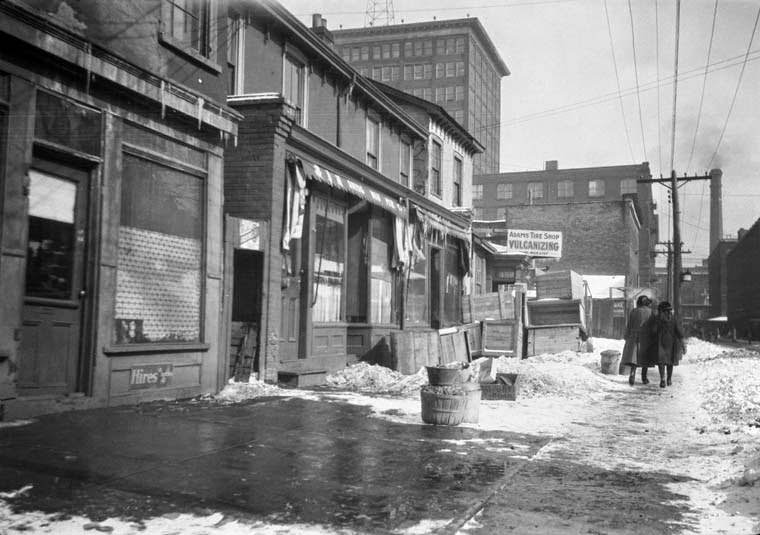
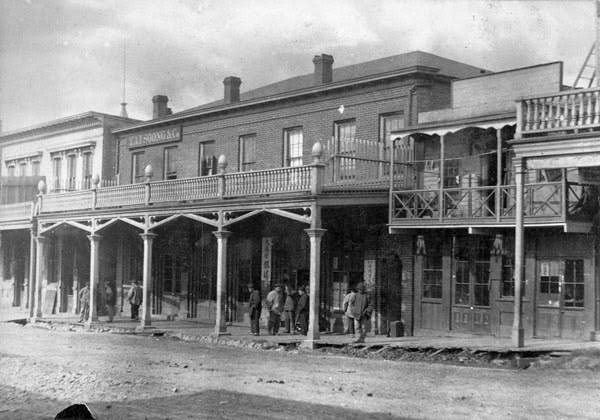
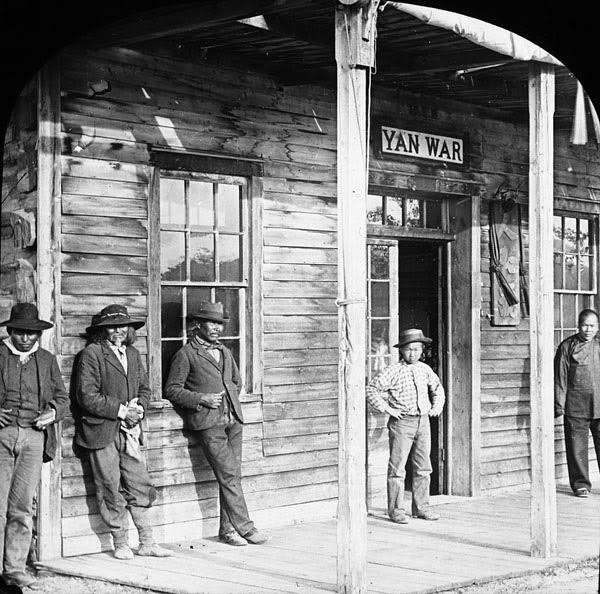
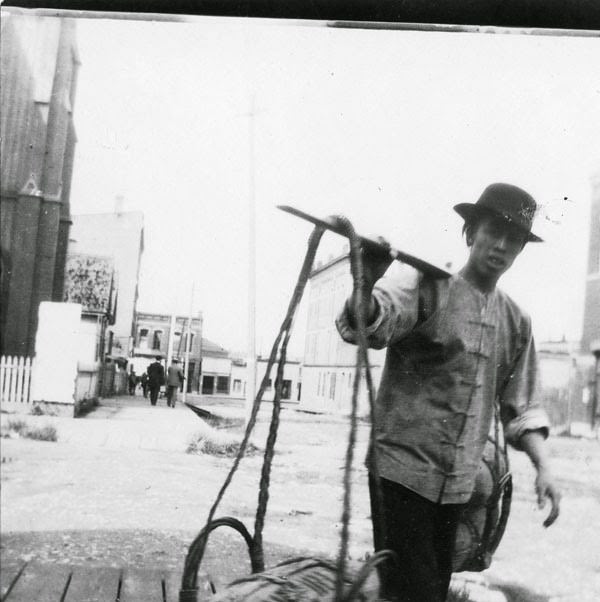
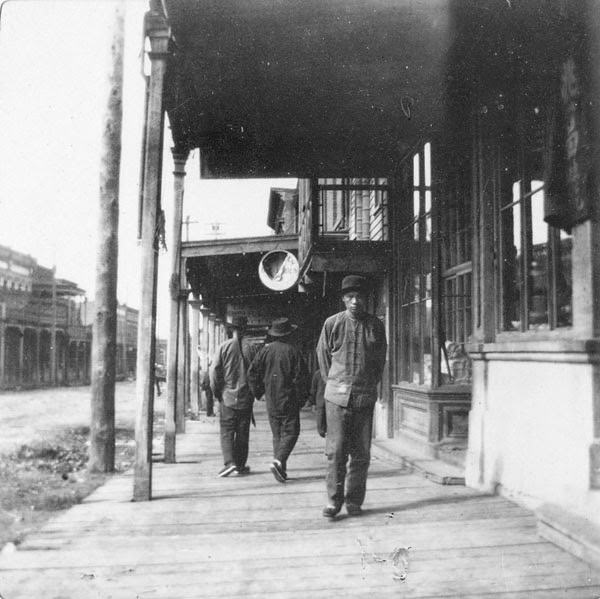
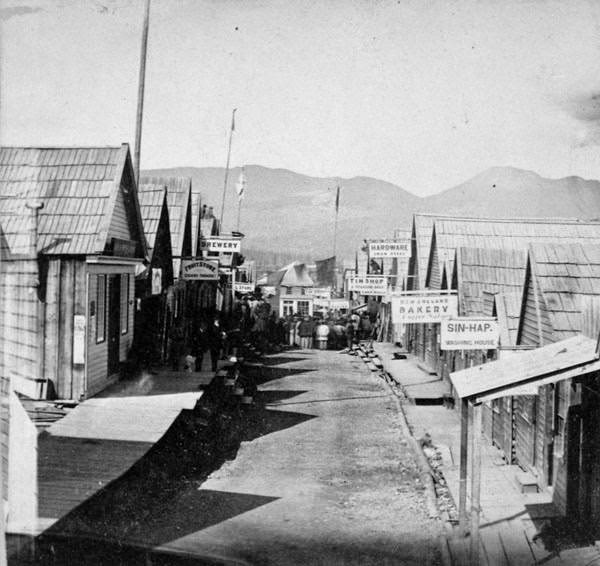
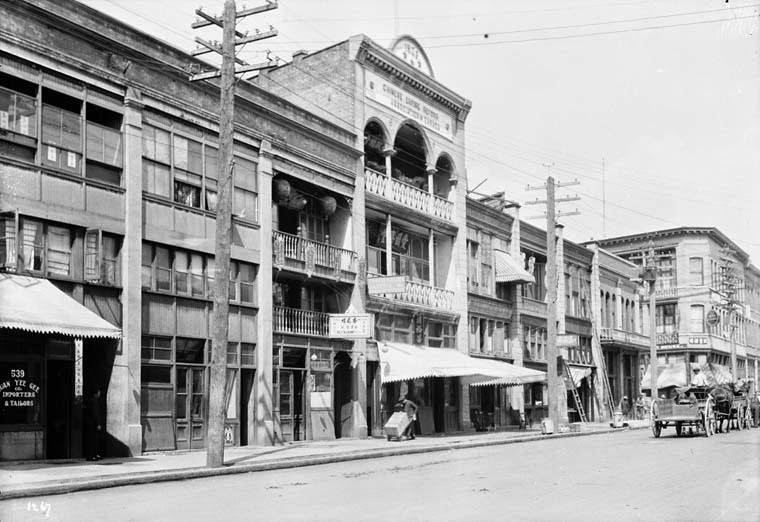
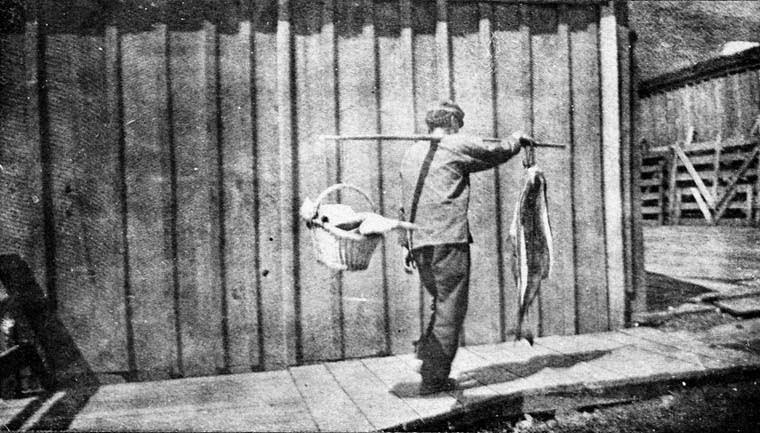
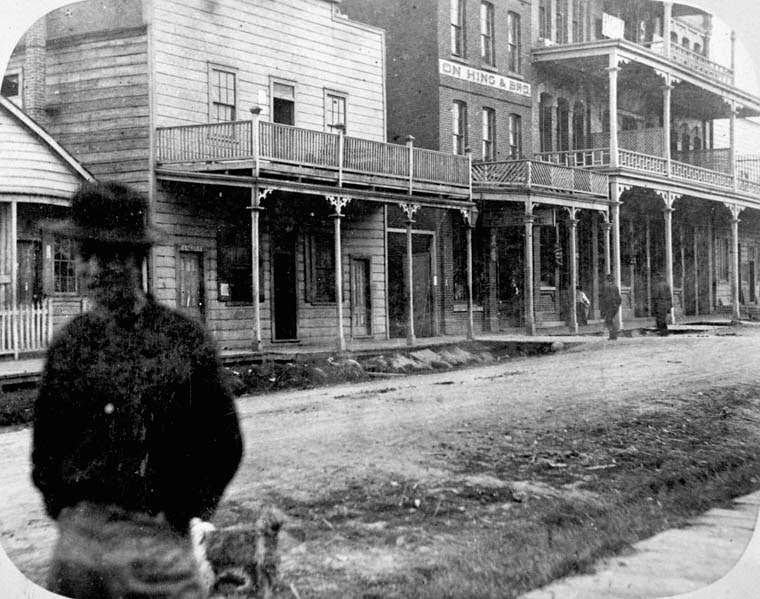
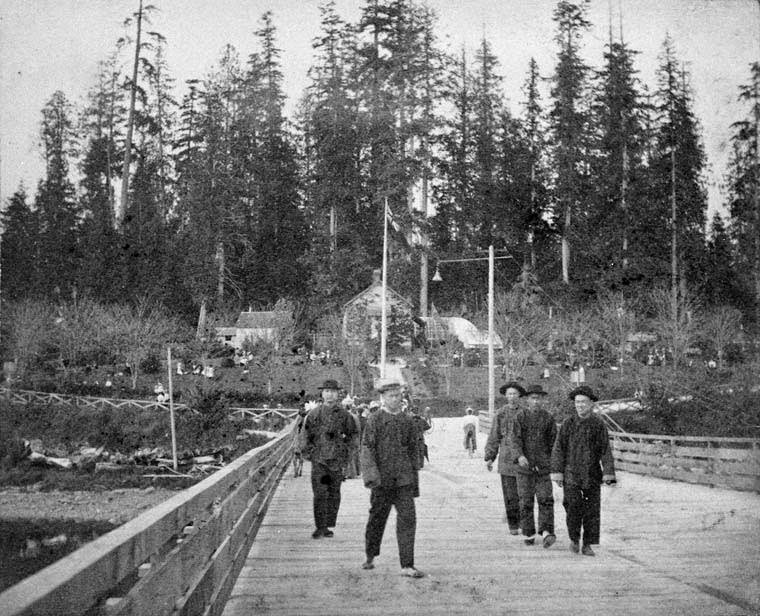
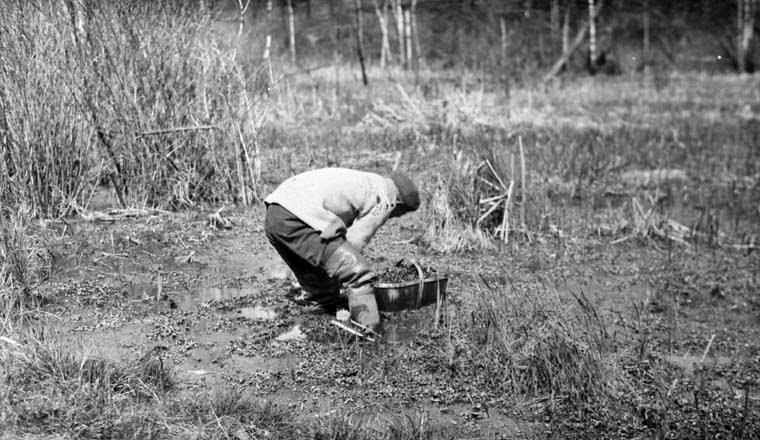
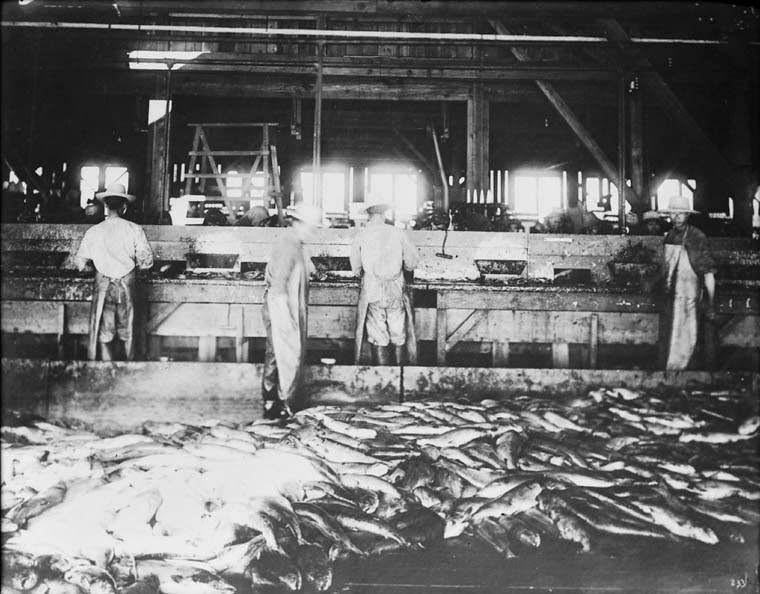
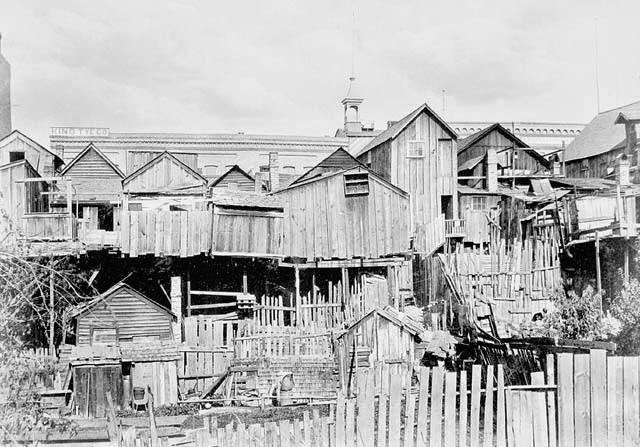
Chinese Canadians established communities in Vancouver, Victoria, and New Westminster. Because they could not afford to bring their families, these areas became “bachelor societies.” Men lived in crowded boarding houses and pooled their resources to pay for food and rent. They found work in industries that other people avoided. They opened hand laundries, worked in salmon canneries, and grew vegetables in market gardens. In the canneries, they operated heavy machinery and cleaned fish for ten hours a day.
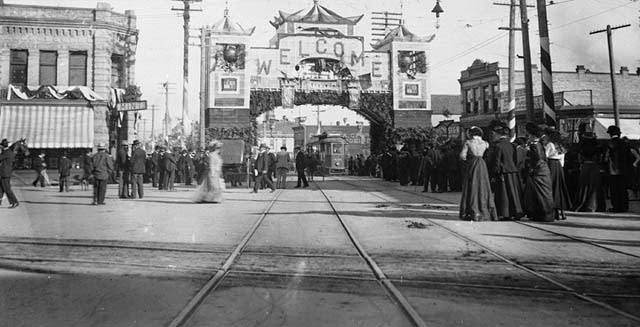
Legal discrimination controlled where Chinese people could work and live. Provincial laws in British Columbia stopped Chinese Canadians from voting in elections. They were also barred from working in professional fields such as law, pharmacy, and engineering. In September 1907, an anti-Asian riot in Vancouver caused significant damage to the storefronts in Chinatown.
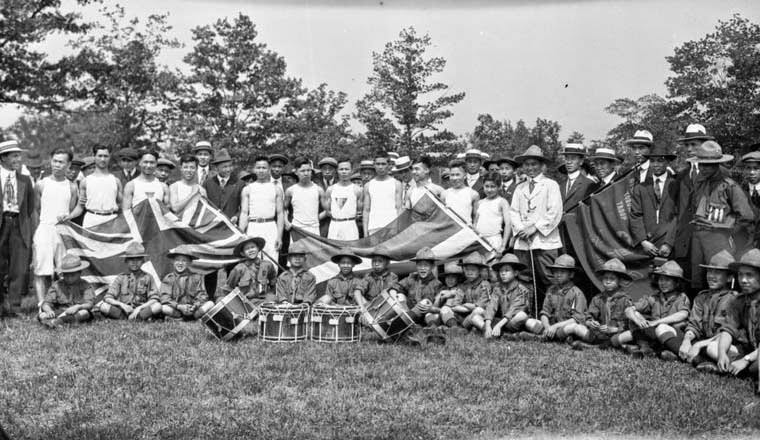
The government passed the Chinese Exclusion Act on July 1, 1923. This law stopped almost all Chinese immigration to Canada for more than two decades. Chinese Canadians called this date “Humiliation Day.” The law stayed in place until 1947. During these years, the population in Chinatowns aged because no young people or children could arrive. Men continued to work in restaurants and laundry shops to send money to families they had not seen in years.