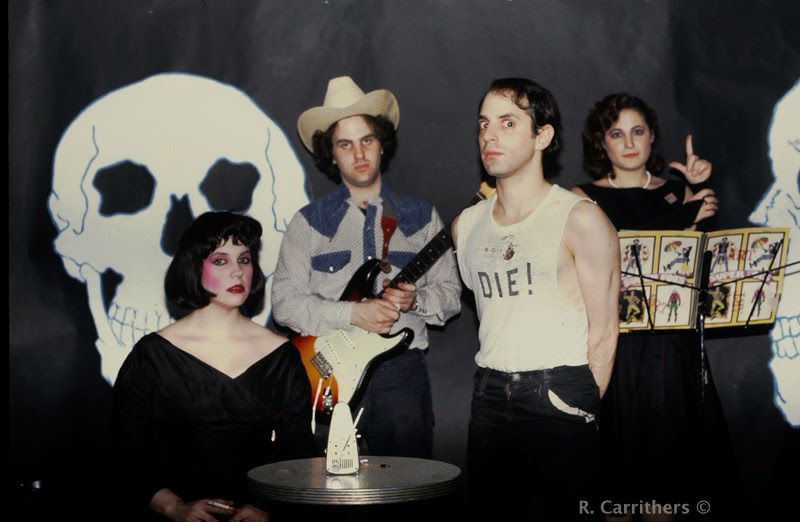
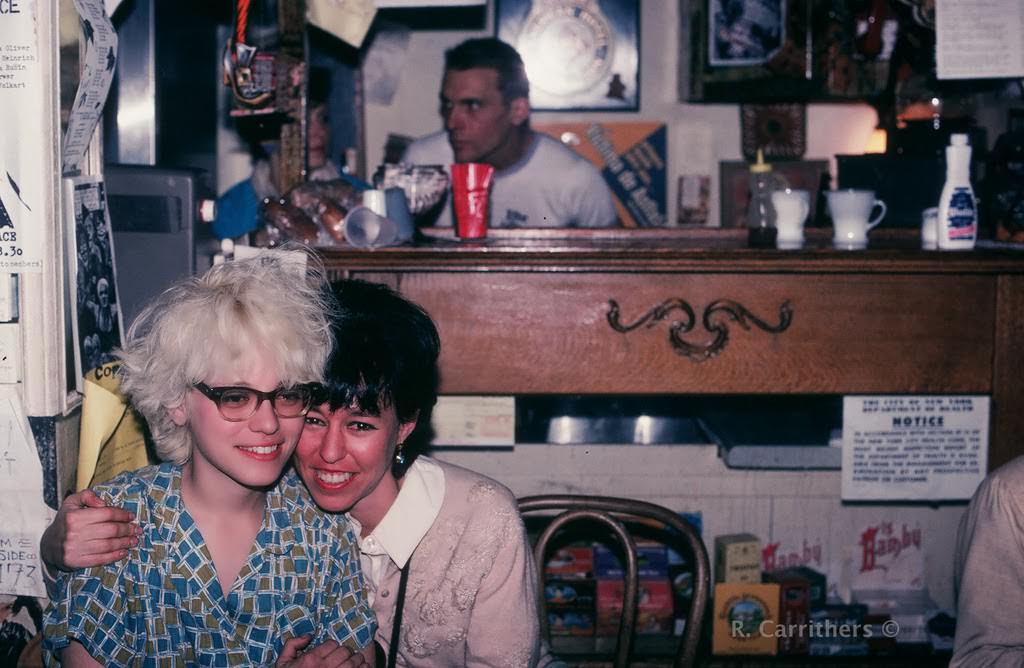
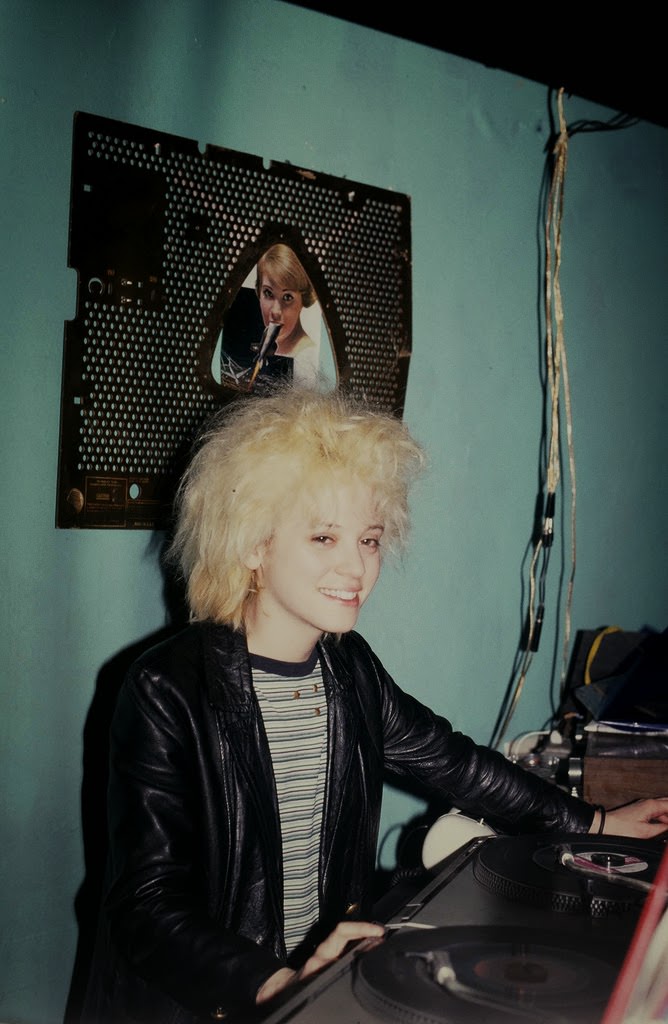
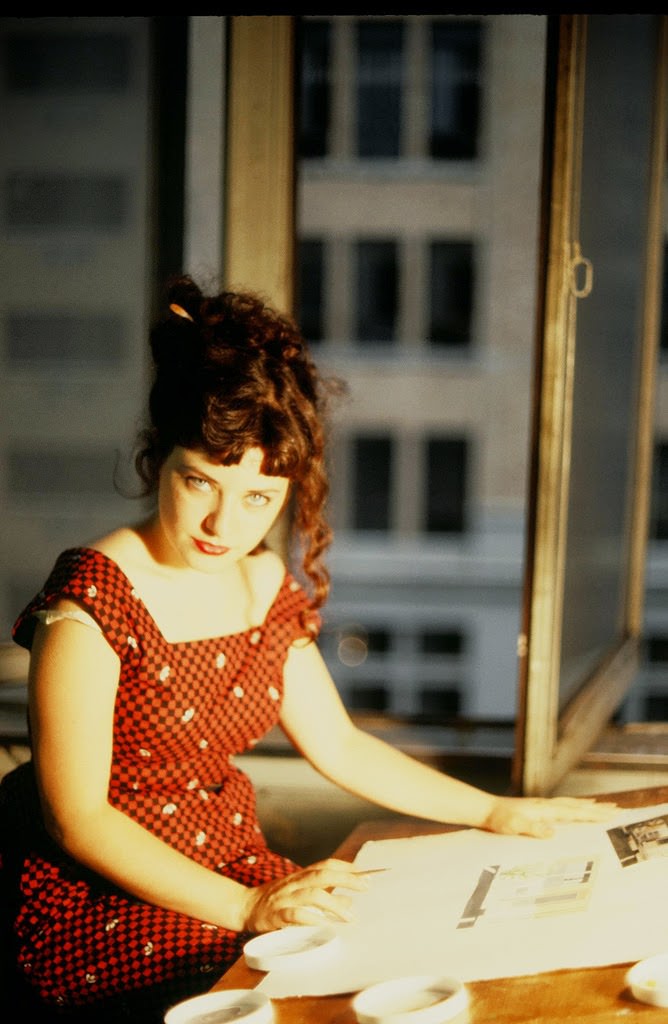
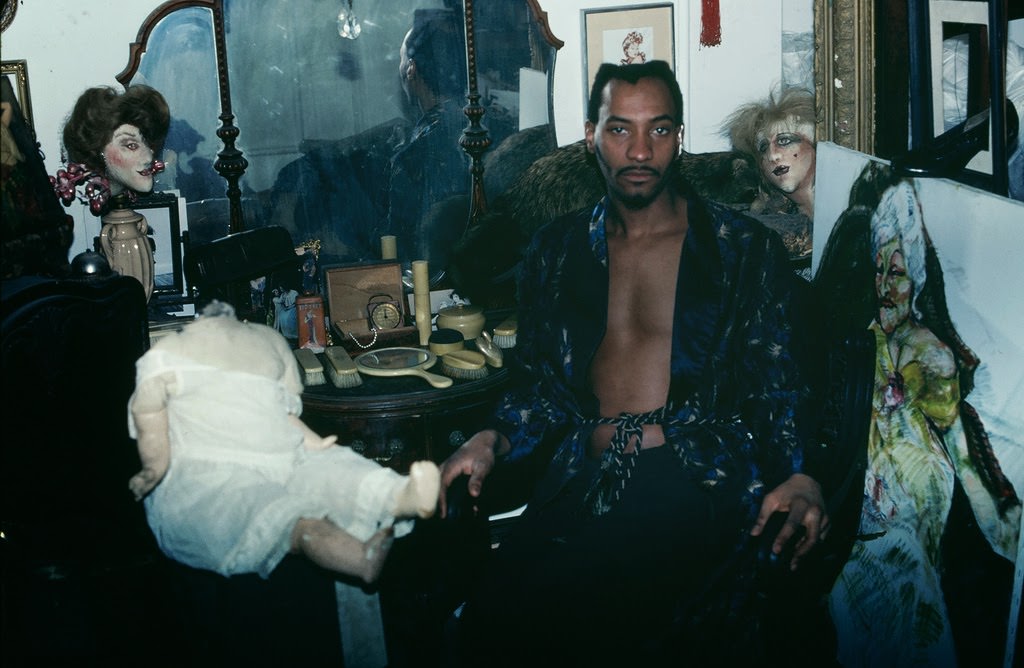
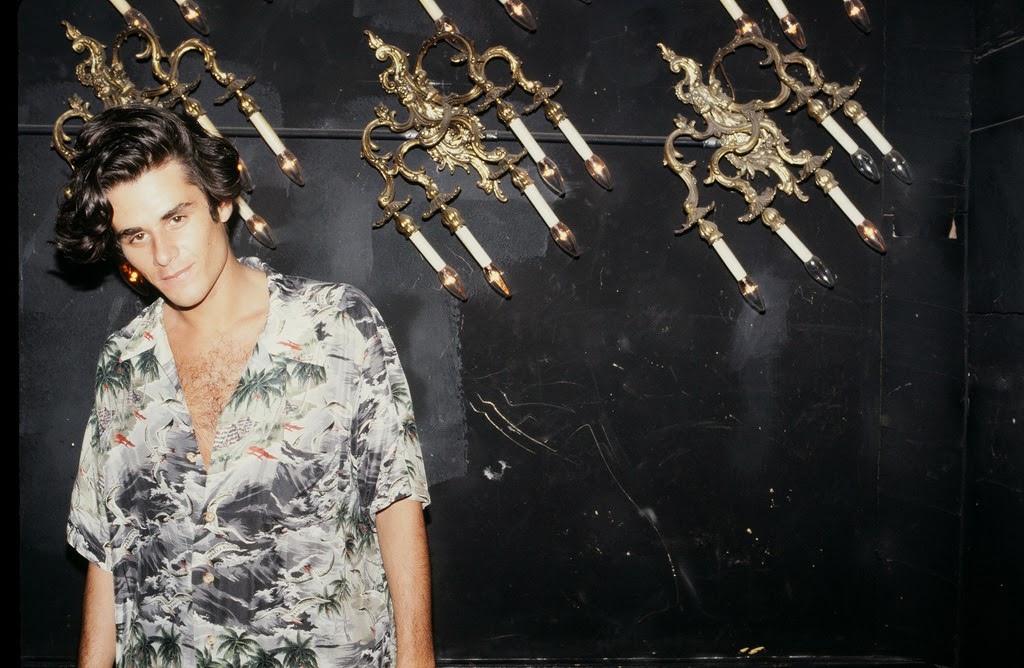
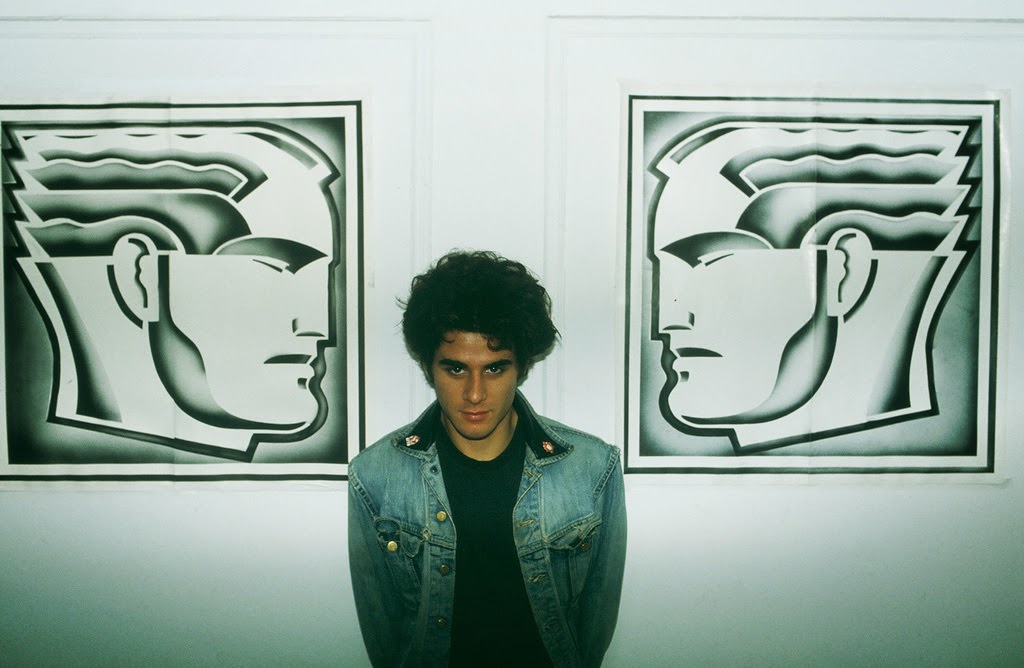
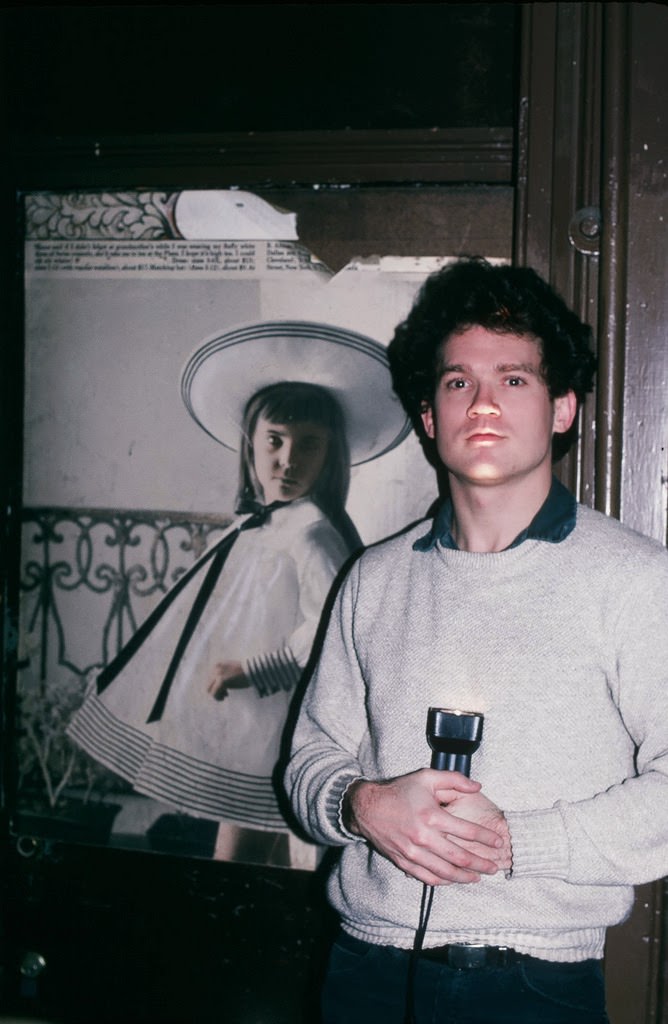
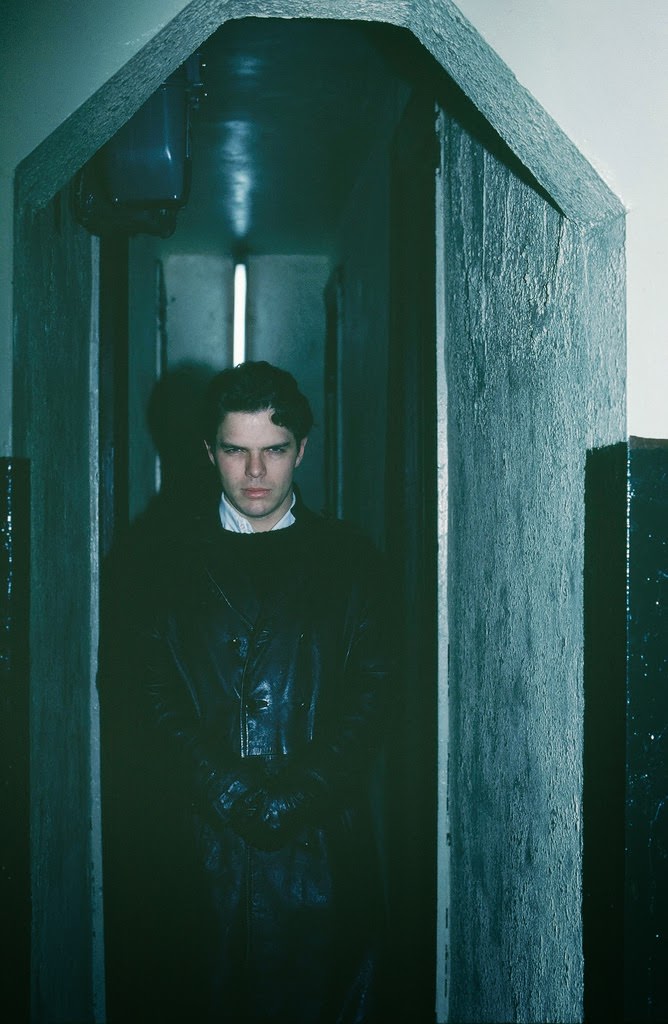
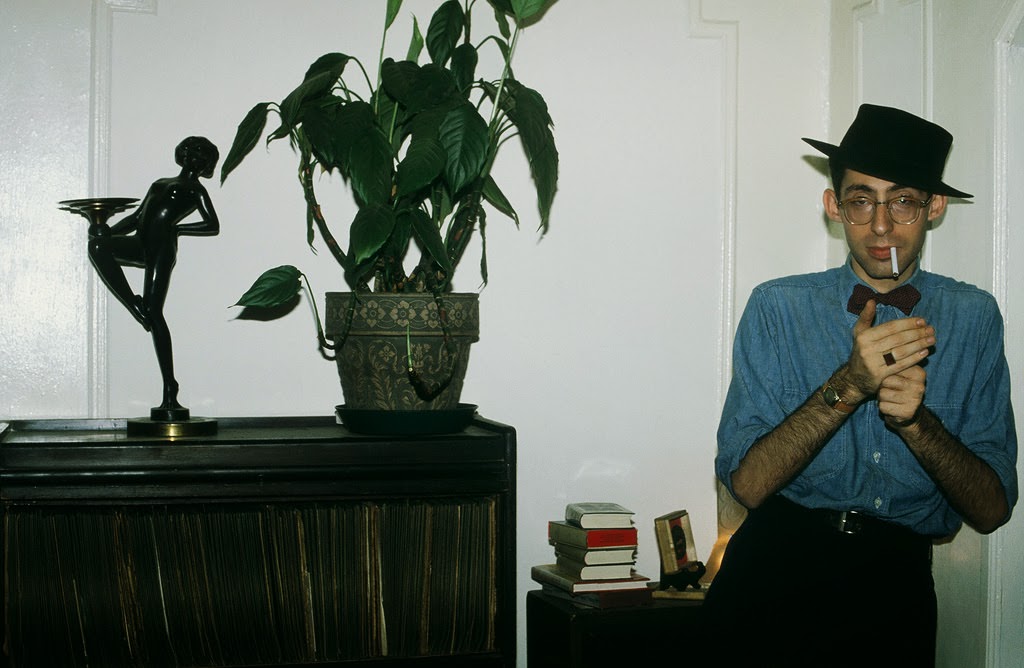
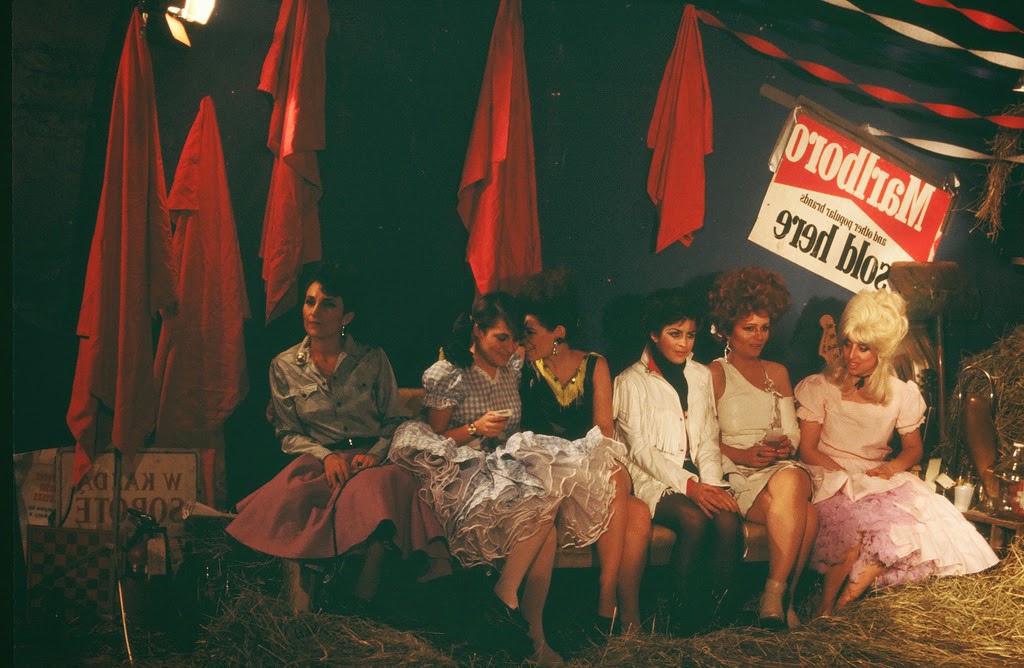
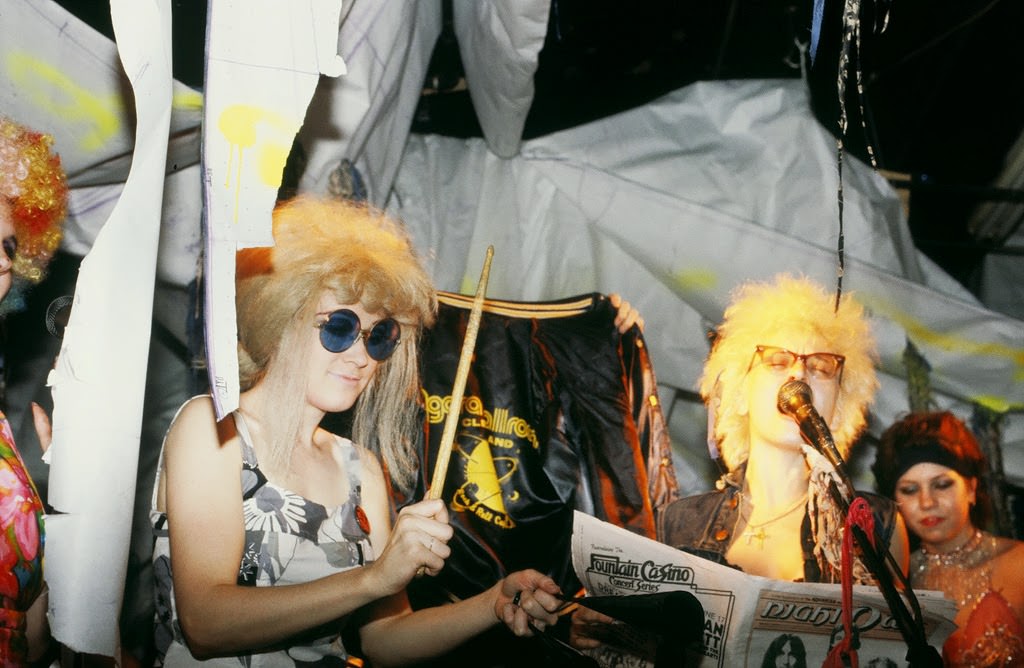
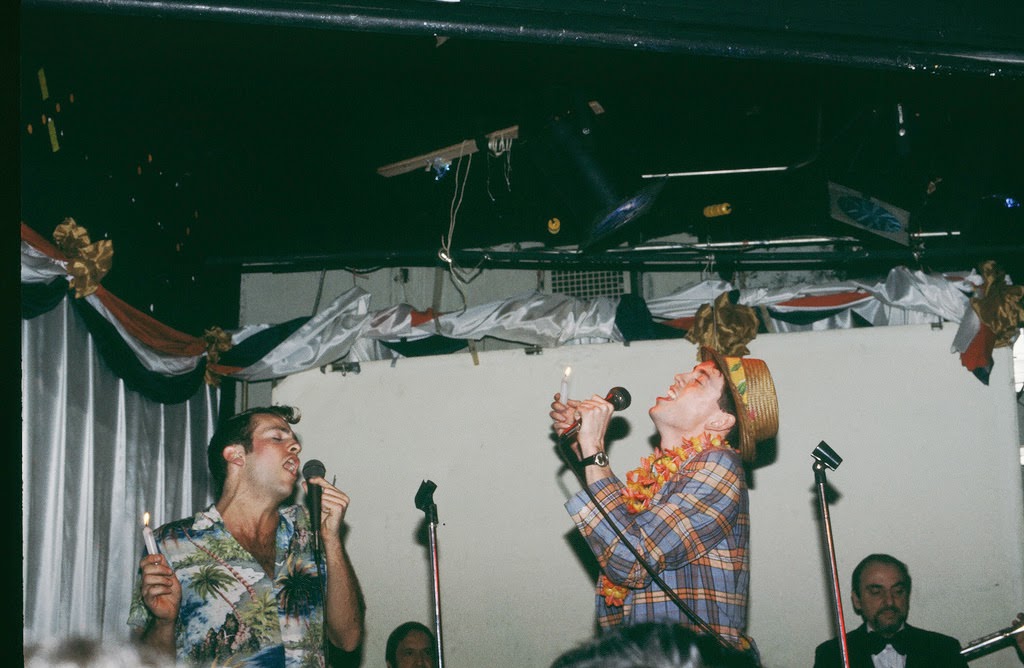
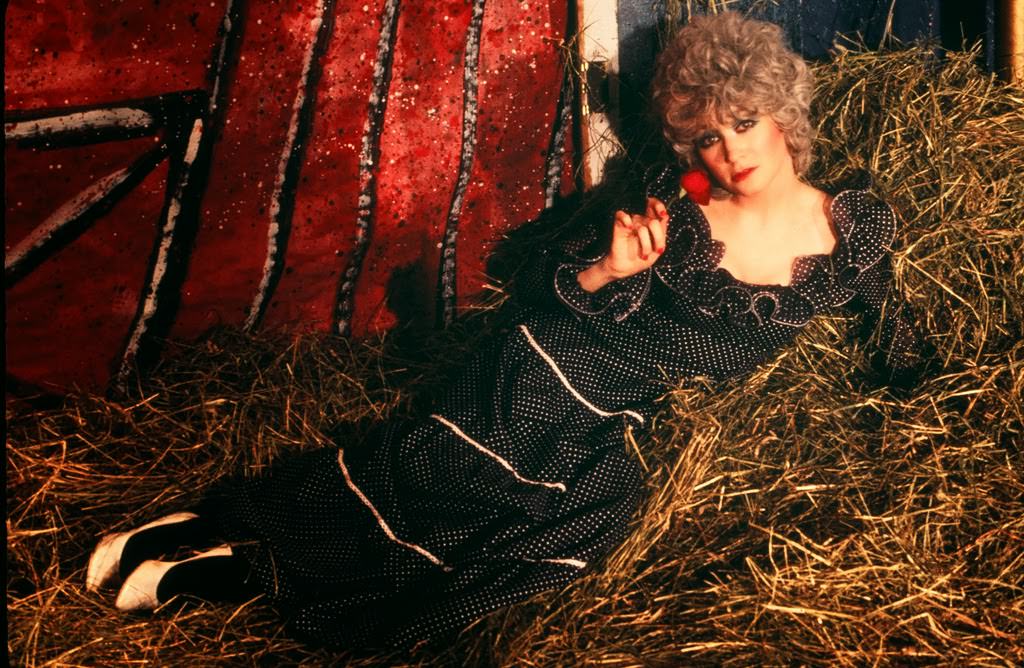
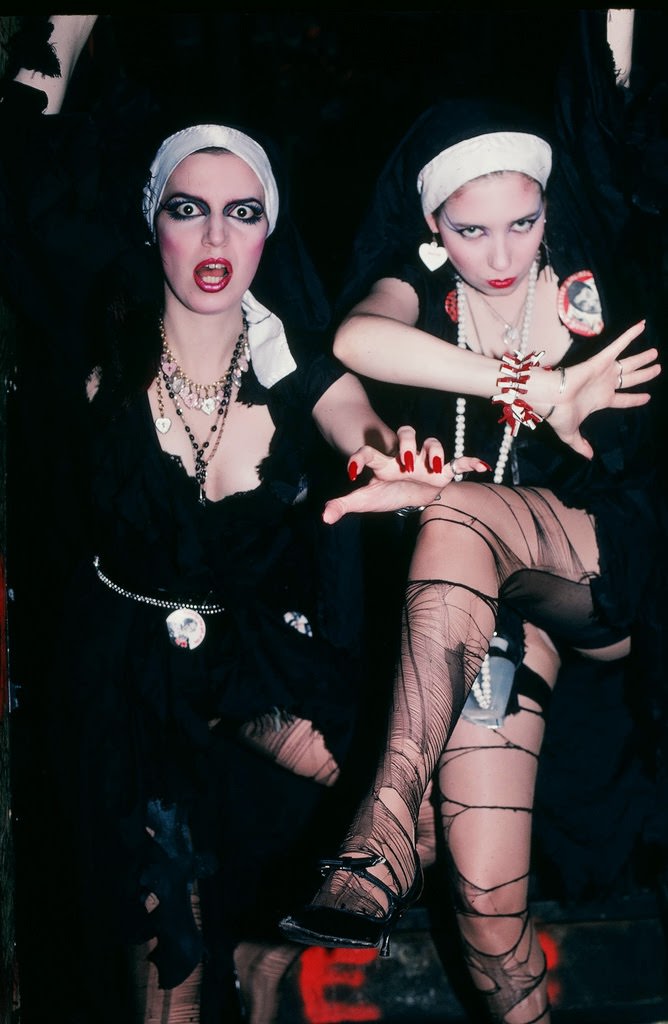
In the late 1970s and early 1980s, New York City was a place of extreme contrasts. While the wealthy danced under glitter balls at Studio 54, a different group of people gathered in a basement at 57 St. Marks Place. This was Club 57. It sat in the basement of the Holy Cross Polish National Catholic Church. It was not a professional nightclub with a big budget. Instead, it was a social club for artists, musicians, and performers who wanted to create their own world. The membership was five dollars, and the atmosphere was defined by a “do-it-yourself” spirit.
The Vision of Ann Magnuson
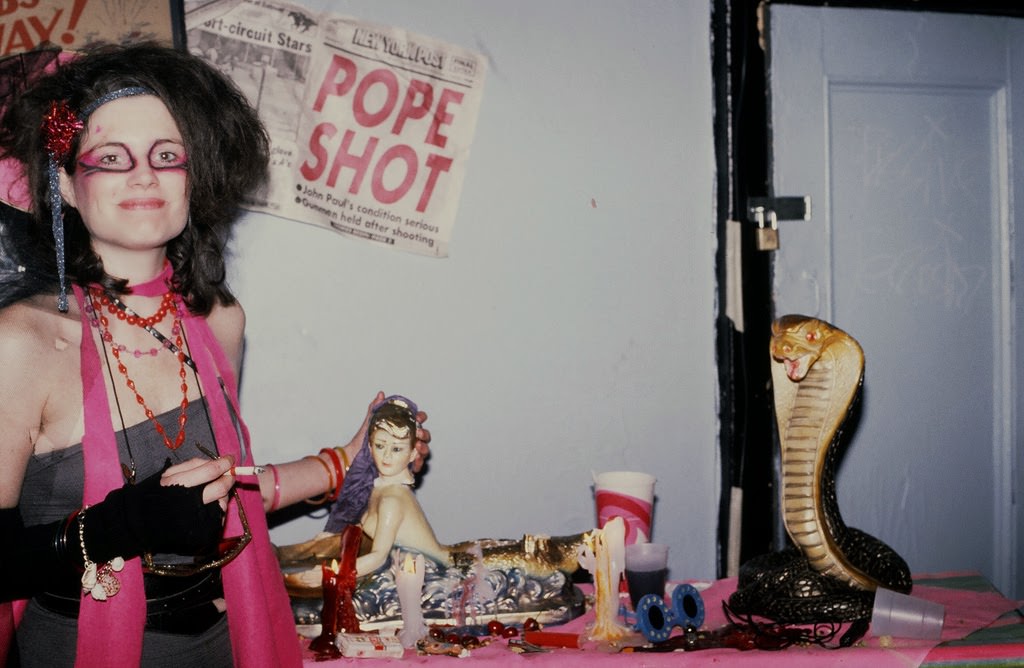
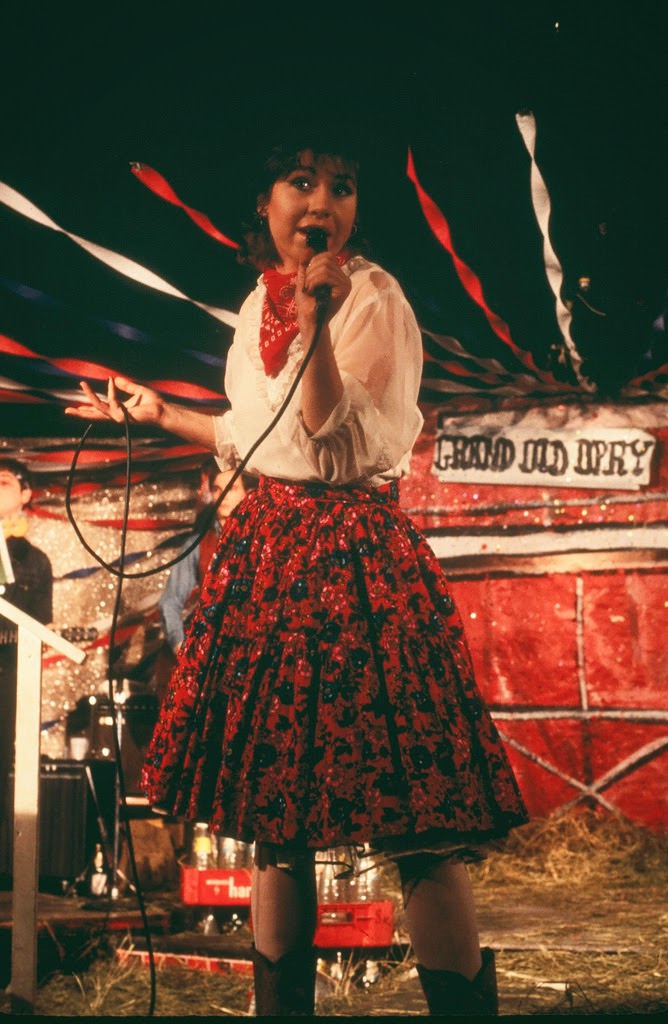
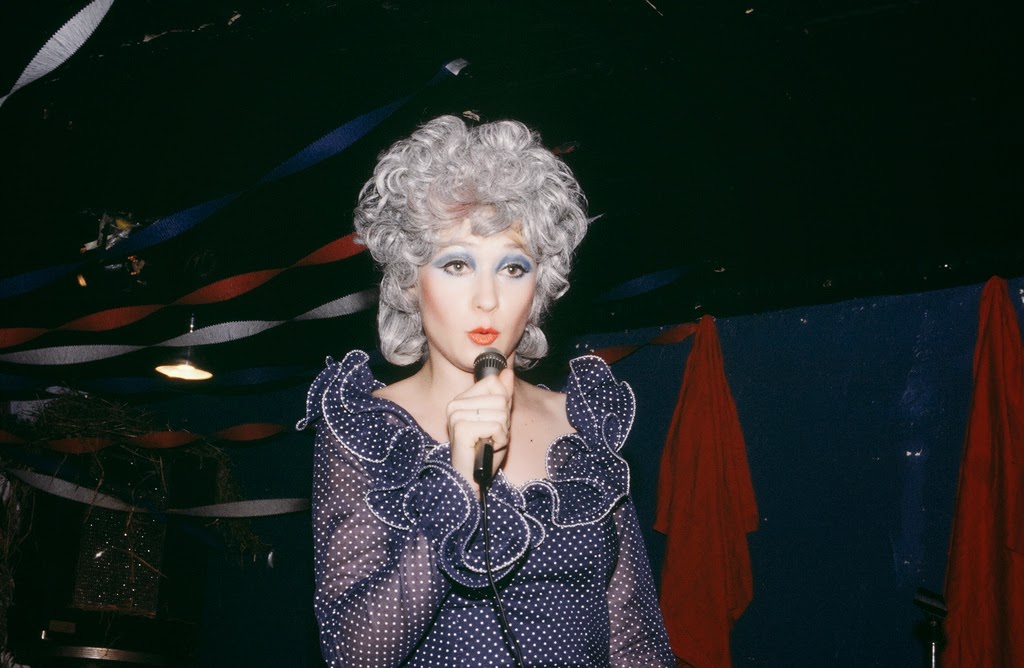
Ann Magnuson became the manager and main hostess of Club 57 in 1979. She came to New York from West Virginia and brought a unique sense of humor to the East Village. She did not want the club to be a serious or dark place. She wanted it to be a playground for adults. Magnuson organized theme nights that were both silly and artistic. She often performed as different characters, ranging from 1950s housewives to space aliens. Her leadership encouraged everyone to participate, regardless of their professional training.
Read more..
The club was open nearly every night of the week. Because the space was in a church basement, the decor was simple. The floors were linoleum and the furniture was often found on the street. This lack of luxury made the club accessible to young people who moved to the city with very little money. They did not care about expensive drinks or velvet ropes. They cared about the freedom to perform and the ability to change the club’s identity every night.
The Artists Who Defined the Scene
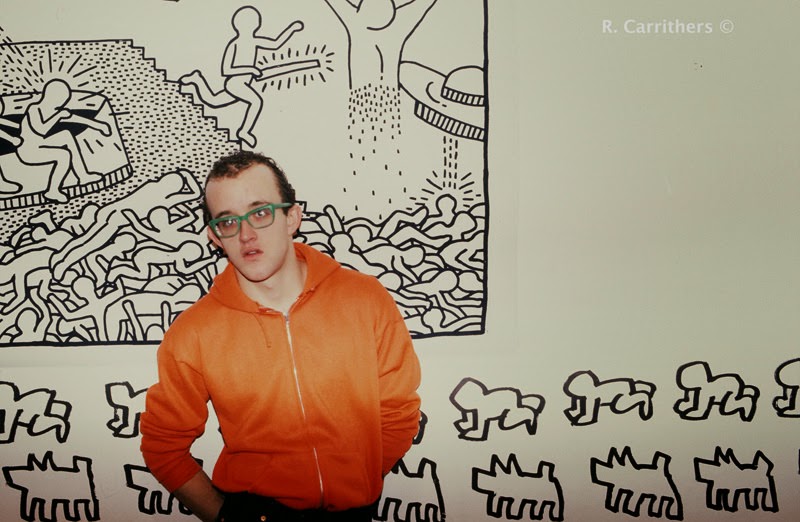
Club 57 served as an early laboratory for some of the most famous artists of the 20th century. Keith Haring was a regular member and often curated art shows in the basement. He used the club as a space to experiment with his drawings before he became an international star. He drew on the blackboards and the walls, turning the entire room into a gallery. Haring liked the club because it was not part of the traditional, expensive art world.
Kenny Scharf and Jean-Michel Basquiat were also frequent visitors. Scharf often helped decorate the space for theme nights, using bright colors and “kitsch” items from the 1950s. Basquiat participated in the various open-mic nights and art exhibitions. These artists were part of a community that shared ideas and collaborated on projects daily. They did not distinguish between “high art” and popular culture. To them, a painting was just as important as a well-made costume or a funny skit.
Theme Nights and Creative Chaos
The heart of Club 57 was its calendar of events. The members organized “Monster Movie Night” every Tuesday. They projected old horror films on the basement wall. The audience did not just watch the movies; they dressed up as monsters and shouted at the screen. They also held a “Putt-Putt Miniature Golf” night. The artists built an entire nine-hole golf course out of trash and found objects in the middle of the basement. Each hole was a different work of art.
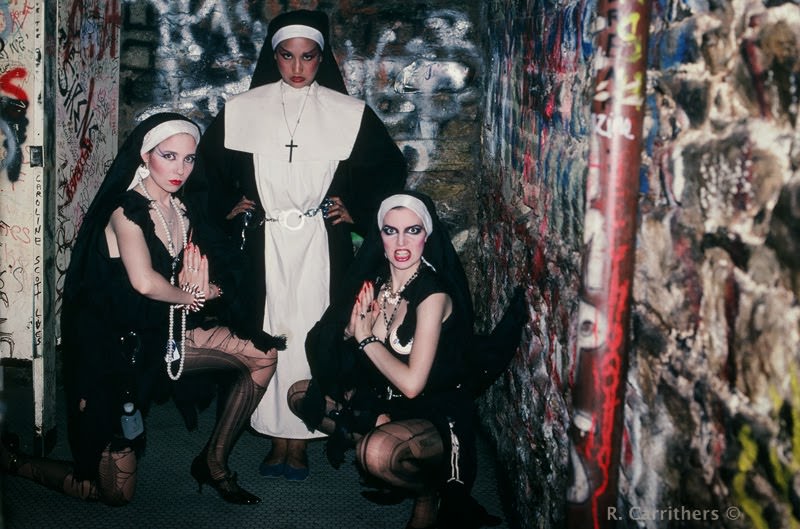
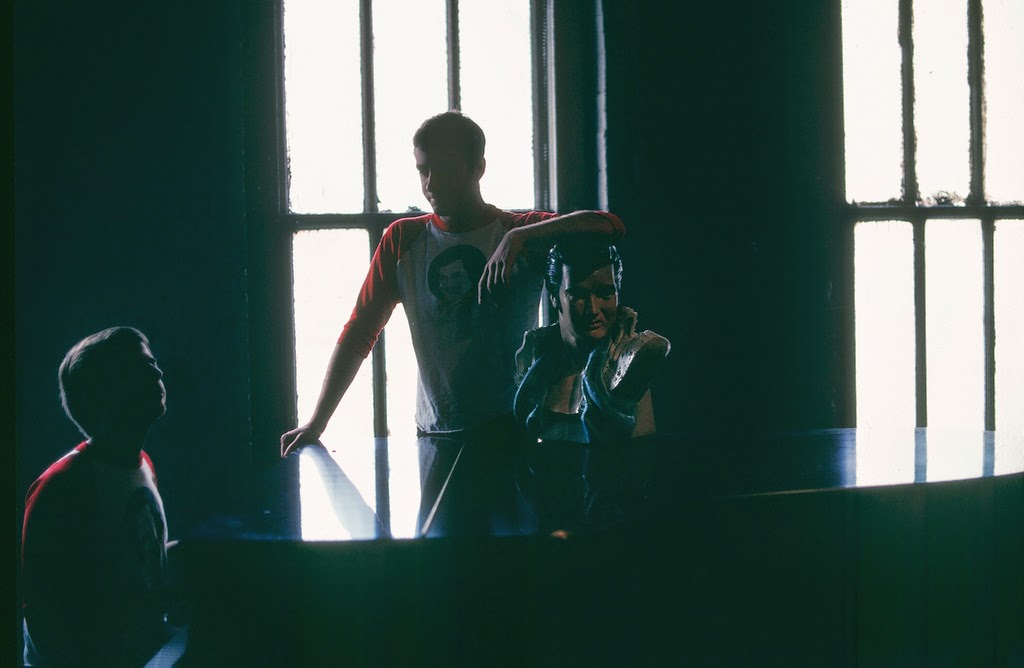
Other events included “Model World,” where people brought their plastic model kits to build together. They held “Ladies’ Wrestling” nights and “Elvis Presley Memorial” parties. One of the most famous events was the “Theoretical Party,” which was a party where nothing actually happened. These events were designed to be anti-commercial. They mocked the serious nature of the mainstream art world. The goal was to have fun and be creative without worrying about making money.
Music and Performance Art
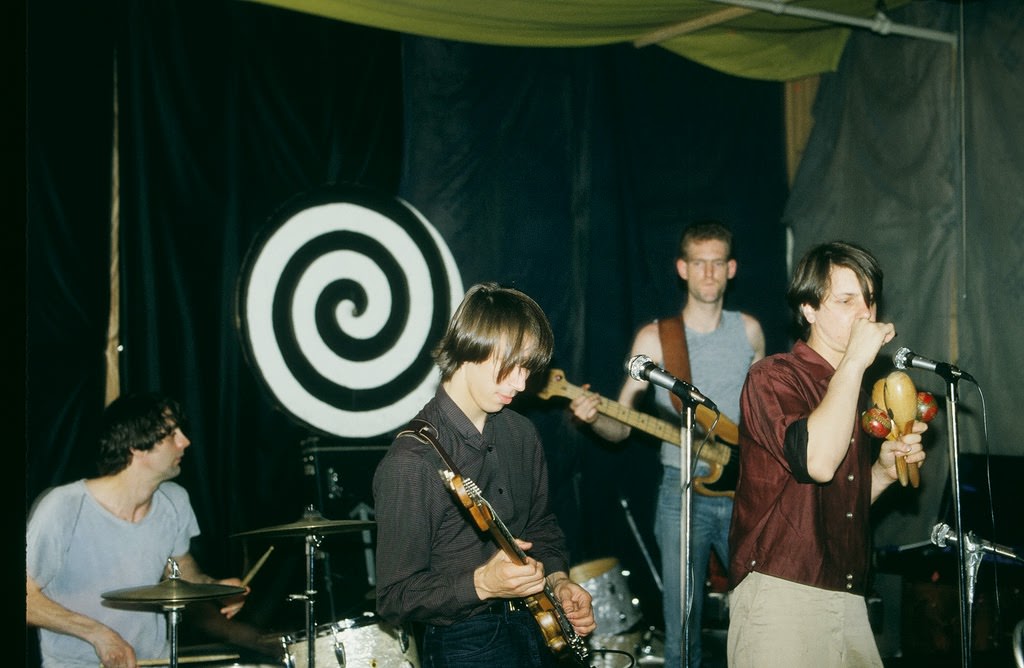
The music at Club 57 was a mix of punk, new wave, and 1960s pop. It was a primary venue for performers who did not fit into traditional music clubs. Klaus Nomi was a frequent performer at the club. He wore a stiff, plastic tuxedo and painted his face white to look like a robot. He sang opera in a high-pitched voice while moving in a mechanical way. His performances were a perfect match for the club’s interest in the strange and the futuristic.
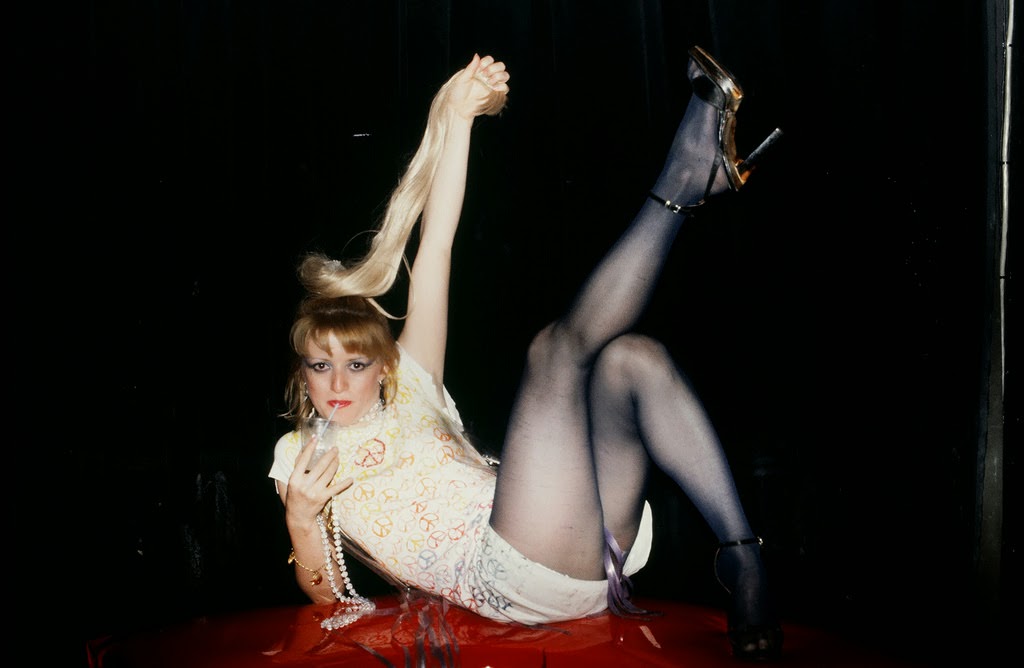
John Sex was another iconic figure at Club 57. He was known for his massive, vertical blonde hair and his performances with backup dancers. He combined the style of a 1950s lounge singer with a punk rock attitude. The club also hosted early performances by bands like The B-52s and Lypsinka. The stage was small and close to the audience, which made every performance feel intimate. There was no distance between the stars and the fans. Everyone was part of the same group.
The Aesthetic of Kitsch and Nostalgia
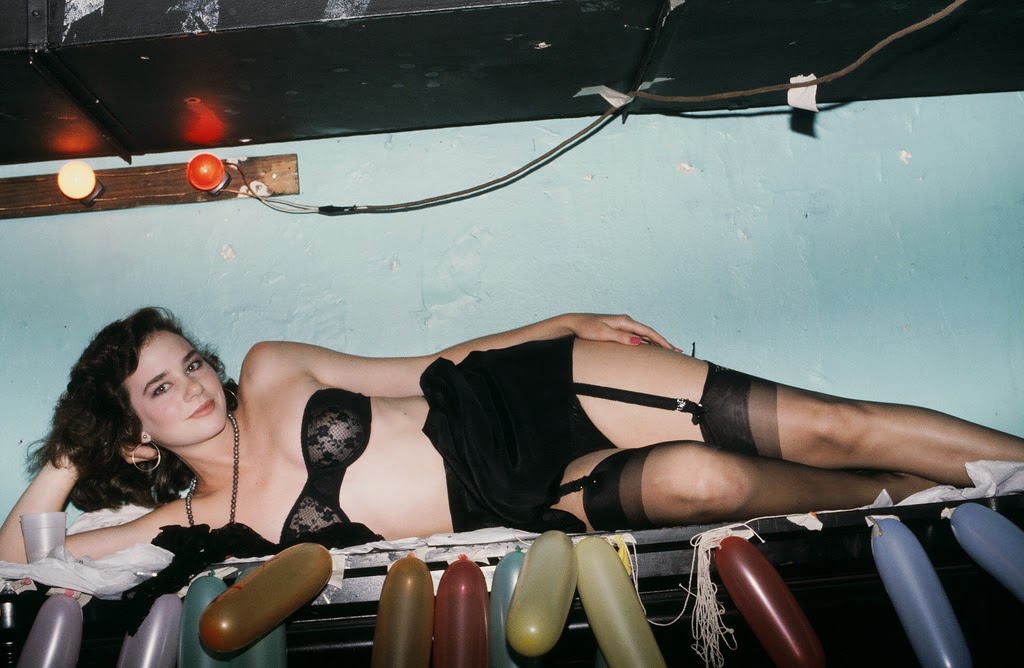
The look of Club 57 was heavily influenced by 1950s and 1960s television and pop culture. The members were the first generation raised on TV reruns. They loved the “low-brow” culture of their childhoods. They filled the club with plastic toys, old advertisements, and retro clothing. They took things that society had thrown away and turned them into art. This was a direct rejection of the cold, minimalist art that was popular in galleries at the time.
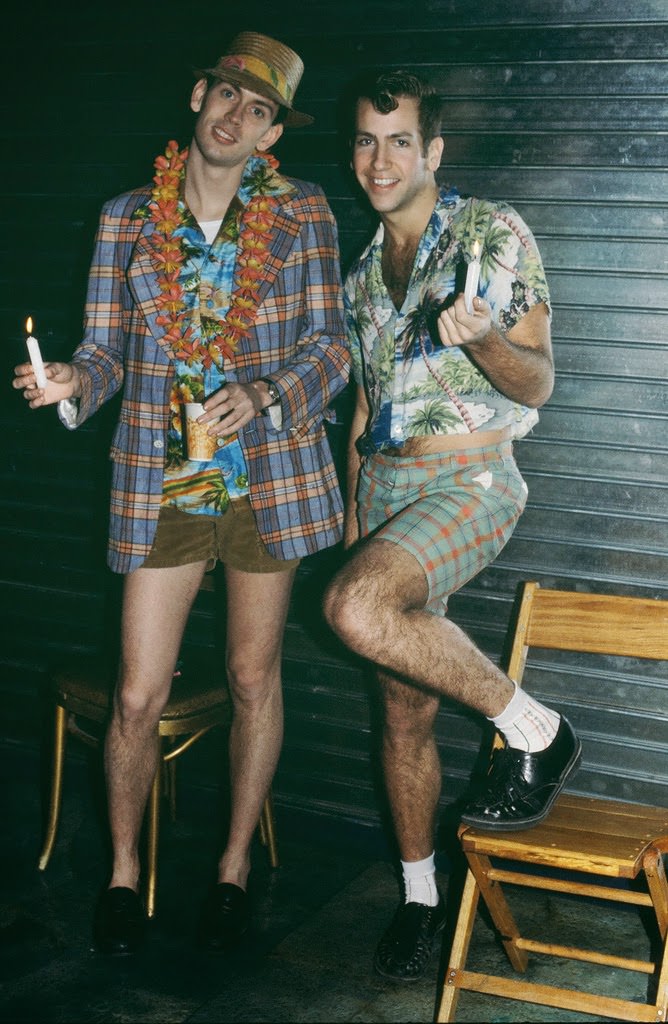
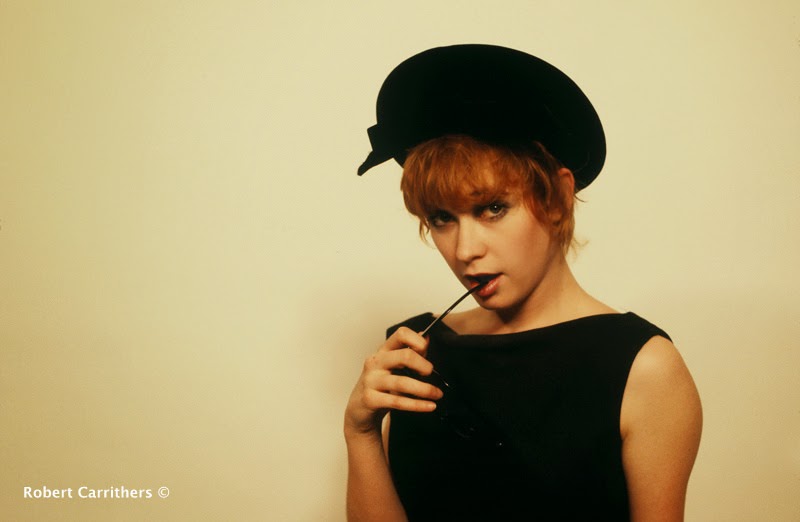
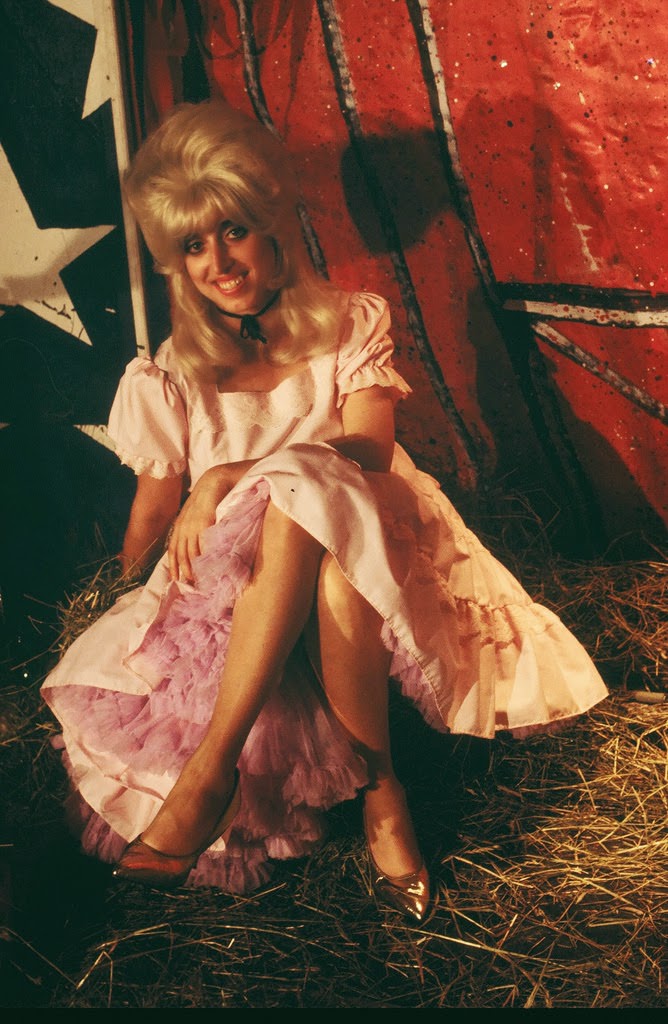
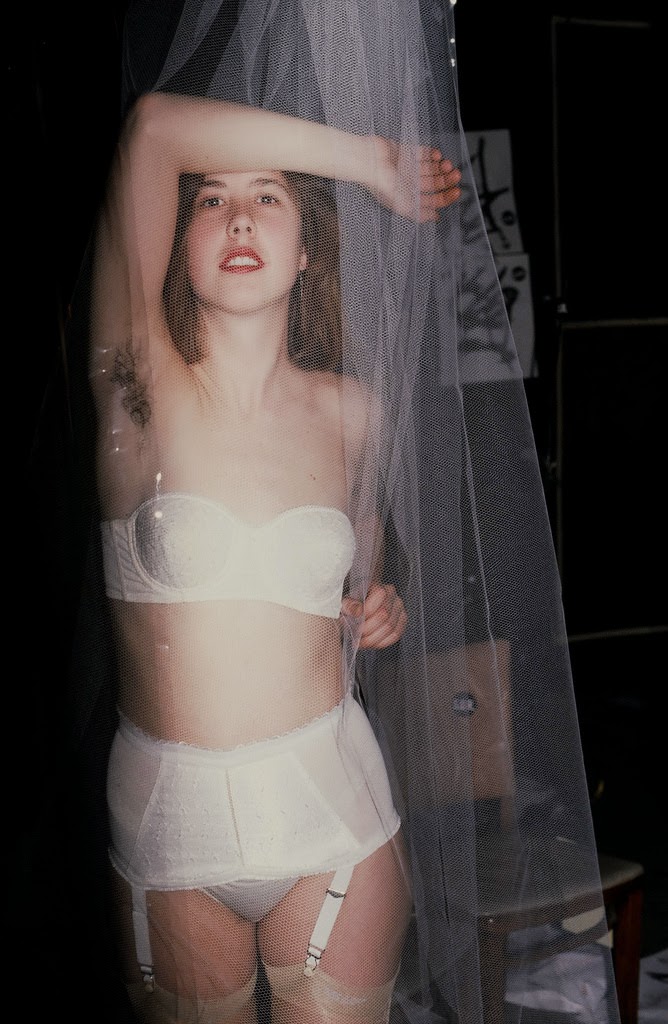
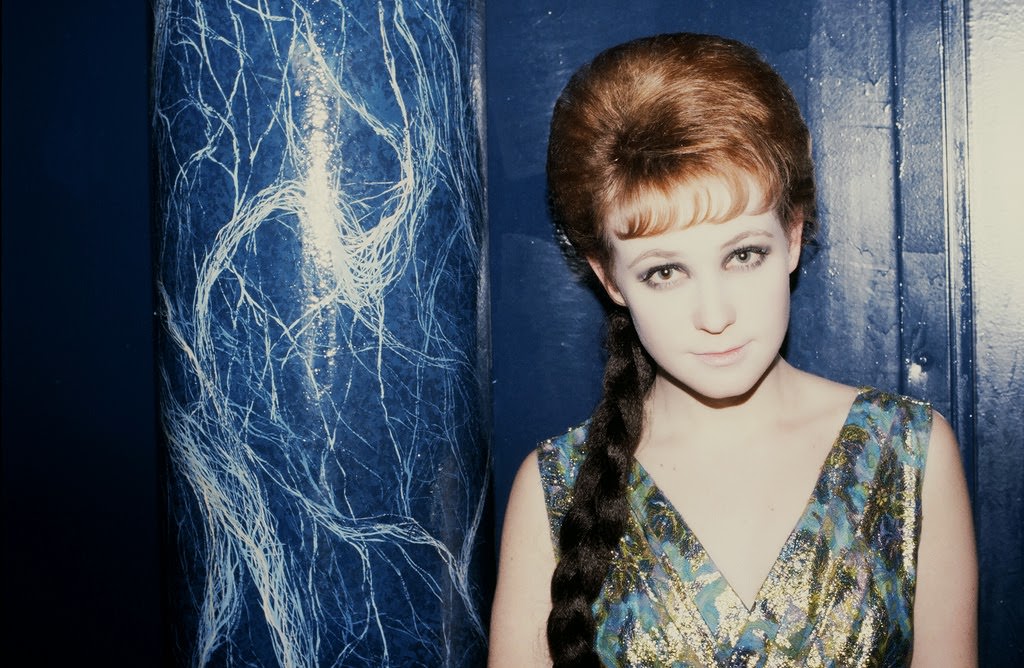
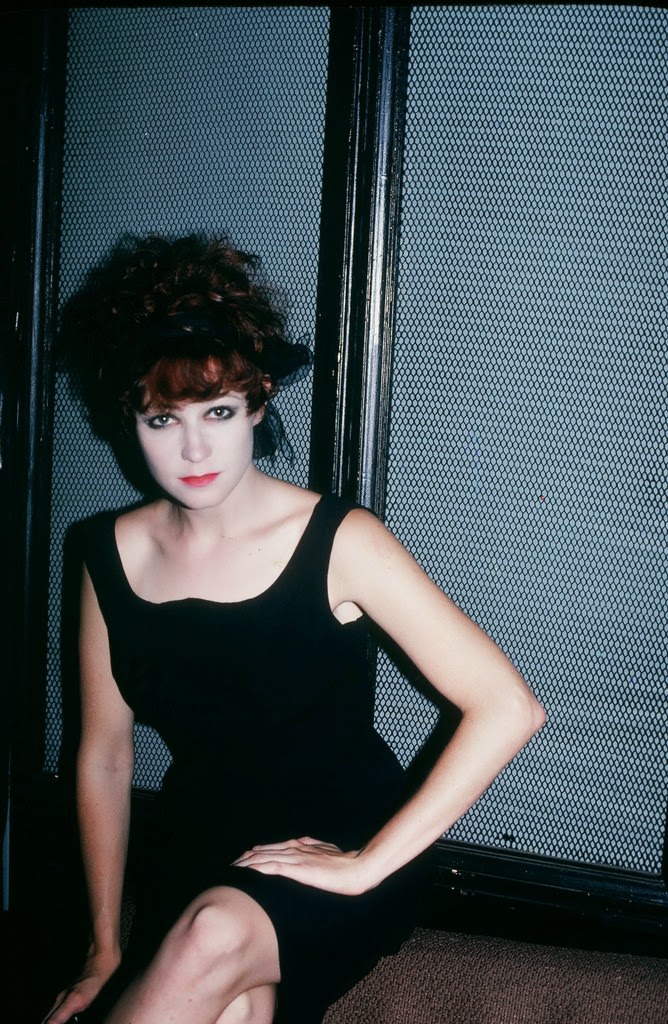
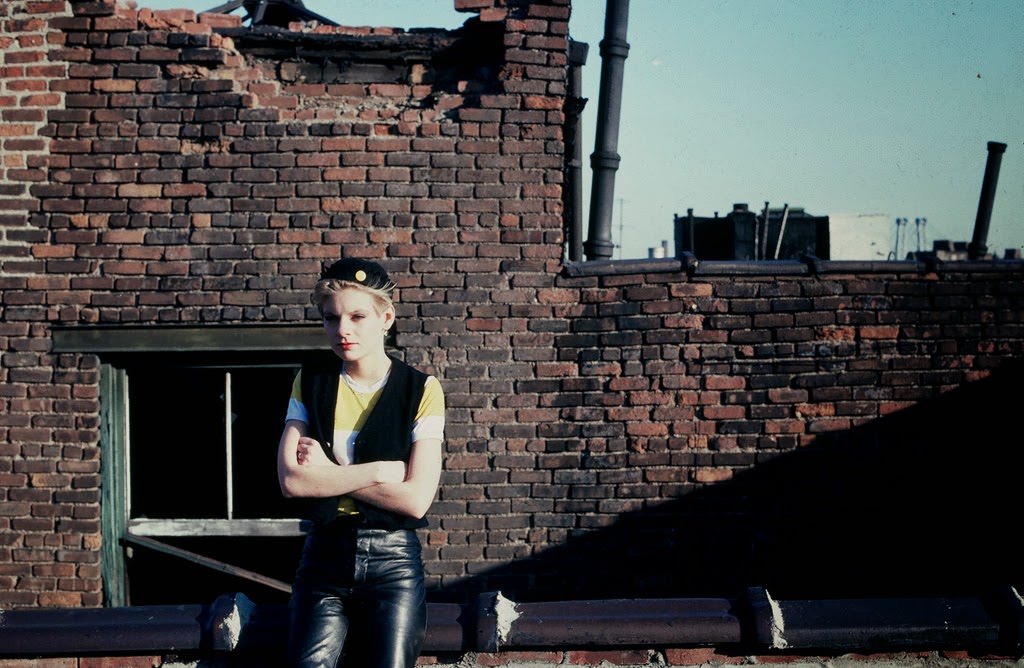
Fashion at the club was a mix of thrift-store finds and handmade creations. Wendy Wild and other female members often wore beehive hairdos and vintage floral dresses. Men wore skinny ties and bowling shirts. They took these old styles and updated them with punk accessories like safety pins or heavy makeup. The goal was to look like a character from a cartoon or an old sit-com. This aesthetic helped define the “East Village Look” that eventually influenced mainstream fashion designers.
The Daily Life of the Members
For the people who went to Club 57, it was their entire social world. They spent their days working low-paying jobs or making art in small apartments. In the evening, they went to the club to see their friends. It was a place of safety for people who felt like outsiders in the rest of the city. The club was a “total environment” where the outside world did not matter. Members worked together on everything from building sets to cleaning up the basement after a show.
The club stayed active until around 1983. During its peak years, it produced hundreds of shows and exhibitions. It was a period of intense activity where someone was always starting a new project or planning a new party. The energy of the club came from the fact that it was temporary and constantly changing. If a show was a failure, they just moved on to the next one the following night. This lack of fear allowed for some of the most experimental art of the decade to be created in a simple church basement on St. Marks Place.