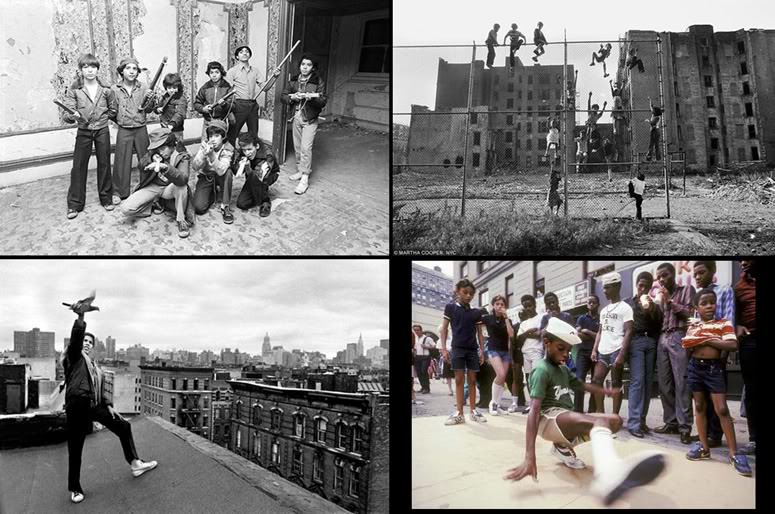
Hip-hop was born in the Bronx during the 1970s, built by young Black and Latino New Yorkers living through one of the city’s hardest eras. Poverty, urban decay, and neglect defined many neighborhoods. Out of that environment came a culture with four distinct parts: DJing, MCing, breakdancing, and graffiti art. Photographer Martha Cooper was there to document it all.

DJing was the foundation. DJ Kool Herc pioneered a technique using two turntables loaded with the same record. He isolated the drum breaks — the sections that drove dancers wild — and looped them continuously, stretching short passages into long, danceable beats. Block parties in parks and on the streets became the main stage for this new sound.
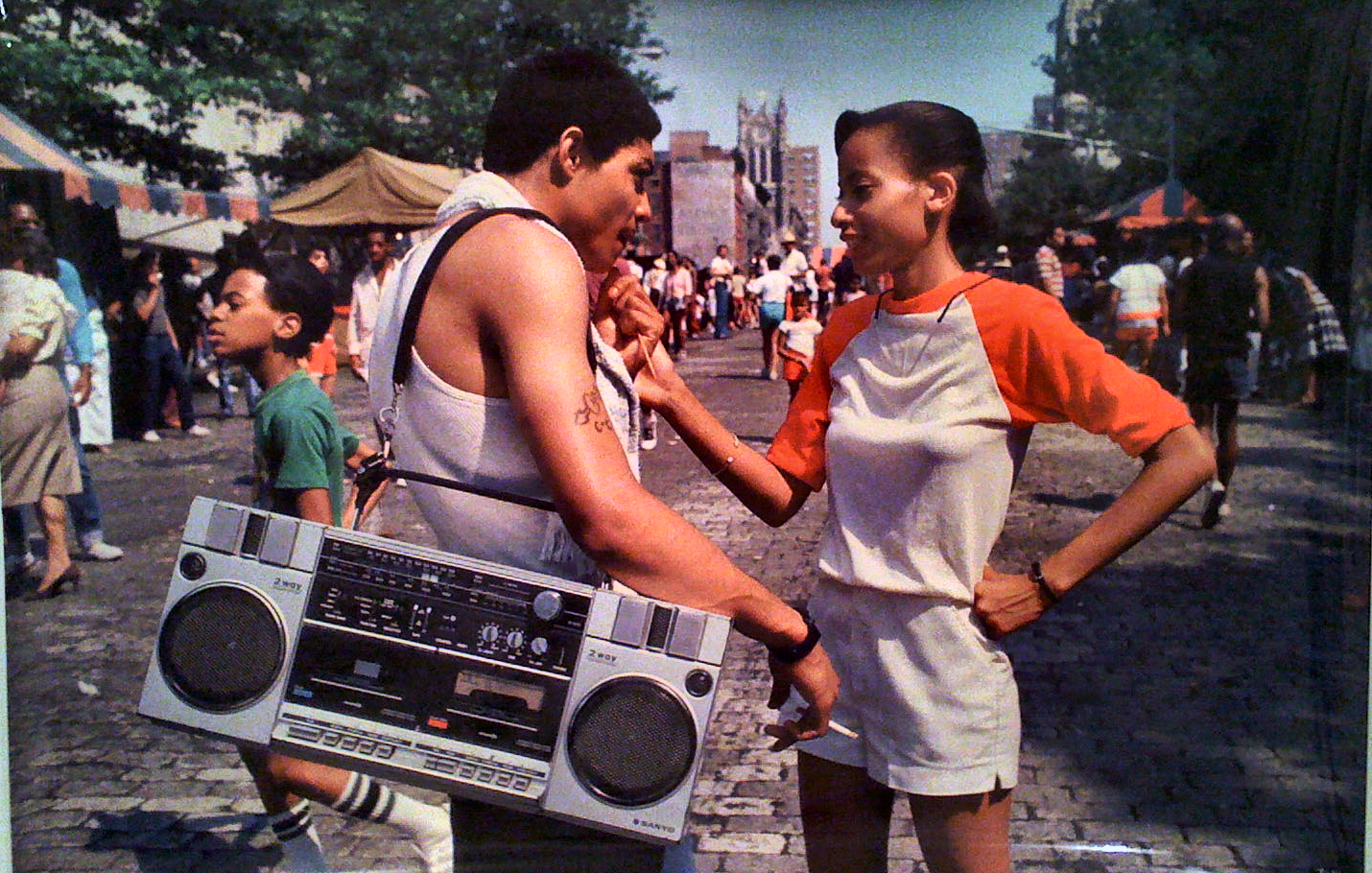
MCing grew directly out of those parties. Early MCs acted as hosts, hyping the crowd, calling out names, and dropping simple rhymes over the DJ’s beat. By the early 1980s, the role had evolved into something far more complex — layered storytelling and sharp observations about city life delivered over driving rhythms.
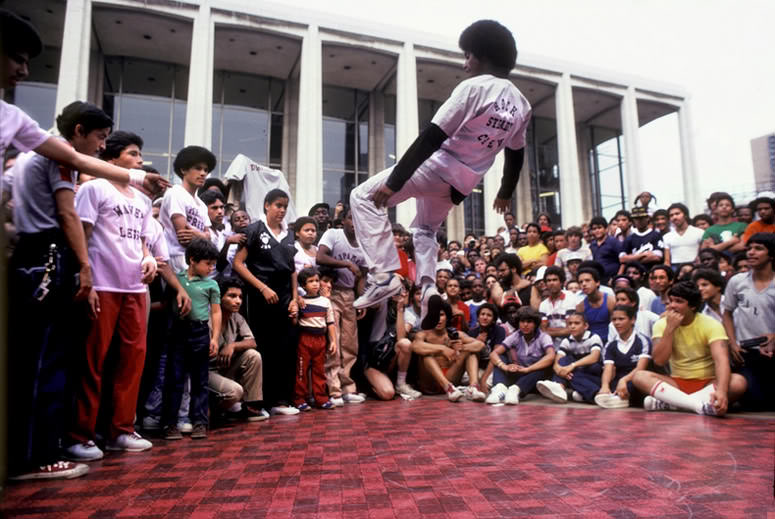
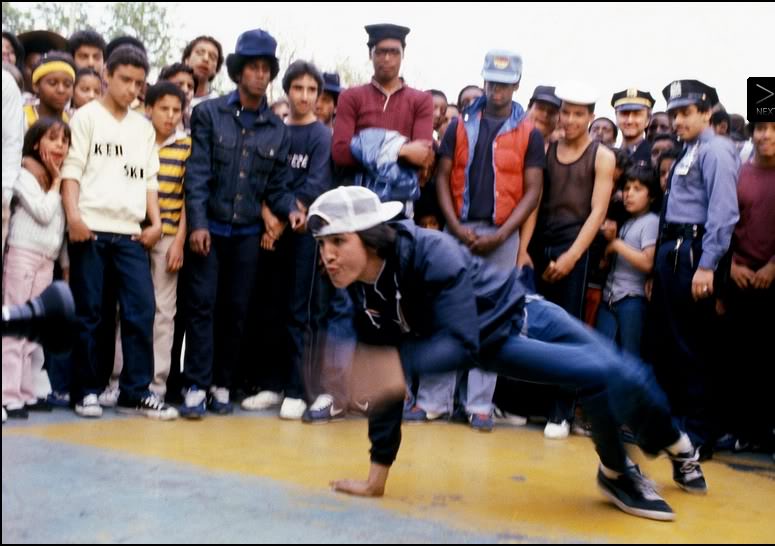
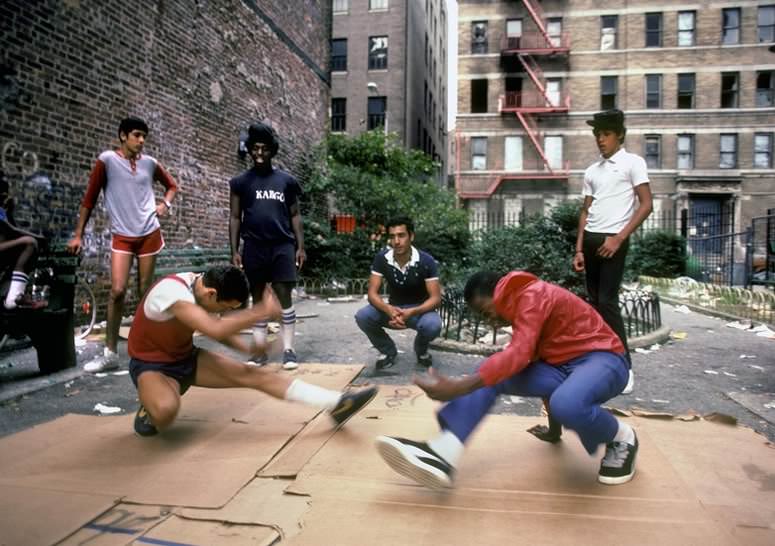
Breakdancing gave the culture its most physical voice. B-boys and B-girls performed acrobatic moves during the music’s drum breaks — intricate footwork, head spins, and frozen poses held close to the ground. Crews battled each other in competitions that were fierce but governed by creativity rather than violence. These battles were a core ritual of the early scene.
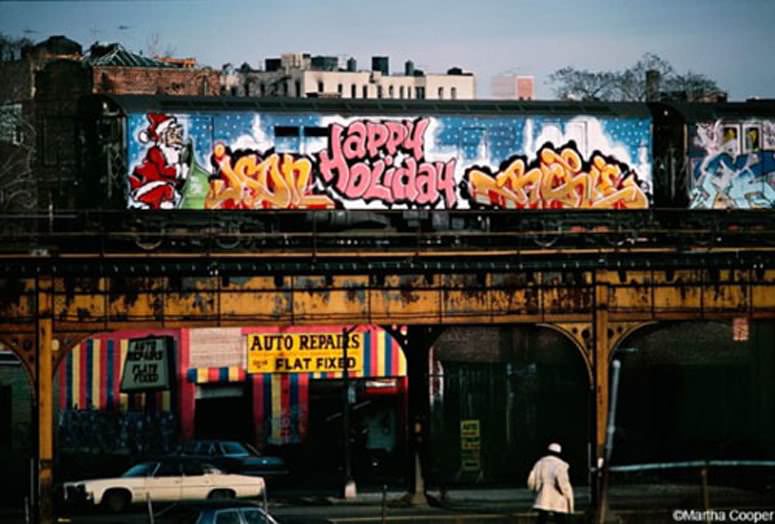
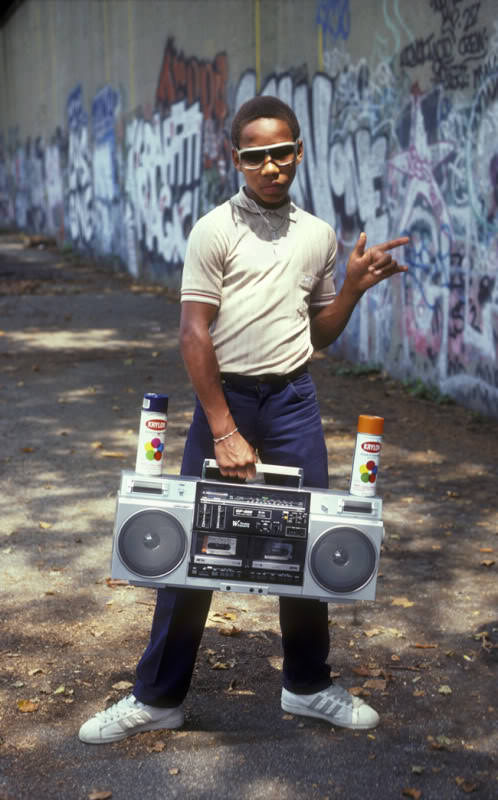
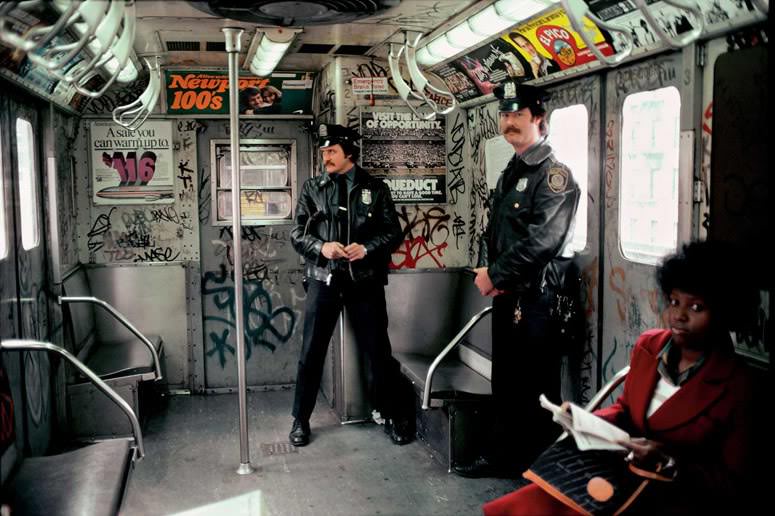
Graffiti art painted the city itself. Writers used spray paint to tag their names across walls and, most visibly, on subway cars. As those trains rolled between boroughs, a writer’s name traveled with them. Elaborate full-car pieces, called whole cars, took hours and real artistic skill. The subway system became an unintentional gallery moving through every corner of New York.
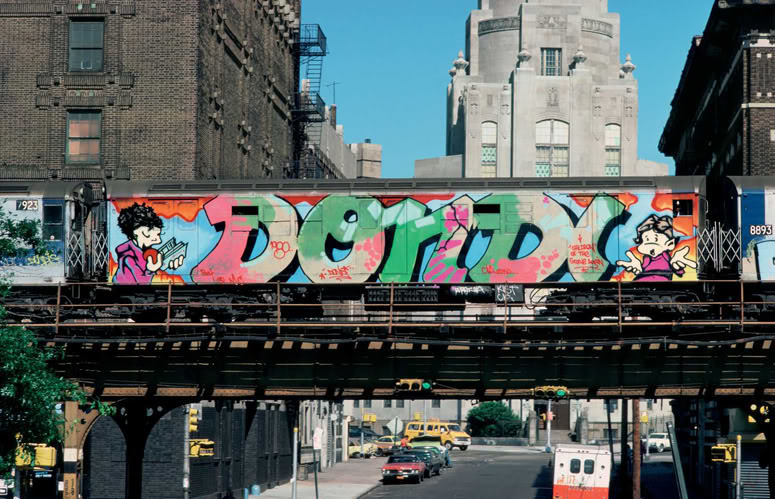
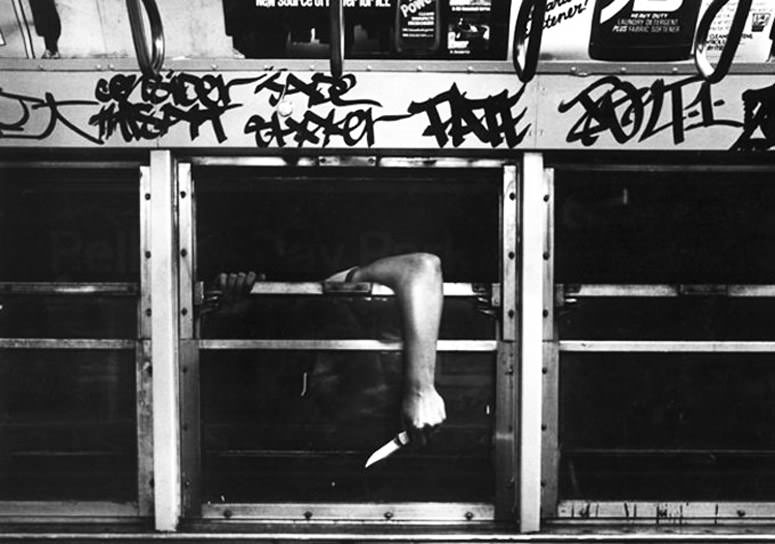
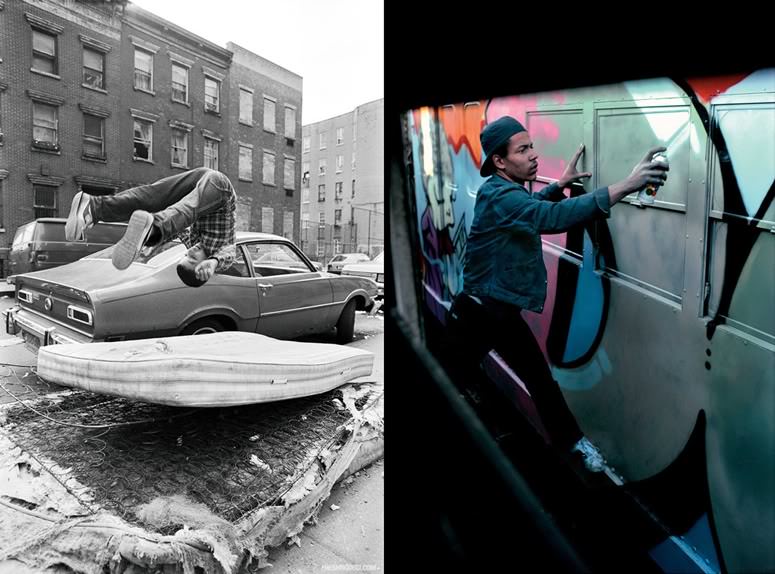
Martha Cooper, a photojournalist working for the New York Post, began photographing graffiti writers and B-boys in the late 1970s. She gained the trust of young artists and documented their work up close — in train yards, on rooftops, and in the streets. Her images captured not just the art, but the people behind it.
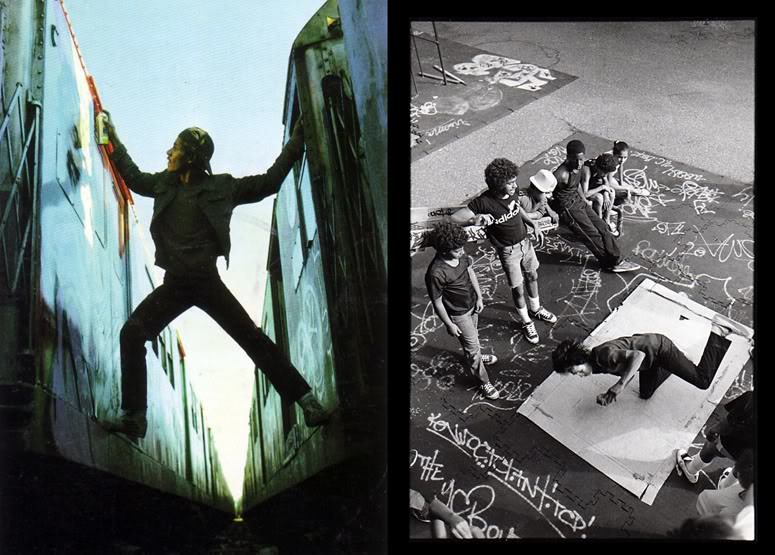
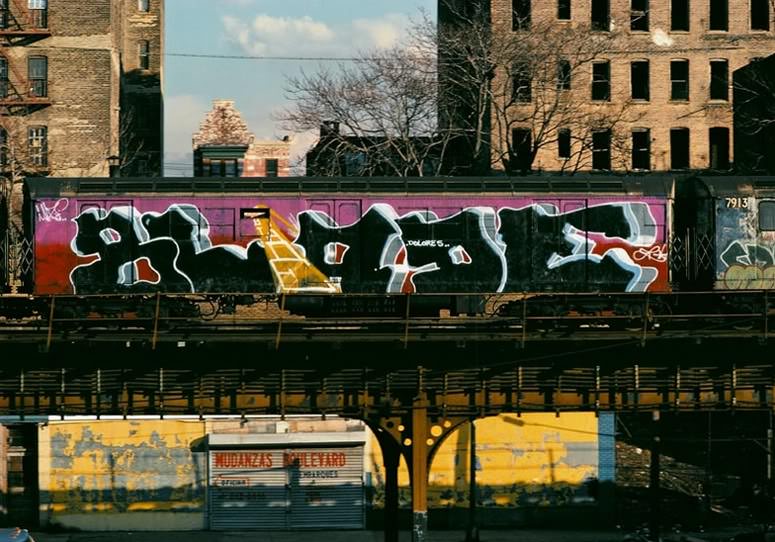
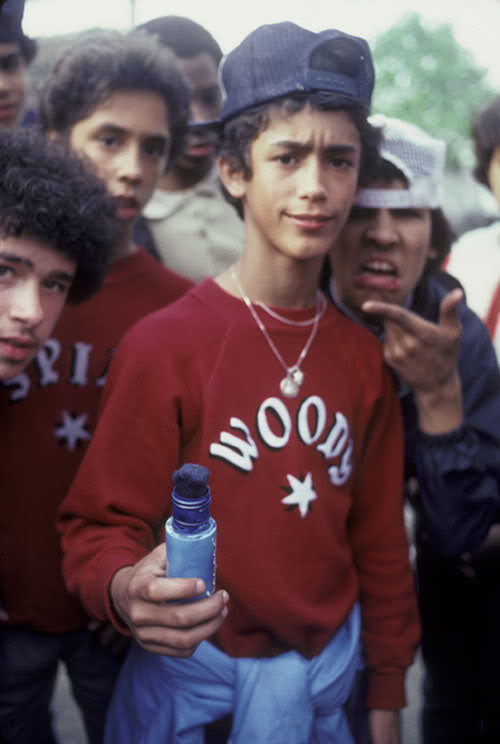
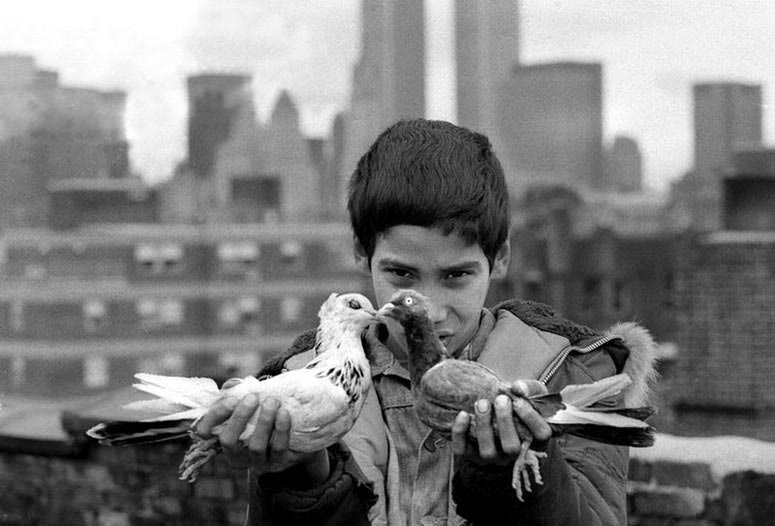
Cooper’s photographs show the full texture of the scene — kids practicing moves in narrow hallways, writers sketching designs in notebooks before hitting the trains, DJs wiring together sound systems in open parks. These were not staged shots. They were daily life inside a culture that most of the city either ignored or condemned.
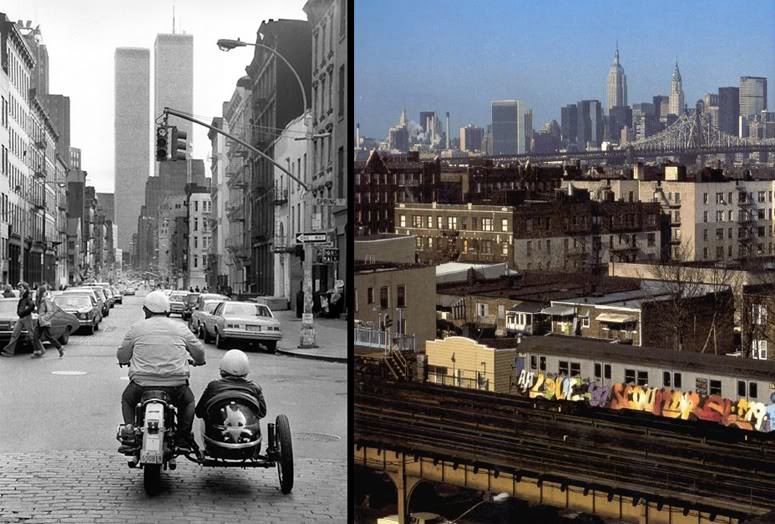
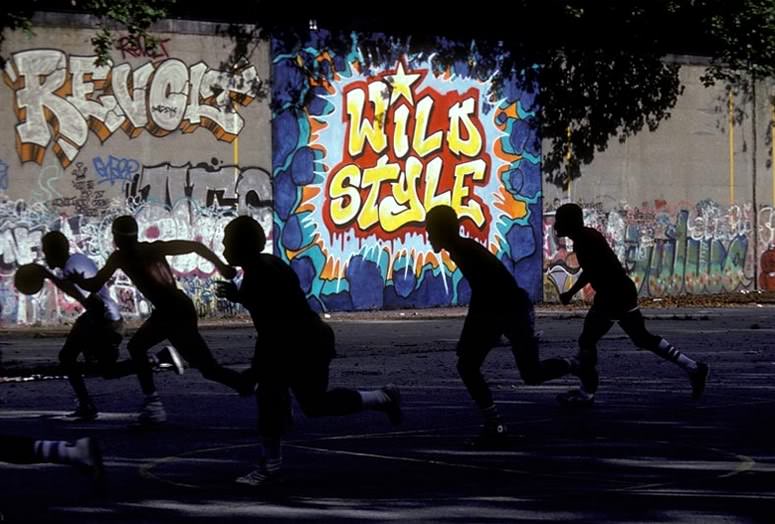
By the early 1980s, hip-hop began moving beyond the Bronx. Records, films, and documentaries carried the music, the dancing, and the art to wider audiences. Cooper’s 1984 book, co-authored with Henry Chalfant, titled Subway Art, brought graffiti writing to a global readership and became one of the most referenced books in street art history.
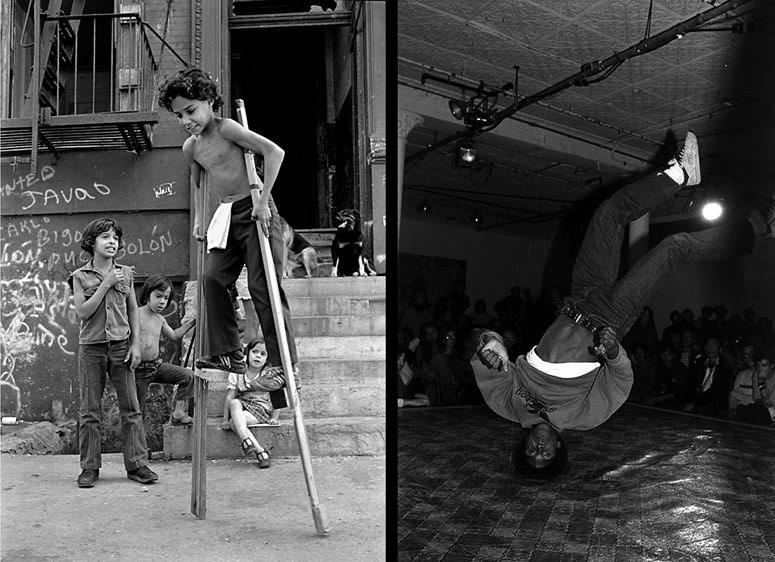
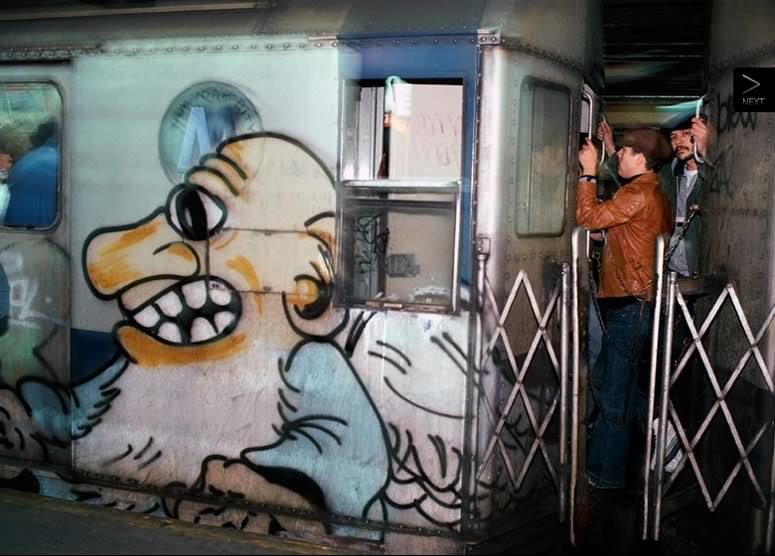
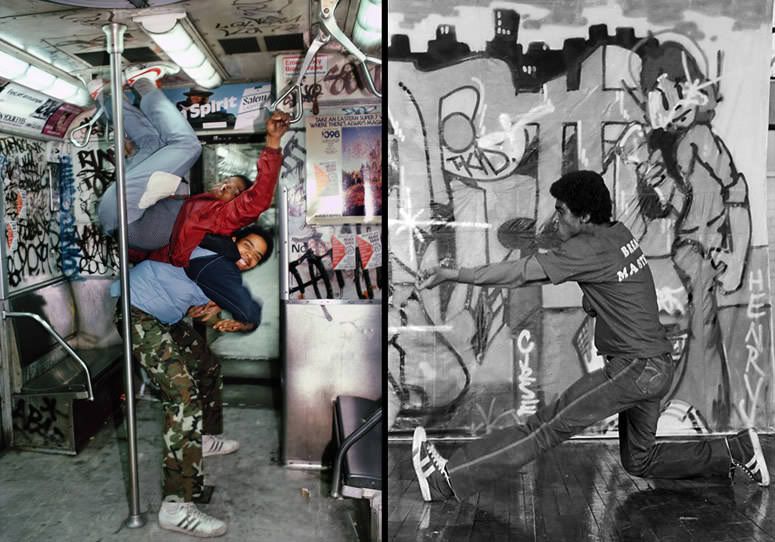
Cooper continued photographing hip-hop culture for decades. Her archive stands as one of the most thorough visual records of the scene’s earliest years — a time when four art forms were being invented simultaneously on the streets and subway platforms of New York City.