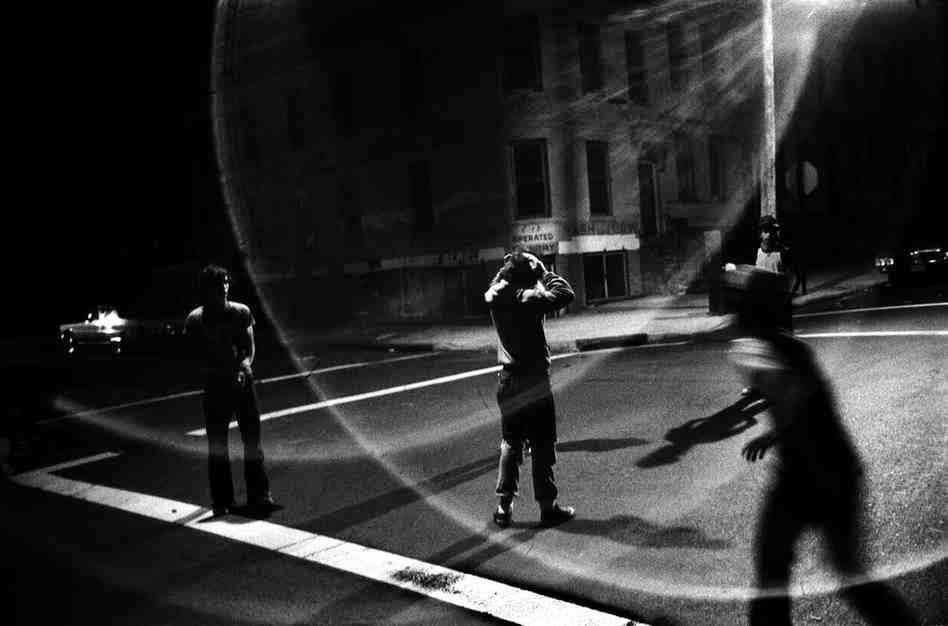
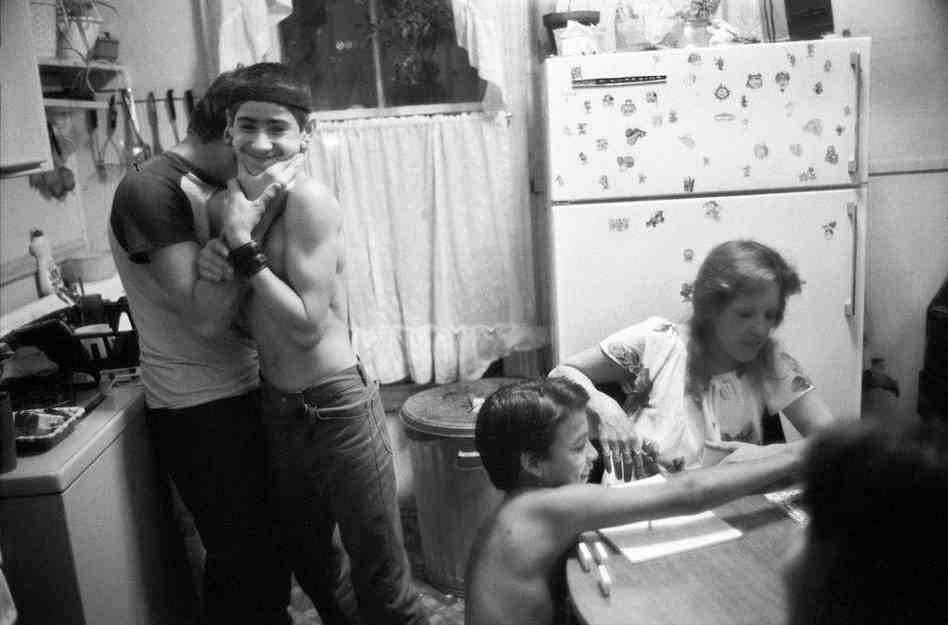
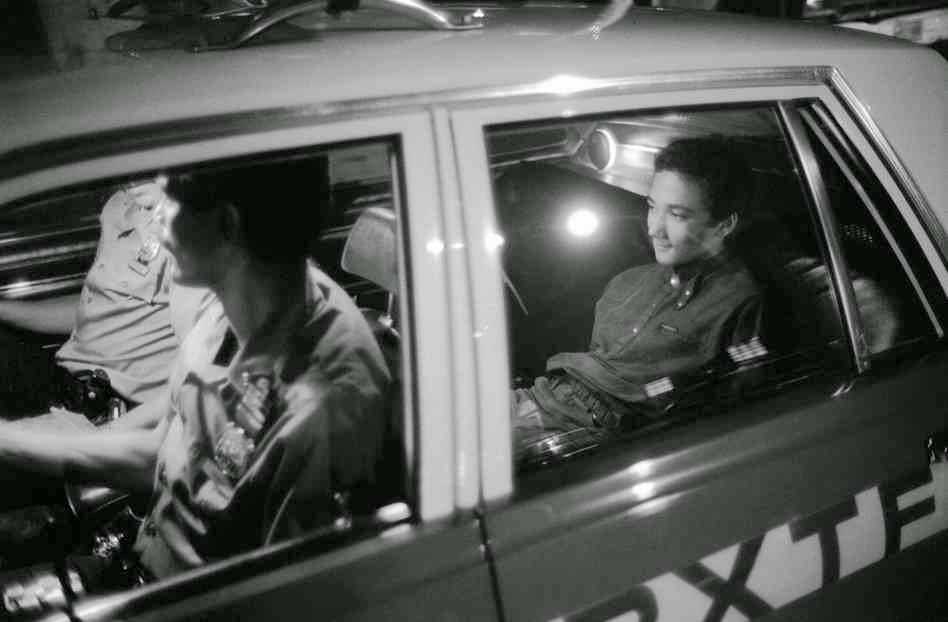
In 1977, photographer Stephen Shames arrived in the Bronx on assignment for Look magazine. The borough was then considered one of the most dangerous places in the United States. Burnt-out buildings lined the streets. Empty lots stretched between crumbling blocks. Poverty and violence were not background details — they were the daily conditions that children in the neighborhood had to navigate just to get through the day.
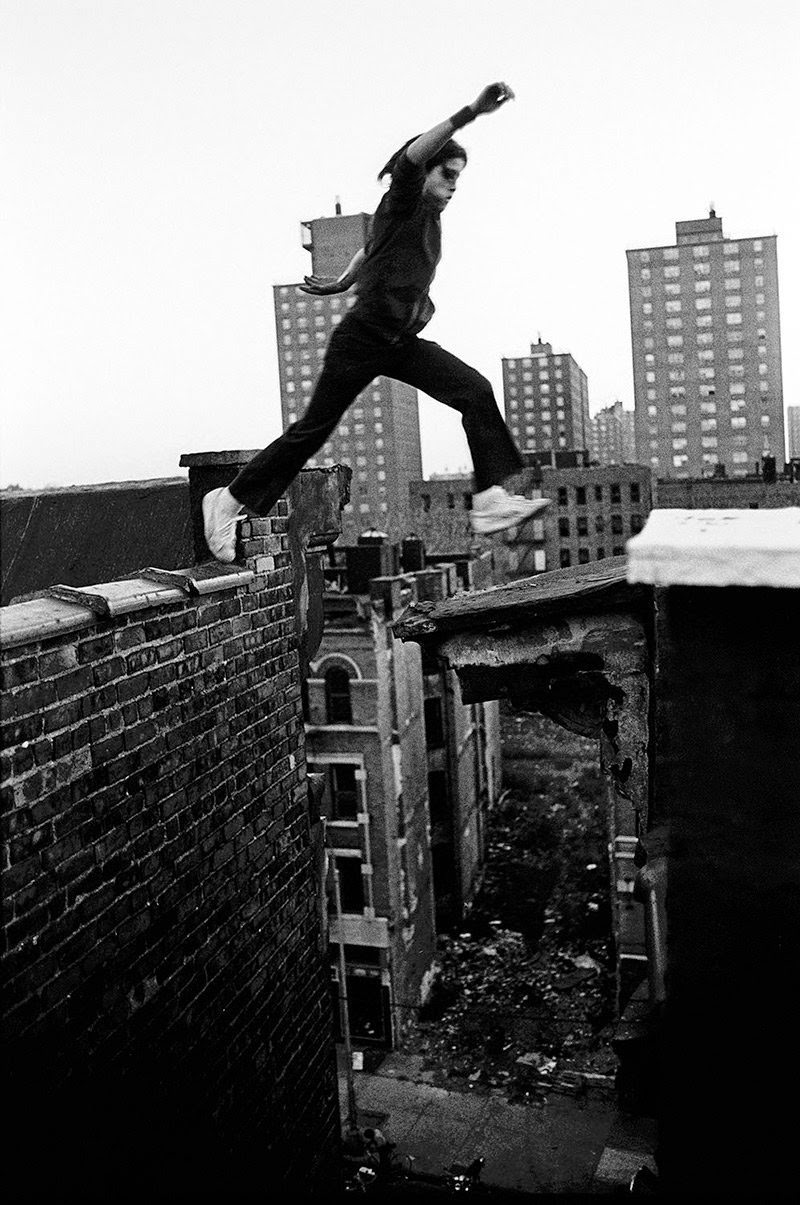
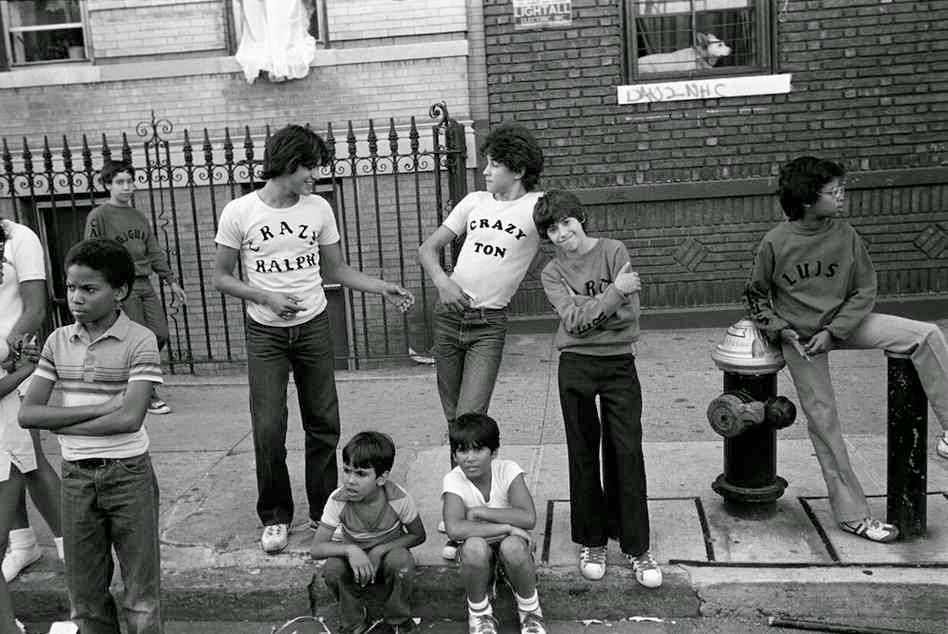
Shames began documenting a specific group of boys who moved through this world together. Because traditional family structures were often fractured by the pressures of the neighborhood, these boys formed tight-knit groups they called “families” or “crews.” The crew offered something the street rarely did: protection, loyalty, and a sense of belonging. Rival gangs and general chaos made that bond necessary.
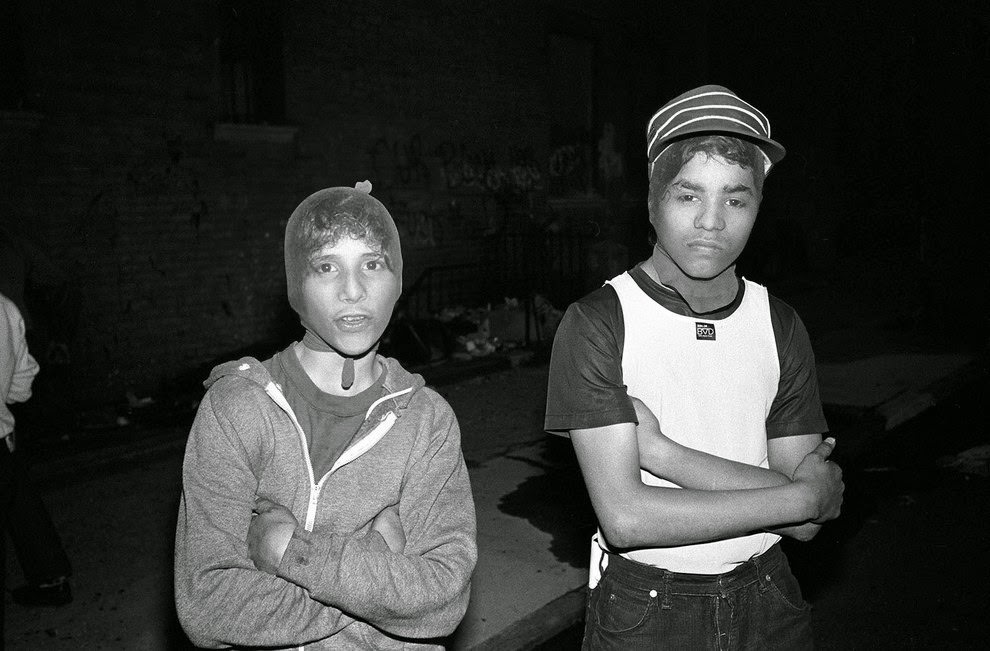
Shames spent more than twenty years following these individuals. He gained a level of trust that few outsiders ever reached. He watched them grow from children into young men while the neighborhood faced the rise of the crack cocaine epidemic. Drug dealing happened openly on street corners, sometimes just feet away from mothers with strollers and children at play.
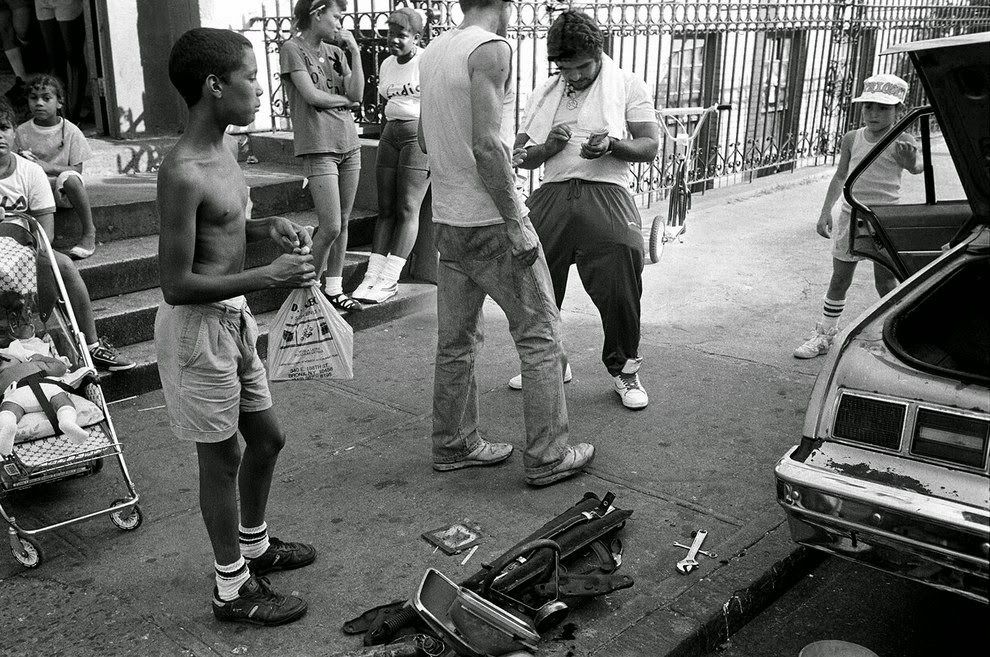
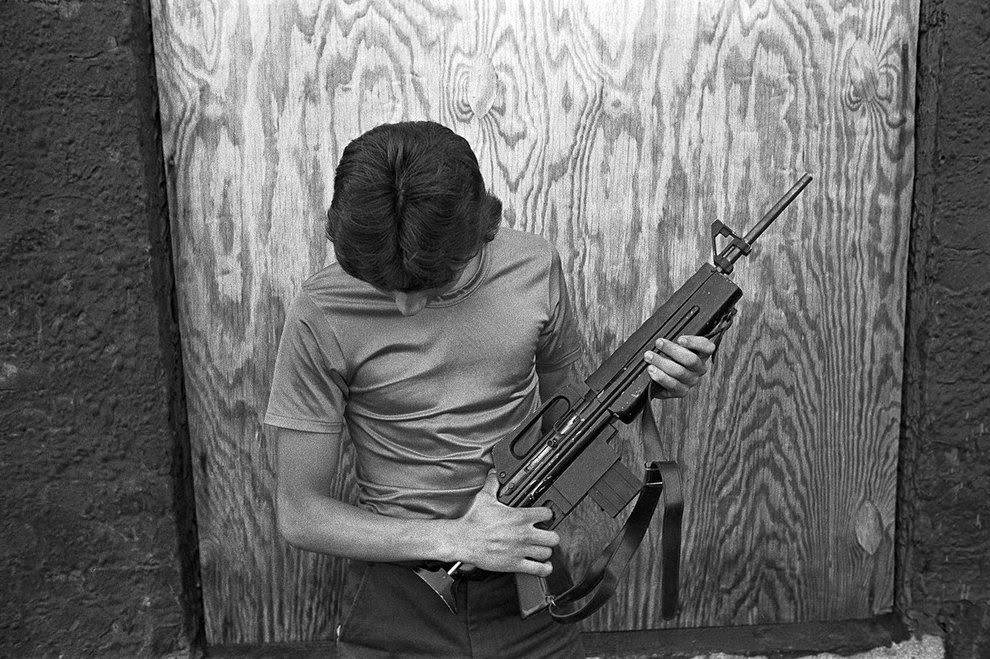
The images Shames captured don’t flinch. Street fights, drug use, police stops, and armed teenagers all appear in his archive. Boys carried weapons. Some wore masks to hide their faces during robberies. Delfin, fifteen years old, was photographed nodding out after shooting heroin. These were not rare exceptions — they were part of the fabric of daily life for many in the neighborhood.

Many of the boys Shames first met in the late 1970s ended up in prison or were killed by the violence around them. Martin Dones was one of the central figures in his work. Shames first photographed Martin at thirteen, flirting with a girl on Decatur Avenue. Over the following years, Martin became deeply involved in the cycle of drugs and street crime. For Martin, contact with caring adults — including Shames himself — eventually became the turning point that helped him leave that life behind.
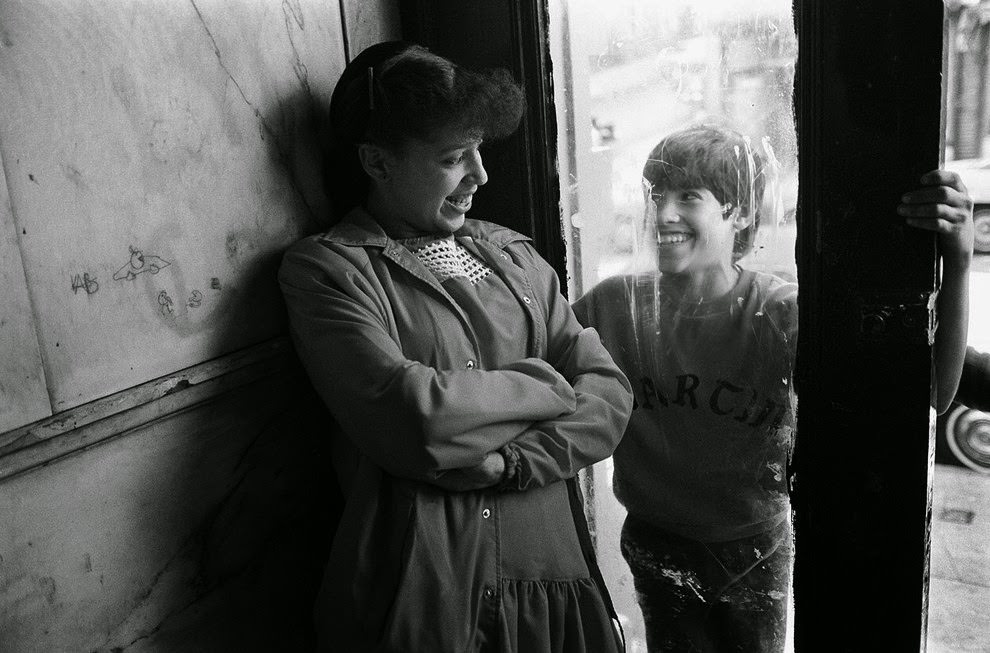
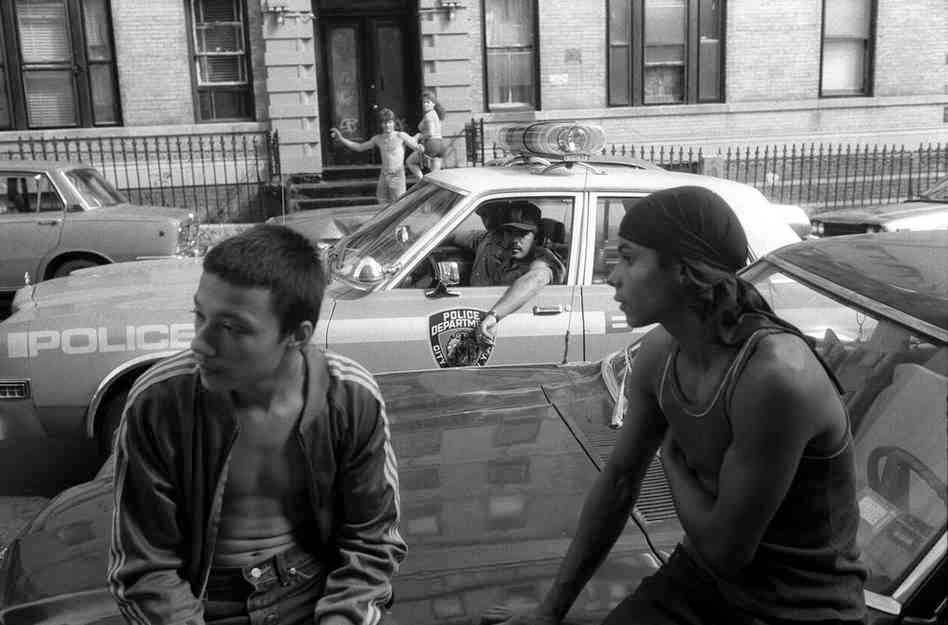
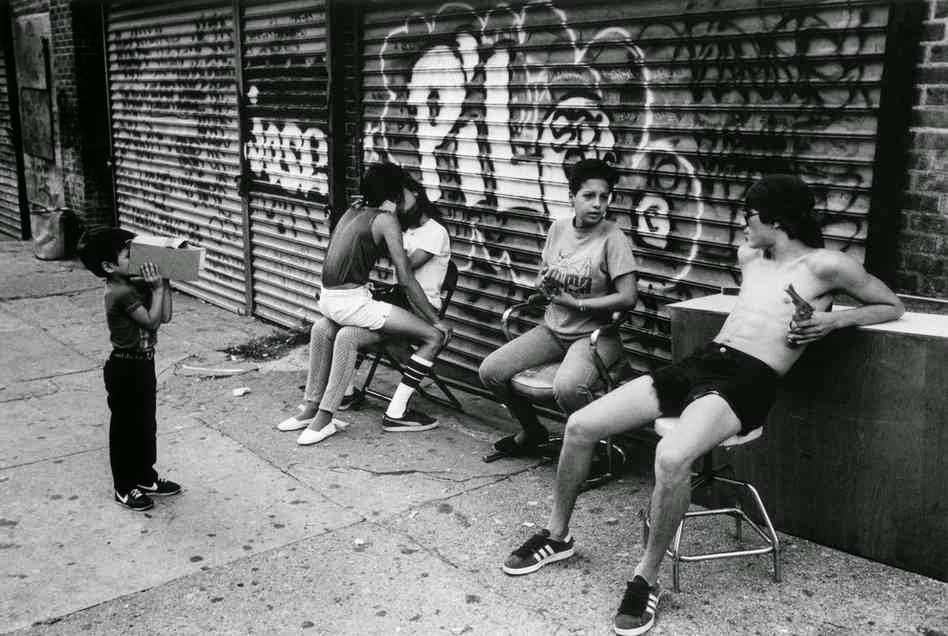
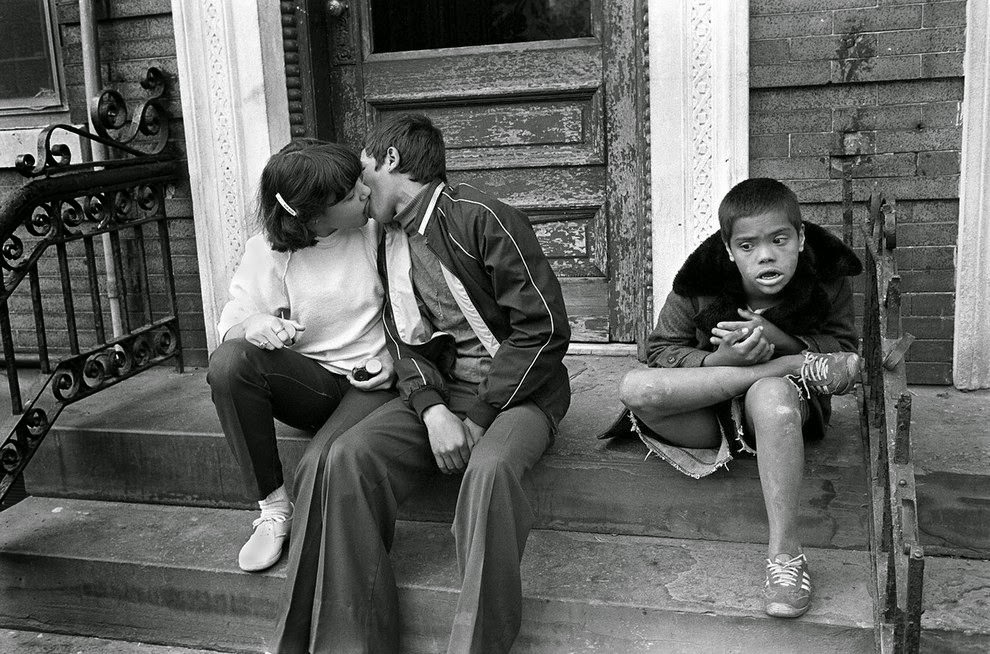
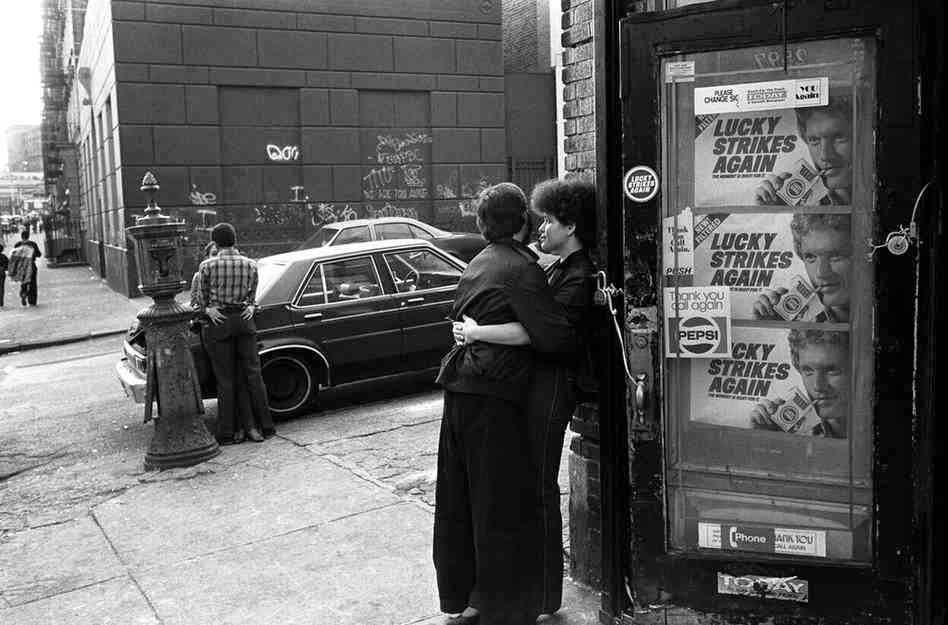
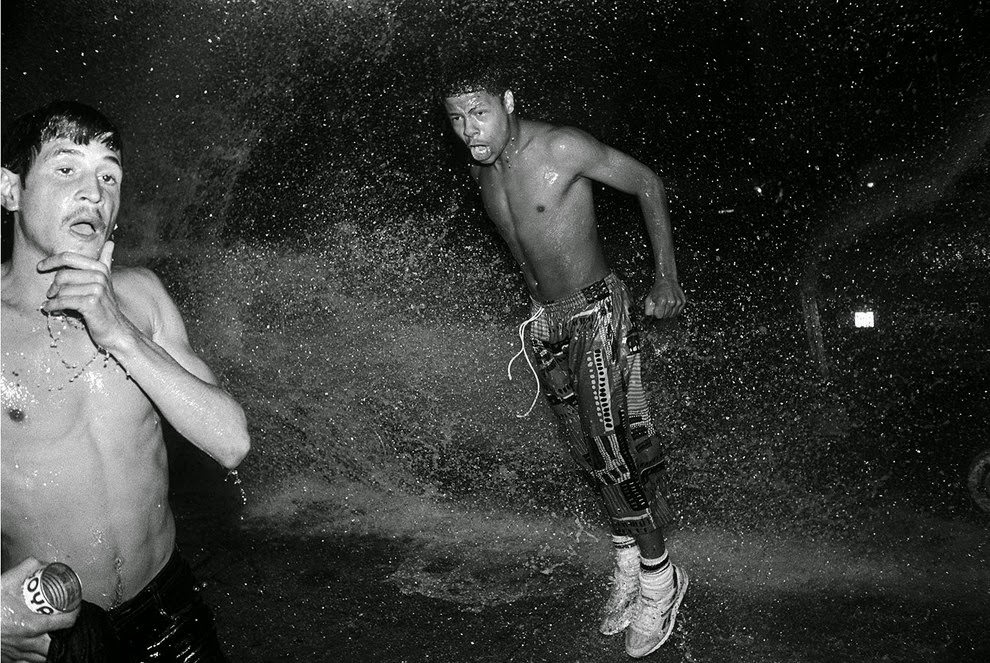
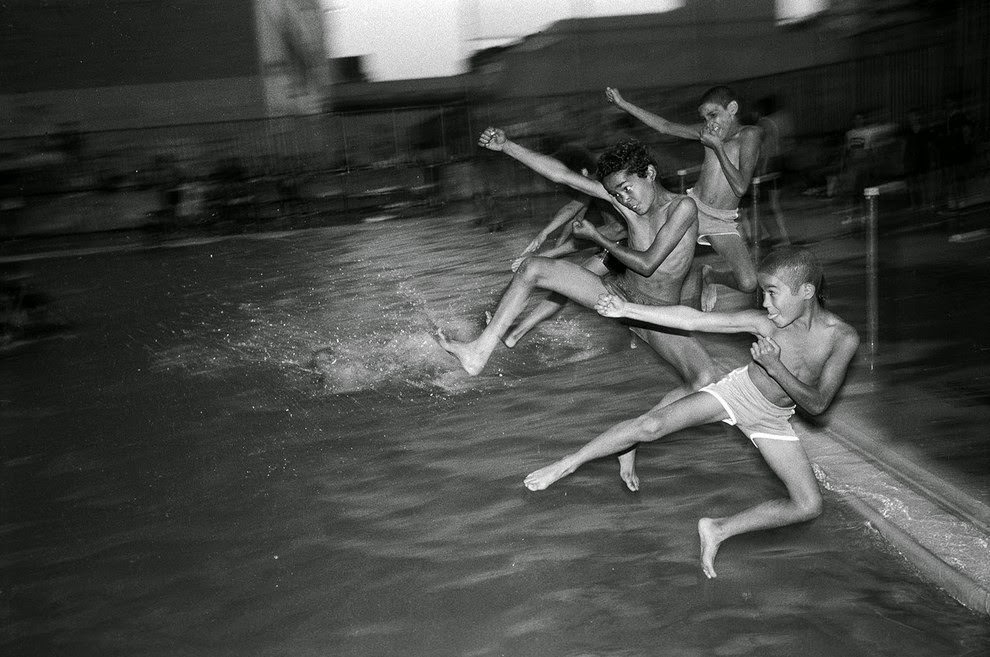
But the photographs also capture something else entirely. On hot summer nights, boys like Poncho and Tony cooled off in the spray of an open fire hydrant. Teenagers snuck into public pools after hours, climbing fences for a swim. Couples kissed on stoops and street corners. Crew members celebrated birthdays together. These moments existed right alongside the danger — not separate from it, but woven directly into the same days.
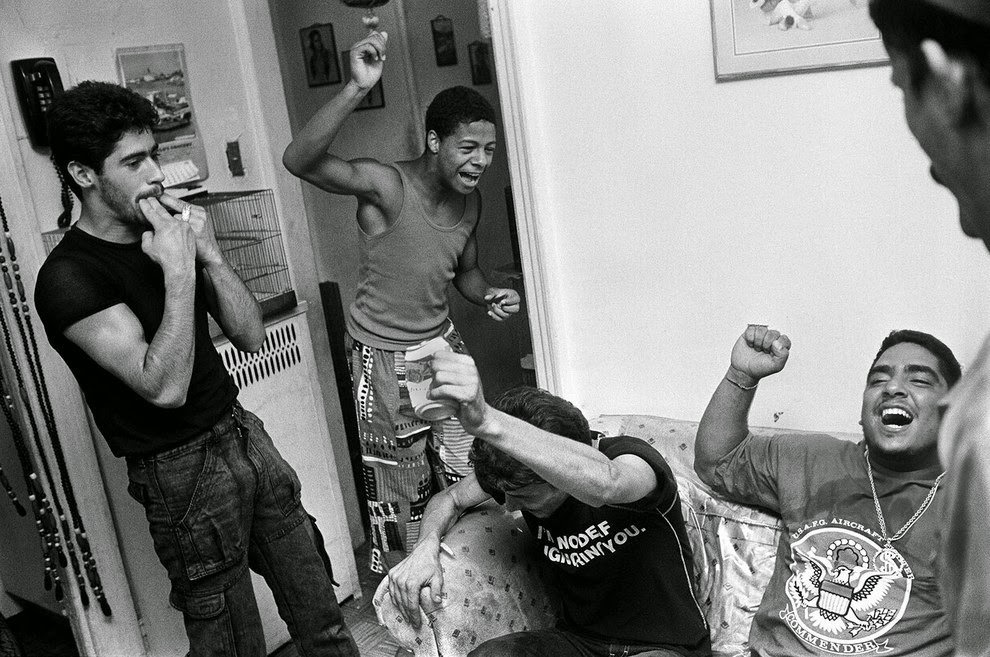
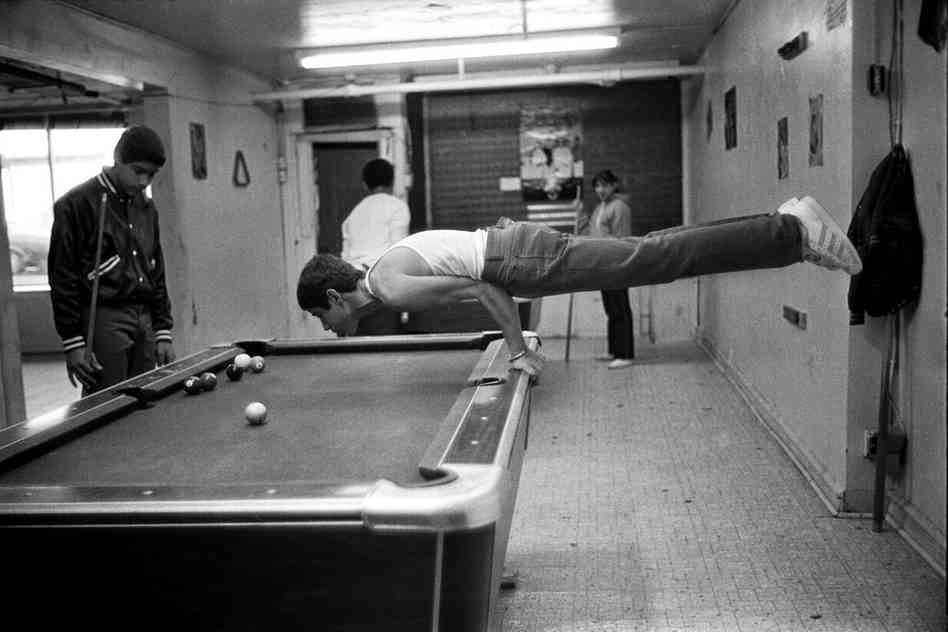
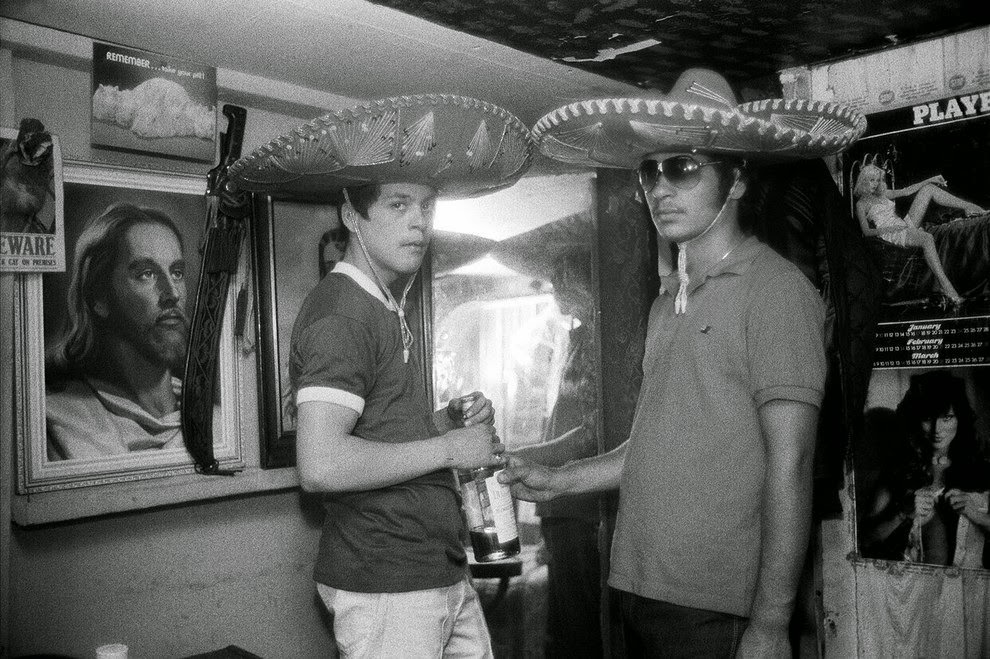
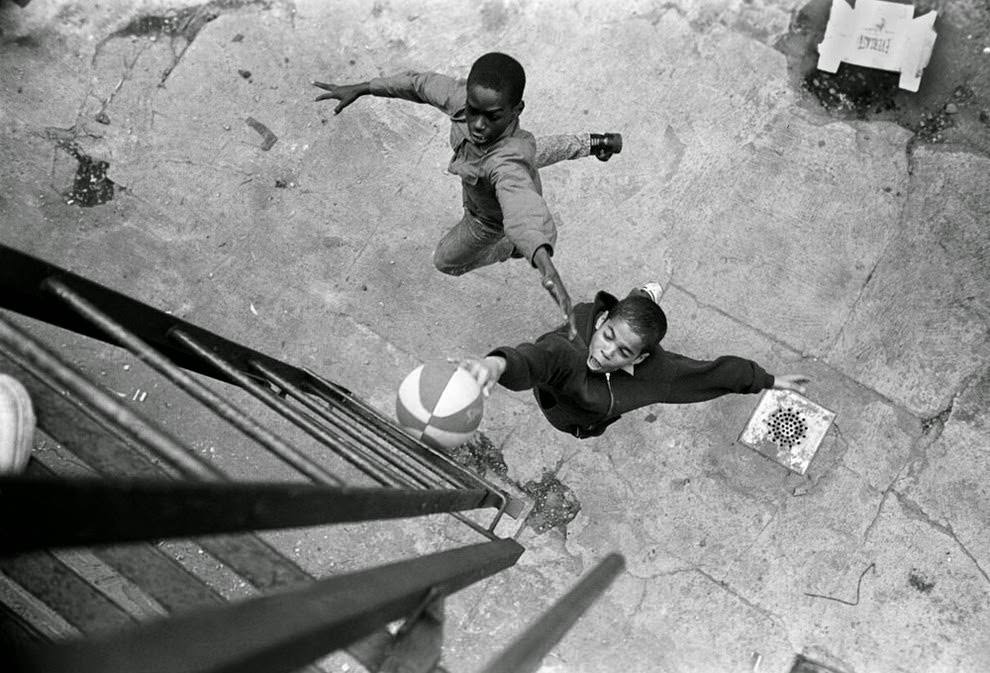
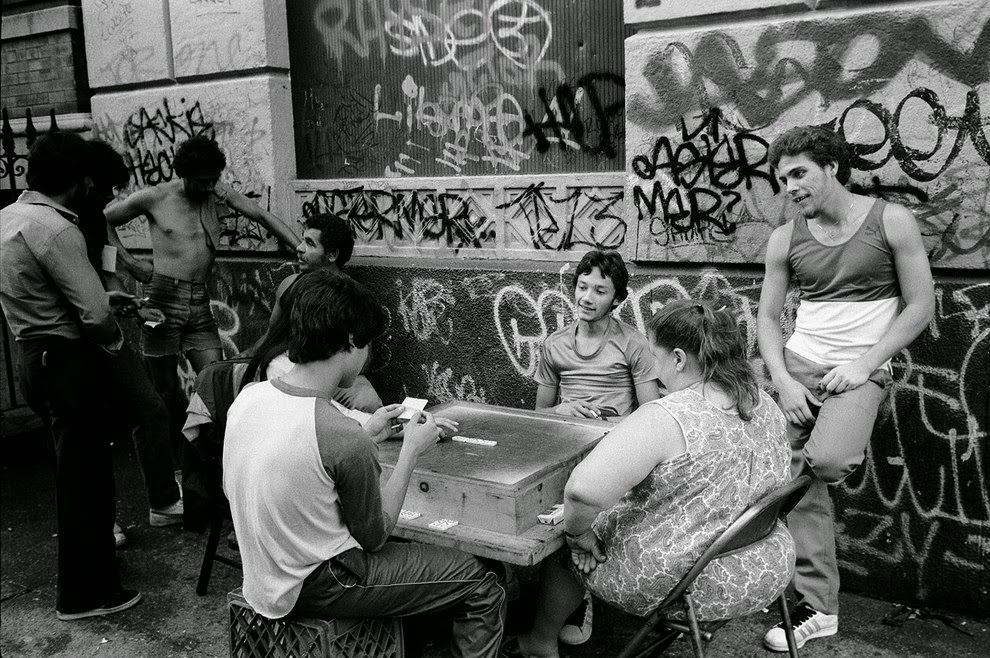
The boys shared meals and space when they had nowhere else to go. They played dominoes with adults in the neighborhood. They hung out in social clubs, pool halls, and on stoops. Even in an environment designed — by poverty, neglect, and systemic disinvestment — to grind people down, these boys built rituals of companionship that gave their days shape and meaning.
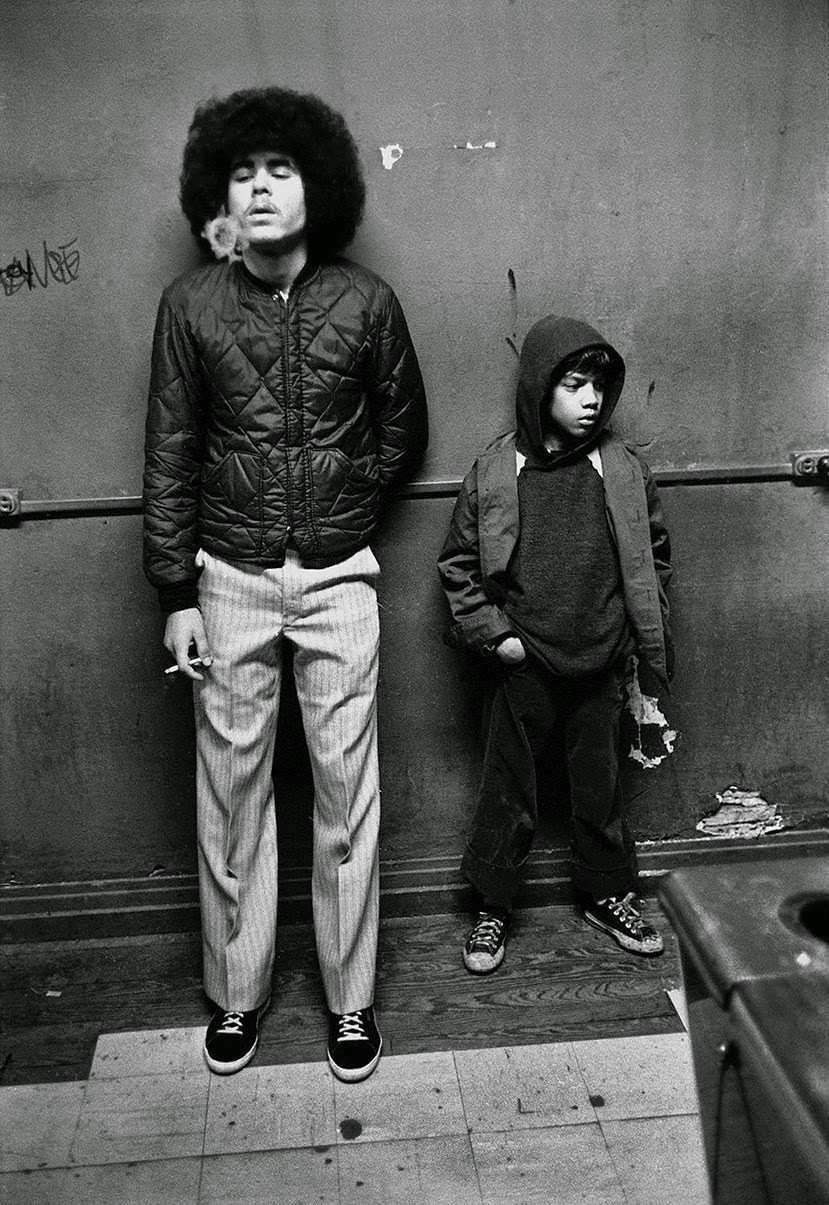
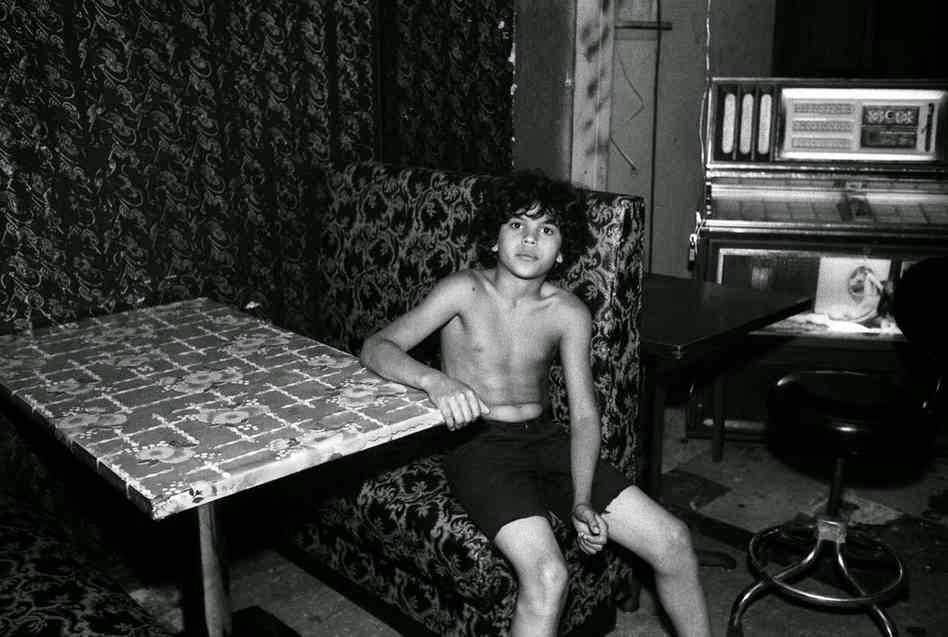
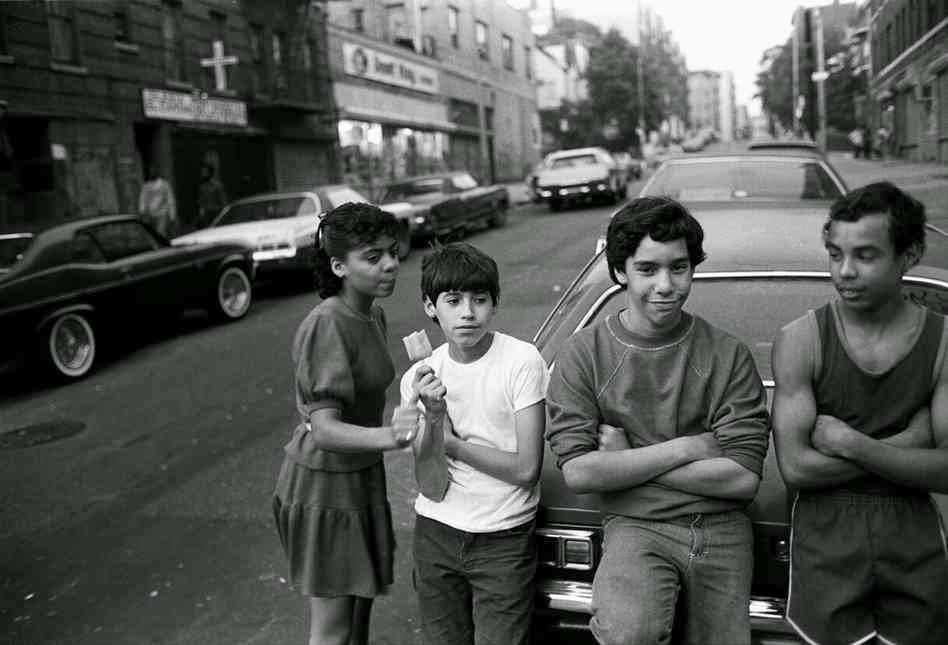
Shames recorded them falling in love, getting married, and starting families of their own. A teenage boy posed with a toy gun, his young son standing nearby. Martin did push-ups on a pool table to show off. A thirteen-year-old ate an ice cream bar while hanging out with friends. These details matter — they are the proof that childhood persisted even here, even under these conditions.