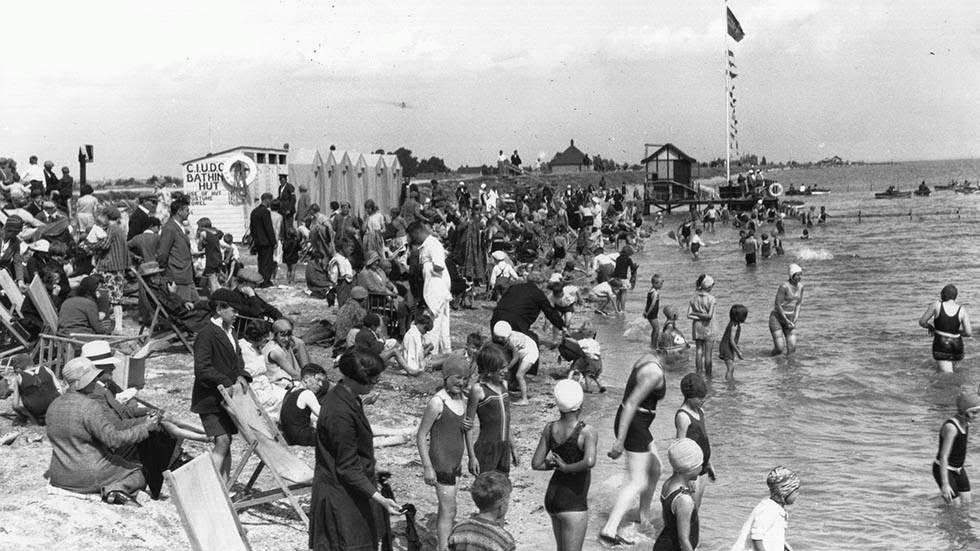
During the 1920s, the beach became one of the most important gathering spots in public life. Families packed into trains and early automobiles to reach coastal towns like Atlantic City, Santa Monica, and Broadstairs. Once there, they found far more than just water and sand.
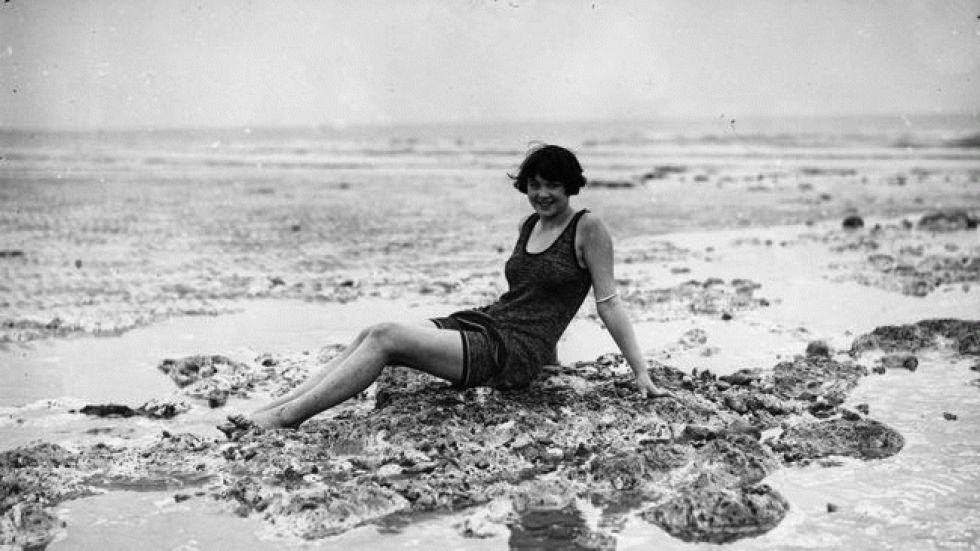
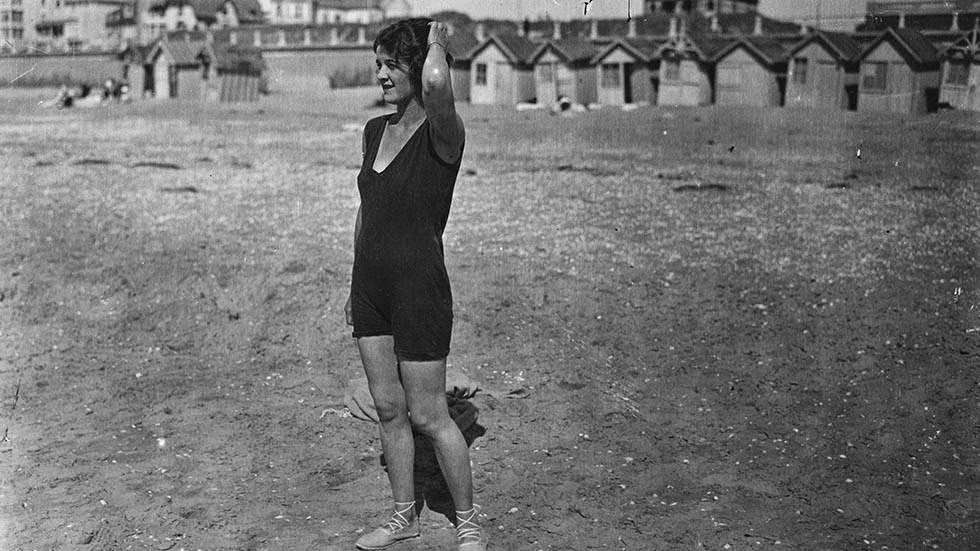
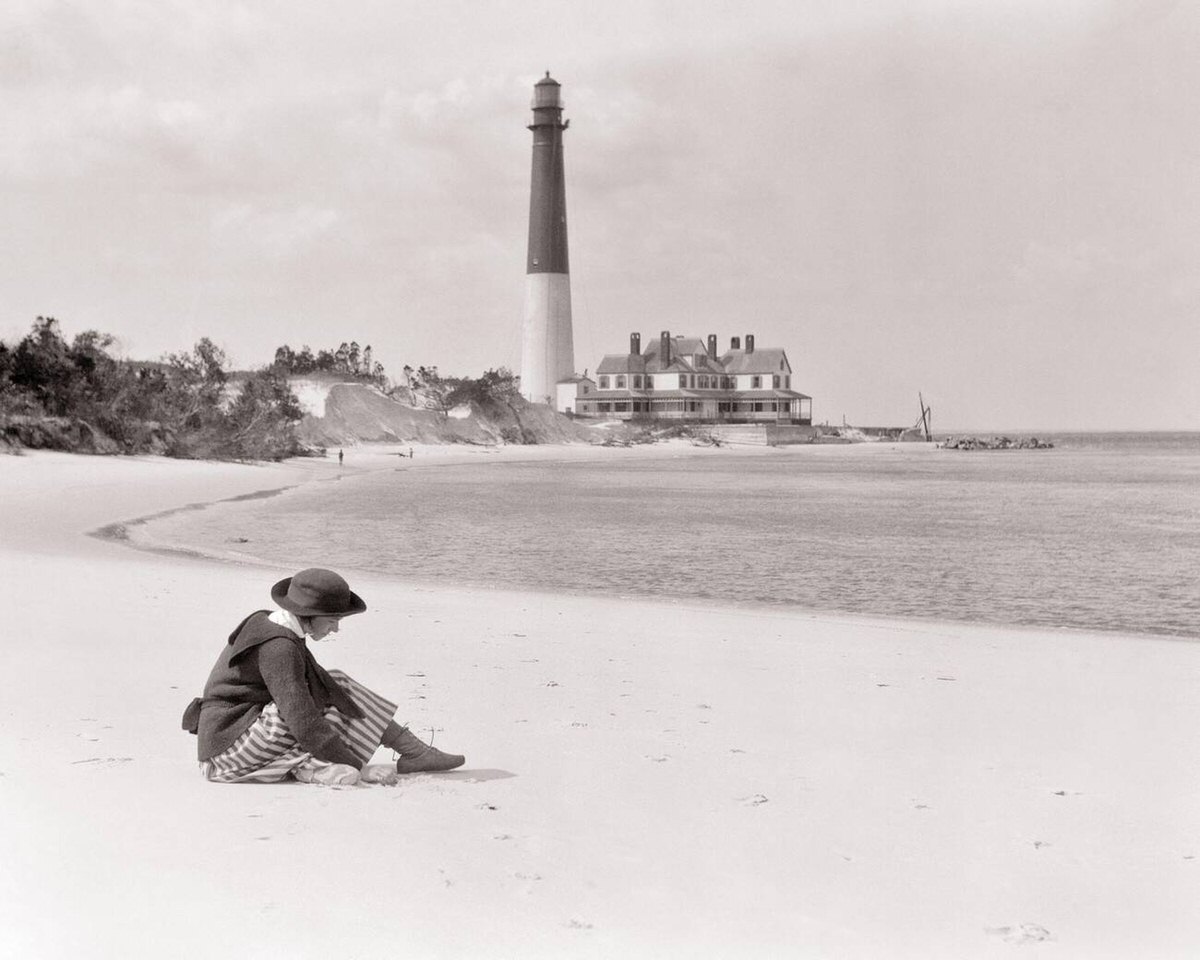
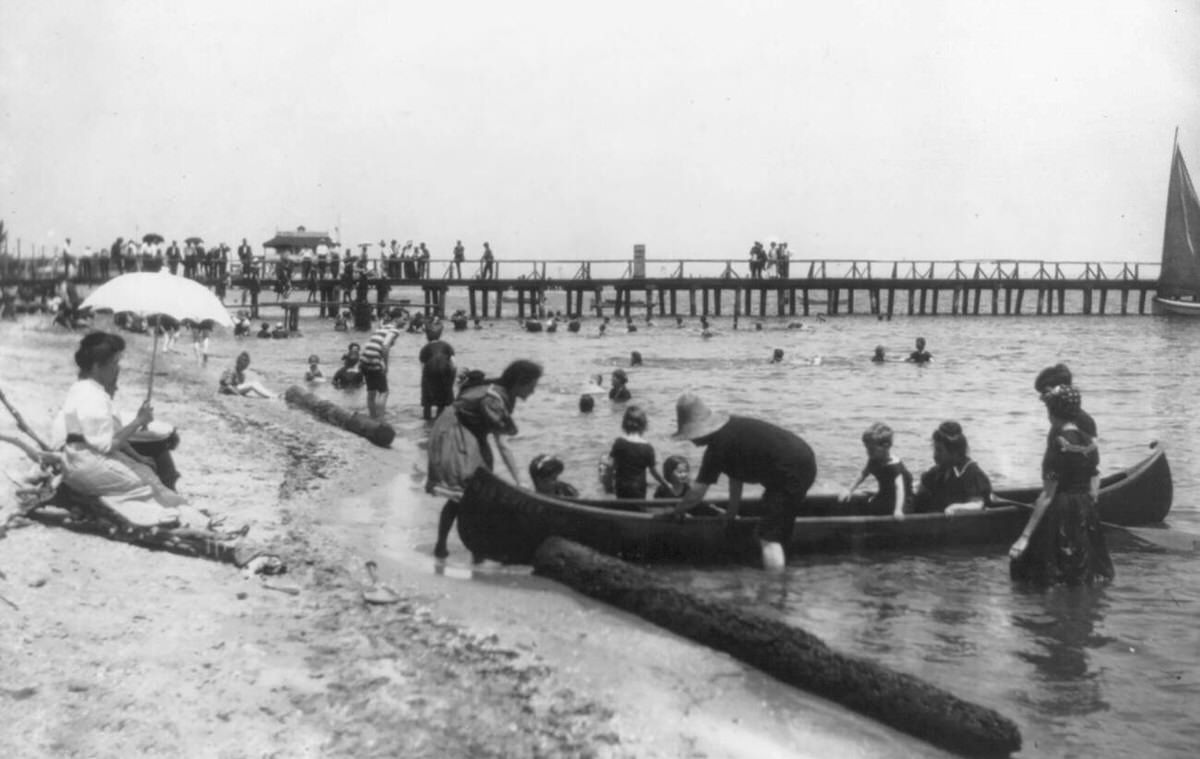
Vacationer sitting on a New Jersey beach, 1929
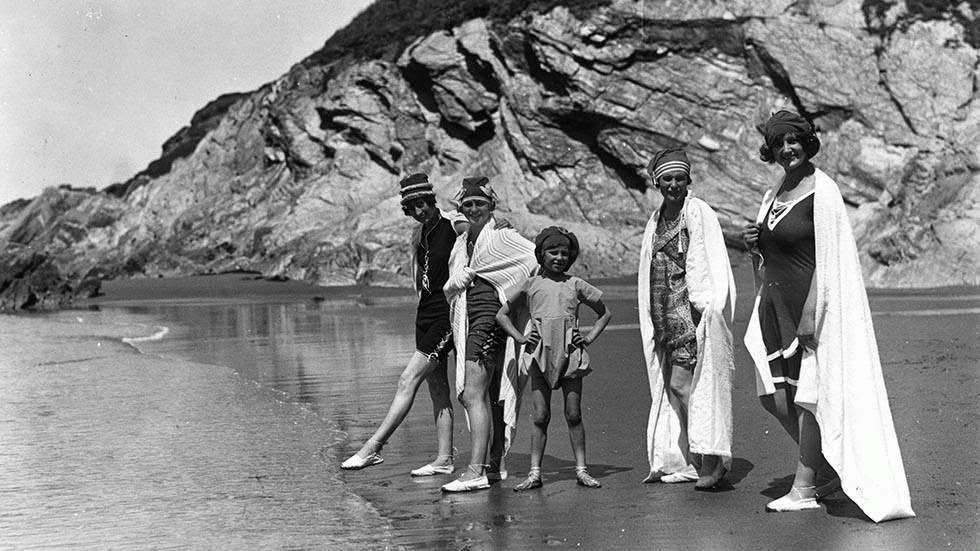
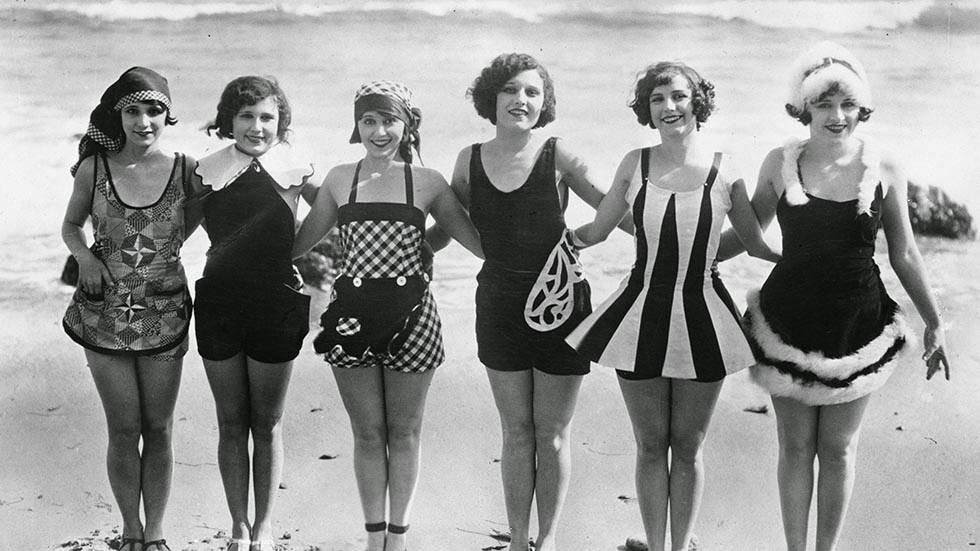
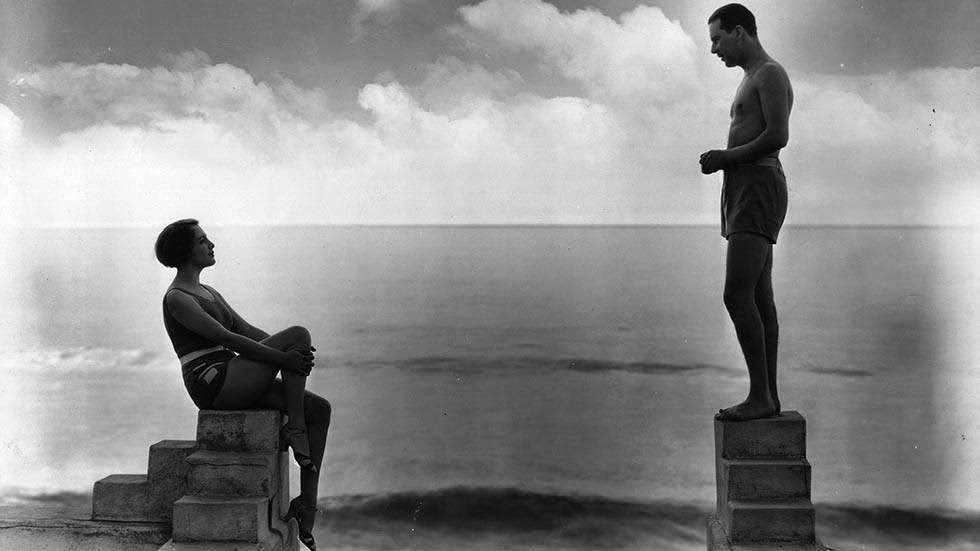
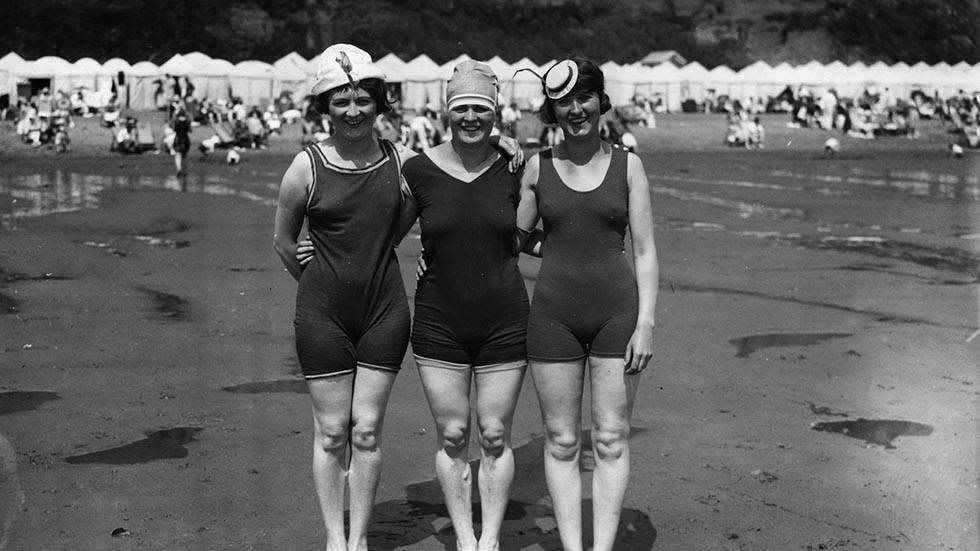
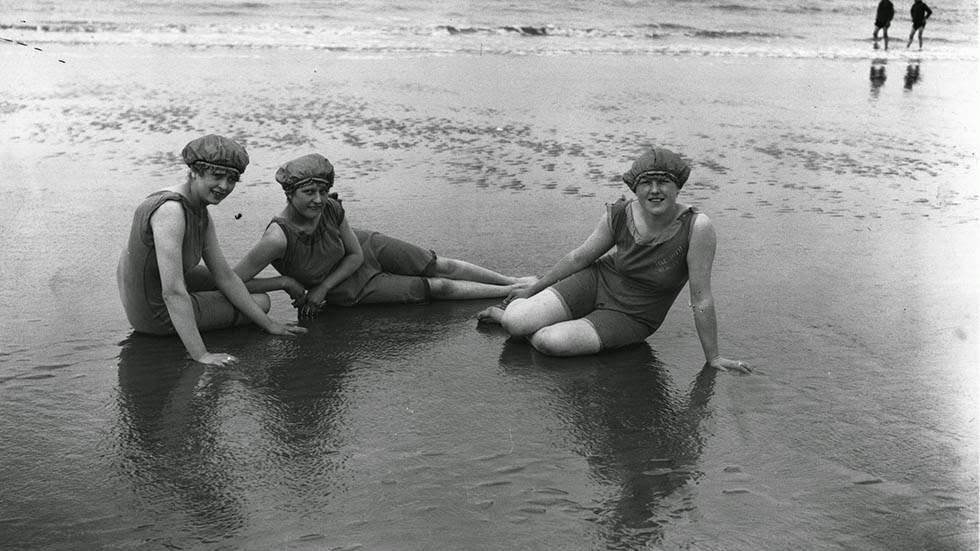
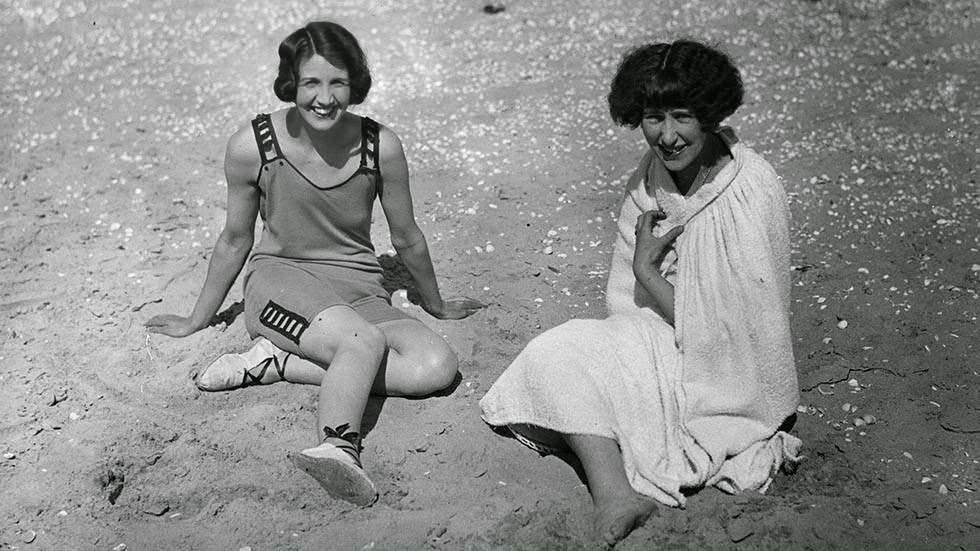
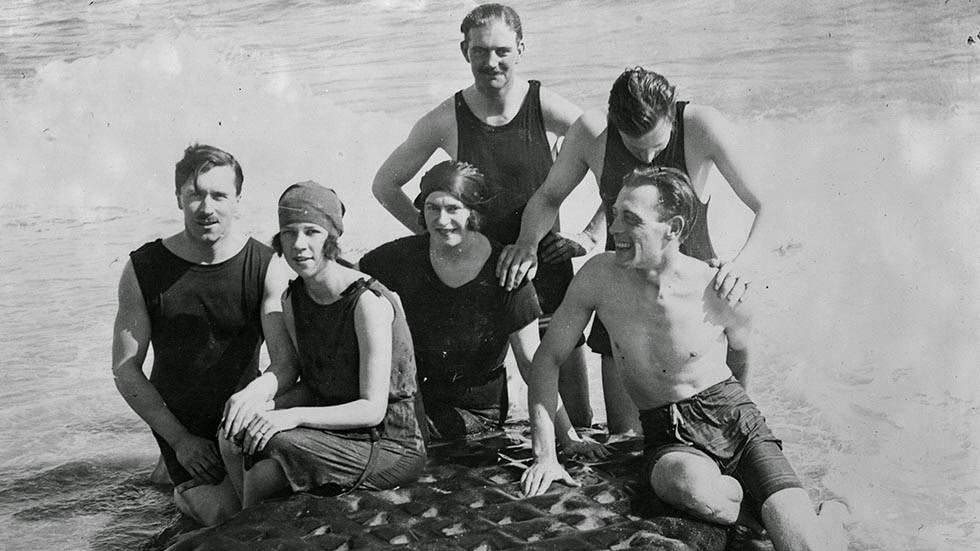
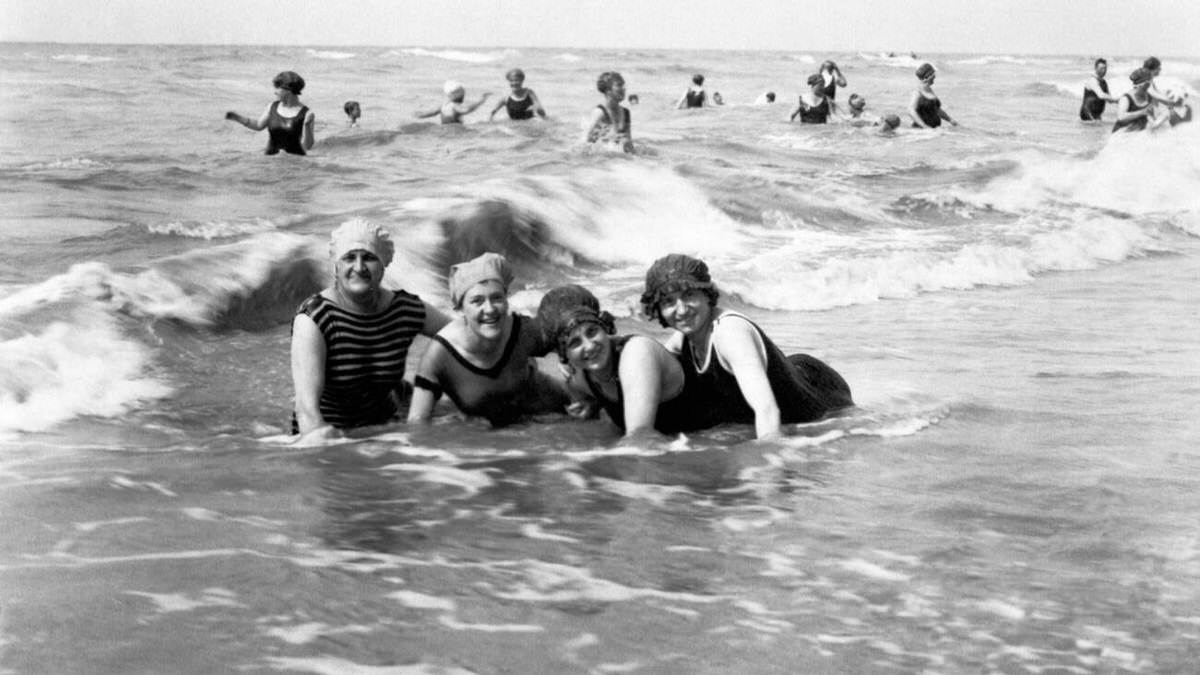
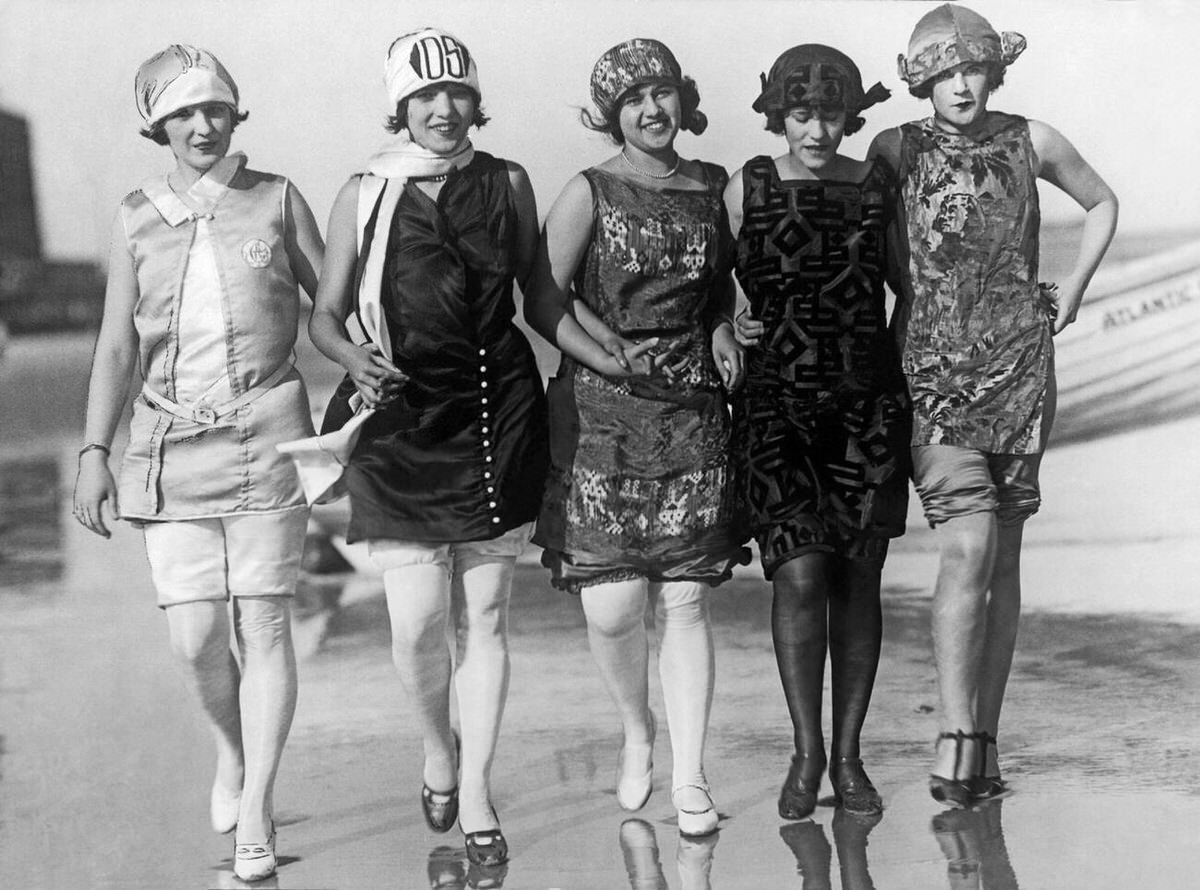
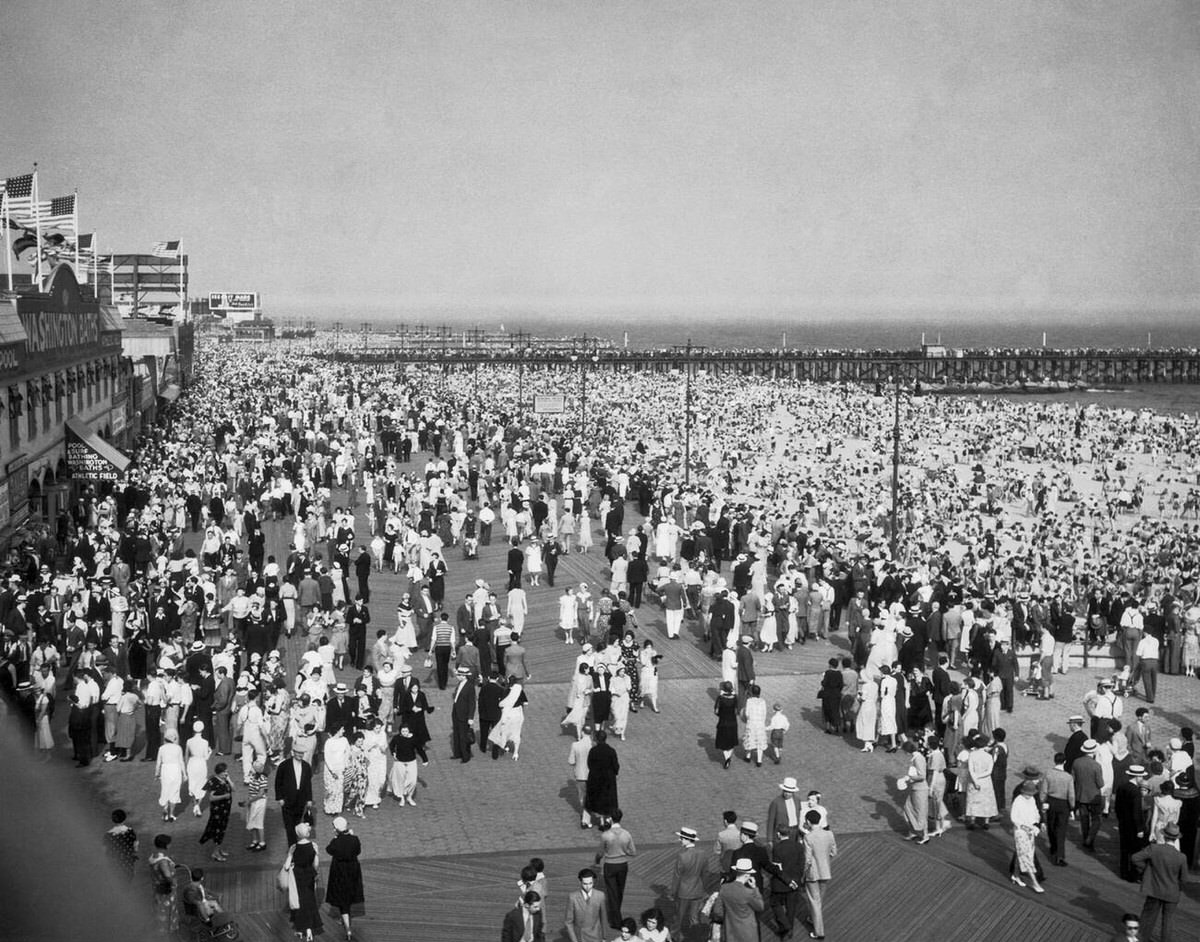
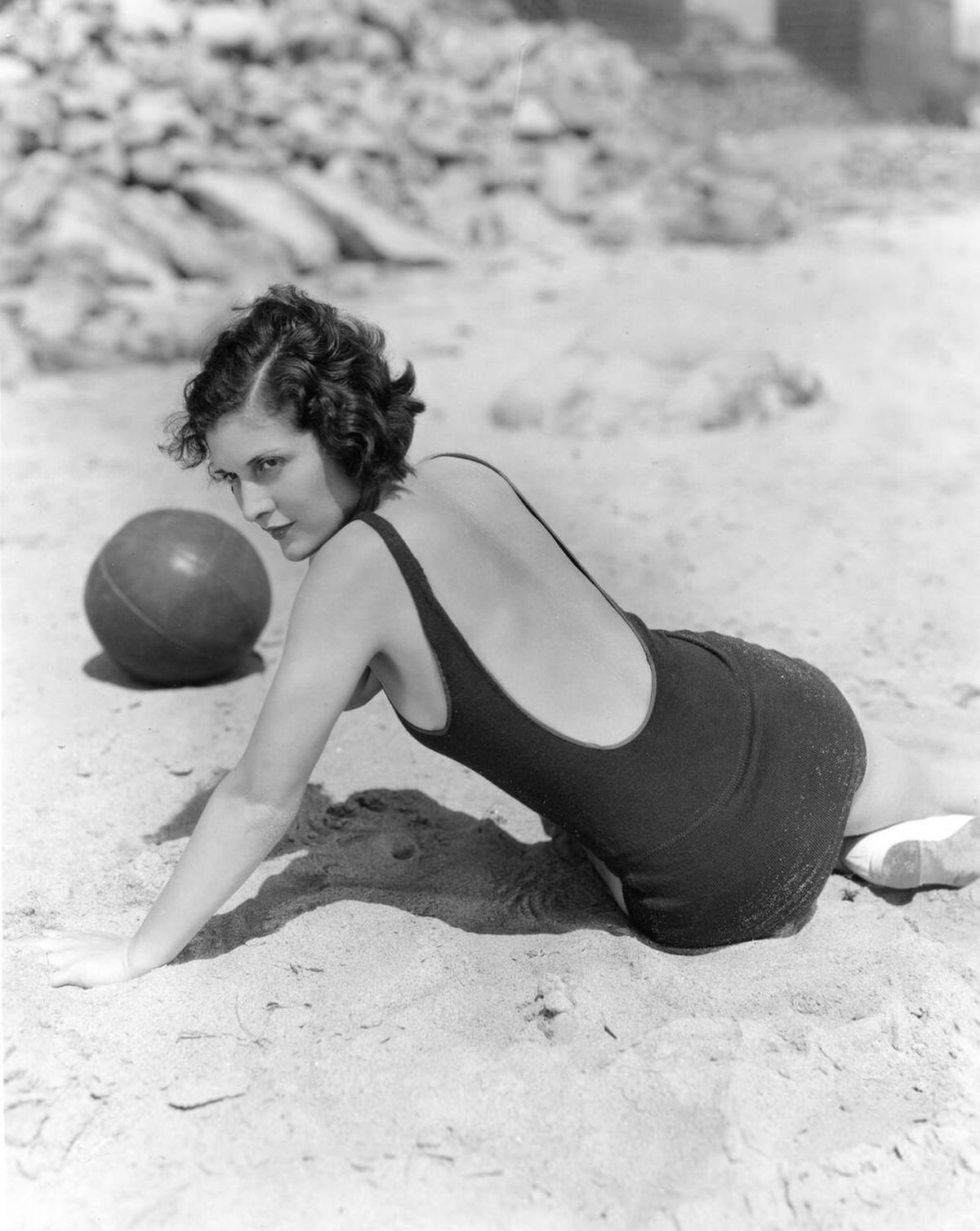
Boardwalks lined many popular shores, offering food stalls, entertainment, and a promenade where visitors walked in their formal clothes before changing for the water. Swimwear at the start of the decade was made of heavy wool — a material that grew waterlogged and saggy the moment it got wet. Most suits were one-piece designs covering the torso and upper legs.
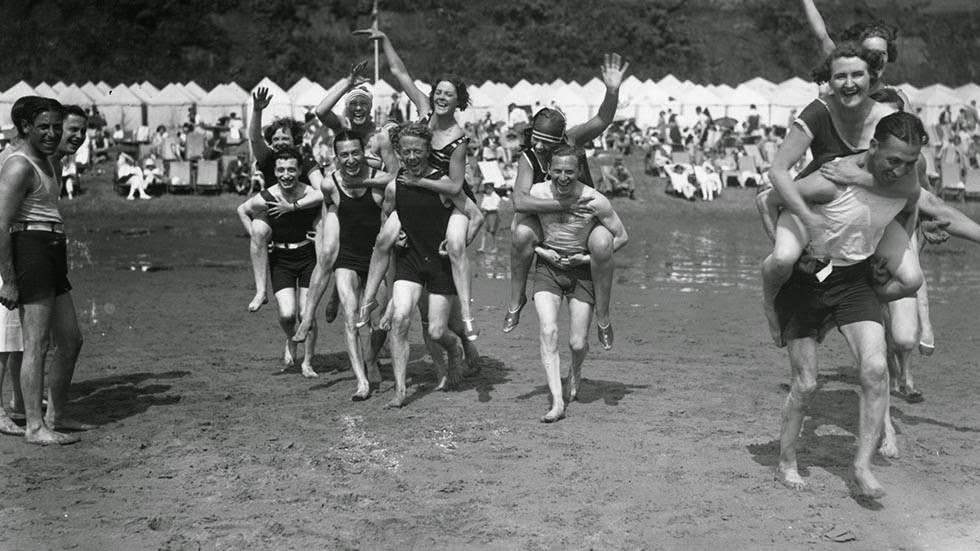
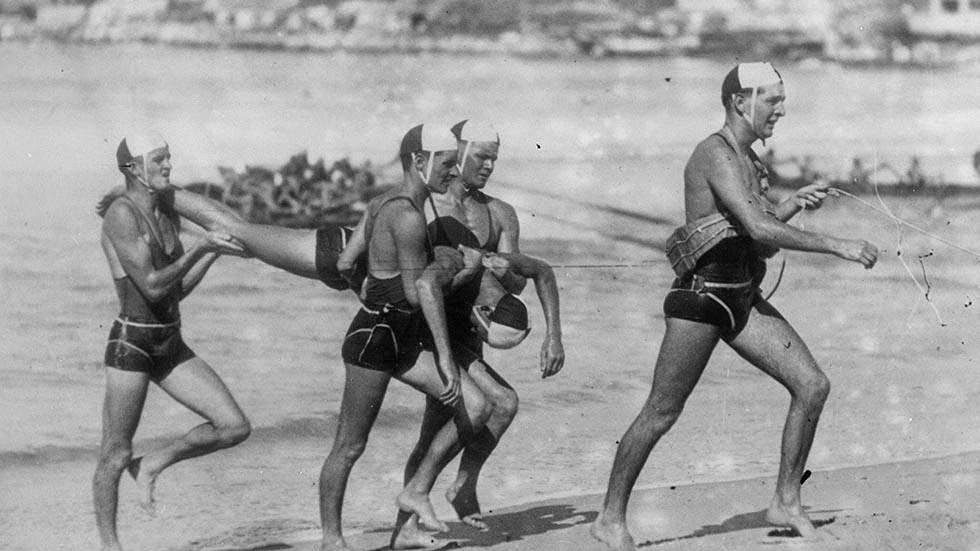
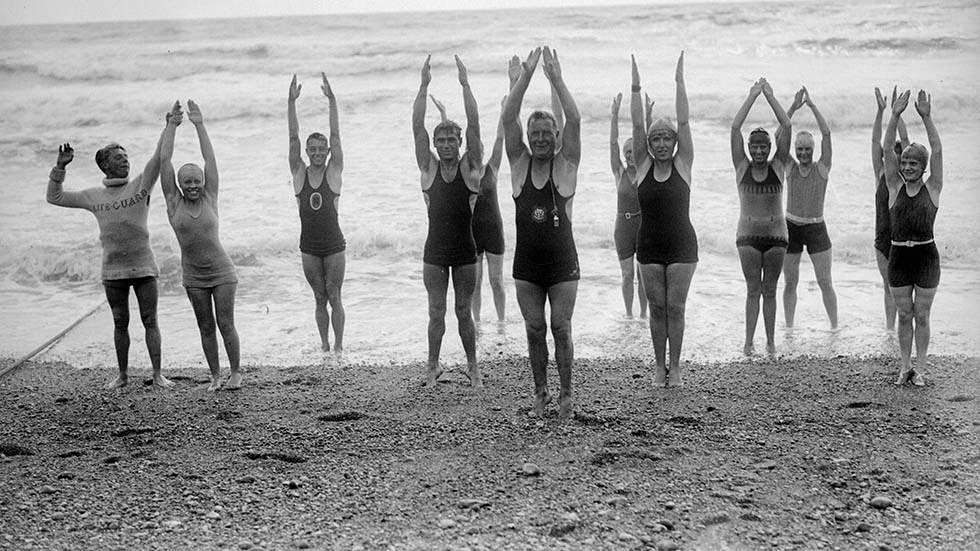
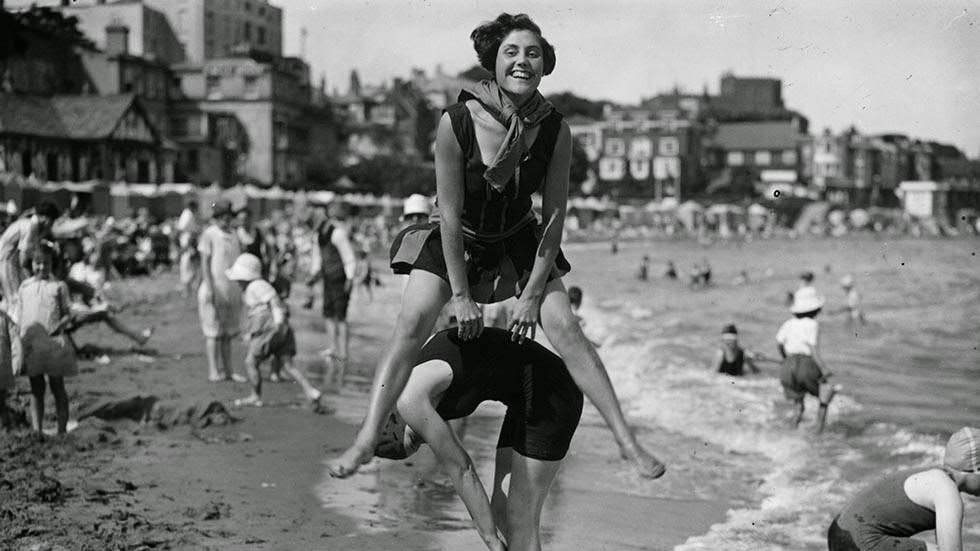
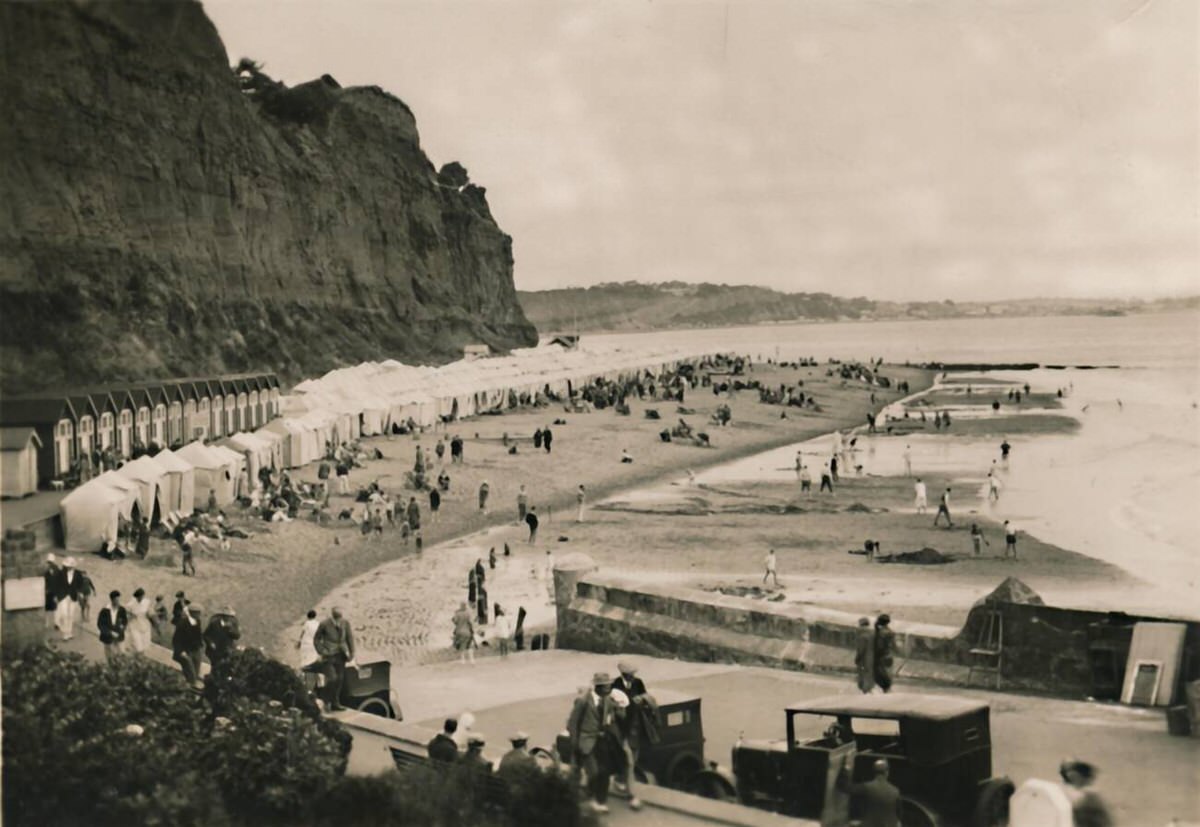
Holiday makers having a piggyback race on the beach at Shanklin on the Isle of Wight, 1928Lifesavers practicing on Bondi Beach in Sydney, 1929
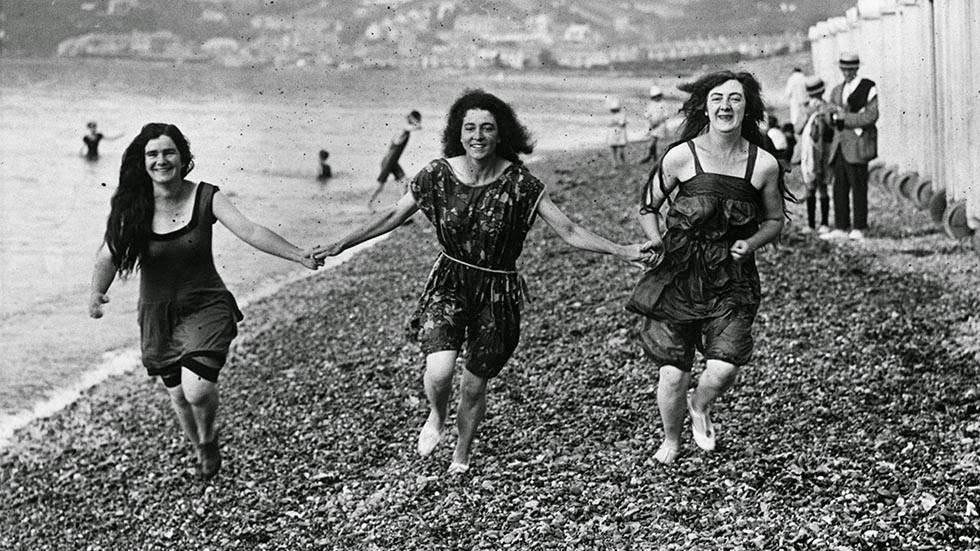
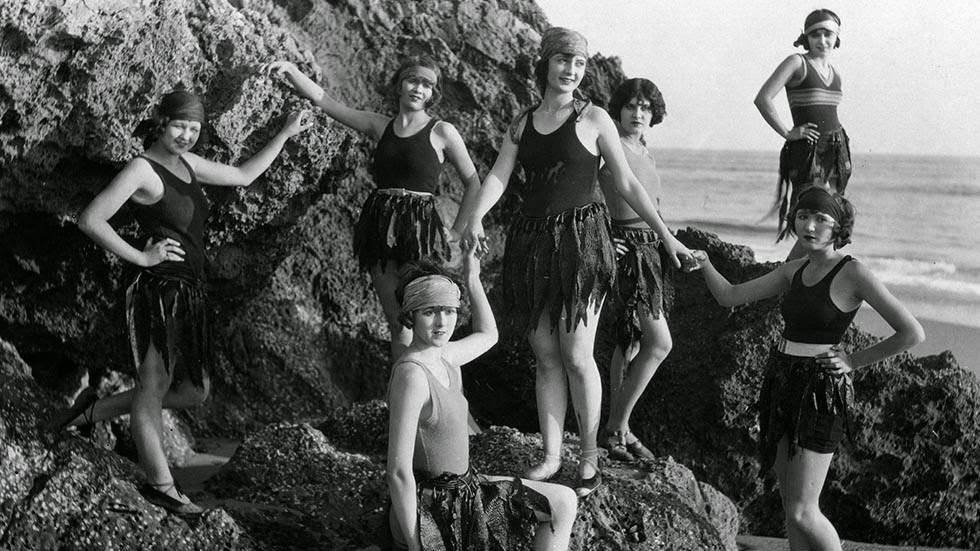
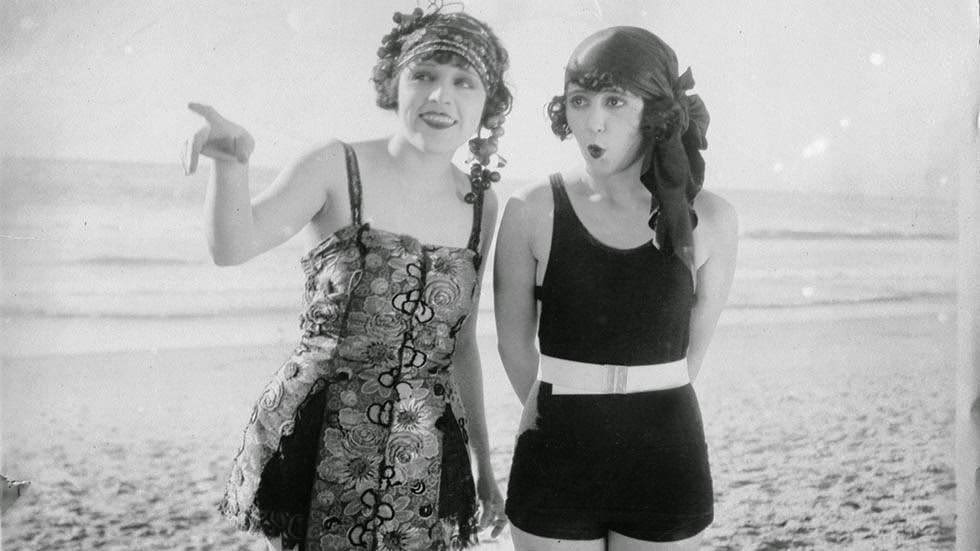
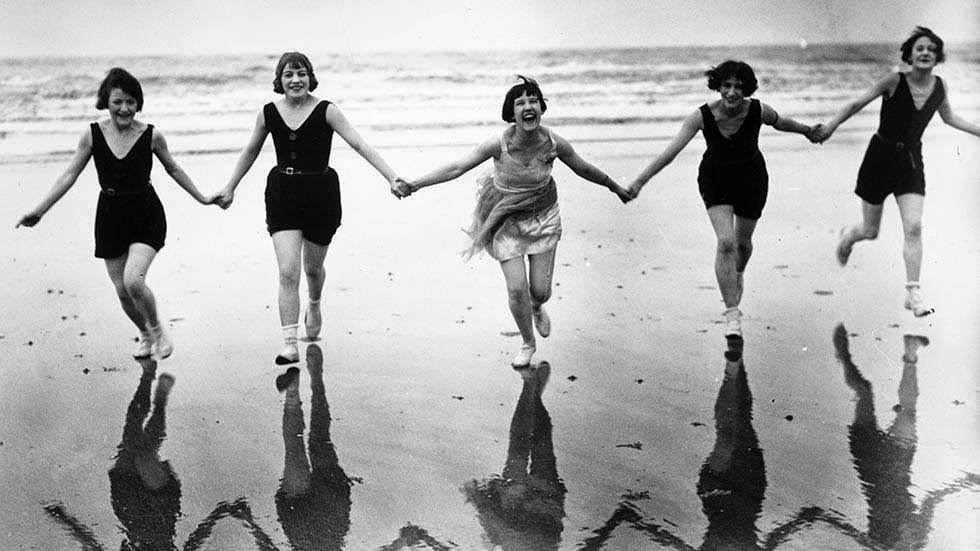
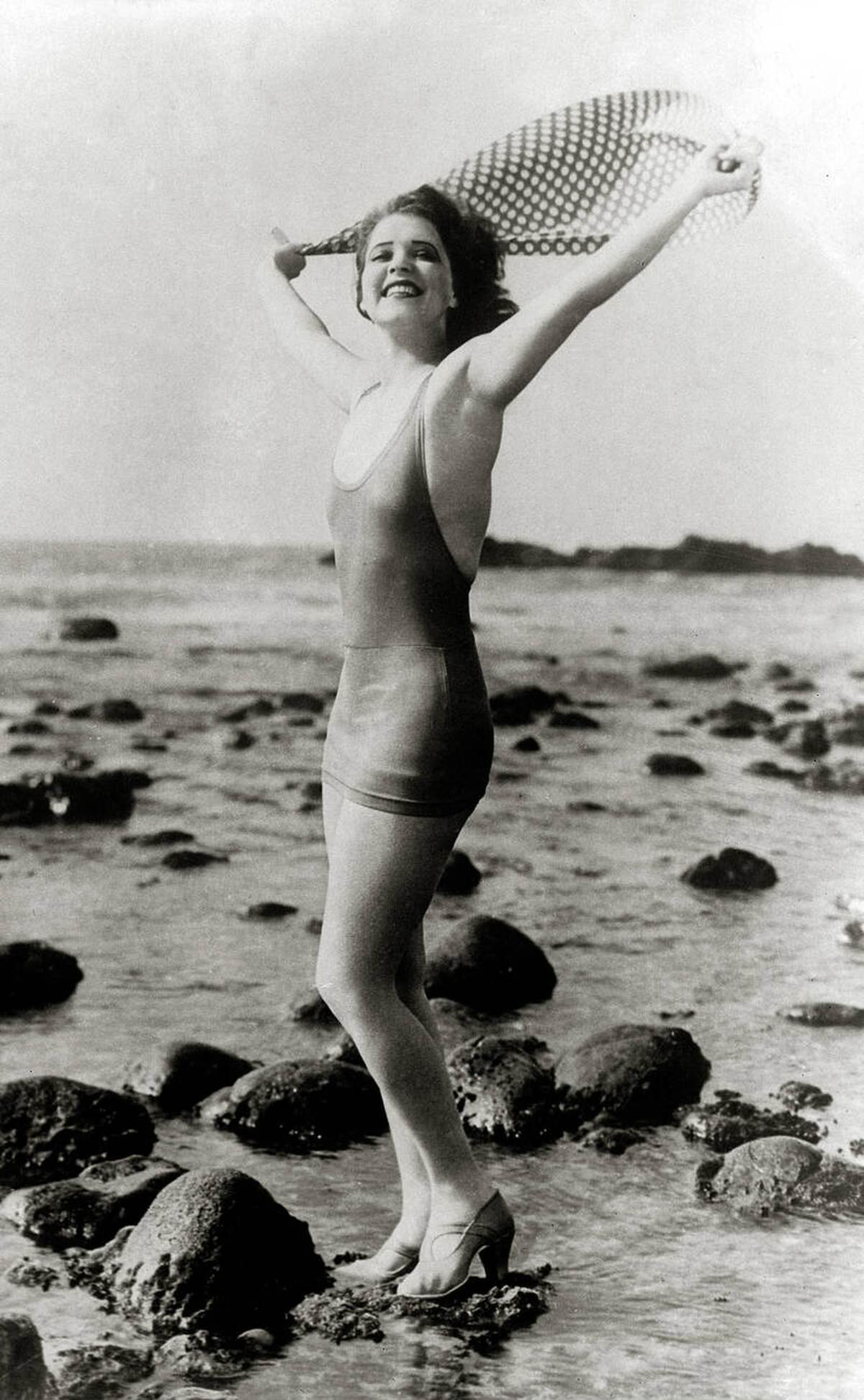
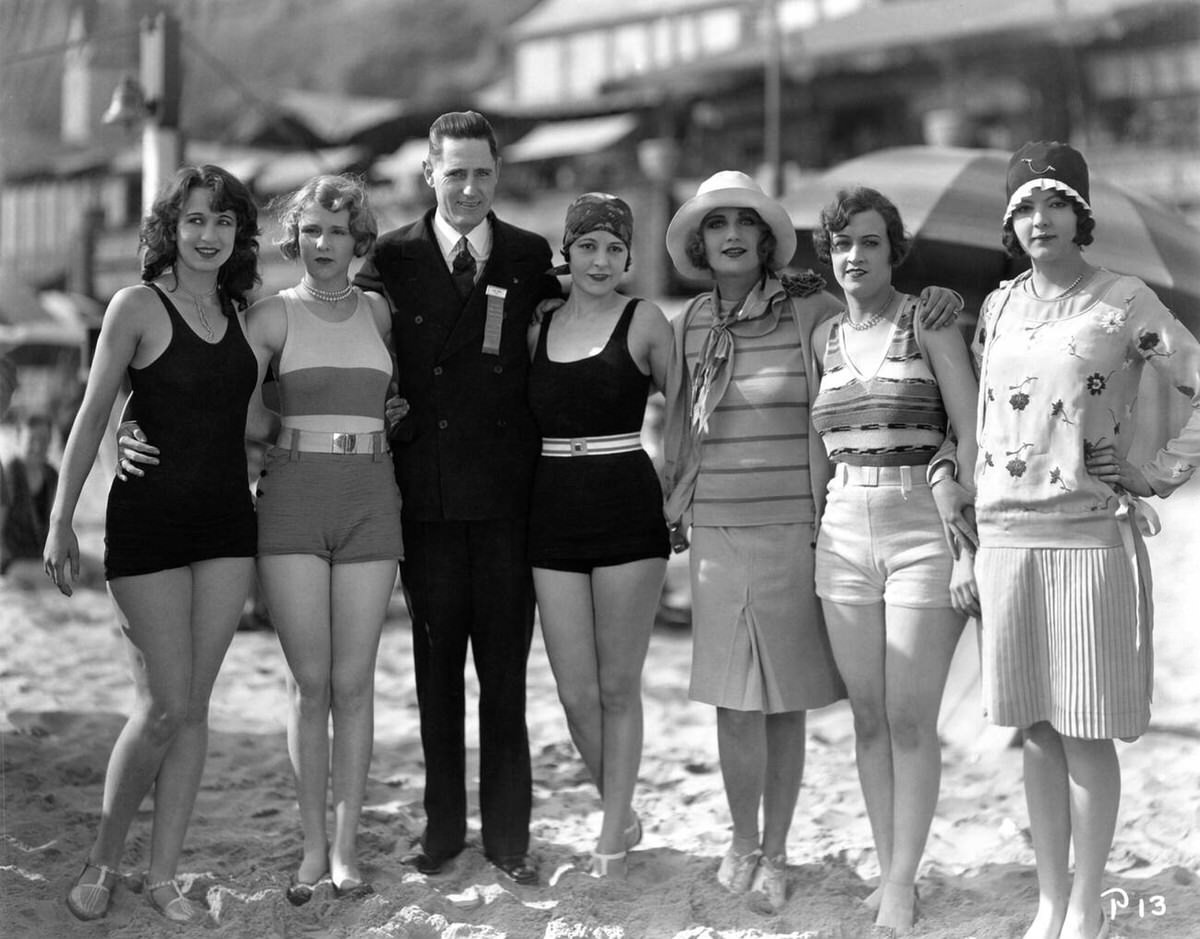
In 1921, Mack Sennett’s “bathing belles” introduced shorter, more fitted styles to the public eye. These suits came mostly in dark navy and black. By mid-decade, women began adding stripes, belts, and other colorful details to their outfits.
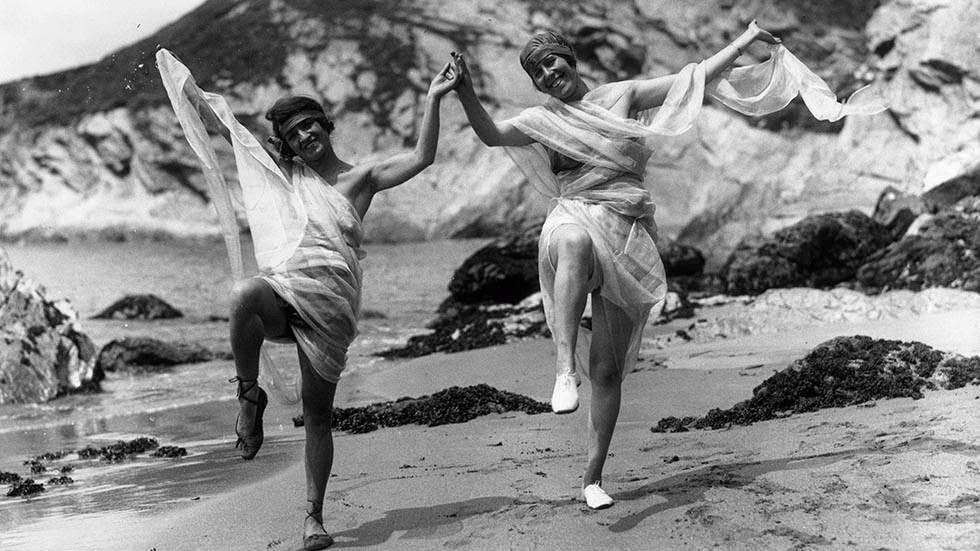
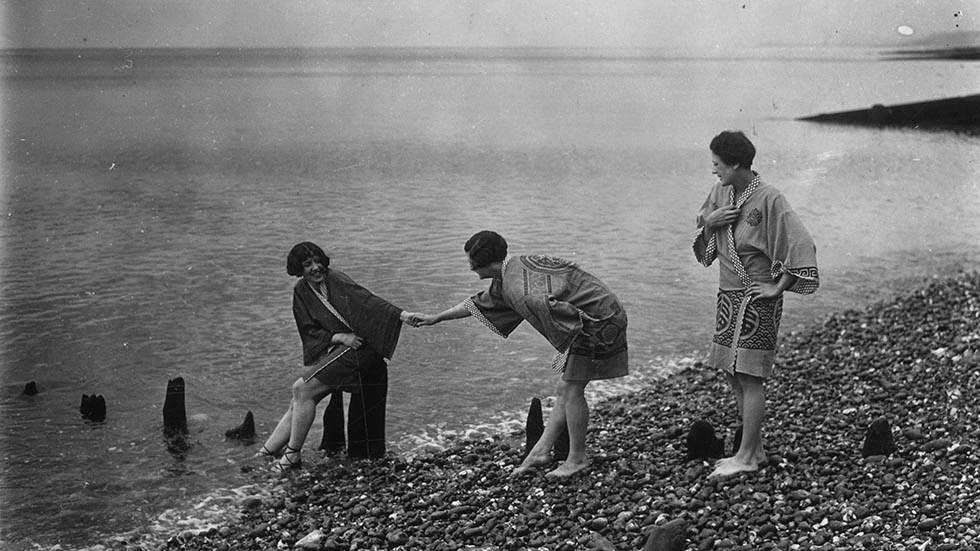
Bathers dancing hand in hand on the beach at Plymouth, Devon, 1921Bathers on the Plymouth shore in Devon, 1921
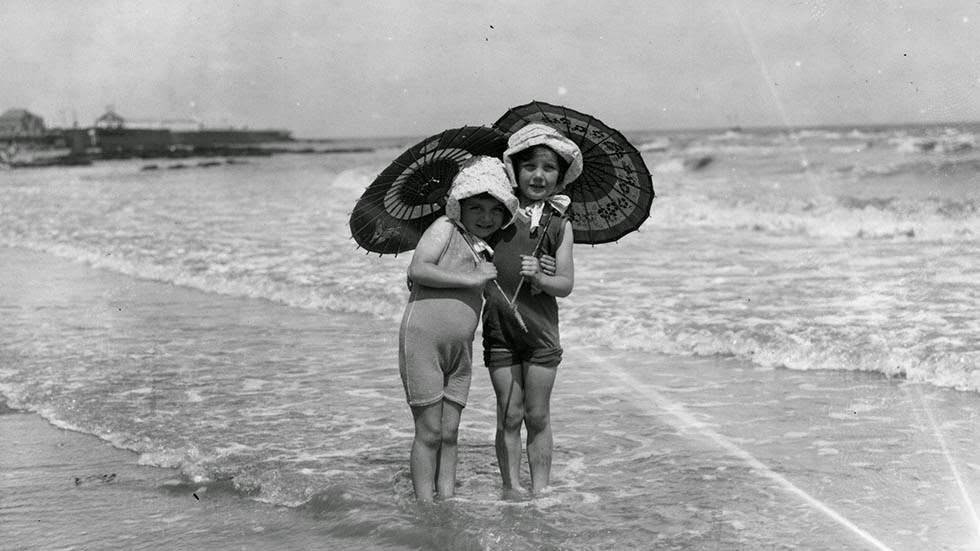
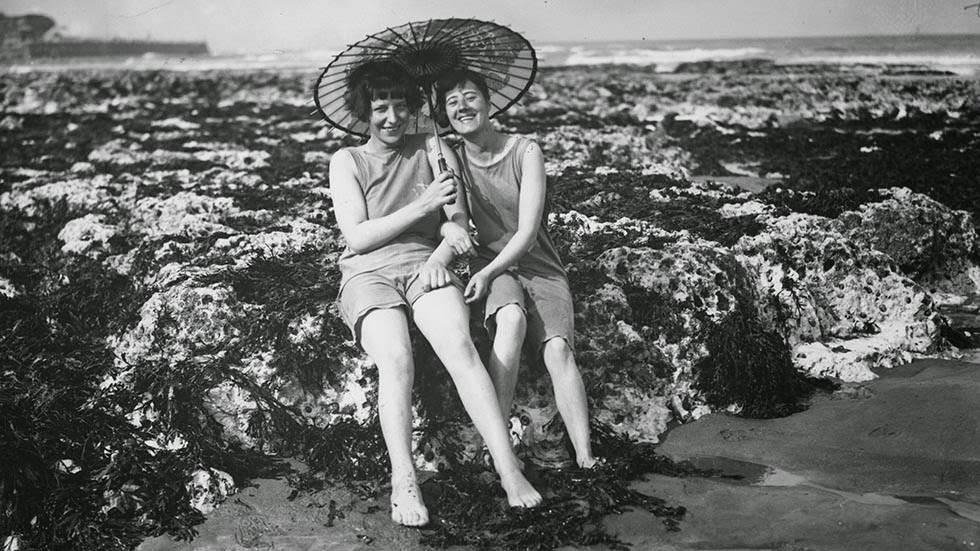
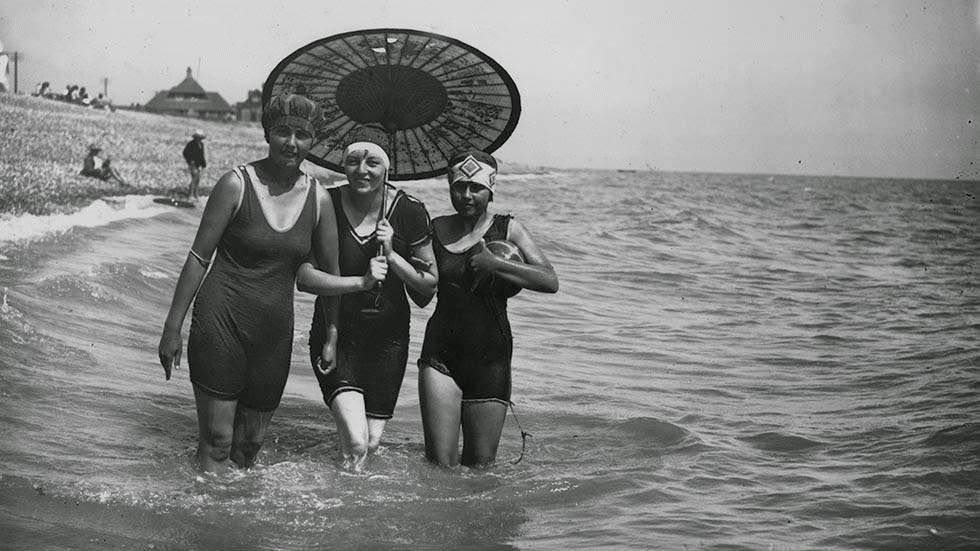
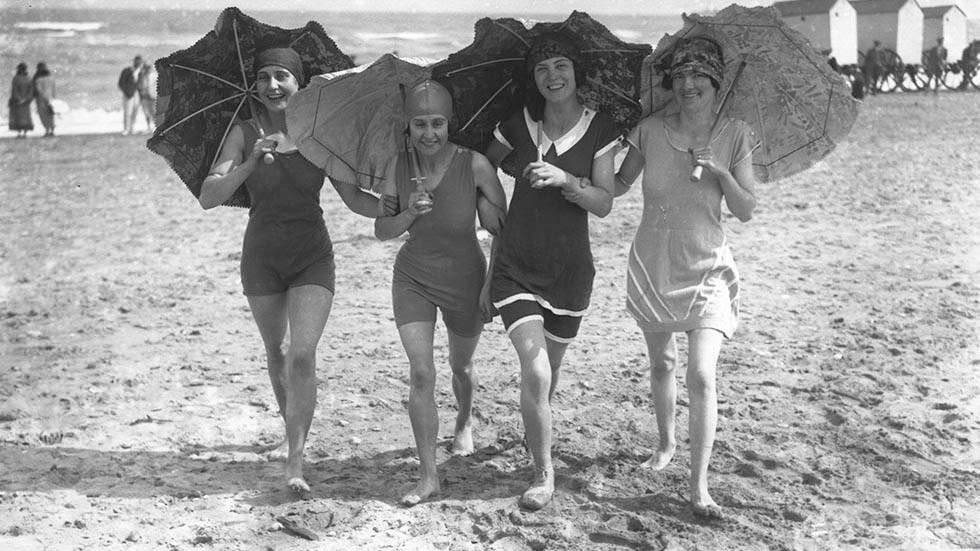
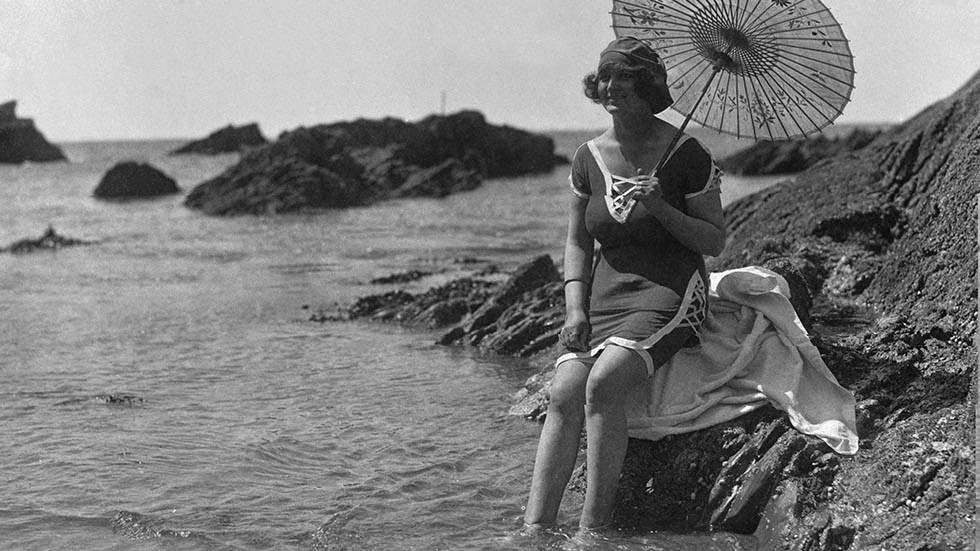
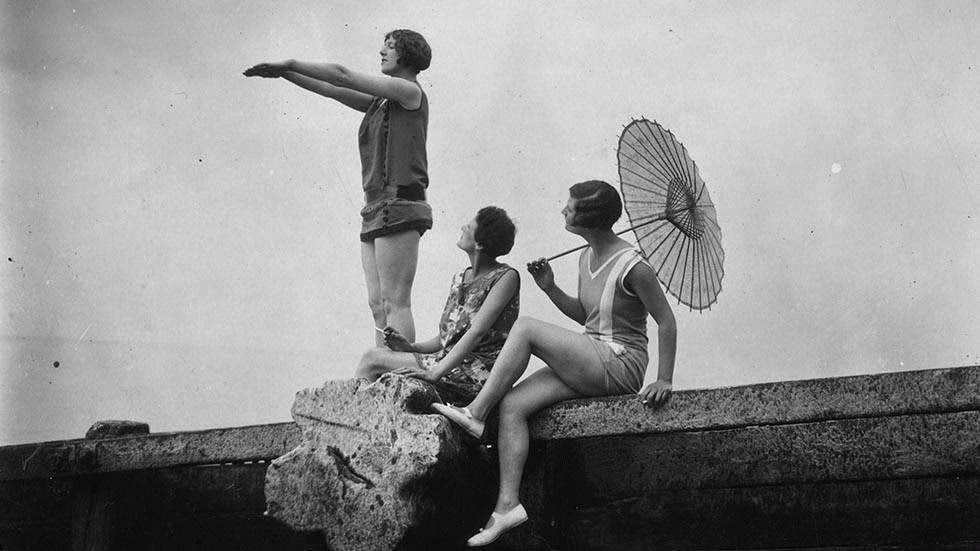
Sun protection was taken seriously. Women carried silk or paper parasols decorated with bright patterns and even hand-drawn designs. Large straw hats shielded faces during long walks along the shore. In the water, tight-fitting rubberized bathing caps kept hair dry and were often matched to the color of the swimsuit.
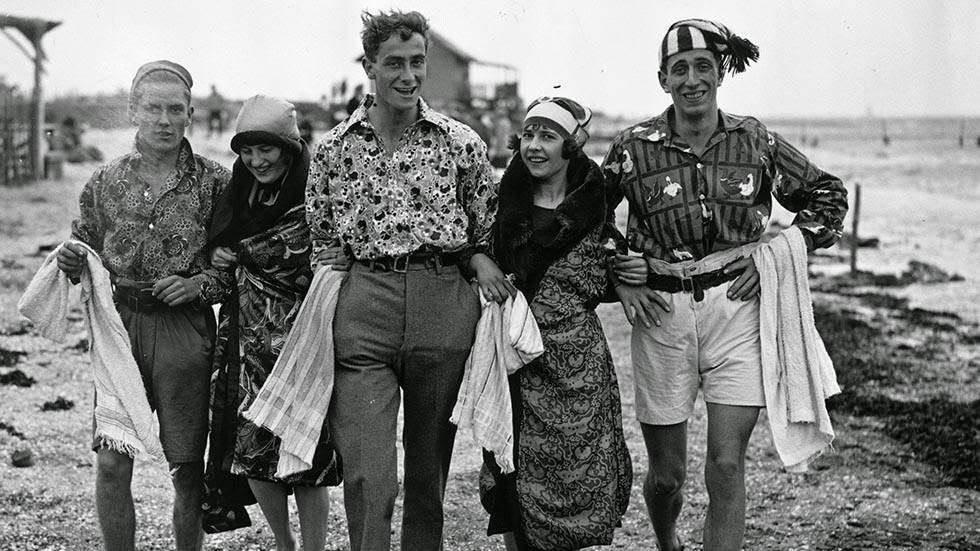
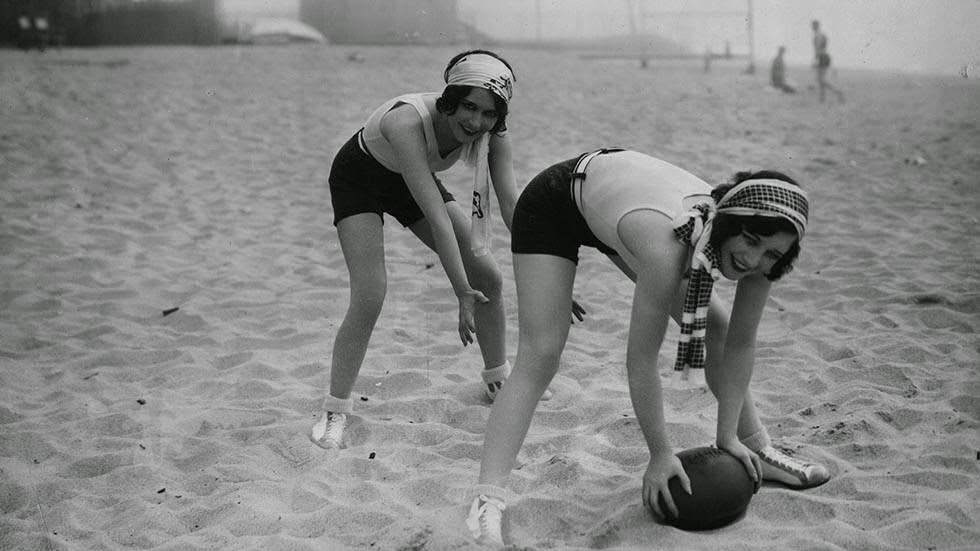
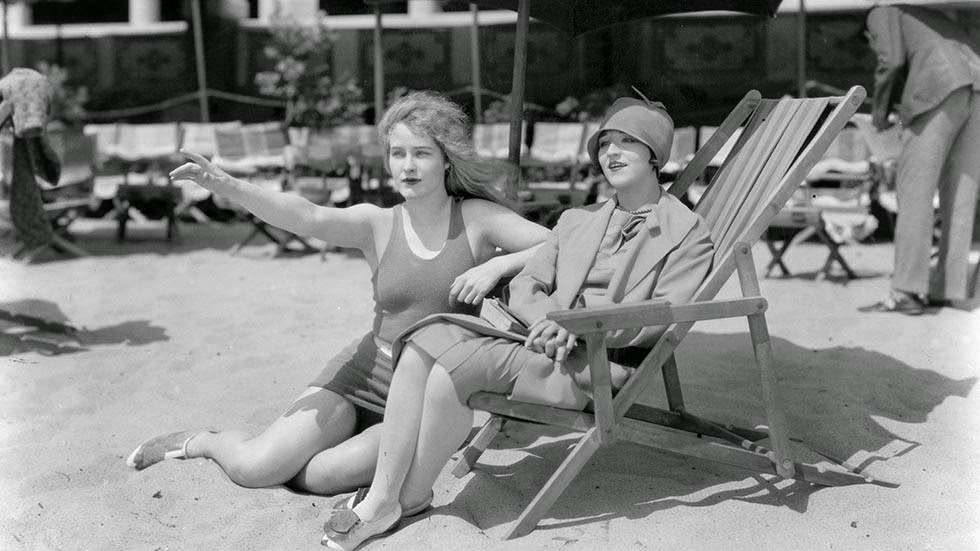
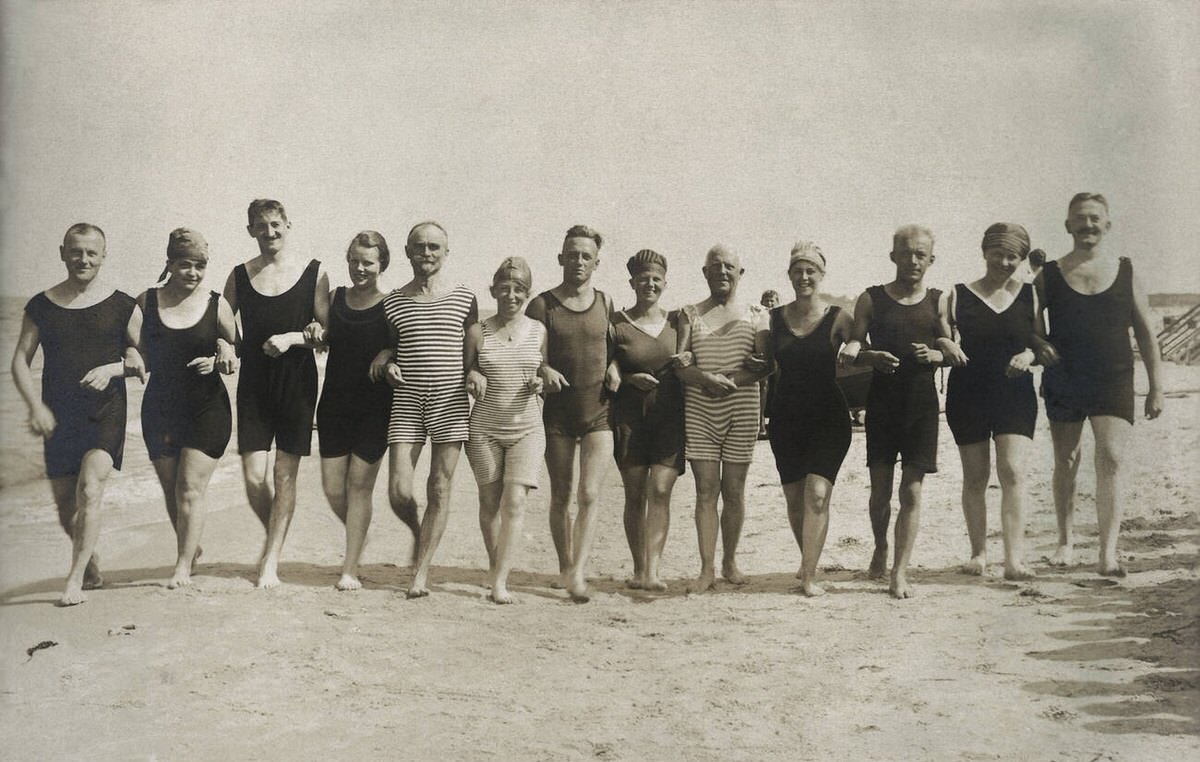
Group walking on the beach at Canvey Island, Essex, 1922Actress Joan Crawford playing on the beach with Dorothy Sebastian, 1927
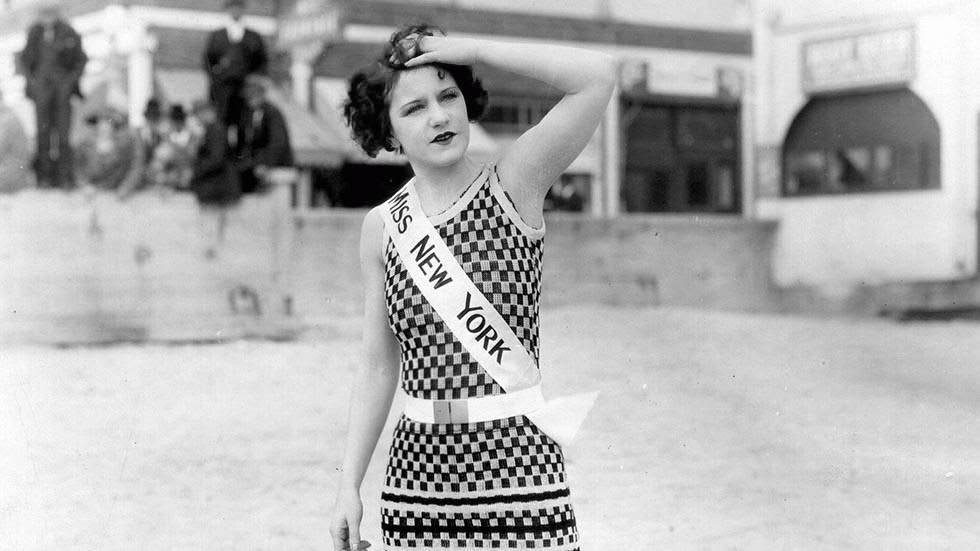
Beach censors patrolled public shores with measuring tapes to check swimsuit lengths. A suit deemed too short earned its wearer a fine or removal from the beach. Despite this, the decade steadily pushed toward more athletic and less modest styles.
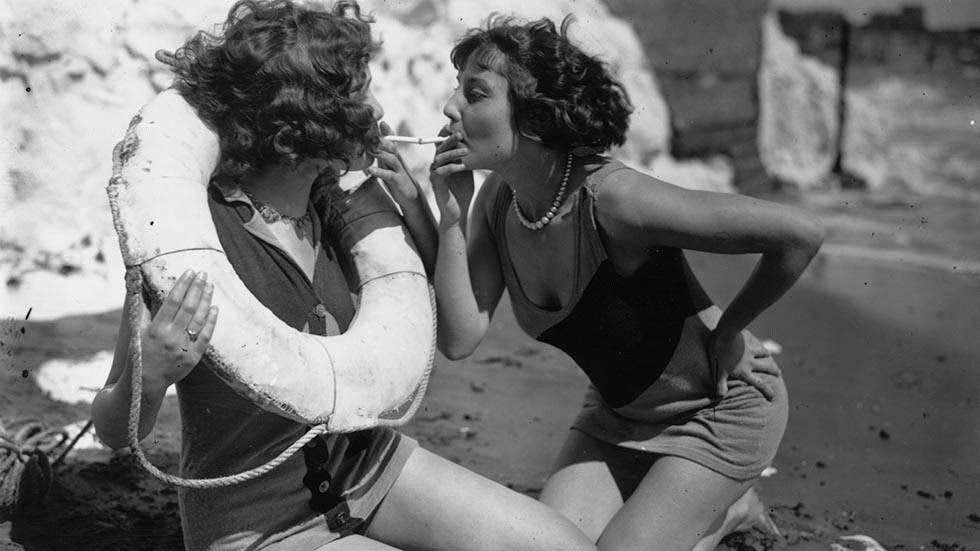
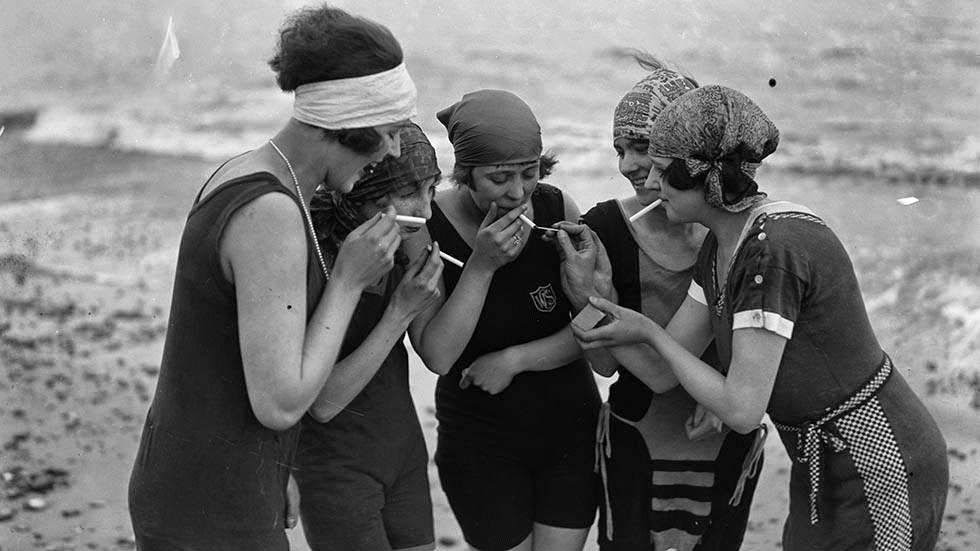
Young bather lighting a cigarette with the tip of her friend’s on the beach at Broadstairs, 1929Women showing off unusual and original swimwear on the beach, 1929
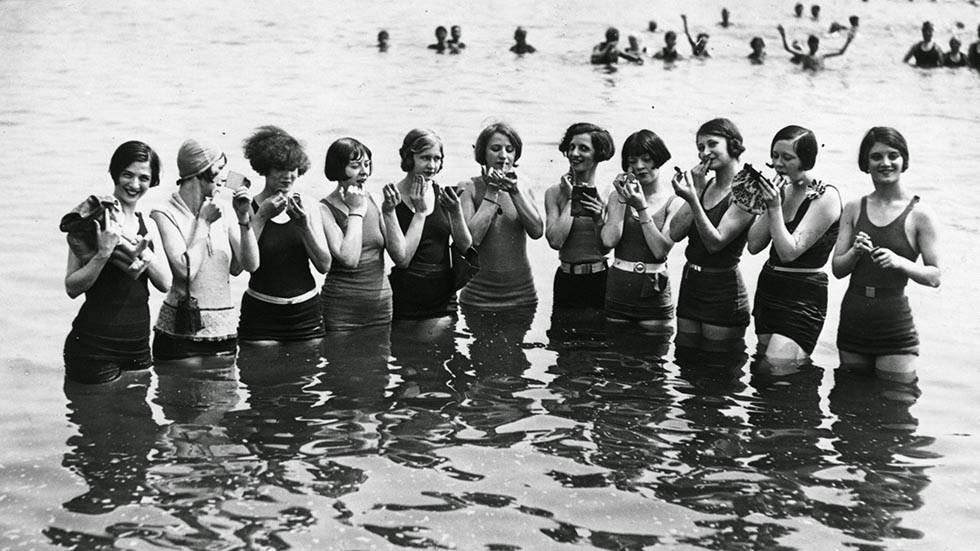
The beach was never just about swimming. Young adults played leapfrog, posed with large inflatable beach balls, and brought banjos to entertain their groups. Photographers regularly snapped shots of “bathing girls” applying makeup while seated on the sand.
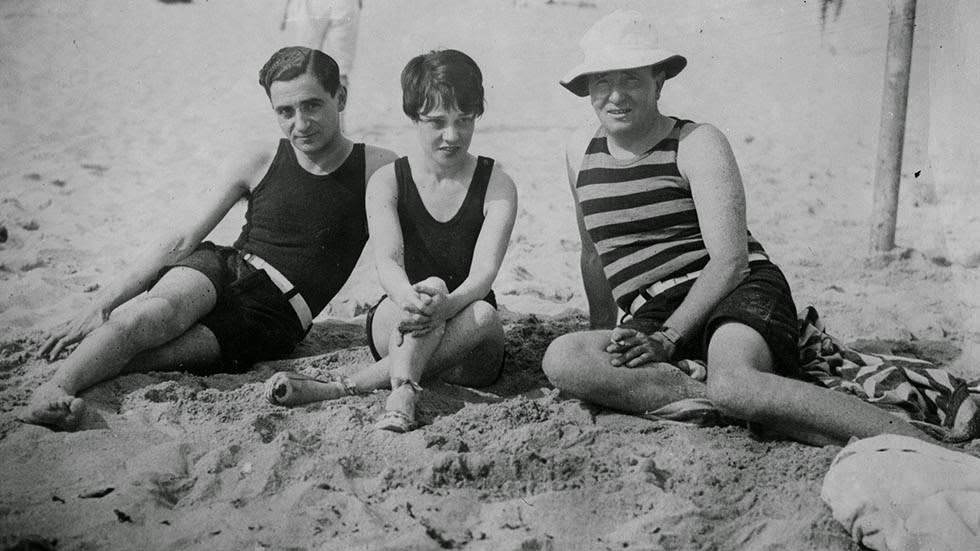
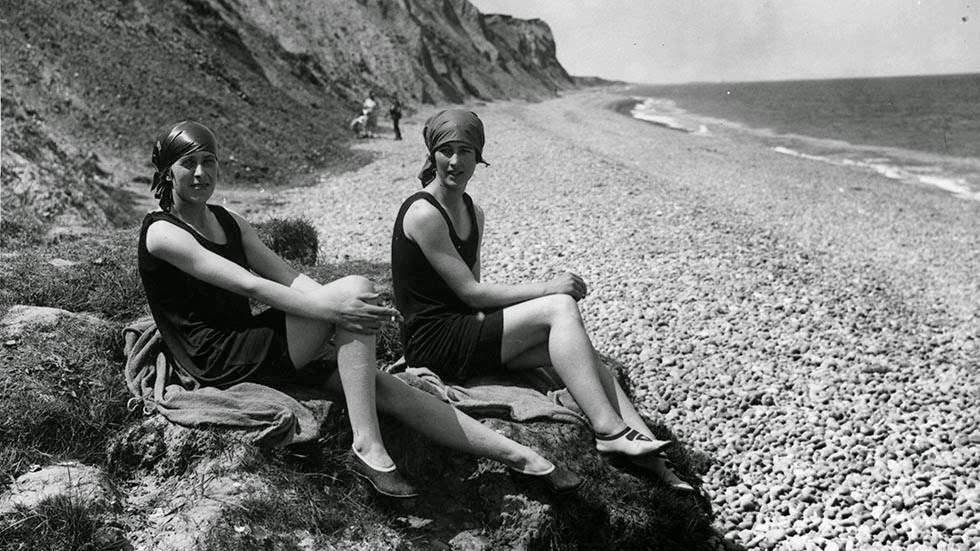
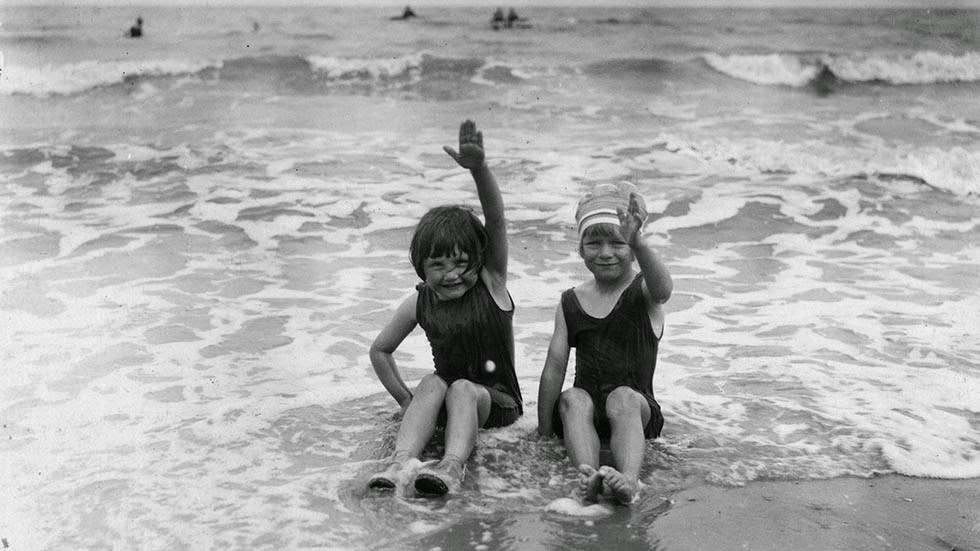
Composer Irving Berlin relaxing on Palm Beach with Anita Loos and Arthur Somers Roche, 1926Two young vacationers at Viking Bay, Broadstairs, on the Isle of Thanet, 1927Actress Viola Dana on the beach, 1924
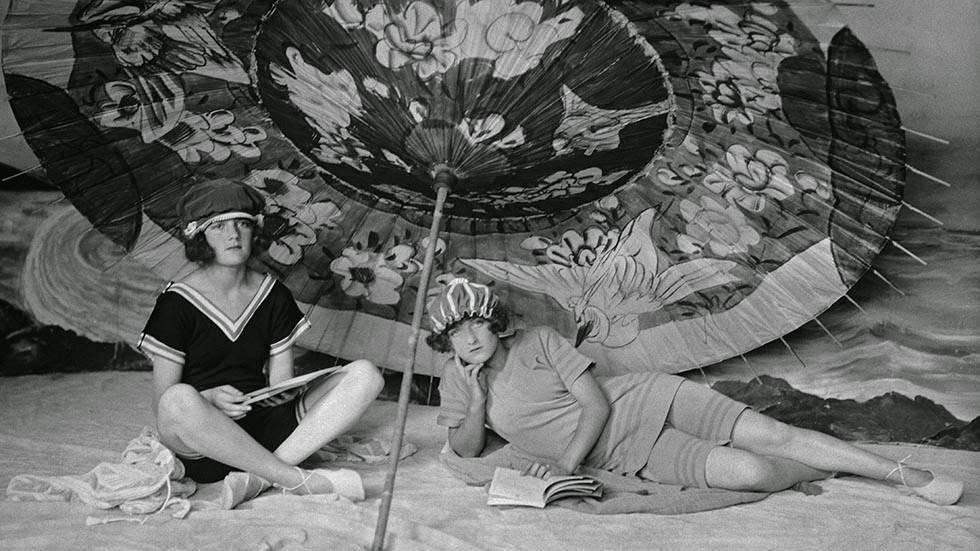
Reading under a large umbrella was a common way to spend a warm afternoon. Women participated in swimming races and diving competitions, moving well beyond just wading in shallow water. The beach had become an arena for both leisure and athletic ambition.
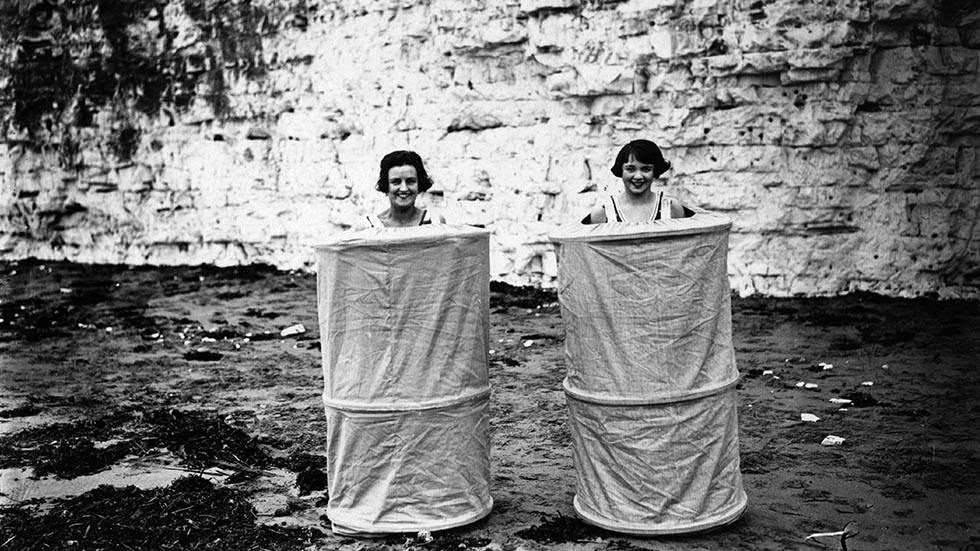
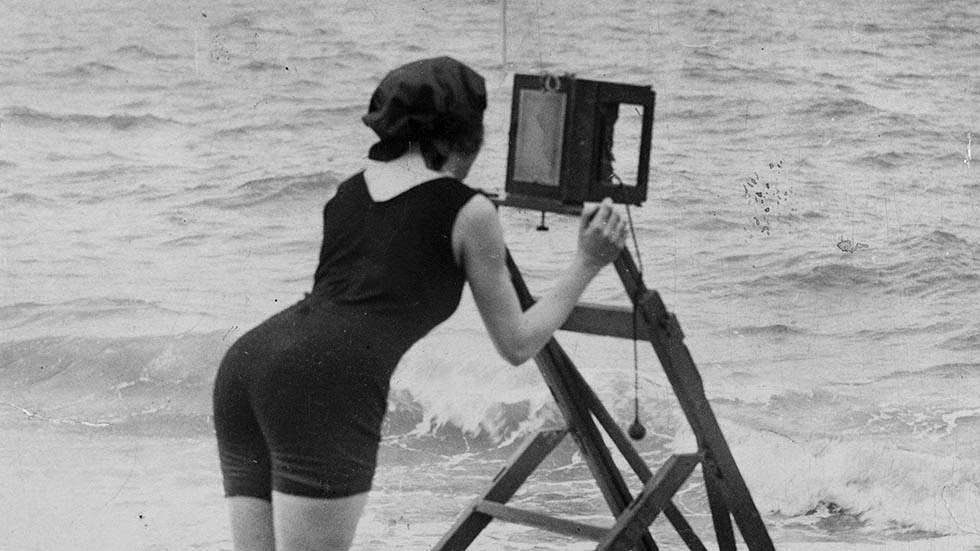
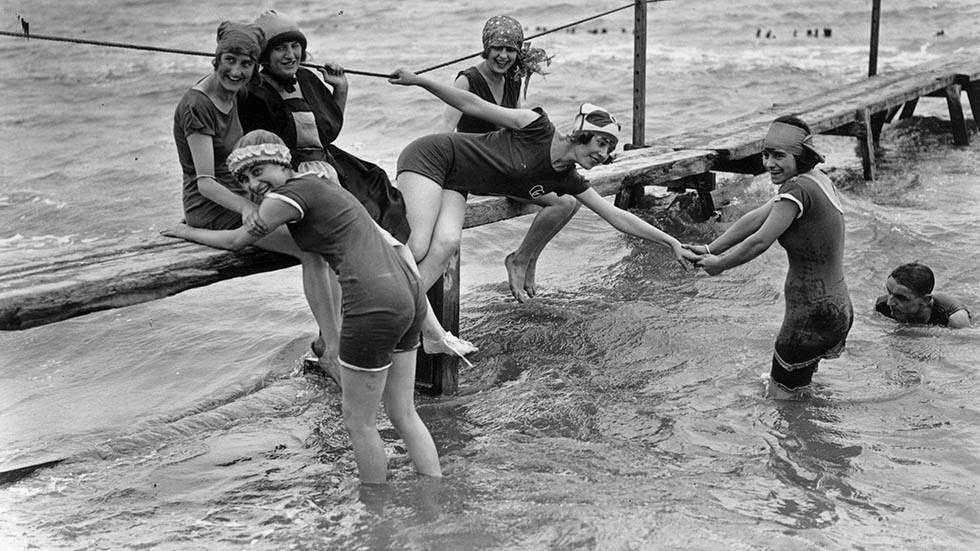
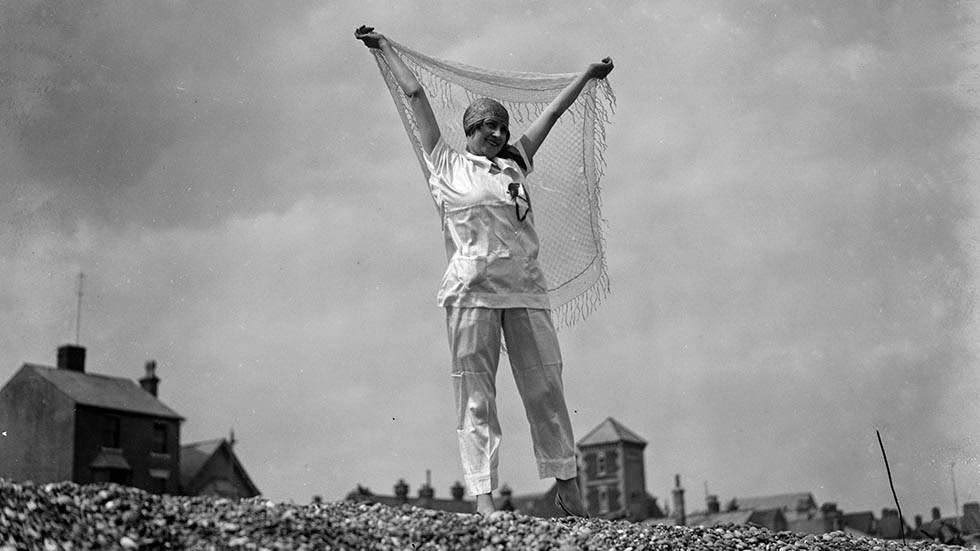
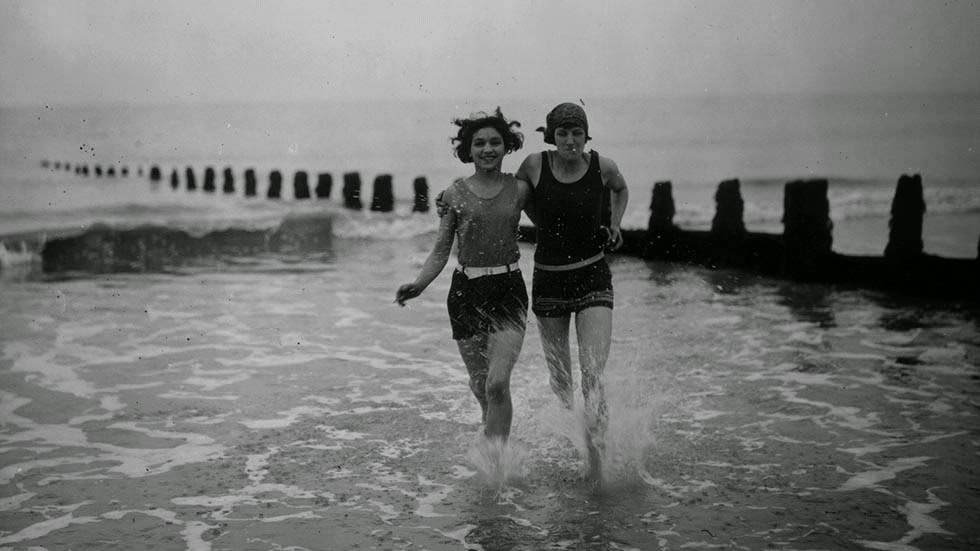
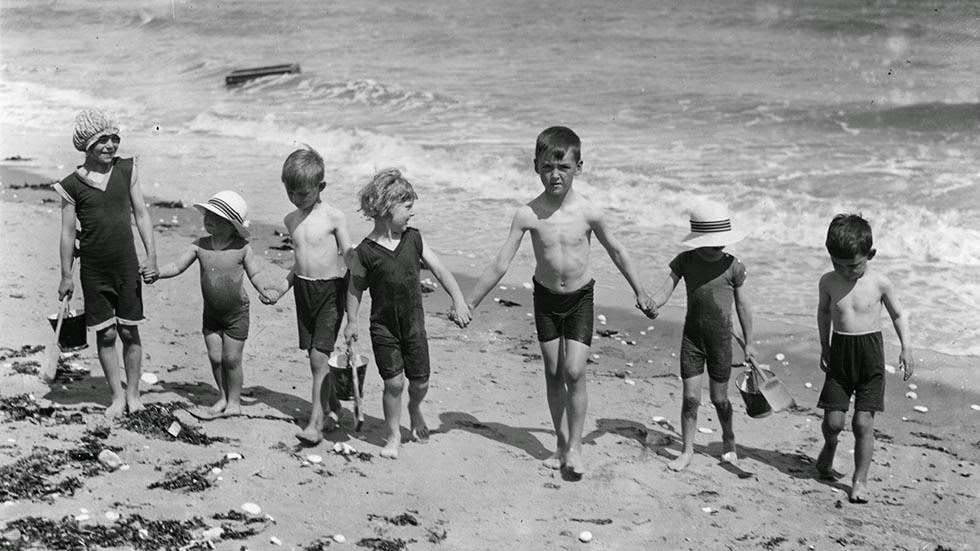
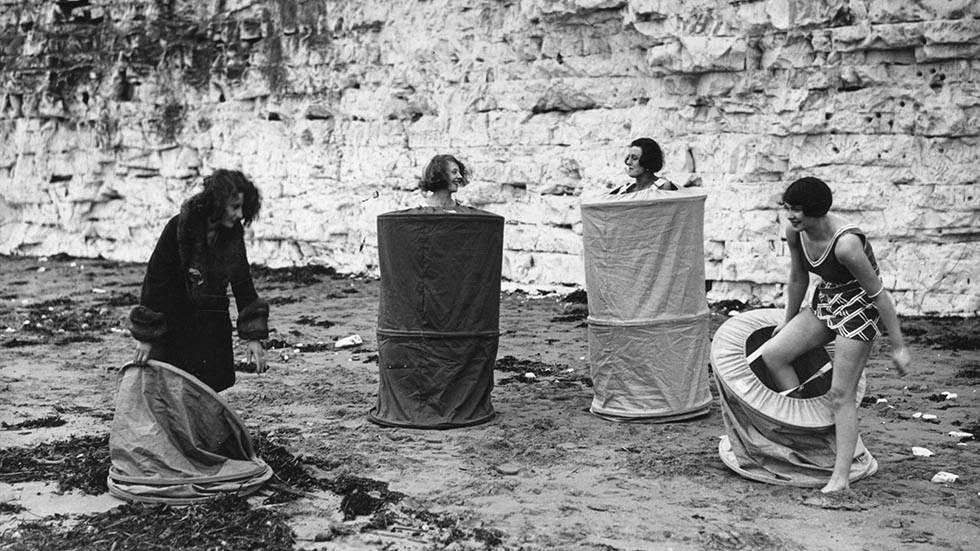
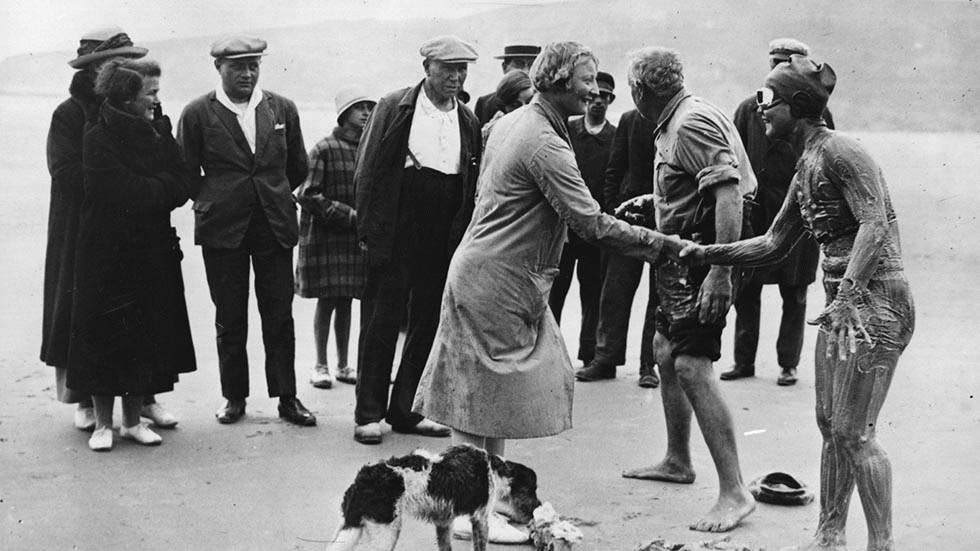
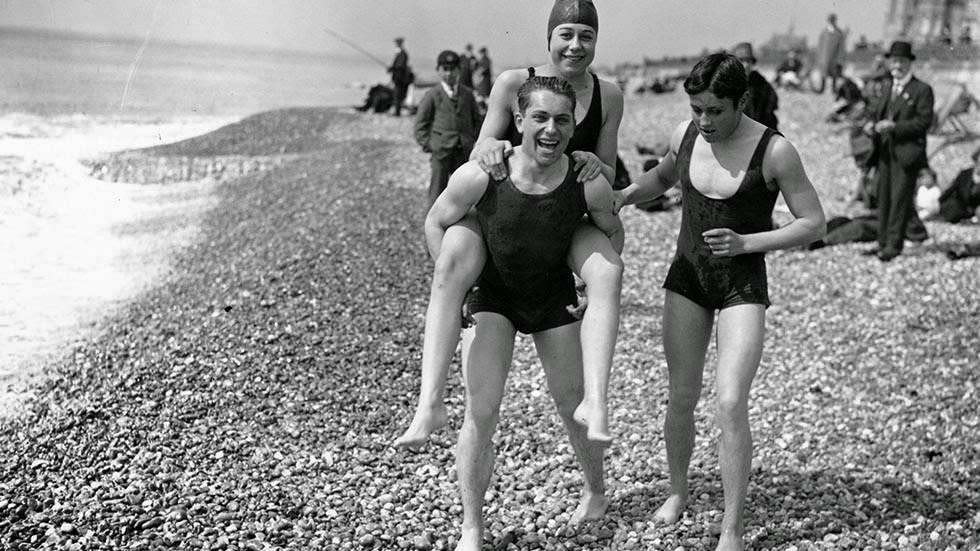
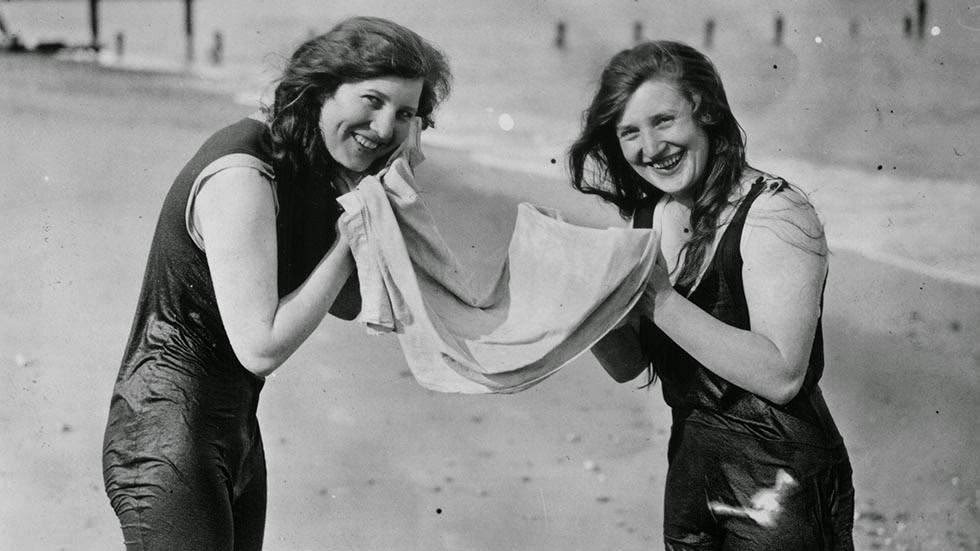
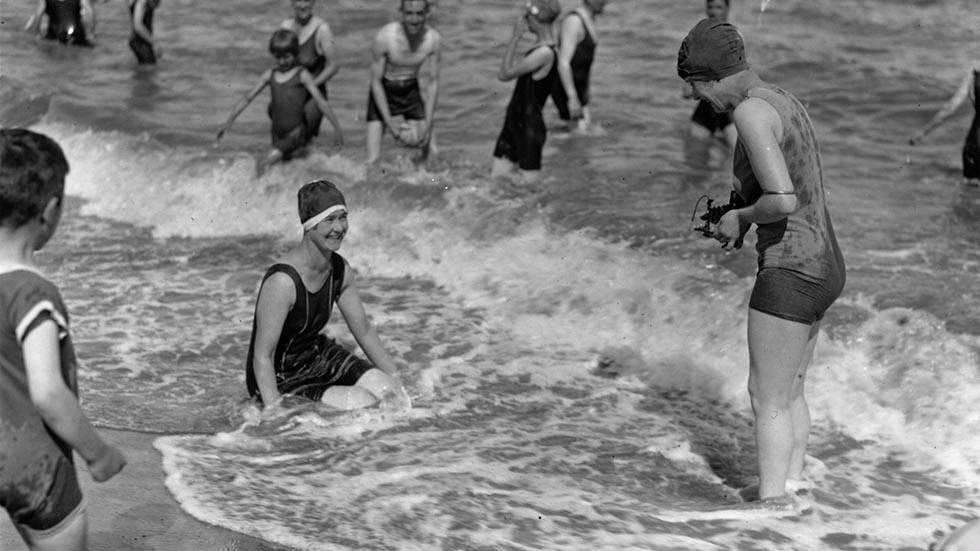
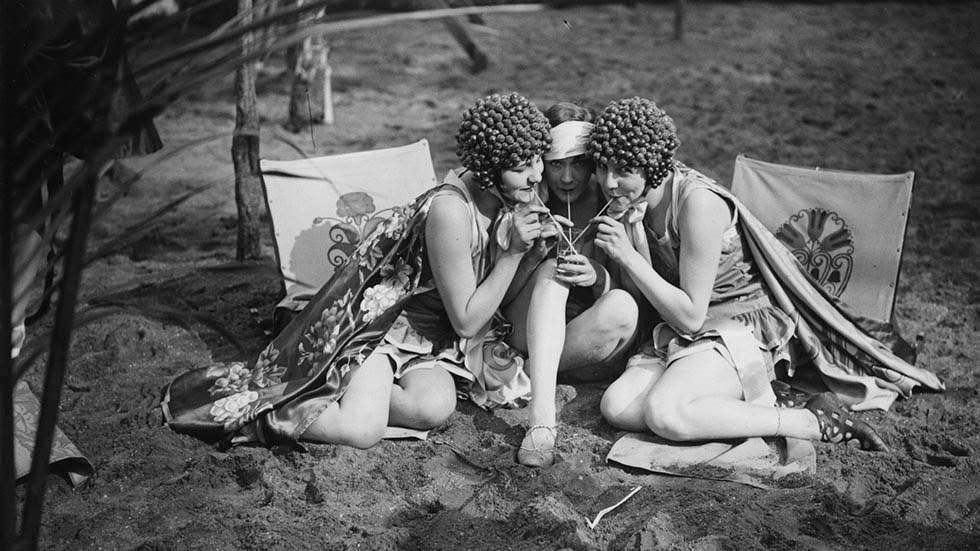
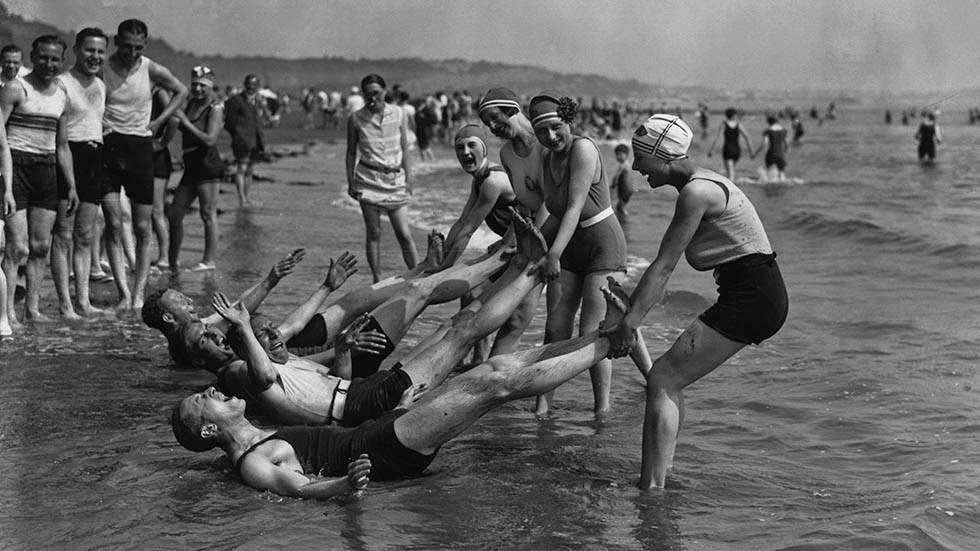
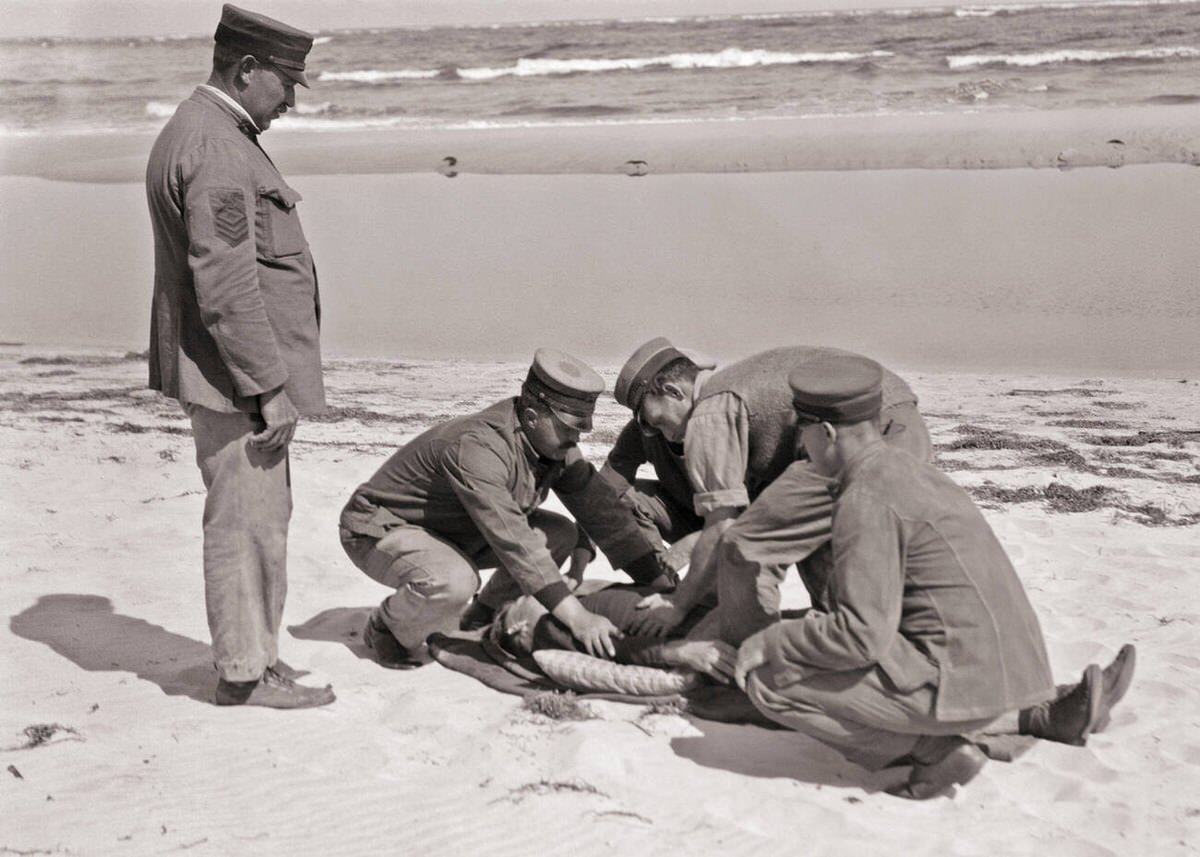
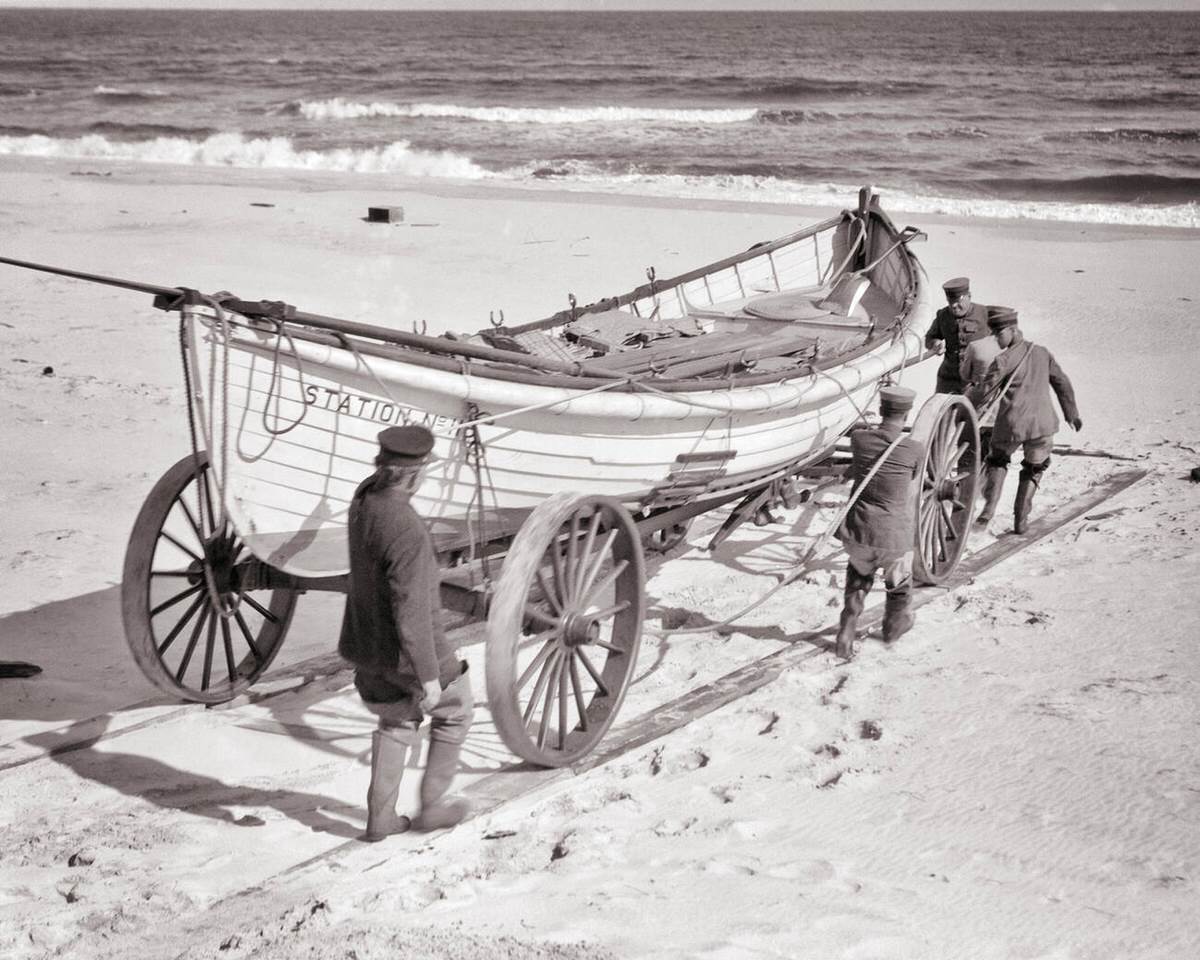
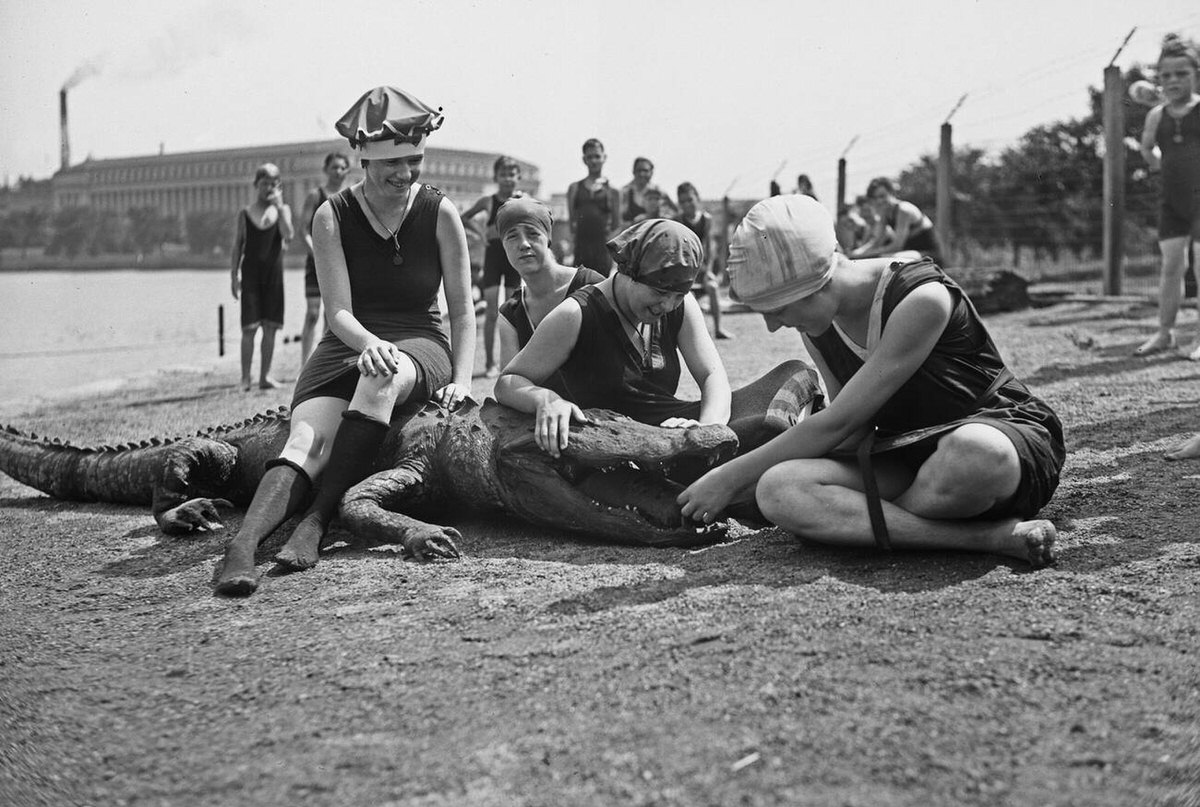
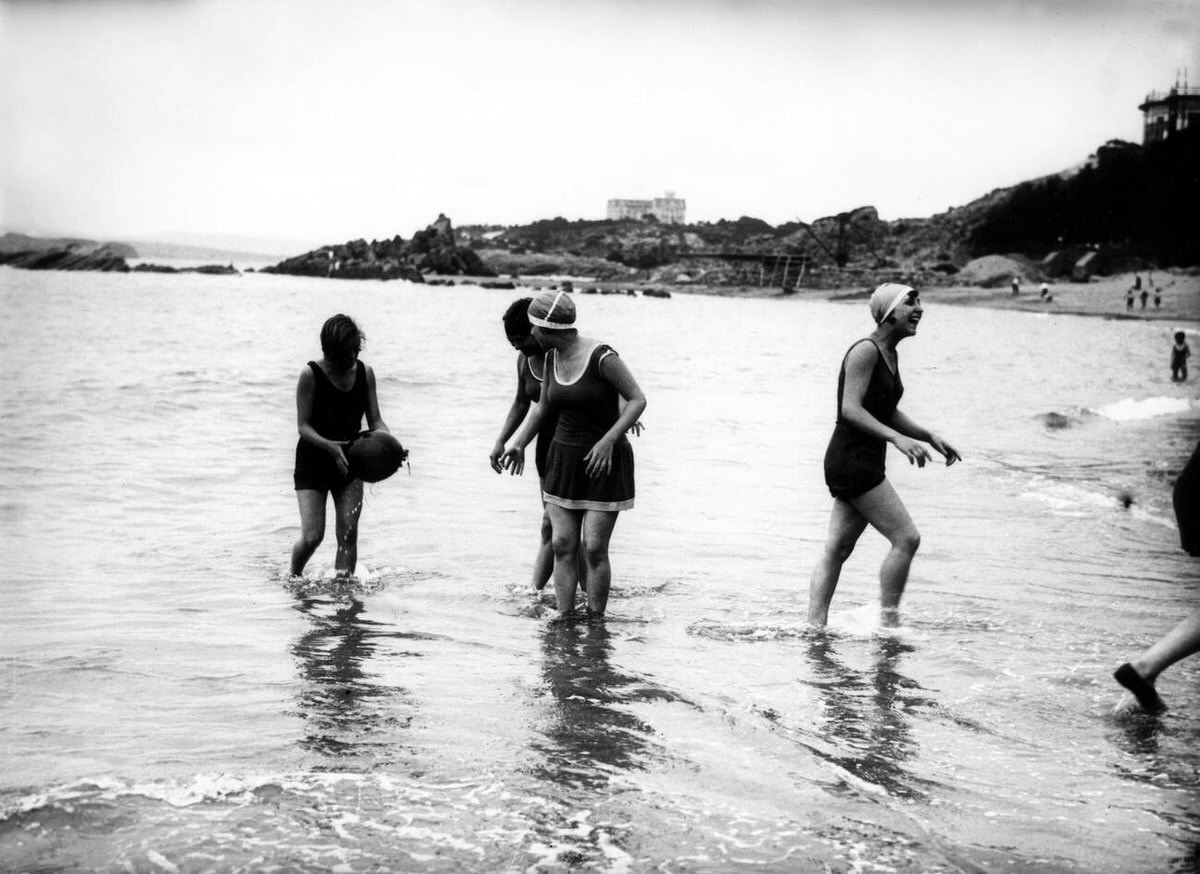
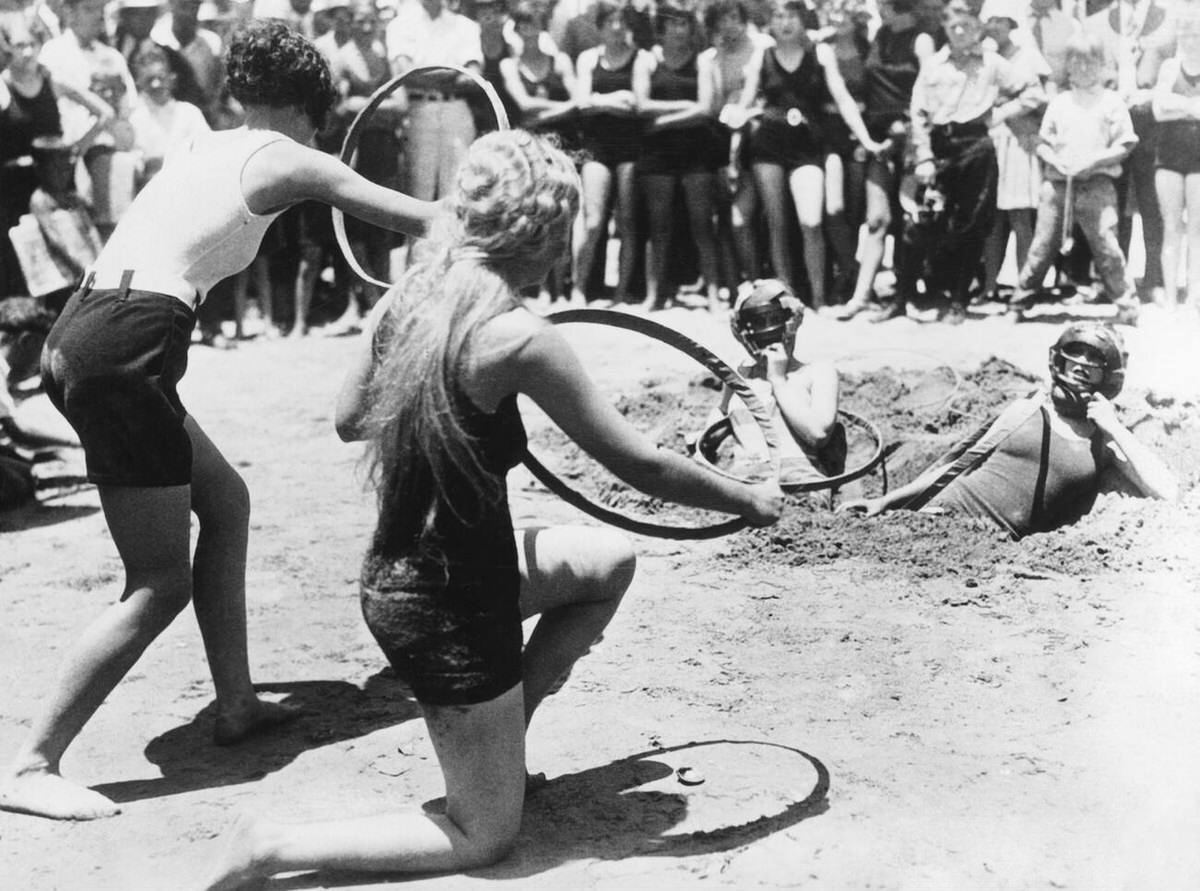
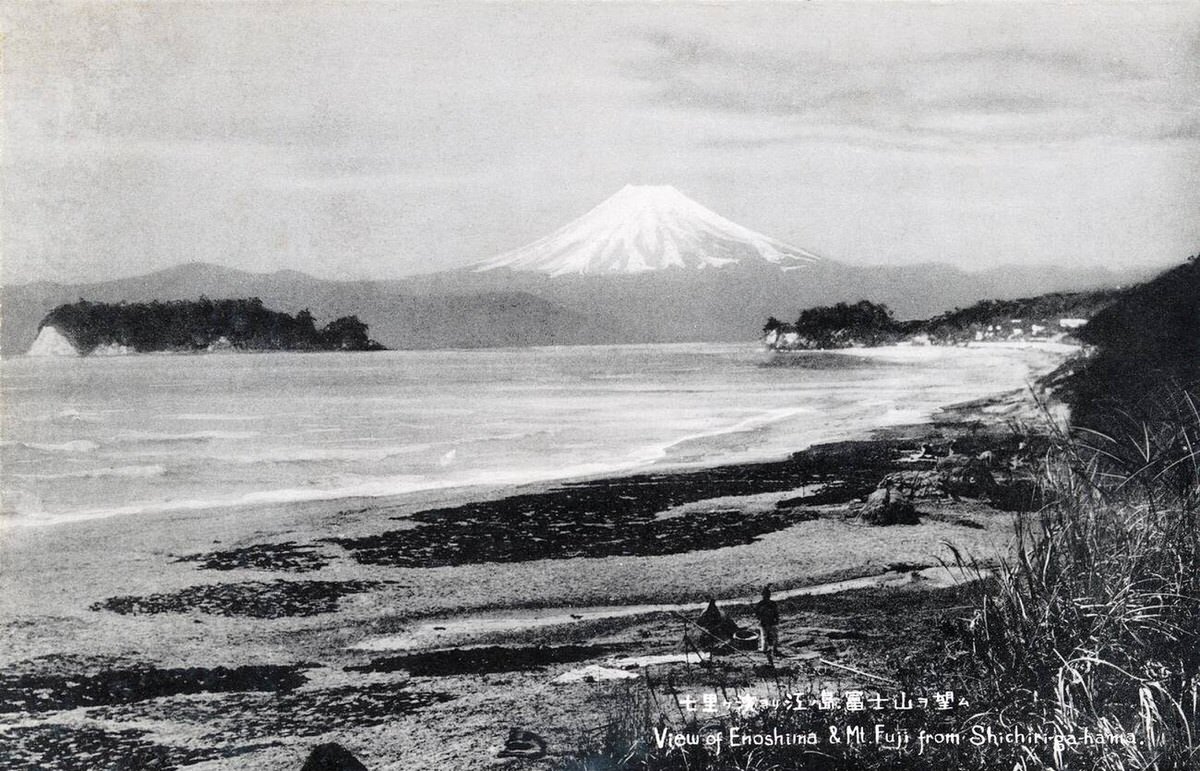
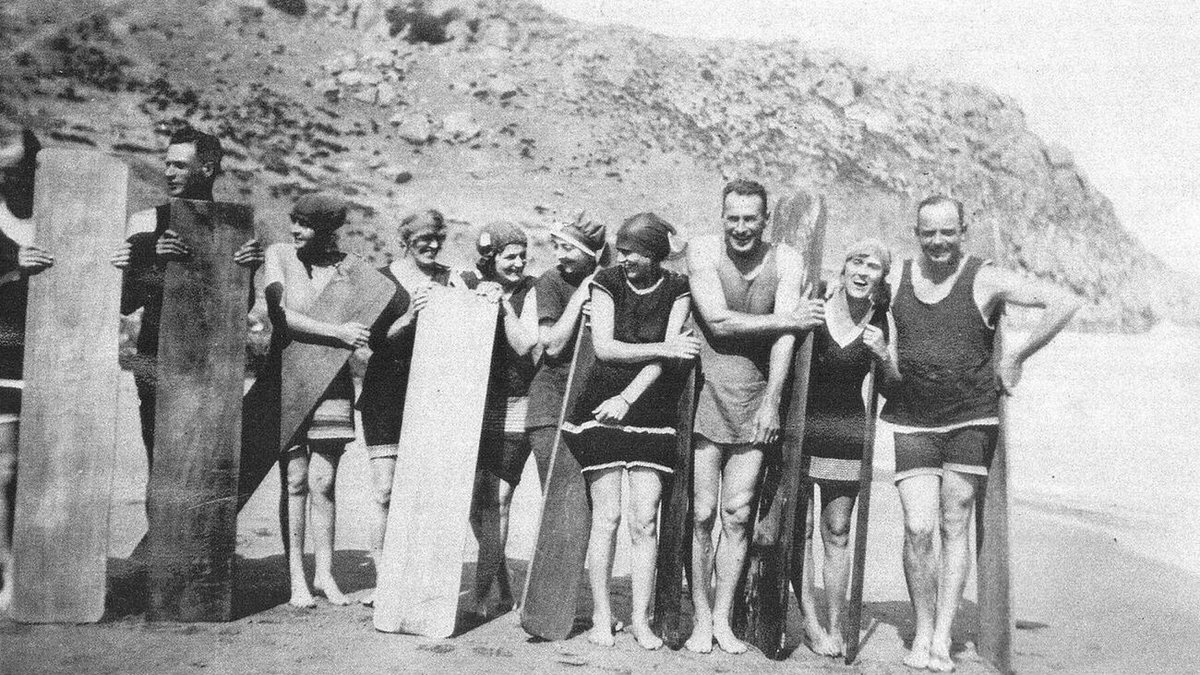
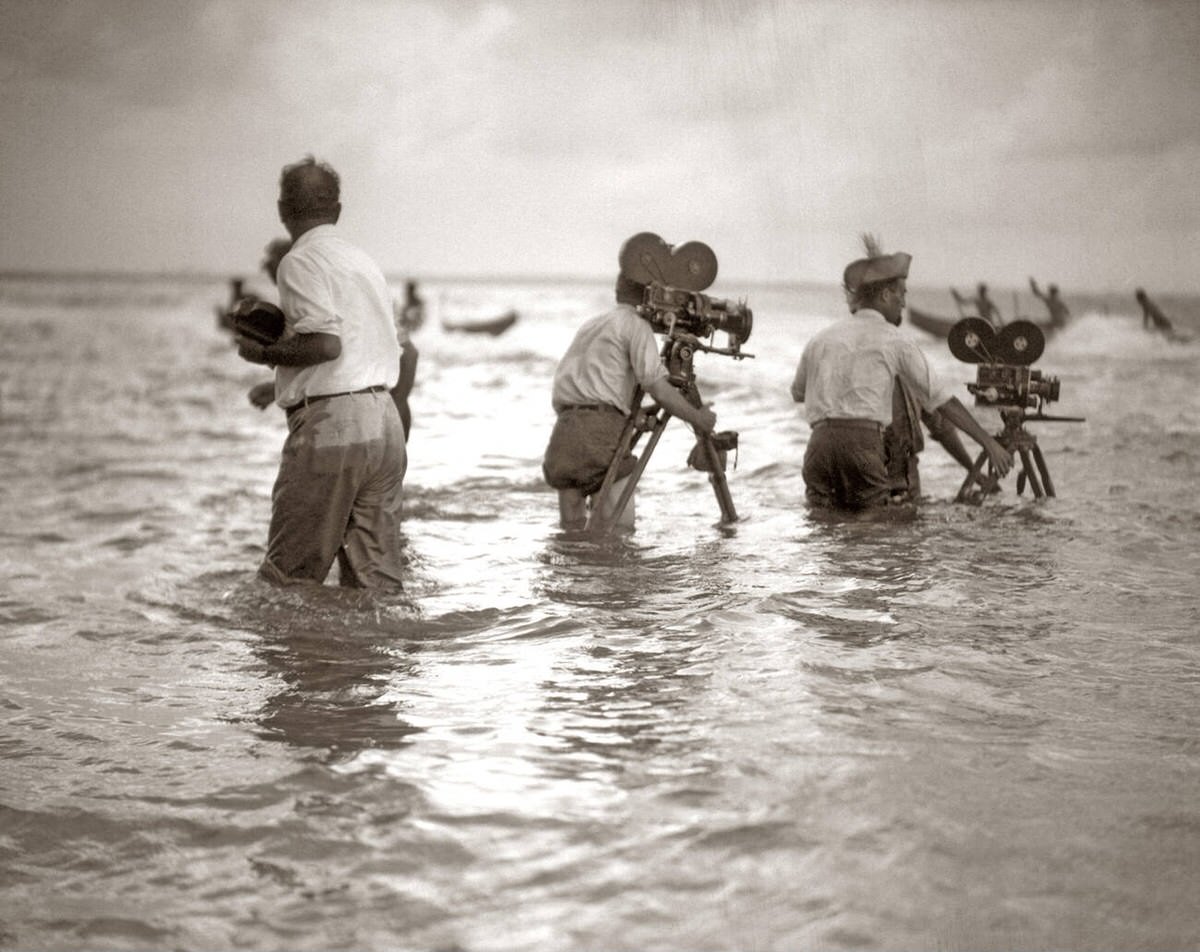
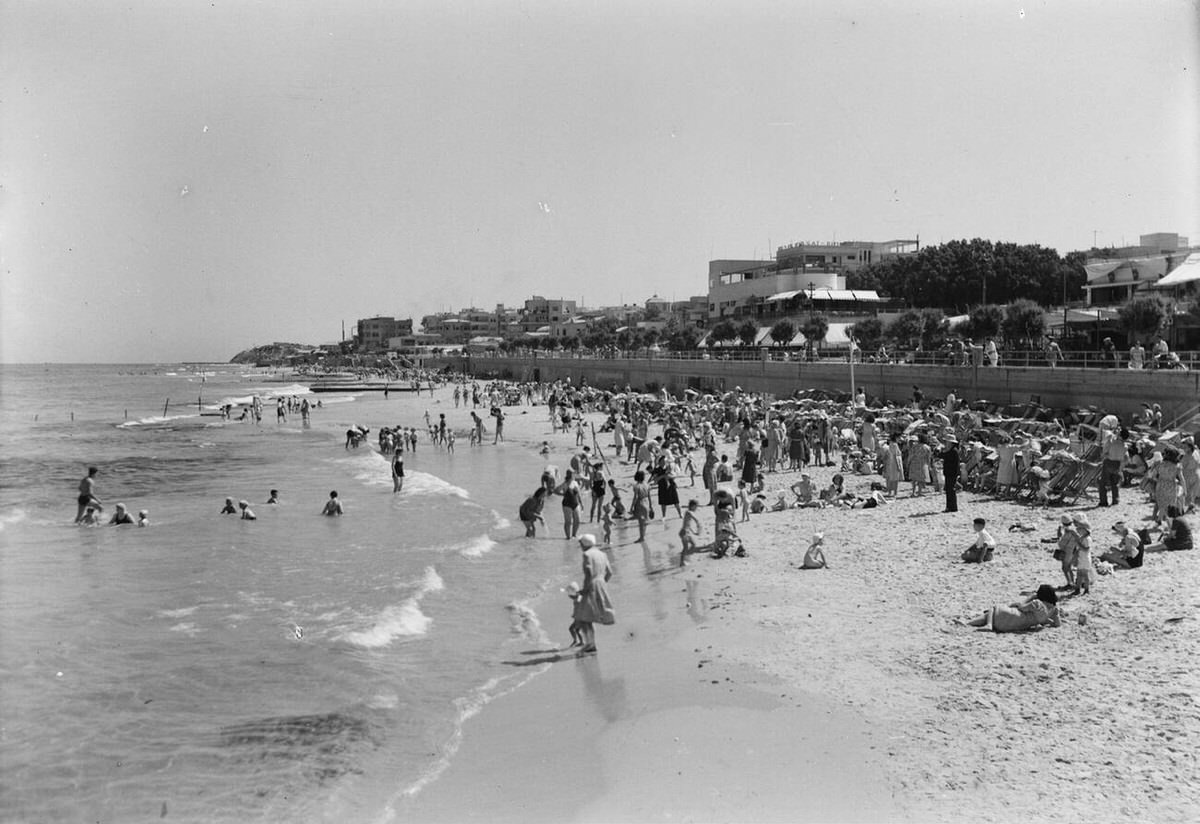
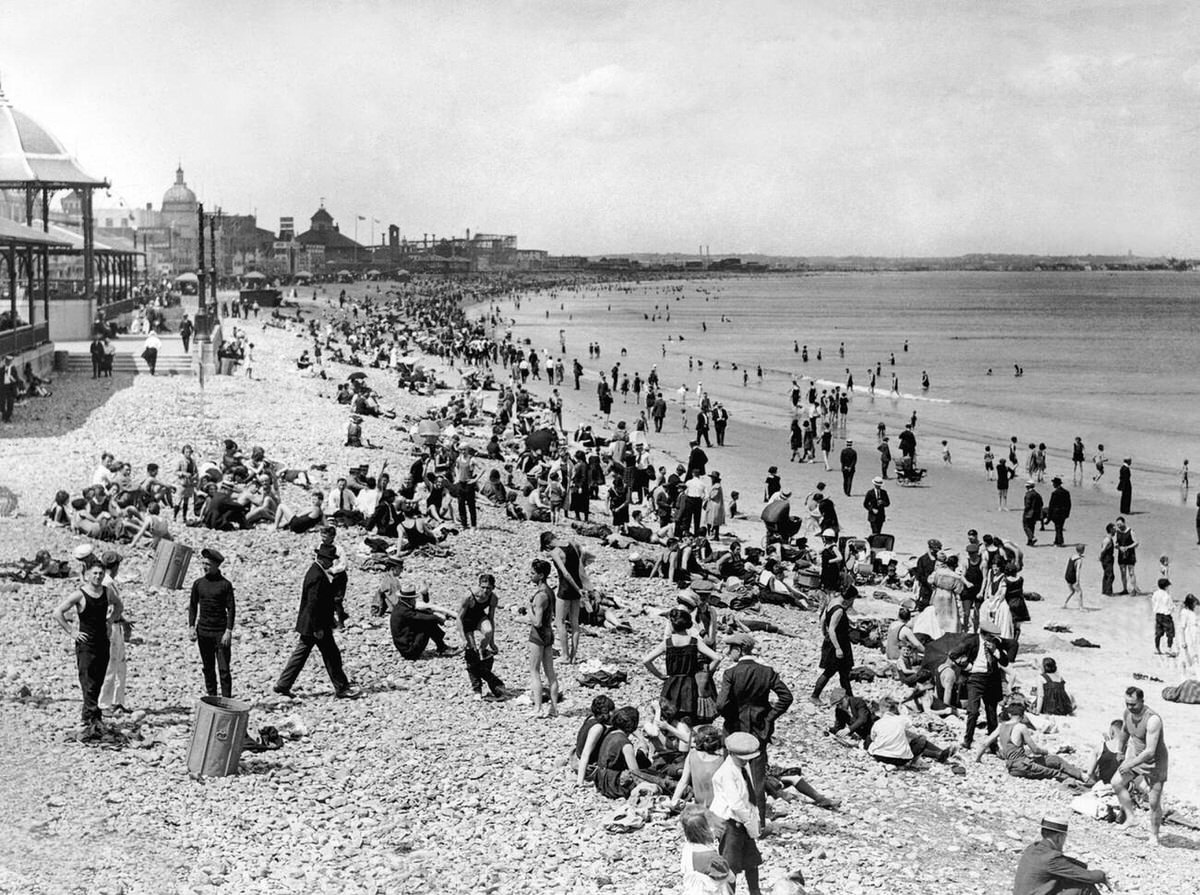
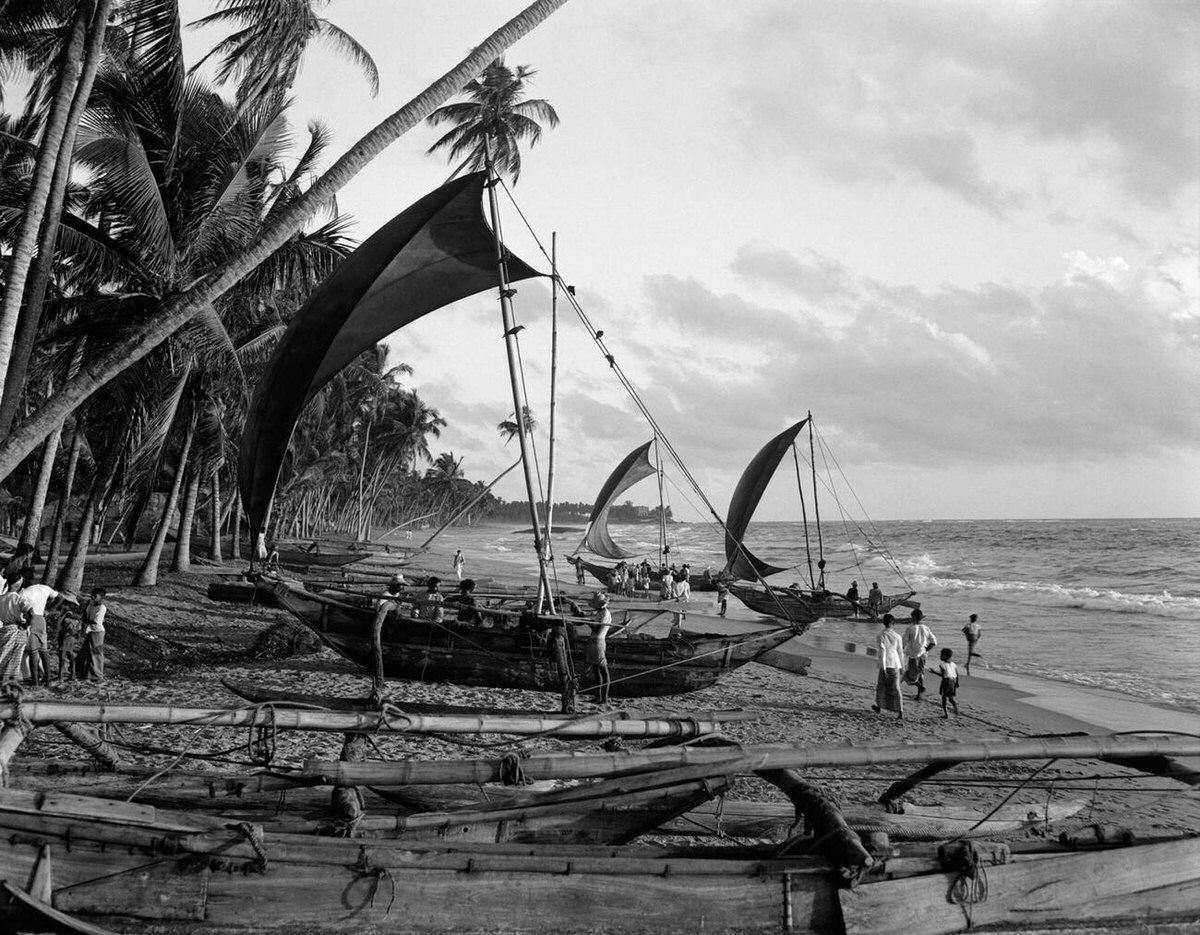
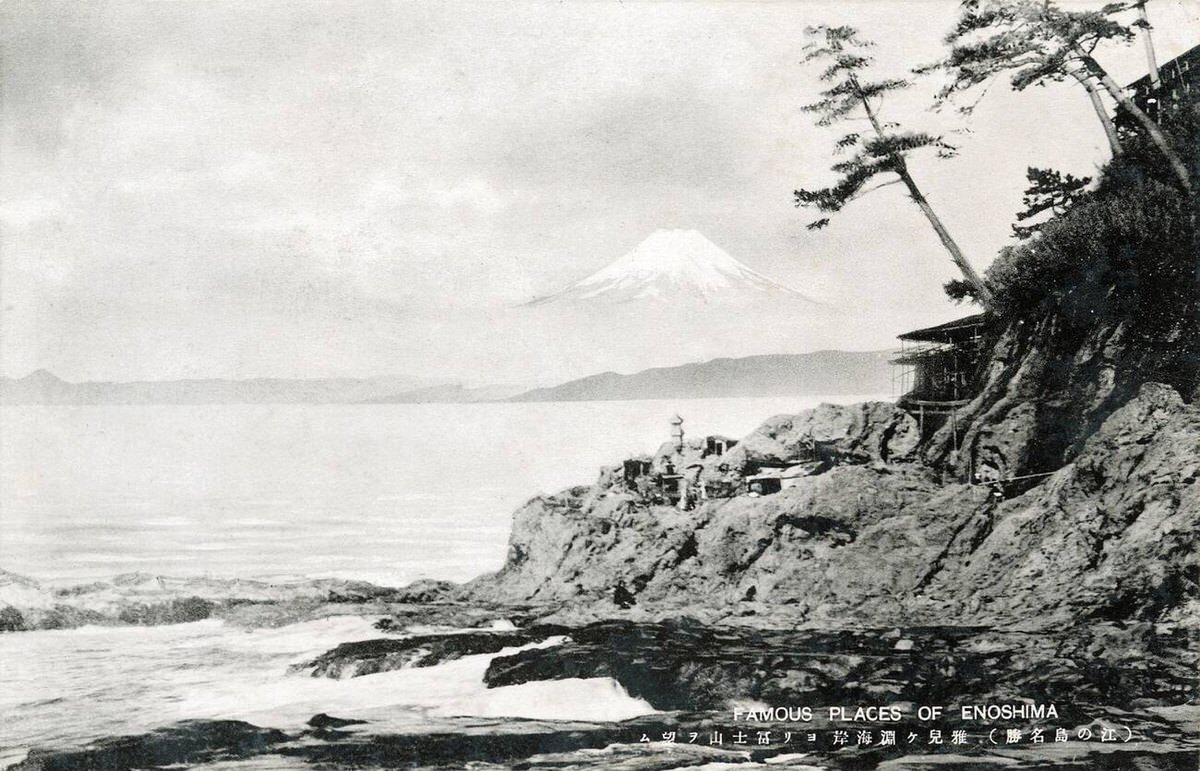
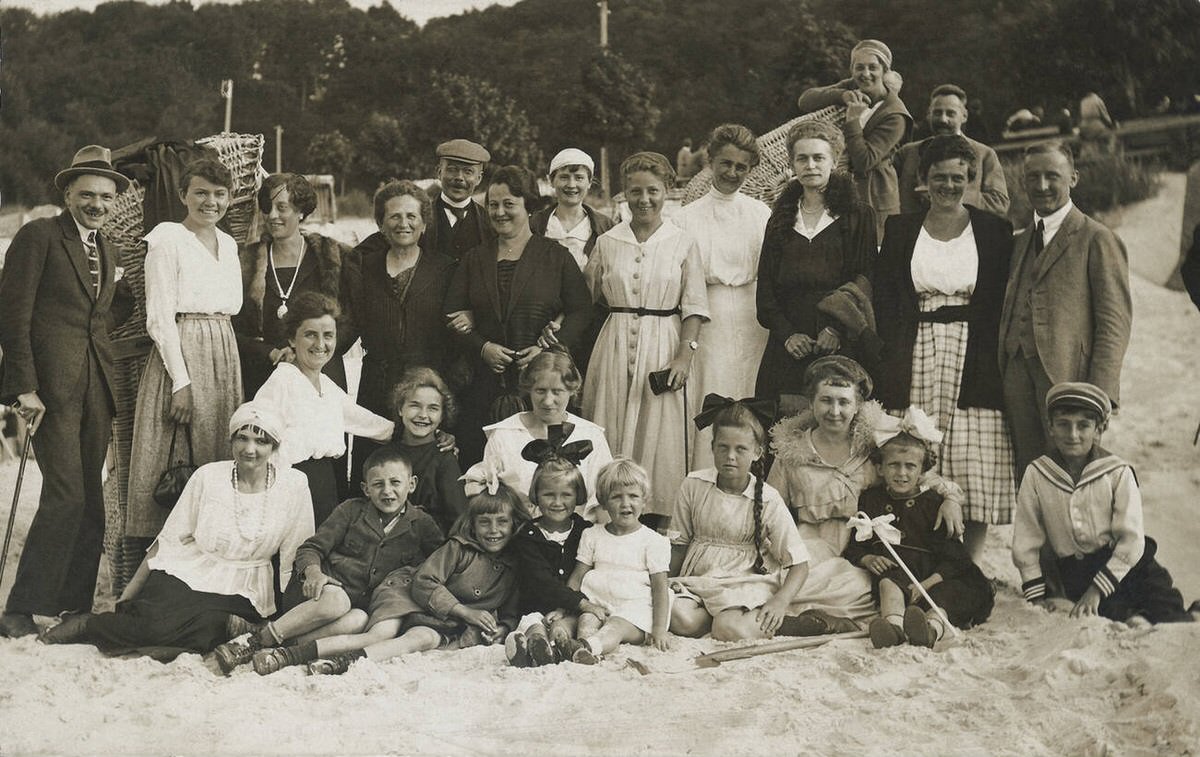
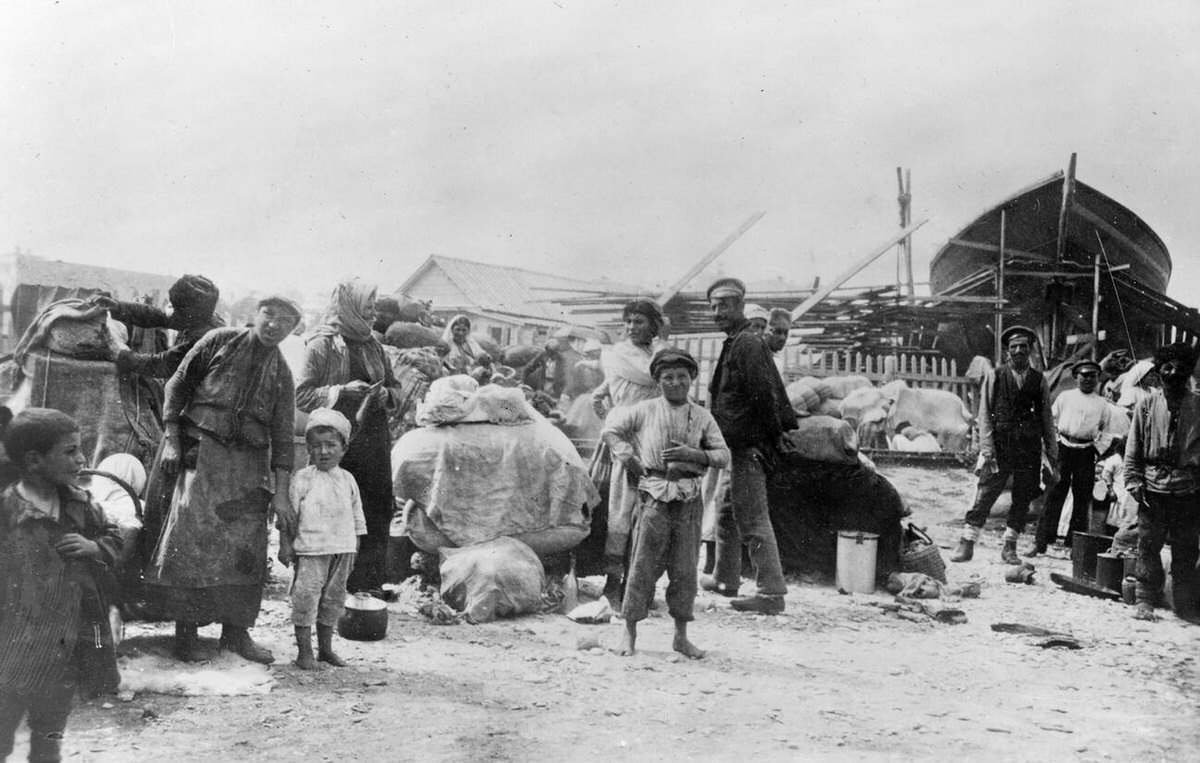
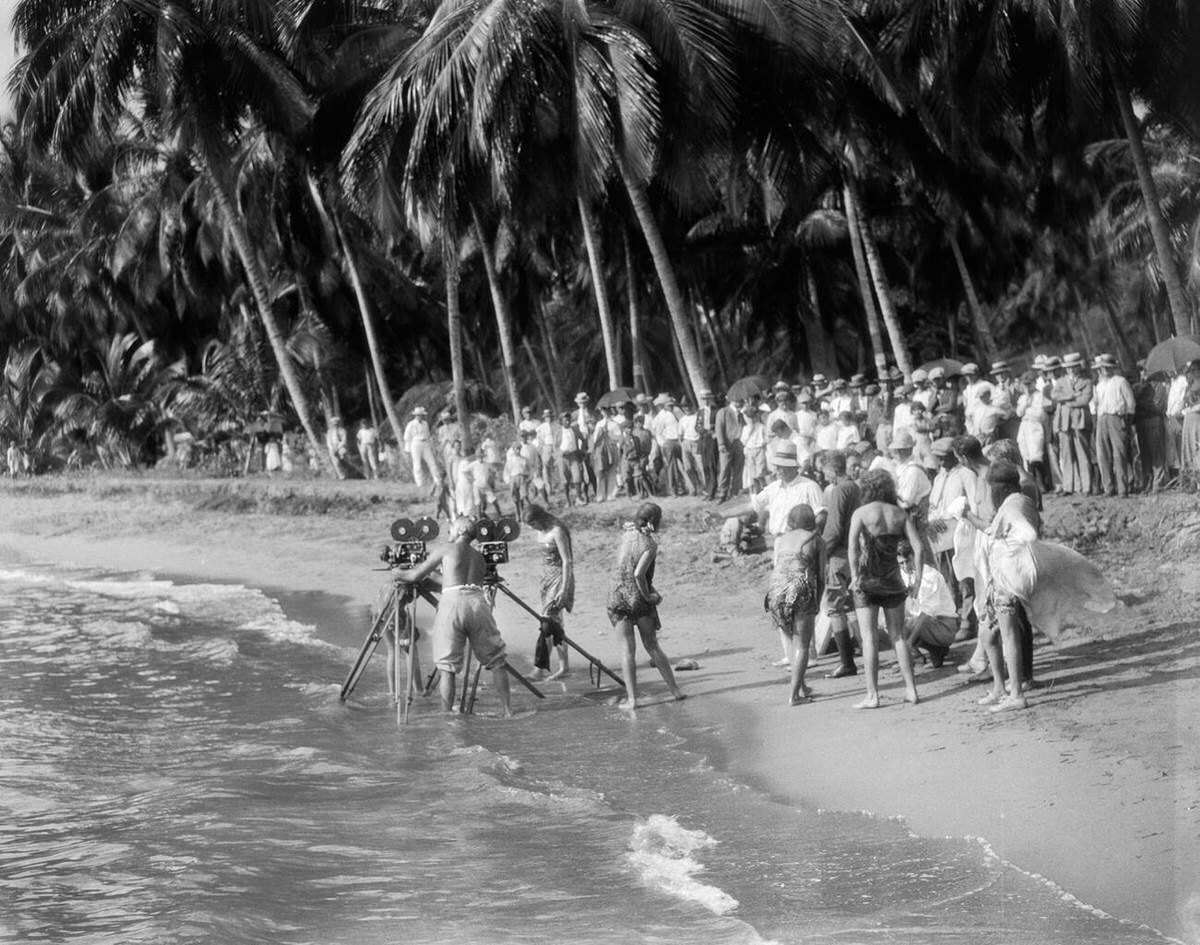
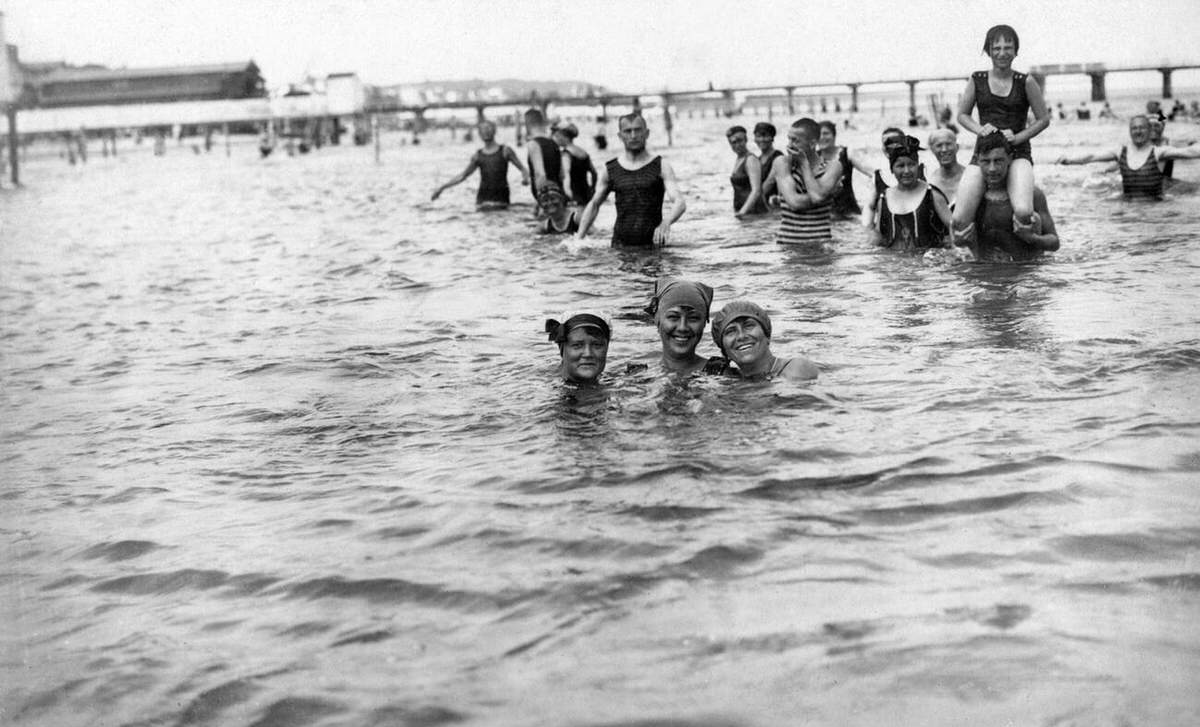
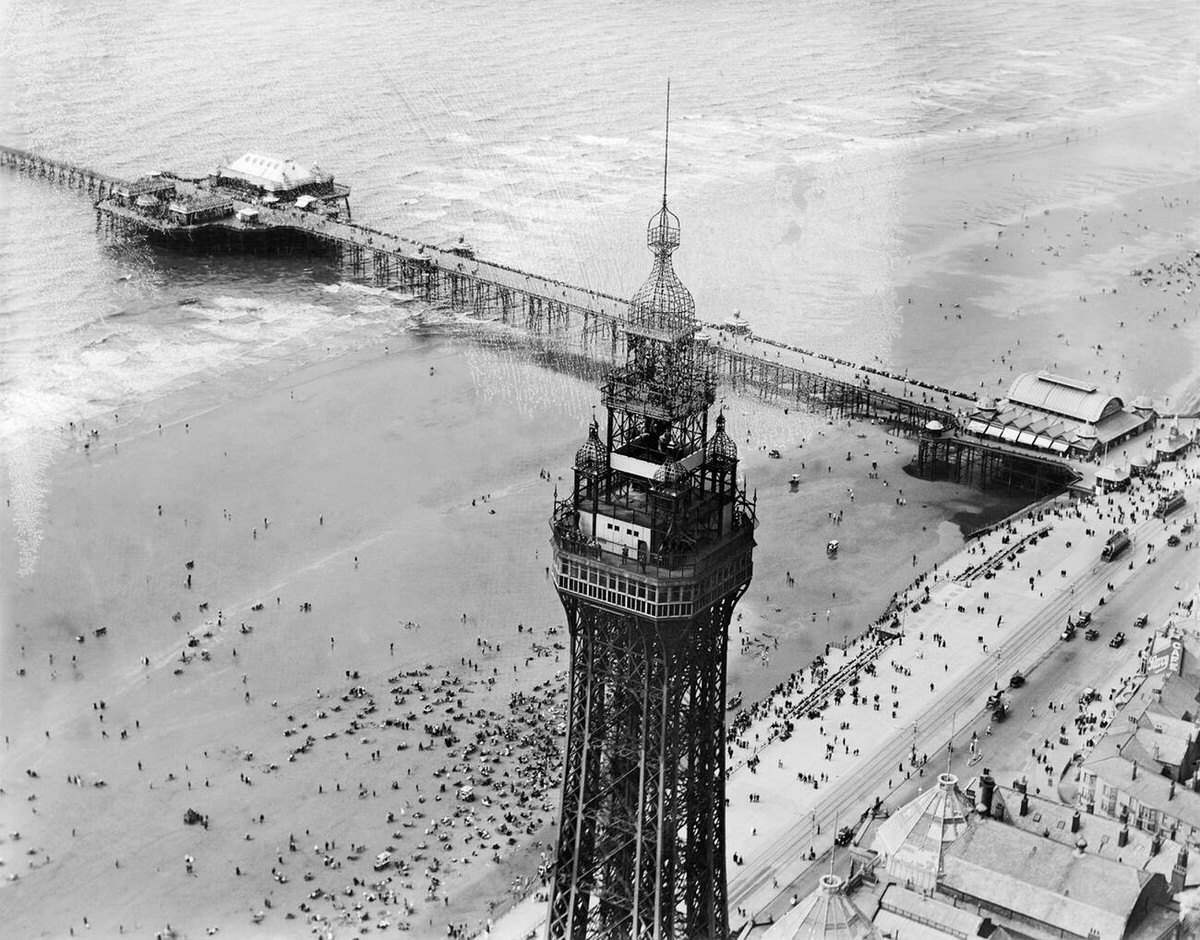
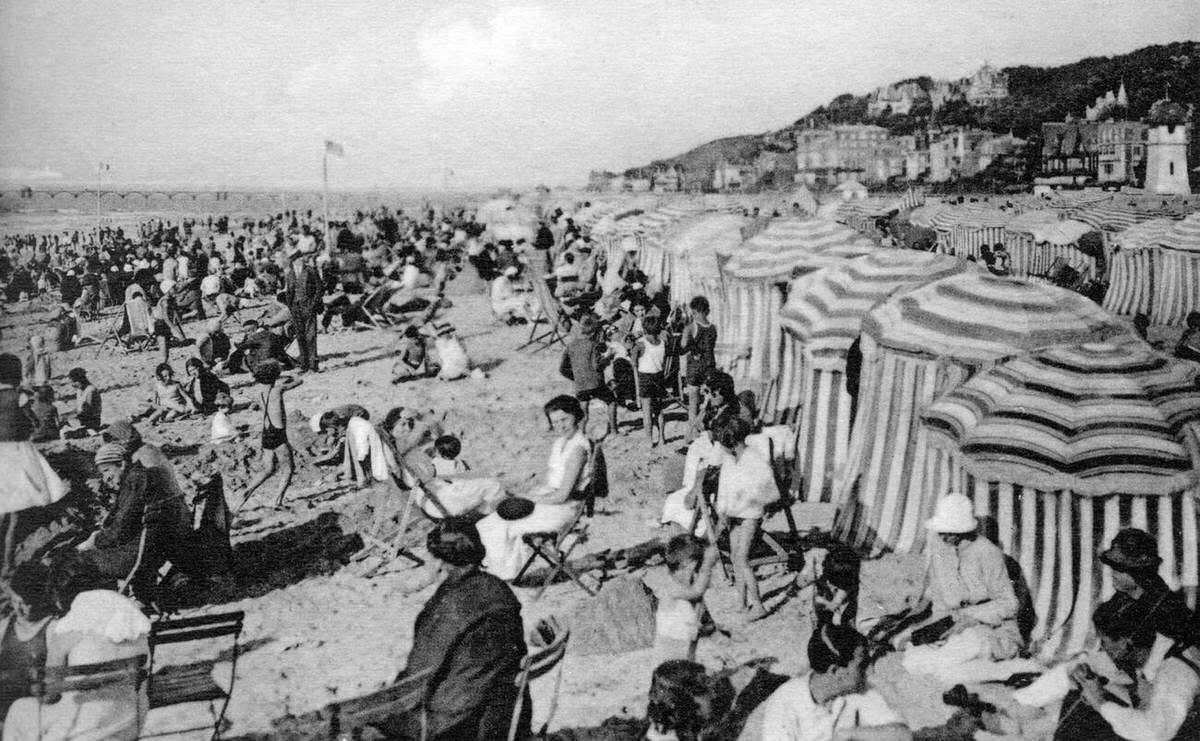
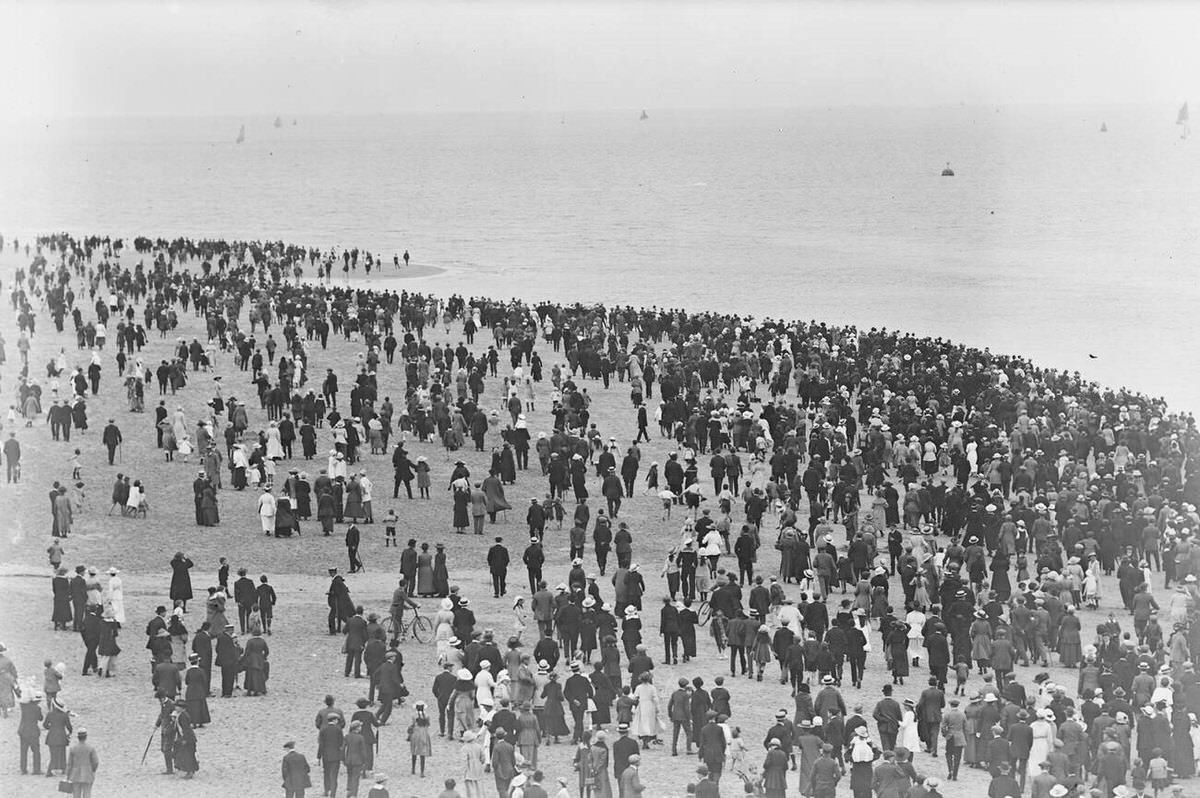
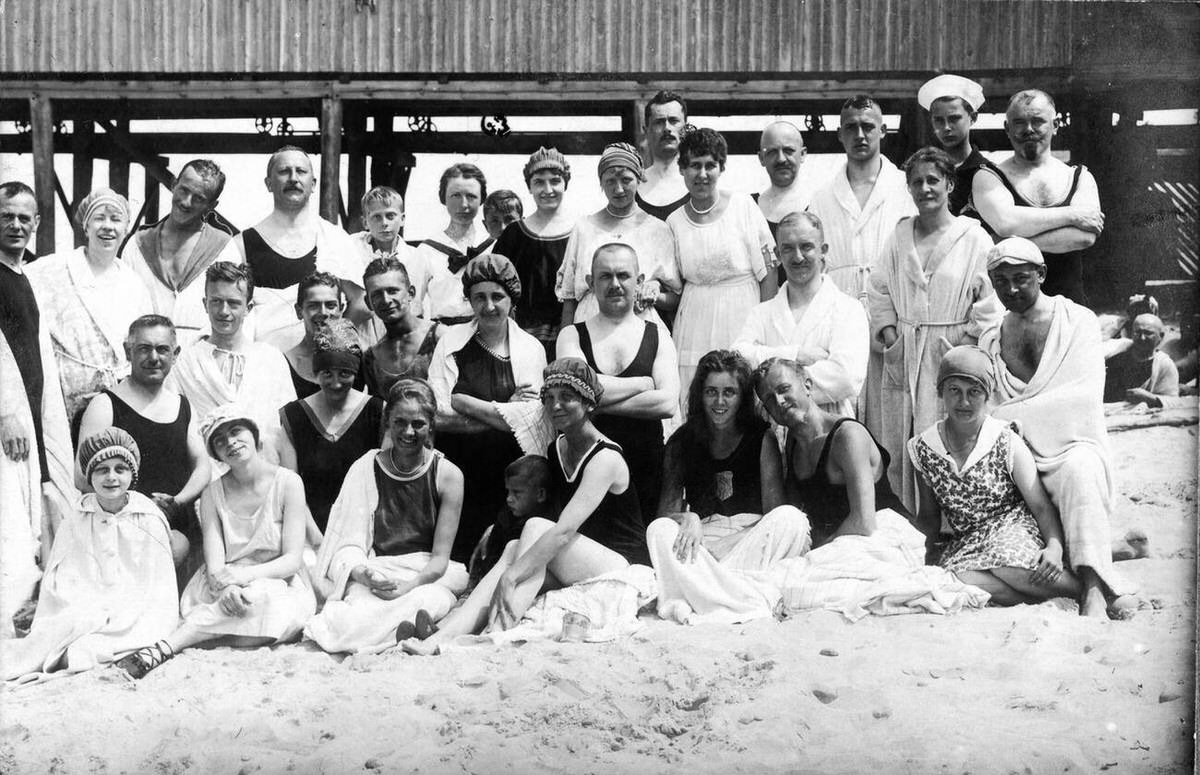
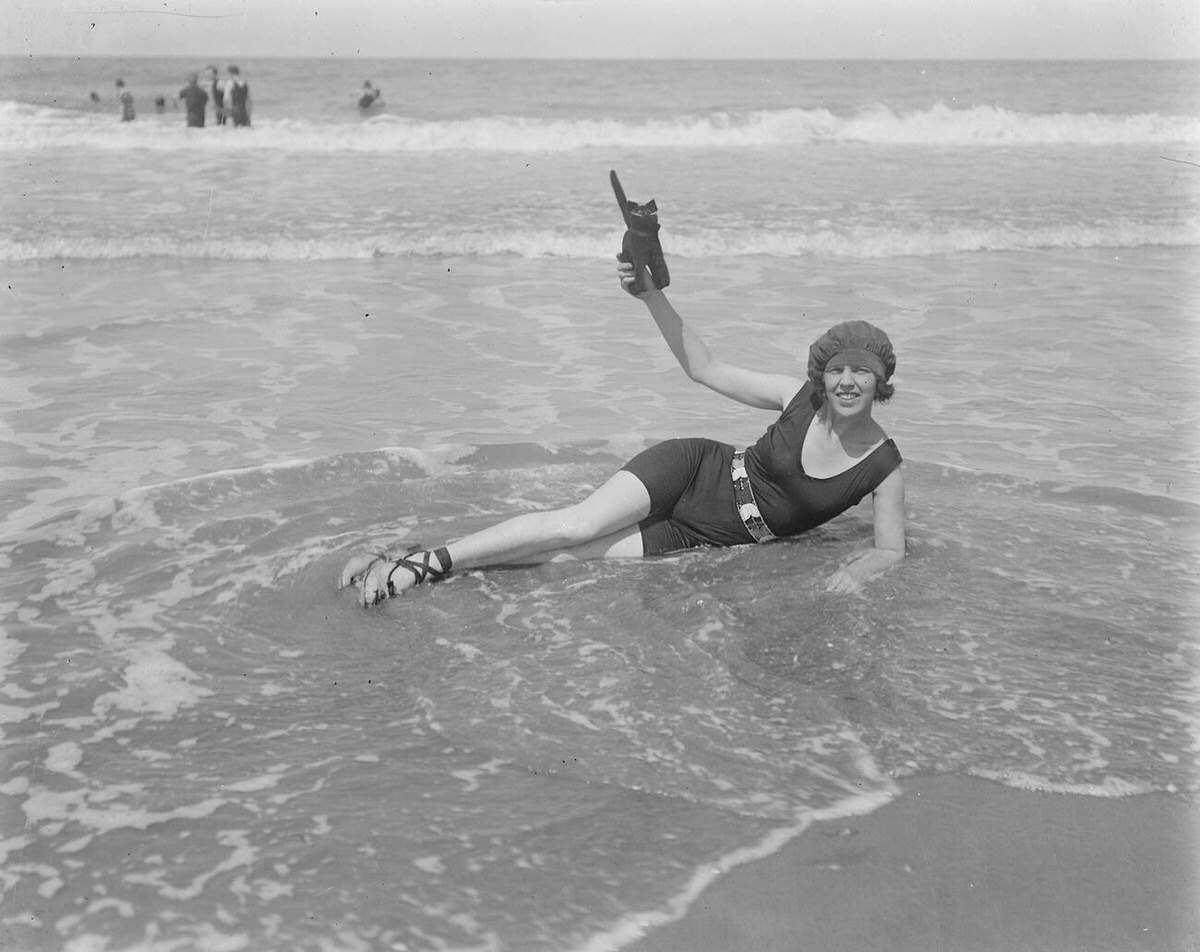
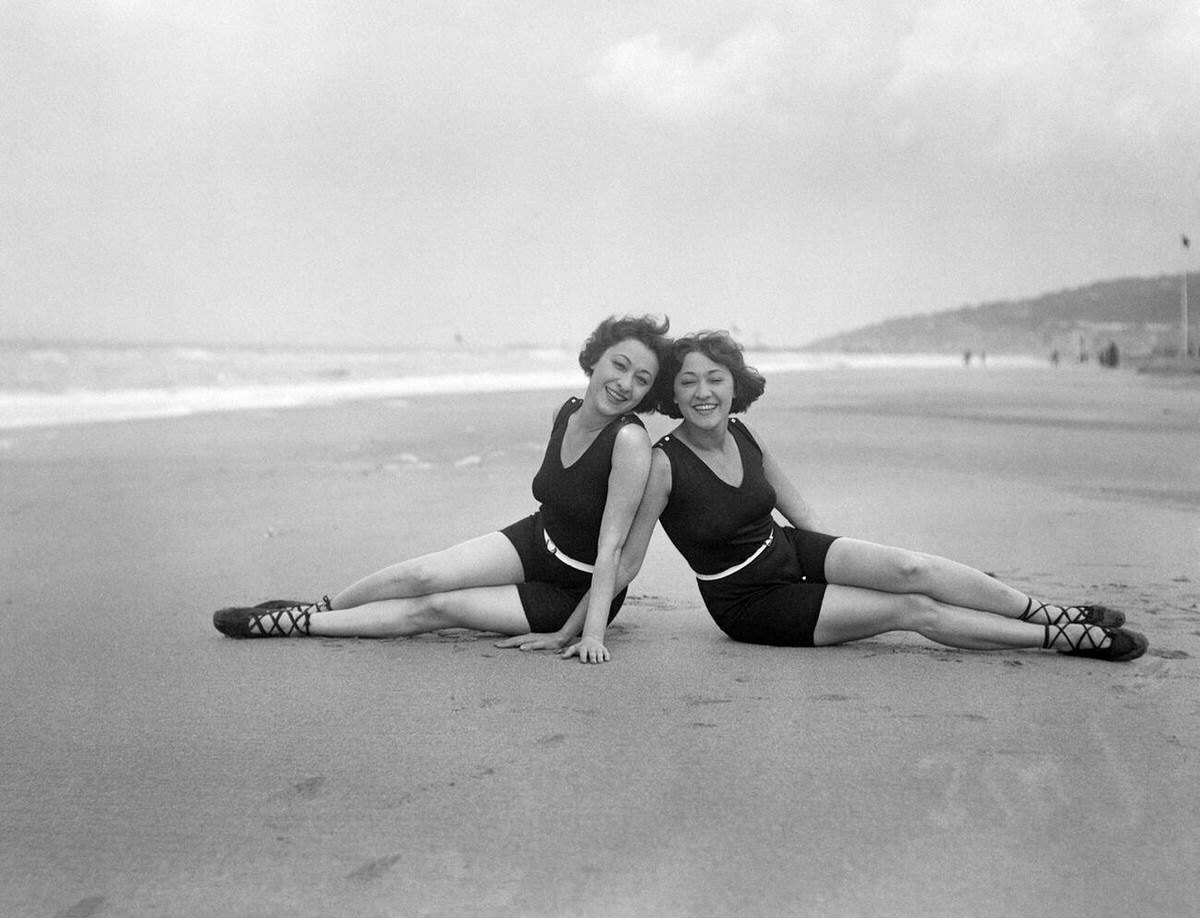
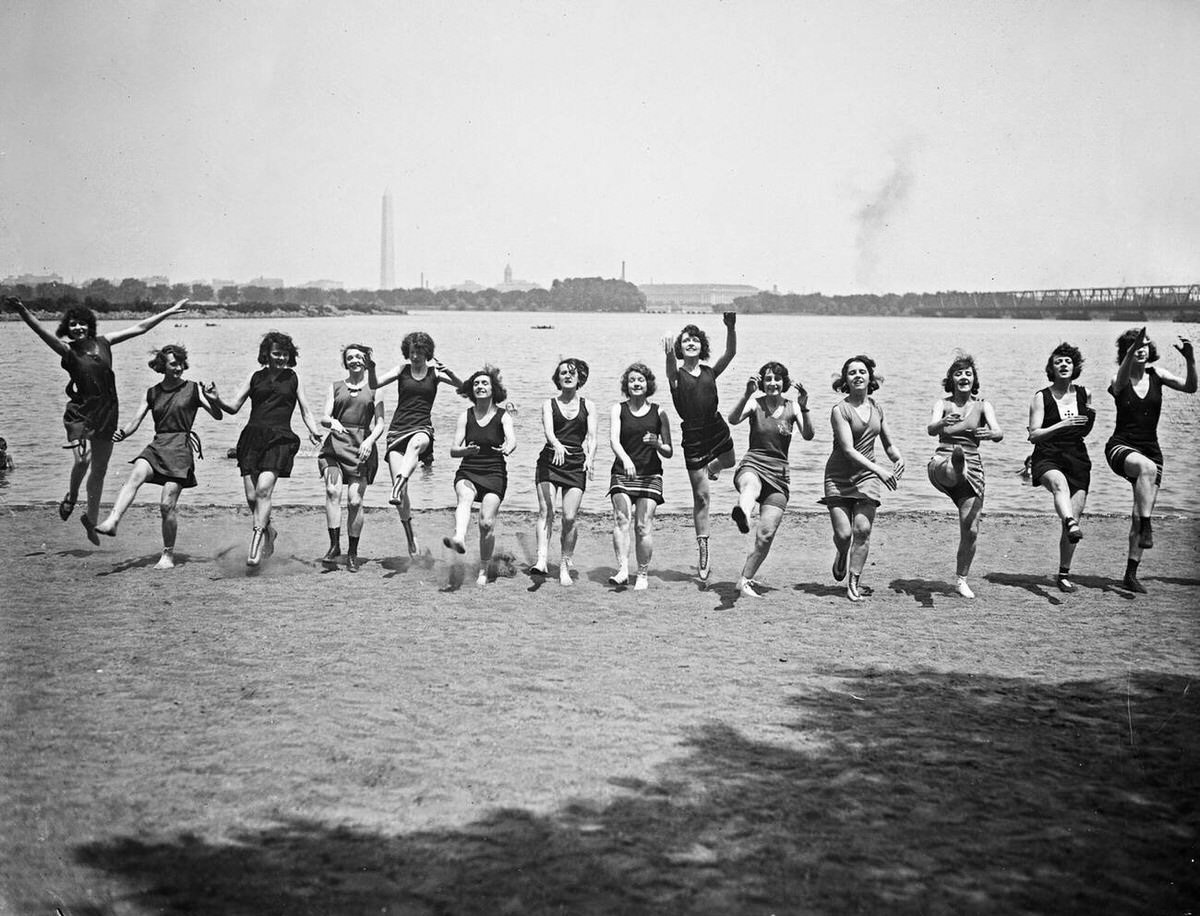
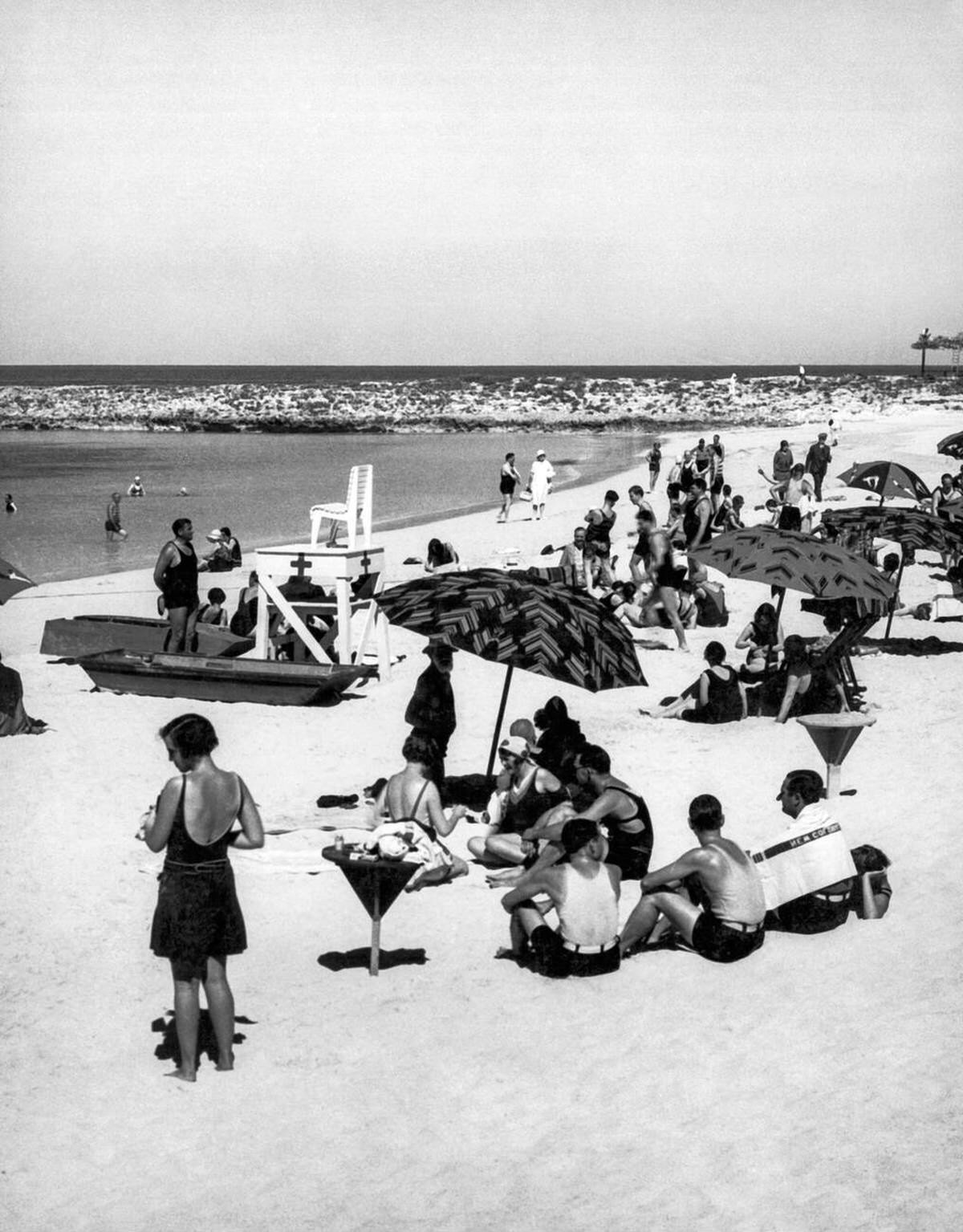
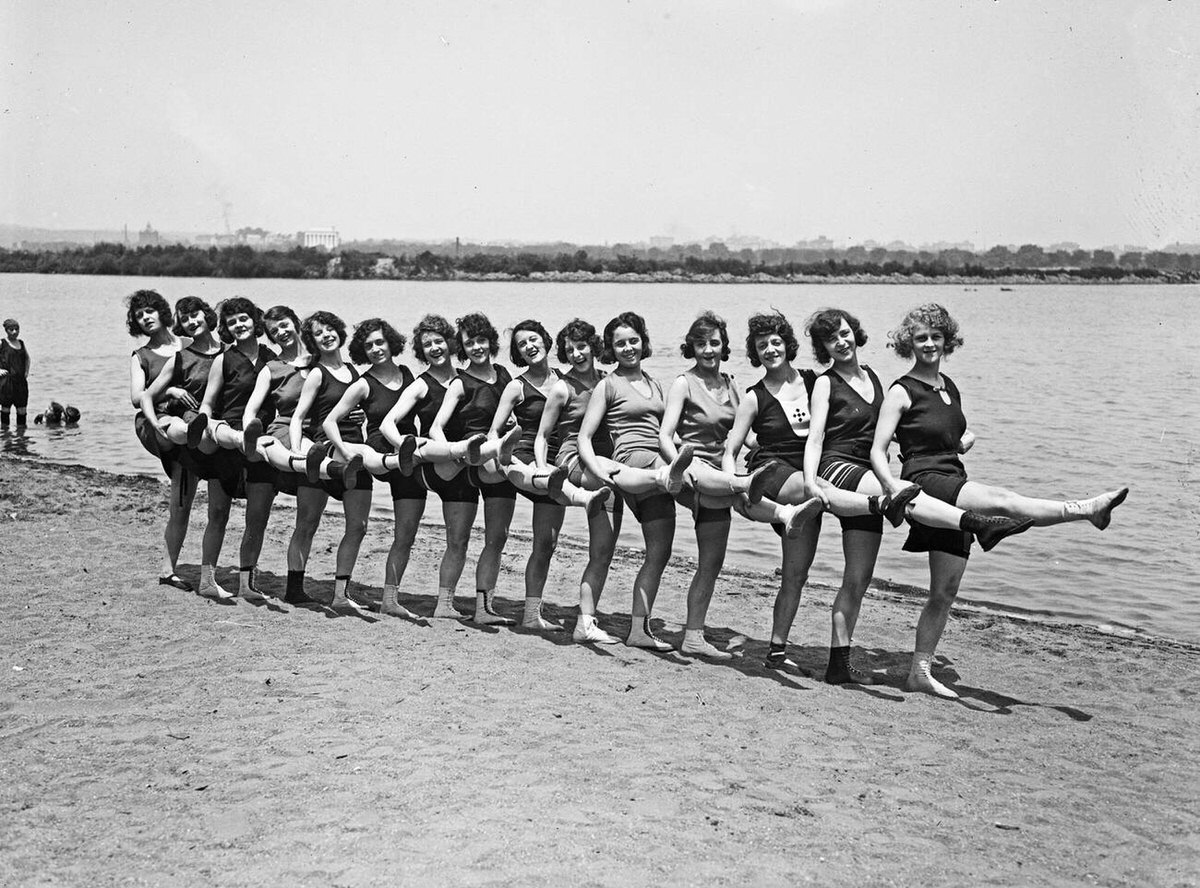
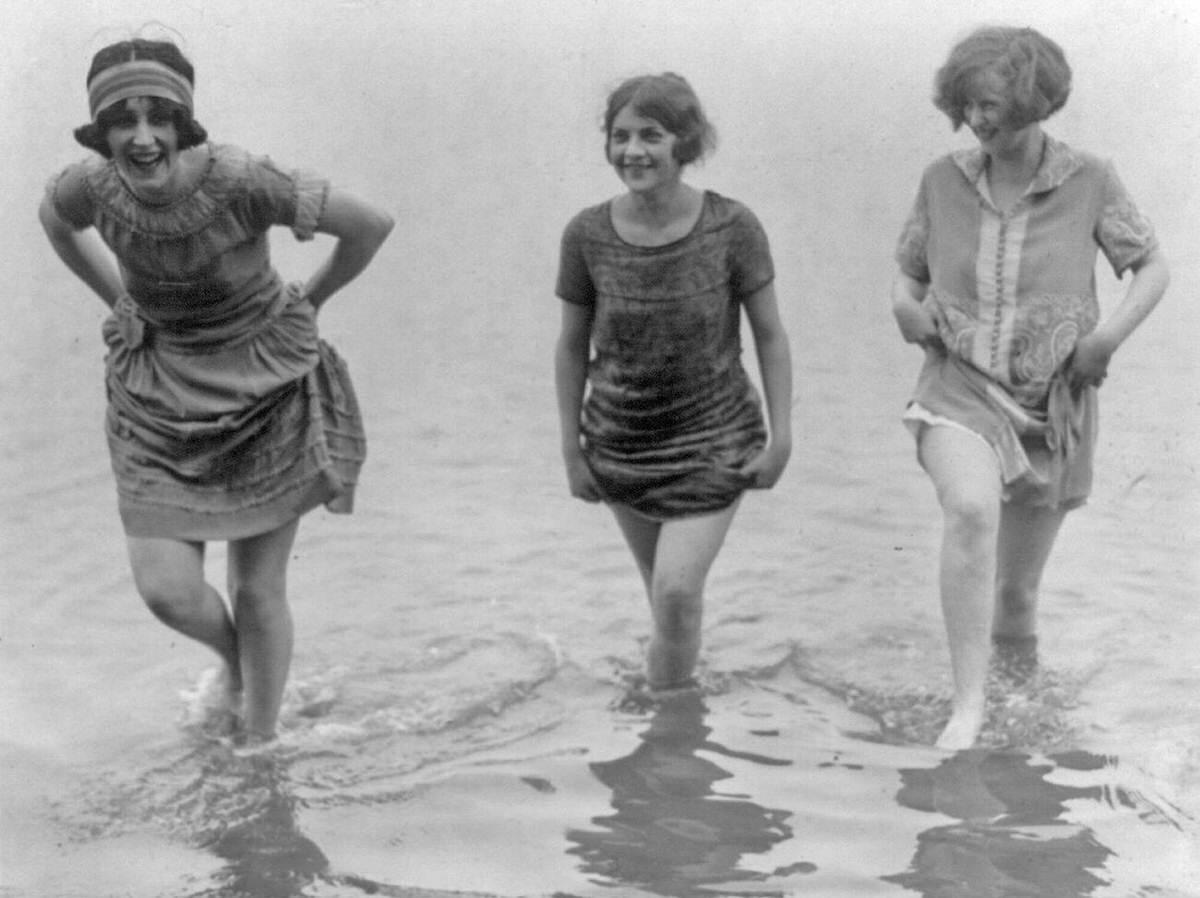
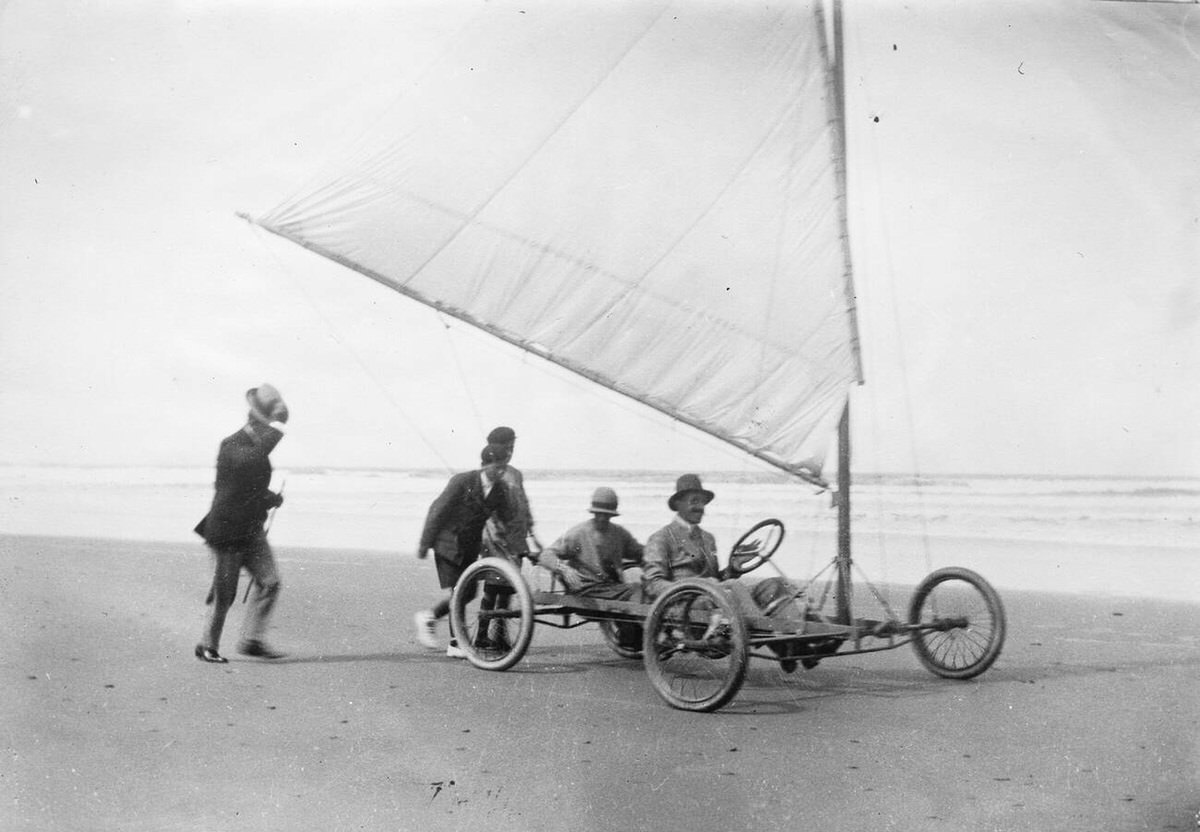
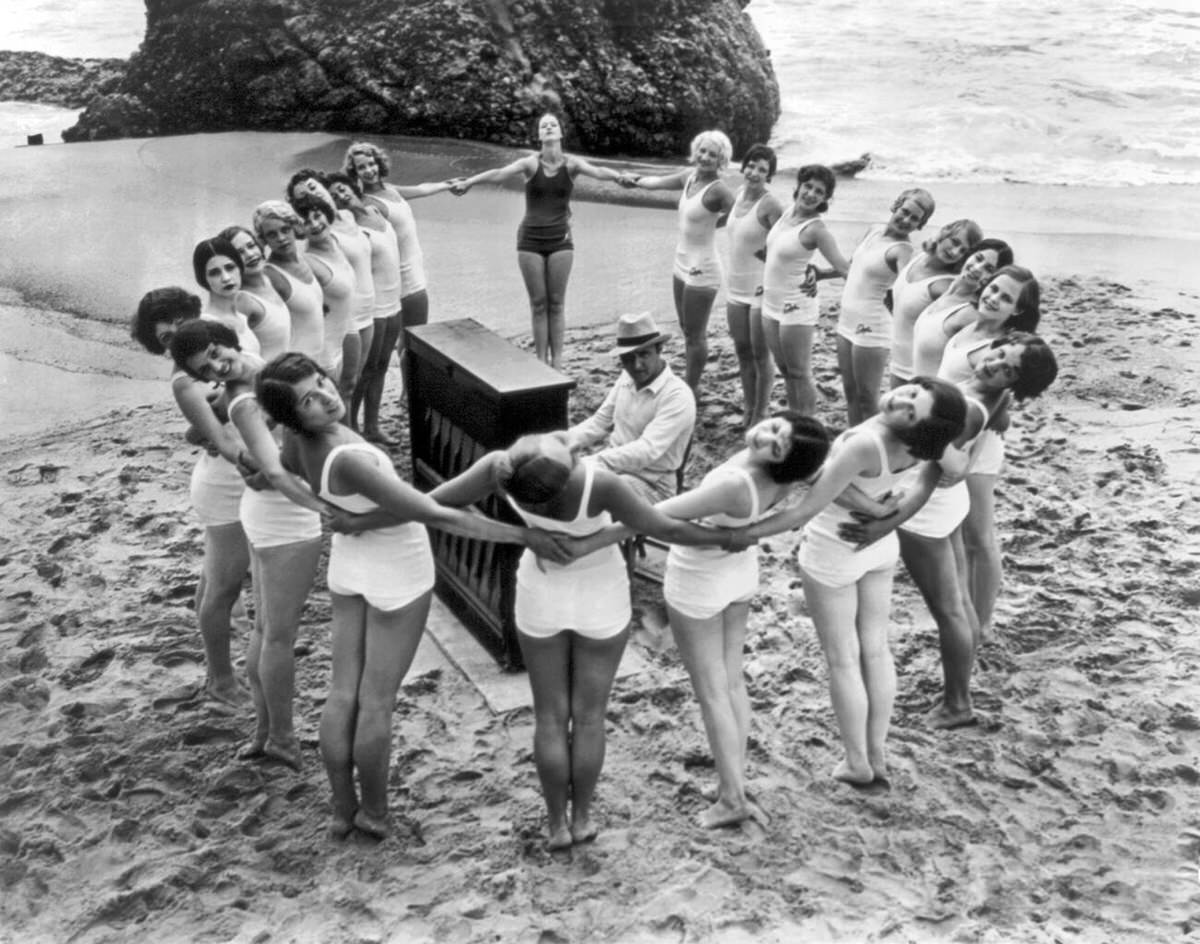
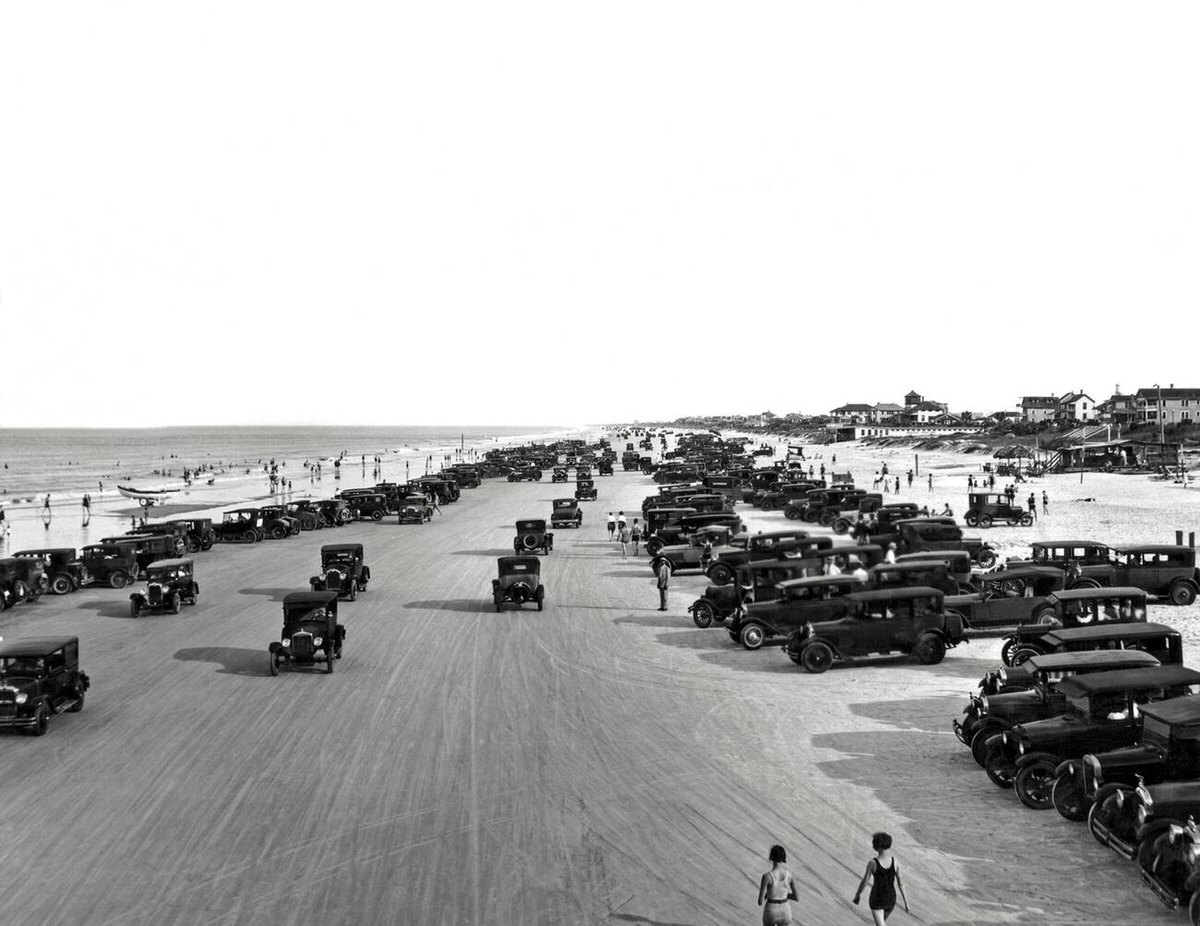
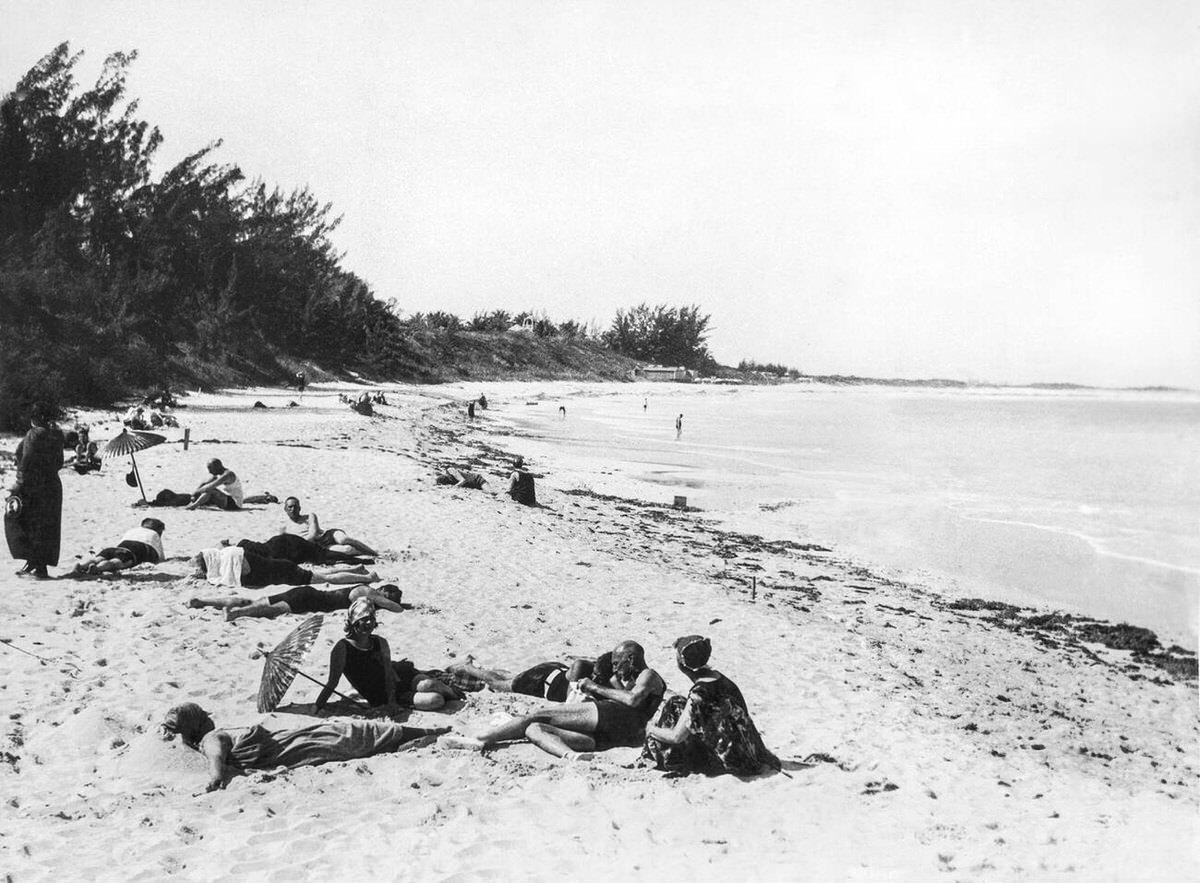
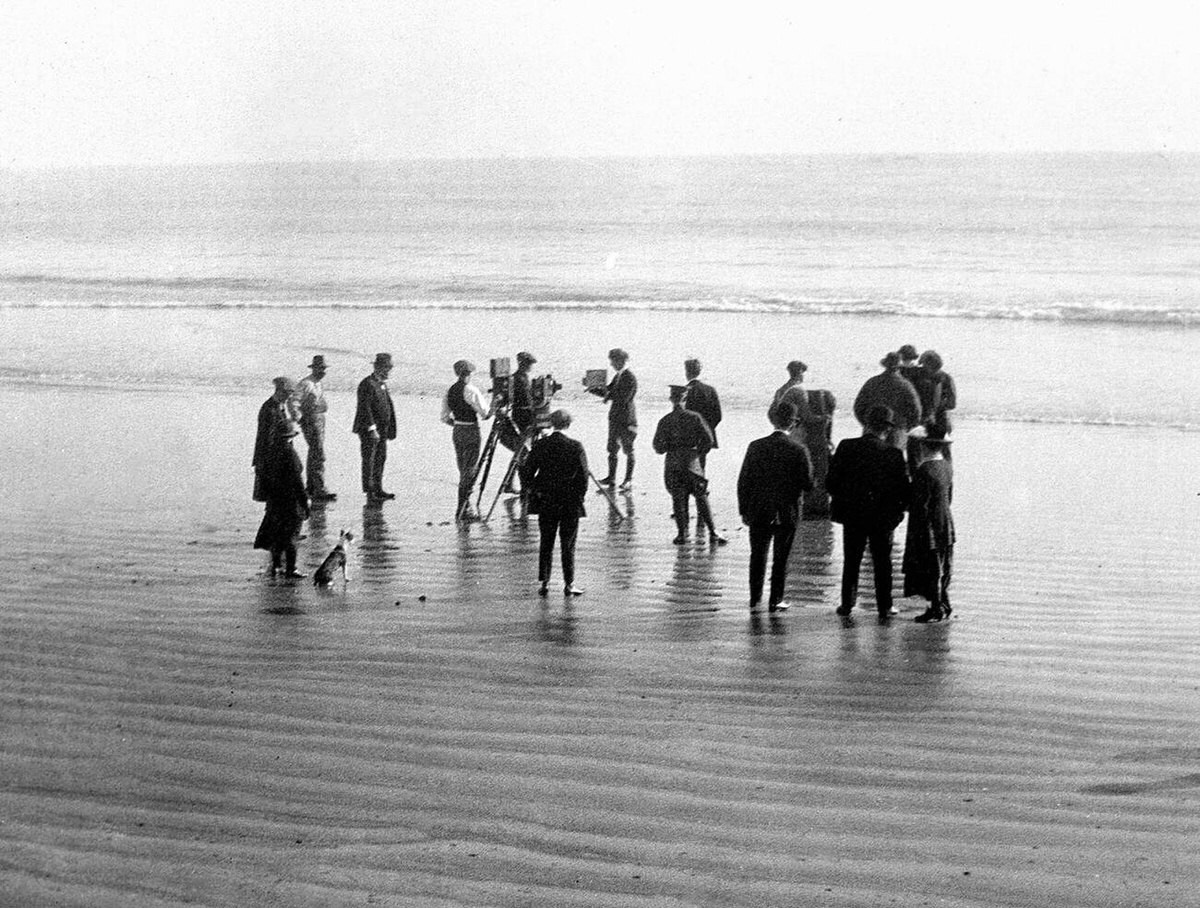
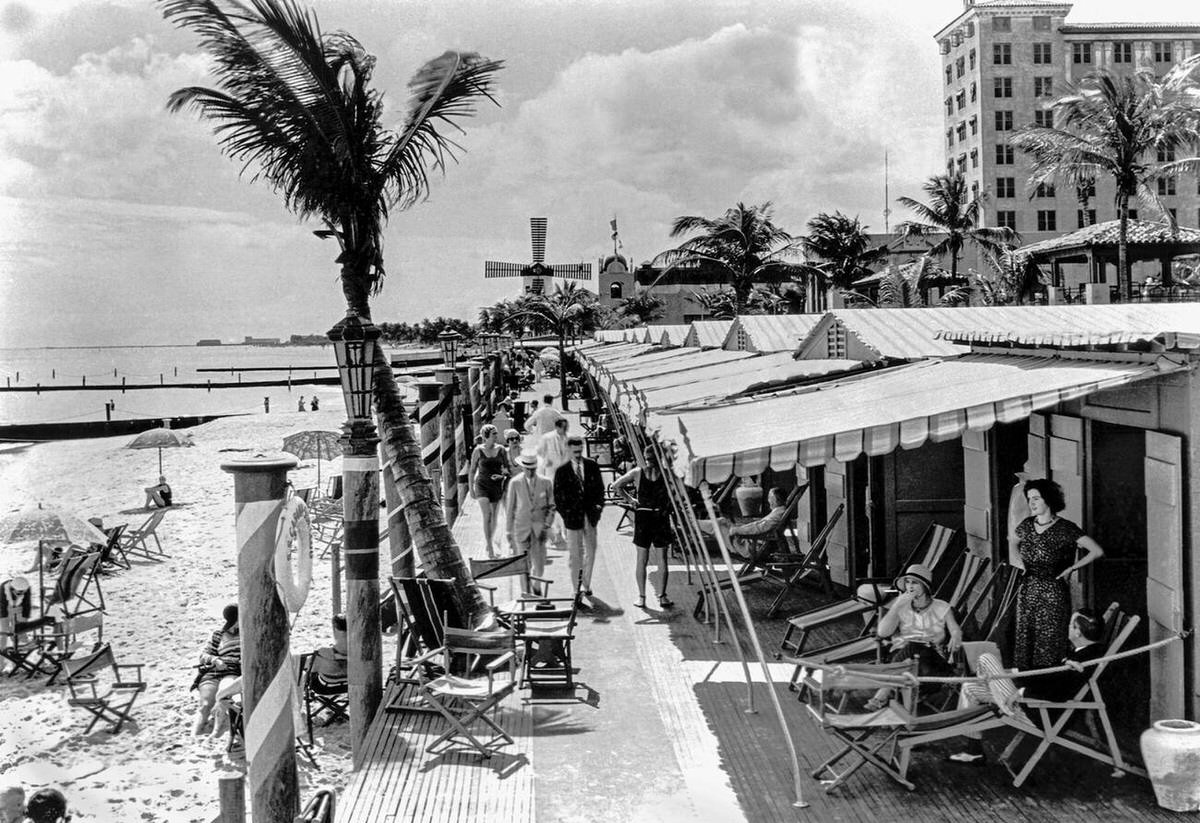
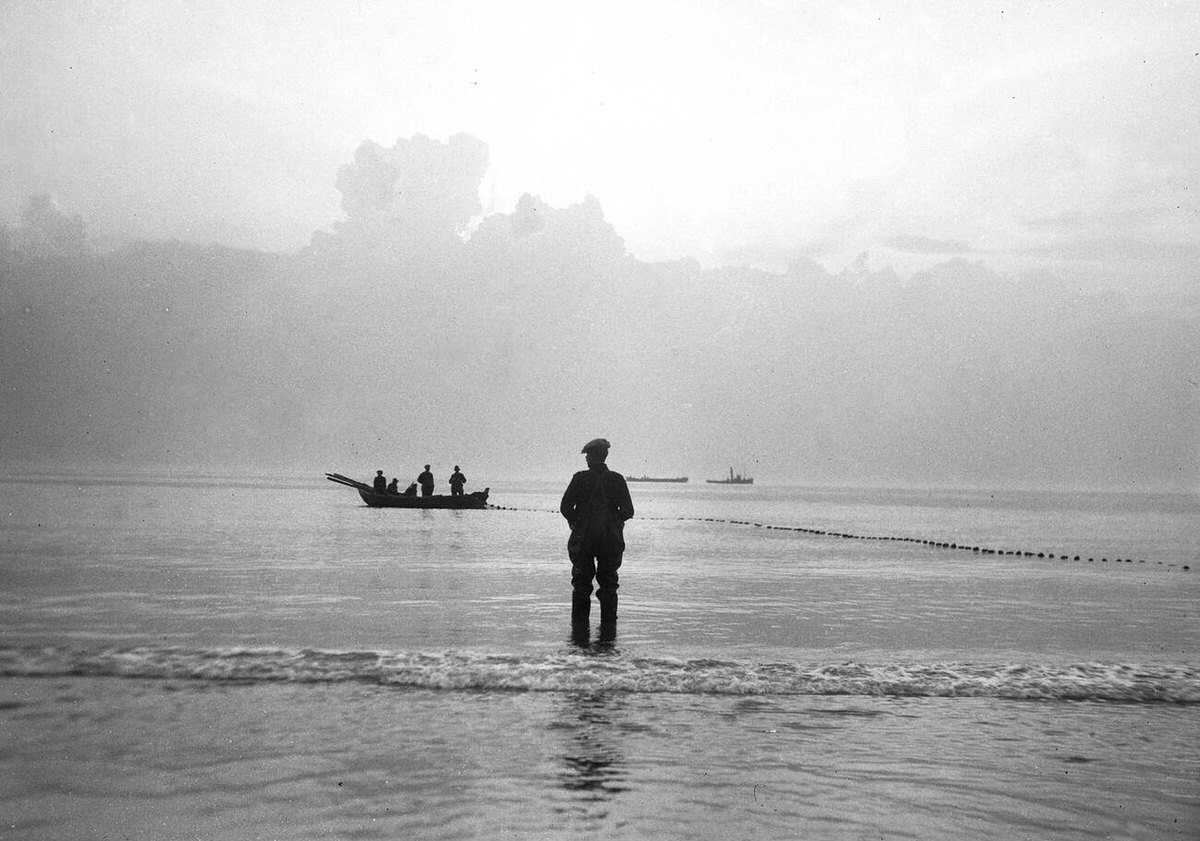
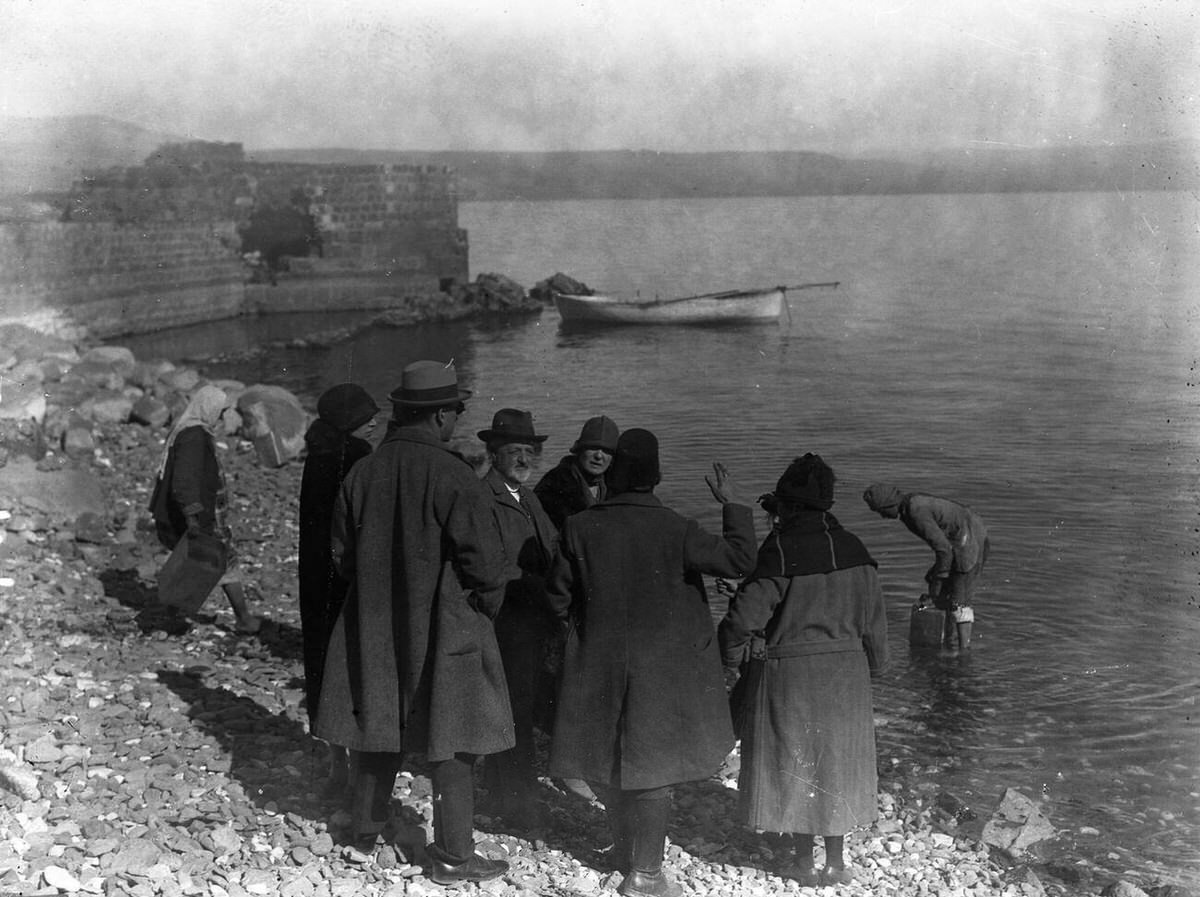
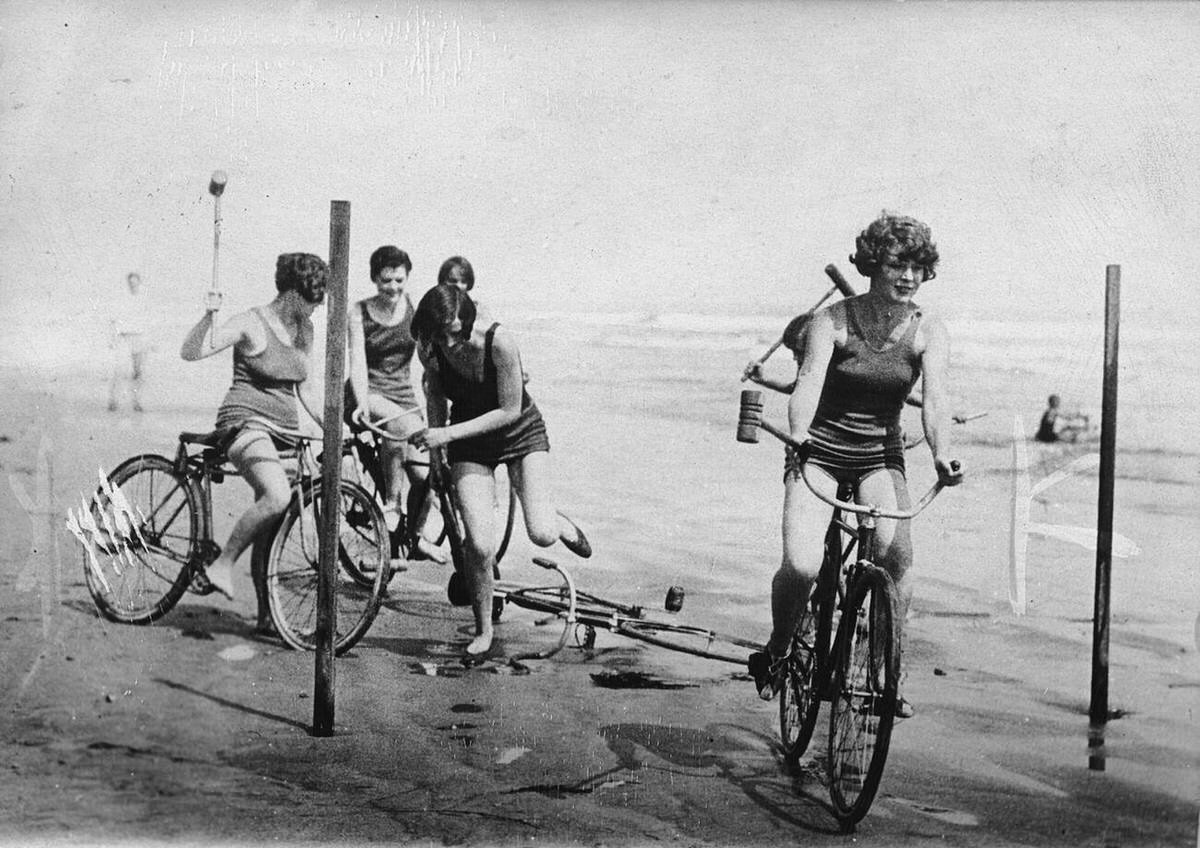
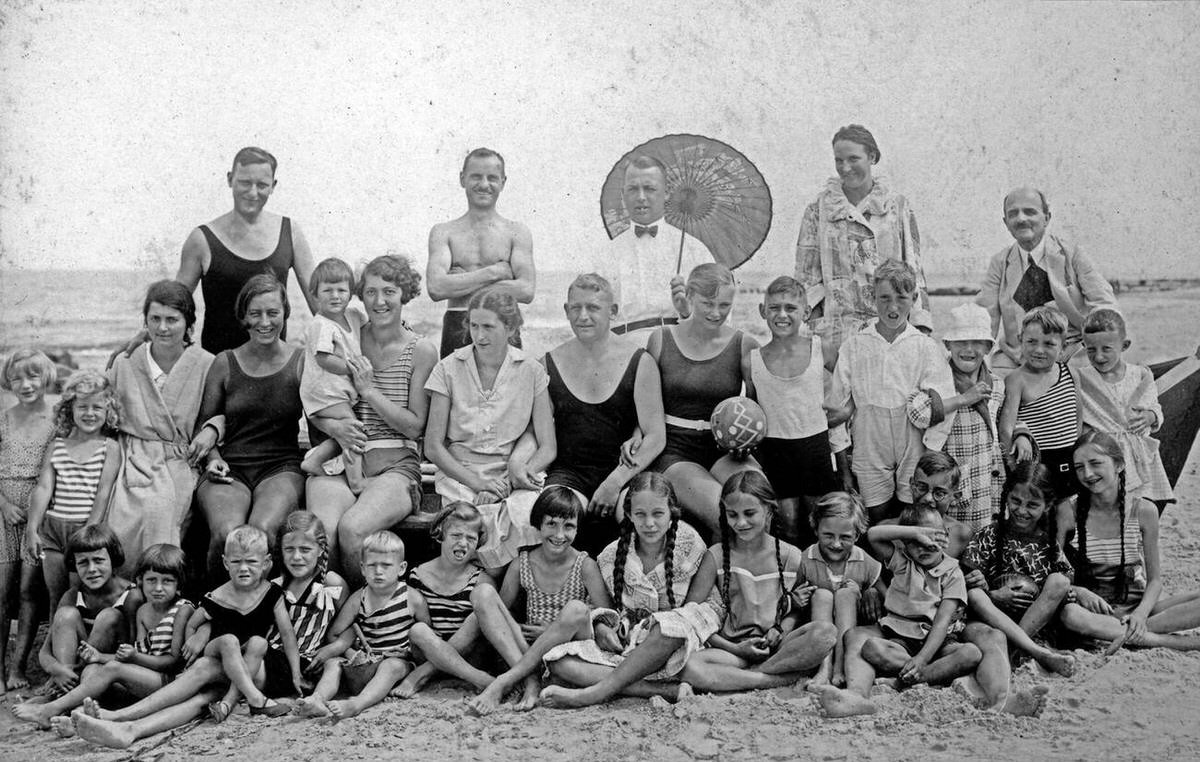
Group on a beach, 1924Two women using a skreenette at the beach, 1929Two young women in swimming costumes reading under a large parasol, 1922Two bathers sitting on the rocks at Broadstairs beach under a parasol, 1928Bathers on the sands at Penzance in Cornwall, 1921Keeping cool in the sea during a heatwave at Bexhill, Kent, 1928Bathing belles enjoying a smoke on the beach at Aldeburgh, Suffolk, 1929Girls of The Merry Whirl applying make-up on Manhattan Beach, New York, during a water carnival, 1924Women posing near a Paris beach, 1925Bathing beauties on the beach, 1929Two young women sunbathing on the beach at Sheringham in Norfolk, 1926Actress Bebe Daniels with actor Ben Lyon at their California beach home, 1929Professional photographer using a ladder to steady her camera on the beach at Ostend, 1924Bathers posing on the beach at Shanklin, Isle of Wight, 1926Four bathing belles shading themselves with parasols on the beach at Skegness, Lincolnshire, 1926Bather trying to induce her friends into the water at Canvey Island, Essex, 1922Three young girls bathing on Blackpool beach, 1920Bathing belle at Plymouth beach with her parasol, 1921Woman wearing beach pajamas on an English beach, 1927Members of the Brighton Swimming Club visiting the beach, 1925Two girl bathers enjoying an early morning dip at Bognor, 1929Group of young children walking hand in hand by the sea, 1928Yum Yum beach fashion at Rottingdean on the south coast of England, 1927Bathers undressing using the skreenette on a public beach, 1929Society girls on the beach at Le Touquet-Paris-Plage, 1923Swimmer Gertrude Ederle being wished bon voyage by Lillian Cannon before her English Channel swim, 1926Crowded beach at Canvey Island on the River Thames, 1925British society group at Palm Beach, Florida, with an inflatable mattress, 1922Male bather carrying a female friend on the beach at Brighton, 1927Actress Julia Faye with Dorothy Egan on the beach, 1927Vacationers sharing a towel on the beach at Lowestoft, 1926Woman taking a photograph of a fellow bather at the beach on the Isle of Thanet, 1927Two women playing leapfrog on the beach at Broadstairs in Kent, 1927Two small bathers on the water’s edge at Lowestoft, Suffolk, 1926Three women enjoying the gala at the Thames Resort at Hampton Court, 1926Yum Yum beach fashion at Rottingdean on the south coast of England, 1927Group of women dragging men into the sea at Shanklin, Isle of Wight, 1929Dancer Eileen Molyneux on the beach at Le Touquet, 1923Coast Guard petty officer supervising a crew rendering first aid to a man on a beach in New Jersey, 1915Coast Guard men moving a life-saving surf boat across the sand on a wheeled carriage in New Jersey, 1915Bathers with a stuffed alligator at the Tidal Basin in Washington, D.C., 1919Bathers on La Concha beach in San Sebastián, 1920Execution of a new leisure sport at a seaside resort in the United States, 1920Enoshima Island and Mount Fuji seen from Shichirigahama beach near Kamakura, Japan, 1920sSmall Hope Beach in Shanklin, Isle of Wight, 1920Samuel Burston and friends at Chiton Rocks Beach with early boogie board technology, 1920sFilmmakers shooting a silent movie in the ocean with outrigger canoes, 1920Young woman sitting alone on the sand near Barnegat Lighthouse on Long Beach Island, New Jersey, 1920Women at the beach of Noordwijk aan Zee, Holland, 1920Group of people on the beach, 1920Beach in Tel Aviv, 1920Crowds at Revere Beach in Massachusetts during a heatwave, 1920Catamarans on a tropical beach in Sri Lanka, 1920sMount Fuji seen from Chigogafuchi beach on Enoshima Island, Japan, 1920sGroup of people on the beach, 1920Armenian refugees with household possessions on a Black Sea beach in Novorossiysk, Russia, 1920Movie crew with cameras on tripods in the surf on a tropical beach, 1920Bathers on the beach in Binz, 1920Aerial view of Blackpool Tower and Pier in Lancashire, 1920Beach in Trouville, France, 1920sNew Brighton beach on the Wirral Peninsula in England, 1920Group of people posing on the beach of Dziwnów on the Baltic Sea, 1921Mrs. Snowdon Hedley in the surf with her mascot at Deauville, 1921The Dolly Sisters posing on the sands of Deauville, France, 1922Bathing beauties dancing on the beach, 1923Scene on the beach at Cape Cod, Massachusetts, 1923Bathing beauties dancing on the beach, 1923Models from a spring fashion show wading at Arlington Beach, 1924Miss America contestants taking a stroll on the beach in Atlantic City, New Jersey, 1924Crowds on the boardwalk at Coney Island in Brooklyn, 1925King Alfonso of Spain on a sand yacht on the beach at Comillas, 1924Albertina Rasch ballet rehearsing on the beach with Dimitry Tiomkin in Santa Monica, California, 1925Motorists and bathers on Daytona Beach, Florida, 1925Vacationers on the beaches at Nassau, Bahamas, 1925Film crew and a dog working on a California beach, 1925Cabana Row at the Roney Plaza Cabana Sun Club in Miami Beach, Florida, 1925Fishing boat with driftnets at Huisduinen beach in Den Helder, Netherlands, 1925English tourists on the shores of the Sea of Galilee at Tiberias, 1925Young women playing cycle polo on the beach at Long Beach, California, 1926Group of people posing on the beach of Dziwnów, 1926Bathers at Colonial Beach, Virginia, 1920s
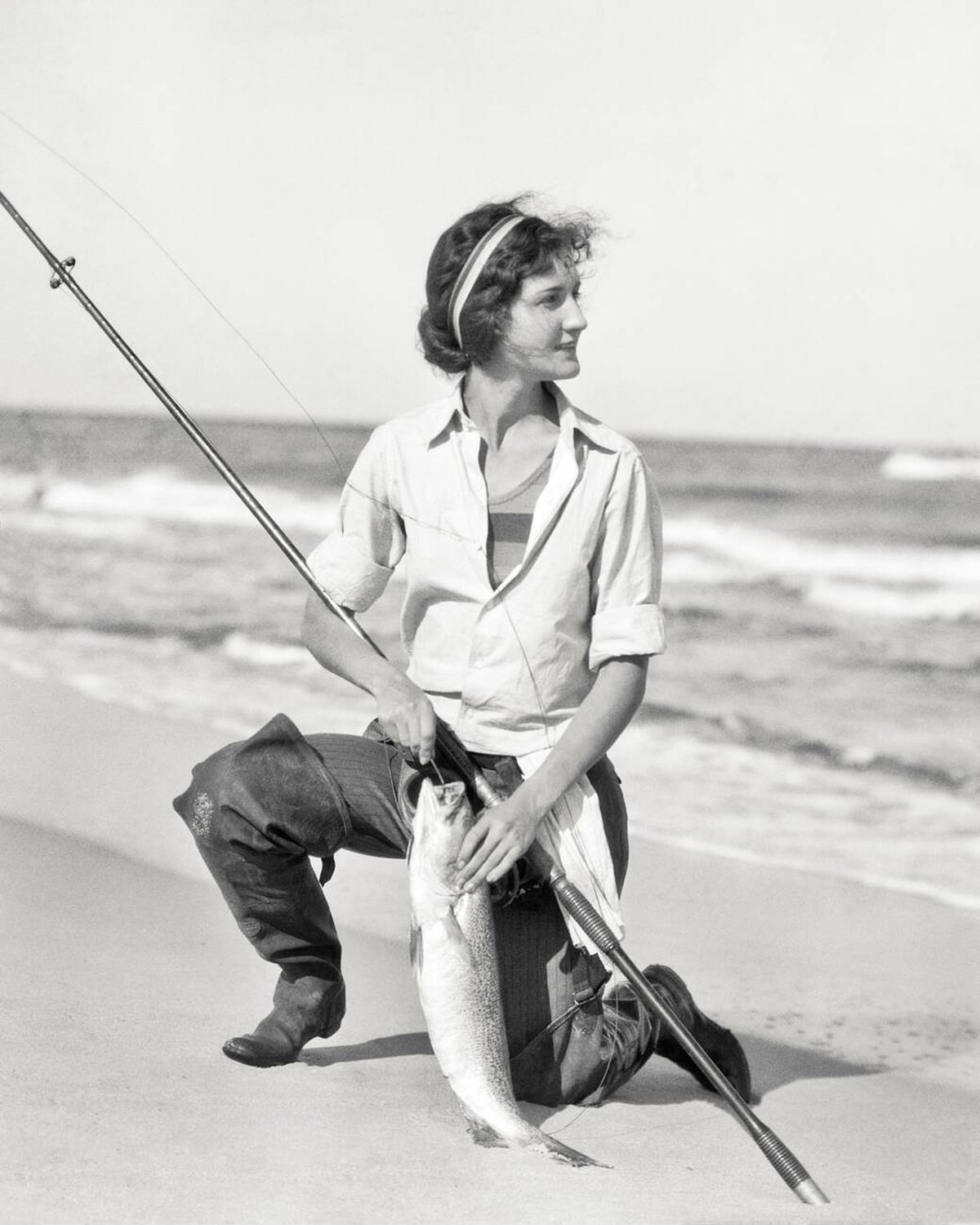
Woman kneeling on the shore with a weakfish caught while surf fishing in New Jersey, 1927
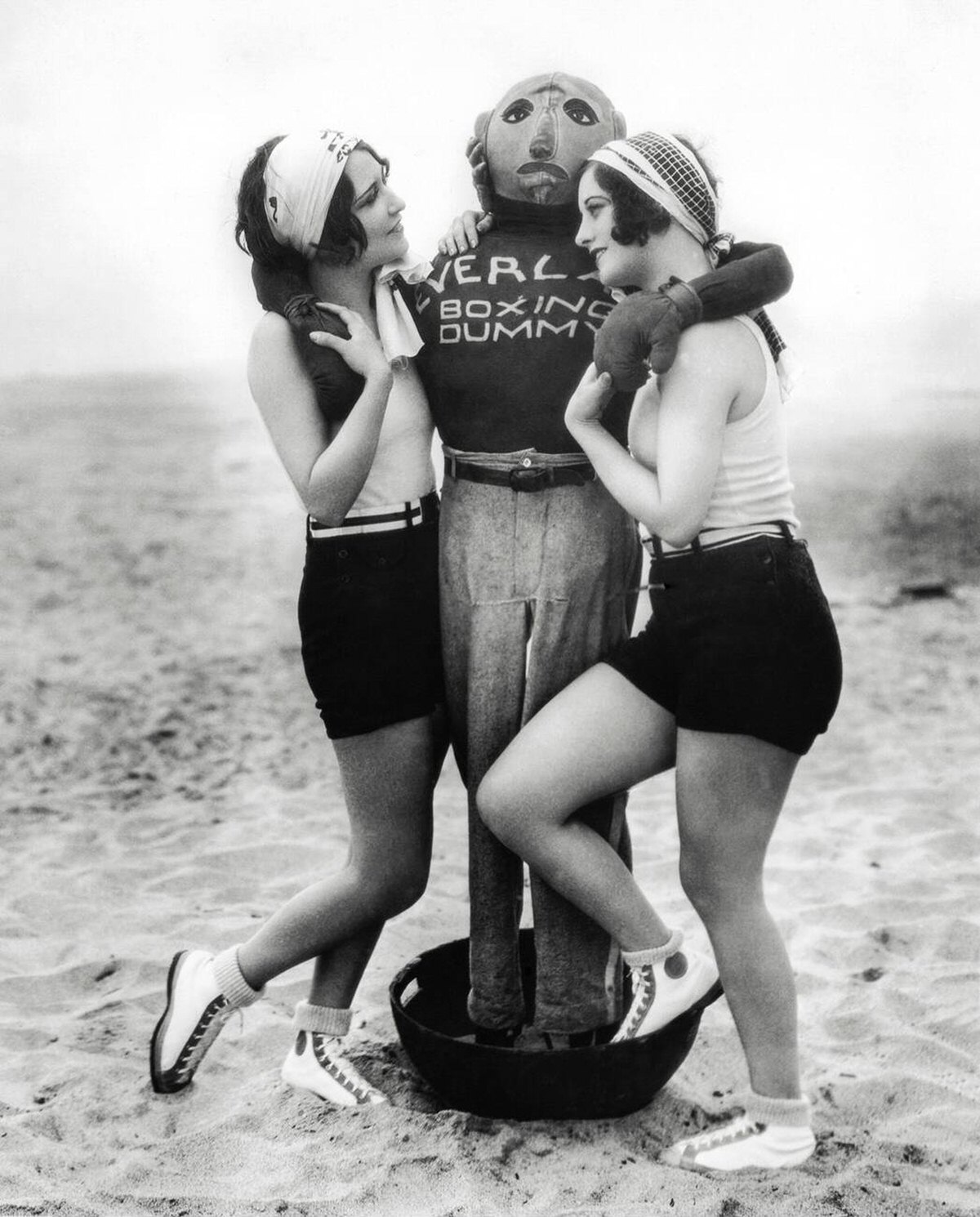
Actresses Dorothy Sebastian and Joan Crawford with a boxing dummy in Hollywood, 1927
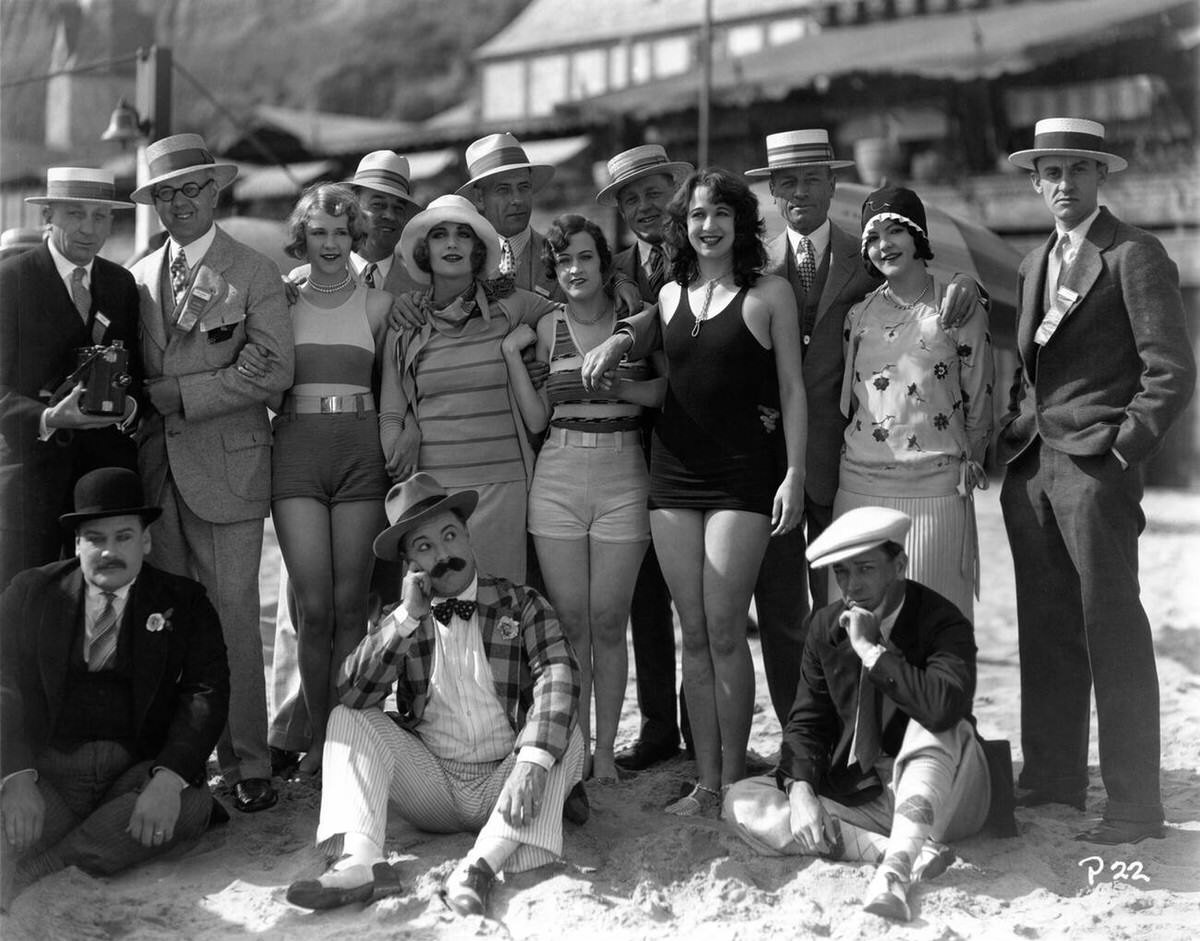
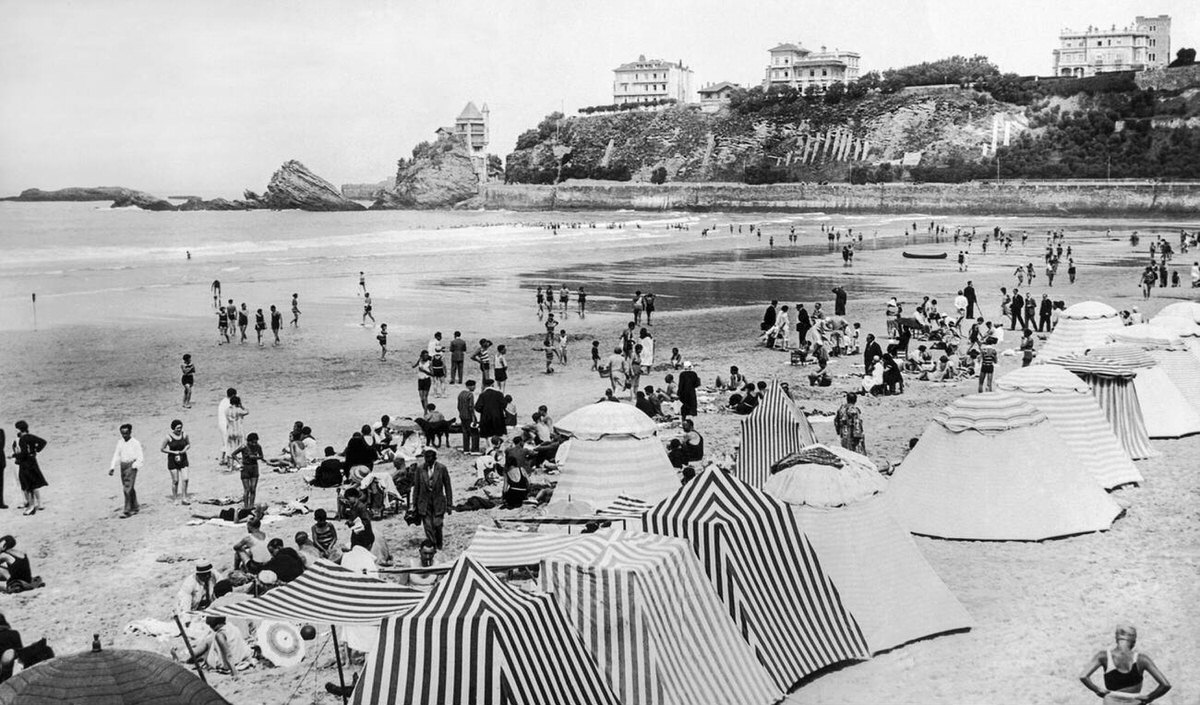
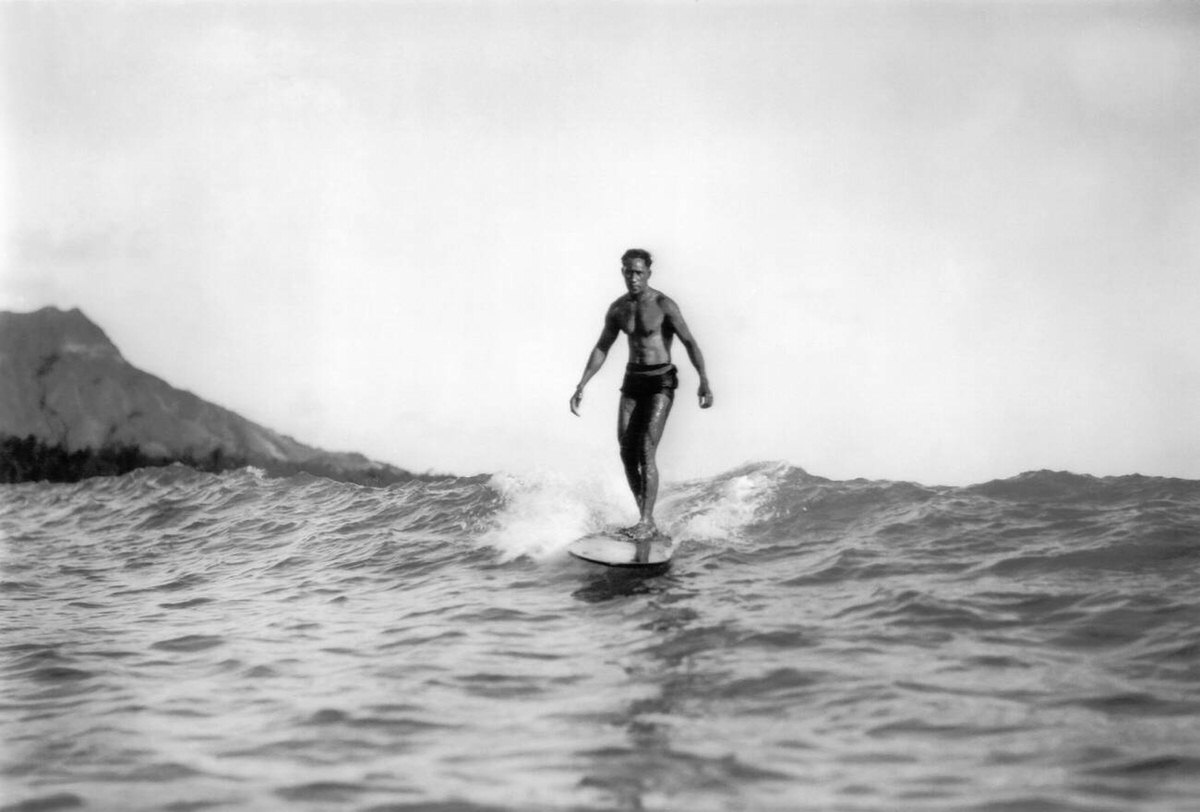
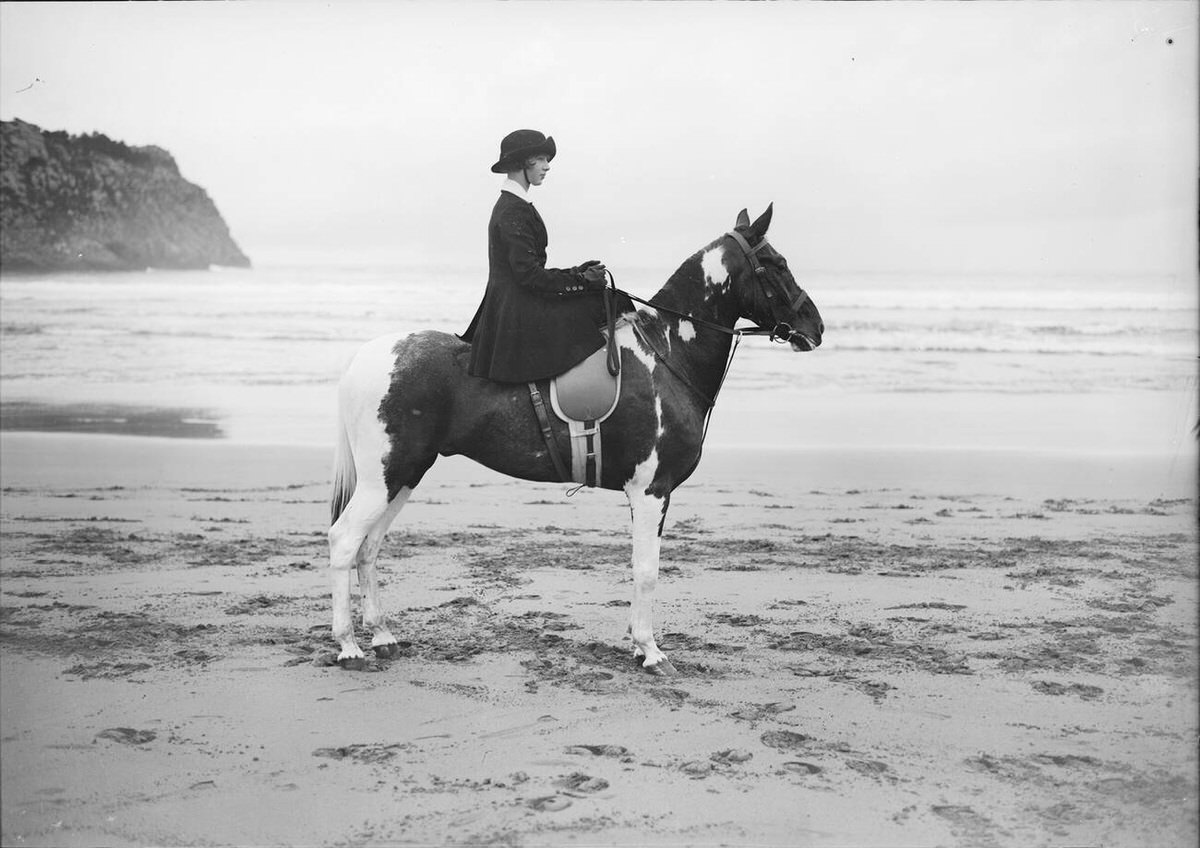
Clara Bow, 1928Mack Sennett Bathing Beauties posing with a movie theater manager on the beach, 1928Mack Sennett comedians and Bathing Beauties posing with movie theater exhibitors on the beach, 1928Fashionable bathing beach at Biarritz on the Bay of Biscay, France, 1928Duke Kahanamoku riding a wave on a wooden surfboard in Waikiki, Hawaii, 1929Evelyn Brent, 1929Adelaide Habsburg on a horse on the beach of Lekeitio, 1927
Heather Brown is a writer and historian with a passion for all things vintage. She shares her knowledge of the past through her blog, with a particular focus on historical photos and the stories they tell.