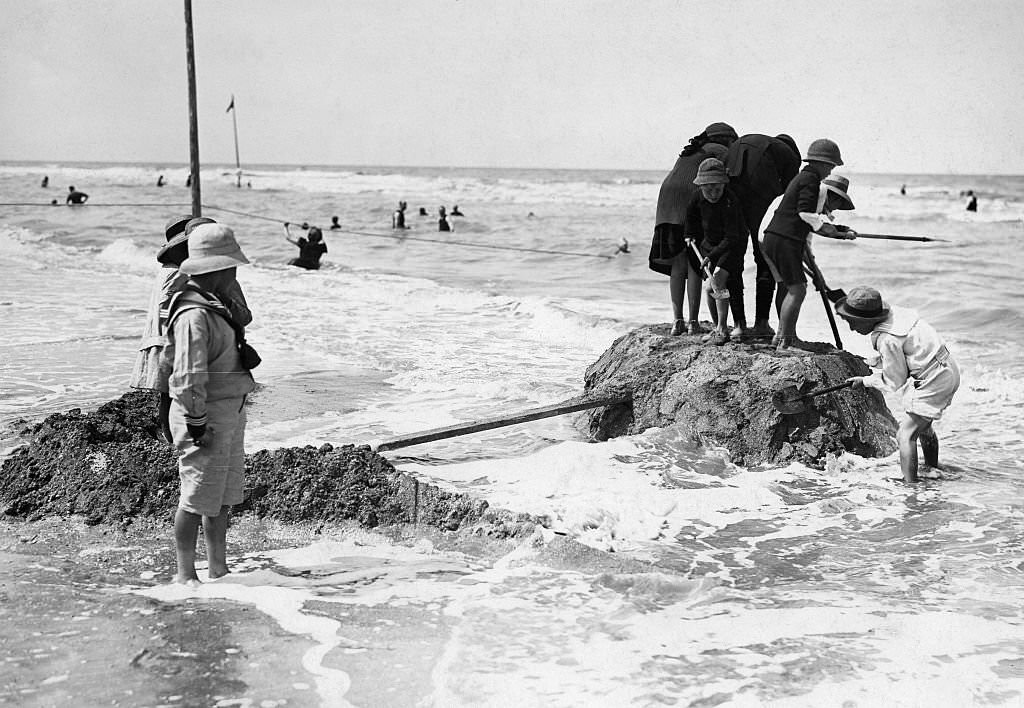
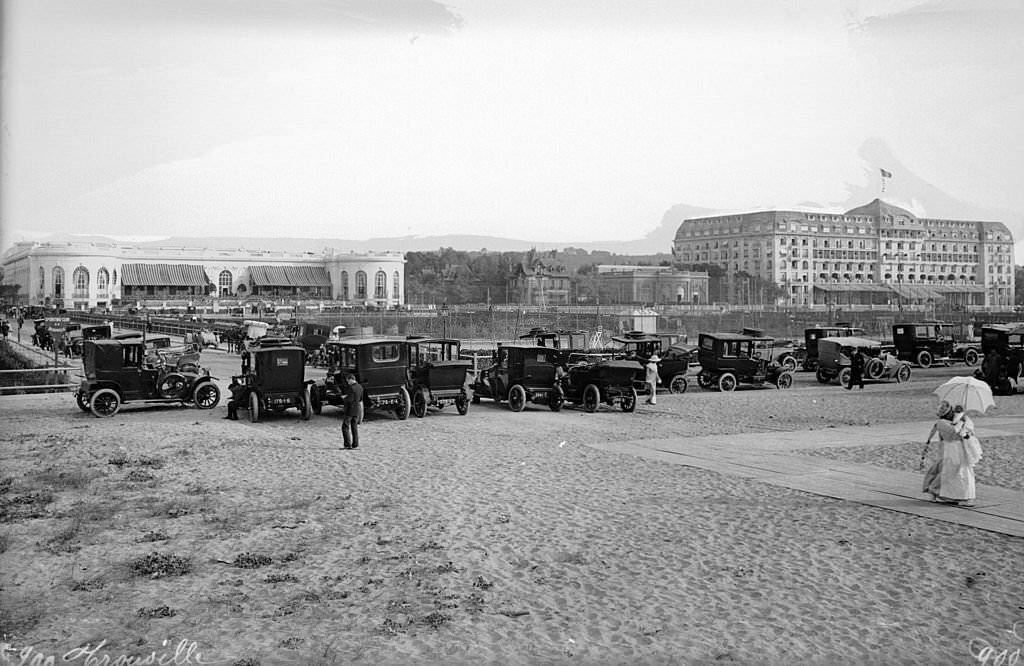
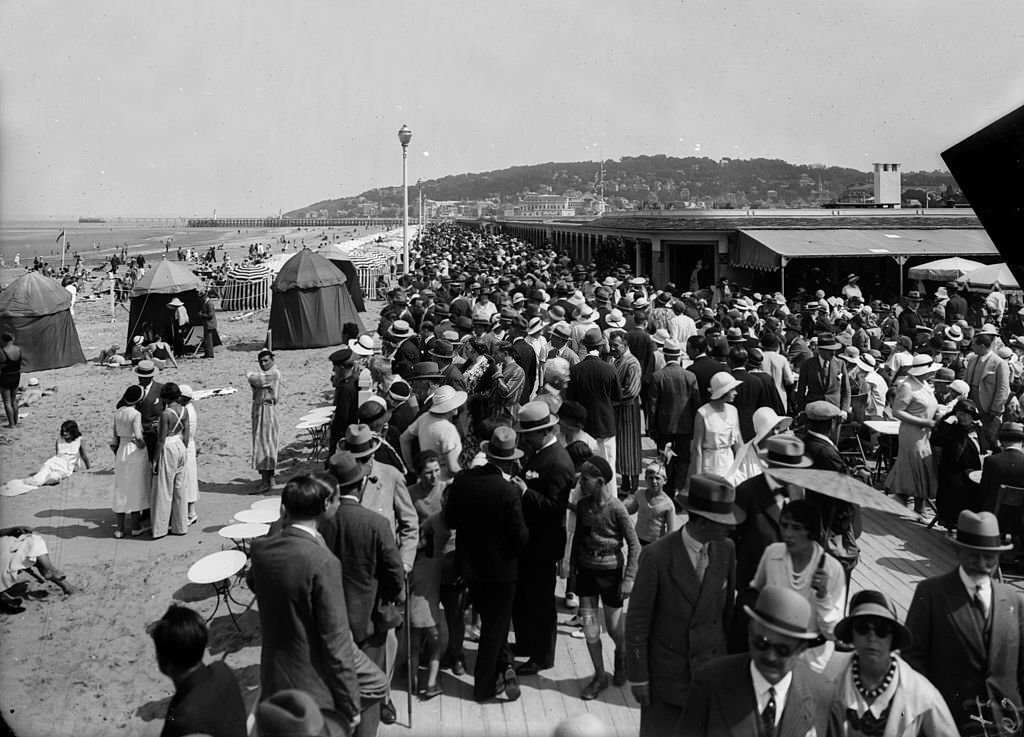
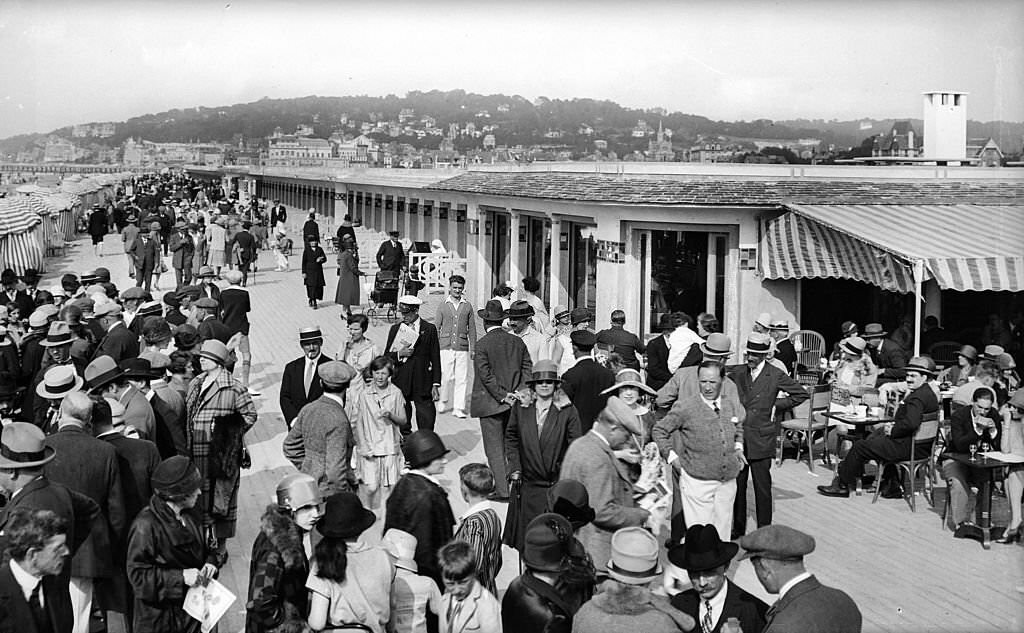
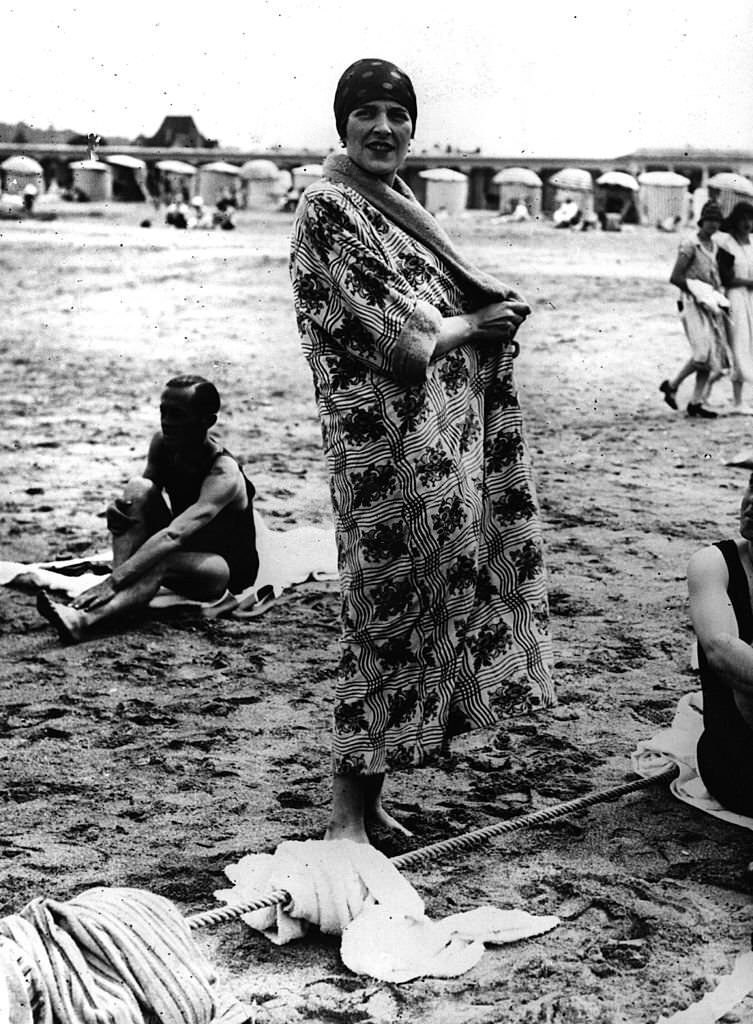
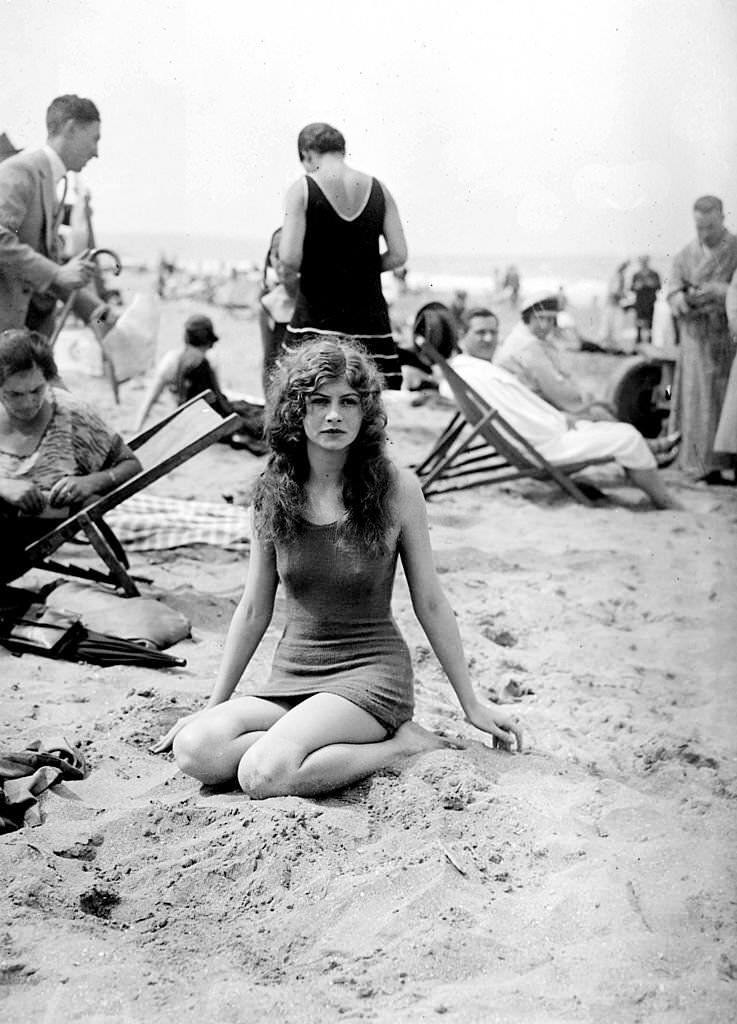
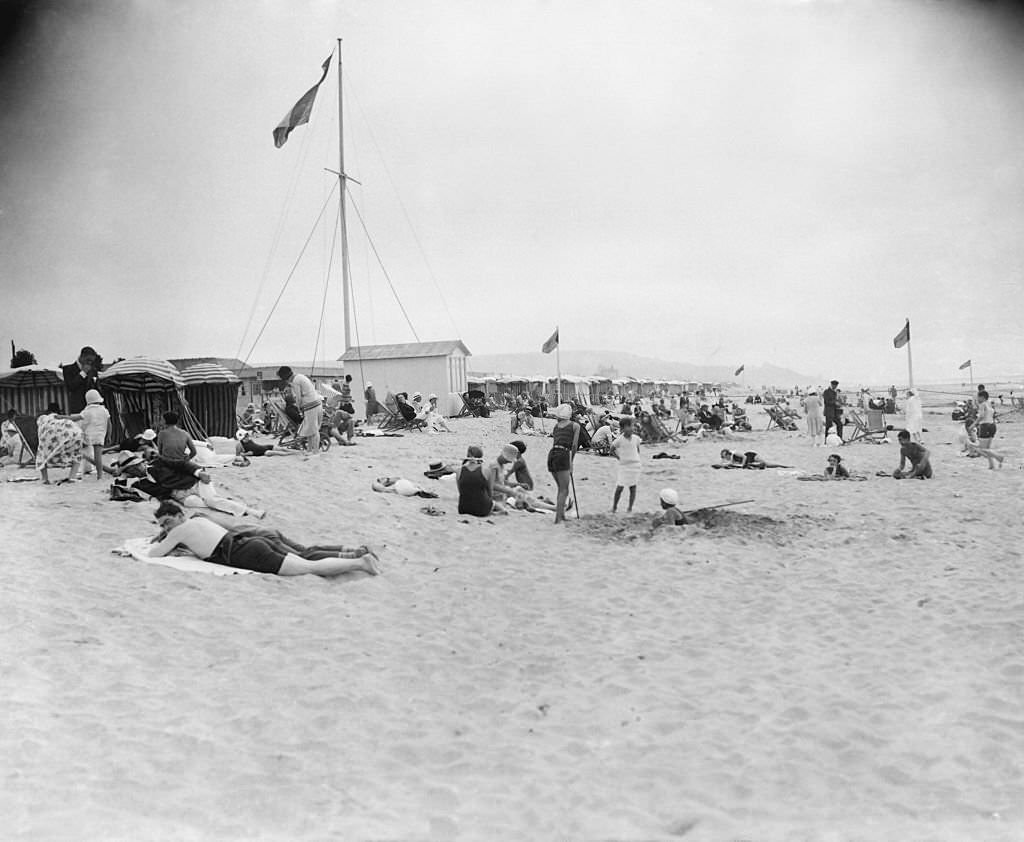
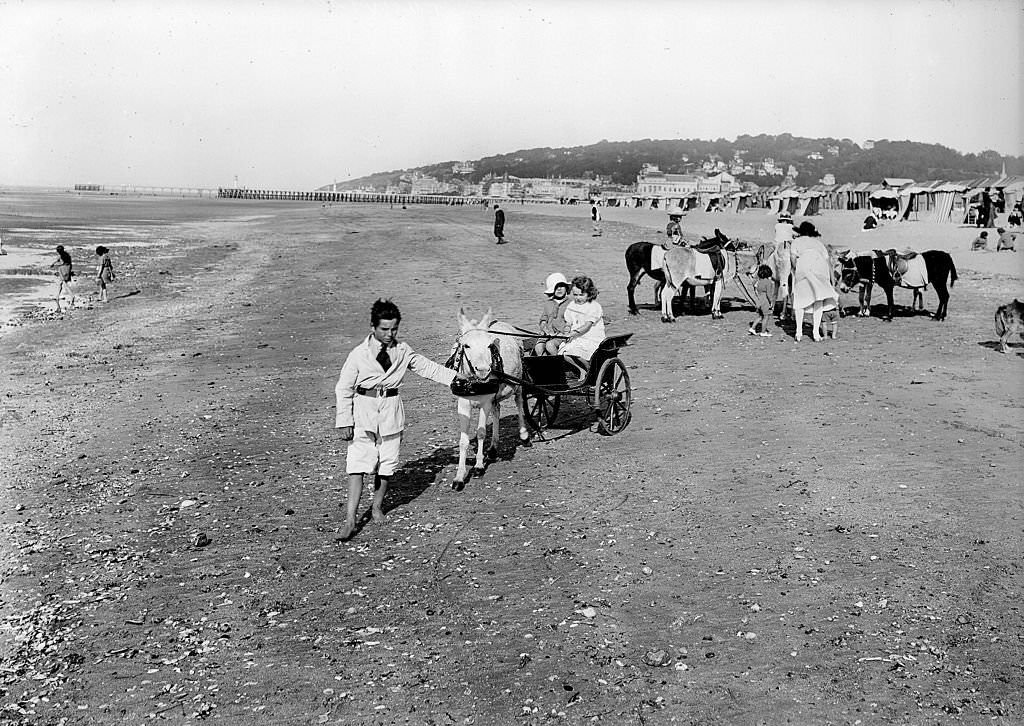
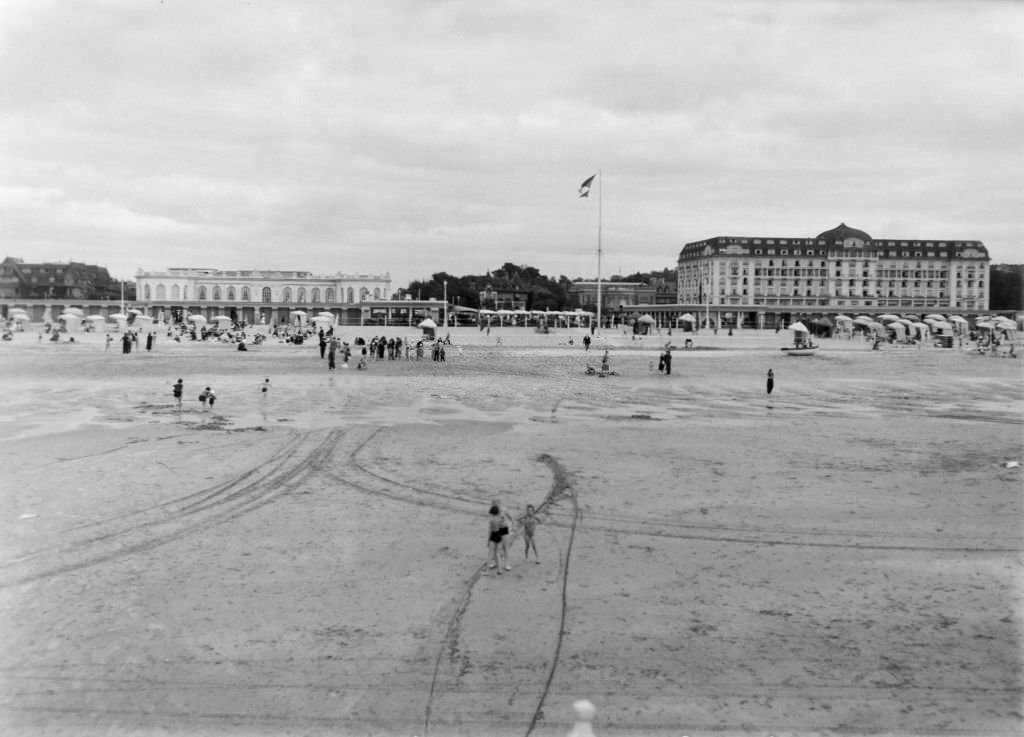
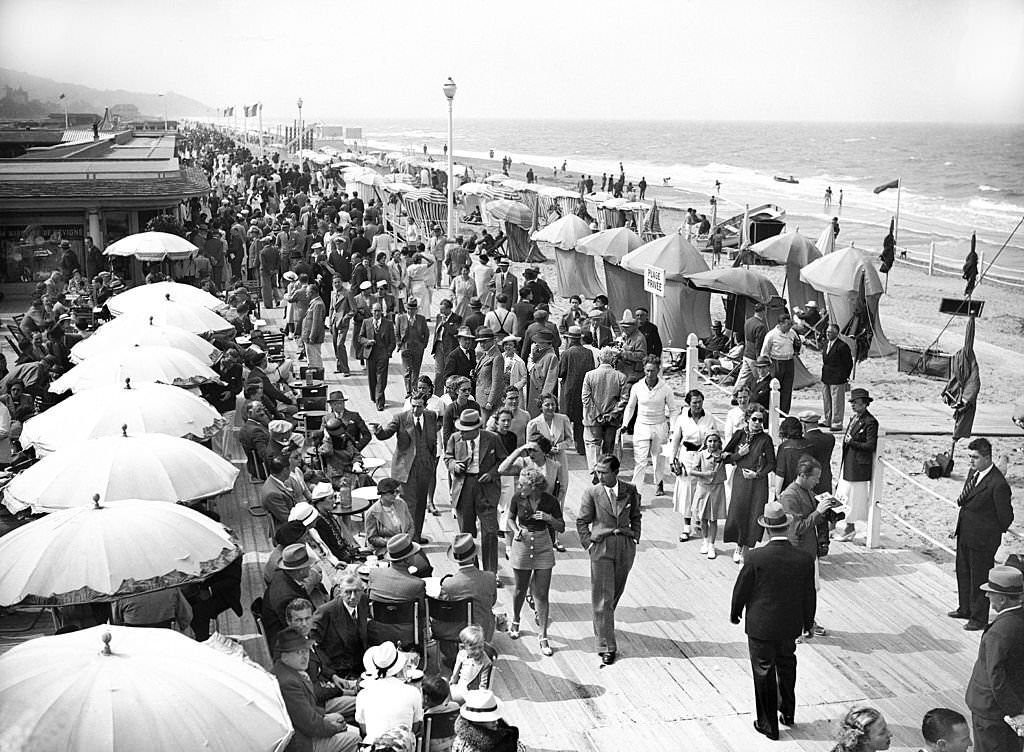
Deauville sits on the Normandy coast of France, roughly 200 kilometers northwest of Paris. For well over a century, it has carried the nickname “queen of the Norman beaches.” Its closeness to Paris made it the natural playground of French high society, earning the Côte Fleurie the label of the Parisian Riviera. Wide sandy beaches, a beachside boardwalk known as Les Planches, casinos, luxury boutiques, therapeutic baths, and horse racing tracks all made Deauville unlike any other resort in Europe.
One of the main attractions in the French bathing resort Deauville, 1900
Deauville’s earliest recorded history dates to 1060, when the region was called Auevilla and governed by Seigneur Hubert du Mont-Canisy. Hubert later left to follow William the Conqueror into England, and the area stayed relatively quiet for centuries. The transformation came in 1860, driven by Charles Auguste Louis Joseph de Morny — Napoleon III’s half-brother. De Morny built the Deauville-La Touques Racecourse, funded the Paris-Deauville railway, erected a small casino, and added a church and school. What had been a sleepy fishing hamlet became an international destination almost overnight.
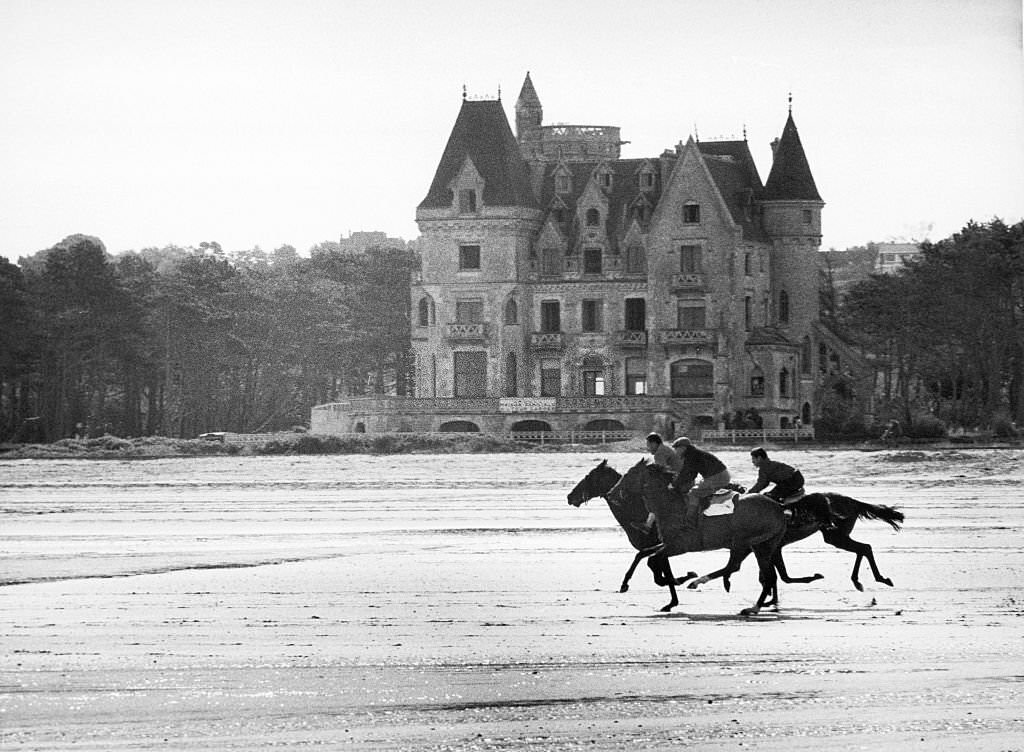
Racehorses Galloping on the Beach in the Morning at Deauville, 1909
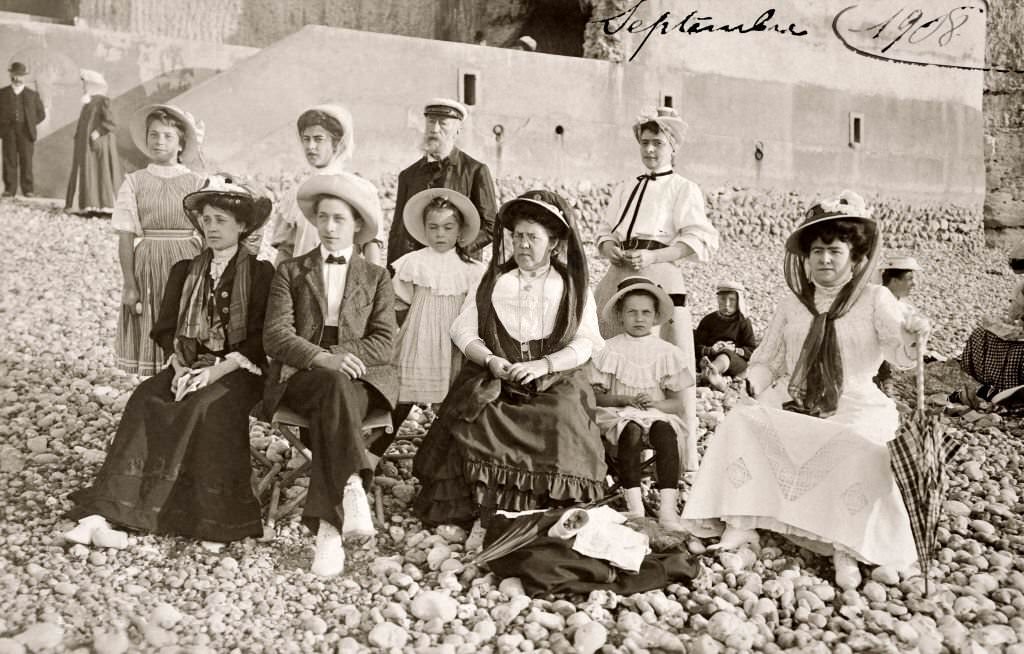
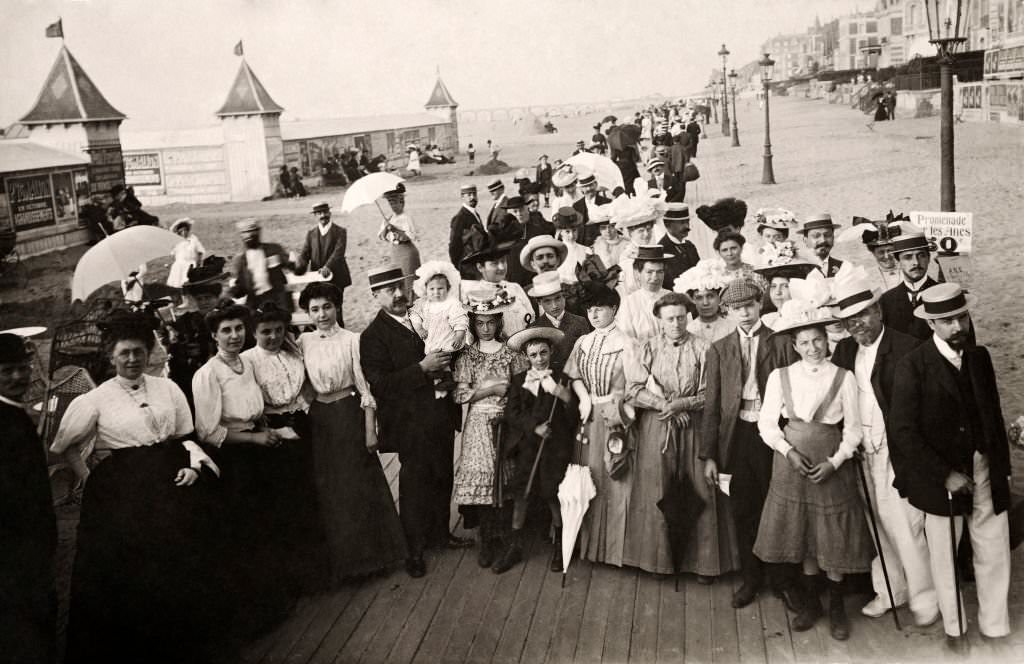
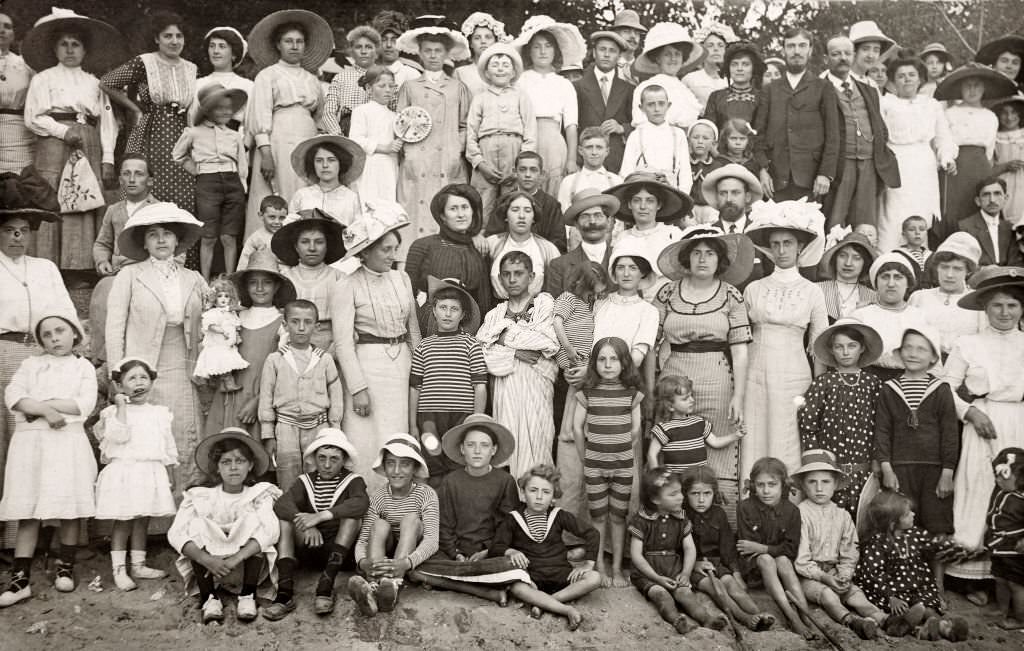
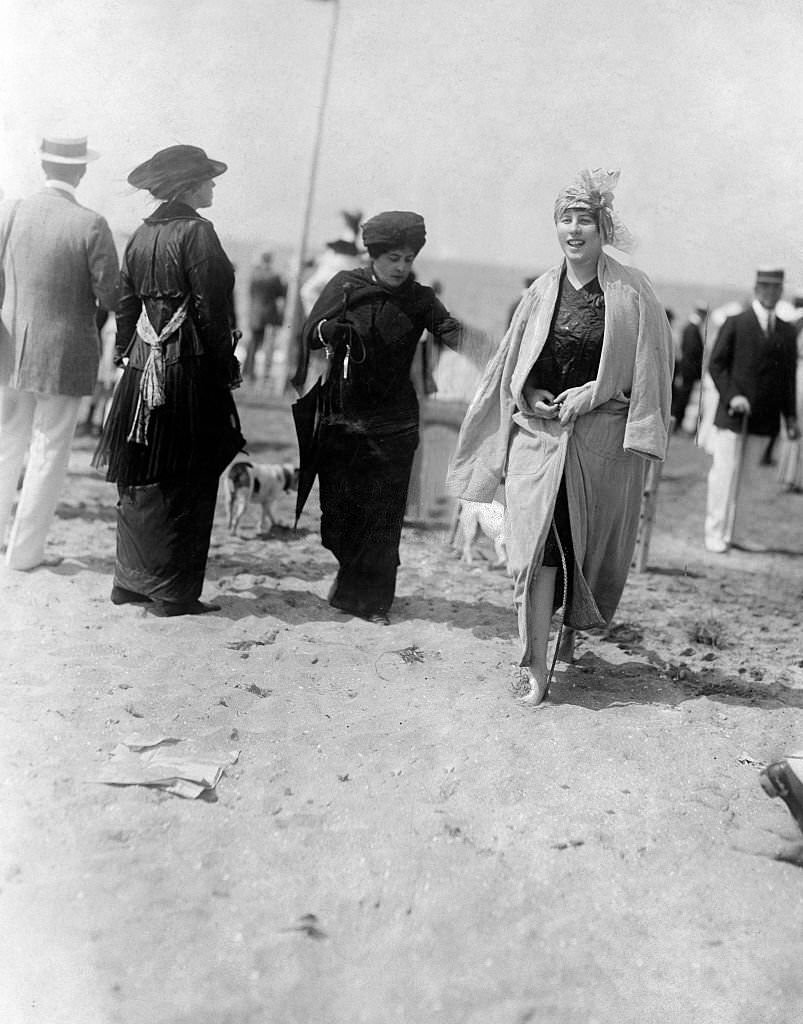
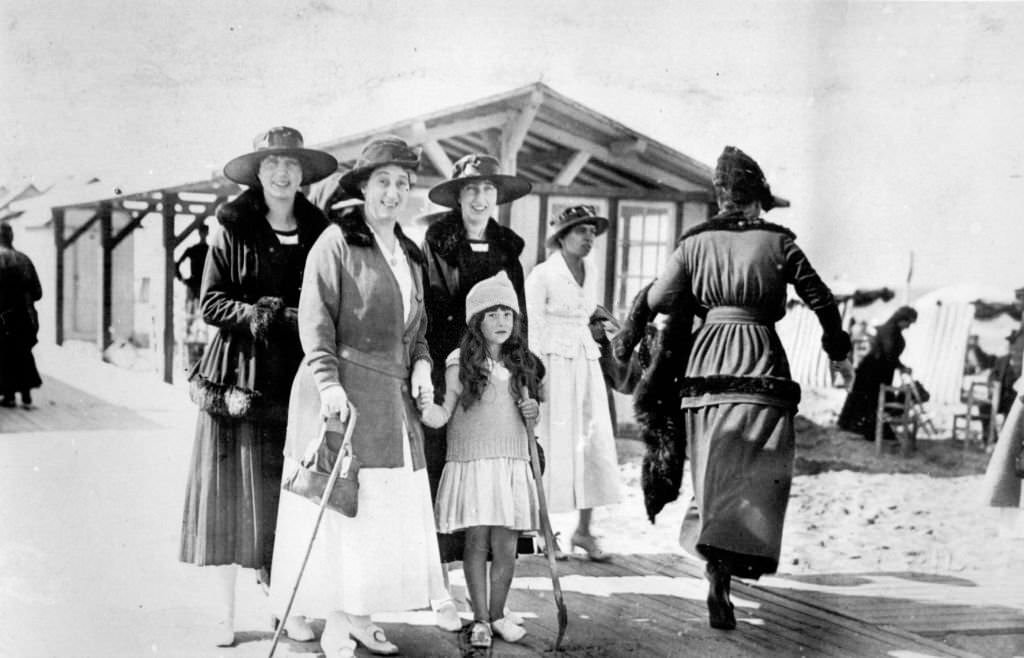
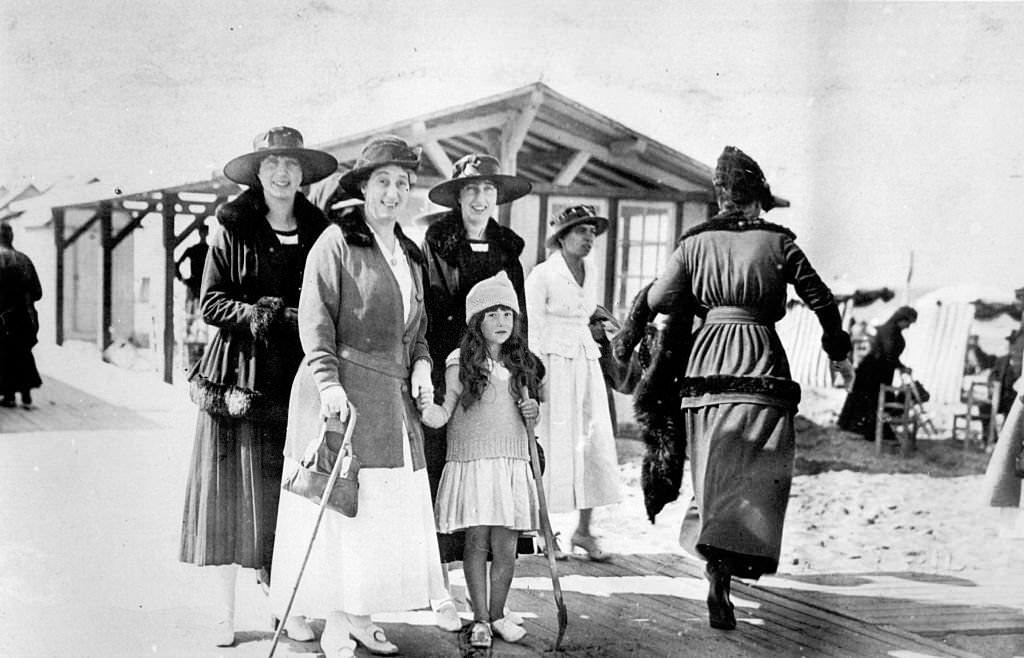
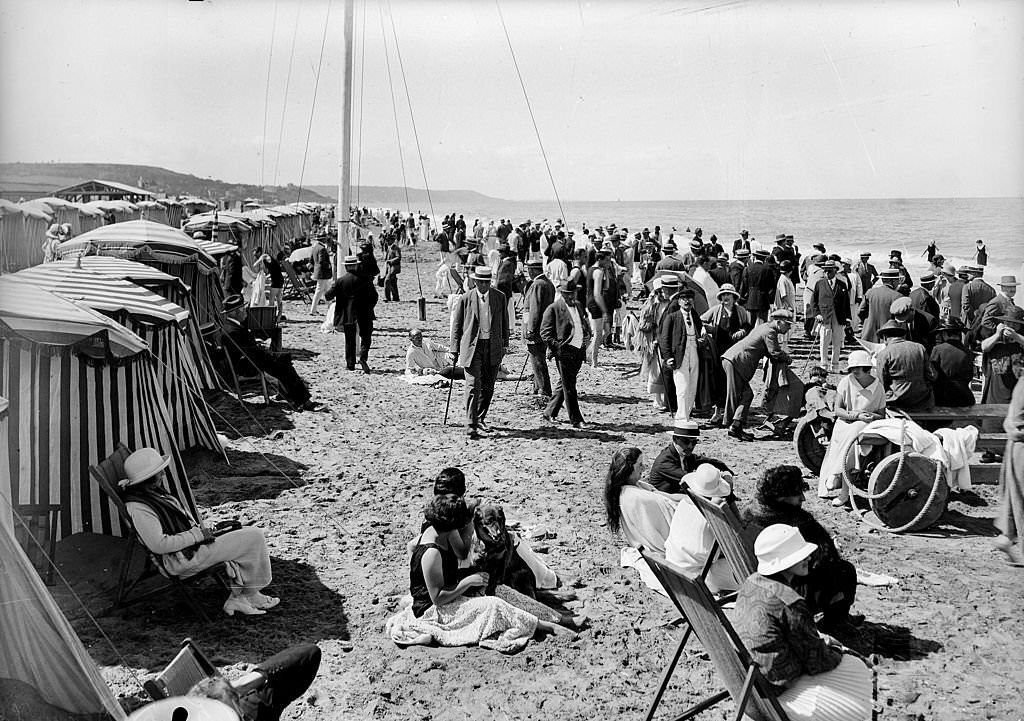
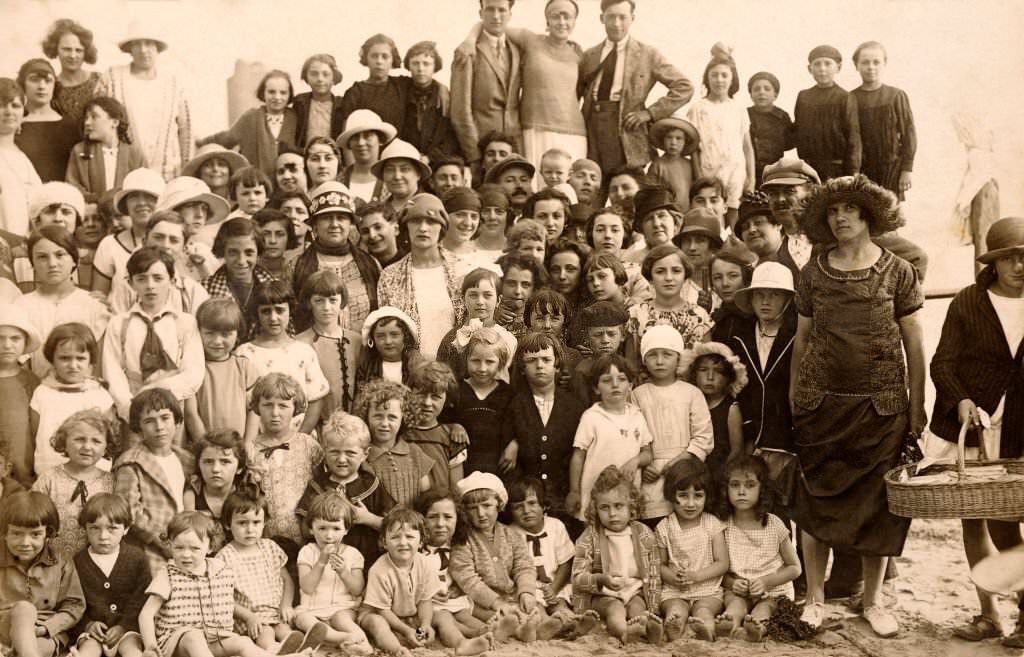
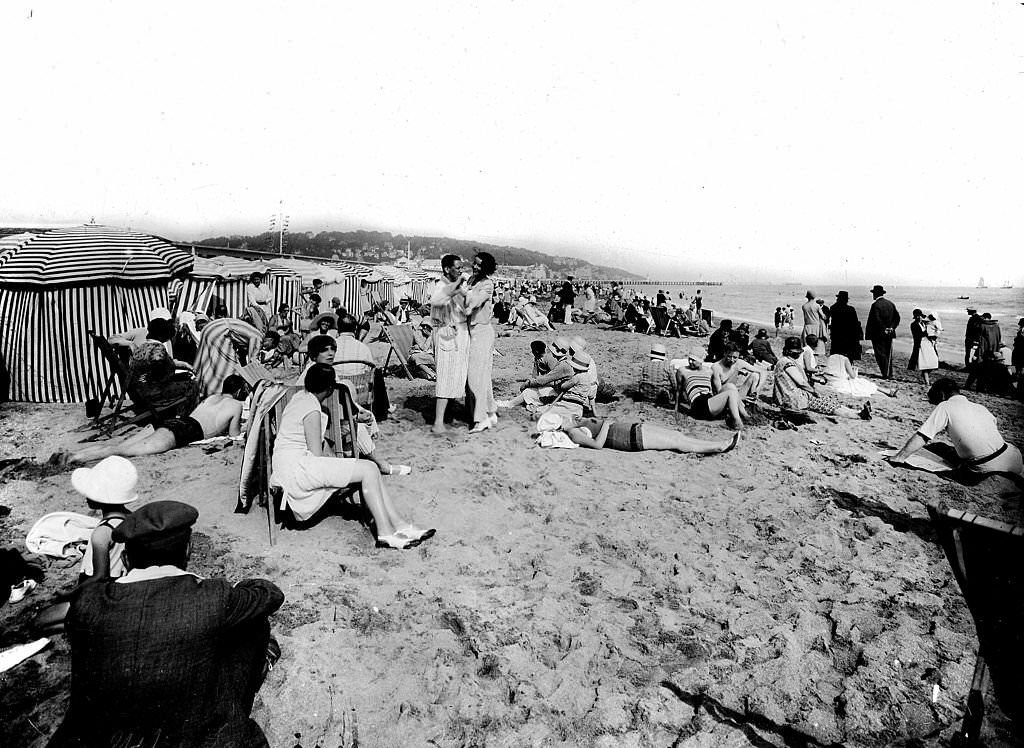
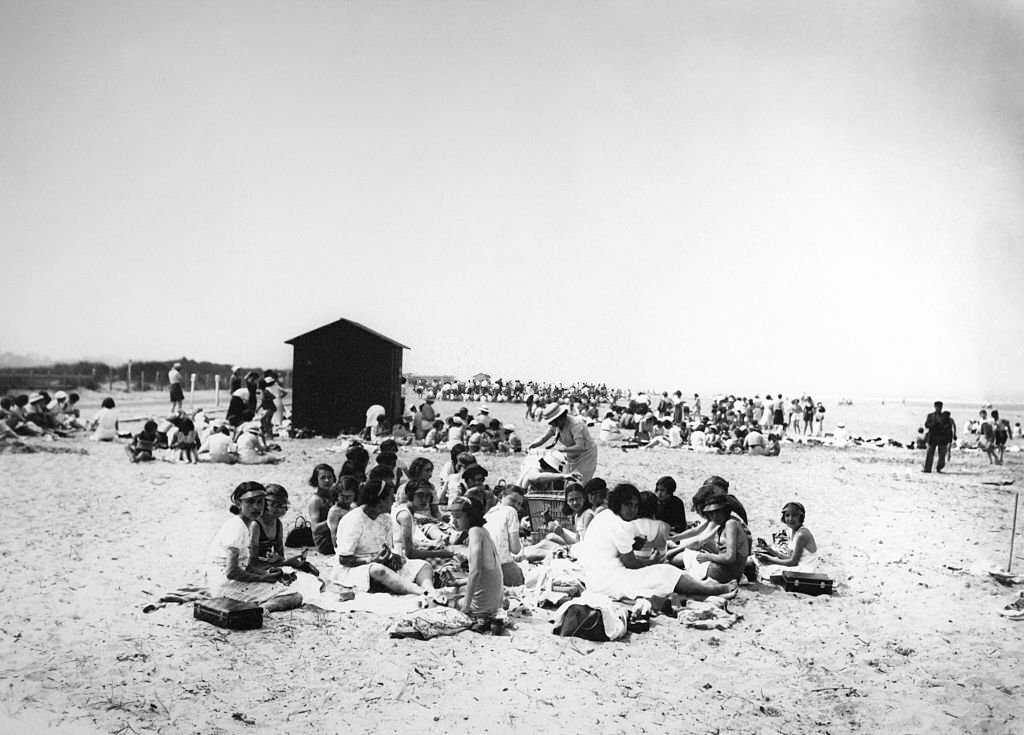
By the early 1900s, Deauville was firmly established as the summer address for the French elite and their international guests. Families arrived in their finest clothes, strolled the promenade, and set up on the sand for long afternoon sessions. The dress code on the beach was formal by today’s standards — full suits for men, long dresses for women, and children in their Sunday best even while building sandcastles.
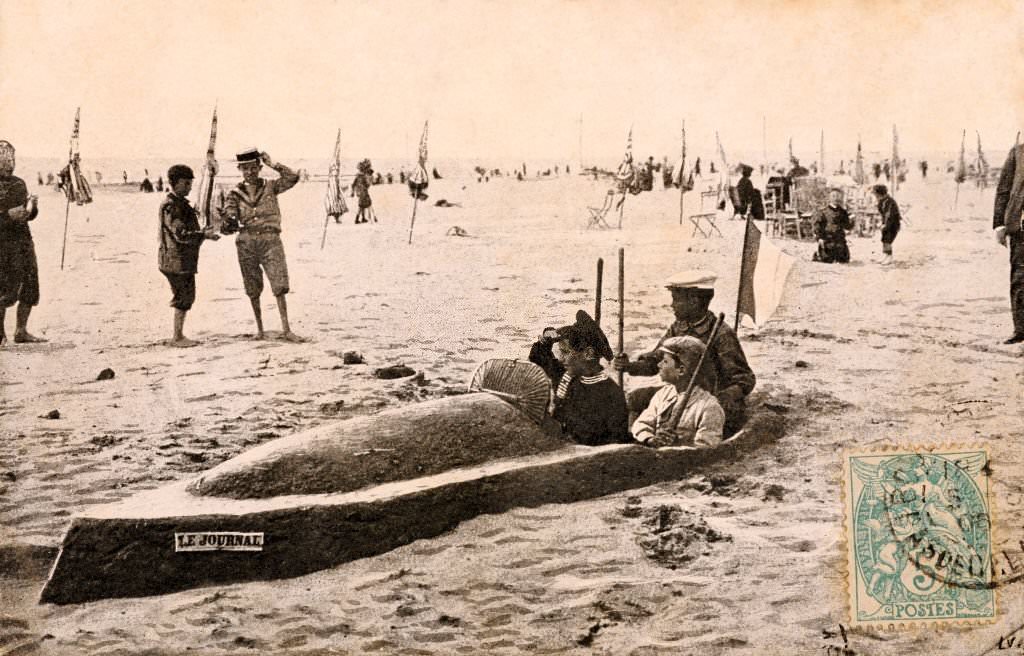
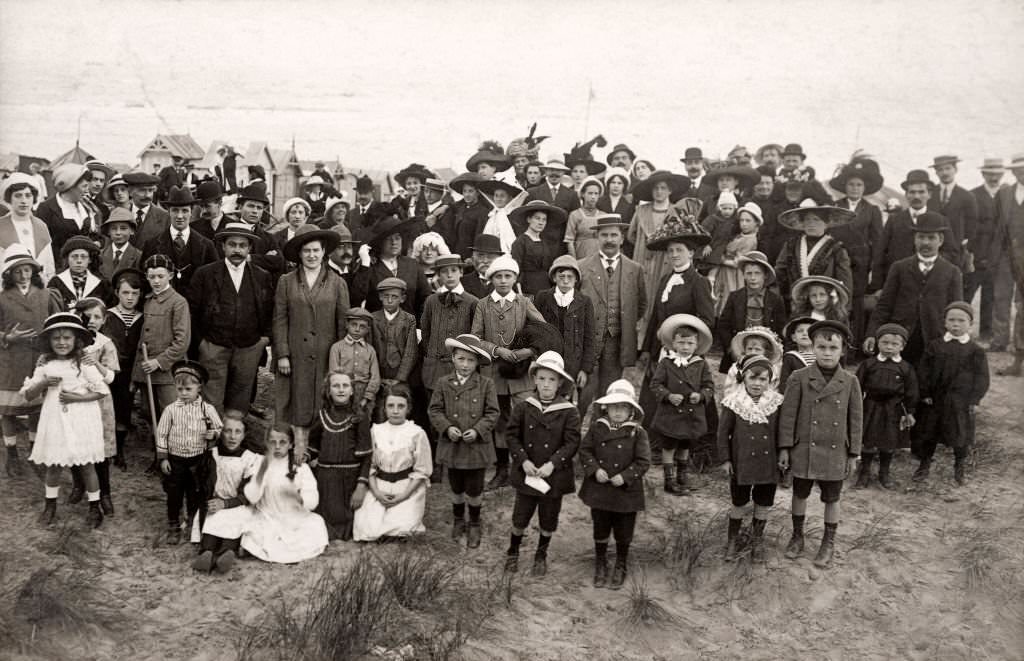
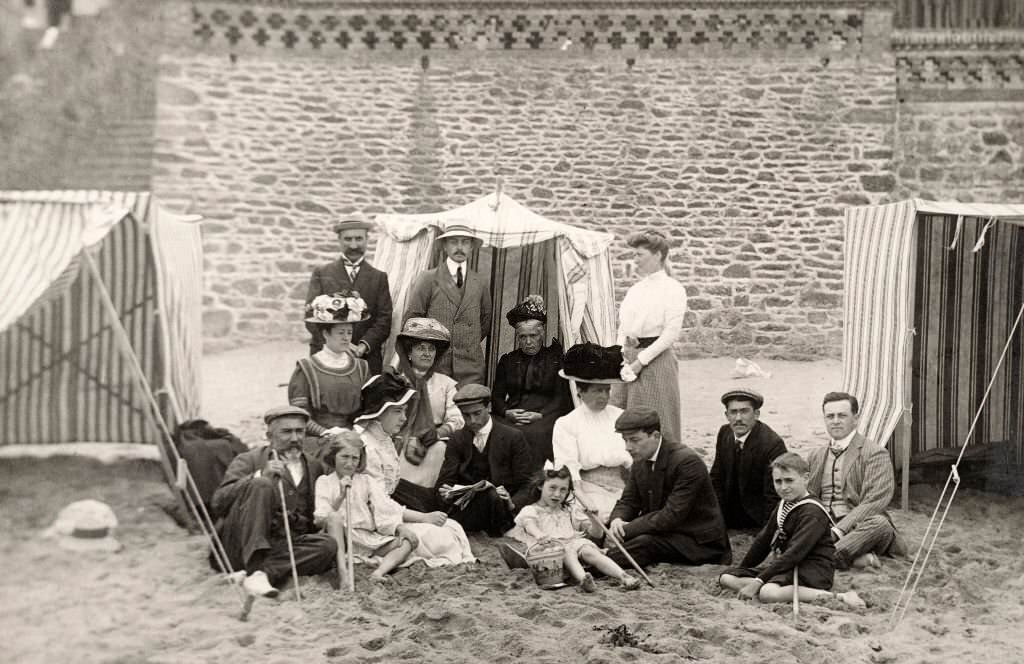
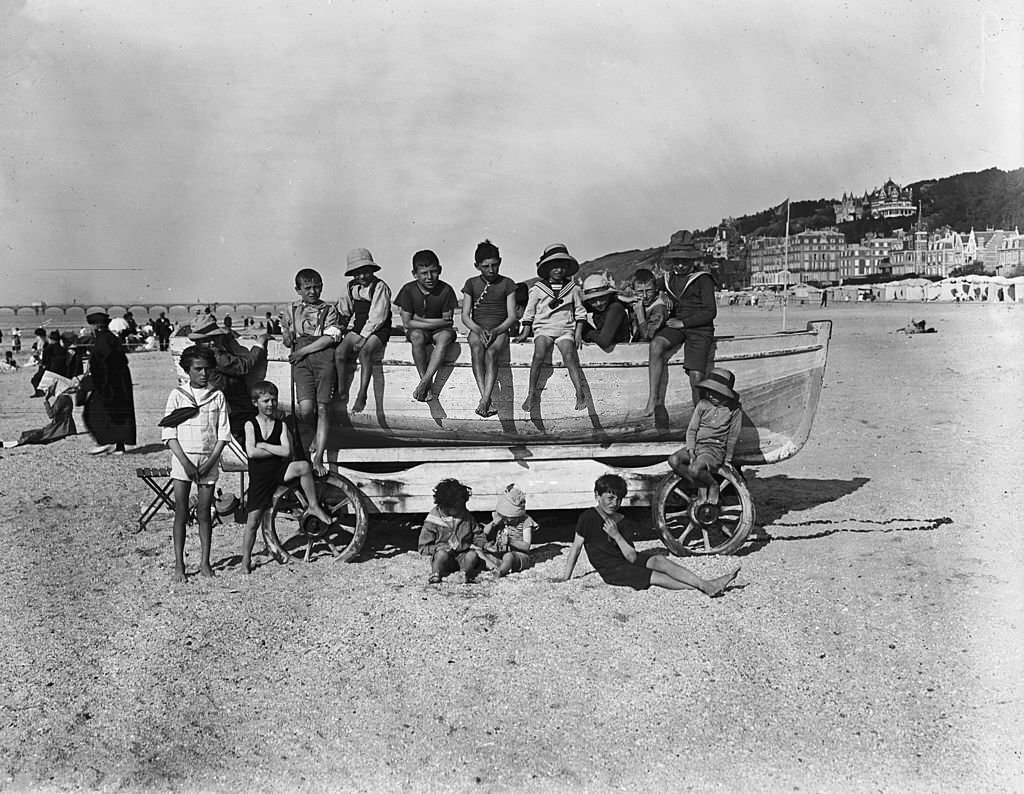
A family group in their Sunday best on a stony beach at Deauville, 1908The many pleasures available on a beach, including building a sand boat, at Deauville, 1909A large group of people in their Sunday best on a holiday outing at a beach with beach huts at Deauville, 1910A family group on a holiday outing to a beach at Deauville, 1910A family group wearing their Sunday best sitting on the sand at a beach at Deauville, 1910
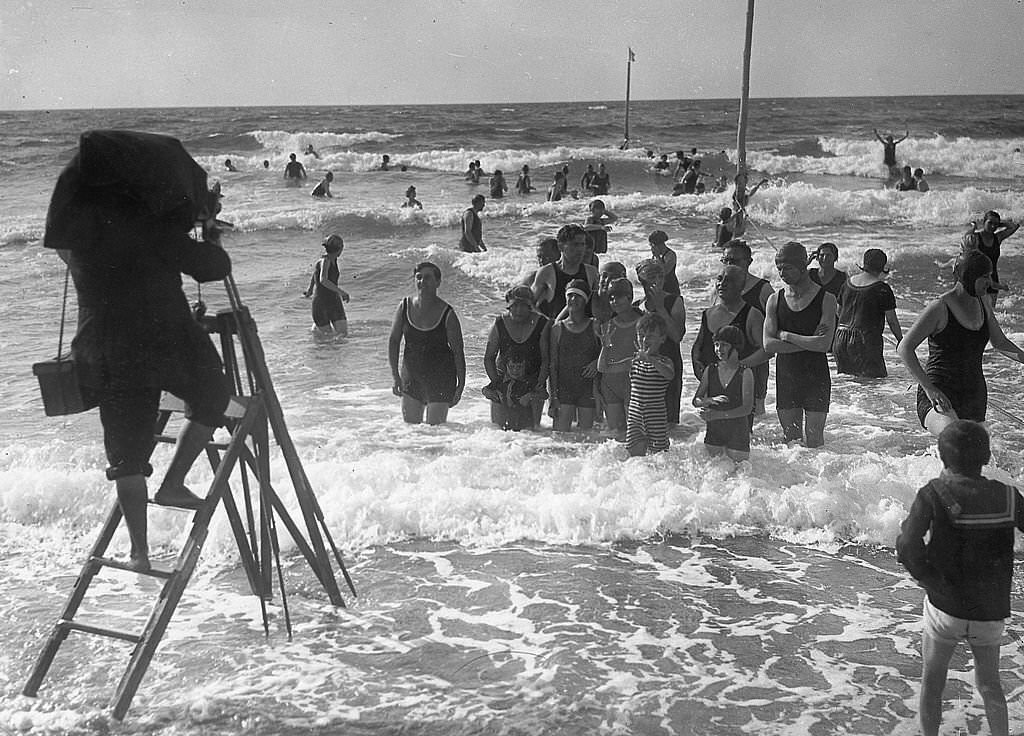
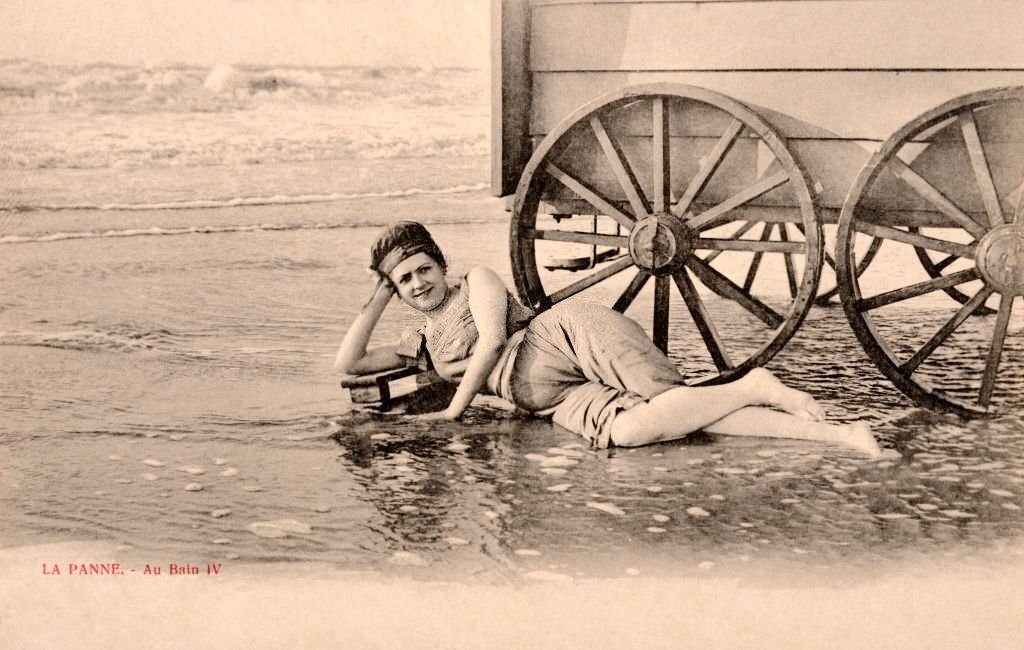
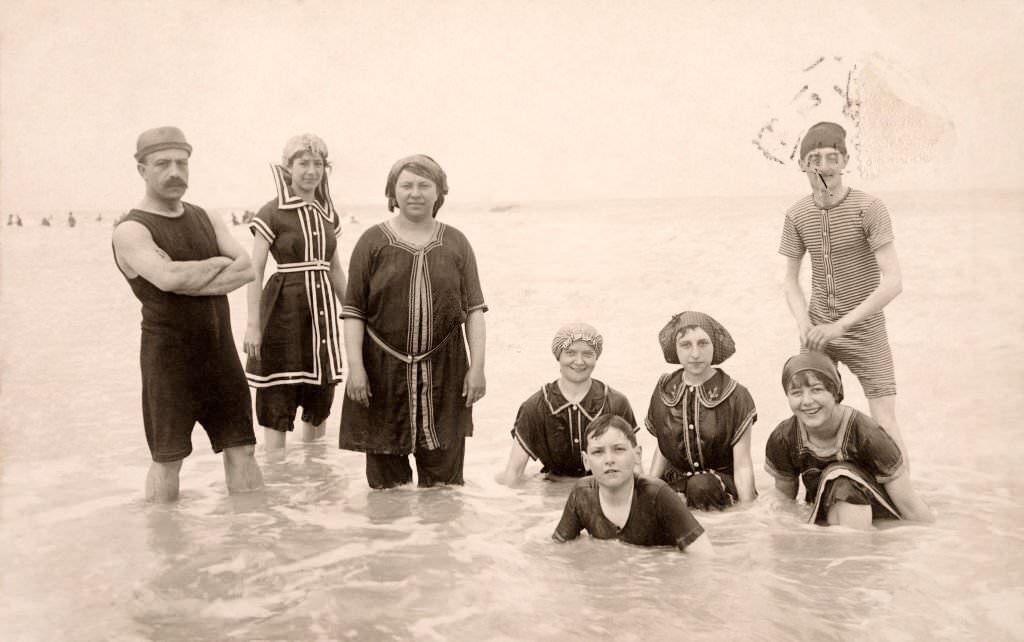
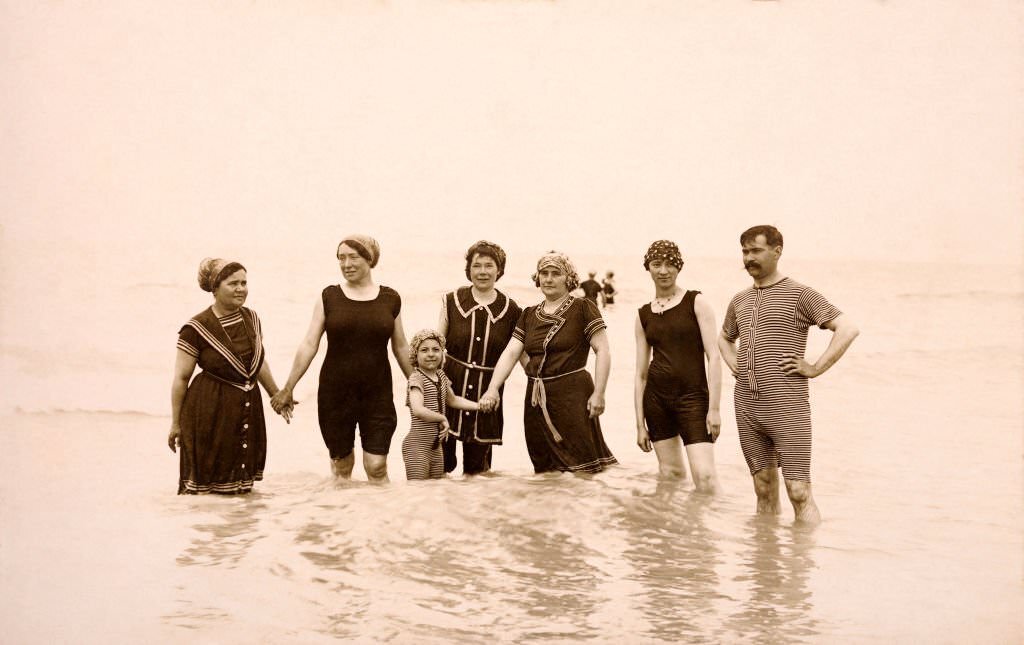
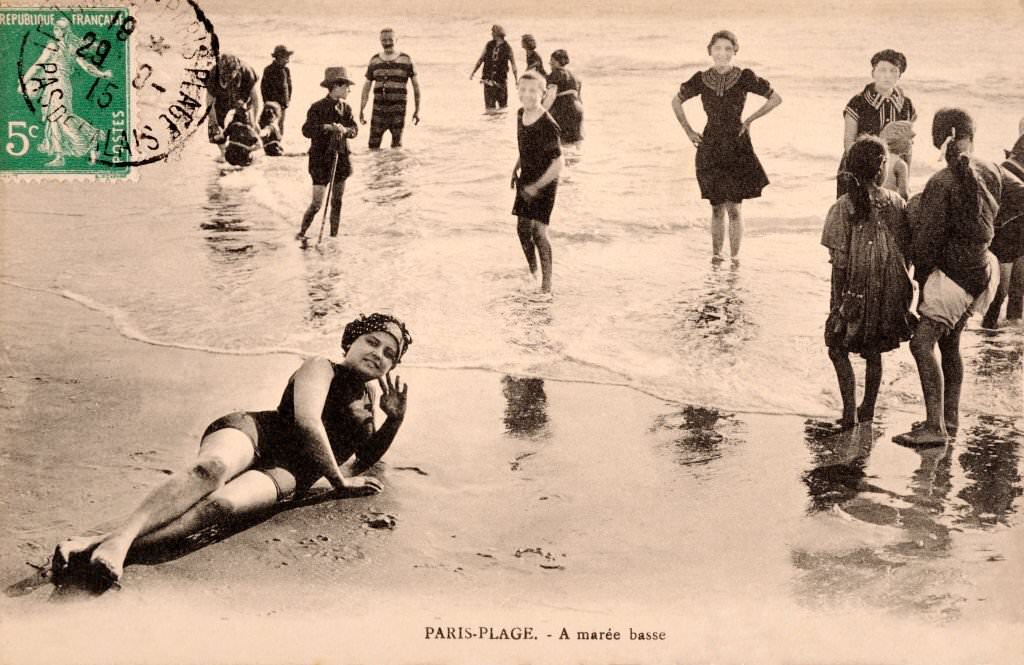
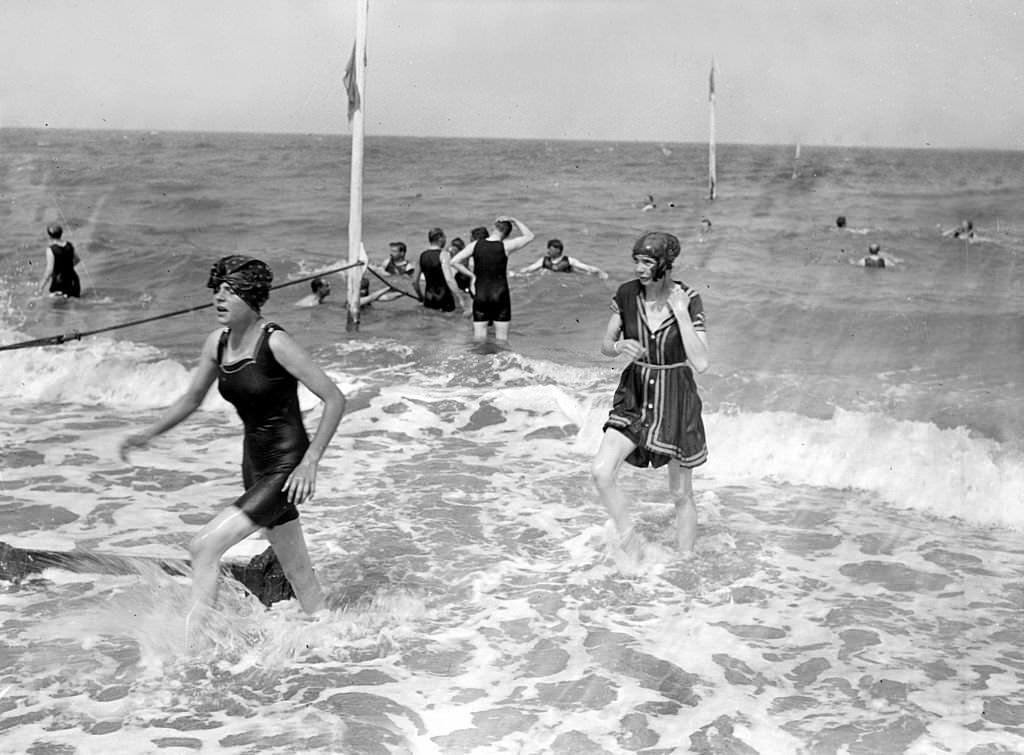
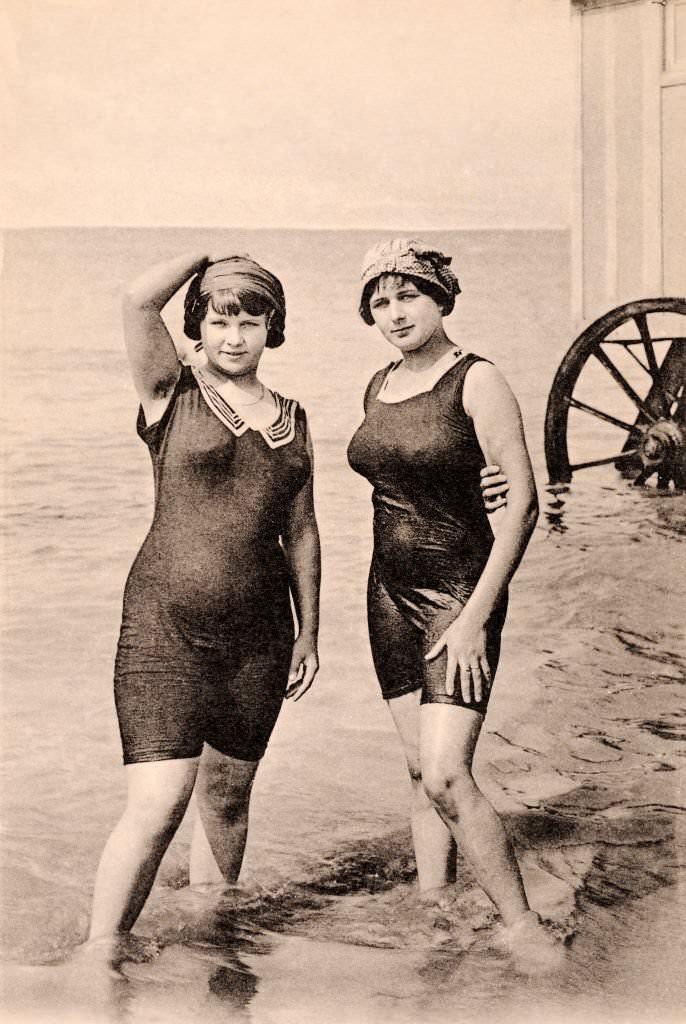
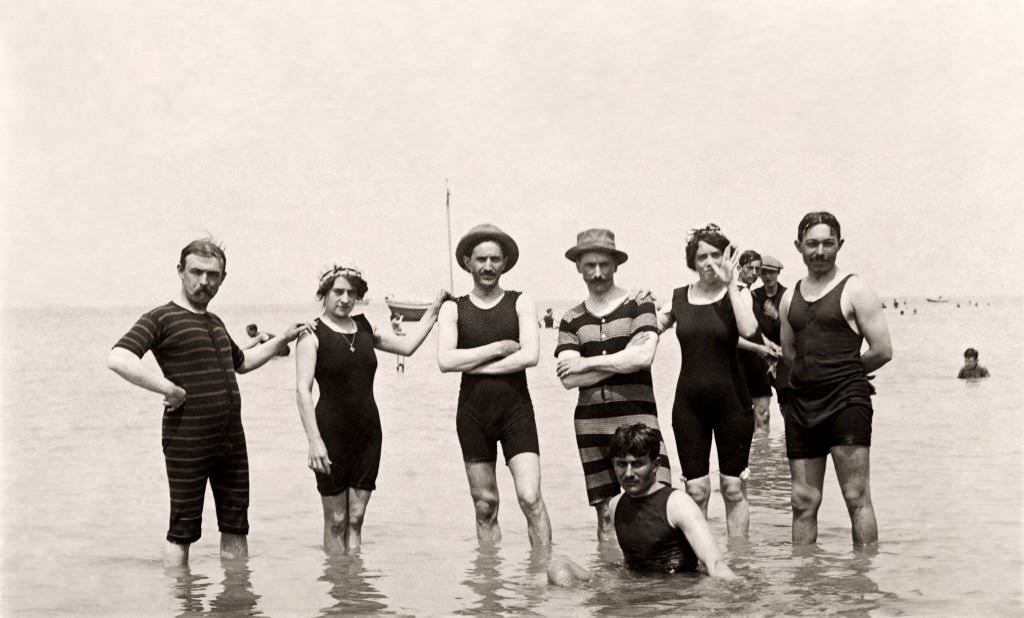
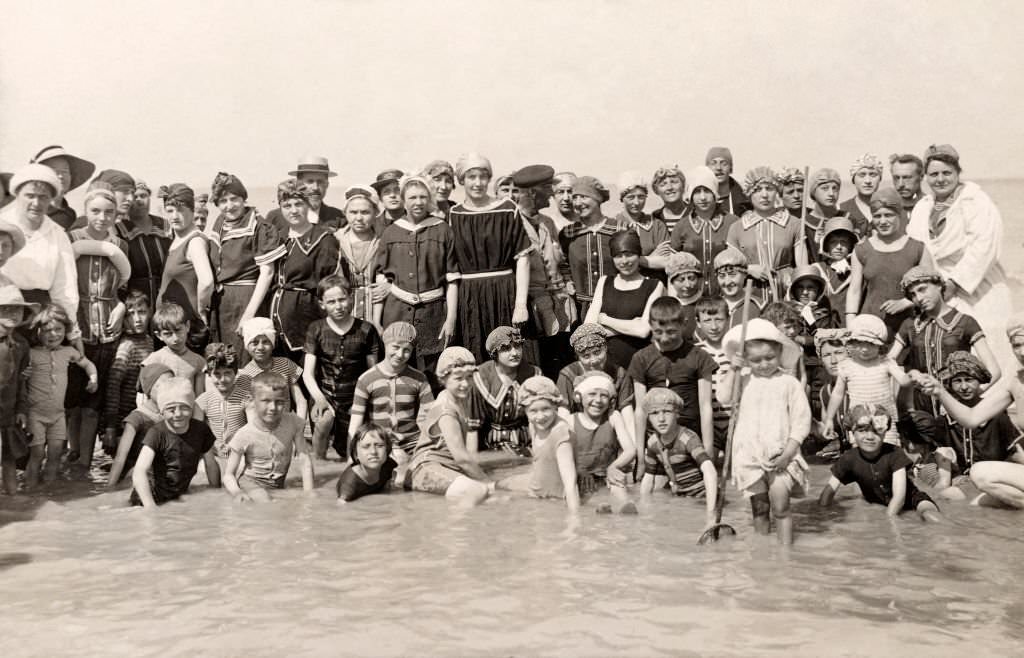
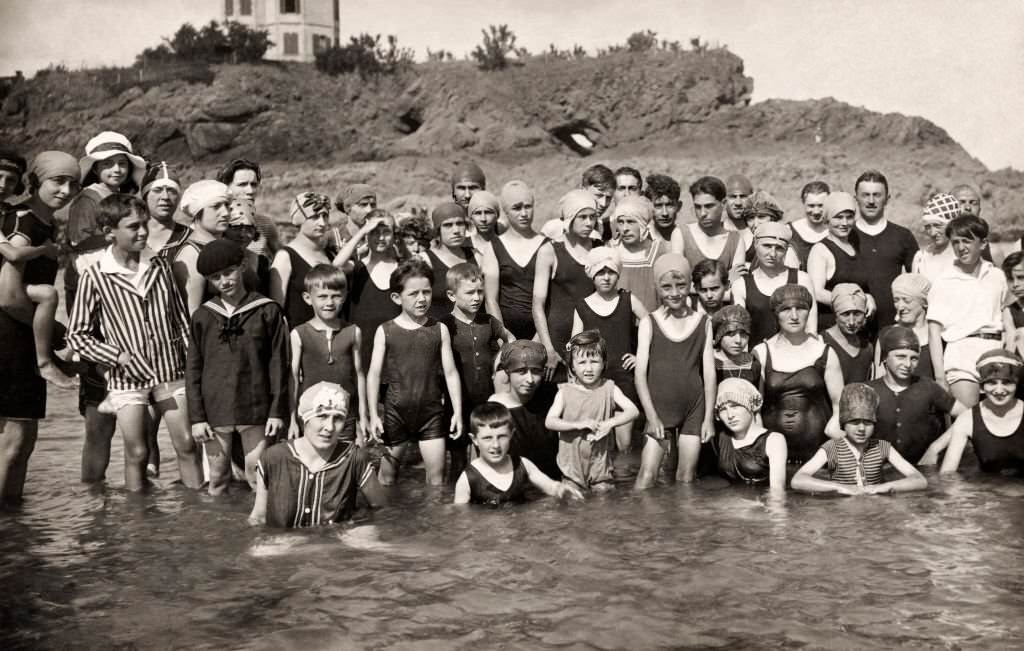
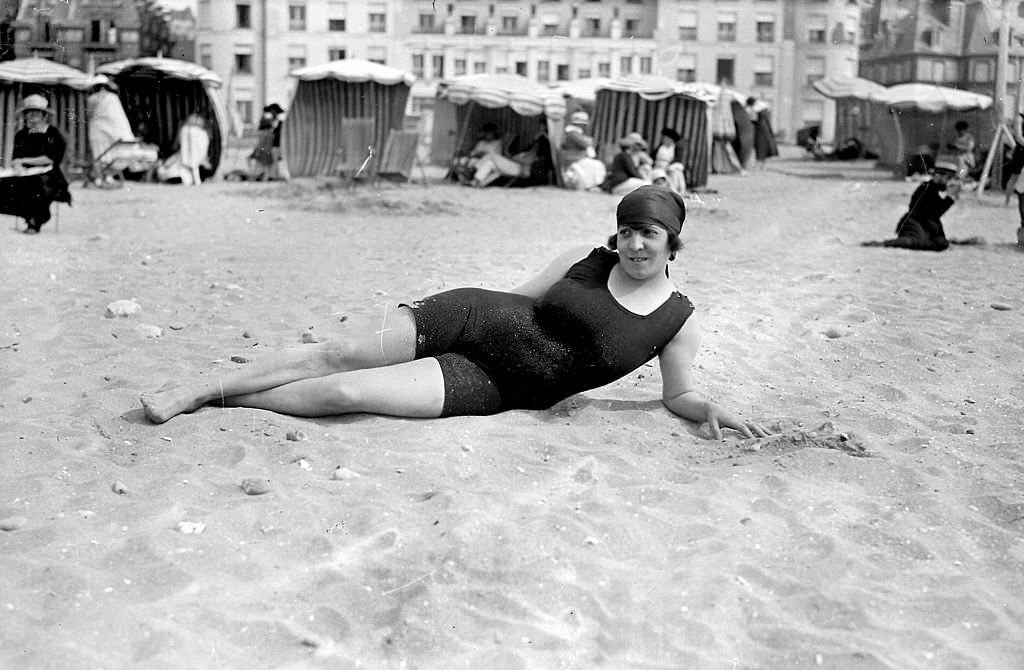
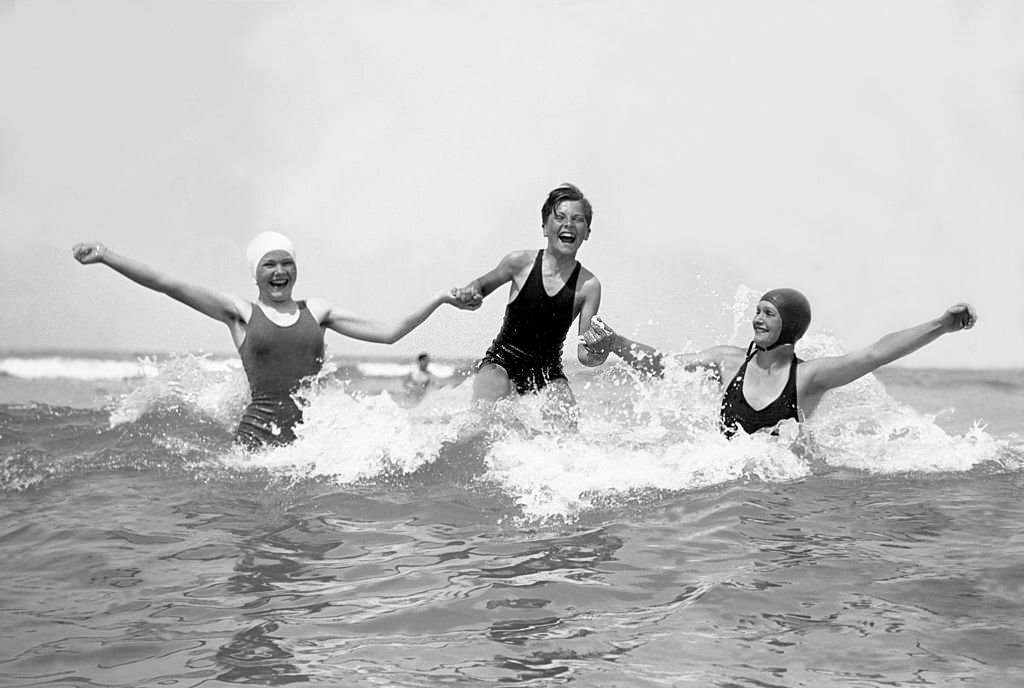
Bathing in the sea was a fashionable but carefully managed activity in the 1910s. Beachgoers changed inside rolling bath carts, which were wheeled directly to the water’s edge. Bathing costumes were modest and full-length. Despite the restrictions, paddling and swimming were enormously popular, and the beach filled with visitors testing the Atlantic surf.
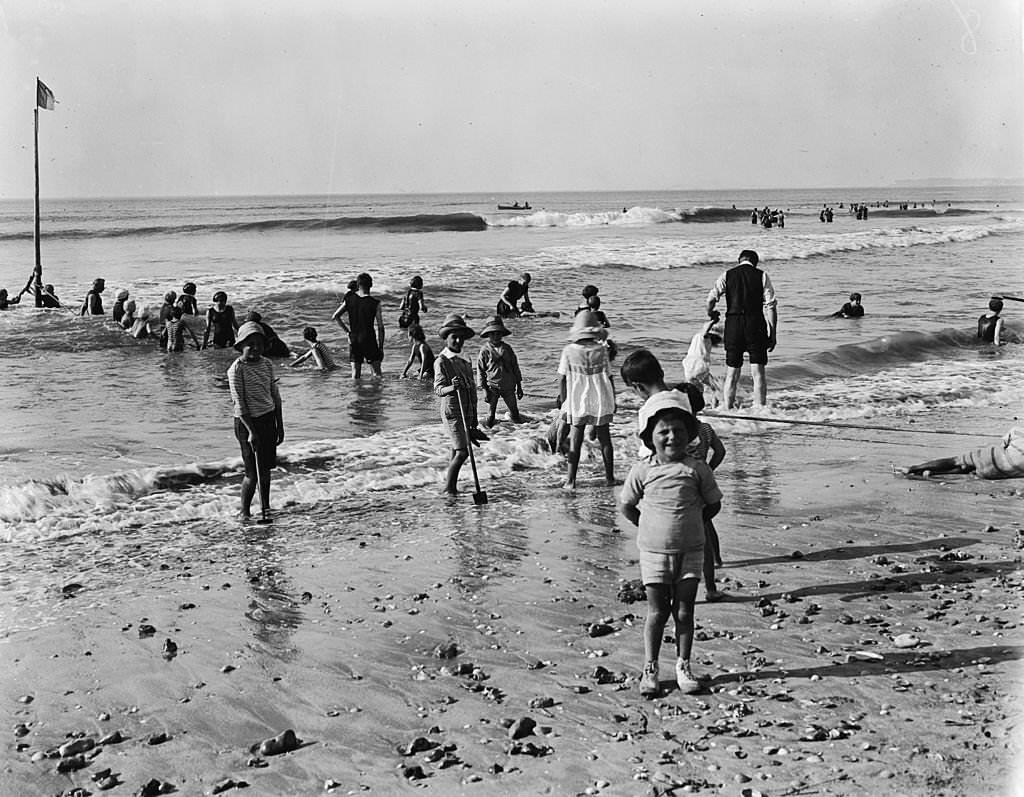
A young woman wearing a swimming costume posing beside a bathing hut in the sea, 1910.A small group of people wearing swimming costumes paddling at Deauville, 1910A small group of people wearing swimming costumes paddling at Deauville, 1910A group of holidaymakers in swmming costumes padddling in the sea at Deauville, 1910A large group of people wearing the latest fashion on the promenade at at Deauville, 1910A large group of people on a holiday outing at the beach at Deauville, 1910Fun on Deauville Beach in France, 1910s
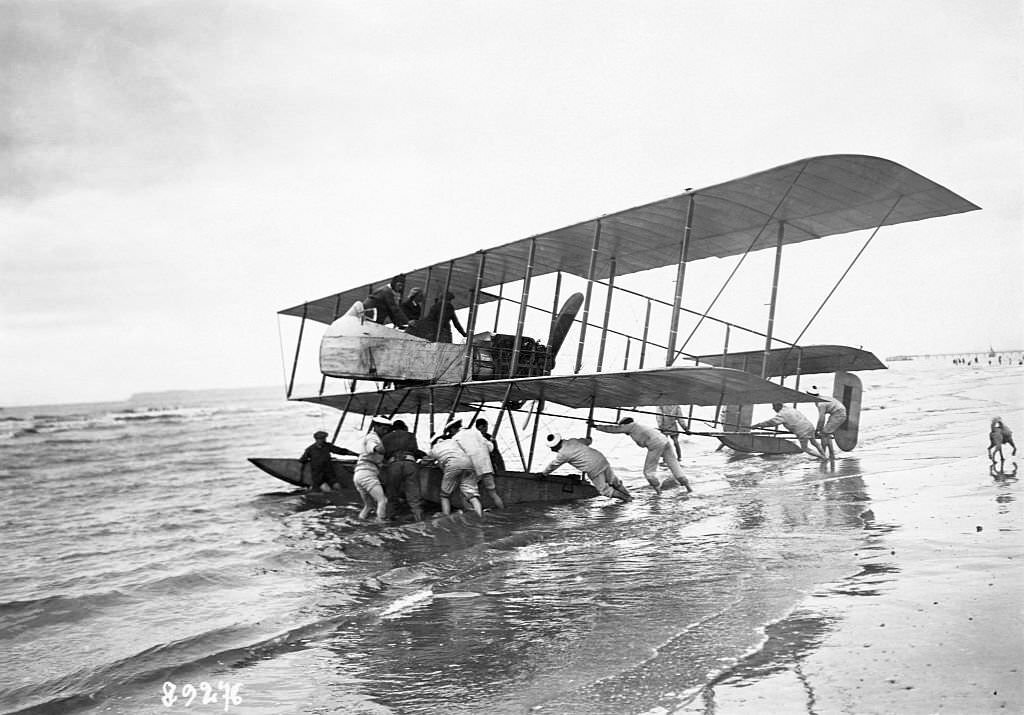
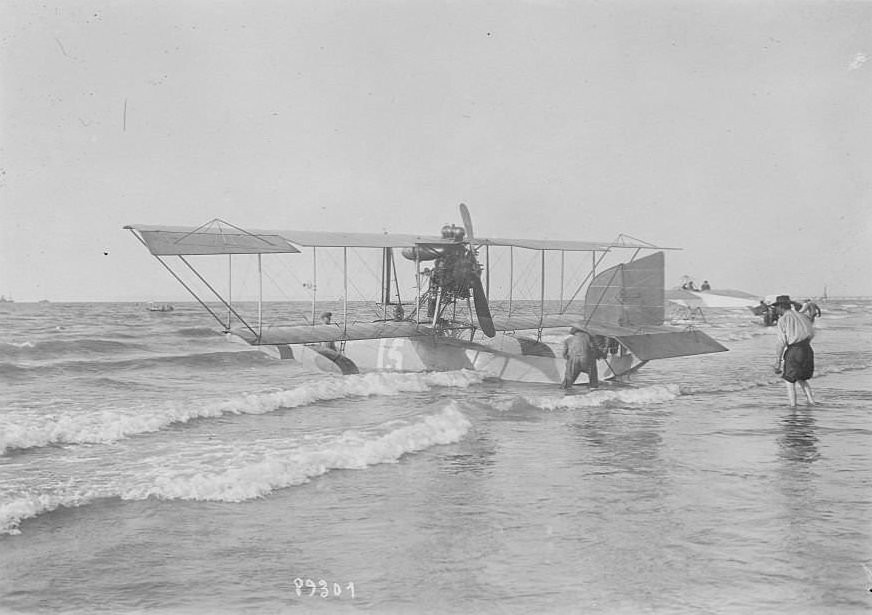
Deauville also drew aviation pioneers in the early 1910s. The beach and its shallow waters were used as a base for the Concours des Avions Marines — a competitive air race for seaplanes and floatplanes. Pilots launched their aircraft directly from the shore, with ground crews pushing the machines into the water before takeoff.
A ground crew pushed a floatplane into the water on the coast of Deauville, France. Eugene Renau will use the aircraft to compete in the 1913 Concours des Avions Marines.
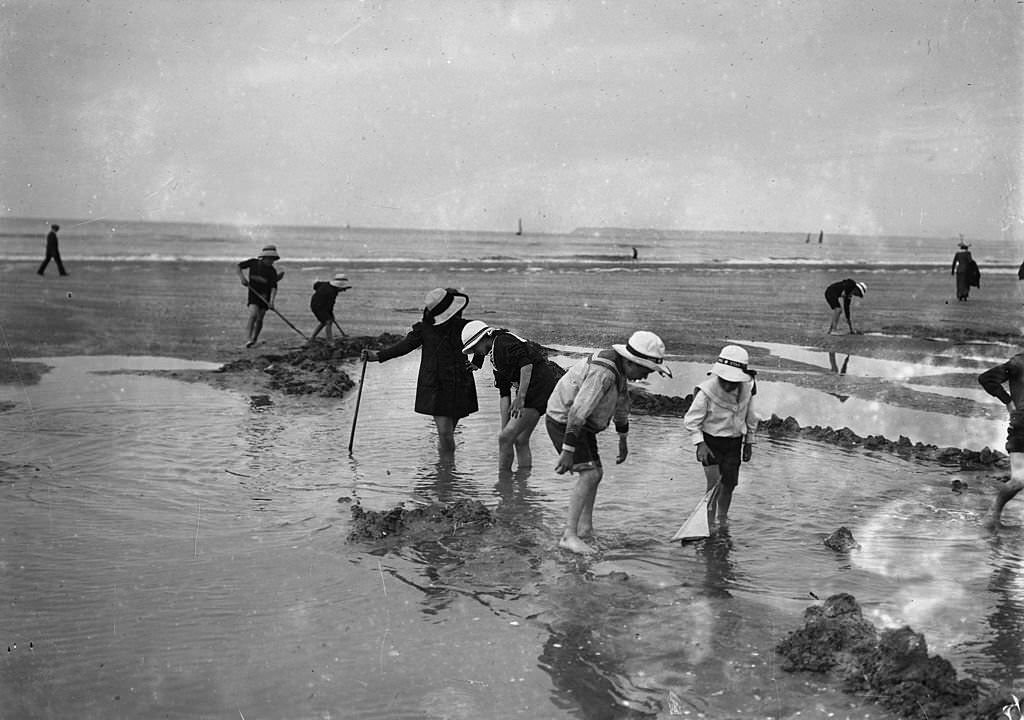
While aviators competed offshore, the beach itself was alive with children, swimmers, and tourists throughout the summer months. By 1913, the sands were packed with visitors who came to swim, build sand formations, and watch horses exercise along the shoreline in the early mornings.
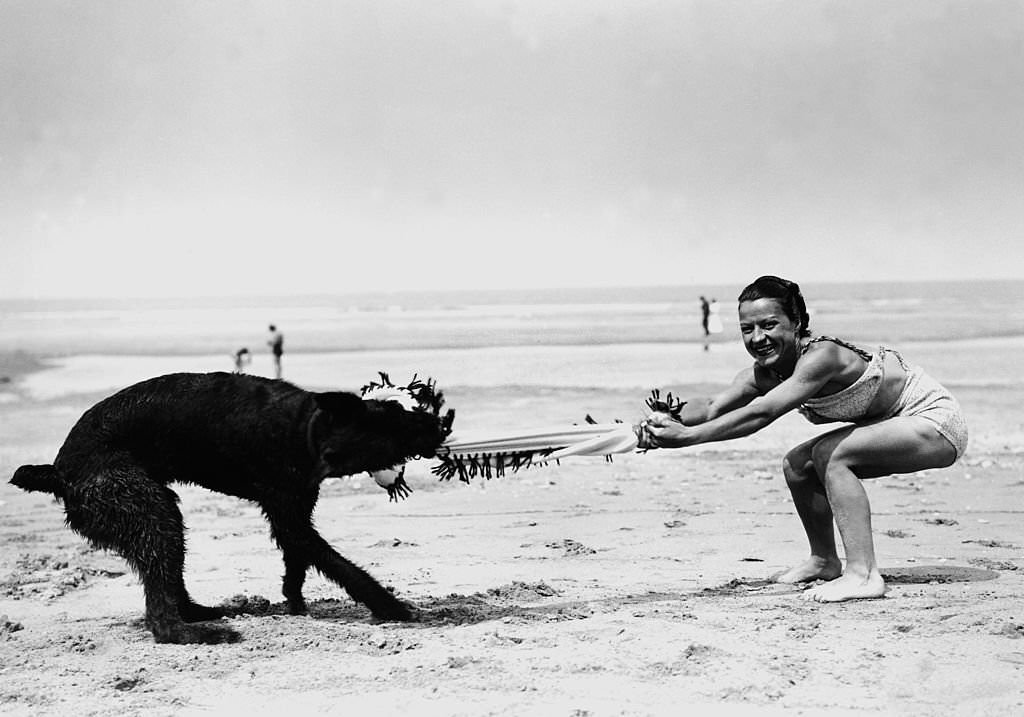
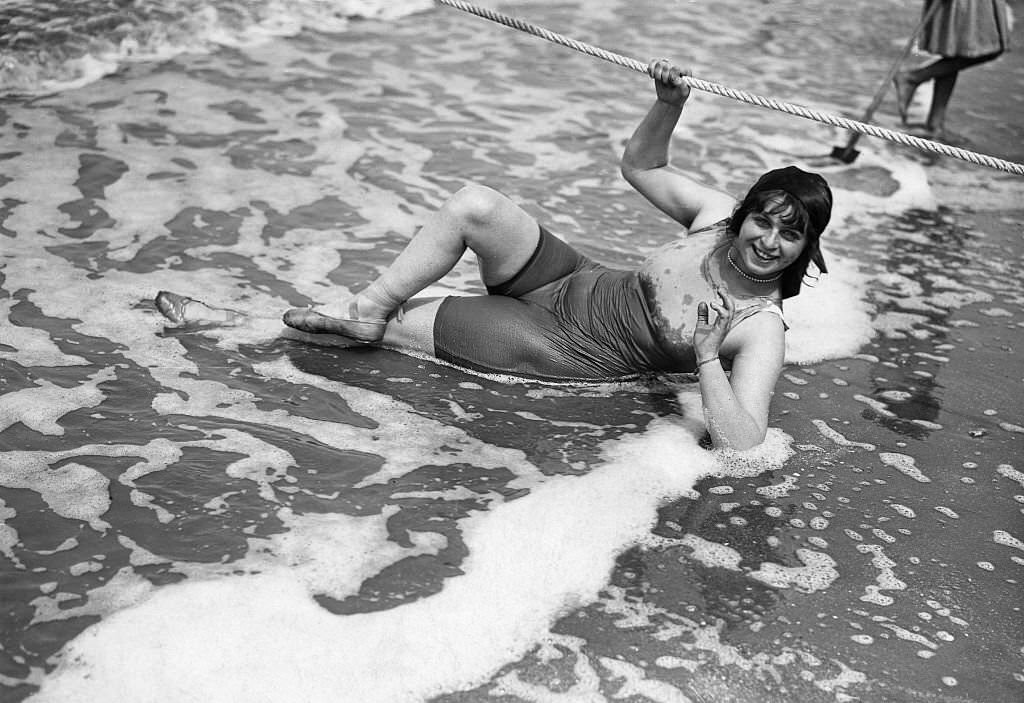
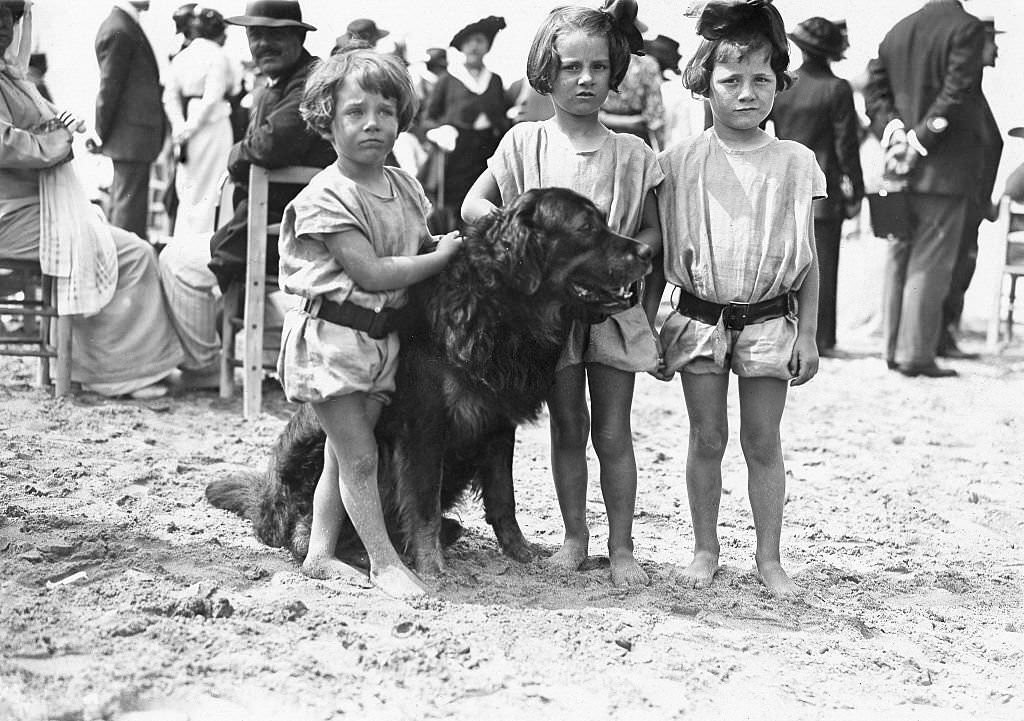
Children on the beach of Deauville, 1912Deauville Children build sand-formations at the beach, 1913Deauville, Young woman at the beach of the Atlantic Ocean, 1913Swimmers at Deauville, August 1913Three children with a dog at the beach of Deauville, 1913Deauville, 1914
World War I fundamentally changed life at Deauville. The resort’s grand hotels and casinos were converted into care facilities for wounded soldiers. Merchants were required to contribute goods to the war effort, gutting the local trade economy. Yet even during the war years, the beach did not go completely quiet. Women and children still walked the sand, and some sea bathing continued.
Sea bathings in Deauville Women and a child having a walk on a beach in Deauville, France World War I.Sea bathings in Deauville, Women and a child having a walk on a beach in Deauville.Deauville, 1918
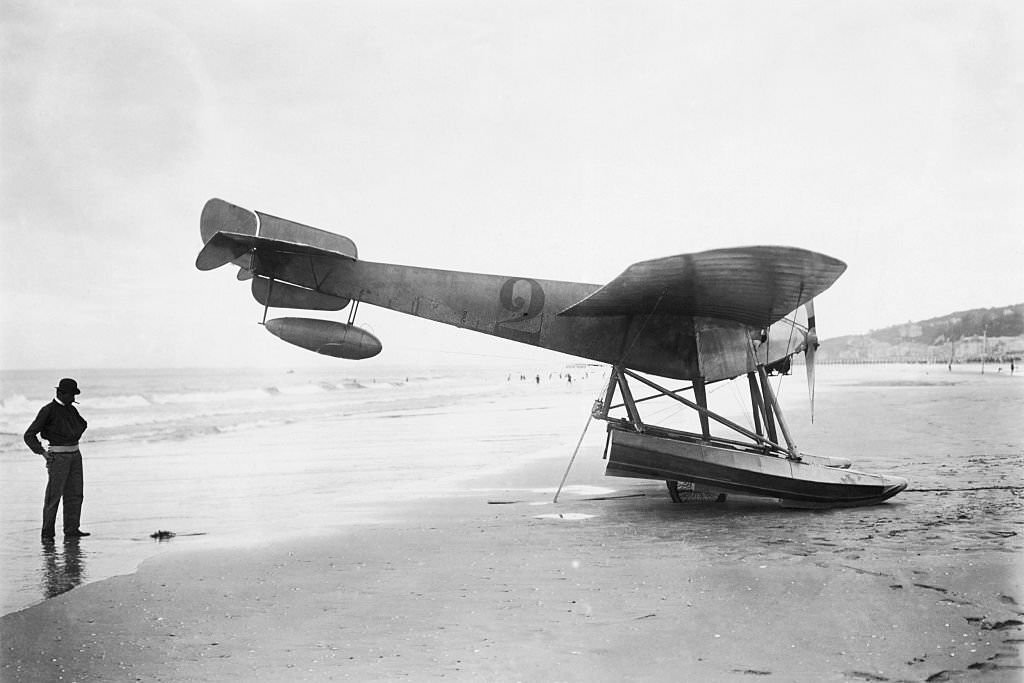
Once the war ended, Deauville bounced back fast. In 1919, the beach drew children back to the sand, and aviation returned to the shoreline. Aviator Adrien Levasseur landed a Nieuport-designed seaplane on the beach after an air race from Paris — completing the journey despite five forced landings, only to be disqualified.
Youngsters relax on the sands at Deauville, 1919Children at play on the sands at Deauville, 1919Seaplane on Shore at Deauville, 1919
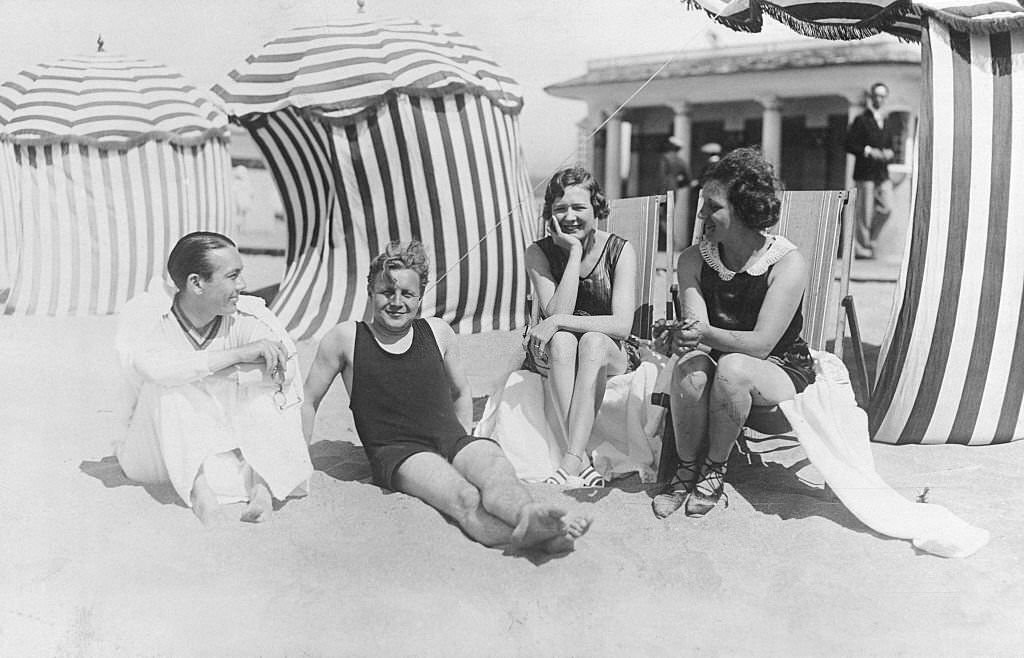
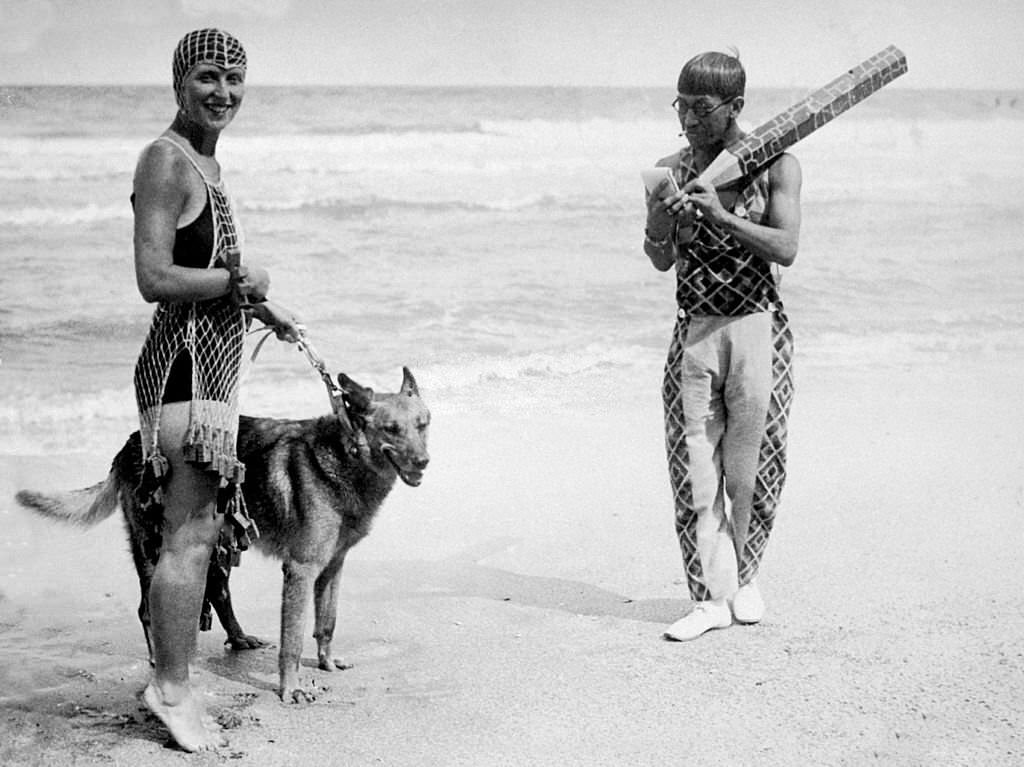
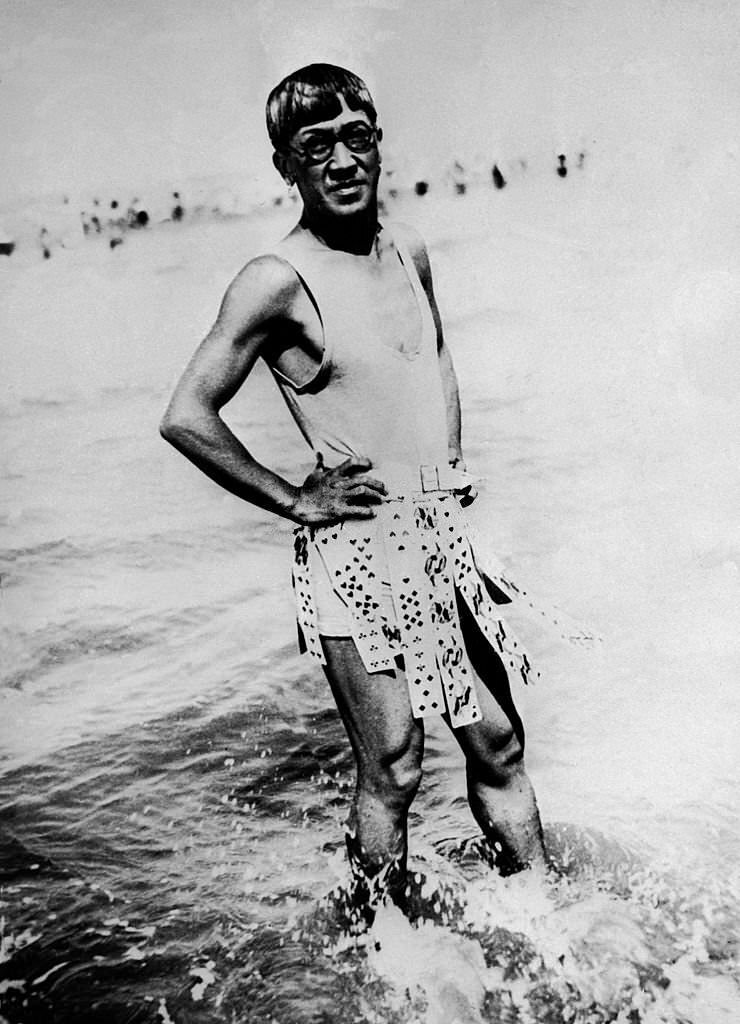
The 1920s were Deauville’s golden age. The Normandy Barrière and Royal hotels were now fully operational, and Coco Chanel had opened her first boutique in the town. High society from across Europe and America converged on the resort each summer. Celebrities, bankers, aristocrats, and artists all shared the same stretch of sand. Banker Otto Kahn strolled the beach. Japanese-French painter Tsuguharu Foujita posed for photographs on the shore. Lady Louis Mountbatten was photographed relaxing on the sand. The Pickford party — including Jack Pickford and actress Marilyn Miller — drew press attention during their stay in 1925.
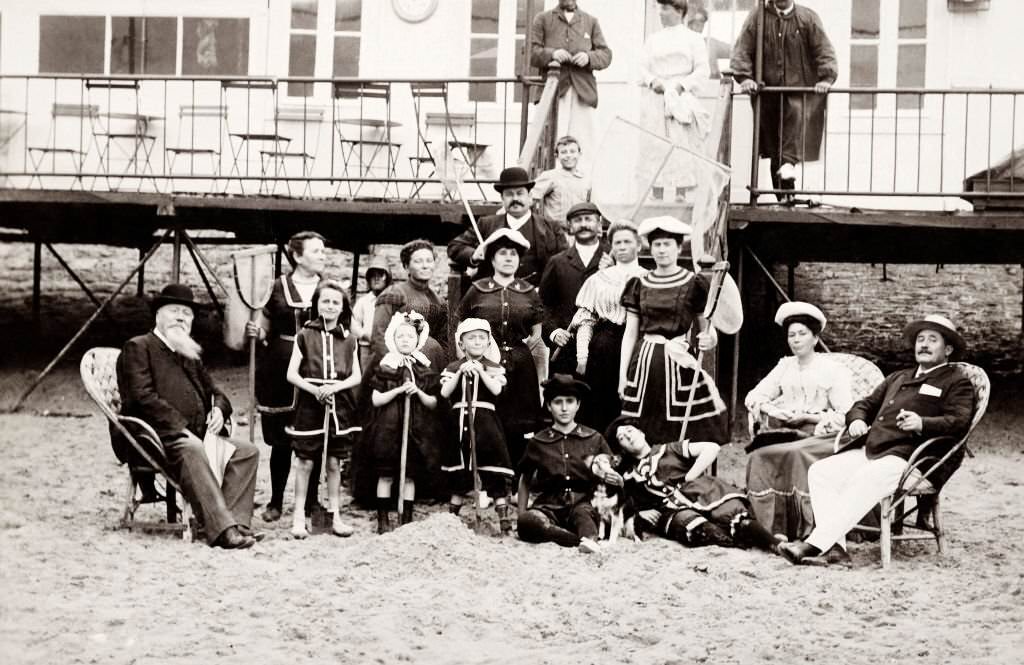
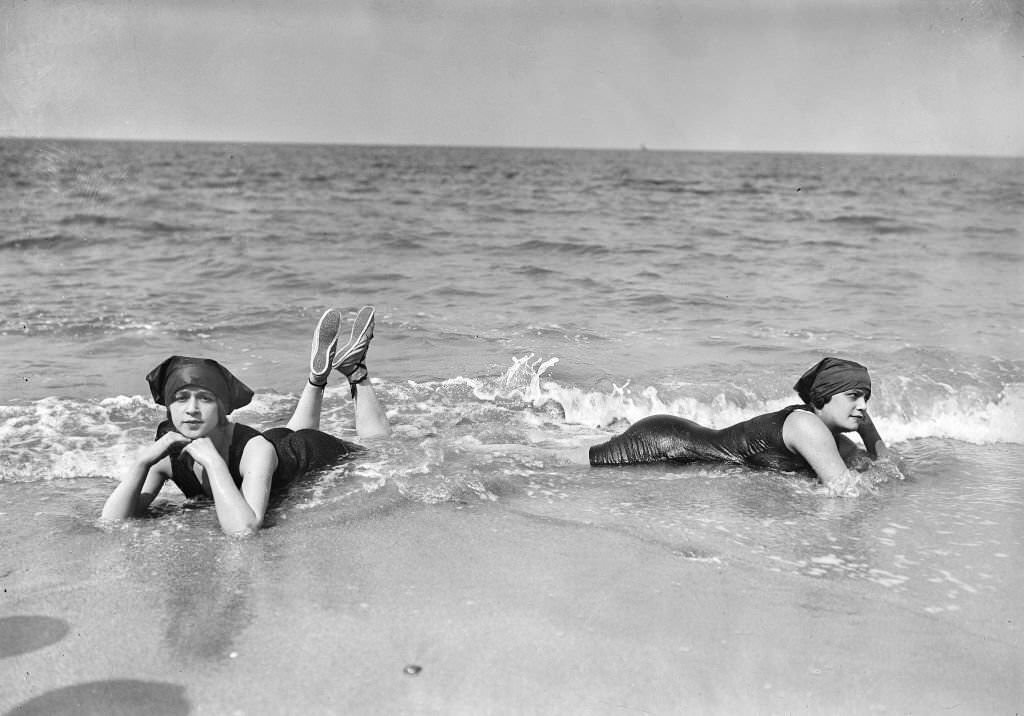
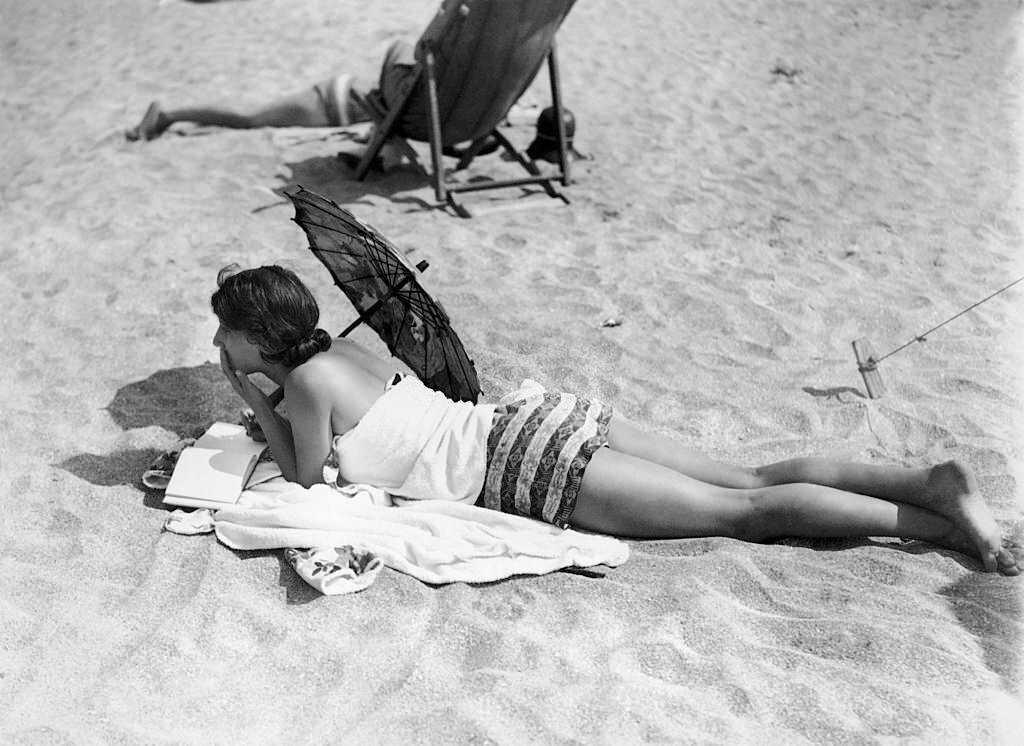
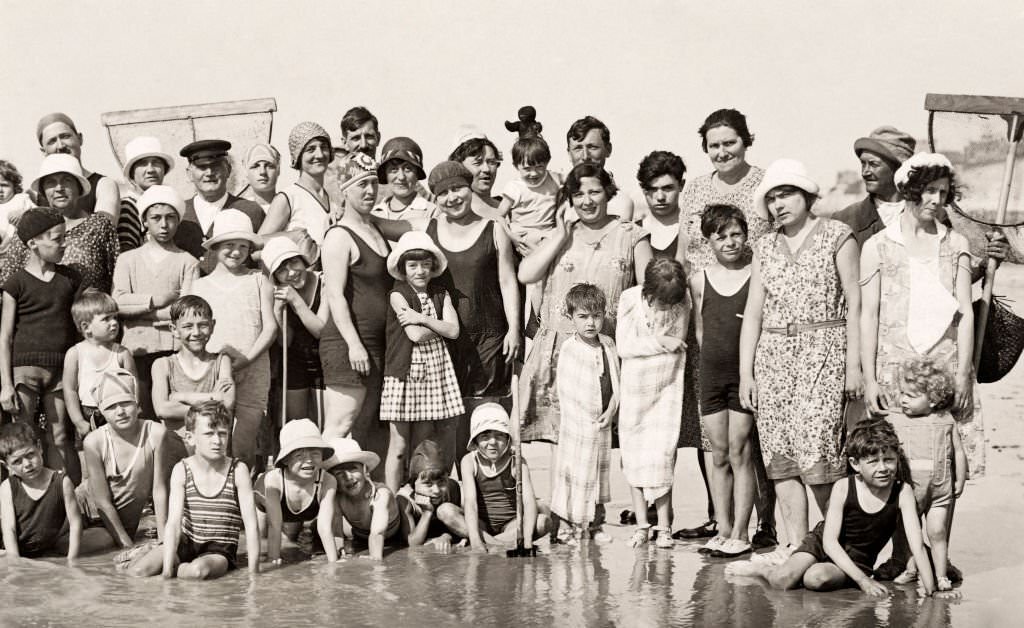
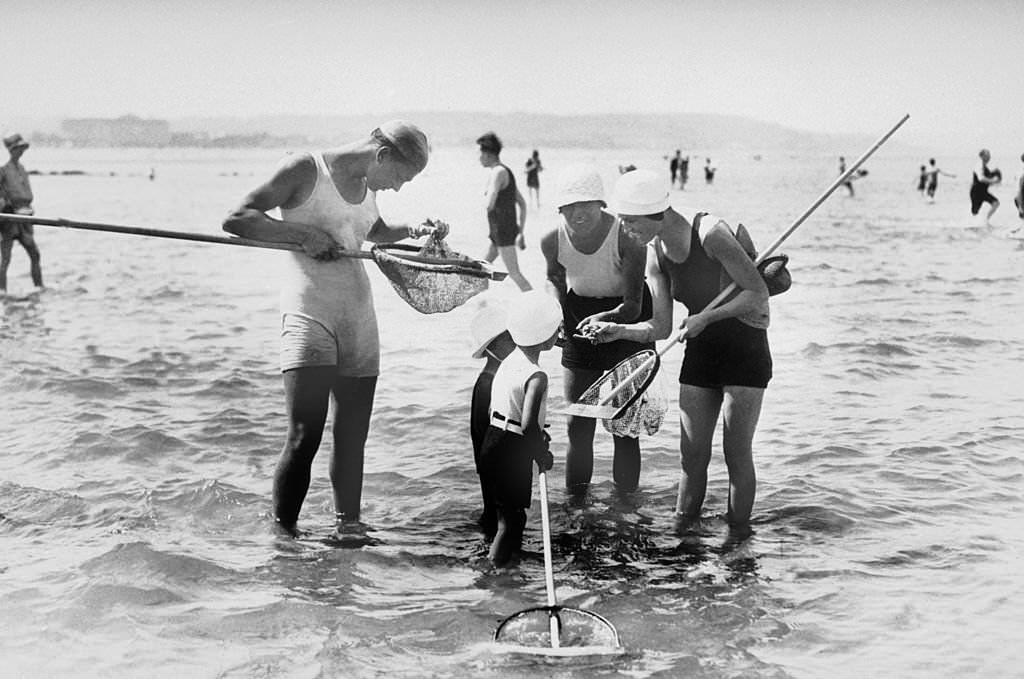
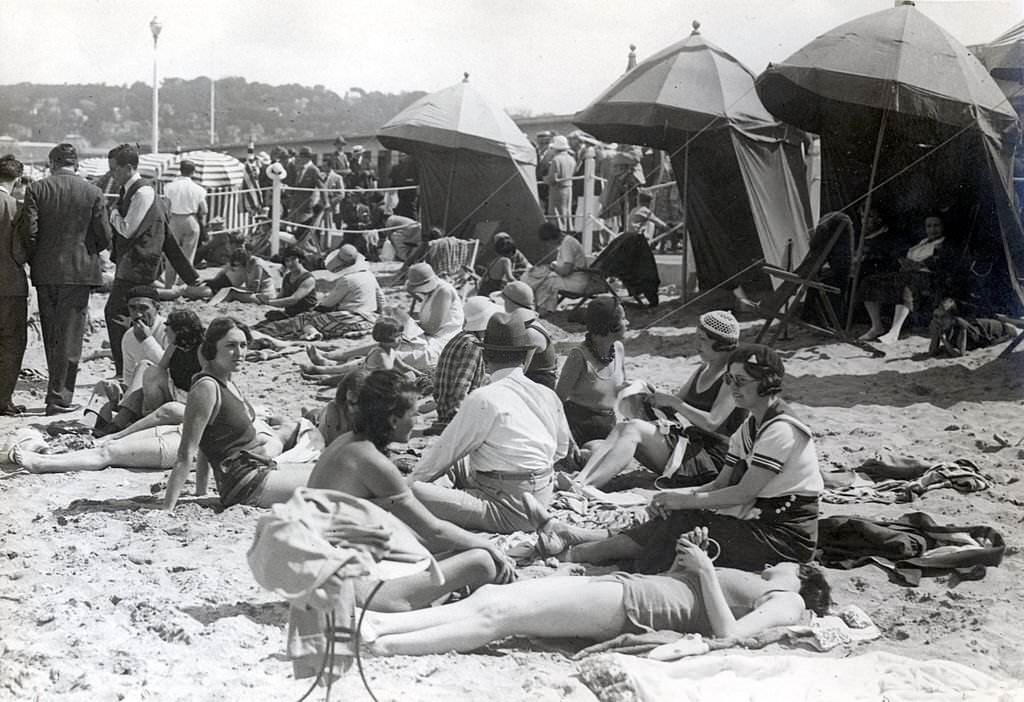
The beach of Deauville (Calvados), in 1920.Deauville (Calvados), 1920Deauville, 1920Deauville, 1920A young woman reading on the beach in Deauville, 1920A large group of people including many small children on a holiday outing at a beach in France, 1920.Two young women wearing bathing costumes with a bath cart behind, 1920.French Seaside Holidaymakers, 1920A group of holidaymakers, several with nets, posing on the beach at Deauville, 1920A large group of holidaymakers posing on the beach at Deauville, 1920A group of holidaymakers posing on the beach at Deauville, 1920Swimmer on the beach, Deauville, 1920At a beach in Deauville-les-Bains, Henri Molla takes off in a Leveque Type II floatplane during the Concours des Avions Marines. Molla won the speed competition over a distance of 250 nautical miles, 1920s
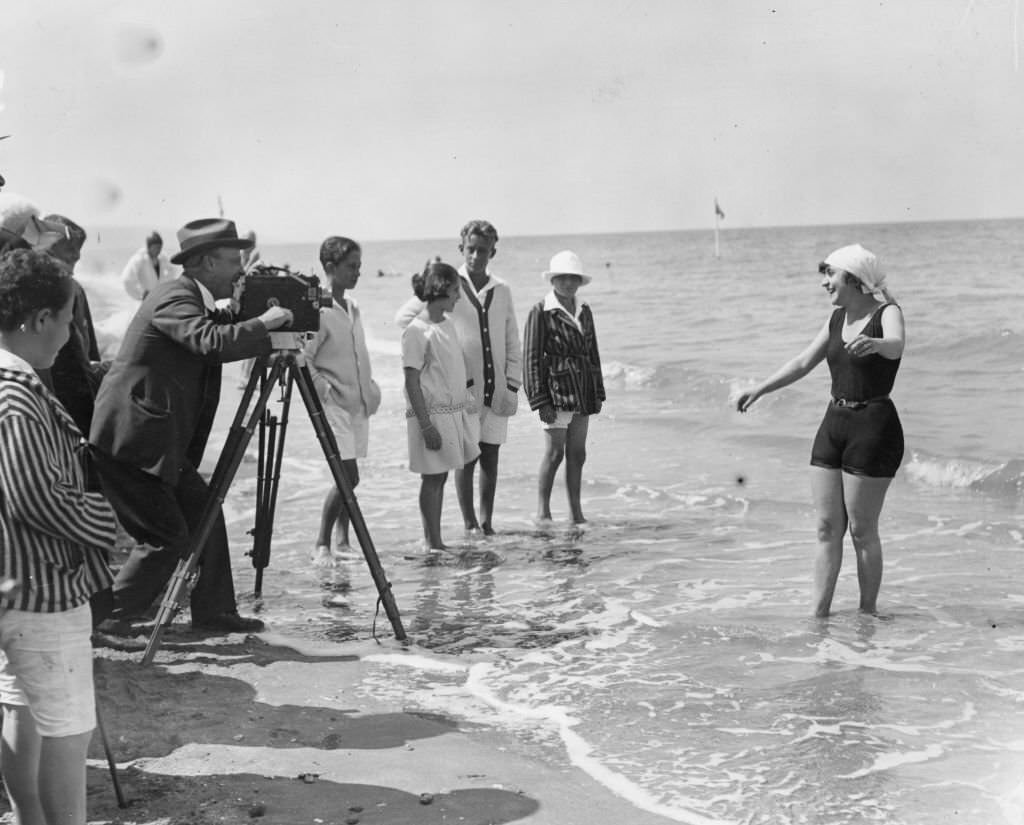
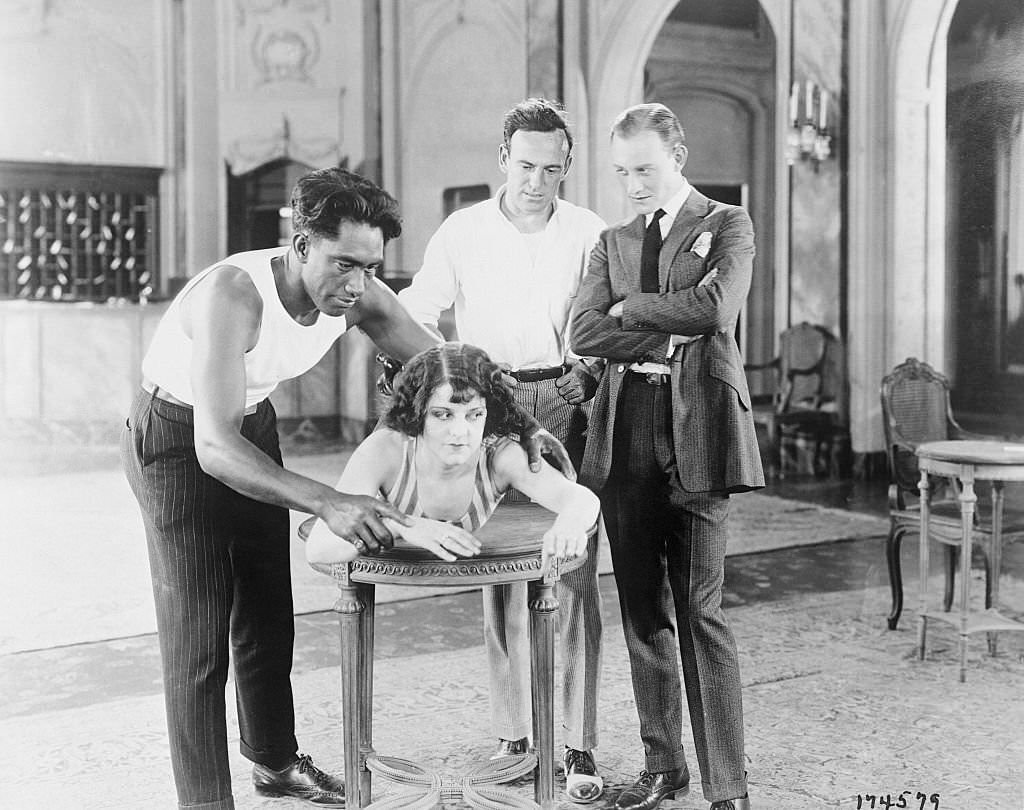
Swimwear and beach fashion evolved rapidly through the 1920s. By 1922, women were being filmed by cine cameras as they paddled in the surf — a sign of just how fashionable Deauville had become as a media subject. That same year, world champion speed swimmer Duke Kahanamoku used a table on the beach to teach swimmer Miss Lura Anson strokes for a Paramount film production titled The Impossible Mrs. Bellew, with director Sam Woods and actor Conrad Nagel watching from the sand.
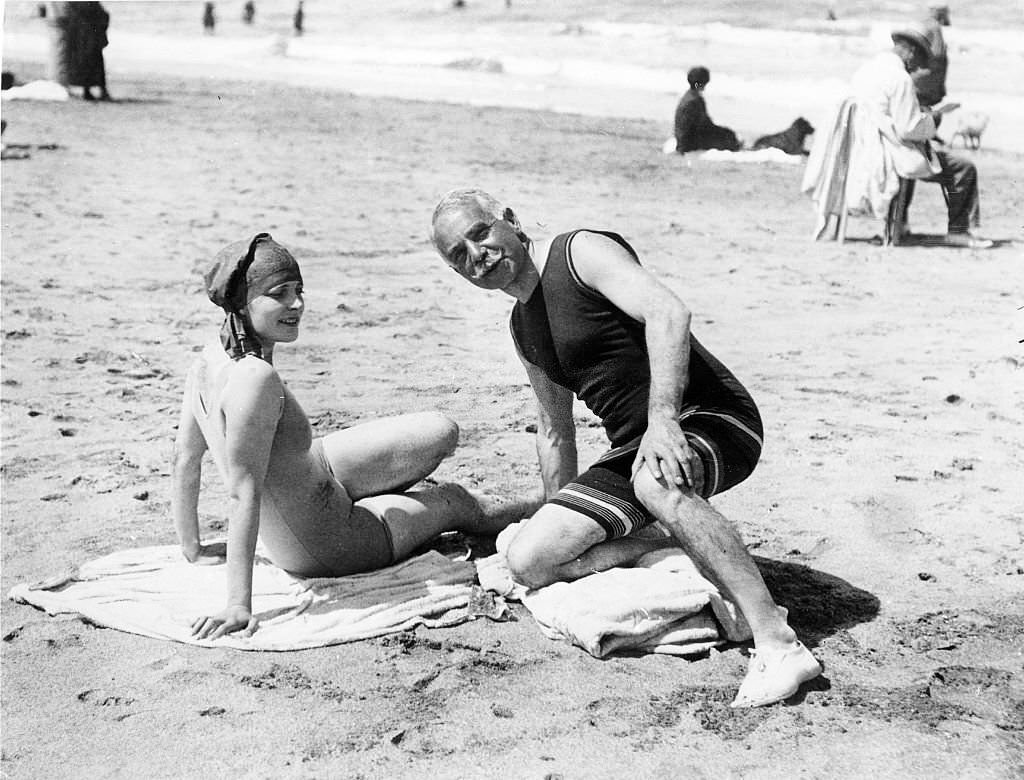
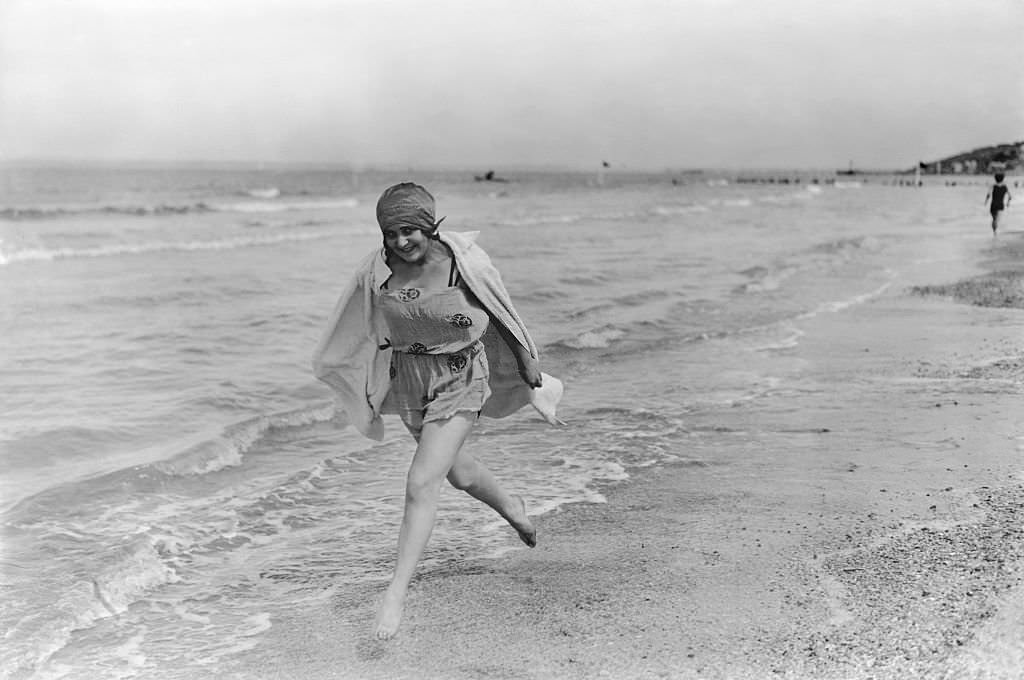
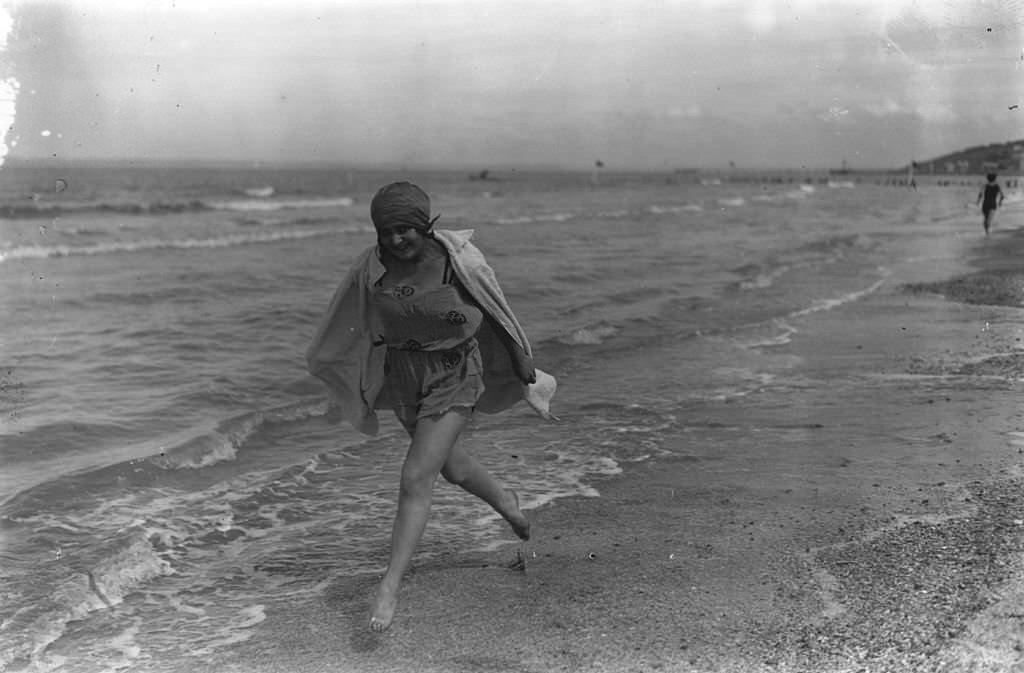
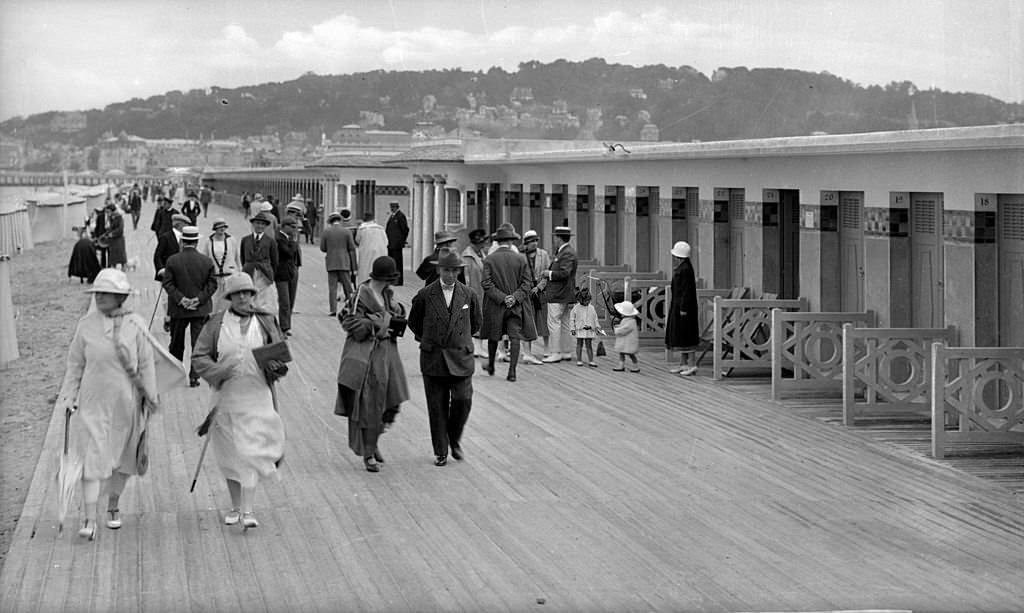
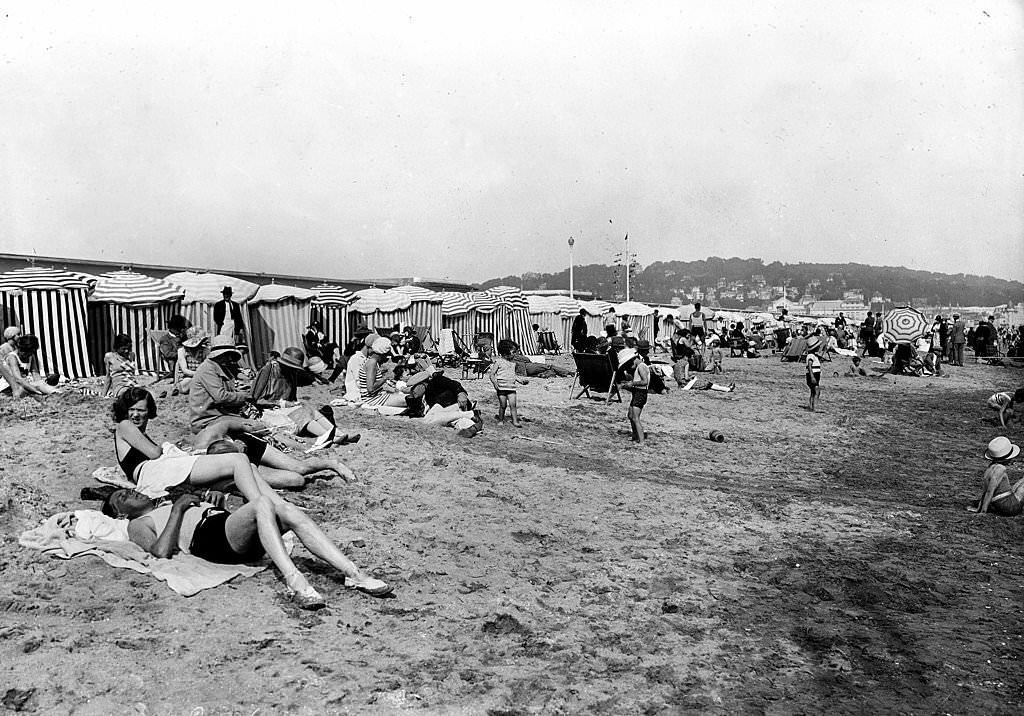
A woman being filmed by cine camera as she paddlles in the sea on a beach at Deauville, 1922Woman Swimming on Table at Deauville, 1922The banker Otto Kahn with a young woman on the beach at Deauville, 1922A Young Woman Runs Along the Shore at Deauville, 1924A young woman running along the water’s edge at Deauville, 1924Boards and the new baths (Adda architect), 1925The crowded beach at Deauville during the holiday season, 1925.
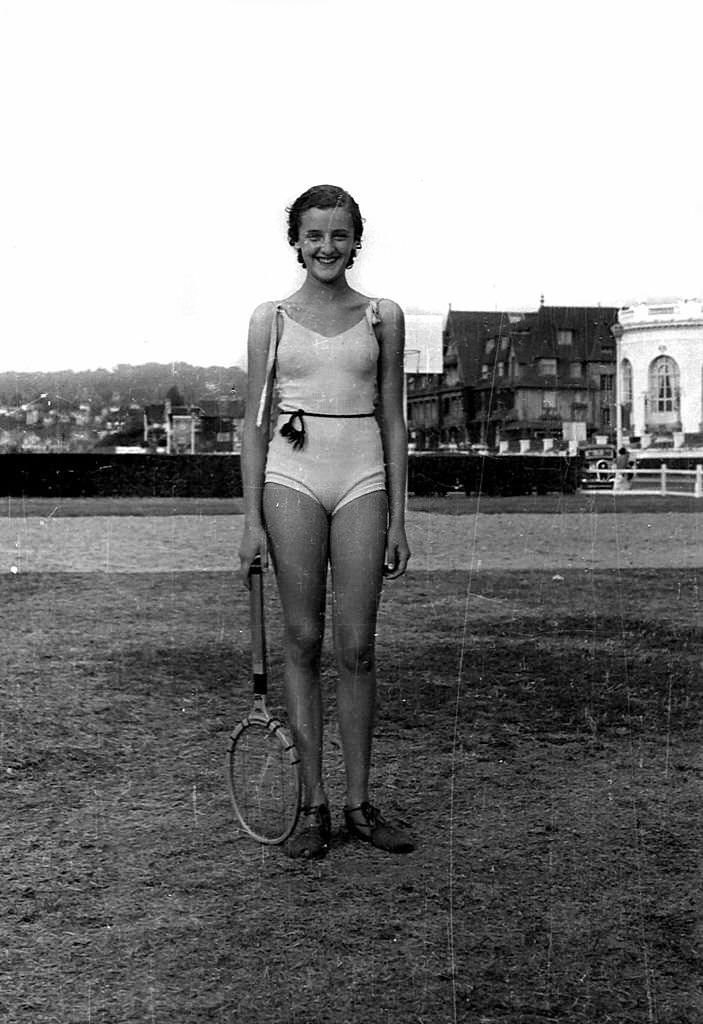
Young tennis player on the beach of Deauville, 1925
Lady Louis Mountbatten on the beach at Deauville, 1925
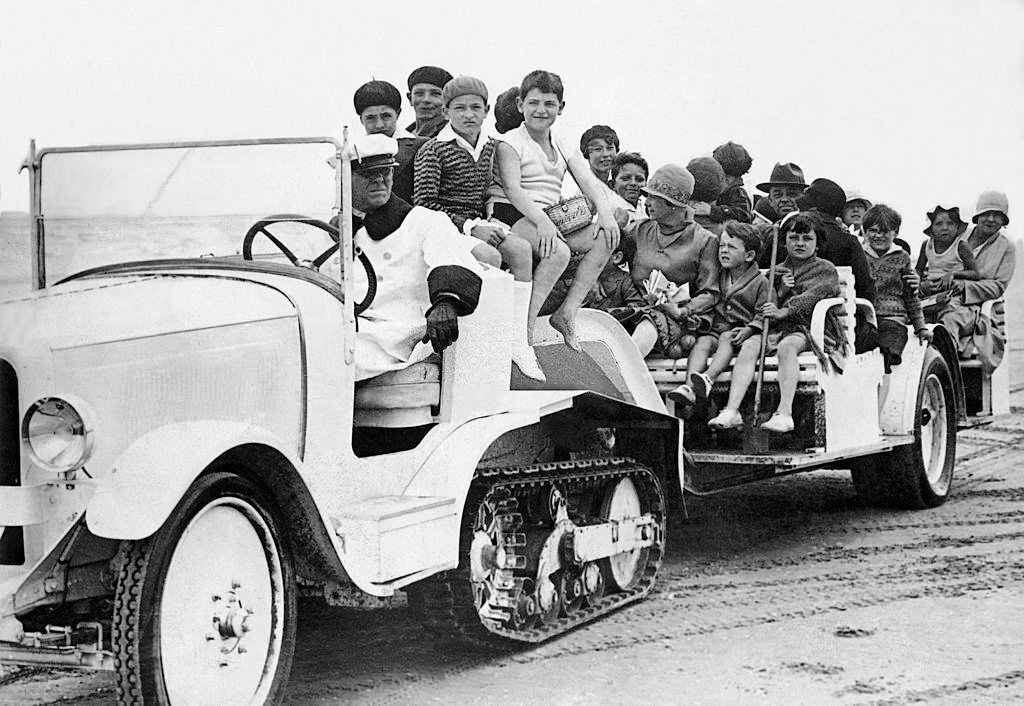
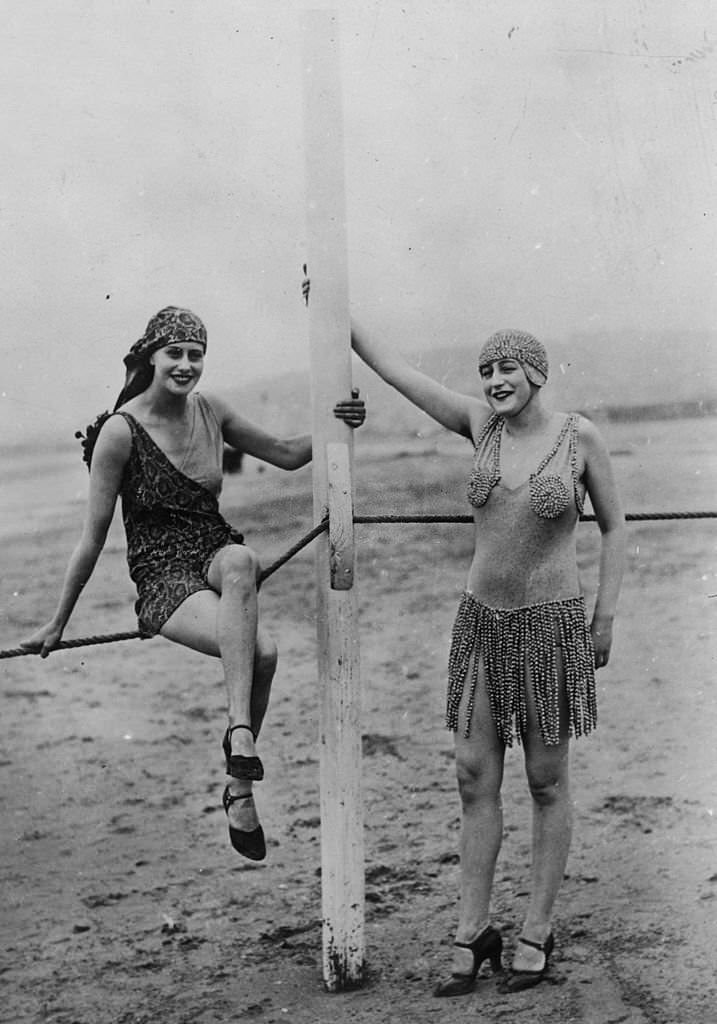
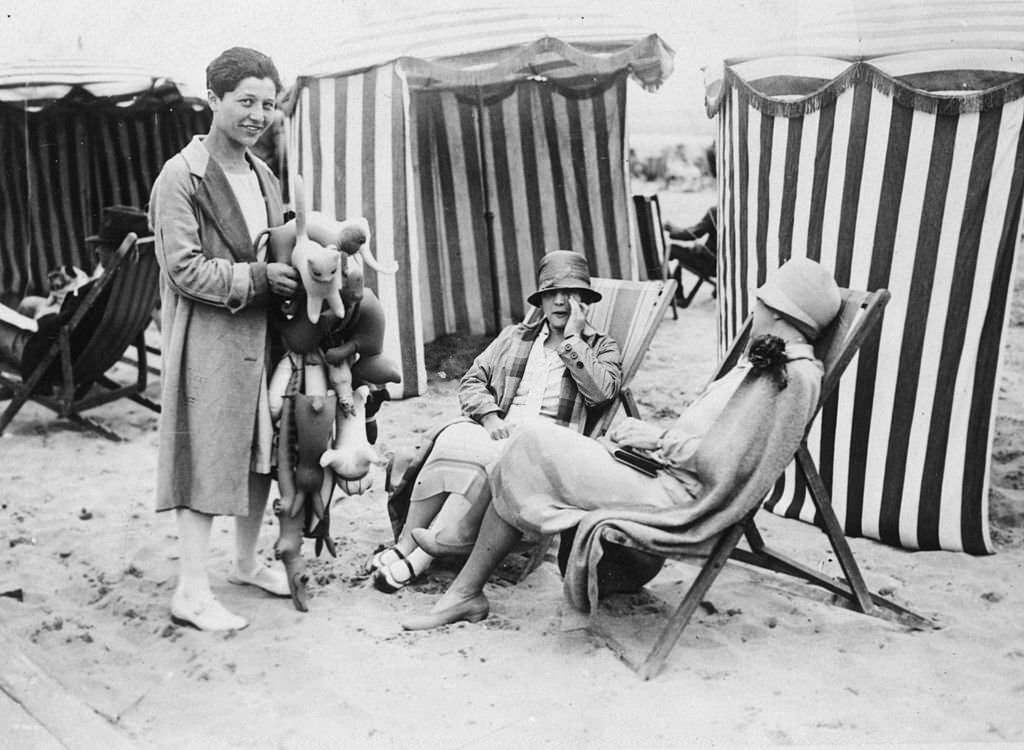
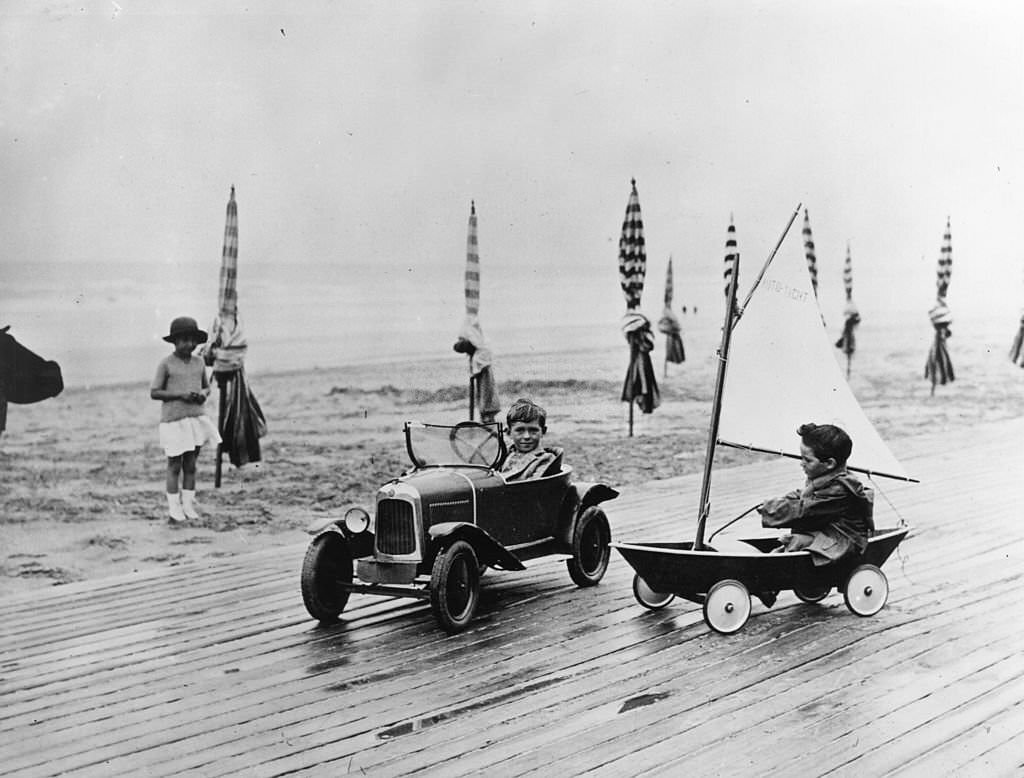
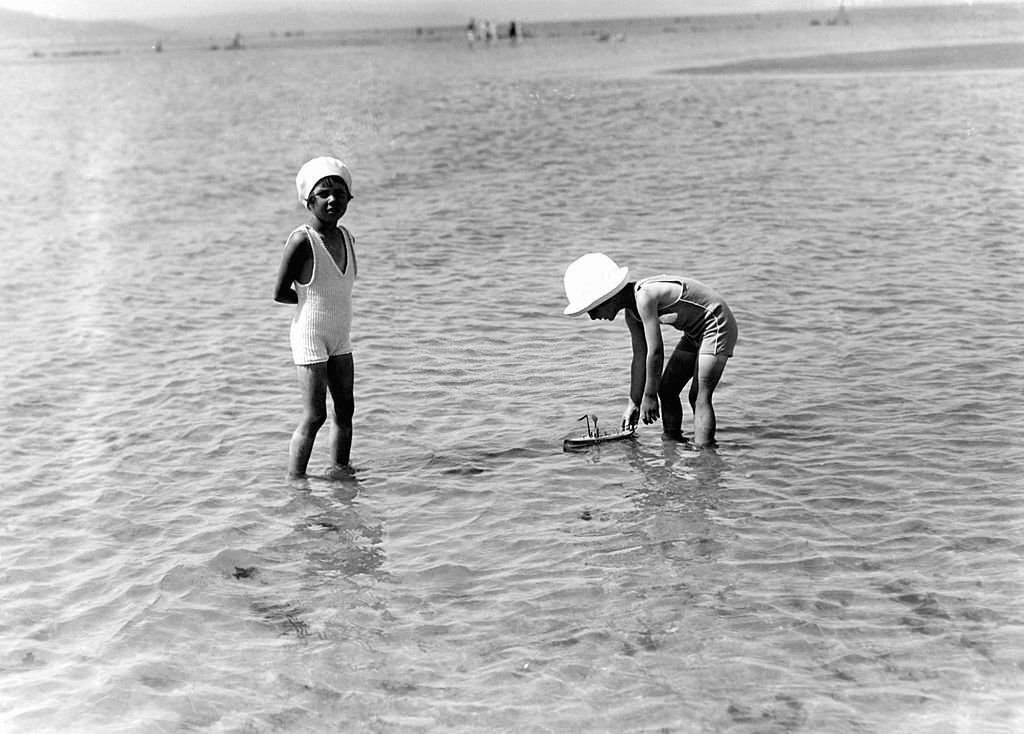
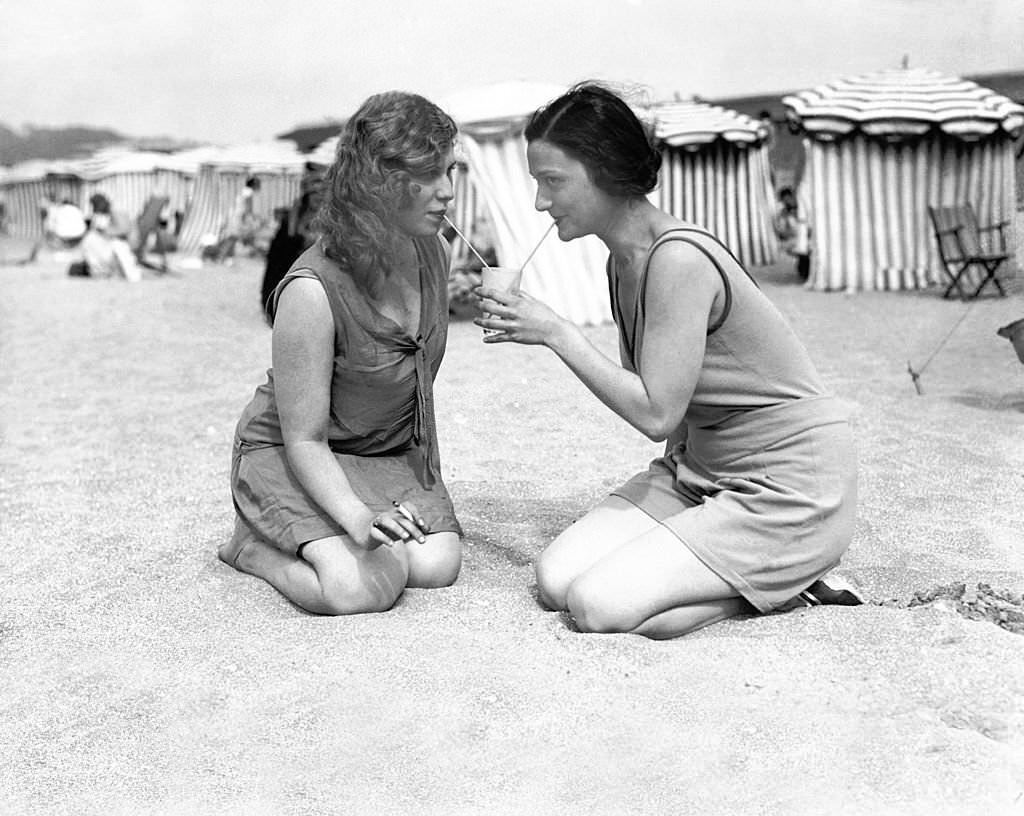
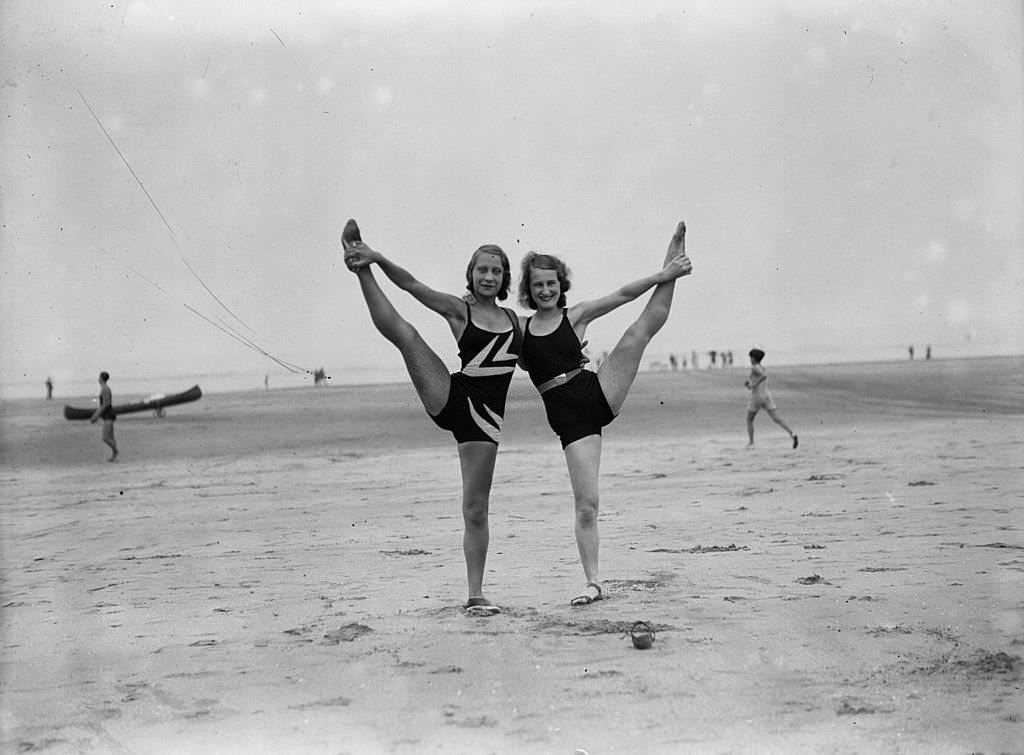
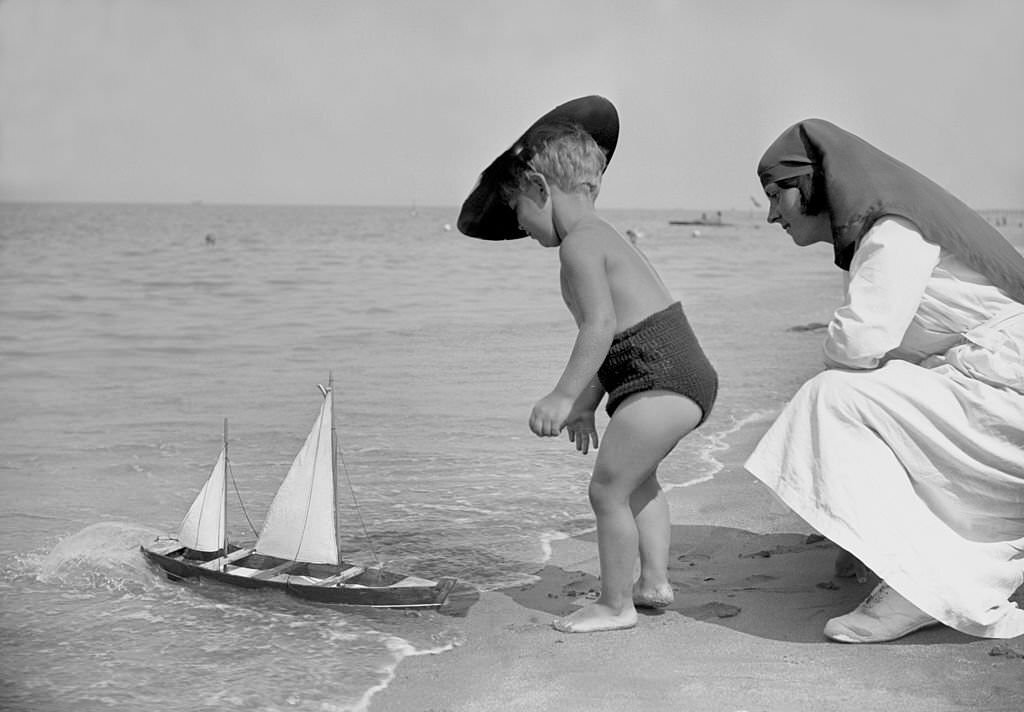
Families in tracked Vehicles on Deauville Beach, 1925.The Pickfords Have Guests at Deauville, 1925Swimmer on the beach of Deauville, 1925Games of beach at Deauville, 1925.Deauville, 1925Two women modelling bathing suits on the beach at Deauville, 1926A girl selling rubber toys on the beach at Deauville, 1926Two children racing each other in a toy car and boat, along the beach front in Deauville, 1920s
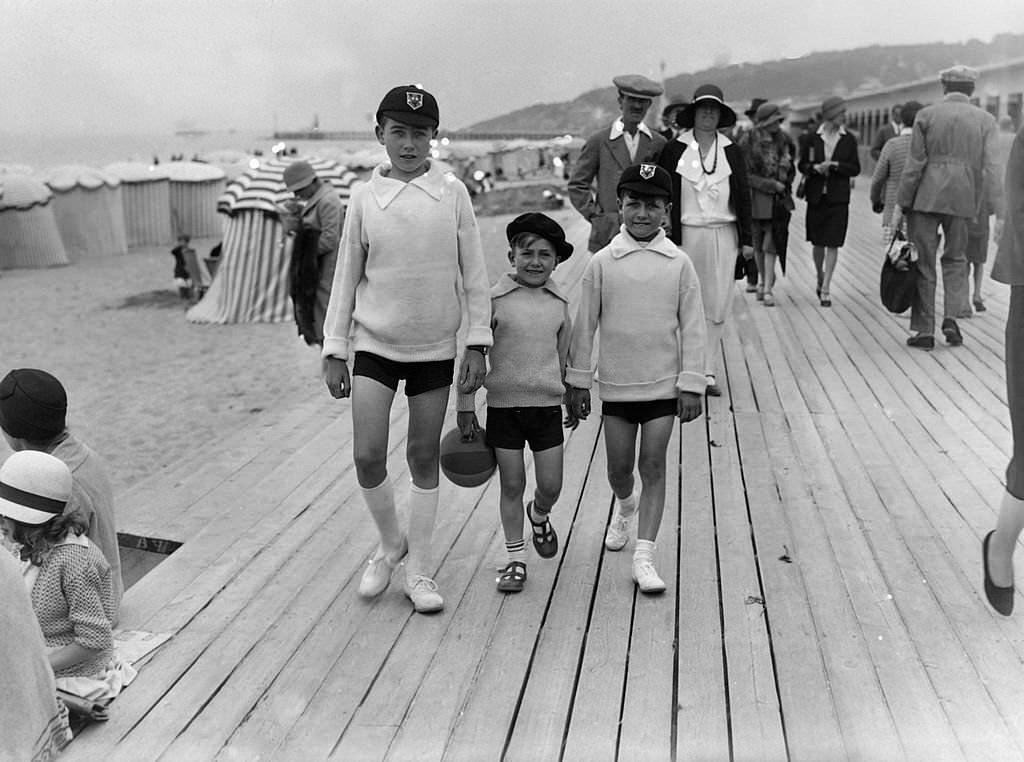
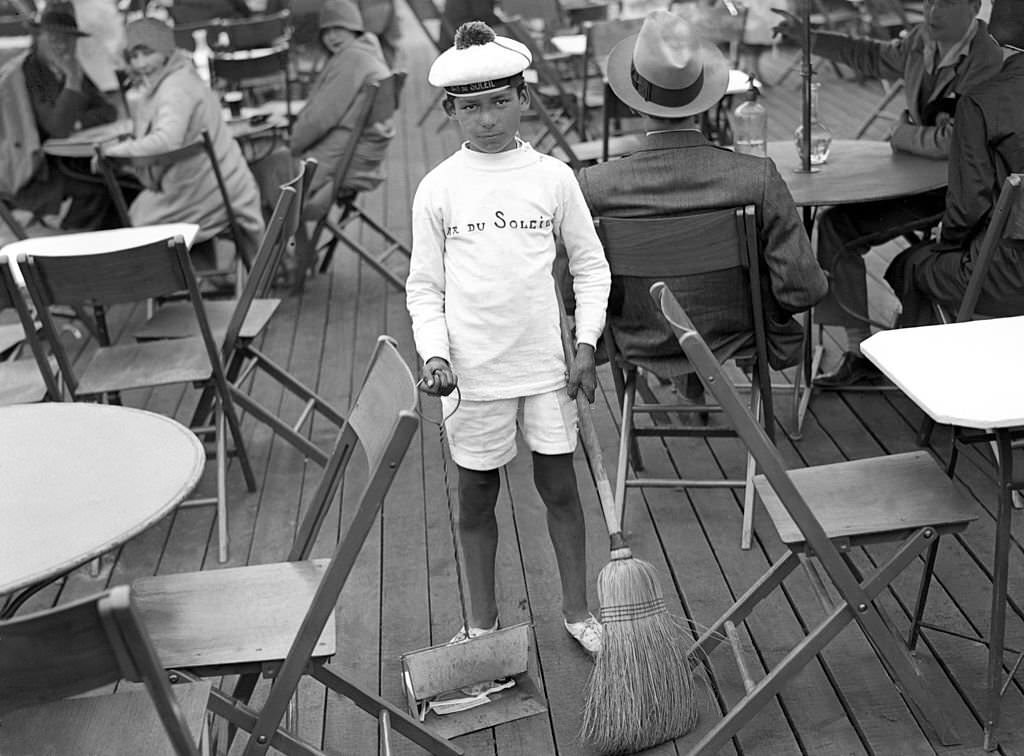
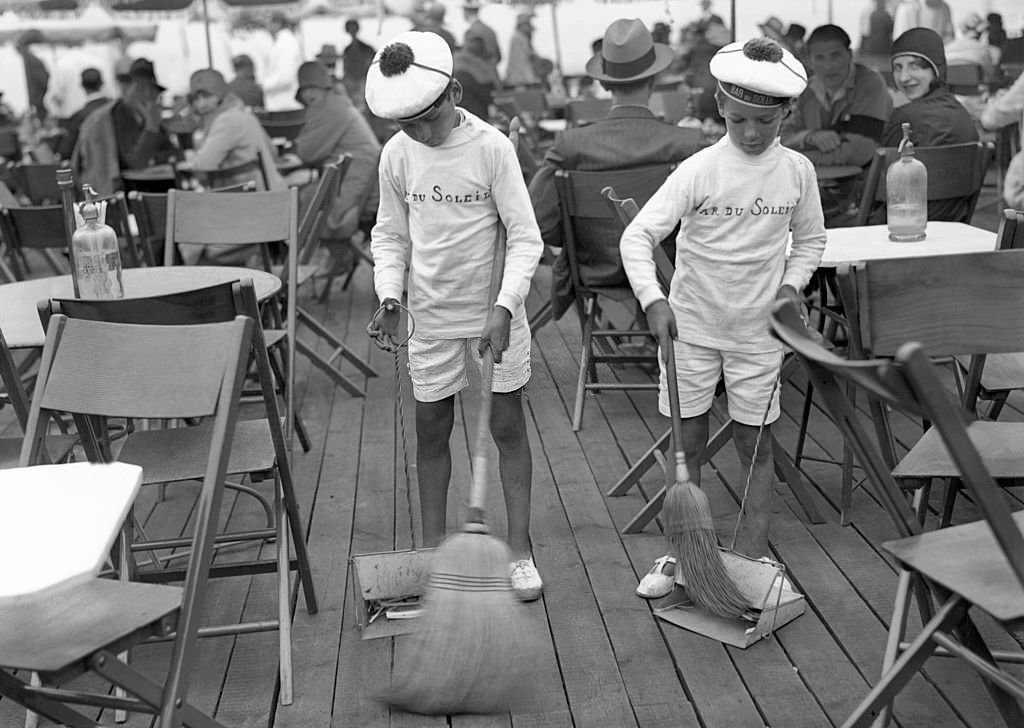
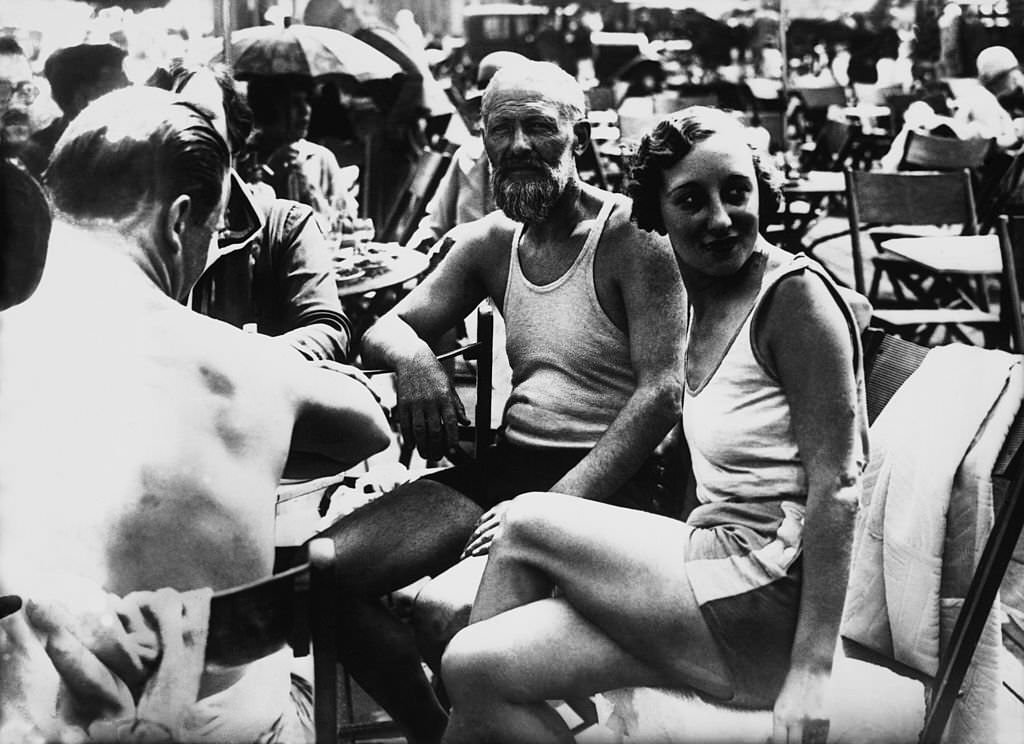
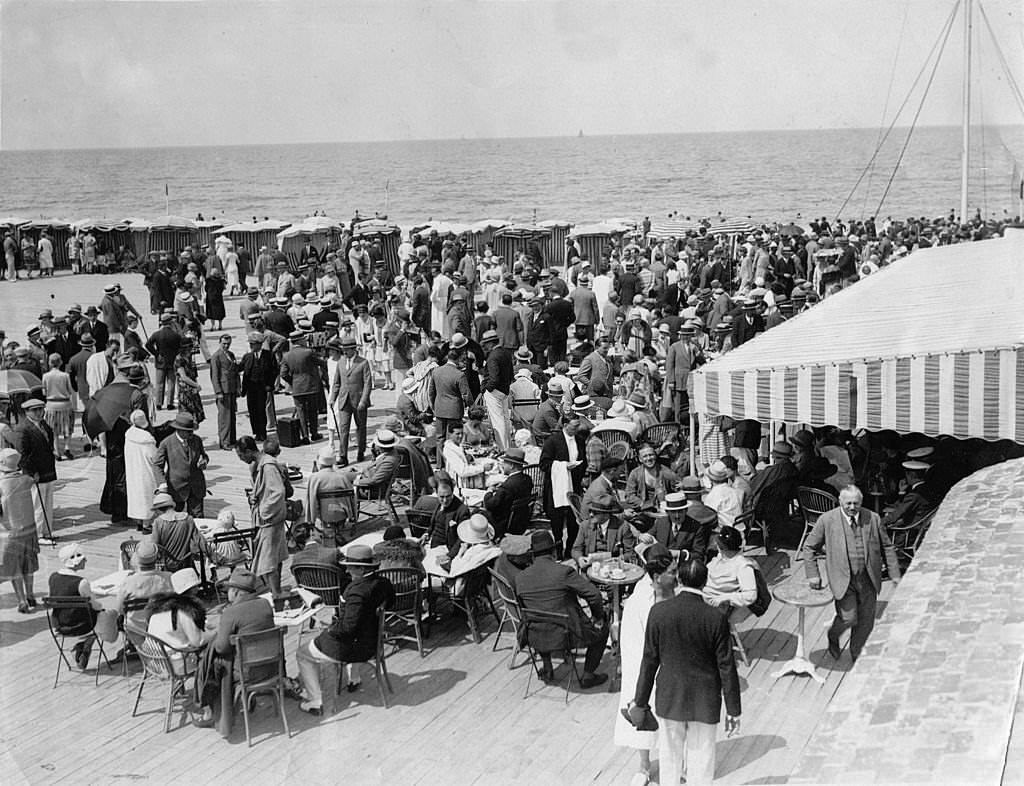
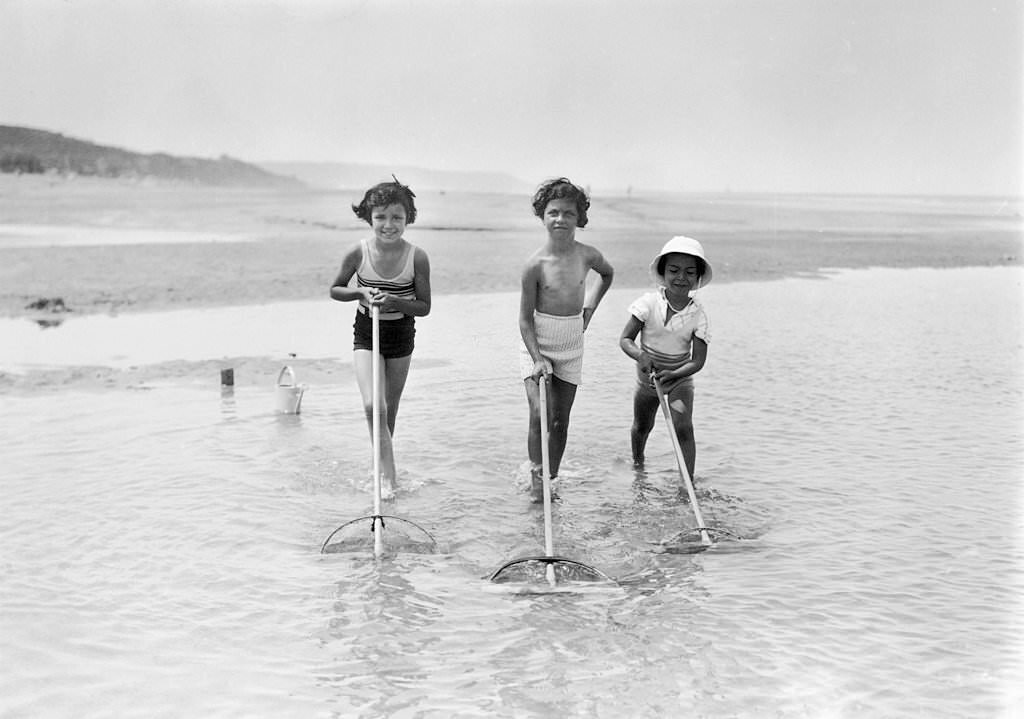
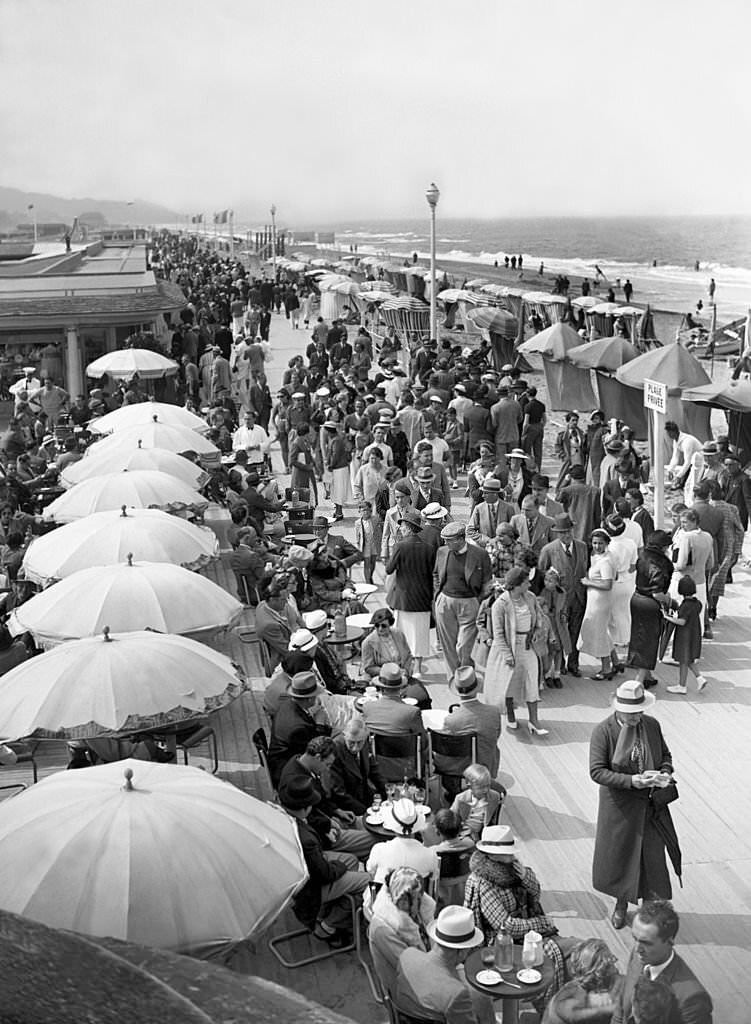
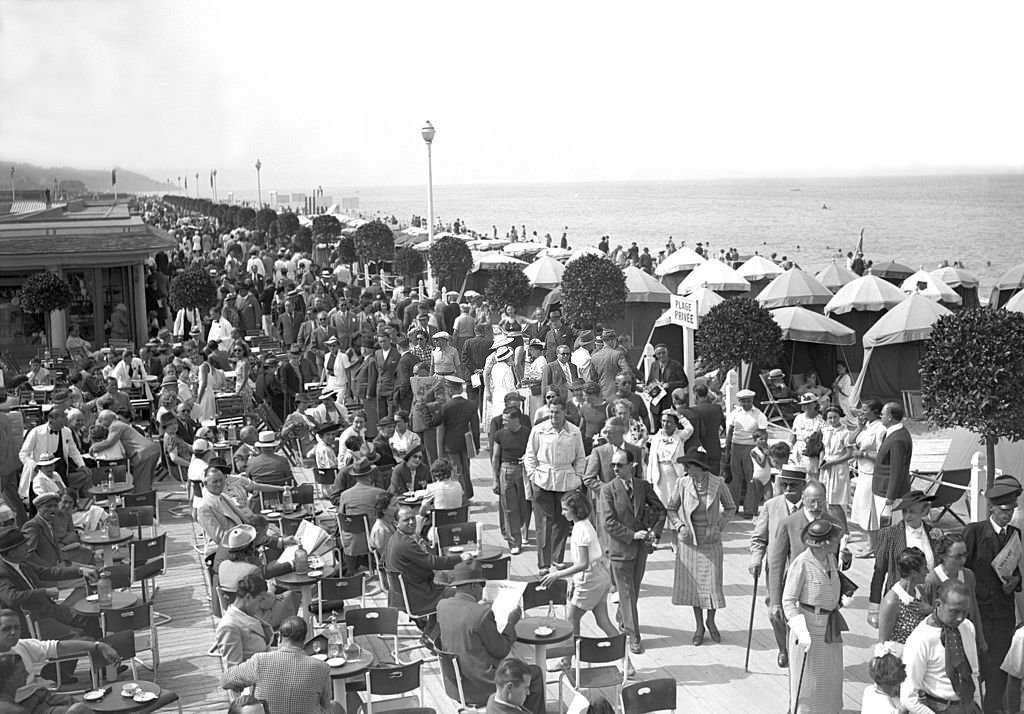
The resort’s social scene in the late 1920s was a mix of artists, aristocrats, and wealthy tourists. Dutch painter Kees van Dongen was photographed at the beach in 1929. Children fished for shrimp in the shallows with nets while their parents lounged in deck chairs. The famous Planches boardwalk was a social runway where guests strolled, shopped, and were seen. Young page boys — the “little grooms” of the Bar du Soleil — added a theatrical quality to beach service.
Fujita and Suzy Dorian on the Beach in Deauville, 1927
Tsuguharu Fujita on Deauville Beach, 1927
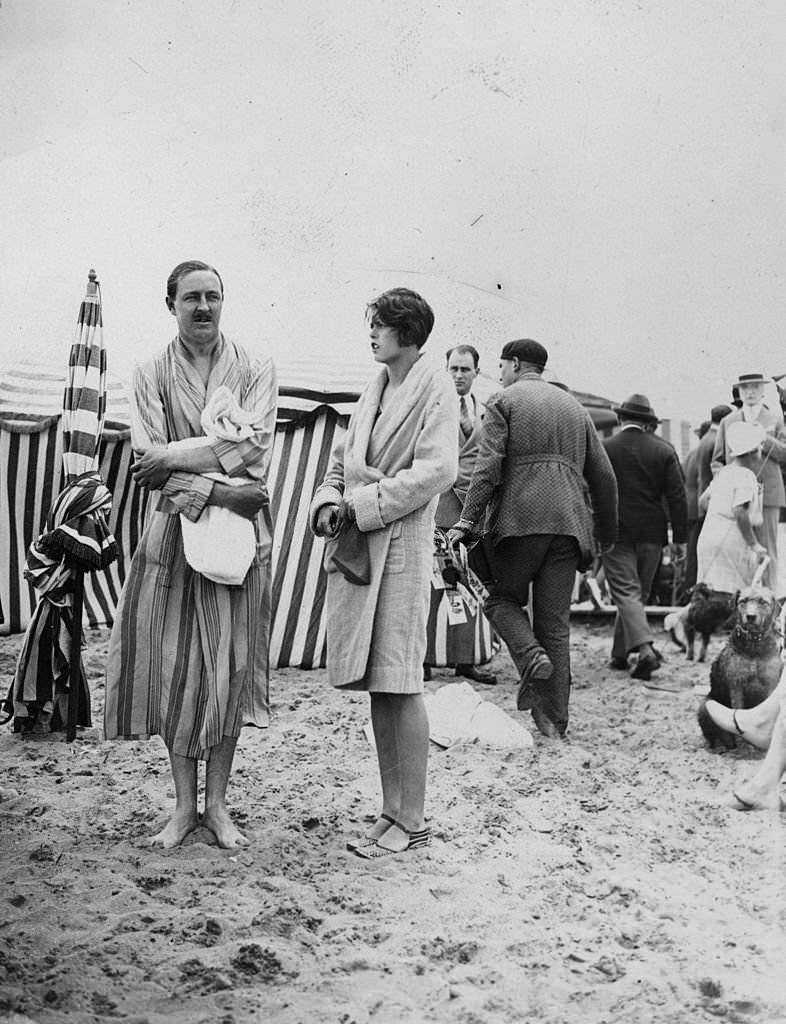
Major Coats and Madame Le Tellier, amongst the fashionable society set holidaying in Deauville, 1927
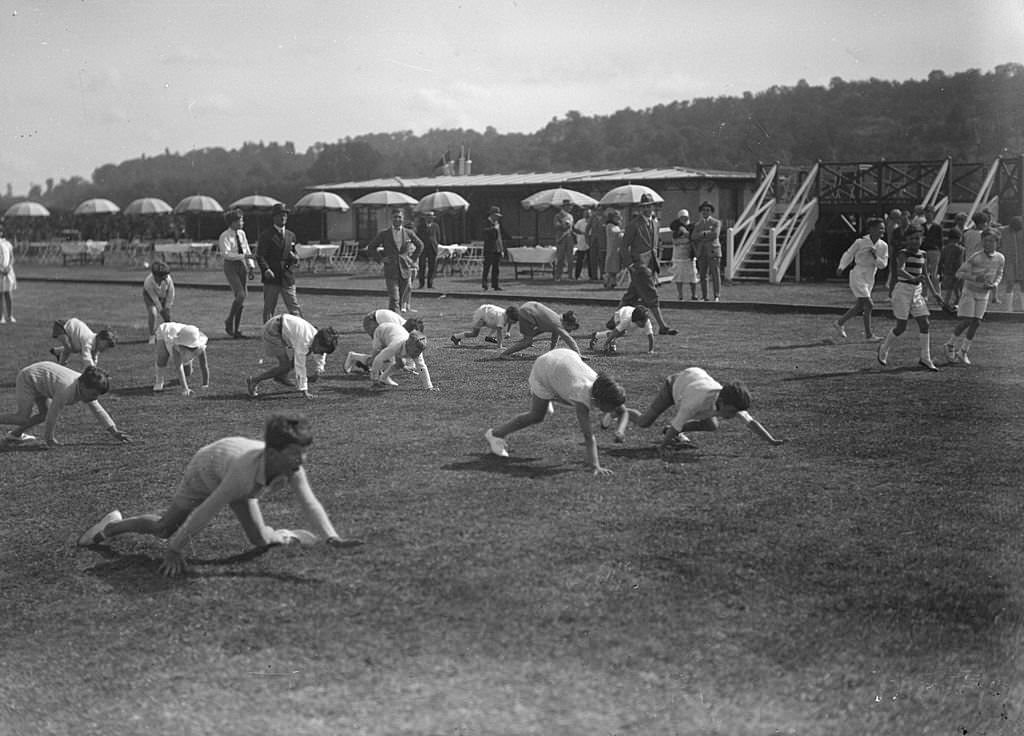
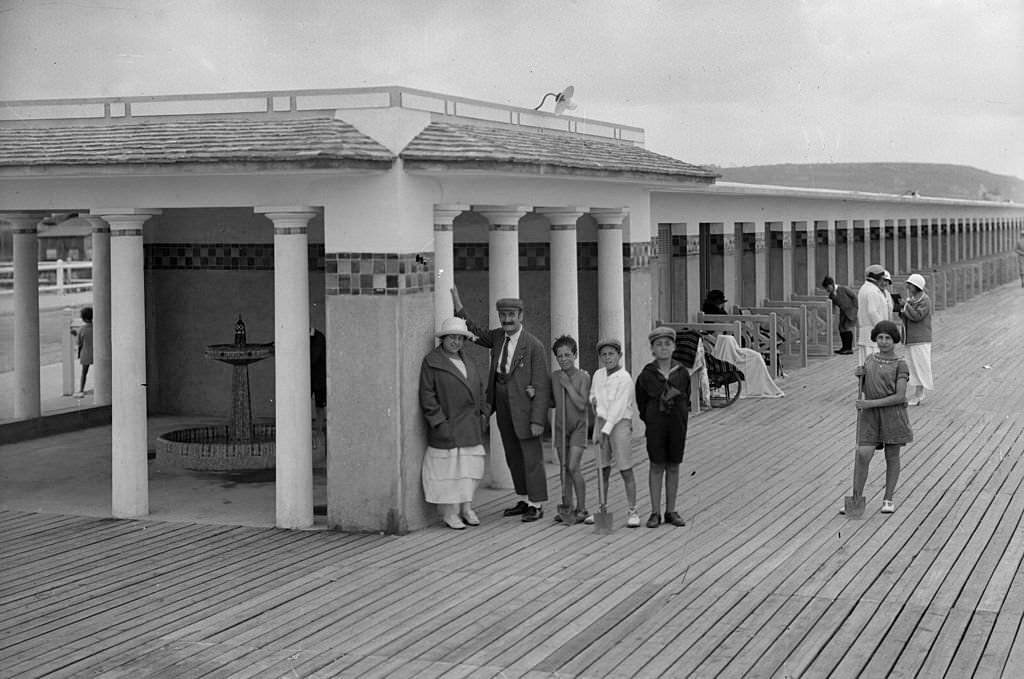
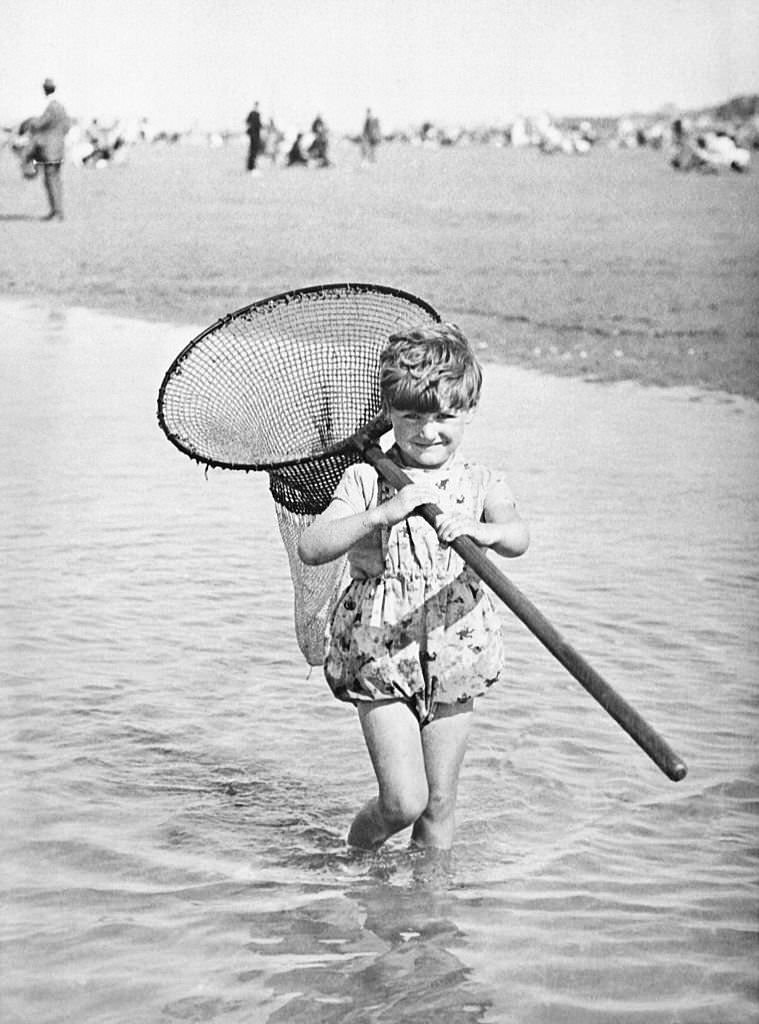
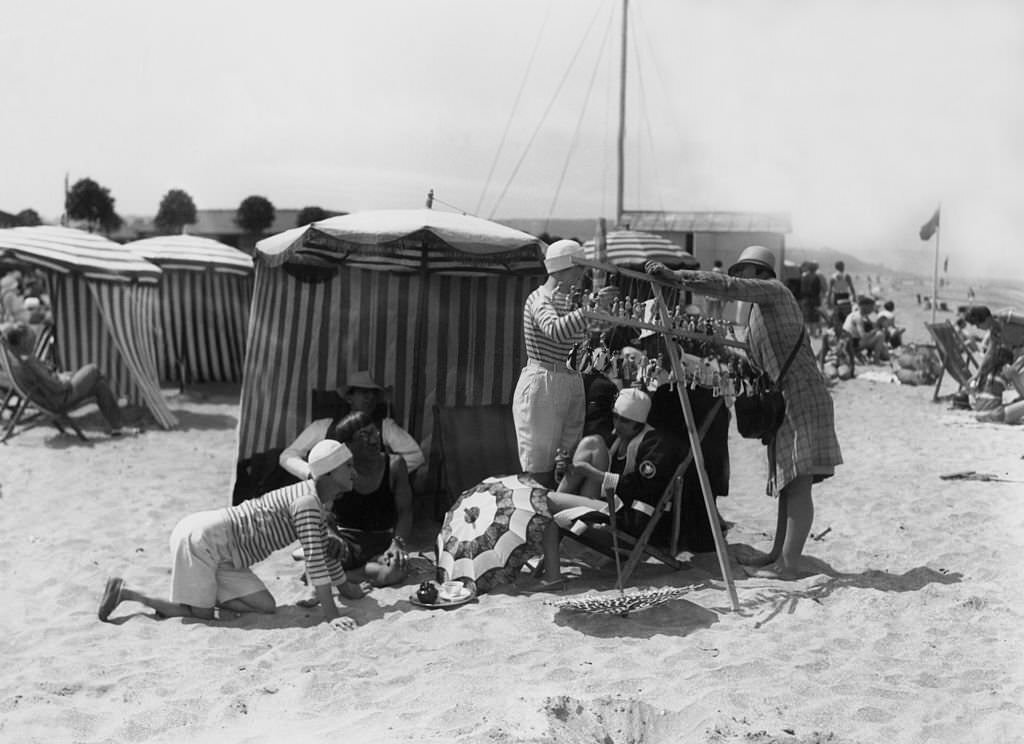
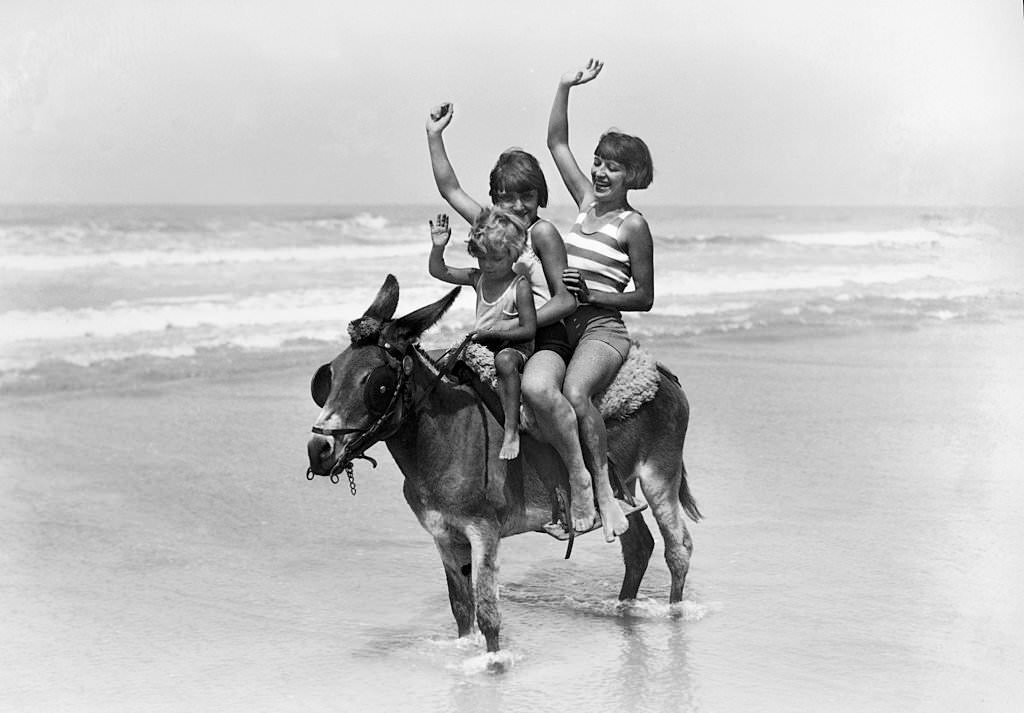
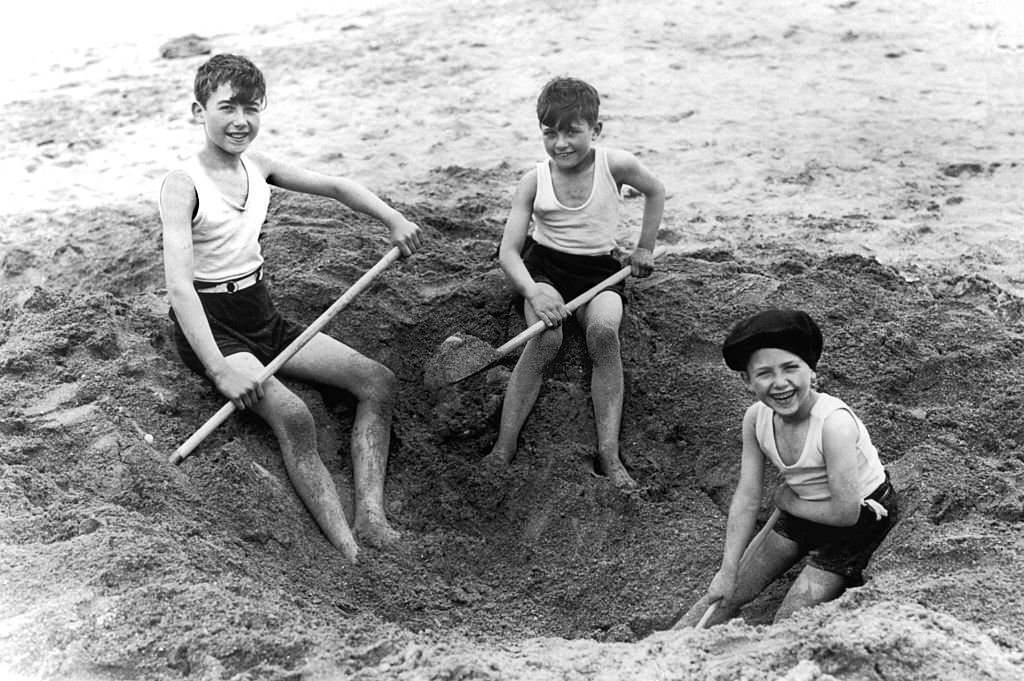
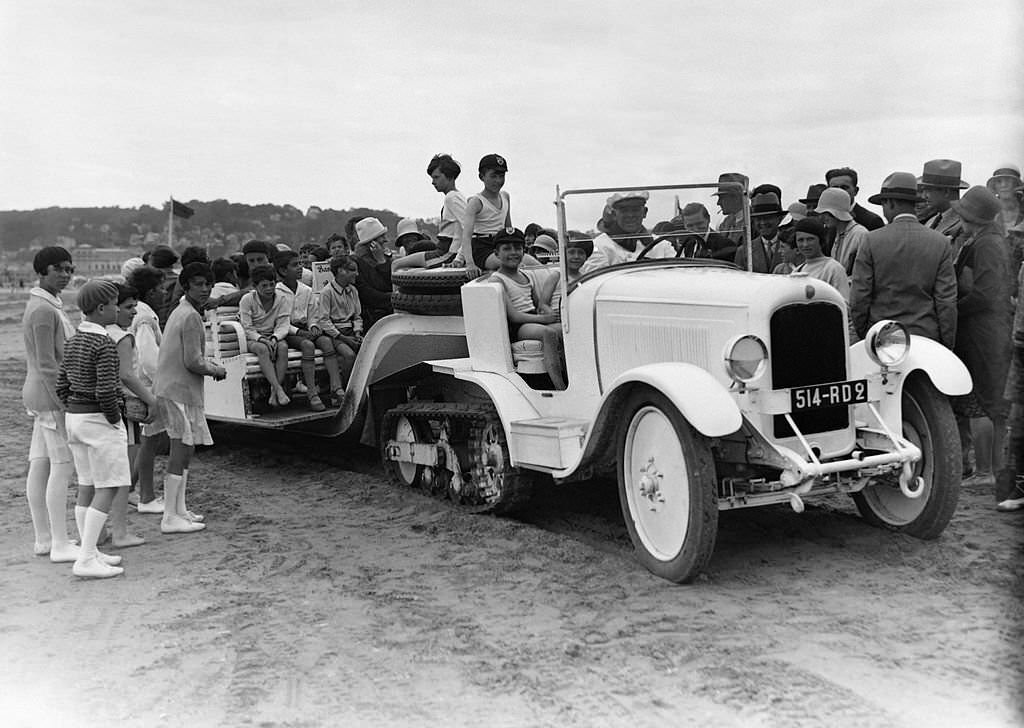
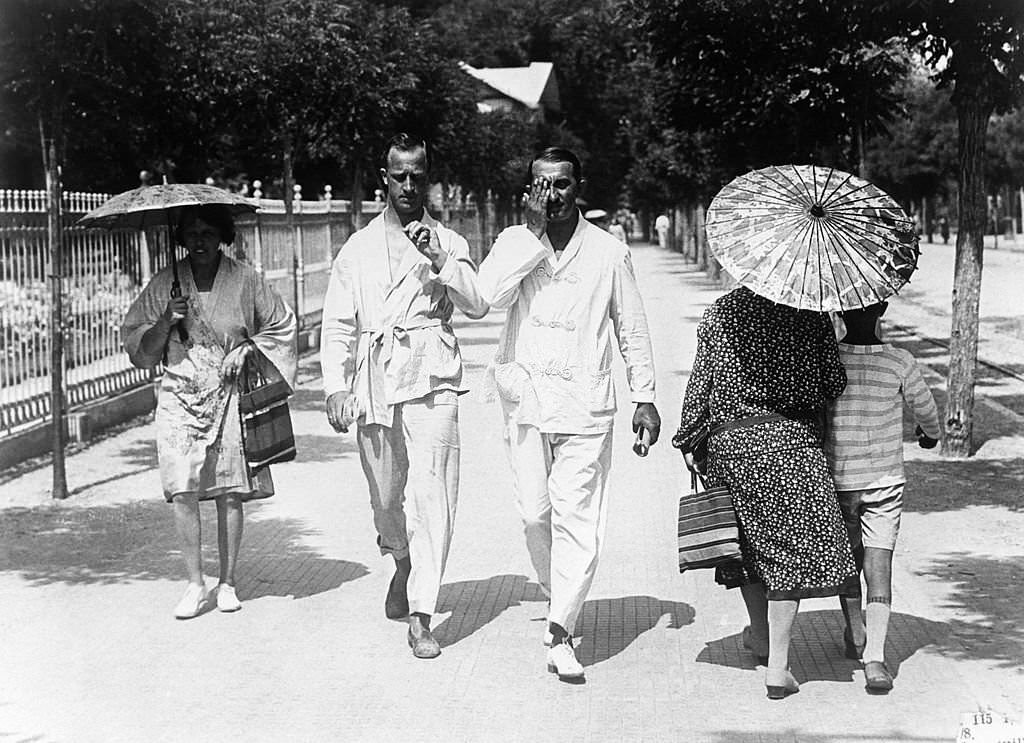
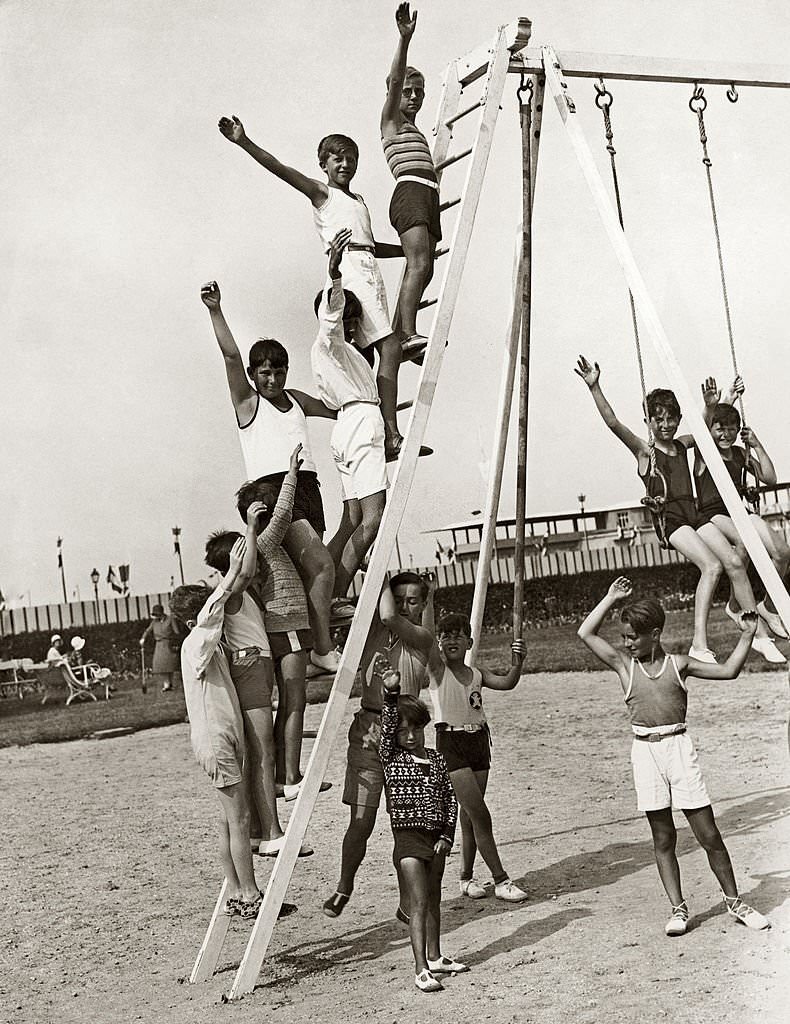
The beach of Deauville in 1927 in Deauville, France.Young girl on the beach of Deauville in 1927 in Deauville, France.The Souvenir Shopkeeper, 1928.Rider On A Donkey On Deauville Beach, 1929In August 1929, on Deauville beach, these three children dug a hole in the sand with shovels.Woman on a deck chair on the beach in August 1929 in Deauville, France.Children going for a beach drive in a trail towed by a tracked Citroen in August 1929 in Deauville, France.Two men in their beach outfit strolling in August 1929 in Deauville, France.Children strolling on the famous Planches in August 1929 in Deauville, France.Little Grooms Of The Bar Du Soleil in Action, 1929Little Grooms of the Bar Du Soleil, 1929Society children crowd the open-air gymnasium at the new Deauville summer school, 31st July 1929On the beach of Deauville in July 1929, children fished for shrimp with the help of a shrimping net.Young children playing on the beach in July 1929 in Deauville, France.Women sunbathing on the beach in July 1929 in Deauville, France.Young Women on the beach of Deauville, 1929Dutch Painter Kees Van Dongen And His Friends, 1929
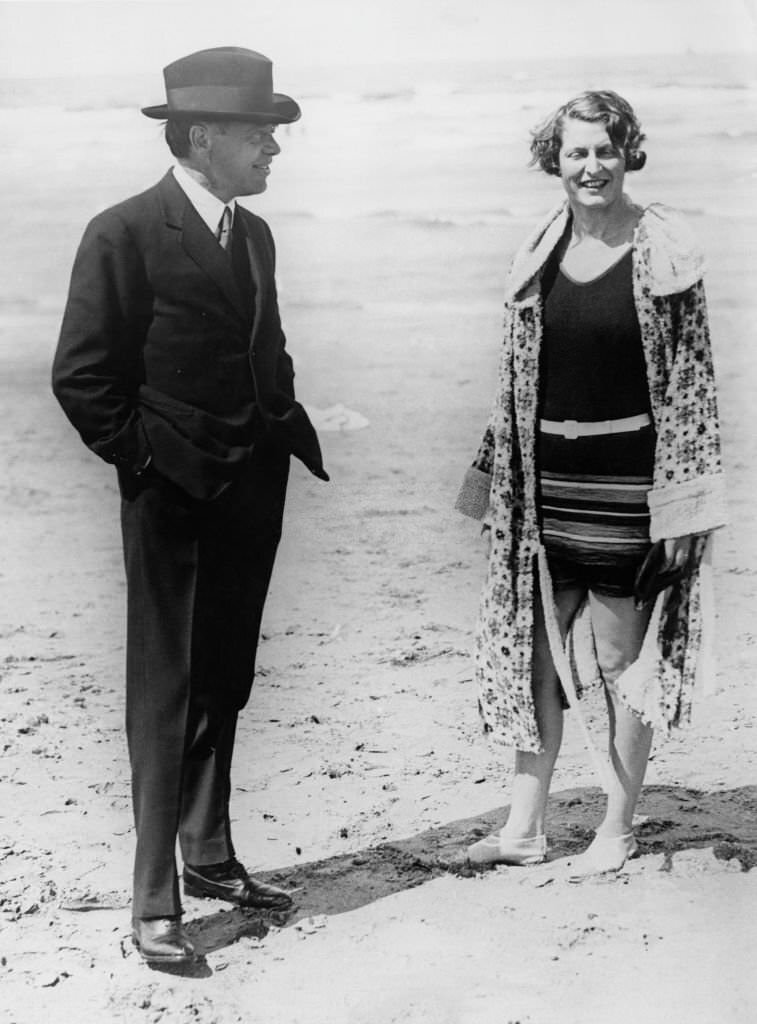
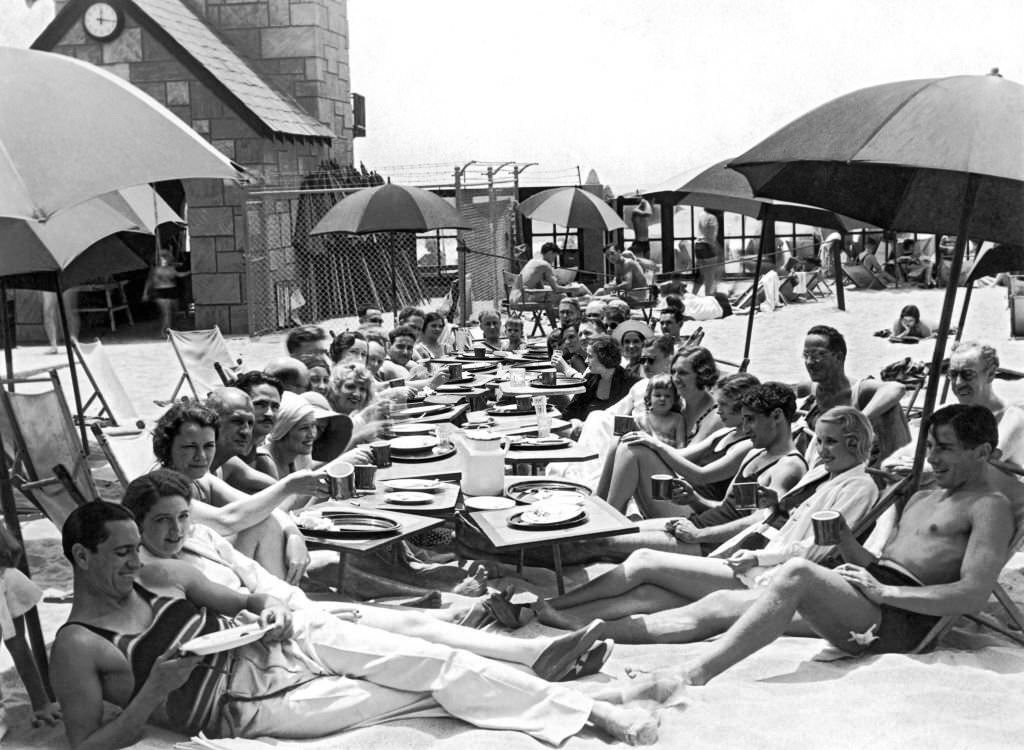
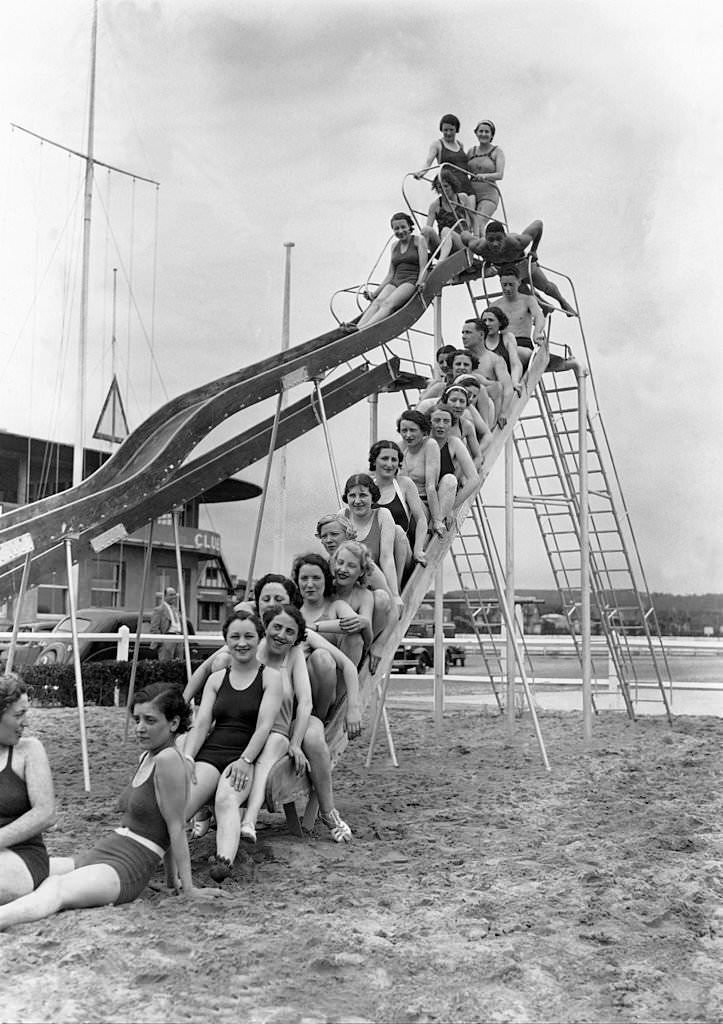
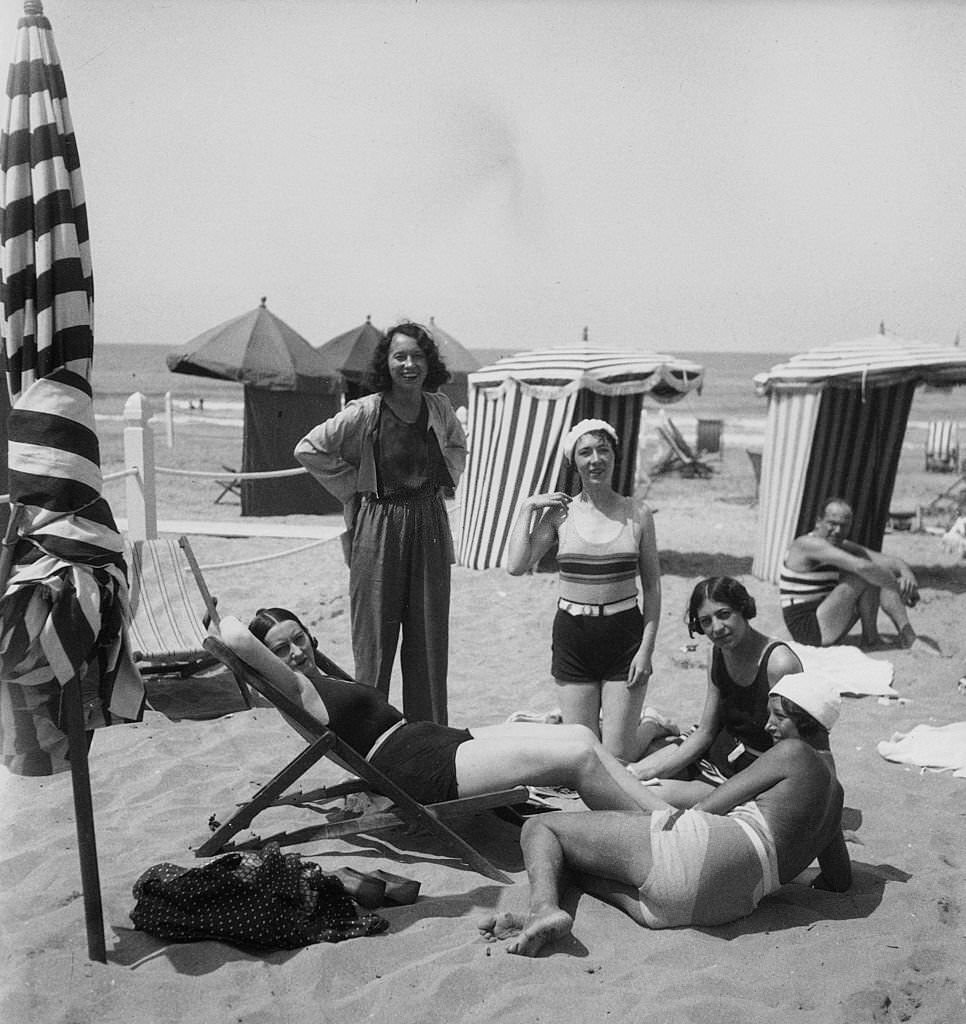
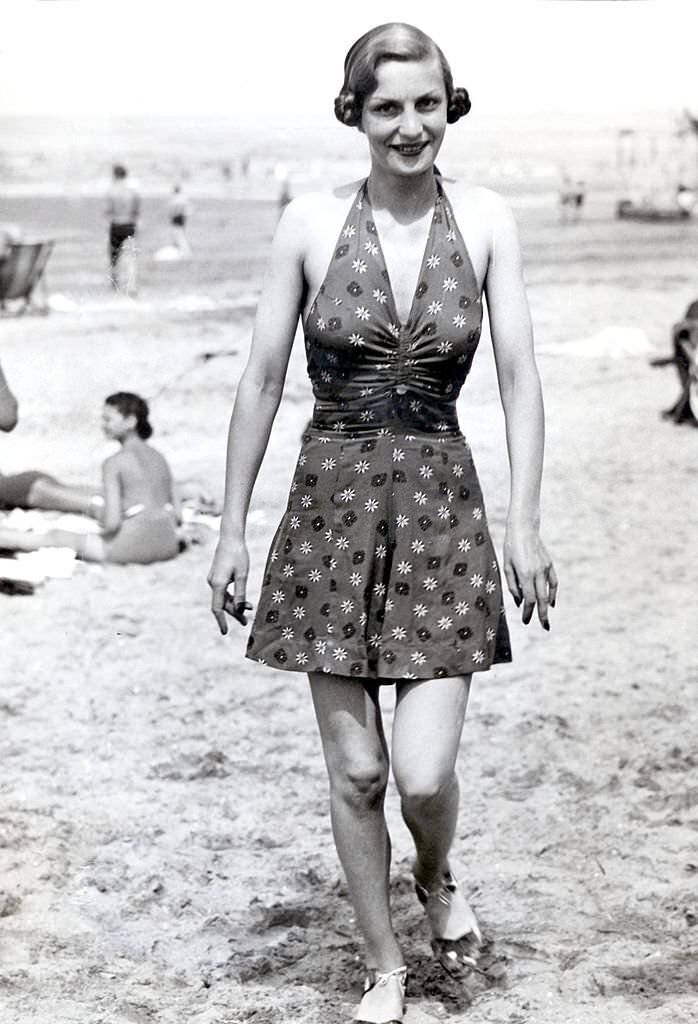
The 1930s brought both celebration and strain. Europe’s national financial crisis hit Deauville hard in the early part of the decade, though the resort’s elite clientele kept arriving. Canadian-British press baron Max Aitken, 1st Baron Beaverbrook, was photographed chatting with Lady Broughton on the beach in 1930. European beauty queens gathered at the beach bathhouse in July of that year. The Deauville Club held weekly breakfast meetings on the beach after morning swims. Two hundred Parisian dressmakers were photographed on the beach in the early 1930s, turning the sand into a runway. Swimsuit presentations, gymnastics sessions, sand yacht racing, and sandcastle competitions kept the calendar packed.
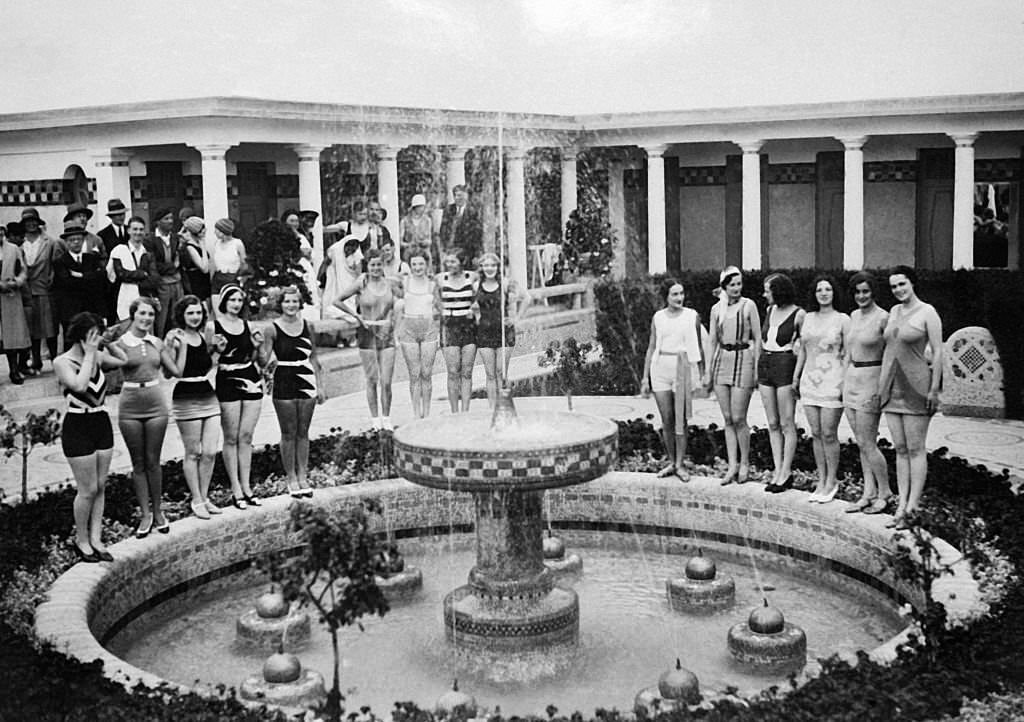
Beach at Deauville, 1930European Beauty Queens gathered at the antique beach bathhouse on July 27, 1930 in Deauville, France.Deauville-Les-Bains and its Beach, 1930
Canadian-British newspaper publisher and politician Max Aitken, 1st Baron Beaverbrook == chatting with Vera Edyth Griffith-Boscawen, Lady Broughton on a beach while on holiday in Deauville, 1930
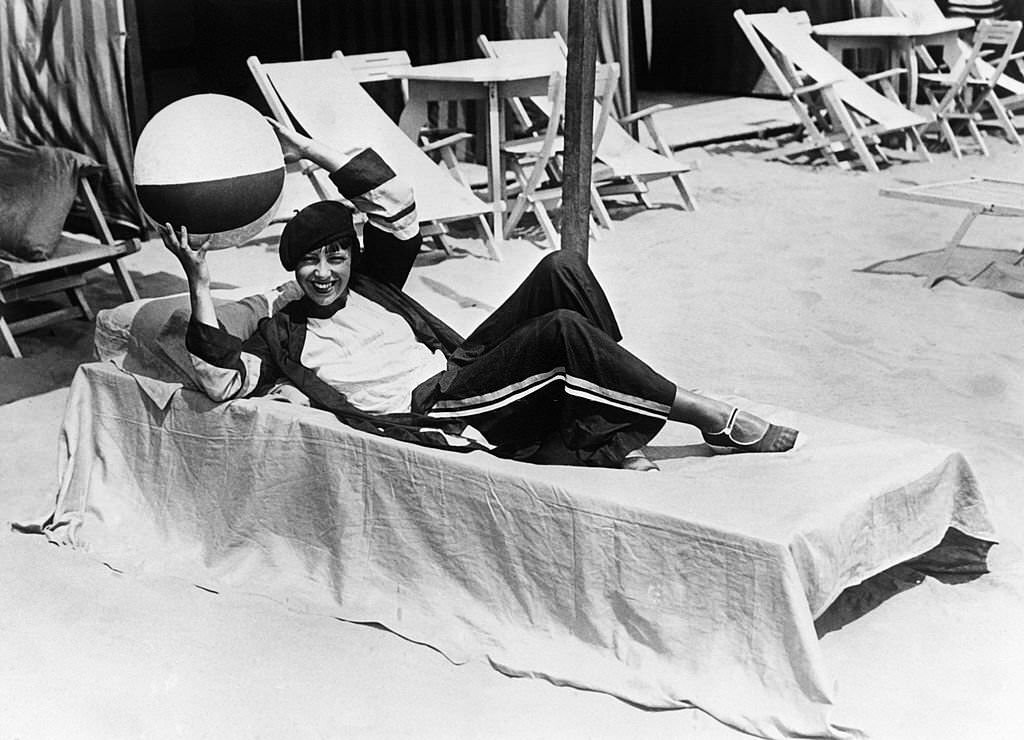
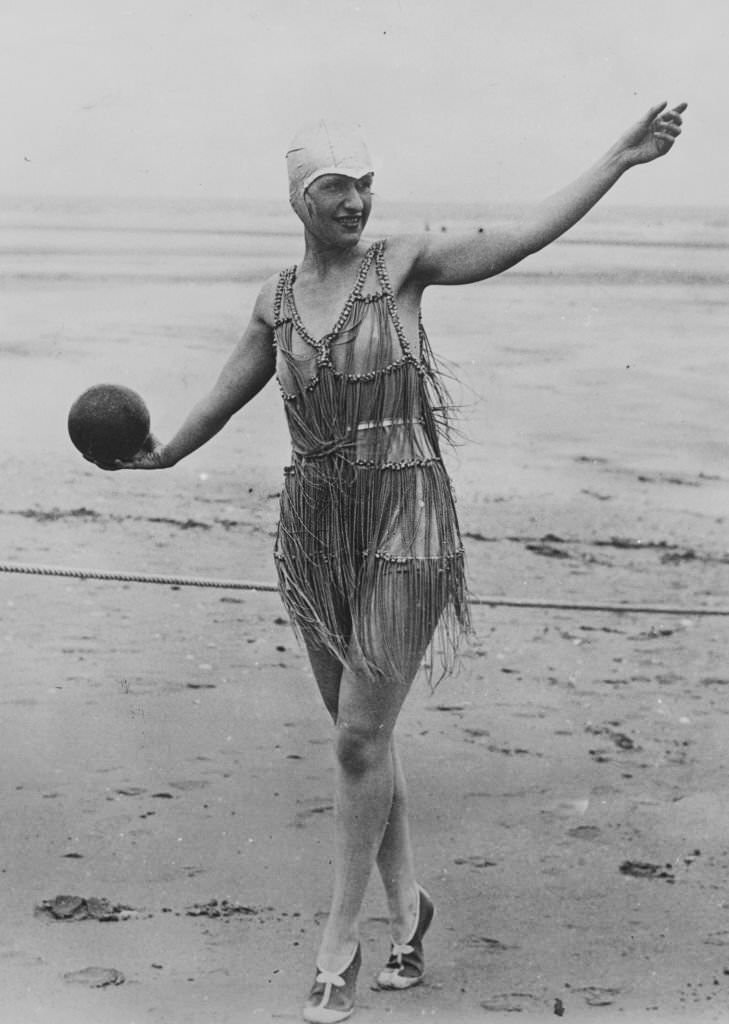
A woman wearing a bathing cap and suit plays with a ball on Deauville Beach.
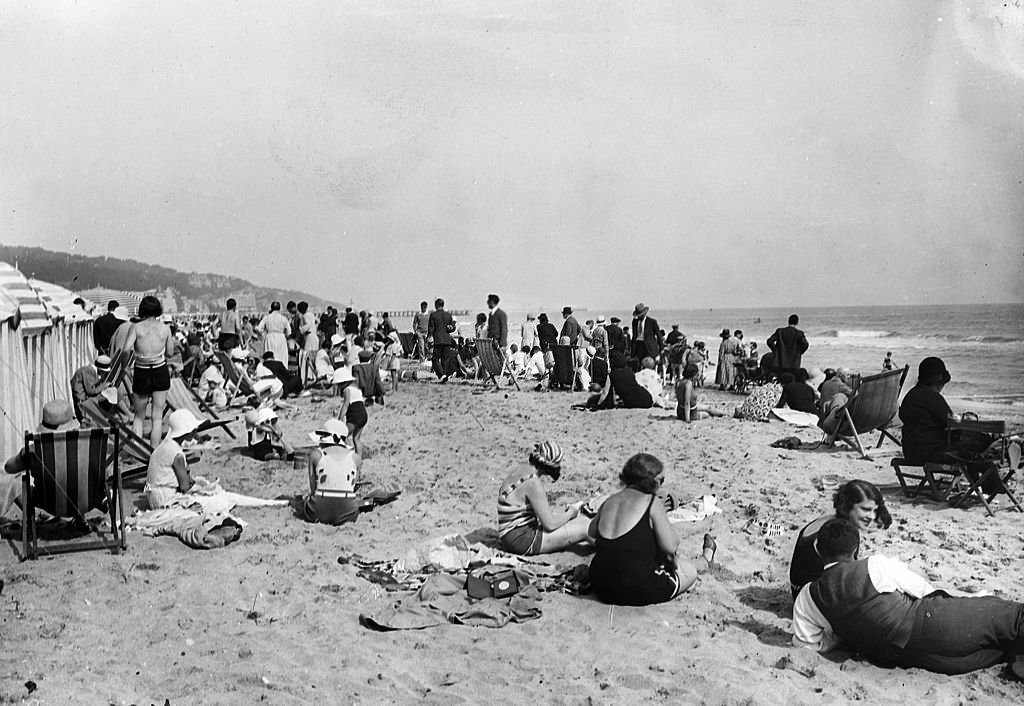
Members of the Deauville Club have their weekly breakfast meetings on the beach after a quick dip in the surf, 1930Masses of people at the beach of Deauville, 1930Walk of the children on the beach, 1930Holidaymakers at the French summer resort of Deauville, 1931
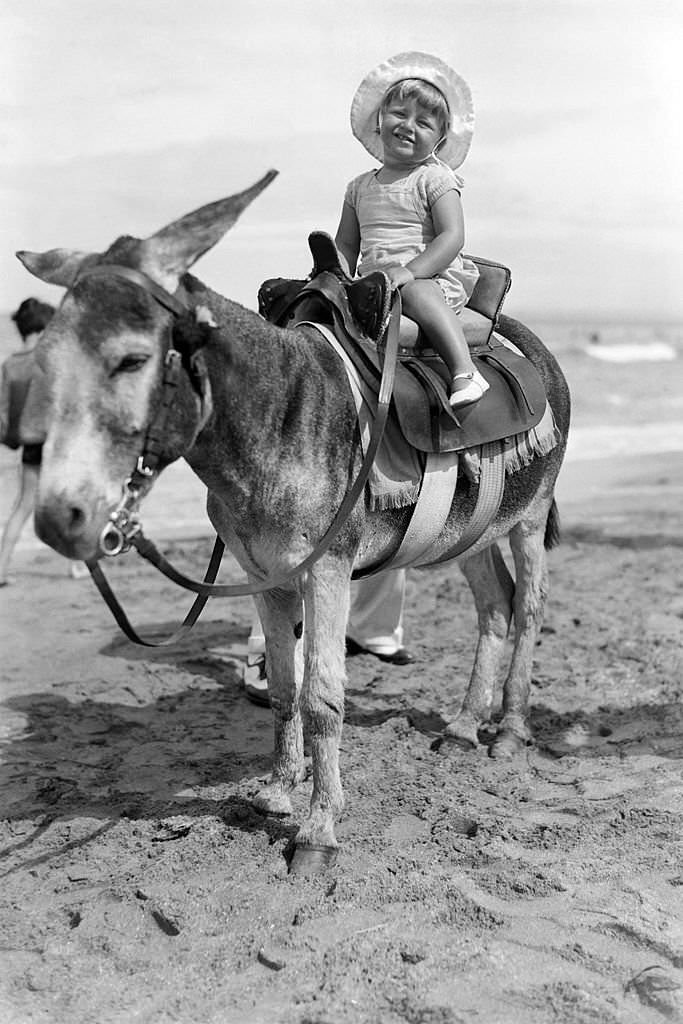
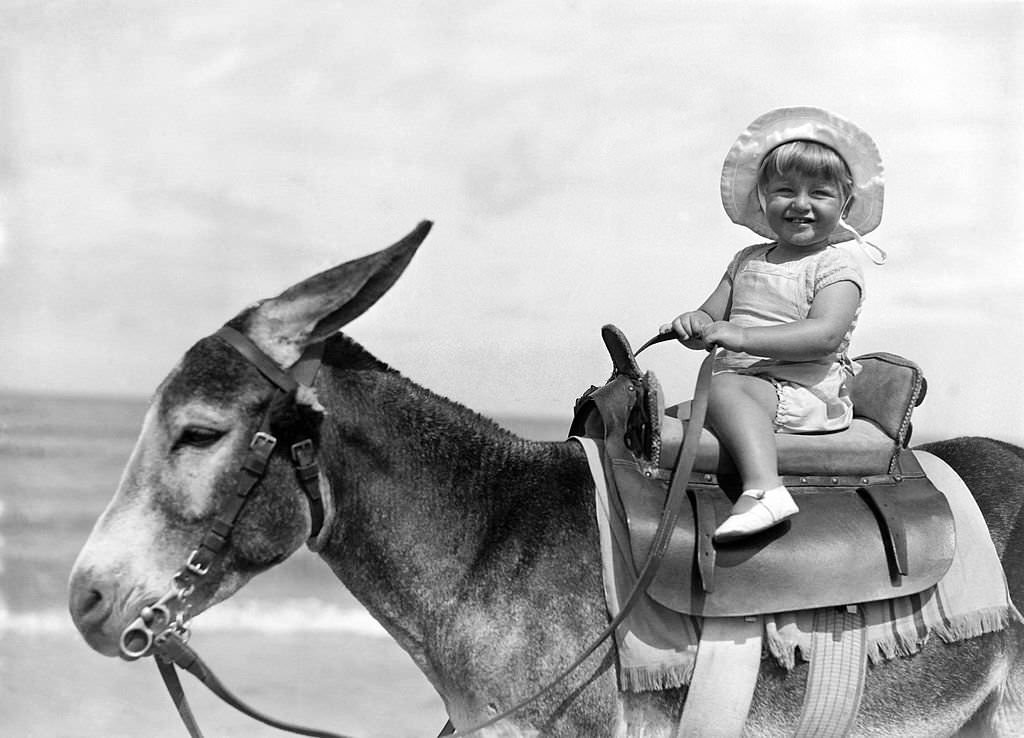
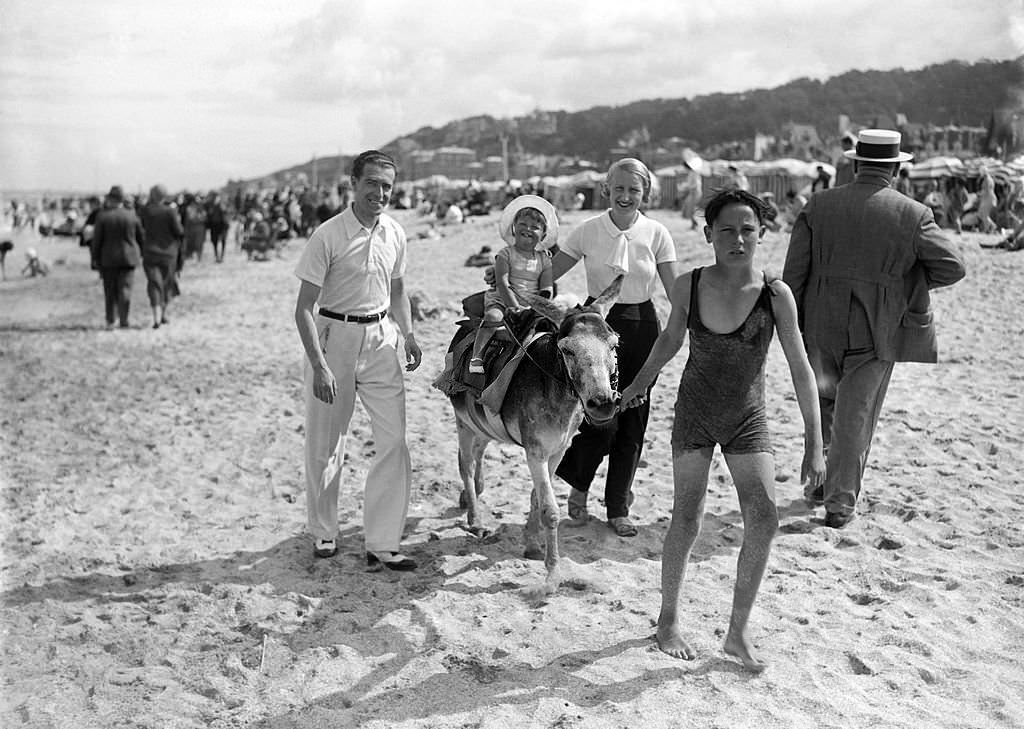
Jackie Garai, daughter of Alexandre Garai, founder of Keystone press agency, enjoying a donkey ride on a beach in August 1932 in Deauville
Jackie Garai on a Beach of Deauville, 1932
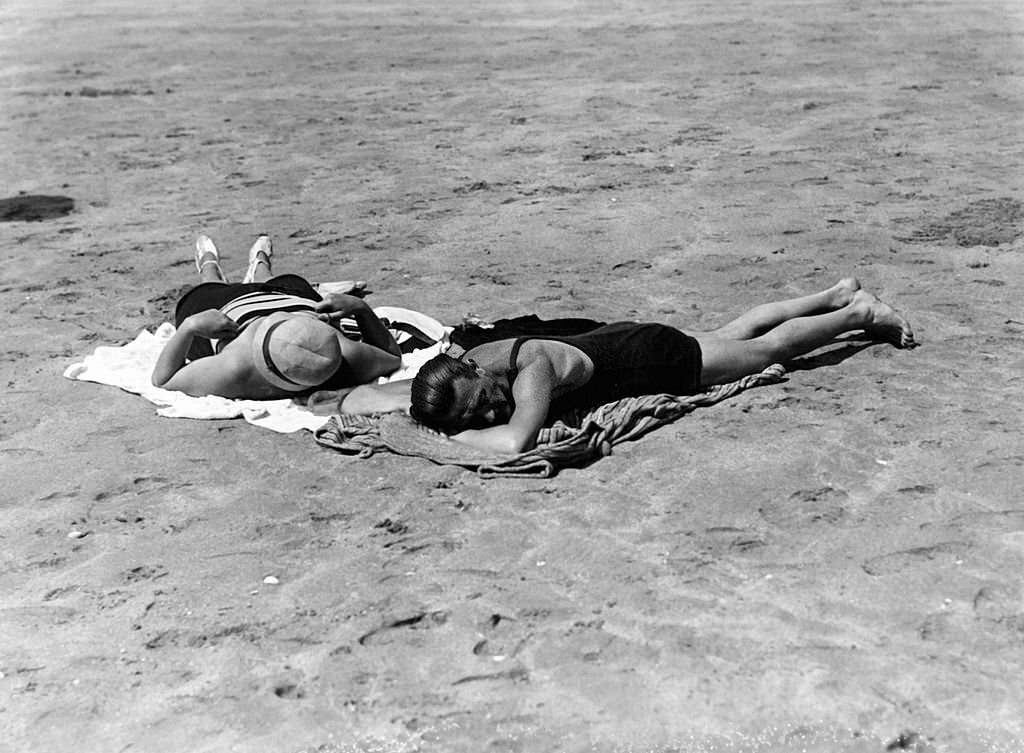
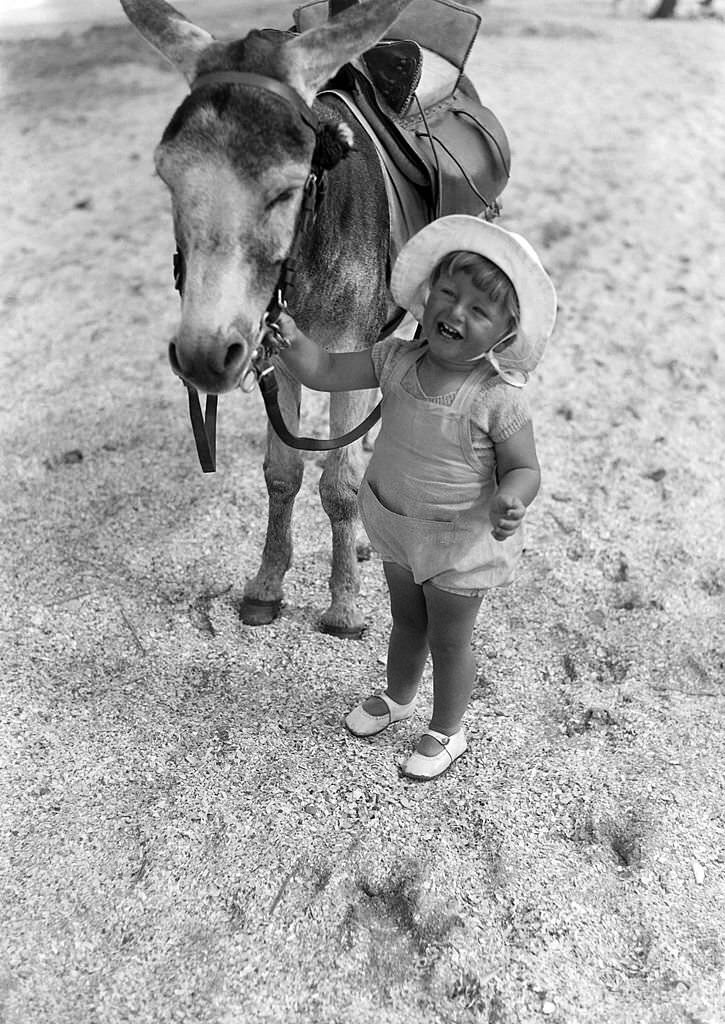
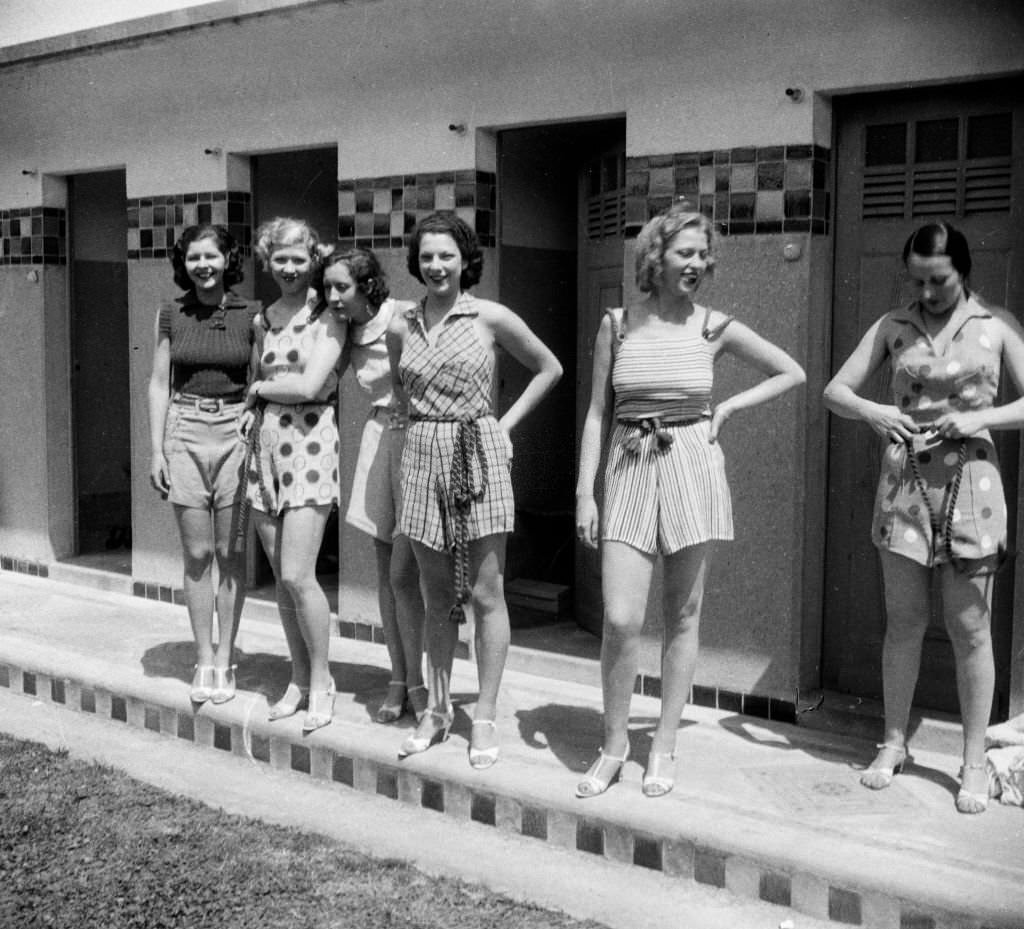
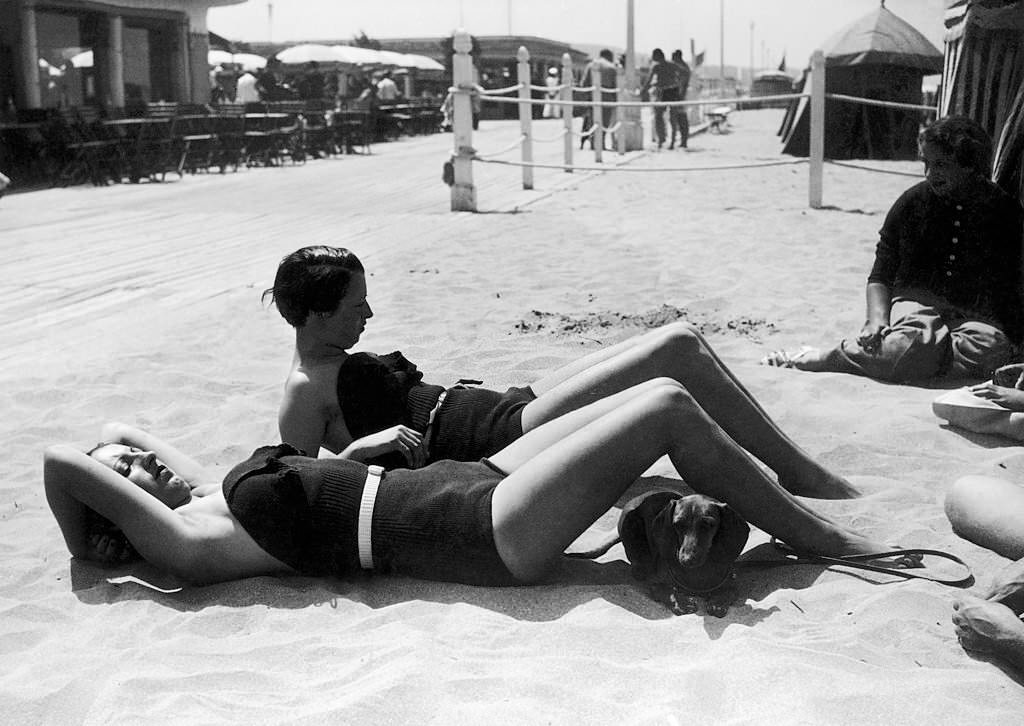
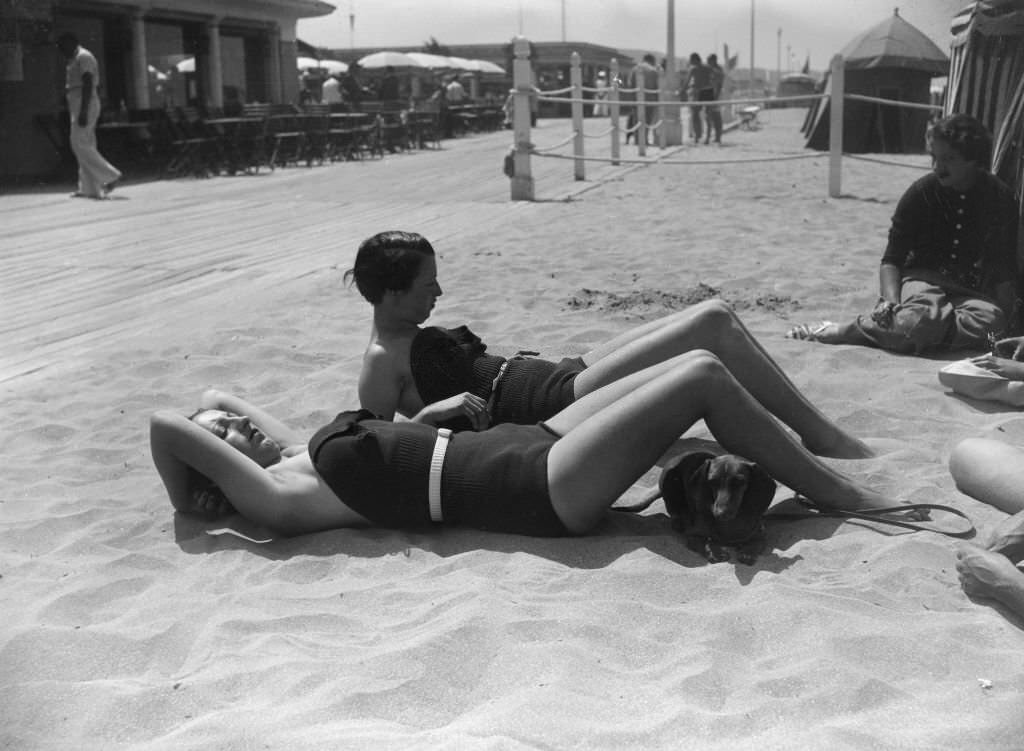
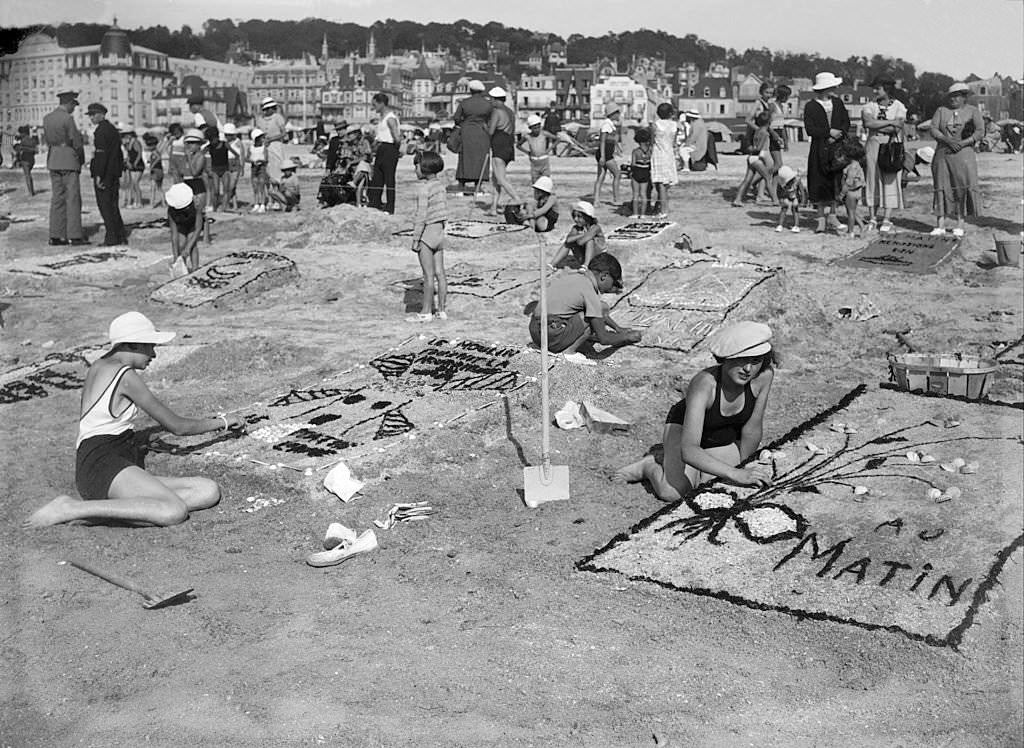
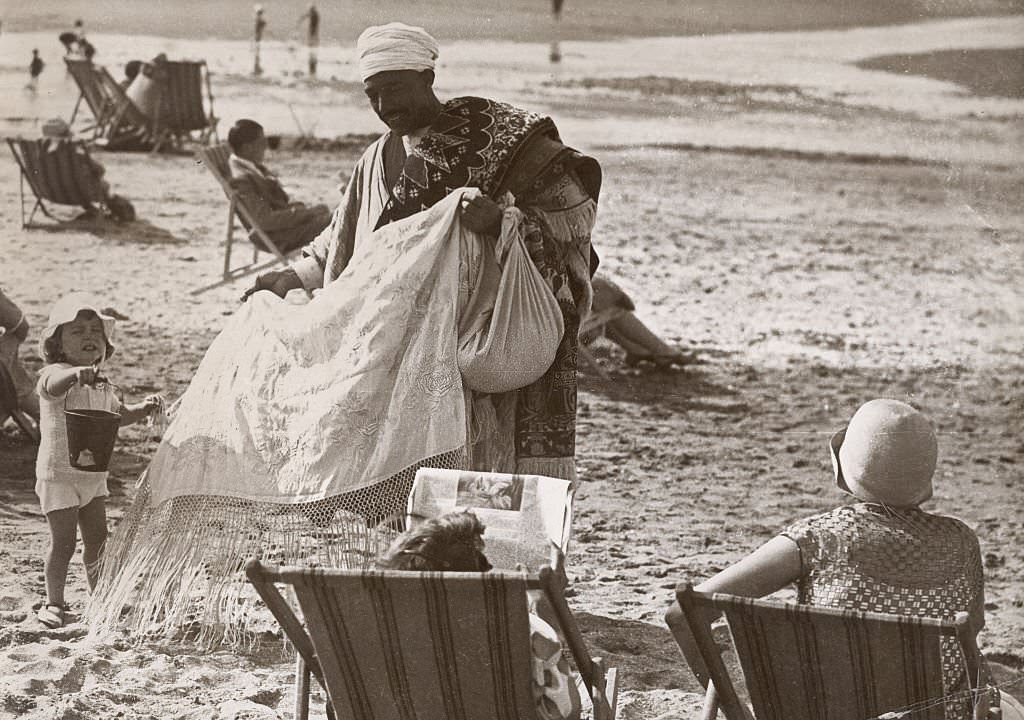
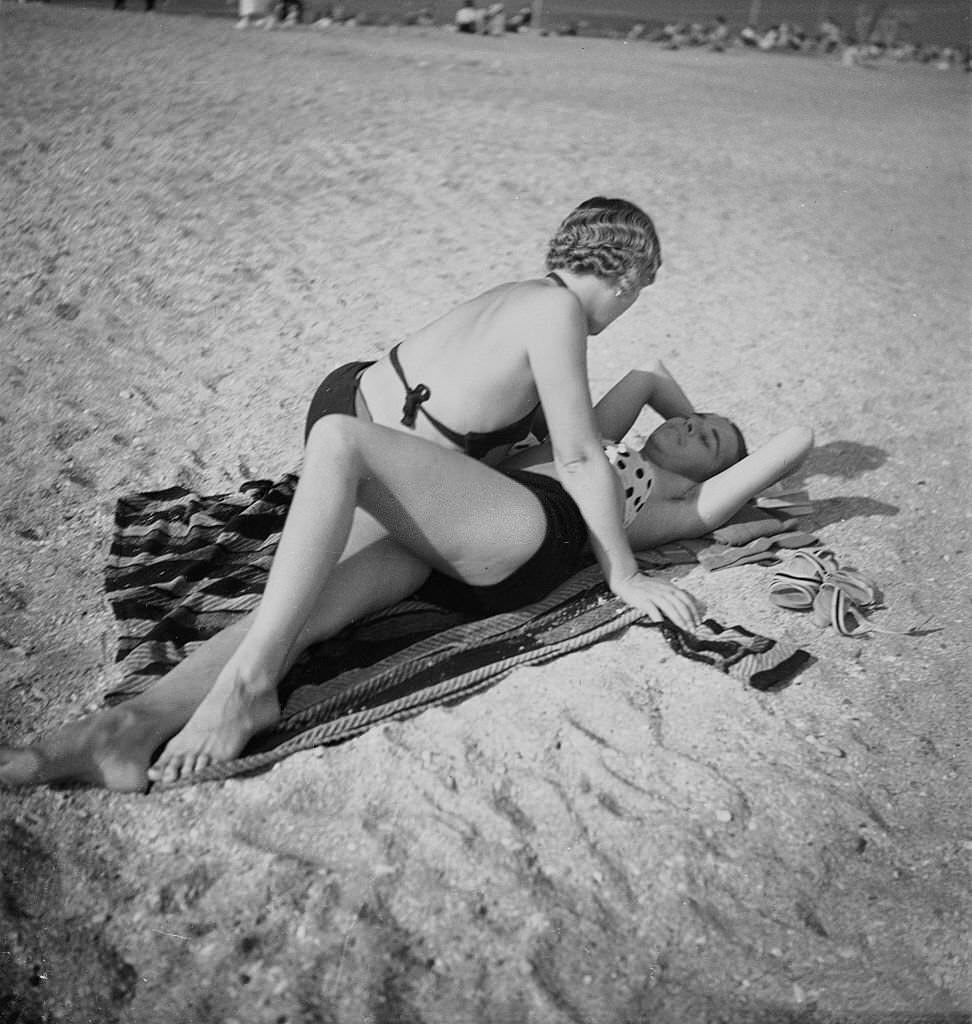
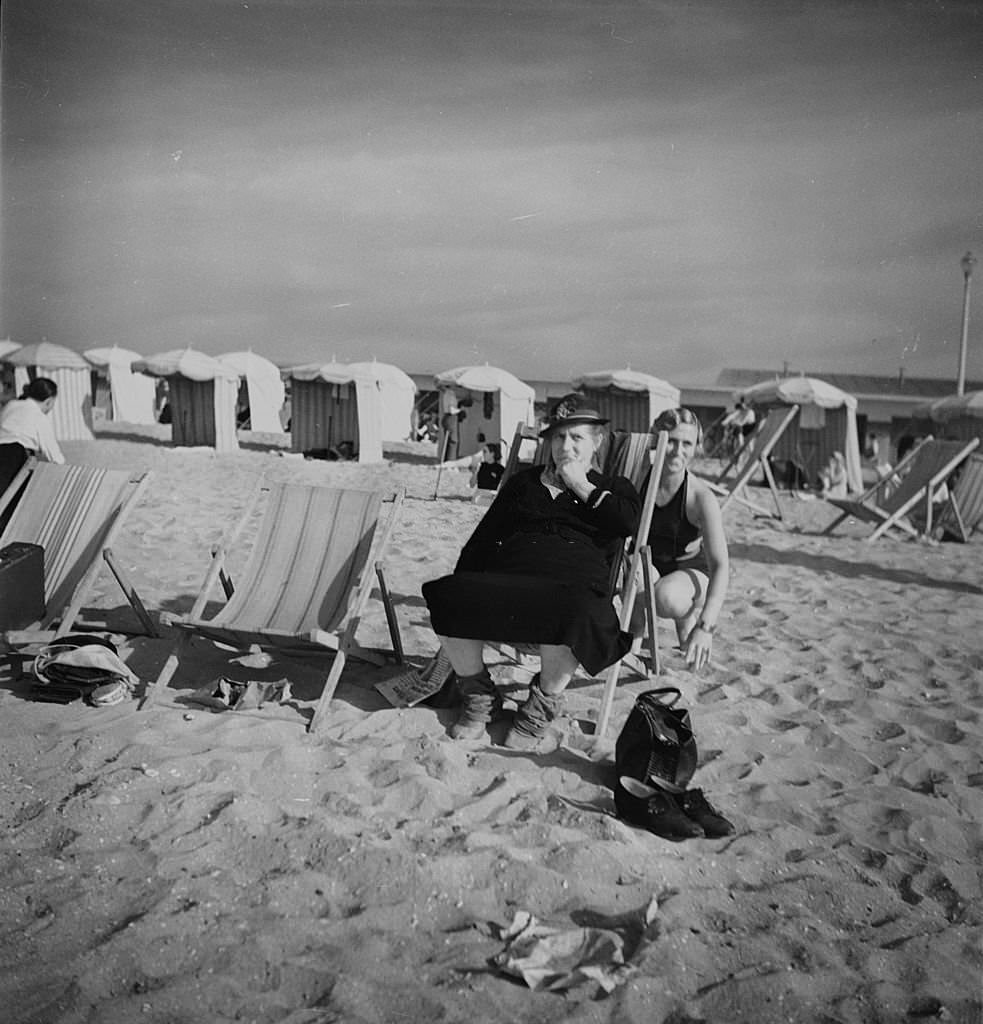
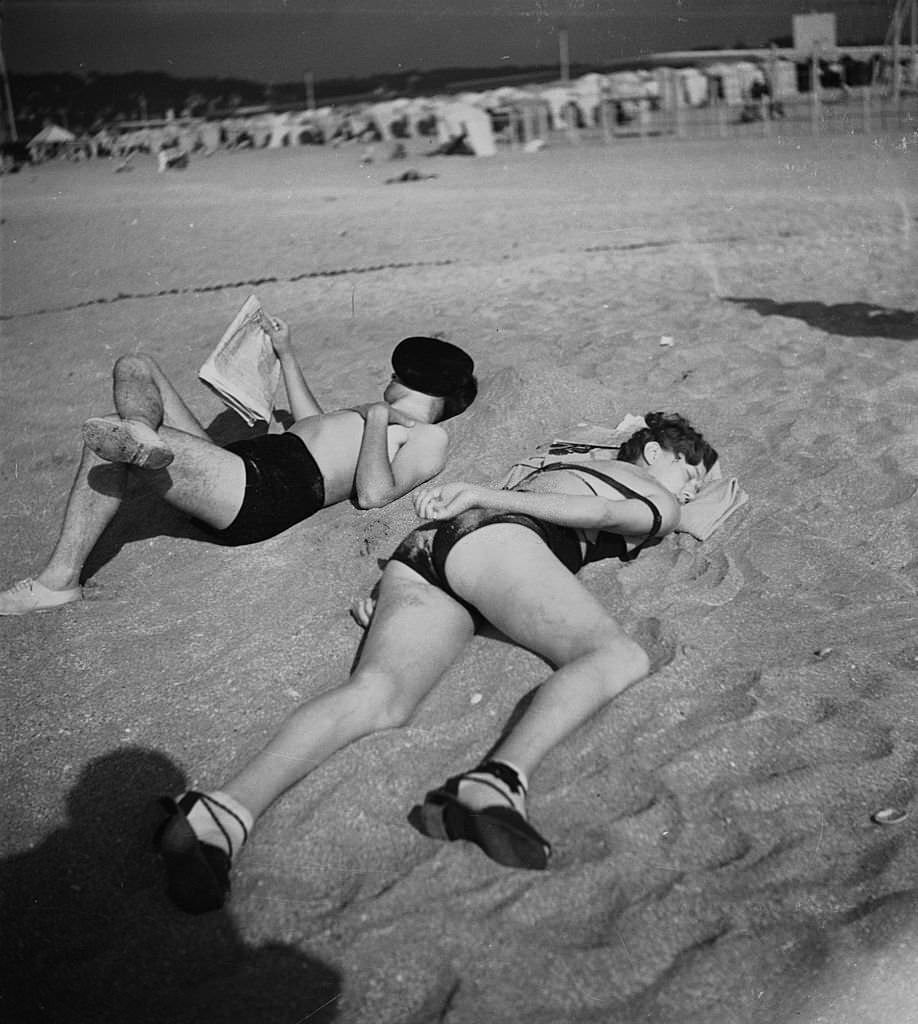
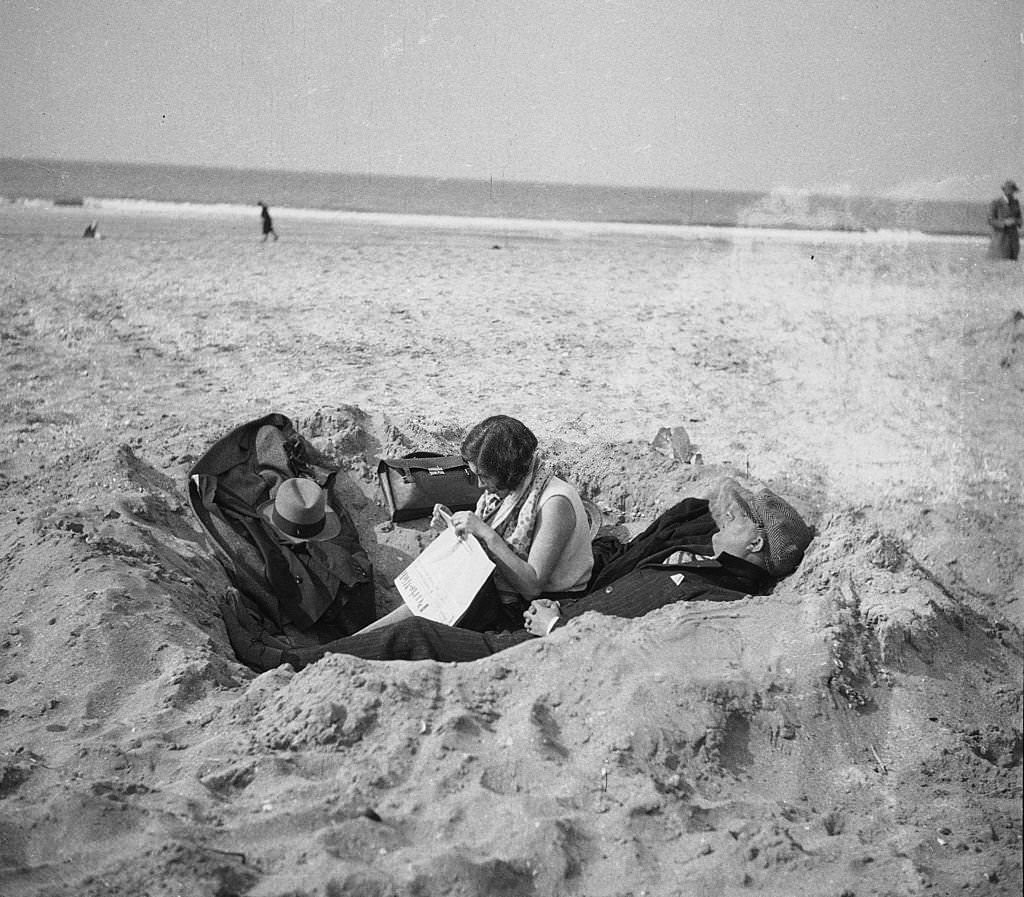
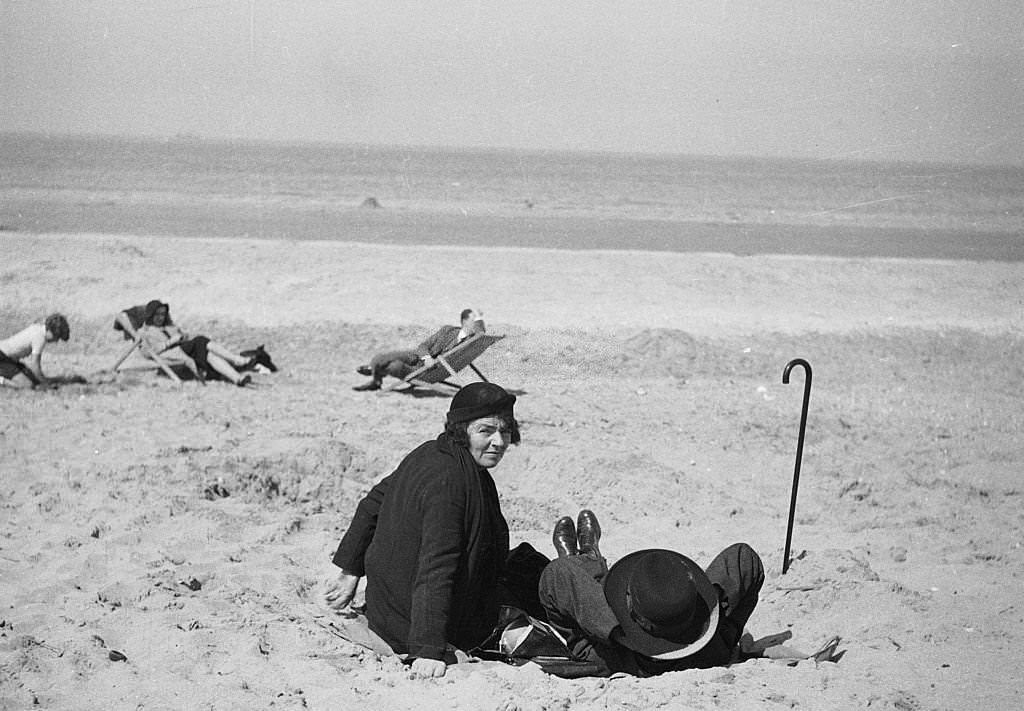
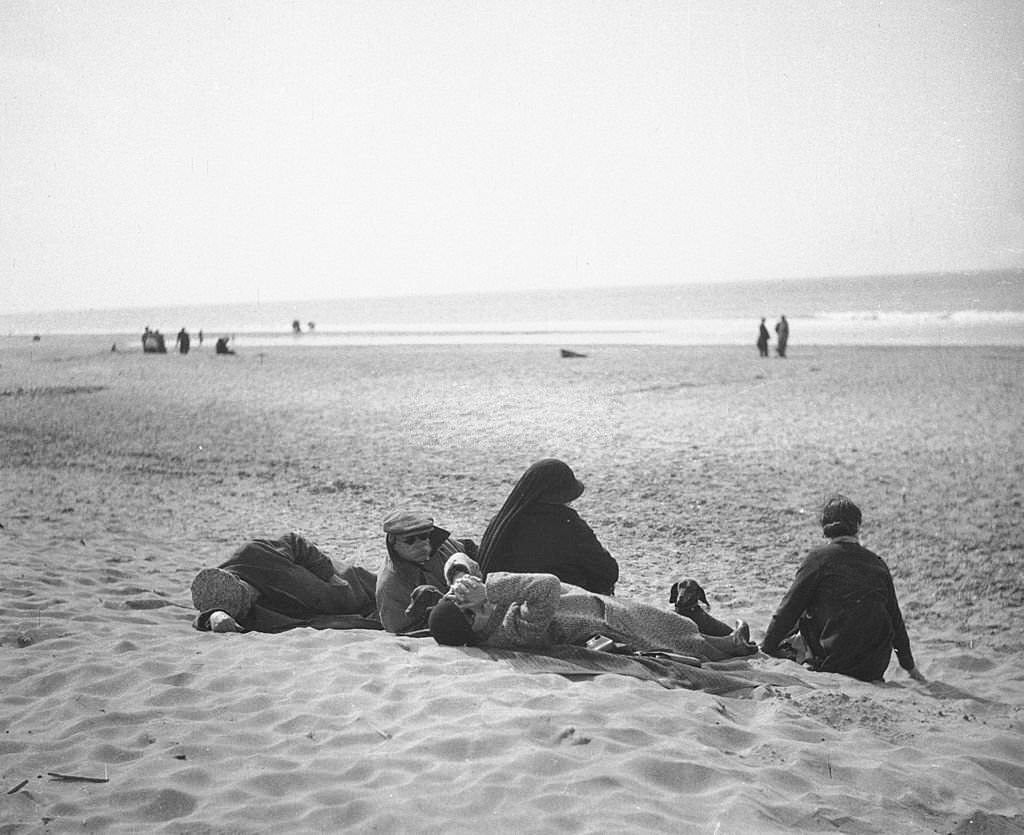
Jackie Garai on a Beach of Deauville, 1932Jackie Garai on a Beach of Deauville, 1932Presentation of swimsuits on the beach of Deauville, 1934Deauville, women sunbathing on the beach accompanied by a Dachshund, 1935Two young women sunbathe, lying on the sand of the beach at Deauville, 1935Contest of Sandworks on the beach of Deauville, 1930sCarpet dealer on the beach of Deauville (Calvados, France), 1930Bathers on Deauville beach.Deauville, 1930sDeauville, 1930sDeauville, 1930s
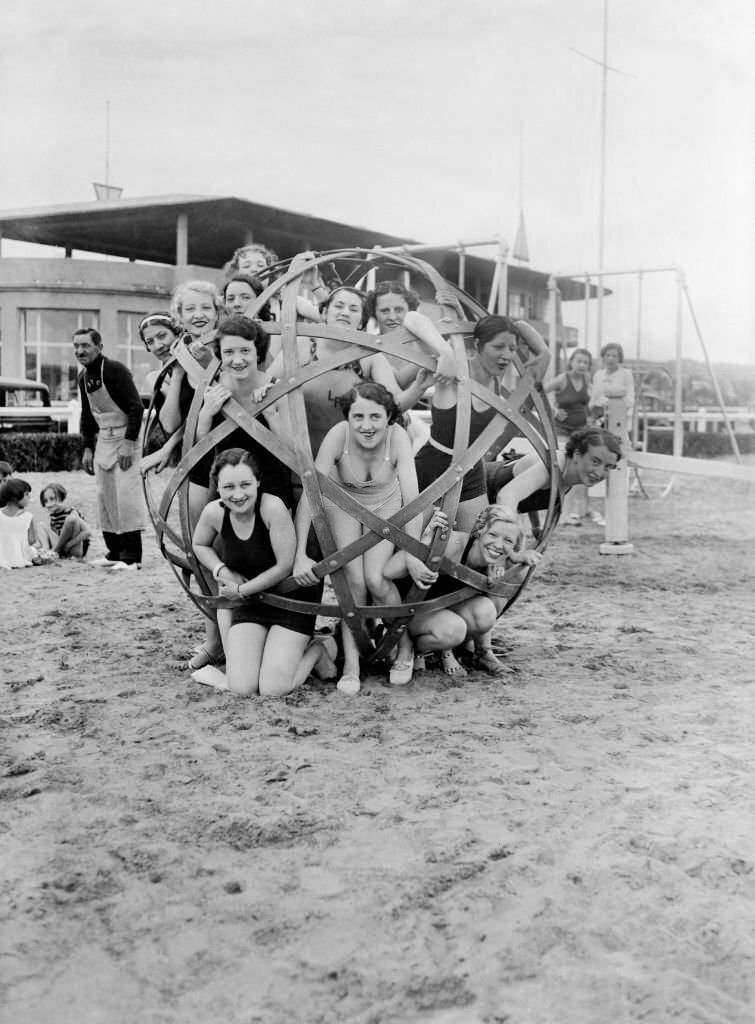
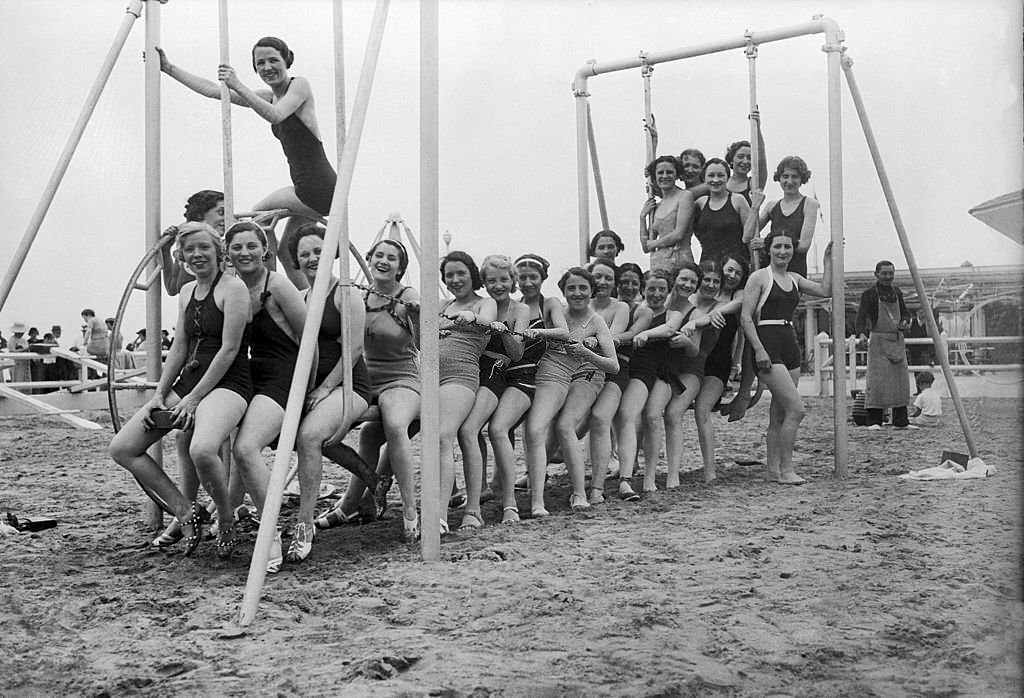
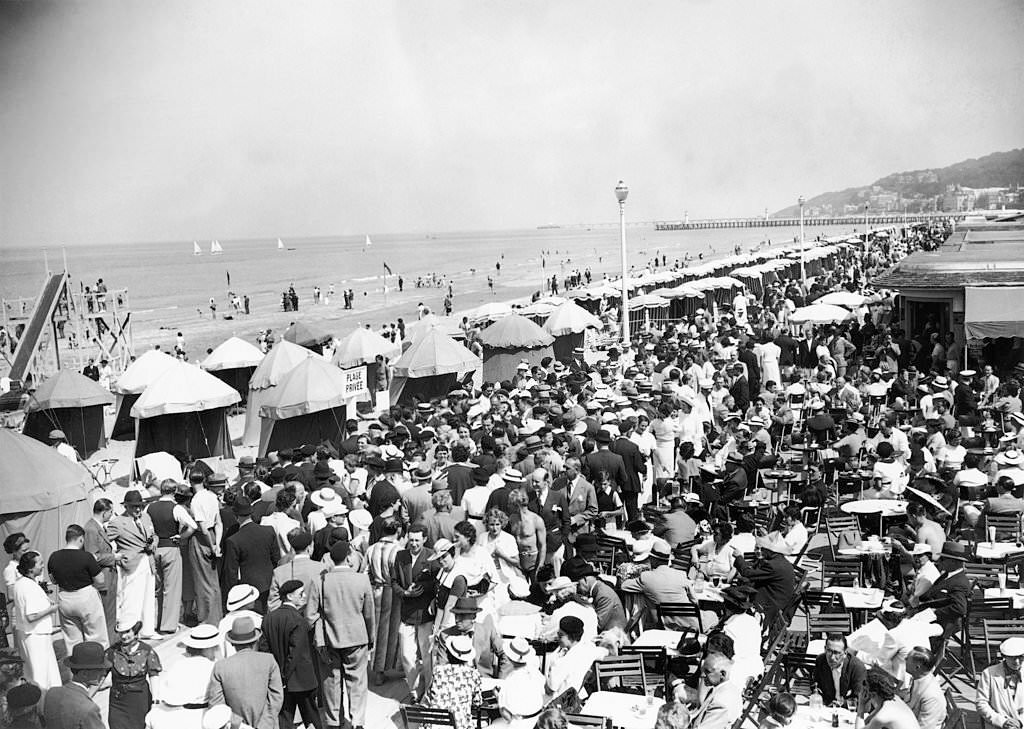
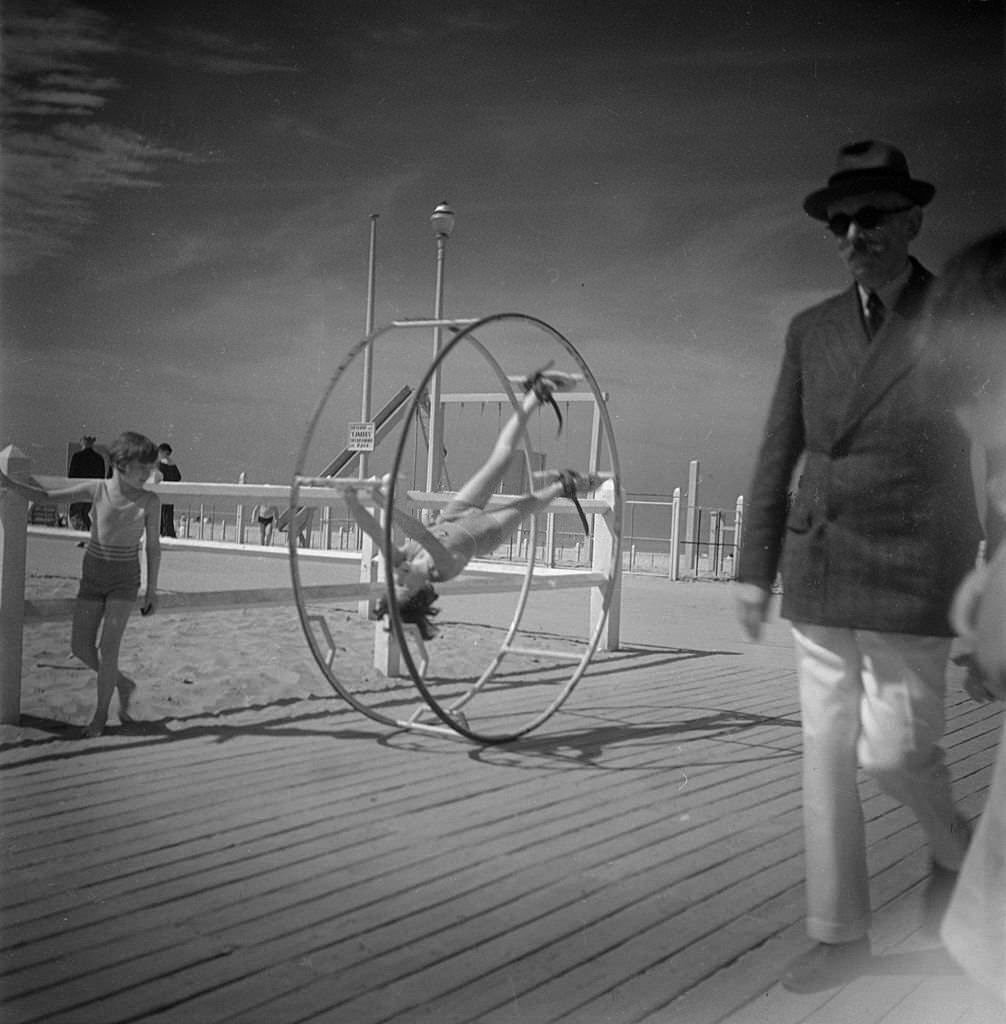
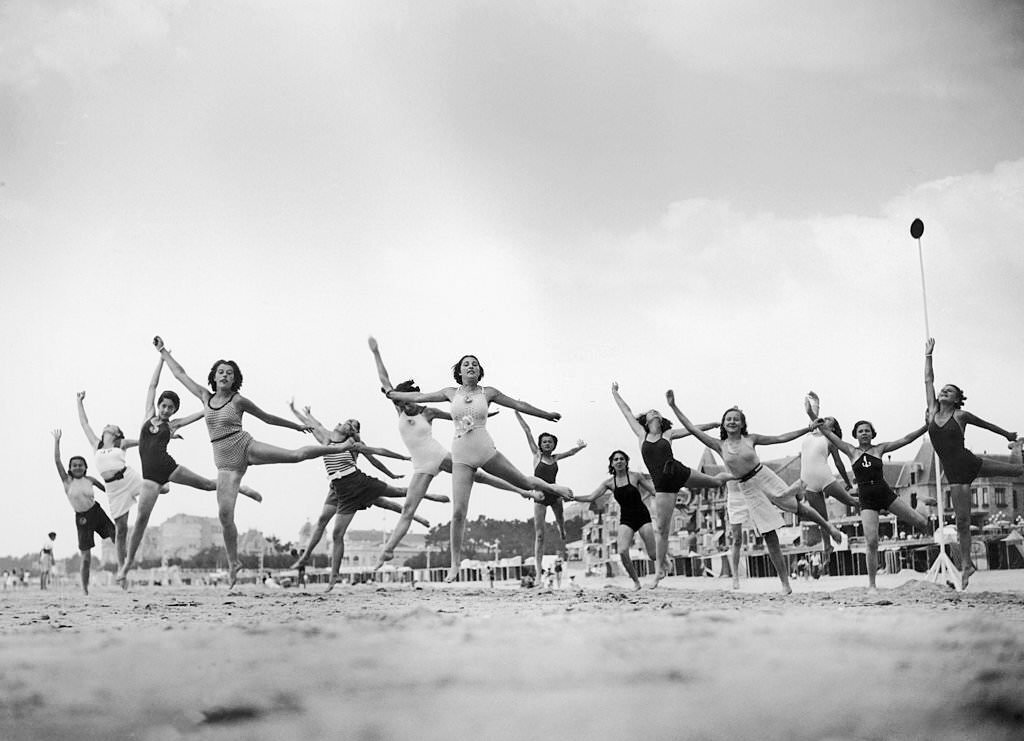
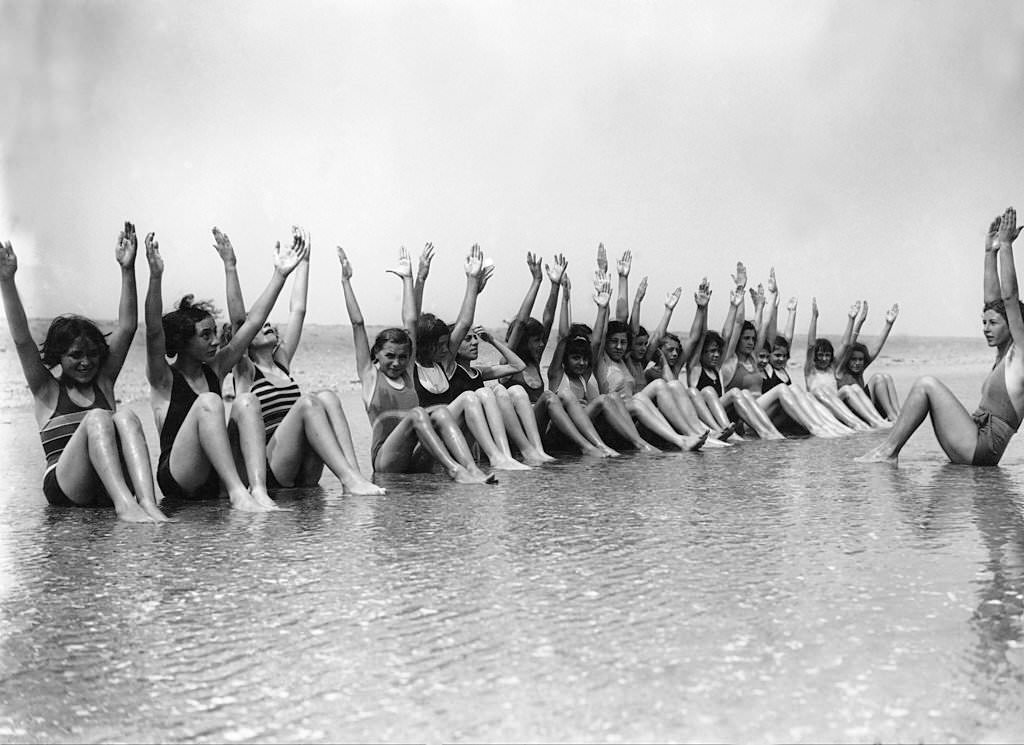
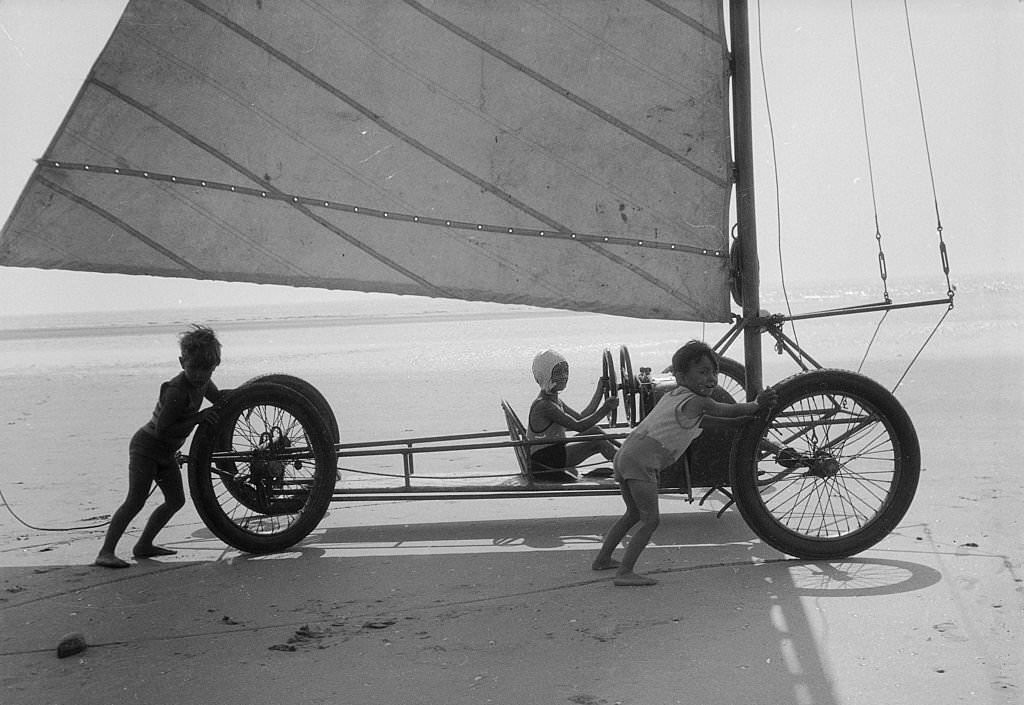
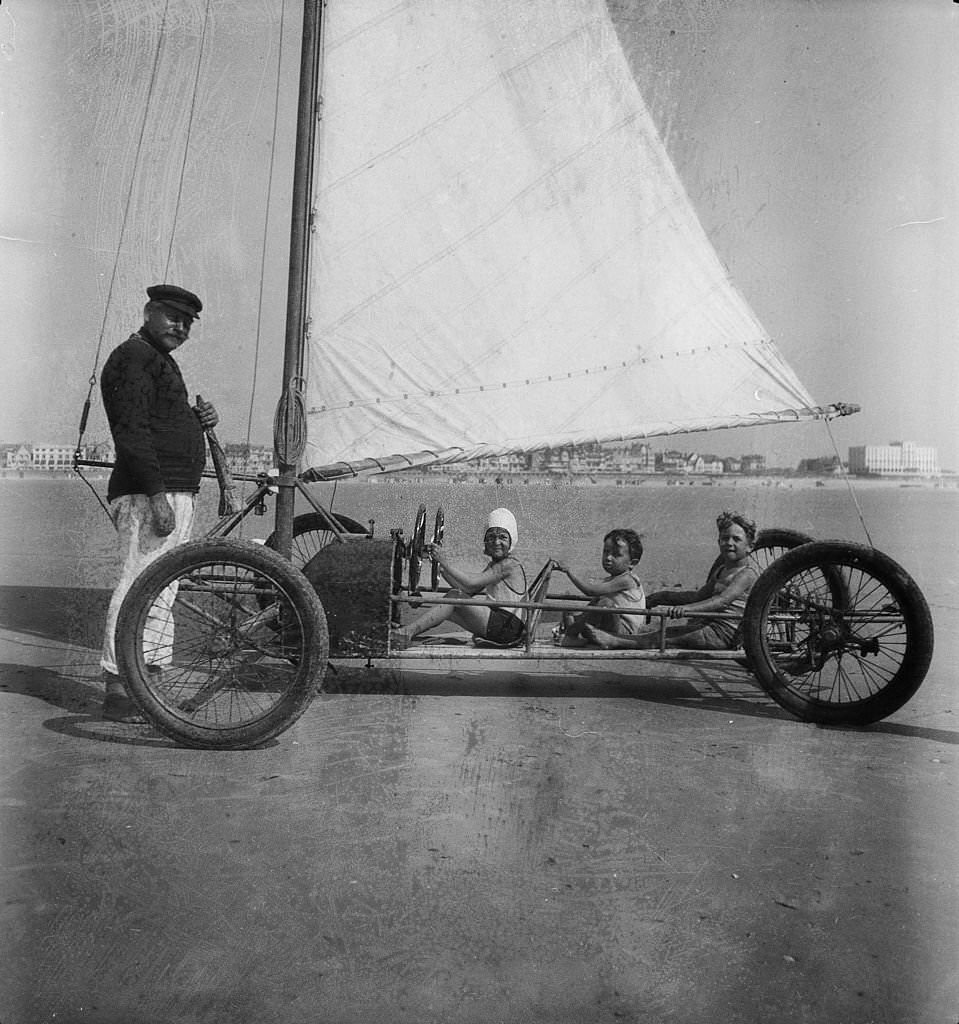
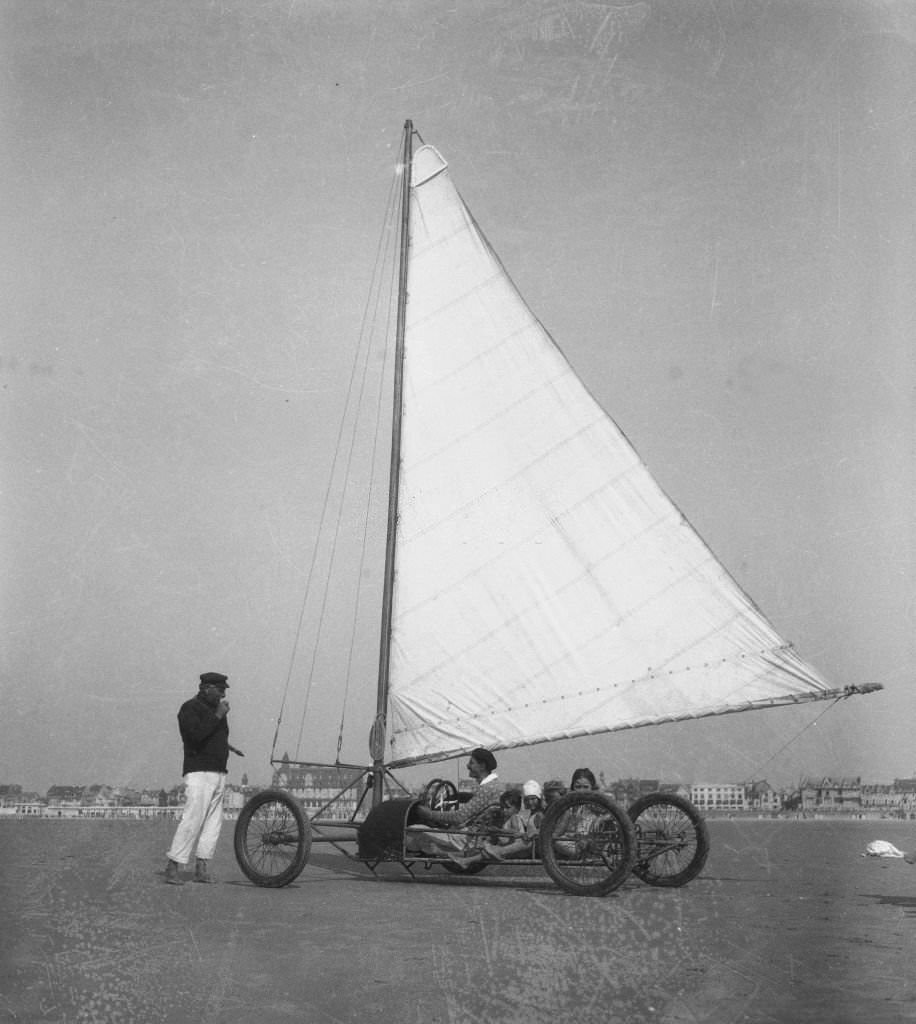
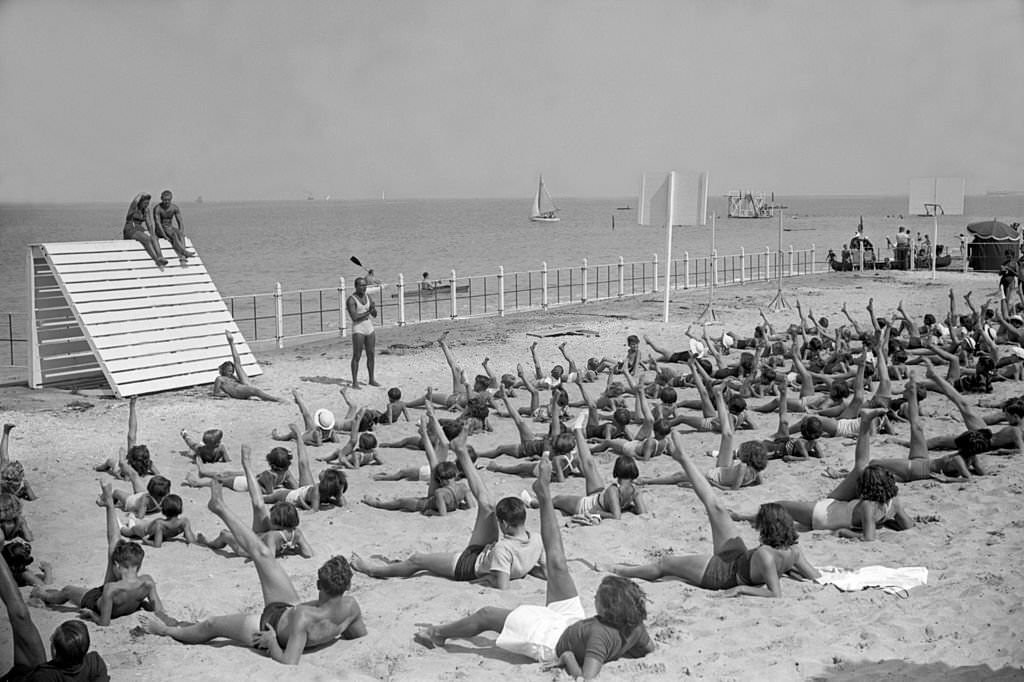
In the mid-1930s, the beach remained a showcase for sport and leisure. Vacationers rode toboggans across the sand. Women performed gymnastics sessions along the shoreline. Sand yachts — wind-powered wheeled craft — cut across the flat beach at speed. The Rhonrad, a large steel wheel in which a gymnast performs acrobatics, was demonstrated on the beach in 1936. The season attracted enormous crowds, with thousands packing the sands each August. The casino and Royal Hotel loomed behind the beach as constant landmarks of the resort’s wealth.
Some Young Women having fun on Deauville’S Beach On July 7, 1936.
Vacationers in Deauville on a toboggan on the beach on July 7, 1936.
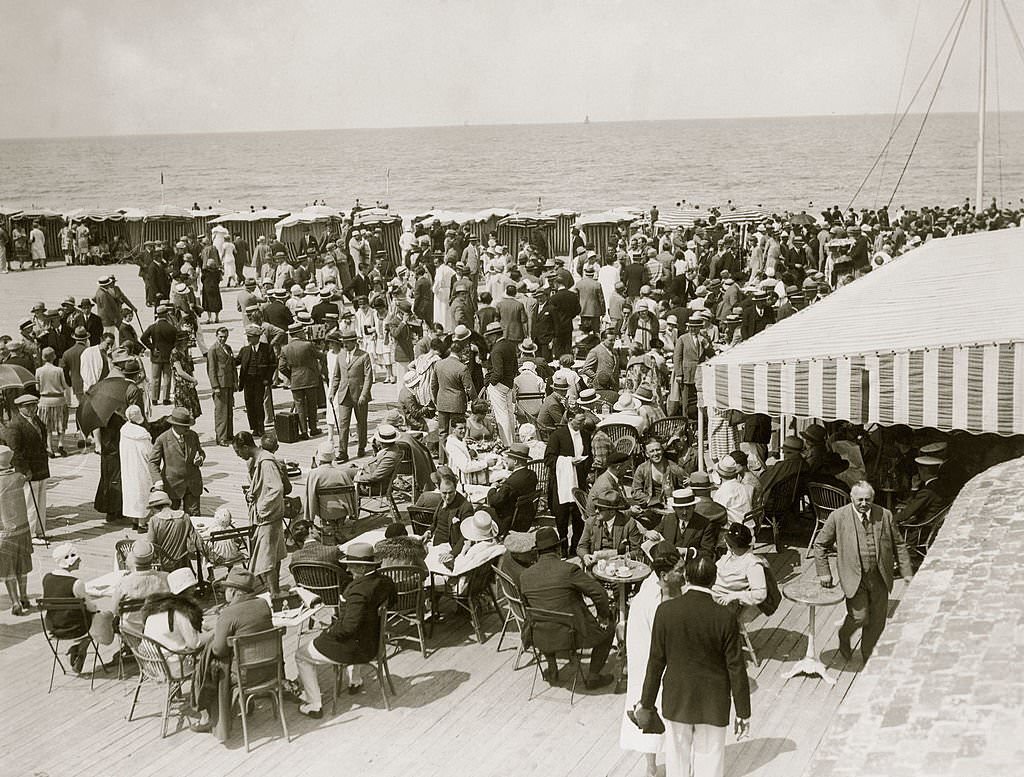
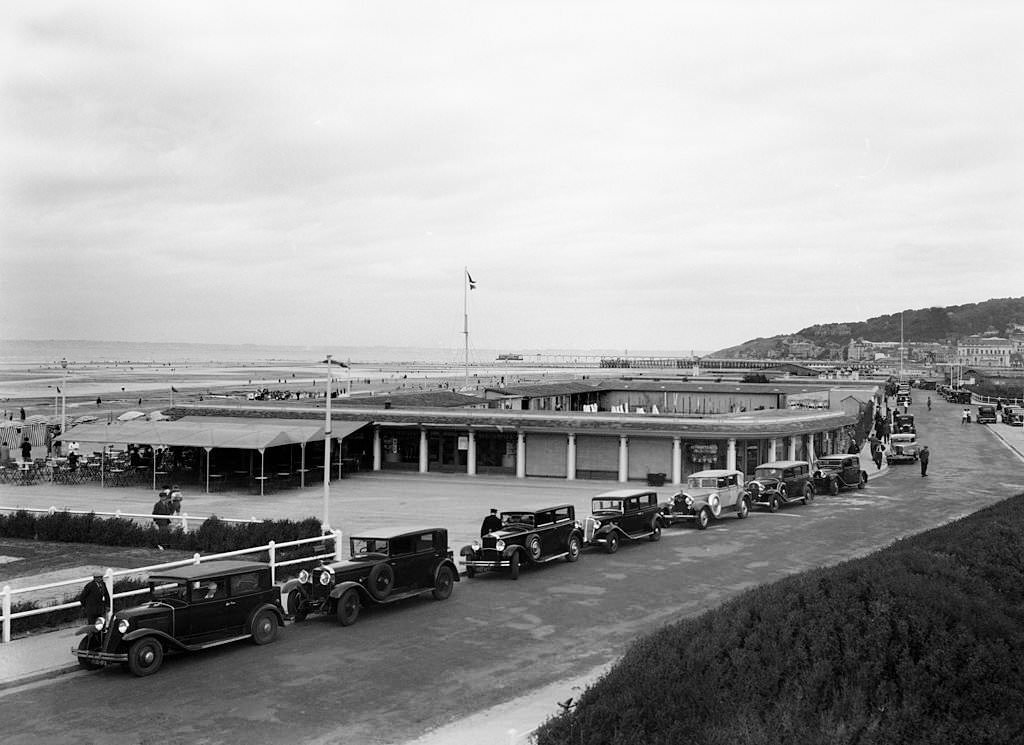
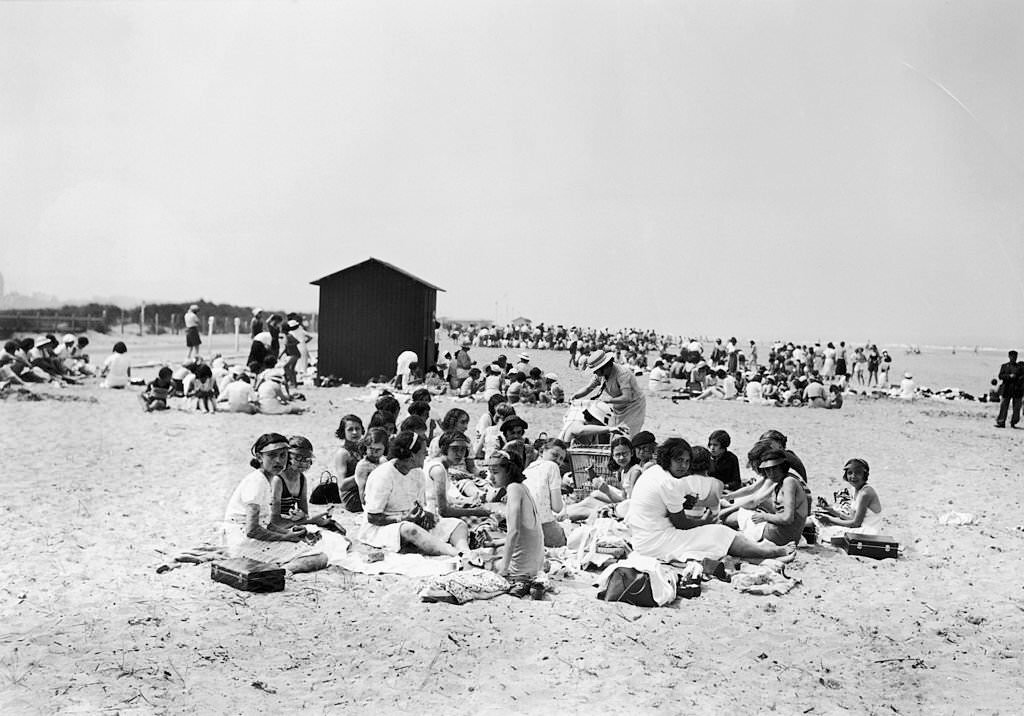
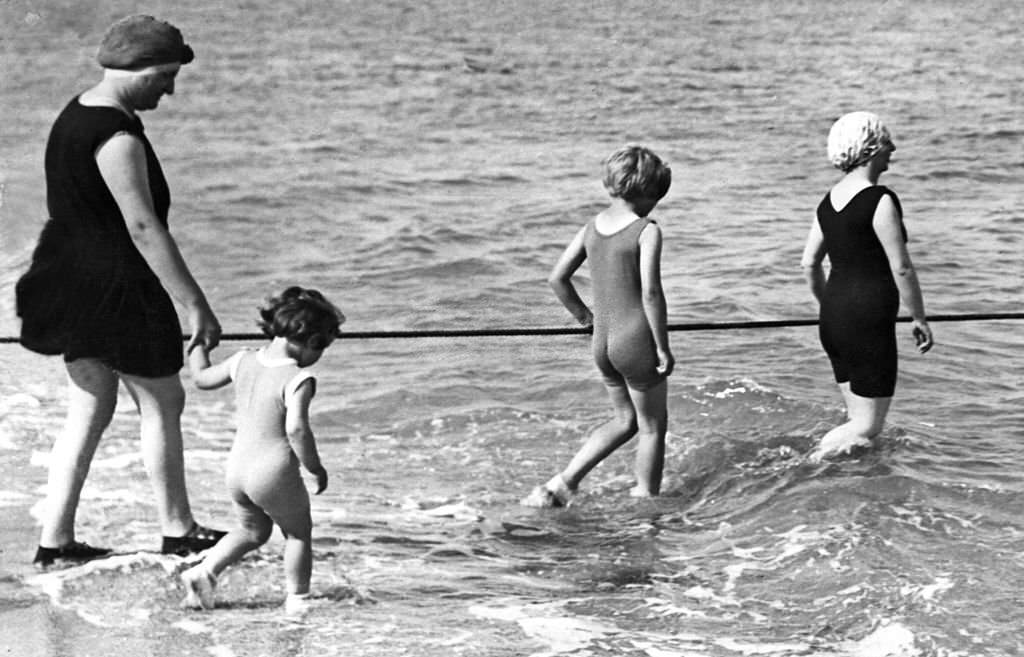
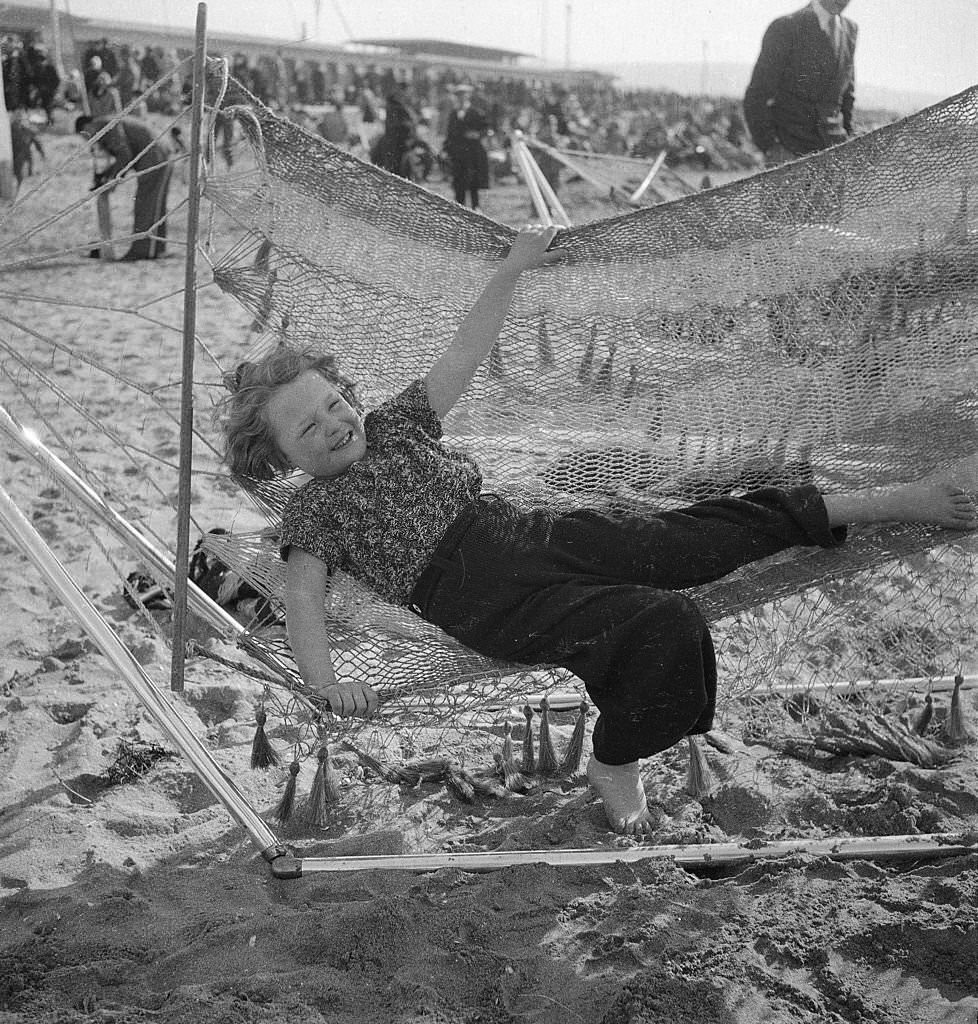
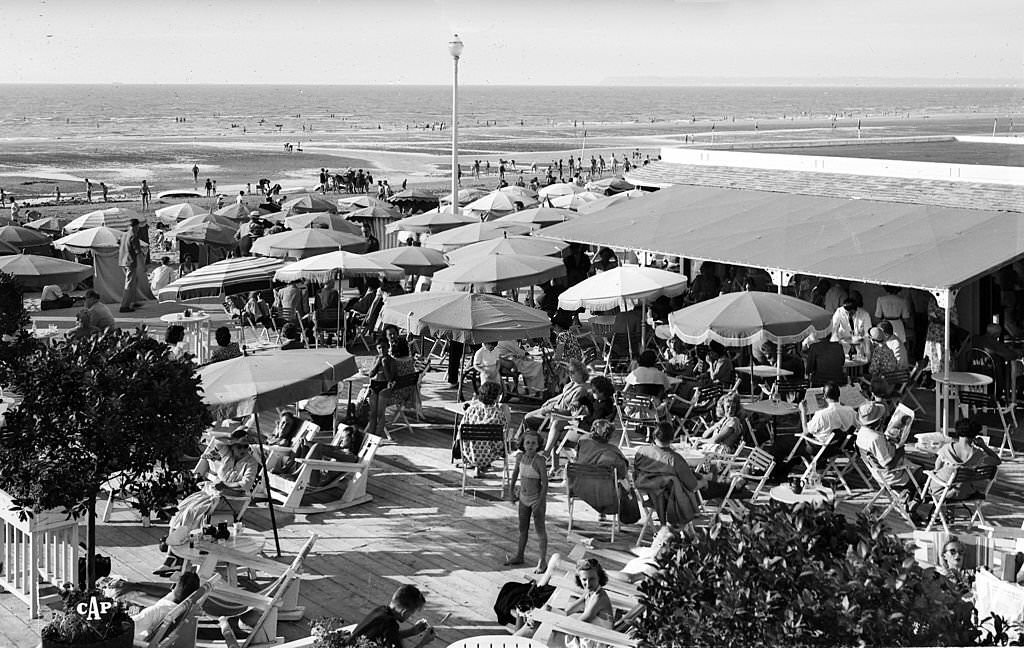
Two hundred Parisian dressmakers (young girls) on the Deauville beach, 1930s.A view of Deauville and a terrace, 1936.Vacationers crowd the Deauville beachee, 1936The casino and the royal hotel in Deauville, 1936Women on the beach of Deauville, 1936Beach of Deauville, 1936Beach of Deauville, august 1936.Rhonrad in Deauville, 1936Beach of Deauville, 1936Couple on the Deauville’s beach, 1936Holidays on Seashore in Deauviille, 1936Gymnastics Session before Going at Deauville, 1937Lady de Willoughby de Broke on the beach at Deauville, 1937A woman and her children wearing one-piece swimming-suit secure themselves holding a rope as they enter in the water, 1937The Beach of Deauville, 1937Young ladies in the middle of a gymnastics session along the sea in Deauville on July 22, 1937.People enjoying the beach of Deauville during summer holiday on July 22, 1937 in Deauville, France.Deauville Beach, 1937Deauville Beach, 1937Vacationers on the beach and in front of the sea at Deauville, 1937Couple on the beach of Deauville, 1937Couple in the beach of Deauville, 1937Little girl in a hammock, Deauville, 1937.Sand yacht. Deauville, 1937.Sand yacht at Deauville, 1937Man on the beach of Deauville, 1937Bath costume on the beach of Deauville, 1937Beach of Deauville, 1937Sand yatch at Deauville, 1937
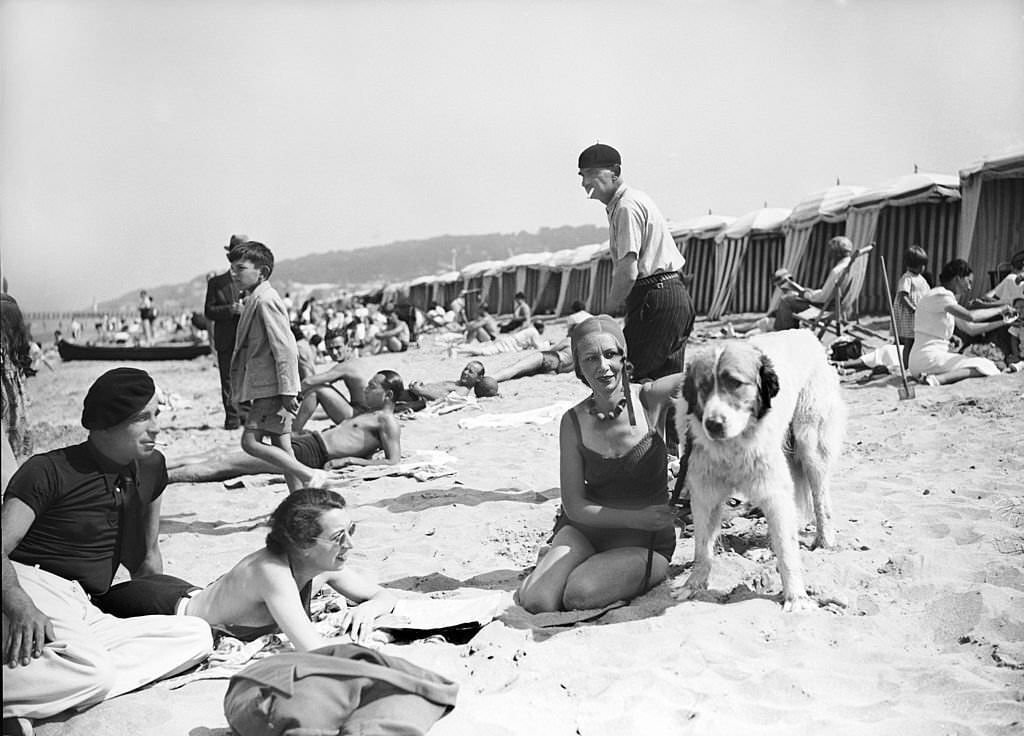
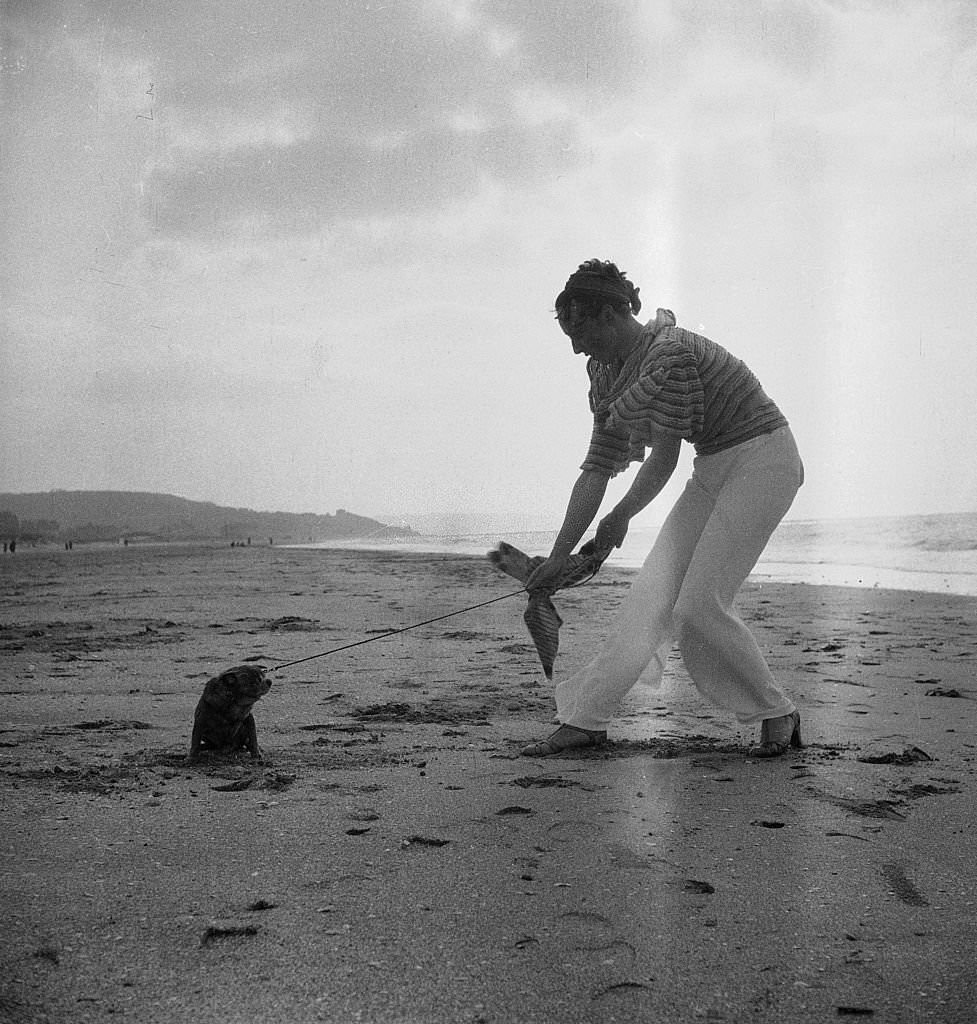
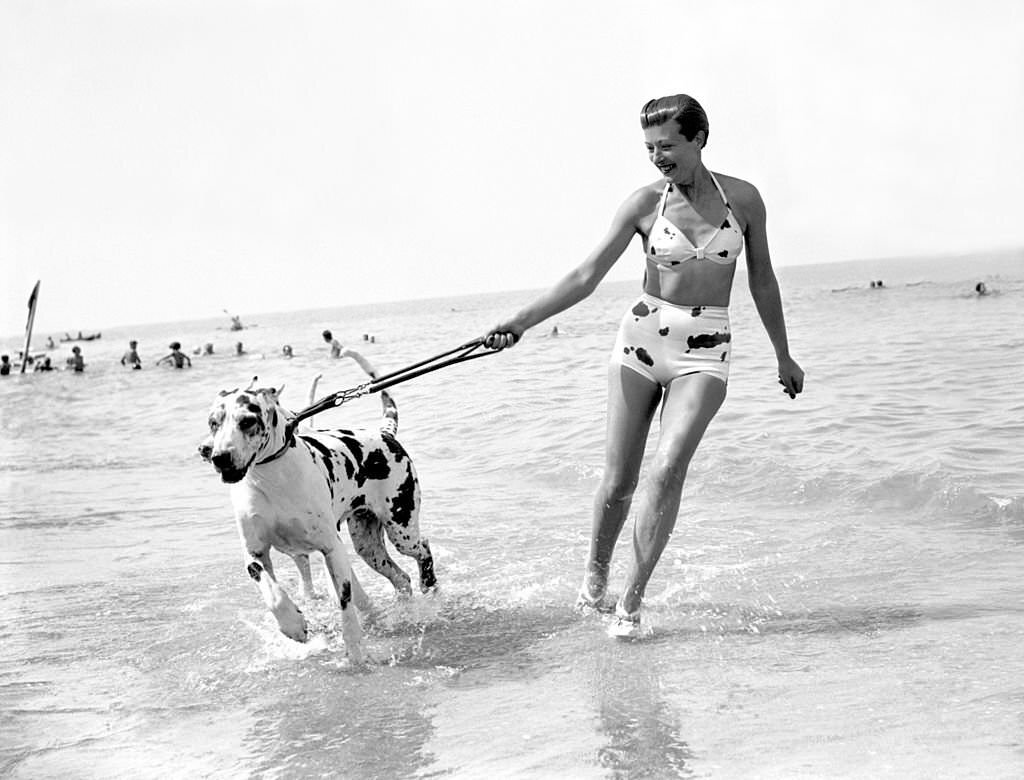
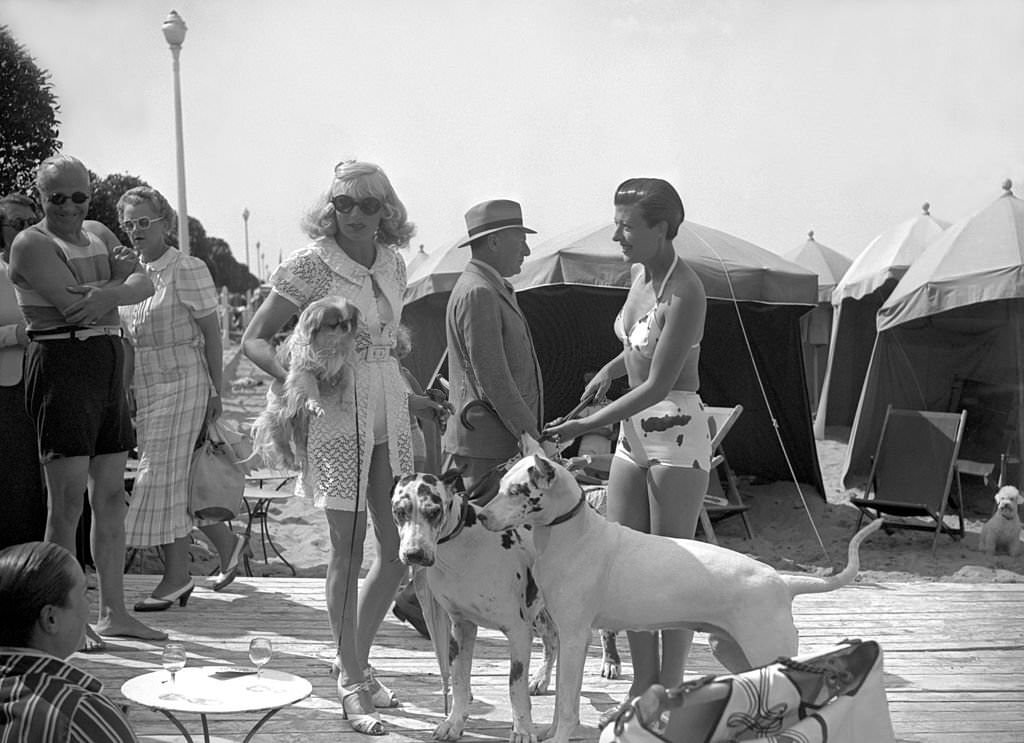
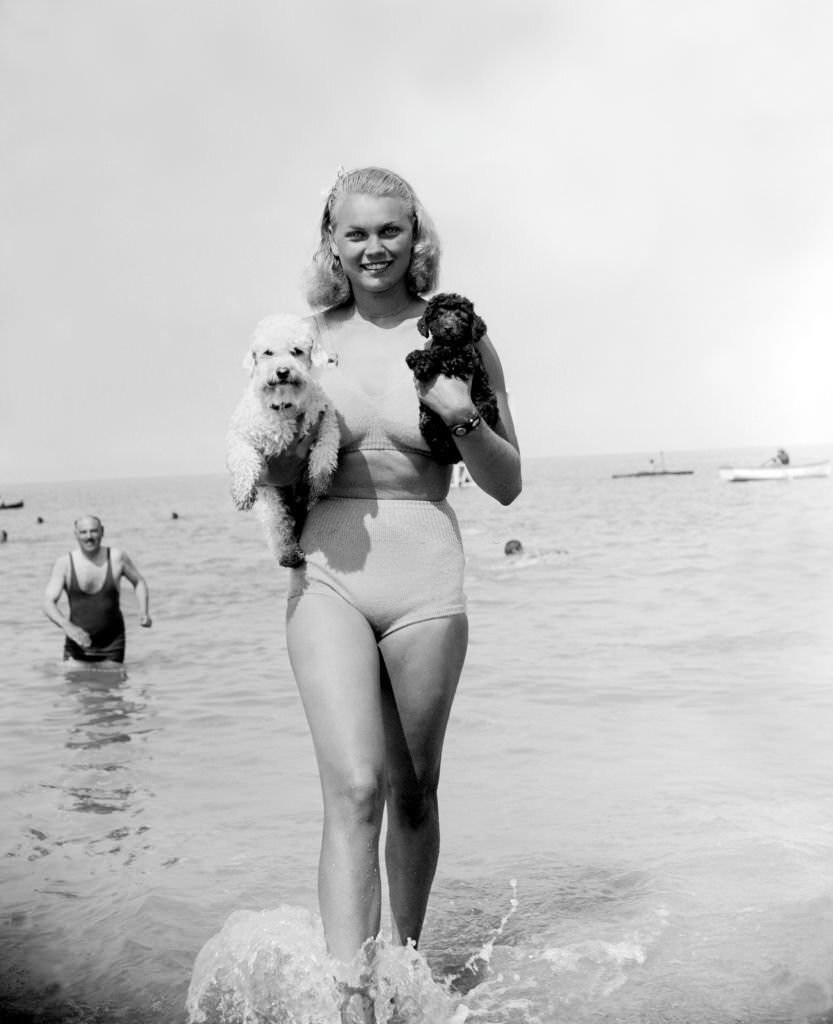
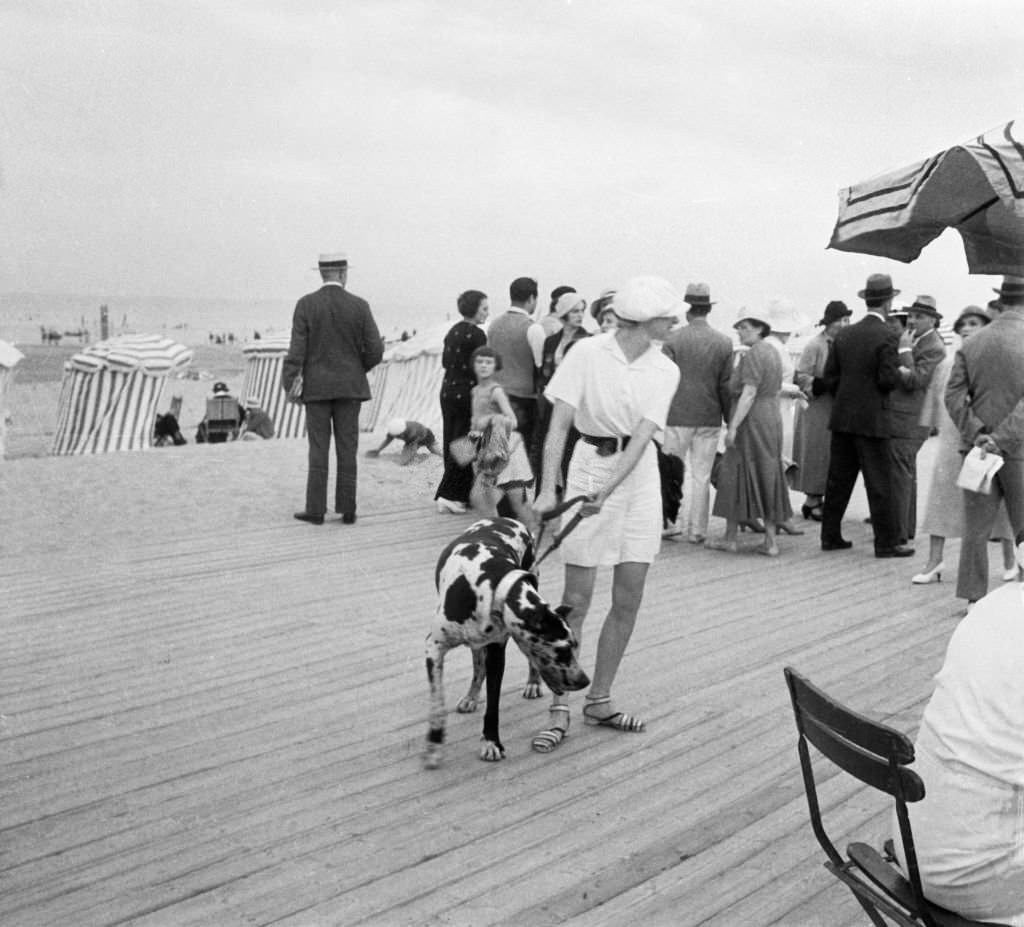
By 1938, the social rituals of the beach continued, though the shadow of coming war was growing over Europe. The Countess de Bremond d’Ars was photographed on the beach with her dogs that summer, alongside Princess Natacha Sandroff. Women walked the Planches boardwalk with dogs on leashes. Beach scenes from 1938 still show the same crowds and fashions, but within two years the German Army had occupied Deauville entirely. German forces took over the villas, hotels, and casinos. The resort’s famous beach was closed to leisure.
Deauville, Beach scene, 1938Deauville Beach Scene, 1938Countess De Bremond D Ars with her dogs at Deauville Beach, 1938Deauville Beach, 1938Countess Of Bremond D Ars with her dogs and Princess Natacha Sandroff, 1938.Deauville, 1938Woman holding her dog on a leash on the planks by the beach, in Deauville, France in 1938.
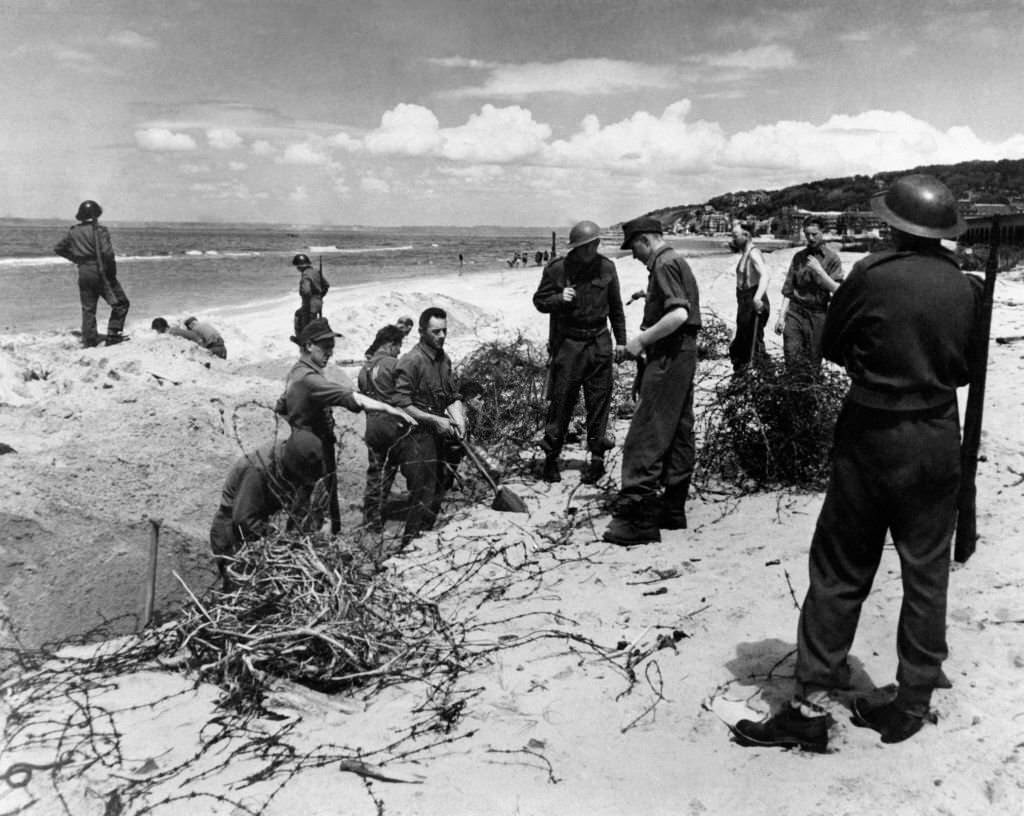
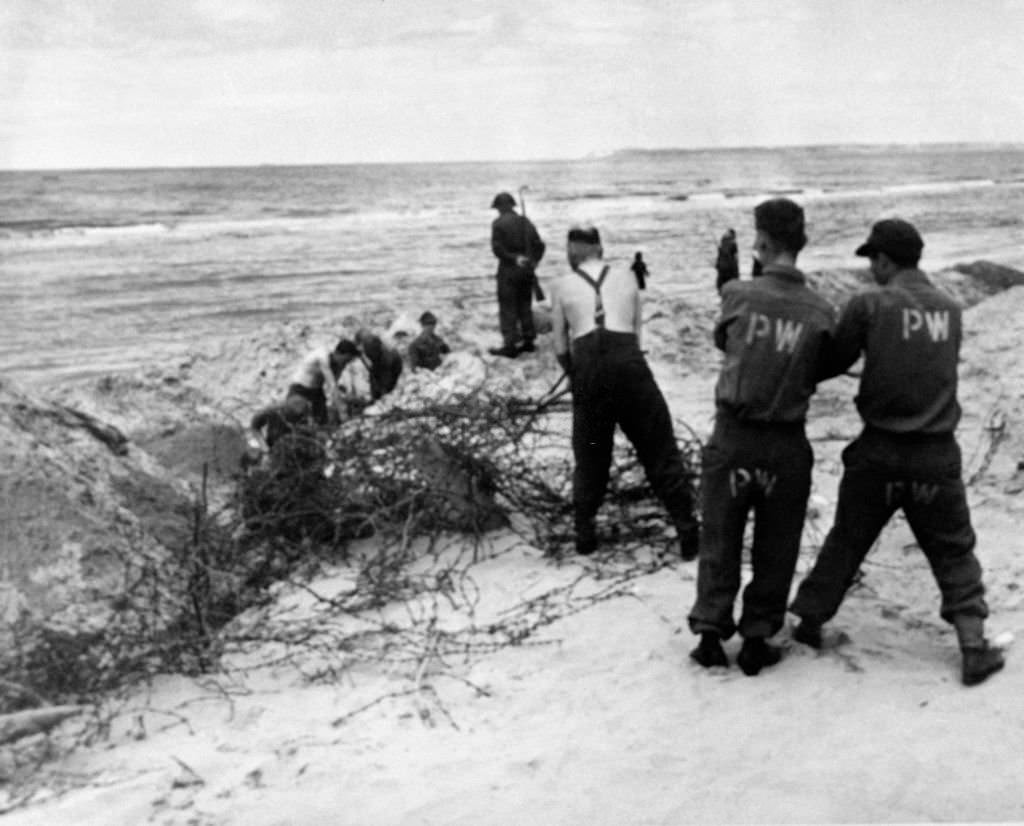
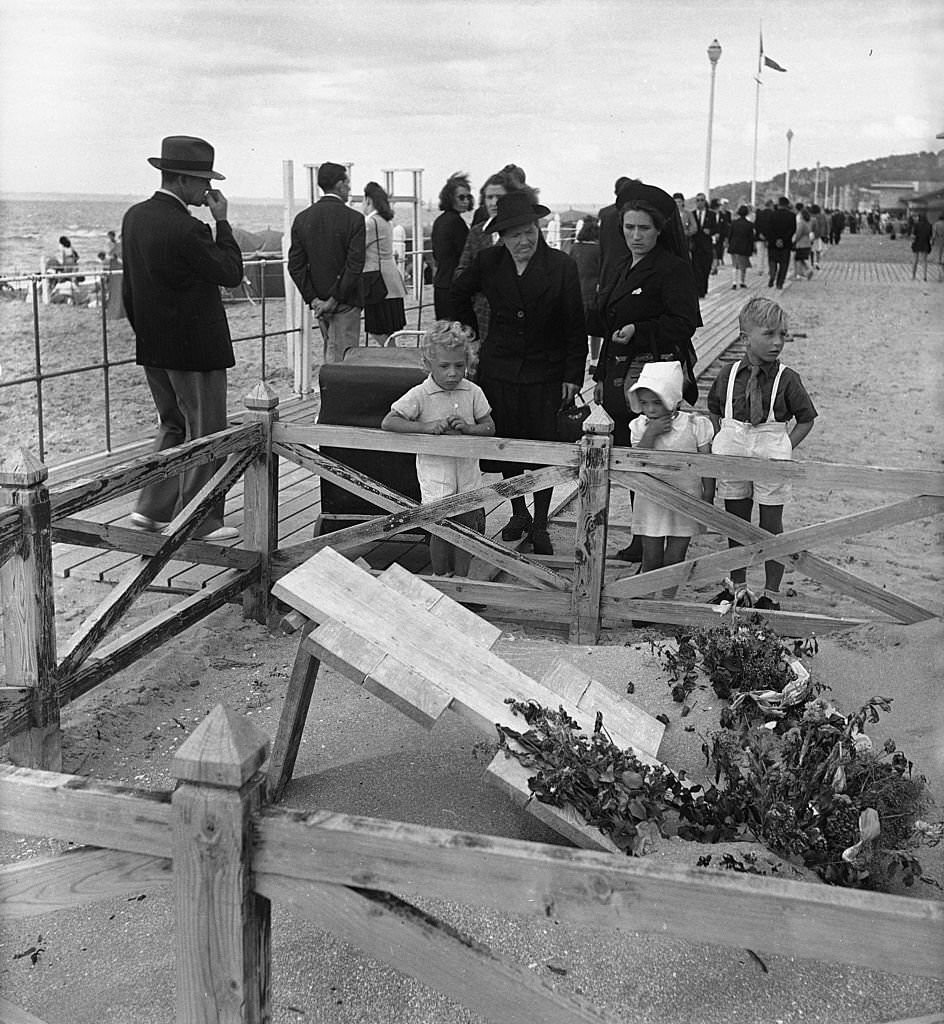
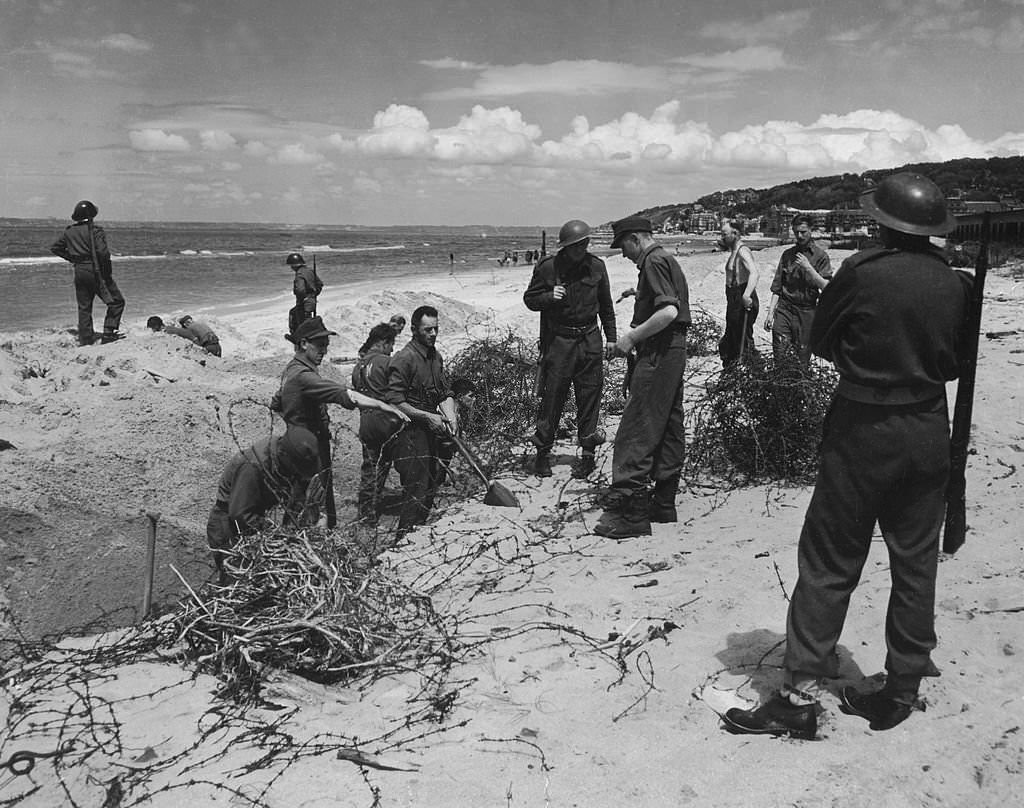
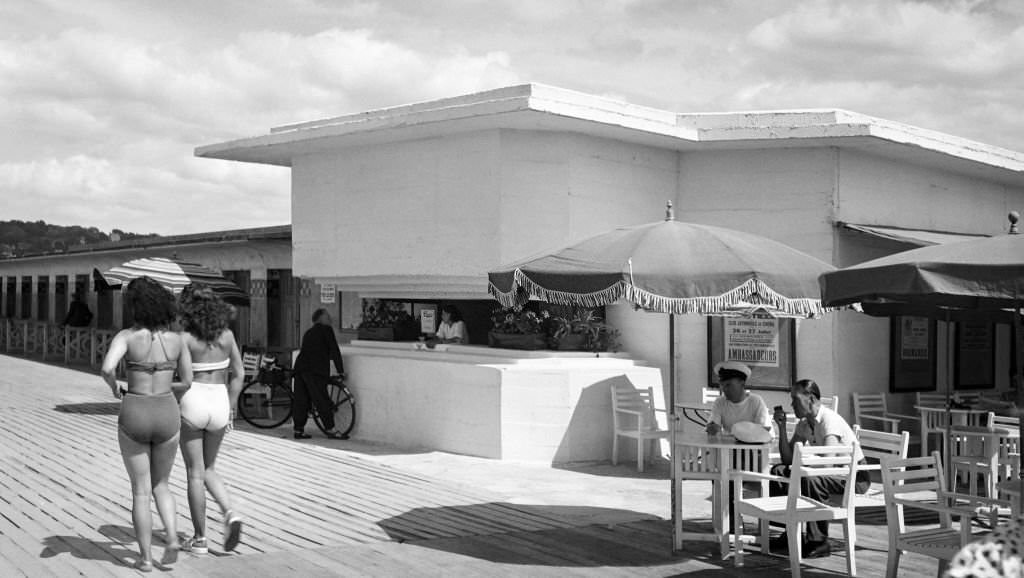
Allied forces liberated Deauville and the surrounding Normandy region following the D-Day invasion of June 1944. In 1946, German prisoners of war were put to work clearing the beach of barbed wire, steel obstructions, and the debris of occupation. English soldiers stood guard as the POWs dismantled the defenses that had turned the resort’s famous sand into a military fortification. A grave marker photographed during the summer of 1946 stood as a stark reminder of the cost of liberation on the Normandy coast. By 1947, ice cream was being sold again from a converted blockhouse on the beach — a surreal but telling sign of recovery.
On Deauville beach, German prisoners of war line under the watch of English soldiers, 1946German prisoners of war line under the watch of English soldiers, in Deauville, France in 1946.Tomb from a victim from the landing, summer 1946.These German prisoners of war are cleaning some of the barbed wire and steel obstructions at the beach resort of DeauvilleCustomers eat ice cream on the terrace of a bar, installed in a converted blockhouse, on July 26, 1947 in Deauville.
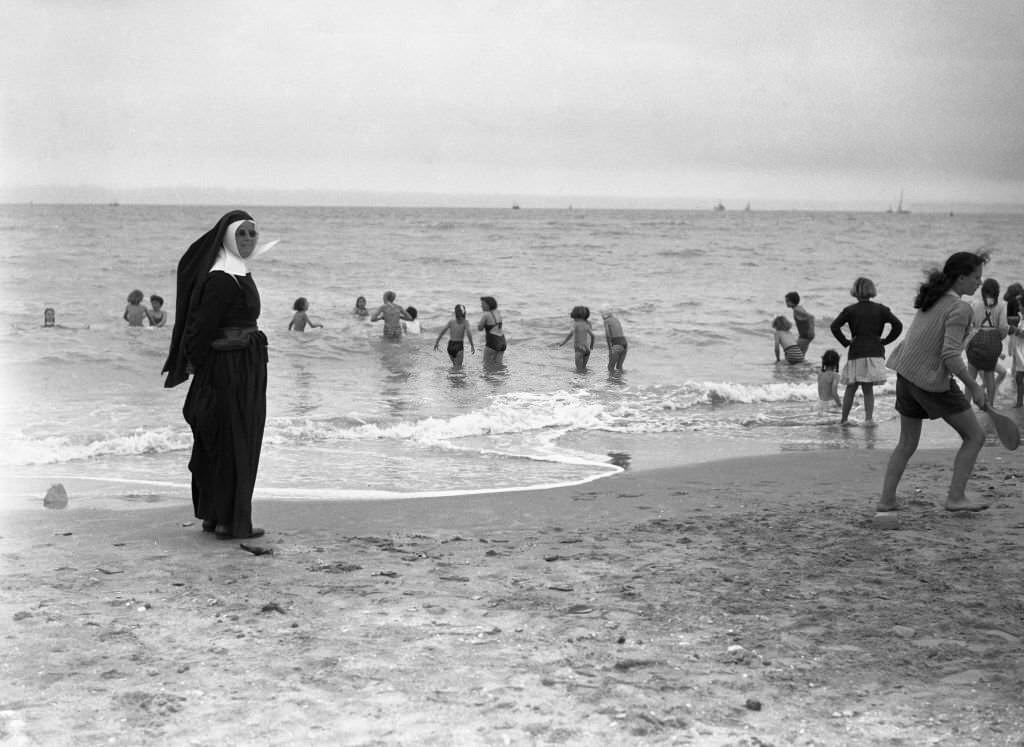
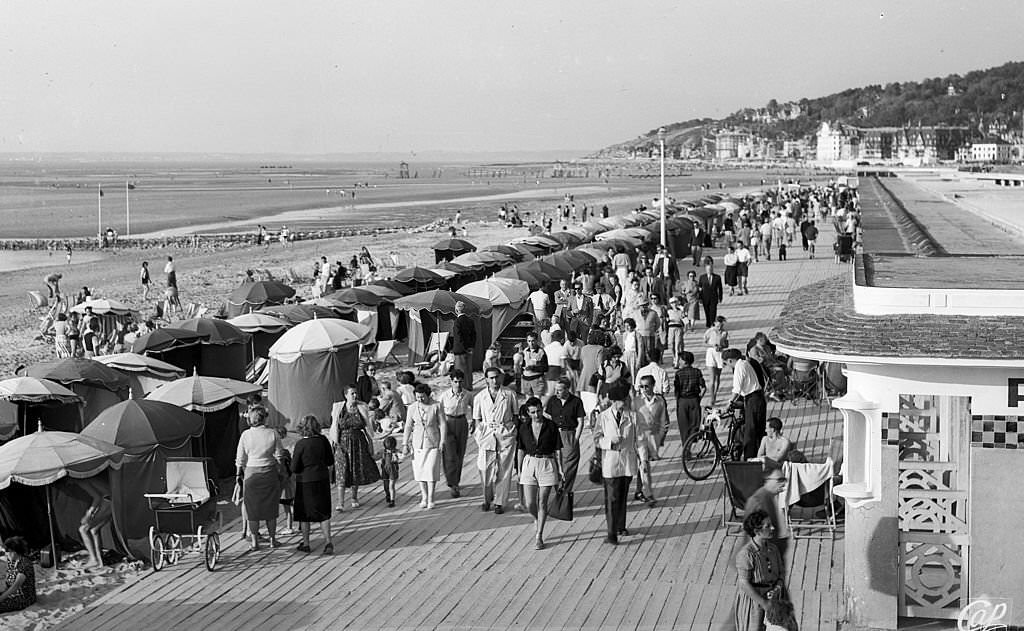
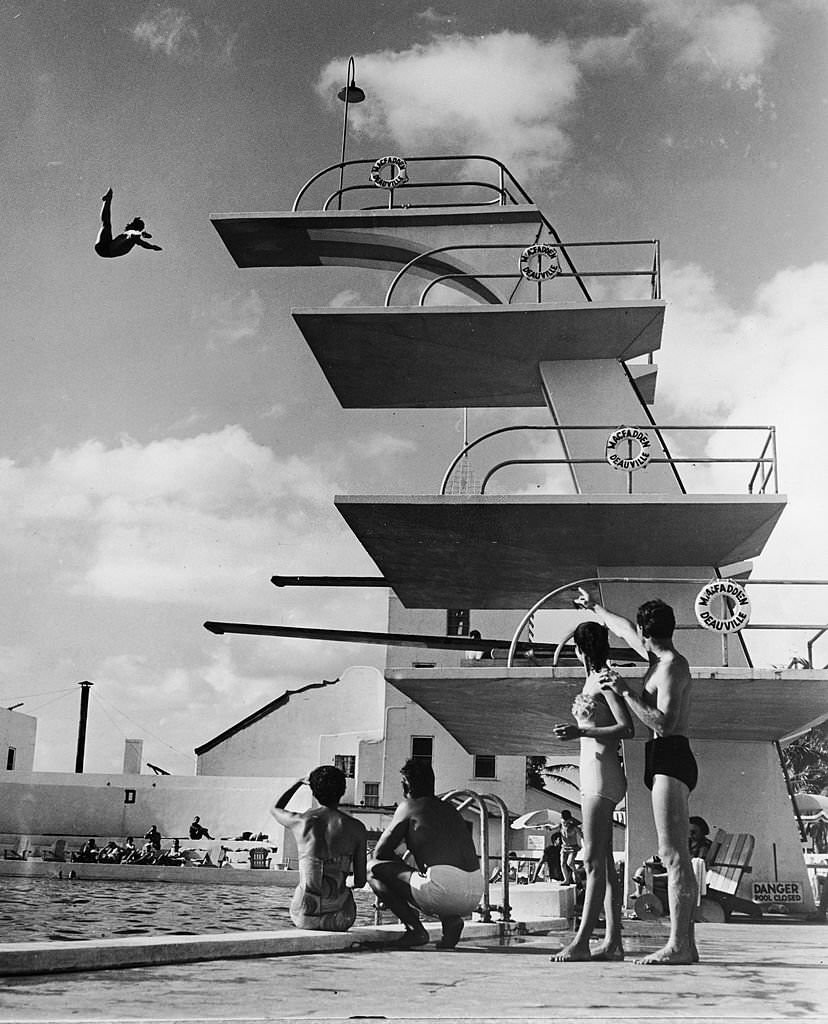
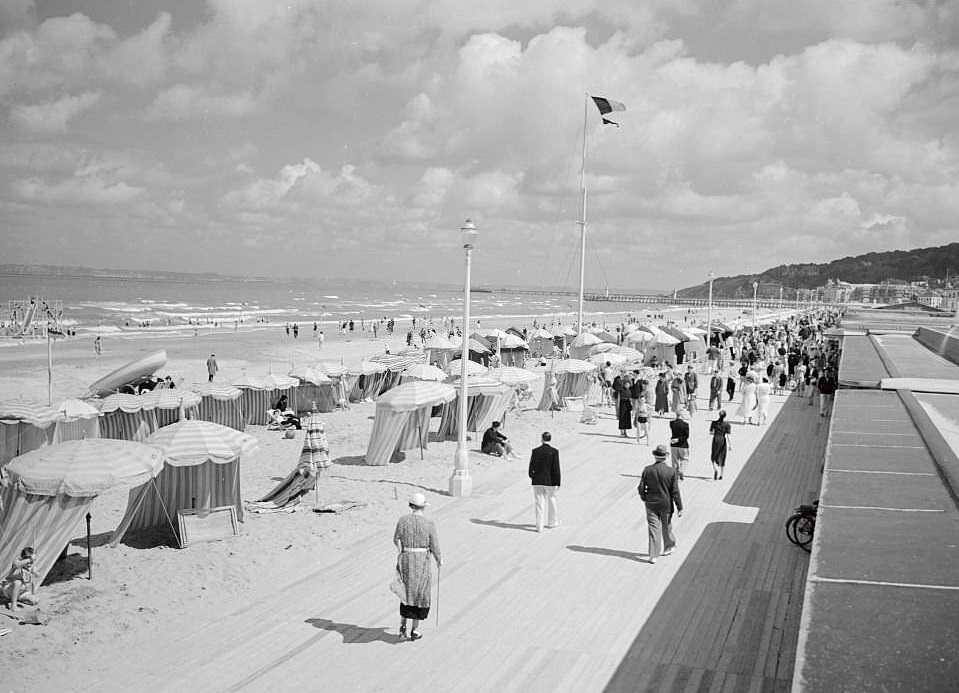
Deauville’s recovery through the late 1940s and into the 1950s was steady. The beach came back to life. The boardwalk reopened. Crowds returned to the sand, sunbathers stretched out on deck chairs, and the resort began to reclaim the glamour it had built over the previous half-century. A nun photographed walking the beach in 1950 and a diver launching into an Olympic-size pool at the MacFadden-Deauville Hotel in the same decade both captured the breadth of life that had returned to this corner of Normandy.
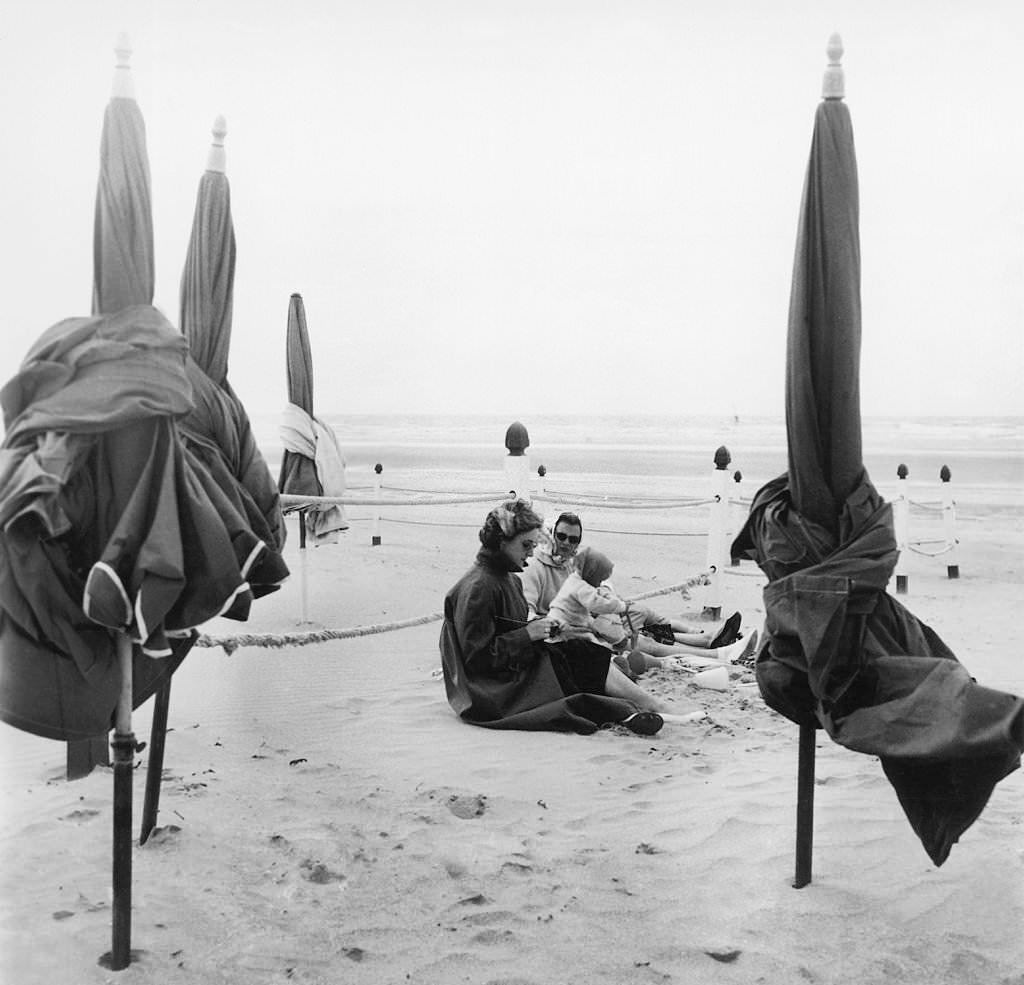
Nun on the beach of Deauville, 1950Deauville, 1950Boards and the bar of the Sun at Deauville, 1950People sit poolside and watch as a swimmer dives off the high platform of the Olympic-size swimming pool at the MacFadden – Deauville Hotel, 1950sHolidaymakers at Deauville Beach in 1957Beach Boardwalk