During the 1970s, New York City was in serious financial trouble. Budget cuts left streets cracked and services thin. For millions of residents, the city’s parks became the most affordable place to spend a day. From Brooklyn to Manhattan, these green spaces filled up from sunrise to well past dark.
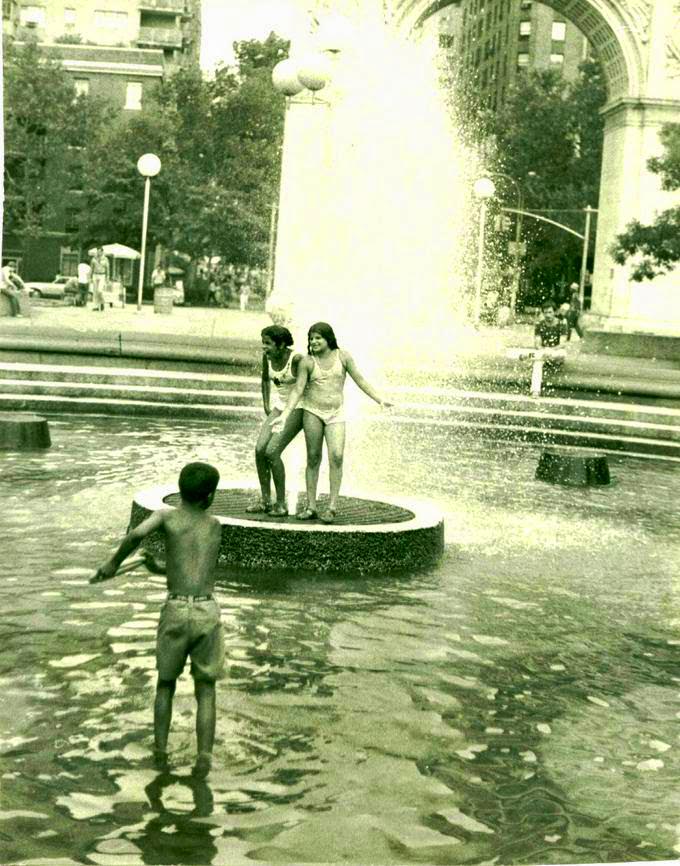
Washington Square Park was a true center of daily life. Folk singers and acoustic guitarists performed near the central fountain, drawing crowds who sat on concrete ledges to listen. In the southwest corner, chess players claimed the stone tables for entire days, always pulling in curious onlookers.
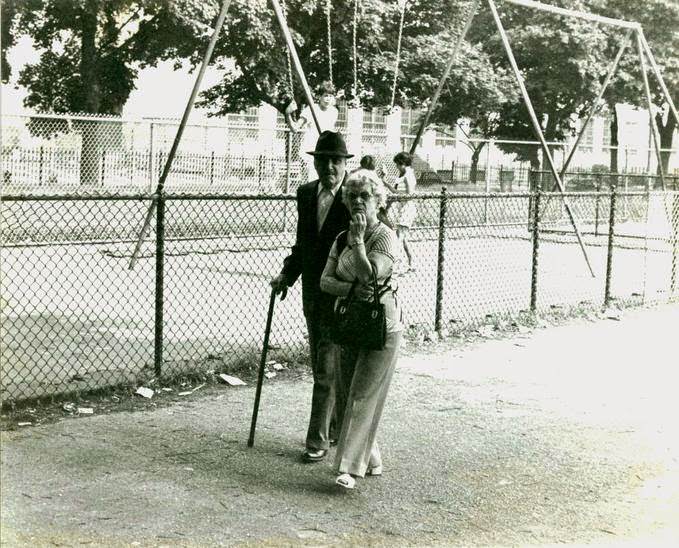
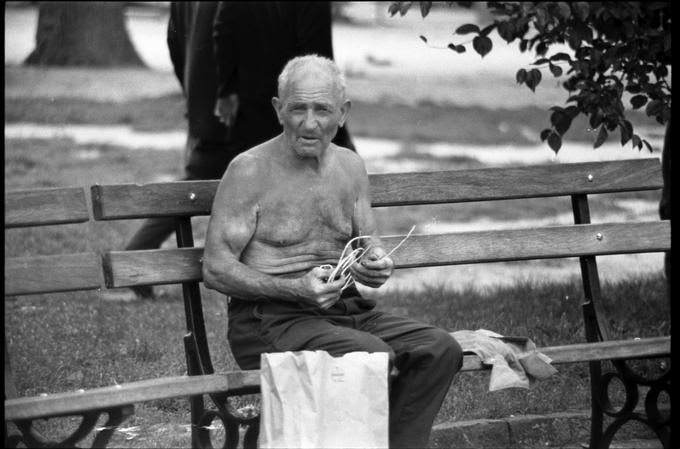
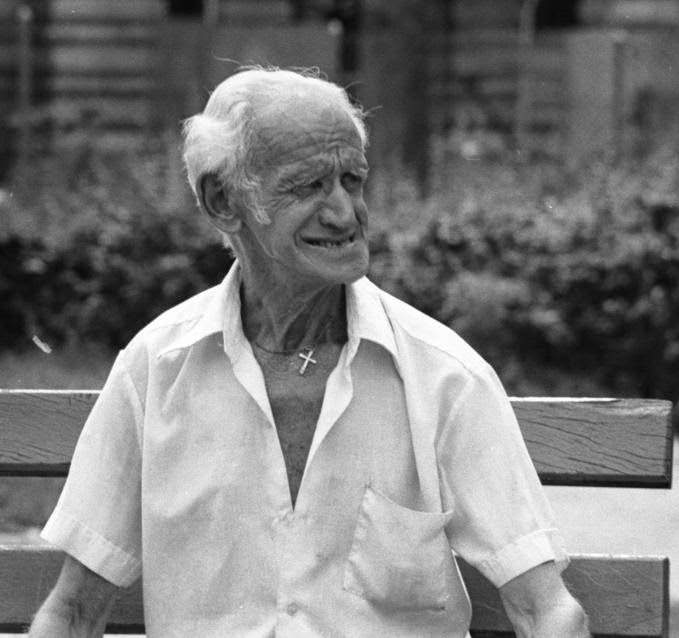
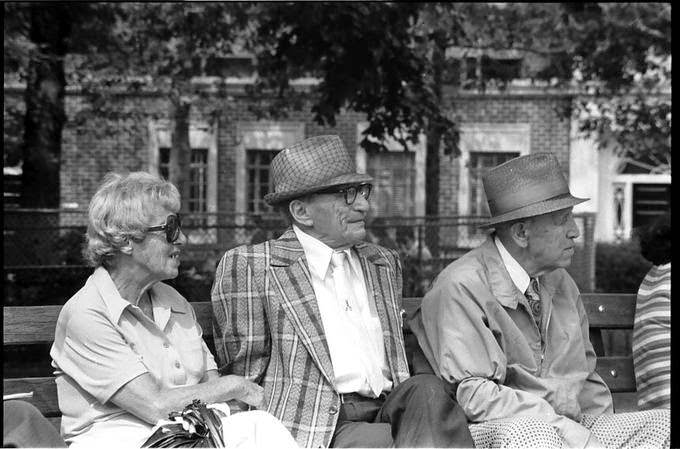
Parks across all five boroughs served every generation. In Brooklyn’s Seth Low Park, older residents made the grounds part of their daily routine — walking paths, resting on benches, and gathering with neighbors.
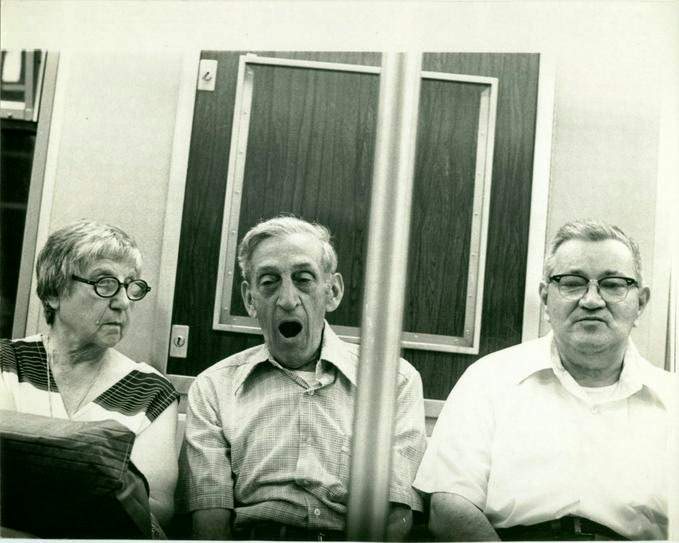
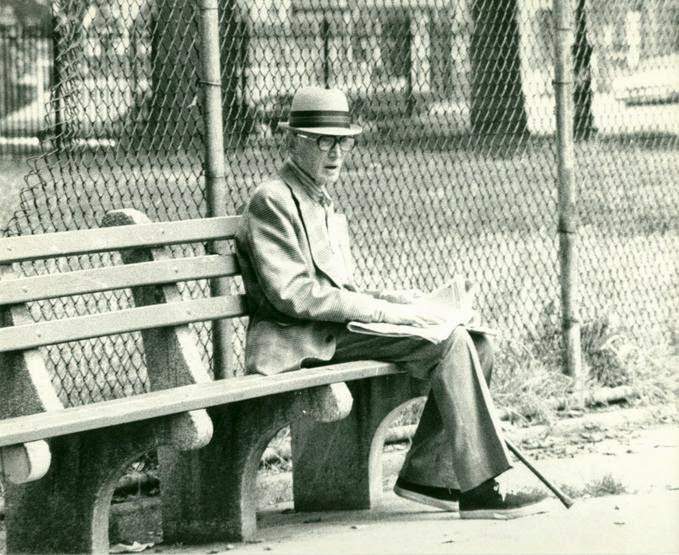
The parks required little more than a subway ride to reach. Once there, patrons carved out their own corners — benches, blanket spots under elm trees, or a stretch of pavement for roller skaters blasting disco and early hip-hop from battery-powered radios.
In Central Park, the Sheep Meadow packed in thousands every Sunday. Sunbathers and frisbee players wore the grass down to bare dirt. At Bethesda Terrace, the fountain basin sat empty due to budget cuts, so people climbed in and used it as a place to sit and talk.
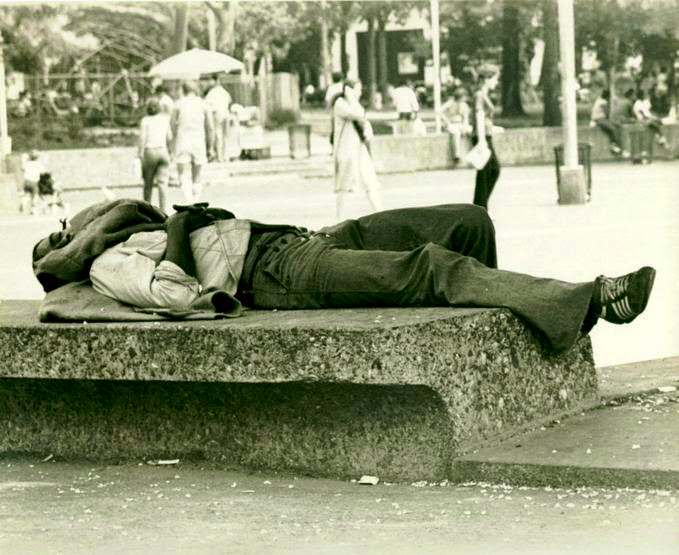
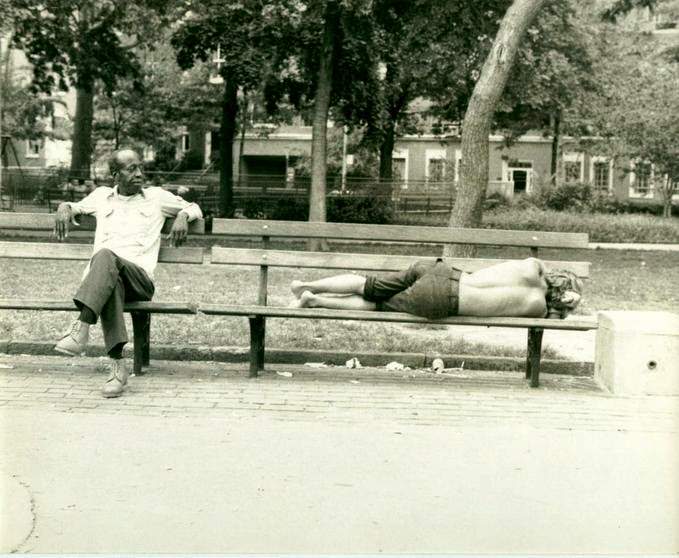
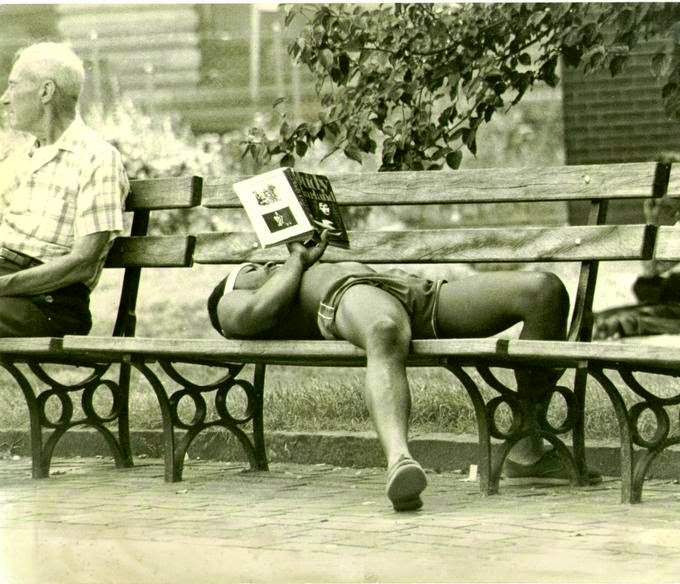
The pace of park life ranged from restless to completely still. Some patrons slept stretched out on benches in the summer heat. Others settled in with a book for hours at a time, unbothered by the activity around them.
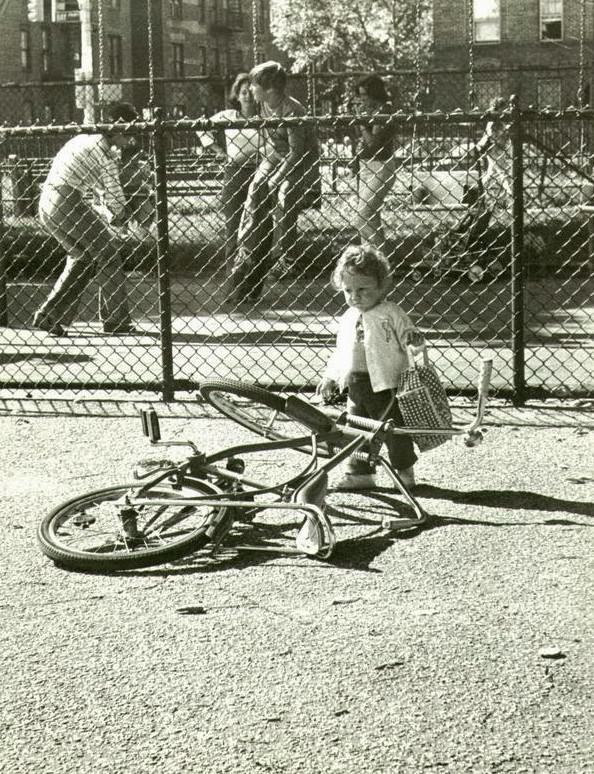
Children found their own entertainment. Bicycles, functioning fountains, and open lawns were enough. Graffiti marked many walls and benches, and cracked asphalt ran through skating paths — but none of it emptied the parks.
Above it all, the World Trade Center towers stood newly built over the skyline. Down on the ground, activists held rallies on open lawns while mounted police patrolled the edges. The parks held all of it — joy, protest, rest, and community — at once.