New York City in the 1970s was a city coming apart at the seams. A deep financial crisis forced massive cuts to police and fire departments. Sanitation strikes left garbage rotting on sidewalks for days. The smell settled into entire neighborhoods. Landlords in the South Bronx and Brooklyn walked away from their buildings rather than pay taxes they could no longer afford. Many of those buildings were set on fire, leaving block after block of charred brick and blackened timber.
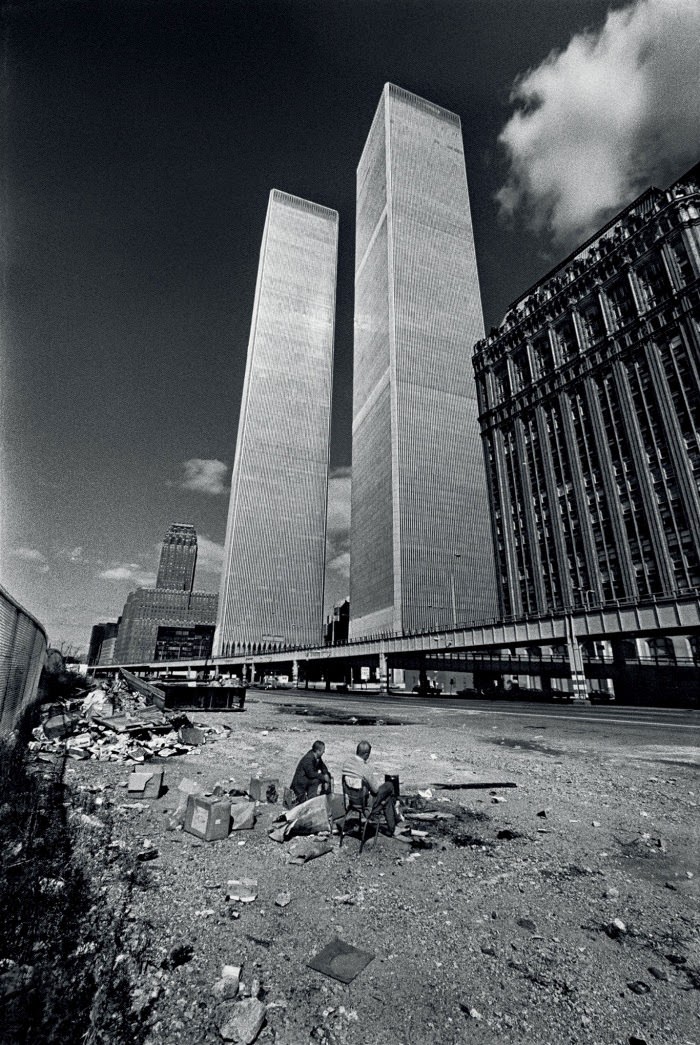
Photographer Jean-Pierre Laffont walked these streets with his camera and recorded everything. He captured the graffiti that coated every inch of subway cars — windows, doors, interior walls. Passengers sat in dark, sweltering trains with no air conditioning through the city’s brutal summers. Crime rates hit record highs. Residents moved through their days with a constant sense of alertness. Times Square was filled with adult movie theaters and neon signs advertising a dangerous nightlife.
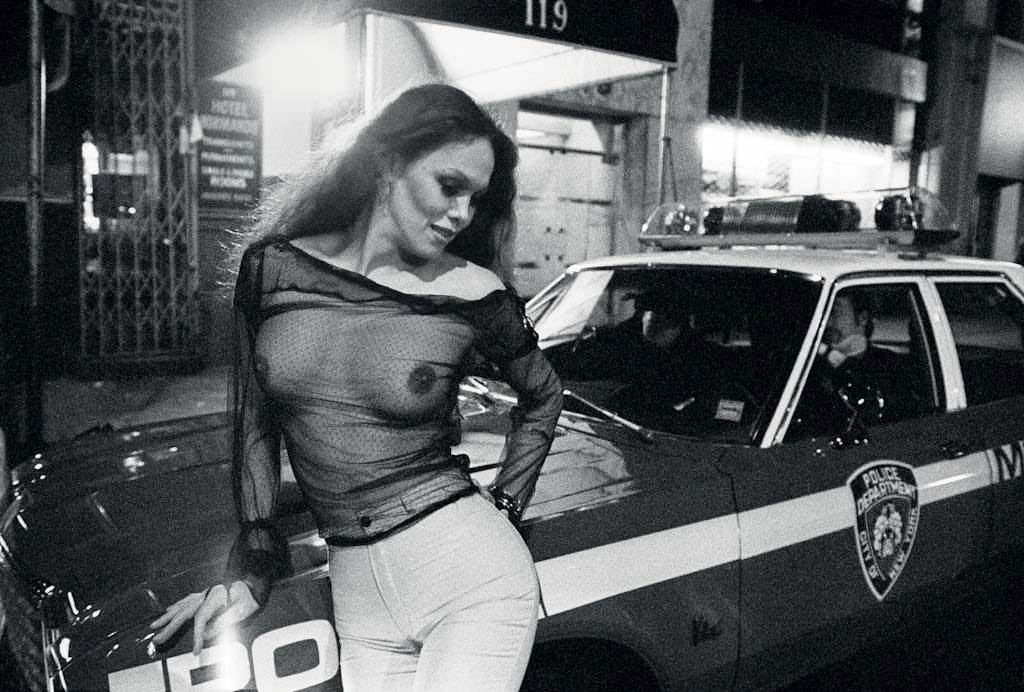
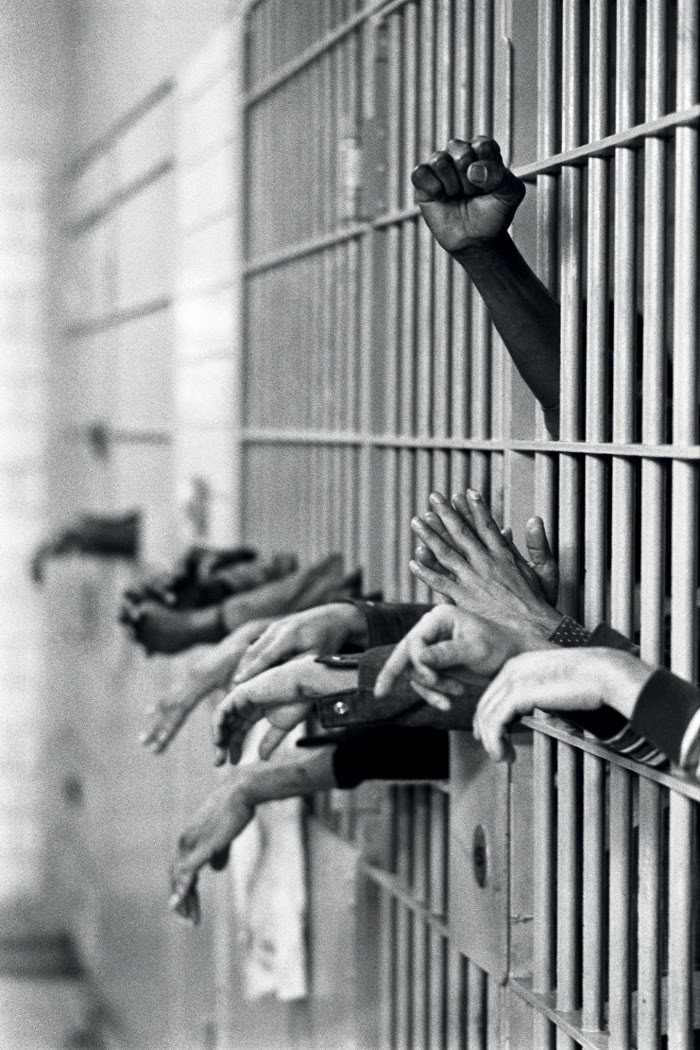
The city’s lowest point came on a hot July night in 1977. A blackout knocked out power across the boroughs, and looting and arson erupted almost immediately. Thousands of stores were broken into. The total damage exceeded $300 million. Laffont was there — photographing broken glass, overwhelmed police, and overcrowded jail cells. His images of that night remain some of the most direct visual records of the crisis.
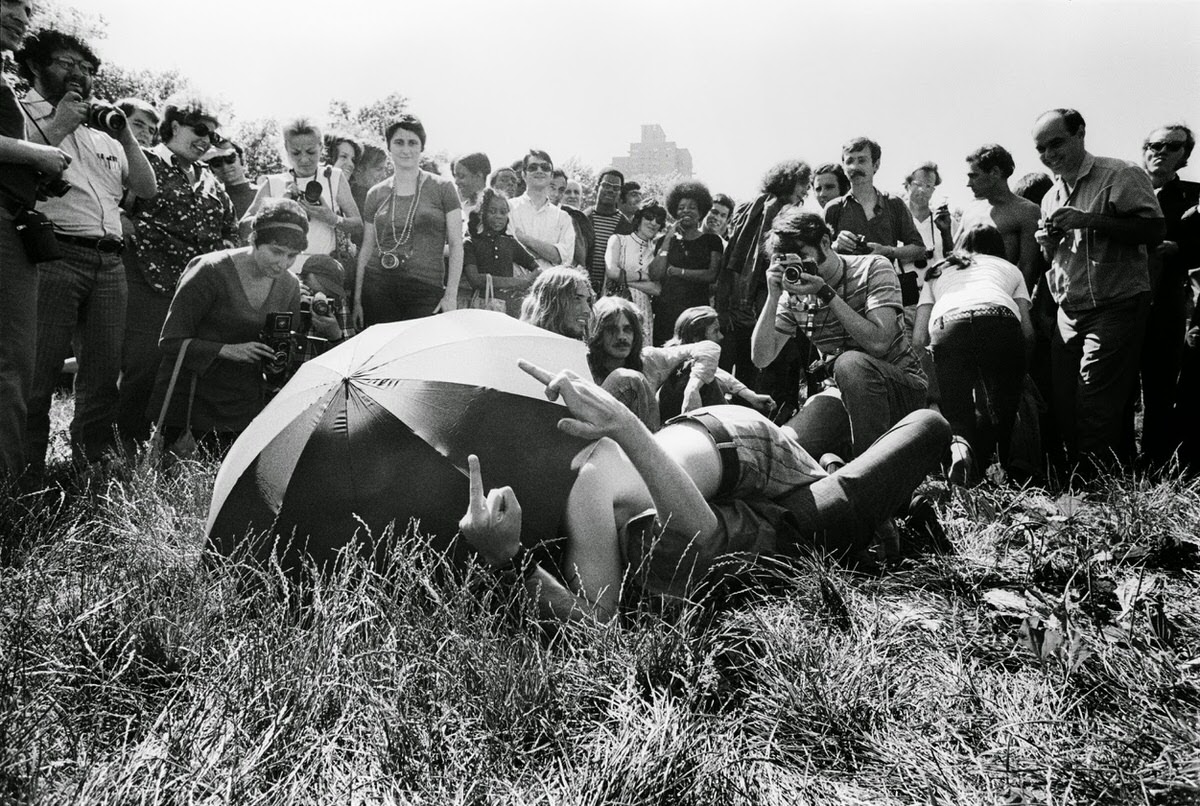
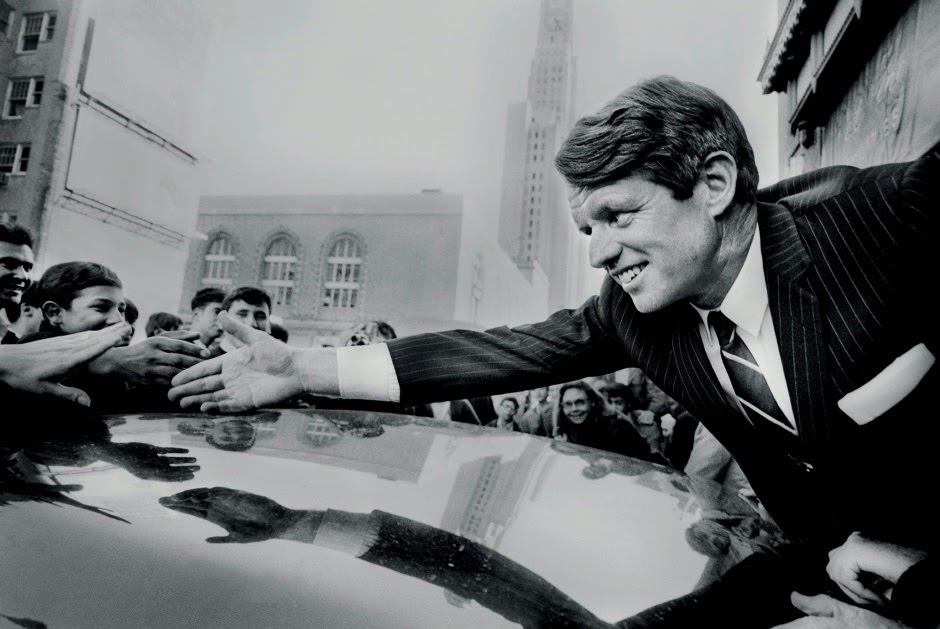
Even as the city decayed, it remained a center of intense social energy. Laffont documented political rallies packed with residents demanding change. He was also present for New York’s first Gay Pride celebration in 1970, capturing unguarded moments of defiance and joy.
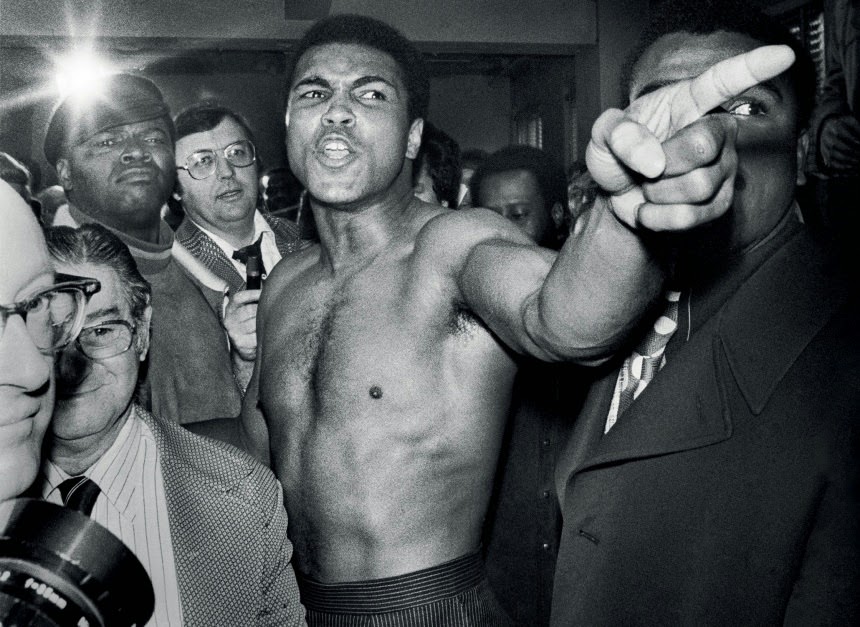
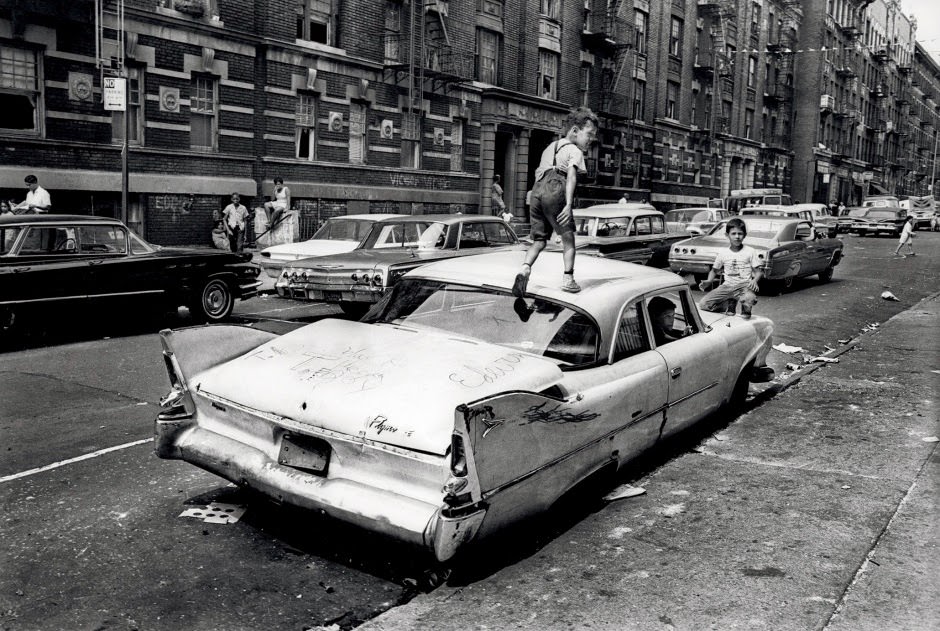
Alongside the protest and the politics, ordinary life continued in unexpected pockets. Children played in abandoned lots. Fighters trained in local gyms. Huge crowds gathered for concerts and sporting events, seeking a few hours away from the city’s constant pressure.
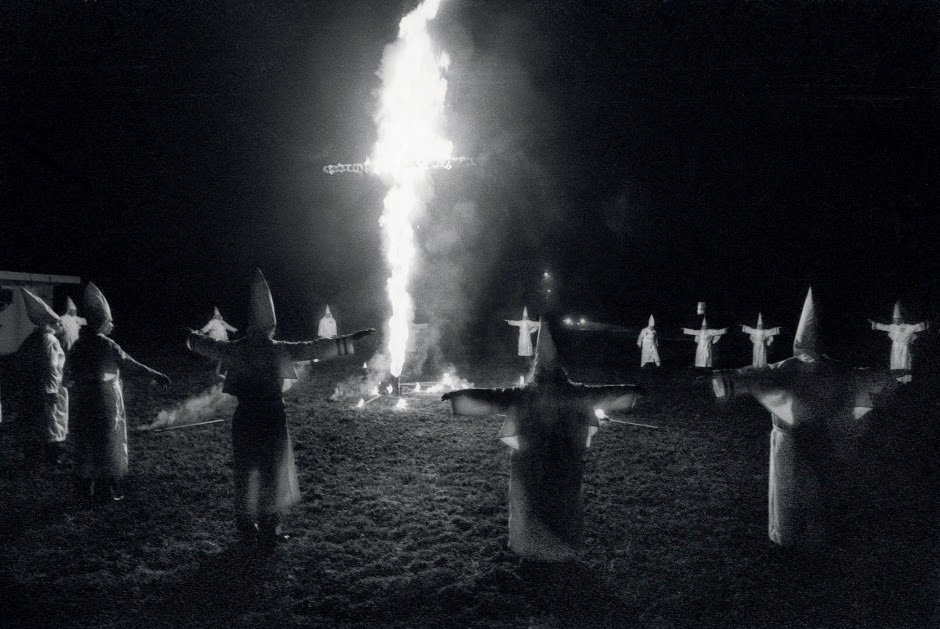

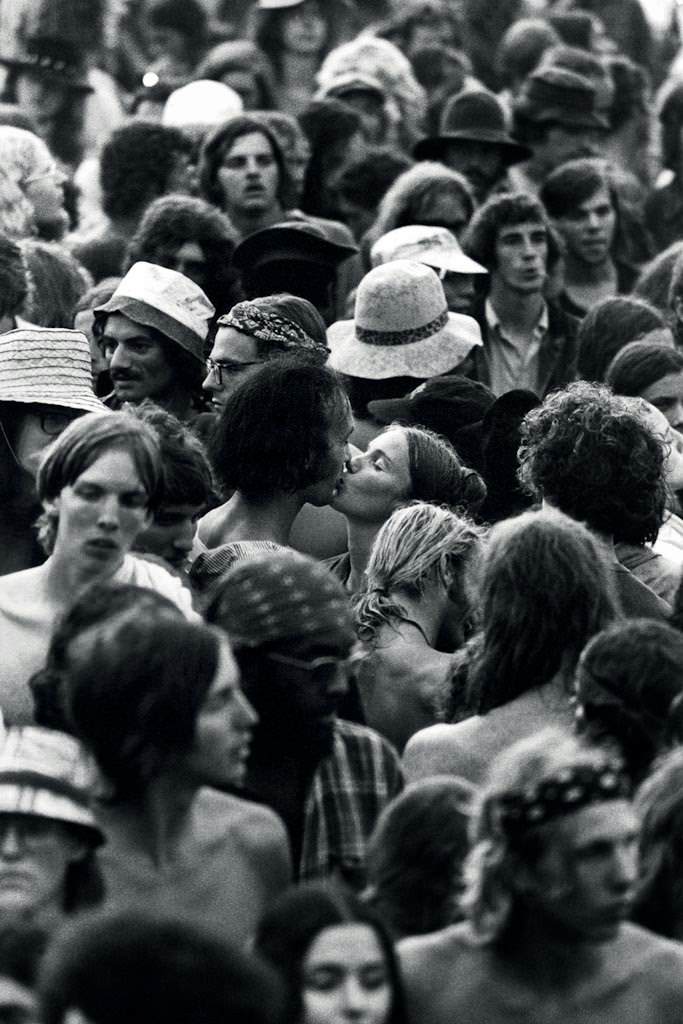
Laffont’s body of work from this era is a direct, unfiltered record of a city in genuine crisis — one where survival, protest, and human connection existed side by side on the same broken streets.