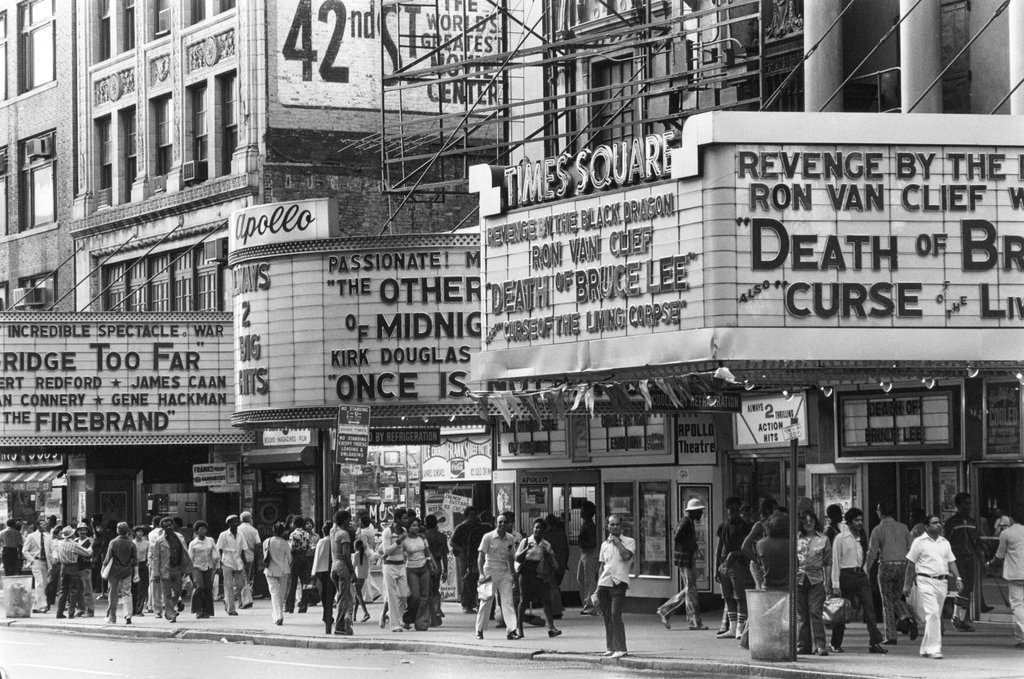
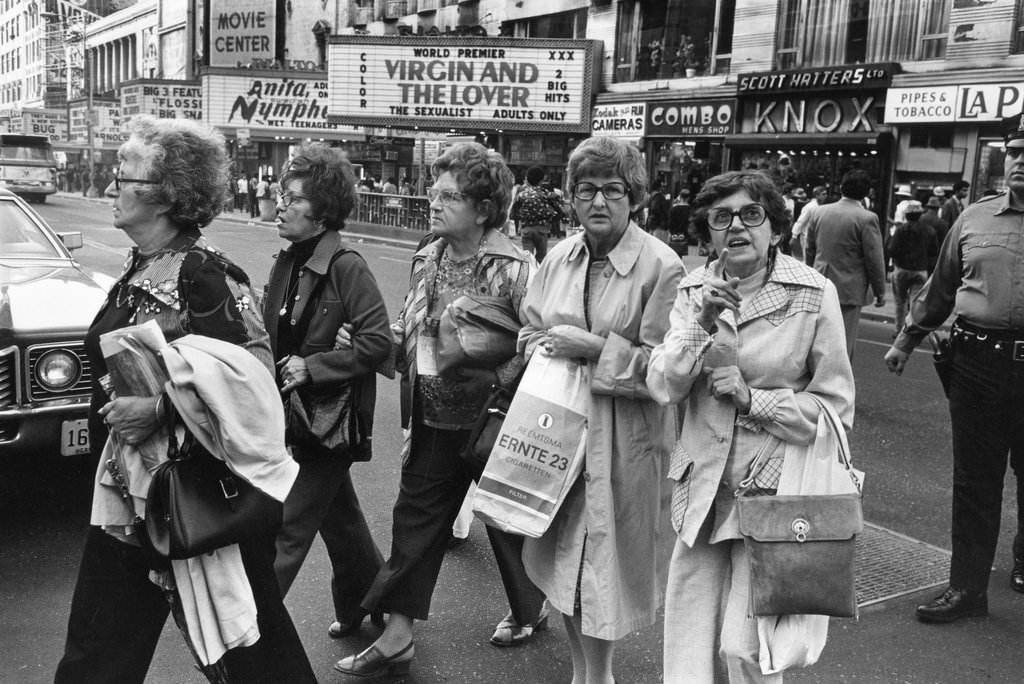
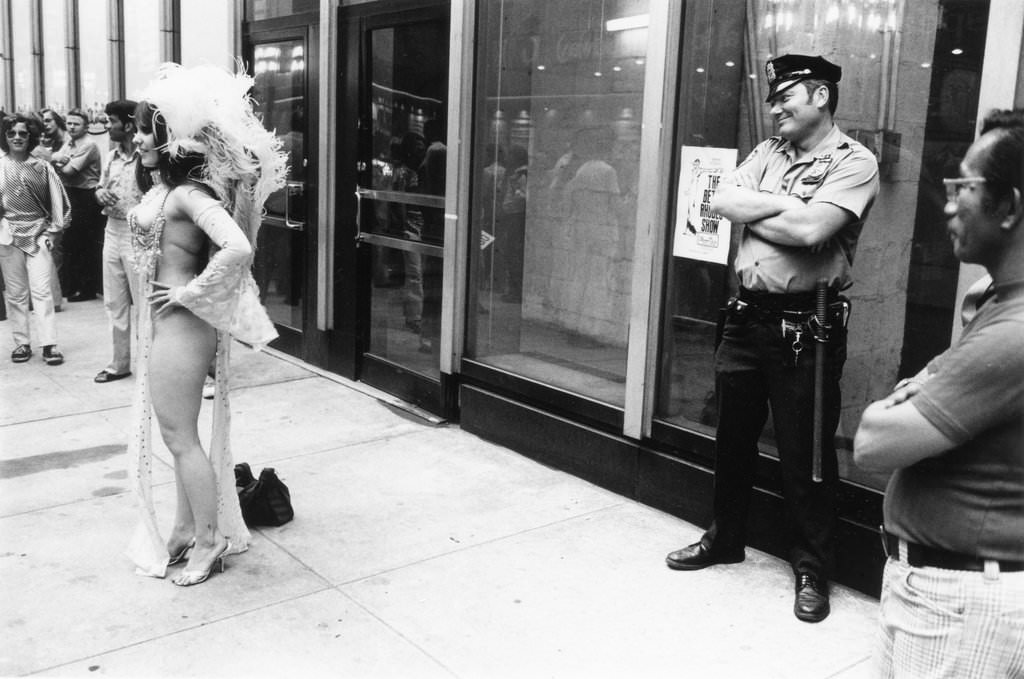
Times Square in the 1970s was nothing like the polished tourist destination it would later become. The neon was still blazing, but the energy underneath it was raw and unfiltered. Adult theaters lined the blocks, their marquees flashing X-rated film titles in oversized letters. Peep show signs and live revue ads stacked high above doorways, competing for attention in every direction.
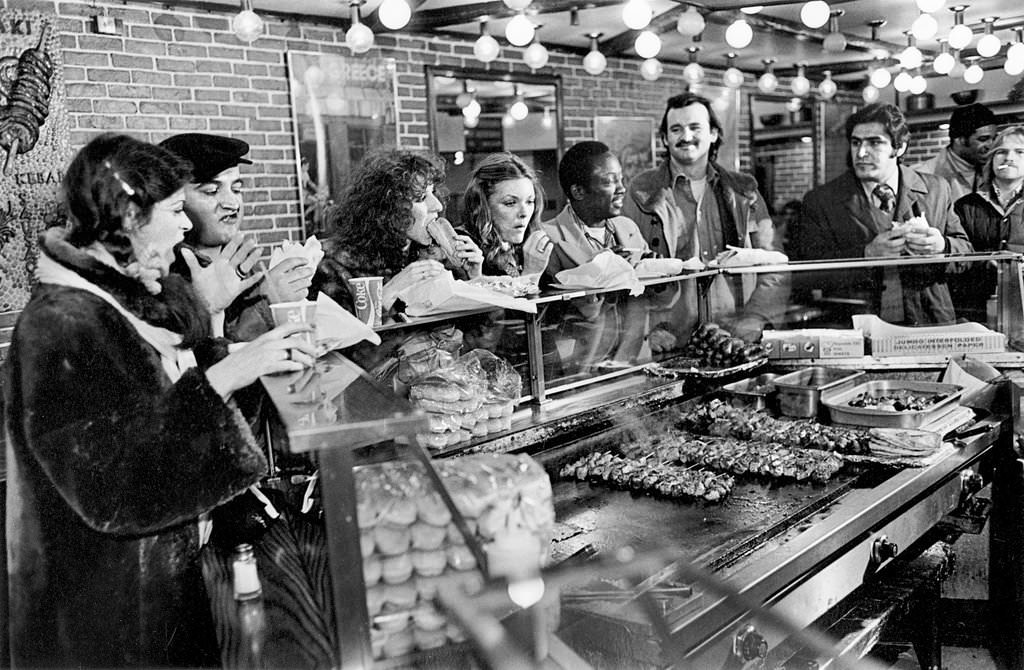
Street vendors crowded the sidewalks, selling cigarettes, bootleg records, and just about anything else a person might want. Fast food joints and small shops filled the gaps between theaters. Horns blared, music blasted from open doors, and the voices of hustlers and street performers mixed into a constant wall of sound.
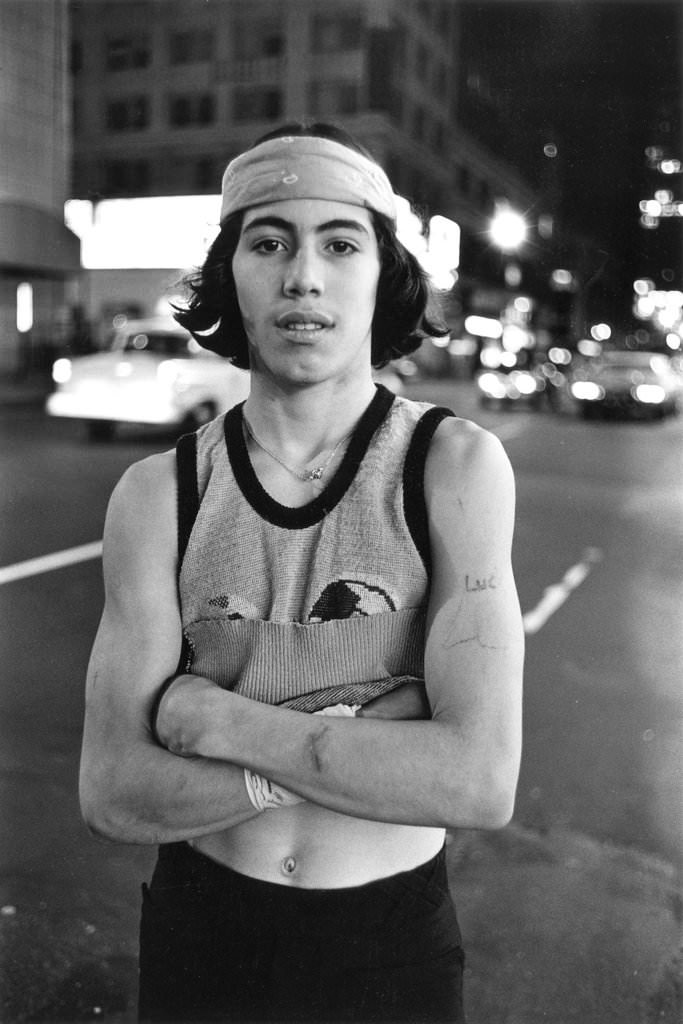
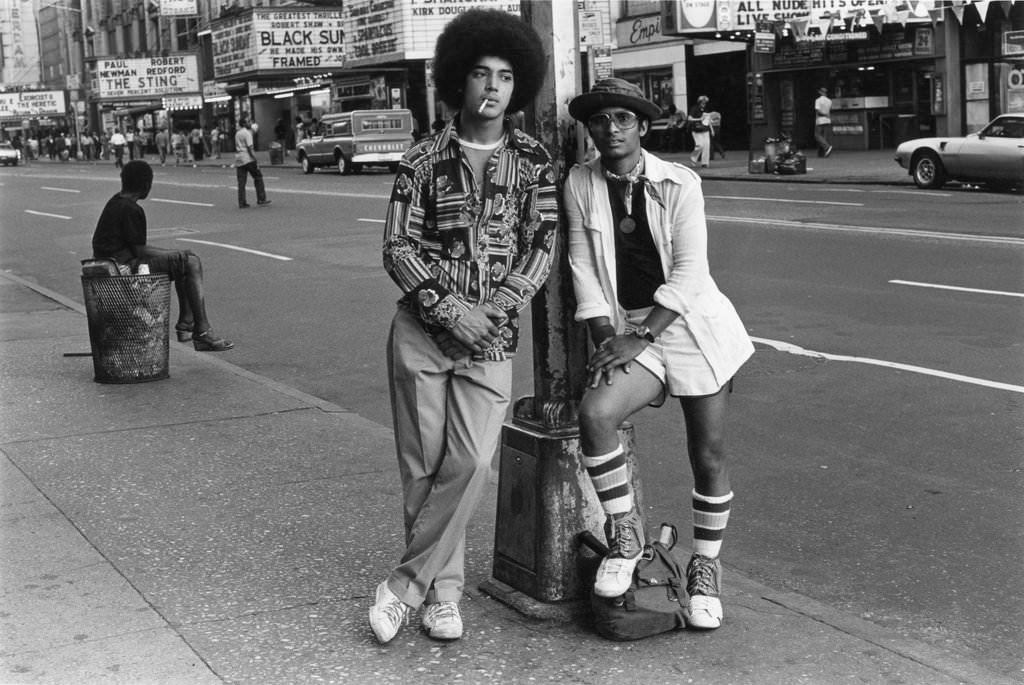
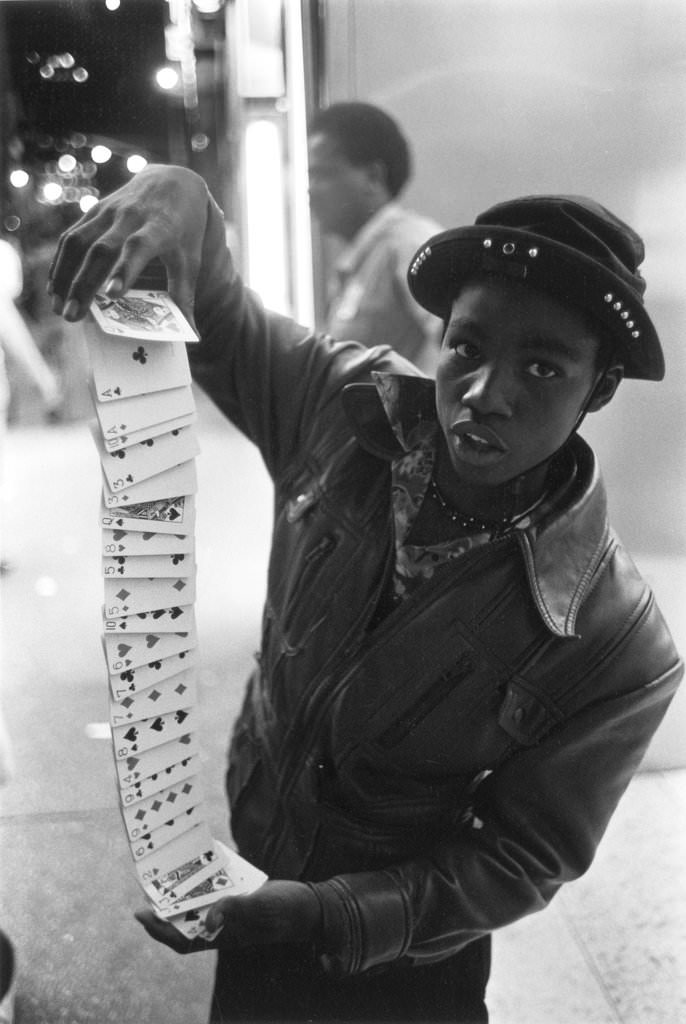
Photographer Kenneth Siegel documented all of it. He walked these streets with a camera and an eye for the people who made Times Square what it was. Pimps in fur coats leaned against lamp posts. Sex workers in high heels stood at corners waiting for customers. Street musicians played for loose change tossed into open cases.
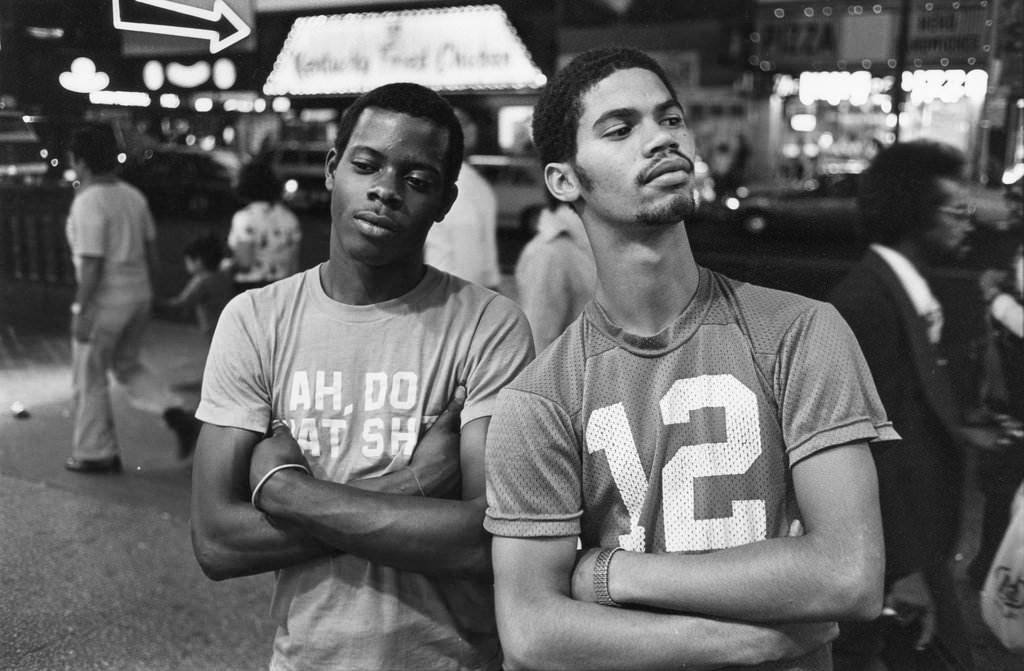
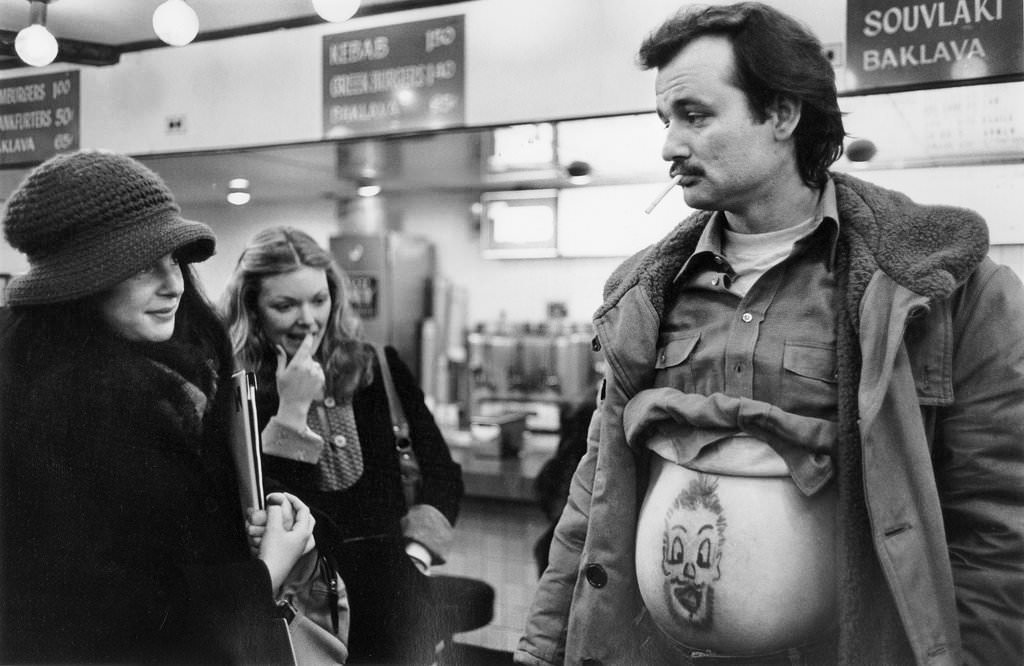
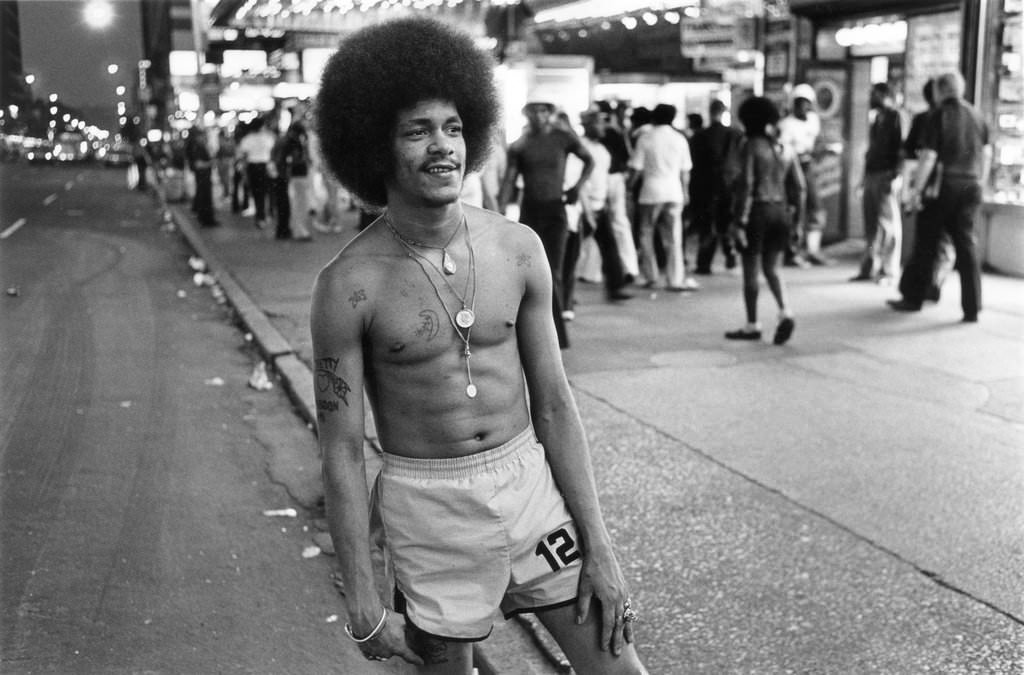
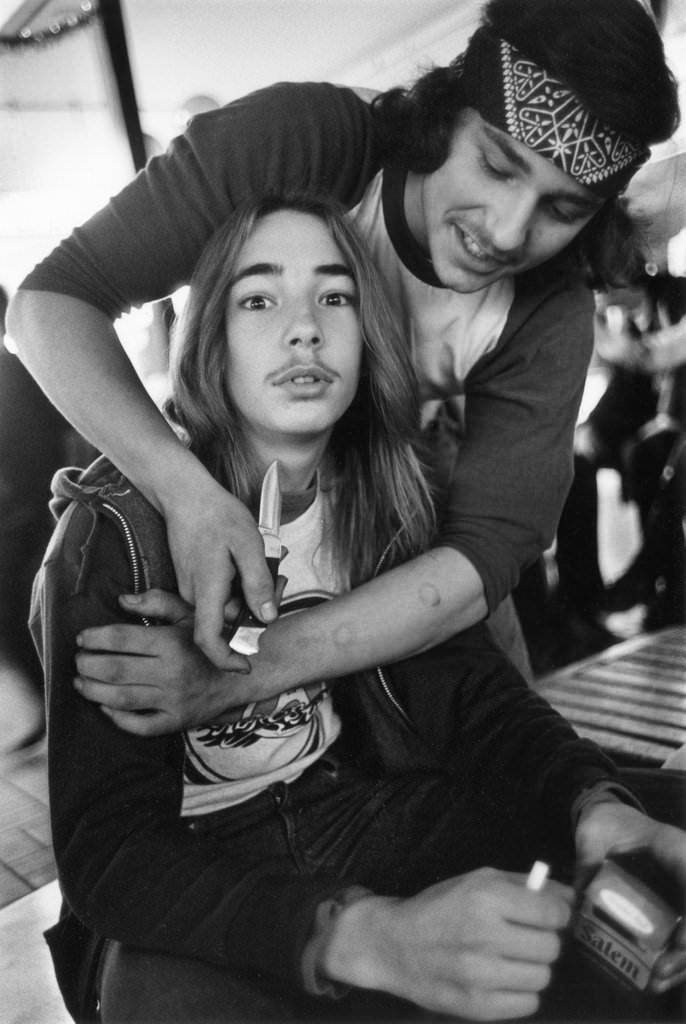
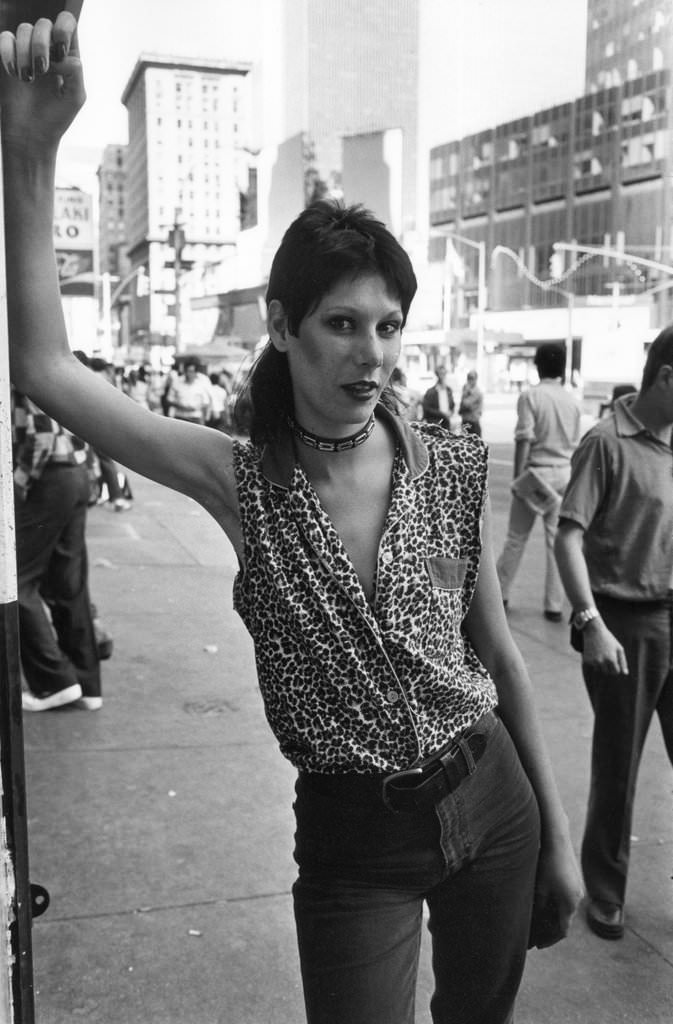
Tattoos covered arms and necks at a time when body art was far from common. Hairstyles were bold, outfits were loud, and expressions ranged from sharp stares to wide grins. These were people who carried their lives on their faces, and Siegel’s camera caught every detail.
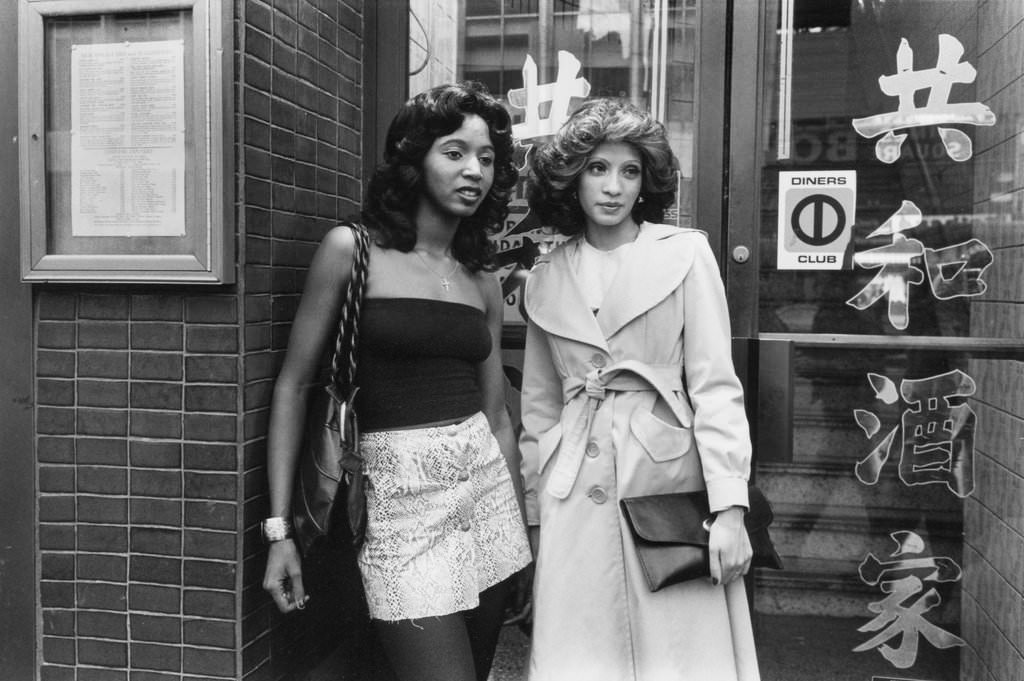
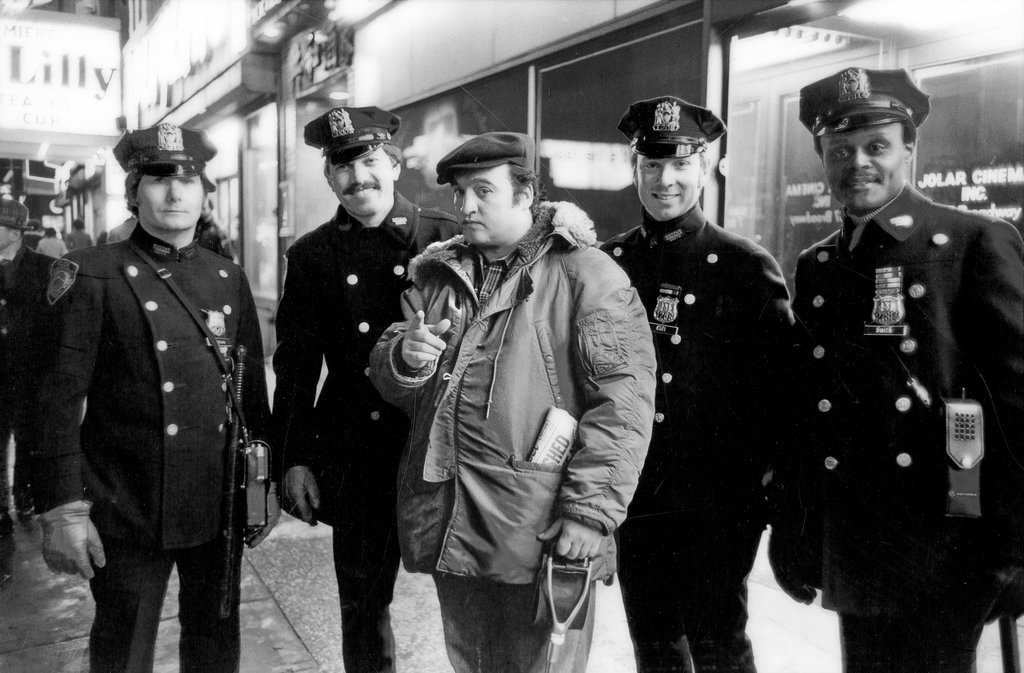
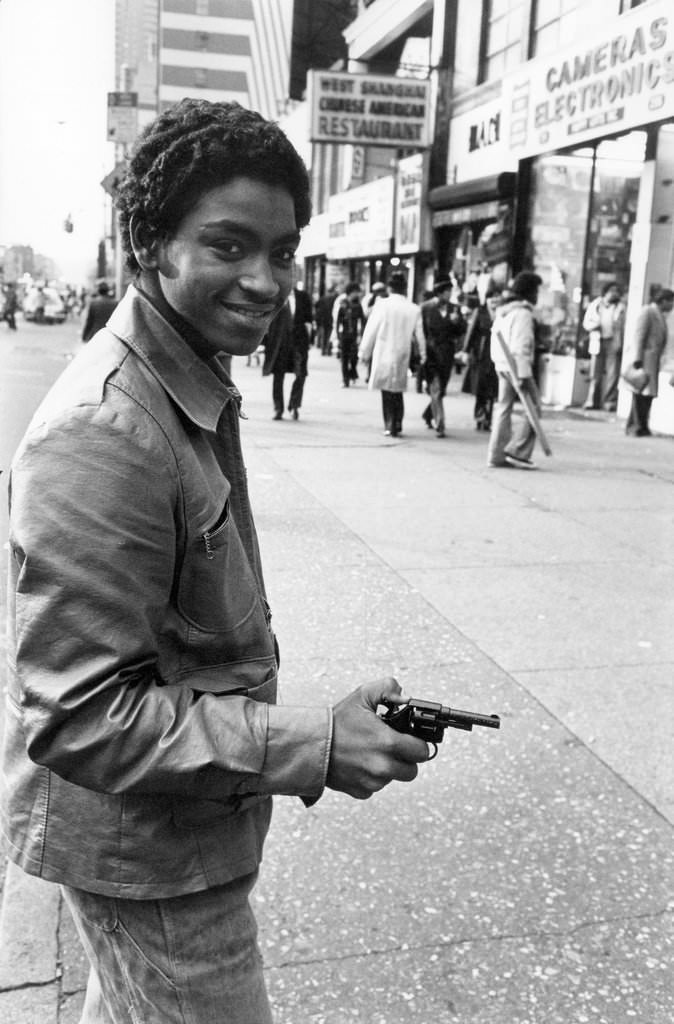
What set Siegel’s work apart was the trust his subjects gave him. He was not an outsider pointing a lens at strangers. The people he photographed knew him, and that comfort shows clearly in his images. Some smile directly at the camera. Others hold steady, serious stares. None of them look away. They knew they belonged there.
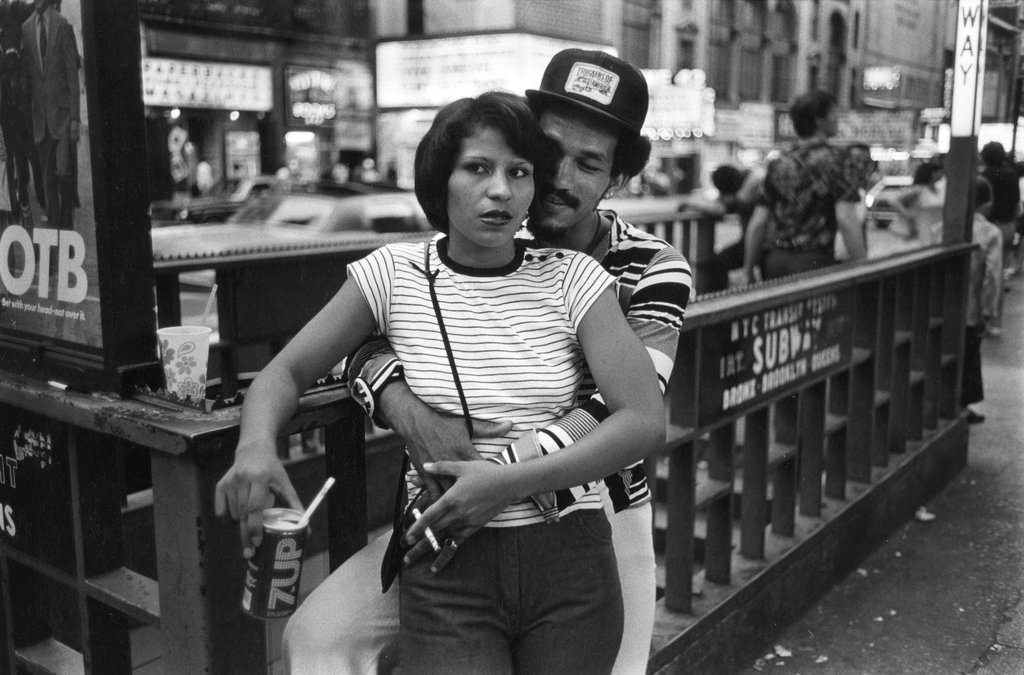
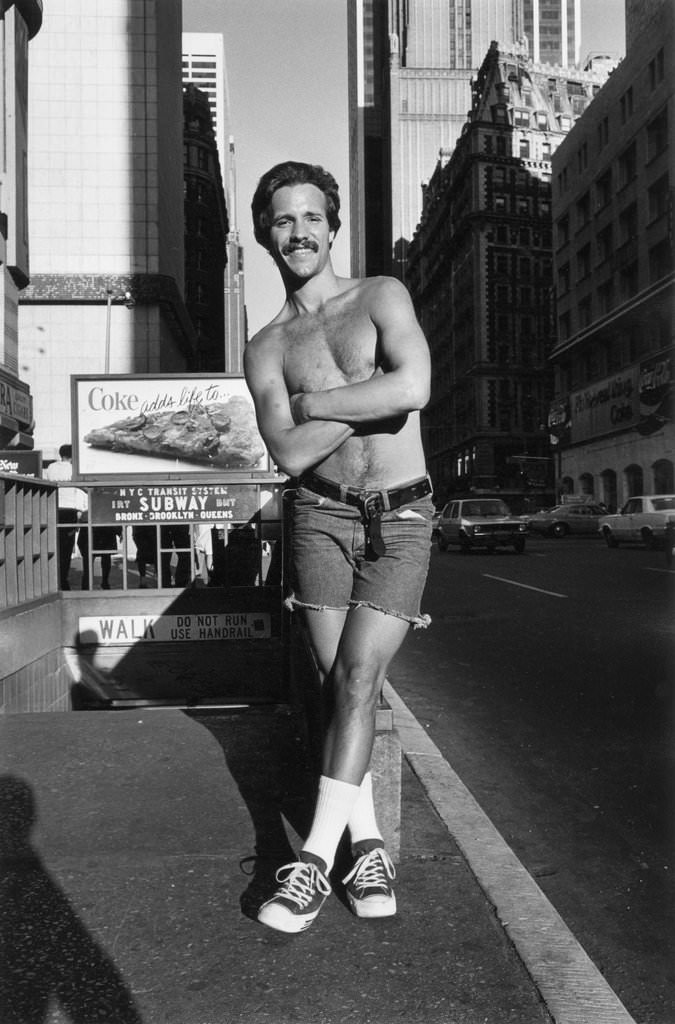
Siegel photographed them not as outcasts, but as the central figures of a city going through serious change. New York in the 1970s was financially strained and socially charged, and Times Square absorbed all of it.
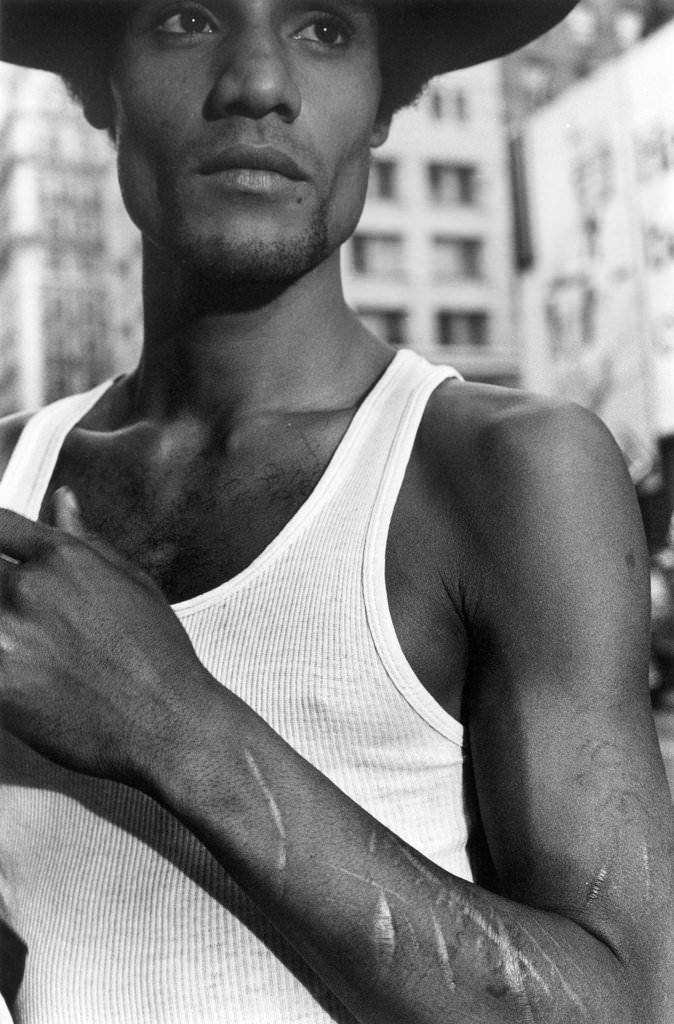
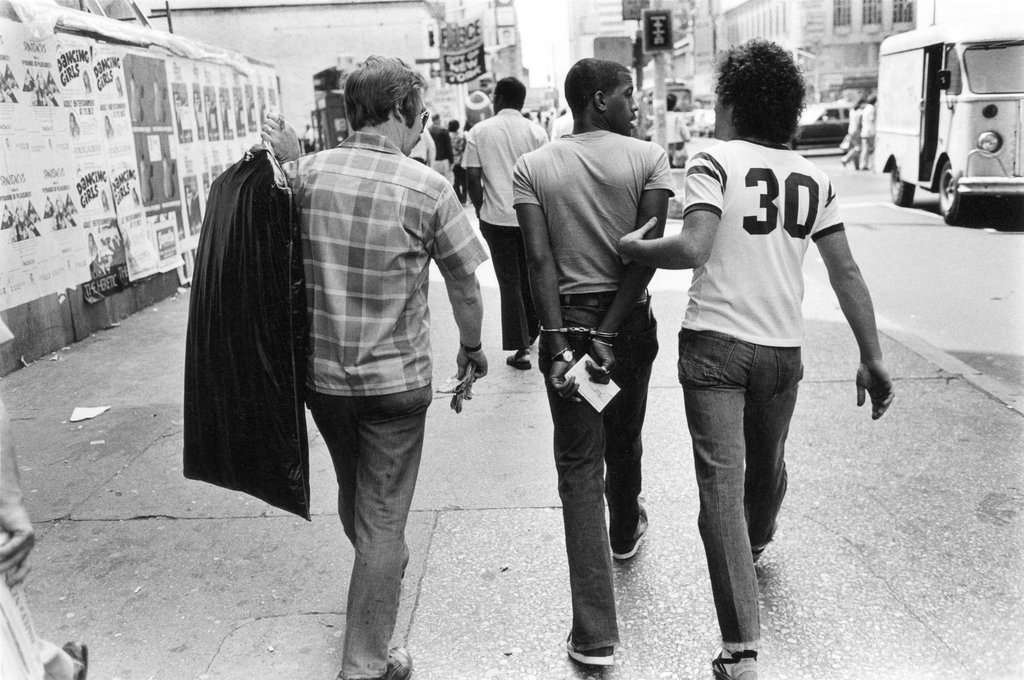
Protests were a regular part of the decade, and their energy spilled into Times Square too. Activists opposing the Vietnam War marched through the area carrying handmade signs. Women’s liberation demonstrators moved between the theaters and hotels. Civil rights voices echoed between the neon-lit buildings.
Politics and street life existed side by side here, often within the same block. That combination gave Times Square a texture that no single photograph can fully contain — but Siegel’s archive comes close.