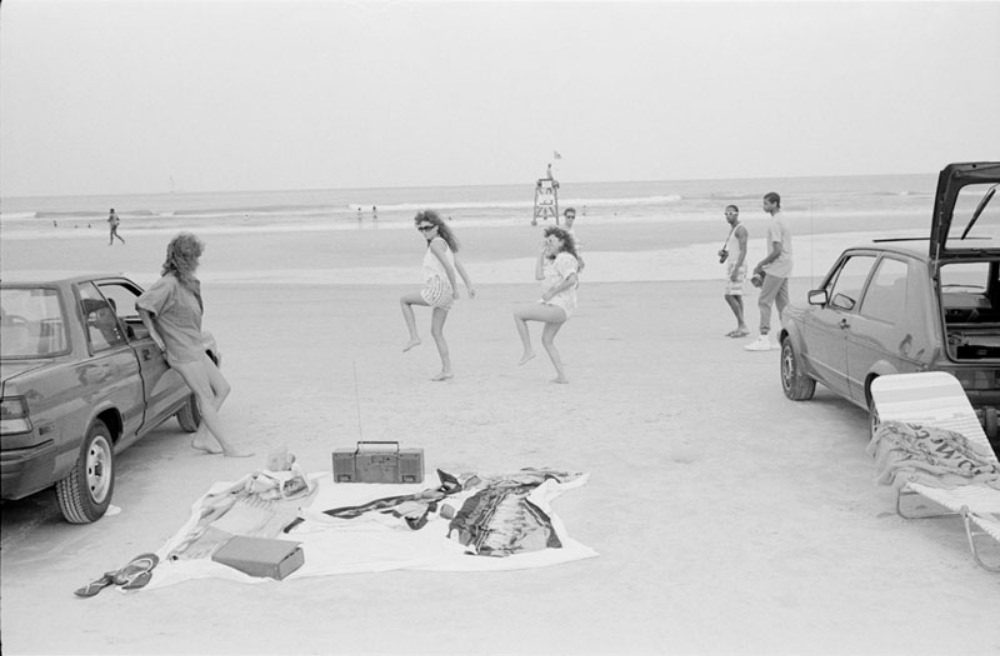
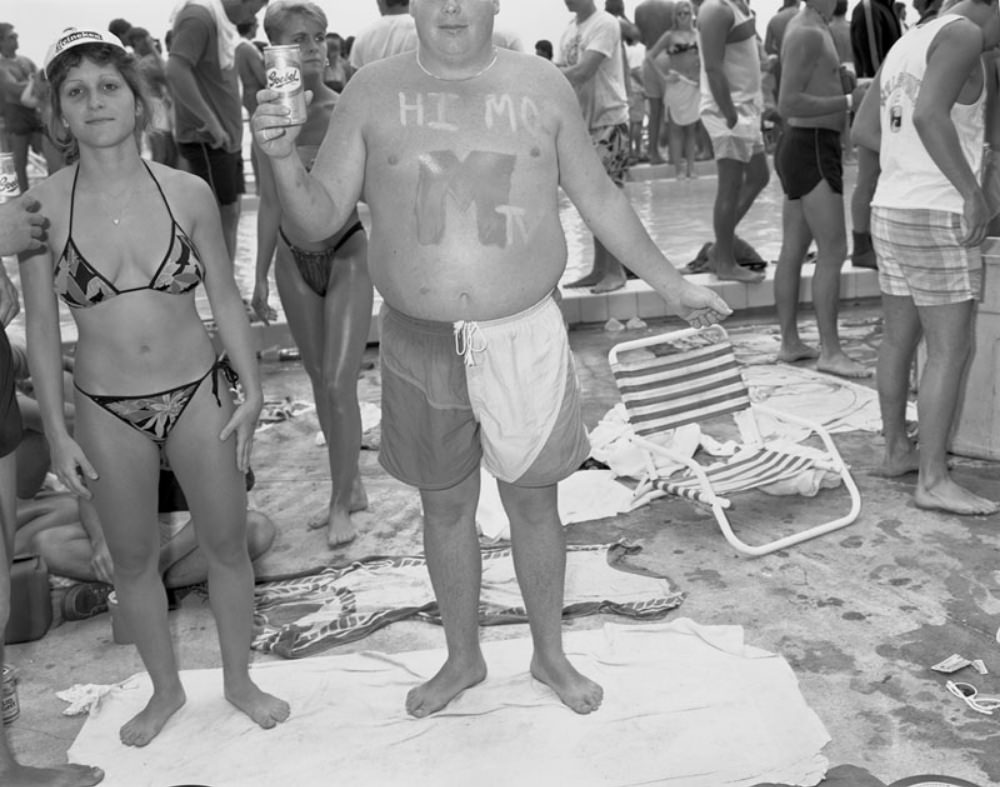
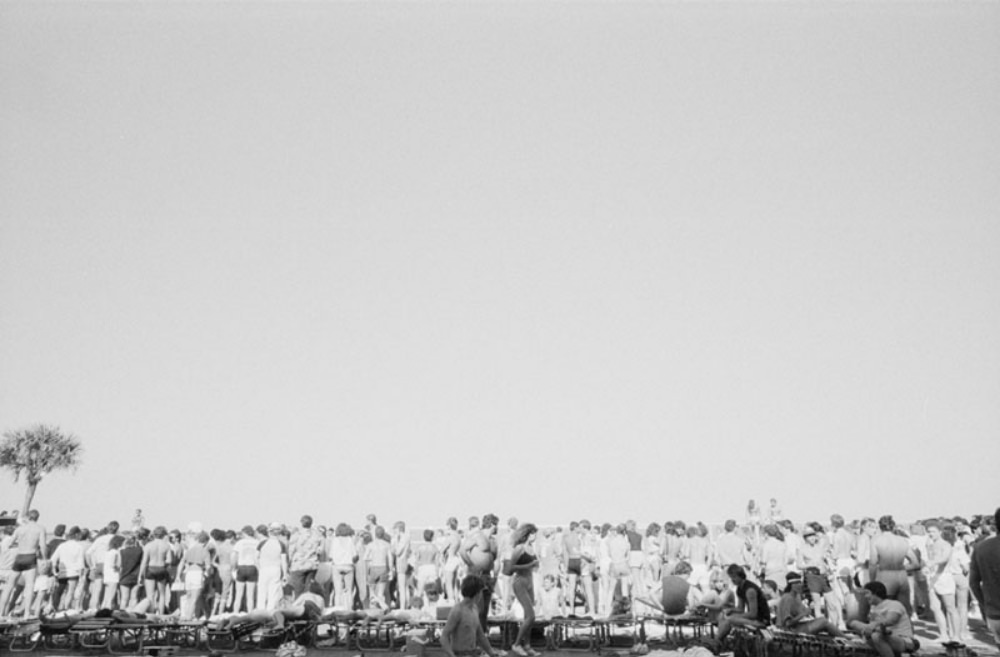
Every March in the early 1980s, Daytona Beach transformed. College students from across the country descended on the Florida coast, filling every motel room, sidewalk, and stretch of sand within reach. Warm Atlantic water, cheap accommodations, and a party scene that never slept made Daytona the top spring break destination in the United States.
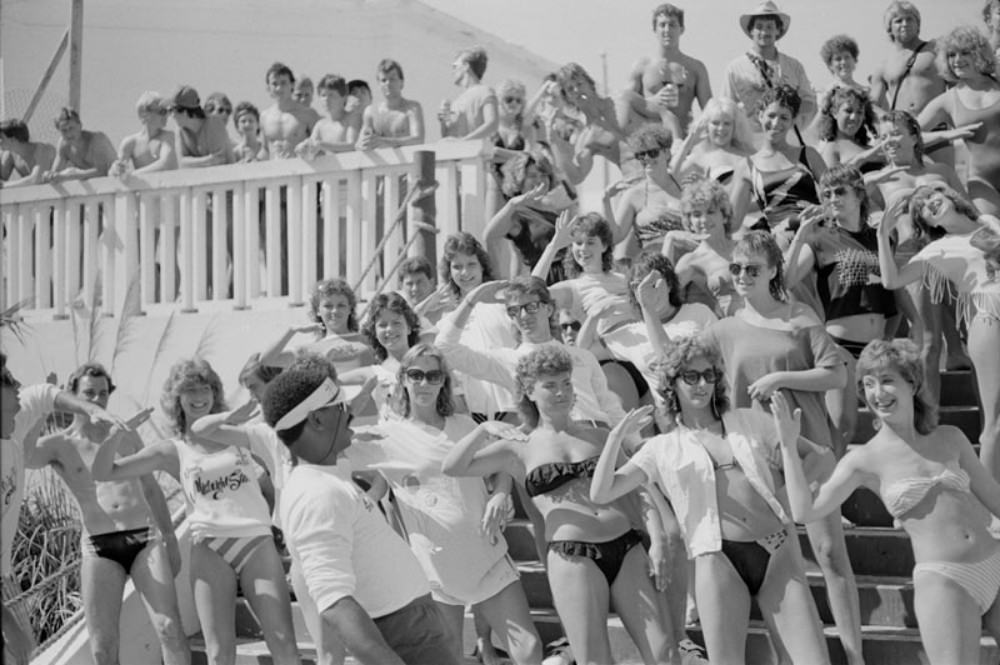
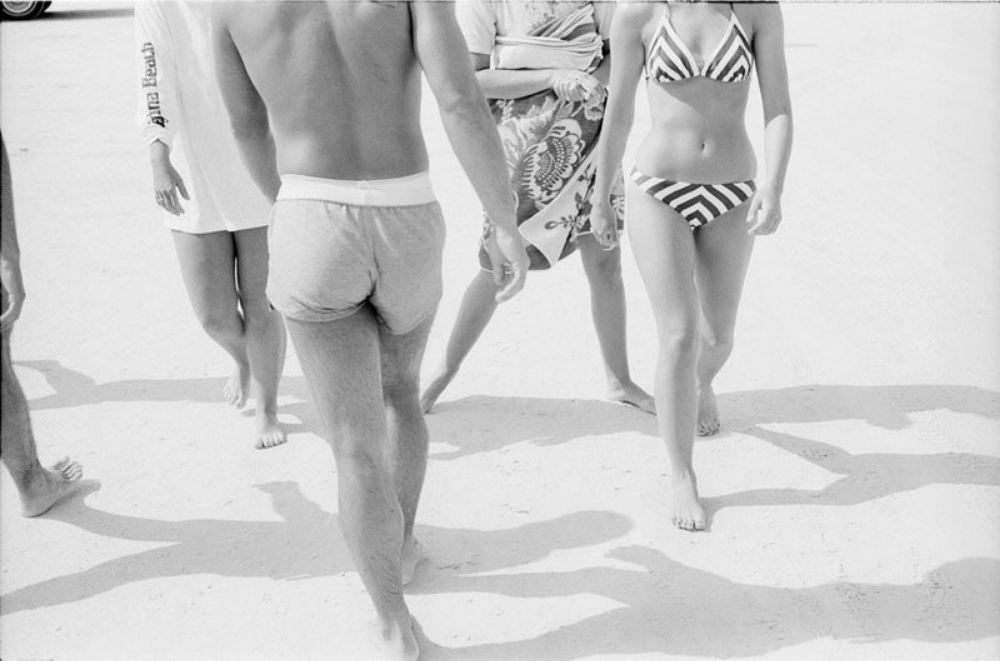
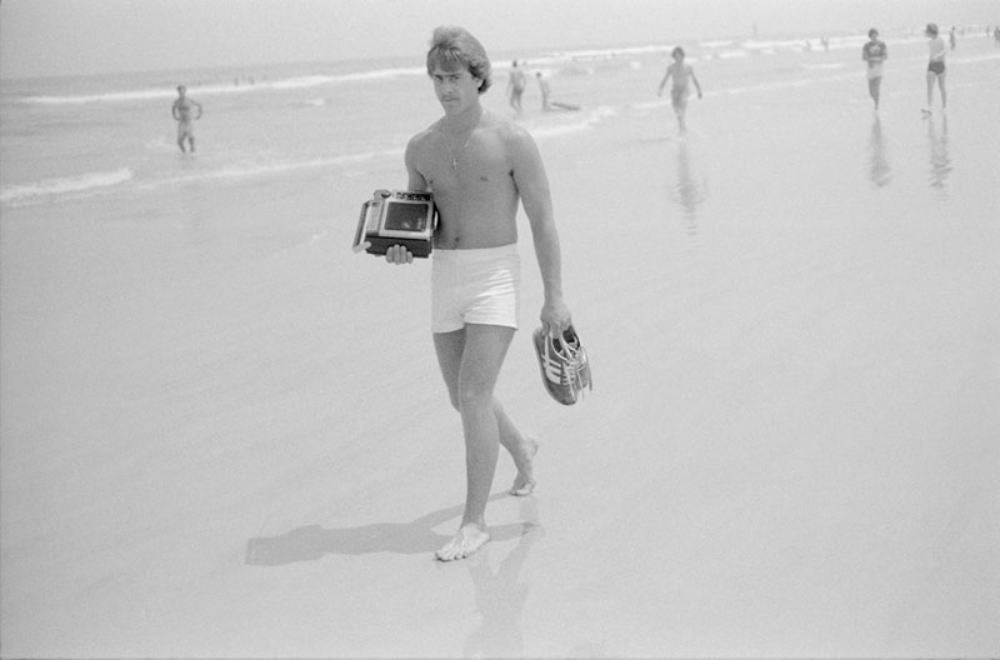
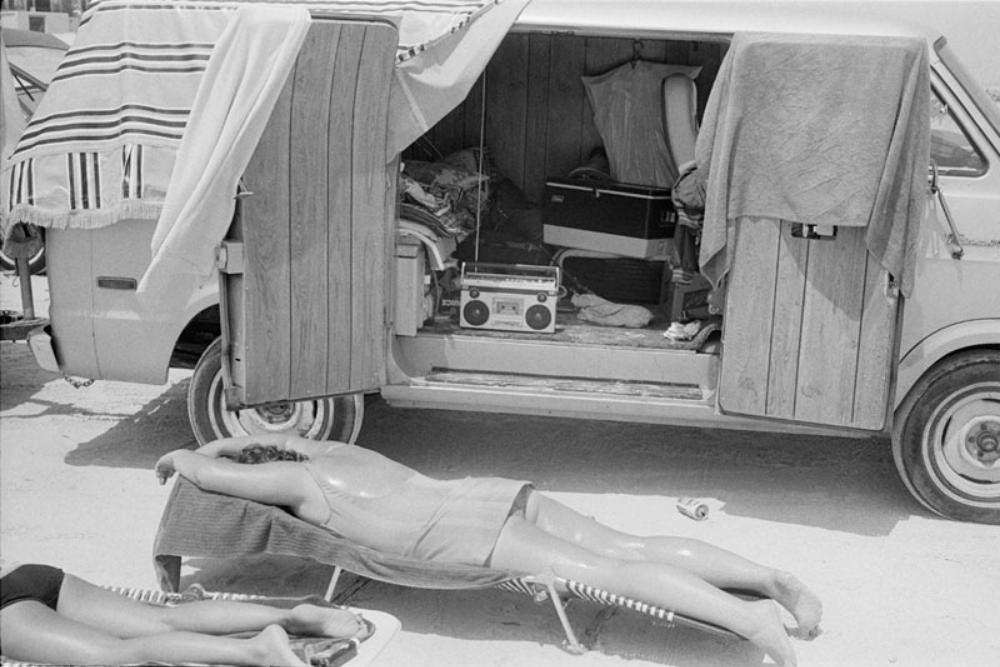
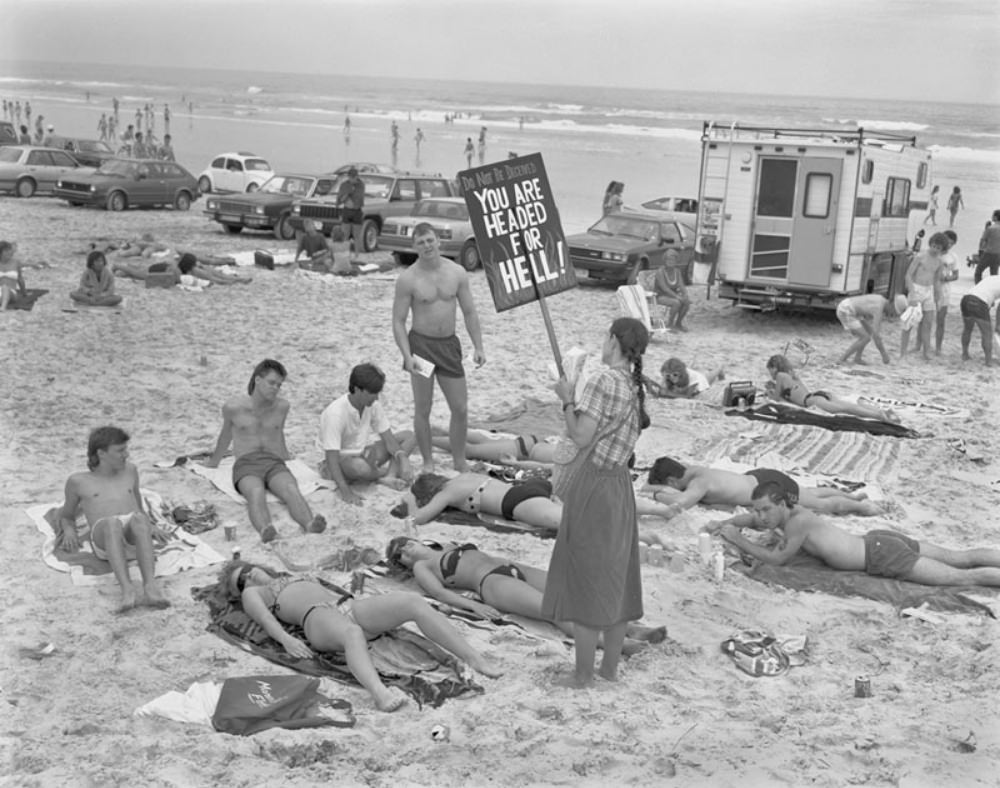
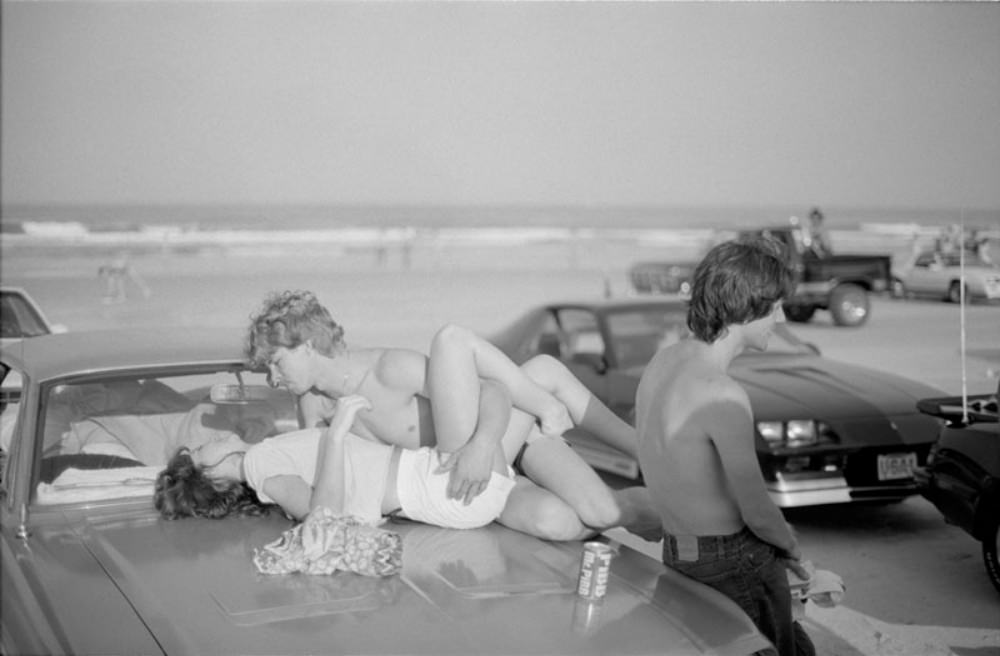
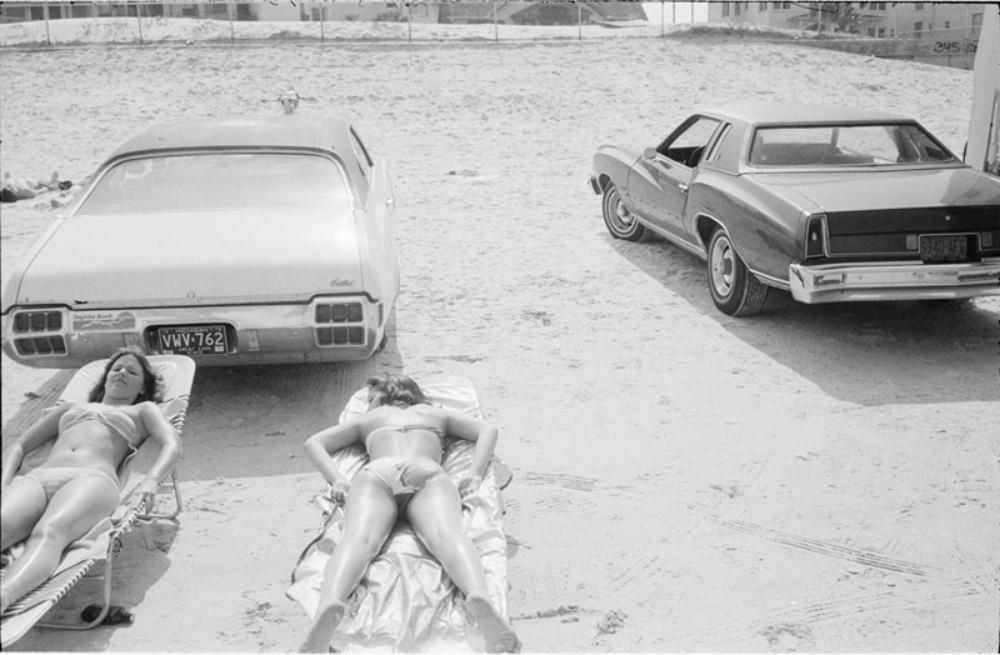
The beach itself was unlike anything seen today. Cars were permitted to drive directly onto the sand, and rows of vehicles lined the shore bumper to bumper. Music blasted from open windows. Vendors sold beer, T-shirts, and sunglasses straight from their tailgates. Students played volleyball, tossed Frisbees, or stretched out on towels under the full Florida sun.
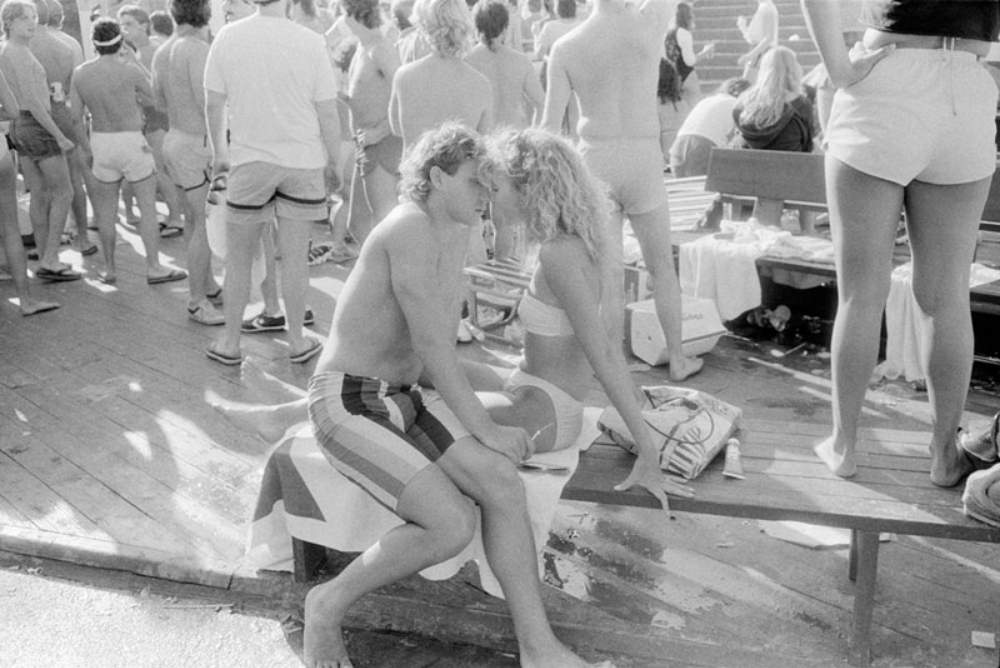
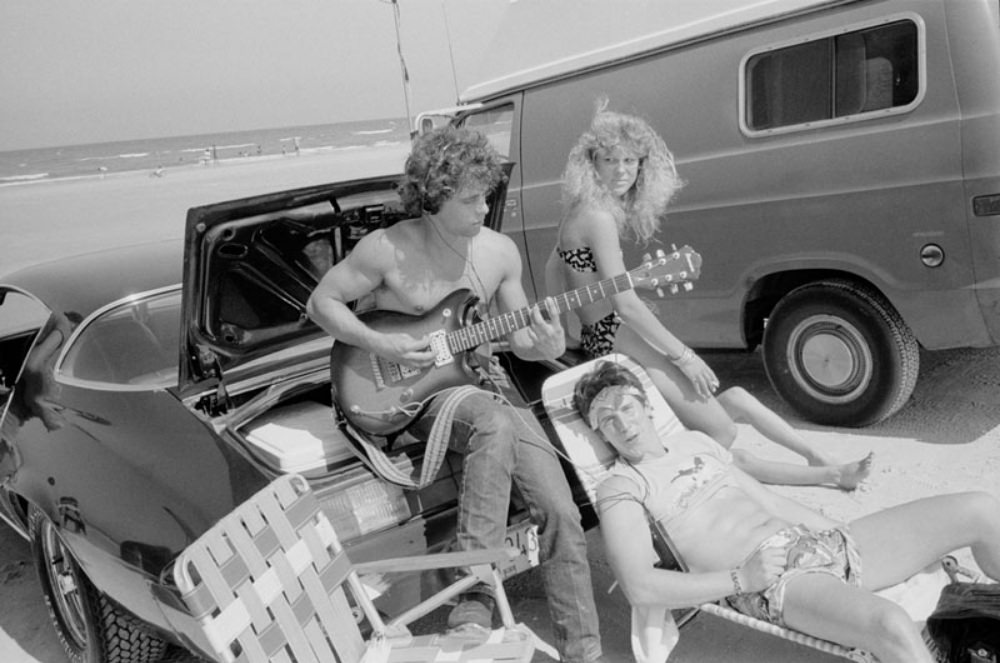
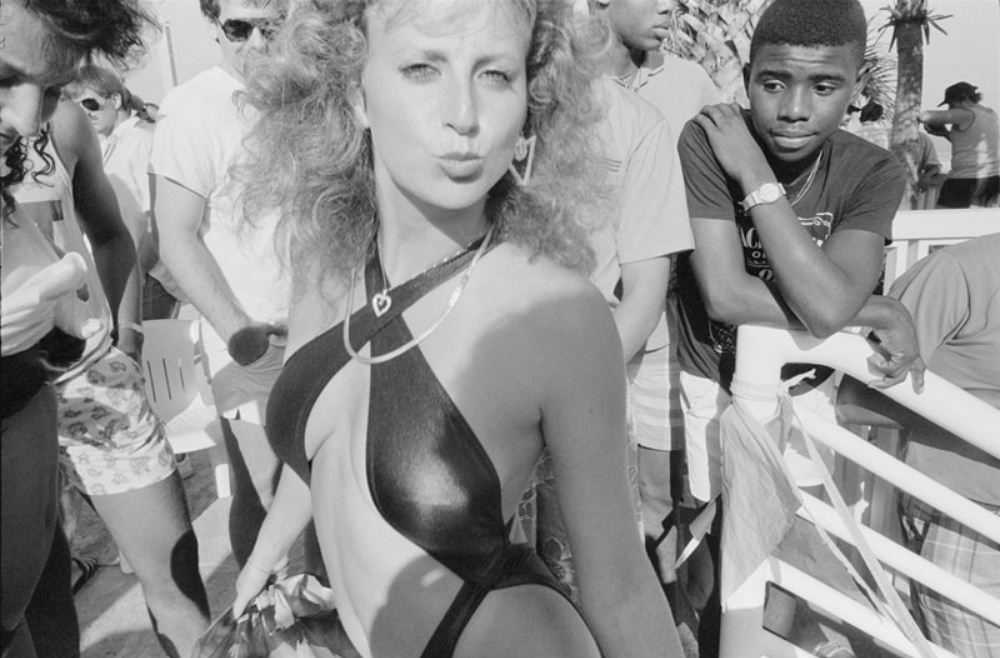
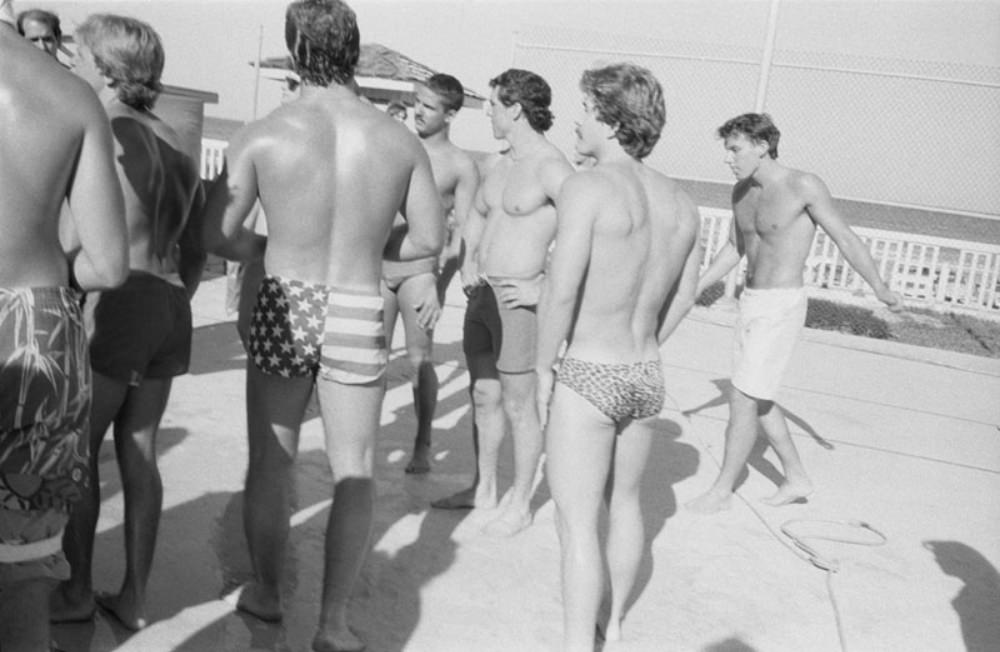
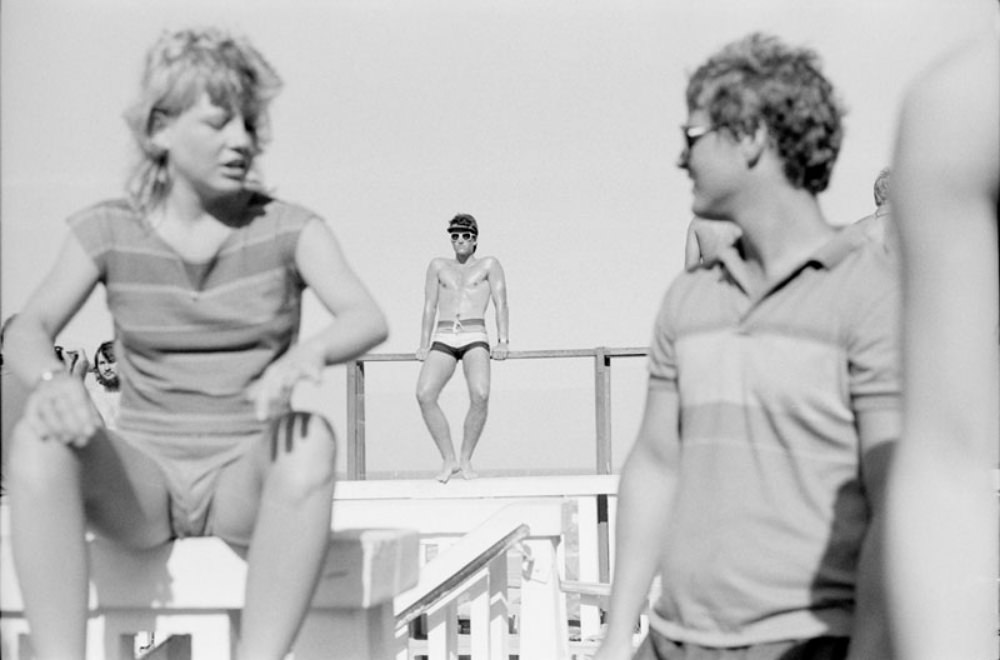
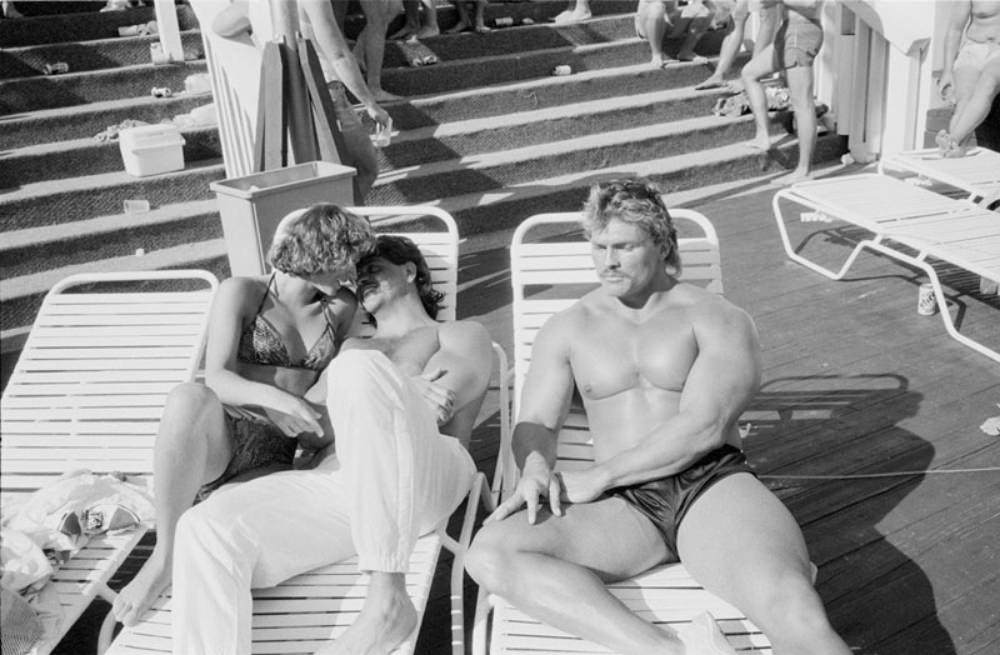
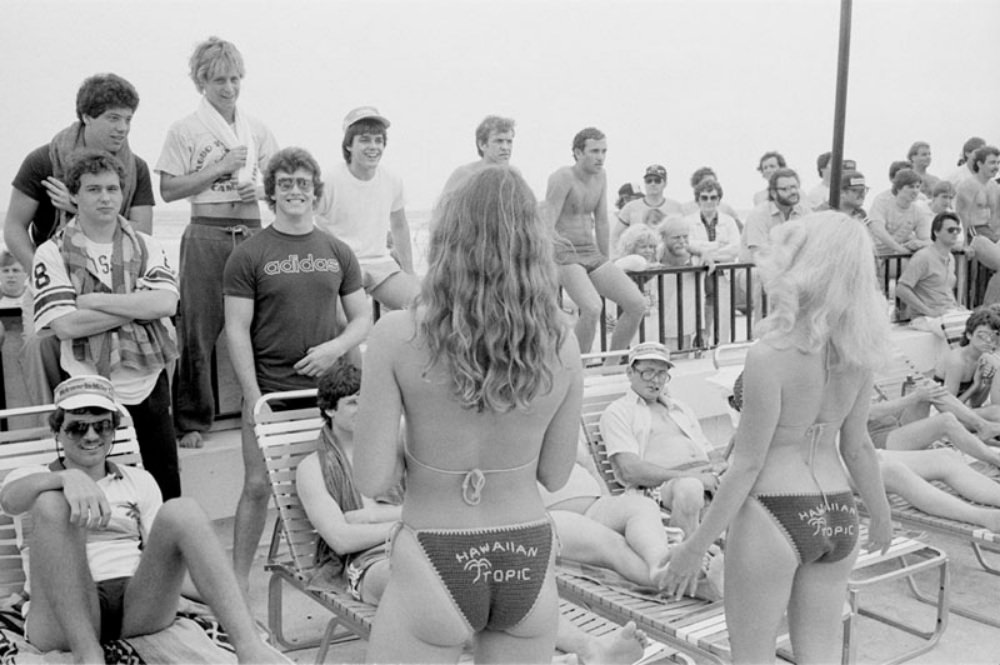
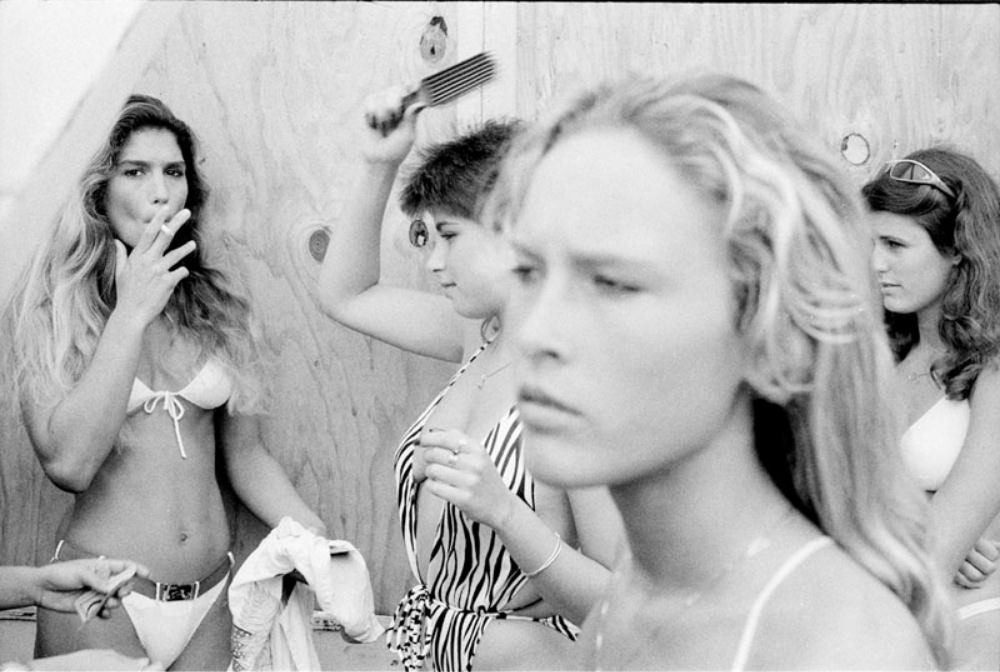
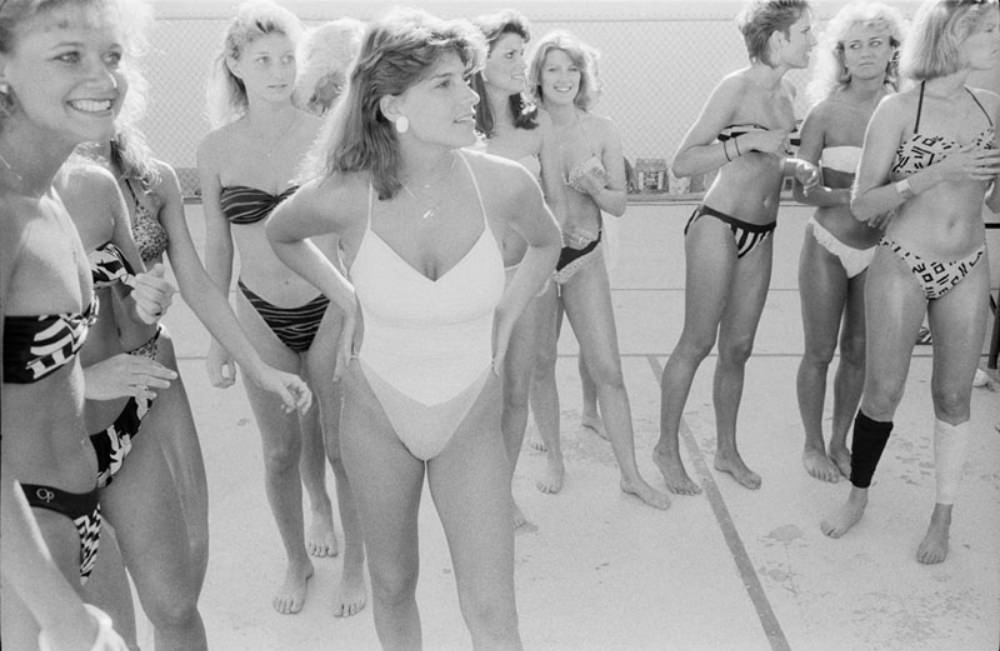
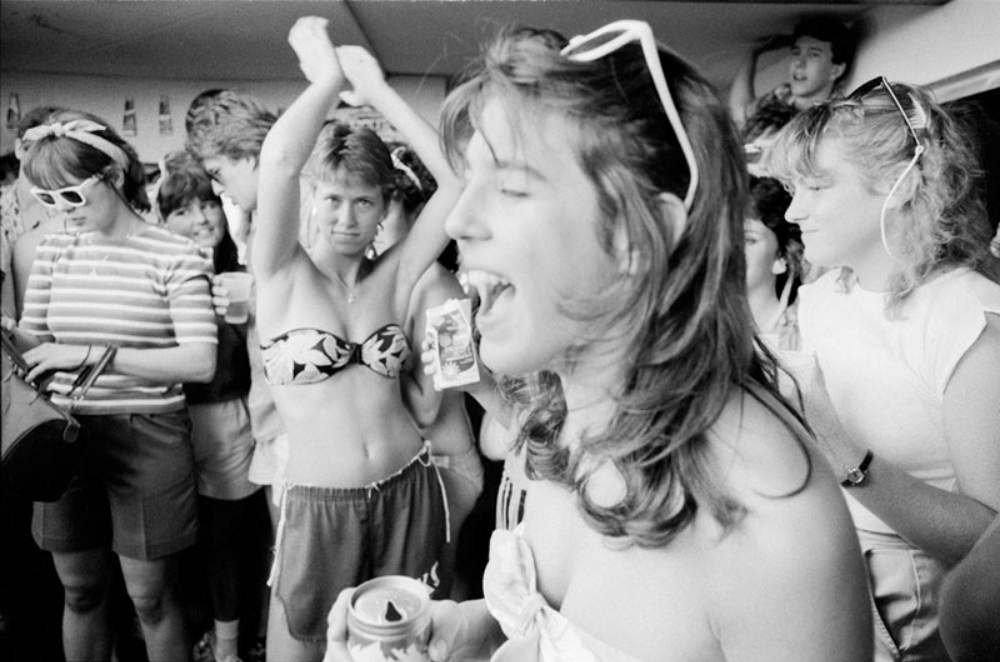
Fashion was loud and deliberate. Men wore neon shorts or cut-off denim. Women favored bright, high-cut bikinis. Oversized sunglasses were standard. Hair was teased high or left to dry with saltwater waves still in it. Tank tops printed with college and fraternity names were everywhere you looked.
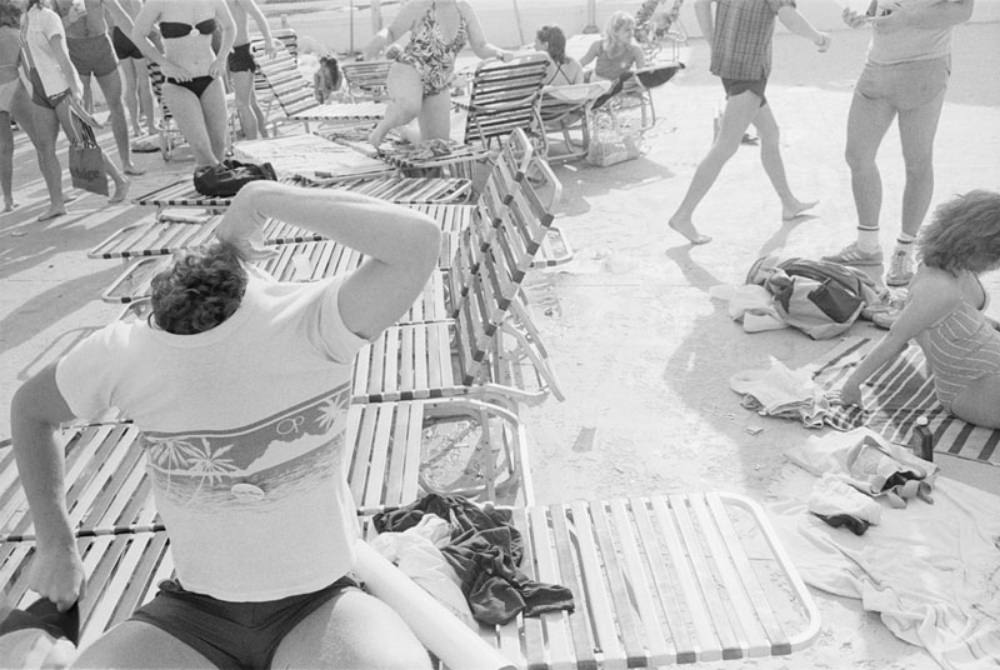
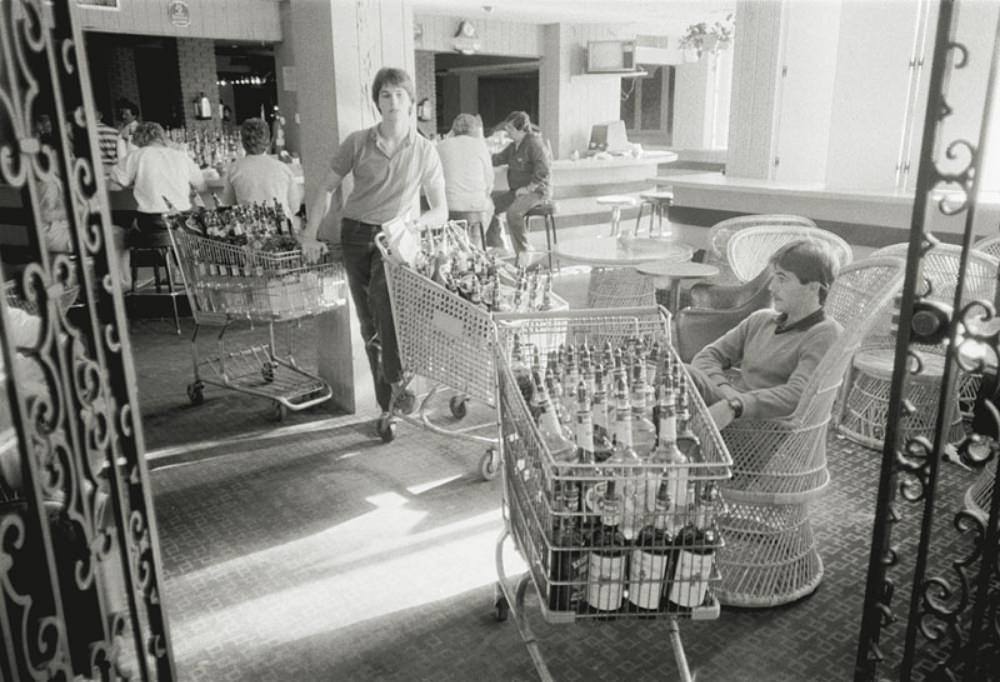
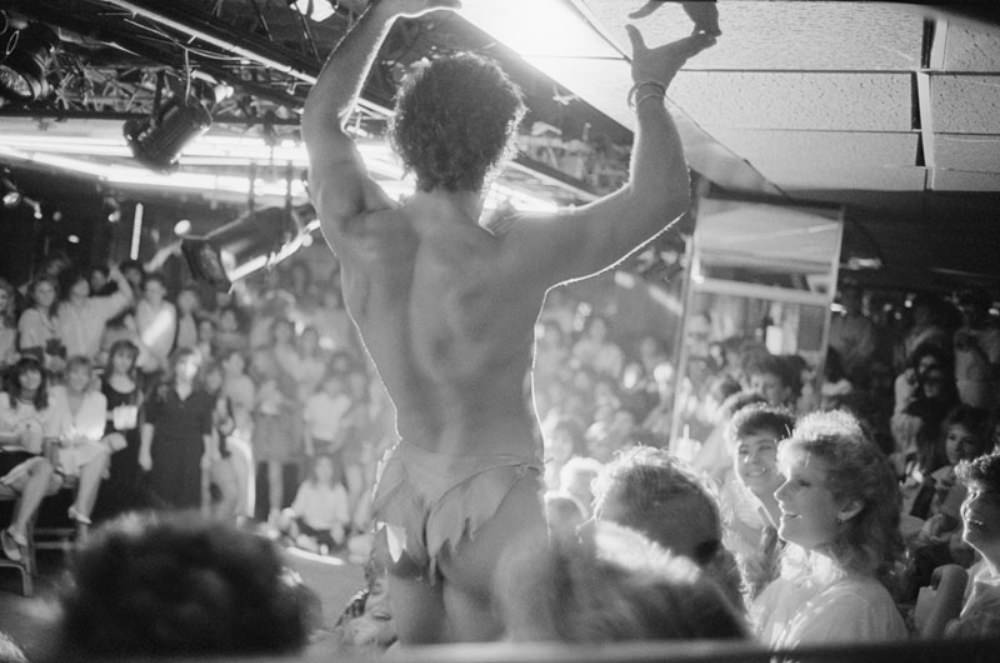
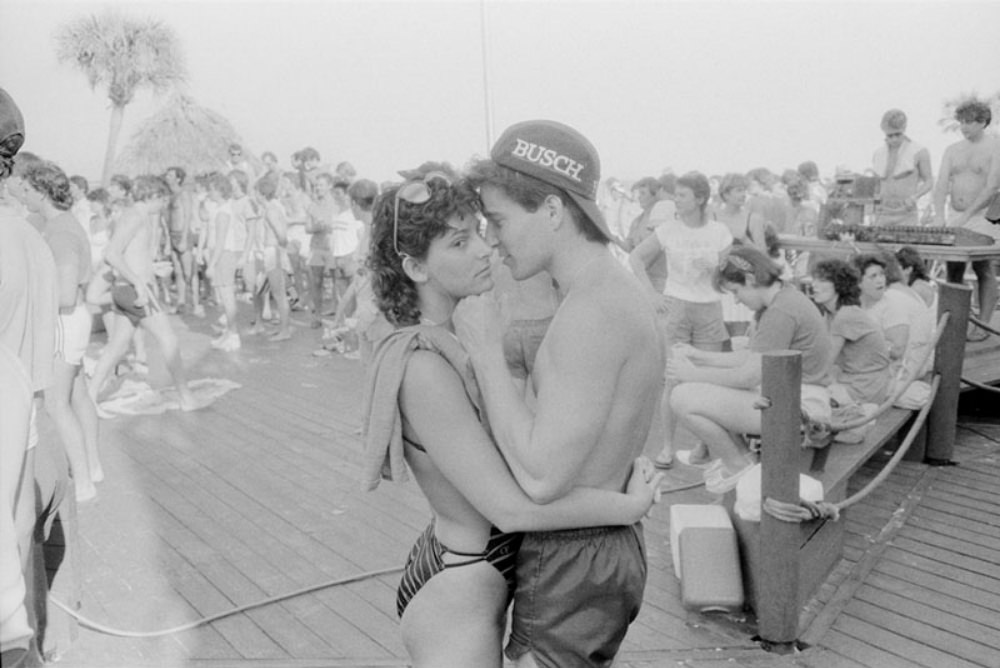
Oceanfront bars and clubs ran at full capacity around the clock. Cheap drink specials kept the crowds inside, while DJs set up sound systems on sidewalks and turned them into open-air dance floors. The soundtrack shifted between loud rock, early hip-hop, and the last gasps of disco depending on the block.
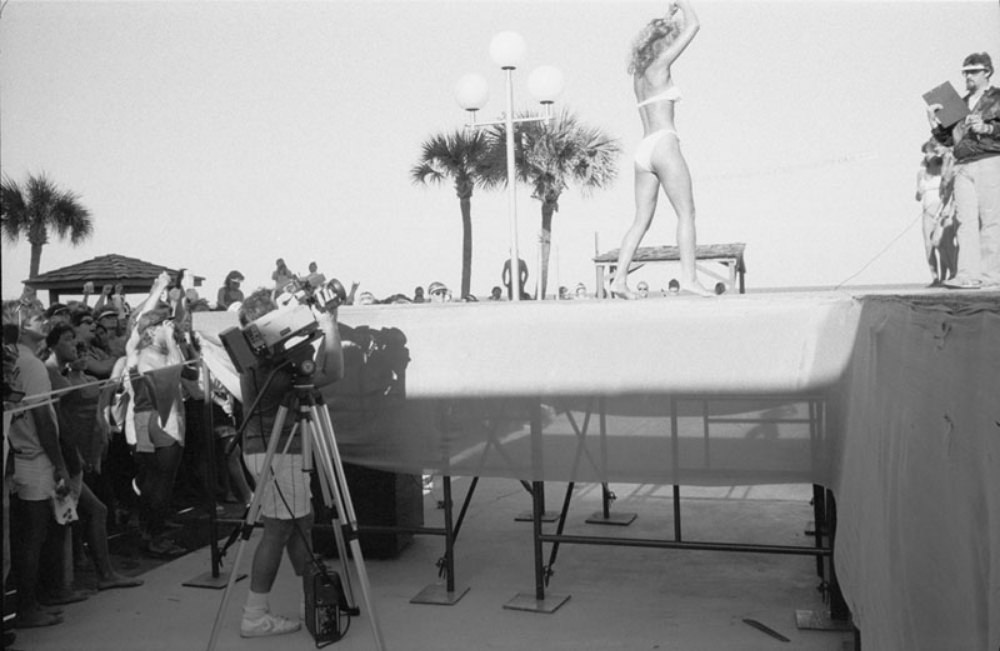
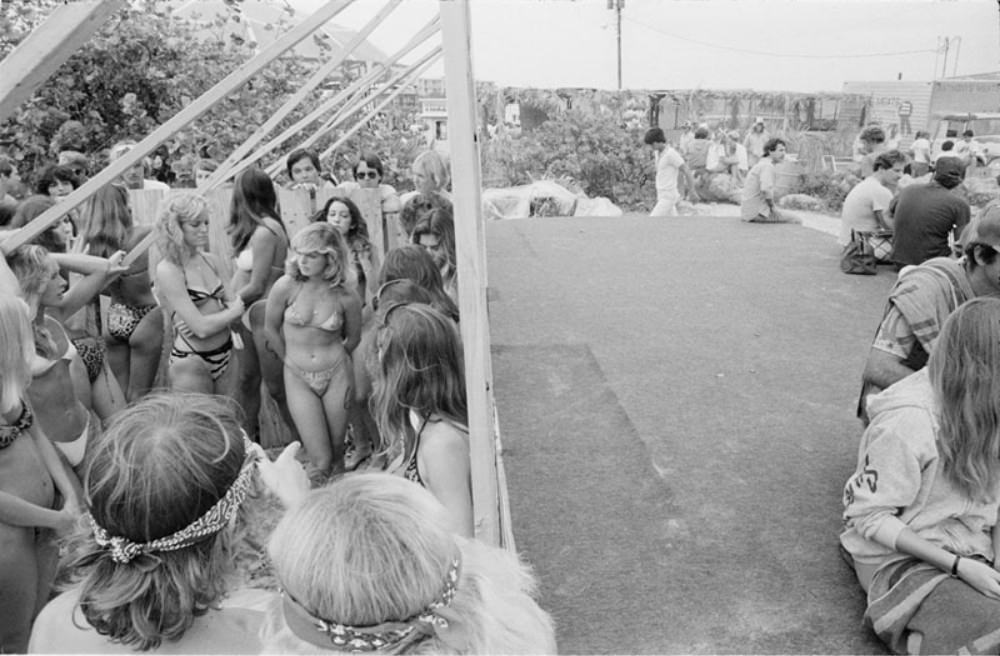
Public recklessness was a fixed part of the culture. Drinking on the beach was common despite local regulations. Wet T-shirt contests and body painting events pulled in massive crowds. For many students, Daytona represented a rare stretch of freedom — far from parents, campus rules, and consequence.
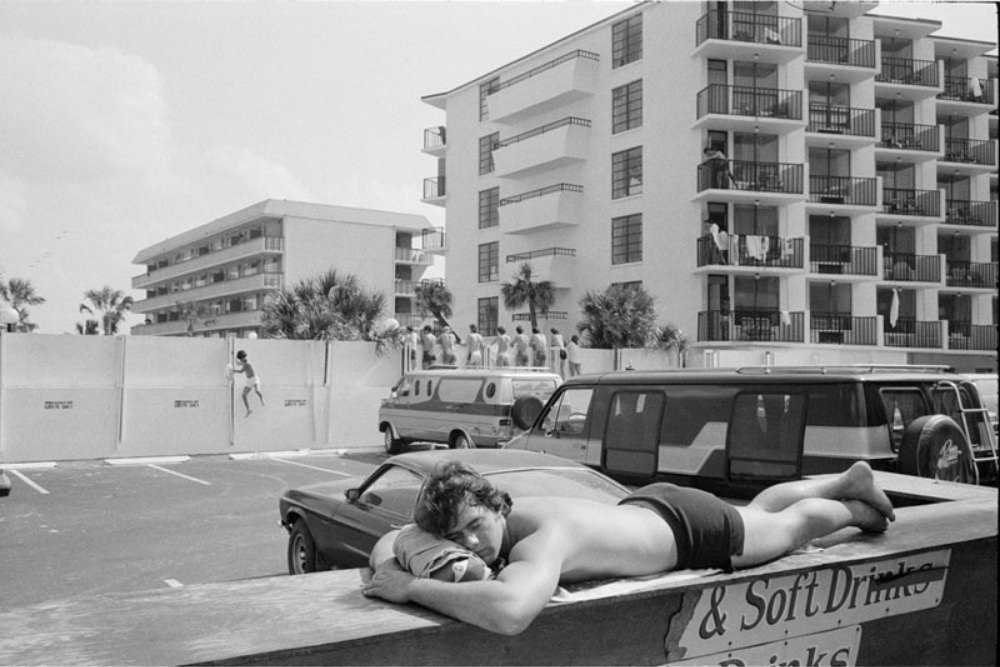
Hotels and motels booked solid months in advance. Groups packed into single rooms, sleeping on floors to stretch their budgets further. Balconies became social hubs — music, laughter, and the occasional prank spilled down onto the streets below at all hours.
Atlantic Avenue, the city’s main strip, was a slow, continuous parade. Convertibles and motorcycles rolled up and down with horns honking and passengers waving at the crowds on foot. The mix of cars, ocean air, and thousands of students gave Daytona a relentless, high-voltage energy that defined the era.