
By the mid-1960s, San Francisco had become the beating heart of America’s counterculture. Young people left their hometowns and flooded into the Haight-Ashbury district, drawn by the promise of freedom, creativity, and a community built on their own terms. The city’s long reputation for tolerance made it a natural landing spot for those who felt out of place in mainstream American life.
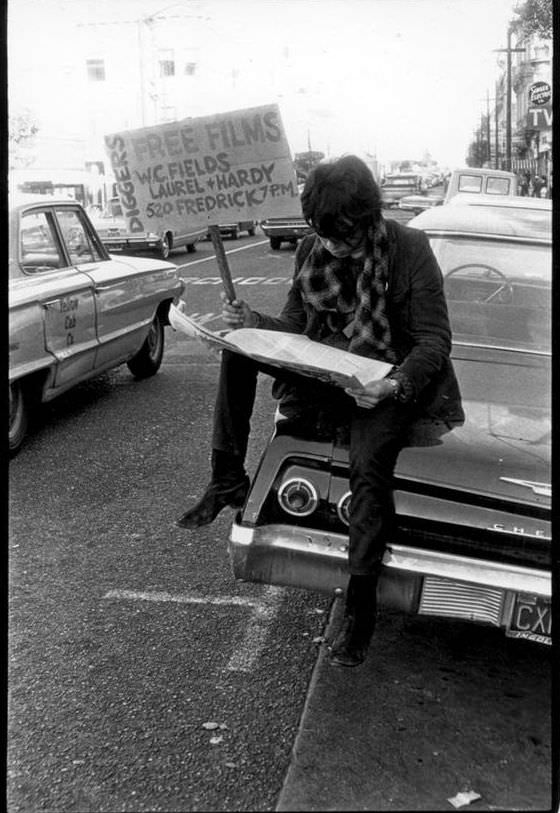
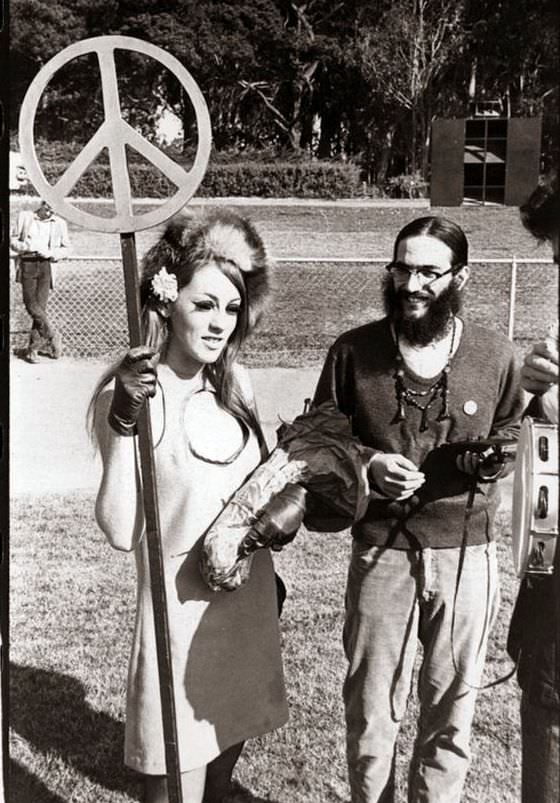
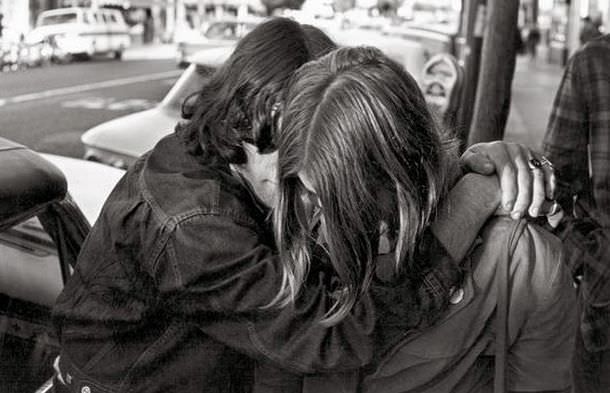
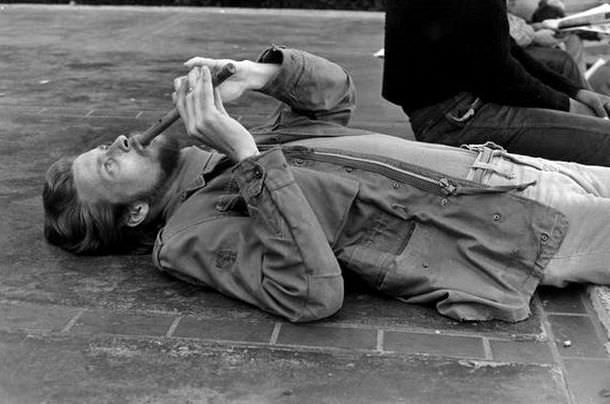
The goal for many who arrived was straightforward: build a different kind of society. One rooted in peace, shared resources, and personal expression rather than corporate careers and rigid social rules. Streets in Haight-Ashbury filled daily with people playing guitars, selling handmade crafts, and passing food among strangers.
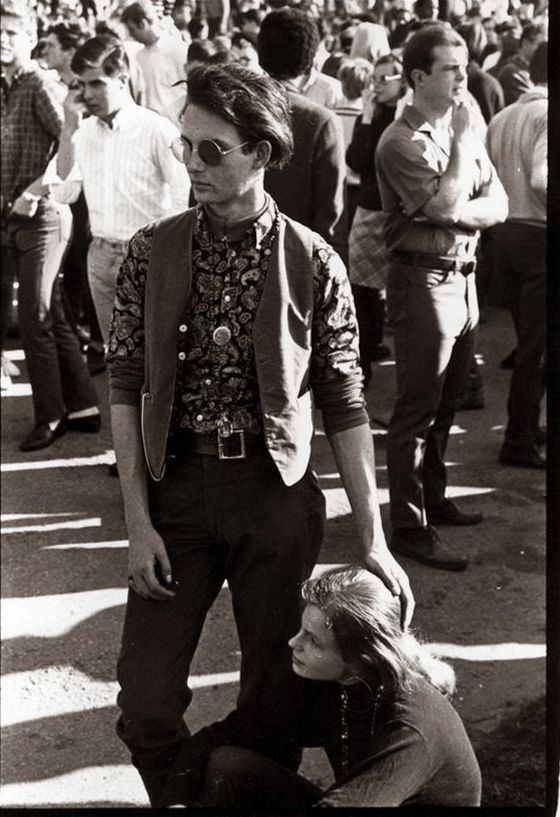
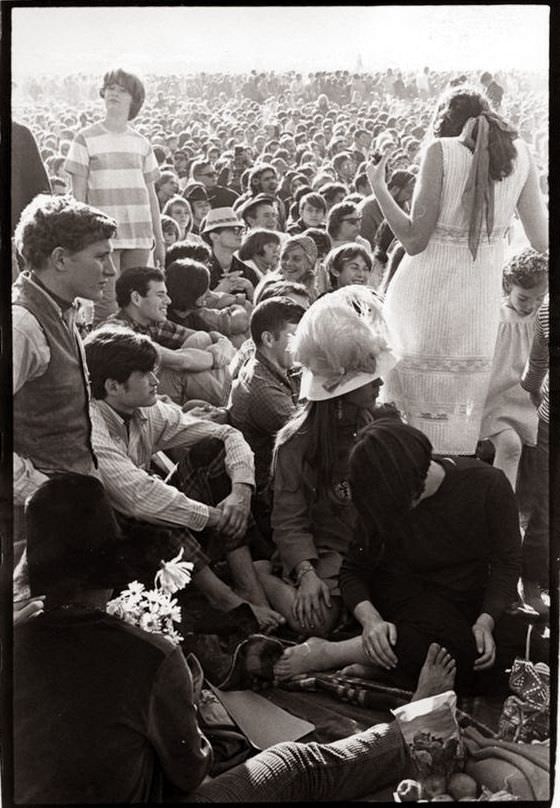
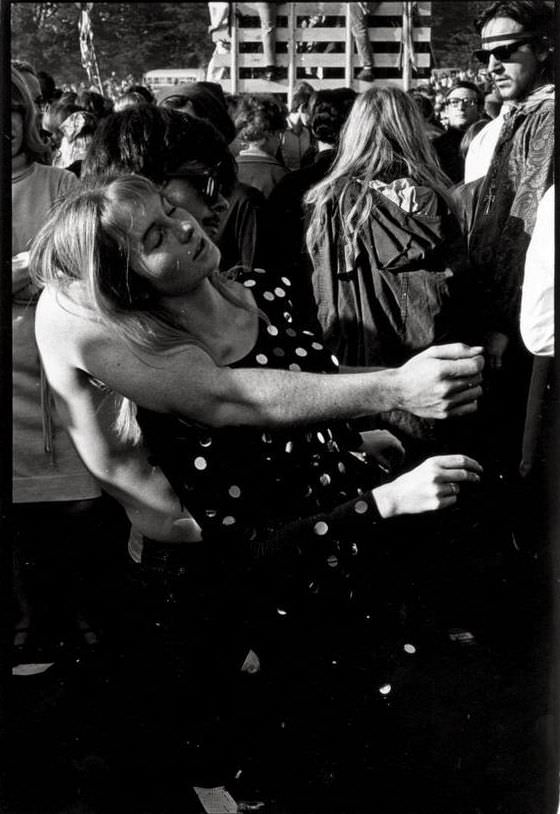
Golden Gate Park became an outdoor stage for the movement. Free concerts drew enormous crowds, with bands like the Grateful Dead and Jefferson Airplane performing while people danced barefoot on the grass. These events were open to anyone and cost nothing to attend.
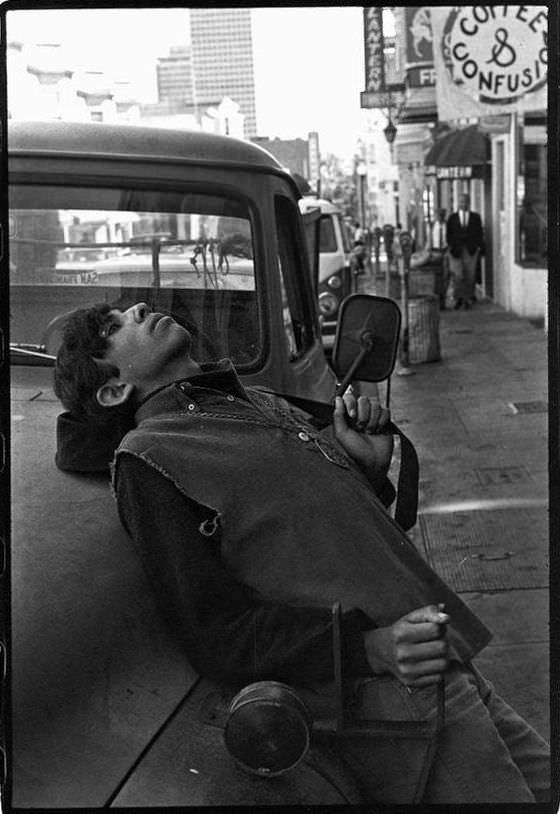
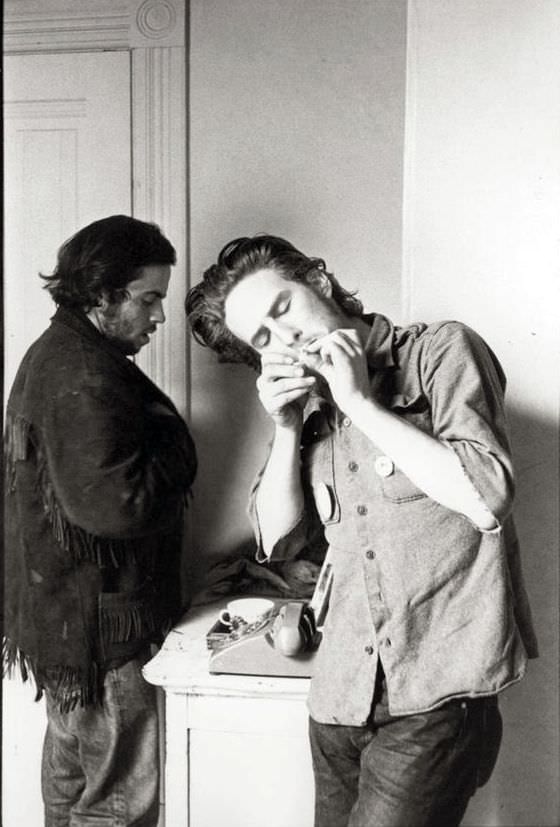
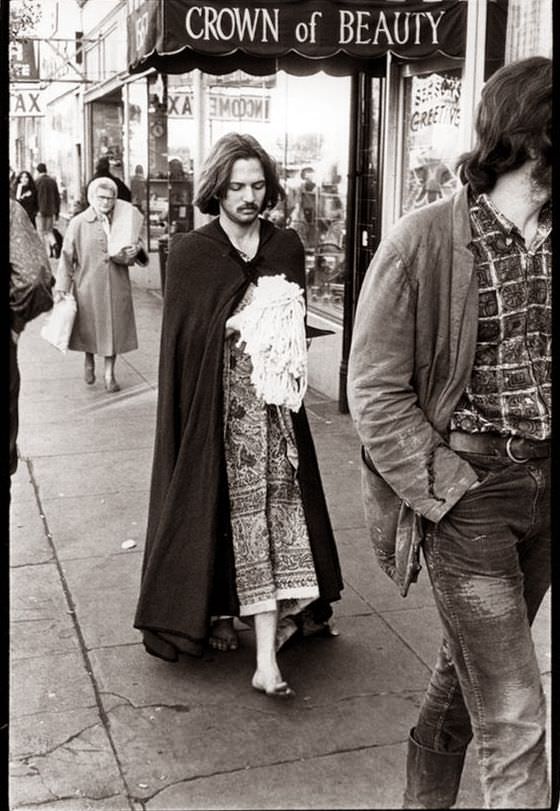
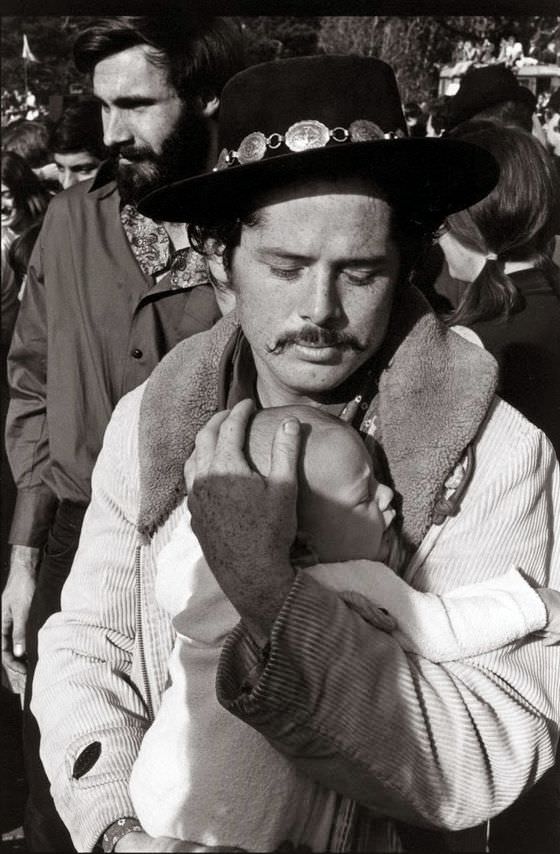
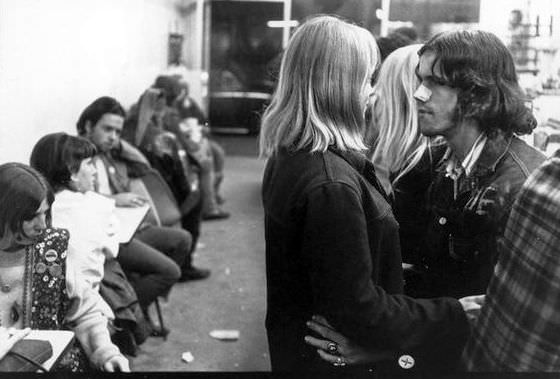
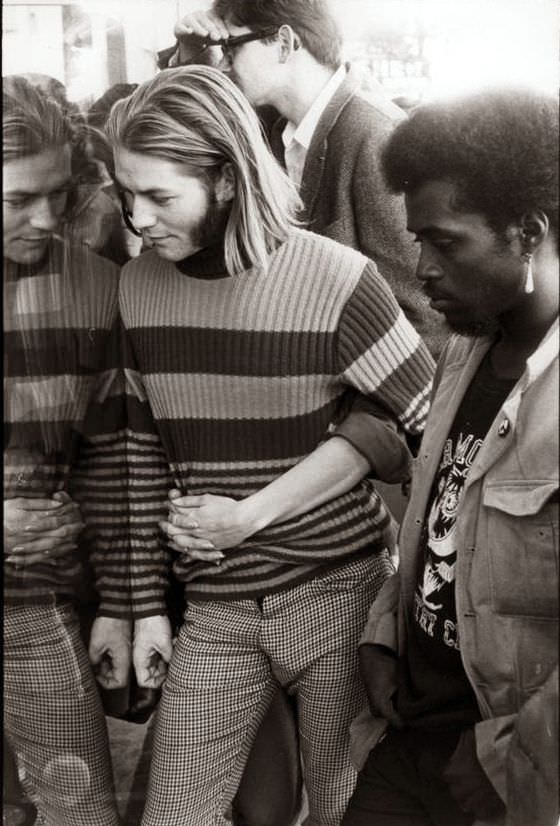
Fashion was a loud form of rebellion. Tie-dye shirts, fringed vests, and strings of beads replaced the pressed suits and formal dresses of the previous generation. Long hair was worn by both men and women as a deliberate sign of individuality. Many people shopped in thrift stores or sewed their own clothes as a direct rejection of consumer culture.
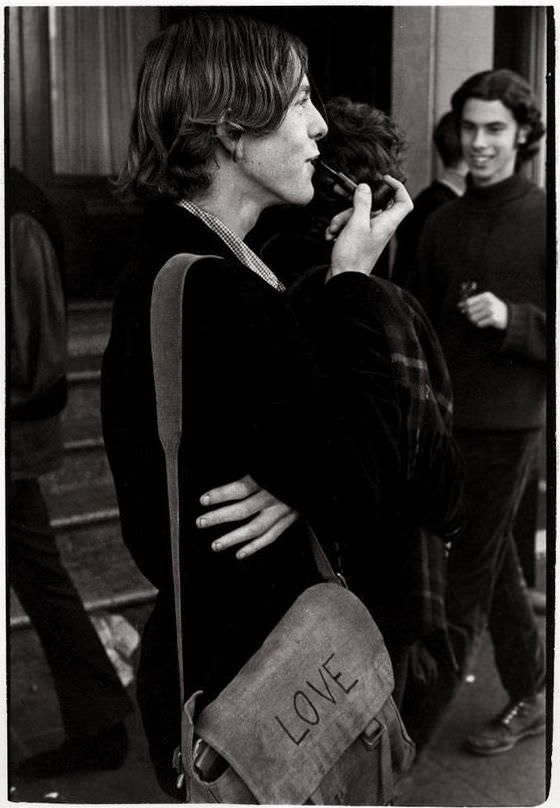
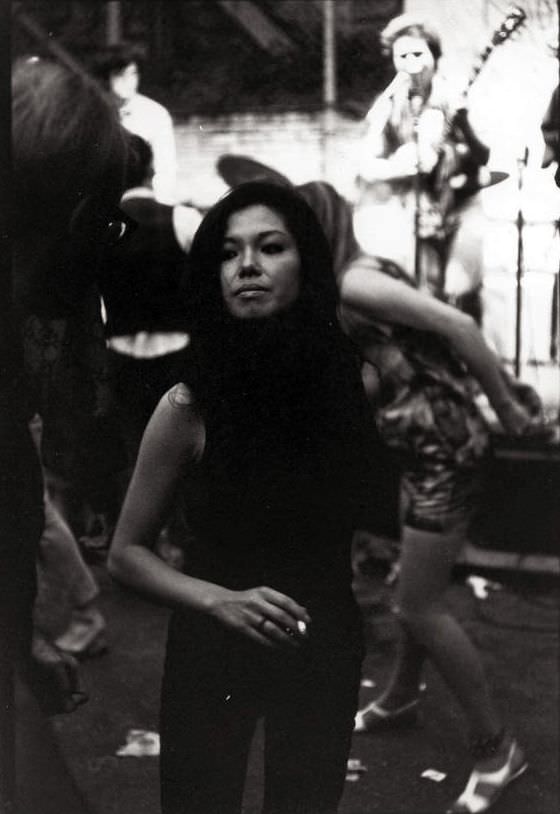
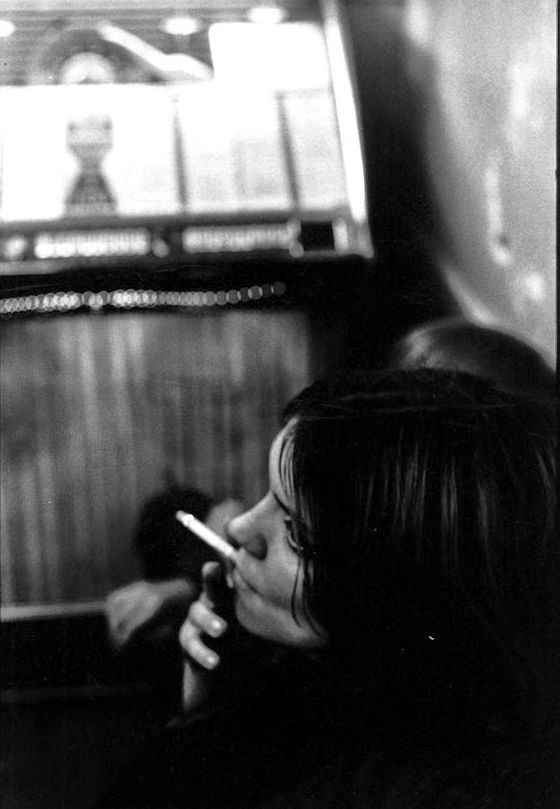
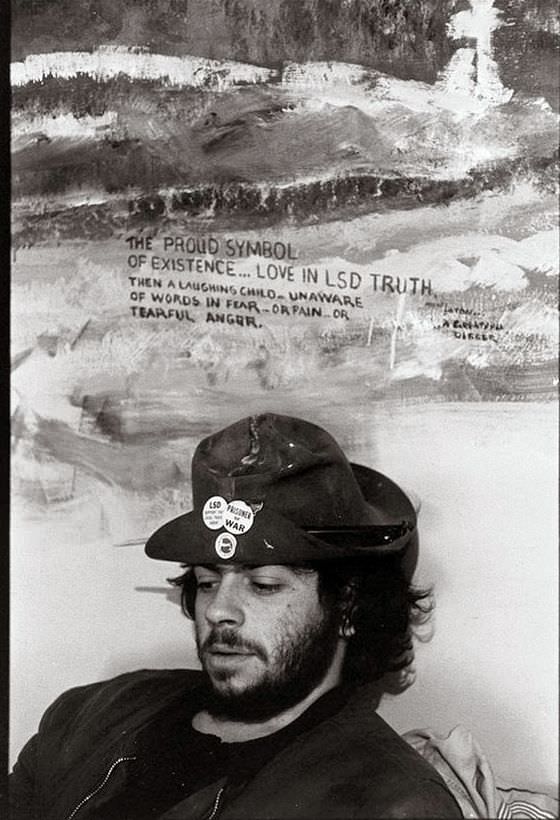
Drugs were an open part of daily life in the Haight. LSD and marijuana circulated freely, tied to the widespread belief that altered states of consciousness could dissolve social barriers and unlock new ways of thinking. This experimentation went along with a broad rejection of traditional views on work, money, and authority.
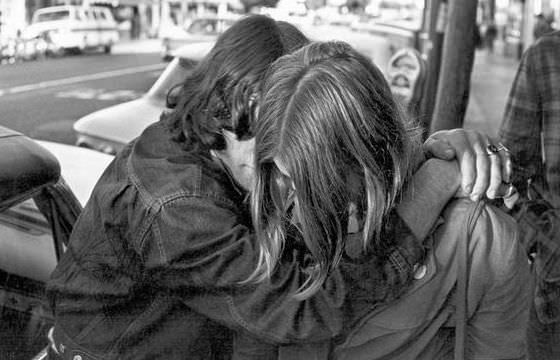
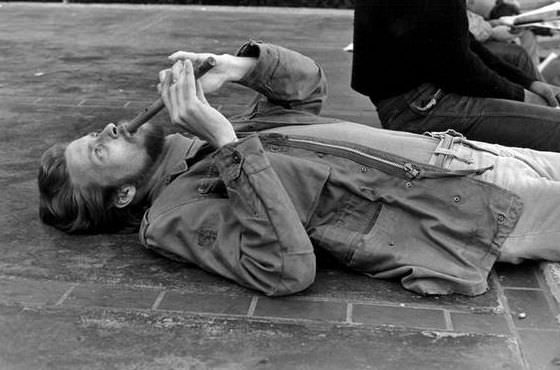
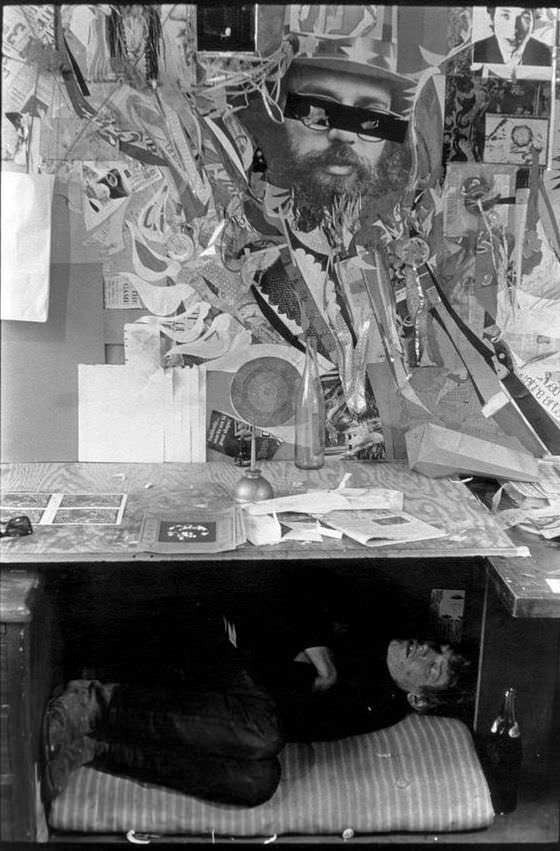
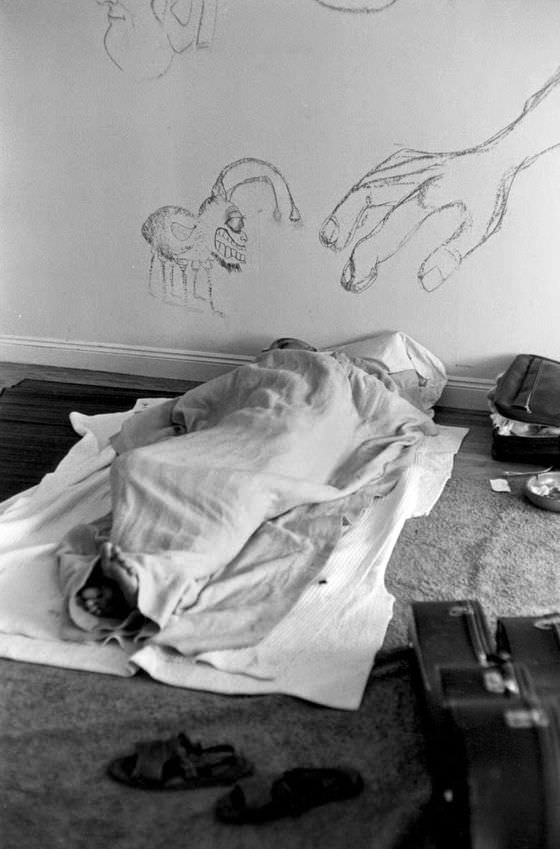
Art was everywhere. Psychedelic posters covered walls and telephone poles, advertising underground clubs and events called “happenings.” Musicians performed on street corners while painters set up easels on sidewalks. The line between art and everyday life was almost nonexistent.
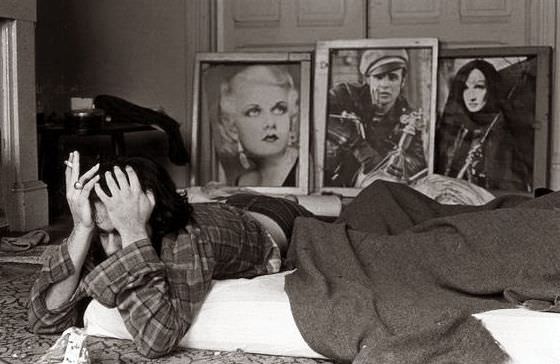
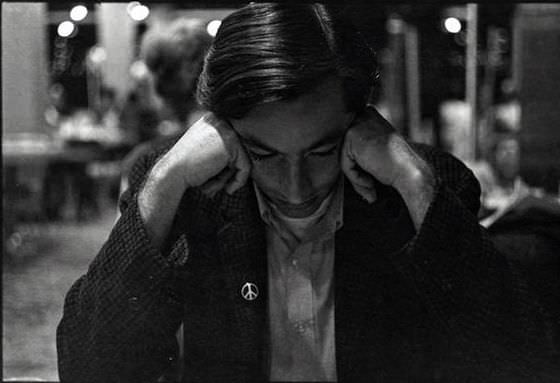
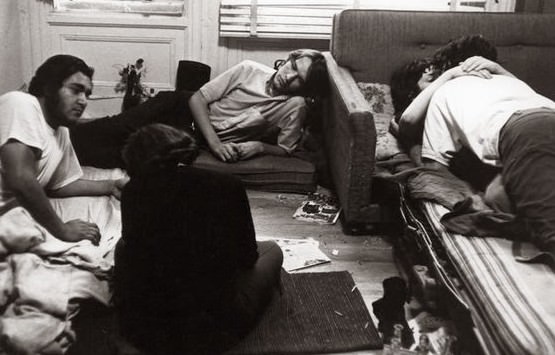
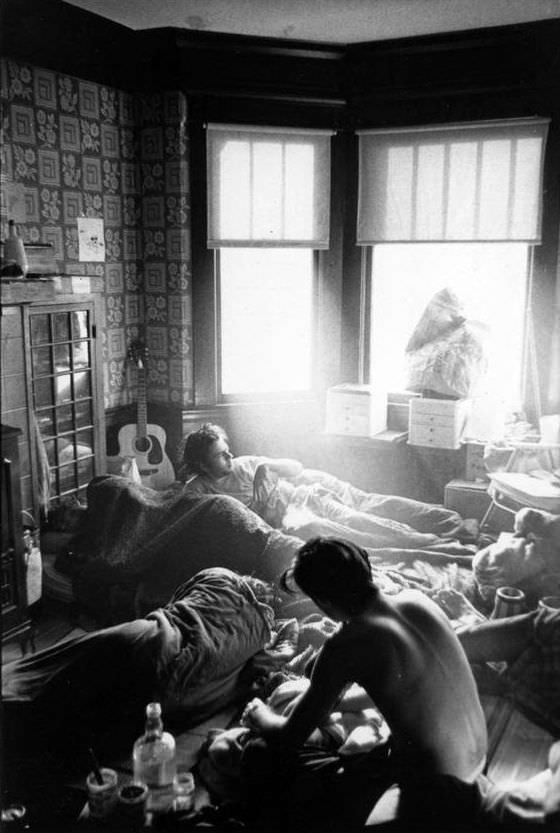
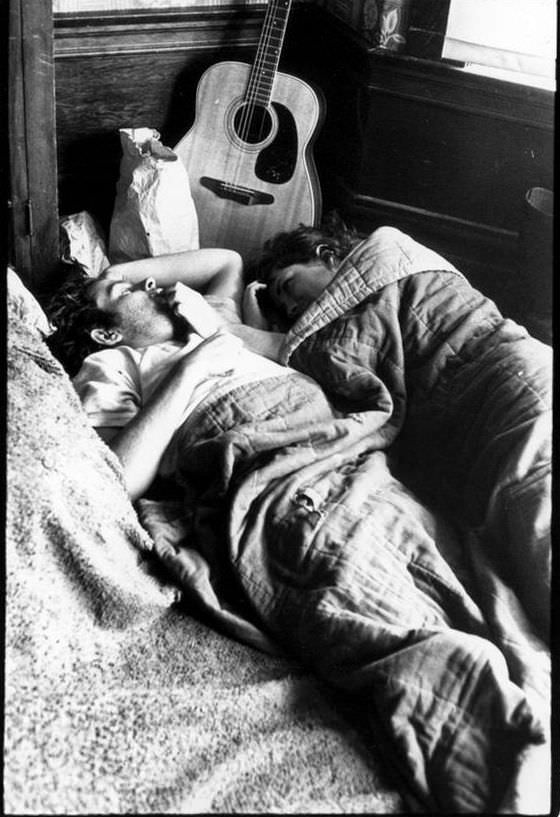
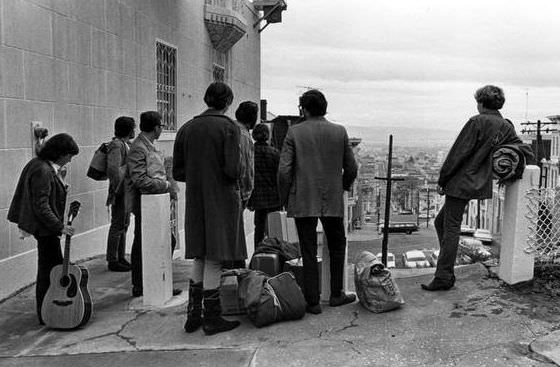
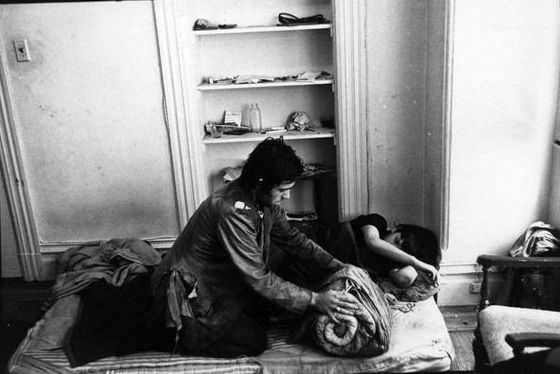
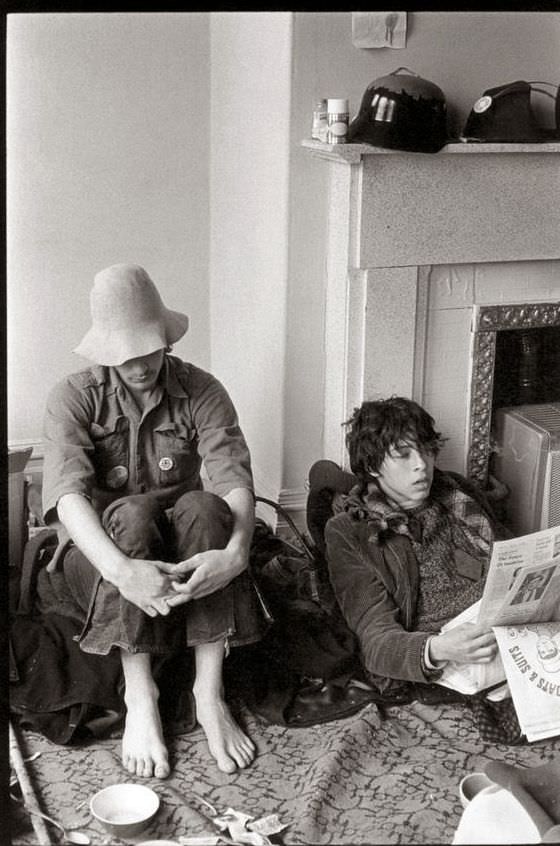
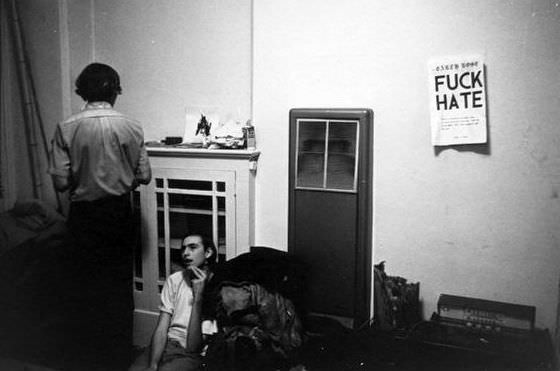
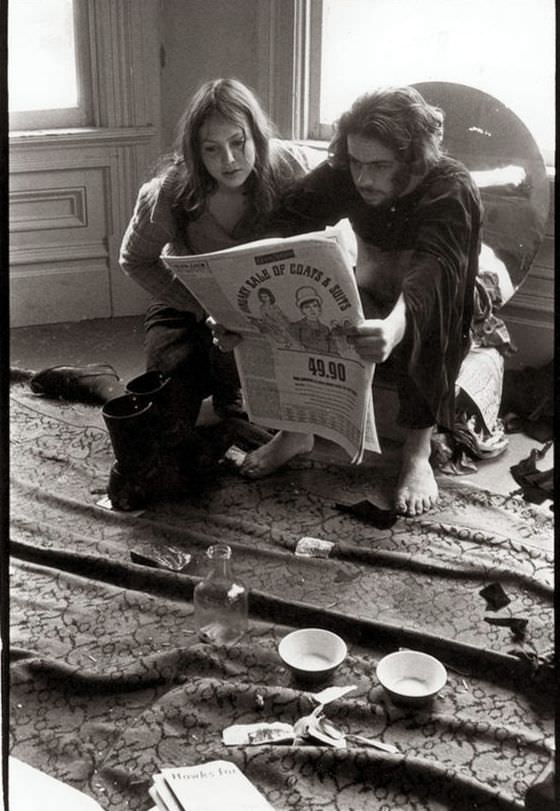
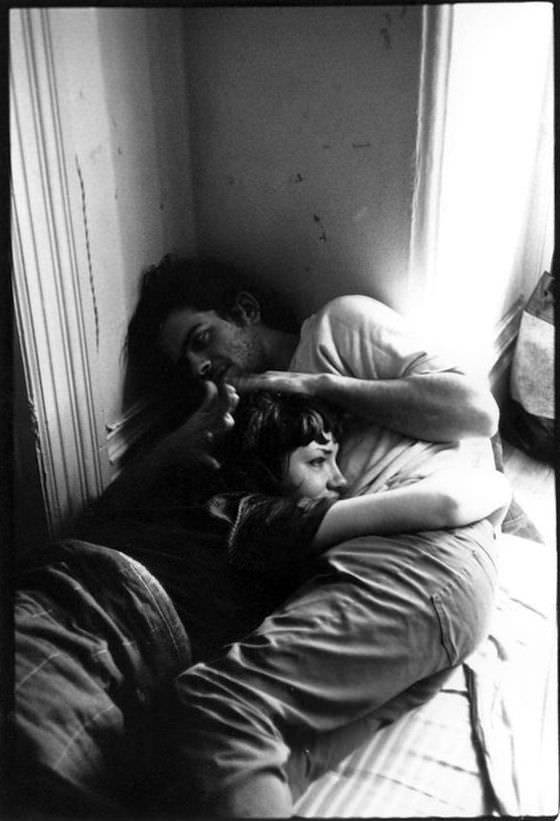
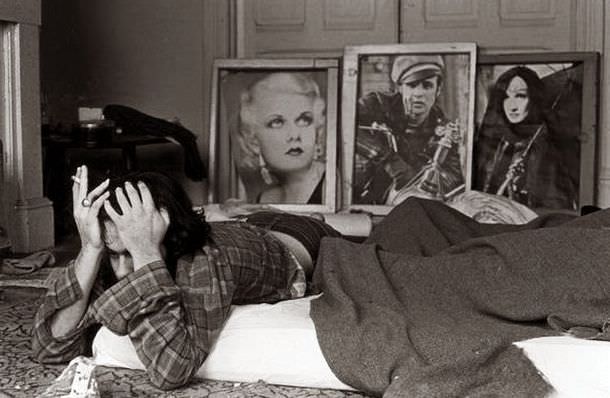
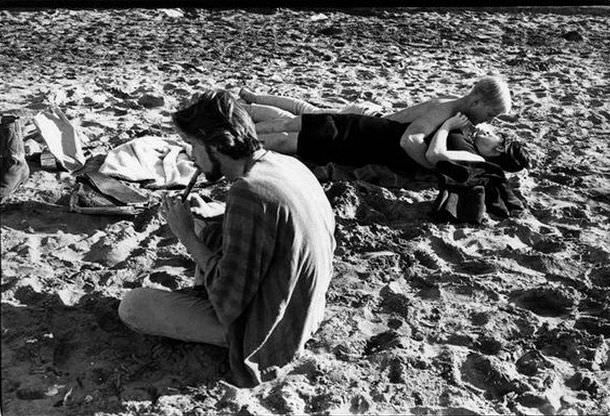
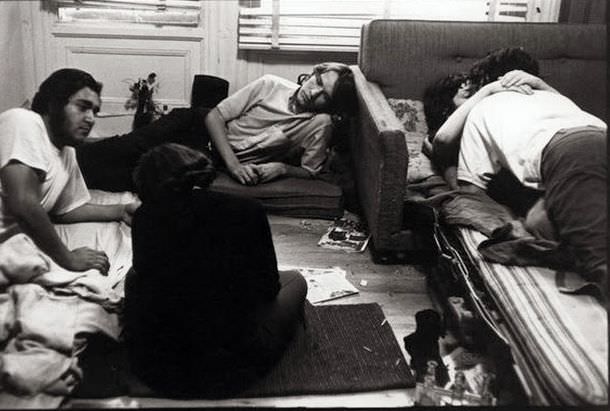
Hitchhiking was the standard way to travel in and out of the city. Young people arrived with backpacks and almost no money, sleeping on floors in shared apartments or crowding into communal houses where rent was split among a dozen or more people. Sharing what you had wasn’t just practical — it was a core part of the identity.
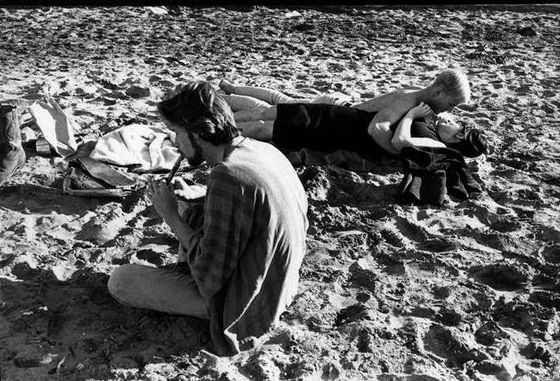
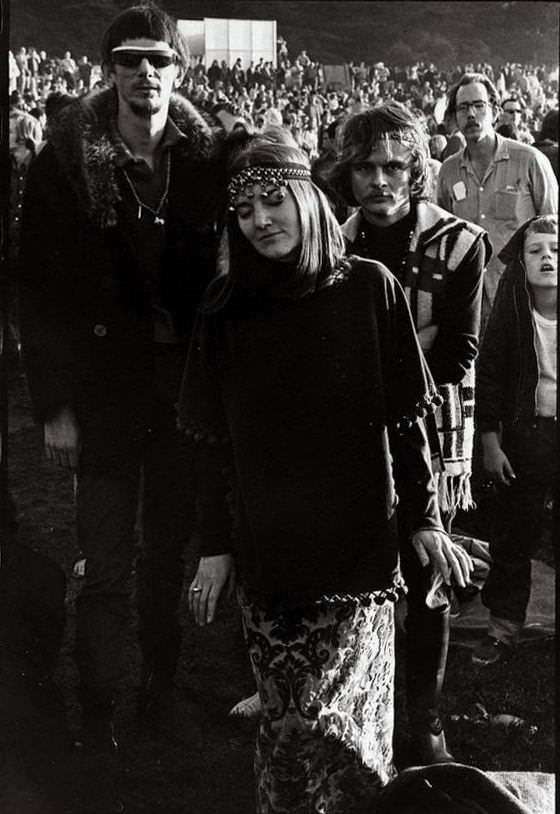
Not everyone in San Francisco welcomed the flood of newcomers. Local authorities struggled to manage the sudden surge in population, and clashes between police and young demonstrators were a regular occurrence. Tensions were real, but the community kept growing, filling the streets with color, noise, and a constant push against the status quo.





Groovy!!!