In the 1950s, Washington D.C. wore two faces. From the outside, it was a gleaming city of white marble monuments and federal power — the undisputed capital of what Americans called the “Free World.” But beneath that polished image, the city was a pressure cooker. Cold War paranoia, rigid racial segregation, and a sweeping shift toward suburban living were all reshaping the capital at once. The photos from this decade capture both the grandeur and the tension of a city caught between its ideals and its realities.
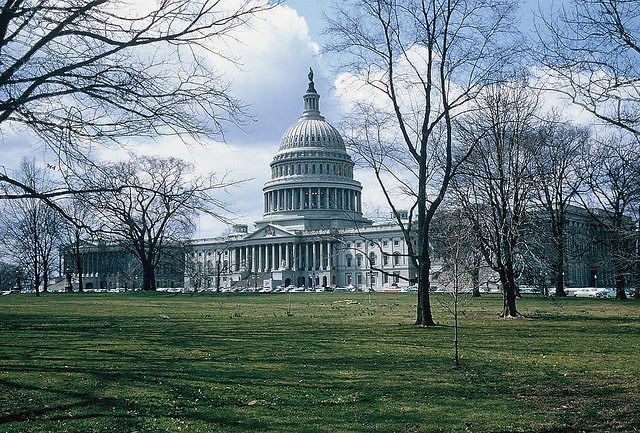
The Capitol Building stood as the most recognizable symbol of American democracy — but the government operating inside it was gripped by fear. The Cold War was not a distant threat in Washington; it was felt on every block. Senator Joseph McCarthy’s crusade against alleged communists had turned the federal government into a place of deep suspicion. The House Un-American Activities Committee (HUAC) held televised hearings where government workers, artists, and academics saw their careers destroyed by accusations of communist sympathies. A single rumor could end a career overnight.
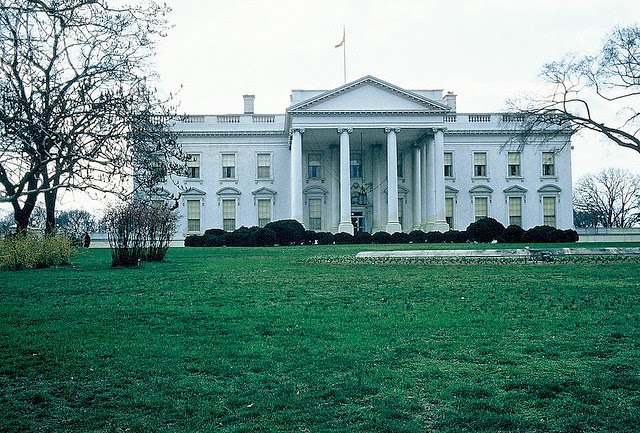
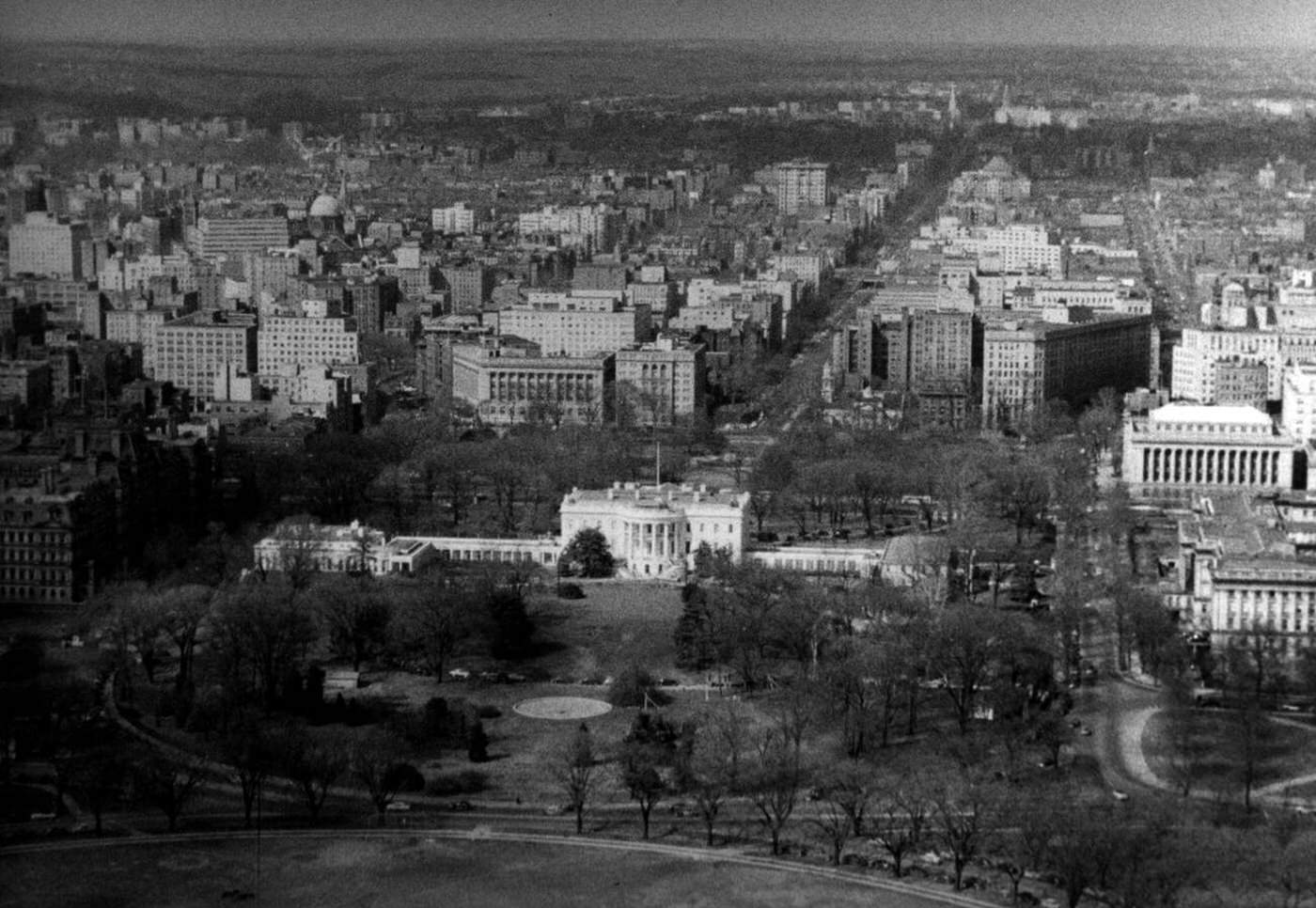
The White House itself was a hub of Cold War-era decision-making. President Dwight Eisenhower spent much of the decade managing the nuclear standoff with the Soviet Union. Washington was considered a prime Soviet target, and that fact was never far from anyone’s mind. Schoolchildren across the city practiced “duck and cover” drills, crouching under their desks at the sound of a bell. Air raid sirens were tested regularly, a routine reminder that annihilation was a real possibility.
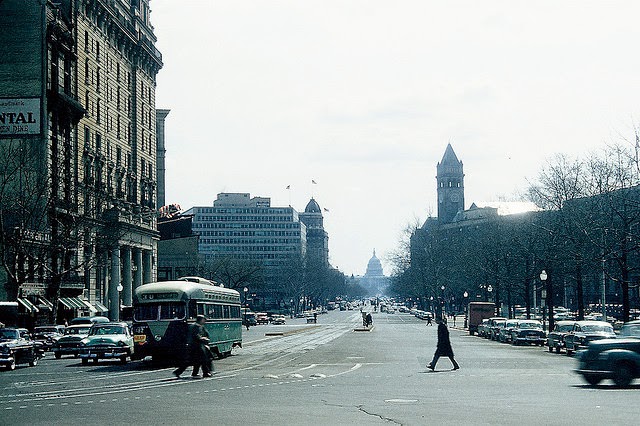
Pennsylvania Avenue was the city’s ceremonial spine, connecting the Capitol to the White House. Along it and the surrounding streets, thousands of federal workers flooded in each morning. The Cold War had triggered a massive expansion of the federal bureaucracy. The Pentagon — the world’s largest office building, just across the Potomac in Arlington — was the nerve center of a military machine that employed enormous numbers of people in the D.C. region. Clerks, diplomats, military officers, and intelligence operatives all called the capital home.
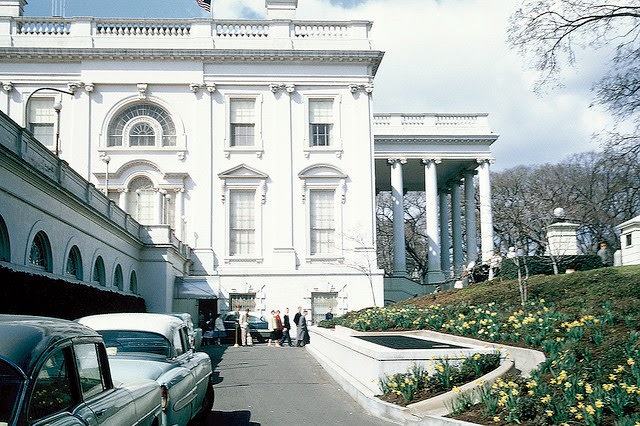
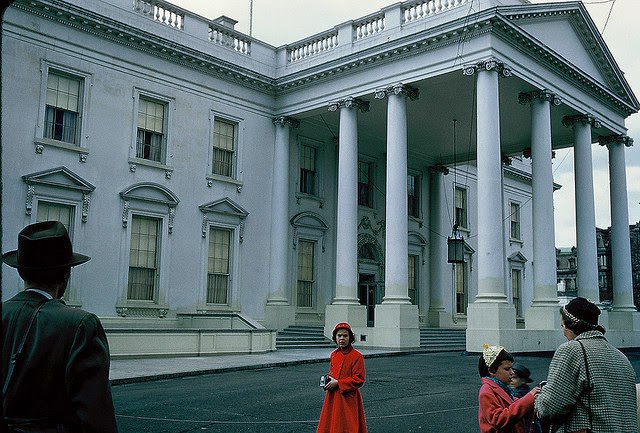
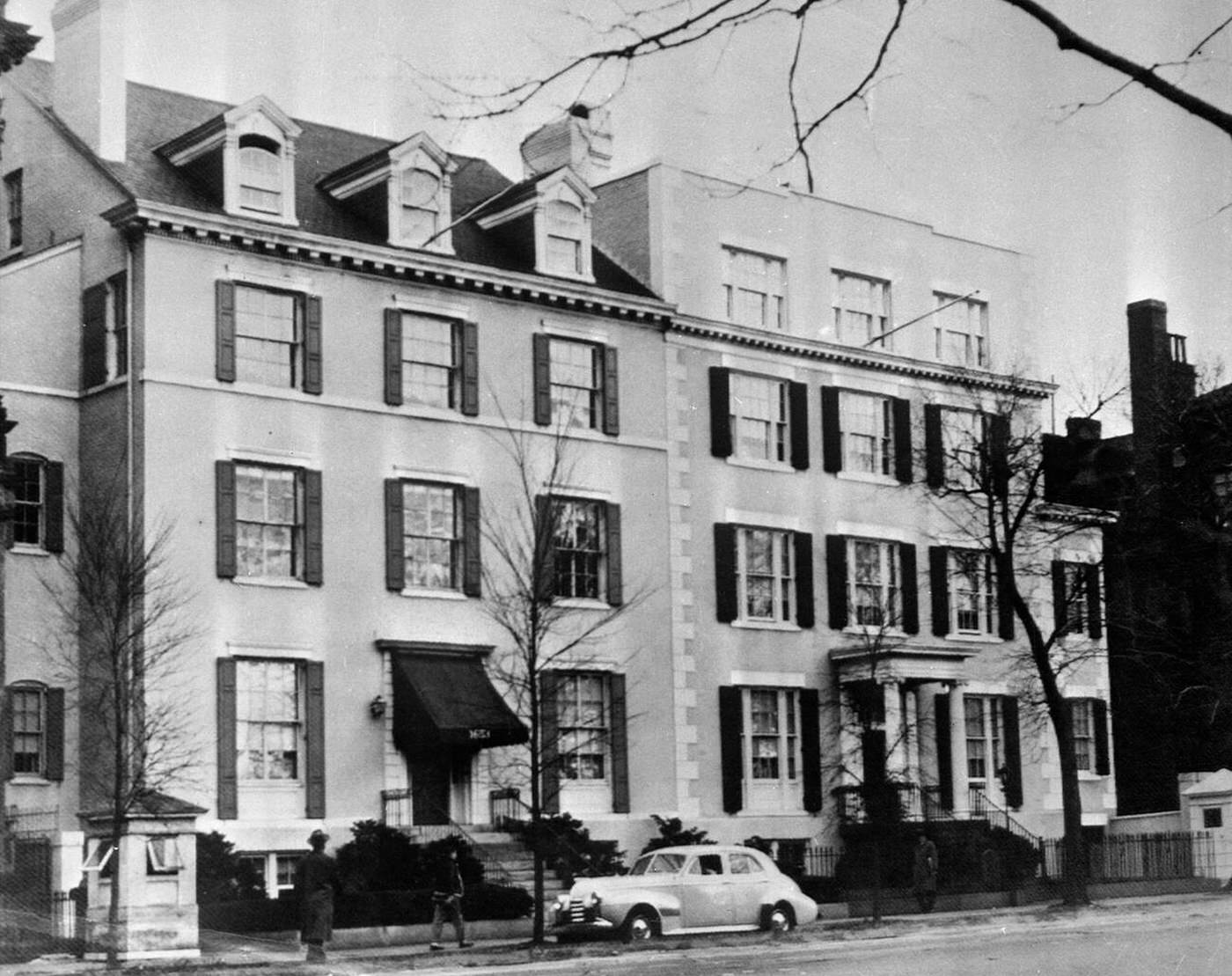
The White House had actually undergone a complete interior reconstruction between 1949 and 1952. While the renovation was underway, President Truman lived at Blair House, just across Pennsylvania Avenue. In November 1950, two Puerto Rican nationalists attempted to assassinate Truman there. Secret Service agents and White House police exchanged gunfire with the attackers on the front steps, killing one attacker and wounding two others. One officer was also killed. It was a stark reminder that the threats to Washington were not only nuclear.
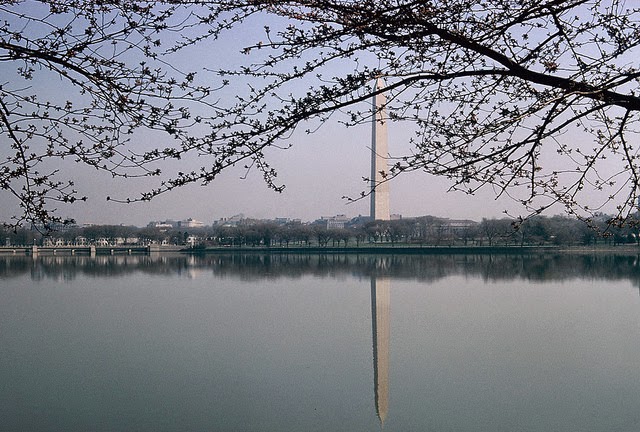
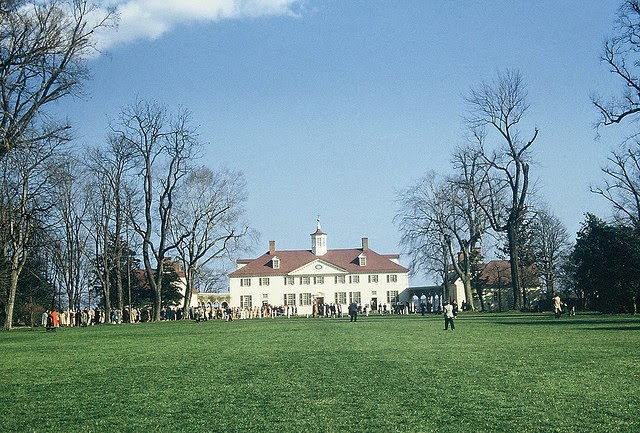
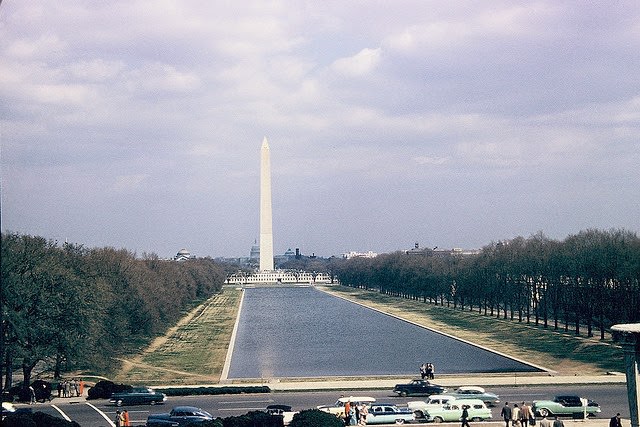
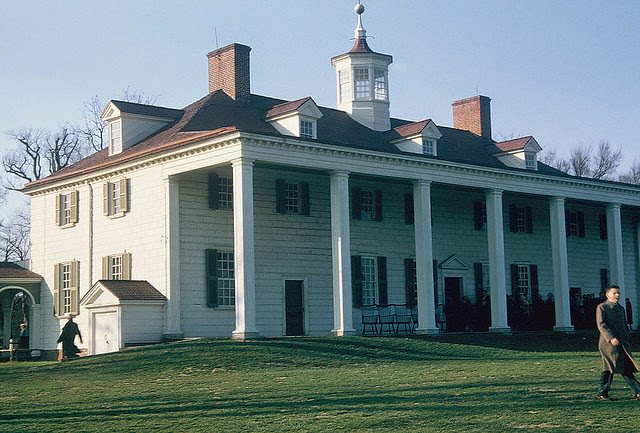
For tourists, Washington offered a sweep of American history stretching from George Washington’s Mount Vernon plantation along the Potomac to the towering monuments on the National Mall. Families arrived with Brownie cameras, eager to photograph the Washington Monument, the Lincoln Memorial, and the cherry blossoms that ringed the Tidal Basin each spring. These sites drew visitors from across the country, offering a sense of national pride that was especially potent during the anxious years of the Cold War.
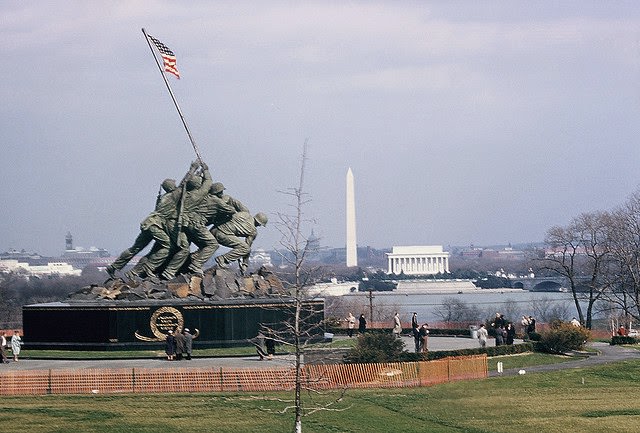
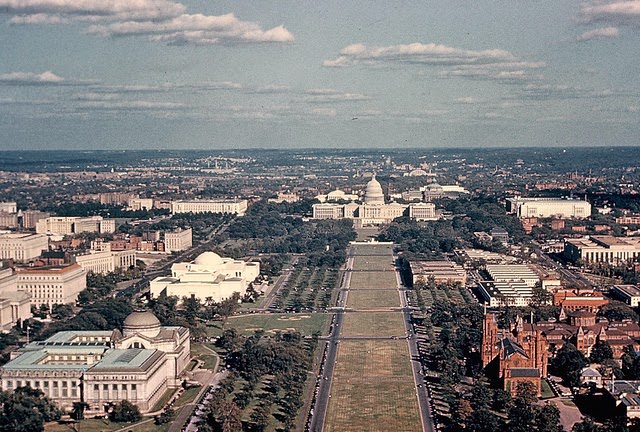
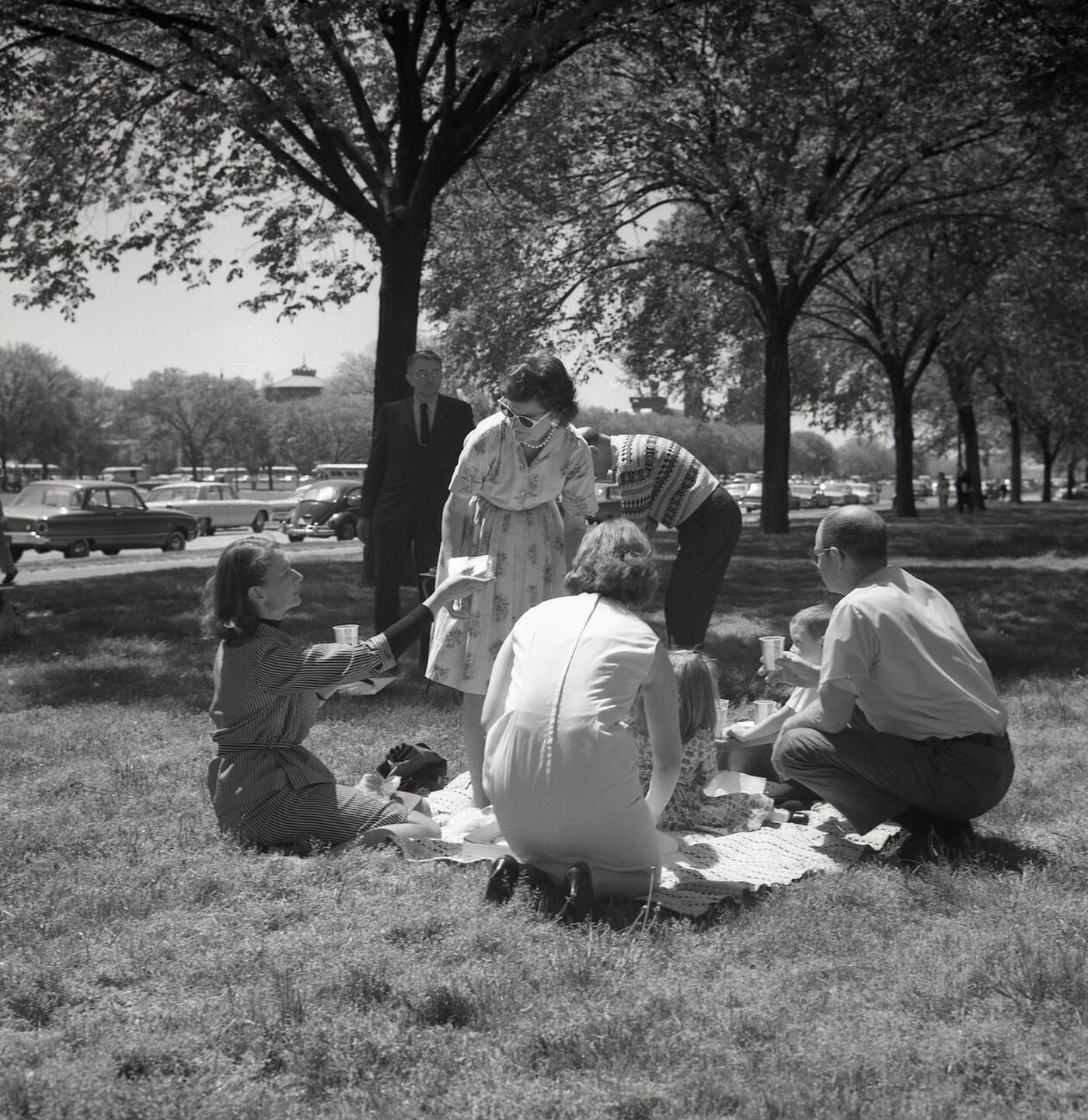
The National Mall in the 1950s looked markedly different from today. The East Wing of the National Gallery of Art, the National Air and Space Museum, and the Hirshhorn Museum had not yet been built. The long green corridor between the Capitol and the Washington Monument was more open, dotted with older Smithsonian buildings. It was a place families used on weekends — spreading out on the grass, walking the grounds, taking in monuments that had stood through wars and political upheaval alike.
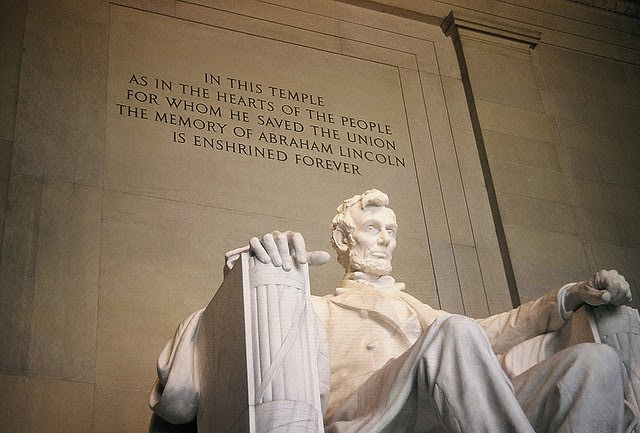
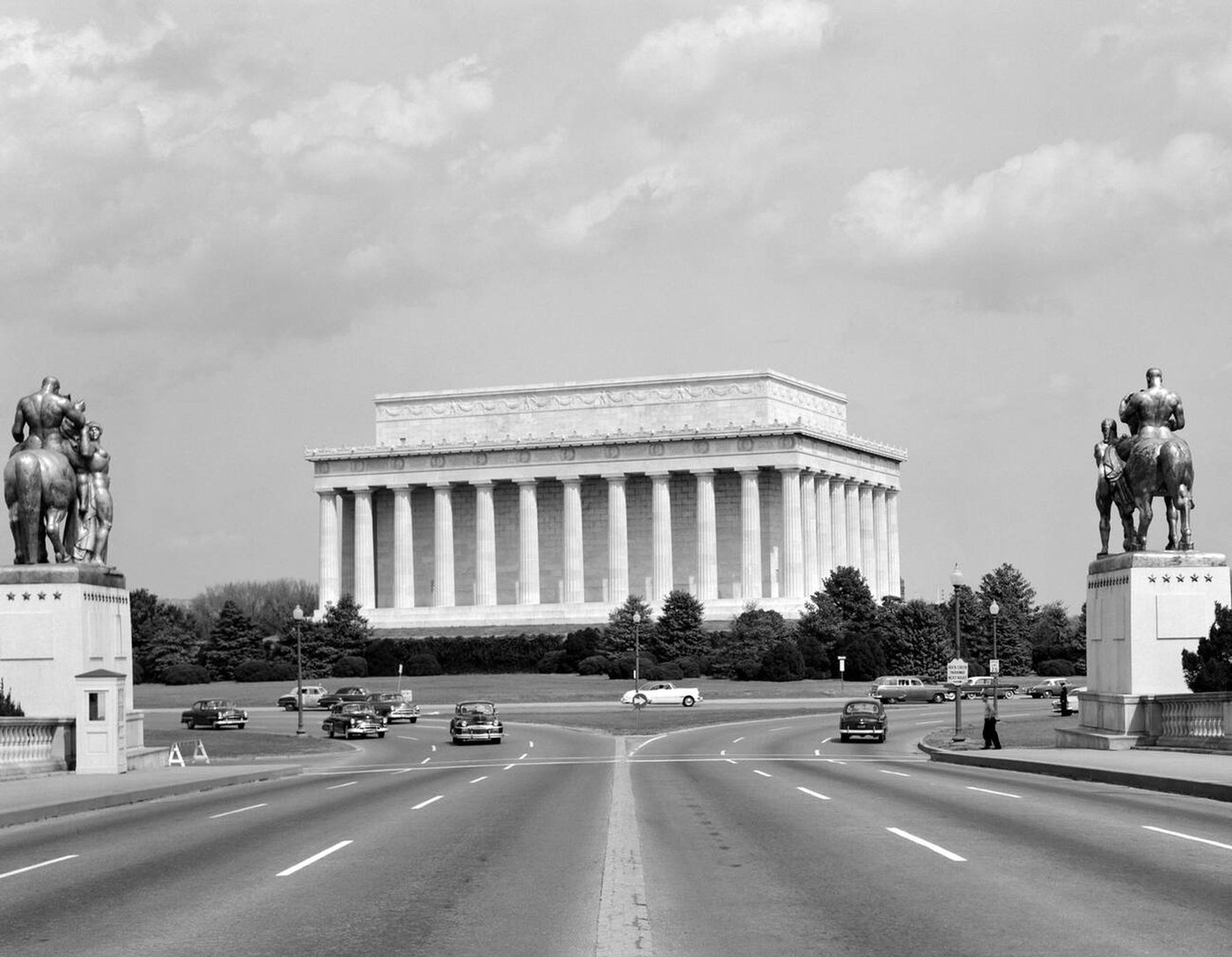
The Lincoln Memorial carried particular weight in this decade. The massive seated statue of Abraham Lincoln looked out over a city that was legally segregated — a fact that made the memorial’s location and symbolism deeply complicated. Black Washingtonians had long used the steps of the Lincoln Memorial as a stage for civil rights demonstrations. In 1939, Marian Anderson had sung there after being barred from Constitution Hall. By the 1950s, the memorial was already becoming the symbolic backdrop for the growing push to end segregation.
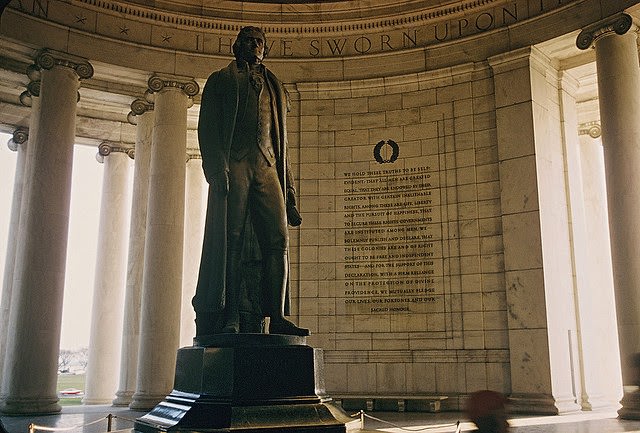
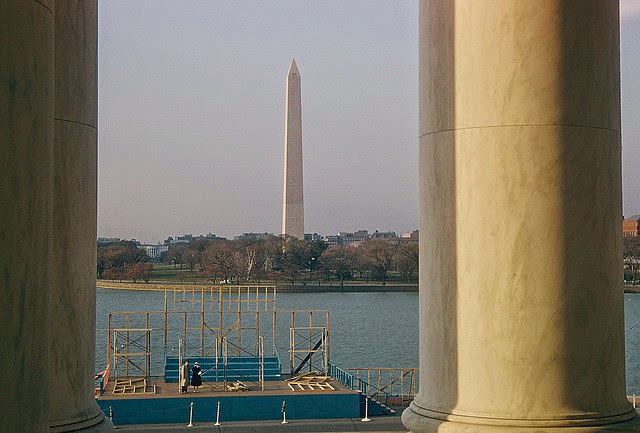
The Jefferson Memorial, completed in 1943, offered sweeping views across the Tidal Basin toward the Washington Monument. Both structures anchored a city that presented itself to the world as the living proof of democratic ideals. The reality on the ground was sharply different. In the early 1950s, Washington D.C. was one of the most rigidly segregated cities in the country. Public schools were divided by race under the law. Black residents were turned away from restaurants, hotels, movie theaters, and even certain public parks.
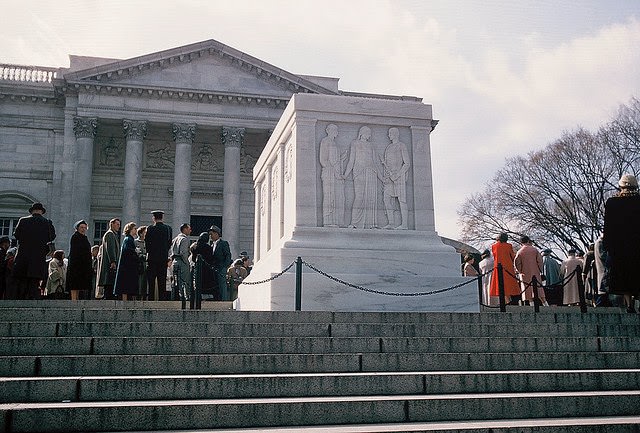
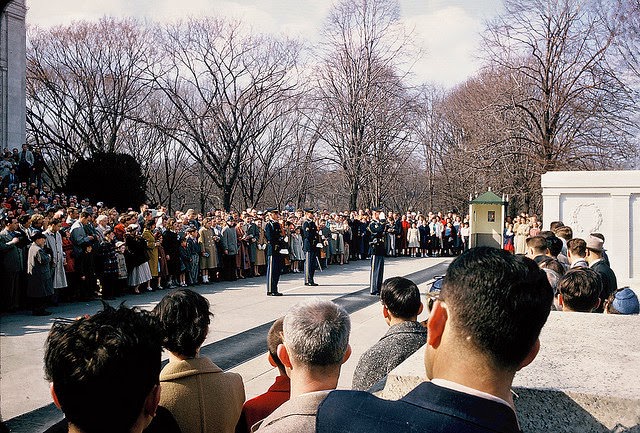
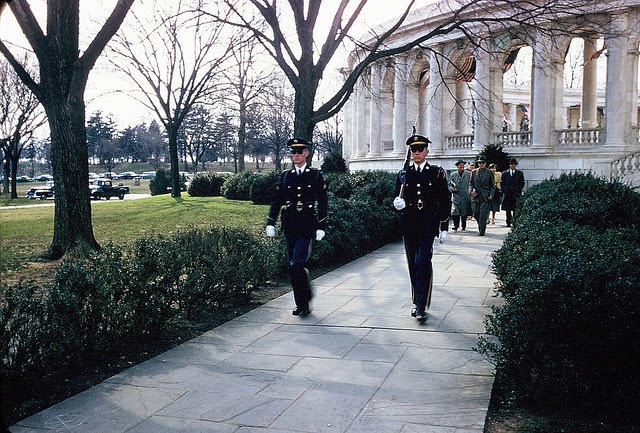
Across the Potomac at Arlington National Cemetery, the Tomb of the Unknown Soldier stood as one of the most solemn sites in the country. The cemetery had grown significantly after World War II, and the Korean War — which ground on until an armistice in July 1953 — was adding new graves. The changing of the guard at the tomb drew steady crowds of visitors, a ritual that connected the present to the wars that had defined the previous generation.
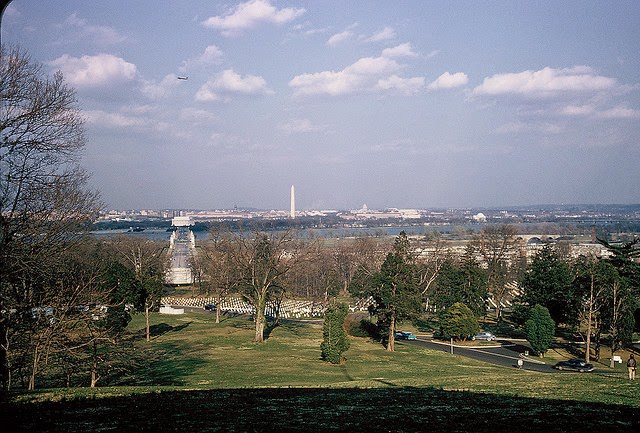
The Memorial Bridge connecting Washington to Arlington was one of several crossings that carried the growing volume of car traffic in and out of the city. The automobile was reshaping Washington just as it was reshaping every American city. New highways were being planned, and the Capital Beltway — a 64-mile ring road encircling the entire D.C. area — was in development. The car made it possible to live far from where you worked, and that possibility was emptying out city neighborhoods.
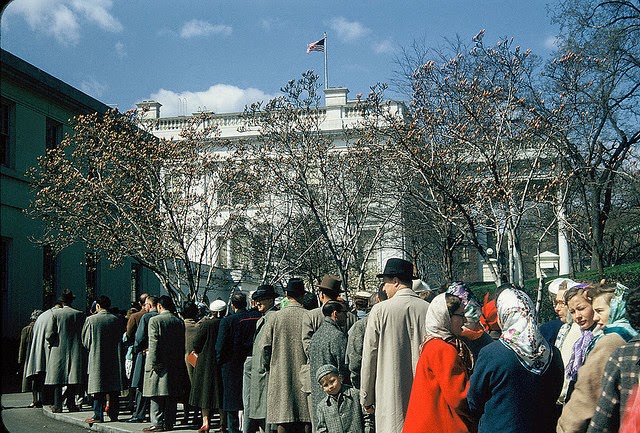
Even as the city’s social fabric was fracturing, tourists lined up by the hundreds to tour the White House. The line for public tours stretched down the driveway, filled with families from across the country eager to see the home of the president. Tourism was a booming part of Washington’s identity. The city’s monuments and federal buildings drew millions of visitors throughout the decade, giving people from every state a direct connection to the symbols of national government.
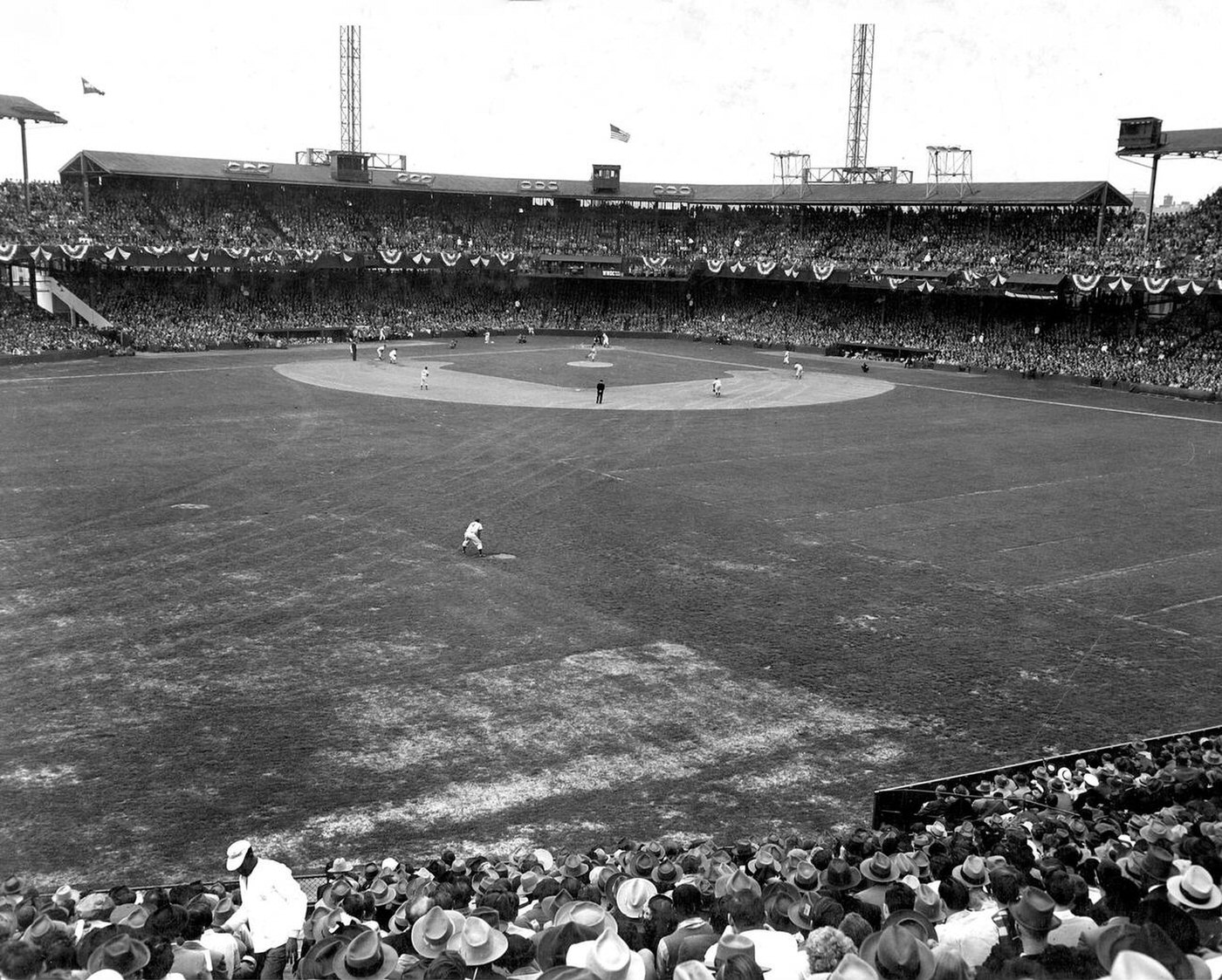
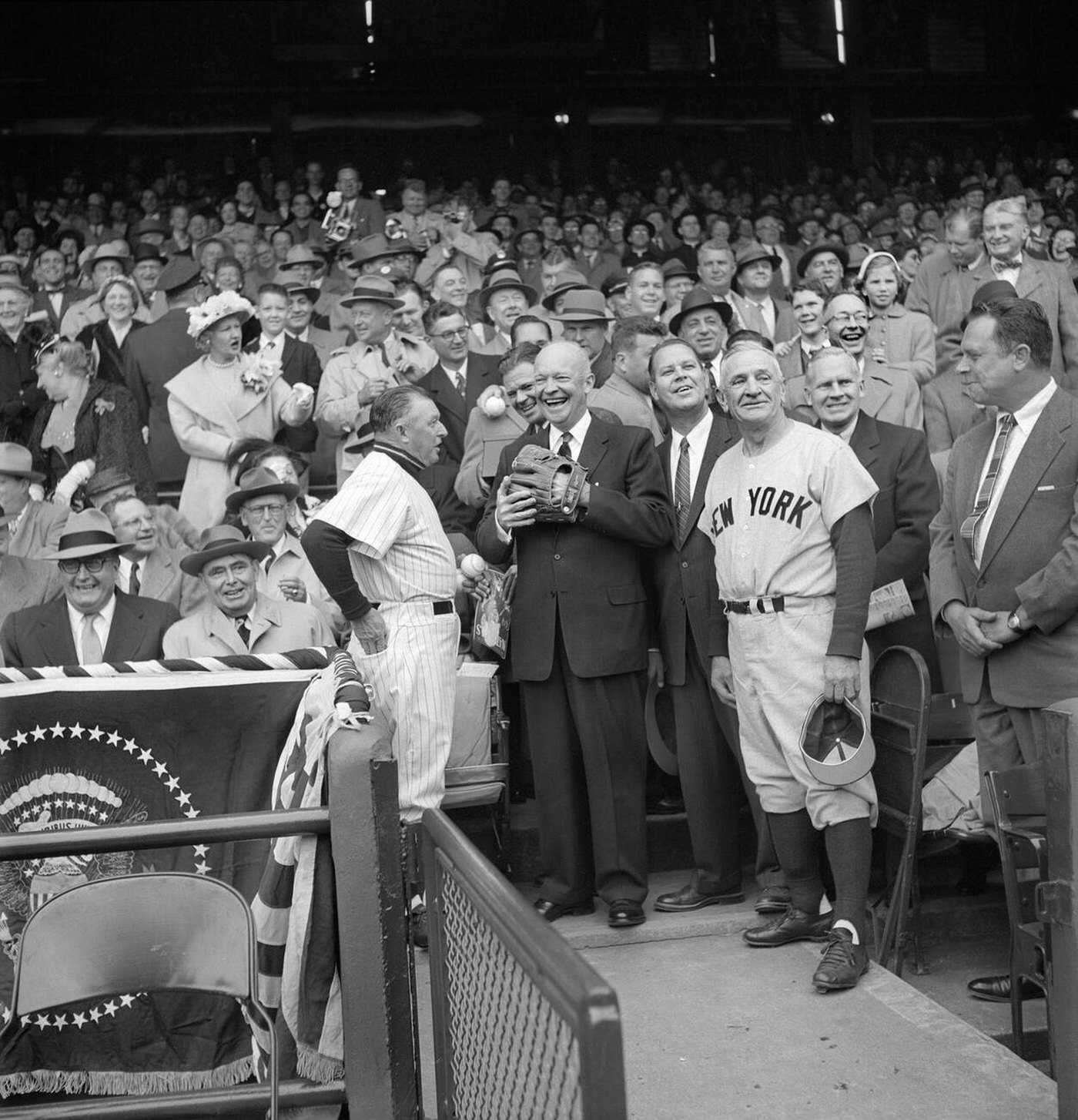
Griffith Stadium, located in the Shaw neighborhood of Northwest D.C., was the city’s major league ballpark. It was home to the Washington Senators baseball team and also hosted the Washington Redskins football games. Opening Day at Griffith was a civic tradition, and President Eisenhower upheld the custom of throwing out the first pitch. The stadium sat in a predominantly Black neighborhood, and its crowds reflected the complicated racial geography of the city — yet the baseball and football teams themselves remained segregated well into the decade.
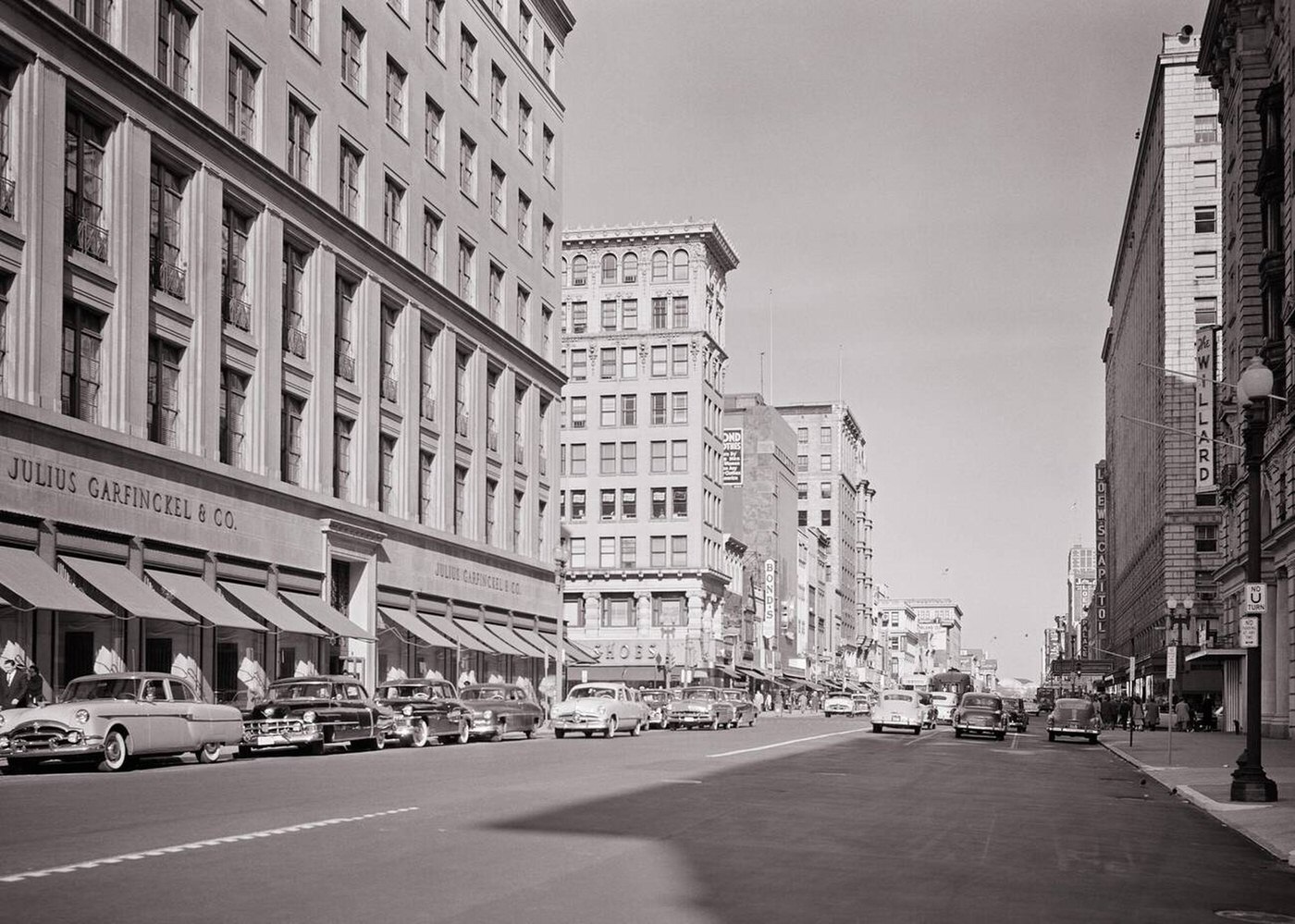
F Street was the heart of downtown retail in Washington. Department stores like Julius Garfinckel & Co and Woodward & Lothrop drew shoppers from across the region, and the Willard Hotel nearby was one of the city’s grandest landmarks. But the rise of the suburban shopping mall, with its acres of free parking, was beginning to pull customers away from downtown. By the late 1950s, the shift was unmistakable. F Street would spend the next two decades in a slow decline as suburban retail exploded.
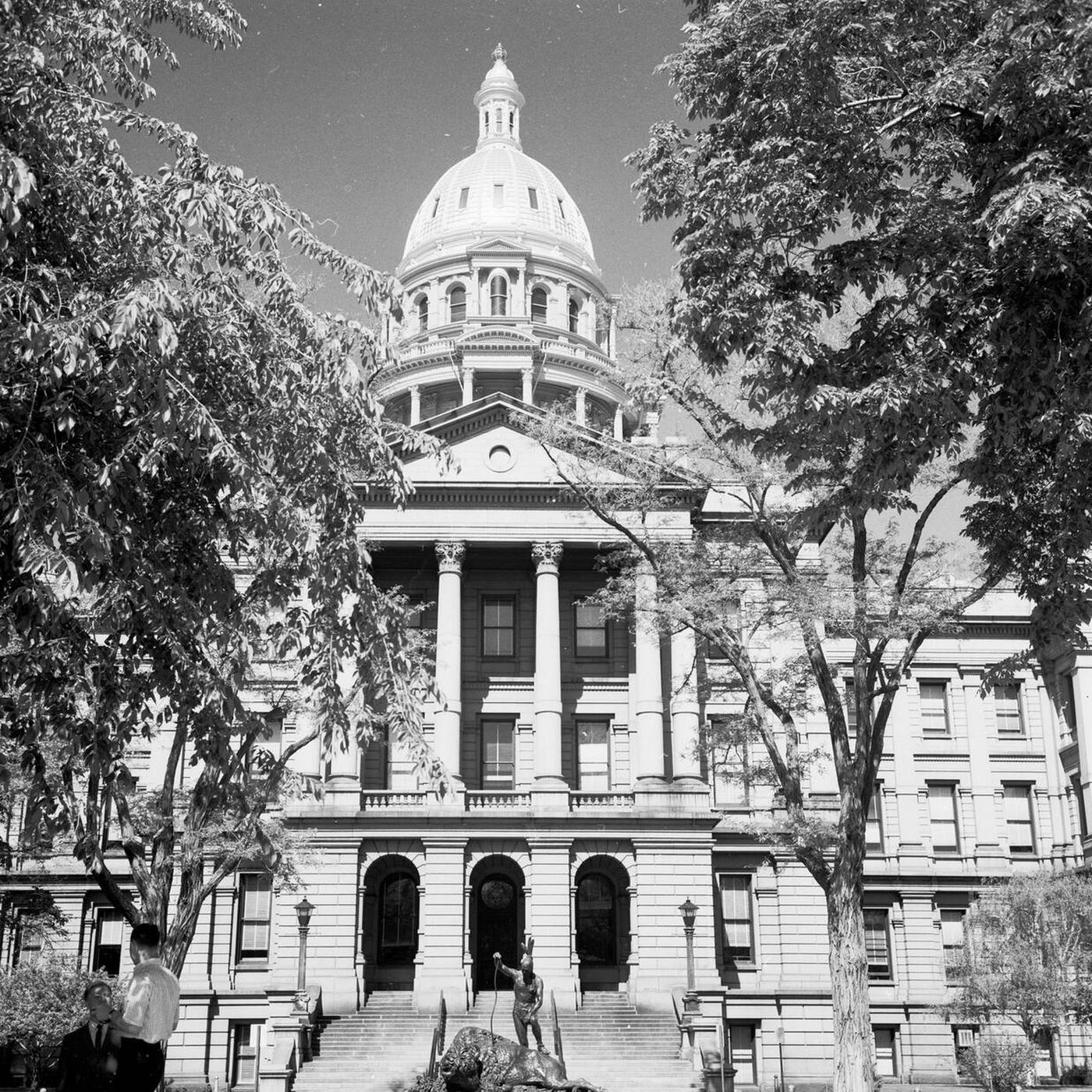
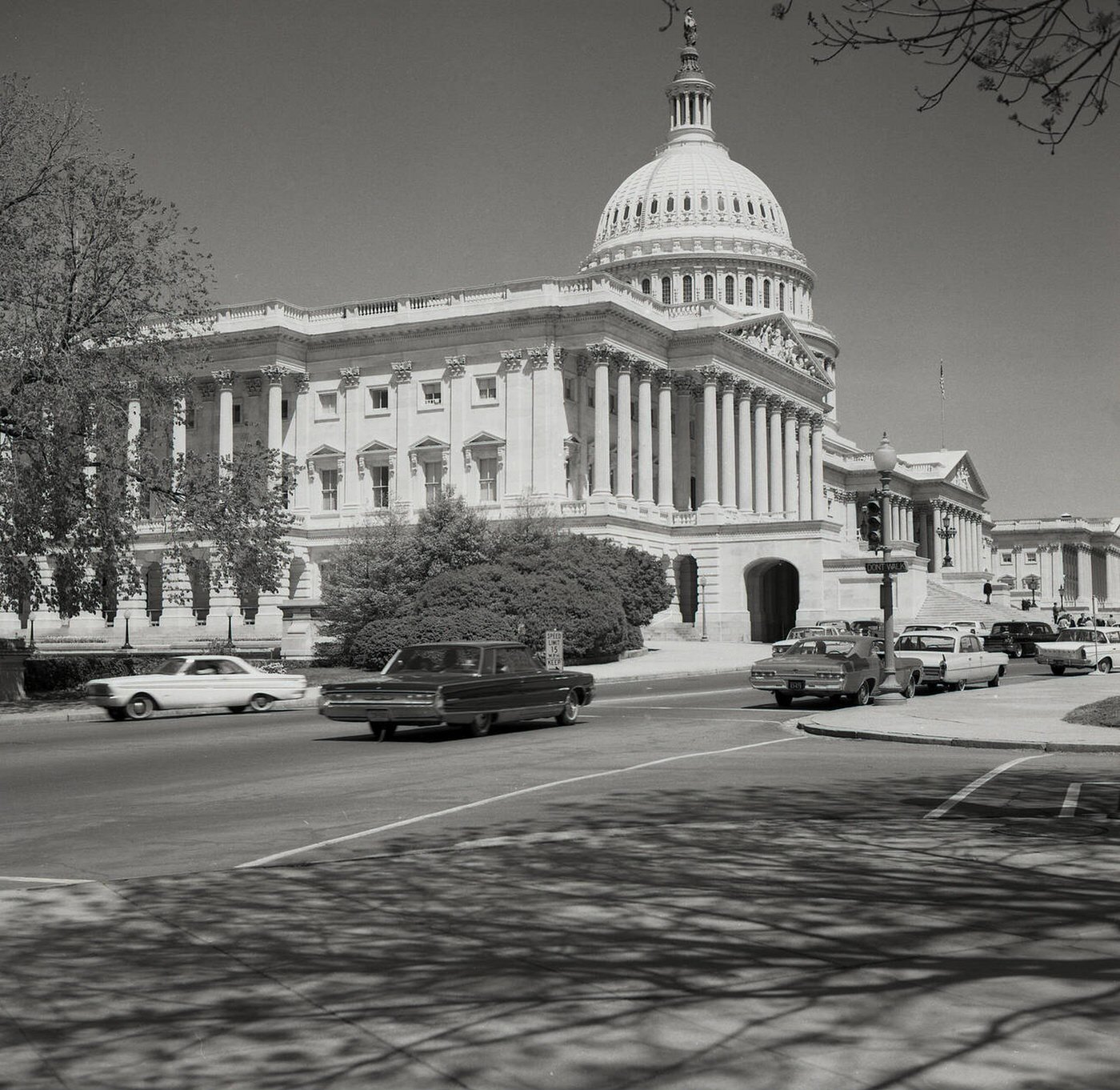
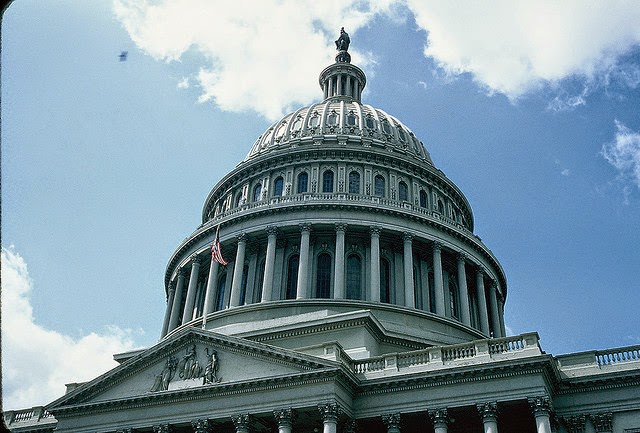
The Capitol’s dome was visible from miles around, a constant presence on the D.C. skyline. Inside, Congress was wrestling with some of the most charged debates of the century — civil rights legislation, Cold War funding, and the investigations of McCarthy and his allies. The building was also a workplace for hundreds of staffers, switchboard operators, and support workers who kept the machinery of government running every day.
Washington was a city of demographic transformation in the 1950s. African Americans continued arriving from the rural South as part of the Great Migration, seeking work and relief from the harsher conditions of Jim Crow. At the same time, white families were leaving the city in large numbers for the new suburbs of Maryland and Virginia. Federally backed mortgages and new highways made suburban homeownership accessible to white families who had previously rented in the city. By 1957, Washington D.C. became the first major American city with a majority Black population.
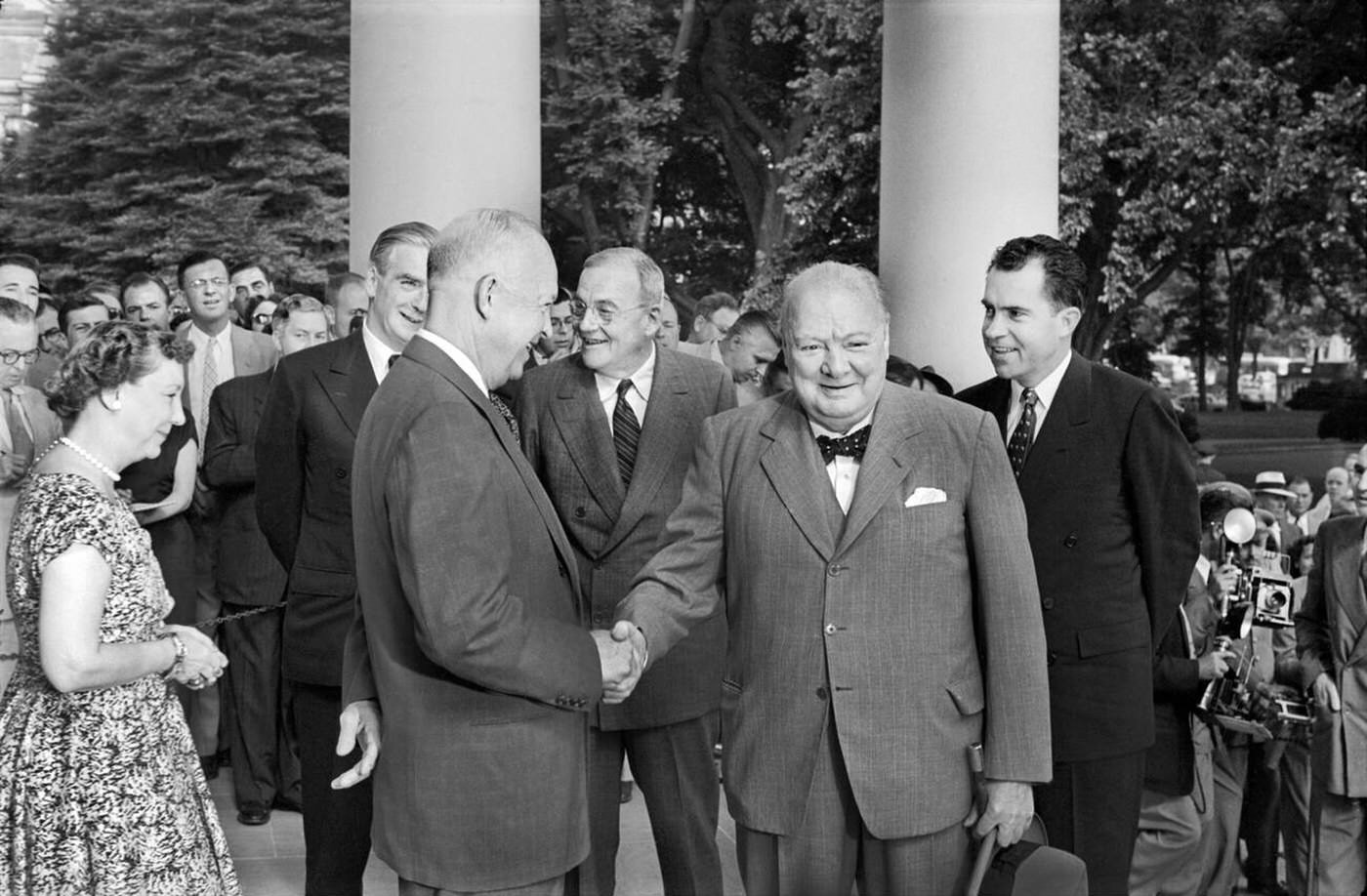
Washington functioned as the diplomatic capital of the Western world throughout the decade. In 1954, President Eisenhower hosted British Prime Minister Winston Churchill and Deputy Prime Minister Anthony Eden at the White House, a meeting that underscored the transatlantic alliance at the core of Cold War strategy. Secretary of State John Foster Dulles and Vice President Richard Nixon were central figures in shaping that strategy, with Dulles in particular driving an aggressive posture toward the Soviet Union.
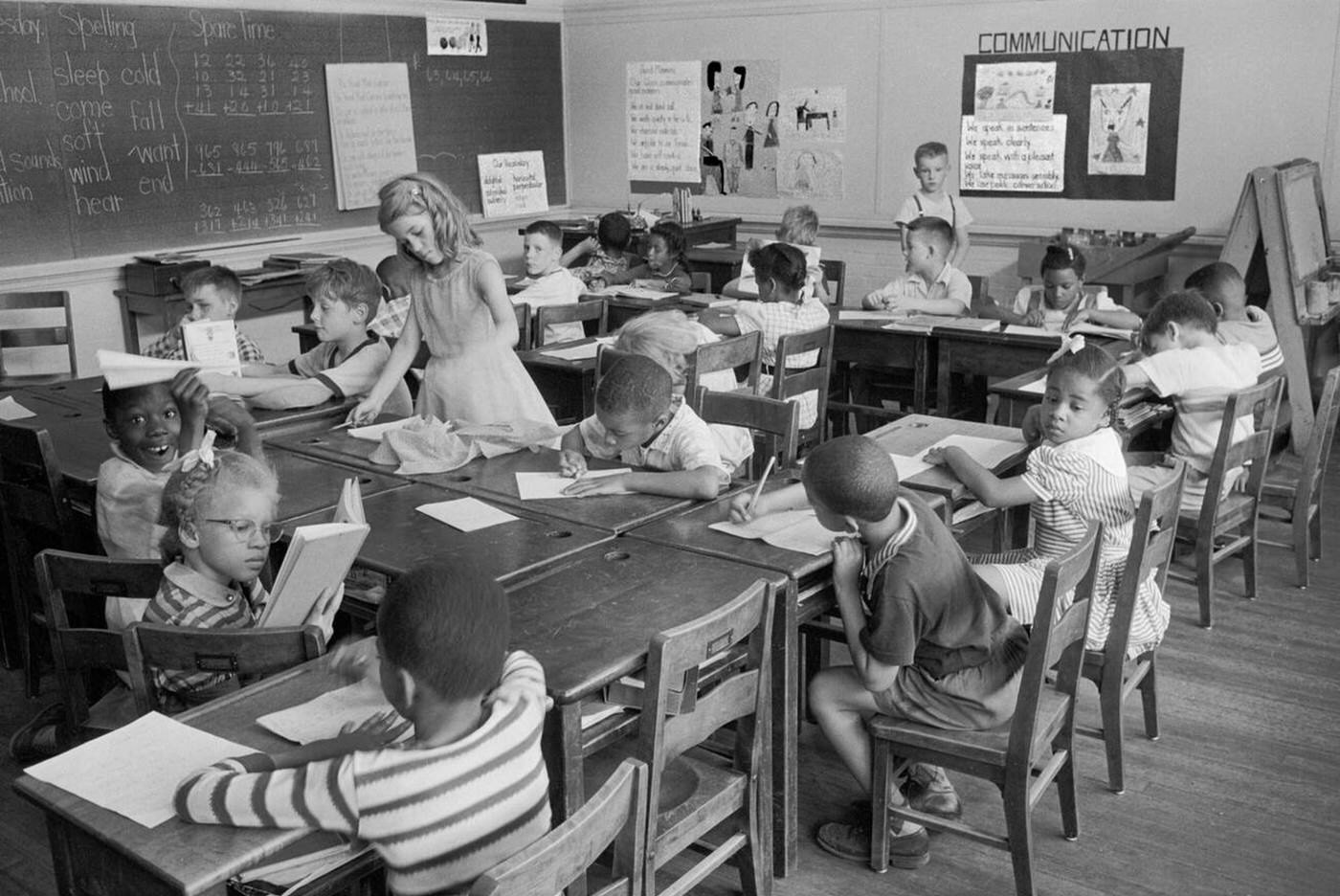
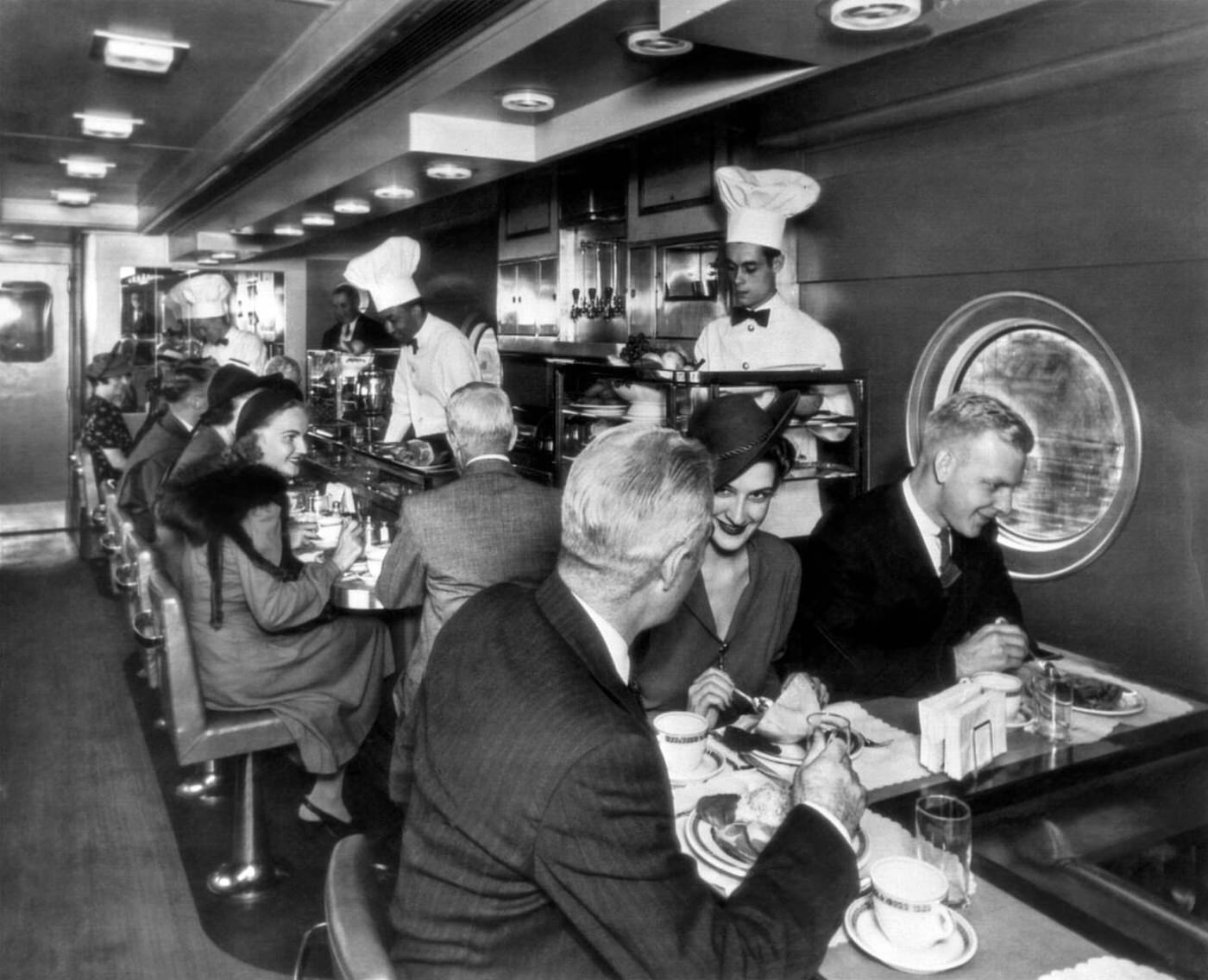
The Supreme Court’s 1954 ruling in Brown v. Board of Education declared school segregation unconstitutional, and Washington D.C. moved quickly to comply. By 1955, classrooms at schools like Barnard were integrated — a change that was ahead of most Southern cities but still met with resistance in some neighborhoods. The Pennsylvania Railroad’s “Congressional” trains, running between Washington and New York, carried many of the lawyers, lobbyists, and politicians who were shaping these battles in federal courts and congressional chambers.
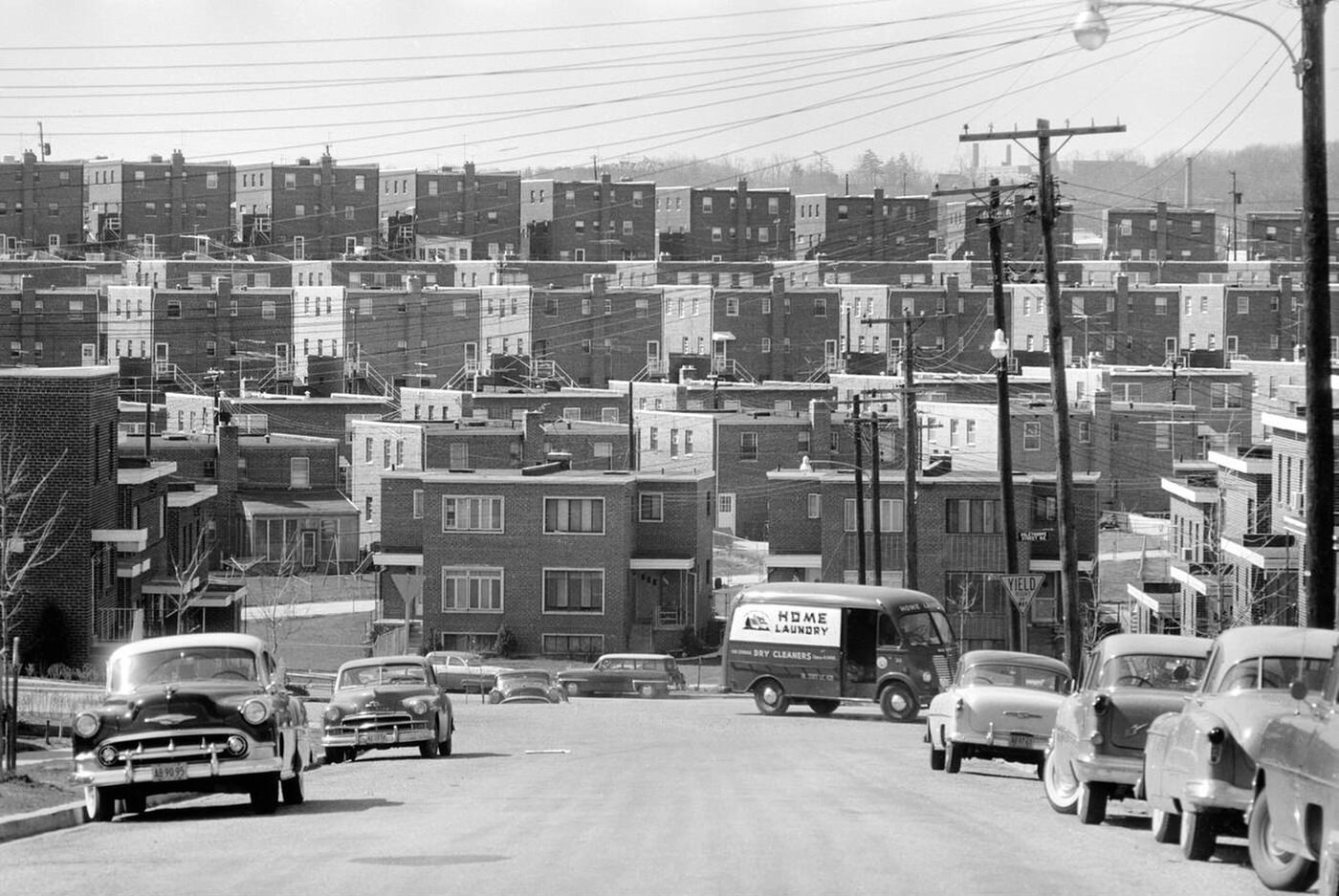
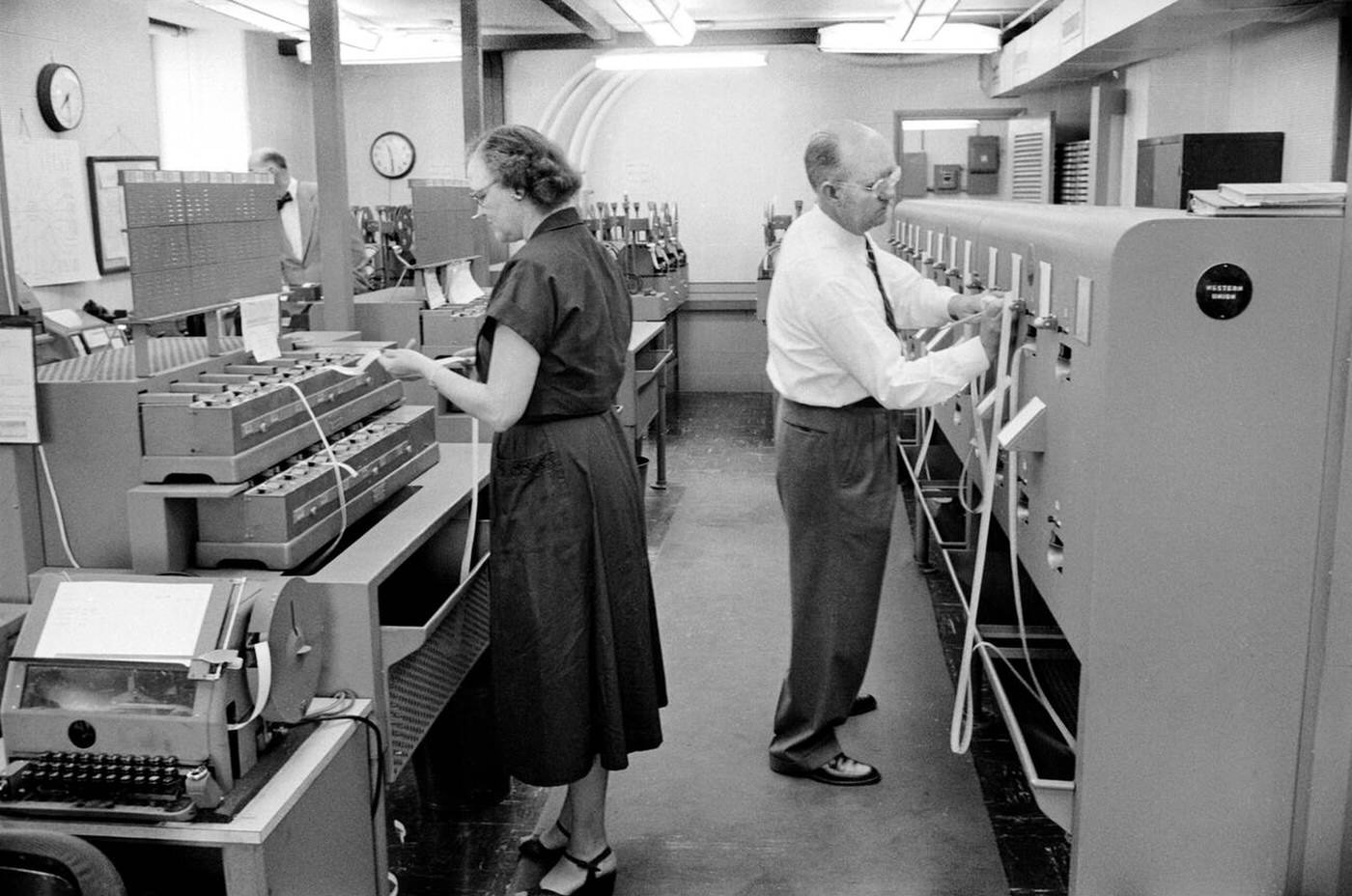
Behind the scenes of Washington’s diplomatic machinery, workers like these State Department employees in the teletype room kept communications flowing around the clock. Every cable from an overseas embassy, every diplomatic dispatch, passed through rooms like this one. The federal workforce had expanded enormously since World War II, and Washington’s residential streets reflected that growth. Row houses in neighborhoods across the city housed the clerks, administrators, and communications workers who kept the government running.
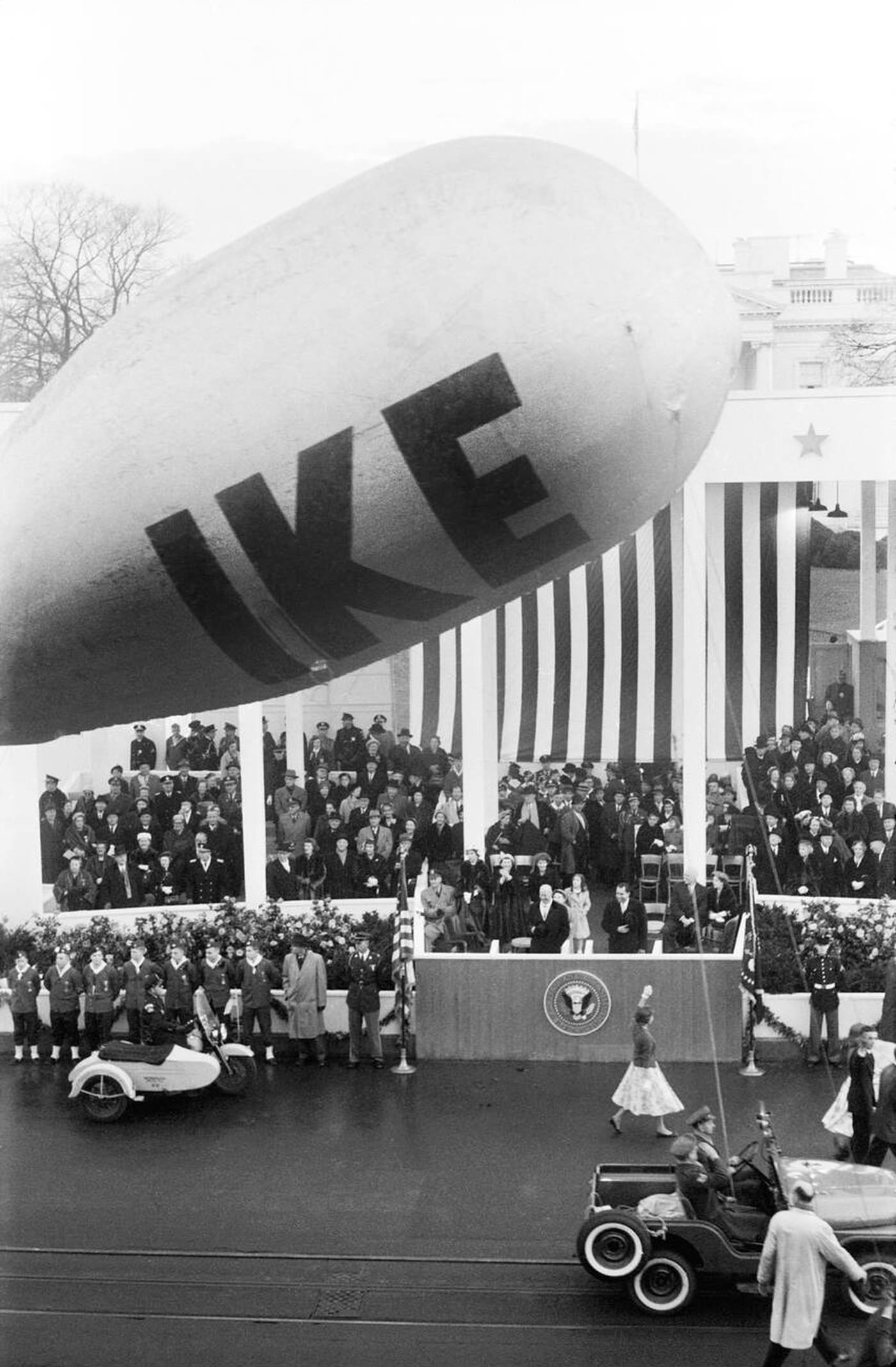
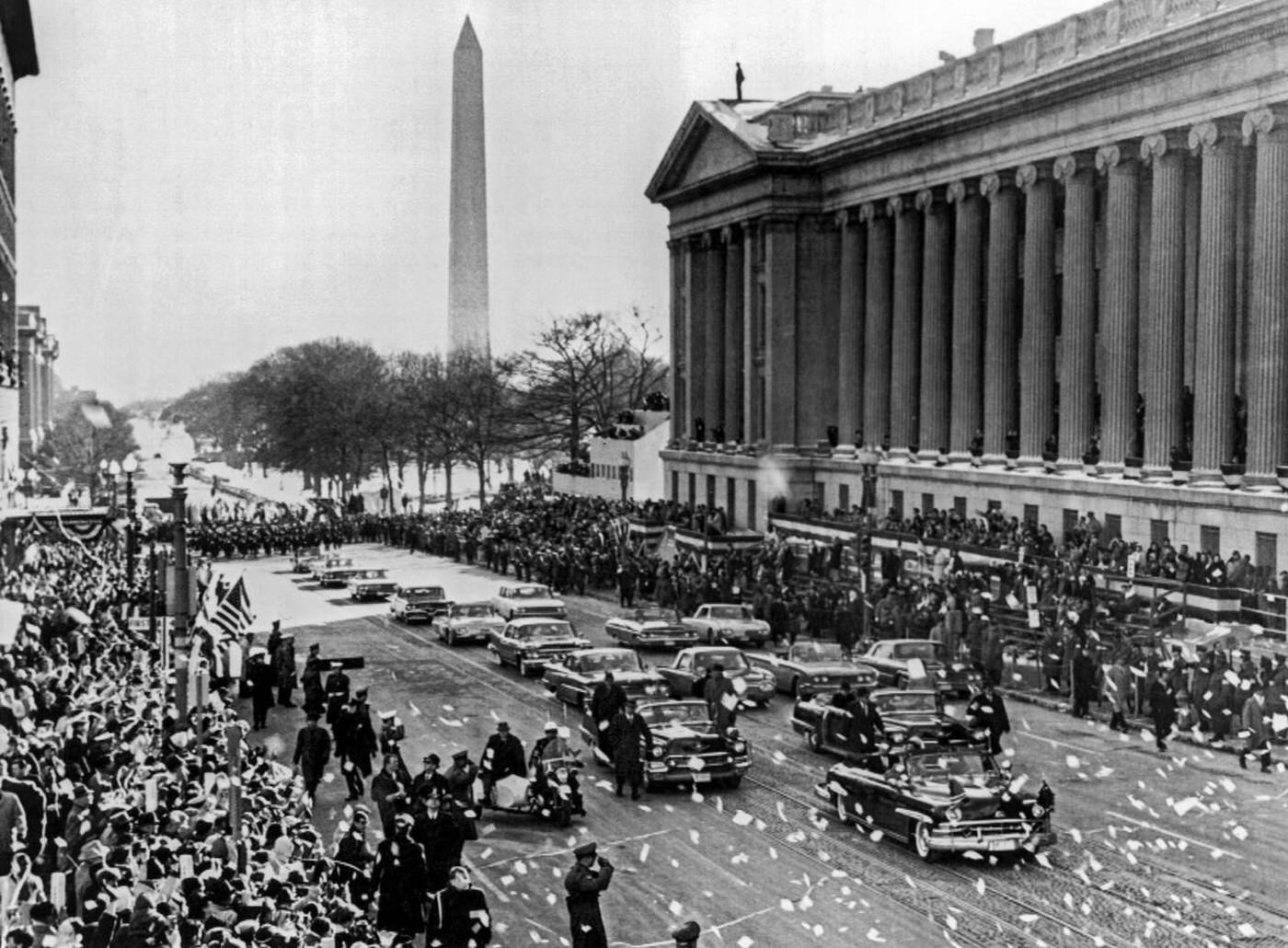
Eisenhower’s second inauguration in January 1957 was a major spectacle along Pennsylvania Avenue. He and Vice President Nixon reviewed the parade from a stand near the White House, with Mamie Eisenhower and Pat Nixon seated behind them. That same year, Washington crossed its demographic milestone as a majority Black city. The political and social tensions of the moment were visible in the streets — including protests both for and against racial integration that played out in full public view.
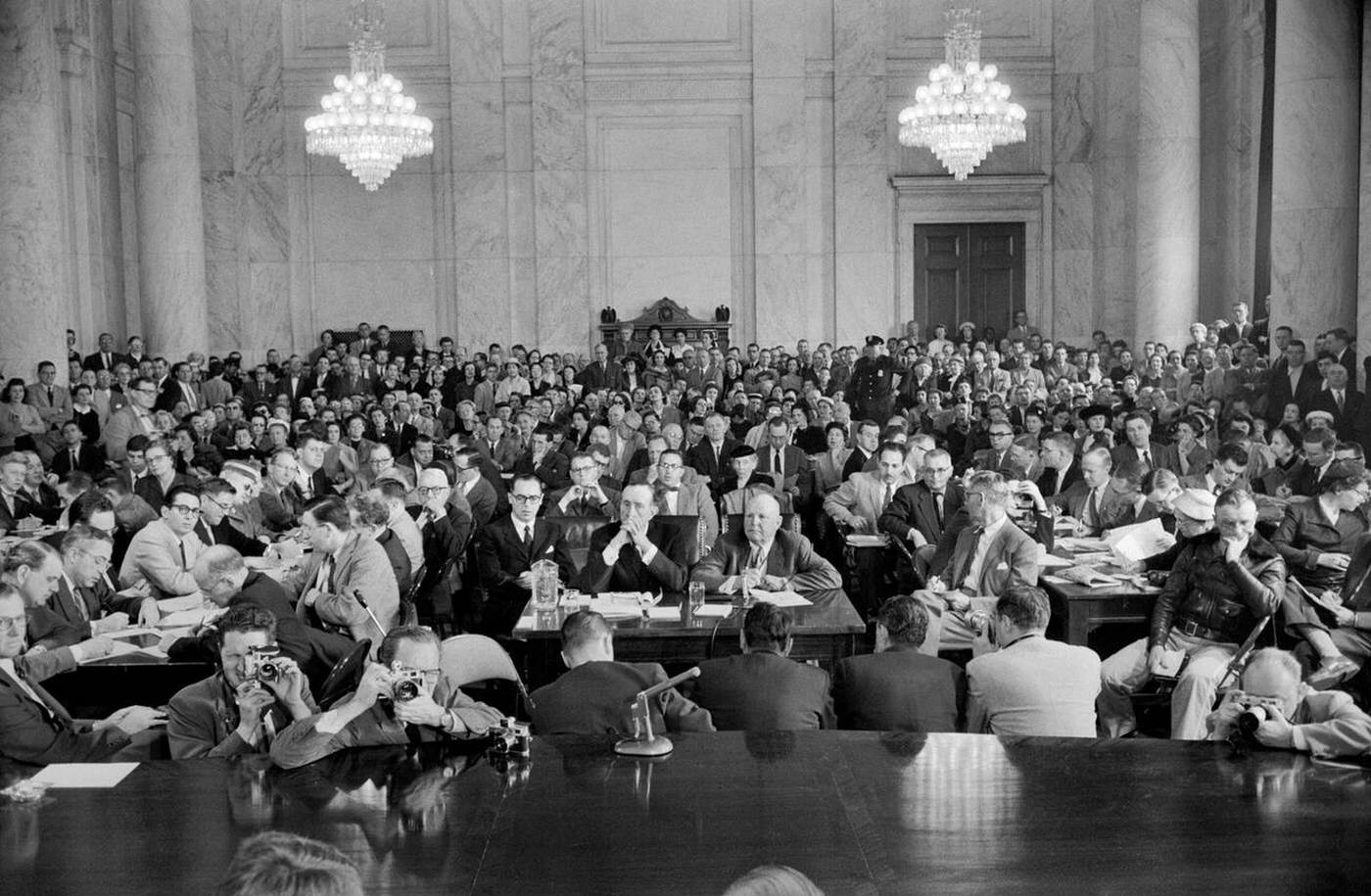
Congressional investigations were a defining feature of 1950s Washington. The McClellan Committee’s 1957 hearings into the Teamsters Union drew enormous public attention, with Robert F. Kennedy serving as chief counsel and Teamsters president Jimmy Hoffa as the central target. These televised hearings, like the Army-McCarthy hearings before them, showed Americans that Washington’s drama was not confined to foreign policy — corruption and power struggles inside the country were just as gripping.
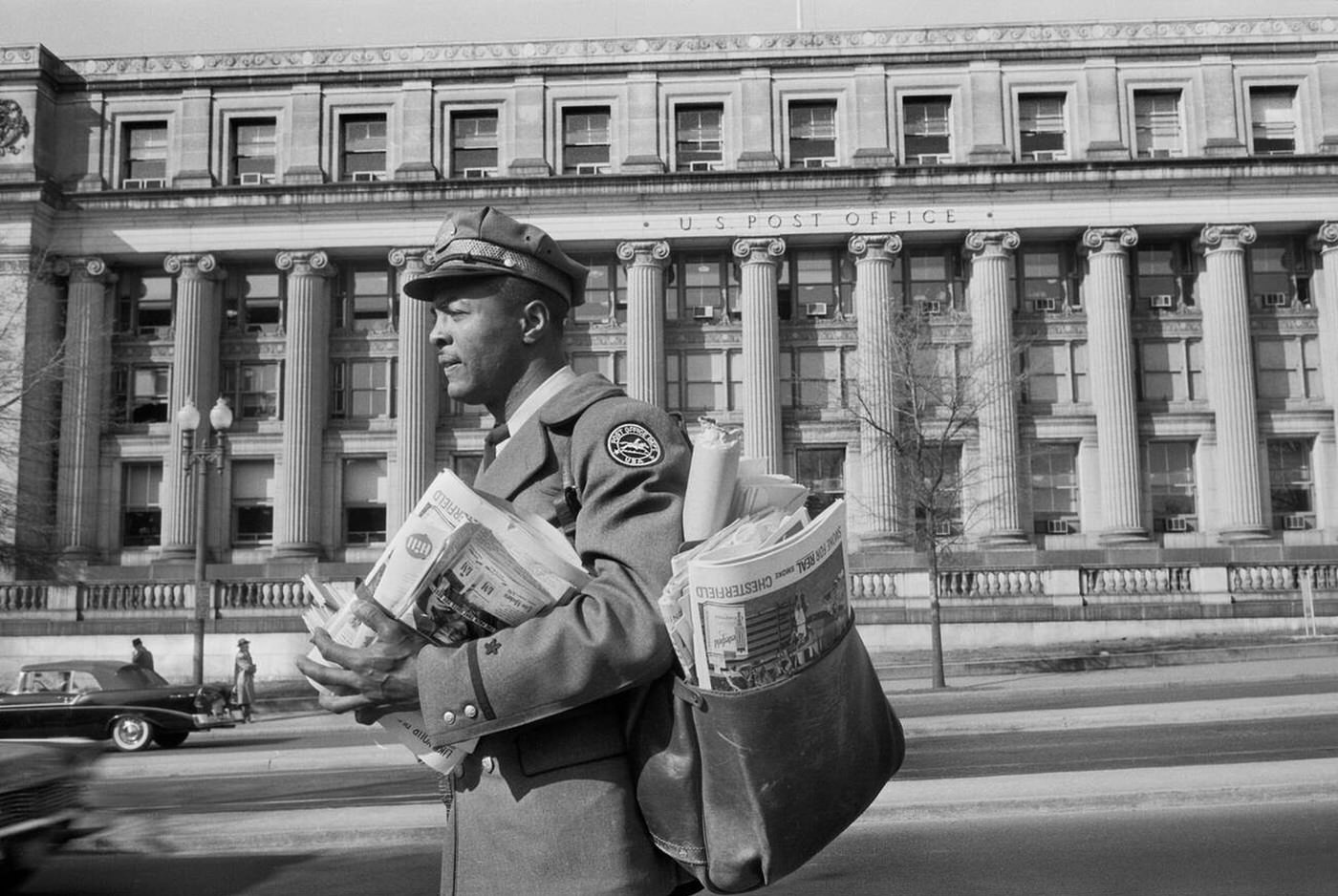
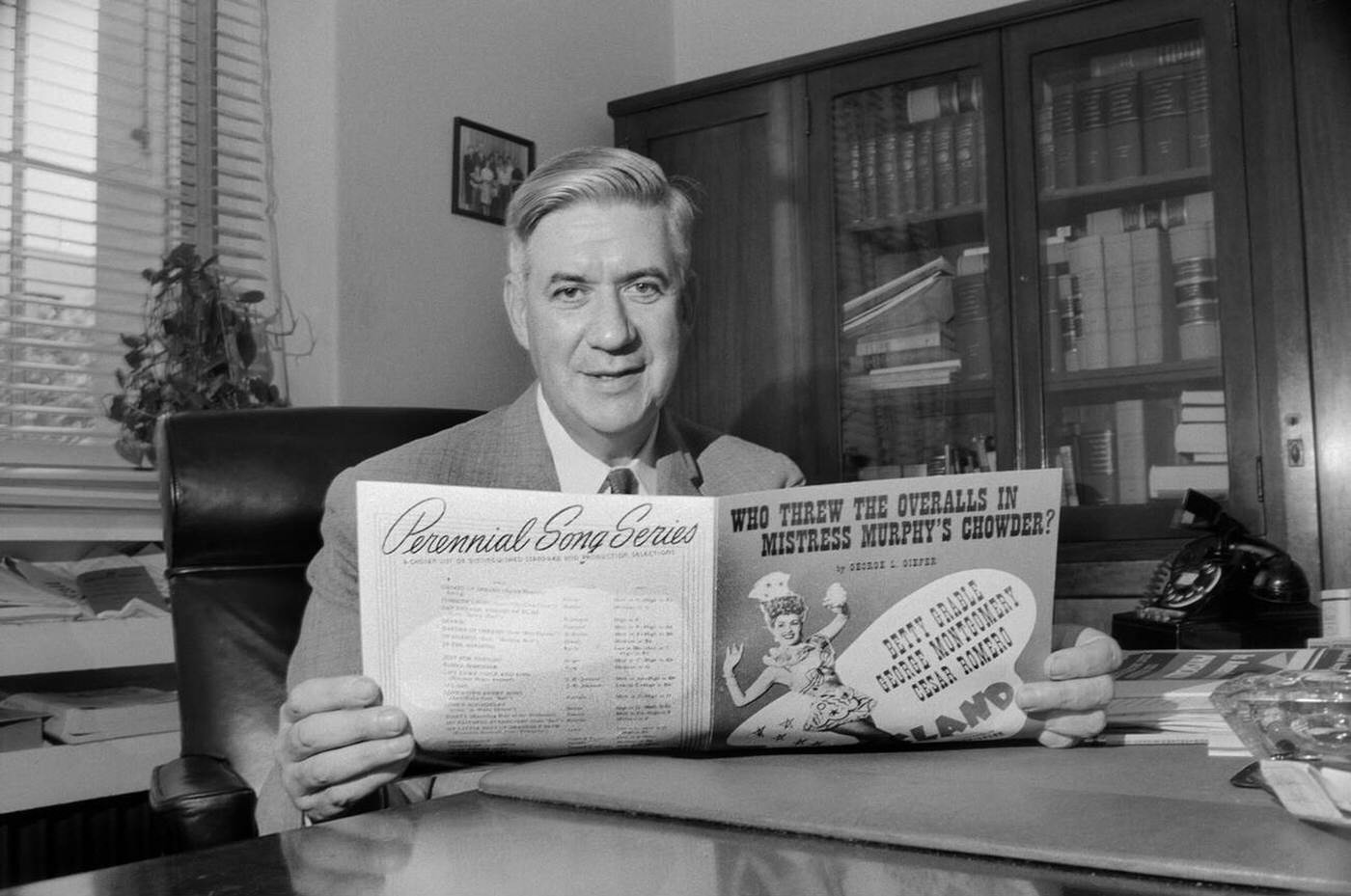
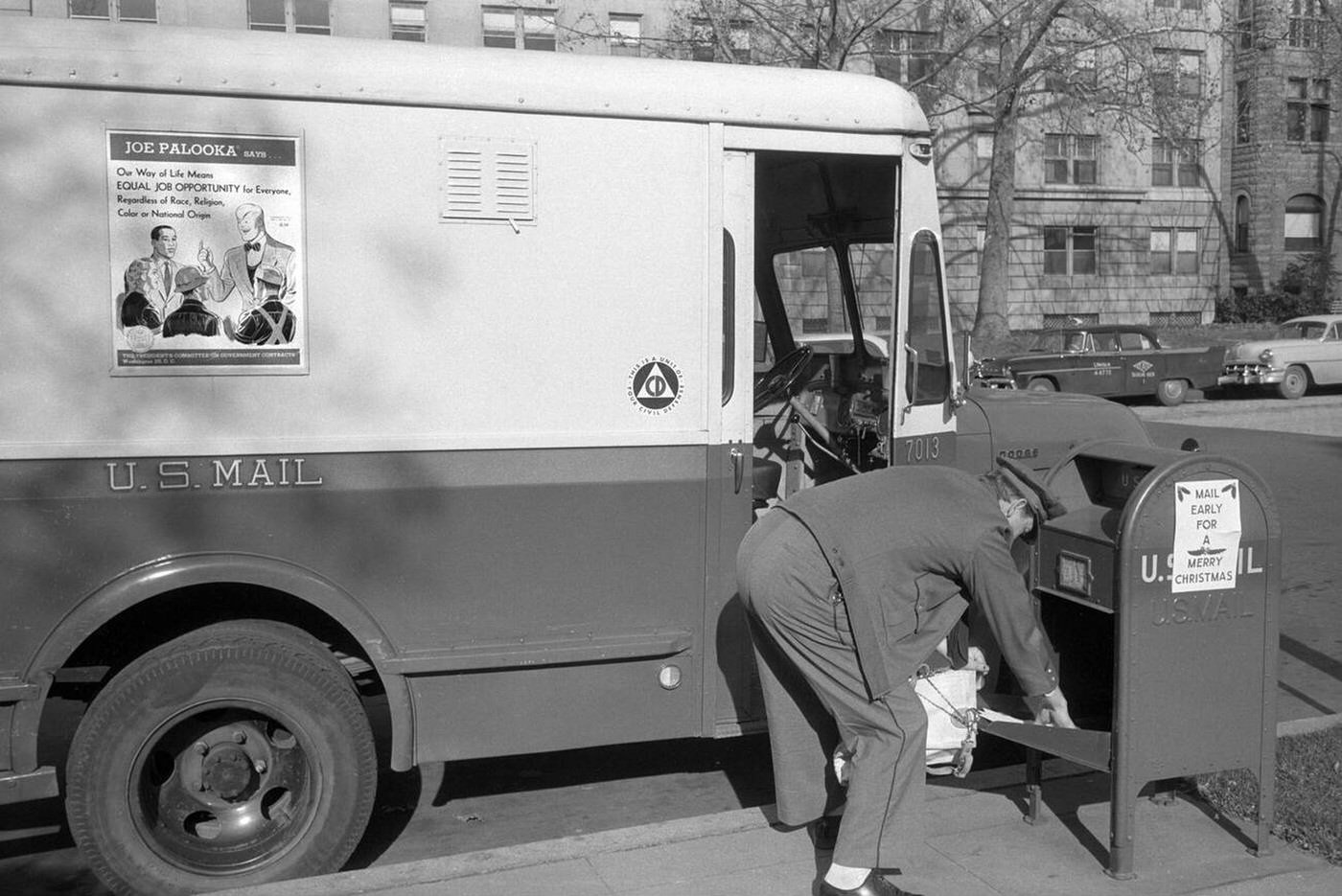
For every senator or cabinet secretary, Washington was full of people doing the unglamorous work of keeping the city running. Mail carriers walked their routes through the city’s neighborhoods, delivering the correspondence of a government city. In Capitol Hill offices, newer members of Congress like Massachusetts’s Thomas P. “Tip” O’Neill were building the relationships and reputations that would define their careers. O’Neill, who would later serve as Speaker of the House, was already known for his personal warmth and his deep ties to working-class constituents.
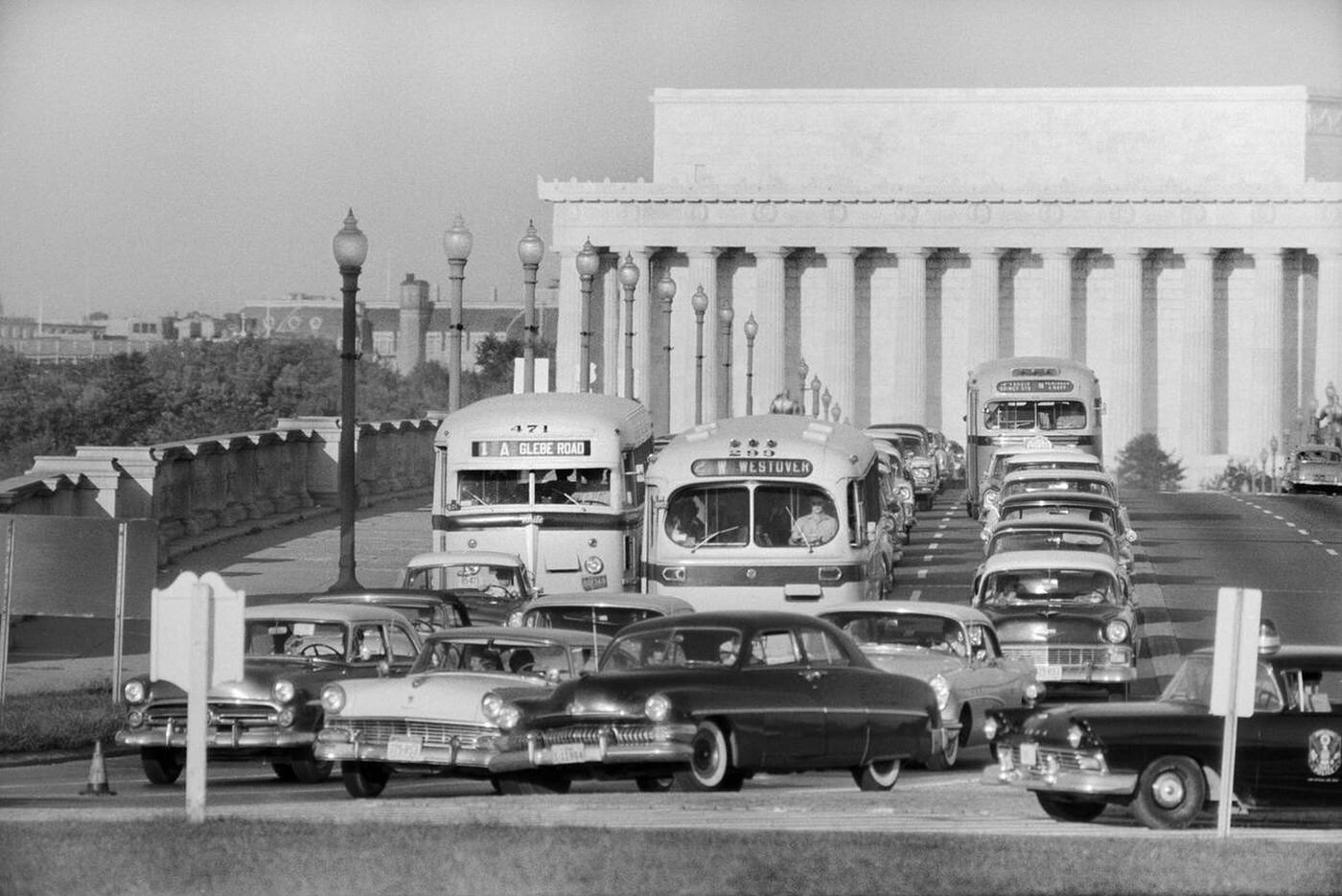
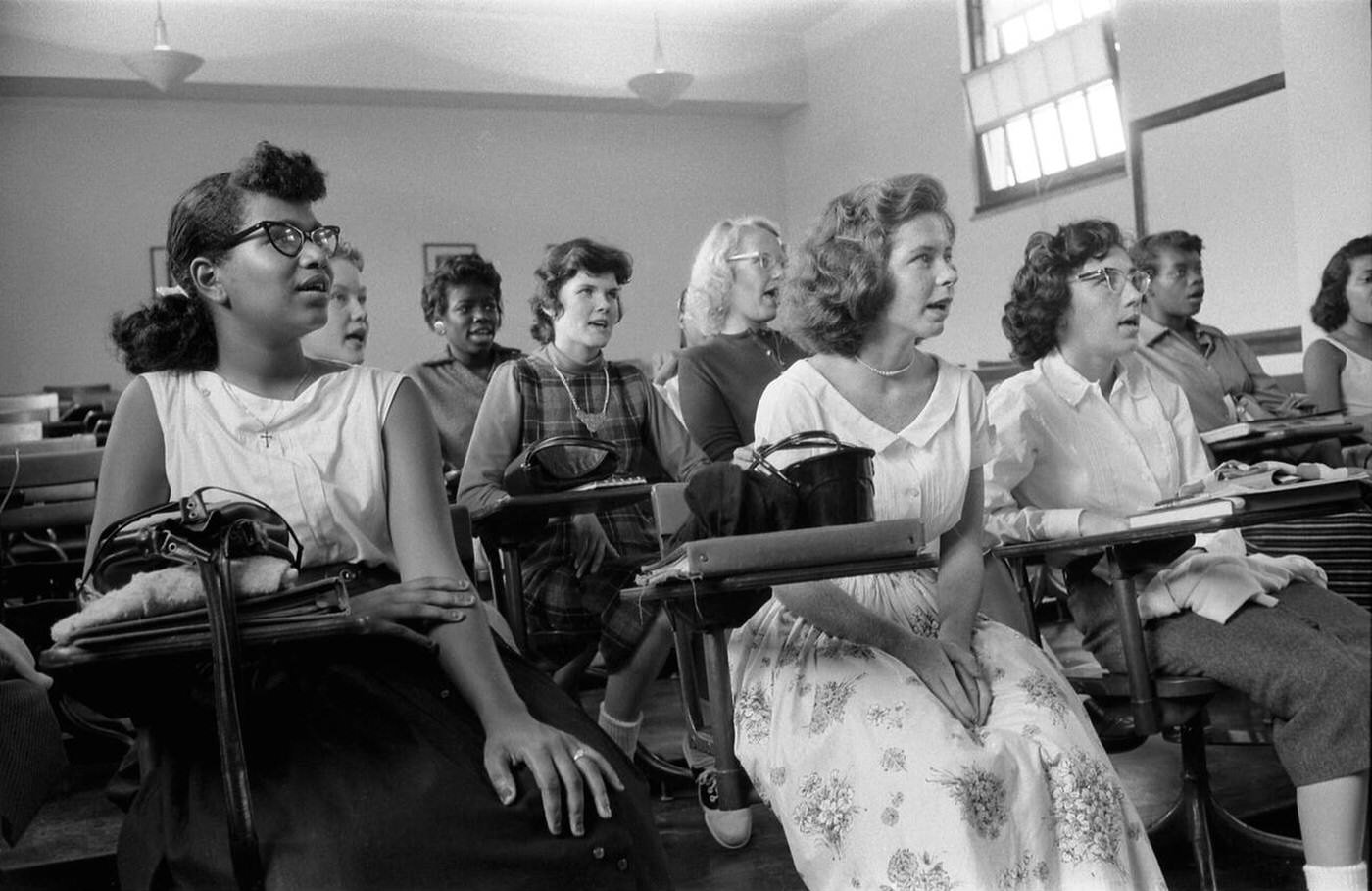
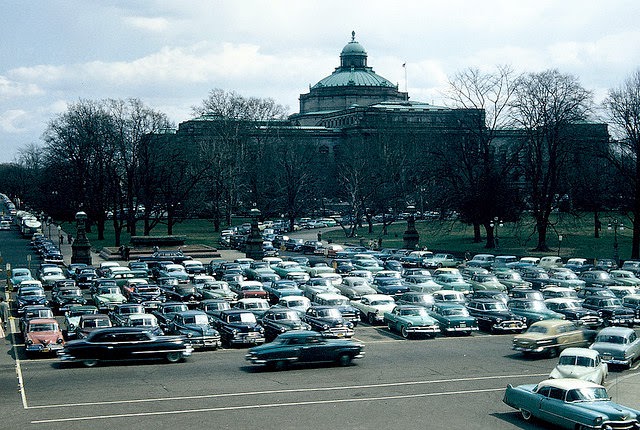
By 1957, integration was reaching Washington’s high schools. Anacostia High School, in one of the city’s predominantly Black neighborhoods east of the Anacostia River, had integrated classrooms — a visible sign of the changes set in motion by Brown v. Board. Meanwhile, the city’s bridges and roads were straining under the weight of car traffic. The Arlington Memorial Bridge was a daily bottleneck for commuters crossing between Virginia and D.C., a preview of the traffic problems the Capital Beltway was being built to solve.
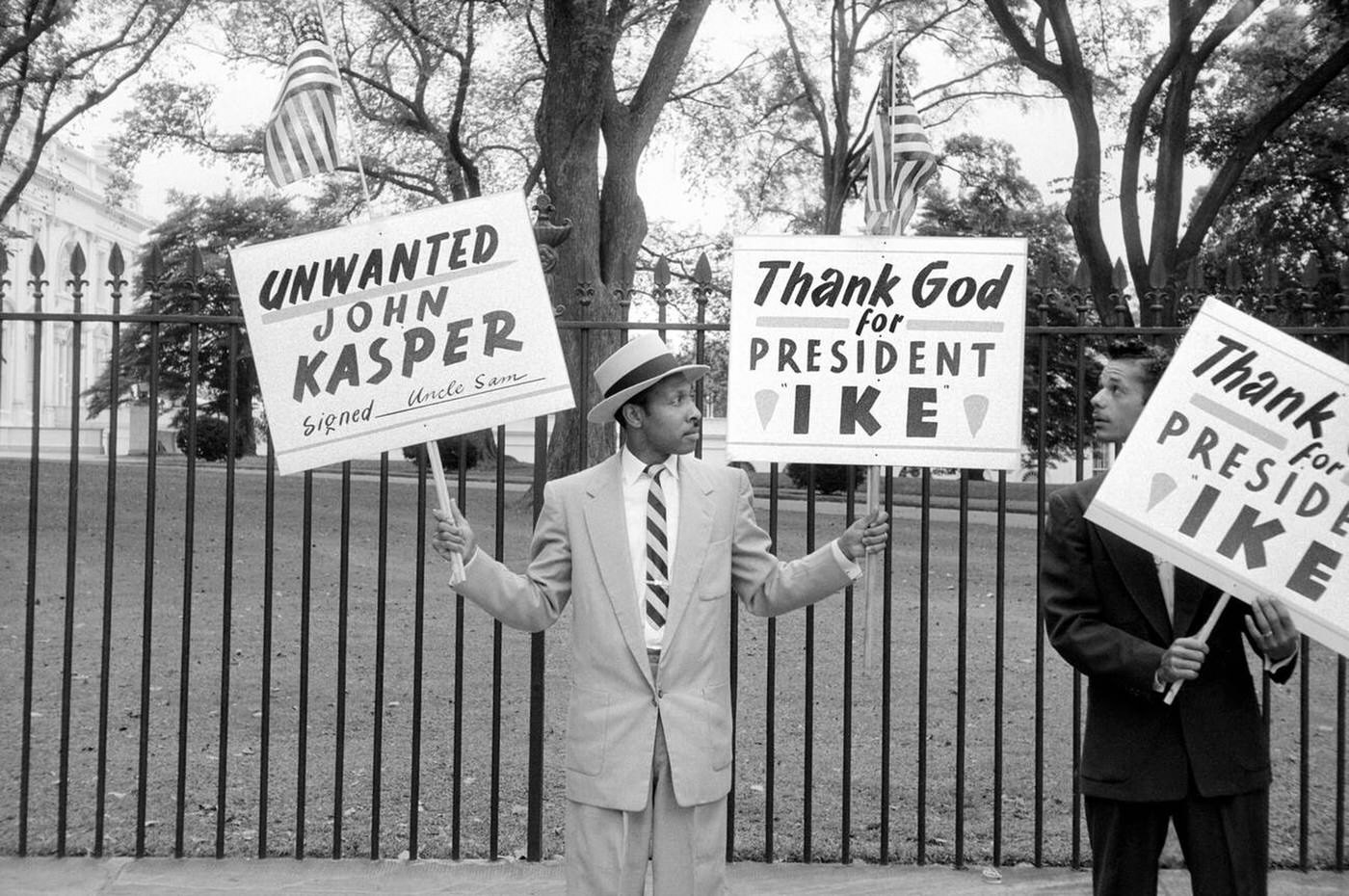
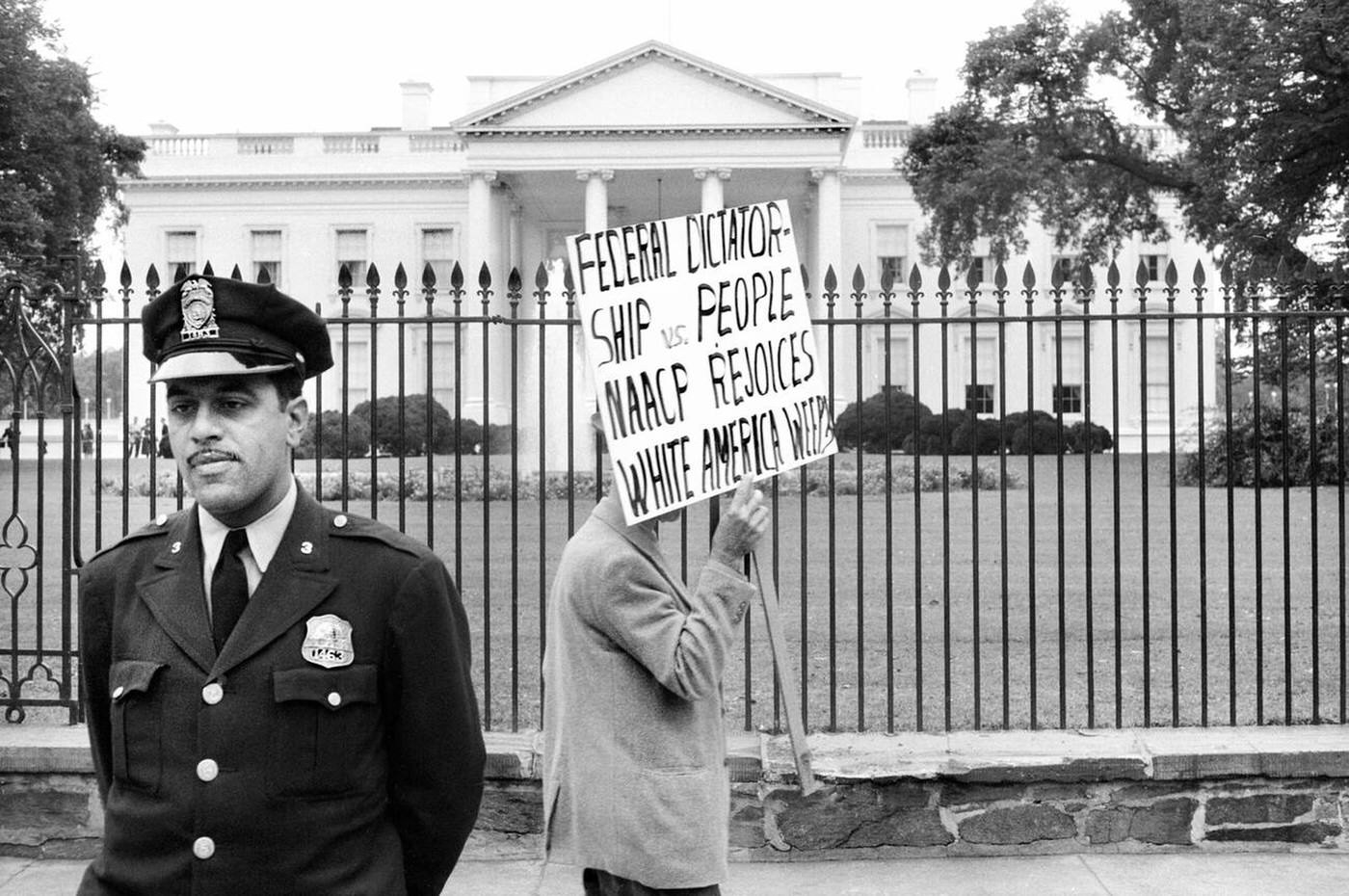
The fight over integration was not abstract. In 1957, protesters took to Washington’s streets both to oppose John Kasper, a far-right activist and Ku Klux Klan member who had been agitating violently against school integration across the South, and to support him. The competing demonstrations captured the raw division of the moment. Kasper had been arrested in Tennessee for inciting riots against school integration and was a polarizing national figure. His presence in the national debate made clear that the conflict over civil rights was very much alive in the capital.
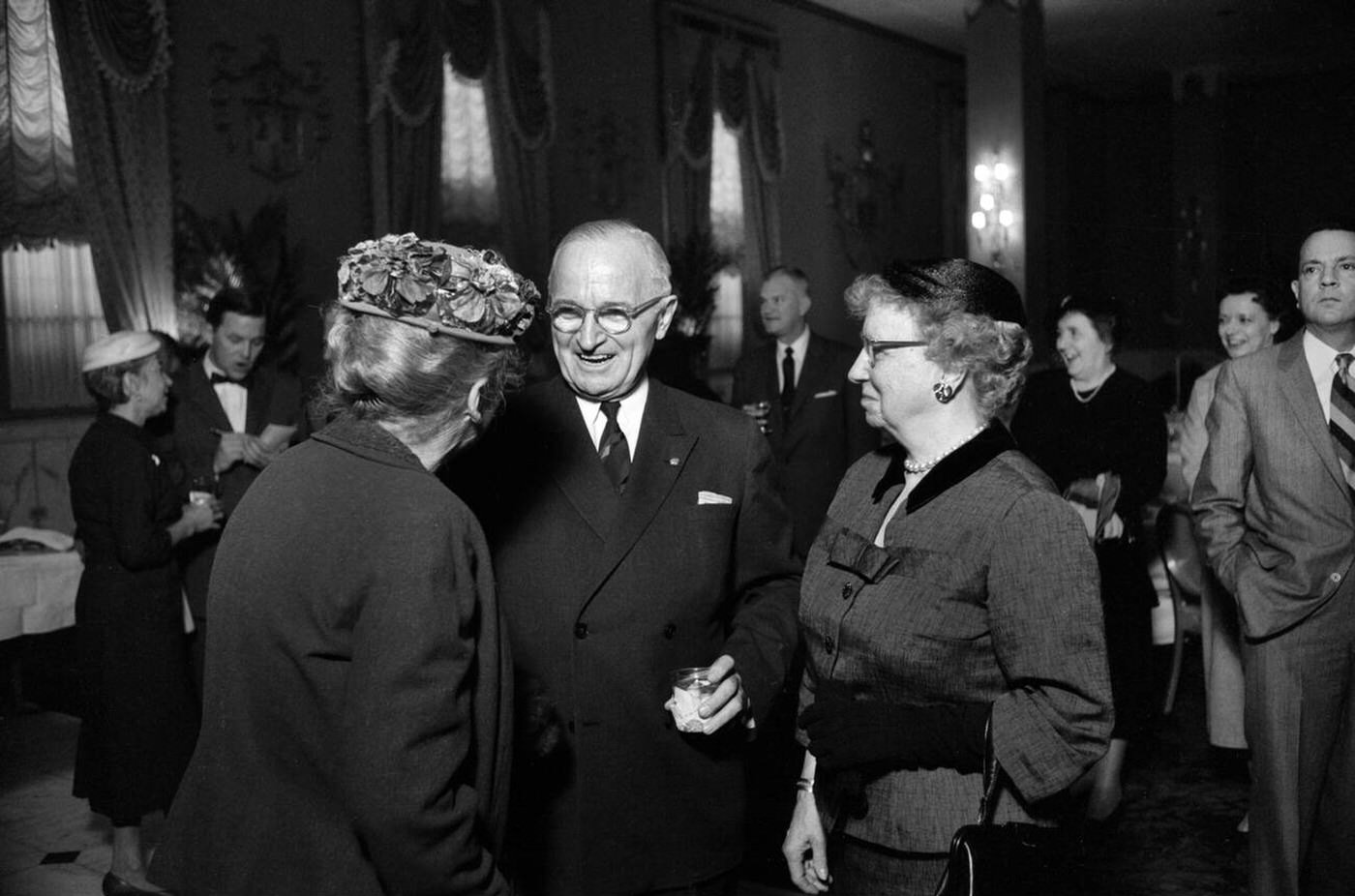
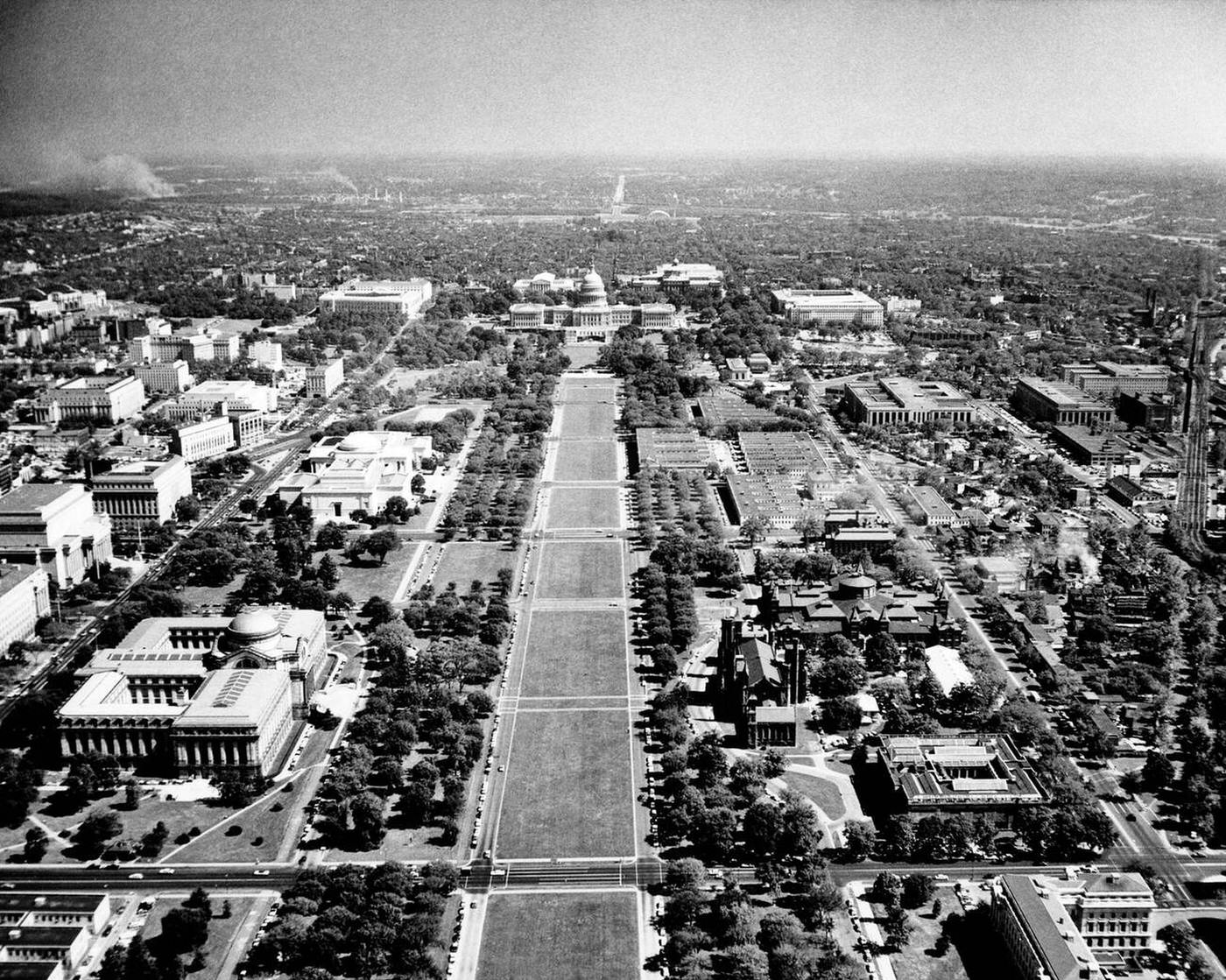
Looking east from the top of the Washington Monument in 1958, the National Mall stretched toward the Capitol in a long, open sweep. Former President Harry Truman, who had left office in 1953, returned to Washington that year to host a reunion luncheon for his former cabinet members at the Mayflower Hotel. Truman had desegregated the U.S. military by executive order back in 1948, and his former aides were now watching the civil rights movement they had helped set in motion continue to build momentum.
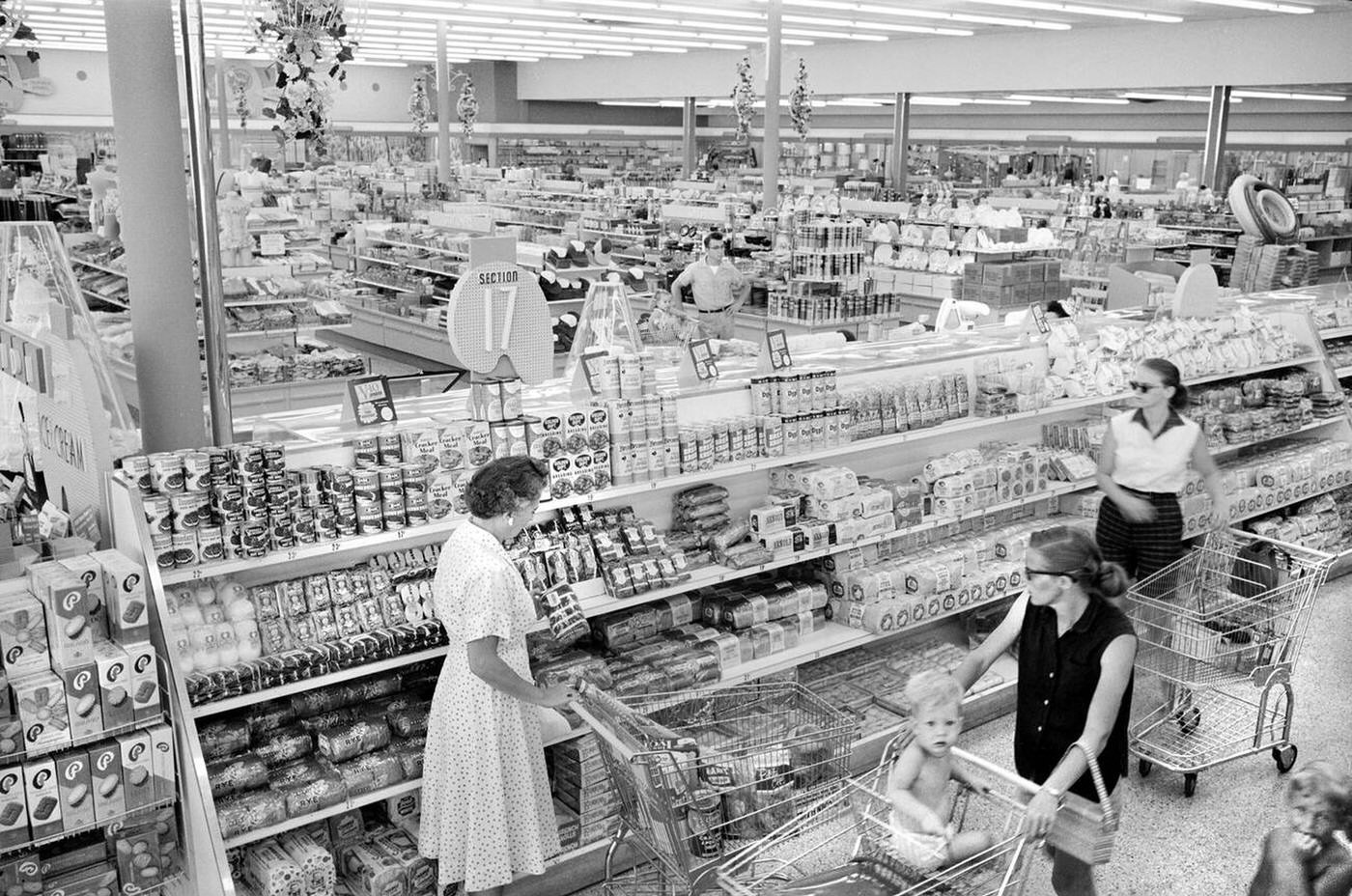
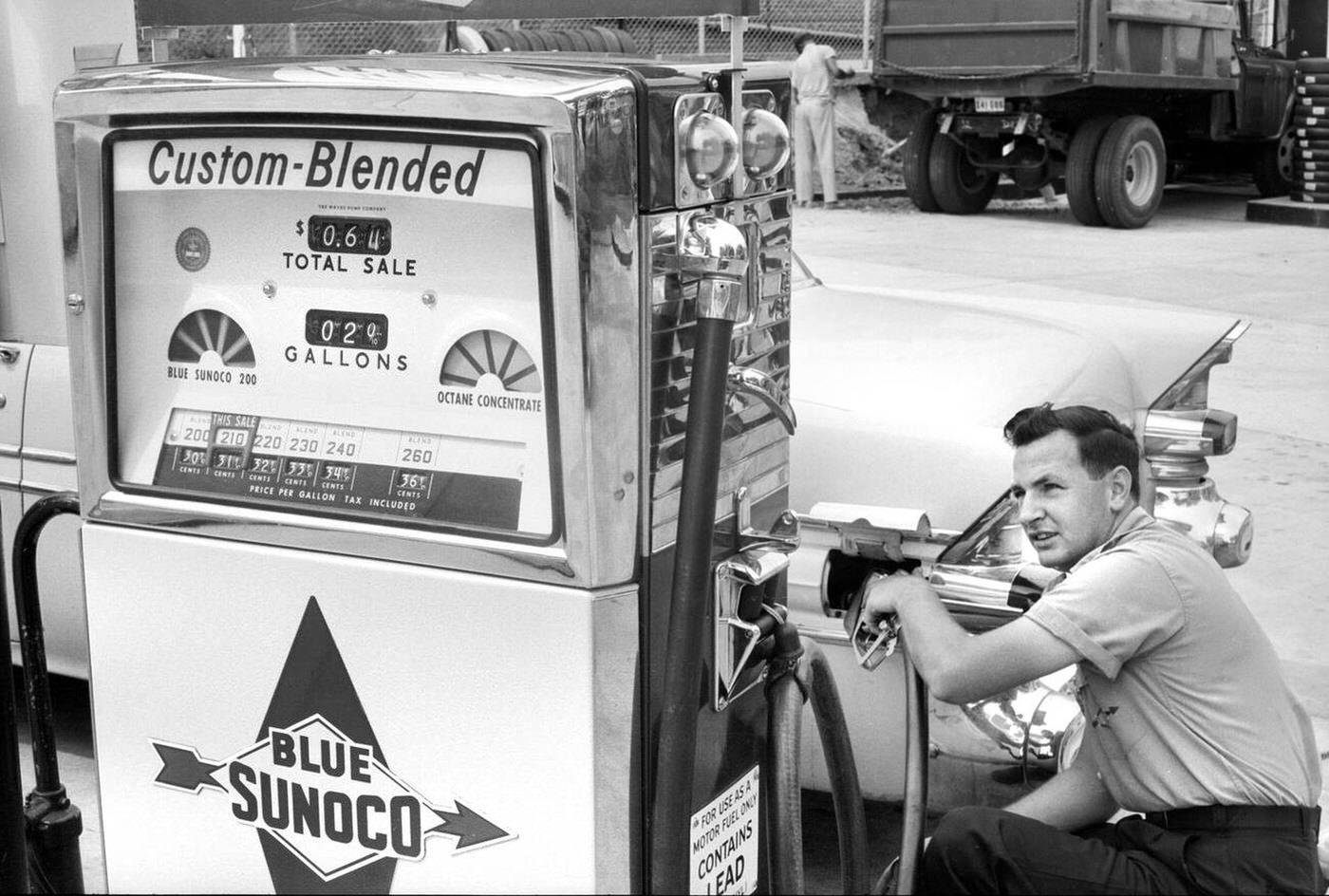
Daily life in 1950s Washington revolved around new consumer rituals. The supermarket replaced the corner grocery store, and the Sunoco gas station — with its attendants who filled your tank, checked your oil, and cleaned your windshield — was a fixture of every neighborhood. Gas was cheap, and the car was the centerpiece of the decade’s idea of prosperity. The new suburbs of Silver Spring in Maryland and Arlington in Virginia were built entirely around car ownership, with wide roads, driveways, and two-car garages.
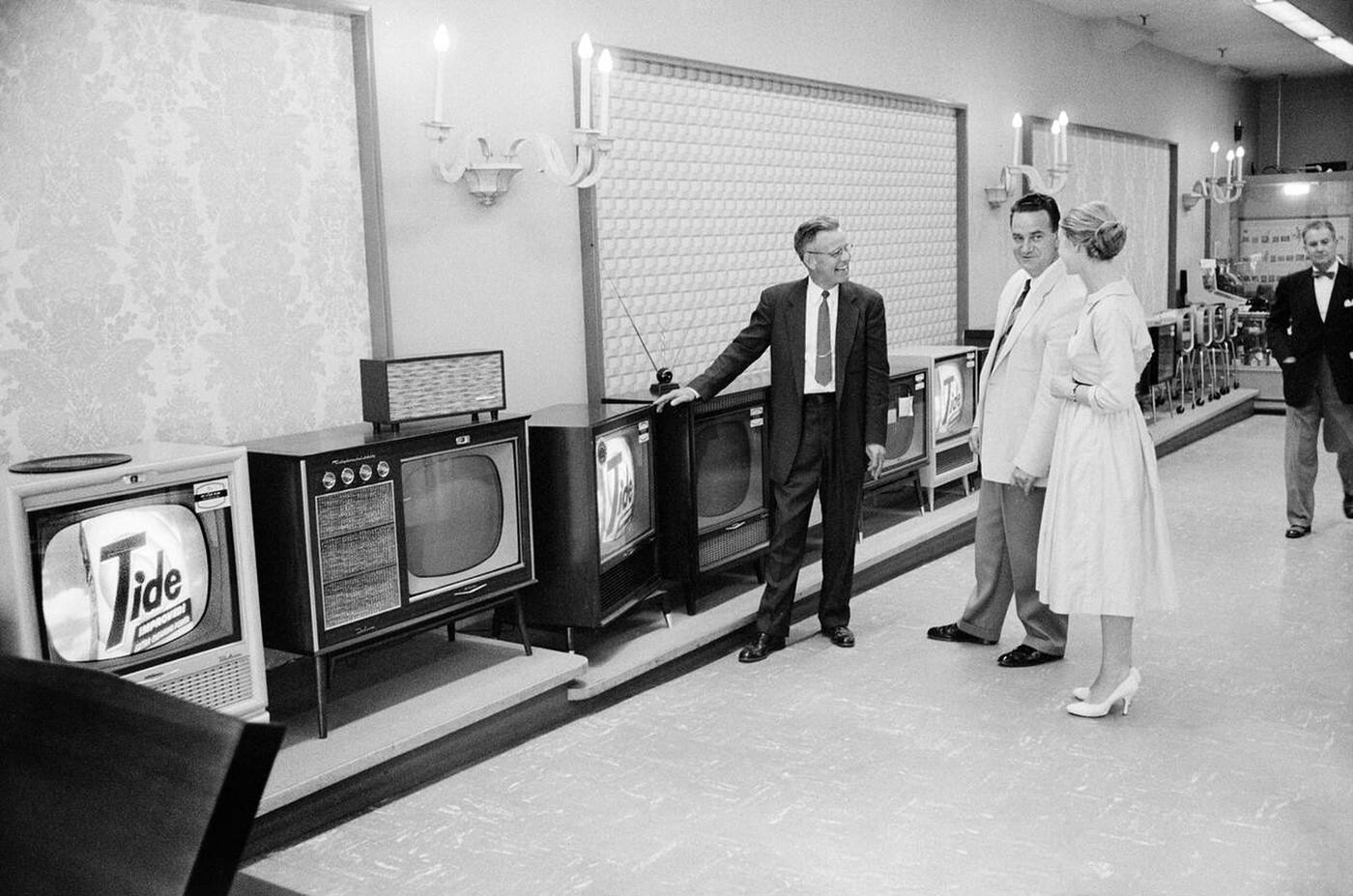
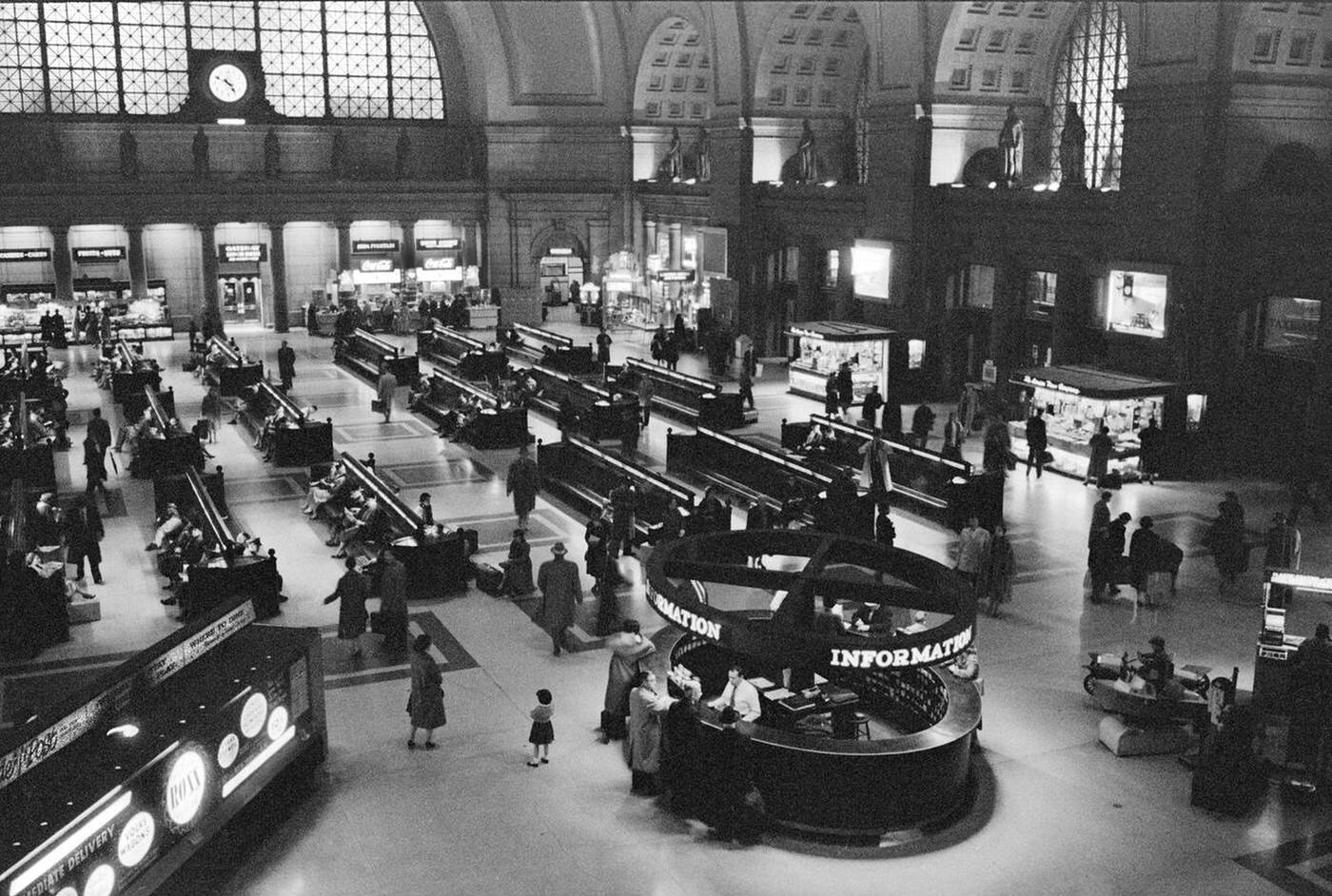
Television was the defining new technology of the 1950s. At Woodward & Lothrop, one of Washington’s premier department stores, couples browsed the latest television sets — still black-and-white, still a major household purchase. Families gathered around their sets to watch I Love Lucy, The Honeymooners, and, increasingly, news broadcasts that brought the drama of congressional hearings and civil rights confrontations directly into their living rooms. Union Station, meanwhile, remained the city’s great transportation hub, its vast waiting room connecting Washington to the rest of the country by rail.
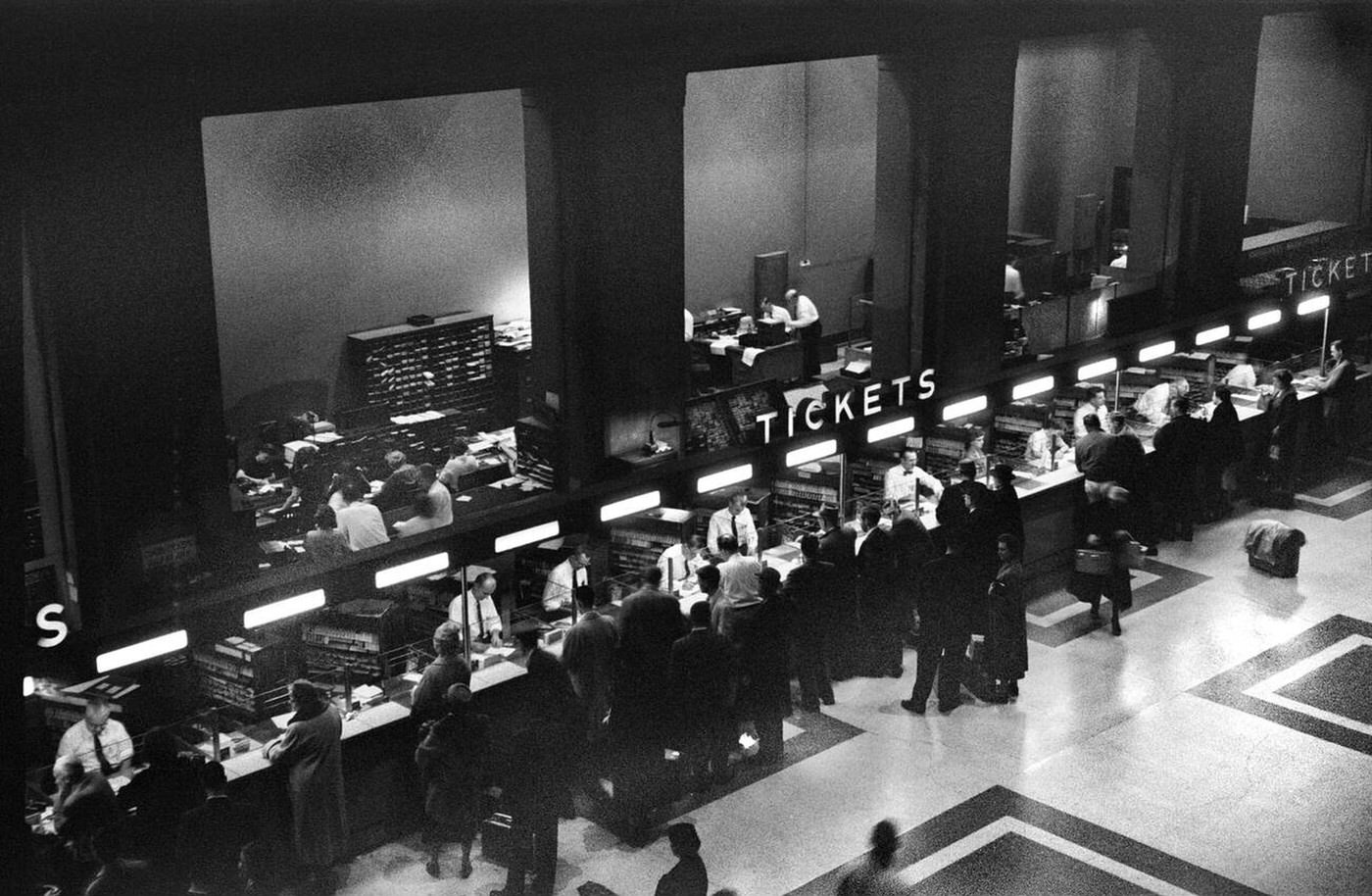
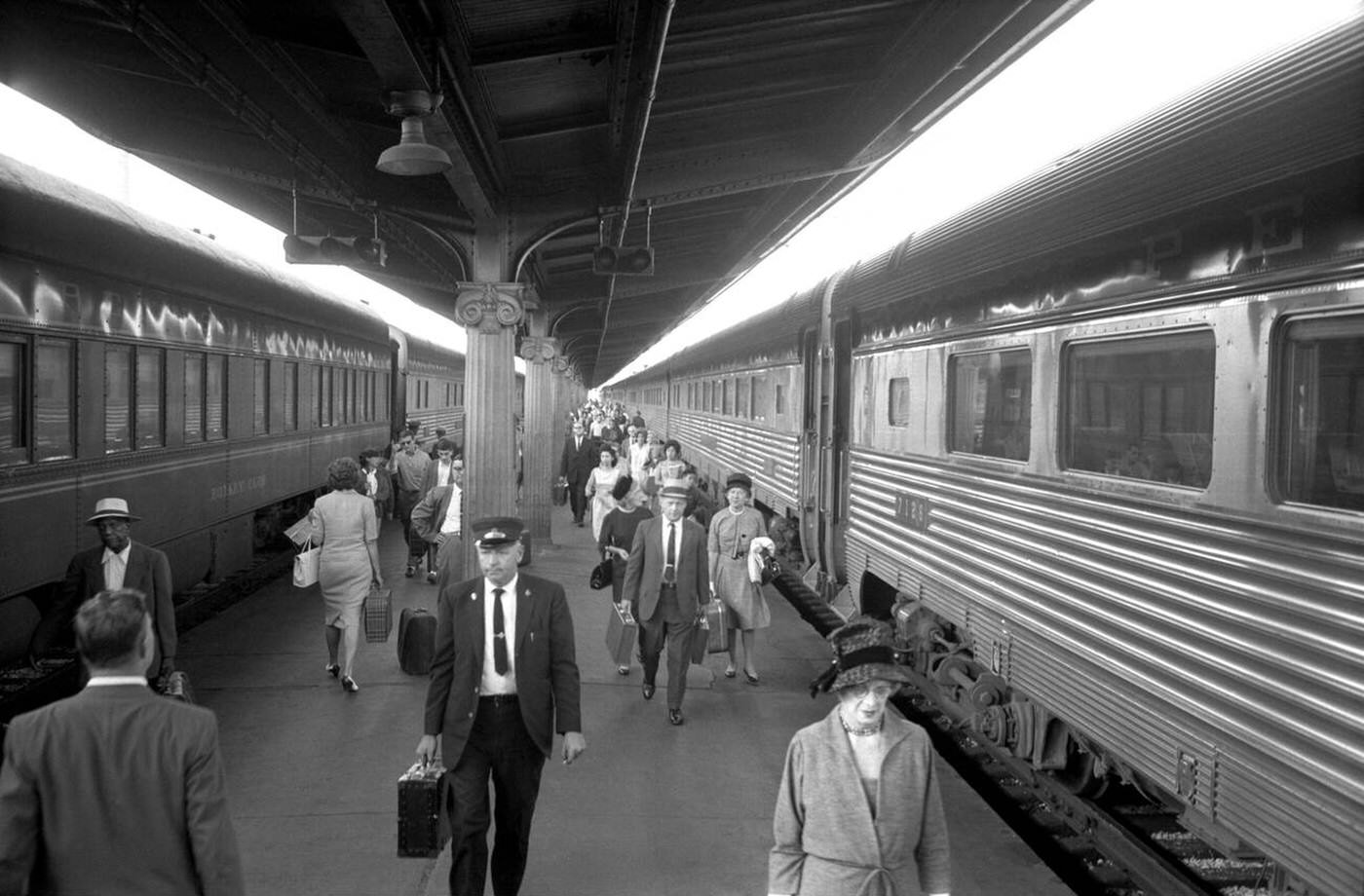
Union Station’s ticket counters handled a steady stream of travelers — senators and staffers returning home to their districts, lobbyists and diplomats moving between cities, and ordinary Washingtonians visiting family. Rail travel was still essential in the late 1950s, even as commercial air travel was expanding rapidly. The station itself was an architectural monument, its grand Beaux-Arts interior a contrast to the functional, modernist buildings going up elsewhere in the city.
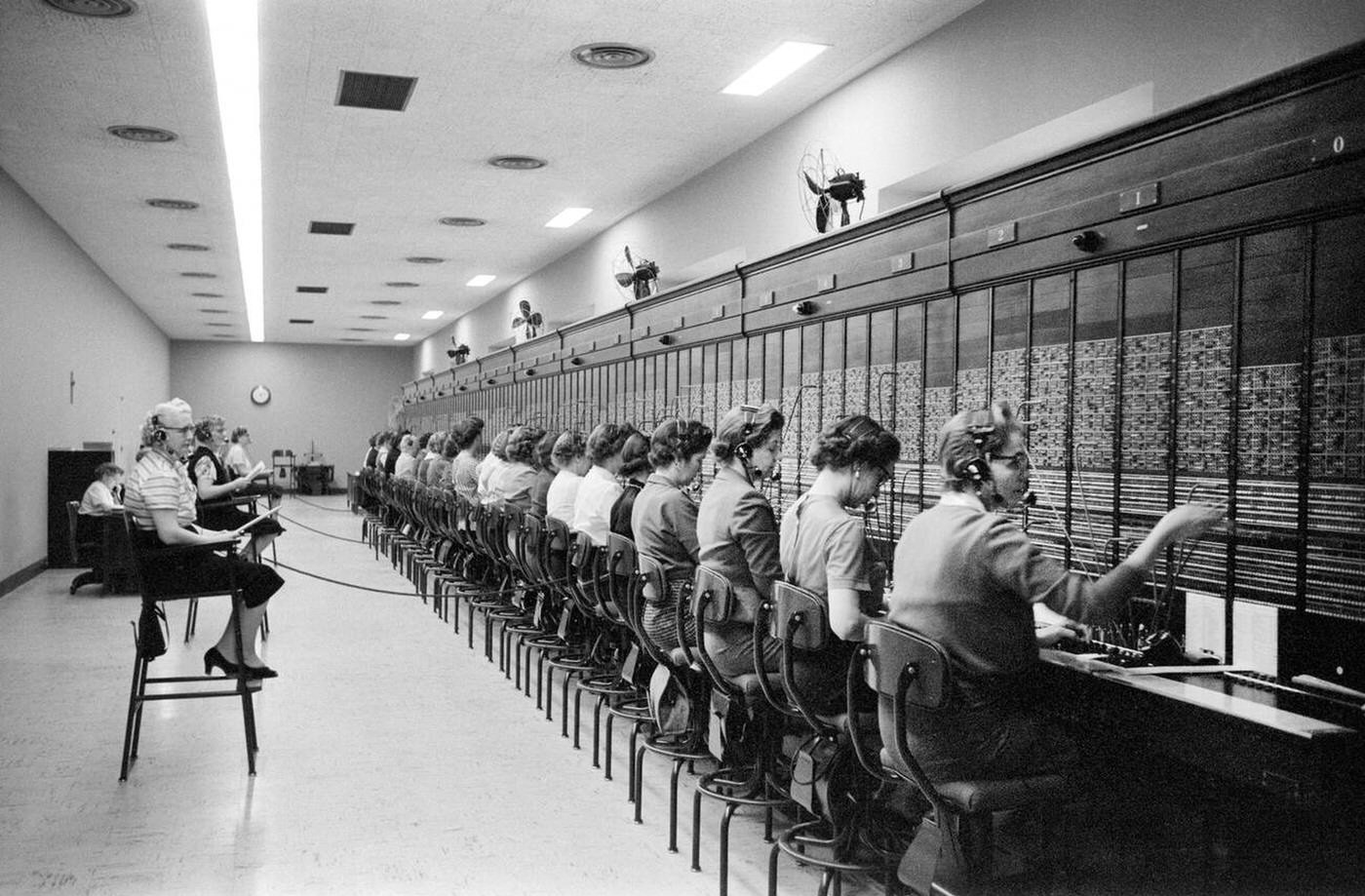
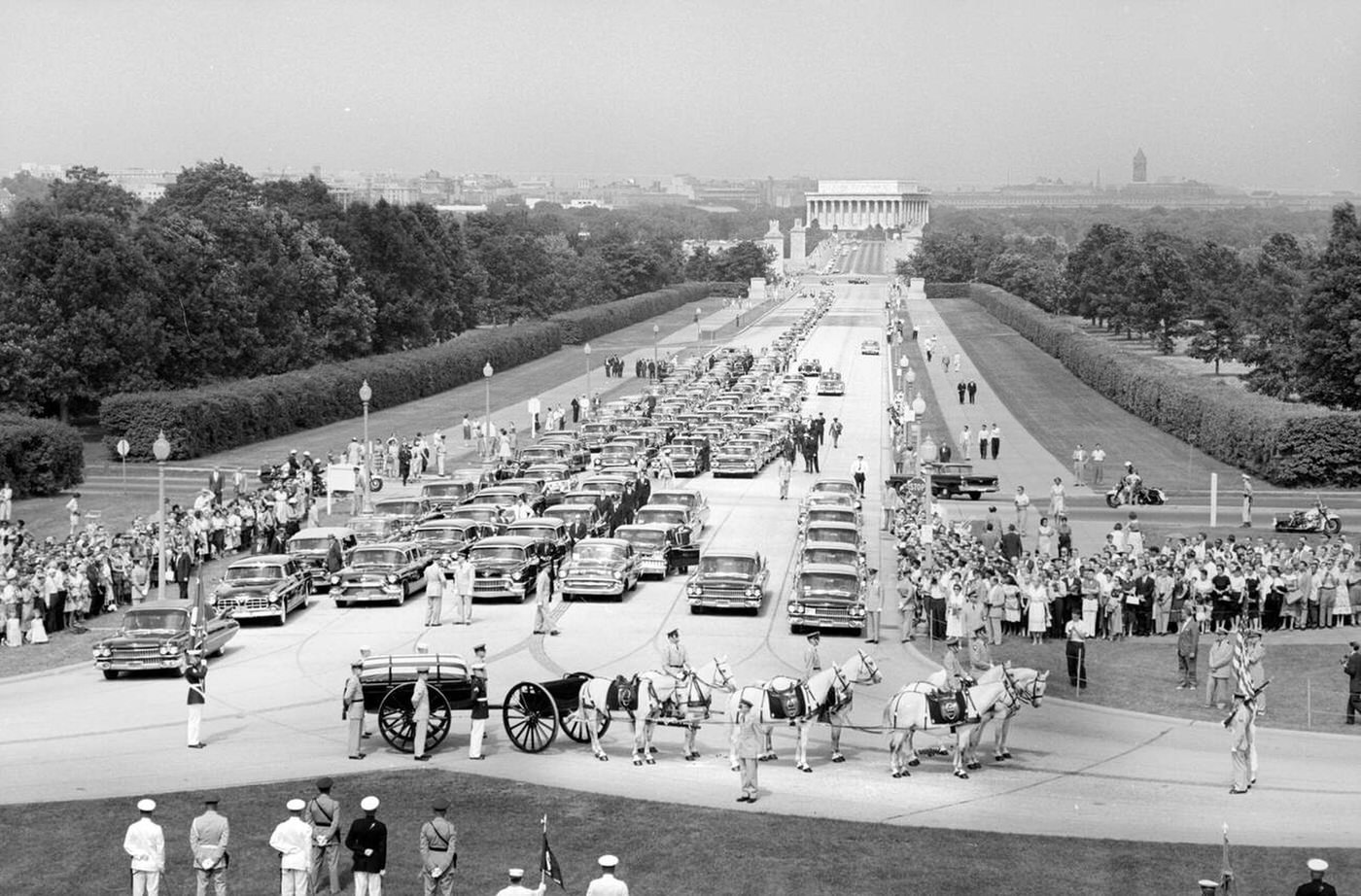
The Capitol’s switchboard operators — almost entirely women — connected the hundreds of offices in the congressional complex, routing calls from constituents, lobbyists, and foreign embassies. Their work was invisible but essential. In May 1959, Washington paused to mourn the death of Secretary of State John Foster Dulles, one of the Cold War’s most aggressive architects. His flag-draped casket was carried on a horse-drawn caisson to Arlington National Cemetery, a funeral procession that drew much of official Washington to the streets.
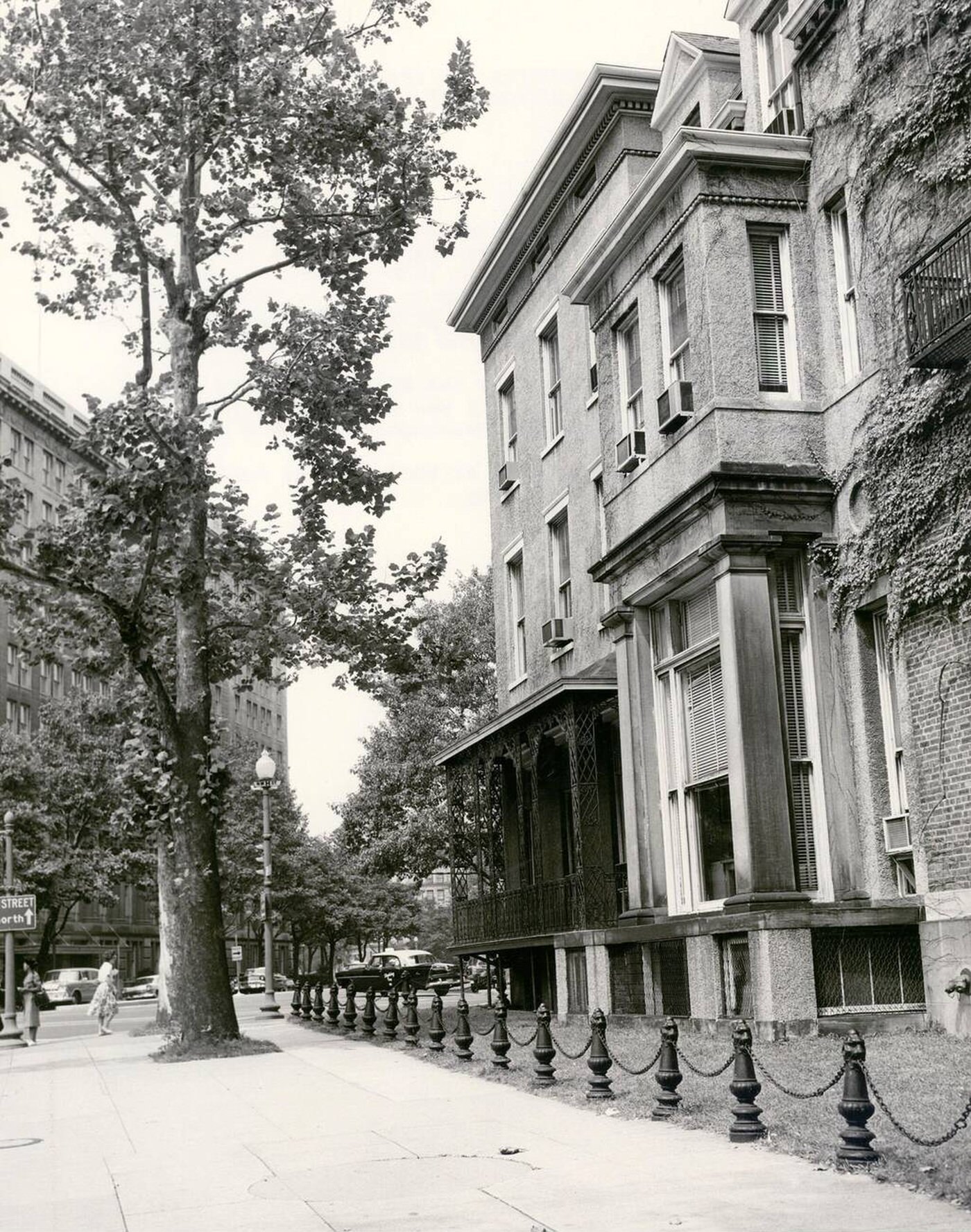
The decade ended with Washington on the edge of a new era. John F. Kennedy’s inauguration in January 1961 was still ahead, but the groundwork for change was already visible in the city’s streets. NASA, founded in 1958 in response to the Soviet Union’s Sputnik satellite launch, set up its first headquarters in a modest building at 1520 H Street NW — a building so unassuming it was simply called the “Little White House.” From that small office, the United States began planning its race to the Moon, the next great chapter in the Cold War competition that had defined Washington’s entire decade.