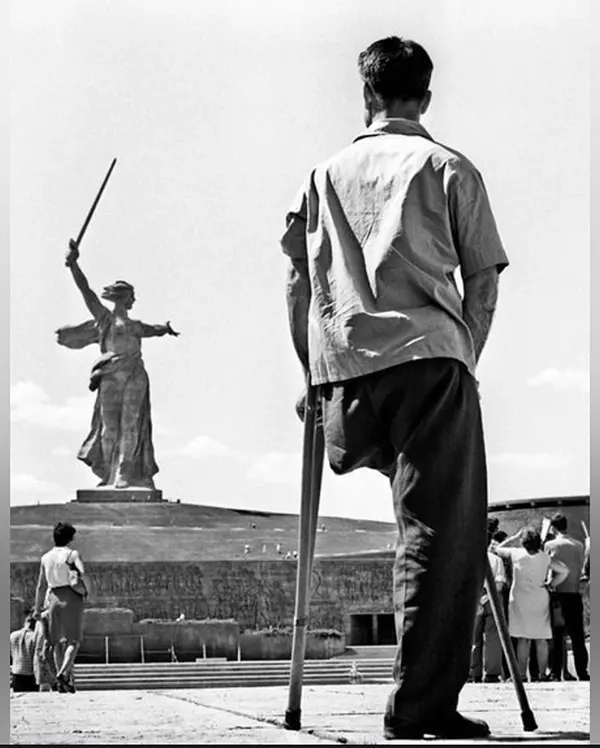
The Soviet Union was built on a single, sweeping promise: the world’s first workers’ paradise. Every citizen would be housed, employed, educated, and cared for by the state. From birth to death, the Communist Party would provide. It was a total social contract, and for tens of millions of people across the USSR, it was the only system they ever knew.
But that security came with an equally total loss of choice. Soviet life was a daily negotiation between what the state offered and what ordinary people actually needed. The result was a society full of contradictions — free universities alongside chronic food shortages, guaranteed jobs alongside zero flexibility, grand ideological spectacle alongside the quiet scramble for a decent pair of shoes.
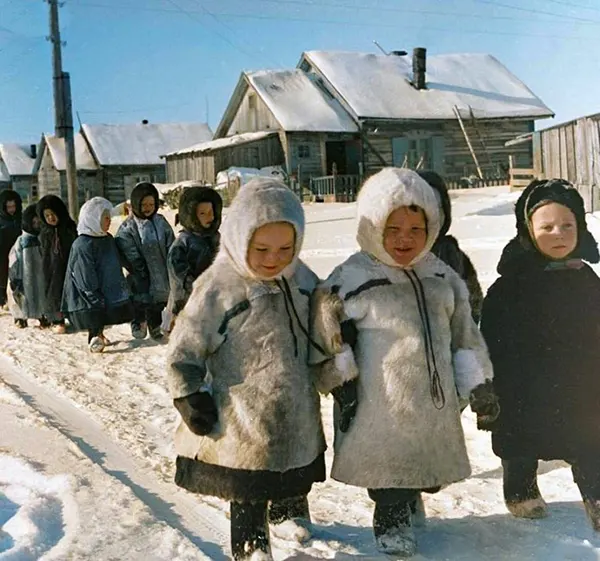
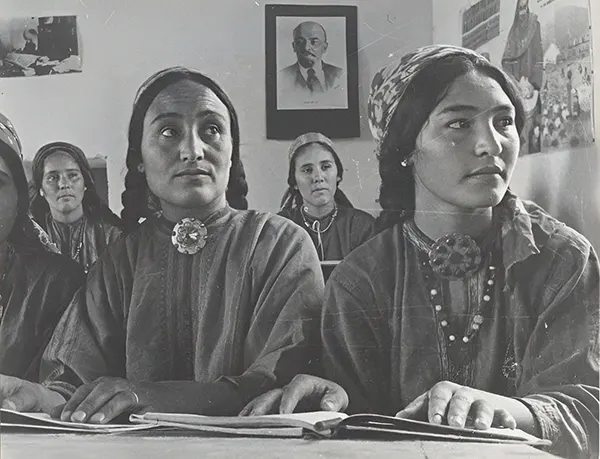
From the very first years of life, the state was present. Education was free at every level — kindergarten, secondary school, and university — and access to higher learning was competitive and based on academic merit. A talented student from a working-class family in a remote region had the same formal right to a university place as anyone else. Healthcare operated on the same principle: universal, state-run, and free of charge through a nationwide network of clinics and hospitals.
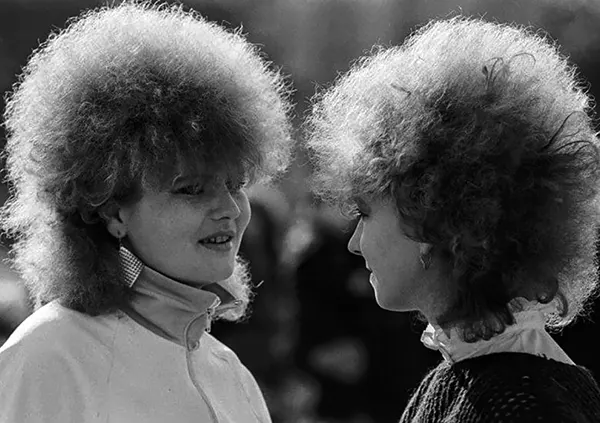
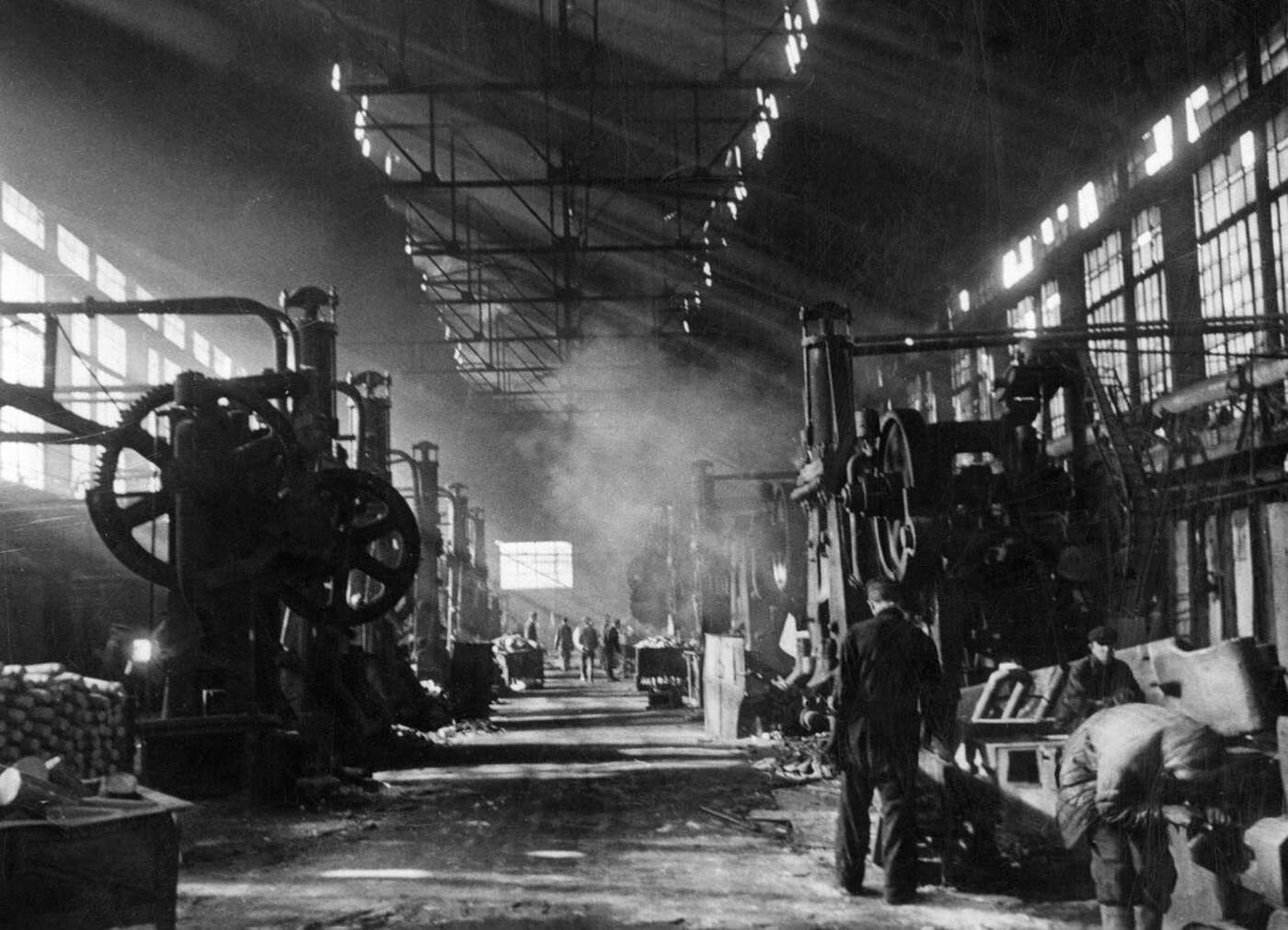
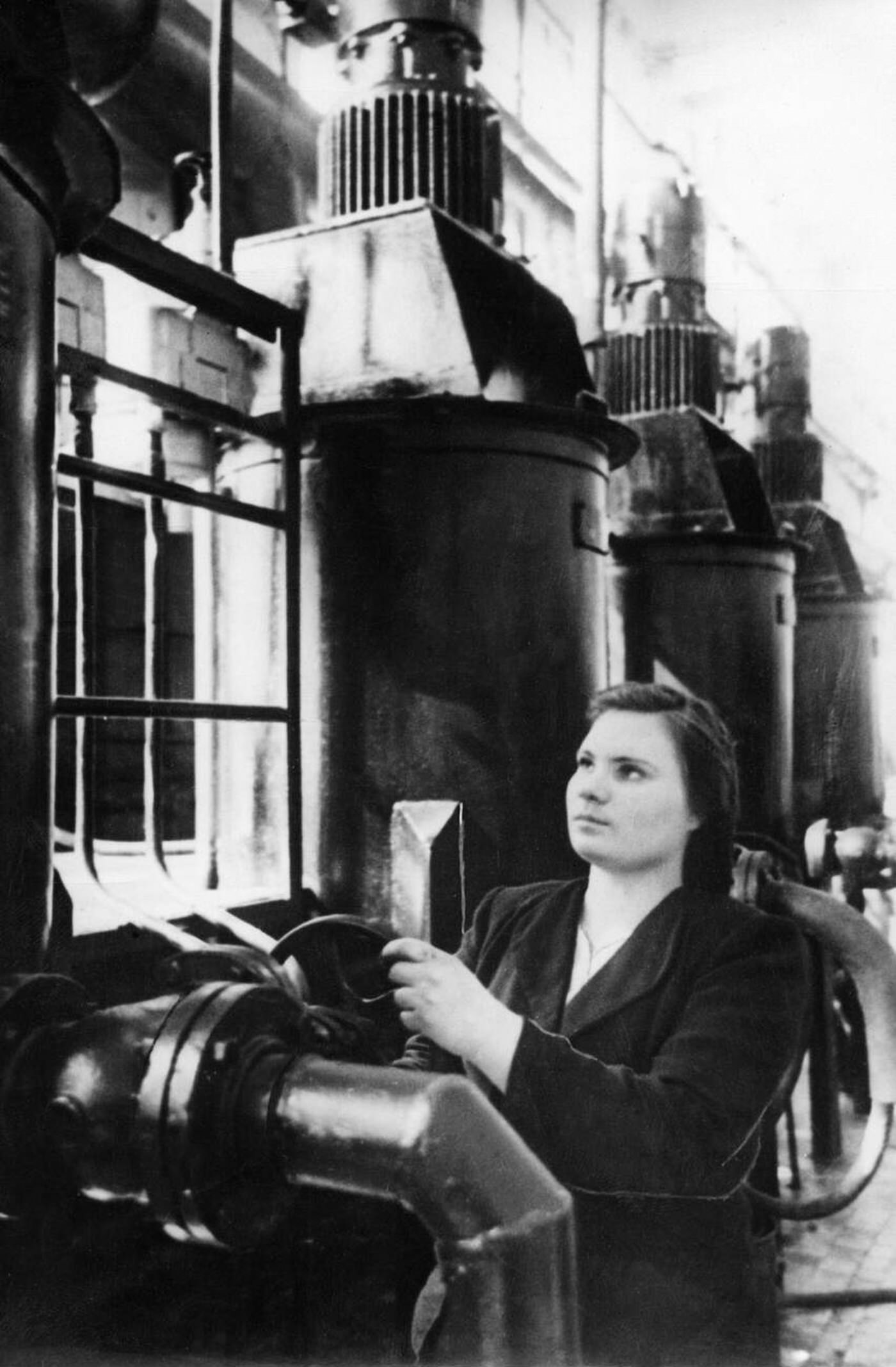
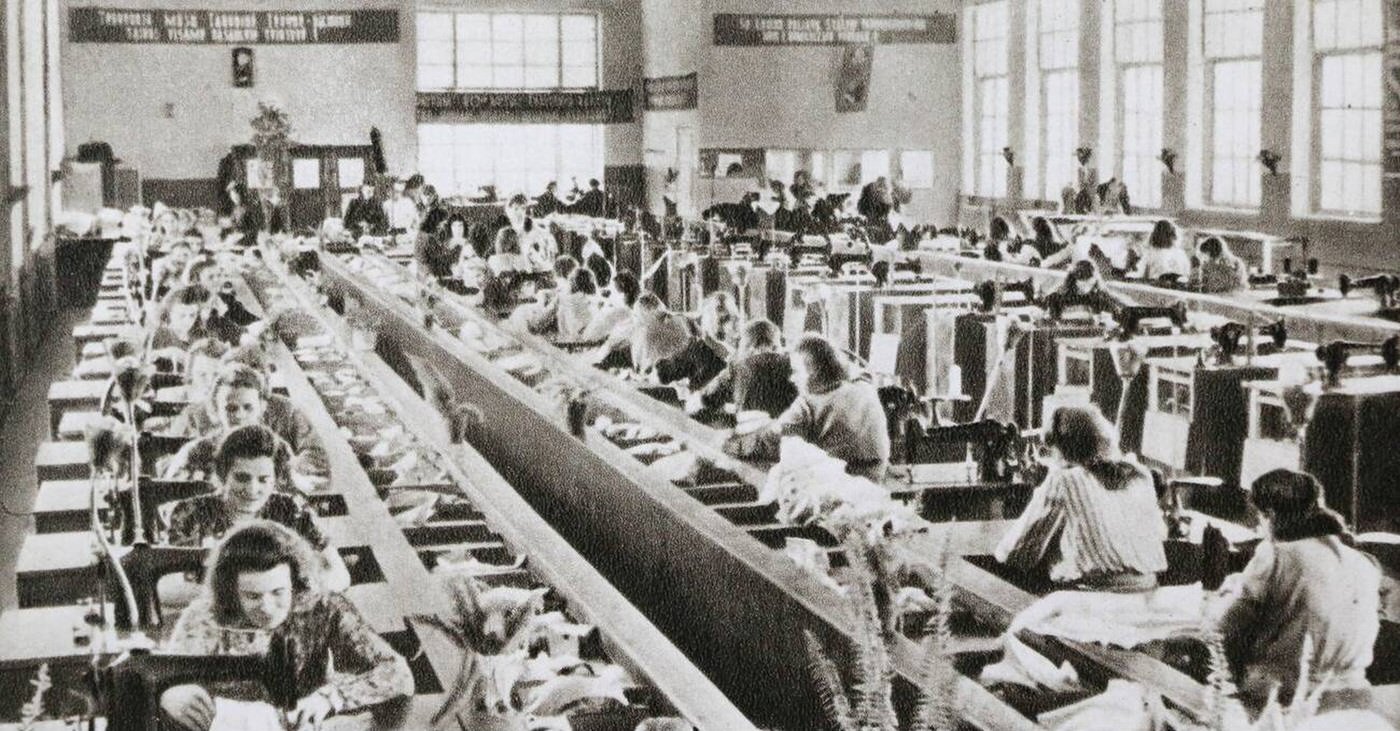
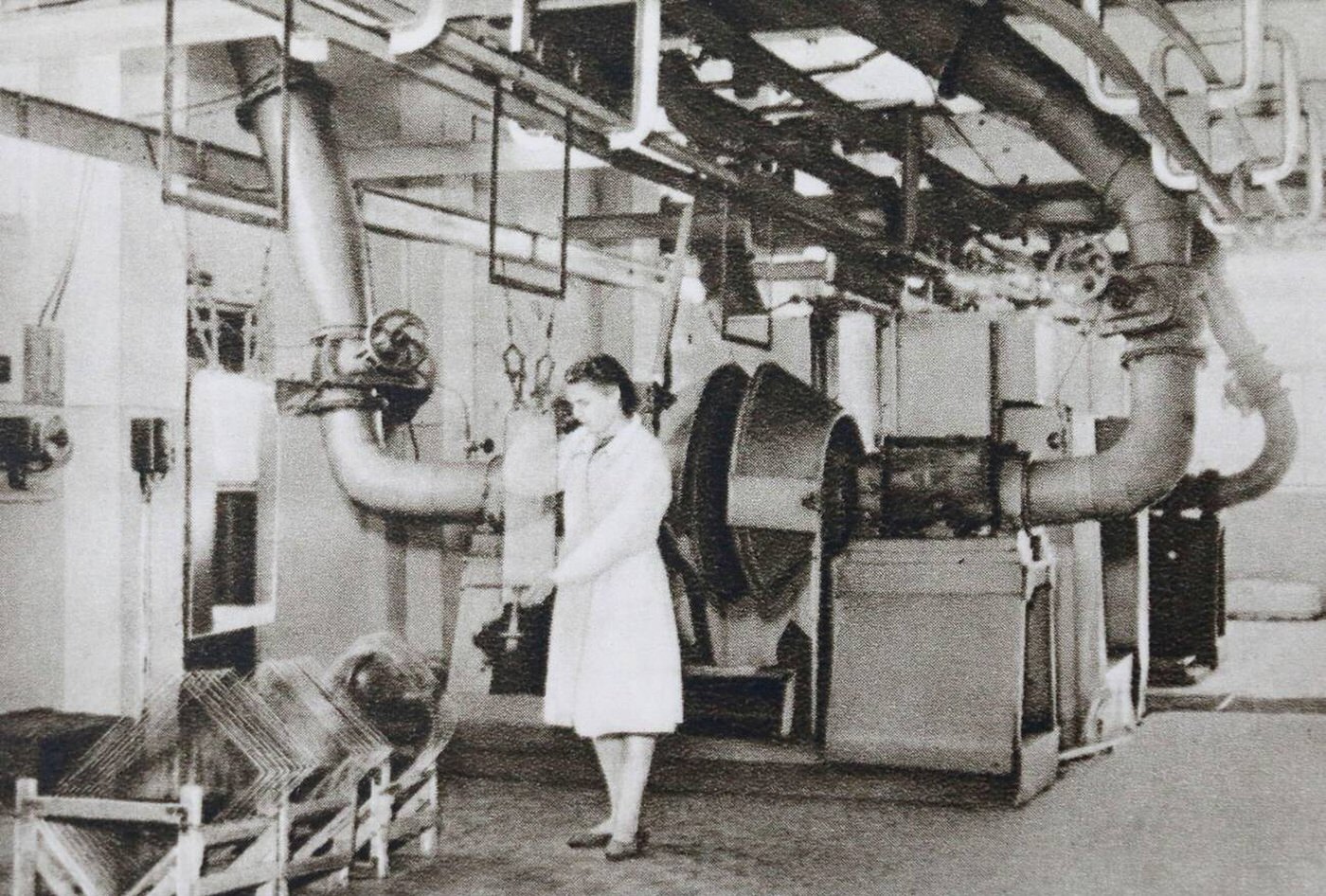
The most consequential promise, though, was guaranteed employment. Unemployment officially did not exist in the USSR. The state was the only employer, and every citizen was entitled to a job. This erased the fear of being laid off. It also erased the freedom to choose your career. Workers were often assigned to positions by state planners and expected to stay there for decades, regardless of whether the work suited them. The concept of job satisfaction simply didn’t fit the system.
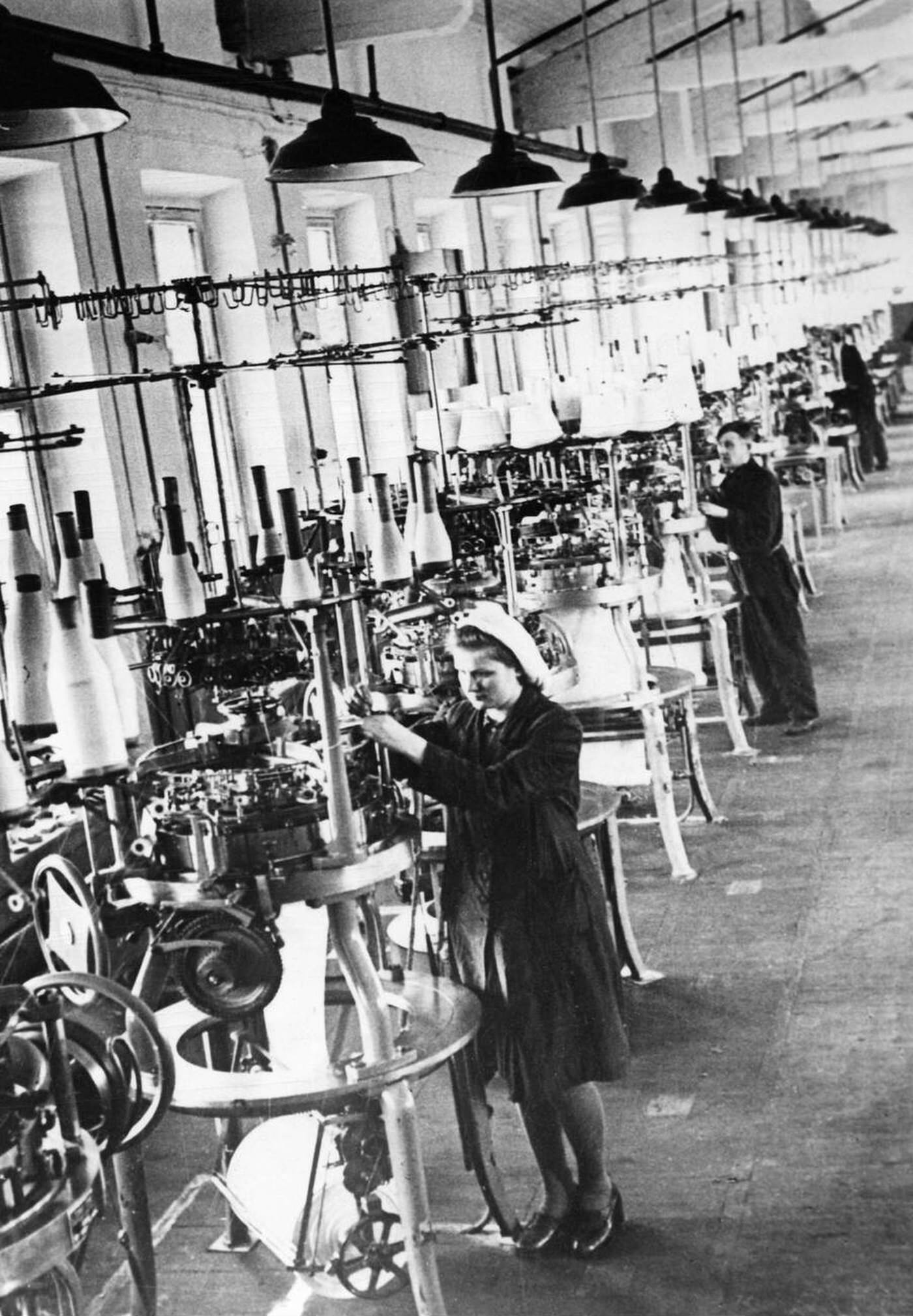
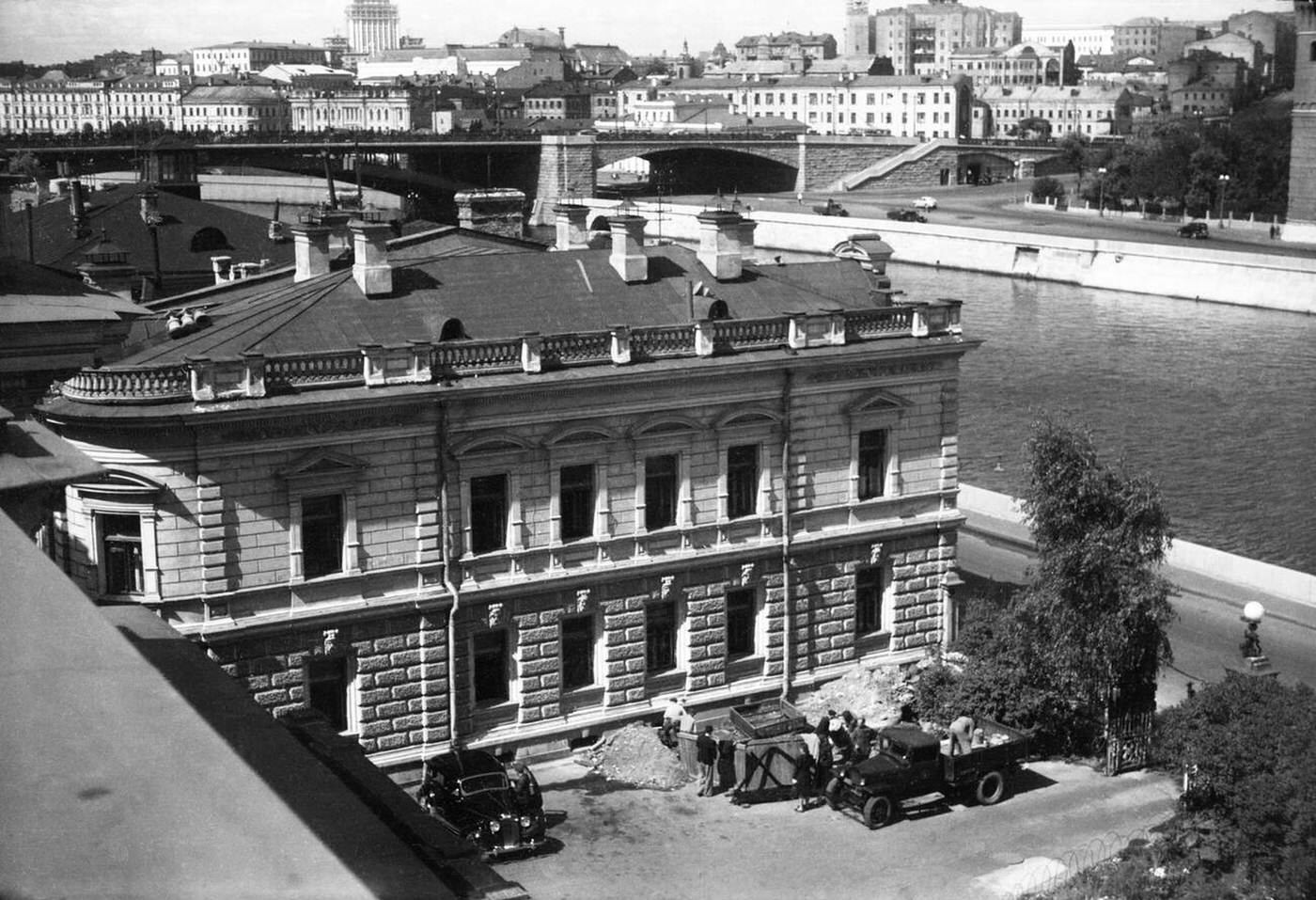
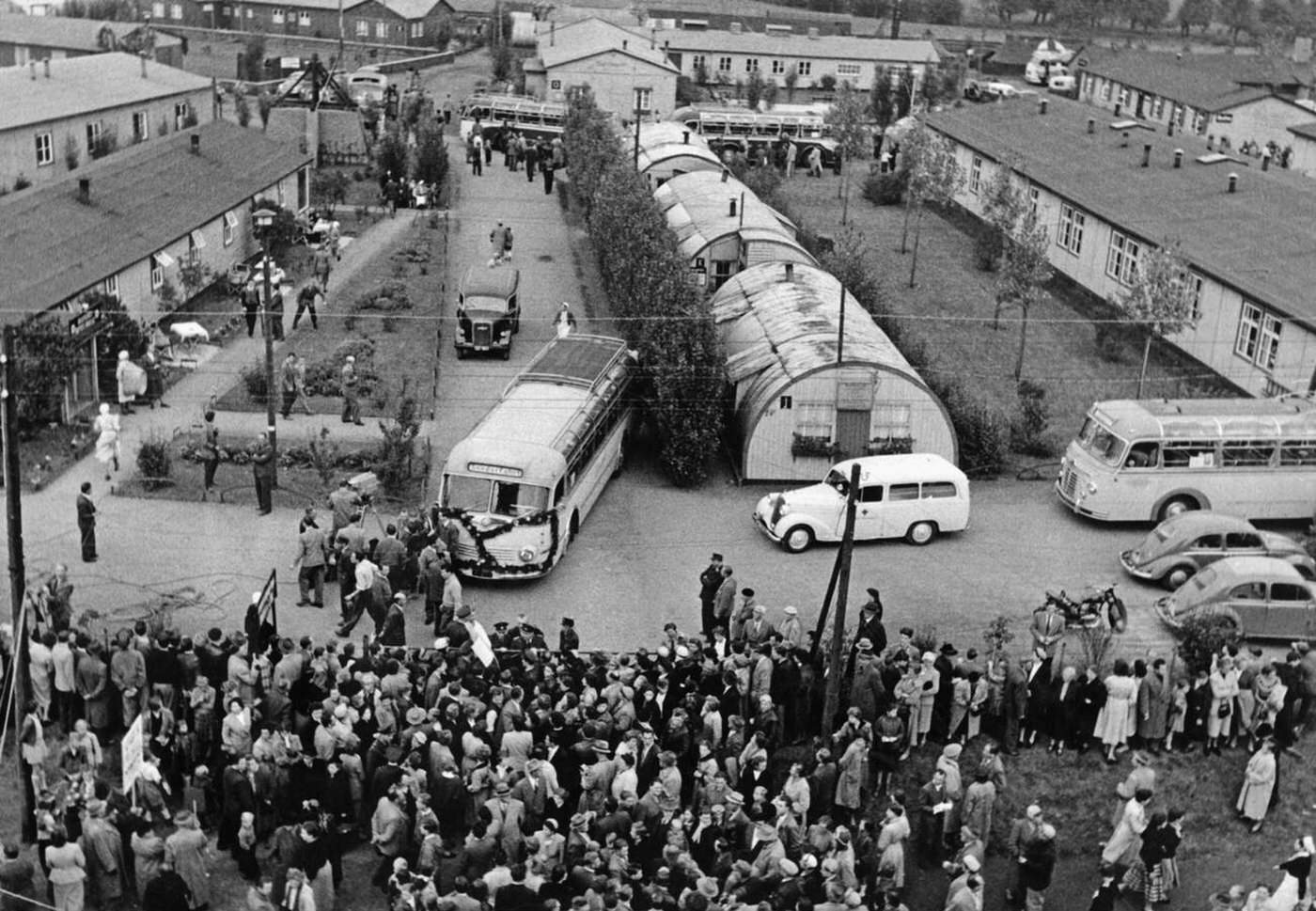
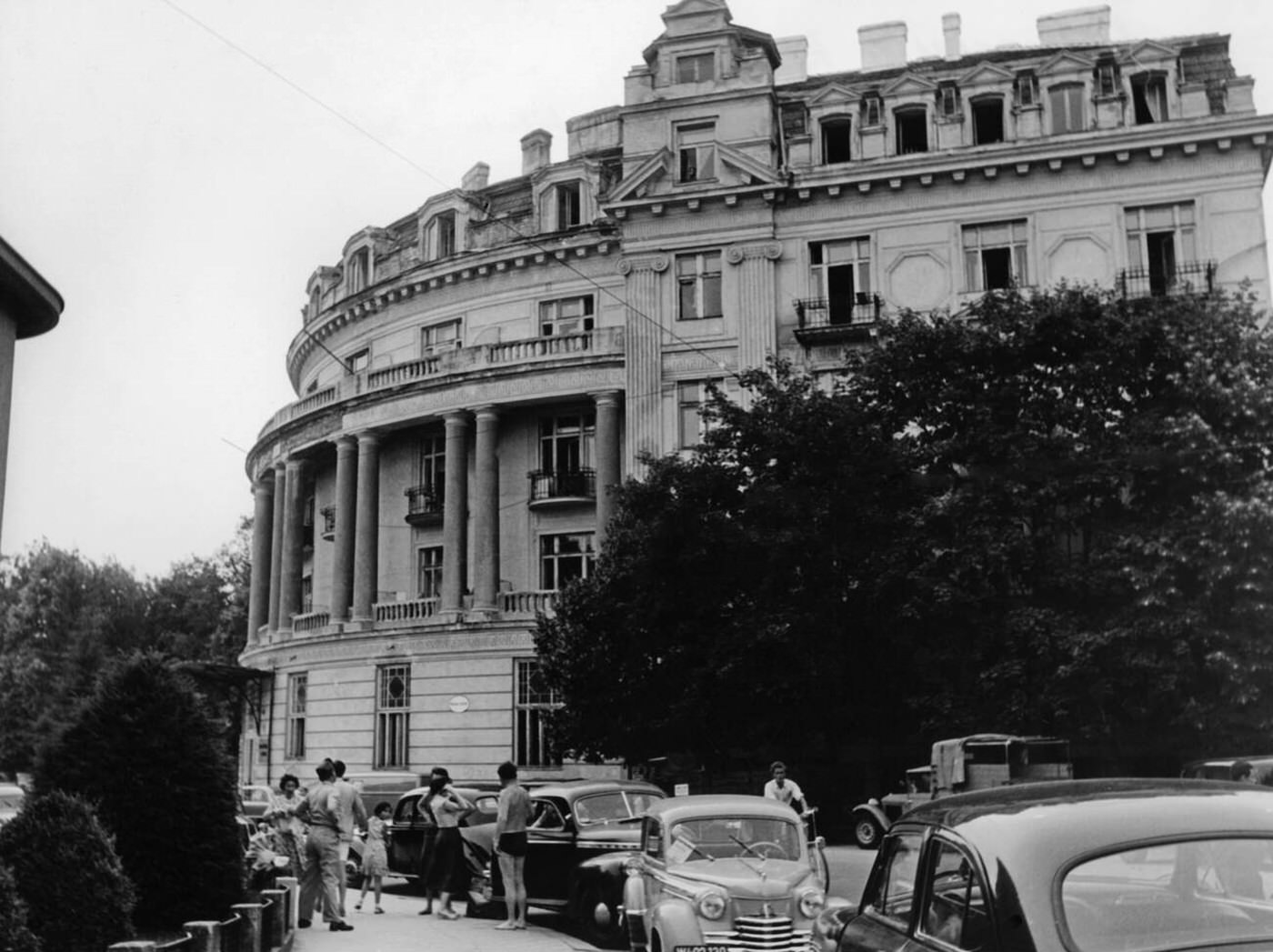
The state was also the universal landlord. Private property ownership was abolished, and every citizen lived in state-owned housing. In the crowded cities, this frequently meant a kommunalka — a communal apartment. These were large, pre-revolutionary apartments subdivided among multiple families. Each family received one or two rooms that served simultaneously as their bedroom, living room, and dining room. The kitchen, bathroom, and hallway telephone were shared by everyone in the apartment.
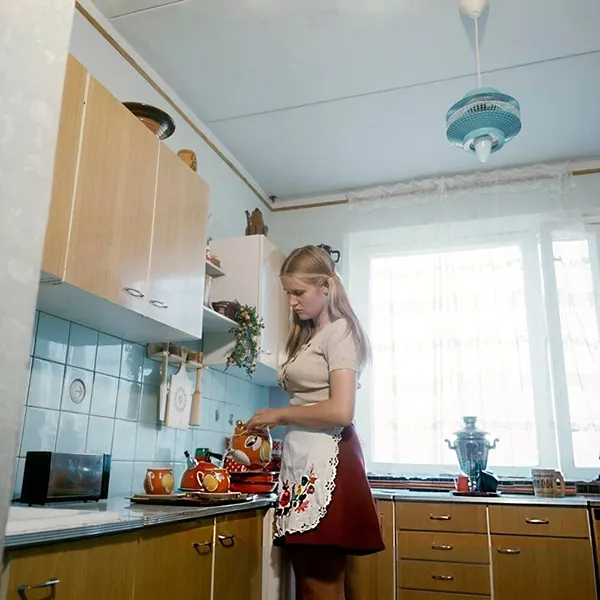
Life inside a kommunalka was intense. Neighbors who had never chosen each other lived in forced proximity, sharing a single stove and one bathroom. Arguments over cleaning schedules, electricity use, and noise were constant. Privacy was essentially nonexistent. The thin walls and shared spaces also made it easy for the state to encourage residents to monitor one another, reporting anything that sounded suspicious or anti-Soviet.
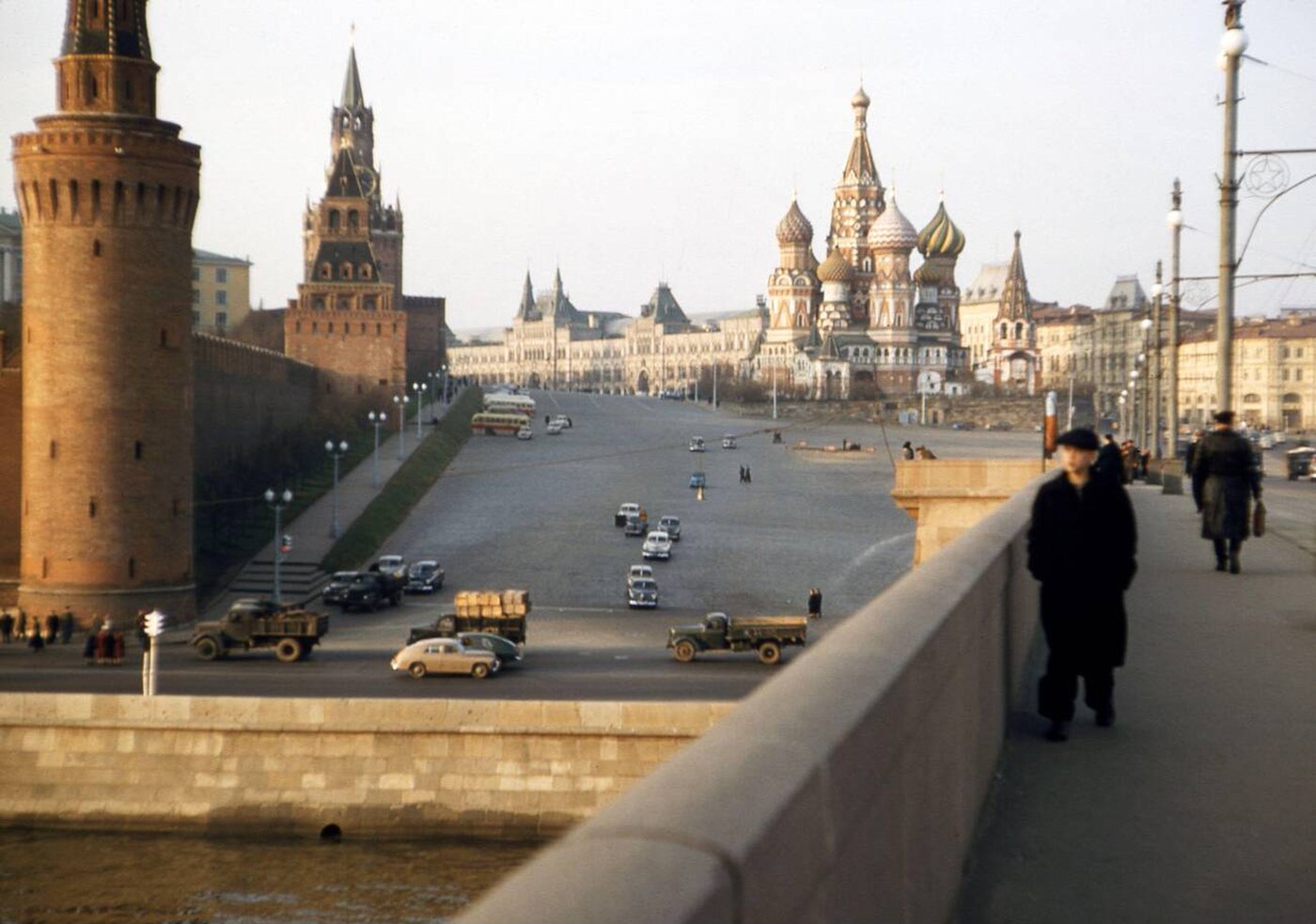
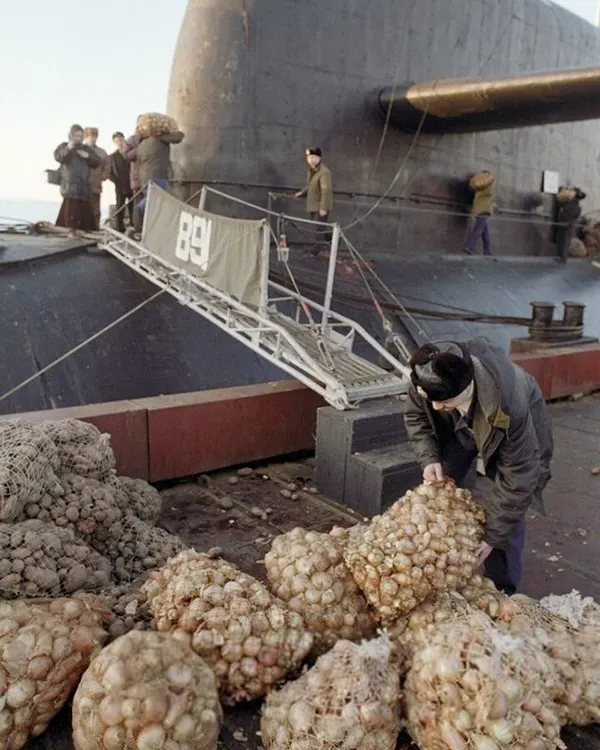
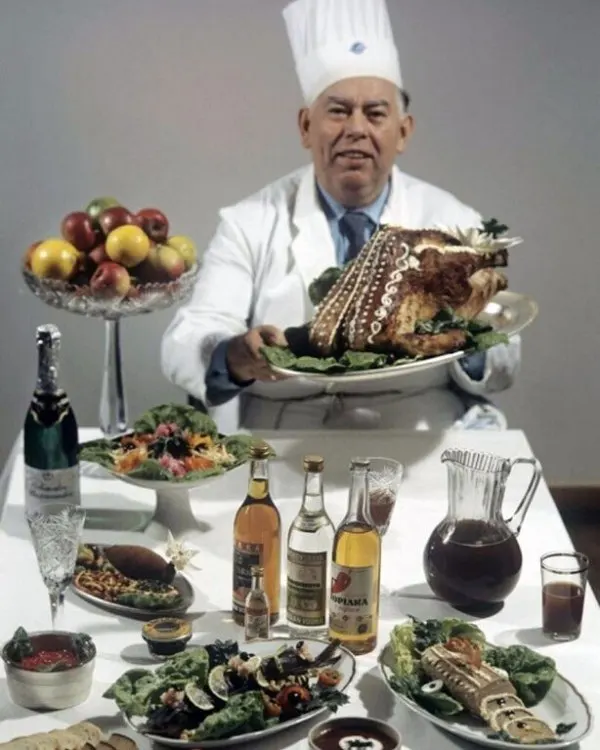
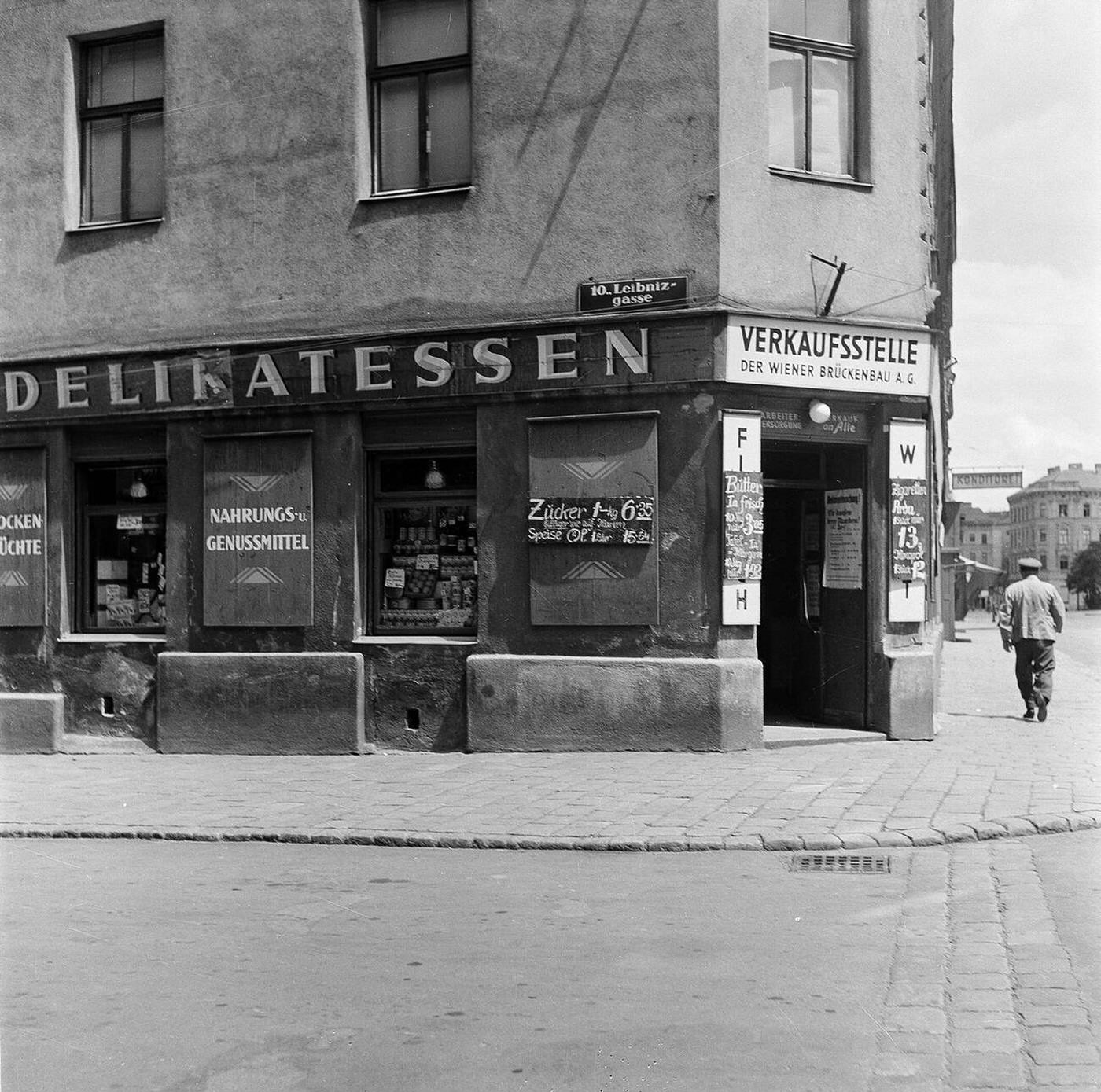
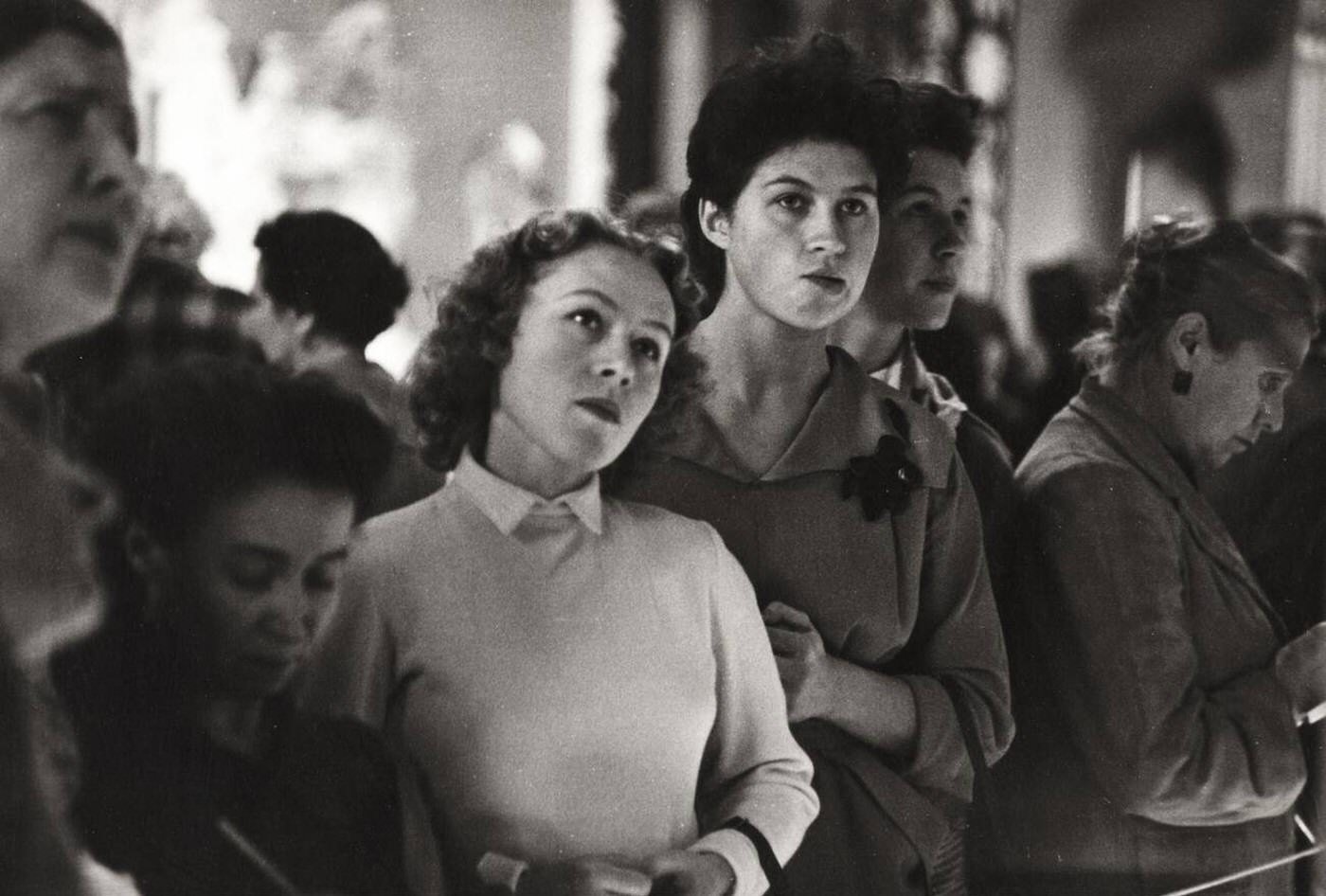
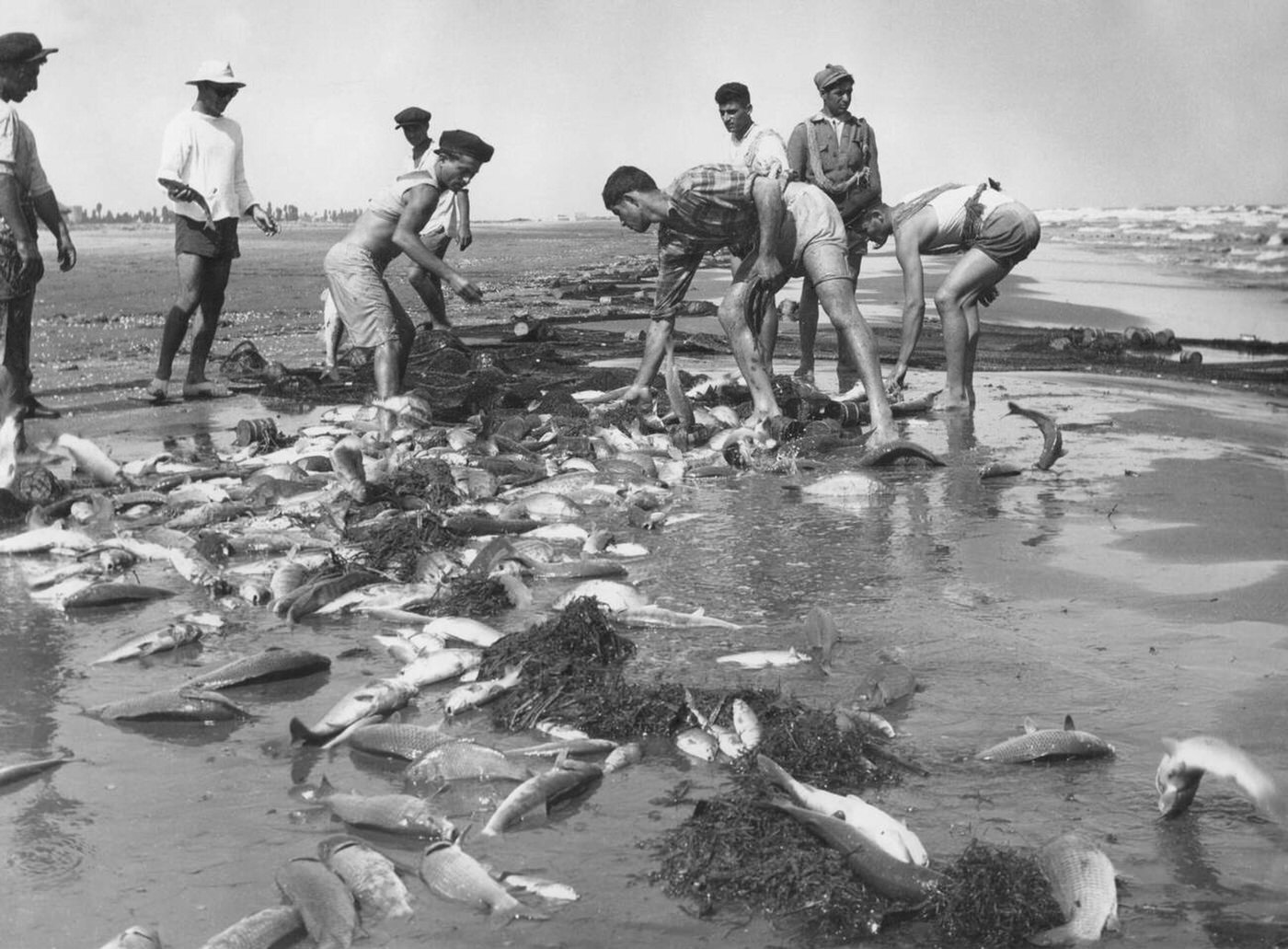
Outside the apartment, daily life revolved around the queue. The Soviet centrally planned economy was capable of remarkable industrial and military output — satellites, nuclear submarines, supersonic aircraft — but it consistently failed to supply adequate consumer goods. Basic items that were unremarkable in Western shops — good shoes, quality sausage, toilet paper, decent furniture — were chronically scarce. The Russian word for this permanent shortage was defitsit.
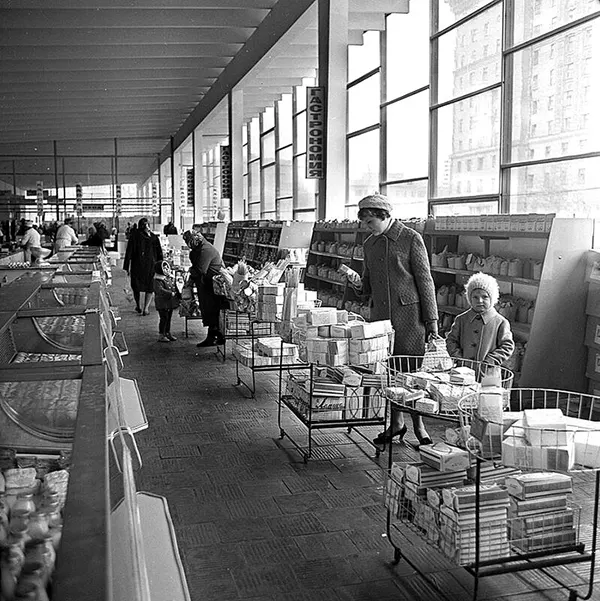
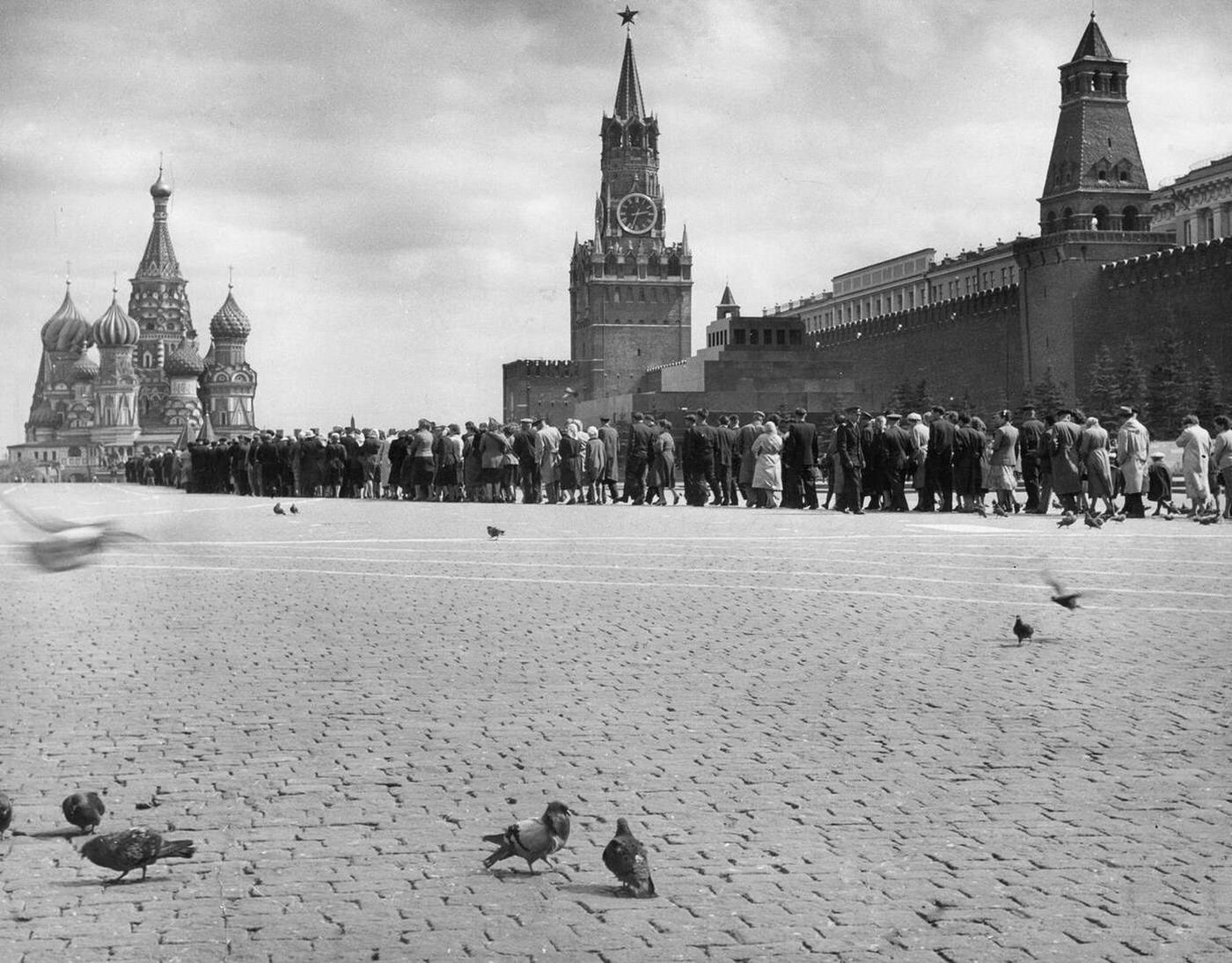
When a line appeared outside a shop, people joined it immediately, often without knowing what was being sold at the front. A Soviet citizen carried a string bag called an avoska — meaning “what-if bag” — everywhere they went, ready to make a purchase on the spot if something turned up. Spending two or three hours a day standing in various queues was simply part of life.
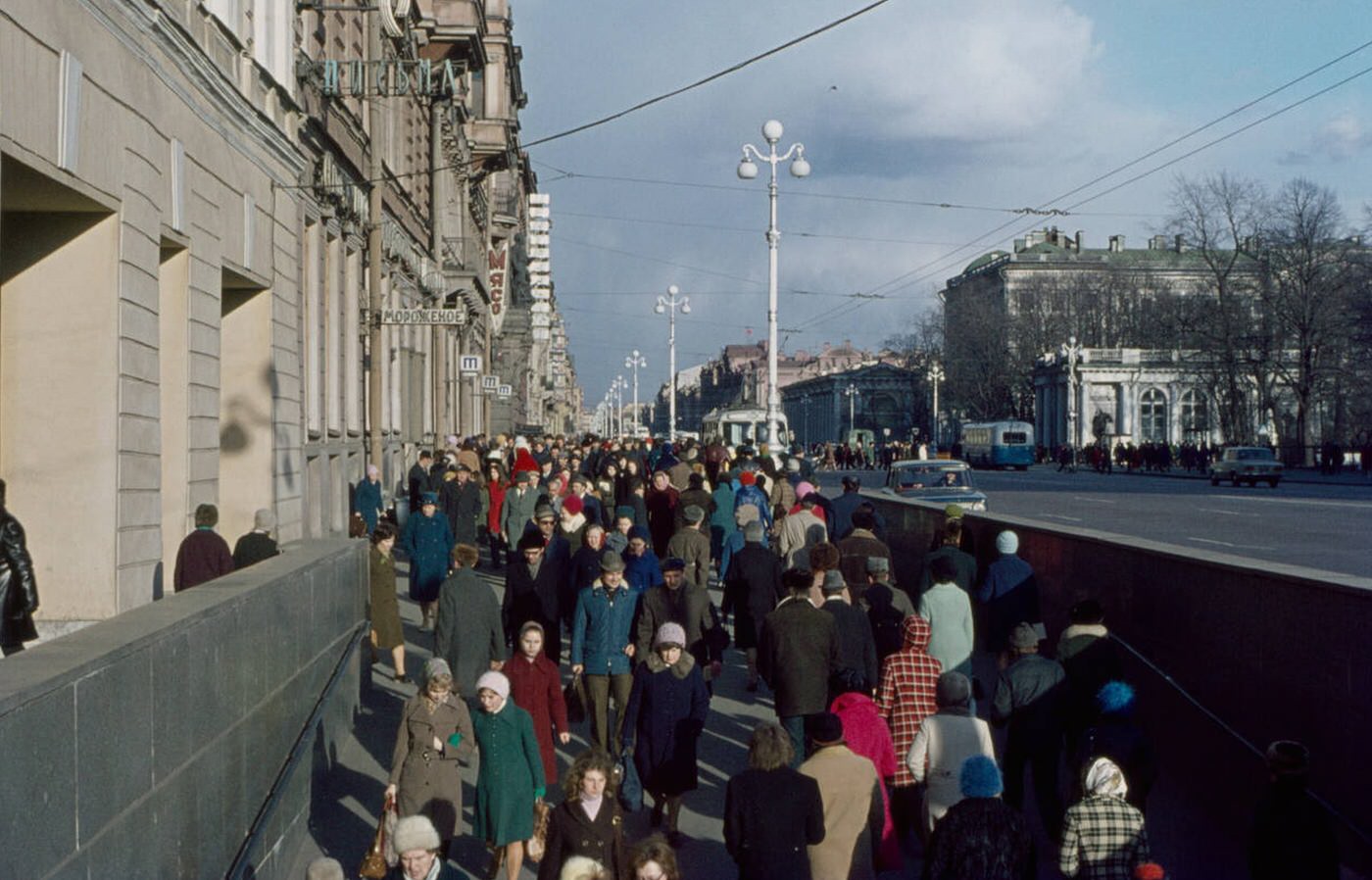
To work around chronic shortages, people relied on an unofficial system of personal connections called blat. This was the informal exchange of favors that kept the country functioning beneath the surface. A butcher might set aside a good cut of meat for a doctor who could arrange a faster medical appointment. A store manager might hold back a delivery of imported boots for someone who could repair his car. Blat was technically illegal but was used by nearly everyone. It was the shadow economy that delivered what the official one could not.
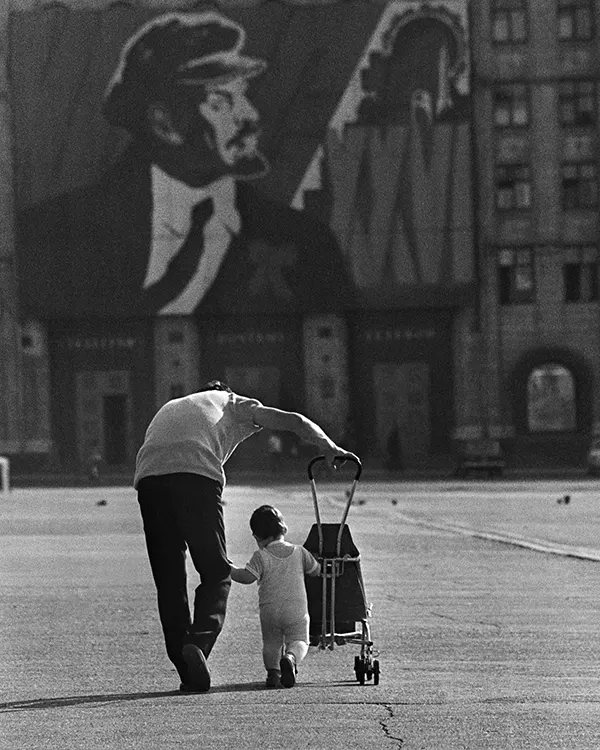
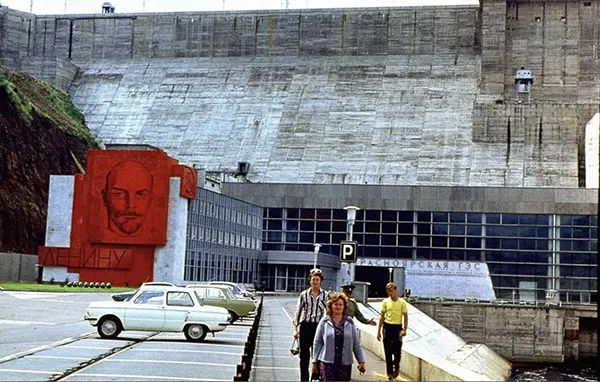
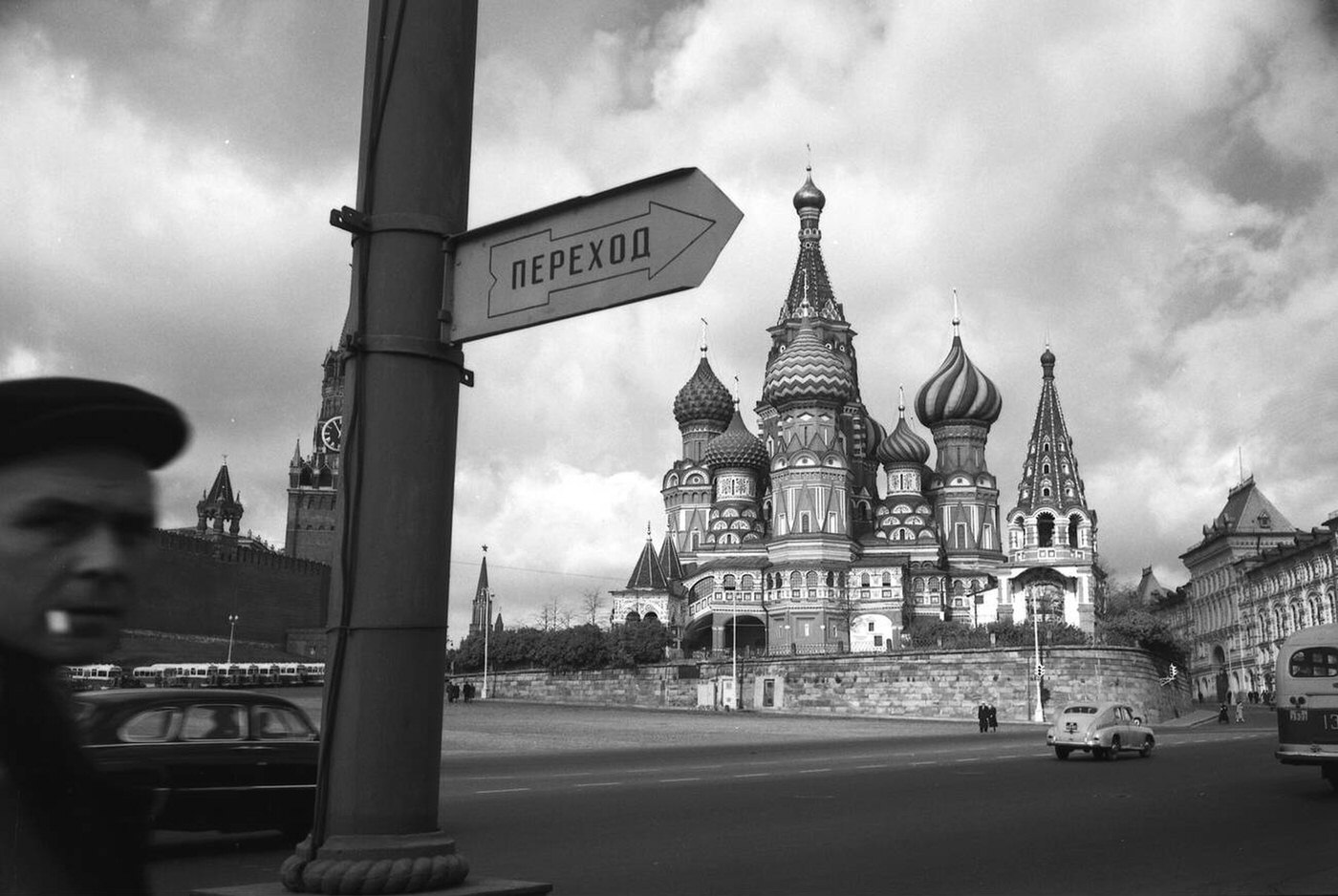
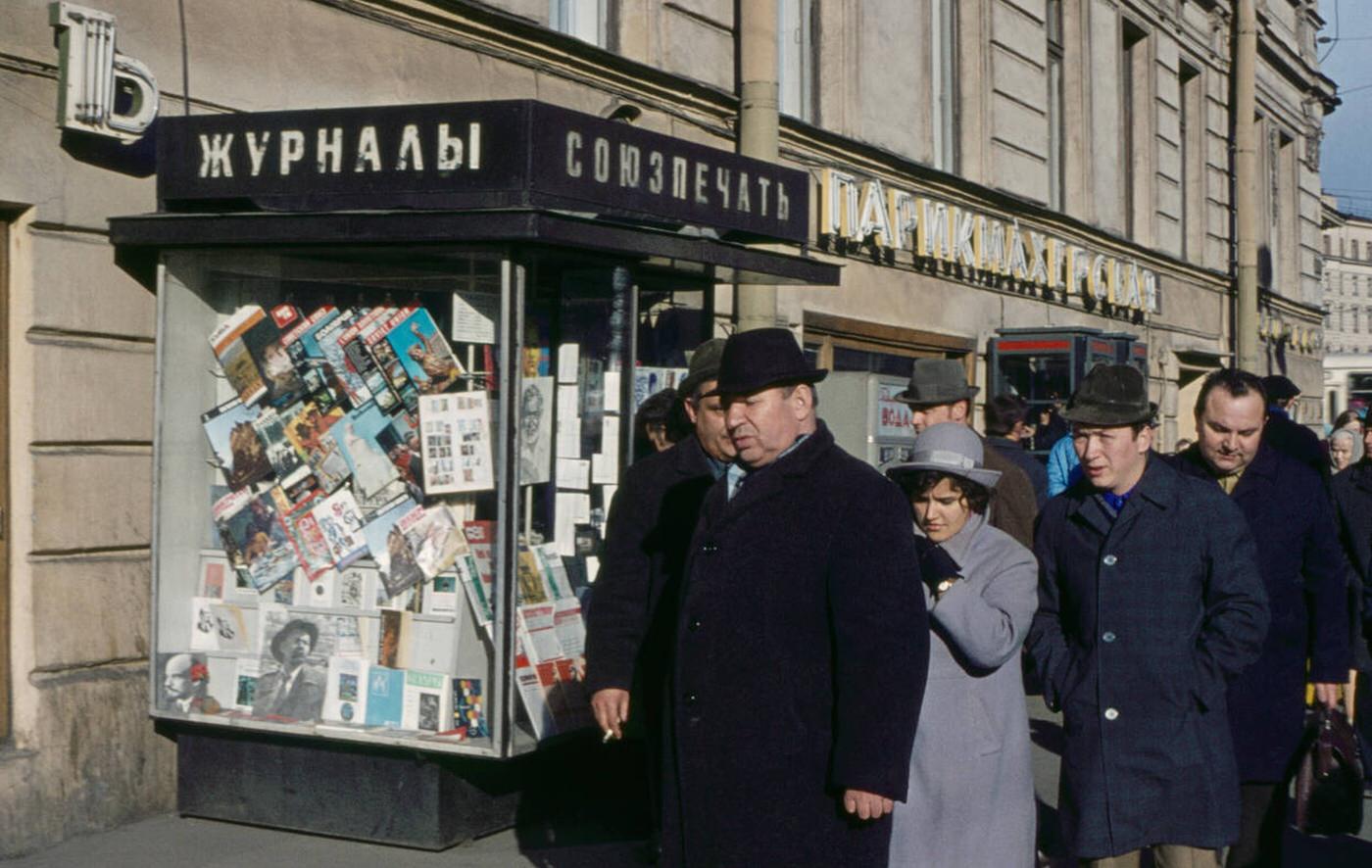
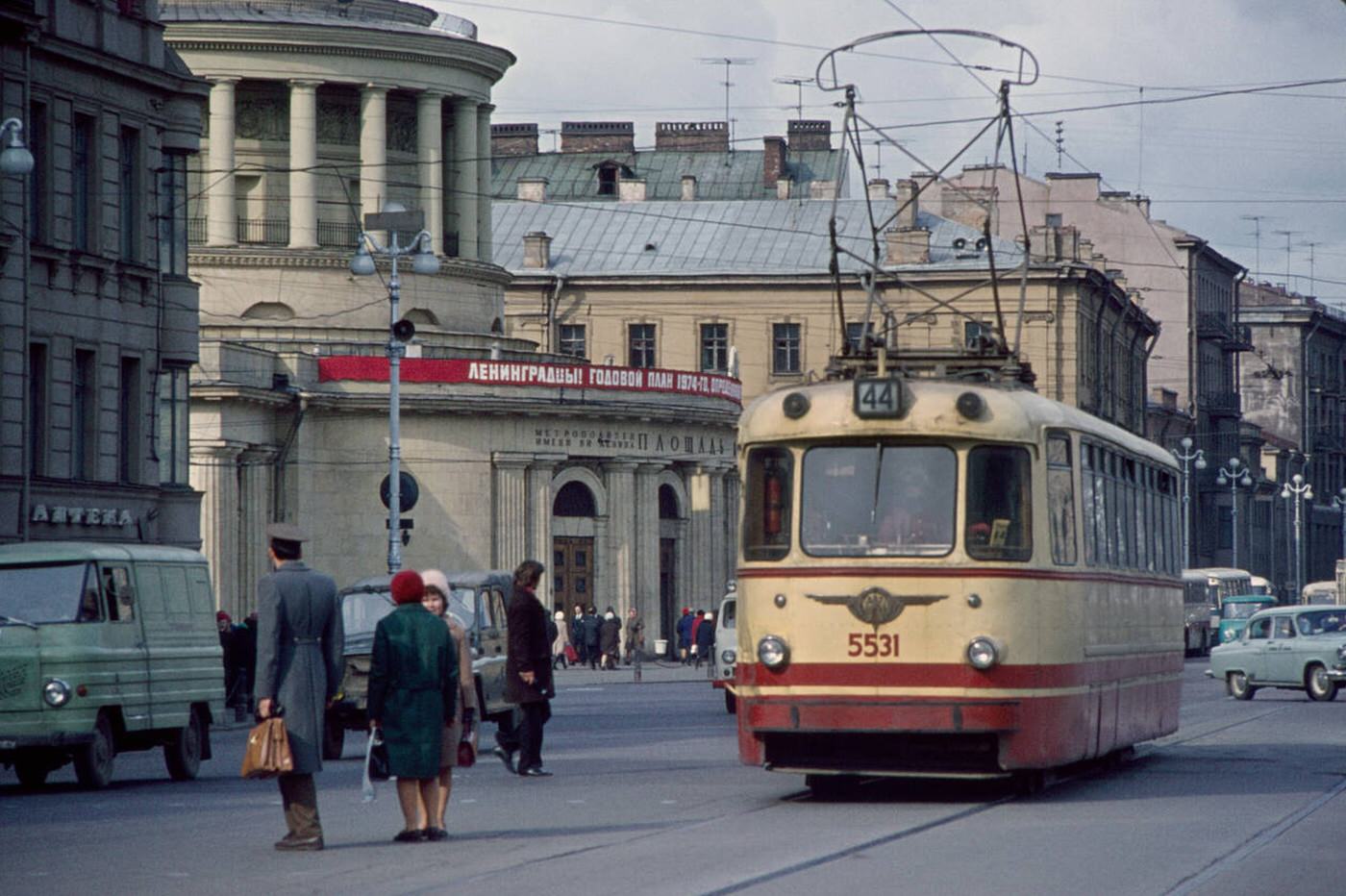
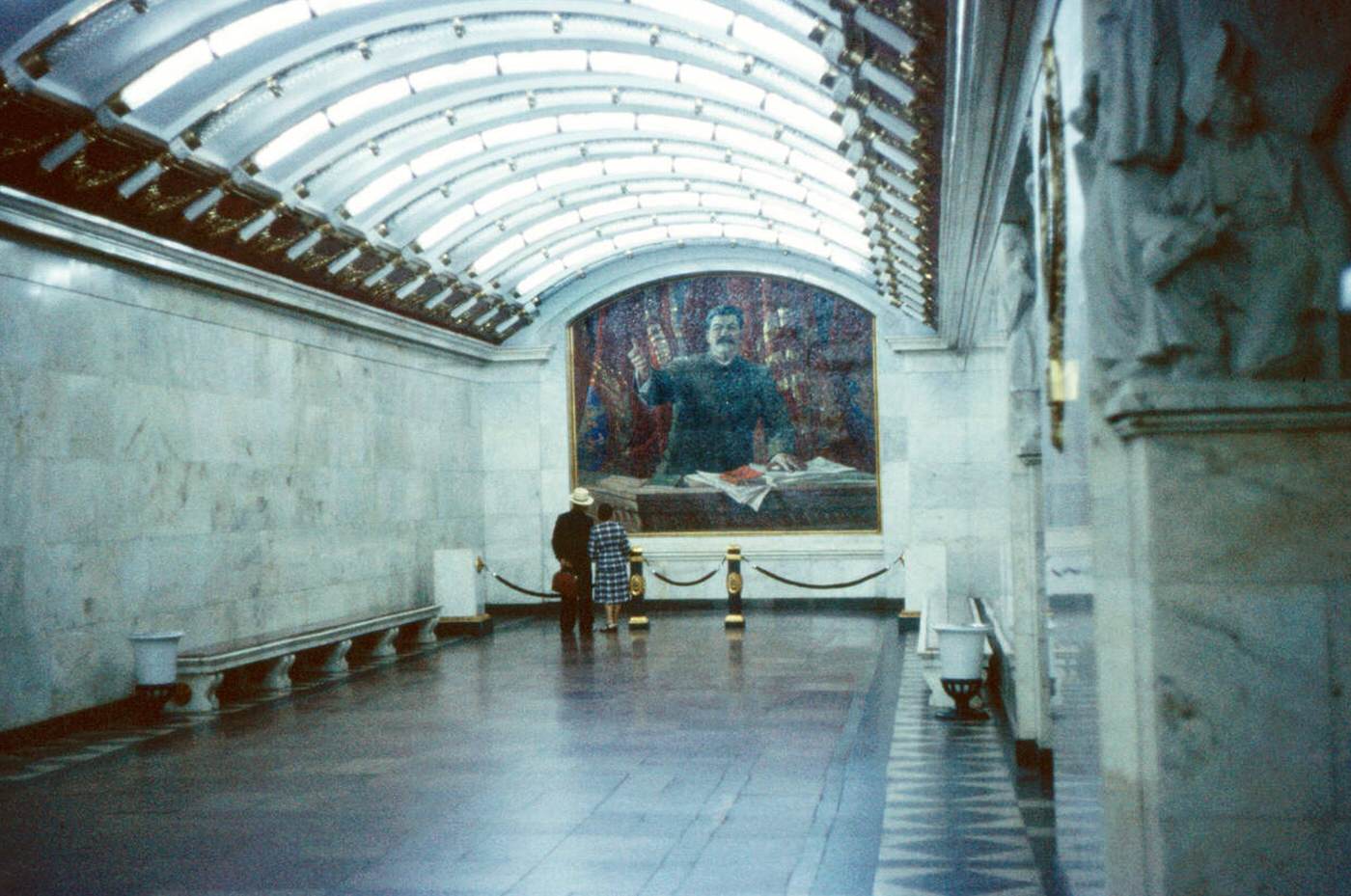
Ideology saturated every corner of Soviet public life. Massive portraits of Lenin and current party leaders covered the sides of buildings. The two most widely read newspapers were Pravda, meaning “Truth,” and Izvestia, meaning “News” — which gave rise to a famous sarcastic joke among citizens: “There is no truth in Pravda and no news in Izvestia.” The state controlled all media, and the information available to ordinary people was carefully filtered.
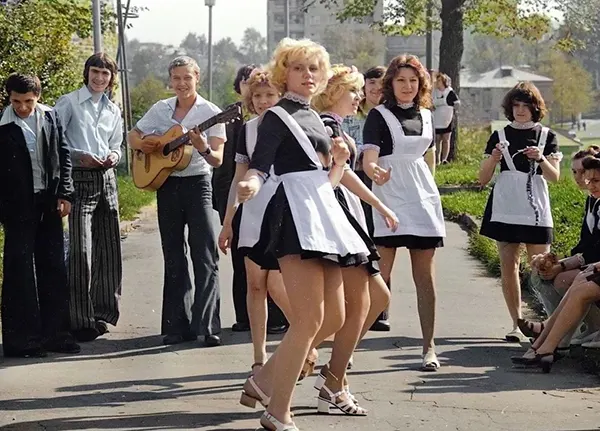
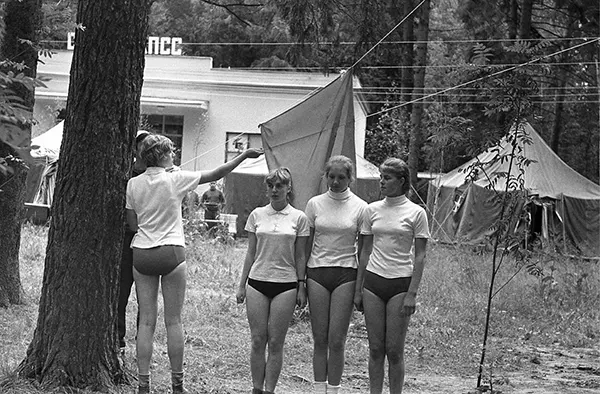
Ideological training started in childhood. Young children joined the Young Pioneers, wearing red scarves and reciting pledges of loyalty to the Communist Party. Teenagers moved into the Komsomol, the All-Union Leninist Young Communist League. These organizations offered summer camps, sports programs, and social events, but their core function was to build unquestioning loyalty to the Soviet system across every generation.
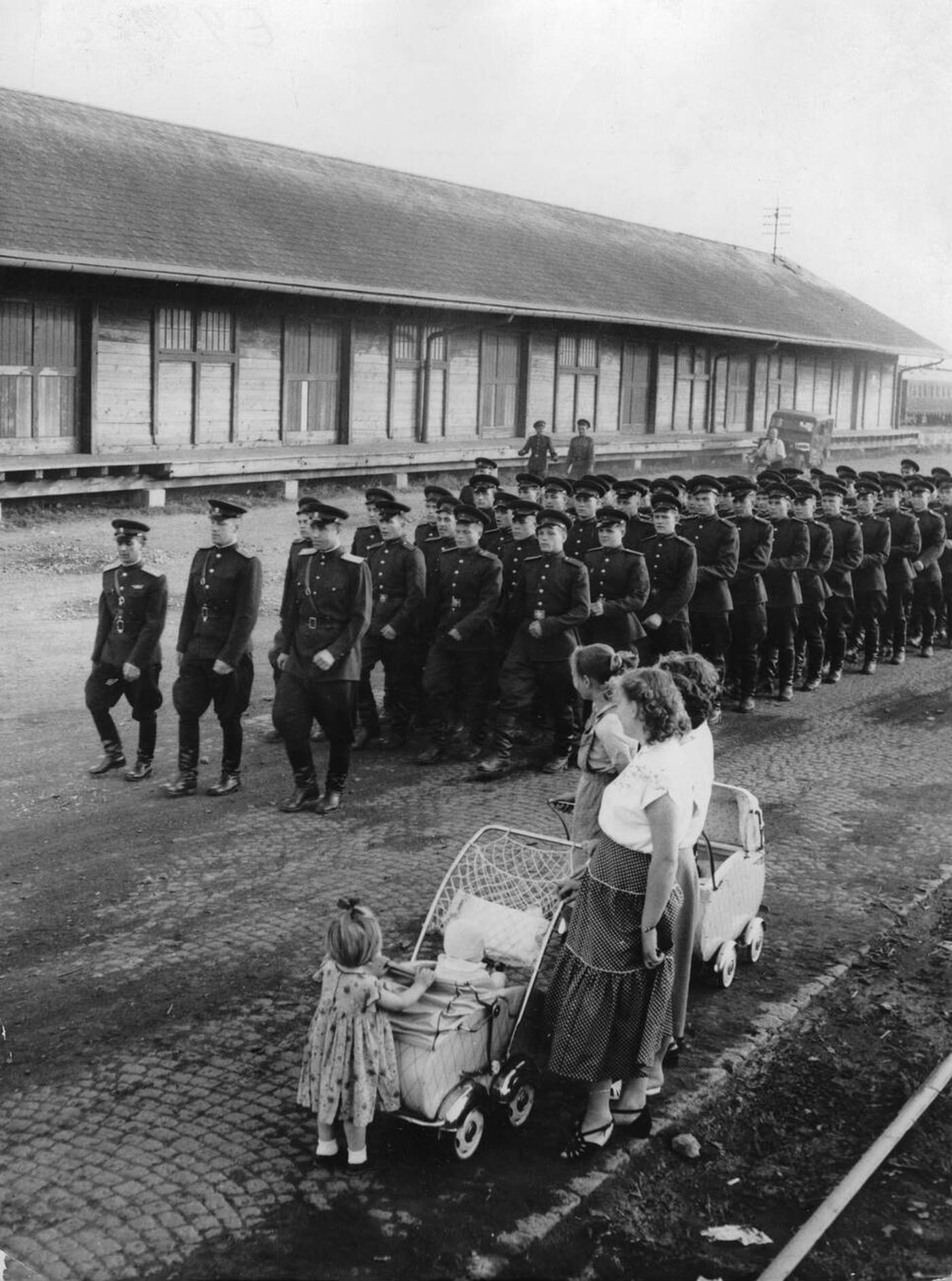
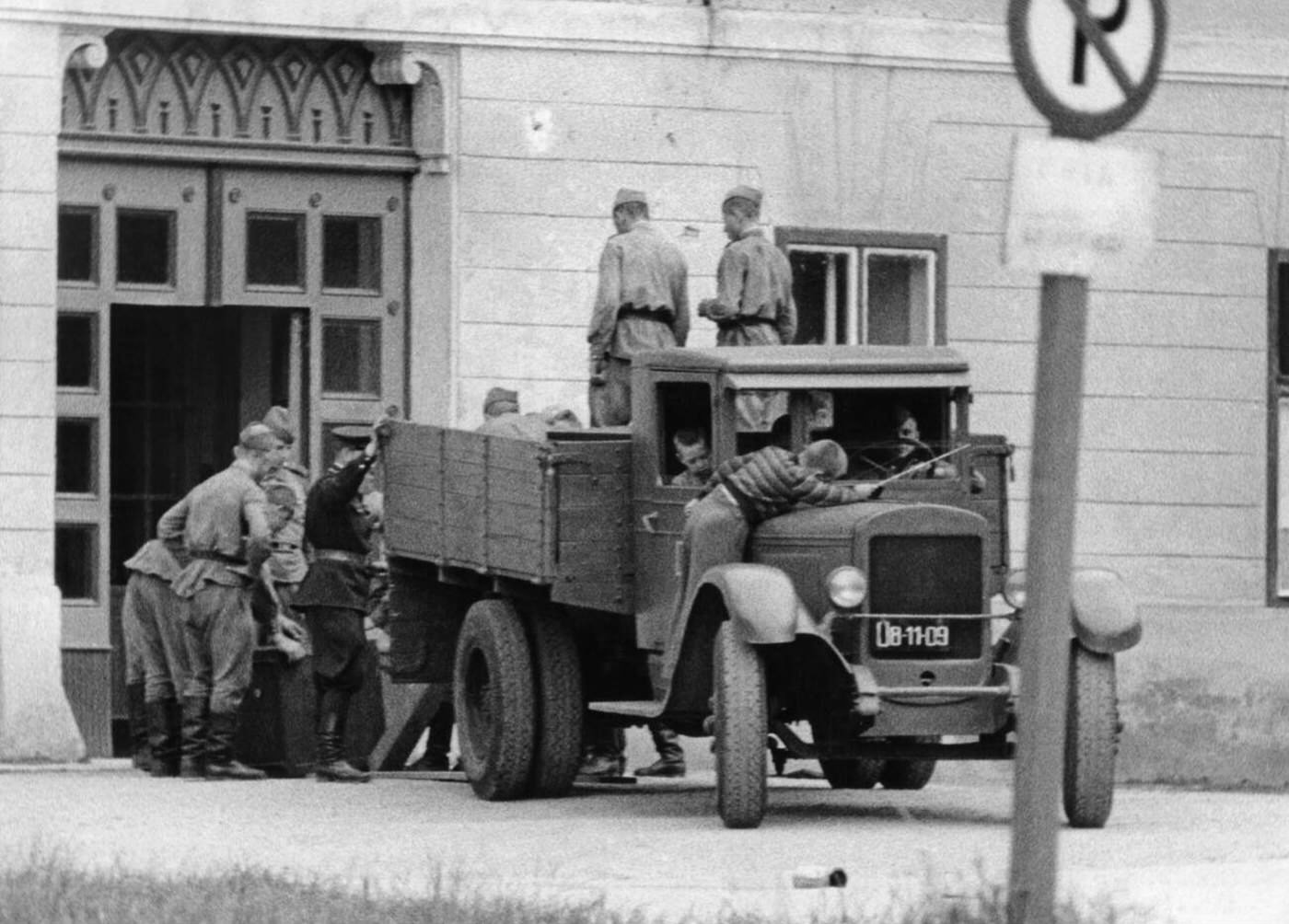
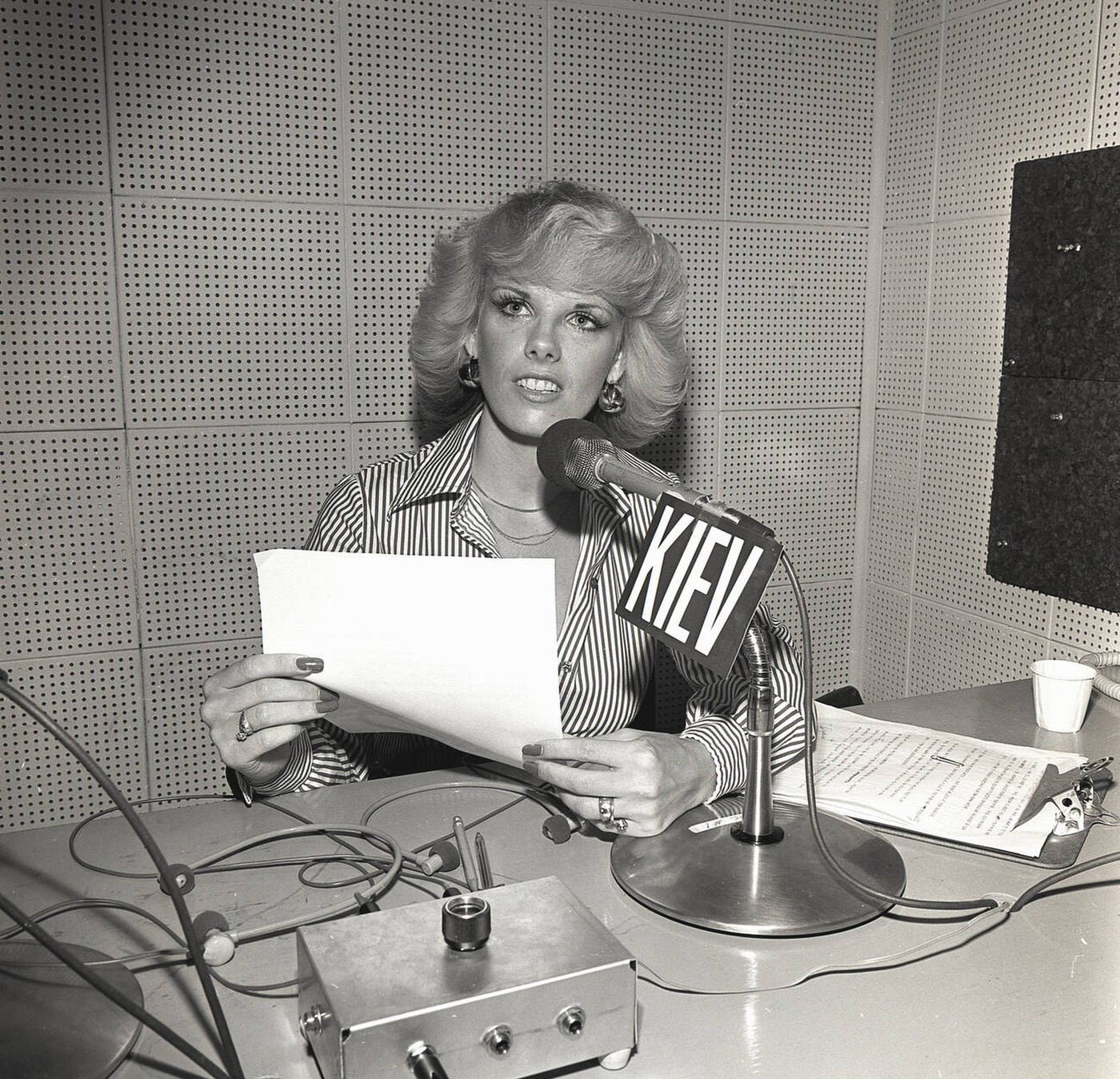
Enforcing all of this was the KGB. The mass terror of the Stalin era had subsided by the 1960s and 70s, but fear did not disappear with it. The state maintained a vast network of informants. Telling a political joke in the wrong company, criticizing the government in public, or being caught listening to a foreign radio broadcast were all risks that could result in a KGB visit, job loss, or imprisonment. Dissent was not tolerated.
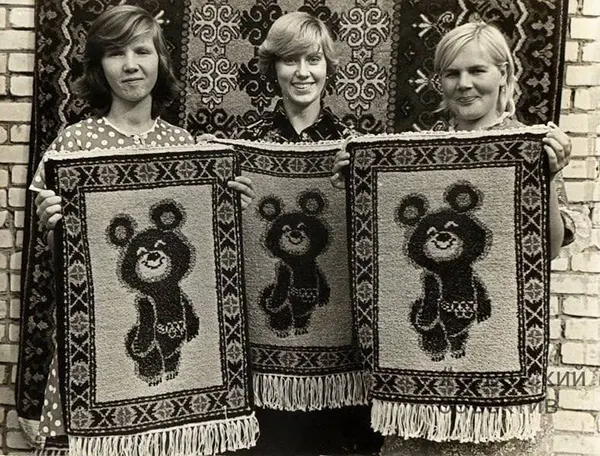
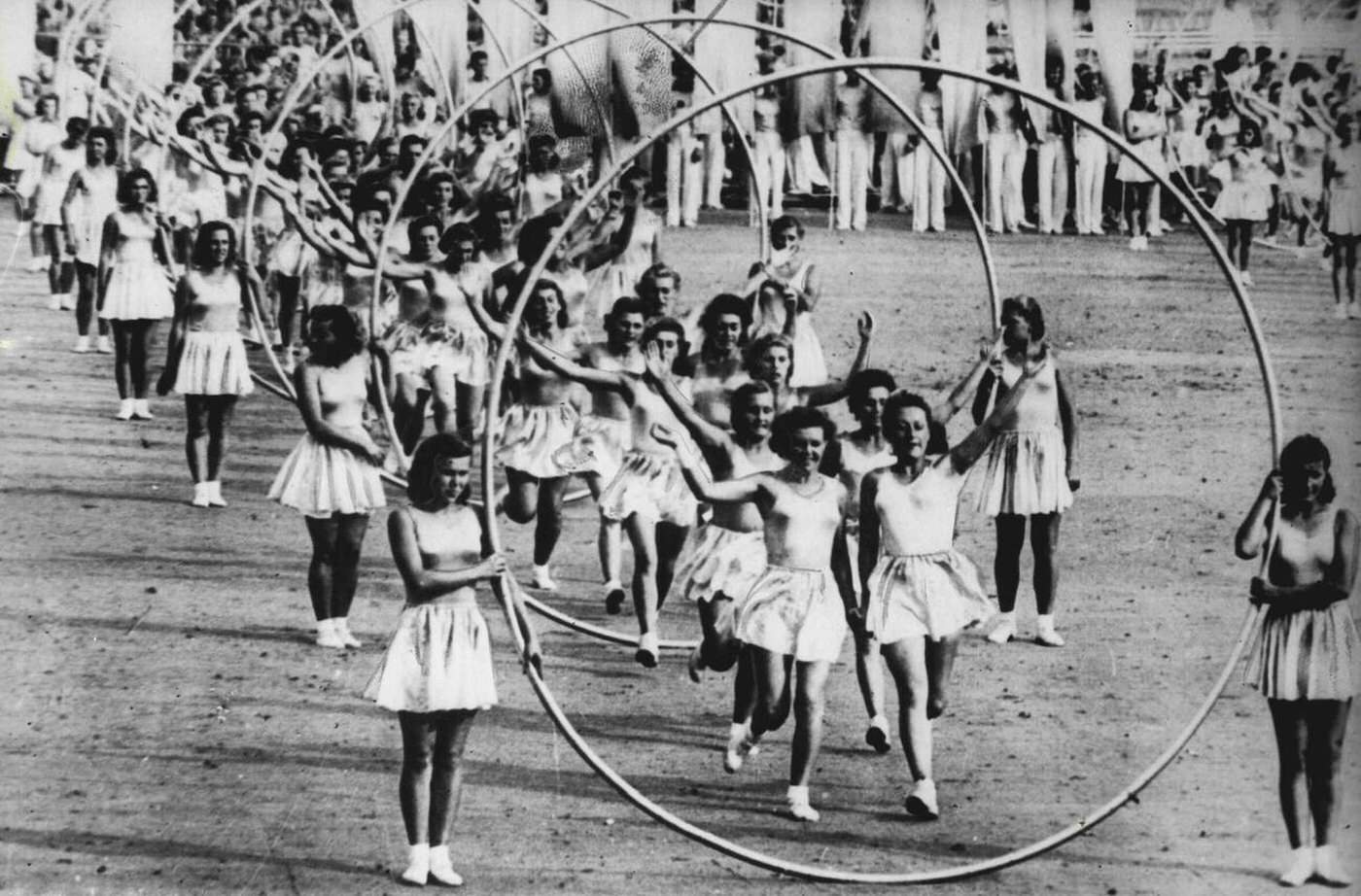
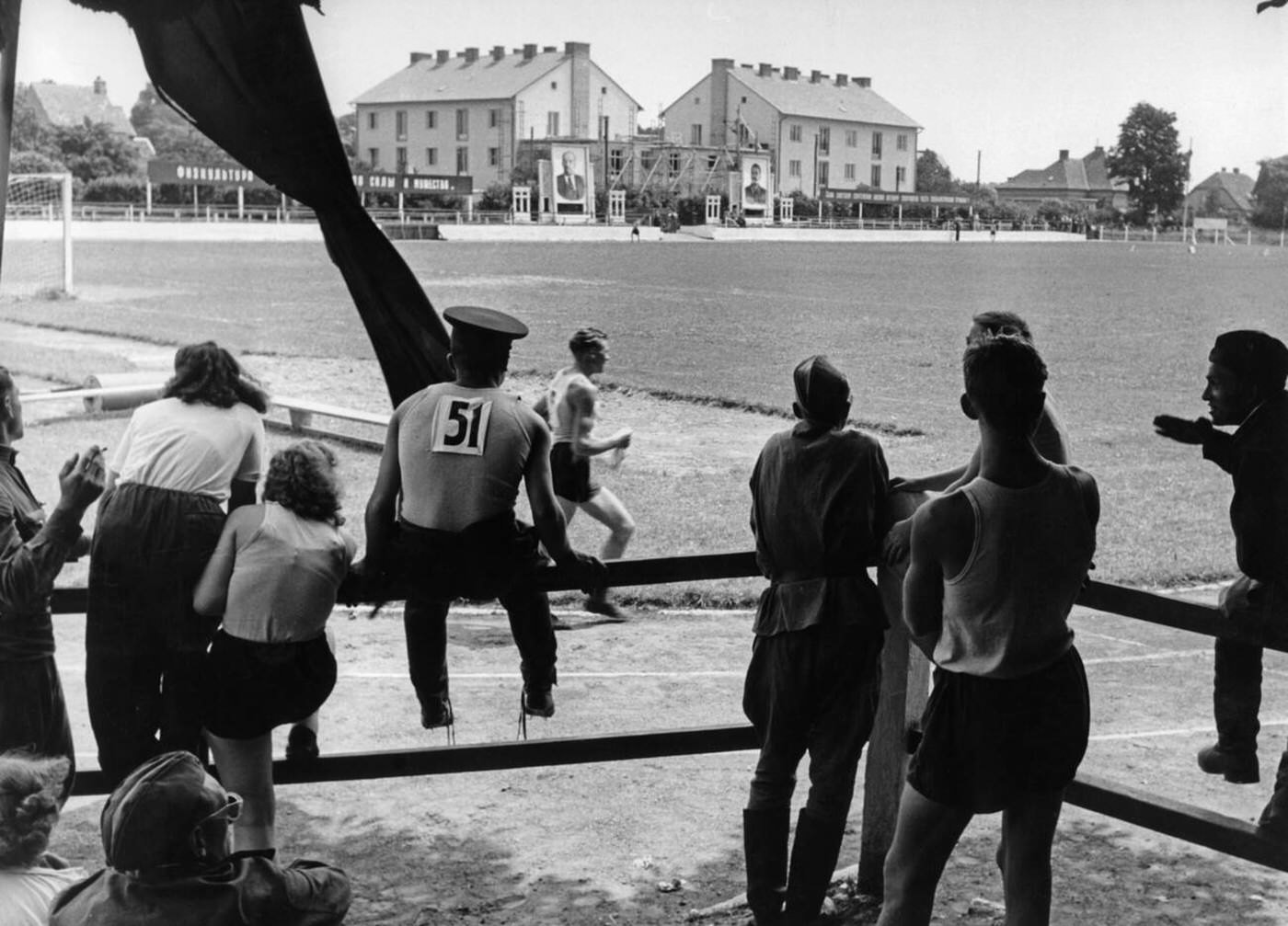
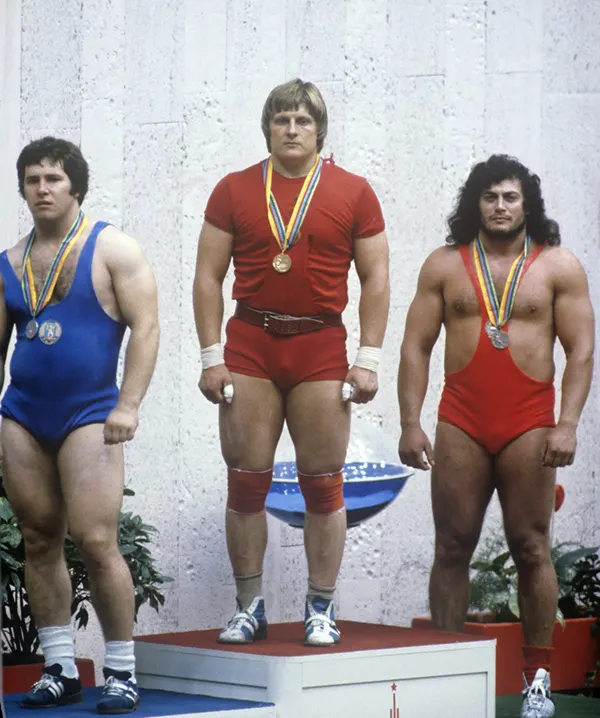
Still, Soviet life was not uniformly bleak. The state invested heavily in sports, and Soviet athletes were treated as national heroes. At the 1980 Moscow Olympics, Soviet competitors dominated the medal table, and the games themselves became a showcase of state ambition and organizational power.
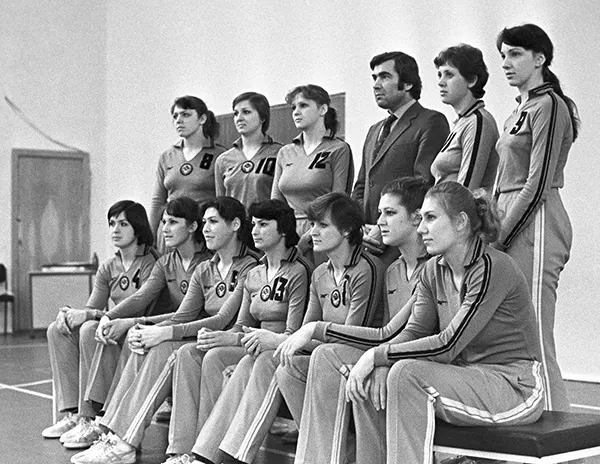
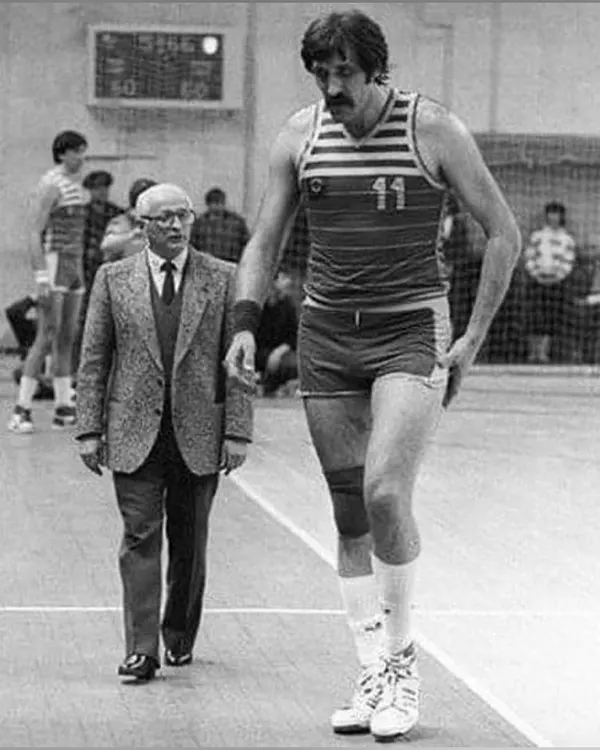
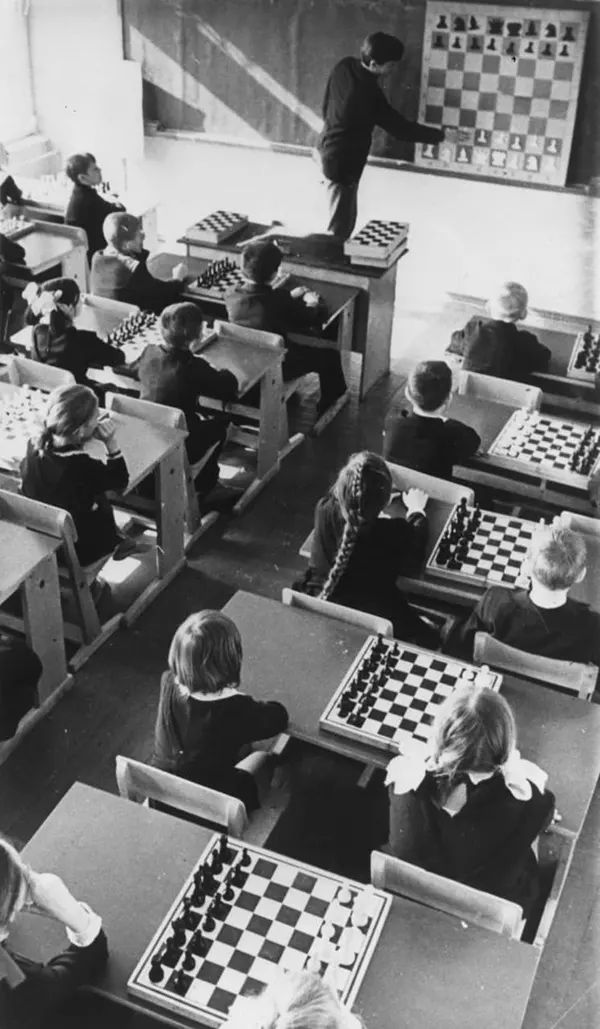
Tickets to the Bolshoi Ballet, the circus, and the cinema were heavily subsidized and affordable. Chess was treated as a serious national pursuit, taught in schools and followed with the same intensity that other countries reserved for football. Coaches like Alexander Gomelsky built basketball programs that competed at the highest international level. Sport gave Soviet citizens both pride and a genuine, state-approved outlet.
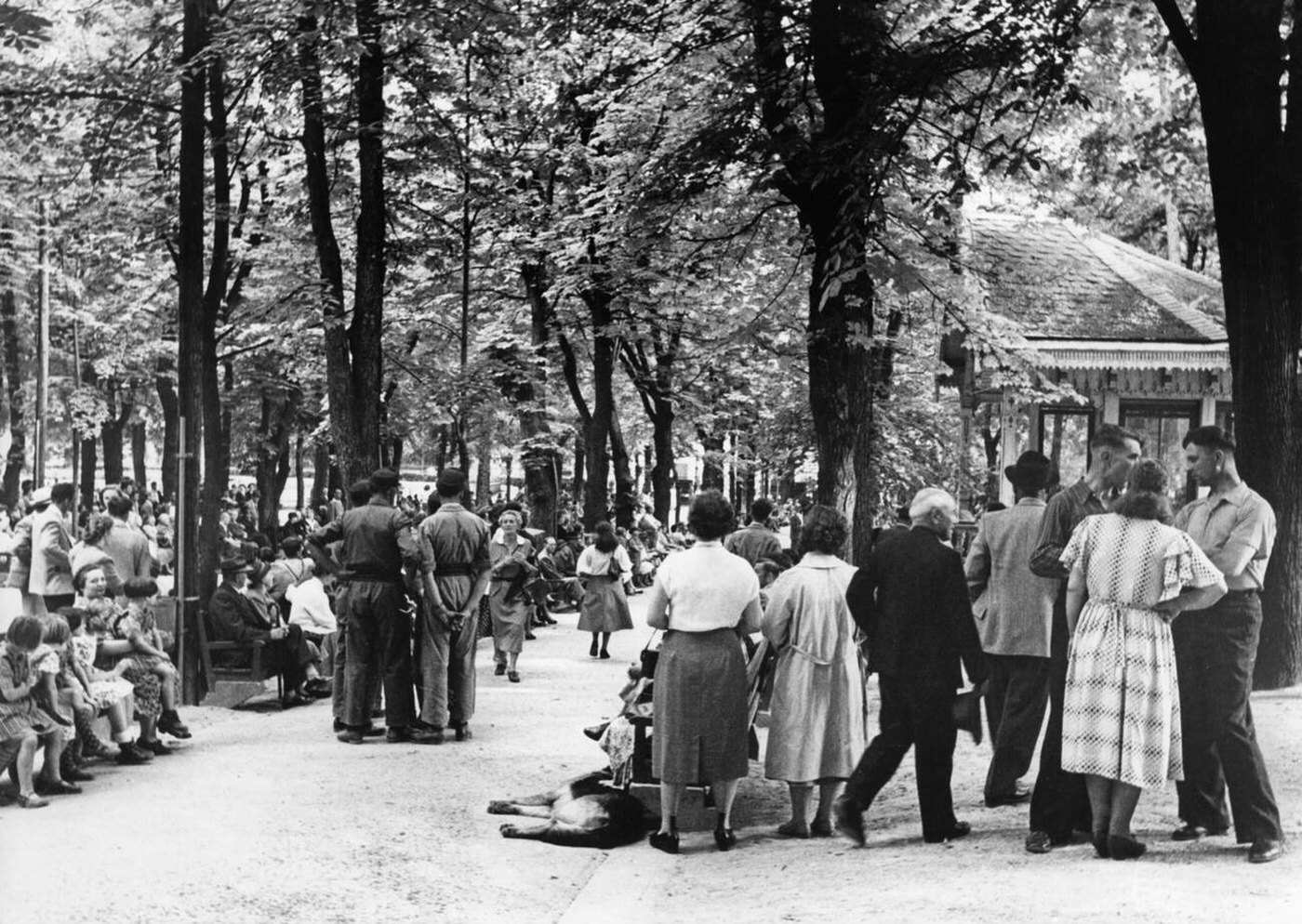
For escape from the city, the dacha was essential. These small countryside cottages, often with a plot of land attached, gave urban families a place to spend weekends away from crowded apartments and queues. Crucially, the garden plot let families grow their own fruits and vegetables — a practical supplement to whatever the state stores happened to stock that week. The dacha was at once a leisure space and a survival strategy.
Soviet engineering ambitions were genuinely staggering. The country built the Krasnoyarsk hydroelectric dam, one of the most powerful in the world. It launched the first human into space and developed the Tupolev Tu-144, a supersonic passenger aircraft that flew before the Anglo-French Concorde. These achievements were real, and they were a source of authentic national pride for millions of Soviet citizens.

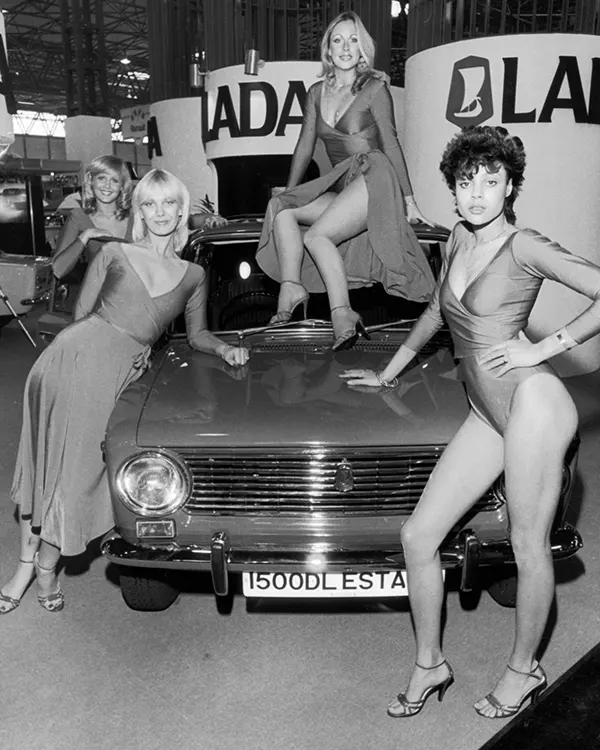
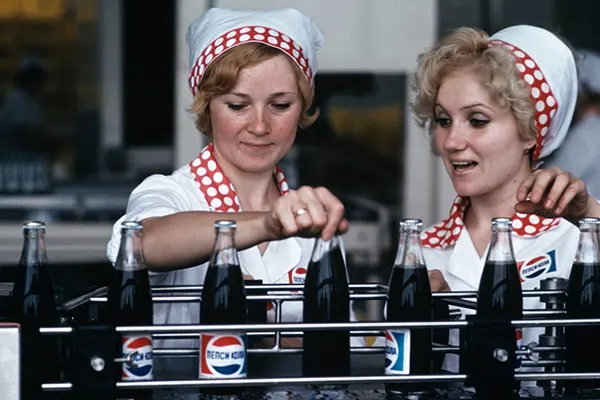
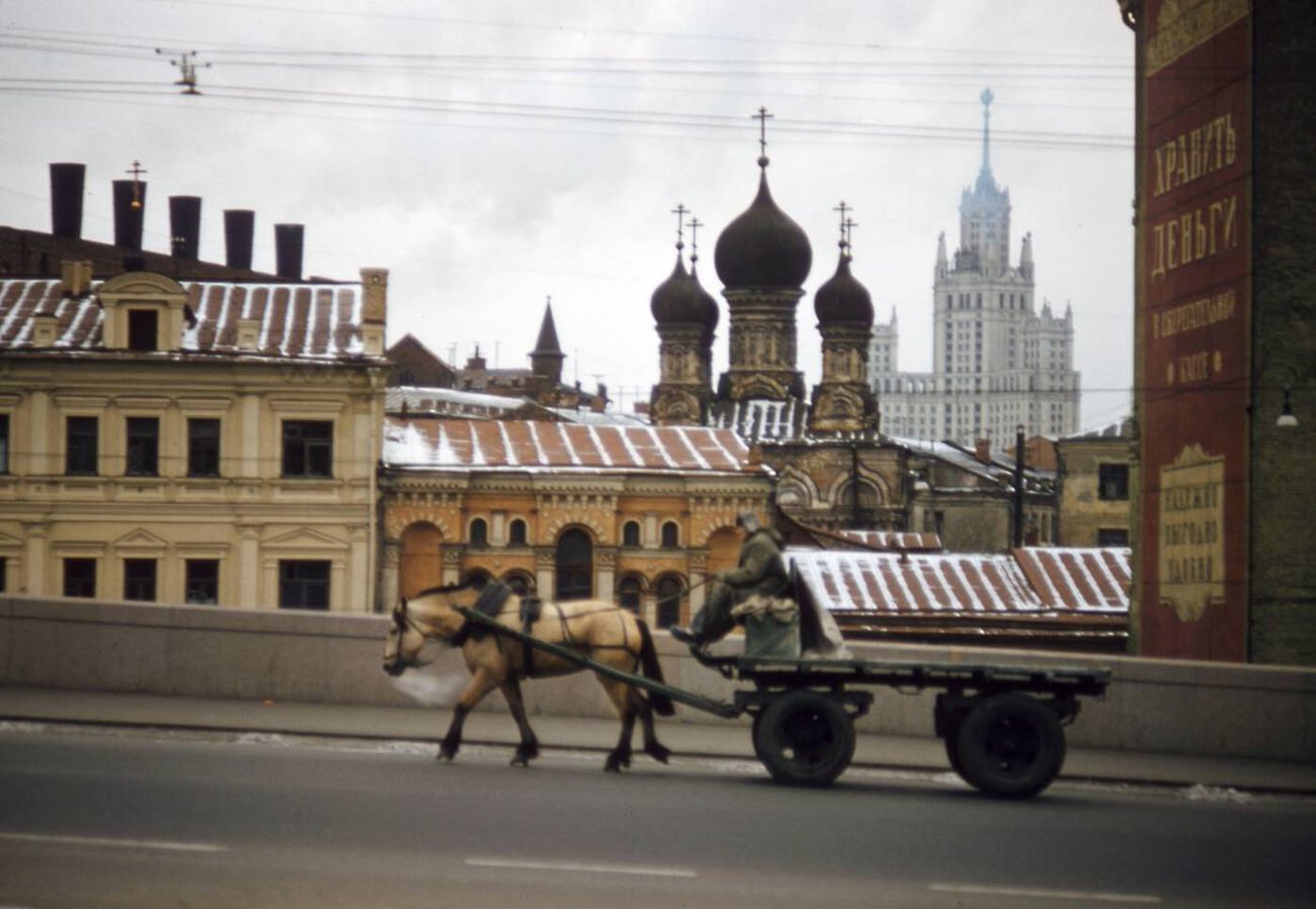
Yet the gap between industrial triumph and everyday scarcity remained glaring. A country that could design a hovering prototype automobile and bottle Pepsi-Cola for export still struggled to keep its own store shelves stocked with basic goods. That contradiction — spectacular state power alongside ordinary material want — defined what it meant to live inside the Soviet system.