The 1960s marked a sharp turning point in British daily life. After years of post-war rationing and tight budgets, families finally had money to spend. Consumer goods that had once seemed out of reach — televisions, washing machines, refrigerators — began filling living rooms and kitchens across the country. These weren’t just conveniences. They reshaped how people spent their time at home and how they connected with the wider world.
The television, in particular, replaced the radio as the household’s main source of news and entertainment. Families gathered in the evenings to watch programmes like Doctor Who and Top of the Pops. These shared viewing experiences gave people across the country something in common, regardless of where they lived or what they did for work. A teenager in Sheffield and one in Plymouth both tuned in to the same shows on the same nights.
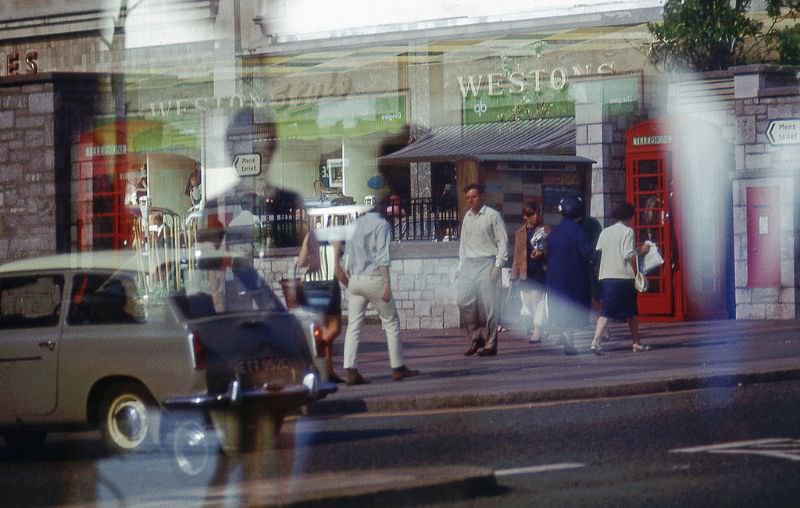
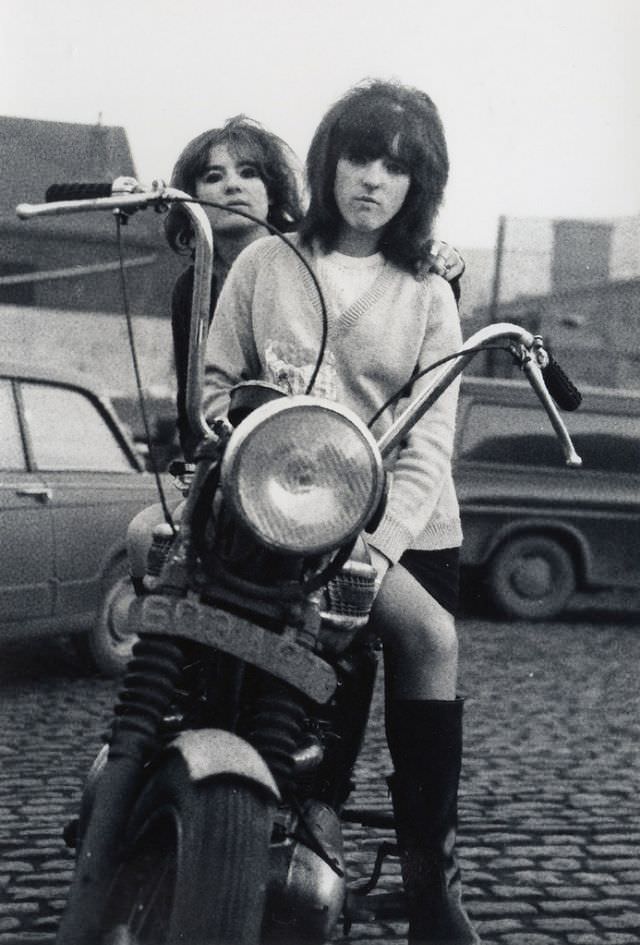
Out on the high street, a new youth culture was taking shape. Young people in the 1960s had more spending power than any previous generation of teenagers. They put that money into records, coffee bars, and clothing. Fashion became one of the clearest ways to signal who you were and what you stood for. In 1964, designer Mary Quant introduced the miniskirt at her boutique on King’s Road in London. The style spread quickly, and within a few years it had become the defining look for young women across Britain.
Young men took to the “Mod” look — slim-fit Italian suits, parkas, and polished shoes. Many rode motor scooters and spent evenings at coffee bars listening to American soul and British rock and roll. Carnaby Street in London became the global address for these trends, drawing visitors from across Europe and beyond. But places like Preston, Blackpool, and Wigan had their own versions of this scene, playing out on local high streets and in local shops.
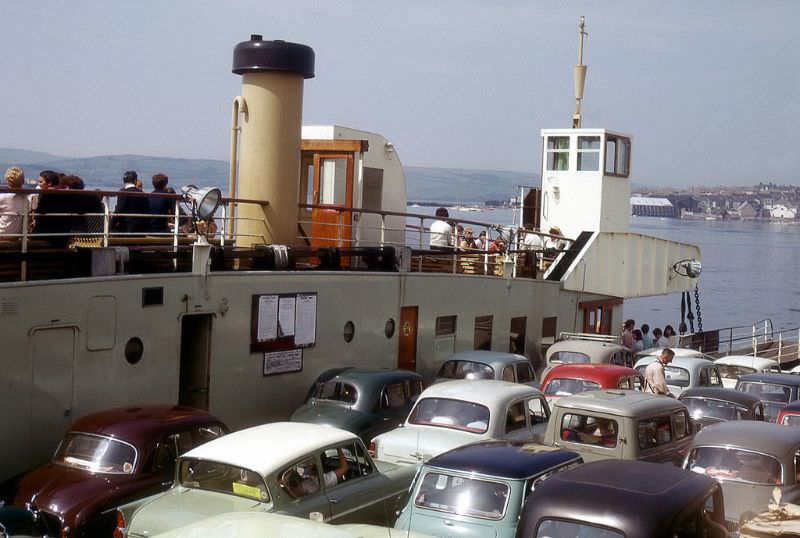
Music drove much of this cultural energy. British beat groups like The Beatles and The Rolling Stones dominated the airwaves and record shops. But the BBC had strict limits on how much pop music it would broadcast. To fill the gap, pirate radio stations began operating from ships anchored just outside British territorial waters. Radio Caroline, launched in 1964, was the most famous of these. It broadcast non-stop pop music to millions of listeners who had no other way to hear their favourite songs on the radio.
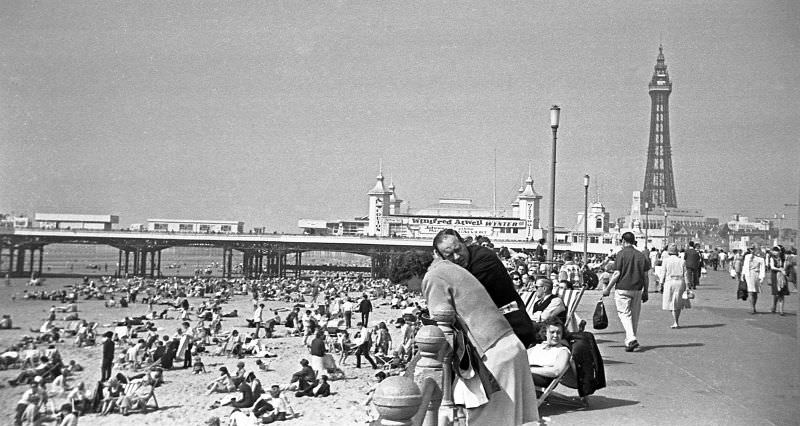
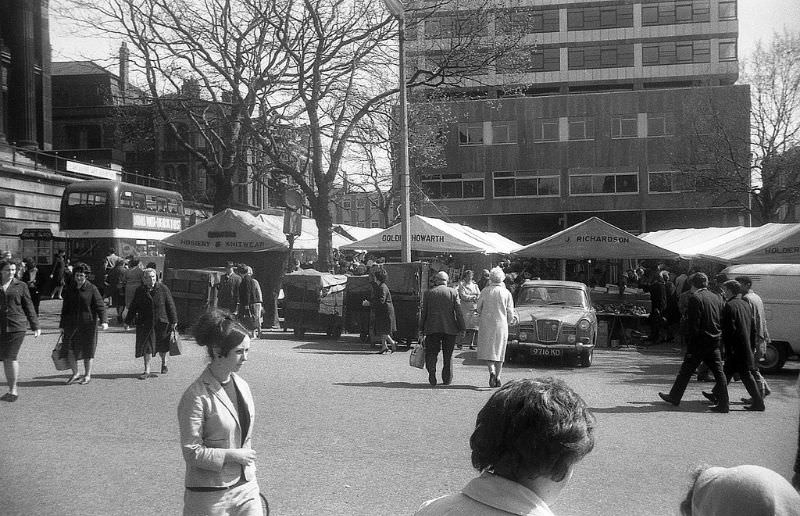
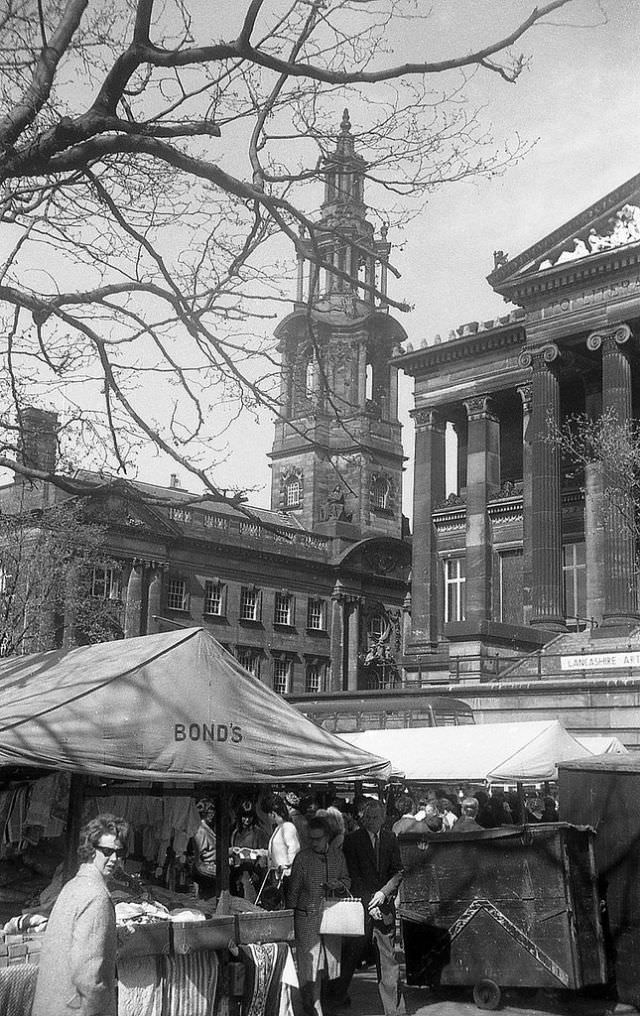
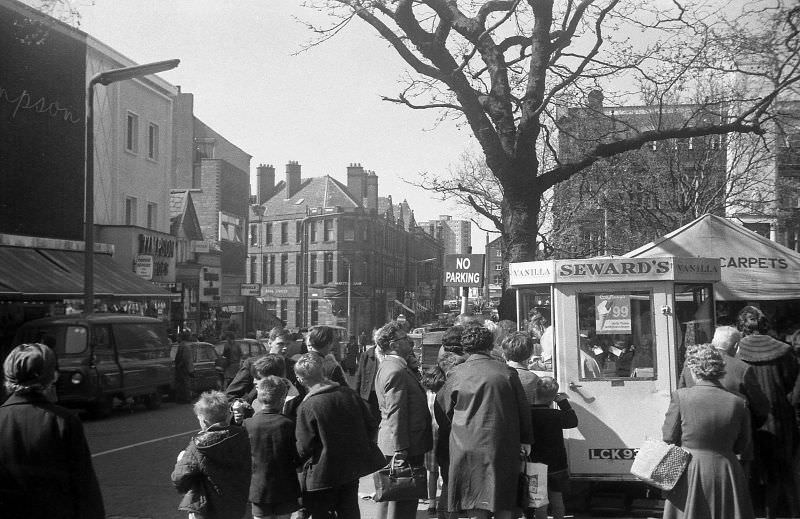
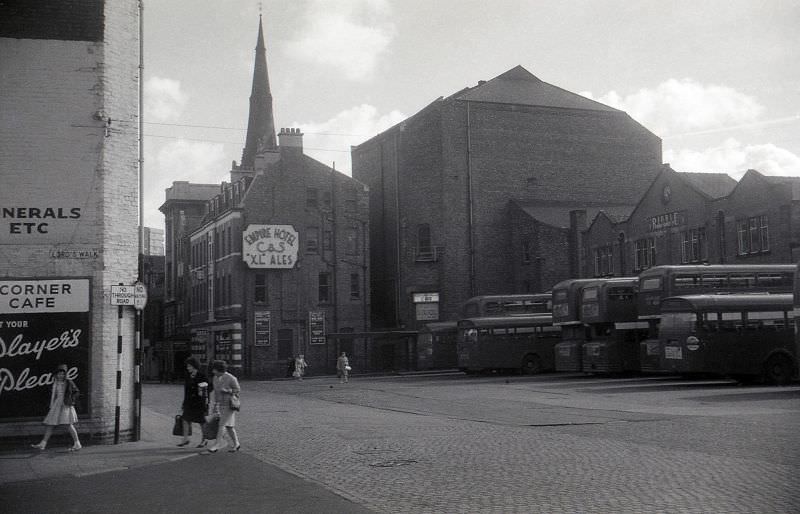
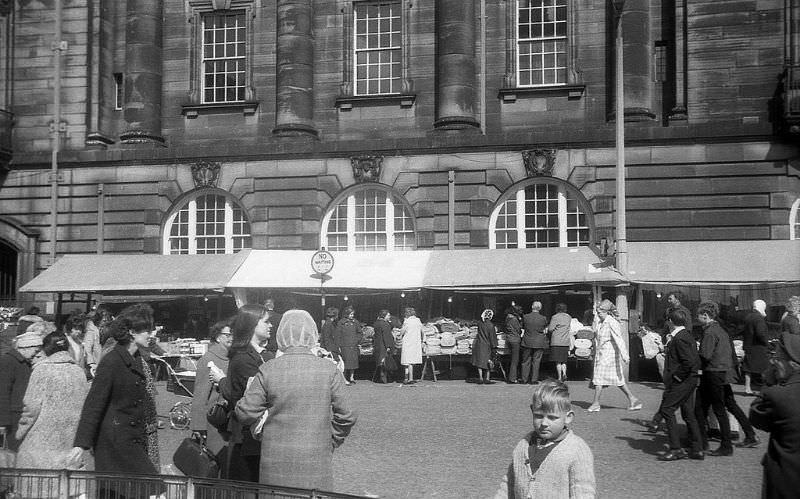
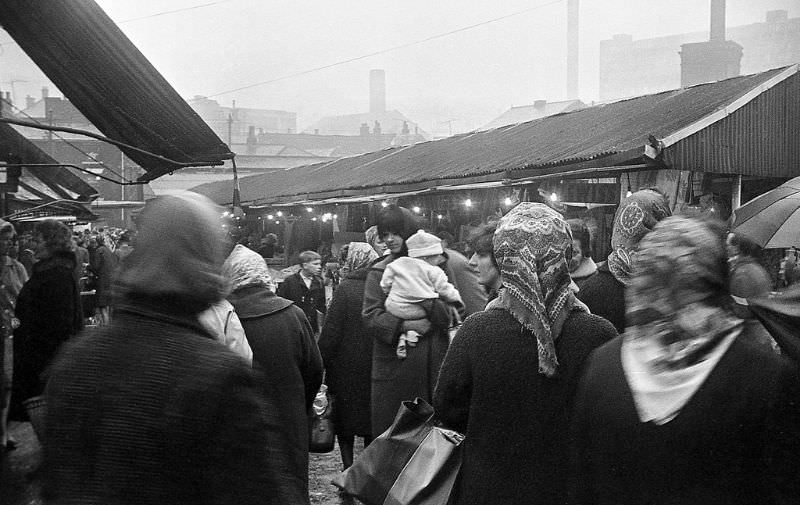
Away from the boutiques and record shops, everyday life still moved at a familiar rhythm. Local markets remained central to how people shopped and socialised. Stalls selling vegetables, clothing, and household goods packed town centres from Preston to Sheffield. Corner shops and pubs stayed busy, serving as the social anchors of working-class neighbourhoods.
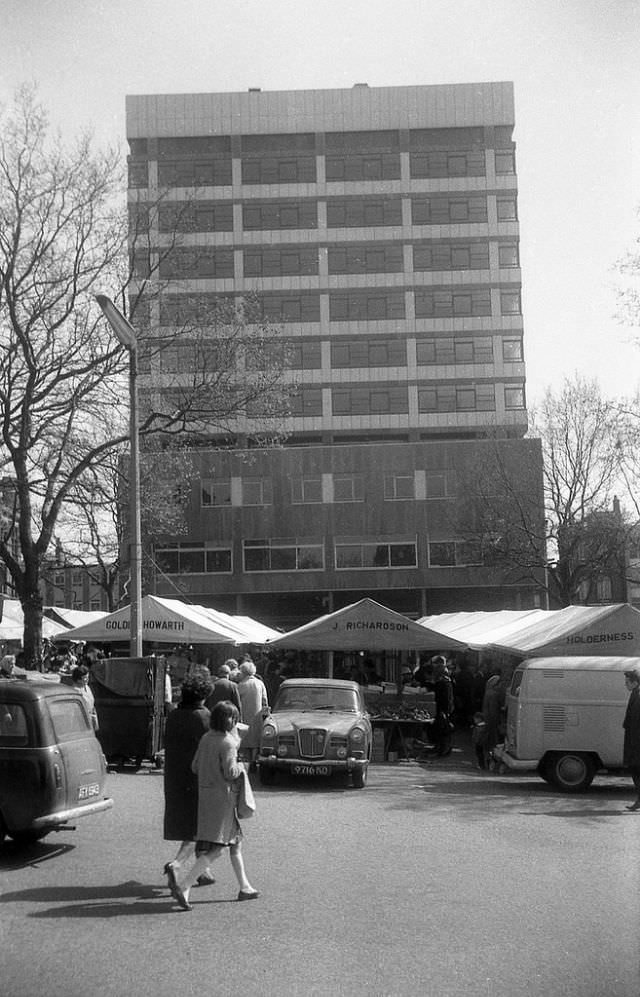
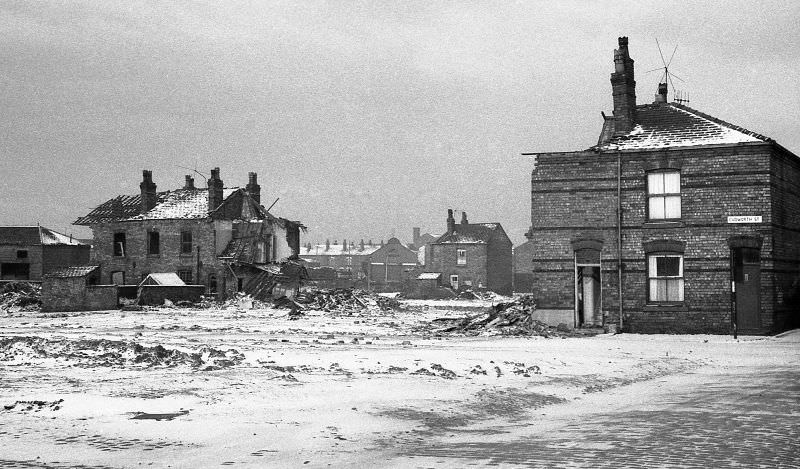
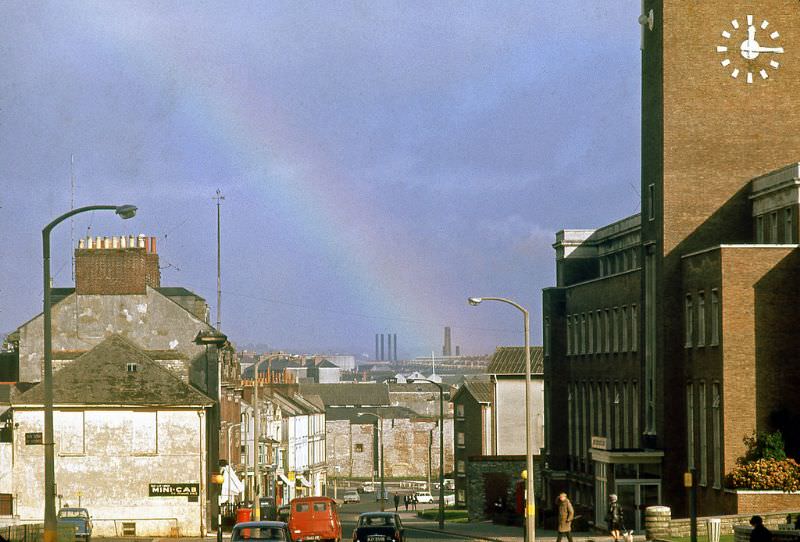
The physical landscape of many towns was changing fast. The government tore down Victorian terraced streets and replaced them with modern tower blocks. These new buildings offered things that older housing had lacked — indoor bathrooms, hot running water, and central heating. For many working-class families, moving into a tower block felt like a genuine step forward. New motorways were also being built, connecting northern and southern England in ways that made travel faster and opened up new possibilities for work and leisure.
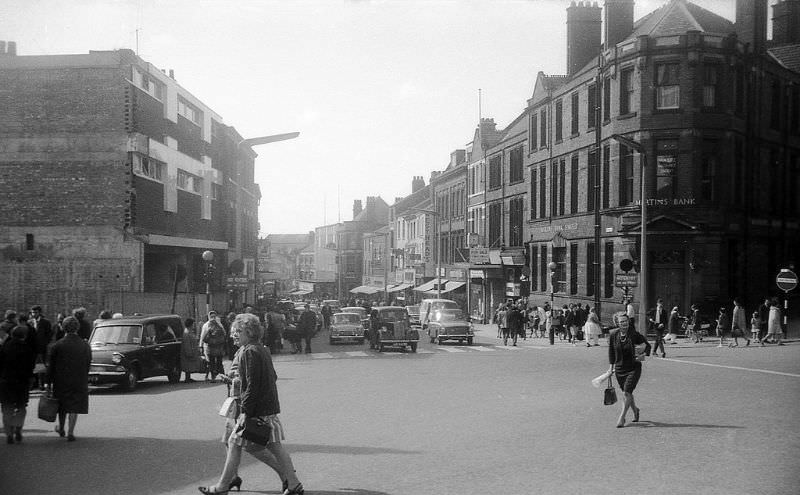
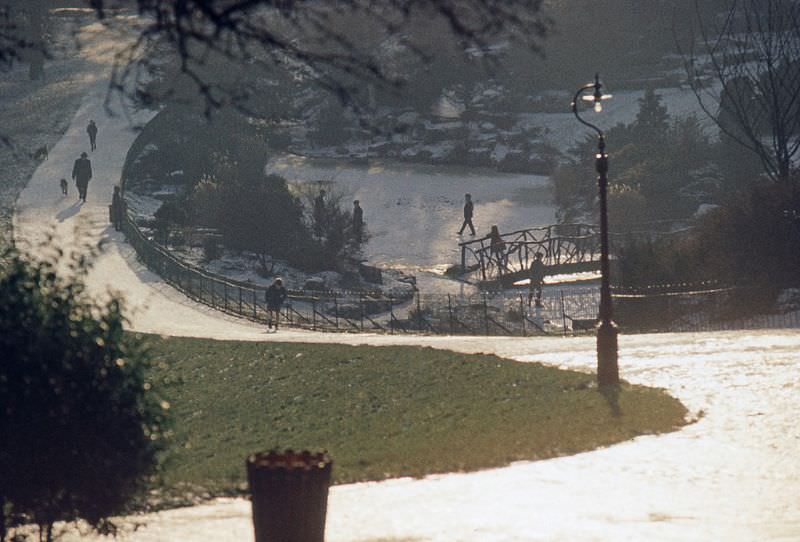
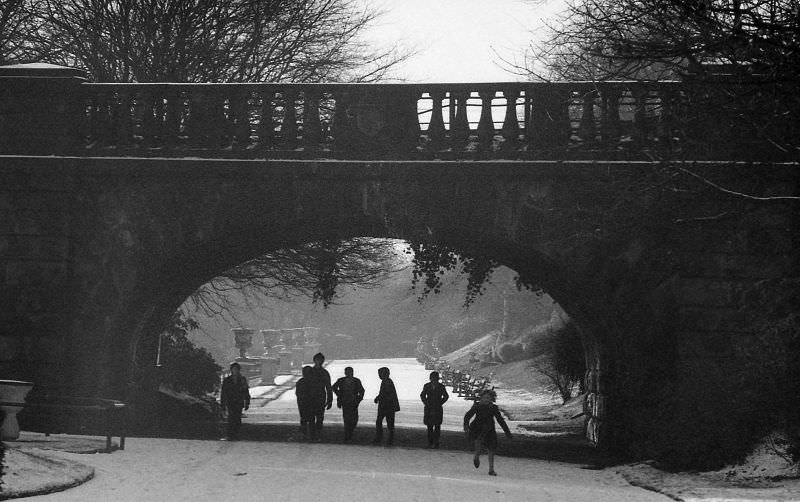
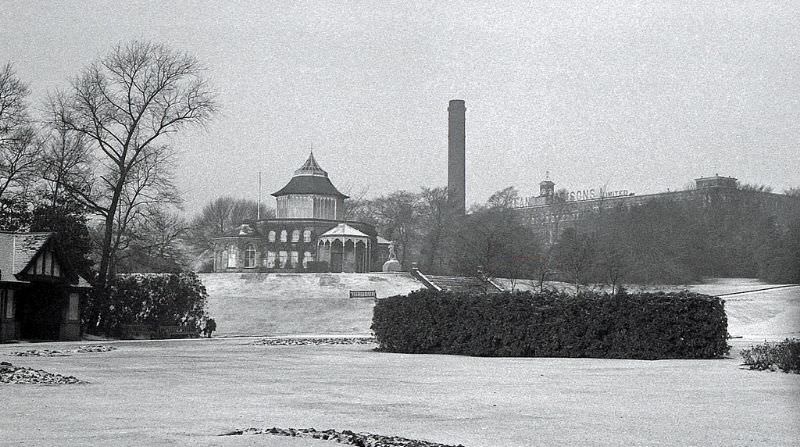
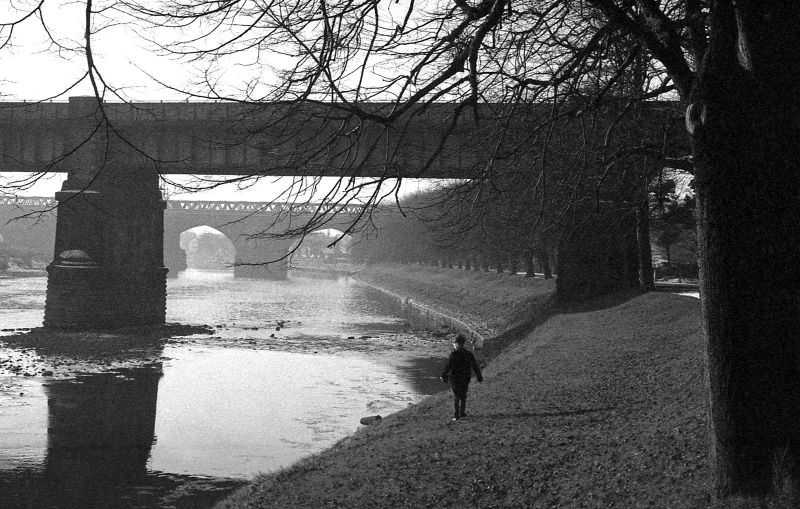
Parks remained a constant part of community life. Families walked along rivers, fed ducks, and let children play on grassy slopes in all seasons. A frozen pond in Wigan’s Mesnes Park or a summer afternoon on the River Ribble in Preston — these were ordinary pleasures that cost nothing and needed no planning.
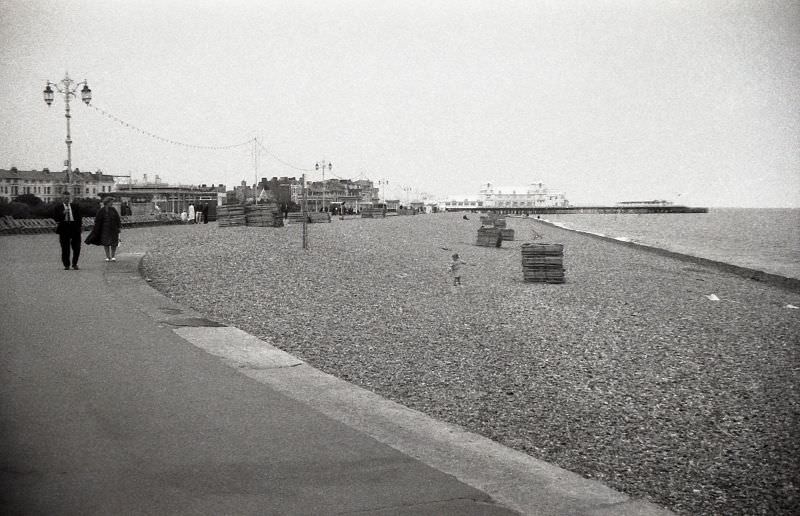
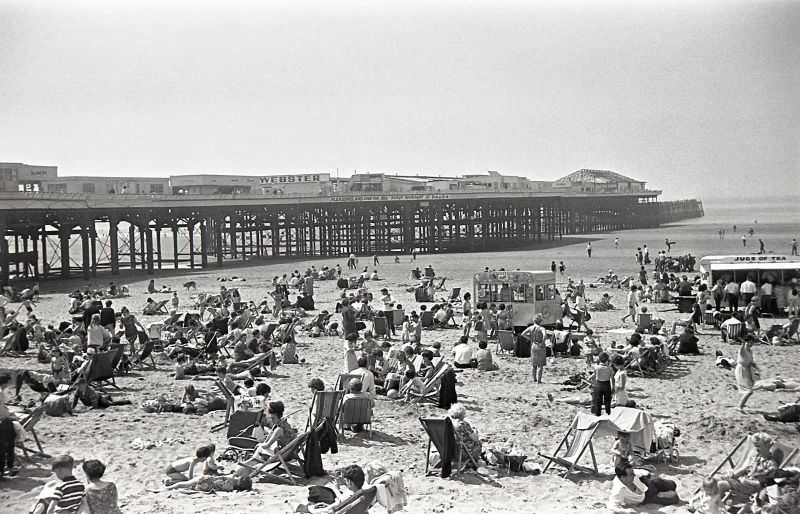
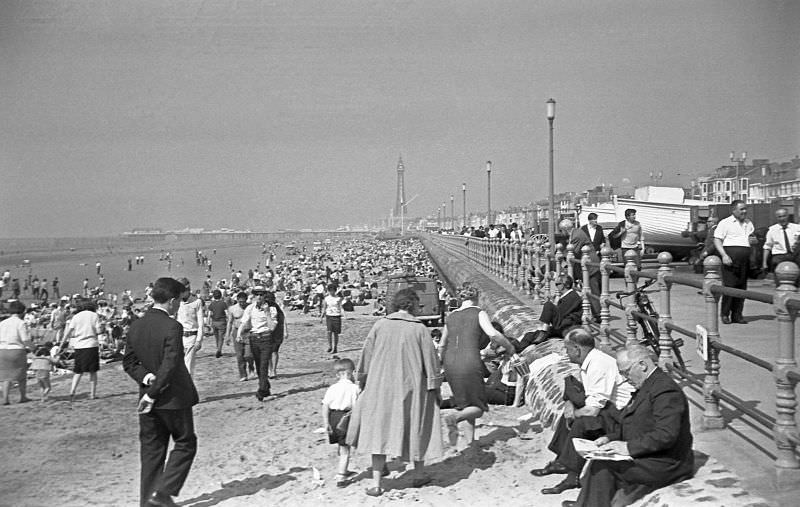
Blackpool drew visitors from across the north of England for its piers, arcades, and seaside air. The town’s three piers — North, Central, and South — each had their own character. Families strolled the decks, rode the rides, and bought fish and chips wrapped in newspaper. The seaside holiday, even a day trip, was still a major event in the calendar for many households.
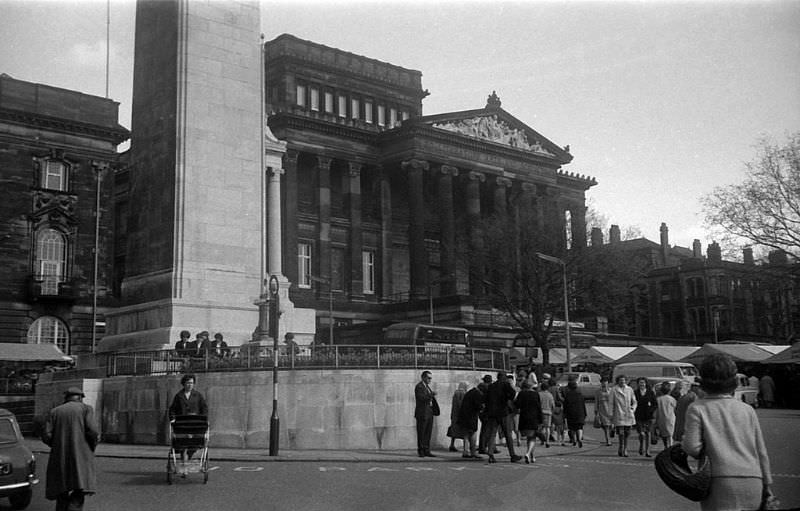
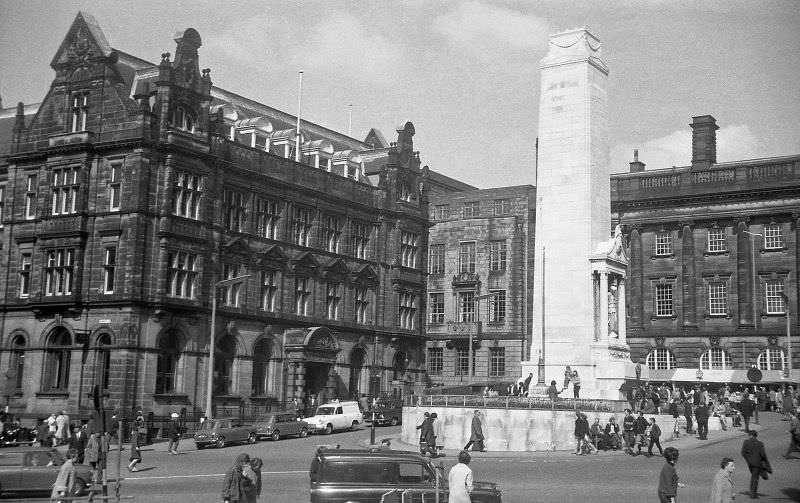
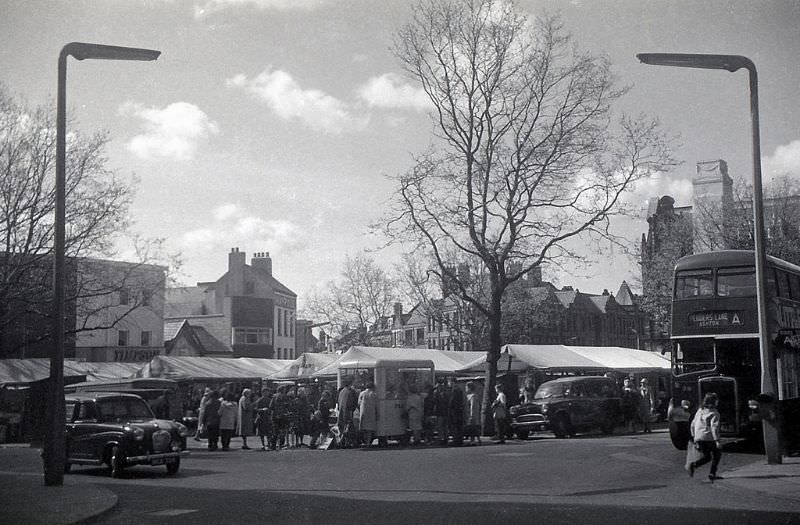
Town centres like Preston’s were busy, layered places. The market sat near civic landmarks like the Harris Museum and the Sessions House. Stalls spilled out onto the square, selling everything from fresh produce to cheap clothes. These spaces were where people ran errands, caught up with neighbours, and watched the town move around them.
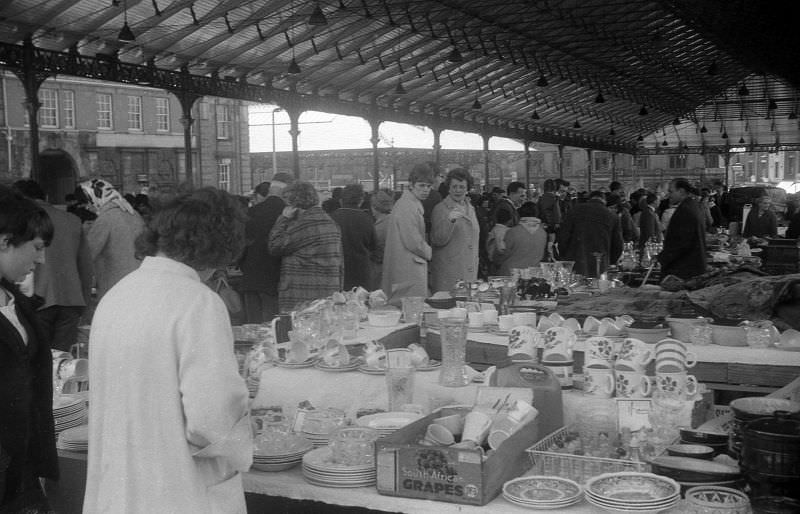
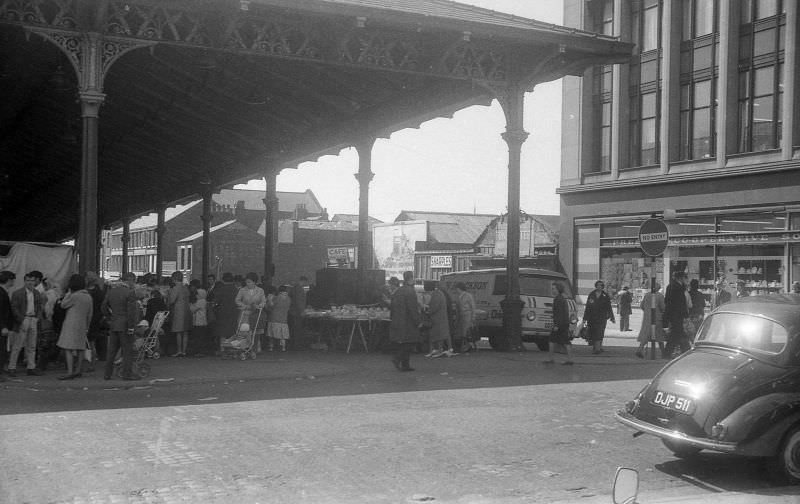
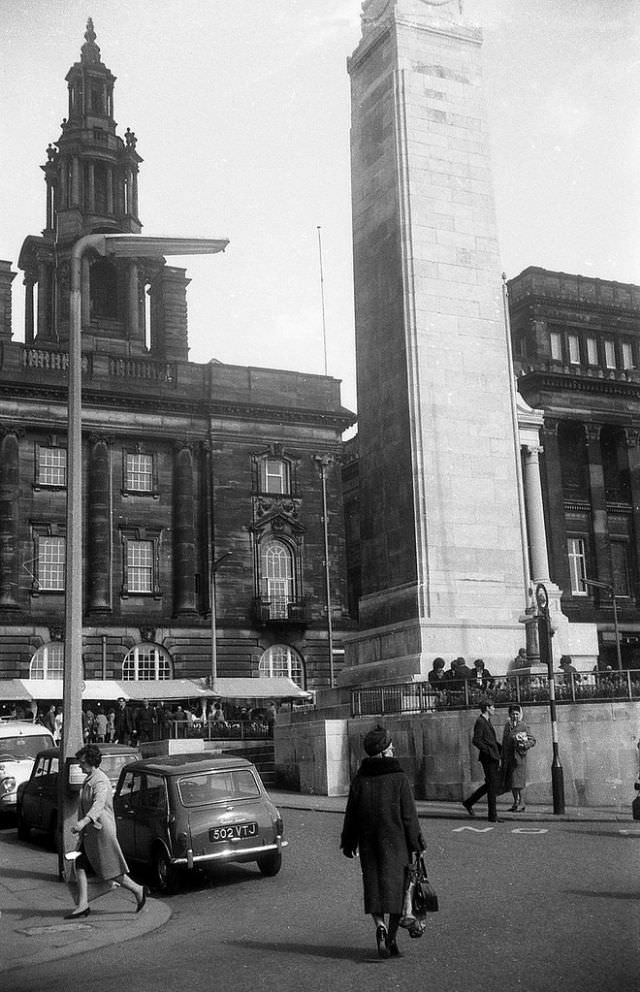
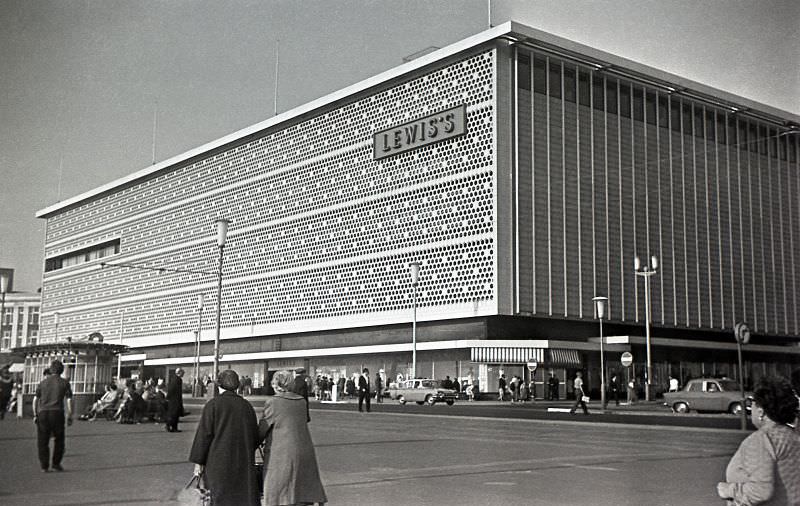
New shopping centres began to appear in town centres during the mid-1960s. St. George’s Shopping Centre in Preston was part of a national push to modernise retail, grouping shops under one roof and making them easier to reach. These centres signalled a shift in how people shopped — away from individual market stalls and toward a more organised, indoor experience.
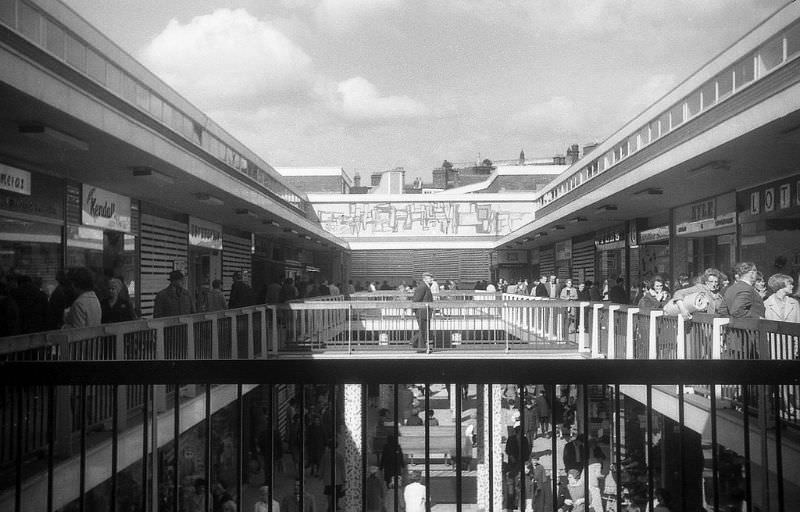
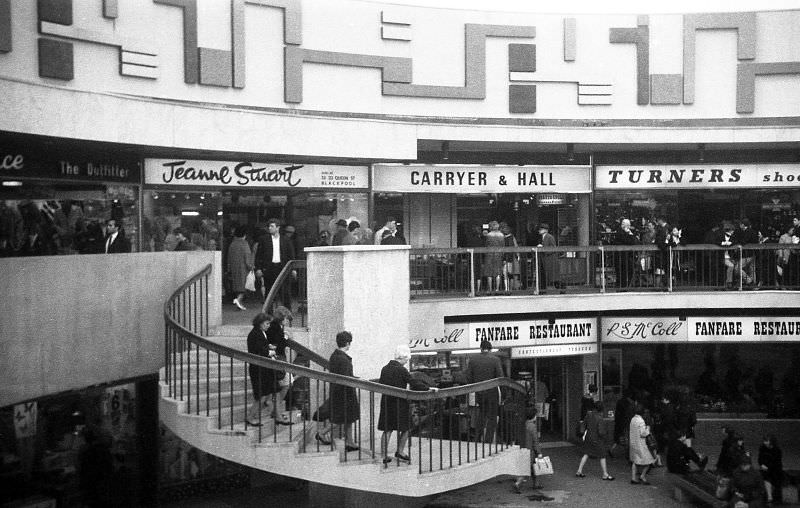
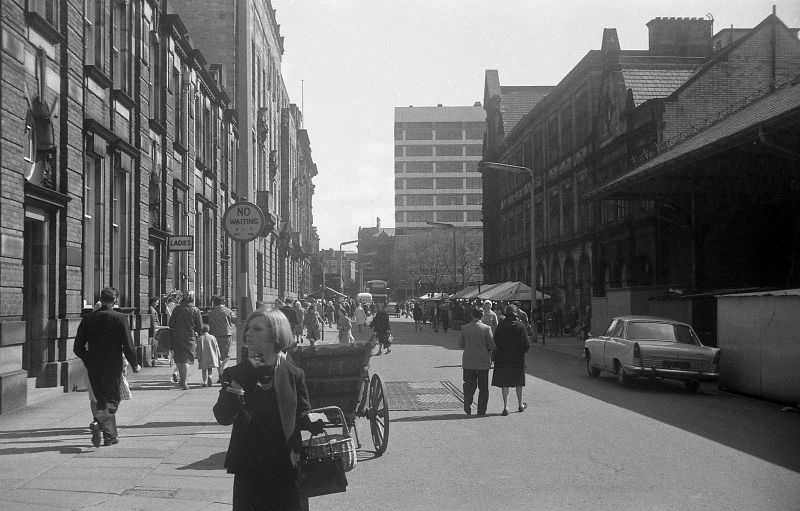
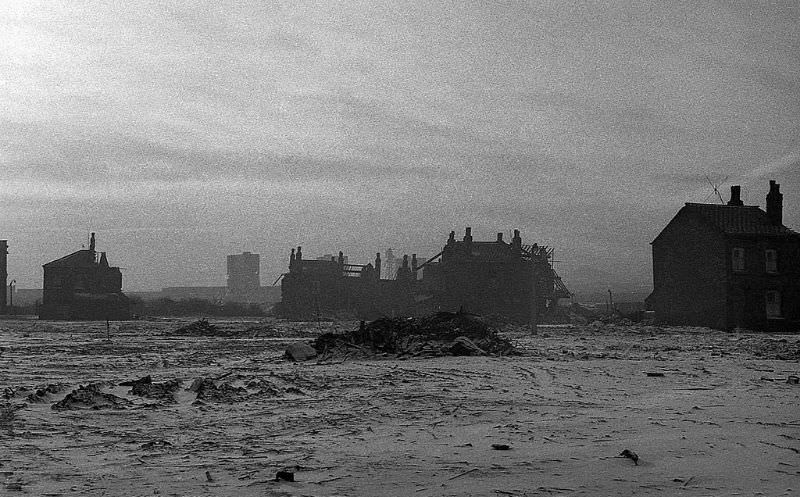
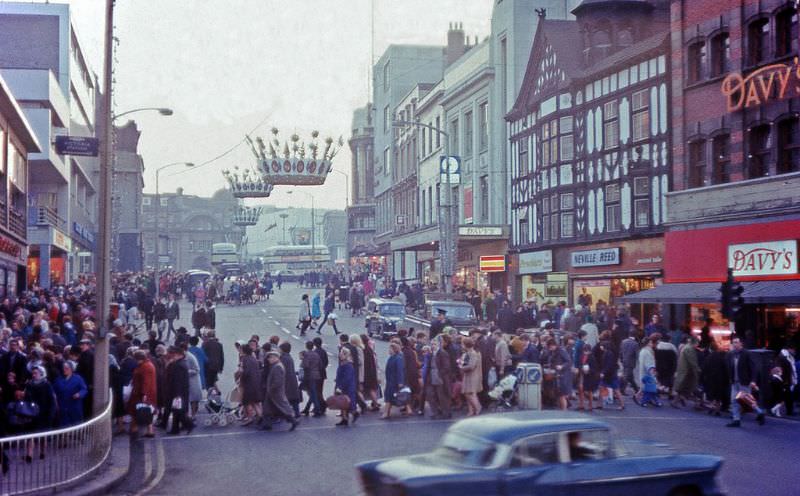
Winter brought its own routines. Working-class rows of terraced houses in towns like Wigan sat beneath grey skies, smoke rising from coal fires. Streets were quiet in the cold months, but the rhythm of daily life — work, shopping, the pub — never stopped. Christmas shopping was a major occasion. In Sheffield’s Haymarket, crowds pressed through decorated streets in 1967, searching for gifts beneath strings of lights.
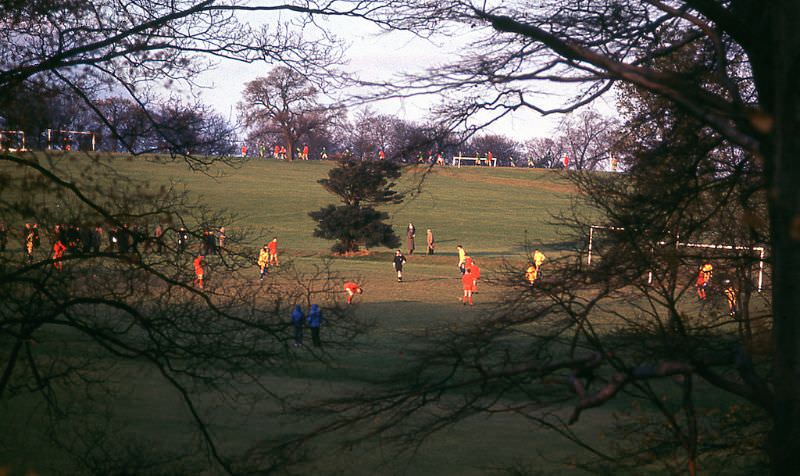
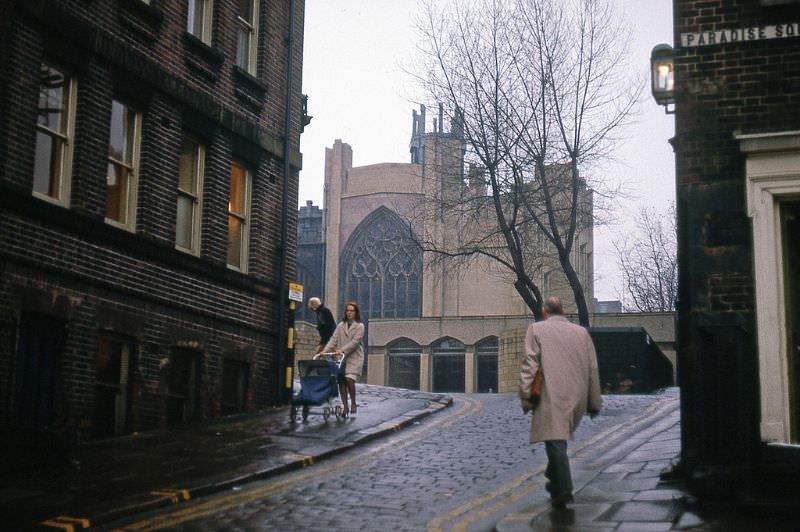
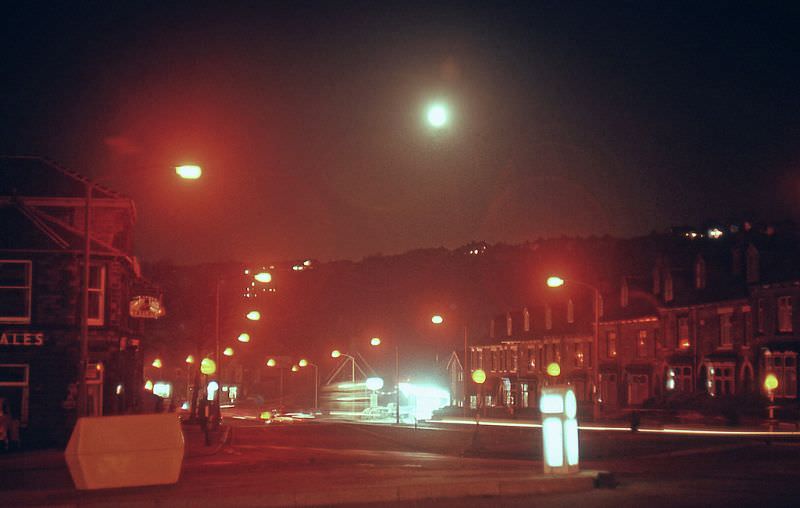
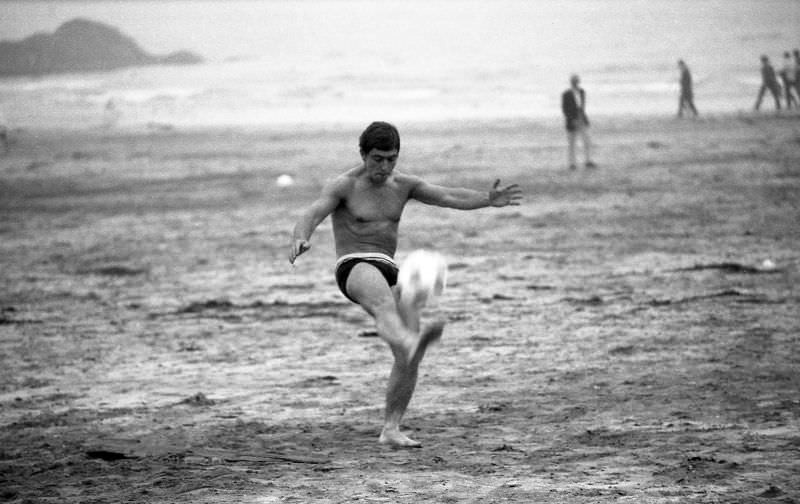
Sheffield in the 1960s was a city of contrasts. Its steel industry still employed thousands, but the city also had green parks where people played football and walked on weekends. Paradise Square, one of the city’s finest Georgian spaces, stood just a short distance from its industrial streets — a reminder that the city held history and labour in equal measure.
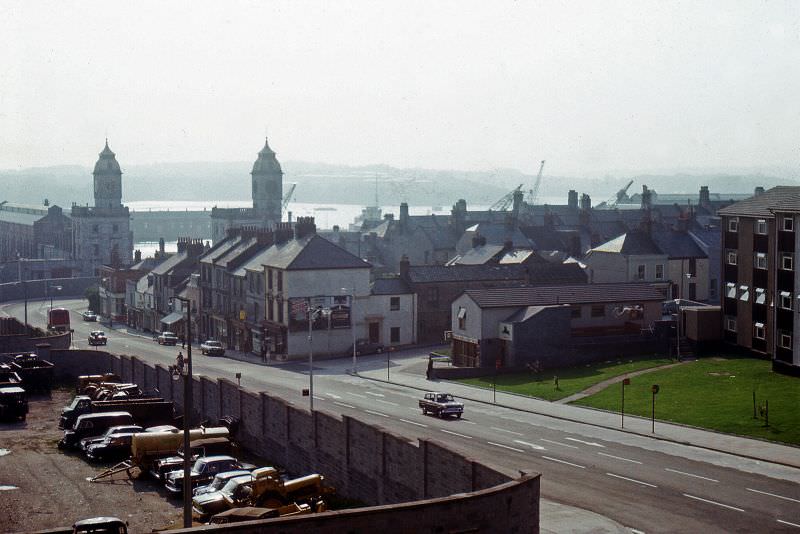
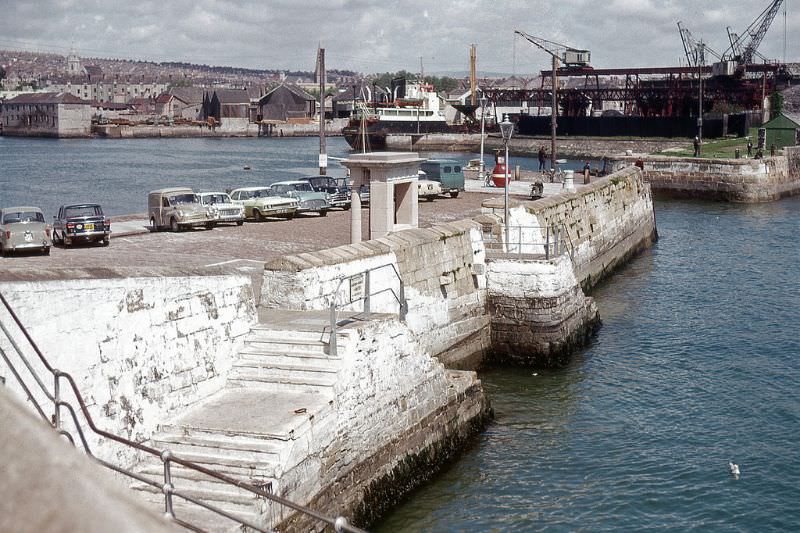
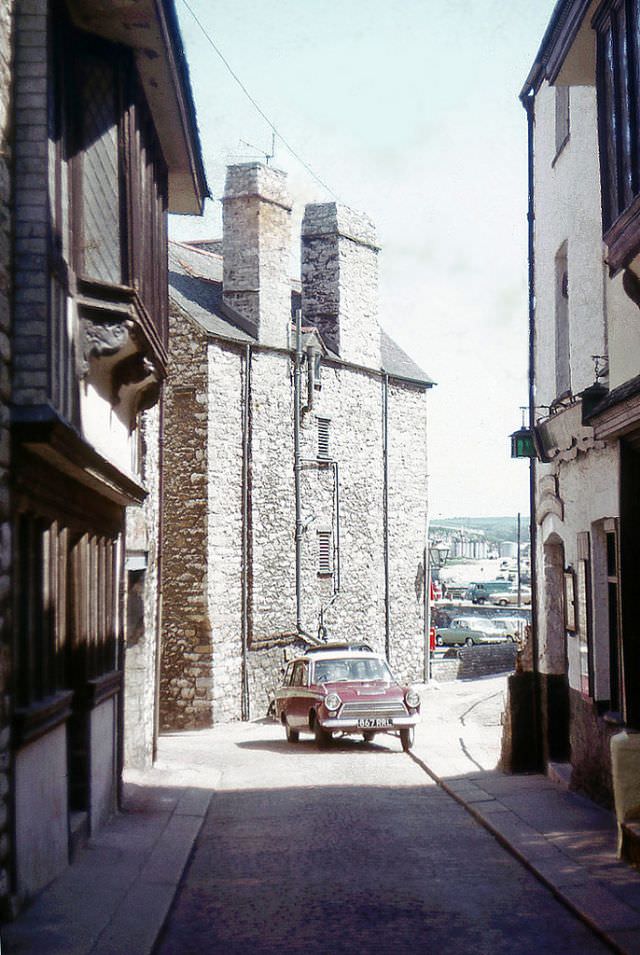
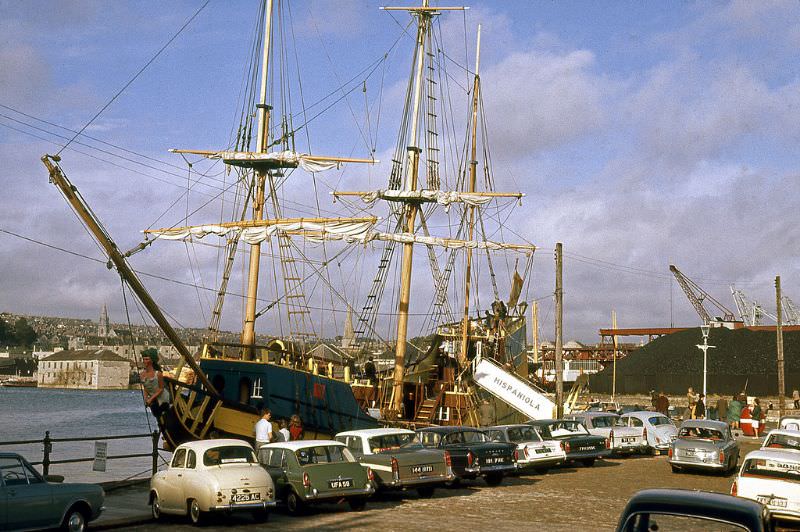
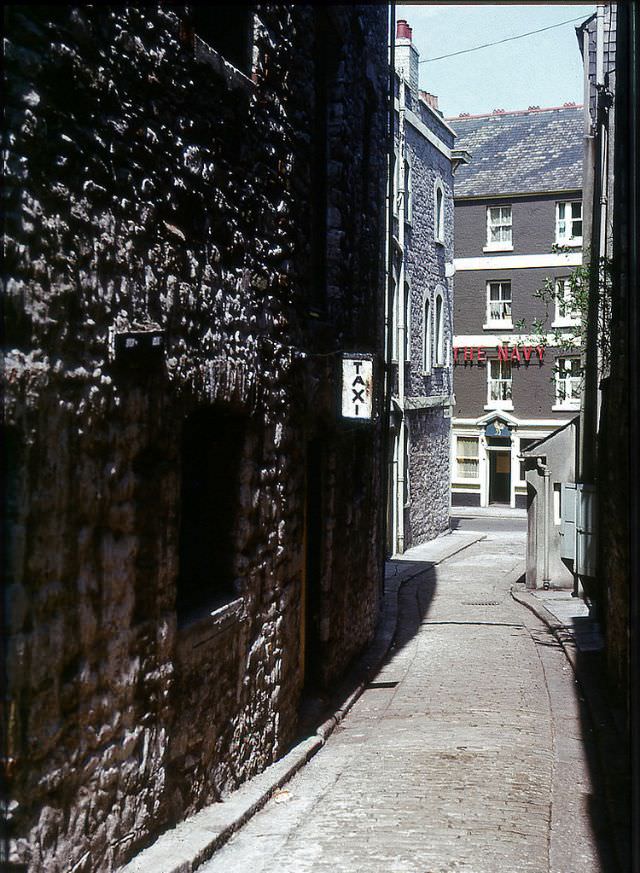
Plymouth, on England’s southwest coast, had a distinctly different character. It was a naval city, shaped by its dockyard and its history as a departure point for sea voyages. The Barbican — Plymouth’s oldest quarter — lined the waterfront with fishing boats and old buildings that had survived the Second World War bombing. The Mayflower Steps, where the Pilgrim Fathers had departed for America in 1620, stood as a constant point of civic pride.
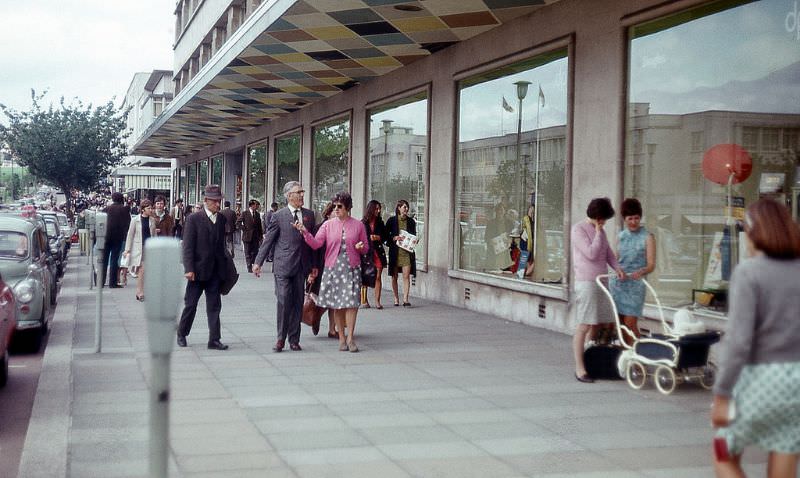
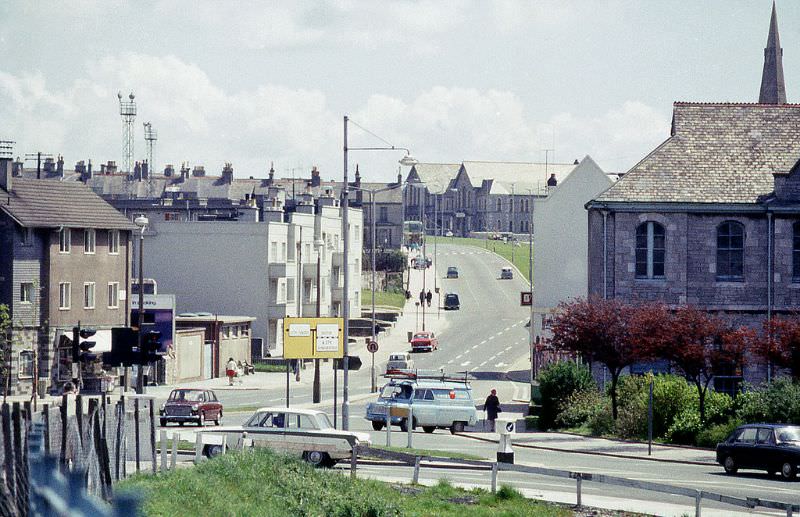
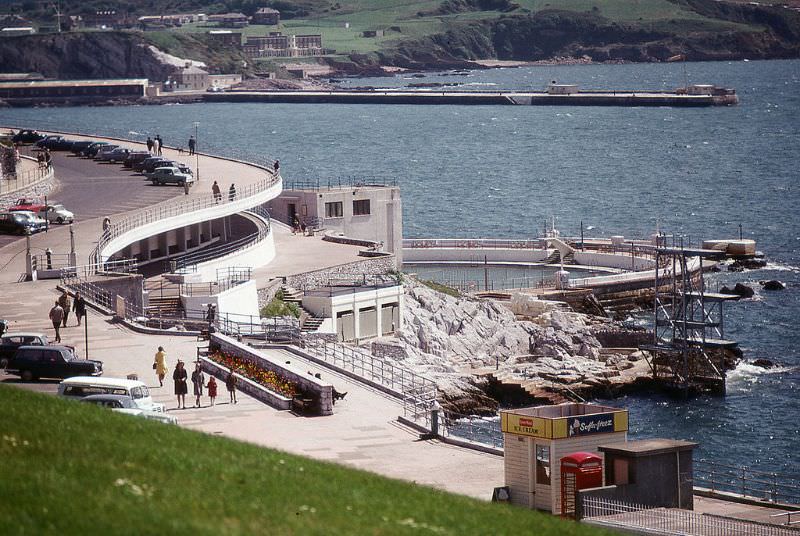
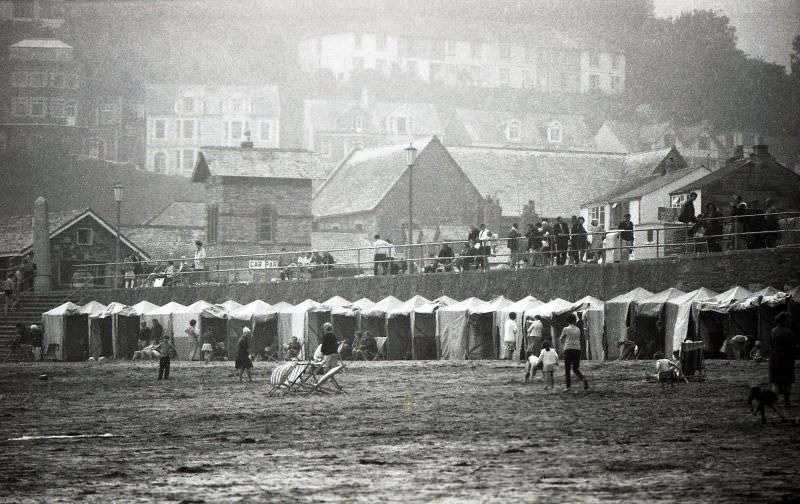
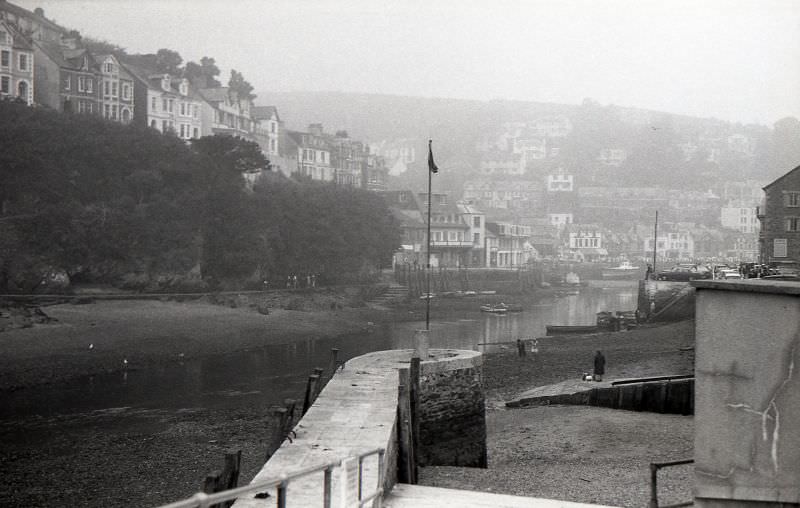
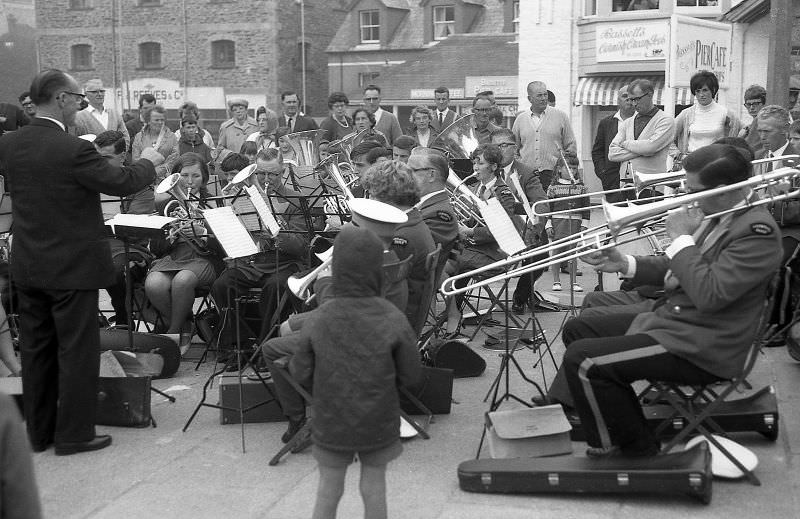
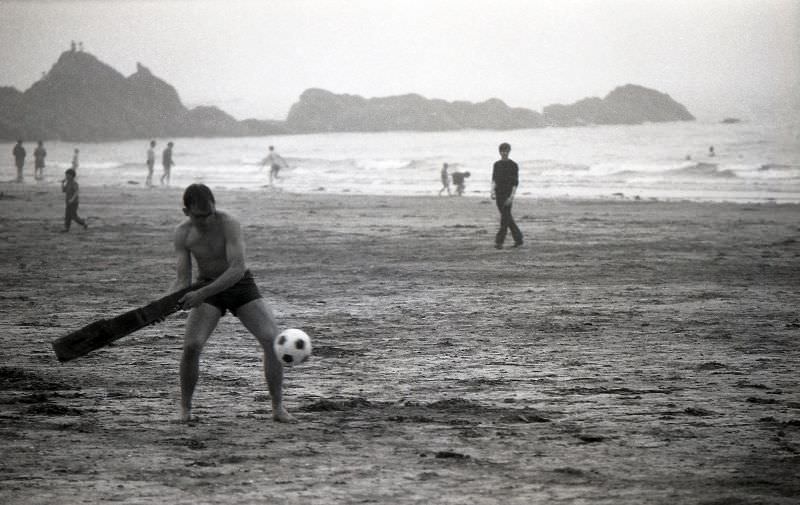
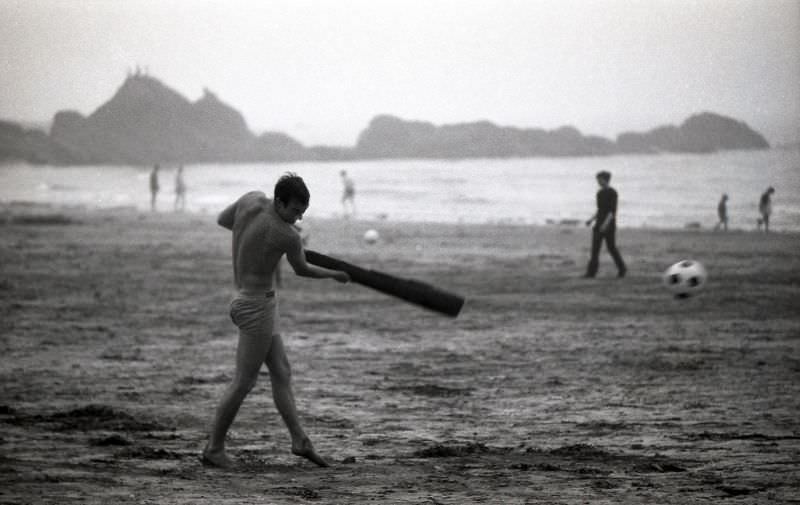
Cornwall attracted visitors from across the country, with Looe being a particularly popular destination. Its beaches, river, and old fishing town charm drew day-trippers and holidaymakers alike. In the summer of 1968, children played on Looe’s beach while the Lostwithiel Silver Band performed nearby — a slice of seaside Britain that felt timeless even as the rest of the country changed rapidly around it.
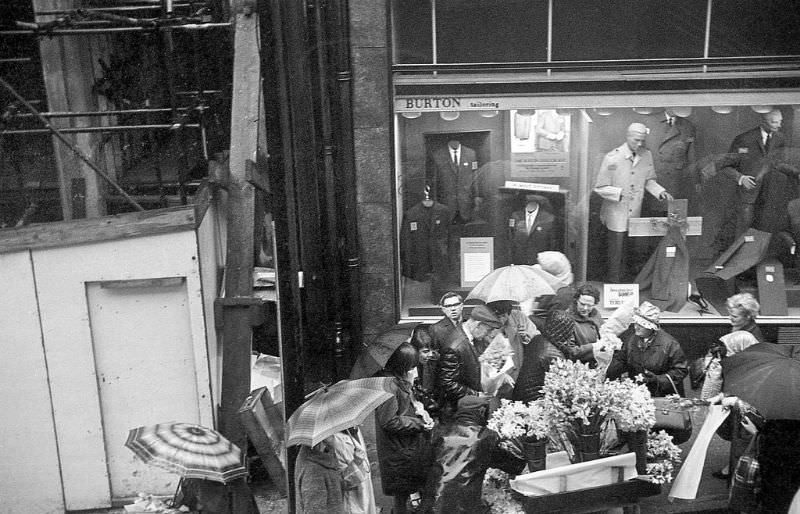
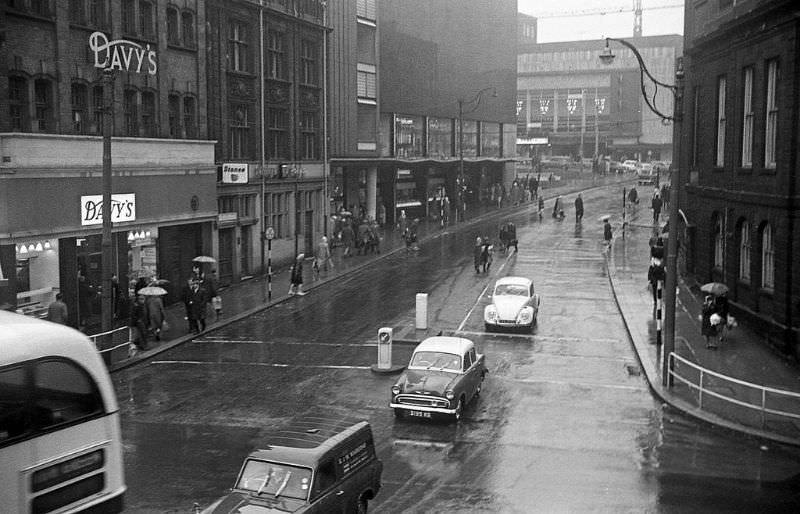
Sheffield’s streets told their own story in all weathers. On rainy days, people still queued at outdoor stalls — buying daffodils, groceries, and goods from market traders undeterred by the drizzle. Sheffield market was a busy, practical place where the city’s working population shopped for everyday needs. When the sun came out, the city’s hills and open spaces filled up quickly.
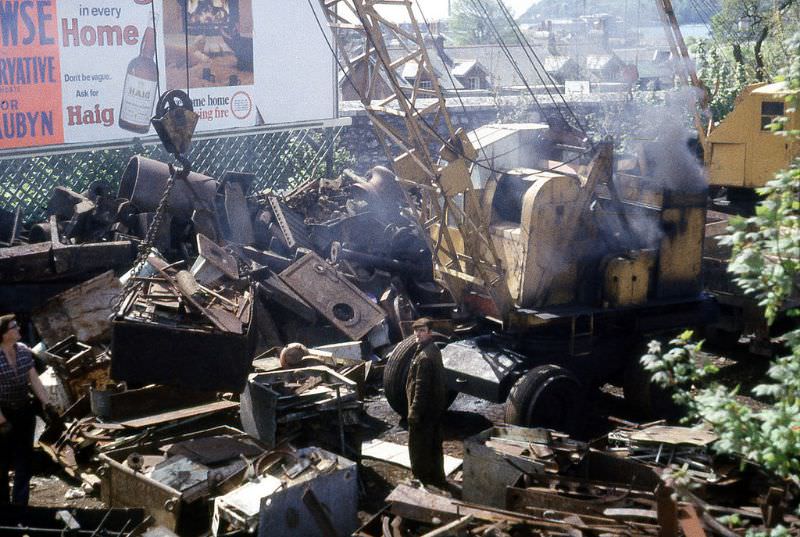
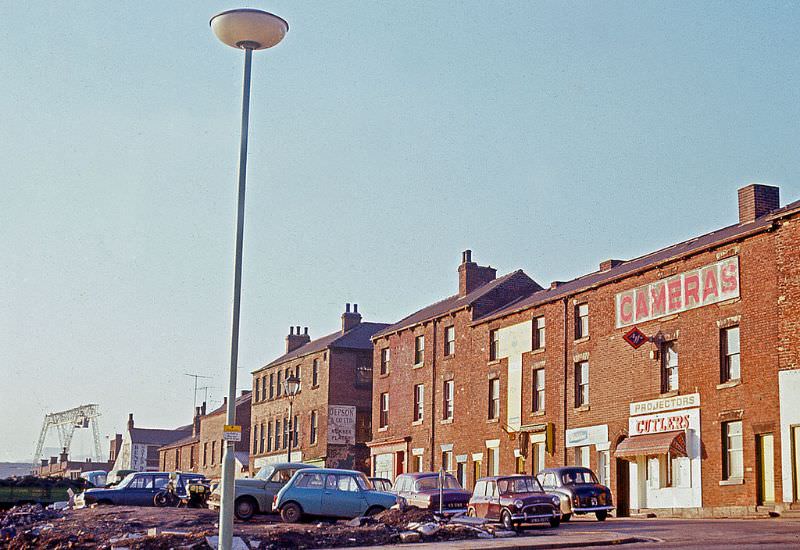
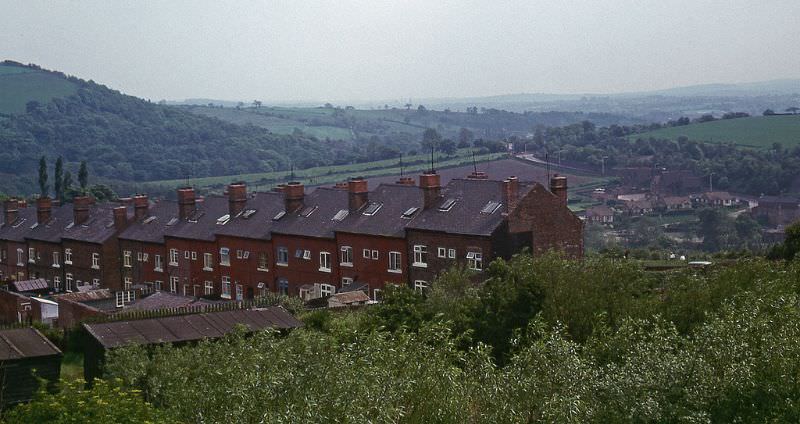
Not all of Britain’s housing stock had been replaced by modern tower blocks. In North Derbyshire, miners’ rows of terraced houses still stood in villages like Unstone — tight streets of brick homes built to house the workers of nearby collieries. These streets had changed little in decades. The people who lived in them worked the same jobs their fathers had, even as the wider country shifted beneath their feet.
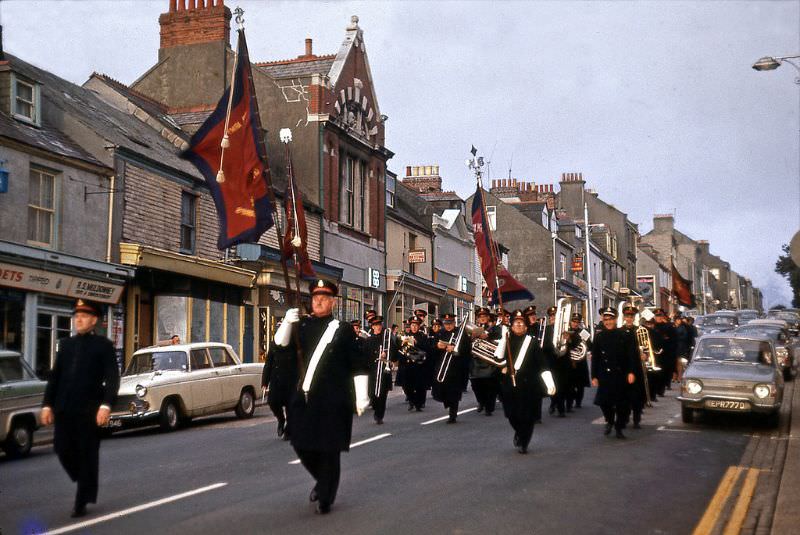
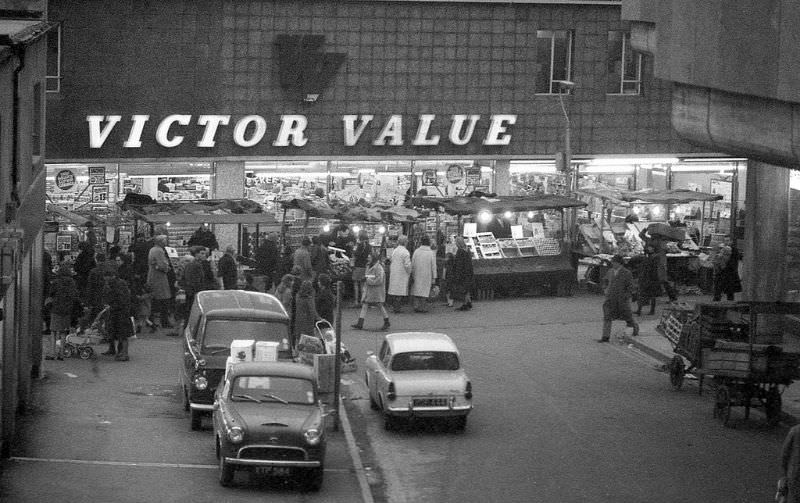
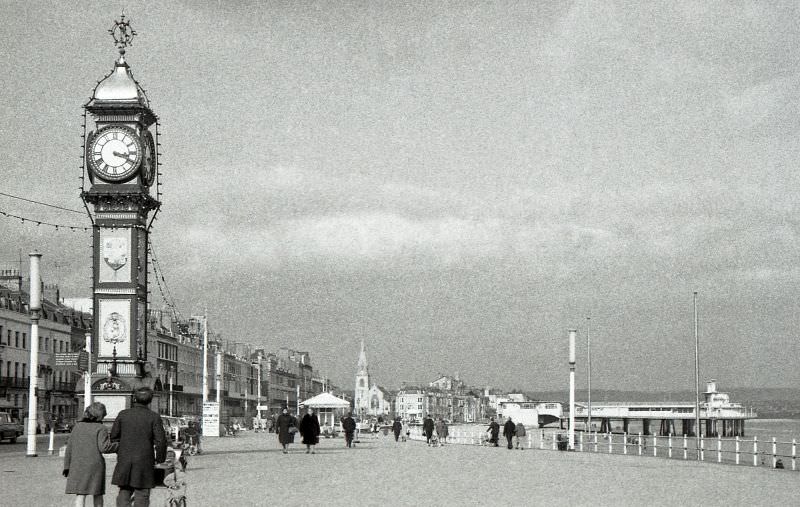
Public life in Britain’s towns still made room for tradition and ceremony. The Salvation Army marched down Plymouth’s streets with brass instruments. Civic buildings, war memorials, and local bands kept older forms of community life visible even as new shopping centres and tower blocks rose around them. Portsmouth’s Victor Value store — a budget supermarket chain expanding in the late 1960s — represented the newer, more consumer-driven side of the same decade.
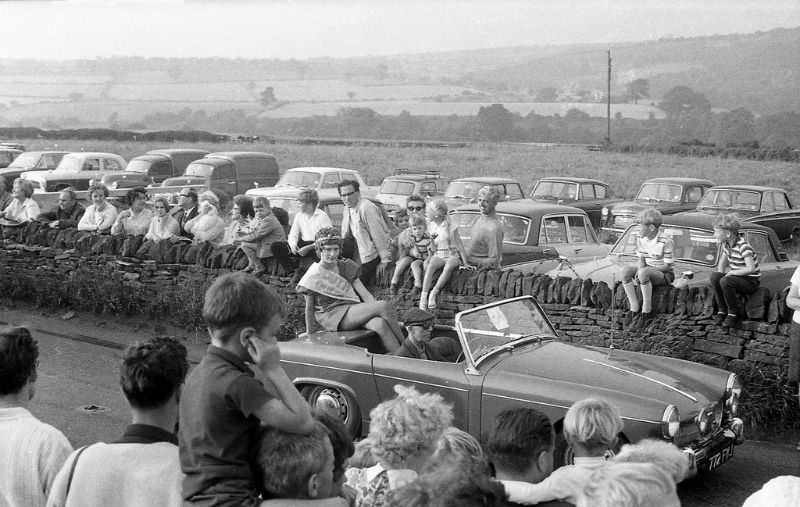
By the end of the decade, local traditions still held firm in many communities. In South Dronfield in 1969, the Barlow Well dressing ceremony — an old custom of decorating wells with flowers and images — included a beauty pageant that drew a crowd. These events connected people to their local identities at a time when national culture was moving fast and pulling attention toward London, toward television, and toward a future that looked very different from the past.