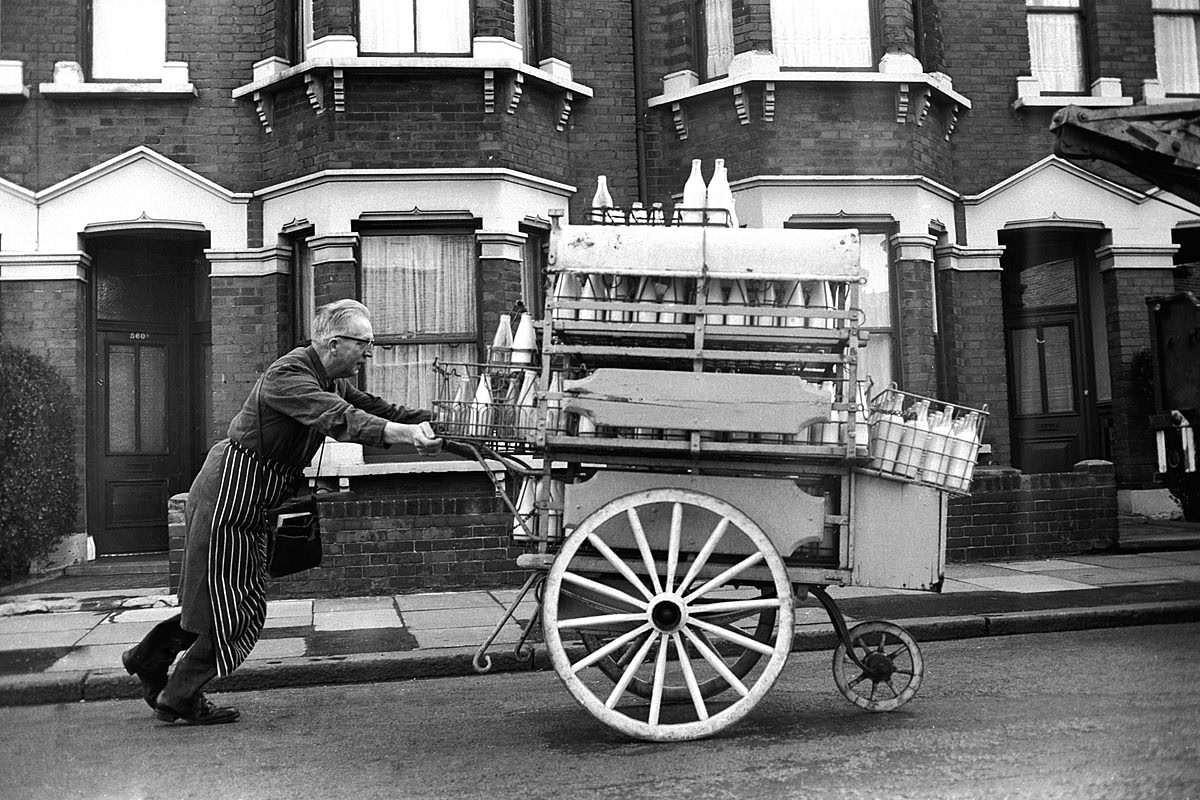
Before Steve Lewis became a staff photographer at The Sun in 1972 — a role he held for 35 years — he spent his early career on the streets of London’s East End, camera in hand. What he documented during the Swinging Sixties was raw and unfiltered: poverty, poor housing, industrial unrest, and racial tension, all sitting side by side with the energy and culture of one of the world’s most dynamic cities.
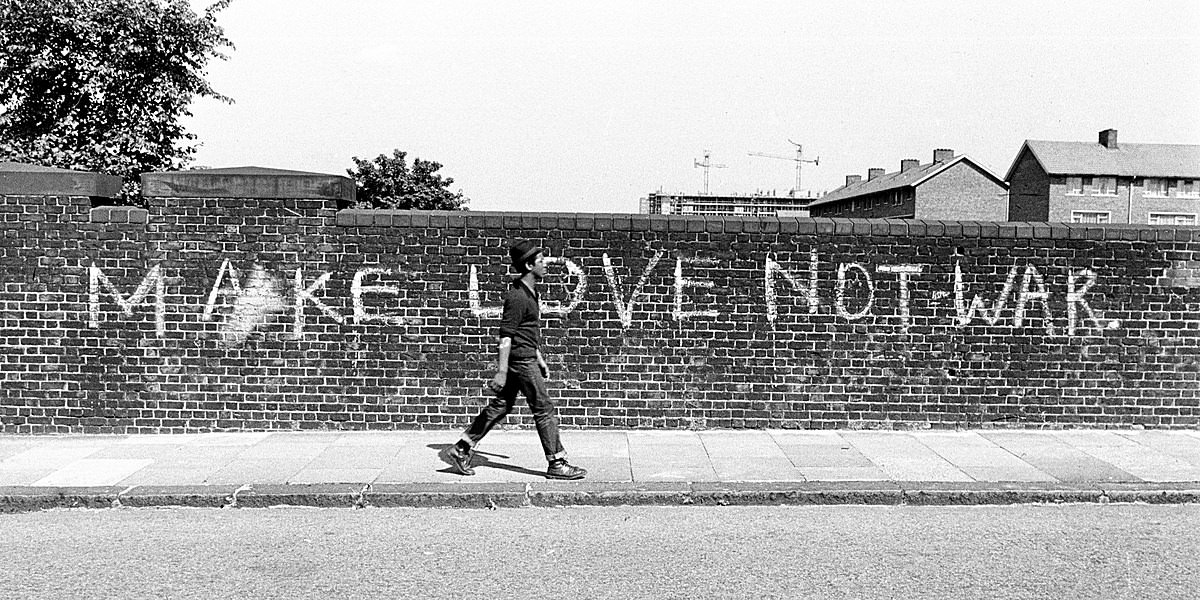
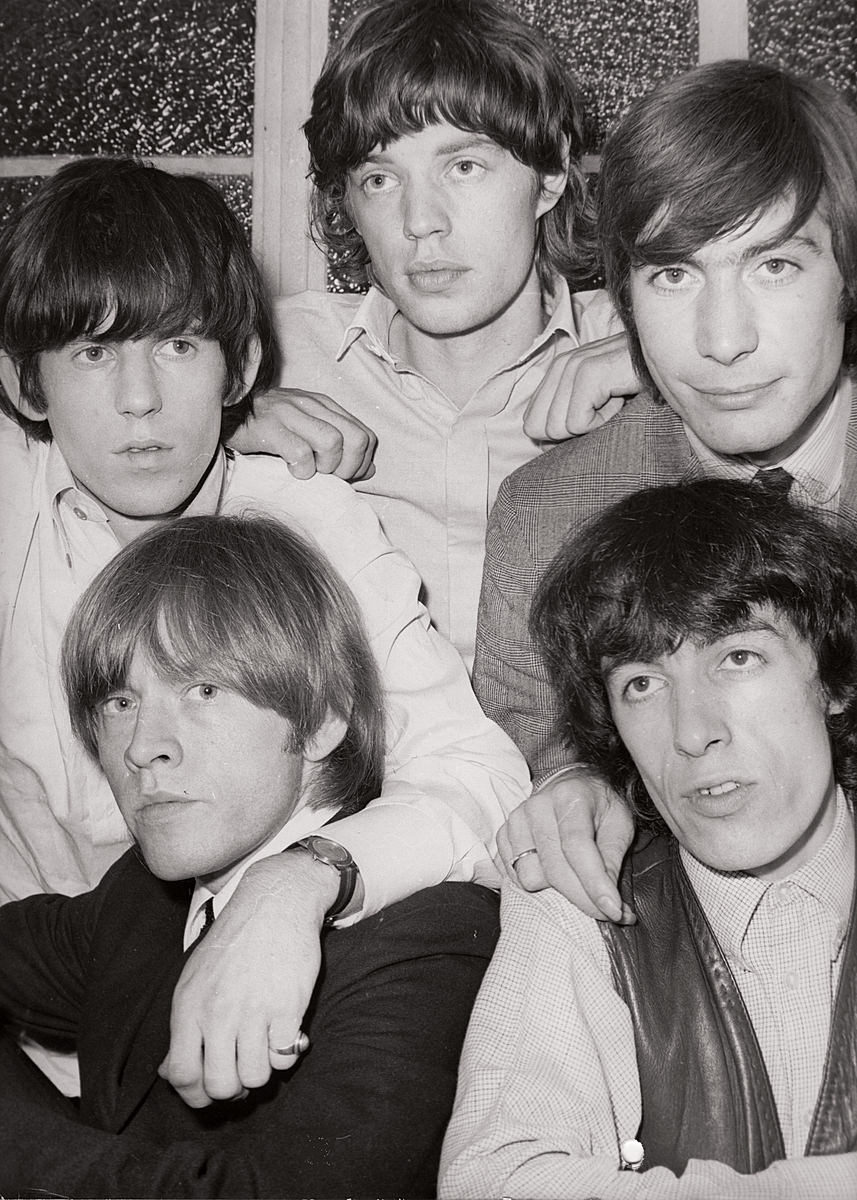
Lewis moved through every layer of East End life. He photographed working-class families, street scenes, local characters, and the famous faces who passed through the area. The result is a body of work that captures a neighbourhood in the middle of enormous change. In 2014, he compiled many of these images into a book called East End London Album.
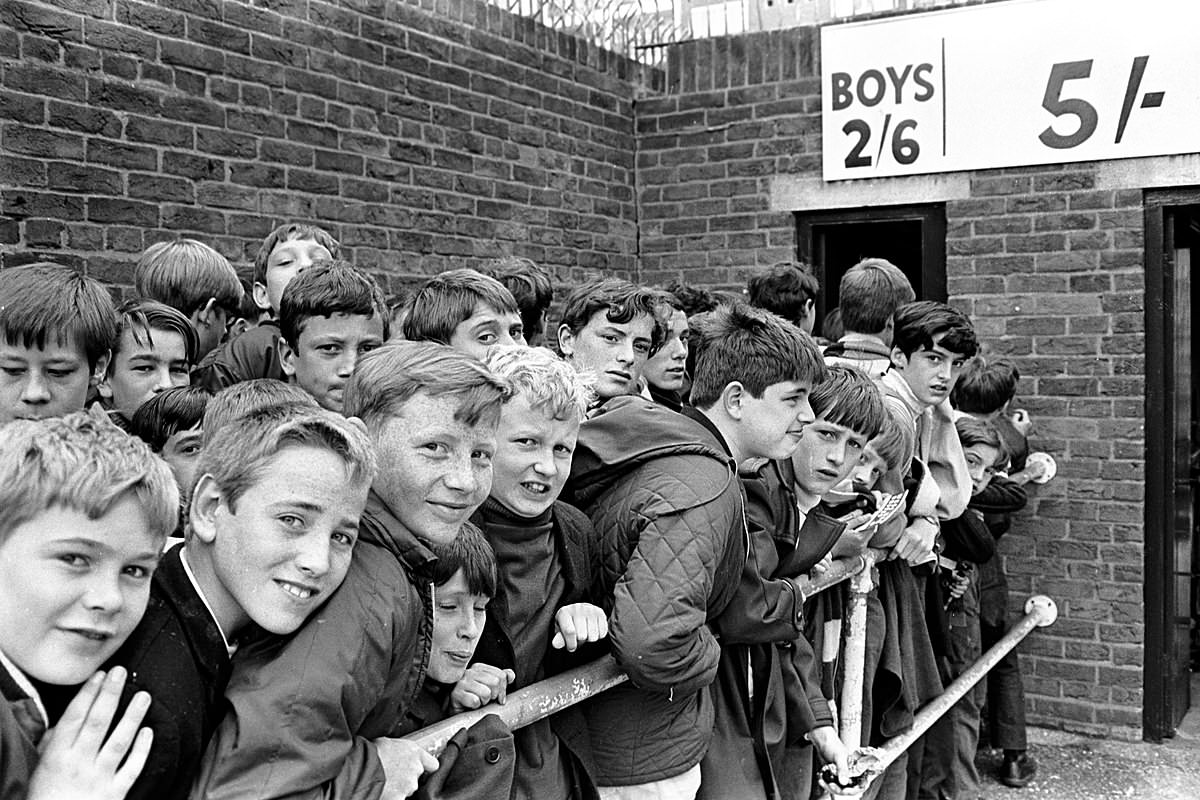
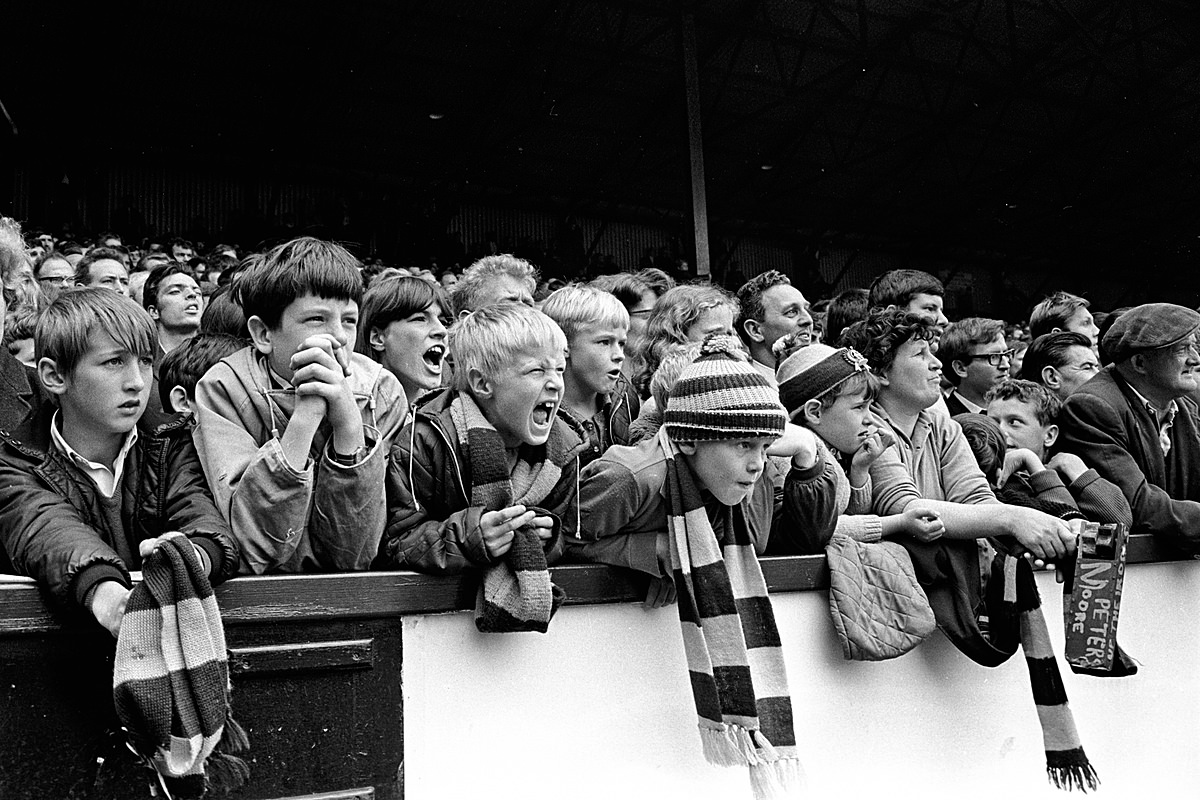
Football was a major part of East End identity, and West Ham United sat right at the heart of it. Upton Park drew passionate crowds from across the community, including a new generation of young supporters who grew up watching some of England’s finest players.
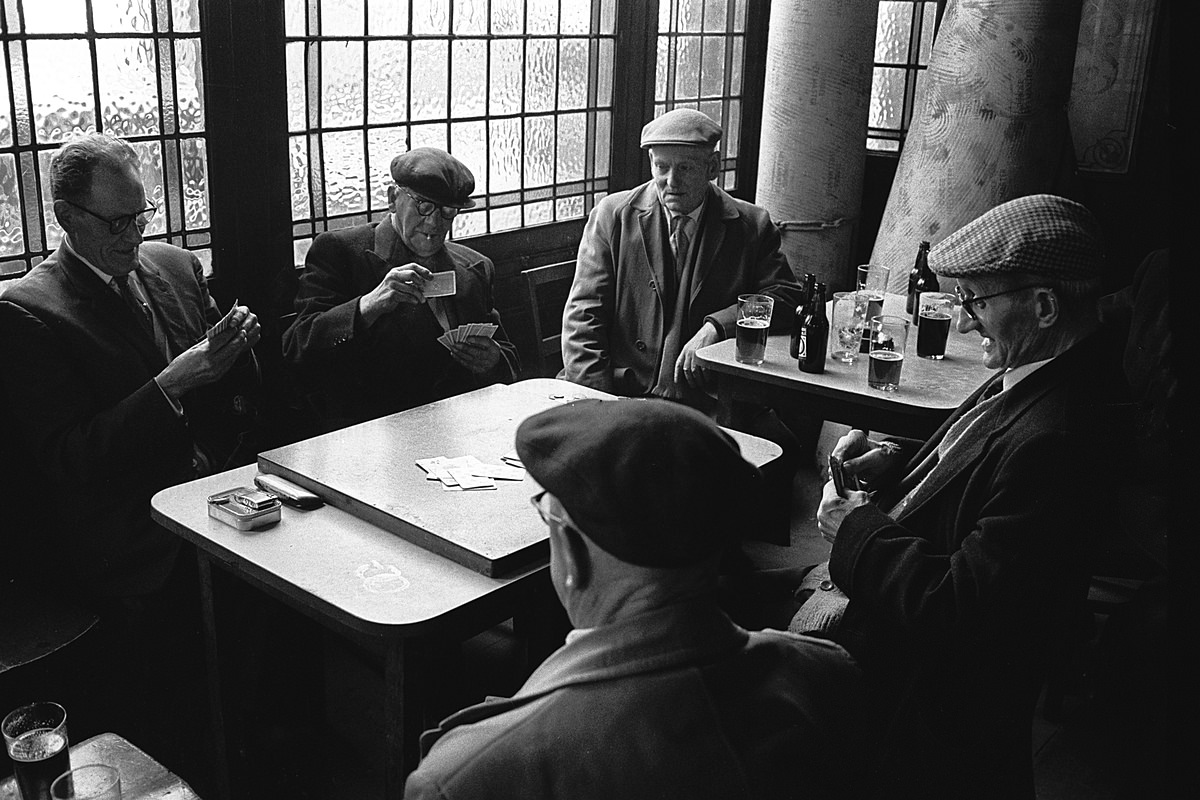
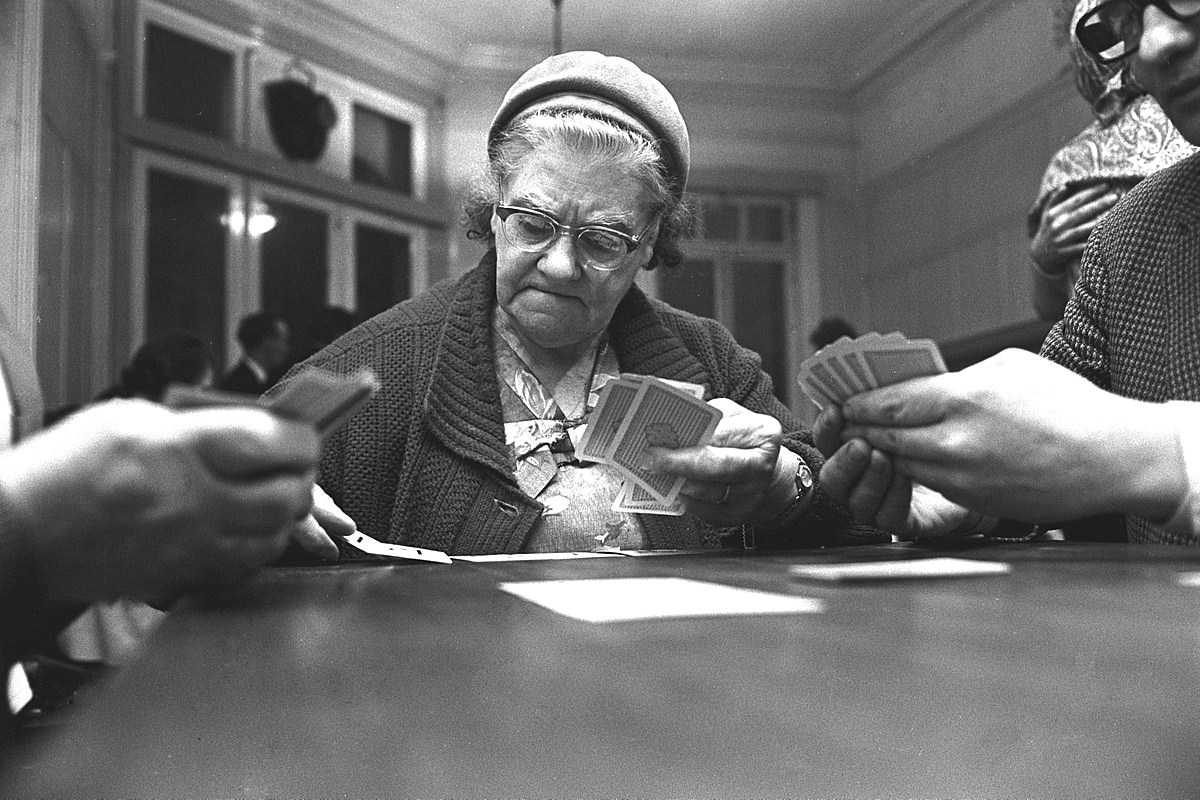
Away from the terraces, everyday life carried on in the streets and alleys of the East End. Informal card games were a familiar fixture in the neighbourhood, a small but telling sign of how people filled their time in tight-knit communities where front stoops and street corners served as living rooms.
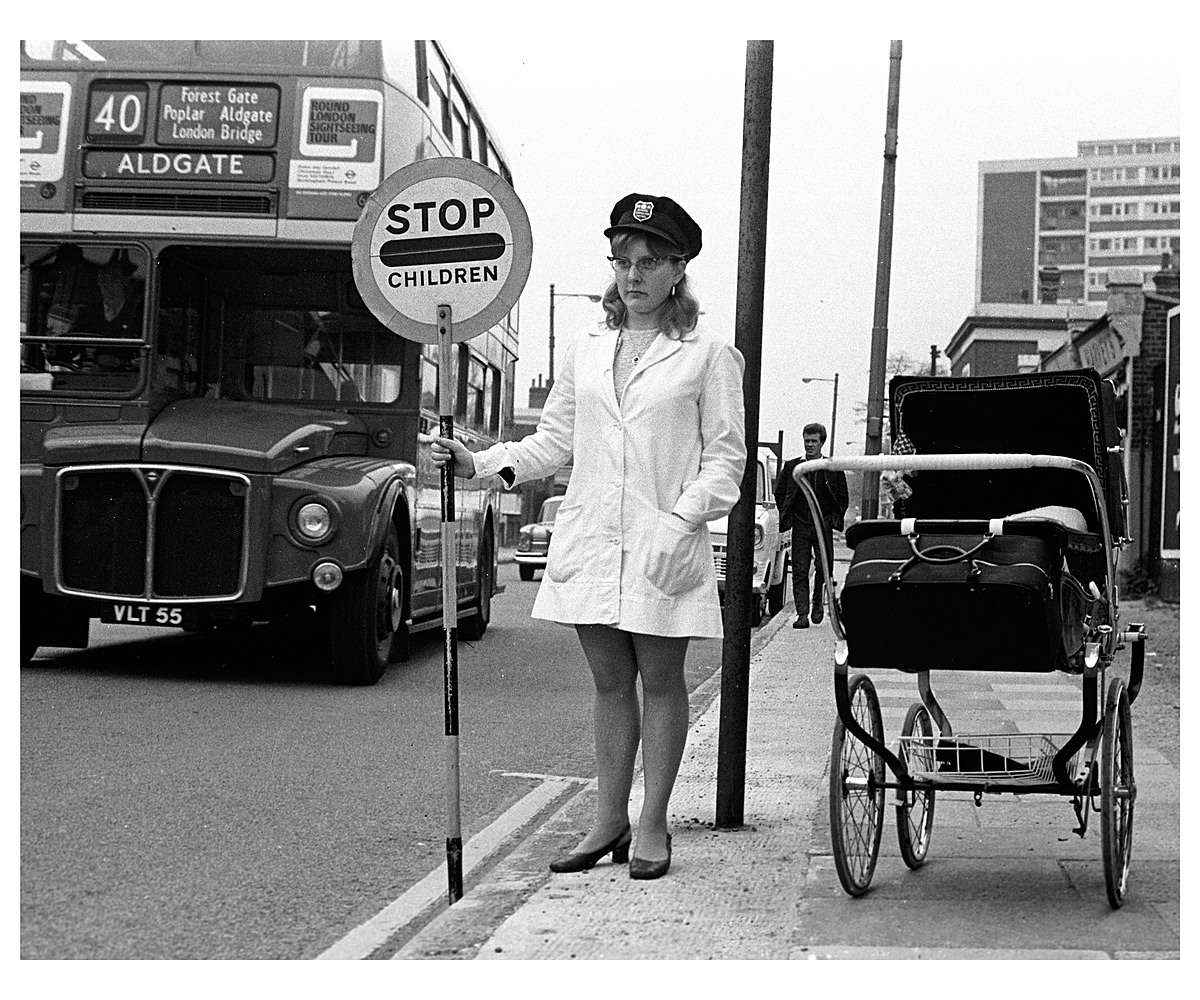
Lewis also had a sharp eye for the quietly human moments. In Forest Gate in 1967, he photographed Leslie Lucking, who balanced her duties as a lollipop lady with keeping watch over her young daughter Tracey — a small, honest scene that says a great deal about working life for women in the East End at the time.
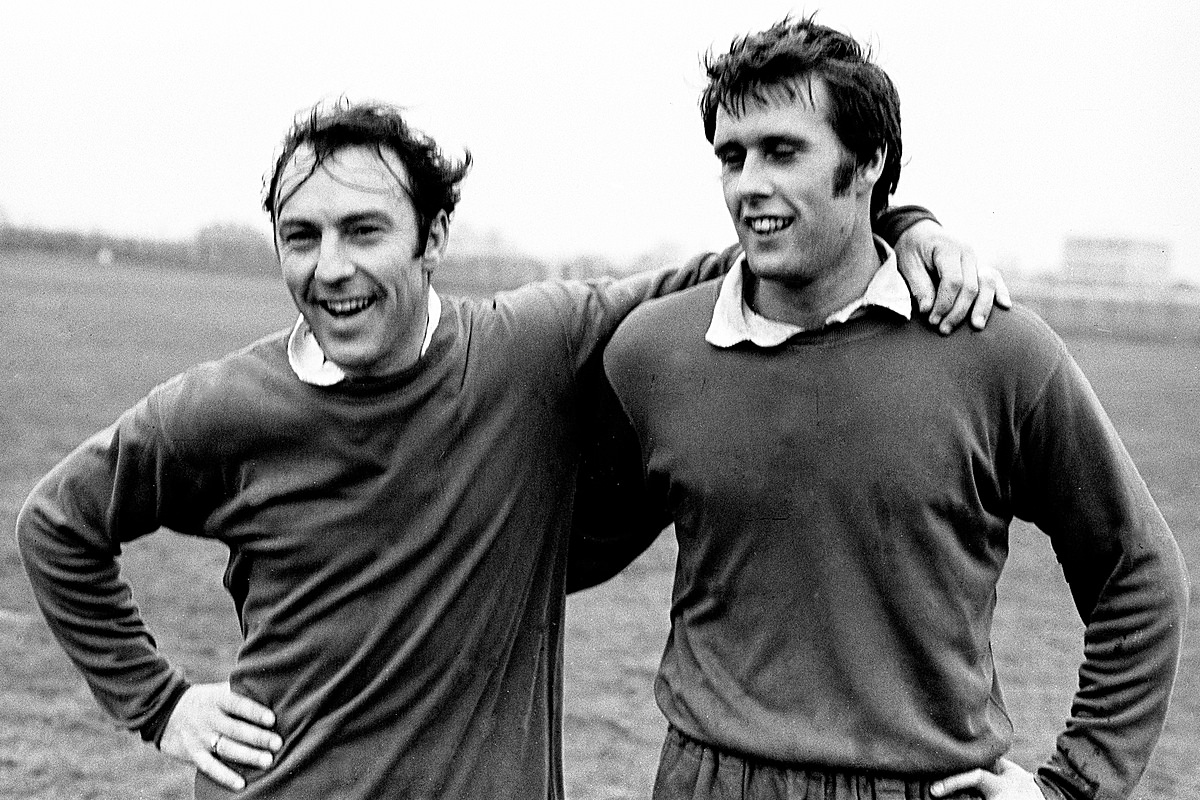
On the training ground in 1969, Lewis captured two of English football’s most celebrated strikers together at West Ham. Jimmy Greaves and Geoff Hurst, fresh from England’s 1966 World Cup triumph, were household names across the country — and here they were, just a short walk from the terraces where East End fans worshipped them.
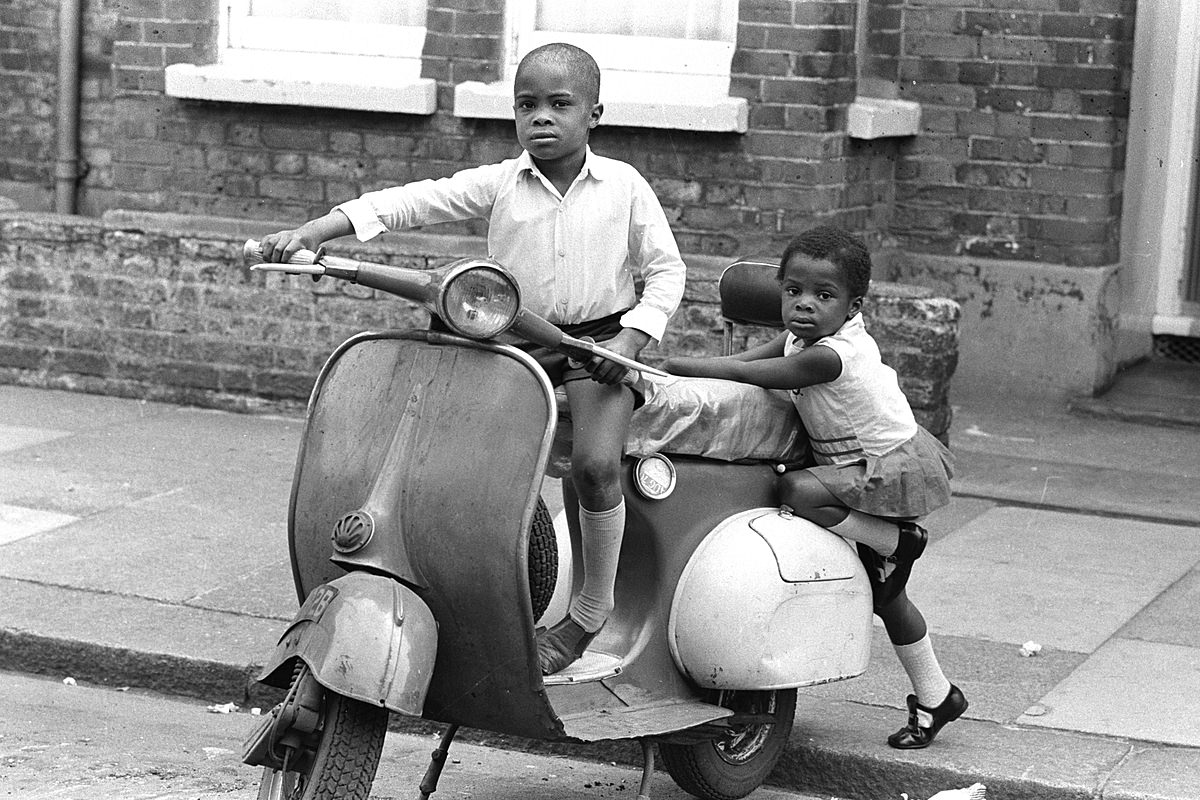
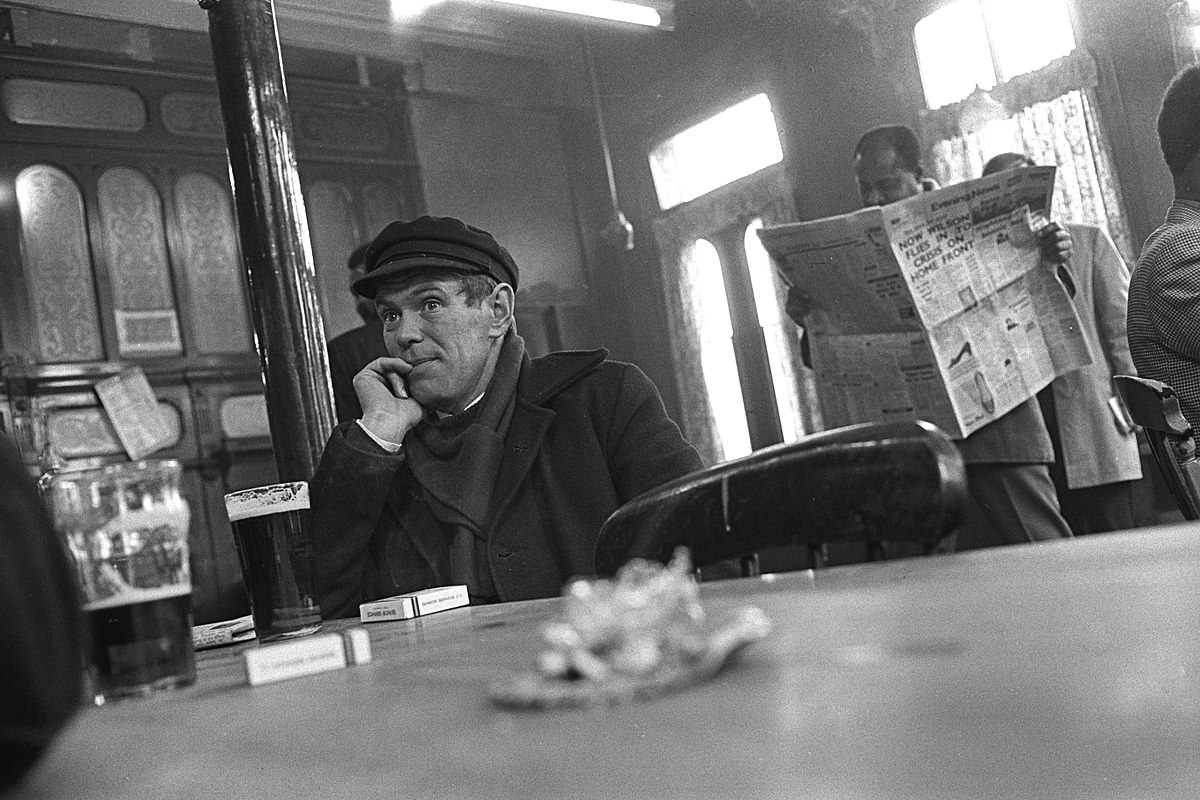
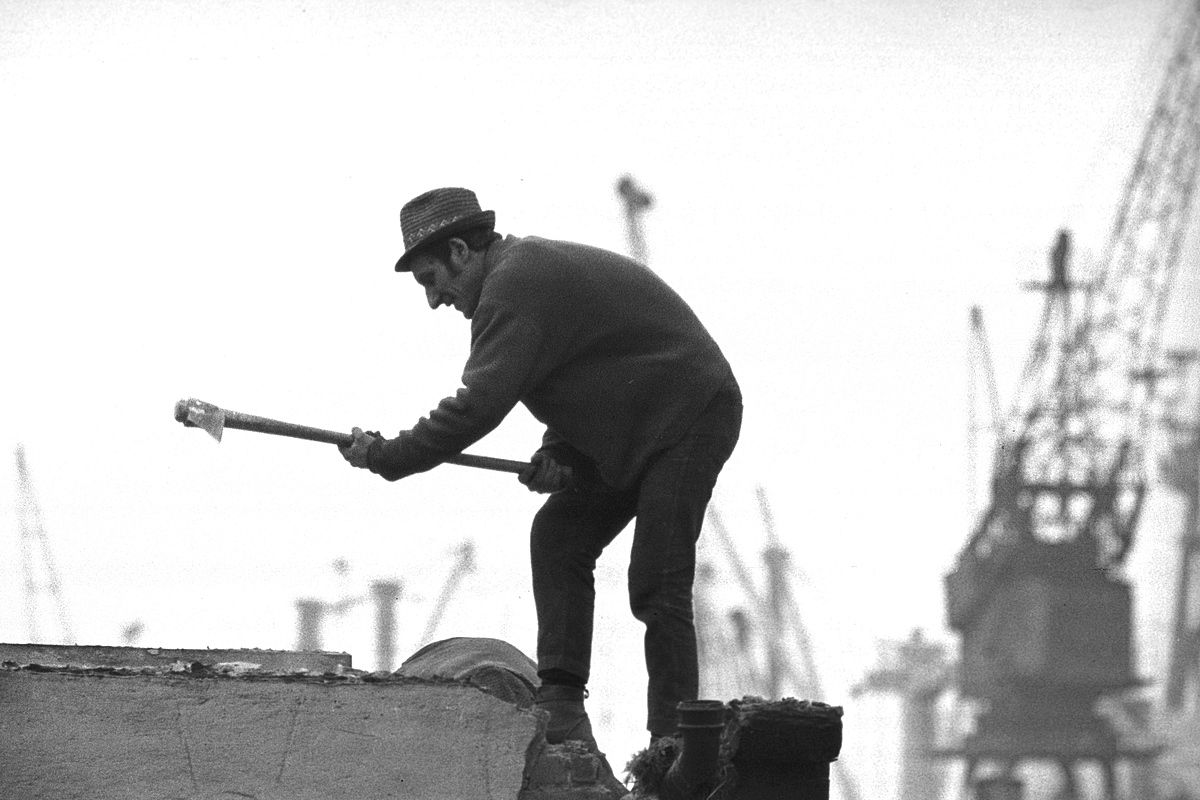
The physical landscape of the East End was shifting fast during this period. The Royal Docks, once a cornerstone of London’s trade and working-class employment, were being torn down. Demolition crews dismantled a world that had defined the area for generations, leaving behind cleared ground and displaced communities.
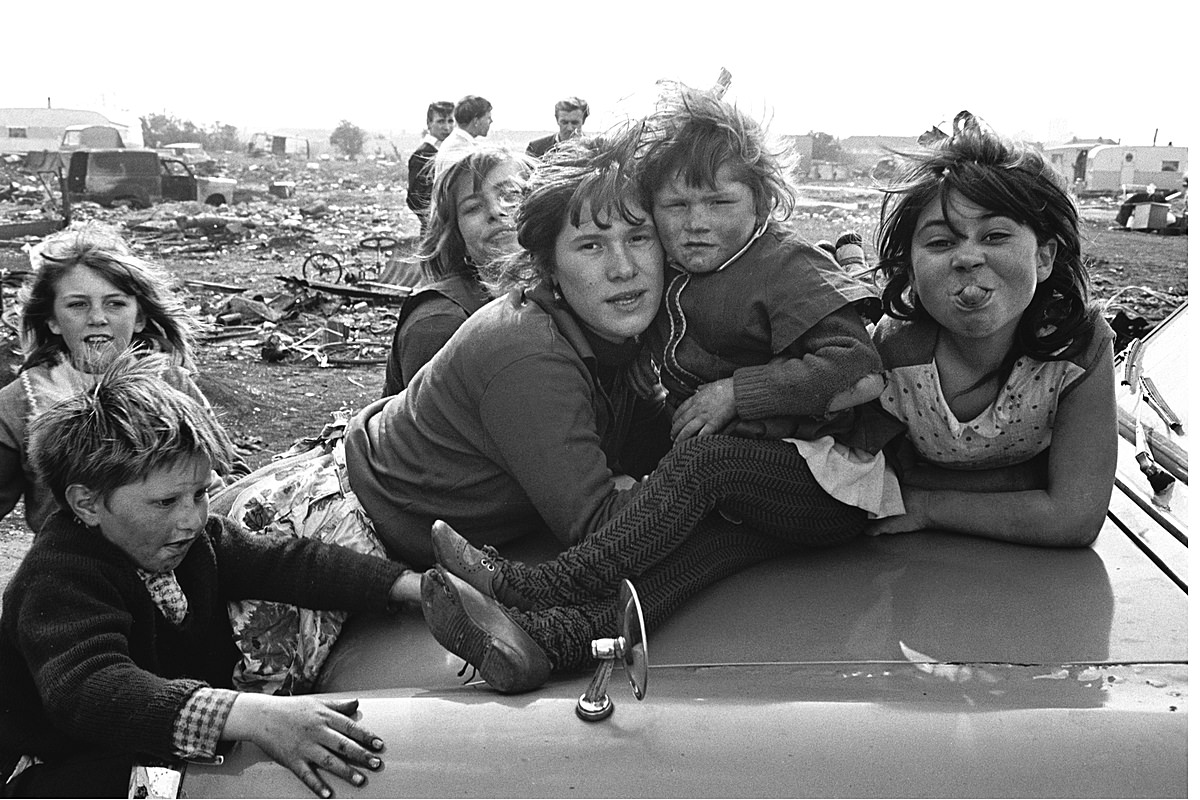
Not all of the East End’s residents lived in terraced houses or council flats. At Beckton Marshes, Lewis photographed a Romany community encampment — a group living on the margins of an already marginalised area, in a part of east London that most people passed through without stopping.
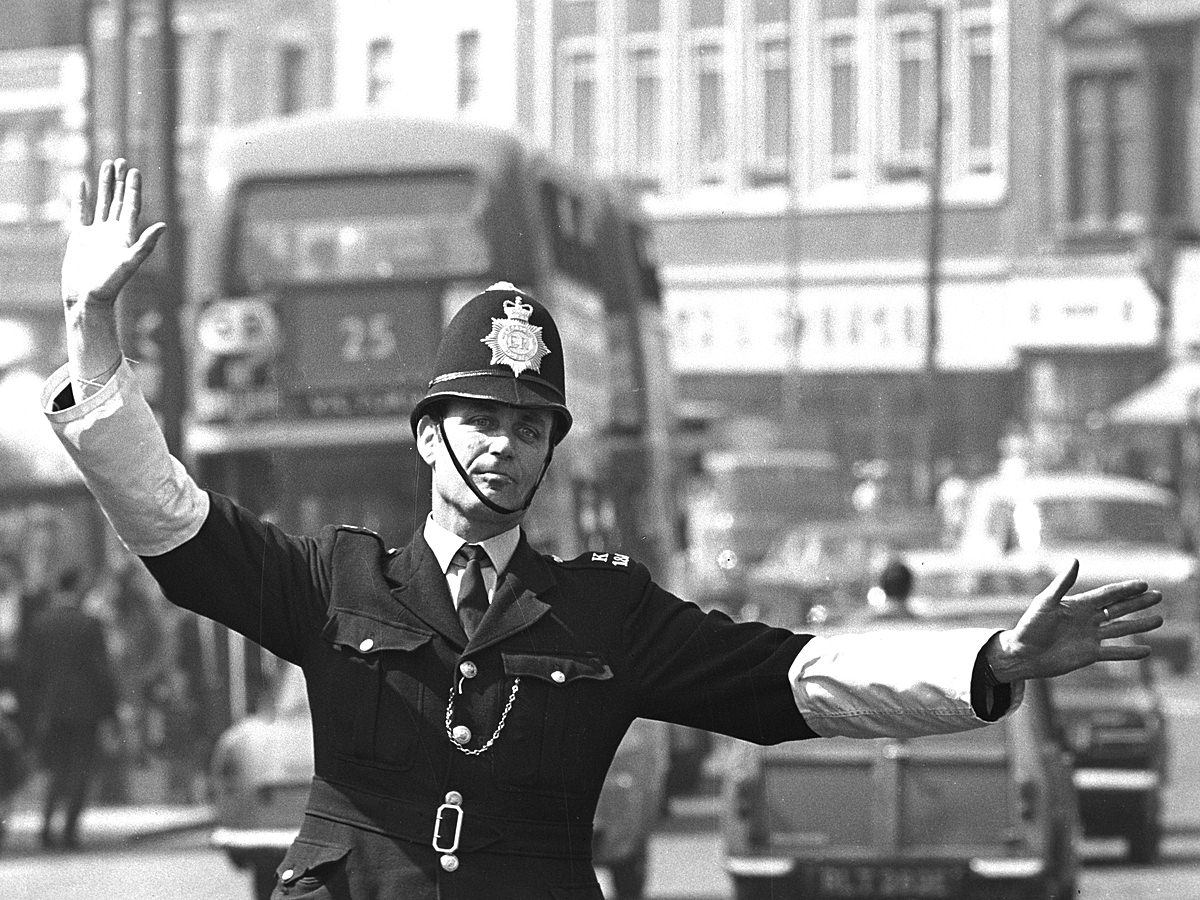
Stratford, one of the East End’s busiest commercial centres, had its own distinct rhythm. A policeman on point duty directed traffic at a junction, a common sight before automated signals took over — a reminder of how manually managed city life still was in the 1960s.
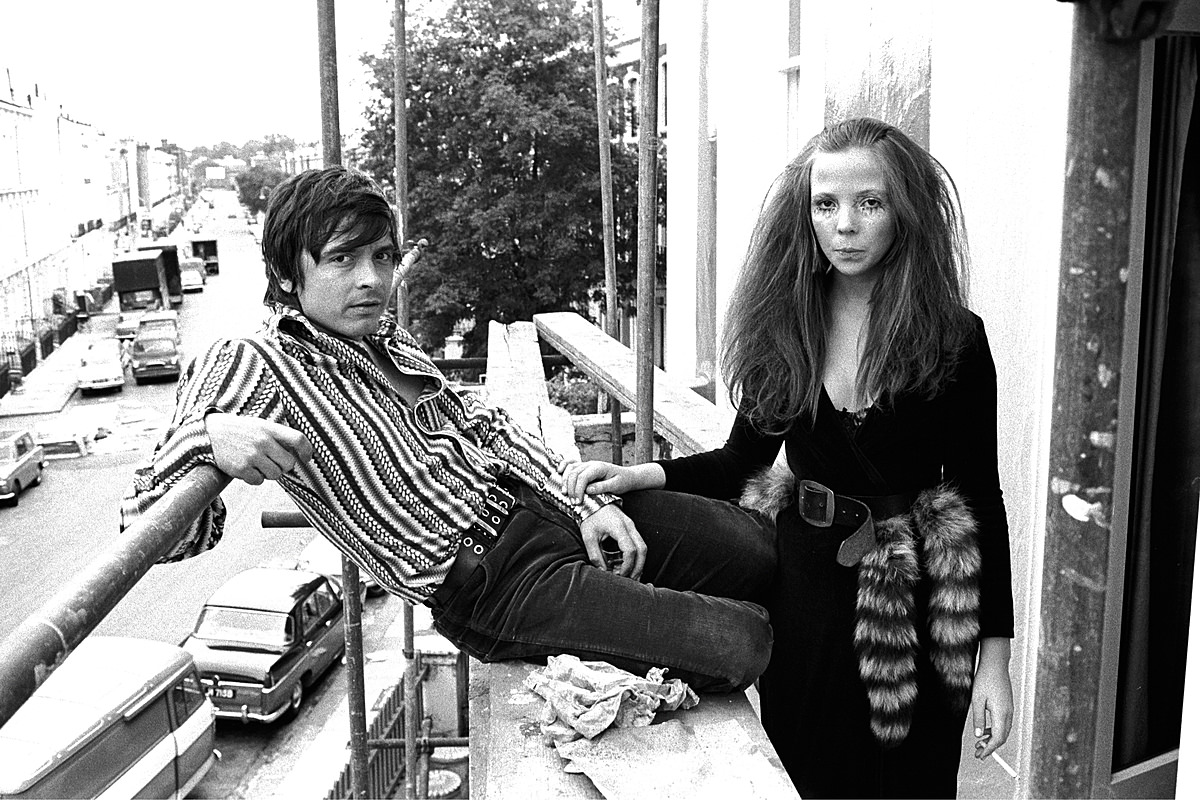
Lewis also crossed paths with David Bailey, who by the 1960s had become one of the most famous fashion photographers in the world. Bailey himself had grown up in the East End, in East Ham, and his rise to international fame was part of the broader story of working-class Londoners breaking into fields that had previously been closed to them.
Children in the East End grew up with West Ham as a constant backdrop. Lewis photographed young fans watching the team at Upton Park, their faces pressed forward with concentration — a scene repeated Saturday after Saturday throughout the decade.
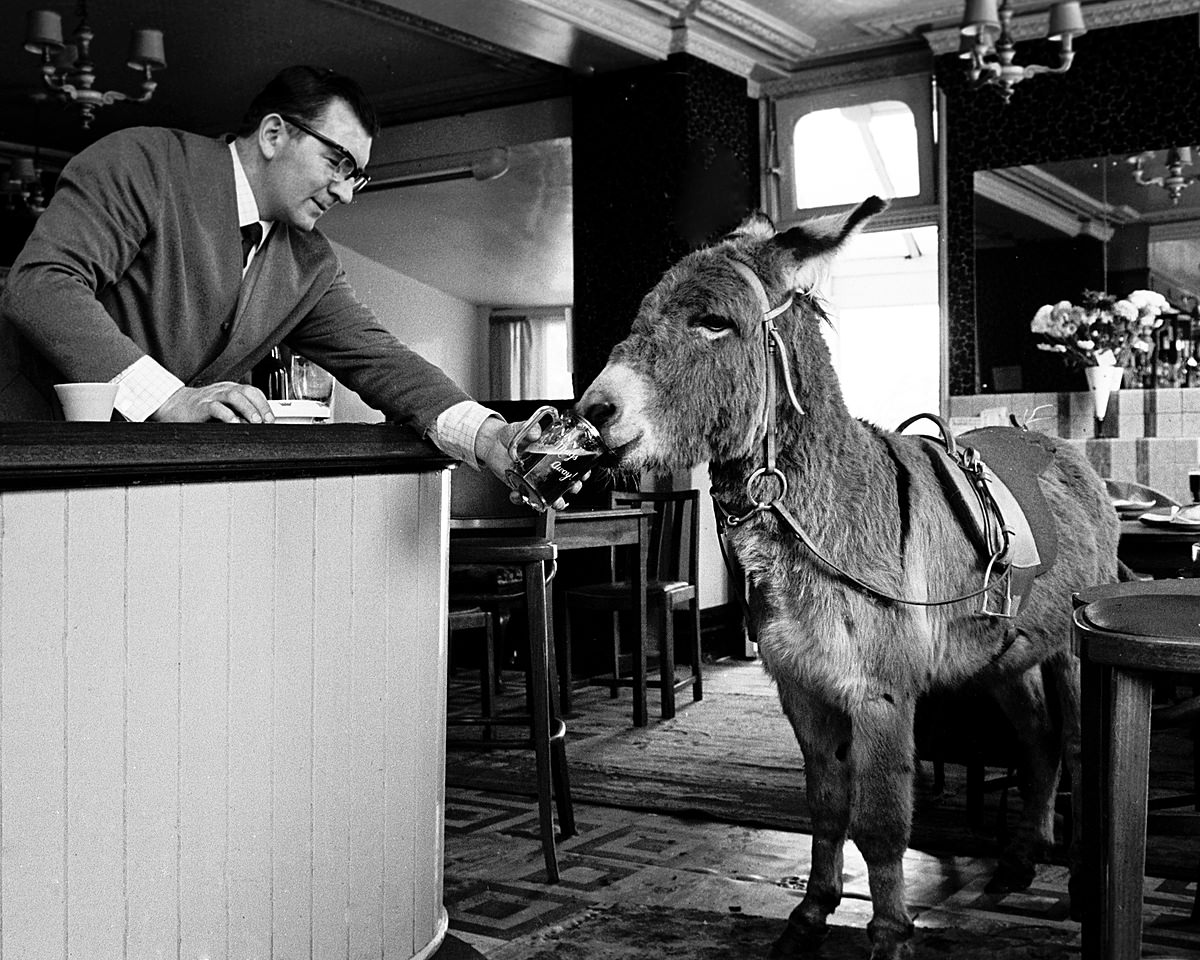
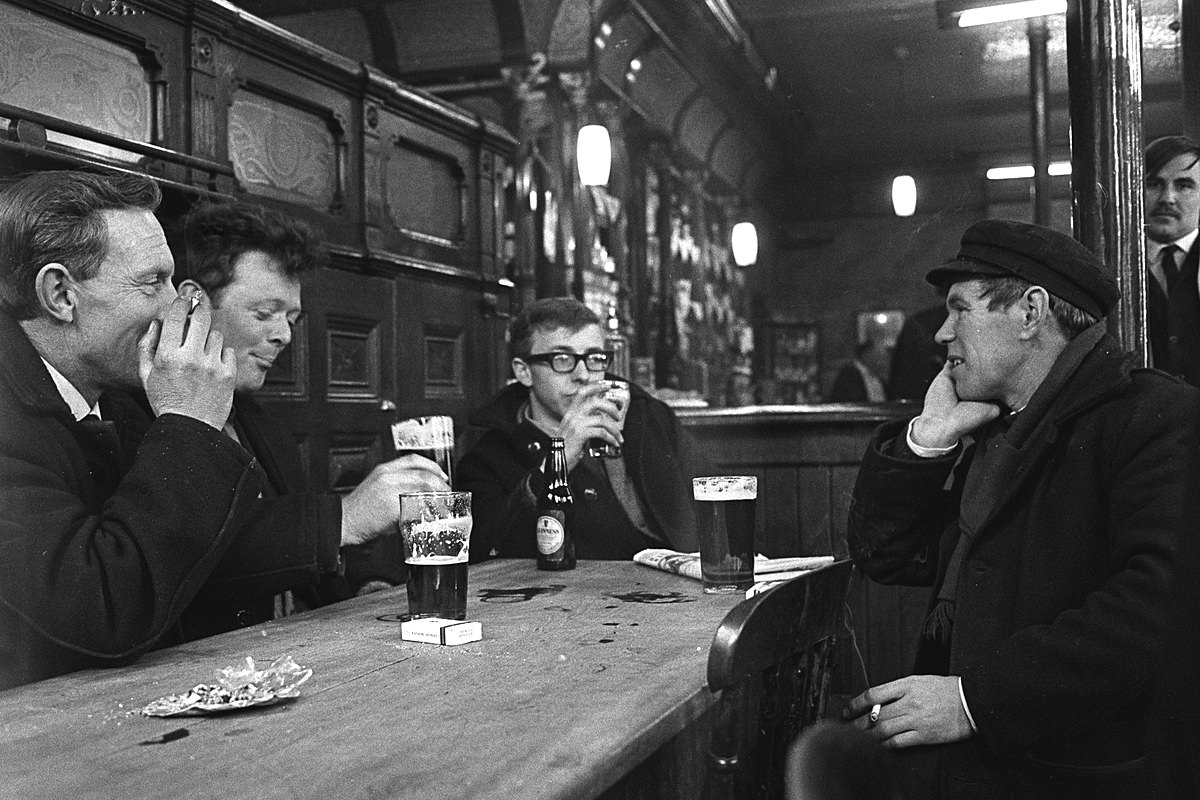
Some of Lewis’s images lean into the eccentric side of pub culture. At The Mamby Arms in Stratford, the landlord brought his pet donkey into the bar and offered it a pint — a moment that is equal parts absurd and endearing, and entirely at home in the East End of the 1960s.