Japan in the 1880s was a country pulling in two directions at once. The old world of rice farmers, wooden temples, and samurai tradition was still very much alive. At the same time, the government was racing to build railways, write a Western-style constitution, and prove to the world that Japan belonged at the table of modern nations. These photographs capture that tension. They show streets and harbors, workers and geishas, shrines and steam ships — a civilization in the middle of a transformation unlike any other in history.
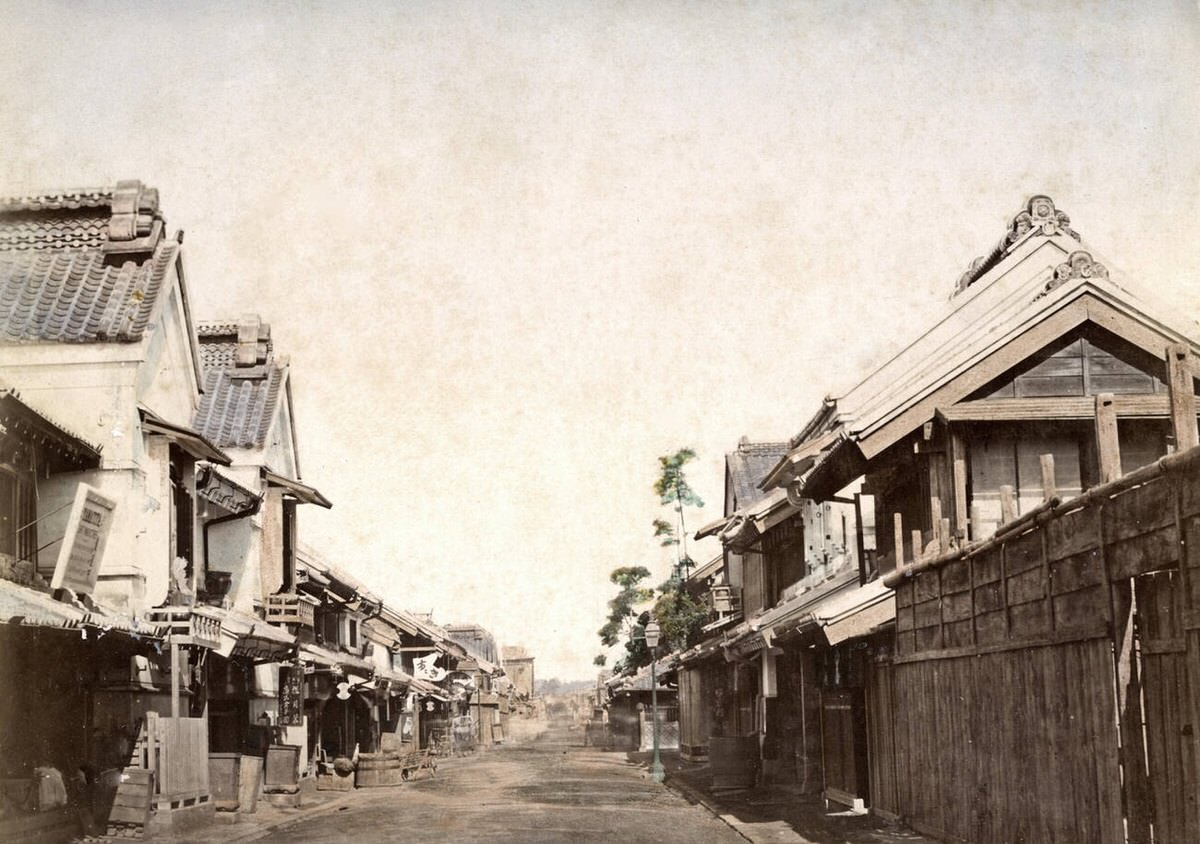
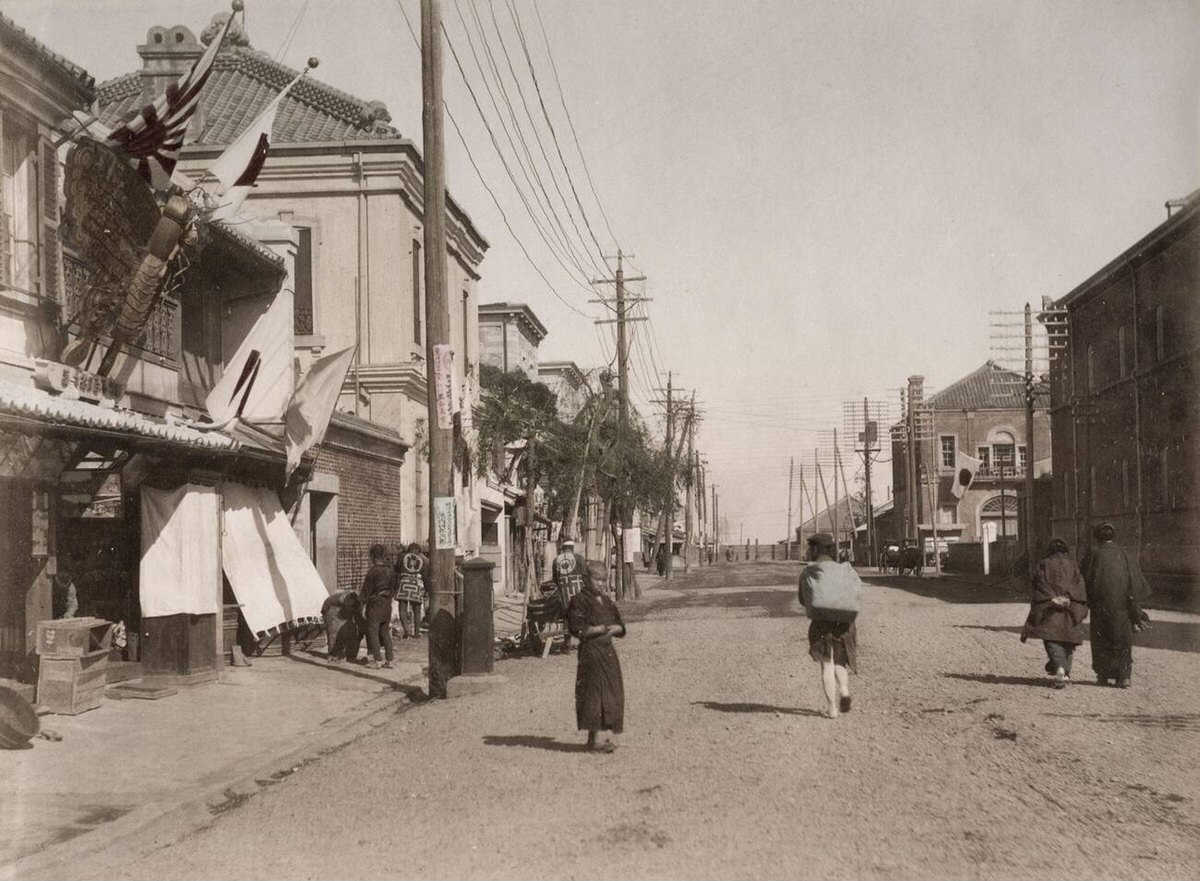
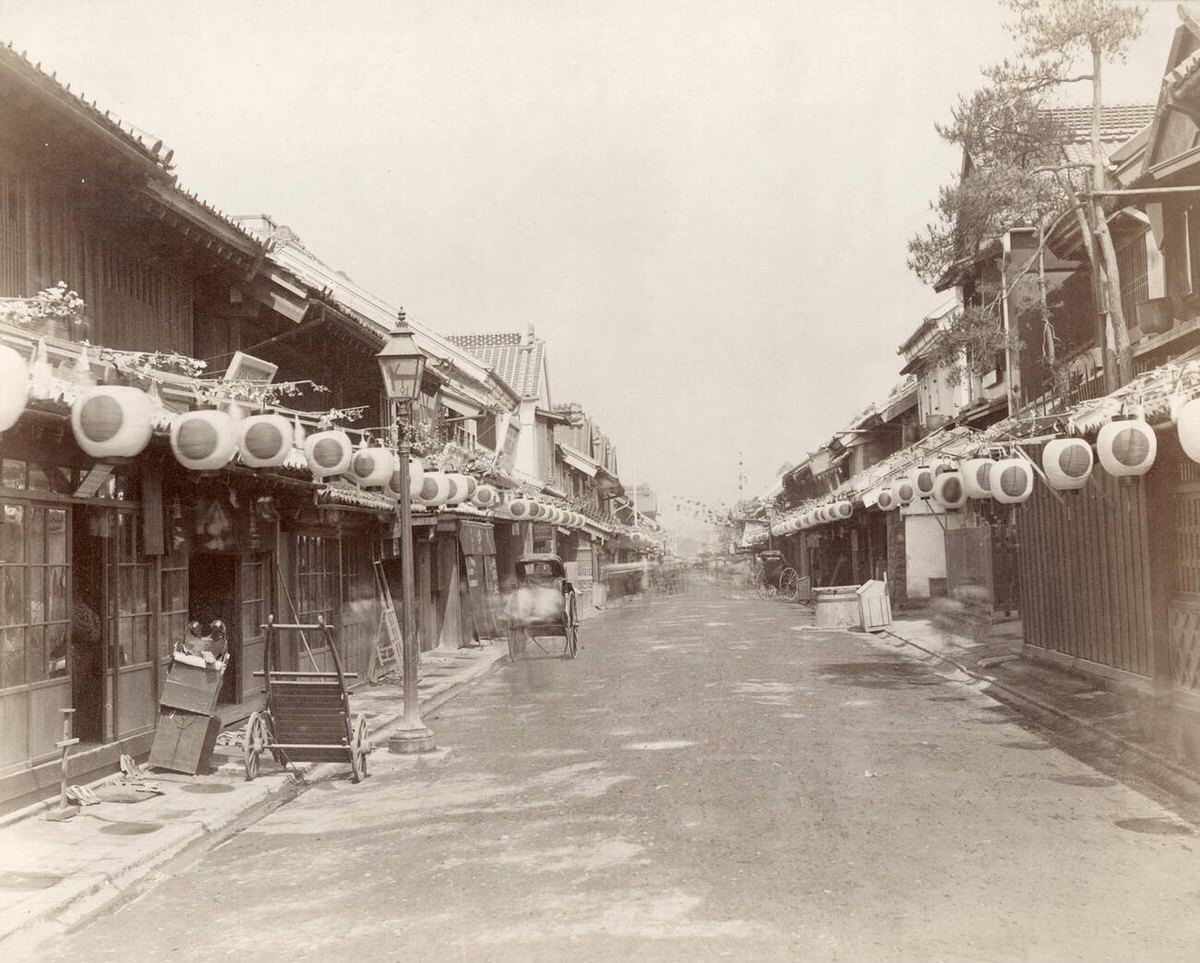
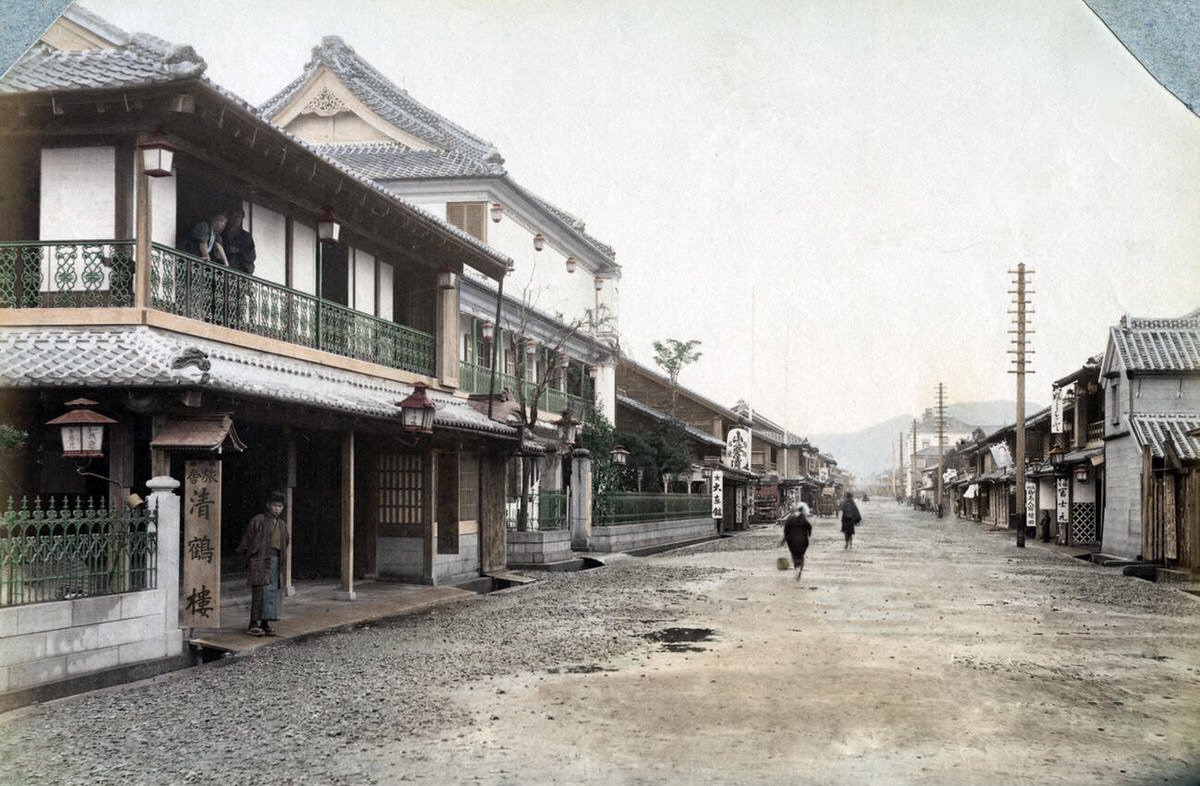
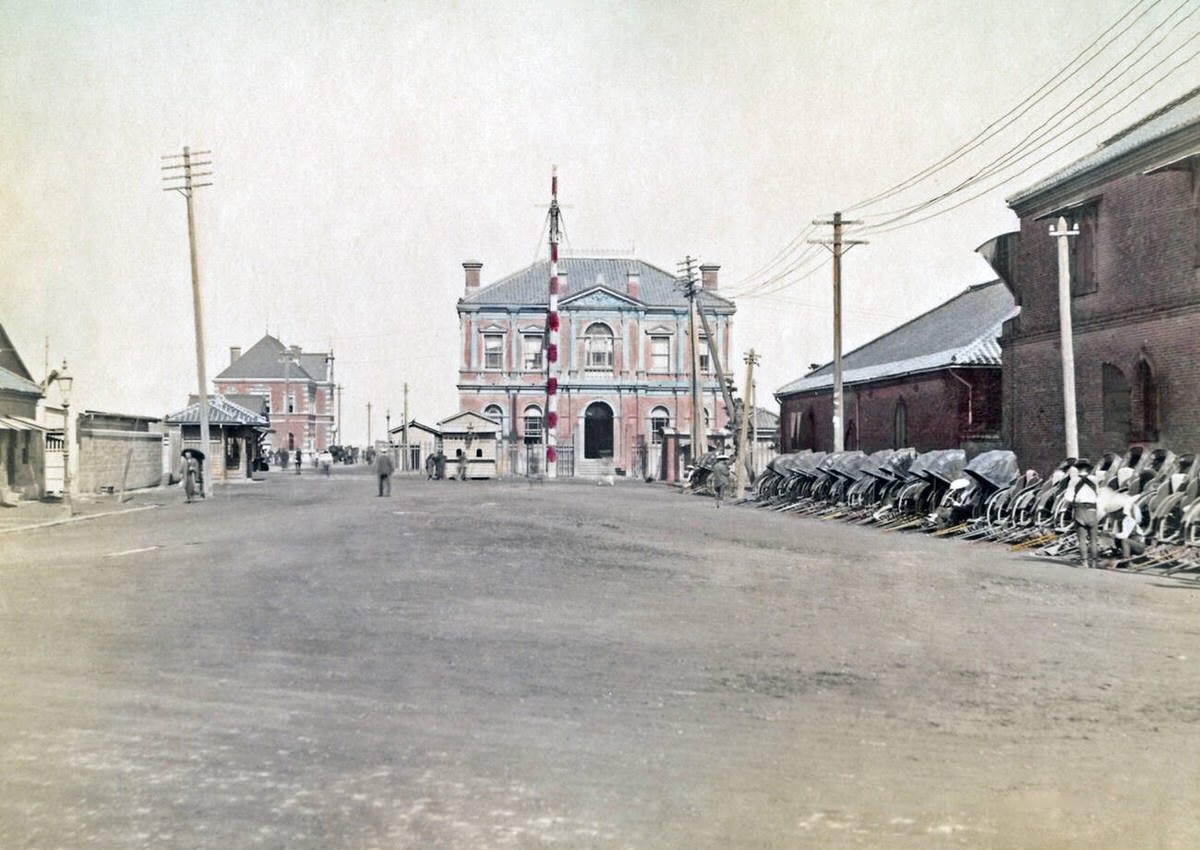
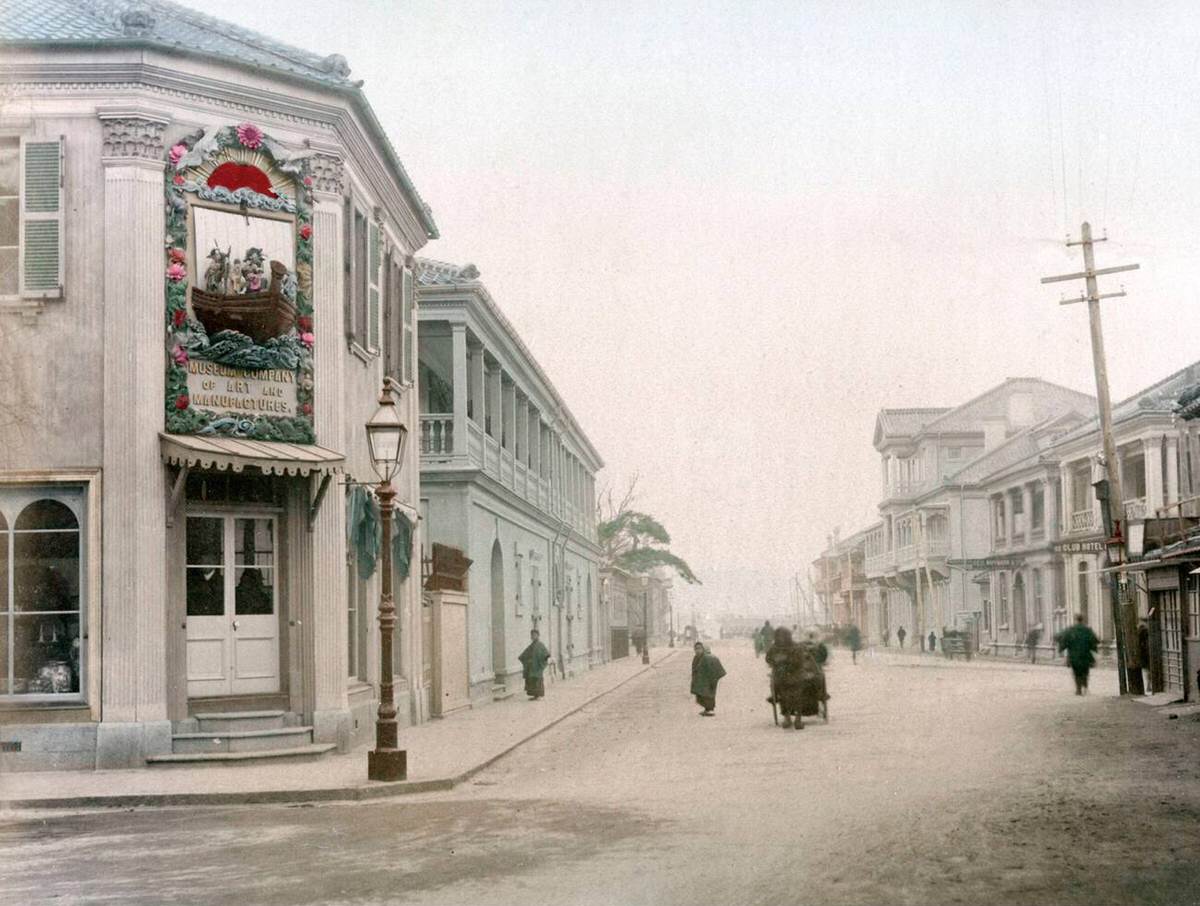
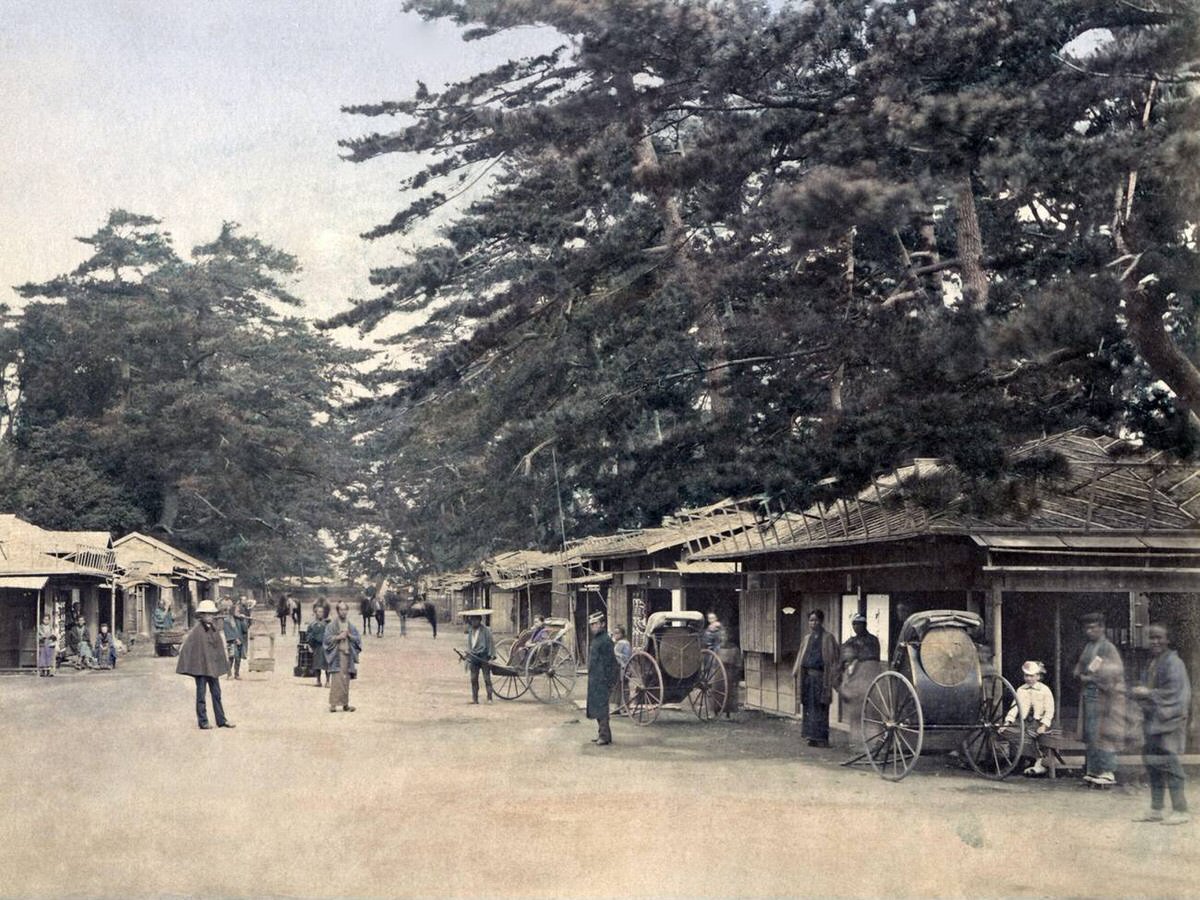
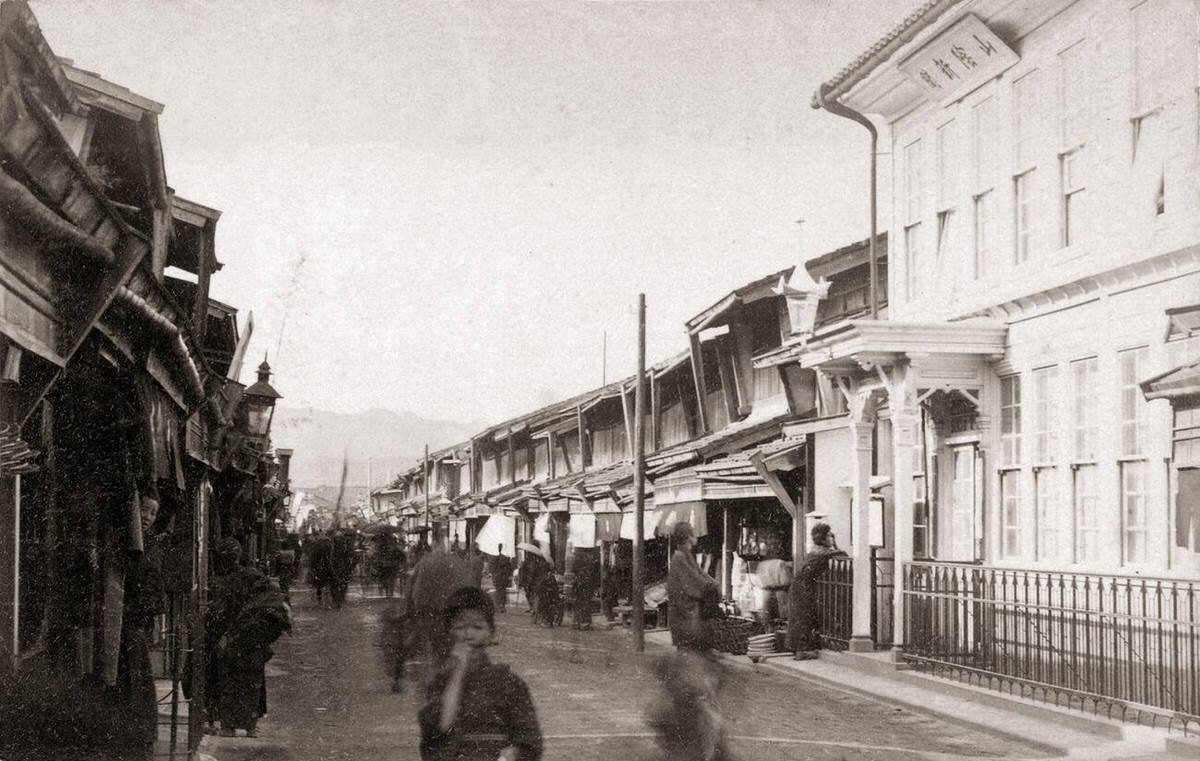
Benten Dori street in Yokohama, 1880s
The decade opened with a sharp political fight inside the Japanese government. A leader named Okuma Shigenobu pushed for Japan to adopt a British-style parliament right away. Others, led by Ito Hirobumi, wanted a slower path that kept more authority in the hands of the Emperor. The disagreement ended with Okuma being removed from power. To calm growing public frustration, the Emperor issued a formal promise: a national assembly would be created by 1890.
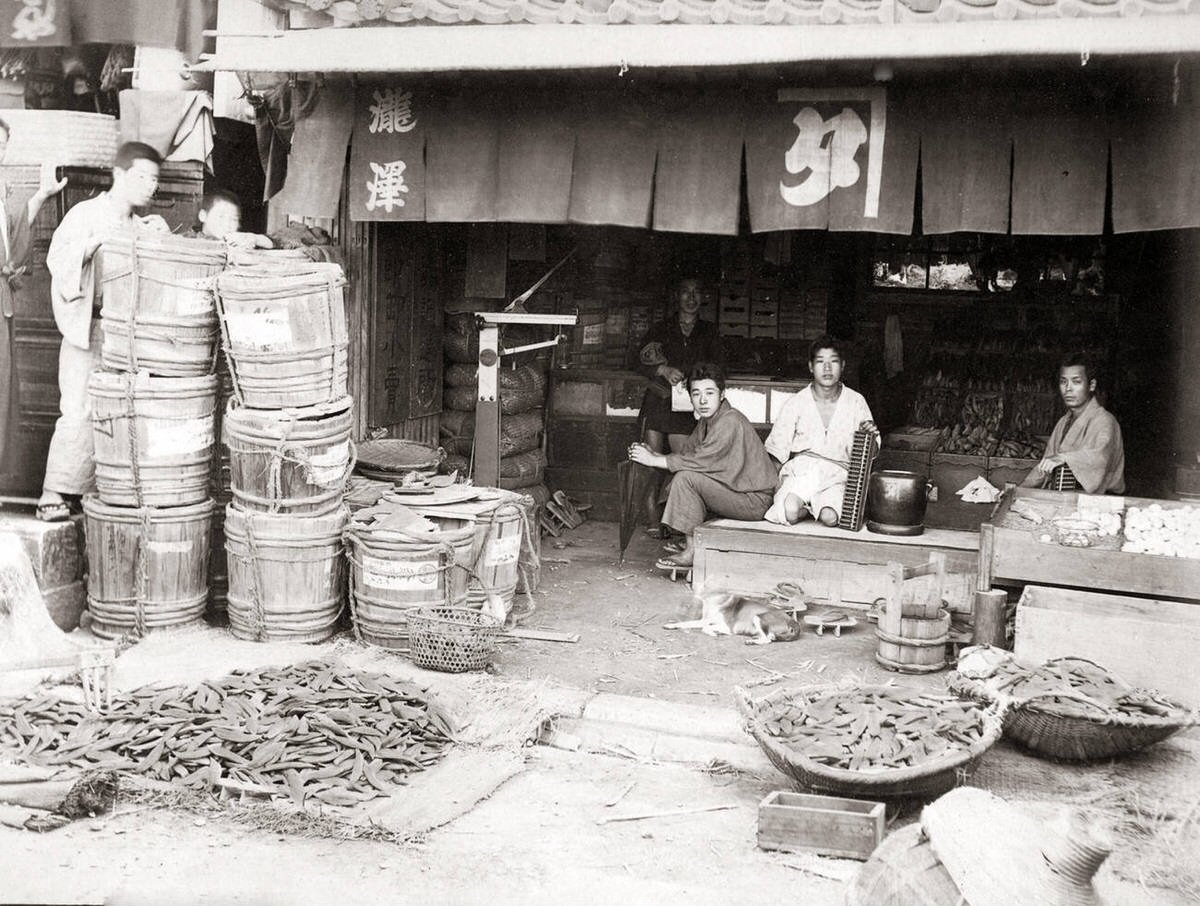
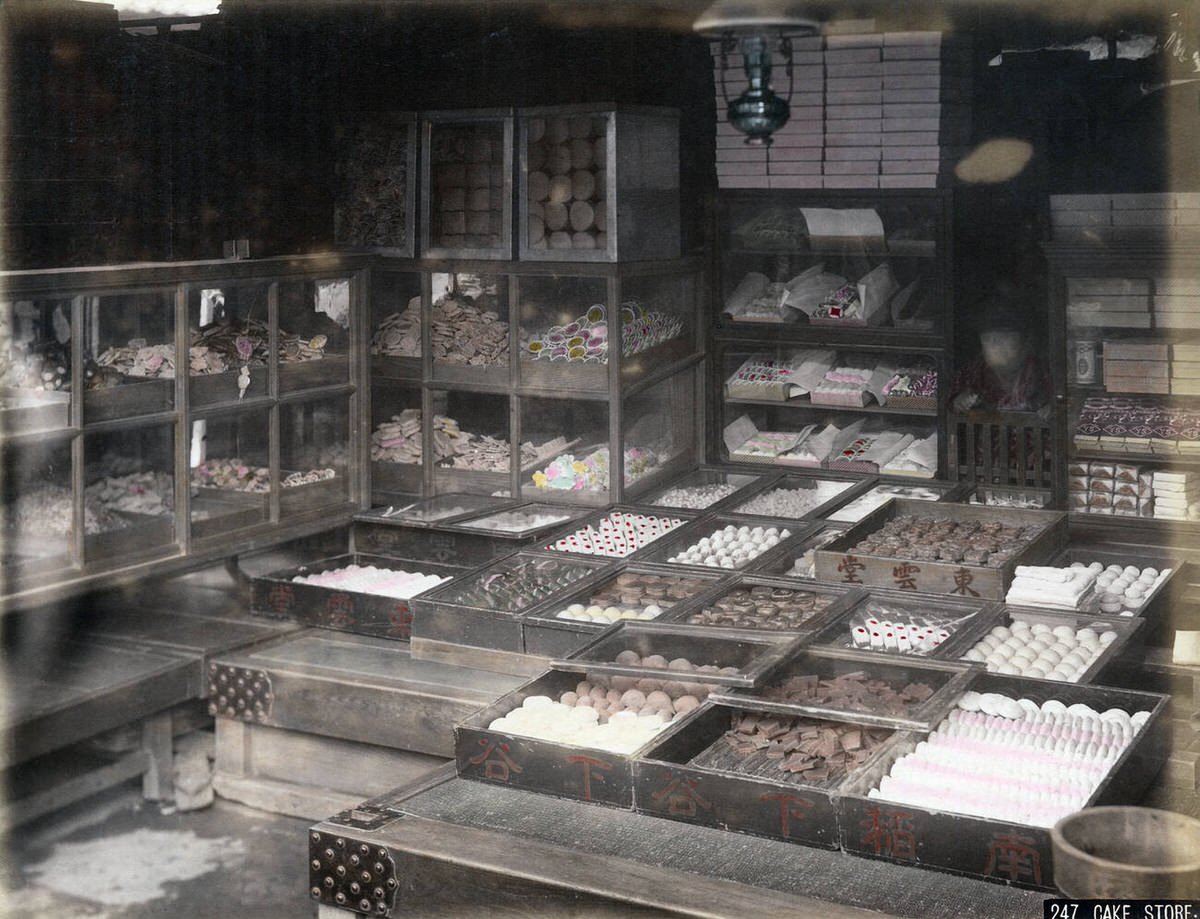
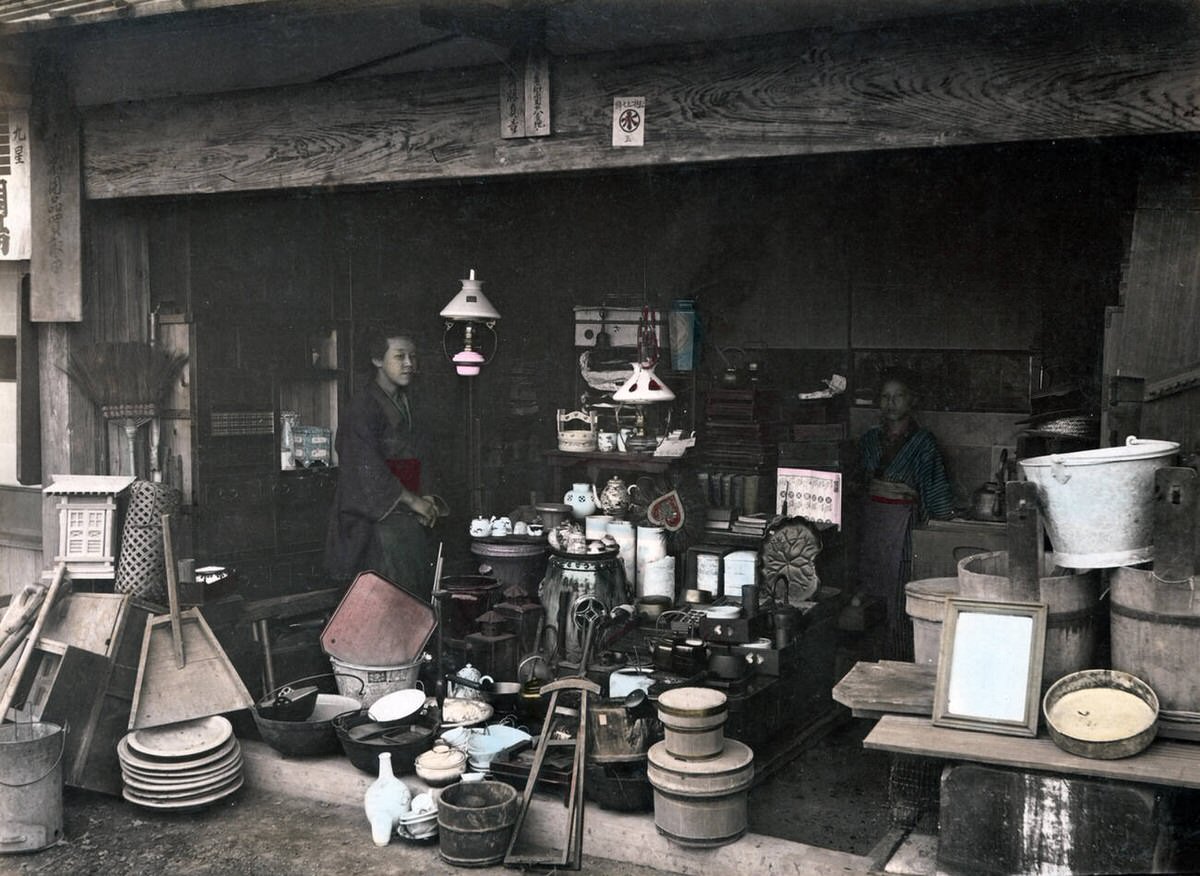
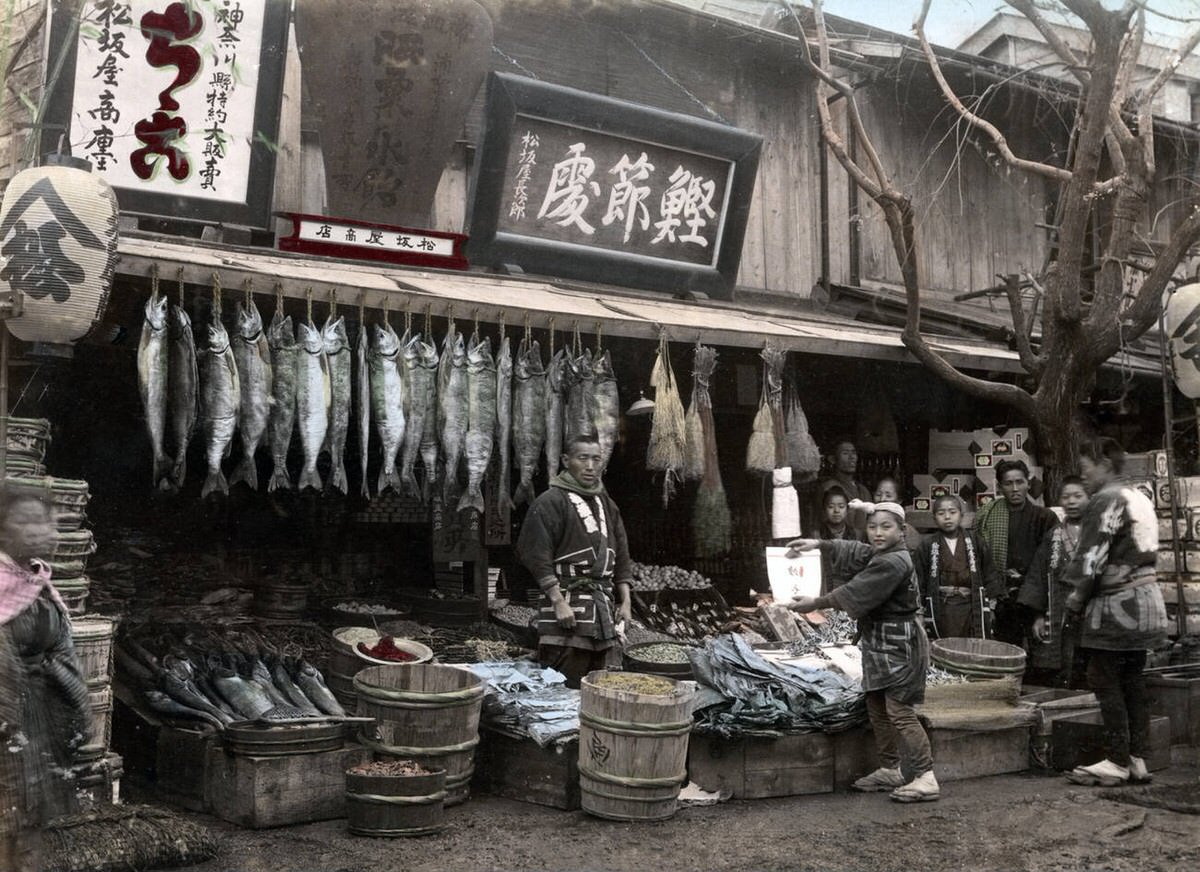
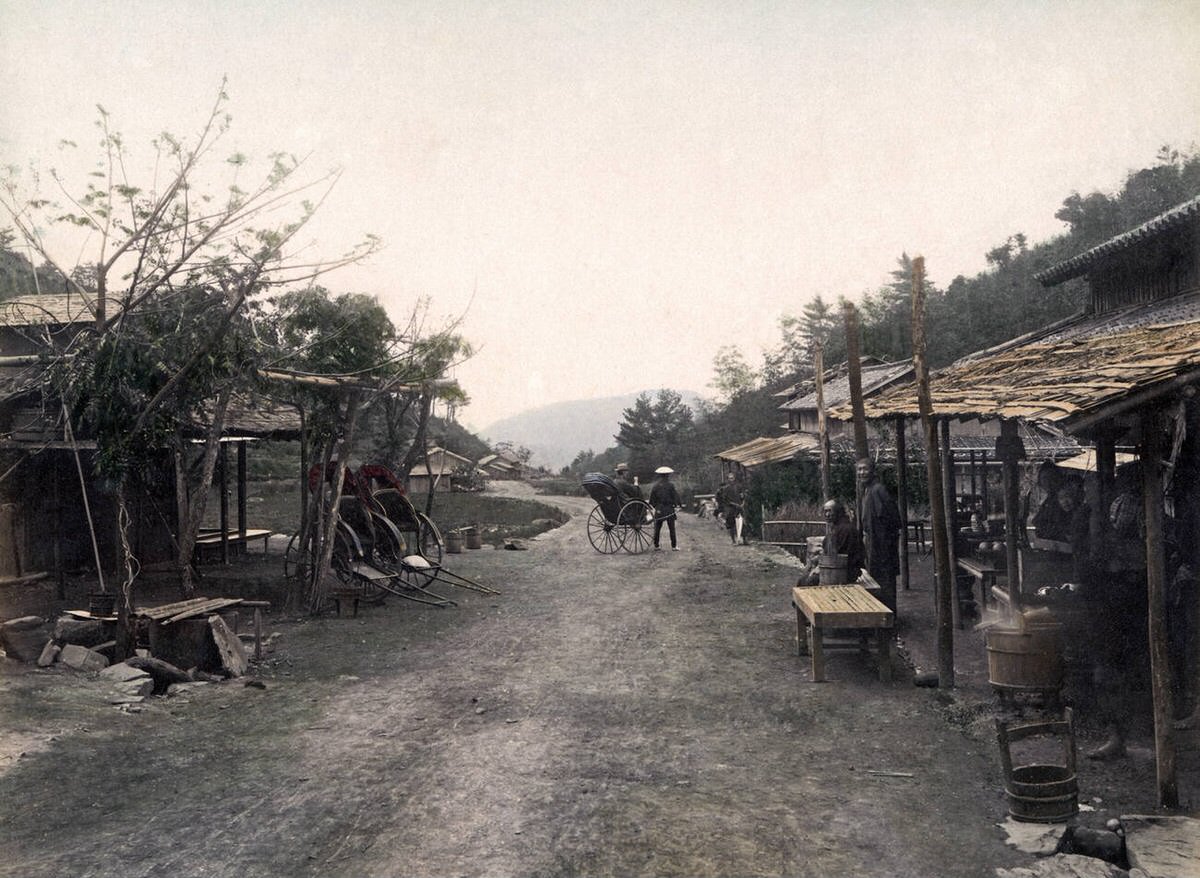
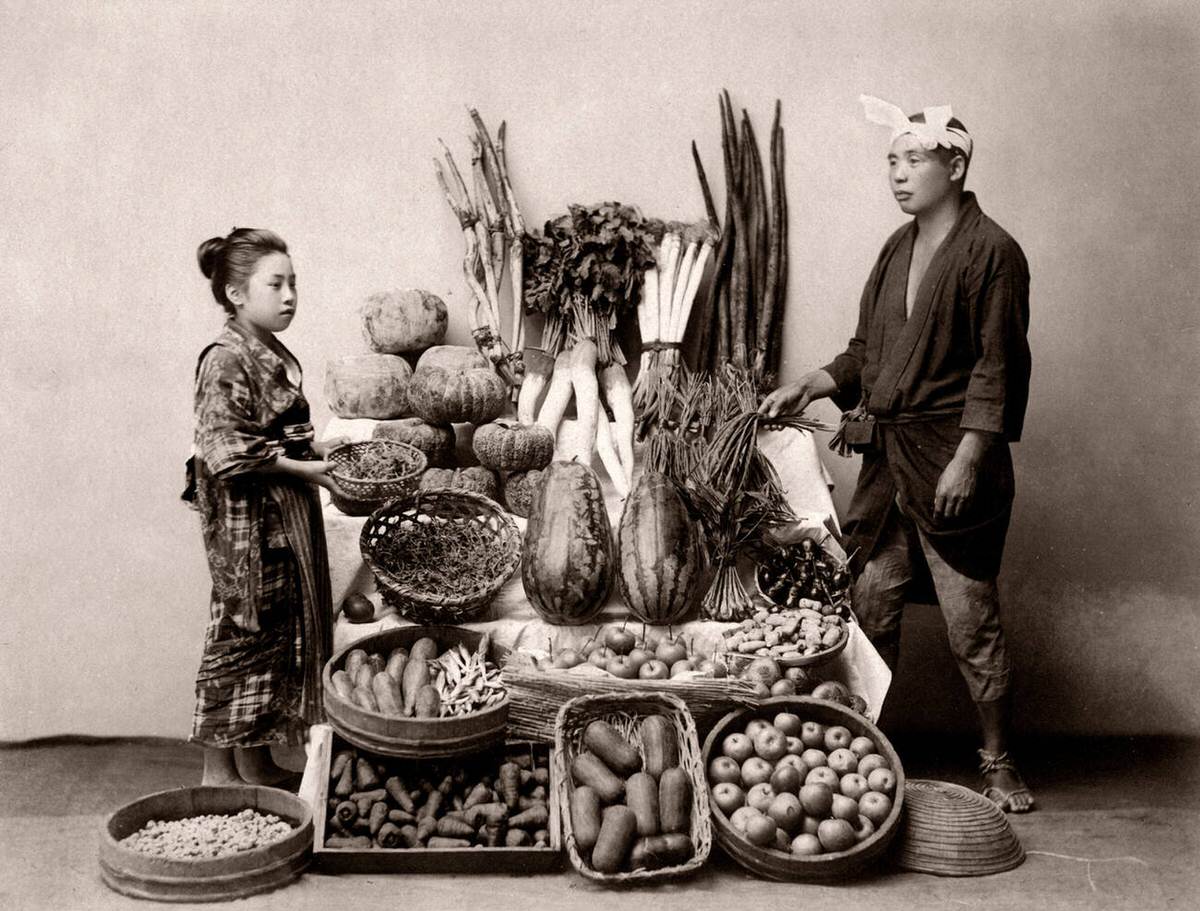
Food shop in Japan, 1880s
Ito Hirobumi took charge of writing the new constitution. In 1882, he left Japan for eighteen months to study legal systems across Europe. He rejected the democratic models of France and Britain as too radical. Instead, he focused on Prussia — the German state whose system he believed offered the best balance between modern law and supreme imperial authority. He worked directly with German legal scholars to shape what would become Japan’s founding document.
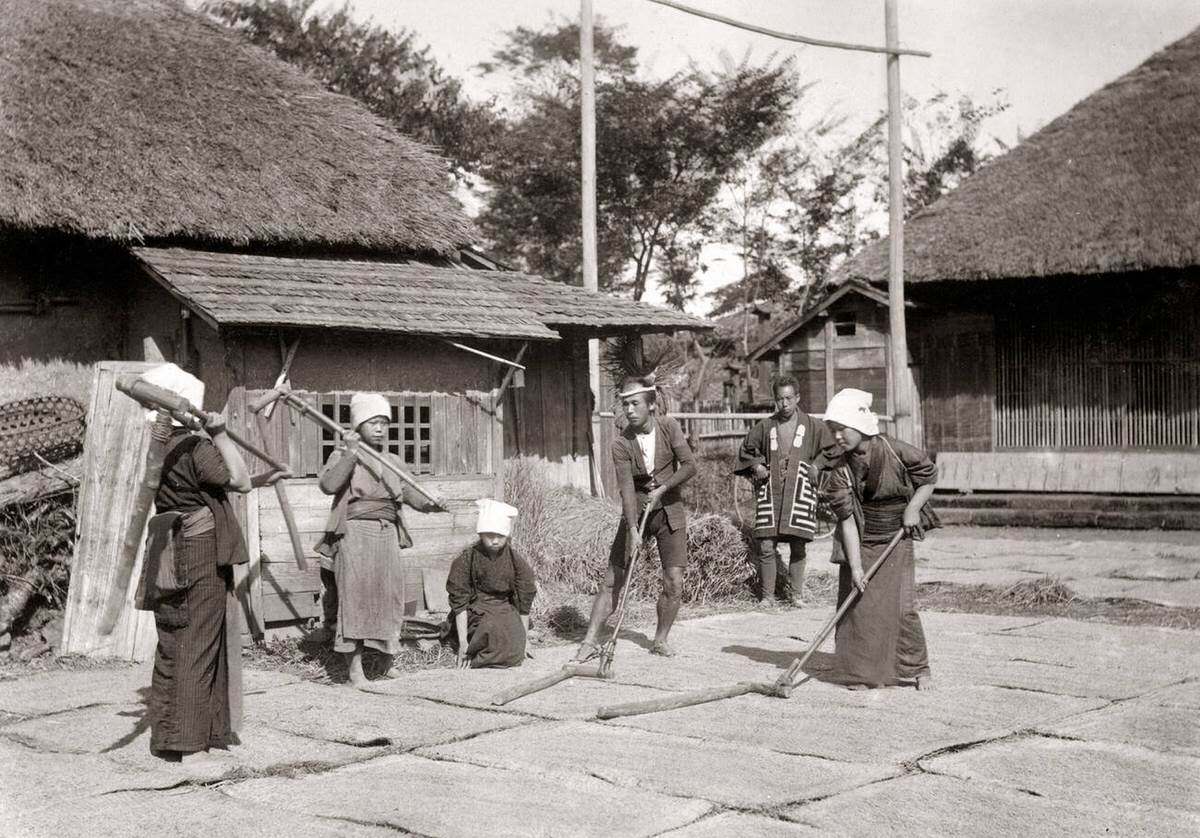
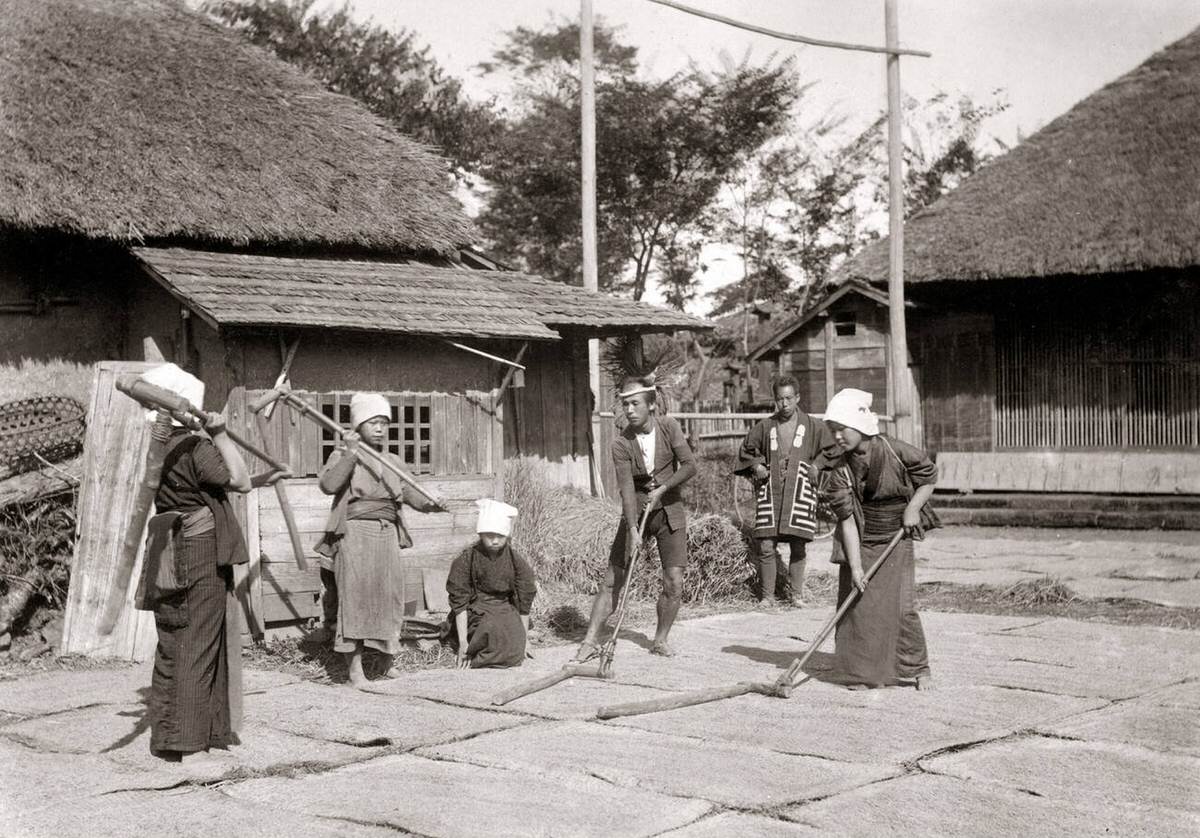
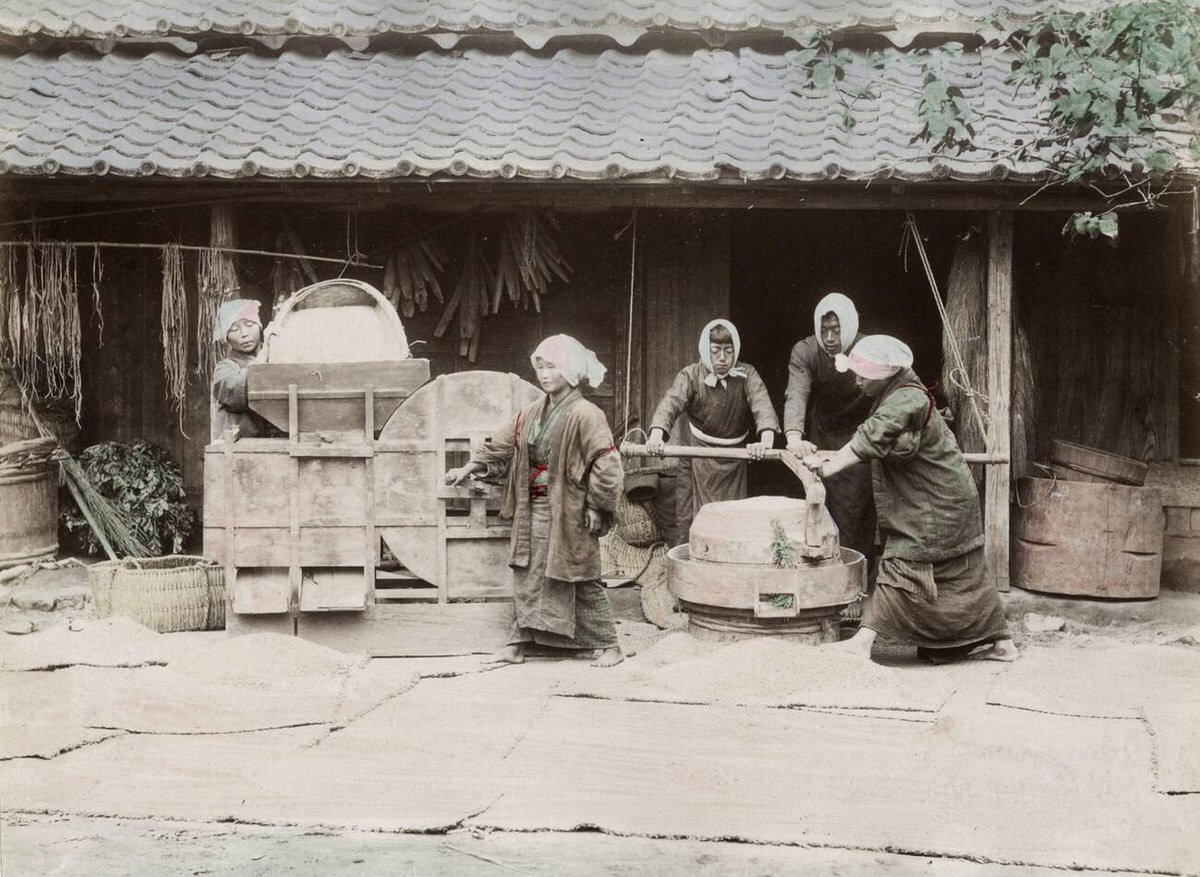
Threshing grain with flails in Japan, 1880s
While Ito was abroad, ordinary Japanese people were suffering. The government had printed too much money in the late 1870s to fund wars and building projects, and inflation had gotten out of hand. In 1881, Finance Minister Matsukata Masayoshi launched a harsh correction. He slashed government spending and pulled paper money out of circulation. In 1882, he founded the Bank of Japan to take control of the national currency.
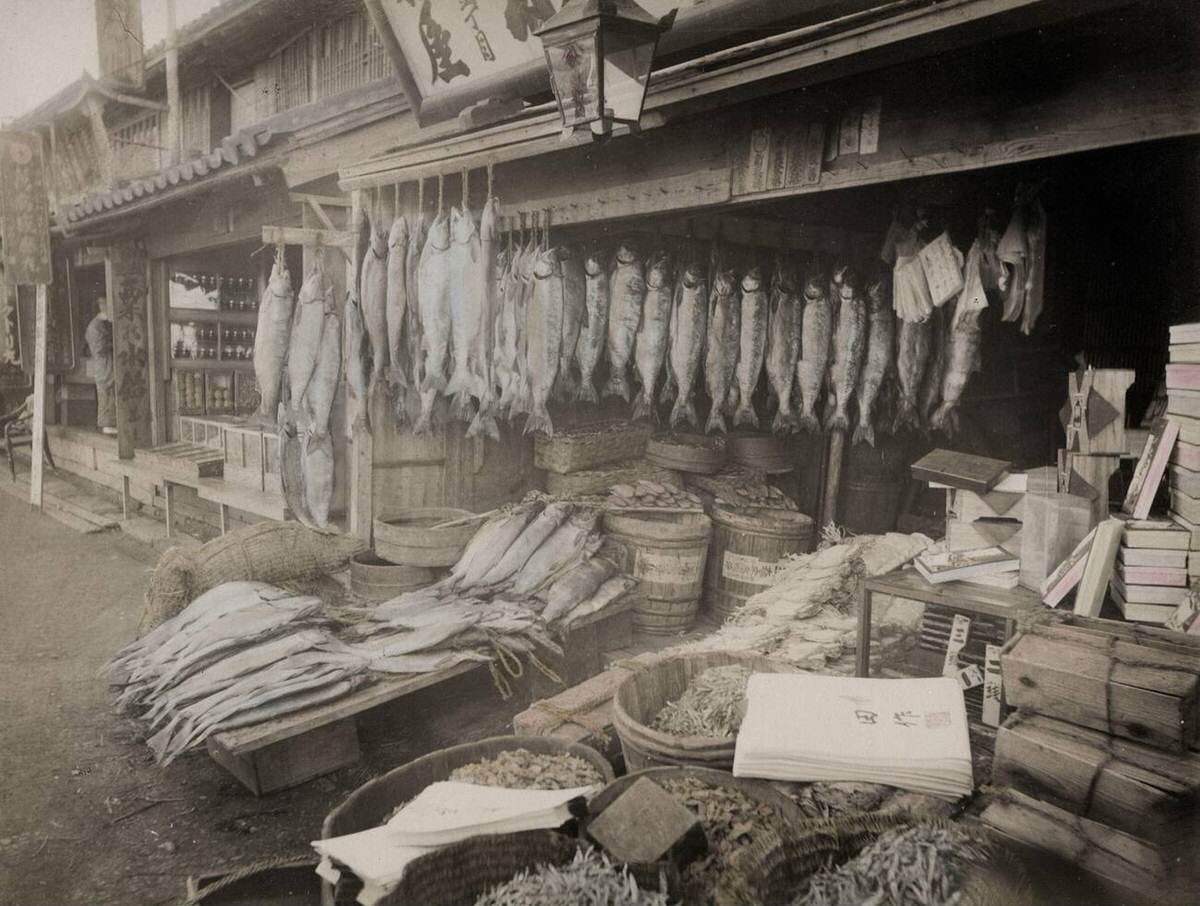
Vegetable and fish dealer in Japan, 1890
The policy worked, but the cost fell heavily on rural Japan. The price of rice and silk dropped by half. Farmers who could not pay their taxes lost their land to money lenders. In 1884, thousands of debt-ridden farmers in the Chichibu region rose up in open revolt. They stormed government offices and burned the records of their debts. The military crushed the uprising, which became known as the Chichibu Incident — the largest of several “poor people’s uprisings” that erupted during the decade.
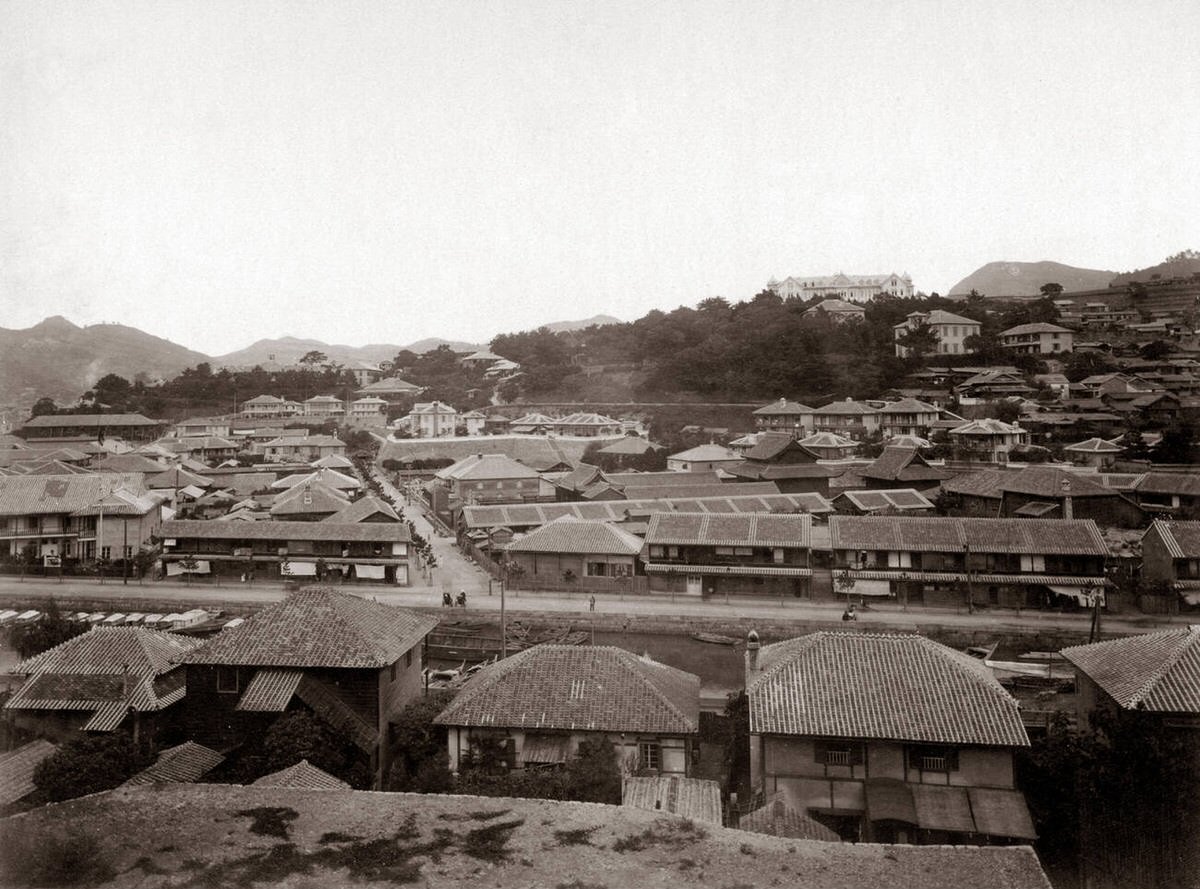
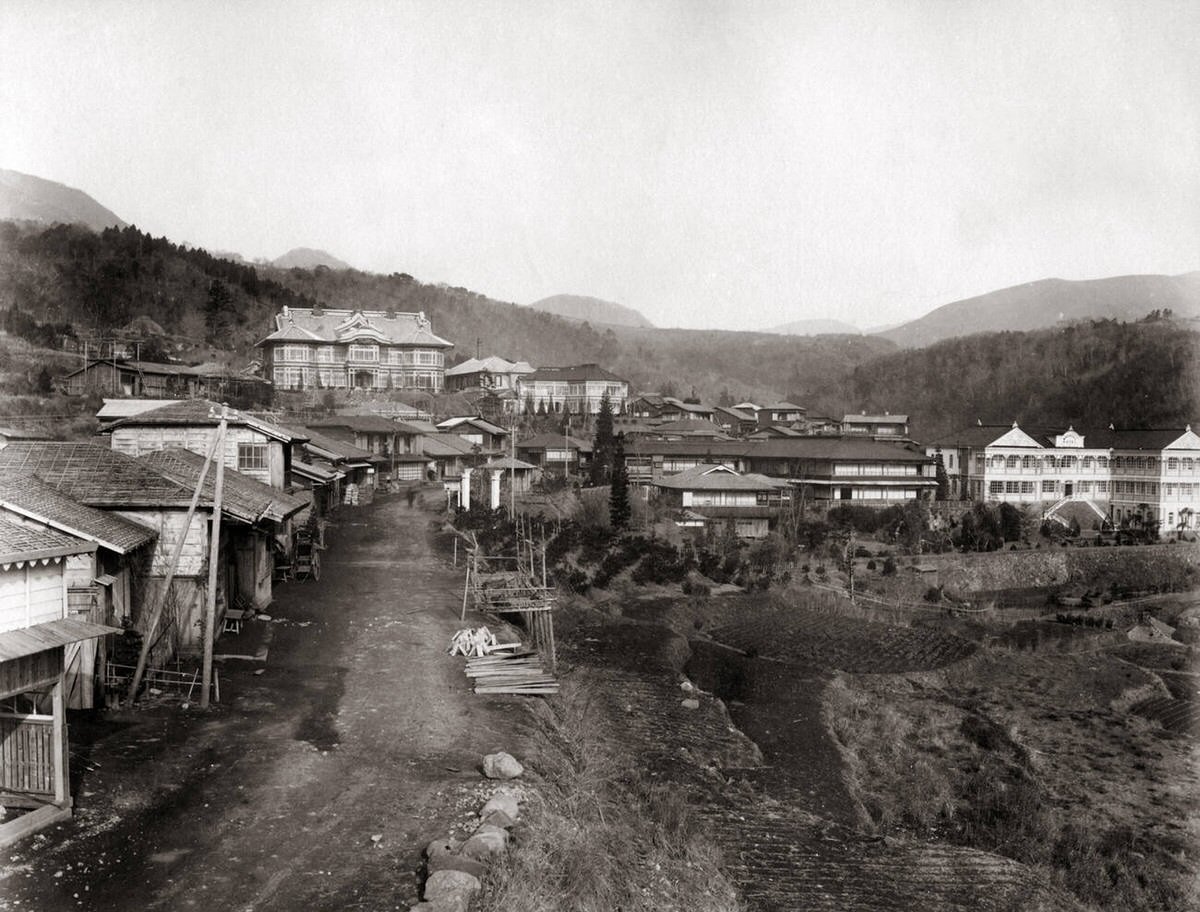
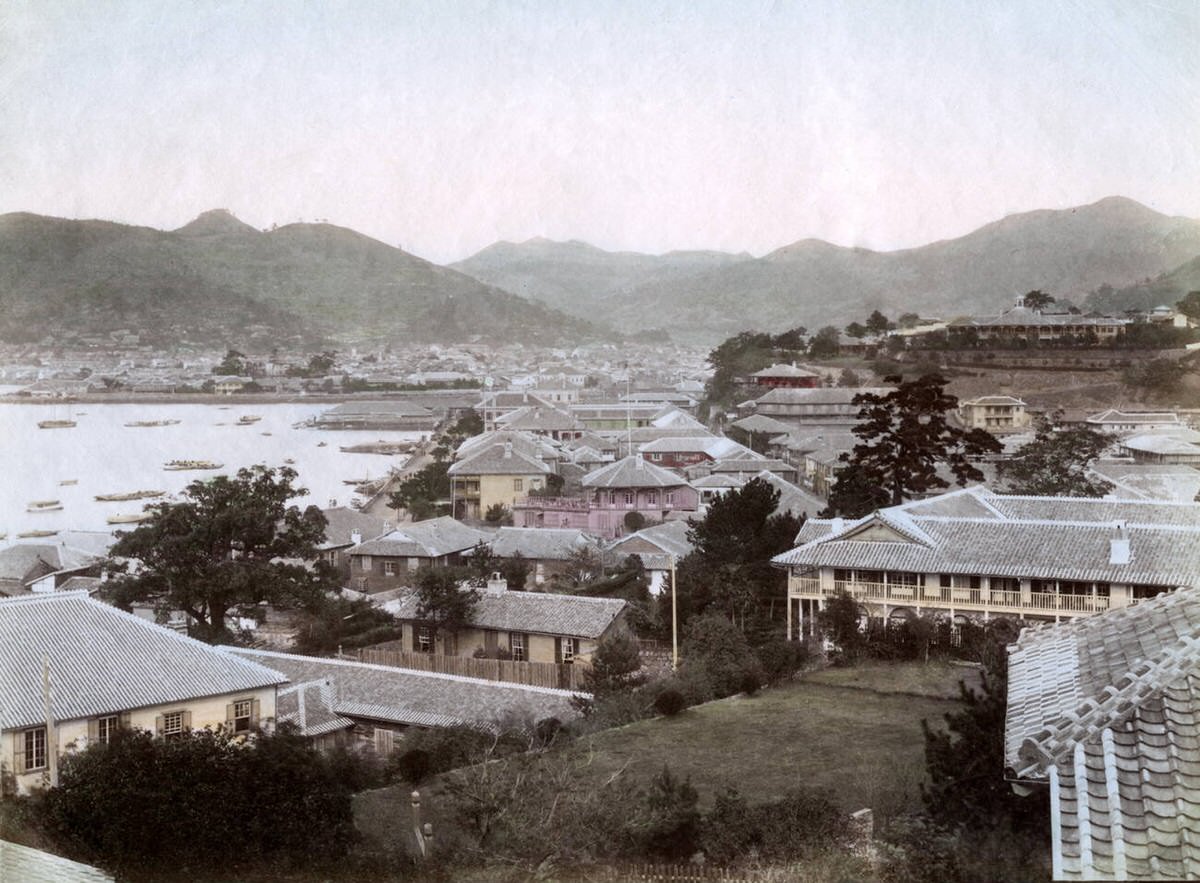
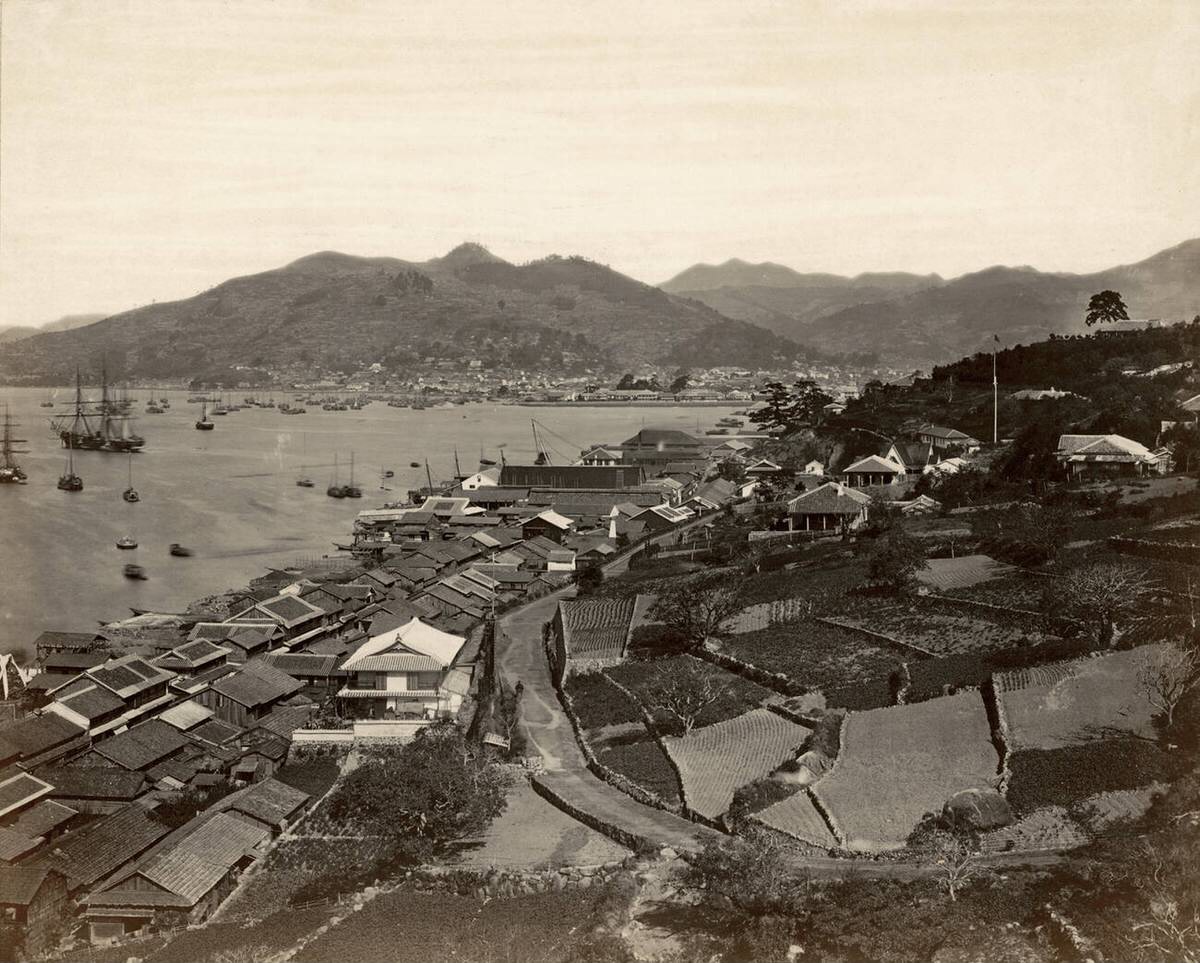
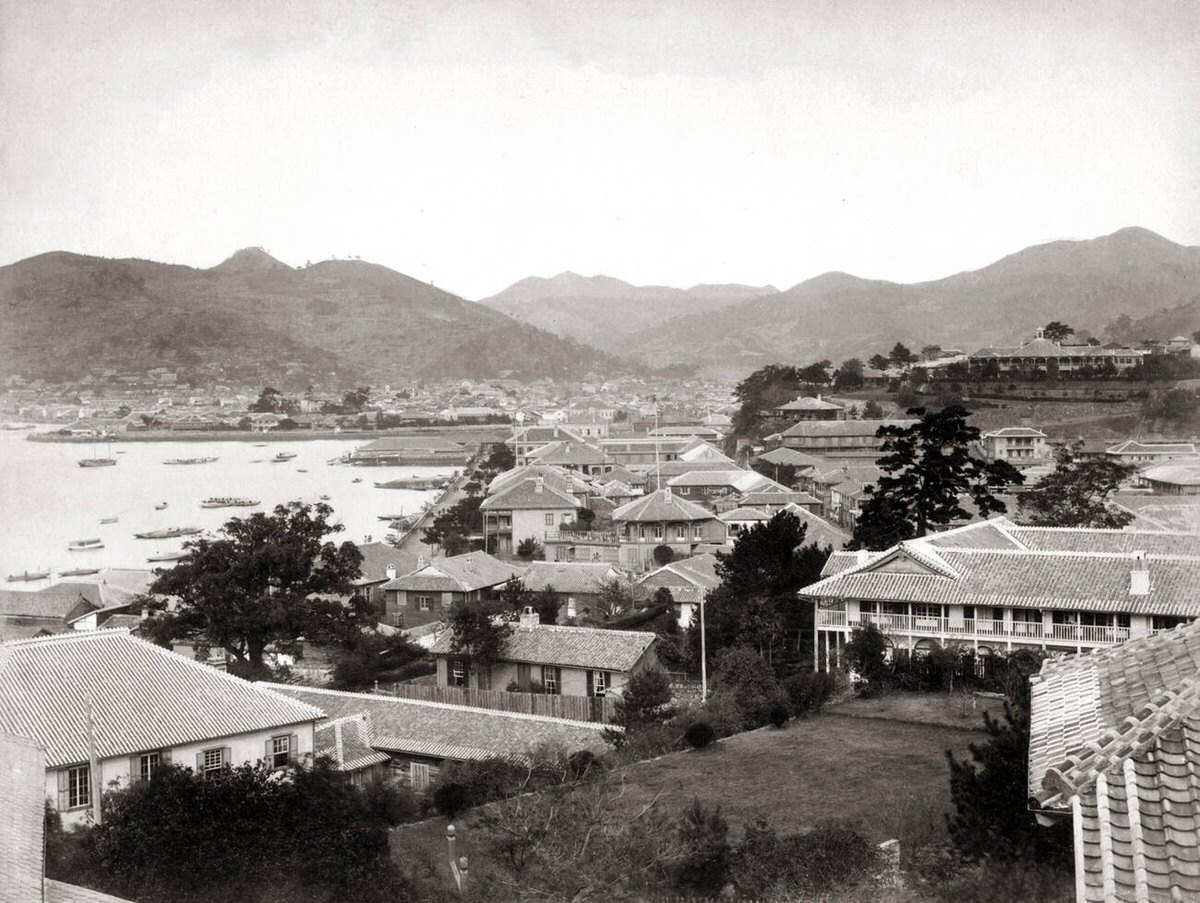
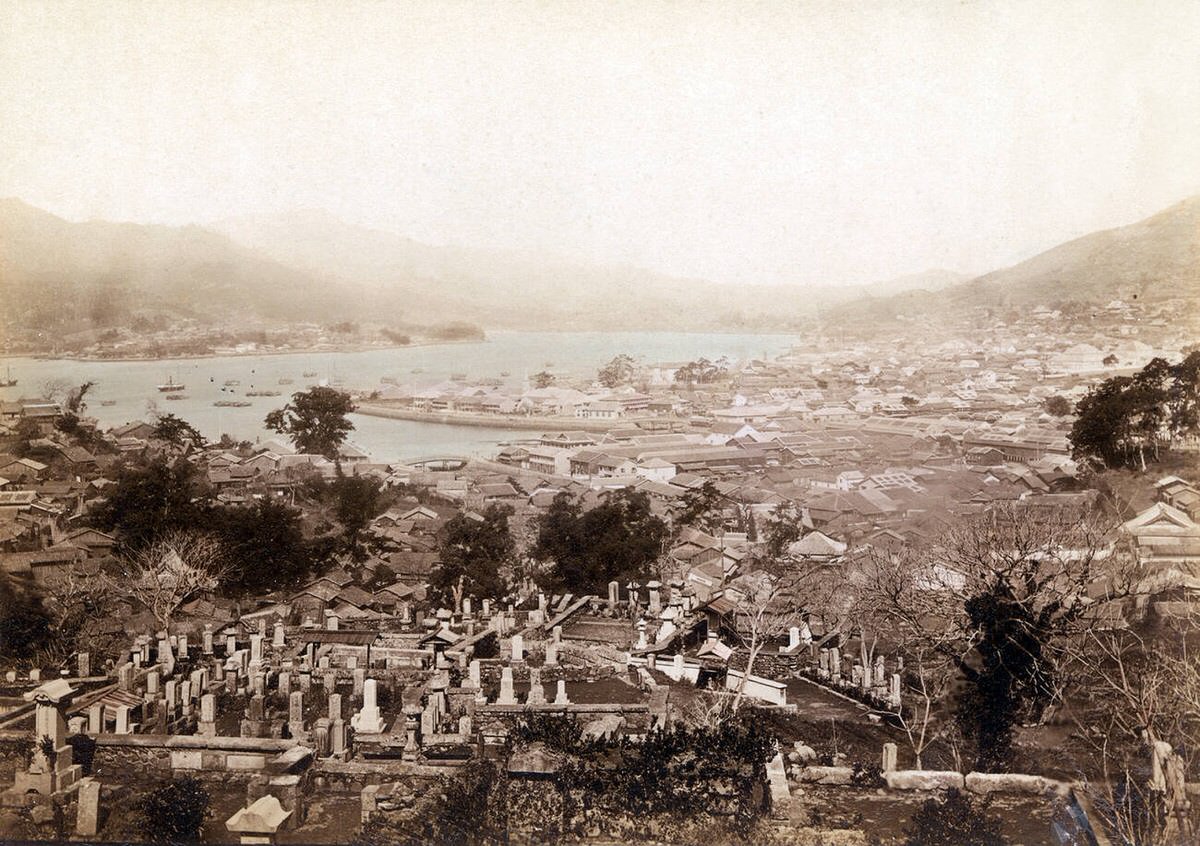
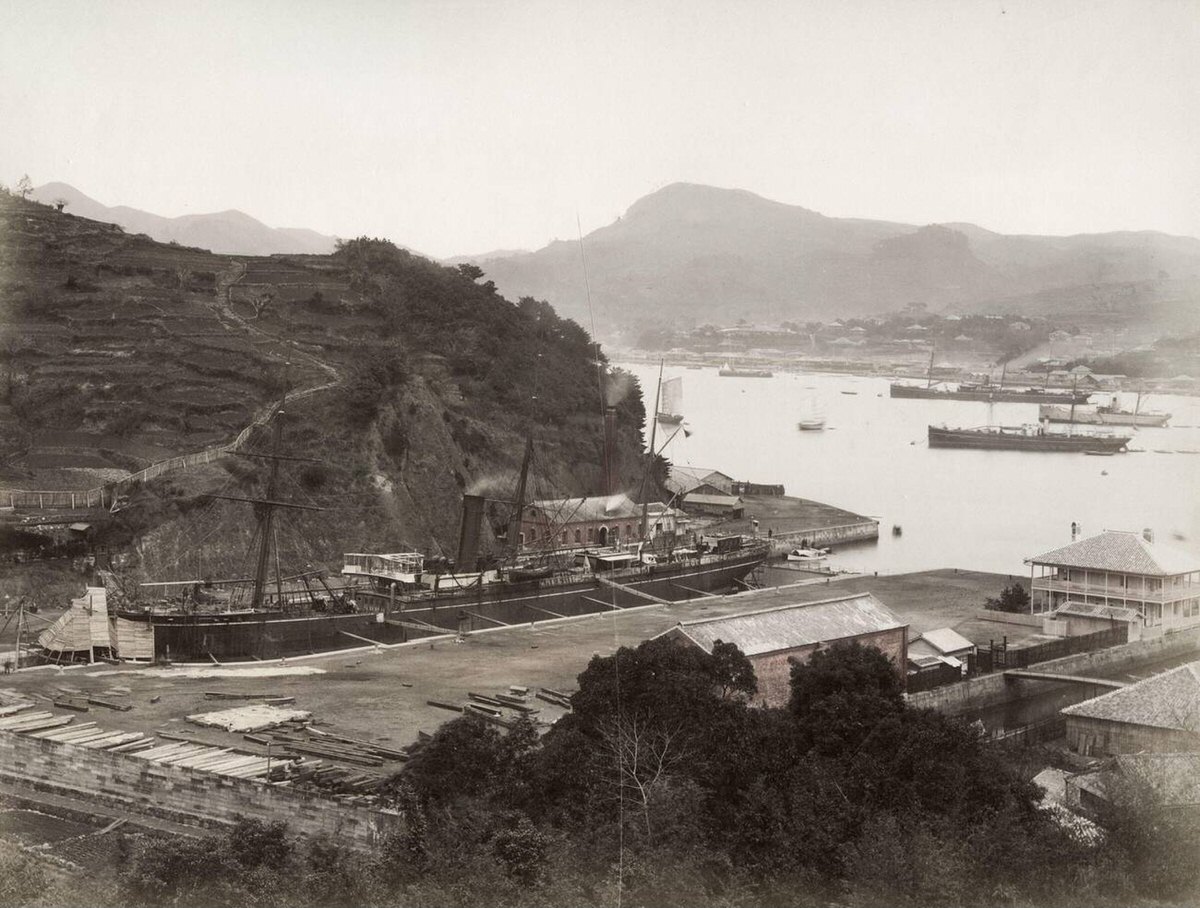
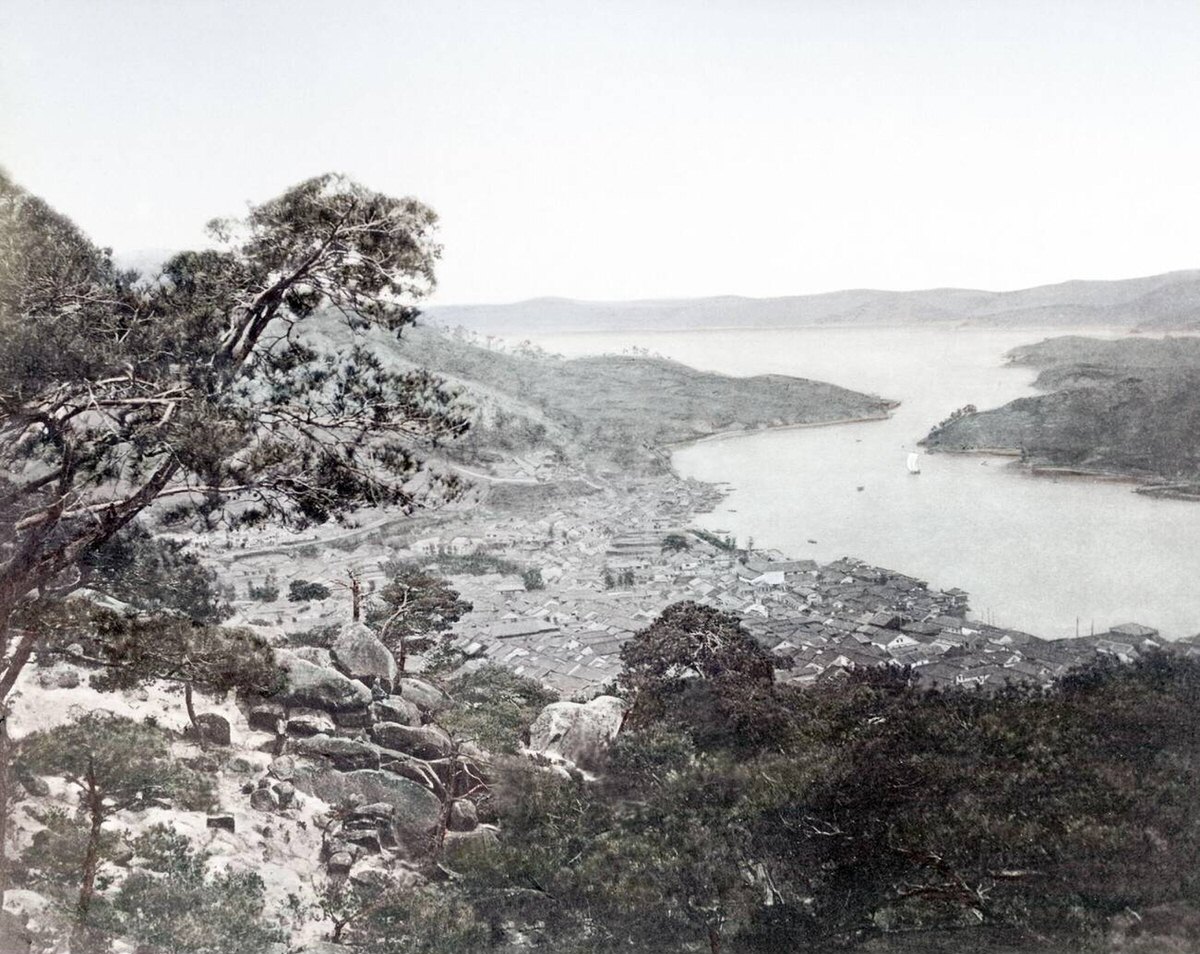
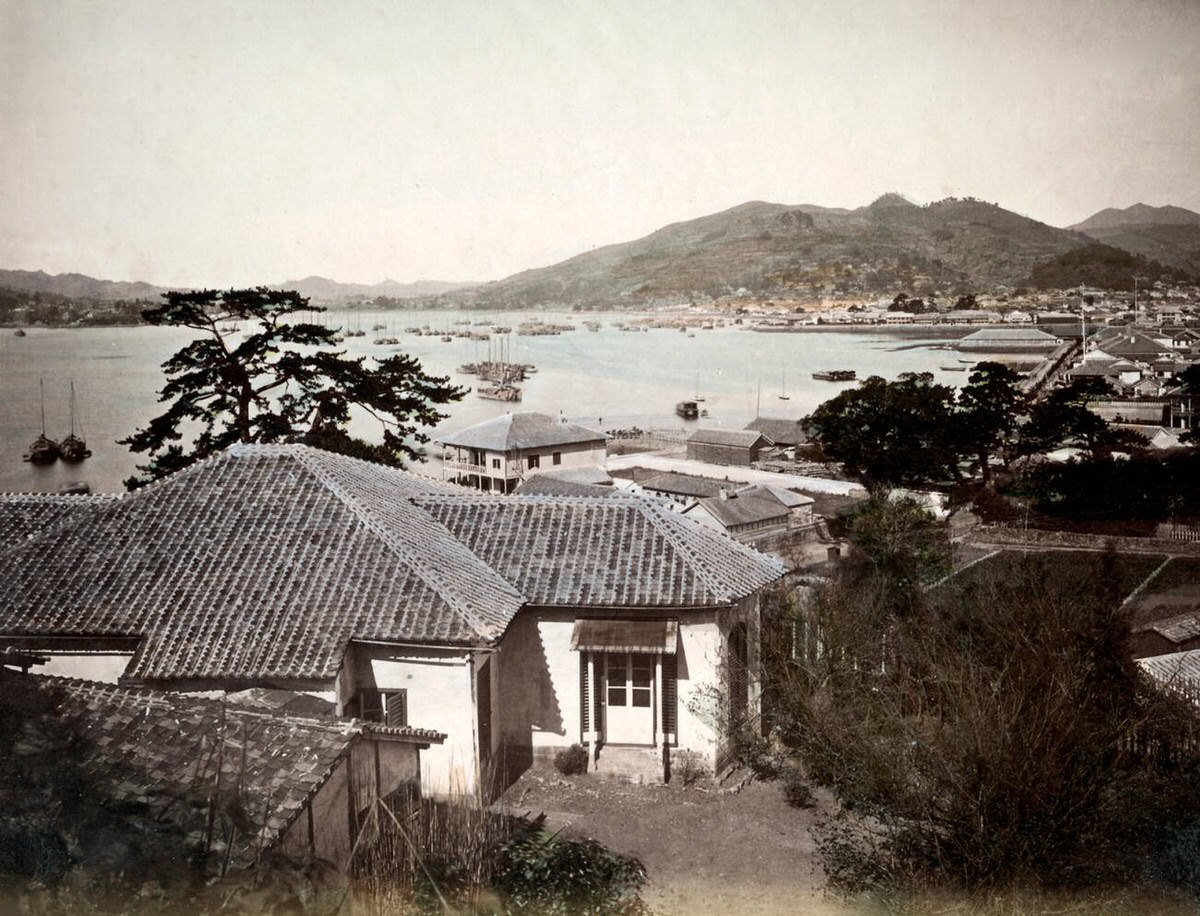
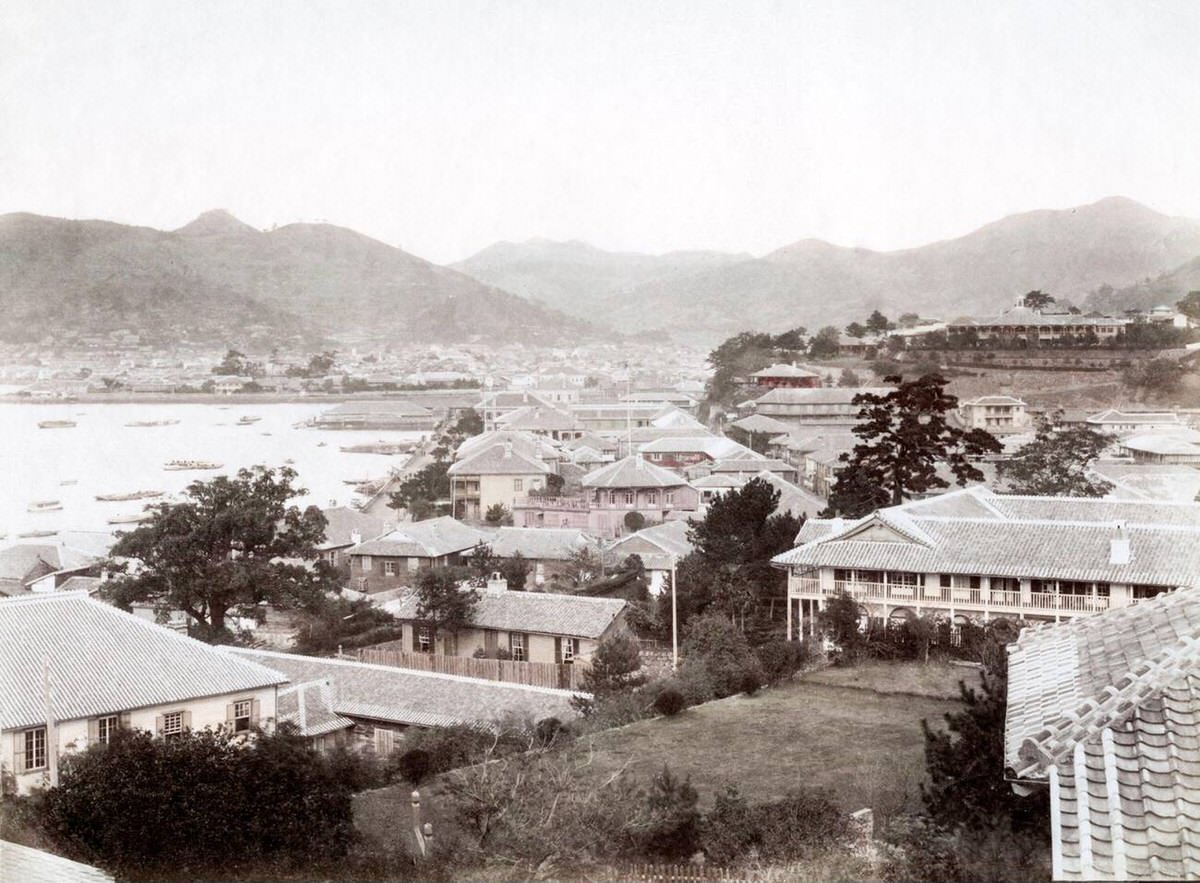
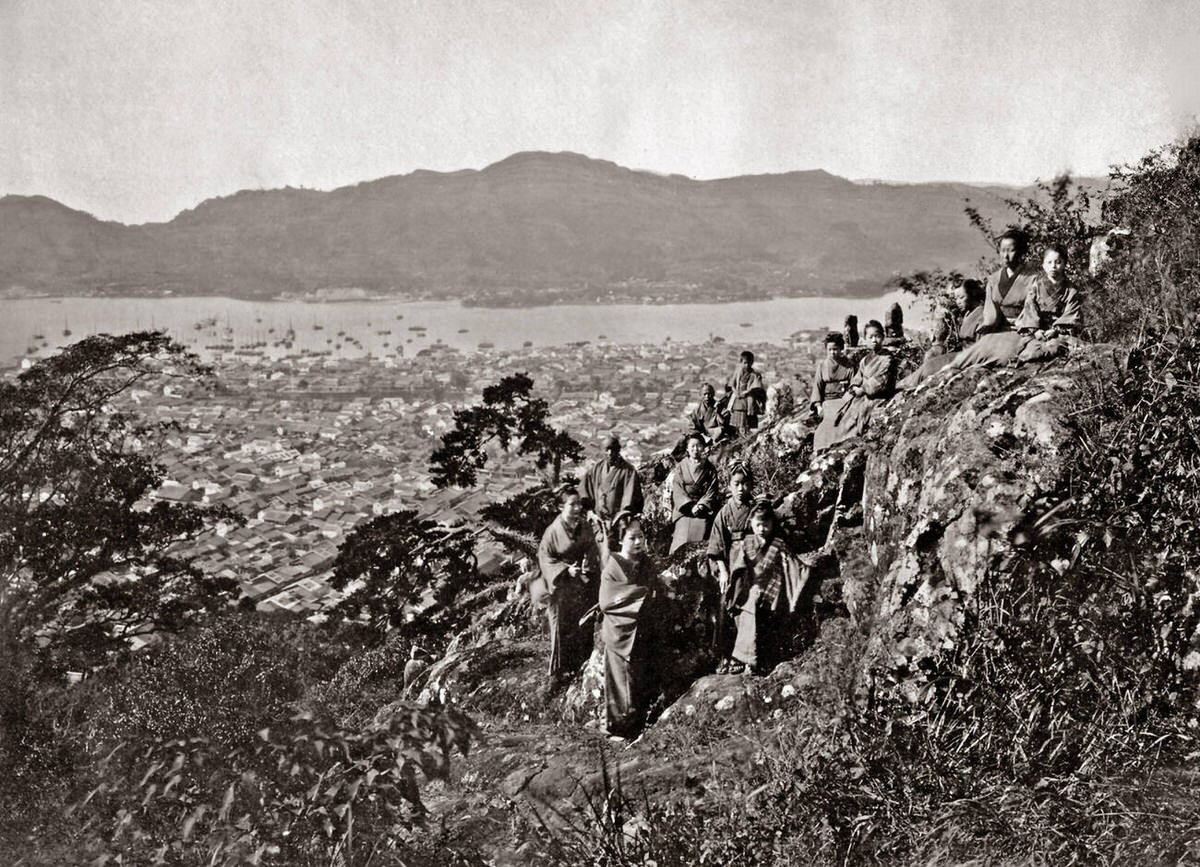
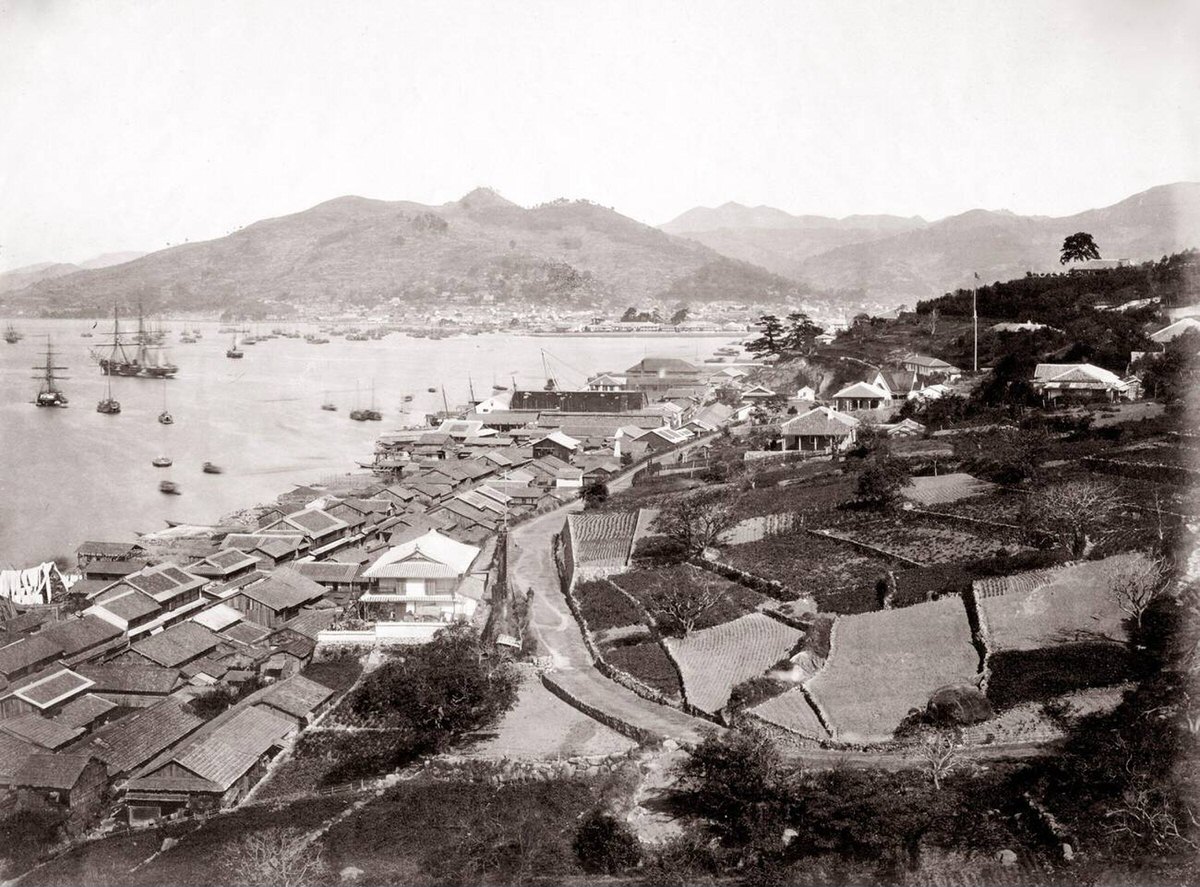
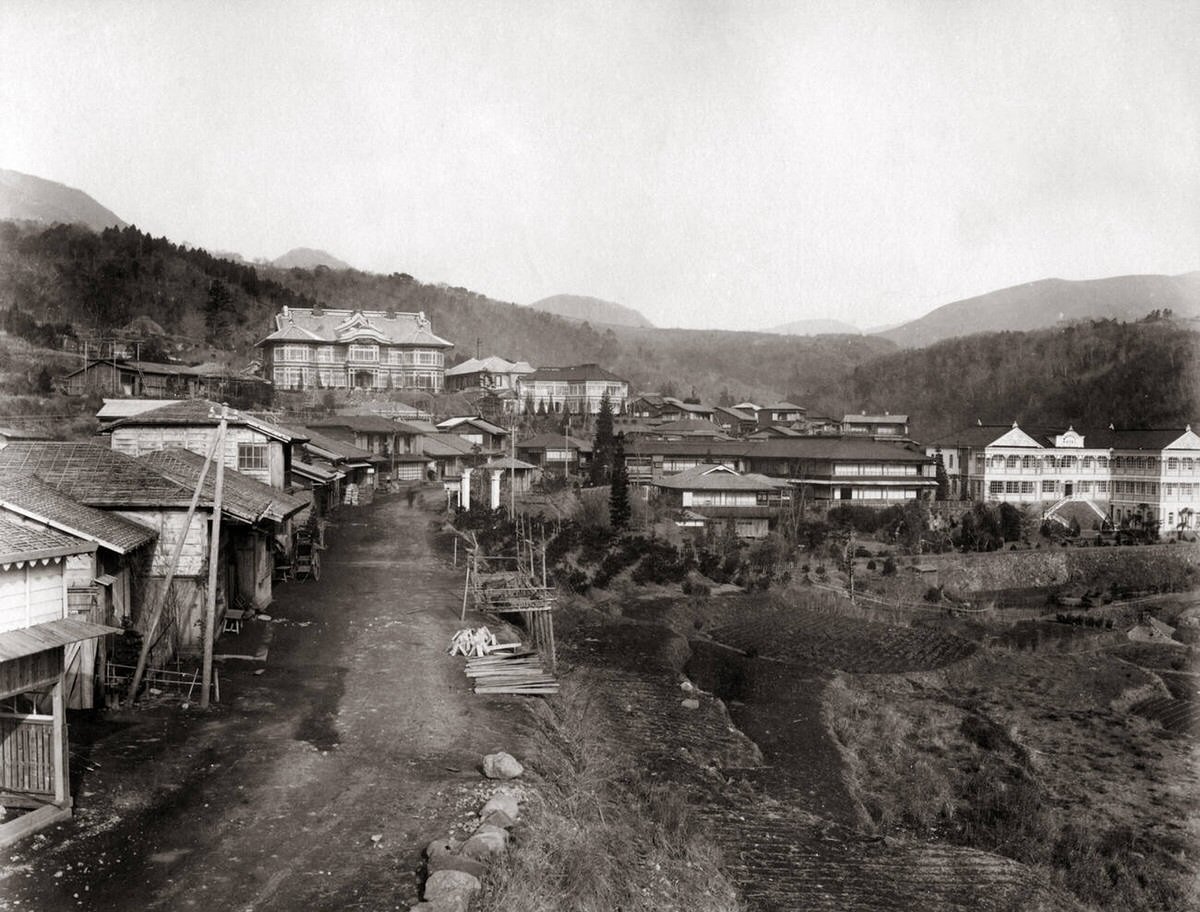
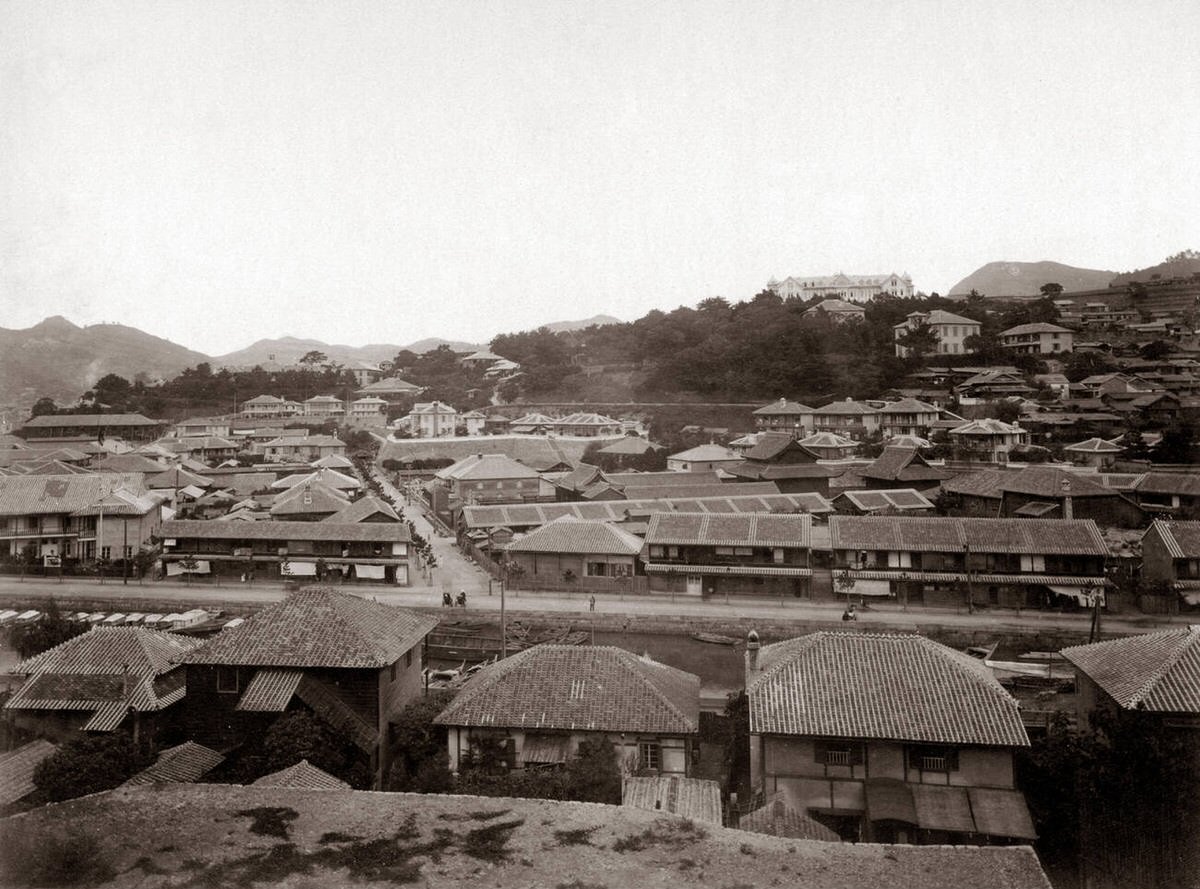
View of Nagasaki, 1880sFujiya Hotel in Miyanoshita, Hakone, 1885
Rural hardship fed a broader political movement. The Jiyuto, or Liberal Party, formed during this period and demanded more rights for the people. The government fought back with strict laws restricting public meetings and censoring newspapers. Political opposition was tolerated only within very tight limits.
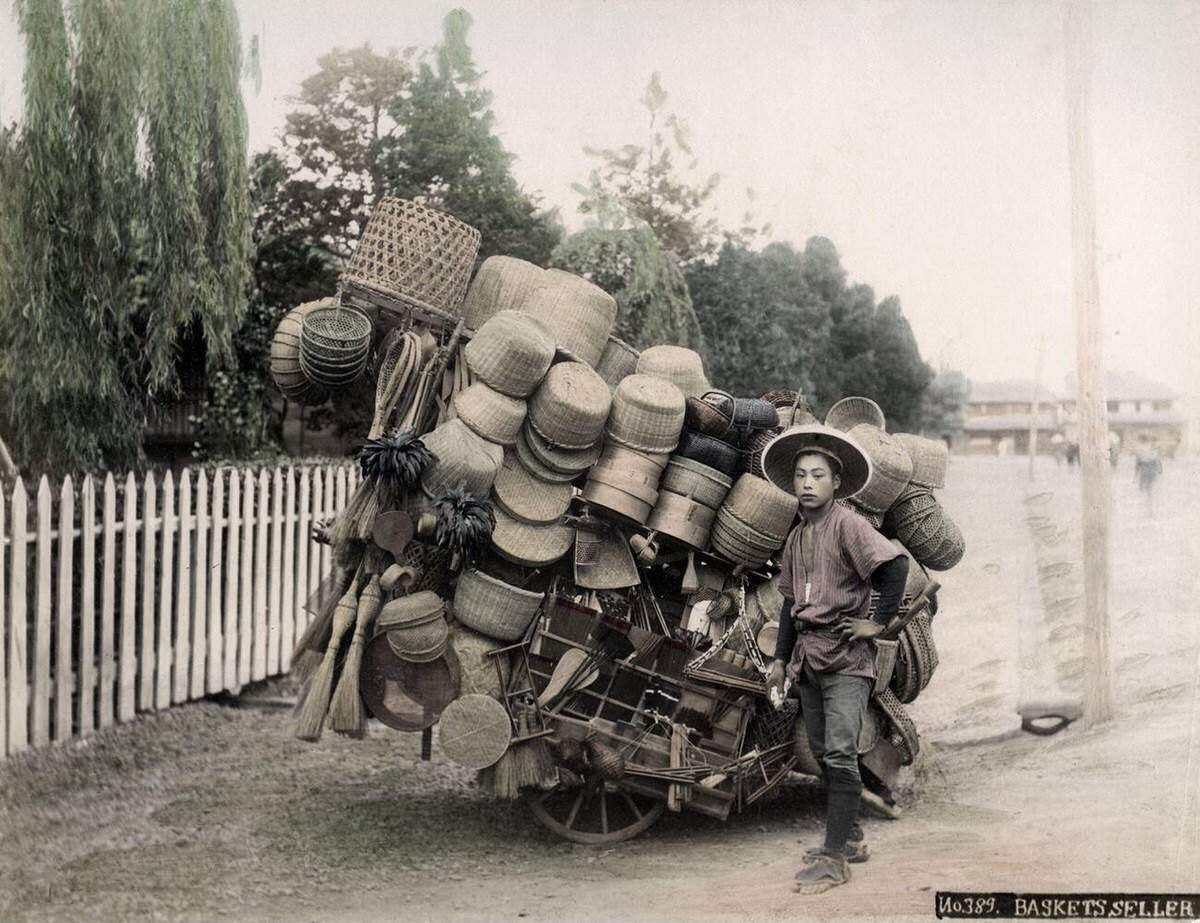
Basket seller with his cart in Japan, 1890
In the cities, a different kind of drama was playing out. The Japanese elite of the mid-1880s threw themselves into Western culture with remarkable enthusiasm. The center of this craze was the Rokumeikan, a large brick building completed in Tokyo in 1883. The name means “Deer Cry Pavilion.” Inside, Japanese officials and their wives dressed in European gowns and suits. They danced at balls, played billiards, and listened to orchestral music alongside foreign diplomats.
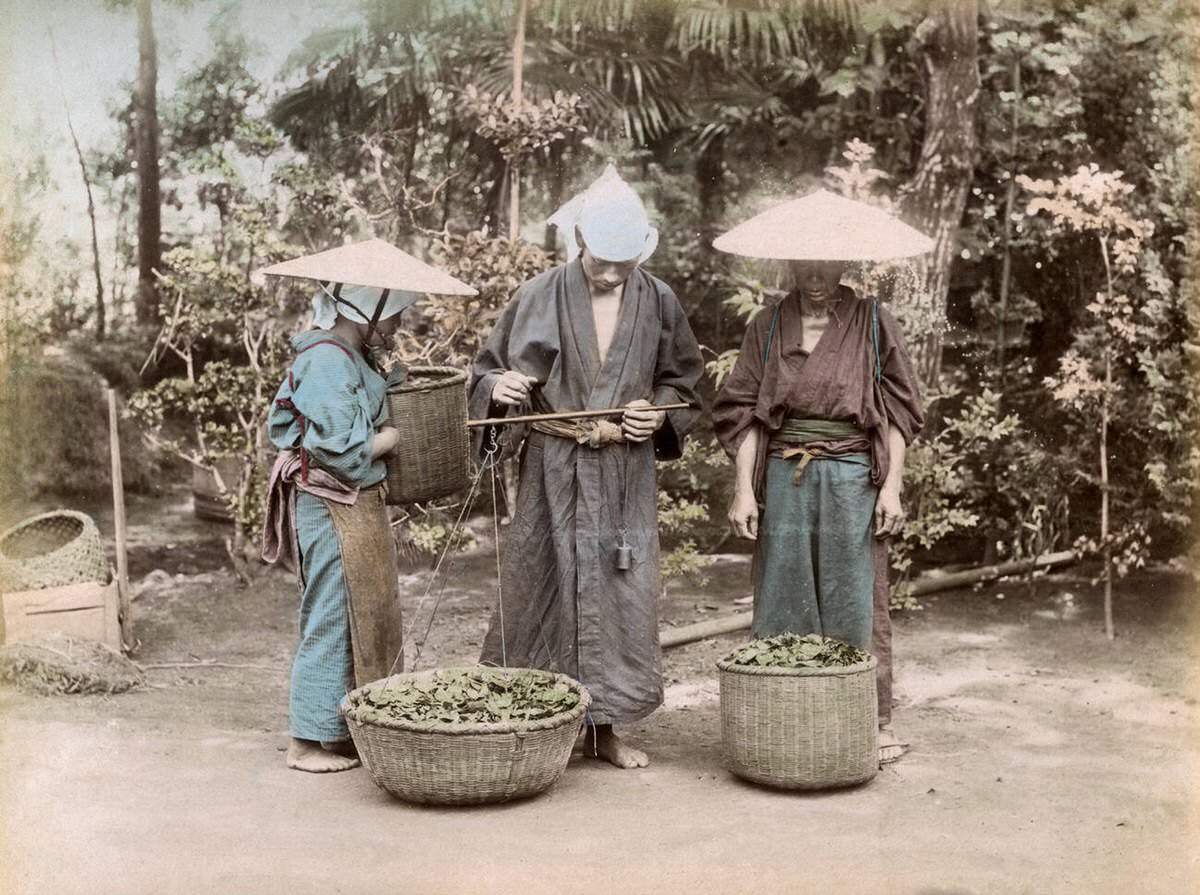
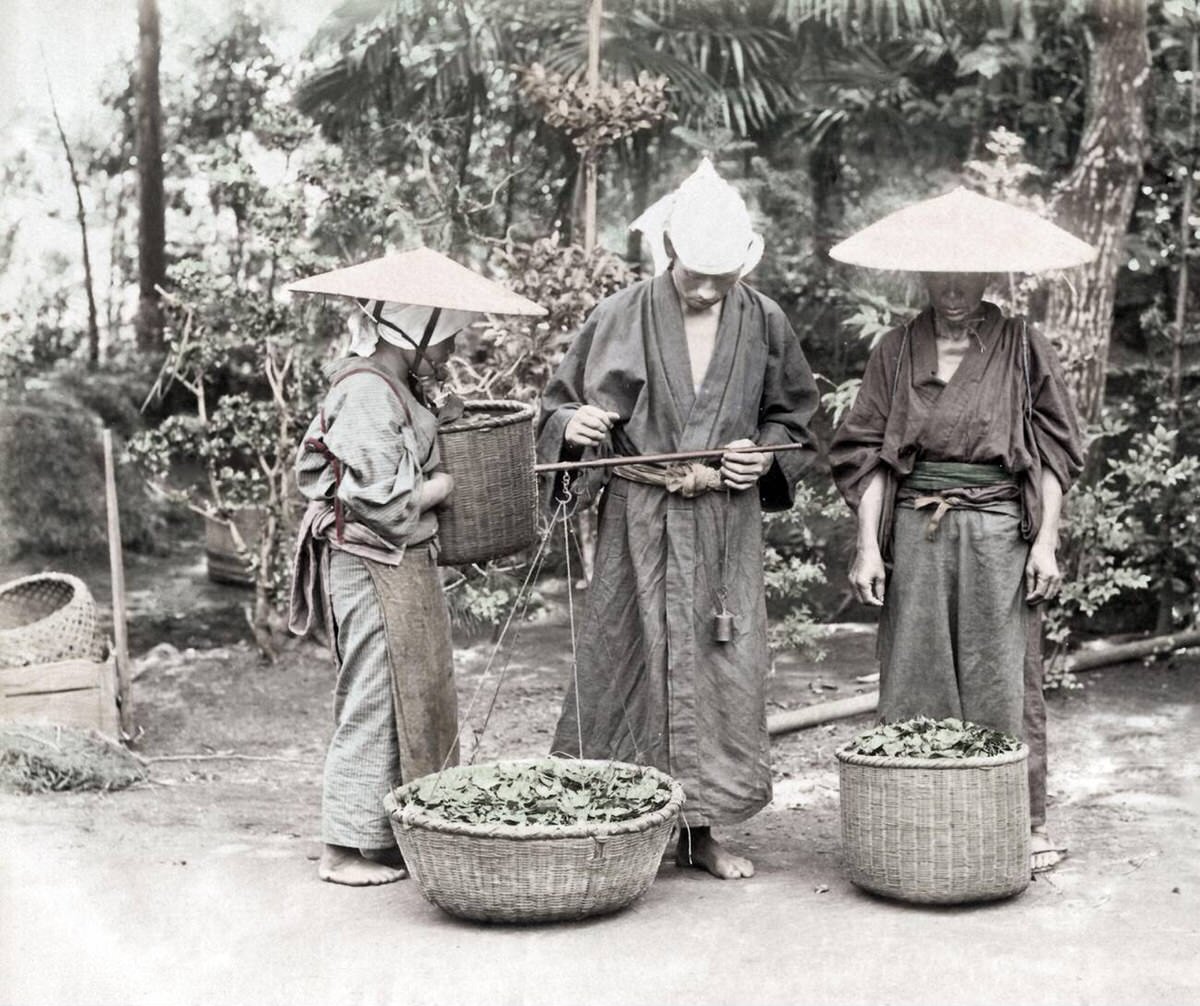
Weighing tea in Japan, 1880s
The Rokumeikan era, as this period came to be called, was not just a social trend. It was a calculated diplomatic strategy. Japan was still bound by unequal treaties that allowed foreign nationals living in Japan to follow their own laws rather than Japanese ones. The government hosted these lavish Western-style parties to signal that Japan was a civilized, modern state — and therefore deserved to be treated as an equal by Western powers.
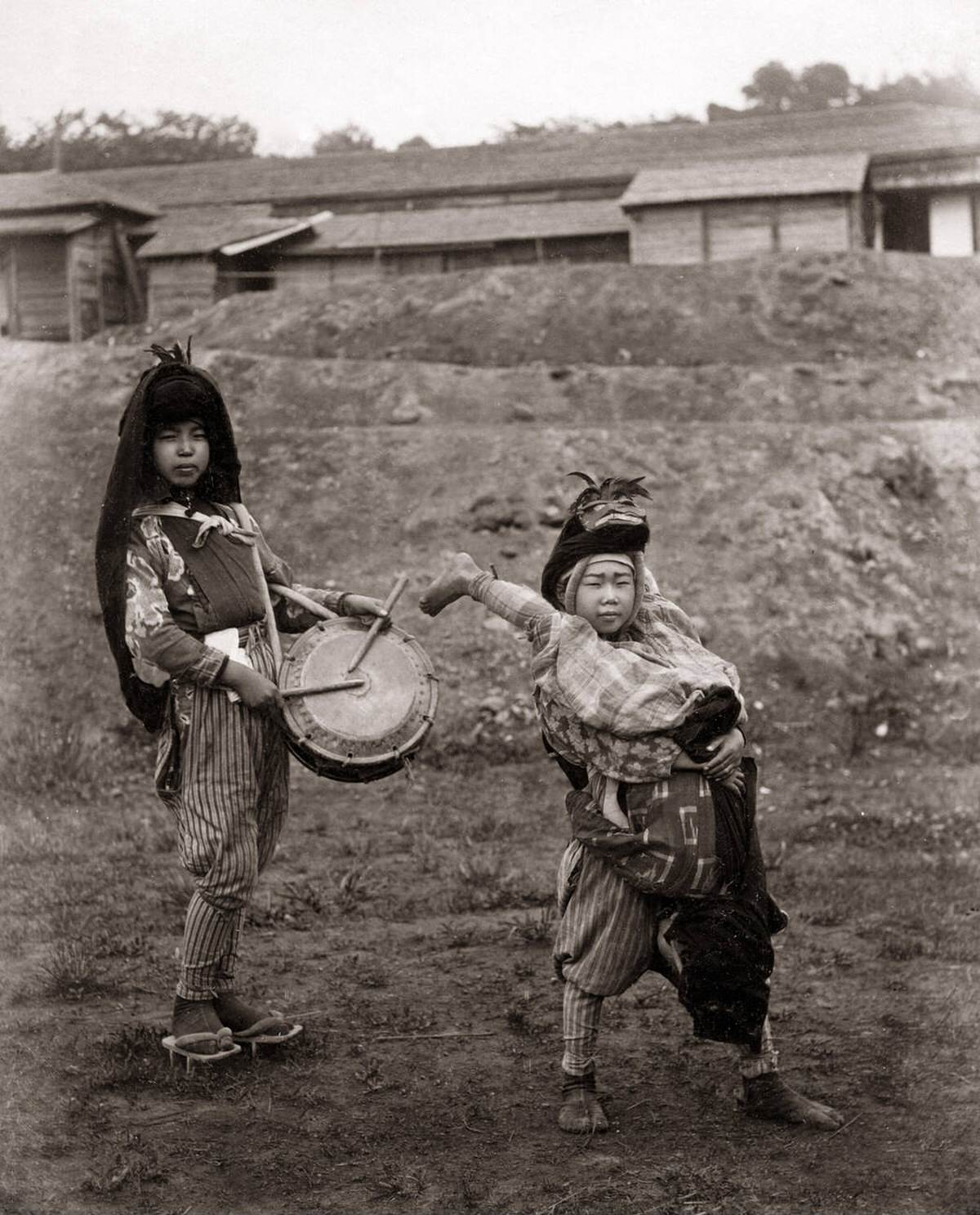
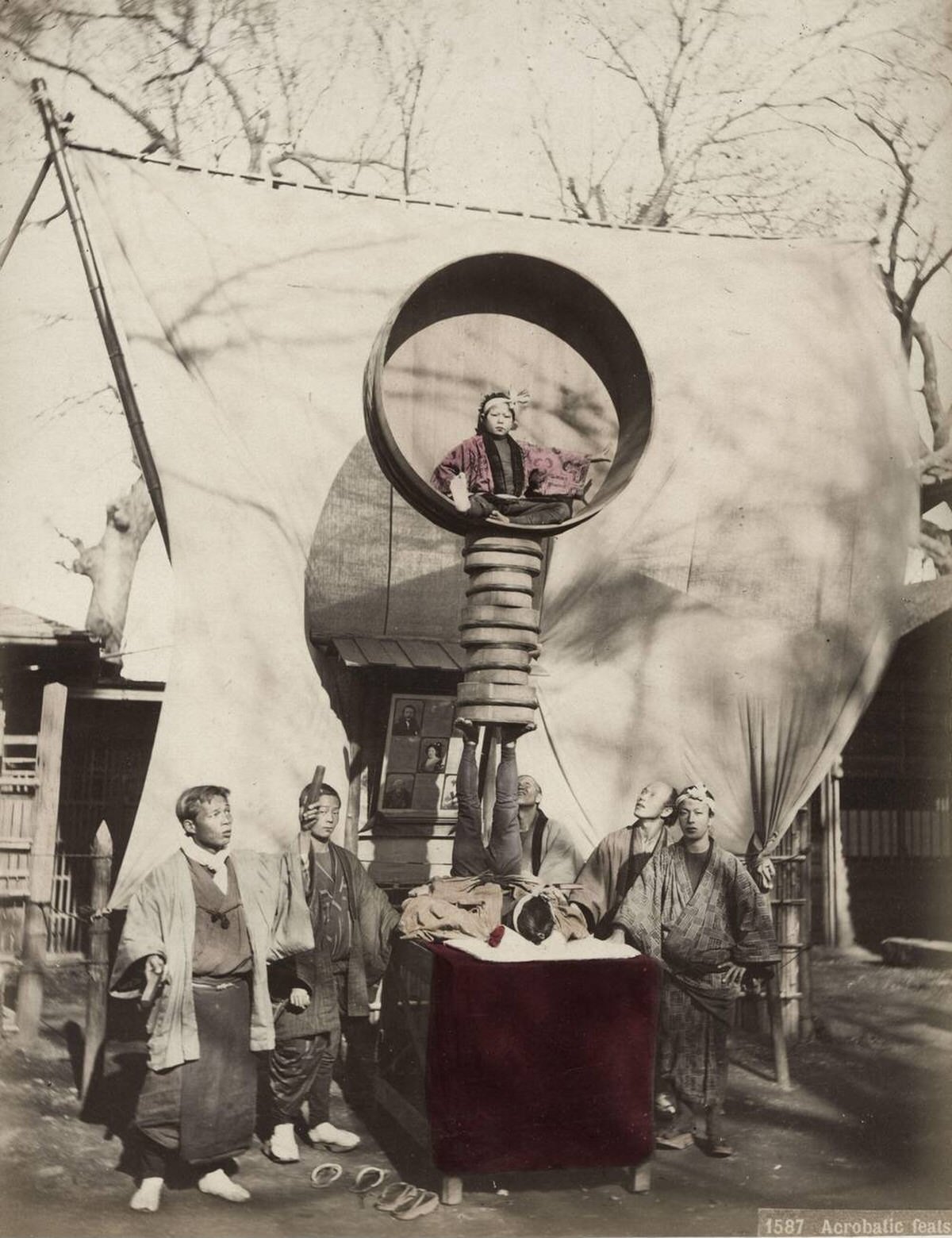
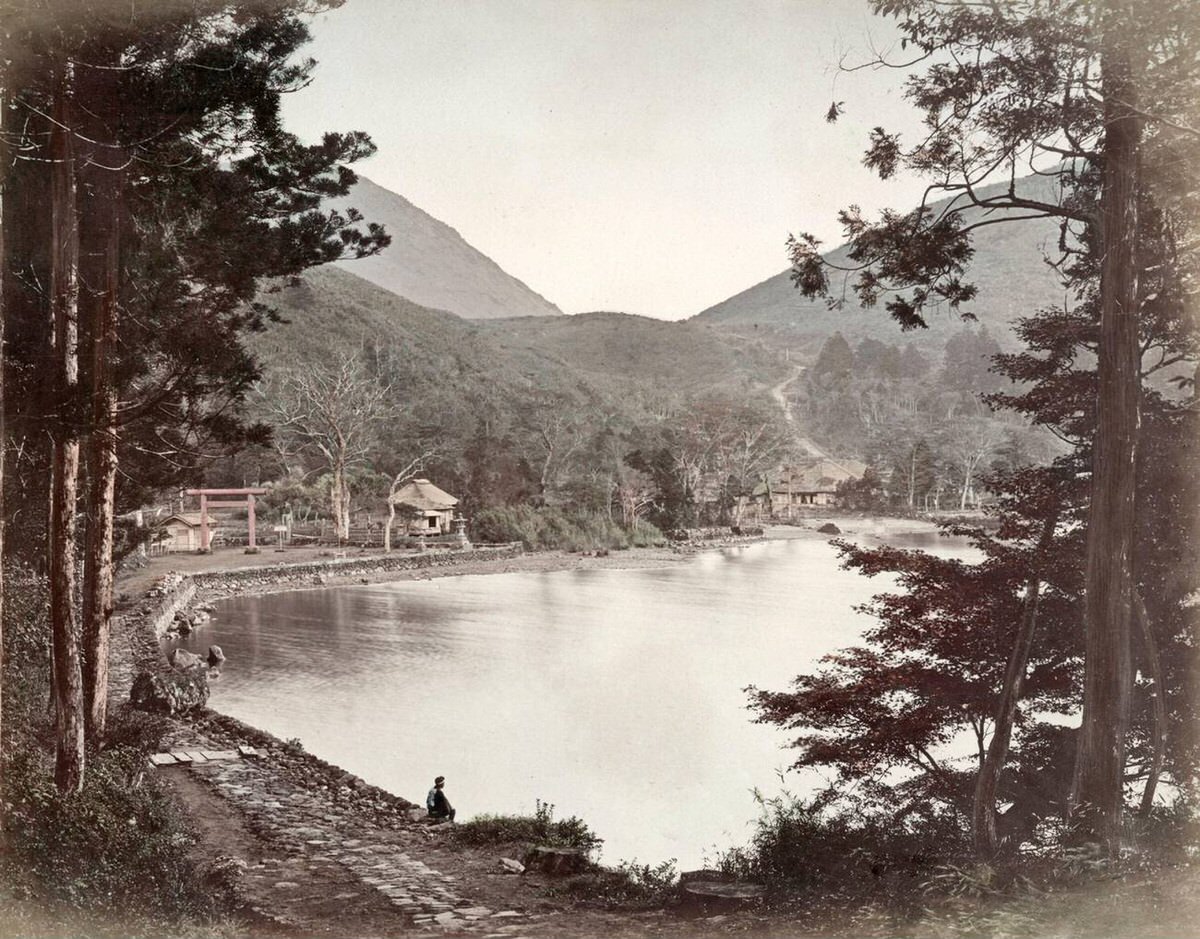
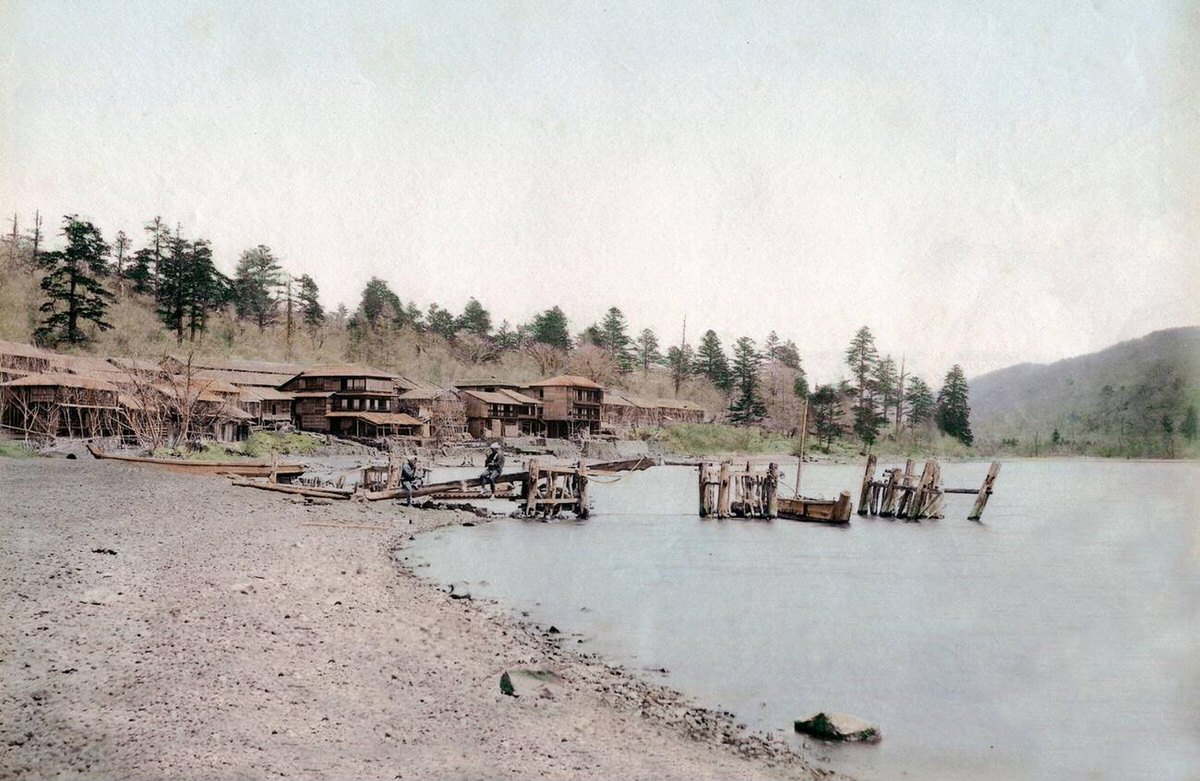
Chuzenji Lake, 1880sStreet performers and acrobats in Japan, 1880s
Industry was changing shape. In 1880 and 1881, the government sold off state-owned mines and factories to private buyers at extremely low prices. This transfer of assets helped create the zaibatsu — massive family-controlled business groups. Mitsubishi and Mitsui were among those that expanded rapidly during these years, moving into shipping, coal mining, and textile production. The government was stepping back from running the economy directly and handing power to a small group of wealthy industrial families.
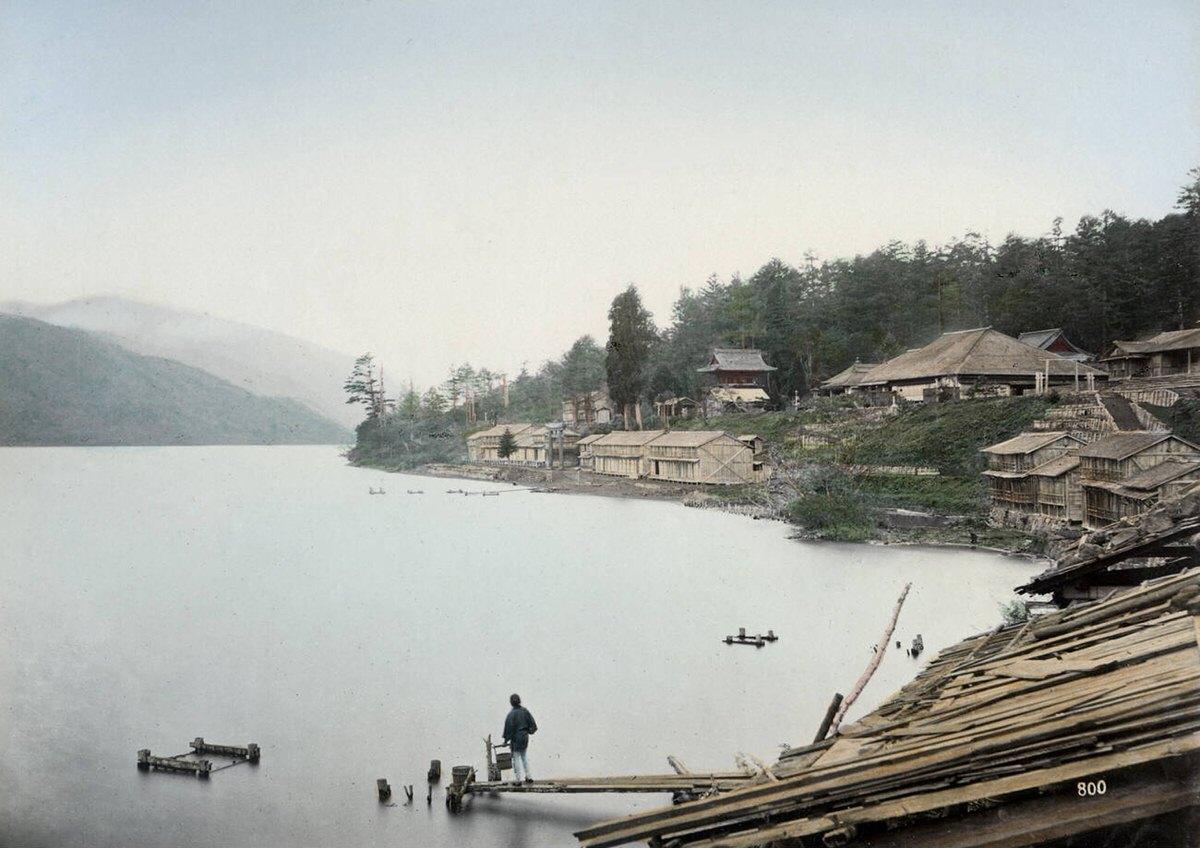
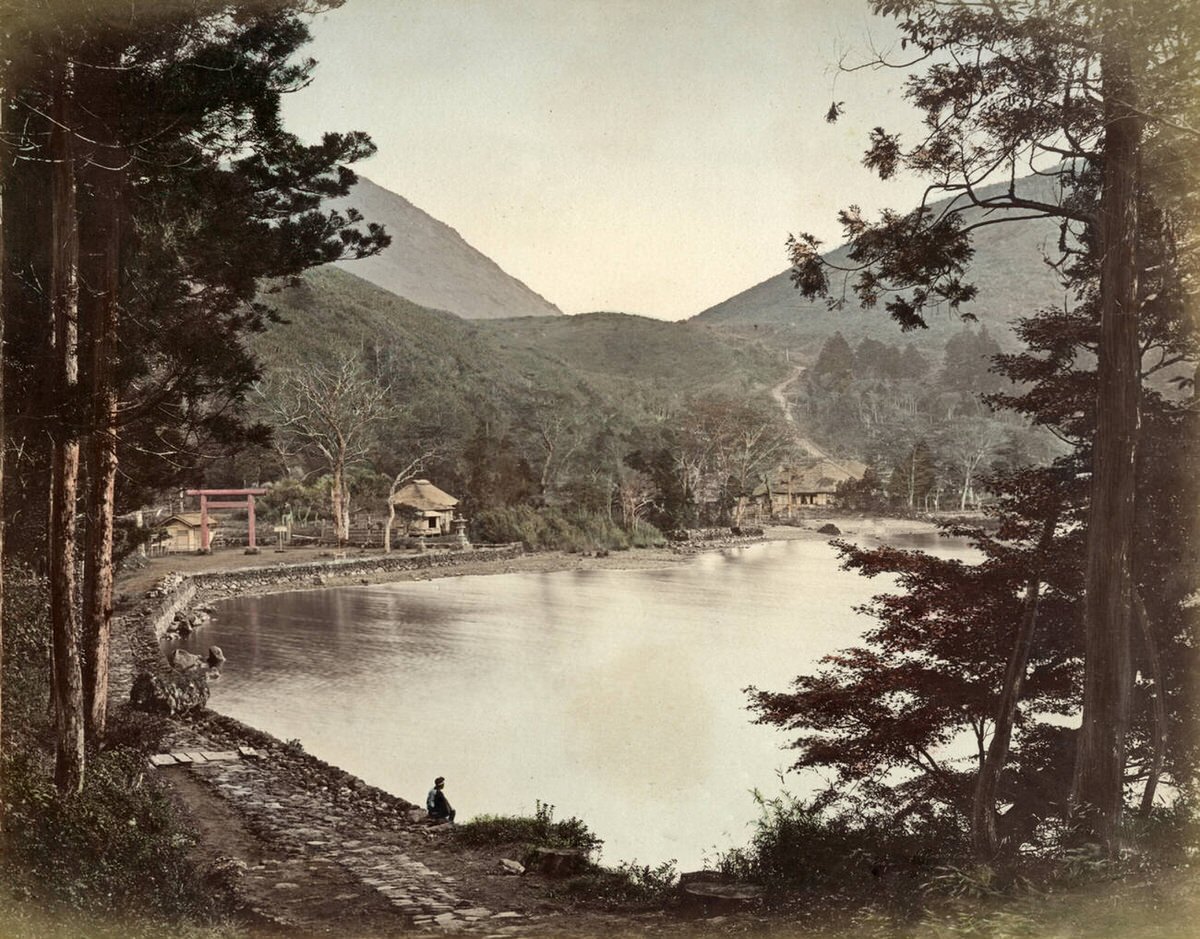
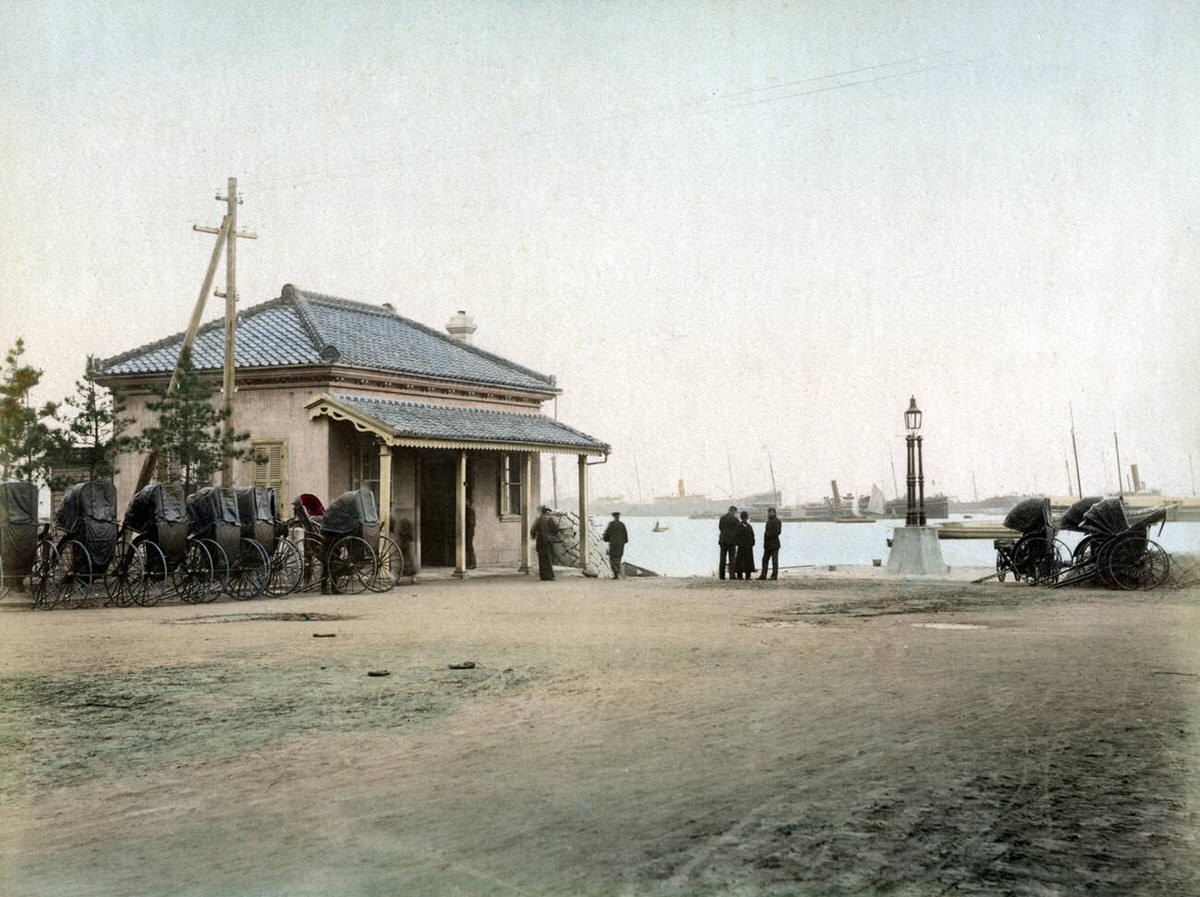
Hakone Lake, 1880sHatoba in Kobe, 1880s
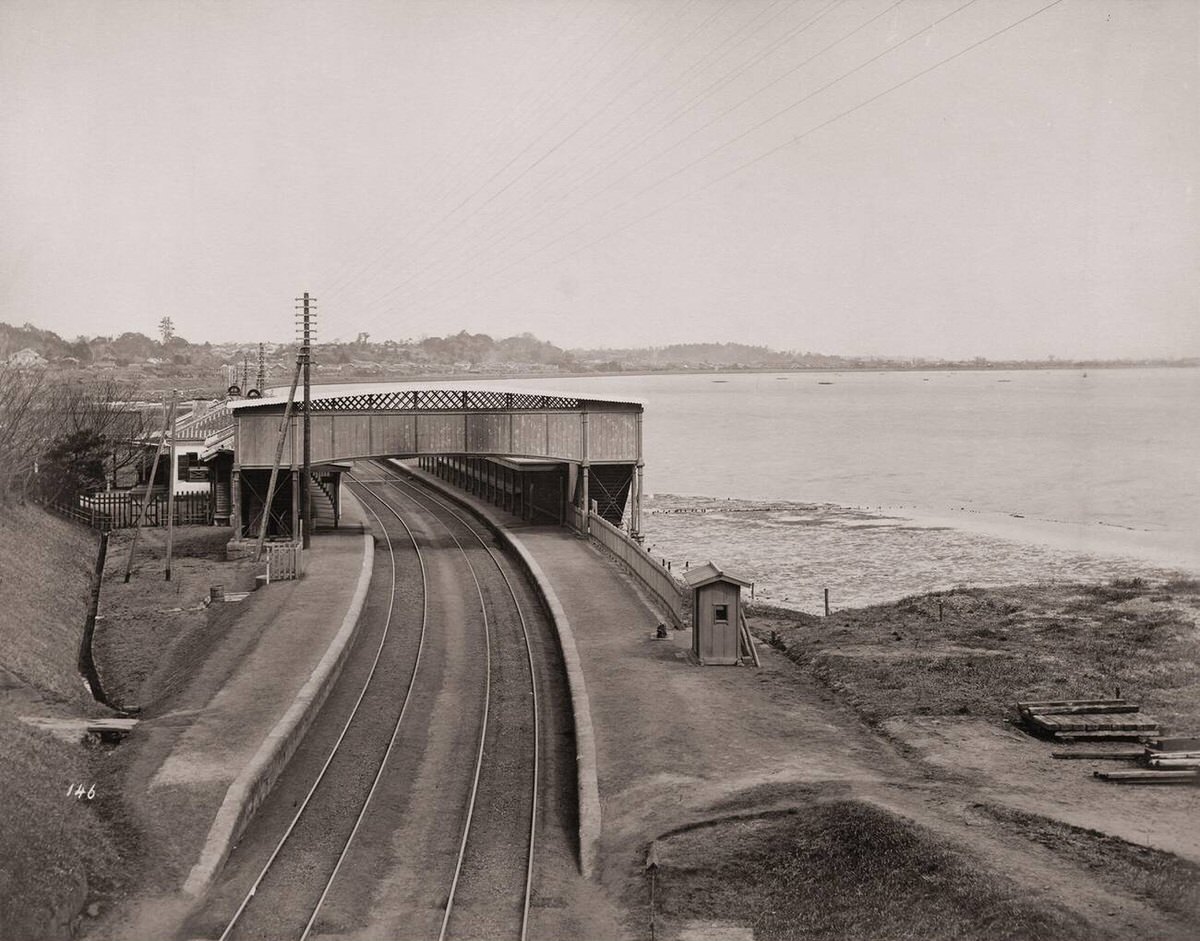
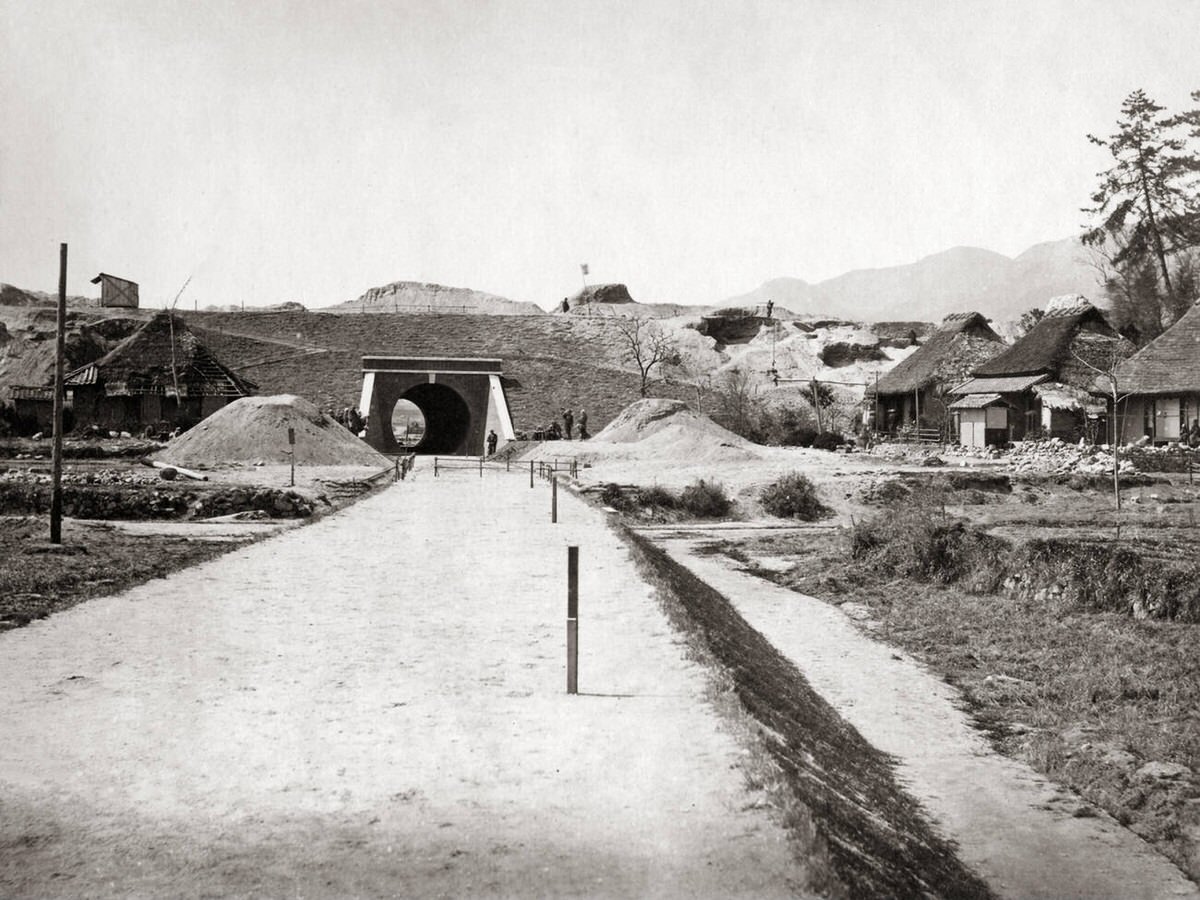
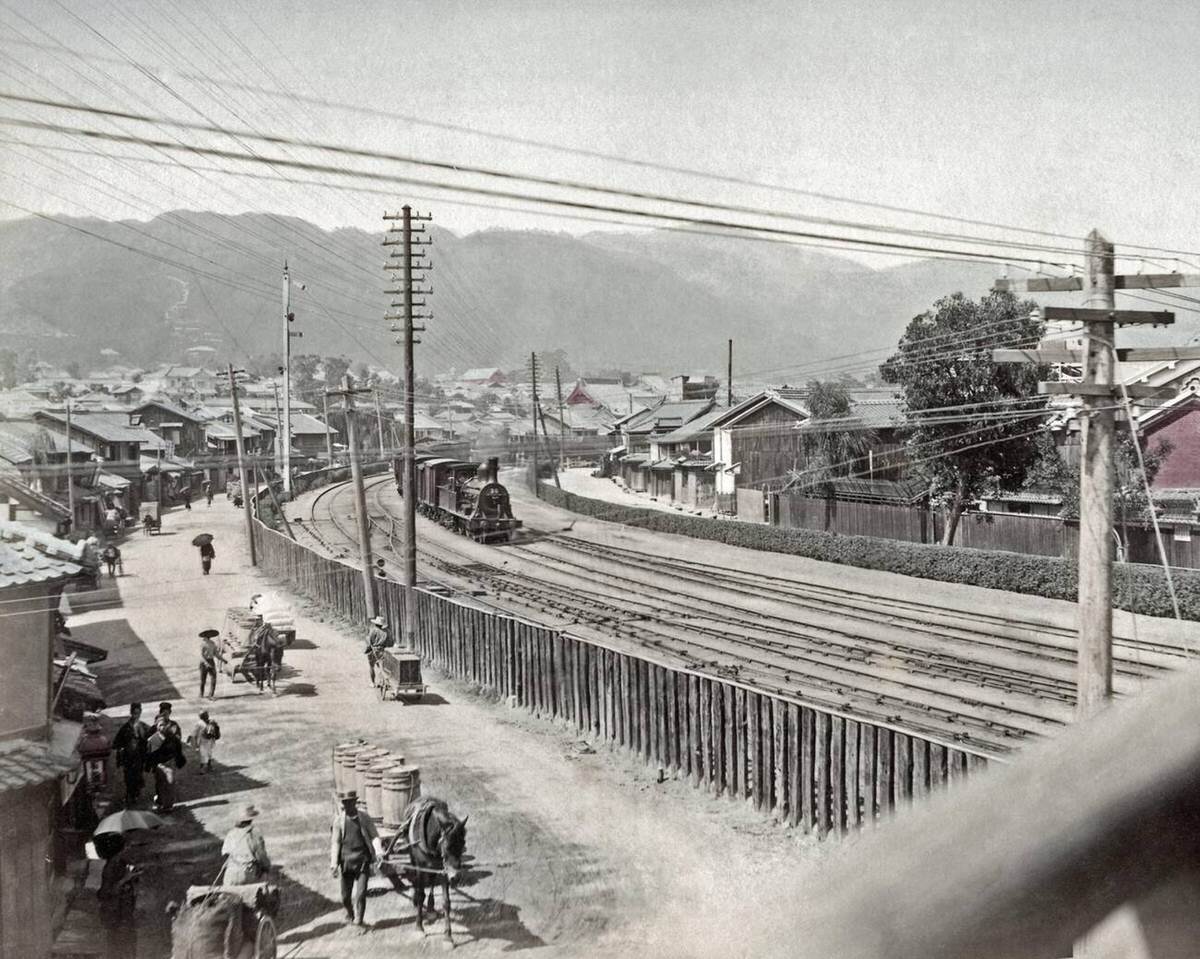
Railways were the most visible sign of industrial progress. In 1881, the Nippon Railway Company was founded as Japan’s first private railway. By the end of the decade, the total length of railway track in the country had exploded from fewer than 100 miles to over 1,000 miles. New lines connected cities, moved goods faster, and stitched together a national economy that had previously depended on rivers and coastal shipping.
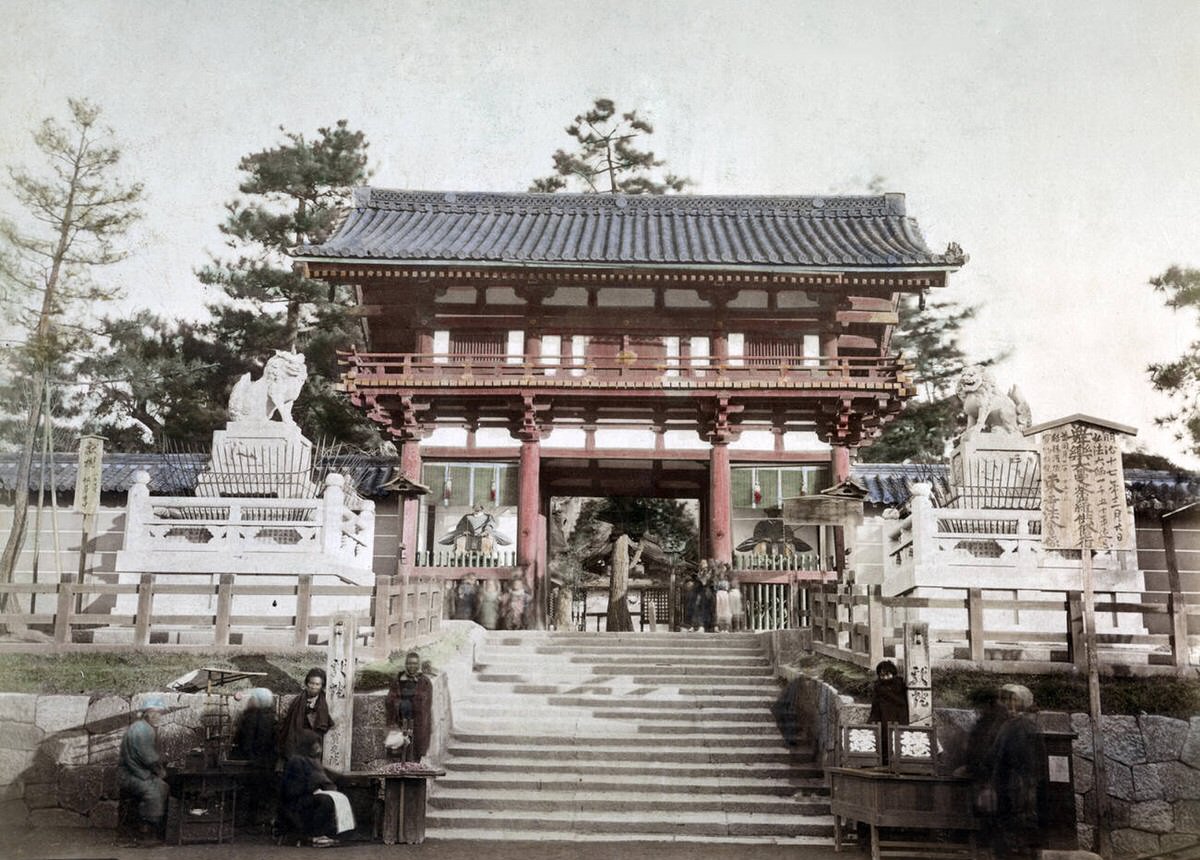
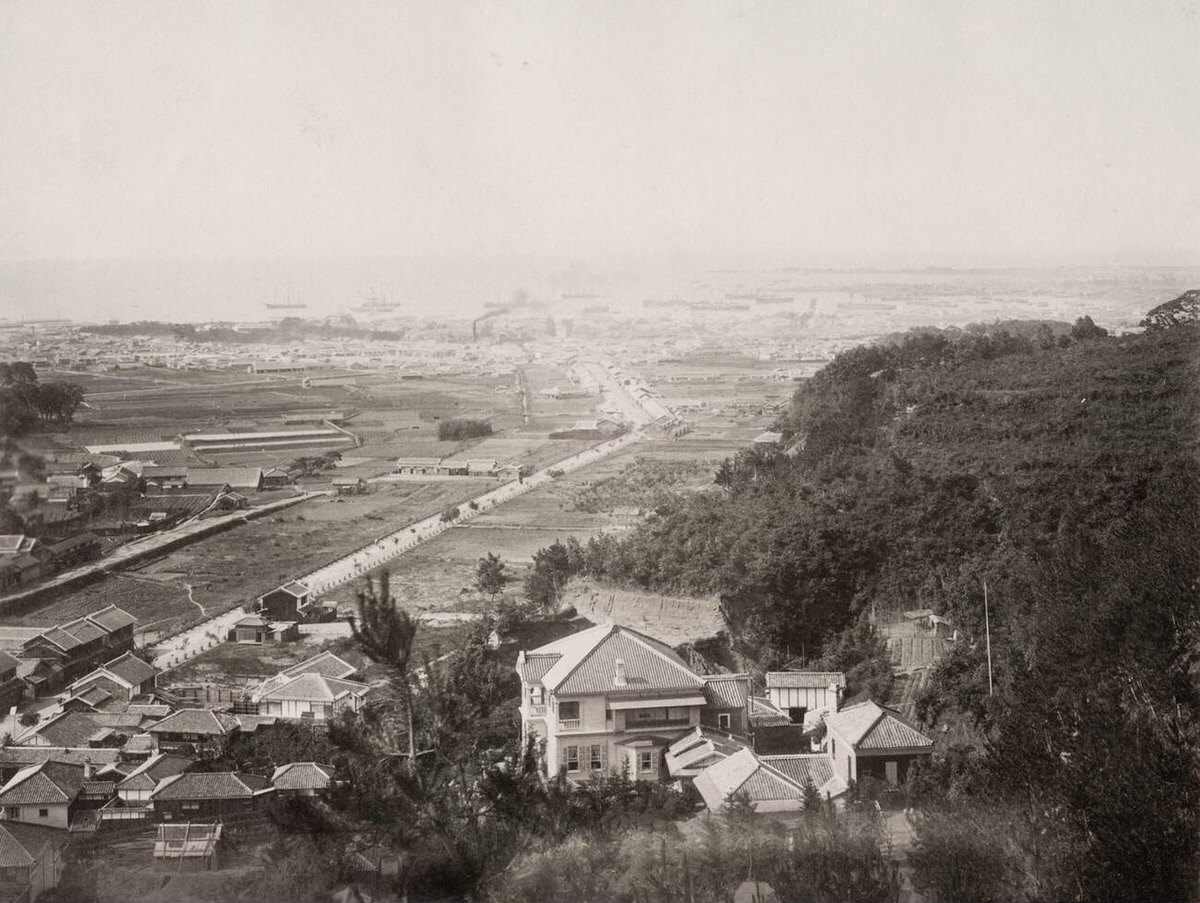
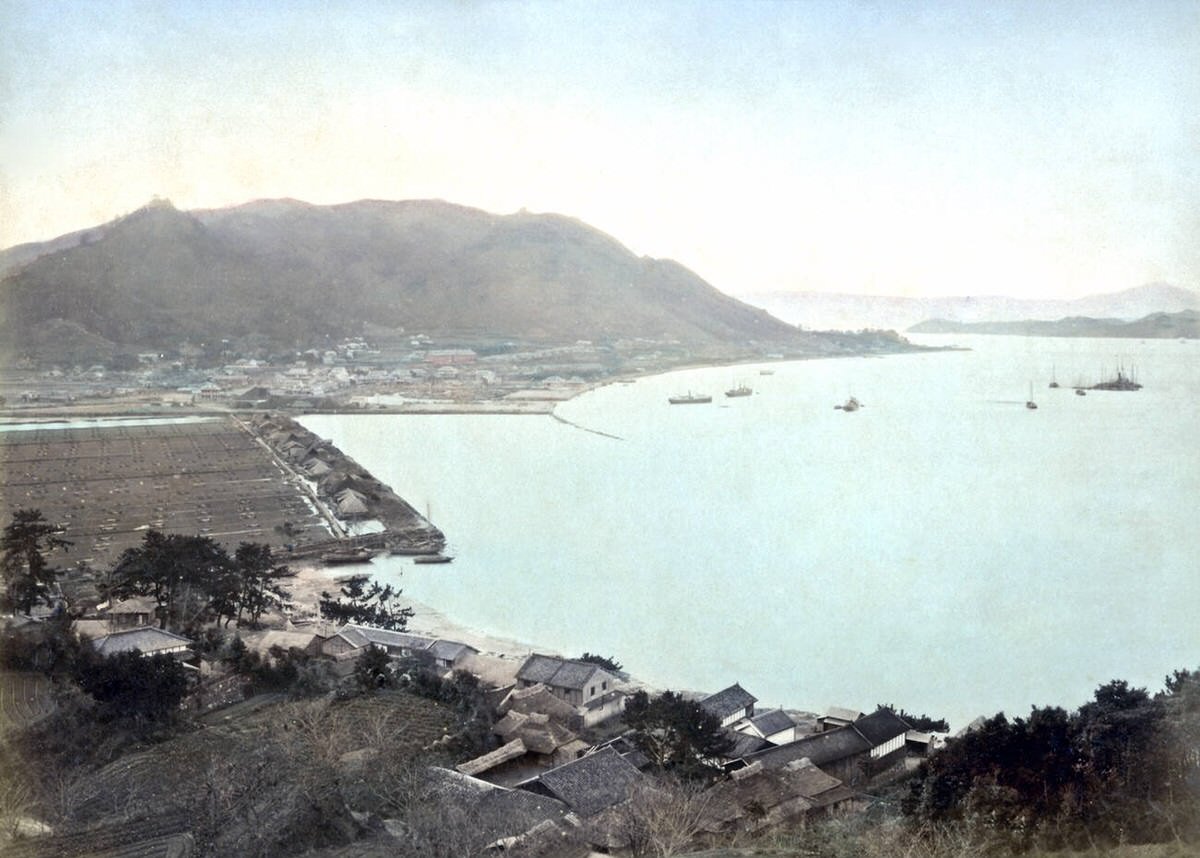
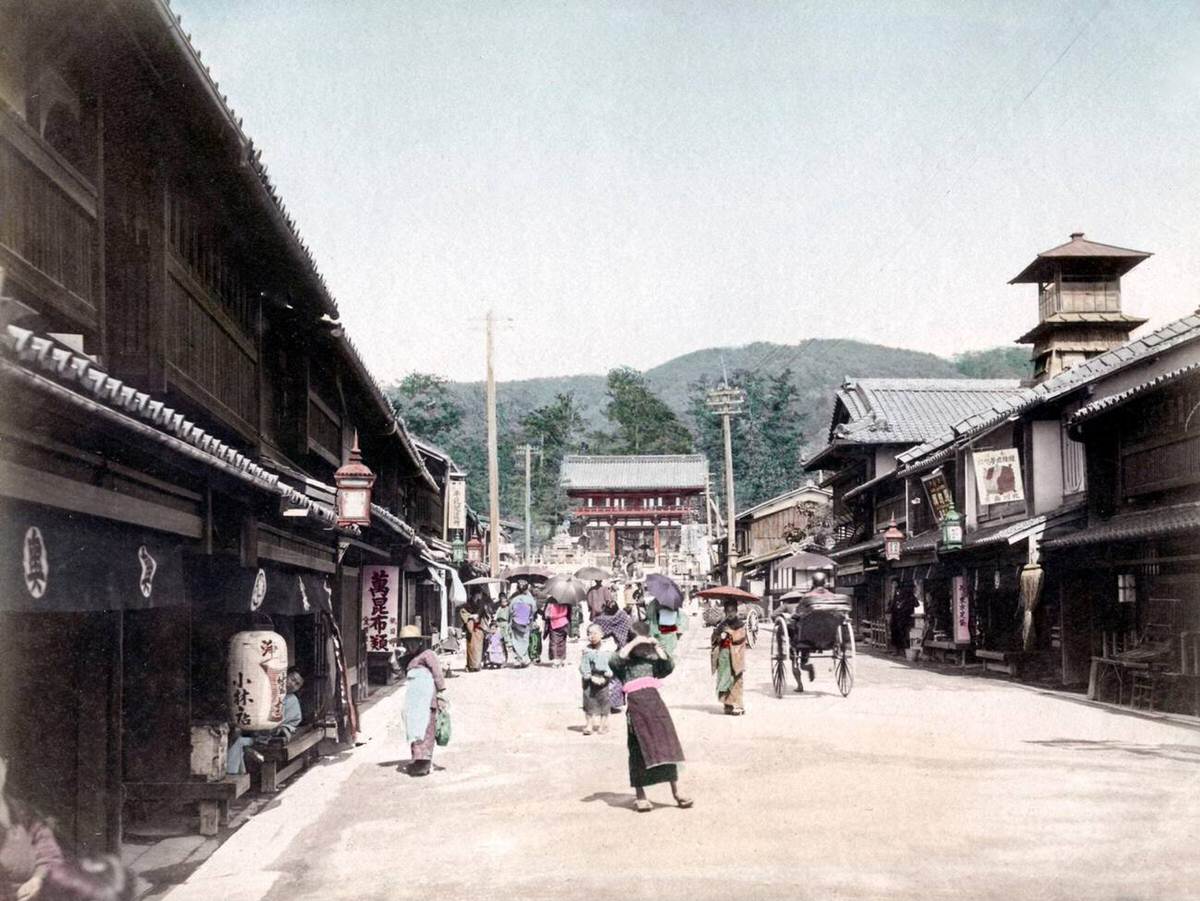
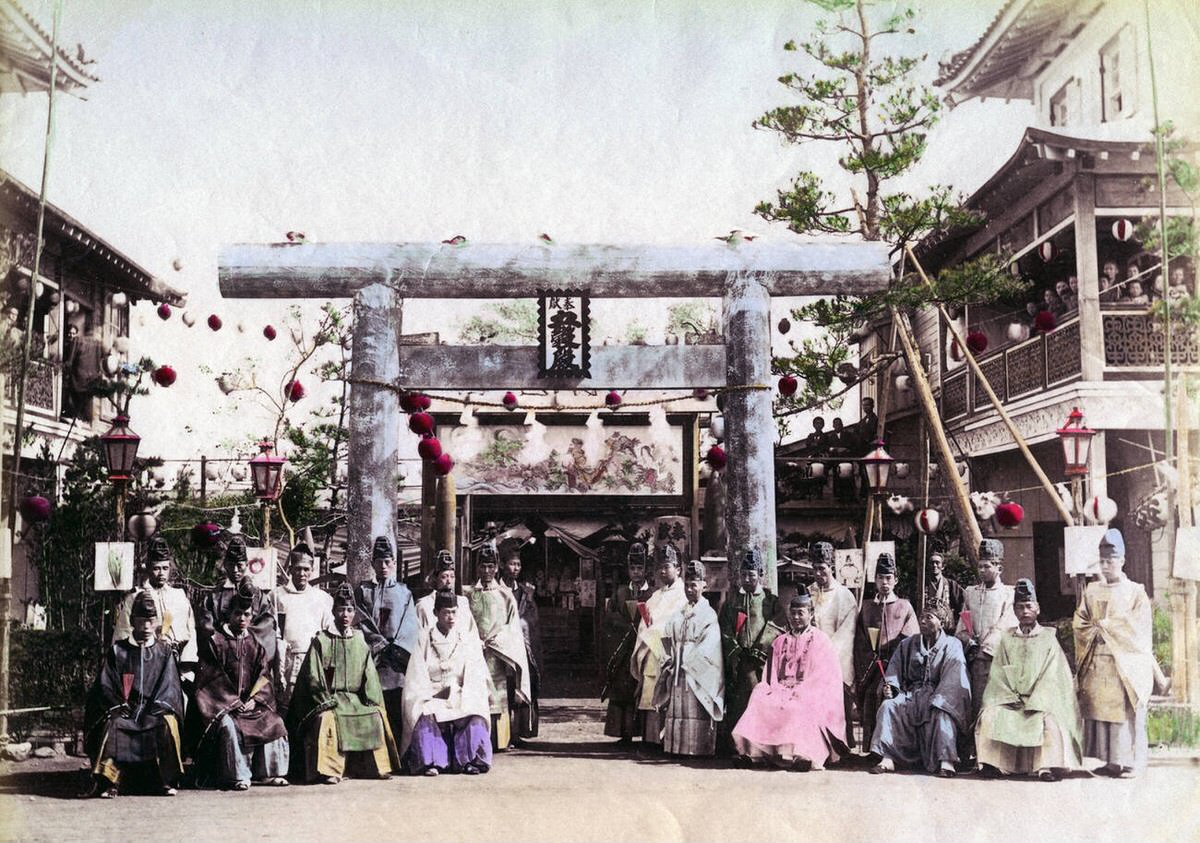
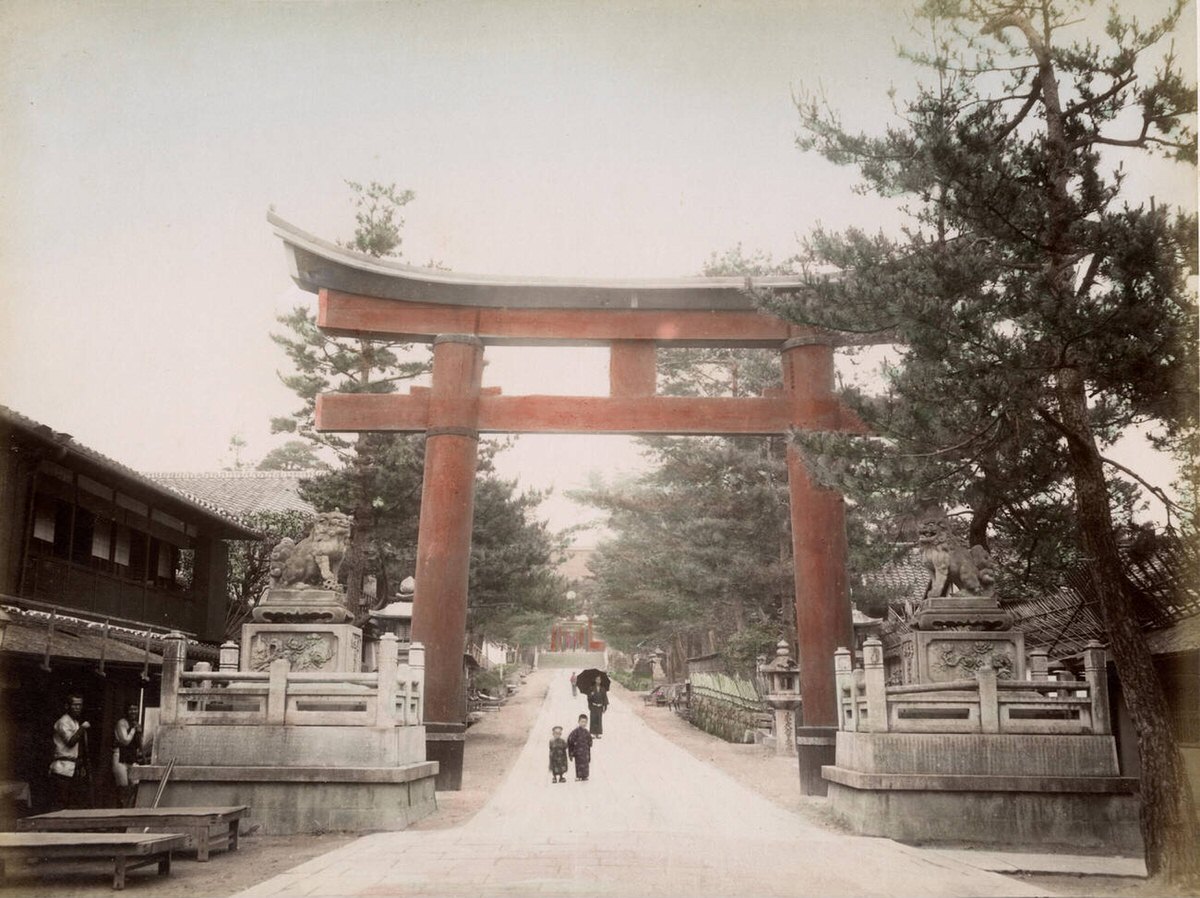
View of Kobe, 1880sGion Shrine in Kyoto, 1880s
Education was also being reshaped from the top down. In 1886, Education Minister Mori Arinori issued the School Ordinances, which created a standardized national education system. Students now followed a set path, beginning with four years of compulsory elementary school. Mori also founded Imperial Universities to train the next generation of government officials. The schools taught Western science and mathematics, but they were equally focused on instilling loyalty to the Emperor. Every school was required to treat the Emperor’s portrait and the national flag with the highest degree of respect.
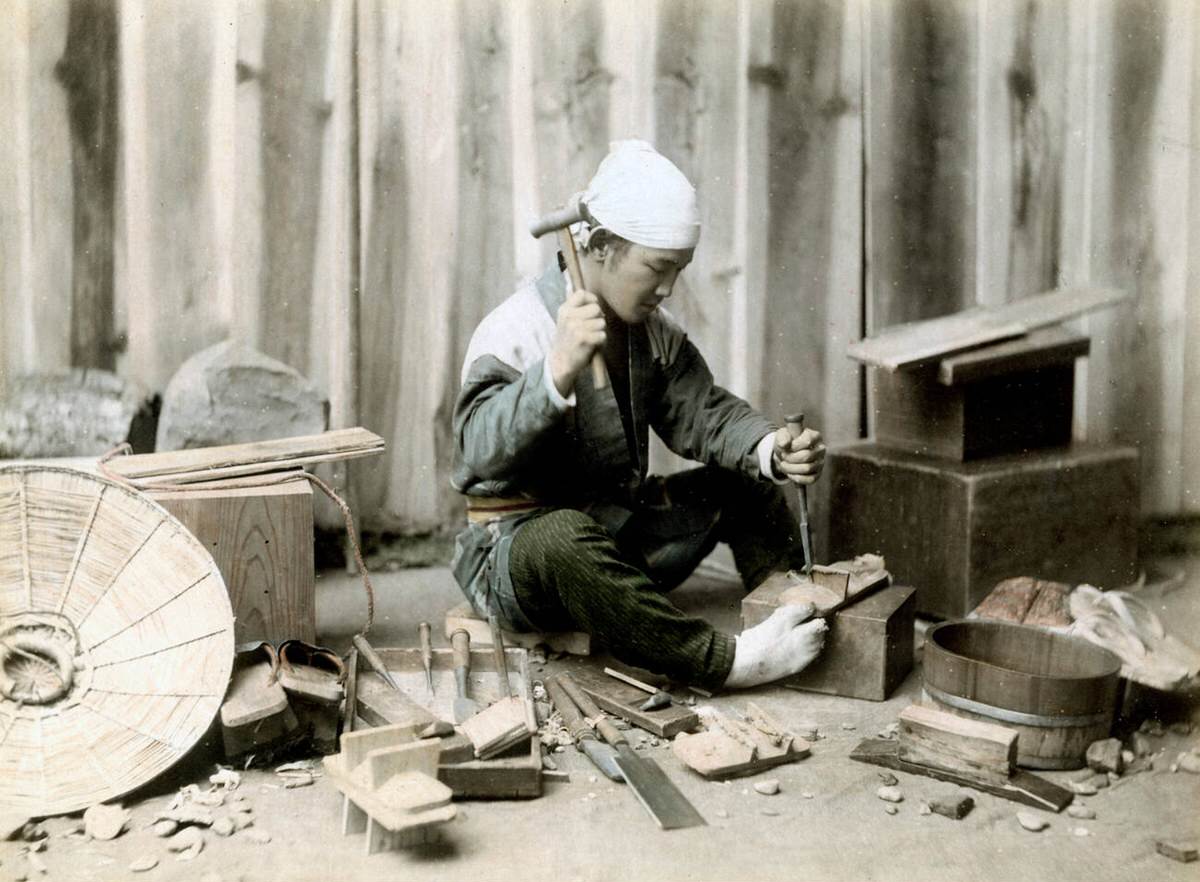
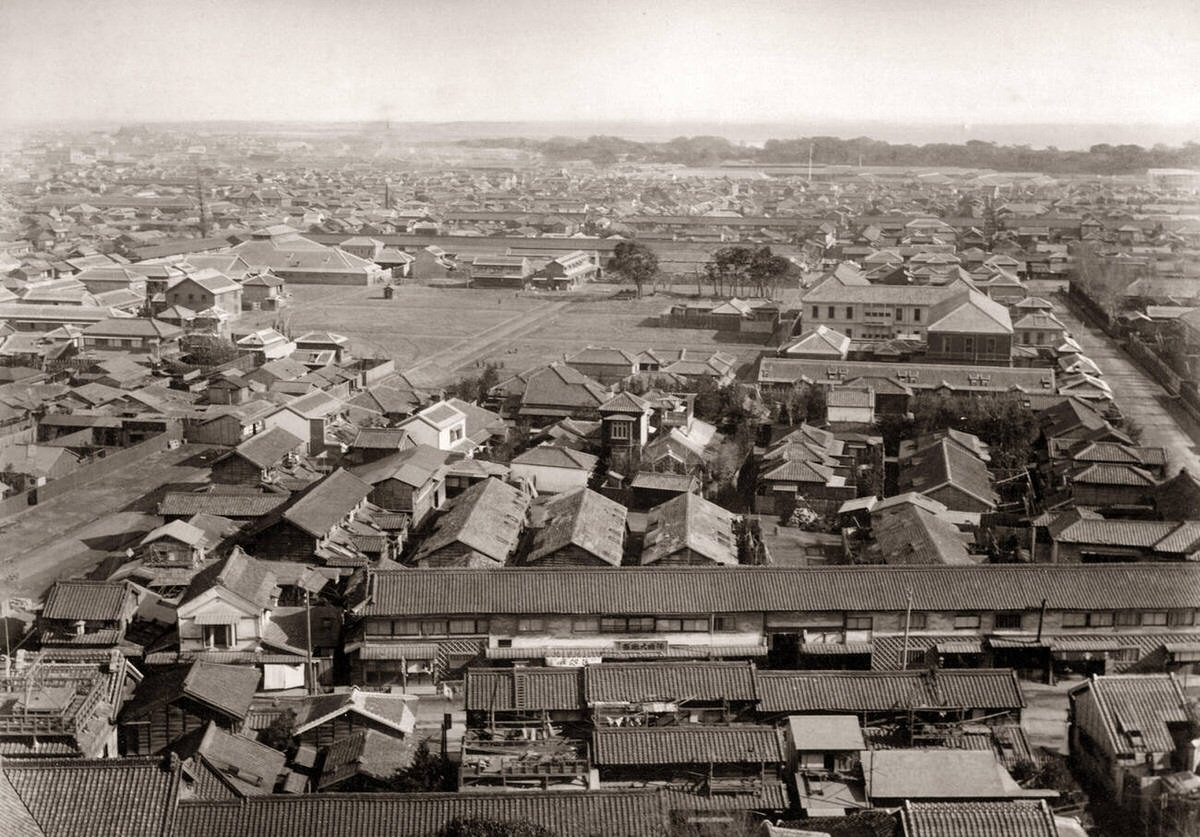
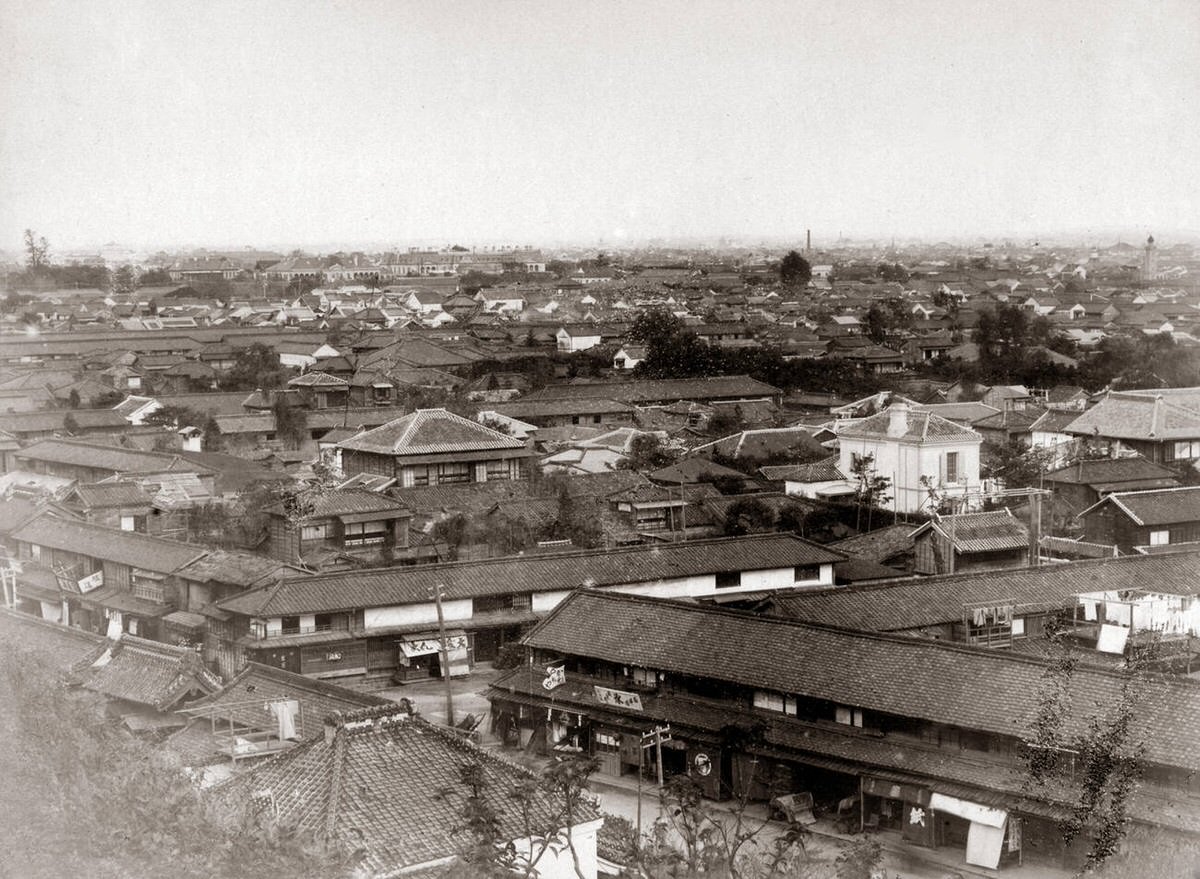
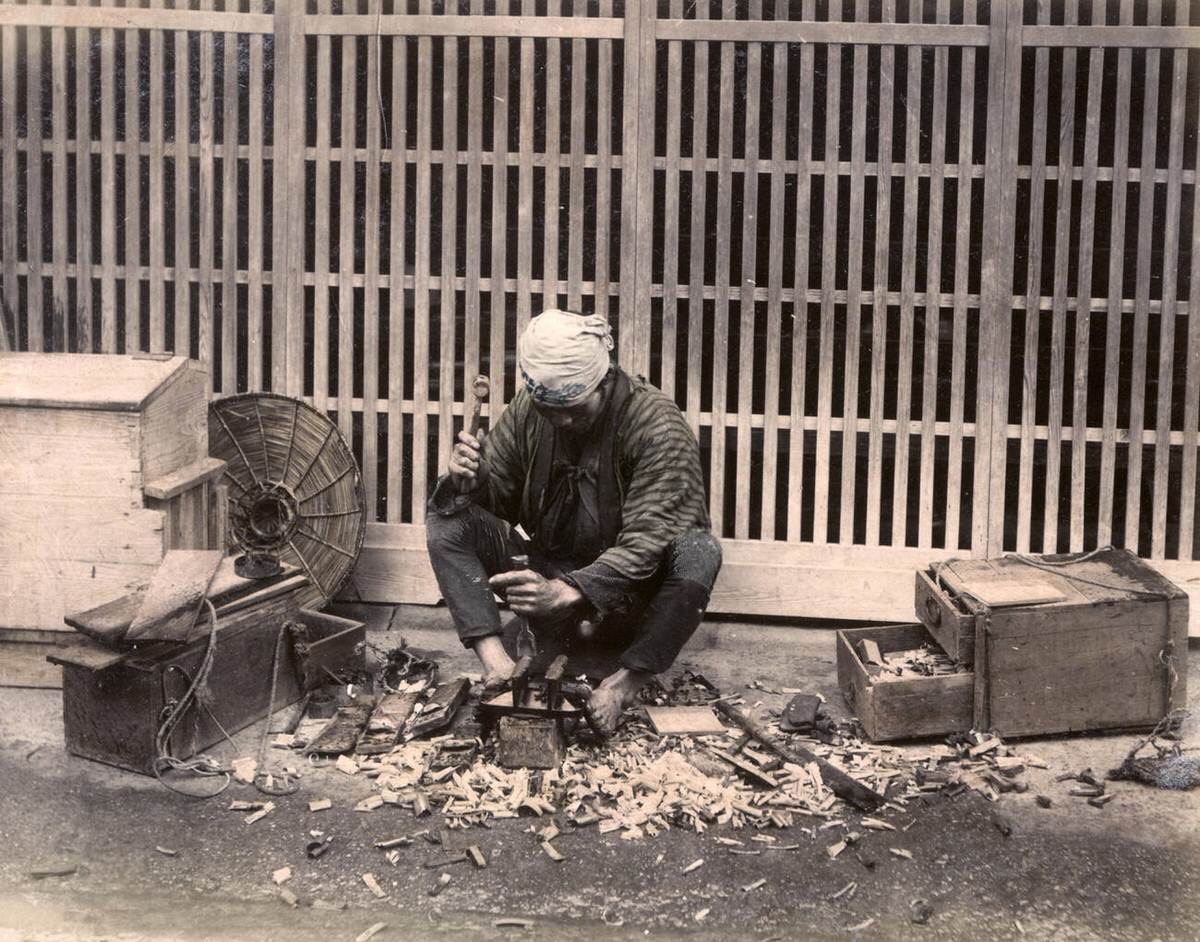
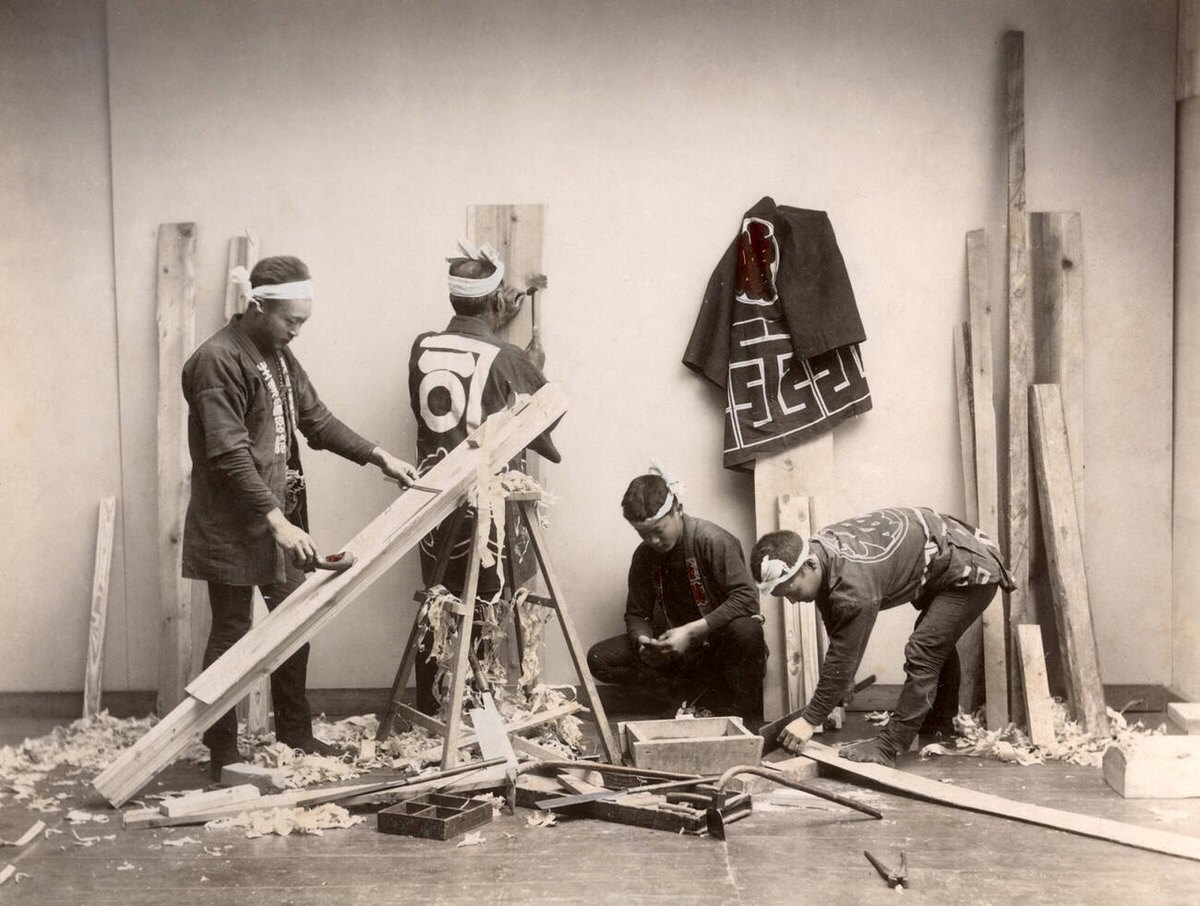
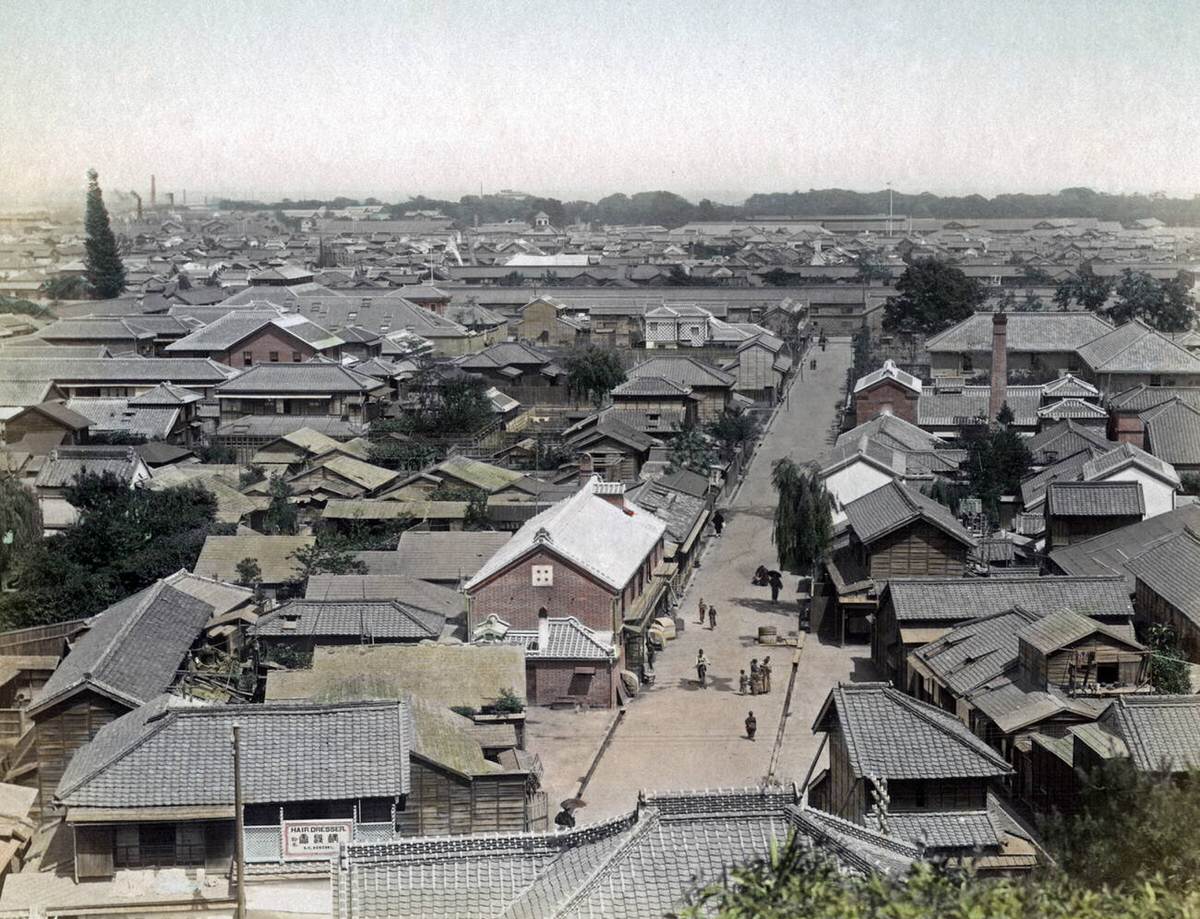
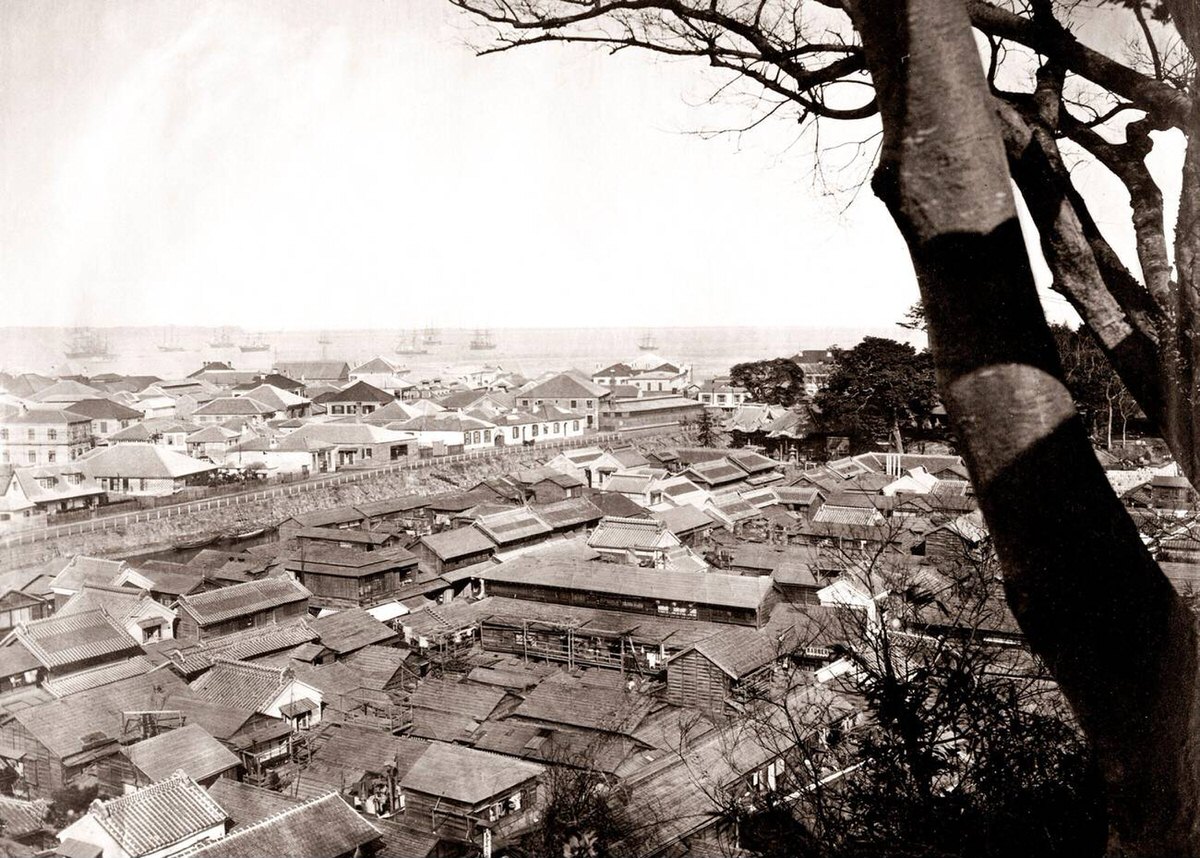
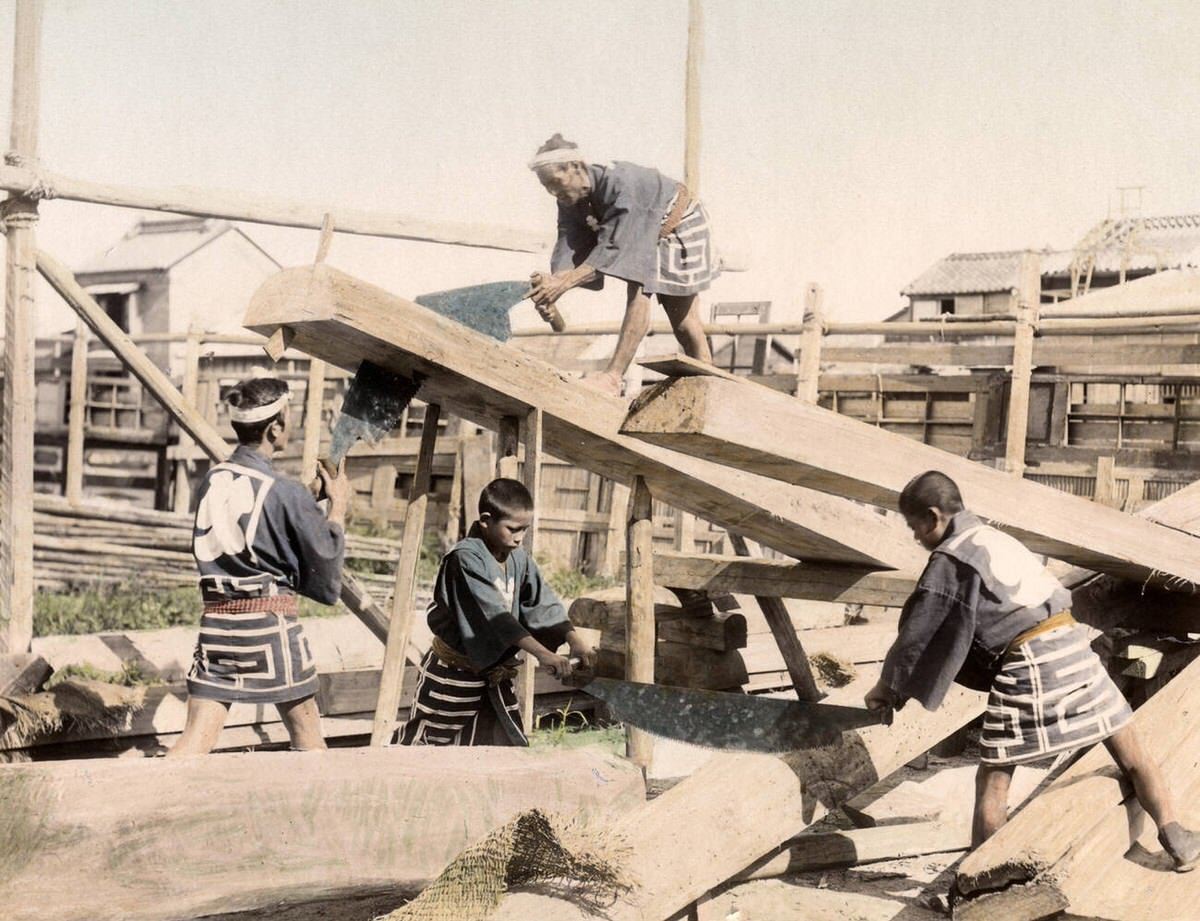
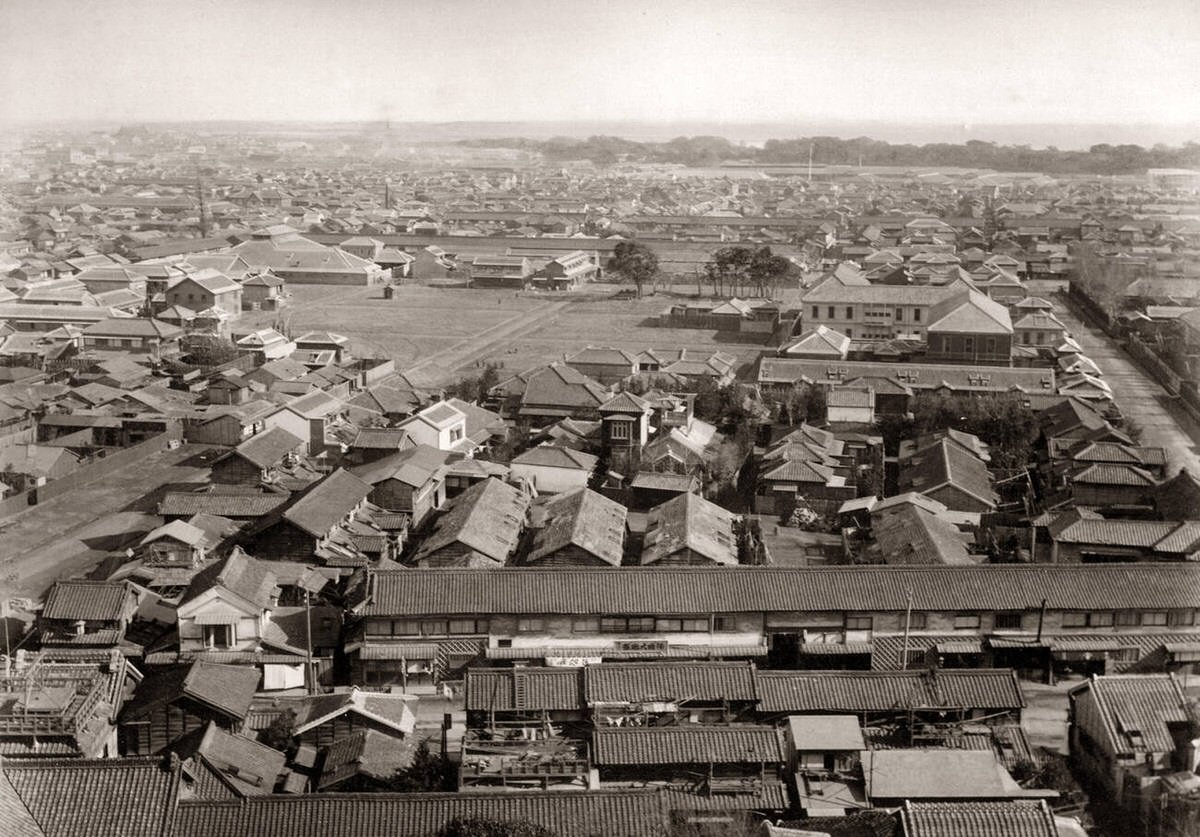
Dejima in Nagasaki, 1880sCarpenter at work, 1880sRooftop view of Tokyo, 1880s
All of this — the economic reform, the industrial growth, the new schools, the political maneuvering — was building toward a single moment. On February 11, 1889, the Emperor formally presented the Meiji Constitution to the Japanese people. It was framed as a gift from the throne, not a document that the people had any hand in writing. The constitution established the Imperial Diet, a two-house parliament. The House of Peers was made up of nobles and senior officials. The House of Representatives was elected — but only by men who paid at least 15 yen in national taxes, a threshold that excluded roughly 99% of the population.
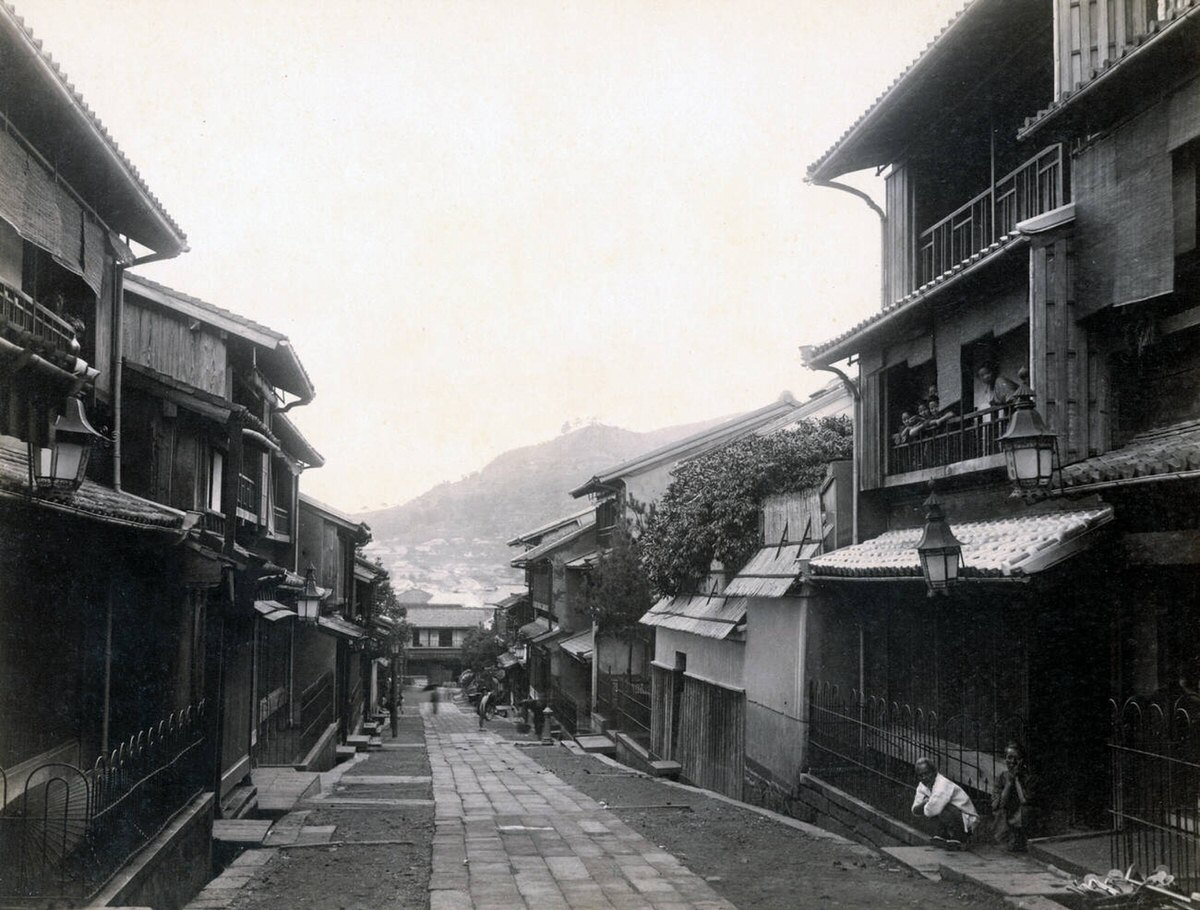
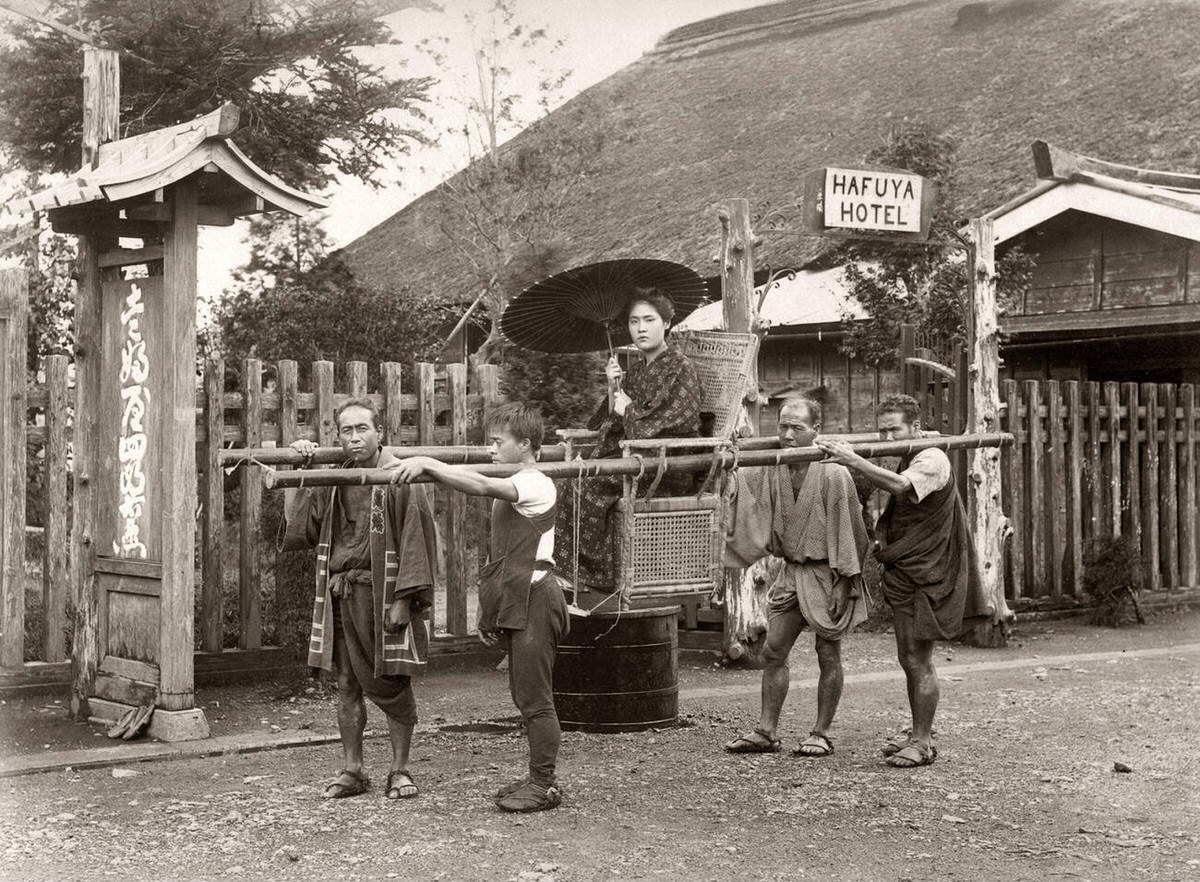
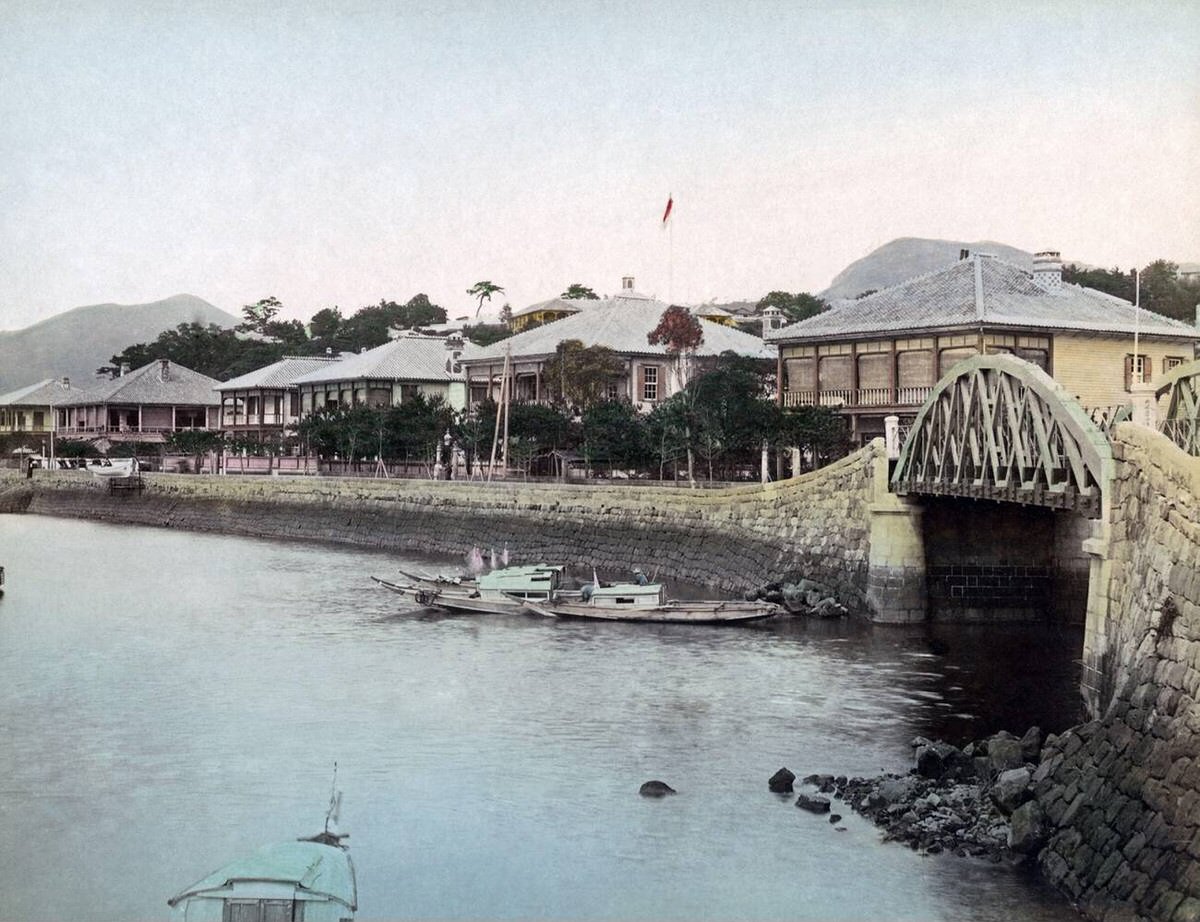
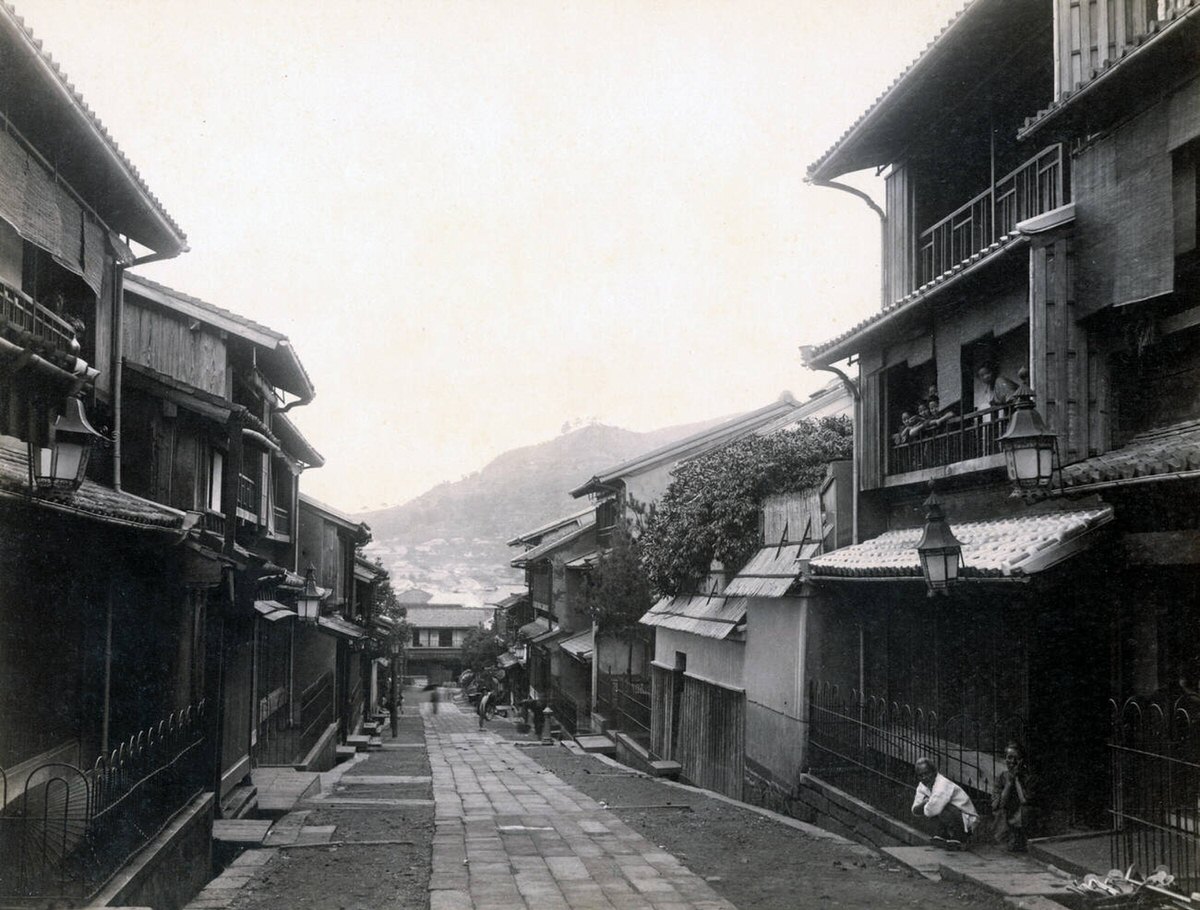
Street in Nagasaki, 1880sWoman in a sedan chair with bearers at the Hafuya Hotel, 1880s
The constitution gave the Emperor enormous power. He commanded the military, held the right to declare war or peace, and could dissolve parliament at will. Citizens were granted rights including freedom of speech and religion, but these rights came with a catch: they existed only “within the limits of the law.” The government retained the authority to suspend any of them in the name of national security. Japan had a constitution, but it was one designed to concentrate power rather than distribute it.
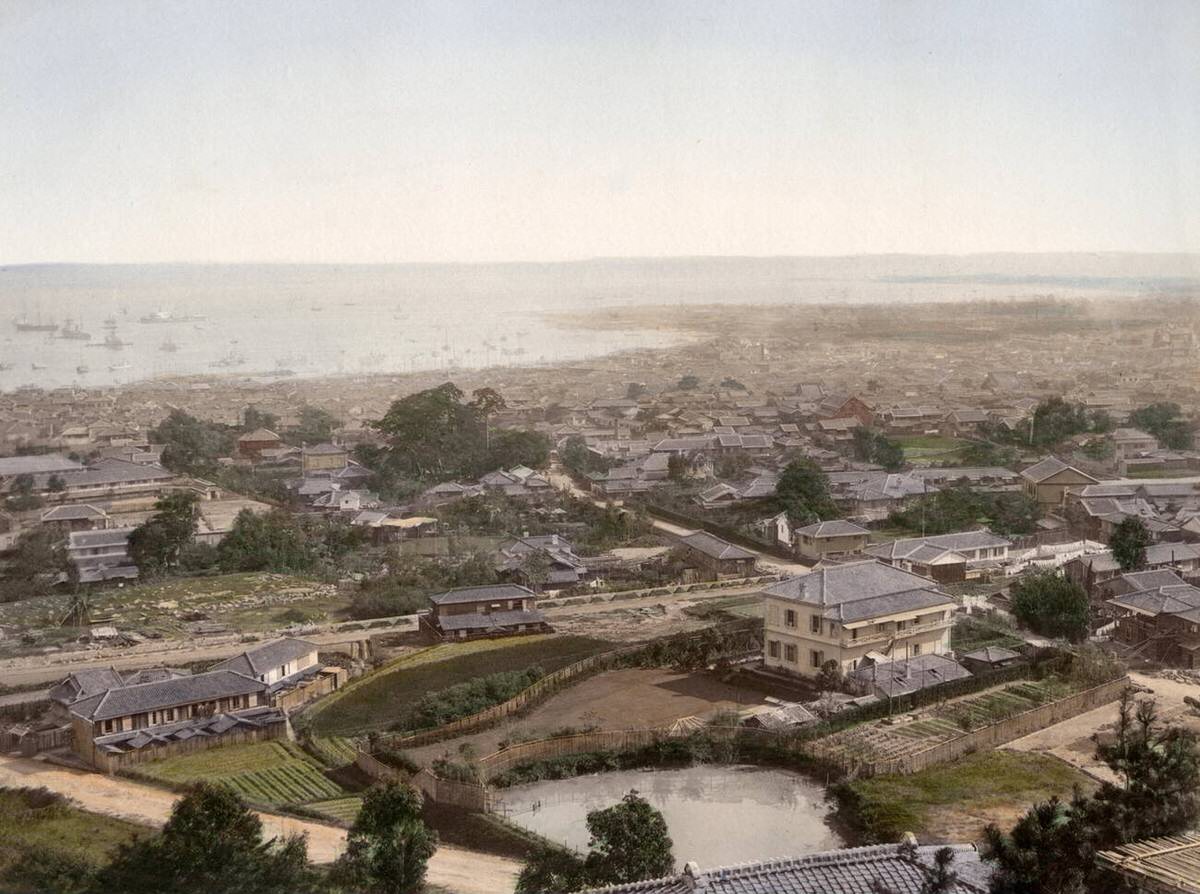
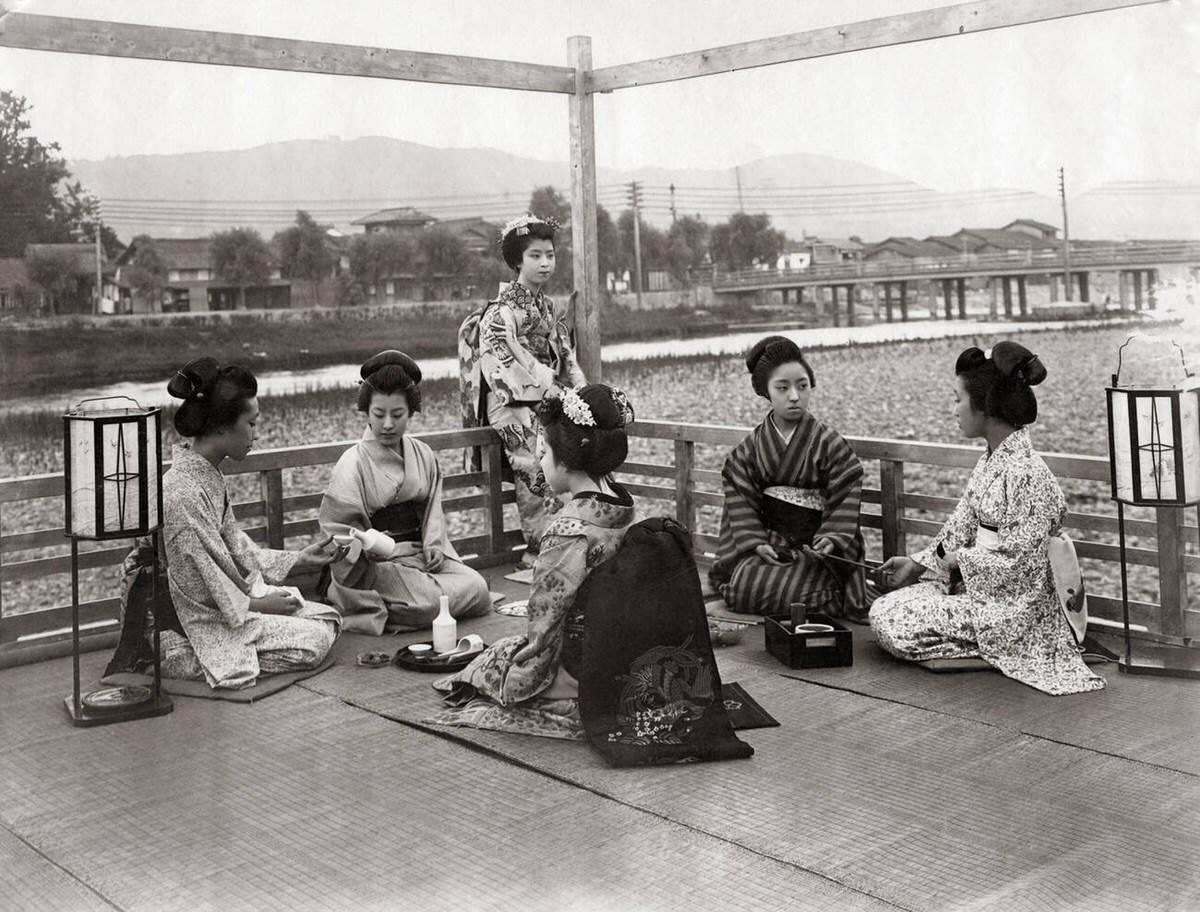
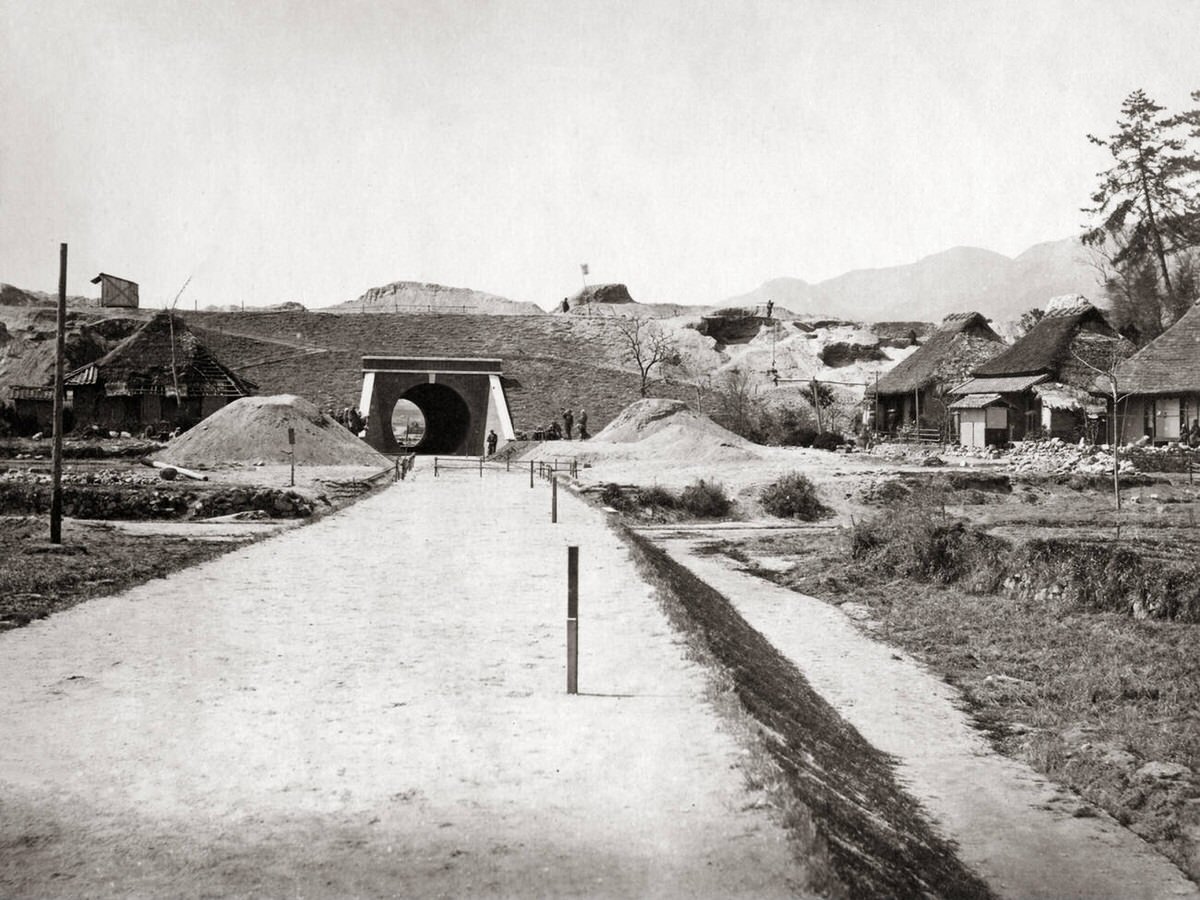
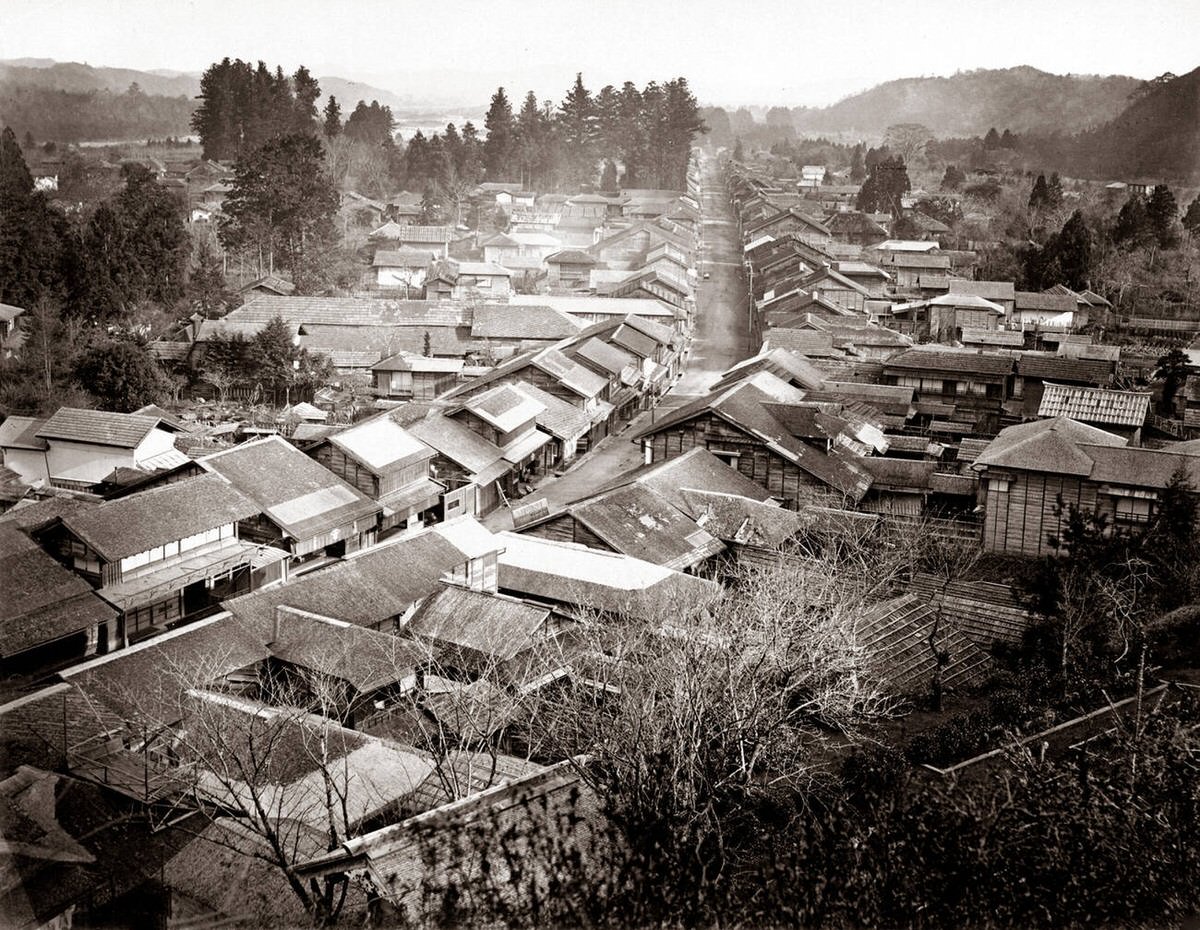
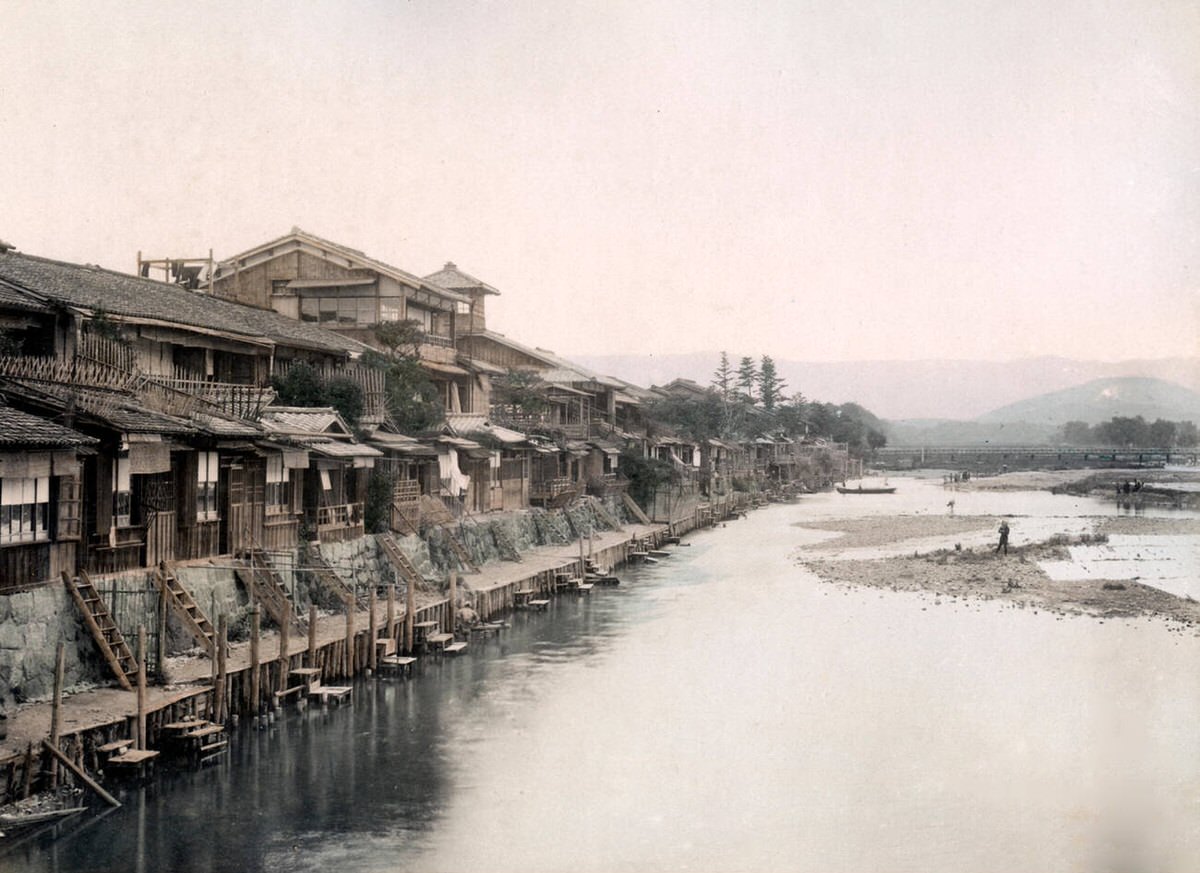
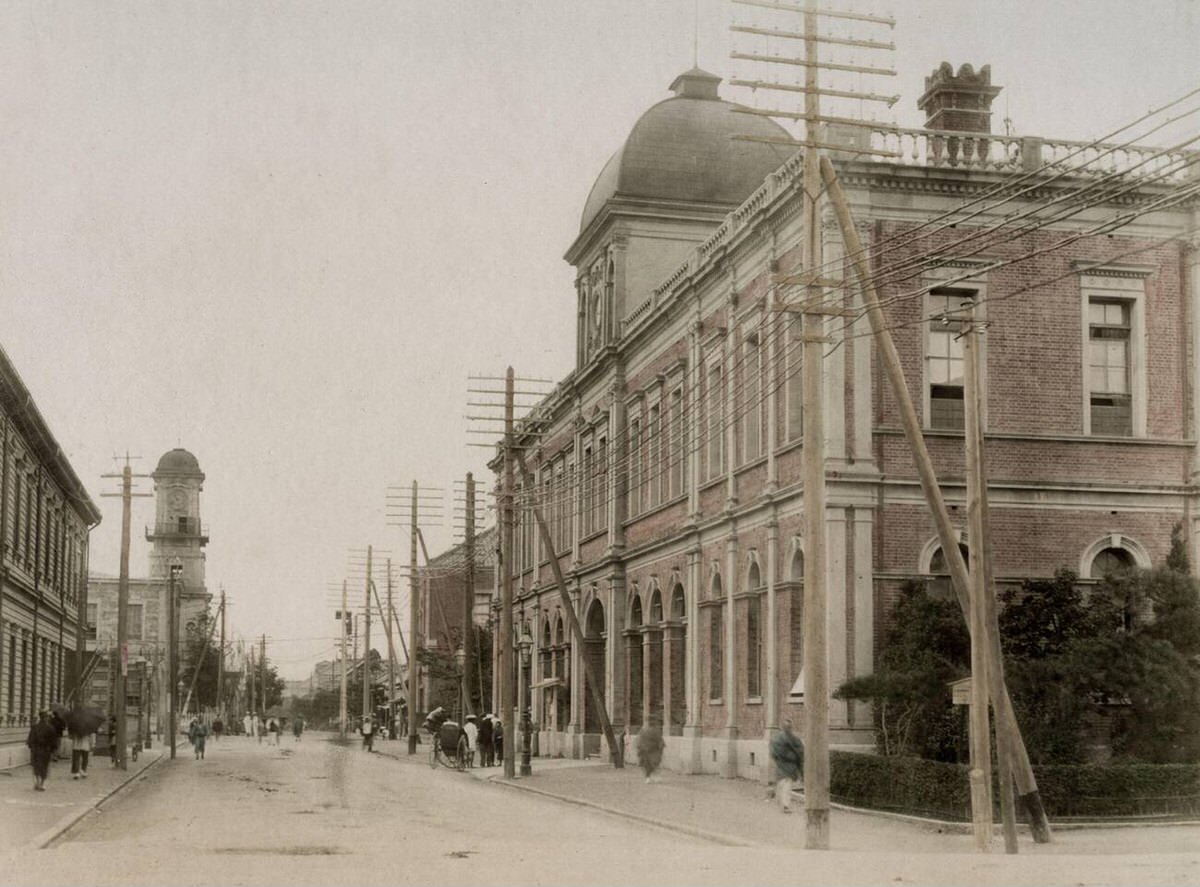
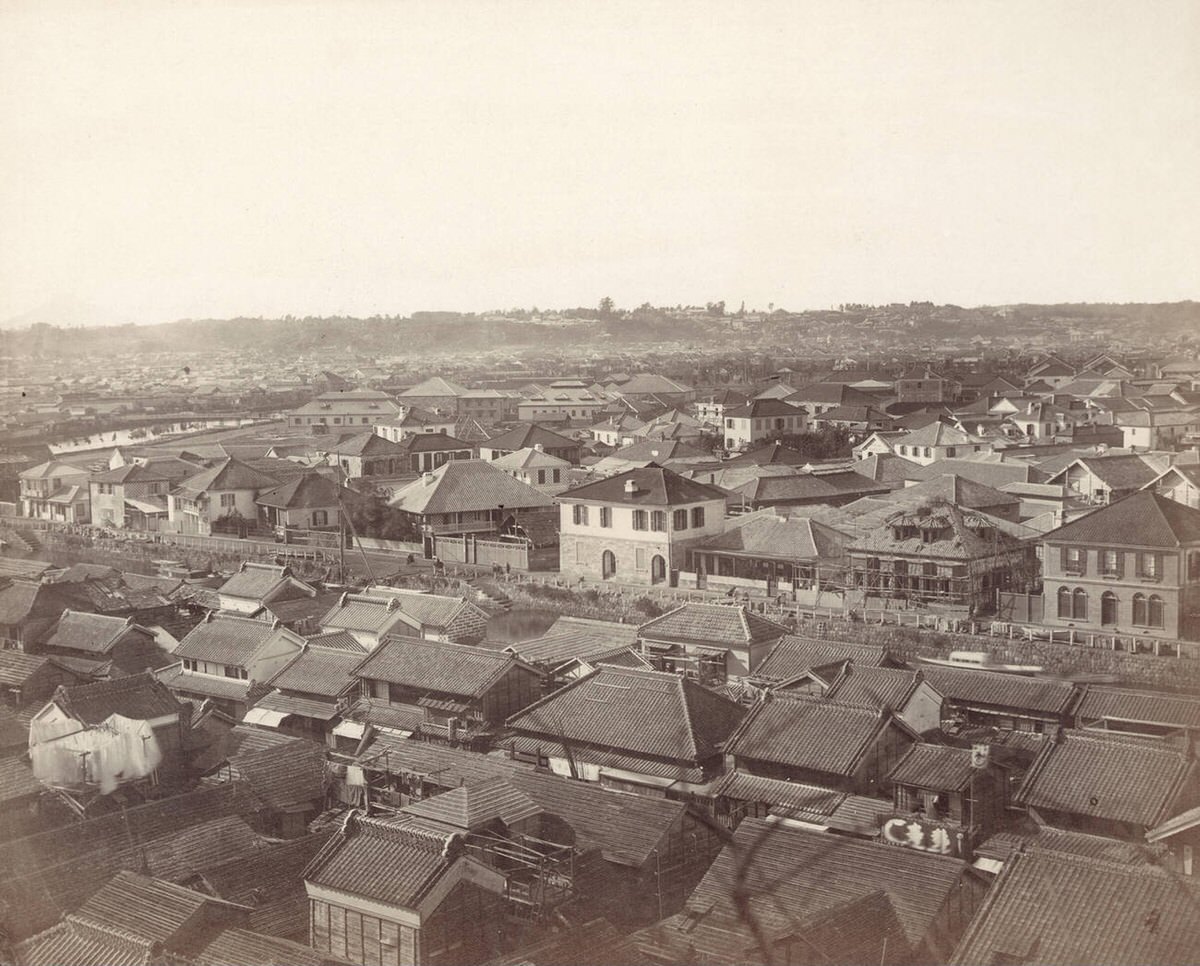
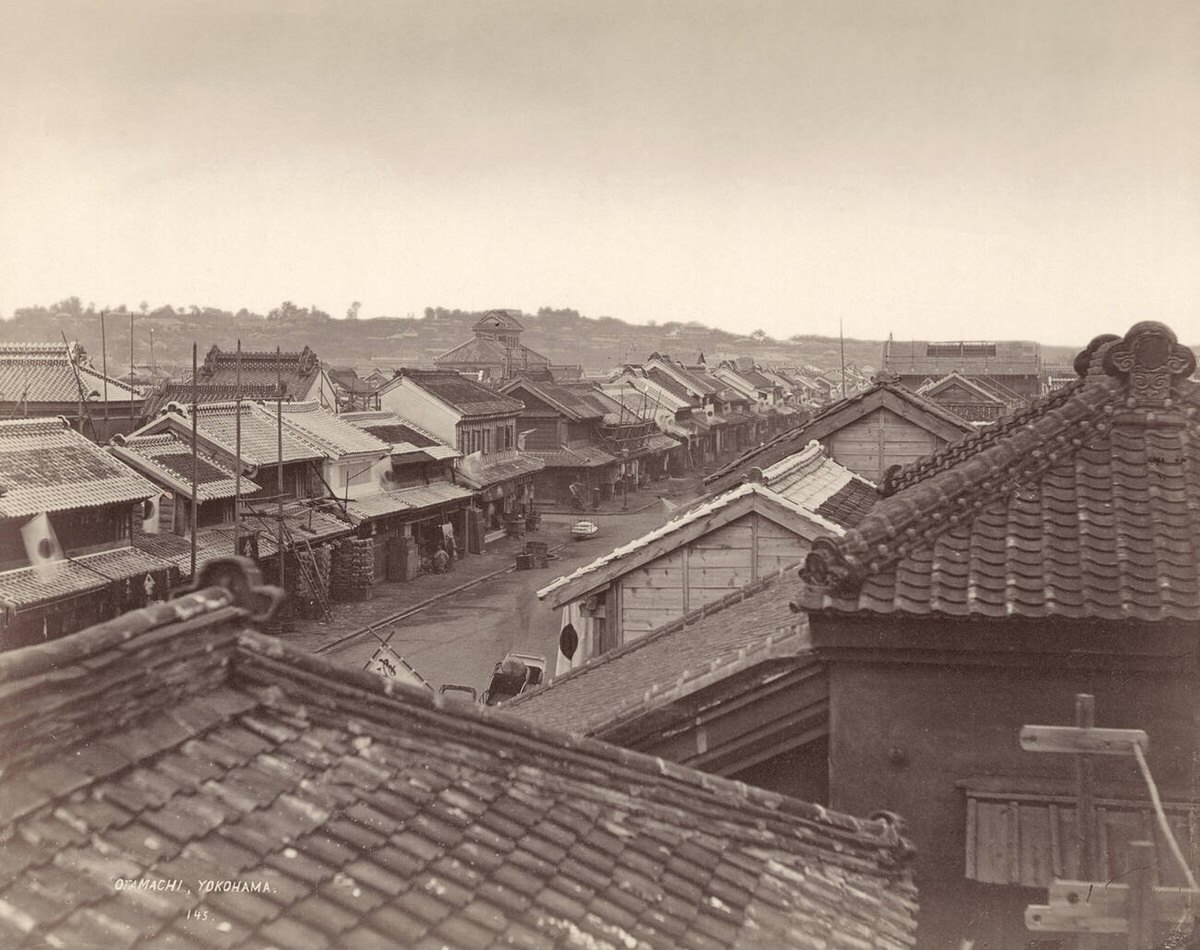
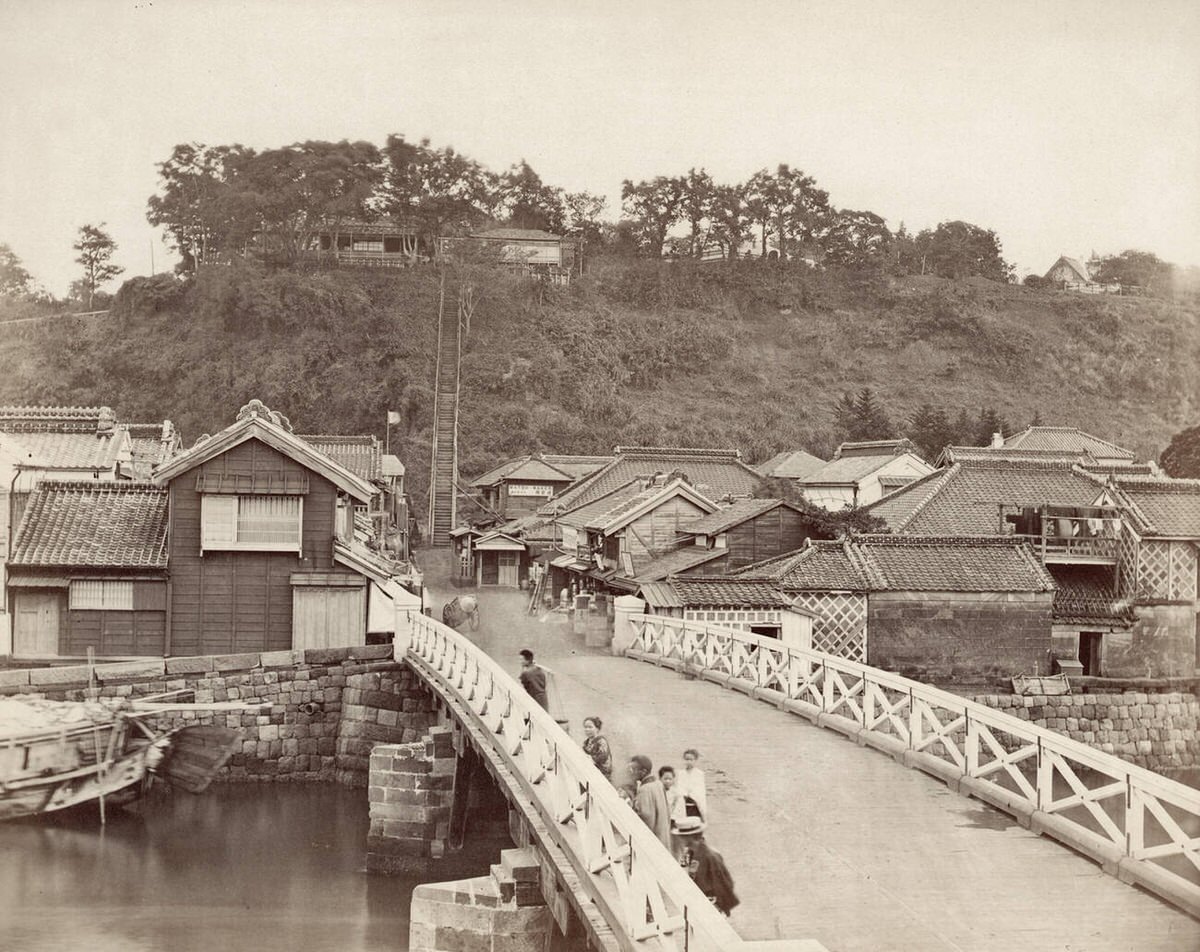
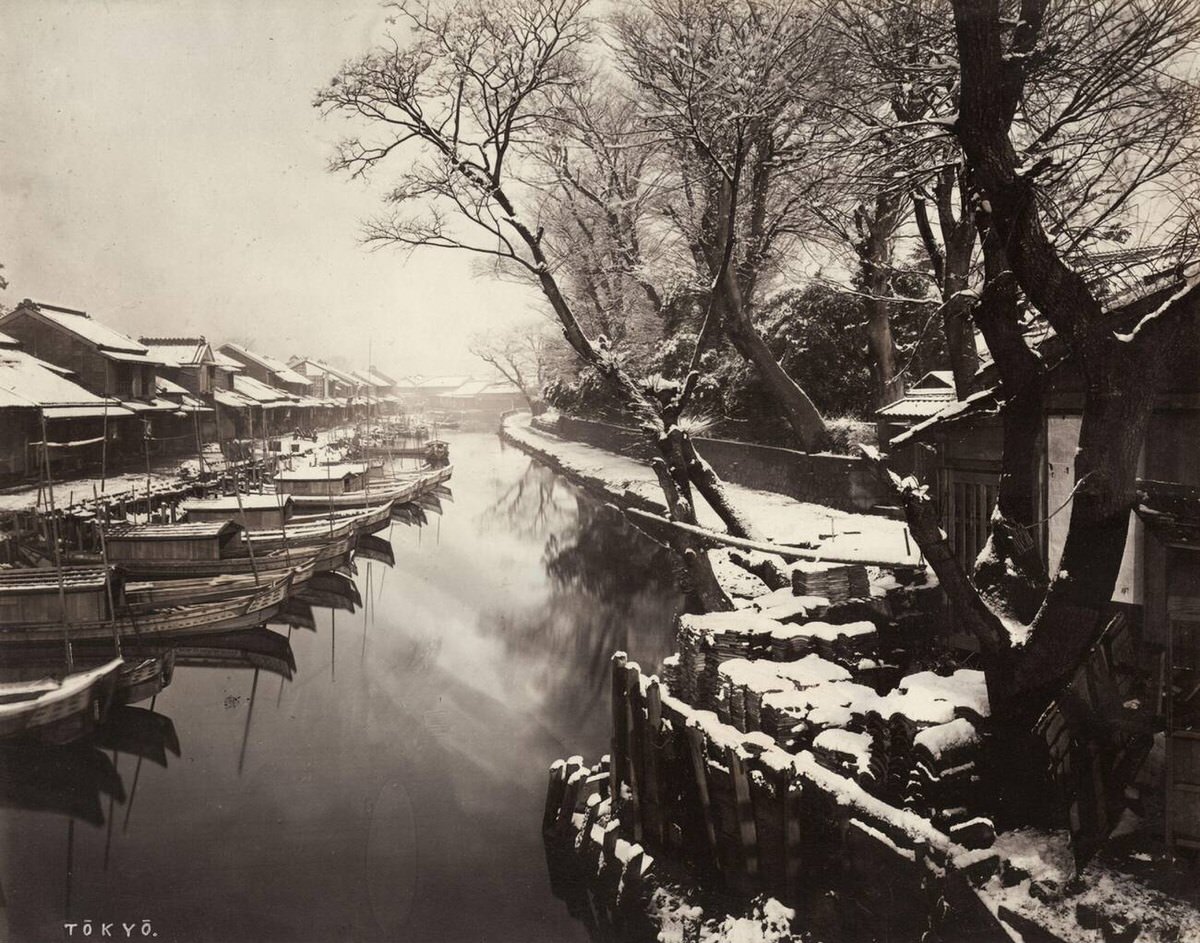
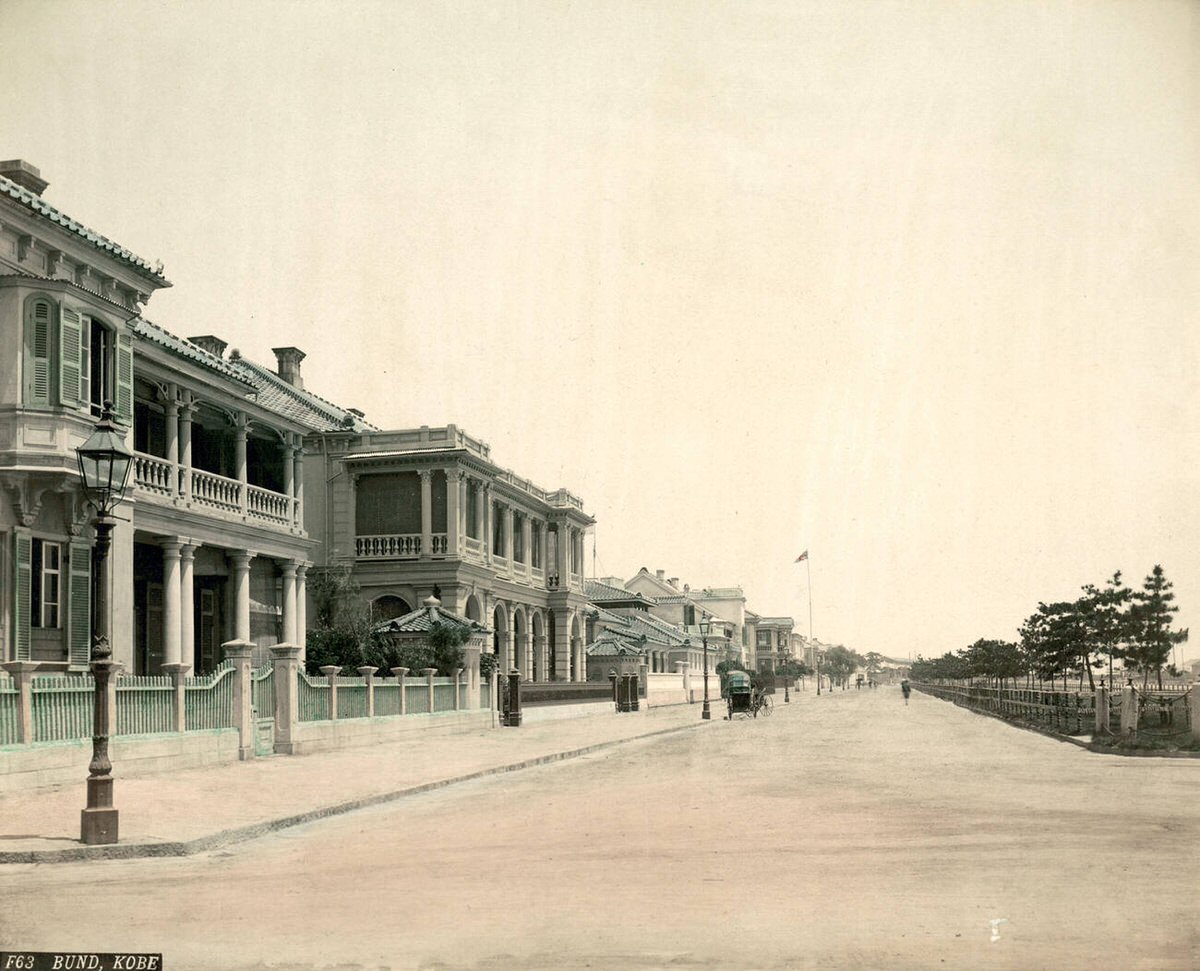
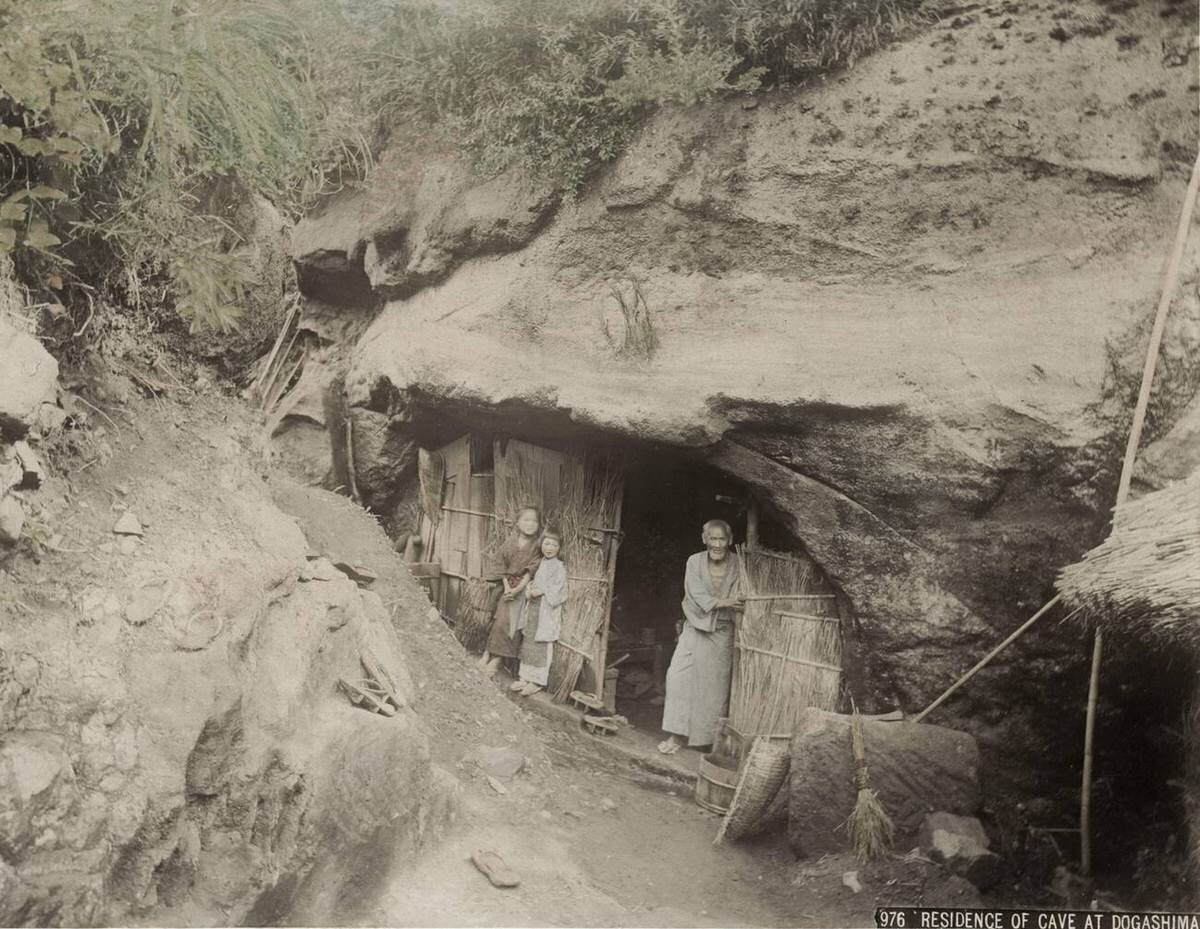
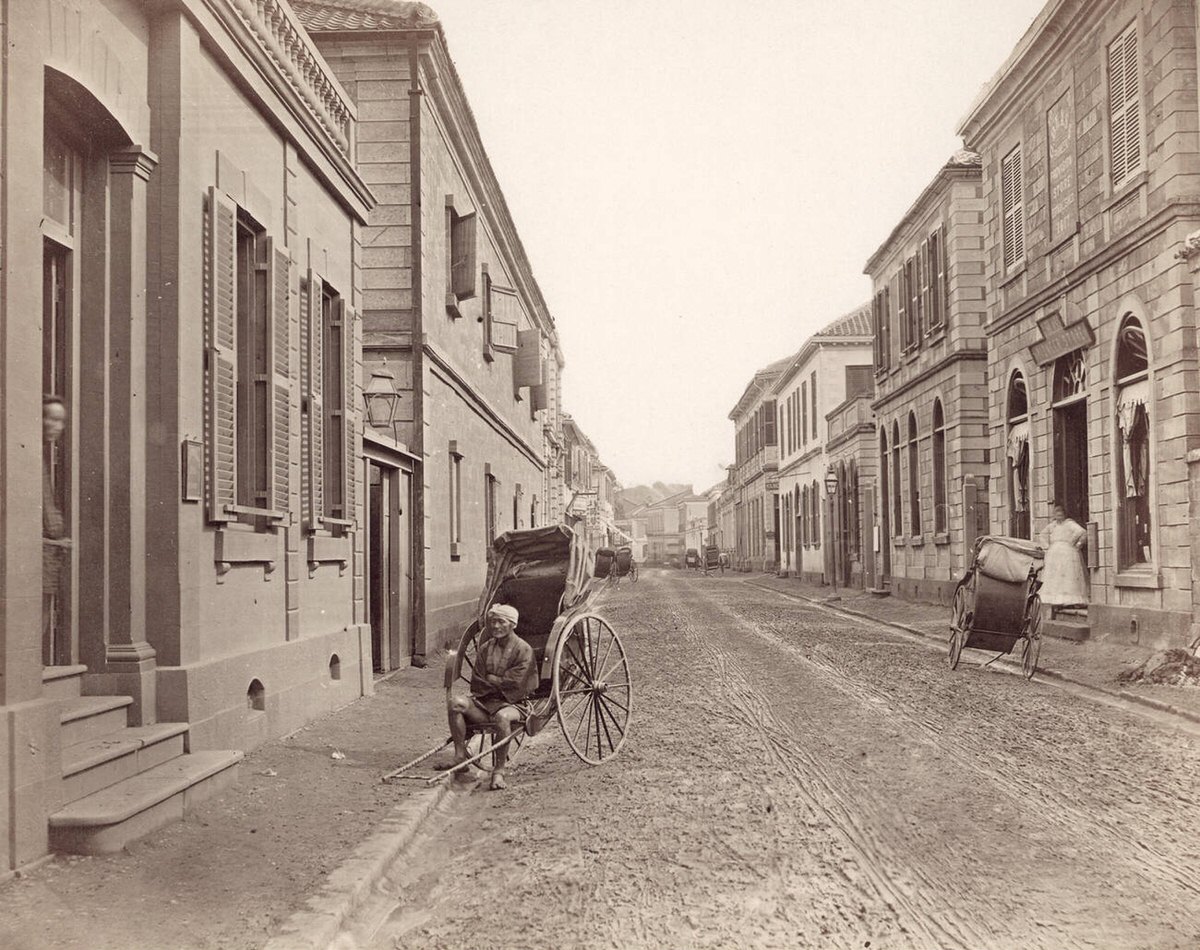
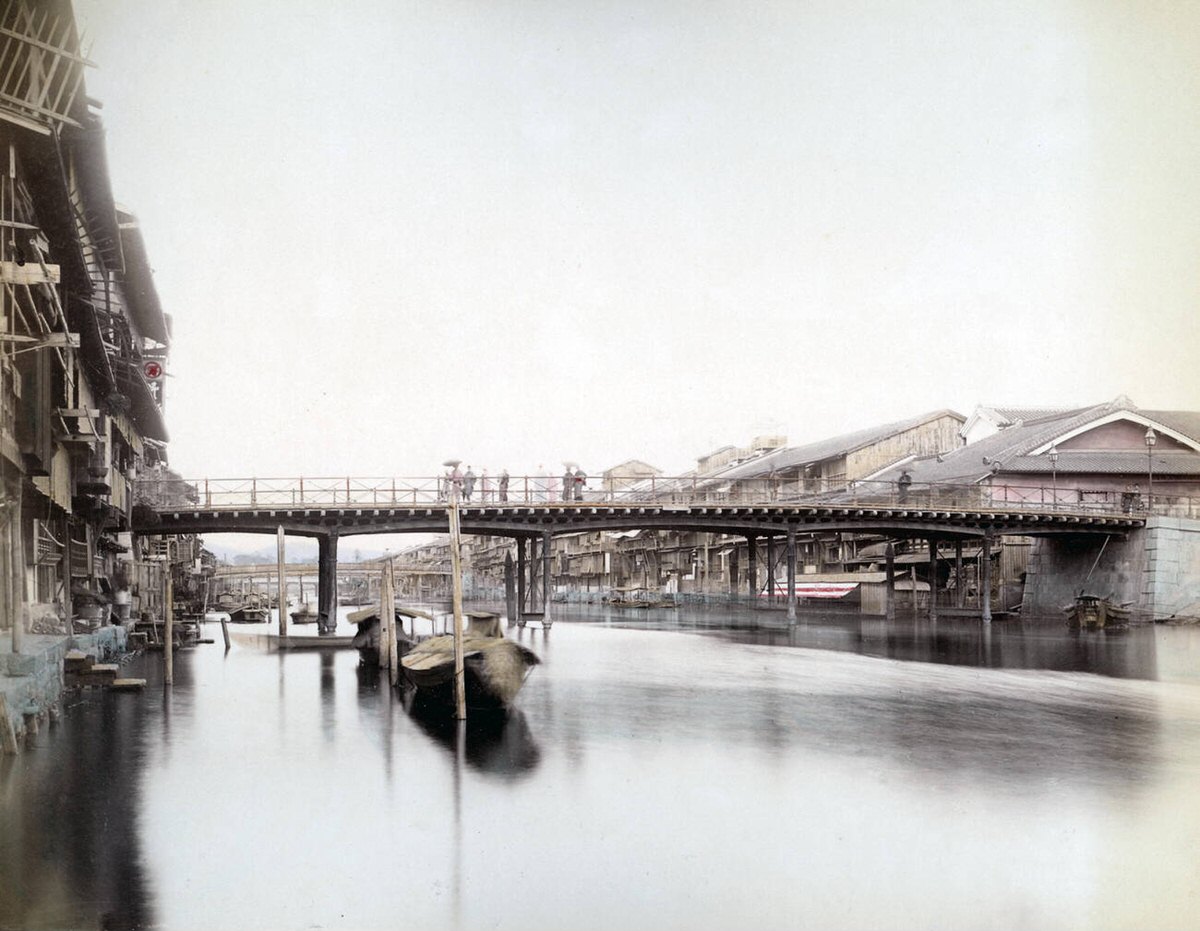
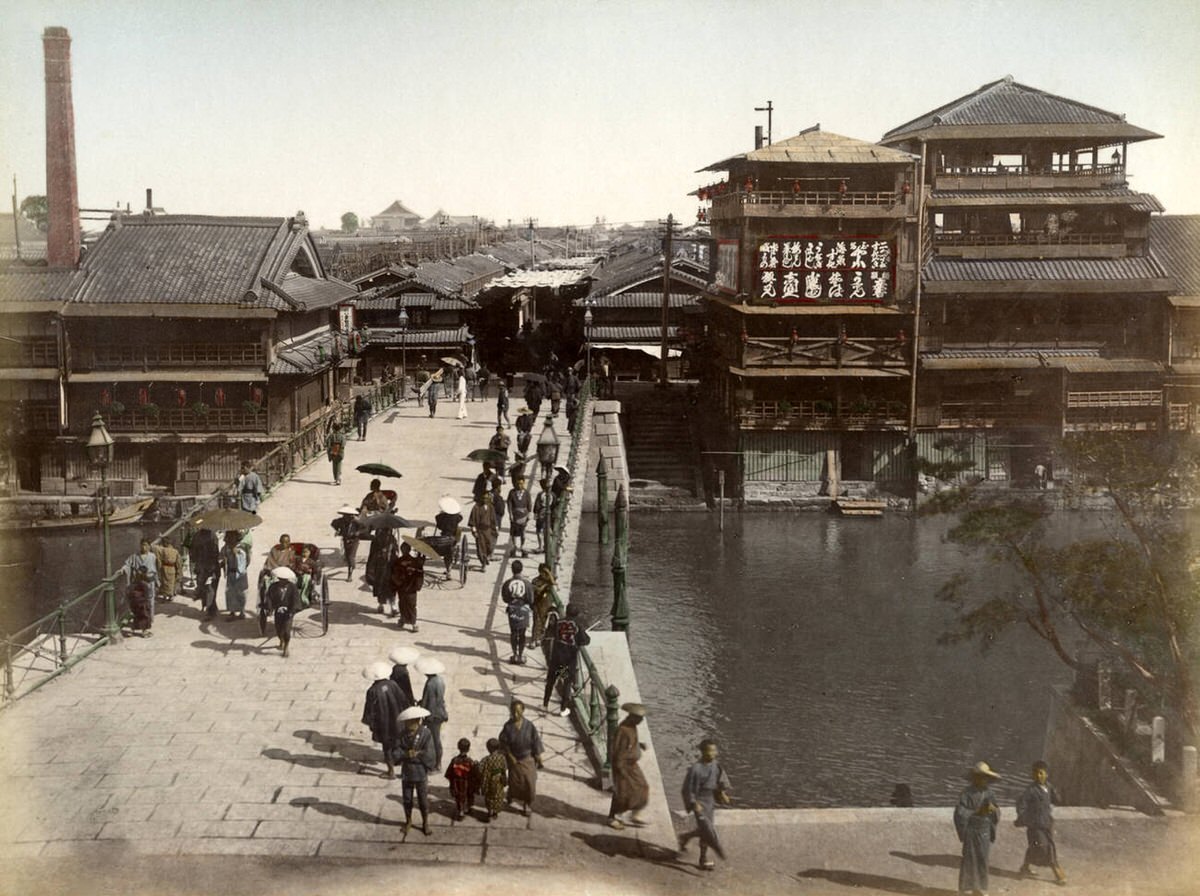
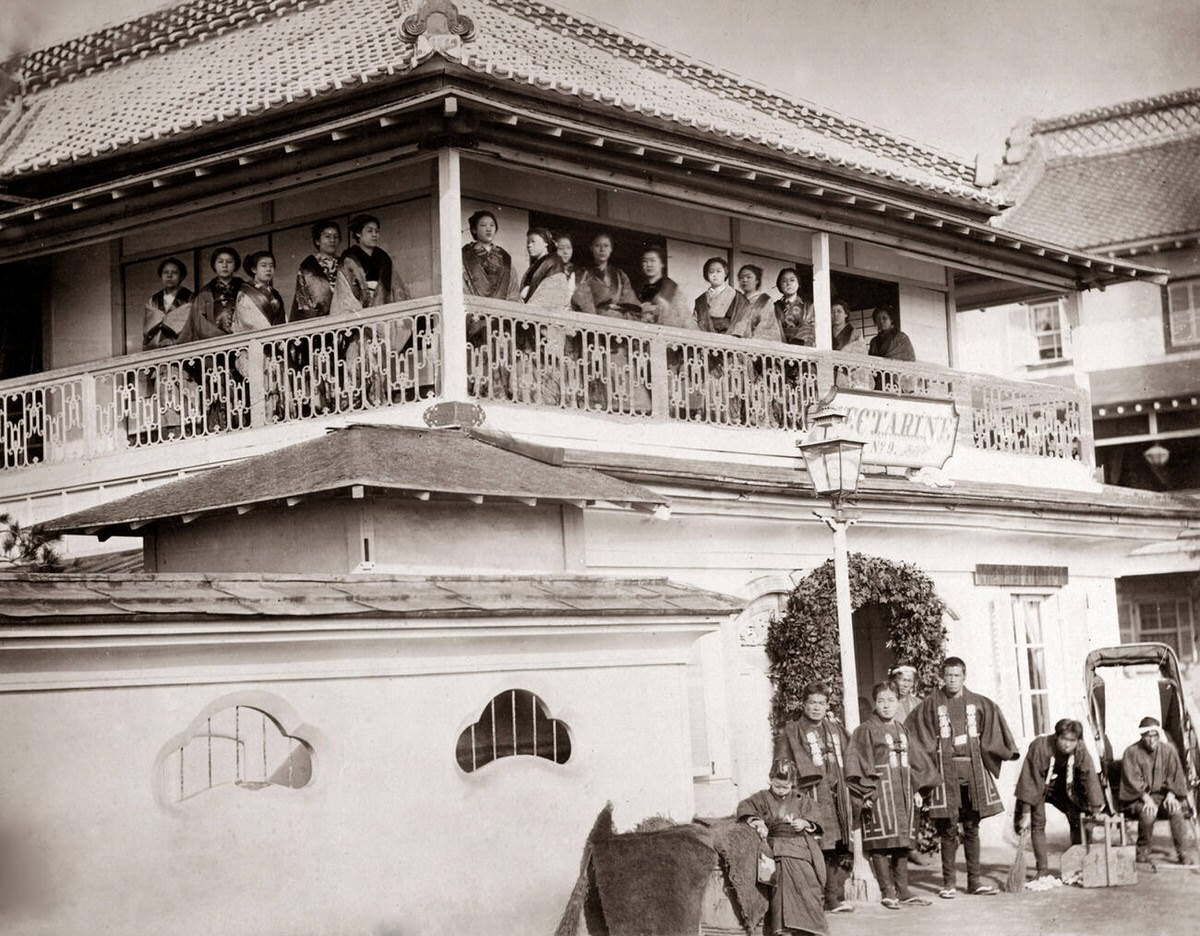
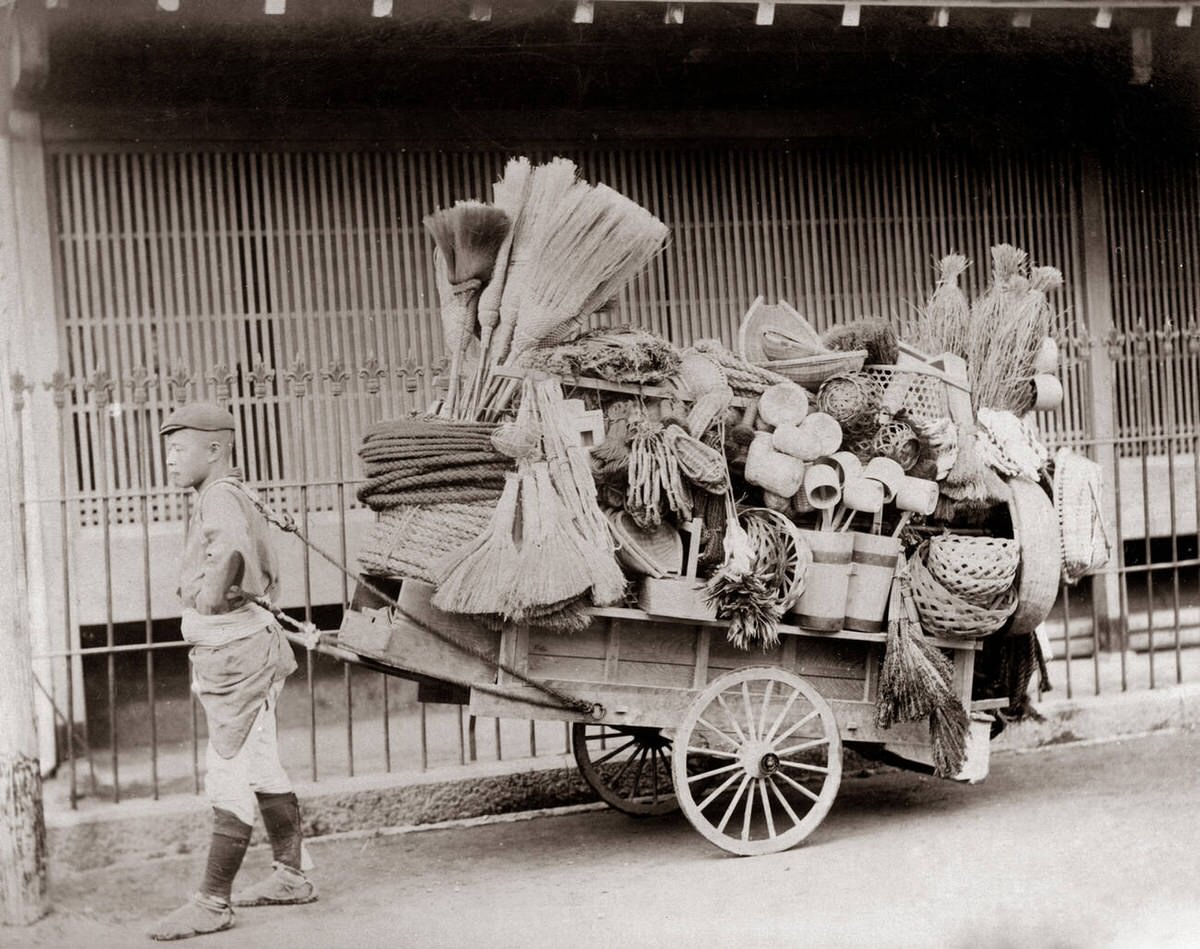
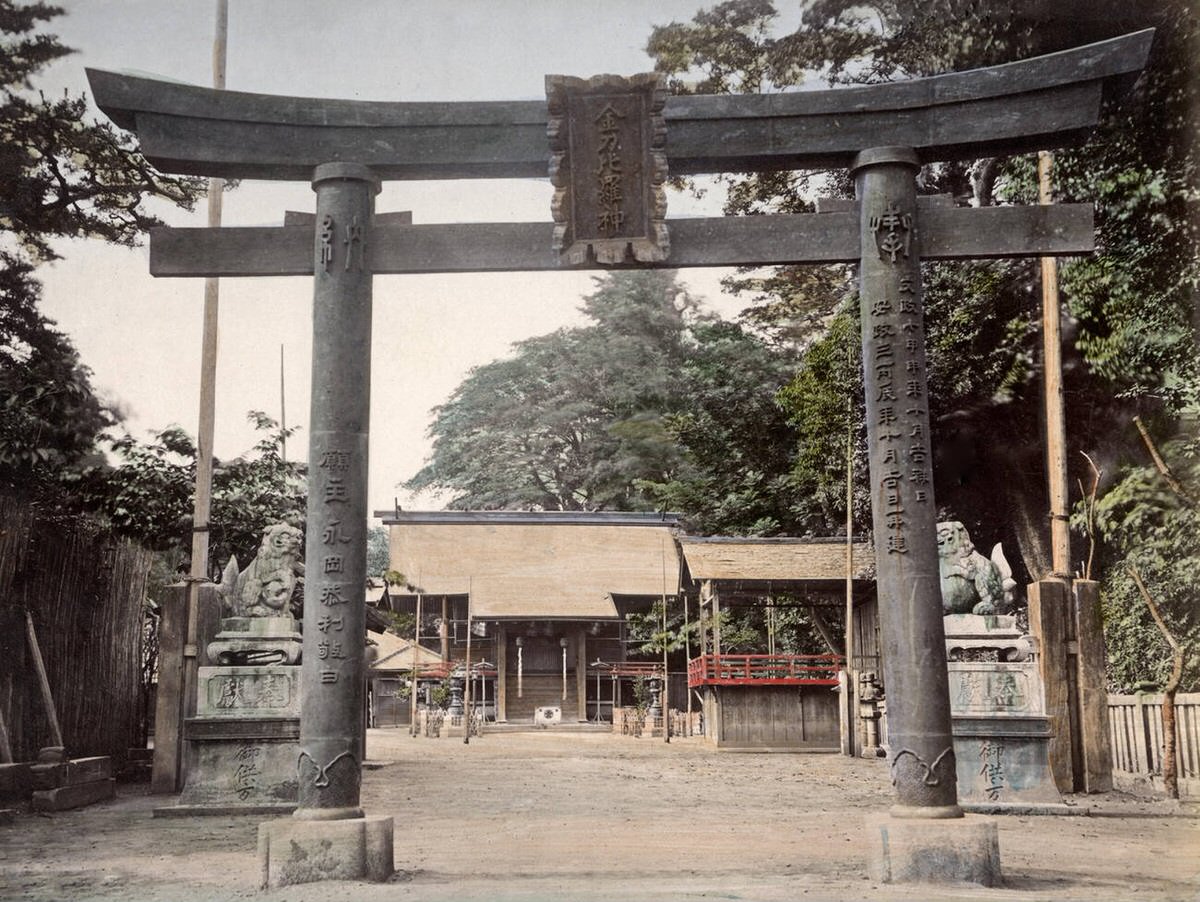
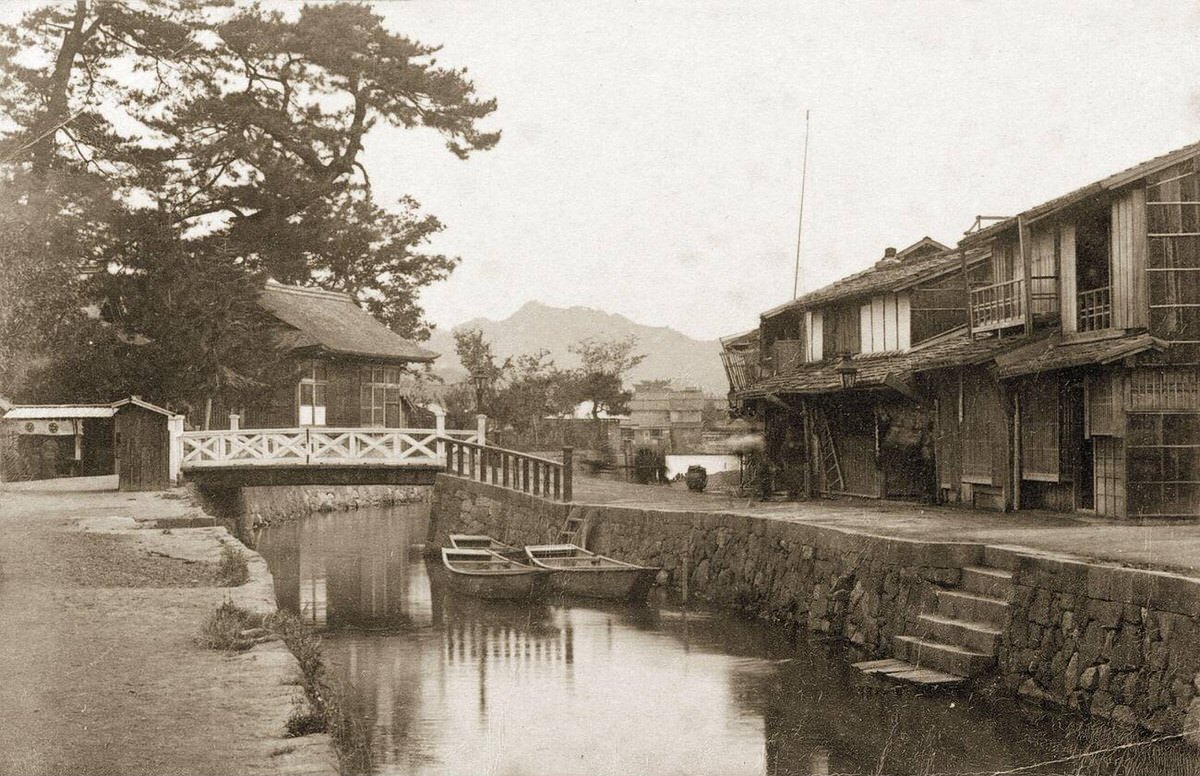
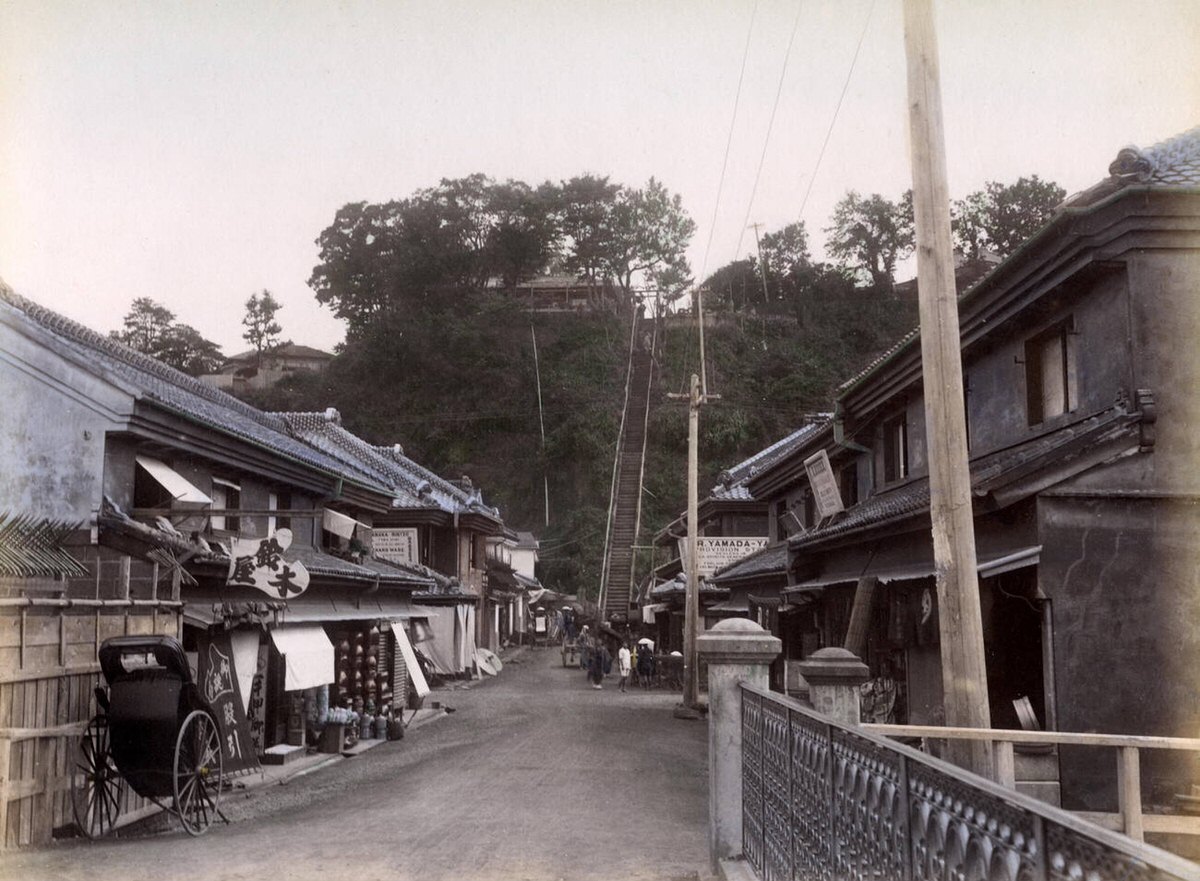
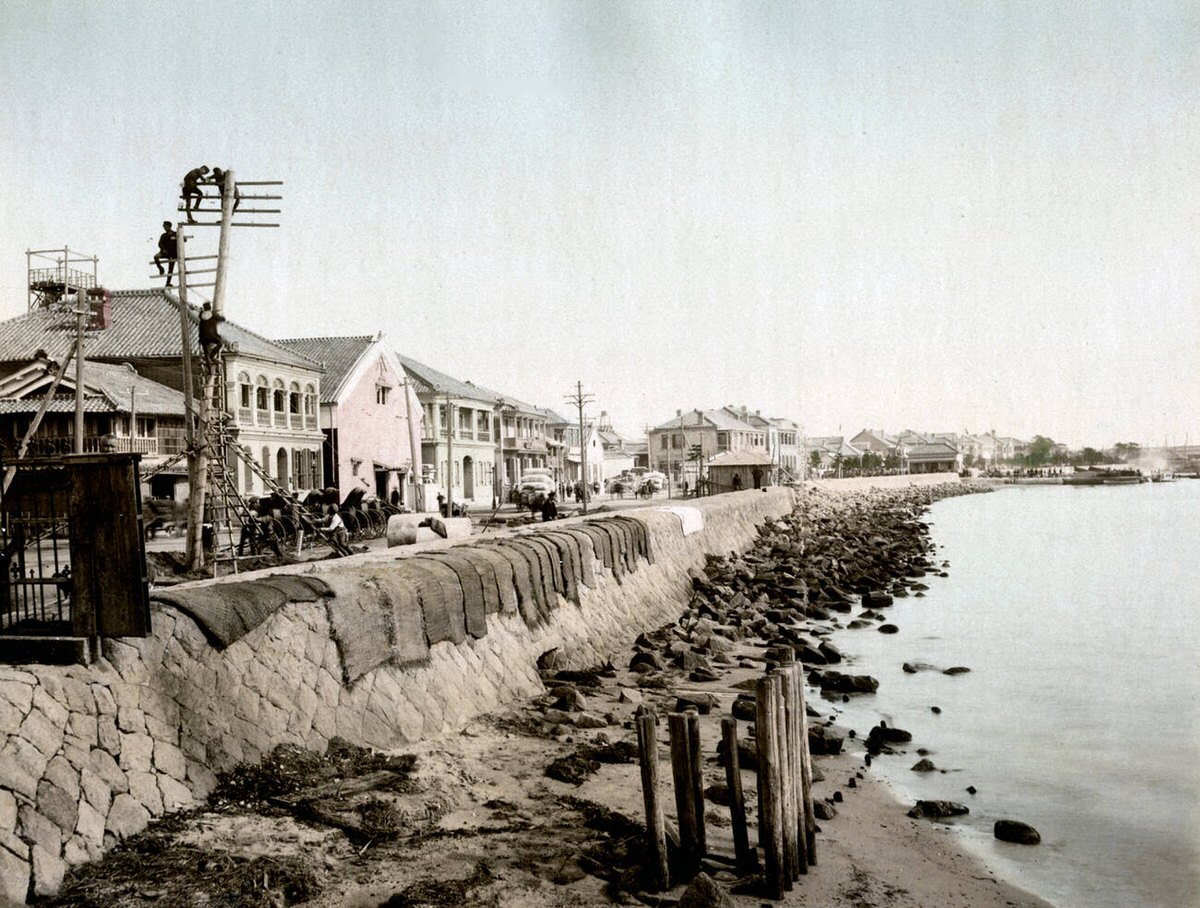
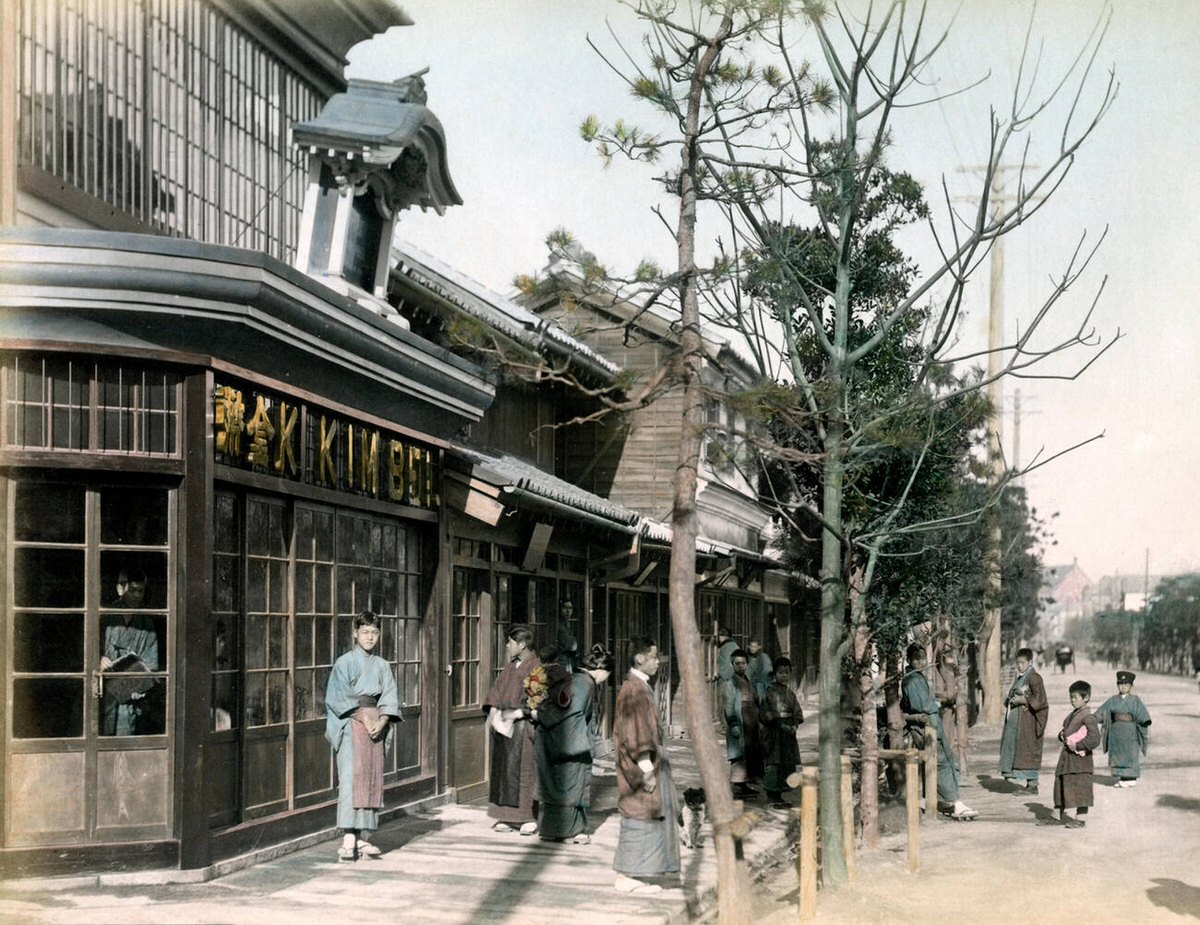
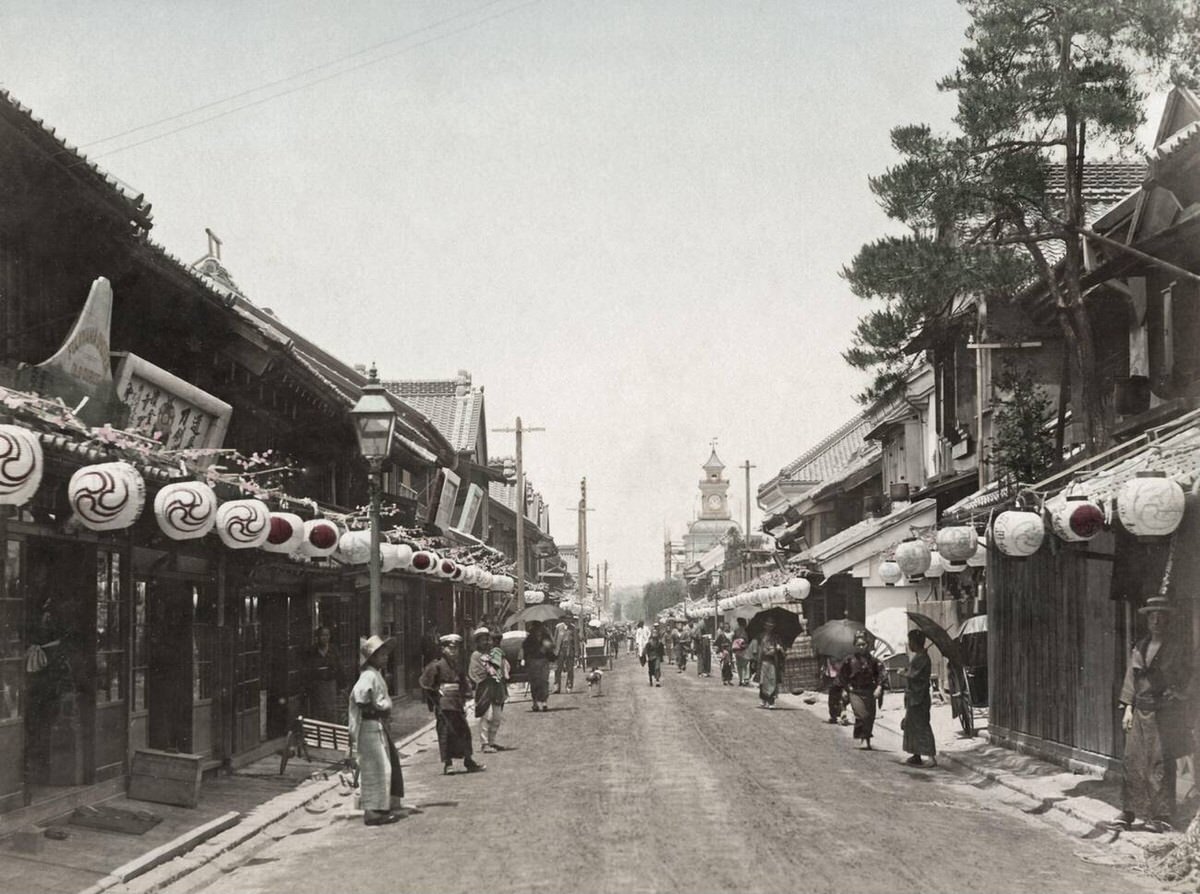
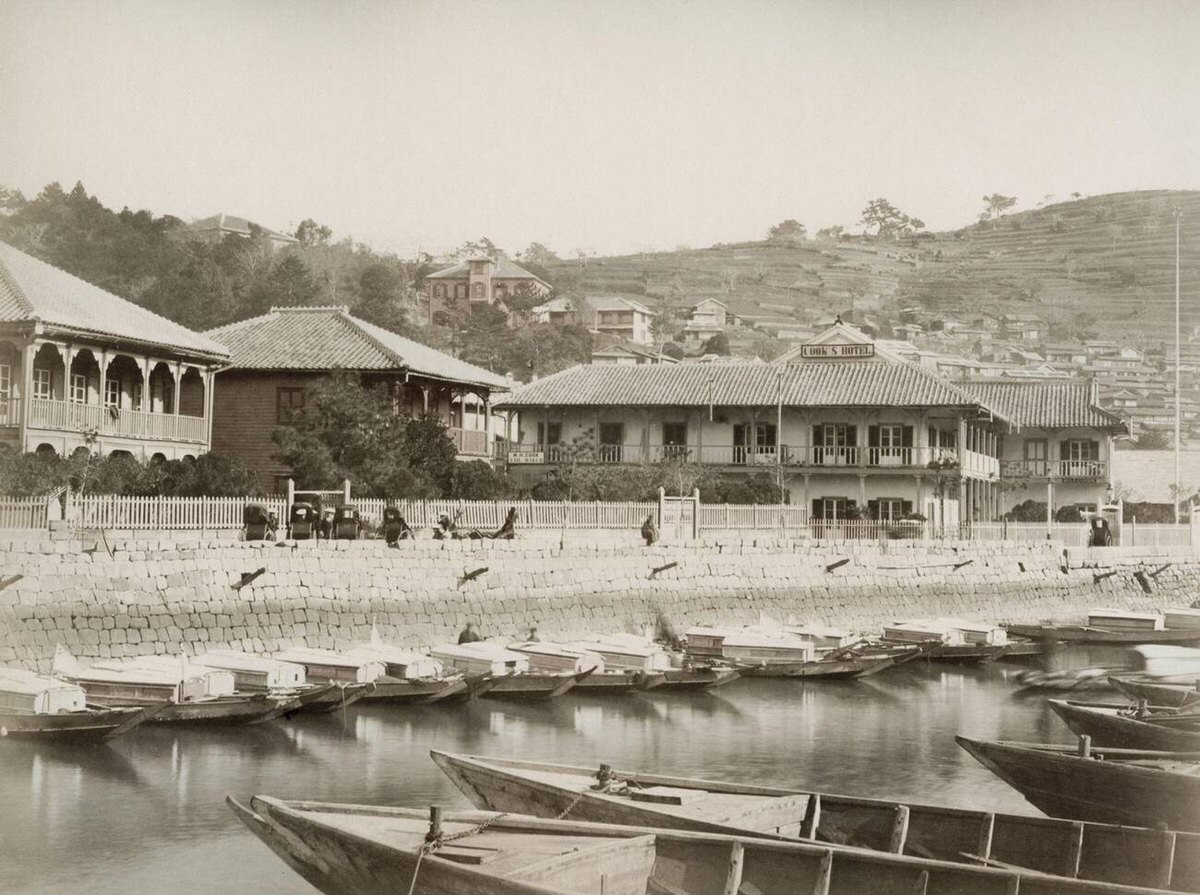
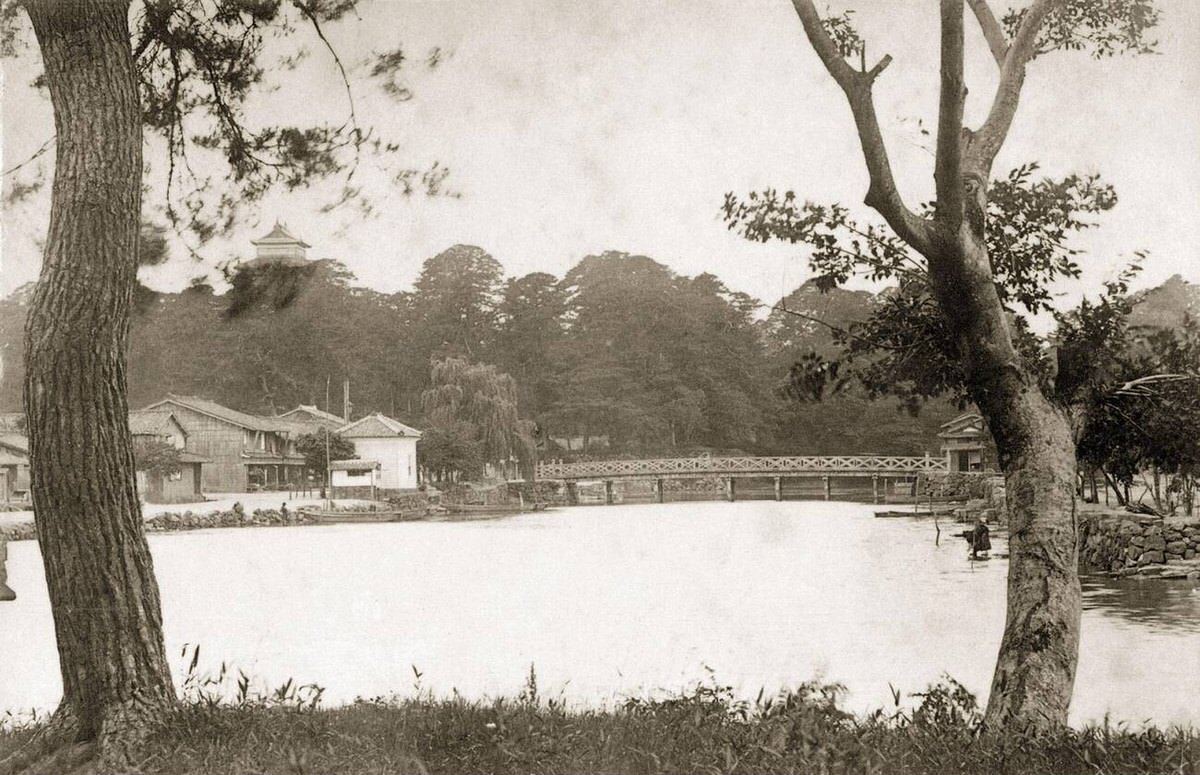
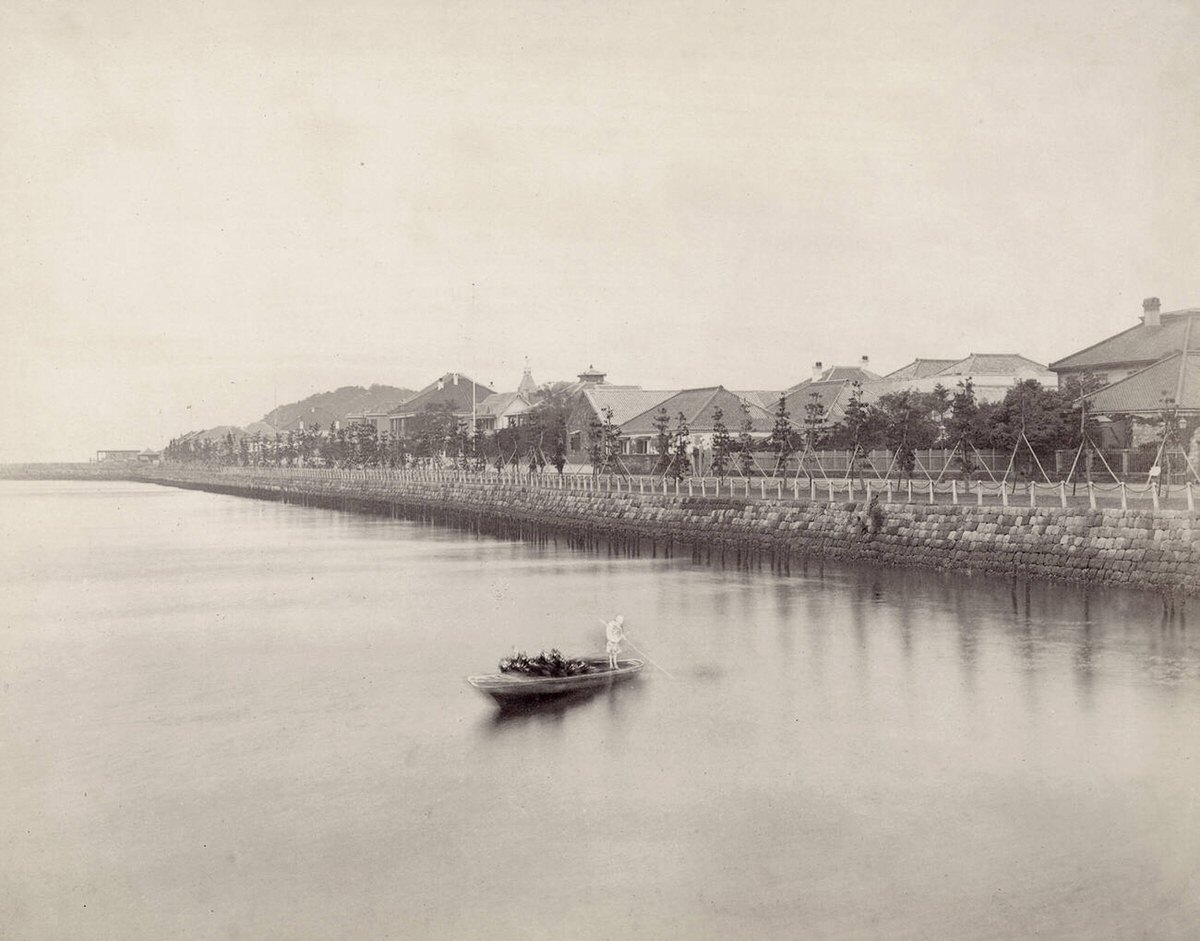
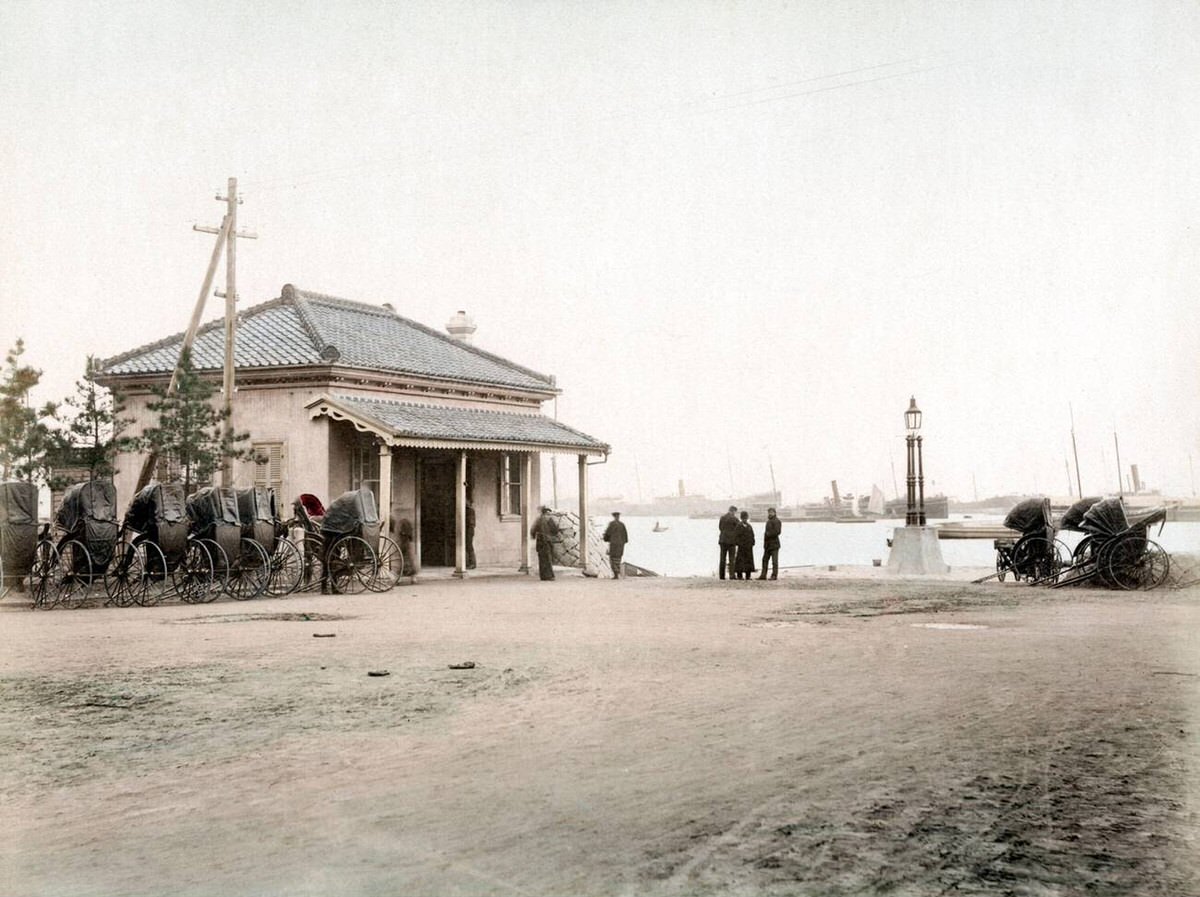
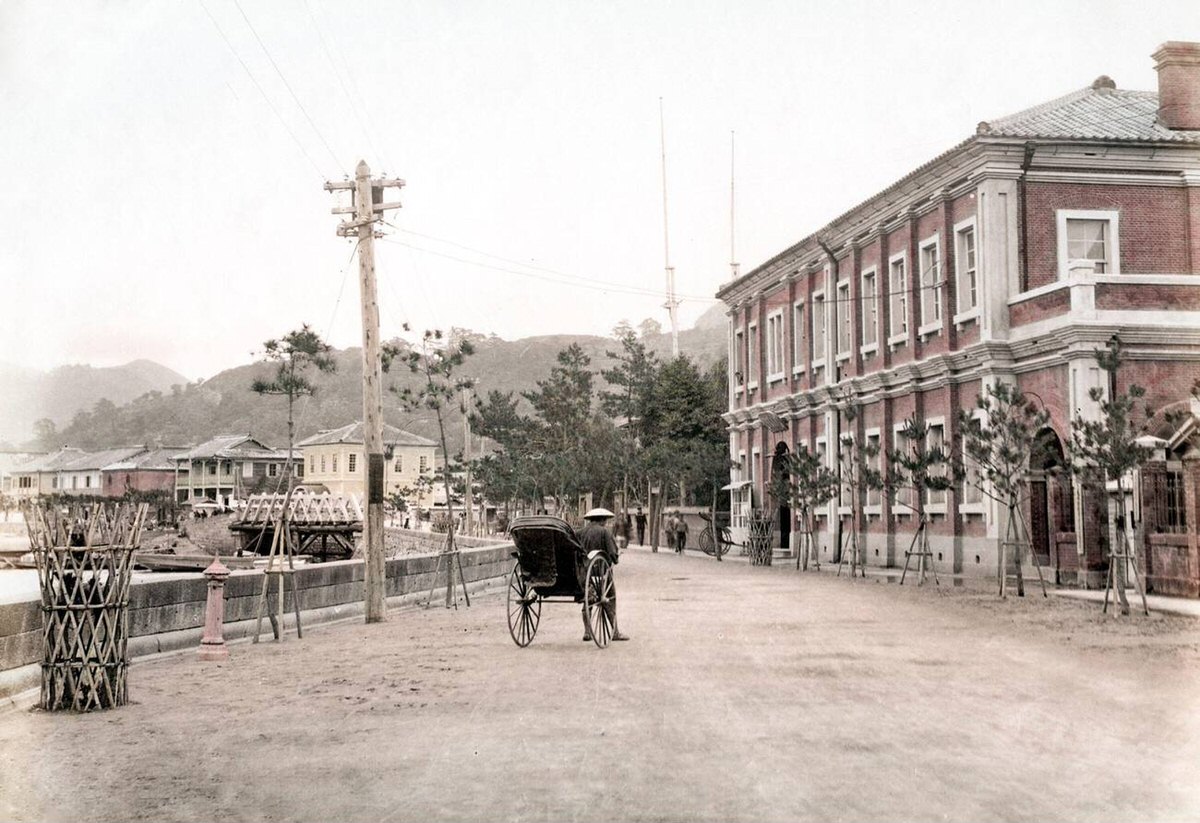
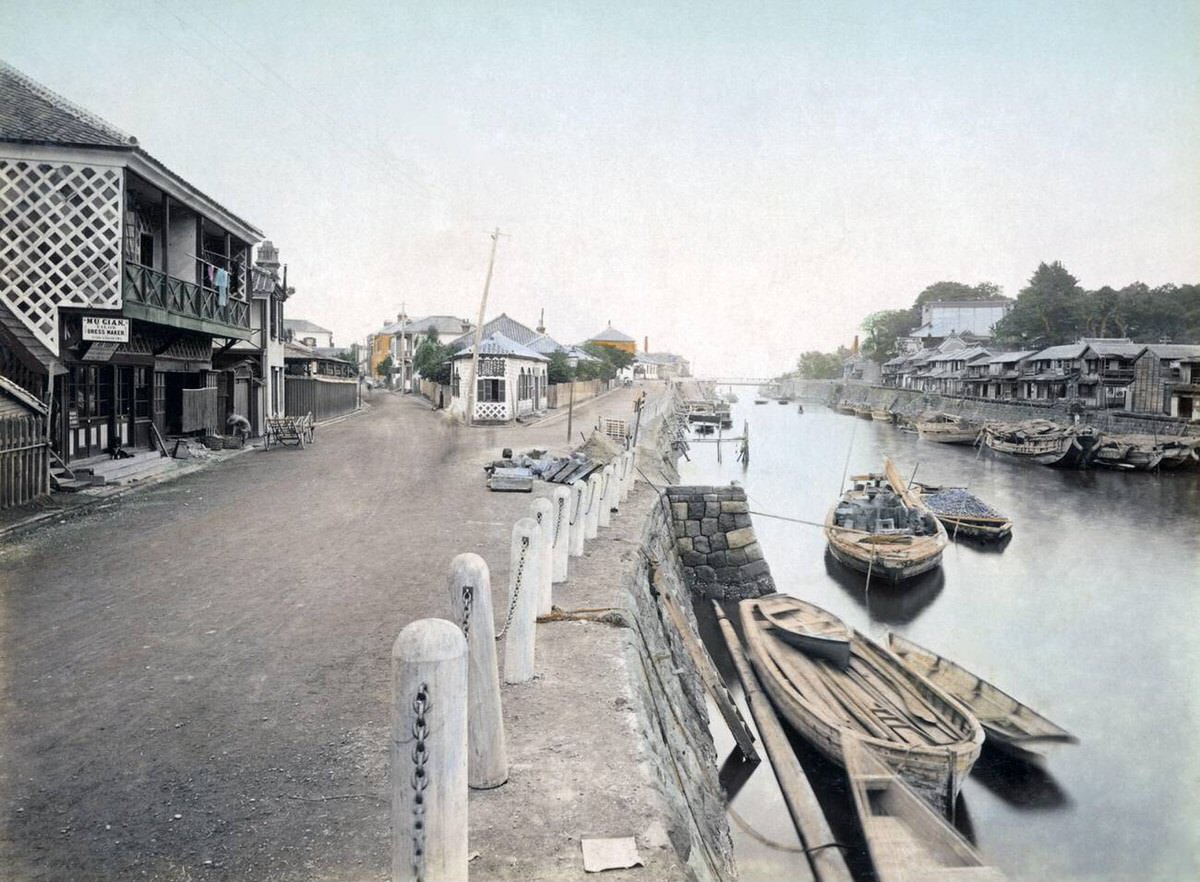
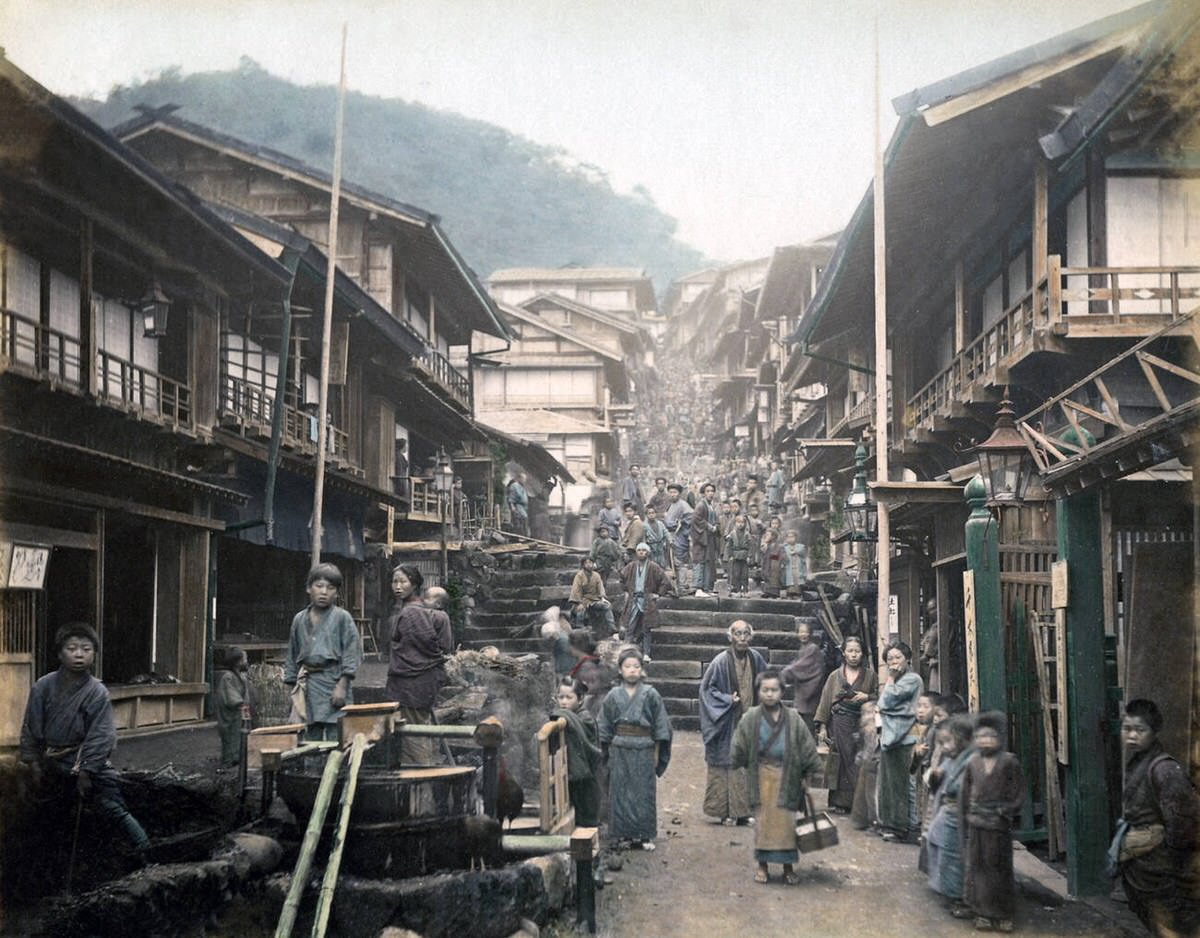
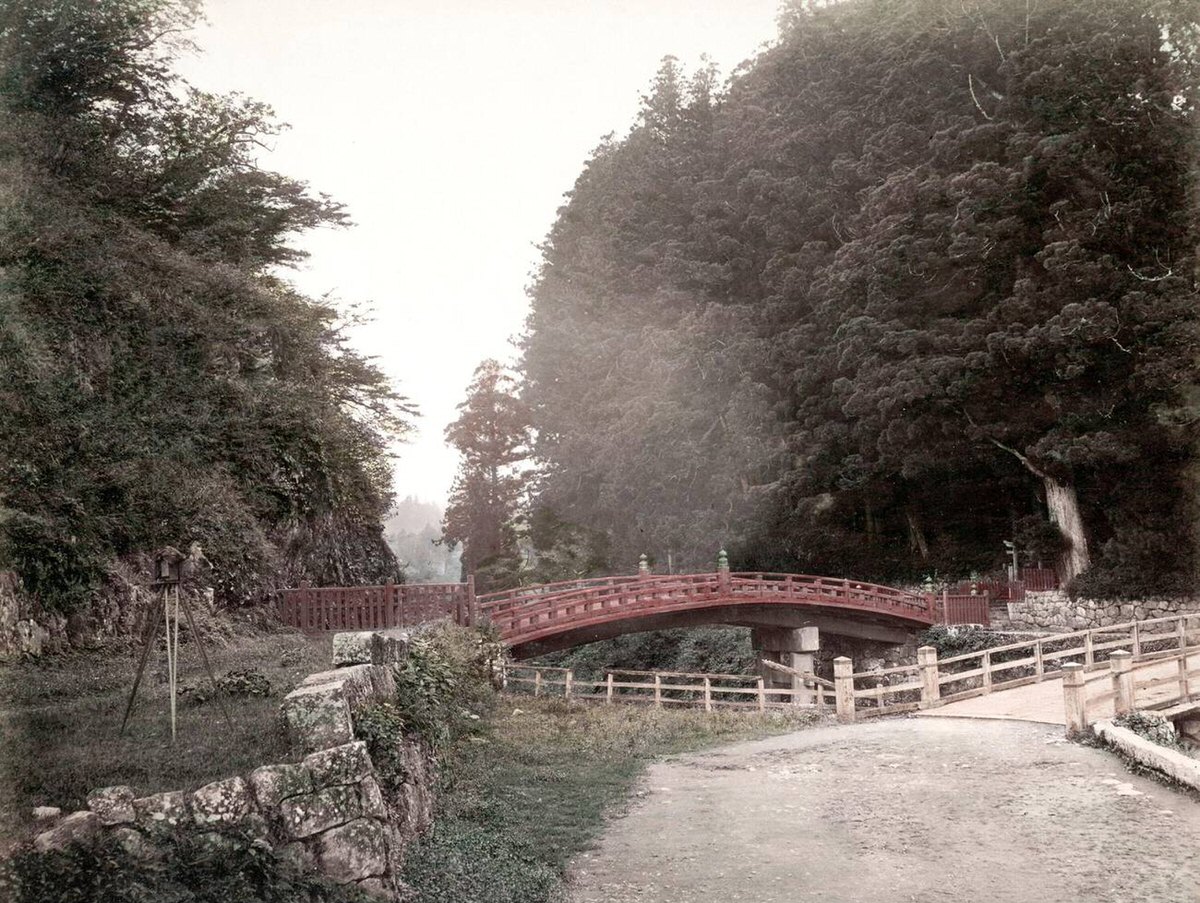
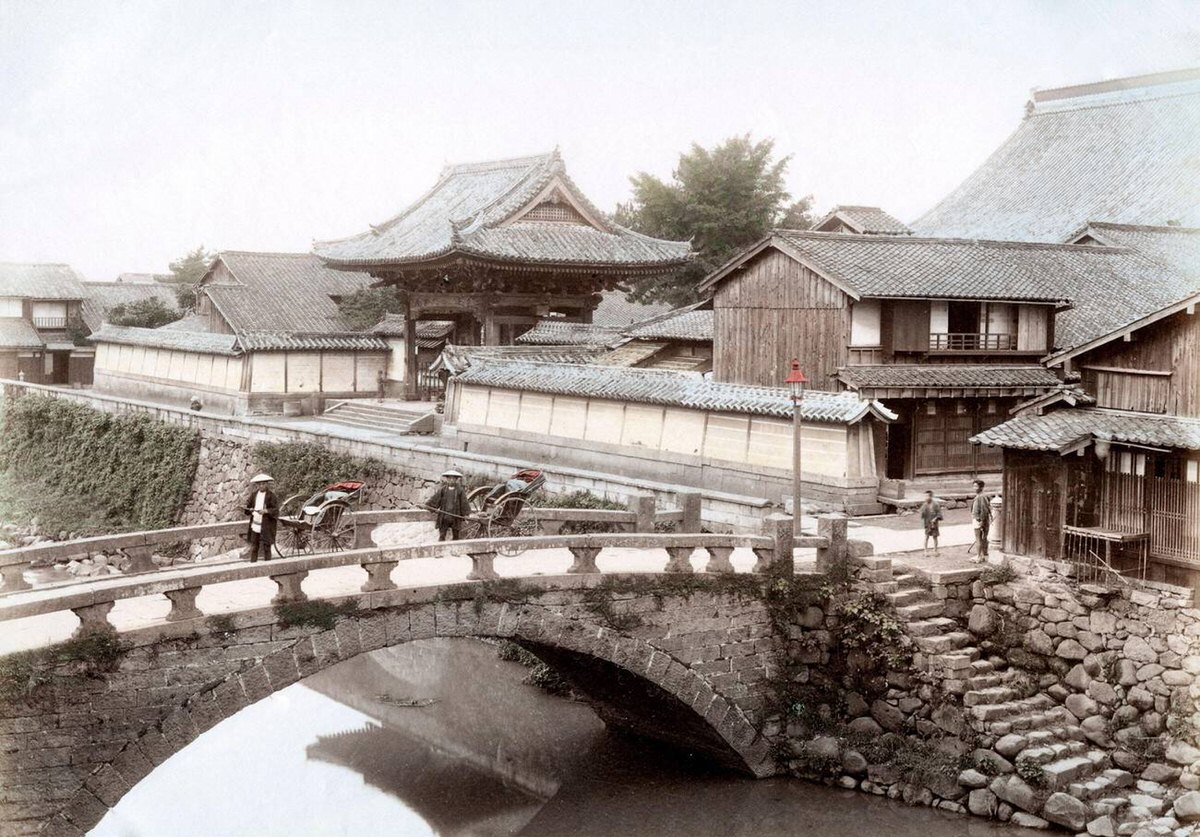
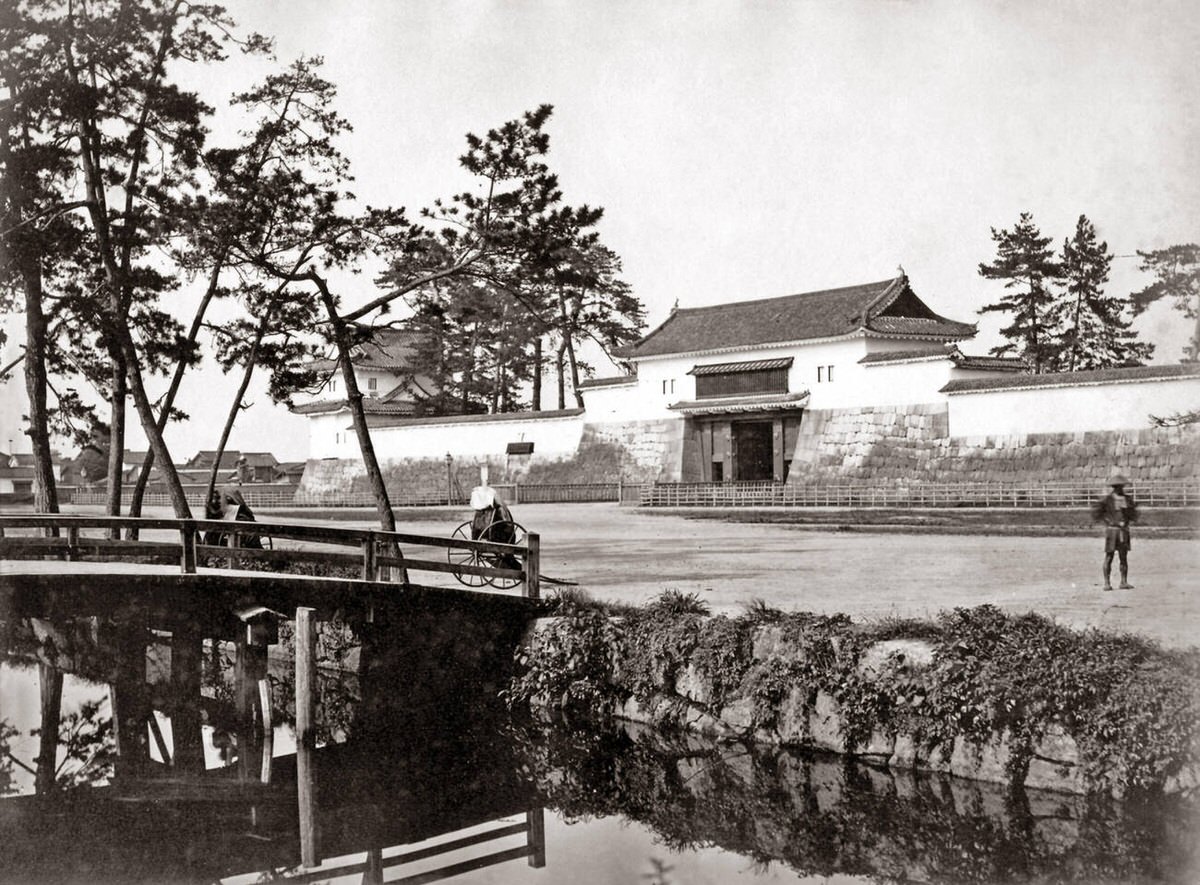
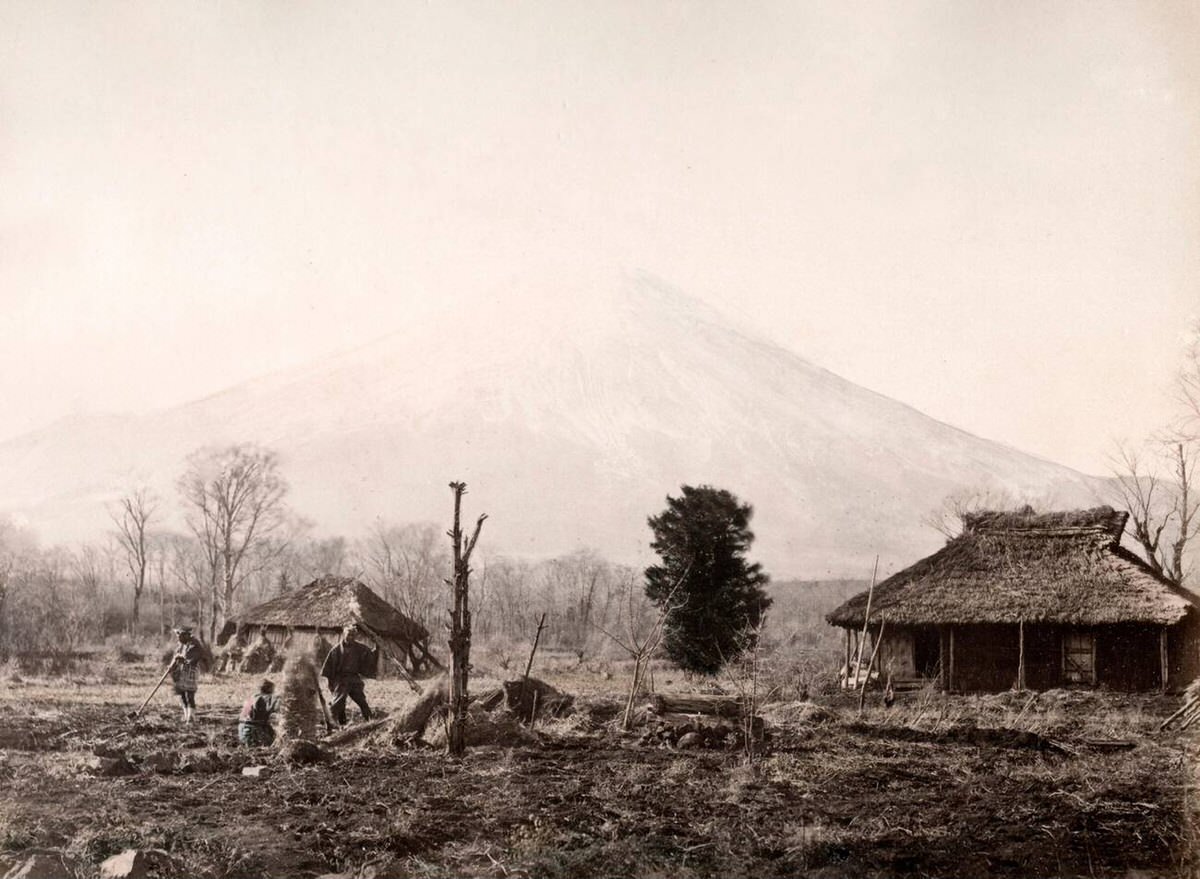
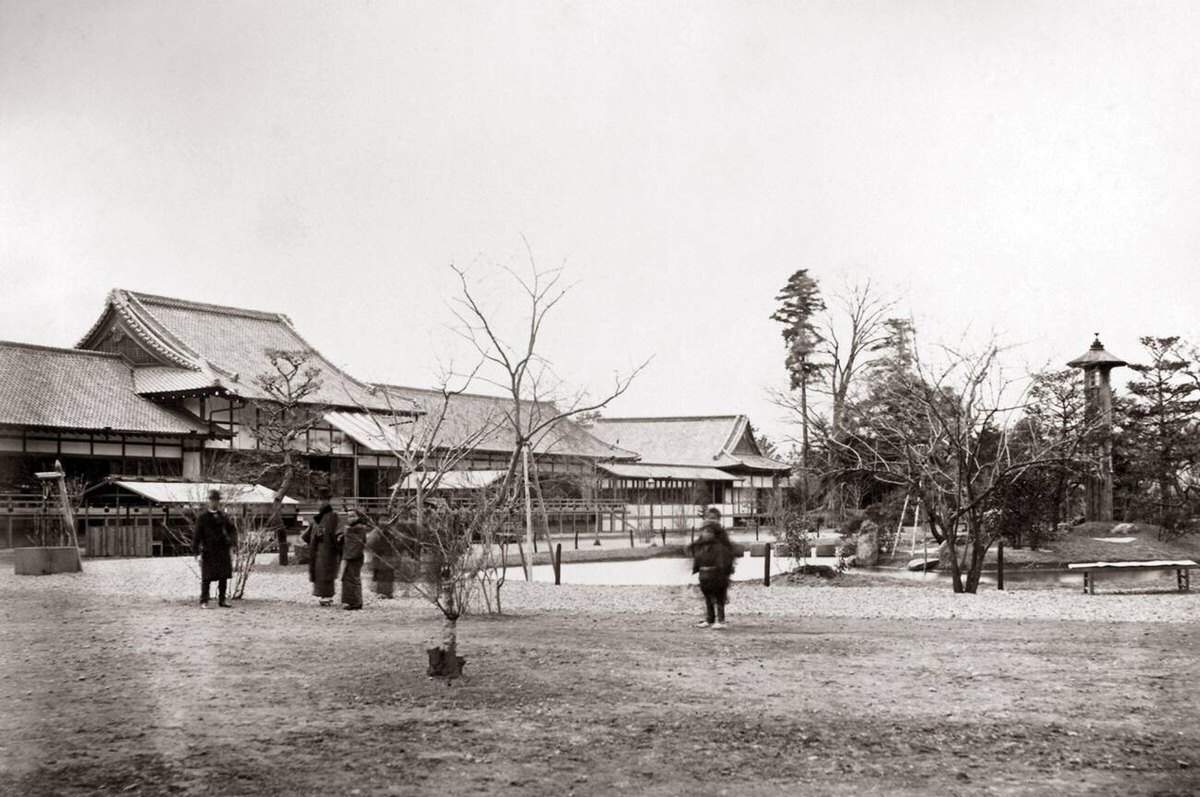
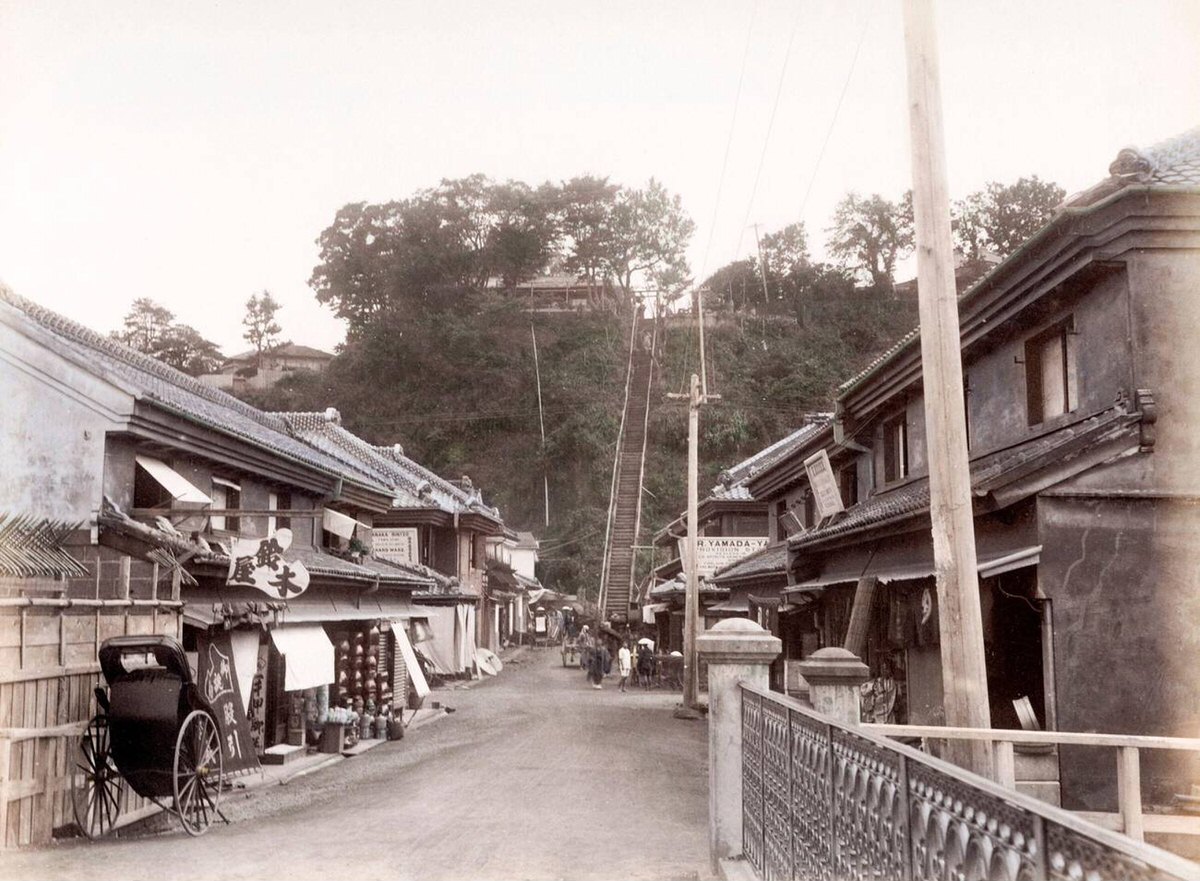
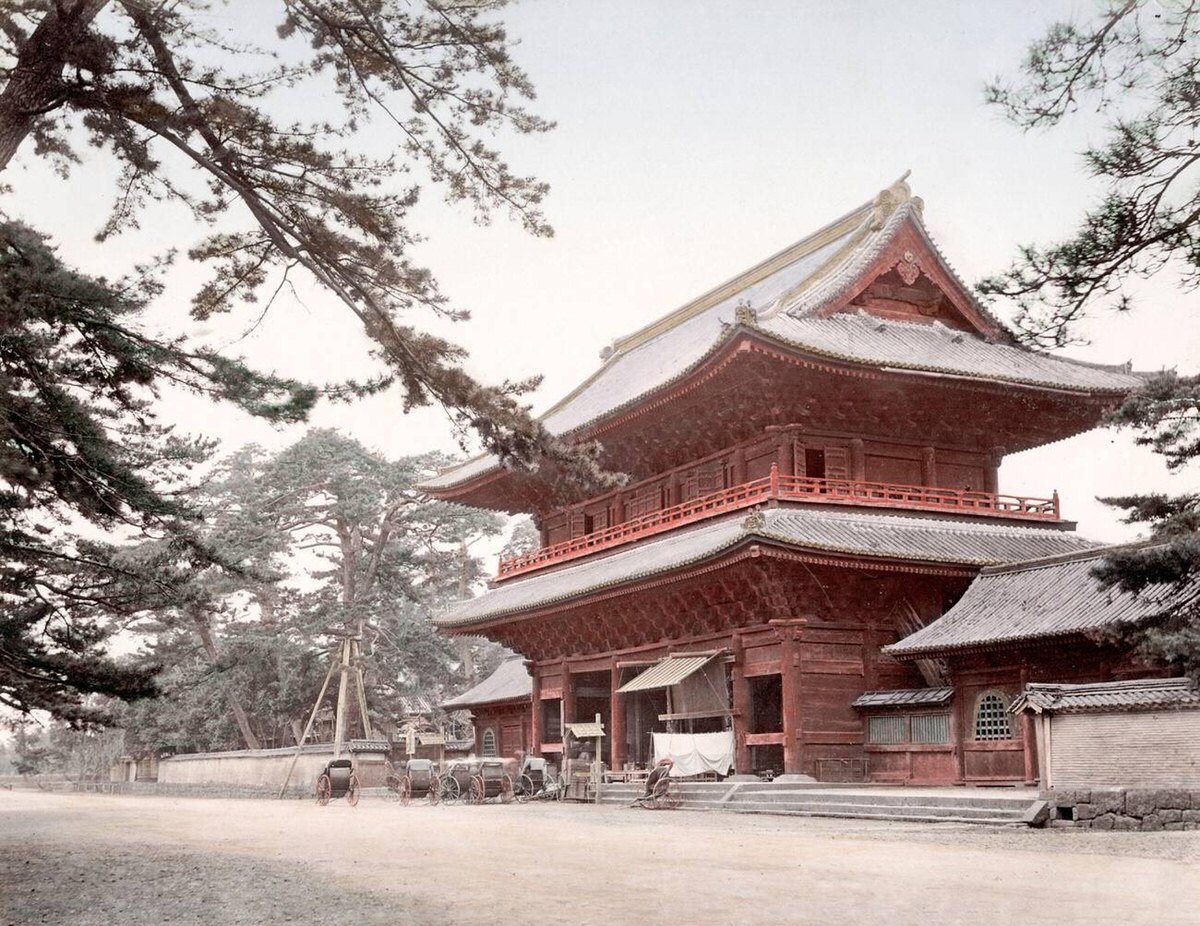
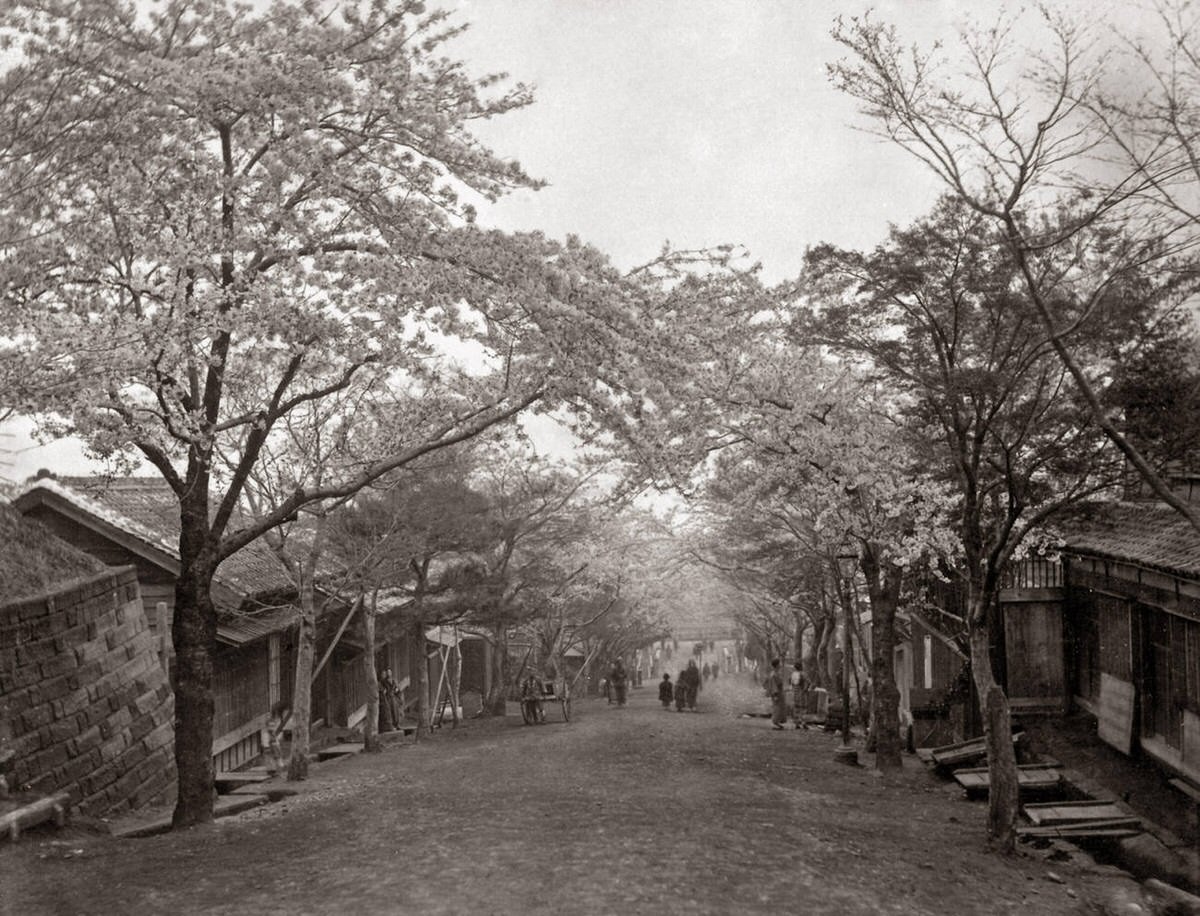
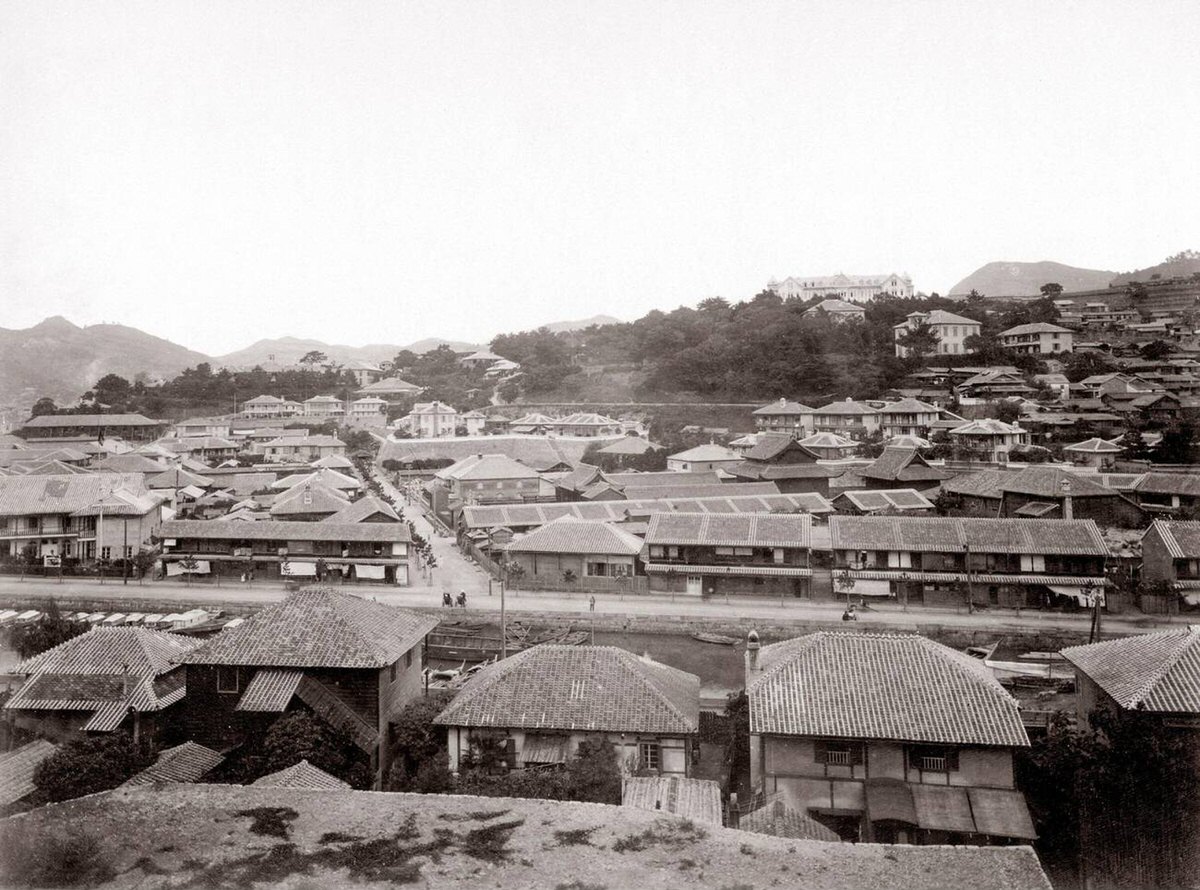
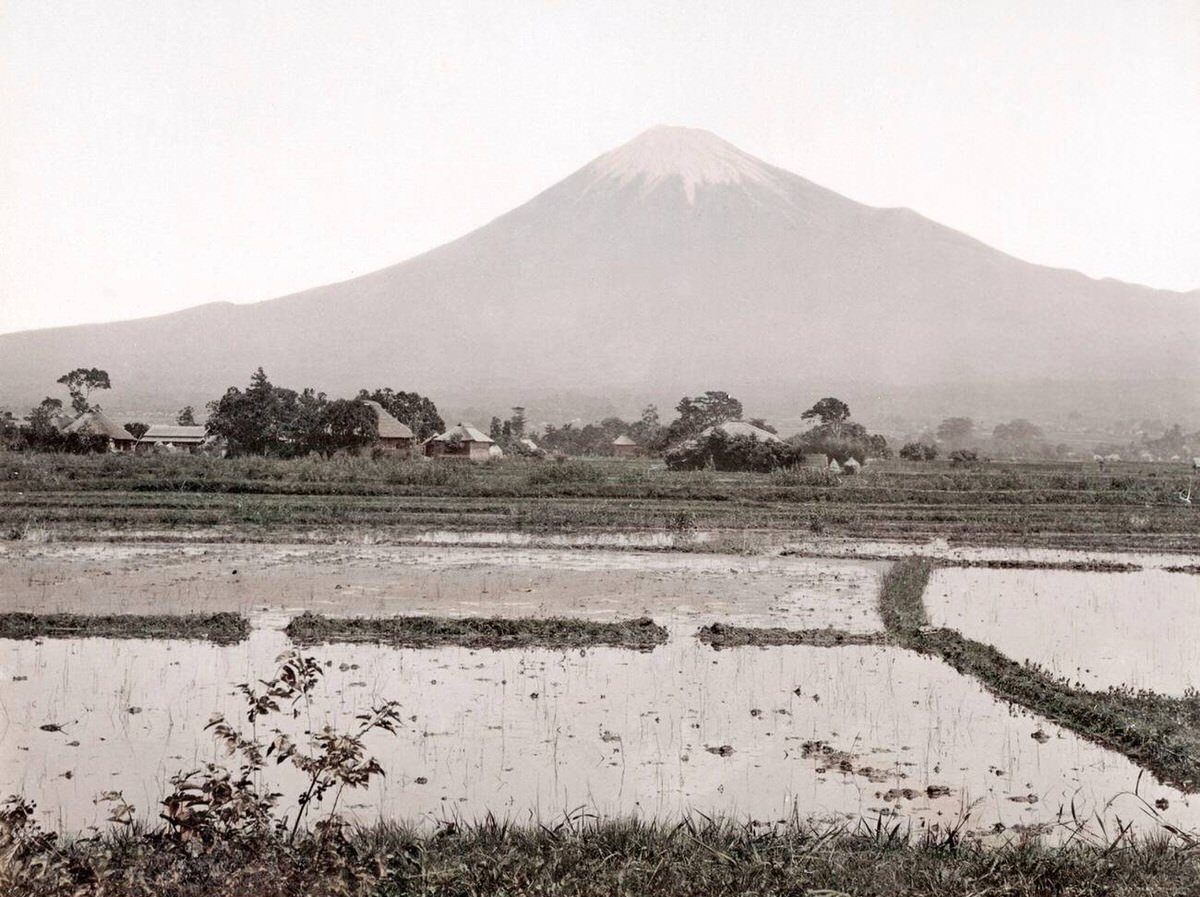
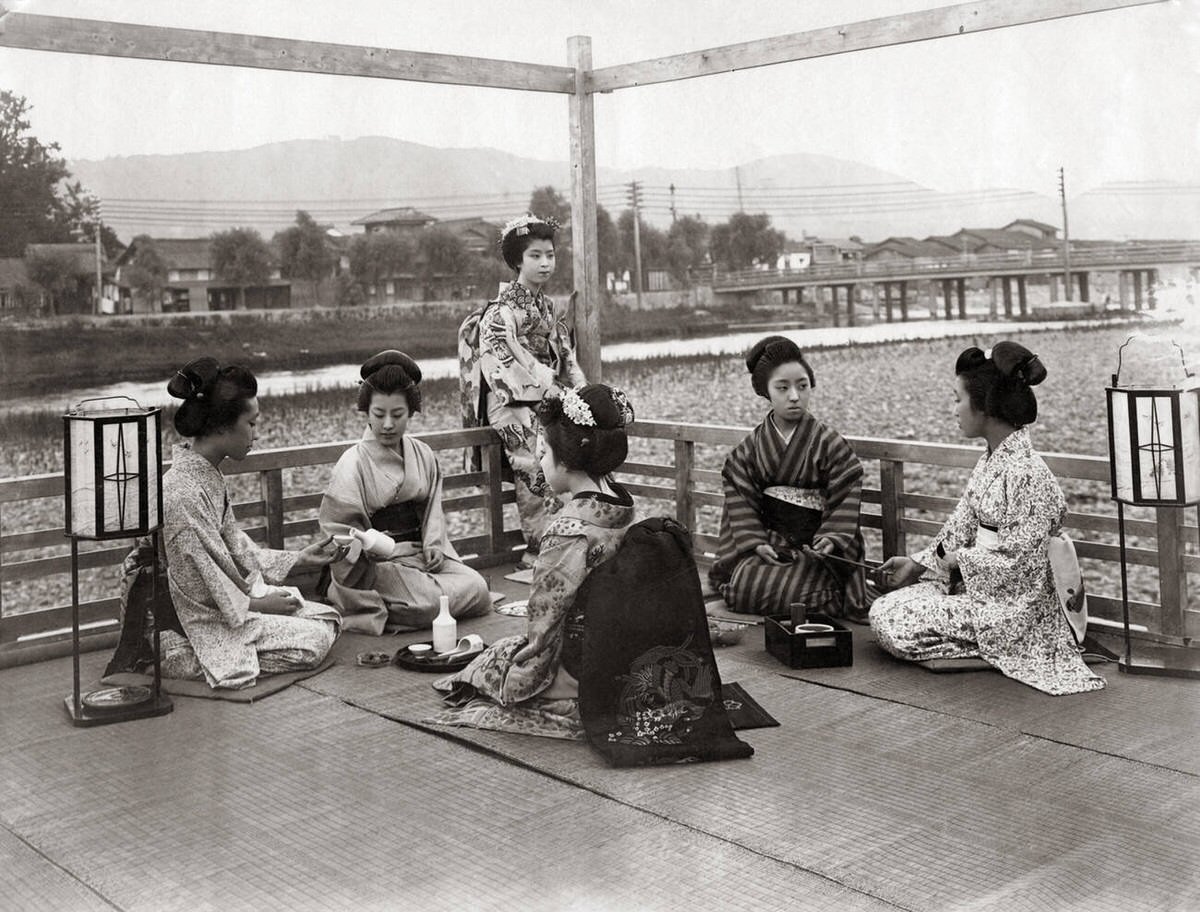
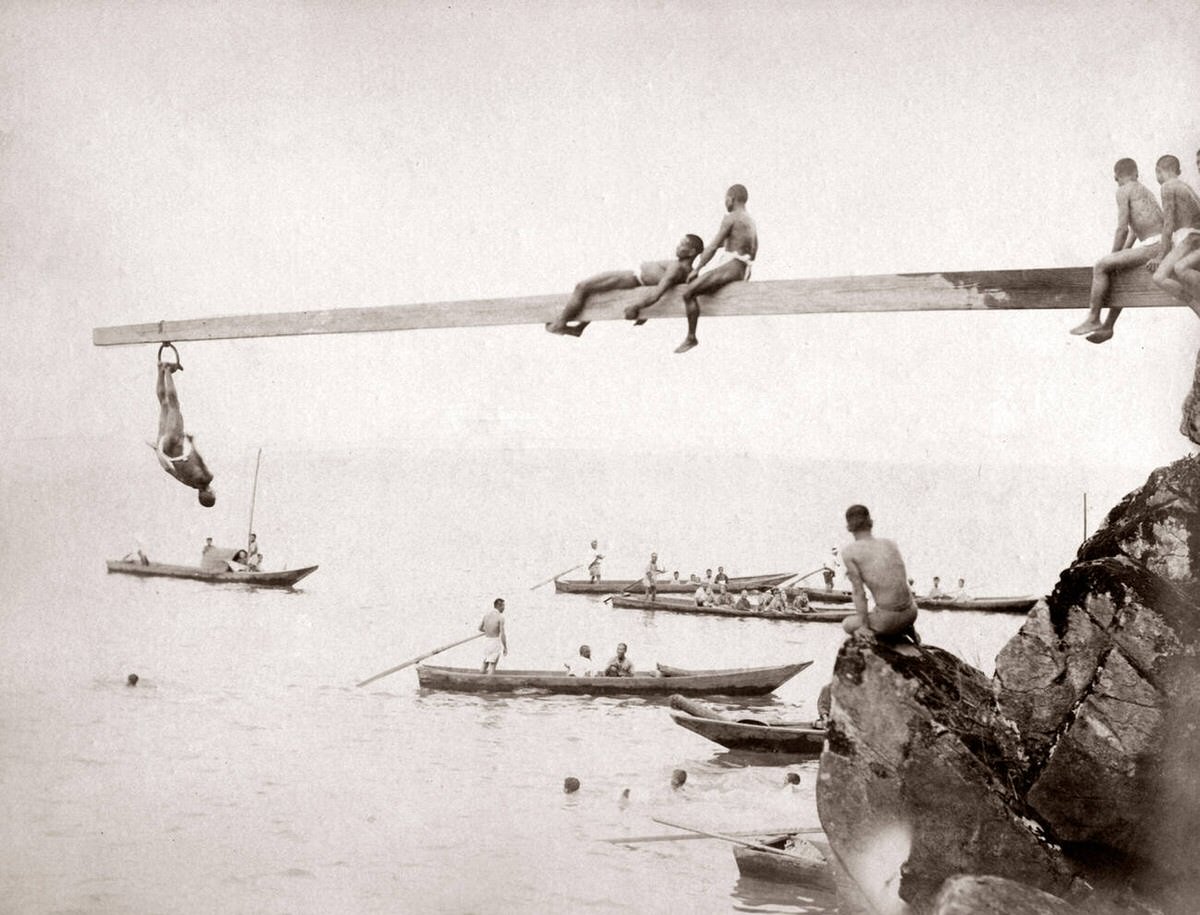
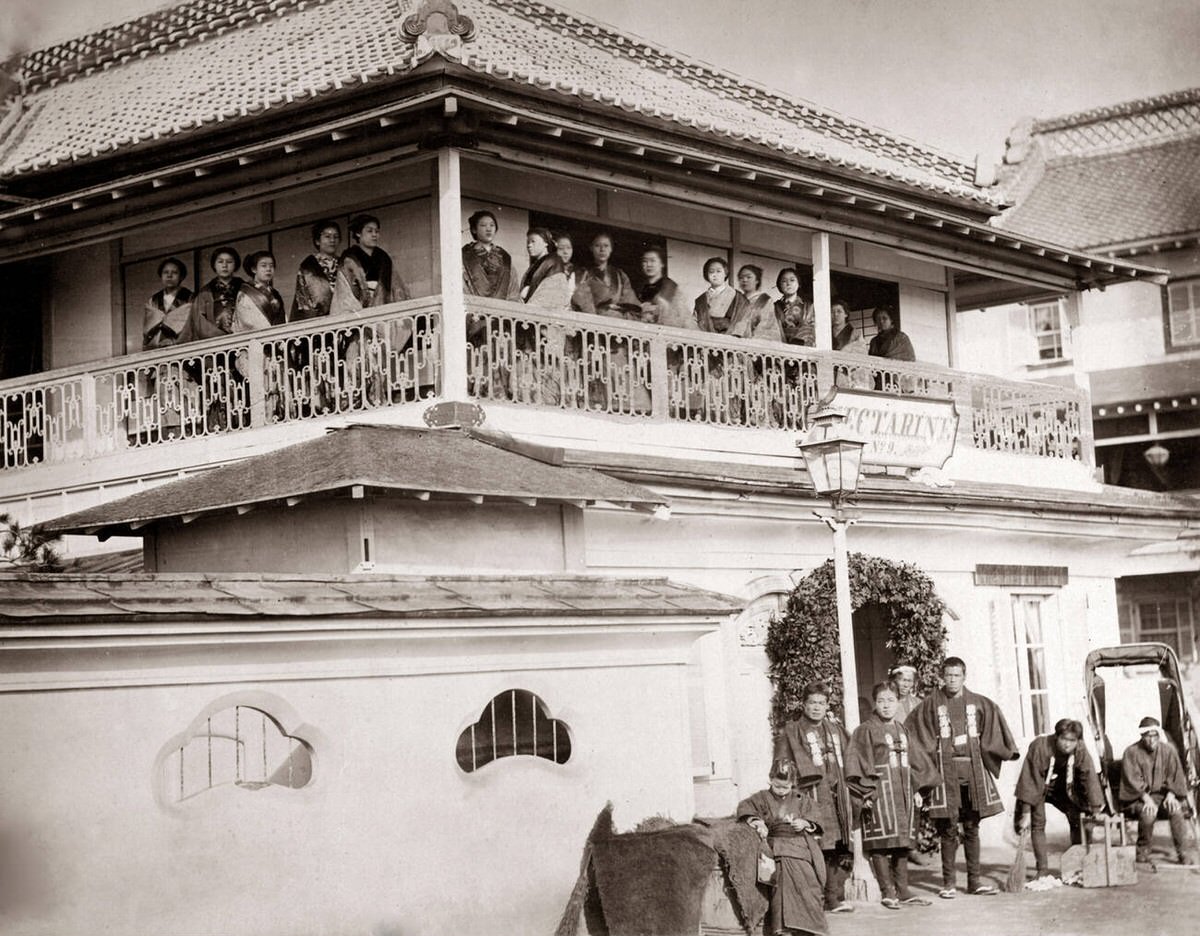
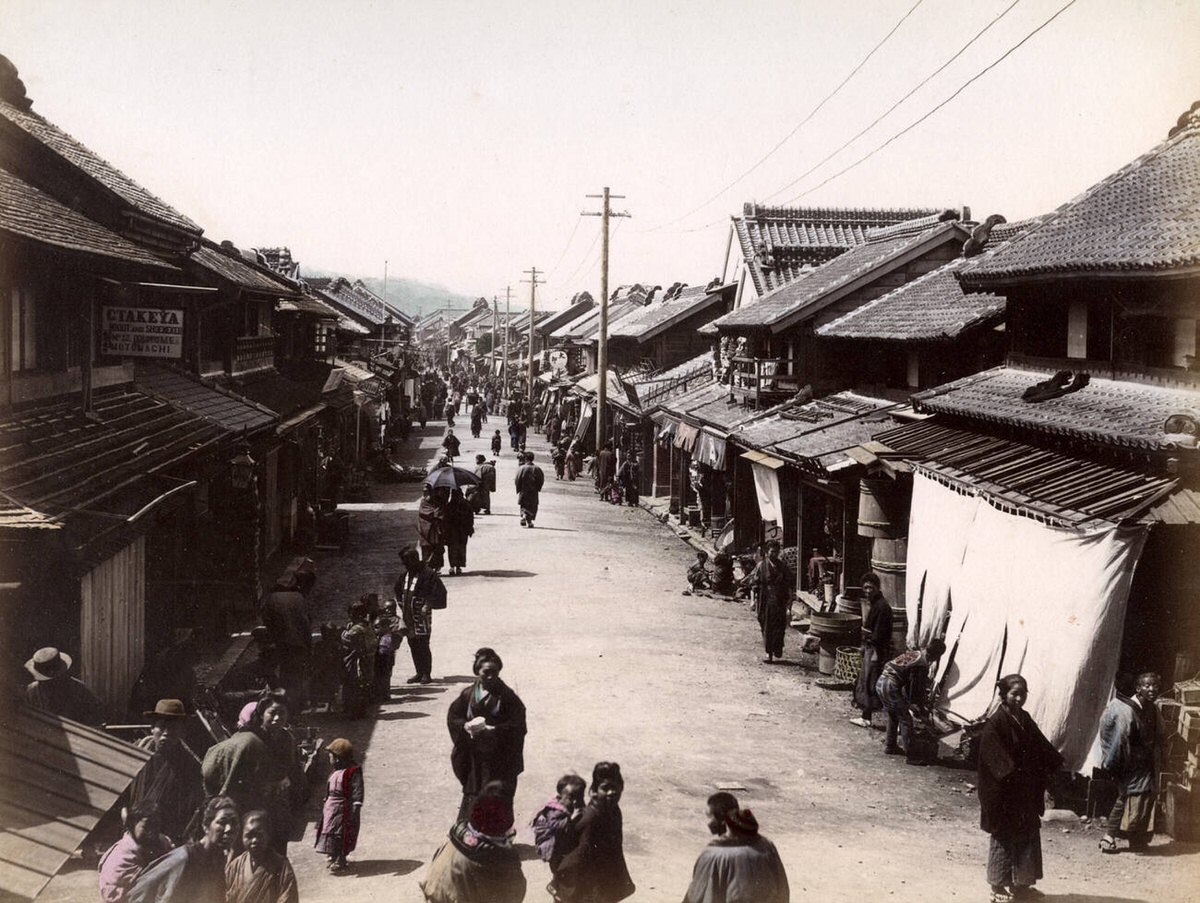
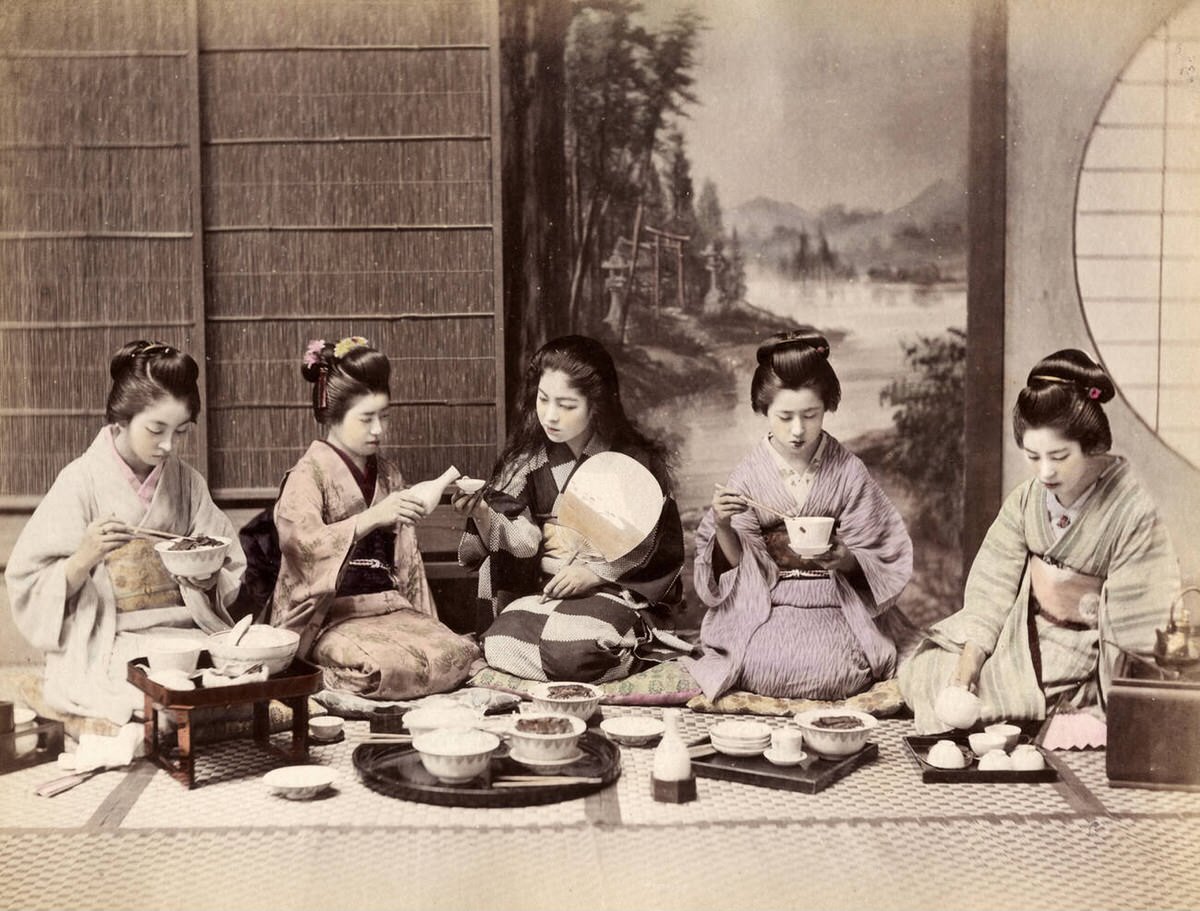
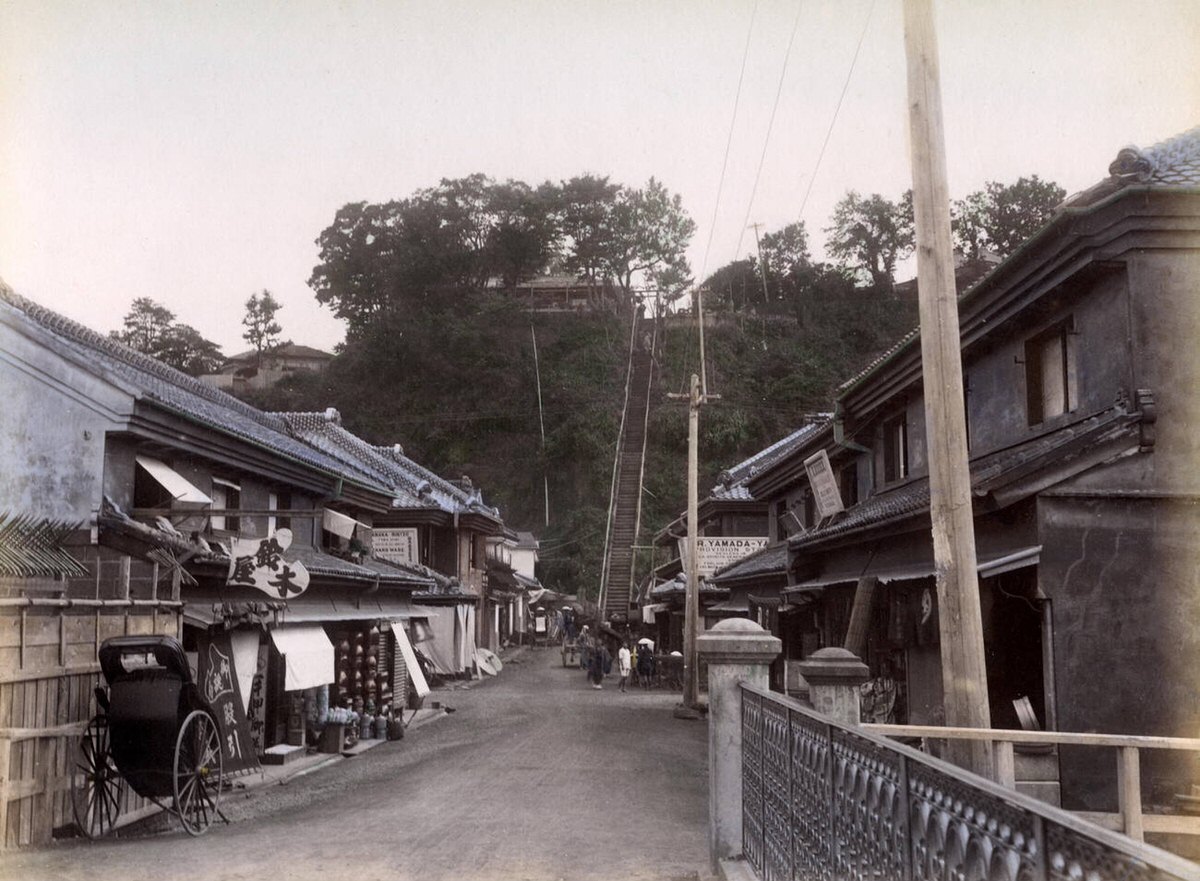
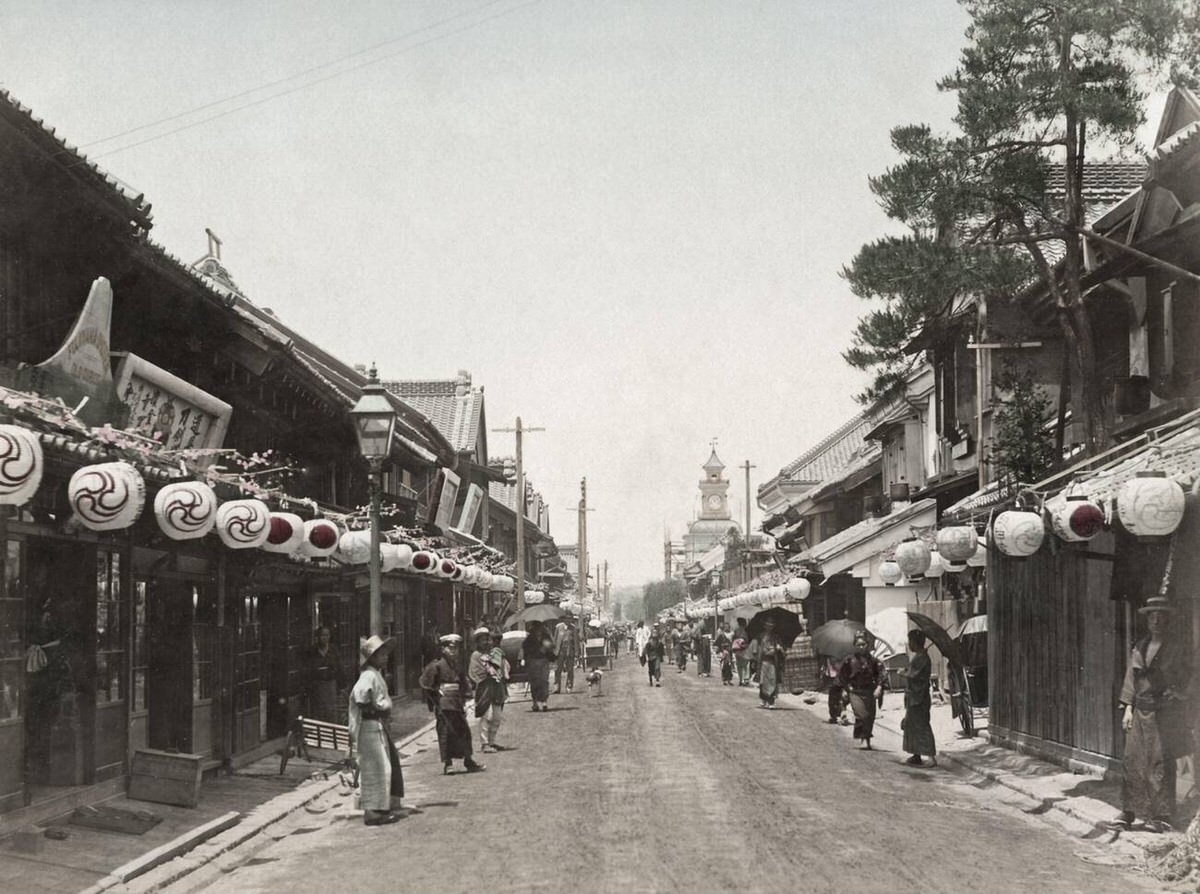
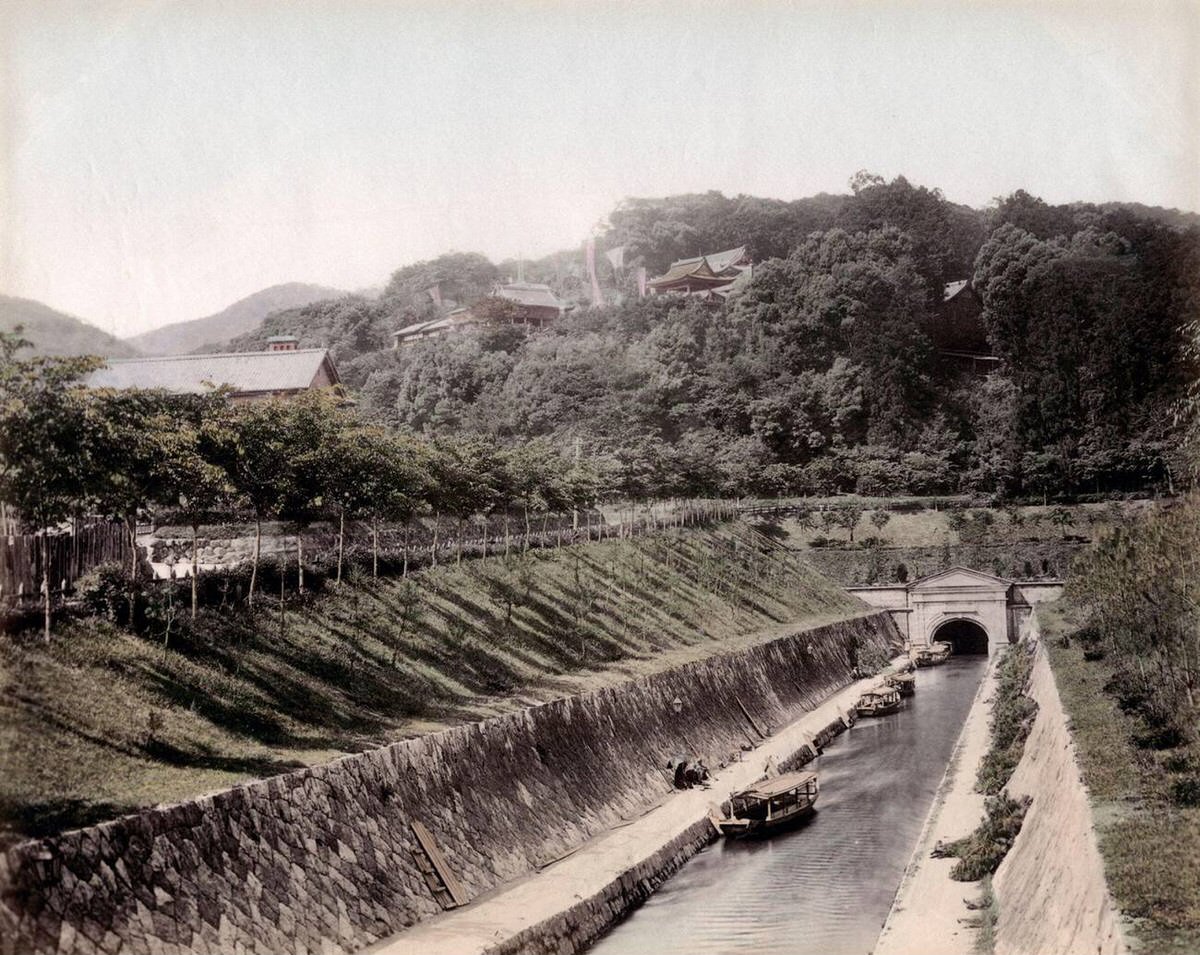
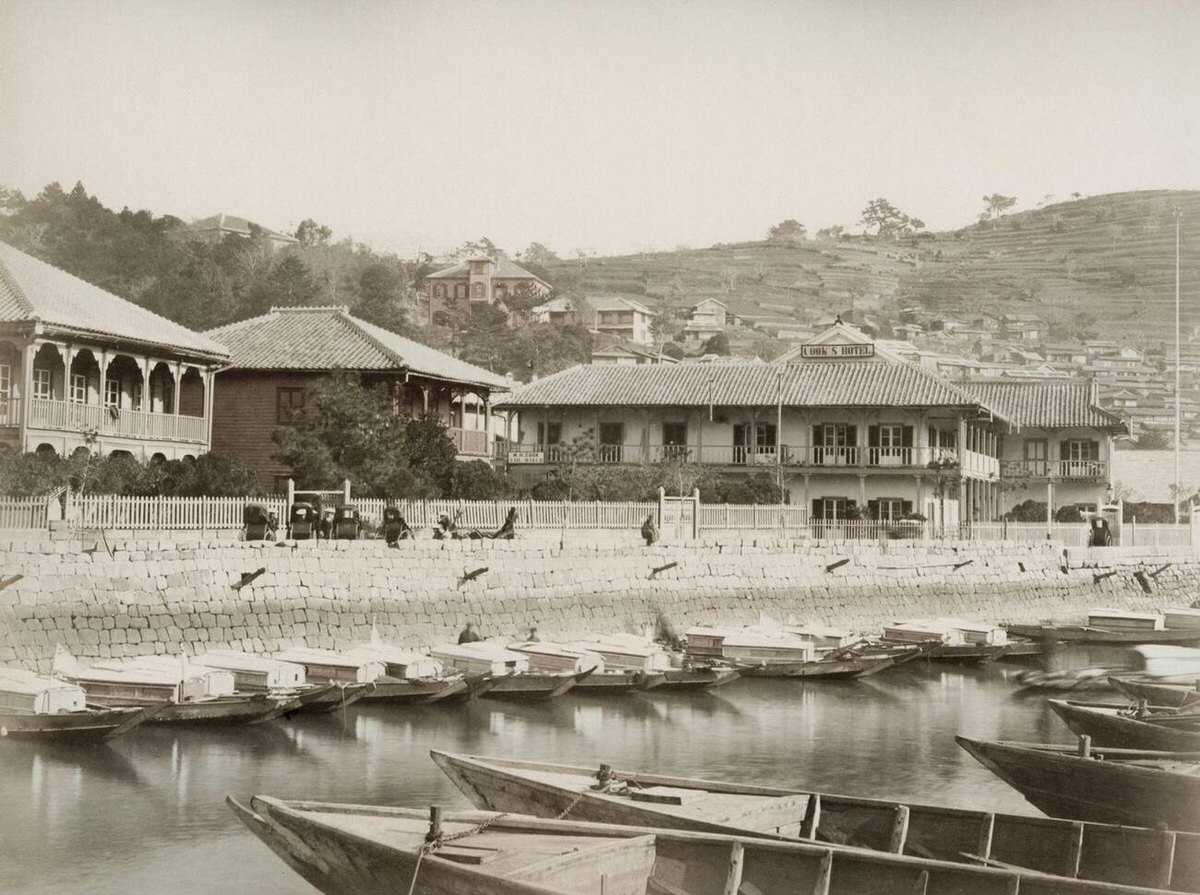
Geishas on a teahouse balcony, 1880sHarbor of Kobe, 1890Bird’s-eye view of Tokyo, 1880sNew railway bridge in Kobe, 1880Street through Nikko, 1880sCarpenter with tools at work, 1880sSanjo in Kyoto showing the river and moorings, 1880sCorner of Benten Dori street in Yokohama, 1880View of Nagasaki, 1880Street scene and view of the Post Office in Yokohama, 1880View of Yokohama, 1880View of Yokohama, 1880One Hundred Steps at Yokohama, 1880Snow scene with boats along a canal in Tokyo, 1880sThe Bund at Kobe, 1880Cave dwellers and rock-carved home in Dogashima, 1880Street scene in Yokohama, 1880Street scene in Yokohama, 1880
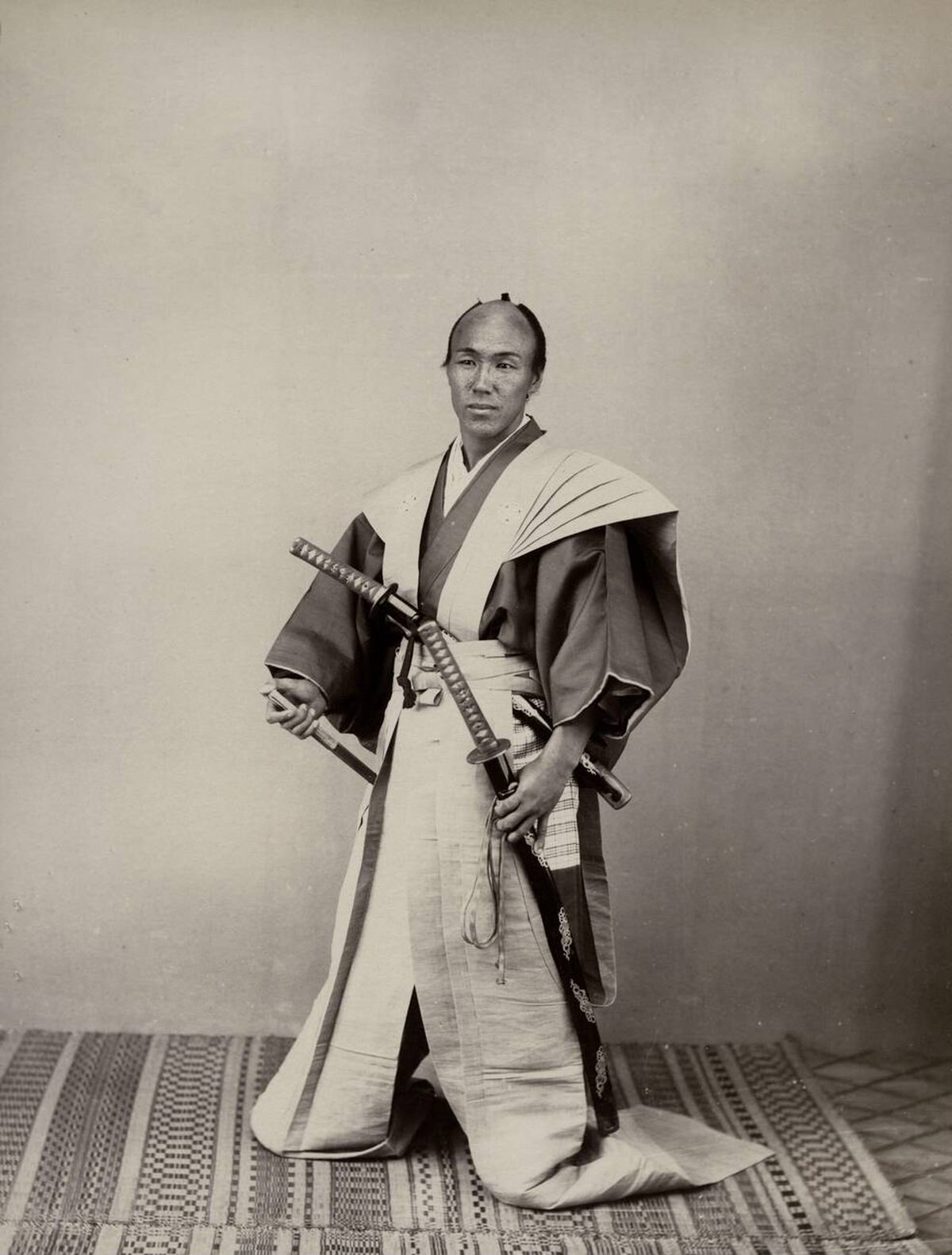
Samurai with two swords in a studio setting, 1880
Group of acrobats performing in Japan, 1880s
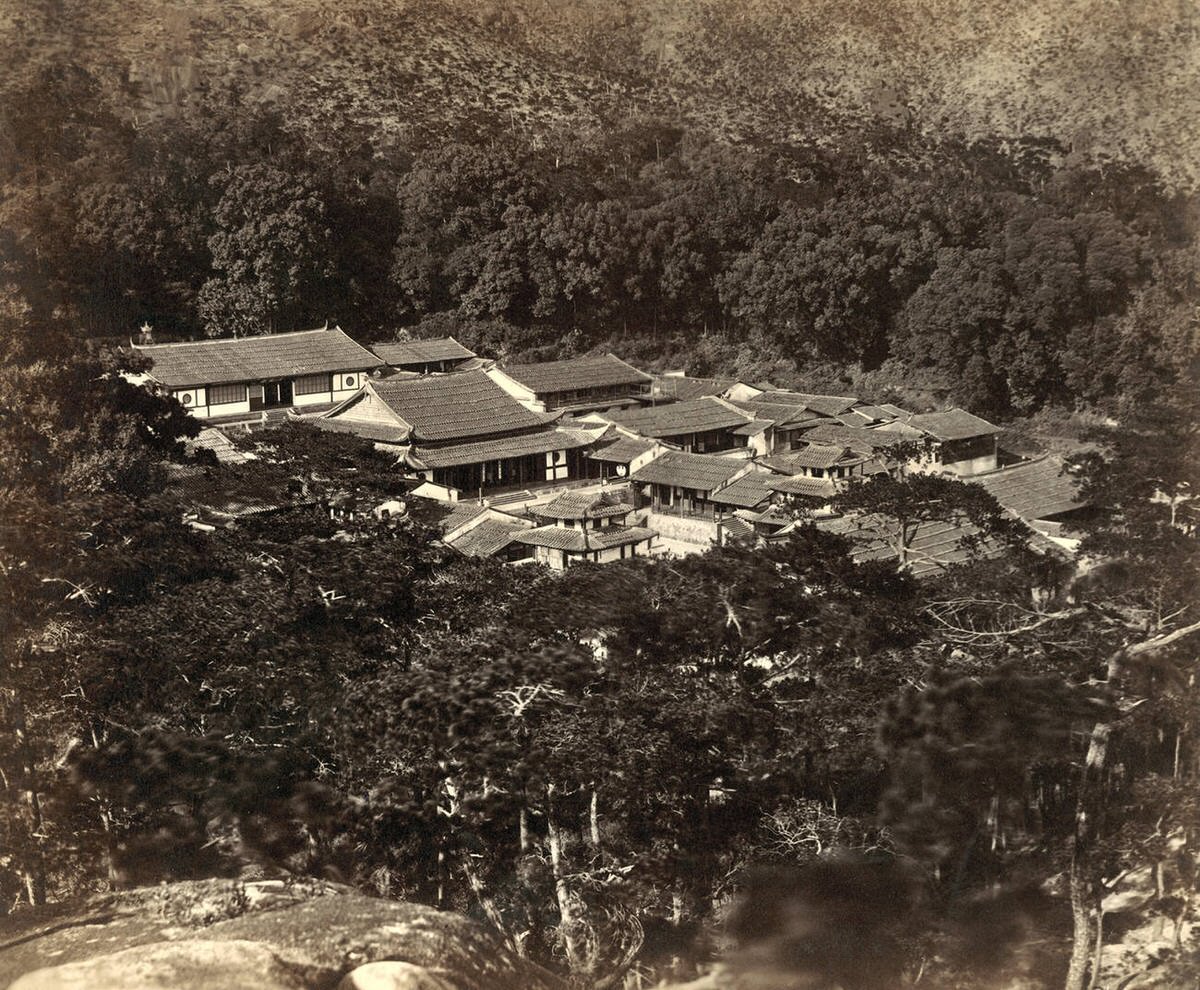
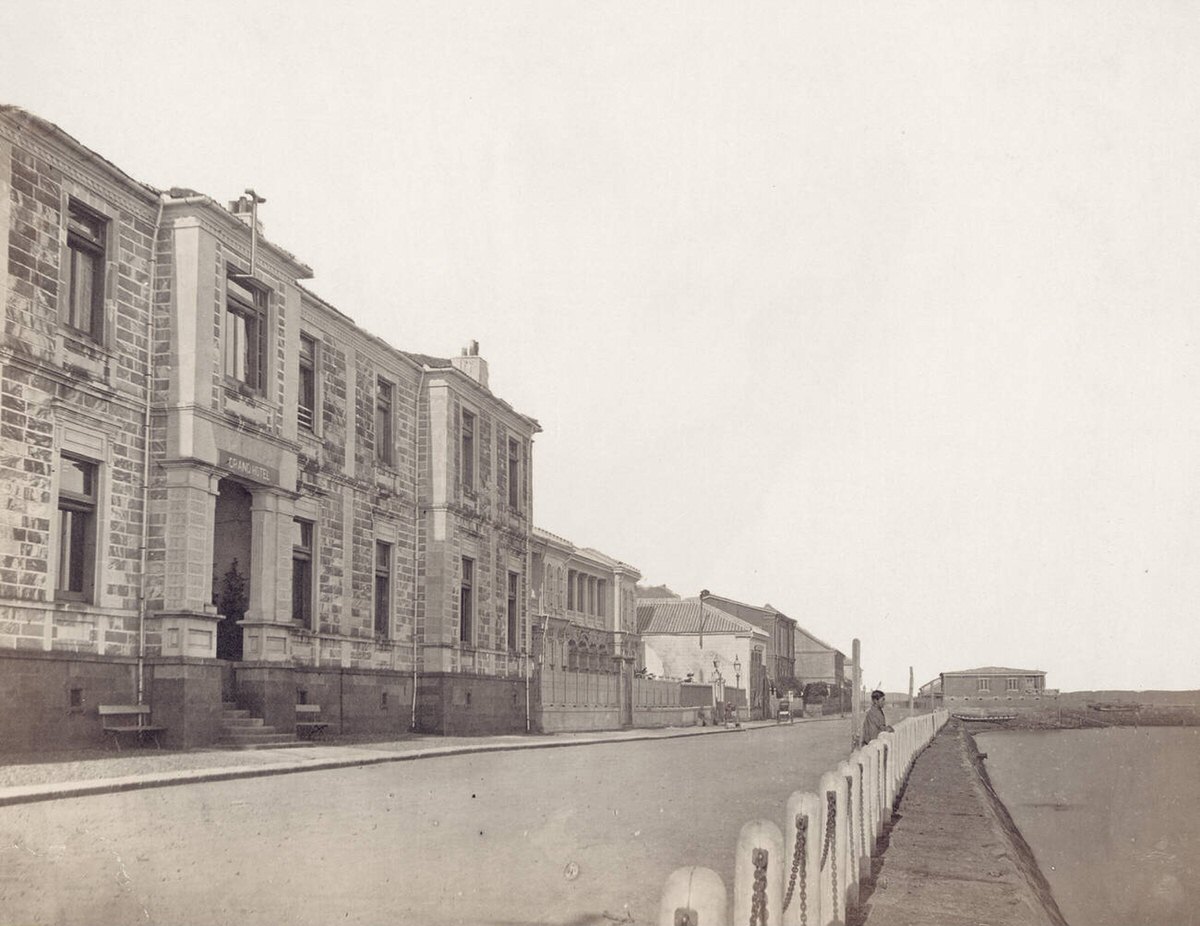
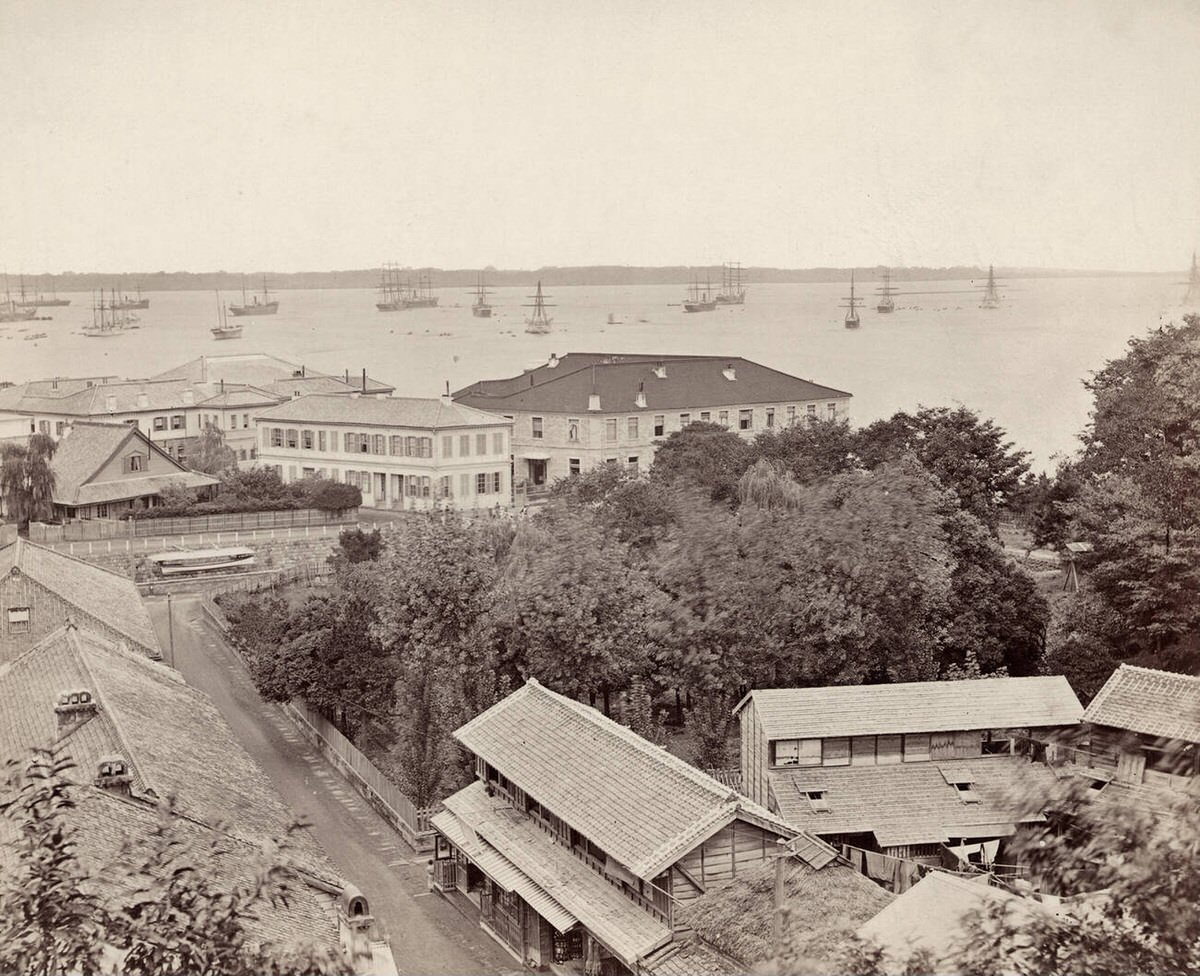
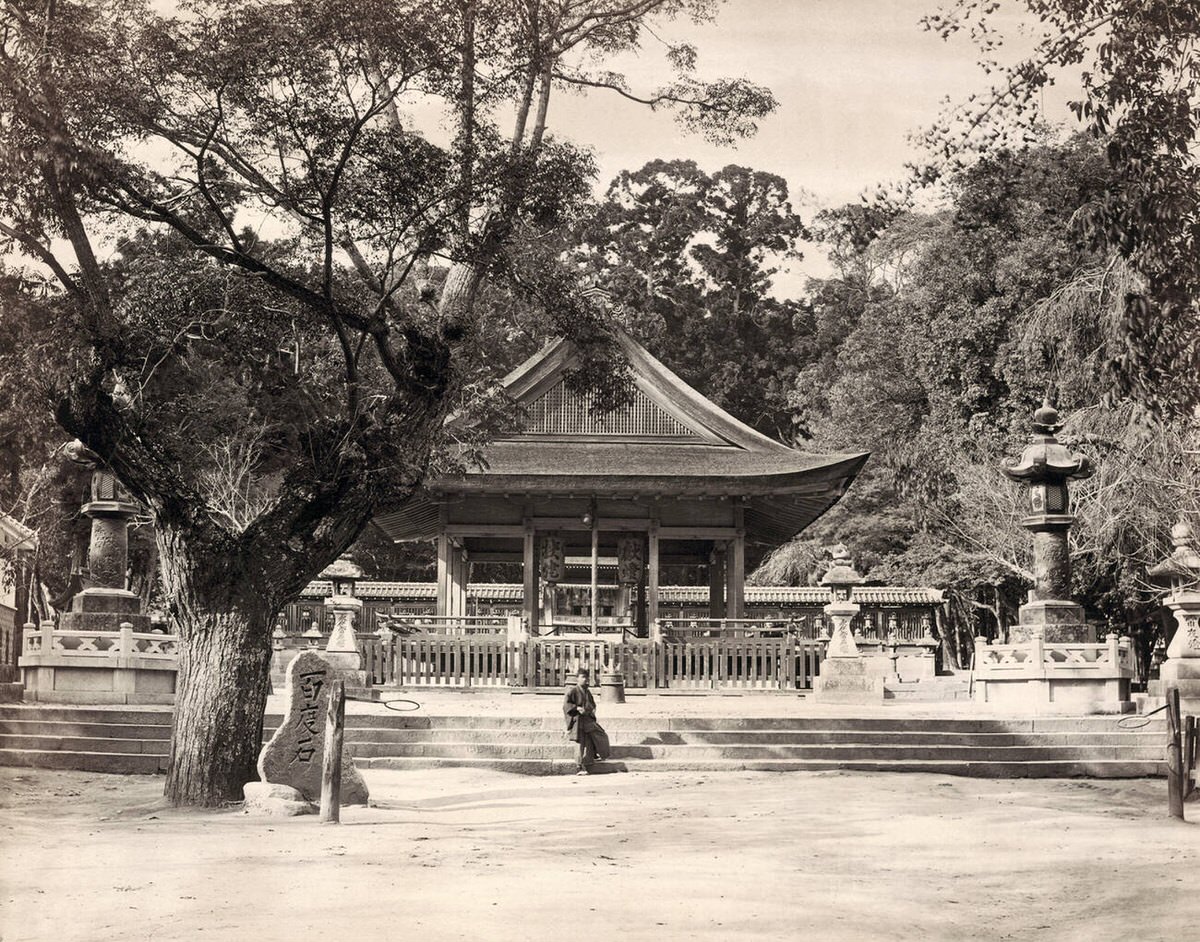
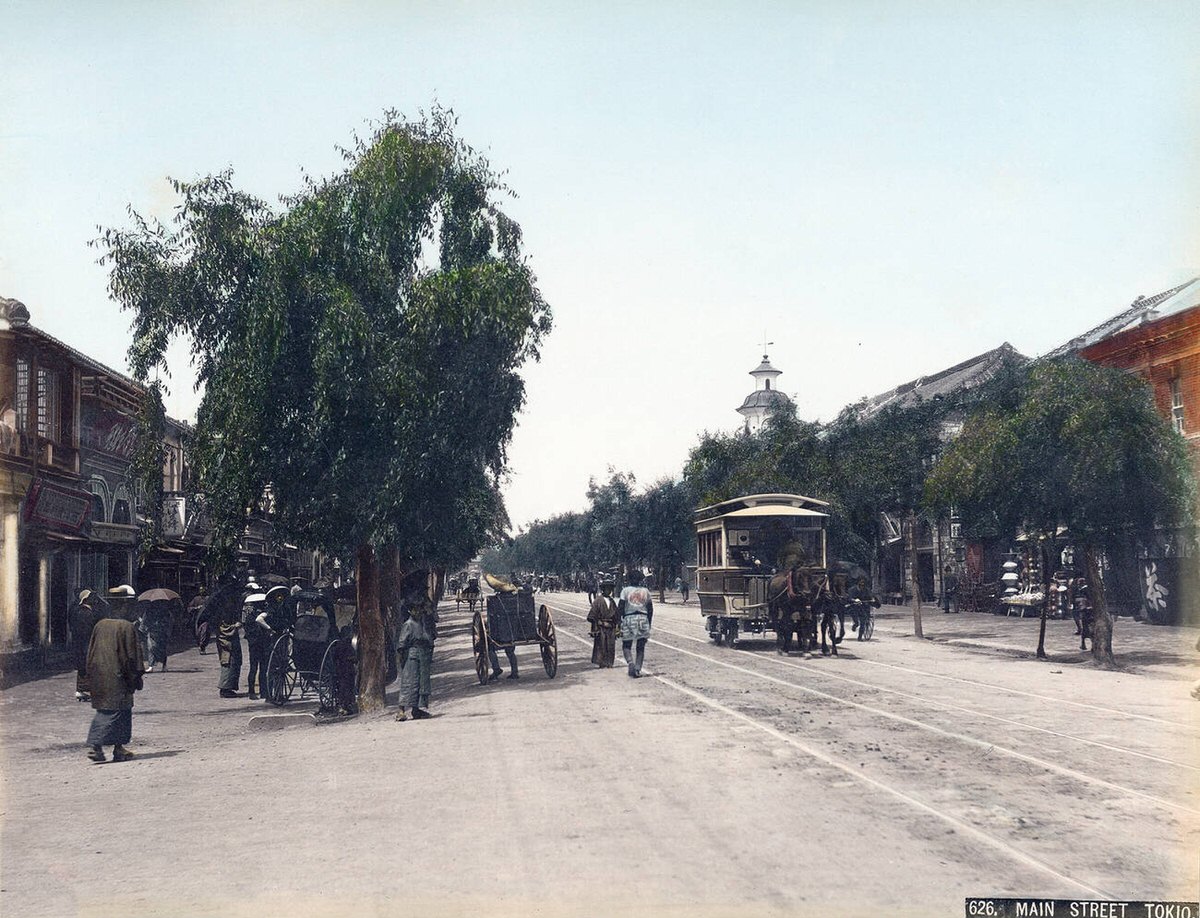
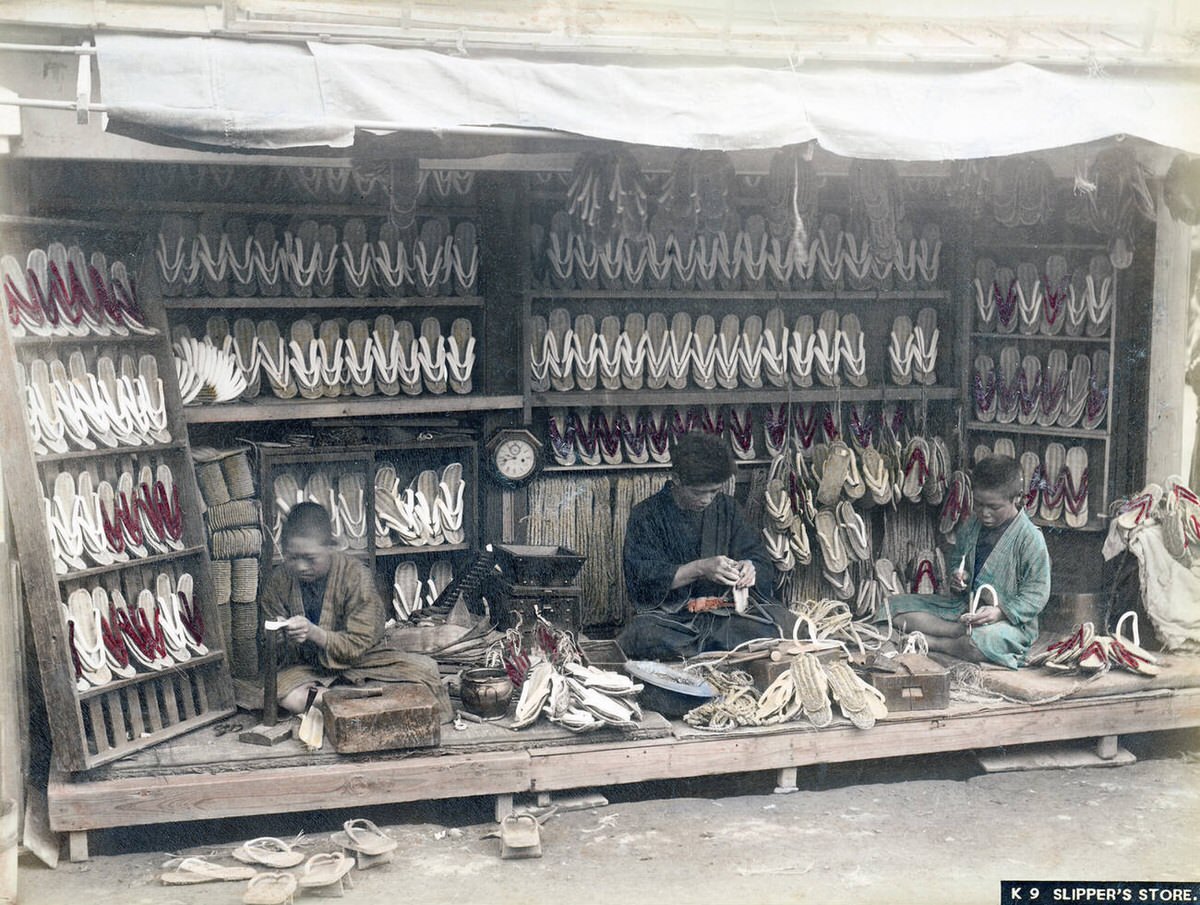
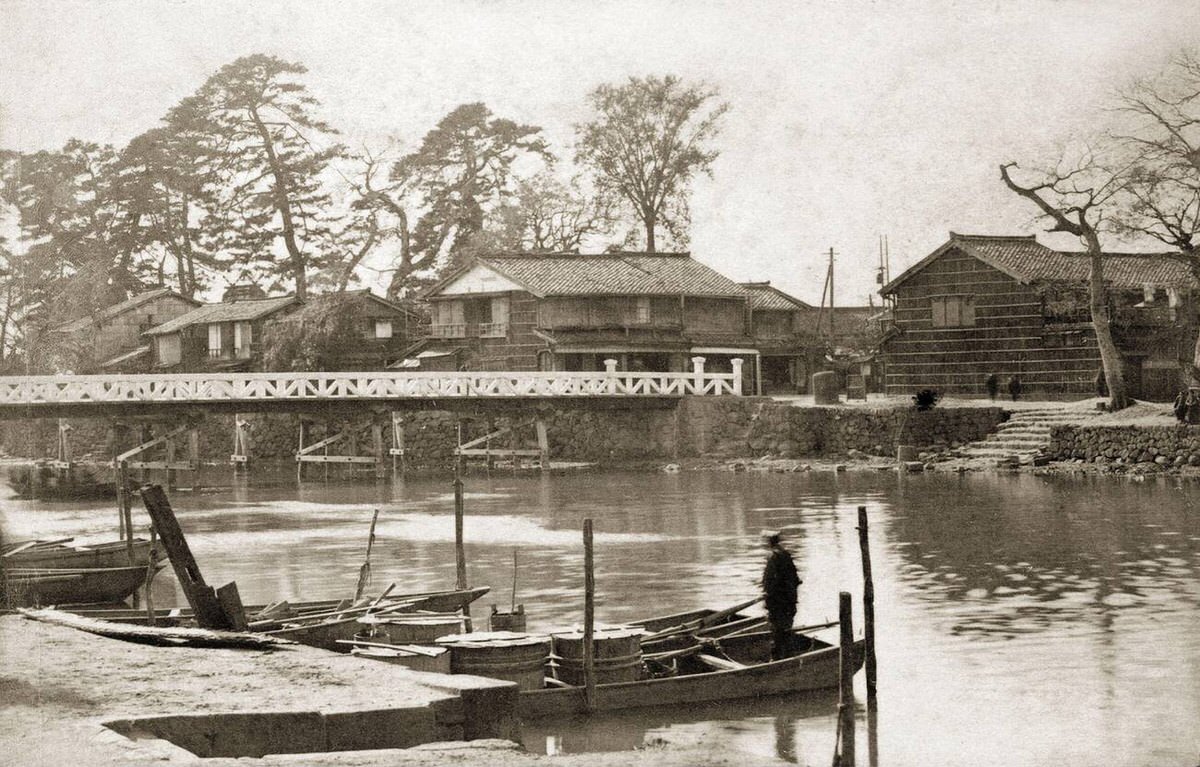
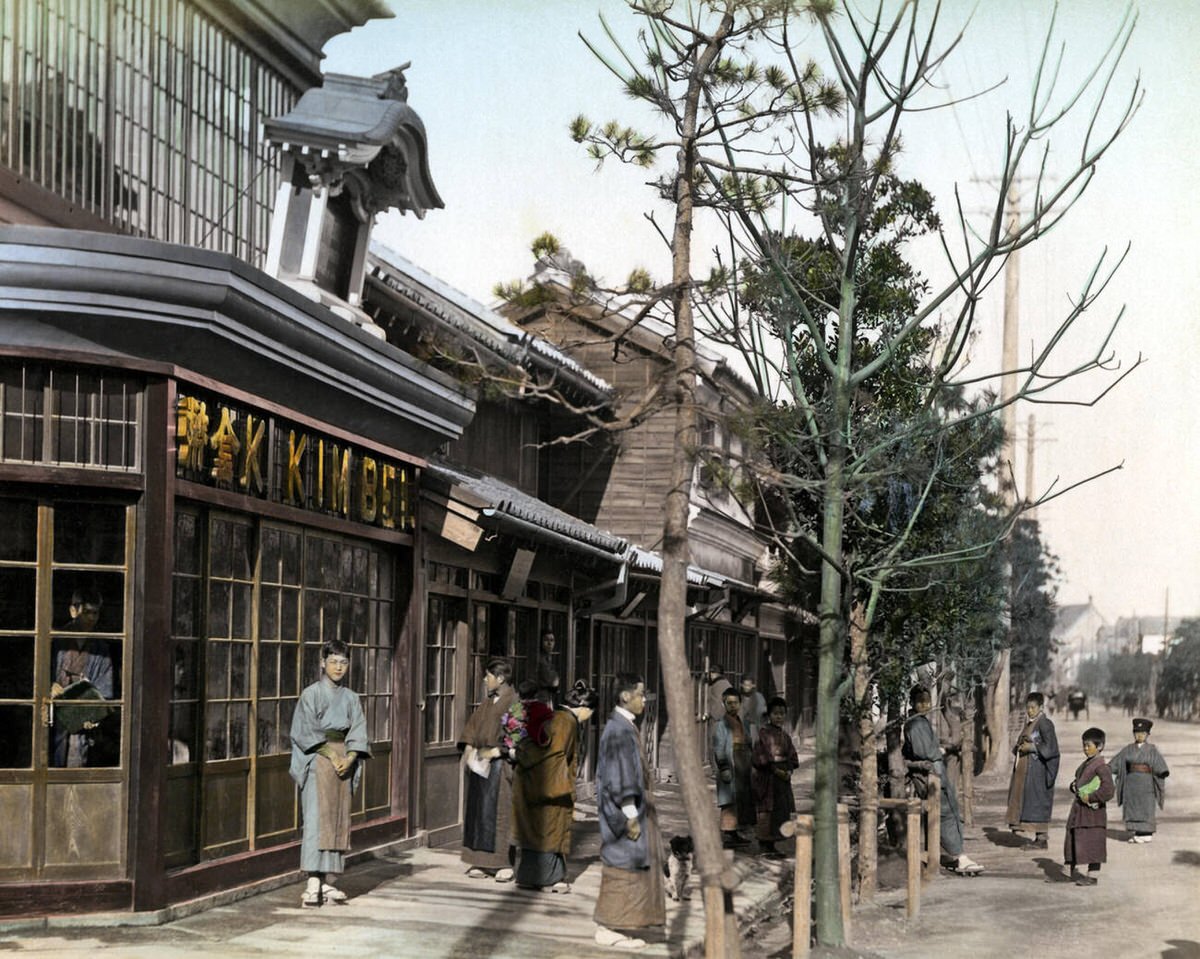
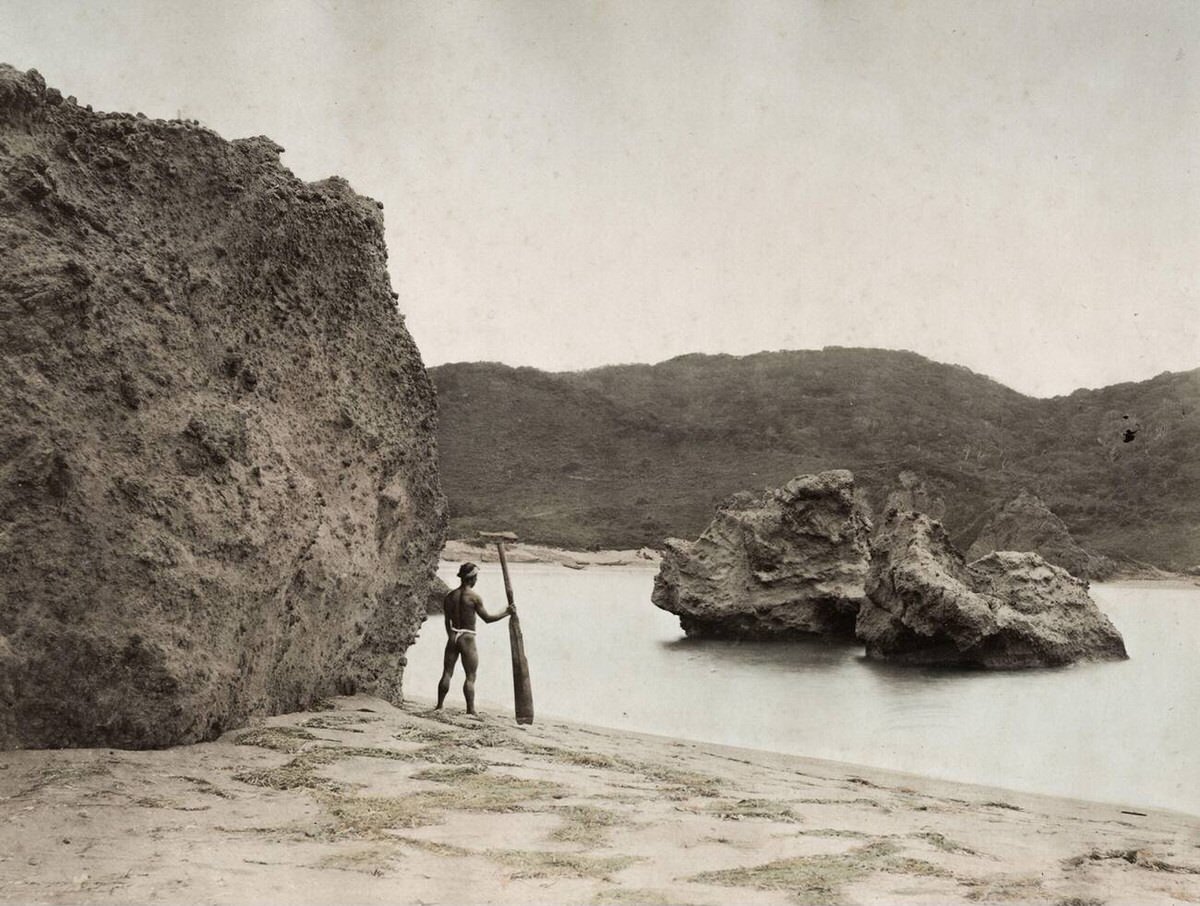
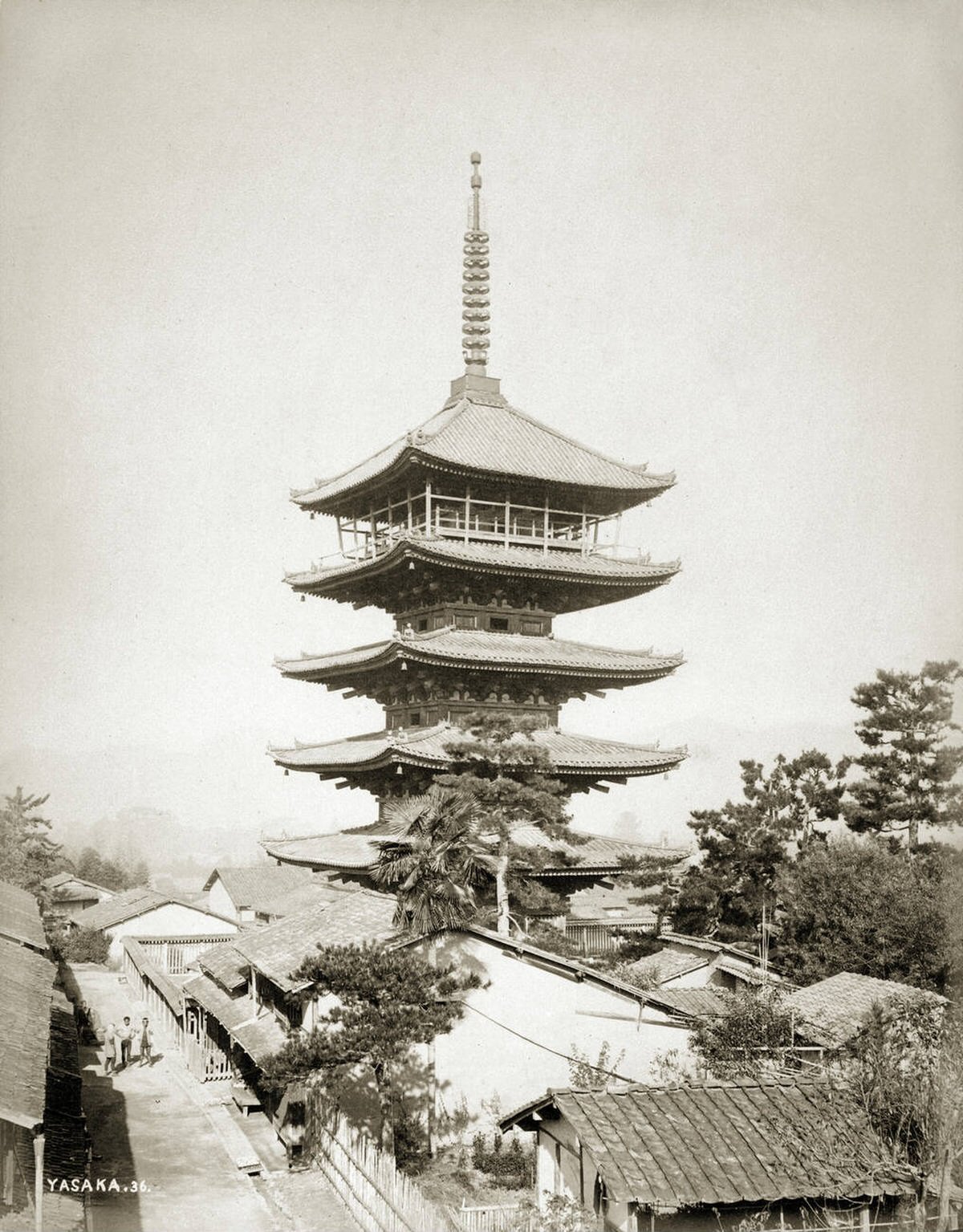
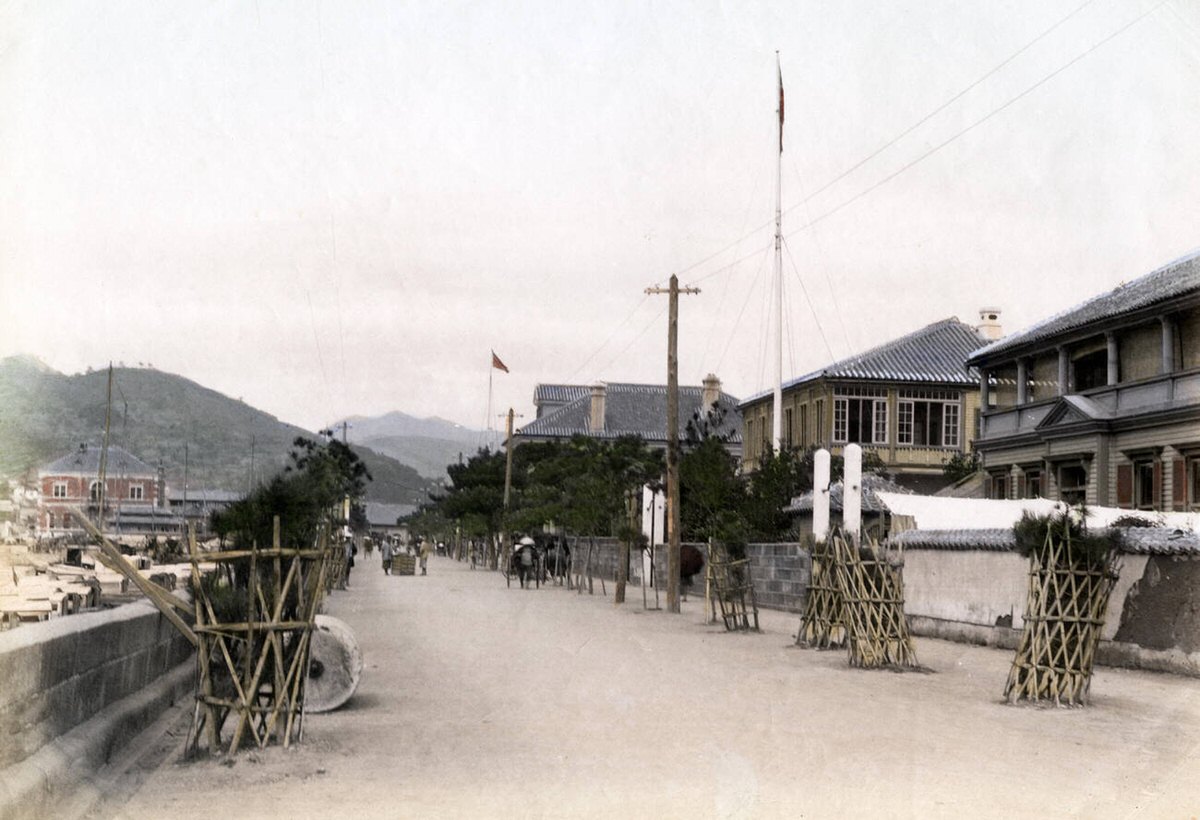
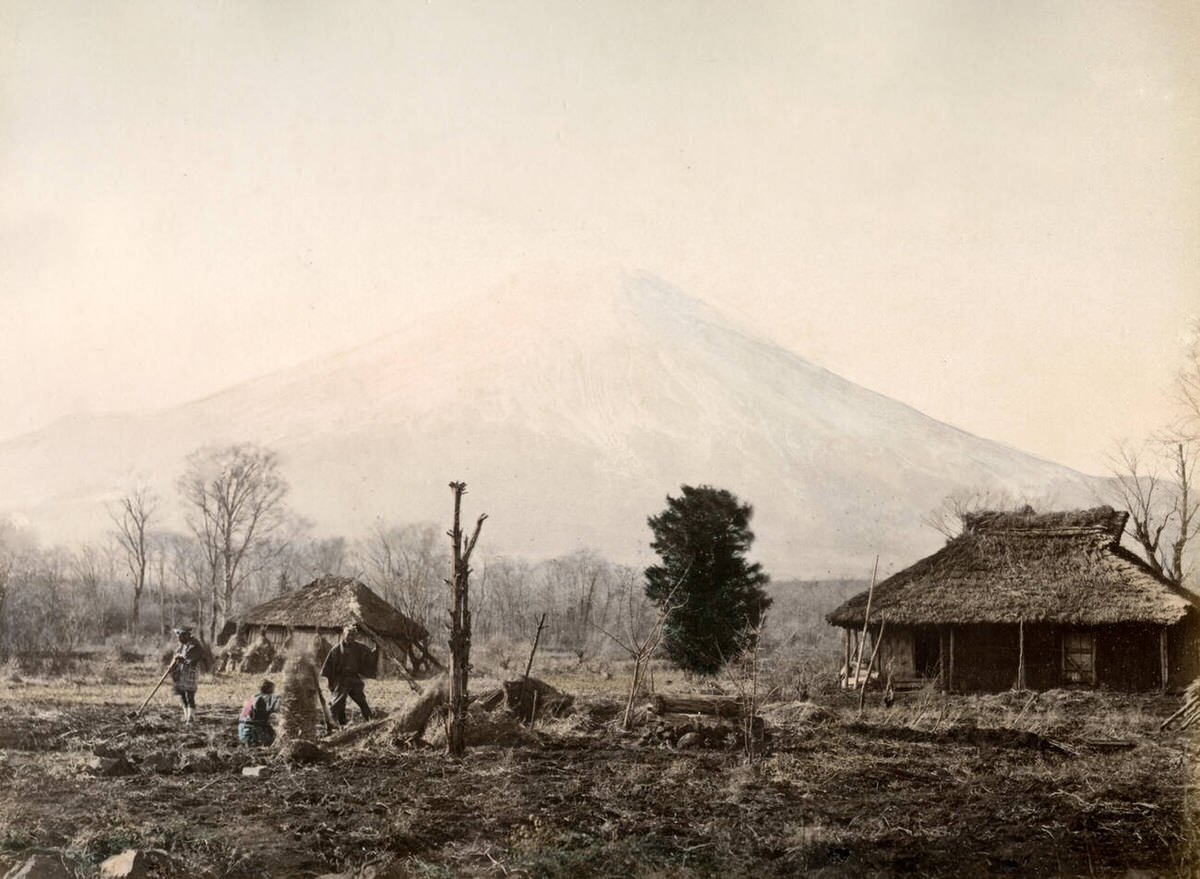
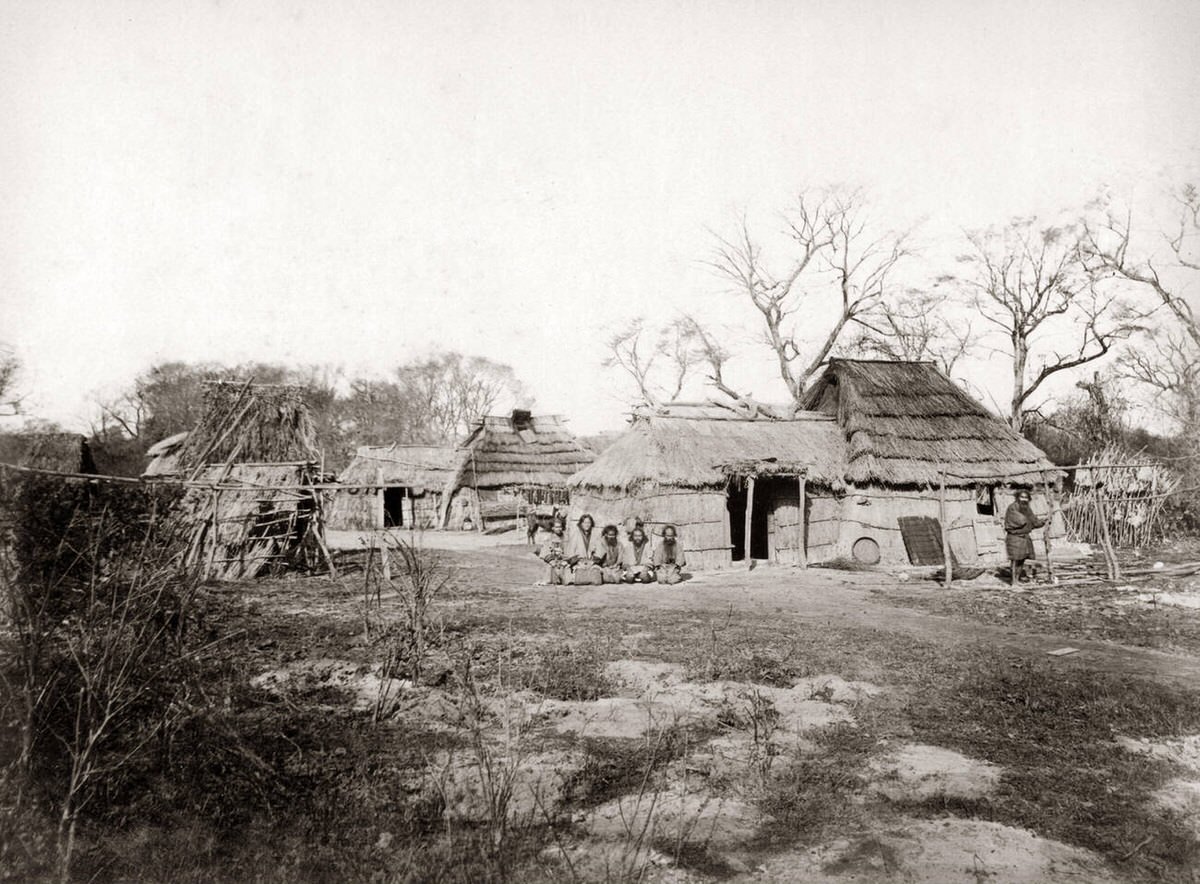
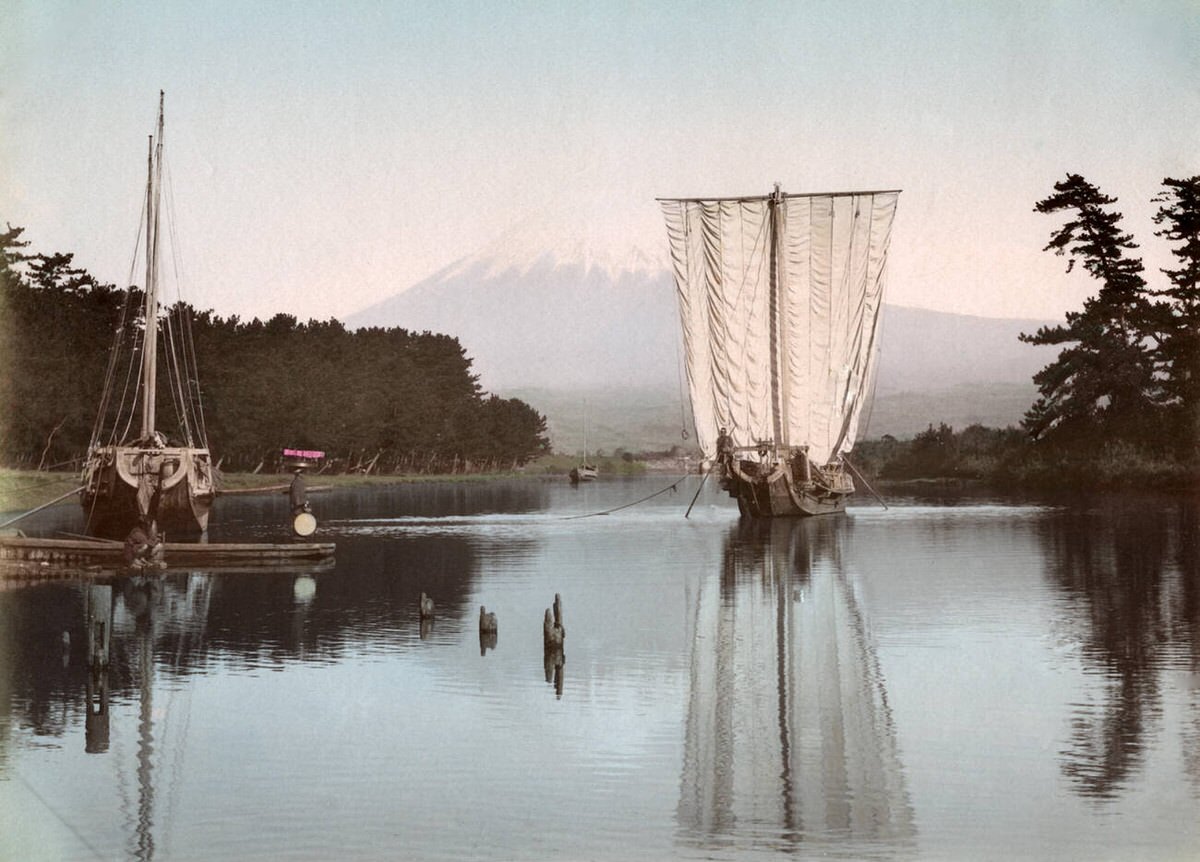
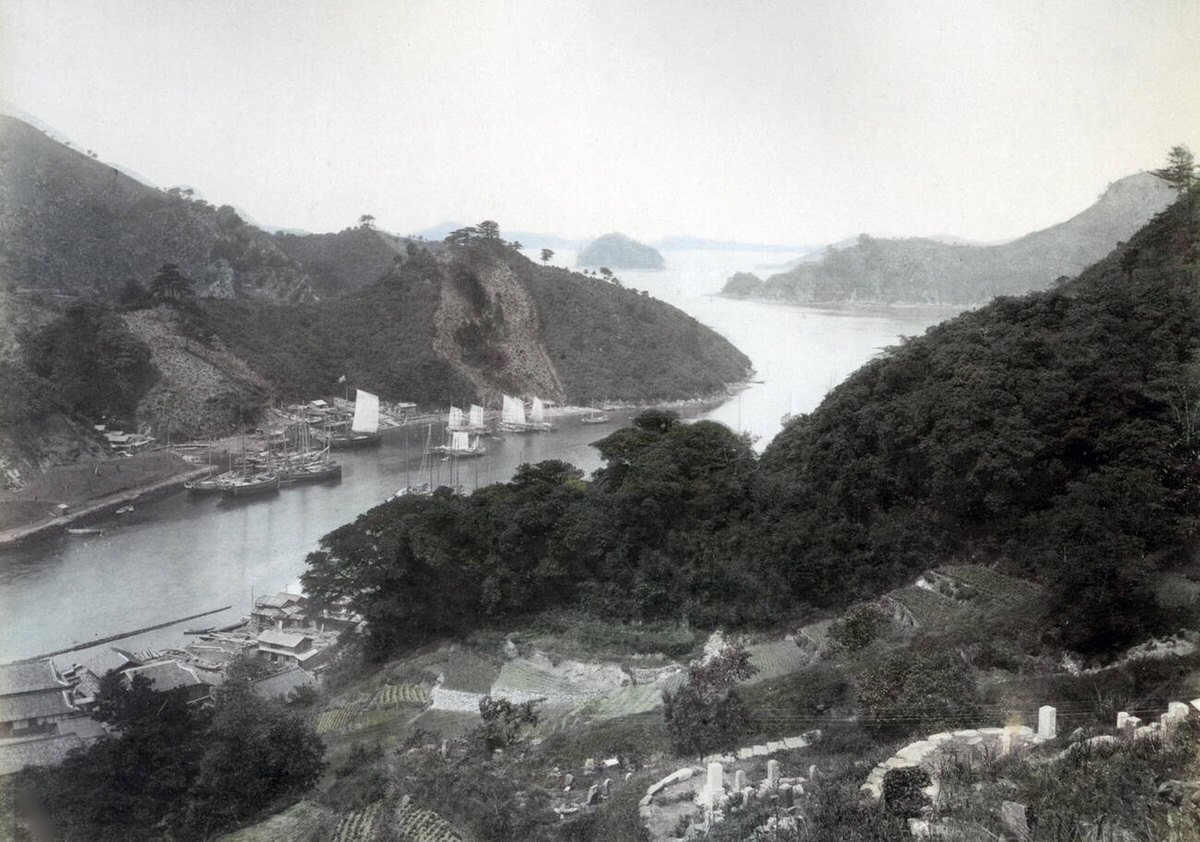
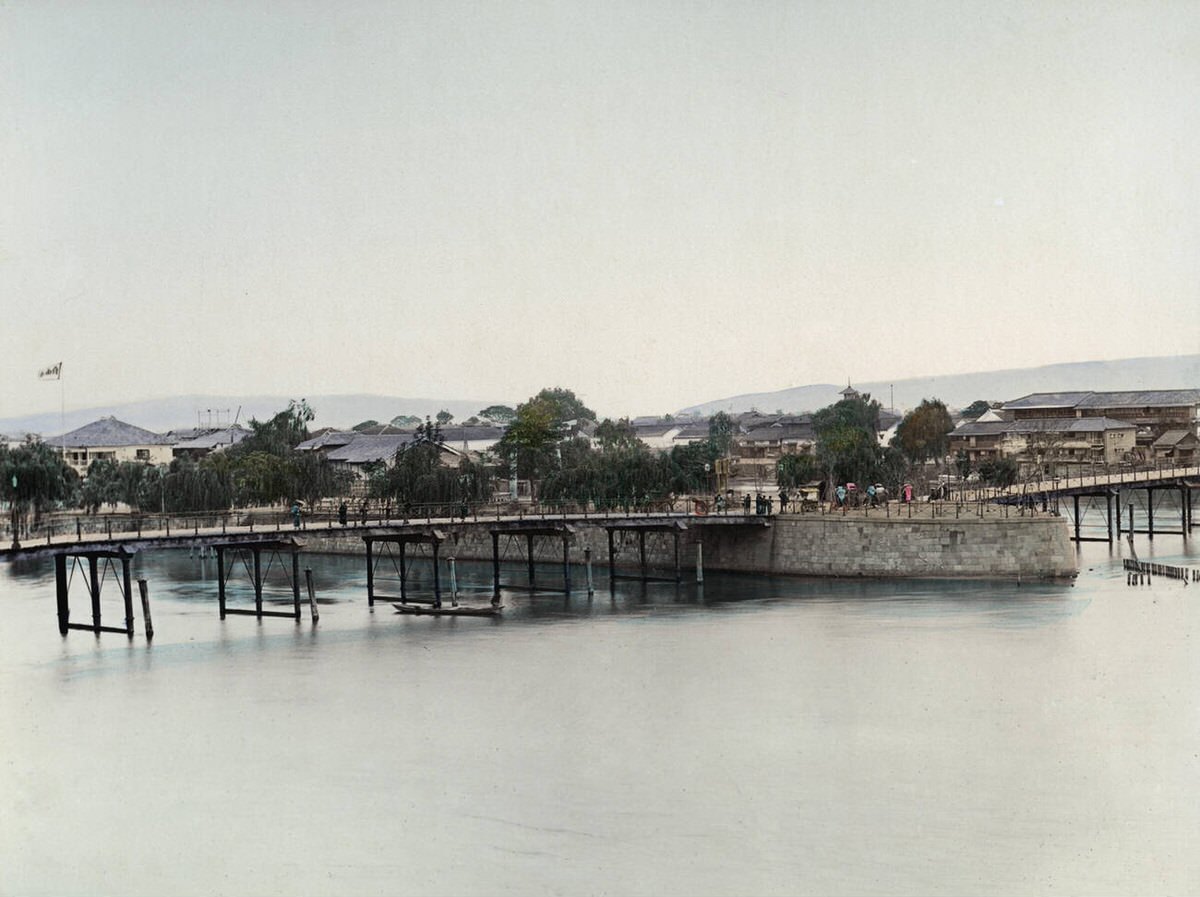
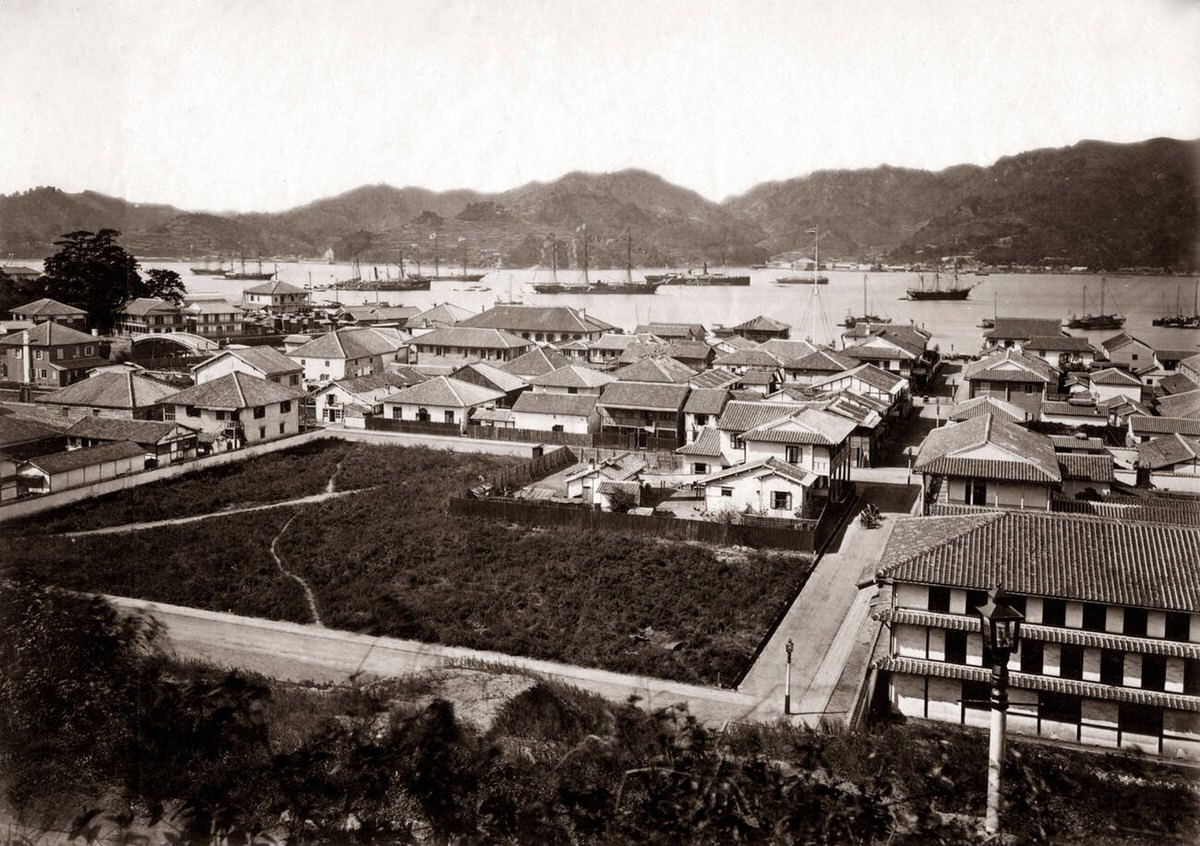
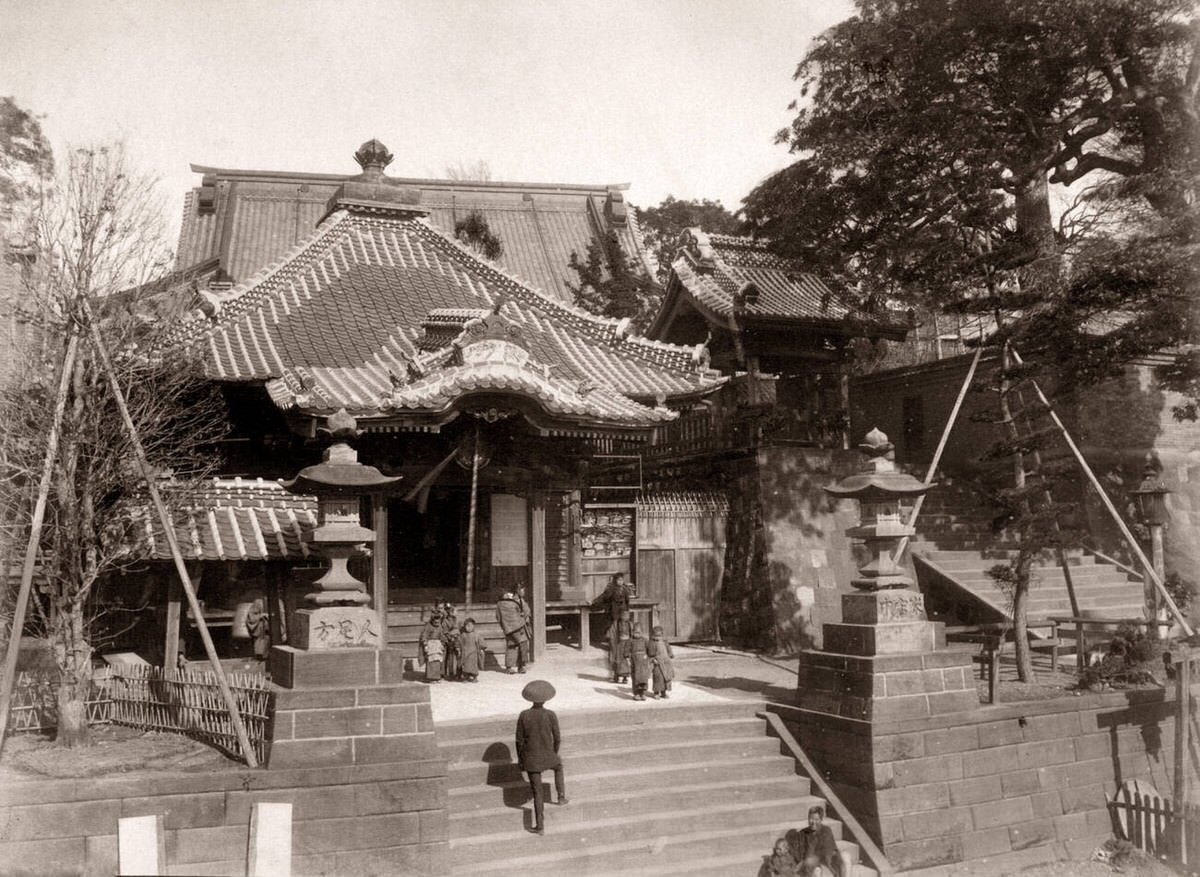
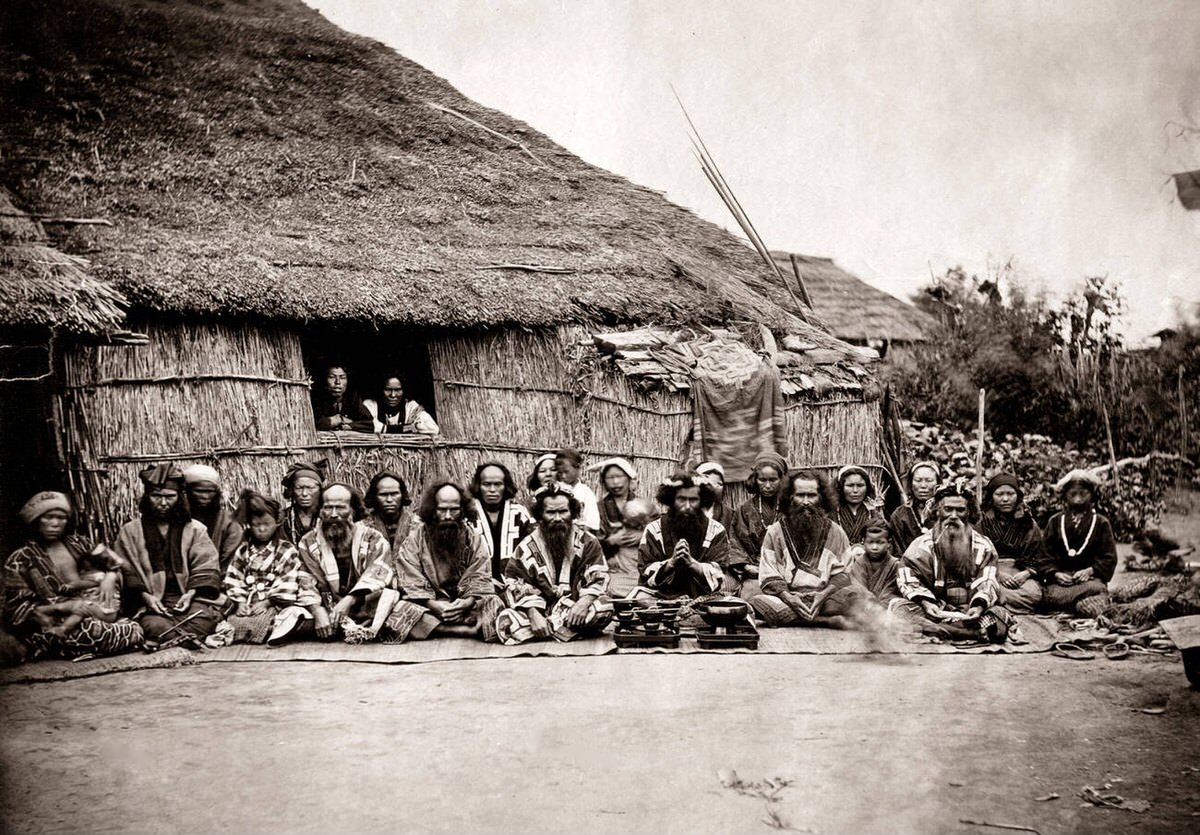
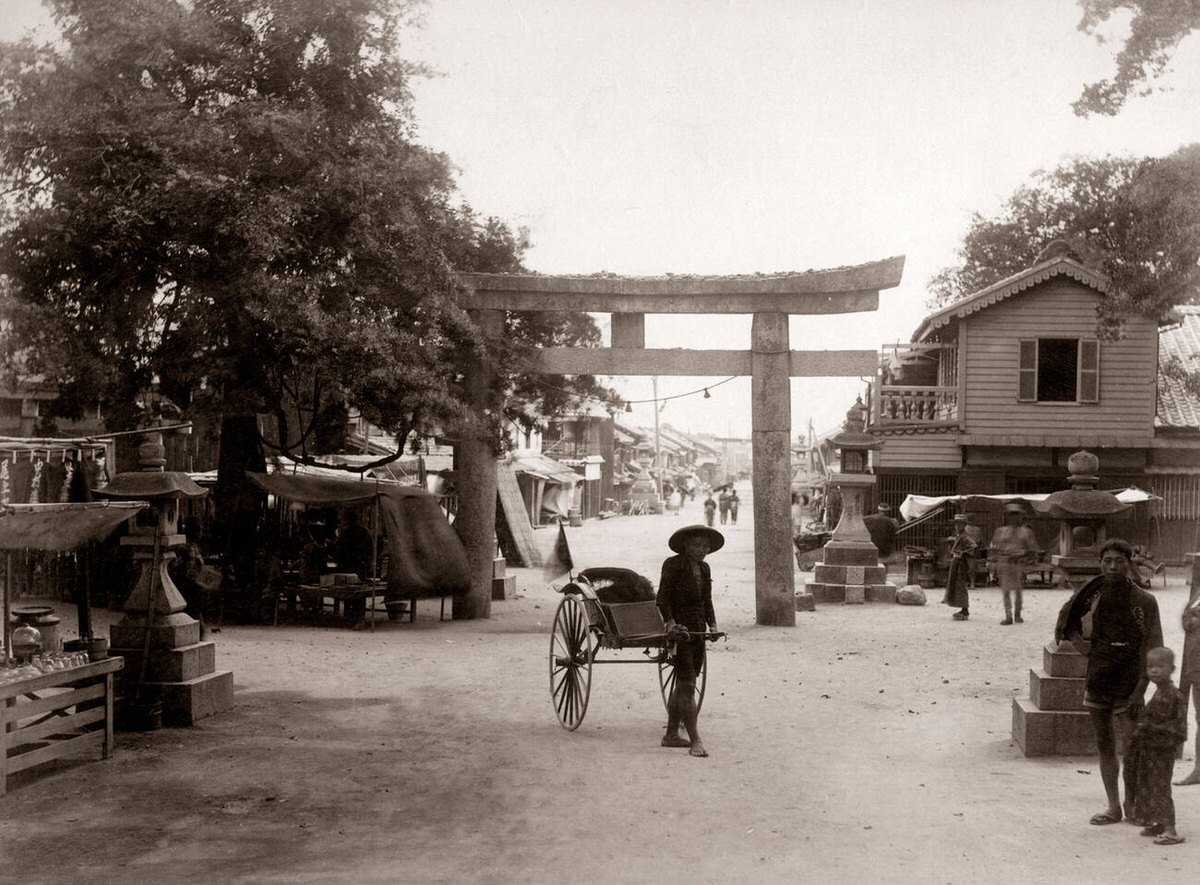
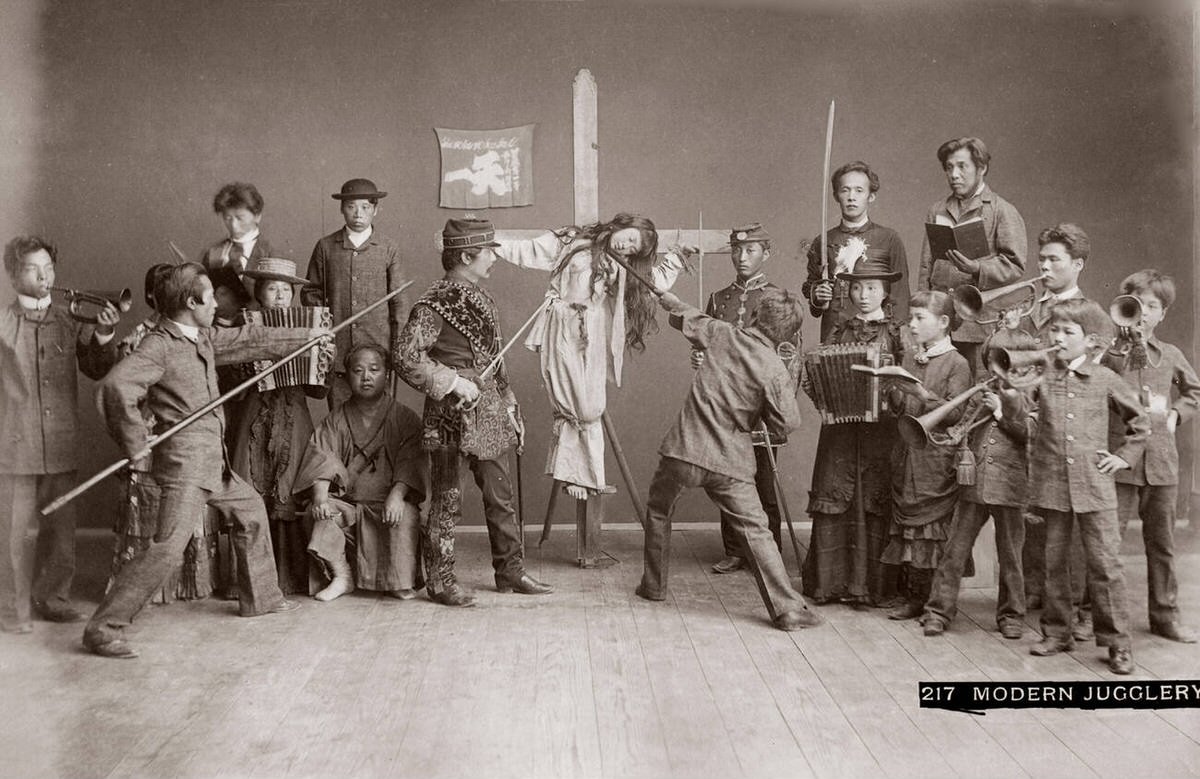
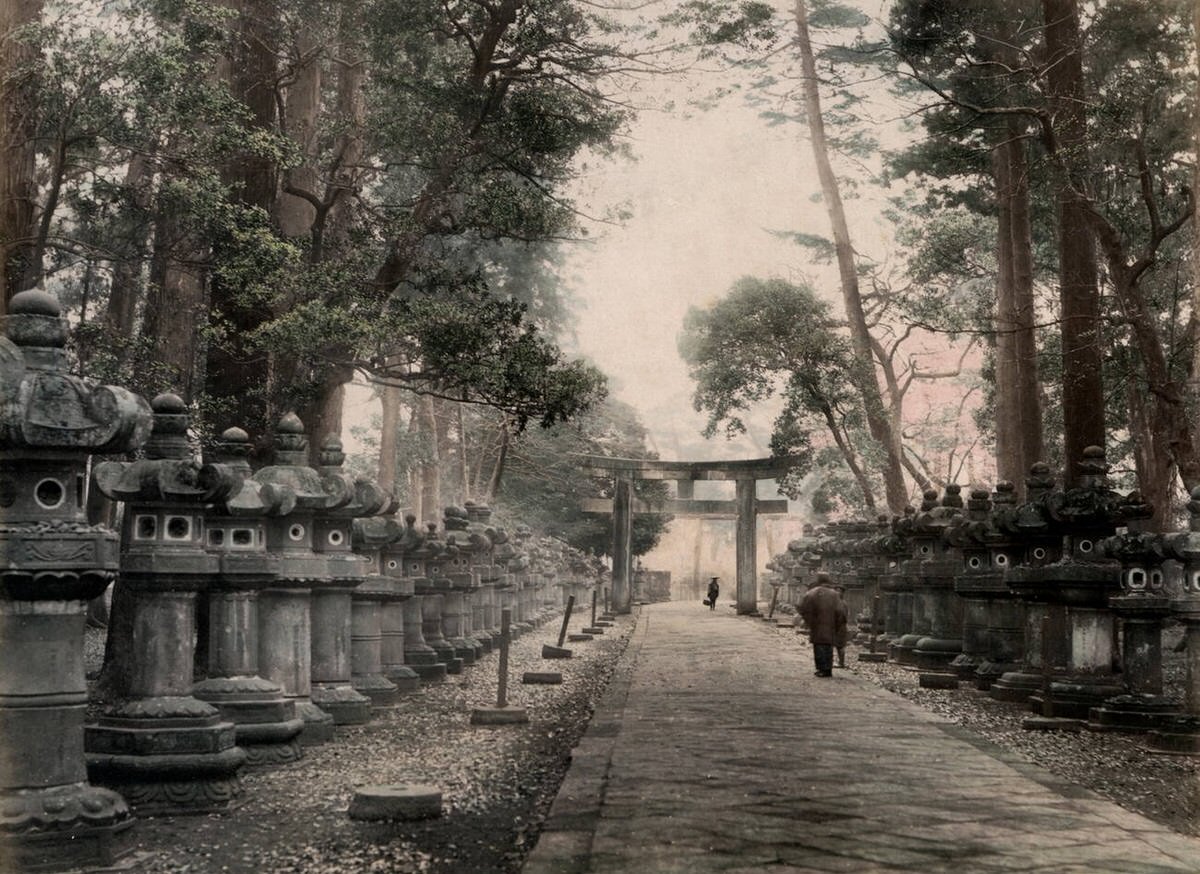
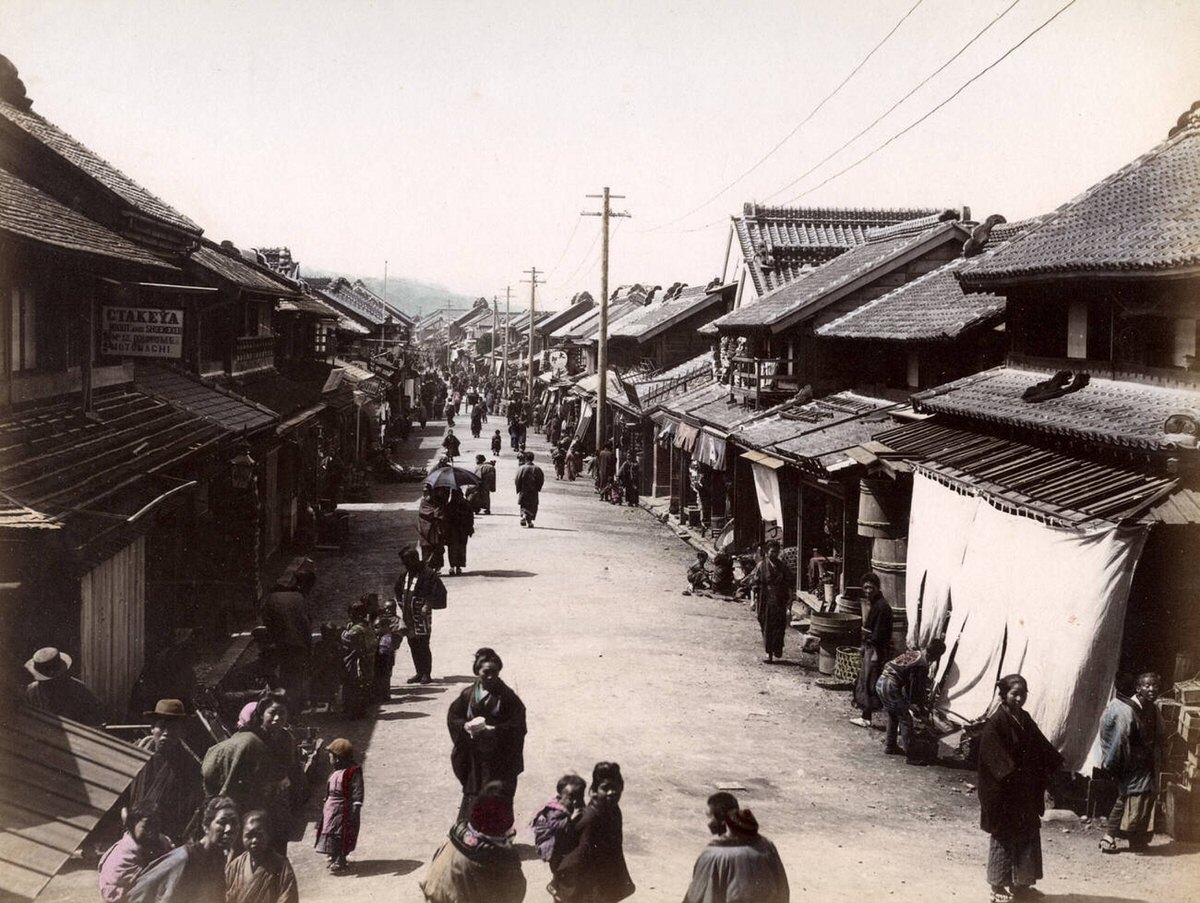
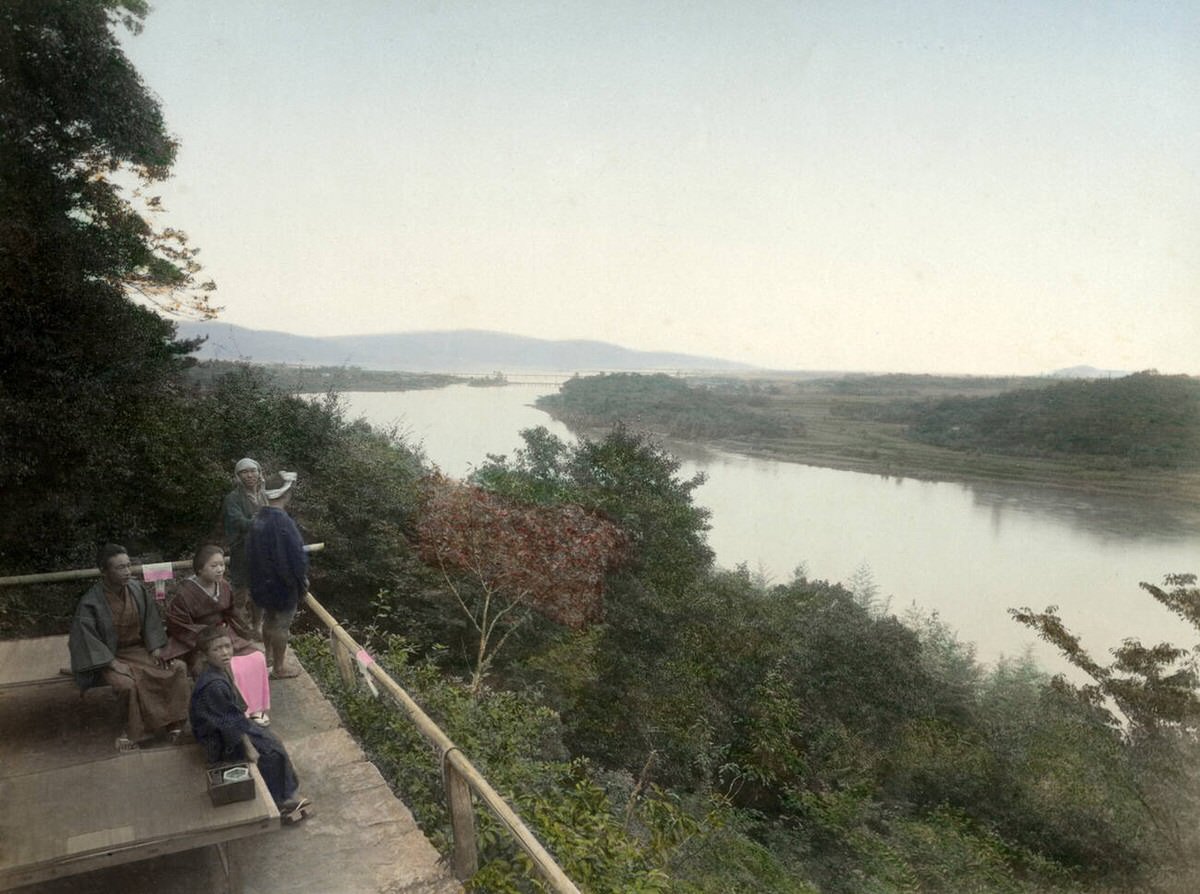
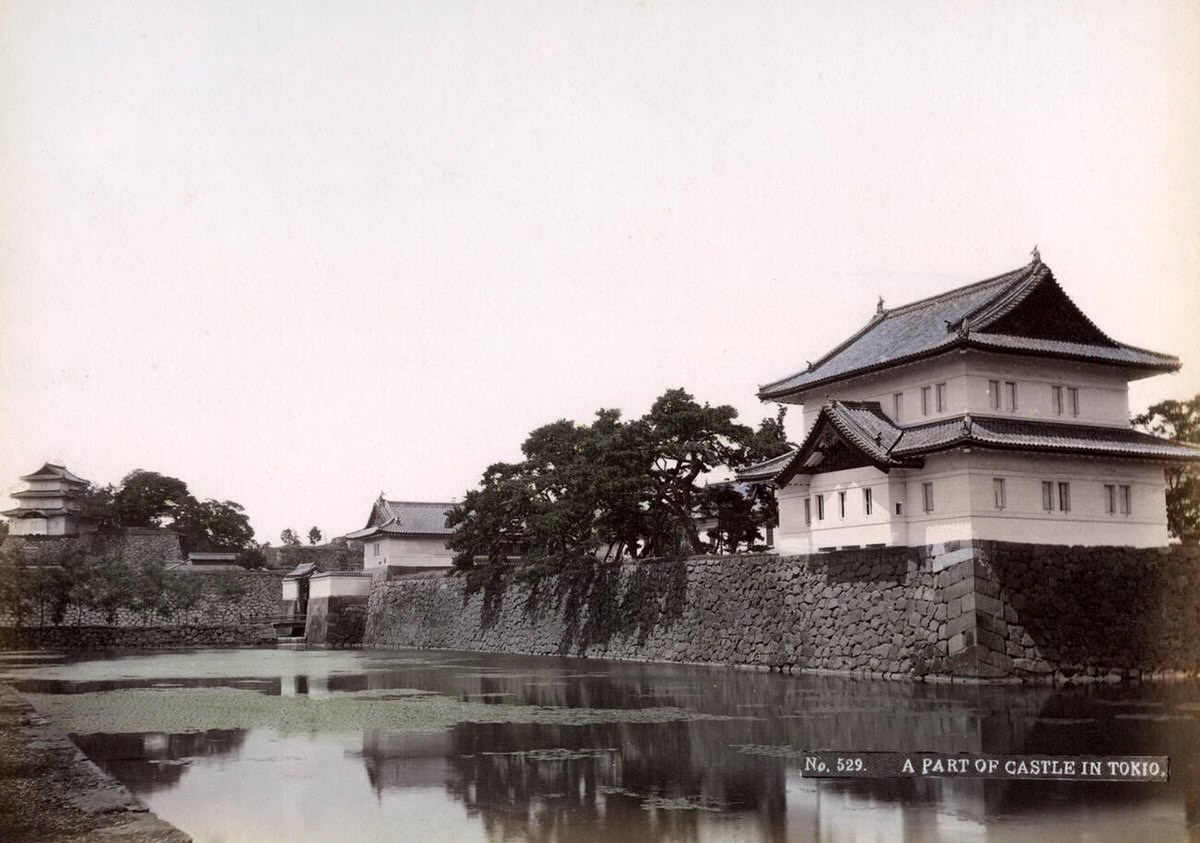
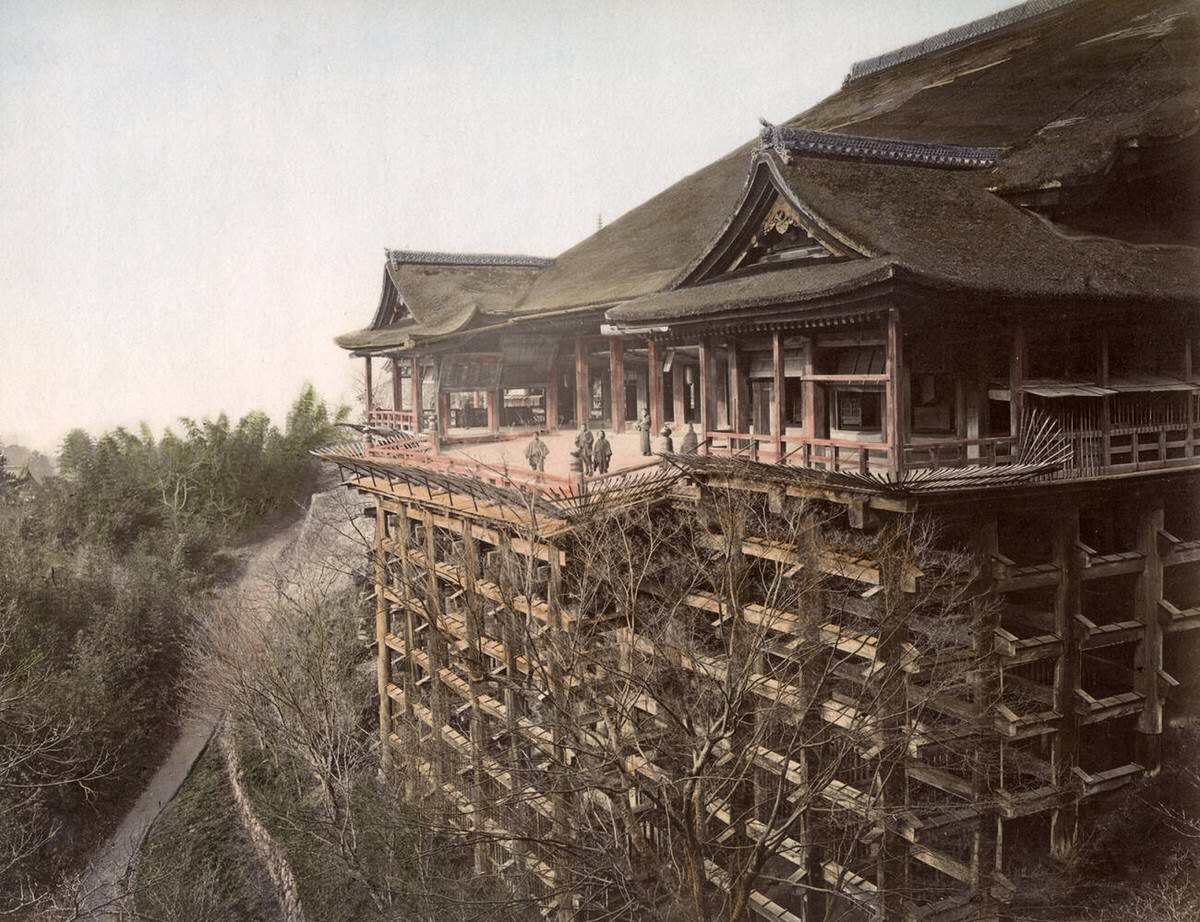
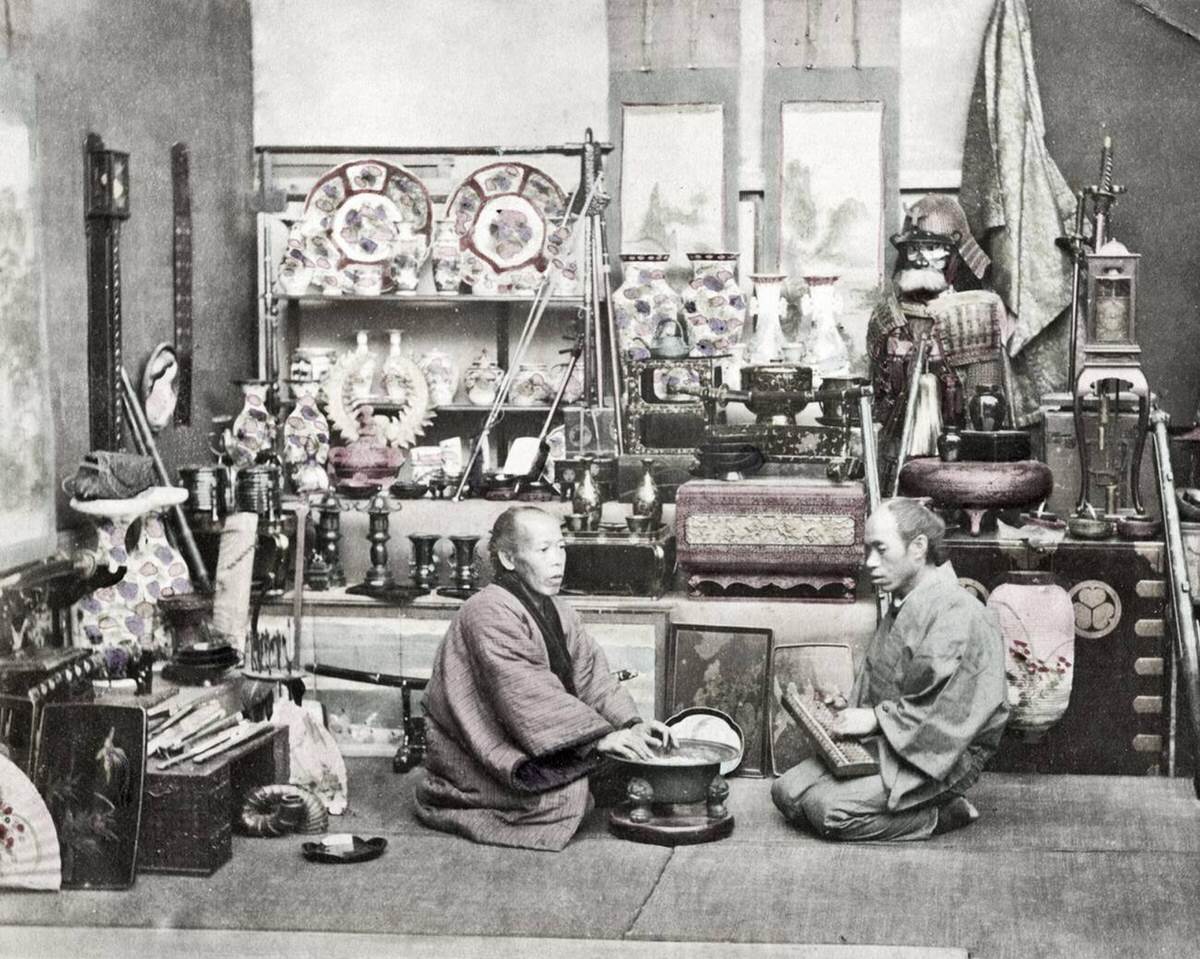
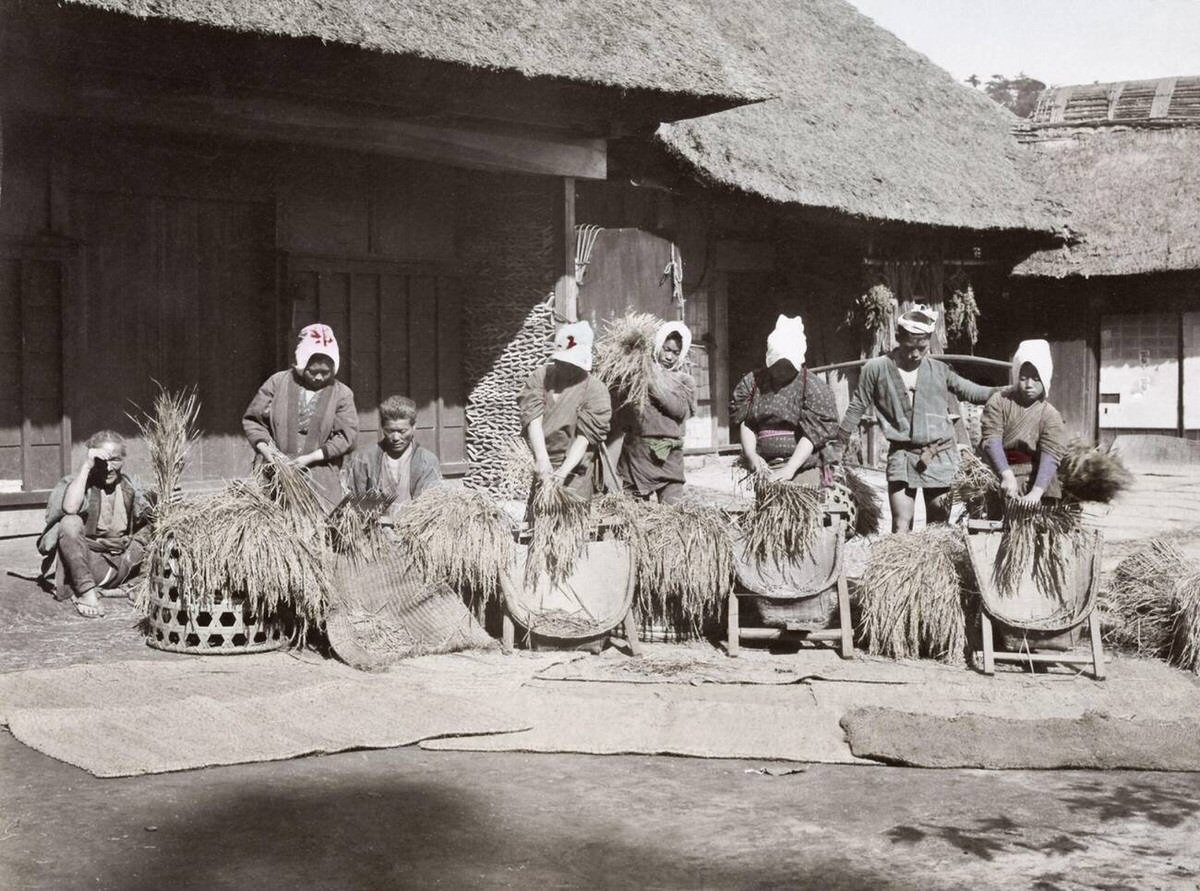
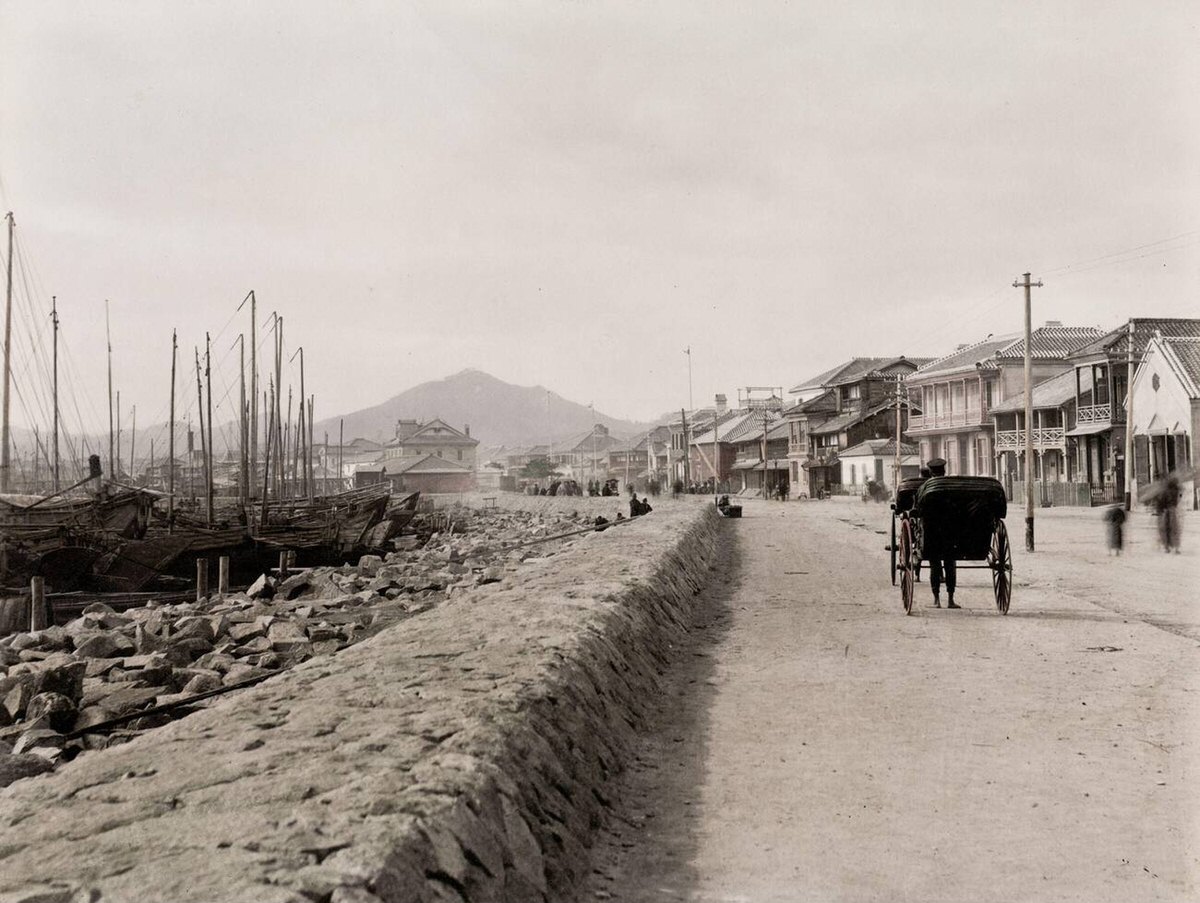
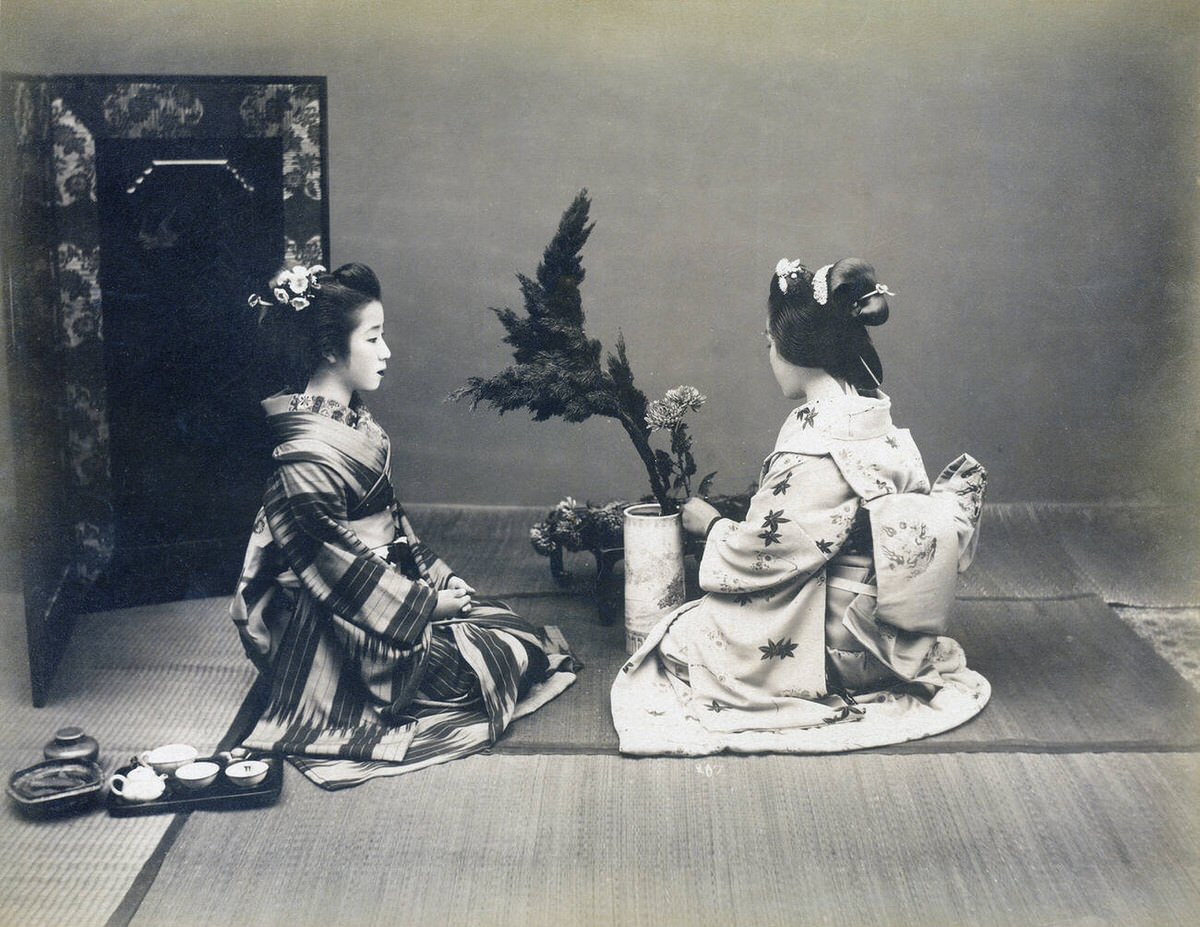
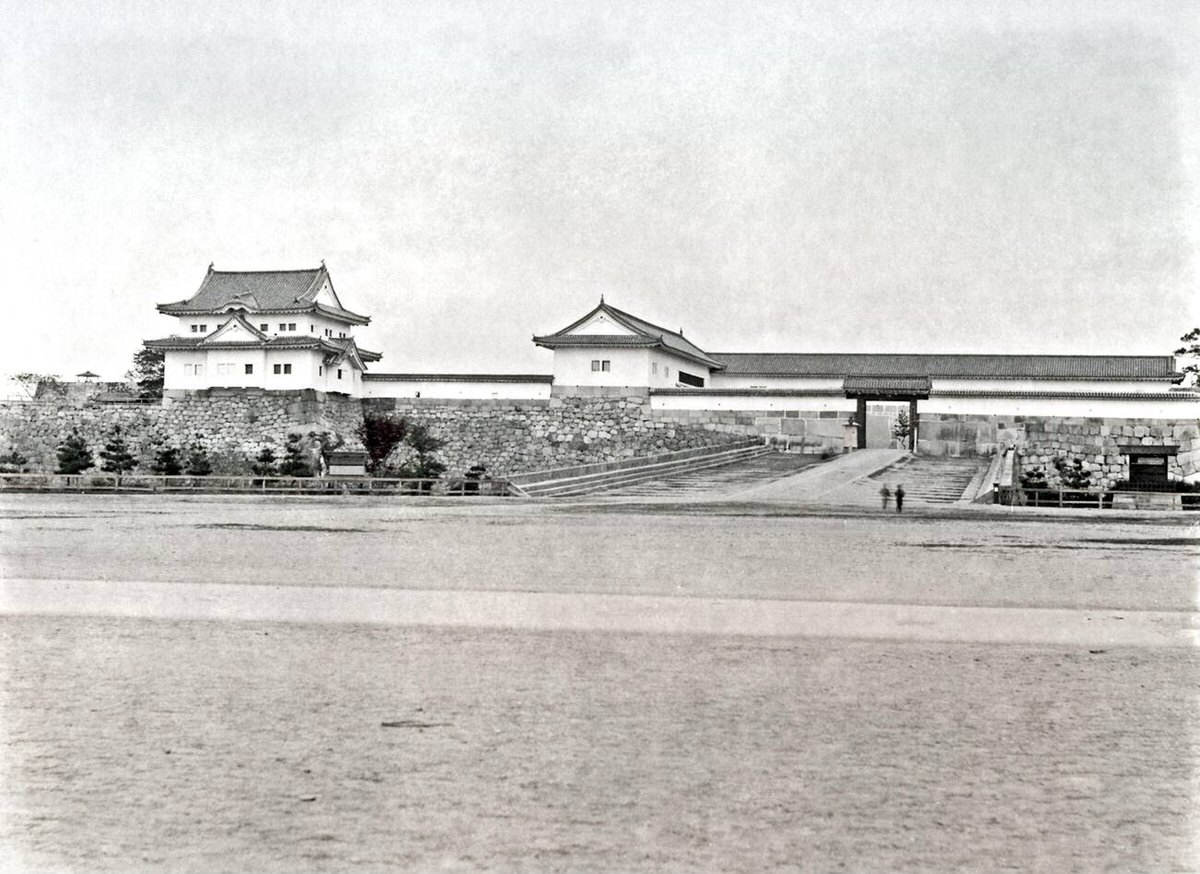
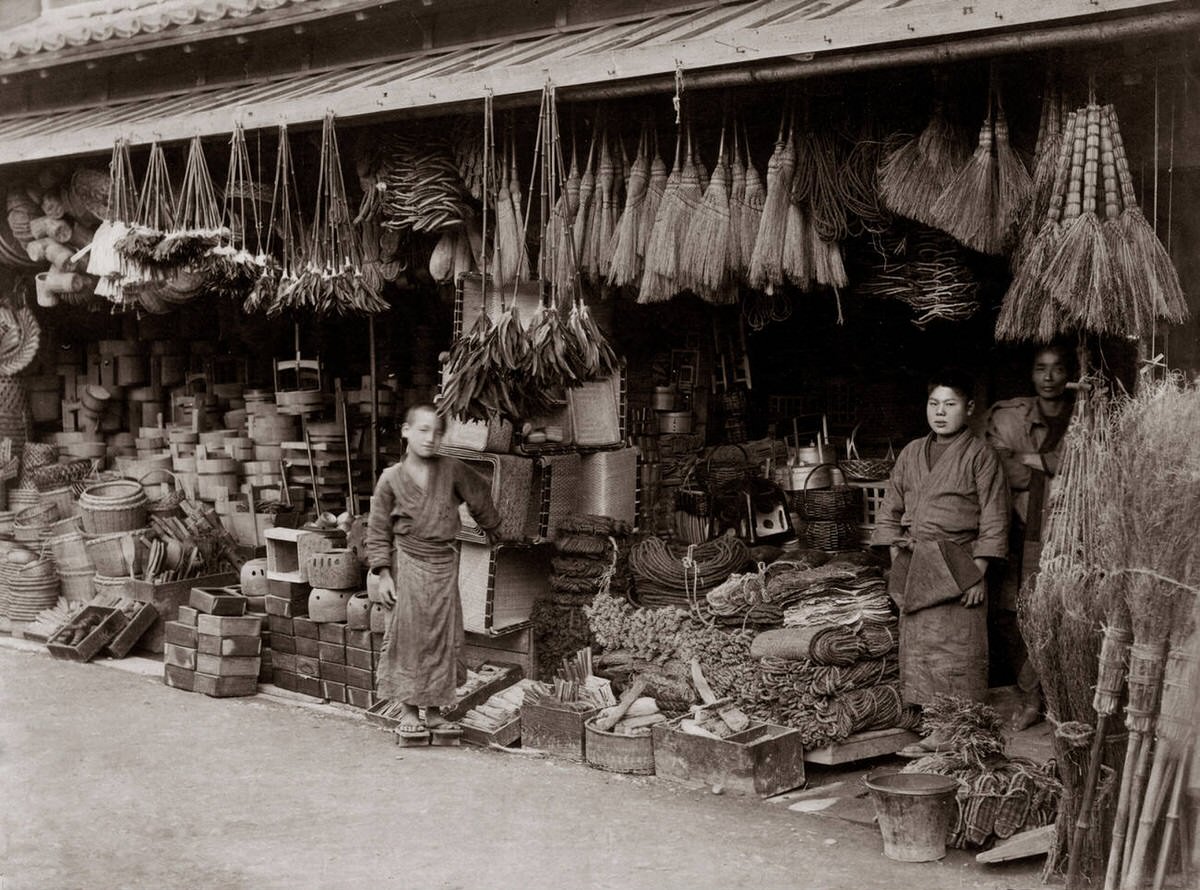
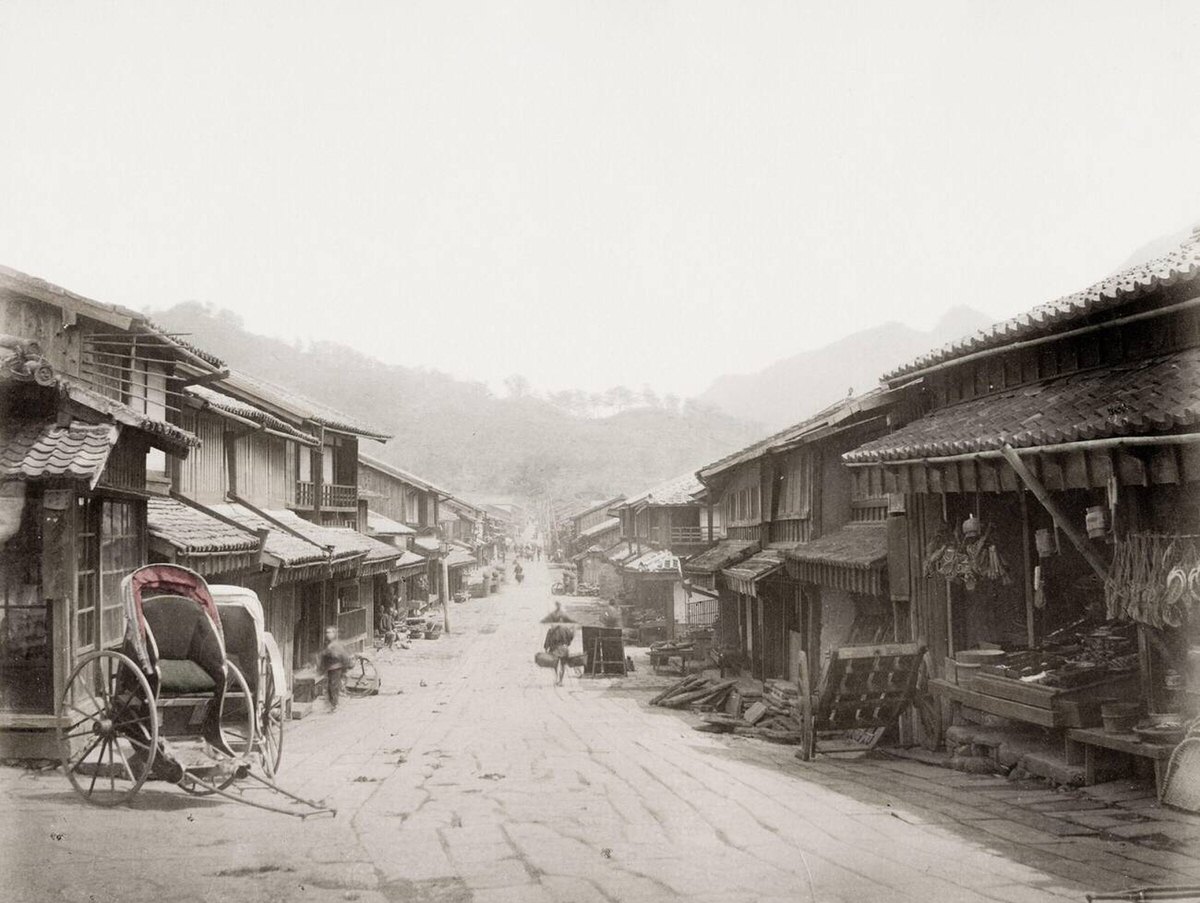
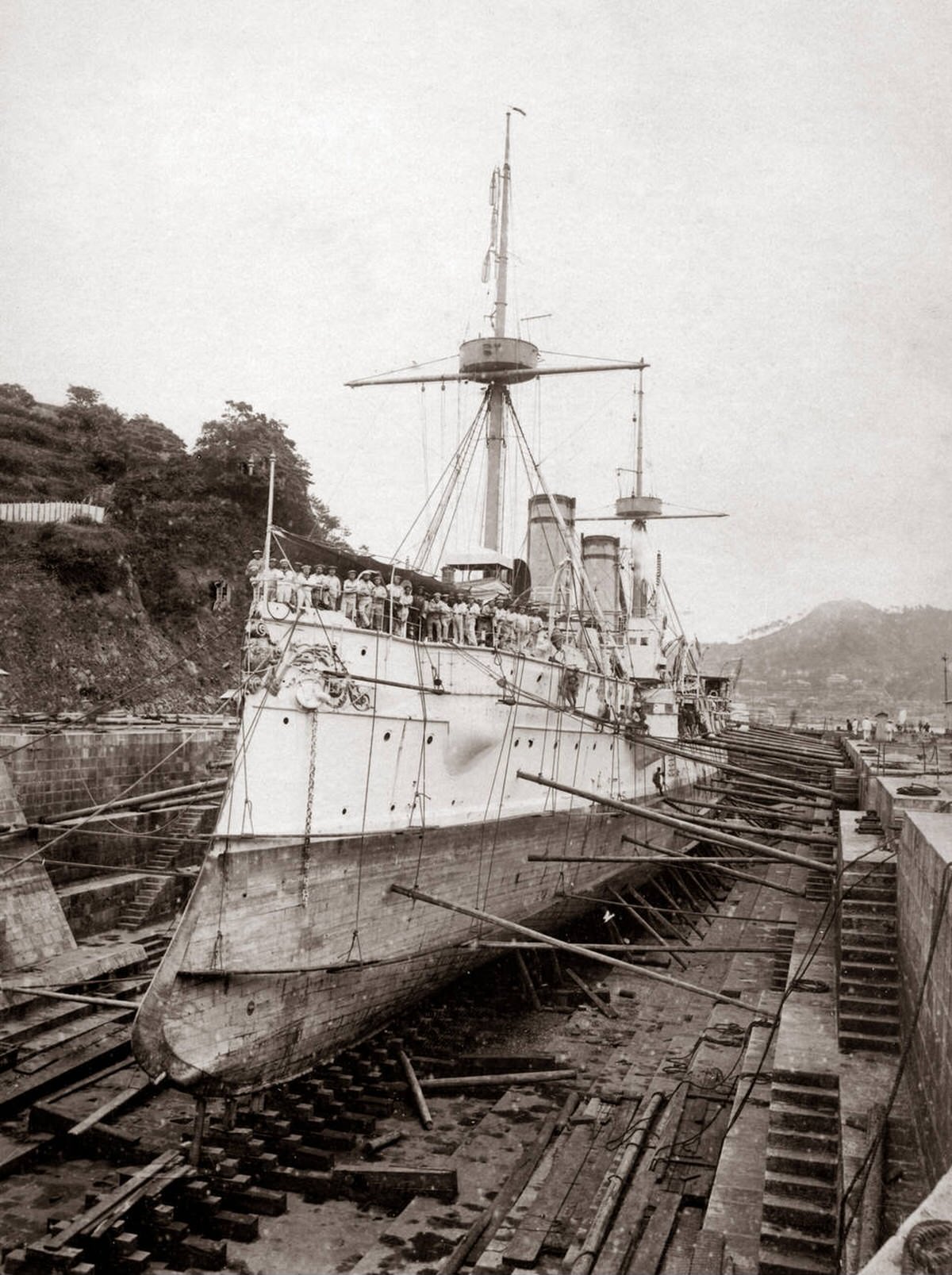
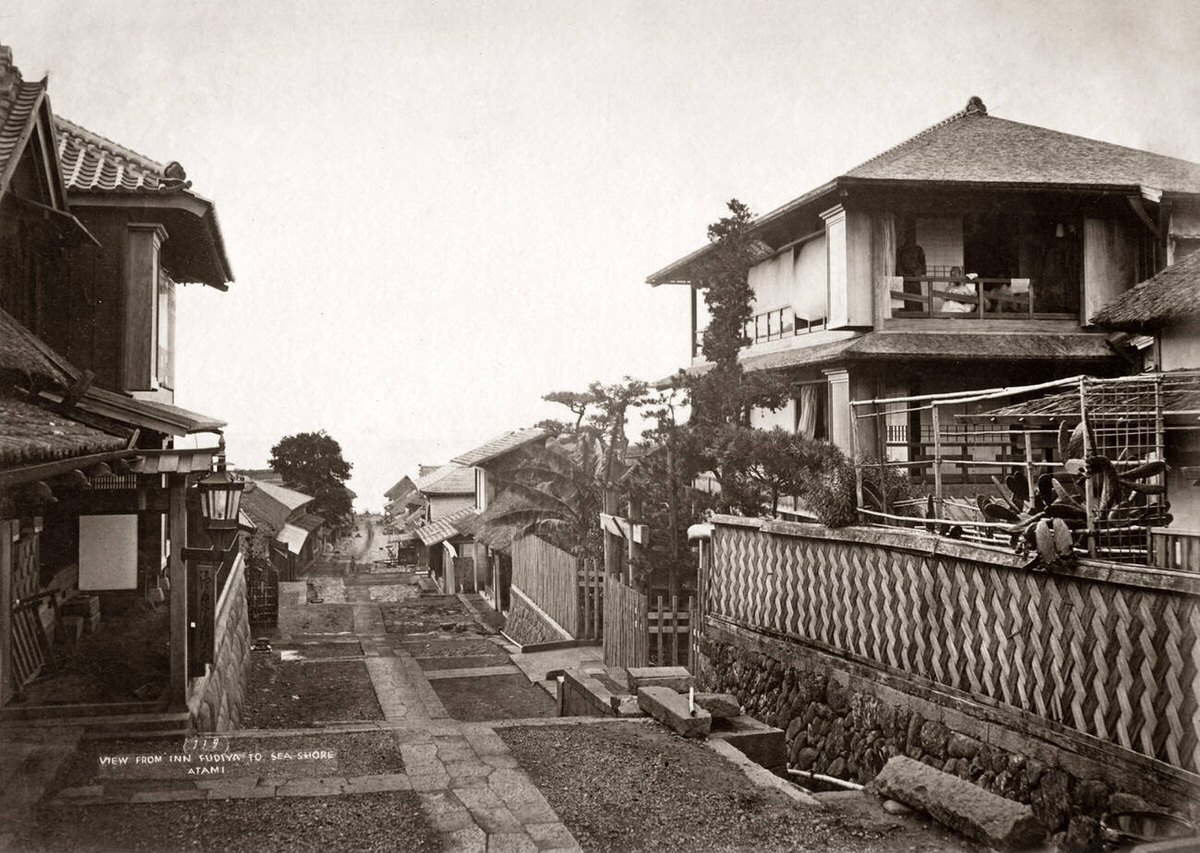
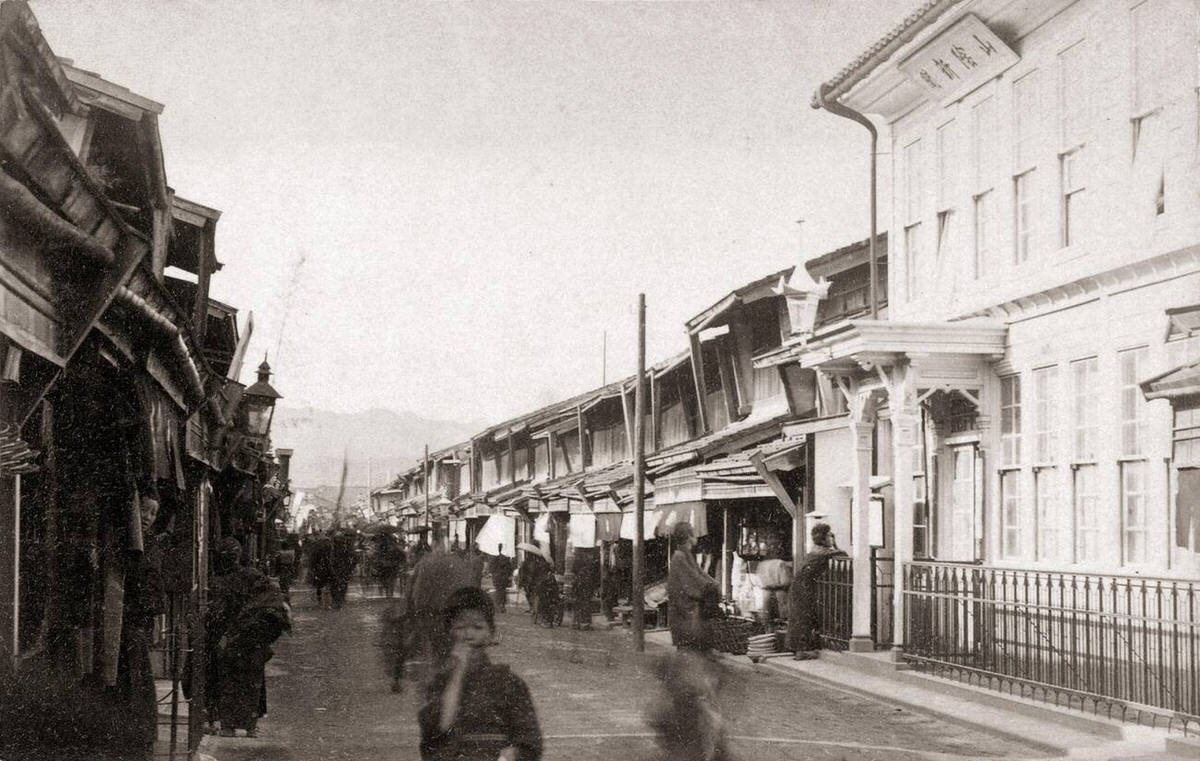
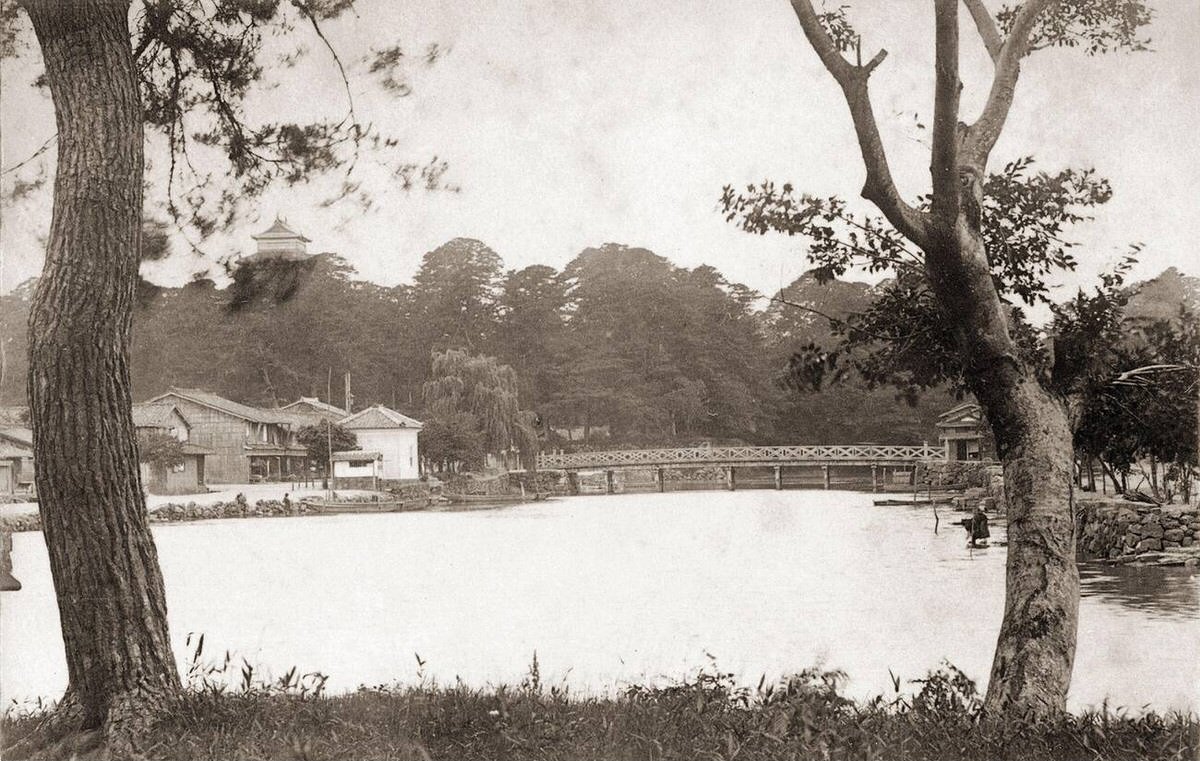
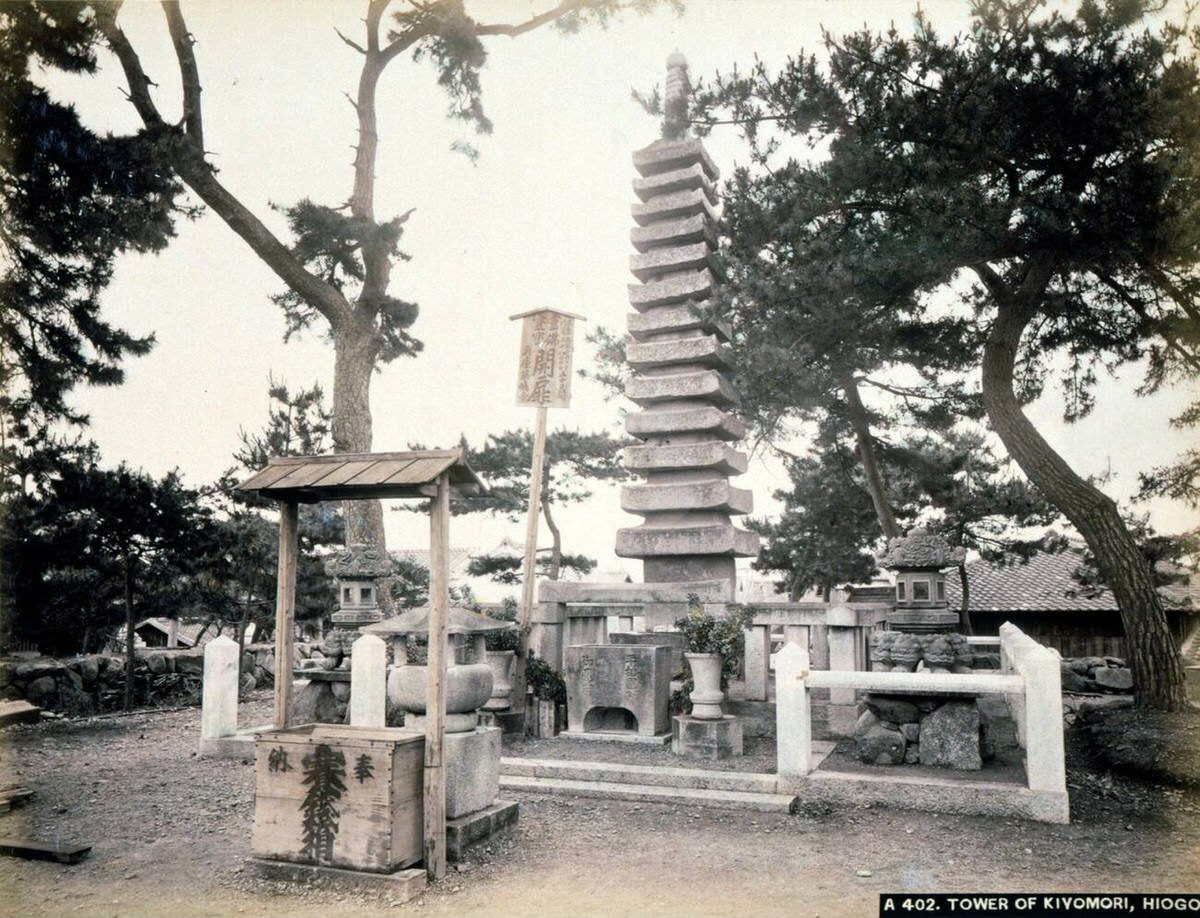
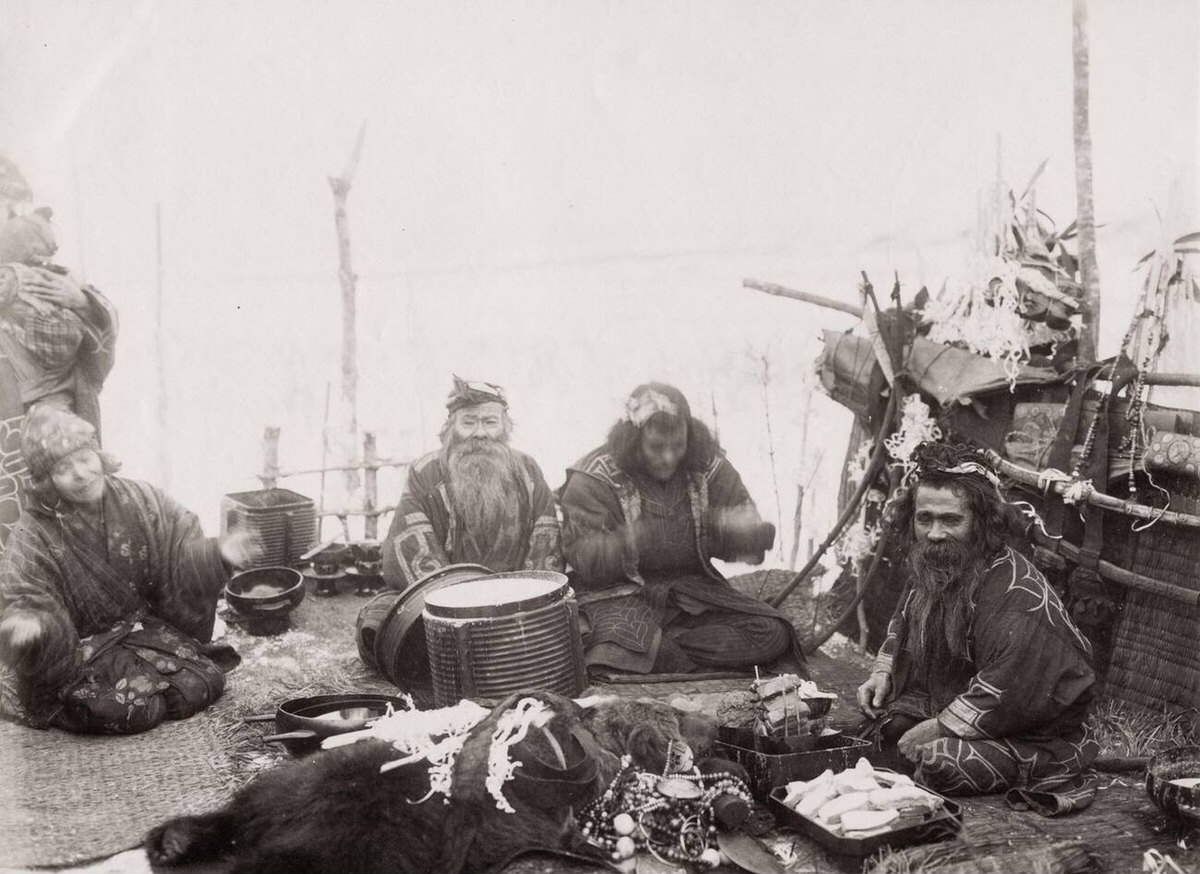
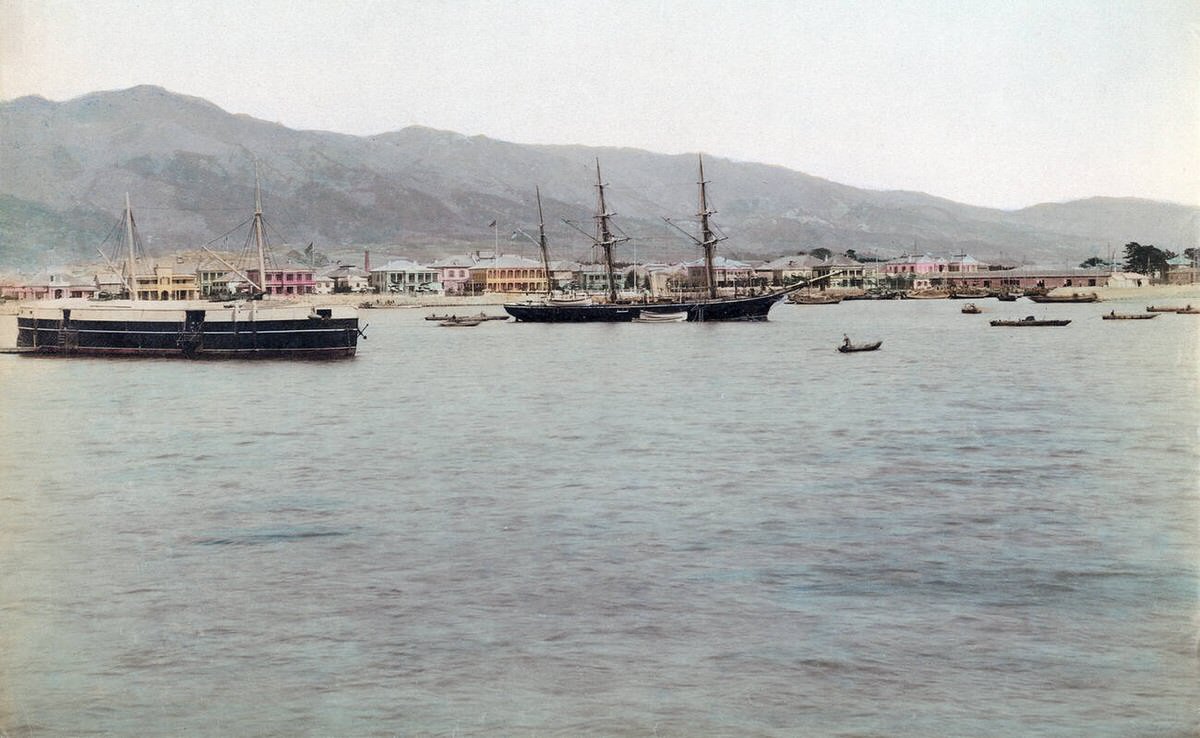
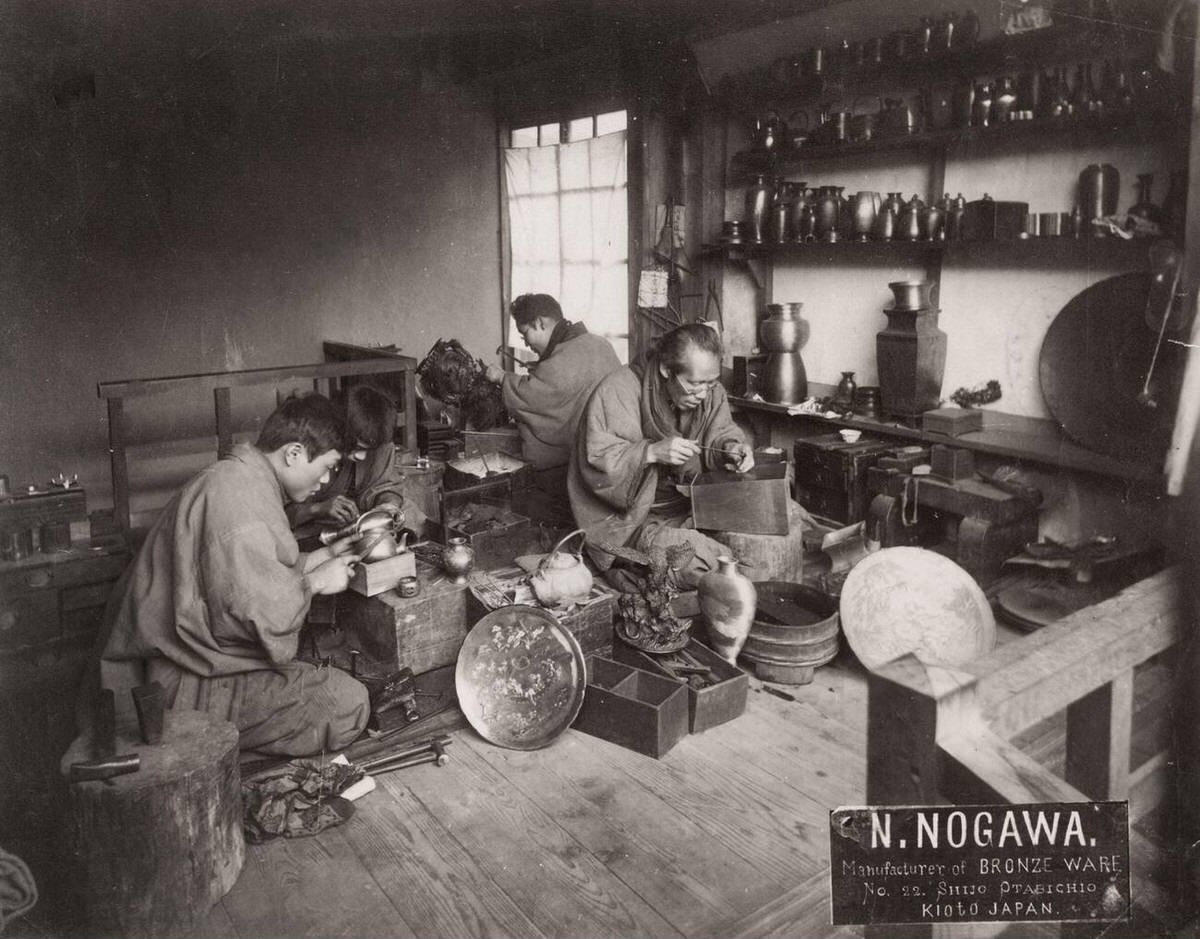
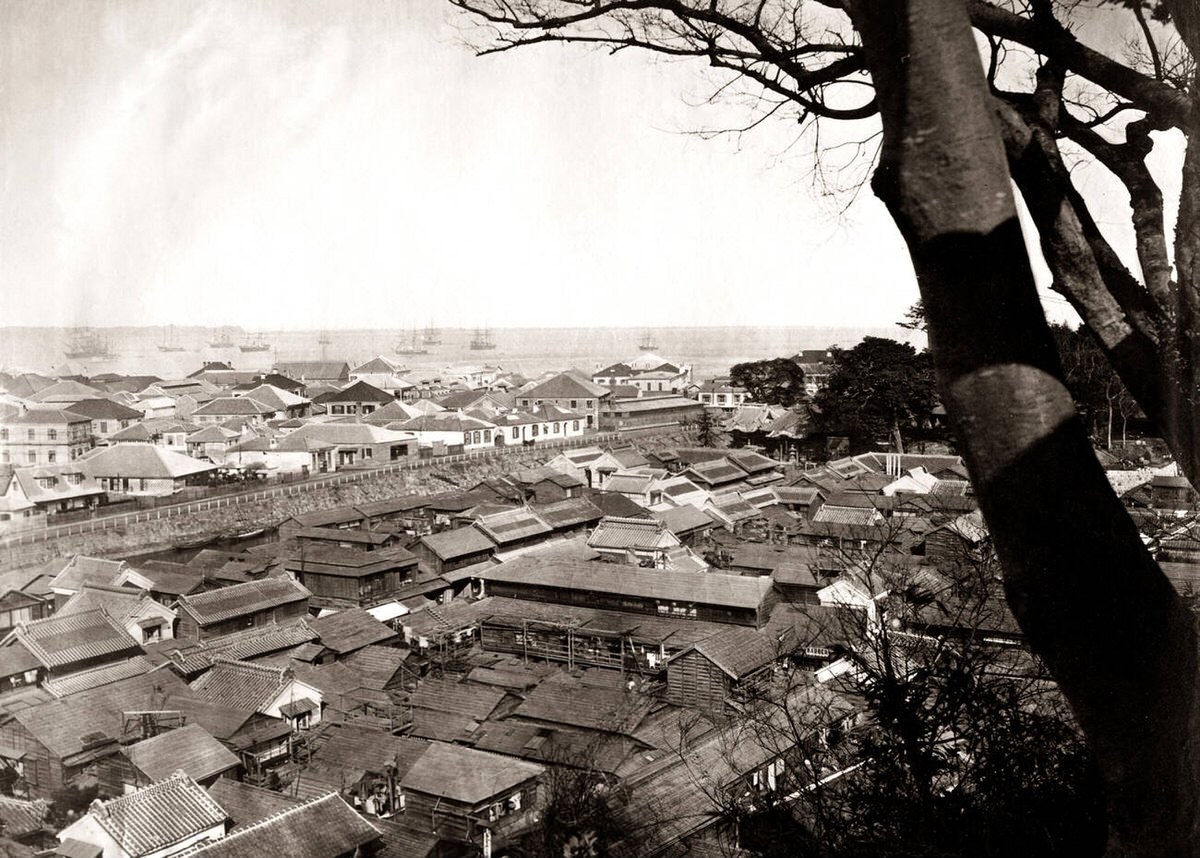
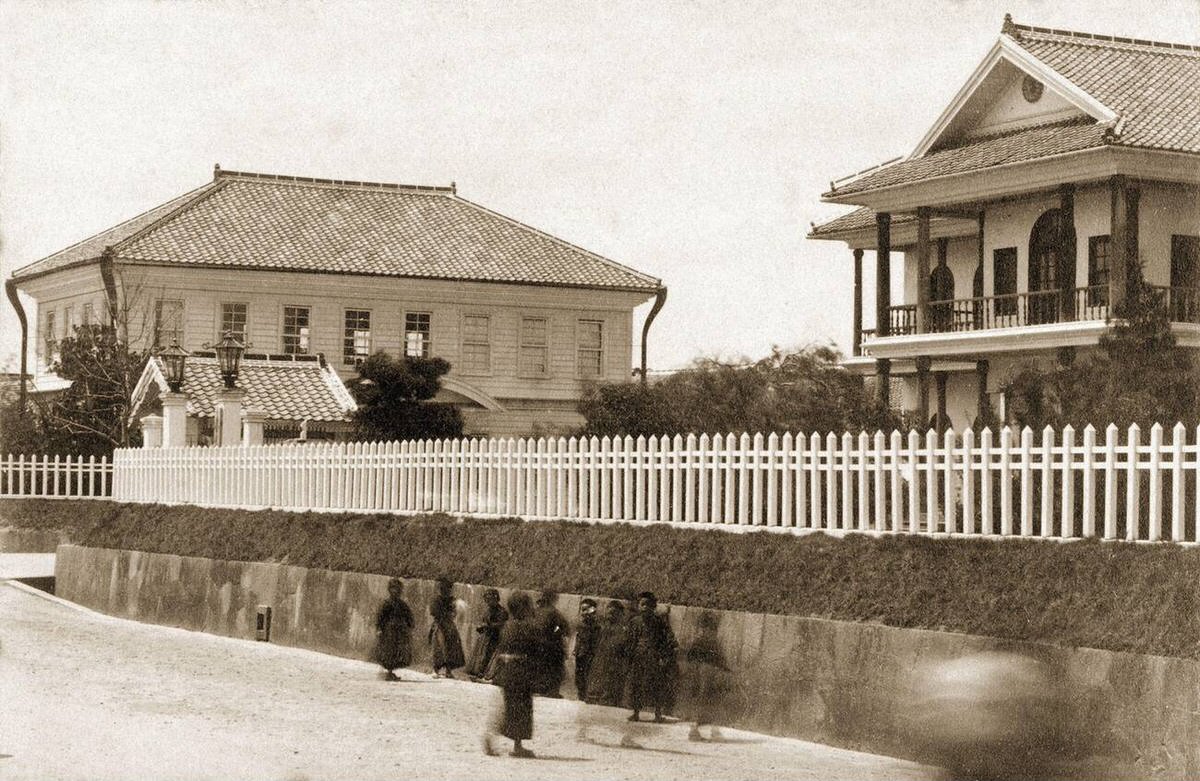
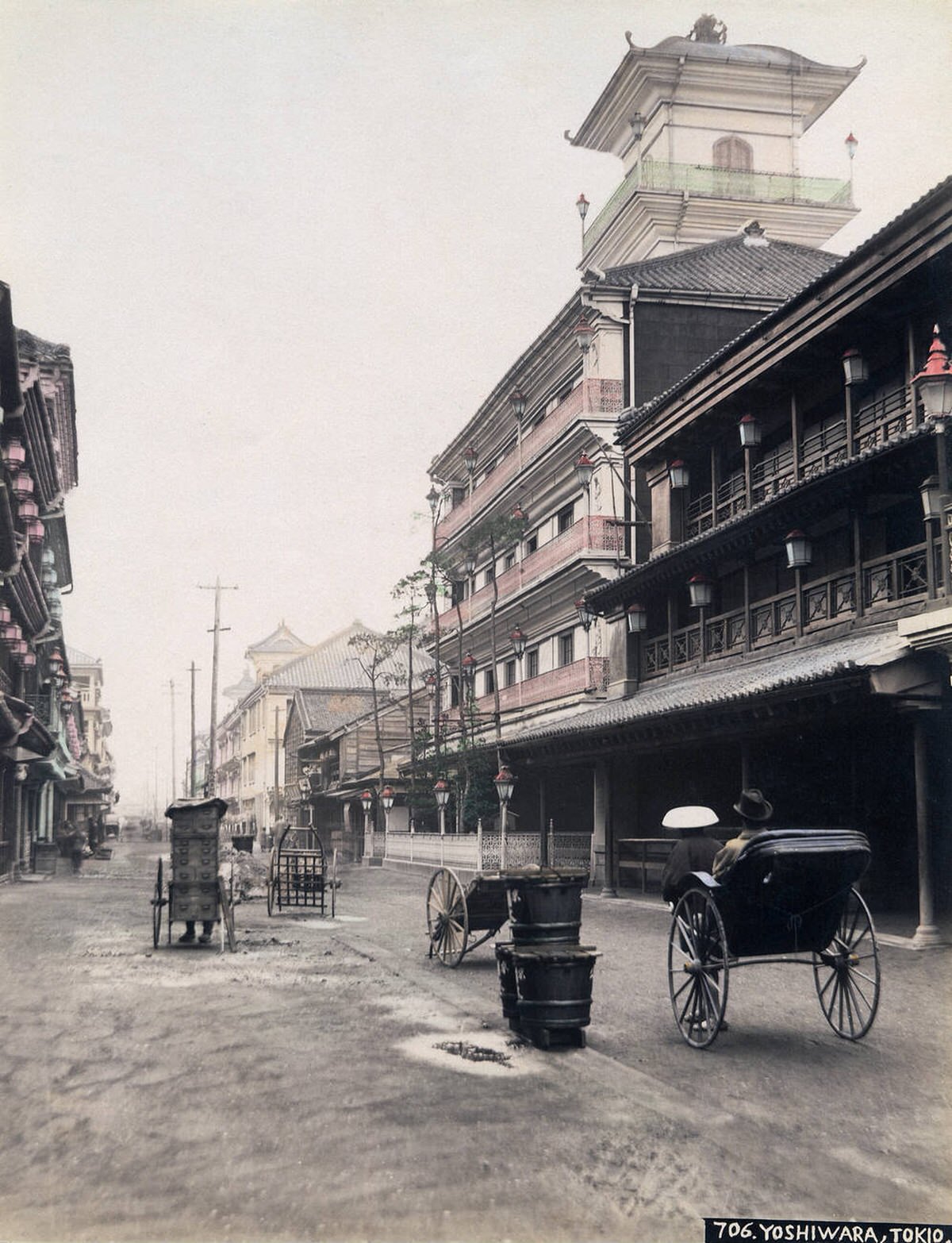
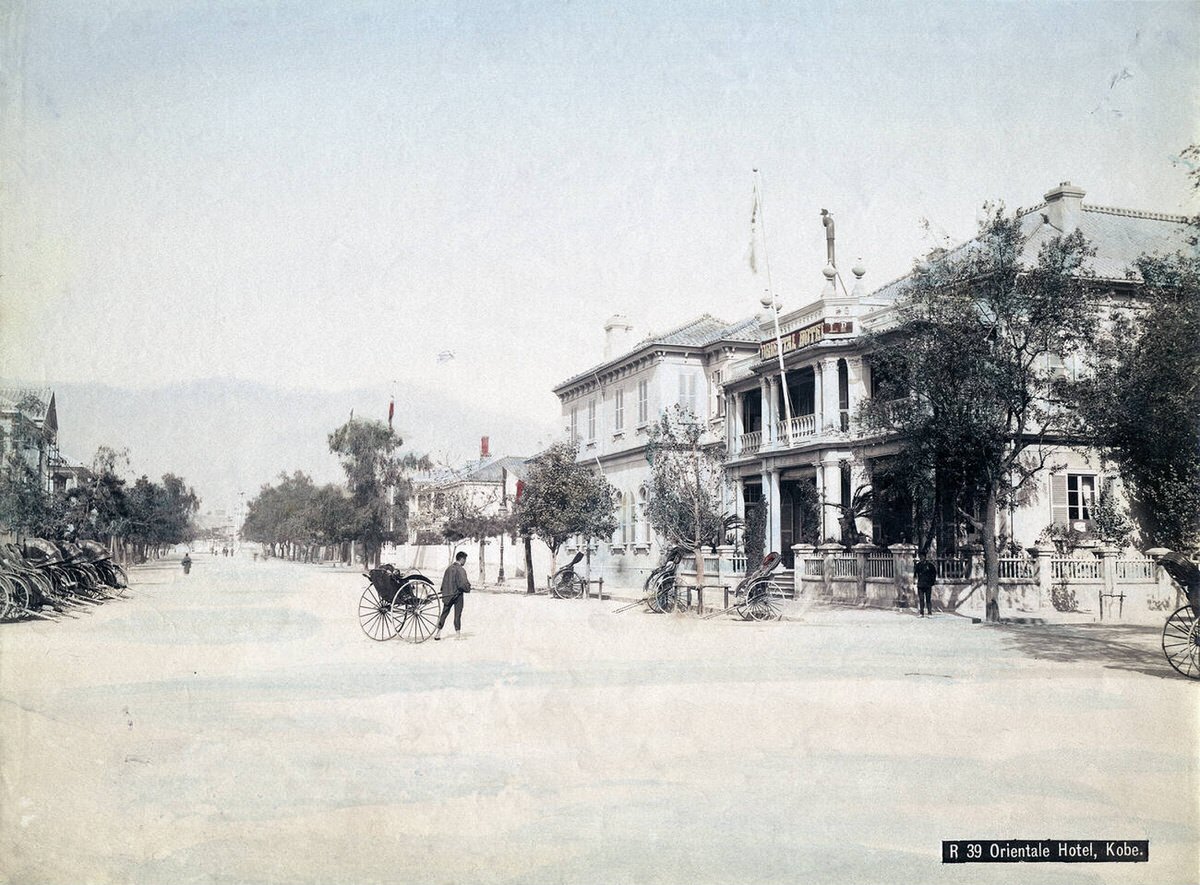
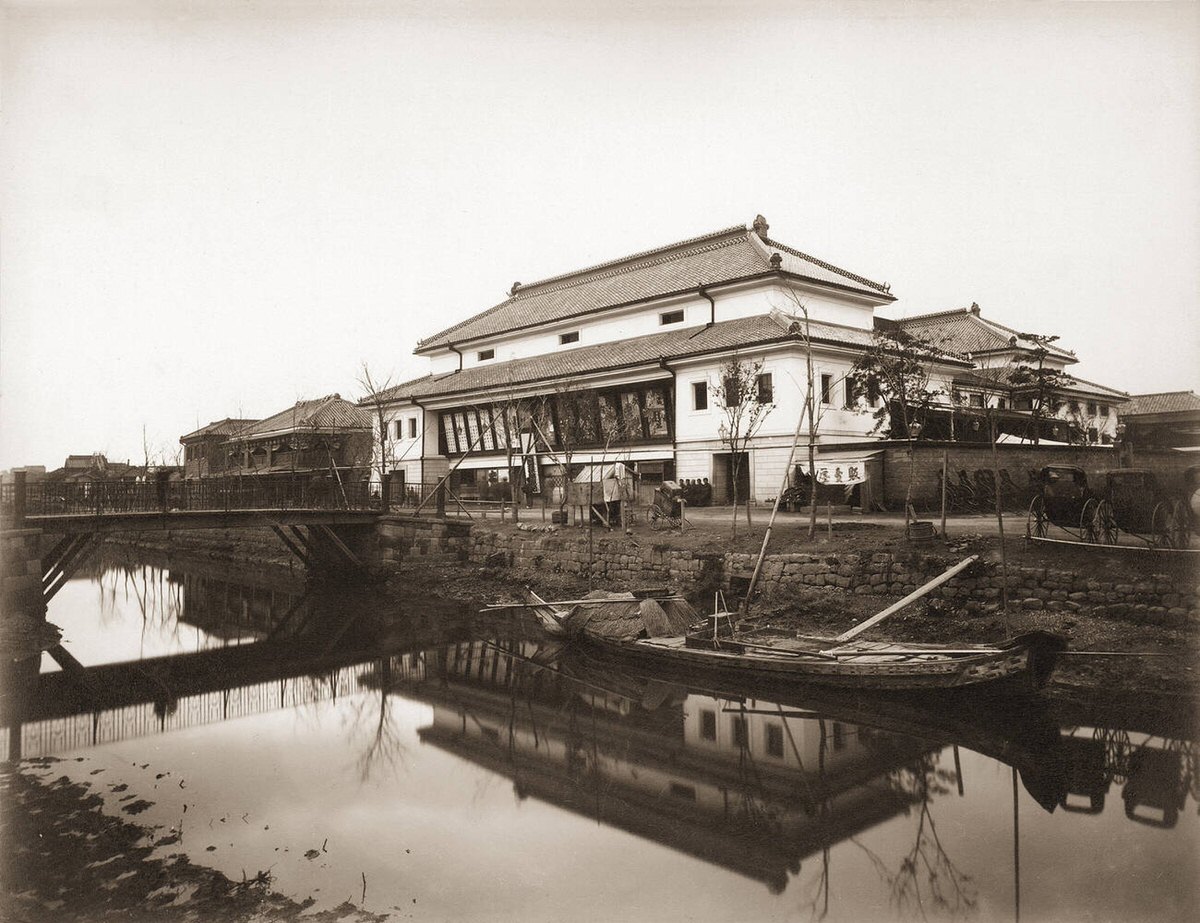
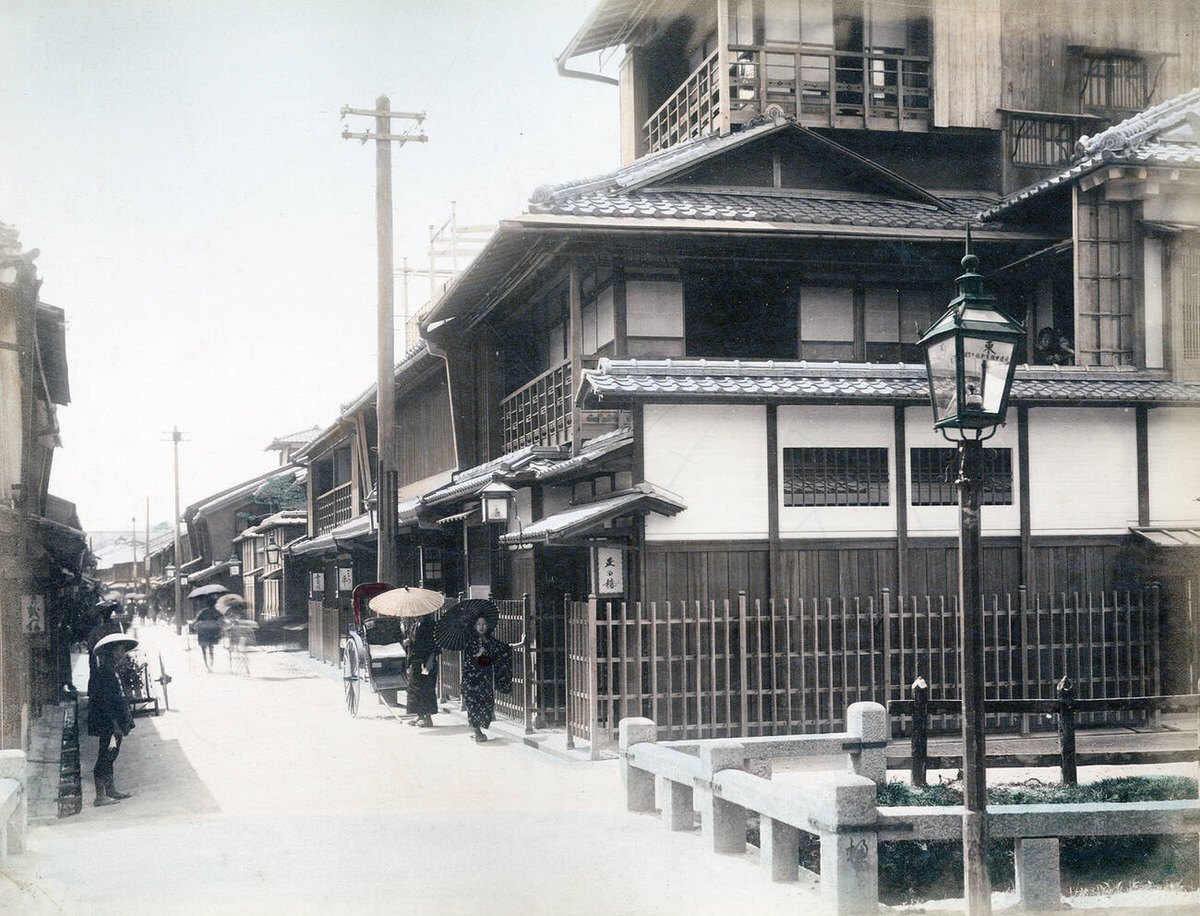
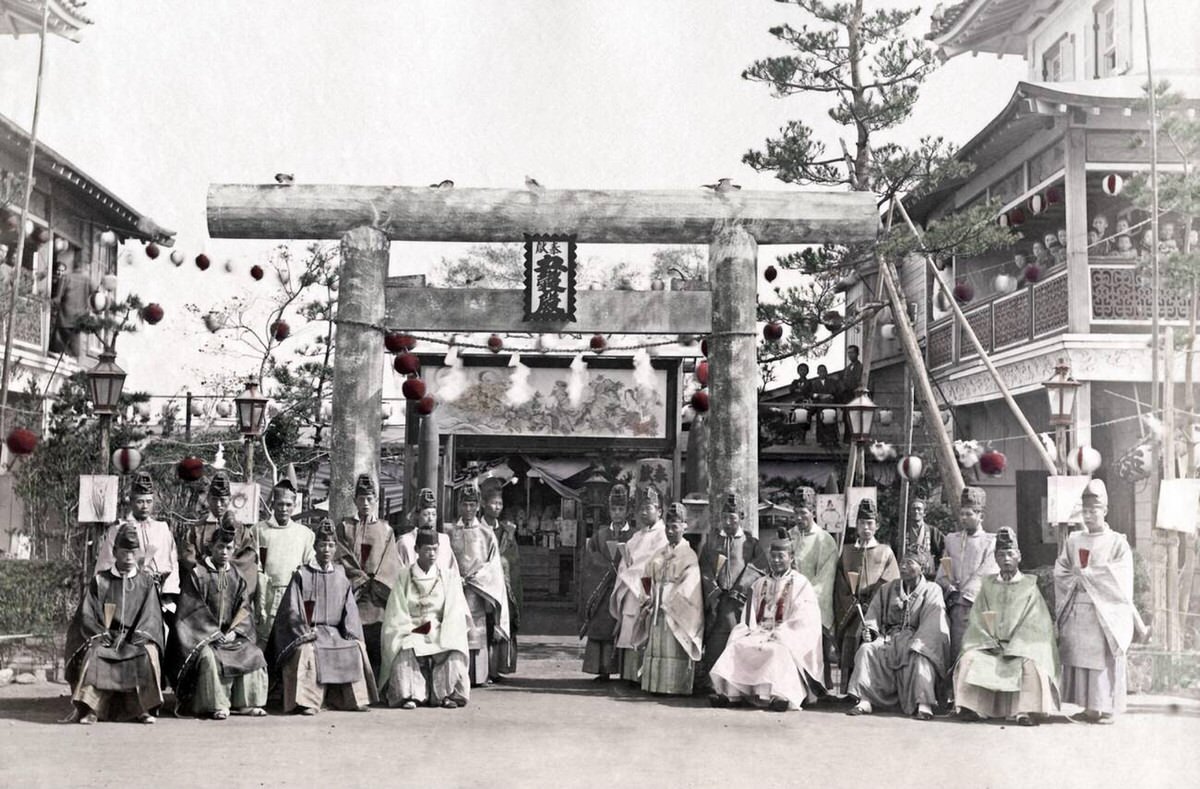
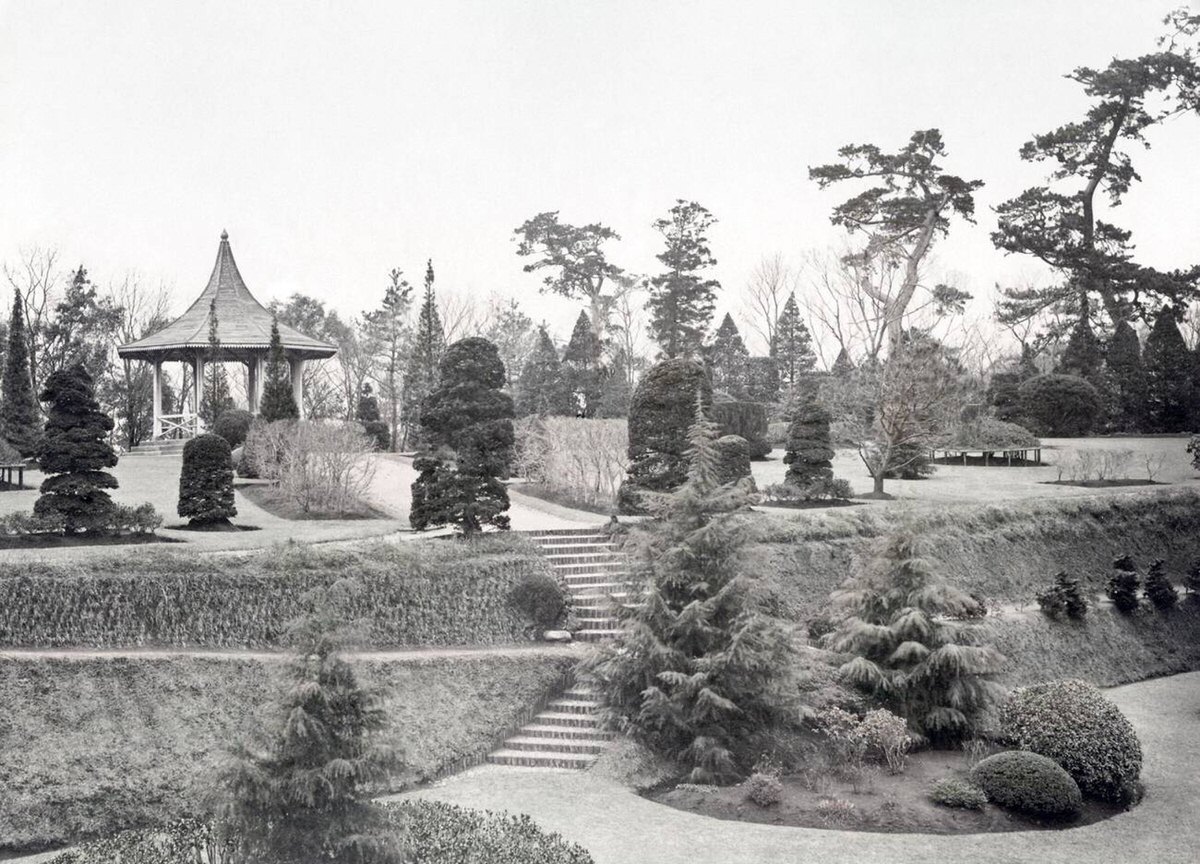
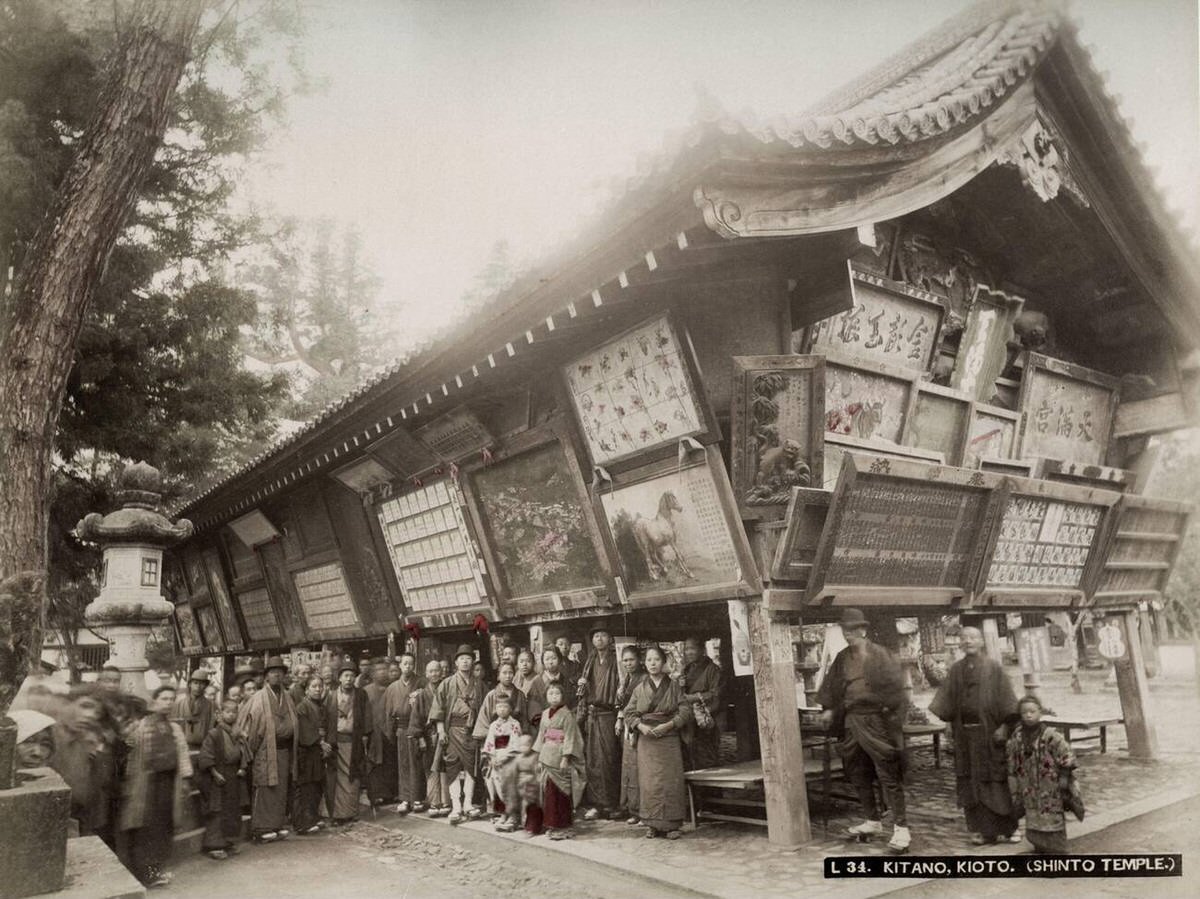
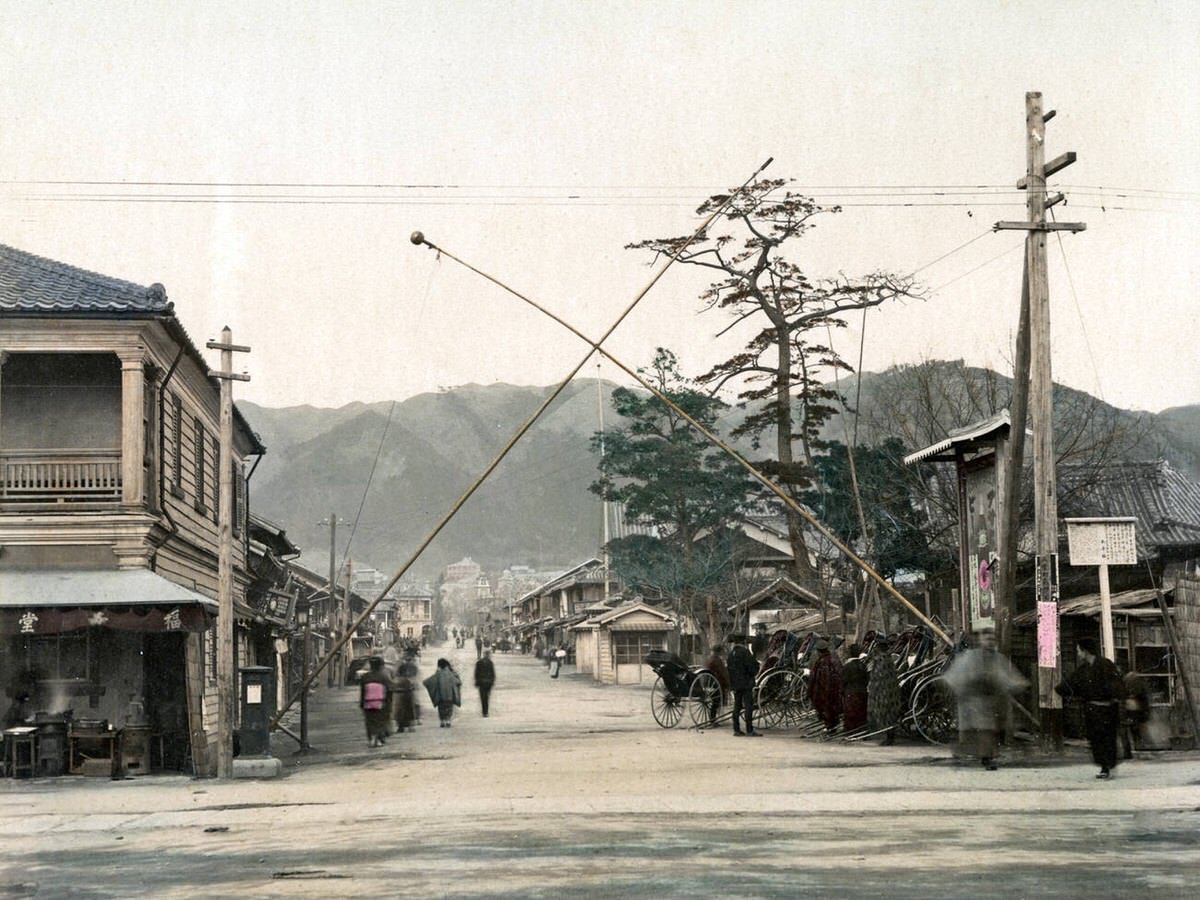
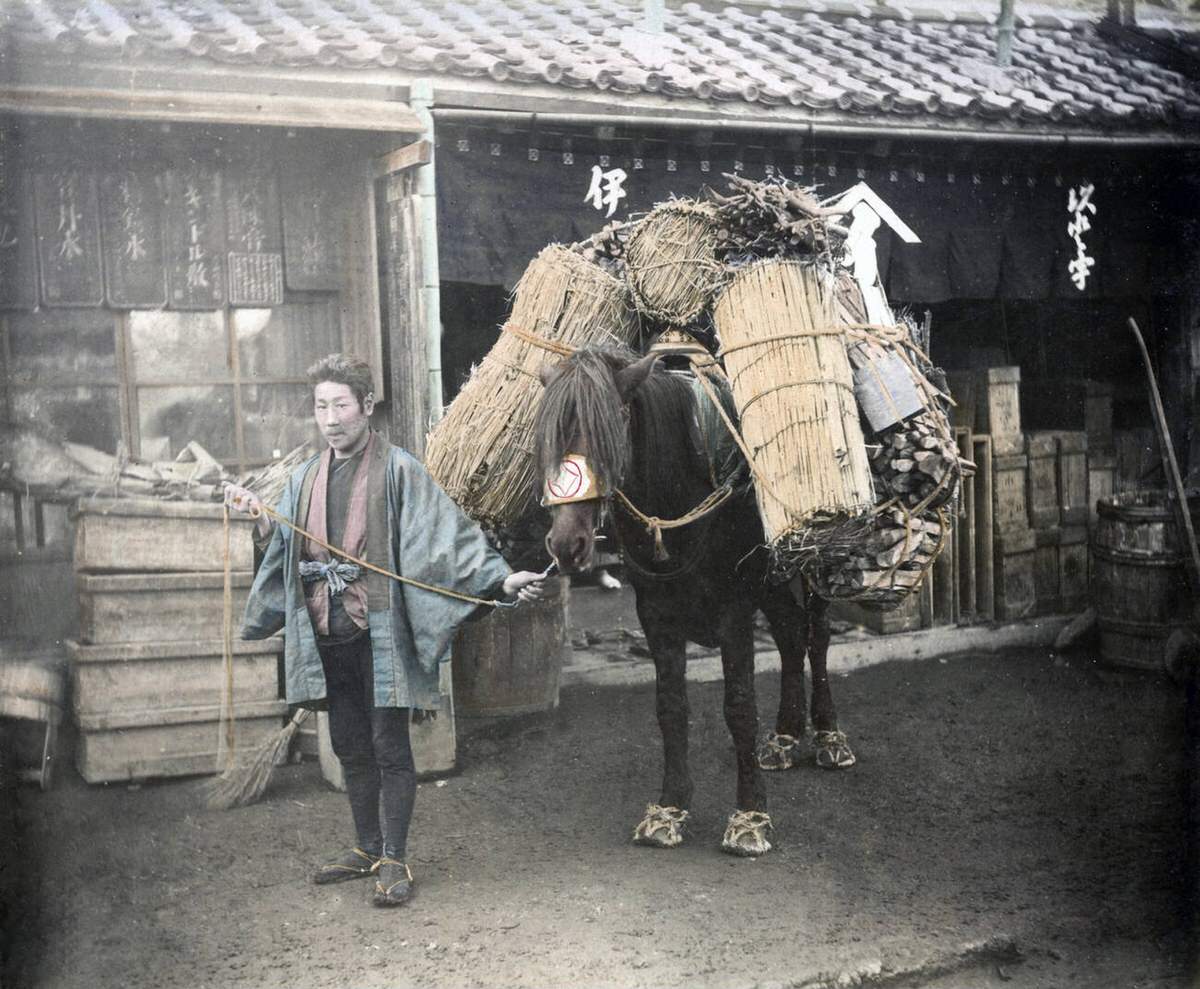
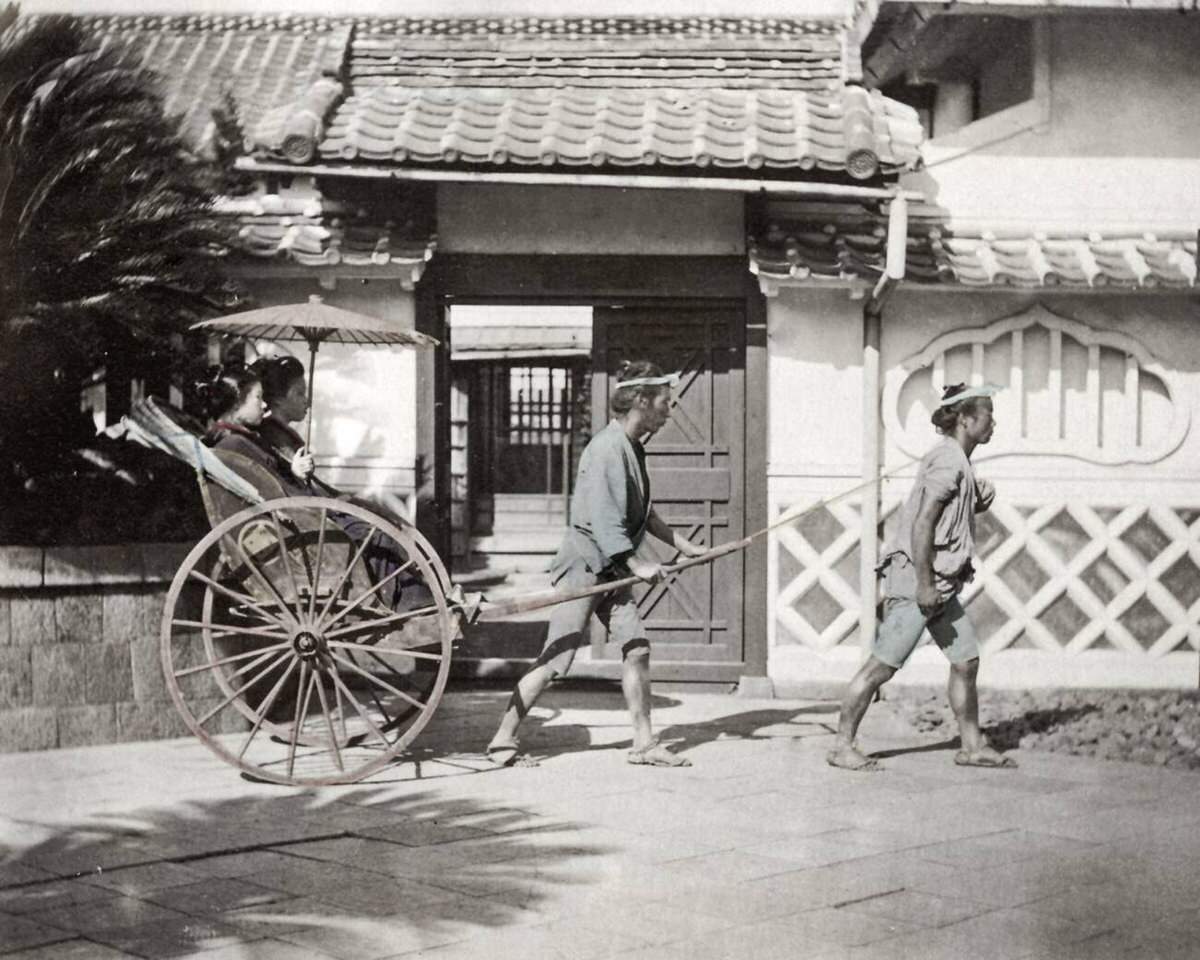
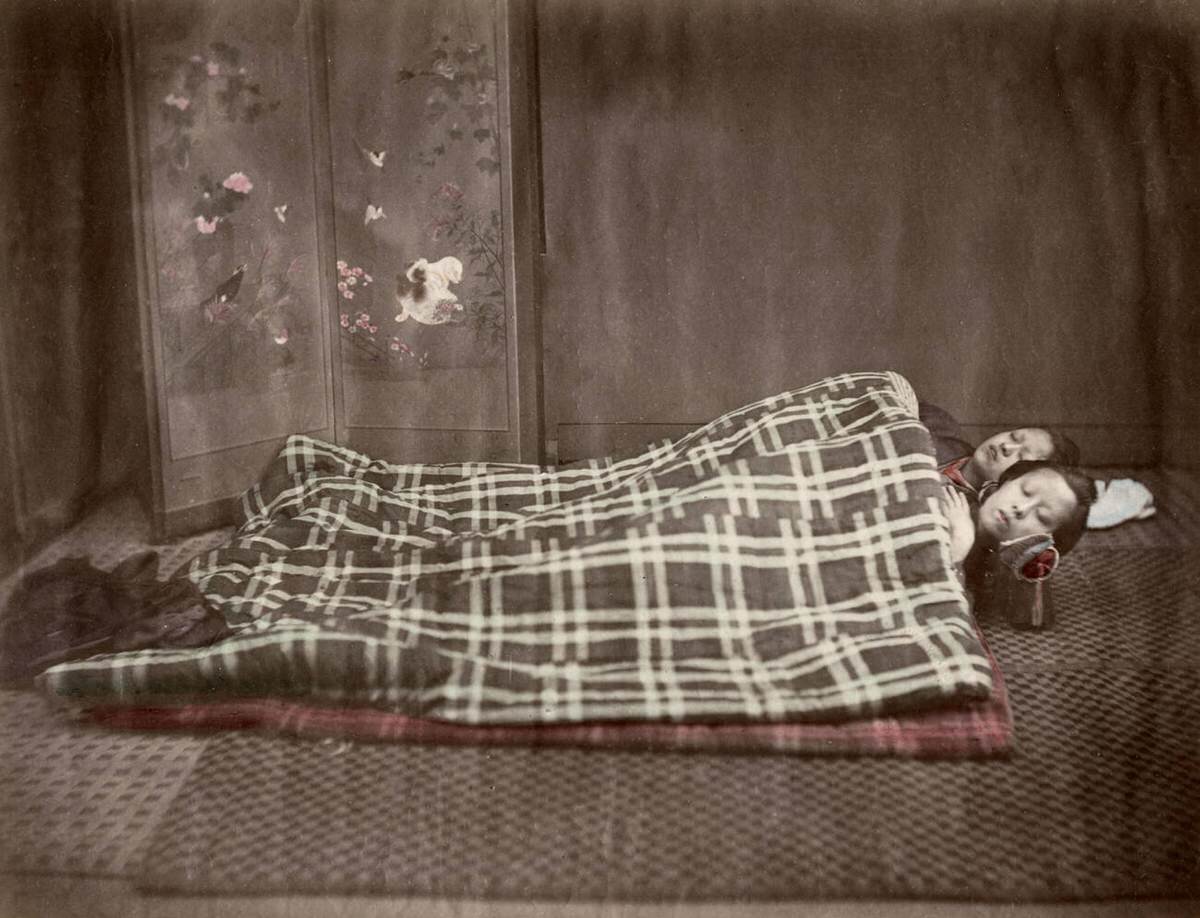
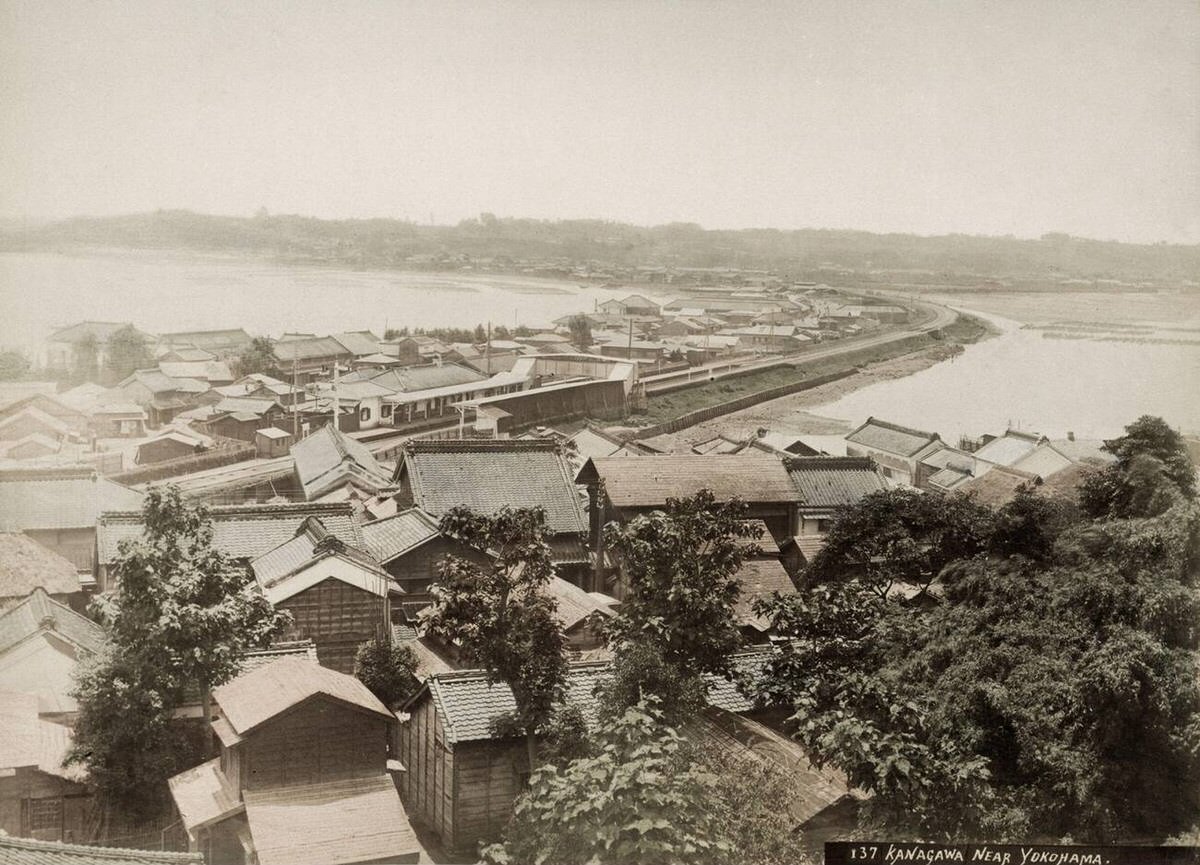
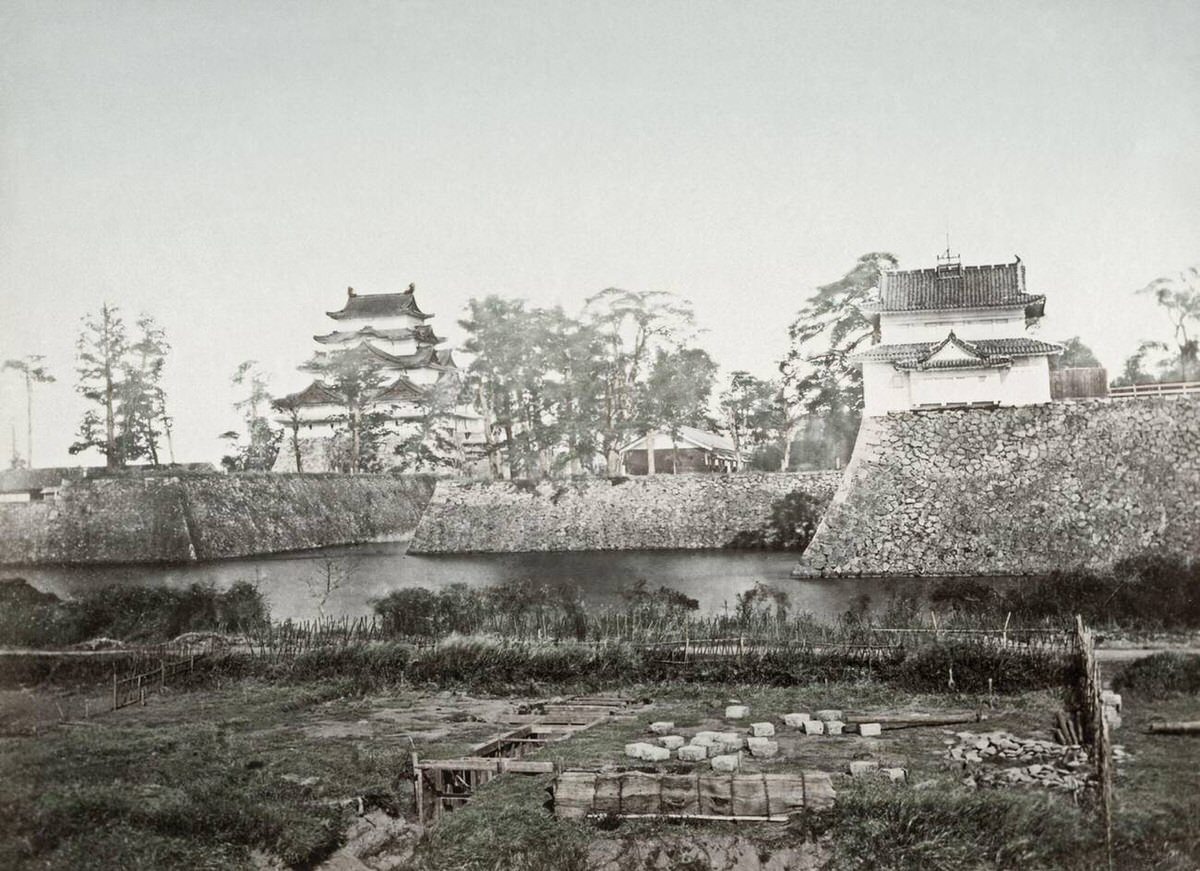
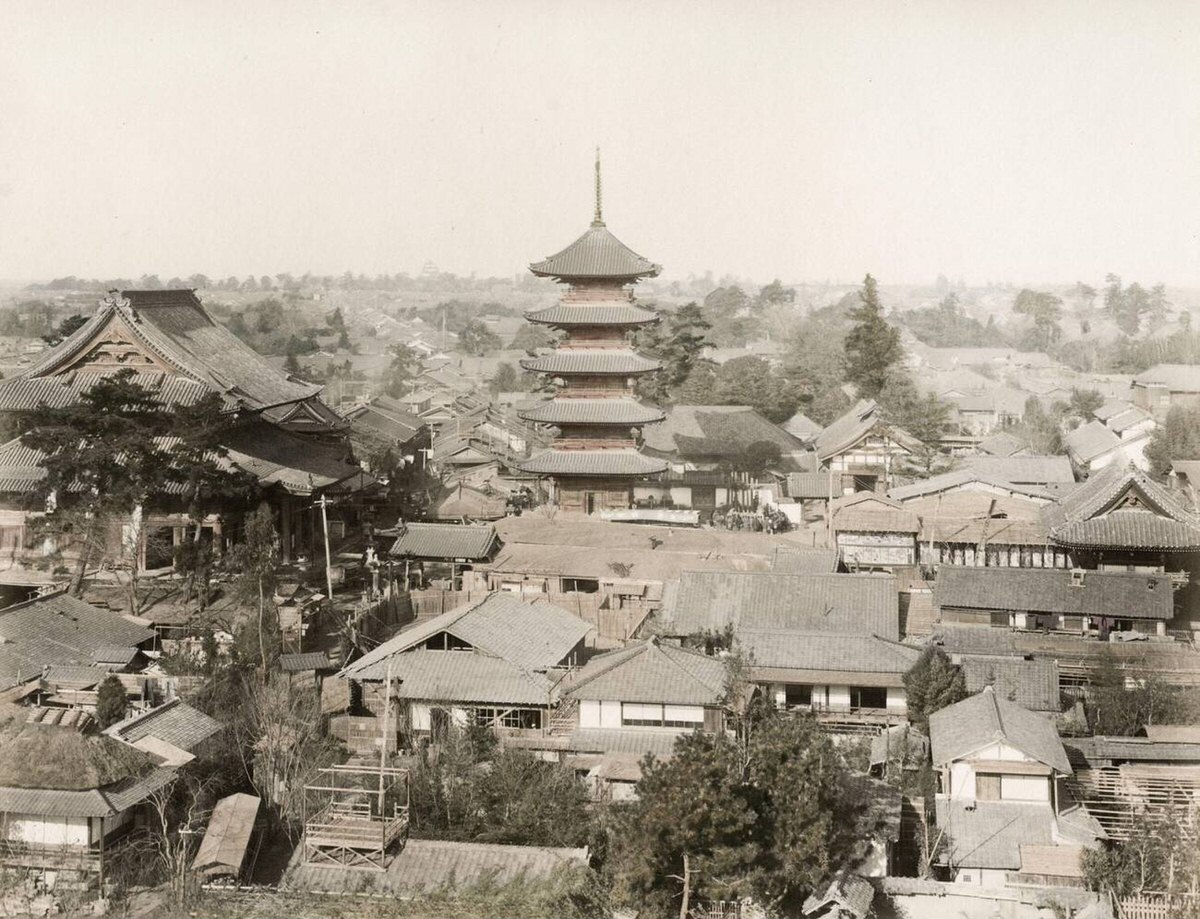
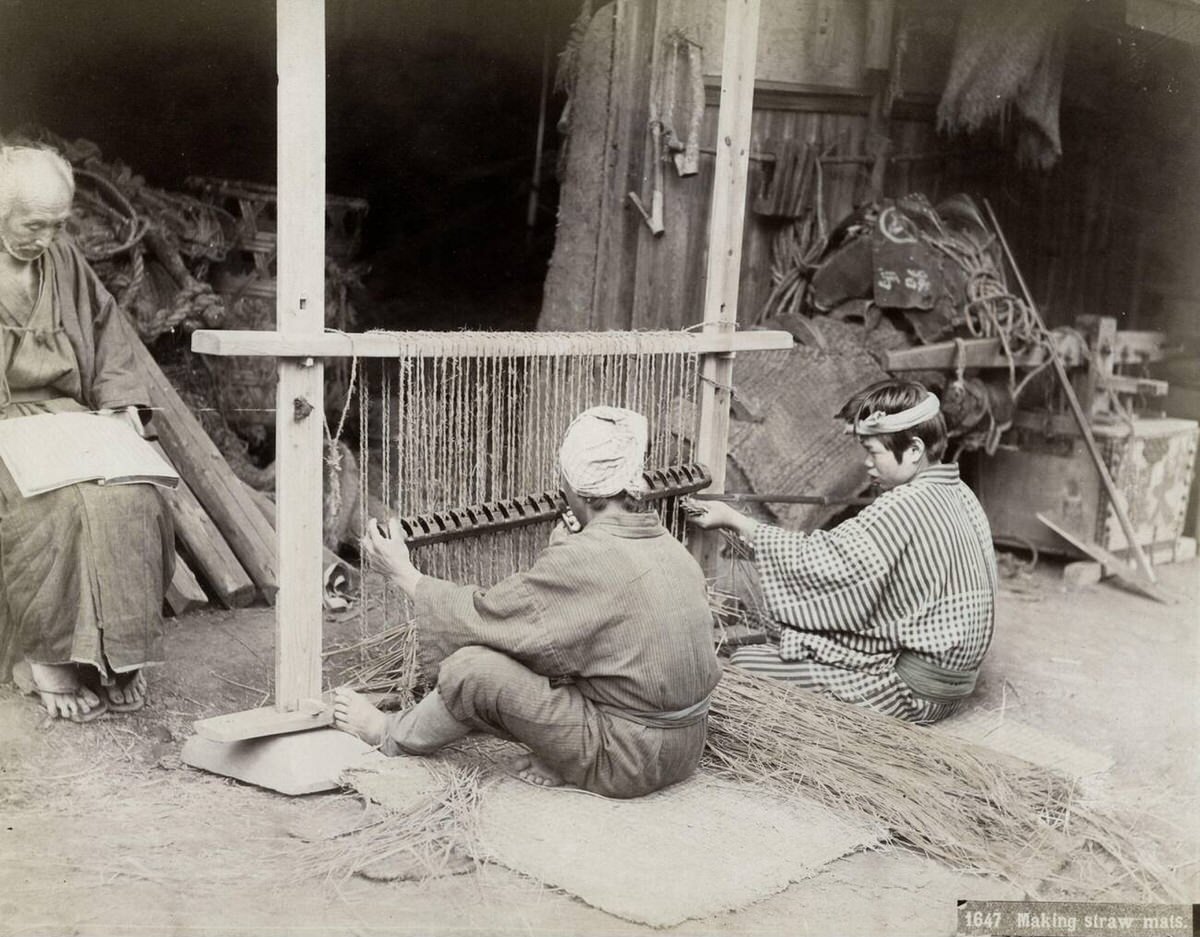
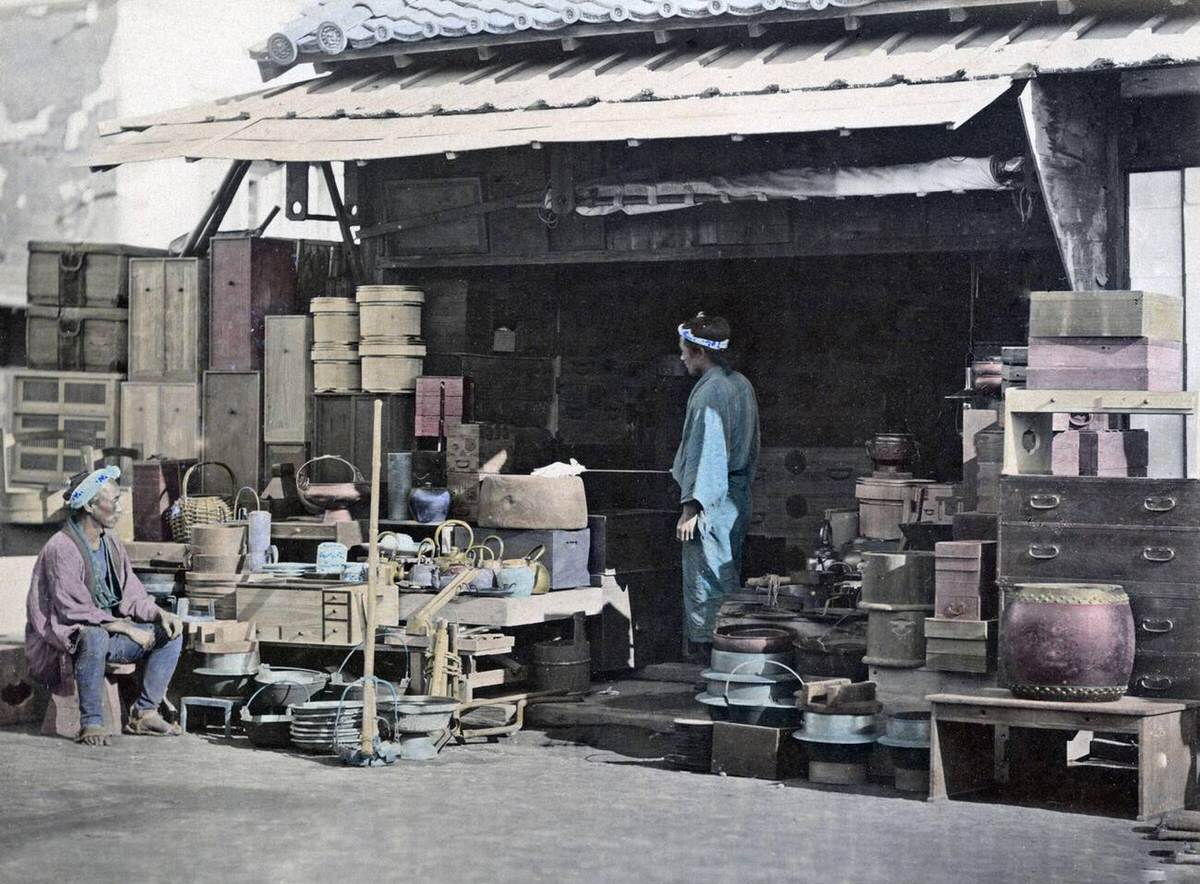
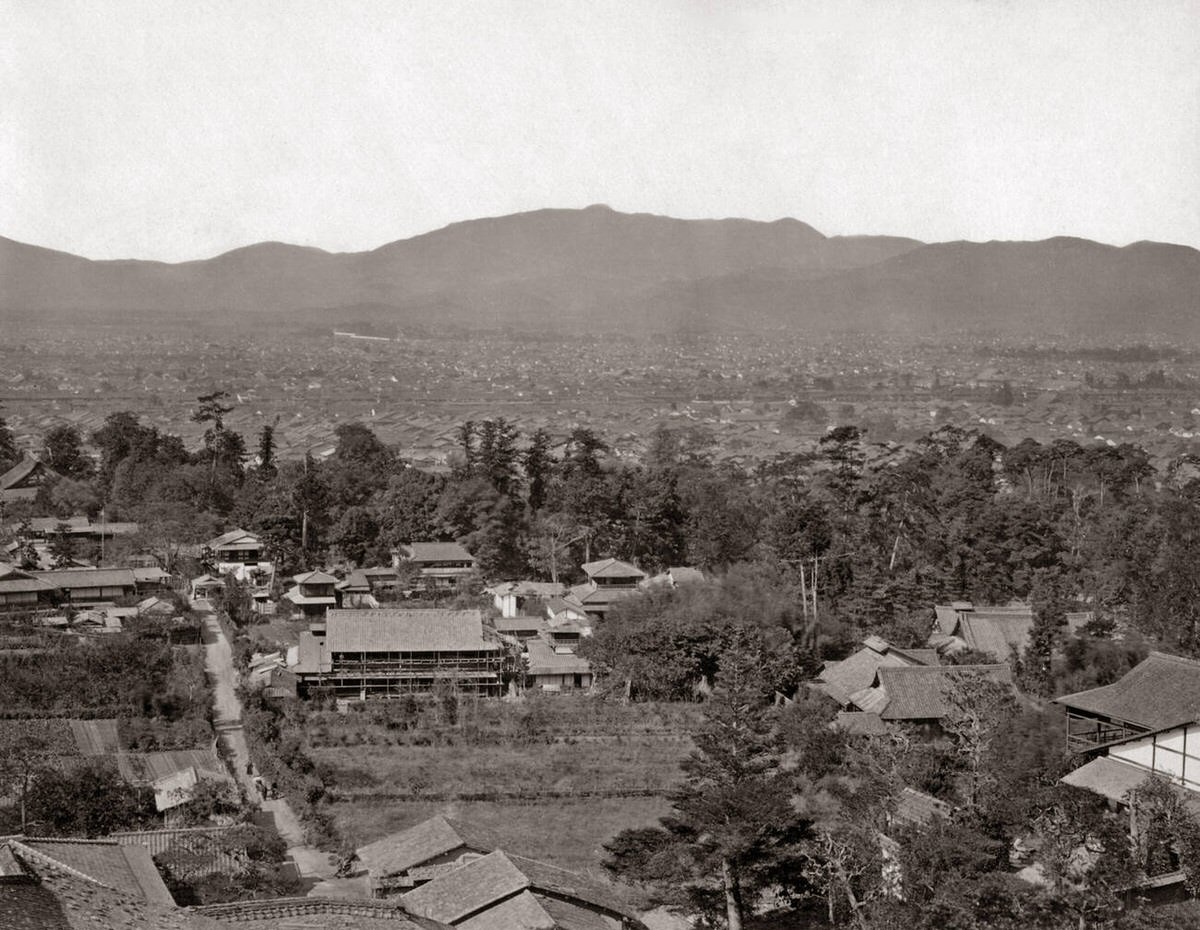
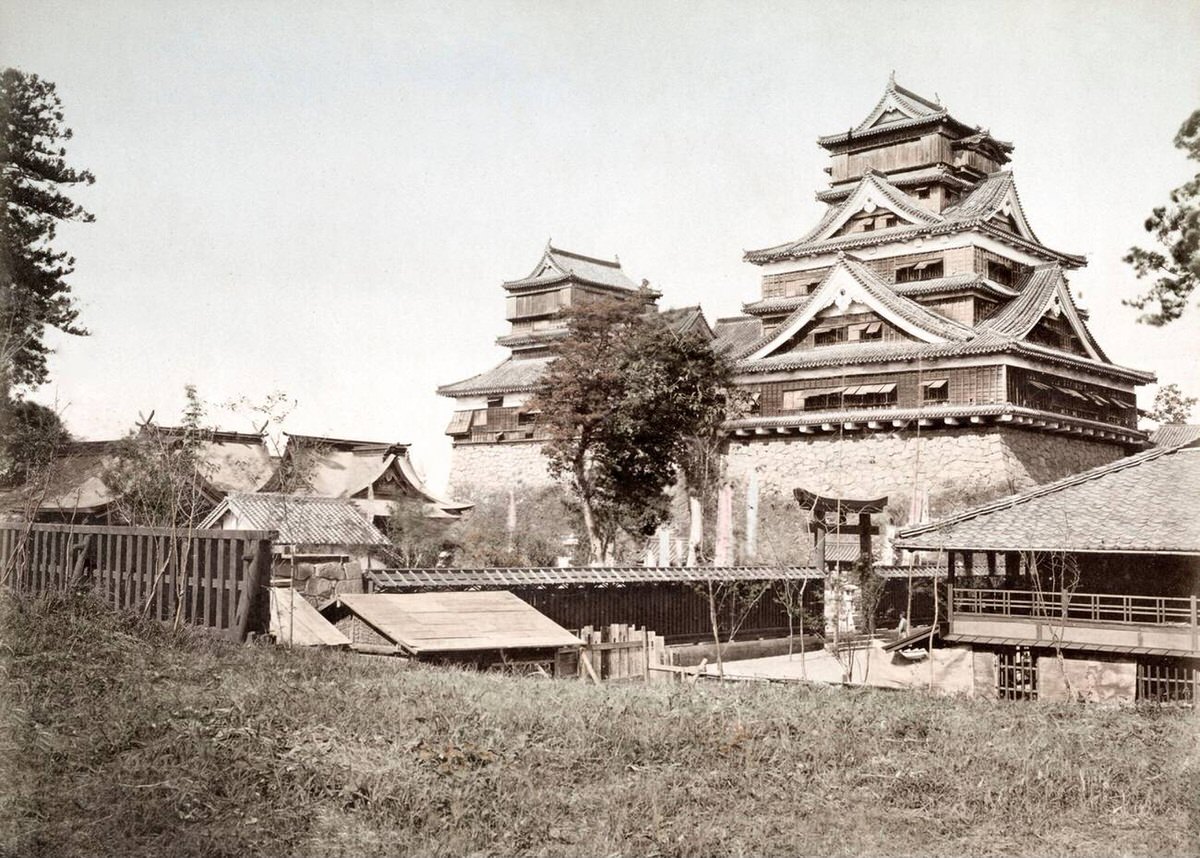
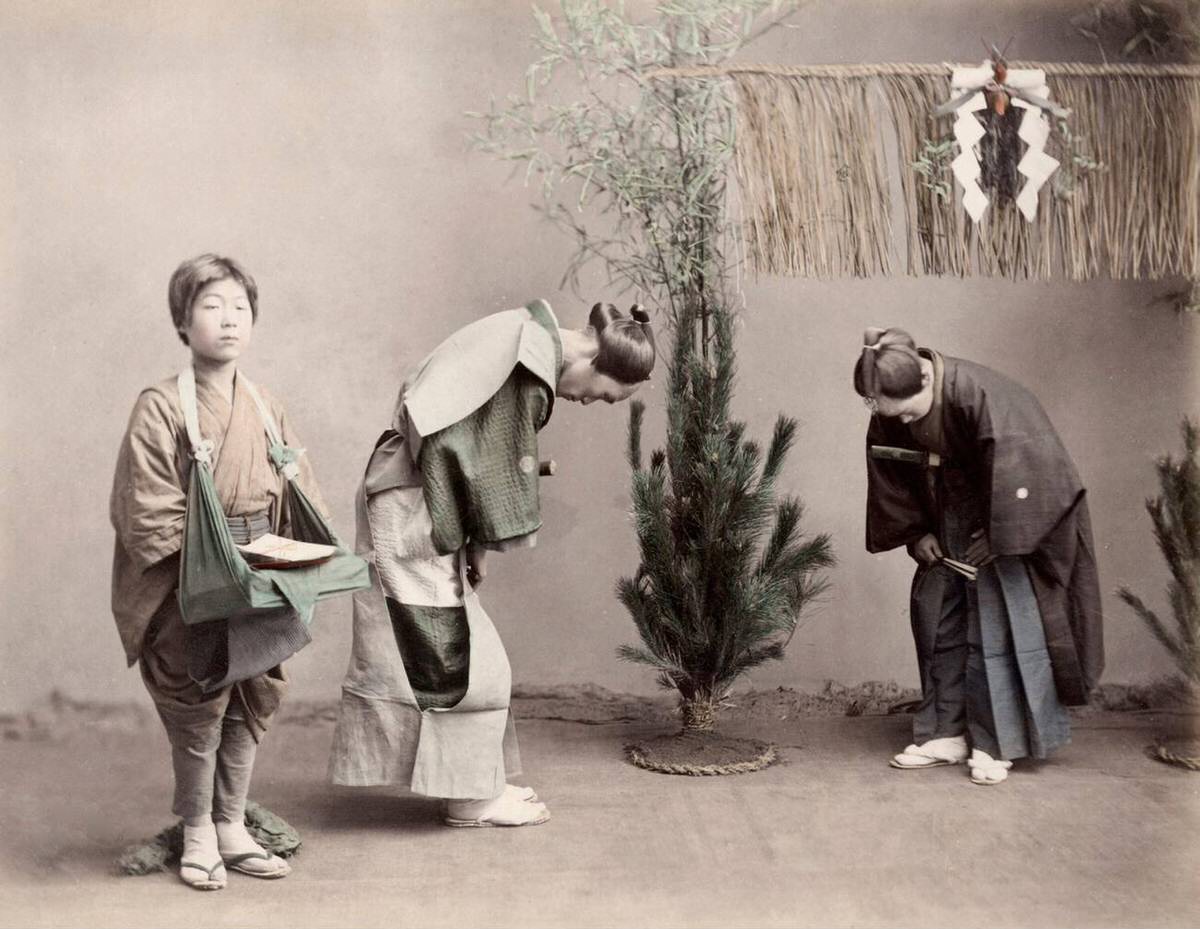
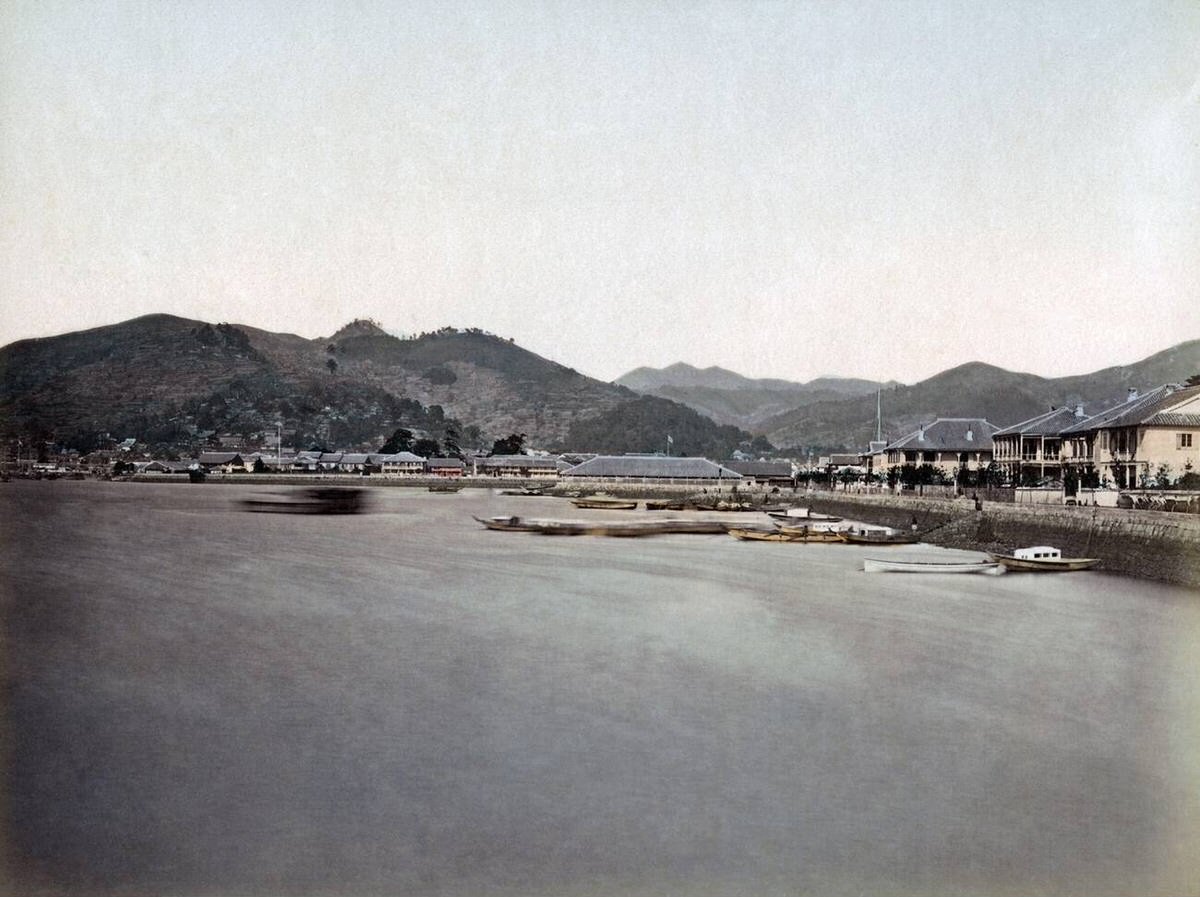
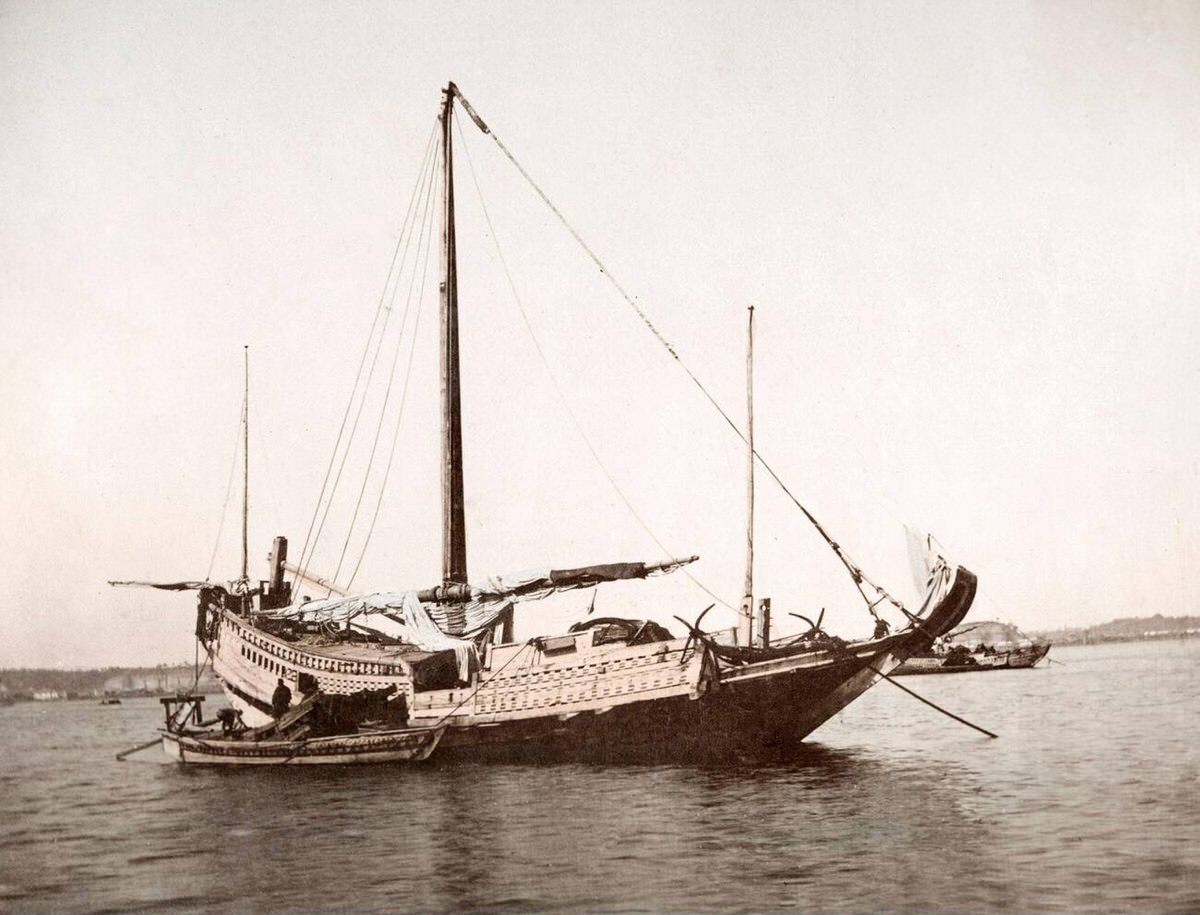
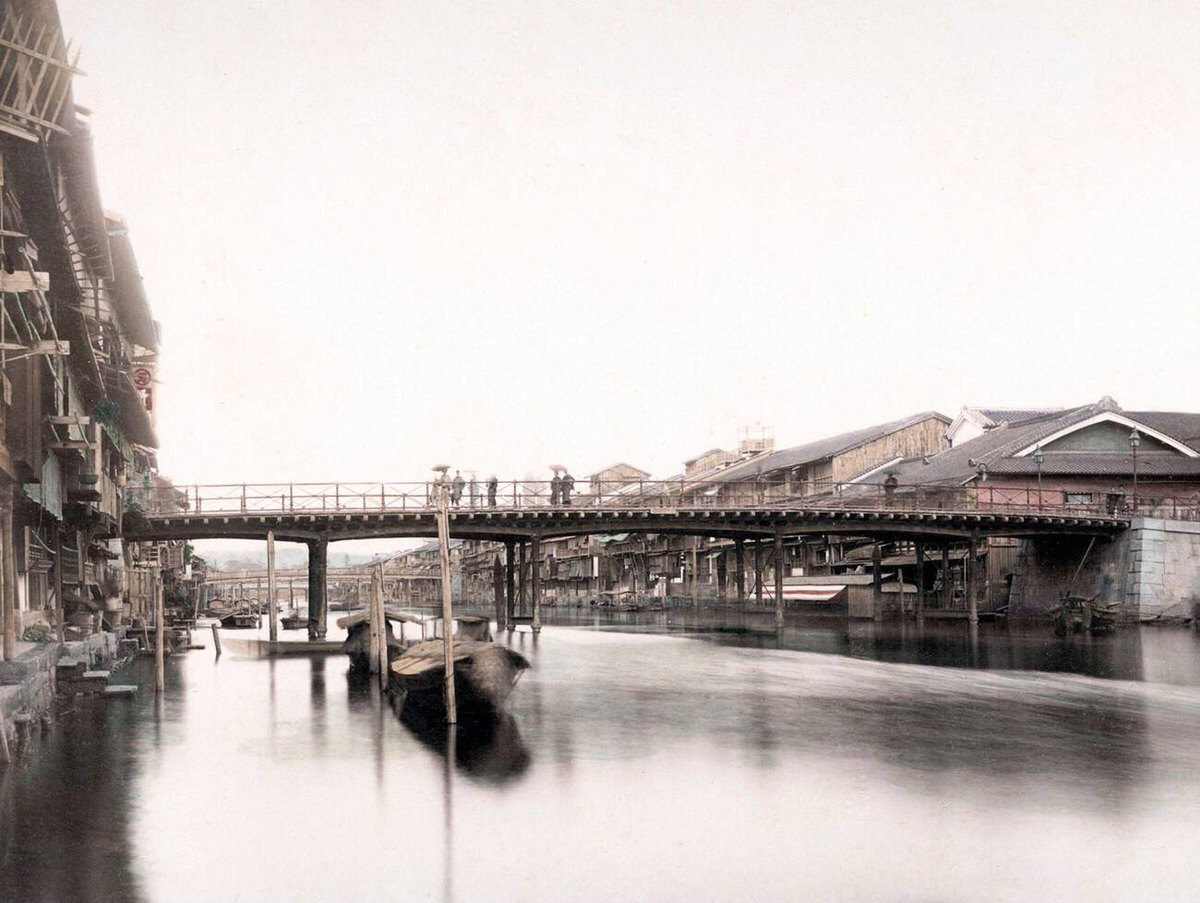
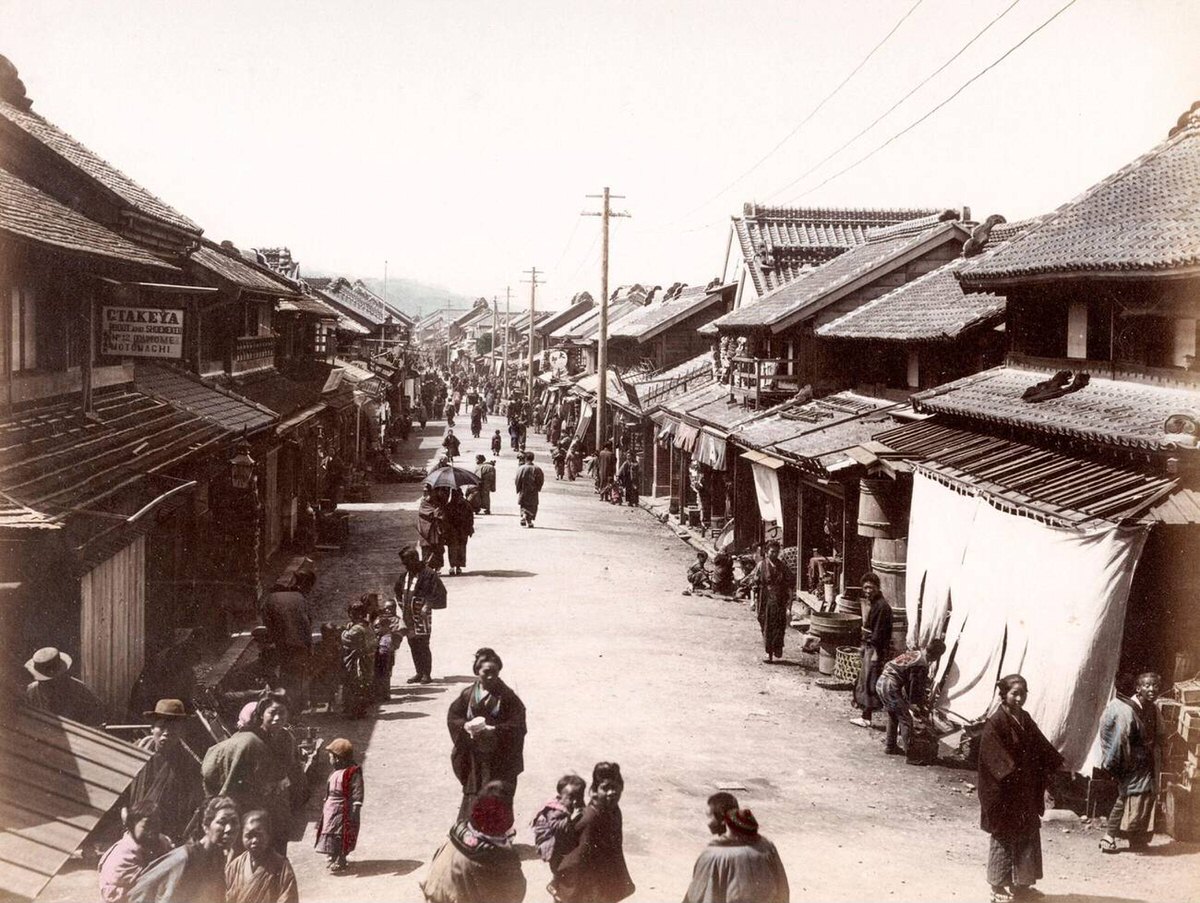
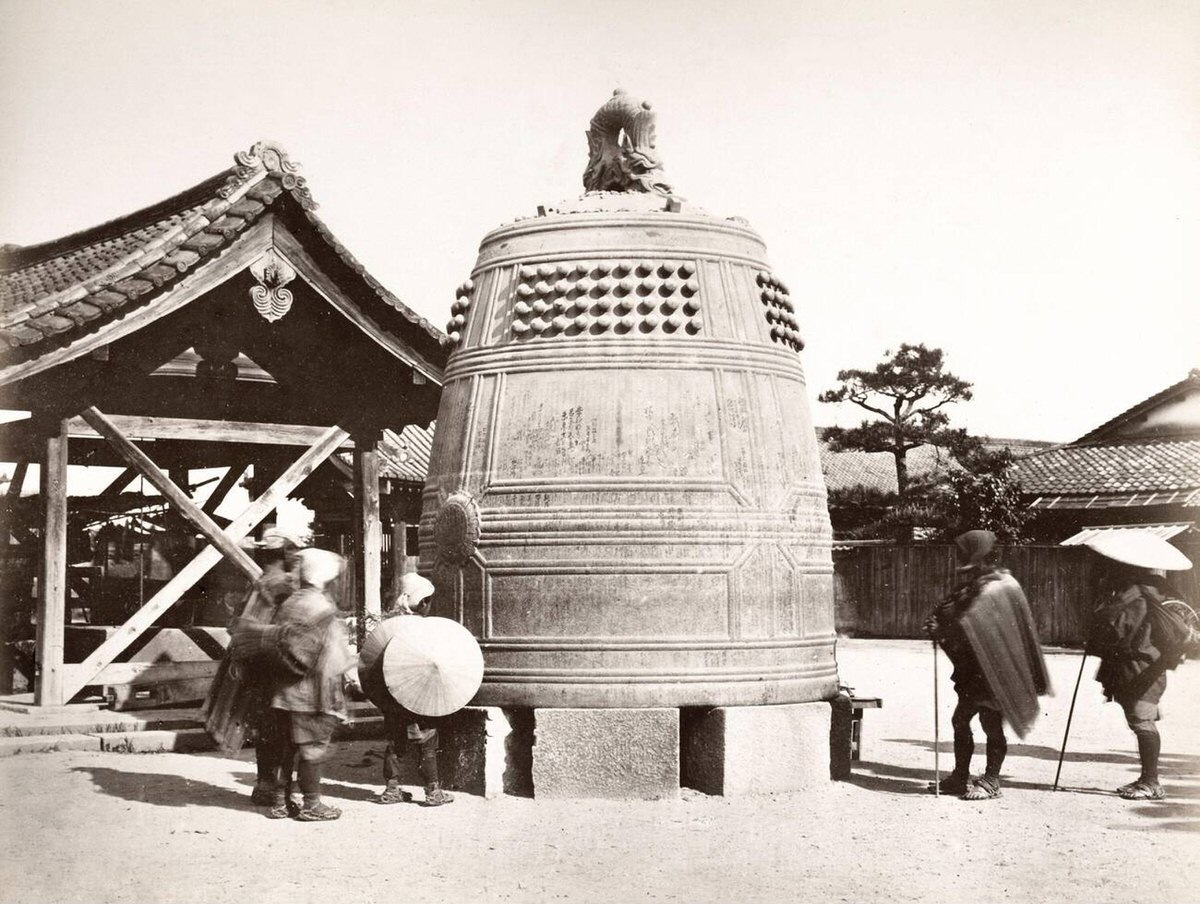
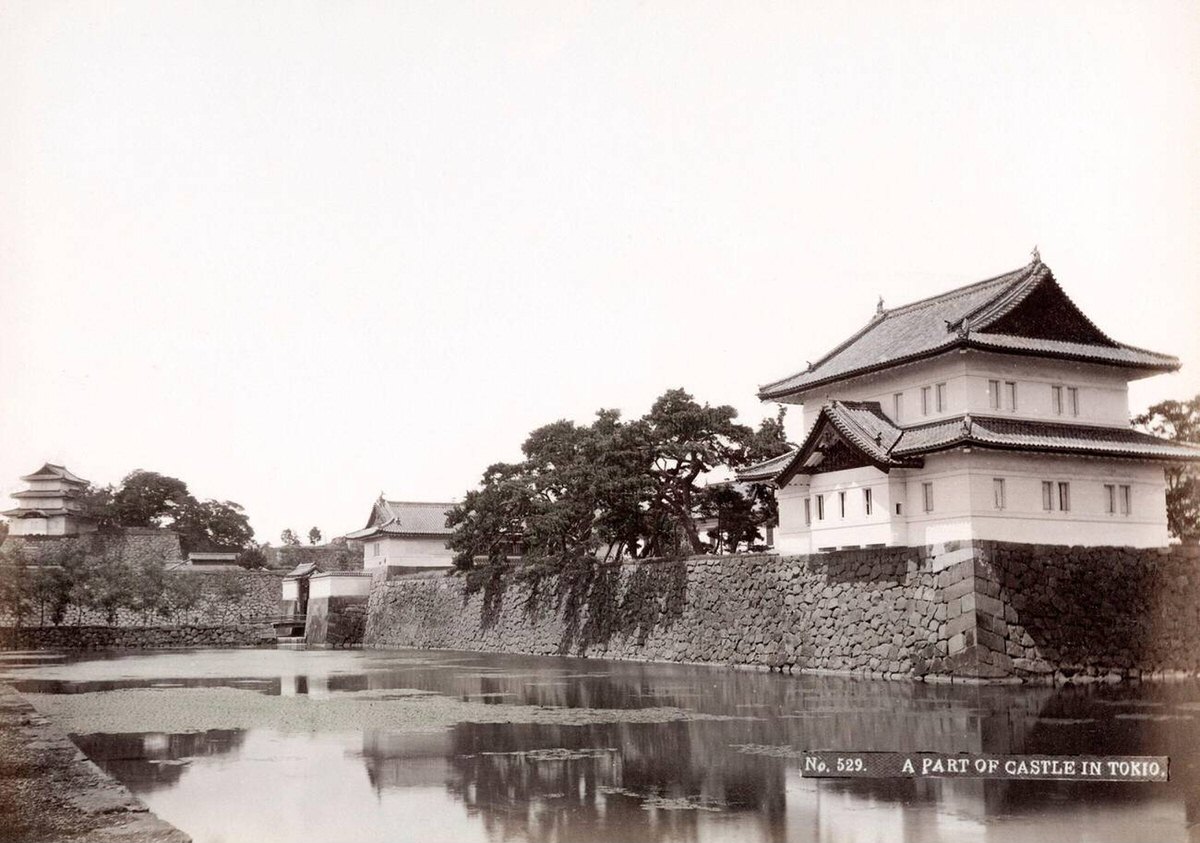
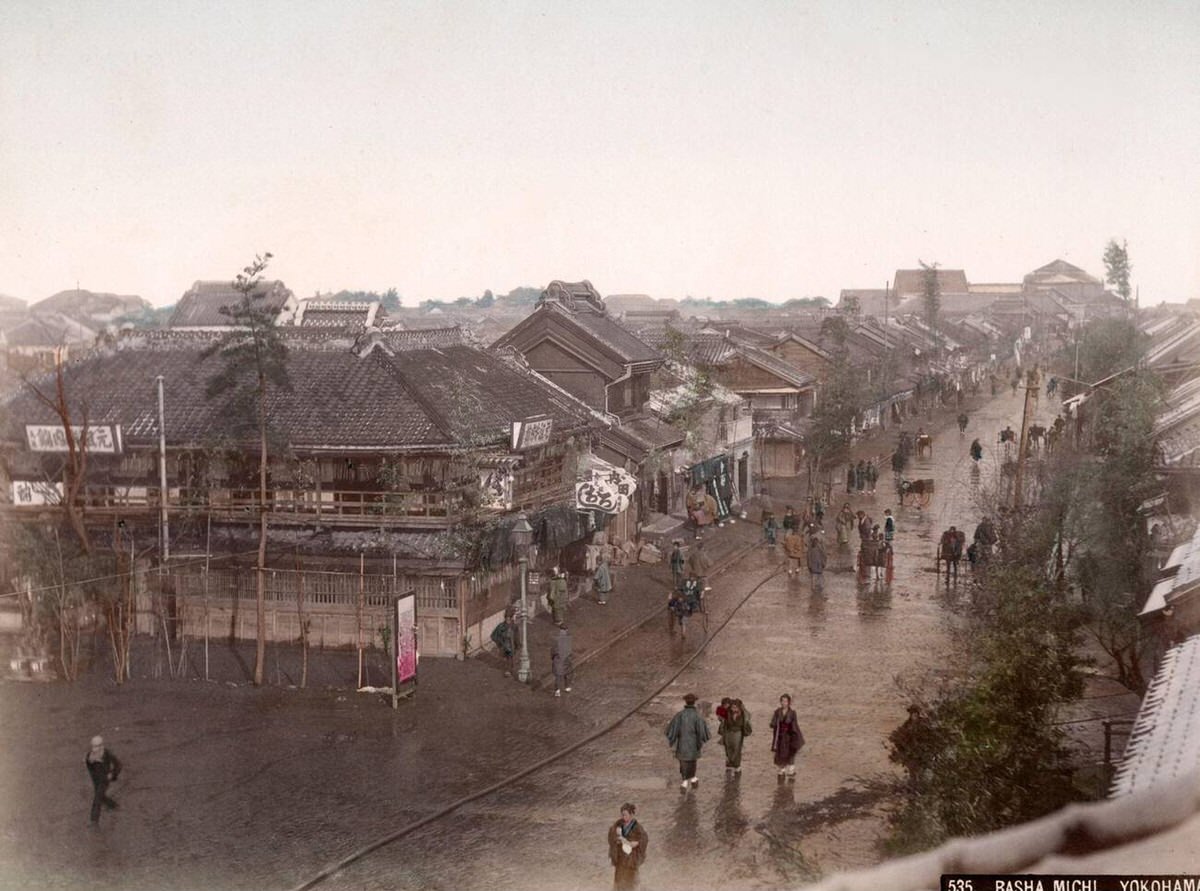
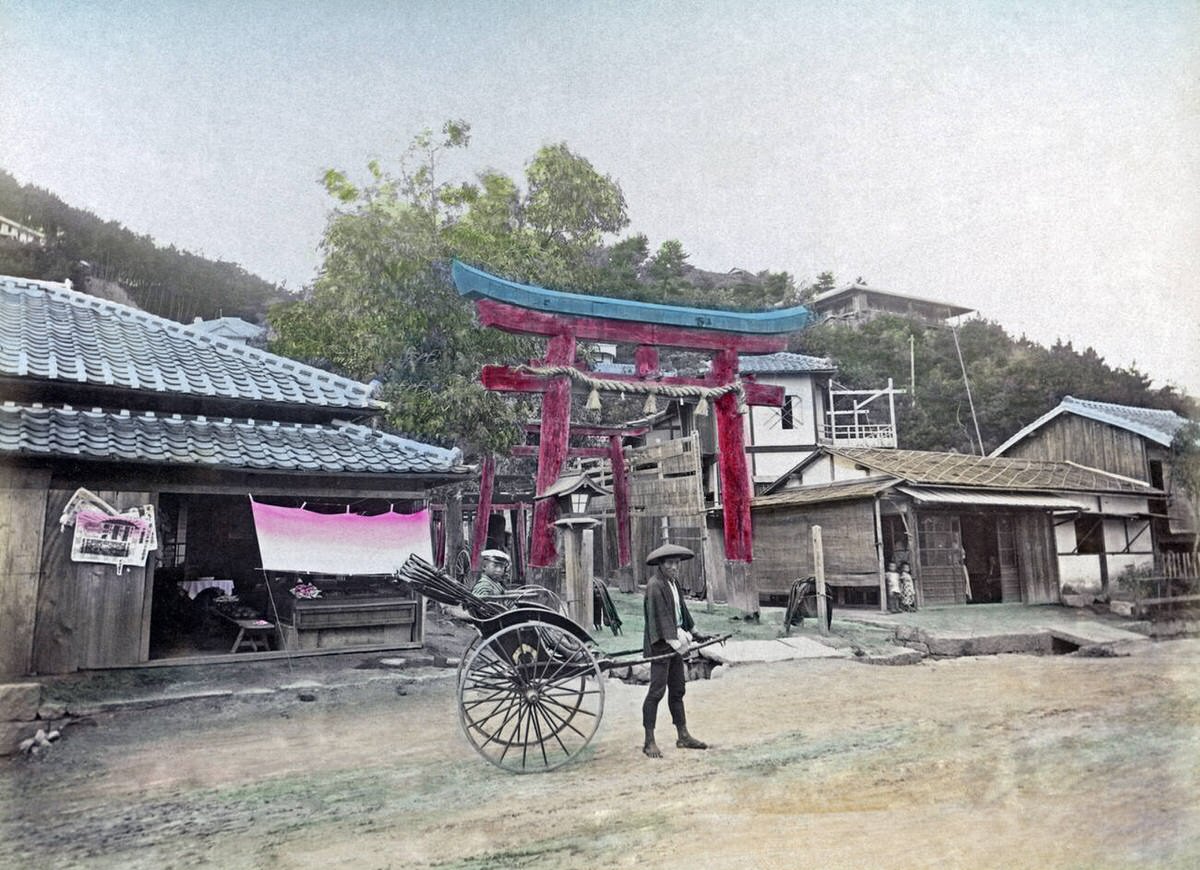
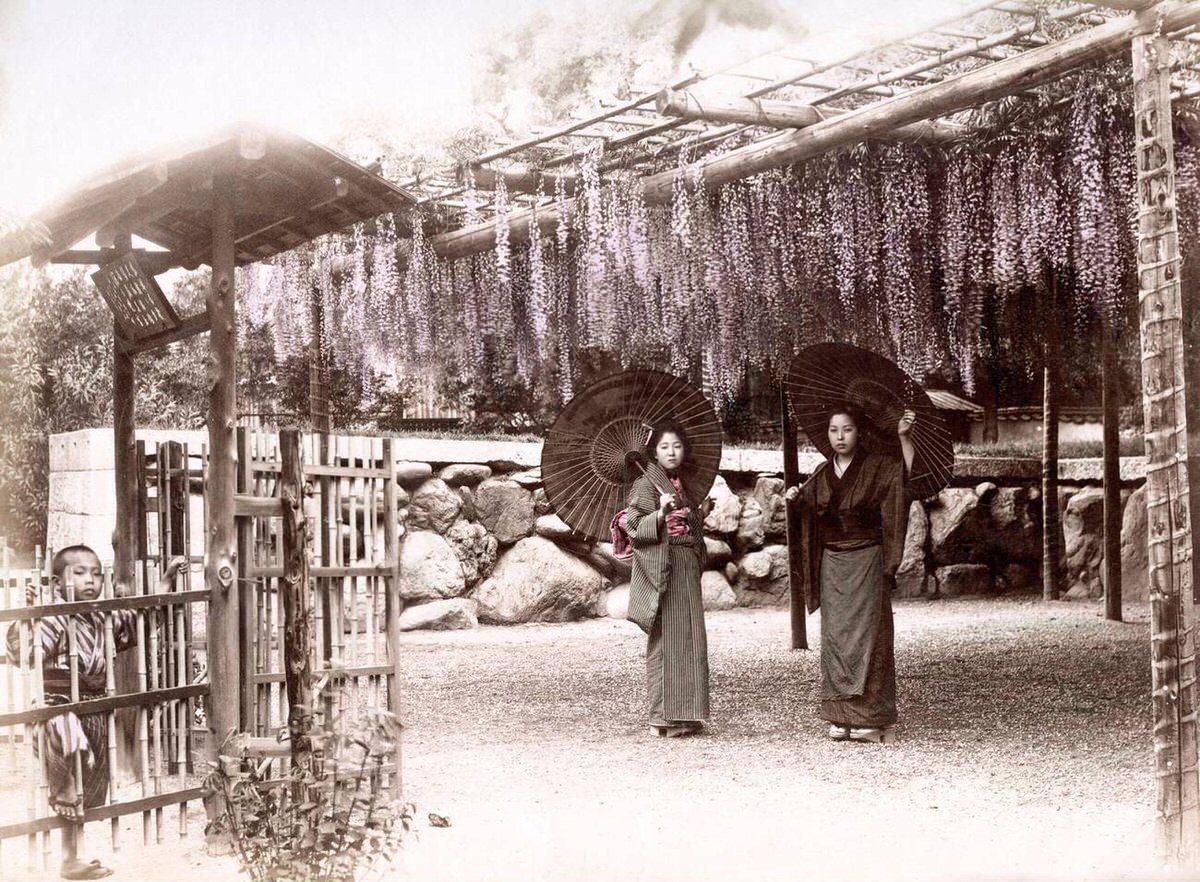
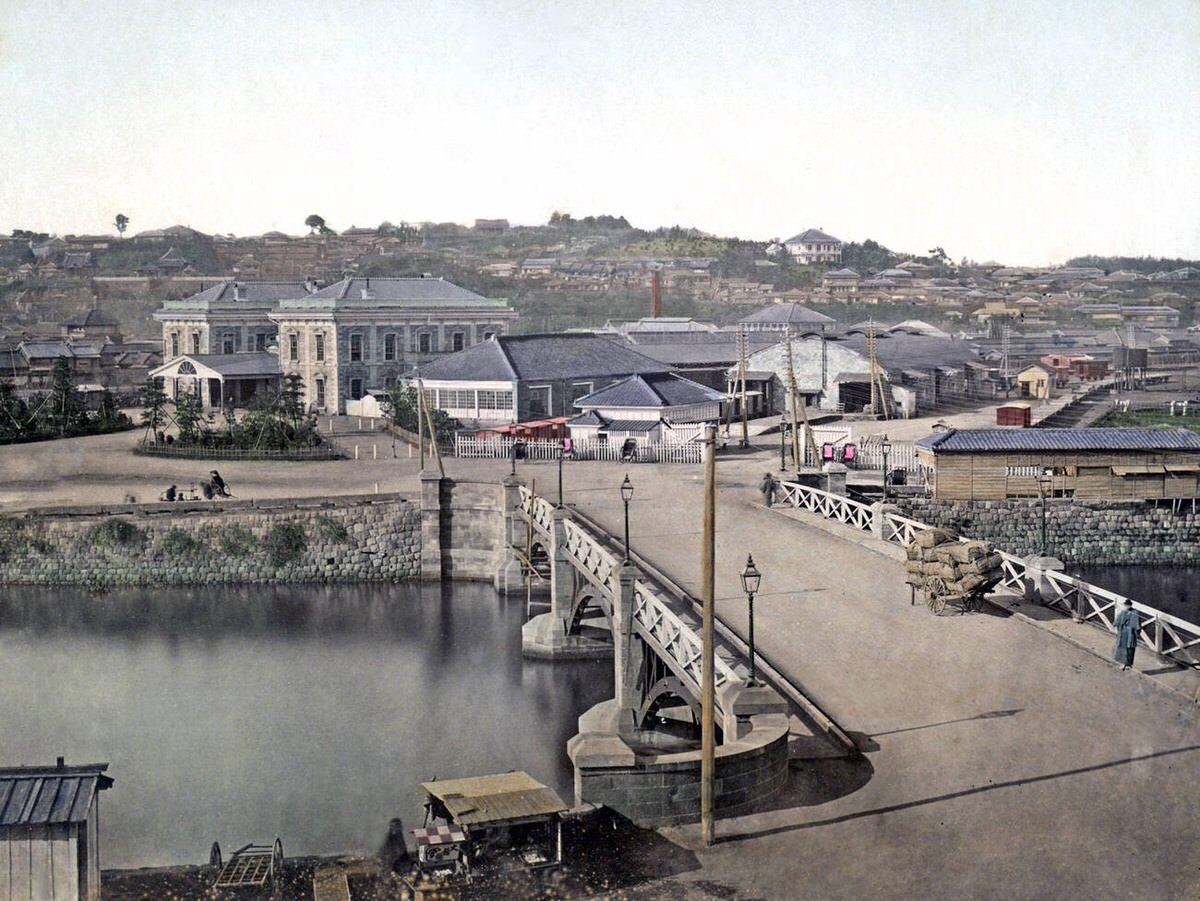
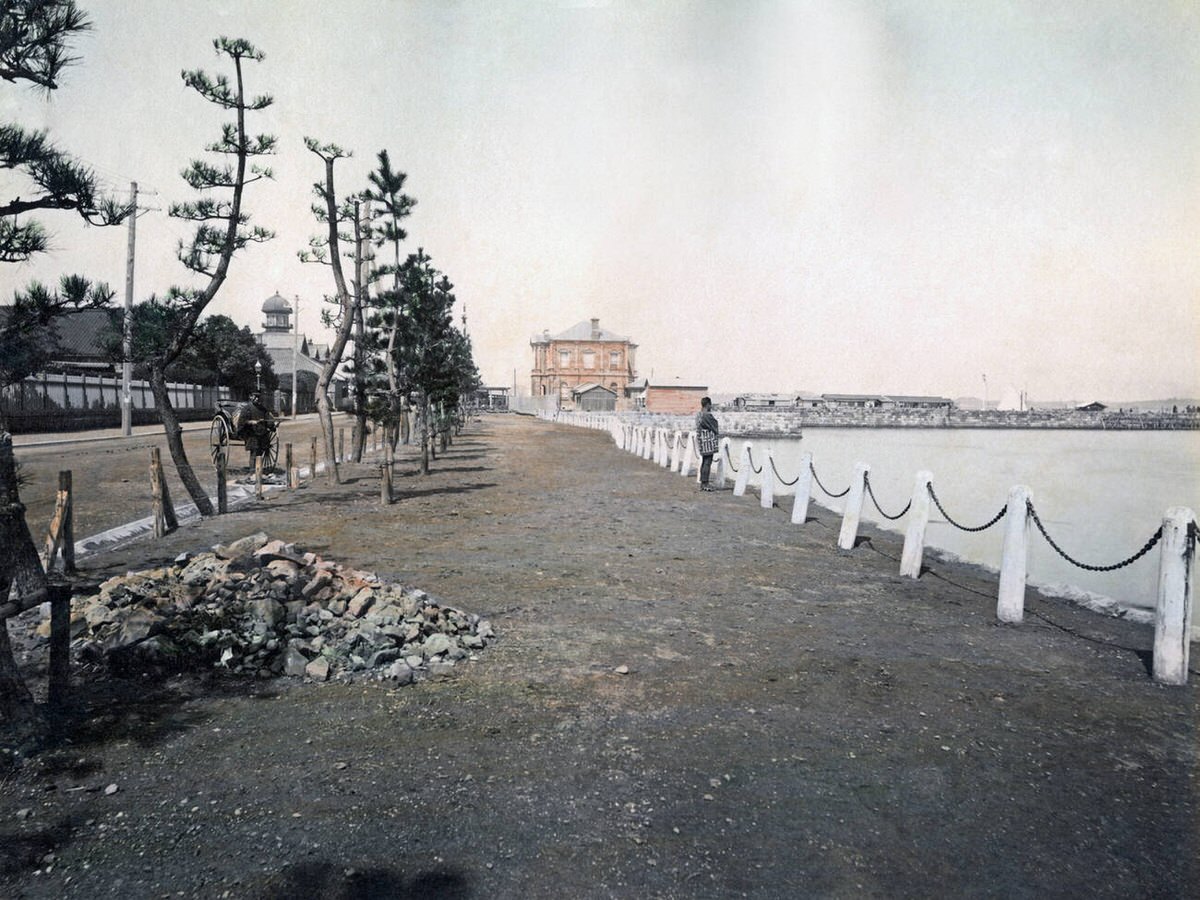
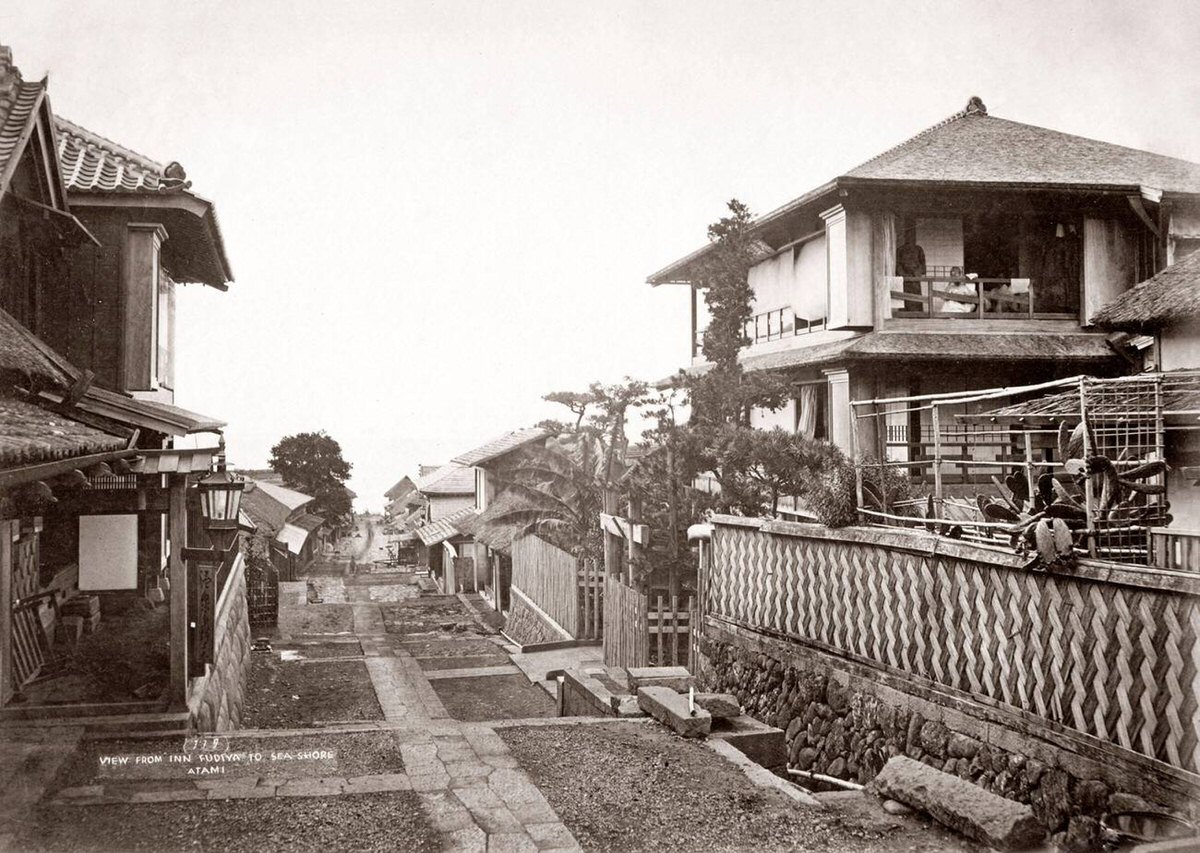
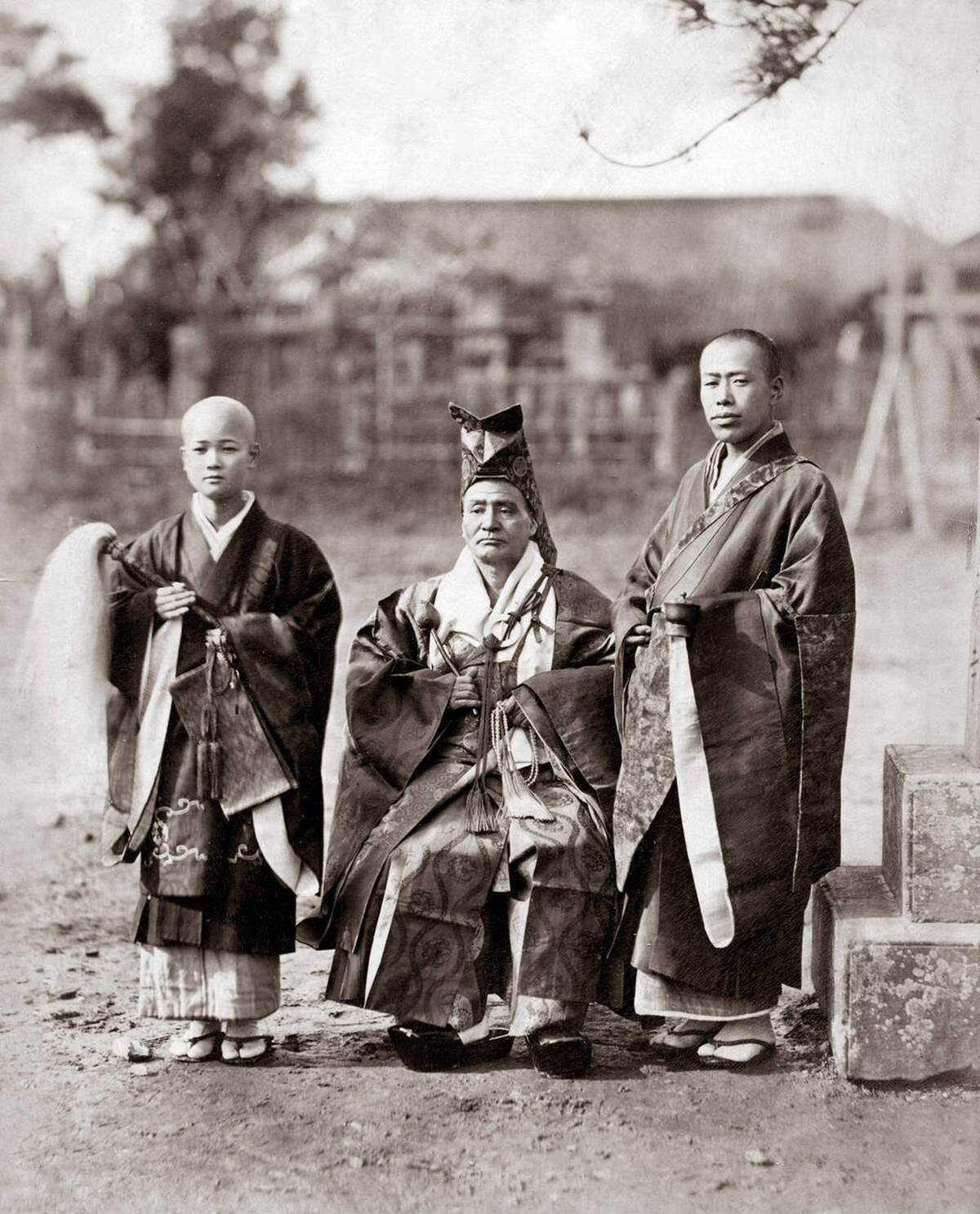
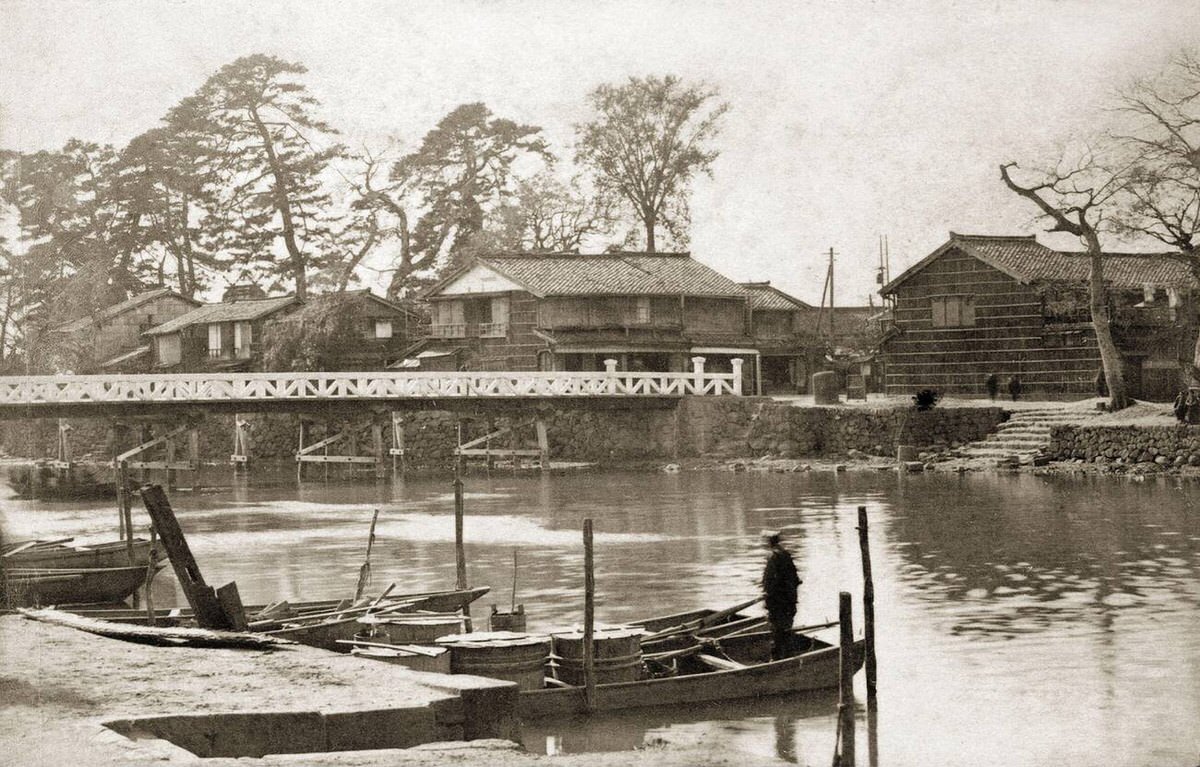
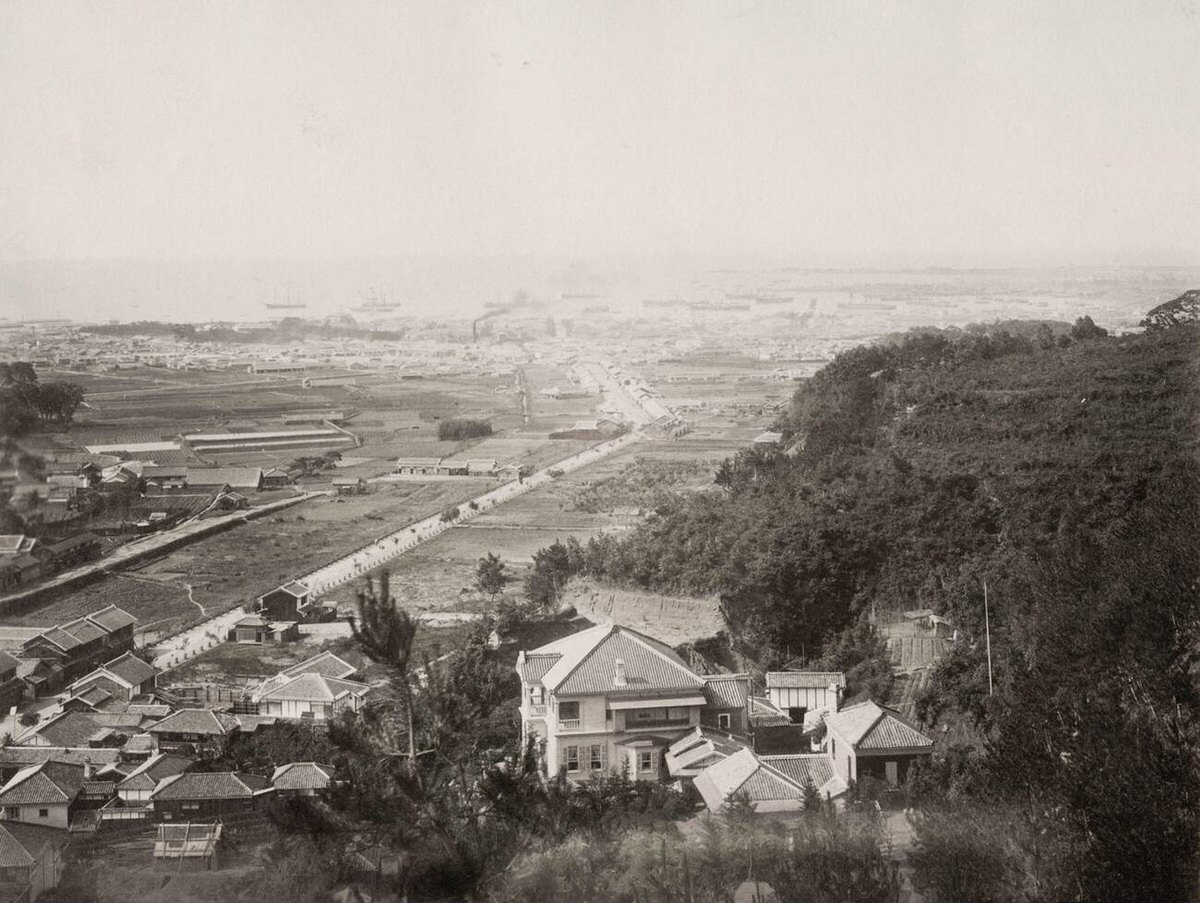
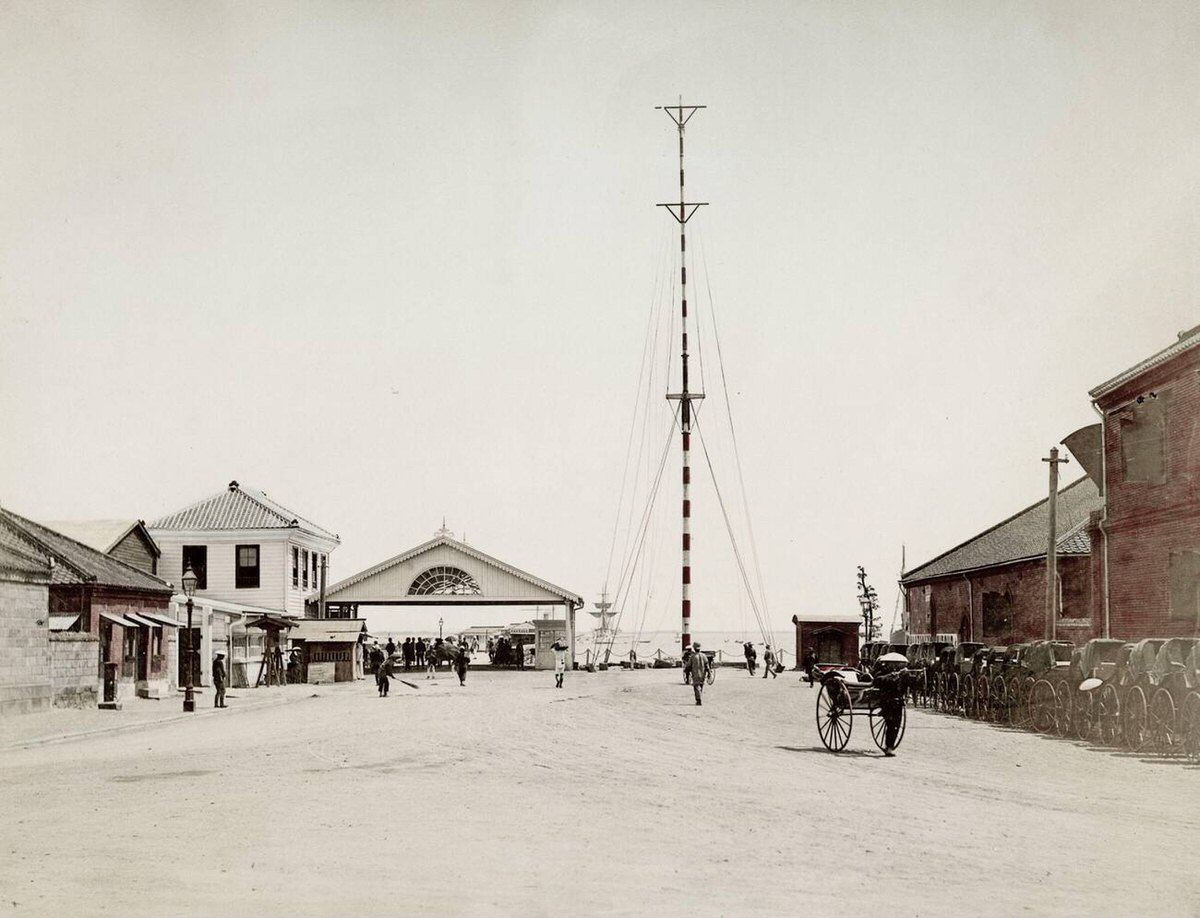
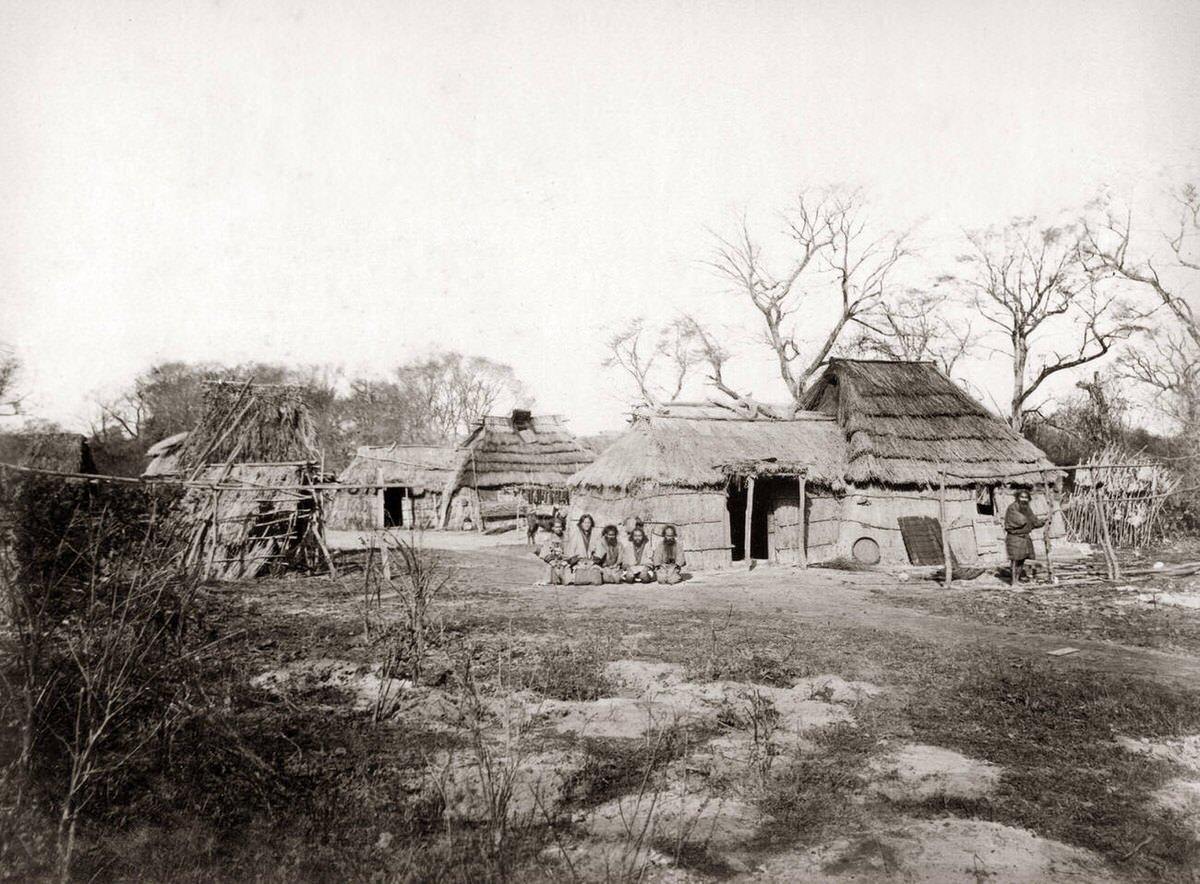
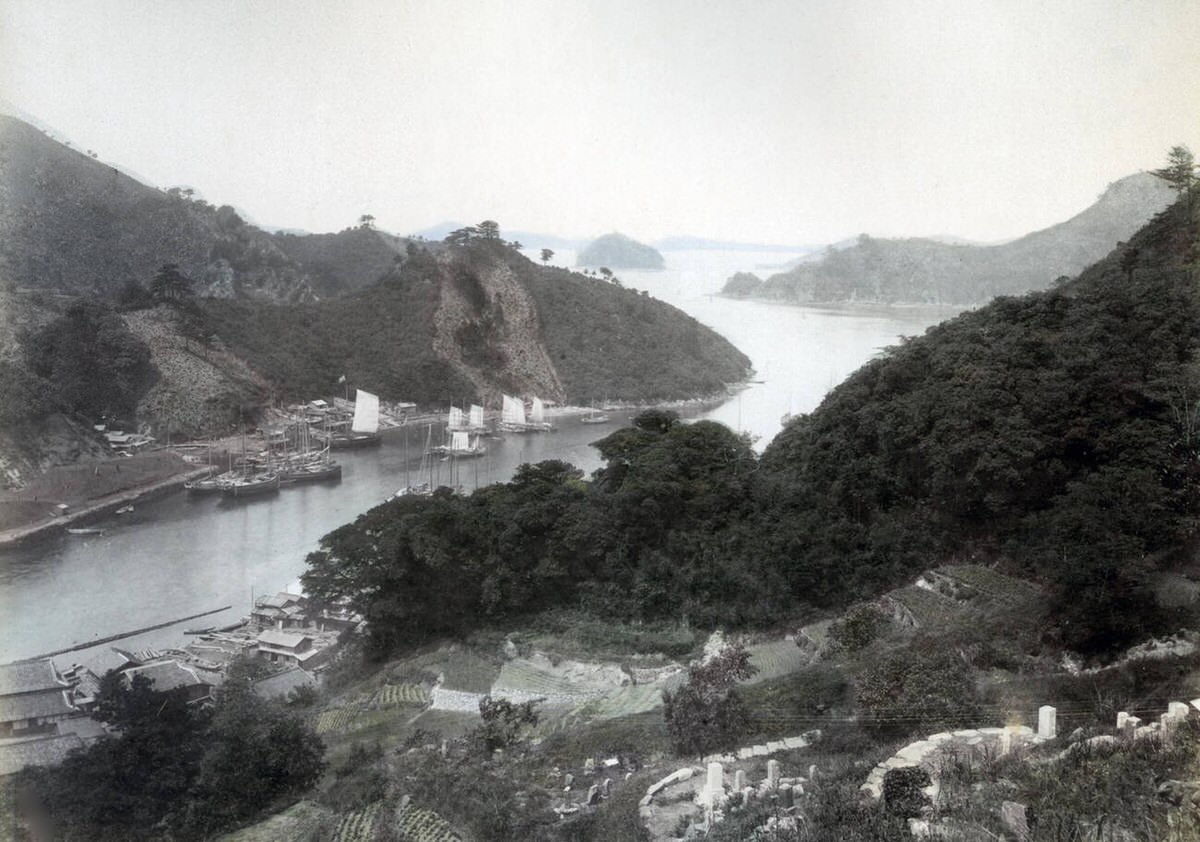
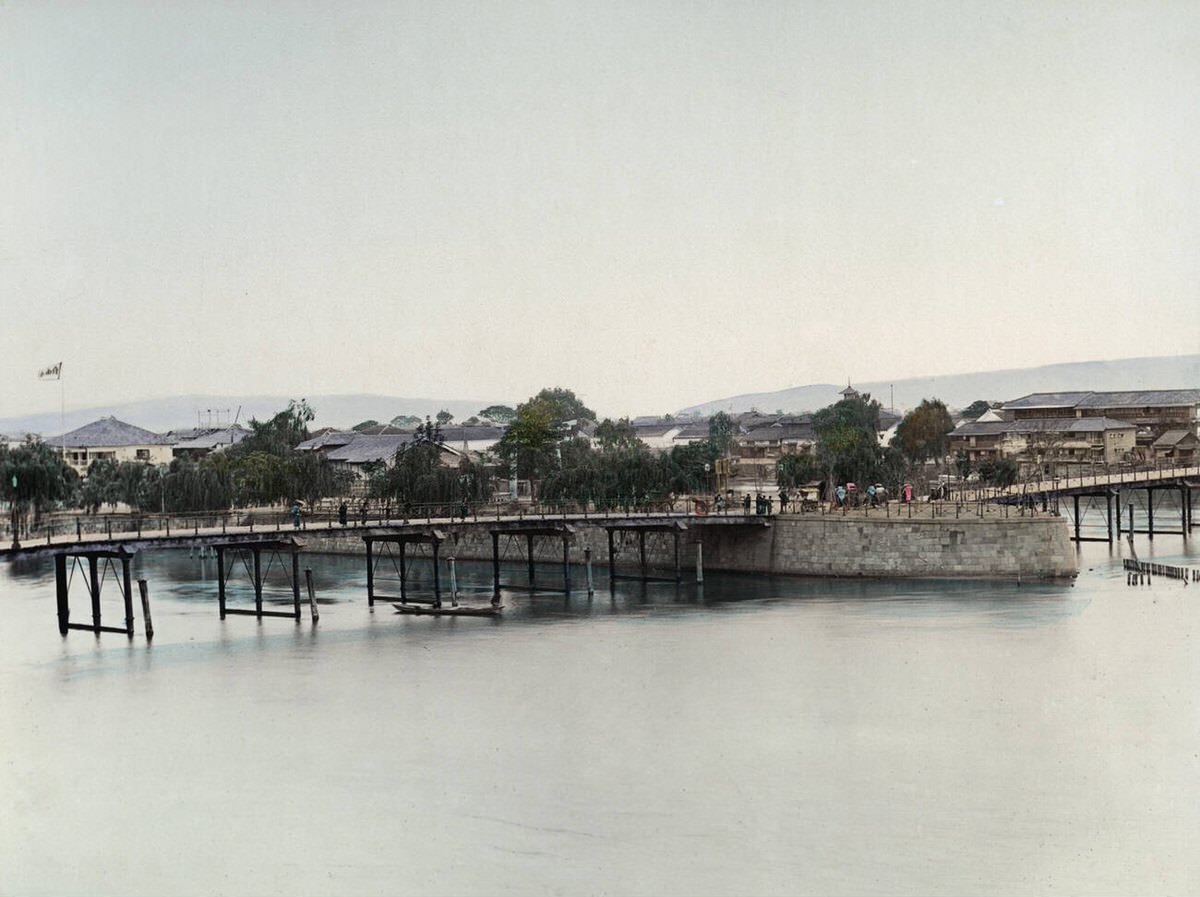
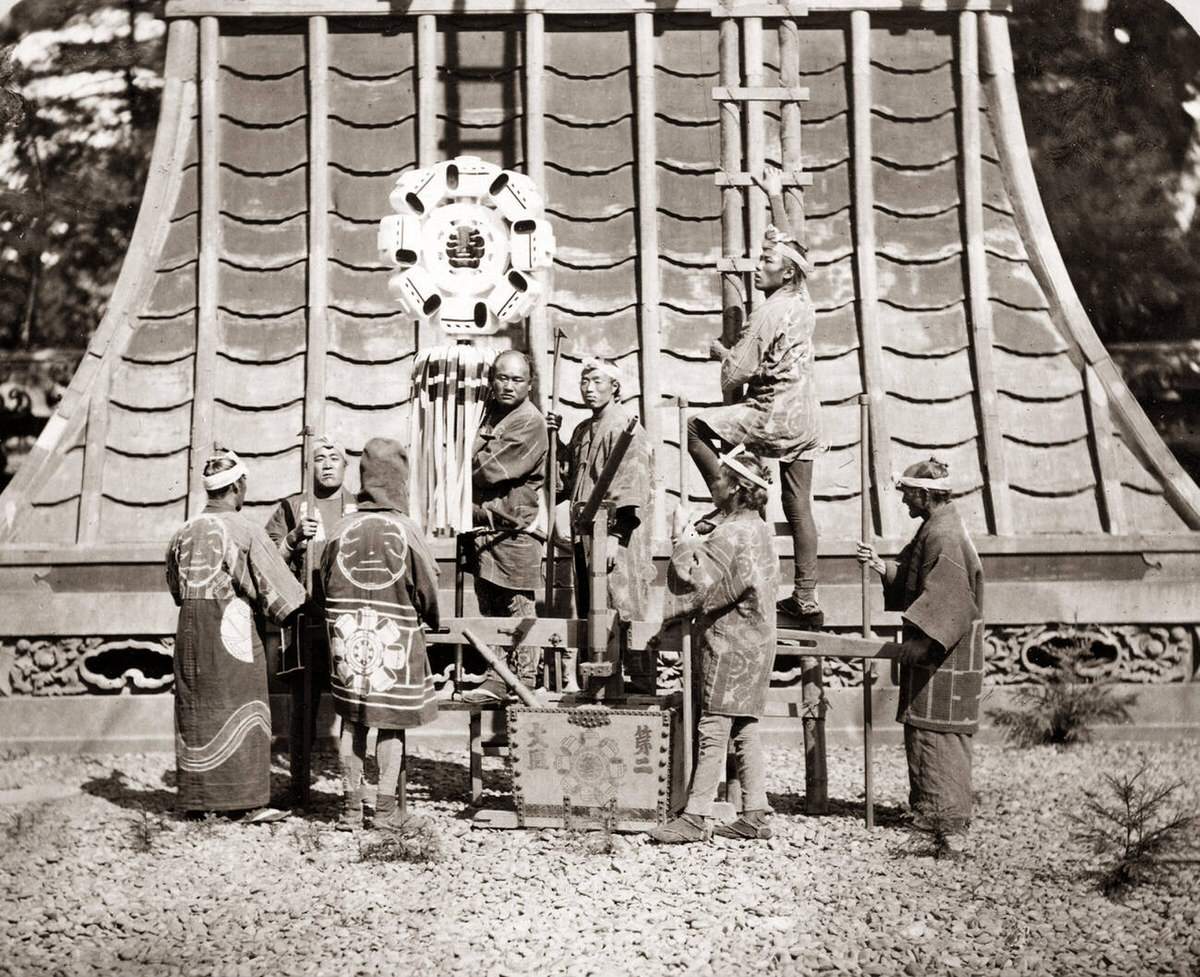
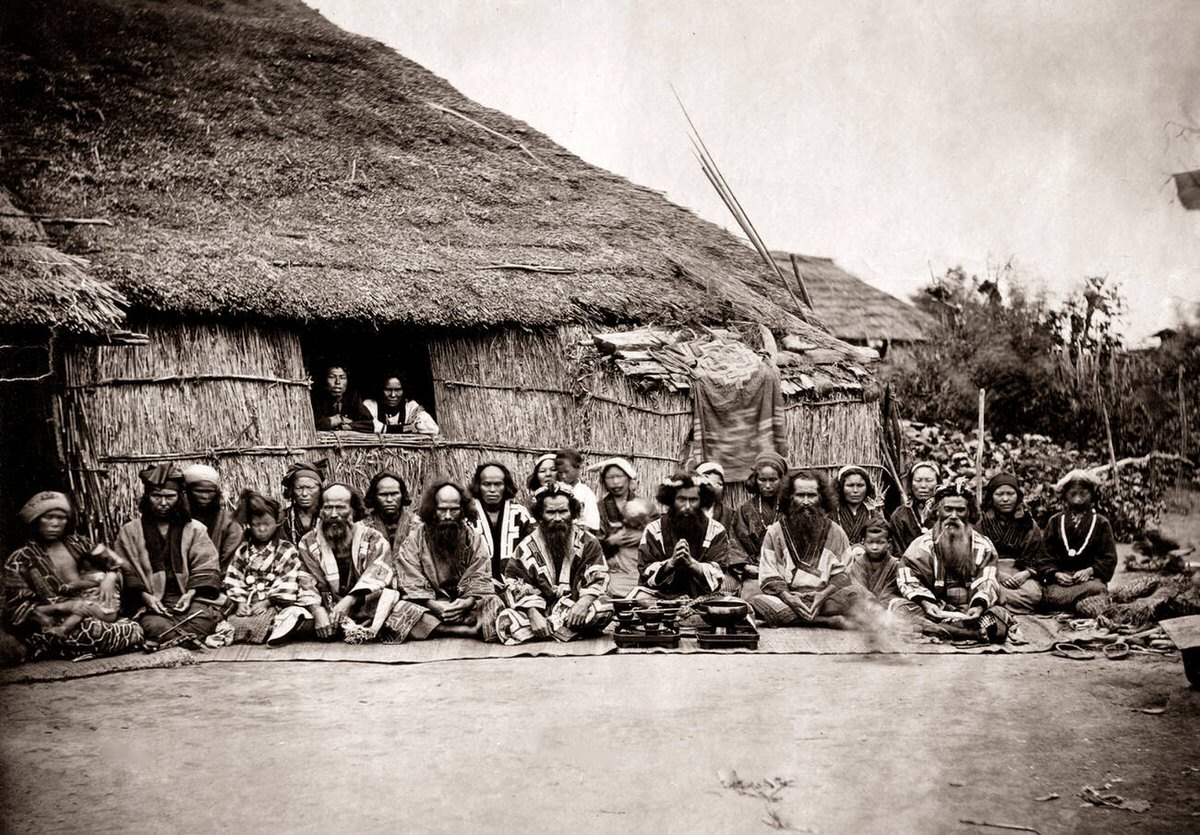
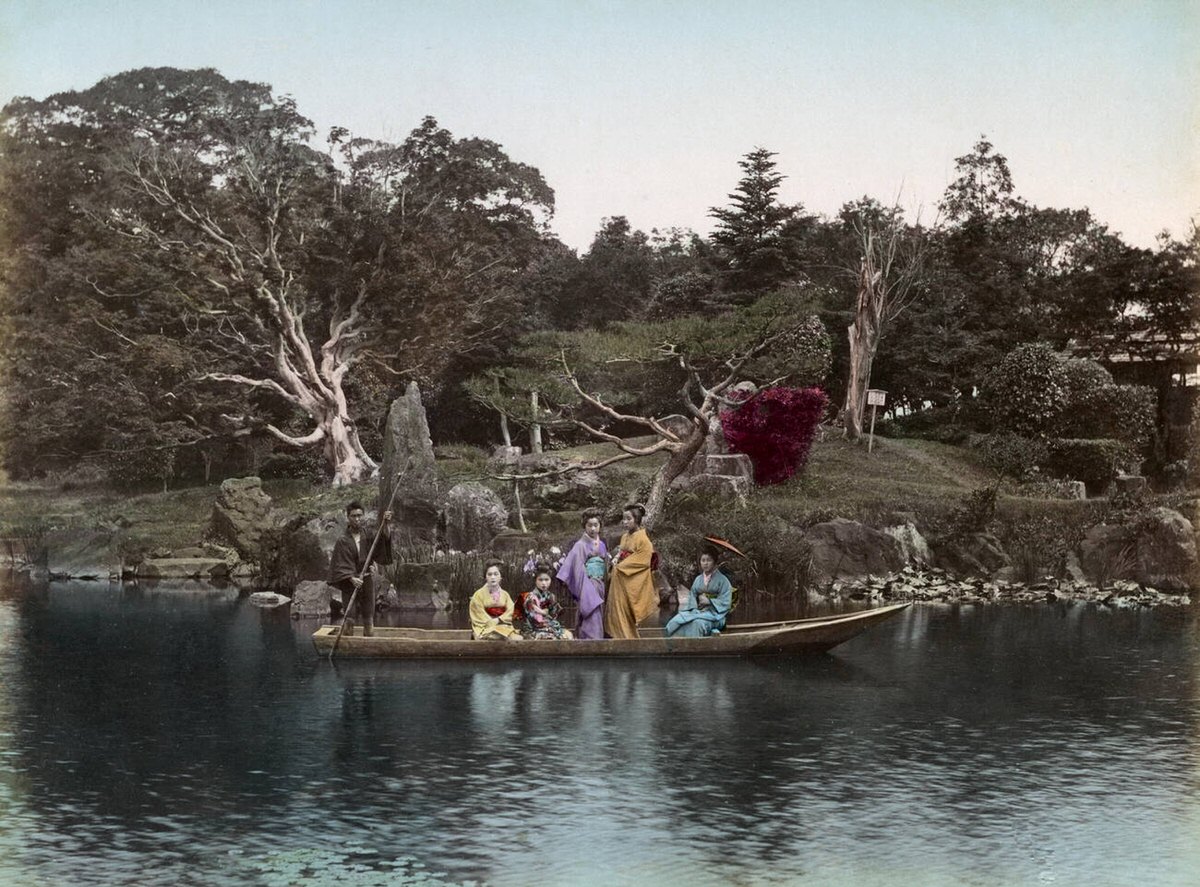
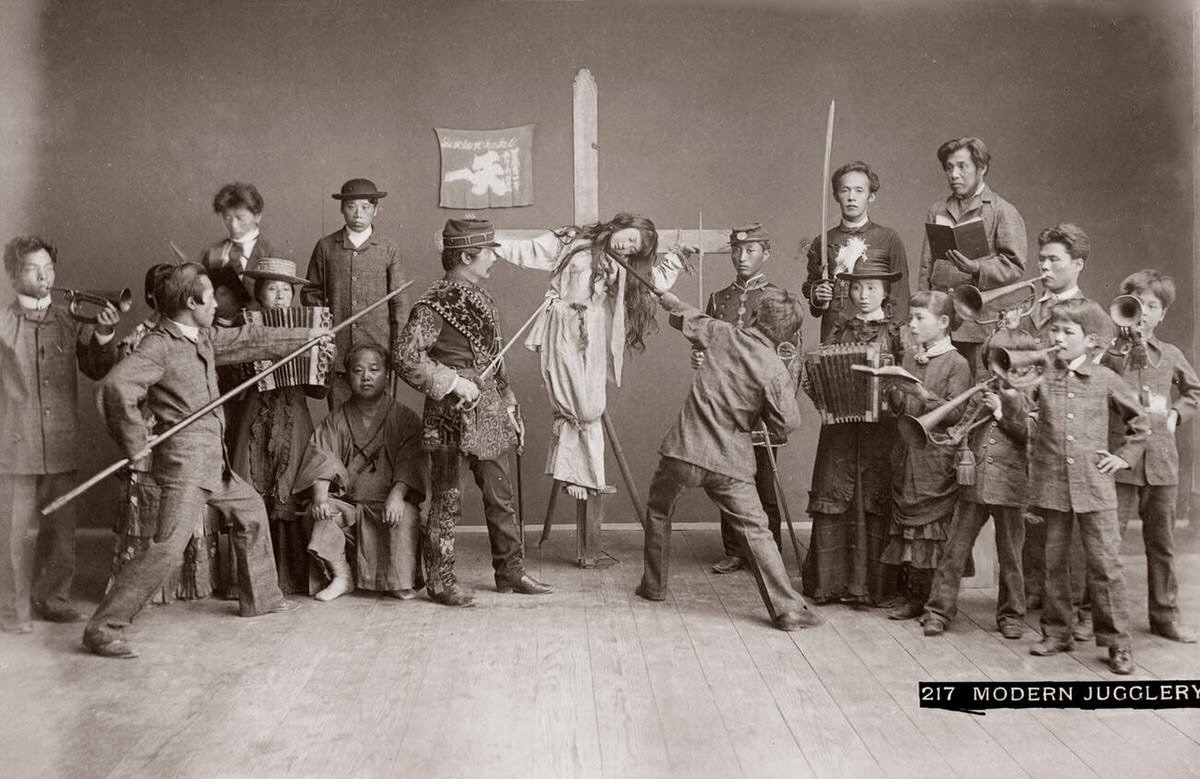
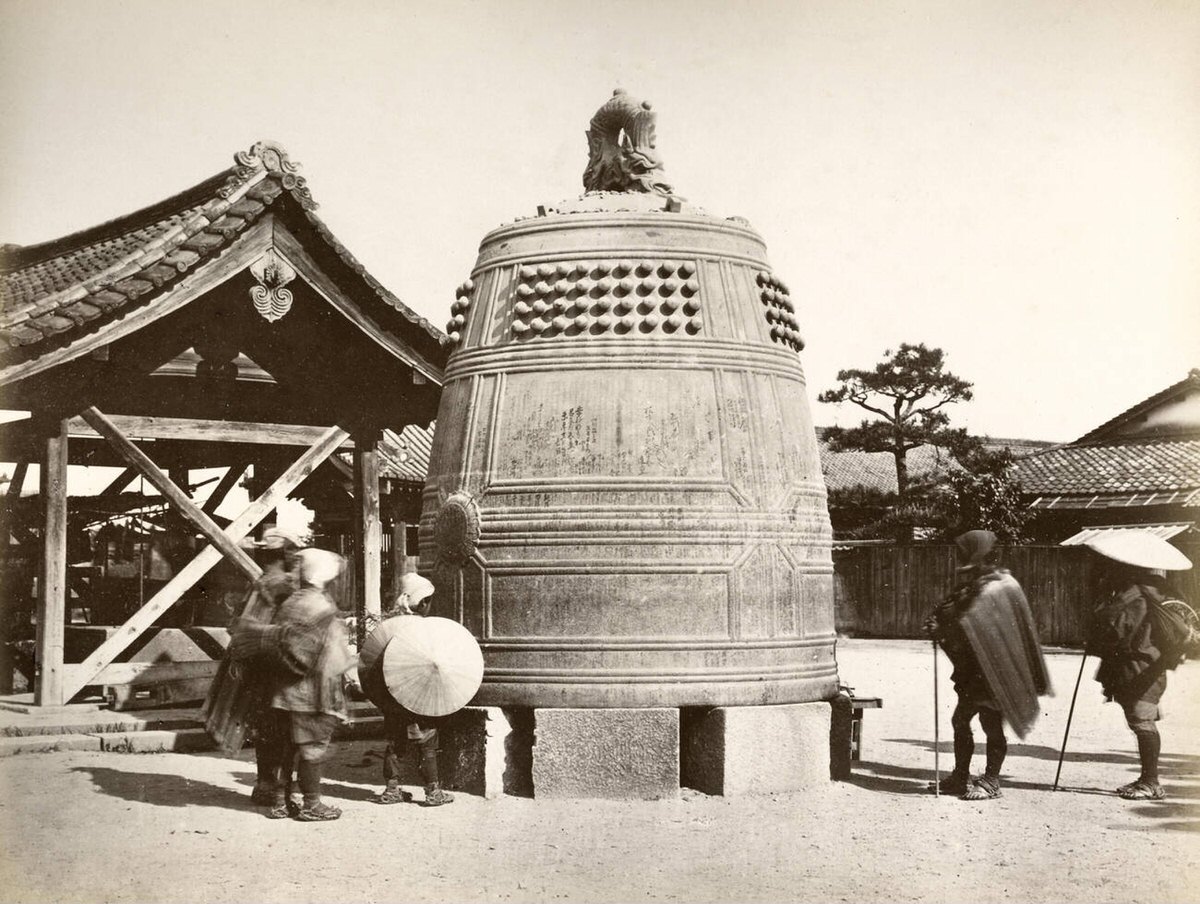
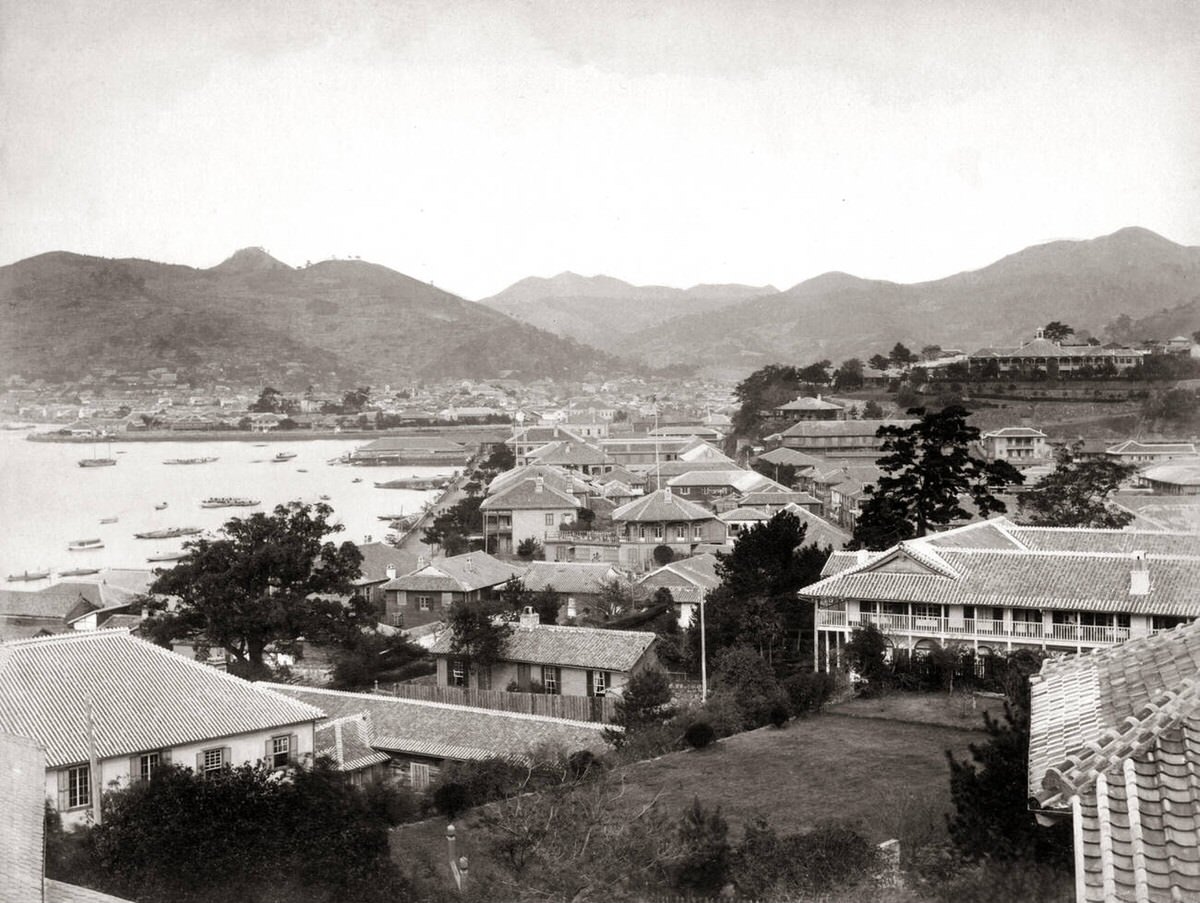
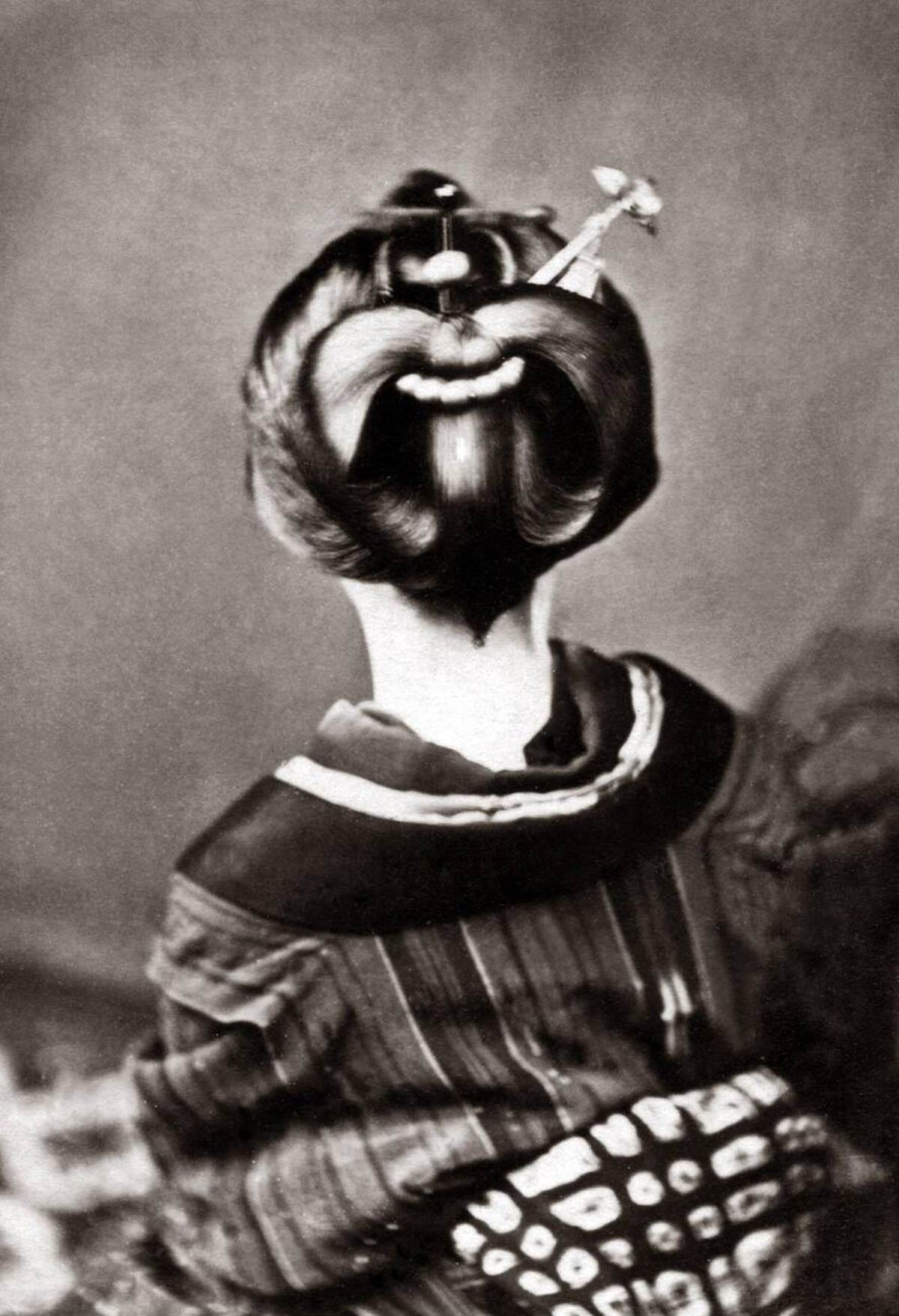
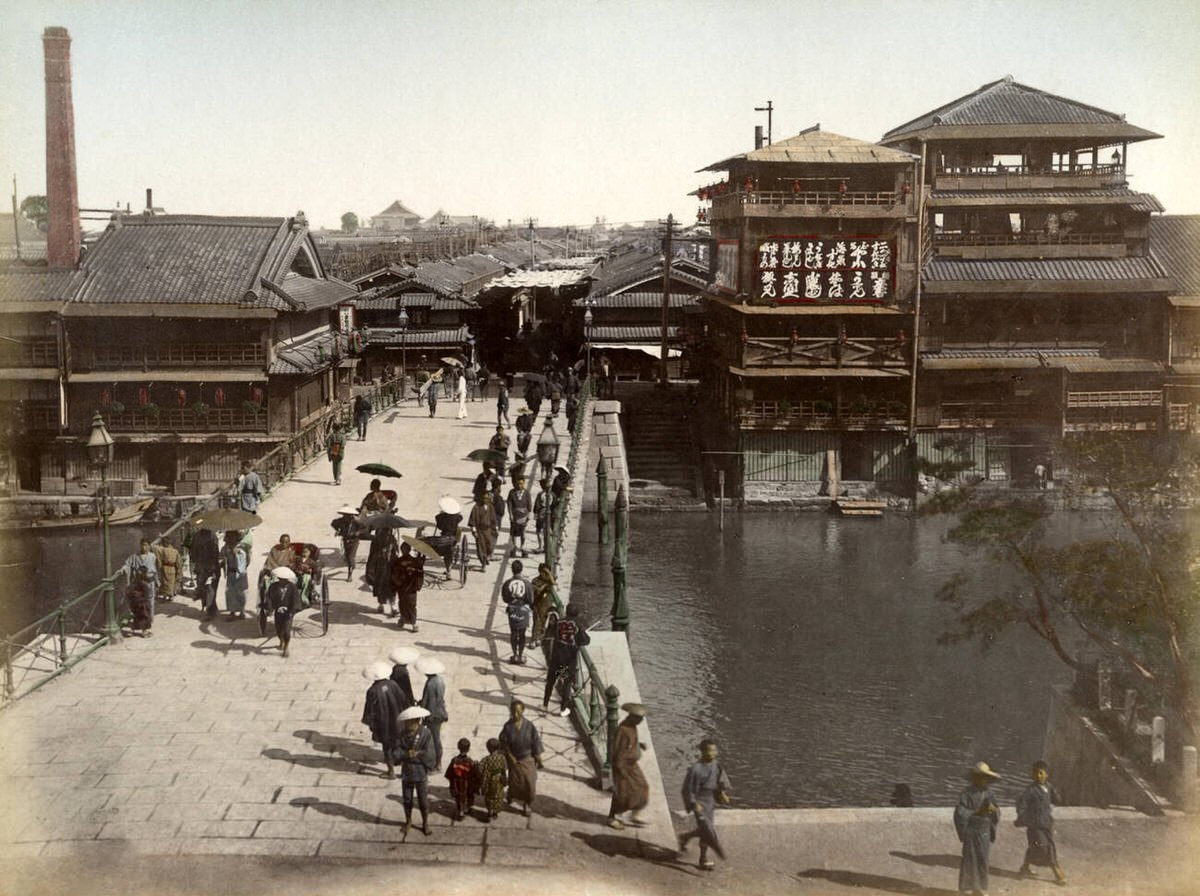
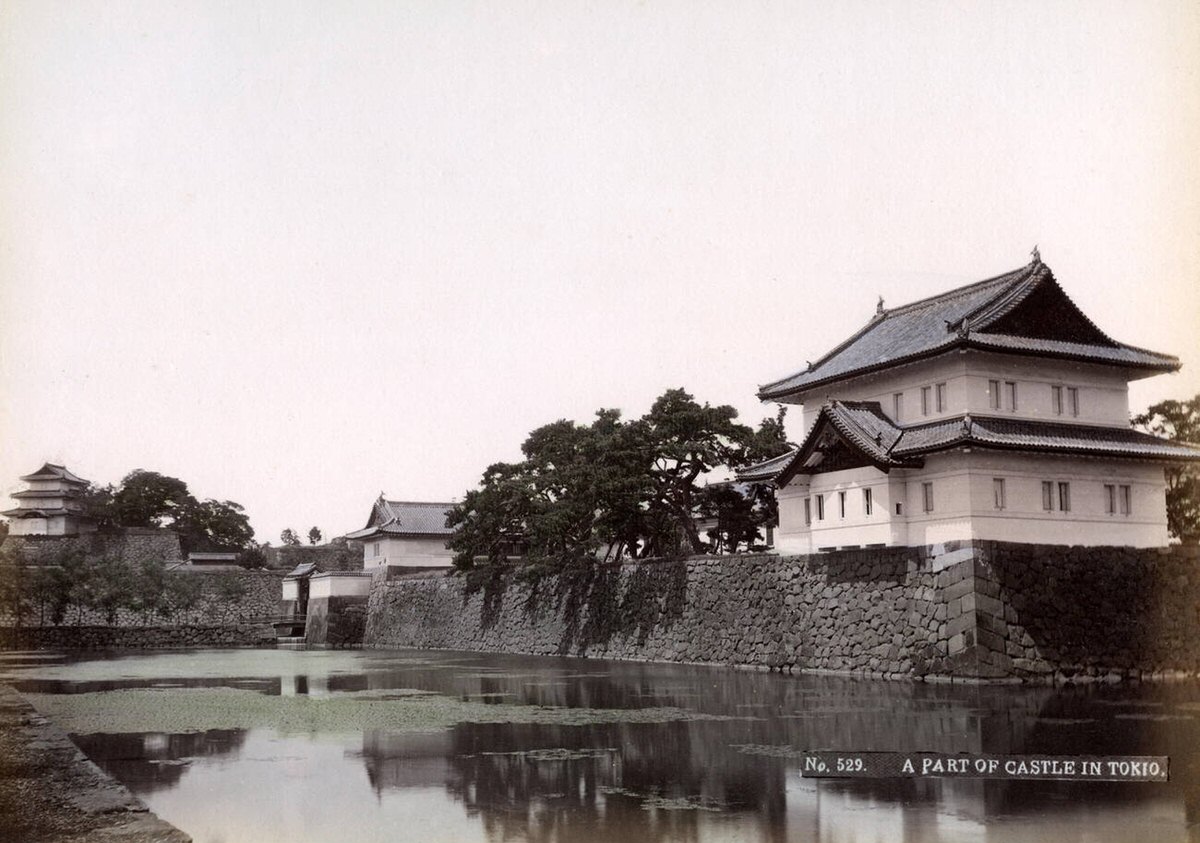
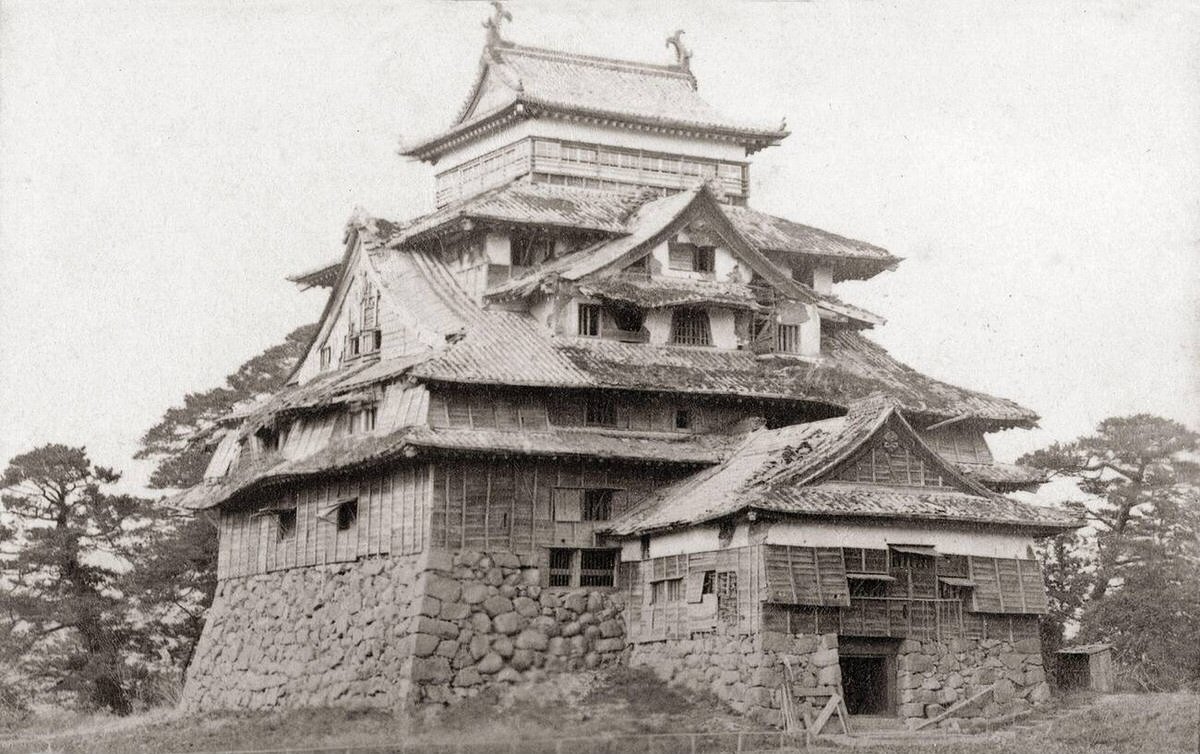
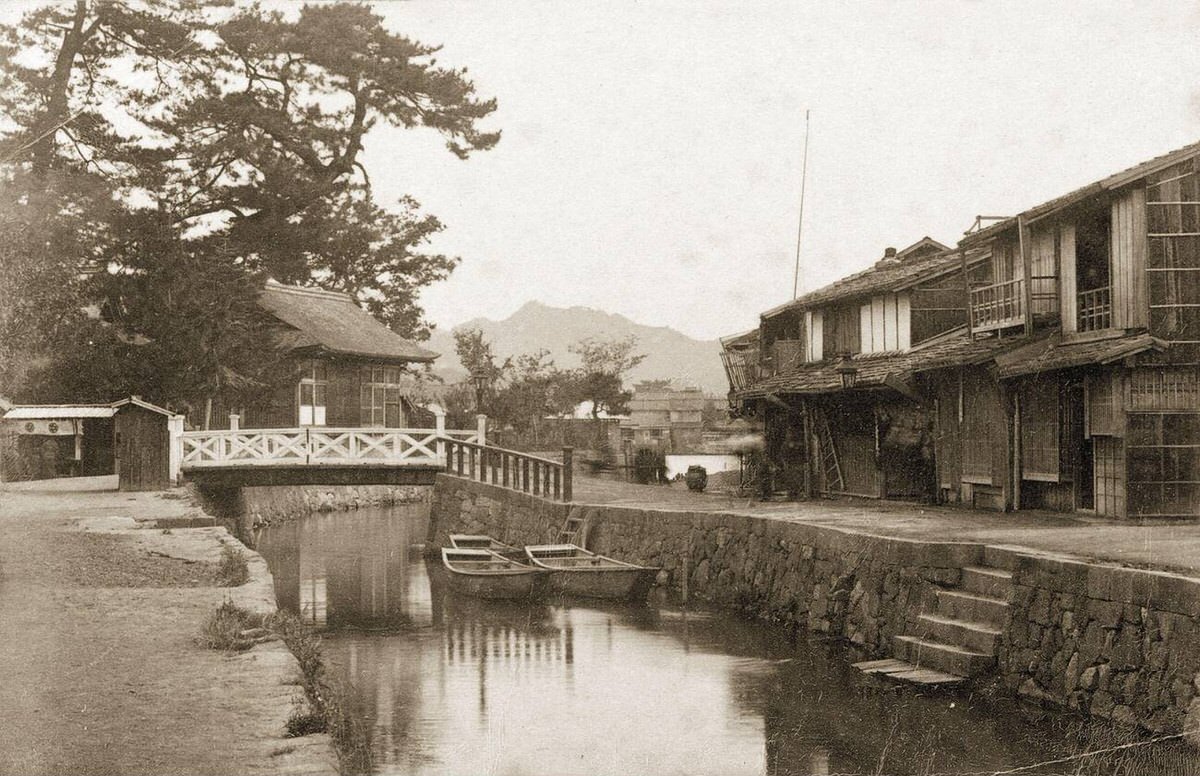
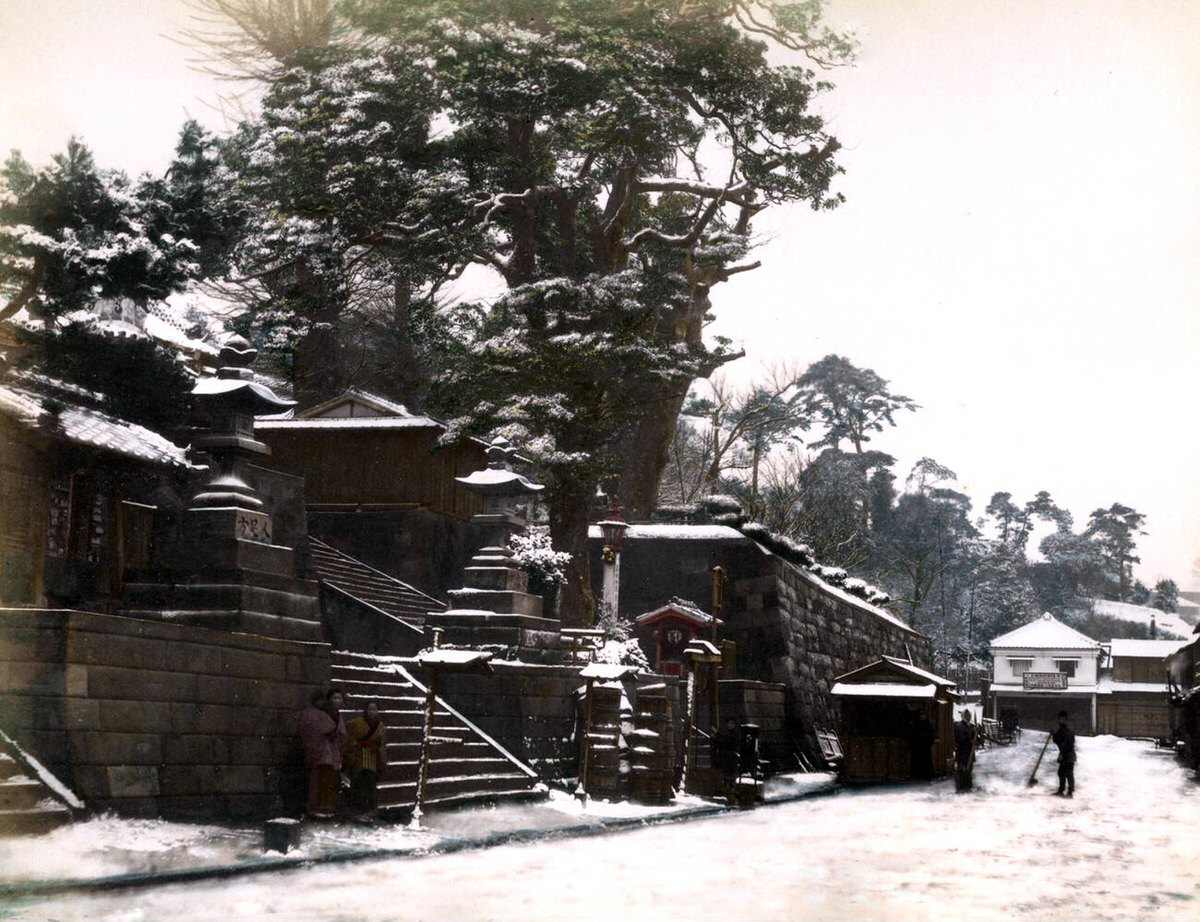
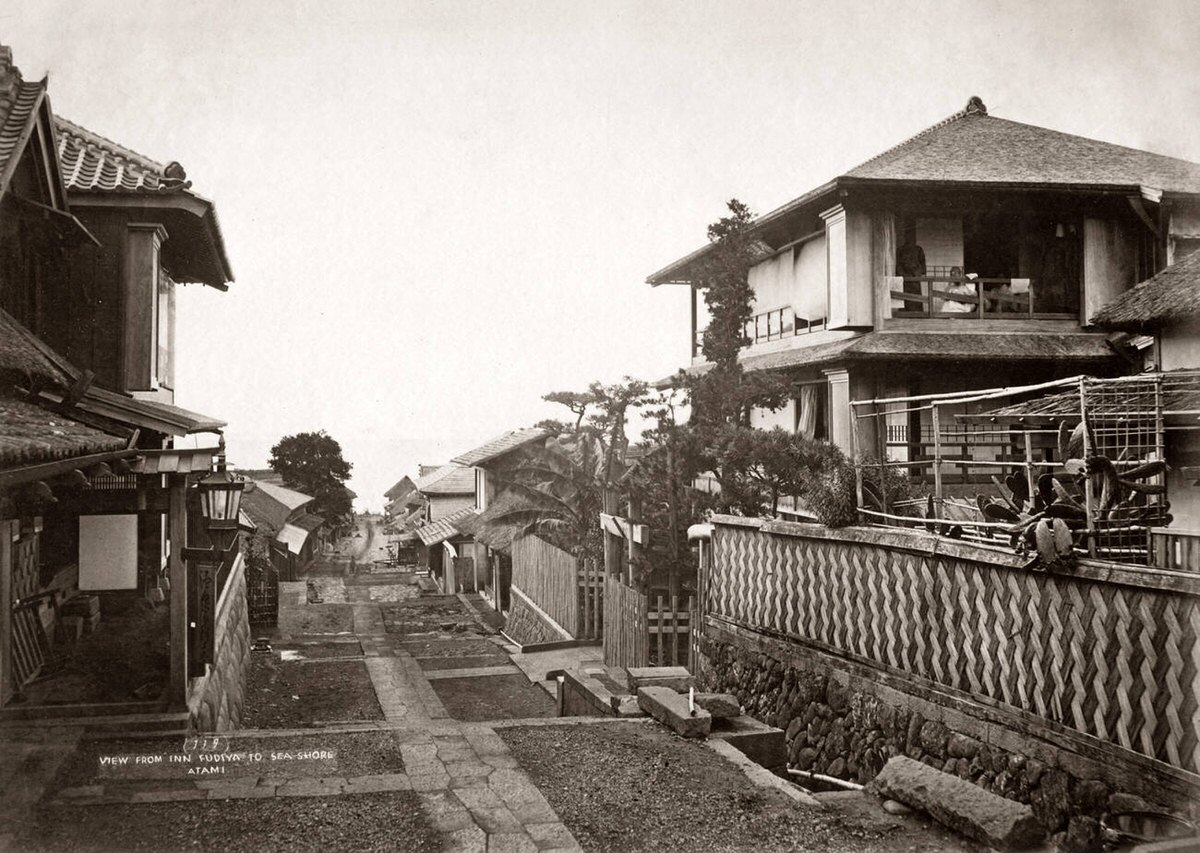
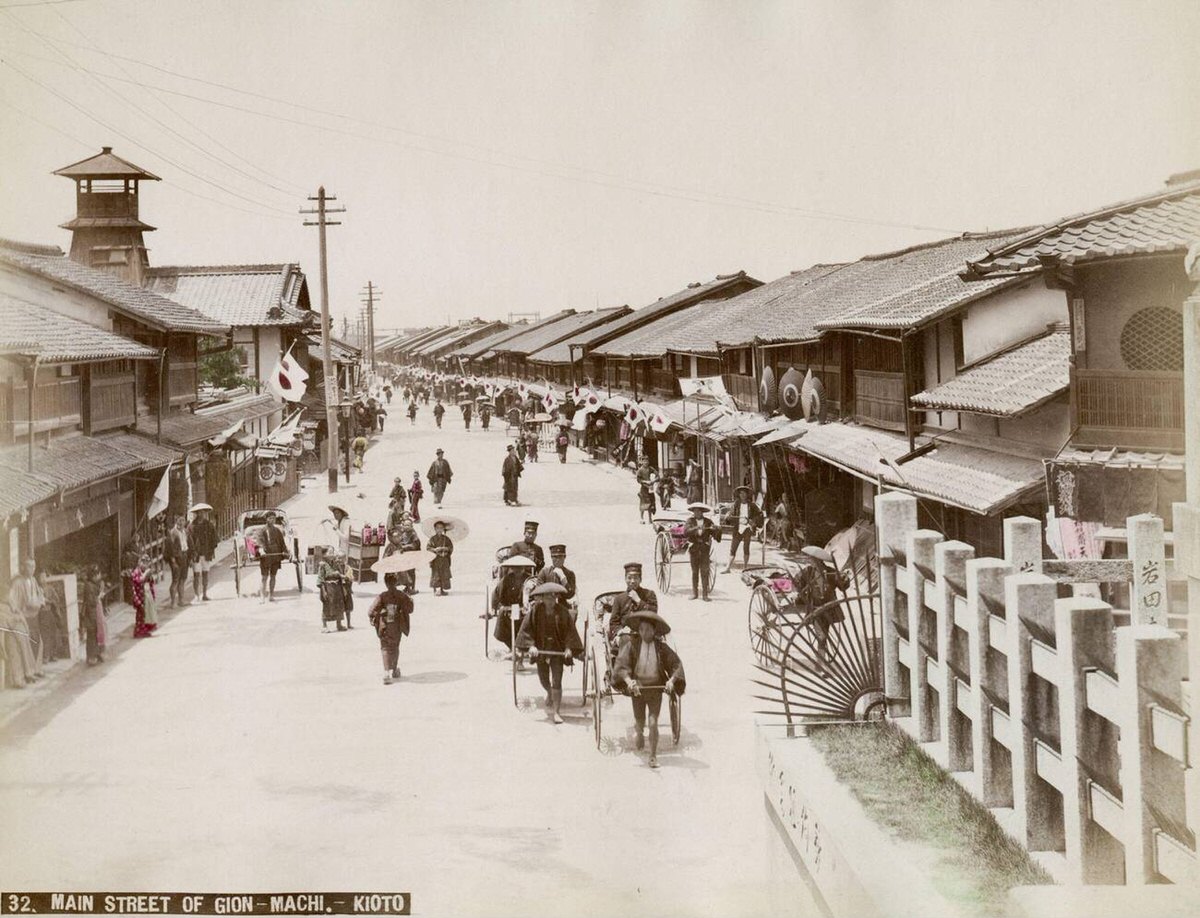
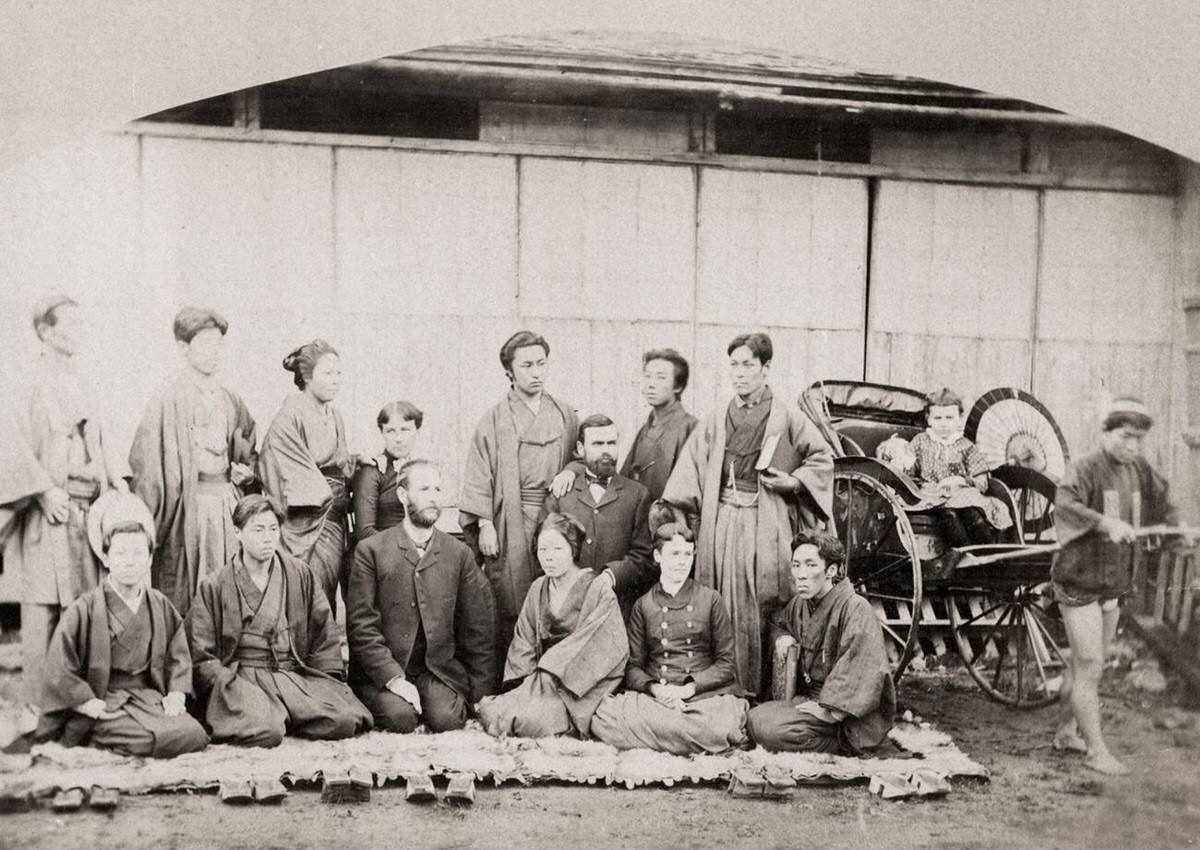
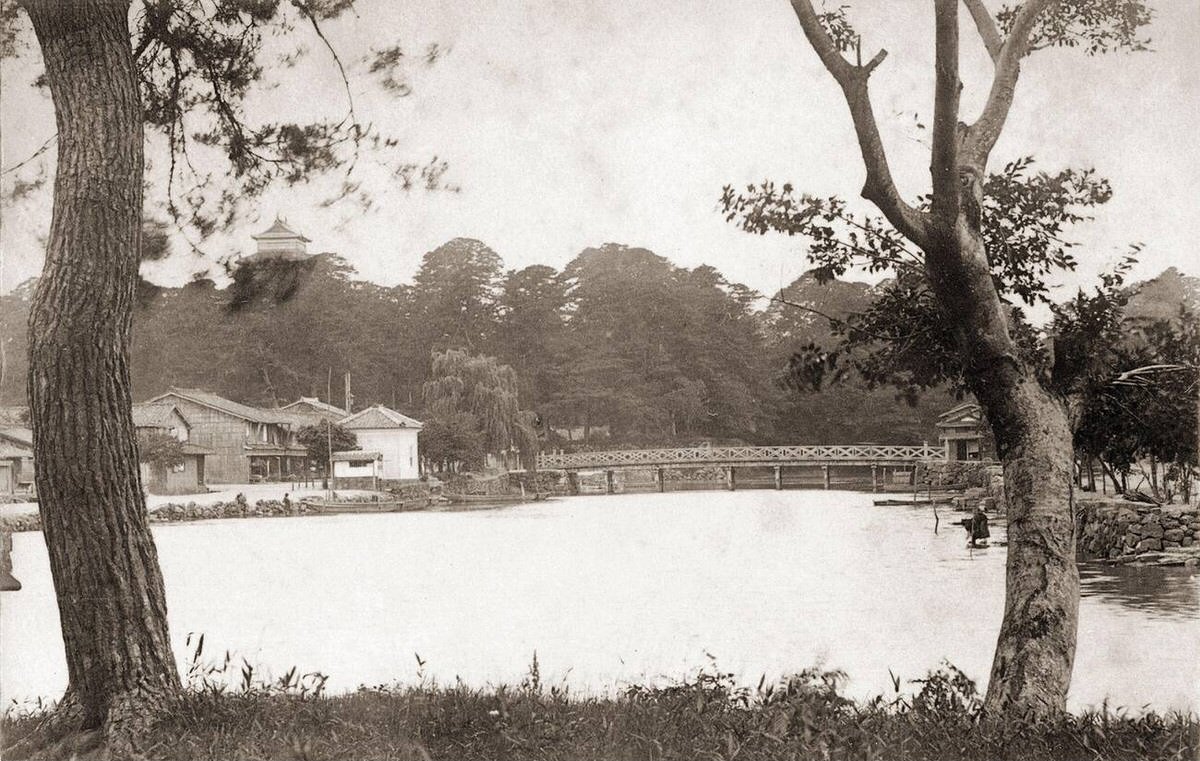
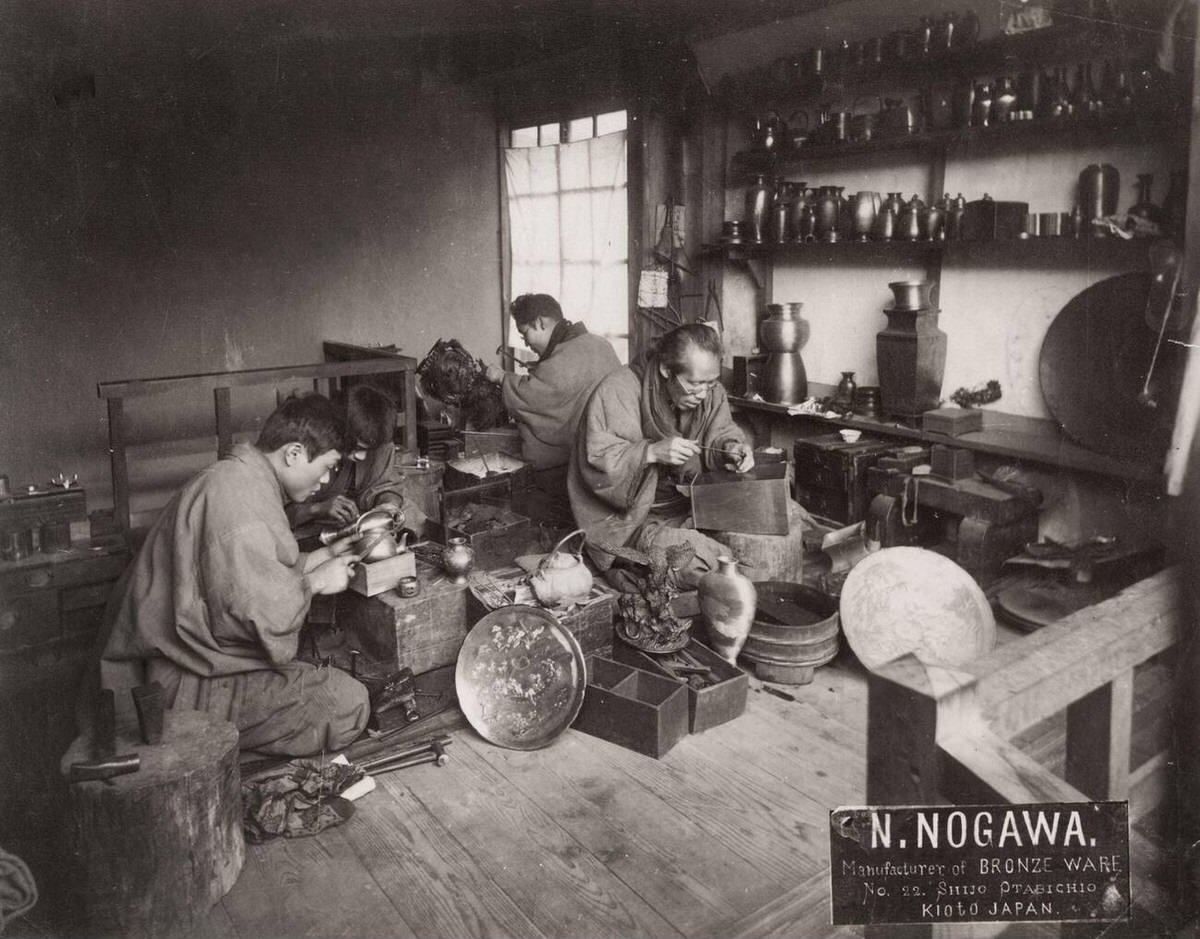
Aerial view of a Japanese village, 1880Grand Hotel at Yokohama, 1880Grand Hotel in Yokohama, 1880Ikuta Shinto Shrine in Kobe, 1890Japanese confectionery shop, 1880sHorse-drawn streetcar on Ginza in Tokyo, 1880sGeta clog shop in Japan, 1880sBoat and bridge in Matsue, Shimane Prefecture, 1880sHoncho Dori in Yokohama, 1885Ainu man with a paddle on Hokkaido, 1880Five-storied Yasaka Pagoda in Higashiyama, Kyoto, 1880sJapan, 1885Japan, 1885Street in Shizuoka, 1880sHomeware store in Japan, 1880sCanal in Osaka, 1880sAinu village in Hokkaido, 1880sMount Fuji and boats, 1880sBoats at the entrance to Nagasaki Harbor, 1880sNaniwa Bridge in Osaka, 1880sShips in Nagasaki Harbor, 1880sCarpenters planing wood, 1880sYakushi Temple at Honmura, Yokohama, 1880sGroup of Ainu people in Hokkaido, 1880sStreet in front of the Ikuta Temple in Kobe, 1880sJapanese Christians re-enacting the crucifixion of Jesus Christ, 1885Ueno shrine temple grounds in Tokyo, 1880sMotomachi Street in Yokohama, 1880sForeign settlement and Nagasaki Harbor, 1880sEbisu-bashi in Osaka, 1880sProstitutes on the balcony of the Nectarine brothel in Yokohama, 1880sView of Lake Biwa, 1880sMoat of Tokyo Castle, 1880sKiyomizu Temple in Kyoto, 1880sCurio shop in Japan, 1890Stripping rice in Japan, 1890Bund of Kobe with a rickshaw and boats, 1890Women practicing Ikebana flower arrangement, 1880sOsaka Castle, 1890Shop selling brooms, baskets, and rope, 1880sRickshaws on Main Street in Nagasaki, 1890Street vendor pulling a cart with baskets and brooms, 1880sKotohira Temple and bronze torii in Tokyo, 1880sShokabashi Bridge in the Wadami-shinchi district of Matsue, 1880sOne Hundred Steps leading to the Bluff in Yokohama, 1880sInstalling telegraph poles and wires along the Kobe Bund, 1880sExterior of the Kusakabe Kimbei photography studio on Honcho Dori, Yokohama, 1880sFestival lanterns on Benten Dori in Yokohama, 1890Boats along the waterfront at Oura, Nagasaki, 1890German Navy ship SMS Prinzess Wilhelm in dry dock, 1880sView toward the sea in Atami, 1880sOn the Tokaido road between Kyoto and Tokyo, 1885Matsue Post Office in Shirakata Honmachi, 1880sKitabori Canal in Matsue looking toward Matsue Castle, 1880sTaira no Kiyomori stone pagoda memorial in Hyogo, Kobe, 1880sGroup portrait of Ainu people in Hokkaido, 1880sShips in Kobe Port with the Bund in the background, 1880Craftsmen making bronze items in the Nogawa workshop in Kyoto, 1885View of the Oura foreign settlement, Dejima, and Nagasaki Harbor, 1880View of Yokohama looking over the city and harbor, 1885Children playing in front of the Shimane Prefectural Office in Matsue, 1880sThree-story wooden brothels in Nakanocho in the Yoshiwara district of Tokyo, 1880sRickshaw puller in front of the Oriental Hotel in Kobe, 1880Chitoseza Theater in Hisamatsu-cho, Tokyo, 1880sBuildings at Sonezaki-Shinchi 2-chome in Osaka, 1880Shinagawa Station in Tokyo with a covered footbridge, 1880Group of Ainu people in Hokkaido, 1890Smiling street singer in Japan, 1890Naval arsenal at Nagasaki with a ship in dry dock, 1890Group of Buddhist priests, 1890Group of farm workers, 1890Bluff Gardens in Yokohama, 1890Onomichi and the Inland Sea, 1880sPublic boards outside the Kitano Shinto temple in Kyoto, 1880sStreet view in Kobe, 1880sFarmer and a pack horse, 1880sGeishas in a rickshaw, 1890Young women sleeping under eiderdown, 1880sRailway track at Kanagawa near Yokohama, 1890Nagoya Castle, 1890View of Nagoya, 1890Kitabori Canal in Matsue looking toward Matsue Castle, 1880View of Nagasaki harbor from the foreign settlement, 1880sThe Bund at Yokohama, 1880Japanese men weaving straw mats on a loom, 1880Dejima in Nagasaki, 1880sYokohama harbor, 1880sFish stall, 1880Hardware shop, 1880sHakone Lake, 1880sRoad to Moji, 1880sMoji harbor, 1880sThe Bund in Nagasaki, 1880sView of Kyoto, 1880sKumamoto Castle, 1880sFormal greeting, 1880sKobe Bund, 1880sHatoba in Kobe, 1880sPost office in Nagasaki, 1880sJapanese junk ship, 1880sBoats in the creek in Yokohama, 1880sRickshaw in Mukojima, Tokyo, 1880sCanal bridge in Osaka, 1880sMotomachi Street in Yokohama, 1880sGiant bronze bell, 1880sMain street in Kobe, 1880sBusy street in Ikaho, 1880sMoat of Tokyo Castle, 1880sHigh-angle view of Tokyo, 1880sGroup in the hills above Nagasaki, 1880sBashamichi Street in Yokohama, 1880sStreet scene, 1880sRickshaw at Suwayama Temple in Kobe, 1880sSacred lacquer bridge at Nikko, 1880sKamiyabashi Bridge in Nagasaki, 1880sMoat and gateway in Tokyo, 1880sView of Mount Fuji, 1880sFormer royal palace in Kyoto, 1880sWomen with parasols under wisteria plants, 1880sRailway station and bridge in Yokohama, 1880sView along the Bund in Yokohama, 1880sOne Hundred Steps leading to the Bluff in Yokohama, 1880sGreat gate of Shiba Temple in Tokyo, 1880sCherry blossoms lining a sloping street, 1880sView of Nagasaki, 1880sView of Mount Fuji and rice paddy fields, 1880sWaterfront view of Nagasaki, 1880sVillage street scene, 1880sThreshing grain with flails, 1880sView toward the sea in Atami, 1880sBoat jetty at Lake Chuzenji, 1880sBuddhist priests, 1880sFujiya Hotel in Miyanoshita, Hakone, 1885View of Nagasaki, 1890View of Yokohama looking over the city and harbor, 1880sGroup of priests, 1889Carpenters at work, 1880sBoat and bridge in Matsue, Shimane Prefecture, 1880Rooftop view of Tokyo, 1880sStreet in Nagasaki, 1880sGeishas on a teahouse balcony, 1880sSwimming, diving, and boats, 1880sHarbor of Kobe, 1890New railway bridge in Kobe, 1880Wharf in Yokohama, 1890Ainu village in Hokkaido, 1880sBoats at the entrance to Nagasaki Harbor, 1880sNaniwa Bridge in Osaka, 1880sJapanese firefighters with a ladder and banner, 1880sGroup of Ainu people in Hokkaido, 1880sGeishas in a pleasure boat, 1880sPounding and cleaning rice with bellows, 1890Japanese Christians re-enacting the crucifixion of Jesus Christ, 1885Prostitutes on the balcony of the Nectarine brothel in Yokohama, 1880sMotomachi Street in Yokohama, 1880sGiant bronze bell, 1880sForeign settlement and Nagasaki Harbor, 1880sA Group of young Japanese women, 1890Geisha showing an ornate hairstyle and obi sash, 1880sEbisu-bashi in Osaka, 1880sMoat of Tokyo Castle, 1880sDilapidated Matsue Castle in Matsue, Shimane Prefecture, 1880Torii at the Inari temple in Fushimi, 1880sVendor selling fruit and vegetables, 1880sShokabashi Bridge in the Wadami-shinchi district of Matsue, 1880One Hundred Steps leading to the Bluff in Yokohama, 1880sFestival lanterns on Benten Dori in Yokohama, 1890Boats on the canal at Lake Biwa near Kyoto, 1880sBoats along the waterfront at Oura, Nagasaki, 1890Snow scene in Tokyo, 1880sRailway and train in Kobe, 1890View toward the sea in Atami, 1880sMain street of Gion-machi in Kyoto showing passengers in rickshaws, 1890Matsue Post Office in Shirakata Honmachi, 1880Japanese workers at a Christian missionary with the missionary and his family, 1890Kitabori Canal in Matsue looking toward Matsue Castle, 1880Craftsmen making bronze items in the Nogawa workshop in Kyoto, 1885
Kevin Clark is a historian and writer who is passionate about sharing the stories and significance behind historical photos. He loves to explore hidden histories and cultural contexts behind the images, providing a unique insight into the past.






Amazing photos of a country on the brink of rapid changes. The last glimpses of the old world. Fascinating.