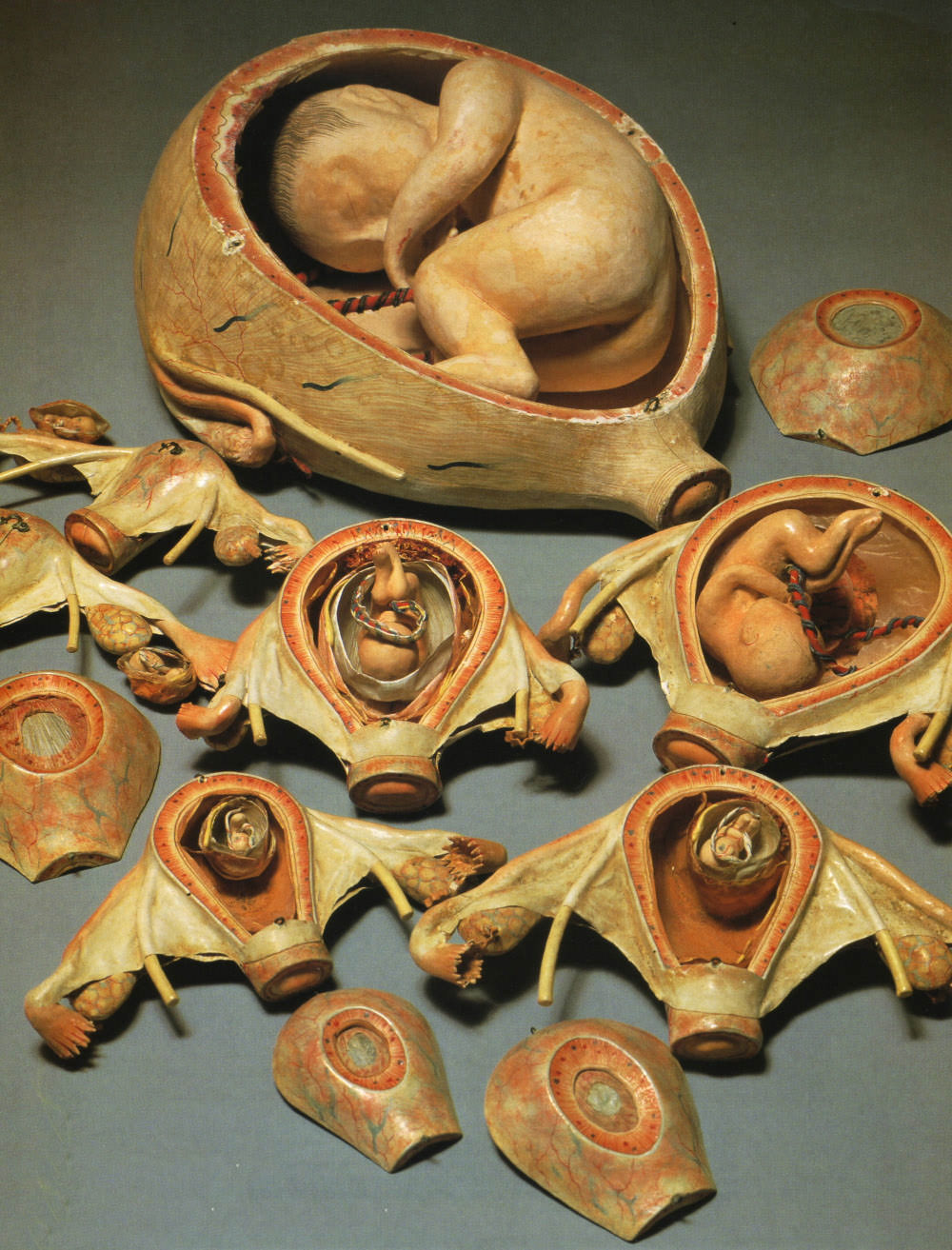
In 18th and 19th century Edo — the city now known as Tokyo — a unique form of public entertainment called misemono drew large crowds. These sideshows offered curious spectators a look at rare, strange, and wondrous things. Skilled craftsmen, performing acts, and scientific curiosities all shared the same carnival atmosphere. Among the most talked-about exhibits were pregnant dolls: handcrafted figures with removable abdomens that revealed detailed models of fetal development inside.
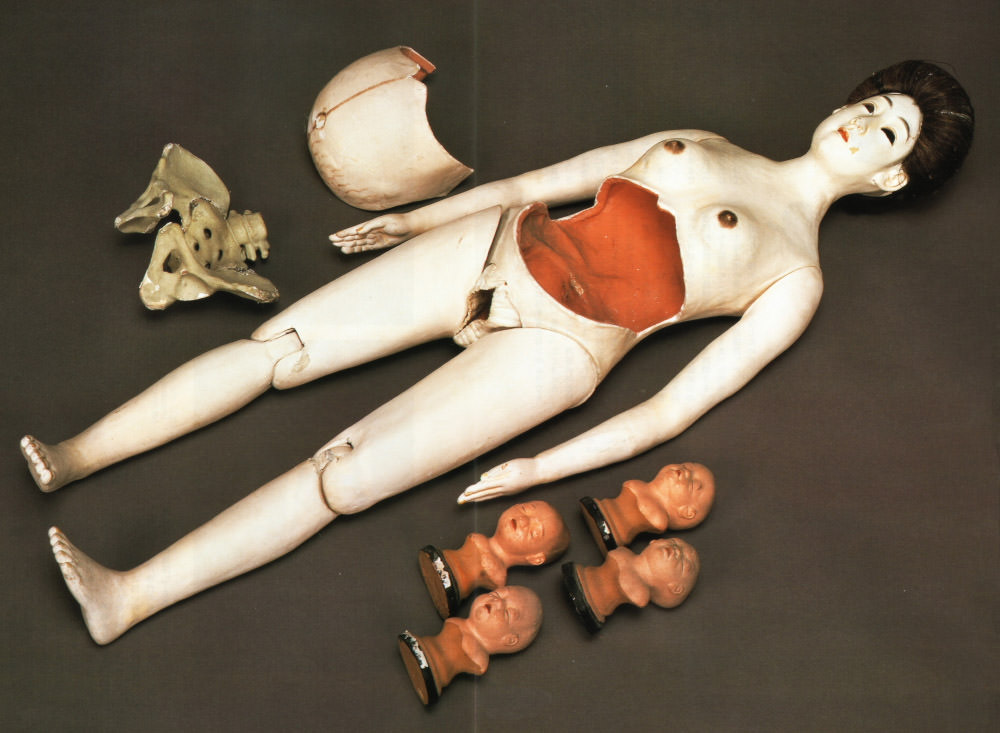
These dolls served two clear purposes. First, they were practical teaching tools. Midwives and medical students used them to study fetal positioning and the stages of pregnancy. Second, they were a public spectacle. Audiences gathered not for medical training, but out of sheer fascination with the human body and the mechanics of birth.
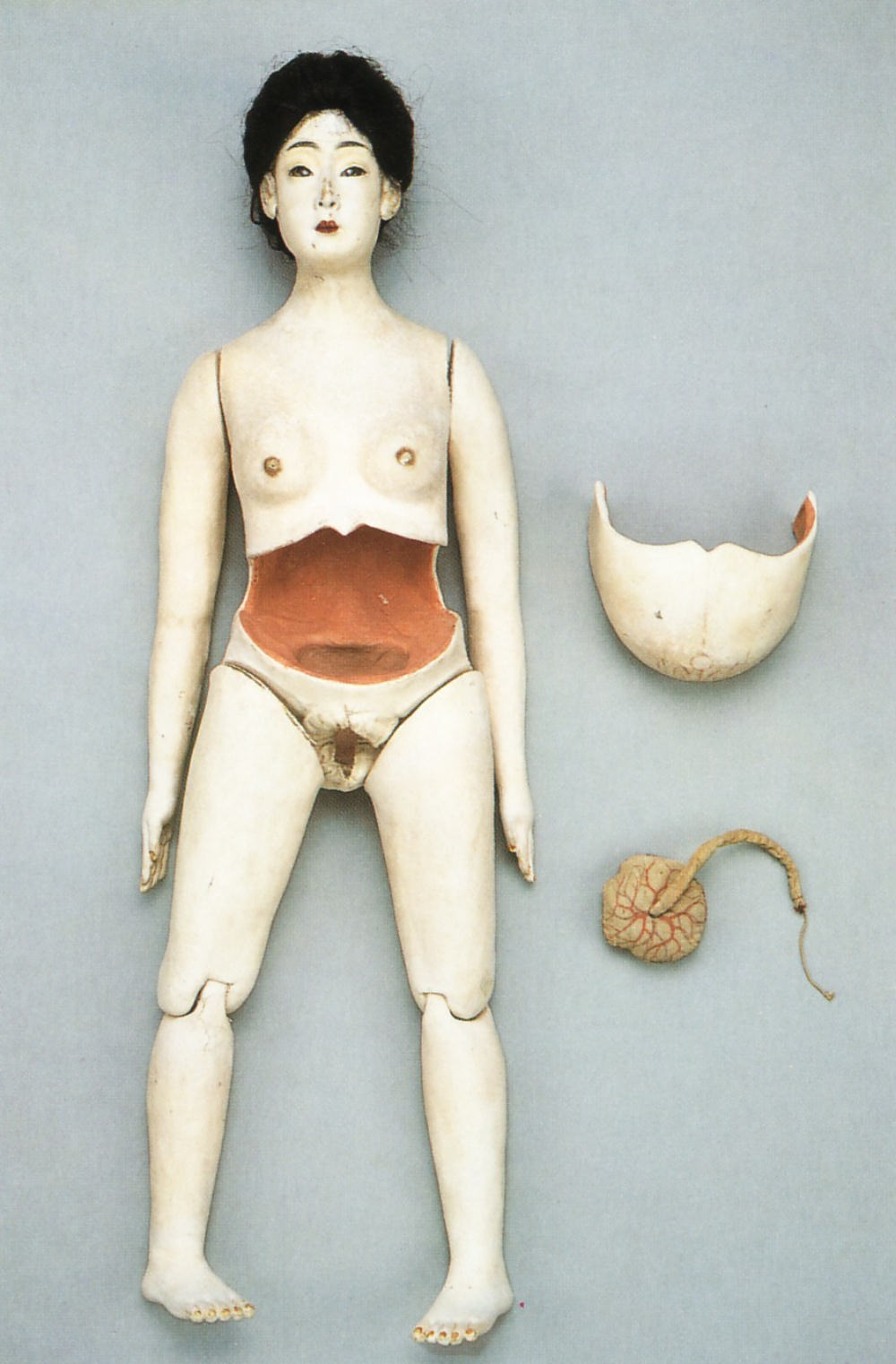
A record from 1864 documents one such show held in Tokyo’s Asakusa entertainment district. The exhibit featured a pregnant doll with a removable abdomen section. Visitors could peer inside and view fetal models arranged to show different stages of prenatal development. The show was described as both educational and crowd-pleasing — a combination that made it a standout attraction in a busy entertainment quarter.
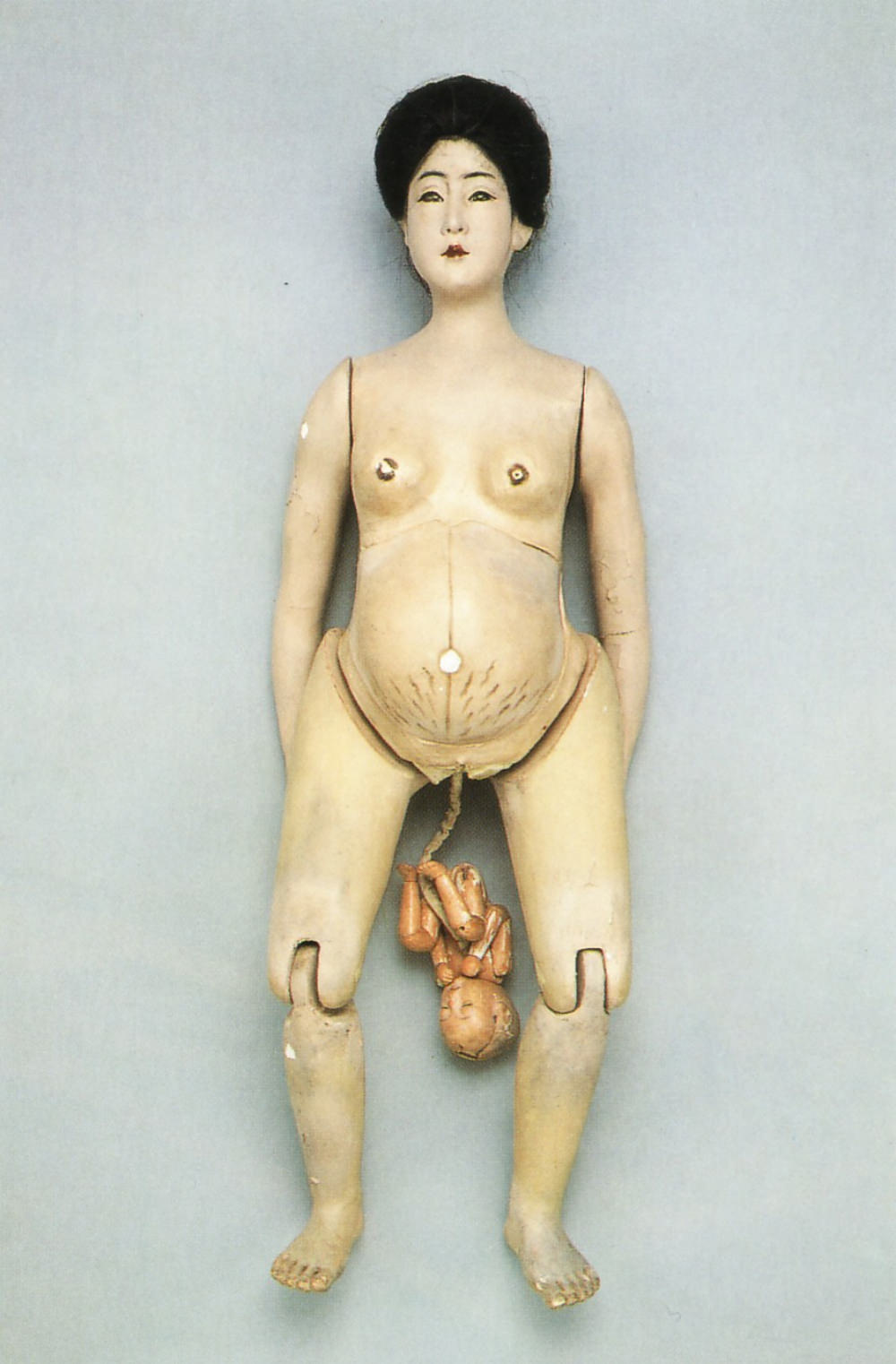
Japan’s first national industrial exhibition in 1877 brought another notable display to the public eye. A doctor named Motoyoshi Hasegawa, from a Yamagata prefecture hospital, presented an elaborate set of fetus models at the event. His display illustrated seven distinct growth stages, beginning with the embryo and ending at full-term birth. The exhibit drew significant attention and was recorded as a major success.
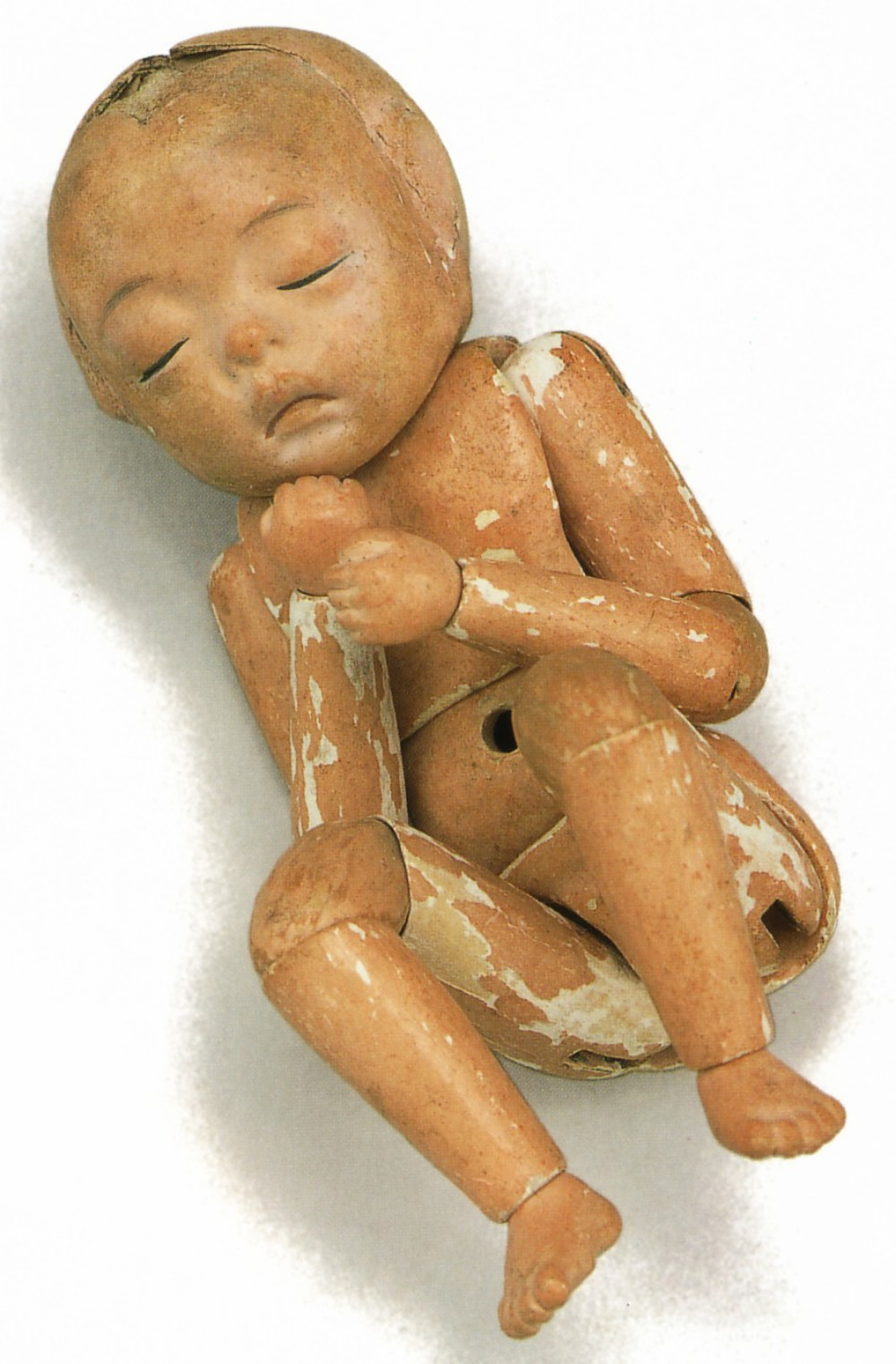
The craftsmanship behind these dolls was meticulous. Artisans sculpted fetal models at accurate relative sizes and arranged them to reflect what was then understood about human development. The detail was precise enough to be useful in a medical setting, yet striking enough to stop a casual sideshow visitor in their tracks. That dual appeal — scientific and theatrical — is exactly what made the pregnant doll one of the most enduring attractions of the Edo misemono circuit.