Crime in the early 1900s was not a men-only world. Women appeared in police blotters and courtrooms across American cities, charged with everything from petty theft to murder. Glass-plate negatives from archives like the Chicago Tribune preserved their faces — mug shots, courtroom portraits, and crime scene photos that tell a story the era’s newspapers were eager to print. These women ranged from cunning fraudsters to cold-blooded killers, and the public could not get enough of them.
One of the boldest con artists of the period was Cassie Chadwick, who claimed to be the illegitimate daughter of steel magnate Andrew Carnegie. Using forged securities and this false identity, she convinced multiple banks to give her enormous loans. She accumulated millions of dollars in debt while living in extreme luxury. The scheme held together for years before it collapsed, and she was arrested in 1904. Her case set the tone for how the press would cover female criminals — with a mix of shock and fascination. On a smaller scale, women arrested for pickpocketing and larceny worked crowded department stores and busy city streets, relying on distraction and appearing harmless to lift wallets and valuables from unsuspecting victims.
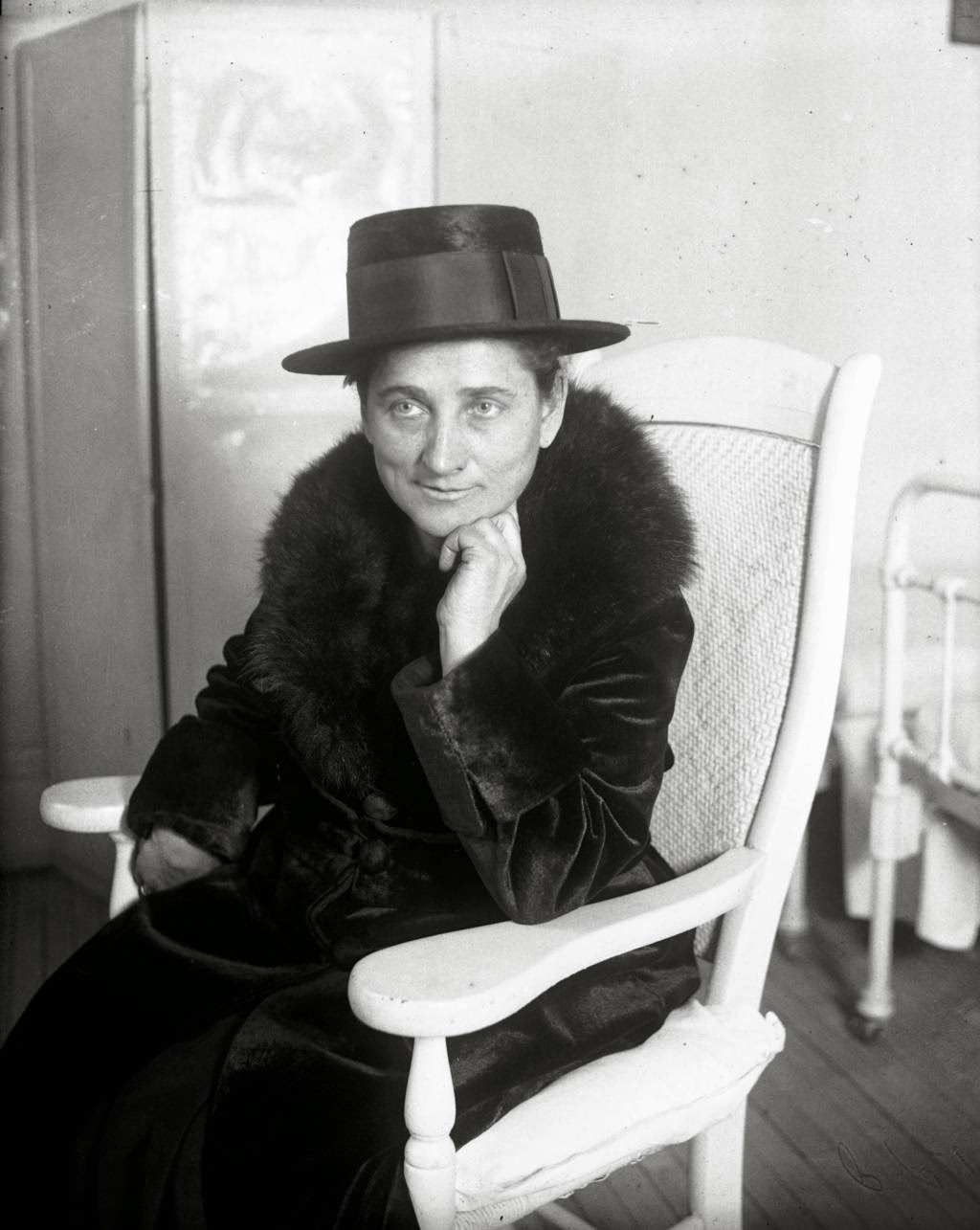
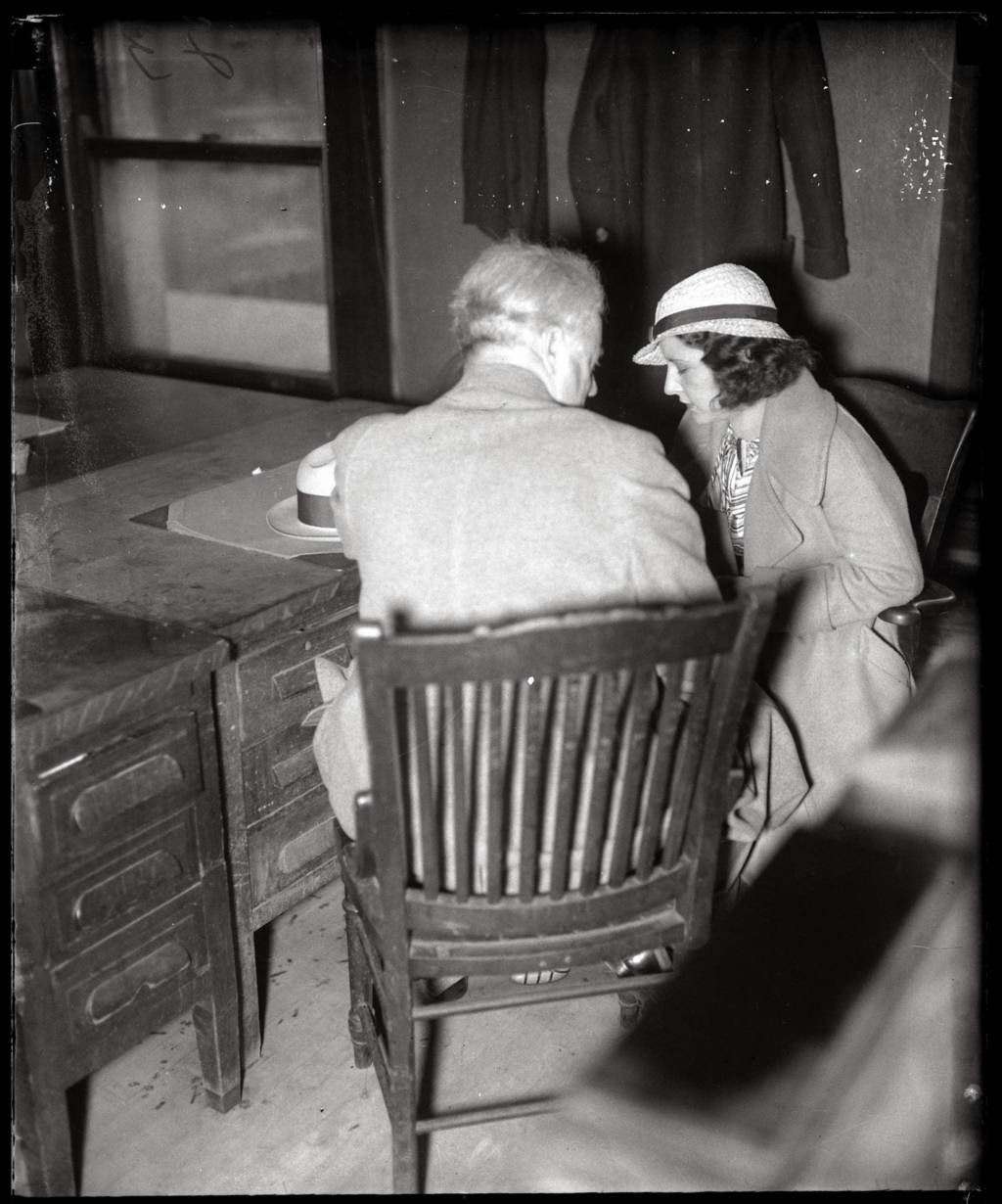
Girl bandits Jean Buttick, 15, and Anna Varich, 16, were caught red-handed looting a bungalow at 6152 S. California Avenue on March 20, 1927. The Chicago Tribune reported “In the kitchen, as they seized her [Anna] she spilled rings, bracelets, beaded bags, and what not from every part of her clothes. When they shook her she literally dripped booty.” Police officers believe the two bandits had looted about a dozen other homes within two weeks time. With Buttick and Varich are Charles Goss, Bert Harlem and Sgt. William H. Doyle (in chair) on March 20, 1927.
When Chicago police caught 15-year-old Jean Buttick and 16-year-old Anna Varich looting a bungalow on March 20, 1927, the Tribune reported that when officers shook Varich, she “literally dripped booty” — rings, bracelets, and beaded bags hidden all over her clothes. Police believed the two teenagers had hit about a dozen homes in just two weeks. They were young, but their operation was anything but amateur.
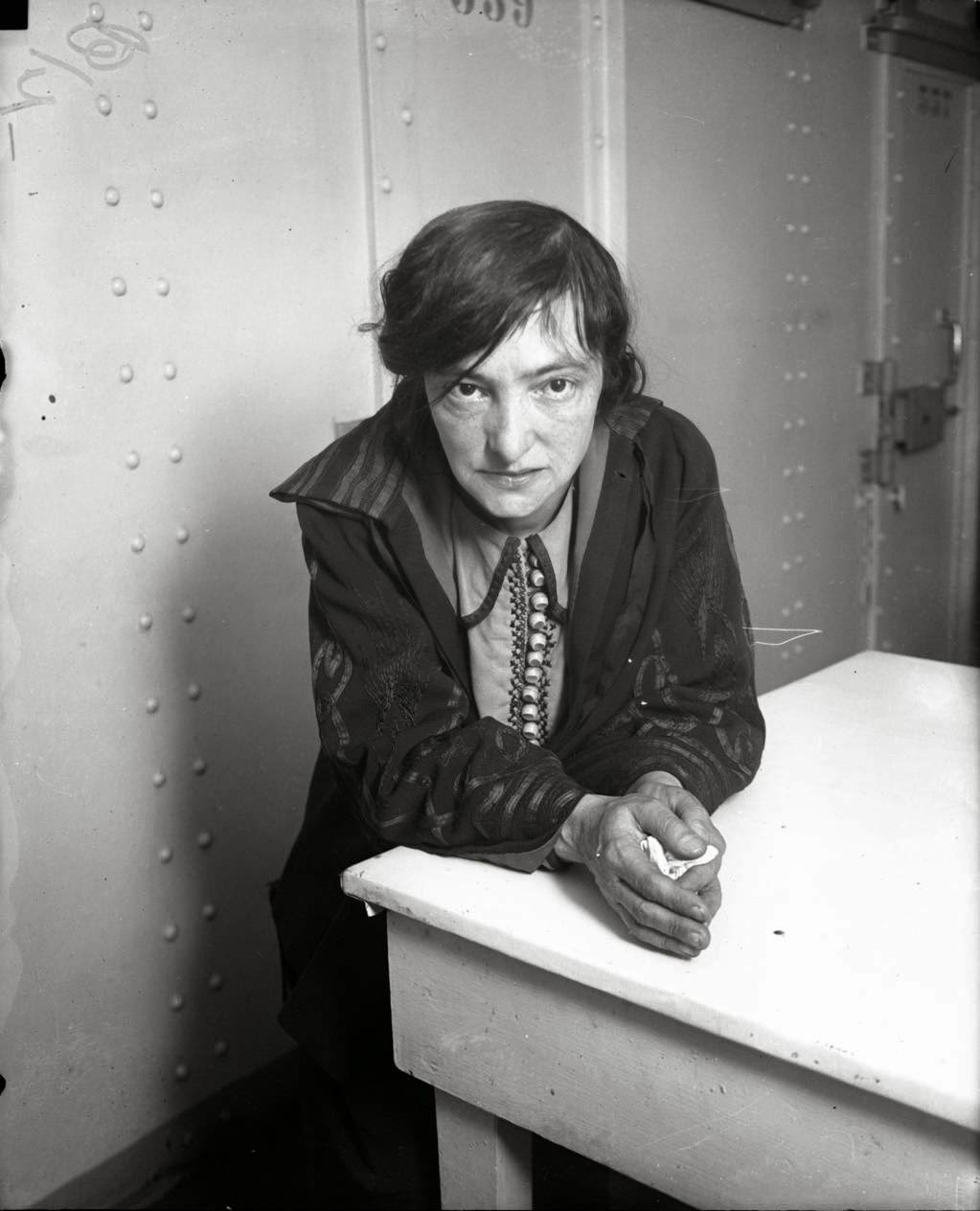
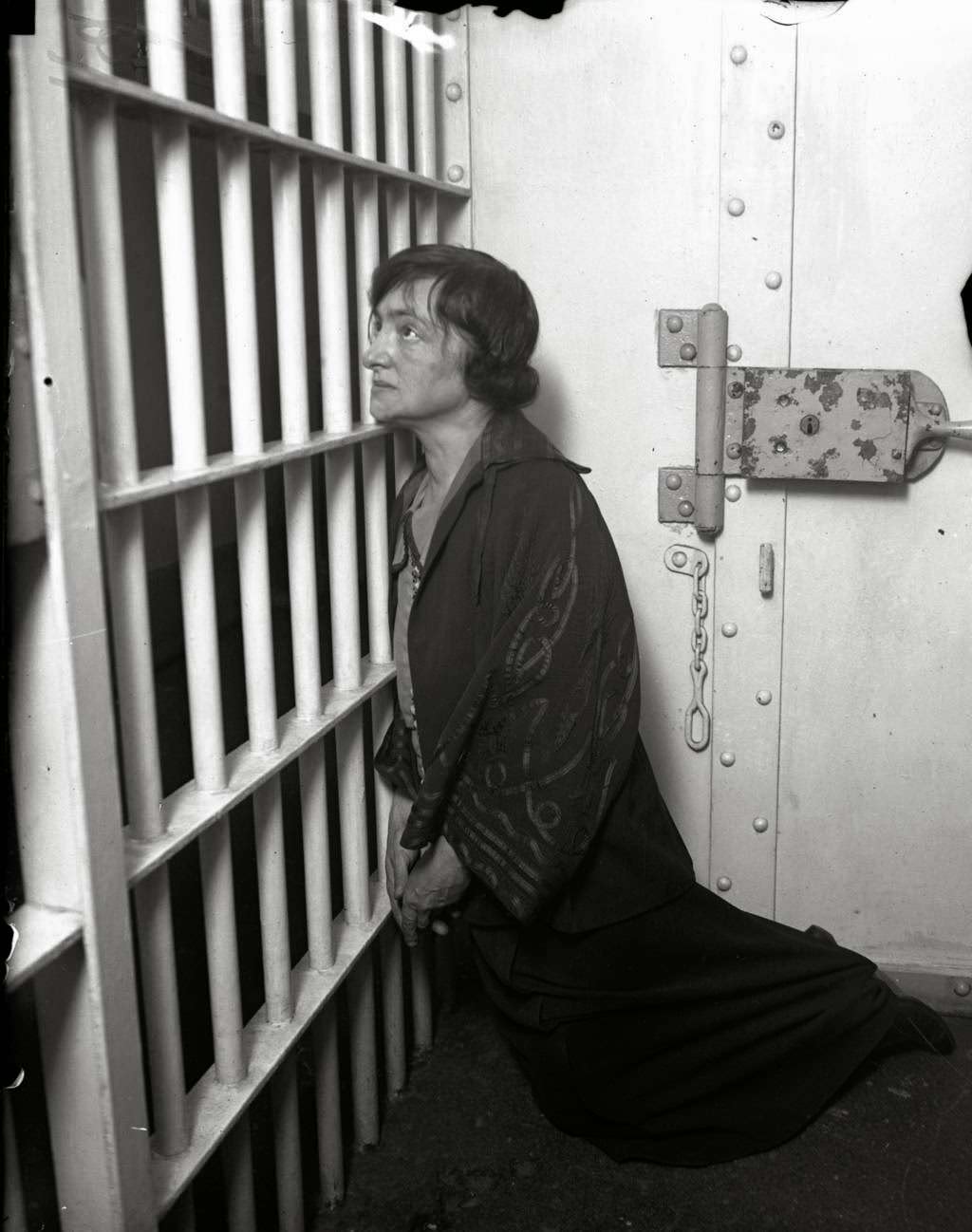
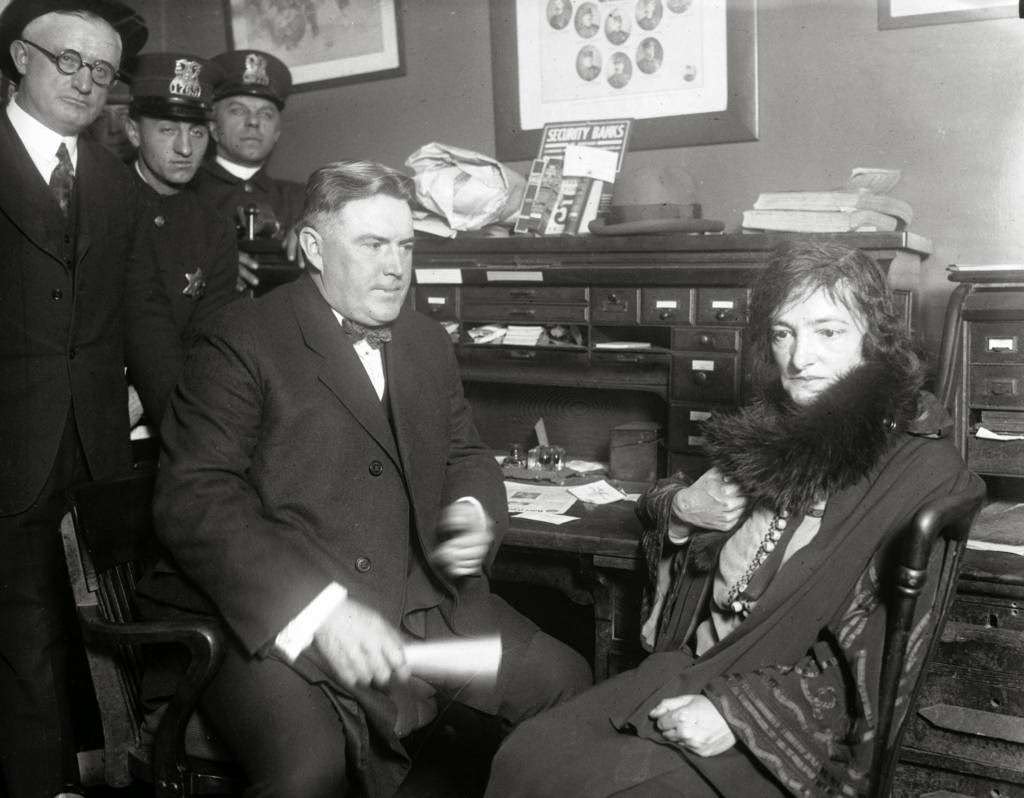
Mrs. Tillie Klimek, 50, was found guilty and sentenced to life in prison on March 31, 1923 for poisoning her third husband, Frank Kupczyk, to death and sending her fourth, Joseph Klimek, to the hospital with arsenic poisoning. Klimek was described by the Chicago Tribune as the “Poison Widow” and the “High priestess of the ‘Bluebeard clique'” for the poisoning of over 20 husbands, relatives and friends. Fourteen of those poisoned died, six lived, and Klimek was only charged with one of the murders.
No case from this era matched the sheer scale of Tillie Klimek’s crimes. The Chicago Tribune dubbed her the “Poison Widow” and the “High Priestess of the Bluebeard Clique.” Klimek poisoned more than 20 people — husbands, relatives, and friends — using arsenic. Fourteen died. Six survived. She was only ever charged with one murder: that of her third husband, Frank Kupczyk, who had enough arsenic in him, according to the Tribune, “to kill four men.” On March 31, 1923, a judge sentenced her to life in prison.
Mrs. Tillie Klimek, 50, was found guilty and sentenced to life in prison on March 31, 1923 for poisoning her third husband, Frank Kupczyk, to death and sending her fourth, Joseph Klimek, to the hospital with arsenic poisoning. Klimek was described by the Chicago Tribune as the “Poison Widow” for the poisoning of over 20, including husbands, relatives and friends. Fourteen of those poisoned died, six lived, and Klimek was only charged with one of the murders.
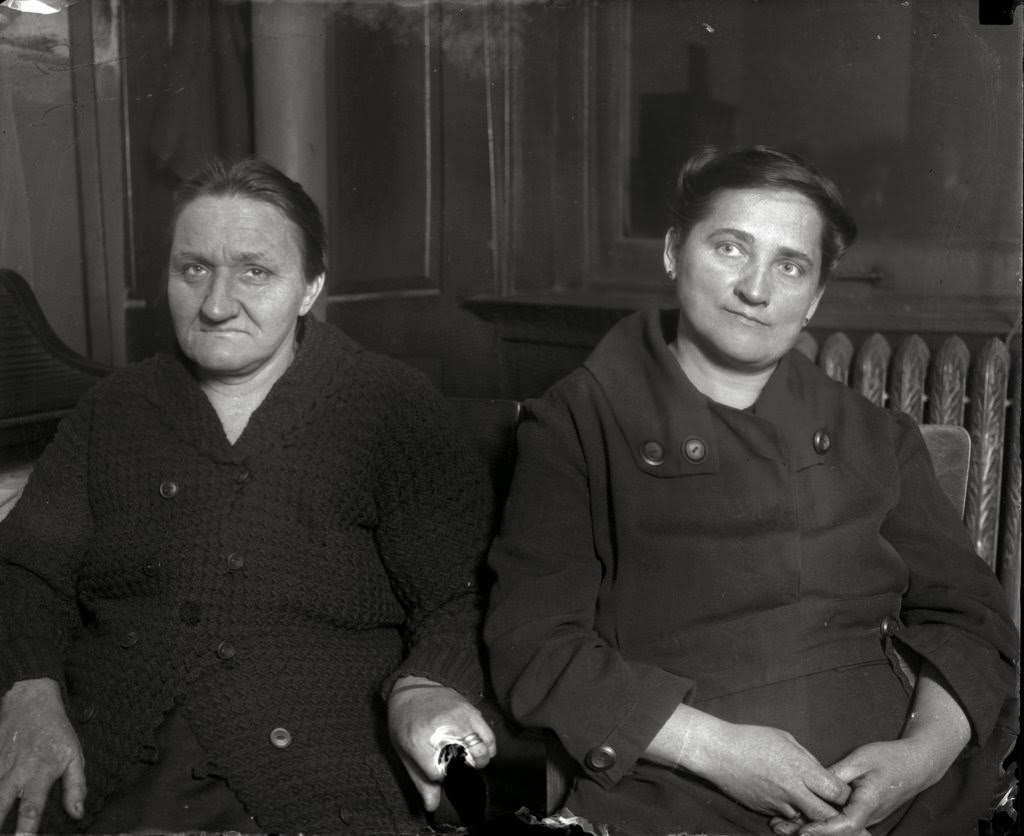
Klimek’s cousin, Nellie Stermer-Koulik, was accused alongside her. Together, the two women were said to have poisoned 20 people between them. Judge Marcus Kavanagh described Klimek at sentencing: “We have here a woman of average intelligence, a modern housewife and a good cook. When she is among women she is affectionate and it is said, she is the most popular woman in the jail. Yet, the testimony showed, cold bloodedly, without feeling or remorse, she killed three of her husbands and attempted to kill the fourth.” Stermer-Koulik was found not guilty.
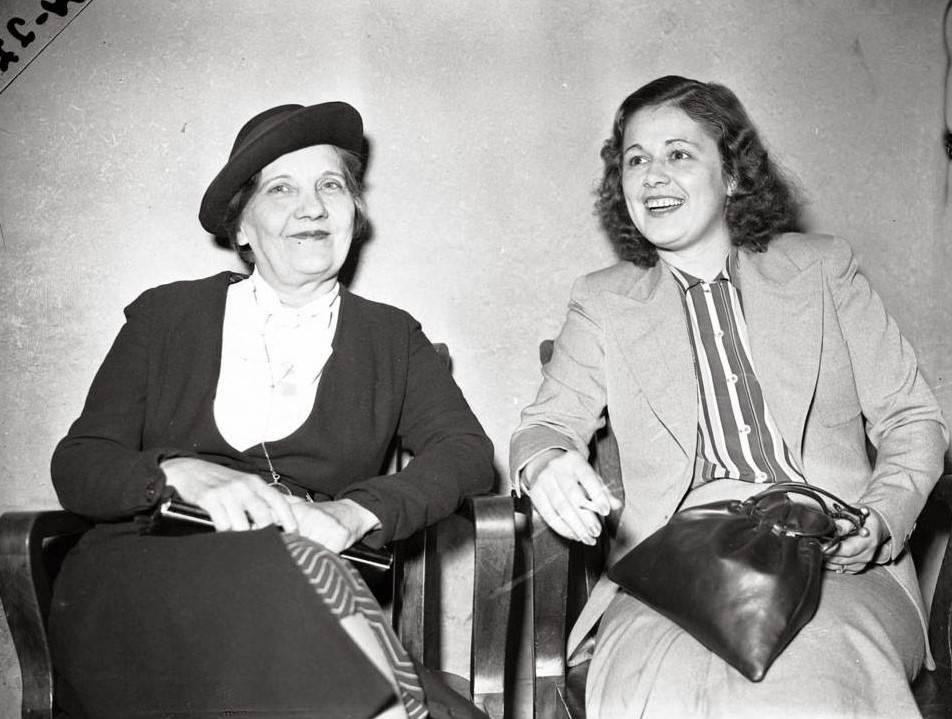
Tillie Klimek, right, and her cousin Nellie Stermer-Koulik, left, were accused of poisoning 20 husbands, children and friends between the two of them with arsenic poisoning. Fourteen of the 20 died and six lived. Klimek, who had killed her first three husbands, was convicted and sentenced to life in prison on March 31, 1923 for the death of her third husband who, according to the Chicago Tribune, had in him “enough arsenic to kill four men.” Klimek was described by the Chicago Tribune as the “Poison Widow” and the two cousins were called high priestesses of the Bluebeard clique. “We have here a woman of average intelligence, a modern housewife and a good cook. When she is among women she is affectionate and it is said, she is the most popular woman in the jail. Yet, the testimony showed, cold bloodedly, without feeling or remorse, she killed three of her husbands and attempted to kill the fourth,” said Judge Marcus Kavanagh as he sentenced her to life in prison. Stermer-Koulik was found not-guilty.
Violent crimes committed by women drew intense newspaper coverage, and the press rarely kept it straightforward. In 1924, Chicago reporter Maurine Dallas Watkins covered the separate trials of Beulah Annan and Belva Gaertner, both accused of killing their lovers. Watkins portrayed them as glamorous “jazz slayers,” and the city was captivated. Watkins later used the trials as the foundation for her play, Chicago. That same year brought another shocking case — former assistant state’s attorney Wanda Stopa, the youngest woman attorney in Chicago, went to the home of Y. Kenley Smith, with whom she had been having an affair. When she found Smith was not home, she fired at his wife but hit and killed the groundskeeper, Howard Manning. Stopa fled to Detroit and died by suicide with arsenic in a hotel room.
On April 24, 1924, former Asst. State’s Attorney Wanda Stopa went to the home of Mr. and Mrs. Y. Kenley Smith, with the intentions of shooting Mr. Smith, with whom she’d been having an affair. After finding that Mr. Smith was not home, Stopa shot at his wife Genevive but hit and killed the groundskeeper, Howard Manning, instead. Stopa fled to Detroit and committed suicide with arsenic in a hotel room. Stopa had been Chicago’s youngest woman attorney. Her family held her wake in their apartment at 1505 W. Augusta Street on April 18, 1924. She is buried at the Bohemian National Cemetery in Chicago. — Handout
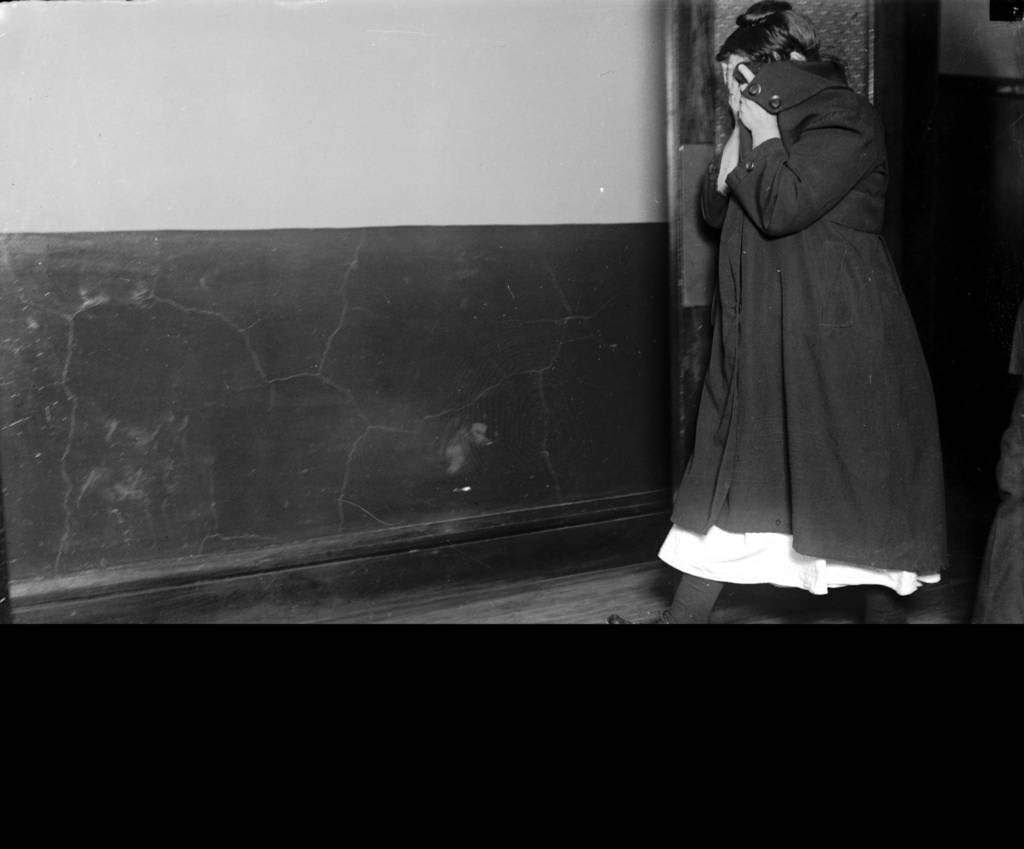
On October 7, 1923, Emily Strutynsky — a mild-mannered Ukrainian schoolteacher — walked into St. Michael the Archangel Catholic Church in Chicago, drew a gun from her dress, and shot and killed Rev. Father Basil Stetsuk. She said she had to kill him because he was “such a bad leader of the Ukrainians.” Her husband had been the church’s former priest, pushed out to a parish in Pennsylvania. Strutynsky stayed behind and planned the murder for weeks. She was committed to the Kankakee State Hospital for the Criminally Insane, where she spent four years before escaping on July 9, 1927, and drowning herself in the river.
Mrs. Emily Strutynsky, a mild-mannered Ukrainian school teacher, walked into St. Michael the Archangel Catholic Church, pulled a gun from her dress, and killed Rev. Father Basil Stetsuk on October 7, 1923. She claimed she had to kill the priest because he was a “such a bad leader of the Ukrainians.” Strutynsky’s husband, Rev. Nicholas Strutynsky, was the former priest of the church and had been driven away to a church in Pennsylvania. She was to go with him, but stayed and planned the murder for weeks. Strutynsky spent four years at the Kankakee State Hospital, Department of the Criminally Insane, before she slipped away on July 9, 1927 and jumped into the river.
Mrs. Emily Strutynsky, a Ukrainian school teacher, walked into St. Michael the Archangel Catholic Church, pulled a gun from her dress, and killed Rev. Father Basil Stetsuk on October 7, 1923. She claimed she had to kill the priest because he was “such a bad leader of the Ukrainians”. Strutynsky’s husband, Rev. Nicholas Strutynsky, was the former priest of the church and had been driven away to a church in Pennsylvania. Strutynsky spent four years at the Kankakee State Hospital, Department of the Criminally Insane, before she slipped away on July 9, 1927 and jumped into the river.
Mrs. Emily Strutynsky, a mild-mannered Ukrainian school teacher, walked into St. Michael the Archangel Catholic Church, pulled a gun from her dress, and killed Rev. Father Basil Stetsuk on October 7, 1923. She claimed she had to kill the priest because he was “such a bad leader of the Ukrainians”. Strutynsky’s husband, Rev. Nicholas Strutynsky, was the former priest of the church and had been driven away to a church in Pennsylvania.
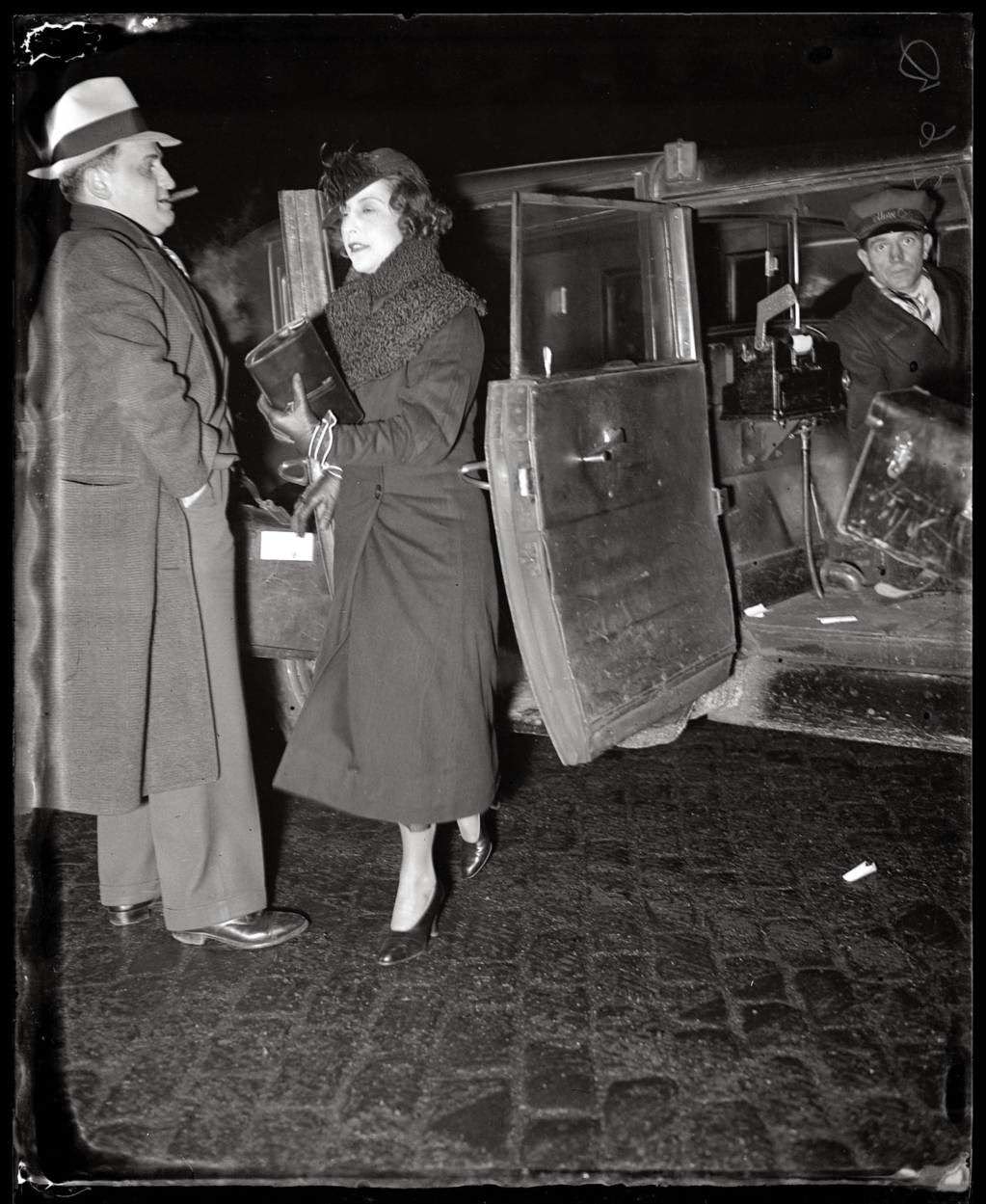
Women also appeared at the edges — and sometimes the center — of organized crime. In Chicago, they hid weapons, provided alibis, managed safe houses, and smuggled contraband to incarcerated gang members. Della Broderick was brought in for questioning in June 1932 after her brother-in-law, jailed robber Jack Lawrence, used a hidden pistol to shoot a guard and then himself. Broderick had delivered a fruit basket to Lawrence in the days before the shooting. Her sister, Olive Lawrence, visited on the day of the shooting itself. Investigators believed one of the two women had smuggled in the gun.
Della Broderick is the sister-in-law of inmate Jack Lawrence who somehow got a hold of a gun and shot and killed a guard, and then himself, while in the county jail on June 22, 1932. Lawrences’ wife Olive was brought in for questioning along with her sister, Della Broderick, on June 24, 1932, on charges that one of the two women had smuggled the pistol to Lawrence. Olive Lawrence visited Jack on the day of the shootings and Della Broderick visited several days prior and brought with her a fruit basket for Jack. Lawrence was in jail for robbery and was about to go on trial for killing policeman John Nerad of Cicero.
Evelyn “Billie” Frechette was 27 when Chicago police arrested her on April 9, 1934, while her boyfriend — Public Enemy No. 1, John Dillinger — watched from nearby, unable to intervene. Frechette had met Dillinger in 1933 and was charged with harboring him as a fugitive in her apartment. She served two years in prison. After her release in 1936, she joined a traveling theatrical production called “Crime Doesn’t Pay” alongside members of Dillinger’s family.
Evelyn ‘Billie’ Frechette, 27, right, was arrested in Chicago while her boyfriend and fugitive, John Dillinger, watched helplessly nearby on April 9, 1934. Frechette, who had met Dillinger in 1933, was charged with harboring the fugitive in her apartment. She spent two years in jail, getting out in 1936. Upon her release, Frechette toured in a theatrical production called “Crime Doesn’t Pay” with members of Dillinger’s family.
Eveyln “Billie” Frechette was released from prison on Jan. 30, 1936. Frechette was arrested in Chicago while her boyfriend and fugitive, John Dillinger, watched helplessly nearby on April 9, 1934. Frechette, who had met Dillinger in 1933, was charged with harboring the fugitive in her apartment. She spent two years in jail, getting out in 1936. Upon her release, Frechette toured in a theatrical production called “Crime Doesn’t Pay” with members of Dillinger’s family.
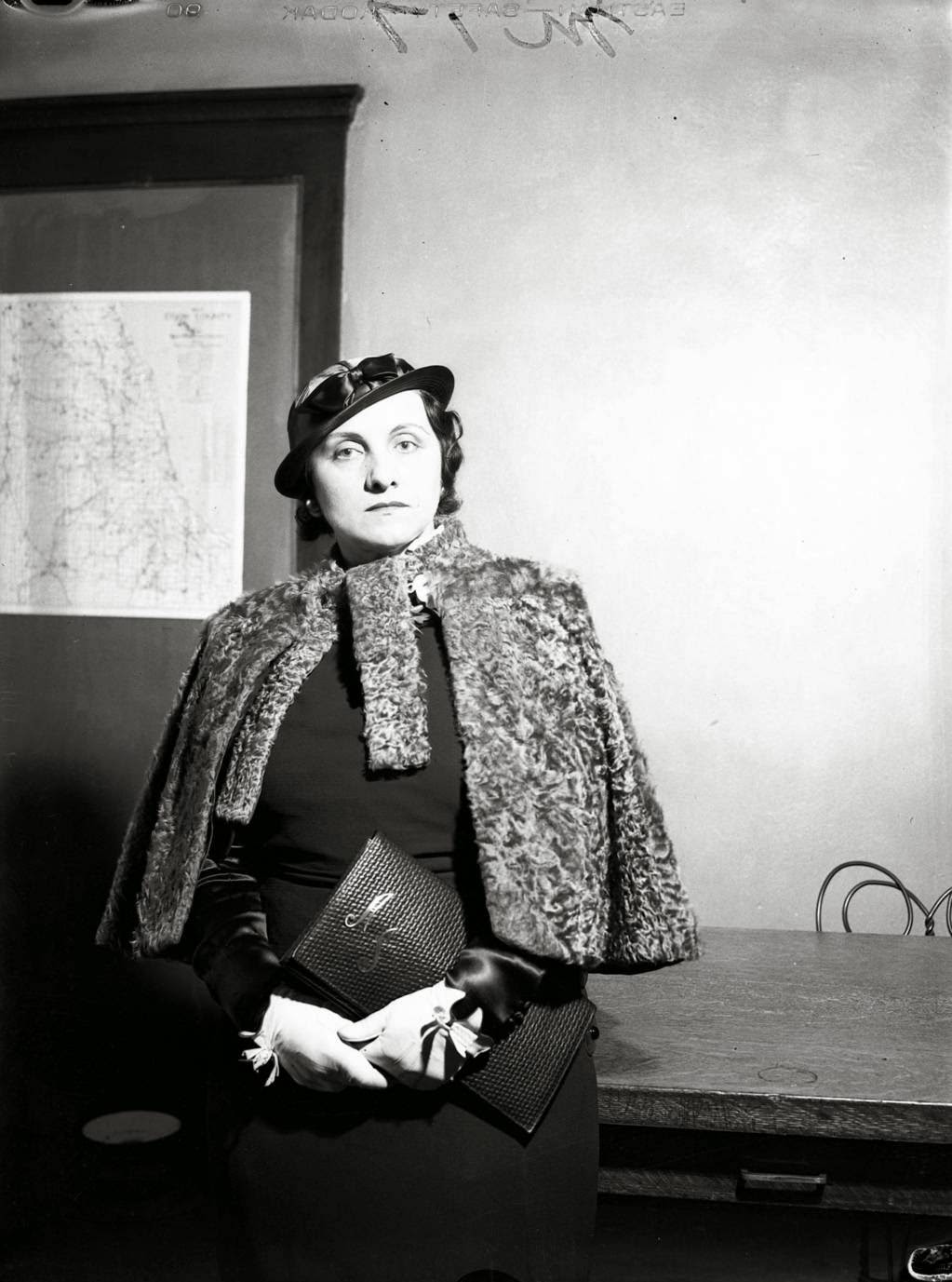
Anna Sage played a more deliberate role in Dillinger’s story. Known as the “Woman in Red,” Sage wore red or orange on July 22, 1934, as a signal to waiting FBI agents outside the Biograph Theater in Chicago. Dillinger was shot and killed that night. Sage had struck a deal with the FBI: she would give up Dillinger’s location in exchange for protection from deportation to Romania, where she faced expulsion for running a Chicago brothel. The FBI did not hold up their end. Sage was still fighting deportation long after Dillinger was dead.
Anna Sage (nicknamed Women in Red) in October 1935. Sage, who is said to have worn red or orange as a mark for the FBI, had been with John Dillinger when he was shot and killed by police outside the Biograph Theater in Chicago on July 22, 1934. Sage said she made a deal with the FBI, in exchange for information on Dillinger’s whereabouts, she would not be deported to her home country of Romania for running a brothel in Chicago. Sage was still fighting deportation even after giving up Dillinger.
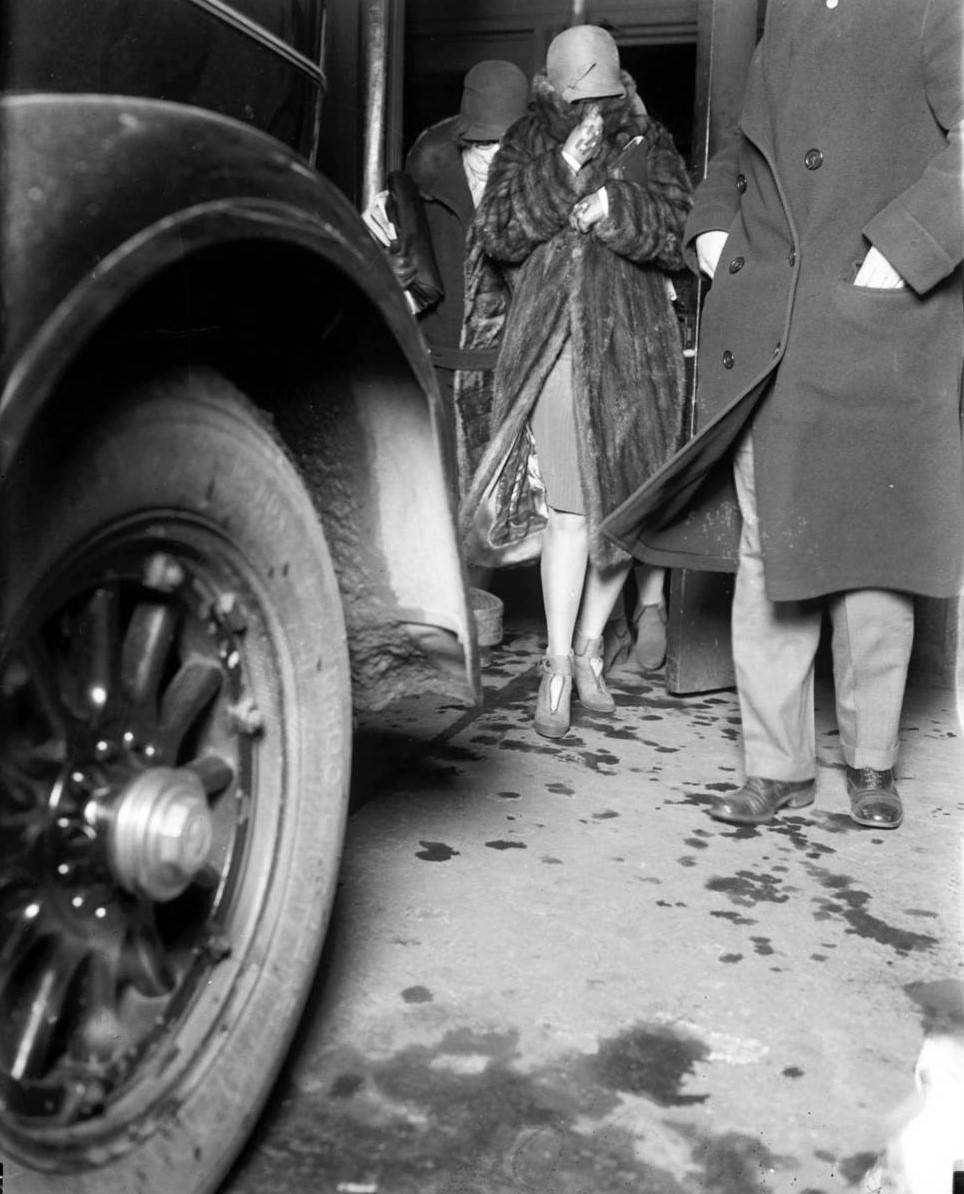
Myrtle Gorman’s connection to crime was through her husband, Peter Gusenberg, a gang leader for George “Bugs” Moran. On February 14, 1929 — Valentine’s Day — Gusenberg and six companions were gunned down by Capone-backed rivals in a North Clark Street garage. The killings became known as the St. Valentine’s Day Massacre. Gorman, who denied any knowledge of her husband’s criminal activities, was photographed leaving the inquest that same day.
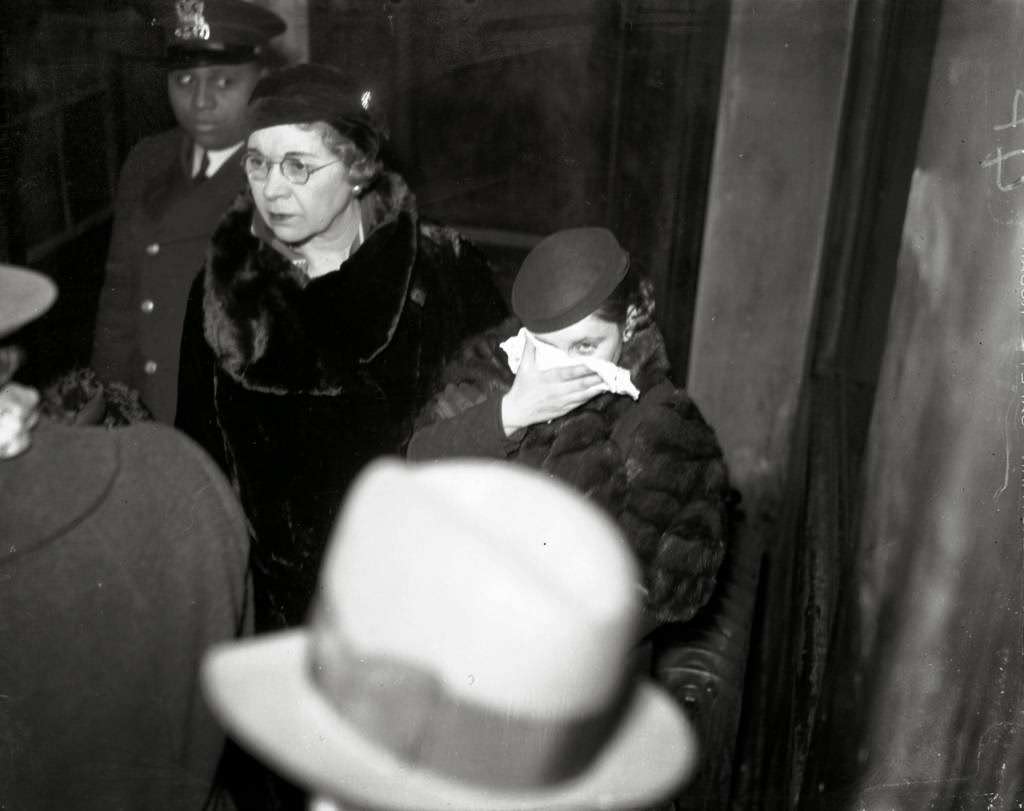
Mrs. Myrtle Gorman, center, of 434 Roscoe Street, was the wife of Peter Gusenberg, a gang leader for George “Bugs” Moran. Gusenberg, 40, was murdered when rival Capone-backed gangsters mowed him and six companions down in a North Clark Street garage on Feb. 14, 1929. Mrs. Gorman, who denied all knowledge of her husbands activities, is leaving the Gusenberg inquest on Feb. 14, 1929. The murders became known as the St. Valentine’s Day Massacre.
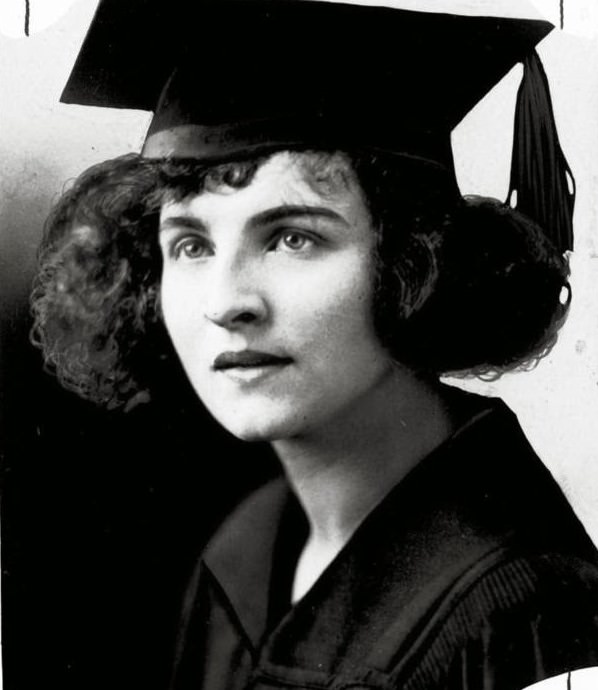
Dress designer Pauline Plotka was 25 in 1918 when she shot and killed her on-again, off-again boyfriend, Dr. Anton Jindra, in the interns’ quarters at Cook County Hospital. She wanted Jindra to promise to marry her. When he refused, she shot him with a pearl-handled revolver. He named her as his killer before he died. Plotka then swallowed laudanum, a powerful narcotic, which left her comatose and in need of medical care herself. She repeatedly collapsed during her trial. On June 27, 1918, the jury acquitted her.
Pauline Plotka, 25, in 1918. Plotka, a dress designer, shot and killed her on-again, off-again boyfriend, Dr. Anton Jindra, in the interns quarters of Cook County Hospital on Feb. 15, 1918. Plotka wanted Jindra to promise to marry her and when he wouldn’t, she shot him with a pearl-handled revolver. He implicated her before he died. Plotka took laudanum after shooting Jindra, a potent narcotic, that caused her to become comatose and require medical attention. Charged with the murder, Plotka continually collapsed during the trial. She was acquitted June 27, 1918.
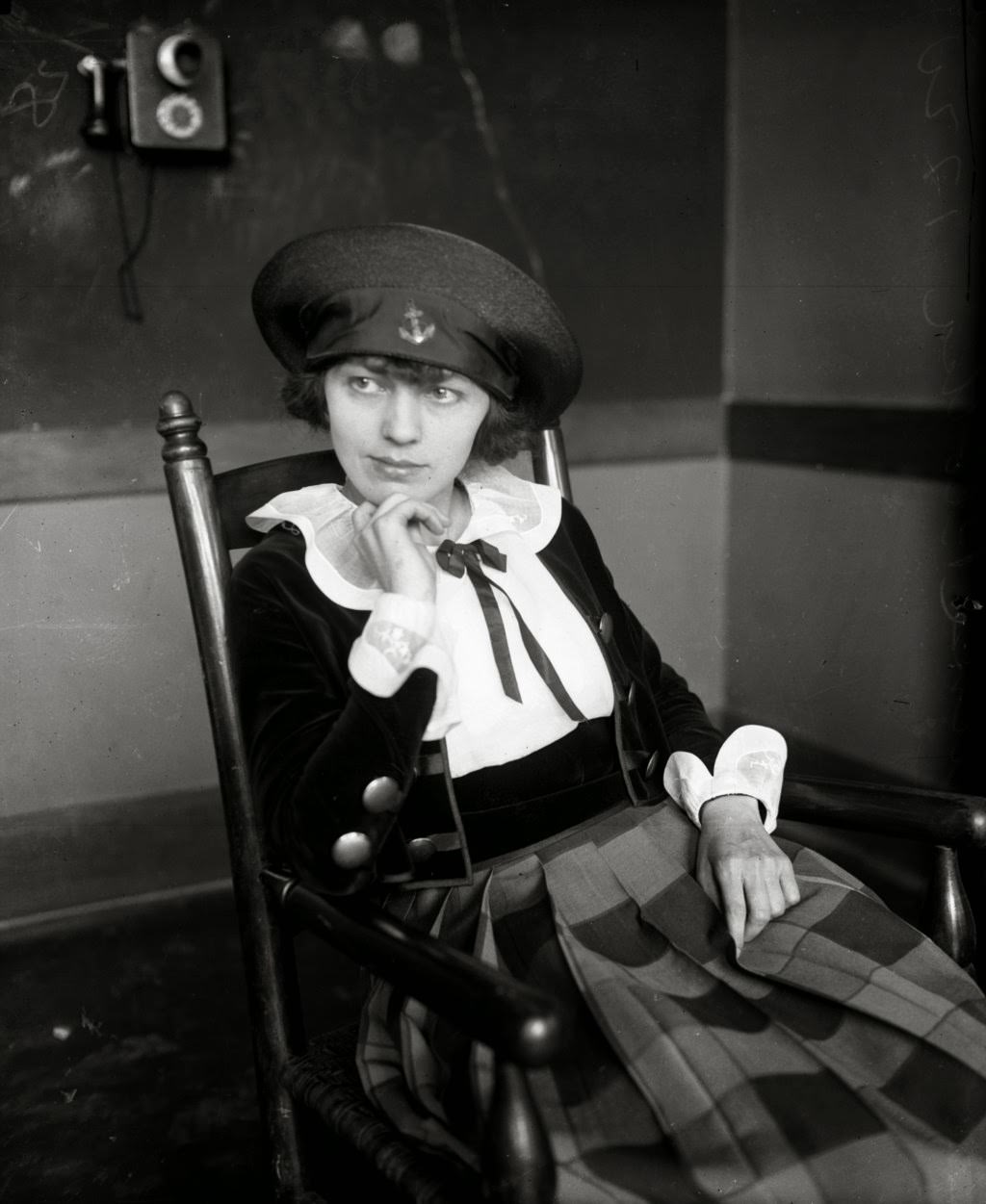
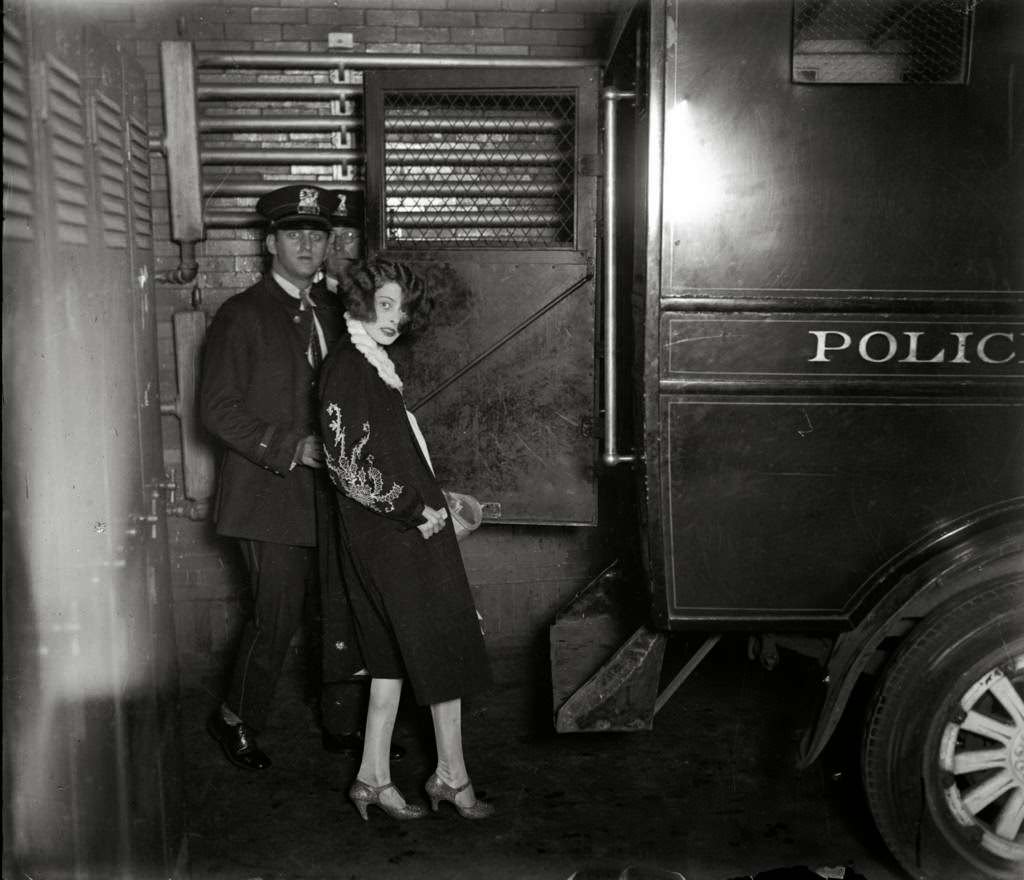
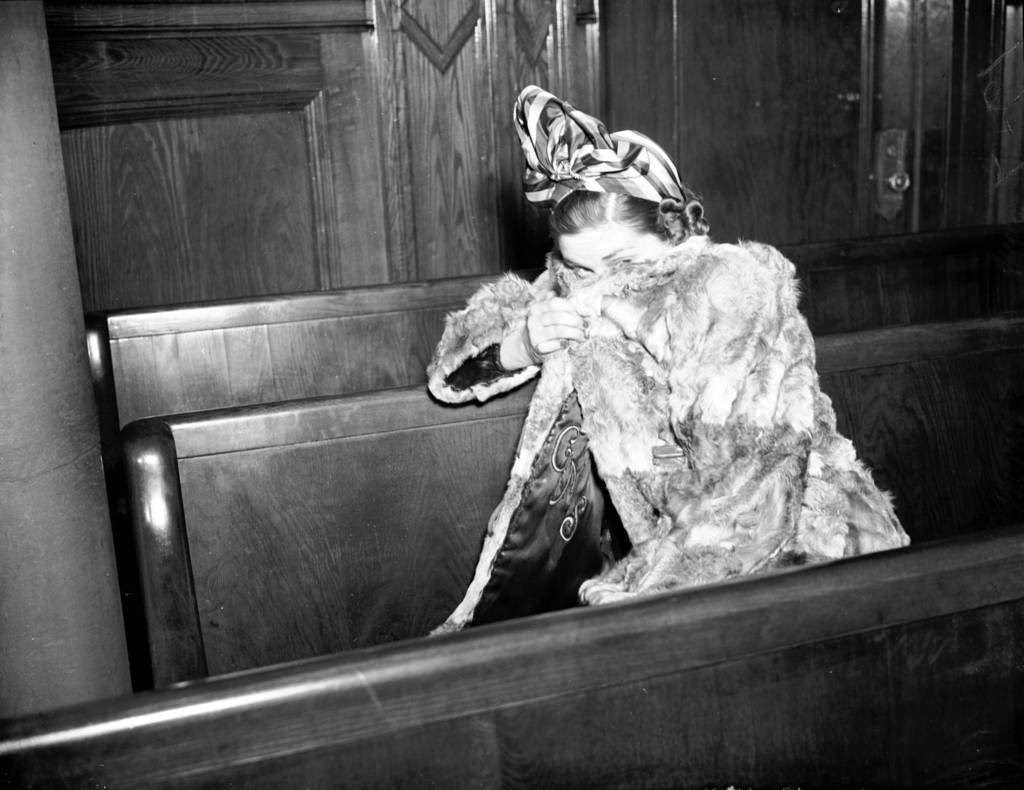
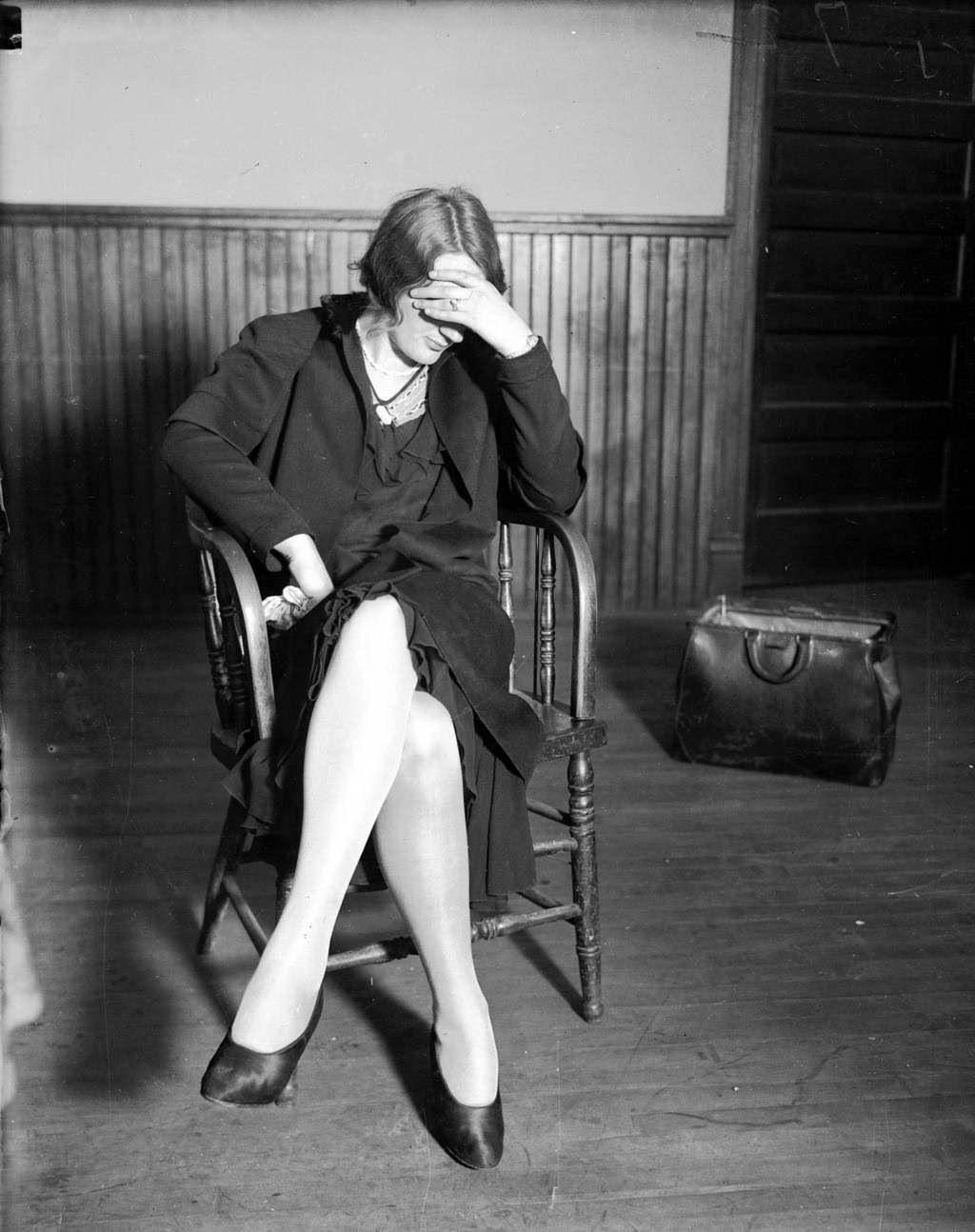
The archive photographs from this era show women dressed in the fashions of their day — hats, gloves, smart coats — against the backdrop of police stations and courtrooms. Some posed. Some stared blankly. A few smiled. The contrast between their appearance and the charges they faced was exactly the kind of detail the newspapers lived for, and it kept readers turning the page.
Gertrude ‘Billie’ Murphy, 22, is brought in for questioning in the murder case of Michael Stopec, who was shot and killed in an apartment hotel, circa July 1927. Murphy had been friends of the married Stopec and his suspected killer Henry Guardino, 31. It is said that Stopec and Guardino were ‘bitter rivals for the favor of Billie’ and that Murphy had tired of Guardino and was going to stay with Stopec. Murphy was also married to a man in the Joliet penitentiary.Grace Druggan, 26, the wife of notorious prohibition era beer baron Terry Druggan, is in court on March 7, 1941, to get her son Terrence Jr., 3, back from the elder Druggan. Druggan violated a custody agreement in effect since she filed for divorce that allowed Druggan to have the boy on weekends only. Druggen had refused to give him up the prior weekend, but returned him by way of a threat from the judge to hold him in contempt of court. The divorced Grace Druggan committed suicide five years later by jumping off Navy Pier in 1946.
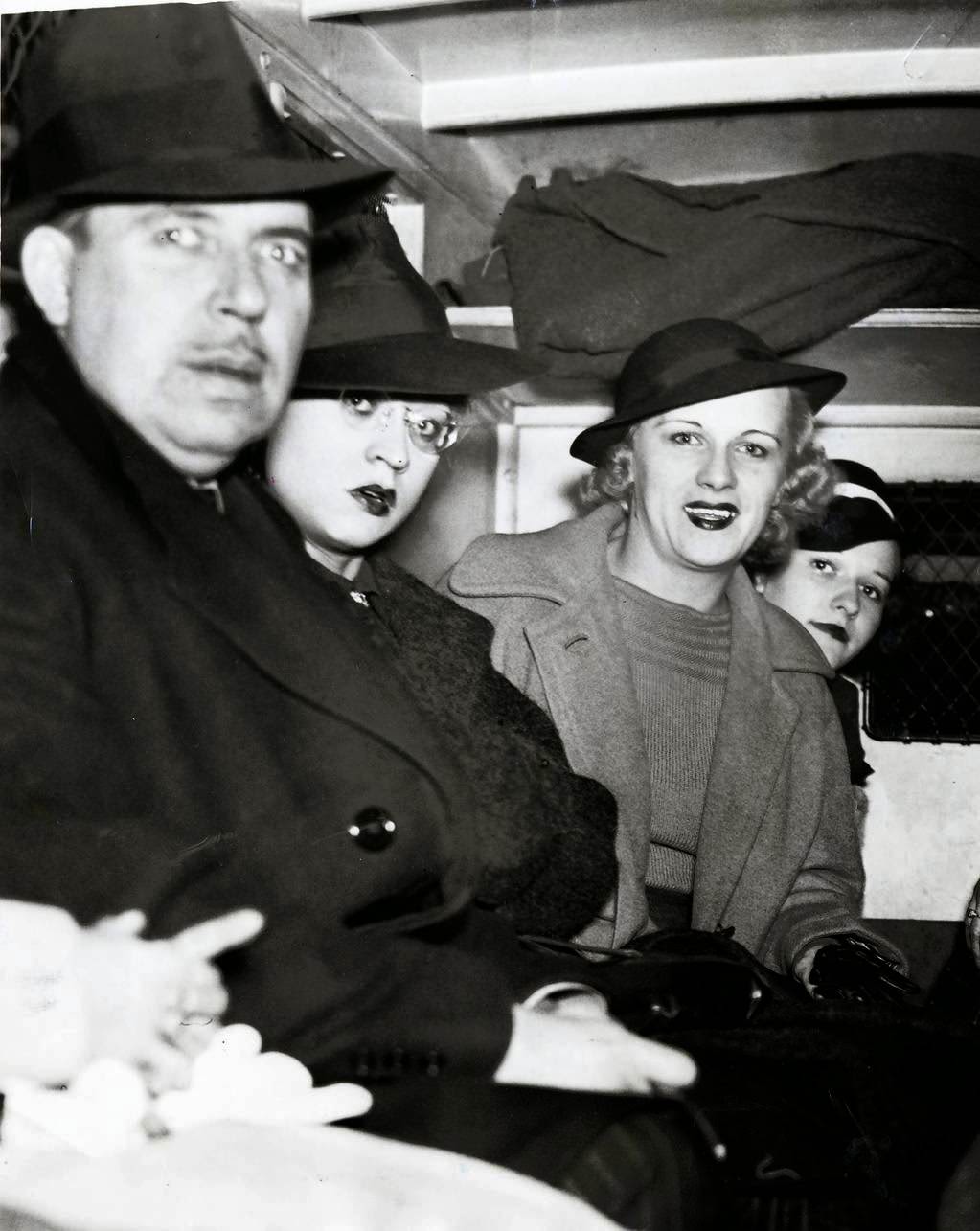
An arrested man and three women sit in the back of a police wagon following a vice raid on the Rialto Theatre on Oct. 17, 1937. Twenty-two women and 10 men were arrested in the surprise raid at the theater and charged with presenting or participating in indecent exhibitions. All arrested were released on $125 bail. In total 70 men and 45 women were arrested in the surprise raids across the city.
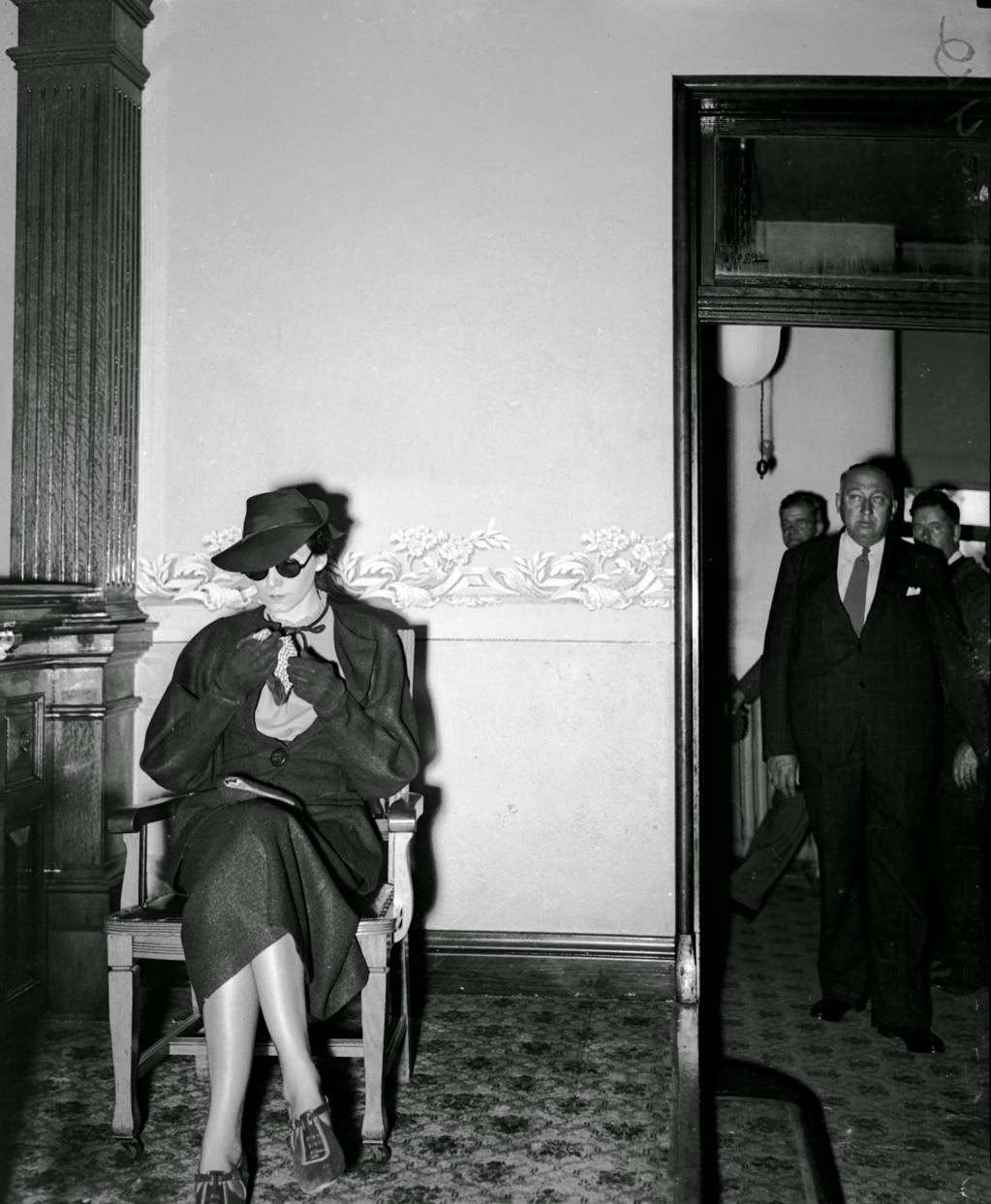
Mrs. Frances Birch, 32-year-old widow of Rock Island, as she appeared on the witness stand in Oregon, Ill. on Oct. 19, 1936, at the murder trial for Guy M. Tallmadge. Tallmadge, who was described by the newspaper as “bald-headed and paunchy” was an assistant undertaker in Rockford who shot and killed his wife Bessie, 51, along a gravel road six miles east of Oregon, Ill. on May 19, 1936. It was Bessie’s birthday. Tallmadge, who had been dating Birch on the side, had given the young widow an engagement ring and said he had asked his wife for a divorce. “I don’t know why he would do anything like that,” Birch said in reference to the murder according to newspaper reports. Later she was ordered to remove her dark sunglasses, which she had worn since the beginning of the trial.
Mrs. Edna Roma, wife of Joseph Roma, owner of the Roma Inn at 2439 W. 95th Street was arrested when Gresham police recovered $30,000 worth of the liquor taken by gangsters from the government warehouse at 5210 S. Wabash Avenue, circa July 1, 1930.Miss Emeline Poshil, 51, left, and Miss Bernice Sheppard, 25, at the State’s Attorney’s Office after both were arrested for owning and operating a bookie for women on Oct. 19, 1938. According to the Chicago Tribune, Miss Sheppard was looking after the place, located at 5057 Lake Park Avenue, for her mother Mae, who was out watching a horse that she owned at the track. The Sheppard mother and daughter team, along with Poshil who was a clerk, had run the bookie for women for eight or ten years. “The ladies were nibbling jelly rolls and sipping soft drinks and coffee,” according to the newspaper, when State’s Attorney axmen came busting into the betting establishment for discriminating women. Detective Daniel Moriarty and his fellow axmen were ill at ease arresting the women with Moriarty later saying “I was a little embarrassed.” The headline read “Axmen Toast Ladies With A Bang Up Party; Axmen Wreck Handbook Run By Women.”Mae Blalock, who also went by Mae Davis, was arrested in Baltimore and returned to Chicago, circa Feb. 20, 1934. Blalock was the girlfriend of Basil “The Owl” Banghart, who was an associate of gangster boss Roger Touhy. Blalock was arrested for possessing some of the money Banghart stole in a mail truck robbery. According to the Chicago Tribune, Blalock claimed to be Banghart’s wife.
Andrew Thompson is an archaeologist and historian who specializes in the study of war and conflict. He writes about the brutal history of warfare, including the World Wars and other significant conflicts. Through his work, he aims to deepen our understanding of the human cost of conflict and inspire us to work towards a more peaceful future.

![Girl bandits Jean Buttick, 15, and Anna Varich, 16, were caught red-handed looting a bungalow at 6152 S. California Avenue on March 20, 1927. The Chicago Tribune reported "In the kitchen, as they seized her [Anna] she spilled rings, bracelets, beaded bags, and what not from every part of her clothes. When they shook her she literally dripped booty." Police officers believe the two bandits had looted about a dozen other homes within two weeks time. With Buttick and Varich are Charles Goss, Bert Harlem and Sgt. William H. Doyle (in chair) on March 20, 1927.](https://www.bygonely.com/wp-content/uploads/2025/06/Female_Criminals_early_1900s_7.jpg)