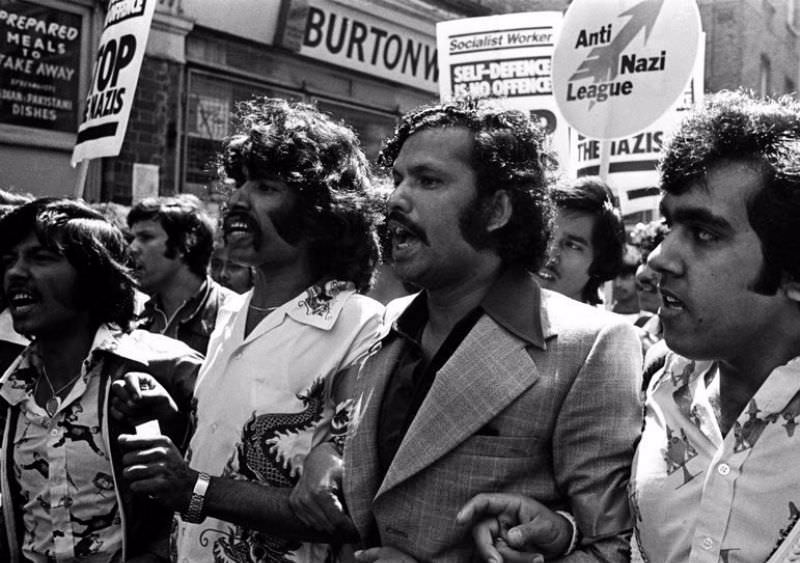
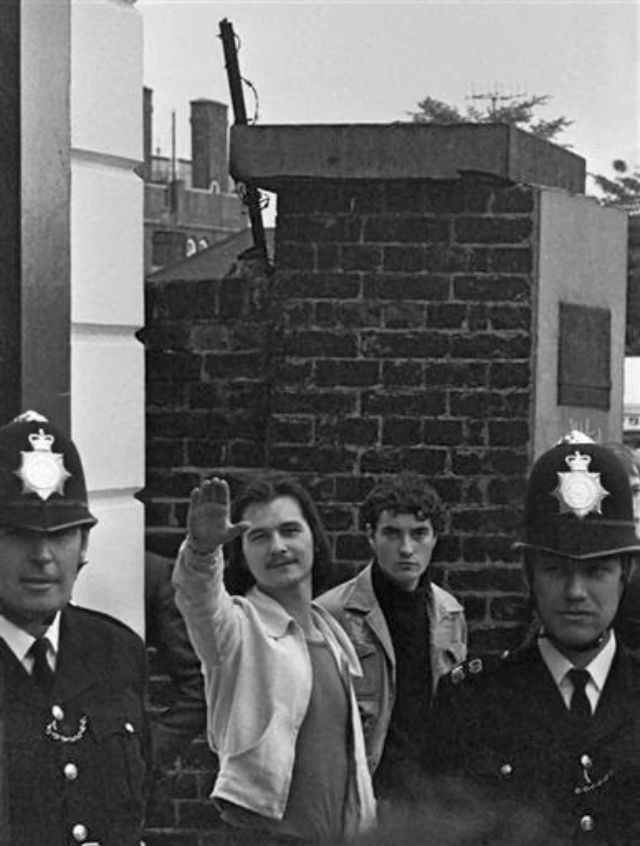
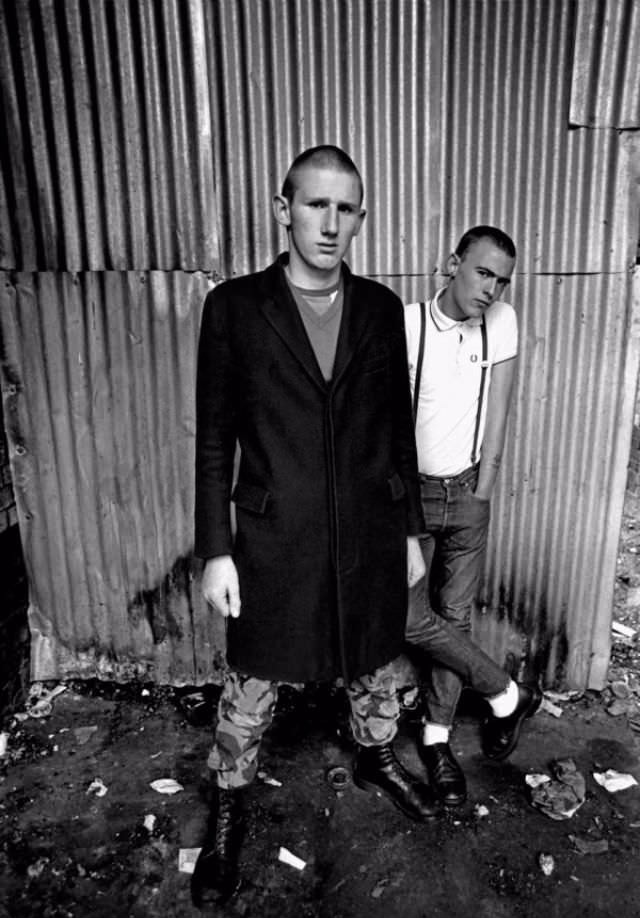
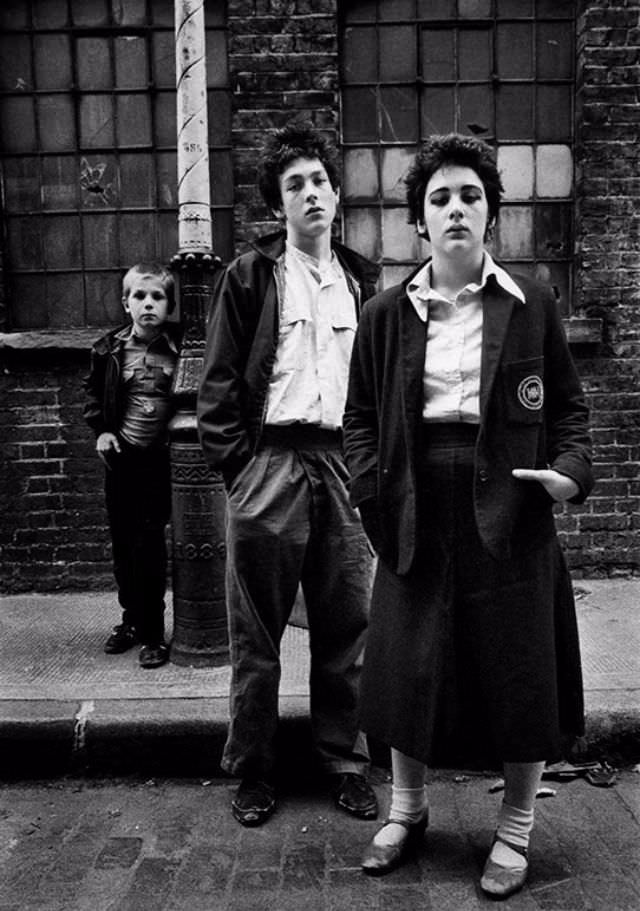
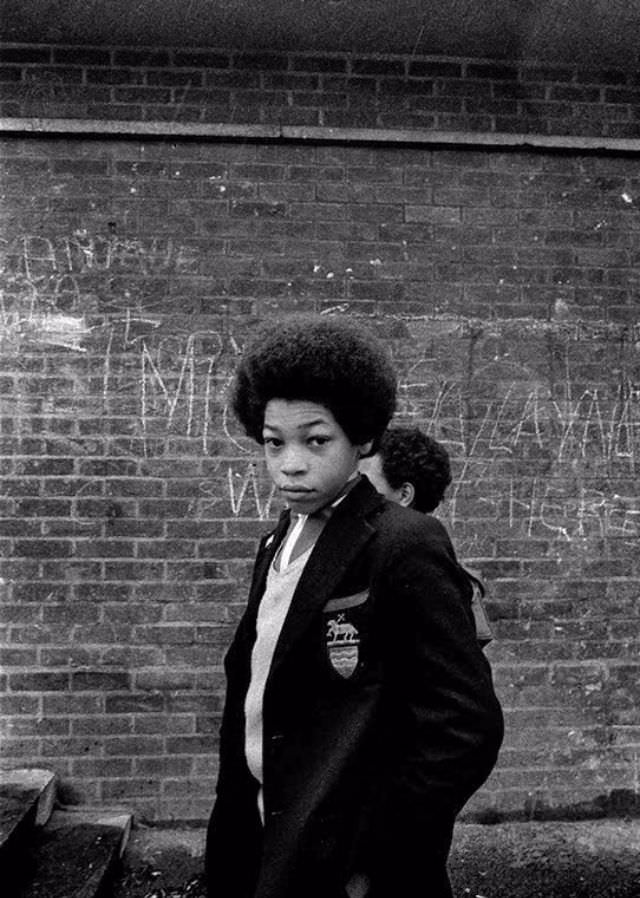
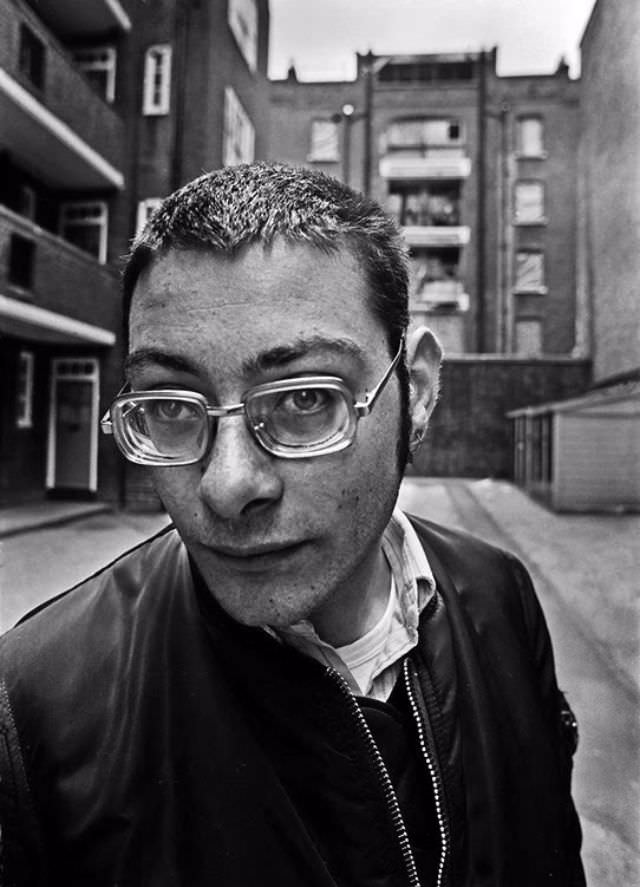
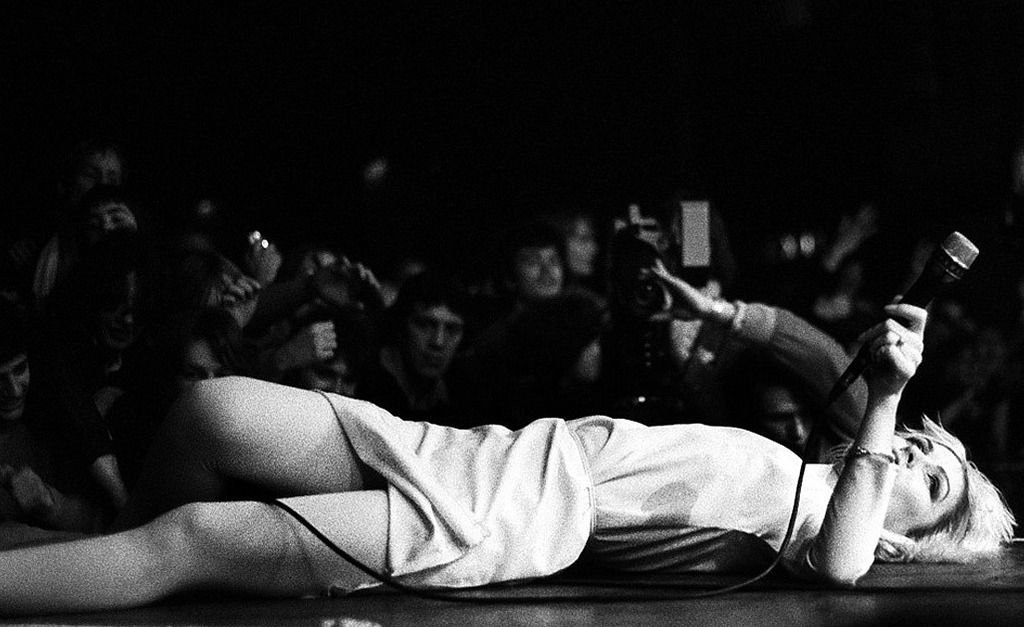
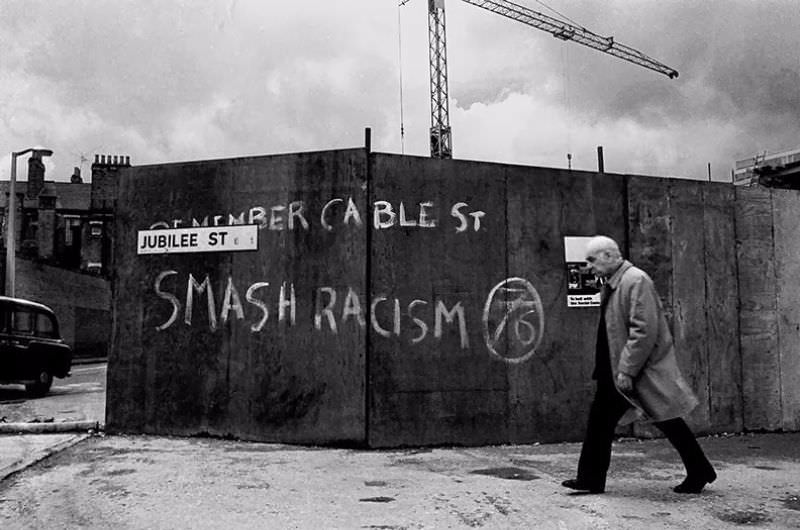
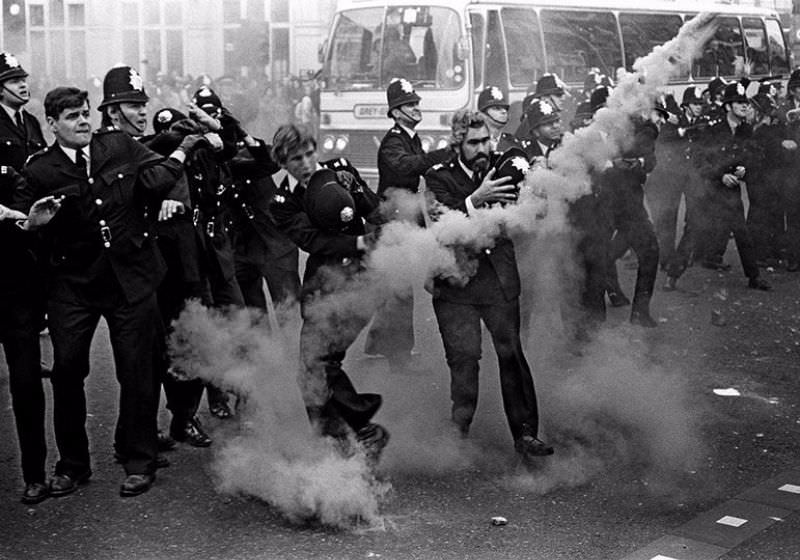
By the mid-1970s, Britain was under serious strain. High unemployment and economic decline pushed many toward extremist politics. The National Front, a far-right party built on anti-immigrant racism, was pulling in growing numbers of votes. Their marches regularly brought violence to immigrant communities across the country.
The spark that lit the counter-movement came from a concert stage. In August 1976, guitarist Eric Clapton used a Birmingham show to voice support for Enoch Powell, the anti-immigration politician. Other rock figures made similar nationalist statements around the same time. For many, this was a betrayal — rock and roll had deep roots in Black musical traditions, and these comments cut against everything the music stood for.
Photographer Syd Shelton and musician Red Saunders responded by writing a letter to the music press. It called out Clapton directly and argued that rock music should stand against racism, not alongside it. That letter led directly to the founding of Rock Against Racism, or RAR. The organization’s slogan — “Love Music, Hate Racism” — was simple and direct. Its logo, two stars, one black and one white, joined together, made the message visual.
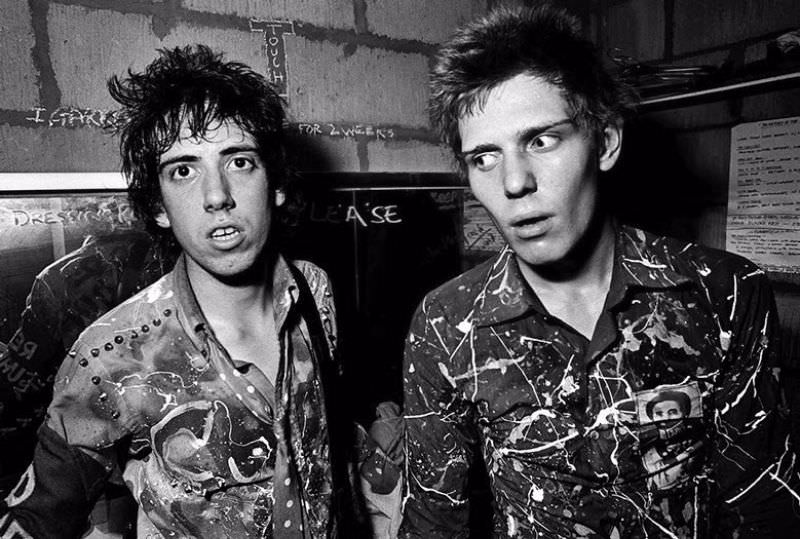
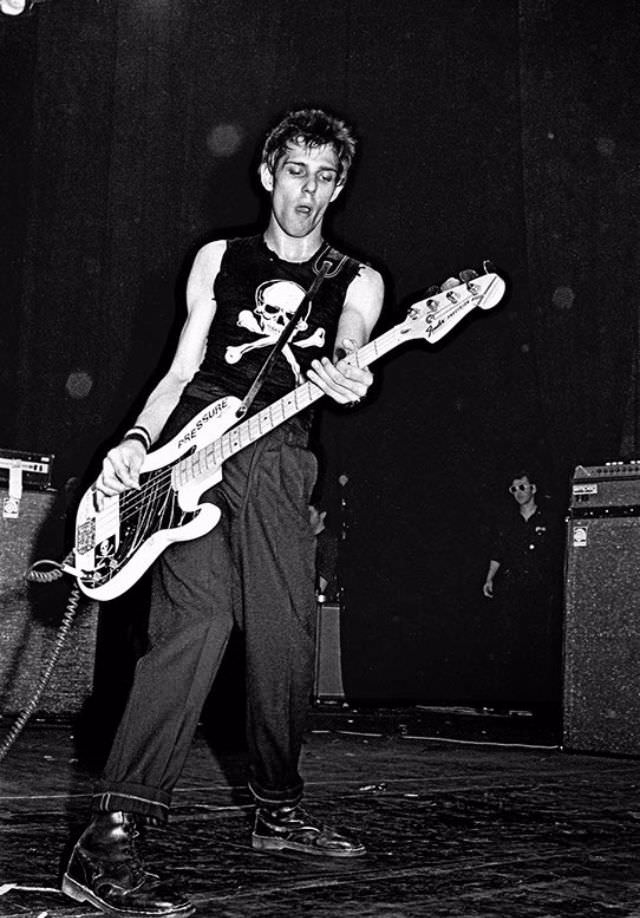
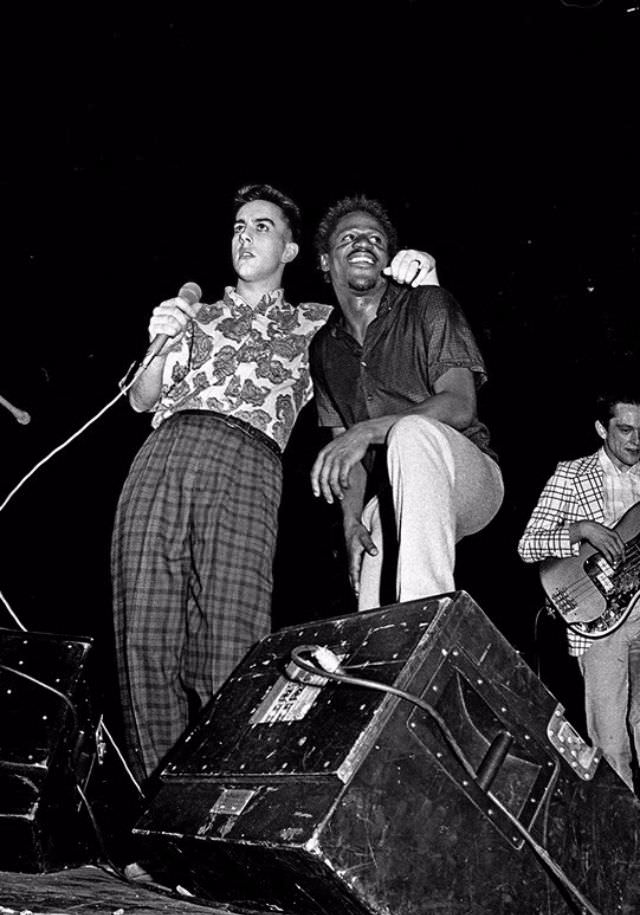
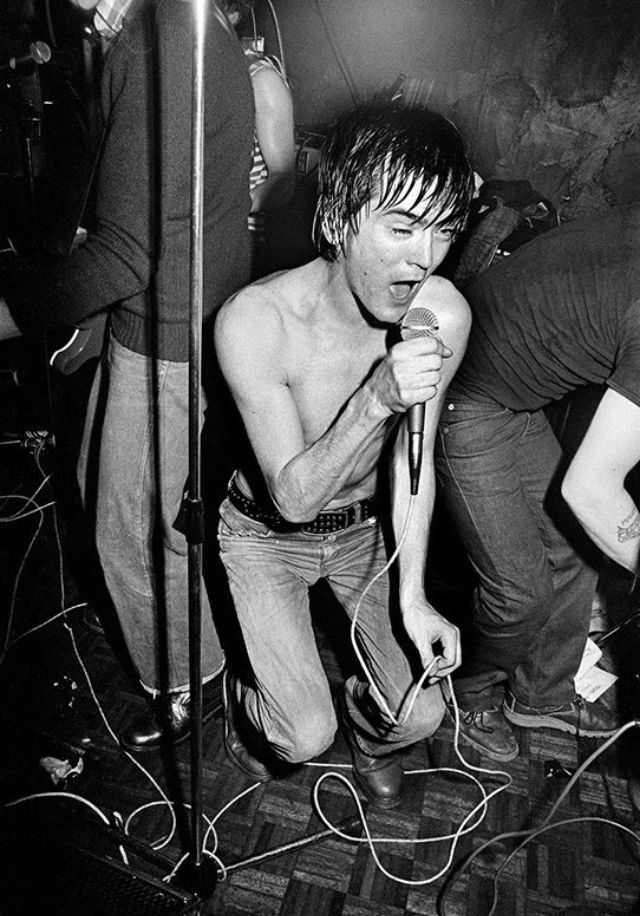
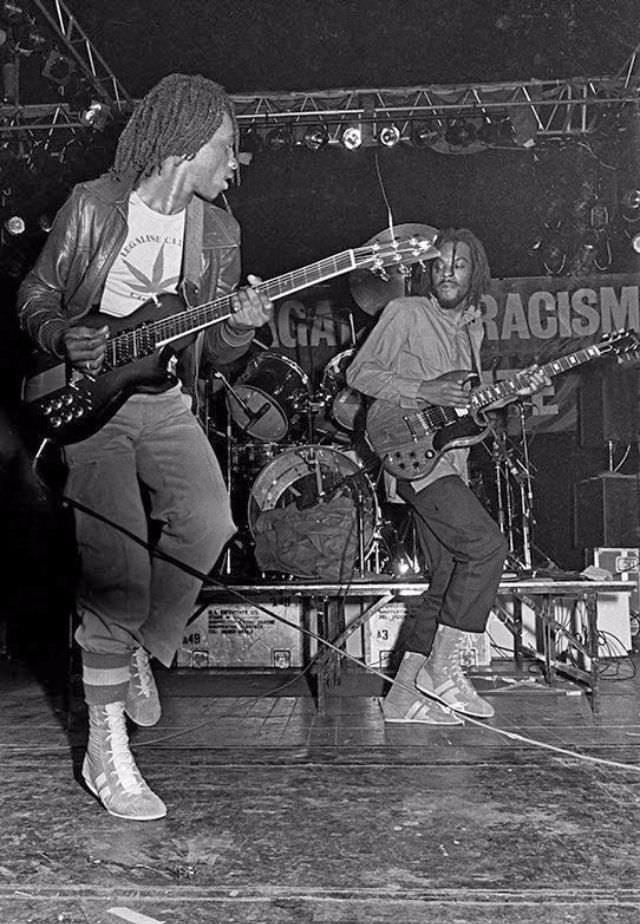
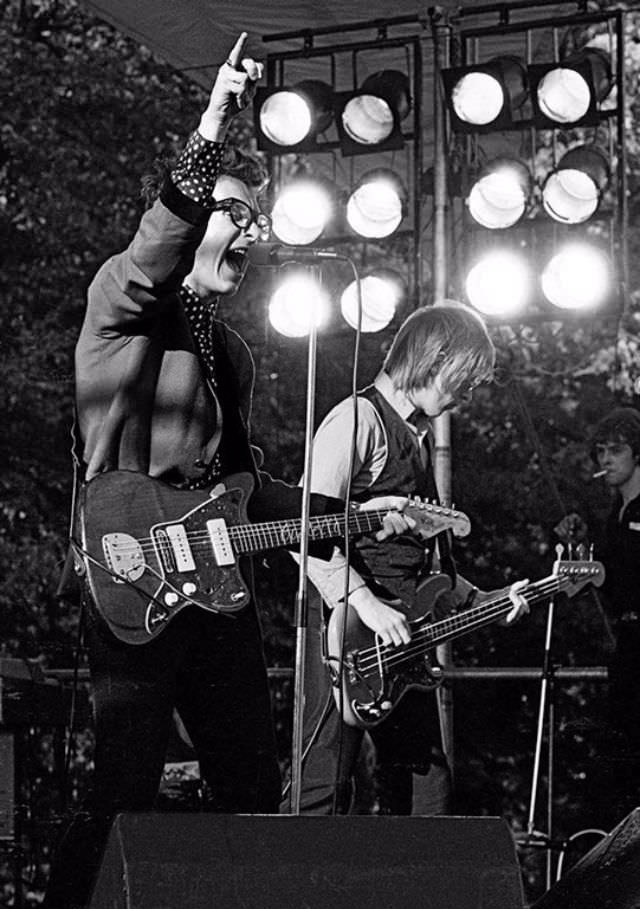
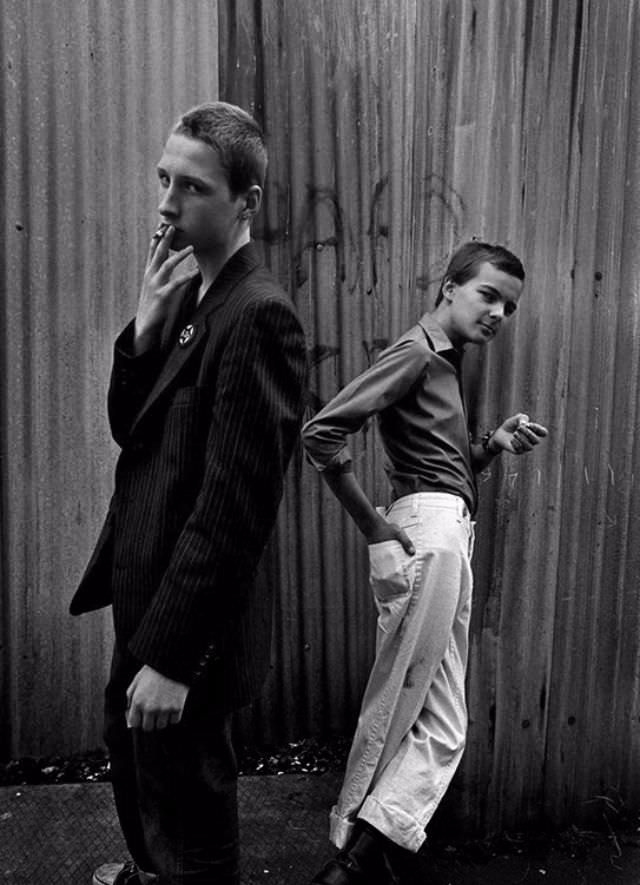
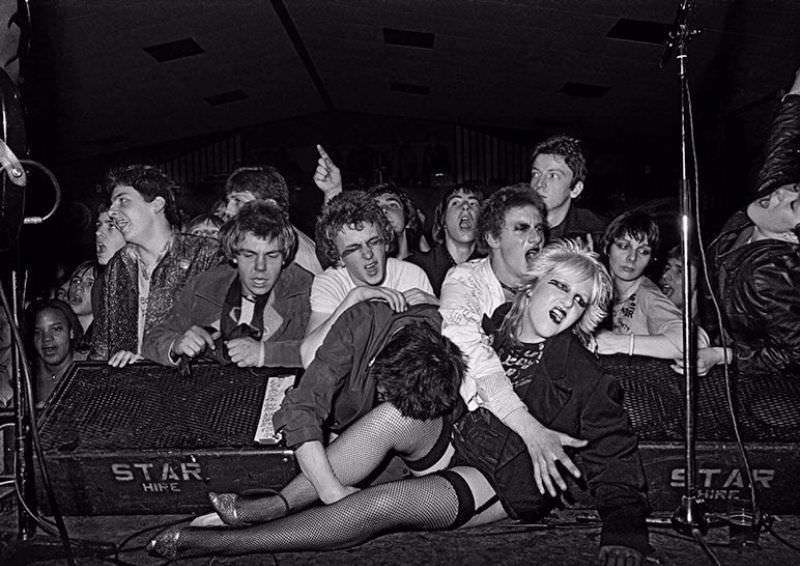
RAR’s core strategy was to put punk and reggae bands on the same stage. At the time, the two genres had largely separate fan bases. Punk bands like The Clash, Sham 69, and the Tom Robinson Band delivered loud, fast, politically charged music aimed at working-class youth. Their lyrics tackled unemployment, police harassment, and social decay head-on.
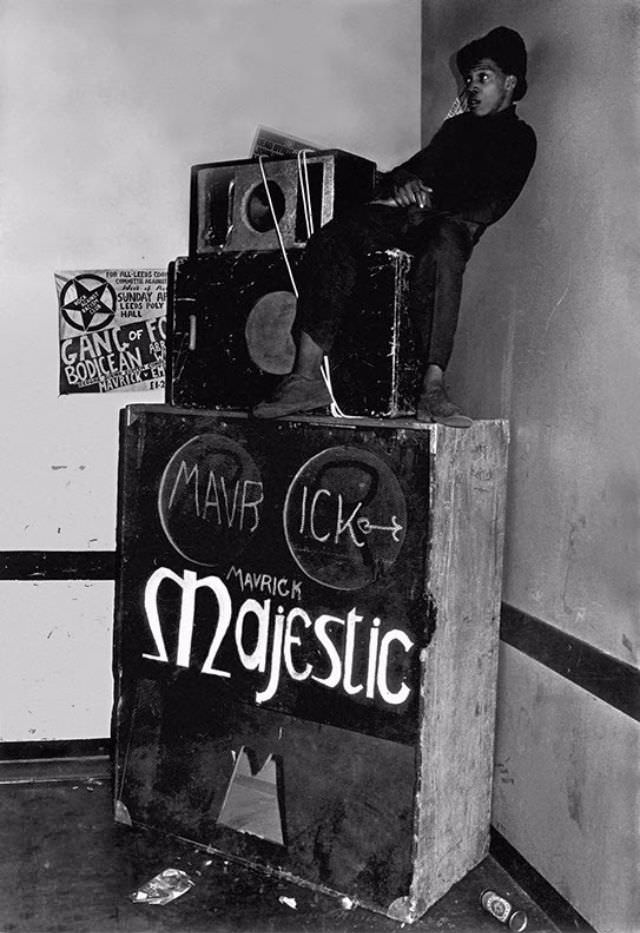
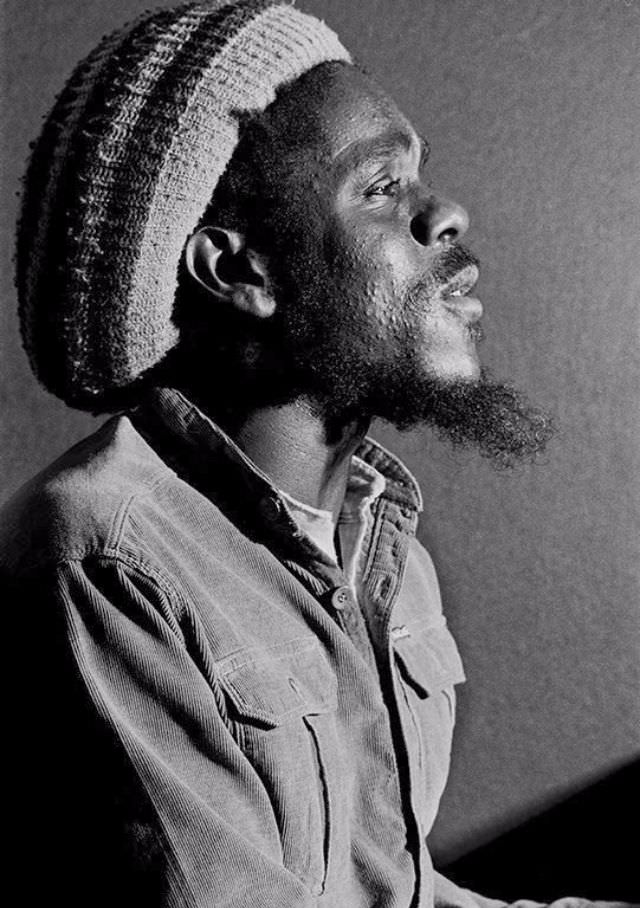
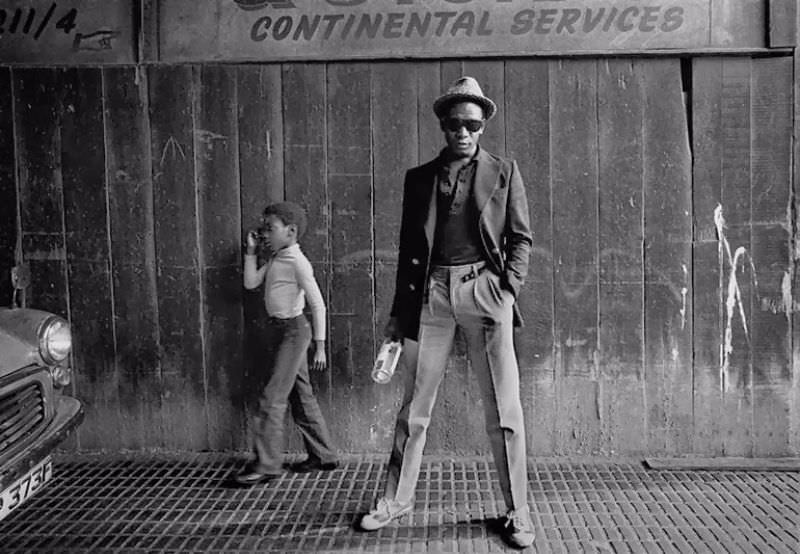
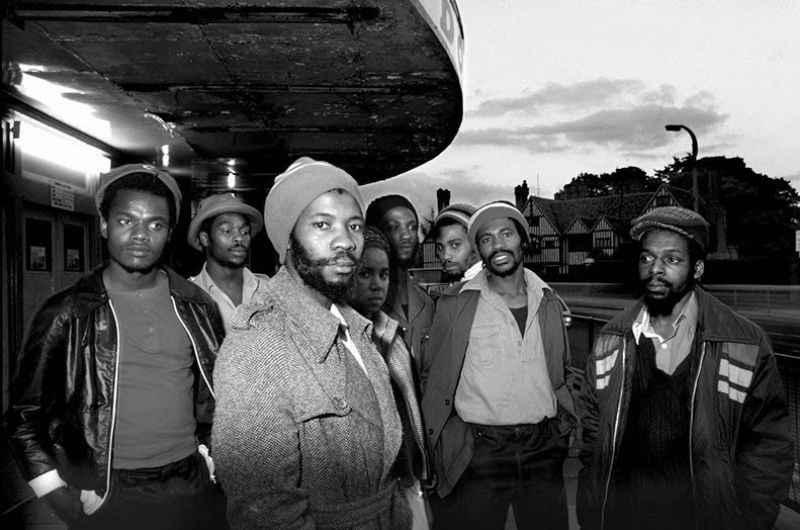
Reggae acts brought a different but equally urgent voice. Steel Pulse, Aswad, and Misty in Roots — all with roots in Britain’s Caribbean communities — addressed racial injustice and the experience of Black Britons through their music. Sharing a stage, these bands created a space where Black and white youth stood together against a common threat.
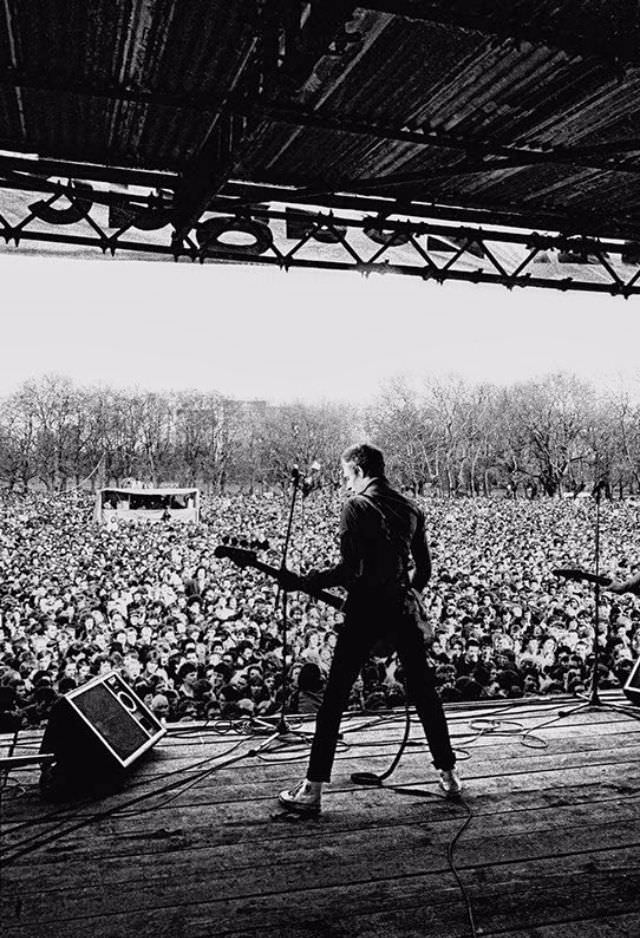
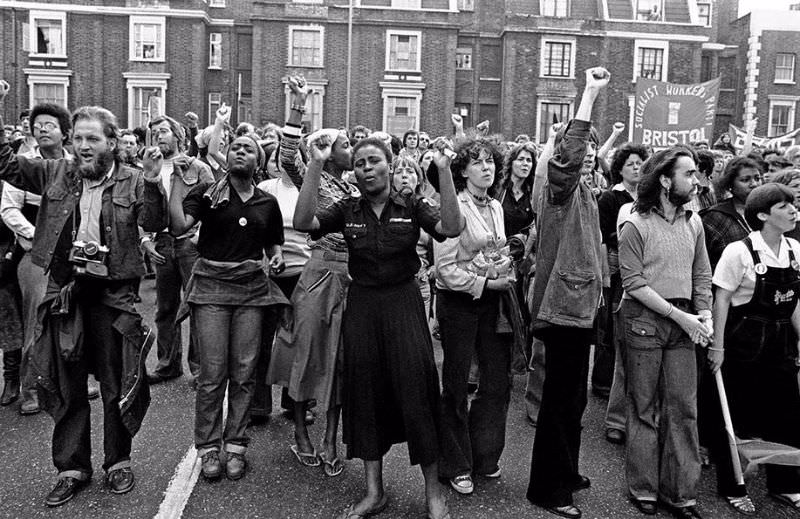
The movement reached its peak on April 30, 1978, with the Carnival Against the Nazis in London. The day began with a march from Trafalgar Square to Victoria Park in the East End — an area with a large immigrant population and a long history of anti-fascist resistance. Between 80,000 and 100,000 people took part.
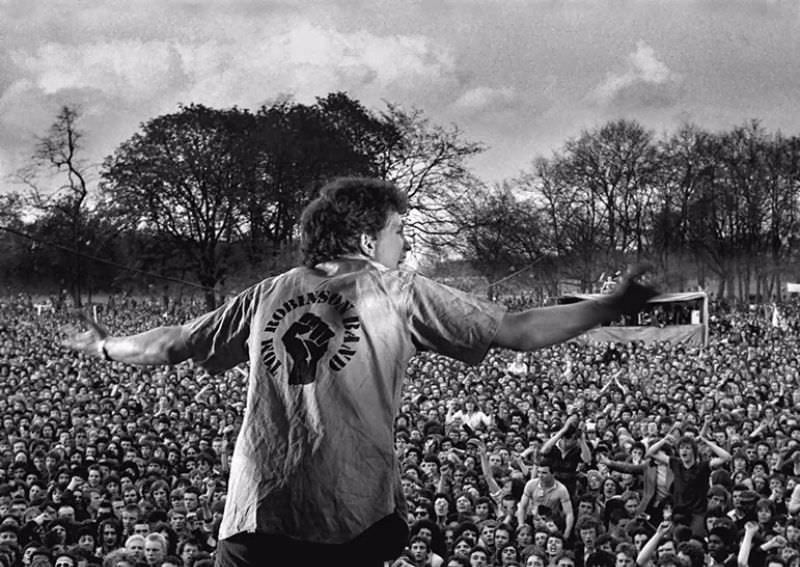
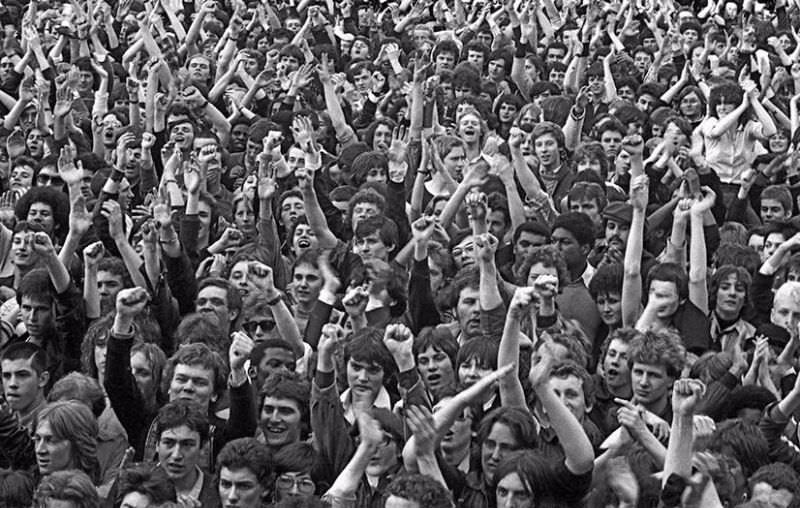
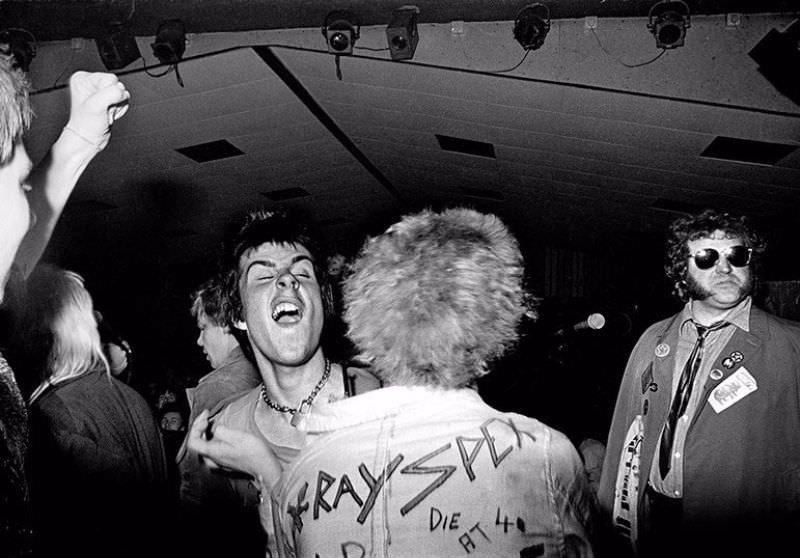
The Victoria Park concert lineup was a direct statement of RAR’s values. The Clash headlined. The Tom Robinson Band performed, known widely for their anthem “Glad to Be Gay.” Steel Pulse represented reggae, and X-Ray Spex — fronted by the multiracial singer Poly Styrene — brought punk energy. The crowd, the march, and the music together formed one of the largest political demonstrations Britain’s youth culture had ever produced.