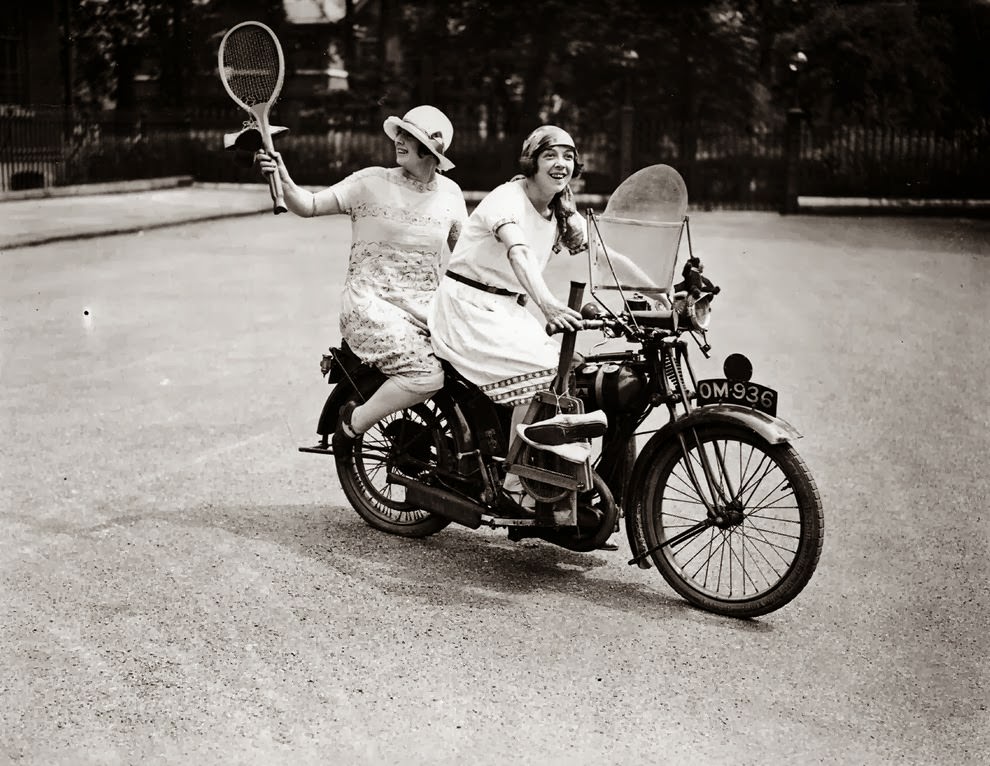
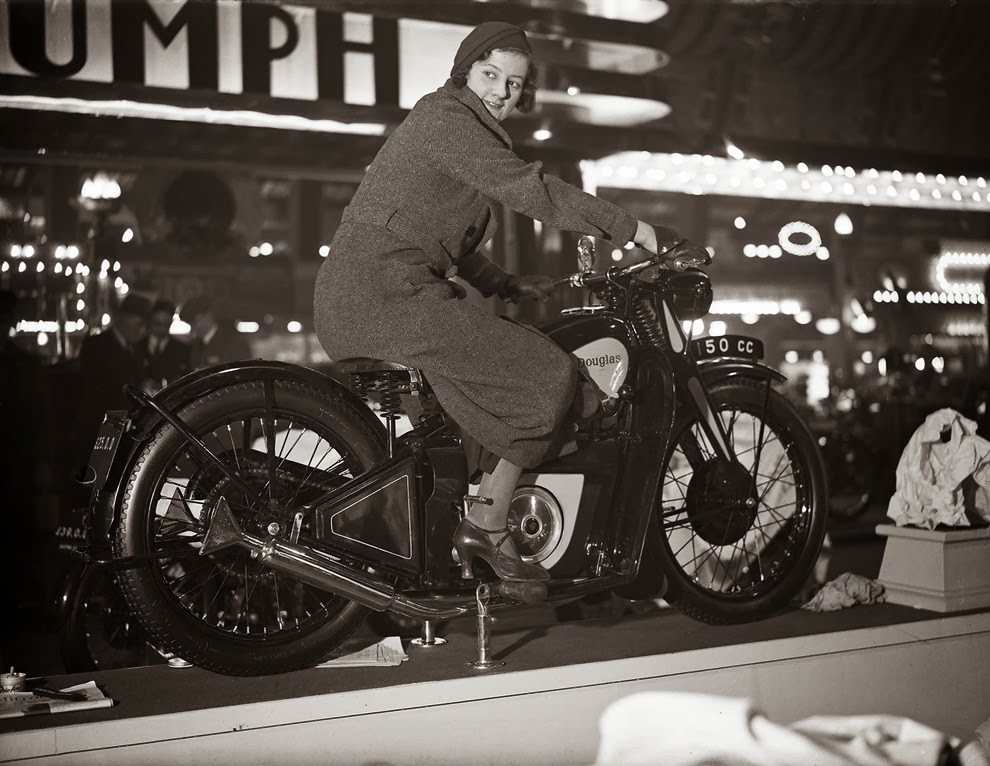
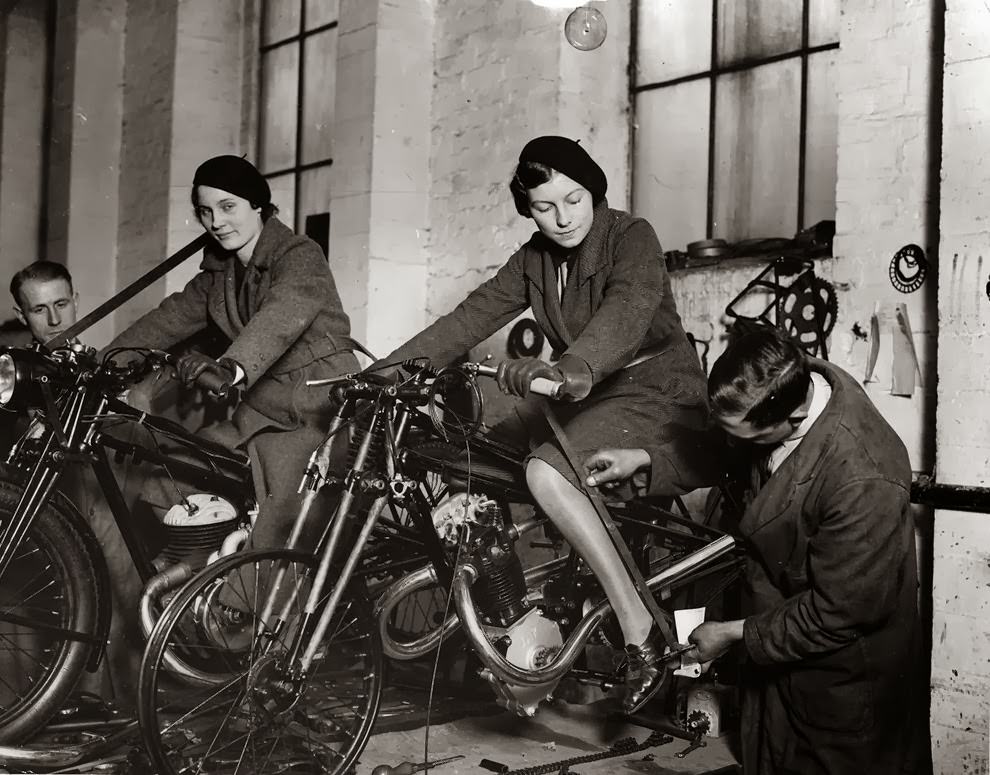
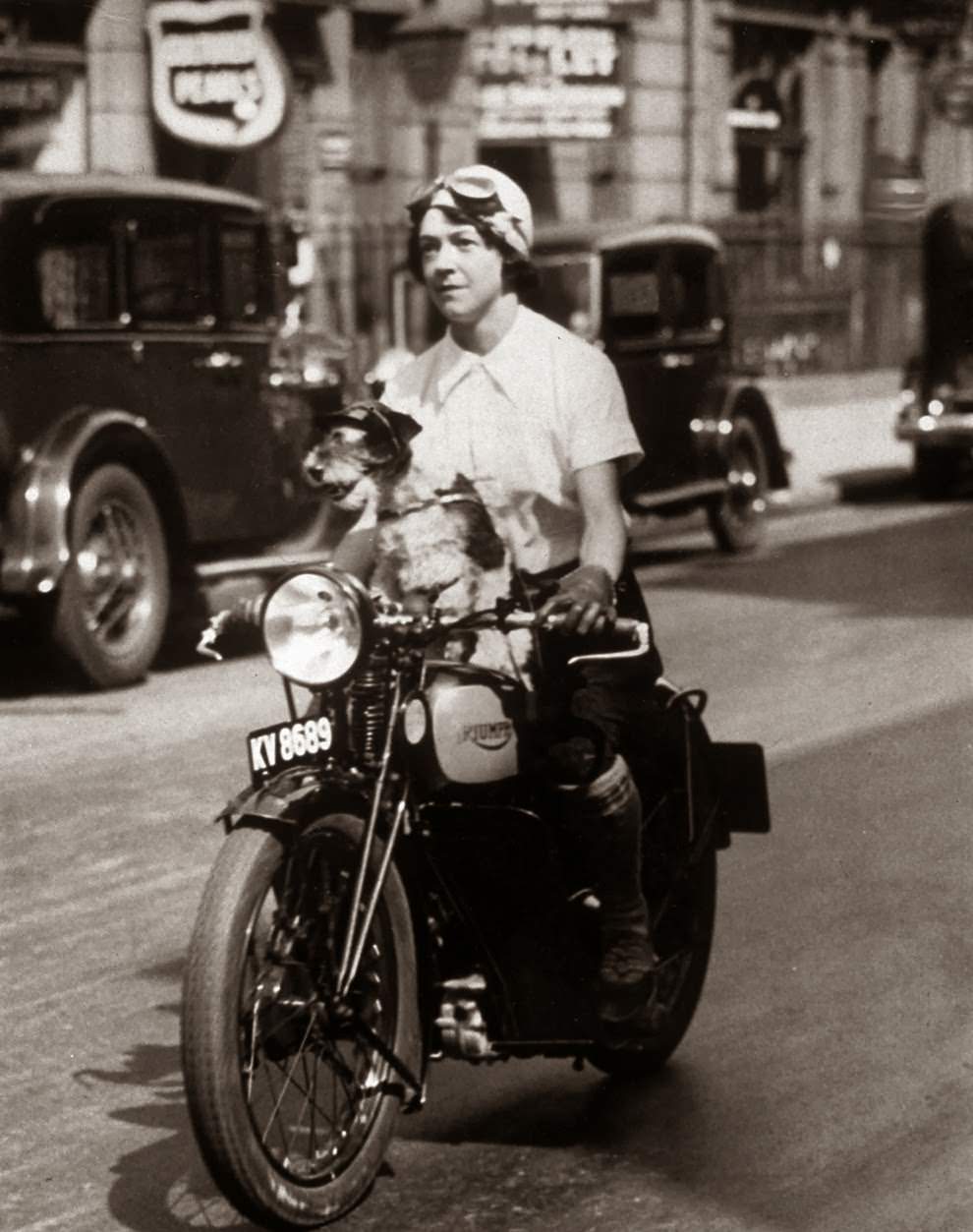
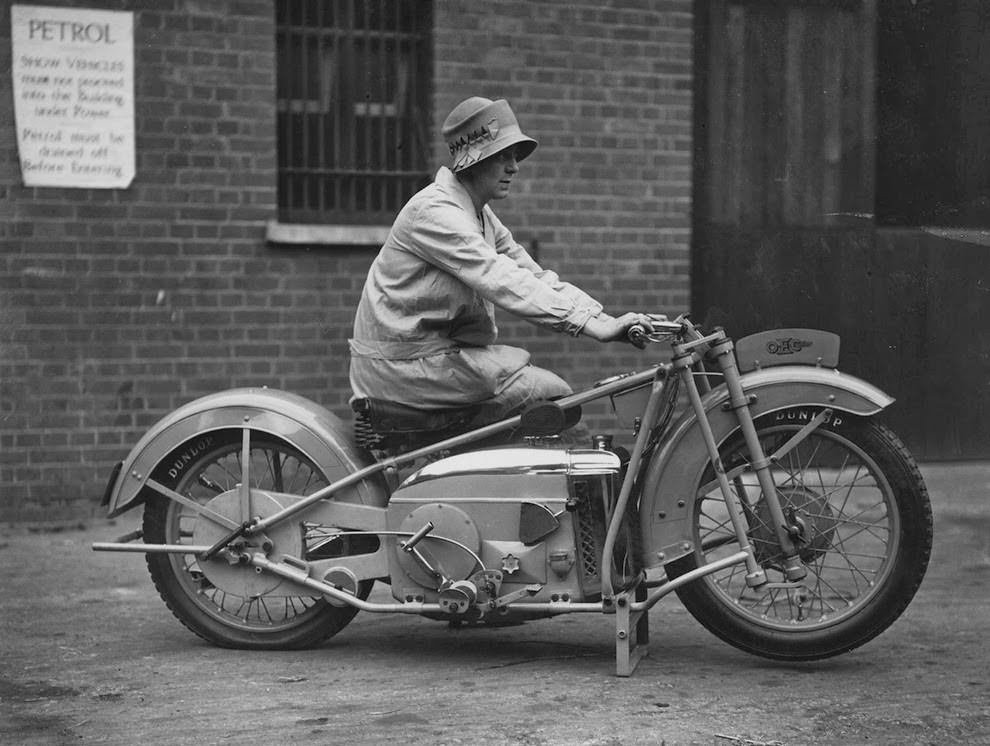
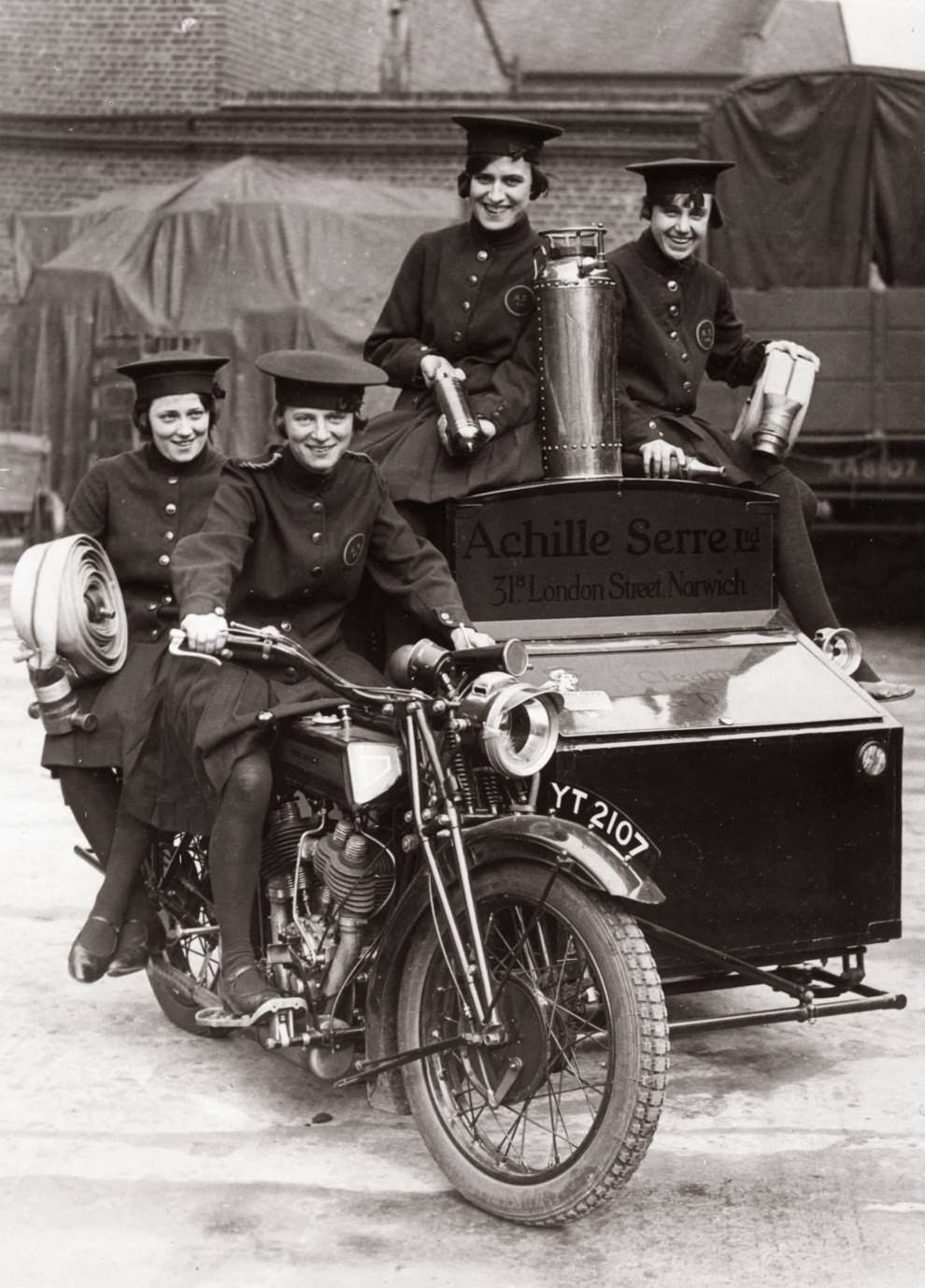
By the 1920s, motorcycles had become reliable enough for everyday use, and women were riding them. For these riders, getting on a bike was a direct challenge to what society expected of them. They took long solo journeys, entered competitive events, and built communities around their shared passion.
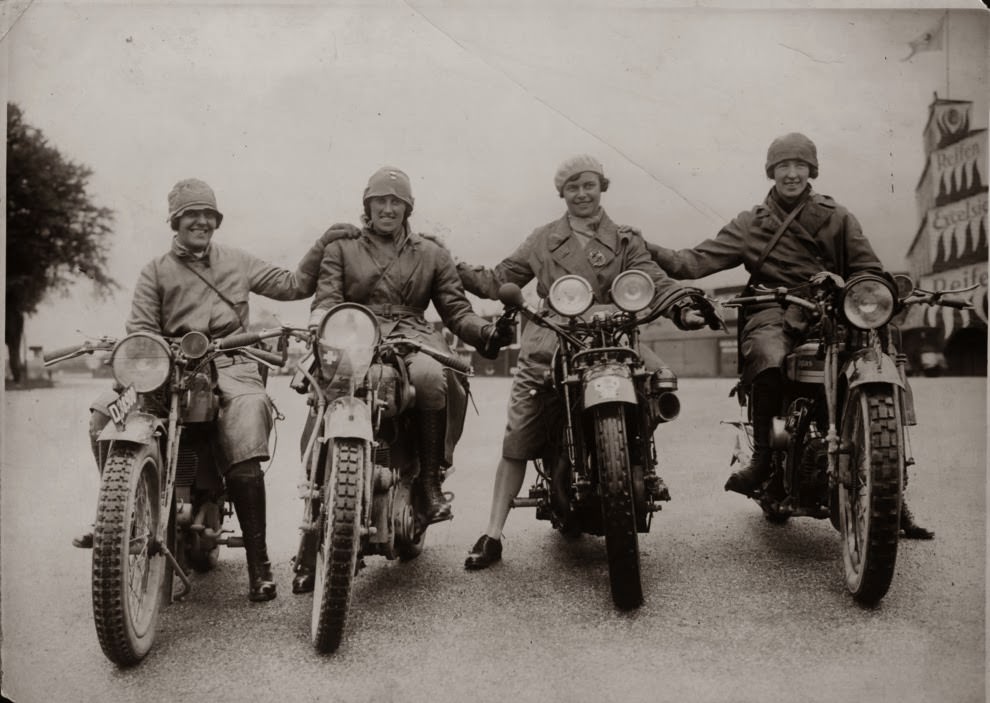
The machines these women rode were not built with them in mind. Harley-Davidson and Indian models of the era used hand-shifters and foot clutches that demanded real physical strength. Riders like Bessie Stringfield mastered them anyway. An African American woman, Stringfield completed eight solo cross-country tours of the United States during the 1930s and 1940s, all on her Harley-Davidson. She earned money performing motorcycle stunts at carnivals and later served as a civilian dispatch rider for the U.S. Army during World War II — all while navigating the dangers of racial prejudice across the country.
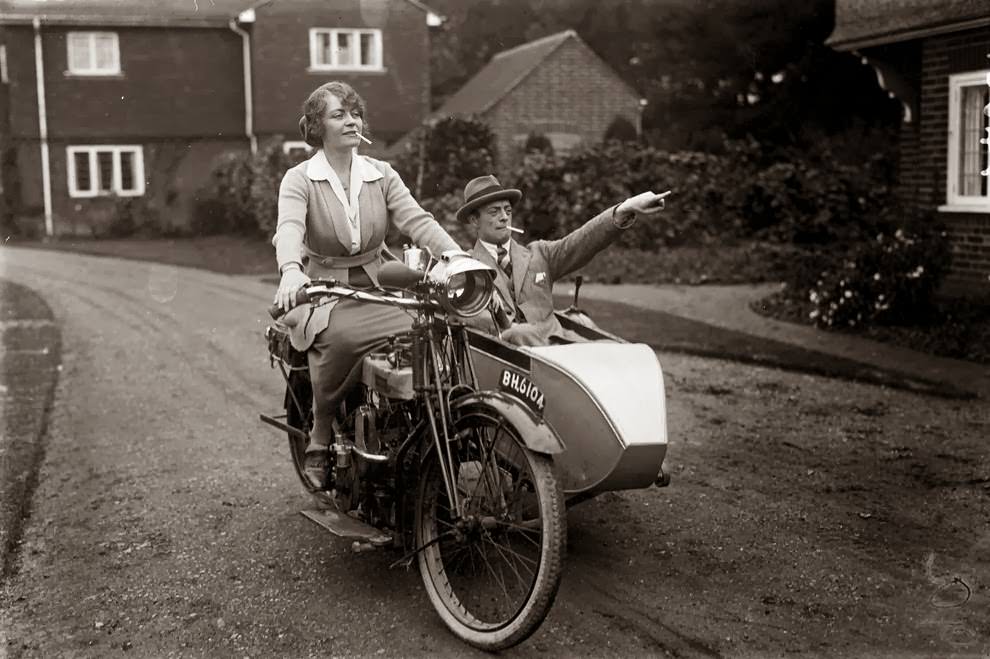
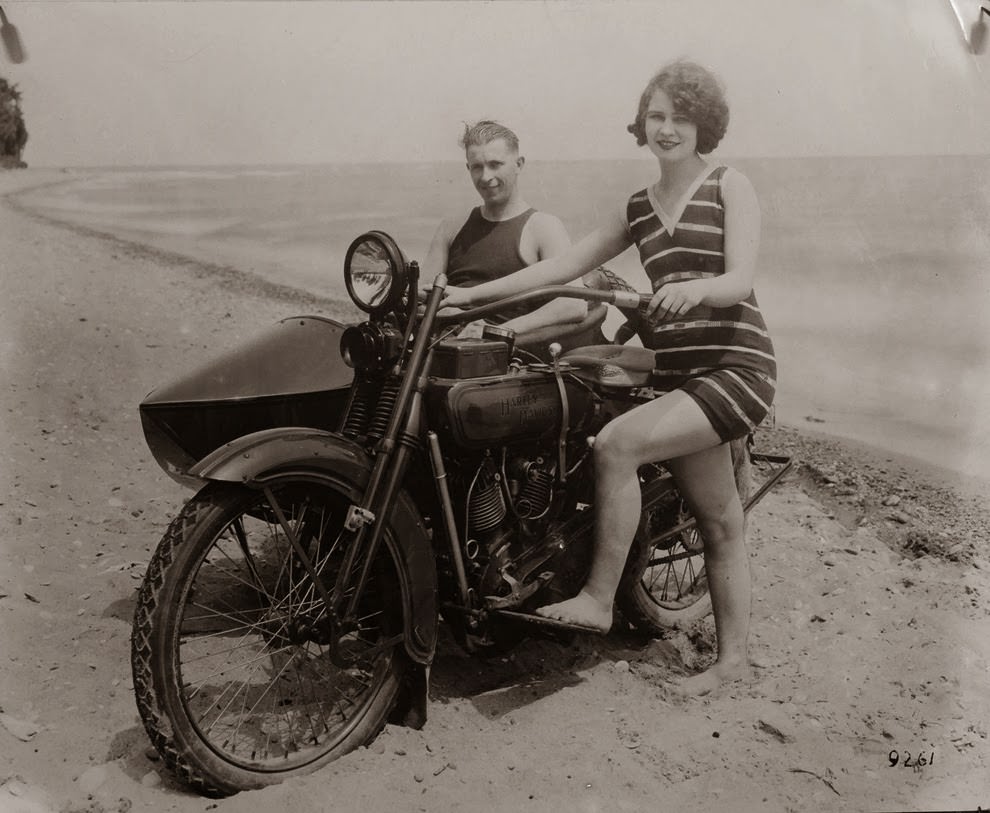
Earlier, in 1915, Avis and Effie Hotchkiss — a mother and daughter — became the first women to ride across the United States. They rode a three-wheeled Harley-Davidson sidecar rig from Brooklyn, New York, to San Francisco and back, covering thousands of miles of mostly unpaved roads.
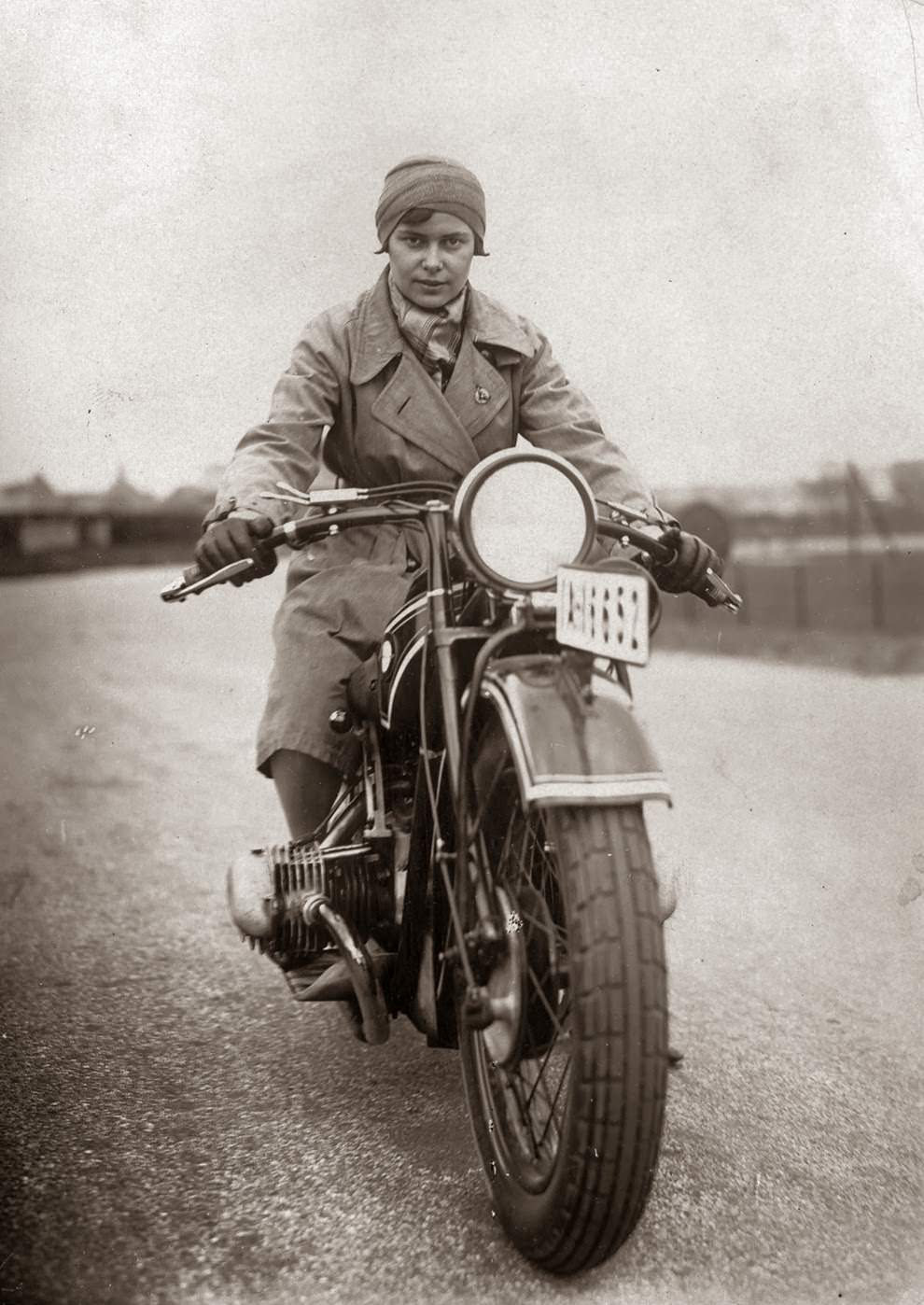
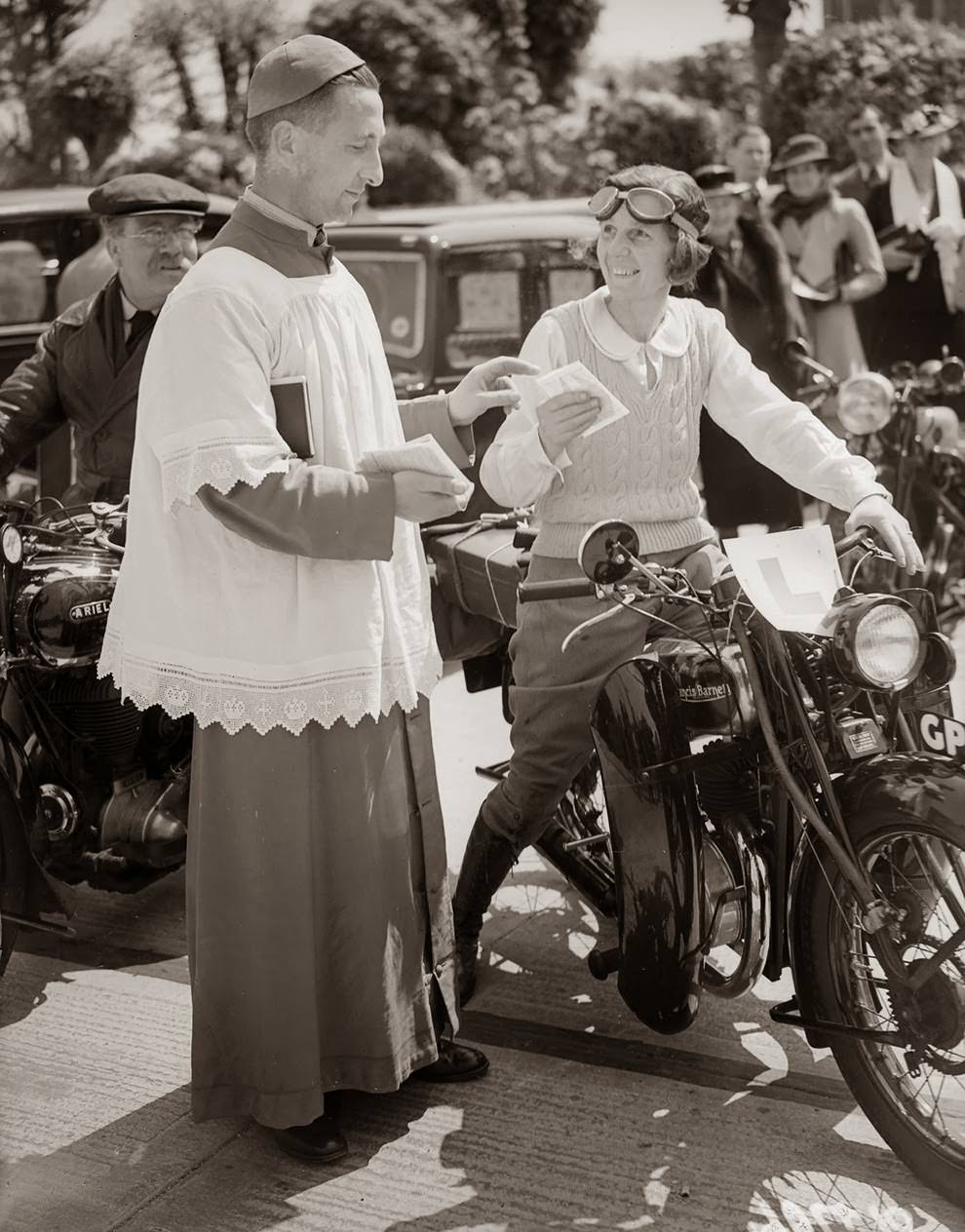
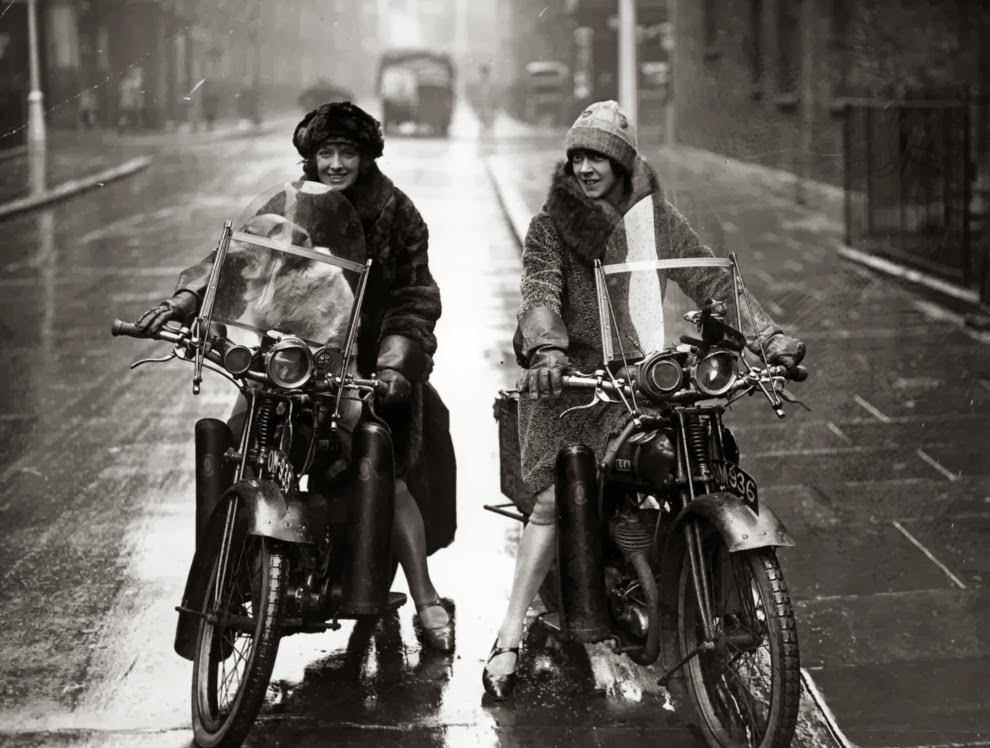
Clothing evolved as the riding got more serious. In the early 1920s, women often rode in long skirts and sturdy boots. By the 1930s, jodhpurs had become standard — tight-fitting riding pants paired with tall leather boots, leather jackets, and helmets. This was practical gear that also became a recognizable look.
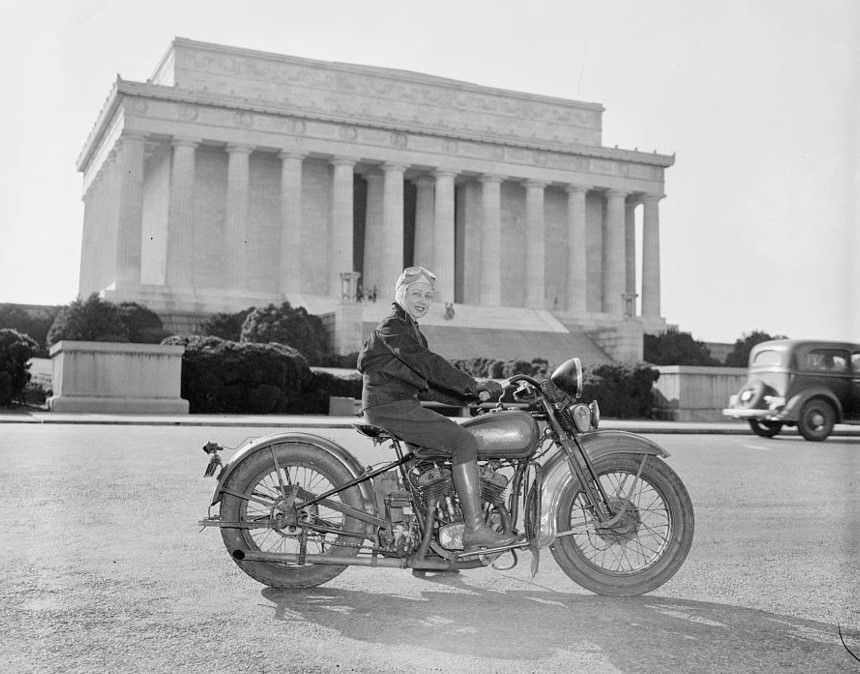
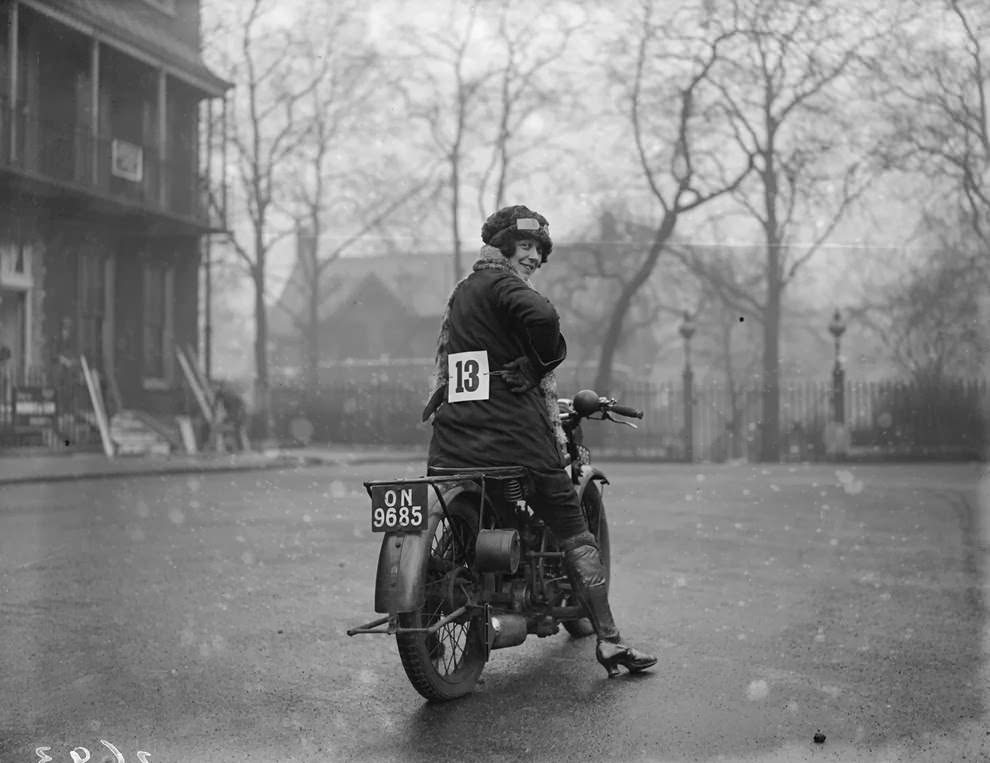
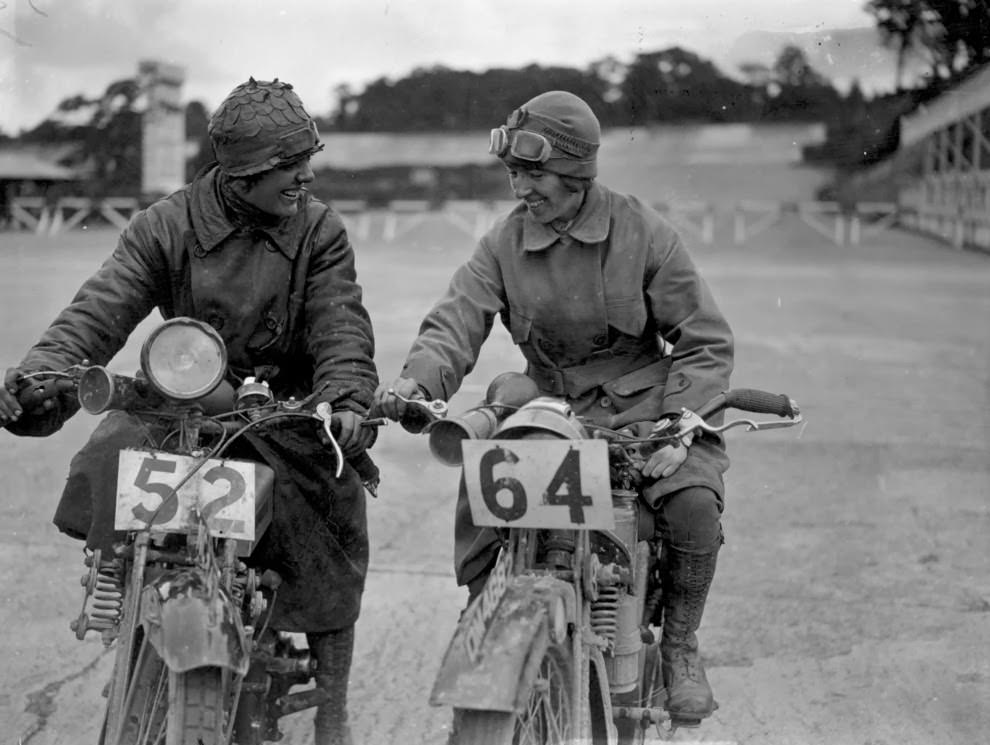
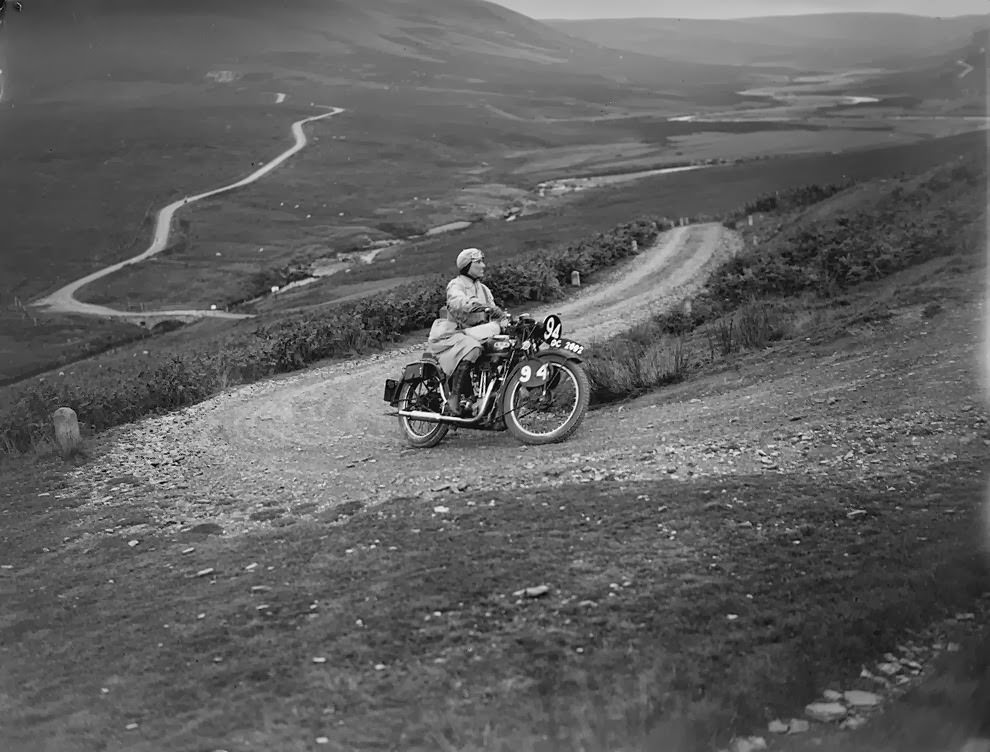
Women didn’t just ride alone — they competed. Reliability trials and endurance runs required riders to cover long distances over rough terrain, often 200 miles a day. Women entered these events alongside men and finished them.
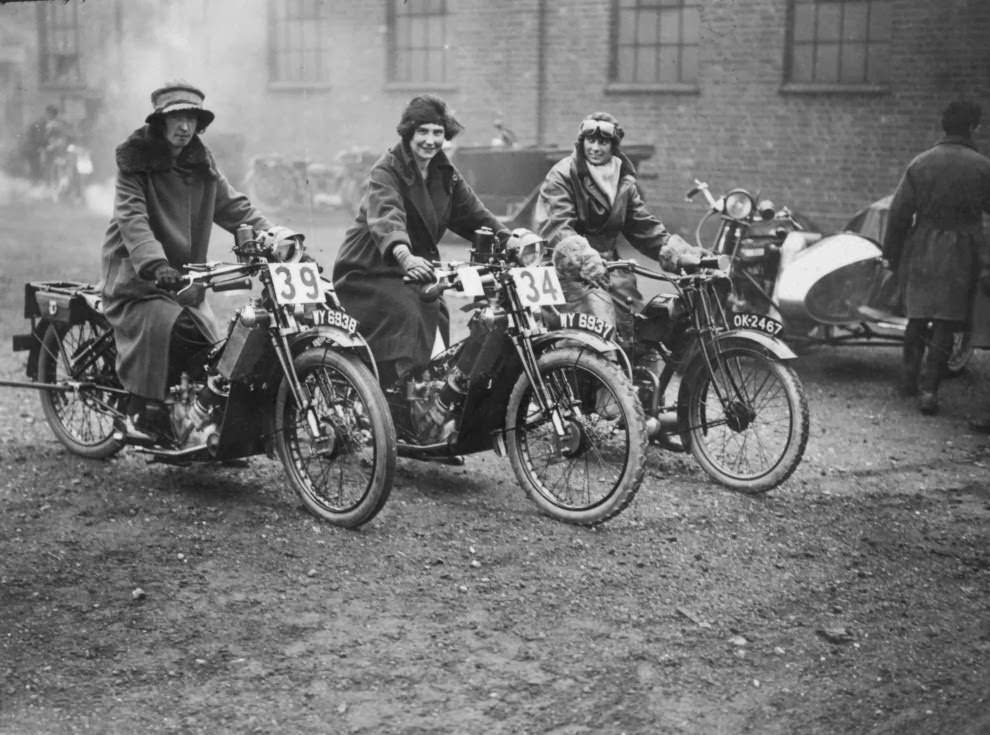
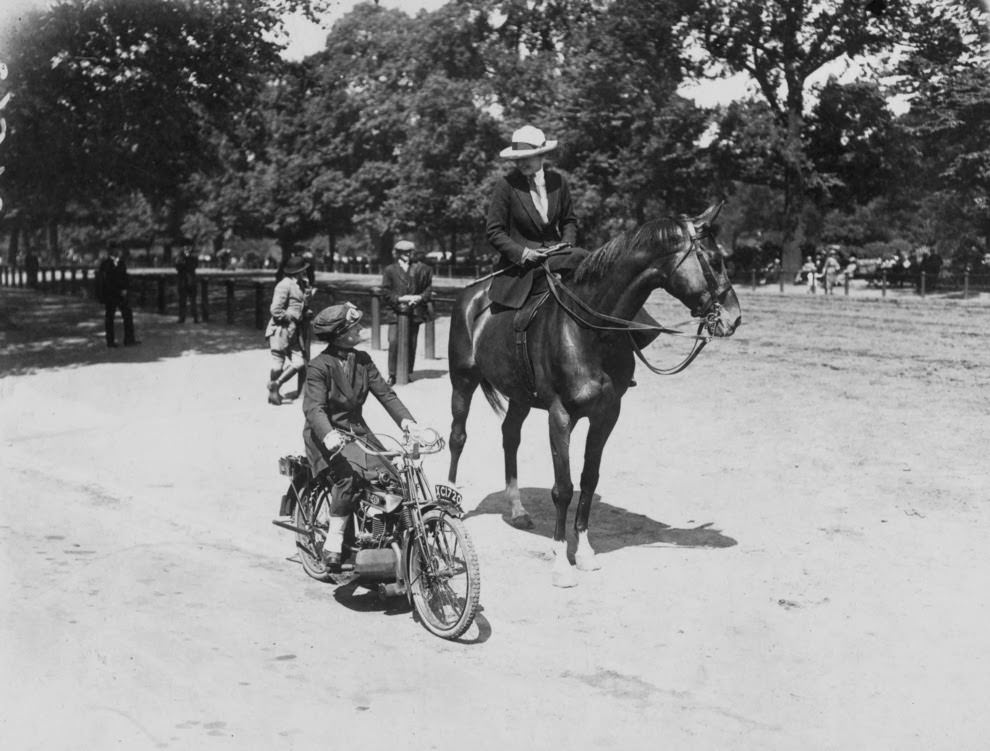
The social side of riding grew just as fast as the competitive one. Women formed riding clubs to connect with others who shared the same interest. In 1940, Linda Dugeau and Dot Robinson founded the Motor Maids, one of the first women-only motorcycle clubs in the United States. The group organized rallies and group rides while actively promoting a positive public image of female riders.
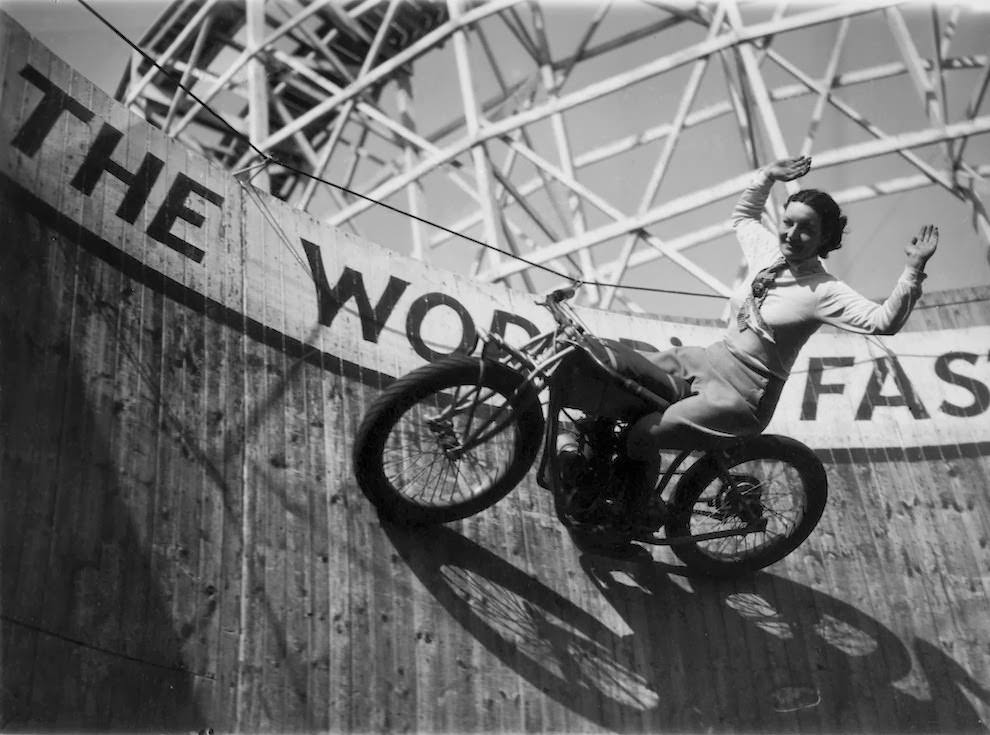
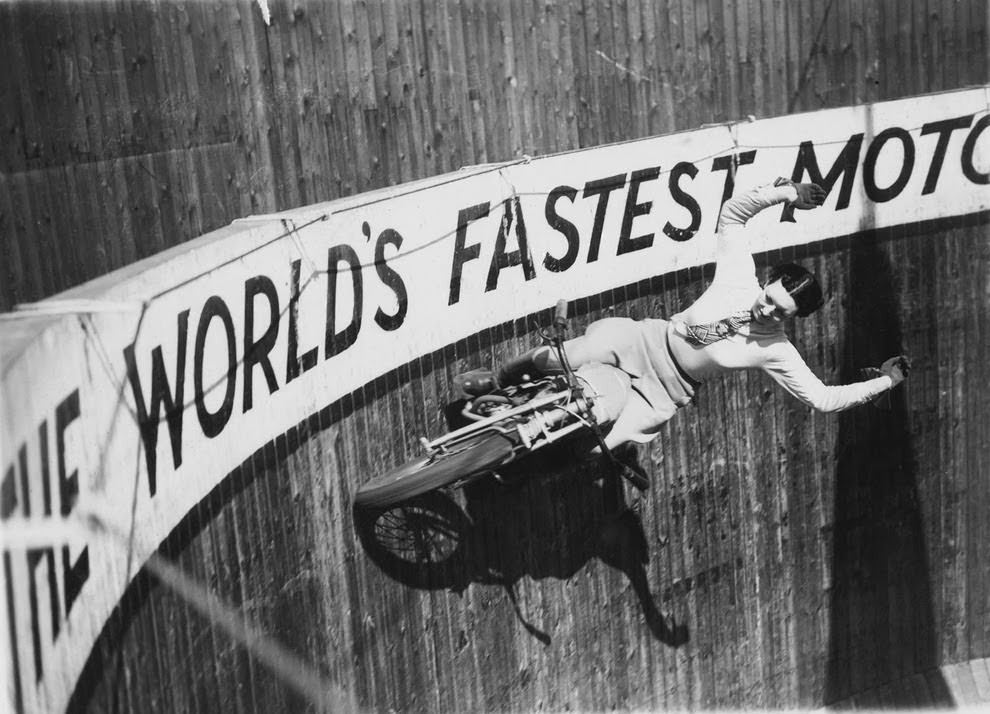
Some women pushed the spectacle further. Marjorie Dare performed on “The Wall of Death” — a cylindrical wooden sideshow attraction where riders circled vertical walls at high speed. Dare did it hands-free.