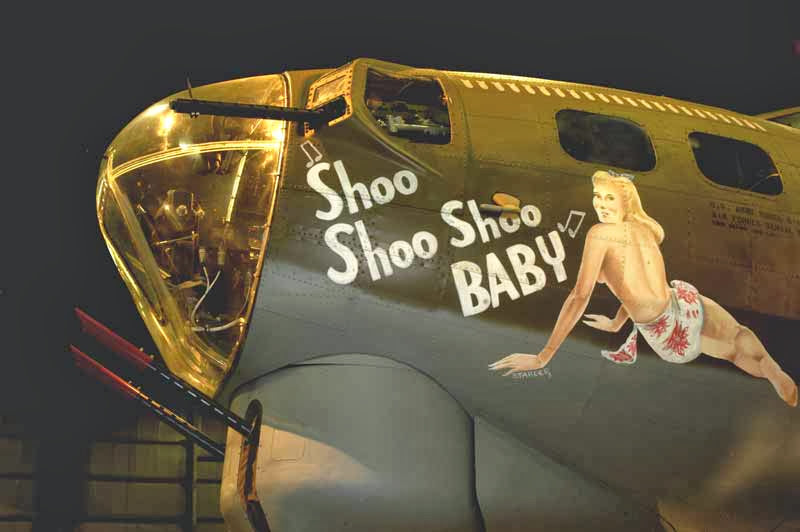
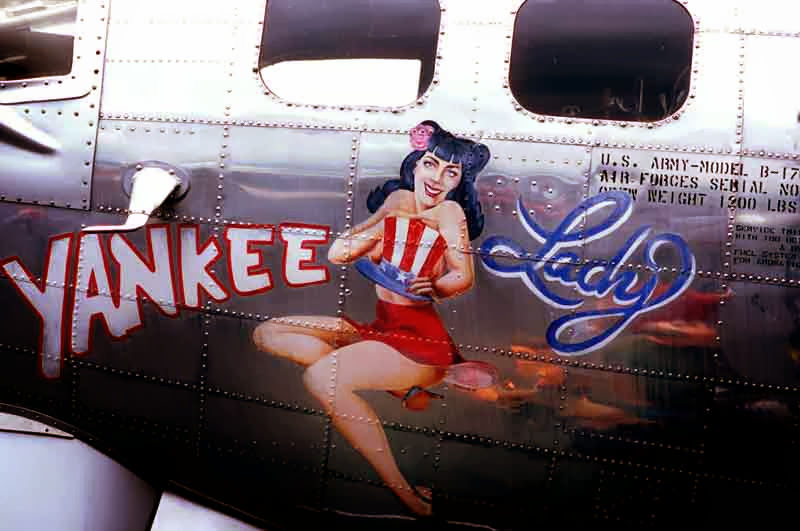
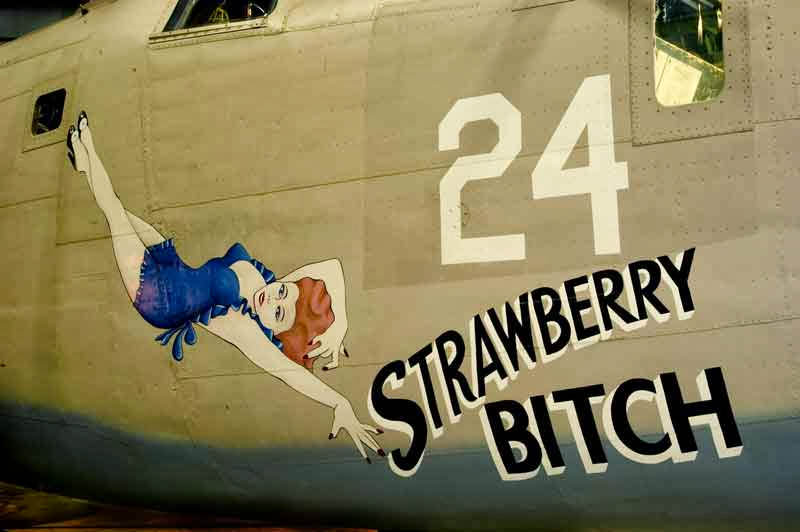
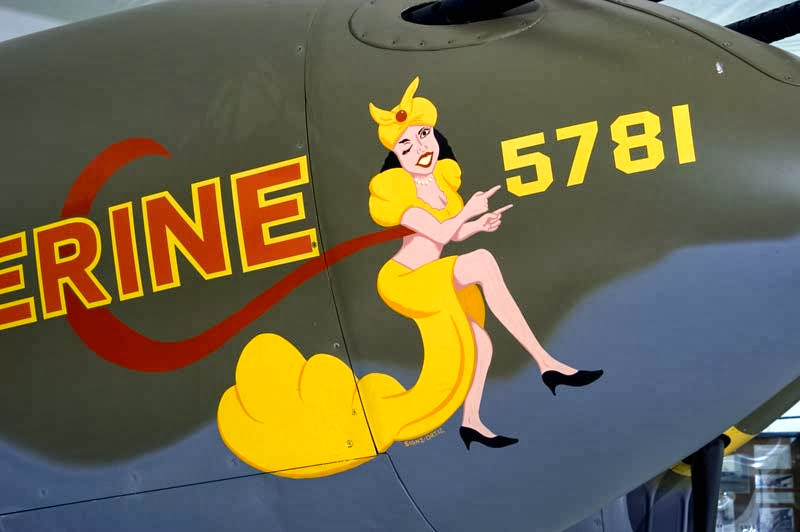
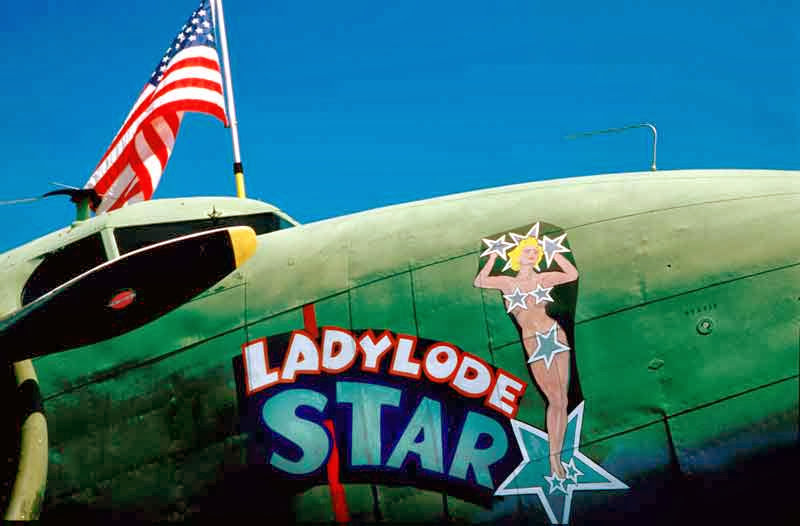
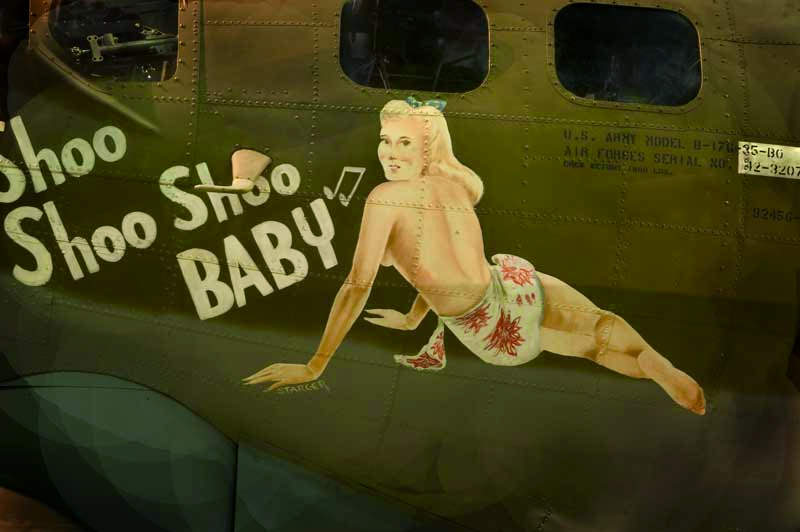
During World War II, the bare metal skin of military aircraft became something more than machinery. Aircrews across every theater of the war painted names, characters, and designs onto their planes — a practice known as nose art. It was part morale booster, part good luck charm, and part personal identity stamped onto government-issued equipment.
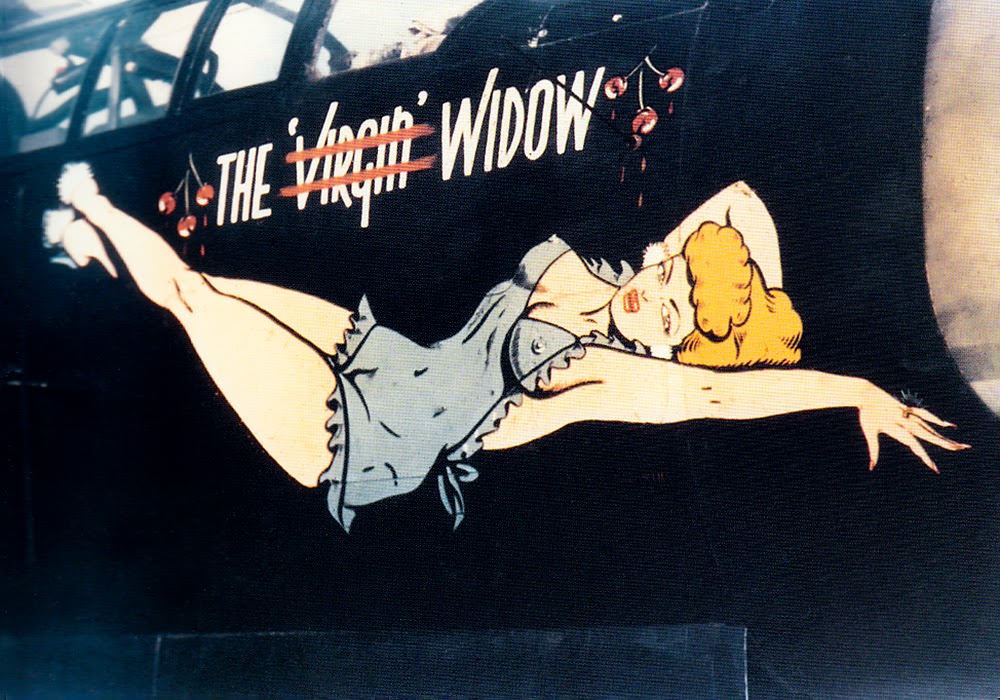
The tradition started simply. Early in the war, crews of the United States Army Air Force (USAAF) tore pin-up pages from magazines like Esquire and Look and glued them directly onto their bombers. Pages appeared on the nose, fuselage, and tail sections of aircraft like the B-17 Flying Fortress. They were reminders of home — small, personal touches on an otherwise anonymous machine.
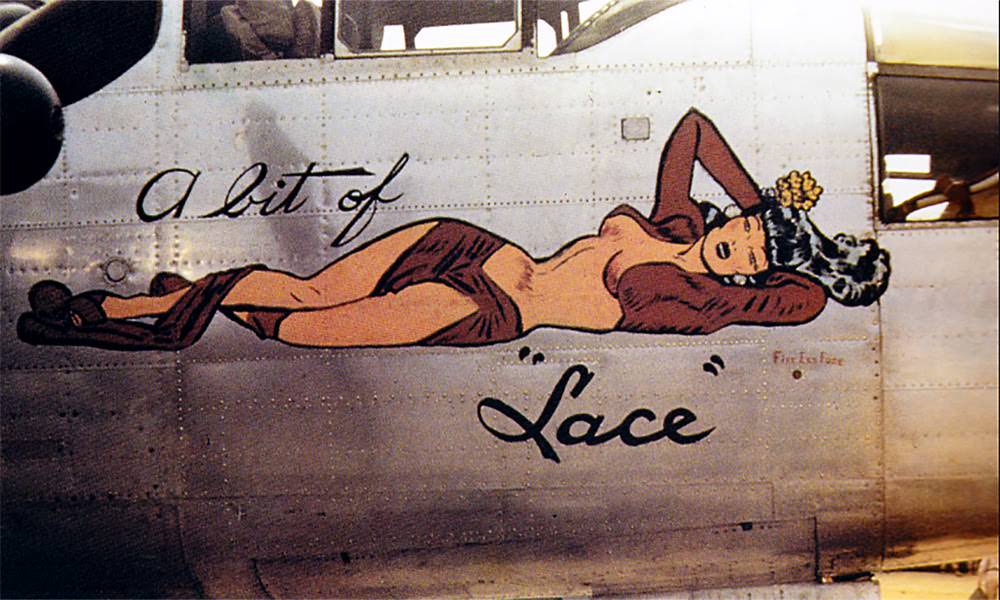
As the war progressed, pasted magazine pages gave way to original painted artwork. Talented servicemen within a squadron often did the painting themselves. In some cases, civilian artists were hired for the job. By the war’s end, the demand was high enough that artists earned up to $15 per aircraft.
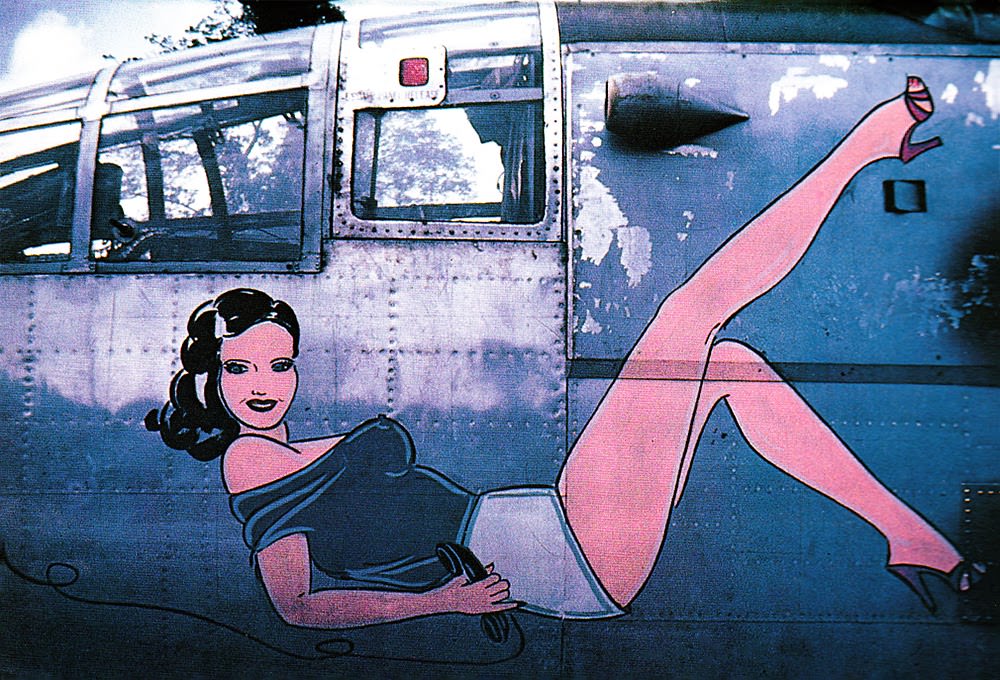
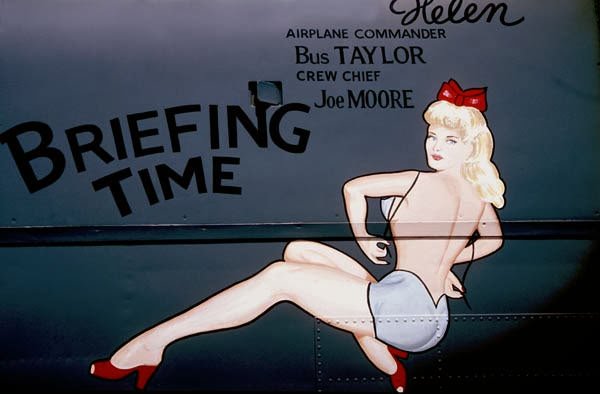
Pin-up girls were the most common subject by a wide margin. These idealized images of women — often glamorous or playful — represented the girlfriends, wives, and movie stars the men had left behind. The famous B-17 bomber Memphis Belle, named after the pilot’s sweetheart, carried a stylized drawing of a woman in a swimsuit on each side of its nose.
Patriotic symbols were also widely painted. Eagles, American flags, and national emblems expressed pride and resolve. Cartoon characters — Bugs Bunny, Donald Duck, Popeye — appeared frequently as well, usually dressed in military gear or shown fighting the enemy. These humorous images cut the tension that came with every mission.
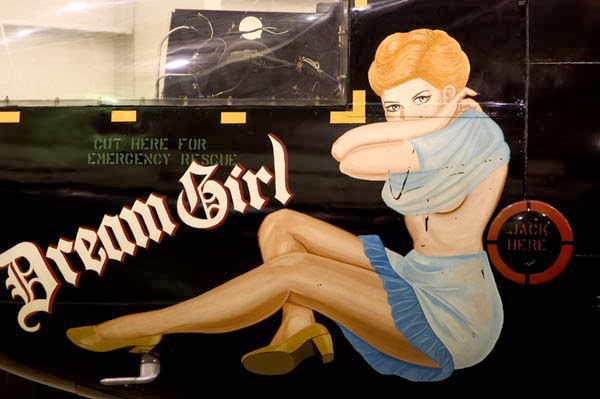
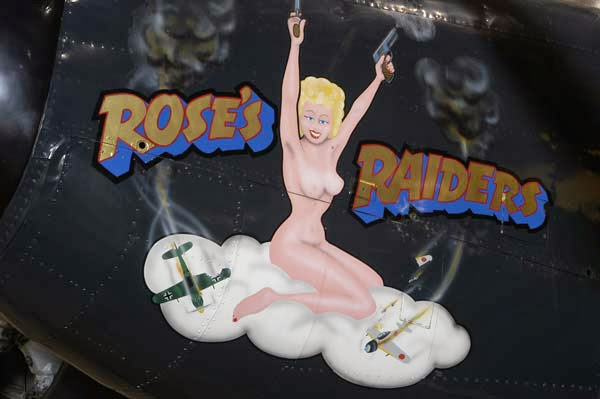
Every piece of nose art connected directly to the plane’s unofficial name. A crew might name their aircraft after a song, a hometown, or a private joke. The B-29 Superfortress that dropped the first atomic bomb was named Enola Gay after pilot Paul Tibbets’ mother. Naming and decorating a plane turned it from a piece of government property into something the crew felt was truly theirs.
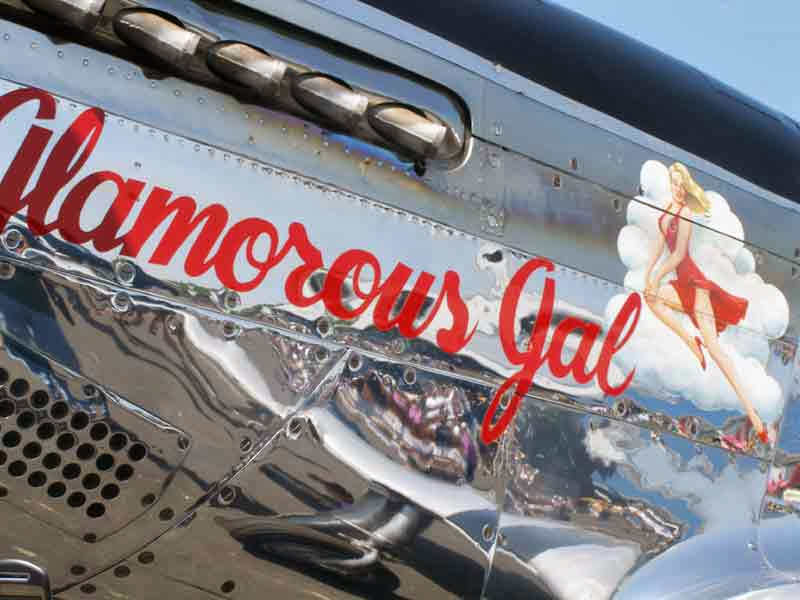
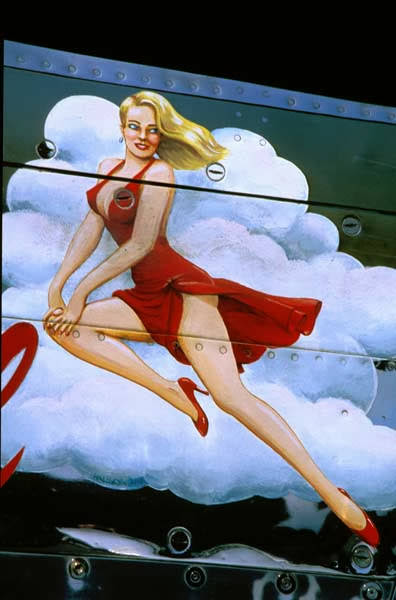
Official military policy on nose art was never clearly defined. Commanders generally tolerated it because they saw the benefit to crew morale, even when regulations did not formally allow it. The acceptability of pin-up imagery in particular depended heavily on the commanding officer. In the European Theater, some commands applied tighter restrictions. In the Pacific, crews often had more freedom with what they painted.