
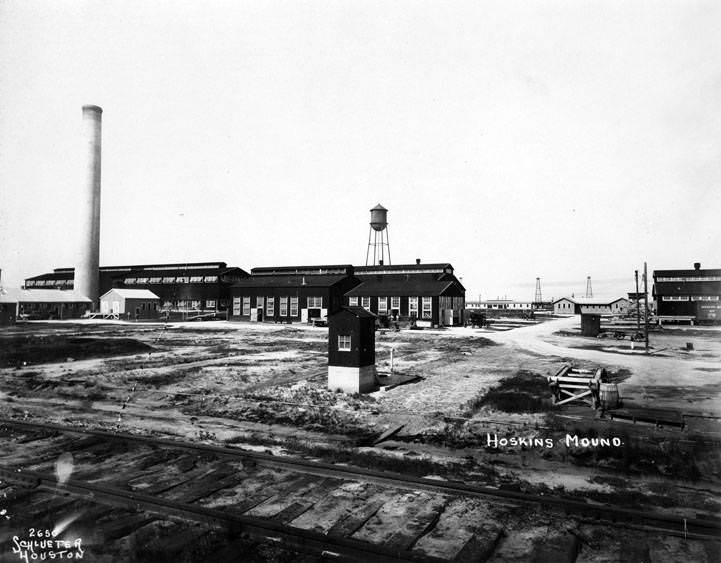
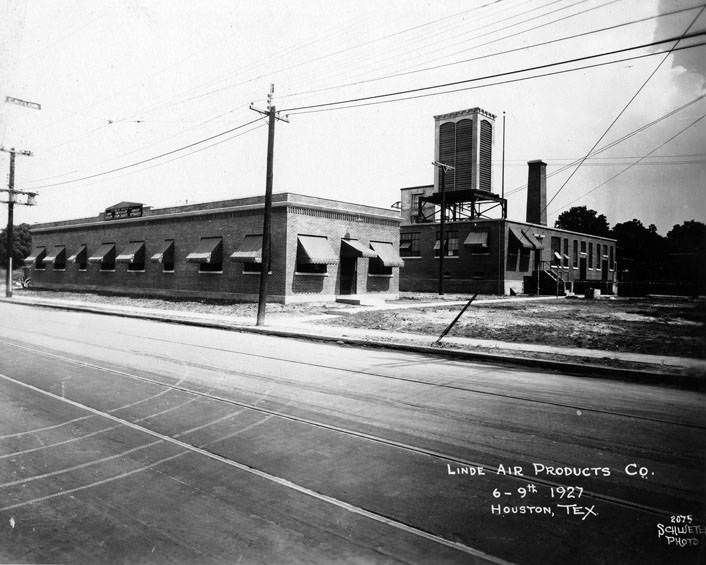
By 1920, Houston was already moving fast. Oil money was reshaping the city’s streets, skyline, and population at a speed that surprised even longtime residents. The Houston Ship Channel, completed in 1914, had locked the city into the national oil trade, and the decade that followed turned that foothold into something much bigger. Refineries expanded. Petrochemical plants multiplied. Companies like Humble Oil drew workers from across the country, and every new worker needed a place to live, eat, shop, and spend their wages.
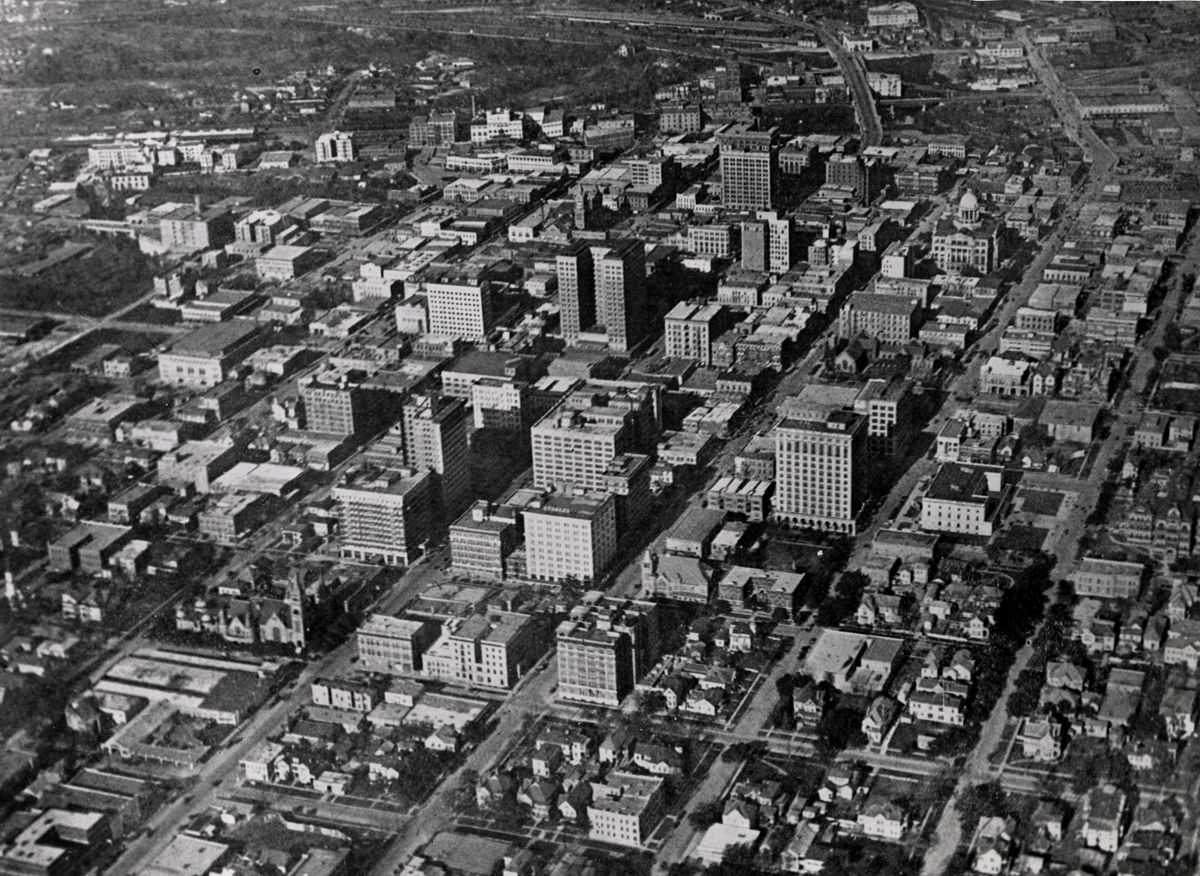
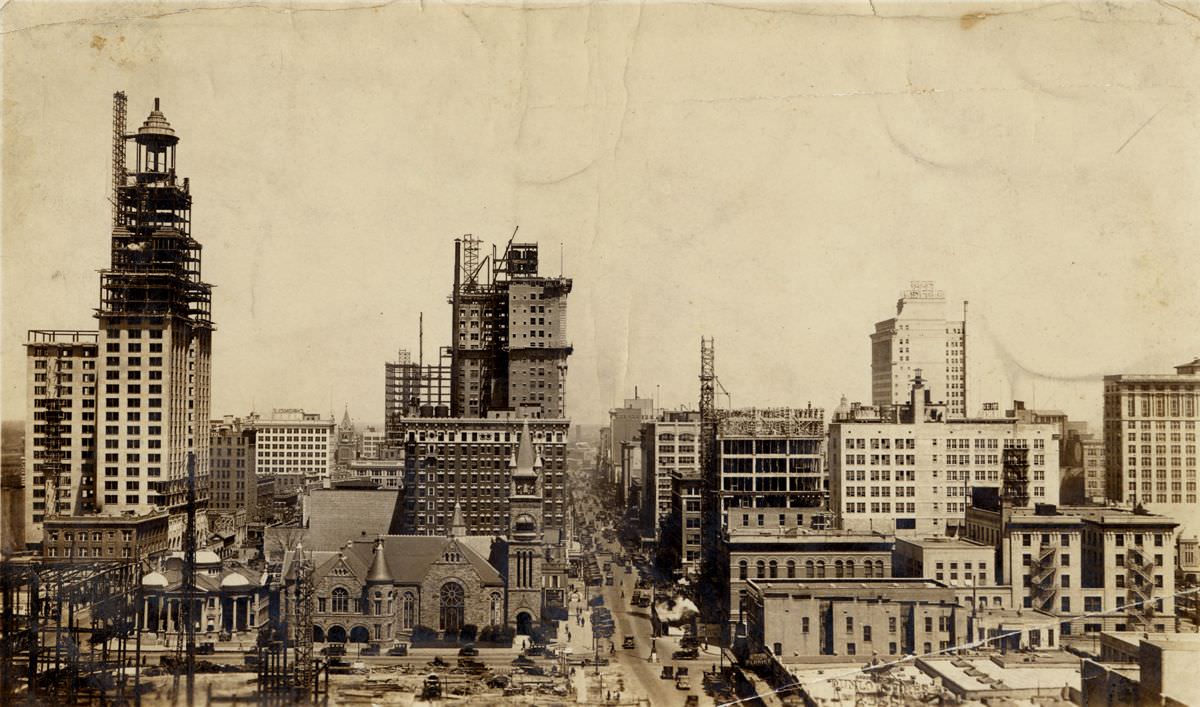
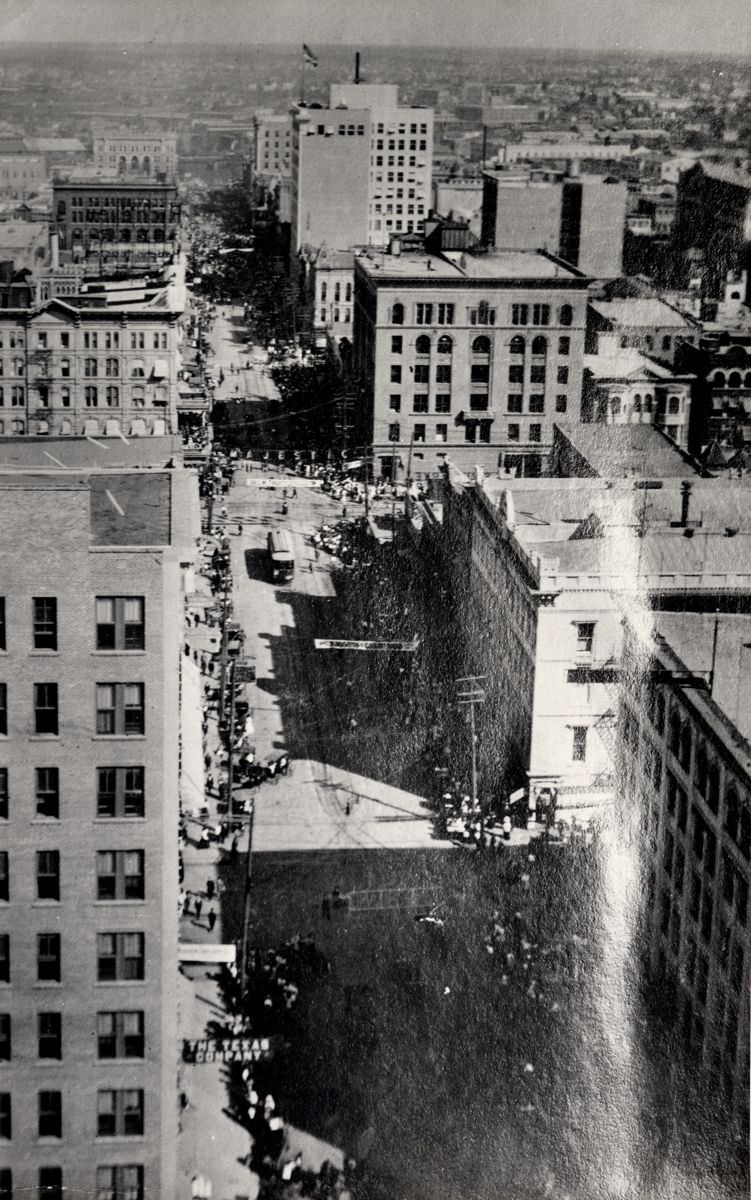
Aerial photographs from 1920 show a downtown that was dense but still low to the ground — a city on the edge of a vertical leap. Within a few years, that would change dramatically. Houston’s population nearly doubled during the 1920s, and the built environment had to keep up. New neighborhoods spread outward while new buildings climbed upward, and the result was a city that looked almost unrecognizable compared to just a decade earlier.
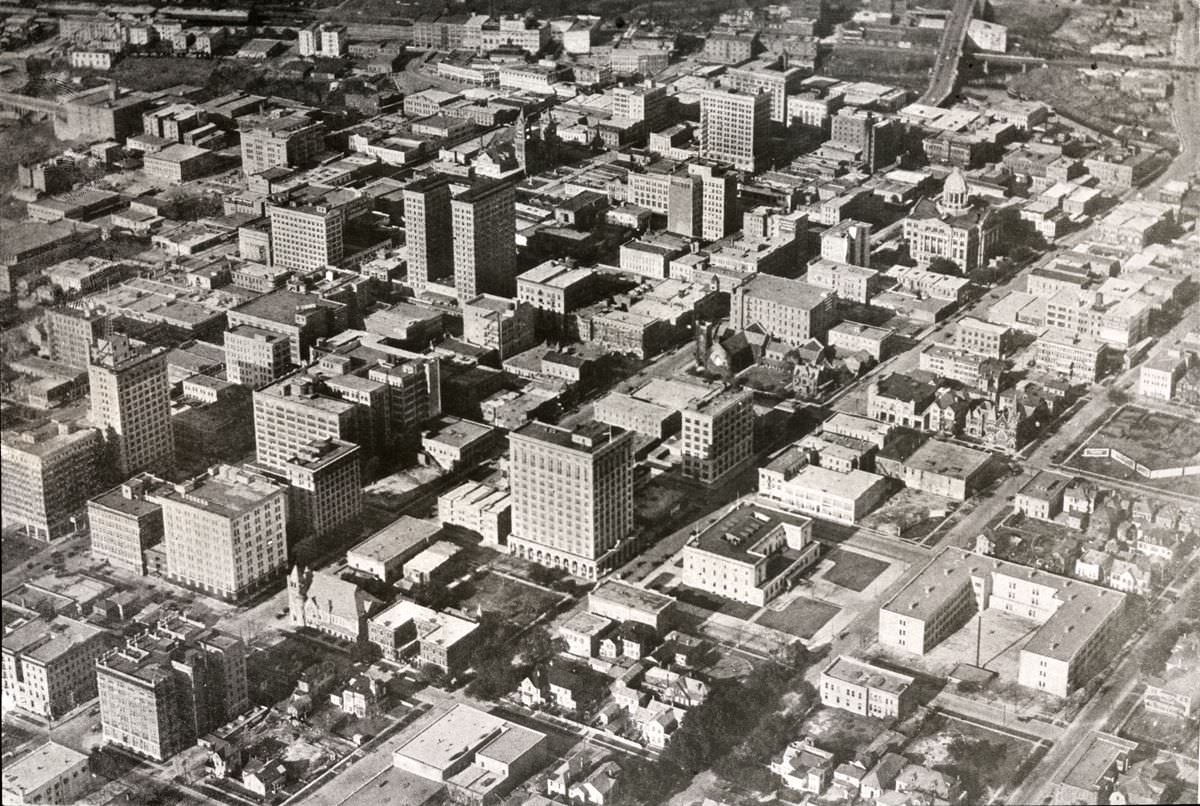
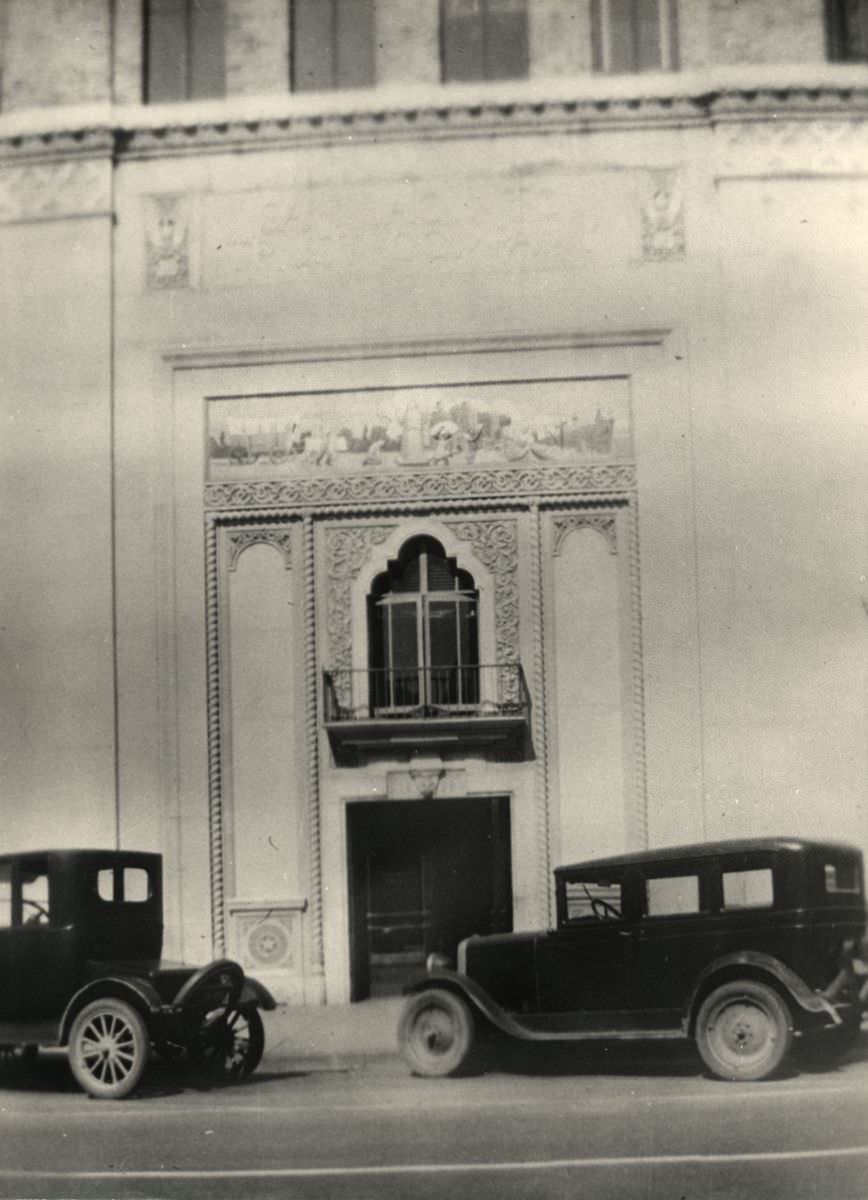
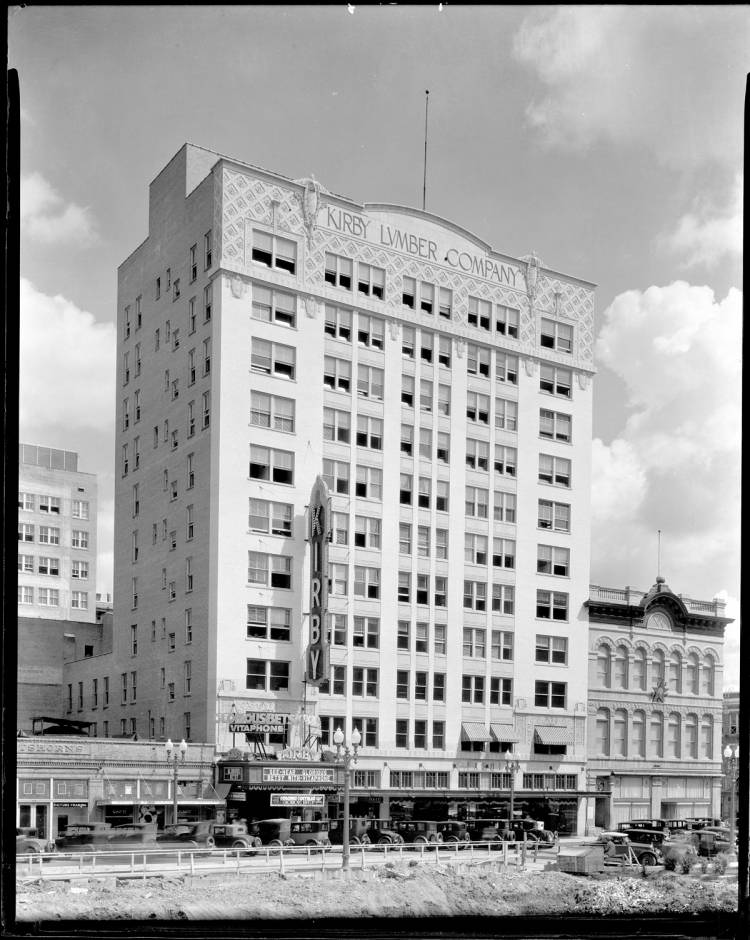
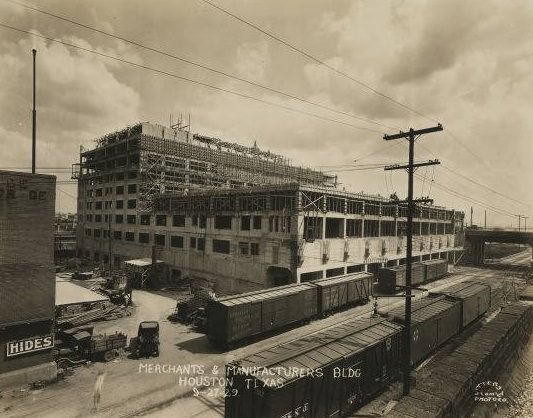
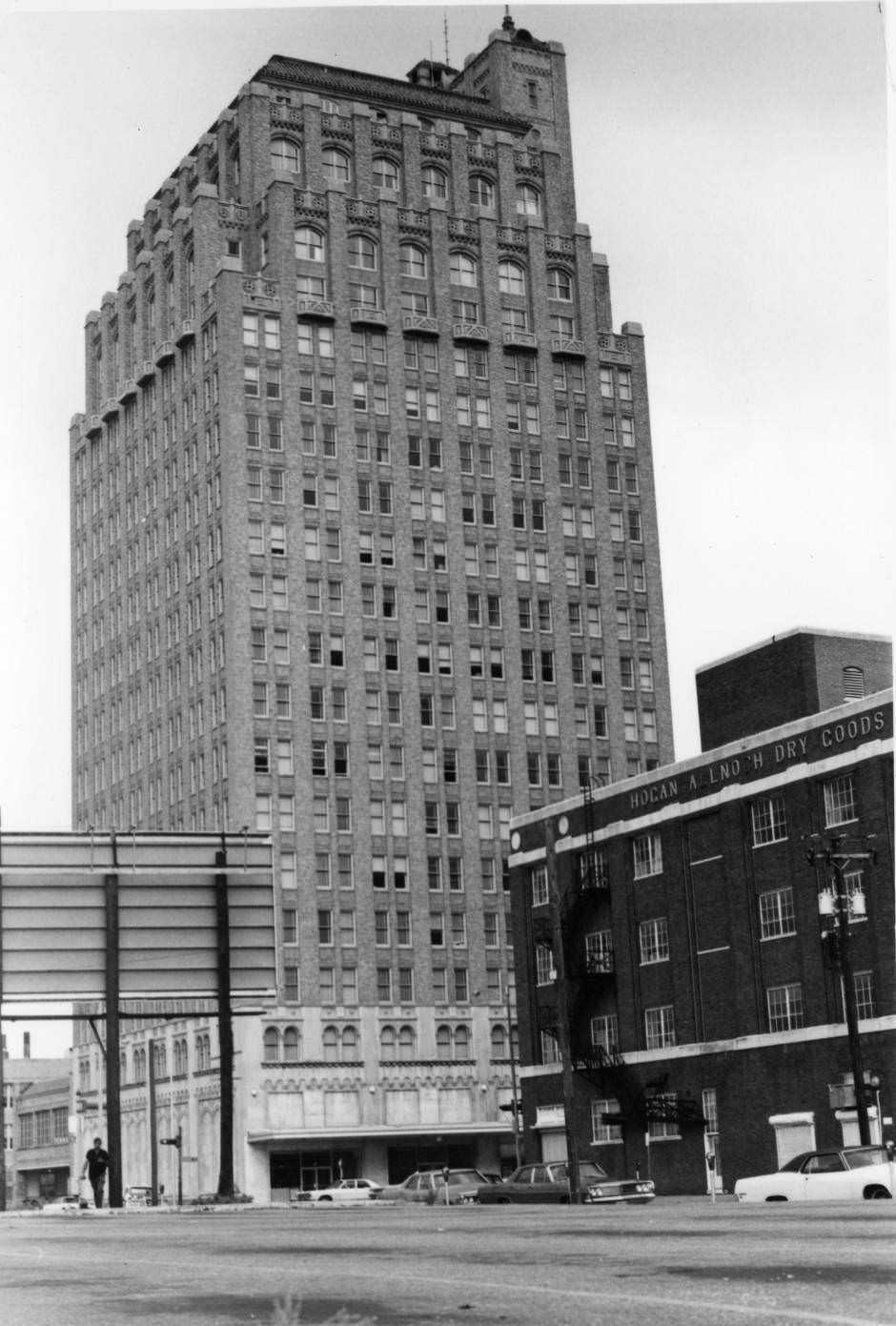
The construction boom was relentless. Cranes were a fixture on the Houston skyline throughout the decade. Developers threw up residential blocks, commercial strips, and civic landmarks in rapid succession. Art deco design became the visual language of Houston’s ambition, showing up in ornate facades, decorated doorways, and towers that announced the city’s prosperity to anyone passing by.
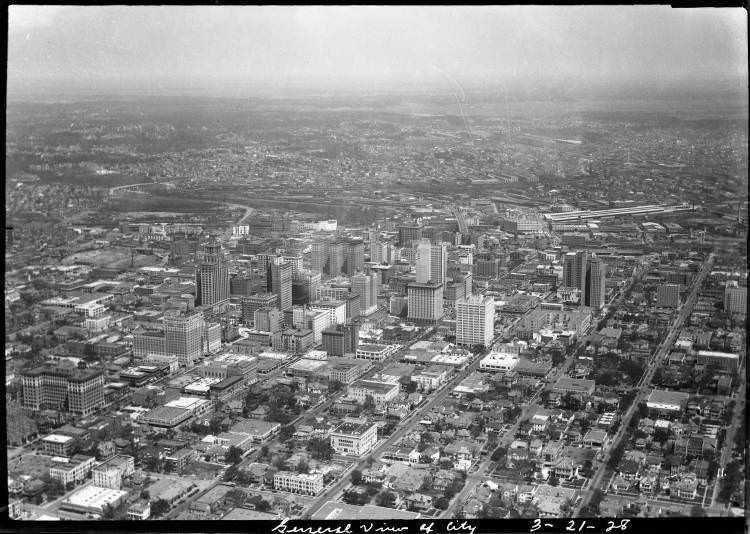
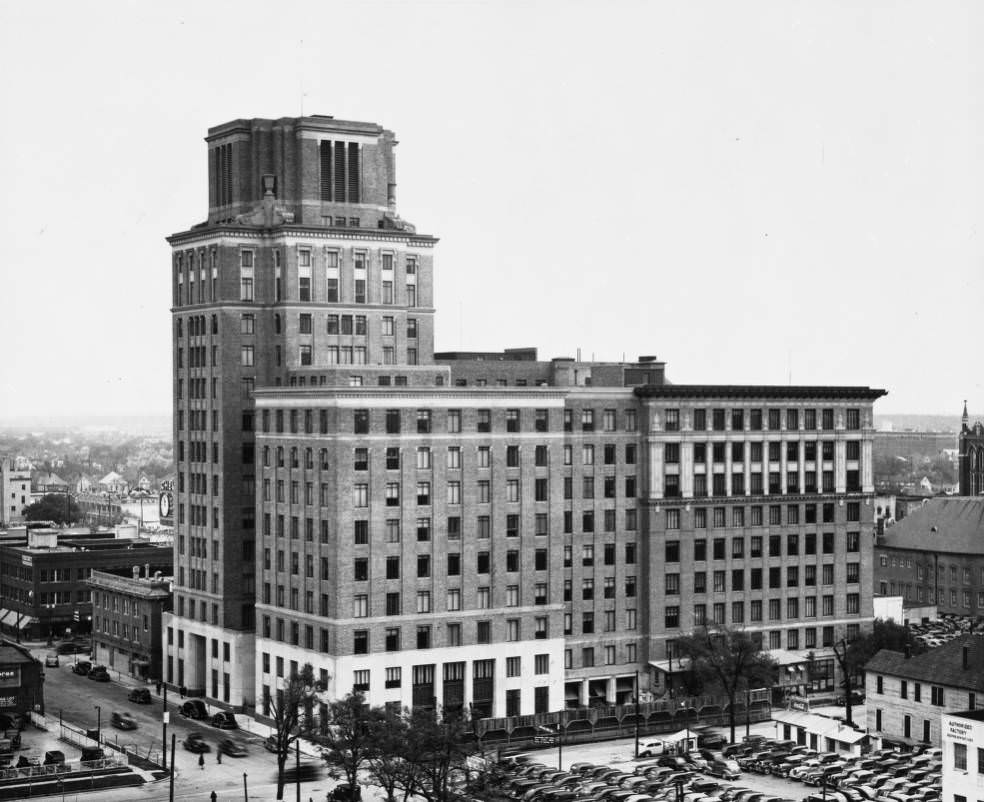
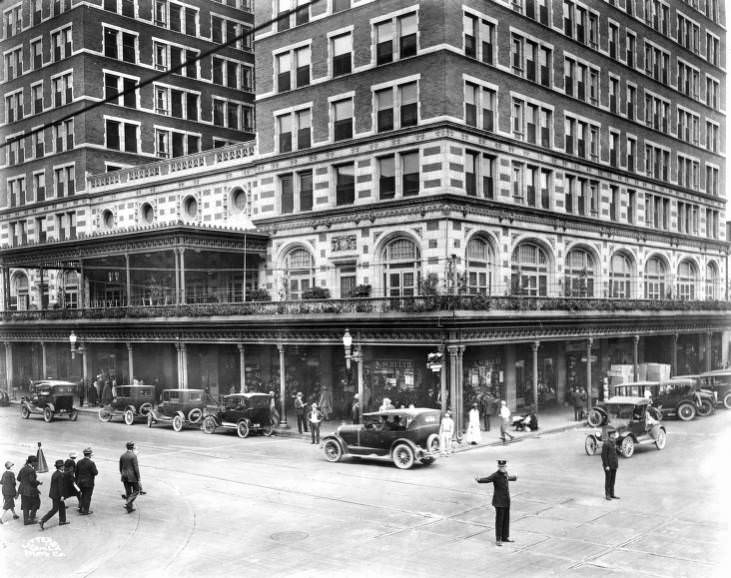
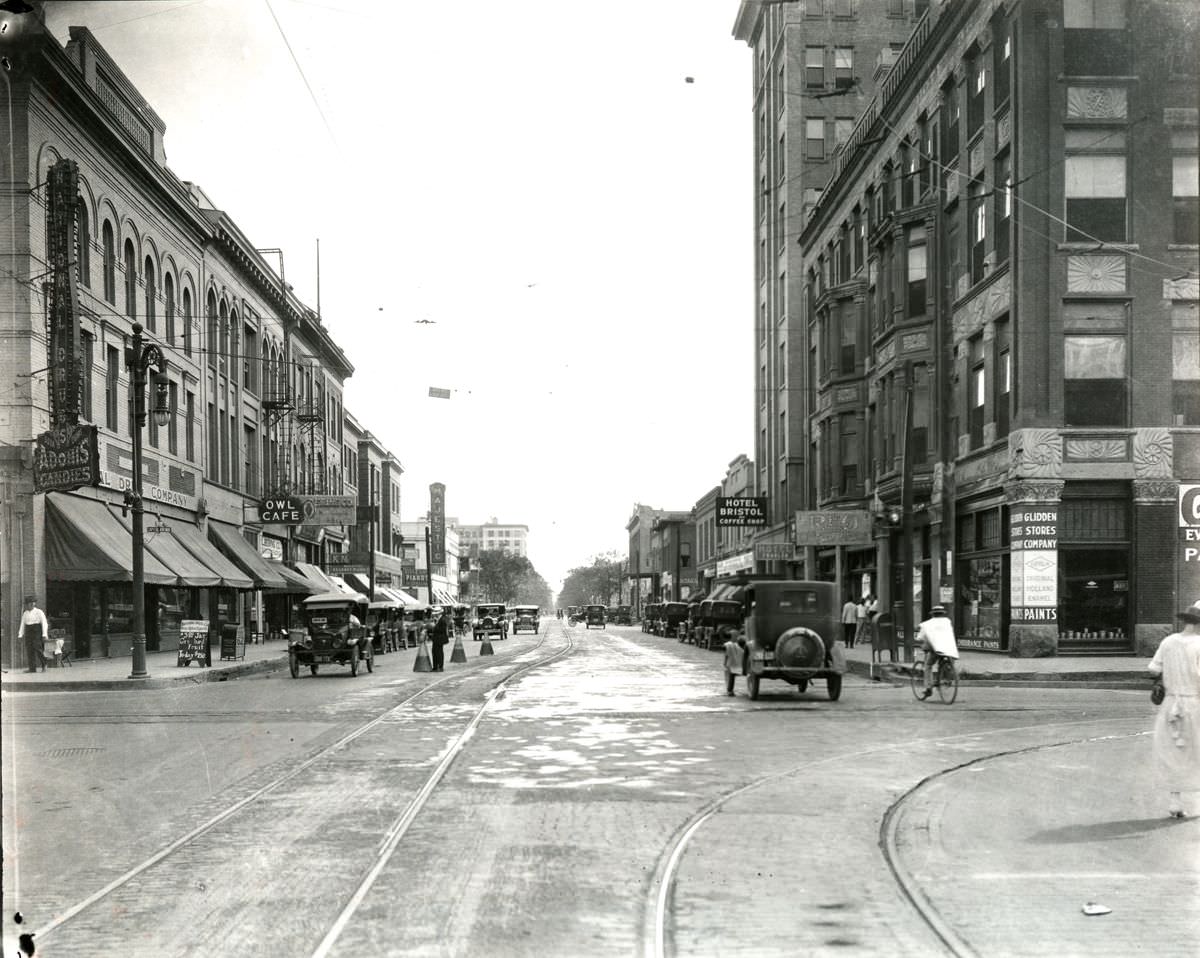
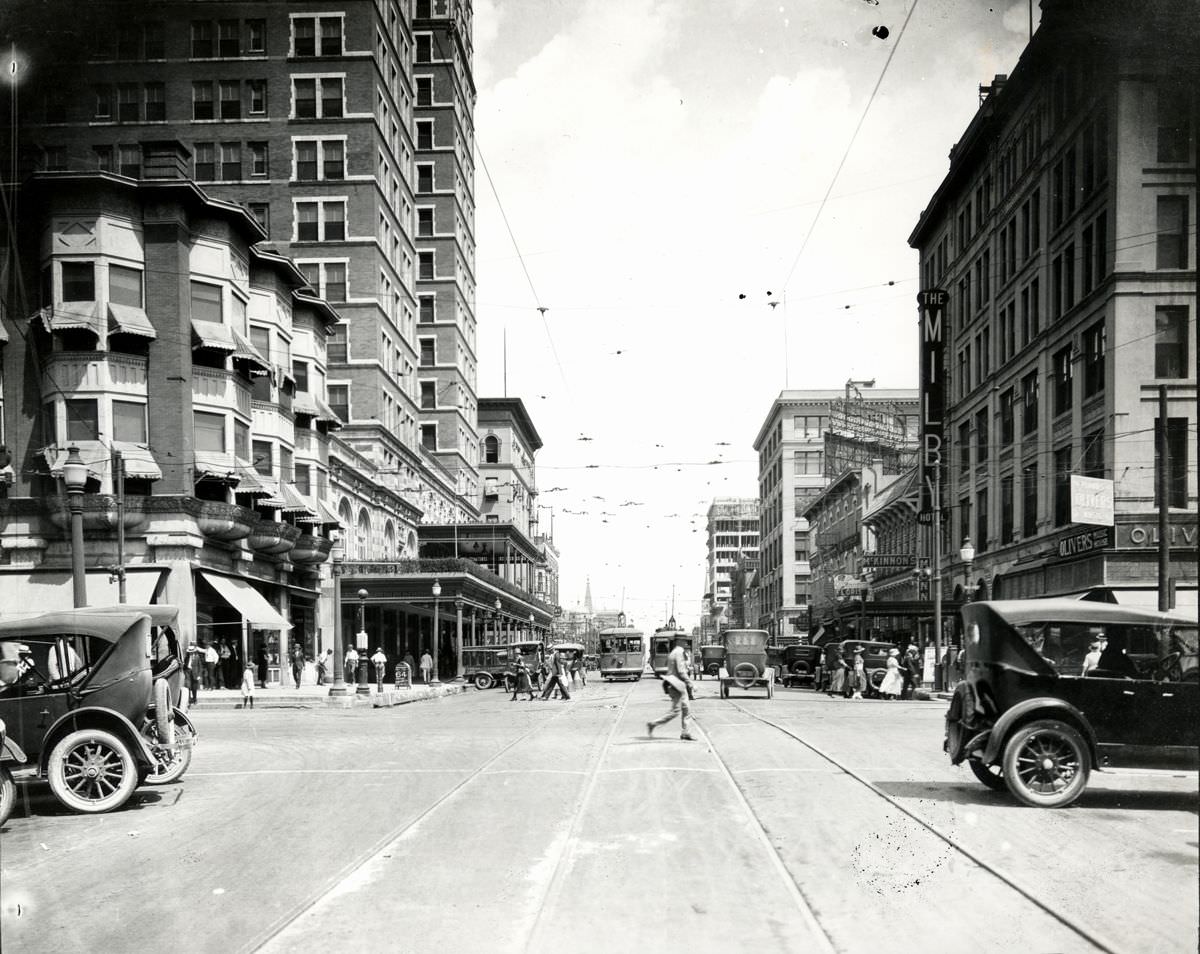
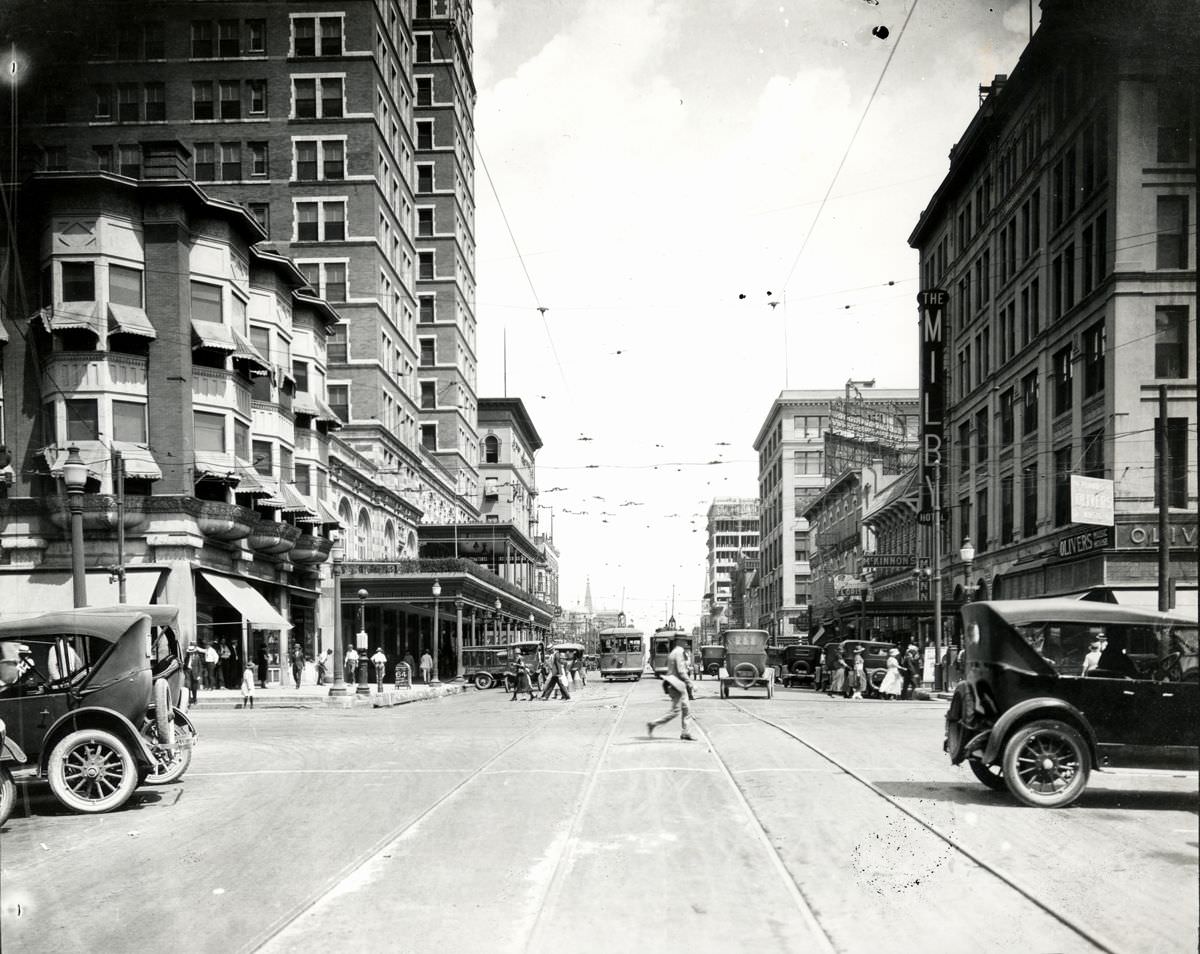
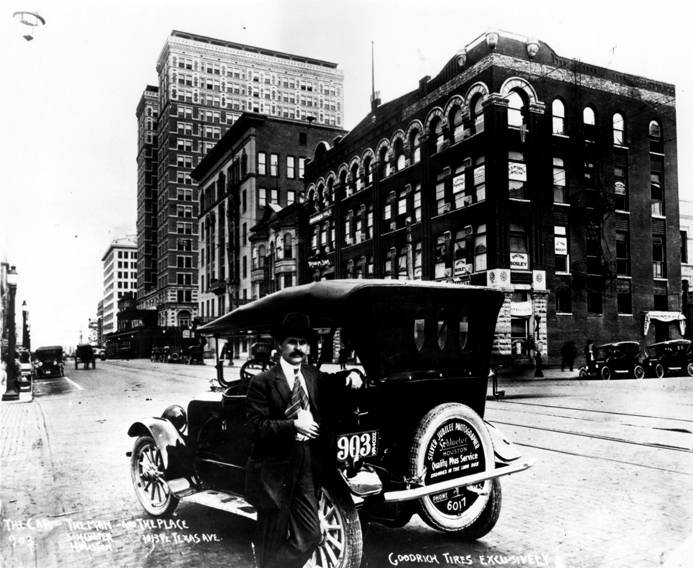
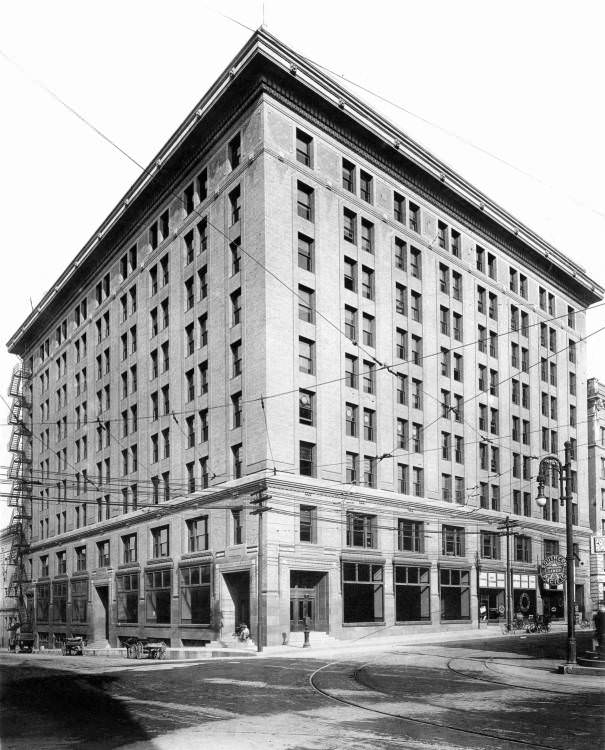
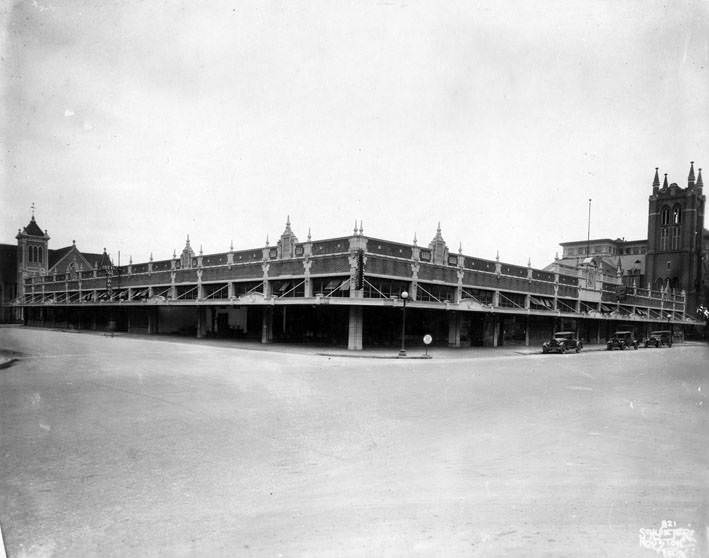
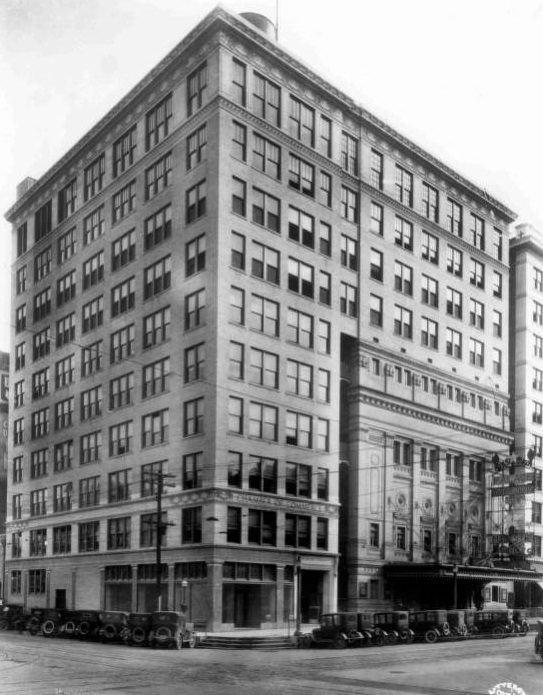
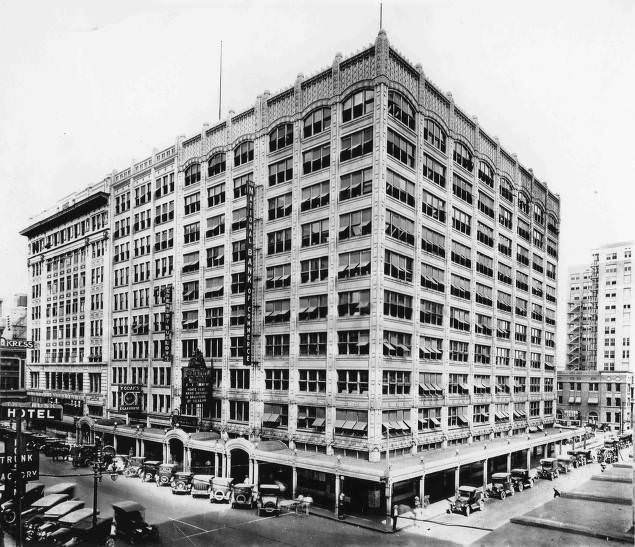
Main Street was the commercial spine of the city. By the mid-1920s, it was lined with automobiles, storefronts, and buildings that competed for attention. The Rice Hotel stood as one of the most recognized addresses in town, a symbol of what Houston money could build. The Niels Esperson Building, completed in 1927, became another landmark — one of the tallest buildings in Texas at the time and a statement of how seriously Houston took its own future.
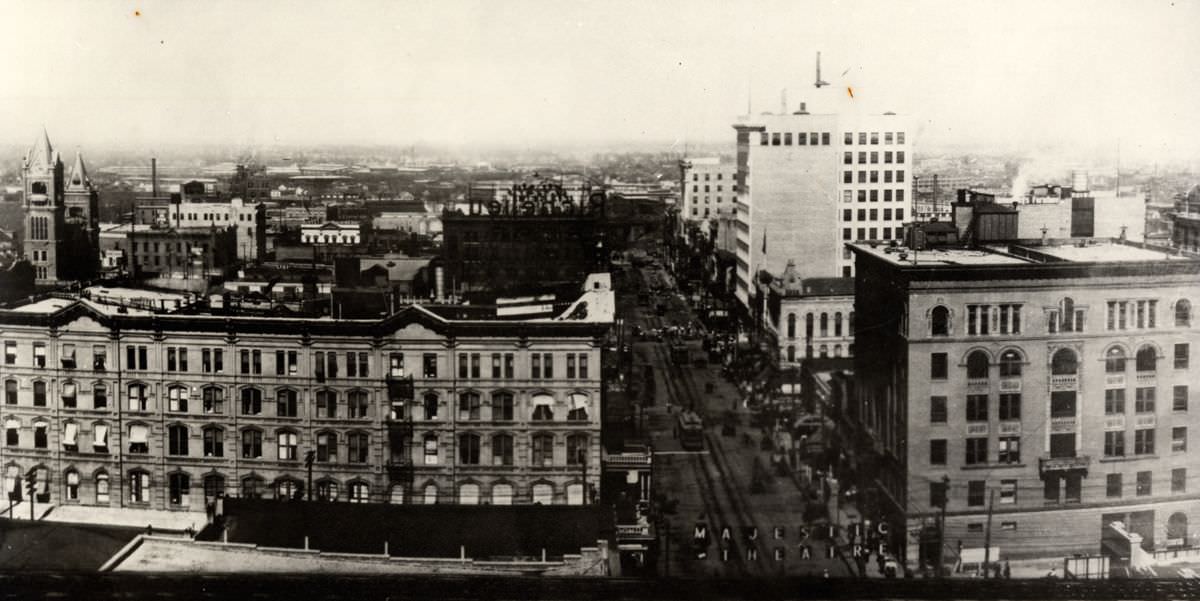
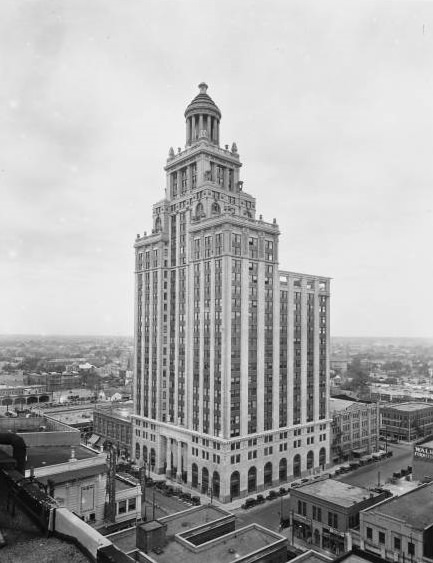
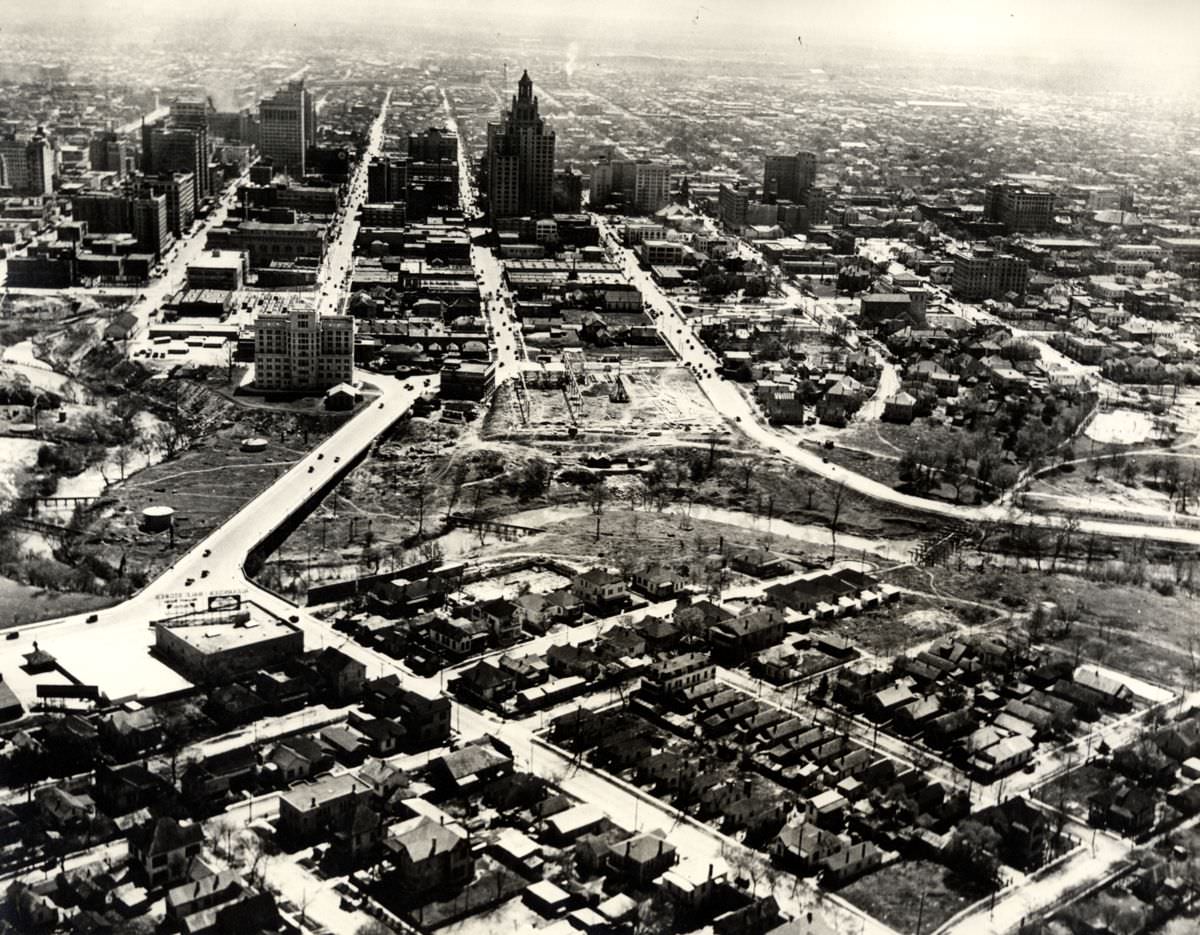
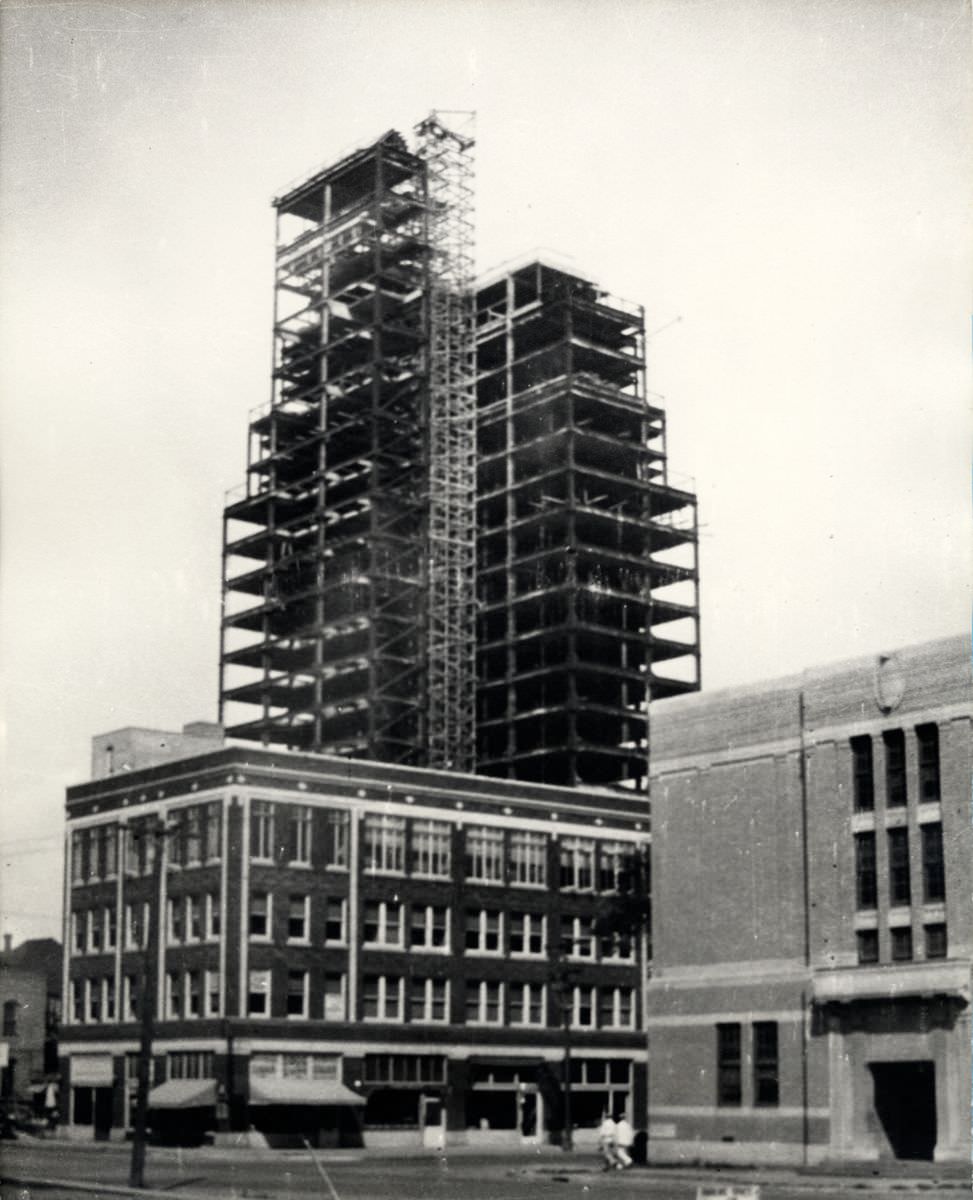
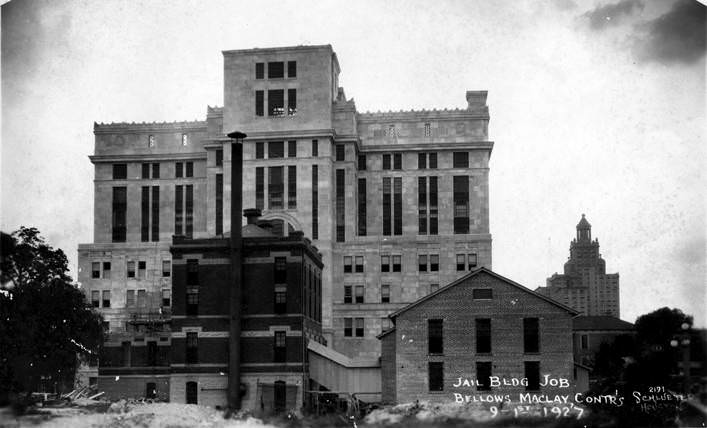
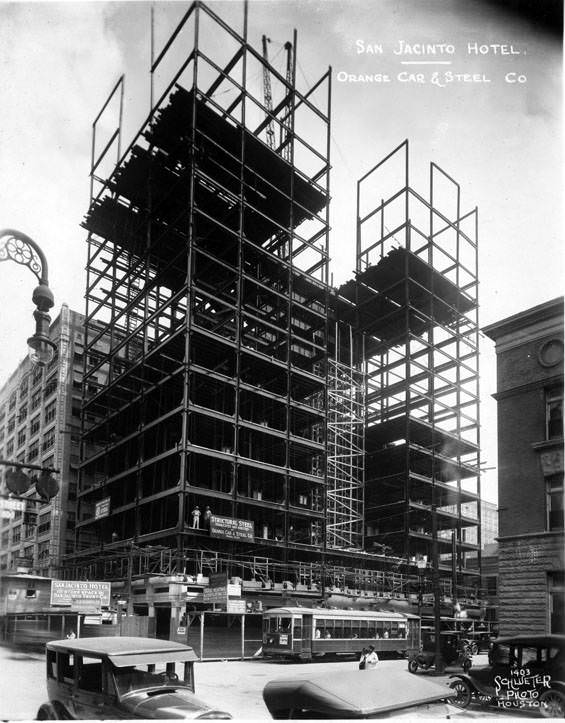
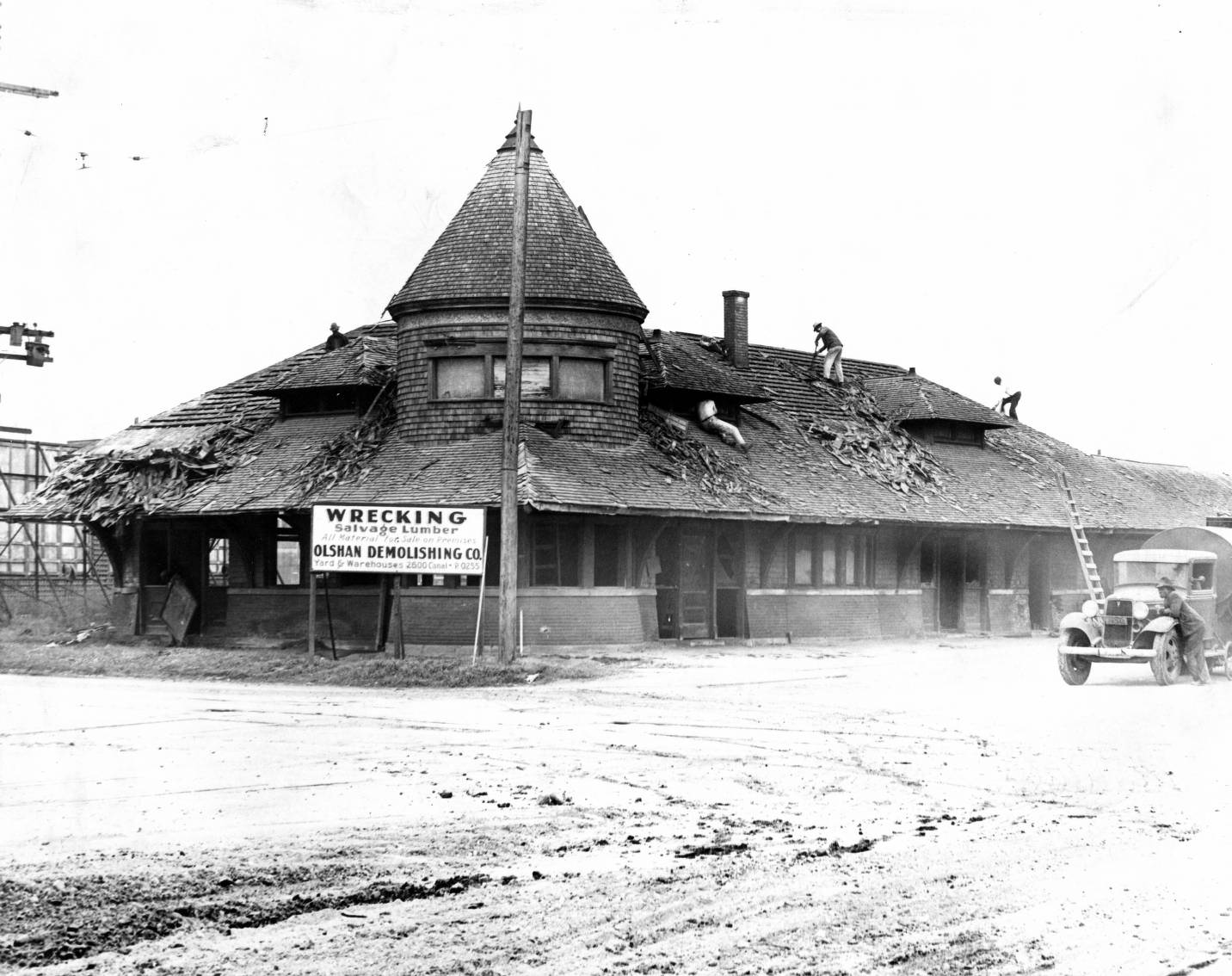
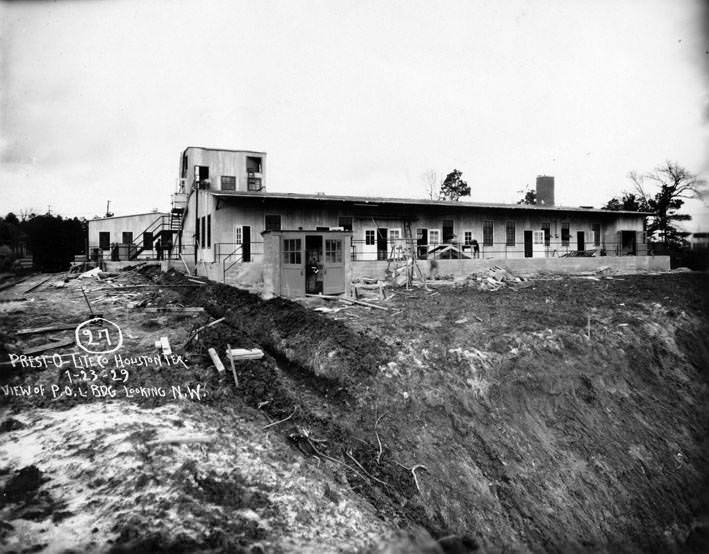
Construction sites were everywhere. Photographs from 1926 and 1927 show towers mid-rise, scaffolding draped over steel frames, and workers shaping the city block by block. The San Jacinto Hotel went up in 1926. The Neils Esperson Building was photographed under construction on September 1, 1927, alongside neighboring structures also climbing skyward. Demolition crews were equally busy — old buildings came down to make room for what the new decade demanded.
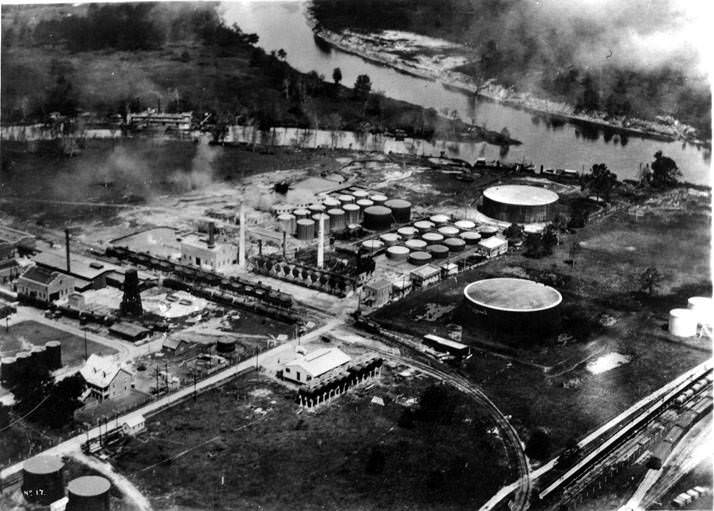
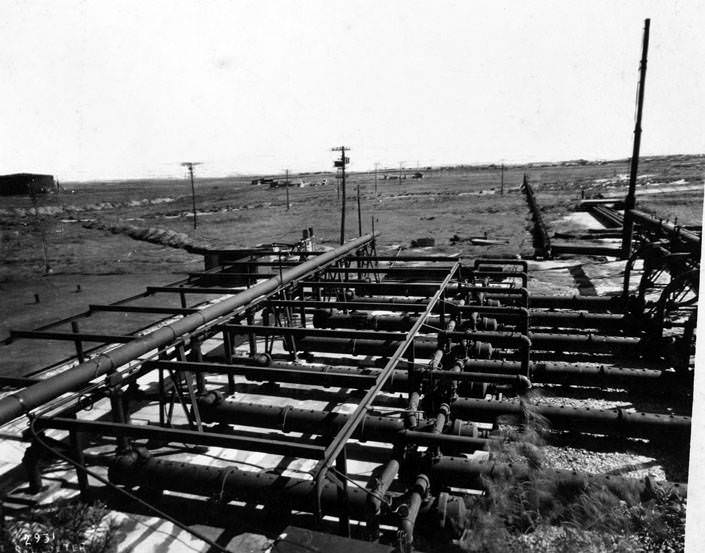
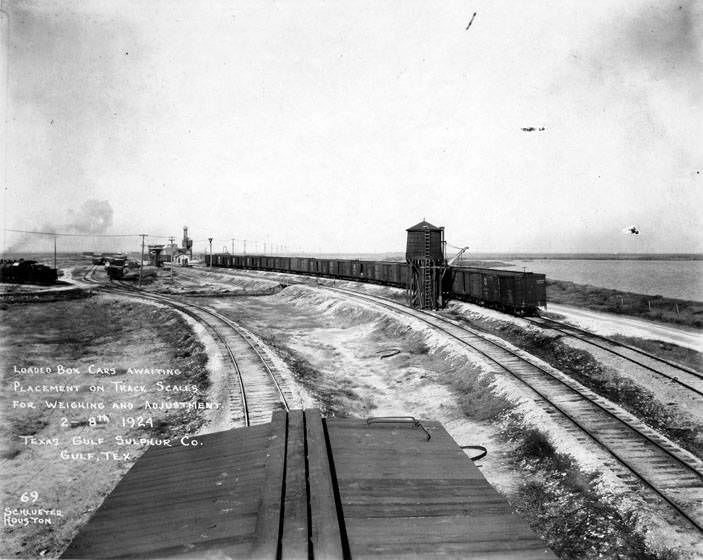
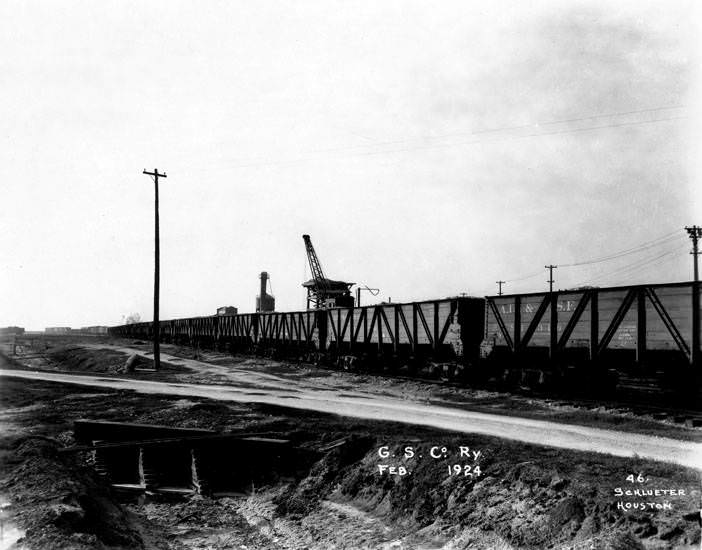
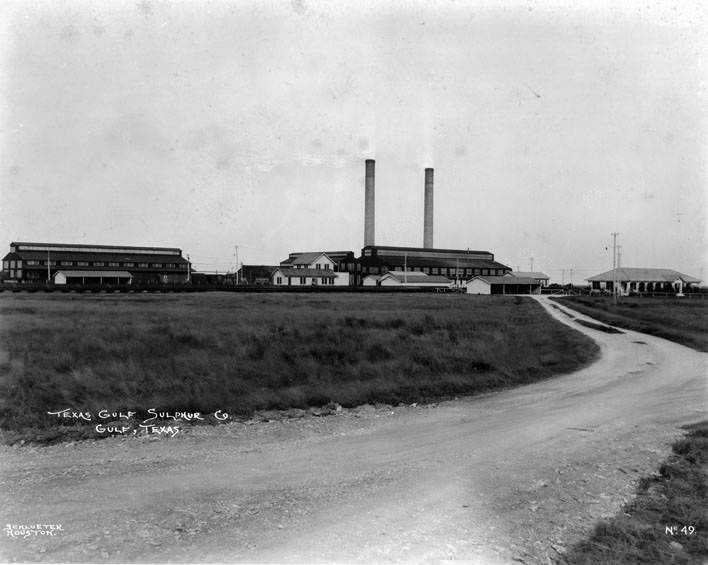
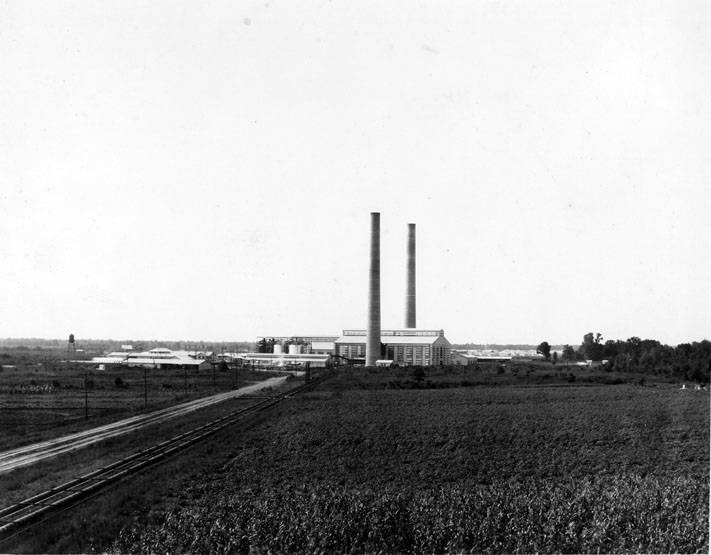
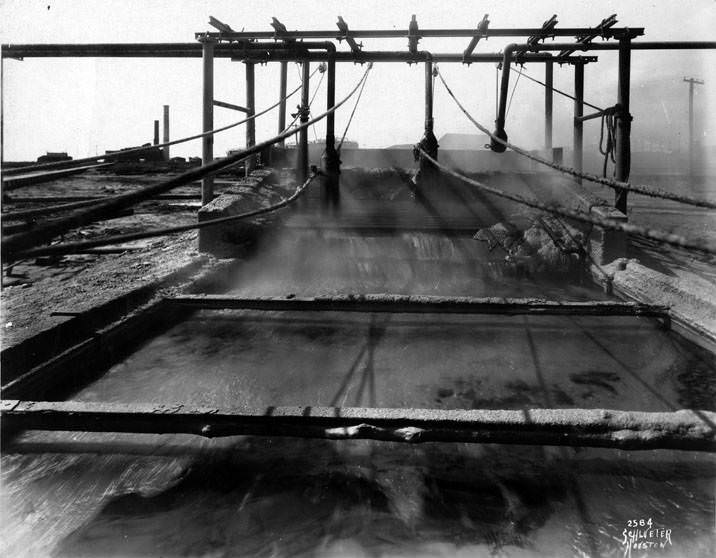
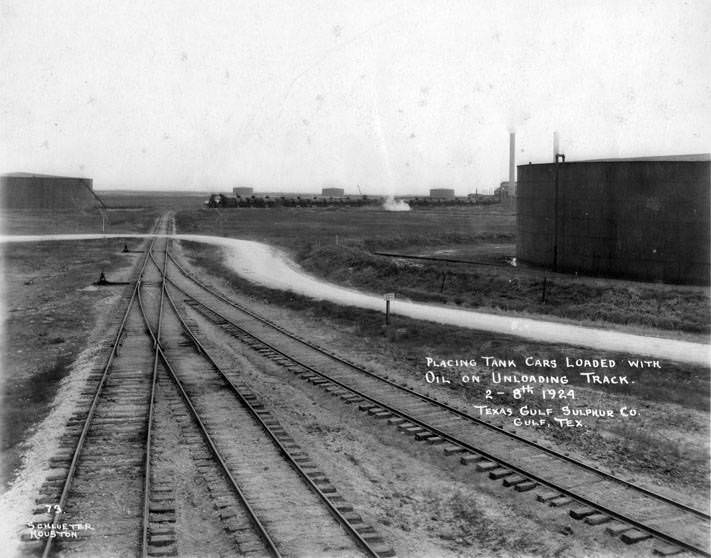
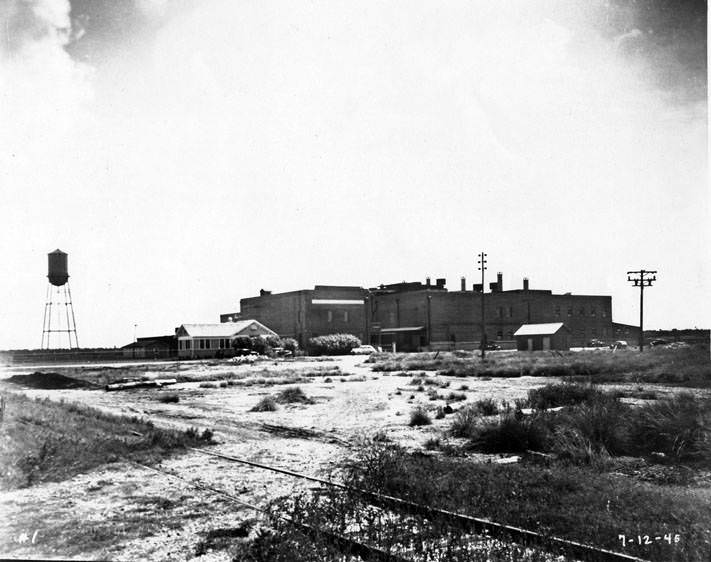
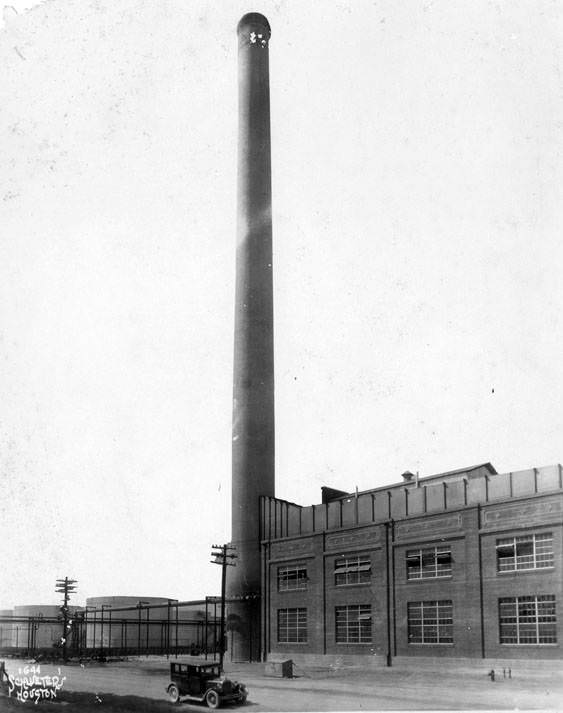
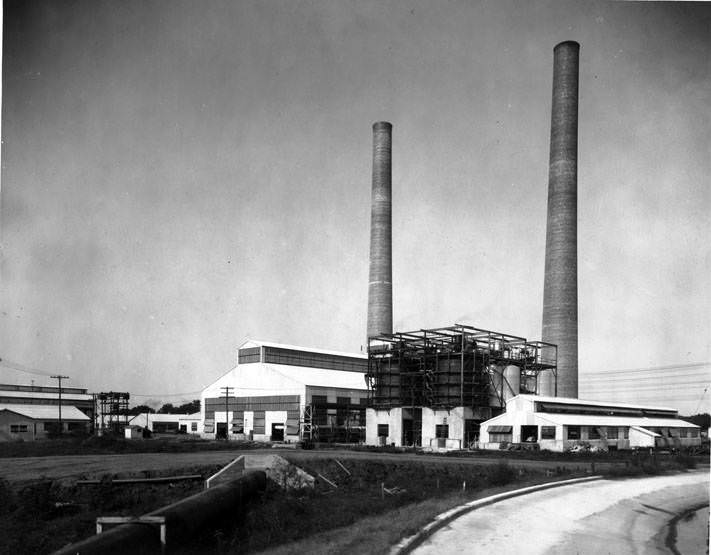
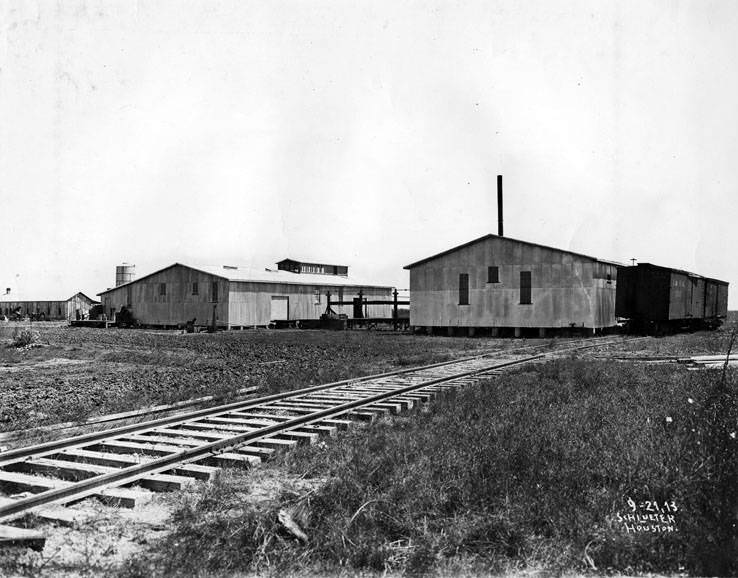
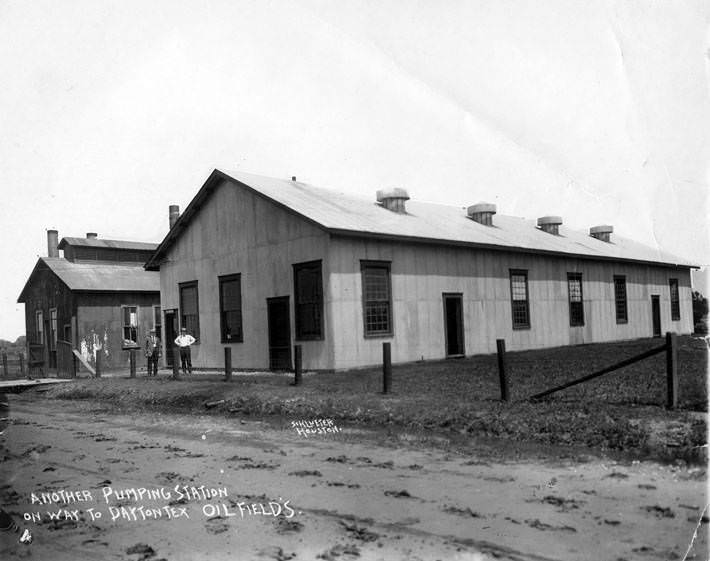
The oil industry was the engine behind all of it. The Deepwater Oil Refinery and operations like the Texas Gulf Sulphur Company kept rail lines packed with tank cars and box cars moving product across the state. Photographs from February 1924 show the Texas Gulf Sulphur facility in full operation — long rows of loaded railcars, industrial buildings, and the heavy infrastructure of extraction and processing that fed Houston’s economy.
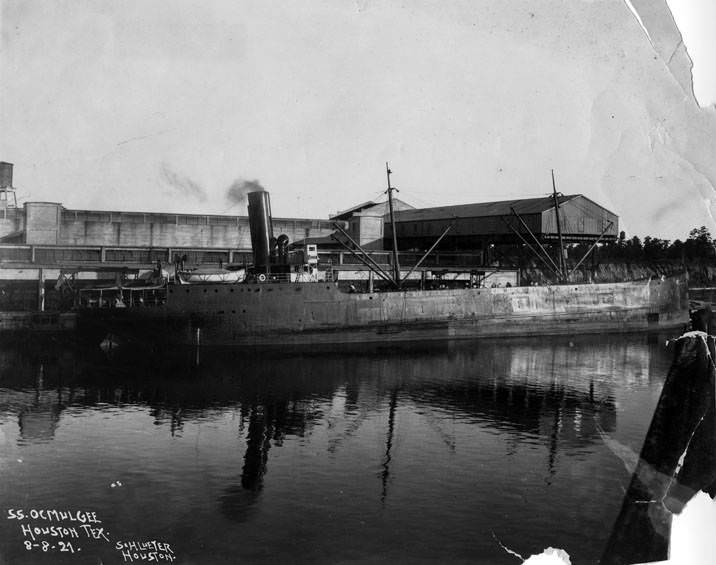
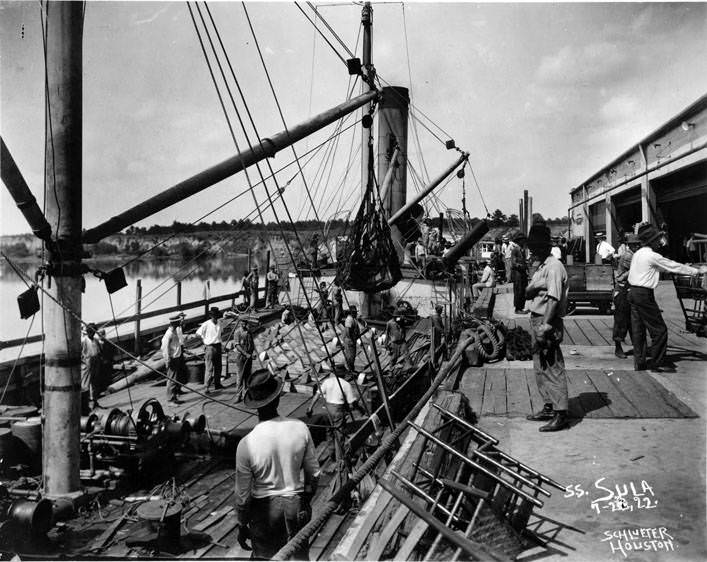
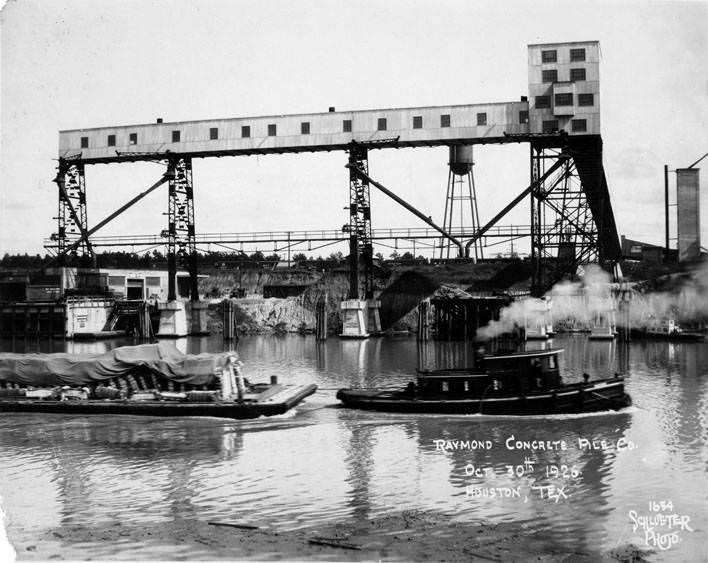
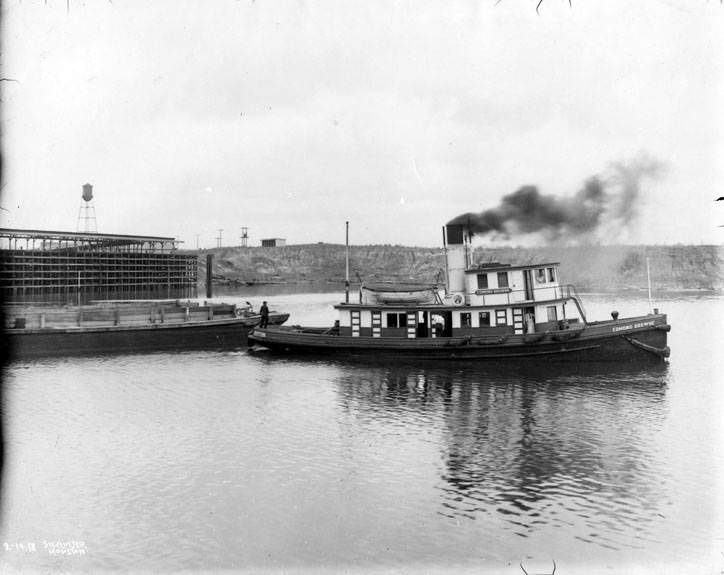
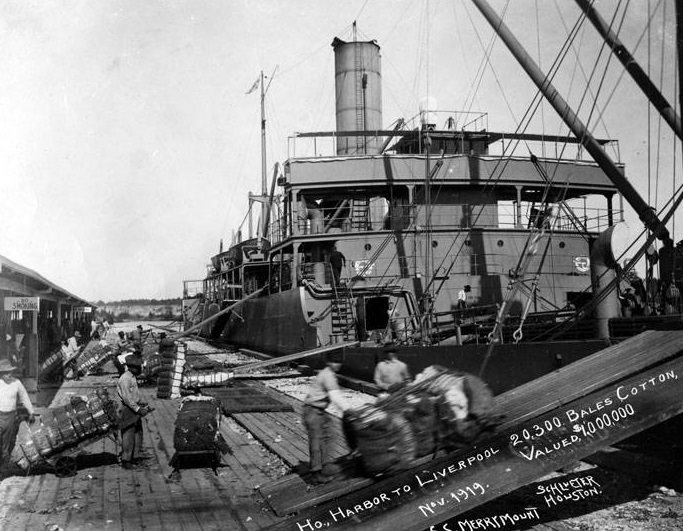
The Houston Ship Channel was central to the city’s identity. Ships docked at the Port of Houston to load and unload cargo throughout the decade, with tugboats pulling barges through the channel in a constant rhythm of commerce. The S.S. Ocmulgee was docked there in 1921. By 1926, tugboats and loaded barges were a common sight, photographed by locals who understood they were watching something historically significant.
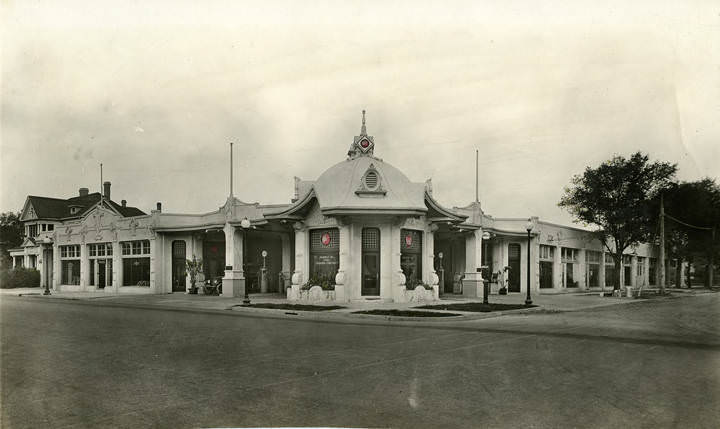
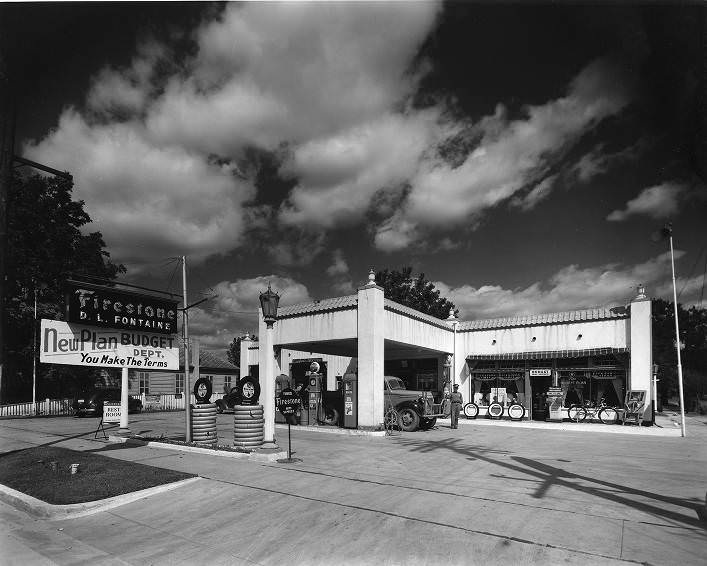
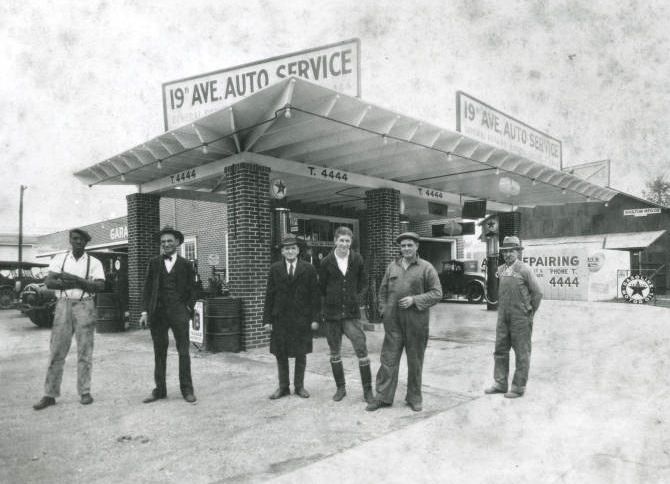
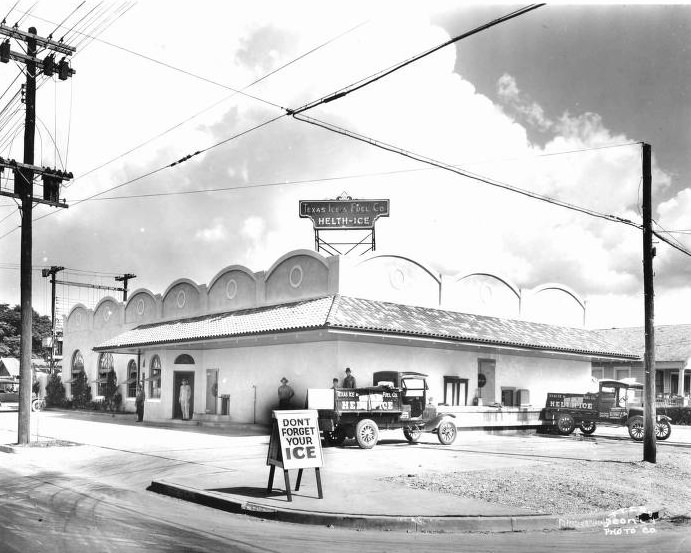
Humble Oil’s presence extended beyond the refinery. Its filling stations appeared across the city, serving a growing population of car owners who needed fuel for the automobiles now crowding streets like Main and Travis. The 19th Avenue auto service station and the Fontaine Service Station captured in photographs from the late 1920s show how quickly car culture had embedded itself into daily Houston life.
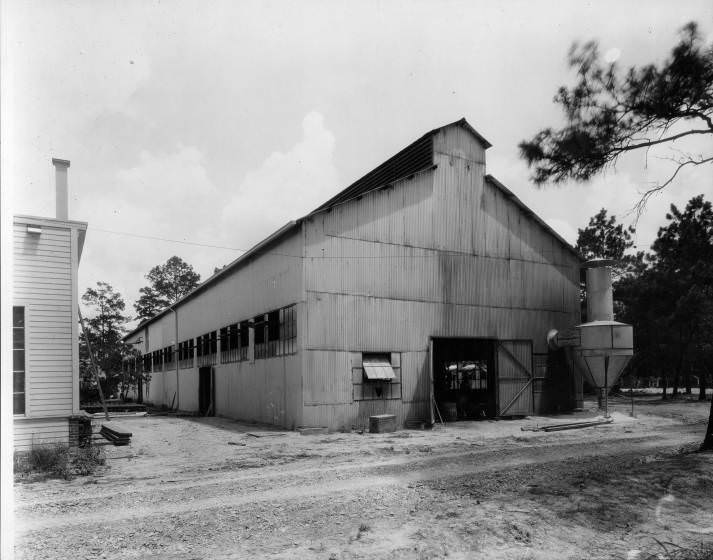
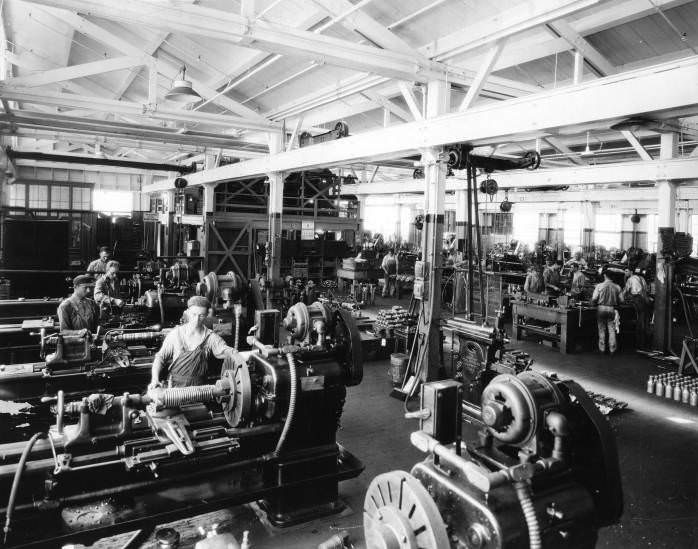
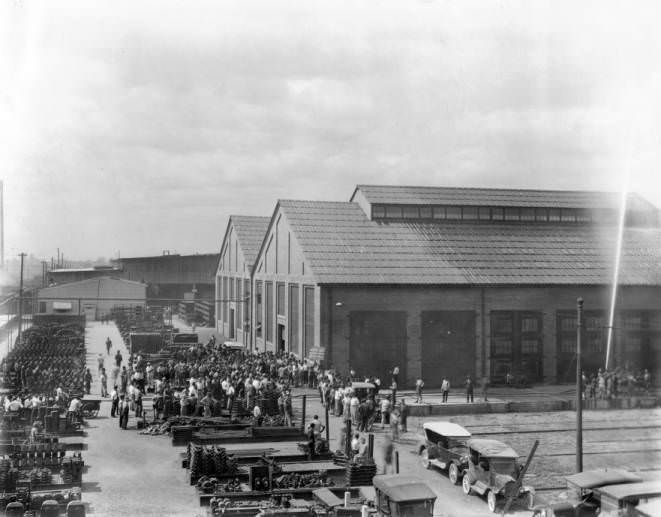
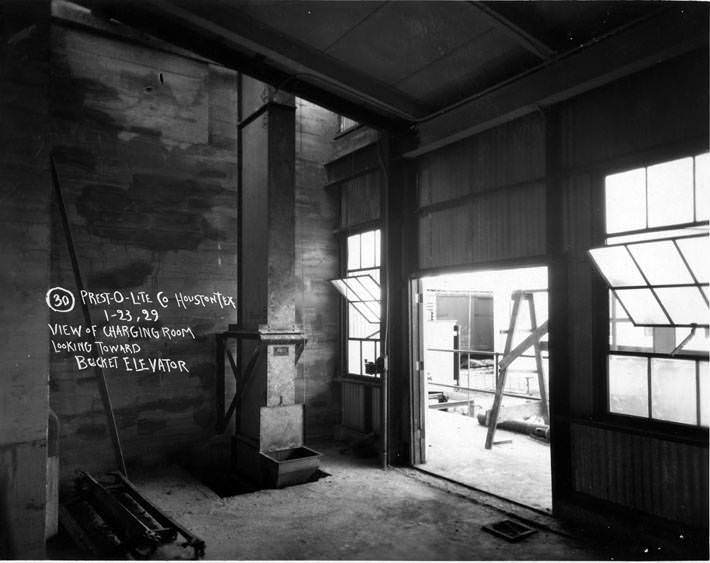
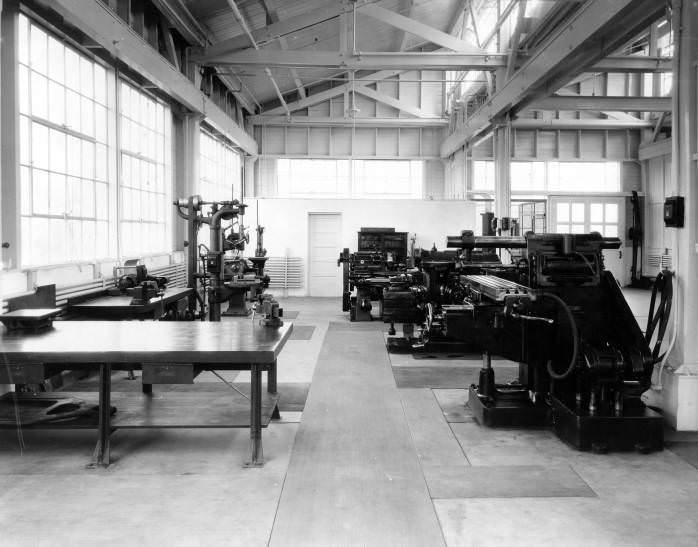
Manufacturing also thrived. Hughes Tool Company, founded by Howard Hughes Sr. with patented oil drill bit technology, ran major operations in Houston throughout the decade. Its heat-treating building, laboratory machine shop, and production floors employed hundreds of workers and supplied equipment to oil operations across the country.
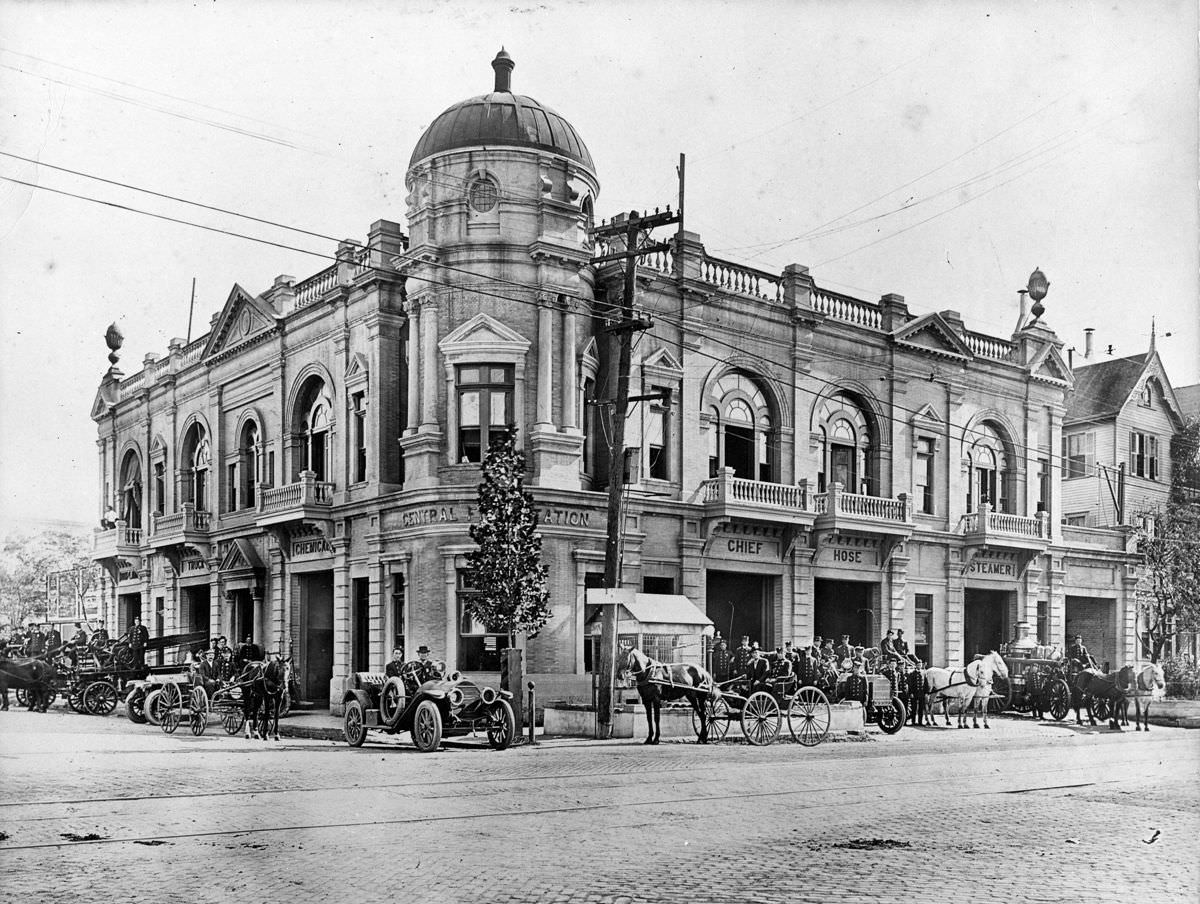
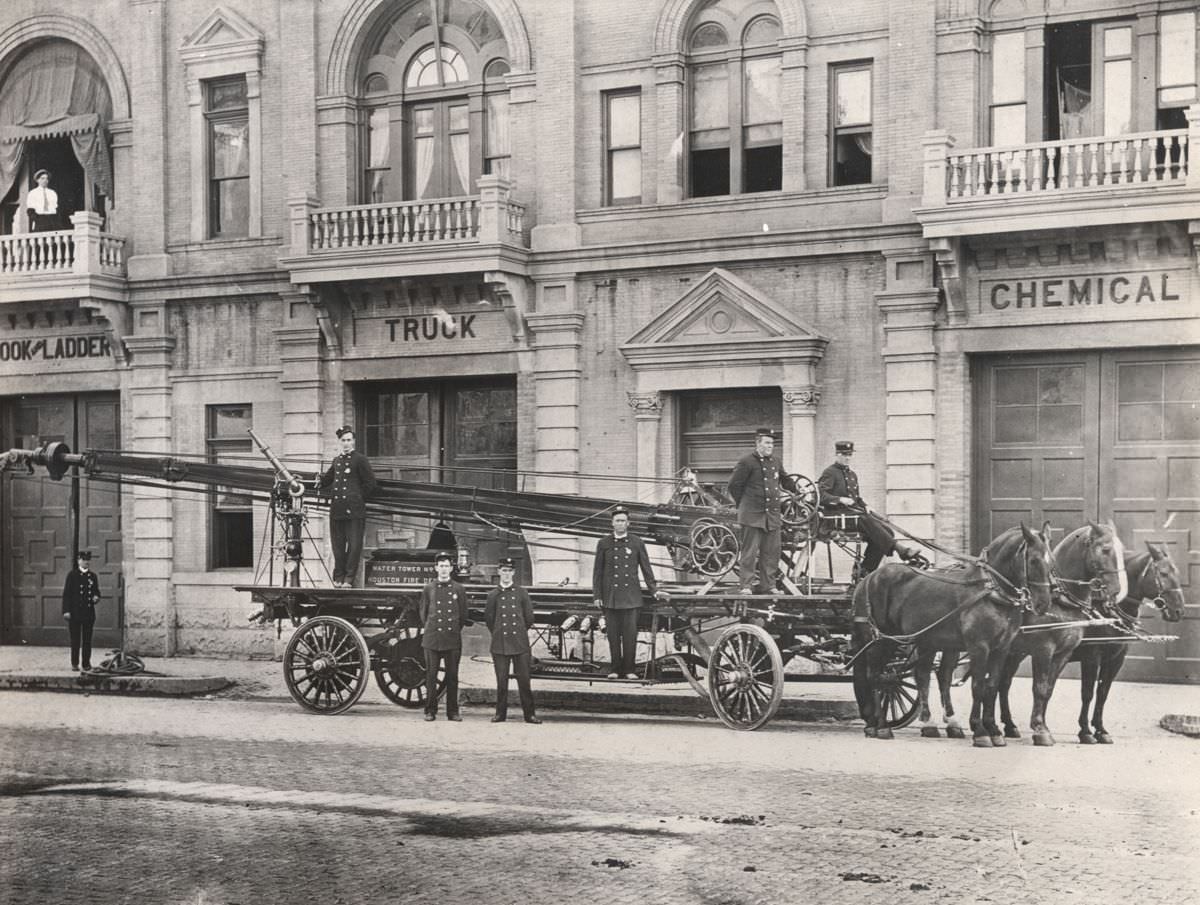
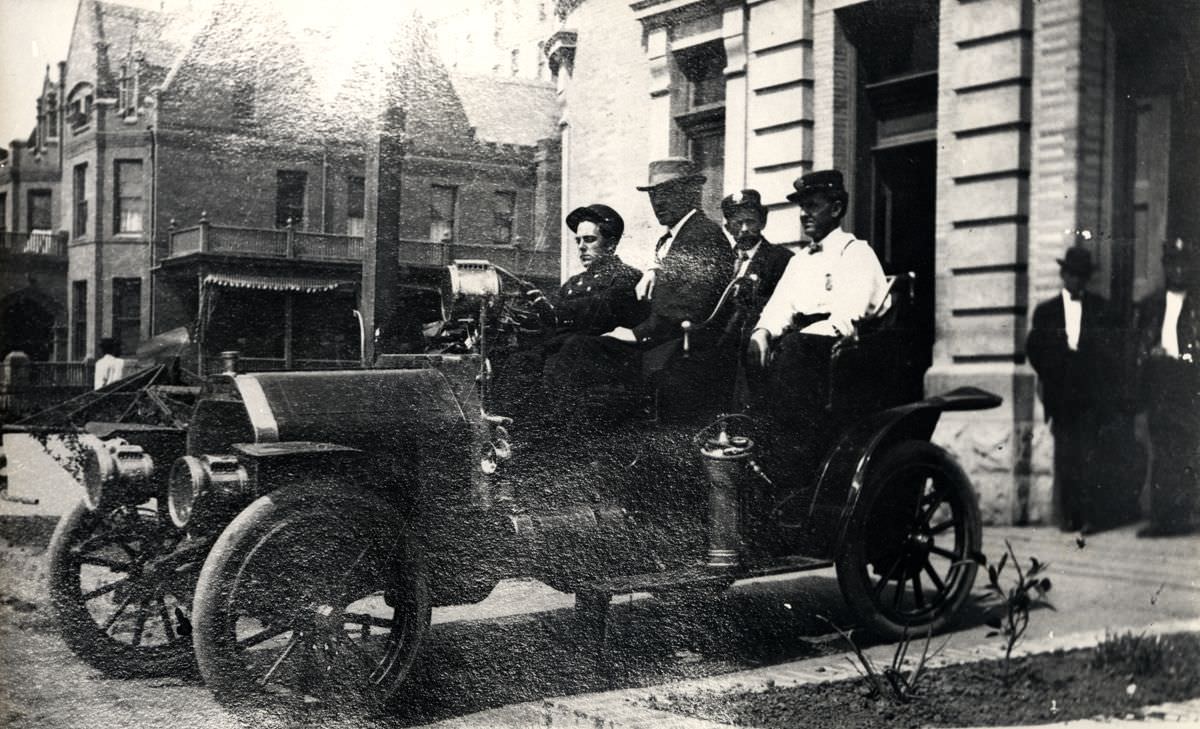
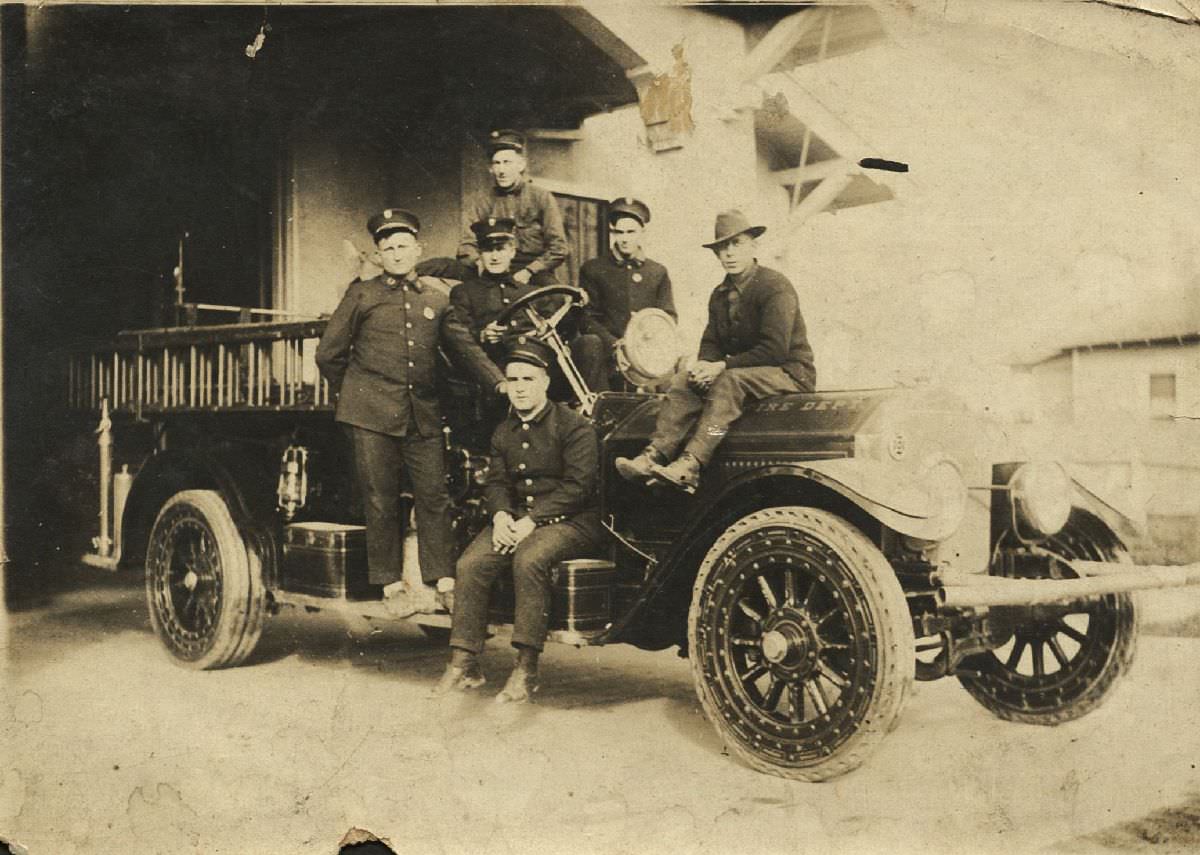
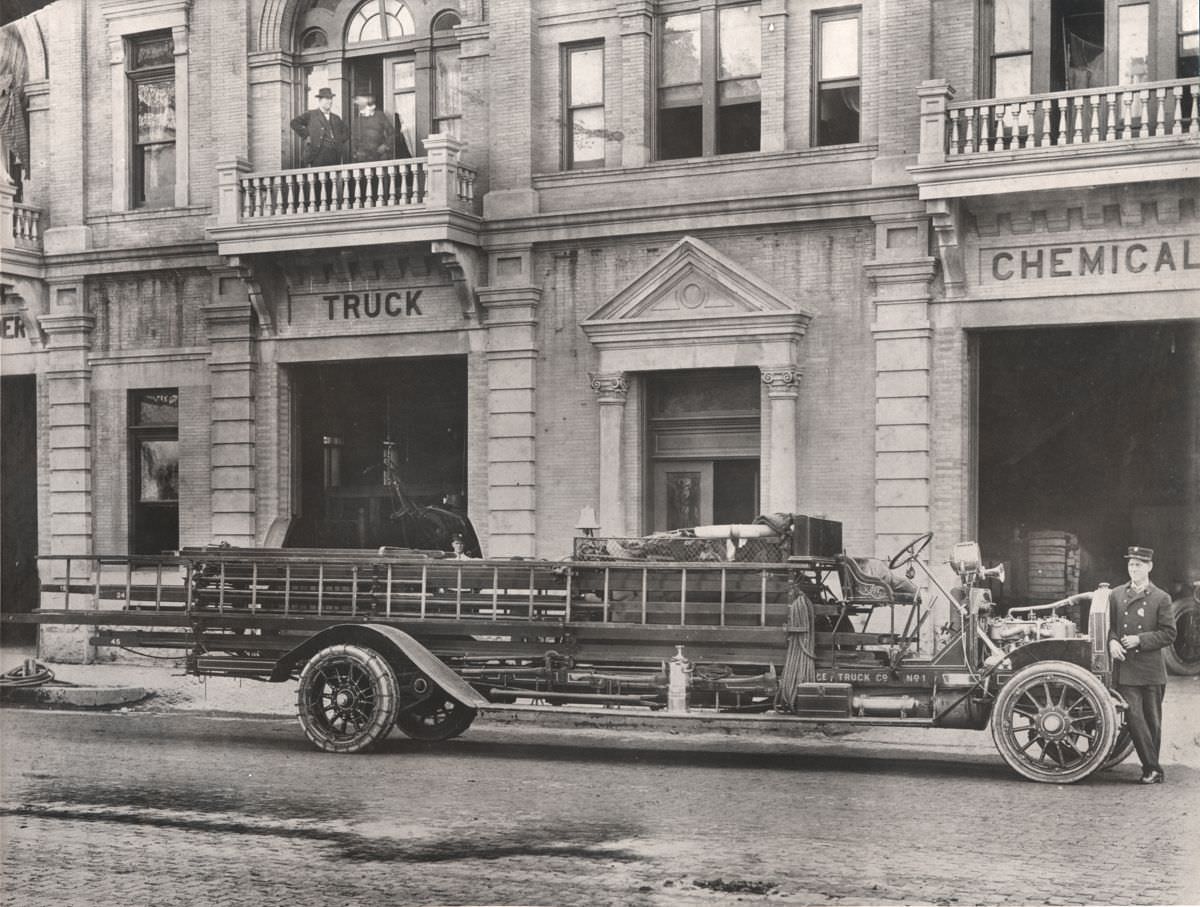
Fire protection grew alongside the city. As new buildings went up and population density increased, the fire department expanded its capabilities. Central Fire Station photographs from 1921 show the department at a transition point — horse-drawn trucks still in use alongside early motorized equipment. By 1923, the fire chief had a dedicated motorized car. Station 12, photographed in 1927, showed a fully modernized crew posed on their engine, including Vernon Dorsett standing far left.
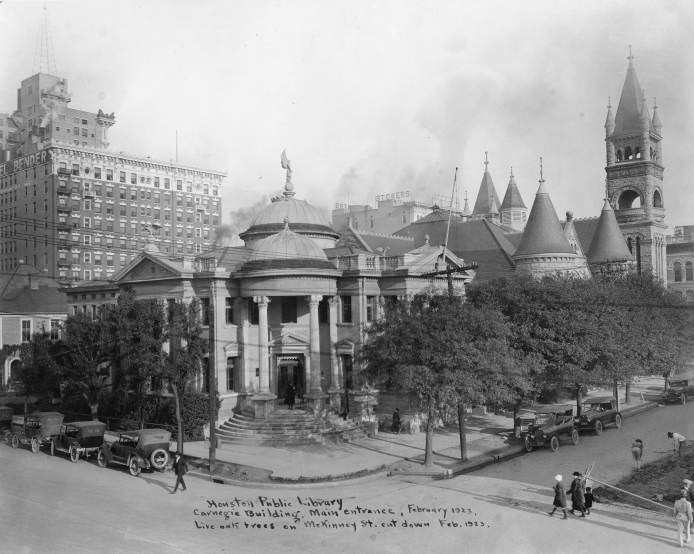
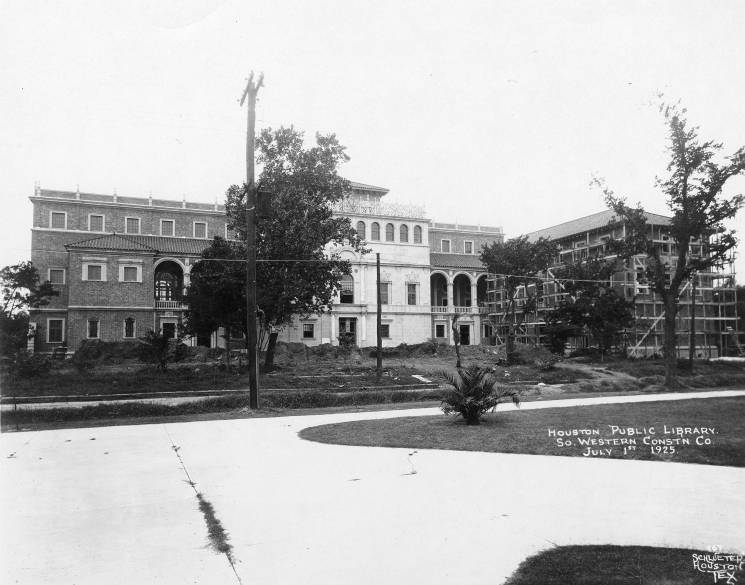
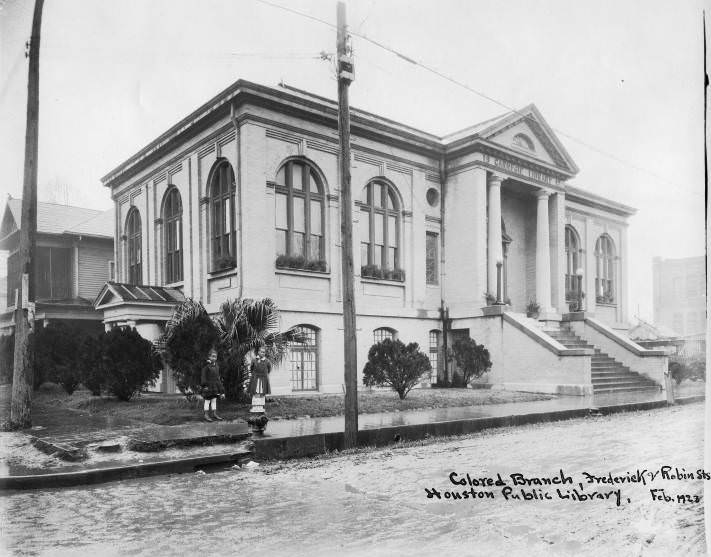
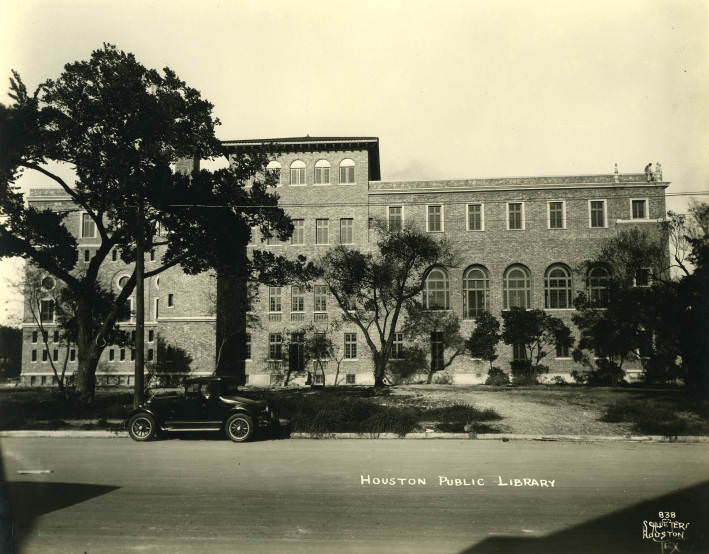
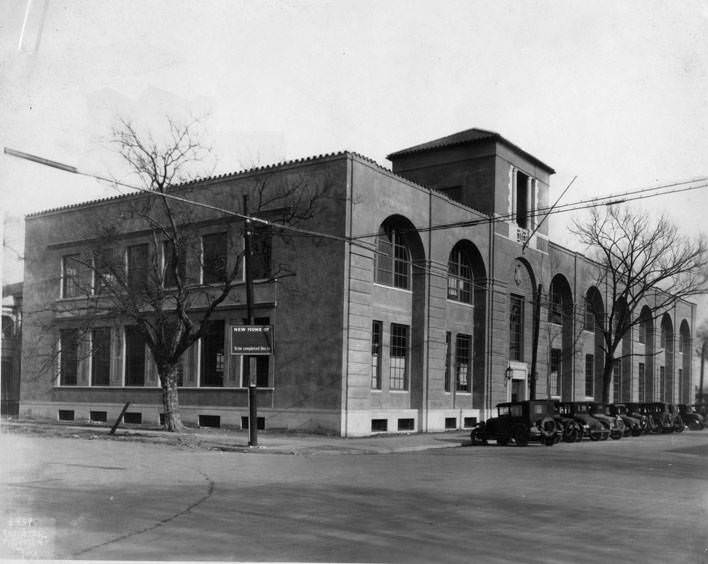
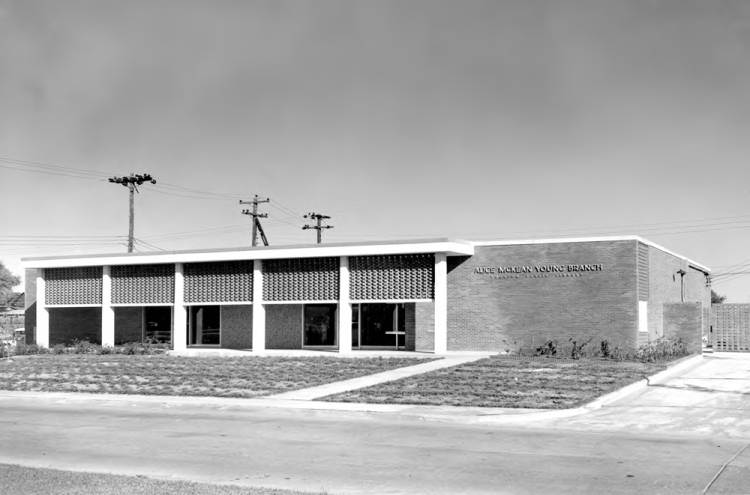
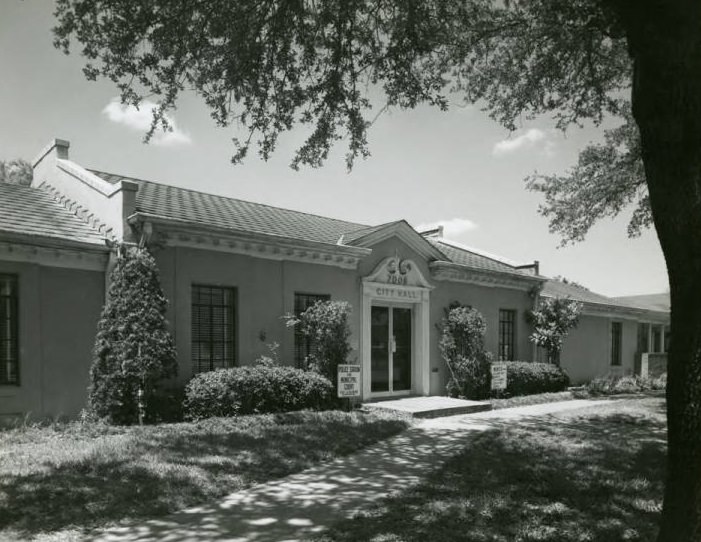
Public institutions kept pace with population growth. The Houston Public Library expanded its reach, operating from its Carnegie Building and eventually opening branch locations. In 1928, the Colored Branch of Houston Public Library was established to serve Black Houstonians who were excluded from the main library under racial segregation. The Young Neighborhood Library provided access in other parts of the city.
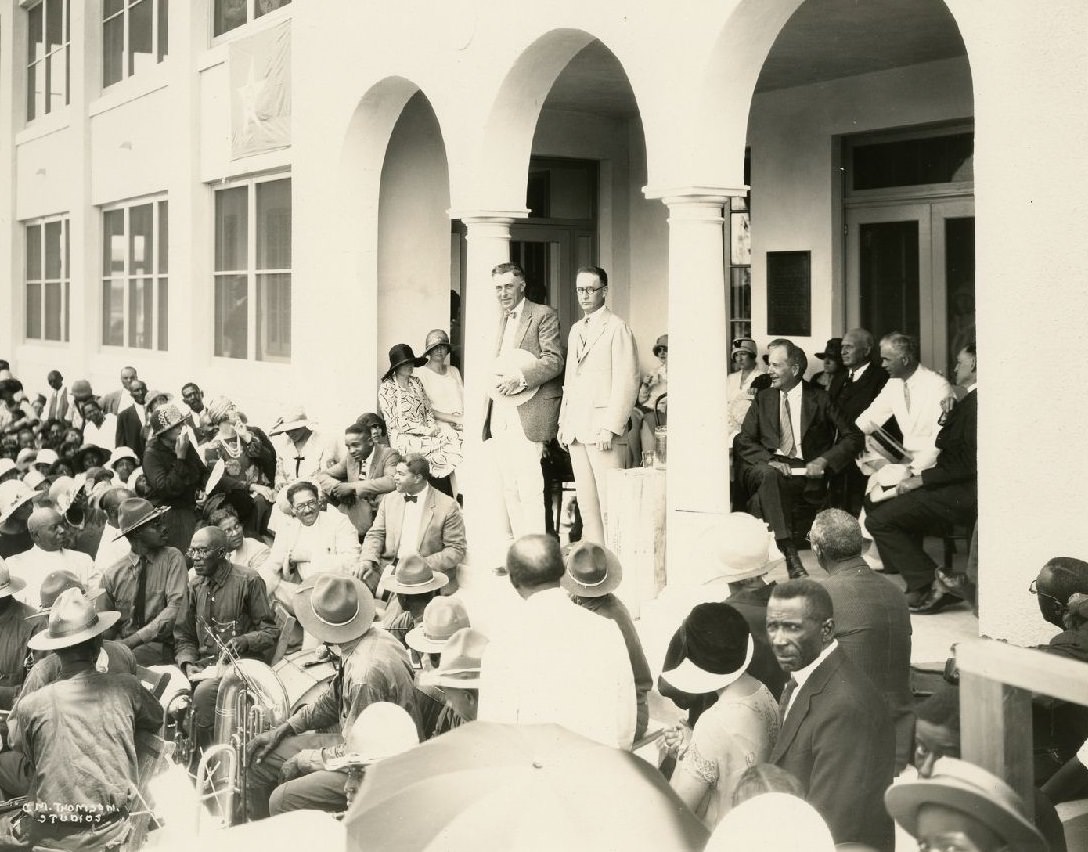
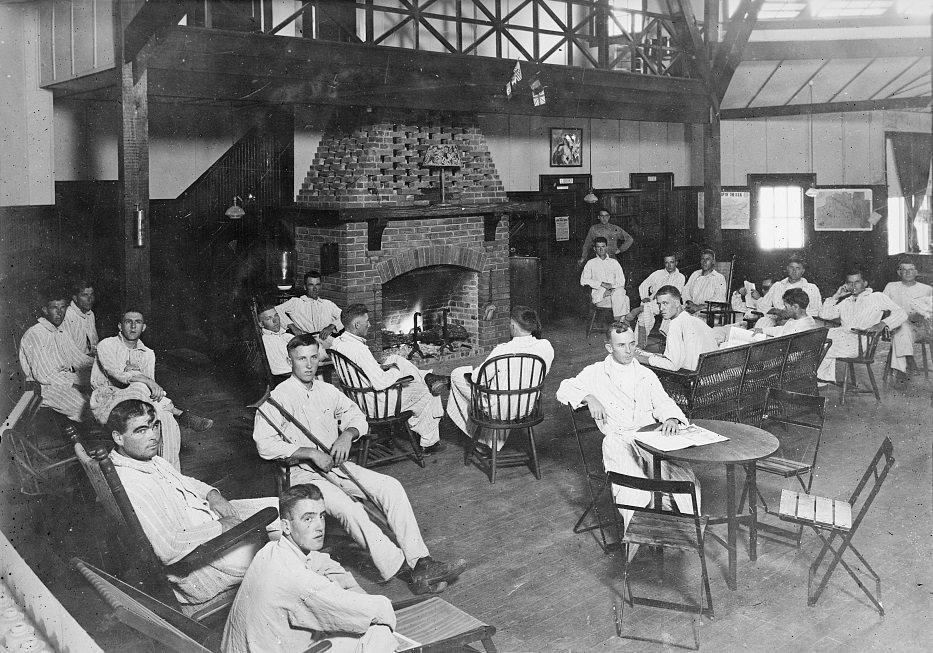
Healthcare was also expanding, though along strictly segregated lines. The Houston Negro Hospital opened in 1926, providing medical care to Black residents who were barred from white hospitals. Its opening ceremony drew a crowd, documented in photographs that stand as a record of the community’s determination to build its own institutions inside a system that excluded them.
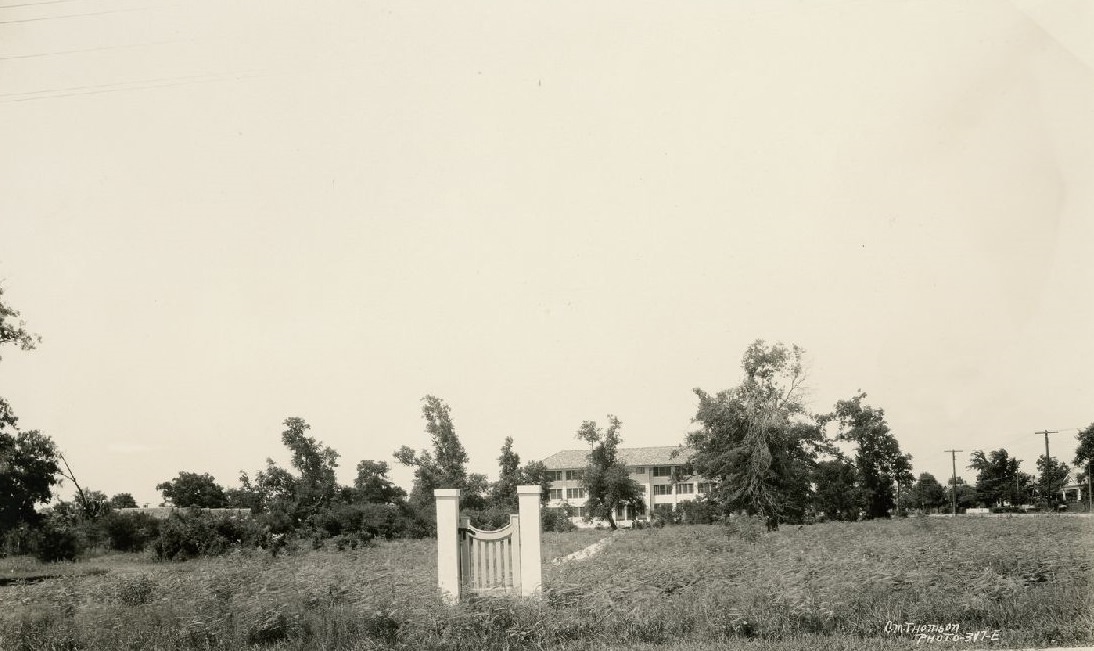
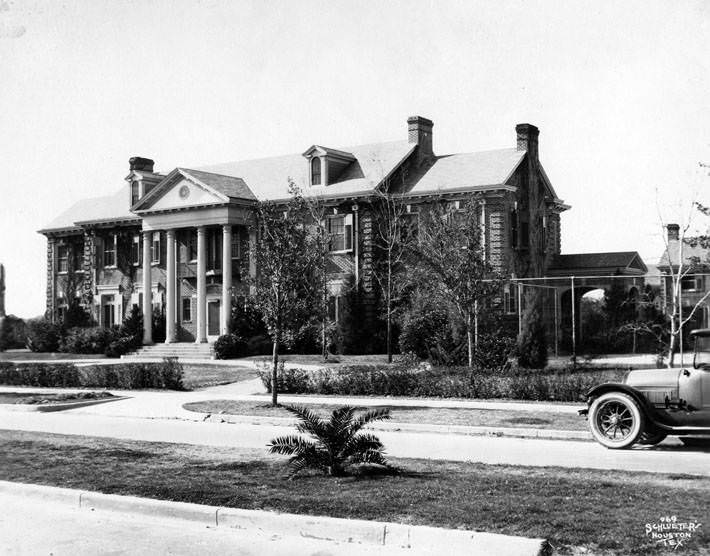
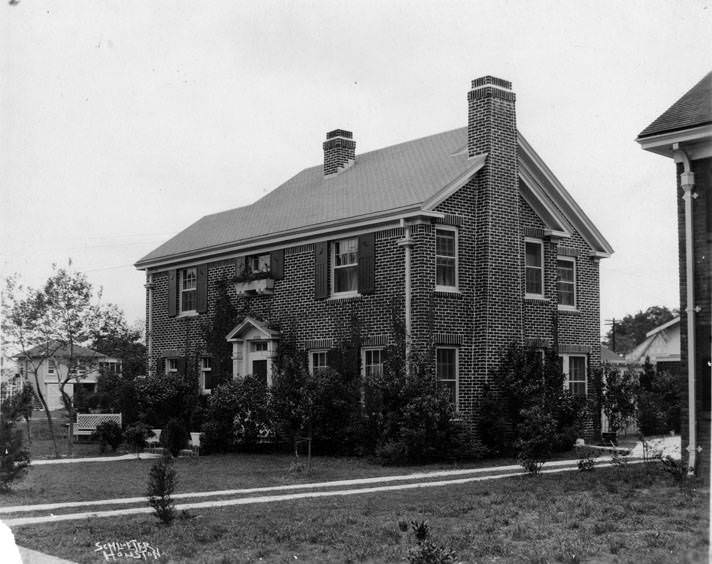
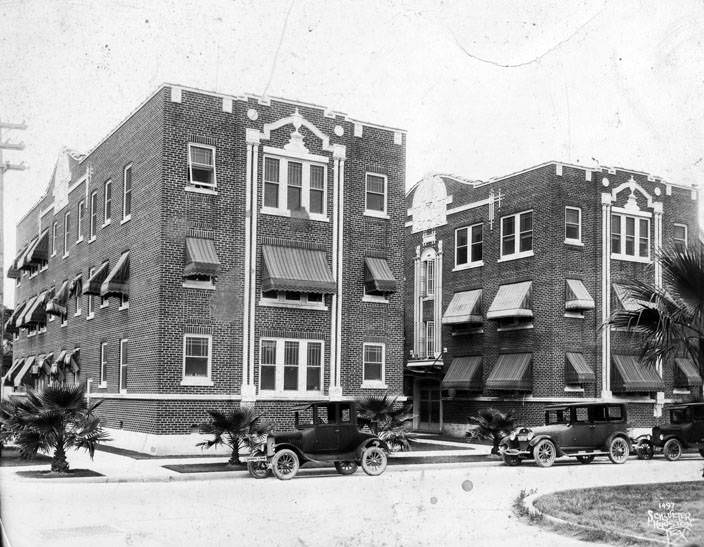
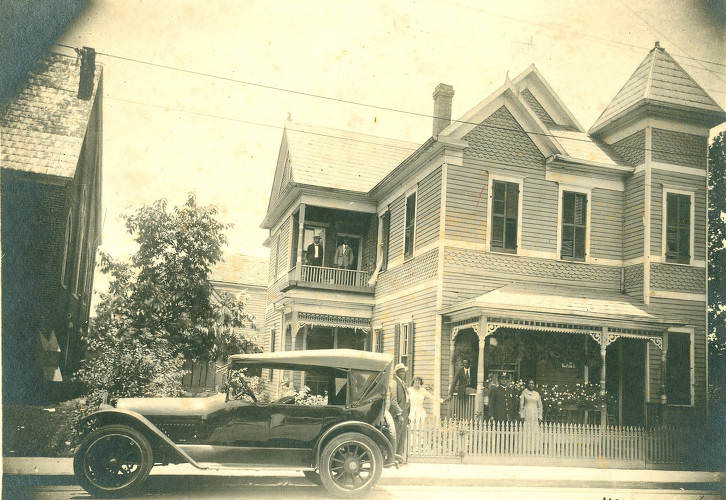
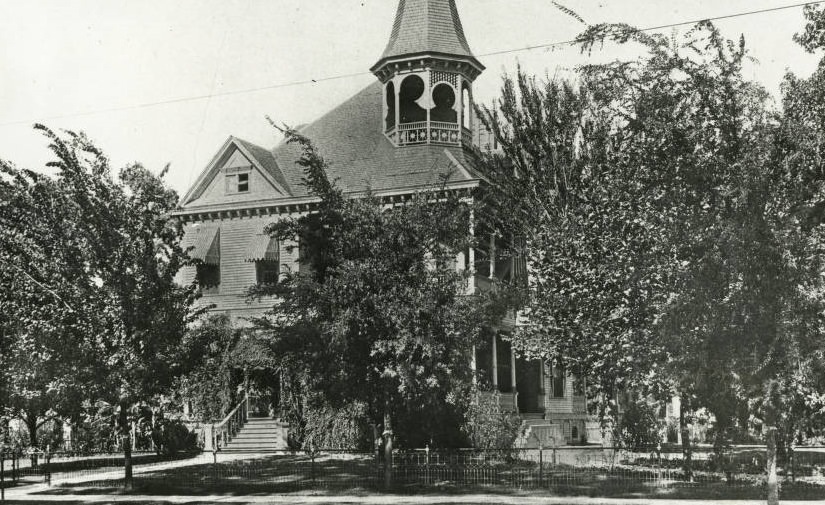
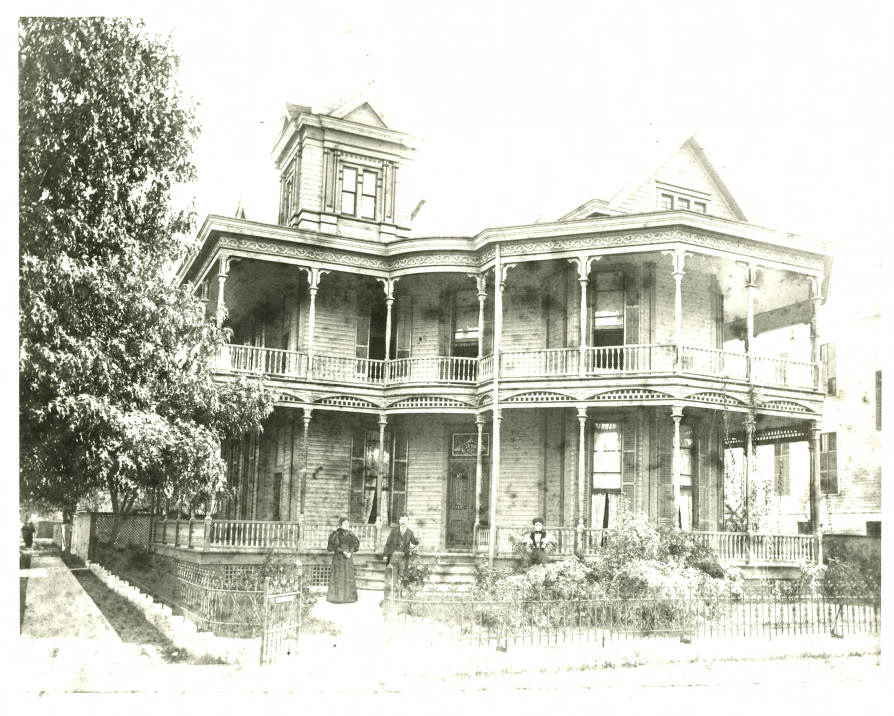
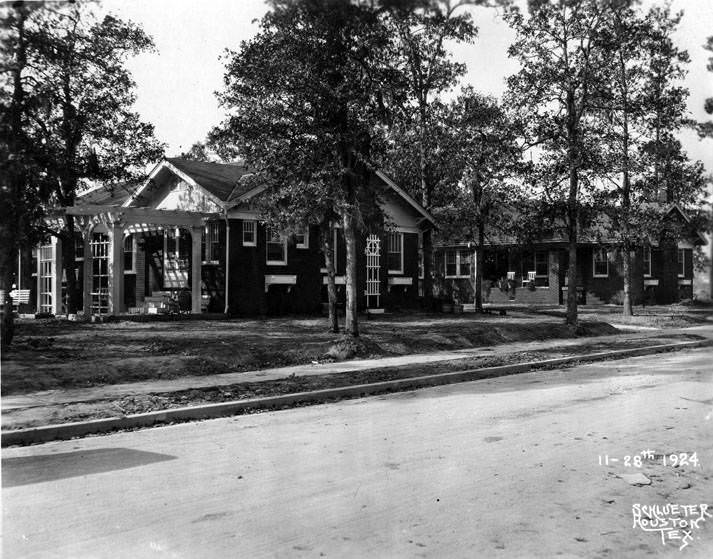
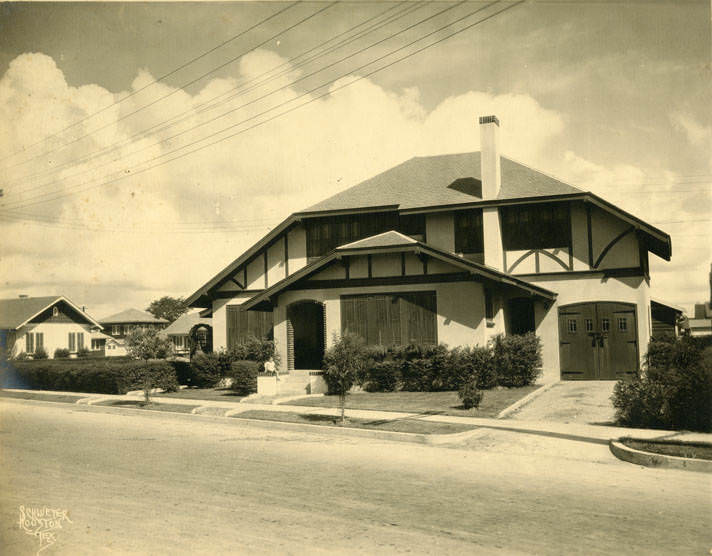
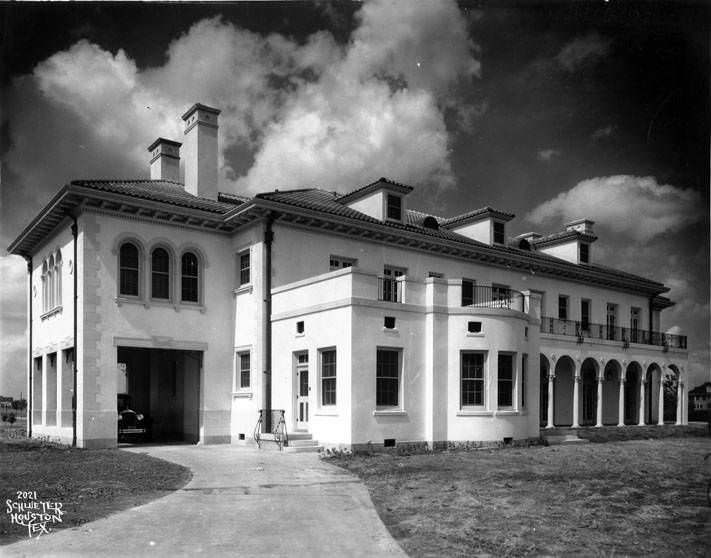
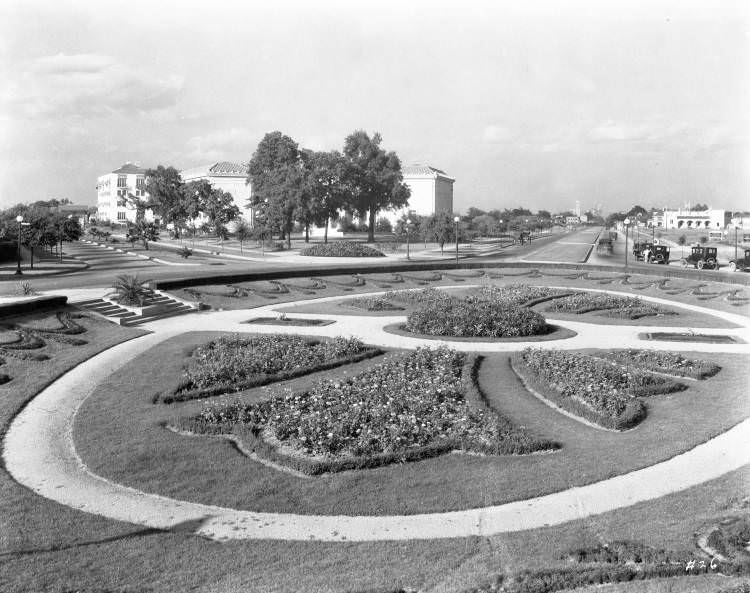
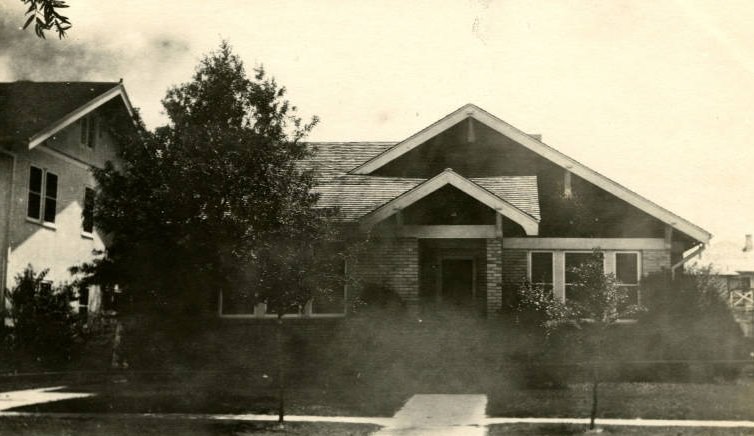
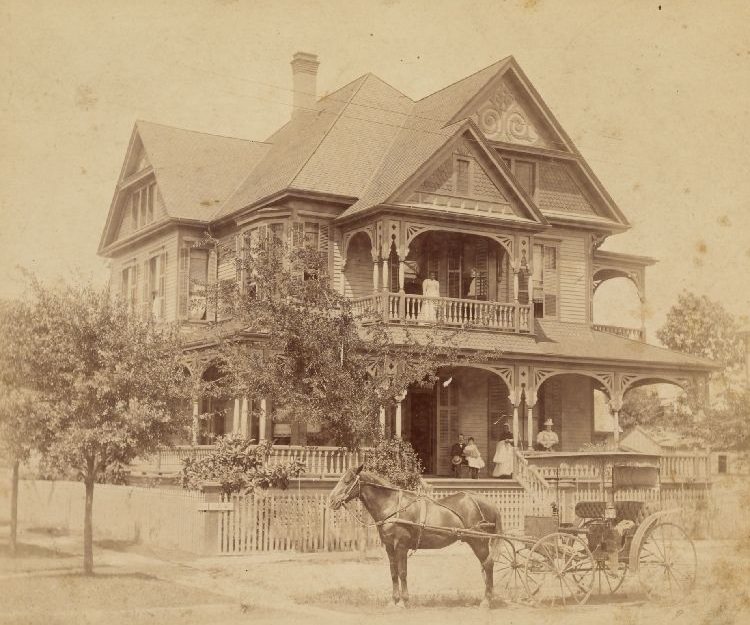
Houston’s residential neighborhoods reflected the prosperity of the decade. Homes along Montrose Boulevard and in Southmore were well-built and landscaped, showing off the comfort that oil money could buy. Photographs of houses belonging to residents like Neil T. Masterson and Paul B. Miller show the scale of private investment pouring into the city’s neighborhoods. Apartment buildings filled in the gaps between single-family homes as more workers arrived each year.
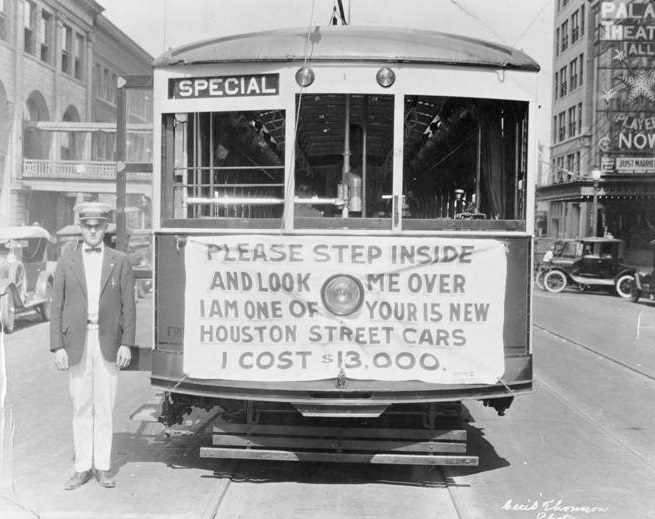
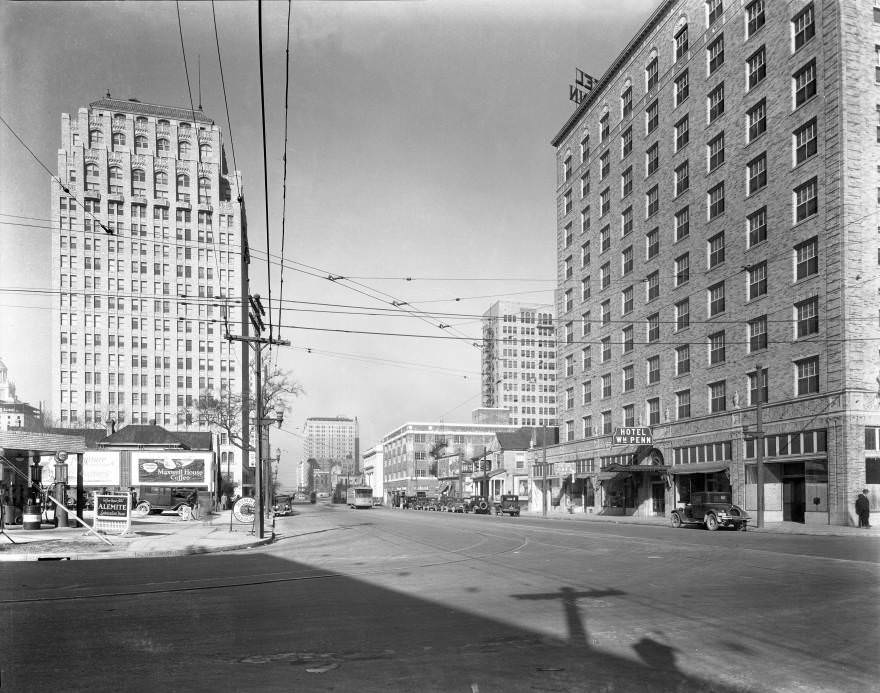
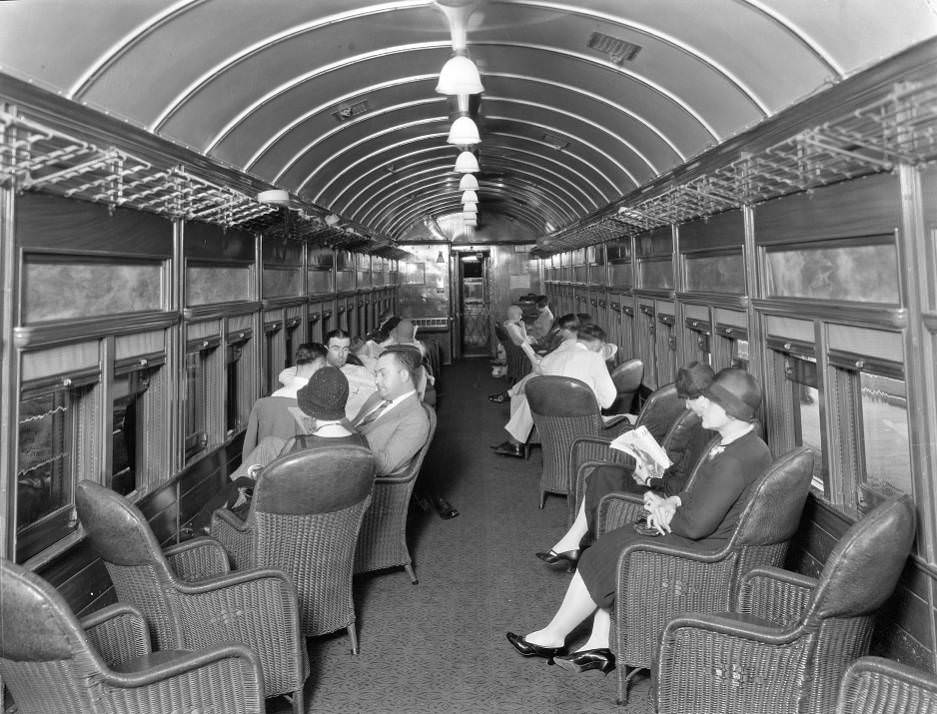
Houston’s streetcar network connected the growing city, with new cars introduced throughout the decade. The Texas Avenue tracks of the Houston Electric Company, photographed in 1928, show the infrastructure keeping thousands of daily commuters moving. For those who preferred the train, the Southern Pacific’s Sunset Limited carried passengers through Houston in style, its cars photographed in August 1928 with riders settled in for the journey.
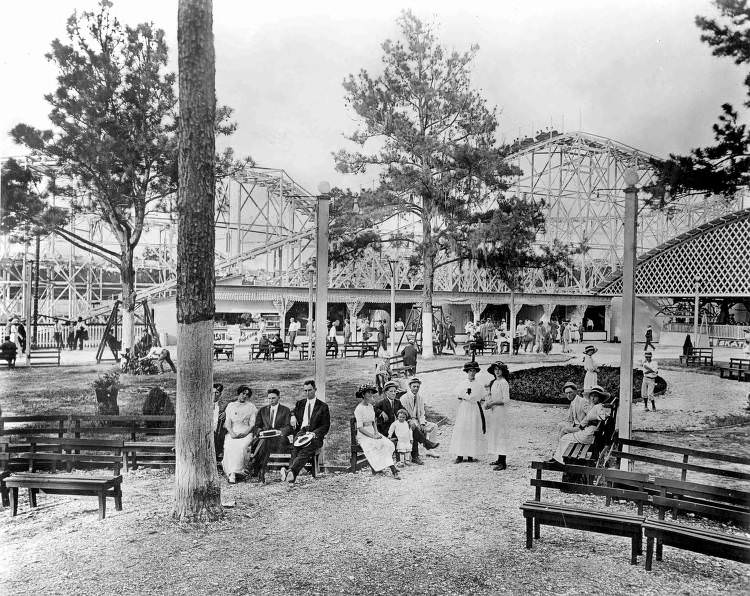
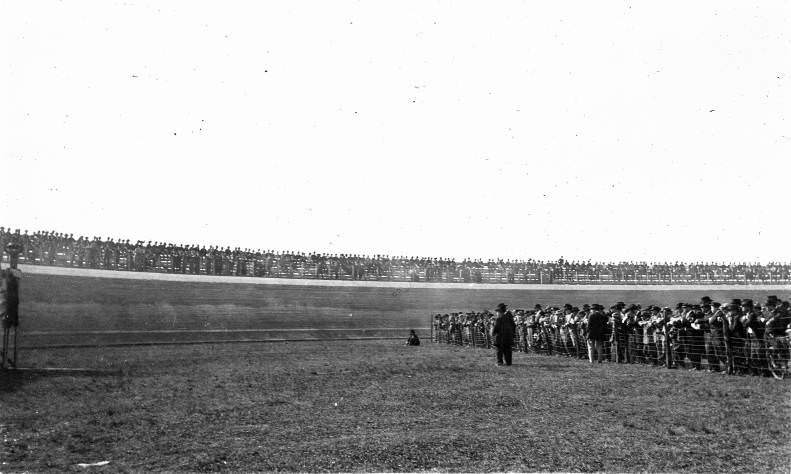
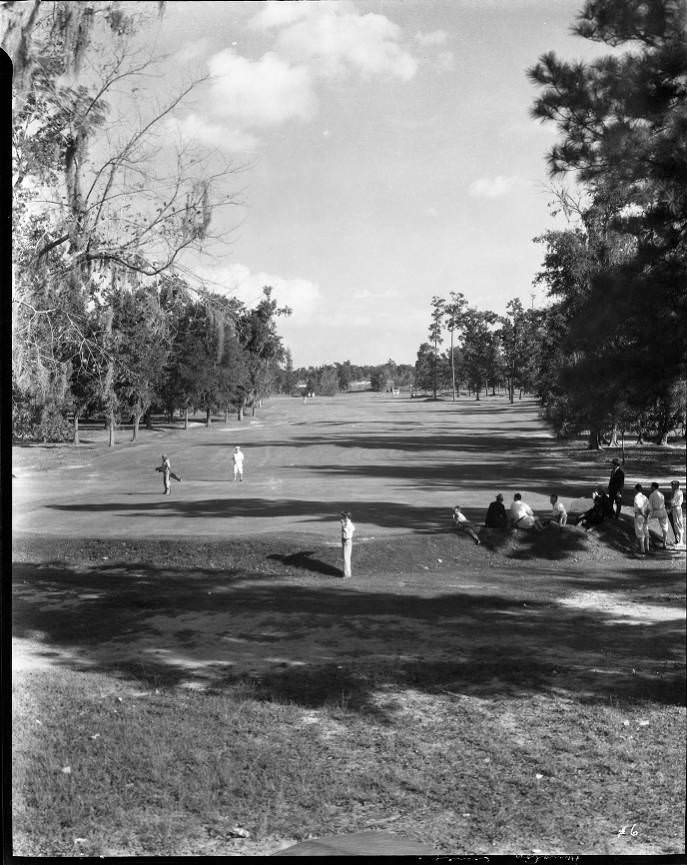
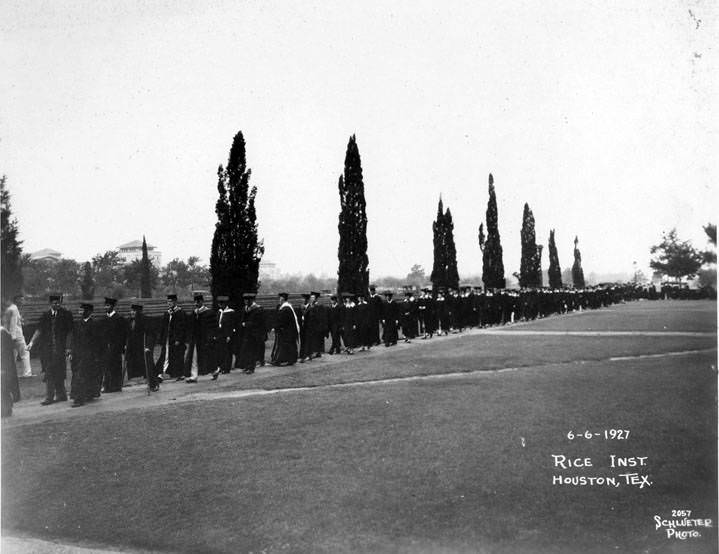
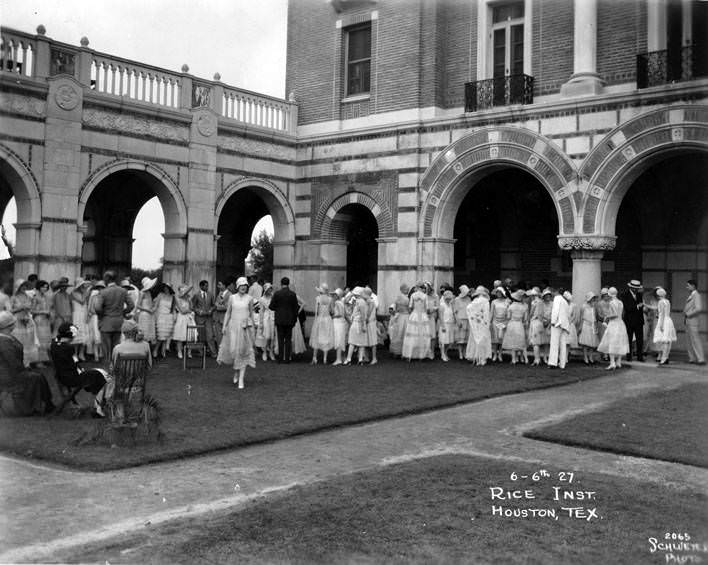
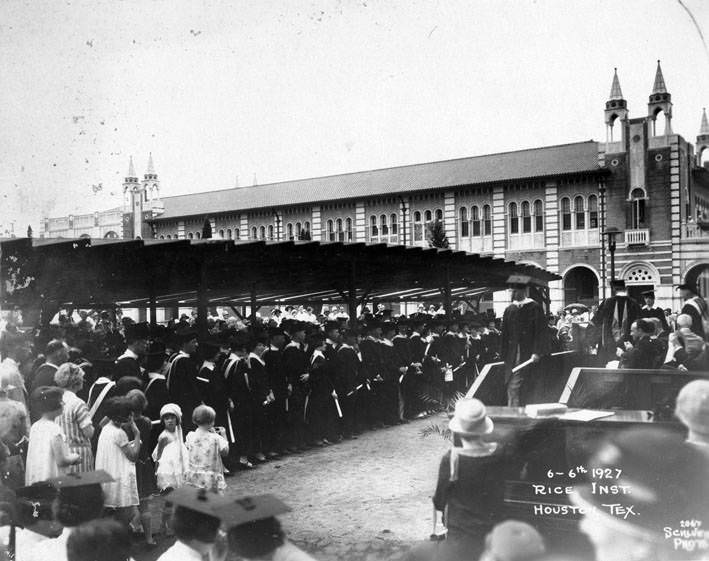
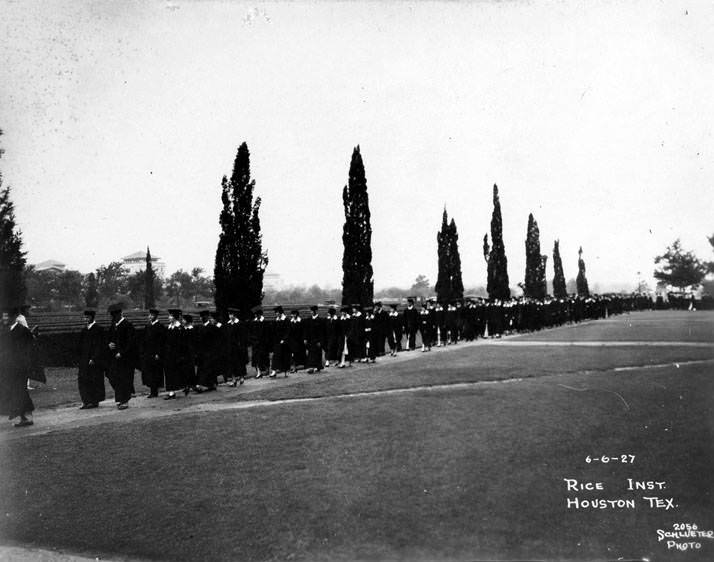
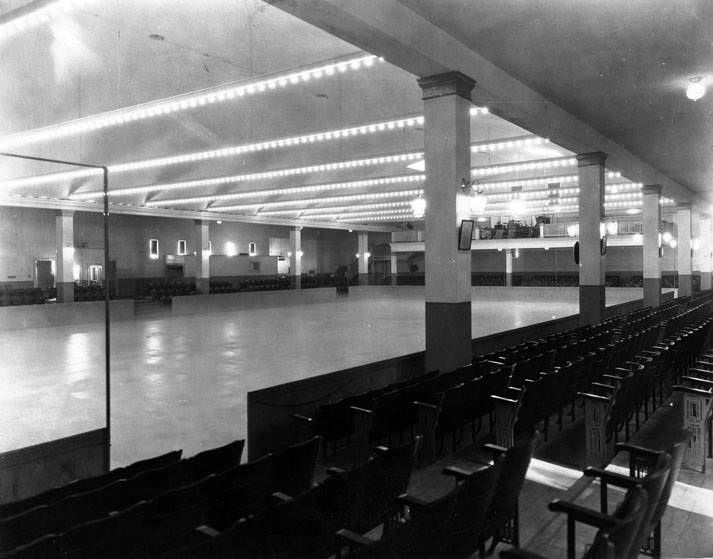
Public life in Houston was active and varied. Luna Park drew crowds in 1925. Motorcycle races attracted spectators at a dedicated track. Hermann Park Golf Course had golfers on its greens by 1928. Rice Institute held its graduation ceremonies each June, with students photographed in 1927 walking in procession — a ritual that signaled Houston’s growing investment in higher education.
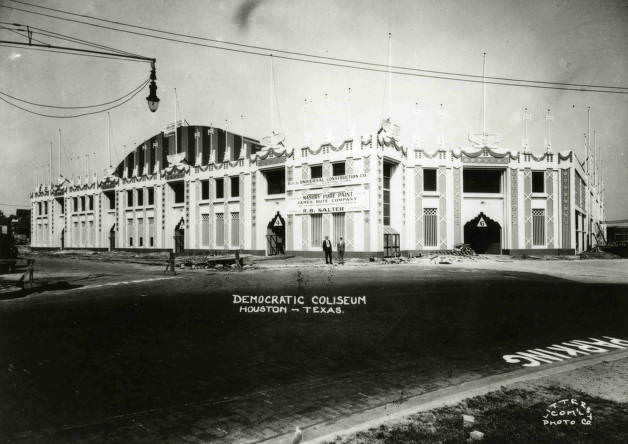
In 1928, Houston hosted the National Democratic Convention — a moment that put the city on the national political map. A photograph of the convention hall from that year shows a structure built specifically to accommodate the event, a clear signal that Houston was confident in its ability to host the country’s attention.
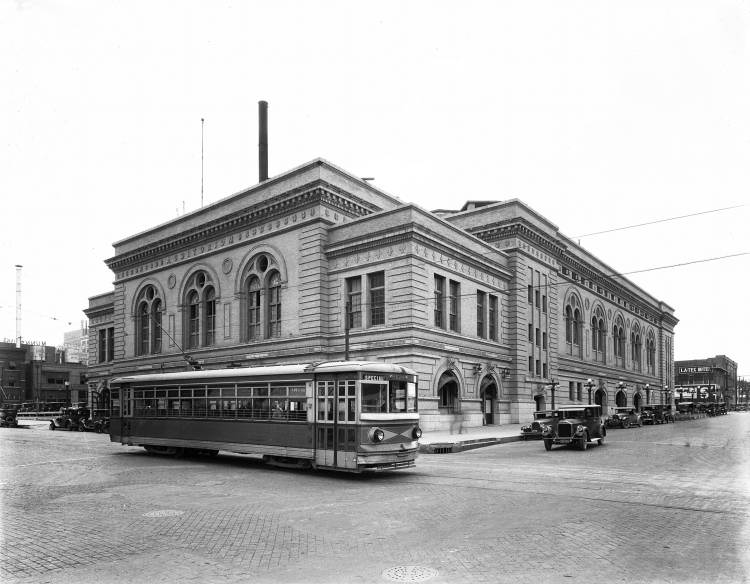
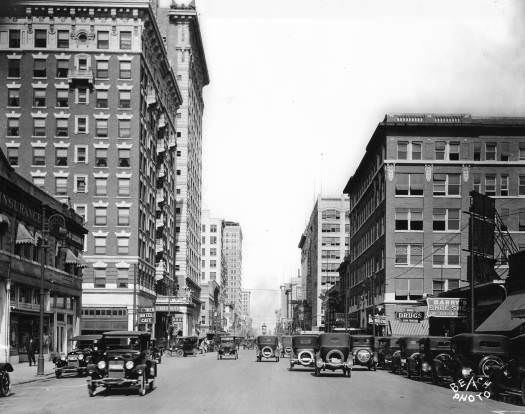
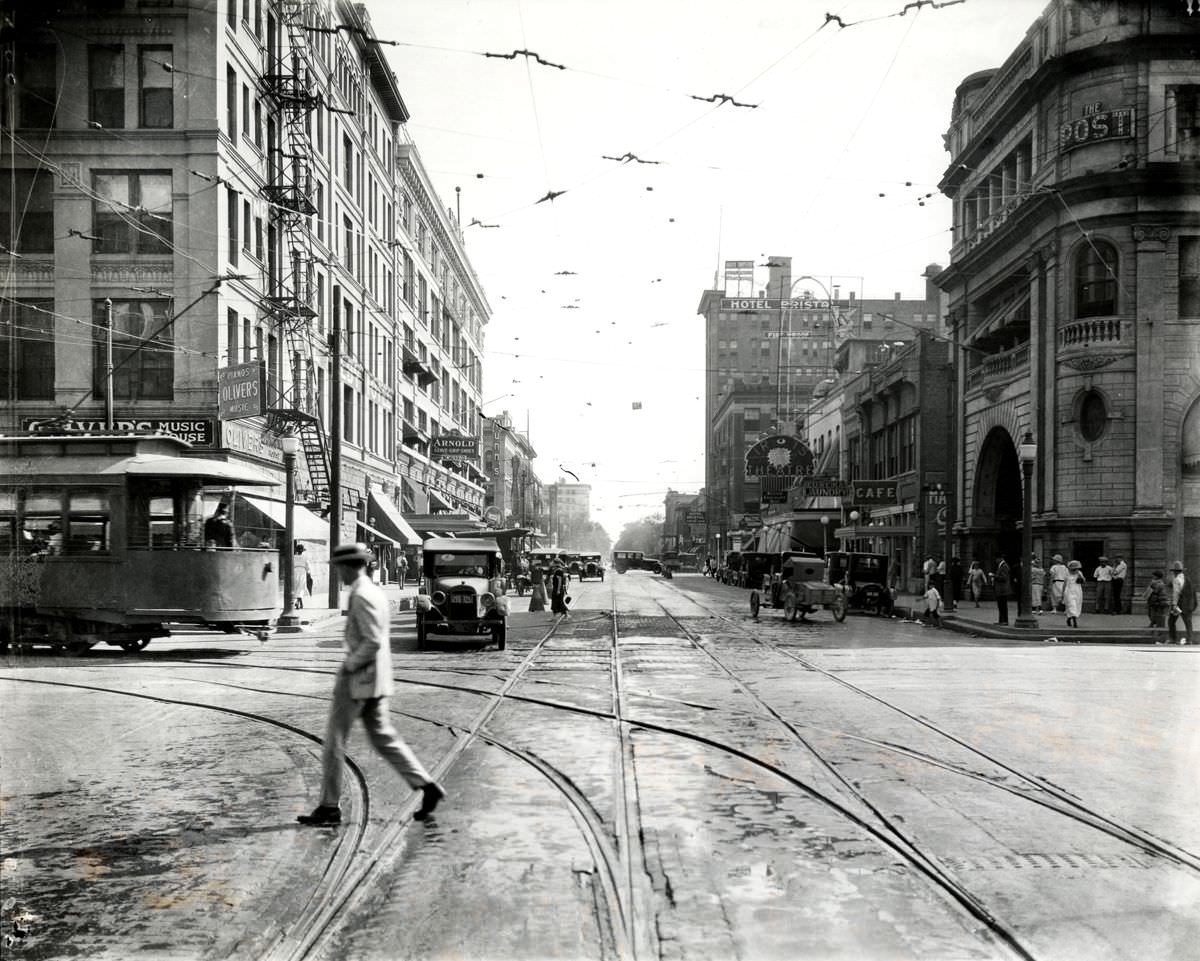
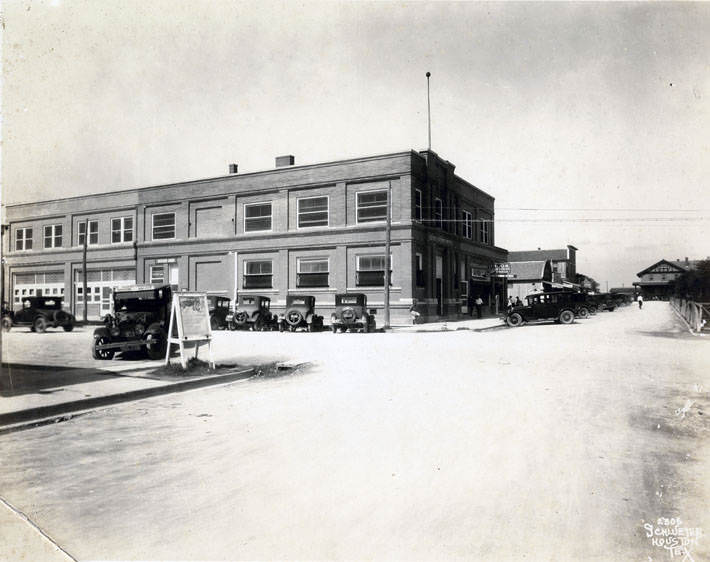
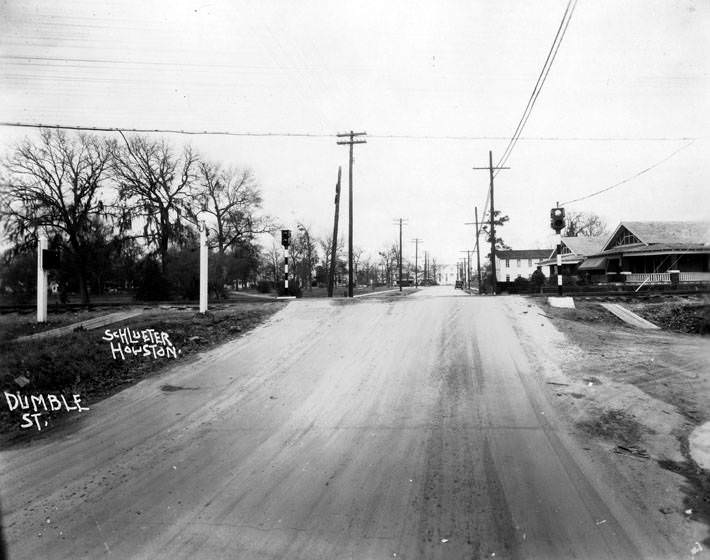
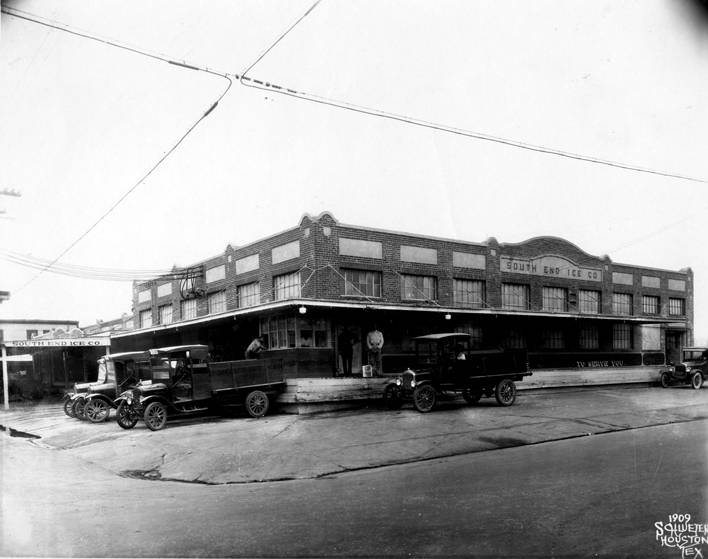
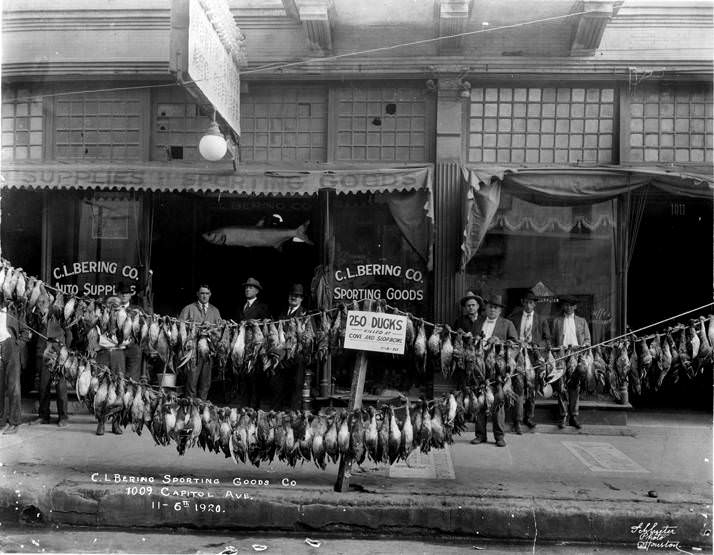
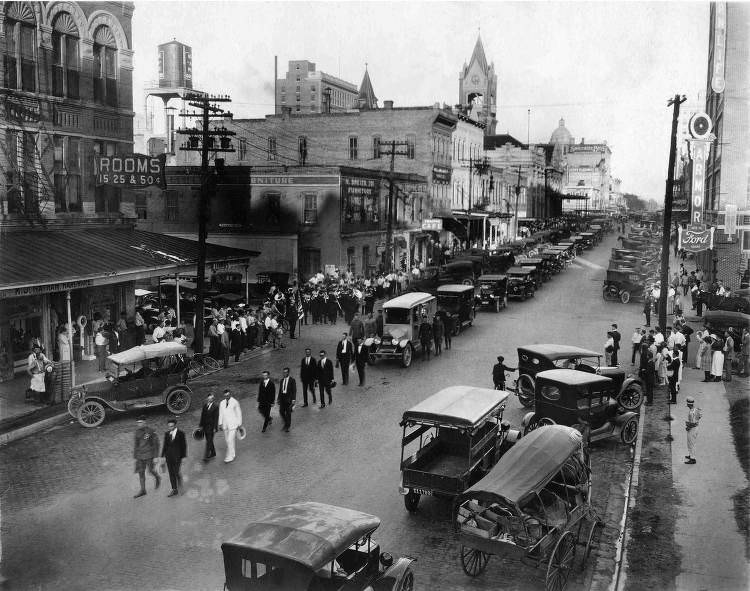
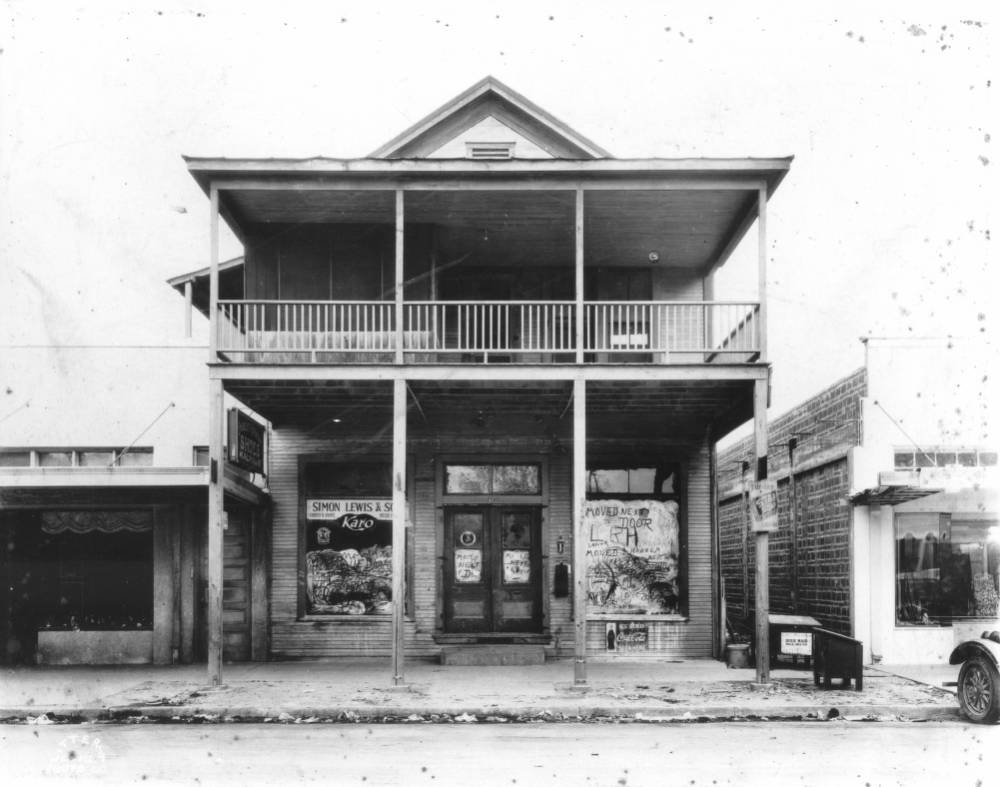
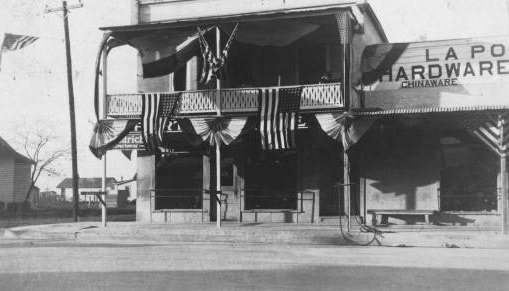
The streets themselves told the story of growth. Main Street, Travis Street, and Texas Avenue were photographed repeatedly throughout the decade, each image showing more vehicles, more storefronts, more signage than the last. Intersections like Main and Texas were busy enough by 1925 to require careful navigation. The 800 block of Main Street in 1923 shows automobiles parked in front of the Bender Hotel, a scene that already looks modern.
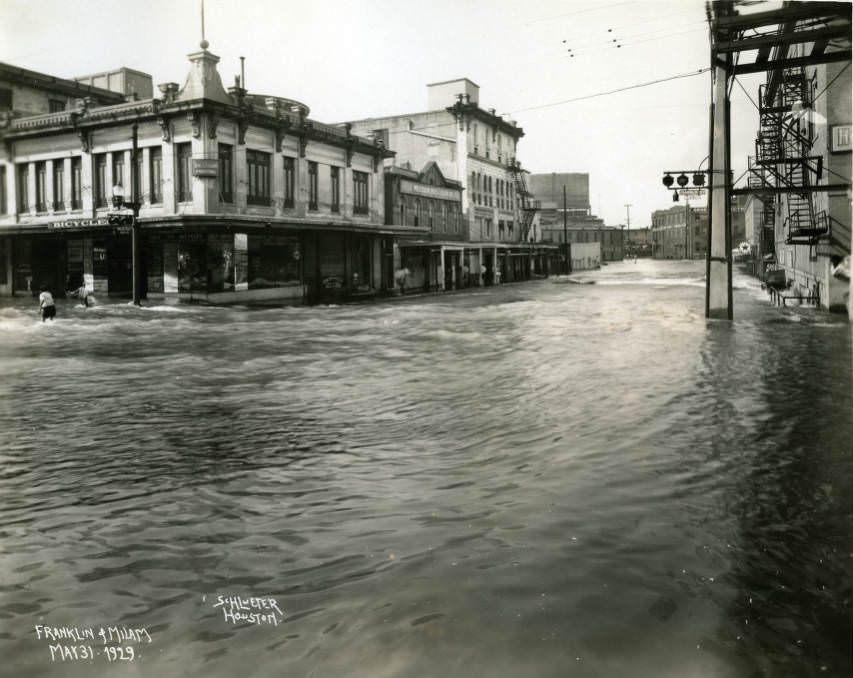
Even with all the construction and commerce, nature occasionally forced itself back into the story. On May 31, 1929, floodwaters inundated Franklin and Milam streets, a reminder that Houston’s flat geography and heavy rainfall made flooding a recurring problem regardless of how many buildings went up. The image captured that day shows the intersection submerged — commerce interrupted, the city briefly overwhelmed.
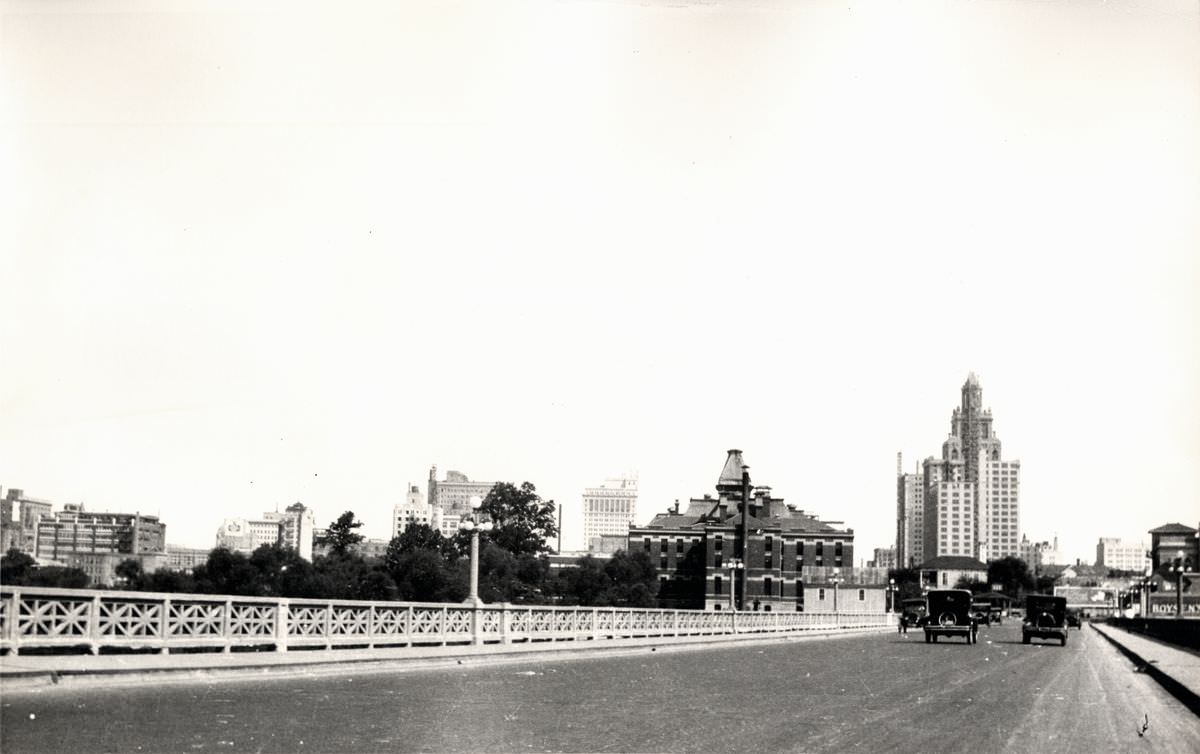
The photographs collected from this decade capture a city in constant motion. They show the workers, the buildings, the ships, the streets, and the ordinary moments between them. Taken together, they form a visual archive of one of the most consequential decades in Houston’s history — a period when the city decided, in real time, what kind of place it intended to become.
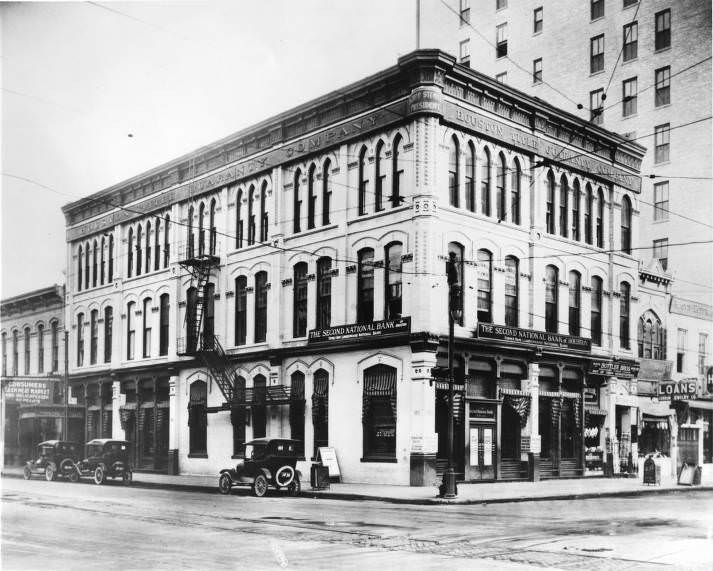
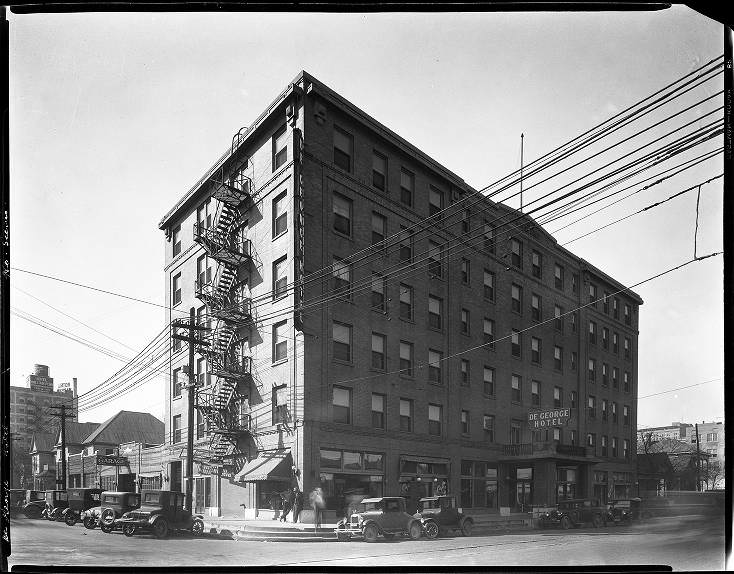
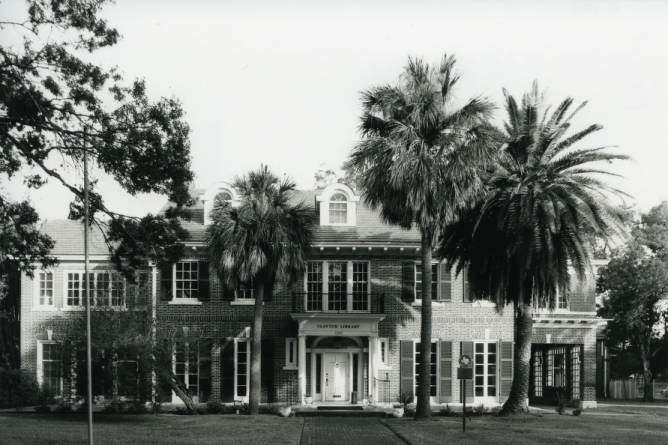





Unfortunate that a lot of these beautiful buildings and architecture weren’t be preserved
Wow. It looks like an entirely different country. Walkable scale. Existing street car transit. Density. Architecture with purpose and style. Kind of stunning what we lost for the sake of “progress”.