
Houston entered the 1980s riding one of the biggest economic waves in its history. High global oil prices filled the city’s coffers, drew workers from across the country, and turned construction cranes into a permanent part of the skyline. New skyscrapers rose downtown. Subdivisions spread outward. The population swelled. For a few years, Houston felt unstoppable — and the streets showed it.
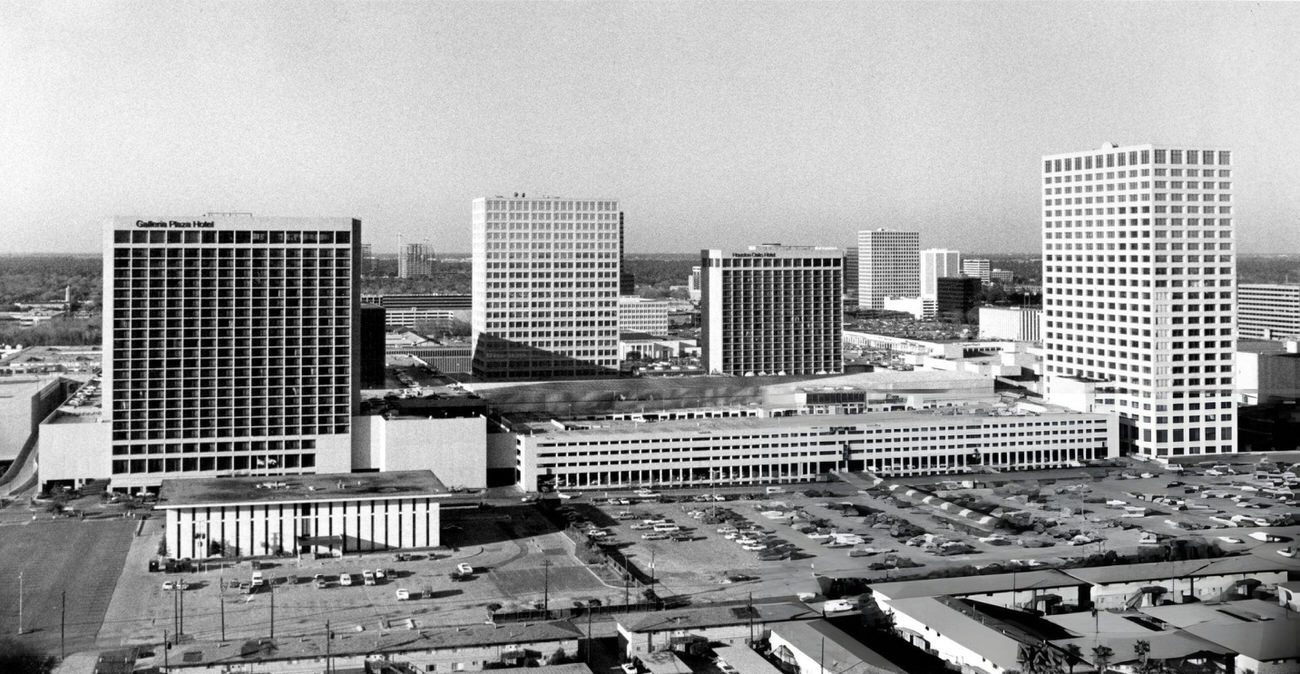
The Galleria area captured early-decade optimism better than almost anywhere else in the city. Luxury retail, hotels, and mixed-use development clustered around Westheimer, attracting shoppers, tourists, and business travelers. Westheimer itself was a corridor of constant activity — restaurants, clubs, boutiques, and bars lined its blocks in a dense stretch that reflected Houston’s freewheeling commercial energy.
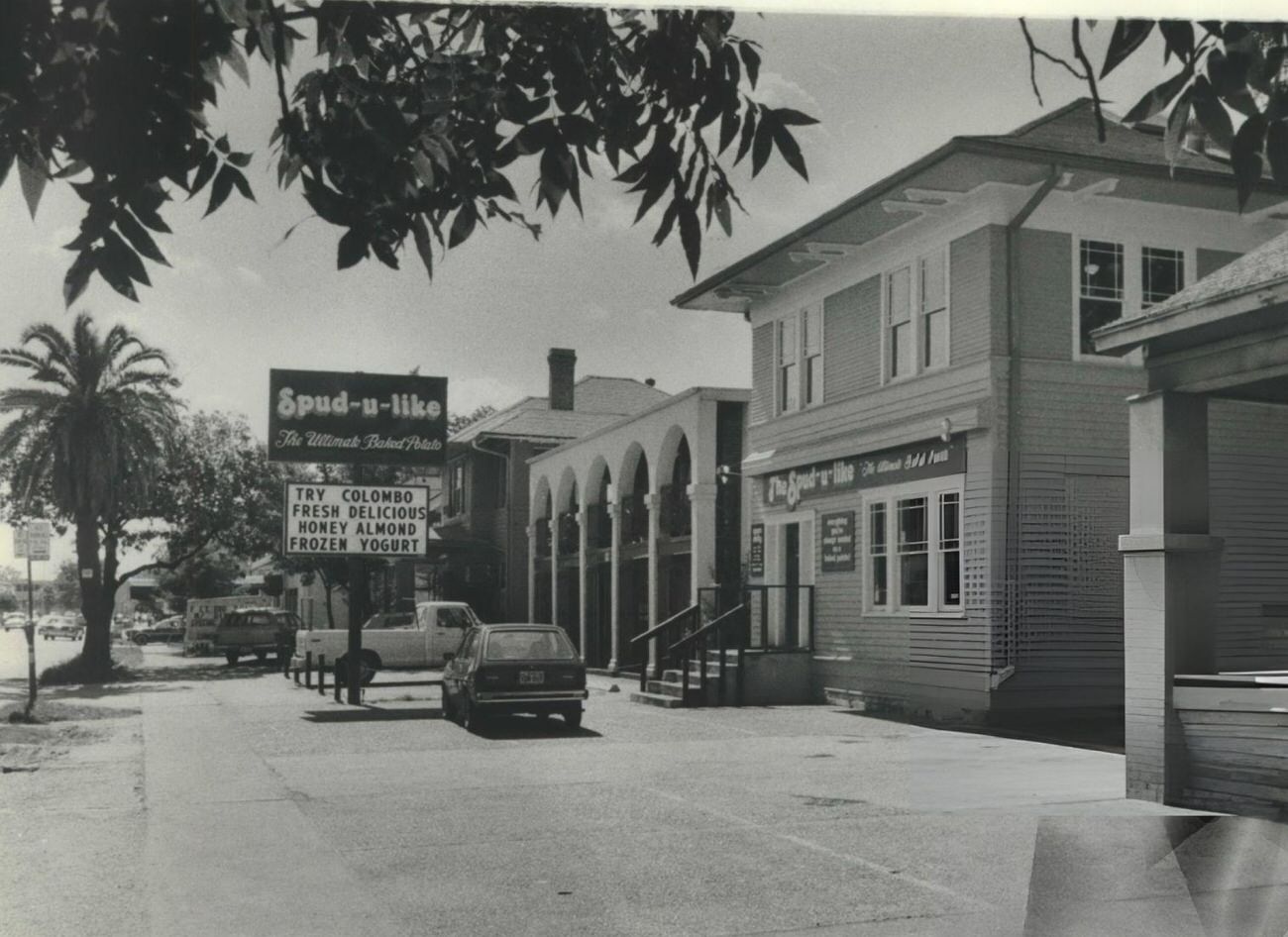
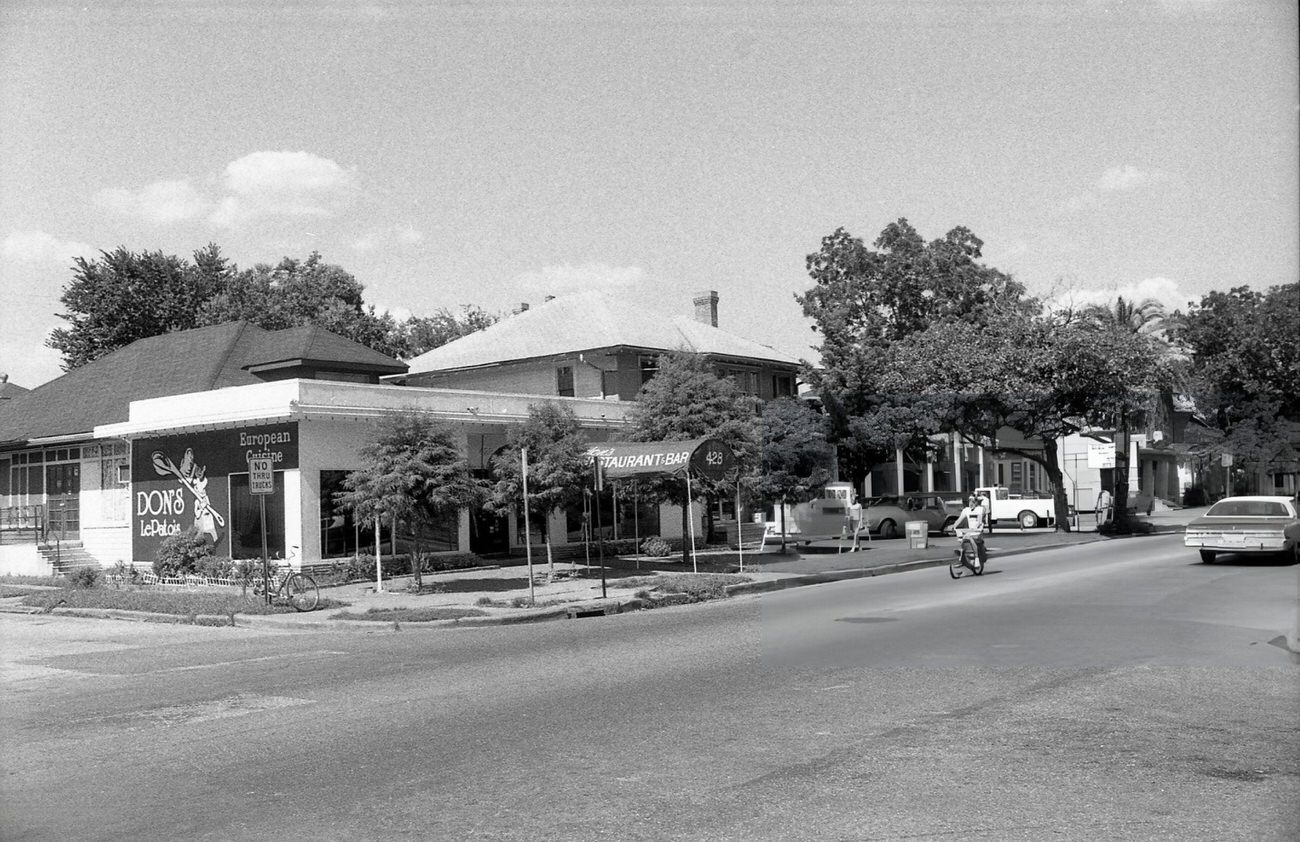
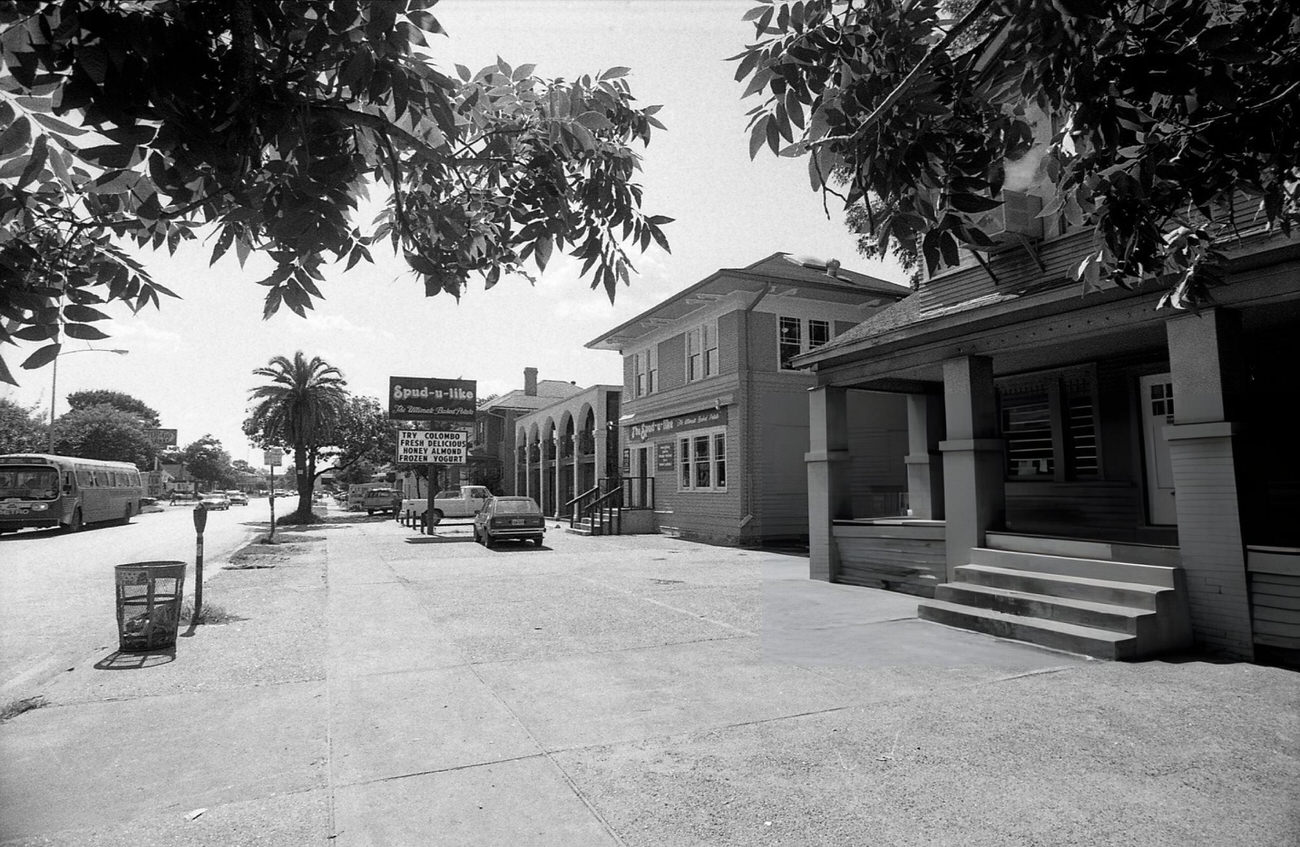
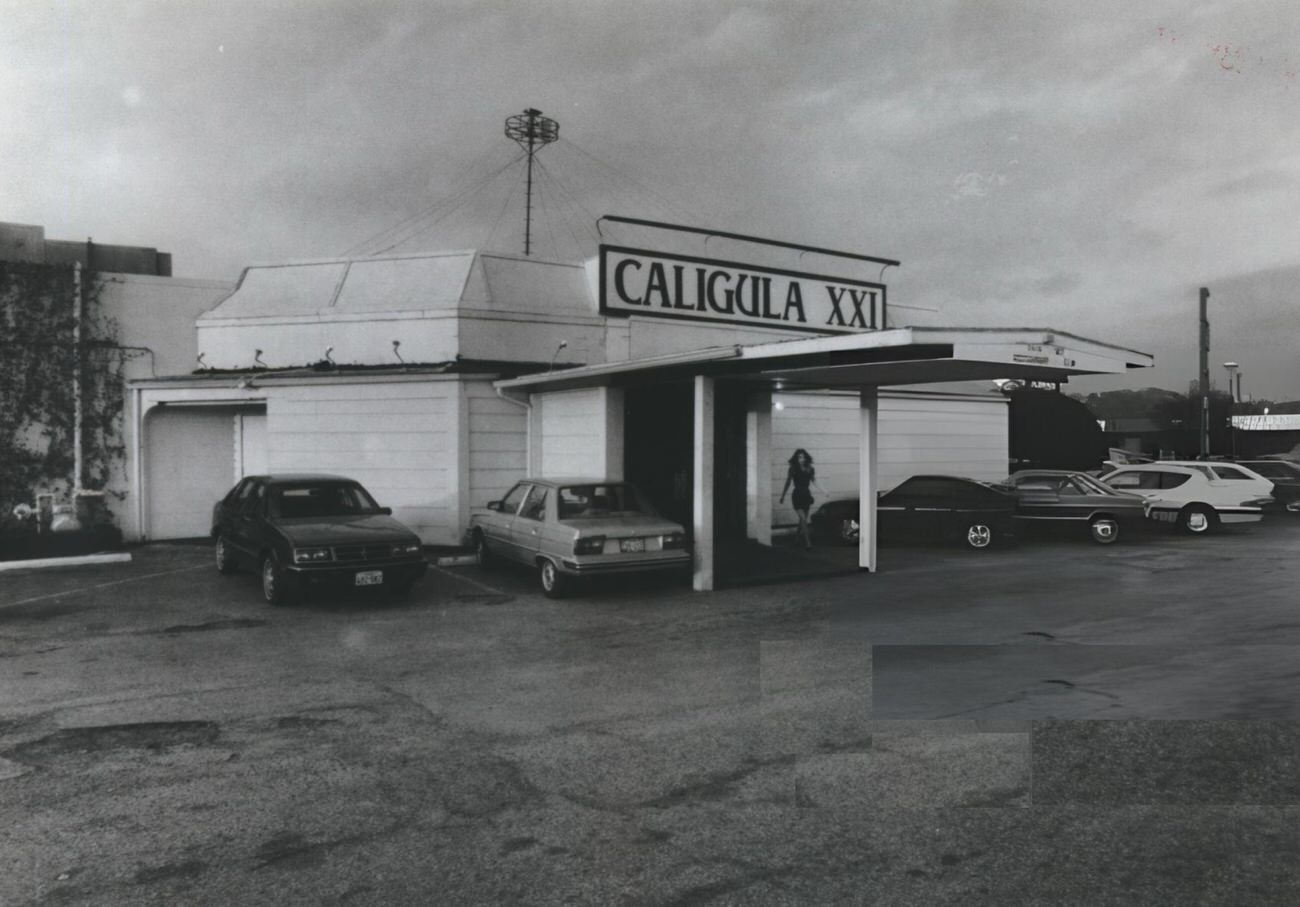
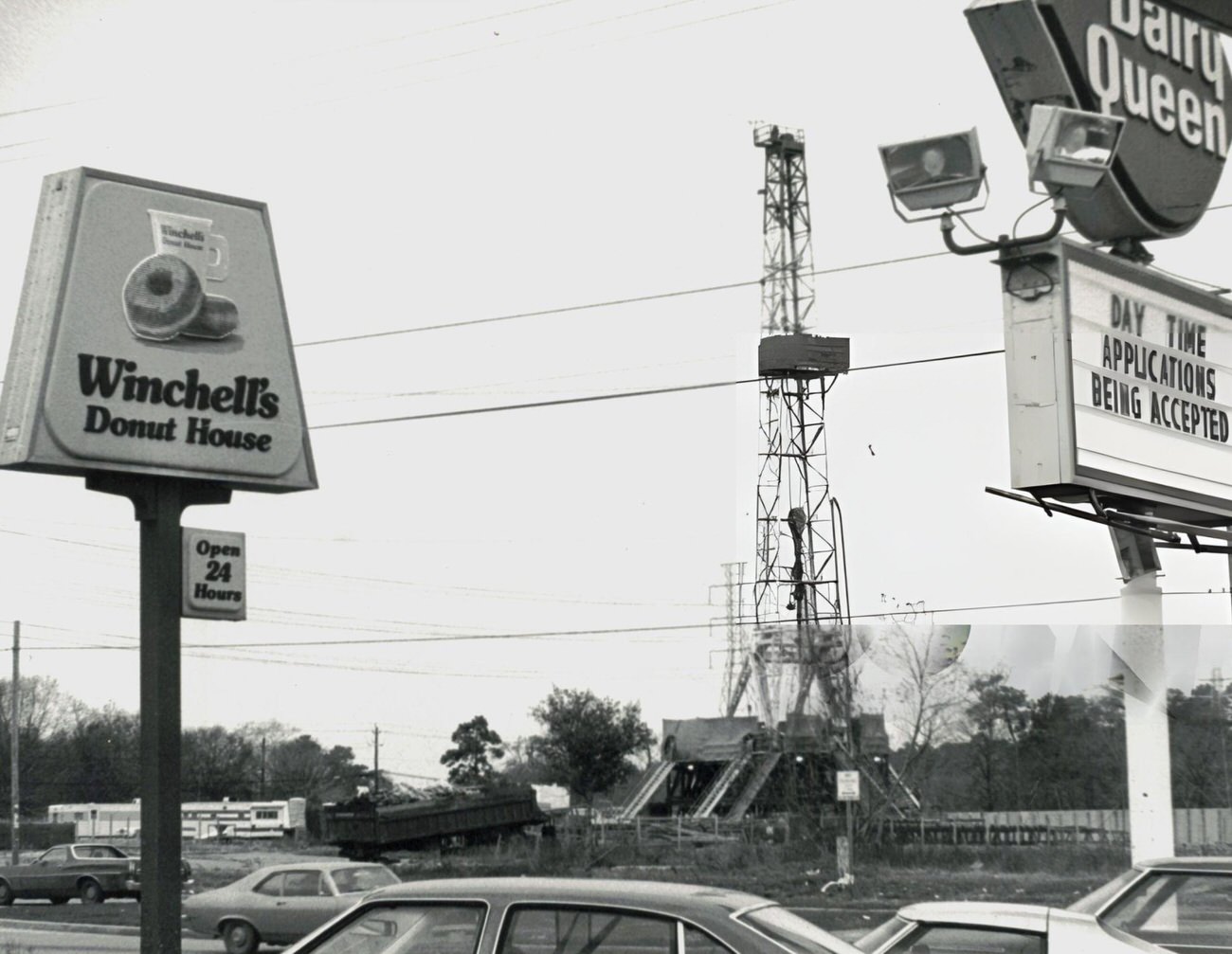
Westheimer in 1981 hosted everything from upscale French dining at Don’s Le Patois to the quirky British-style Spud-U-Like just a few doors down. Gentlemen’s clubs also operated openly along the same stretch, part of the city’s largely unregulated commercial landscape at the time.
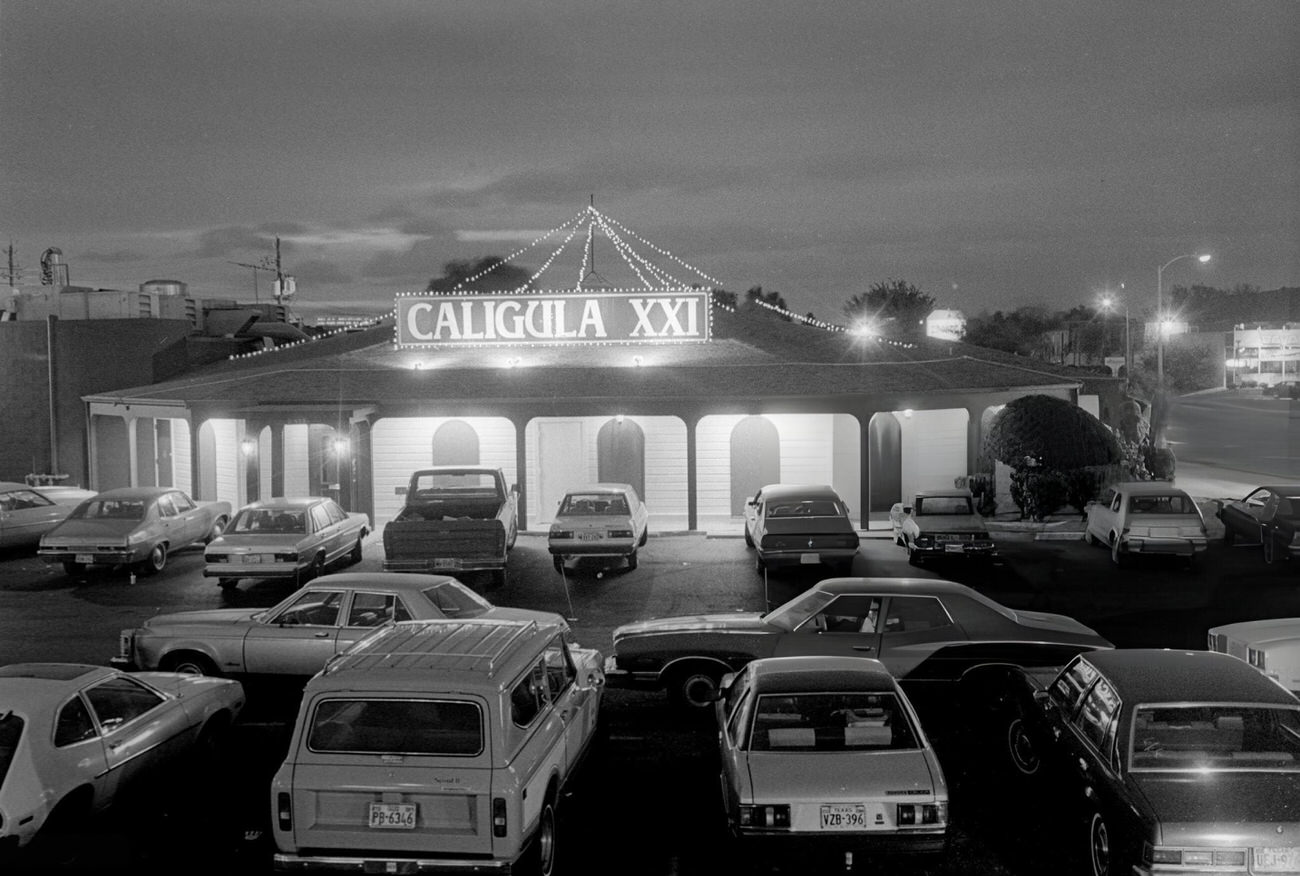
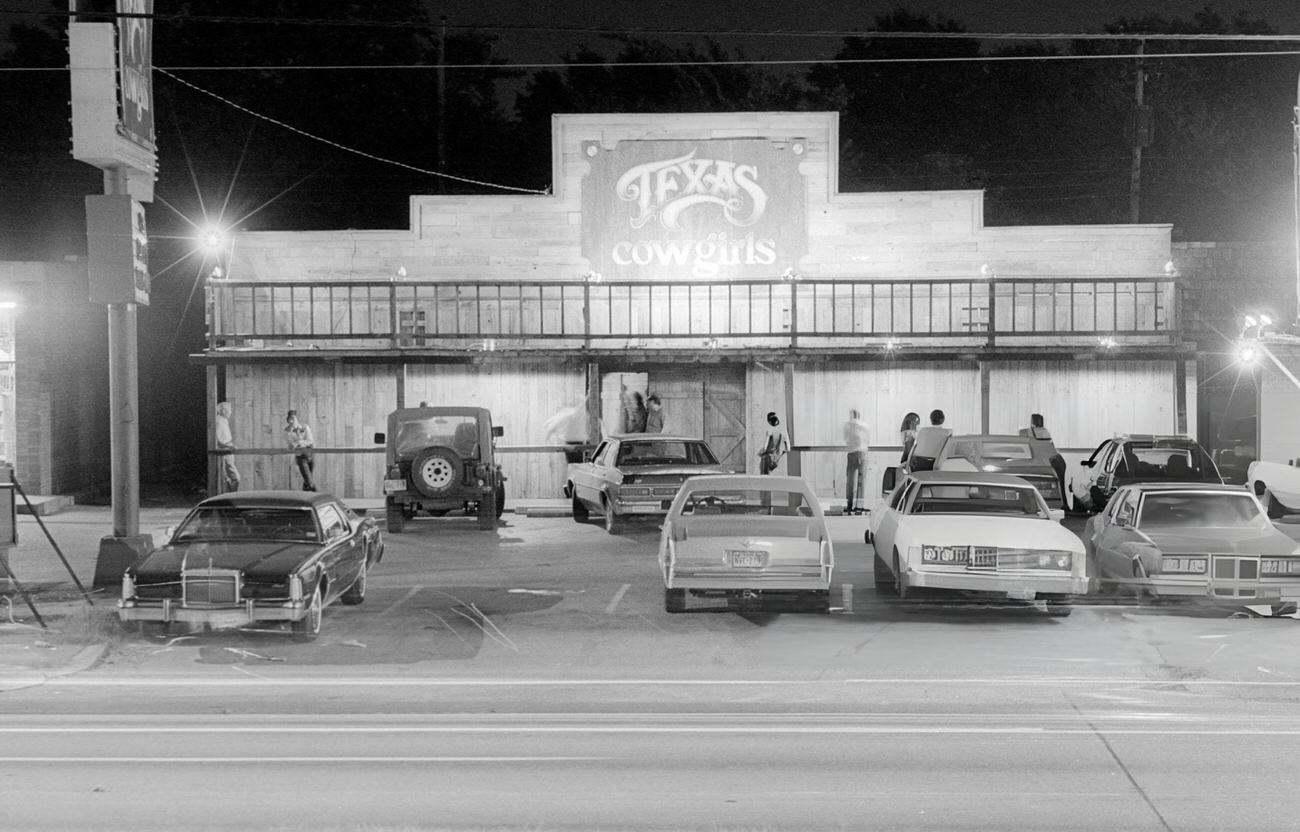
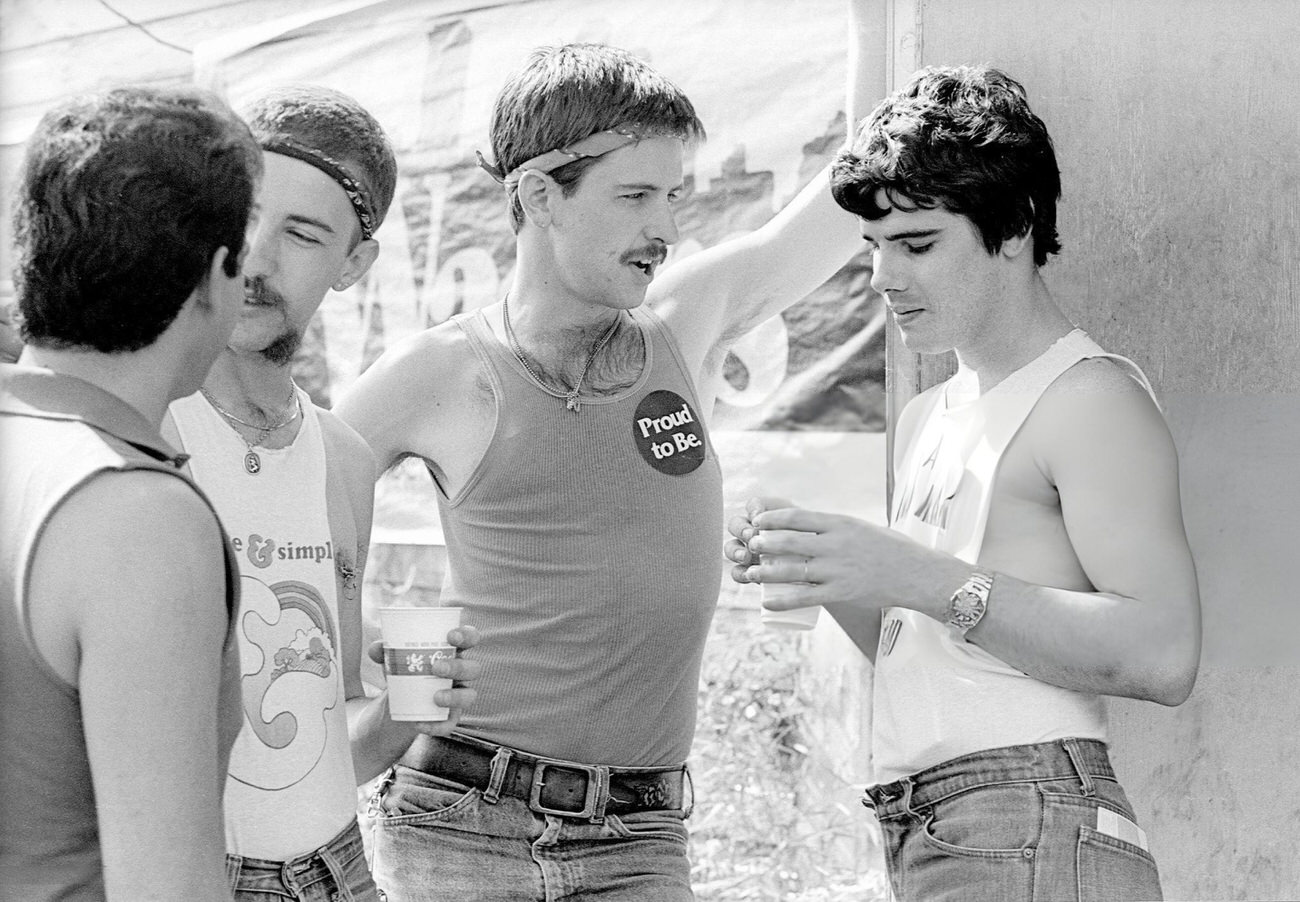
Not everyone in early-1980s Houston was chasing oil money. The Montrose neighborhood carved out its own identity as a gathering place for artists, musicians, and Houston’s gay community. Bars and hangouts there operated as community anchors, drawing regulars who formed tight social networks that had little to do with the energy sector booming nearby.
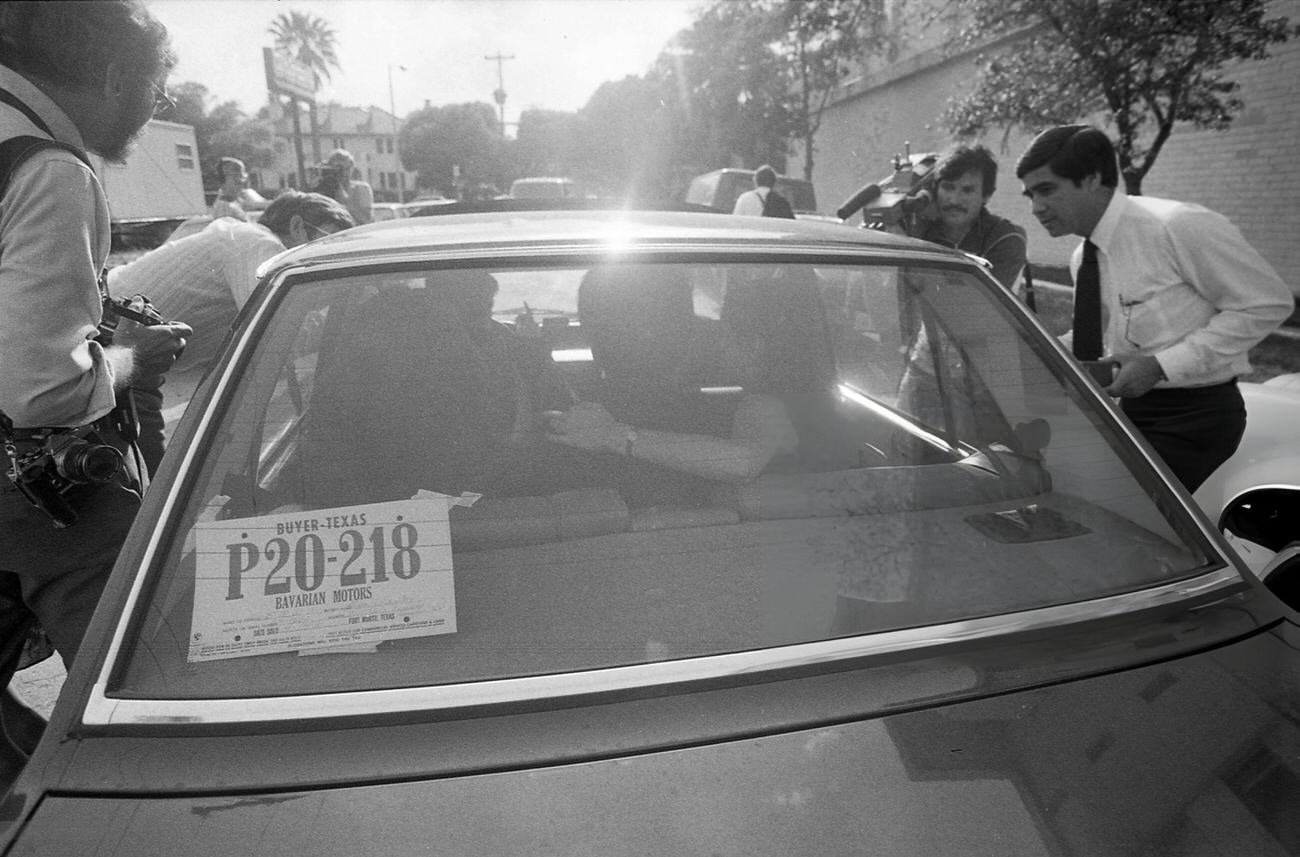
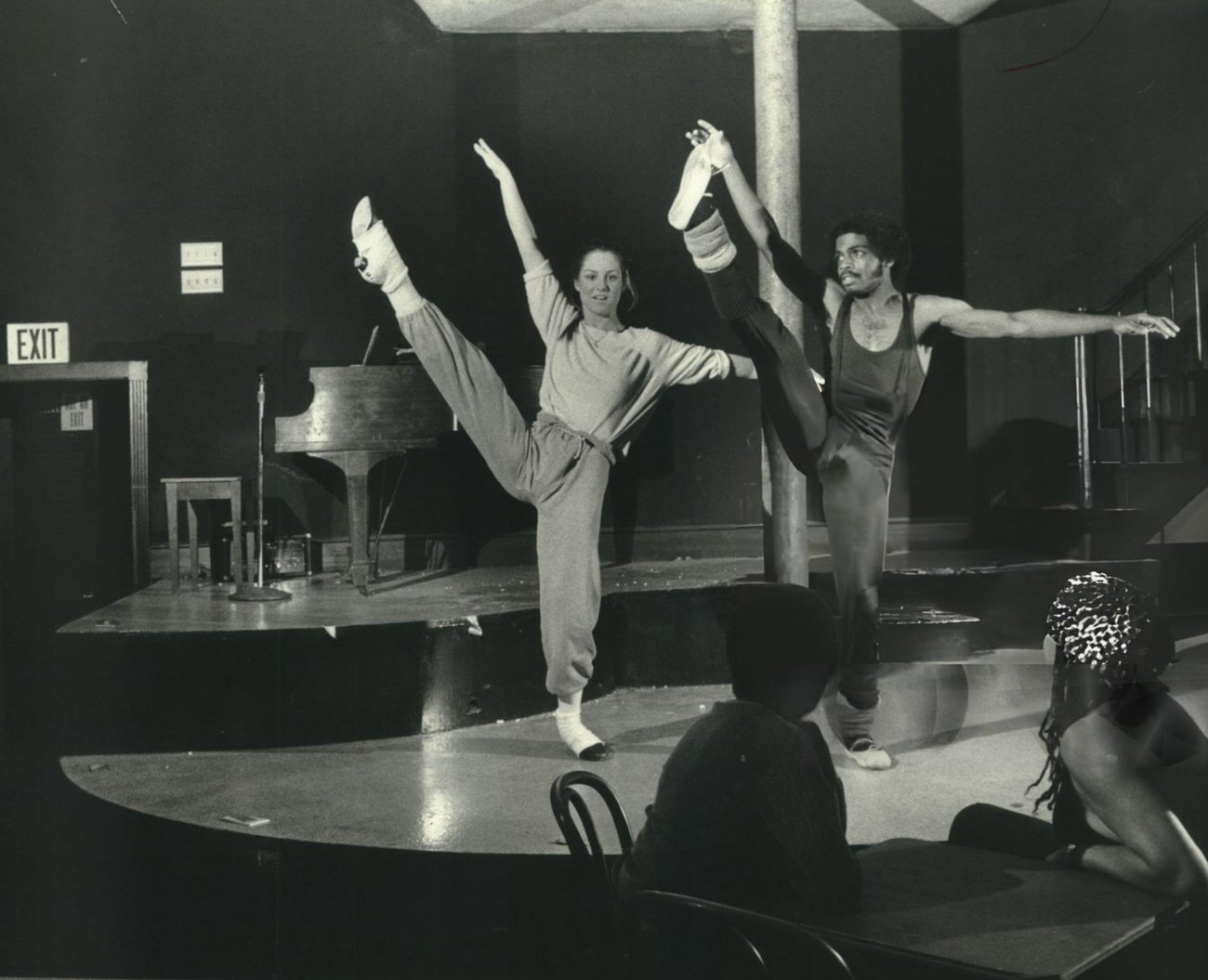
Houston’s international profile also made headlines in 1981 when Chinese ballet dancer Li Cunxin defected at the People’s Republic of China consulate. Li had come to Houston to train with the Houston Ballet and married American dancer Elizabeth Mackey. When Chinese officials tried to hold him inside the consulate, a diplomatic standoff unfolded that drew national media attention and ended with Li gaining permission to stay in the United States.
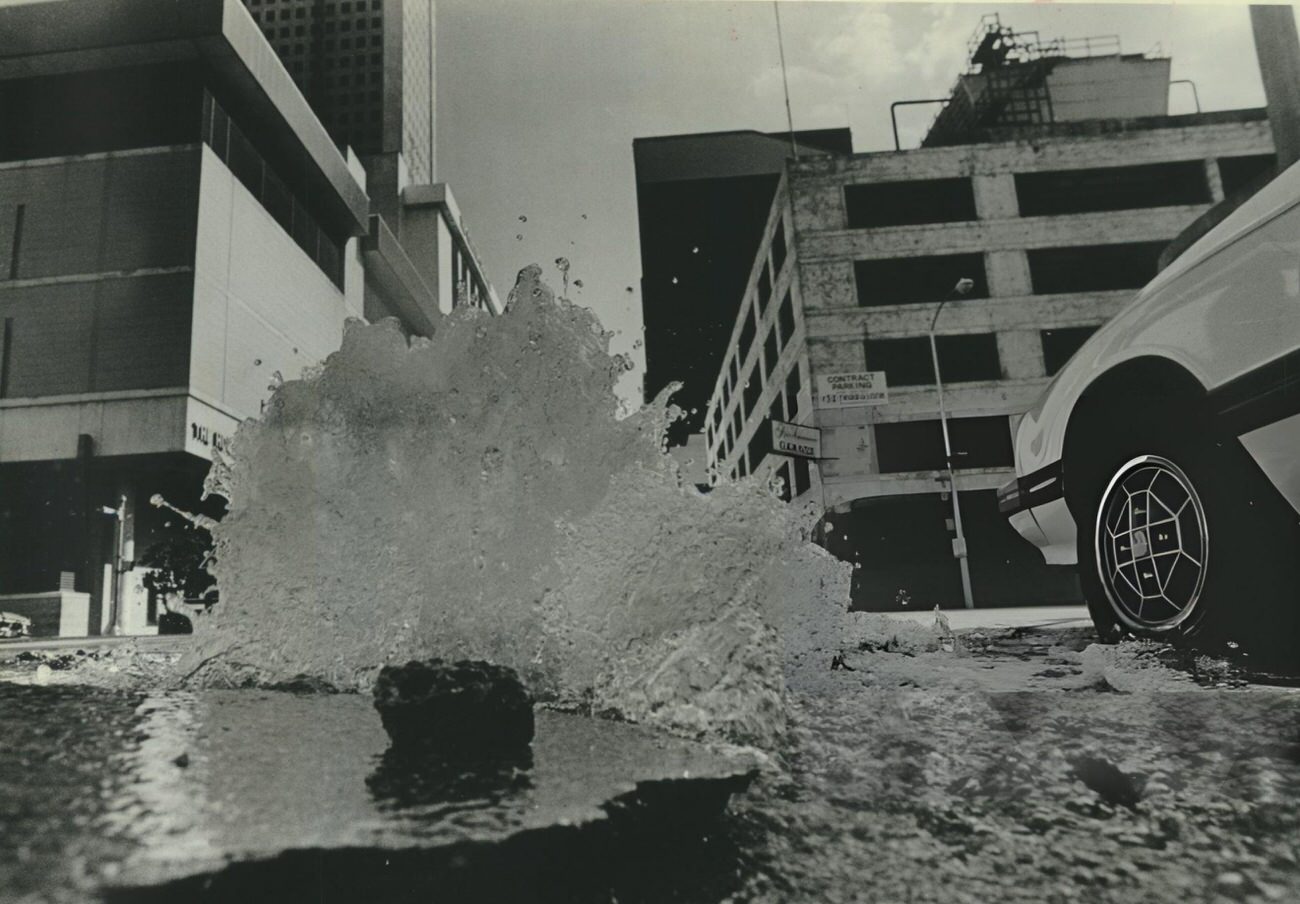
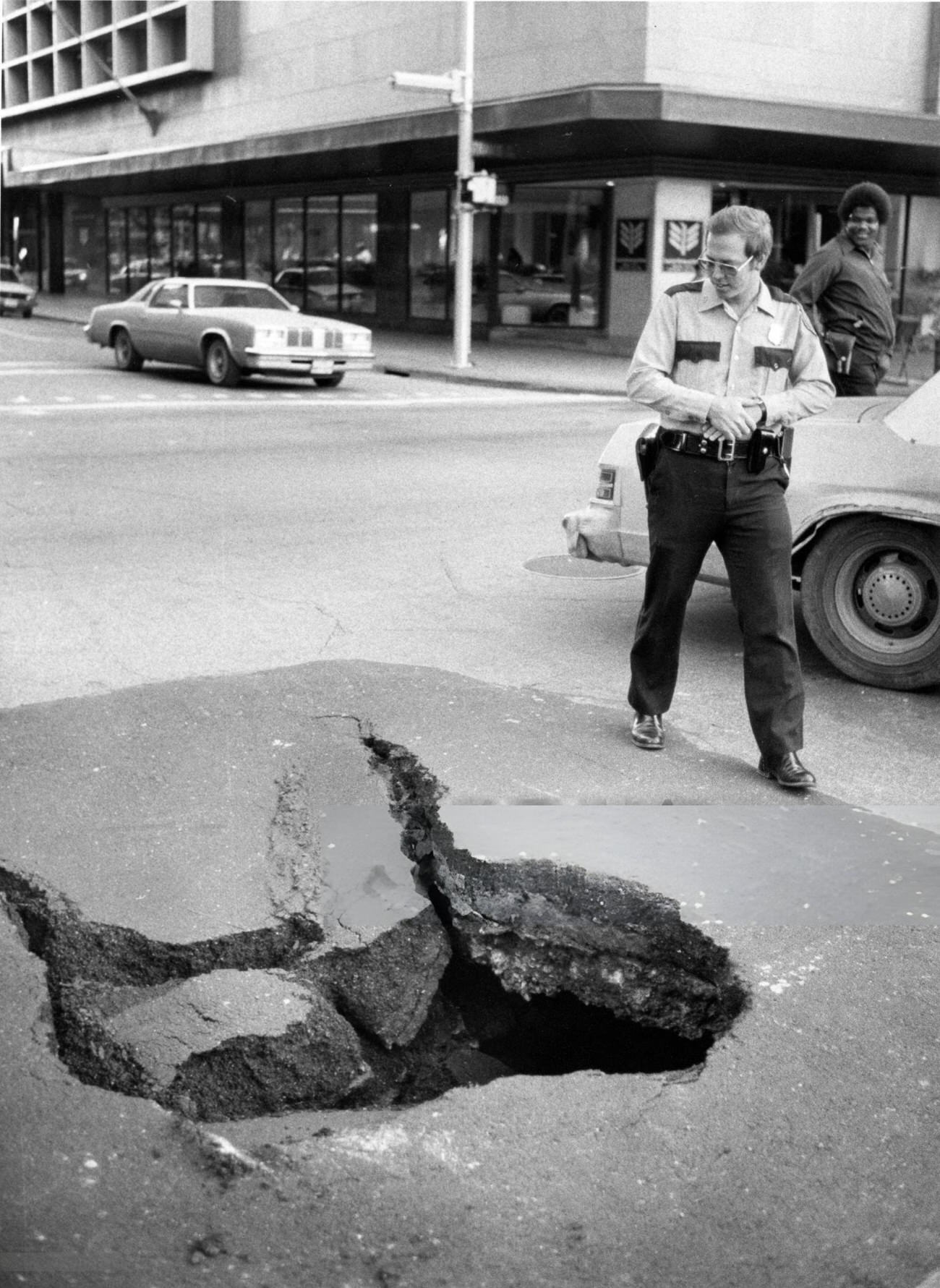
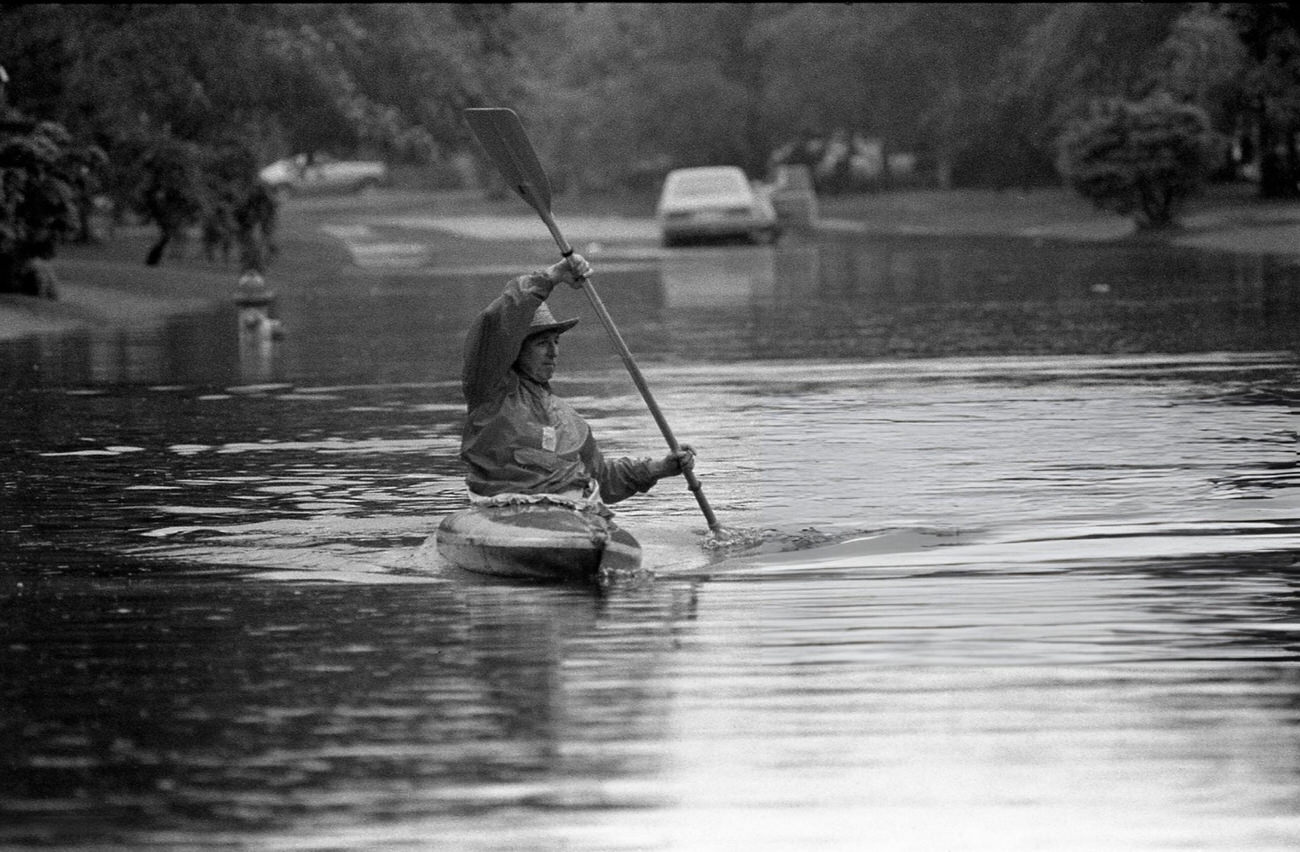
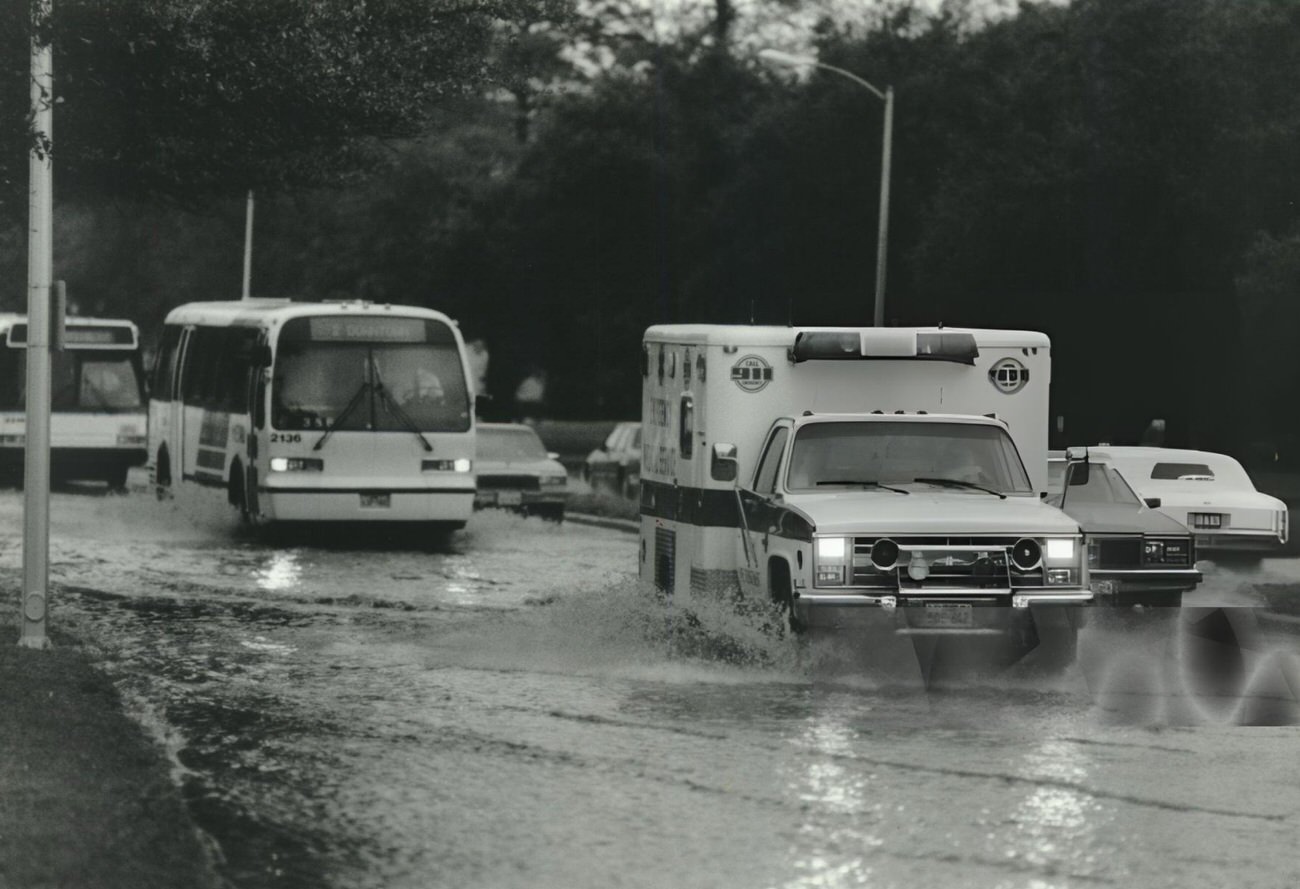
The city’s infrastructure was growing fast but not always smoothly. Water main breaks cracked open streets, flooding intersections without warning. Underground infrastructure struggled to keep pace with the city’s rapid expansion.
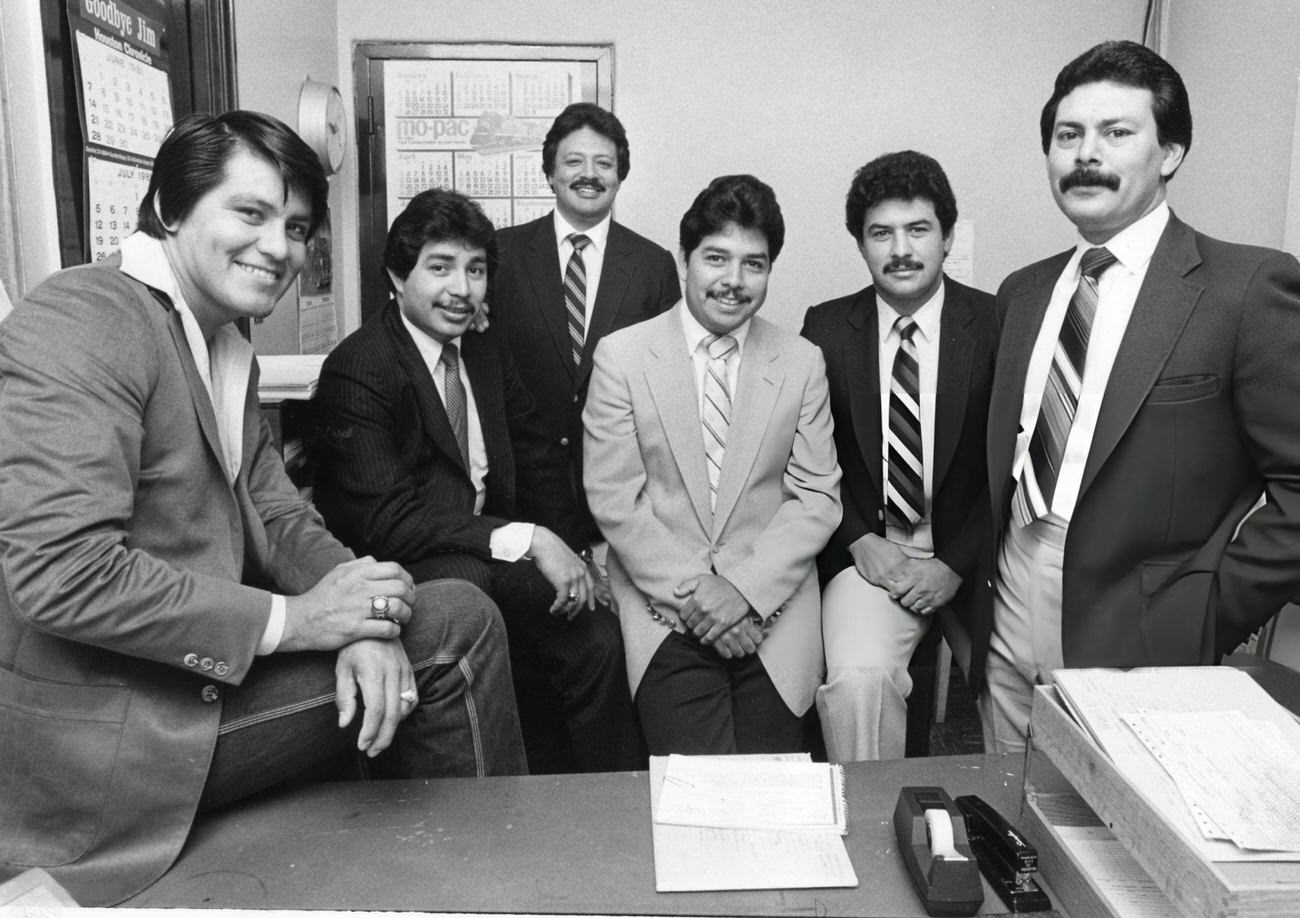
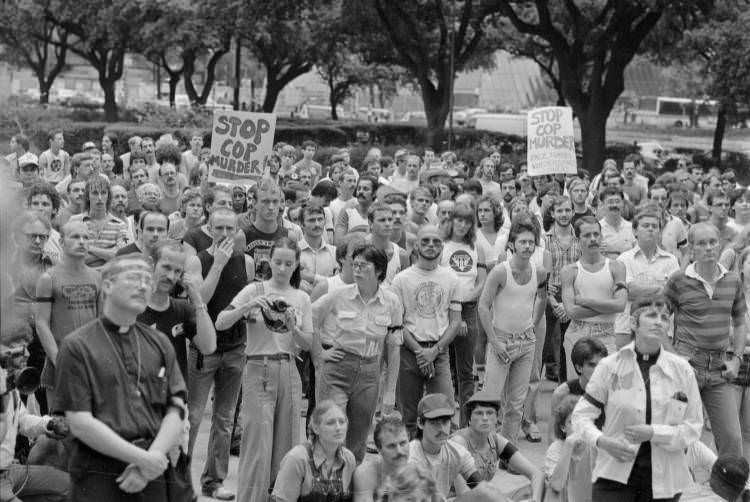
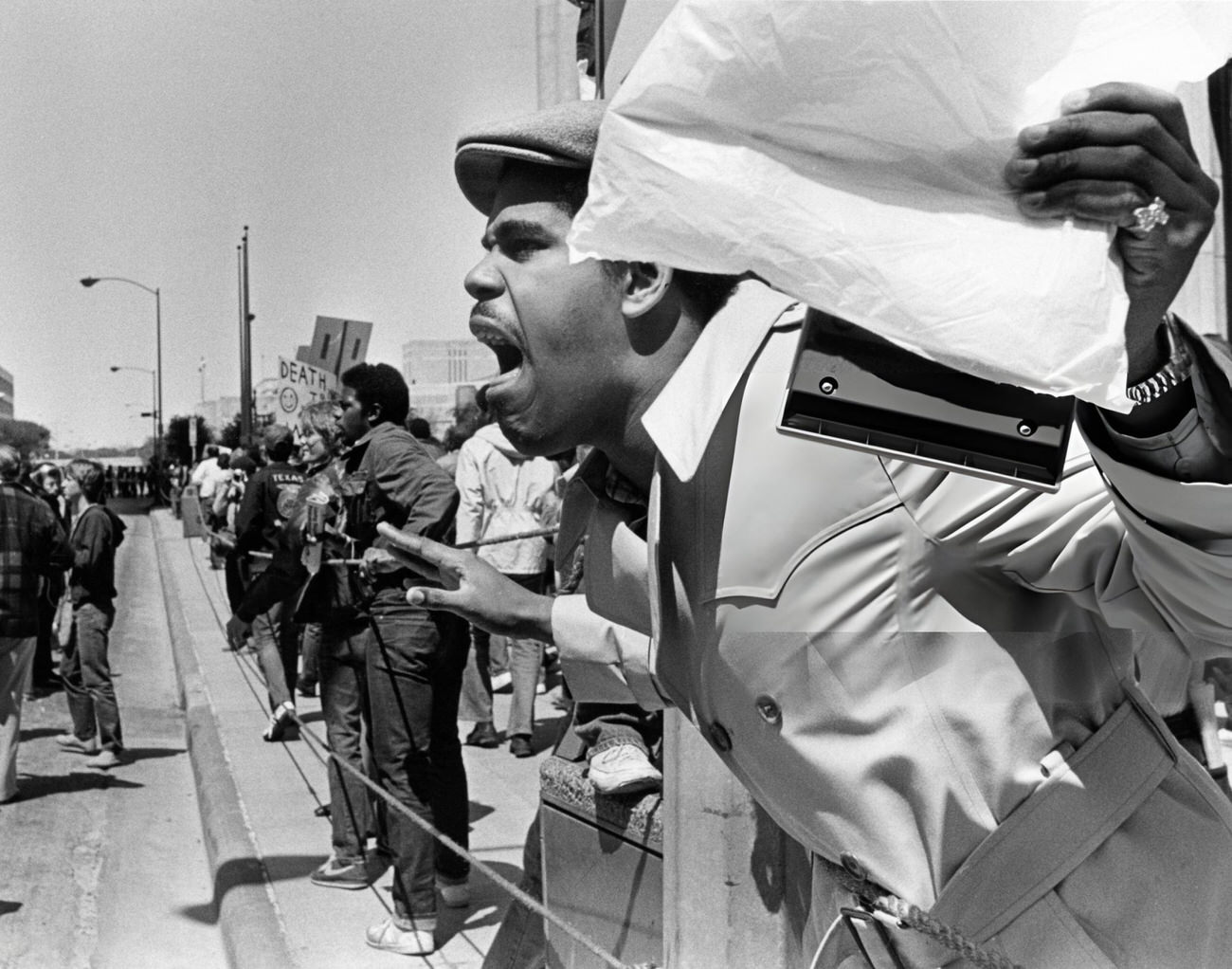
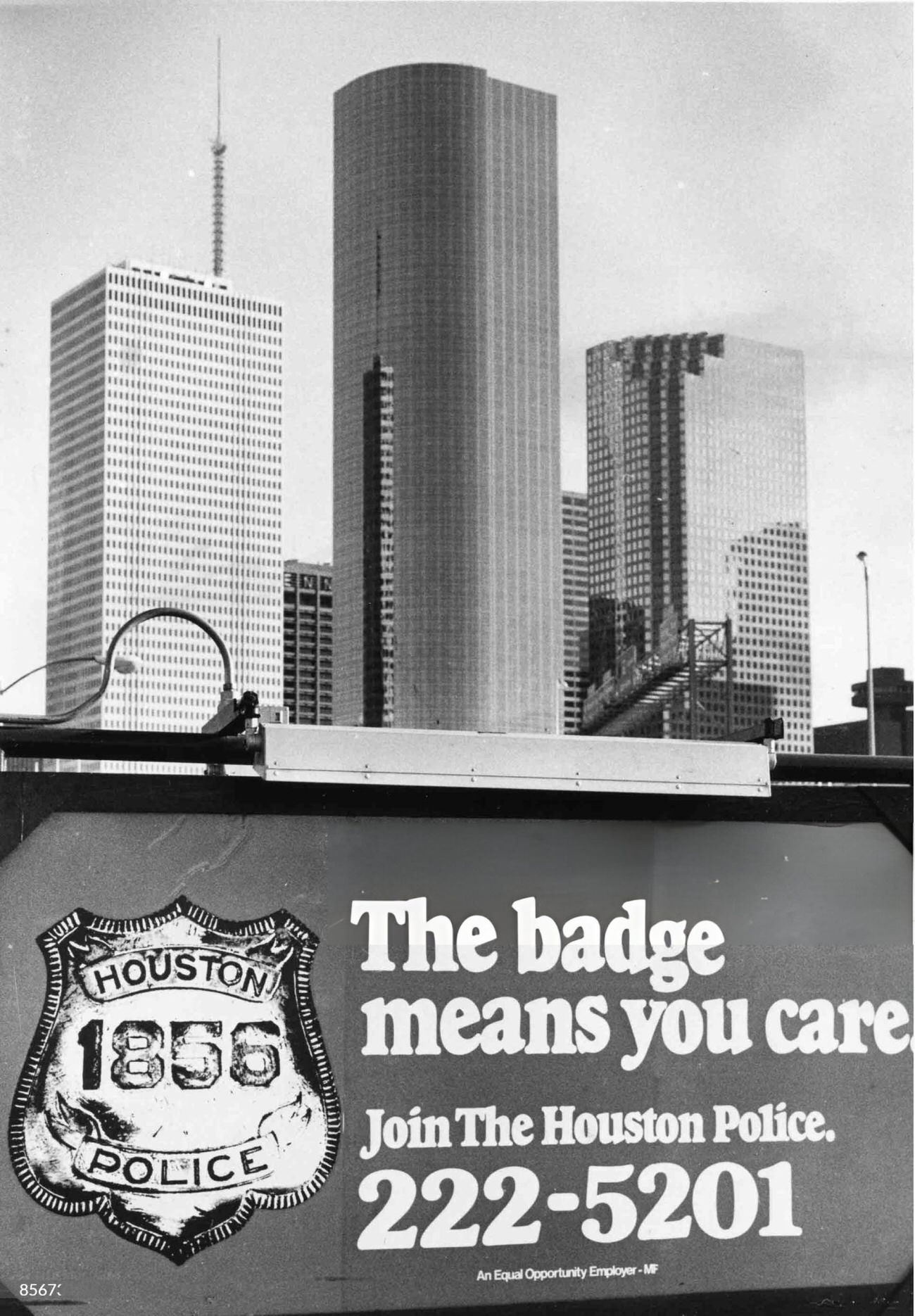
The Houston Police Department reflected the city’s diversity in its ranks, including the formation of dedicated units like the Chicano Squad. While the department worked to serve the city’s growing Latino population, protests also marked the early decade. In July 1980, demonstrators gathered at City Hall to protest the death of Fred Paez, part of a broader tension between Houston’s communities of color and local law enforcement.
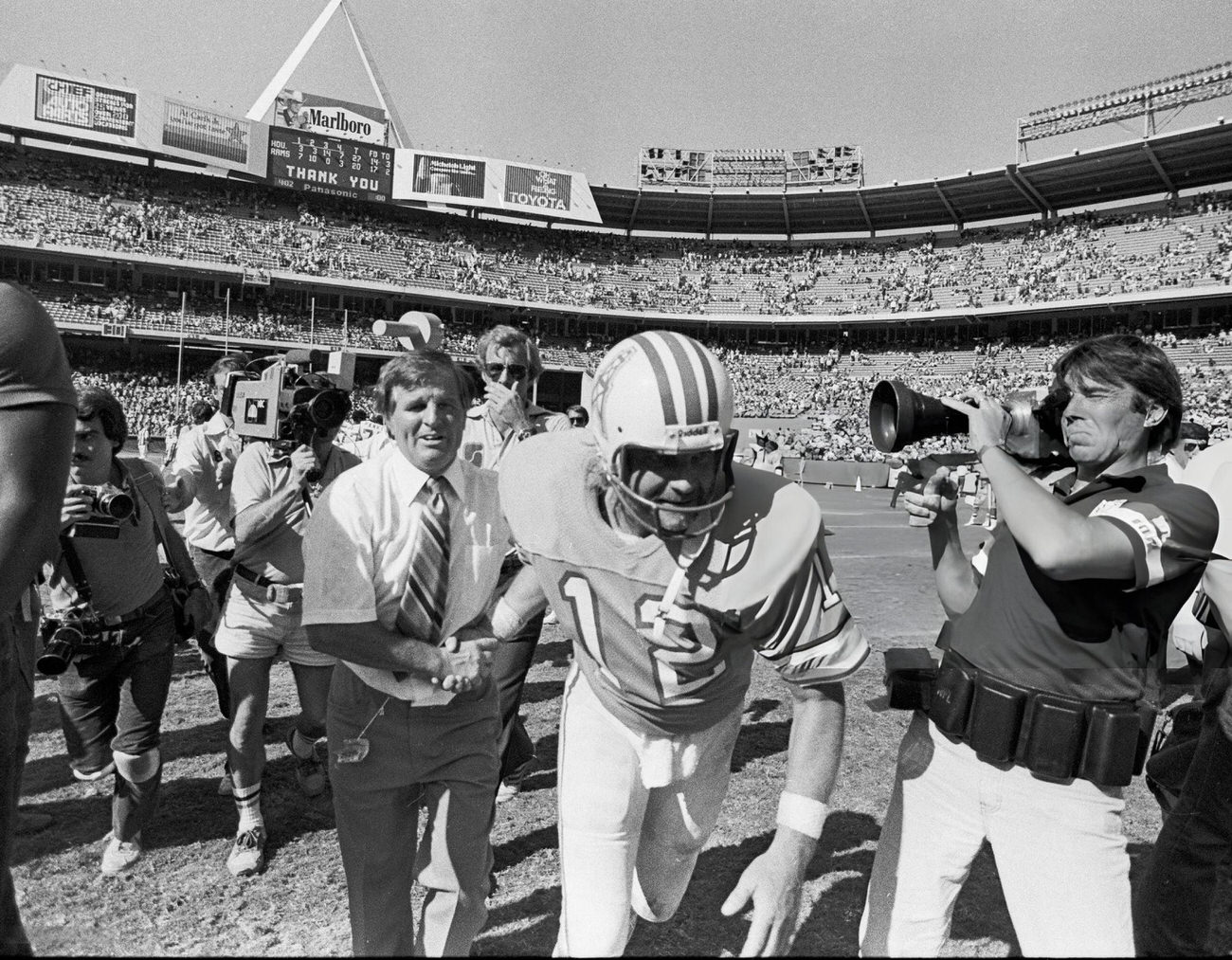
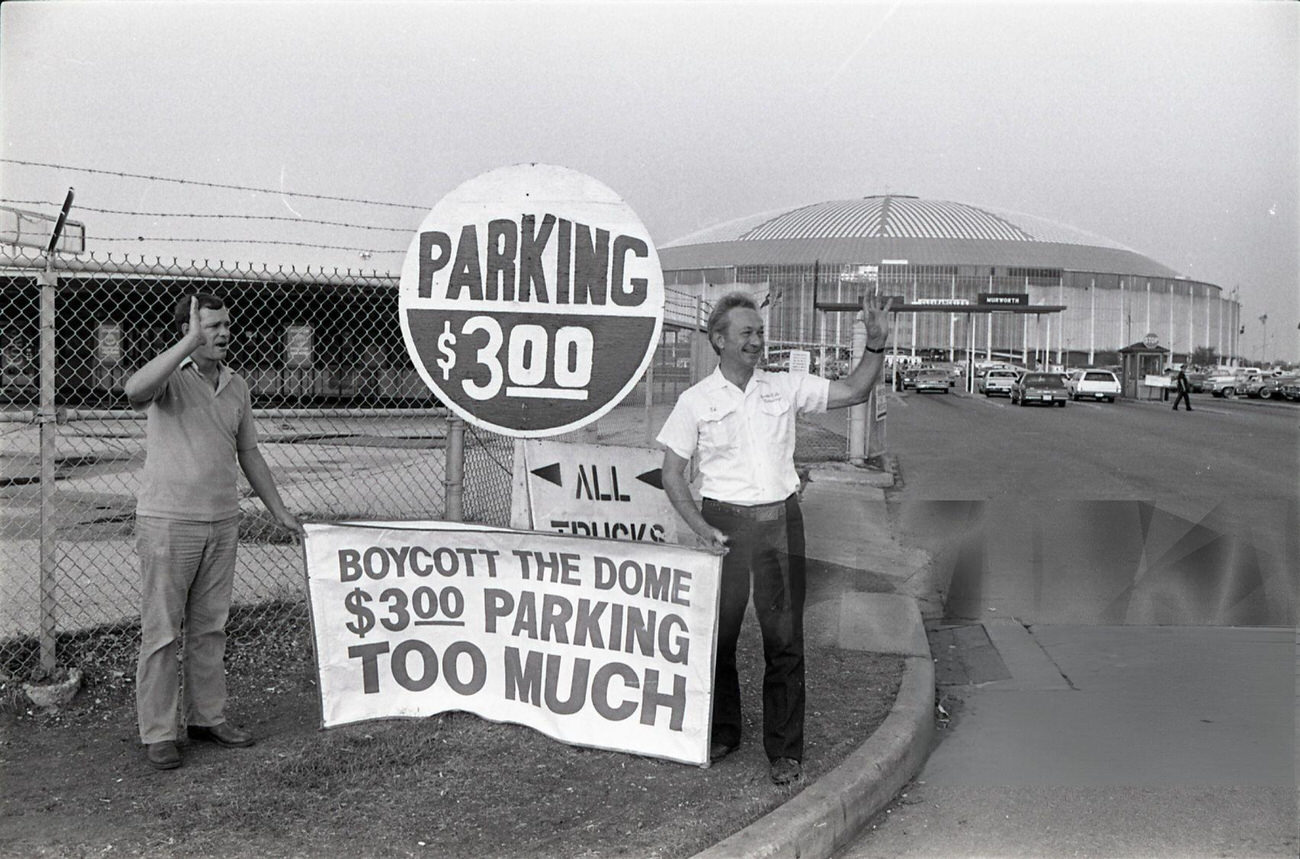
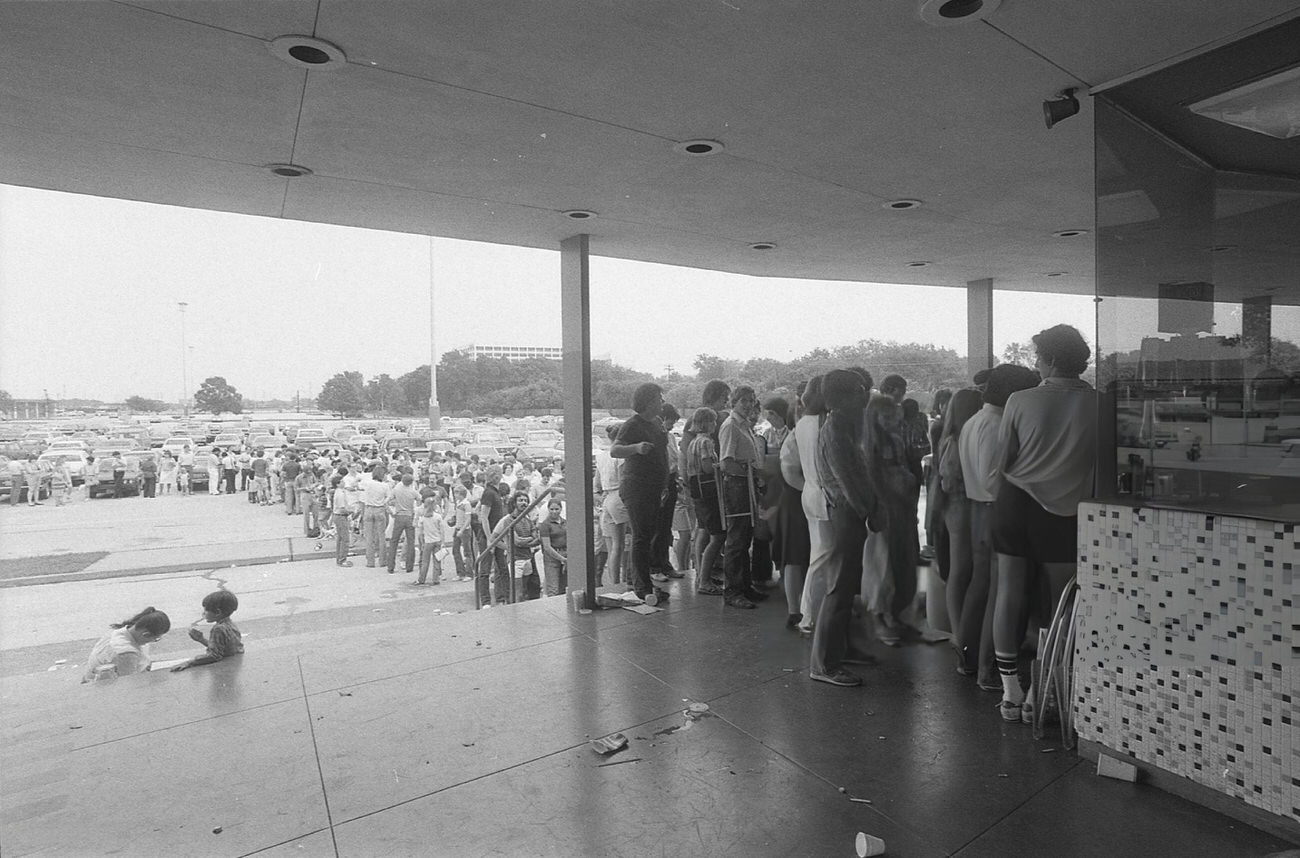
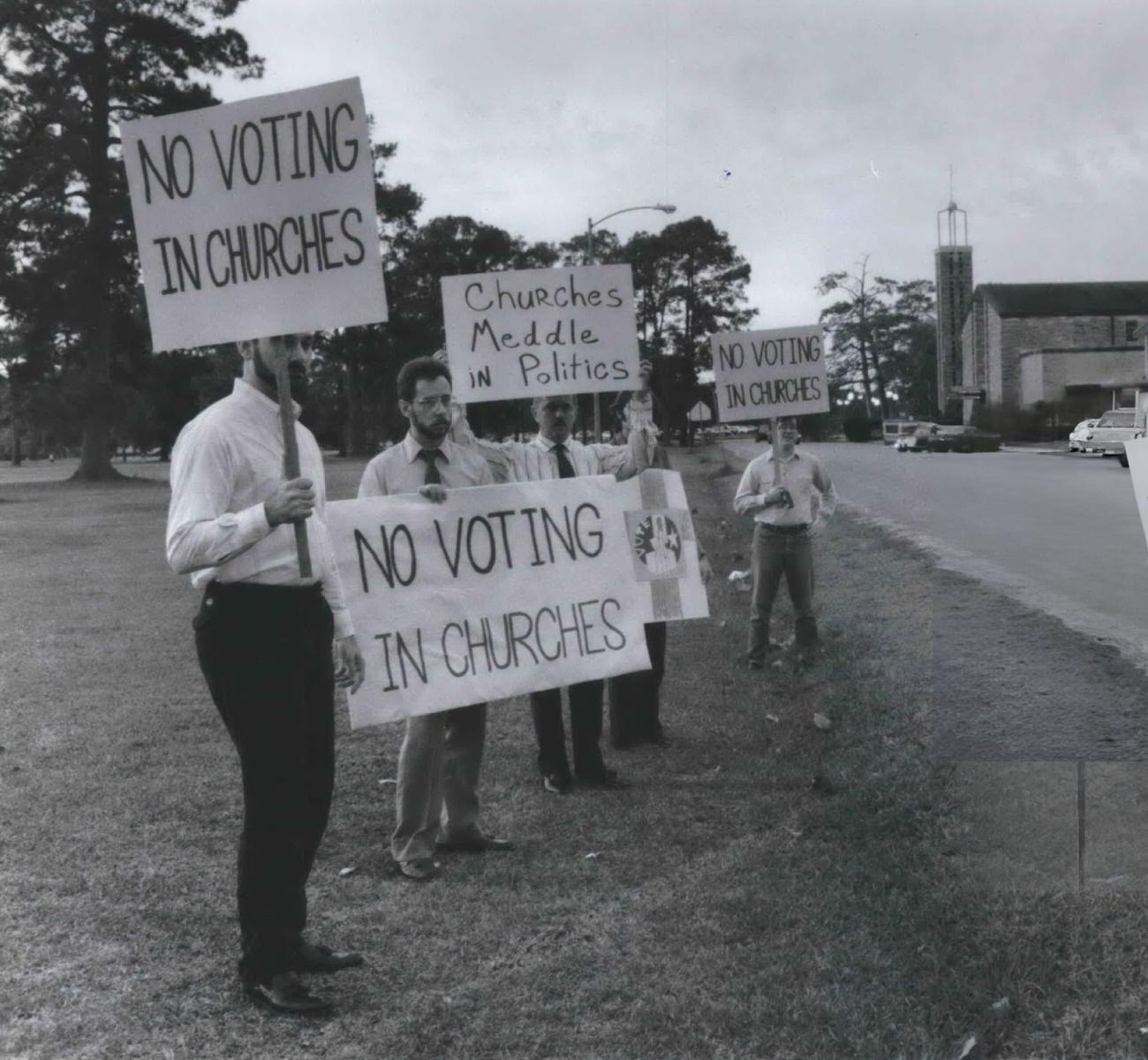
Sports gave the city another reason to feel good about itself. Houston Oilers quarterback Ken Stabler was leading the team on the field, and fans followed the team’s fortunes closely. Meanwhile, the Astrodome — already a Houston landmark — remained central to the city’s sporting and entertainment life, though not without controversy. In 1983, fans organized protests over the $3 parking fee at the stadium.
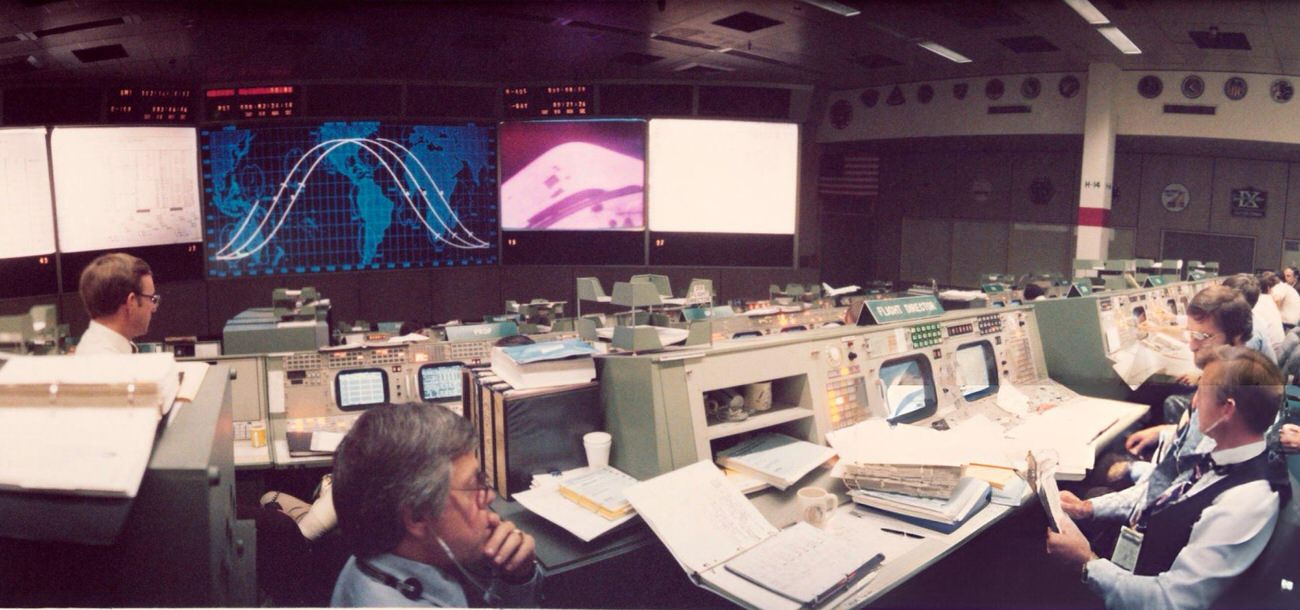
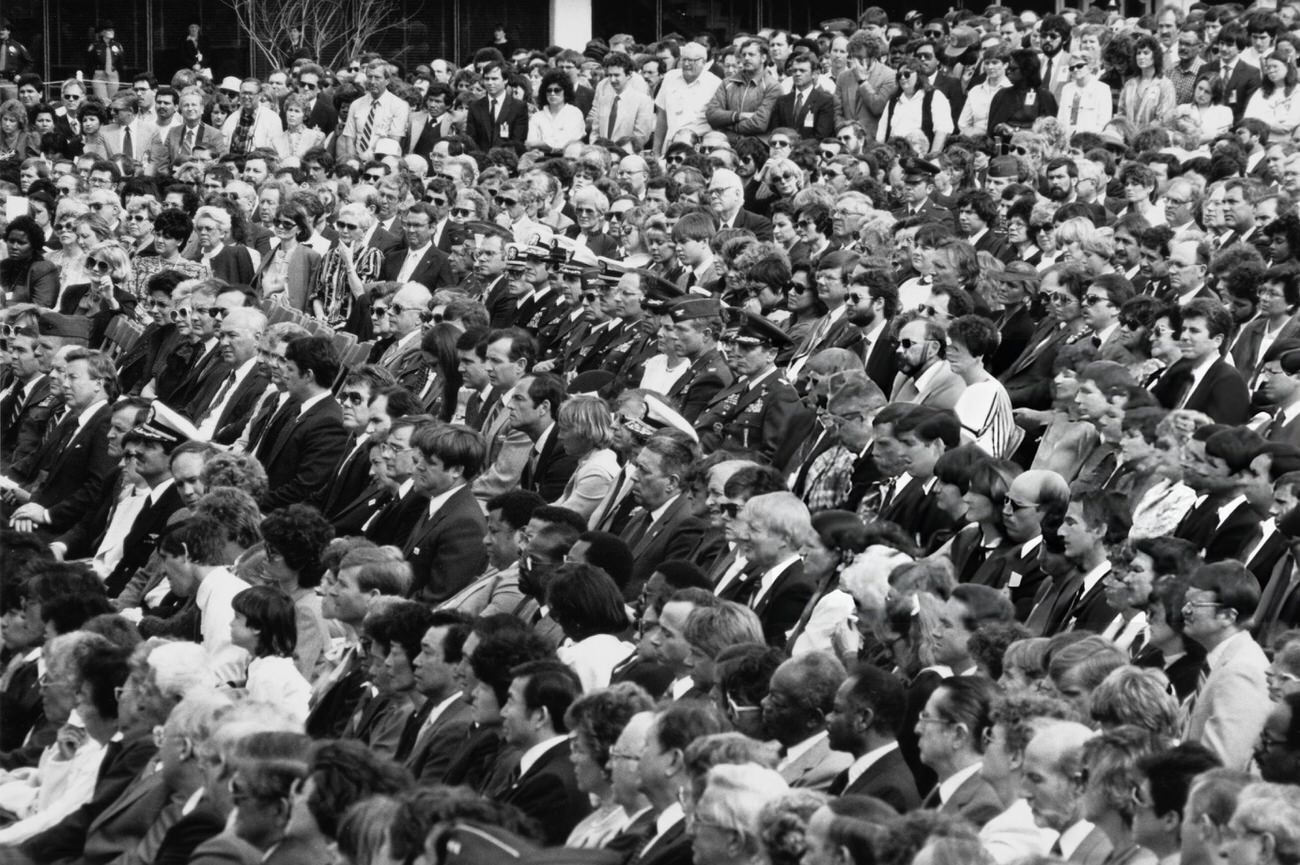
NASA’s Johnson Space Center kept Houston on the world stage throughout the decade. In 1981, mission control buzzed with activity during the Space Shuttle Columbia’s first flight. The following year, astronauts Henry Hartsfield and Ellen Baker were on hand for STS-3. But the decade’s most painful space moment came in January 1986, when the Space Shuttle Challenger broke apart 73 seconds after launch, killing all seven crew members. A memorial service at Johnson Space Center drew mourners from across the country.
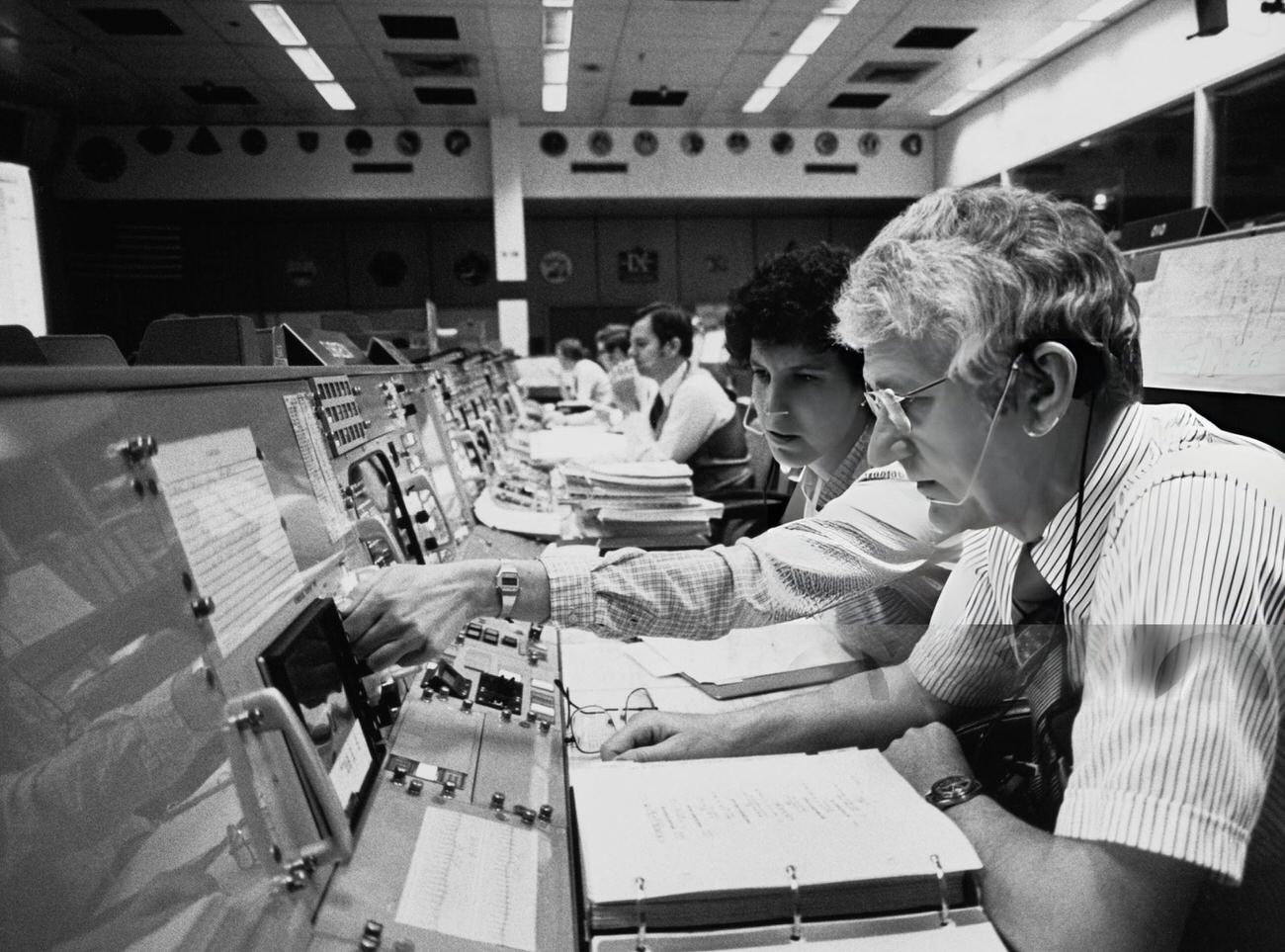
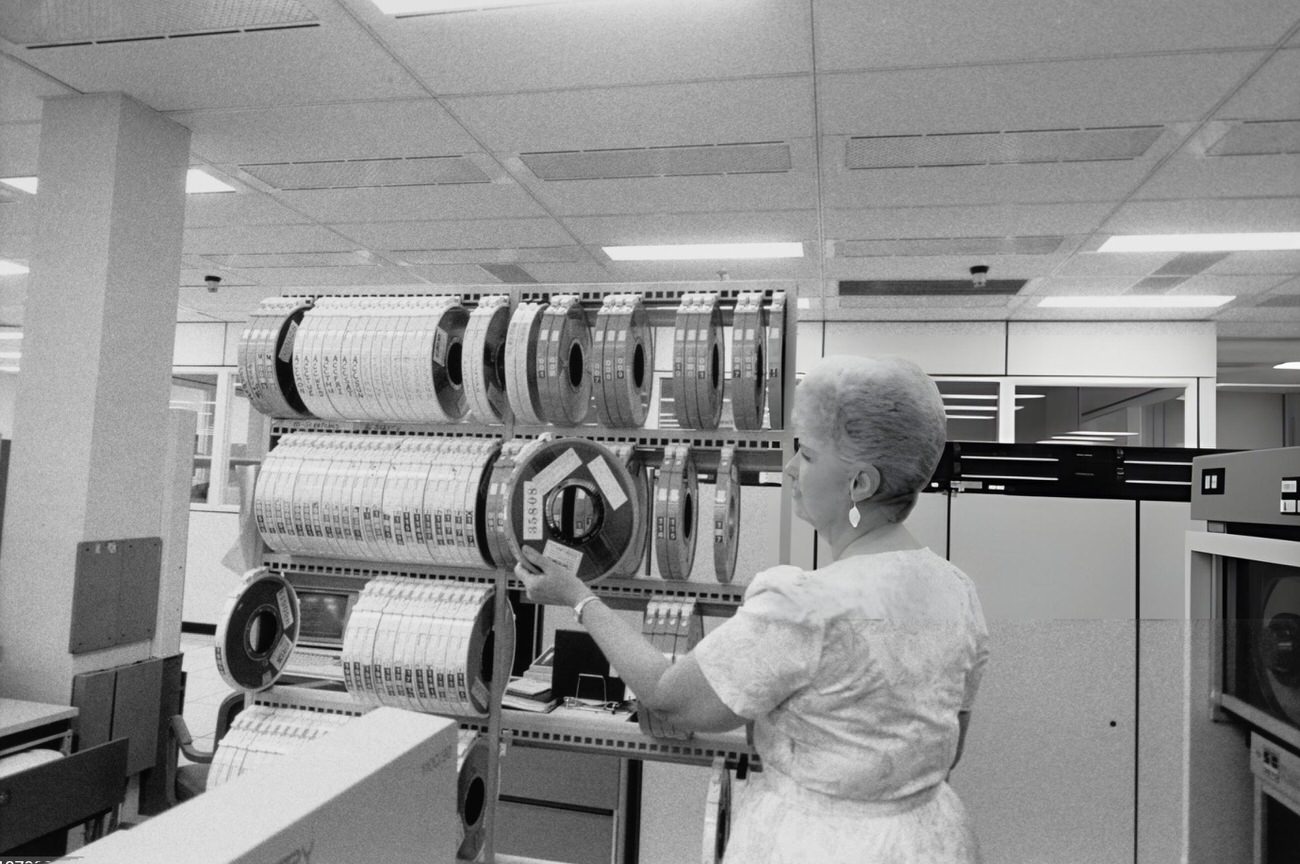
In the aftermath of the Challenger disaster, Larue Forbes was among the workers at Johnson Space Center tasked with analyzing the mission’s data tapes — painstaking technical work carried out under enormous pressure as investigators pieced together what had gone wrong.
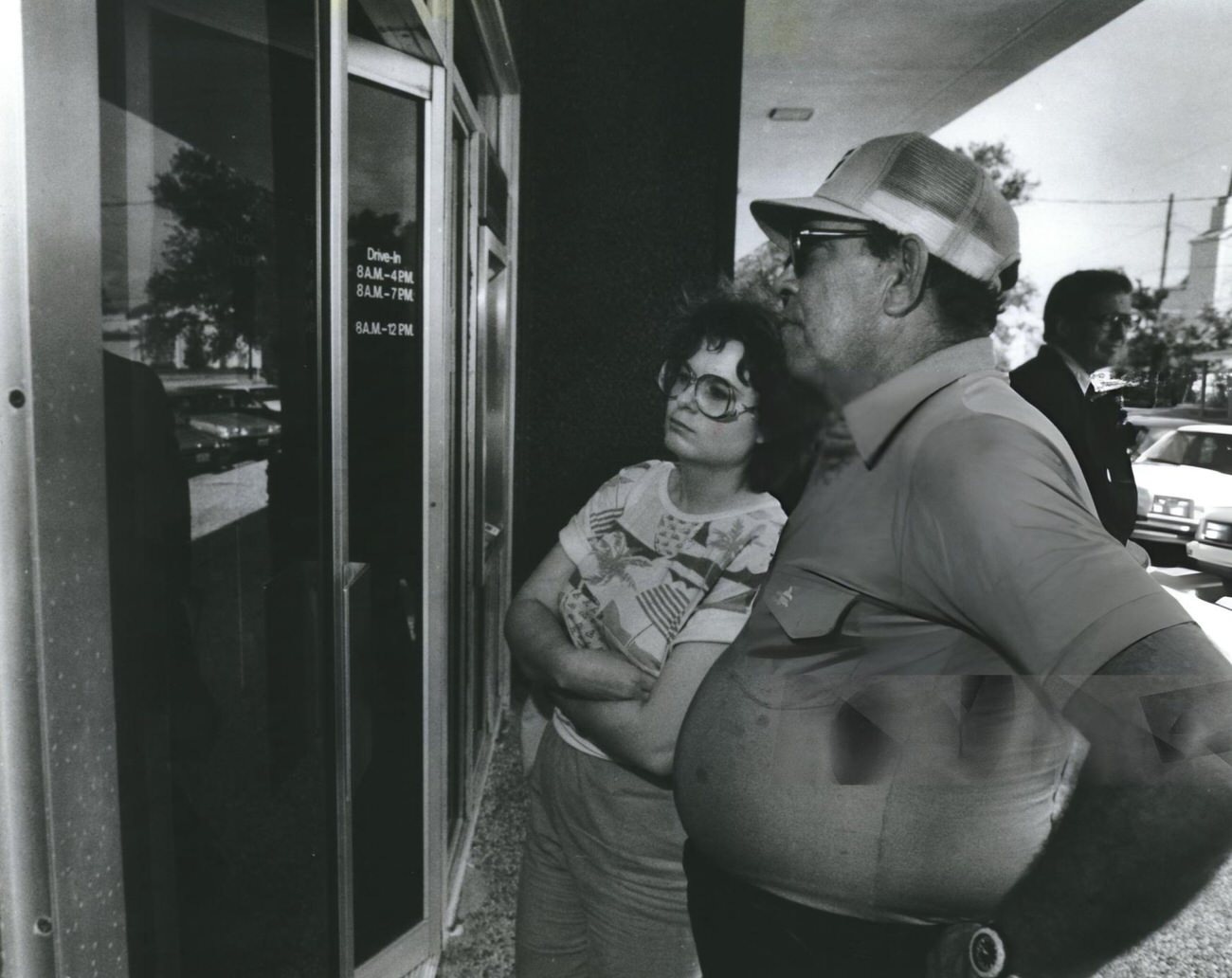
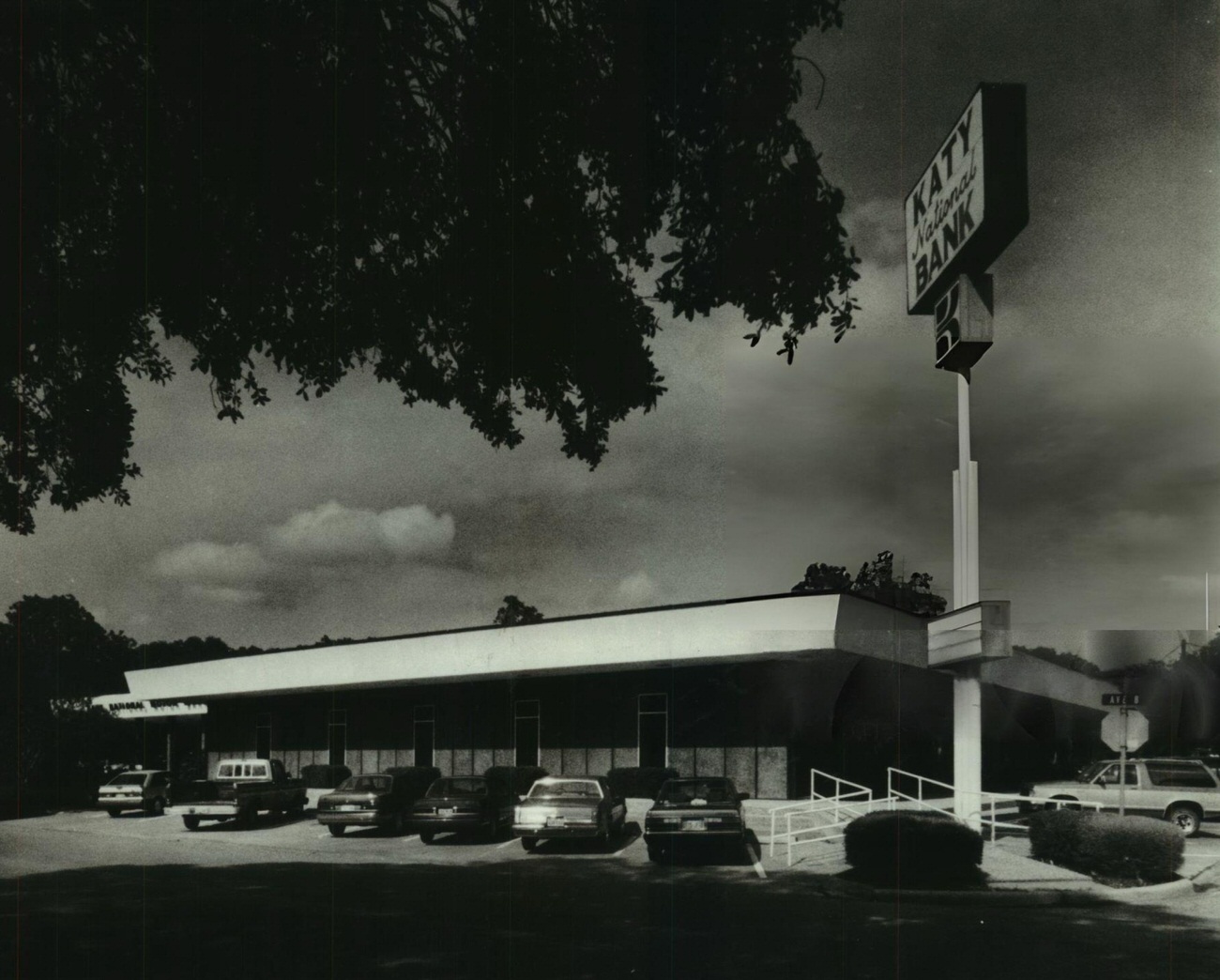
By the mid-1980s, the oil crash had hit Houston hard. Prices that had once fueled a building boom collapsed, and the city’s concentrated dependence on the energy sector meant the consequences were severe. Businesses shut down, unemployment rose sharply, and real estate values plummeted. Banks that had lent heavily to oil-linked ventures became insolvent. Customers arriving at Katy National Bank found insolvency notices posted on the door.
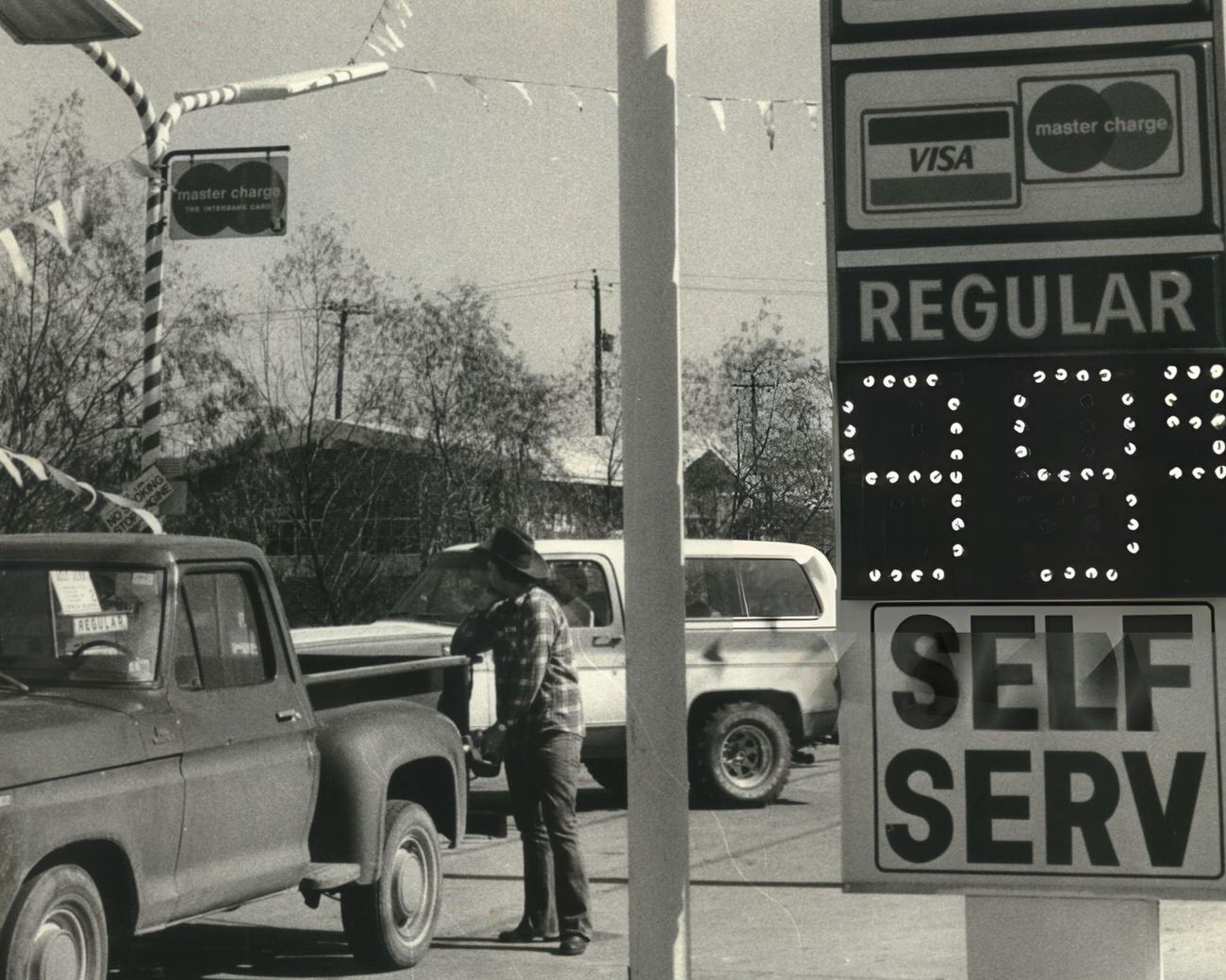
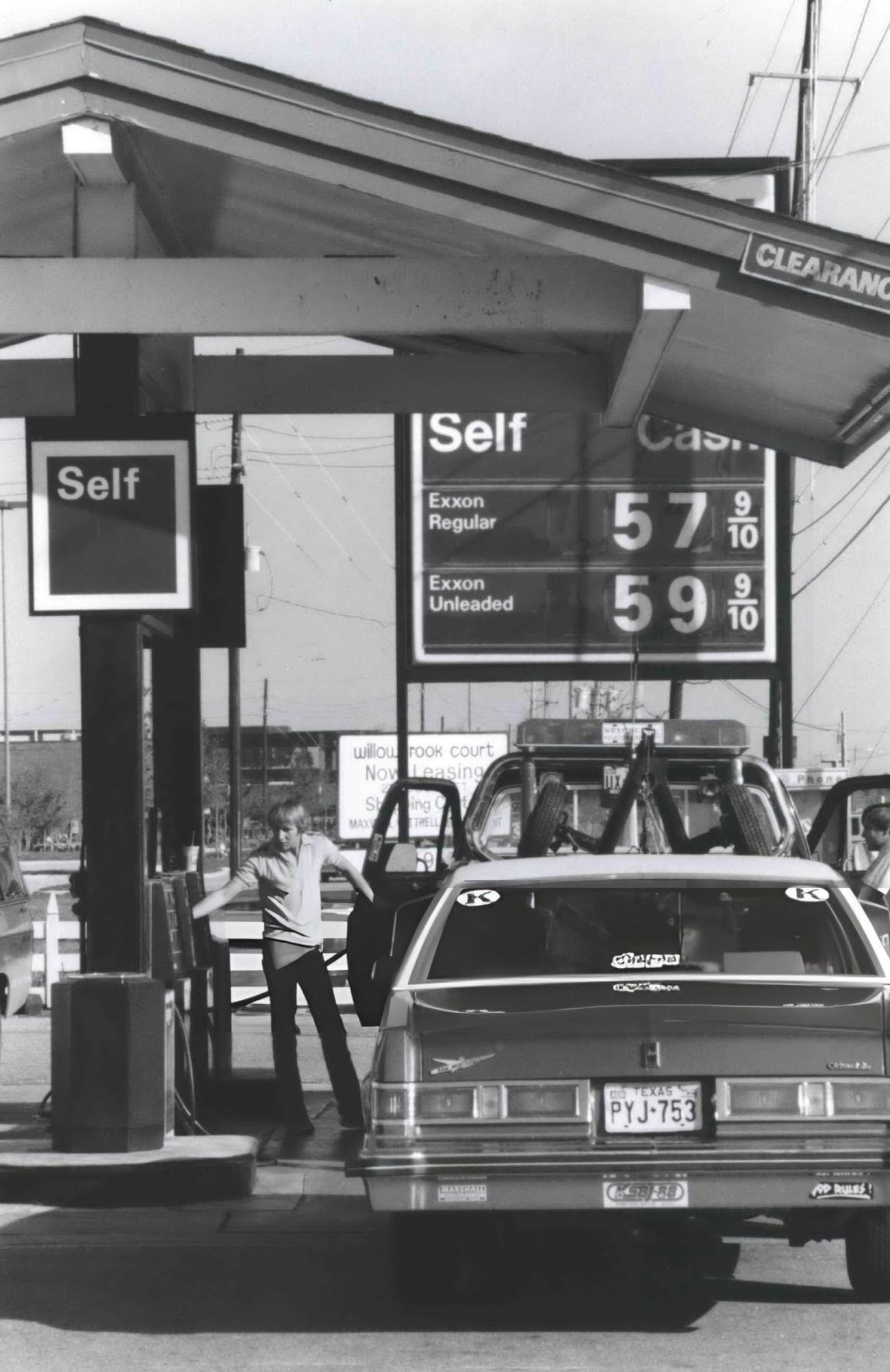
Gas prices told the story of the oil bust in a way anyone could see. At Exxon stations around the city, prices that had once climbed past a dollar a gallon dropped back down dramatically — a visible sign of how far the market had fallen. The oil industry’s volatility ran in both directions, and Houstonians watched the numbers on gas station signs the way other cities watched the stock ticker.
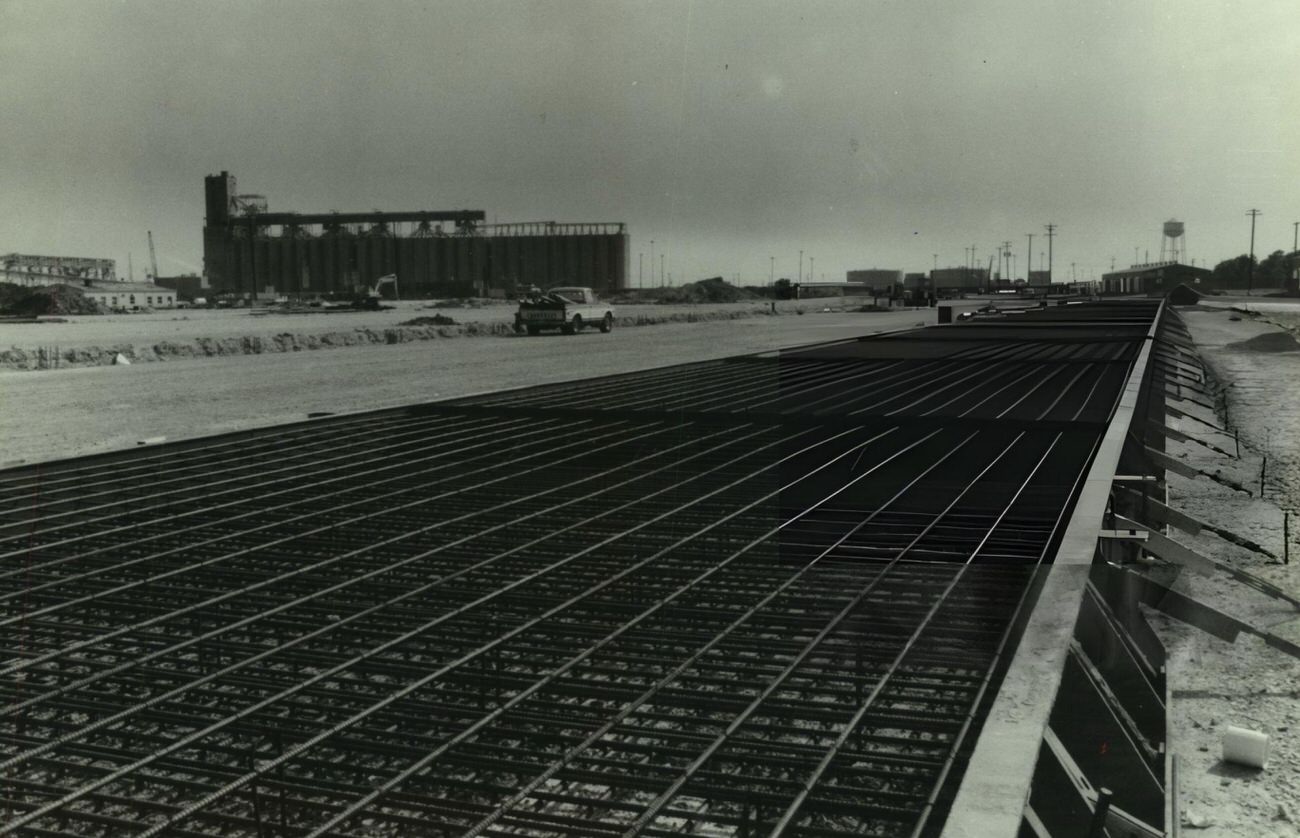
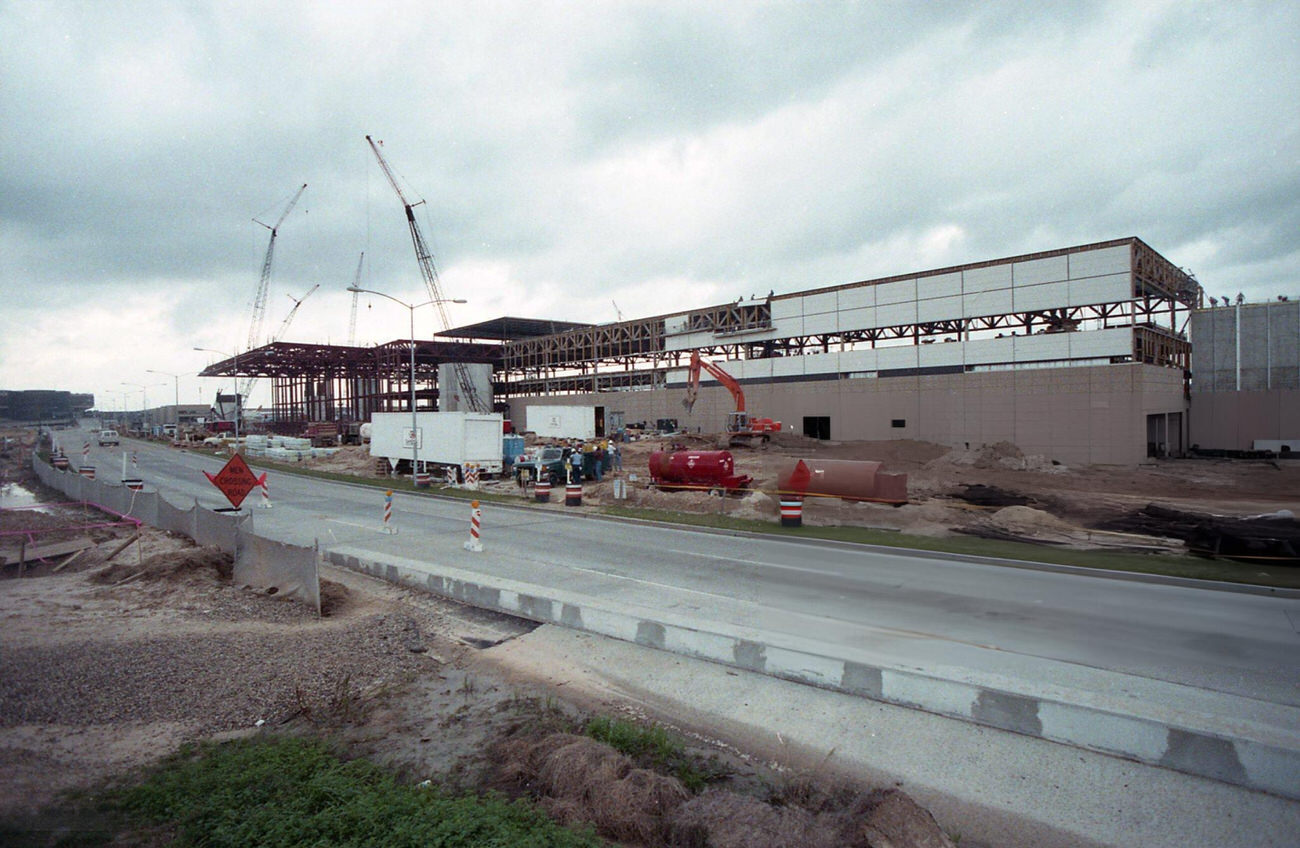
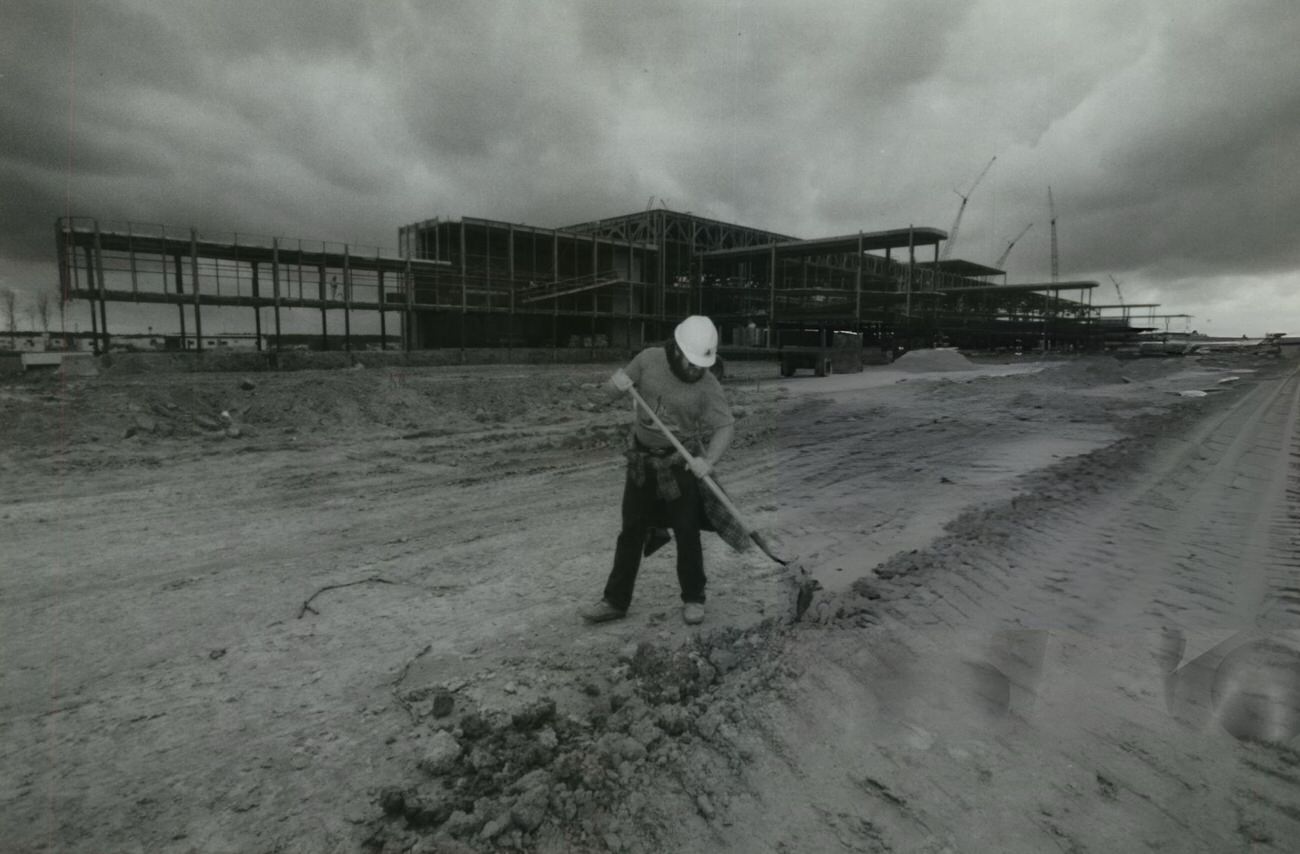
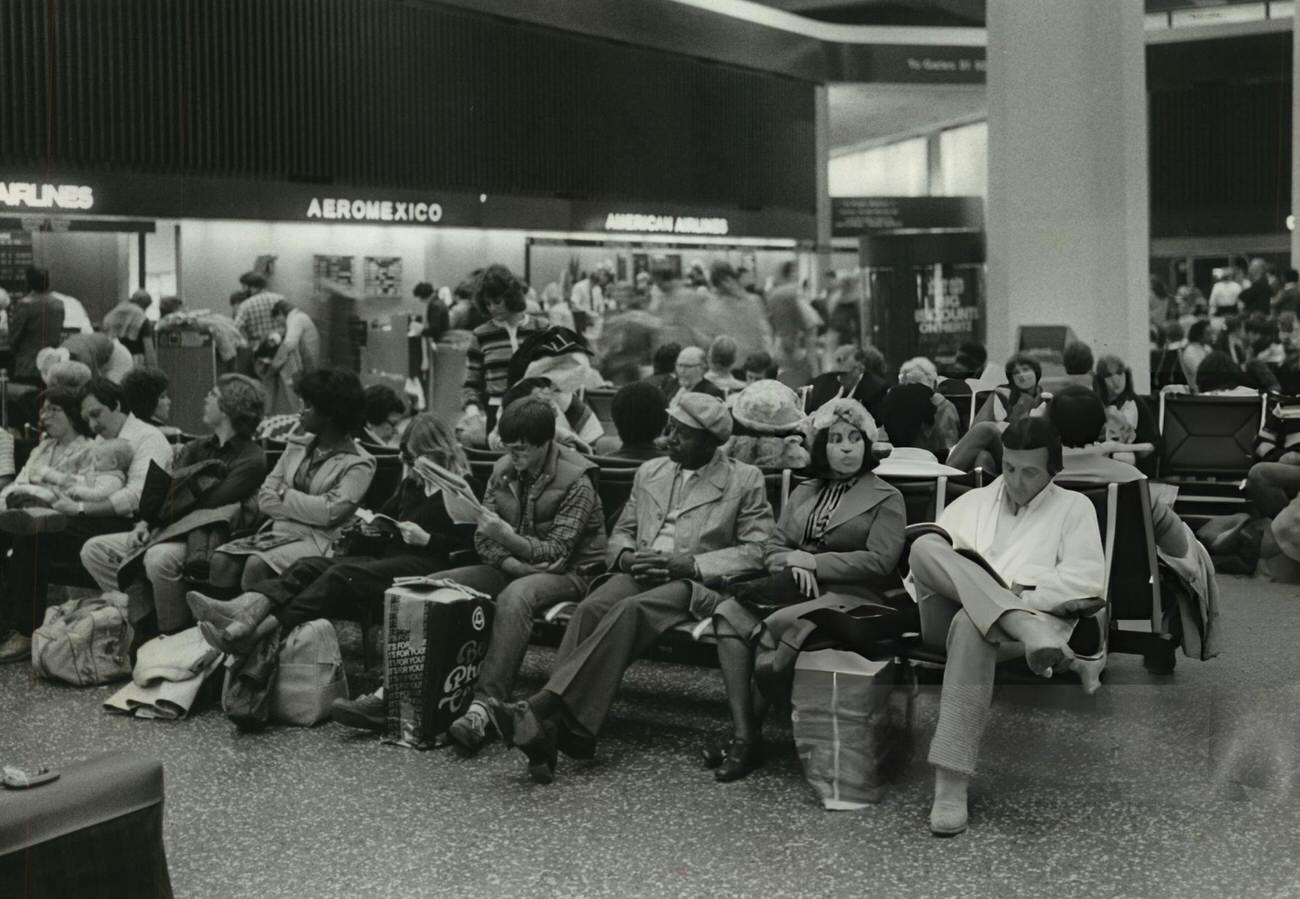
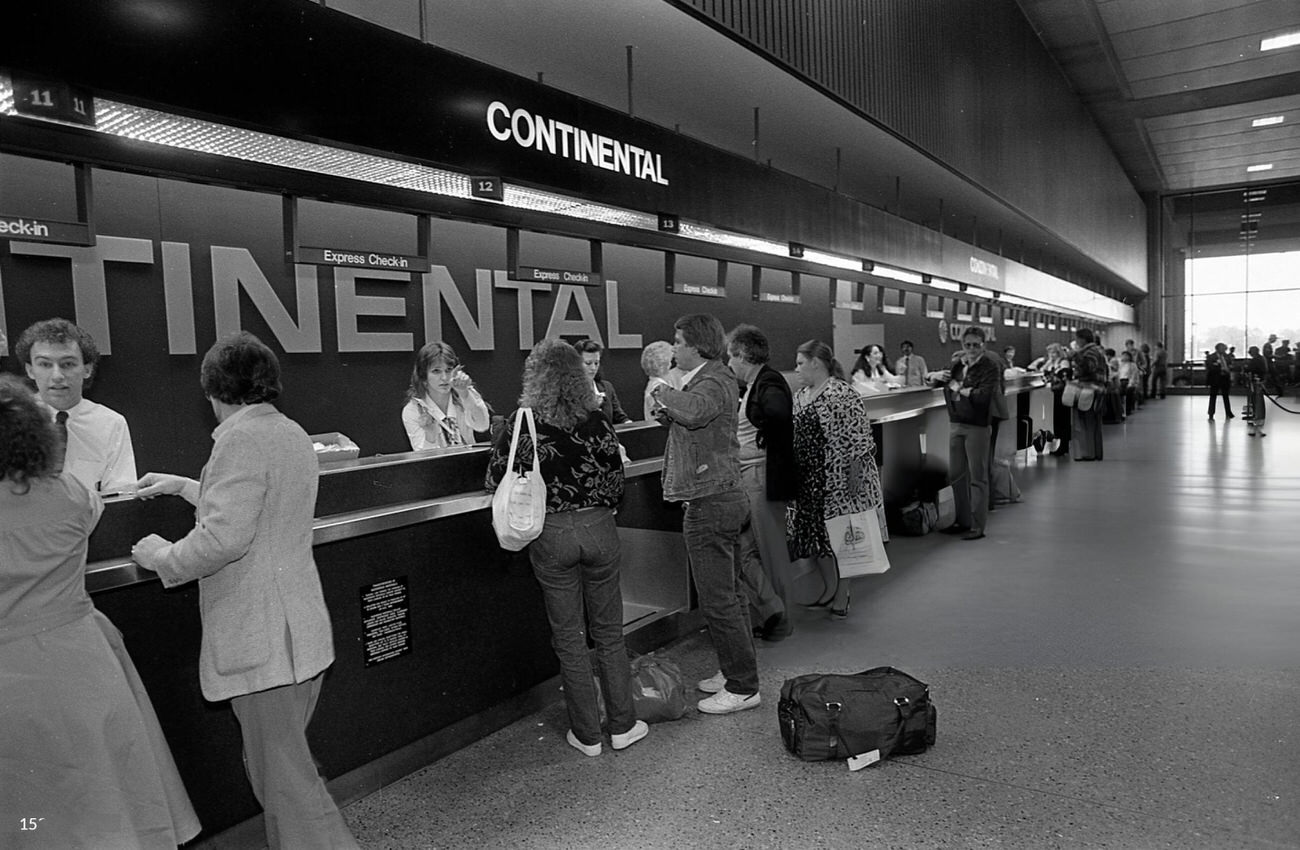
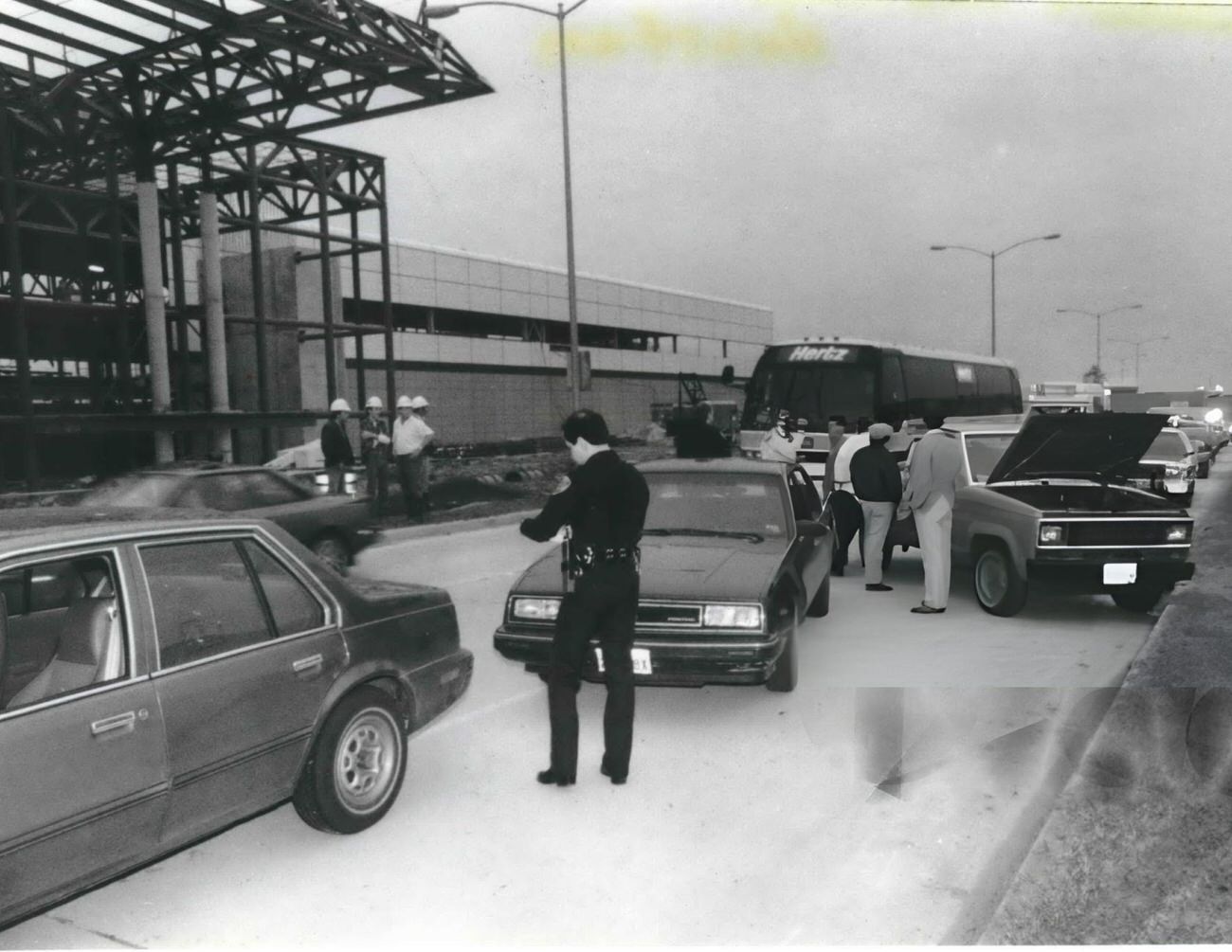
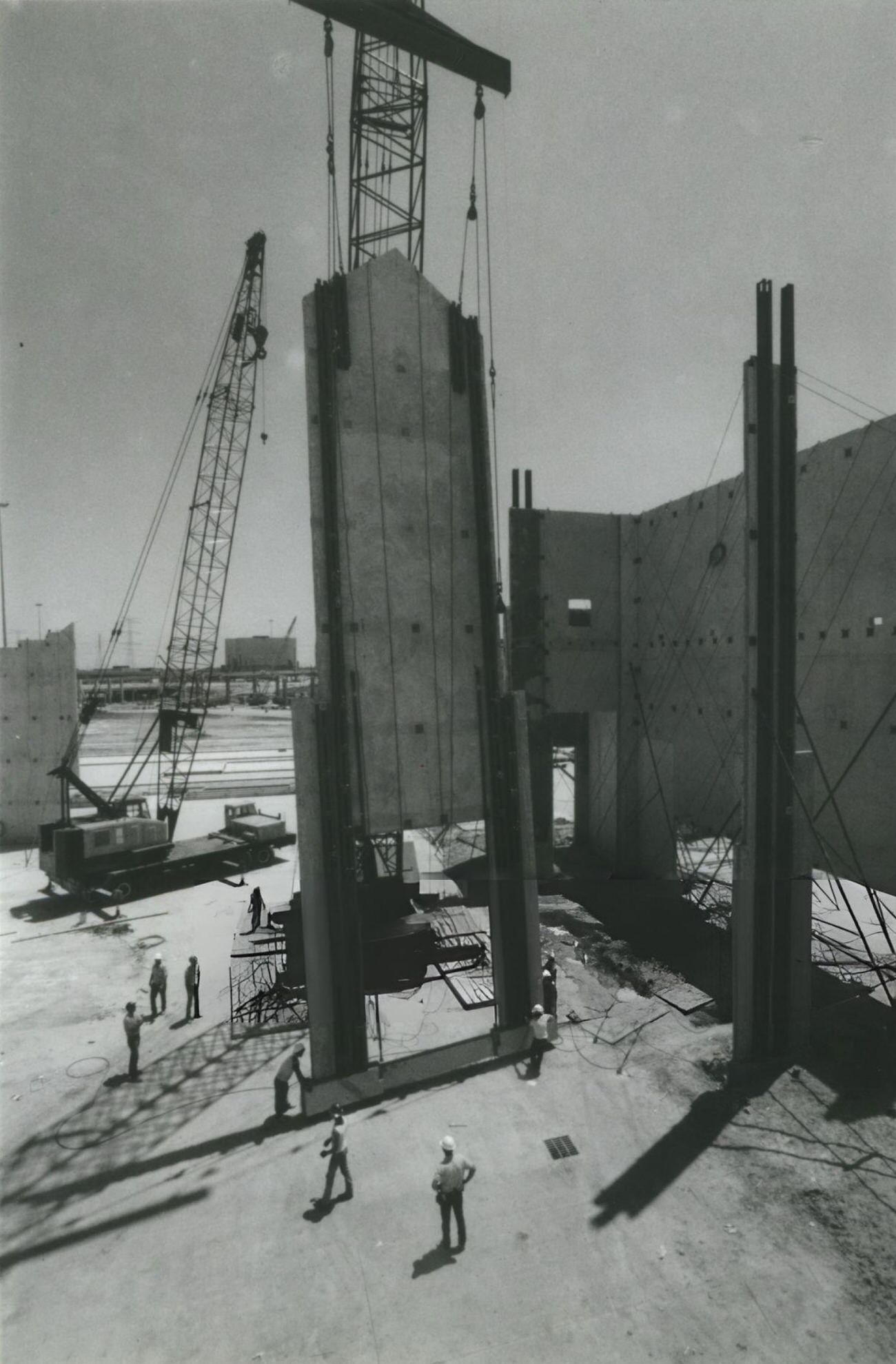
Even as the economy stumbled, Houston kept building and diversifying. The Port of Houston Authority pushed forward with the $110 million Omniport project to expand the city’s capacity for handling agricultural goods, signaling a deliberate shift toward trade-based economic growth. Construction continued at Intercontinental Airport, where Terminal D was going up by 1989, adding capacity for a city that still moved millions of travelers each year.
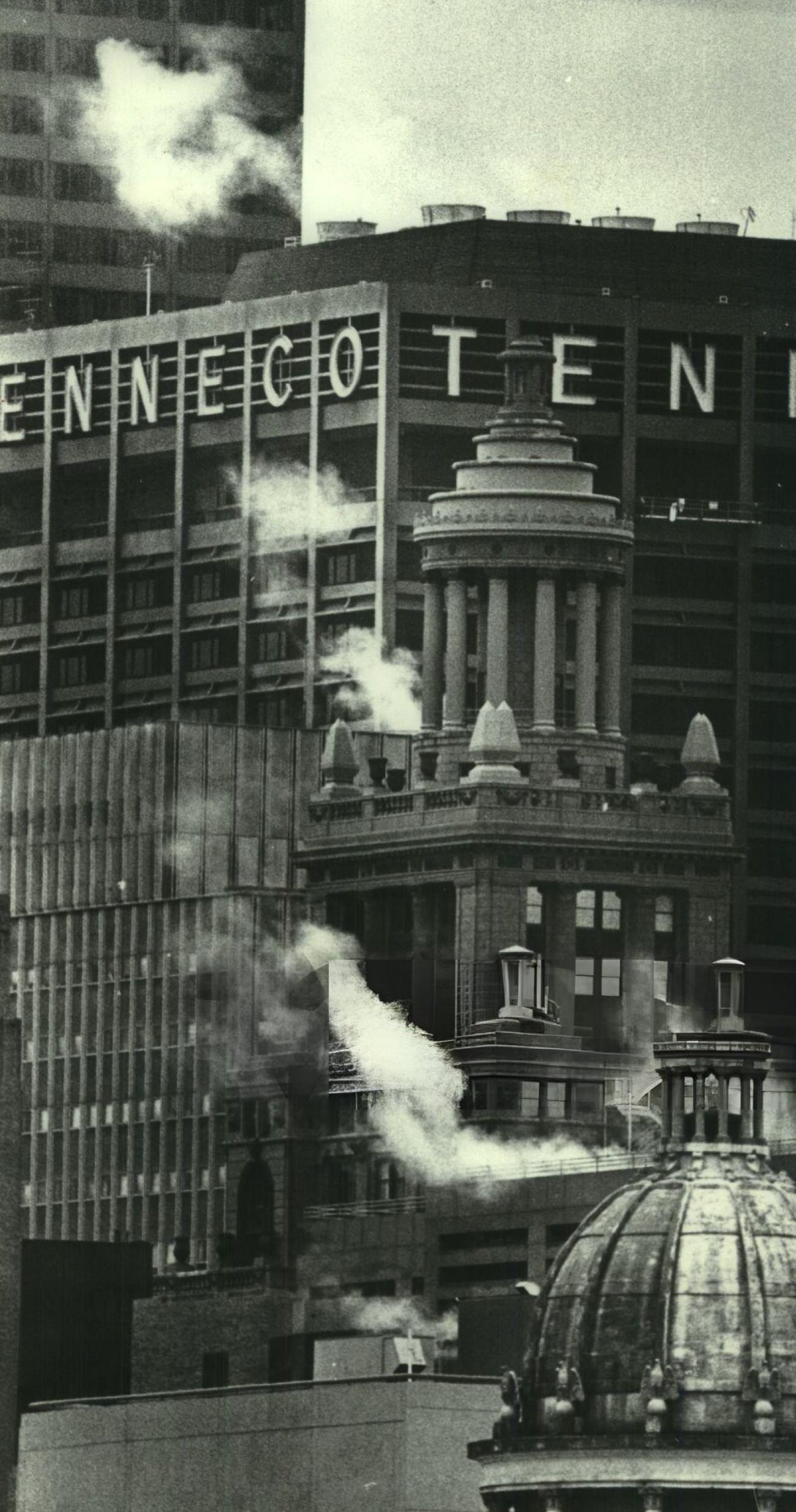
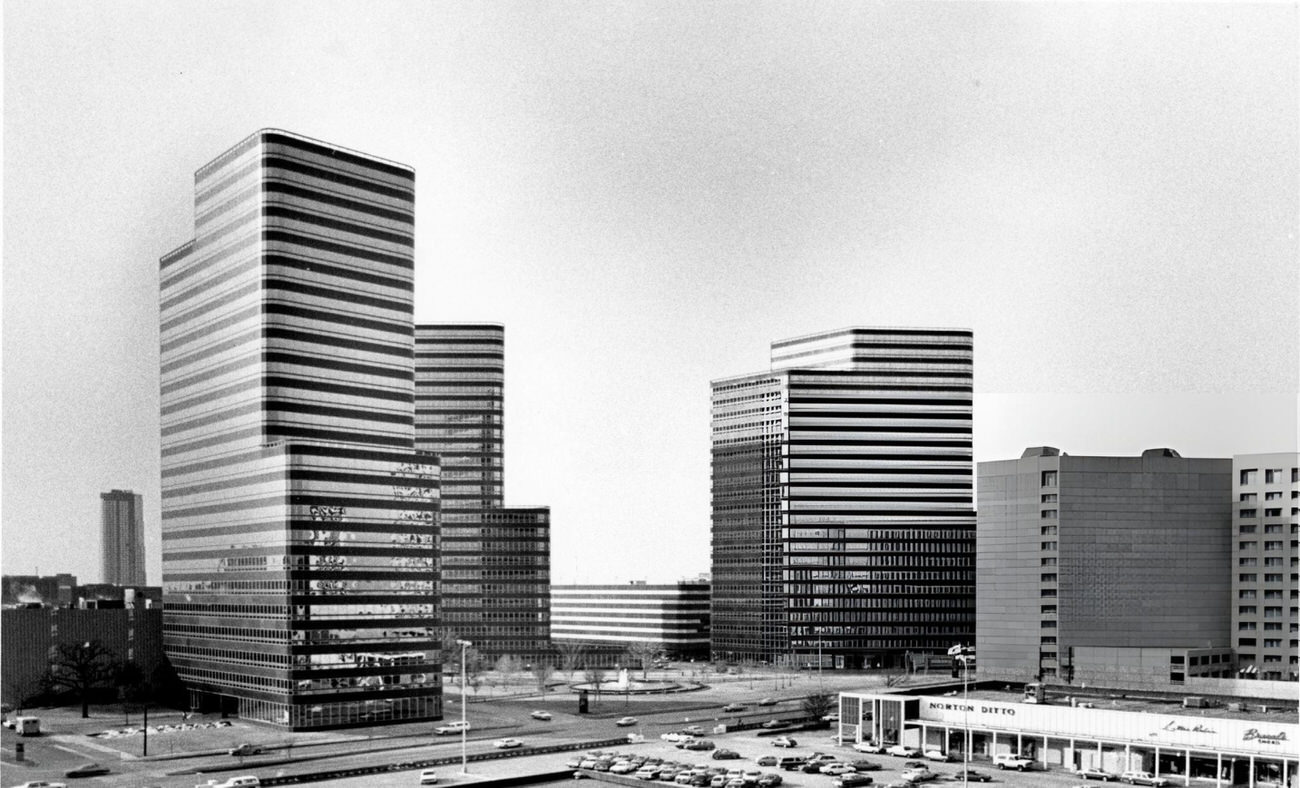
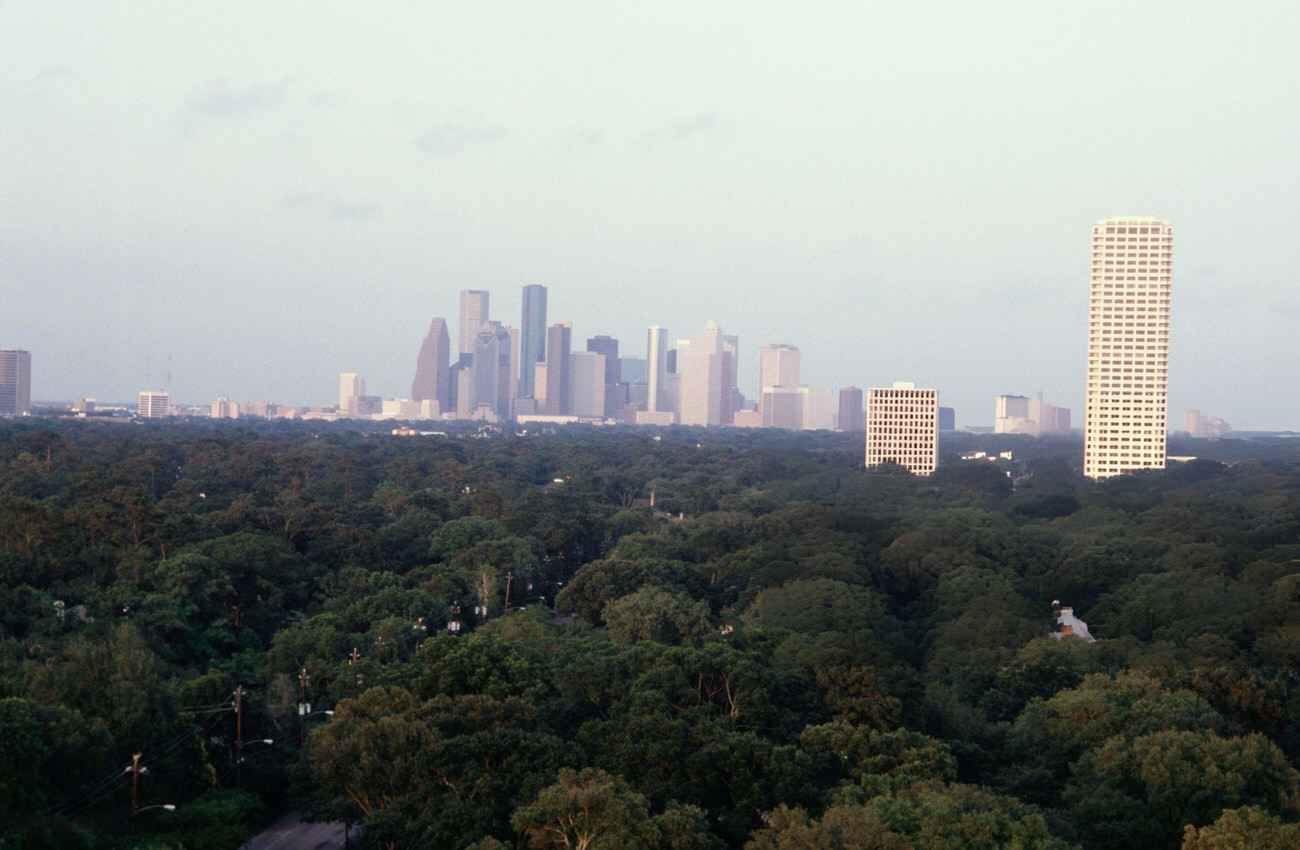
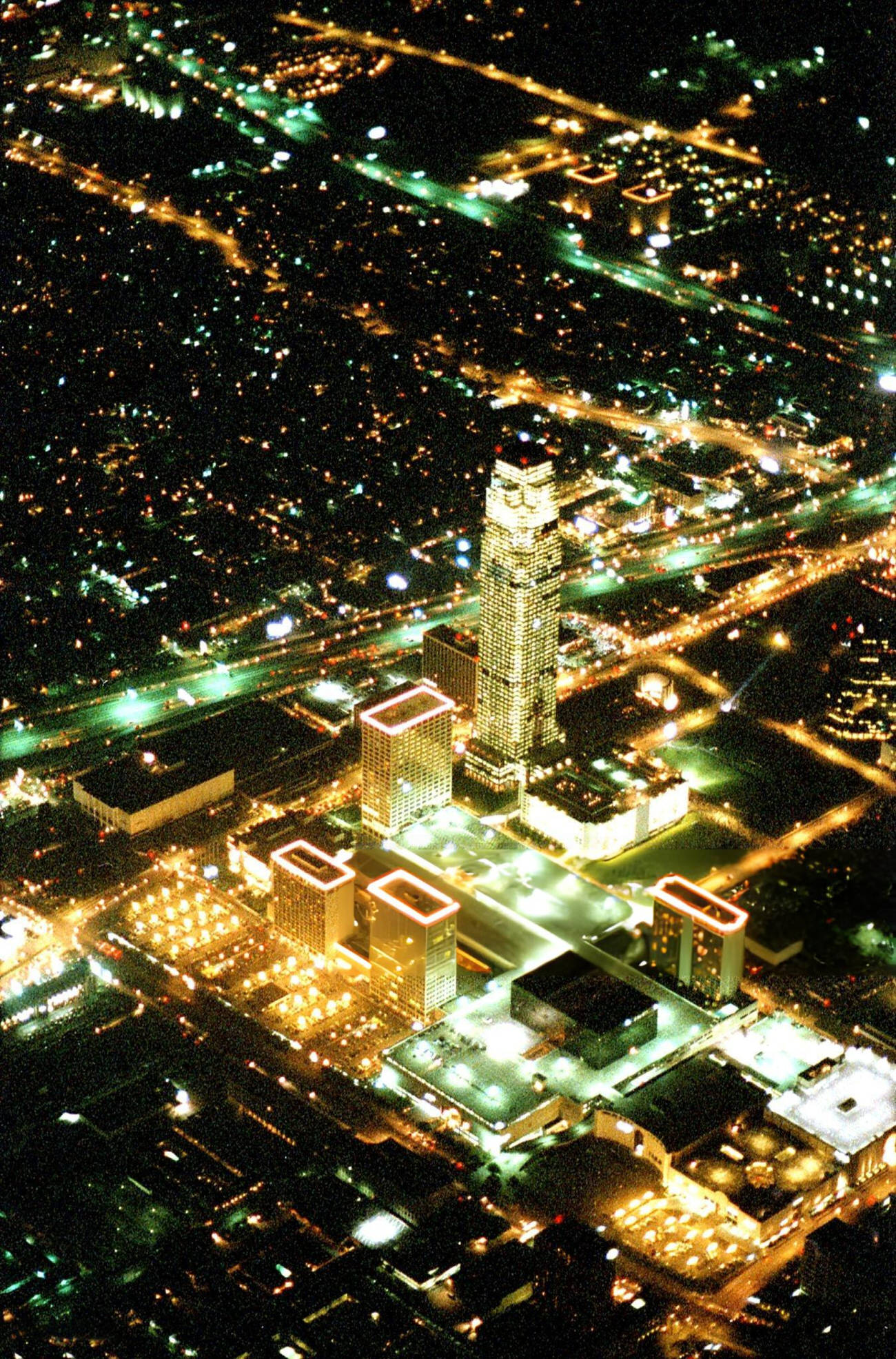
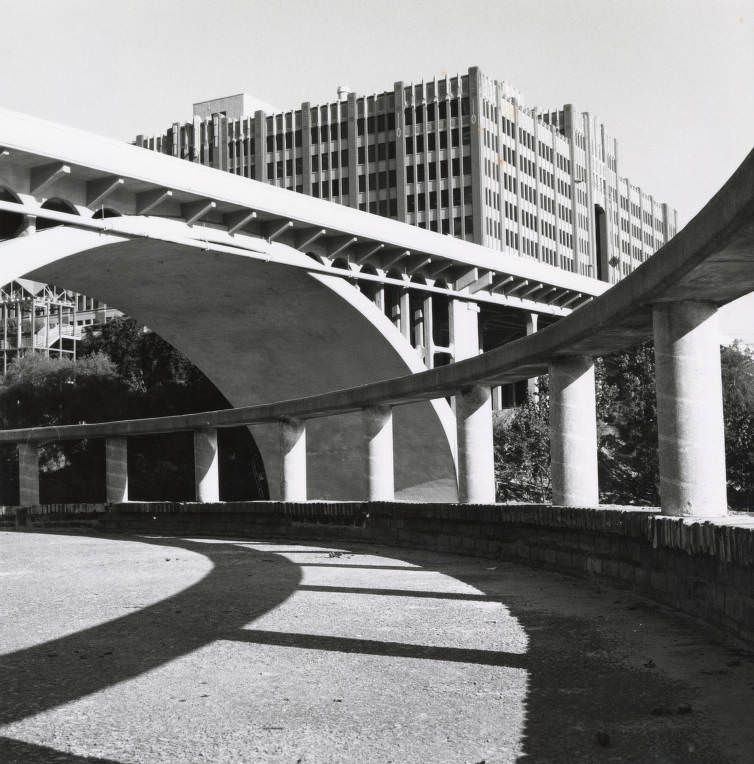
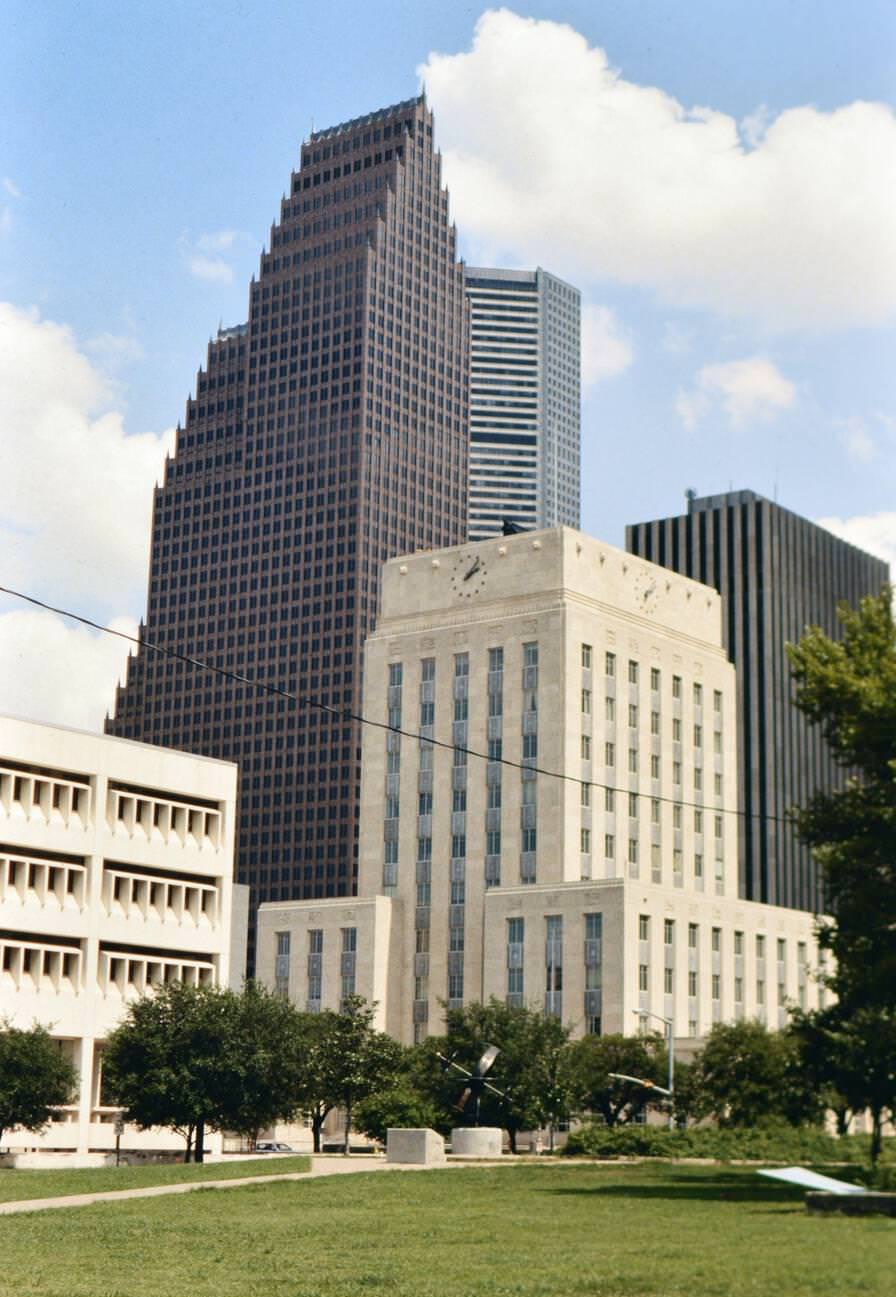
The city’s downtown skyline continued to evolve even during the lean years. The Tenneco Oil building stood as a symbol of the energy industry’s earlier dominance, while new commercial architecture like Post Oak Central added a different visual vocabulary to Houston’s built environment. By 1987, aerial photos of the downtown business district showed a city still reshaping itself despite economic headwinds.
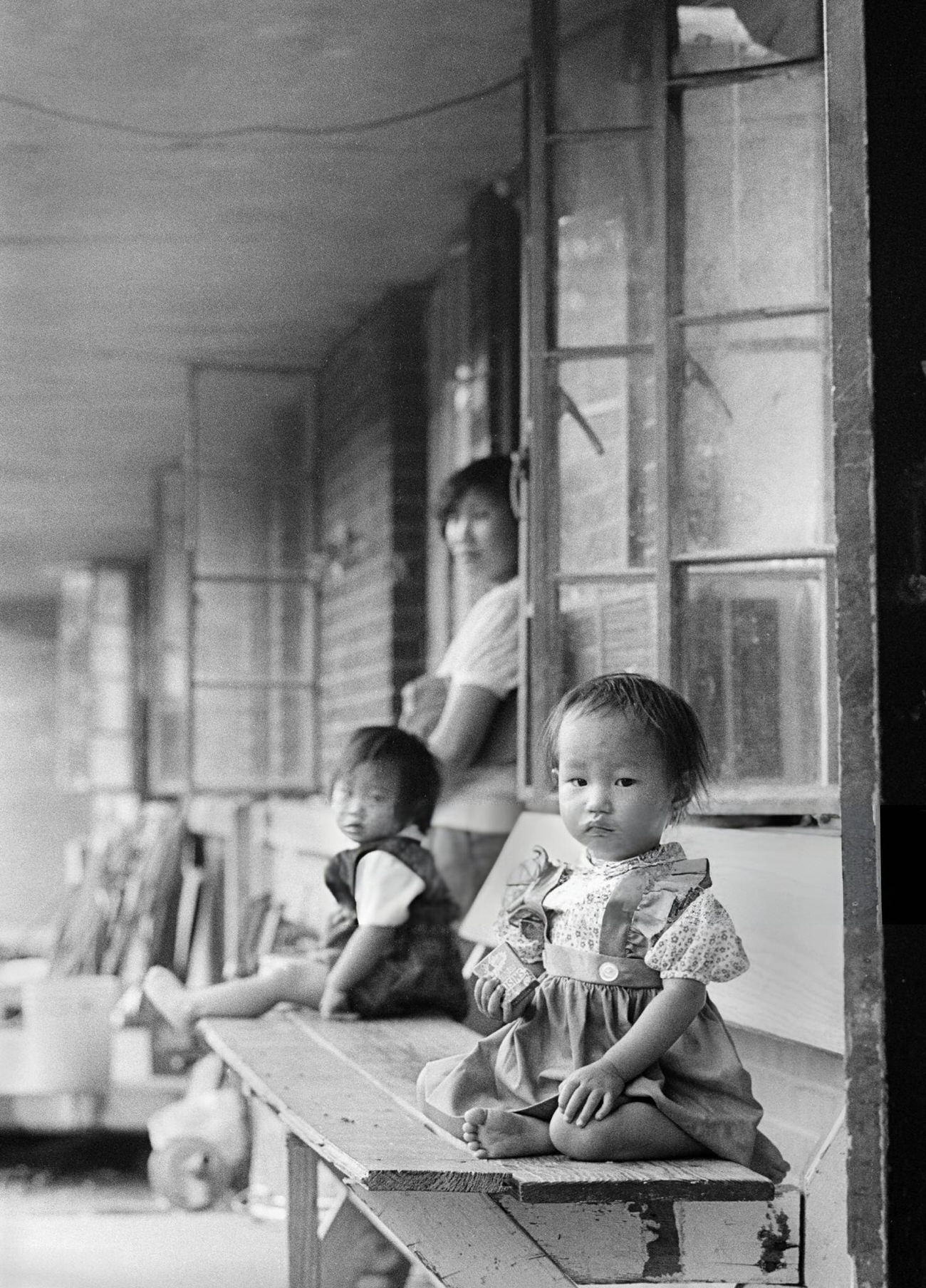
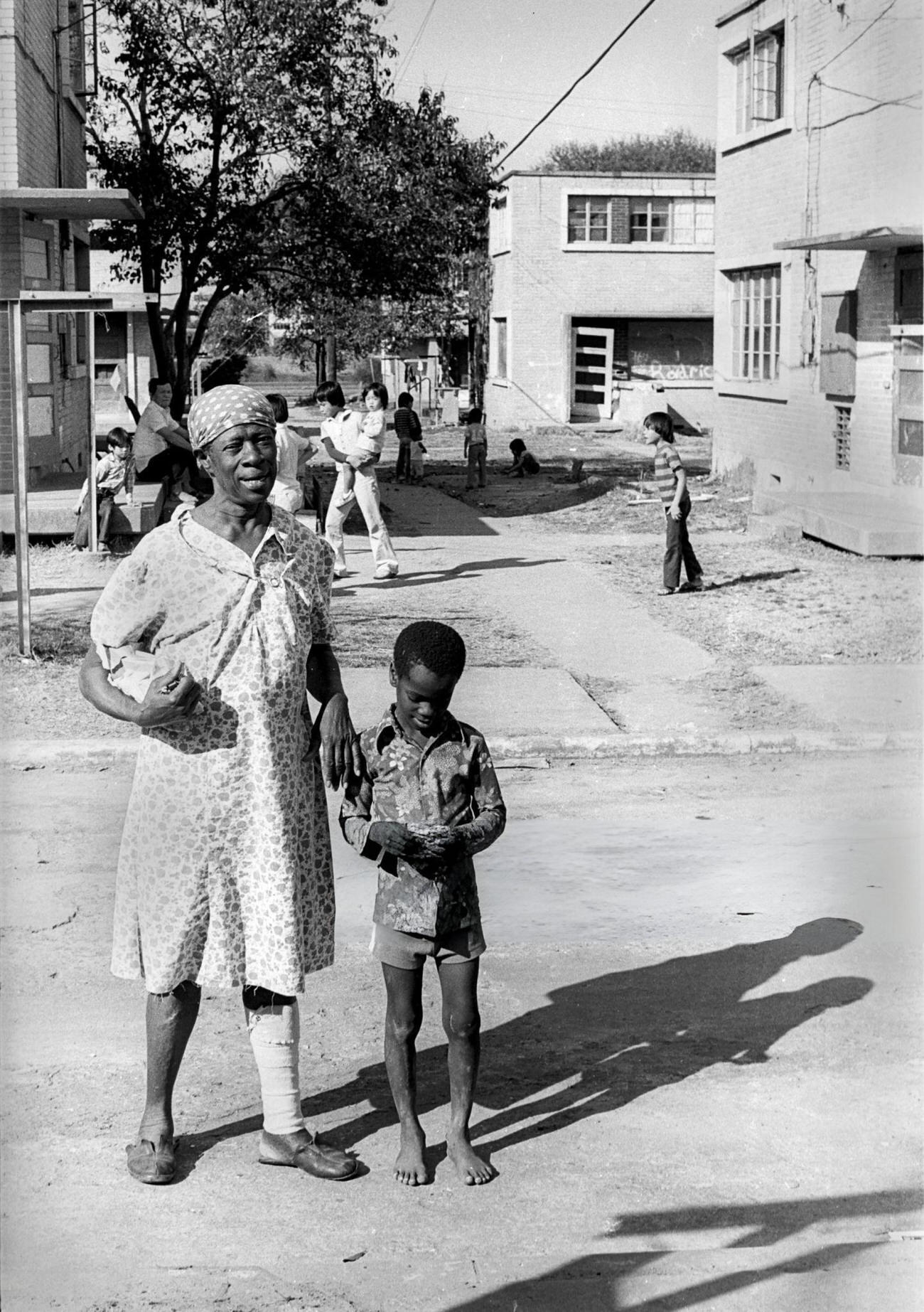
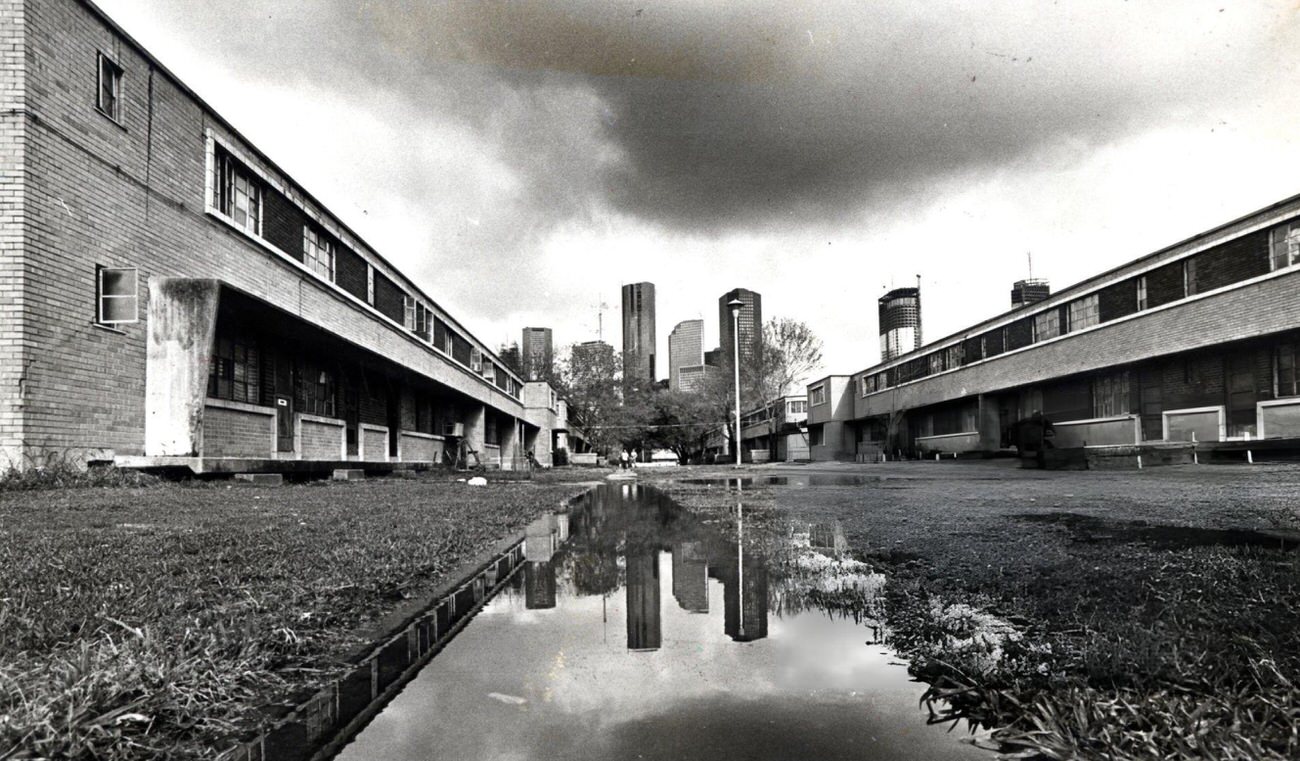
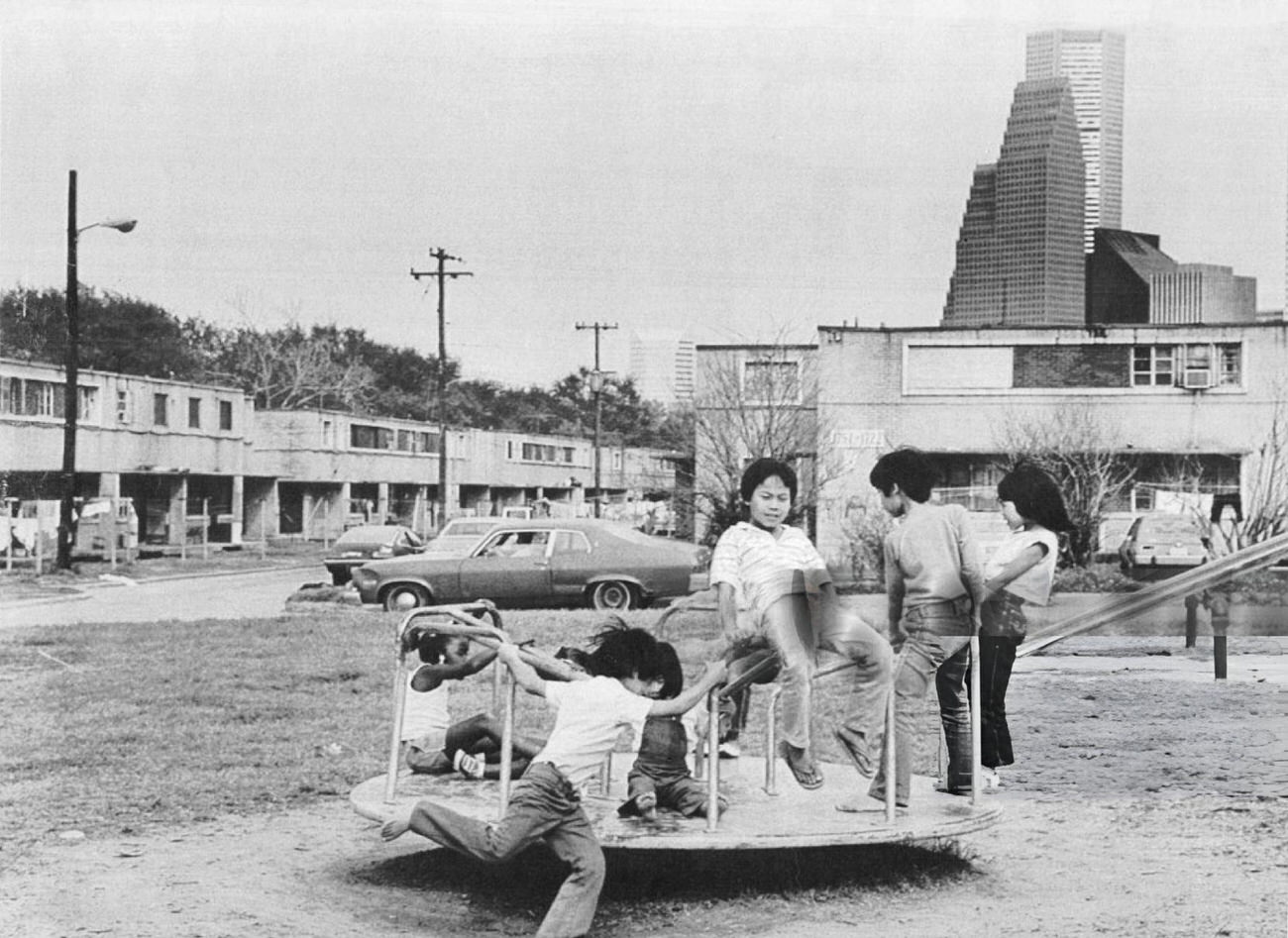
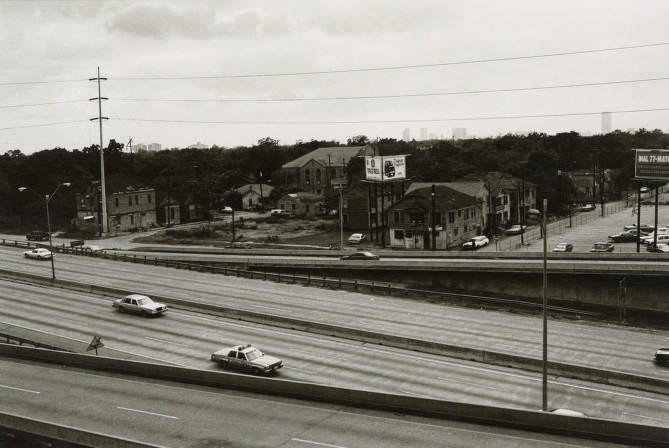
Houston’s neighborhoods absorbed wave after wave of new arrivals throughout the decade. Allen Parkway Village, a public housing complex near downtown, became home to large numbers of Southeast Asian refugees, particularly Vietnamese families who had fled their country in the years following the fall of Saigon. By 1983, the complex was a community of its own, with children playing across cultural lines and daily life unfolding amid aging apartment blocks.
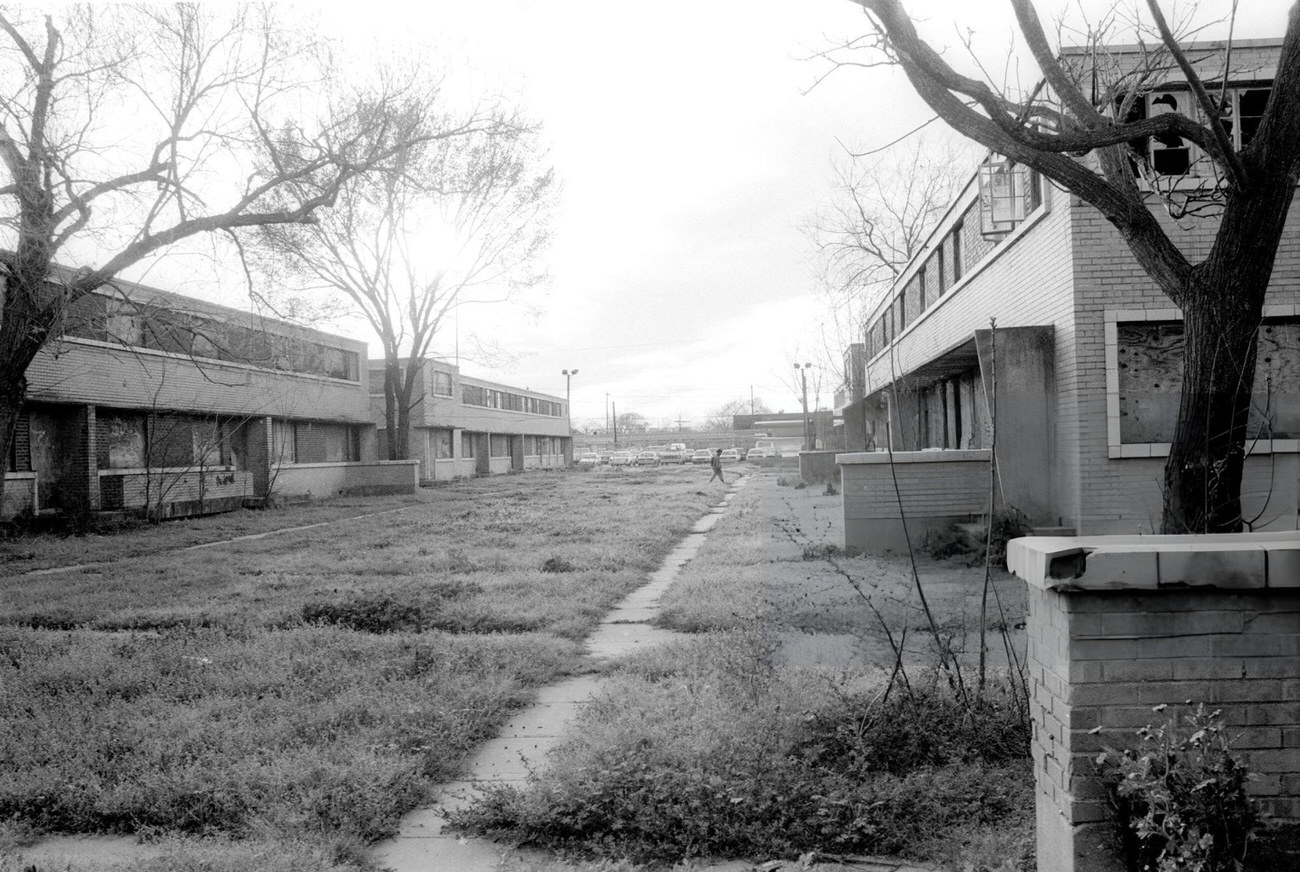
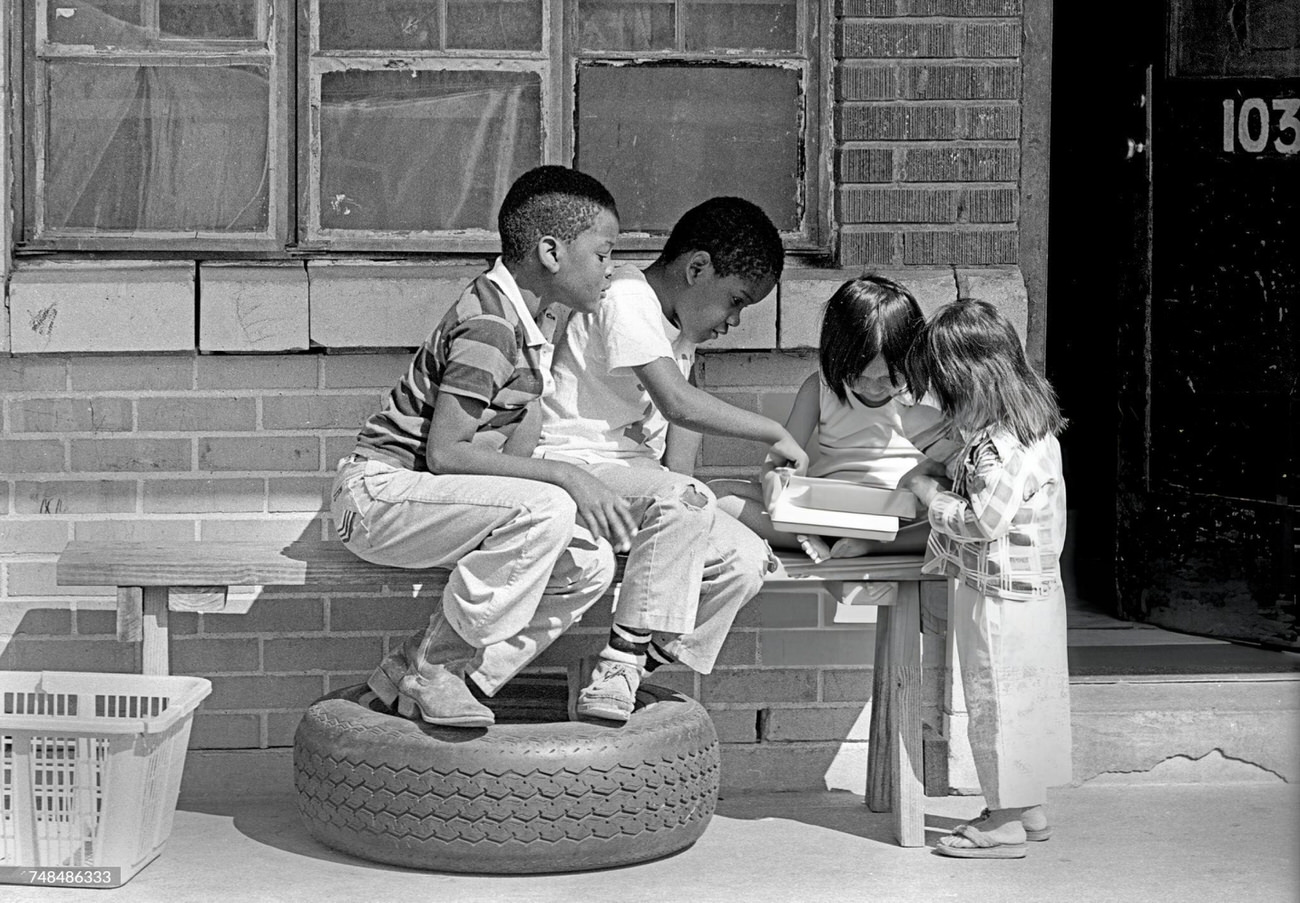
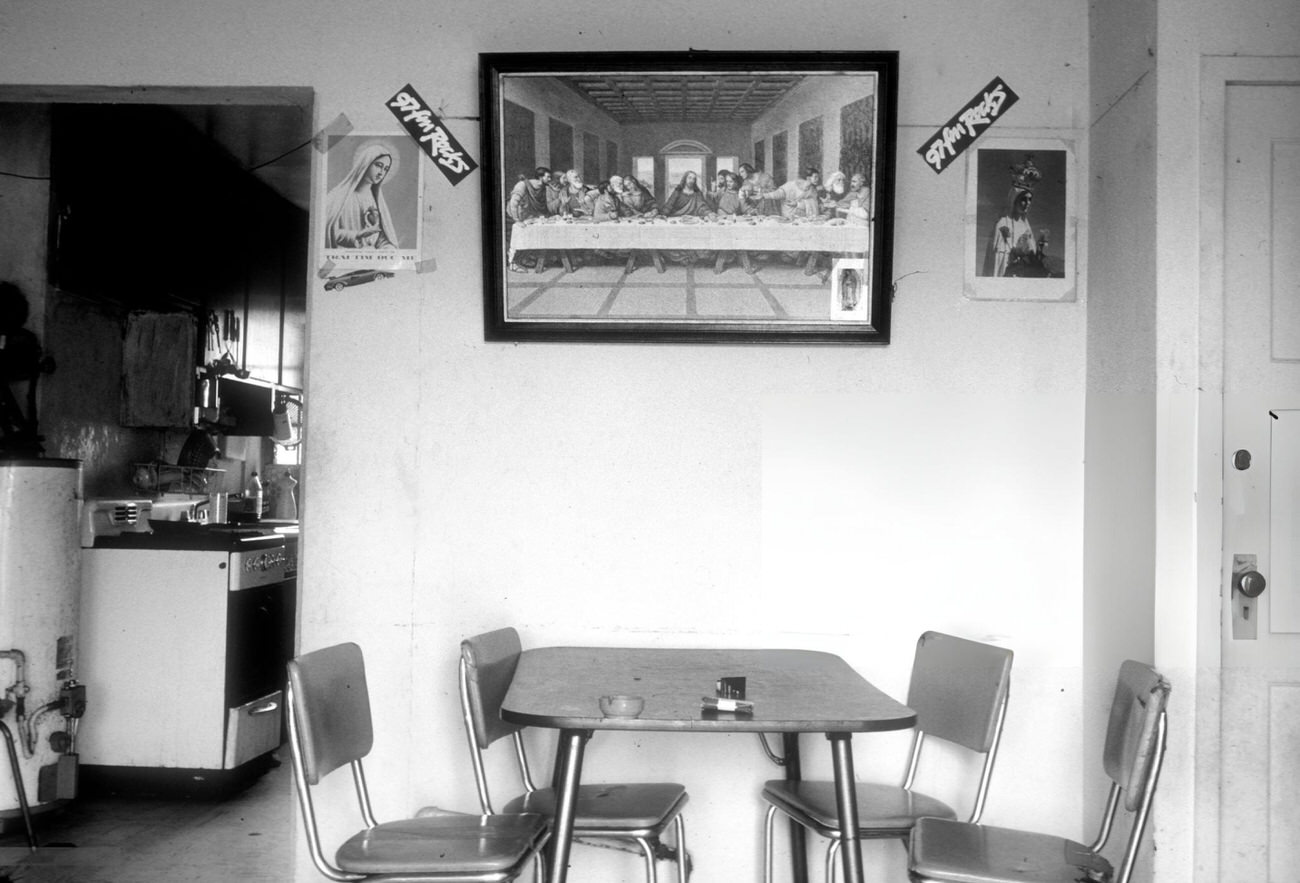
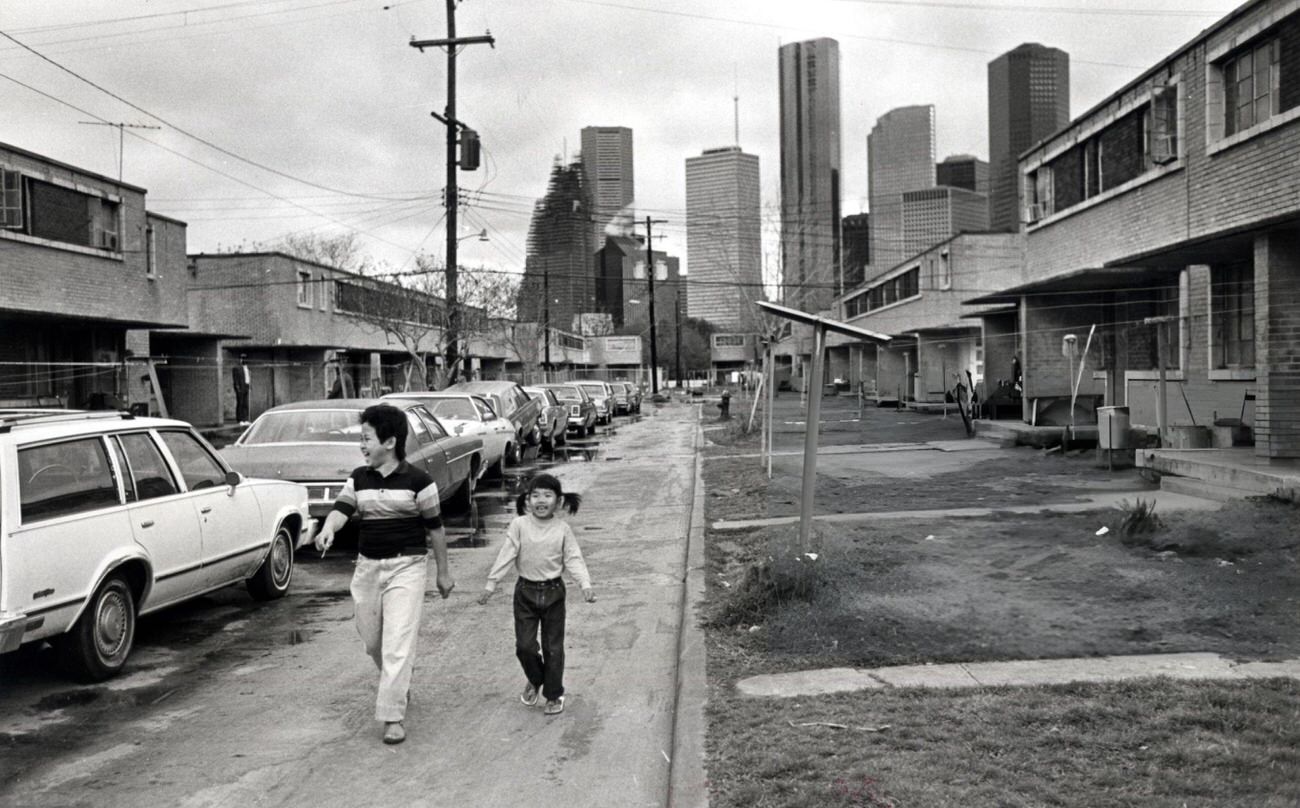
The mix of ethnicities in Houston’s public spaces became increasingly visible as the decade progressed. On any given block, elderly white residents passed Asian mothers with their children. Immigrant families set up households and routines in neighborhoods that had looked very different a generation earlier. The streets around Allen Parkway Village especially captured this daily, unscripted multiculturalism.
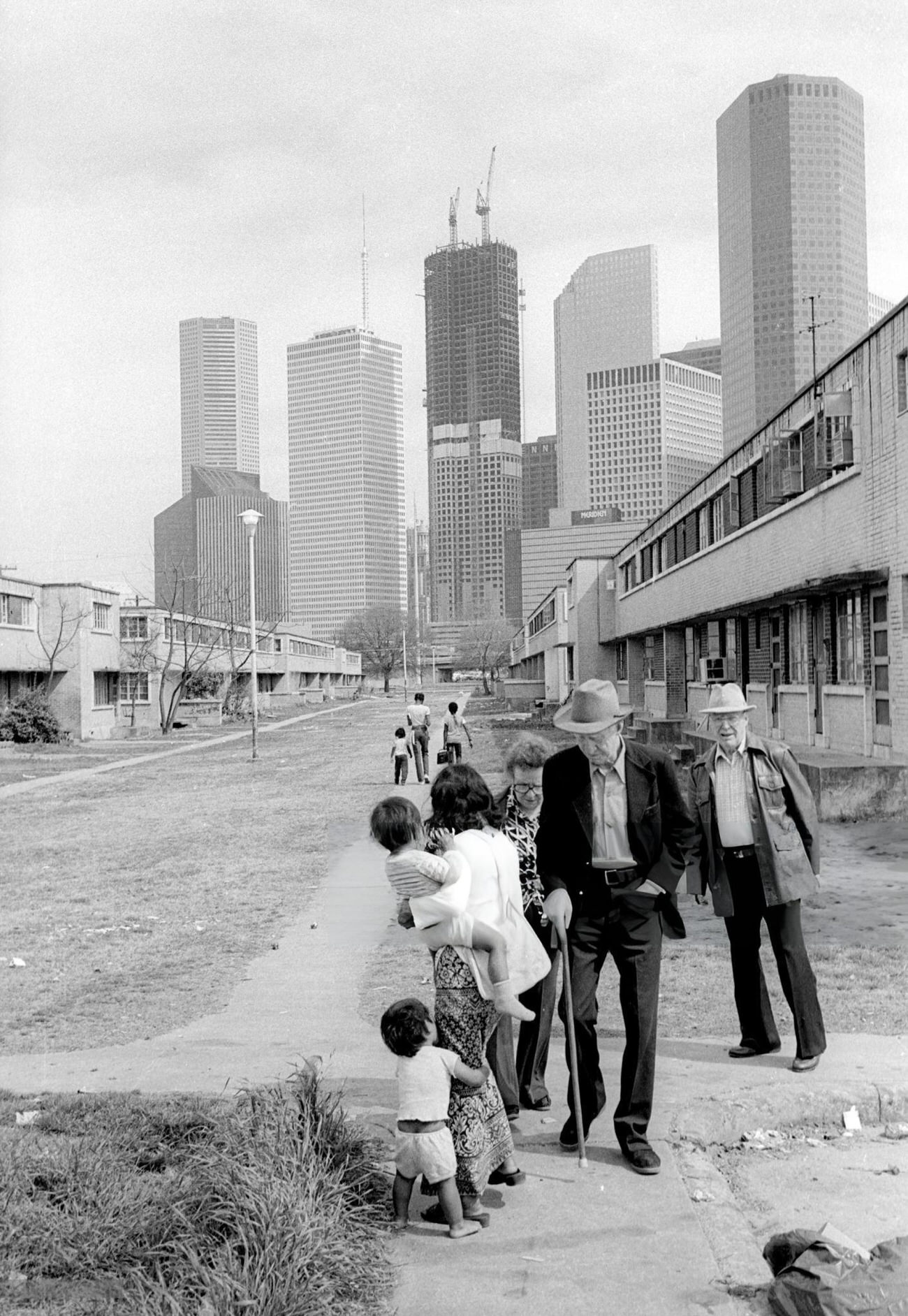
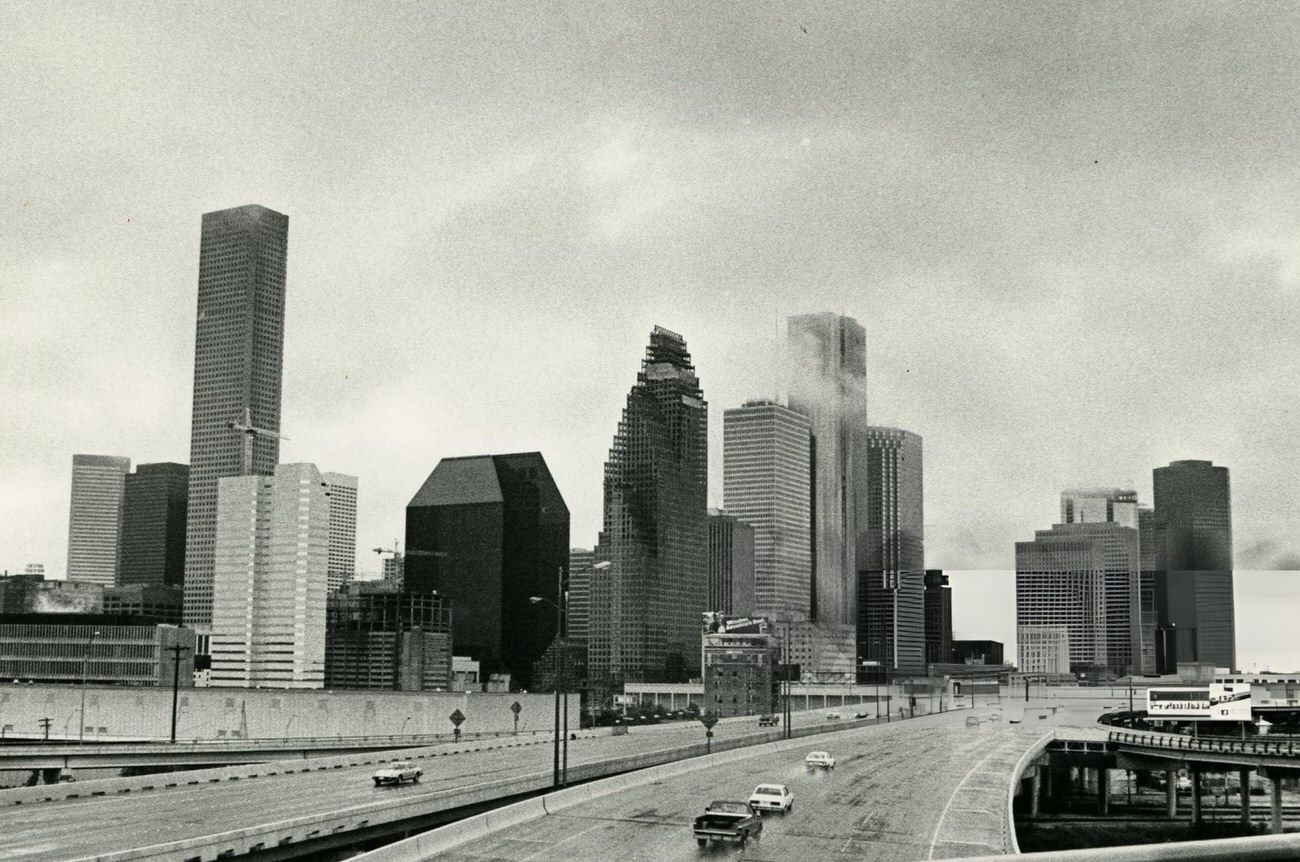
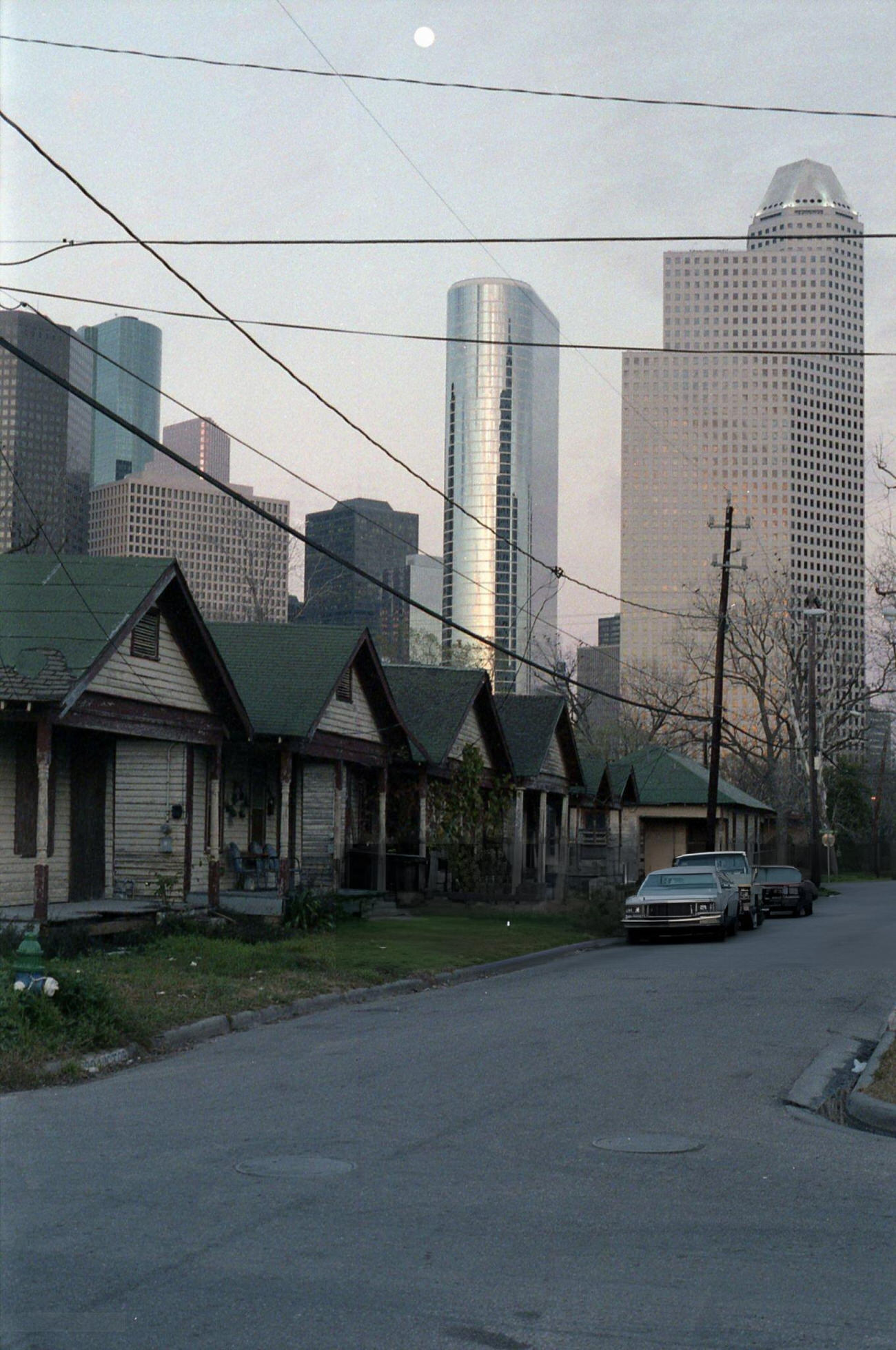
The city’s skyline, seen reflected in a puddle near Allen Parkway Village, offered a striking contrast to the modest housing just steps away — gleaming towers of commerce above a neighborhood navigating poverty and transition.
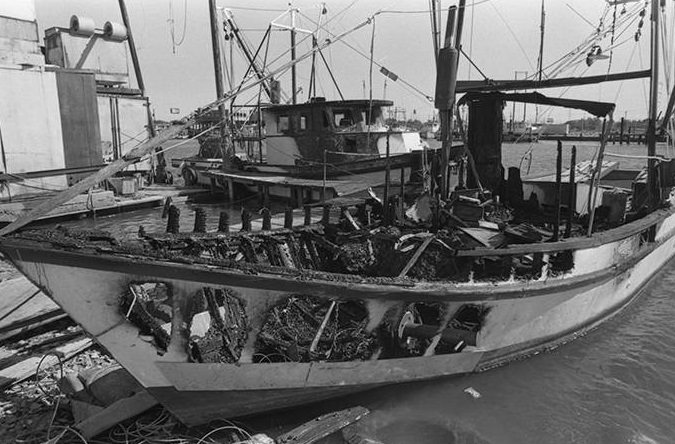
Vietnamese immigrants to Houston faced hostility from some quarters. In 1981, Vietnamese fishing boats were burned along the Texas Gulf Coast, part of a pattern of racially motivated attacks targeting Southeast Asian fishermen who had settled in the region. The violence drew national attention and became part of a painful chapter in Houston-area history.
Racial tensions extended elsewhere in the city as well. In 1983, a Ku Klux Klan march through downtown Houston drew both marchers and a significant counter-protest presence, with police deployed to manage the confrontation. The city’s growing diversity and its ongoing civil rights fault lines collided in plain view on the streets of downtown.
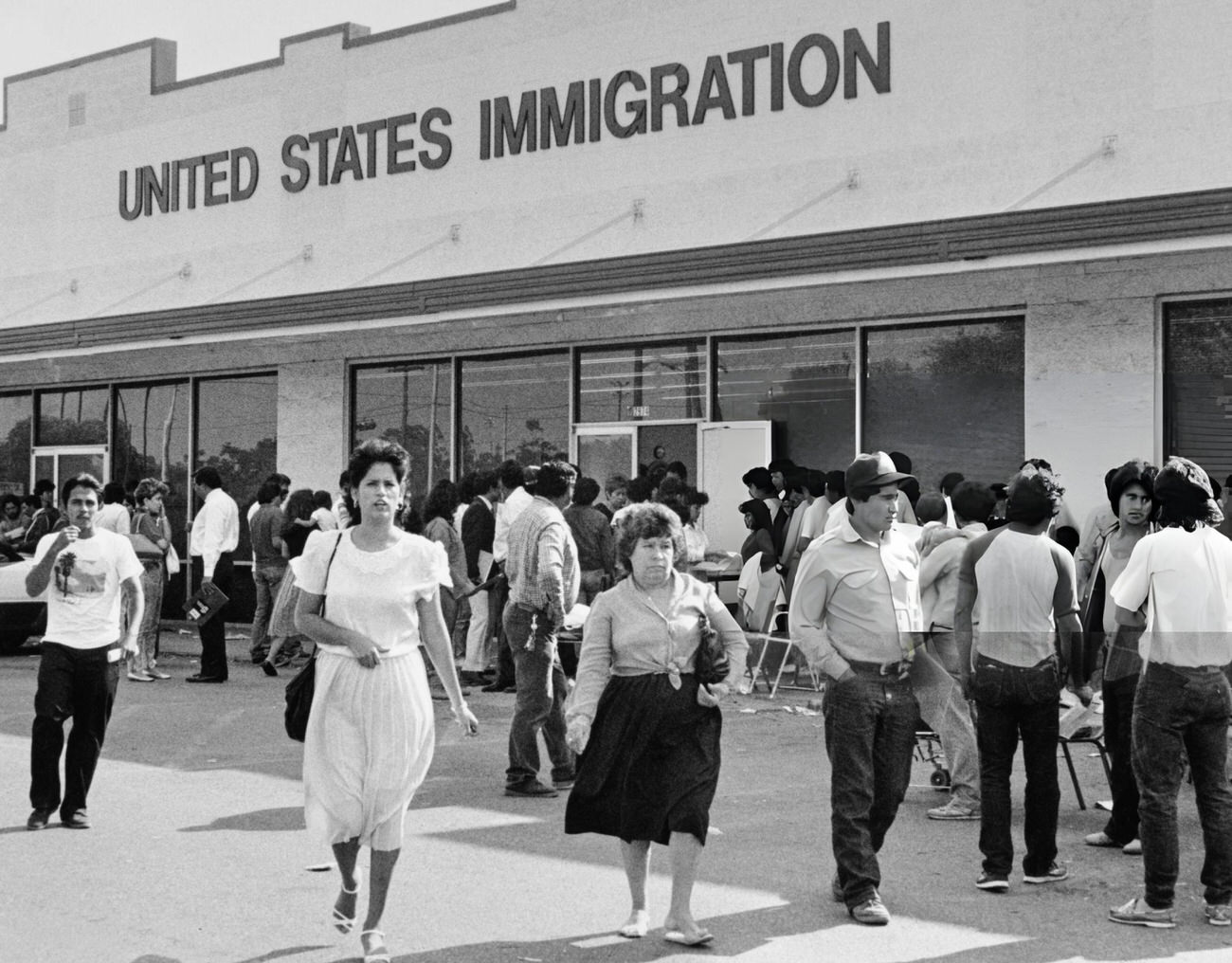
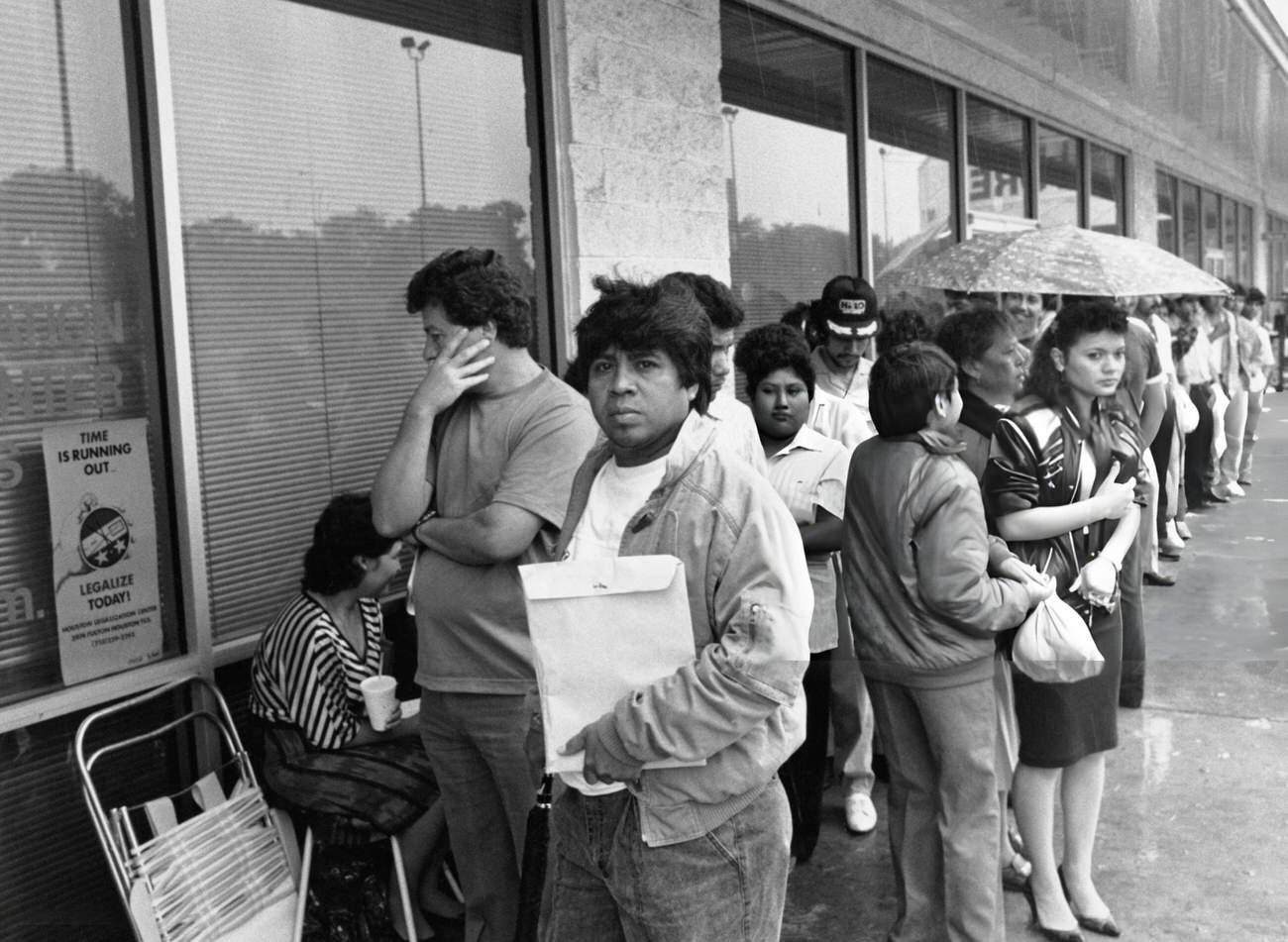
Houston’s immigration story intensified toward the end of the decade. When the federal government’s amnesty period for undocumented individuals approached its deadline in 1988, long lines formed outside the U.S. Immigration and Naturalization Service office. Some people waited in the rain. The scene underscored just how significant Houston had become as a destination city for immigrants from Latin America and beyond.
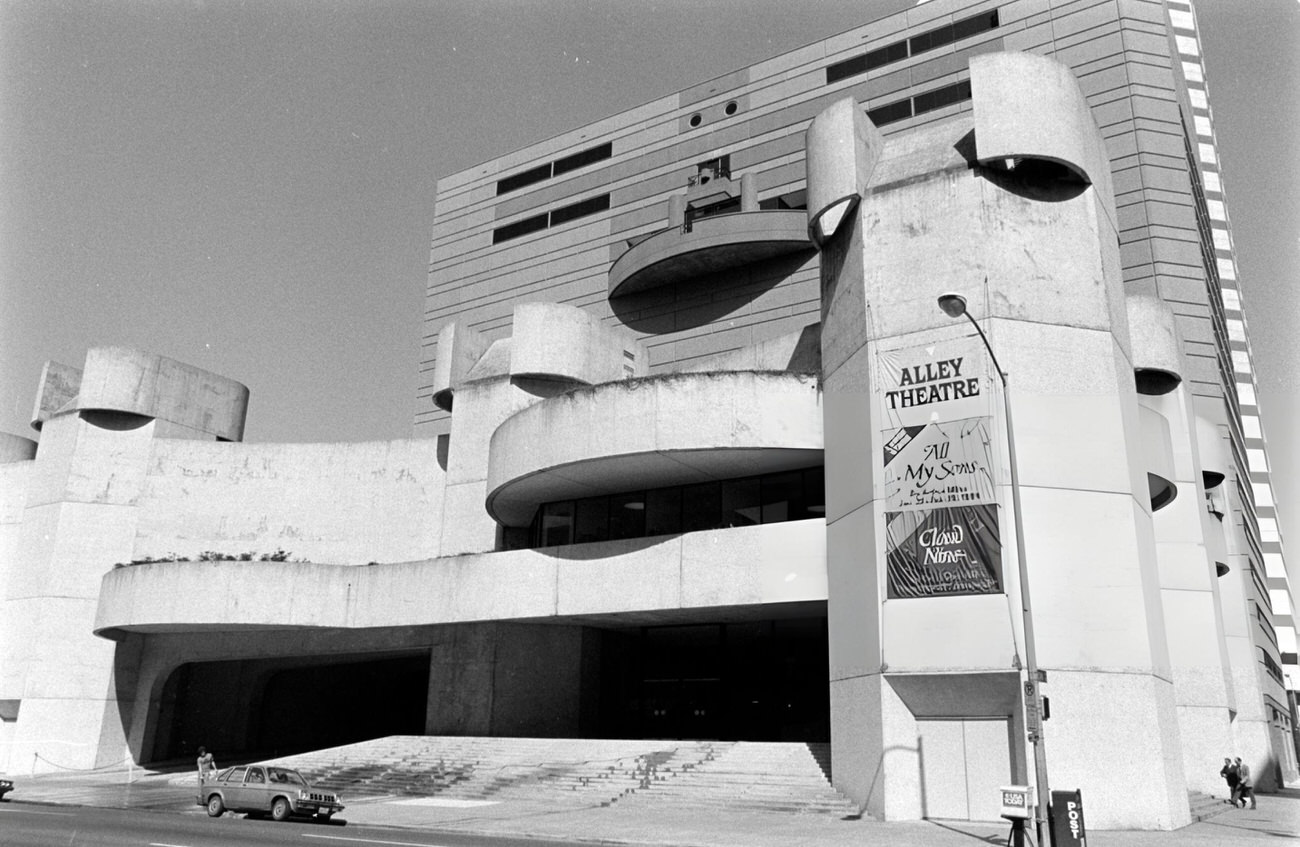
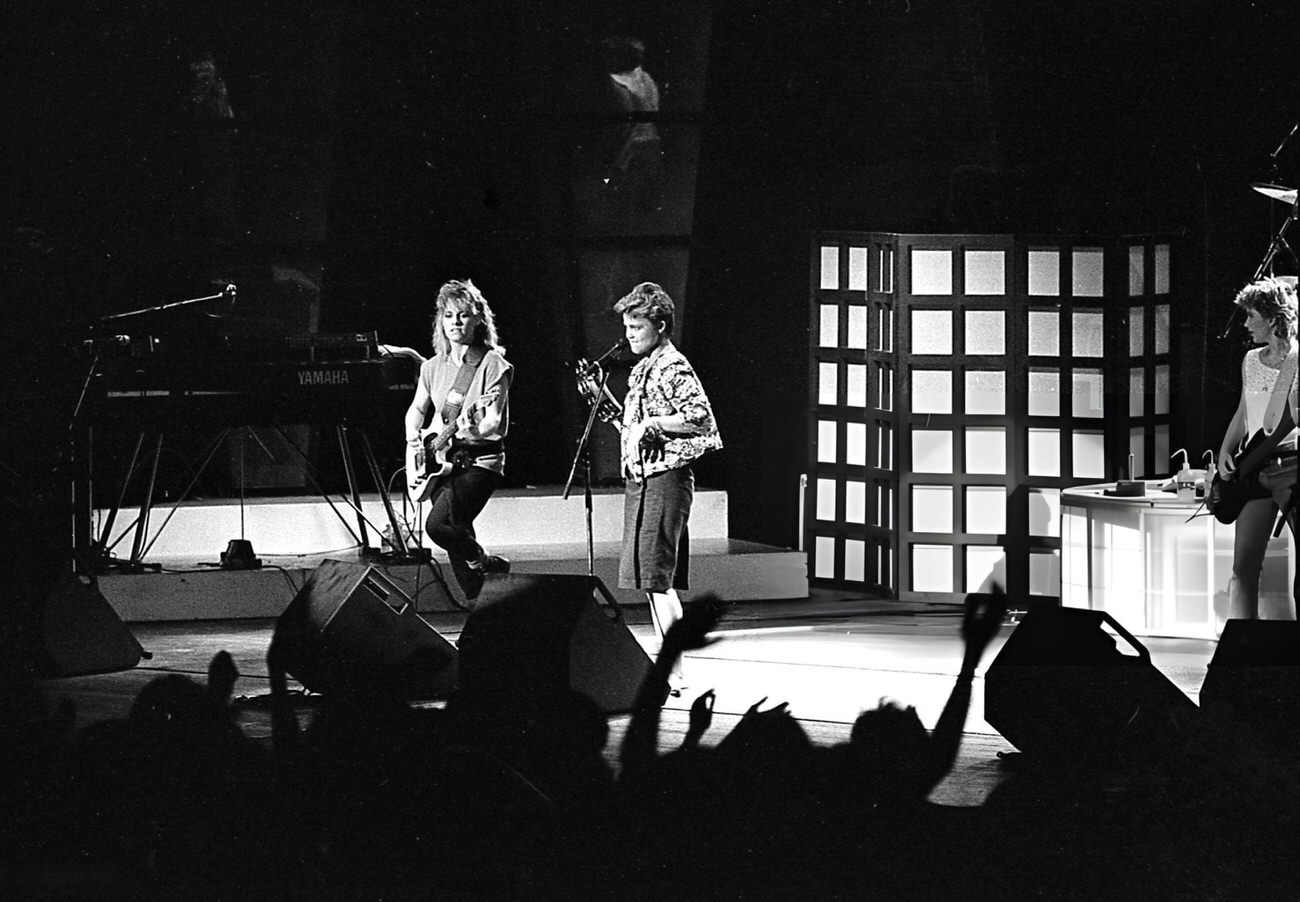
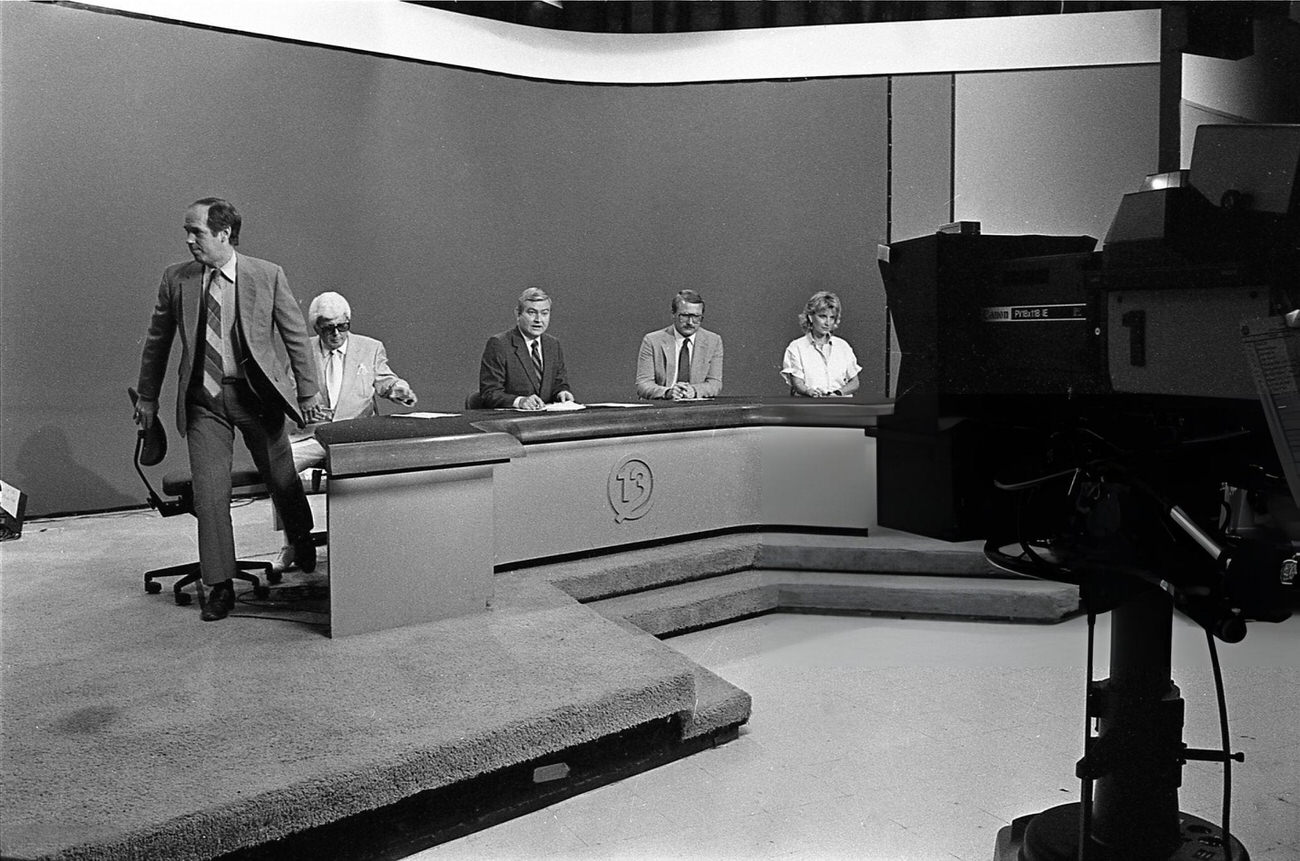
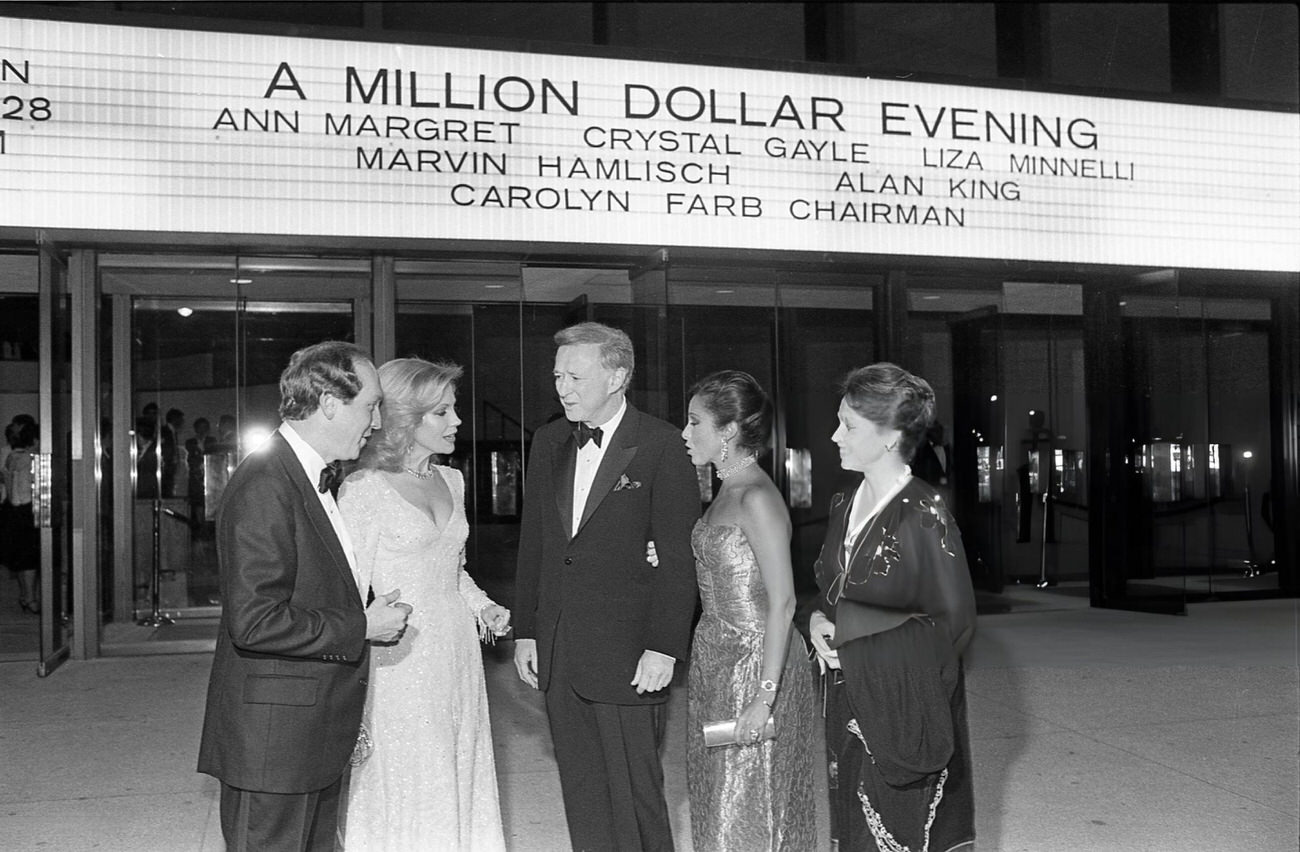
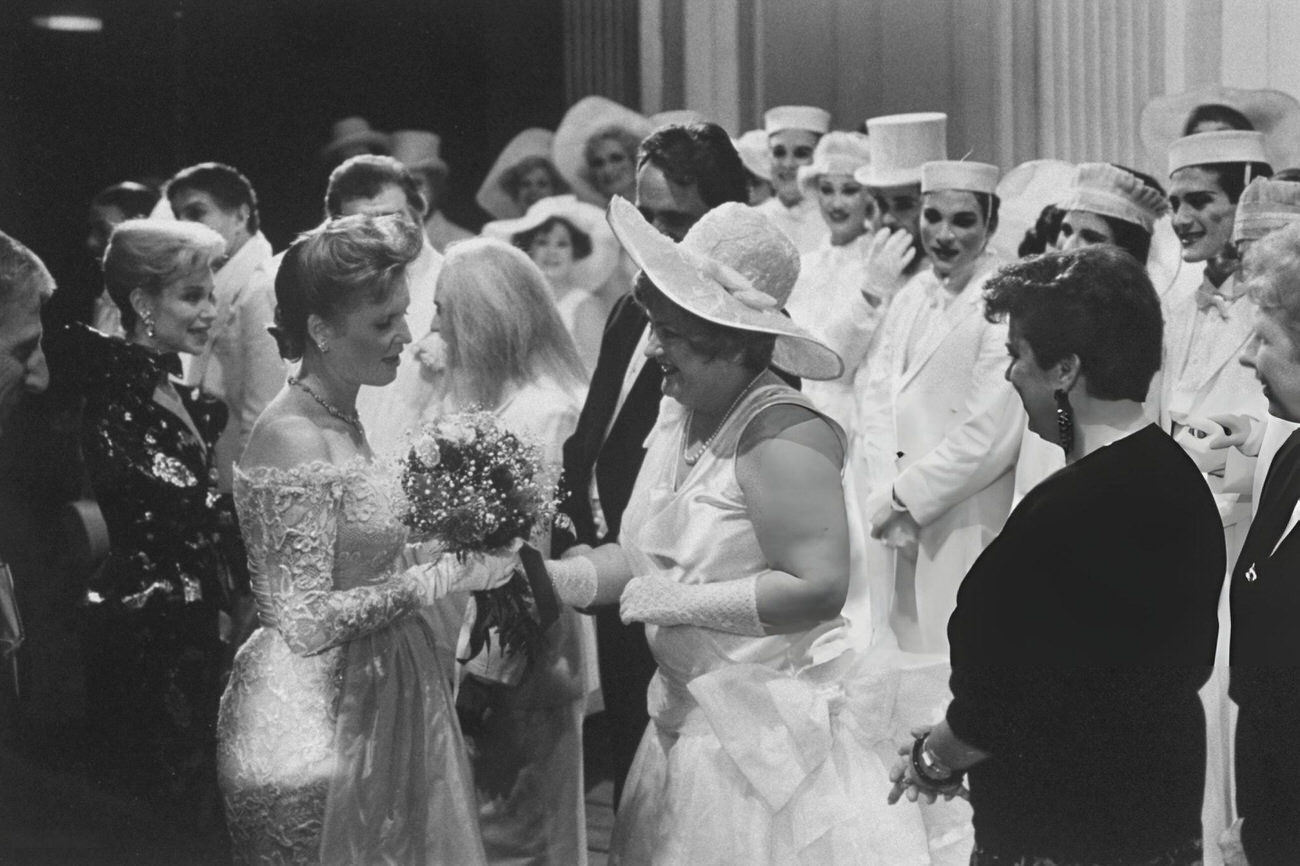
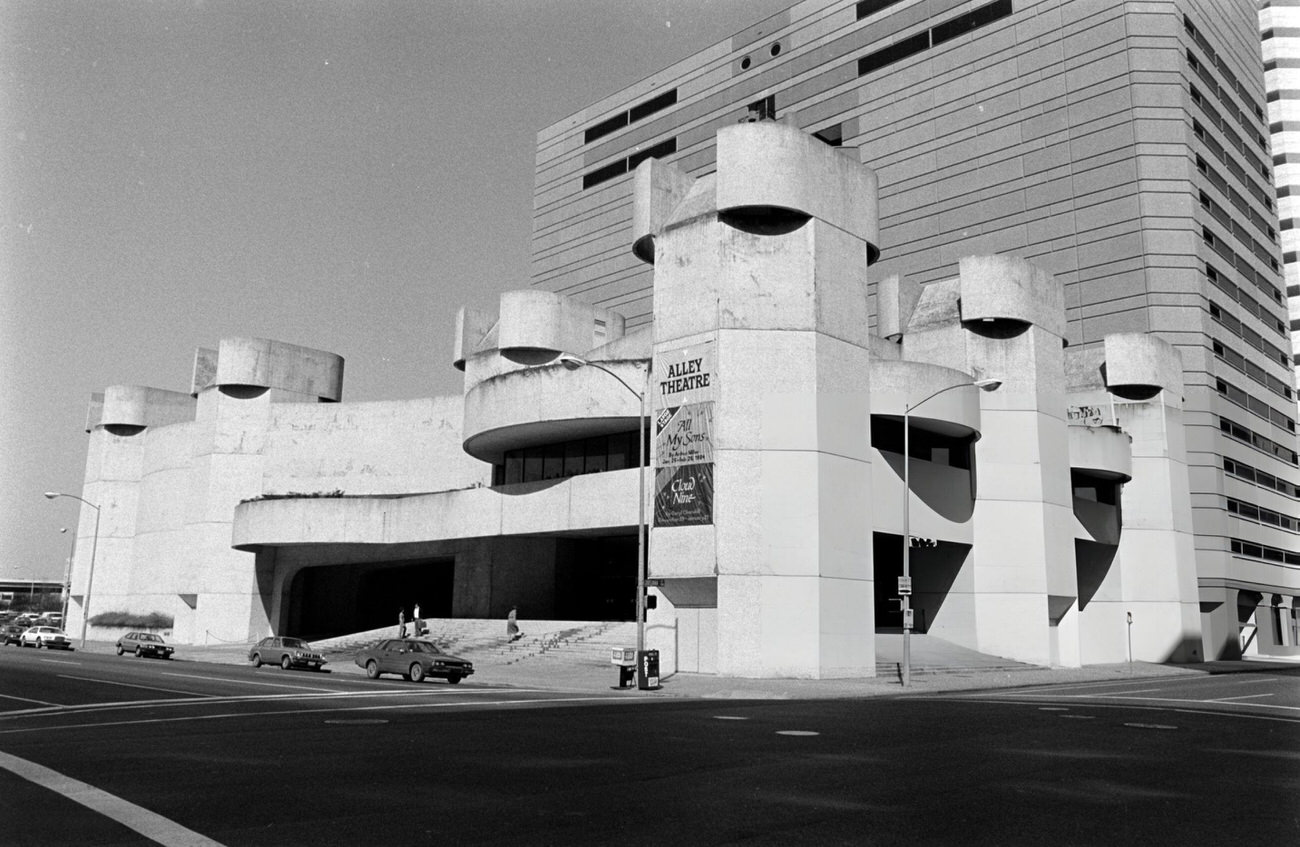
Houston’s culture and arts scene expanded steadily even during the economic downturn. The Alley Theatre hosted a benefit honoring playwright Arthur Miller in 1984. Jones Hall drew early arrivals for benefit concerts. The Go-Go’s performed at Music Hall. Local television personalities like Marvin Zindler and Dave Ward were fixtures of the KTRK Channel 13 news desk, known to virtually every Houston household.
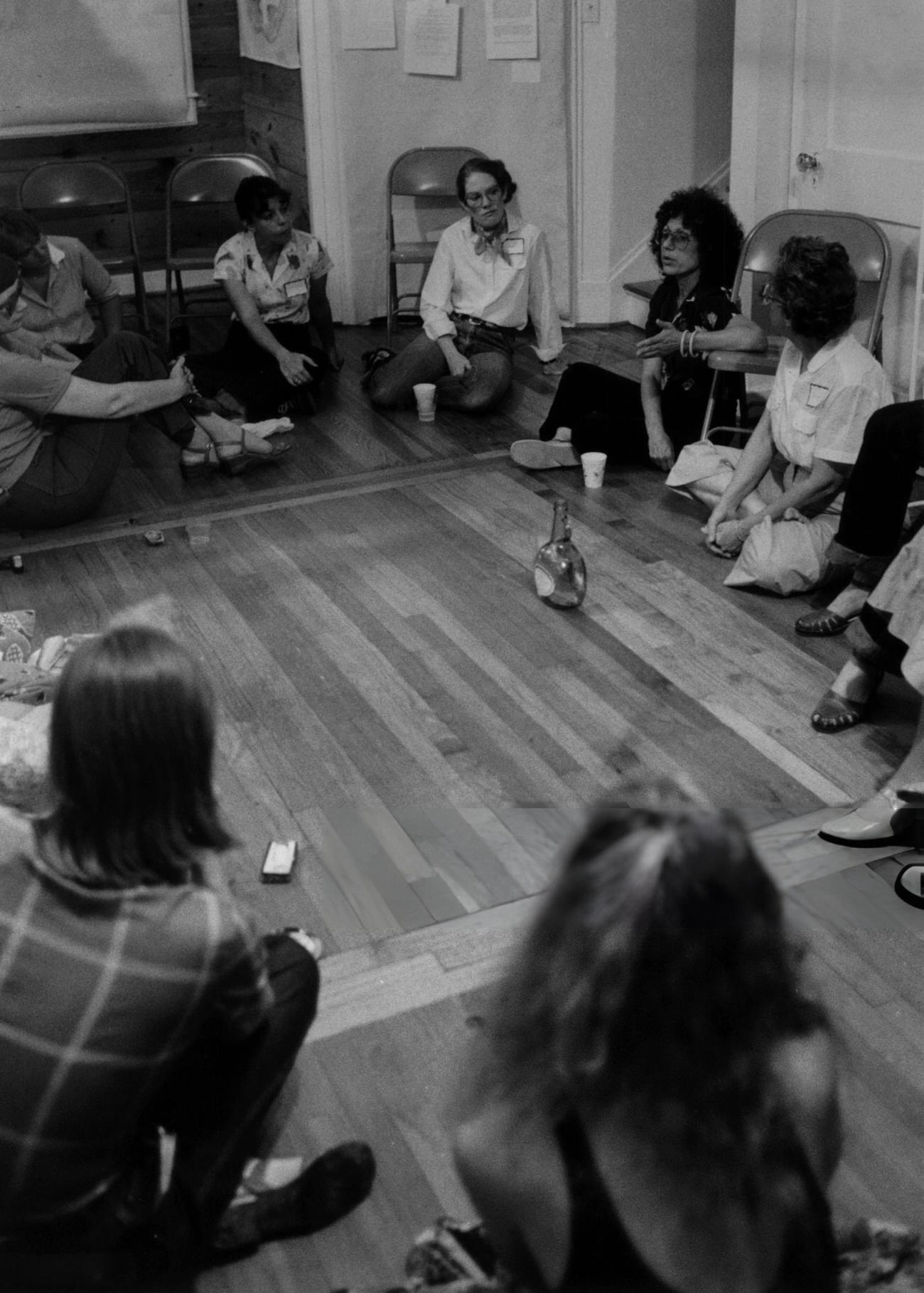
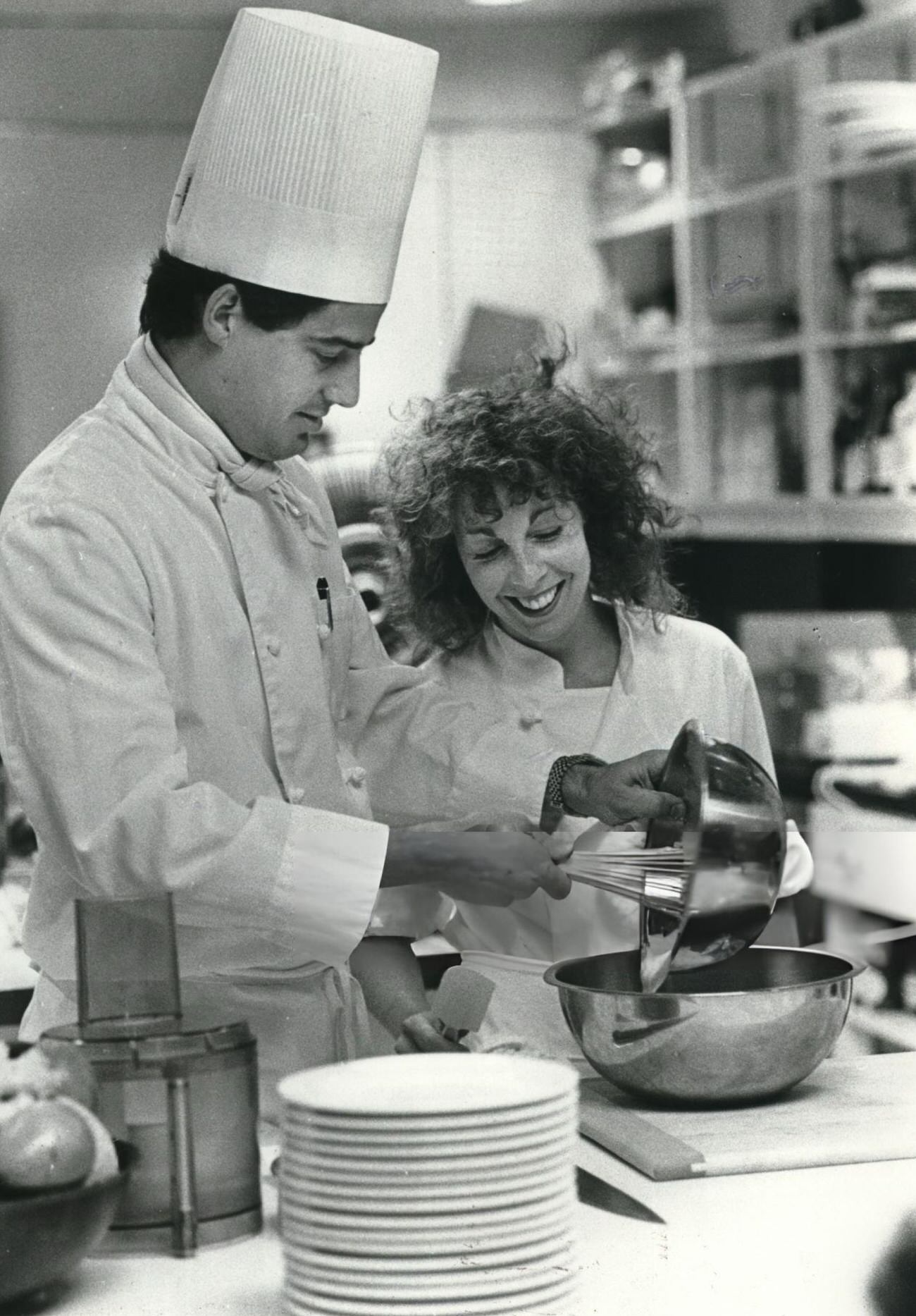
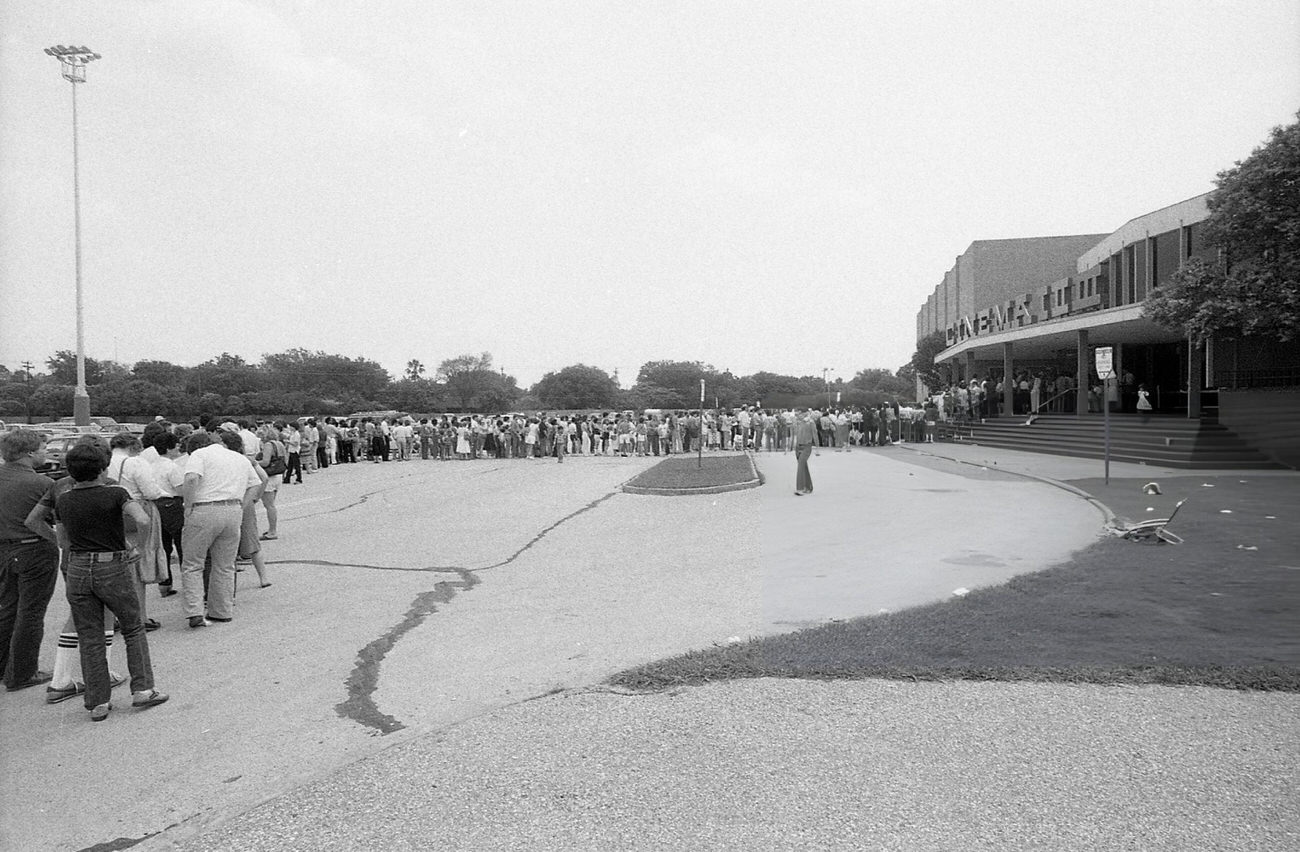
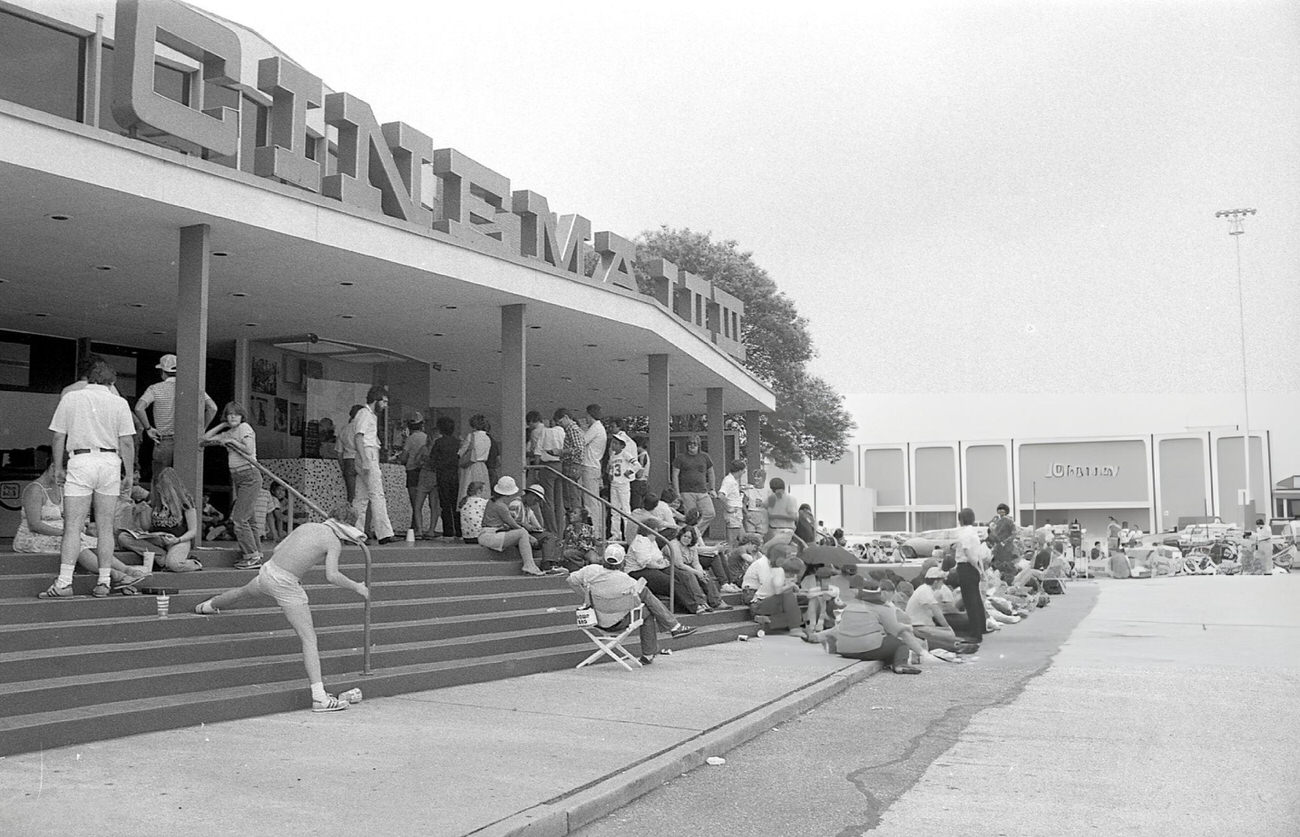
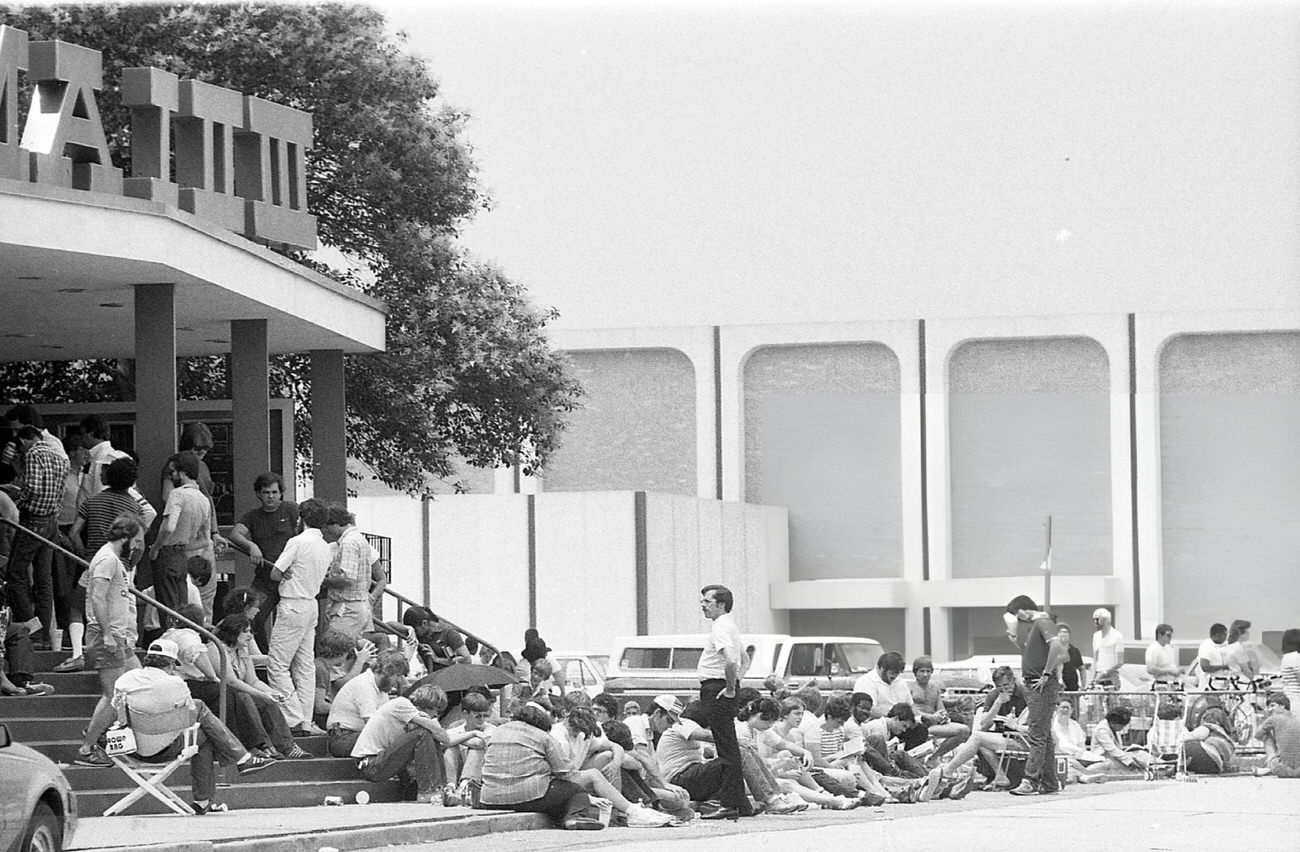
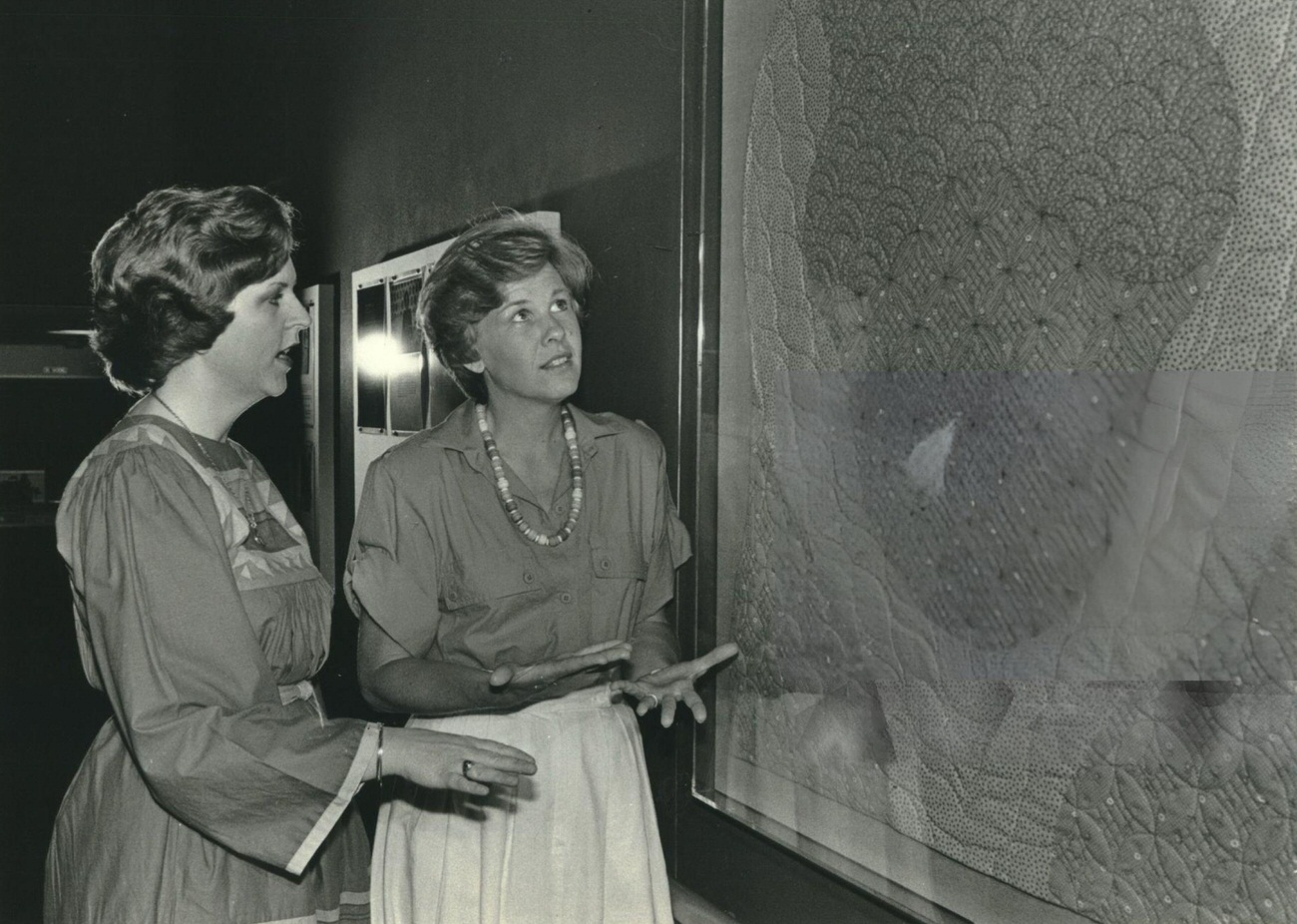
The city also had moments of pure pop culture excitement. When Return of the Jedi opened in 1983, crowds packed the Meyerland Cinema for its Houston premiere. Artists like Judy Chicago brought national conversations about feminism and birth into Houston’s cultural institutions. The Houston Culinary Guild brought rising restaurant talents like Robert Del Grande and Amy Ferguson together, marking the early stirrings of a food scene that would grow considerably in the decades ahead.
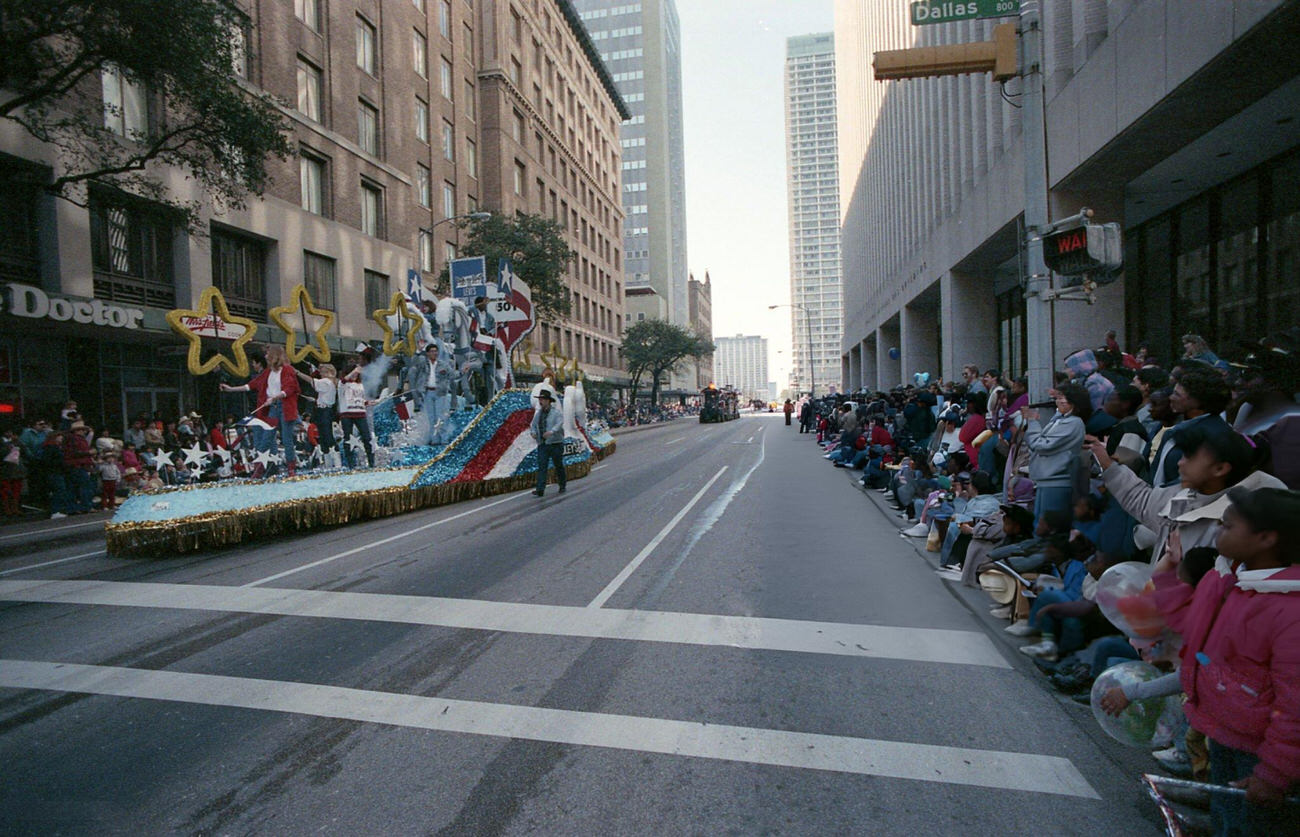
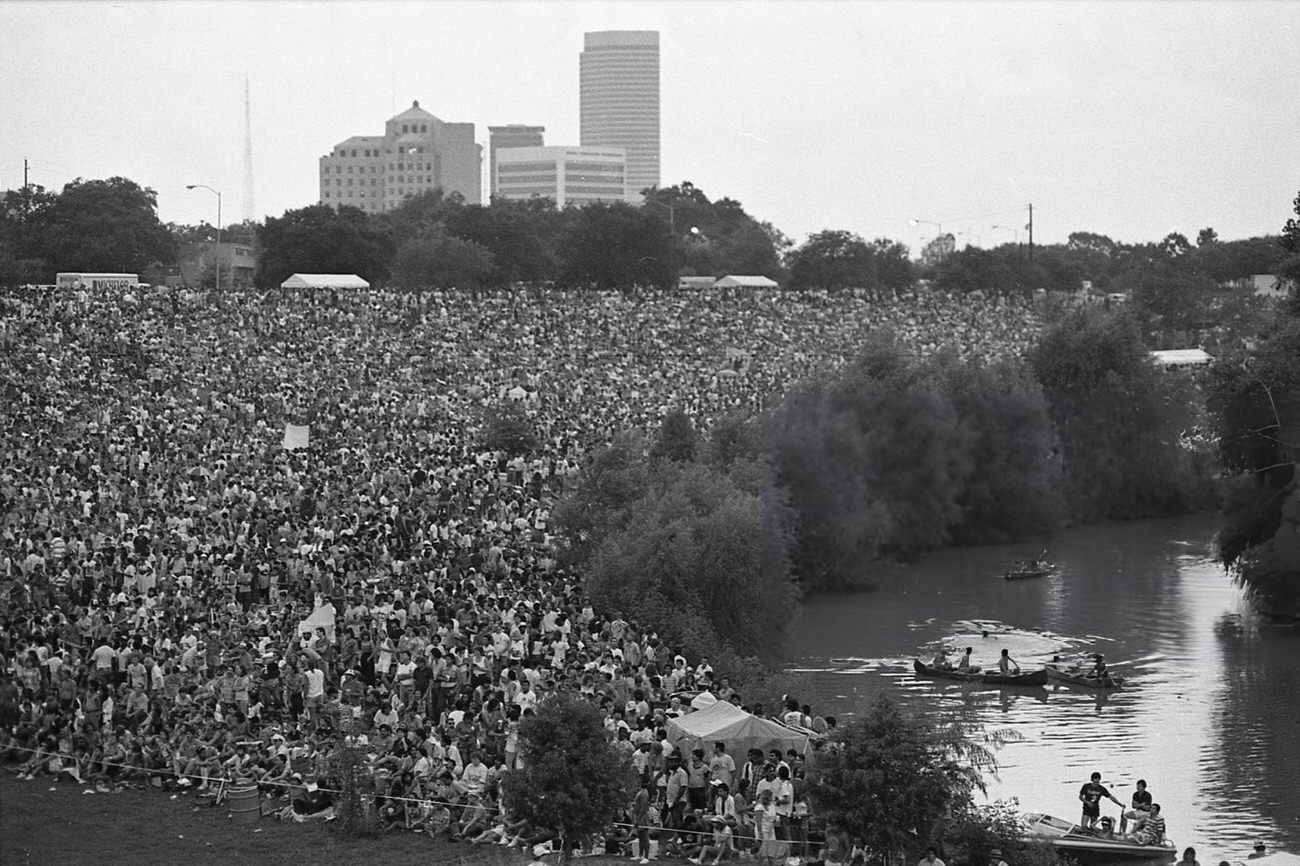
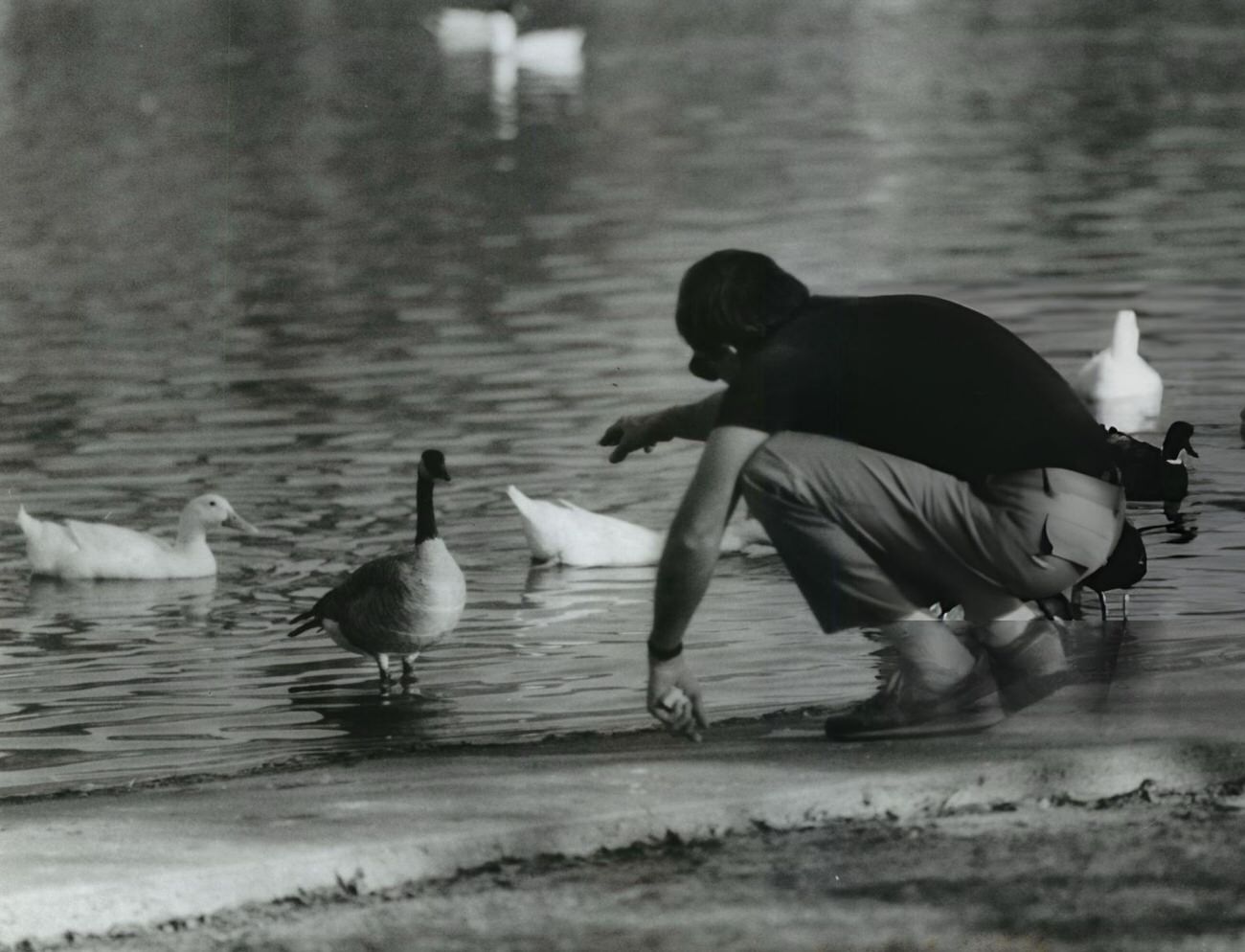
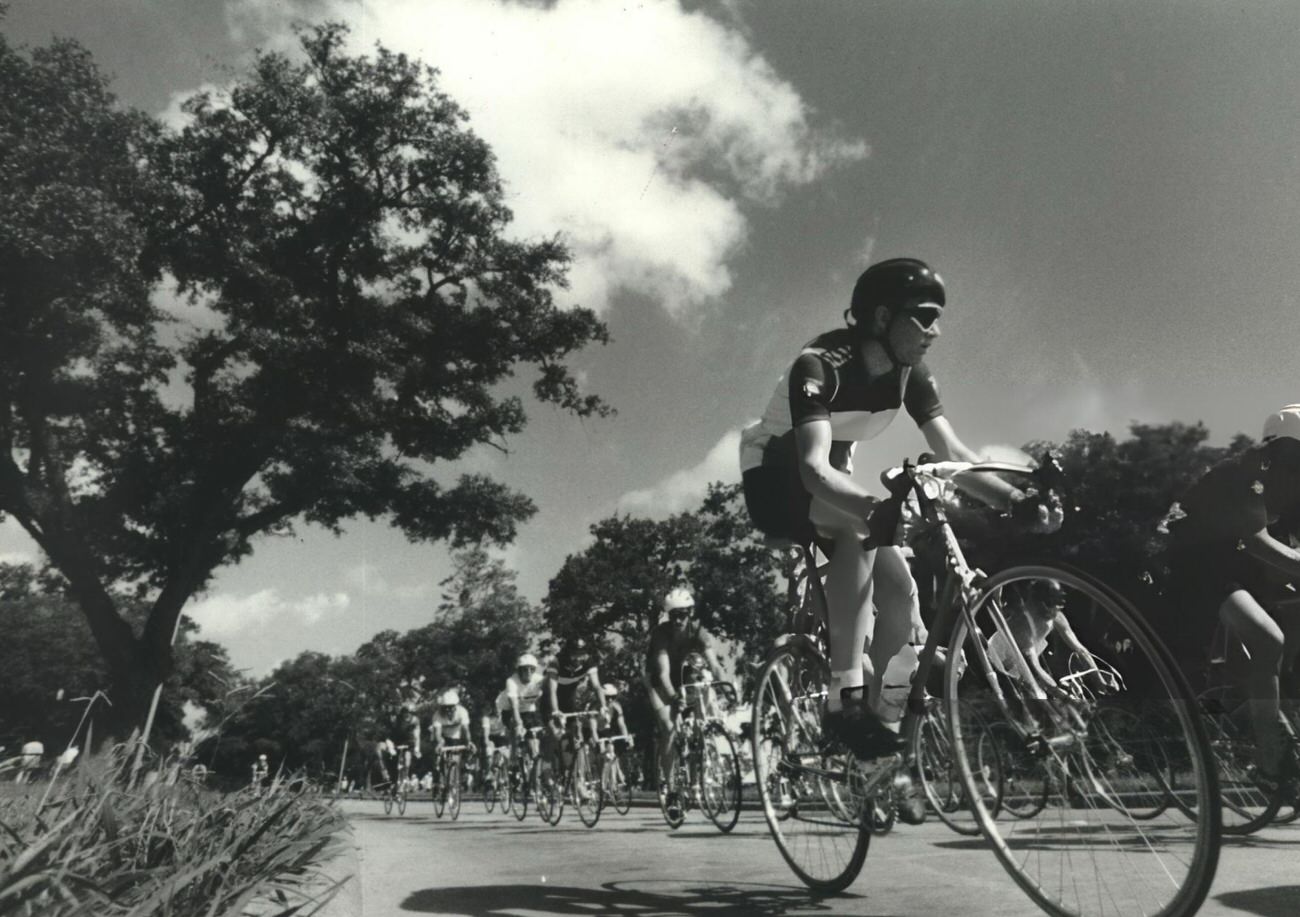
The Houston Livestock Show and Rodeo kept its place as one of the city’s signature annual events, filling the streets with parade floats and cowboy culture each February. Buffalo Bayou Park hosted Freedom Fest in 1987, drawing large crowds. The Tour de Houston bicycle race made use of the city’s streets. Hermann Park remained a popular retreat, where people fed ducks and geese regardless of what the oil market was doing.
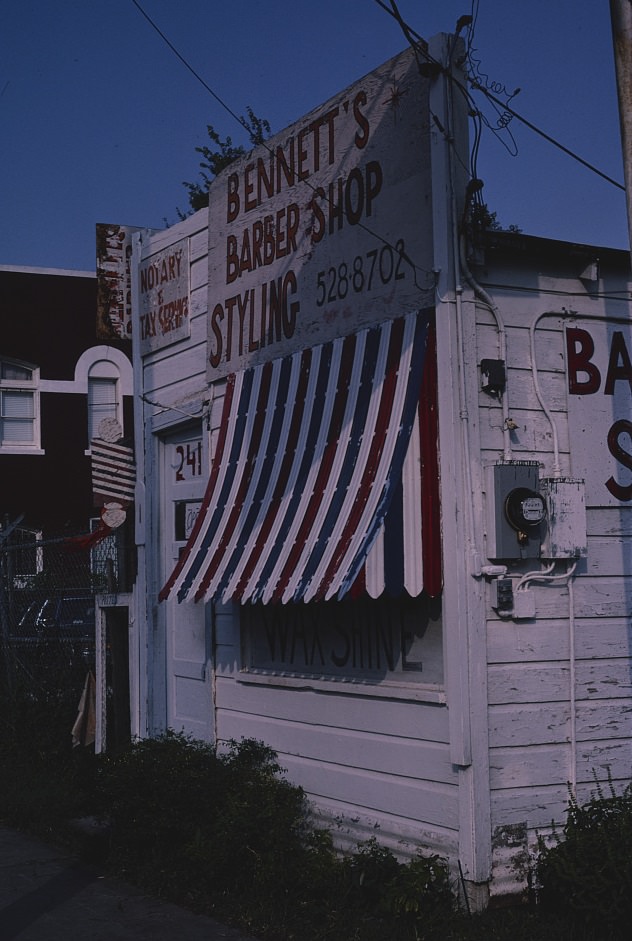
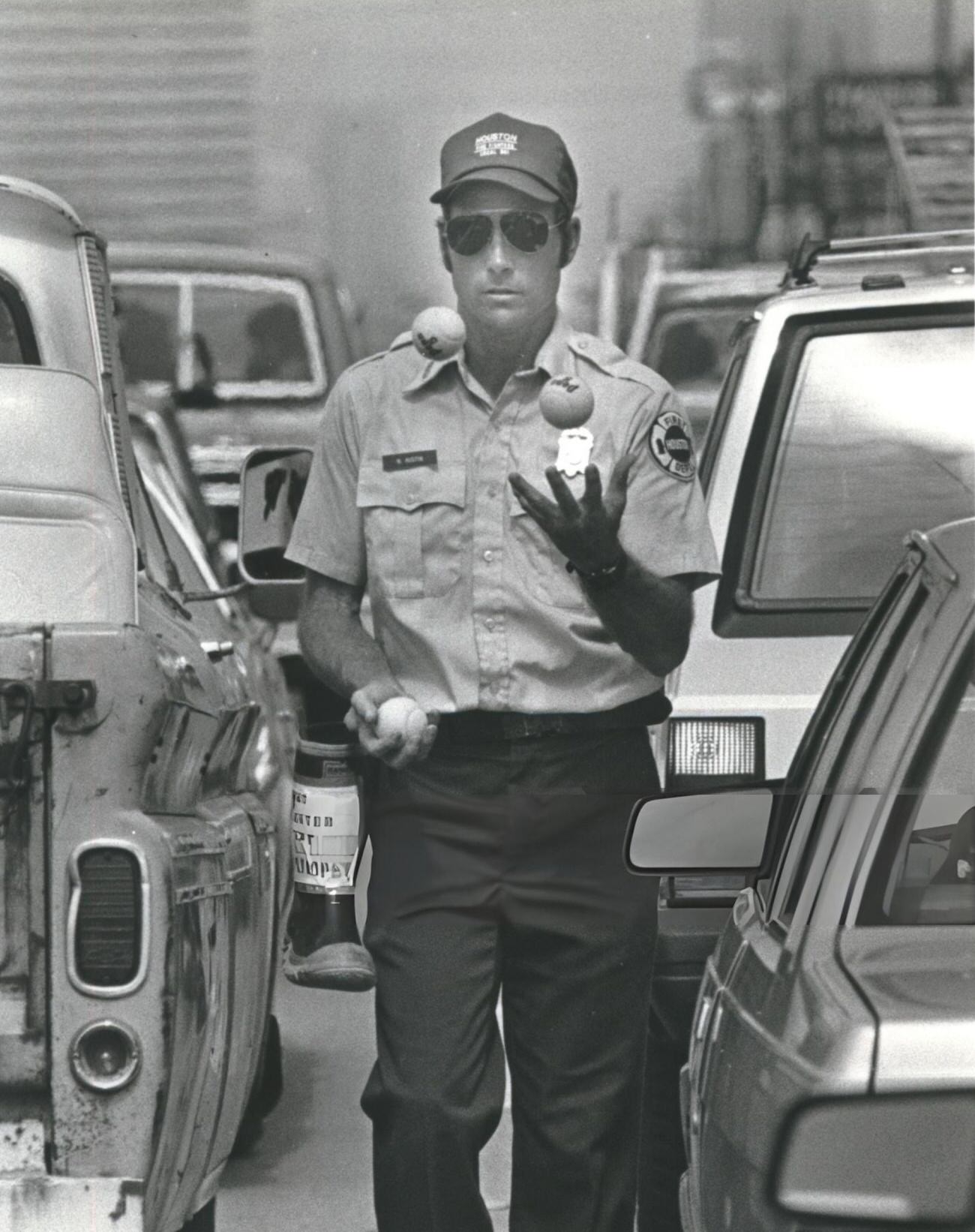
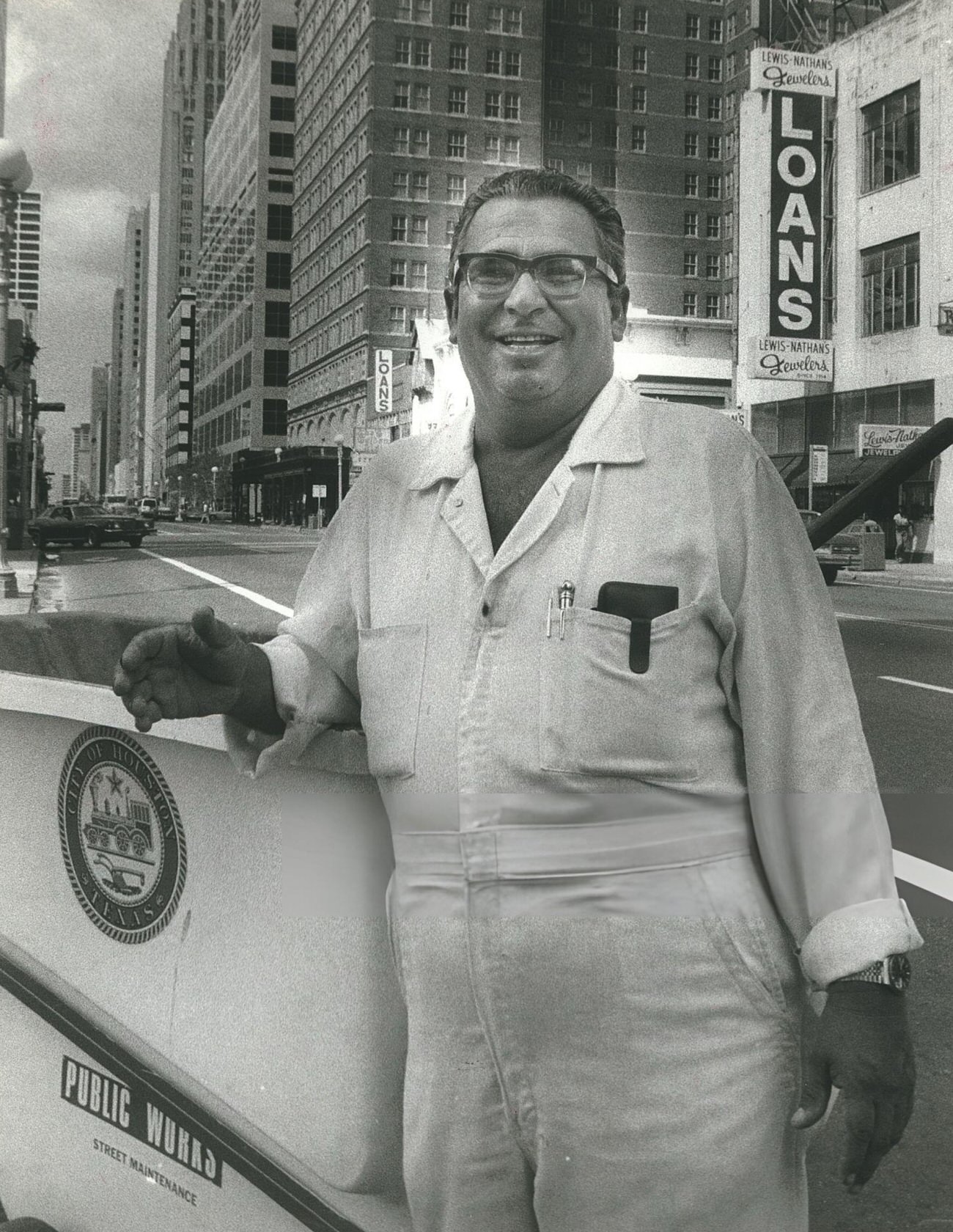
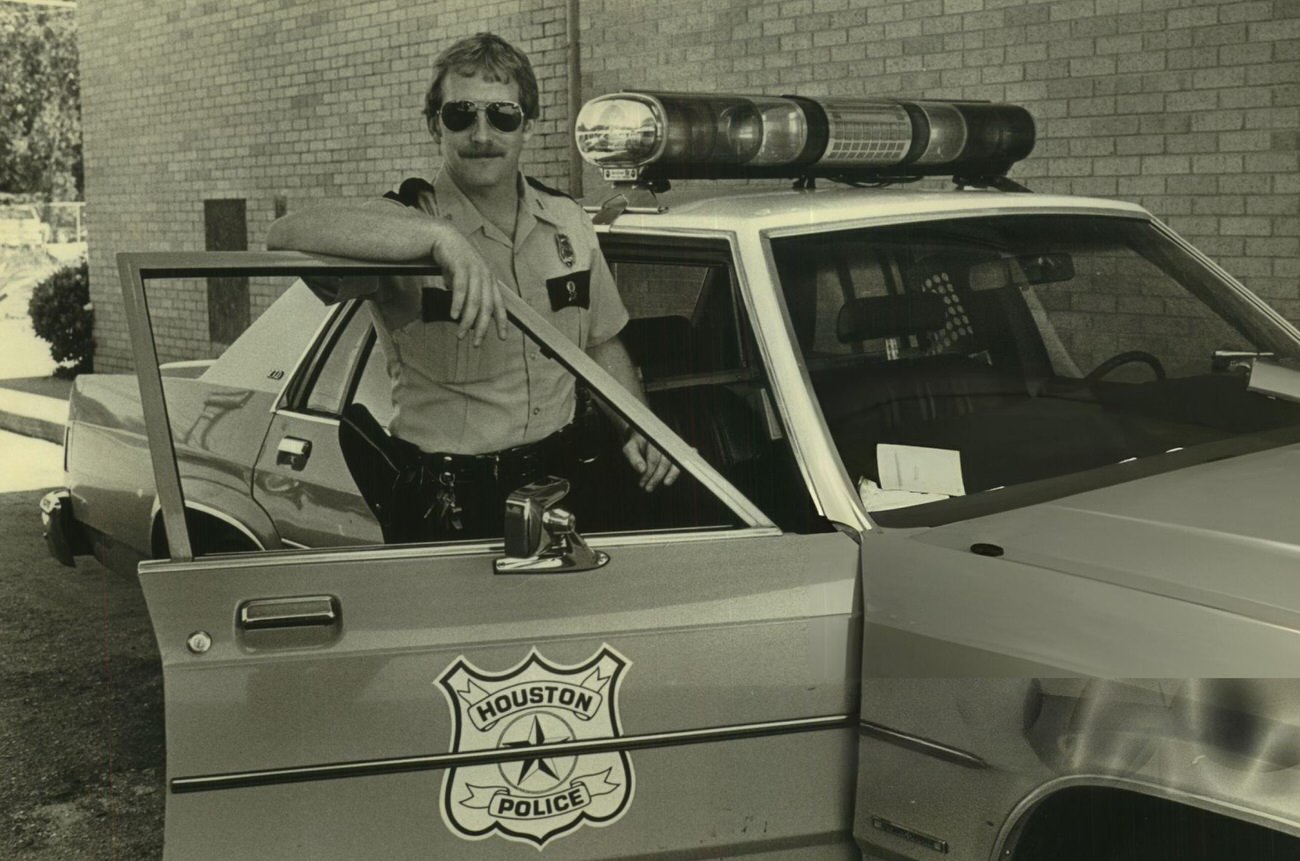
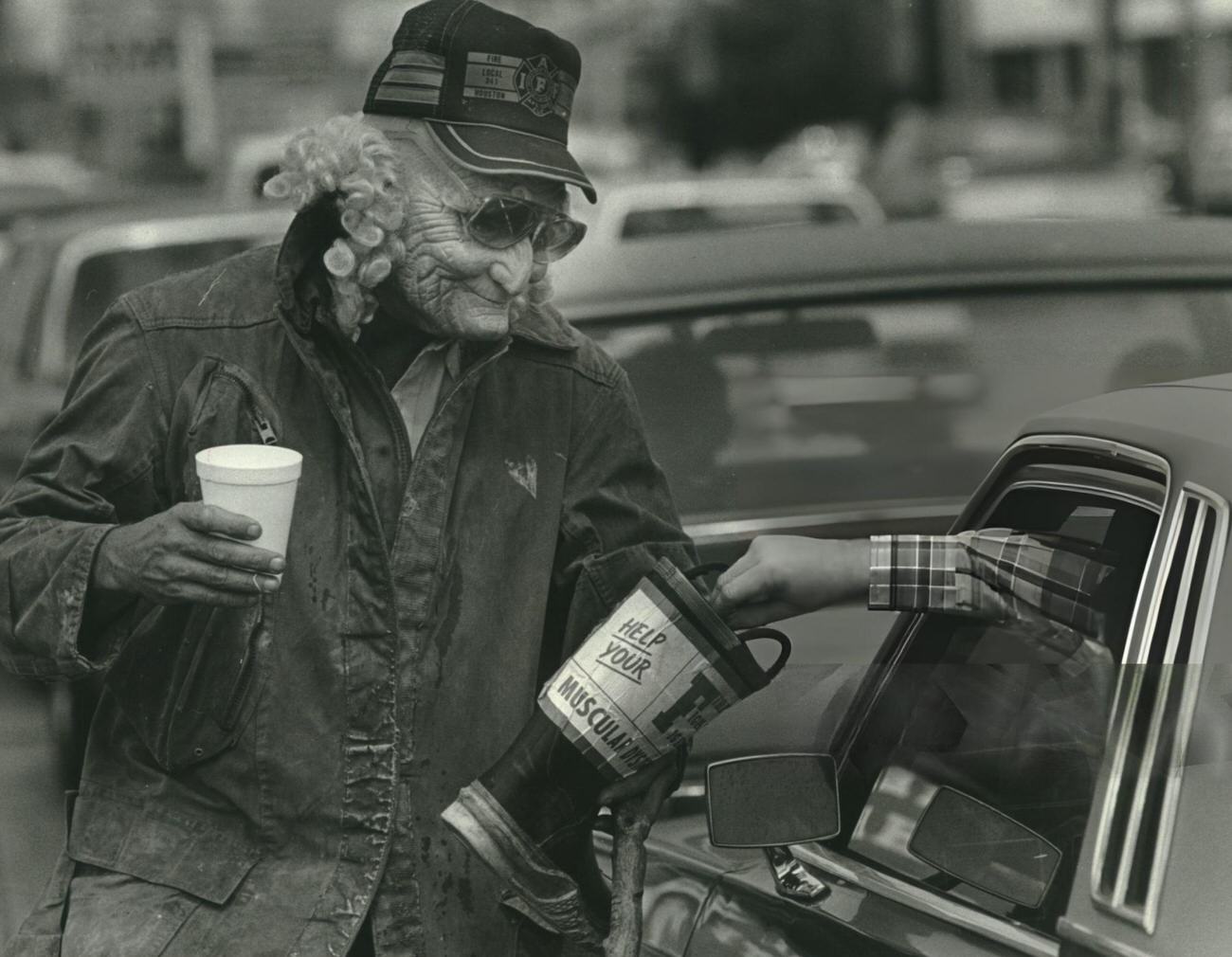
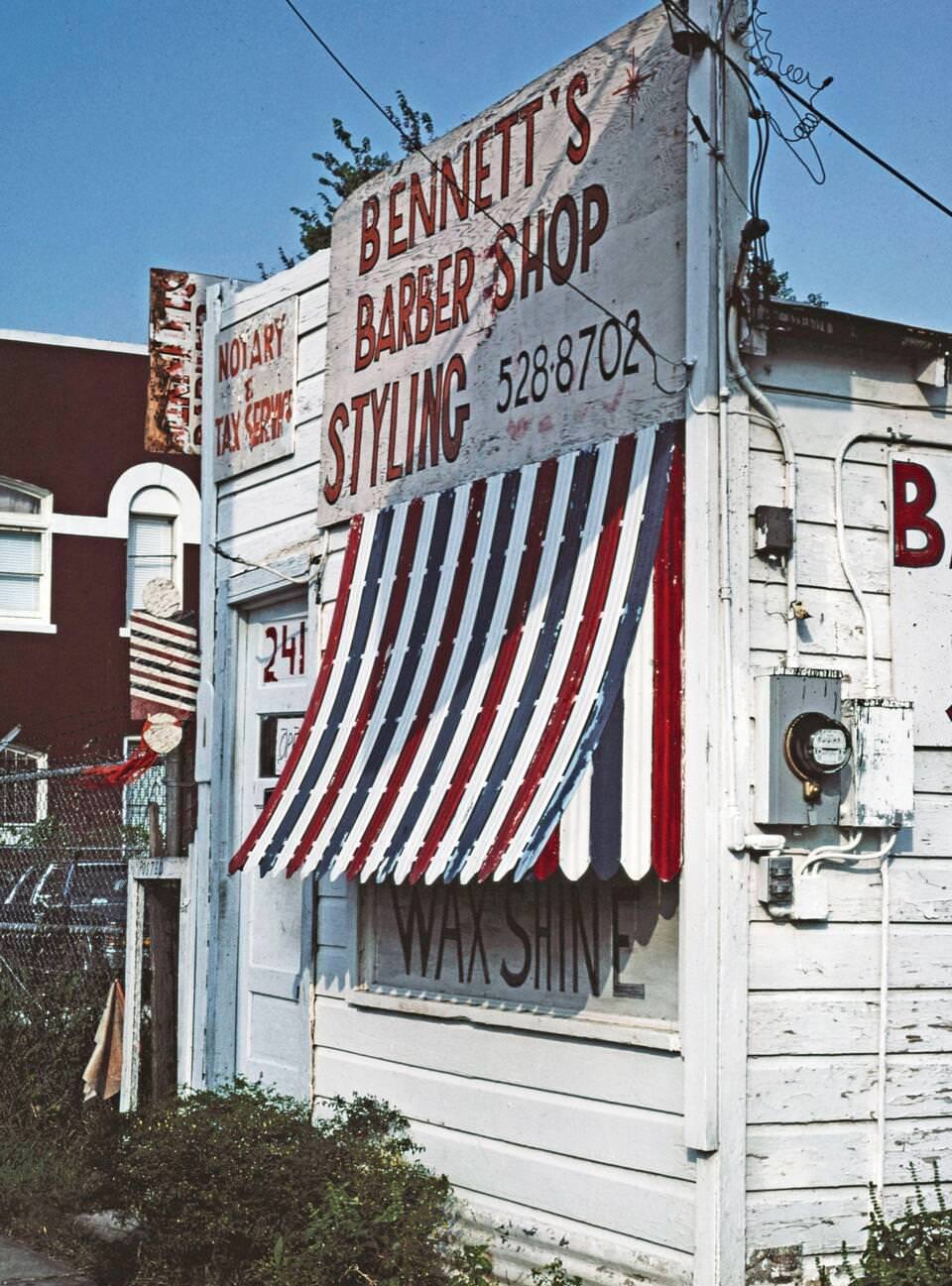
Houston’s social fabric showed itself in the small, ordinary moments: a barber shop on a neighborhood corner, a firefighter juggling for donations at Westheimer and Hillcroft, a street cleaner doing his rounds, an officer helping stranded motorists. These scenes carried as much of the city’s story as any boardroom decision or political speech.
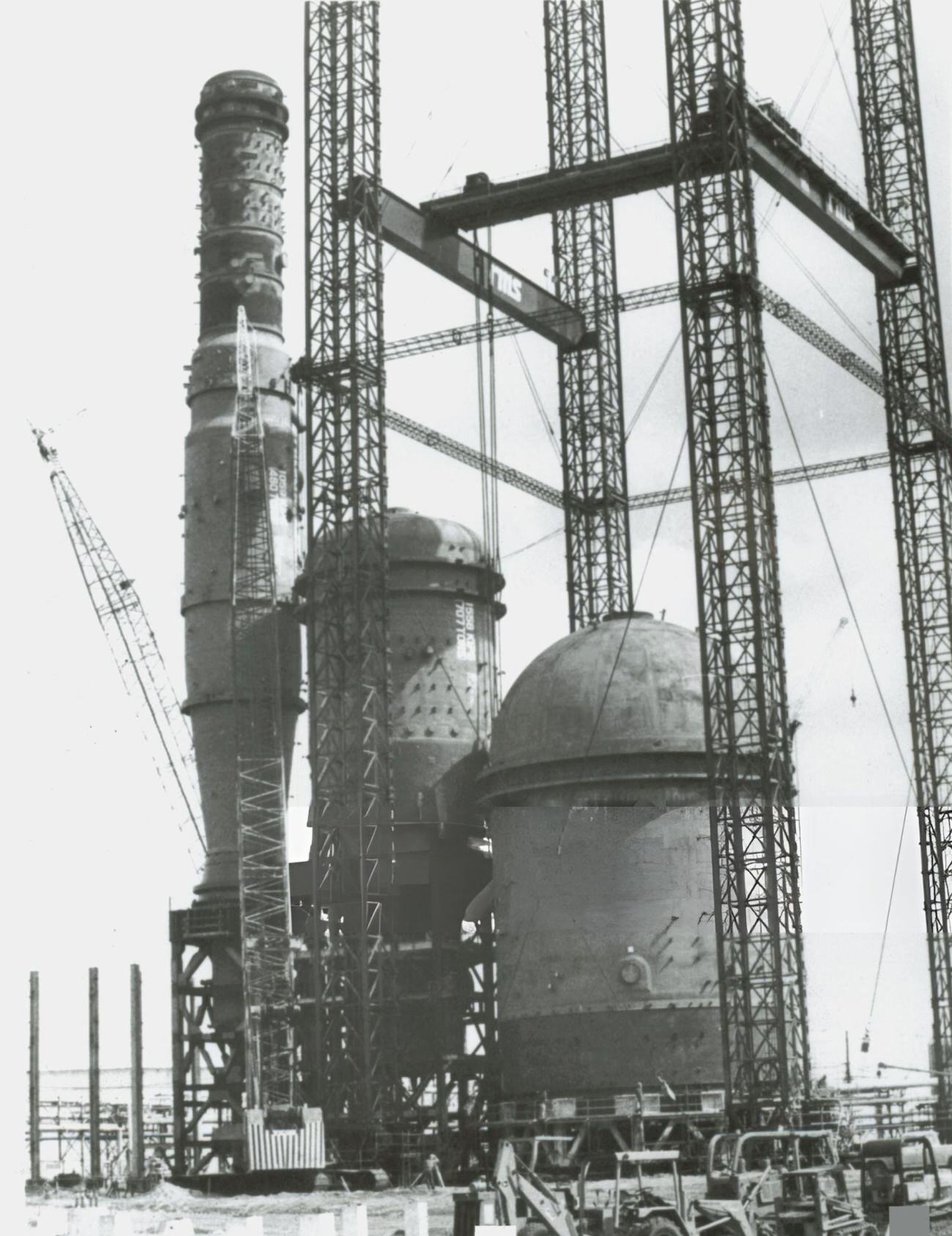
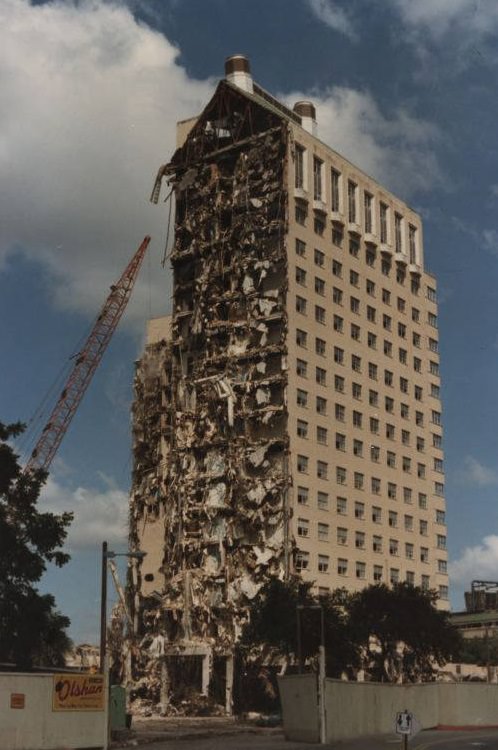
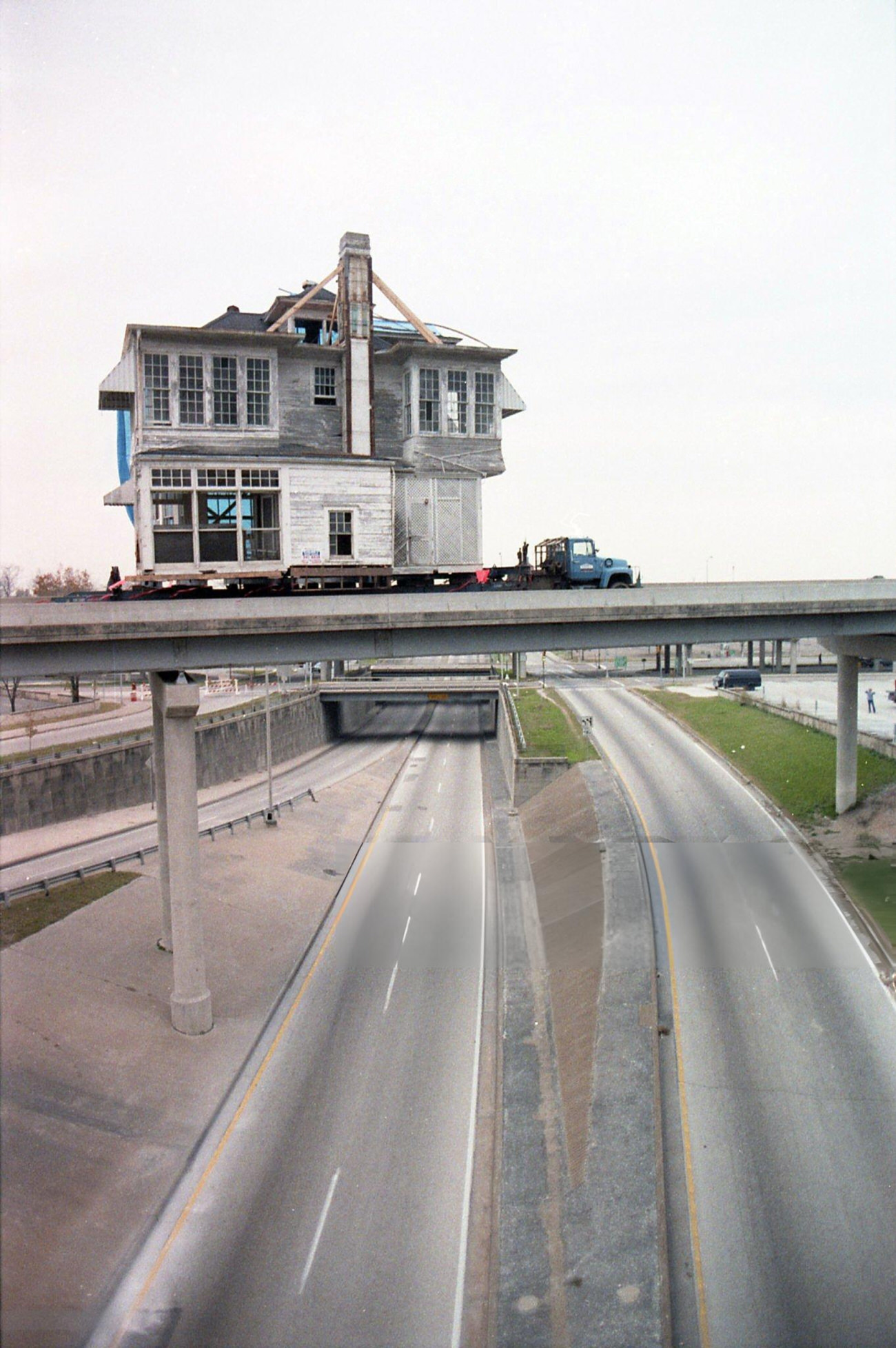
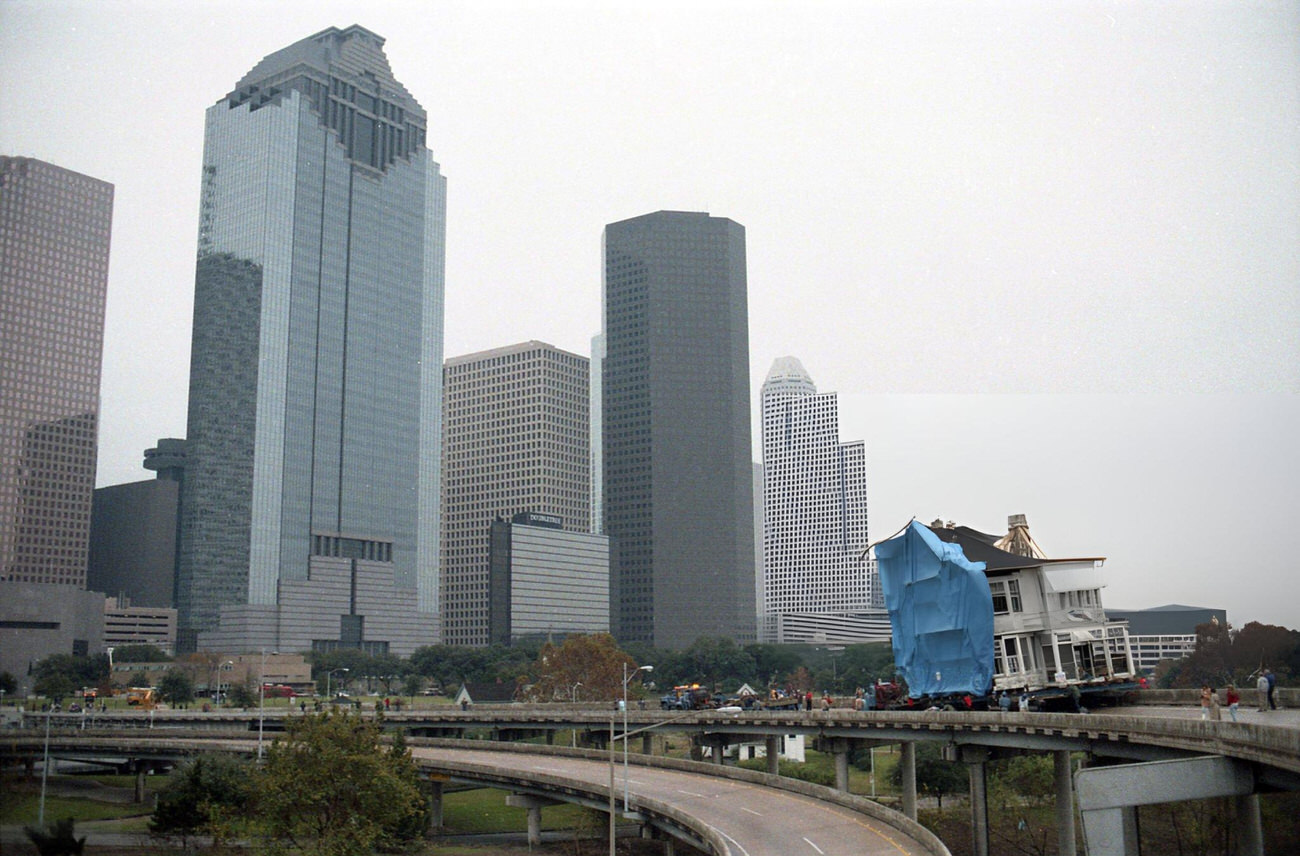
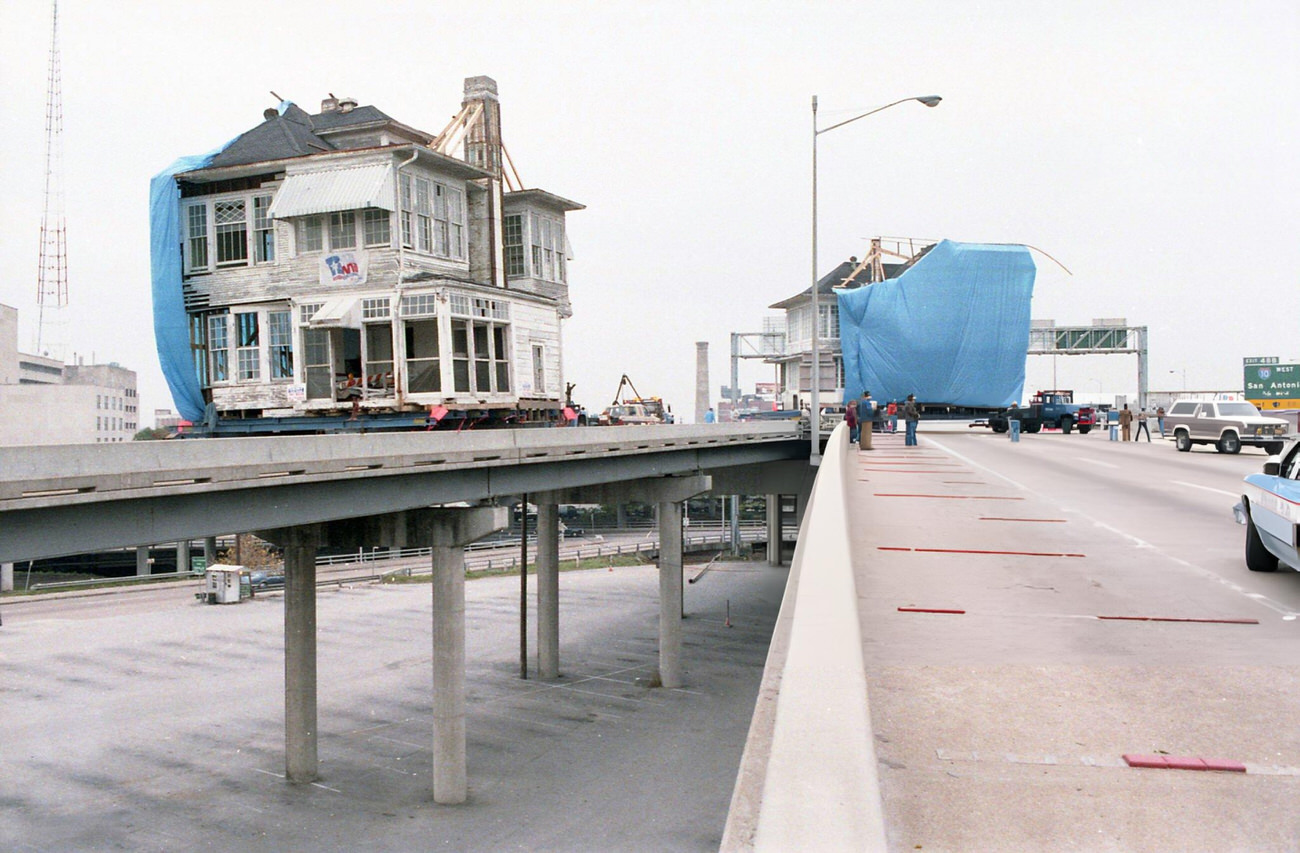
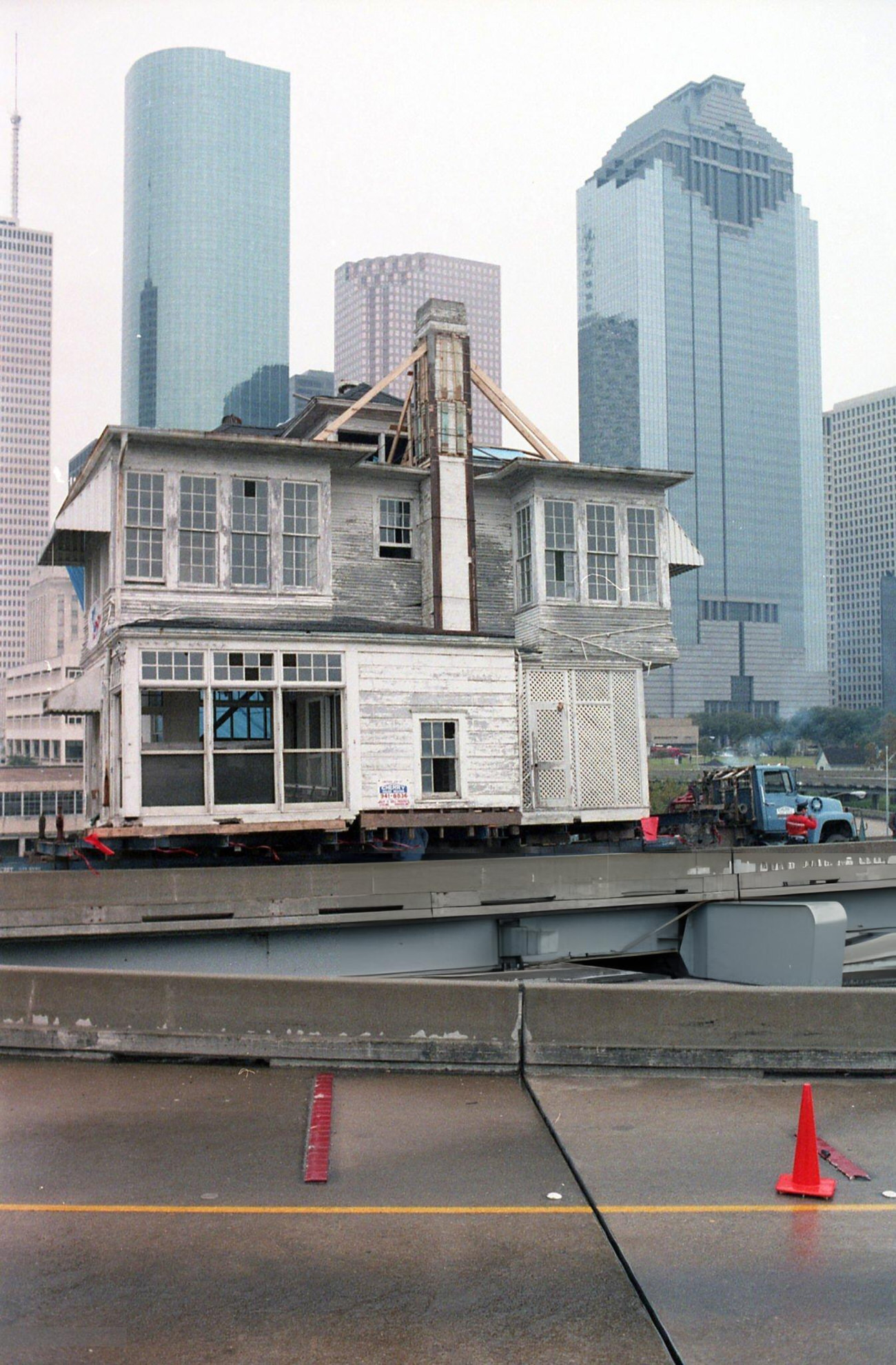
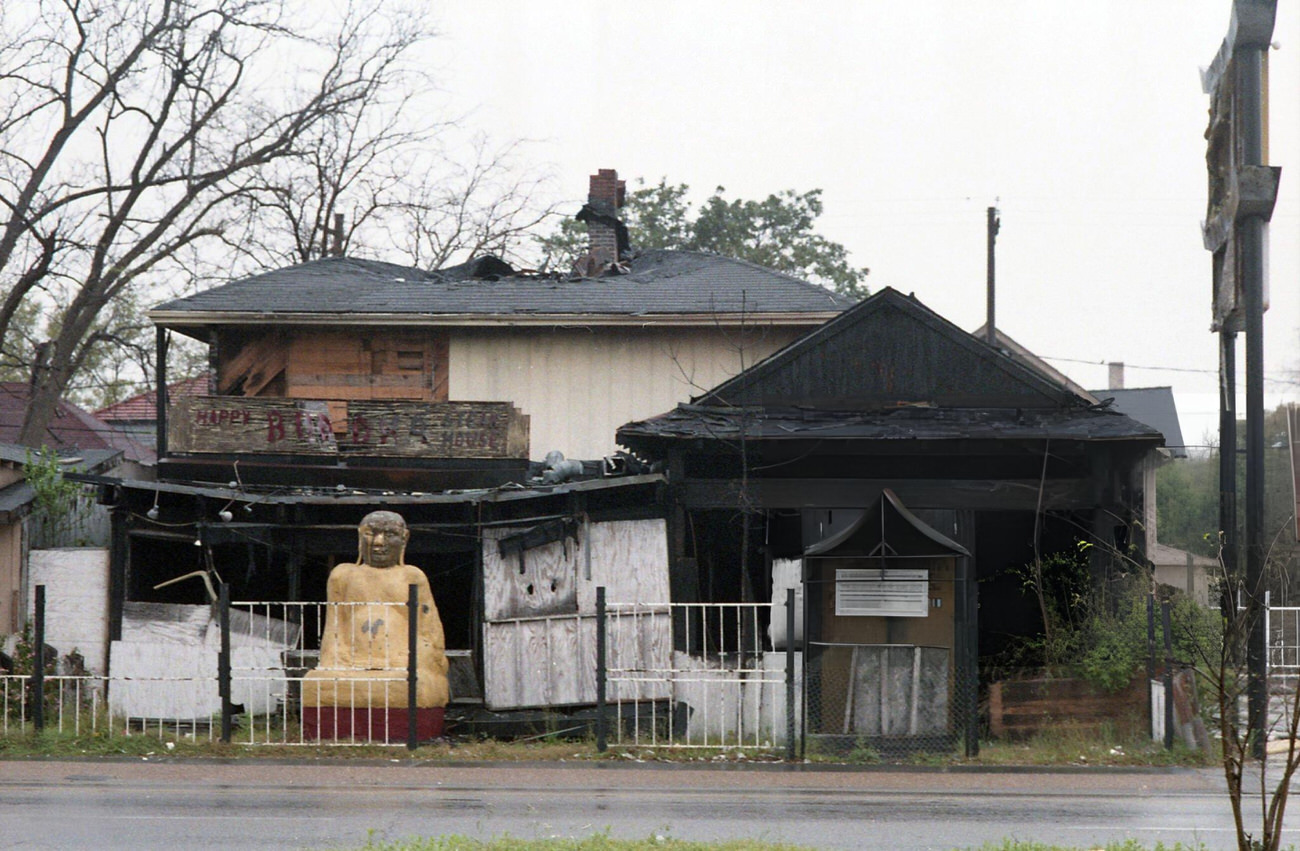
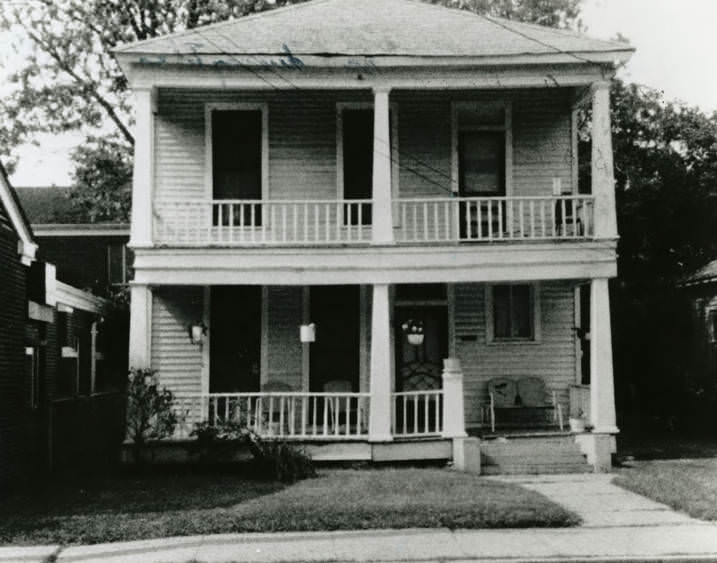
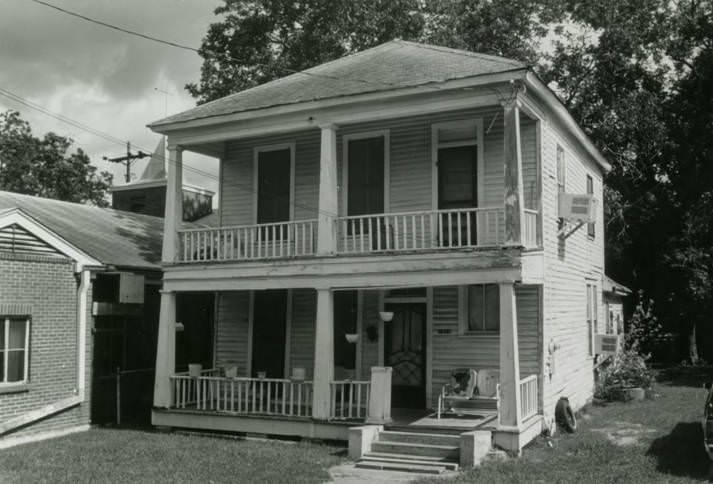
The decade closed with Houston still working through the consequences of the oil bust while simultaneously laying groundwork for what came next. Exxon was upgrading its Baytown refinery with new processing vessels. The Texas Medical Center continued to grow. New shopping centers were going up at the city’s northern fringes. Even landmarks from earlier eras were disappearing — the iconic Shamrock Hotel was demolished, and a historic house on Westmoreland Street in Montrose was physically moved to Sam Houston Park for preservation.
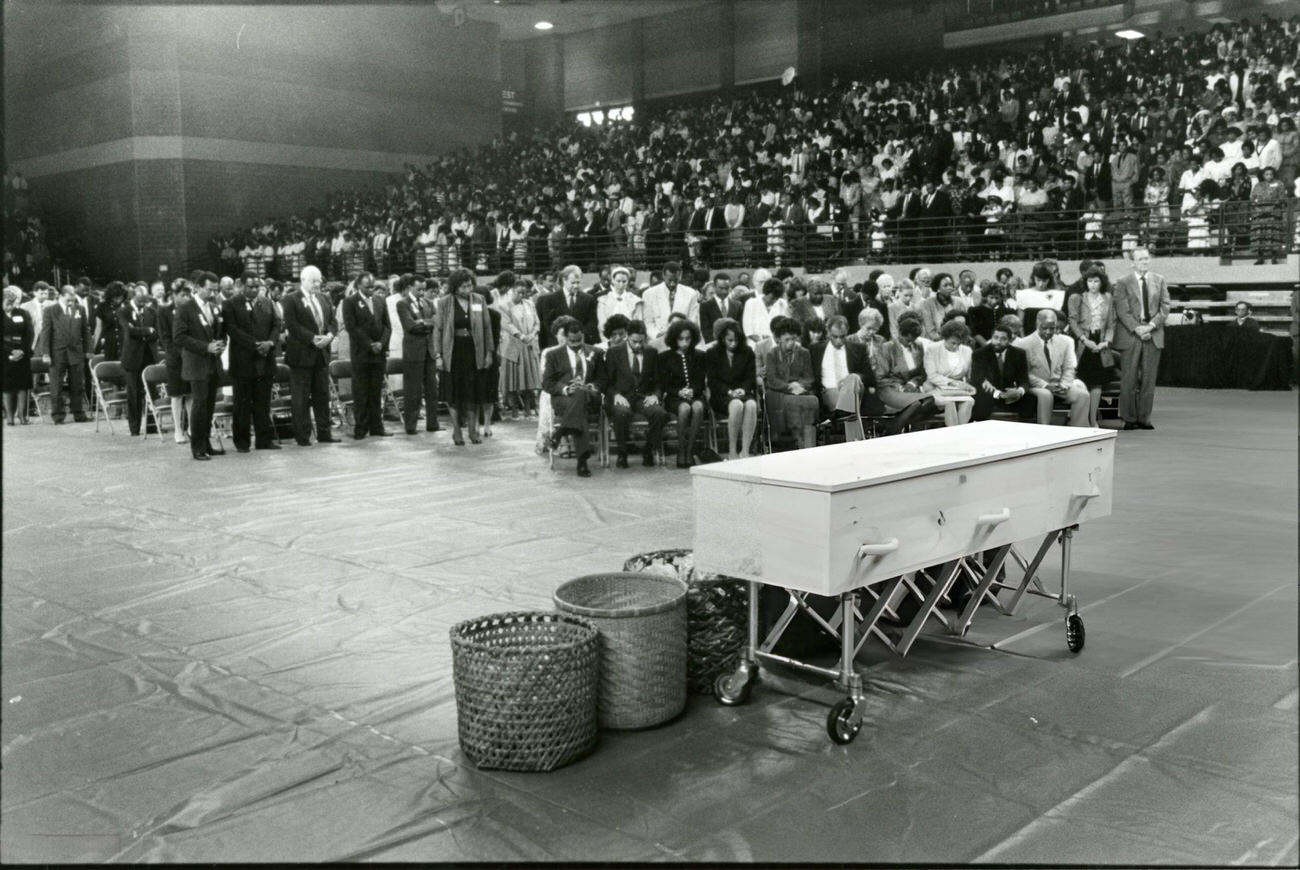
Houston lost one of its most prominent public figures in August 1989 when Congressman Mickey Leland died in a plane crash in Ethiopia, where he had been working on humanitarian relief efforts for famine victims. His memorial service at Texas Southern University drew family, friends, and political leaders, with an empty pine casket standing in because his body had not yet been recovered. It was a grief-filled end to a decade that had asked a great deal of the city.
Through boom and bust, protest and celebration, immigration and demolition, Houston in the 1980s was never static. Its streets recorded a decade of genuine upheaval — economic, social, and physical — in ways that still shape the city today. The photographs from those years capture not just what Houston looked like, but what it felt like to live through one of the most turbulent chapters in the city’s modern history.





If those people could see how much parking is at NRG stadium now, they would lose their minds. I would love to have three dollar parking, anywhere.
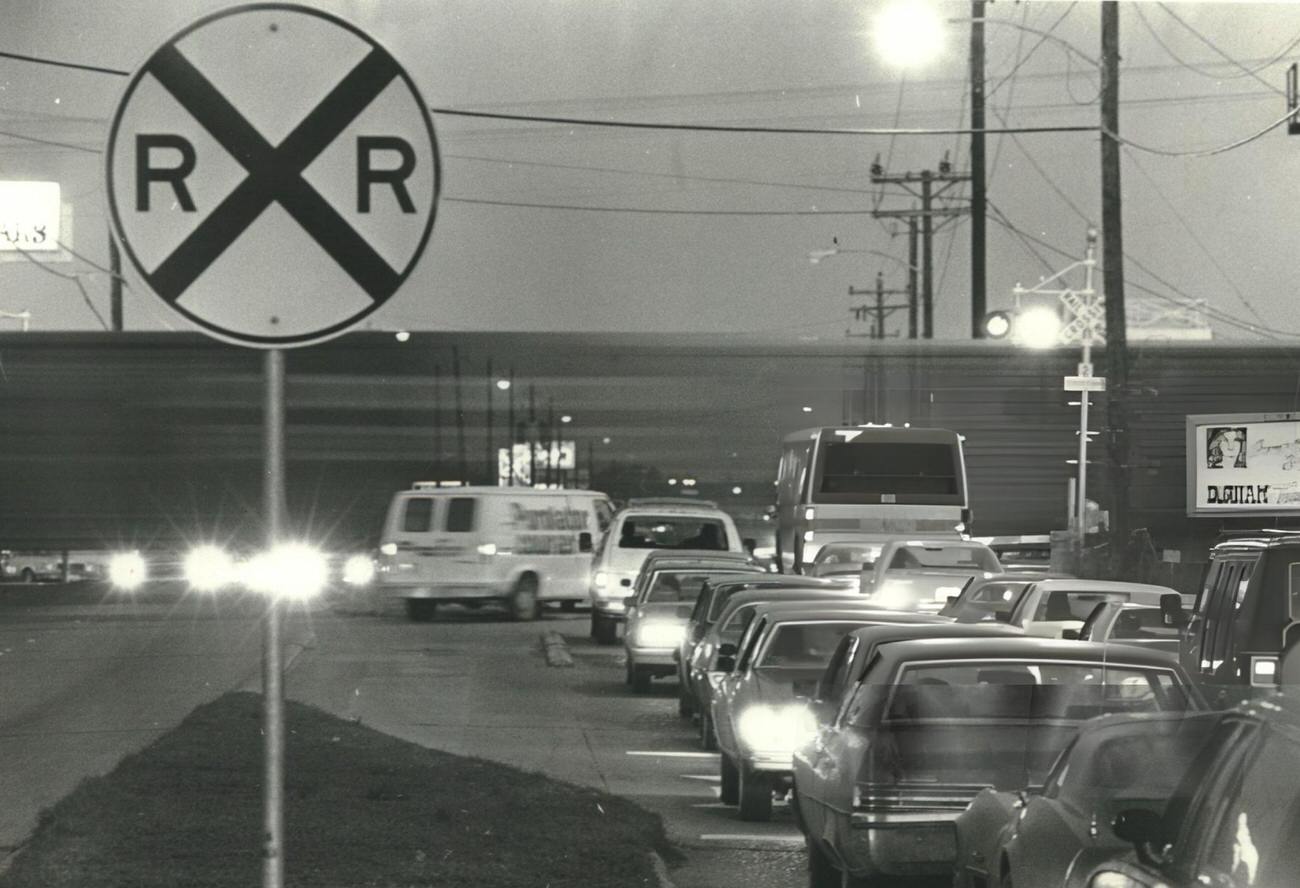
Imagine what Houston would have been like if rail had been built back then before all the growth
Umm where’s the vivid photos? There was actually just one on the site when I checked.