For more than two centuries, Japan kept its doors shut to the outside world. The Tokugawa Shogunate enforced a strict policy of isolation, allowing only a trickle of trade through a single port. That order collapsed in the 1850s when American warships armed with heavy cannons sailed into Japanese waters and forced the government to open its ports. By the 1860s, the old Japan and the new were in direct collision — and the photographs taken during this decade capture that tension with remarkable clarity.
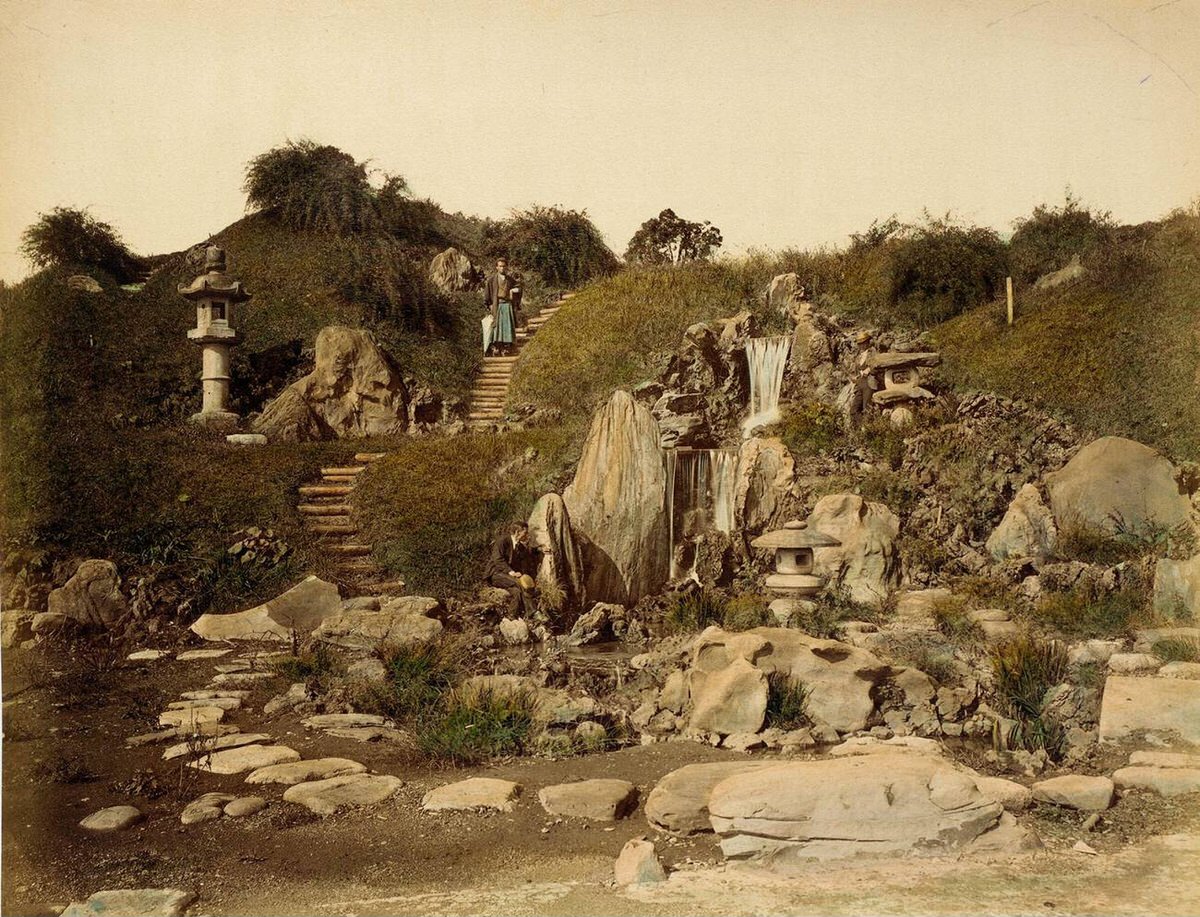
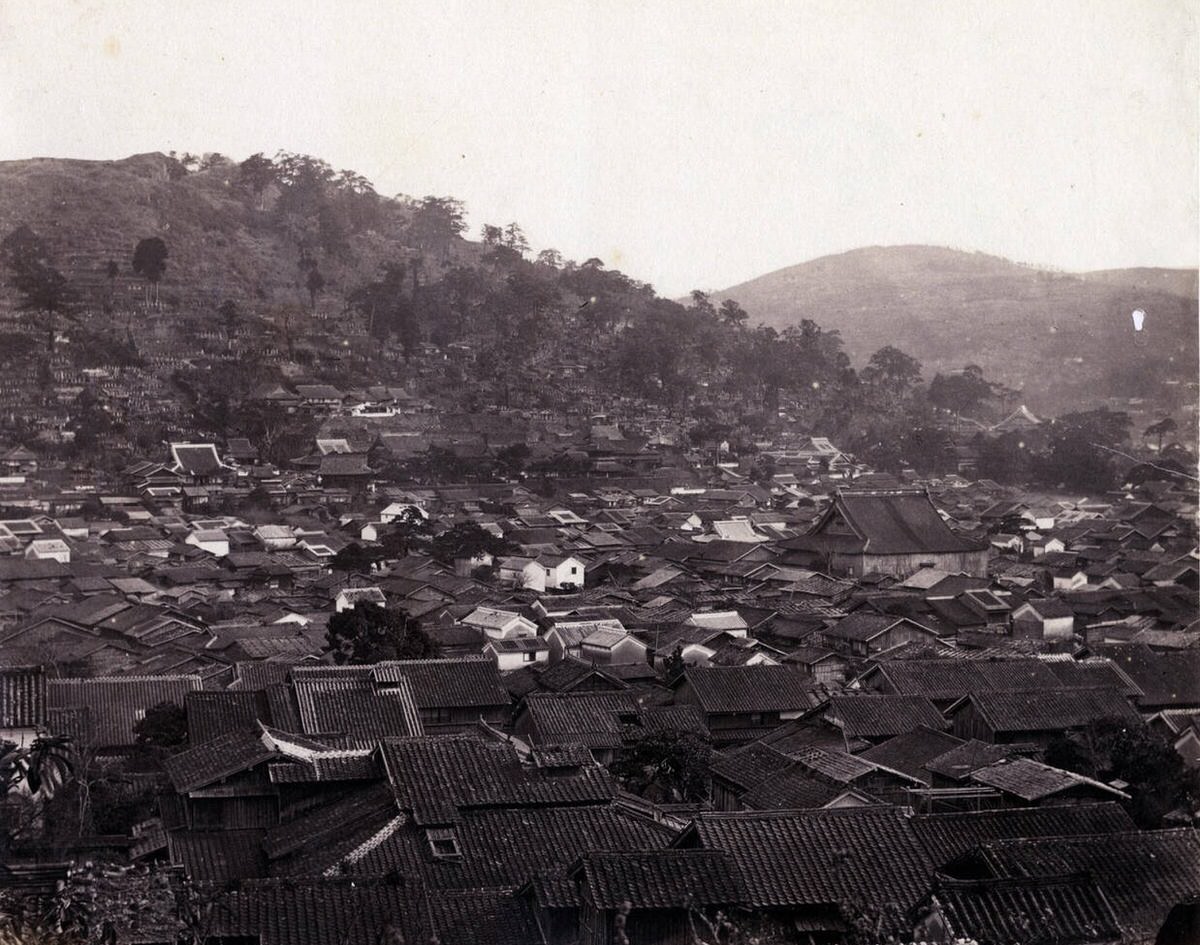
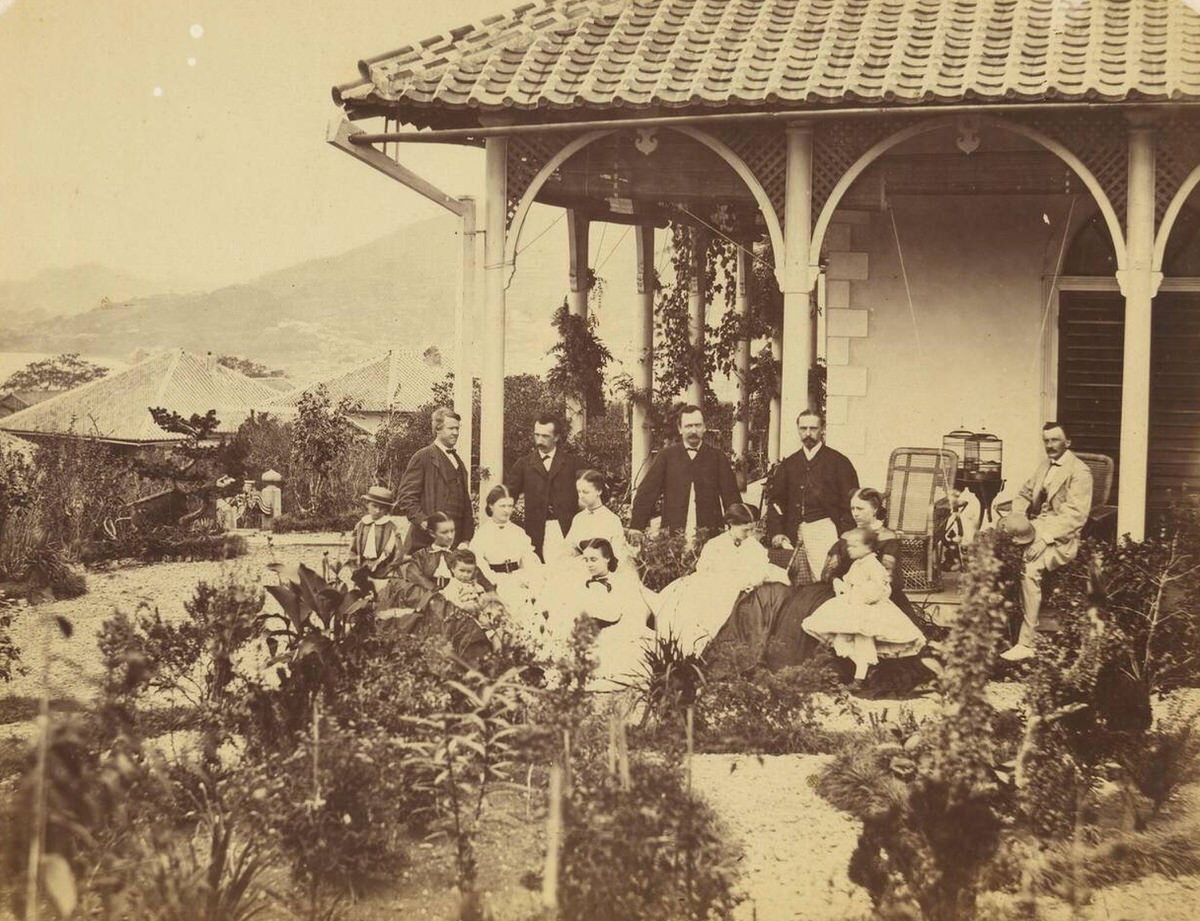
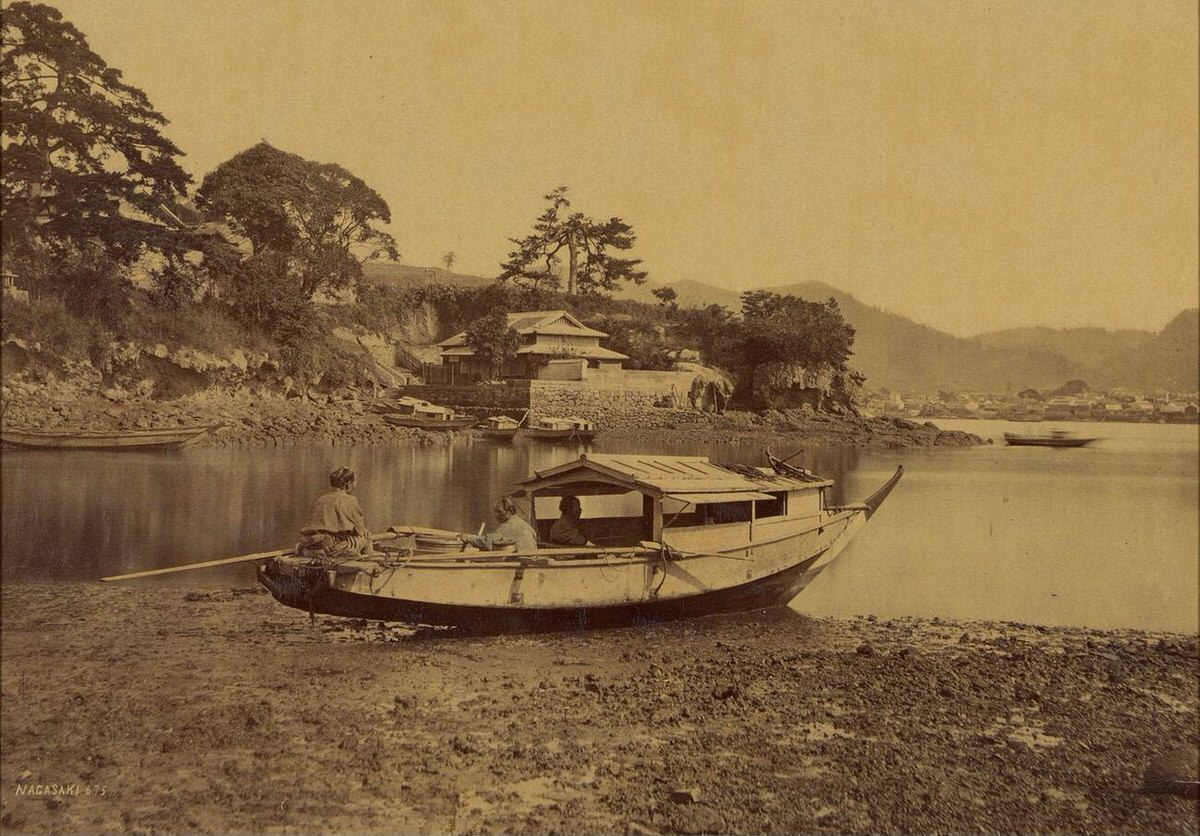
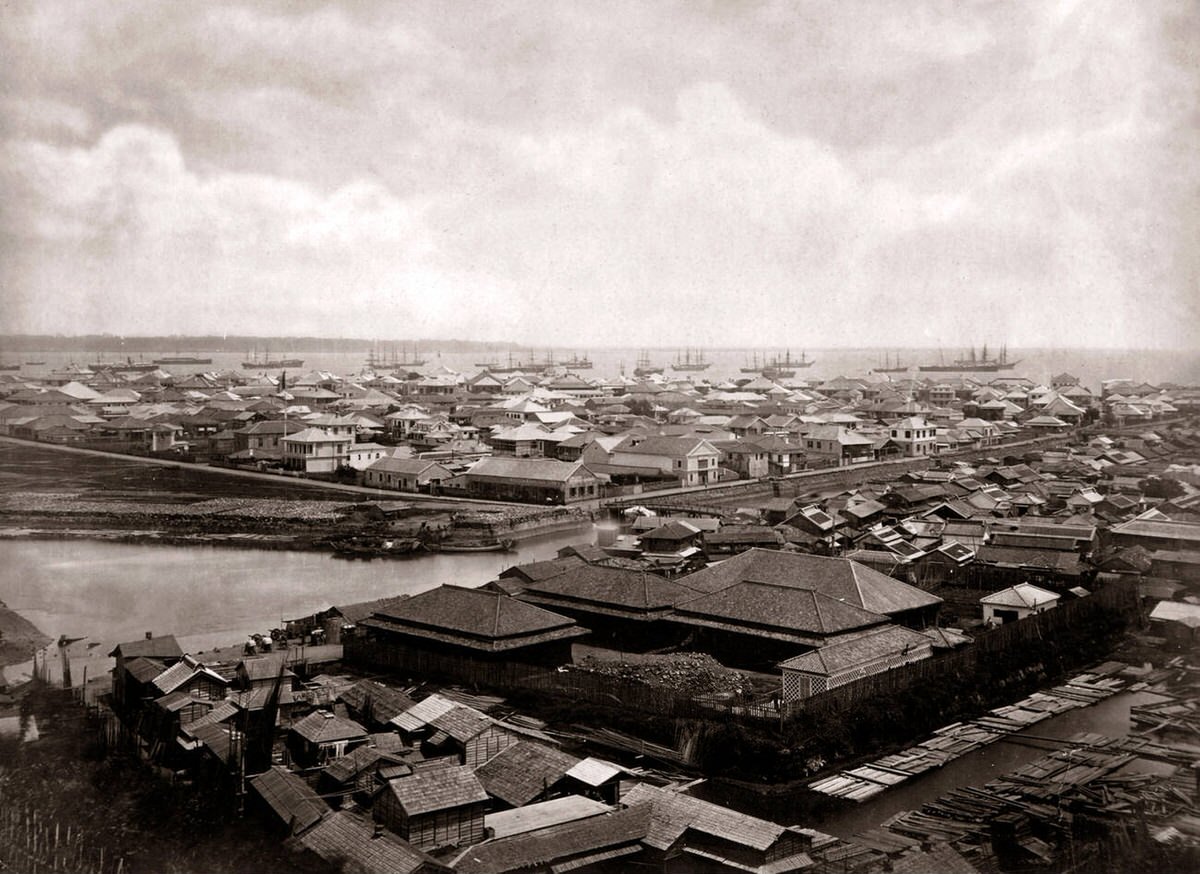
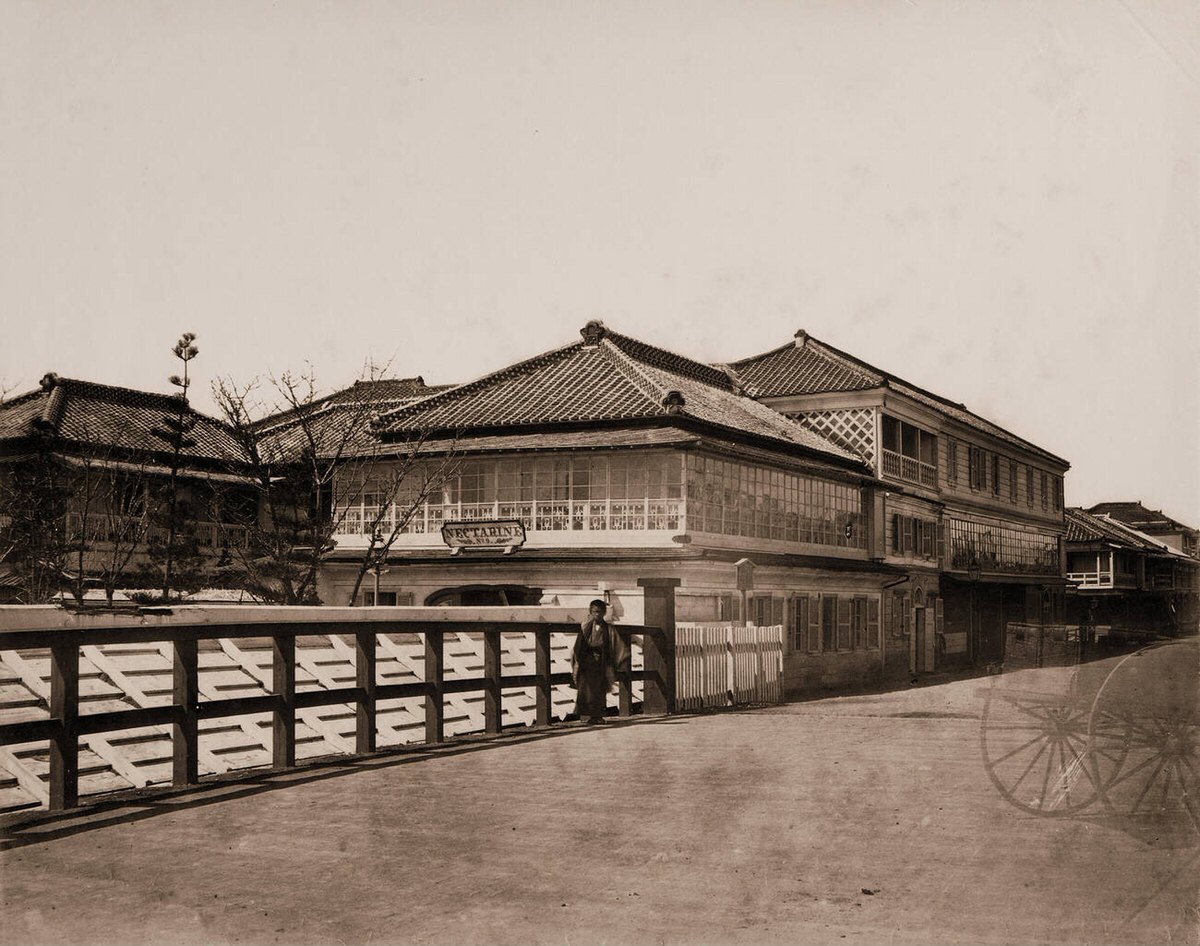
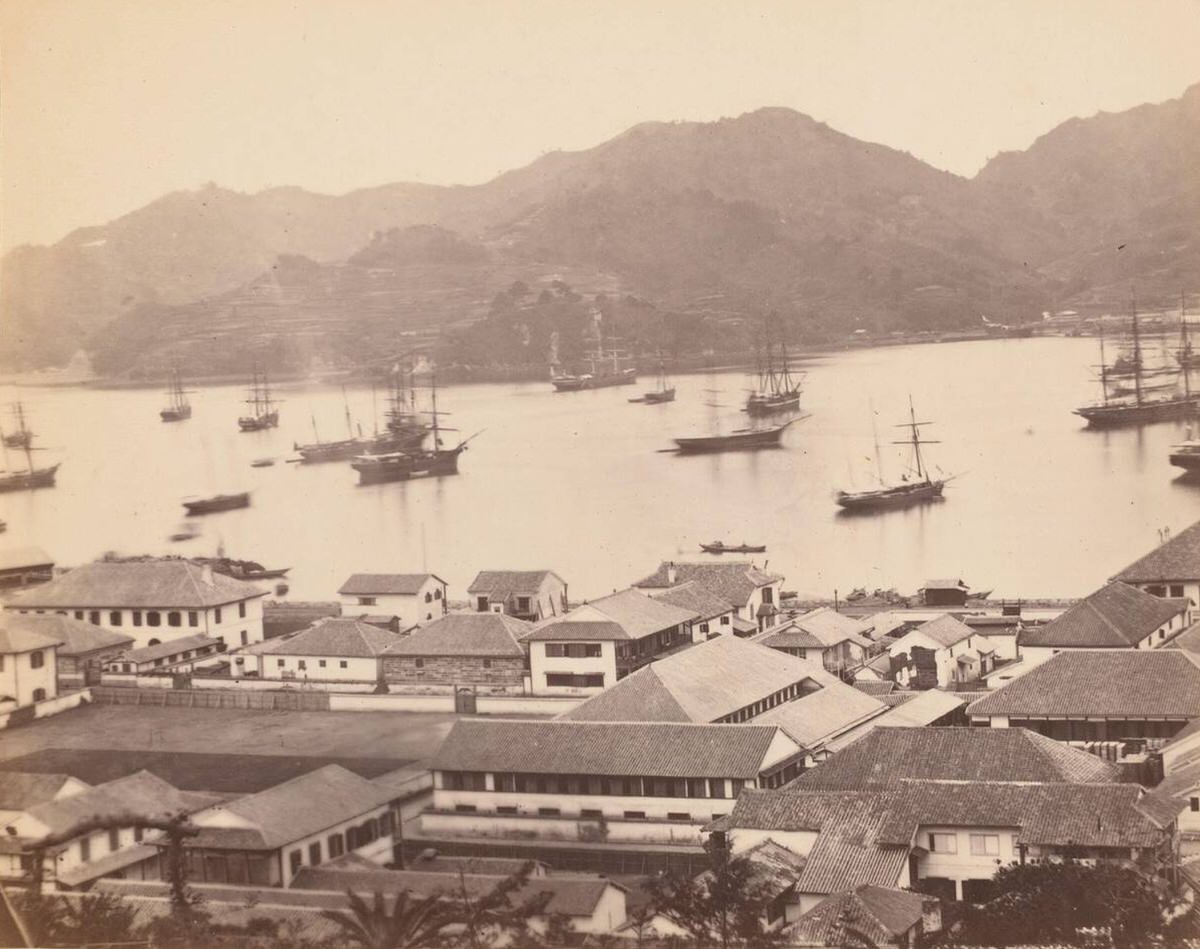
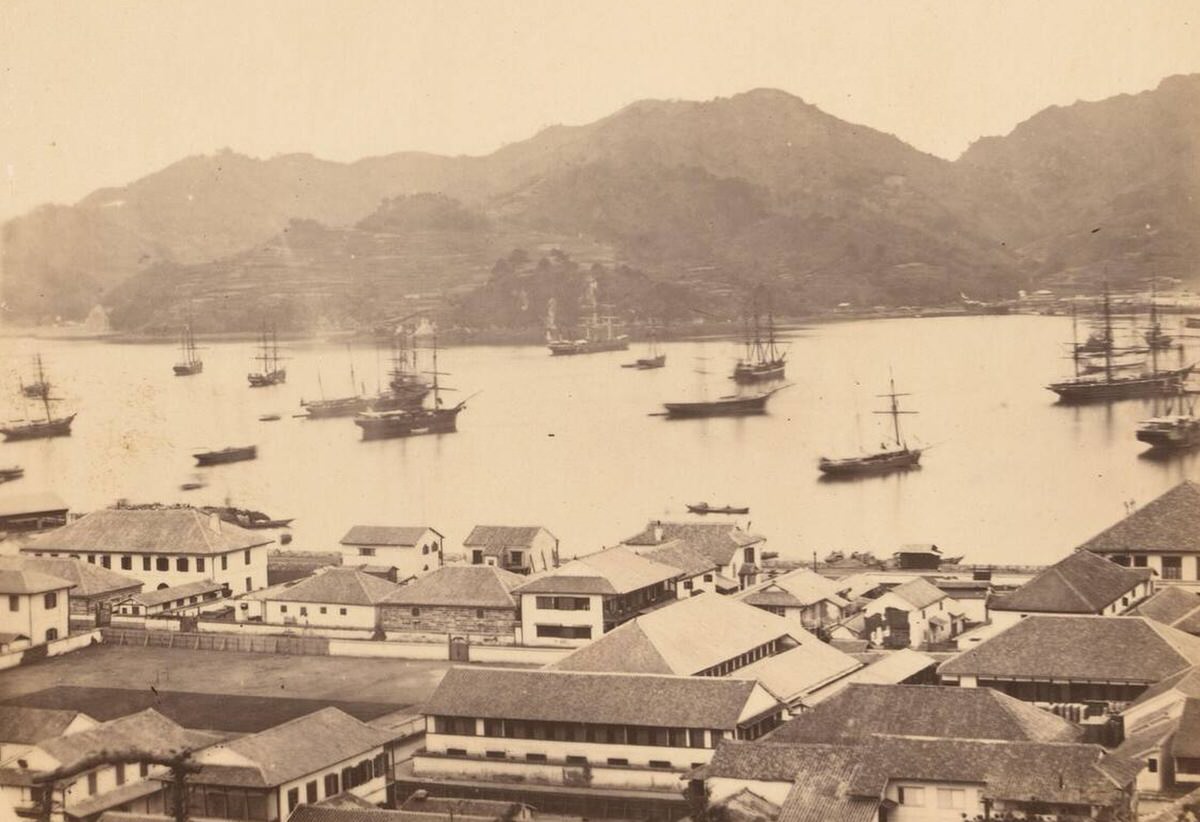
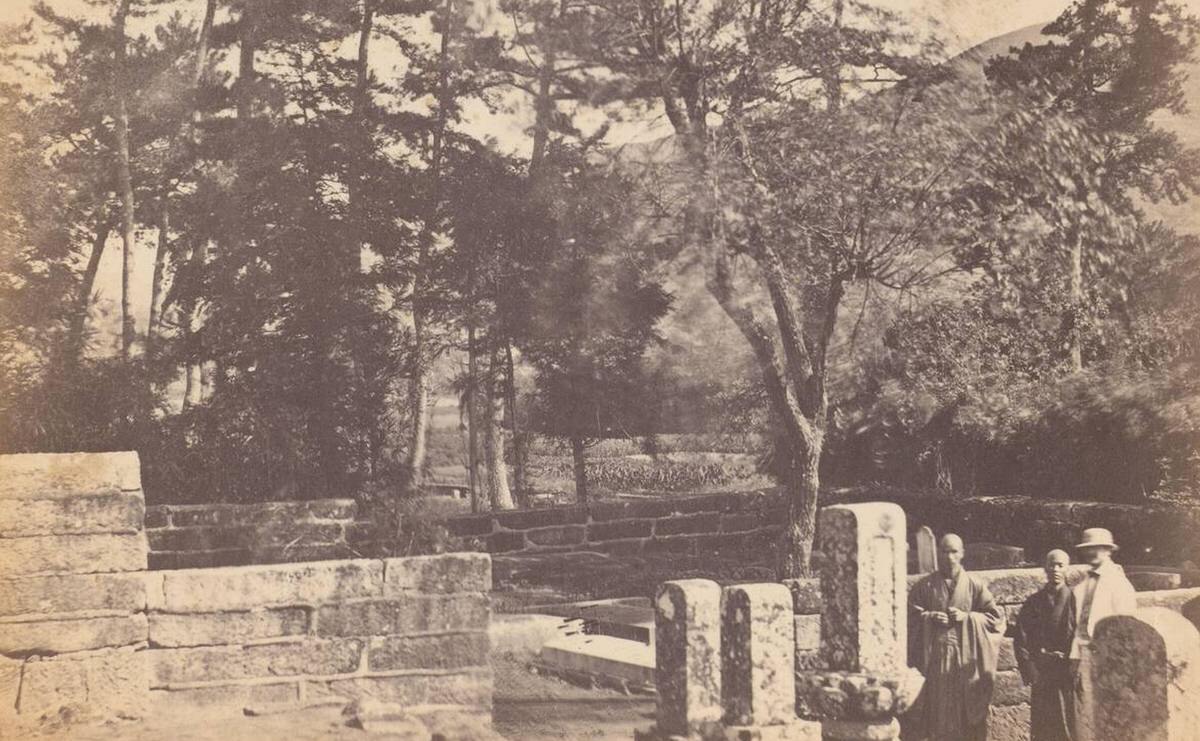
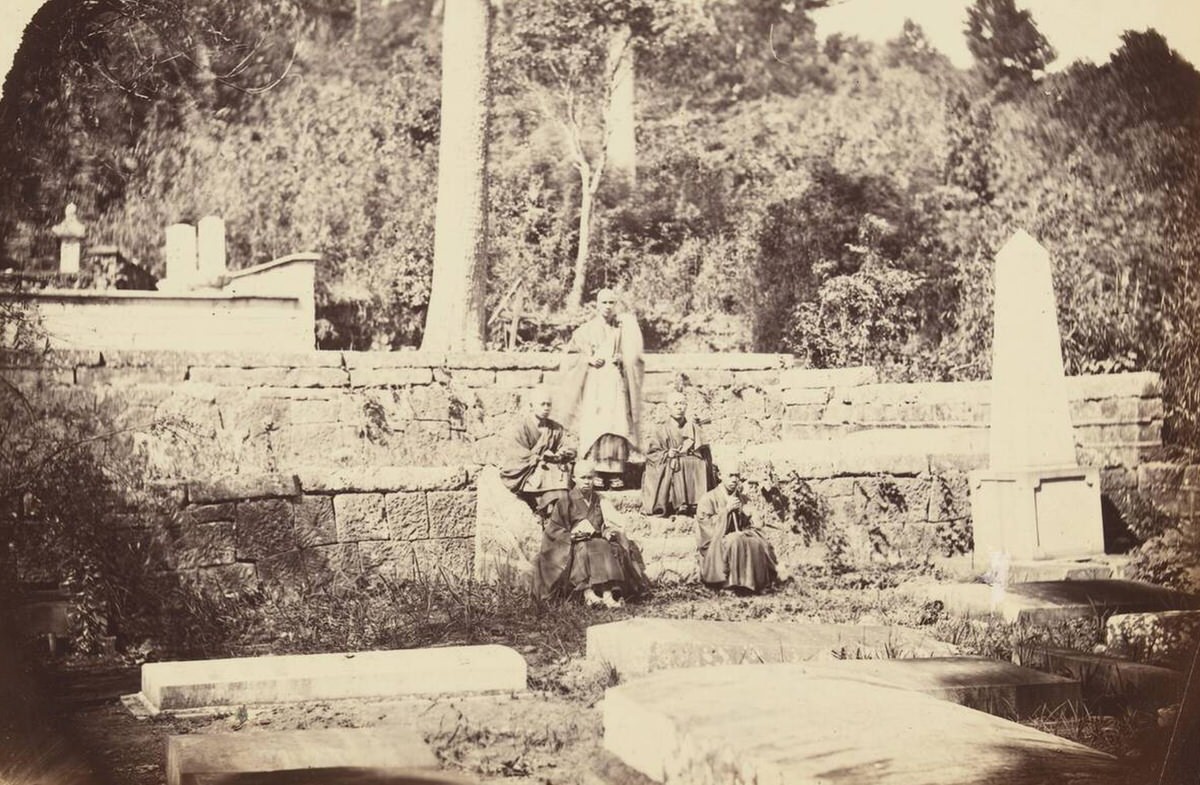
Foreign merchants flooded into the newly opened ports, especially Yokohama and Nagasaki. They brought with them the telegraph, modern firearms, and photography. Nagasaki had long been Japan’s only legal window to the outside world, and it showed — the city was more cosmopolitan than almost anywhere else in the country. Dutch traders had maintained a presence there for generations, and their cemeteries stood as quiet proof of how long foreign contact had shaped the port.
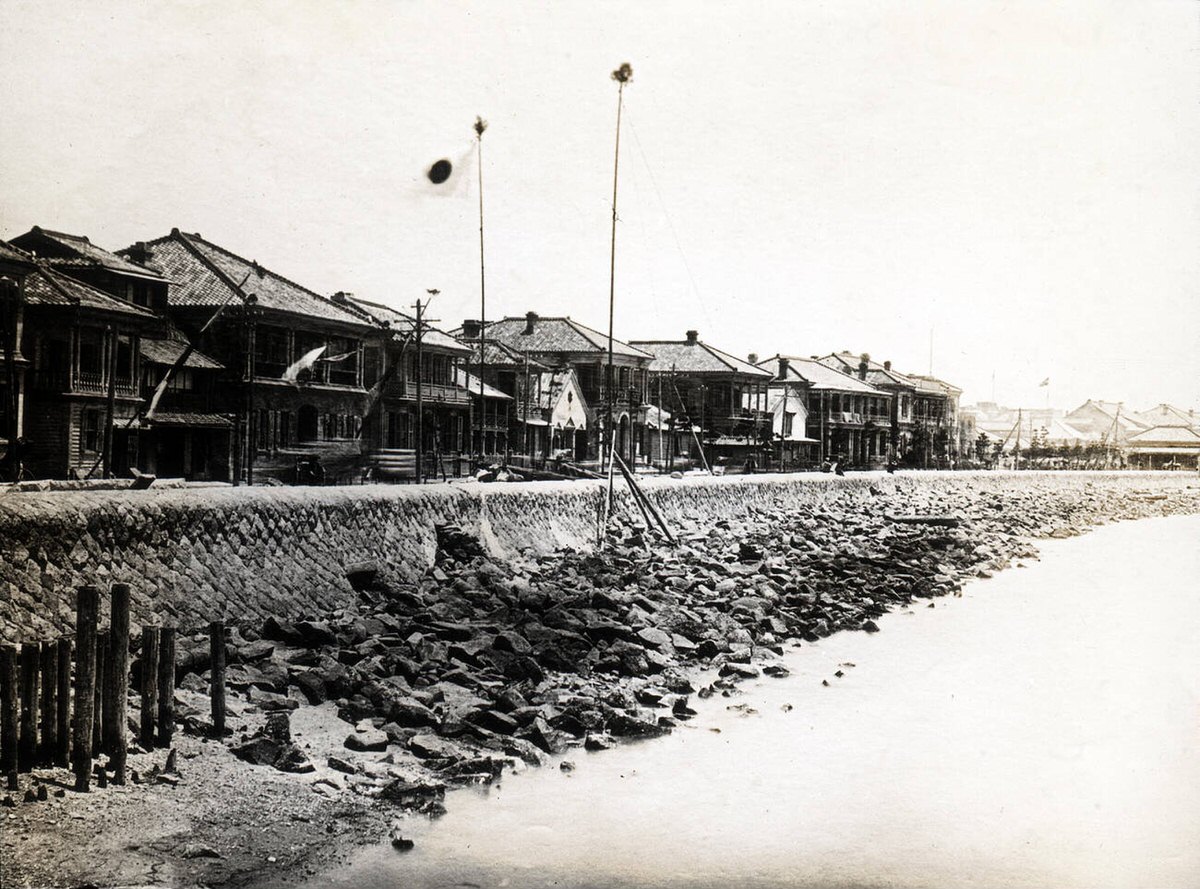
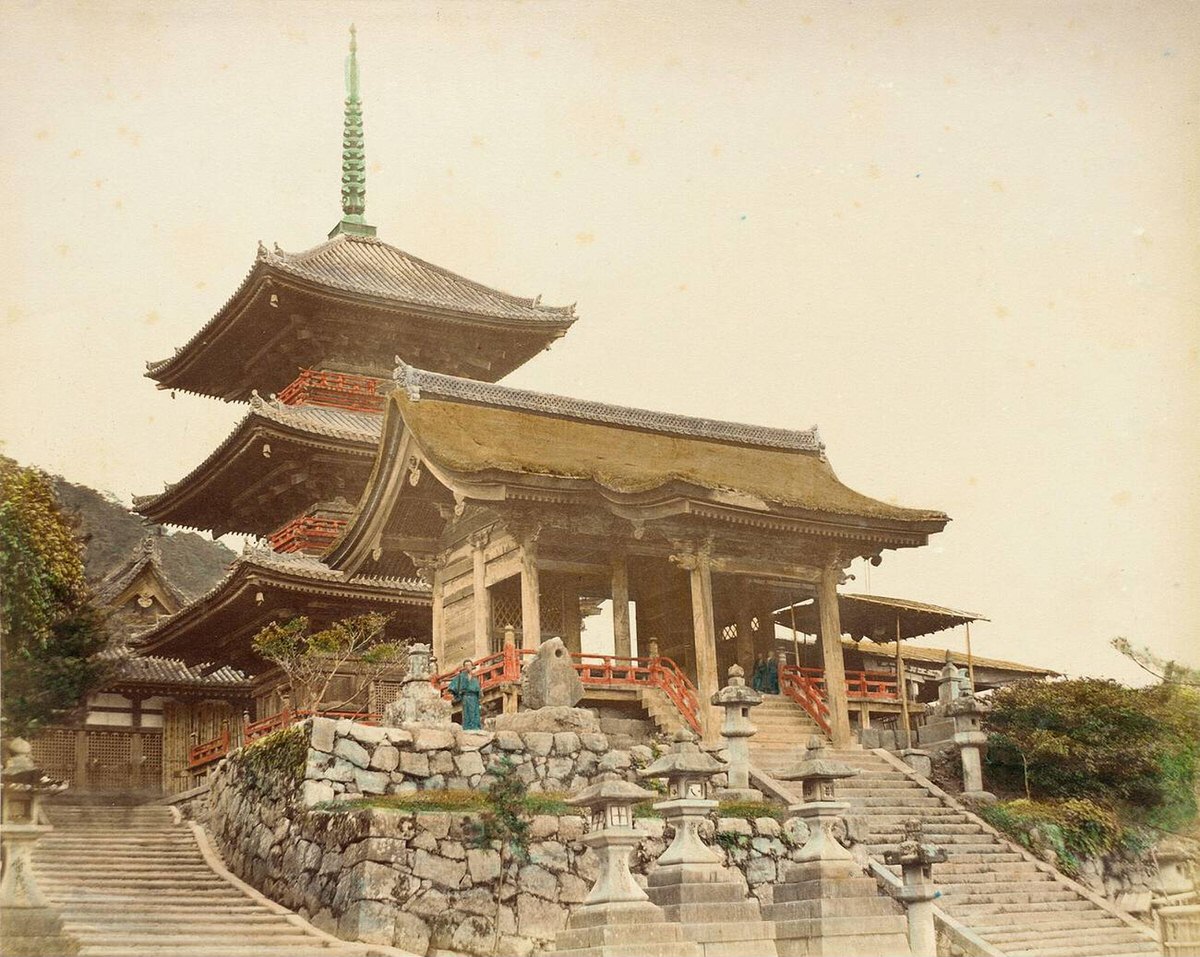
While foreign trade brought new wealth to the ports, it also triggered deep resentment in the countryside and among the samurai class. The city of Kyoto became a battleground of a different kind — not fought with cannons, but with assassinations, informants, and raids conducted in the dead of night. Two factions struggled for control of the imperial capital’s streets. Supporters of the Shogun faced off against rebels determined to restore direct rule under the Emperor.
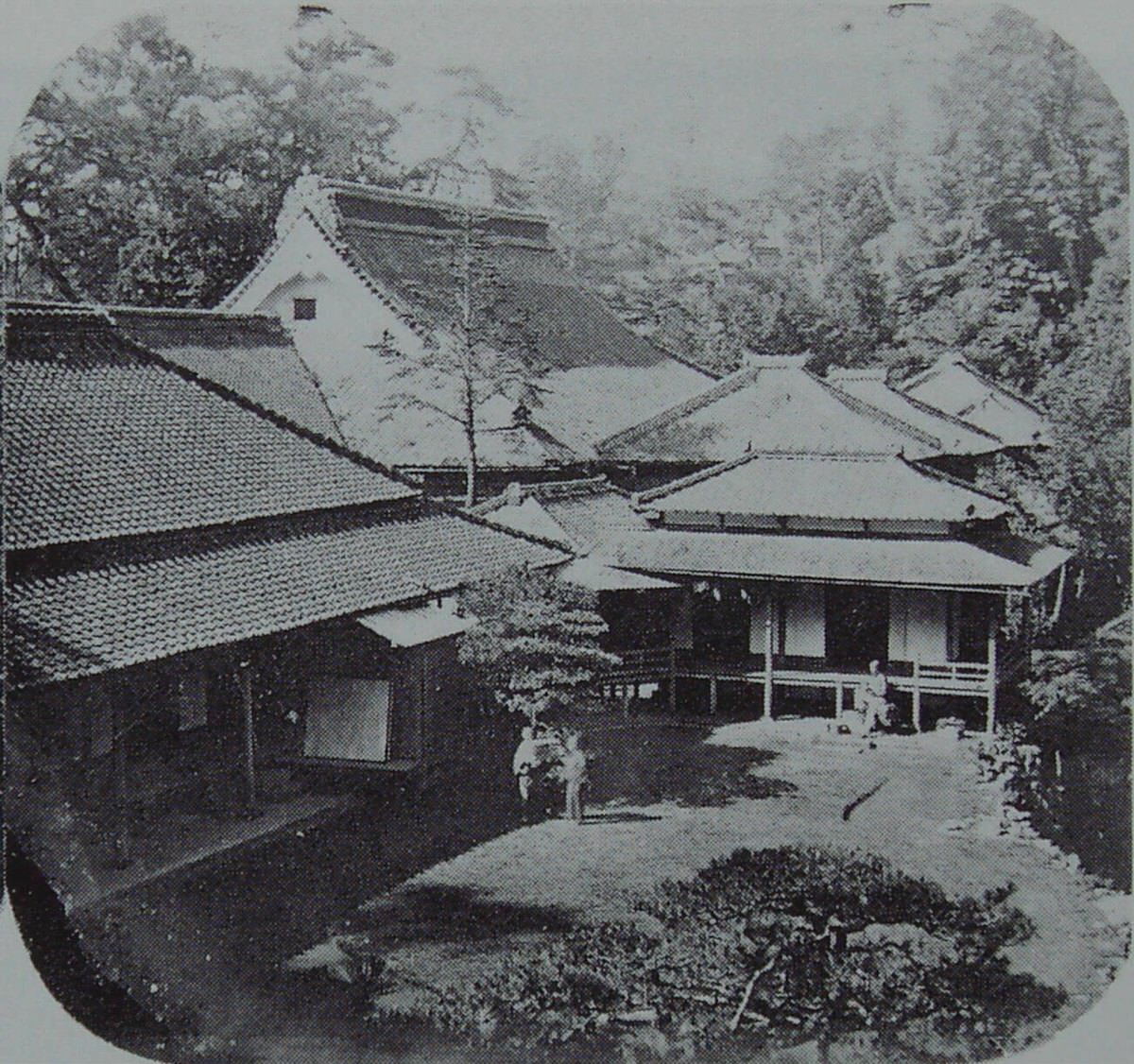
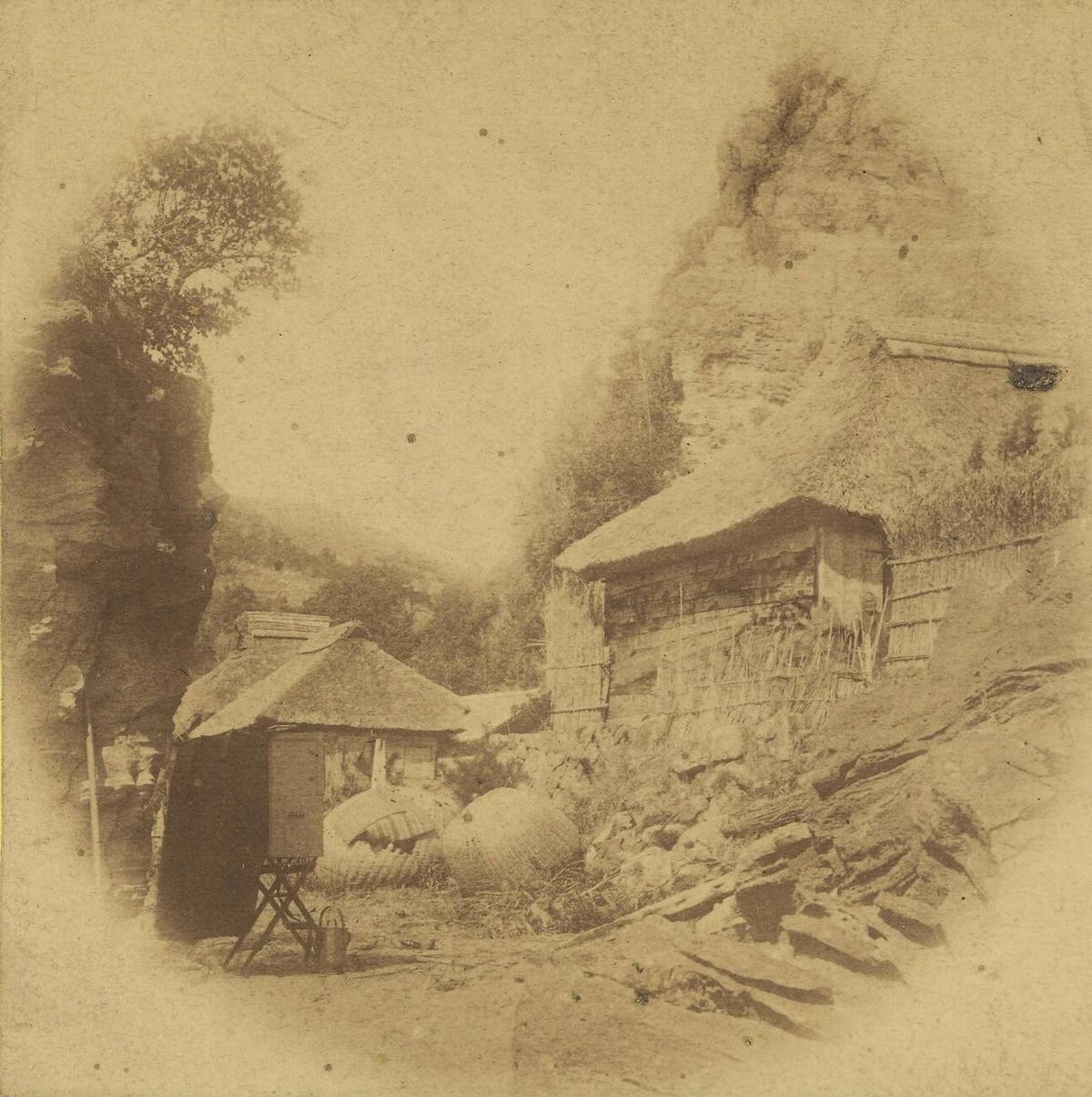
The Shinsengumi served as the Shogun’s special police force in Kyoto. They wore blue coats marked with white mountain patterns and enforced order with exceptional brutality and discipline. Their strict internal code meant that members who violated its rules were expected to die by their own hand. In 1864, they raided an inn called Ikedaya after learning that rebel ronin planned to burn Kyoto and kidnap the Emperor. The raid killed or captured the core of the conspiracy before it could act.
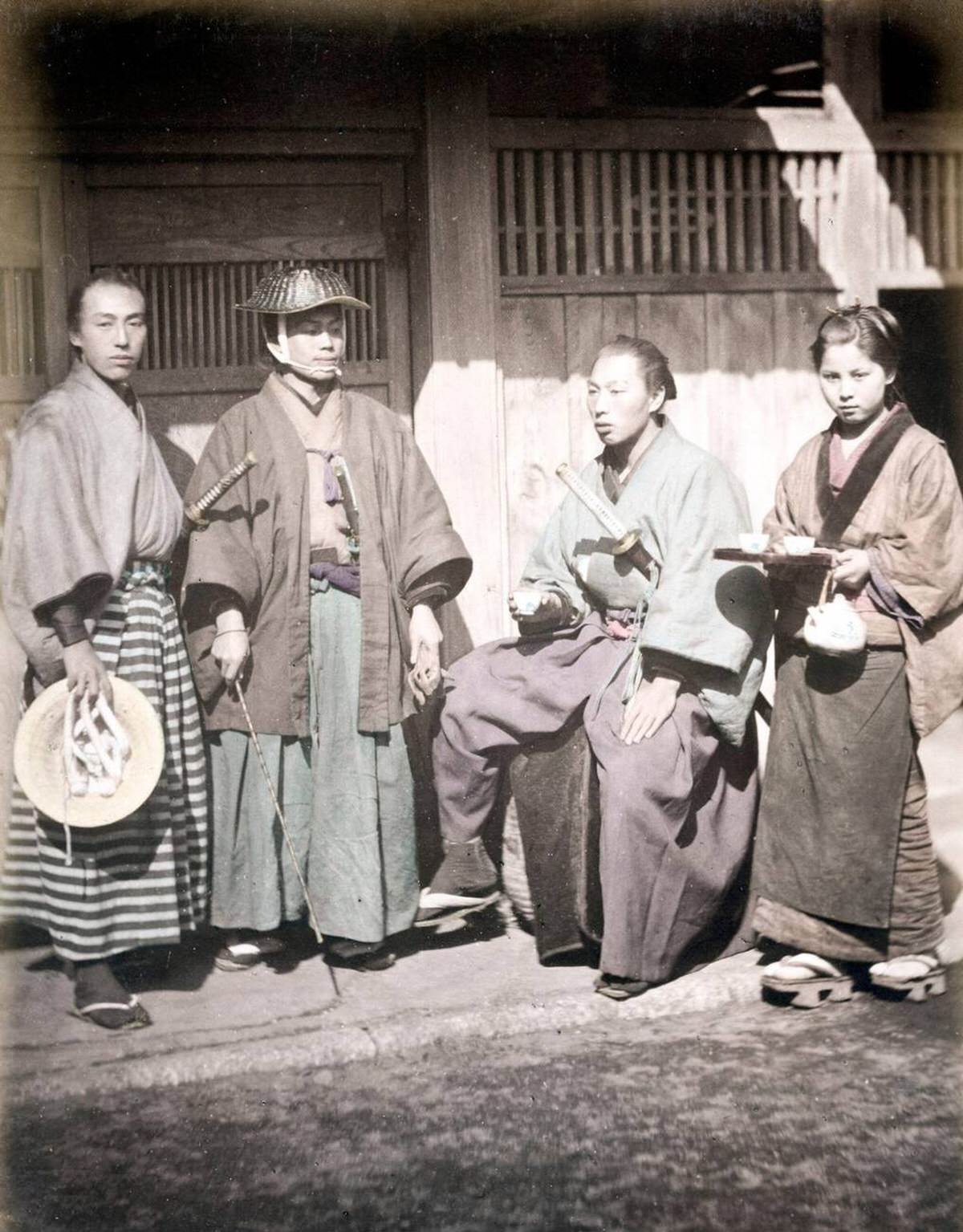
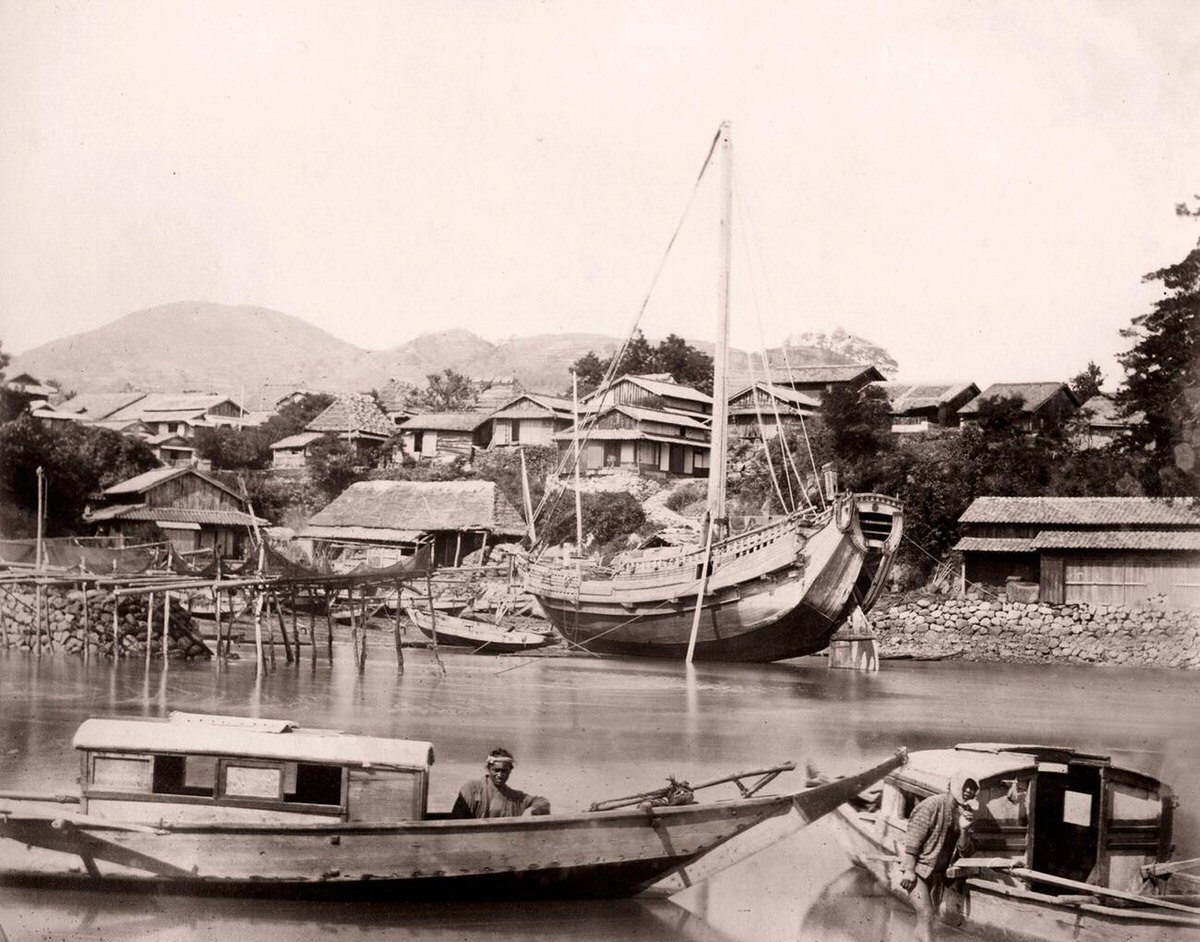
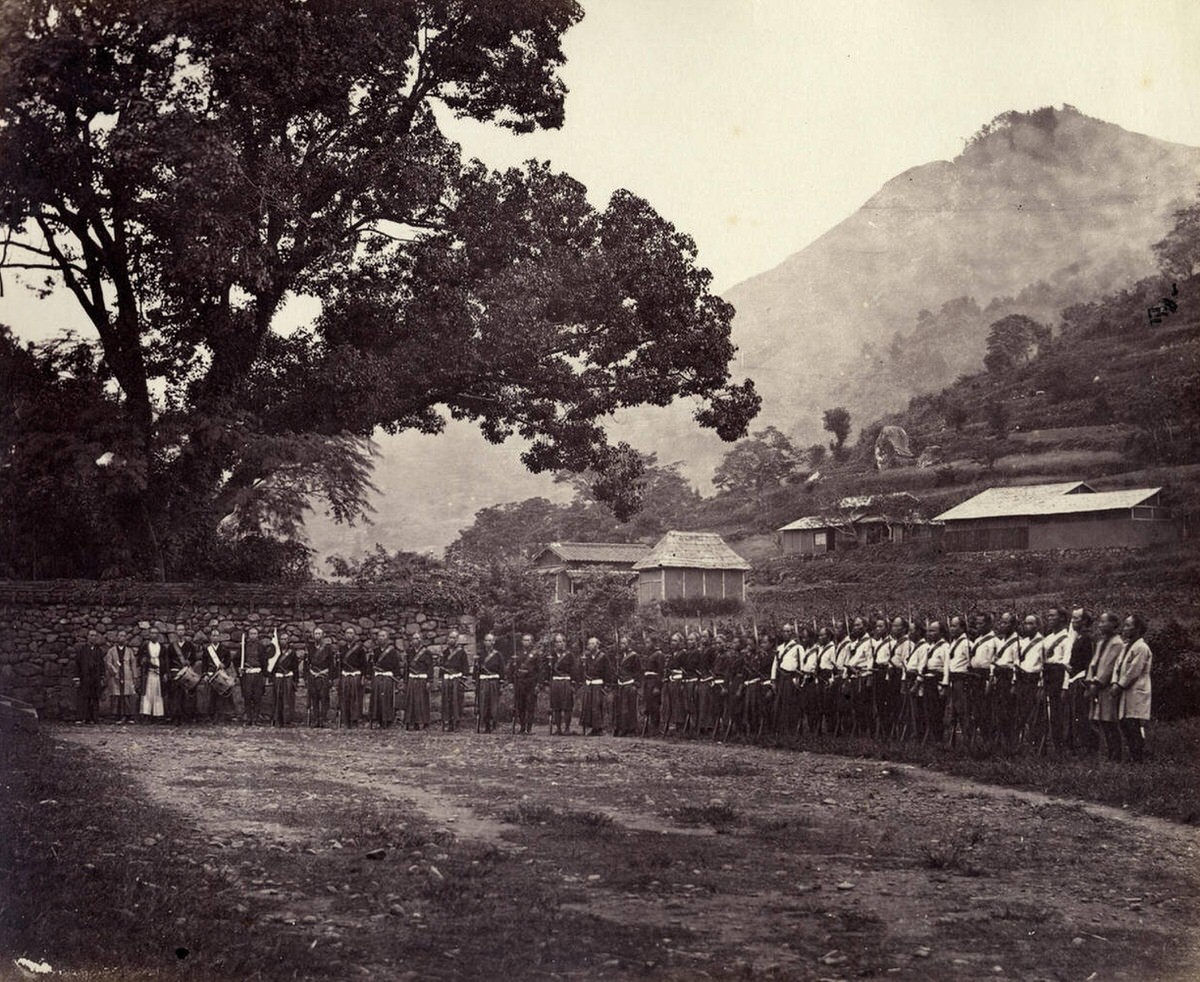
Violence against foreigners was also escalating. In 1862, a British merchant named Charles Richardson rode his horse along a road near Yokohama without dismounting to show respect as a powerful lord’s procession passed. The lord’s samurai guards killed him on the spot. Britain responded the following year by sending a naval squadron to bombard the city of Kagoshima. The destruction made clear that traditional samurai weapons were useless against modern warships. Japanese clan leaders took the lesson seriously.
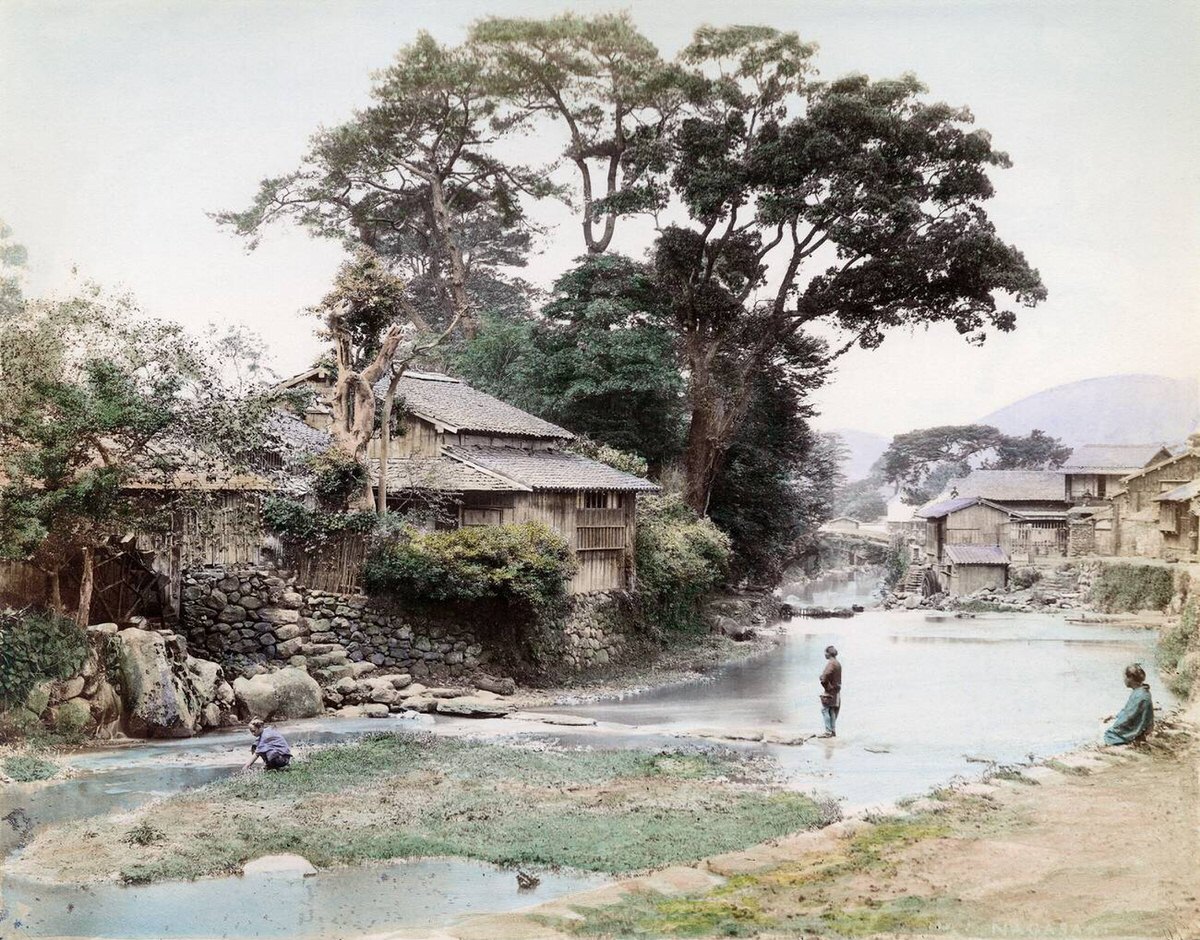
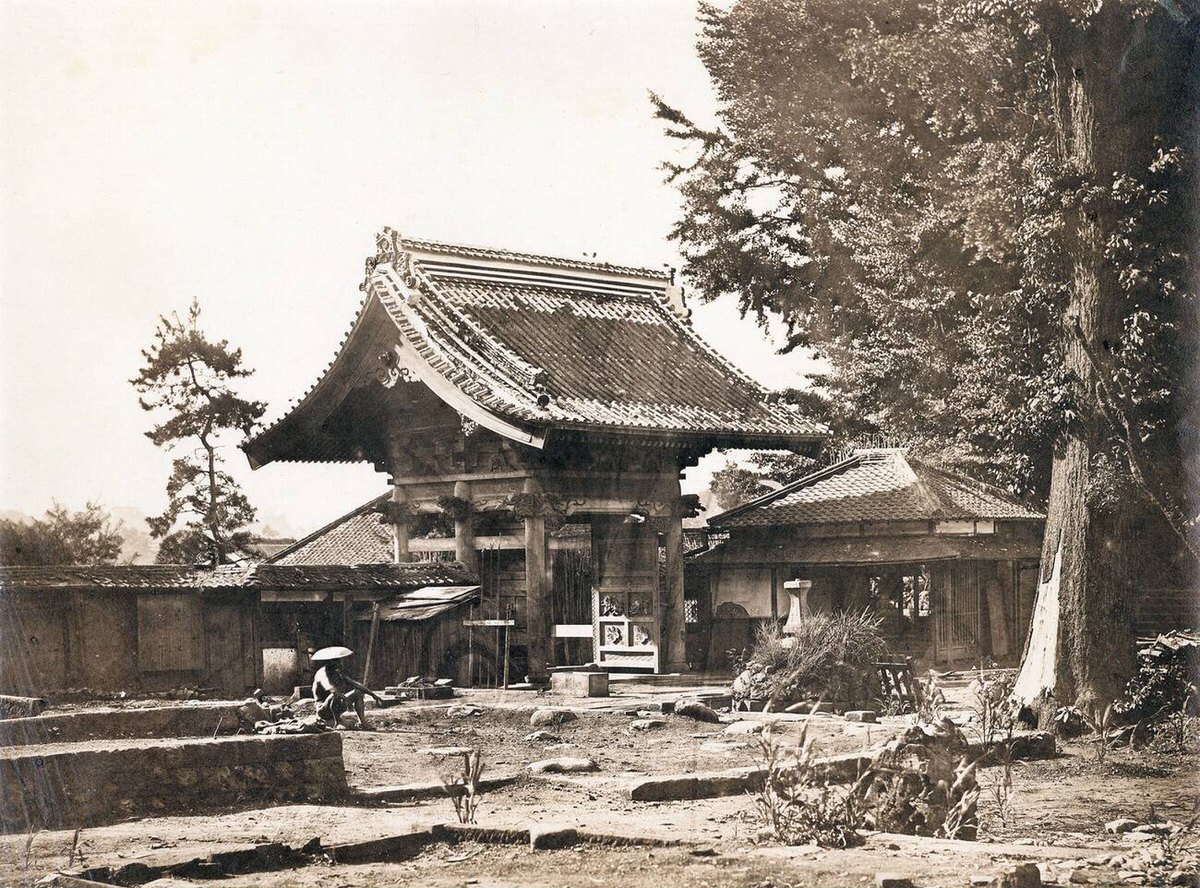
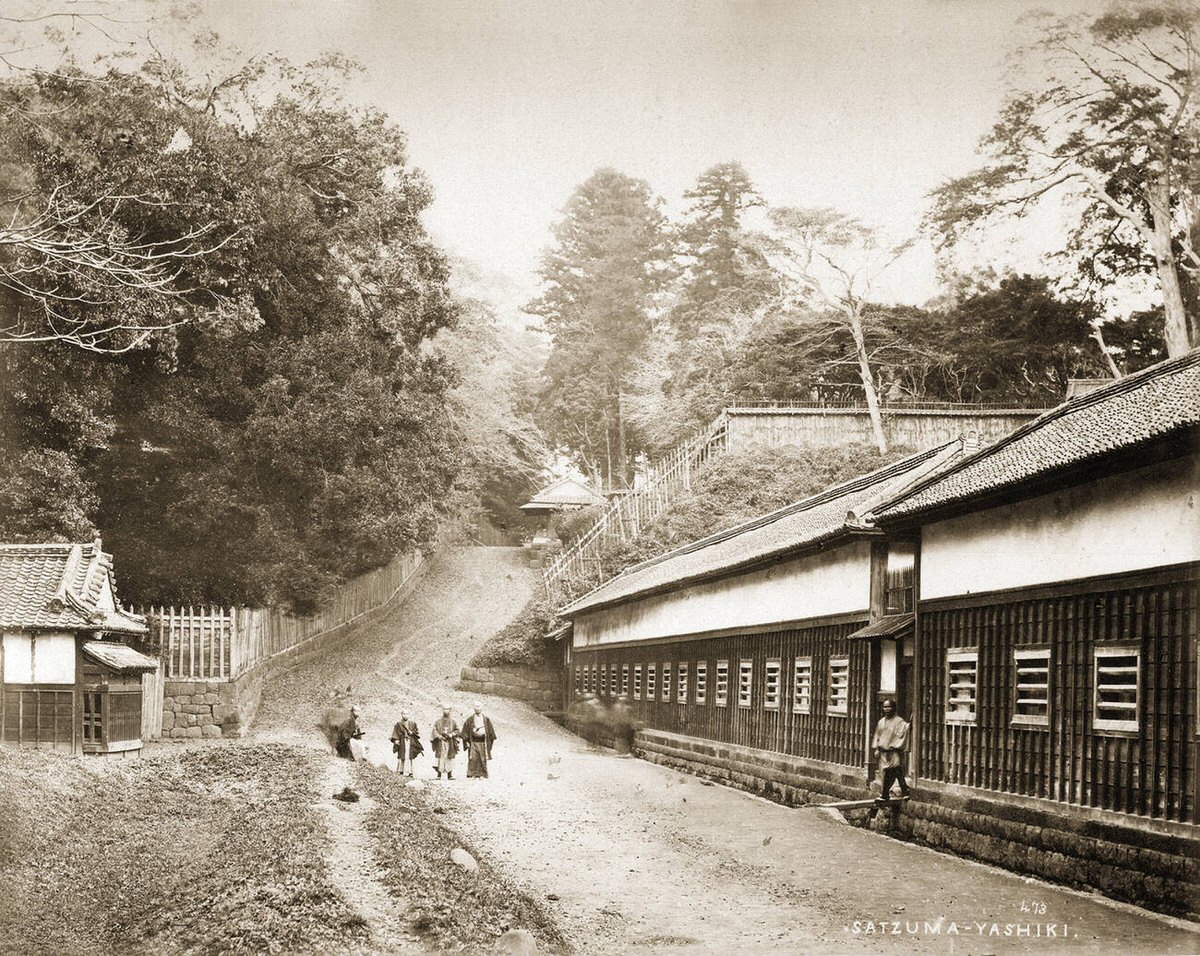
Among those who understood the military reality most clearly were the Satsuma and Choshu clans, two of the most powerful domains in southern Japan. They had been bitter rivals for years. A visionary low-ranking samurai named Sakamoto Ryoma brokered a secret alliance between them in 1866. Both clans then purchased thousands of modern rifles through Thomas Glover, a Scottish arms trader based in Nagasaki. These weapons allowed their foot soldiers to outfight traditionally trained samurai on open ground.
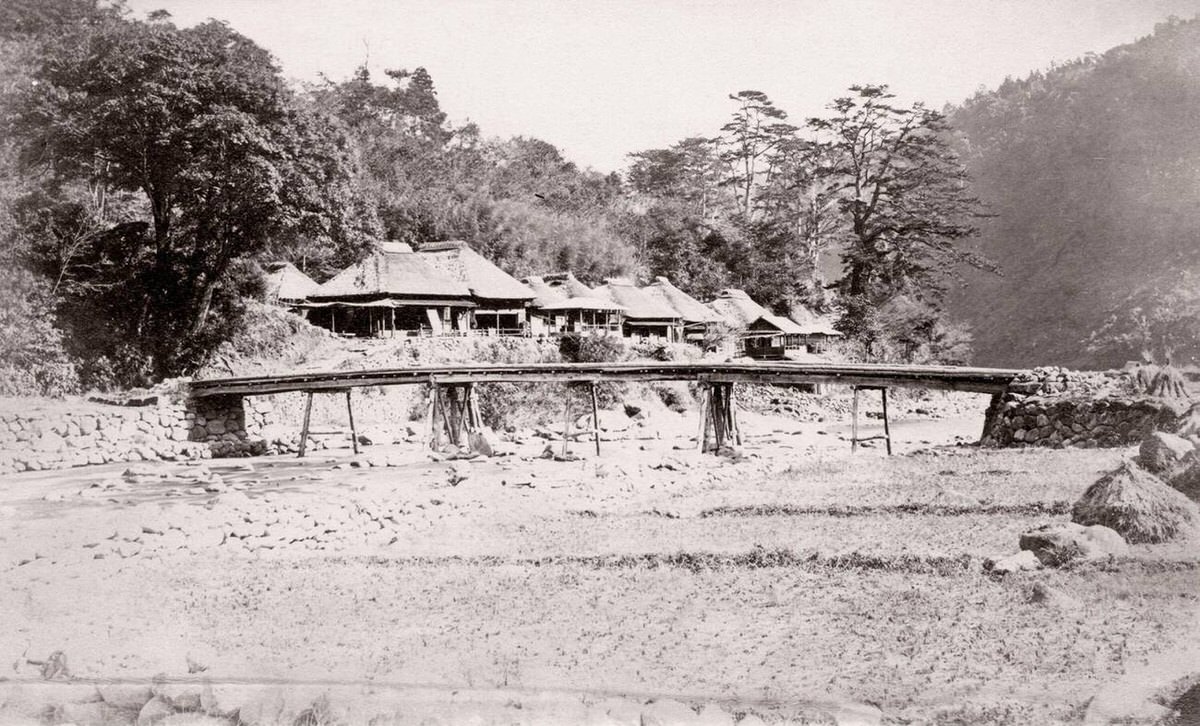
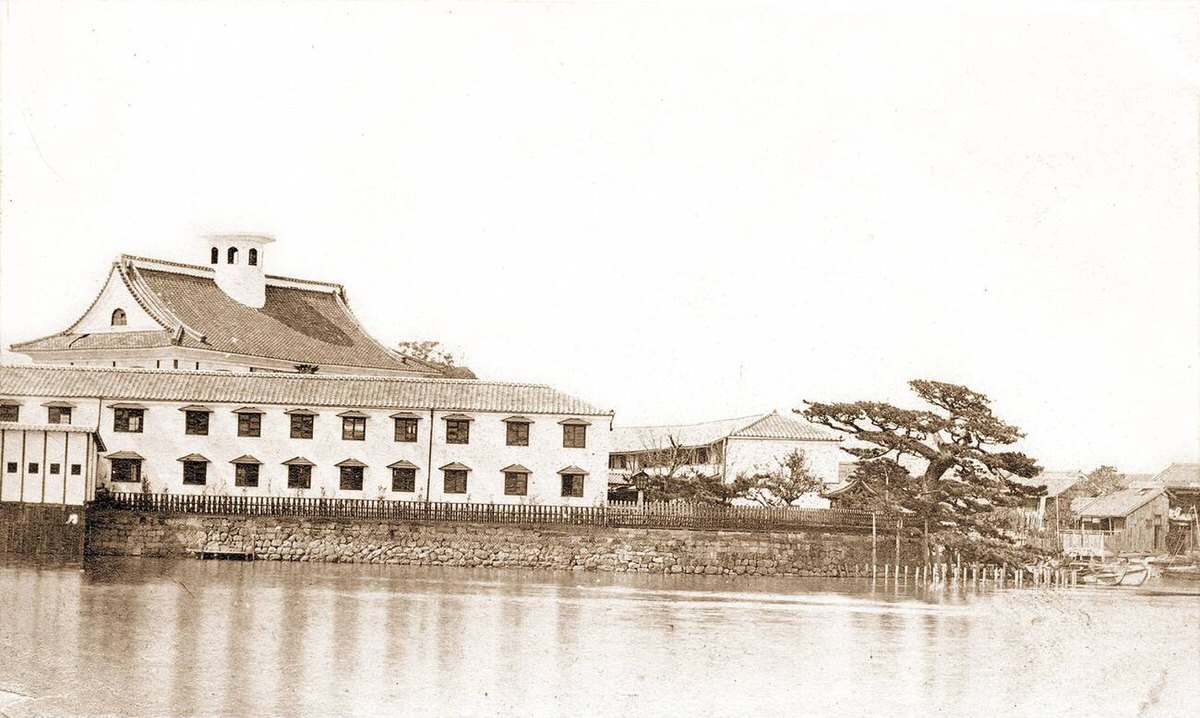
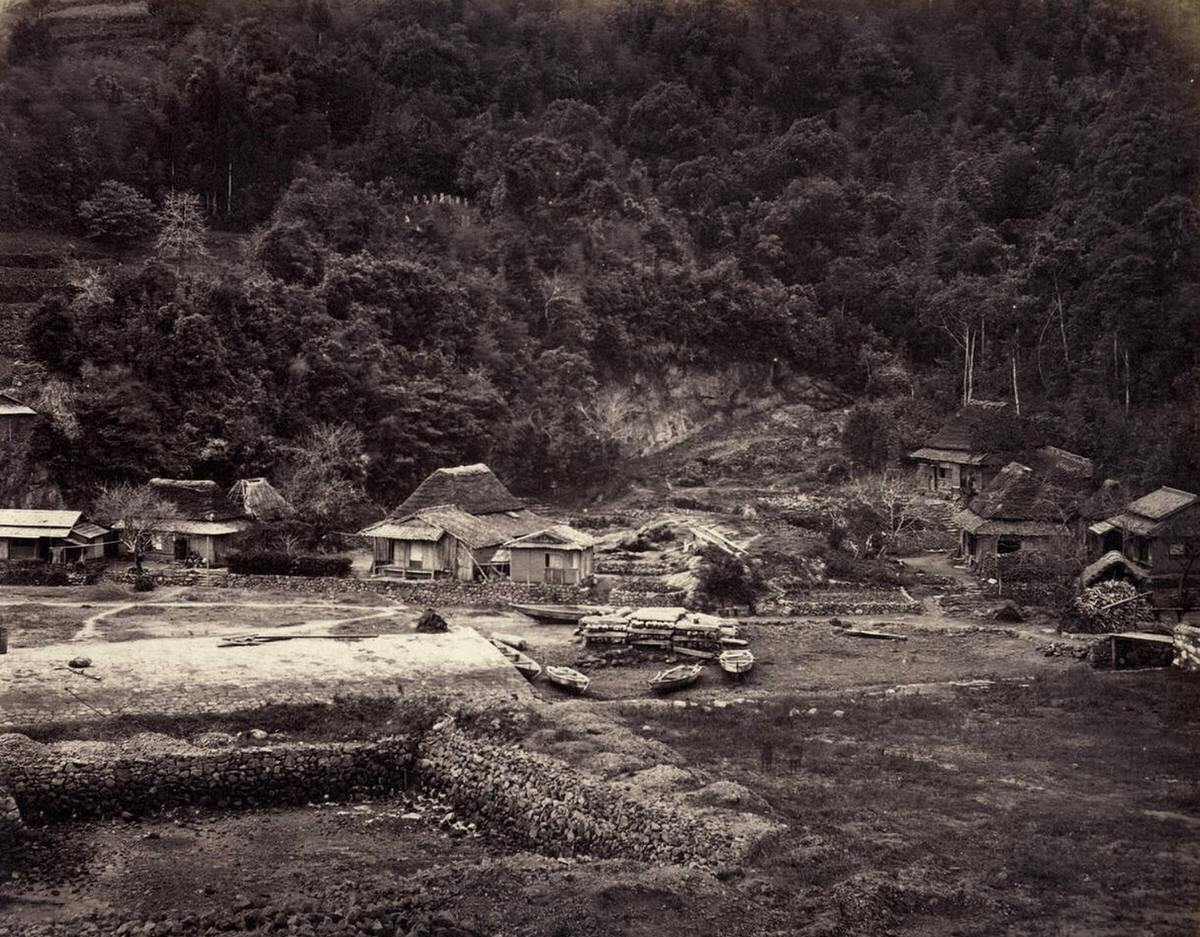
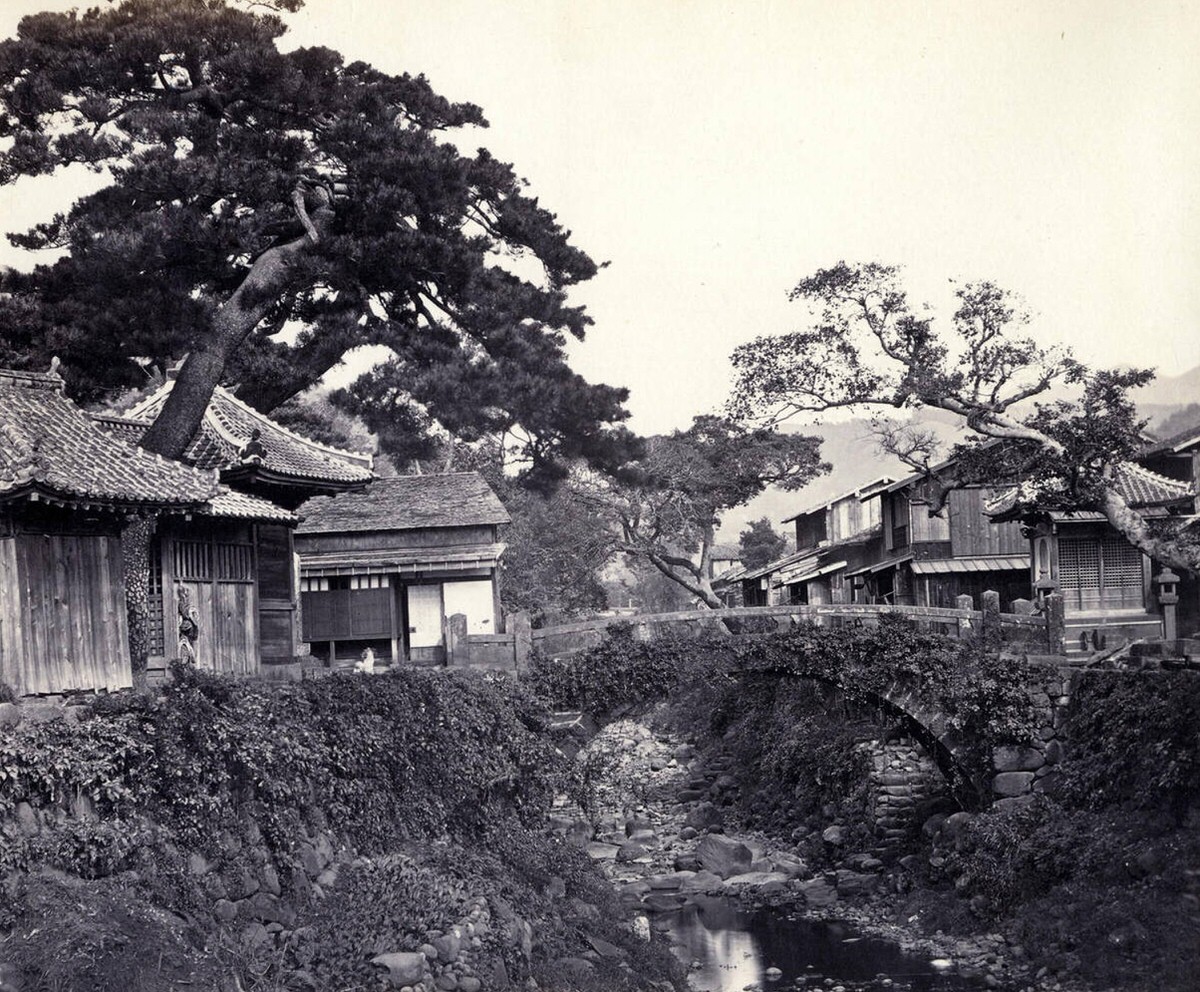
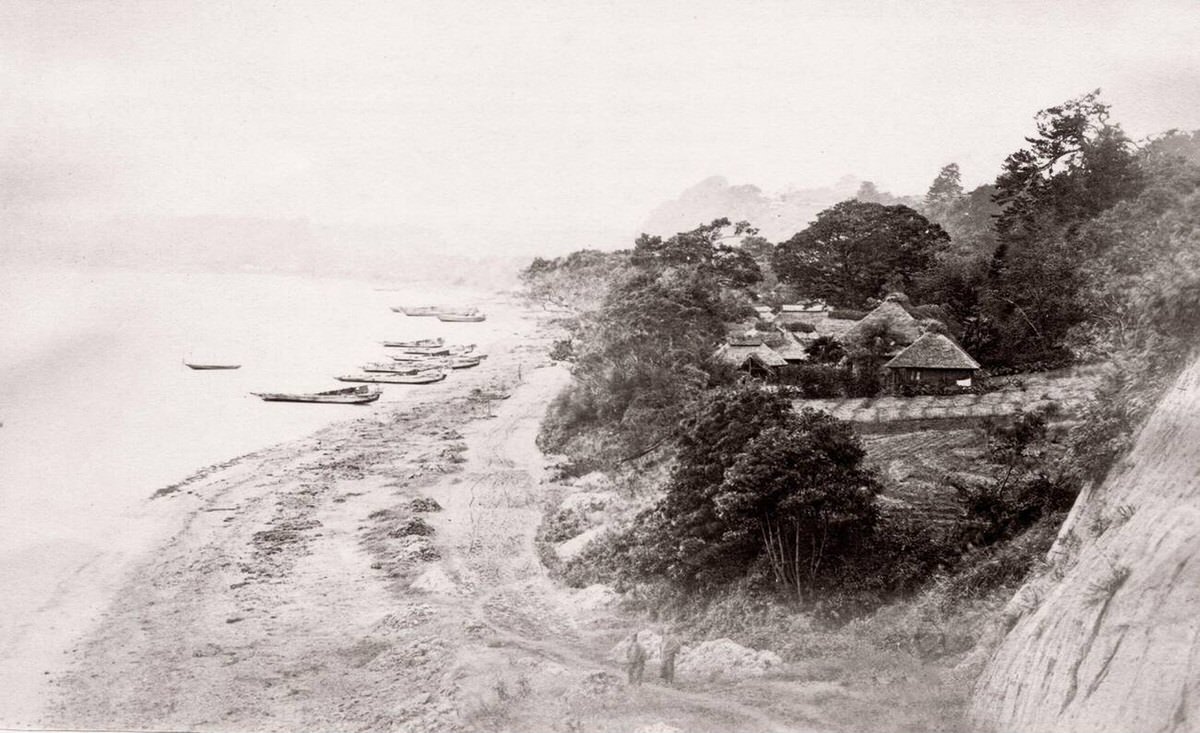
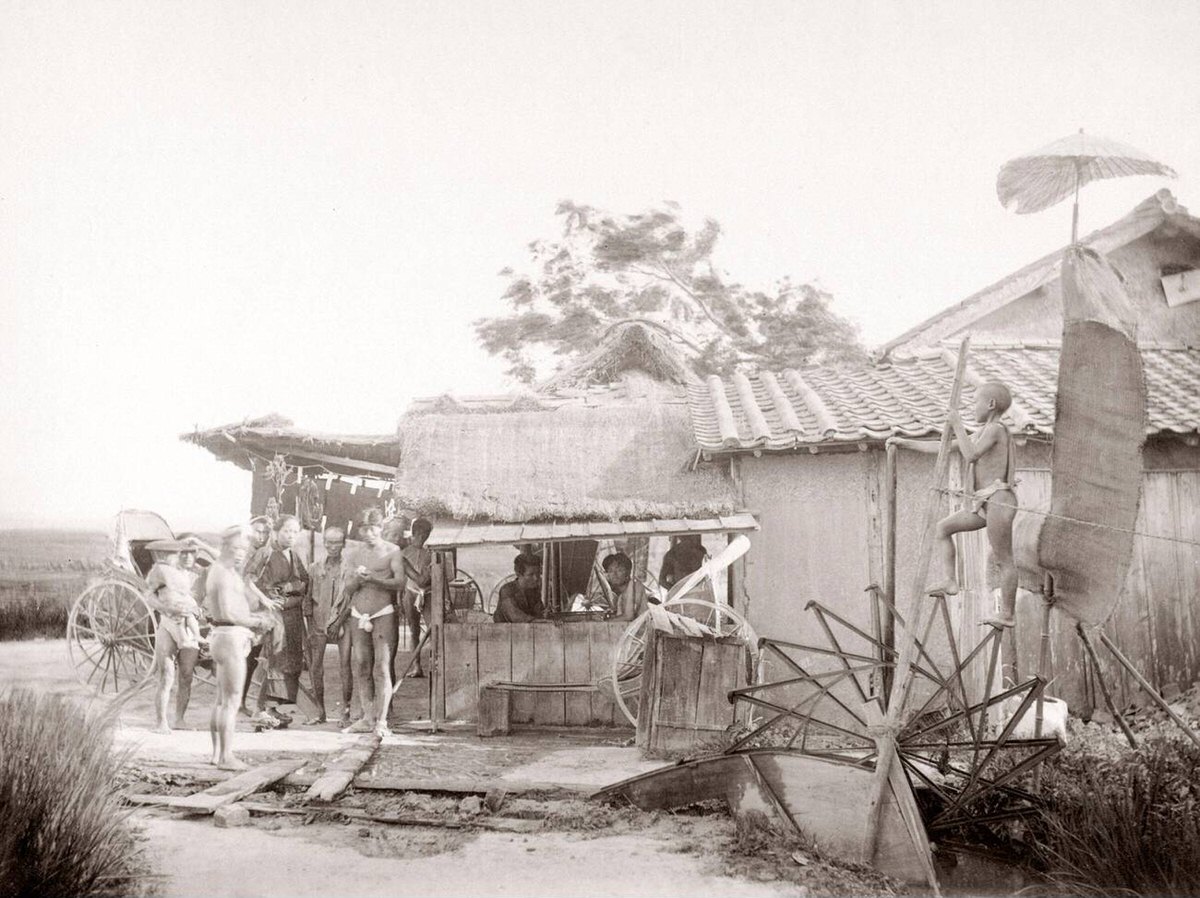
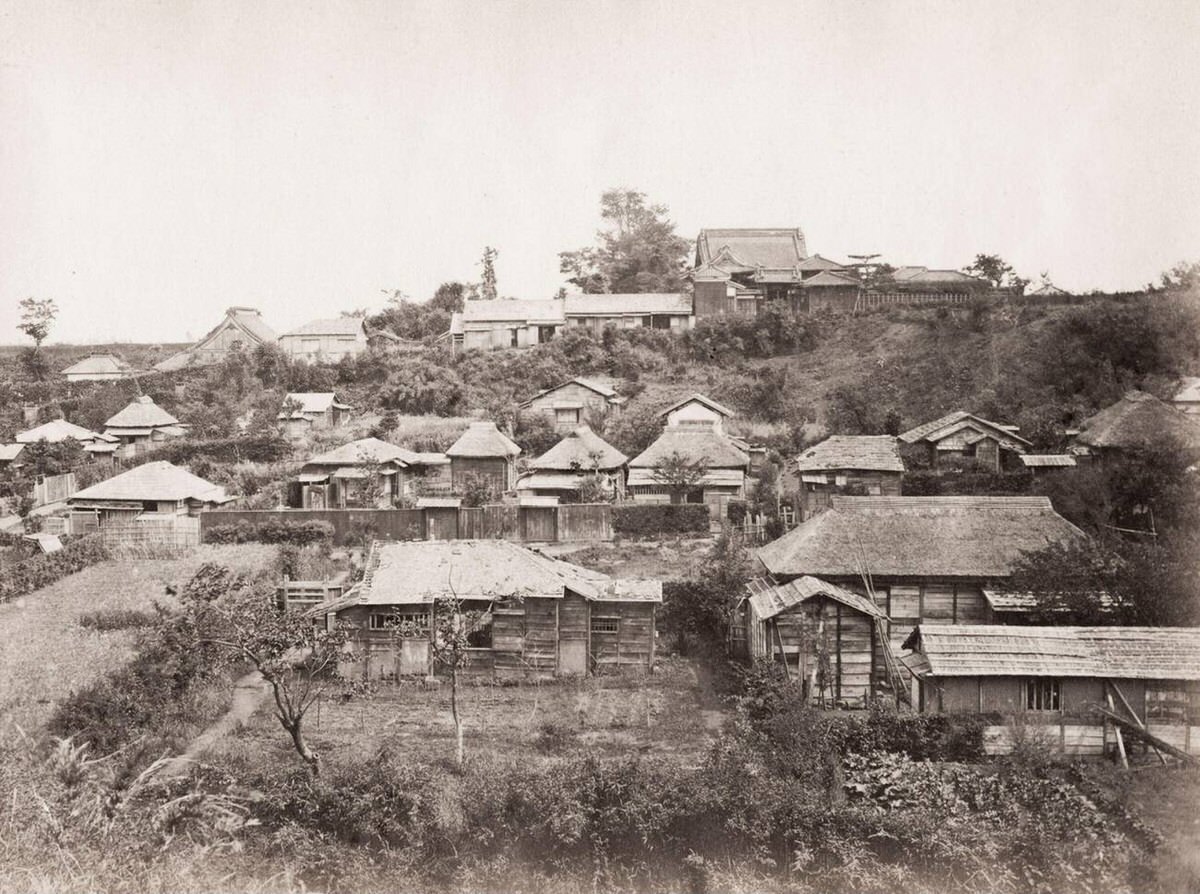
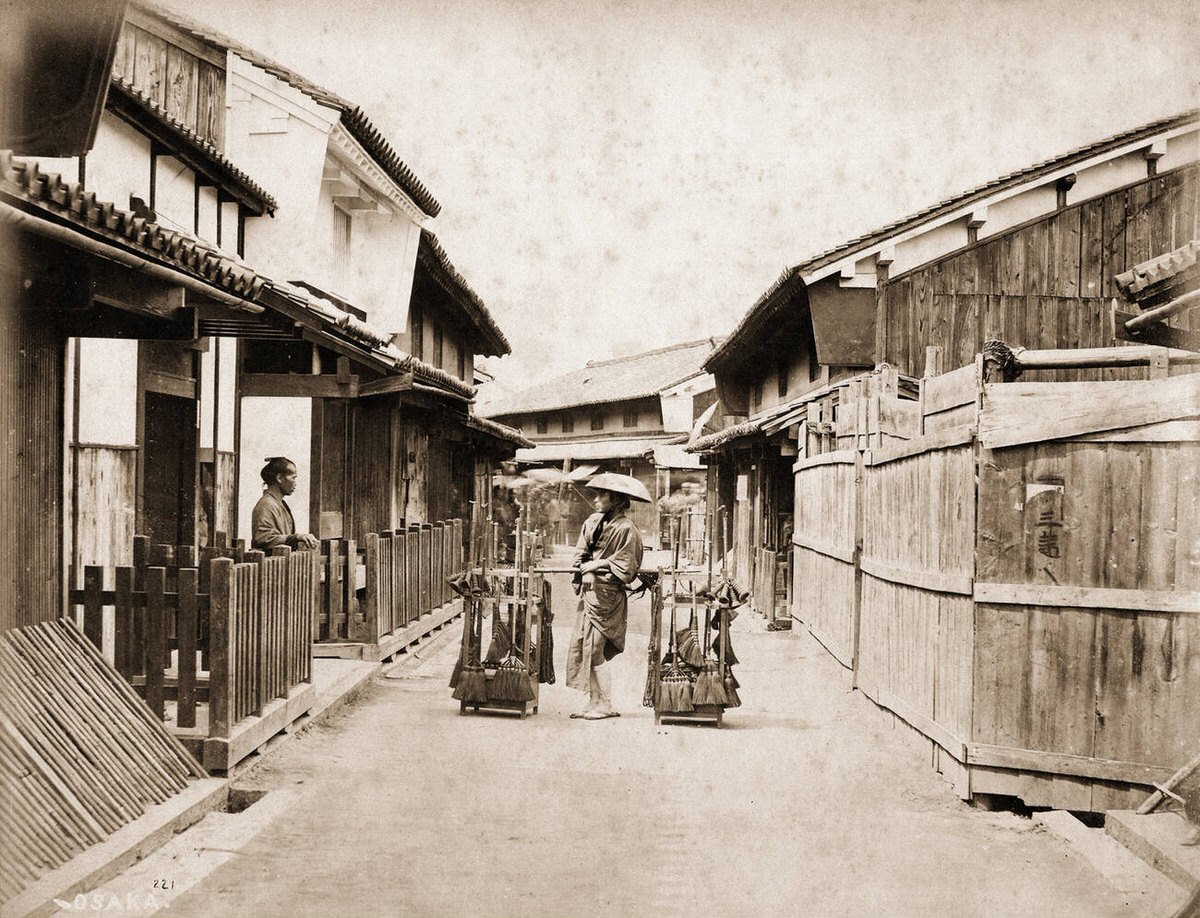
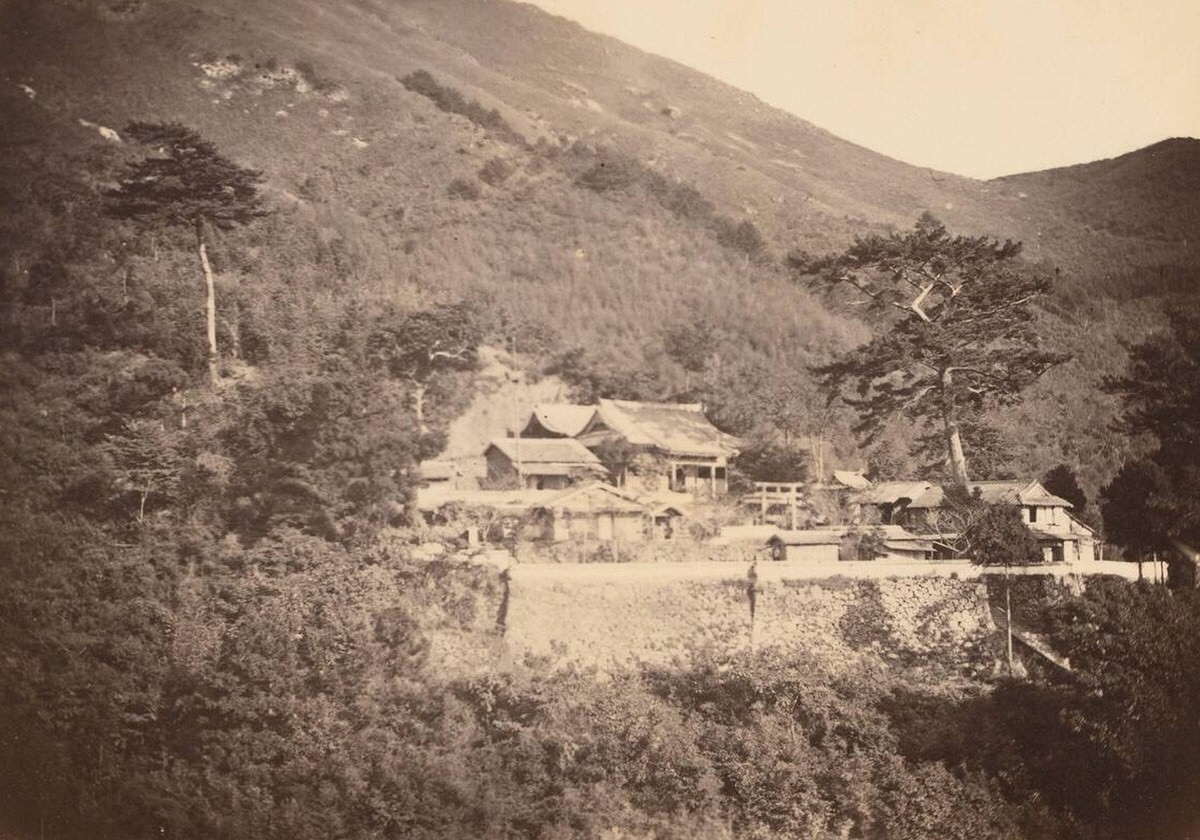
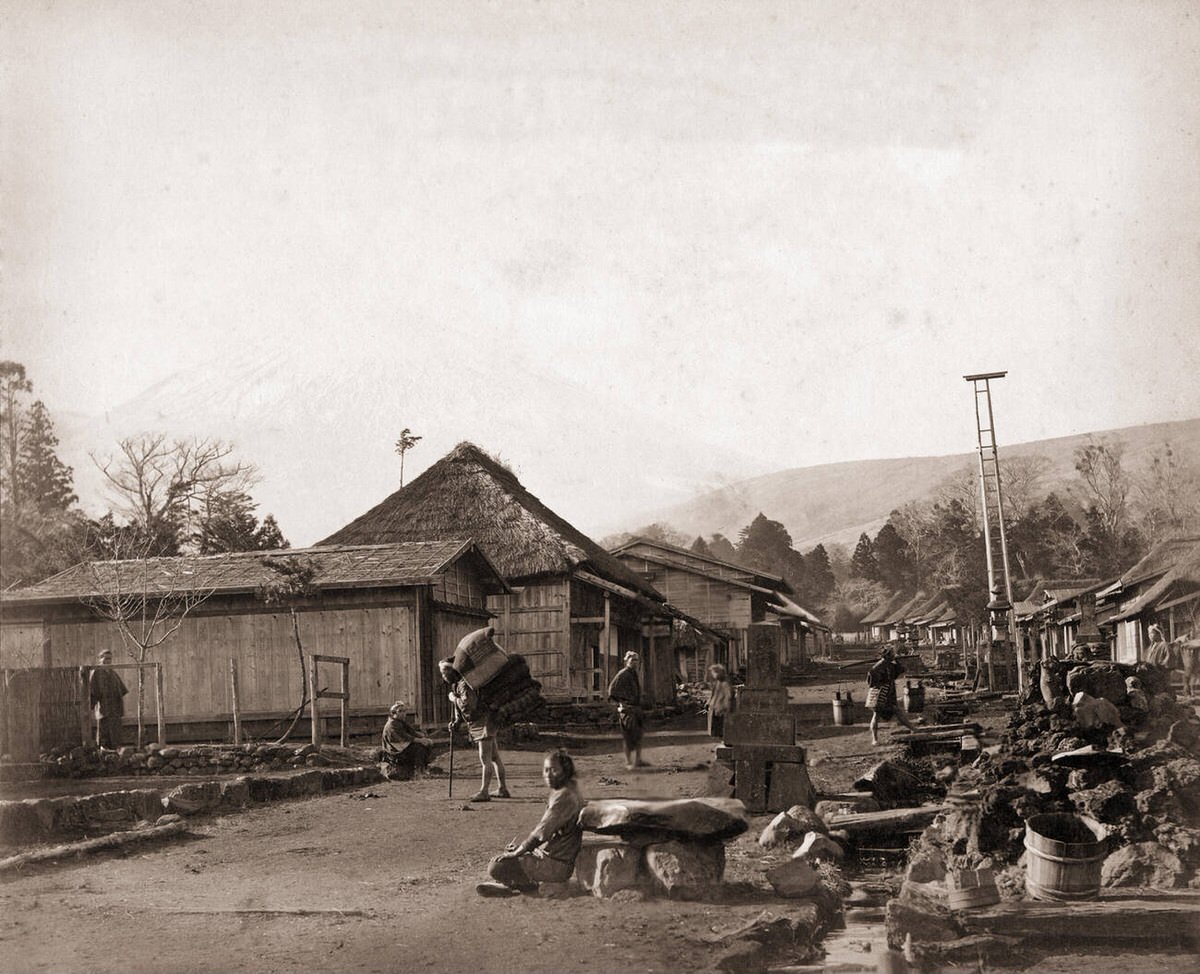
Daily life continued even as the political order crumbled. Along the Tokaido highway, travelers moved between towns, stopped at teahouses, and rested in mountain villages largely unchanged for centuries. The contrast between this slow rural rhythm and the frantic political violence happening in the cities was stark. Roads that had carried merchants and pilgrims for generations now moved soldiers and messengers carrying word of alliances, betrayals, and battles.
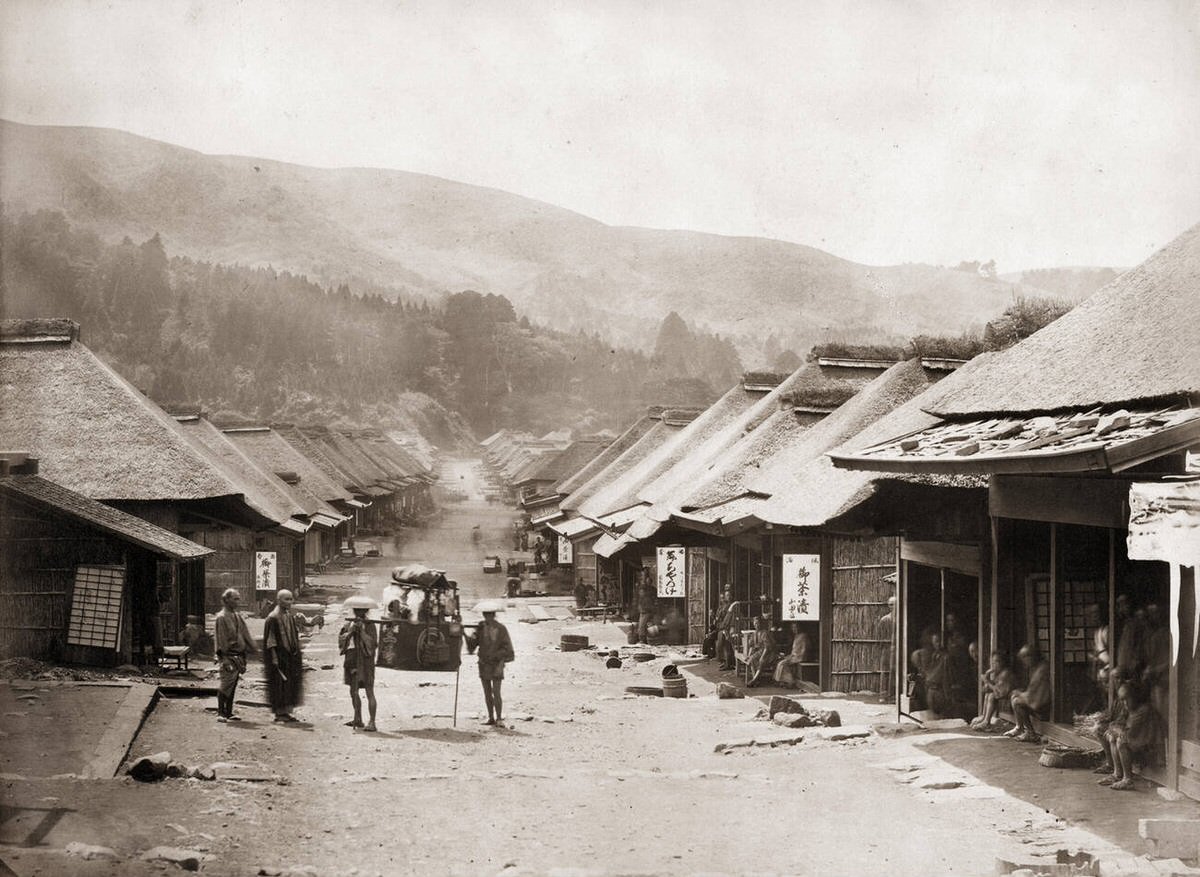
The social fabric of Japan began to fray visibly by 1867. A strange mass movement called Eejanaika erupted across the country. People claimed that sacred amulets were falling from the sky, and enormous crowds took to the streets in colorful costumes, dancing wildly through town after town. The crowds broke into the homes of the wealthy and took food and sake. They chanted “Eejanaika” — roughly meaning “Why not?” or “Who cares?” — as a direct rejection of the social rules that had governed Japanese life for generations. It was chaos made visible.
In late 1867, the last Tokugawa Shogun, Yoshinobu, formally resigned his position. He hoped the gesture would satisfy his enemies and allow his family to retain its lands. It did not. The imperial faction demanded the Tokugawa be stripped of everything, and war followed. The opening battle of the Boshin War took place at Toba-Fushimi in January 1868. The Shogun’s army outnumbered its opponents, but imperial forces deployed modern artillery and Gatling guns. When soldiers on the Shogun’s side saw the imperial banner bearing the sun and moon raised against them, large numbers broke and retreated.
The war pushed northward as imperial forces swept through the main island. A group of Tokugawa naval officers refused to surrender and sailed their fleet to Hokkaido, Japan’s northern island. There they declared the Republic of Ezo — a short-lived breakaway state with its own elected president. Their stronghold was Goryokaku, a star-shaped Western-style fort built near the city of Hakodate. Imperial forces besieged the fort in 1869 and overwhelmed the defenders after bitter fighting. The republic’s president surrendered, and organized resistance to the new imperial government ended.
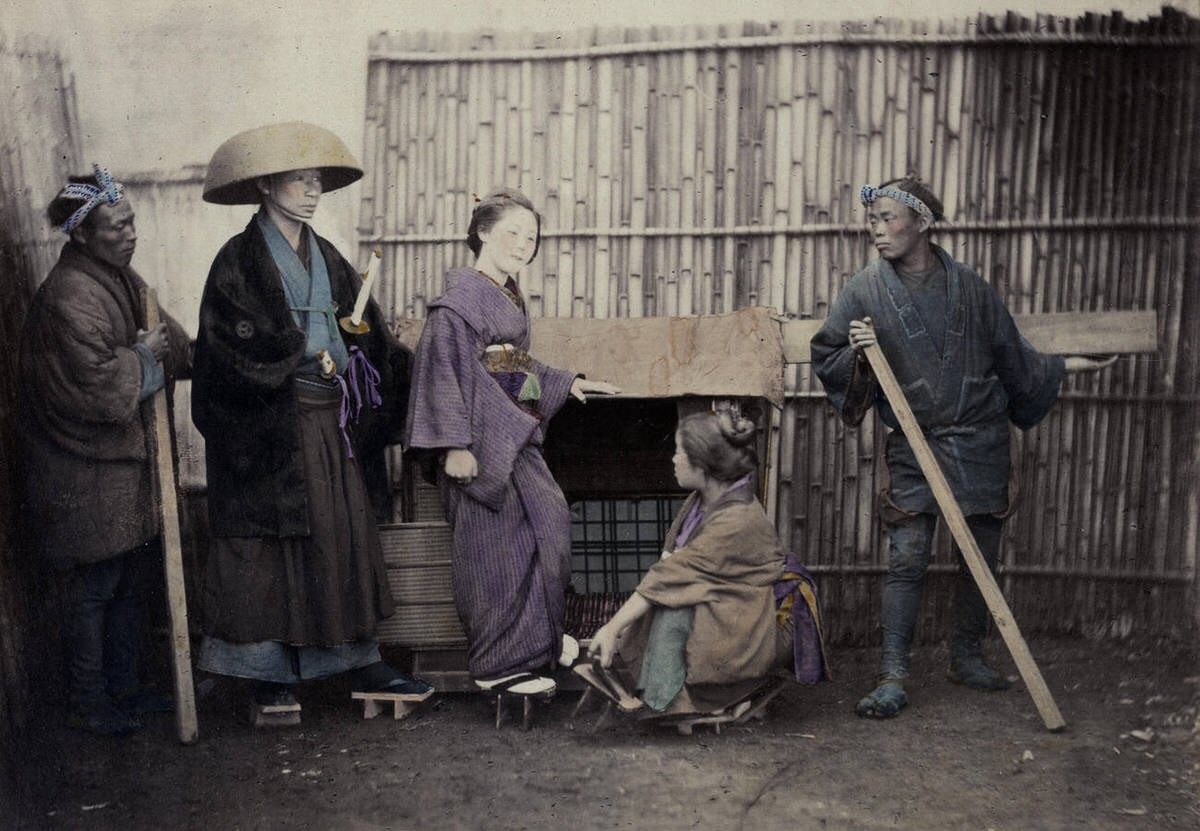
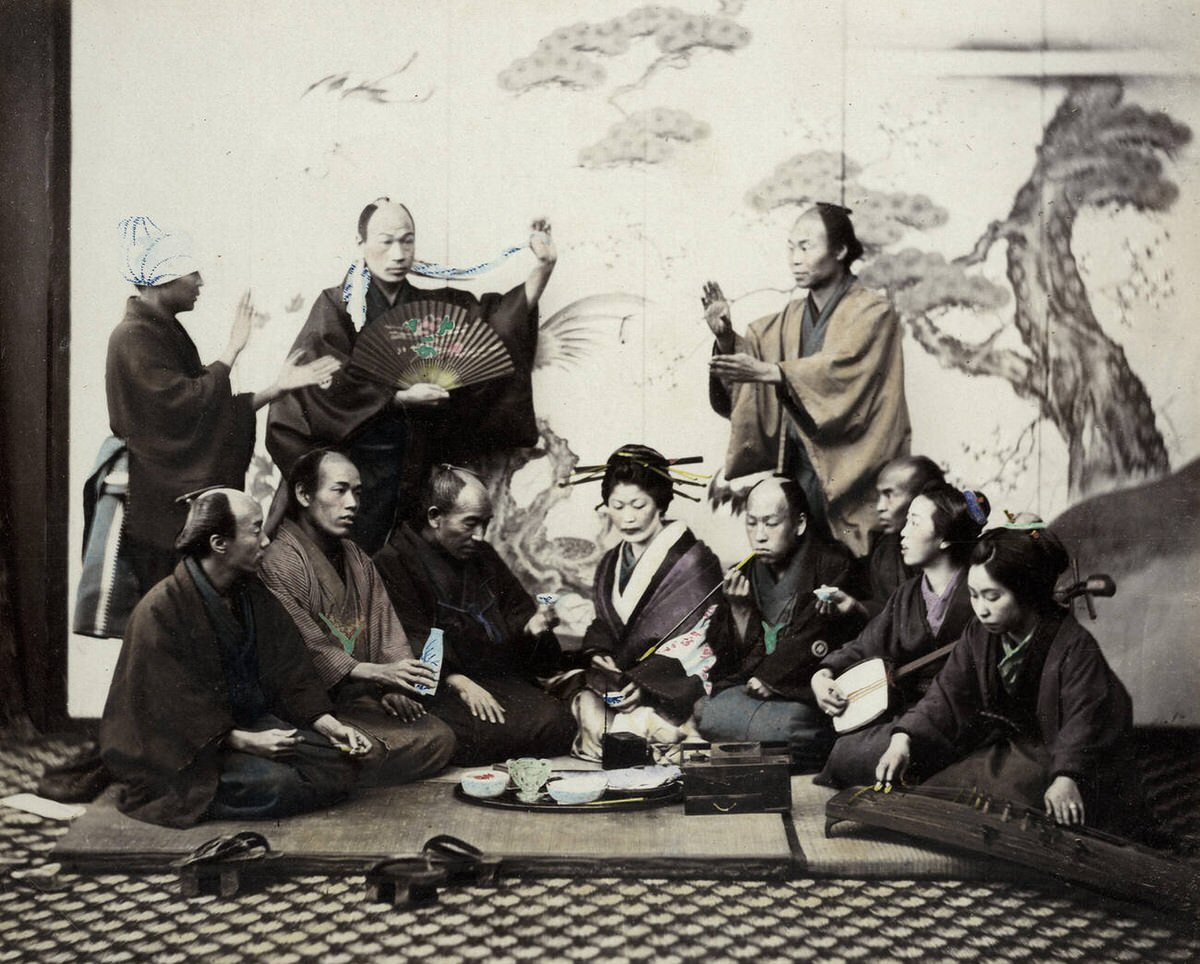
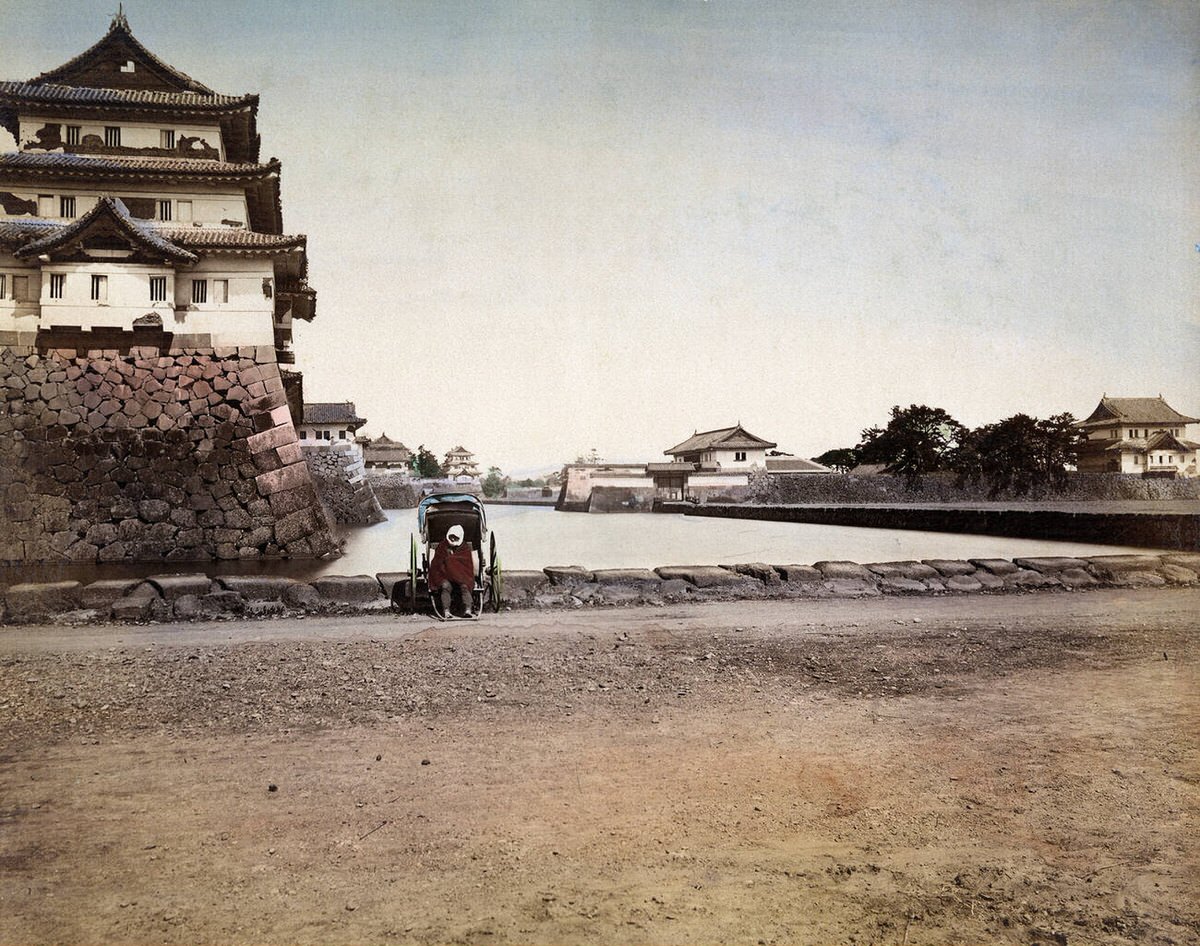
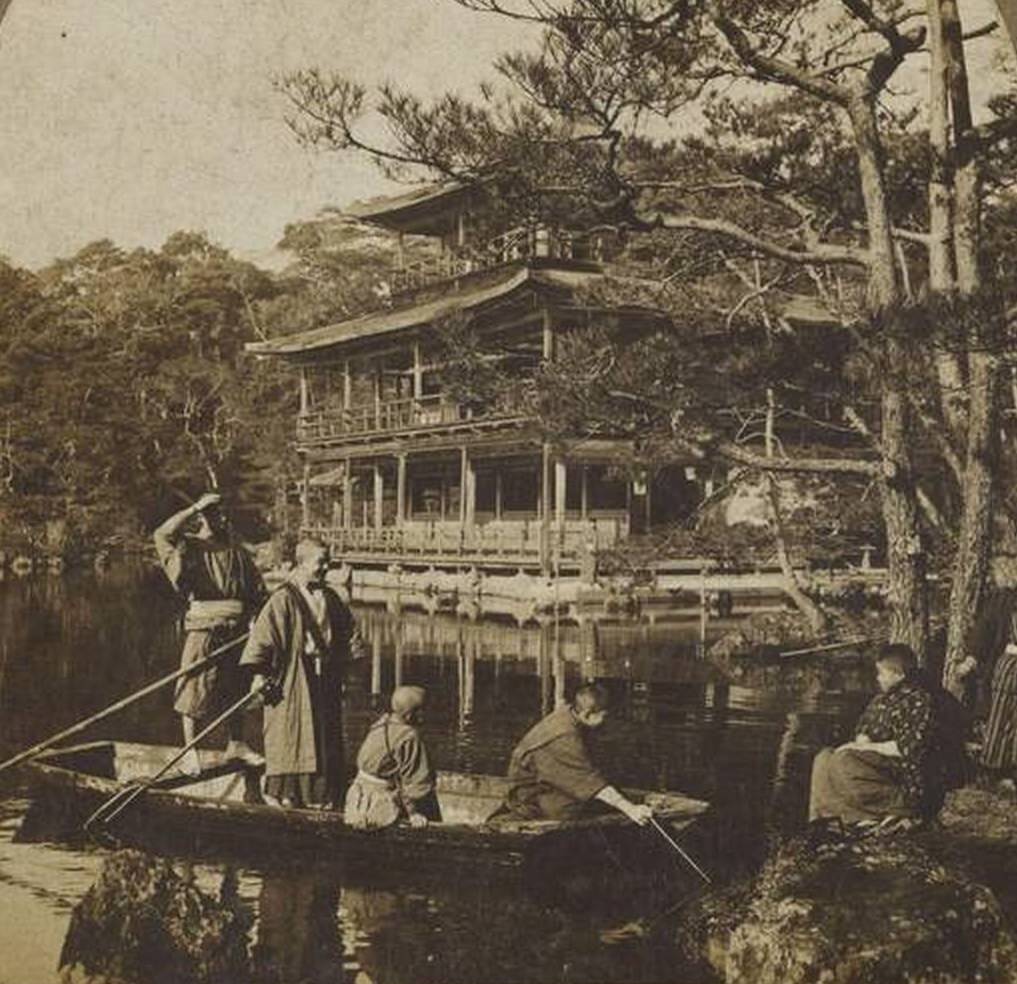
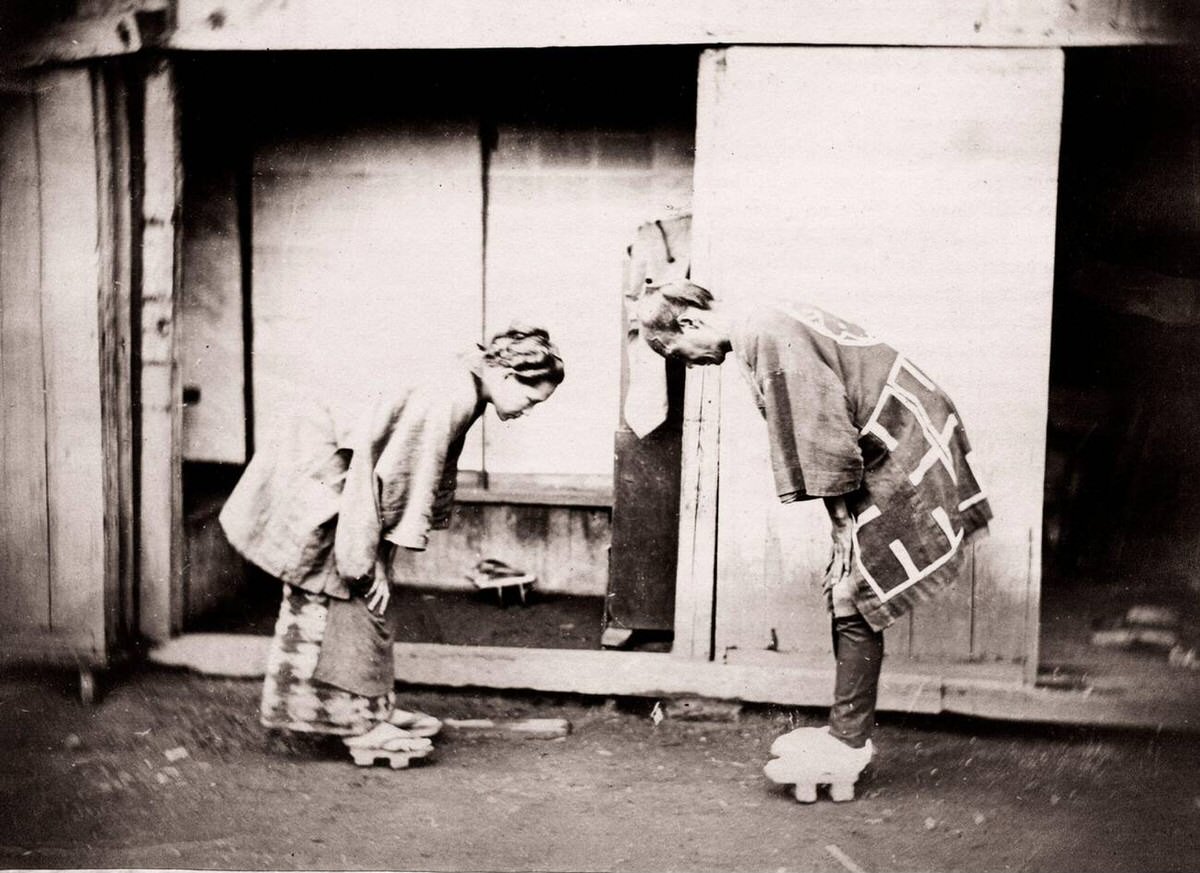
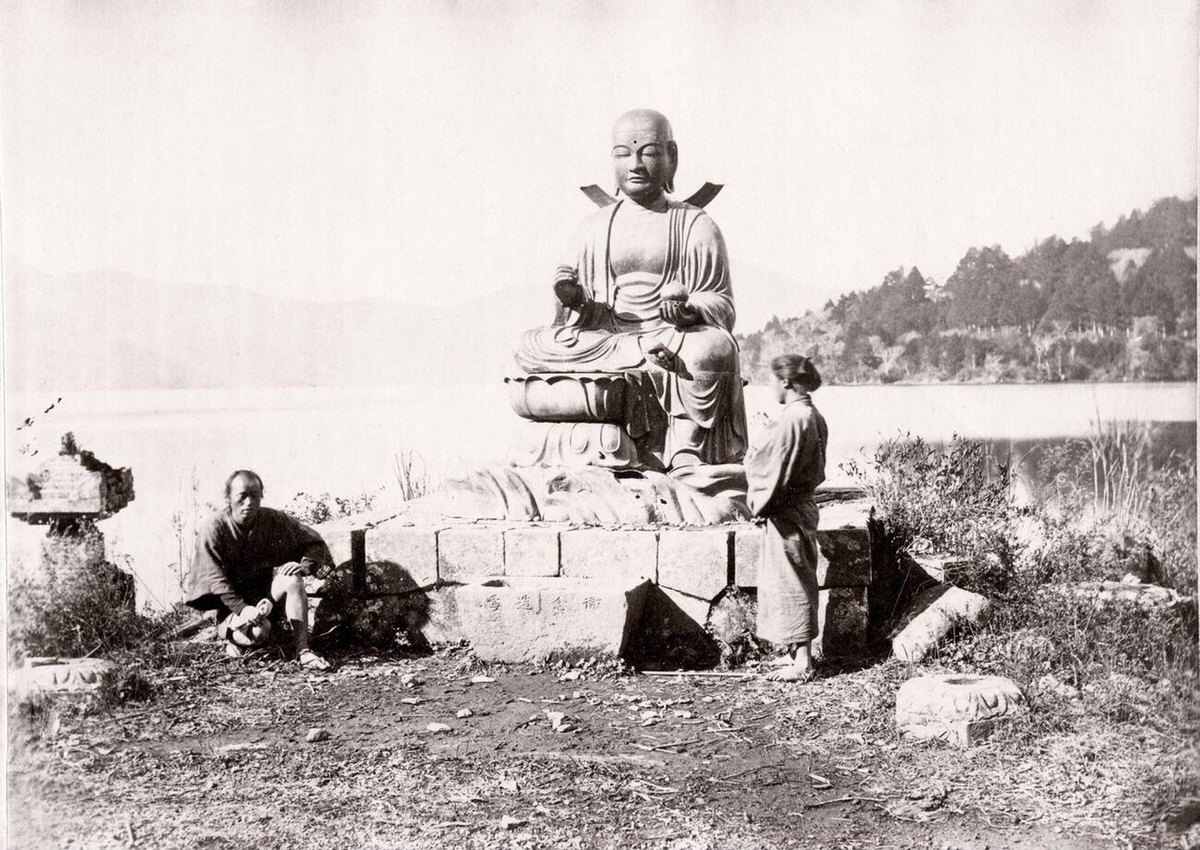
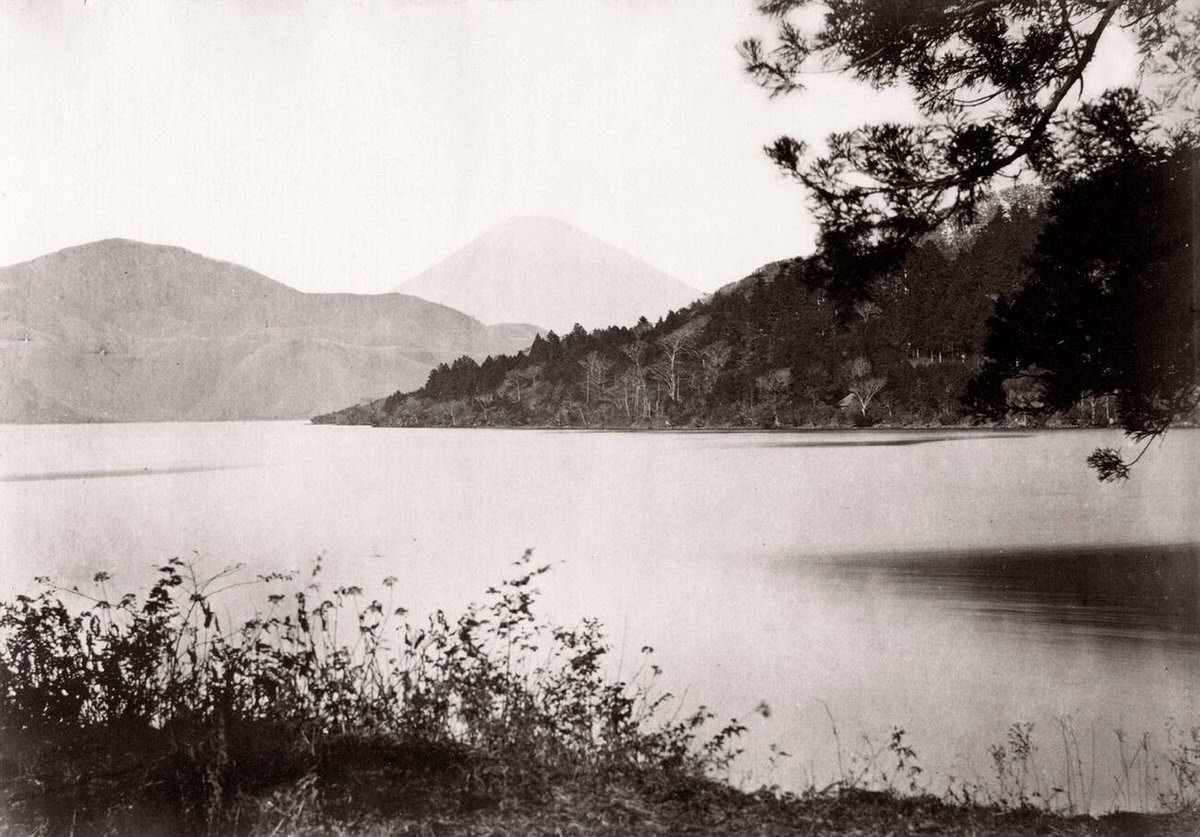
With the fighting over, the Emperor moved his court from Kyoto to Edo, the former seat of Shogunal power. Edo was renamed Tokyo — meaning “Eastern Capital.” The photographs taken throughout this decade document a society that had been organized around rigid hierarchy, hereditary warriors, and enforced isolation, and show it in the final years before all of that was dismantled. Markets still buzzed, rivers still carried boats, temples still drew worshippers, and ordinary people still stopped to share food and conversation — even as the world around them changed completely.