in

These Vintage Images Show How People Got Around in the United States Before Cars

Before the invention of the car, movement across the United States was slow and difficult. Americans relied on horses and mules for almost all land travel. Most early settlements were located along the Atlantic coast or near large rivers. This allowed merchants and families to use ships for trade and travel. There were very few roads in the interior of the country, and the existing paths were often in poor condition.

Land Travel and Horsepower

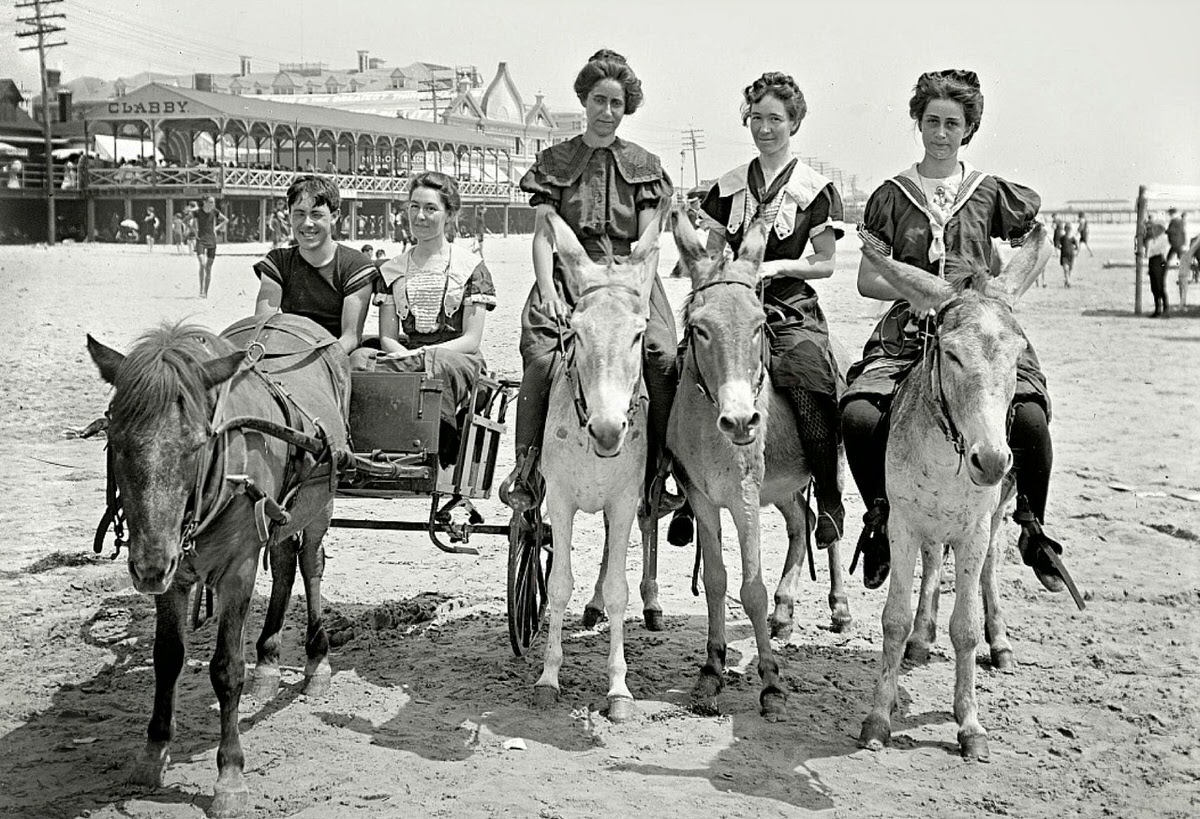
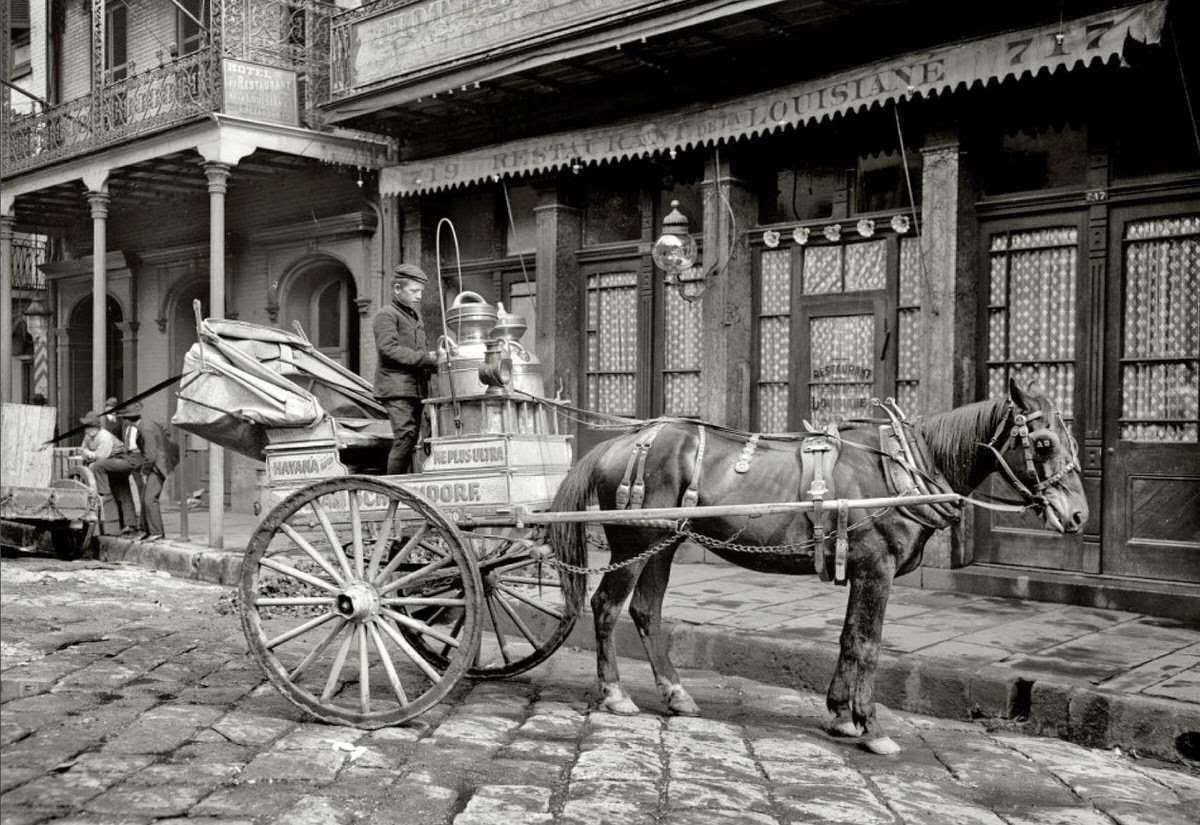
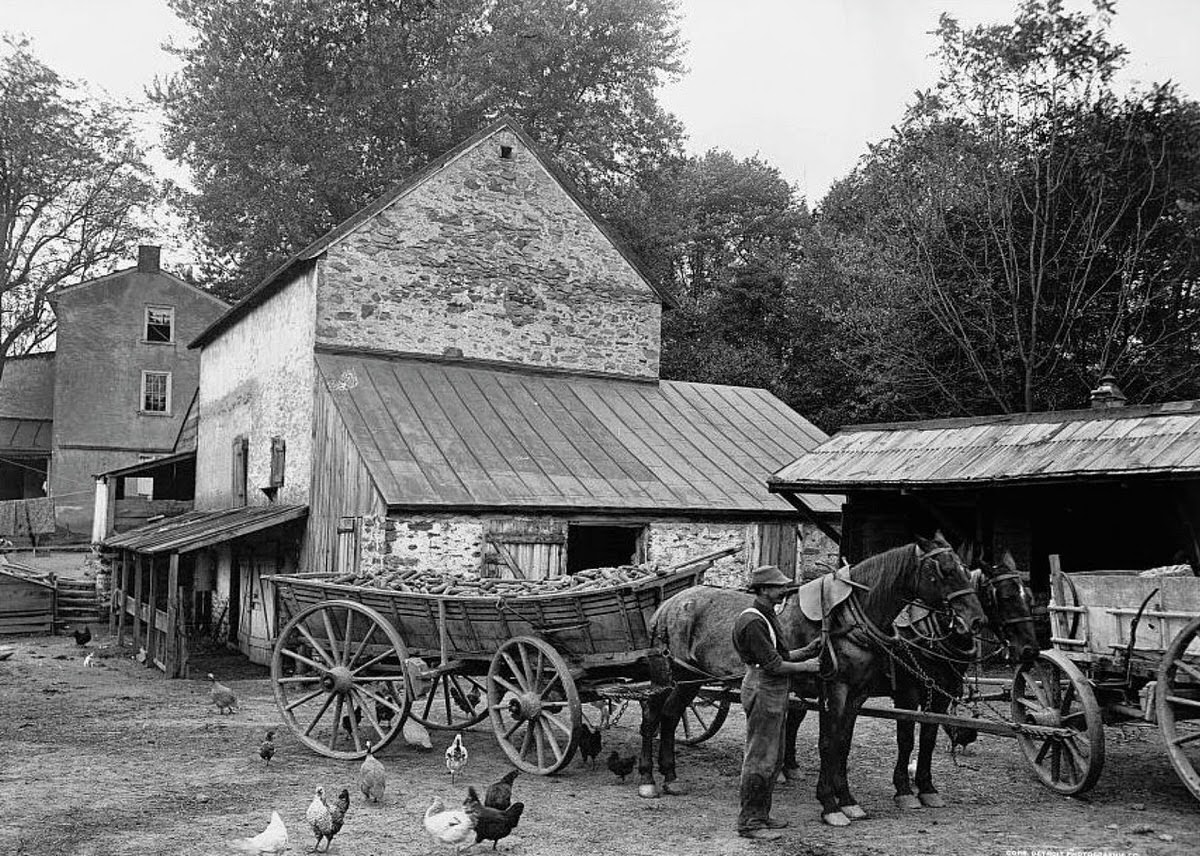
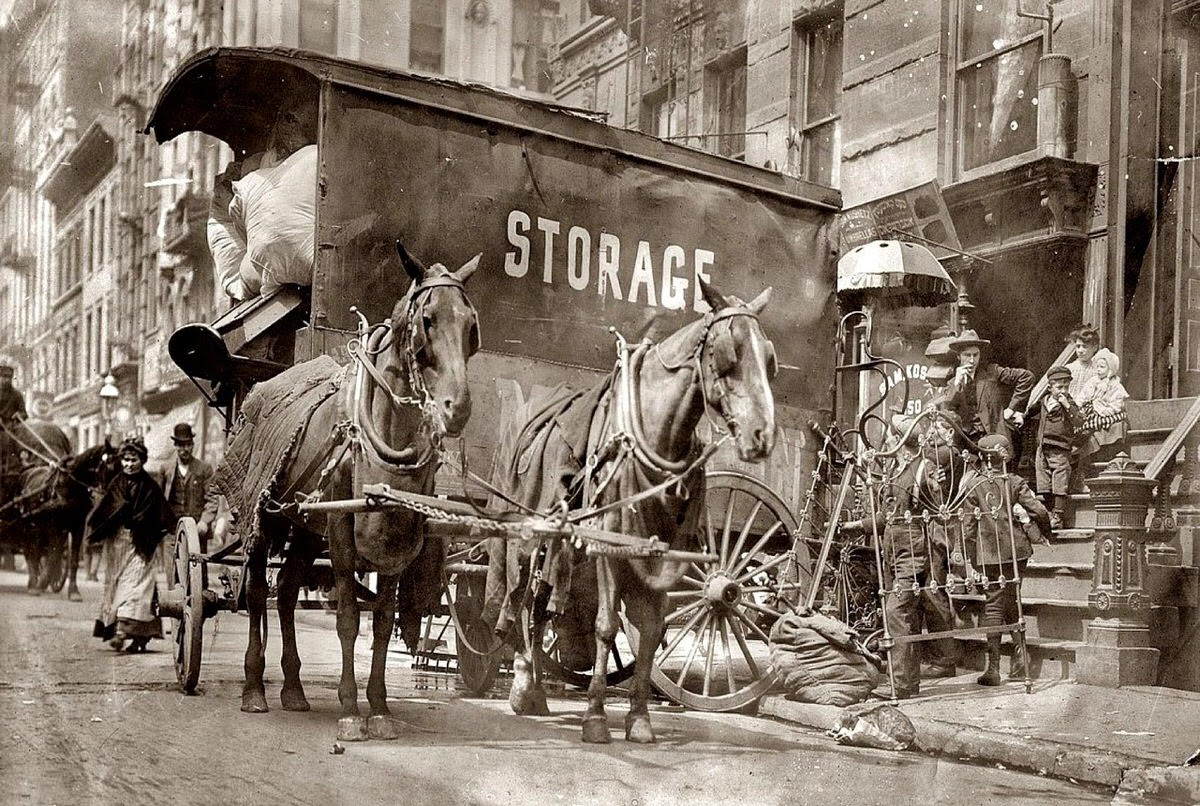
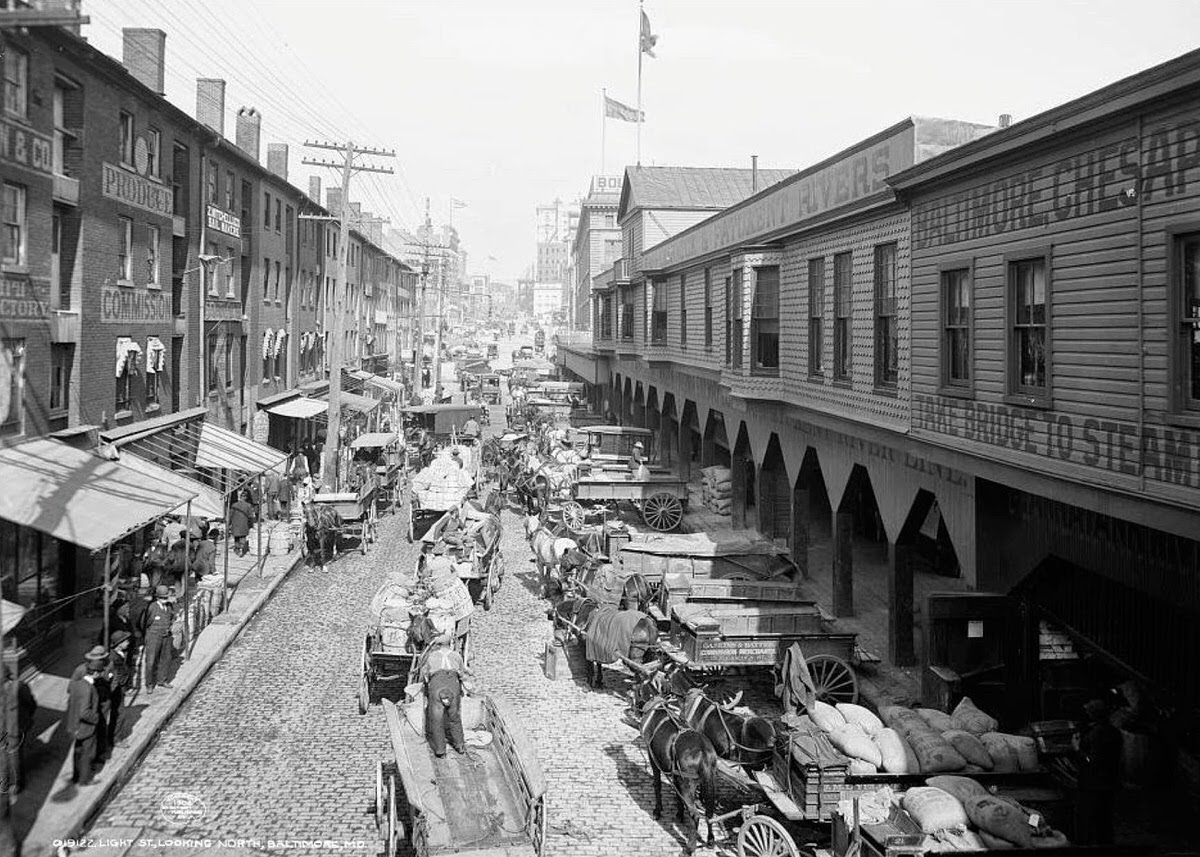
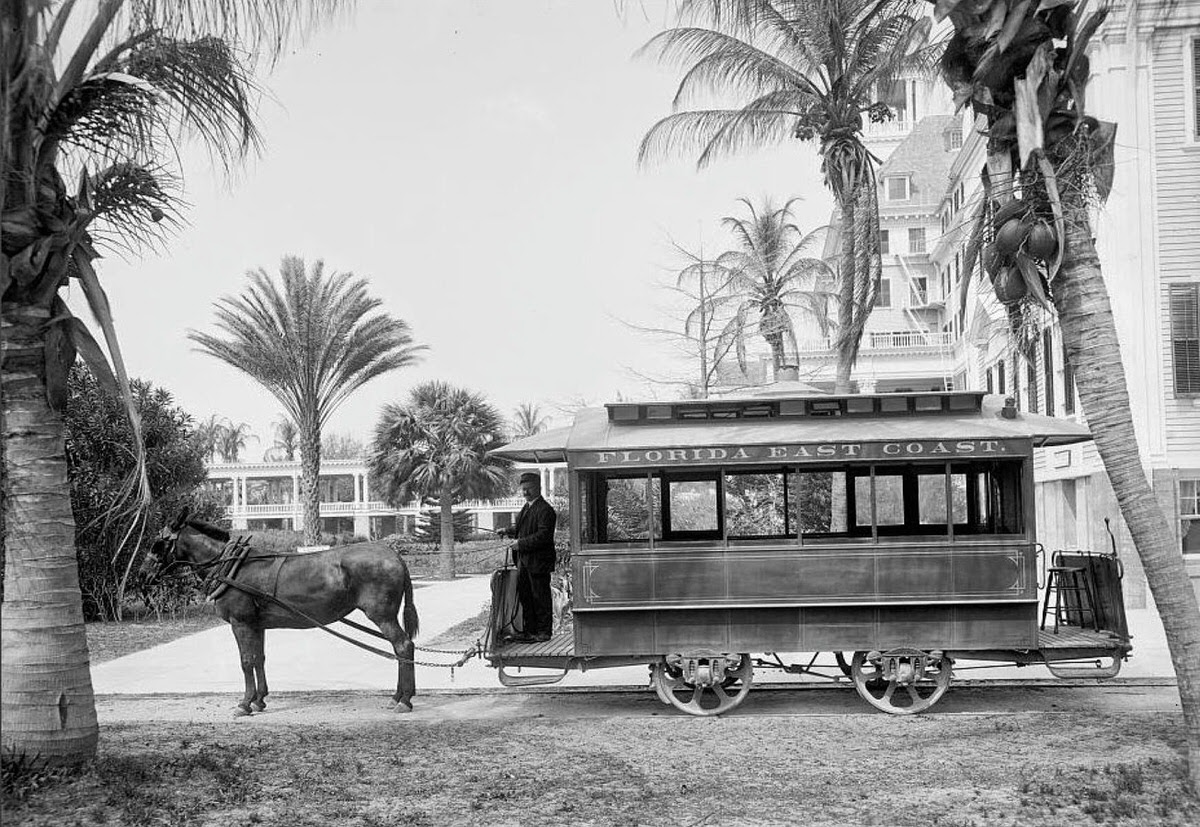
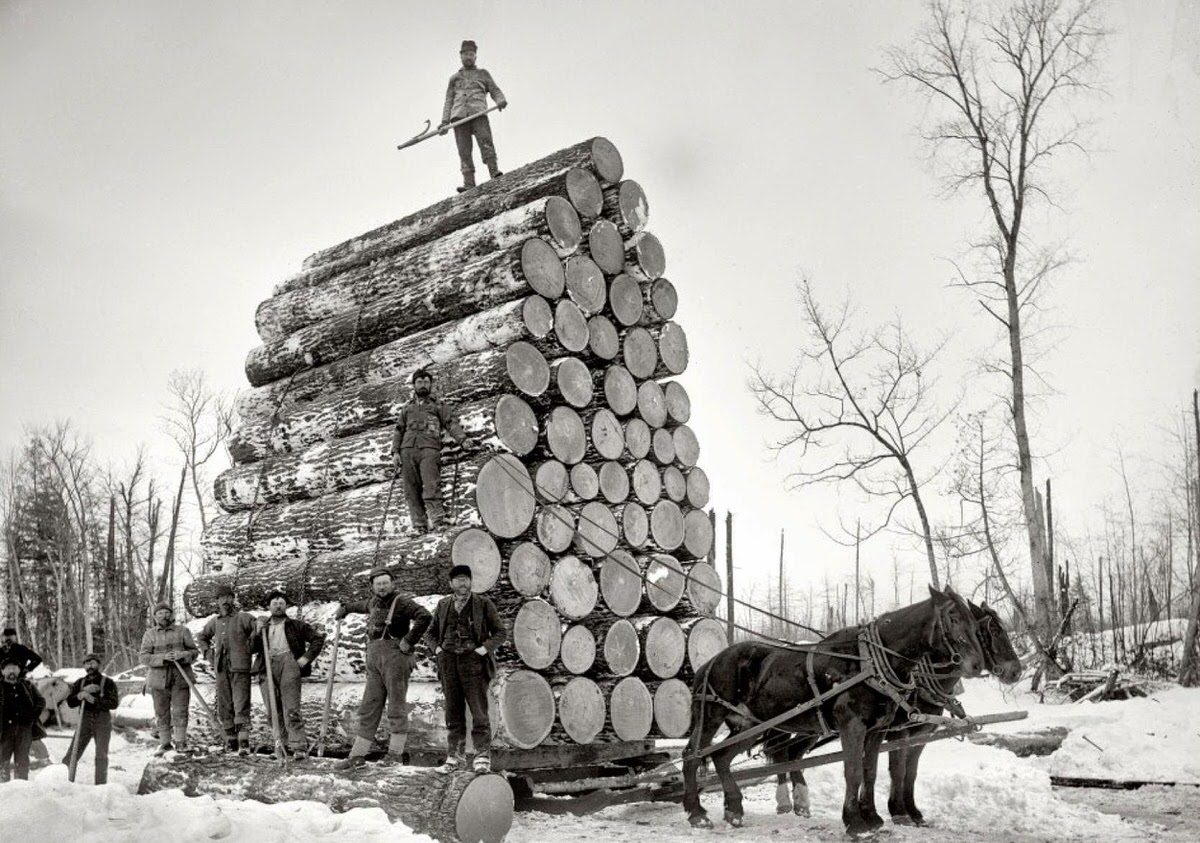
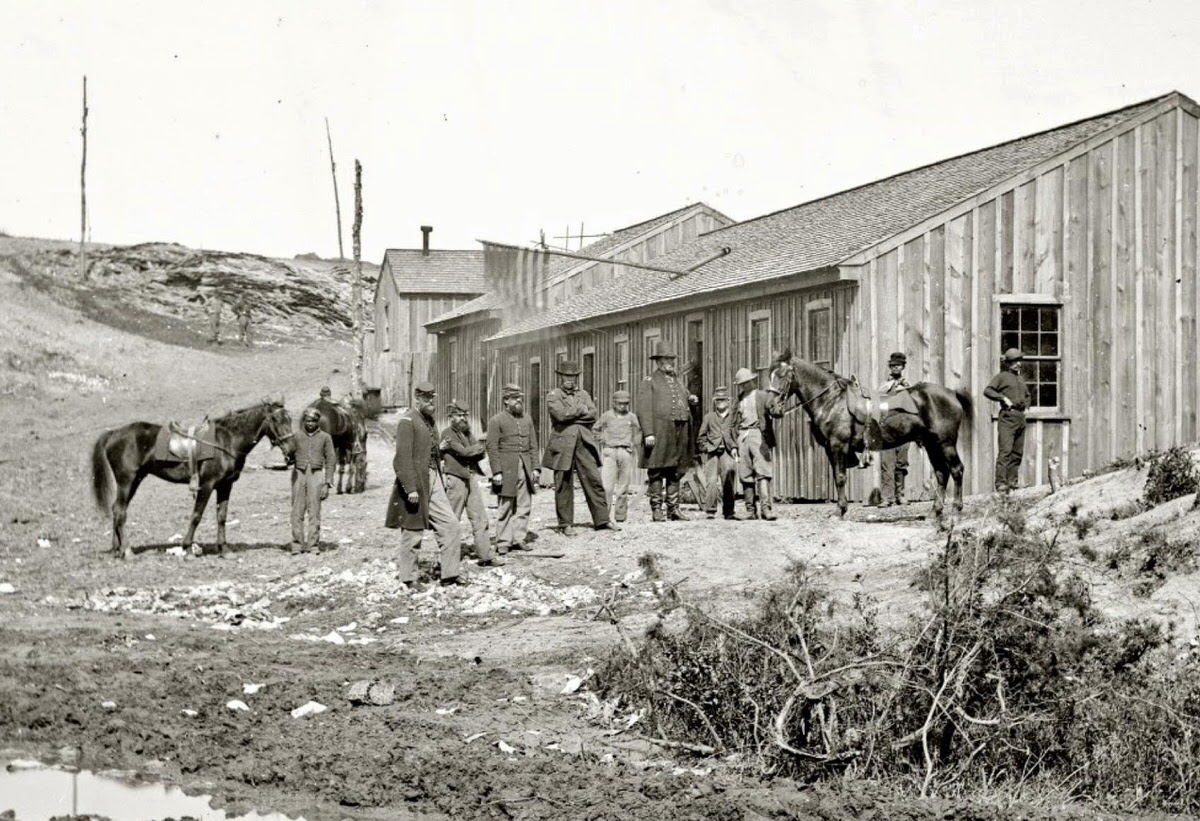
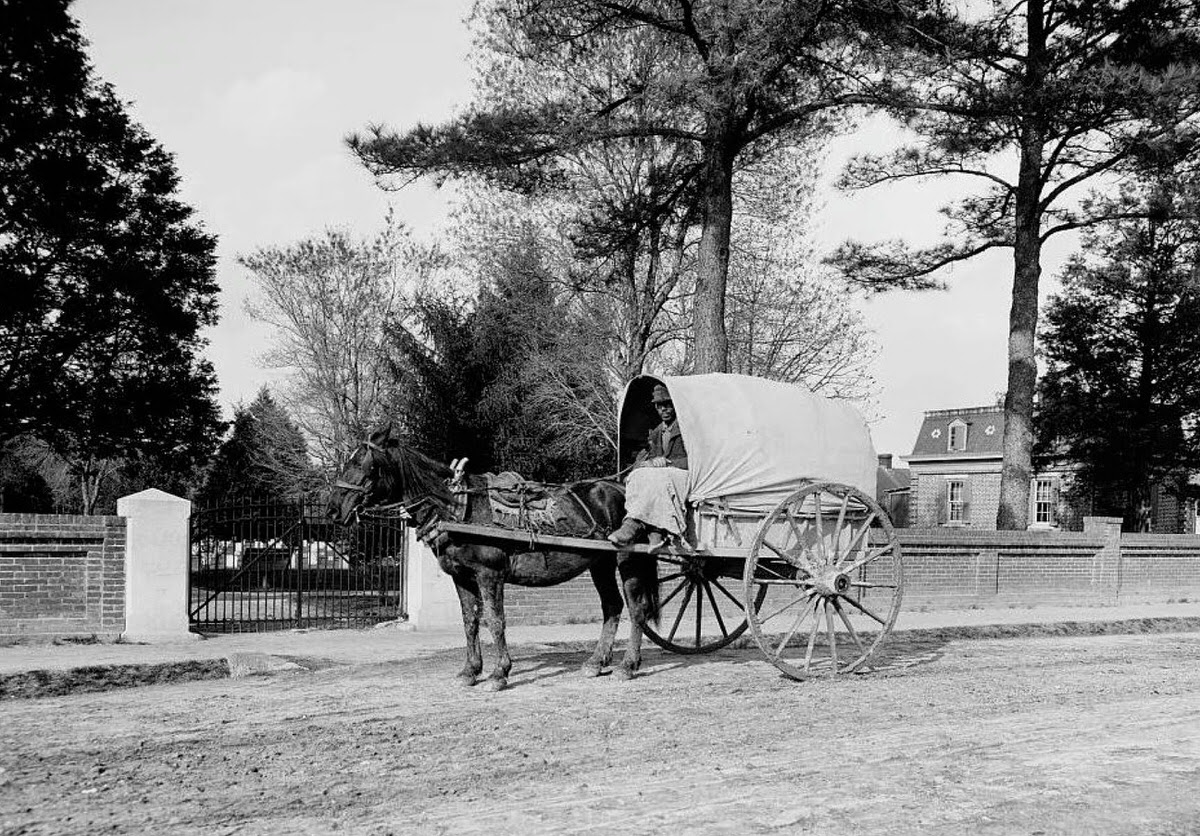
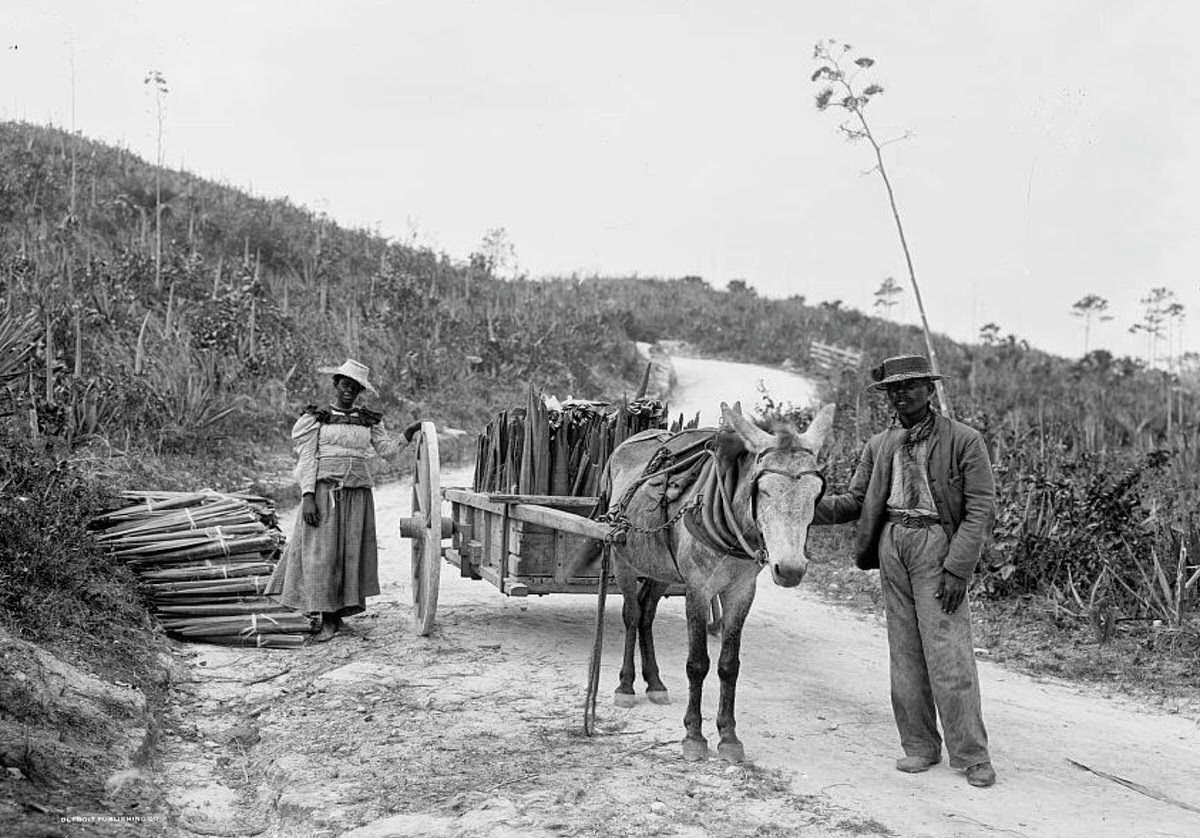
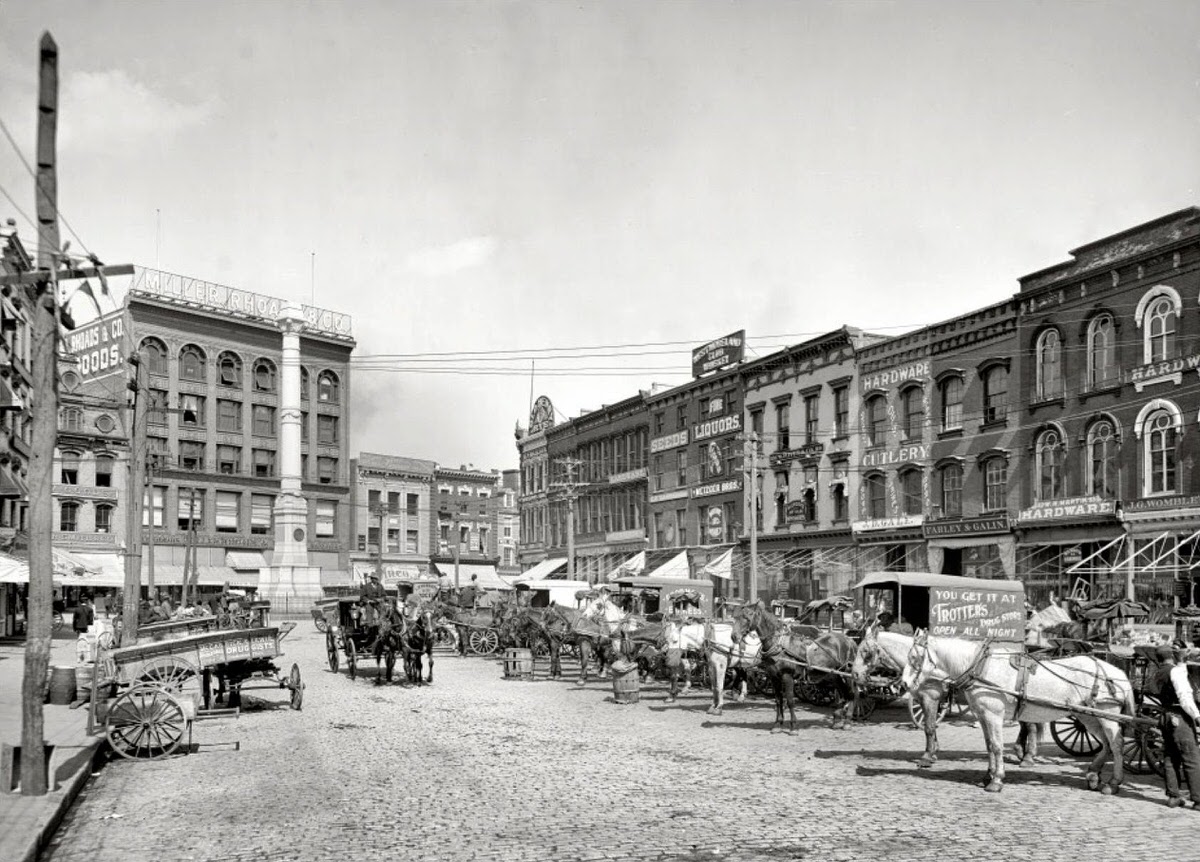
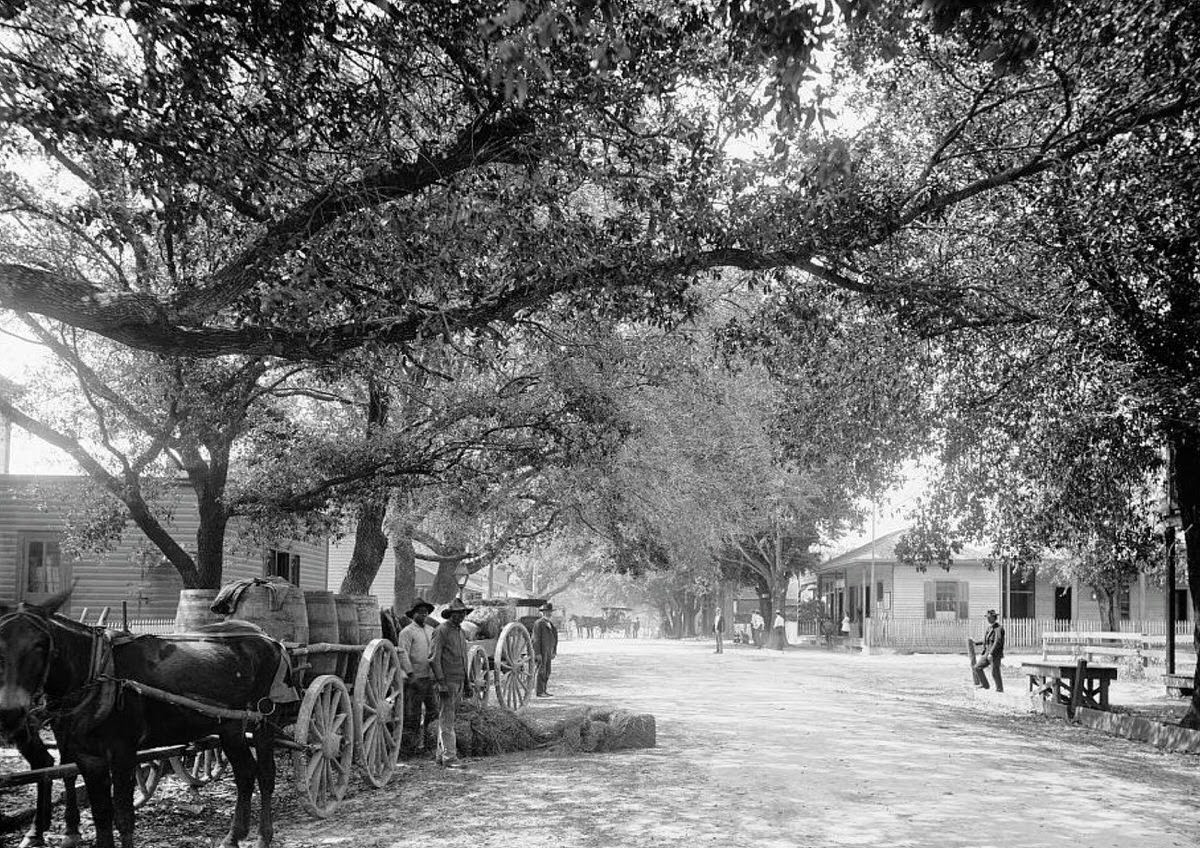
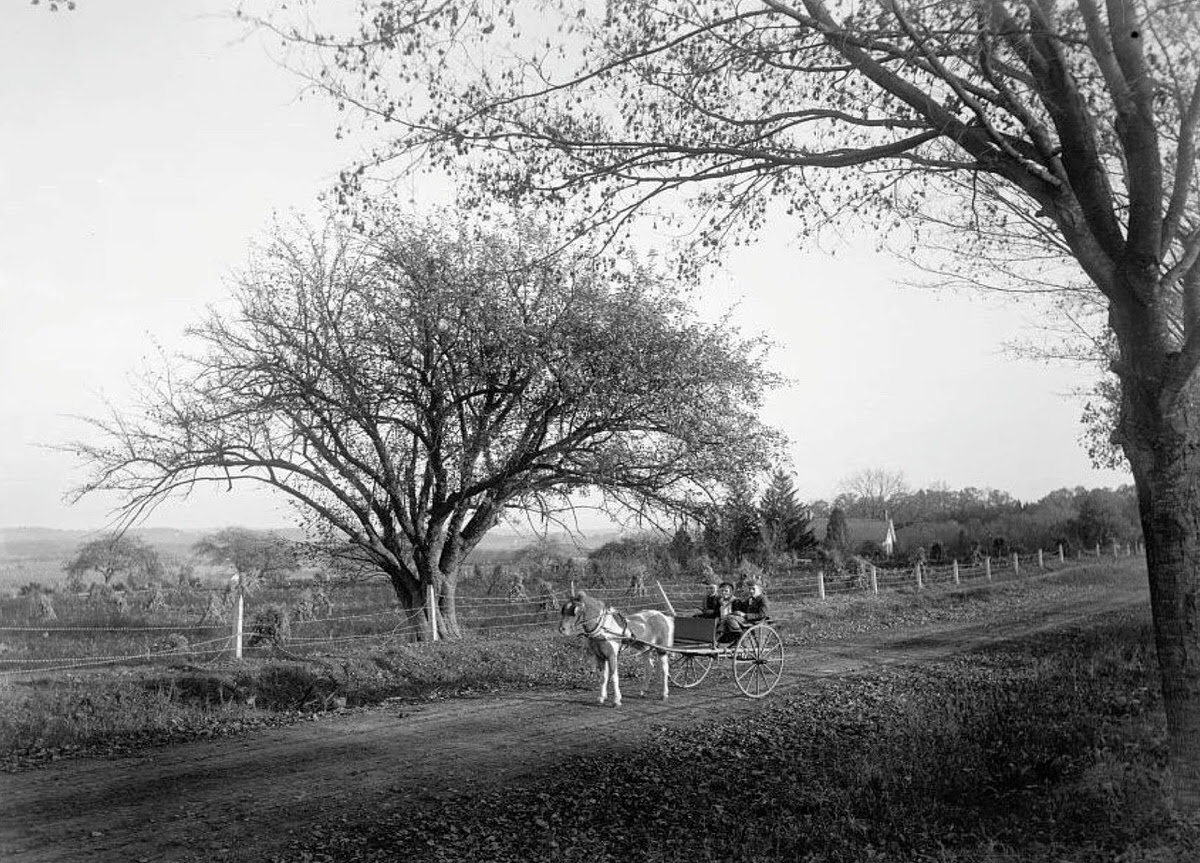
Horses and buggies were the primary tools for personal travel on land. A horse-drawn carriage moved at an average speed of four to eight miles per hour. This meant that a trip between cities that takes one hour today required an entire day or more in the 1800s. People used sturdy workhorses to pull heavy wagons filled with crops or supplies. In rural areas, many residents traveled on horseback to navigate narrow trails that could not fit a carriage.

The condition of the roads made land travel unpredictable. Most roads were simply dirt paths cleared of trees. When heavy rain fell, these paths turned into deep mud. Wagons frequently became stuck in ruts that were several inches deep. During the winter, the ground froze into hard, uneven ridges that could break a wooden wagon wheel. Because there was no national road system, maintenance was left to local towns, which often lacked the money or tools to keep paths smooth.

Read more..

Waterways and Trade

Water was the most efficient way to transport heavy goods over long distances. Farmers and factory owners lived near coastal settlements to access international trade routes. Sailing ships moved timber, cotton, and grain along the Atlantic and Gulf coasts. This kept the cost of shipping lower than moving goods over land.

In the early 1800s, the construction of canals expanded trade into the interior of the country. The Erie Canal opened in 1825 and connected the Great Lakes to the Atlantic Ocean. This 363-mile waterway allowed barges to move massive amounts of cargo across New York State. Mules walking along the banks of the canal pulled the barges using long ropes. This system allowed one animal to move much more weight than it could pull on a traditional road.

Steamboats became essential for travel on large rivers like the Mississippi, the Ohio, and the Missouri. These vessels used steam engines to turn large paddle wheels. This technology allowed boats to move against the river current for the first time. Steamboats shortened the time required to move goods from the South to the Midwest. They carried passengers in cabin sections, though the engines were often loud and created a risk of fire.

Stagecoaches and Mail

Stagecoaches provided a regular schedule for passengers and mail between major towns. These coaches were heavy wooden vehicles pulled by teams of four or six horses. They traveled along specific routes called “stages.” Every ten to fifteen miles, the driver stopped at a stage station to switch to fresh horses. This allowed the coach to continue moving for long hours without the animals becoming exhausted.

Riding in a stagecoach was physically demanding for passengers. The vehicles used leather straps instead of metal springs for suspension, which caused the coach to swing and jolt violently. Passengers often had to get out and push the coach if it encountered steep hills or thick mud. Despite these difficulties, stagecoaches were the fastest way to send news and letters across the country before the telegraph and the railroad became common.

The Early Railroads

In the mid-1800s, the steam locomotive began to change how Americans moved. Early trains ran on iron rails and were faster than any horse-drawn vehicle. They could operate in rain or snow, which made them more reliable than dirt roads or frozen canals. The first railroads connected coal mines to nearby cities. Eventually, they expanded to connect every major city in the East.

The railroad allowed for the growth of cities that were far away from the coast. It made it possible to transport fresh food and manufactured goods across the entire continent. By the time the first transcontinental railroad was finished in 1869, the time required to cross the country dropped from several months to just one week. While horses remained necessary for local trips, the train became the dominant force for long-distance transportation.

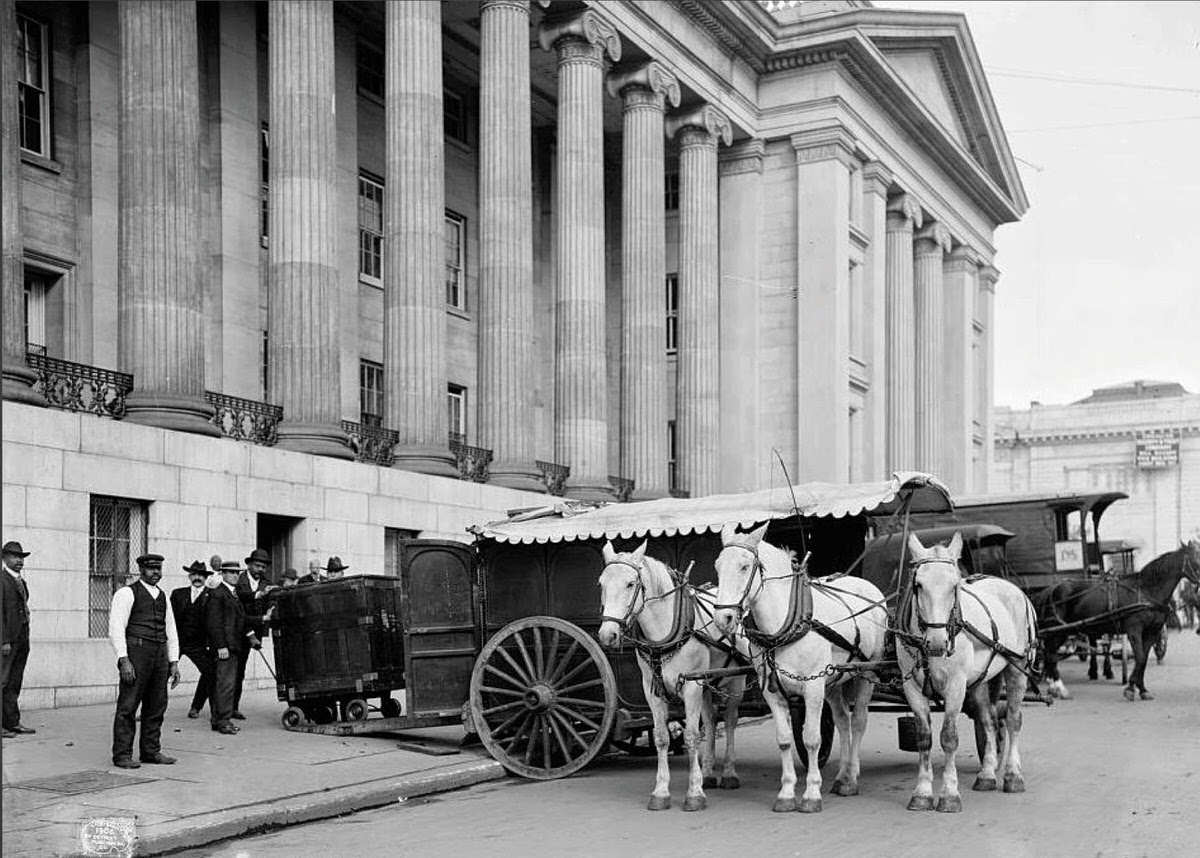
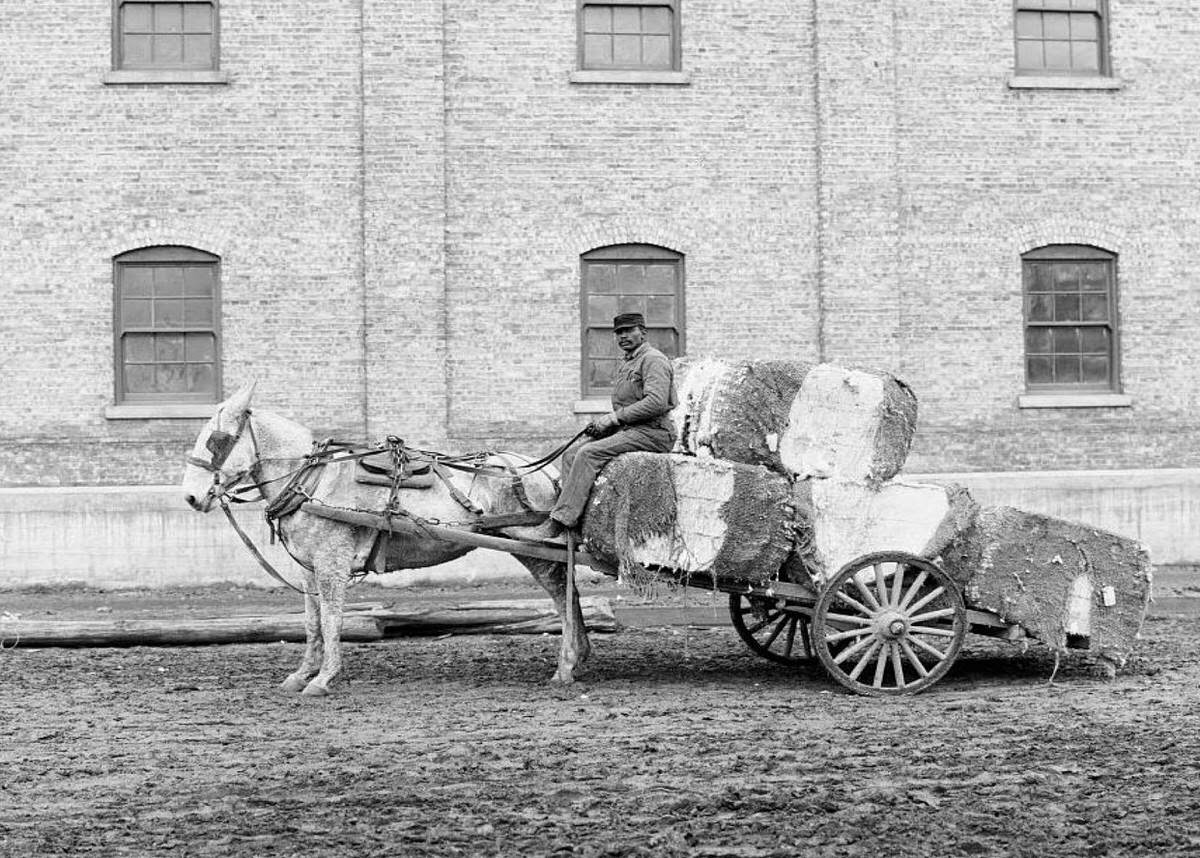
#3 US Treasury currency wagon in Washington, D.C., 1904

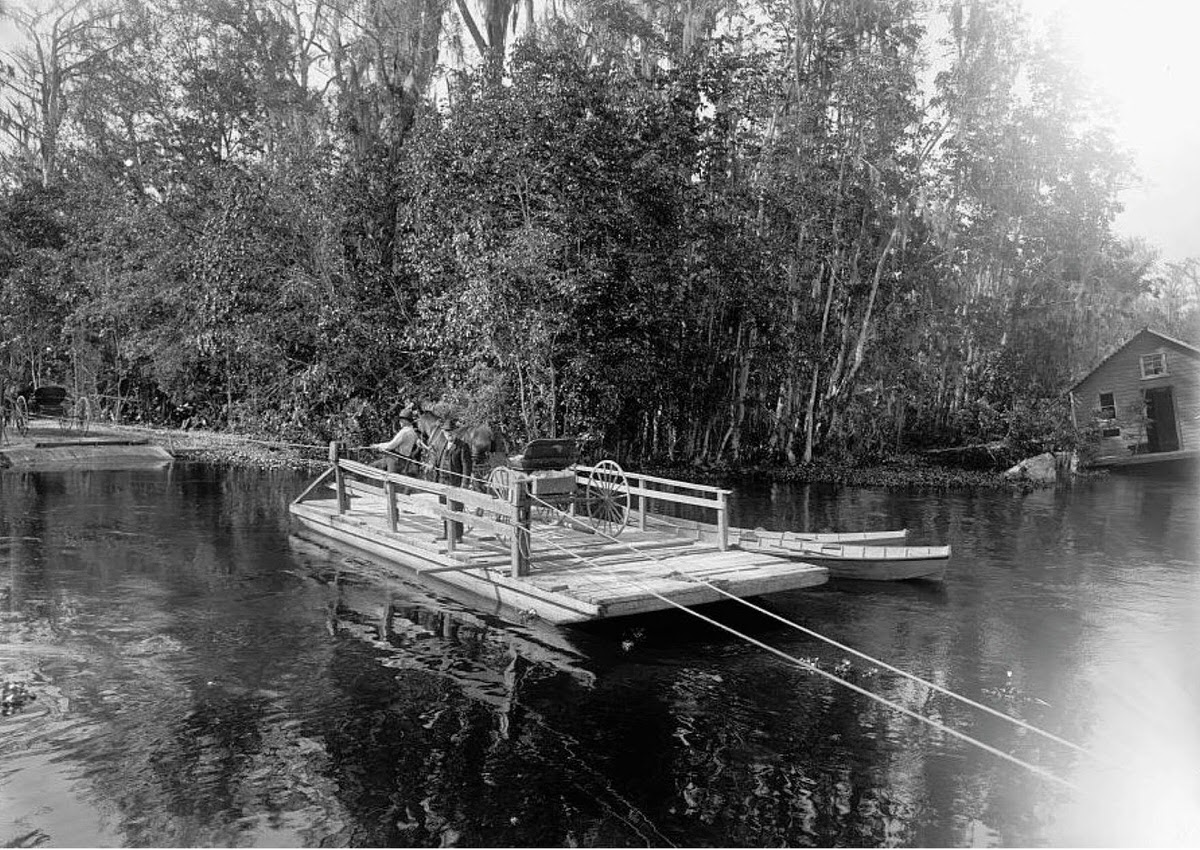
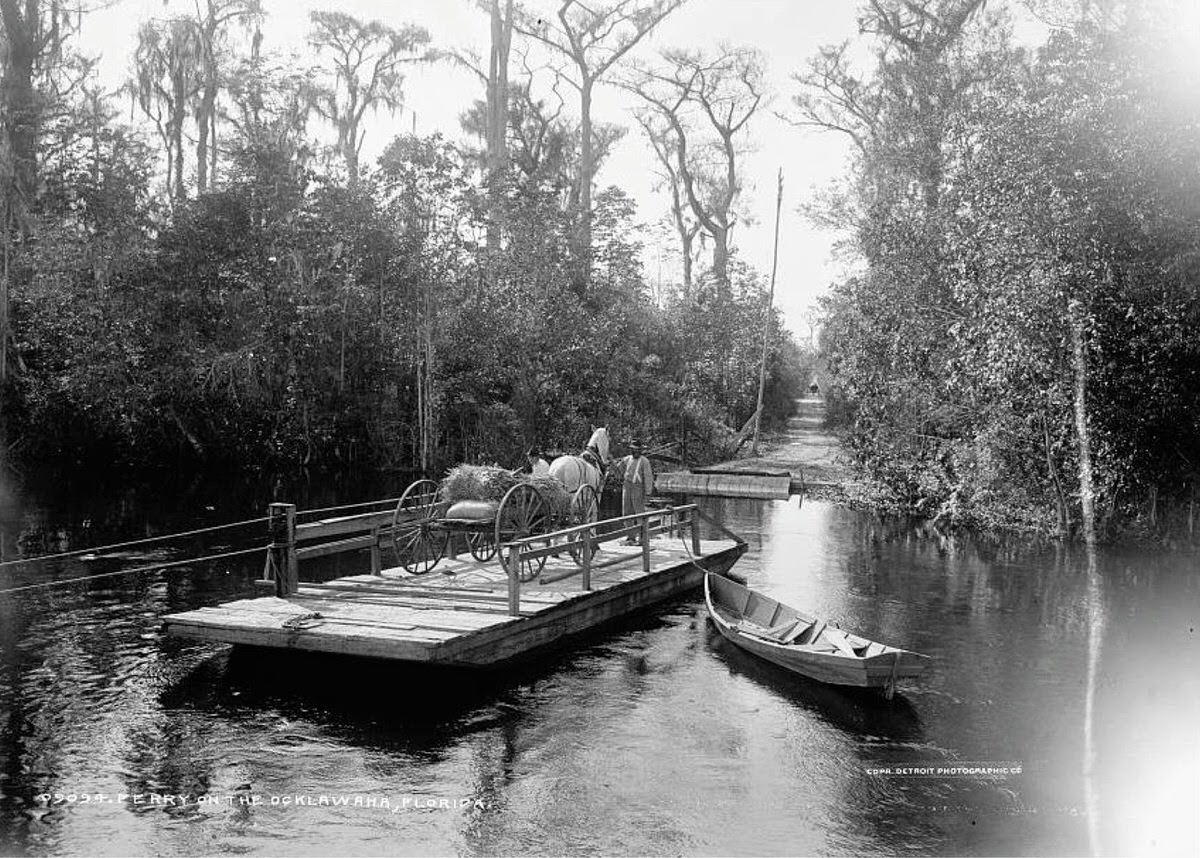
#5 Ferry on the Ocklawaha River, Florida, 1898

Ferry on the Ocklawaha River, Florida, 1898

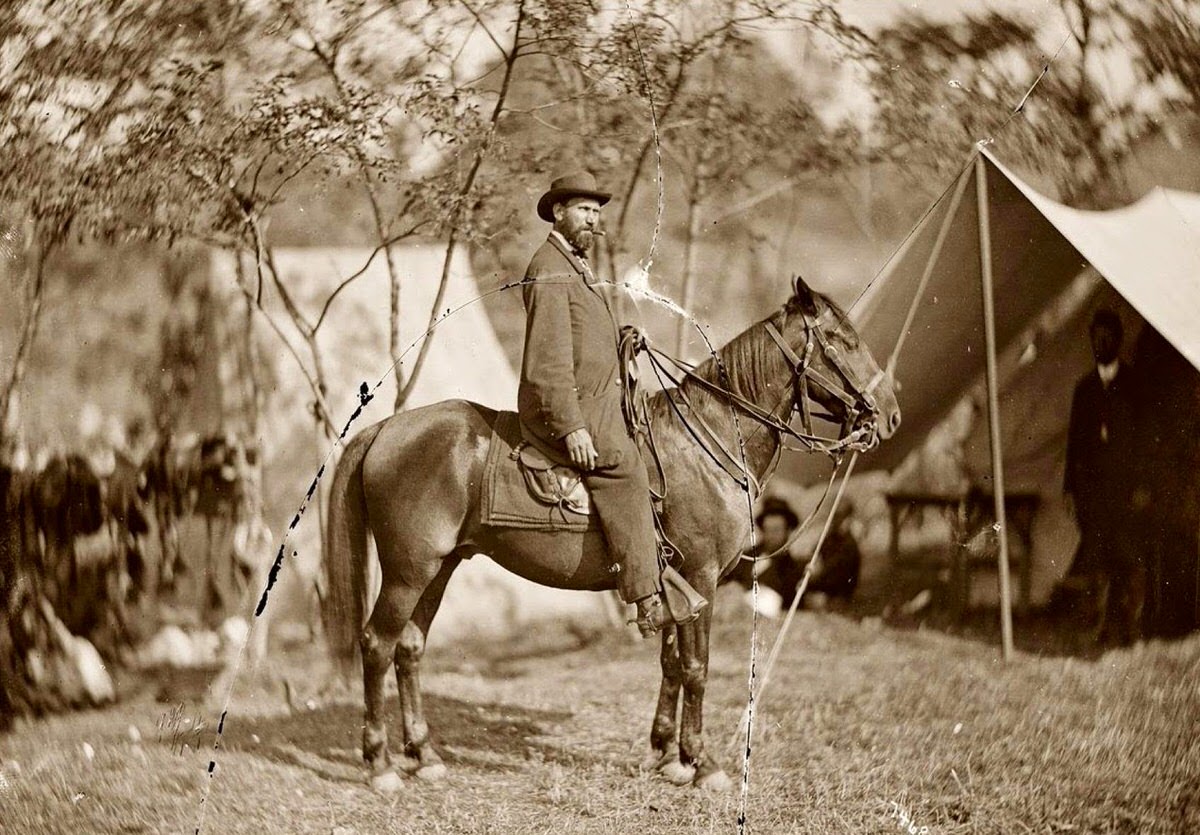
#8 Allan Pinkerton of the Secret Service in Antietam, Maryland, 1862

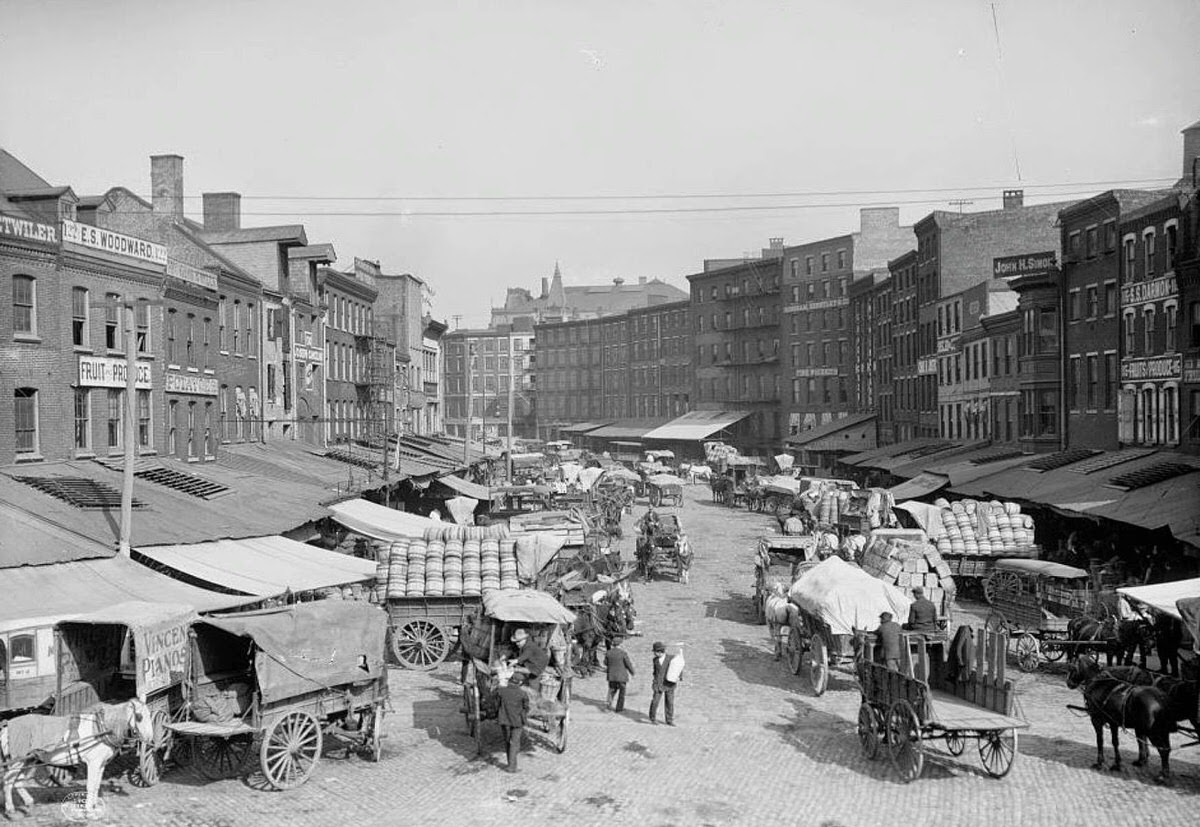
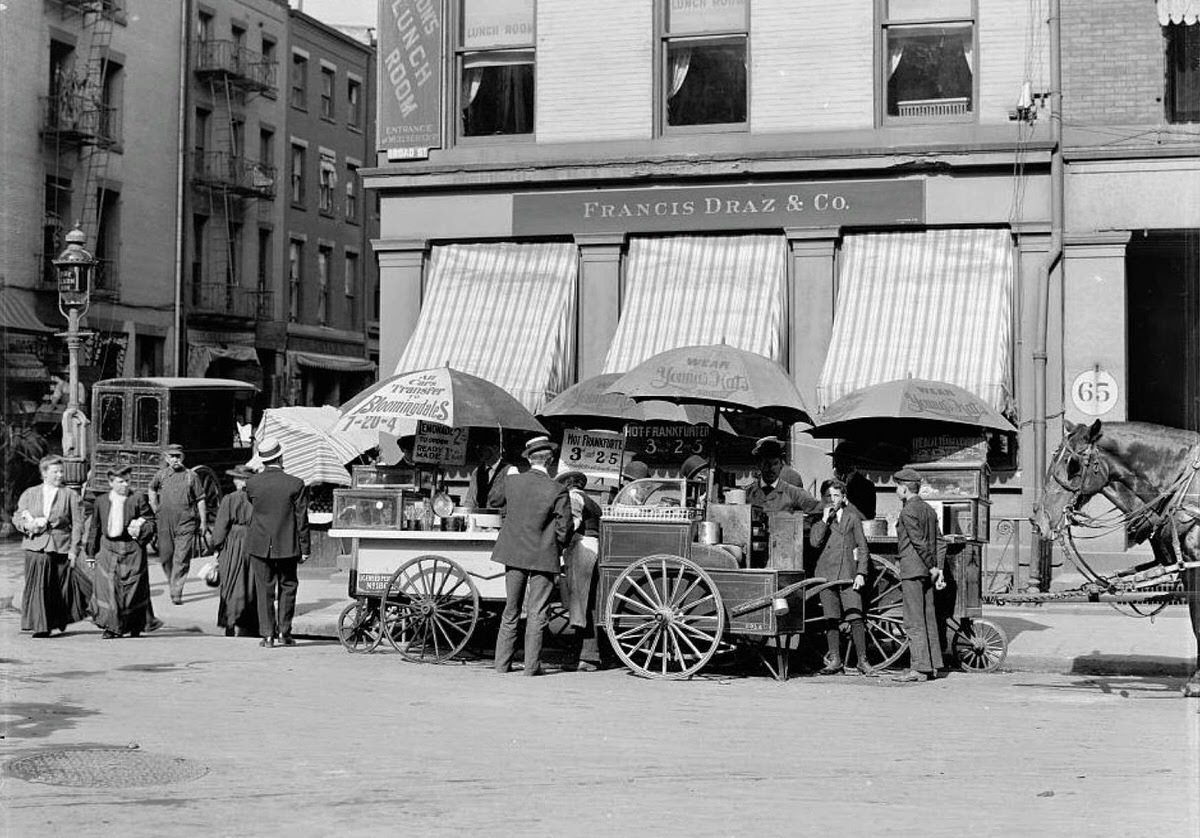
#10 Baltimore, 1904

Baltimore, 1904

#13 Federal troops at Confederate winter quarters near Yorktown, Virginia, 1865

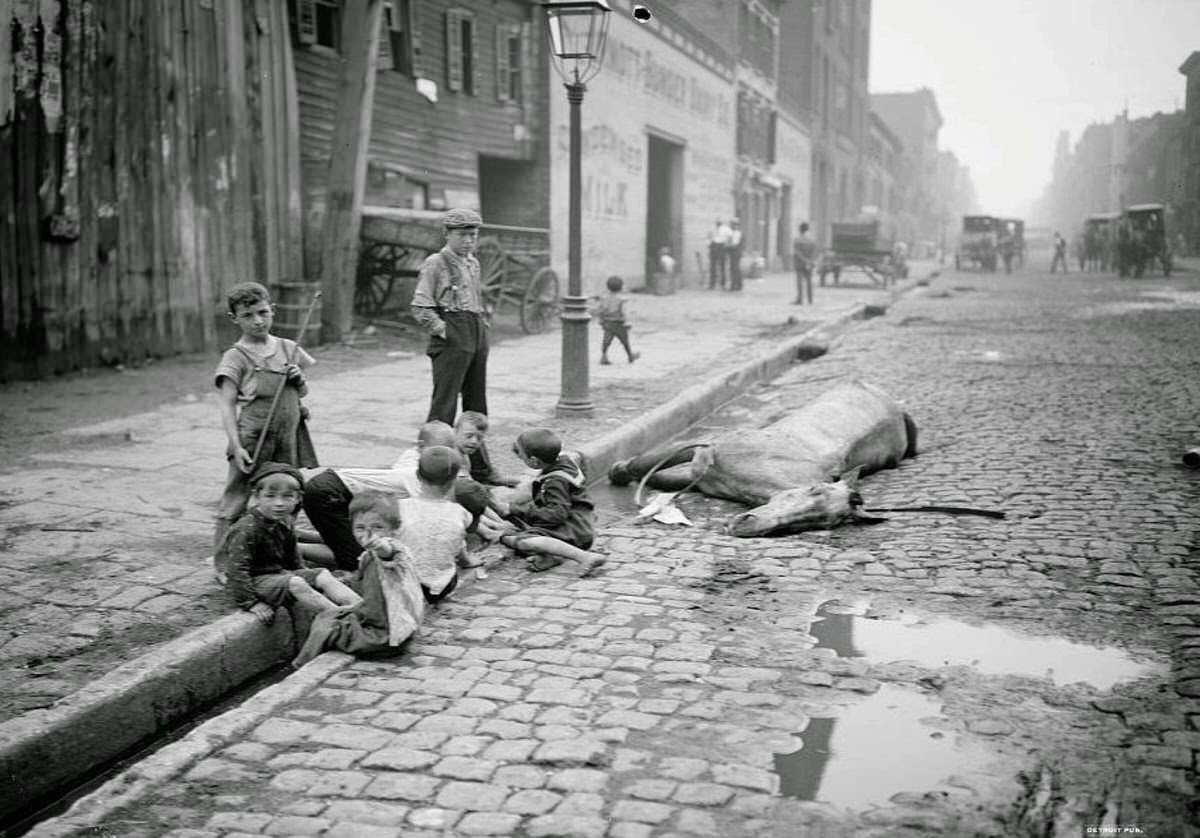
#15 The close of a career, 1902

The close of a career, 1902

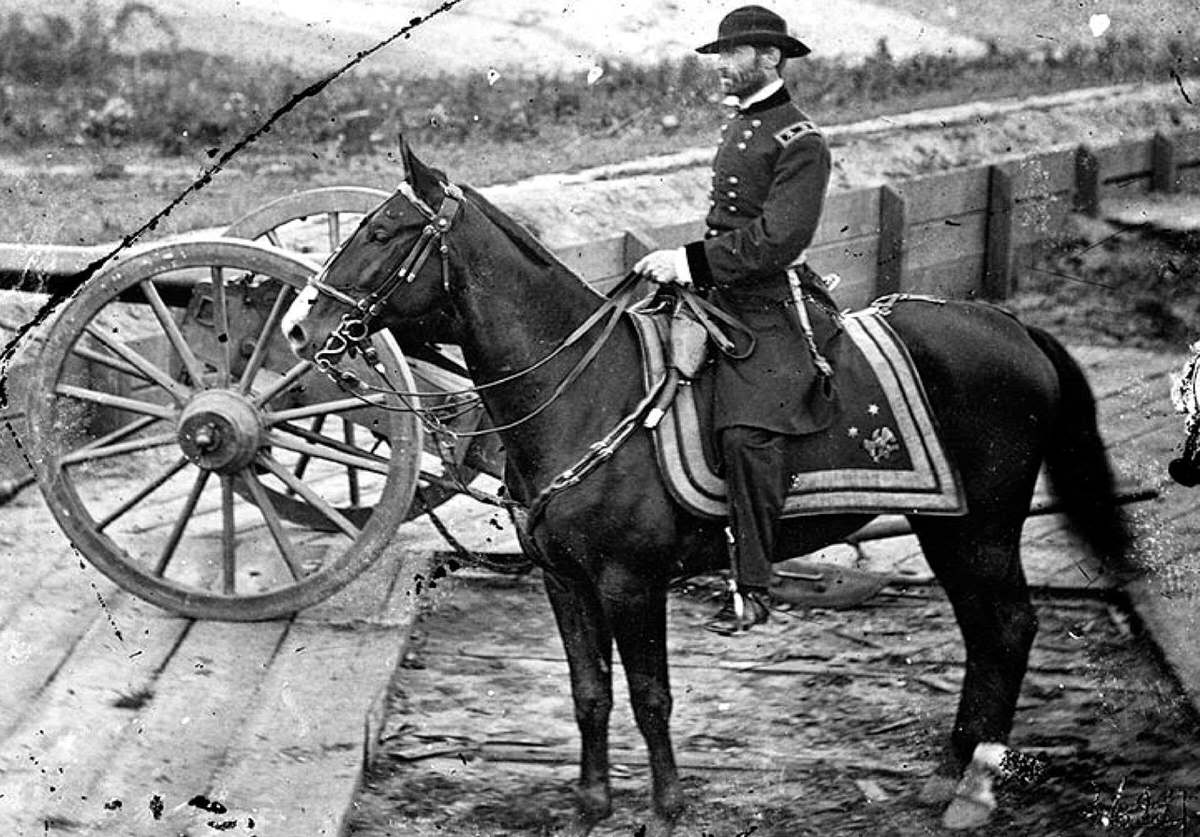
#17 General William T. Sherman near Atlanta, Georgia, 1864

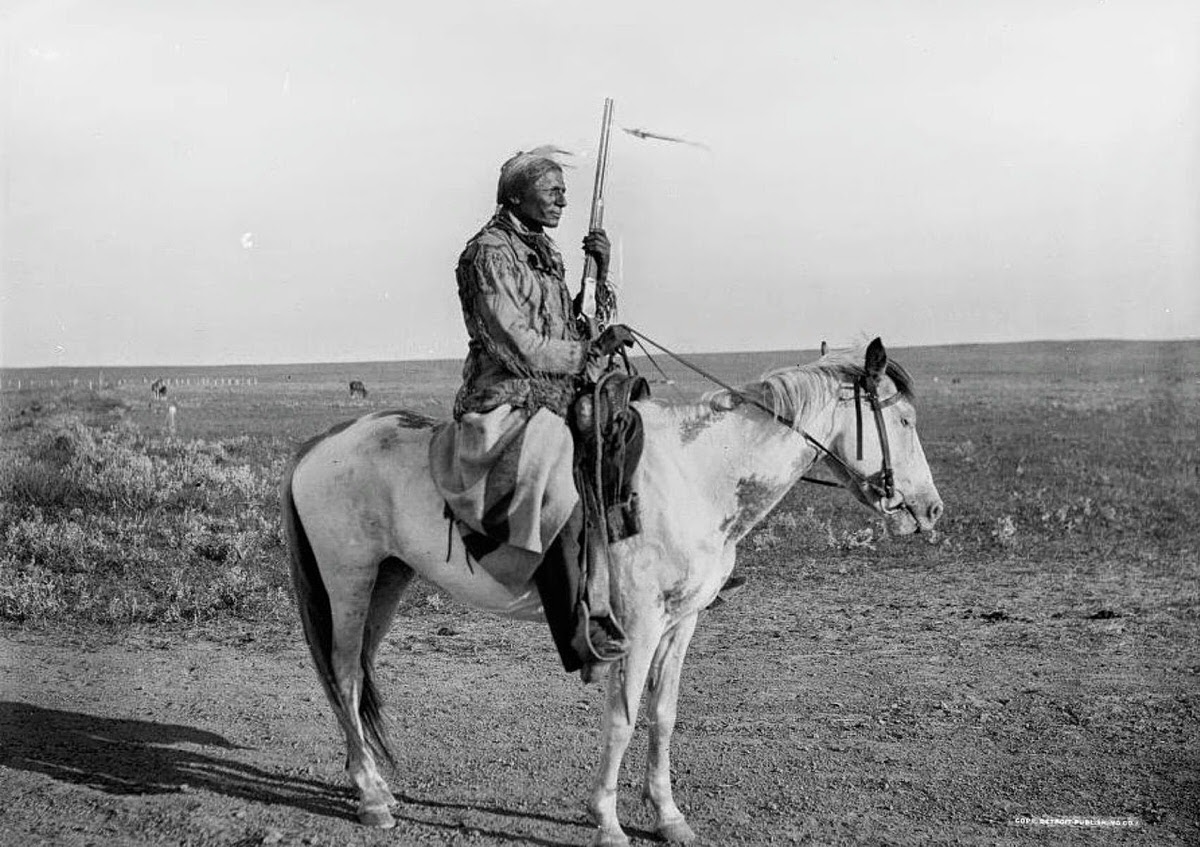
#20 Assiniboine Indian on guard on the outskirts of camp, 1898

Assiniboine Indian on guard on the outskirts of camp, 1898

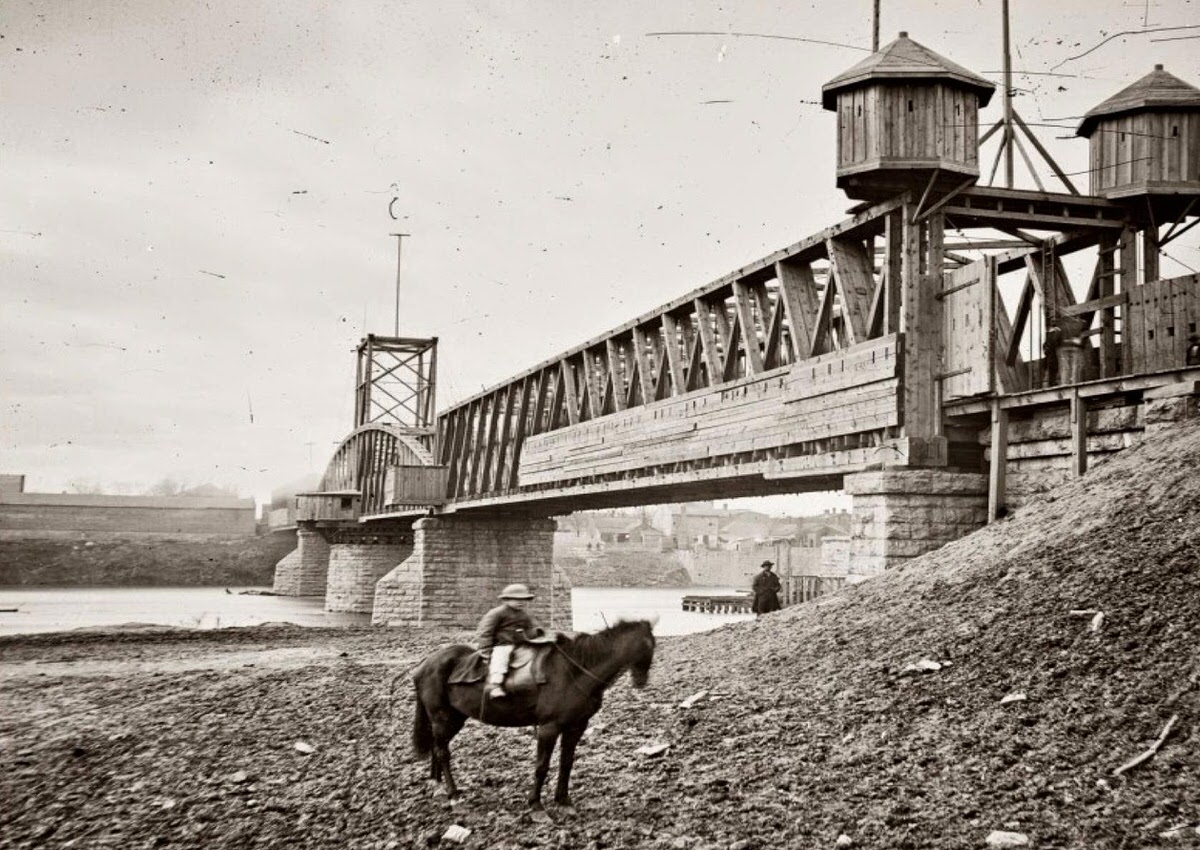
#21 Fortified railroad bridge across the Cumberland River at Nashville, 1864

Fortified railroad bridge across the Cumberland River at Nashville, 1864

#25

These Vintage Images Show How People Got Around in the United States Before Cars

Enjoyed this post? Get new ones in your inbox.
Avatar of Kevin Clark

Written by Kevin Clark

Kevin Clark is a historian and writer who is passionate about sharing the stories and significance behind historical photos. He loves to explore hidden histories and cultural contexts behind the images, providing a unique insight into the past.

Leave a Reply

Your email address will not be published. Required fields are marked *