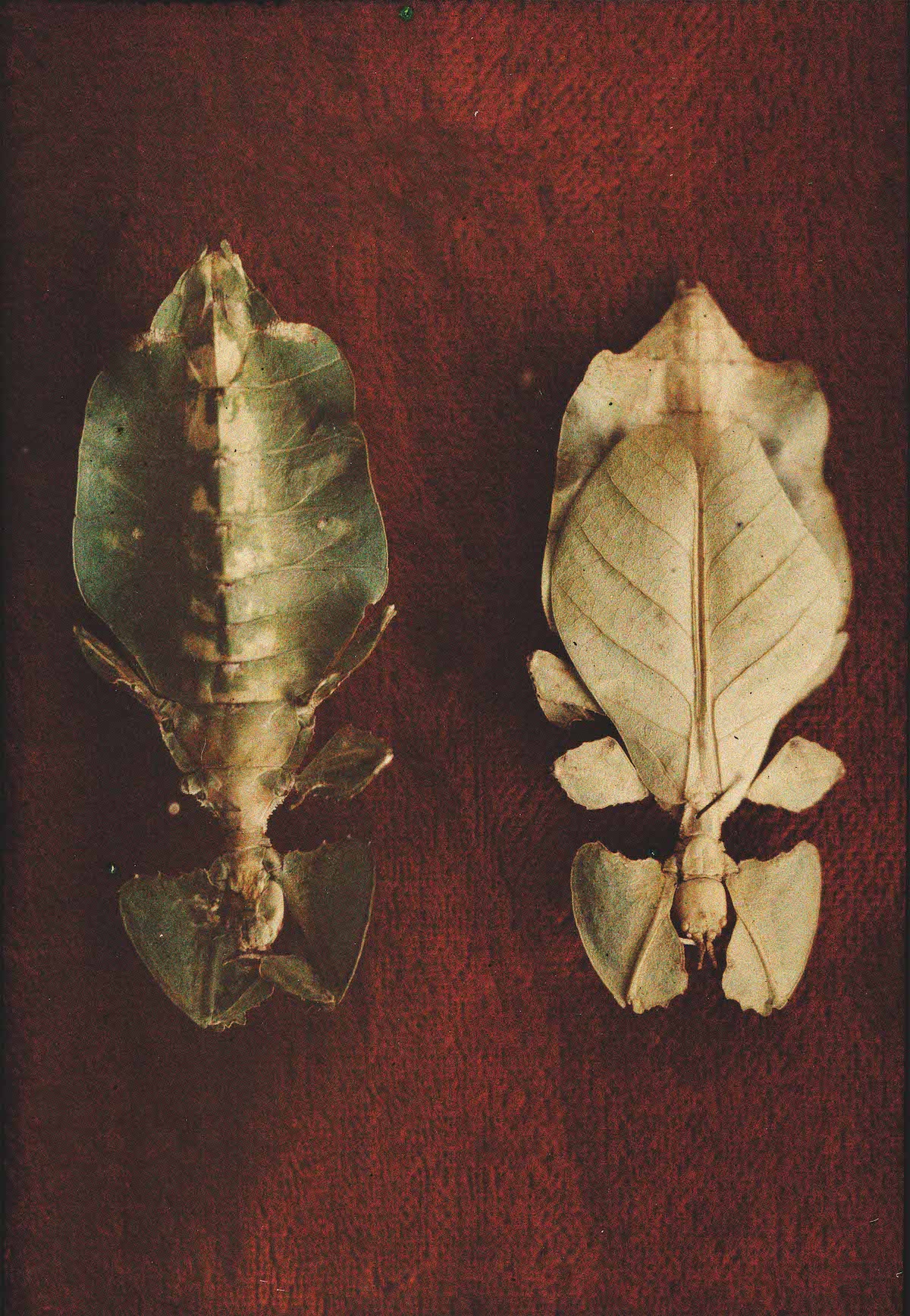
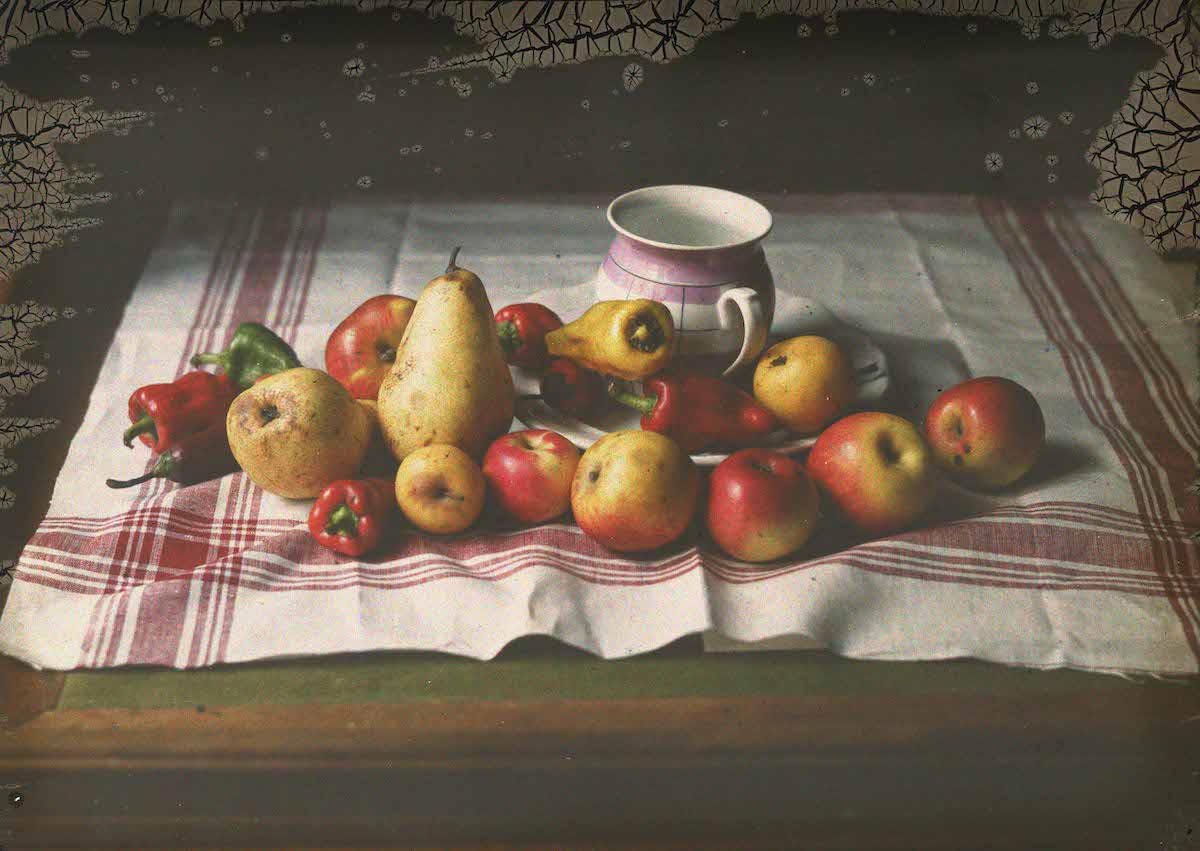
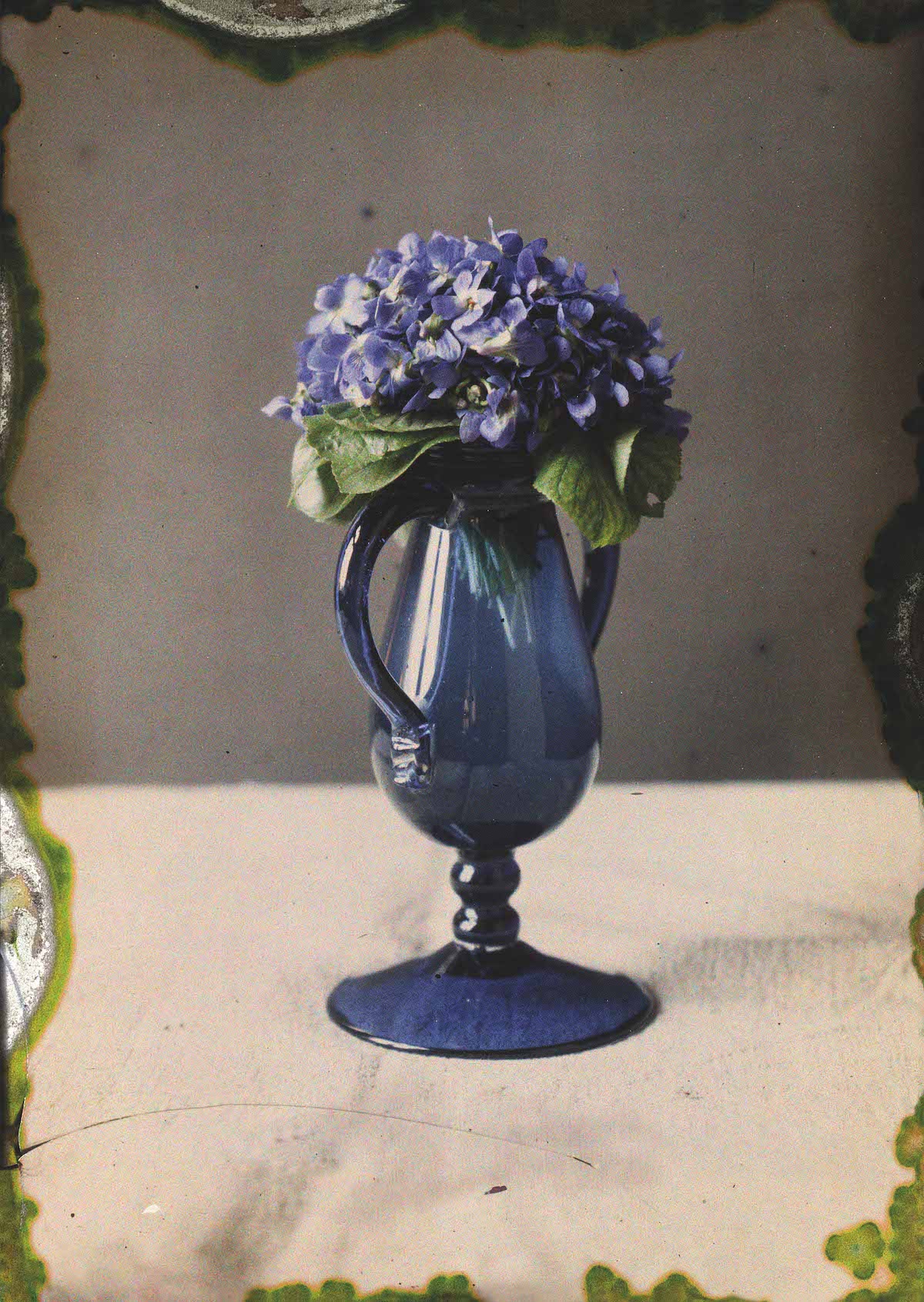
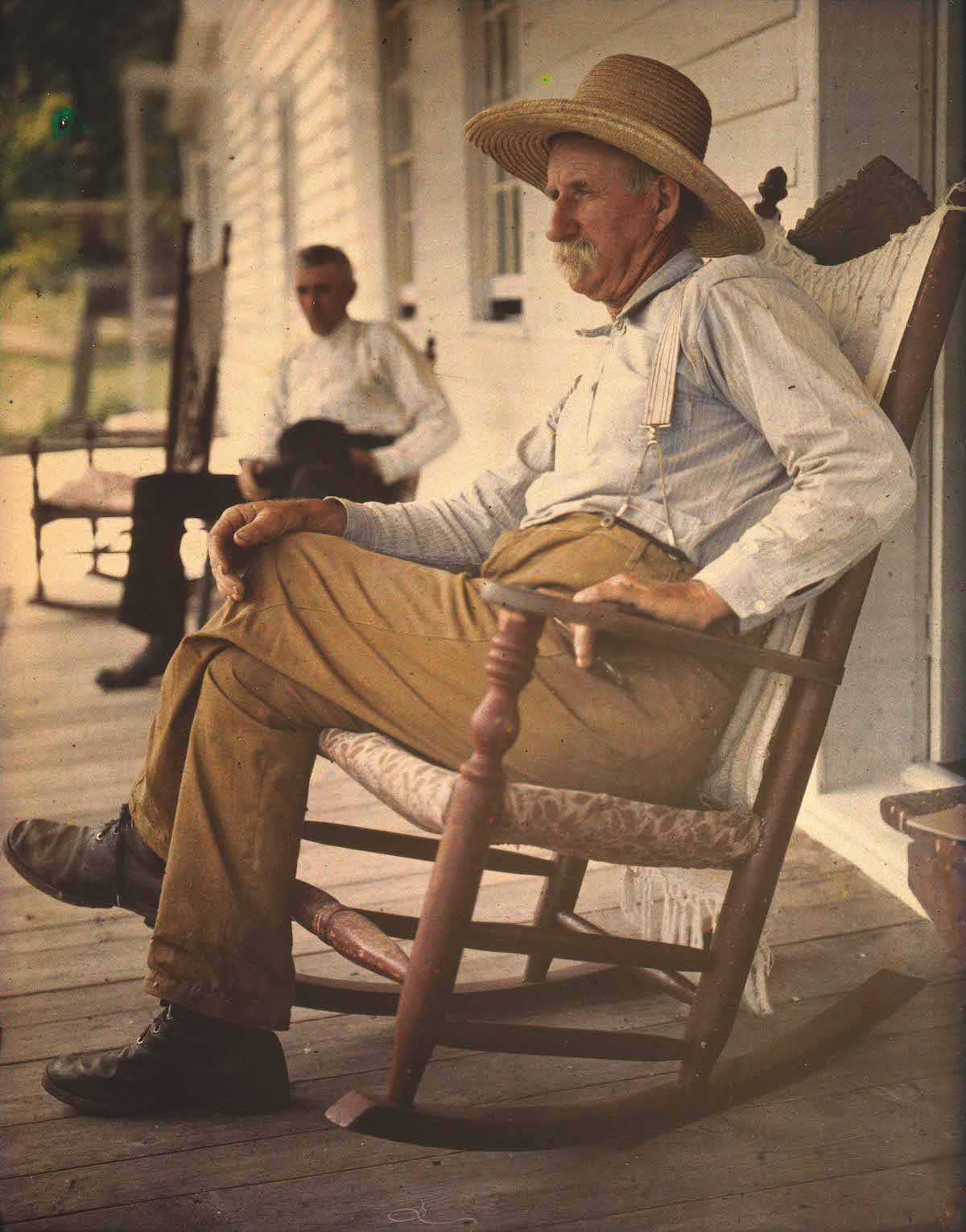
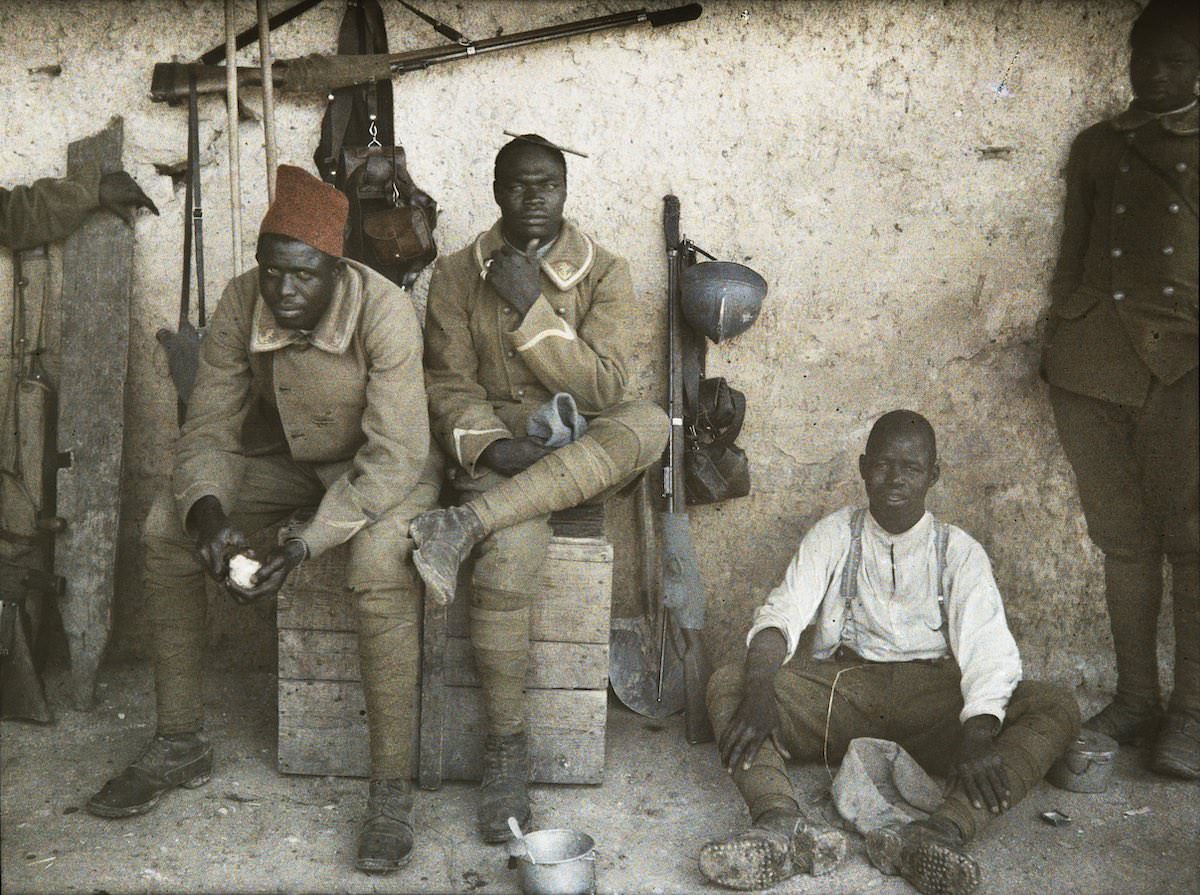
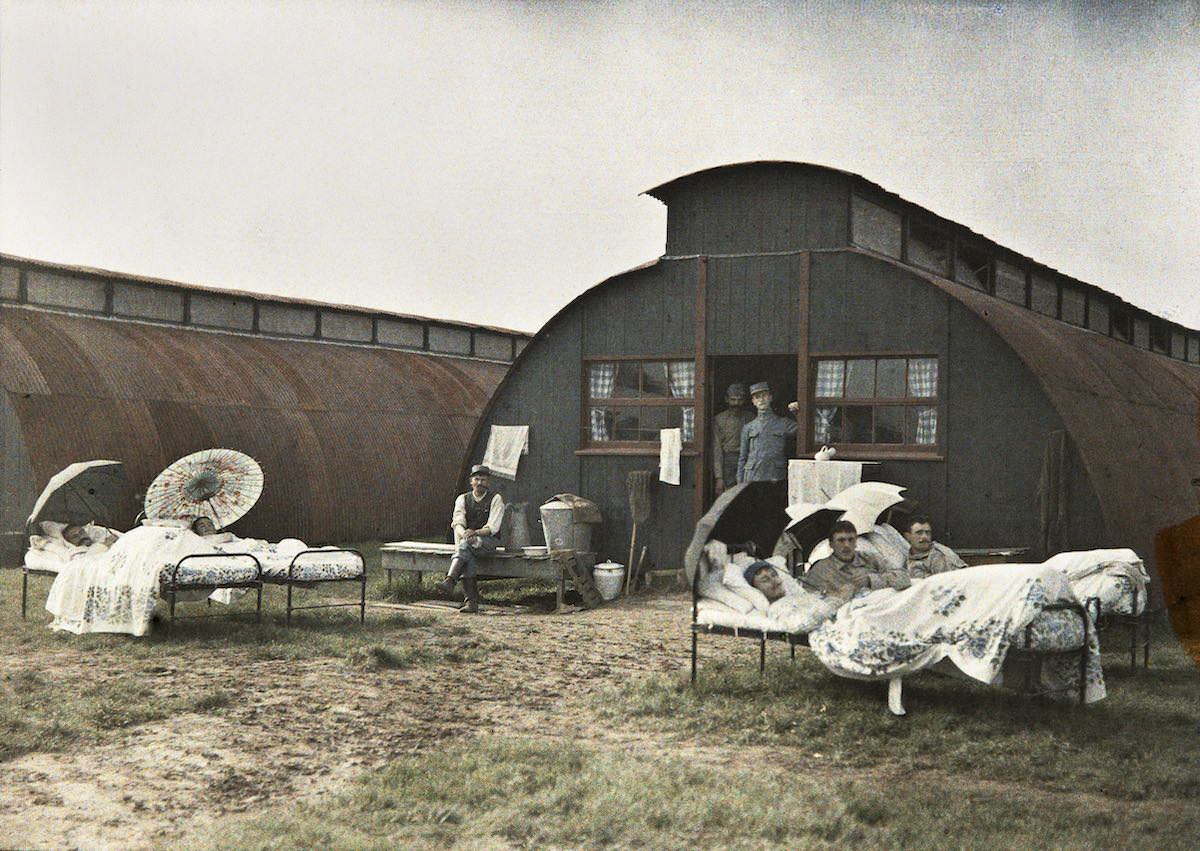
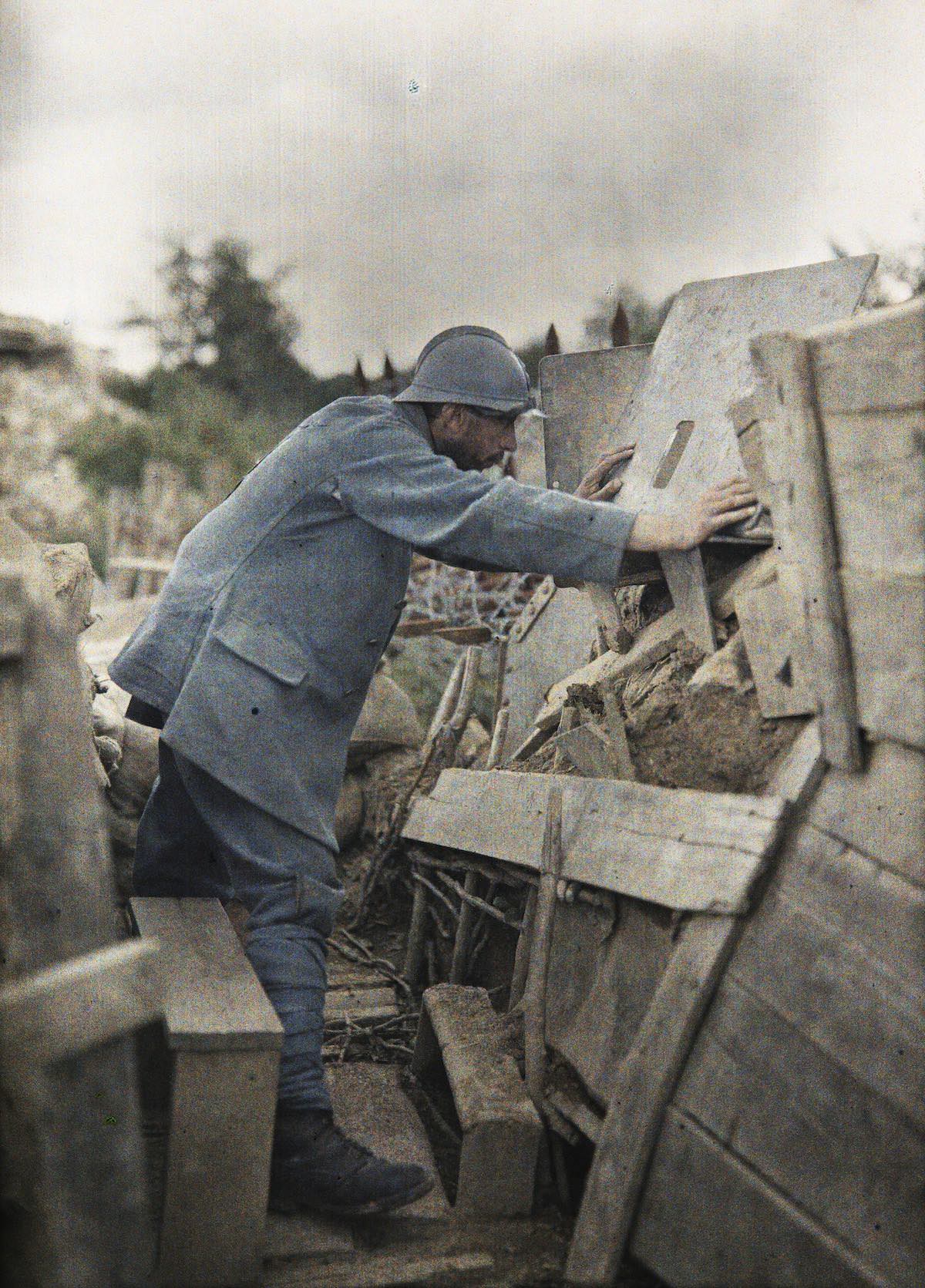
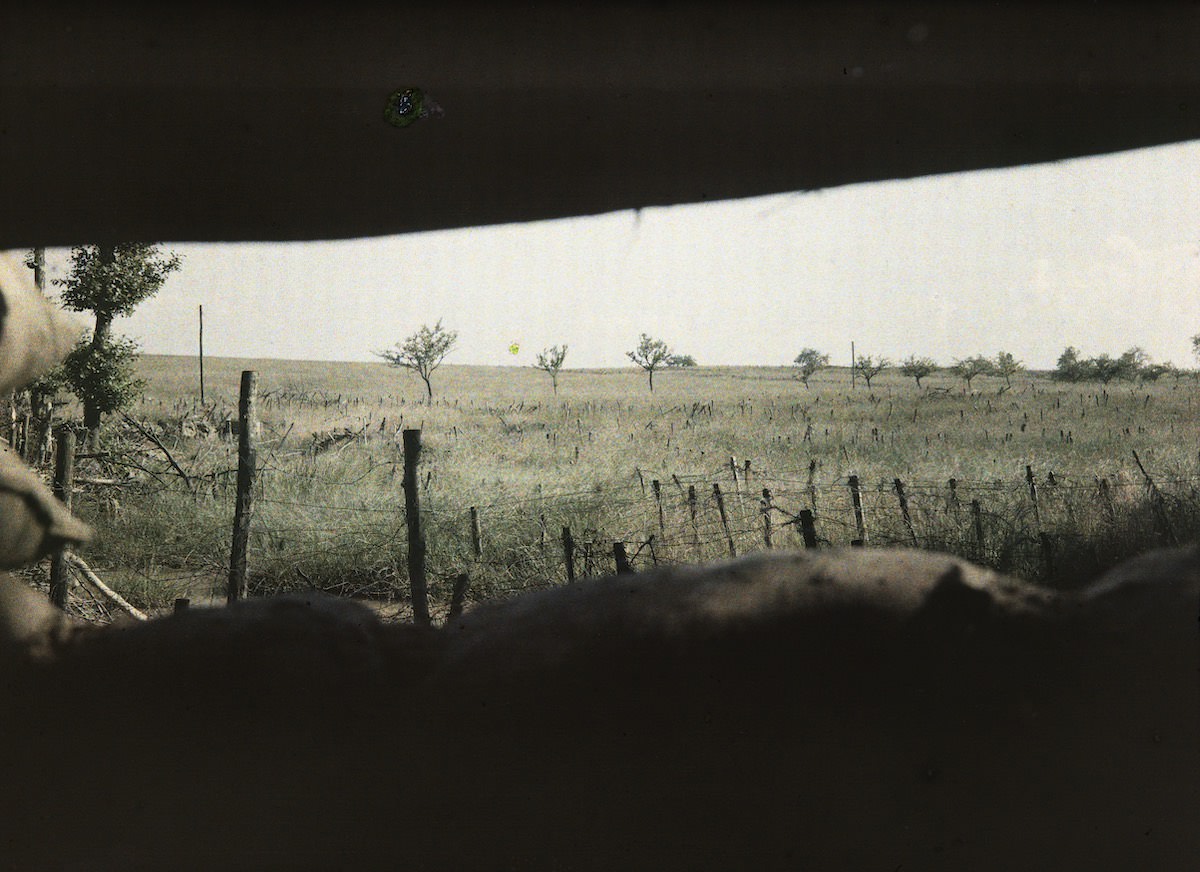
In 1907, the Lumière brothers introduced the Autochrome — the world’s first practical color photography process. Glass plates were coated with millions of microscopic dyed starch grains made from potato starch in red-orange, green, and violet. Light passed through these grains to create a full-color image on the plate beneath. The result was unlike anything the public had seen before.
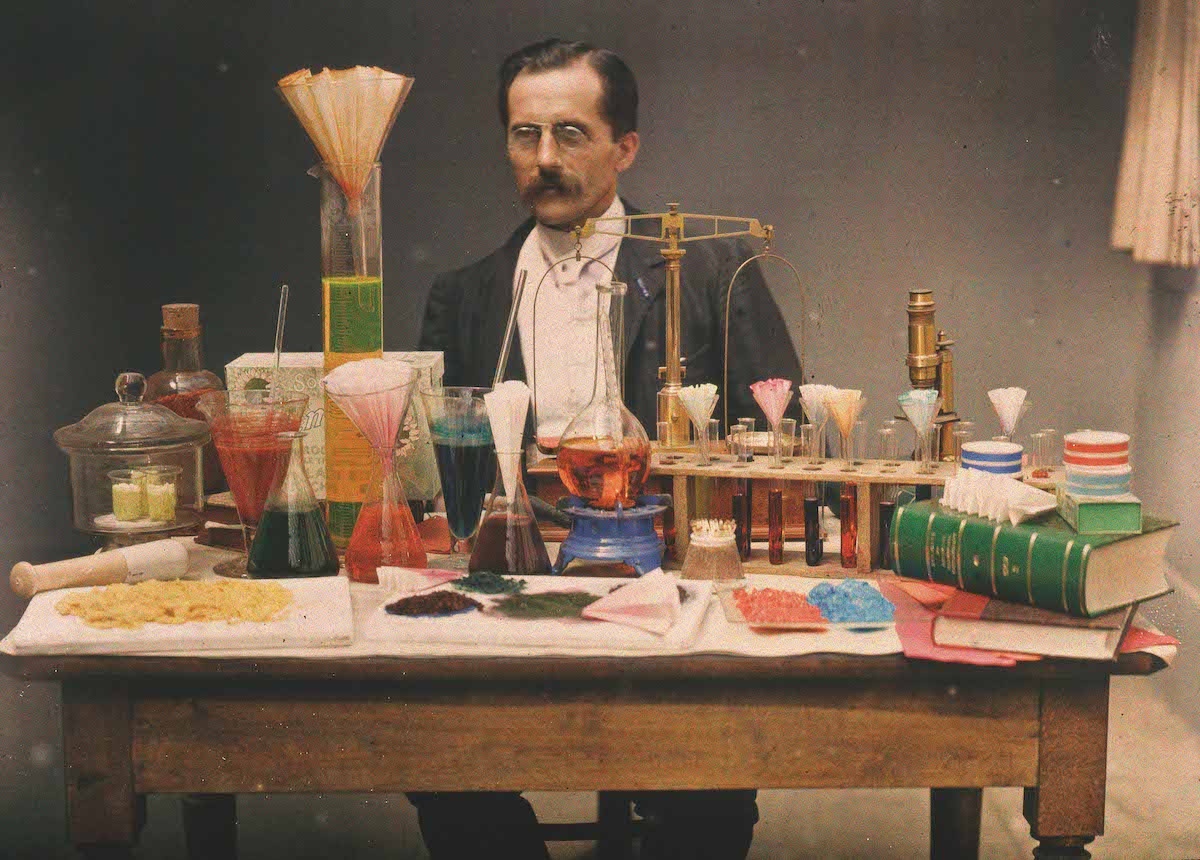
Making an Autochrome demanded real skill. Photographers had to carefully control lighting and exposure, since the plates were far less sensitive to light than modern film. Long exposure times made action shots nearly impossible. A single mistake in the darkroom could ruin the plate entirely.
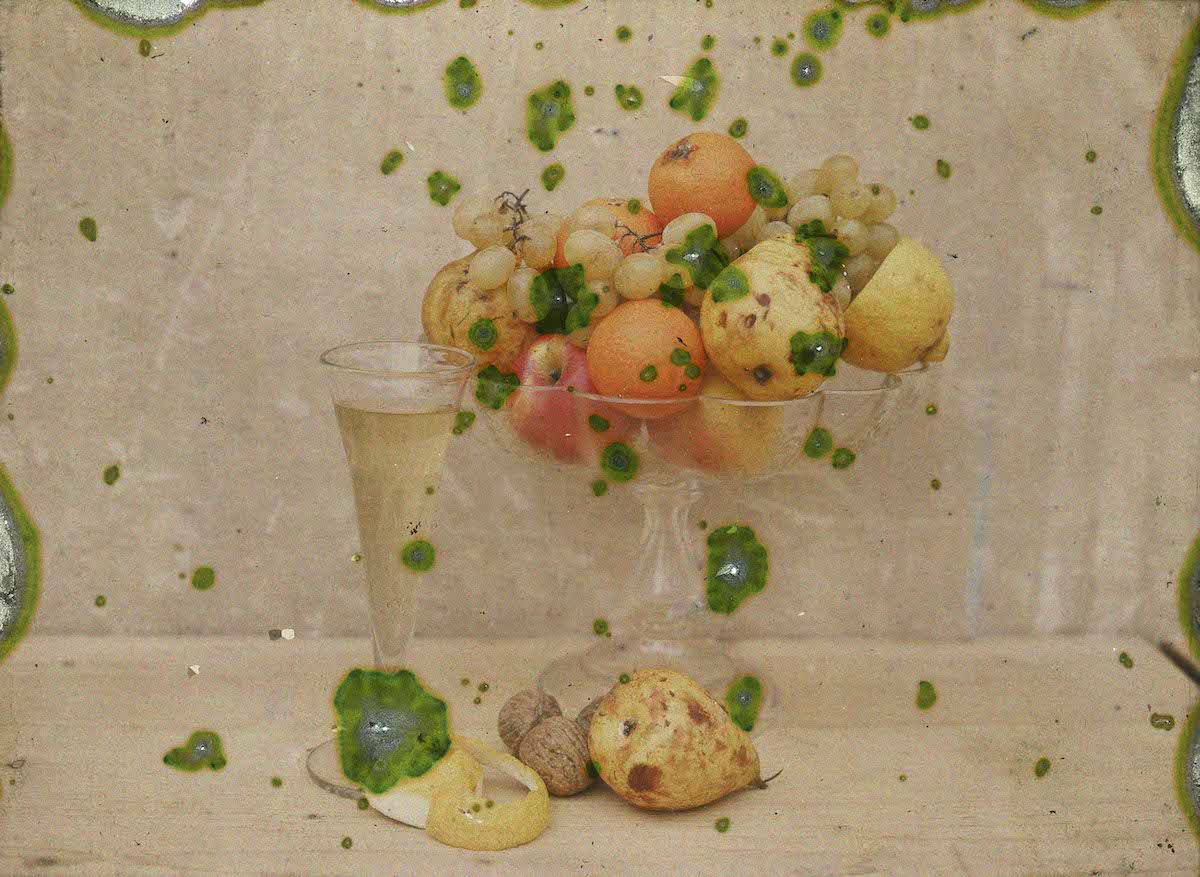
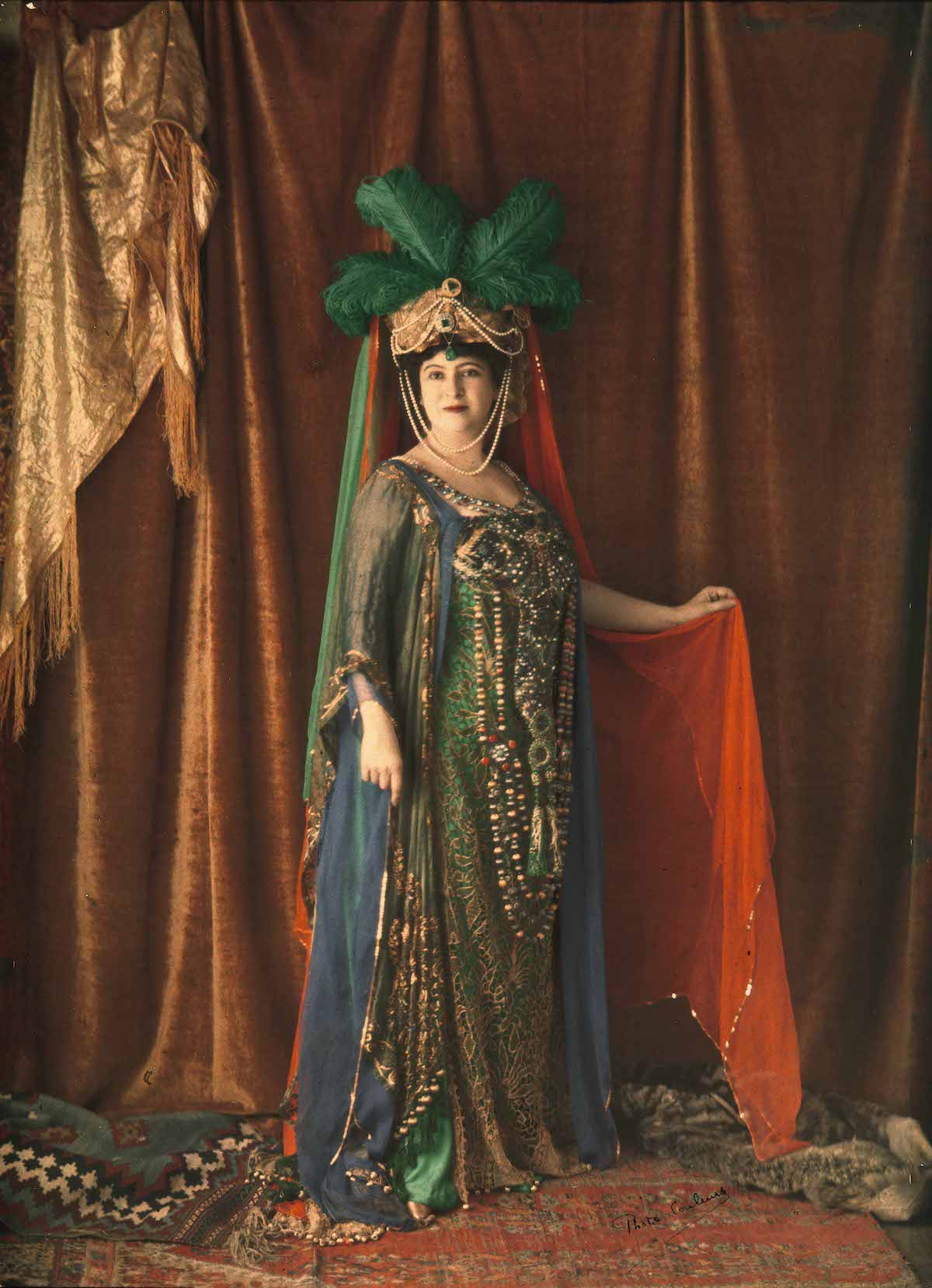
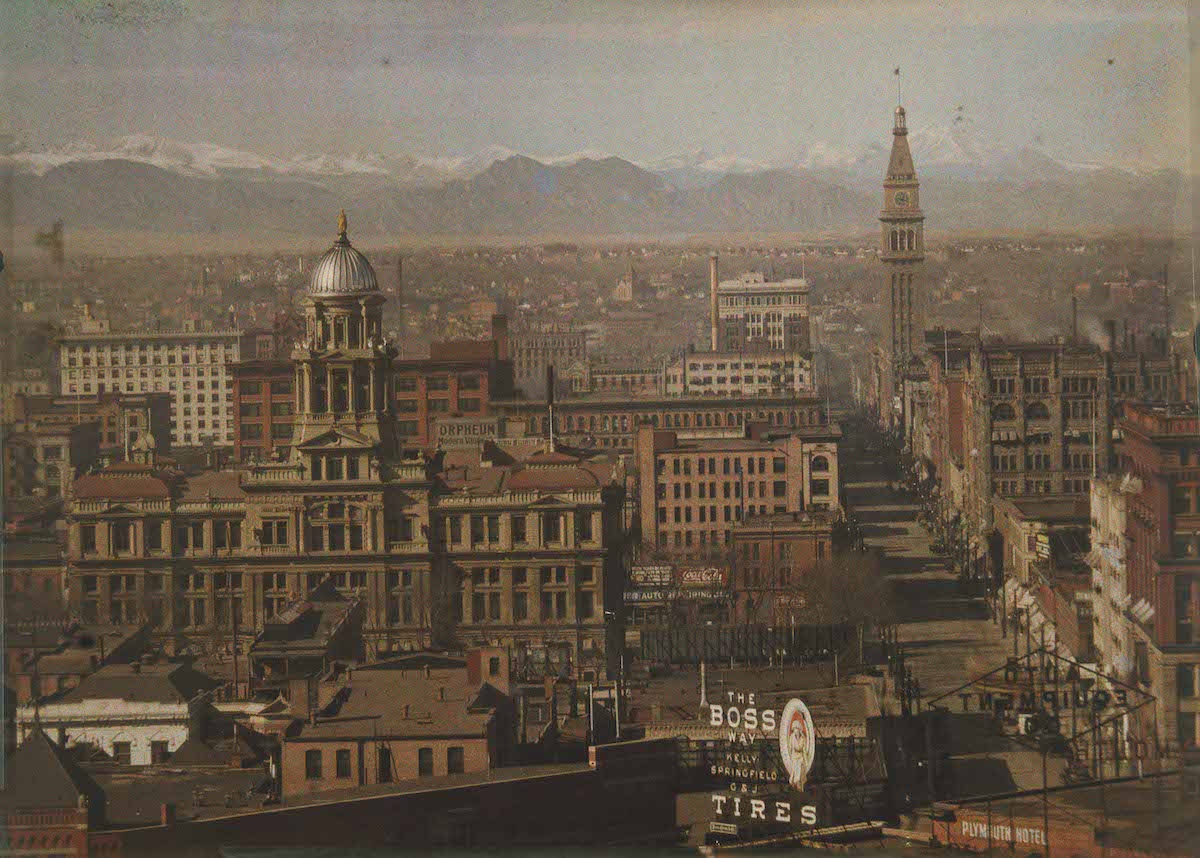
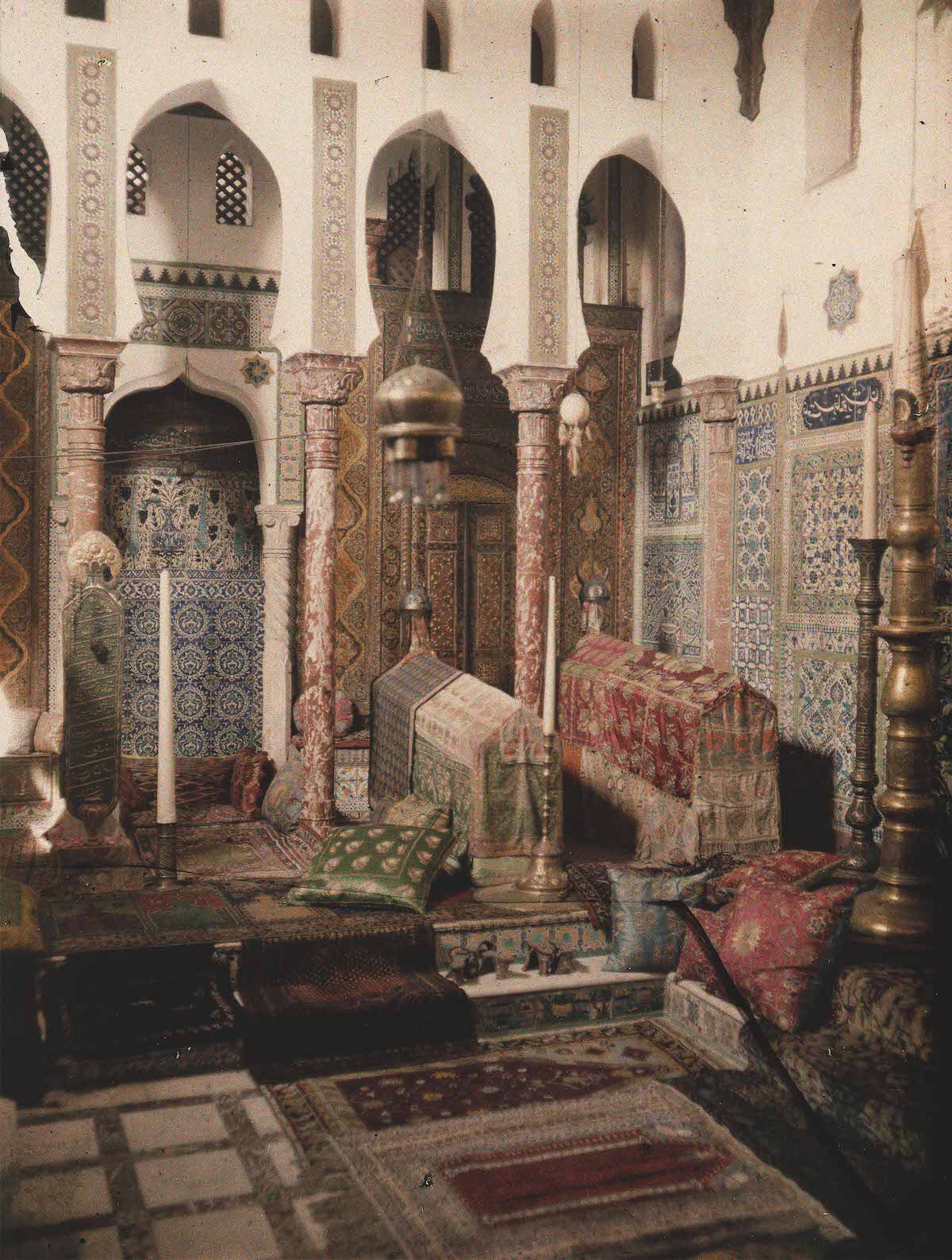
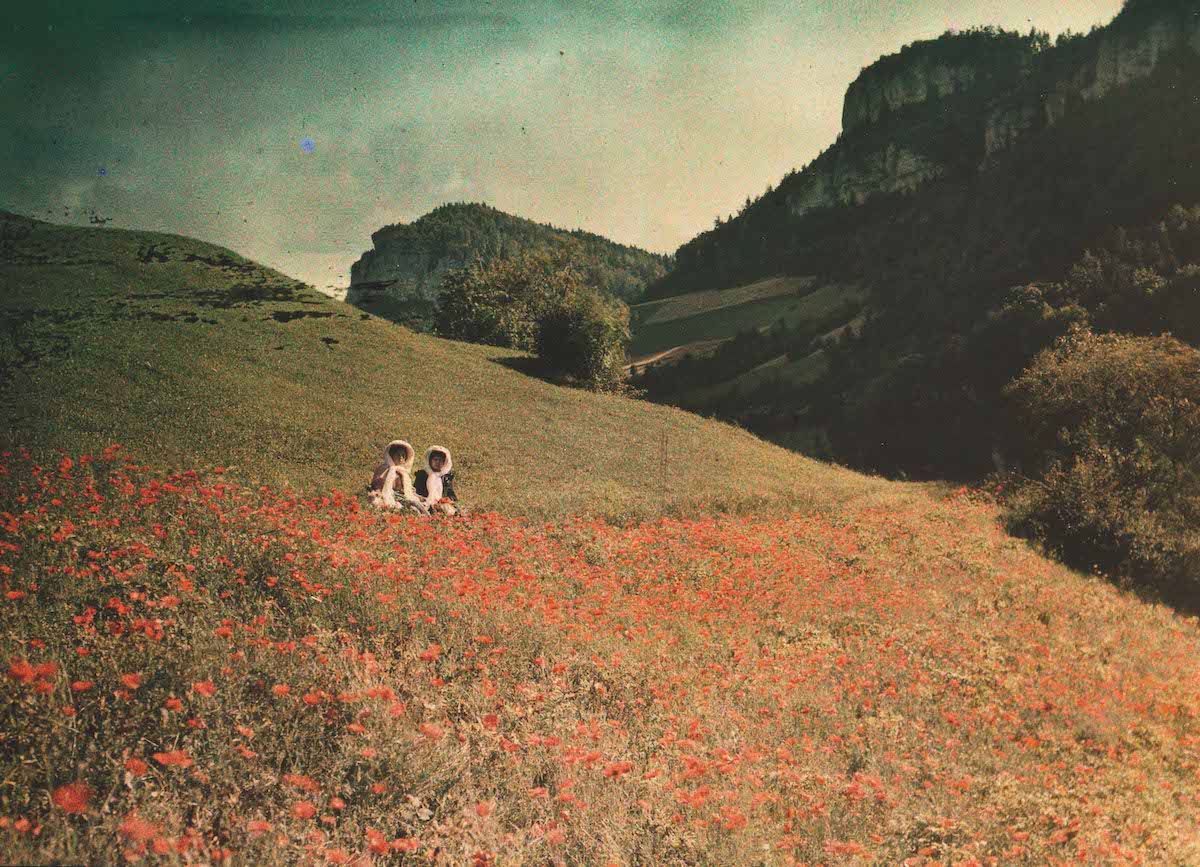
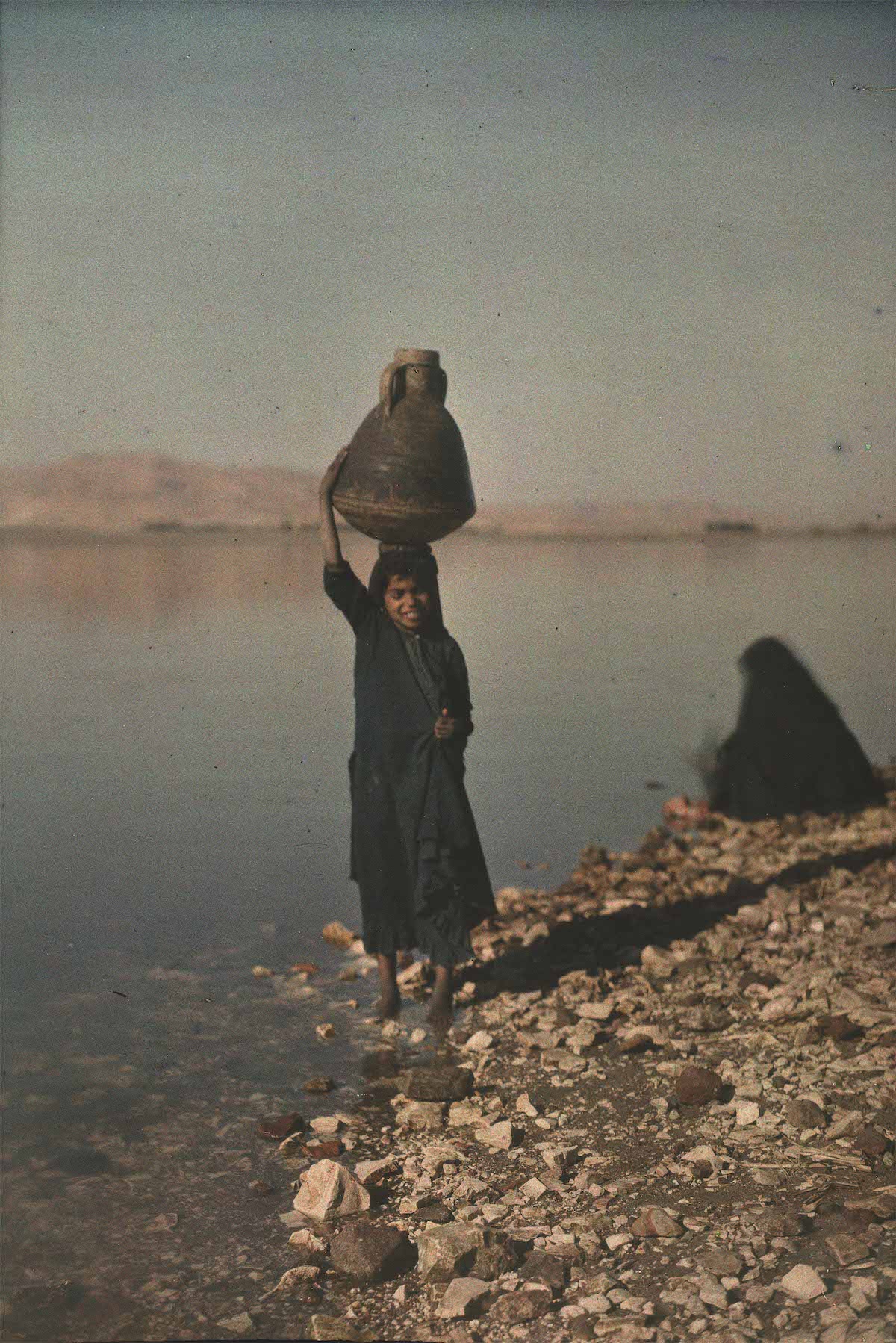
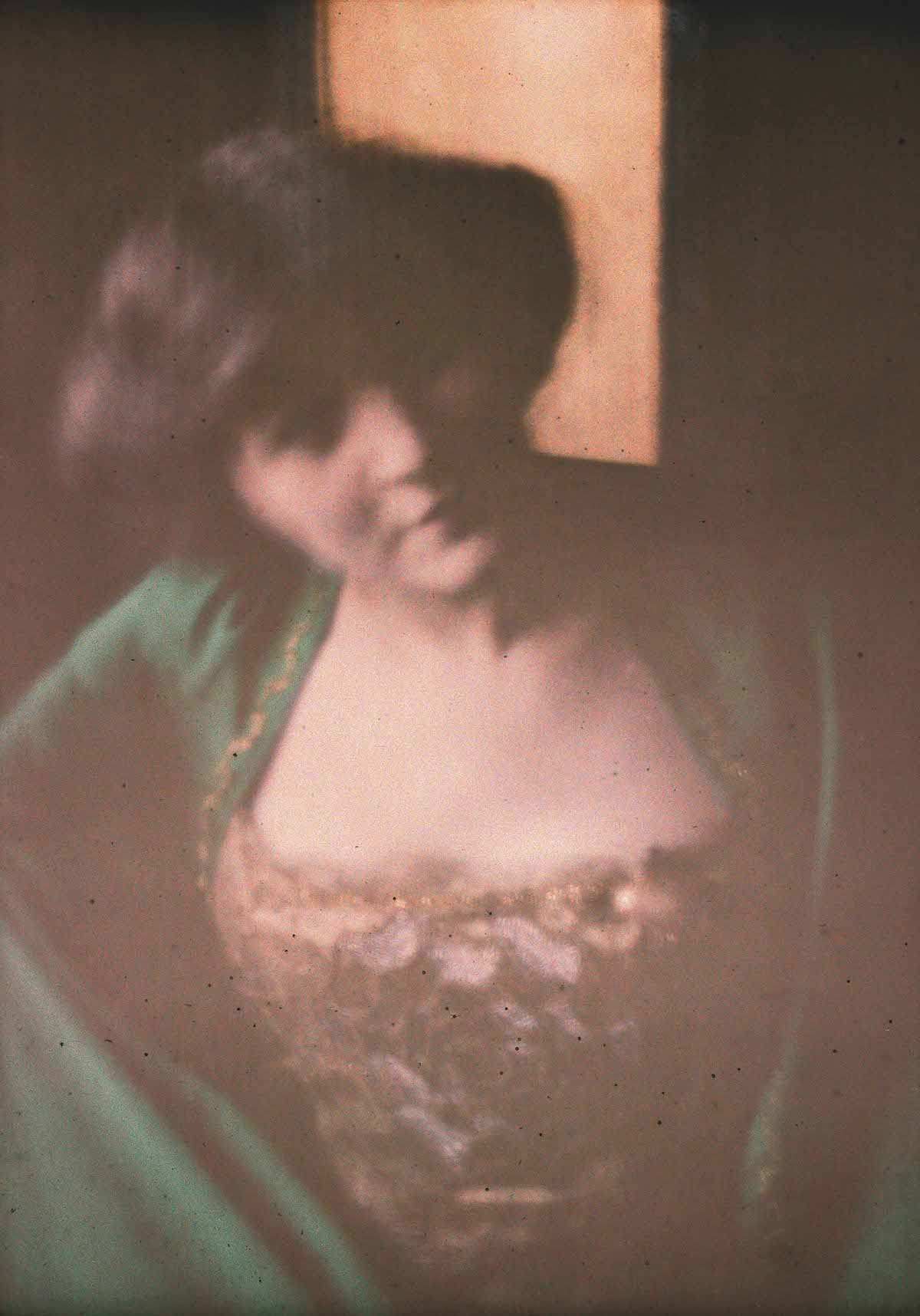
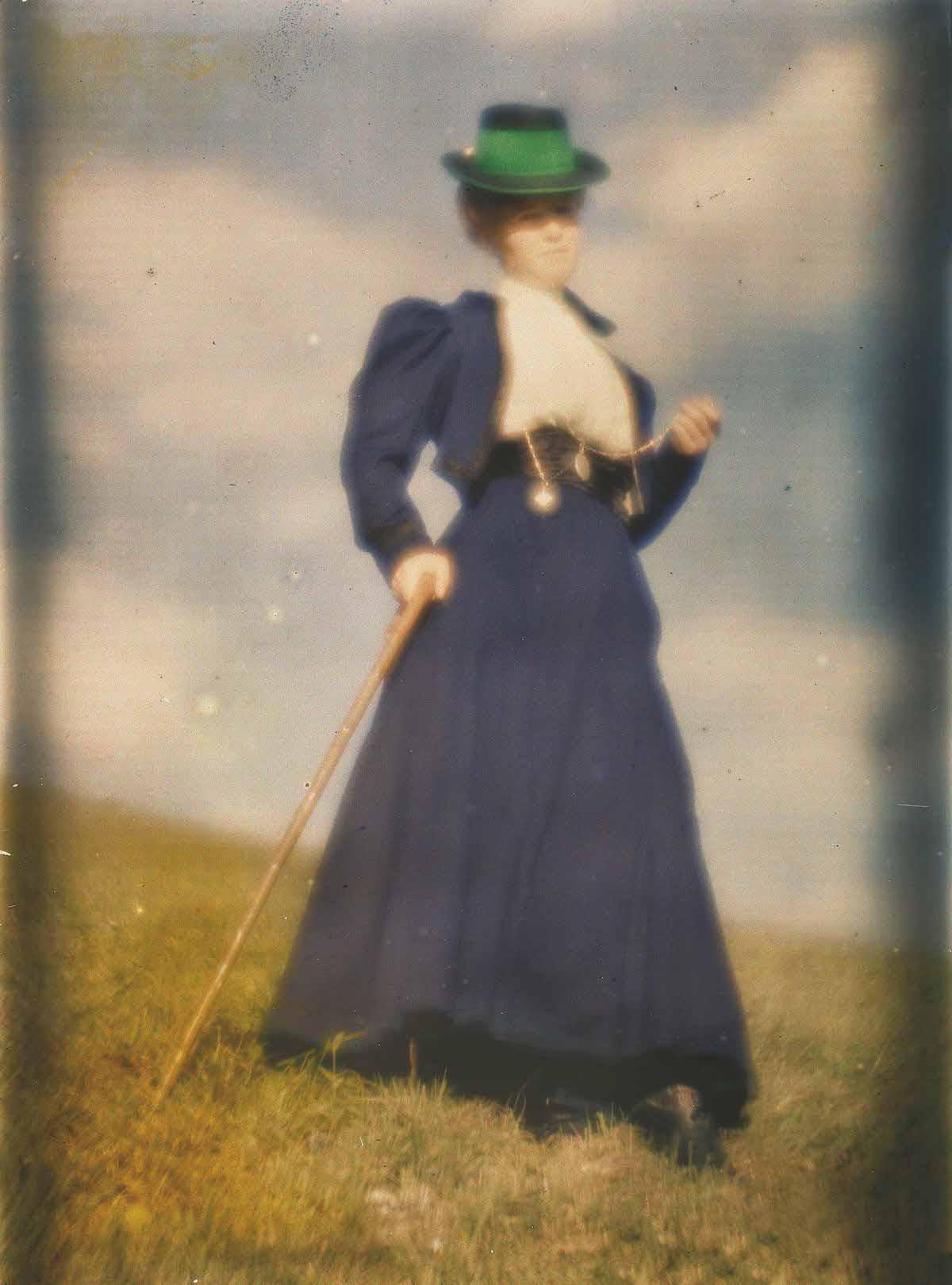
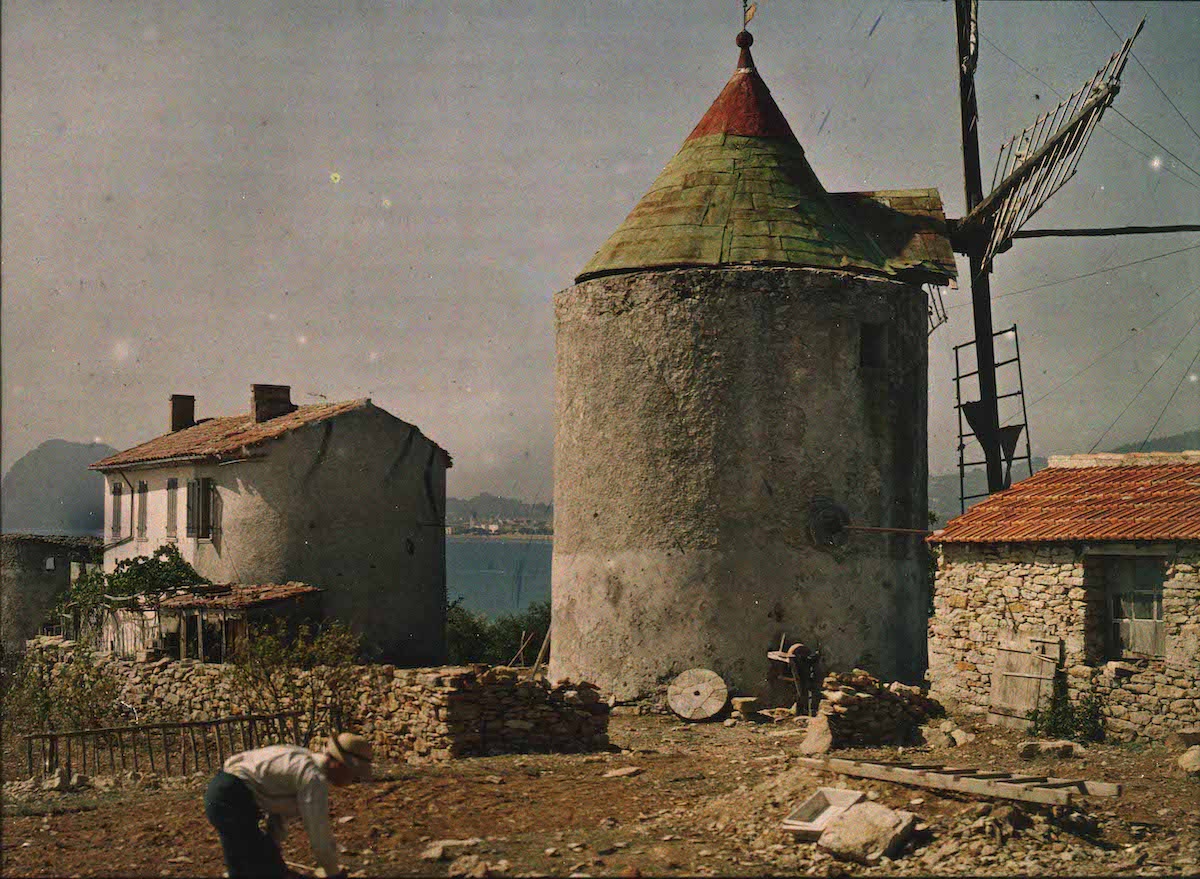
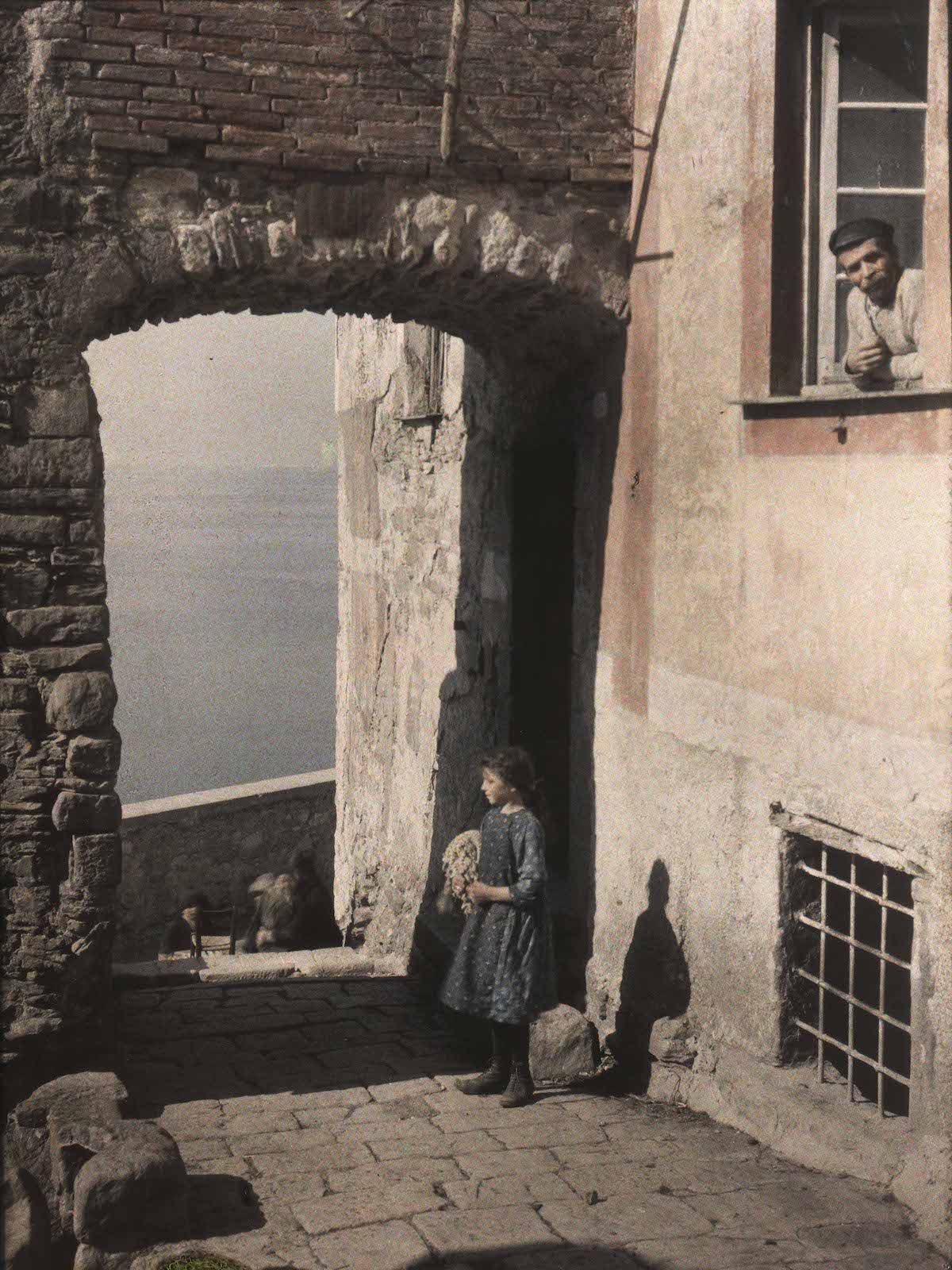
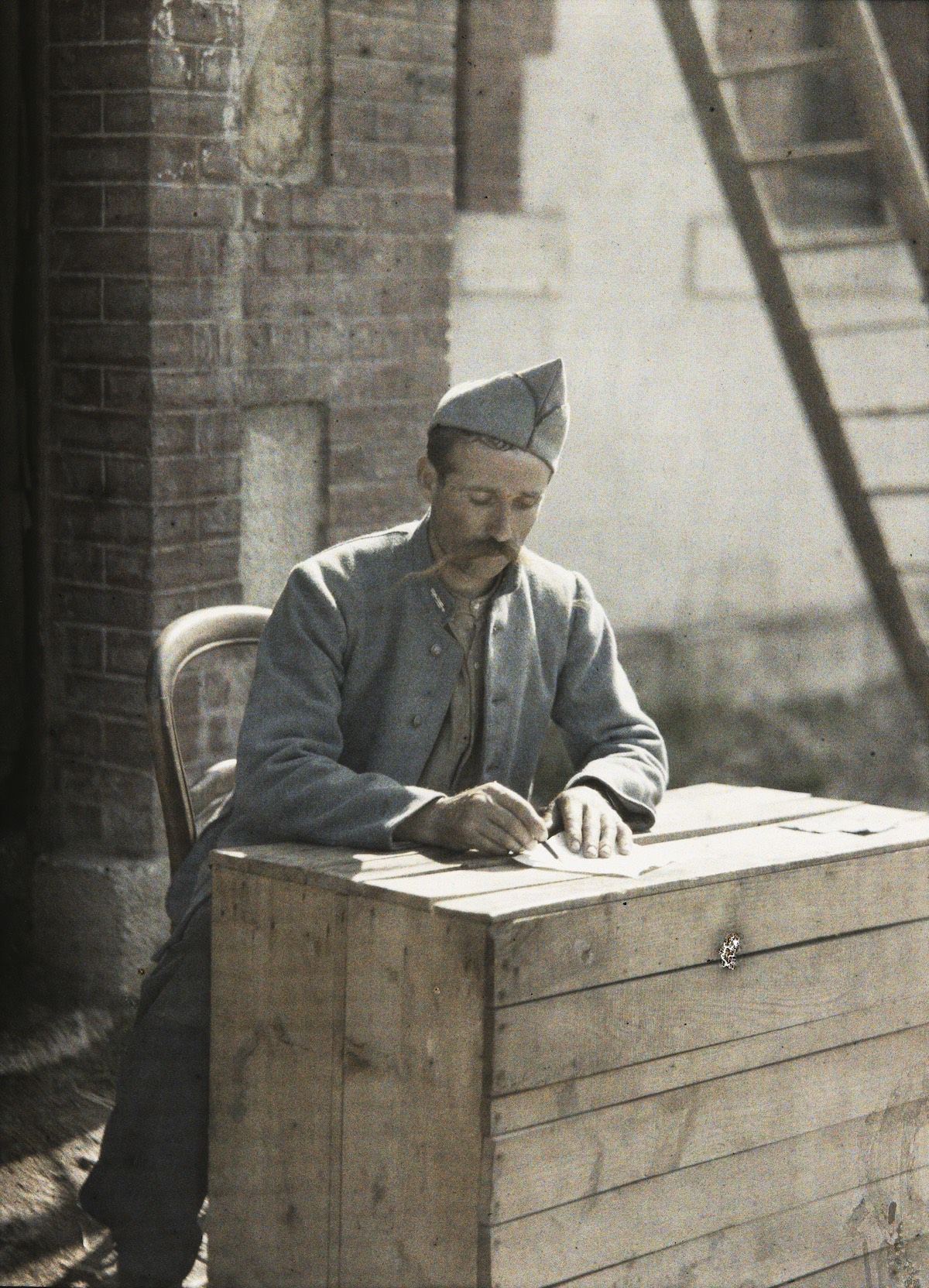
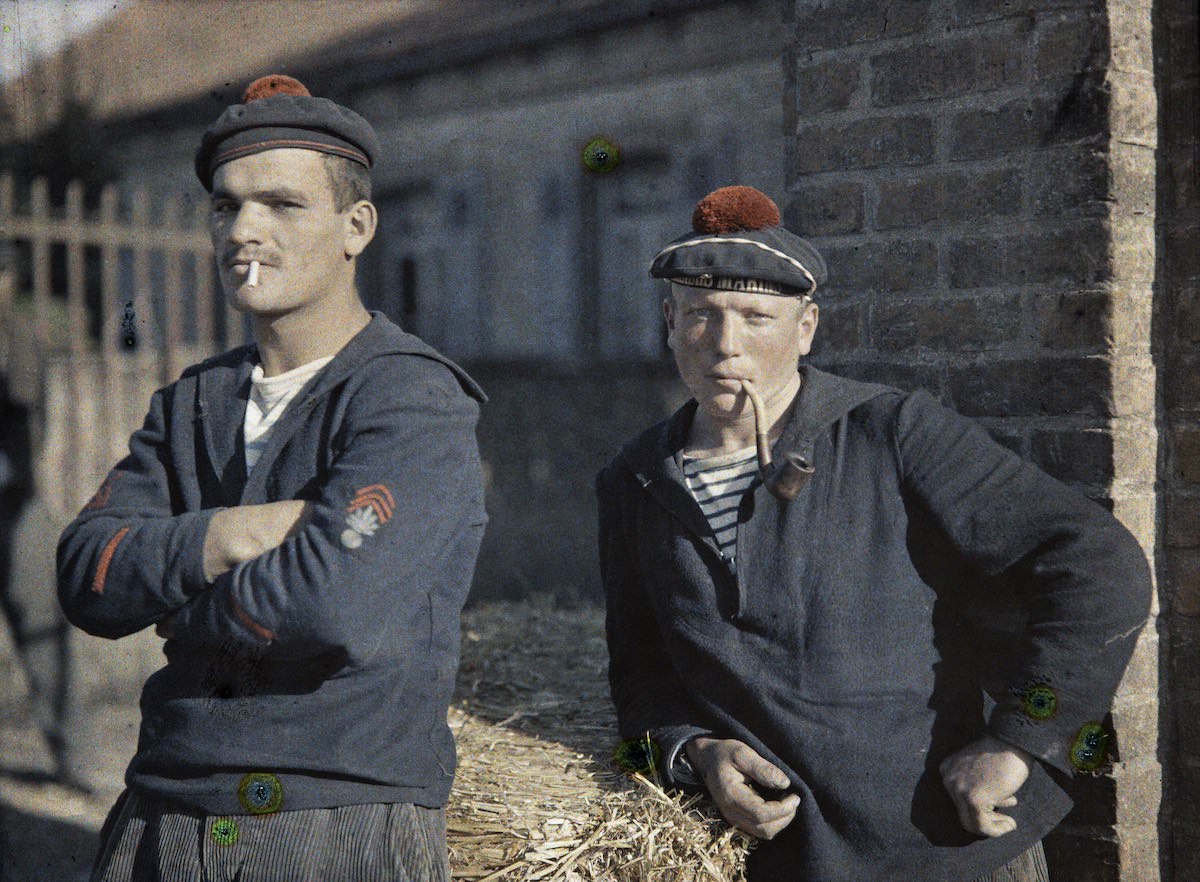
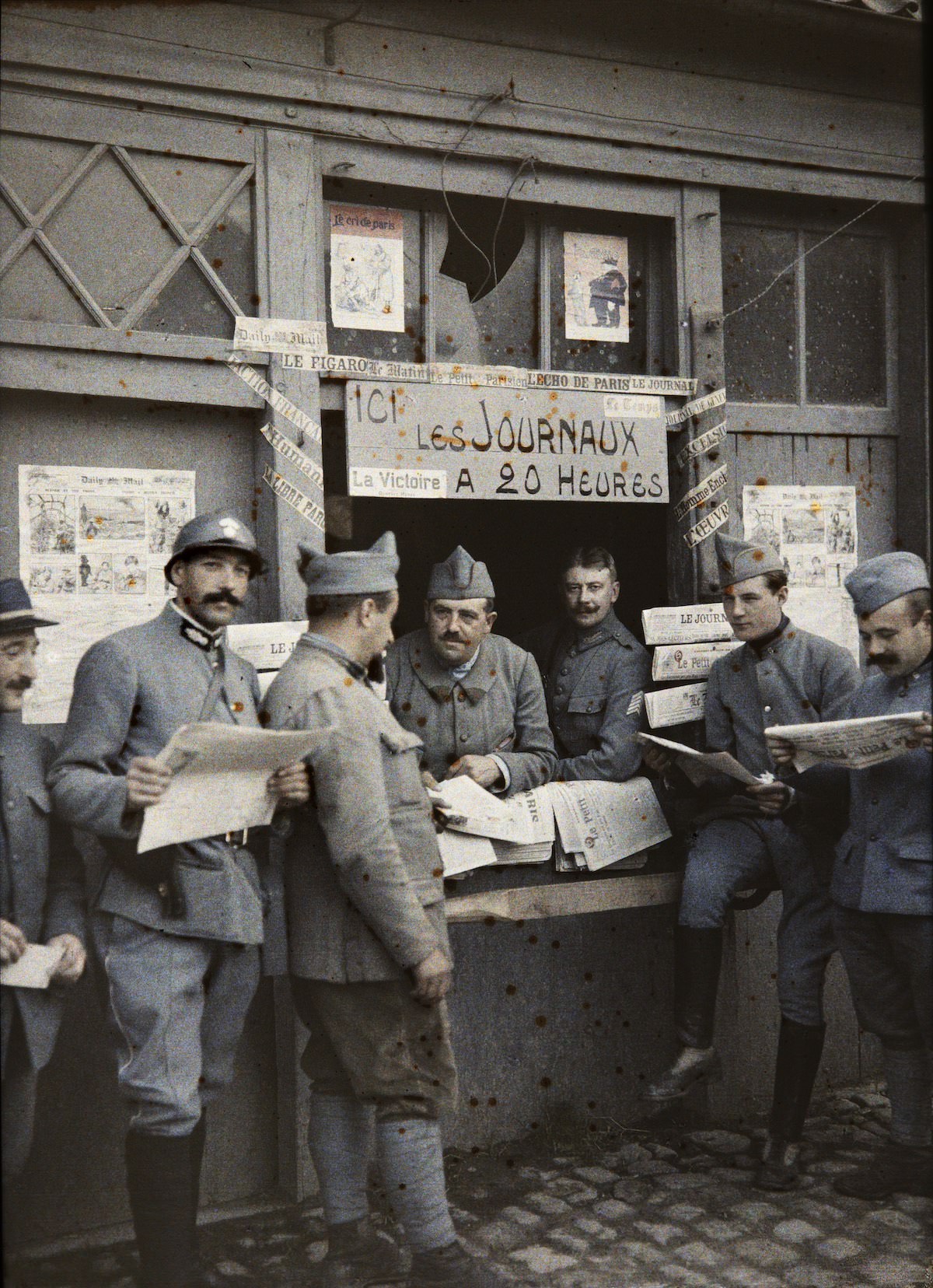
Despite these challenges, Autochromes produced images with a soft, luminous quality that set them apart. Colors appear warm and slightly diffused — a side effect of the starch grain filter layer. Portraits, street scenes, and garden compositions all took on a painterly depth that black-and-white photography simply could not match.
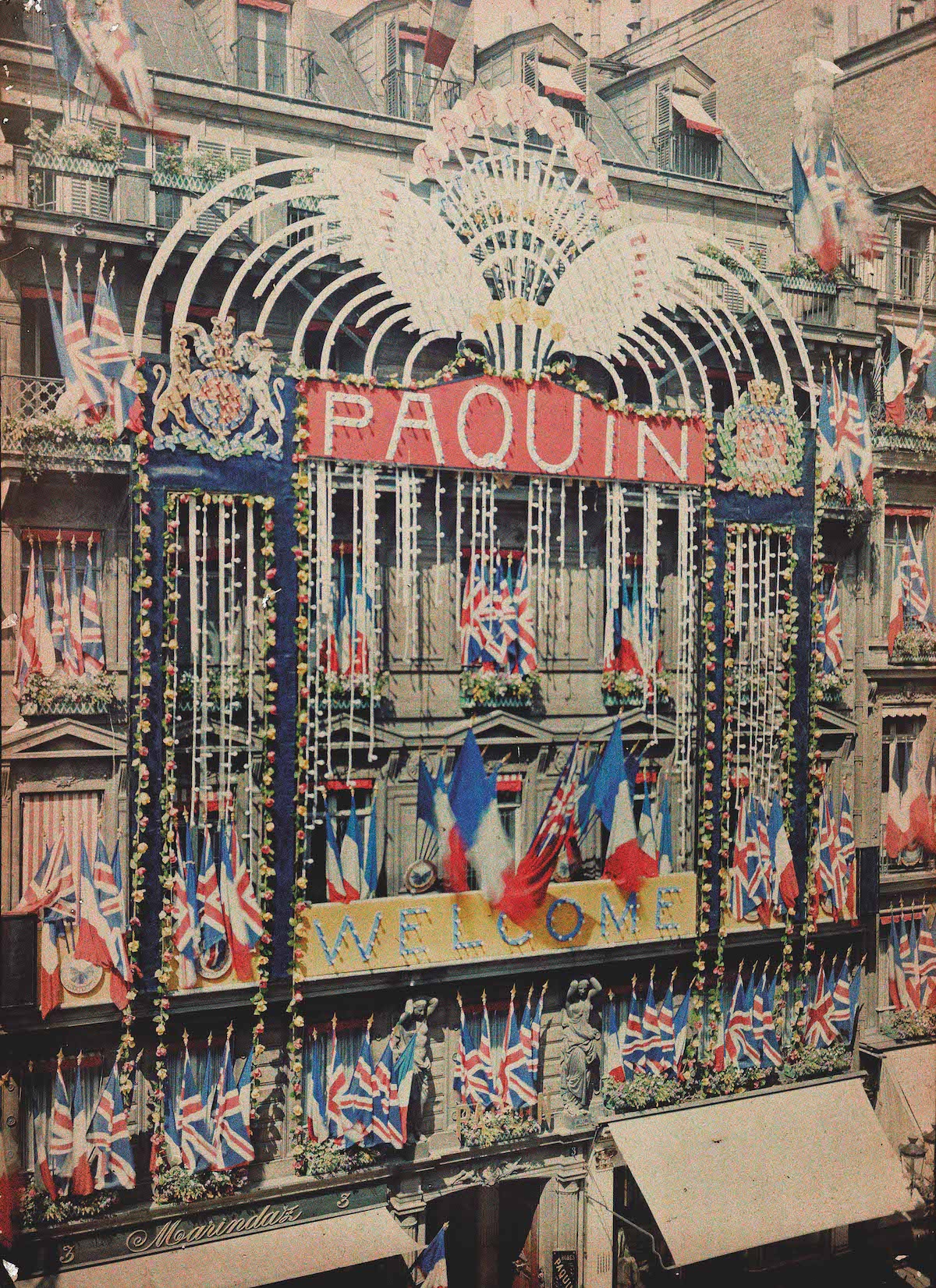
The plates were fragile and expensive, putting the process out of reach for most people. Only dedicated photographers and wealthy enthusiasts could afford to work with them regularly. This exclusivity means that surviving Autochromes are now rare primary sources — each one a direct, color window into early 20th-century life in France.
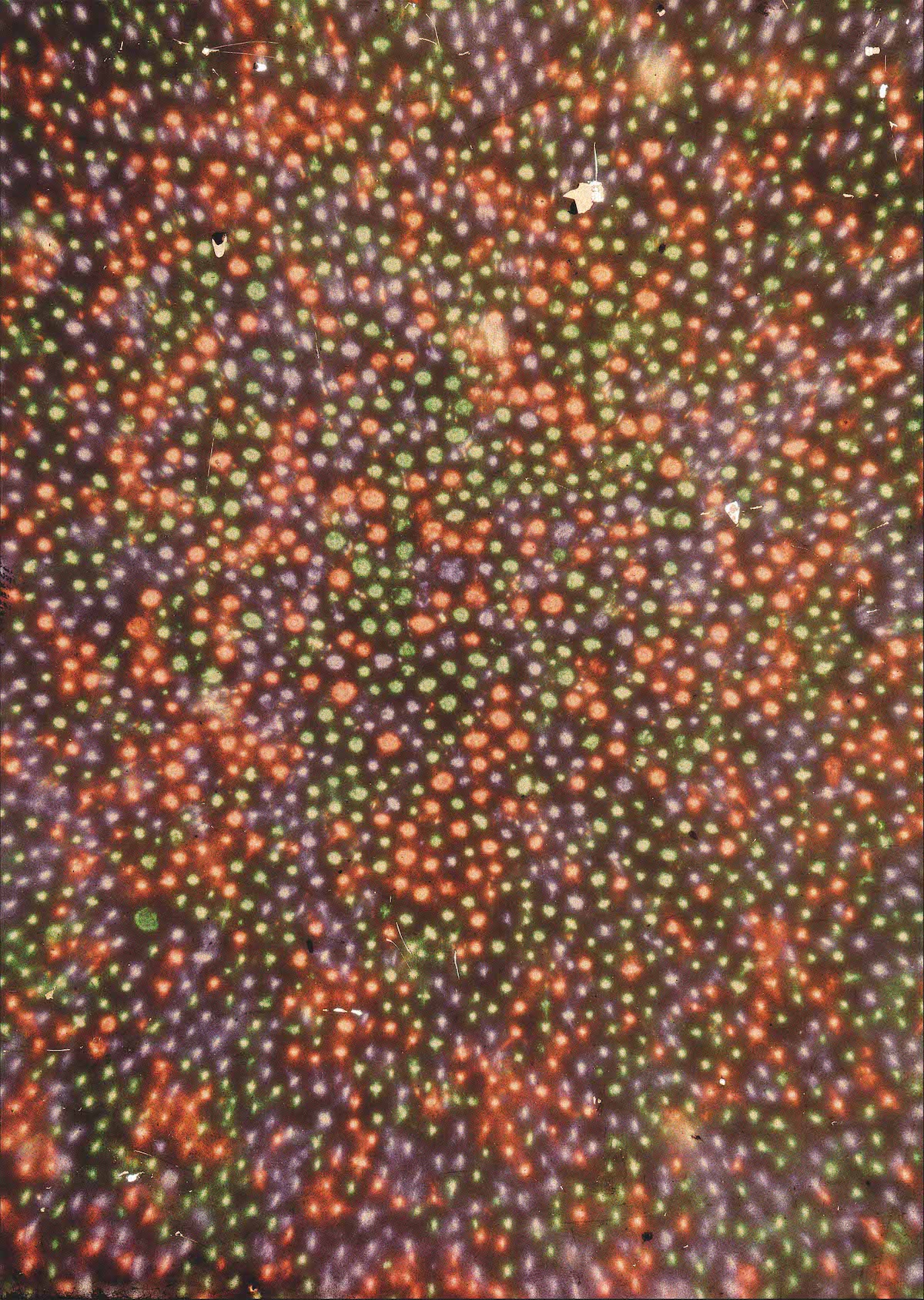
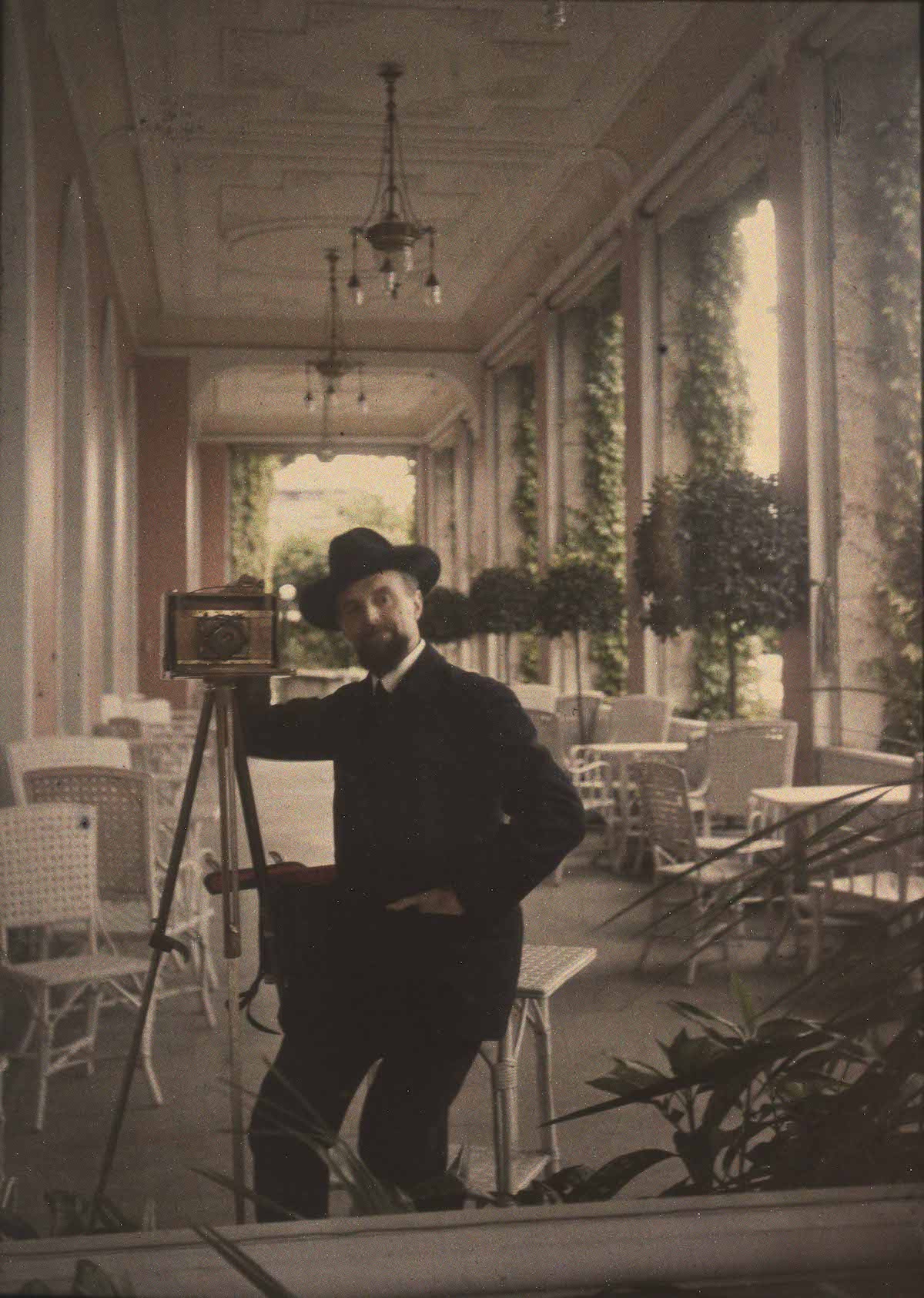
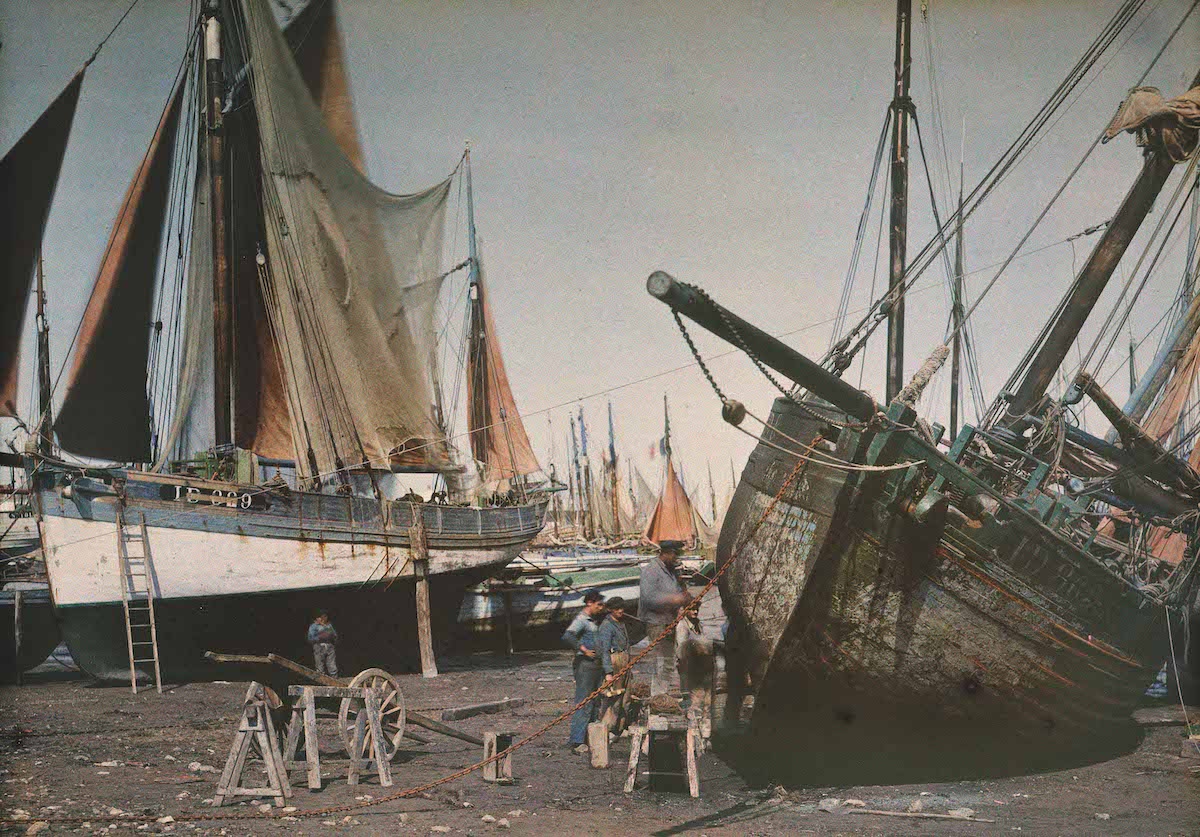
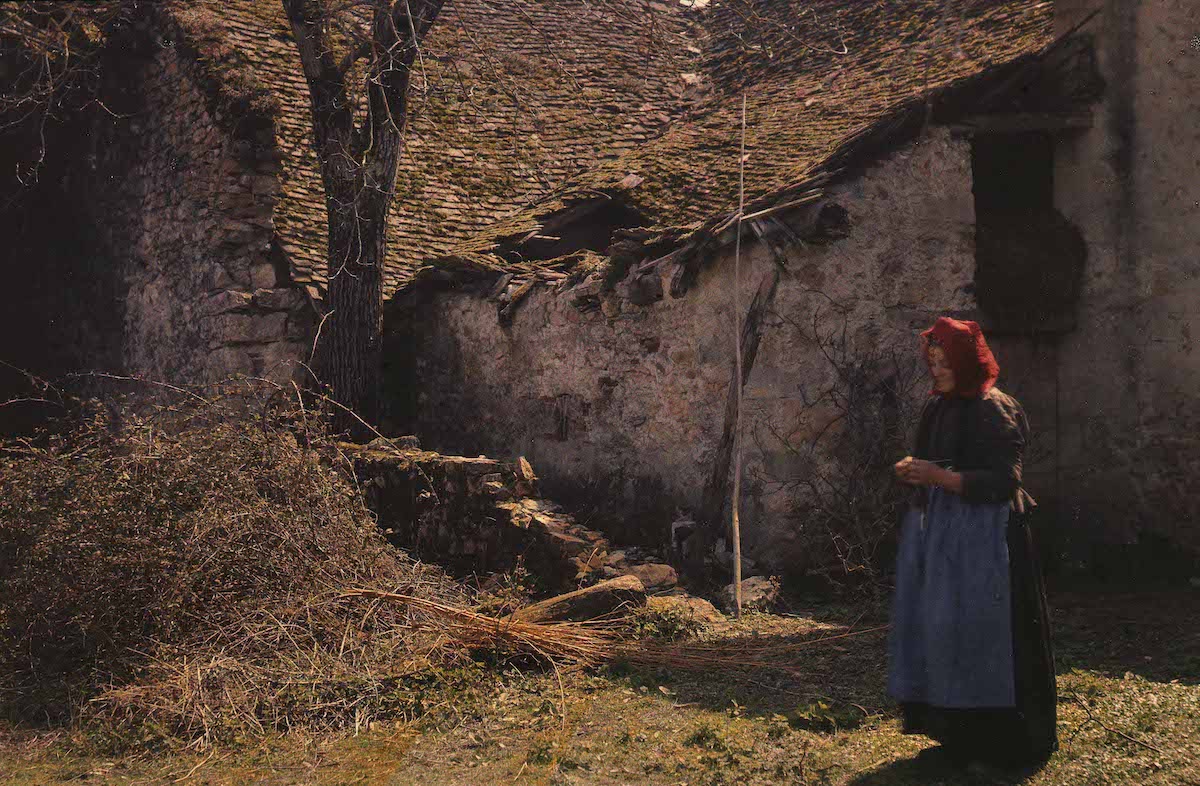
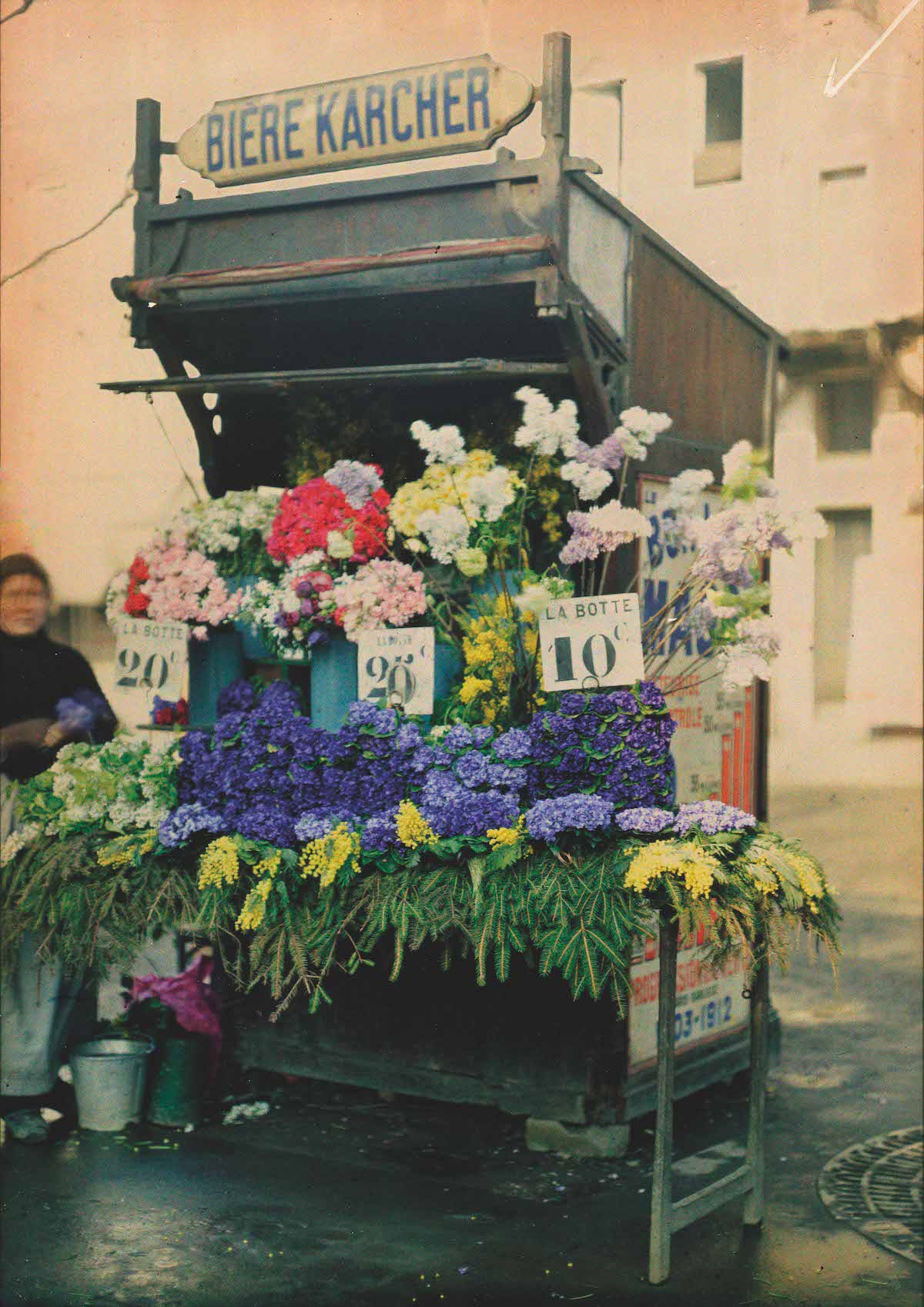
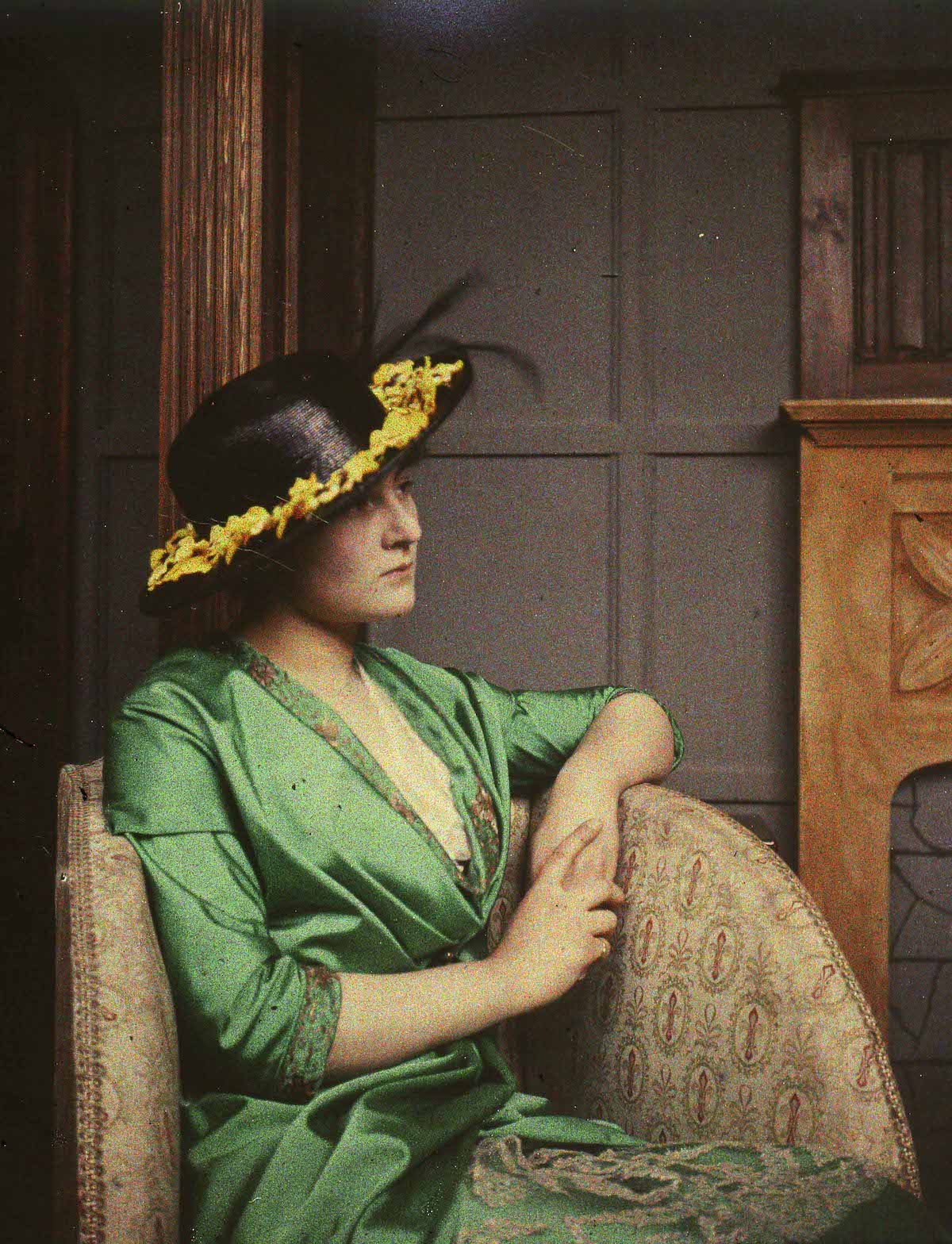
By the 1930s, newer and cheaper color processes pushed the Autochrome out of use. The plates that survived were eventually recognized as valuable historical artifacts. The images below document everyday French life — fashion, faces, and landscapes — in vivid color, decades before color photography became common.