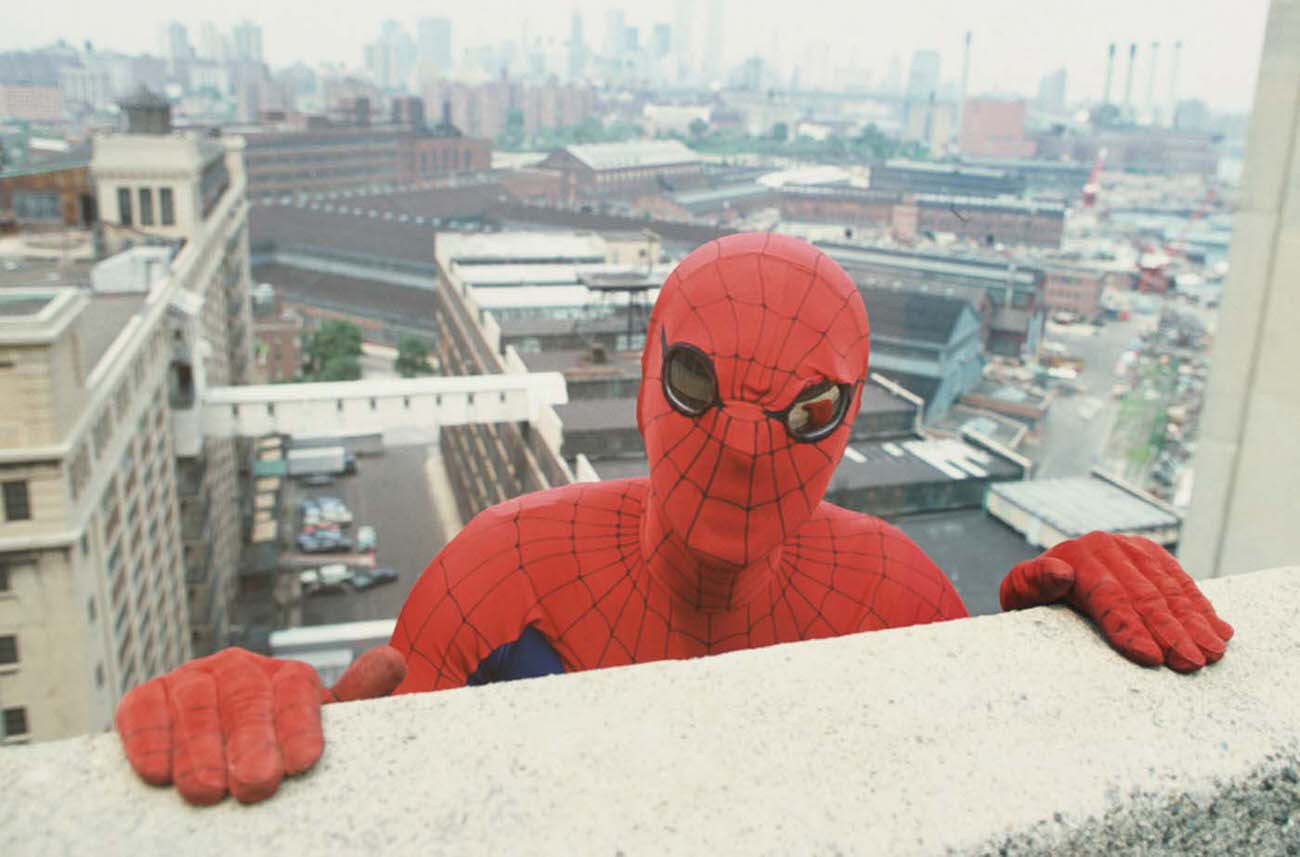
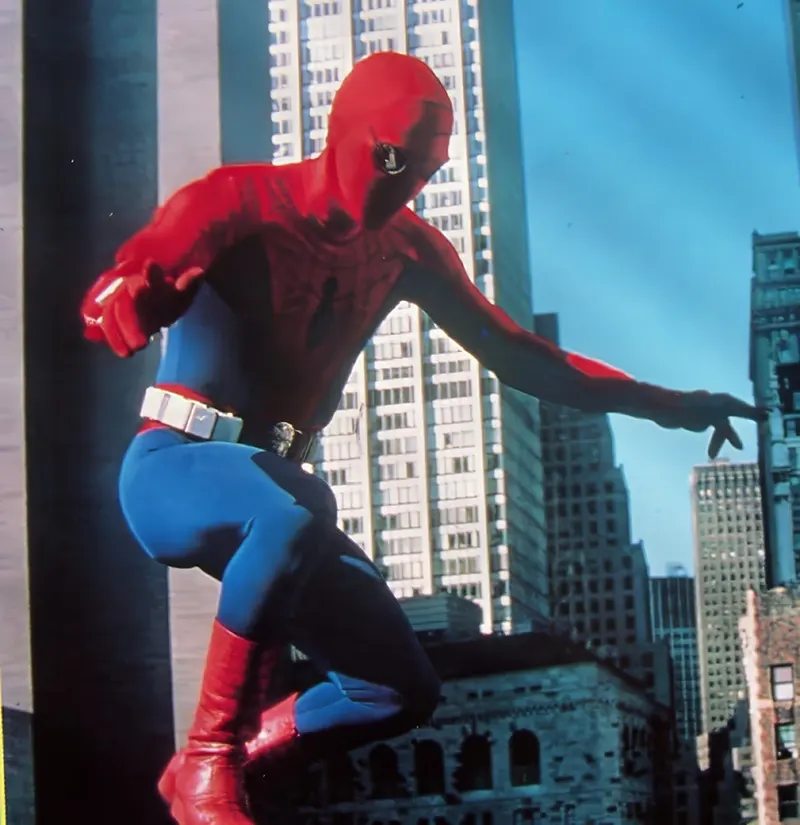
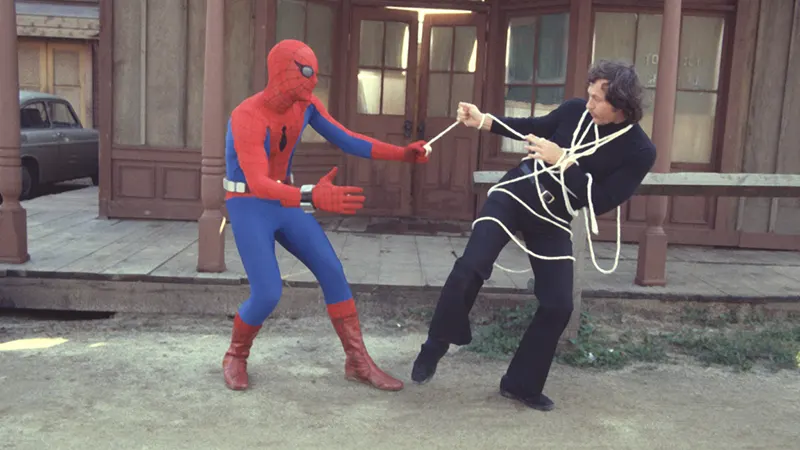
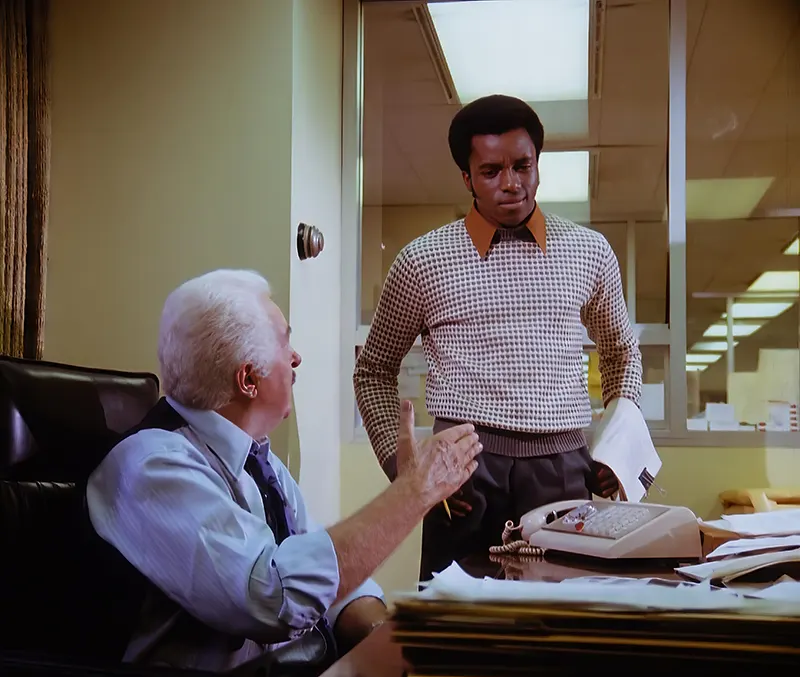
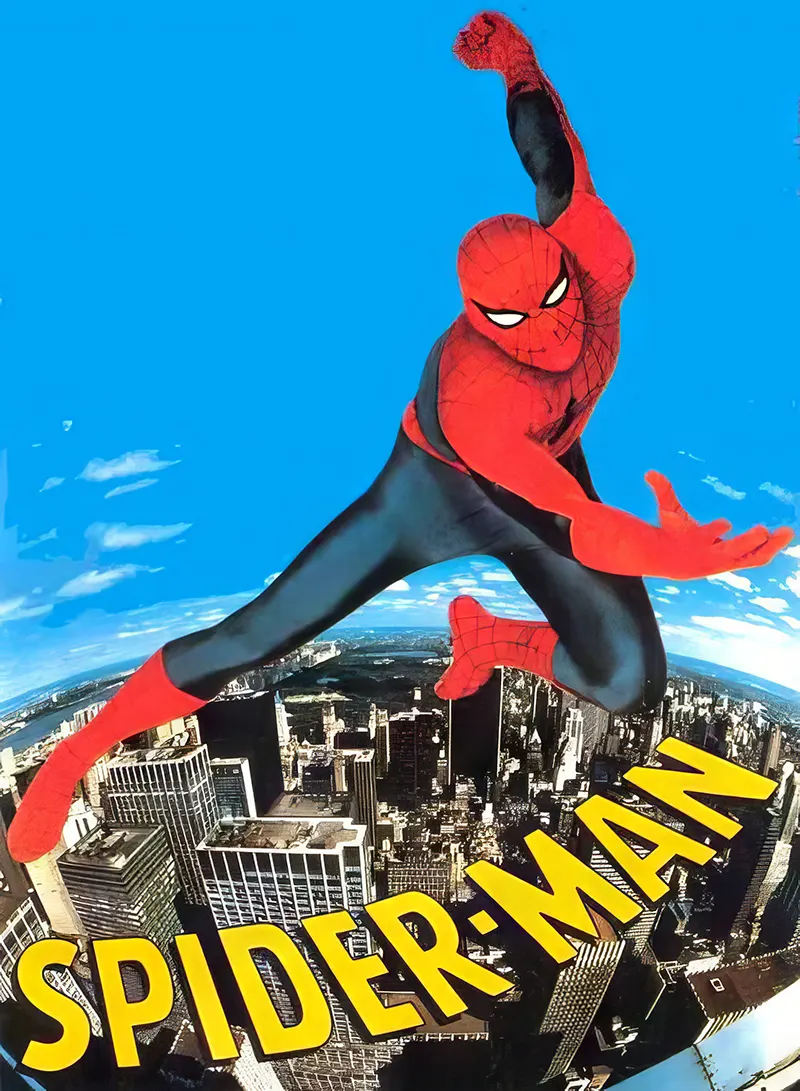
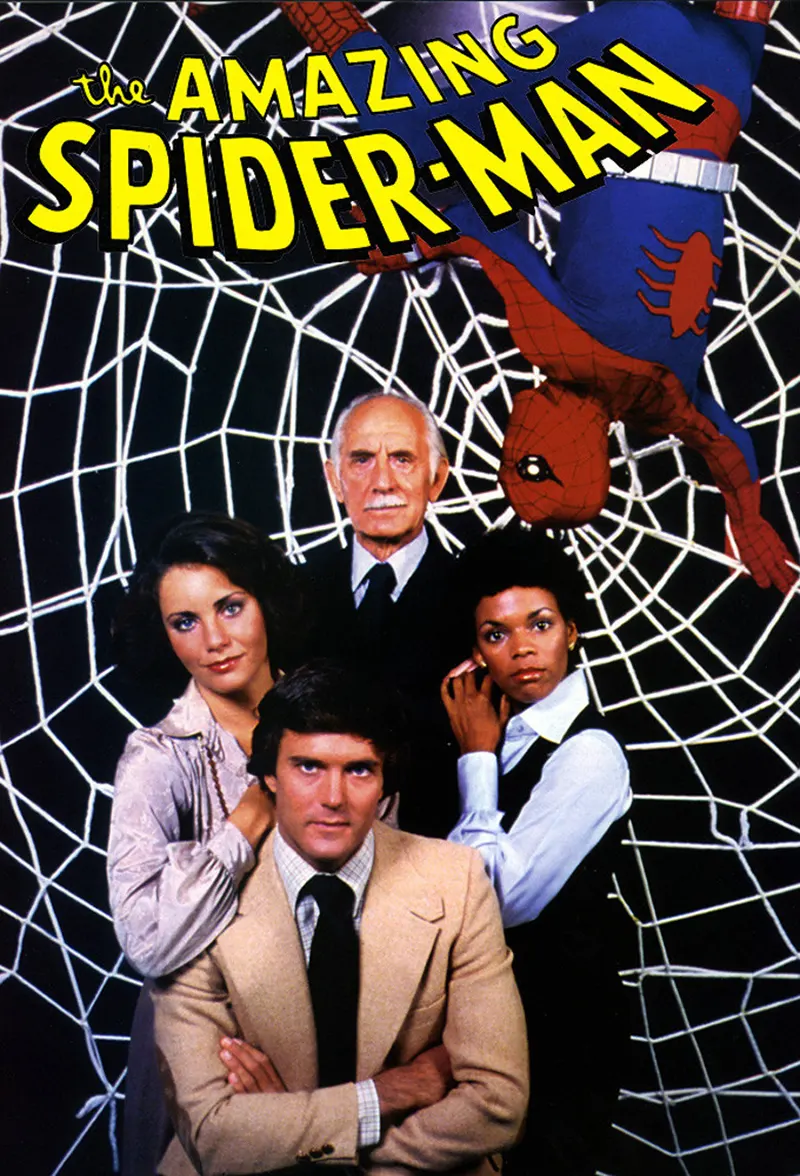
Long before Tobey Maguire, Andrew Garfield, or Tom Holland suited up, Nicholas Hammond played Peter Parker in “The Amazing Spider-Man,” a CBS series that ran from 1977 to 1979. Hammond portrayed a college student balancing everyday problems — bullies, money troubles, dating — with life as a superhero. That grounded approach set the show apart from campier fare like “The Six Million Dollar Man” or “Wonder Woman.”
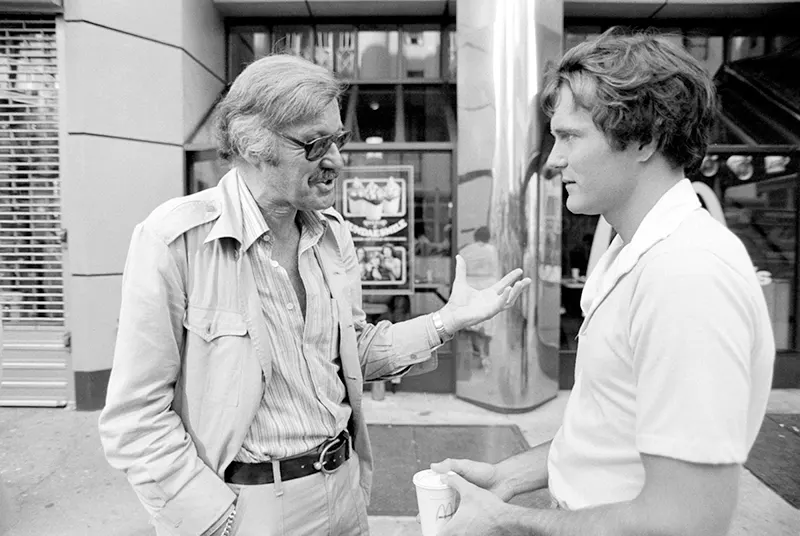
Stan Lee, Spider-Man’s co-creator, stayed closely involved with the production, keeping Hammond on track with the character’s roots.
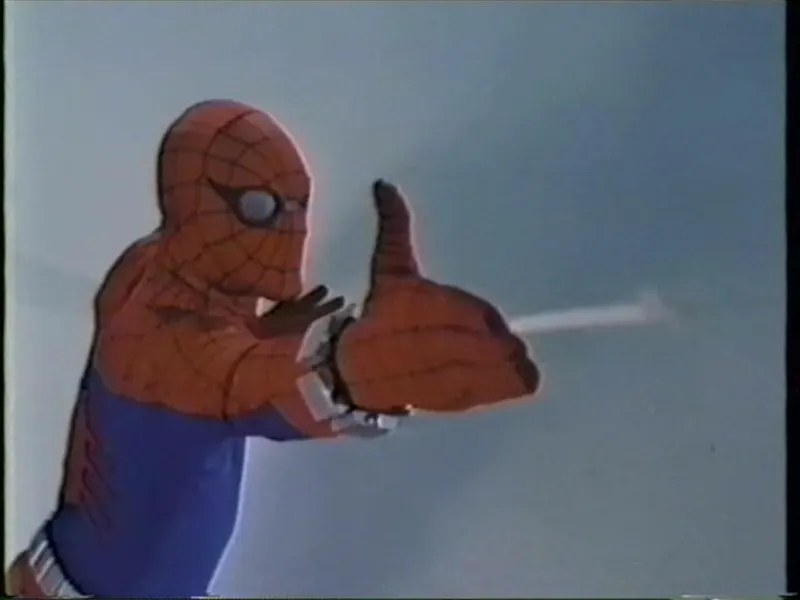
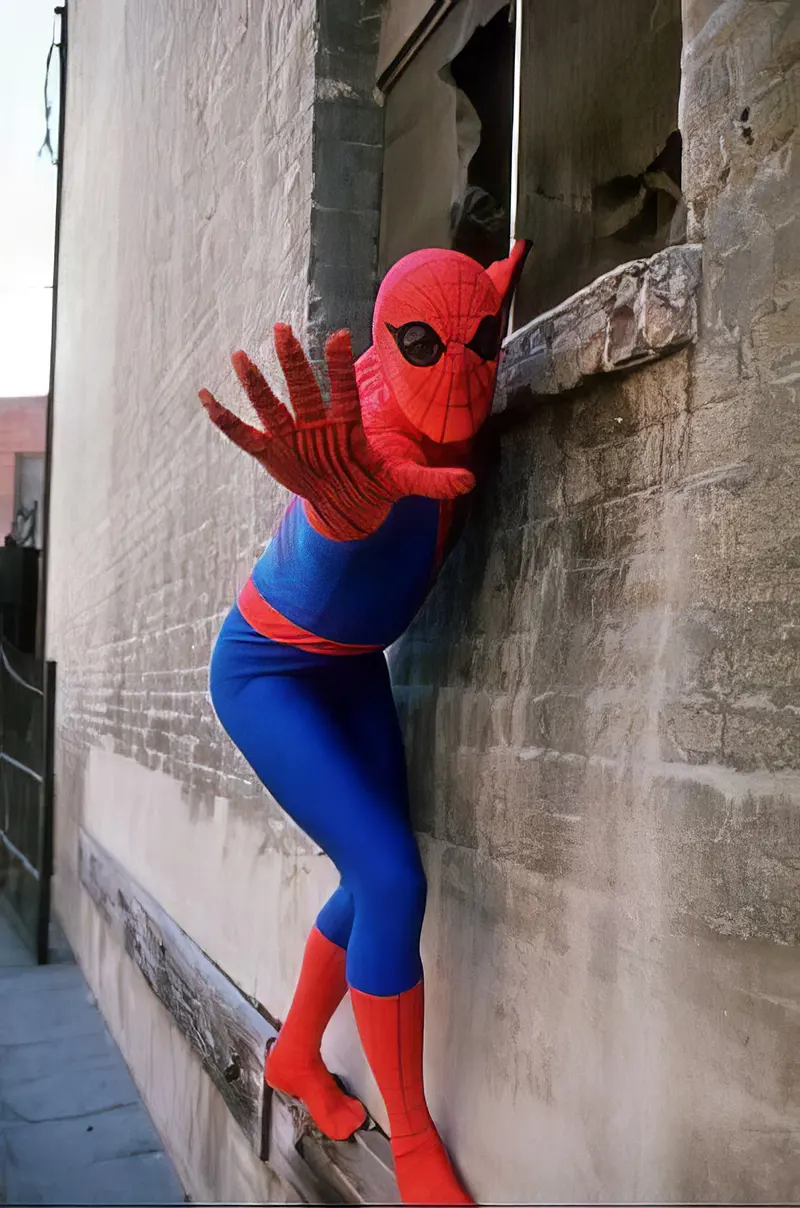
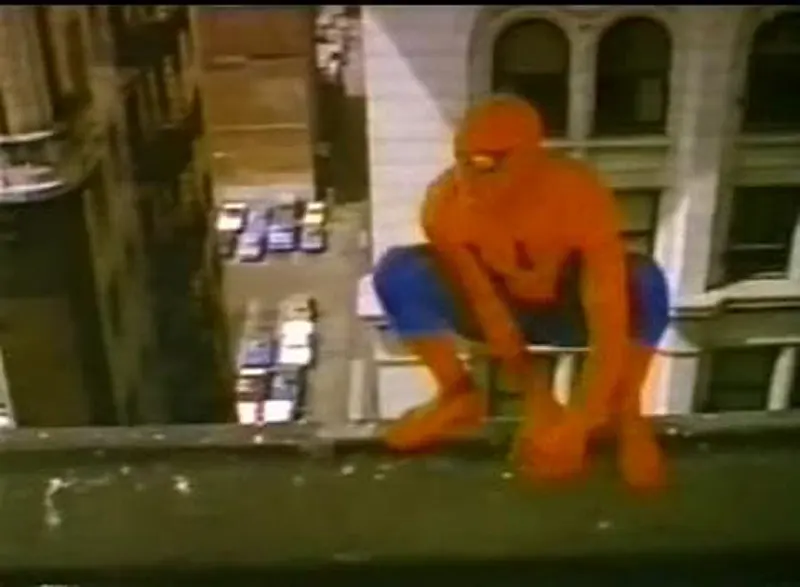
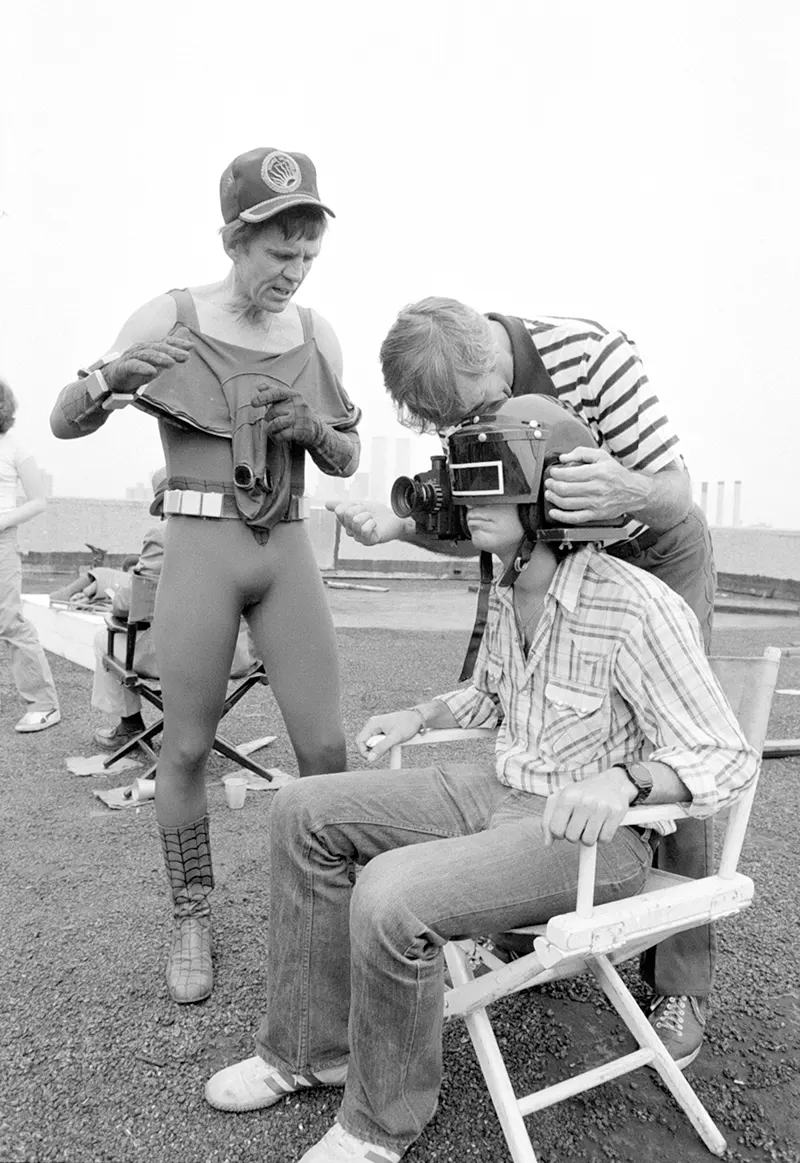
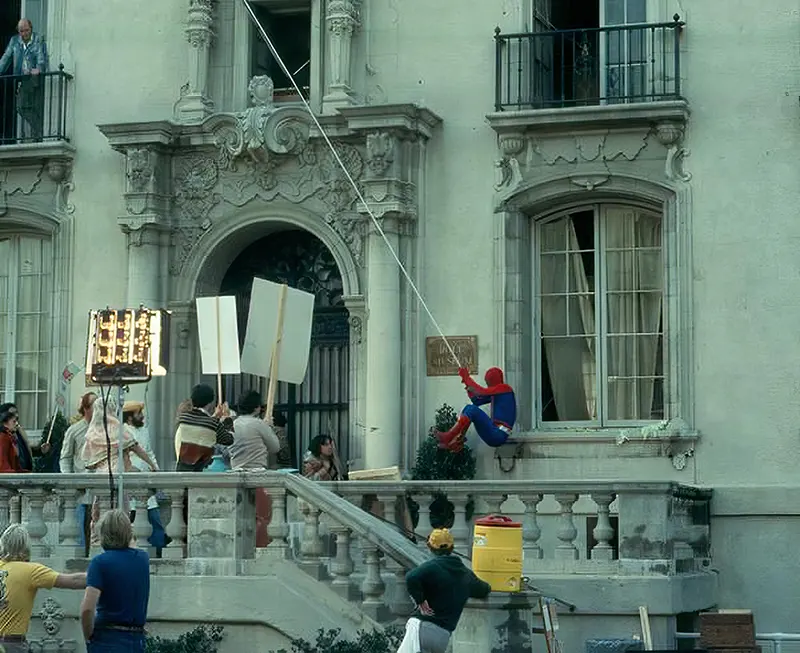
With no CGI available, stunt coordinator Fred Waugh engineered every wall-crawl and web-swing by hand. His team used wires, trampolines, and precise camera angles to sell Spider-Man’s acrobatics. One standout invention was a wearable “camera-hat” — a rigged helmet that captured Spider-Man’s point-of-view shots during stunts, giving viewers a visceral sense of height and motion.
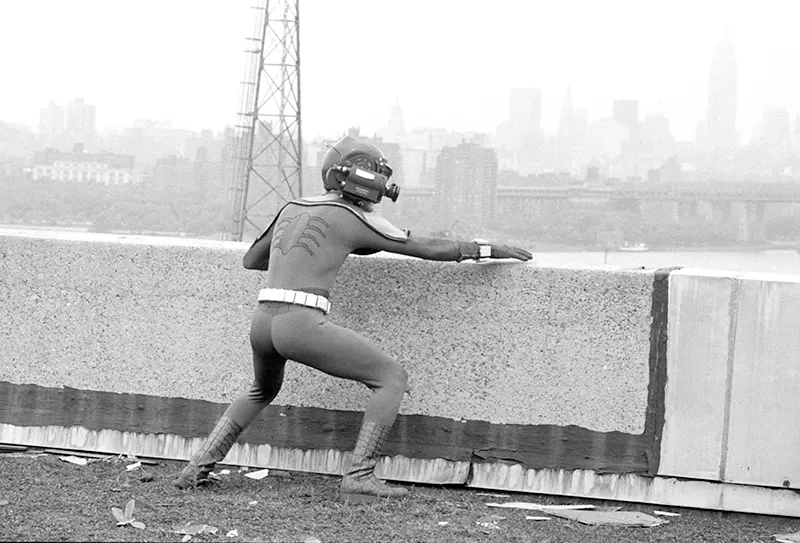
Waugh didn’t just supervise from the ground. He performed leaps from real rooftops, including a jump at the Brooklyn Navy Yard, to capture authentic footage.
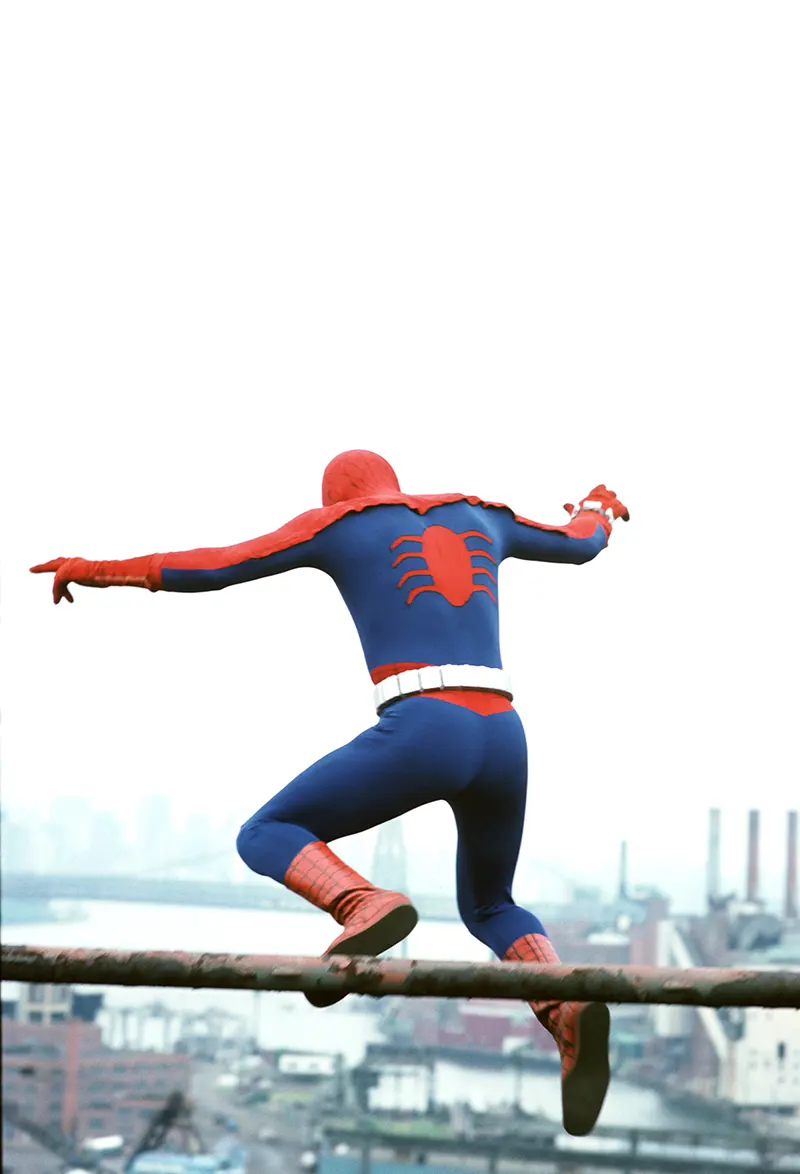
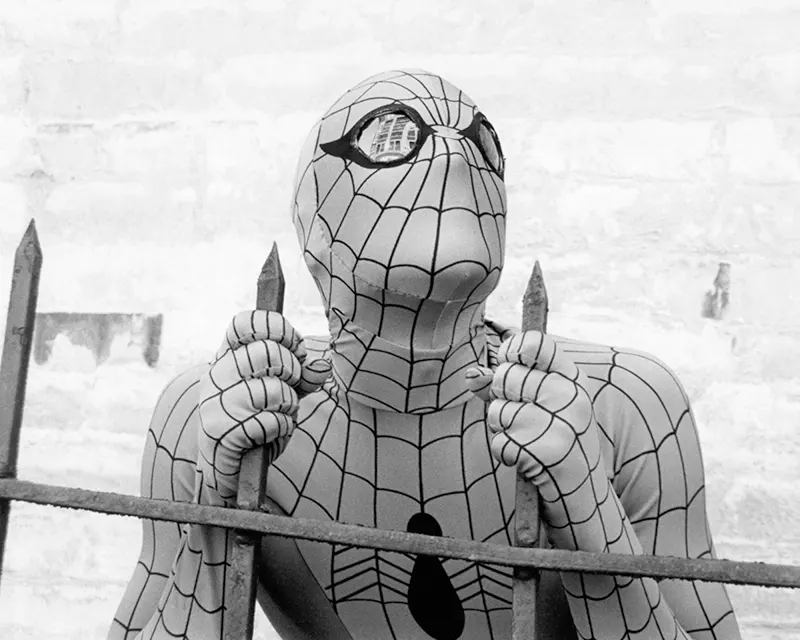
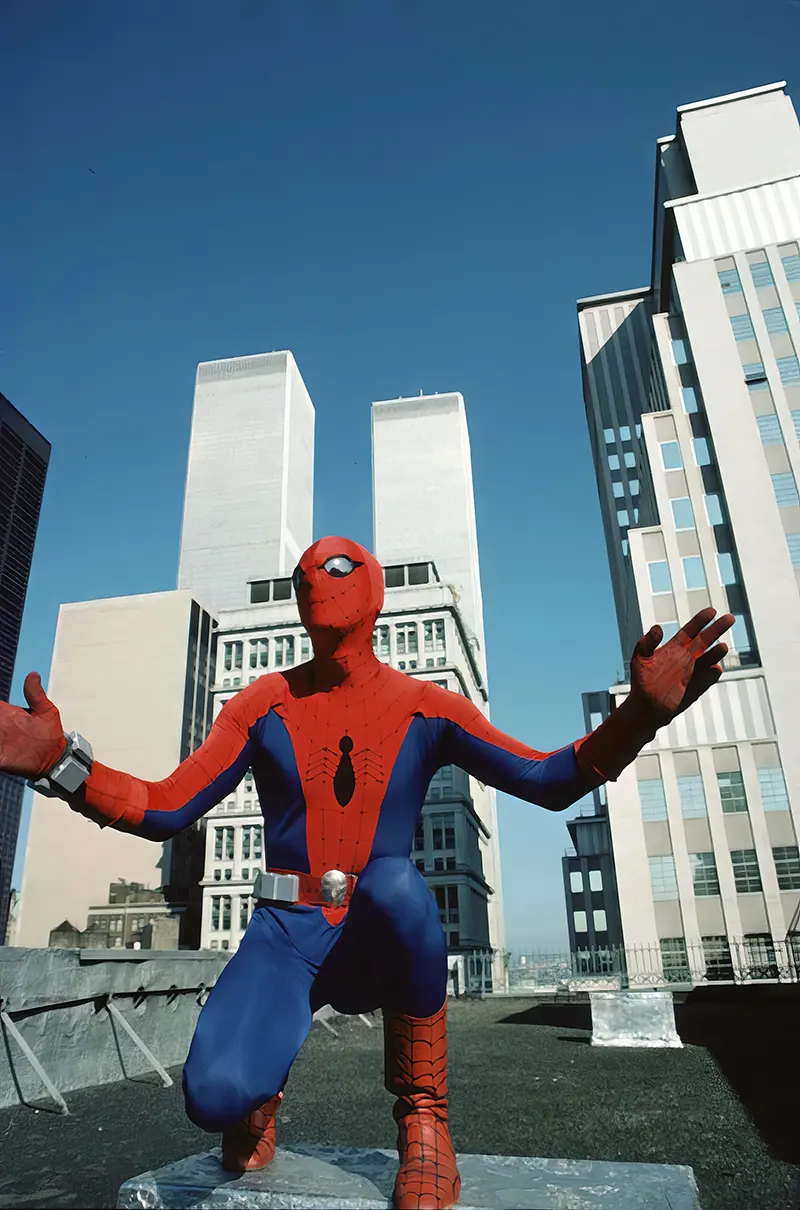
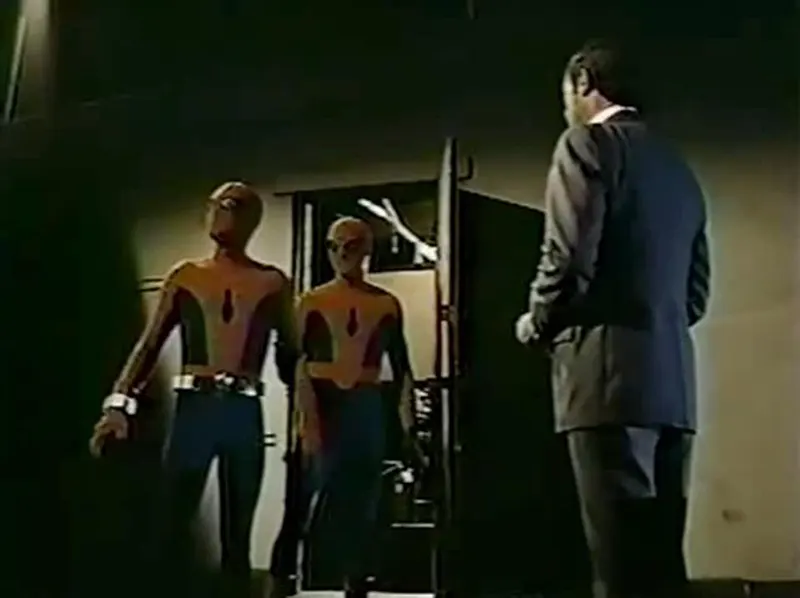
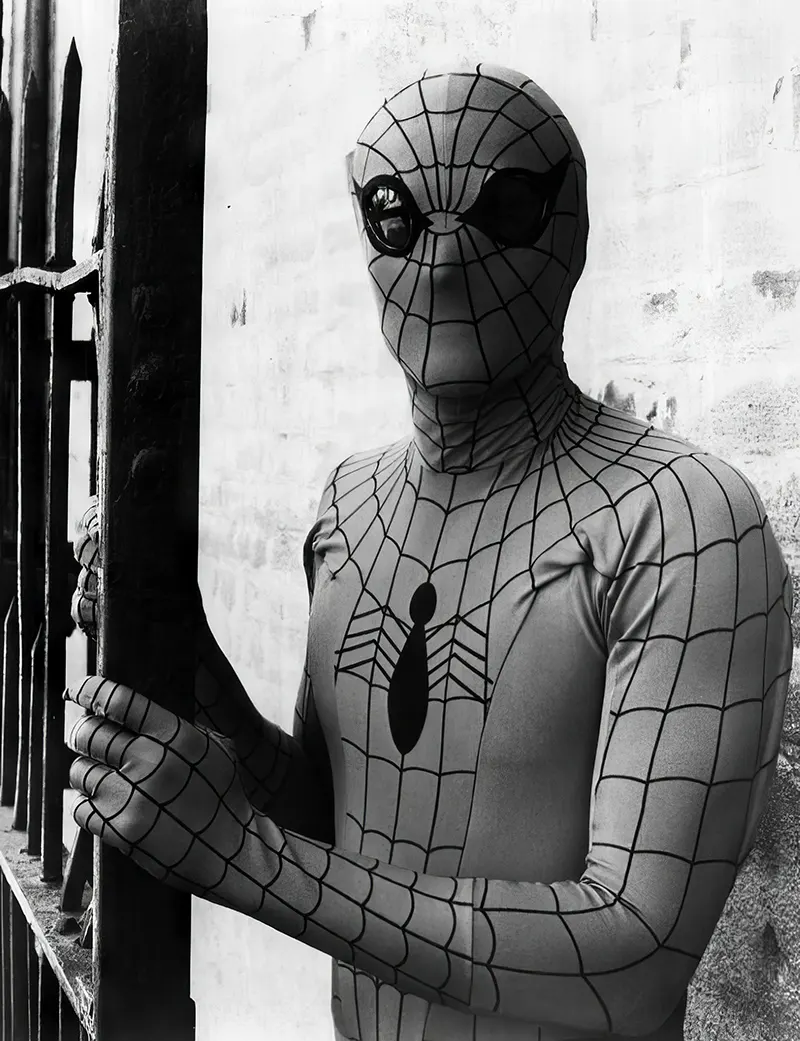
The 1977 costume featured one notable design choice that modern films dropped entirely — Spider-Man’s eyes were visible through the mask, giving Hammond’s performance a more personal, human quality on screen.
Filming took place across real Los Angeles locations. Caltech’s campus stood in for several scenes, including those from the episode “The Curse of Rava,” lending the series a tangible, real-world texture that studio back-lots alone couldn’t provide.
The show’s storylines went beyond typical superhero fare. Episodes like “The Deadly Dust” tackled pollution and chemical dangers head-on, weaving social issues directly into the action. The series didn’t shy away from topics like drug addiction or environmentalism — subjects rarely touched by superhero television at the time.