The 1980s were unlike any other decade for men’s hair. Styles were bold, experimental, and often larger than life. Music artists and actors drove most of the trends, and what appeared on stage or screen quickly spread to barbershops across the country. From the boardroom to the street corner, men wore their hair as a statement — and the decade delivered no shortage of options.
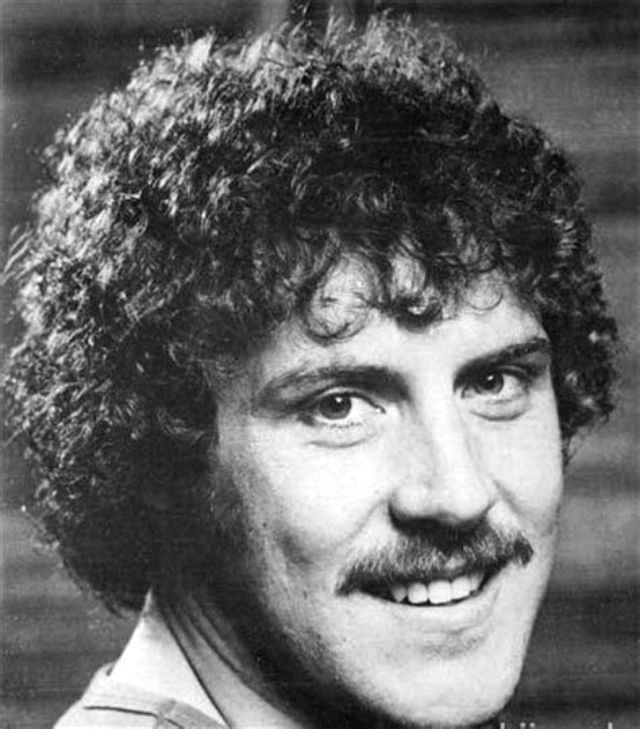
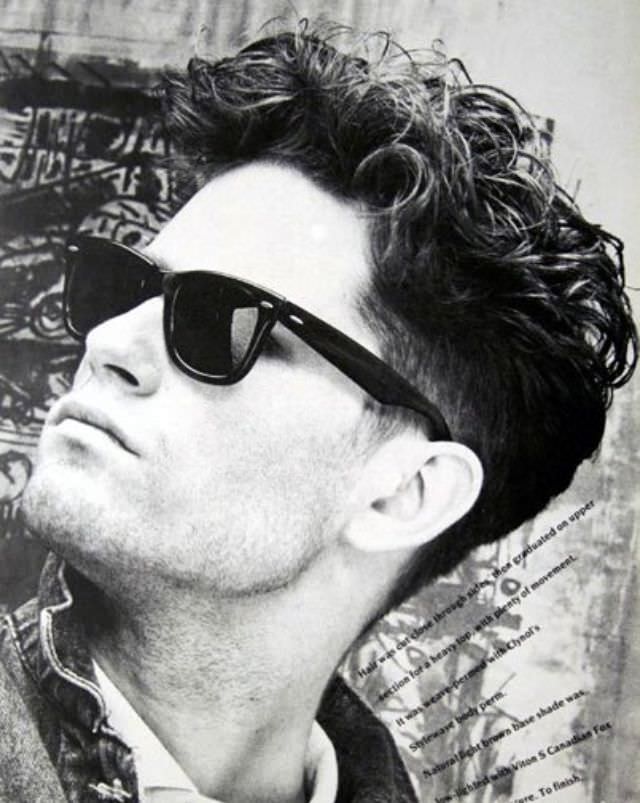
One of the decade’s early signatures was the men’s perm — tight or loose curls chemically set into the hair to create volume and texture. It was a style that blurred the line between casual and polished, and it worked across hair lengths. Around the same time, the mohawk was making its own loud statement.
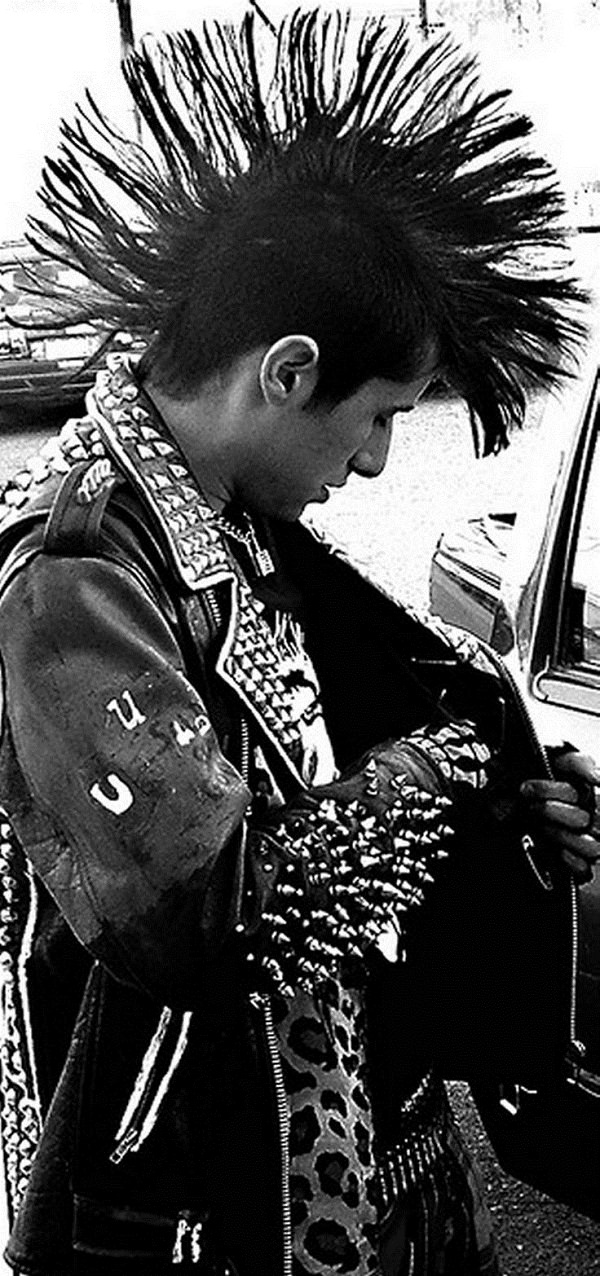
The mohawk involved shaving both sides of the head completely while leaving a strip of hair running down the center. That center strip was often spiked upward using gel or product. The style came in both short and long versions and carried a rebellious edge that set it apart from nearly everything else of the era. The mullet, however, was far more widespread.
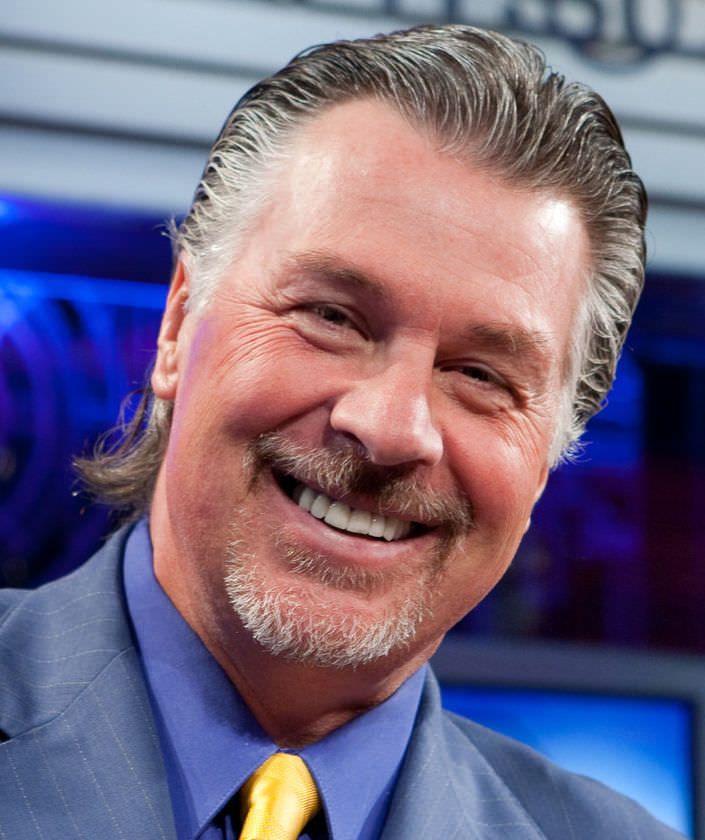
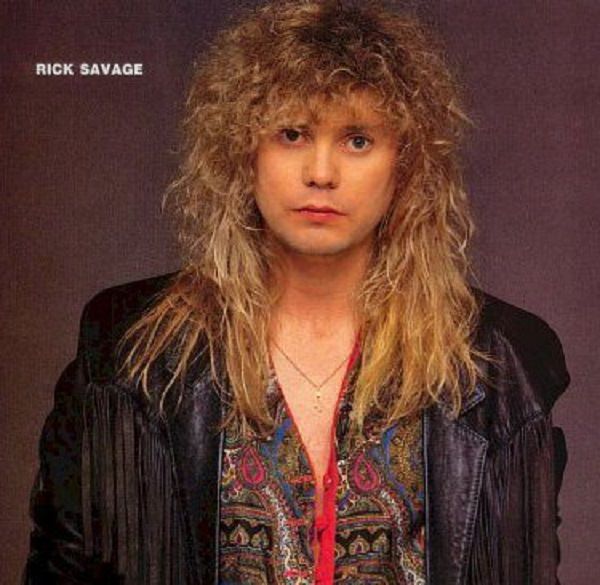
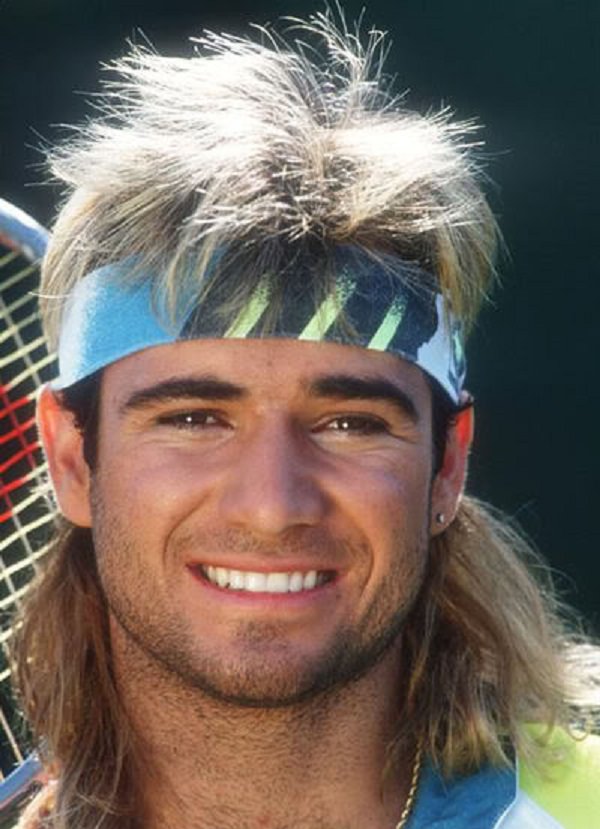
The mullet kept hair short at the front and sides but long in the back. Barbers and their clients put their own spin on it — some slicked it back smooth, others blended it with the shag cut for a looser, layered effect. It became one of the most recognized silhouettes of the entire decade. Big hair, in general, was a defining feature of the 80s.
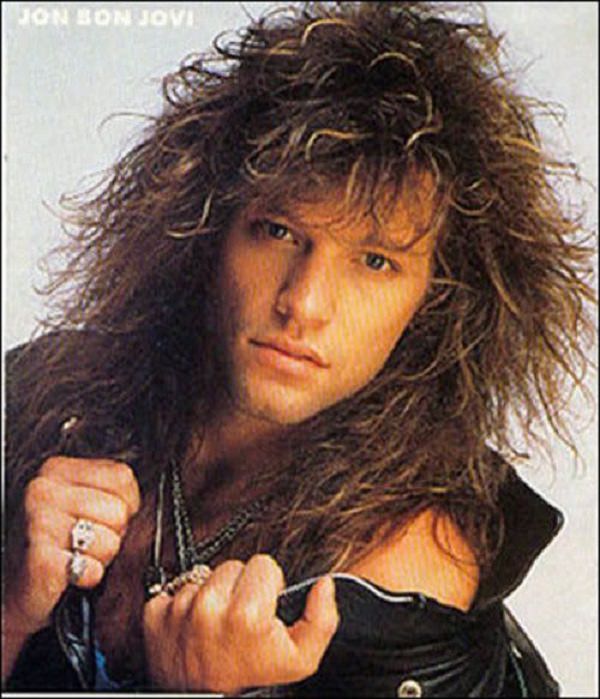
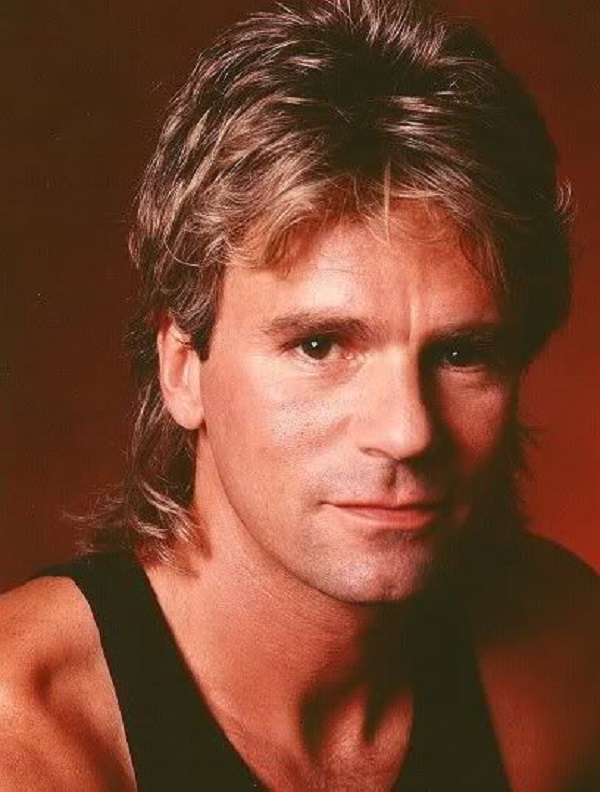
By 1984, the mullet had evolved into several distinct variations. Alongside it, cleaner and more structured cuts were gaining ground. The crop cut sat close to the head with a short, defined fringe, while flat styles kept hair pressed smoothly against the scalp — a sharp contrast to the volume-heavy looks dominating rock culture.
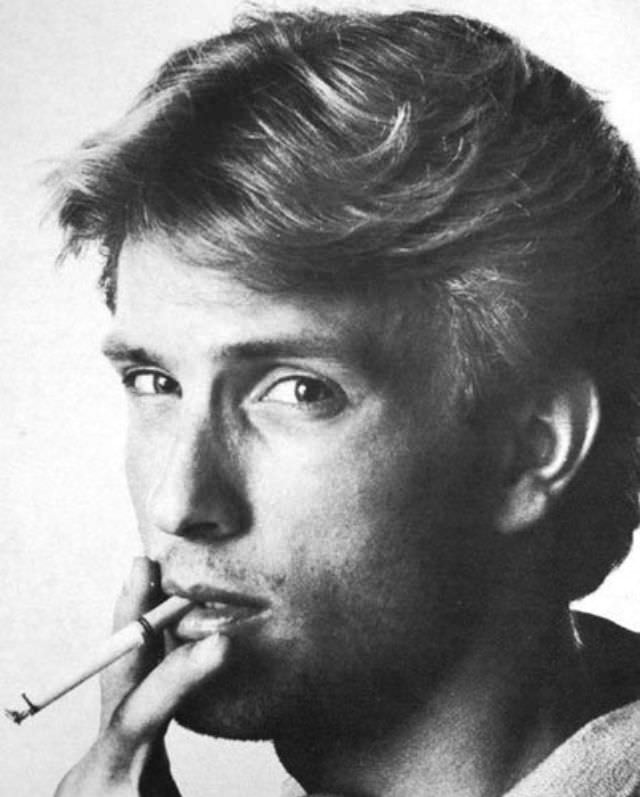
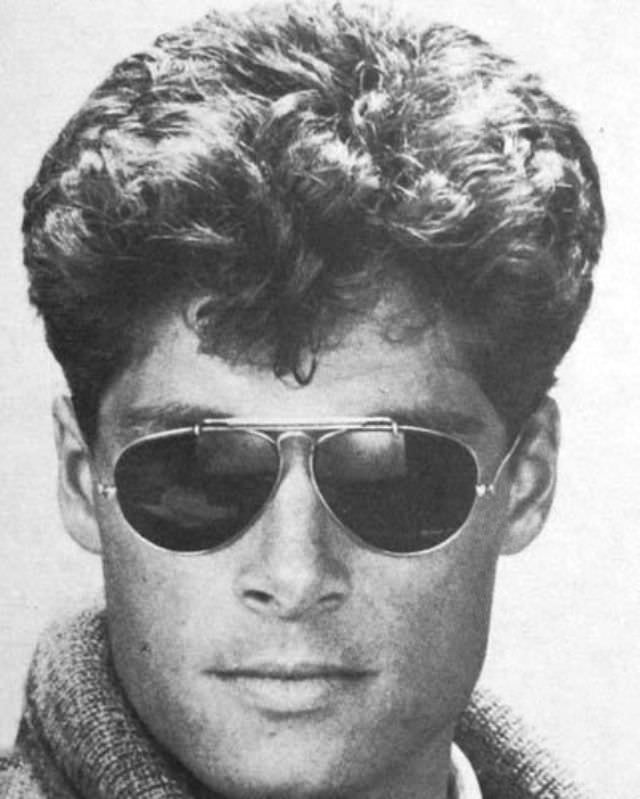
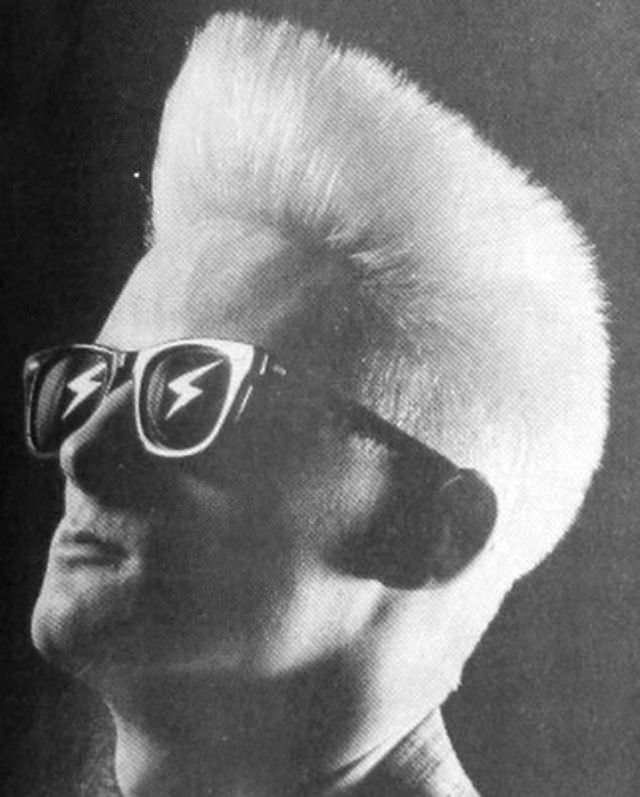
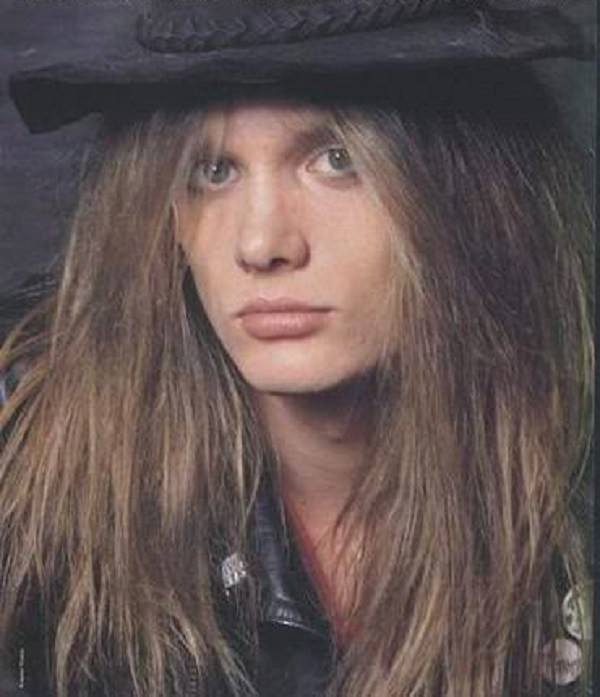
1984 was a particularly rich year for men’s hair variety. Long styles flowed past the collar, while textured cuts added depth and dimension without relying on length. Wavy hair — whether natural or styled — sat comfortably between the extremes, offering a relaxed look that suited a wide range of men.
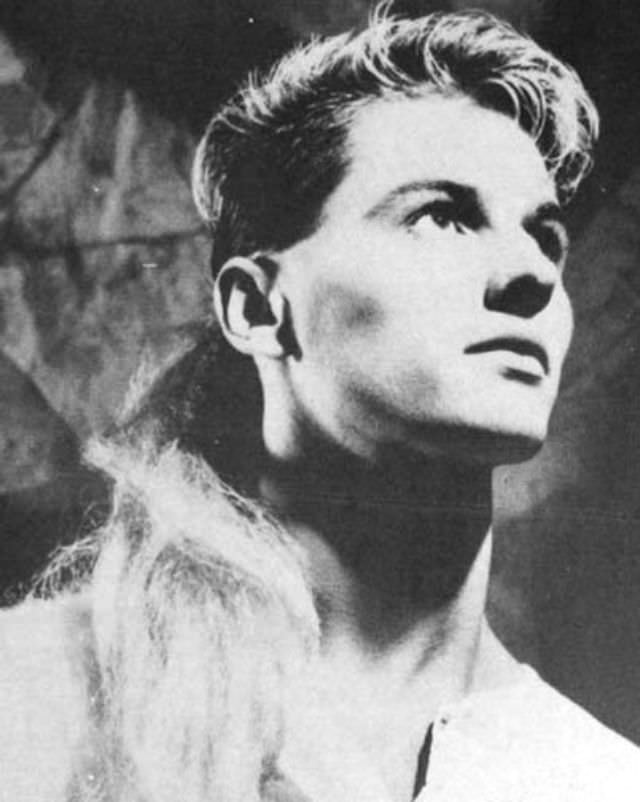
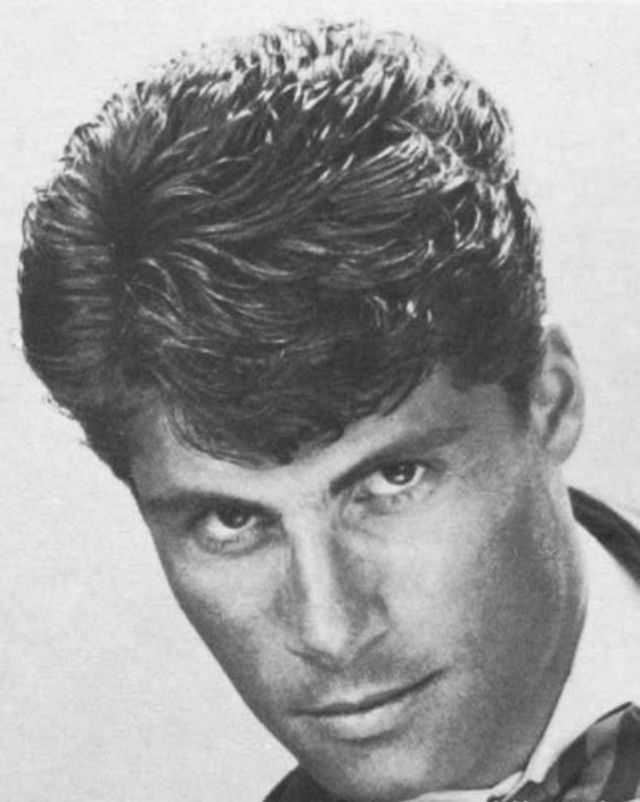
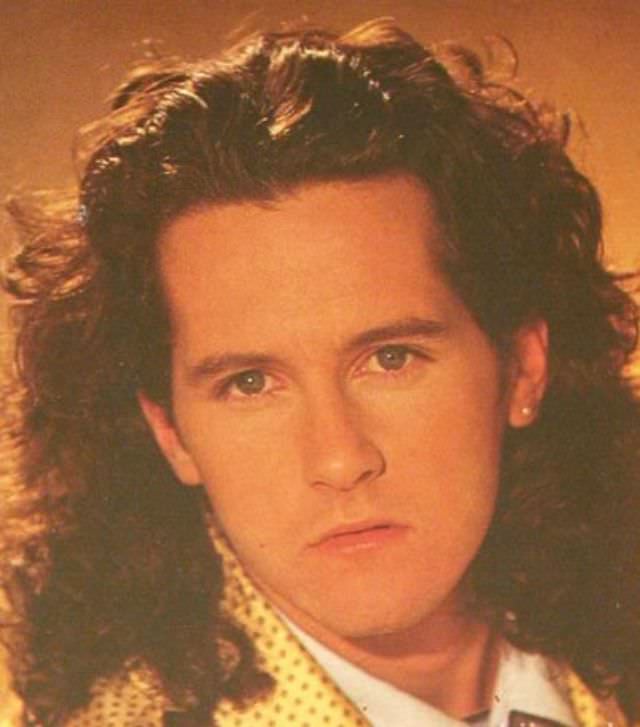
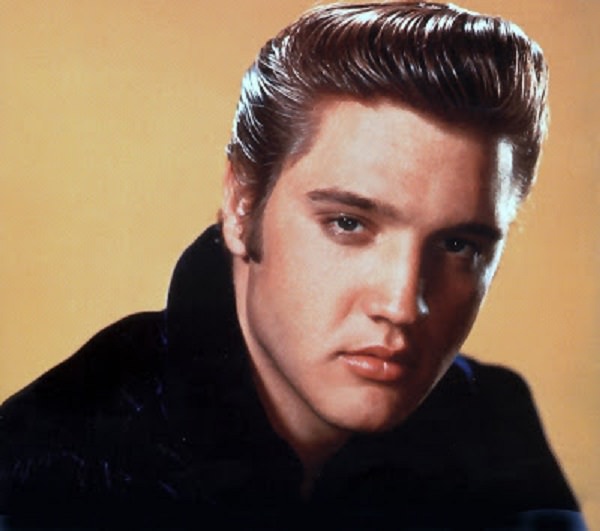
The quiff was another style that gained serious traction in the mid-80s. Hair at the front was lifted and swept upward or to one side, creating a dramatic peak. It had roots in earlier rock-and-roll culture but took on a sharper, more groomed form during this era.
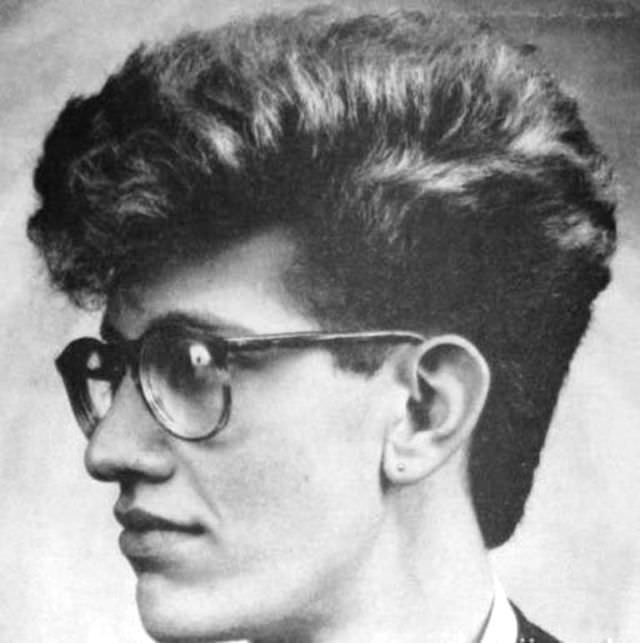
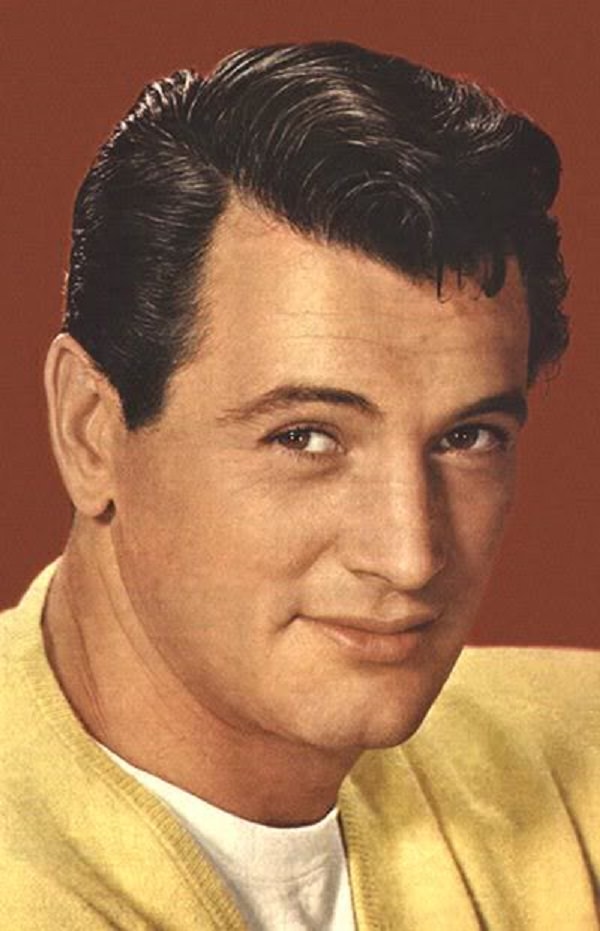
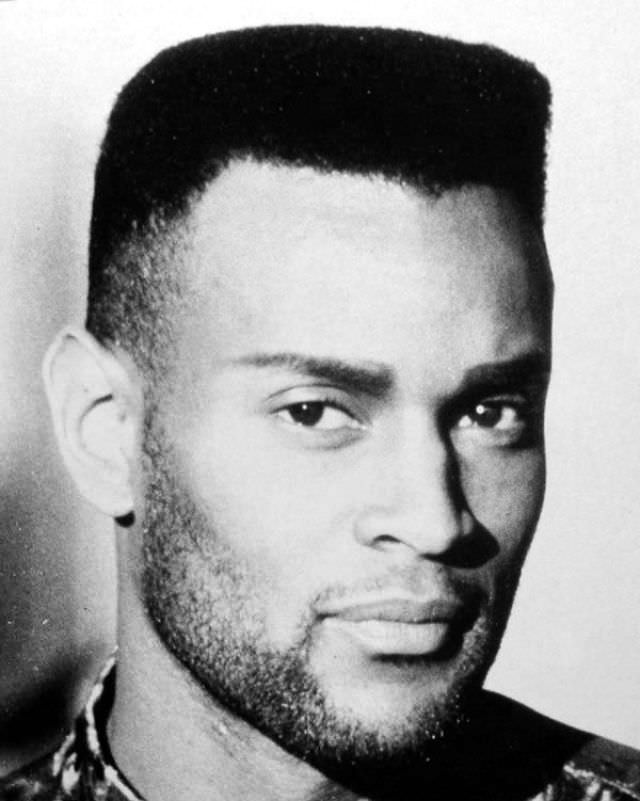
The flattop emerged as one of the more geometric styles of the decade. Hair on top was cut perfectly level, creating a flat, horizontal surface that required careful maintenance to hold its shape. It was clean, architectural, and unmistakably 80s.
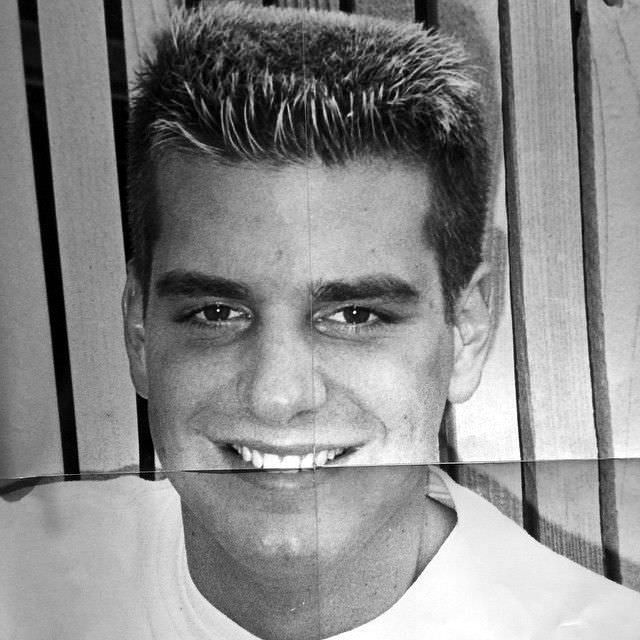
The second half of the decade brought even more variety. Bleached and blond styles reflected the era’s rock and pop influences. The bob — typically associated with women’s hair — was adopted by men in a shorter, edgier form. The Julius Caesar cut, with its short length and forward-combed fringe, offered a simpler, low-maintenance alternative.
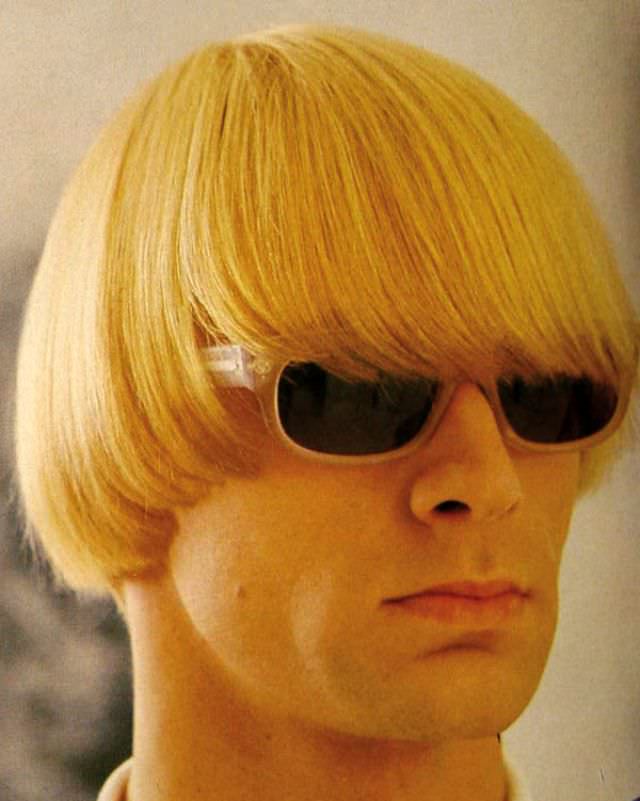
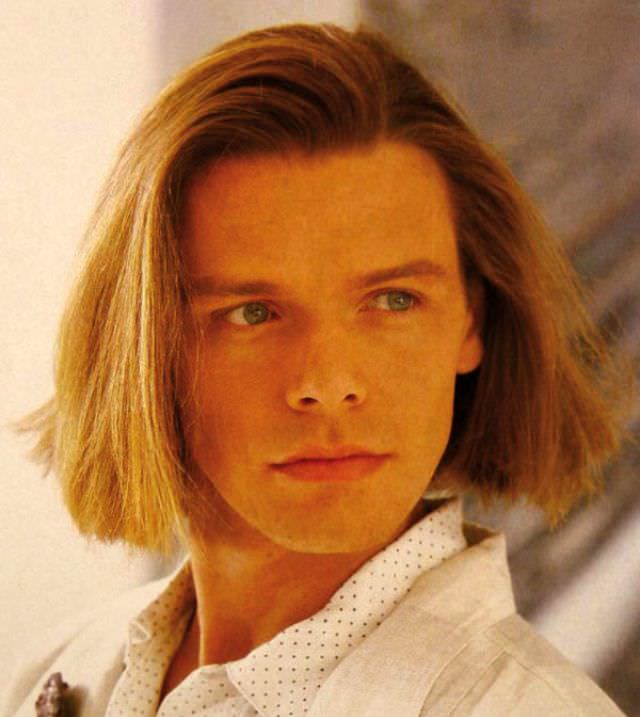
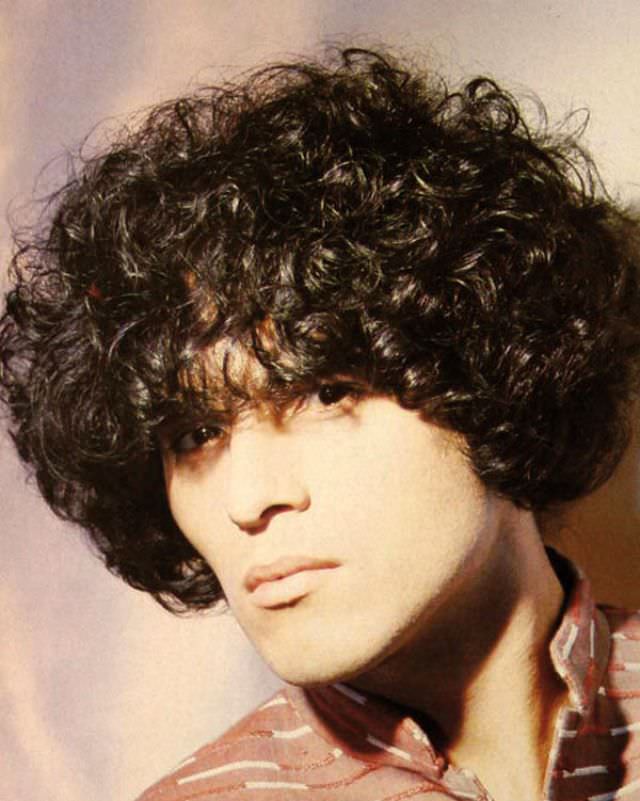
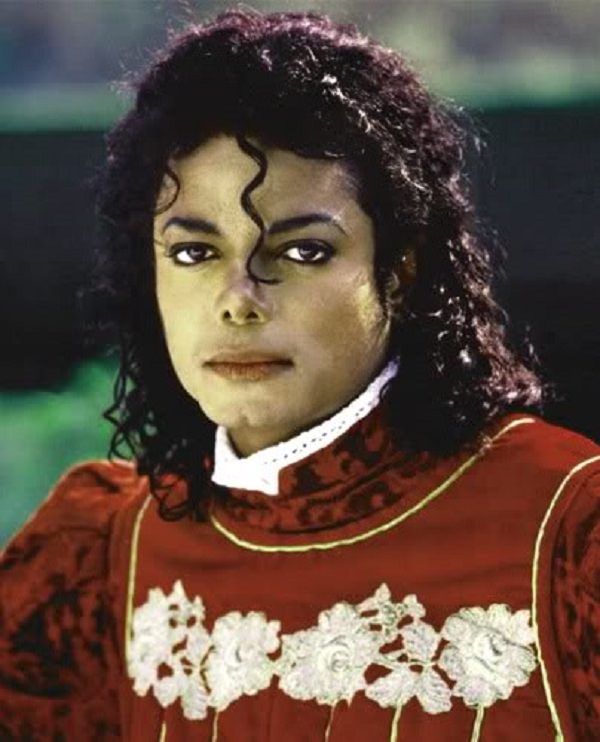
Curls remained a consistent presence throughout the decade, and 1986 saw them worn in both natural and styled forms. The Jheri Curl, popular among African-American men, featured glossy, loosely curled hair kept moist with a two-part chemical process. Michael Jackson wore the style on the cover of his 1982 album Thriller, which brought it enormous visibility.
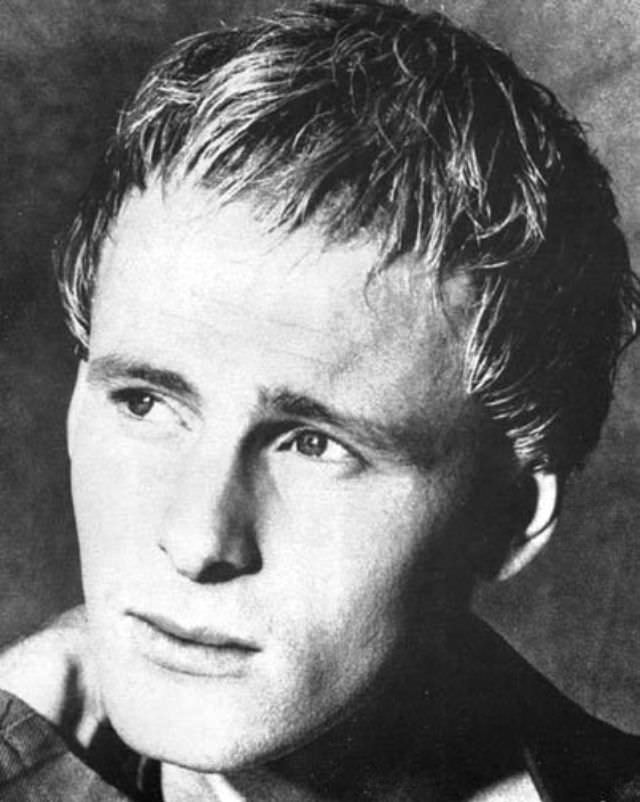
The high top fade became a defining look in Black hip-hop culture by the late 80s. Hair was grown tall and shaped flat on top, with the sides faded short or shaved clean. The afro high top was a natural variation of this, skipping the chemical process and letting the hair grow out into a full, shaped afro on top.
1987 brought a range of additional styles to the forefront. The fringe style pushed hair forward over the forehead in a heavy, blunt cut. Lines — razor-cut geometric patterns shaved into the sides or back of the hair — added a personalized graphic element to short cuts. Short curly styles and the wet-look pompadour, with its slicked, shiny finish, rounded out the year’s most recognizable looks.
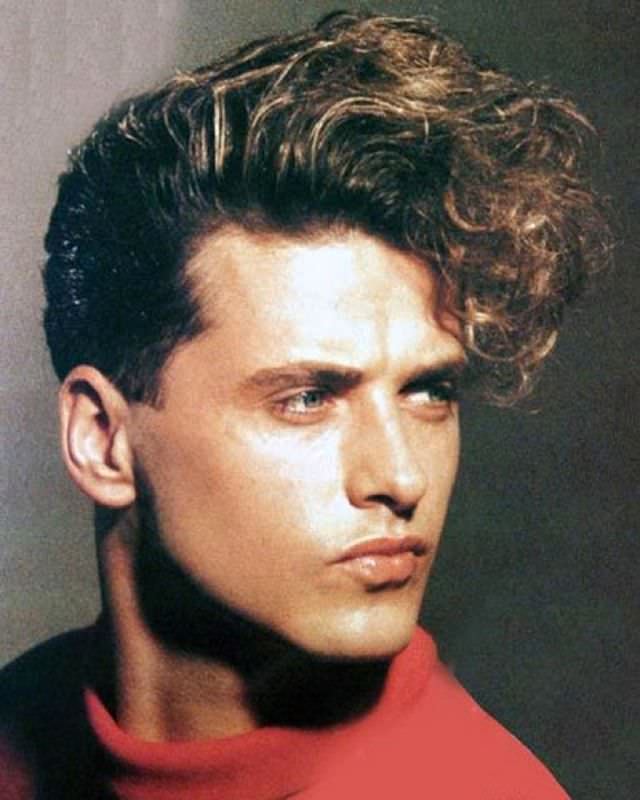
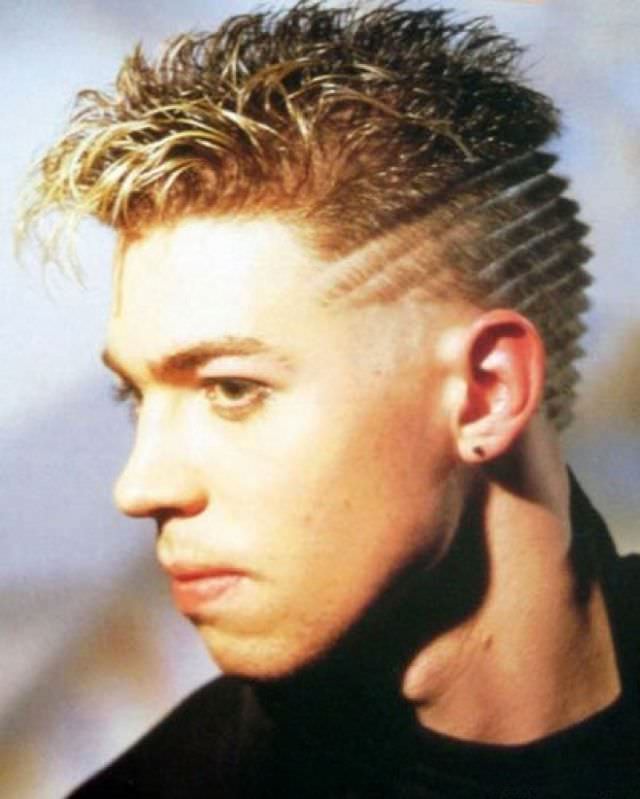
As the decade wound down, styles began to push further into hybrid territory. The mohawk mullet combined the shaved sides of the mohawk with the long back of the mullet — two iconic 80s cuts merged into one. By 1989, long straight hair worn loose and unstyled offered a quieter contrast to the decade’s more extreme looks, hinting at the direction men’s hair would take in the years ahead.